My year, last year, was heavily rooted in nature, from new life and wild hobbies to holidays and my nature photography. It was a year to grow and expand my horizons, to experiment and continue to enjoy and capture the magic of the natural world around us. Some of my many highlights include getting up to watch the sun rise over Devon, hiking through Herefordshire, and producing my very first mass produced calendar.
It is typical on my adventures to have a camera in tow or at least a phone or camera trap, and so every year I now use the 12 Days of Christmas to look back on 12 moments of the year in photos. I never know what photos I will end up selecting of so many, but to me they are all snapshots of nature’s hidden beauty, and allow me to bring a splash of colour to people’s homes during the tough winter months.
Here are my latest 12 Days of Laura’s Wild Photos all in one place!
The 12 Days
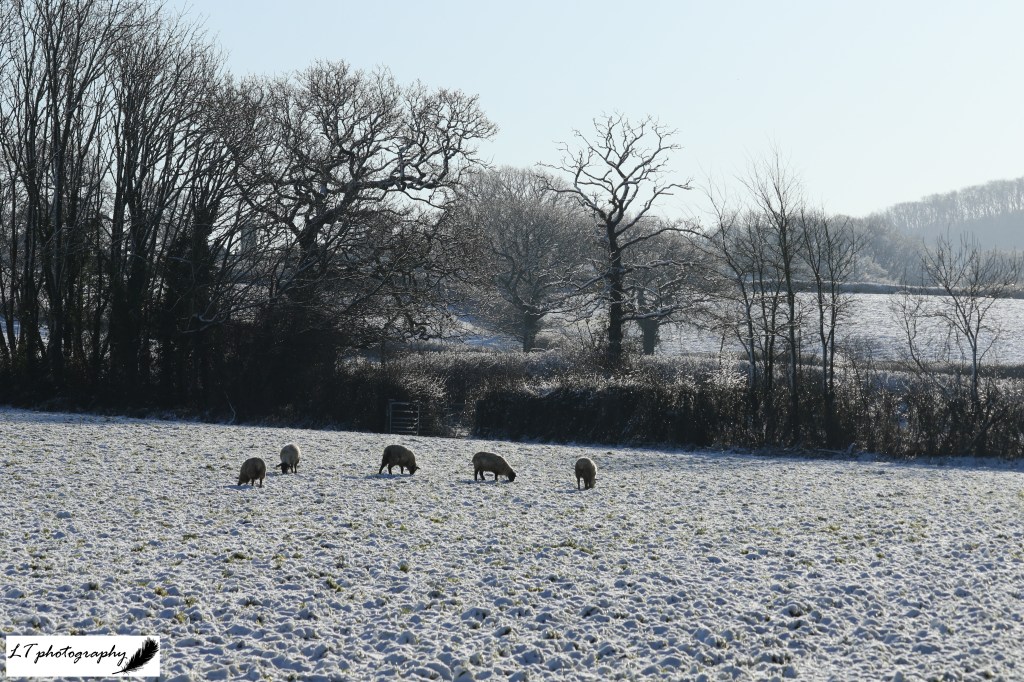
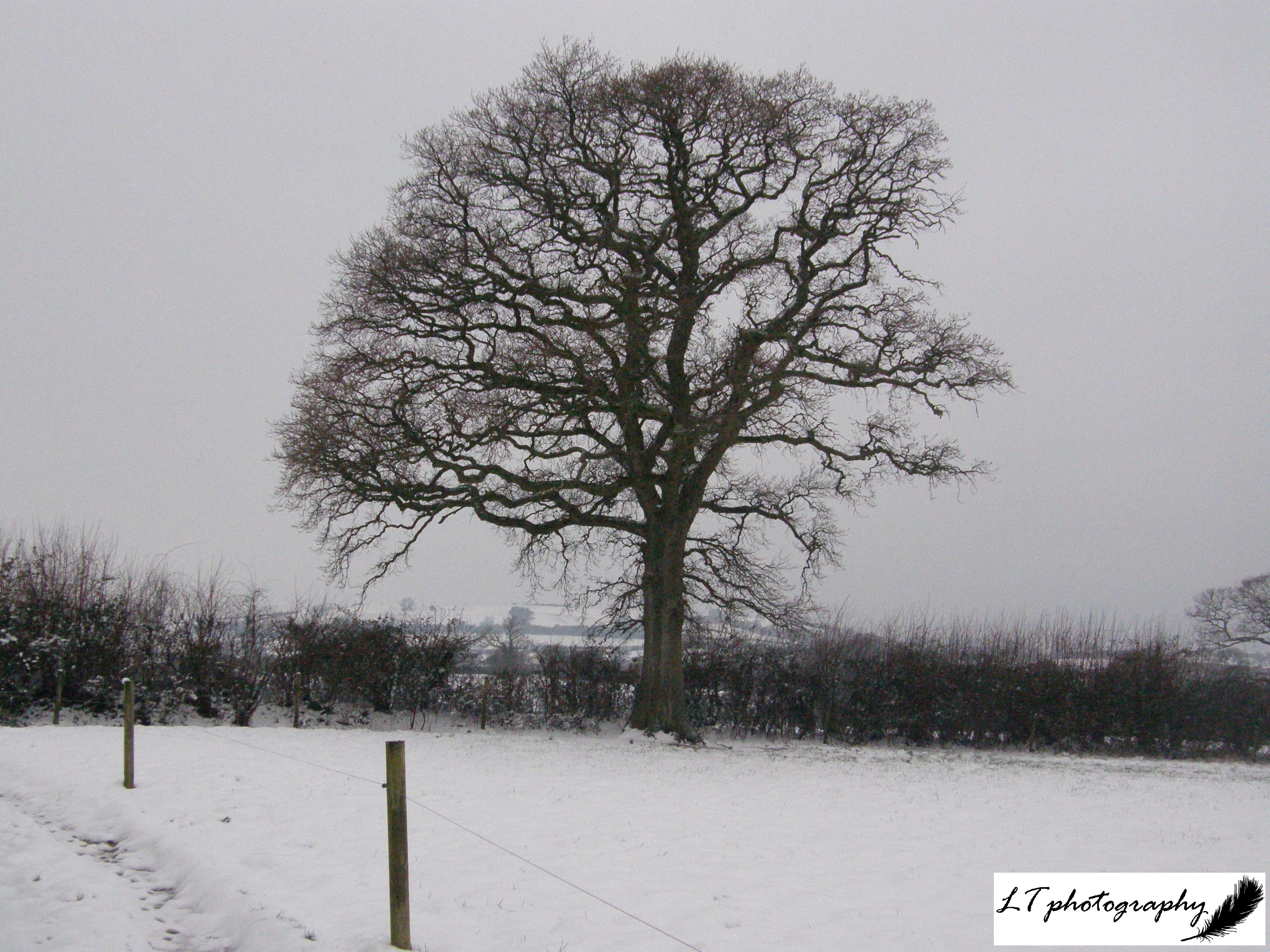
Day 1 – On Christmas Day, I shared a photo taken during the January snows of 2025. I love the skeletal trees providing a backdrop for young sheep grazing on a blanket of glistening snow.
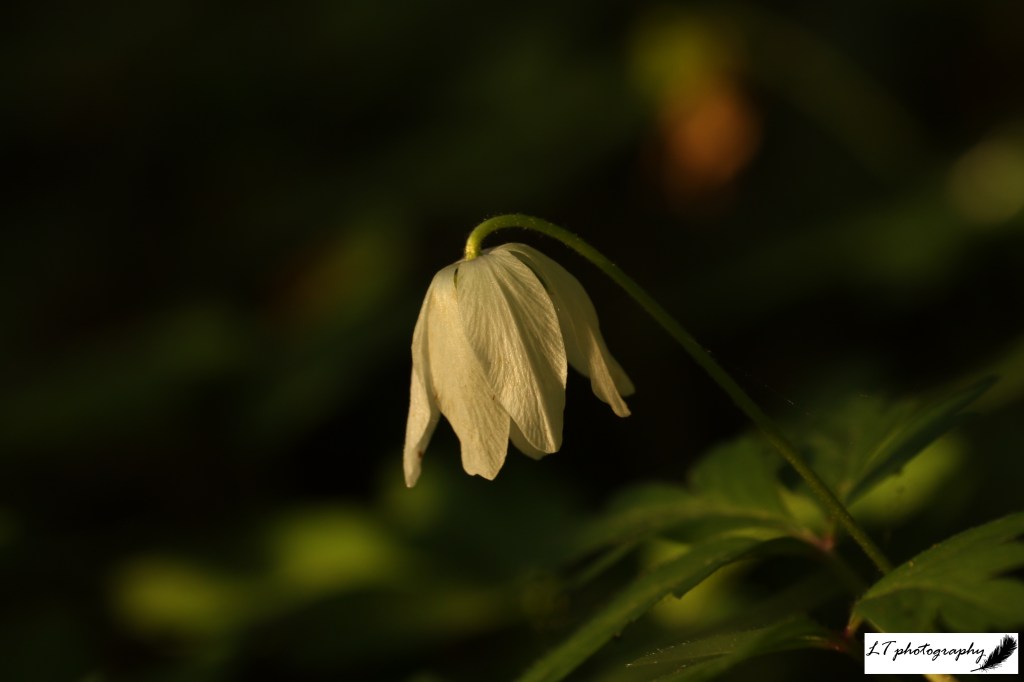
Day 2 – In my nature photography, I love playing with the use of light and shape to capture a moment of wild magic. Here this wild anemone, nestled in the undergrowth of a spring woodland, is a moment of new growth, warmth and hidden beauty.
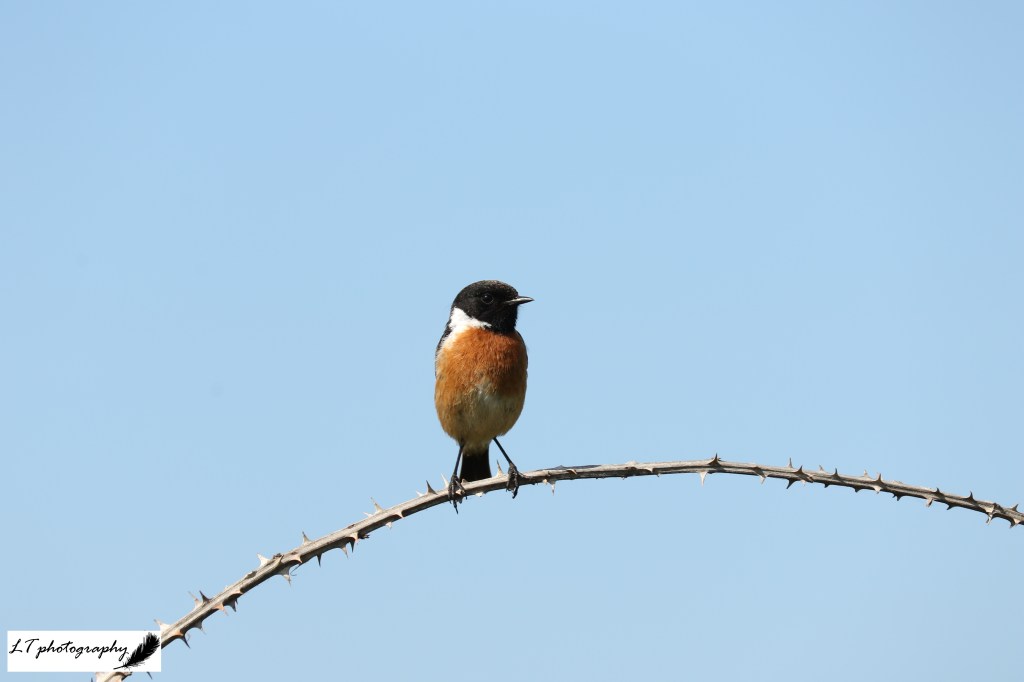
Day 3 – I love an adventure, from exploring close to home and holidaying in the UK to enjoying the wilds of another continent. This stonechat comes from one of my 2025 adventures, when I took a break in beautiful North Devon with my urban buddy Emma Rogan (check out Rural vs Urban).
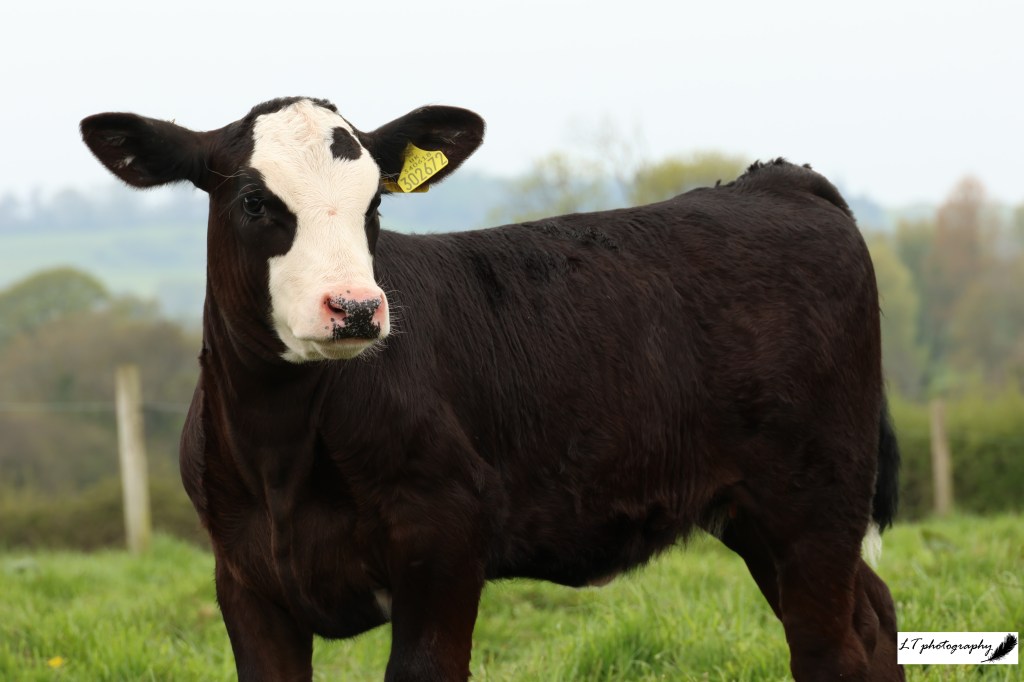
Day 4 – I will always be a farmer’s daughter at heart, and from this place I get hours of enjoyment sat in fields capturing the characters and antics of cows and calves. You never know what will happen or who will be the star, and here is a young suckler calf called Orchid, on a grey but lush green day during April 2025.
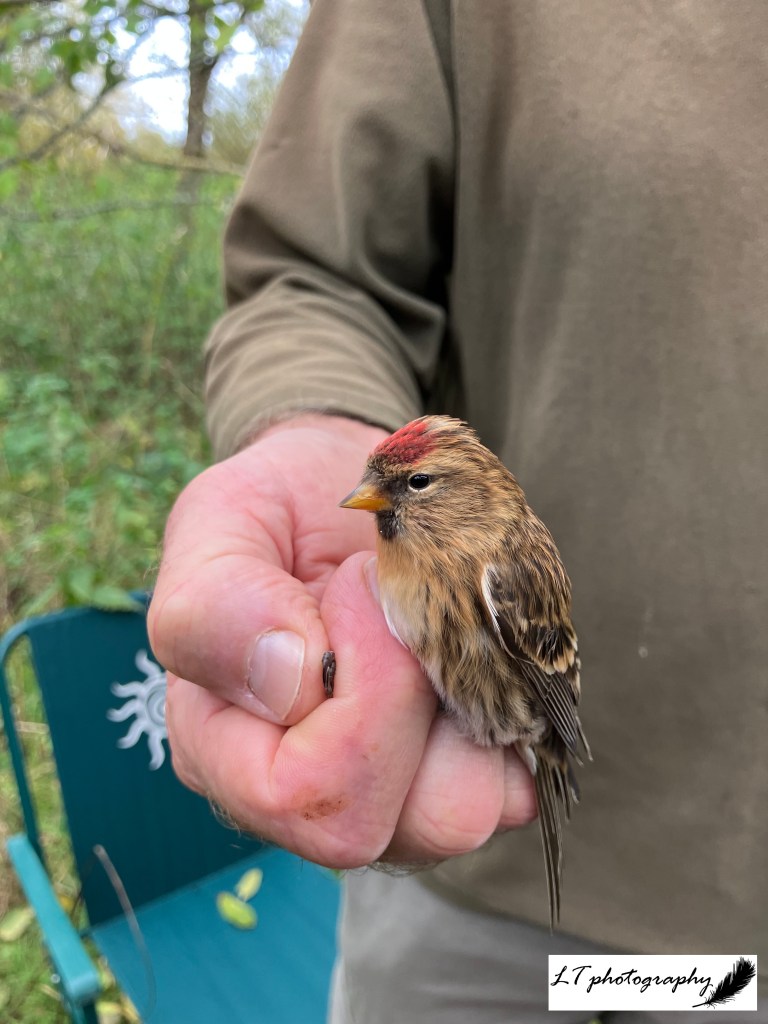
Day 5 – Another part of my life alongside photography is bird ringing, where birds are safely caught and ringed with a metal ring to allow all sorts of data to be collected about their populations. Here’s one of my favourite birds caught in 2025, a very smartly marked lesser redpoll.
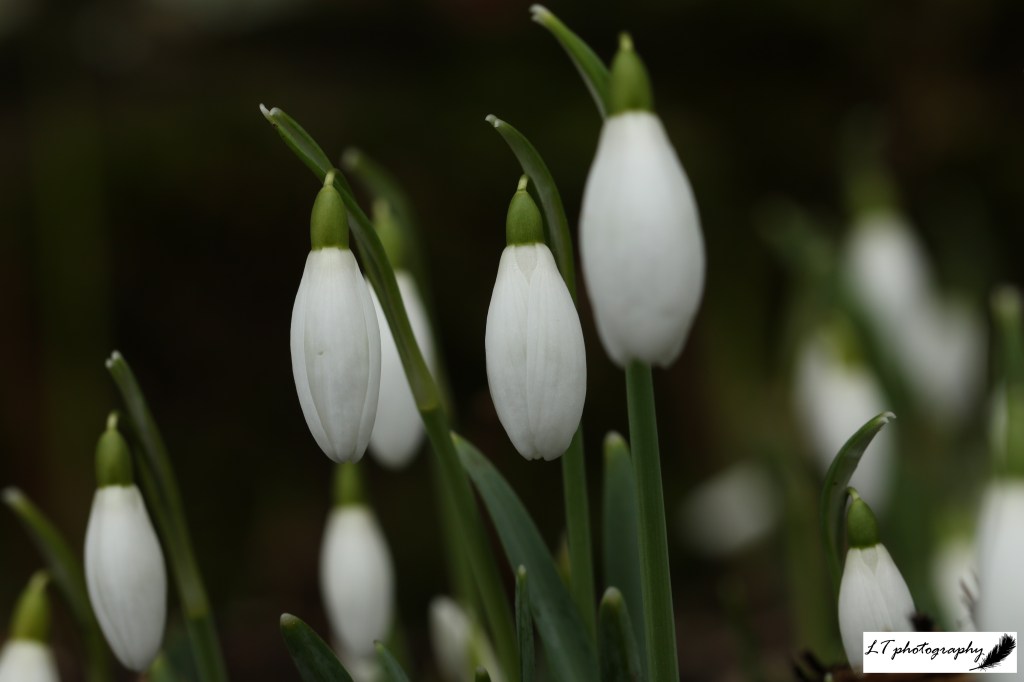
Day 6 – The first true herald of spring days to come, snowdrops are iconic, bursting forth at the start of the new year and bringing hope to all. There’s something magic about seeing their opalescent heads nodding in a cool breeze after the darkest weeks of winter.
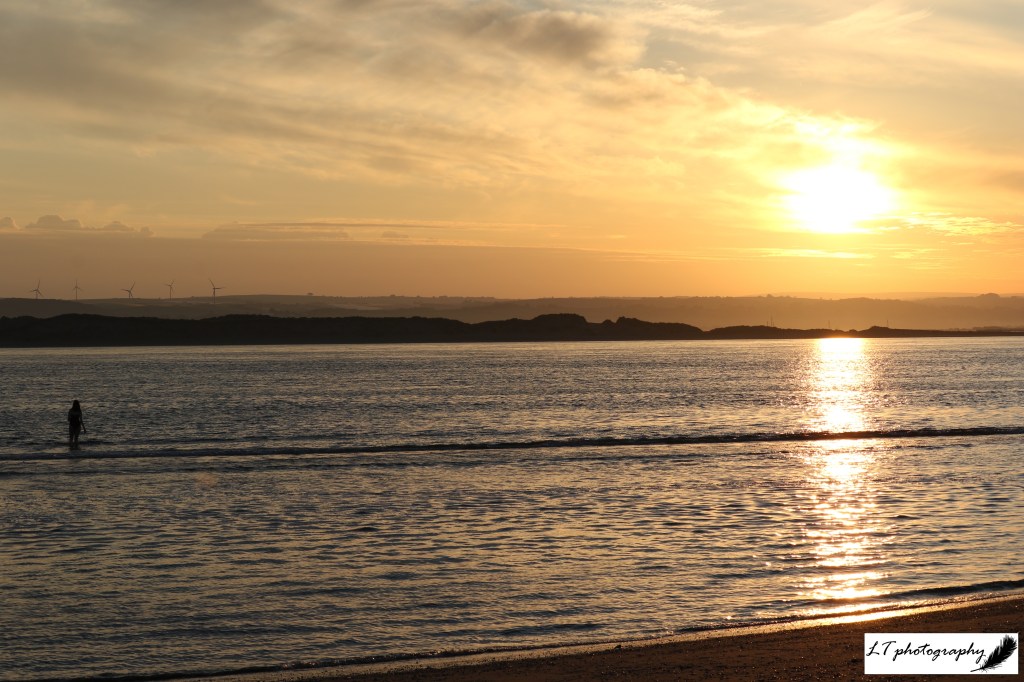
Day 7 – I am known for loving capturing a beautiful sunset, but that does not mean that I am not a fan of a fiery sunrise, the start is just a bit more painful for me! Here is the stunning beginning of a day on a North Devon estuary, with wind turbines and morning swimmer adding to the magic.
Day 8 – Like these gorgeous wild poppies, my 2025 was a year of growth with this blog having its best year yet, many adventures being embarked on, and the start of my nature photography business flourishing. I am so so thankful to everyone’s support, so watch this space!
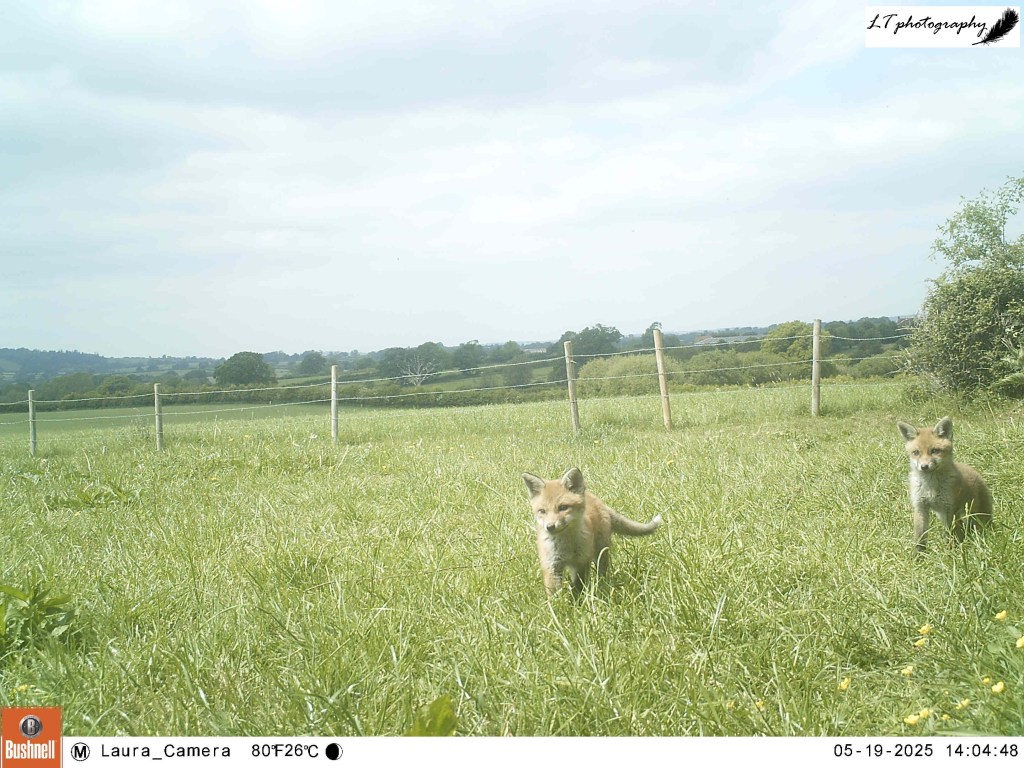
Day 9 – Another of my wild hobbies is camera trapping, where I use a trail camera to unobtrusively observe the unseen lives of our common British wildlife. A firm favourite of mine is the fox, with their tough cubs giving hours of pleasure to watch. Here is just one of many of the photos taken last year yet to be shared with you all!
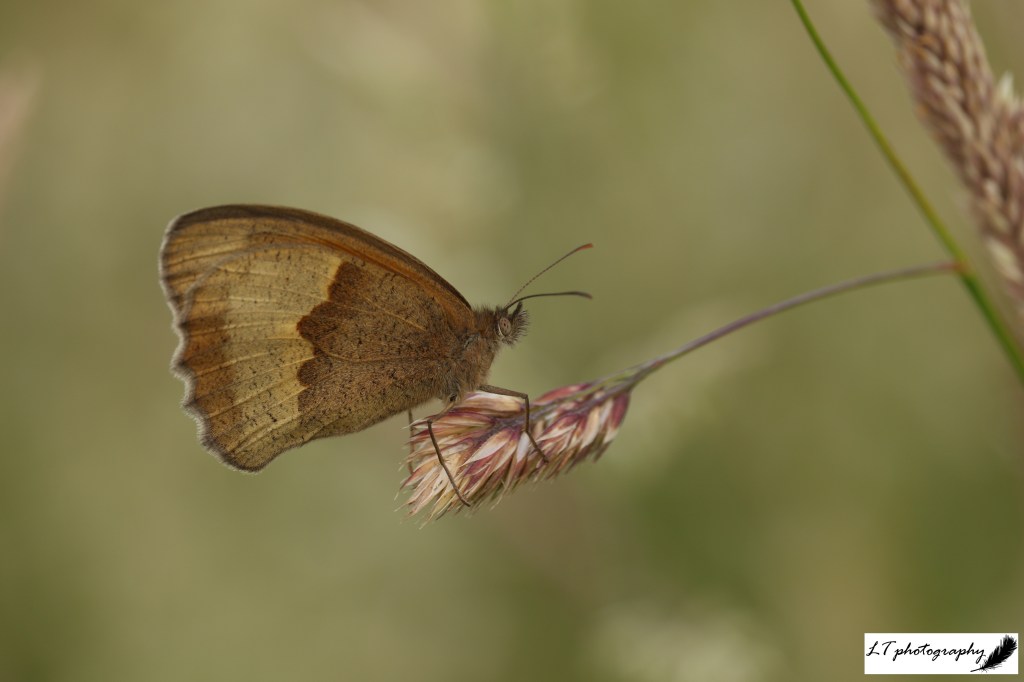
Day 10 – Last year I printed and mass sold my very first nature calendar, and I was overwhelmed by the response. This photo featured in the calendar was of a simple meadow brown butterfly in a wild meadow in Herefordshire, but gives us an up close view of these often overlooked minibeasts. ‘Dull brown’ can also be captivating!
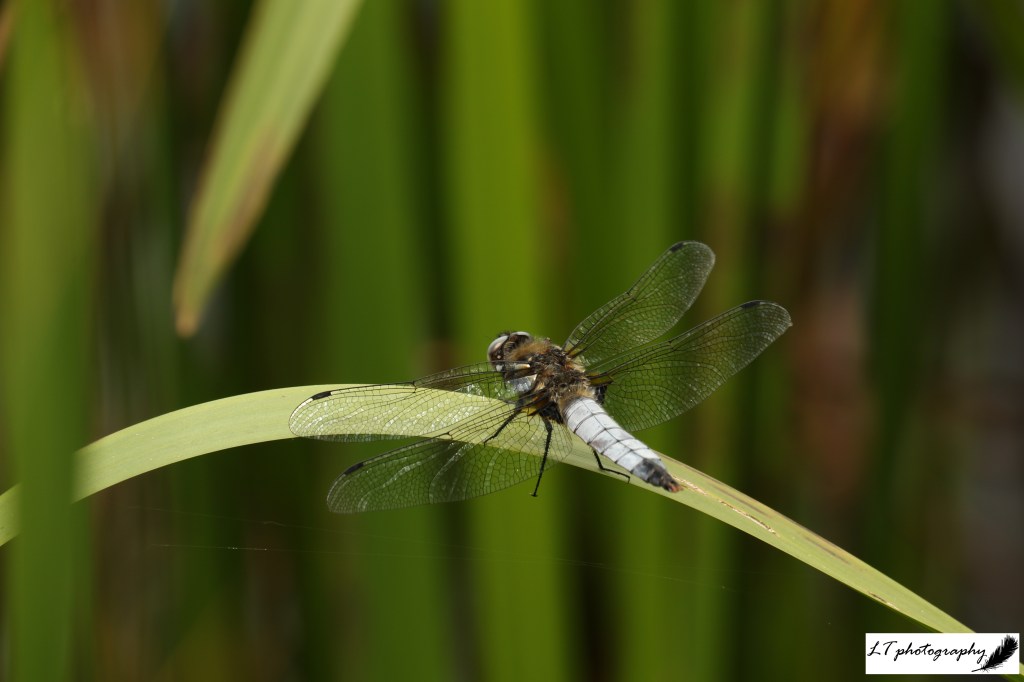
Day 11 – As I neared the end of my 12 Days of Laura’s Wild Photos for 2025, I kept things simple with this dragonfly. Another interesting creature, dragonflies are a game to capture, super fast and often changing their course quickly as they hunt over water. It is a moment to breathe when they finally fall to rest for a short time!
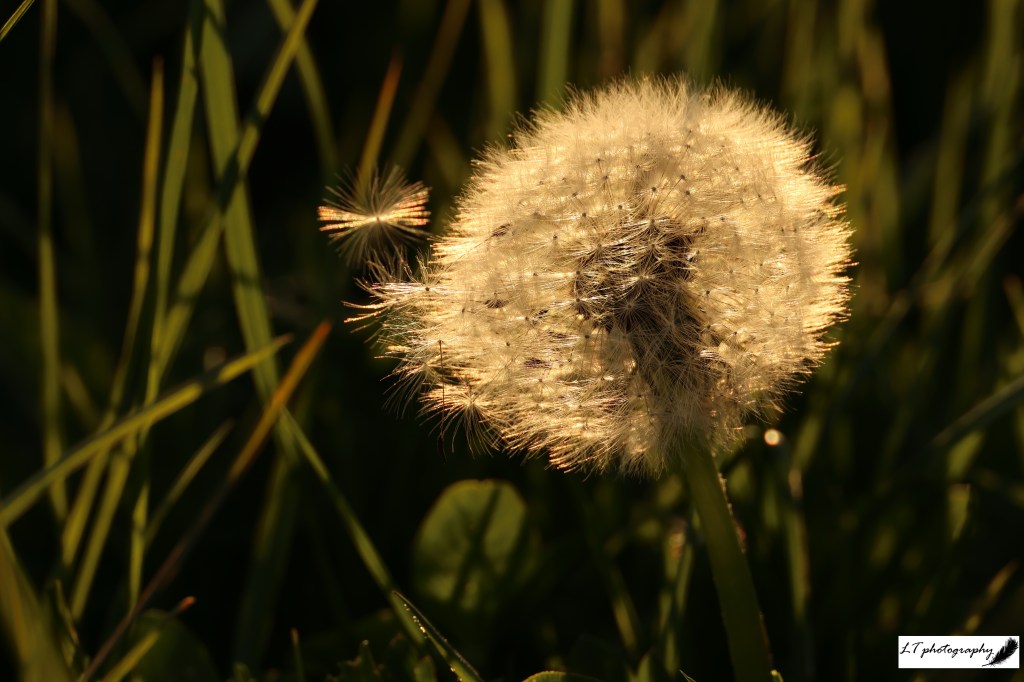
Day 12 – There is something magical about a dandelion clock. I believe it is the childlike wonder they invoke for most people, and here, in warm spring sunlight, this dandelion even has seeds beginning to parachute from its main head, floating on the wind to a new place of rest.
“In photography there are no shadows that cannot be illuminated” – August Sander
“Actually, it’s nature itself that creates the most beautiful pictures, I’m only choosing the perspective” – Katja Michael
Over the last four years I have used camera traps to try to capture the wildlife that call my family’s Dorset farm home. It has been a way to gain an insight into the lives of animals that usually would only be seen in passing on a day-to-day basis, such as a hare or a fox, and to be able to see them as anything but ordinary. It has also been an opportunity to watch natural behaviour that we would not usually easily see without disturbing wildlife, and to truly get an idea of the abundance and diversity of species over 250 acres. There is always more that we can learn each year though!
For the last few months, my camera traps have been back out recording what there is to be seen out in nature this year. Moving between 10 locations across our land, from March to July, there were lots of lovely moments that were captured, along with the unusual and unexpected. Over two parts, I will delve into what my camera traps had to offer in photograph and video form, and share some of my highlights. To start, lets take a look at the range of wildlife that featured on the farm this spring, saving the best this year for next week!
Bridlepath: Badger Alley
A family-named Badger Alley is a great site for a variety of mammal species found on the farm, with even a first muntjac deer being spotted last year. Badger Alley is a naturally-enclosed bridlepath that was once home to a large family of badgers, but now the sett lies bare. This path for humans is also a popular thoroughfare for wildlife as well as being a sheltered location for the homes of certain species. This is one site that I return to with my camera trap year-on-year!
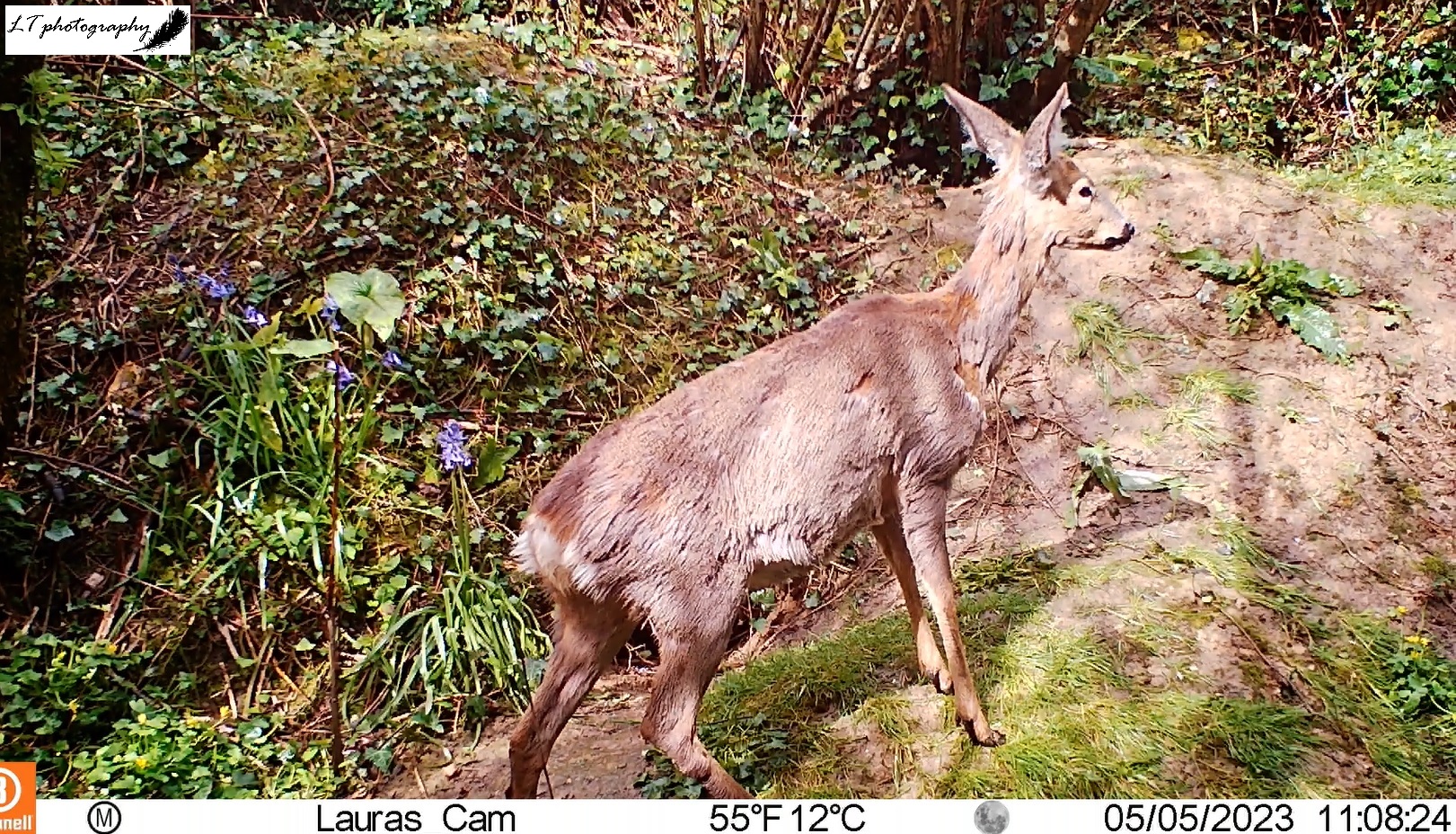
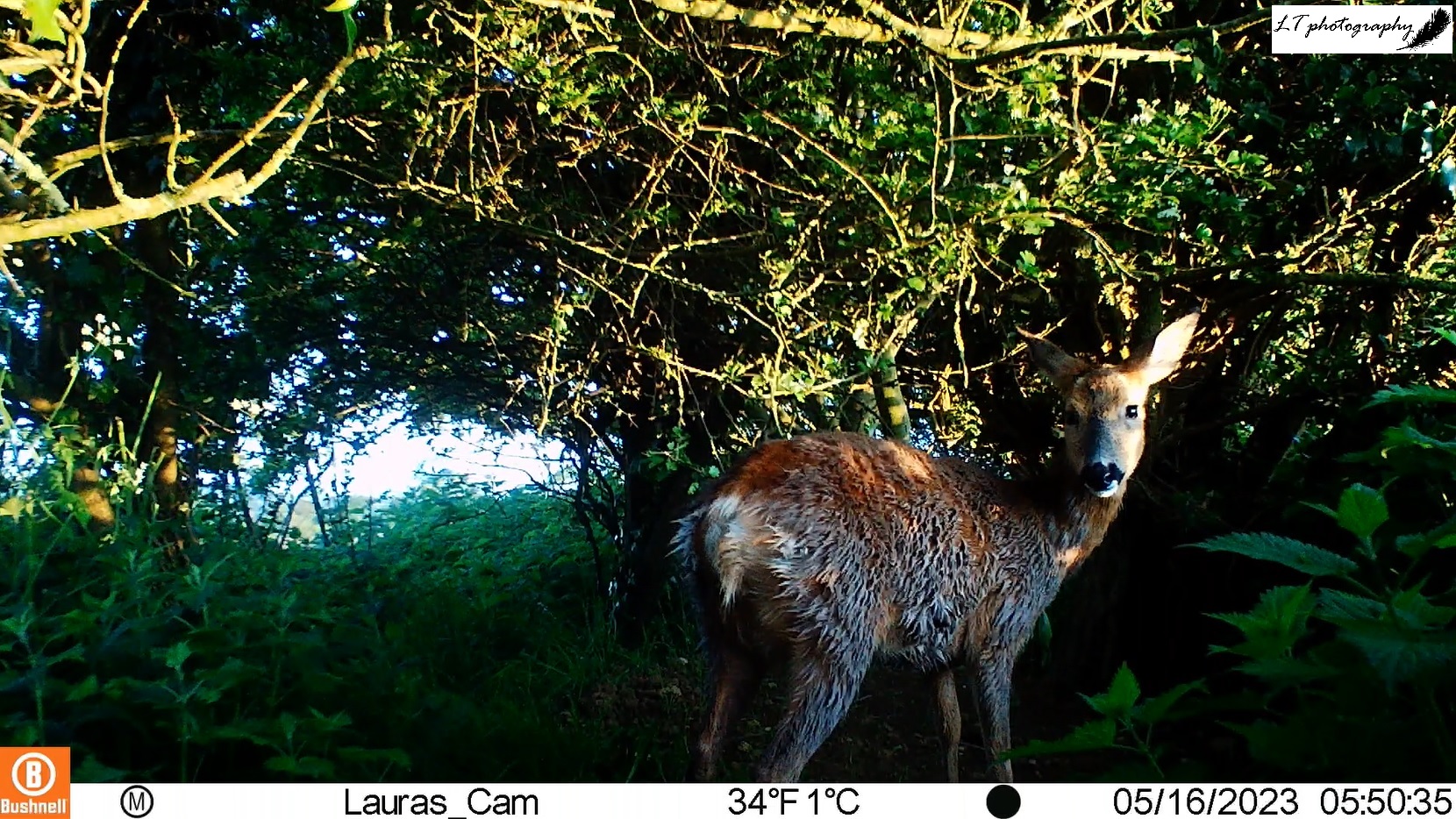
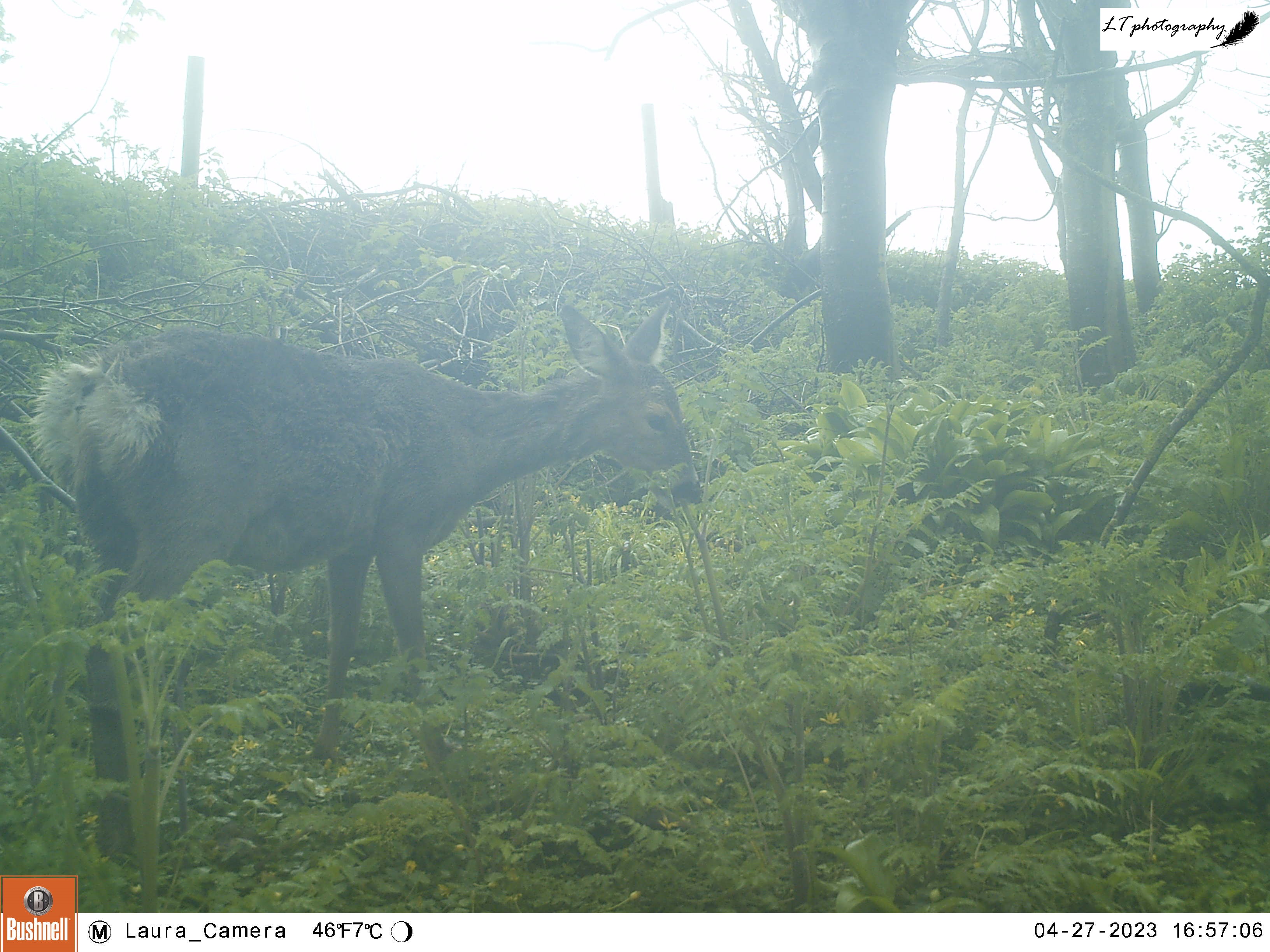
This year 6 mammal species were captured on my camera traps, including one of my favourite’s that will feature next week. I had a scruffy adult female roe deer passing through,
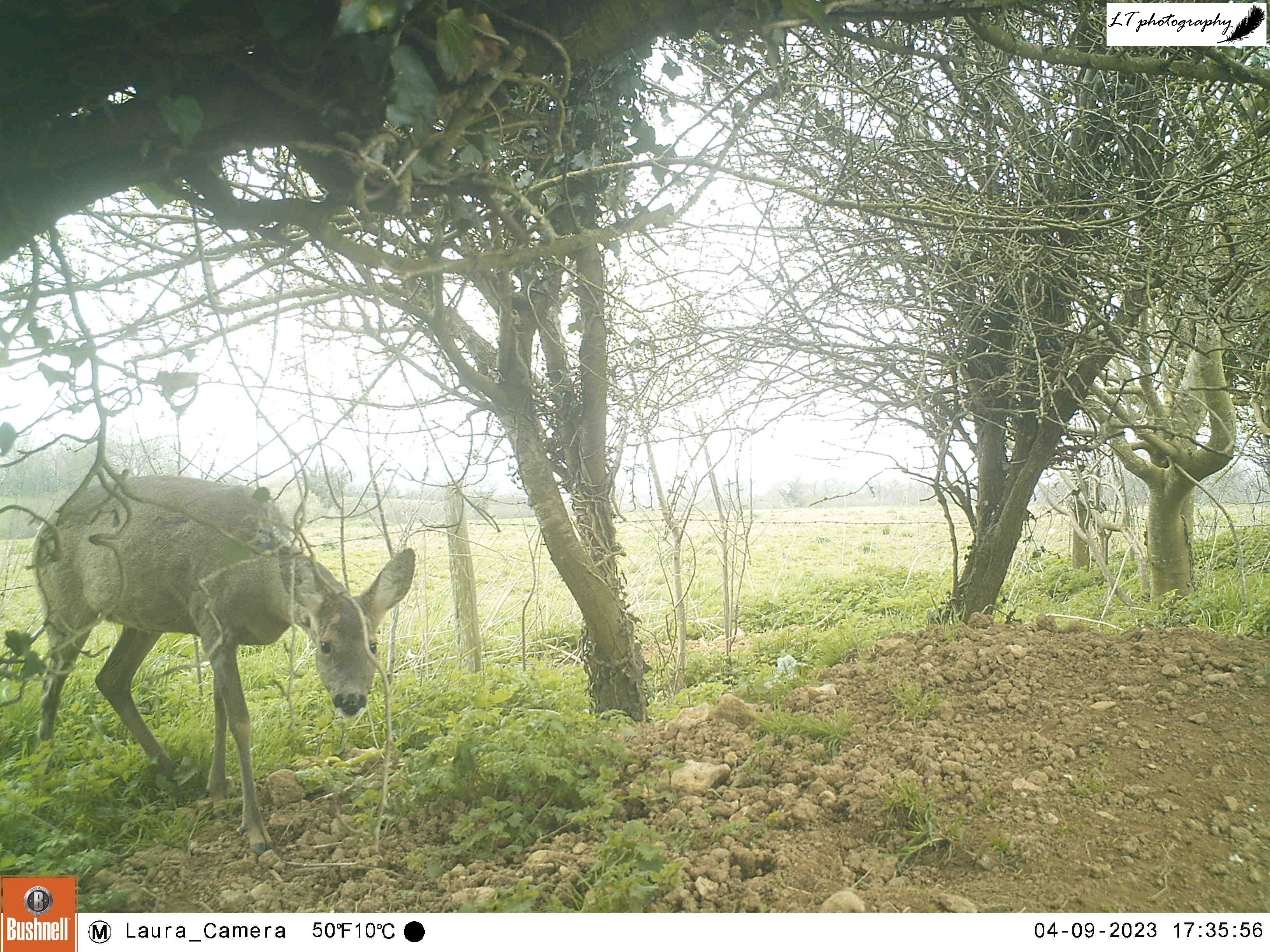
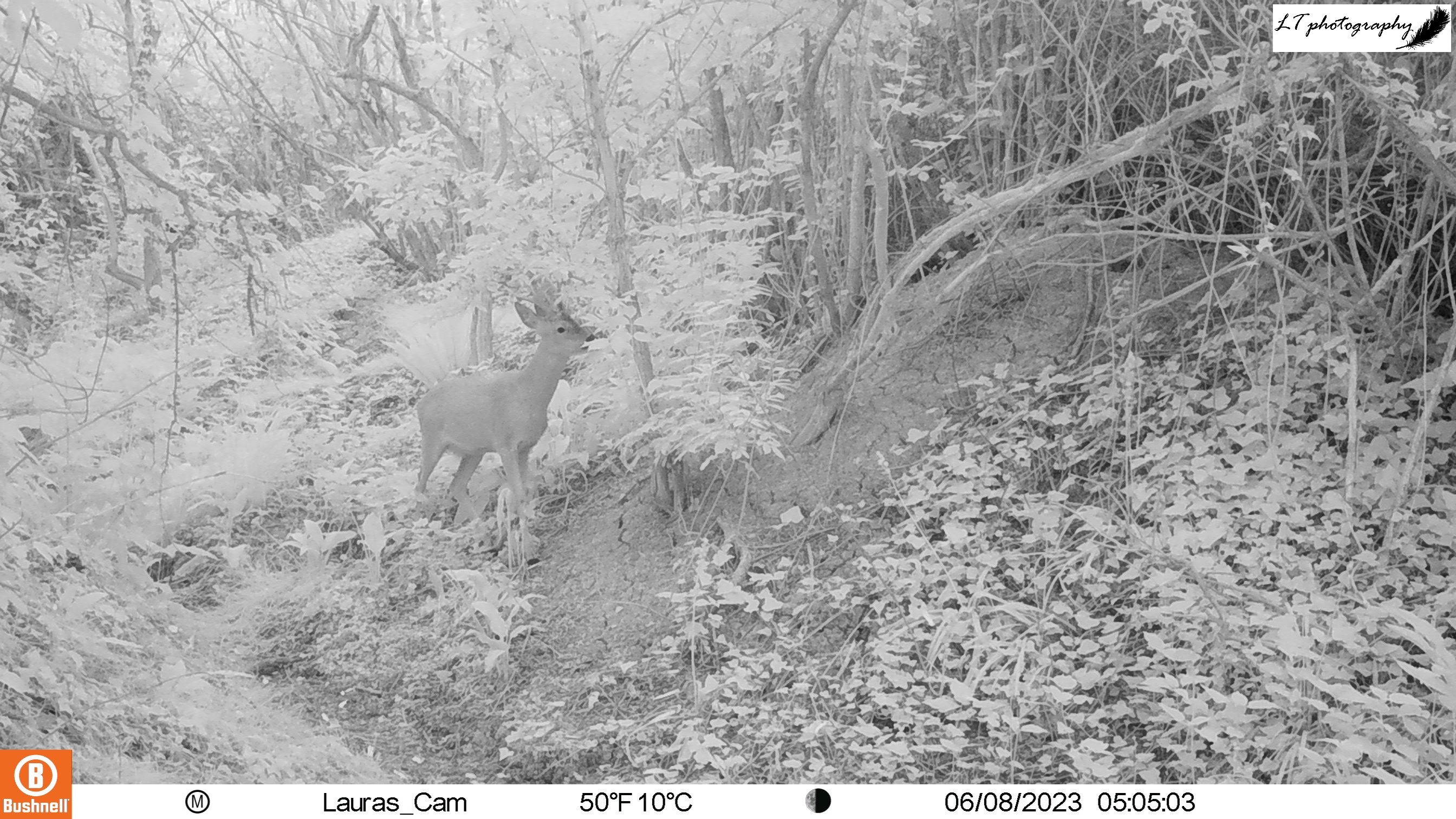
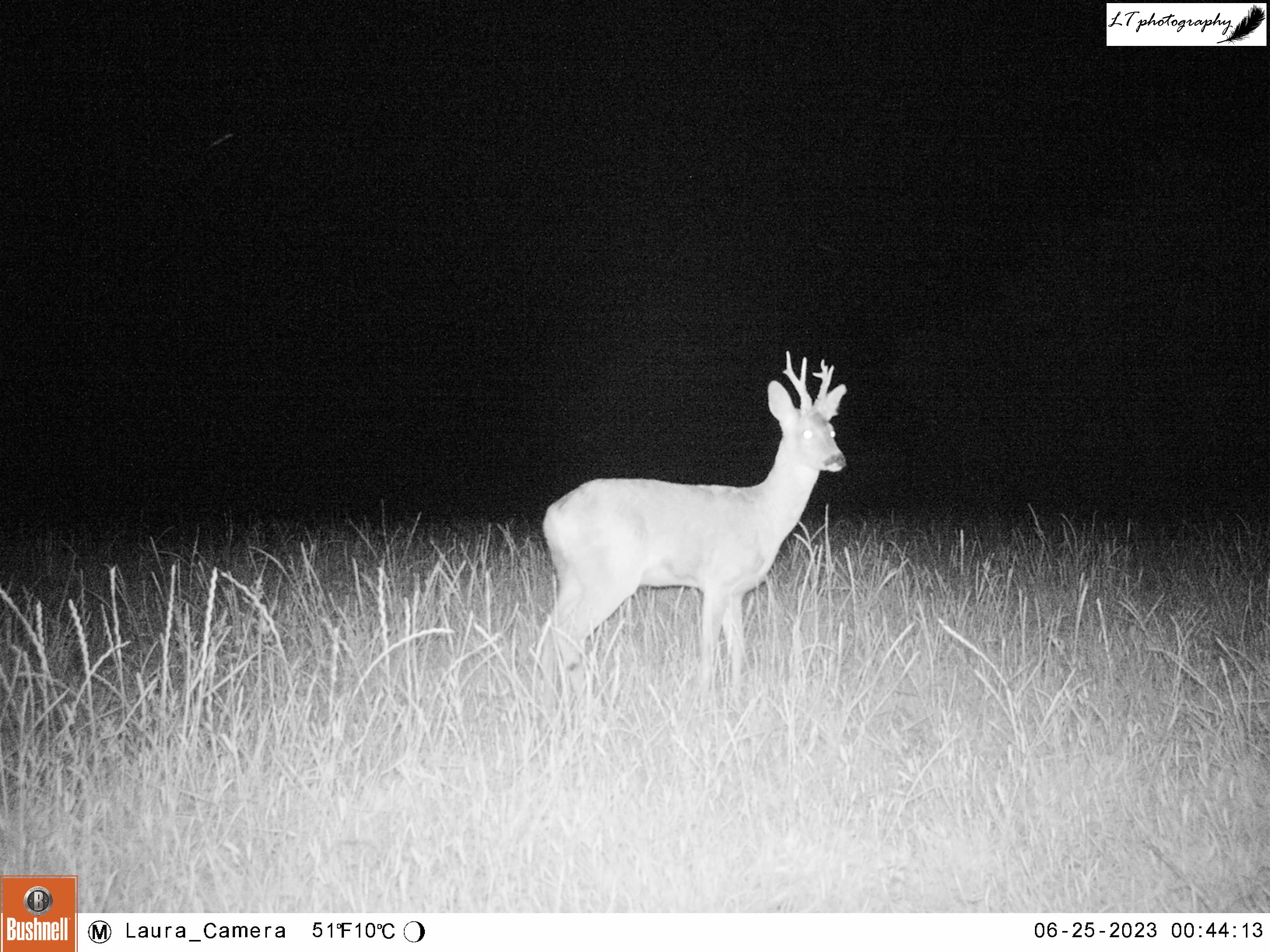
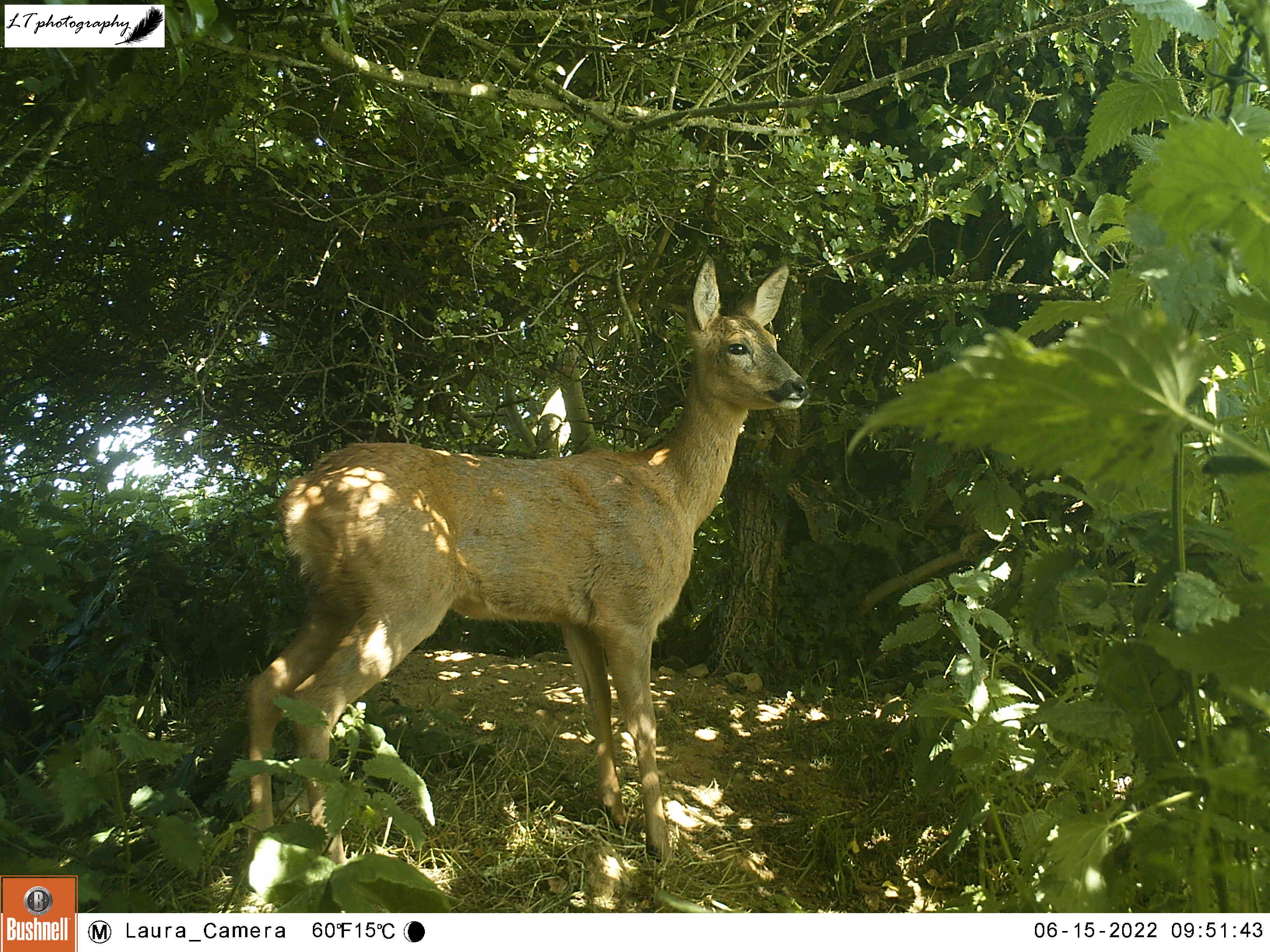
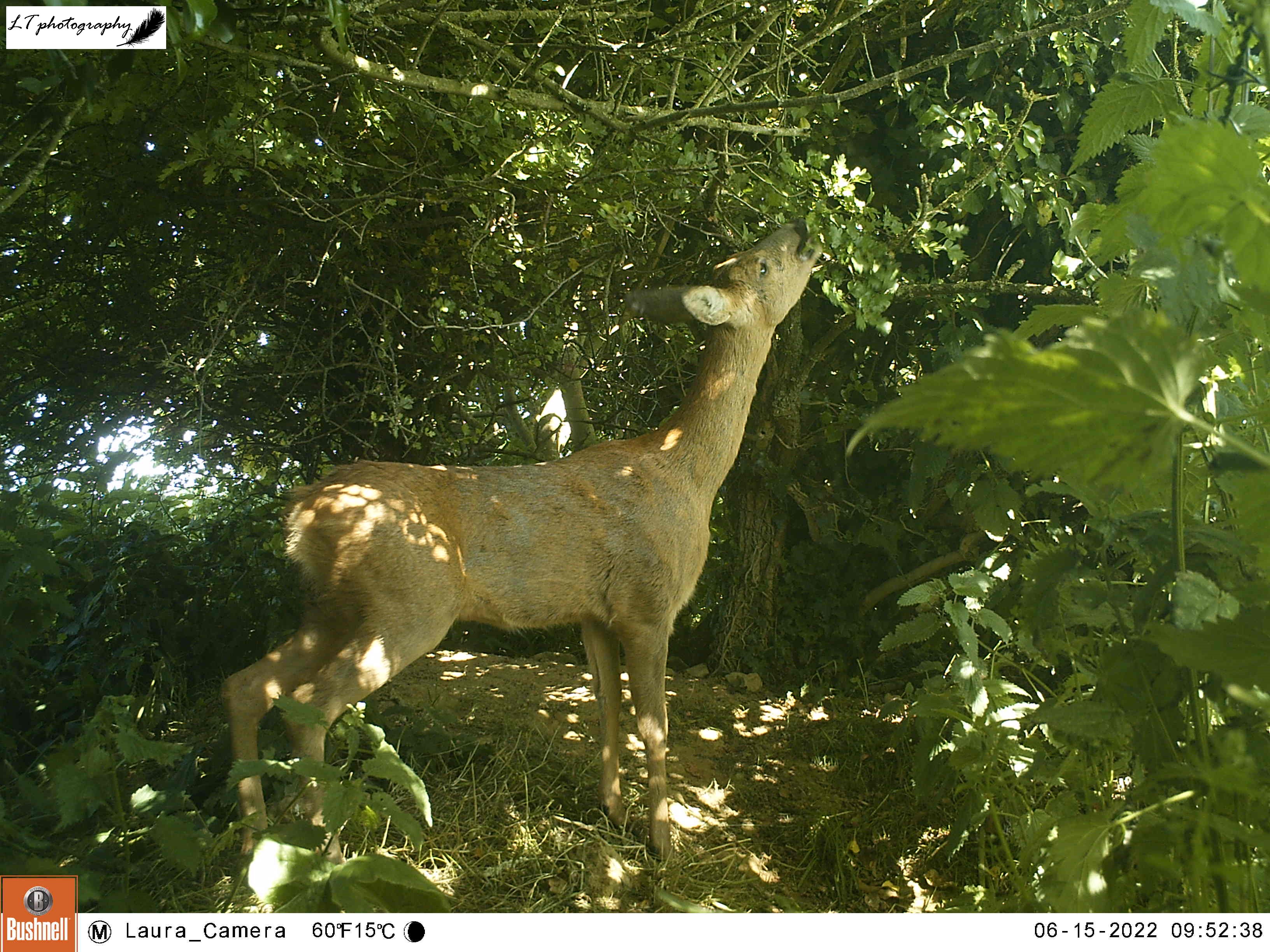
an often seen adult male roe deer feeding and scent marking,
a territorial grey squirrel on his favourite perch,
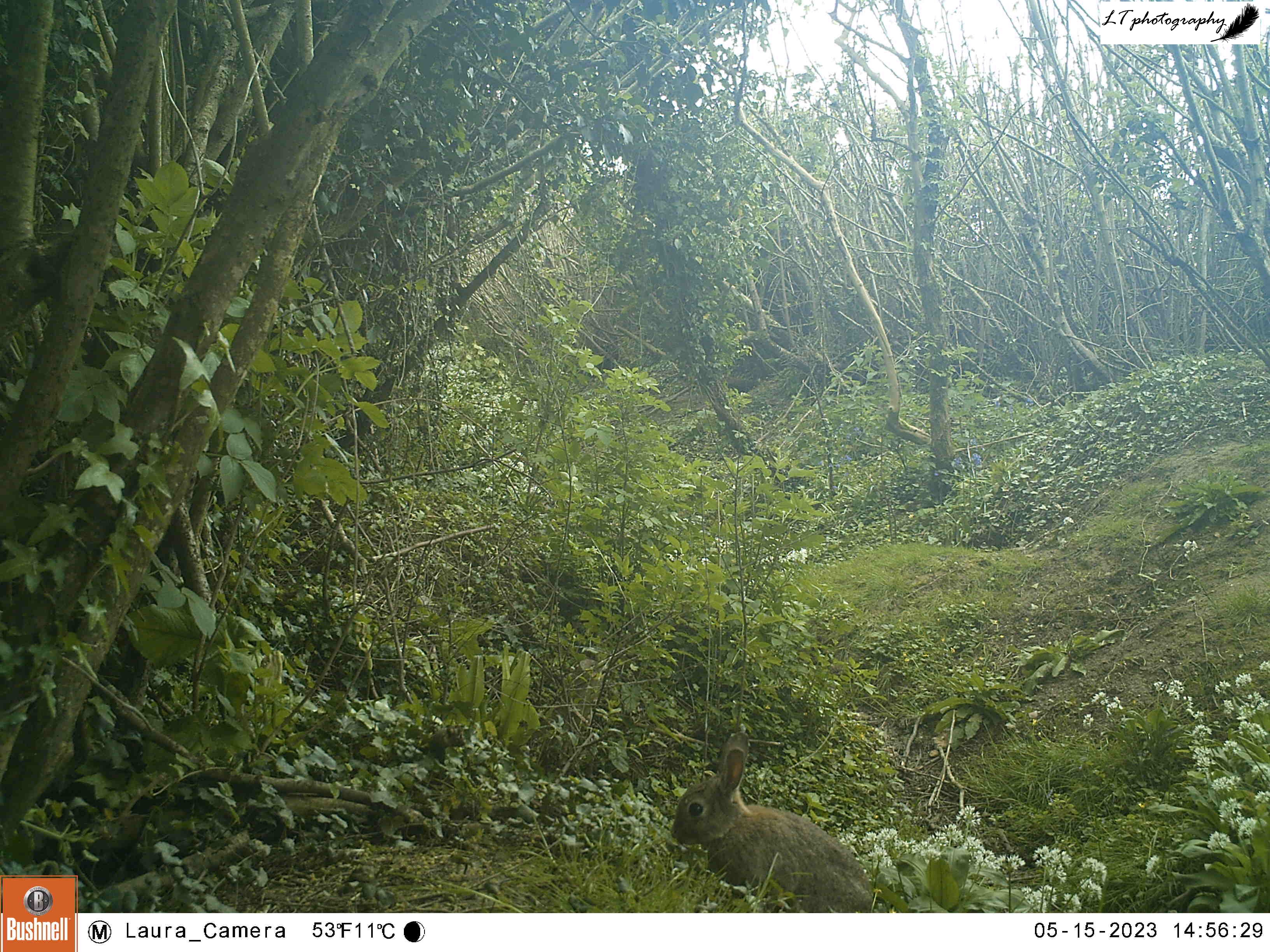
plenty of whizzing past, including babies,
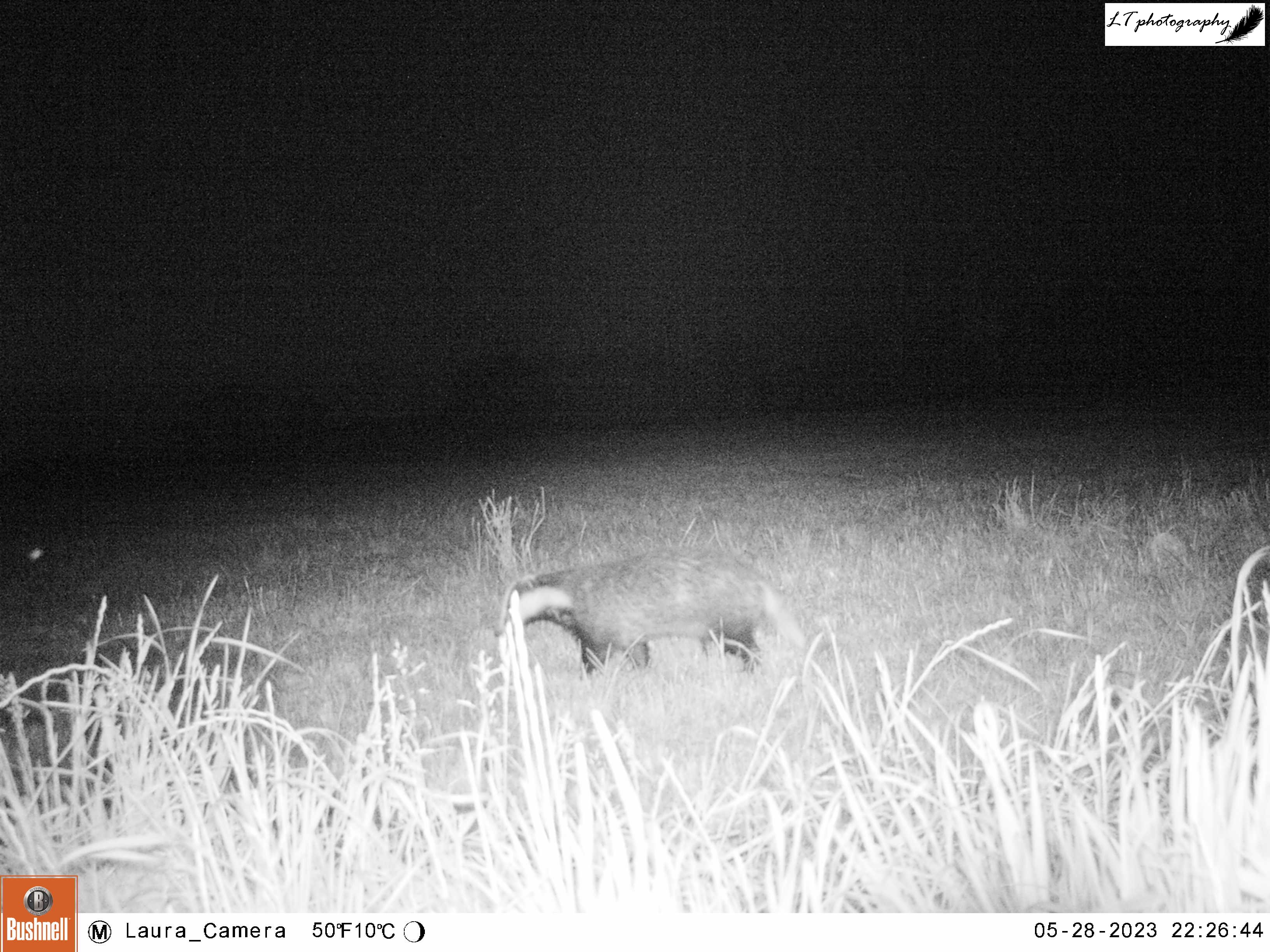
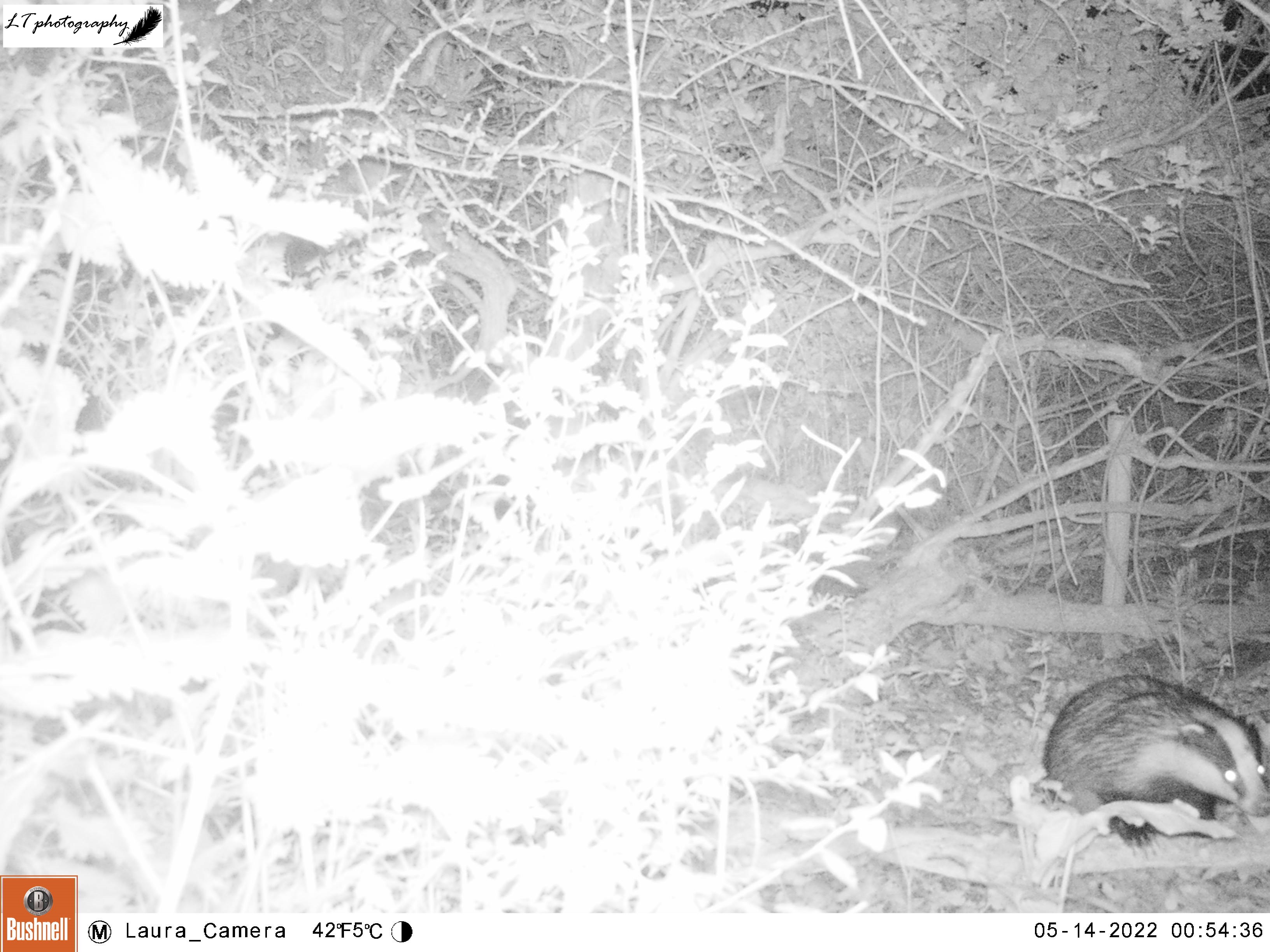
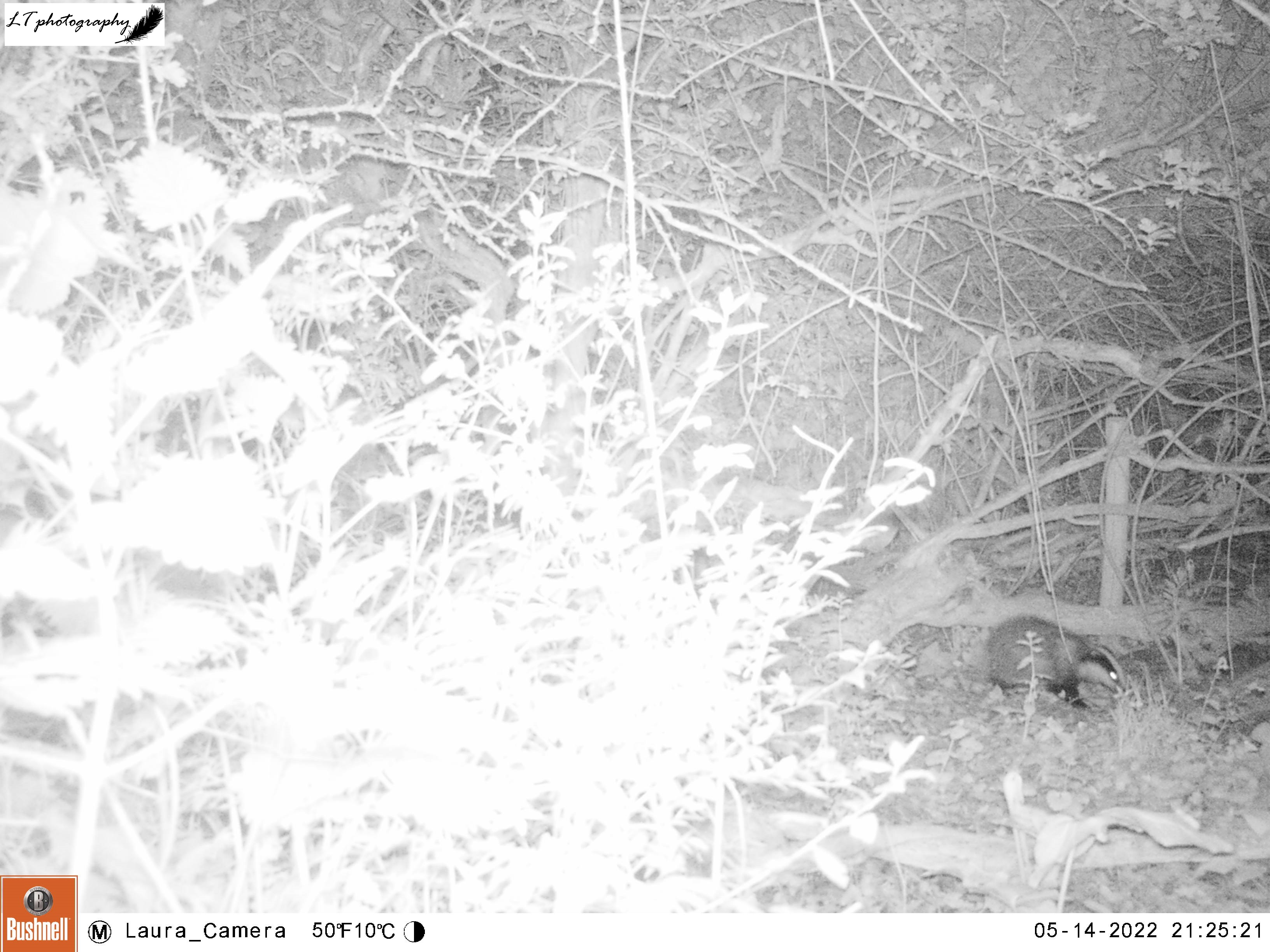
and a one-off inquisitive badger.
Badger Setts: Badger Field and Quarry Field
Over the years our badger population and distribution has fluctuated, including with Dorset’s badger. Currently though we have two active badger setts that each contain a healthy family of badgers that stick to defined territories within our land.
These setts are not just home to badgers, but also other species, including next week’s stars. Each year new species can be added to the list featured at these setts, but this year 4 common ones were captured alongside the two already mentioned. Species seen were:
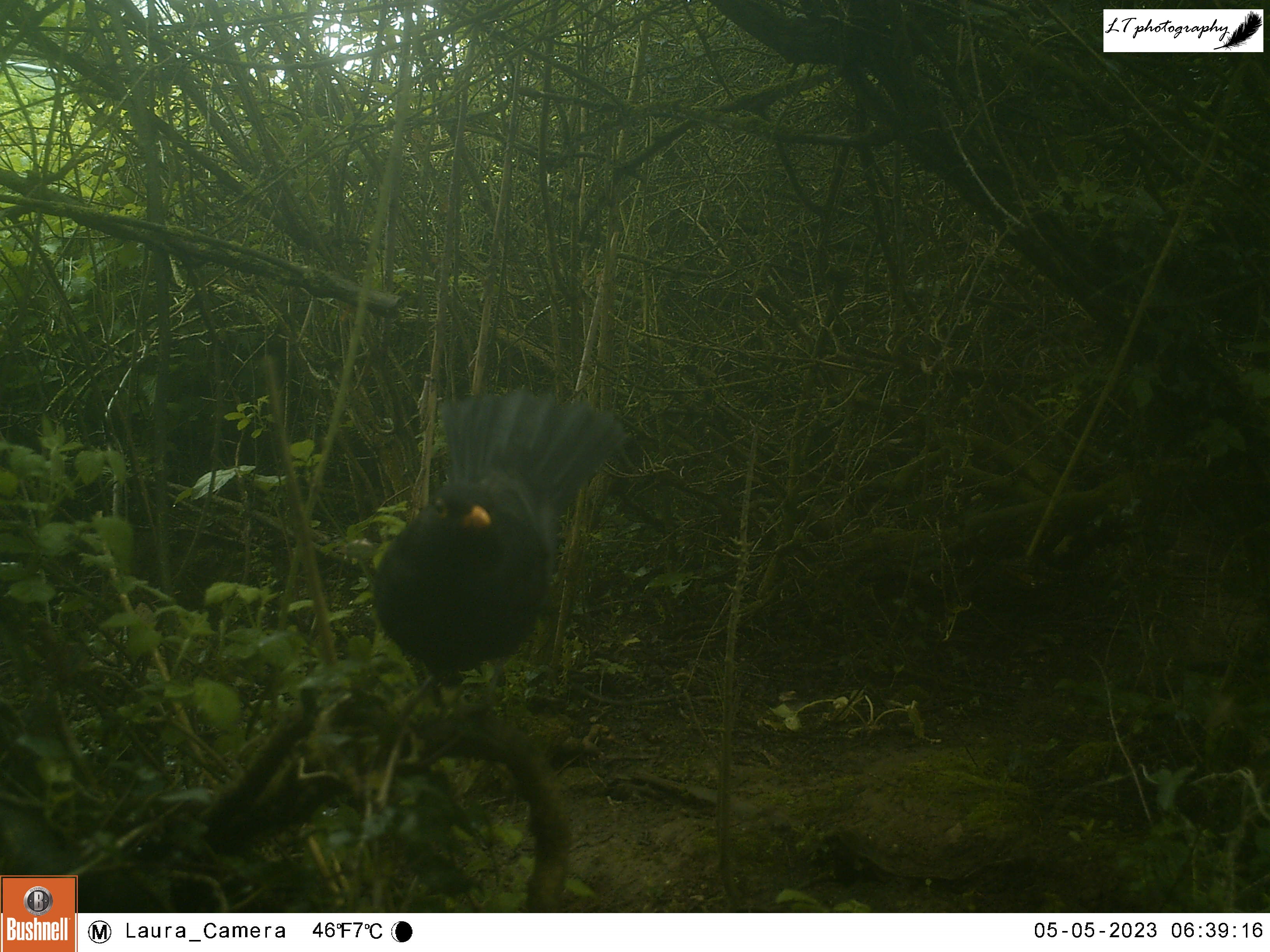
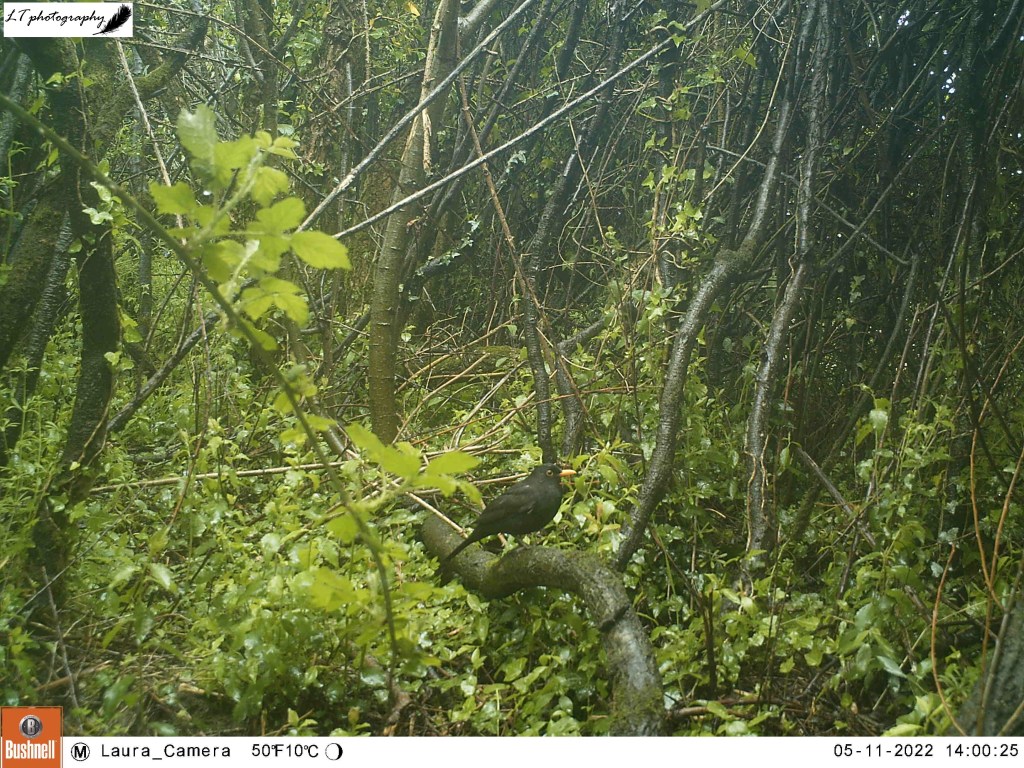
Blackbird
Pheasant
Carrion crow
Roe Deer (male and female)
Wooded Area: Gill Hill Copse
This year I only used one wooded area on the farm for my camera trapping, a small copse towards the centre of our land. Over the years this rich copse has been home to and a passing through place for a variety of typical and more unusual species, and each year it is interesting to see what will be found. This year the more typical characters were seen, which included the highly abundant roe deer, such as a frequent female, and pheasants.
Within the copse an old badger sett can also be found, being situated not far from one of the active setts. This year for the first year of many, a lone badger could be seen entering and leaving the sett using a particular hole, making me think of a satellite male. It will be interesting to see what can be found here next year as a result!
Fields: Cowleighs, Quarry Field, Tower Paddock, Water Meadow
Across the farm, you will find our land is a mosaic of habitats and grassland managed for different purposes, on different timescales, and in different ways. This does mean that depending on where you are and at what time of year, you may experience different species at varied abundances and also the potential for some more unusual species. Fantastic wildlife moments are a guarantee though!
This year has been a hard year on nature already, and so analysing camera trap content is a good moment to stop and reflect on the feathered and furred individuals that call our land home all year round. Living not far from shoots, pheasants and red-legged partridges are a common sight, with numbers reducing over the summer when they provide a popular food source for a number of species. This year pheasants did a good job of making their way into the frame of my camera traps at nearly every site!
Another species going through a population boom on our land at the moment is the roe deer, with individuals being seen at most of my camera trap sites and a walk through our land giving you consistent sightings of many males and females. Next week’s star was also seen at nearly every camera trap field sites this year too!
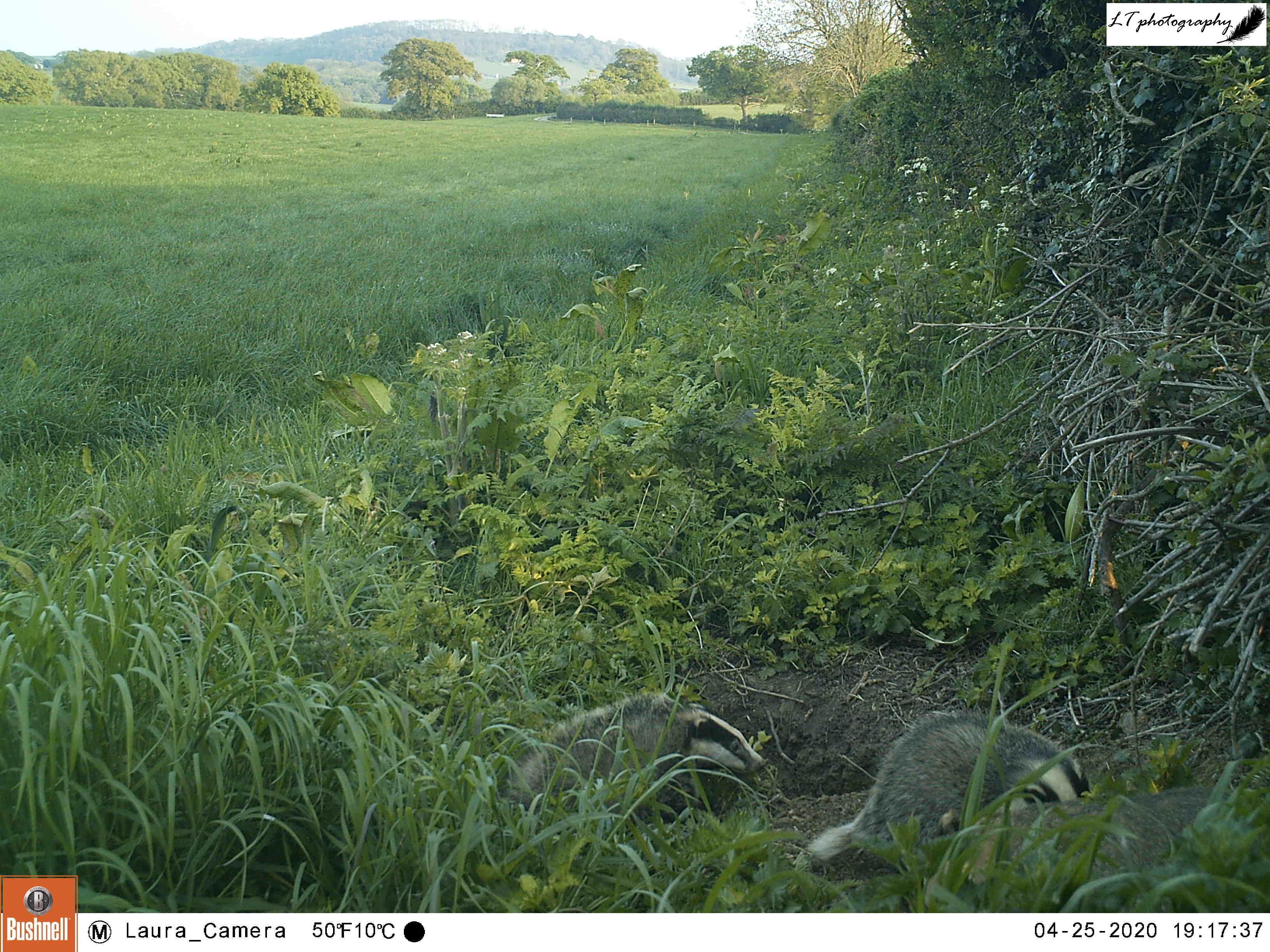
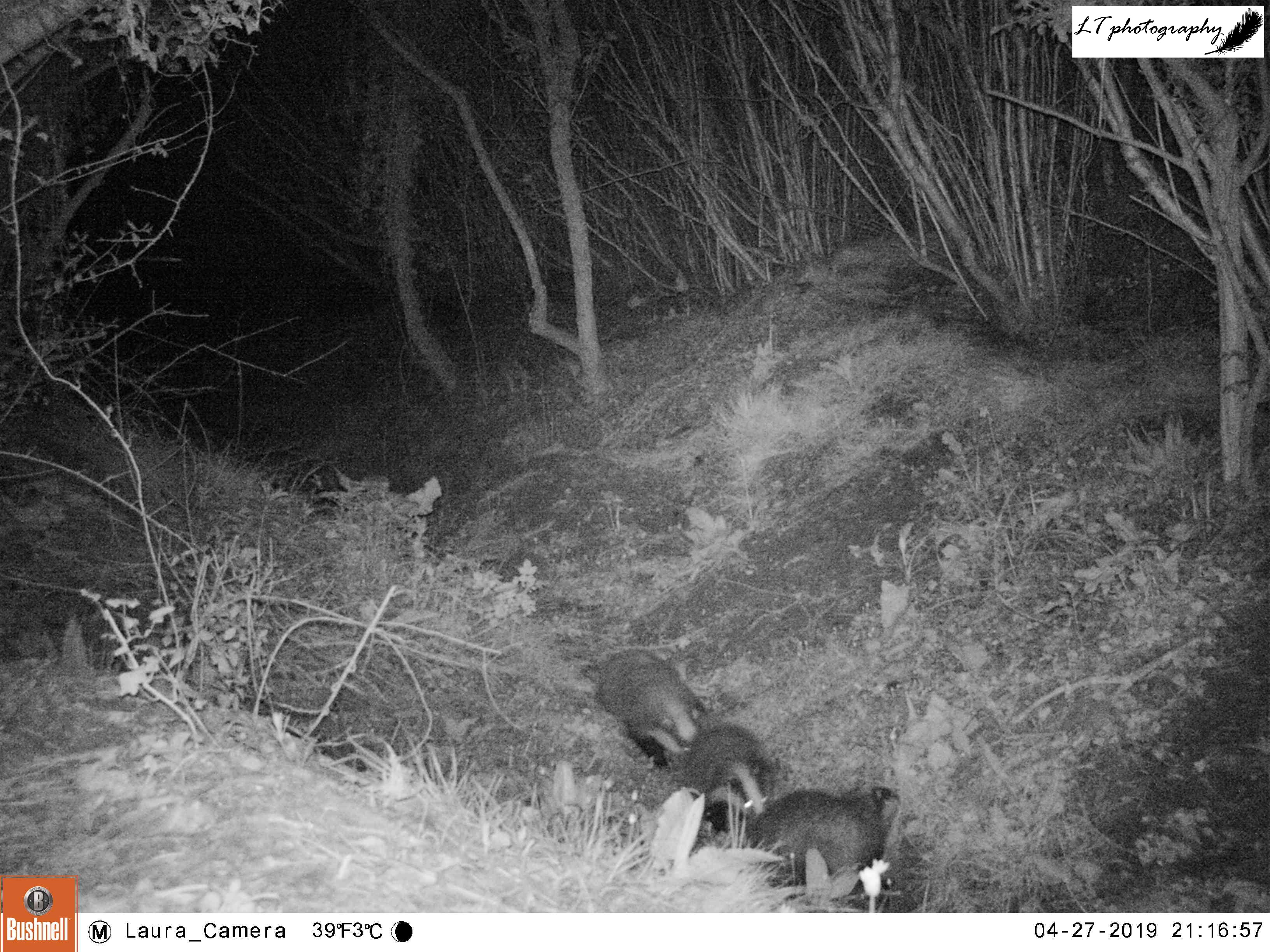
Badgers were caught on my camera traps when observing fields that were adjacent with active badger setts, showing badgers roaming for food, territorial marking and social interactions.
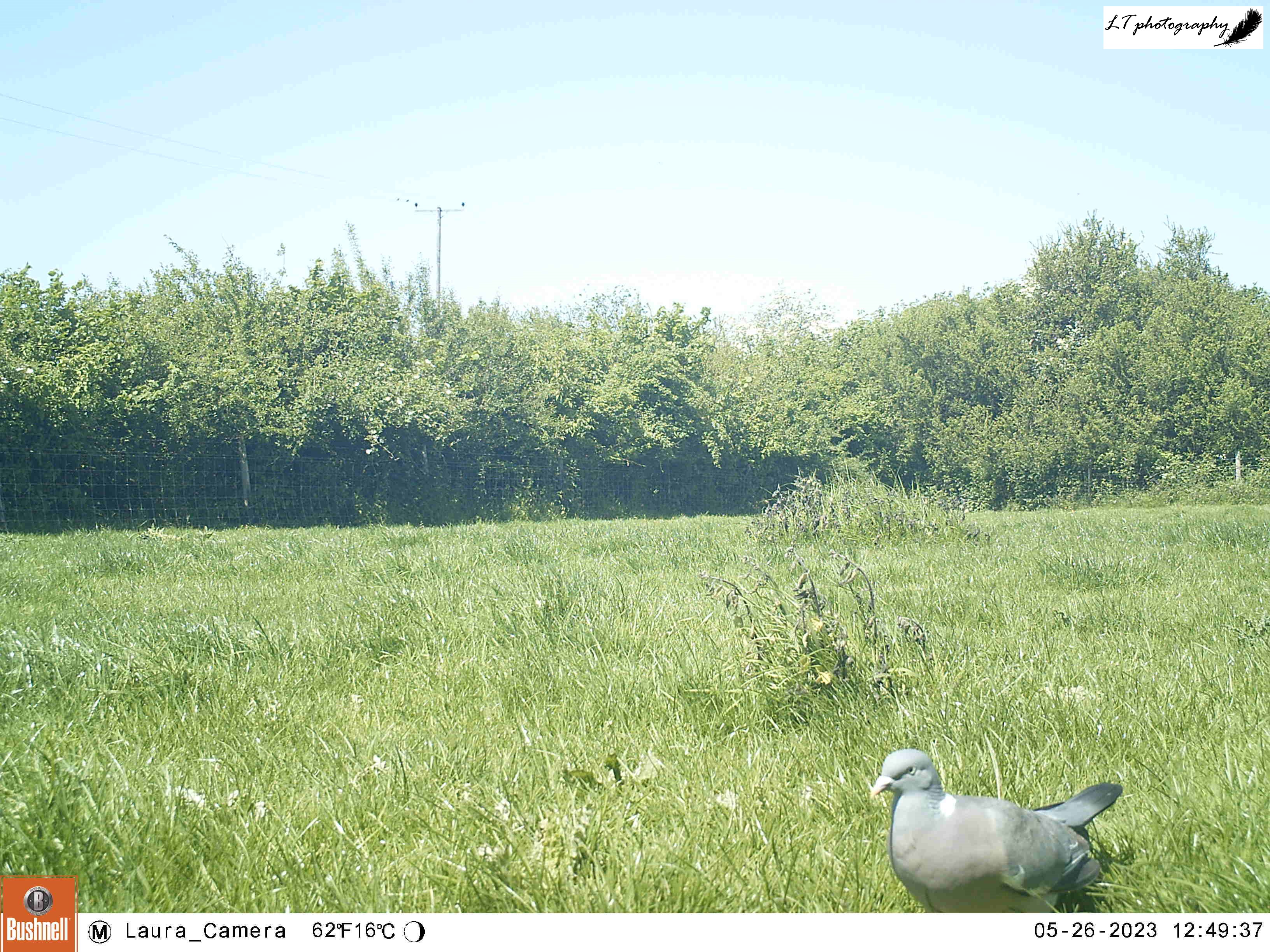
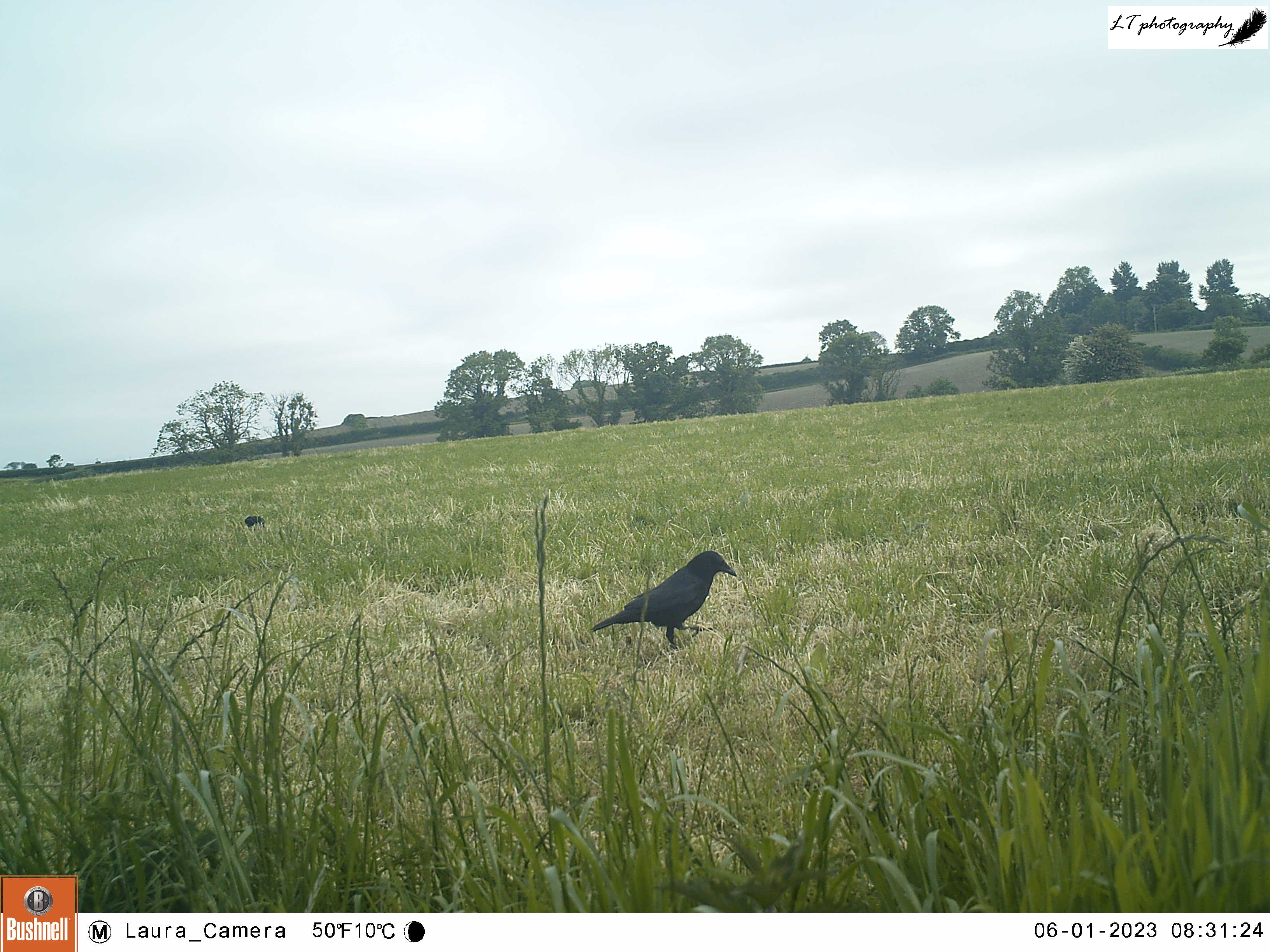
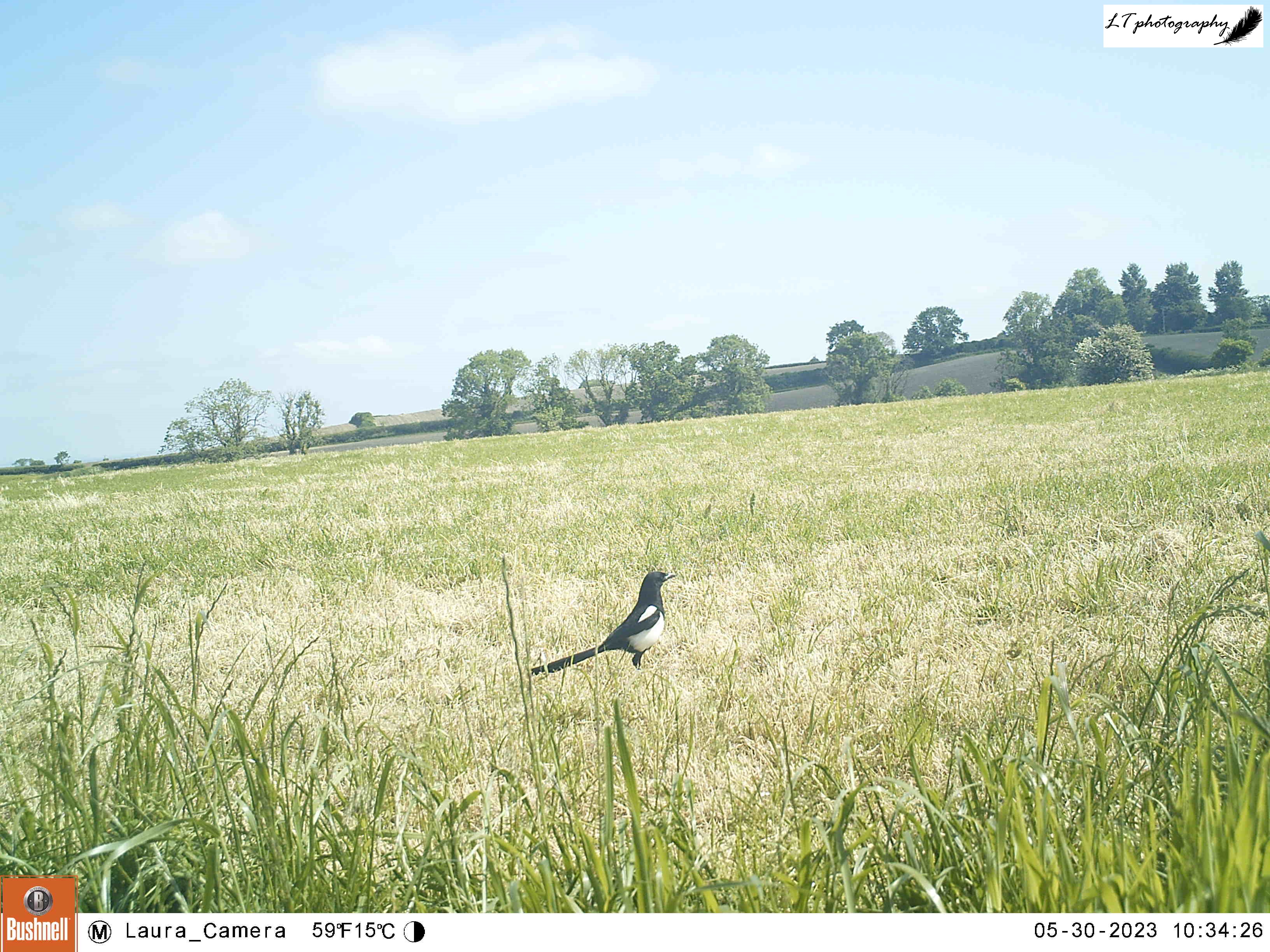
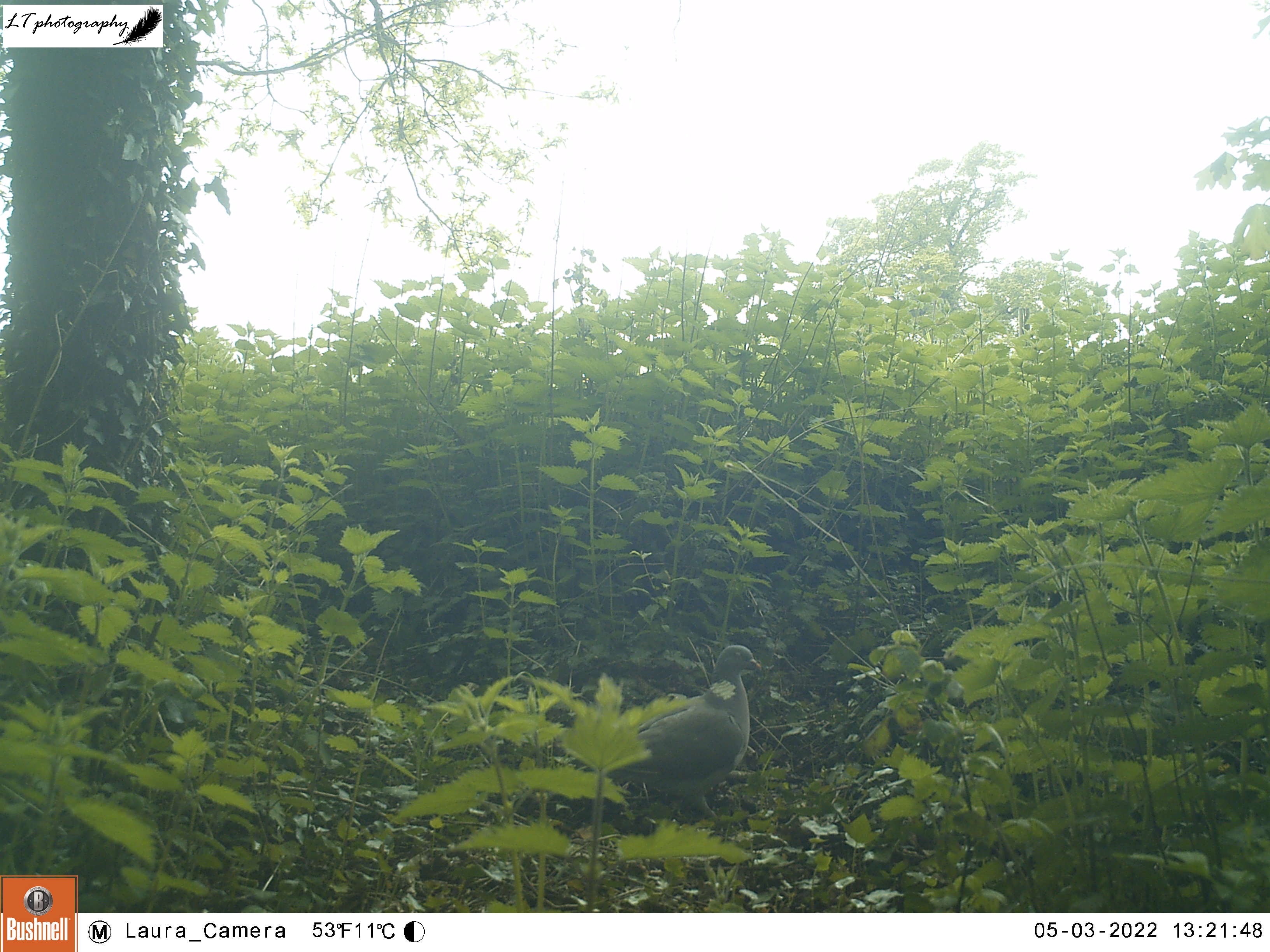
Many bird species made their cameos on my cameras, including an inquisitive woodpigeon, feeding carrion crows, and a magpie passing through. This year bird species broke up the antics of the mammals that were vying to be the stars of my camera trap photos and videos.
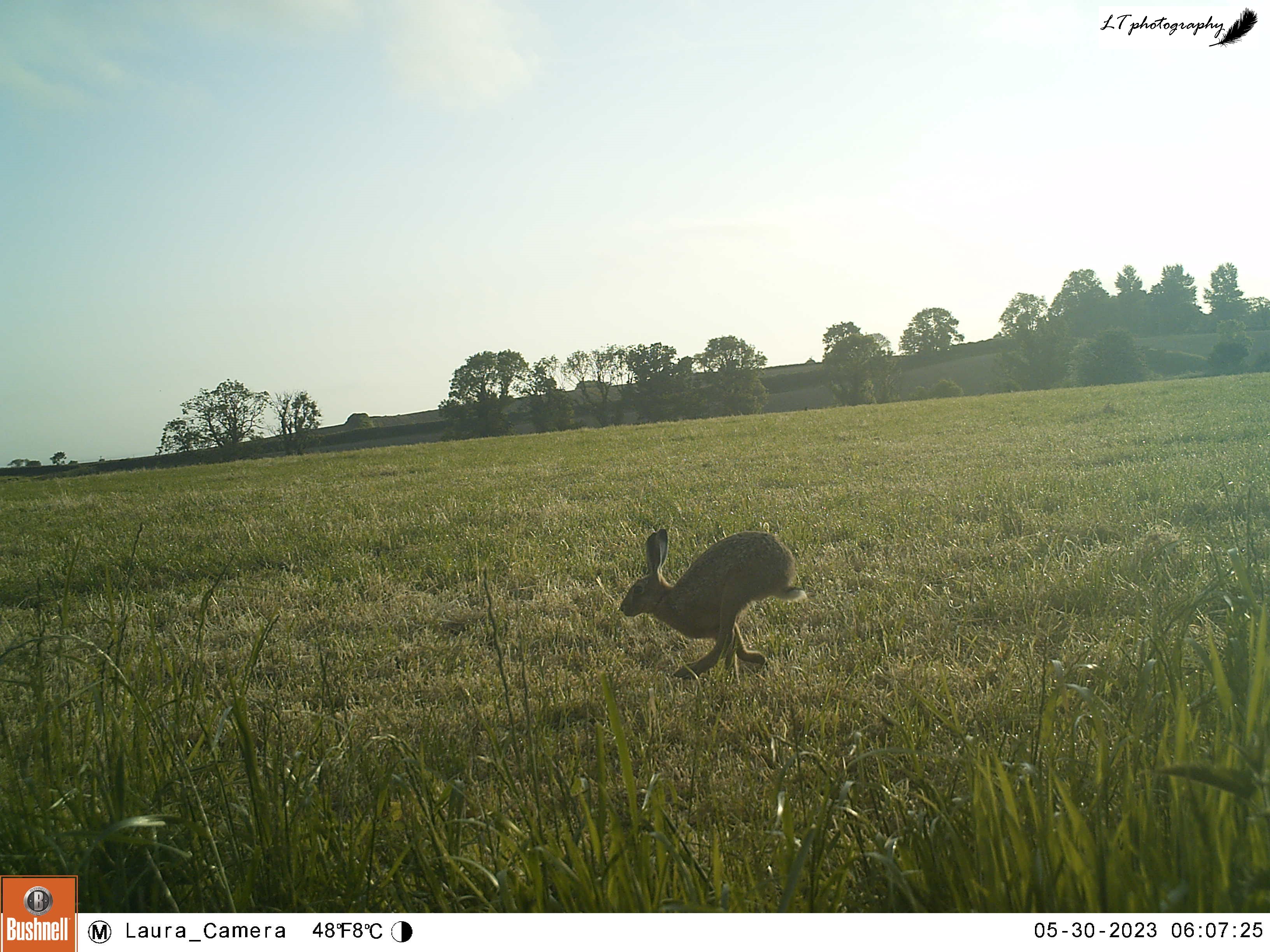
To finish my field observations, my camera traps this year did a good job of capturing sightings of the charismatic hare, a wonderful common sight across our land. Shots include a hare feeding, an inquisitive individual, and hares speeding past.
Garden
Our house and garden is situated at the centre of our land, and has often been described as a hive of bird activity, as such an abundance of different species visit daily. We also get visits at different times of year from different mammal species, which add to the fun of setting a camera trap to gain another view of the wildlife visiting our small garden. This year’s wildlife visits included a cheeky magpie and an emerging hedgehog, a species that we now see in our garden in the autumn in increasing numbers!
Check out my blog post next week to see the missing star of this year’s camera trapping adventures!
“The camera is an instrument that teaches people how to see without a camera” – Dorothea Lange
“The two most engaging powers of a photograph are to make new things familiar and familiar things new” – William Thackeray
As each year passes, and spring rolls around once again, I set out with my trusty camera trap to record the wildlife that call my family’s Dorset farm home. Remote cameras are a great way to delve into and explore the hidden worlds of the wildlife that live alongside us, without causing disturbance. You never know what you may discover, and so there is nothing quite like the excitement I feel each time I check my cameras.
For the last few years I have spent an increasing amount of time using my camera traps to explore and survey my area of Dorset, and each year the results have got better and better. Species recorded range from small mammals and birds up to larger more iconic mammal species, such as badgers. These adventures have allowed me to open my eyes to the species that goes unnoticed on the farm each day, and to help my family forge a deeper connection with the wildlife we strive to manage and protect. Check out my blog posts from 2019, 2020, and 2021 for more!
This year I have visited 8 locations on my family’s farm, using both my old camera trap and brand new model to see what I could discover (check out next week’s blog post for the 8th location). Last year 6 locations were used that were all visited this year also. Some of these sites were used with a set purpose and question to answer, whereas others are just great sites to use for exploring wildlife. This year 9 species were recorded, with 1 new one to add to the collection. Read on to find out what my camera traps found!
Camera Trapping 2022
Little Wood Field
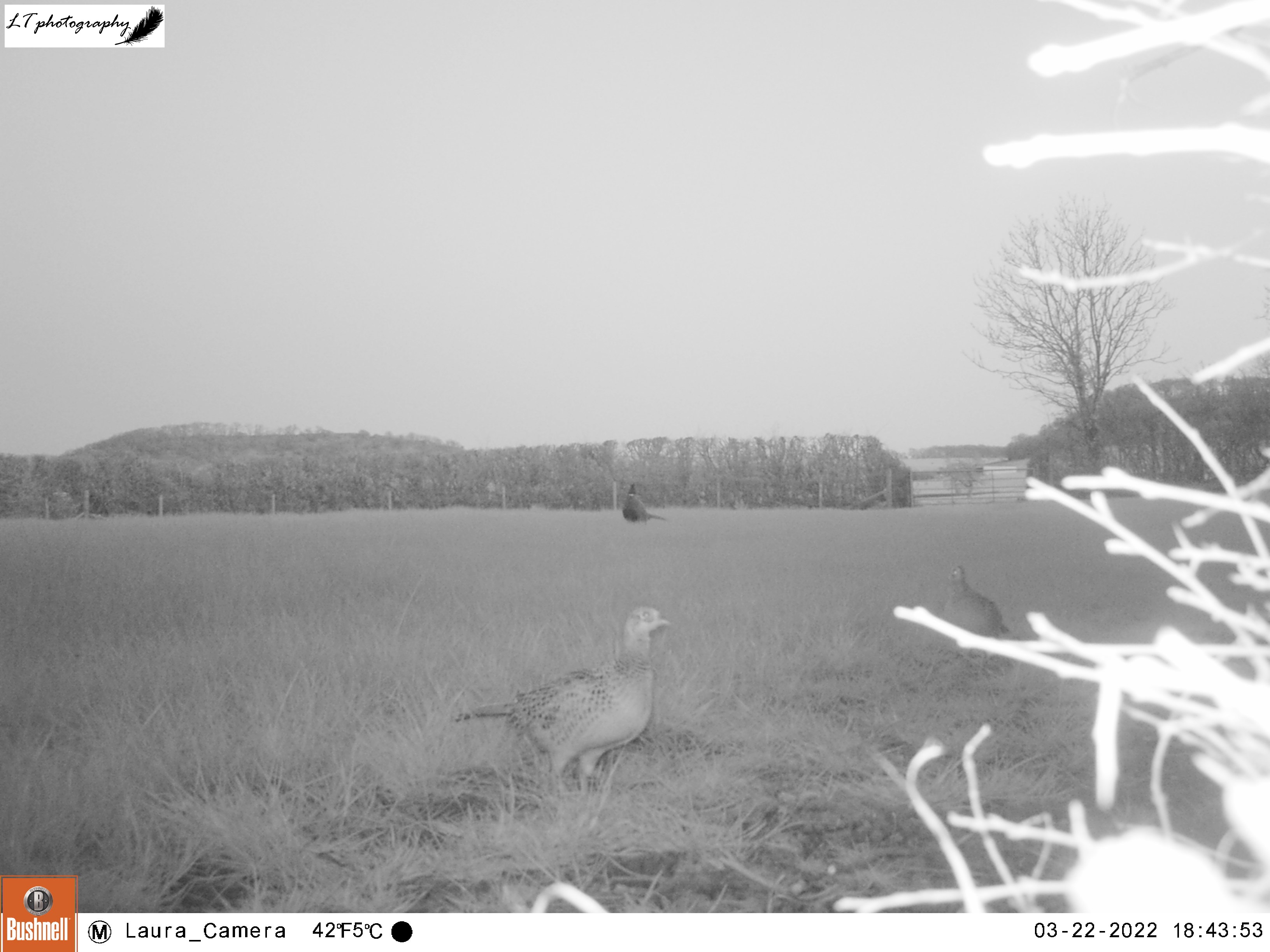
This year I set up my camera trap 12 days earlier than last year, beginning with a new site. I had spotted an interesting tree at the edge of a small field, where a hole had been dug between its roots, and I wanted to know who may have dug it. So I set up my camera watching the track in the field leading to the hole, and left it from 22nd-26th March to see what I could find.
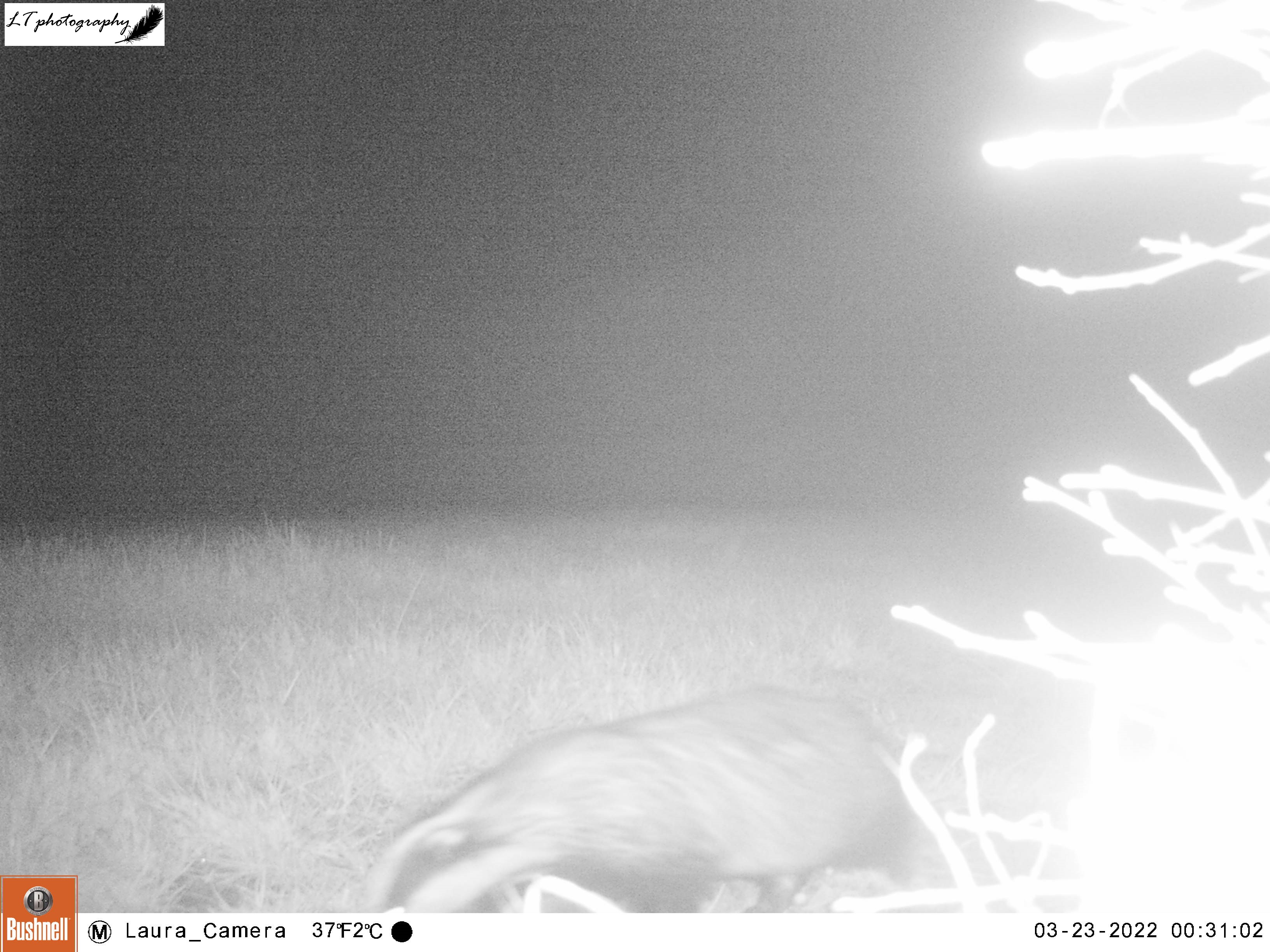
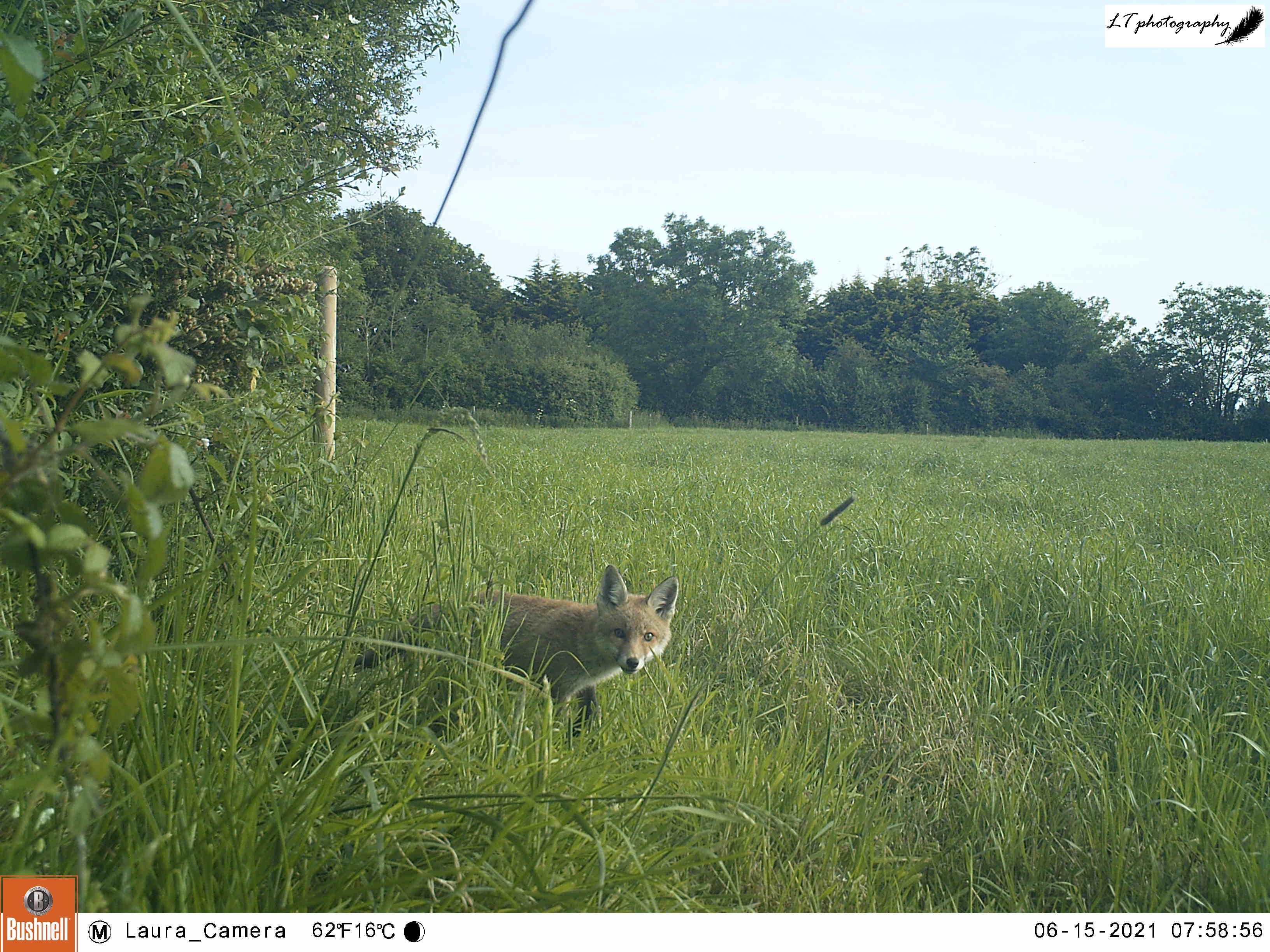
It was a good start to spring camera trapping, but with mixed results. Different arrangements of male and female pheasants made an appearance every day, birds in the form of magpies, a woodpigeon, and a carrion crow were seen, and potential home owners came in the form of a fox and a badger. Though the badger may have possibly been using the hole, in the end I came to the conclusion that the hole was not currently in use.
MonkwoodField
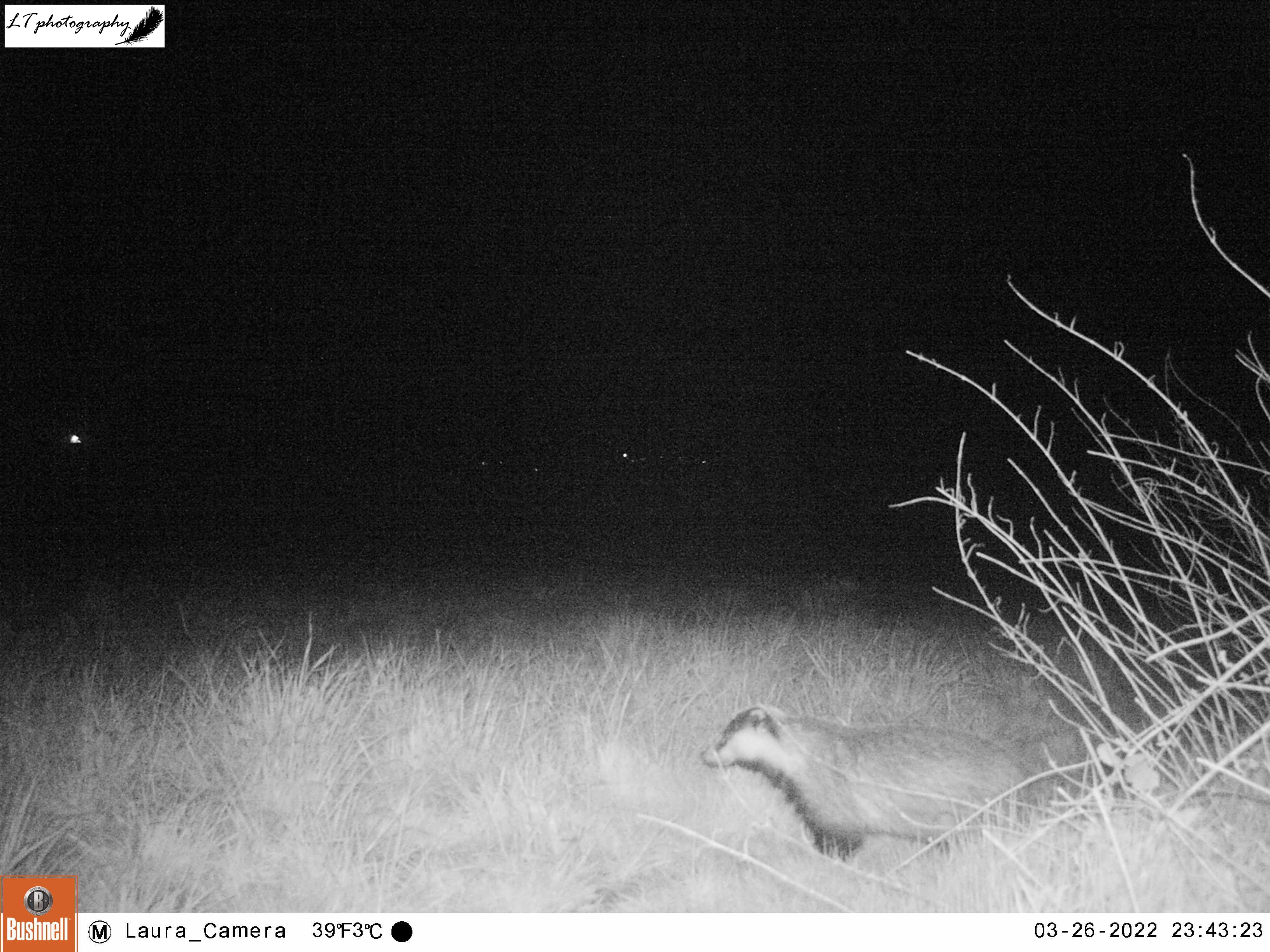
For my next site, I returned to a new site from last year, a small abandoned satellite badger sett that had been home to a family of foxes. When I went to put out my camera, I could see that a new hole had been dug in the sett, so I set my camera to watch the track heading from the field directly to this new hole over 2 nights (26th-27th March), due to stormy weather.
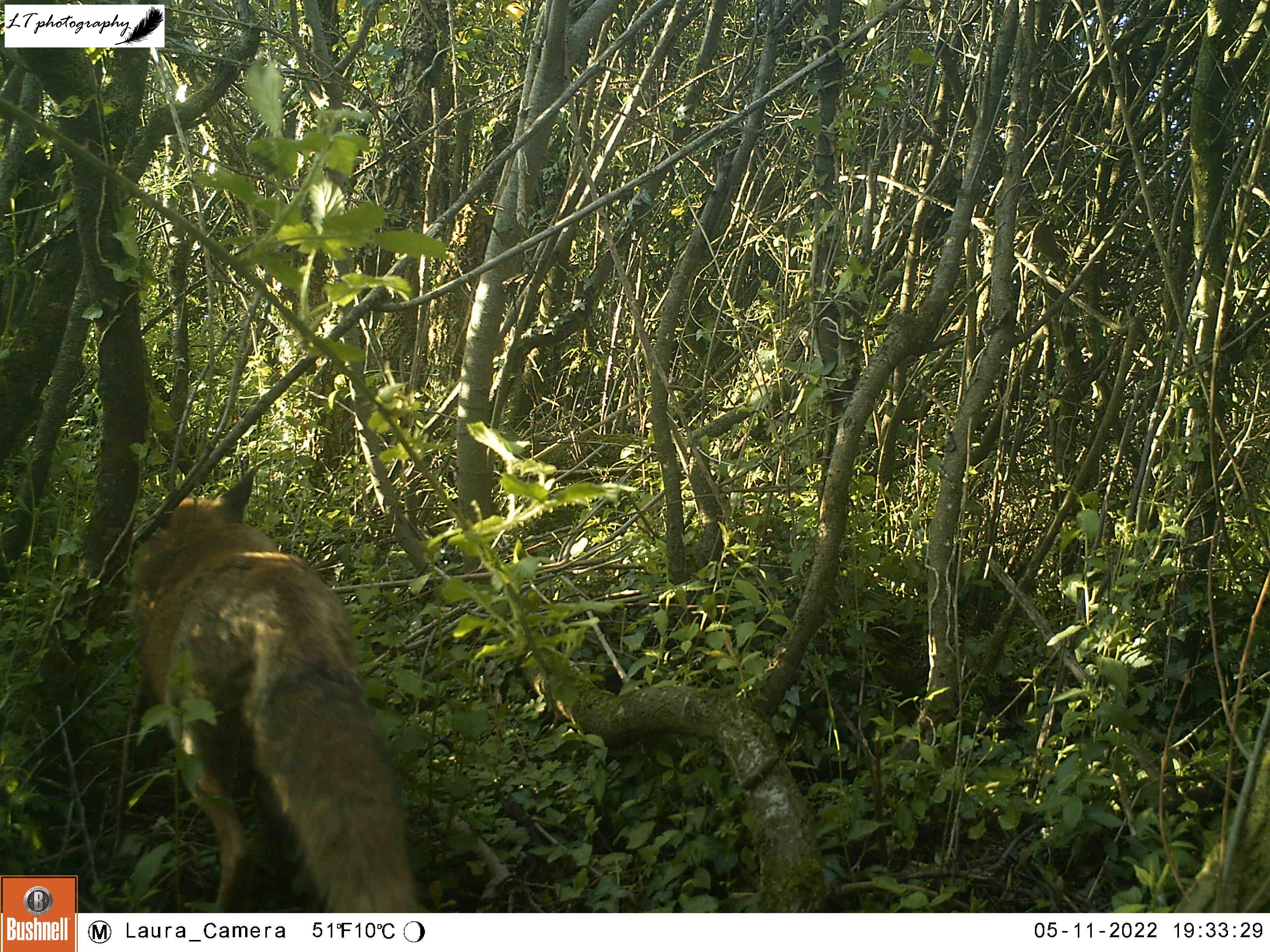
In the short time it was operating, my camera trap was productive, with a displaying male pheasant, a fox passing through (maybe the same from Little Wood?), and the sett’s current resident. My camera was able to show that the new hole belonged to a lone badger, most probably a male.
Later on in the season I decided to see where the fox may have been coming from, and returned to Monkwood Field. I chose to set my camera trap in the corner of the field on a tree trunk within the hedge, looking at the animal tracks that run through it. I did not know what results I would get, but after nearly a week (8th-13th May), my camera actually did quite well, despite not pinpointing where the fox may have been coming from. I caught sight of the fox a few times, and got some nice photos of a territorial male bullfinch and territorial male blackbird.
Quarry FieldBadger Sett
For the last 3 years running, I returned my camera trap to my highly successful site at the active Quarry Field badger sett. Each year I have set my camera up on a fence post in an open space within a hedge lying directly above the sett, pointing in one of 2 directions. Previously, it has been a great site to capture the resident badger family and the other animals sharing the sett, in particular fox families. Last year, in this way, I got to watch the antics of 2 fox cubs living in the sett.
For a week during April (16th-23rd), my camera trap watched this site. During this time, rabbits were a common sight every day, day and night, along with a busy badger every night. So far there was no sign of any foxes at the sett, as in past years.
As this site still seemed to be a productive one, I returned to the sett with my camera trap for a second round once some time had passed. For 2 weeks (6th-20th June), my camera was very busy, capturing rabbits, male and female roe deer, a territorial male blackbird, and at least one fox passing through. The best photos though came in the form of the sett’s resident badgers, and two small editions. An active family, it was amazing to watch the cubs and adults feeding, grooming and playing each day.
Gill Hill Copse
This copse has been another of my regular camera trapping sites over the past 3 years. At this site, I tend to set my camera up on a tree, as with this year where I set it watching an animal track passing through the copse.
This year, over 6 days (23rd-29th April), my camera was not particularly busy, but did capture one of the many male pheasants in the area, as well as a fox passing through.
Dorset County CouncilWood
The small piece of wood close to my home is another site that I have used over the last 3 years, situated next to this year’s new Little Wood site. This year, I first visited the wood at the beginning of May, setting up my camera on a tree to face an animal track coming off a quiet road into the wood. After a week (2nd-8th May), my camera had caught photos of a one off woodpigeon and a regular badger.
As spring passed away, I decided to give my camera trap one last go in the wood, over 4 days between 20th and 24th June. This time I set up my camera further within the little wood, facing a clearing. Though the only animal photographed during this time was a fox, I was still excited to see the charismatic species passing through.
Badger Field Badger Sett
My oldest camera trap site is an active badger sett in a hedgerow between two fields. Over the years this sett has given me badgers, fox cubs, and even a field mouse. This year I returned and set my camera up in its usual spot on the trunk of a small tree in the open space within the hedge above the sett. Within a week (13th-21st May), I caught sight of a blackbird, a fox, and a badger. Though no fox cubs, this active sett excitingly had badger cubs again, like the Quarry Field sett.
CowleighsPaddock
Towards the end of my spring camera trapping, I tried another new site in the hope of capturing sight of a particular species. This year has been a very good year for foxes on our farm, for example with 3 potential breeding females living along the same connecting hedgeline. Though at the beginning of spring I had discovered one litter of fox cubs (check out next week’s blog post), I had yet to find any others. I had a hunch about one den though, potentially situated in a ditch alongside a small paddock. I set up my camera trap and waited 2 weeks to see what I would find (22nd May-4th June).
My camera trap did not fail me. Alongside a showy male pheasant, my camera caught the photos I had hoped for. At least one fox cub can be seen playing and exploring in the long grass in the paddock outside the ditch, along with photos of an adult female bringing food to the same spot. Though from these photos I cannot confirm how many fox cubs are in this litter, it is great to know that they are there and doing well! A great spring this year!
At this moment, as spring moves on, the natural world outside our doors is going through one of its busiest times. From birds nesting to the leaves bursting, the world around us is buzzing with the promise of new life.
During spring, one of my favourite things to do is walk in the dappled light beneath an increasing canopy, between steadfast trees and amongst undergrowth blooming with colour. Walking through a woodland is an easy way to lose yourself for a little while and give yourself a much needed lift. To connect further, an easy way on a woodland walk is to pick out the plants and animals that you can recognise around you. This can often be more difficult than first thought.
So to help you be mindful of the wonderful world out there, I have put together a simple guide to some of my favourite woodland flowering species that are easy to find during spring. It is time to get out there and explore!
Well known flowers
Primrose (Primula vulgaris)
Size: Low carpeter; up to 12cm tall
Flowers: Pale yellow (there are pink-purple forms) with a deep yellow eye and honey-guides
Stems and leaves: Long shaggily hairy stems with wrinkled and toothed leaves, that are hairless above and hairy below (up to 15cm long)
When does it flower? March-May (heralds the arrival of spring)
Where can it be found? Woods, hedgebanks and grassy places throughout Britain
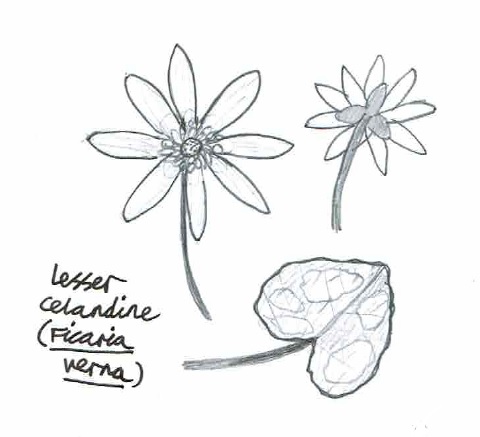
Lesser Celandine (Ficaria verna)
Size: Up to 30cm tall
Flowers: Solitary with 8-12 glossy yellow petals and 3 sepals
Stems and leaves: Hairless with leaves that are long-stalked, heart-shaped, and dark green. Sometimes bear dark or light markings
When does it flower? February-May
Where can it be found? Woods, grassland, hedges, waysides, bare ground and by fresh water throughout Britain
Bluebell (Hyacinthoides non-scriptus)
Size: Up to 50cm tall
Flowers: Azure blue (though sometimes pink or white) with cream-coloured anthers. Fragrant and bell-shaped with six turned-down lobes
Stems and leaves: Long, narrow, strap-shaped, keeled leaves
When does it flower? April-June
Where can it be found? Carpeting woodlands, hedges, scrubland, on sea-cliffs and mountains in most parts of Britain
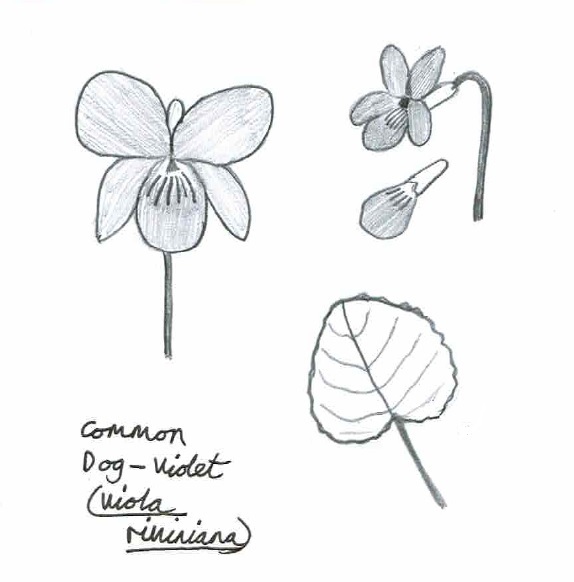
Common Dog-violet (Viola riviniana)
Most common wild violet species in the UK
Size: Up to 15cm tall
Flowers: Unscented with petals that are blue-violet but variable, usually overlapping. Stout spur, curved upward, blunt, notched at tip and paler than petals (often creamy)
Stems and leaves: Hairless or only slightly downy leaves and stalks. The leaves are long-stalked, heart-shaped, pointed at the tip, and as broad as they are long
When does it flower? March-May and sometimes July-September
Where can it be found? Woods, hedges, pastures, heaths and rocky areas throughout the British isles
Sweet Violet (Viola odorata)
Size: Up to 15cm tall
Flowers: Blue-violet, often white, occasionally lilac, pink or yellow. Only fragrant violet in Britain
Stems and leaves: Leaves are heart-shaped, downy and enlarged in summer
When does it flower? February-May
Where can it be found? Woods and hedges over most of the British isles
Plants known to some
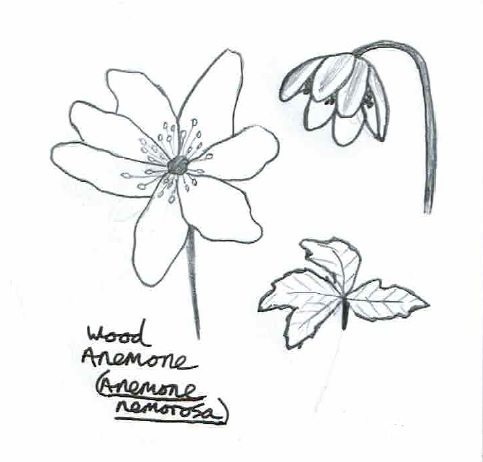
Wood anemone (Anemone nemorosa)
Size: Up to 30cm tall
Flowers: Solitary white (sometimes tinged purple) that nod when closed
Stems and leaves: About two-thirds of the way up each slender stem is a ring of three leaves (trifoliate), each divided into three toothed segments. Rising above the leaves is the solitary flower
When does it flower? March-May
Where can it be found? Carpeting woodlands in spring, as well as hedge-banks and occasionally grasslands throughout Britain
Greater stitchwort (Stellaria holostea)
Size: Up to 60cm tall
Flowers: Deeply cleft white petals
Stems and leaves: Stalkless, narrow and long-pointed leaves with a slightly grey tinge (15-60cm long)
When does it flower? March-June
Where can it be found? Across woodlands, hedgerows and scrub areas throughout Britain except some northern isles
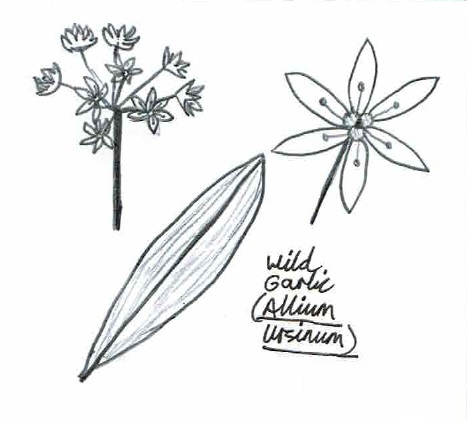
Wild Garlic/Ramsons (Allium ursinum)
Most common and only native broad-leaved garlic
Size: Up to 45cm tall
Flowers: White star-like flowers
Stems and leaves: Have leafless flowering stems. The leaves are broad, flat, lanceolate and distinctive smelling
When does it flower? April-June
Where can it be found? Often seen growing in large clumps in woods and shady places throughout Britain
Wild Strawberry (Fragaria vesca)
Size: Up to 30cm tall
Flowers: White flowers with no gaps between the 5 unnotched petals. Produce reddish fleshy strawberries that have protruding pips
Stems and leaves: Hairy. Leaves are trefoil on long stalks and are brighter green on top and pale below. Lower leaves form a rosette
When does it flower? April-July
Where can it be found? Woods, scrub, and grassland throughout the British Isles
Barren Strawberry (Potentilla sterilis)
Size: Up to 30cm tall
Flowers: Unlike wild strawberry, there are gaps between the slightly notched white petals. Produces unstrawberry-like non-fleshy fruits
Stems and leaves: They are hairy, but unlike wild strawberry, they have smaller, shorter stems and blue-green leaves
When does it flower? Earlier than wild strawberry, from February-May
Where can it be found? Woodlands, scrub, hedgebanks and other dry banks
Less known plants
Yellow Archangel (Lamiastrum galeobdolon)
Size: Up to 30cm tall
Flowers: Yellow and two-lipped, with the upper lip being helmet-shaped and the lower having three almost equal-sized lobes
Stems and leaves: Hairy and patch-forming, with leafy and upright flowering stems. The leaves are long-stalked, oval in shape, dark green, irregularly toothed and borne in opposite pairs
When does it flower? April-June
Where can it be found? Woodlands and hedgerows in England and Wales
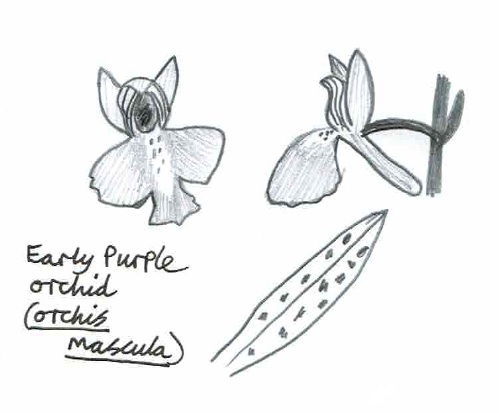
Early Purple Orchid (Orchis mascula)
Size: Up to 40cm tall
Flowers: Form a spike on a stout, upright stem. Usually some shade of purple, sometimes pinkish or white, and are three-lobed with three inner and three outer petals. The upper five petals are oval and form a hood; the lower petal extends into a long lip. Scent described as tom-cat-like
Stems and leaves: Lance-shaped, varying from broad to narrow, and usually have round, purple-black blotches on their upper surface
When does it flower? April-June
Where can it be found? Frequently in woodlands, and is widespread throughout Britain
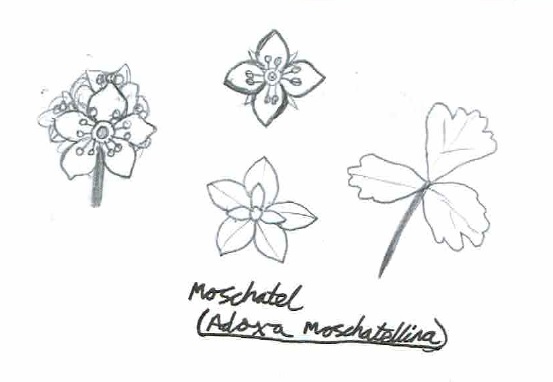
Moschatel (Adoxa moschatellina)
Also known as townhall clock and is the only species in its family
Size: Up to 15cm tall
Flowers: Flower heads greenish, almost forming a cube with one flower on each side (5 petals each) and one flower on top (4 petals). Scent is musk-like, likened to almond or elder blossom
Stems and leaves: Hairless with long-stalked trefoil leaves, that are positioned in one pair on each flower-stalk
When does it flower? March-May
Where can it be found? Woods, hedge-banks, and rocky mountain places, locally common throughout Britain
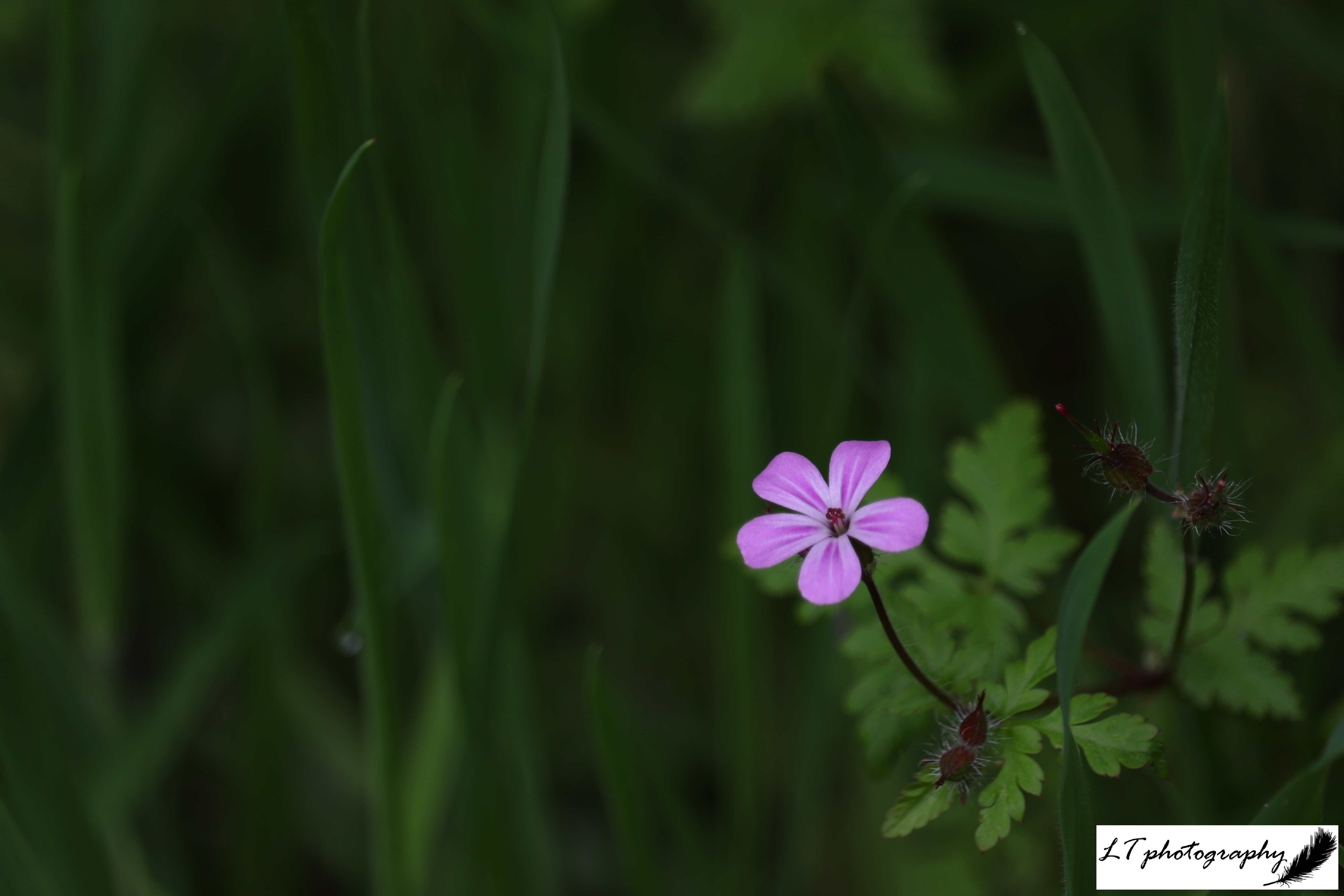
Herb-robert (Geranium robertianum)
Size: Up to 50cm tall
Flowers: Strong smelling and deep pink, occasionally white, with rounded petals that are not notched
Stems and leaves: Hairy with stems that are often reddish and leaves that are fern-like with 3-5 lobes
When does it flower? April-November
Where can it be found? Shady spots on hedgebanks, rocks and walls or in woods throughout Britain
Though I love the sunshine of summer, changing colours of autumn, and crisp days of winter, spring is by far my most favourite of seasons. Spring each year brings with it new life and a vibrancy that always lifts my spirits and makes me look forward to the rest of the year ahead.
Unfortunately for the last few years, I have felt like I have missed out on being able to fully appreciate this time of year, due to concentrating on my degrees. This year though, working in a seasonal outdoors job, things have been very different. In fact, I have been privileged enough to be able to fully immerse myself in the changing of seasons and blazing emergence of spring. Thus, I now want to take a moment to look back and reflect on my favourite moments of the amazing spring that is now slipping us by.
Winter warmers
Spring began for me even before the season had started this year. With a cold winter in Dorset being experienced, my spirits were lifted at the beginning of the year with the first sprouting of snowdrops in my garden and surrounding countryside. These little white beauties reminded me that winter would not last for forever.
I was then given similar reminders with the arrival of sunshine yellow hazel catkins in February, brightening a grey and imposing landscape, and the melodic songs of male song thrushes and blackbirds, especially singing to me at dusk each day. The increasing activity of plants and animals were comfortingly hinting at what was to come.
2. Signals of spring
Following winter reminders of spring, there was nothing better than the arrival of the first real signals of its arrival. Three of my favourite standouts this year began with the blooming of vivid white and yellow flowers across the countryside, the most notable being daffodils, primroses, lesser celandines, pussy willow and sycamore. This was accompanied by the emergence of yellow-green male brimstone butterflies fluttering across the fields and along the hedgerows.
One of my most anticipated first signs of returning spring though, was the onomatopoeic call of returning chiffchaffs. These incredible small migrants, and now a resident British species, have such an iconic song that just sings that ‘spring is here’ for me. Thus, nothing brightens my days more than seeing these small birds flitting between trees and shrubs and hearing ‘chiff chaff, chiff chaff’ wherever go.
3. A new favourite
Often from year to year I have very similar favourite moments of spring, such as the bud burst of oak and horse chestnut trees or the return of nesting barn swallows. This year for me though I got to add a new one to my highlights.
When the first signs of spring began to creep back in this year, our hedgerows looked rather bare and empty in their skeletal form. This made it all the more noticeable when in March the hedgerows around me became awash with white, like rolling waves. Some years the flowering blackthorn does not make a full show, but this year it was rather spectacular, bringing fresh colour to the countryside around me. It even became a favourite for me to dabble with up close plant photography with my brand-new camera. Here are some of my very first photos!
4. Something special
Another of my favourite moments this spring included an additional first for me. Where many naturalists in the UK may have had spring encounters with this bird species before, previously my experience has been limited to hearing one call a year if I am lucky. This year though, I had the pleasure of being able to get well acquainted with this parasitic migrant, the common cuckoo (red-listed in the UK).
It has to be said that the male cuckoo has a song that is traditionally iconic of spring time, but as the years have been rolling on, this is has become a scarcer occurrence for many. That is why this spring I was overjoyed when most days the song of a number of male cuckoos became the soundtrack of my work life. It has been really special to become so used to this sound, and it has filled me with such pleasure on a day-to-day basis. So all I can say is that I hope I get this privilege again in the future!
5. The best of all
For me, though I love all that spring has to hold, I cannot help but have the same favourite highlight each year. With the beginning of new life during spring, one of my favourite parts of this is our woodlands becoming lush with an assortment of plant species. The one species that stands out during this time though, is characterised by its colourful purple flowers carpeting woodland floors.
The sight of flowering bluebells at their peak is an incredible one, which is a feeling shared by many people. It is hard to pinpoint why this is so, but it may be due to how the deep purple carpet totally contrasts with its bright green surroundings, or for the sweet heady scent of native bluebells. Whatever the reason though, they always fill me with joy with every sight, along with the other flowers that are dotted amongst them, such as stitchwort and wood anemone.
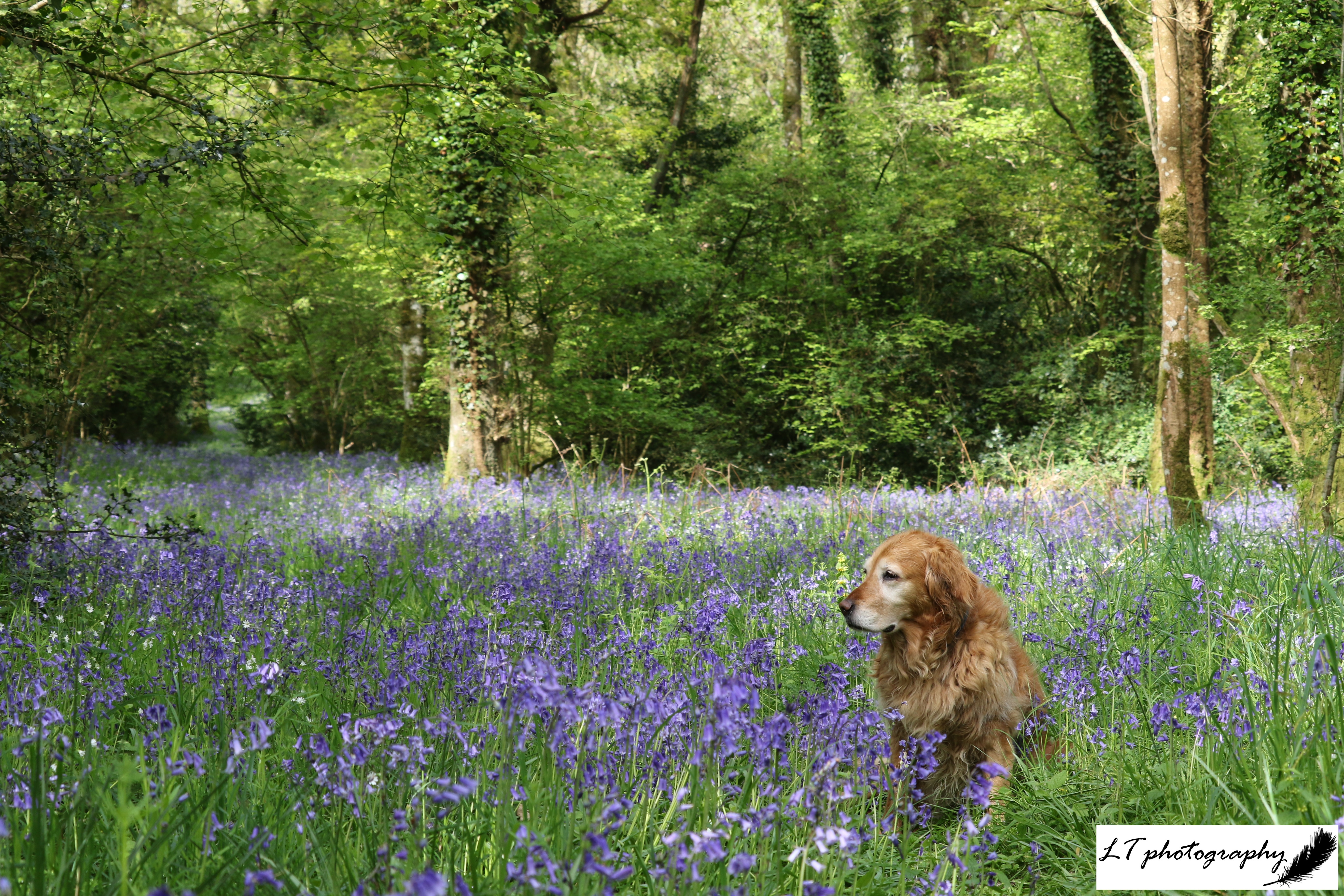
With the return of the bluebells this year, it can be said that they really did not disappoint me. Many a day I took a turn through my local woods and took a moment to look back at all the memories past walks amongst the purple flowers hold for me. For example, I have always enjoyed taking a four-legged furry friend to the woods with me to responsibly enjoy this setting too.
So, as quick as the bluebells came and put on their show this year, they also died away. I cannot help but feel a little bit sad when this happens every year, but with their exit, this signals the start of the next season and that one has to offer.
In all things of nature there is something of the marvelous – Aristotle
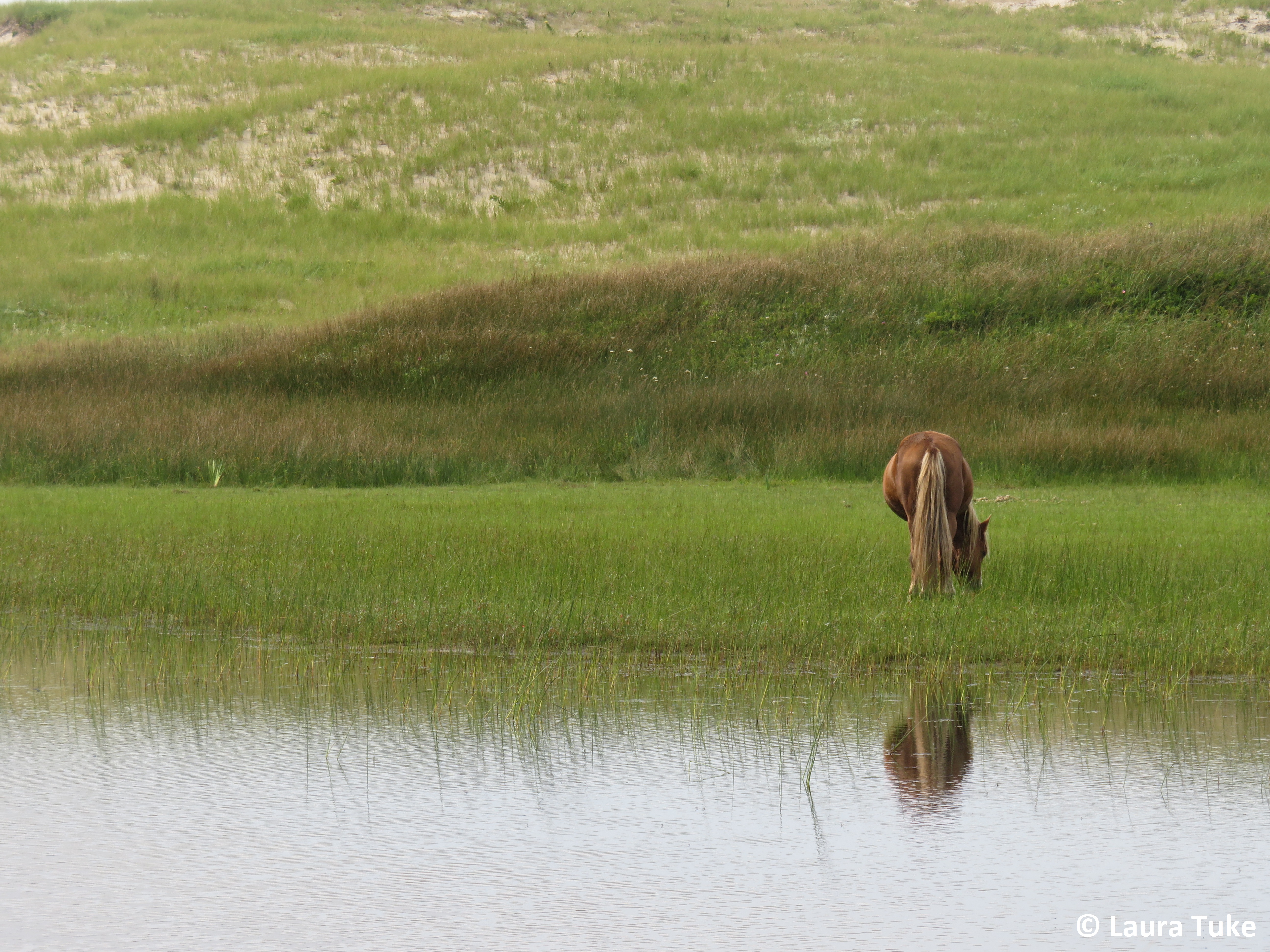
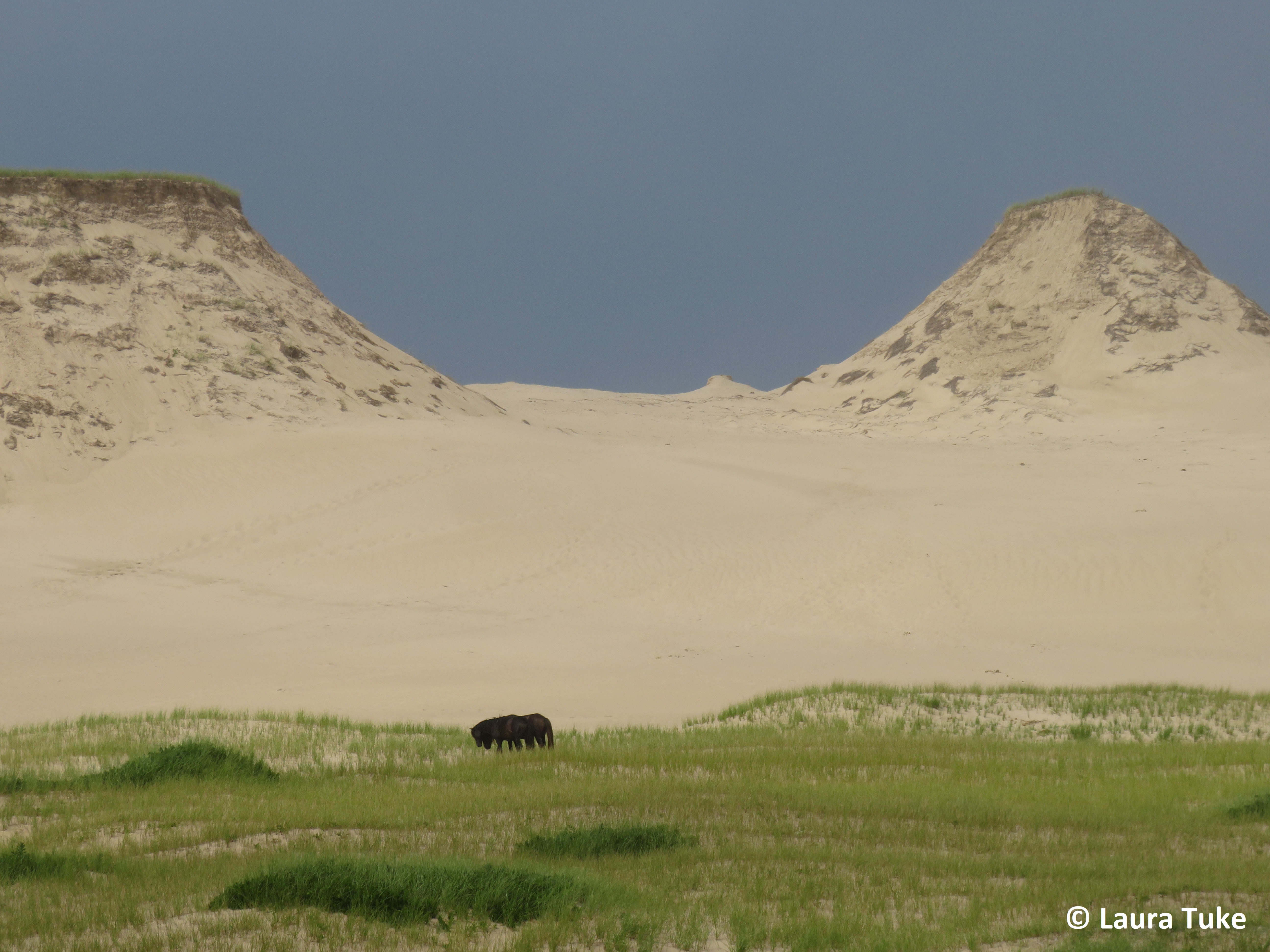
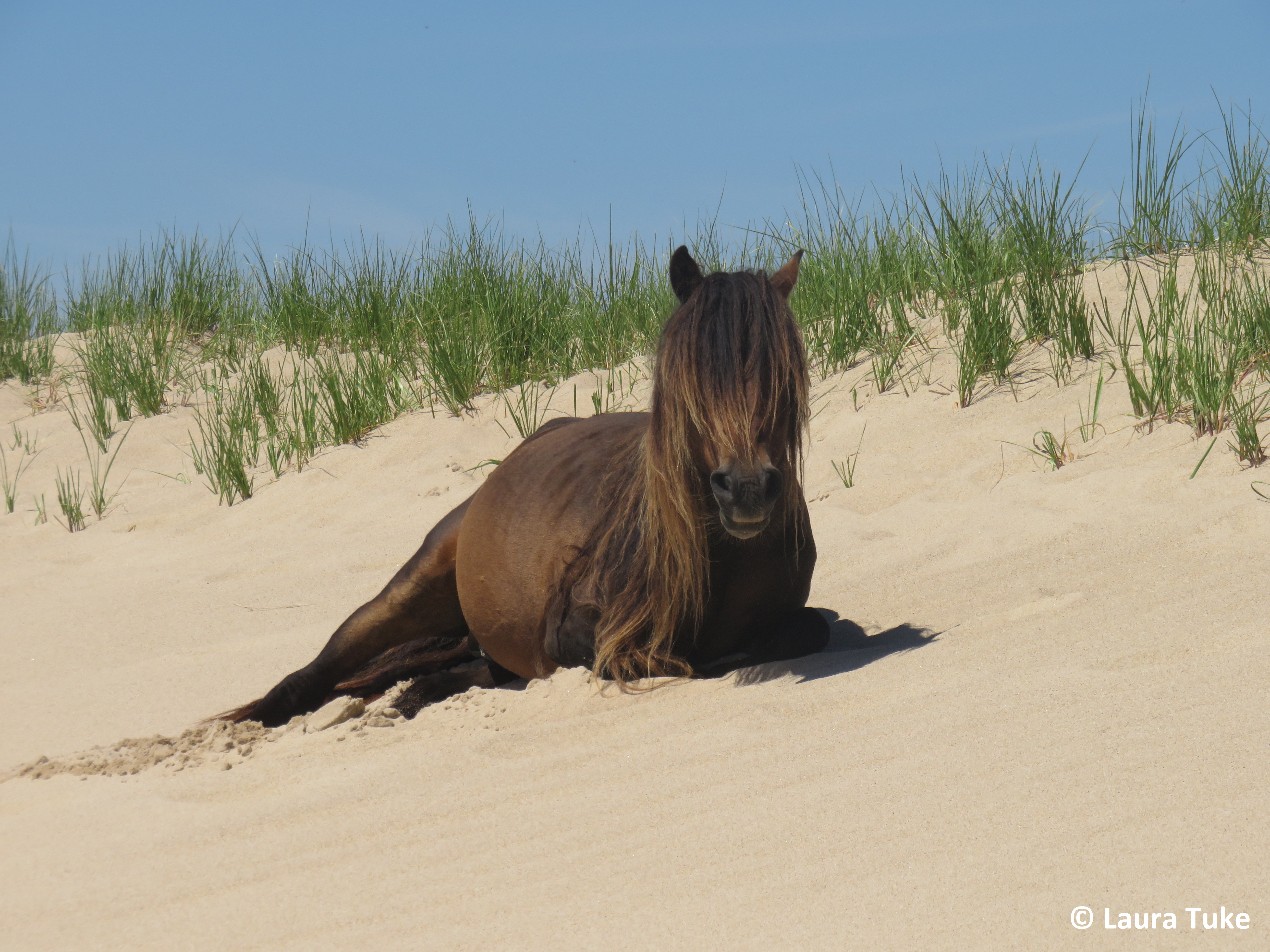
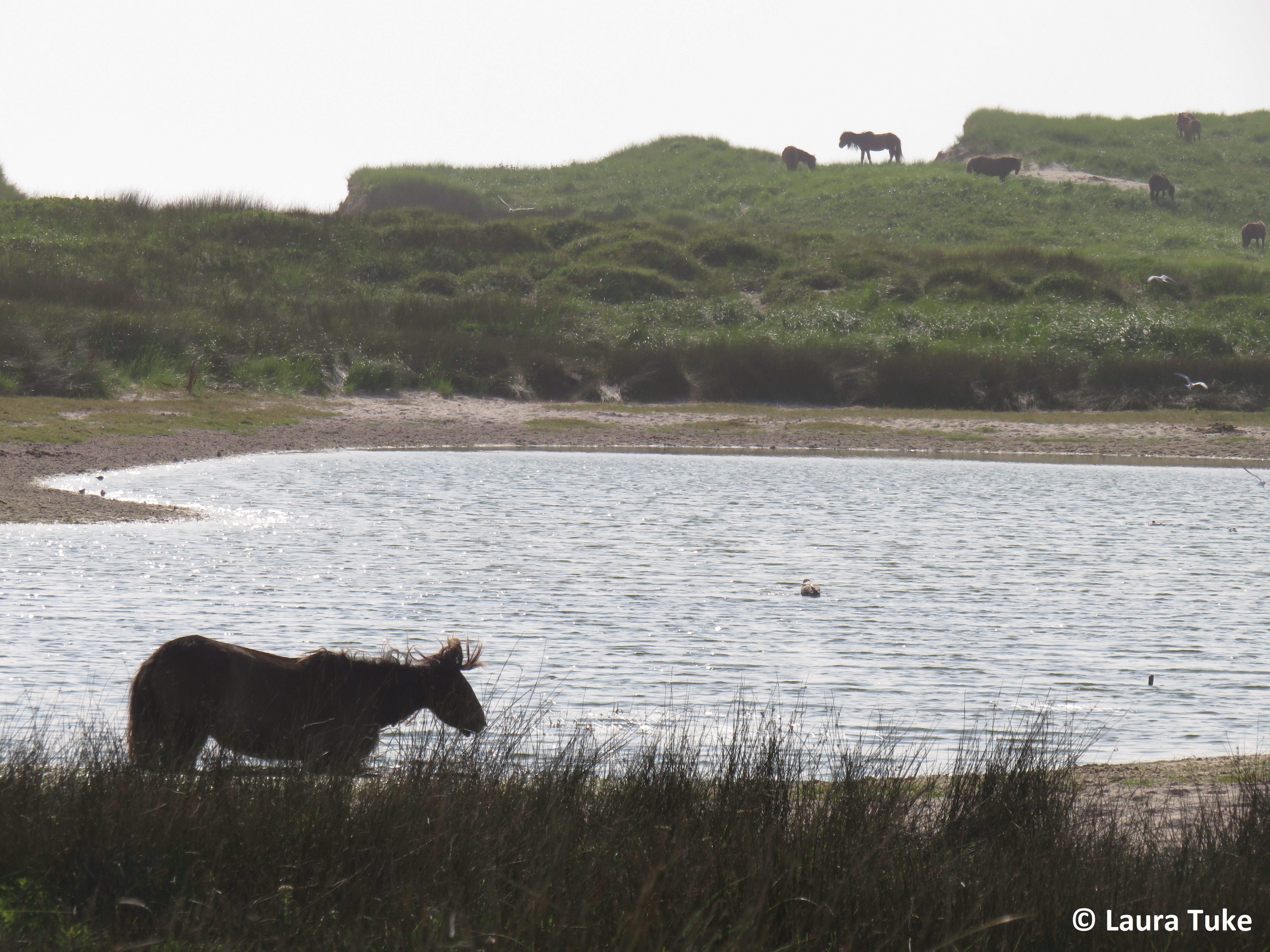
As part of my Master’s degree, from the other side of the North Atlantic, I have had the pleasure of studying a renowned animal population situated on Sable Island, Canada. Though this species is not the first that comes to mind when you think of an island made of sand, within the last few centuries Sable Island has become home to a population of feral horses (Equus ferus ssp. caballus). These horses vary in shape, colour and size, and have now captured the minds of the public and scientists alike, as well as my own.
For those of you who have never heard of the Sable Island horse, or even for those who have, I have put together a helpful ’11 interesting facts’, so you can learn everything you need to know about these compelling creatures:
Today’s population of Sable Island horses originate from horses first released on the island by European travellers during the mid-1700s, and though genetically distinct as a subspecies, are most closely related to Nordic breeds.
2. Previously, the horses have been used for a range of purposes on the island, including use as breeding stock for sale on the mainland, hauling lifeboats for the past lifesaving crews, and exportation for the meat trade (mainly dog food).
3. During the 1950s, scientists said the horses were damaging the sensitive ecology of the island, and proposed their removal. Following a strong public campaign, the Canadian government gave the Sable Island horses legal protection in the 1961 Canadian Shipping Act, protecting them from all human use and interference in the future.
4. Due to their protected status, the horses are now treated as a wild and naturalised population. As a result, all people visiting and living on the island have to maintain a distance of at least 20m away from the horses at all time.
5. Currently, there are approximately 550 horses living on Sable Island.
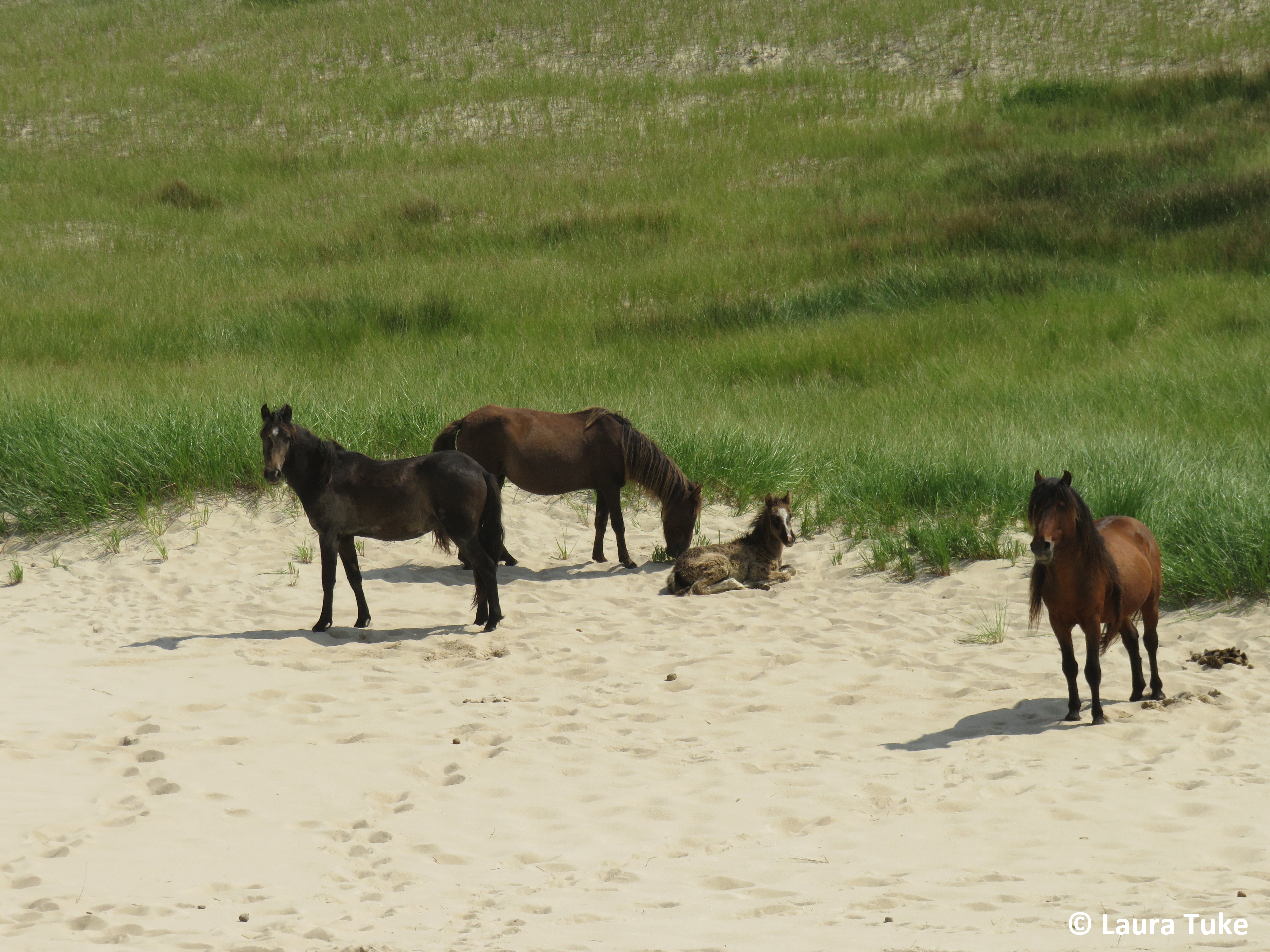
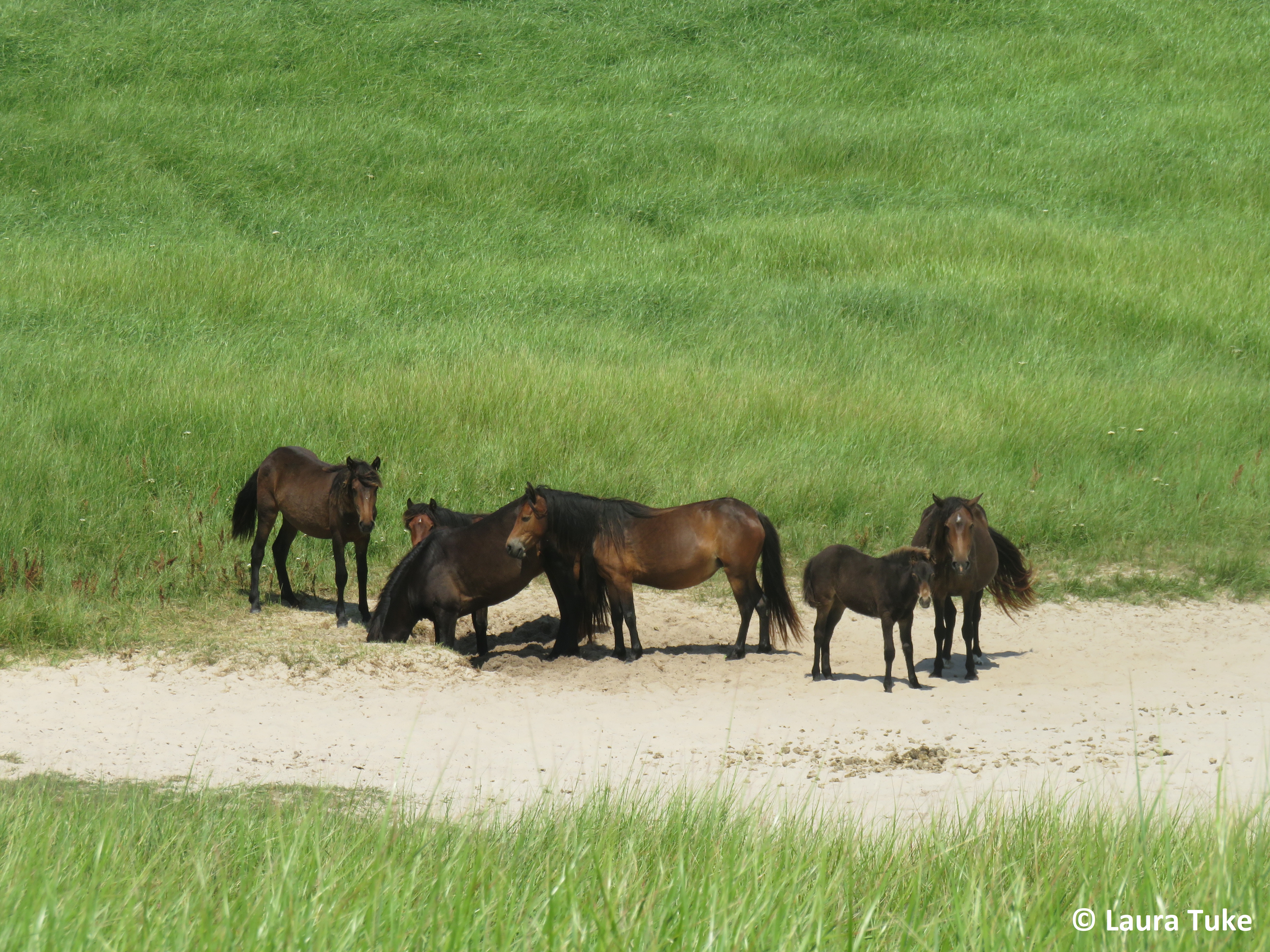
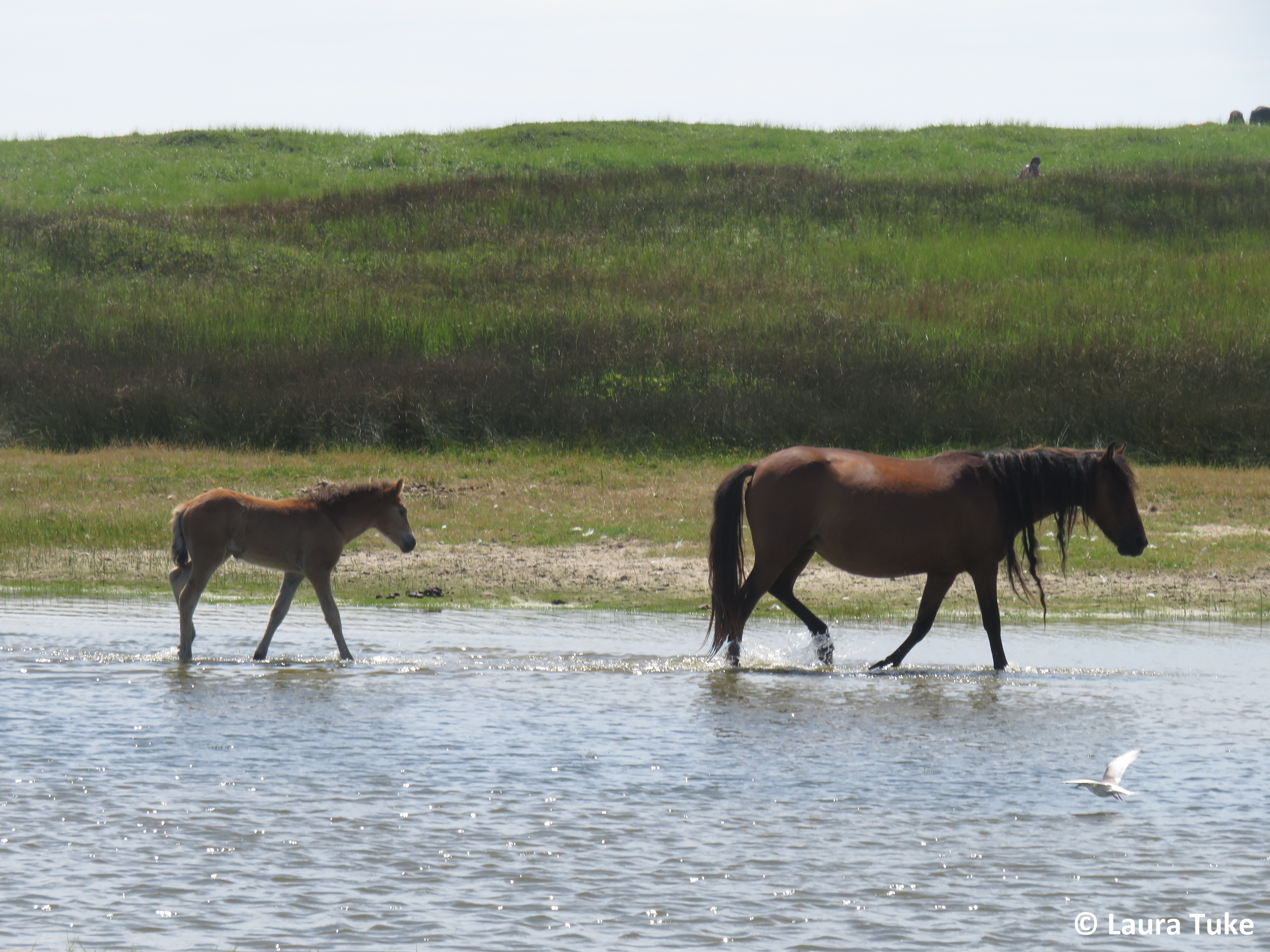
6. Sable Island horses live in all year-round social groups, called bands, which either contain bachelor, unmated males or typically consist of anywhere up to 15 individuals, with 1-3 dominant males (stallions), adult females (mares) and young offspring (typically foals and yearlings).
7. In the Sable Island population, the sex ratio is heavily male-biased. This is because a lower number of females are surviving on the island, due to the different, more extreme conditions they experience in comparison to males, such as with breeding.
8. The Sable Island horse’s diet is composed mainly of tough American marram grass, other grass species and beach pea, though they will feed opportunistically on a range of other species.
9. The horses are found in a range of colours, but there are none that are spotted, grey, white, or coloured on Sable Island. It is suspected that this is because these colours were kept out of the population previously.
10. The Sable Island horses have been part of an ongoing long-term individual-based study since 2007, meaning every individual is surveyed between July to early-September each year. As a result, every individual is followed from birth to death, can be individually identified, and have their very own name, such as Orbit, Ripley or Maria.
Orbit
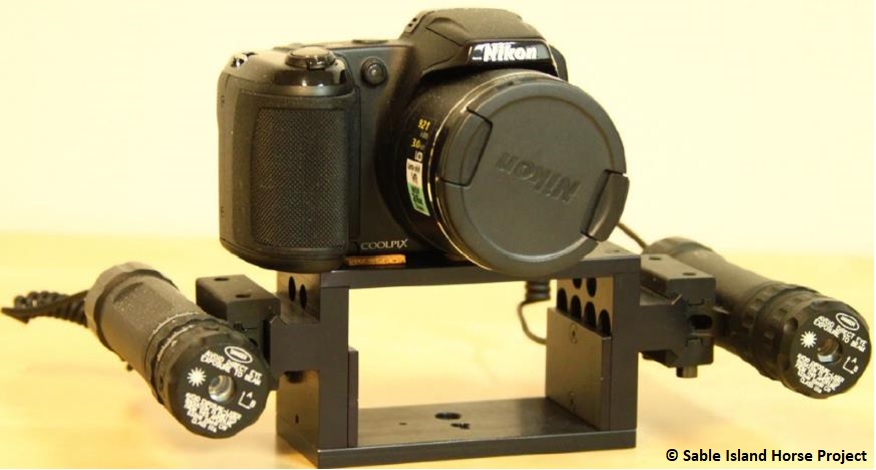
11. Alongside the Sable Island Horse Project (a collaboration between the University of Saskatchewan and University of Calgary), my research has focused on investigating the genetic basis of foal body size and the potential for it to evolve in the Sable Island horse. Data collection for this research involved a special piece of equipment consisting of two lasers and a camera attached to a frame. This allows for photos to be taken from a distance that were then used to calculate reliable body size measurements.
Disclaimer: All horse photos (from wide shots to zoomed in) were taken from at least the minimum of 20m away from the subject(s)
When people think of Sable Island, they may think of a windswept island of sand, the island’s famous feral horses, or its involvement in maritime stories. More overlooked is Sable’s vibrant collection of fauna and flora, the latter having previously been touched upon in my ‘Guide to Sable Island’s habitats and plants’. When considering Sable’s fauna though, the most abundant can be split into its birds and its invertebrates.
Birds
Over Sable’s recorded history, at least 340 bird species have been observed on the island. These species span from American kestrel (Falco sparverius) to ruby-throated hummingbird (Archilochus colubris) to red-breasted nuthatch (Sitta canadensis), the last being one species I got to see myself this summer on Sable.
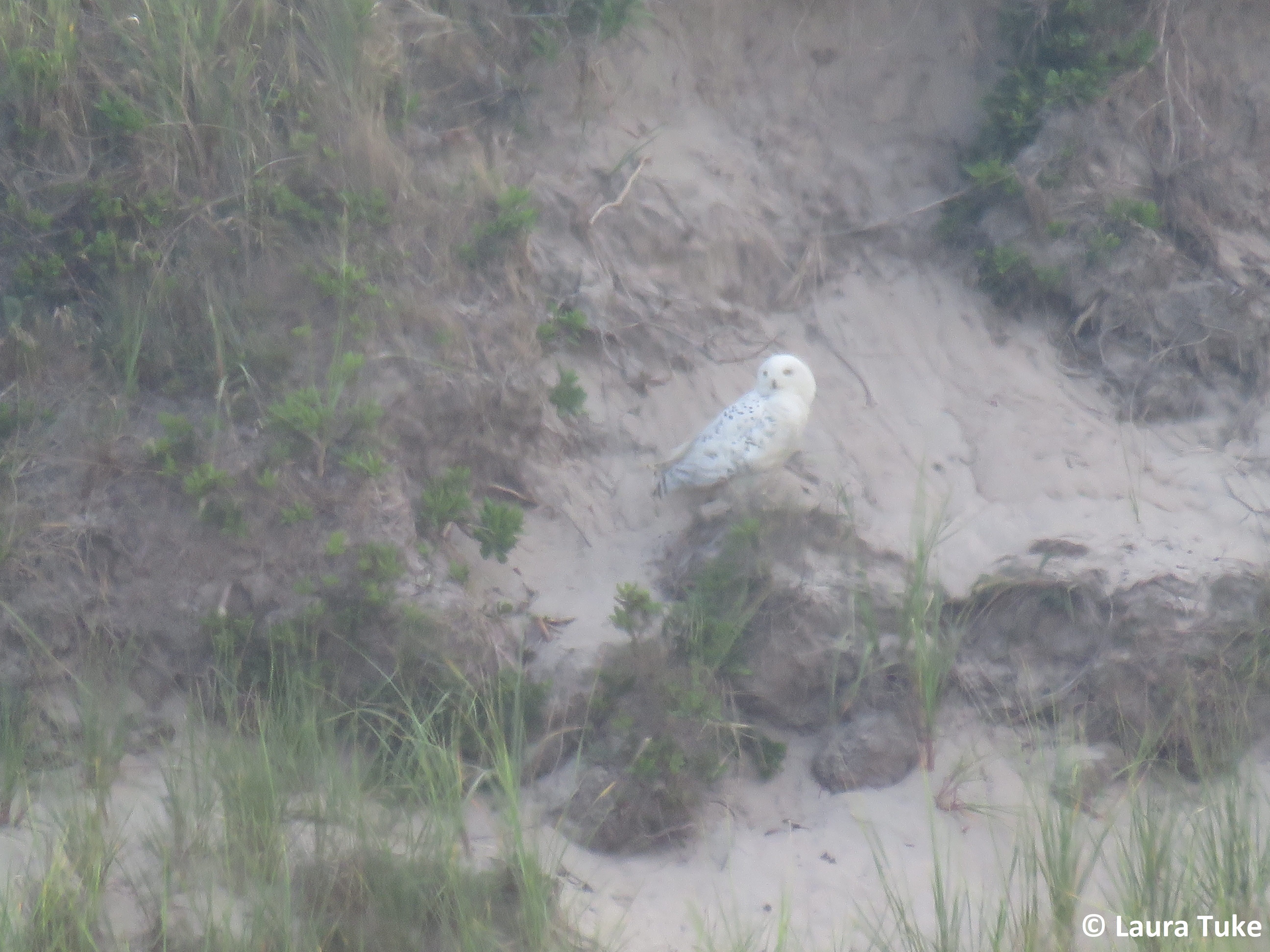
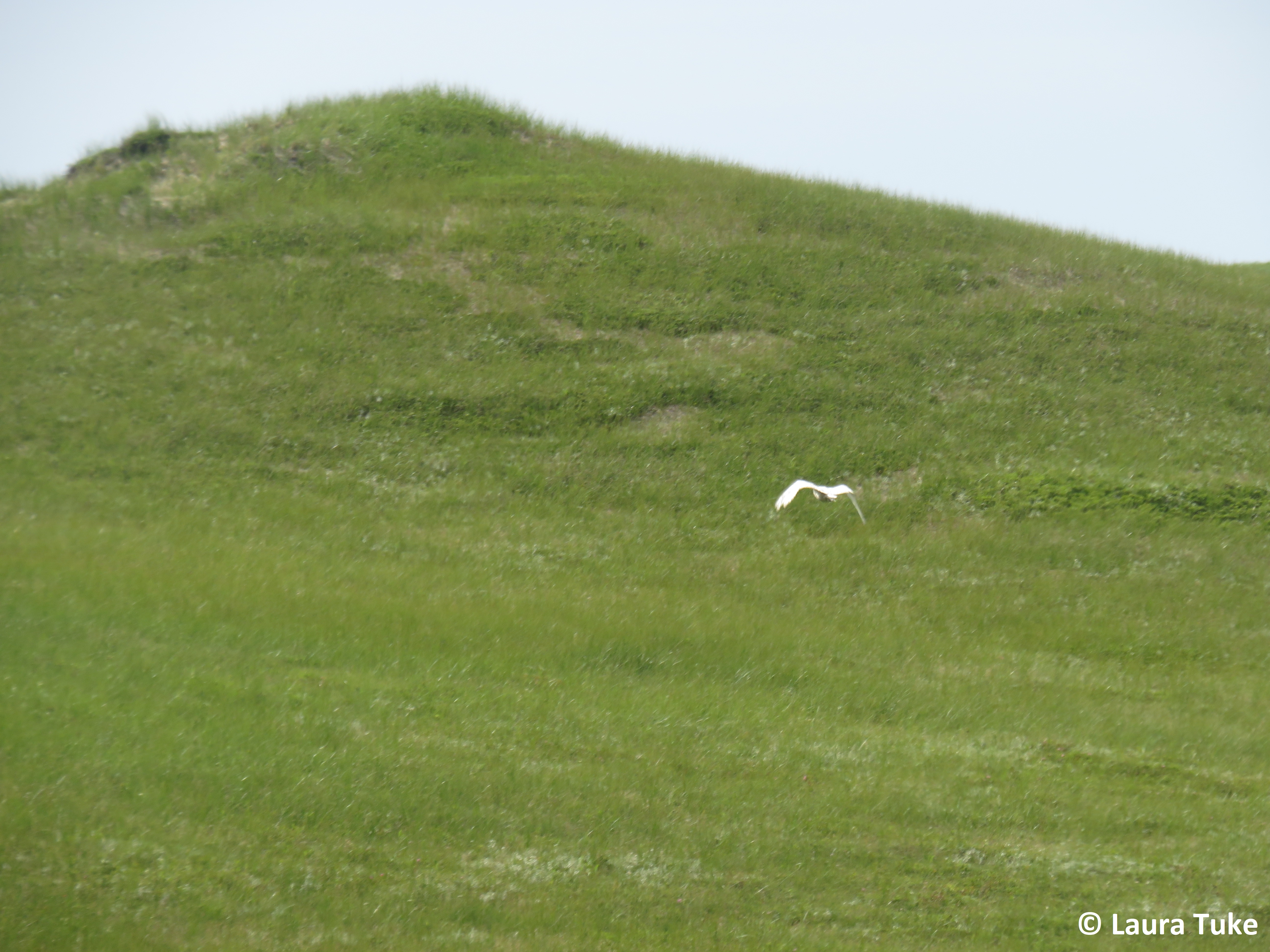
More than 45% of bird species that have been observed on Sable though, are termed as vagrants. This means that they have strayed from their usual range, for example arriving on the island due to being blown off course by strong winds during migration. As a result, I had the pleasure of seeing one iconic species during my stay this summer; a snowy owl (Nyctea scandiaca), floating like a ghost between the island’s dunes.
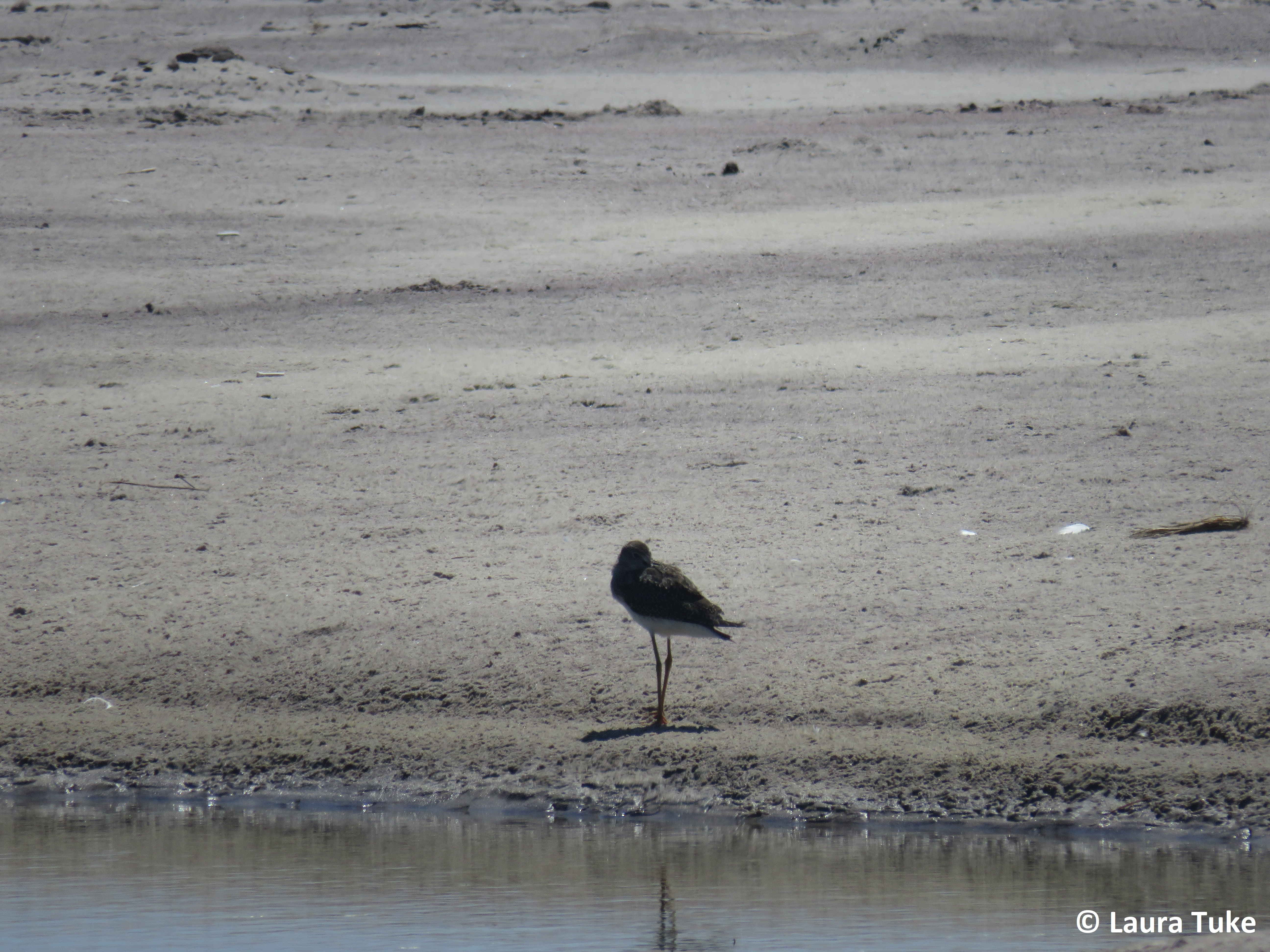
Many species also use the island as a stopover site during their migration, for example waders, raptors and warblers. Regular migrant species include willet (Catoptrophorus semipalmatus), sooty shearwater (Puffinus griseus), grey-cheeked thrush (Catharus minimus) and:
Yellowlegs
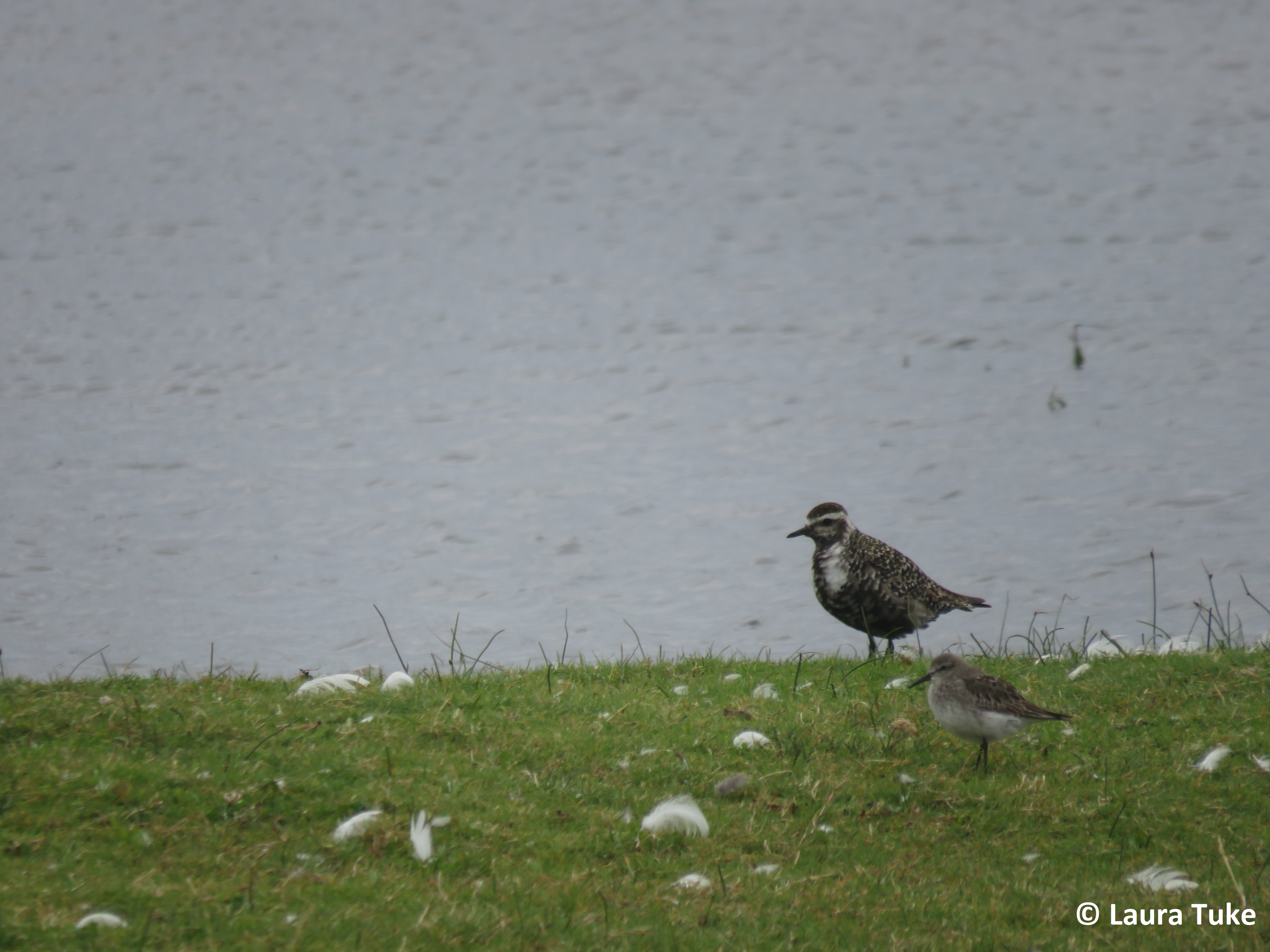
Female American golden plover (Pluvialis dominica) (sandpiper in foreground)
Ruddy turnstone (Arenaria interpres)
Sanderling (Calidris alba)
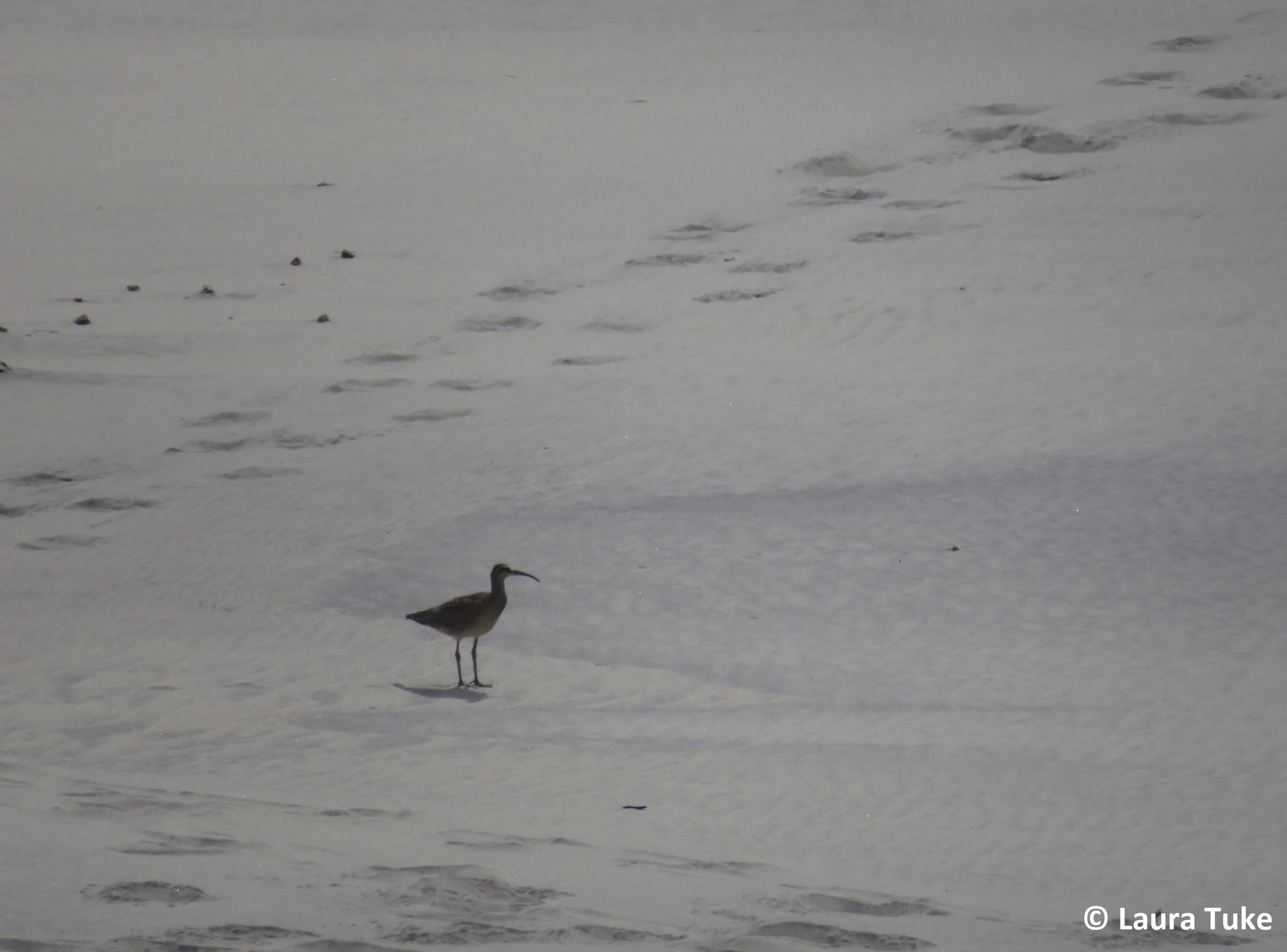
Whimbrel (Numenius phaeopus)
White-rumped sandpiper (Calidris fuscicollis)
Of the 340+ species seen on Sable though, more than 30 have been recorded as breeding on the island. Regular breeders include:
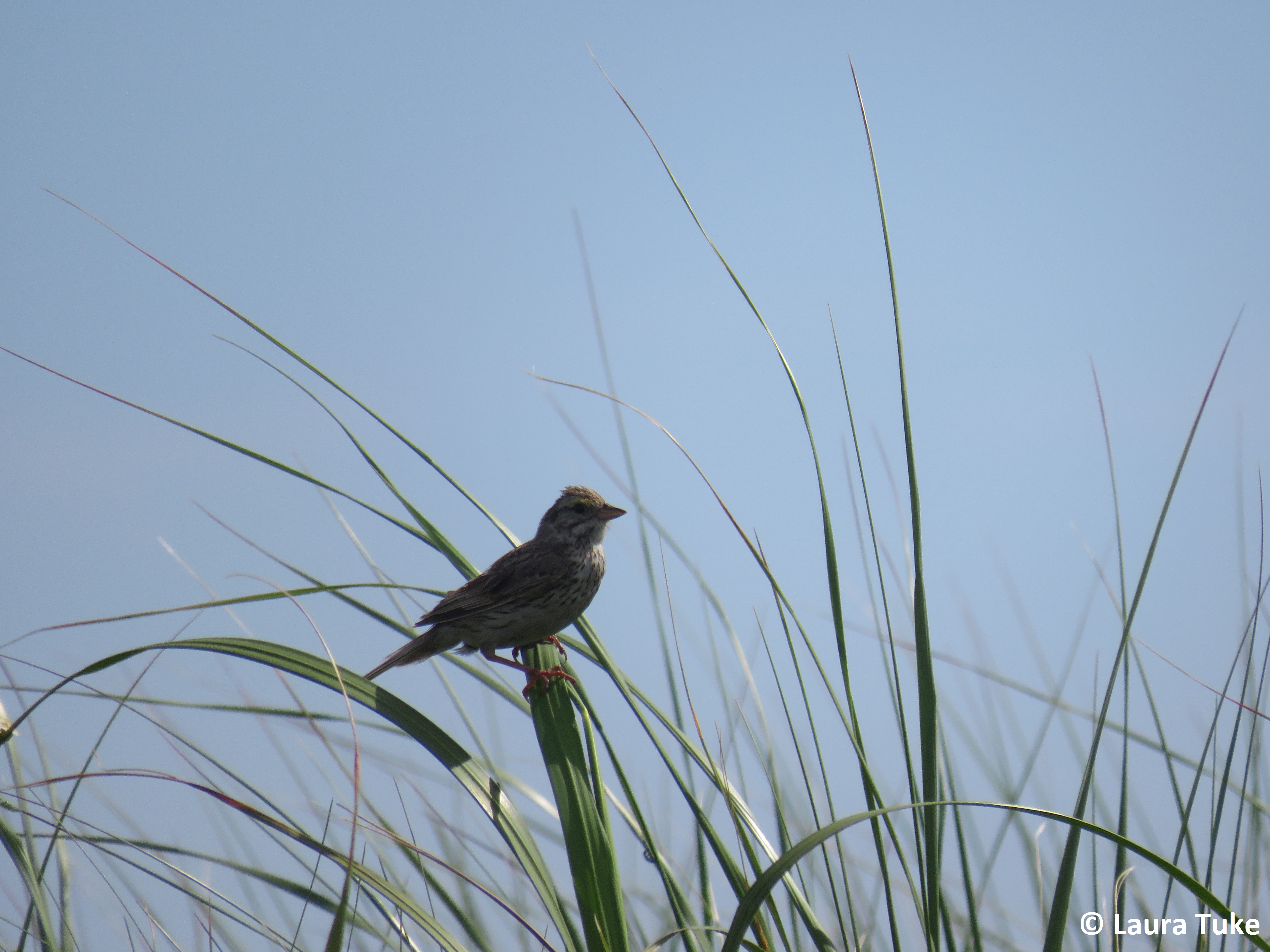
Subspecies of Savannah sparrow and of conservation concern
Leach’s storm-petrel (Oceanodroma leucorhoa)
American black duck (Anas rubripes)
Mallard (Anas platyrhynchos)
Red-breasted merganser (Mergus serrator)
Northern pintail (Anas acuta)
Least sandpiper (Calidris minutilla)
Spotted sandpiper (Actitis macularia)
Invertebrates
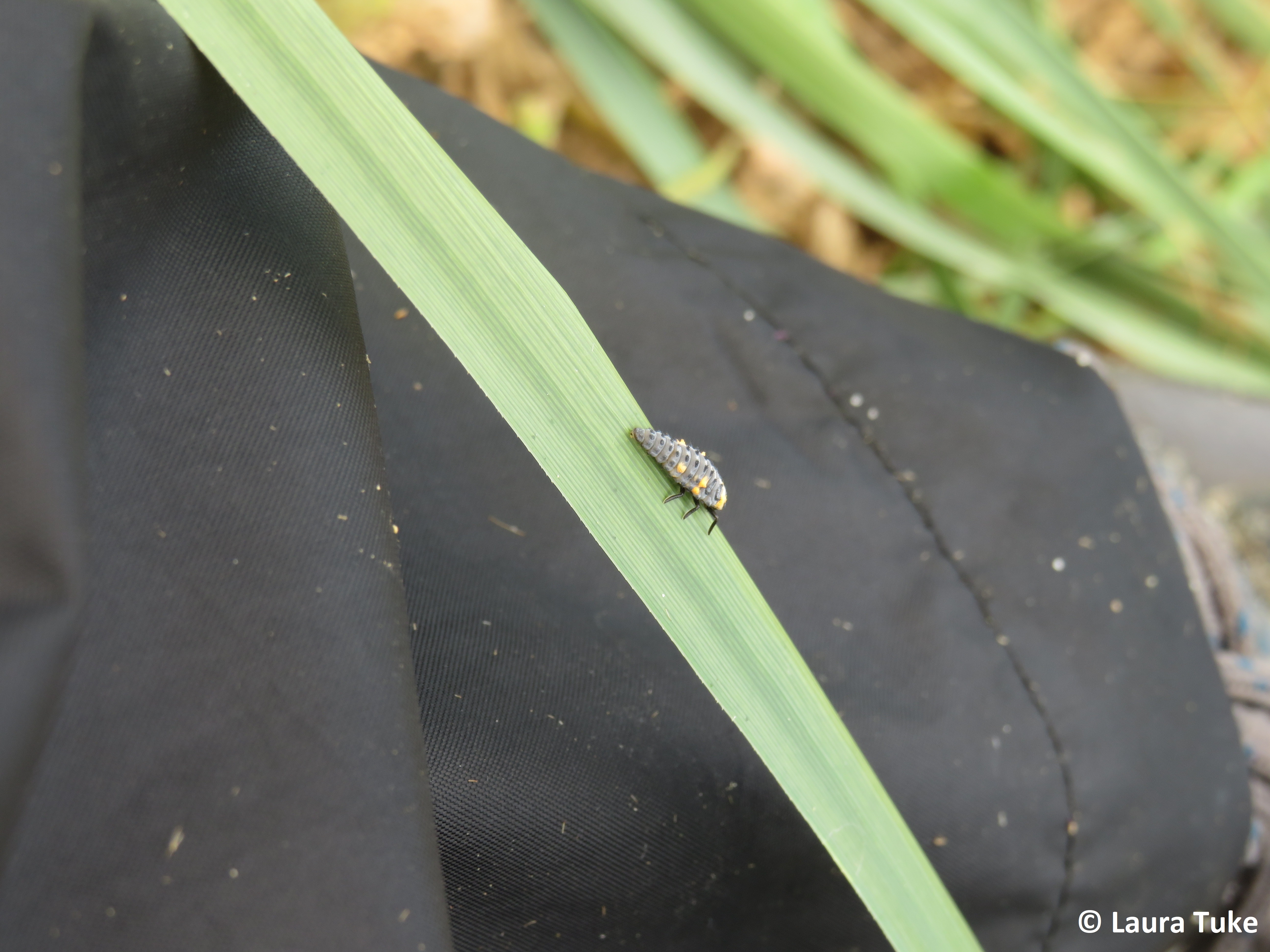
In comparison to the 340+ bird species that have been recorded on Sable Island, 875+ invertebrate species have been identified on and in its marine proximity. Species include the monarch butterfly (Danaus plexippus), painted lady (Vanessa cardui), seven-spot ladybird (Coccinella septempunctata), and round-tipped cone-headed grasshopper (Neoconocephalus retusus).
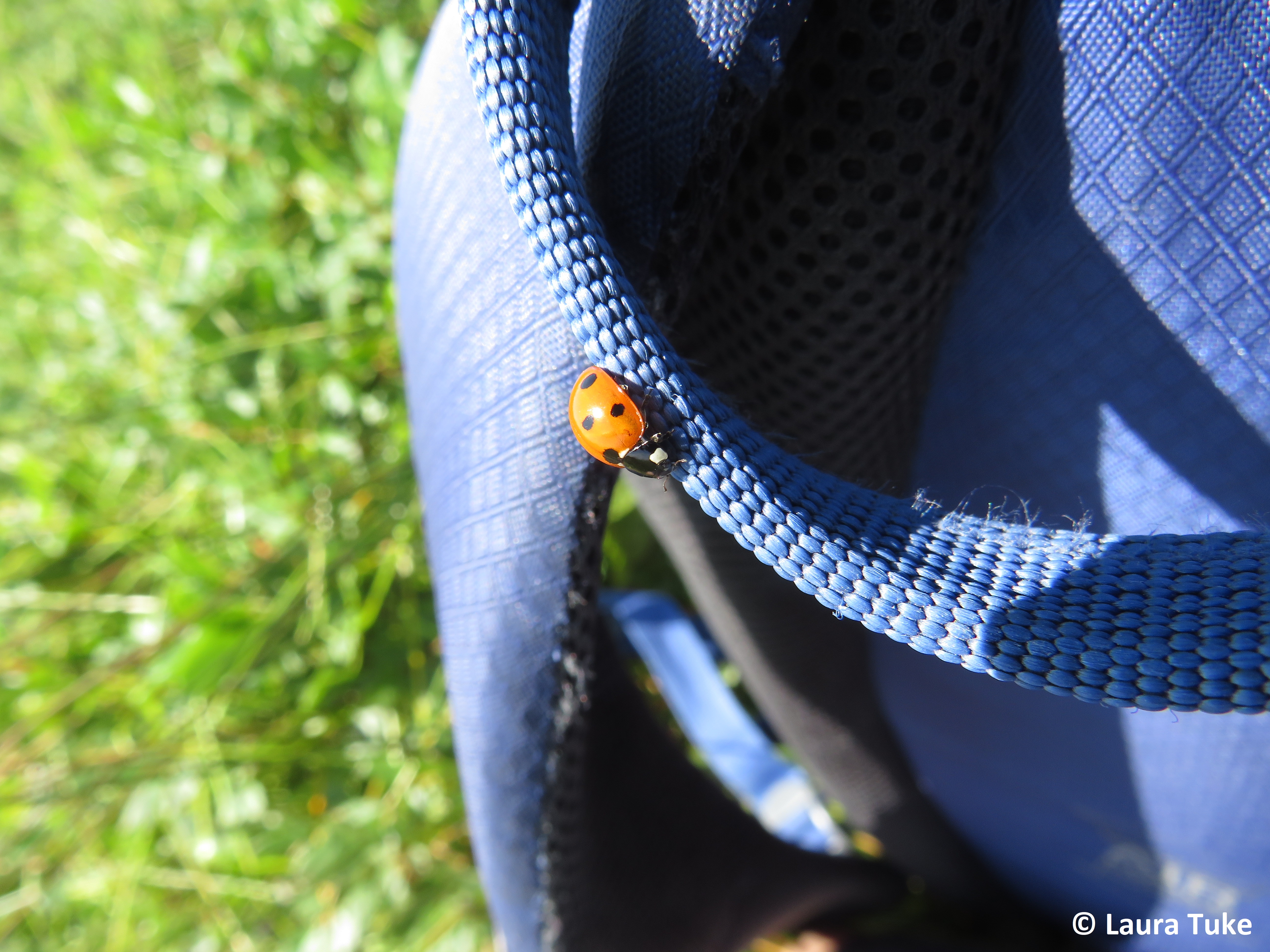
Seven-spot ladybird (Coccinella septempunctata)
Seven-spot ladybird larvae
Sable Island also has some endemic invertebrate species. These include the Sable Island leaf beetle (Pyrrhalta sablensis), the Sable Island sweat bee (Lasioglossumsablense)and three moth species (Agrotis arenarius, Orgyia leucostigma sablensis and a Papaipema species).
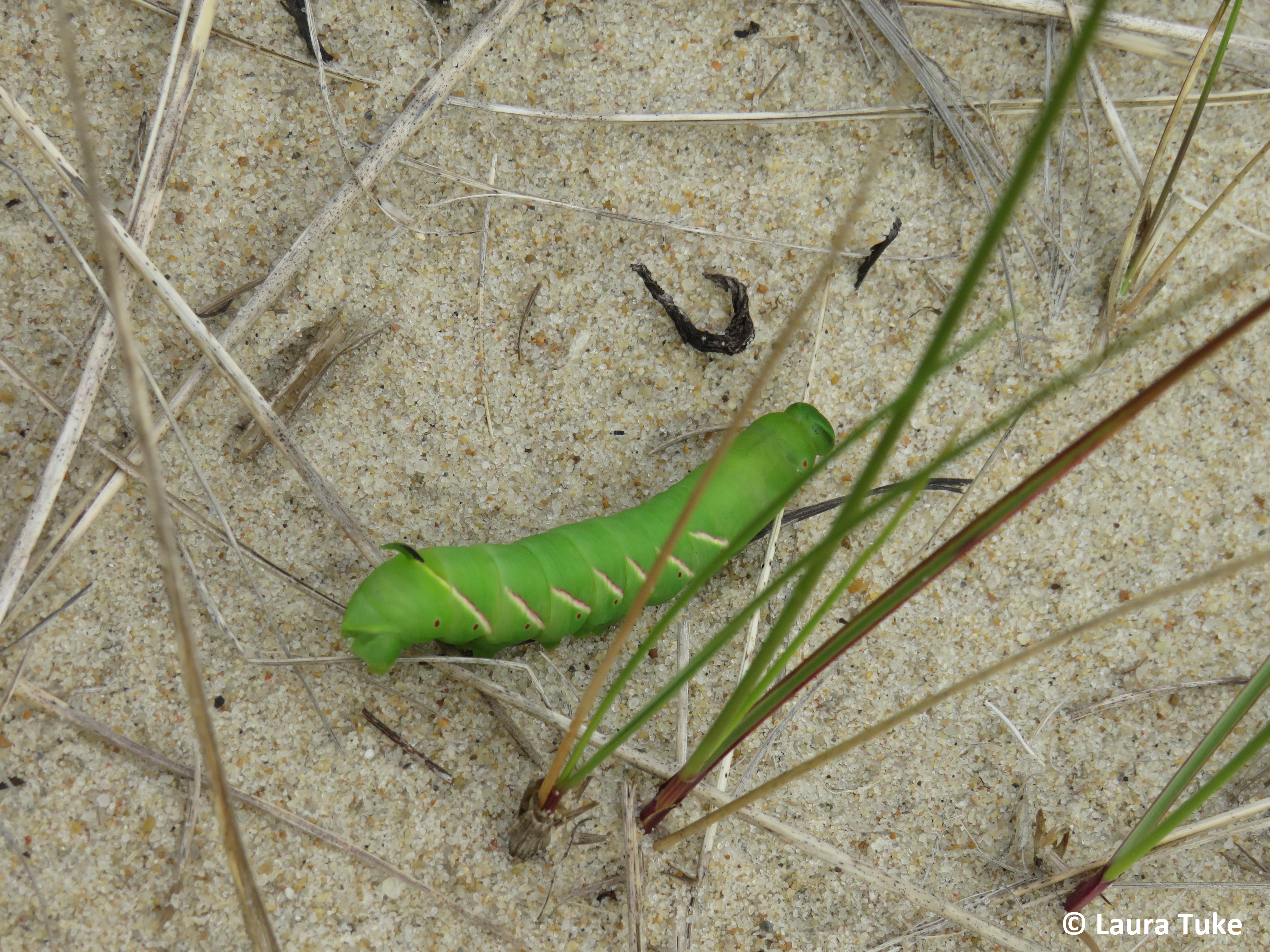
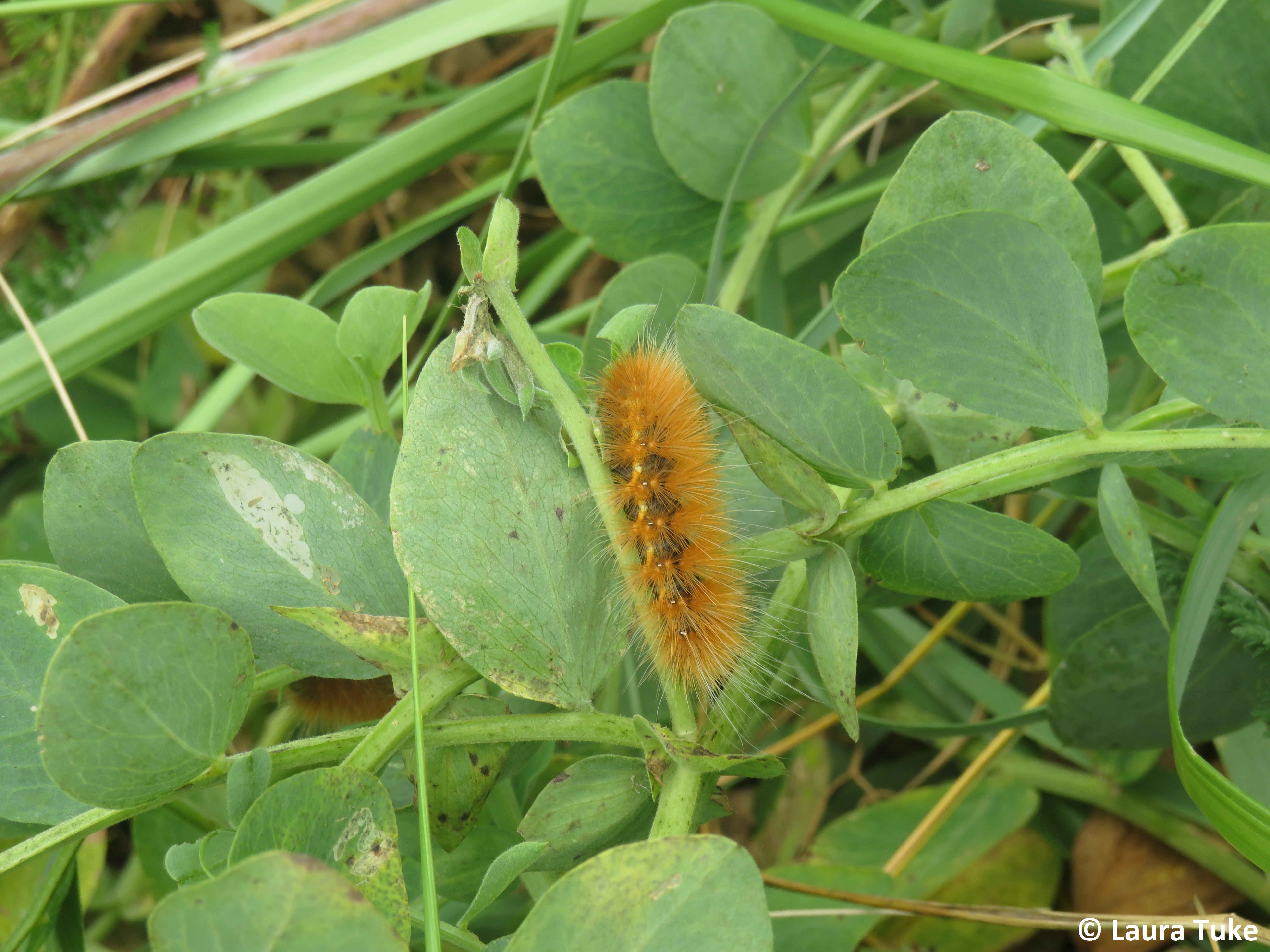
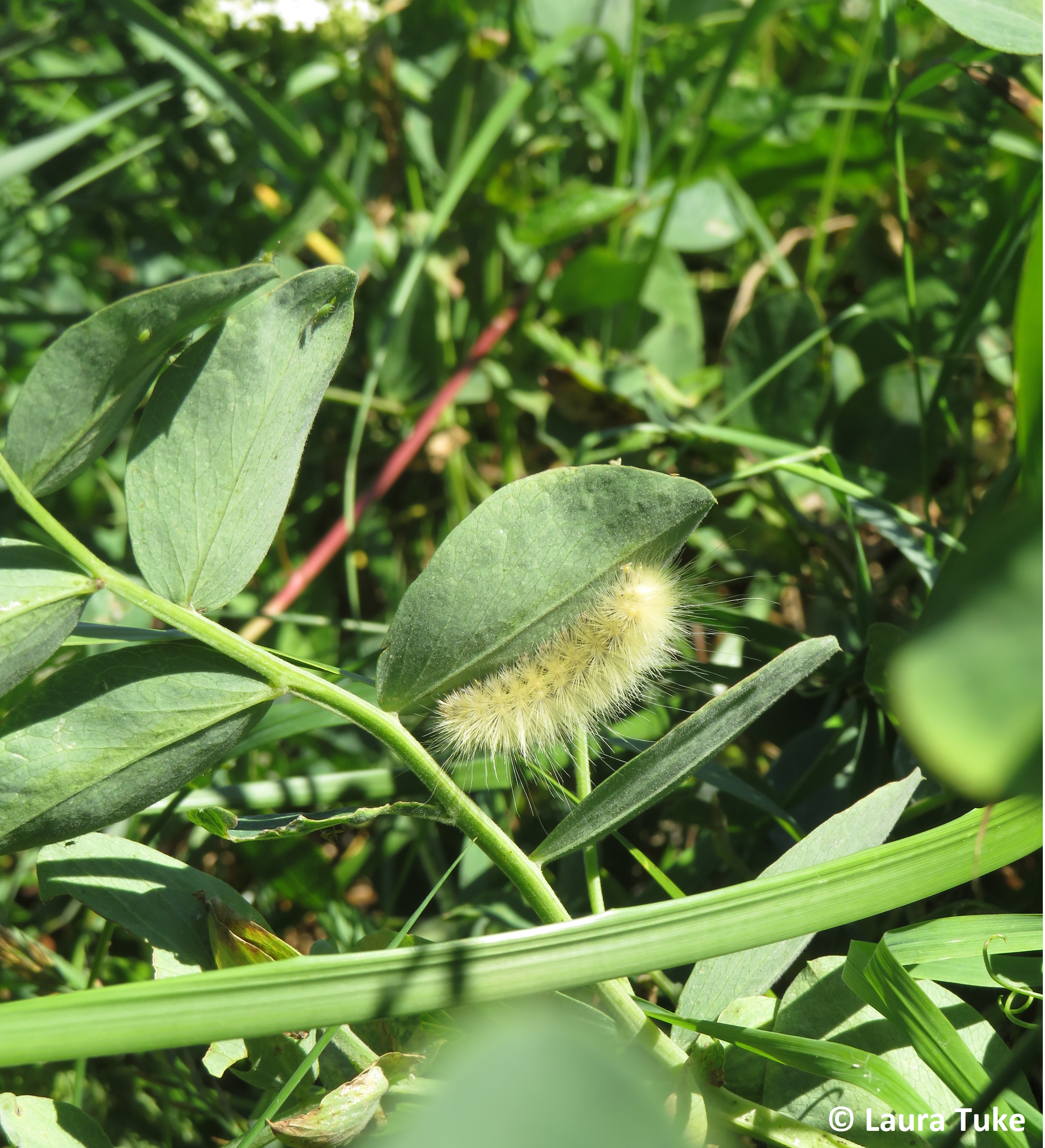
Though I did not get enough time on Sable Island to delve too deeply into the world of the invertebrates, I did enjoy seeing new species and identifying the many caterpillars I saw, such as:
Apple sphinx moth caterpillar (Sphinx gordius)
Two variants of Virginian tiger moth caterpillars (Spilosoma virginica)
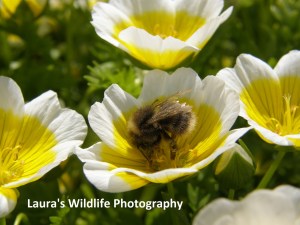
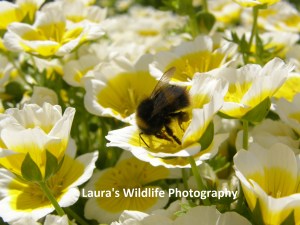
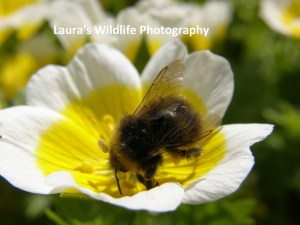
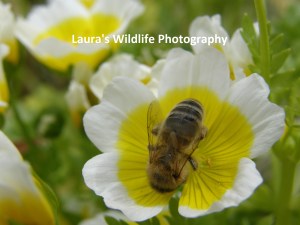
On Wednesday 10th June, I was sat in my garden and noticed the sheer number of bees being attracted to one particular plant. This plant was poached egg (Limnanthes douglasii) and in my garden there is a 3m x 1m bed of it growing. This plant with white flowers with a yellow centre, grow for a period between May and September, and have a sweet heady smell.
Bees and hoverflies in particular love this plant, and on this day, i thought i had a great opportunity to try and get some good photos of bees visiting the plant.
Out of the insects that visited the plant, the most common were buff-tailed bumblebees and honey bees, which i predominately photographed. Here’s some of my photos I took with an old Olympus digital camera I had handy:



























































 Laura's Wild World