My year, last year, was heavily rooted in nature, from new life and wild hobbies to holidays and my nature photography. It was a year to grow and expand my horizons, to experiment and continue to enjoy and capture the magic of the natural world around us. Some of my many highlights include getting up to watch the sun rise over Devon, hiking through Herefordshire, and producing my very first mass produced calendar.
It is typical on my adventures to have a camera in tow or at least a phone or camera trap, and so every year I now use the 12 Days of Christmas to look back on 12 moments of the year in photos. I never know what photos I will end up selecting of so many, but to me they are all snapshots of nature’s hidden beauty, and allow me to bring a splash of colour to people’s homes during the tough winter months.
Here are my latest 12 Days of Laura’s Wild Photos all in one place!
The 12 Days
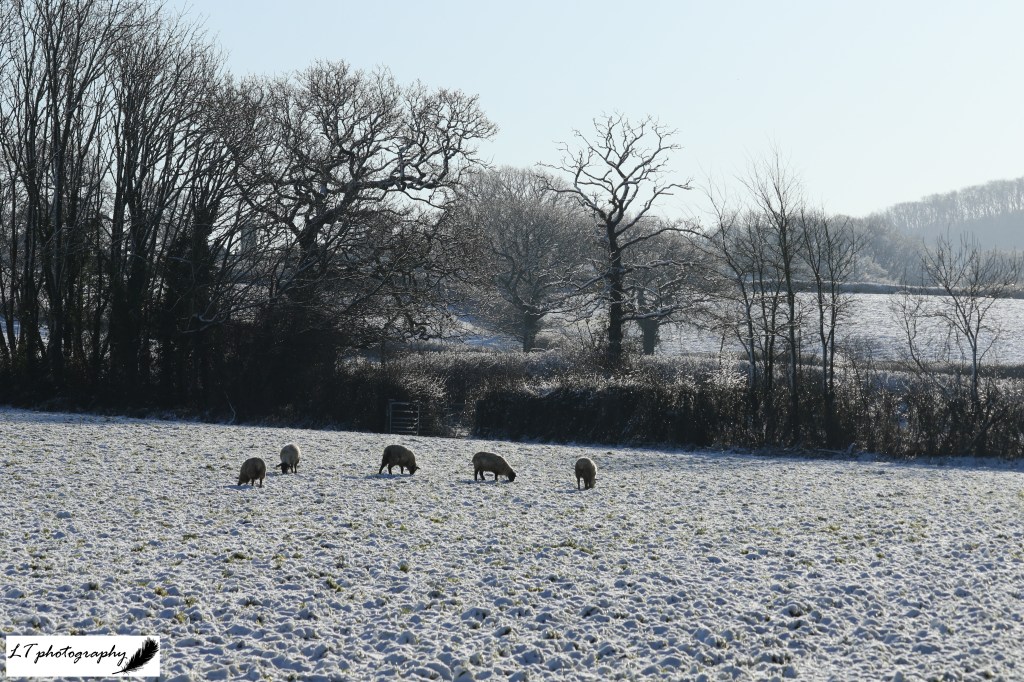
Day 1 – On Christmas Day, I shared a photo taken during the January snows of 2025. I love the skeletal trees providing a backdrop for young sheep grazing on a blanket of glistening snow.
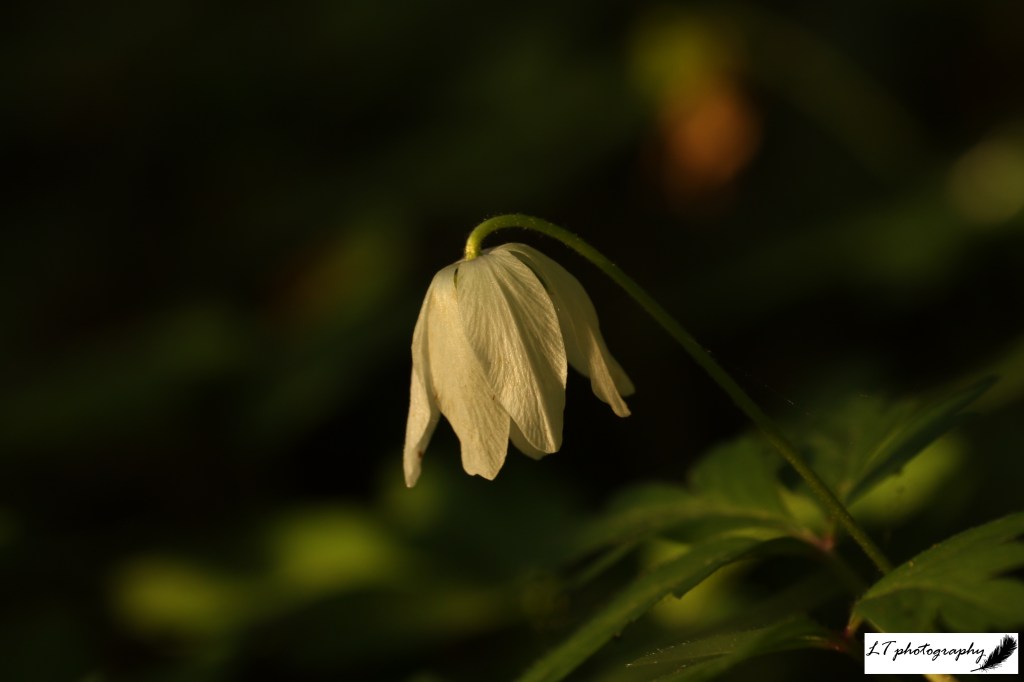
Day 2 – In my nature photography, I love playing with the use of light and shape to capture a moment of wild magic. Here this wild anemone, nestled in the undergrowth of a spring woodland, is a moment of new growth, warmth and hidden beauty.
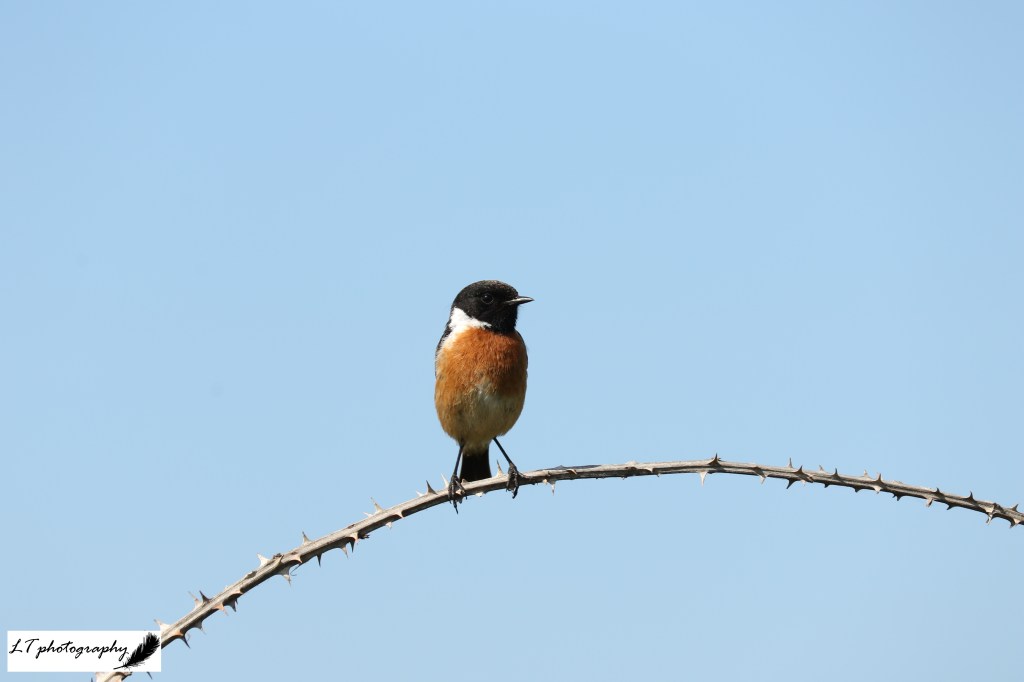
Day 3 – I love an adventure, from exploring close to home and holidaying in the UK to enjoying the wilds of another continent. This stonechat comes from one of my 2025 adventures, when I took a break in beautiful North Devon with my urban buddy Emma Rogan (check out Rural vs Urban).
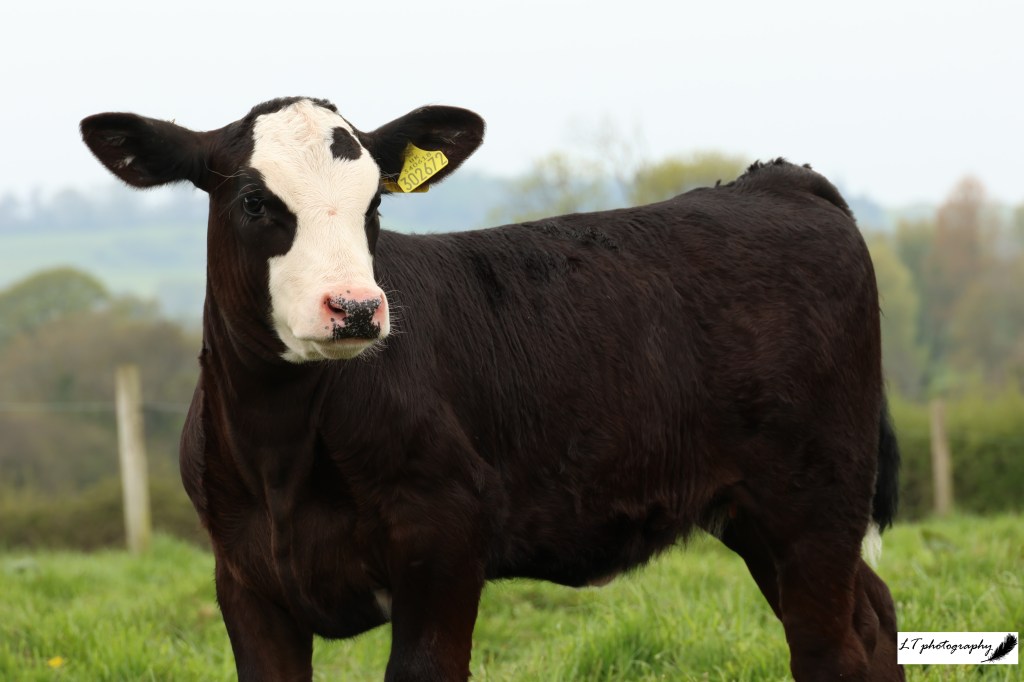
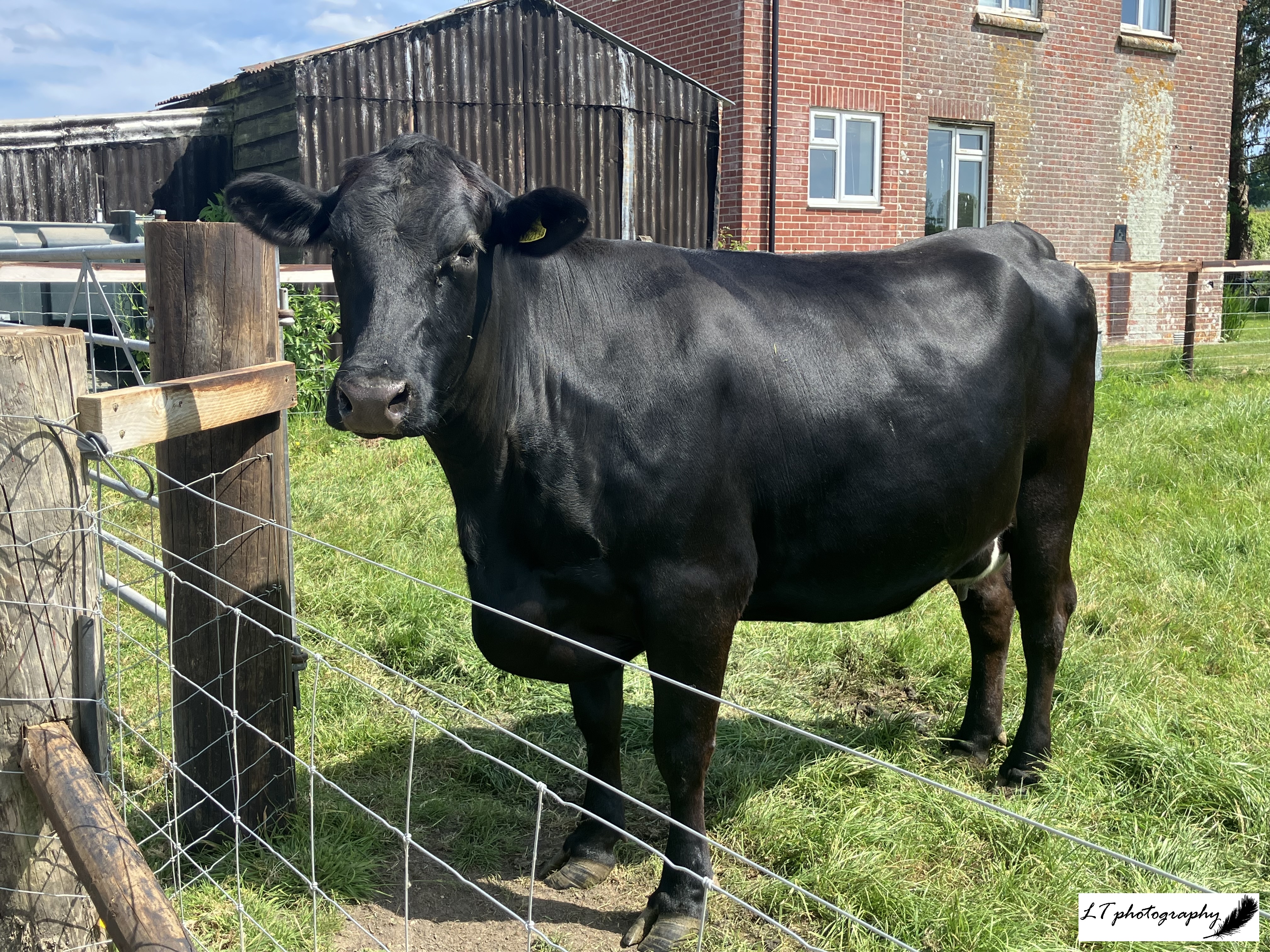
Day 4 – I will always be a farmer’s daughter at heart, and from this place I get hours of enjoyment sat in fields capturing the characters and antics of cows and calves. You never know what will happen or who will be the star, and here is a young suckler calf called Orchid, on a grey but lush green day during April 2025.
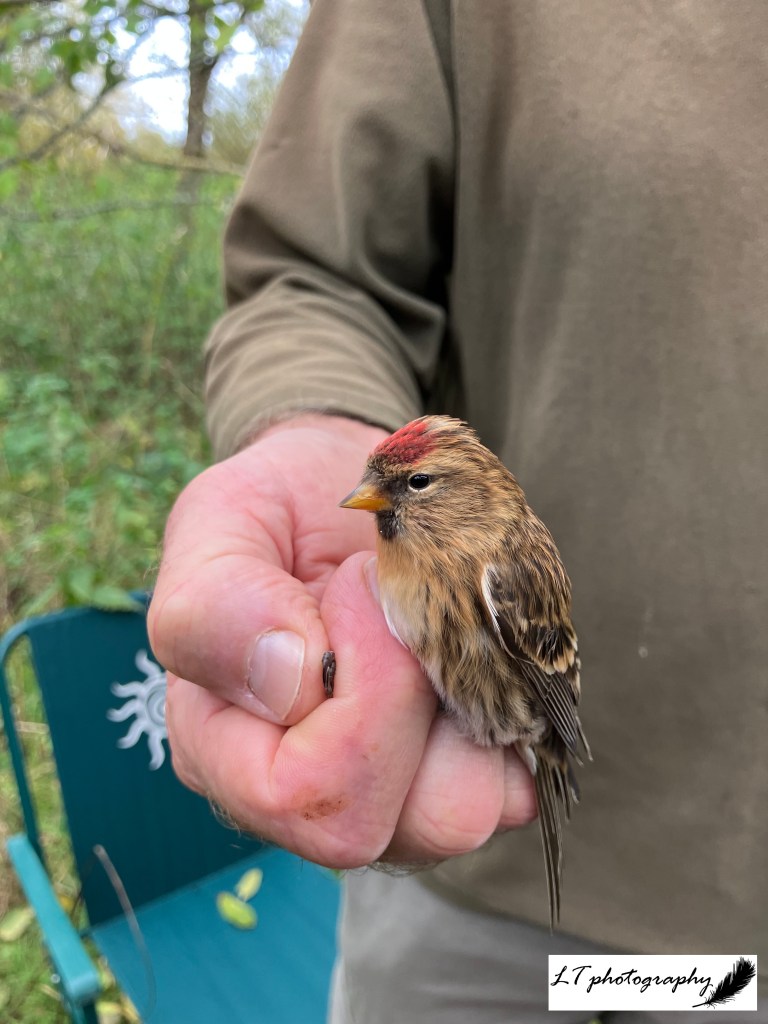
Day 5 – Another part of my life alongside photography is bird ringing, where birds are safely caught and ringed with a metal ring to allow all sorts of data to be collected about their populations. Here’s one of my favourite birds caught in 2025, a very smartly marked lesser redpoll.
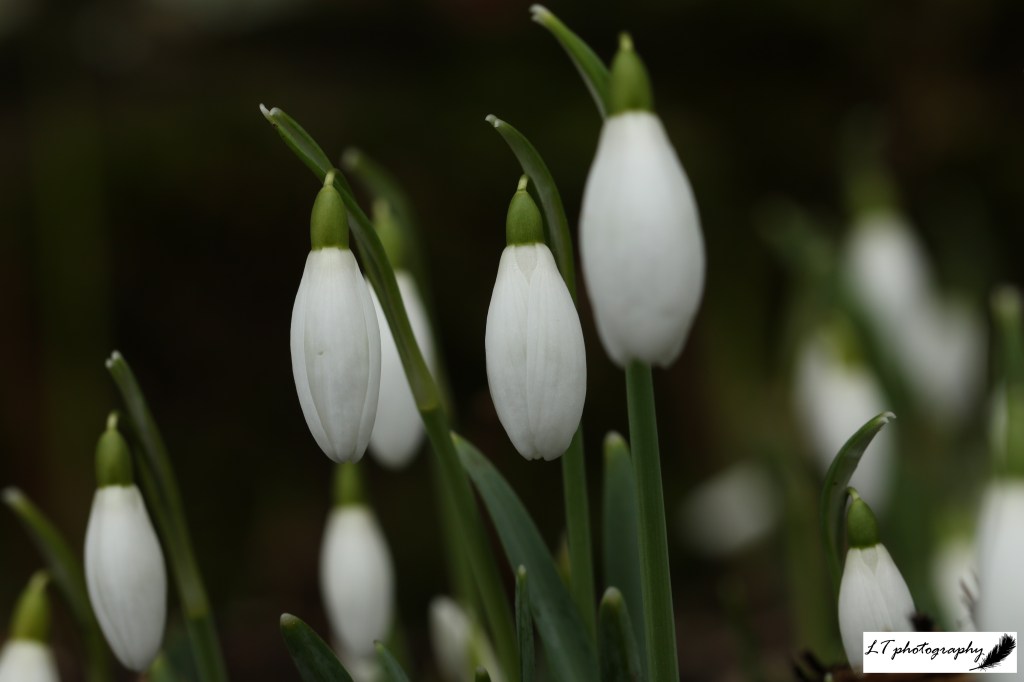
Day 6 – The first true herald of spring days to come, snowdrops are iconic, bursting forth at the start of the new year and bringing hope to all. There’s something magic about seeing their opalescent heads nodding in a cool breeze after the darkest weeks of winter.
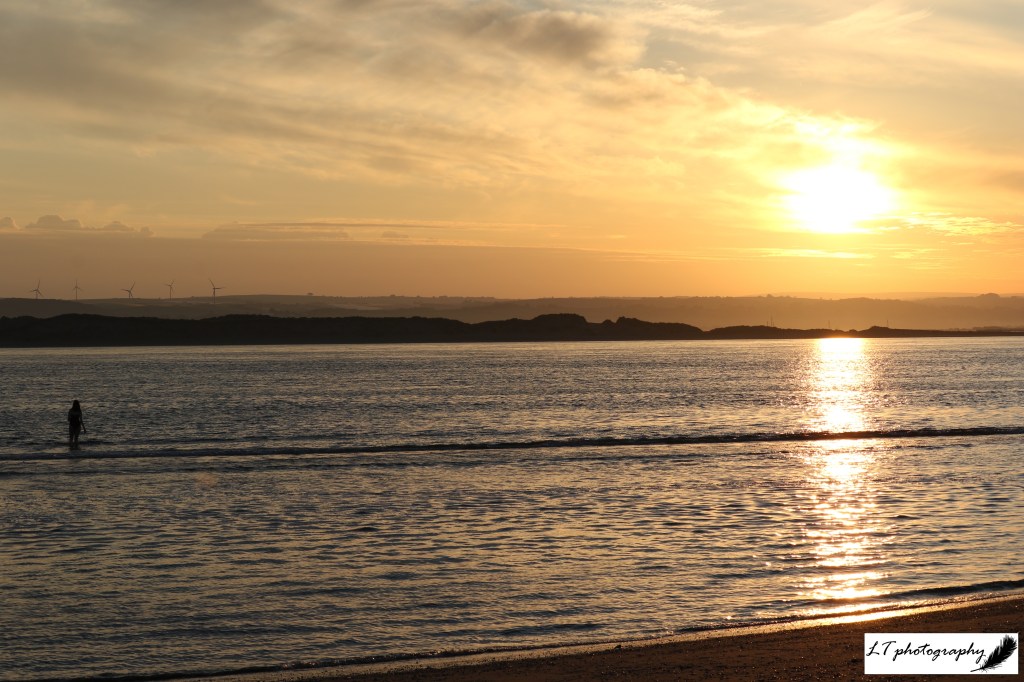
Day 7 – I am known for loving capturing a beautiful sunset, but that does not mean that I am not a fan of a fiery sunrise, the start is just a bit more painful for me! Here is the stunning beginning of a day on a North Devon estuary, with wind turbines and morning swimmer adding to the magic.
Day 8 – Like these gorgeous wild poppies, my 2025 was a year of growth with this blog having its best year yet, many adventures being embarked on, and the start of my nature photography business flourishing. I am so so thankful to everyone’s support, so watch this space!
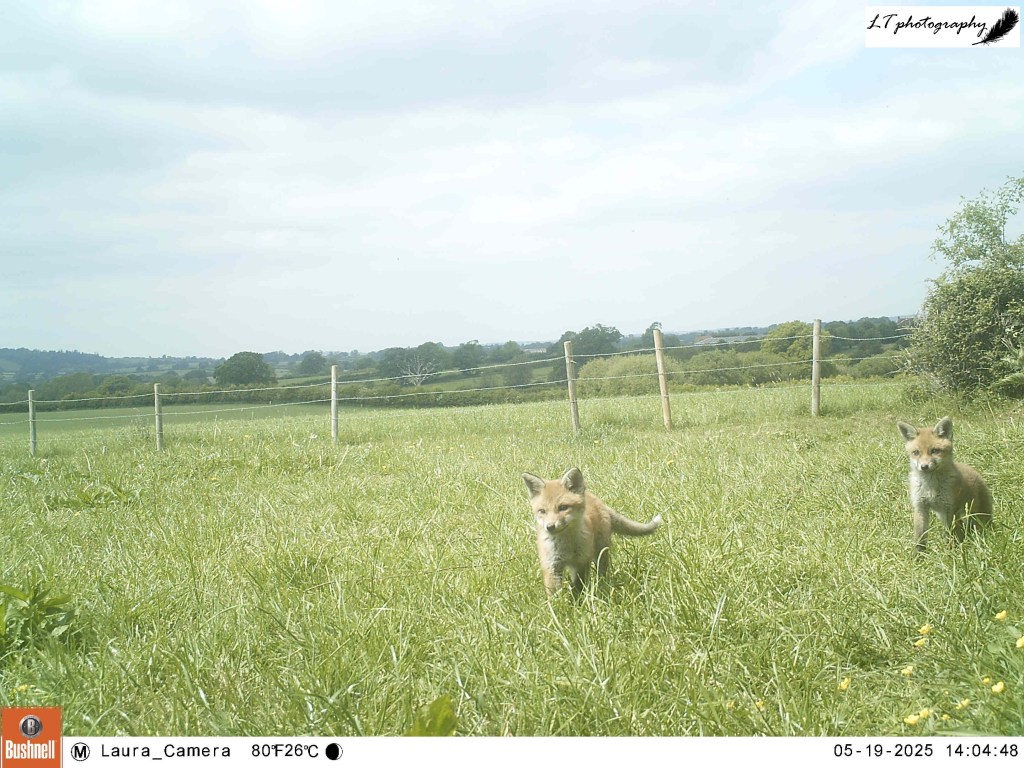
Day 9 – Another of my wild hobbies is camera trapping, where I use a trail camera to unobtrusively observe the unseen lives of our common British wildlife. A firm favourite of mine is the fox, with their tough cubs giving hours of pleasure to watch. Here is just one of many of the photos taken last year yet to be shared with you all!
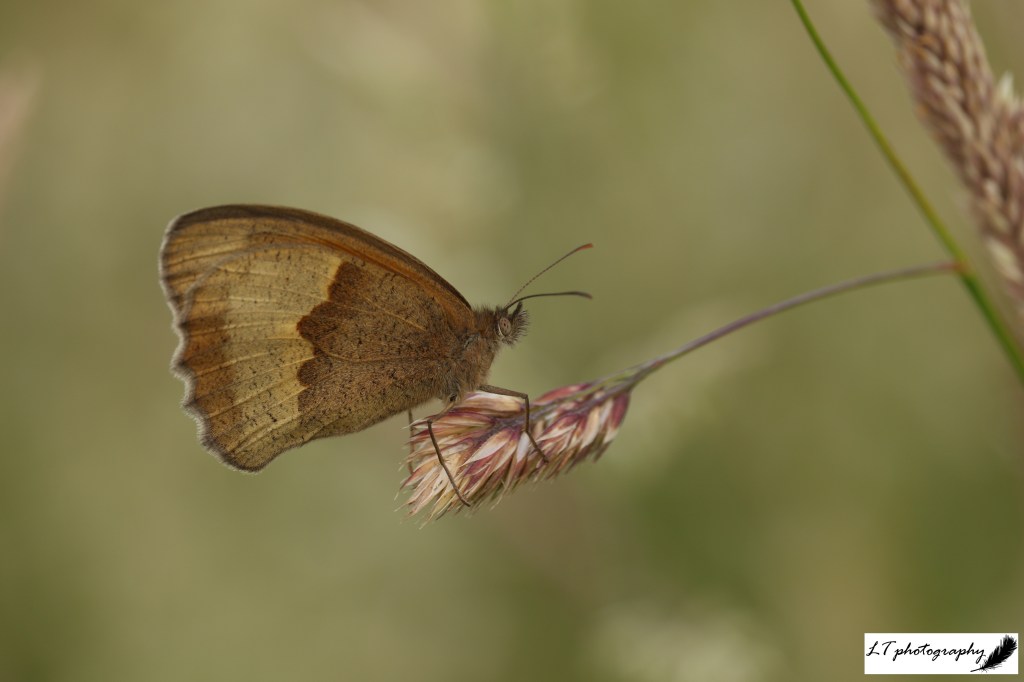
Day 10 – Last year I printed and mass sold my very first nature calendar, and I was overwhelmed by the response. This photo featured in the calendar was of a simple meadow brown butterfly in a wild meadow in Herefordshire, but gives us an up close view of these often overlooked minibeasts. ‘Dull brown’ can also be captivating!
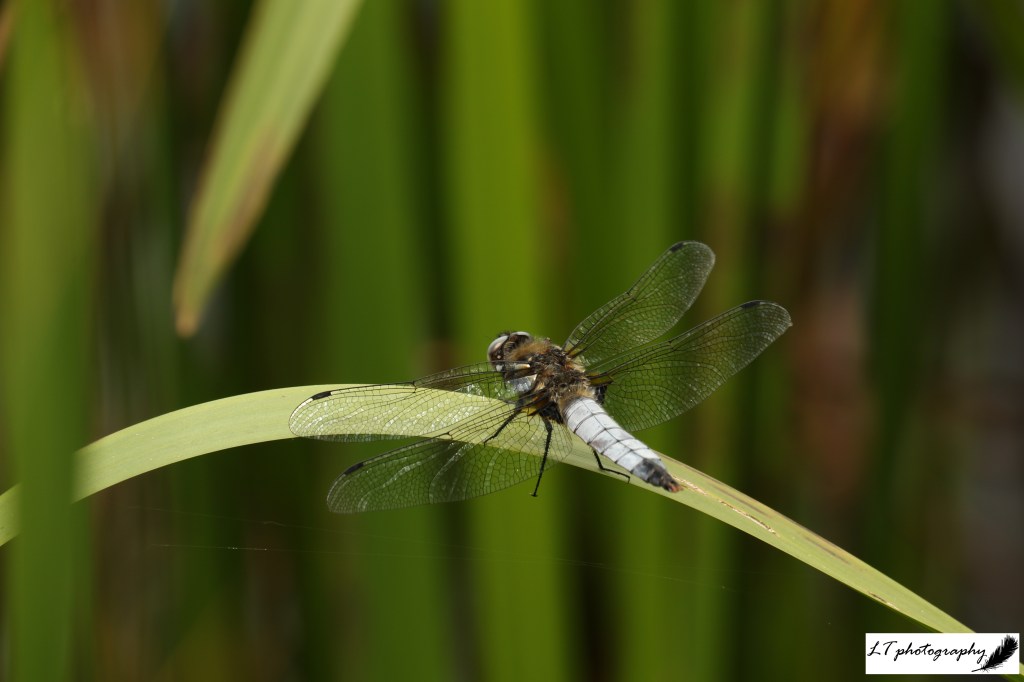
Day 11 – As I neared the end of my 12 Days of Laura’s Wild Photos for 2025, I kept things simple with this dragonfly. Another interesting creature, dragonflies are a game to capture, super fast and often changing their course quickly as they hunt over water. It is a moment to breathe when they finally fall to rest for a short time!
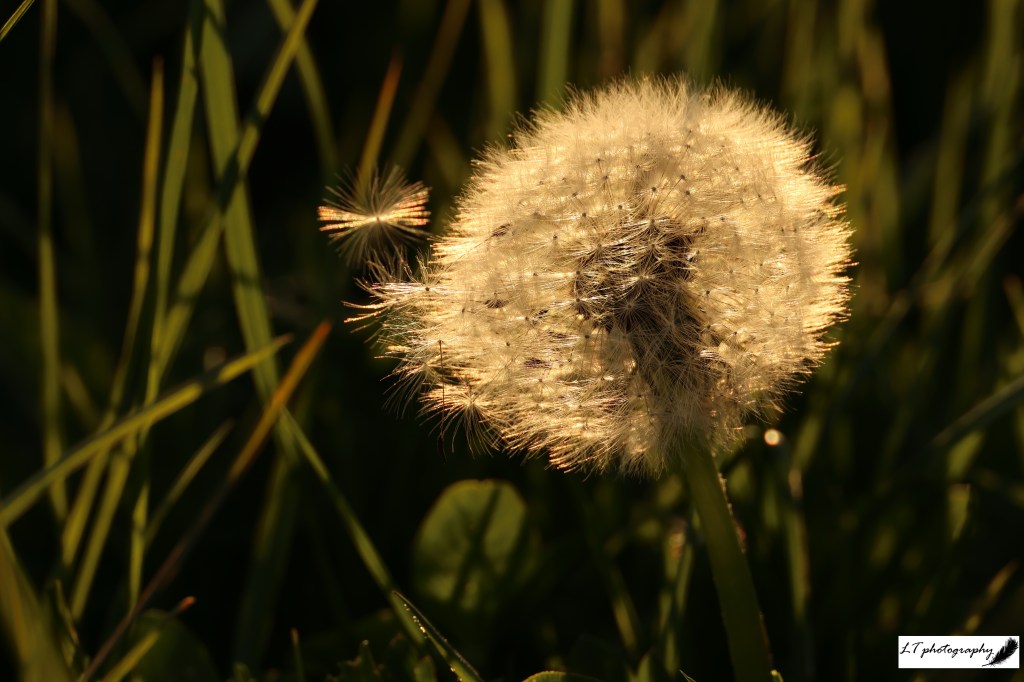
Day 12 – There is something magical about a dandelion clock. I believe it is the childlike wonder they invoke for most people, and here, in warm spring sunlight, this dandelion even has seeds beginning to parachute from its main head, floating on the wind to a new place of rest.
“The beautiful spring came; and when nature resumes her loveliness, the human soul is apt to revive also” — Harriet Ann Jacobs
As I learn to love how all the seasons in nature have something different to offer, I cannot help but still feel my heart sing when I see the first blooms of spring, hear the first chiffchaff echo across a field, or see the first butterfly flit past on a sunny day. Spring is a time for the renewal of hope, a celebration of colour and vibrancy, and a time that often feels like a collective sigh of relief. It is a season of optimism, and new possibilities, but also passes, like this year, in a blink of an eye.
This year though, I have really embraced the capturing of different light, colour and subjects during spring, giving myself the freedom to explore nature through a lens. As part of this, I also began to experiment with a new camera as part of my photography kit, and kept open minded during the process. It will take a while to sort through all the photos taken so far this year, but for now here is a snapshot of my spring 2025, through a lens, camera or iphone.
Spring In Photos 2025
The new addition to the Tuke family (Barley)
Walking through the Daffodowndillies
My Raven and her baby boy Jackdaw
One of my favourite first signs of spring, the Wood Anemone
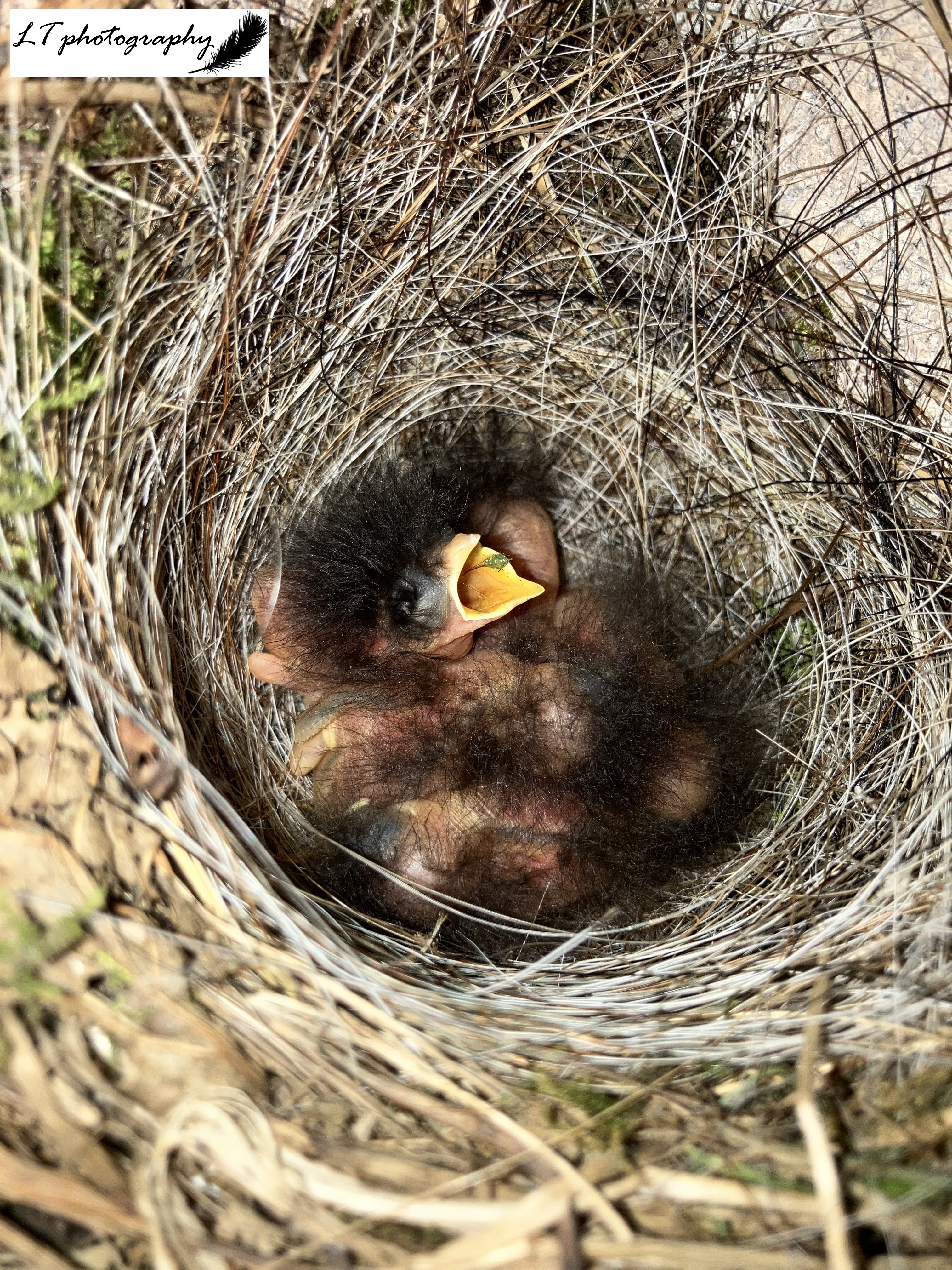
The start of new life (here Blue Tits and Robins)
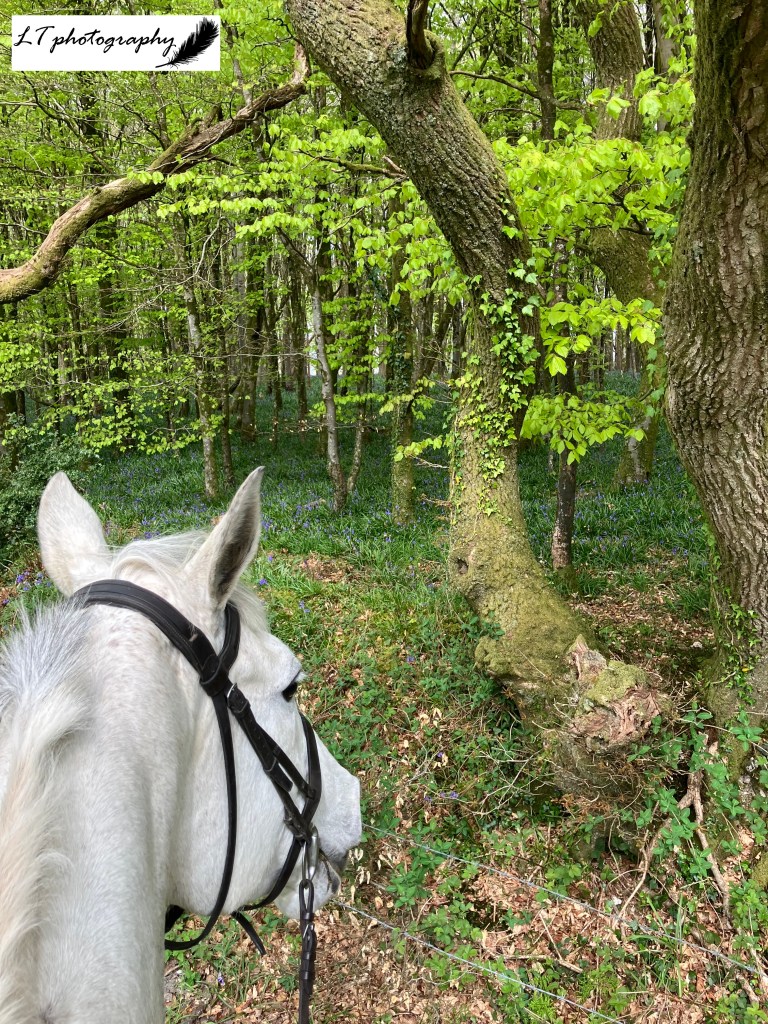
Enjoying the Bluebells from horseback (Dove)
Sunrise swimming in Appledore
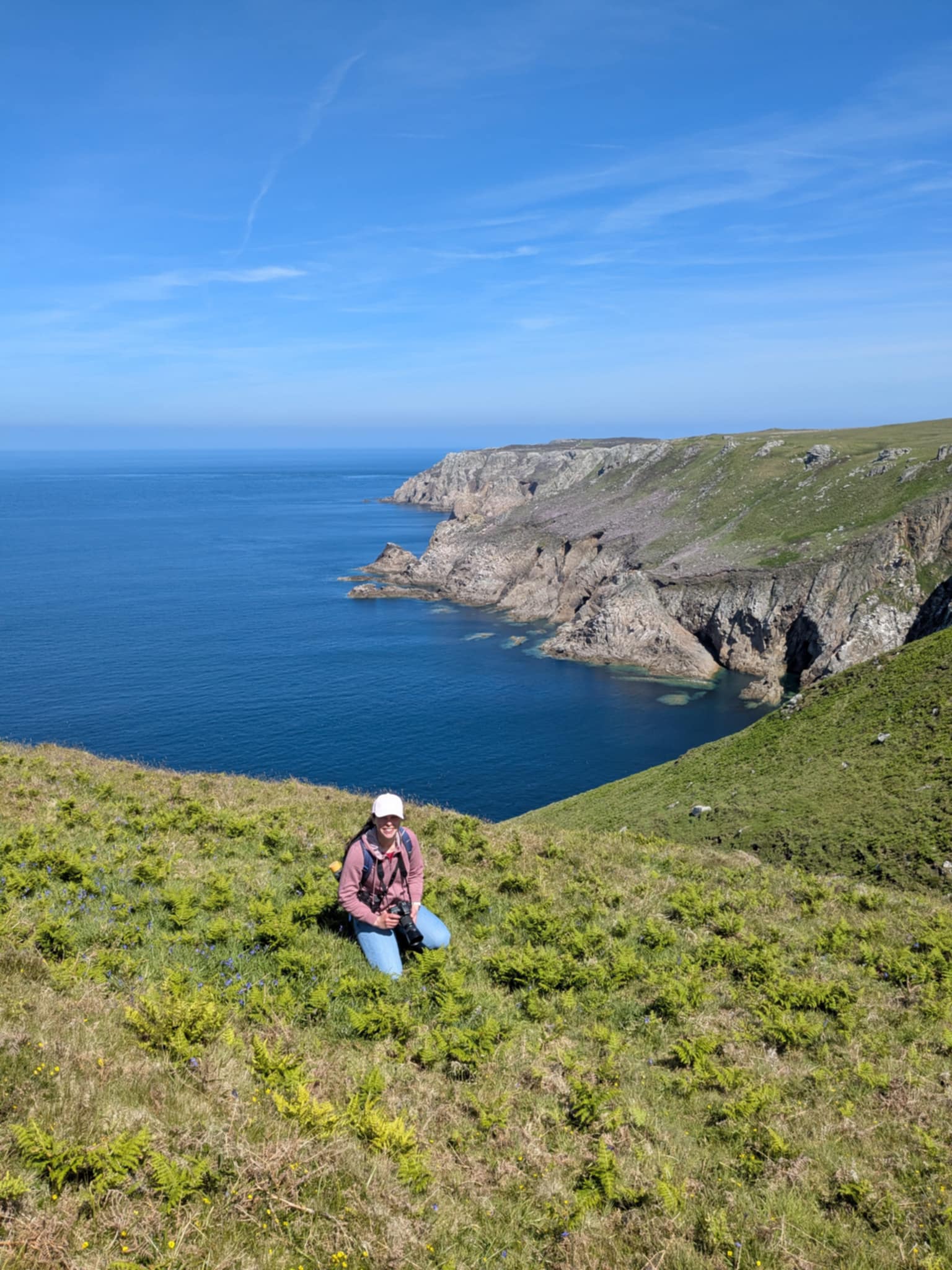
Birdwatching on Lundy(Devon)
In my element, camera in hand and fantastic wildlife (Lundy, Devon)
The vibrancy of spring (A Speckled Wood Butterfly on a Rhododendron)
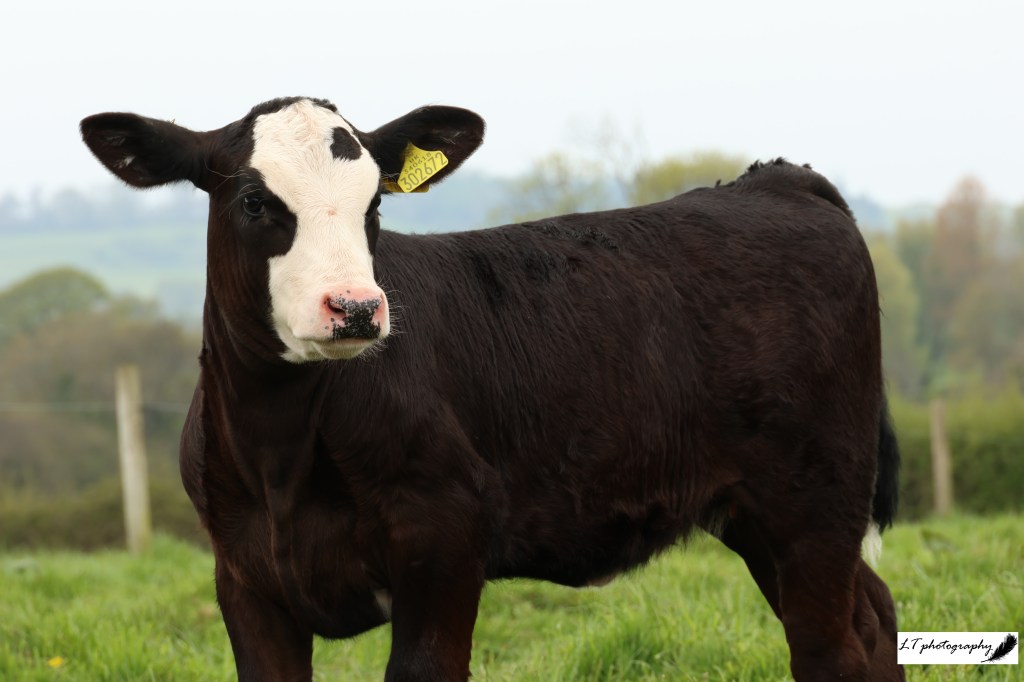
My suckler calves always love to pose for a photo (Orchid)
Herefordshire in the Golden Hour
This is just a very small snapshot of my year so far!More to come.
For the last couple of years I have accompanied the 12 Days of Christmas, up to Twelfth Night, with my own 12 Days of Laura’s Wild Photos. On these 12 days I share one photo a day on my social media platforms from the collection of photos that I have taken over the proceeding year out in nature with my camera, camera trap or phone. With these photos I aim to share glimpses of the beauty of nature, share some of my favourites from the year that have yet to take centre stage, and to simply put a smile on people’s faces.
This last christmas I embarked on my 12 Days of Laura’s Wild Photos challenge once again and had a lovely response to my collection of photos with my landscape photos being the main favourites. As I look forward to more wild adventures to come in 2024, here’s my 12 Days of Laura’s Wild Photos for 2023.
12 Photos
Day 1 – I began my 12 Days with a bang on Christmas Day as this photo of a snowy woods in misty sunlight ended up being the most popular photo of the 12 days. It’s a family favourite and was also described as ‘could be a painting’ which I was extremely happy to hear. Maybe it has a future beyond these 12 days!
Day 2 – For the second day, I wanted to share 2 classics of spring combined in one photo: a Chiffchaff and Blackthorn. A season of hope, joy and new beginnings, spring is my favourite time to get out with a camera and this photo captures that start when the landscape is just coming back to life.
Day 3 – As I continued on through the days, day 3 had been a very stormy one in the UK, thanks to Storm Gerrit, and so I wanted to bring some warmth to people’s homes. Here is suckler calf Blueberry Muffin, who in January last year, was still living outside with her mother as the ground had stayed drier than this winter!
Day 4 – Drawing our focus down to the ground, this photo takes us back to the days of spring with lush woodlands and glades with soft light filtering through unfurling leaves. A sign of ancient woodland, the wood anemone is also said to bring good luck!
Day 5 – This year I was licensed for the first time to handle and ring Barn Owl chicks on my own, as part of the vital work going on to conserve protected Barn Owls in Dorset and further afield, including on Dorset County Council farms. Some very special moments were had this year and lots still to be learnt! (Disclaimer: Barn Owl Chicks were handled following specific protocols by trained ringers and under a Schedule 1 license)
Day 6 – When we are in the clutches of winter and the landscape is bare, the snowdrop is a wonderful symbol of theend of winter to come, creating carpets of pure white wherever you go. It will not be long now until the first white heads can be seen nodding in the wind once again, and a feeling of hope and strength will return.
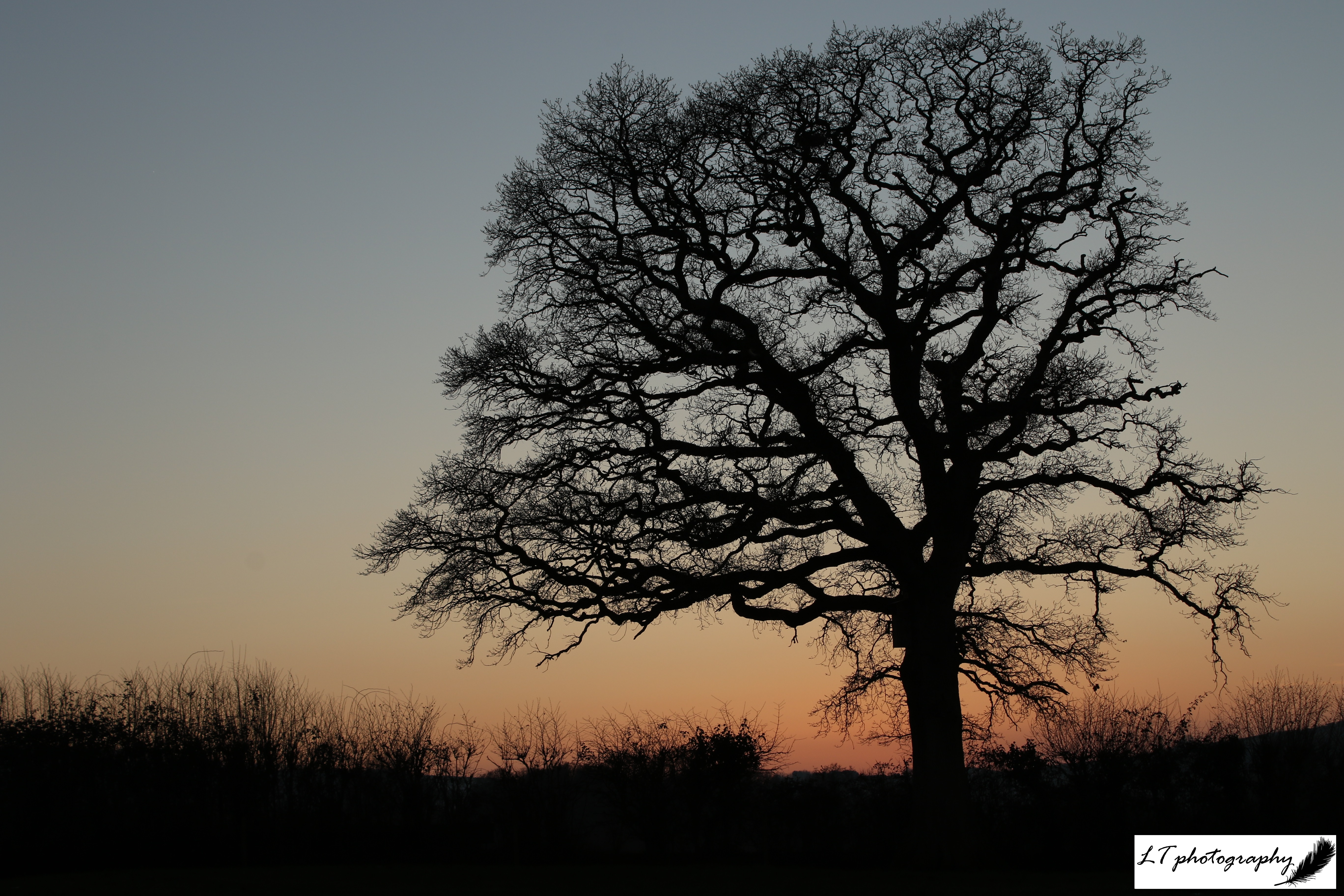
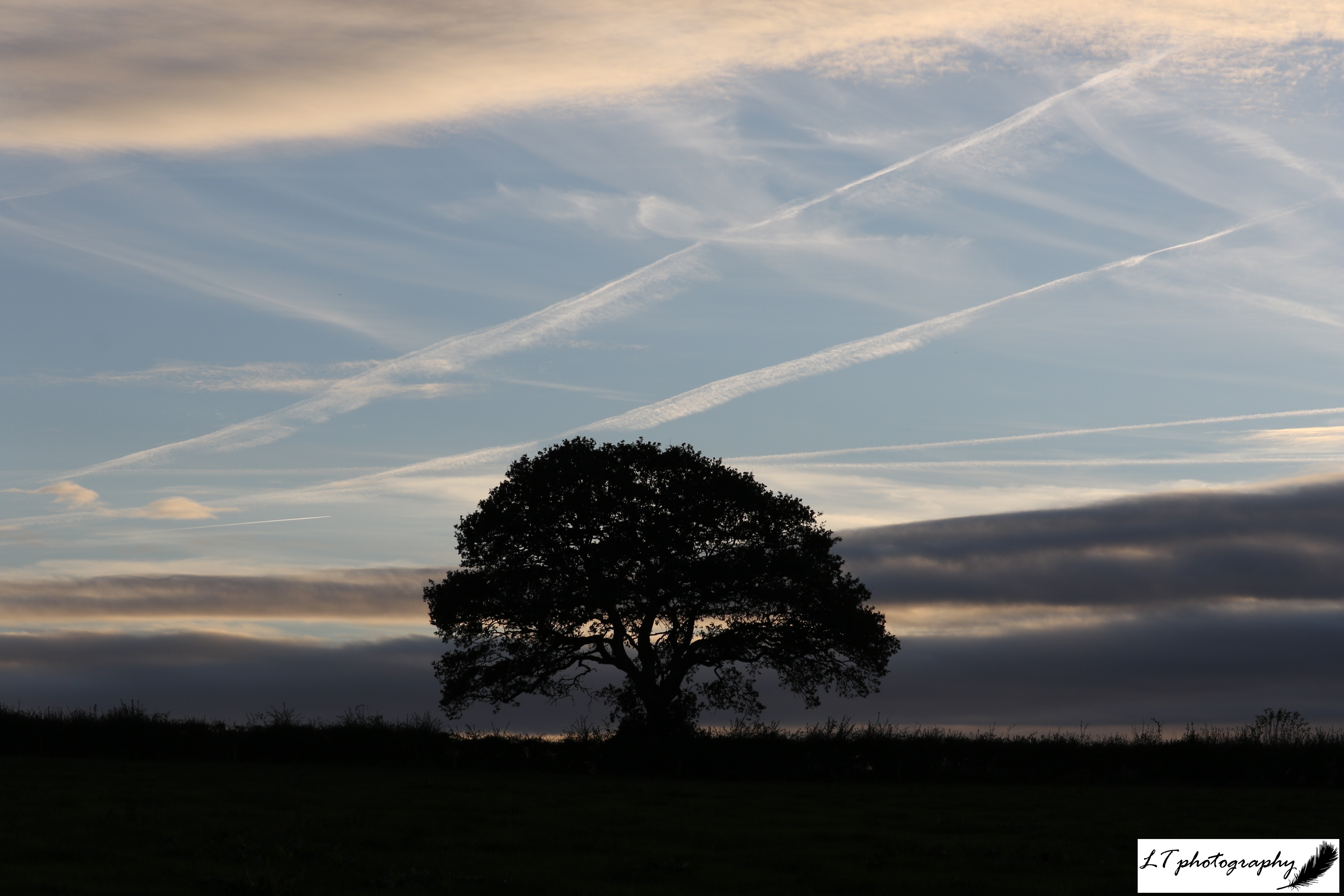
Day 7 – The 7th day marked the arrival of New Year’s Eve and the ending of another year. I thought this photo of a magnificent oak tree resplendent in its skeletal form in front of a warm winter sunset was a perfect way to match the feeling of the light falling on 2023.
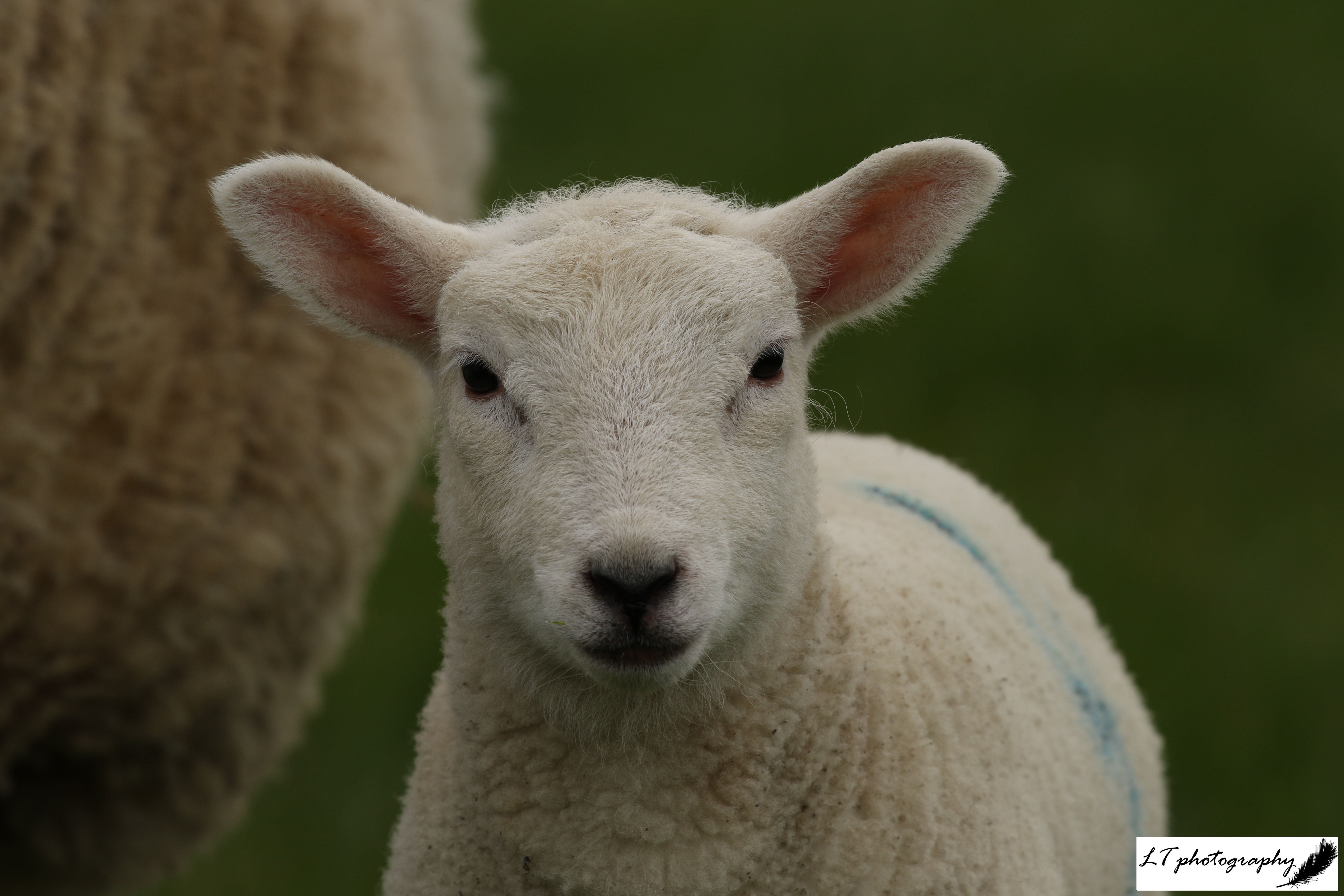
Day 8 – This year I finally bought my first super telephoto lens and so to practise I made use of our very last baby lambs born in spring 2023. It is a wonderful sight to now see subjects up close through a lens without having to be really close. Here’s to more fun in 2024!
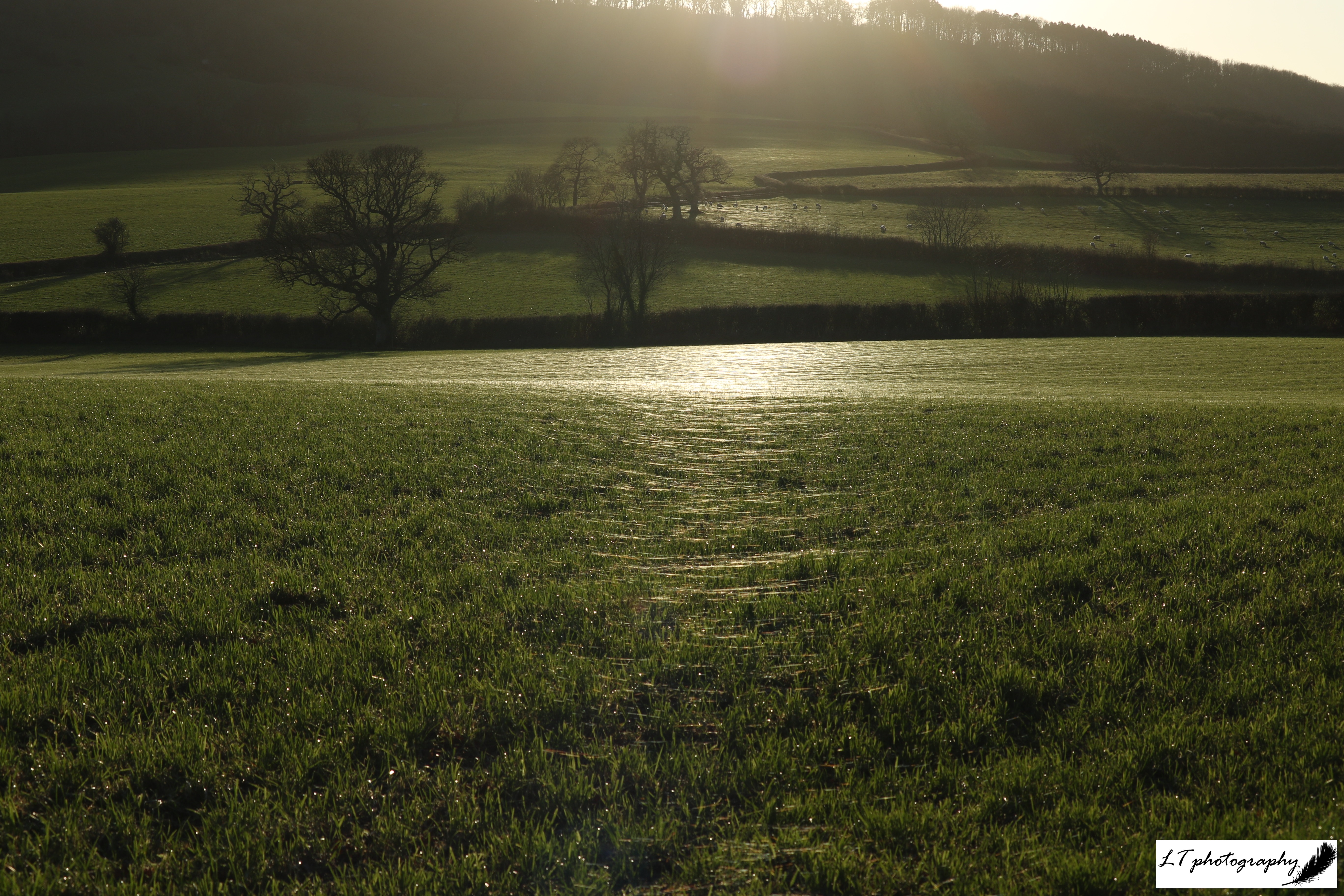
Day 9 – For the 9th day of my challenge, I decided to focus on the effectiveness of simple photos. My example is a photo from last year when soft winter sunshine could be seen glistening off cobwebs completely blanketing a field. A quite simple and spectacular phenomenon!
Day 10 – I got to experience lots of fantastic wildlife during 2023 with my two camera traps, and one highlight species was definitely the fox. Here is the first glimpse I got of a family foxes with four very young cubs,that I went on to watch grow up to become independent themselves. Fantastic! (For more check out my blog post Spring Dorset Camera Trapping Part 2.: Fabulous Foxes).
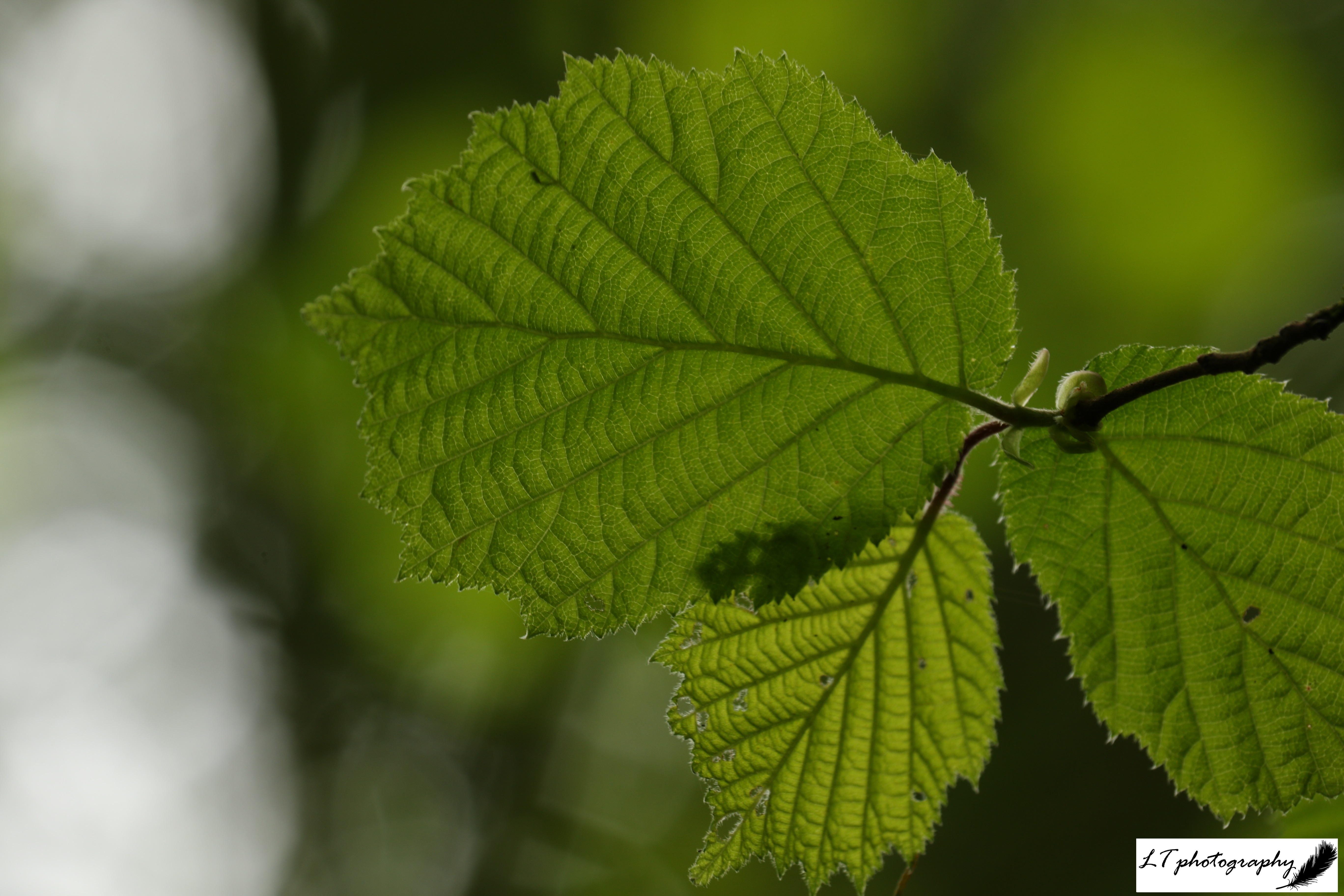
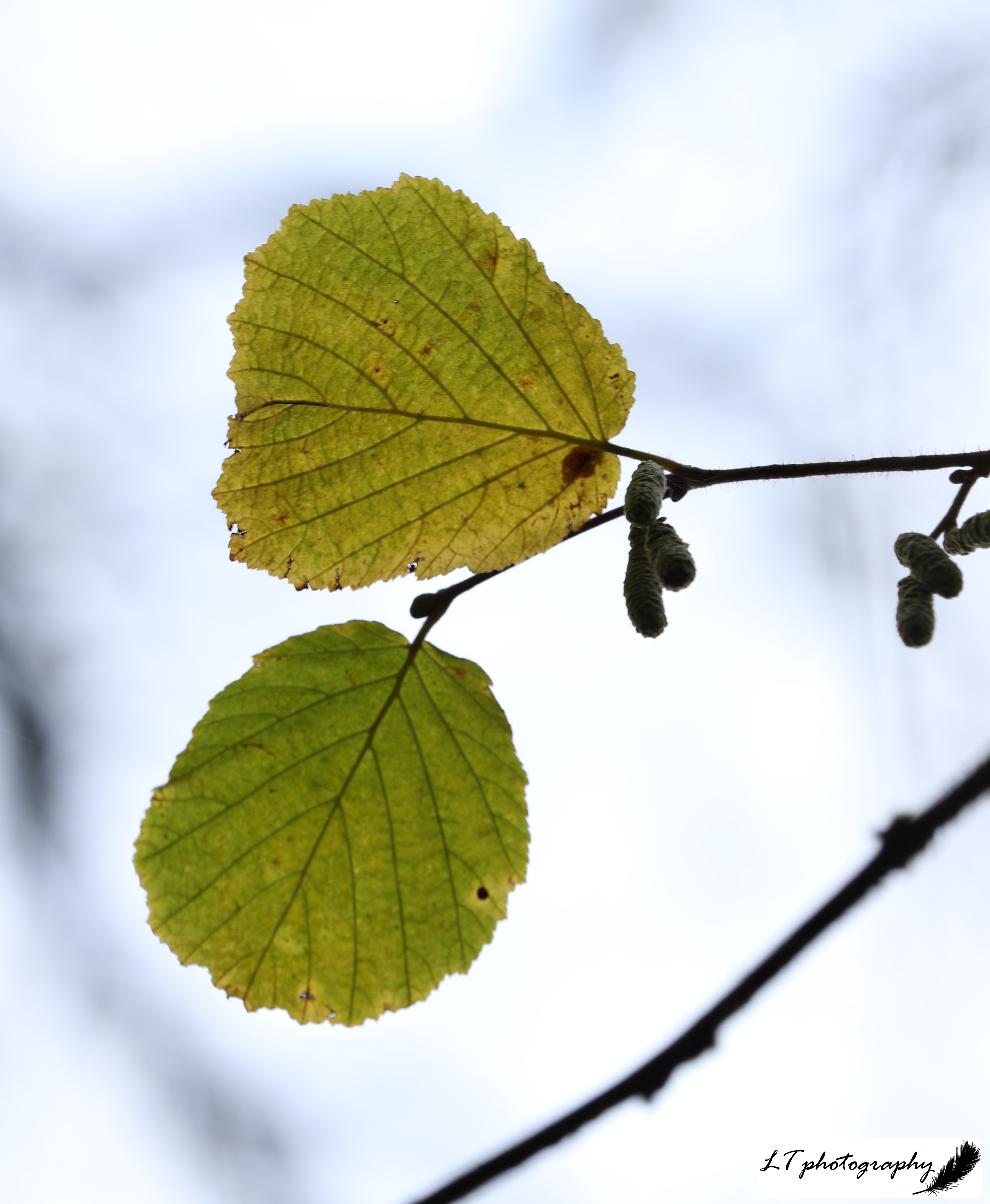
Day 11 – For my penultiate day, I picked this photo as I enjoy how the light delicately falls through this hazel leaf, highlighting the veins stretching out across its surface. Thus, I look forward to the return of green leaves when spring rolls roundonce again.
Day 12 – For my finale, I decided to head back into the woodlands during late spring. Under boughs of hazel here, alone early purple orchid can be found standing watch over a well trodden animal track, calling the observer deeper into the trees.
For now it is time to look to the present and to make the most of the winter months still to come!
A holly.tree shining bright with red berries and prickly green leaves in the grey of a wintertime woodland. An ancient evergreen yew standing watch over the final resting place of our ancestors. A colour-changing spindle cream flowered and glossy green in spring, turning to psychedelic pinks and oranges in autumn. Trees come in all shapes and sizes, often differing wildly from each other, but all can be found embedded in the landscape and culture of Britain.
In the last chapter of my How to… Identify British Tree Species guide, I focussed on 10 tree species that can easily be found across the UK, from the majestic oak to the graceful silver birch. These are but a few of the now 80 odd native and non-native species that can be found in the UK. From providing food to flood prevention, from the countryside to the city, trees can be found playing important roles across the country right now.
Following on from my last guide, part 2 covers 10 more tree species that can easily be found across Britain. This handy guide of facts, drawings, and photos is here to help you to identify these species at any time of year. Here’s to learning something new everyday!
Tree Species
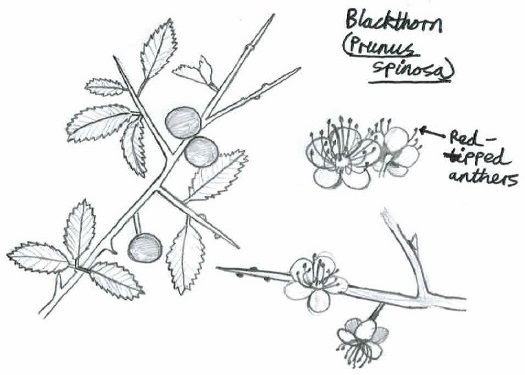
Blackthorn (Prunus spinosa)
Family: Rose – related to fruiting trees such as cherry and plum
Origin: Native
Shape and Size: Large shrub, occasionally small tree, up to 4m, forming impenetrable thickets
Stems and Twigs: Young twigs downy, maturing to dark brown bark, that shows orange beneath, with thorns
Leaves: Small, oval, alternate, tapering to a point, toothed margins, dull above and hairy beneath
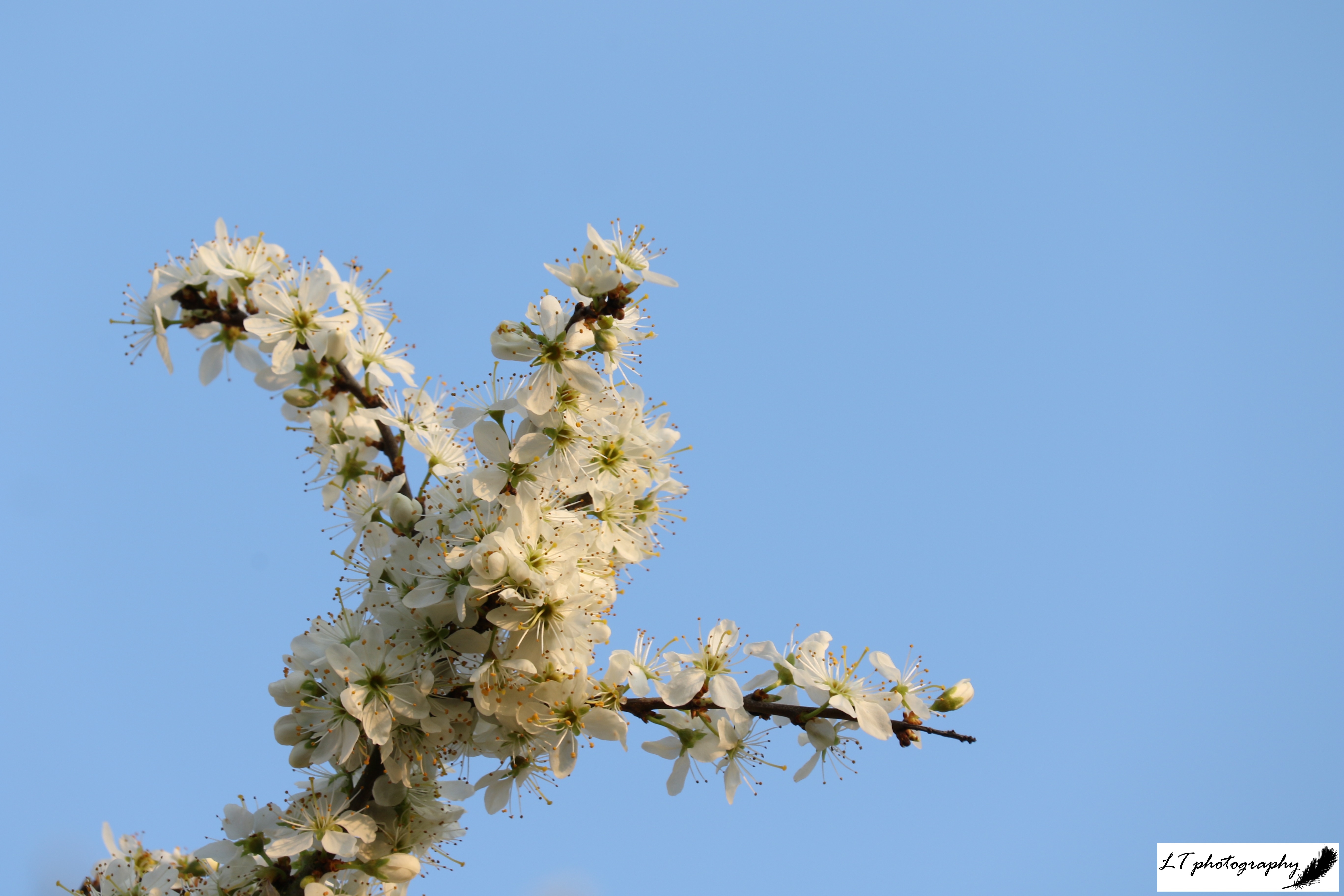
Flowers: Flowers are white with 5 petals and red-tipped anthers. Flowers appear late March-April, before the leaves, often alongside cold weather known as Blackthorn winter
Seeds: Produces round, blue-black fruit (sloes) with a single seed (stone)
Range and Habitat: Grows on the edge of scrub woodlands and in hedgerows
In Winter: Twigs are dark and not shiny, with thorns at least 2cm long
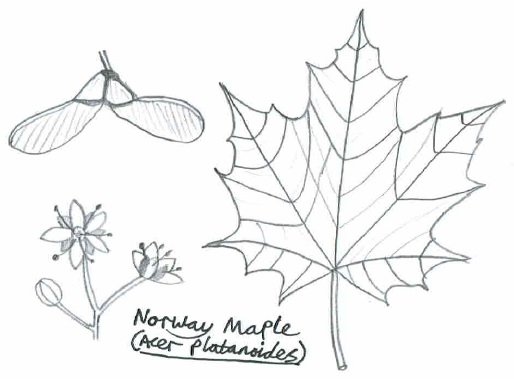
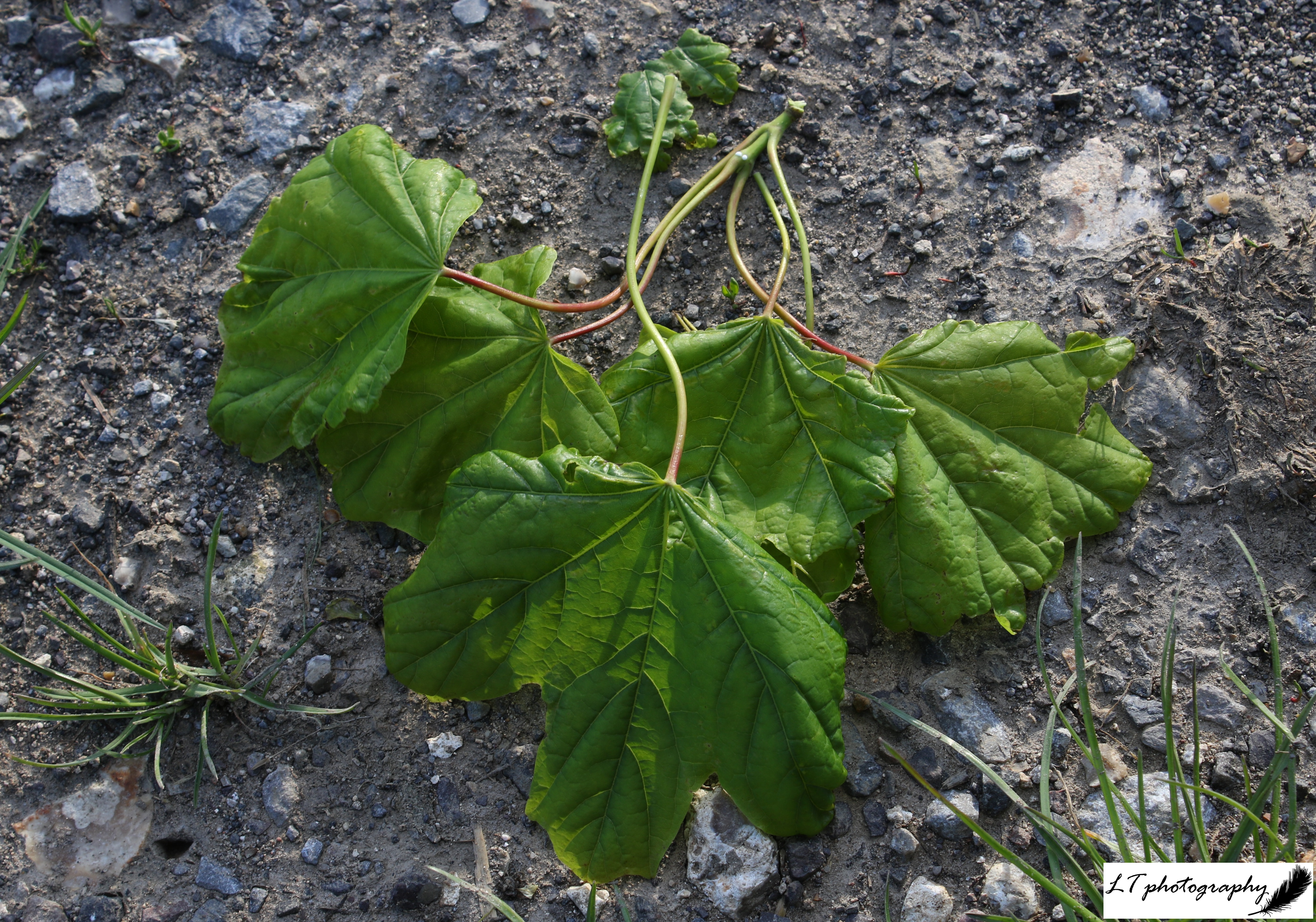
Norway Maple (Acer platanoides)
Family: Sapindaceae – related to lychee and horse chestnut
Origin: Non-native (introduced in the 17th century from Europe and Asia)
Shape and Size: Shorter and more slender tree, reaching up to 30m
Stems and Twigs: Bark is grey with many small fissures (not flaking), and twigs are slender and brown with tiny white spots
Leaves: Thin, light green leaves, opposite and have long pointed lobes
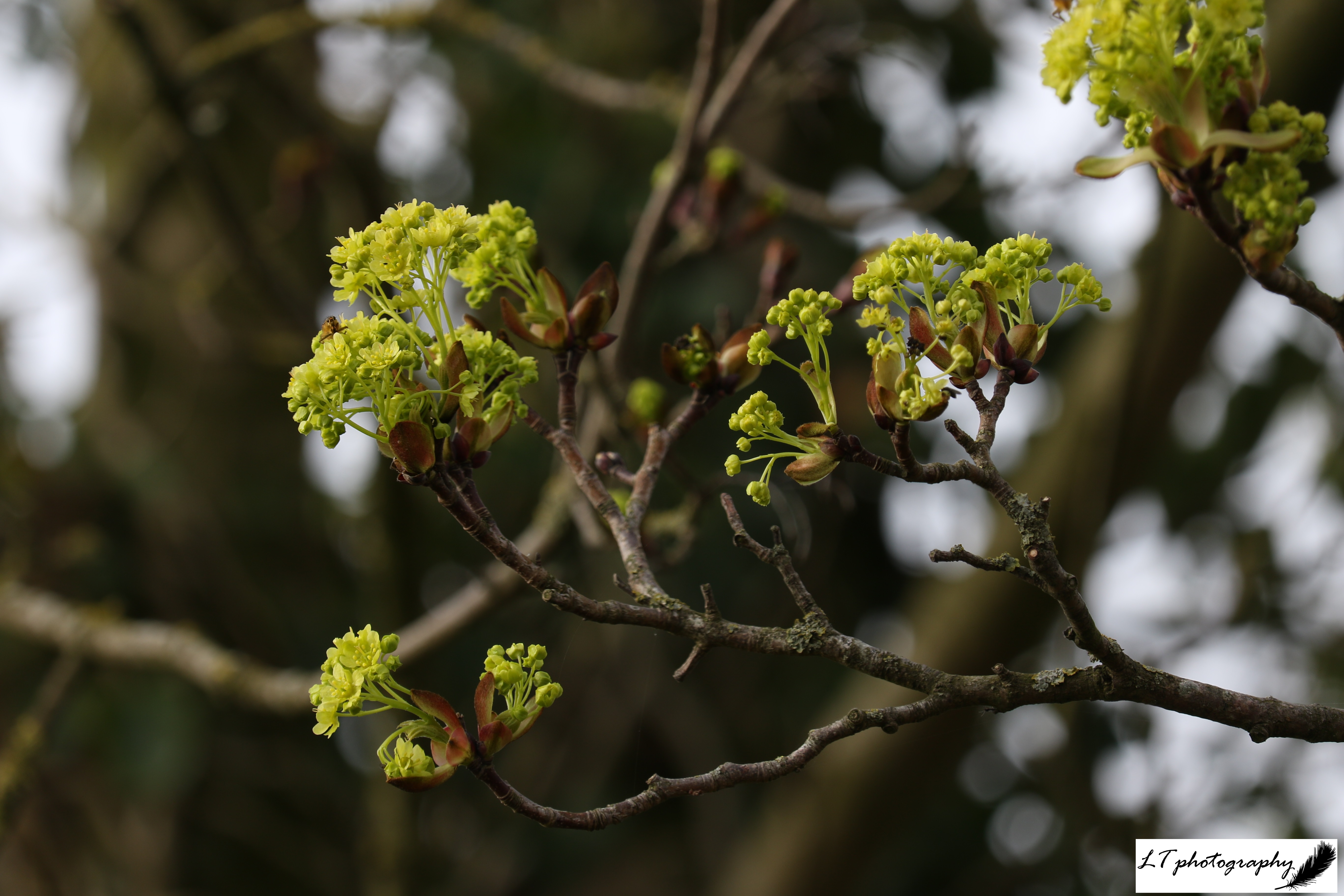
Flowers: Erect clusters of pale yellow flowers, before the leaves (April-May)
Seeds: Winged keys in opposite pairs
Range and Habitat: Increasingly planted and self-sown in parks, gardens, and hedges
In Winter: Distinctive shape and bark, and individual buds that are green and red
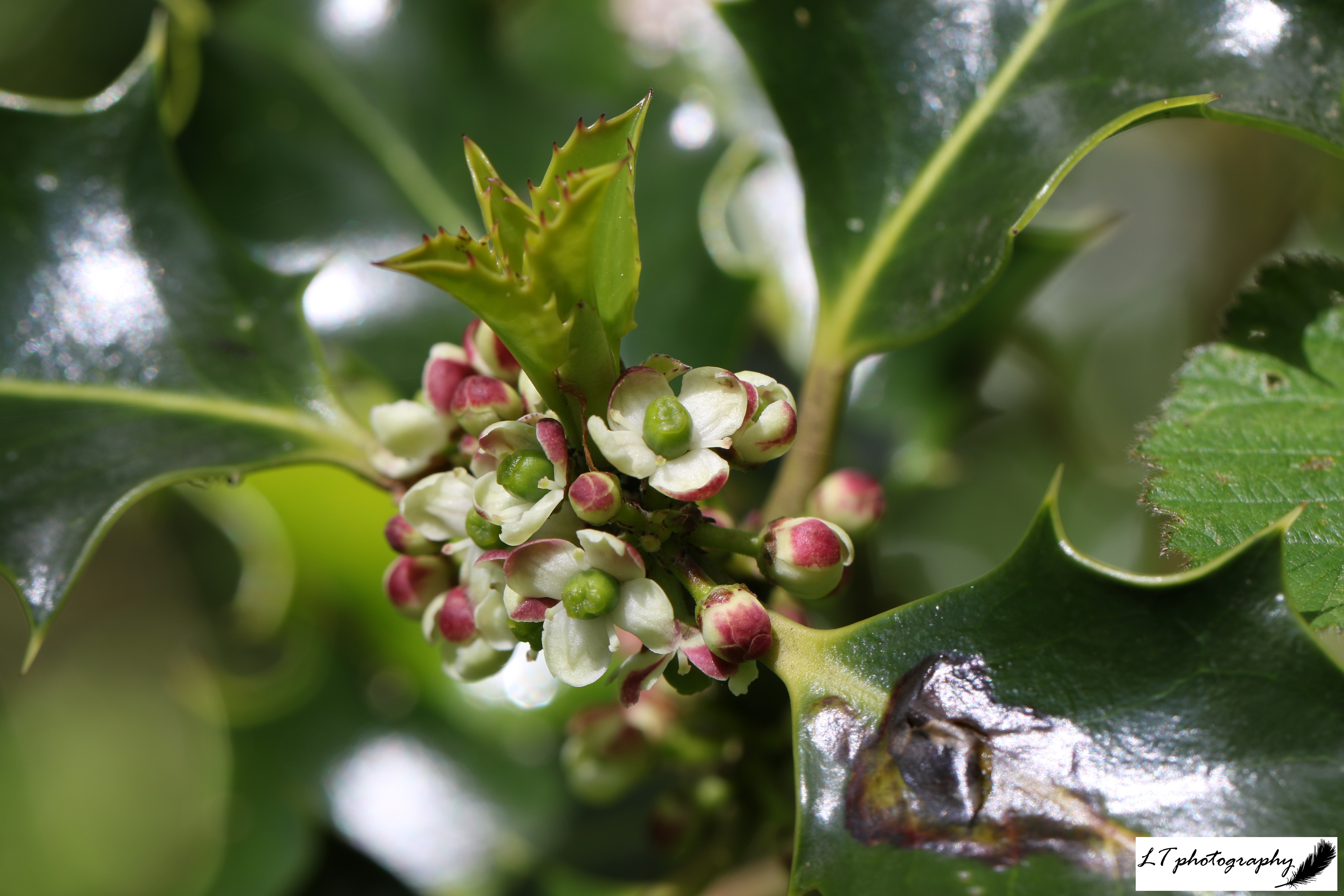
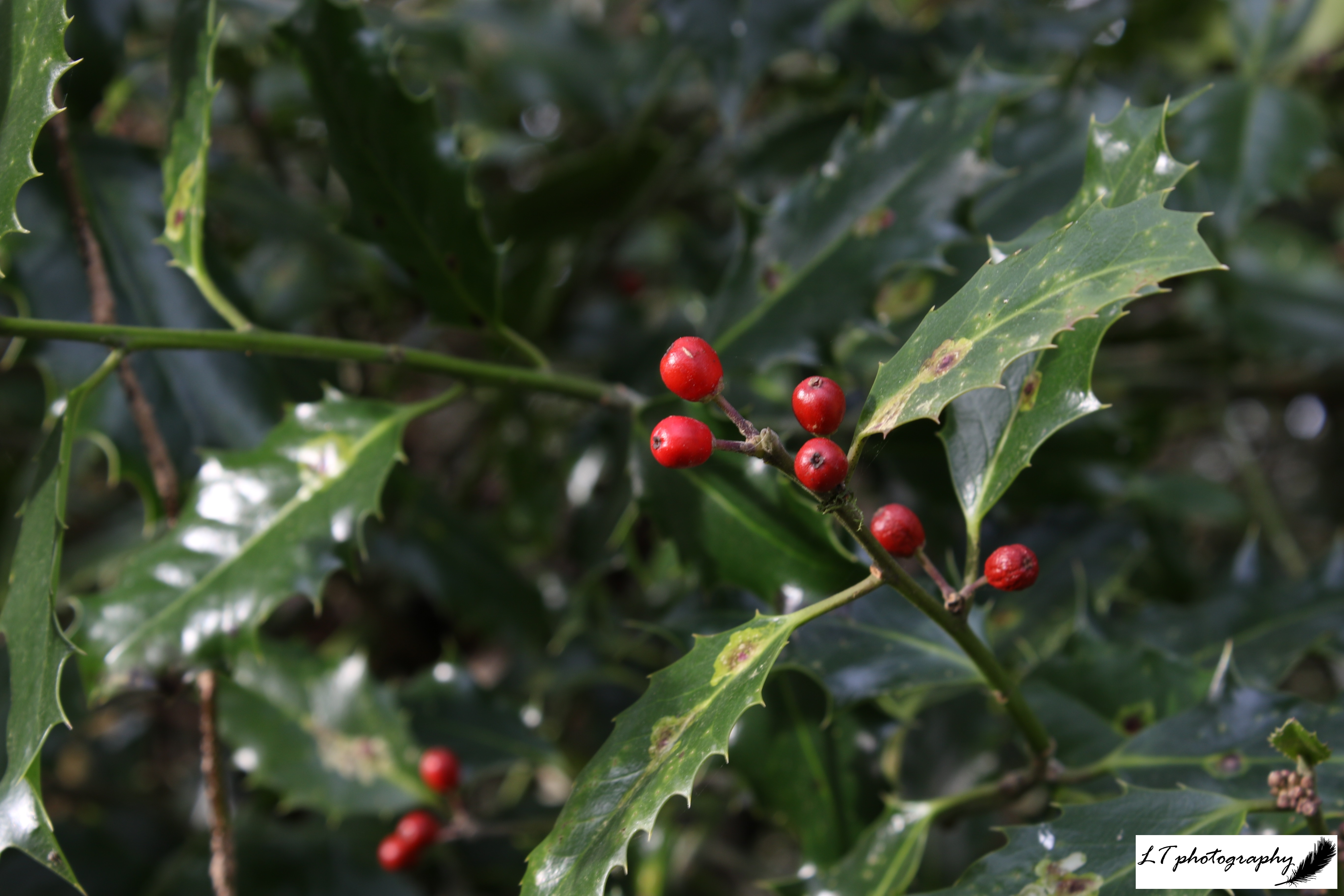
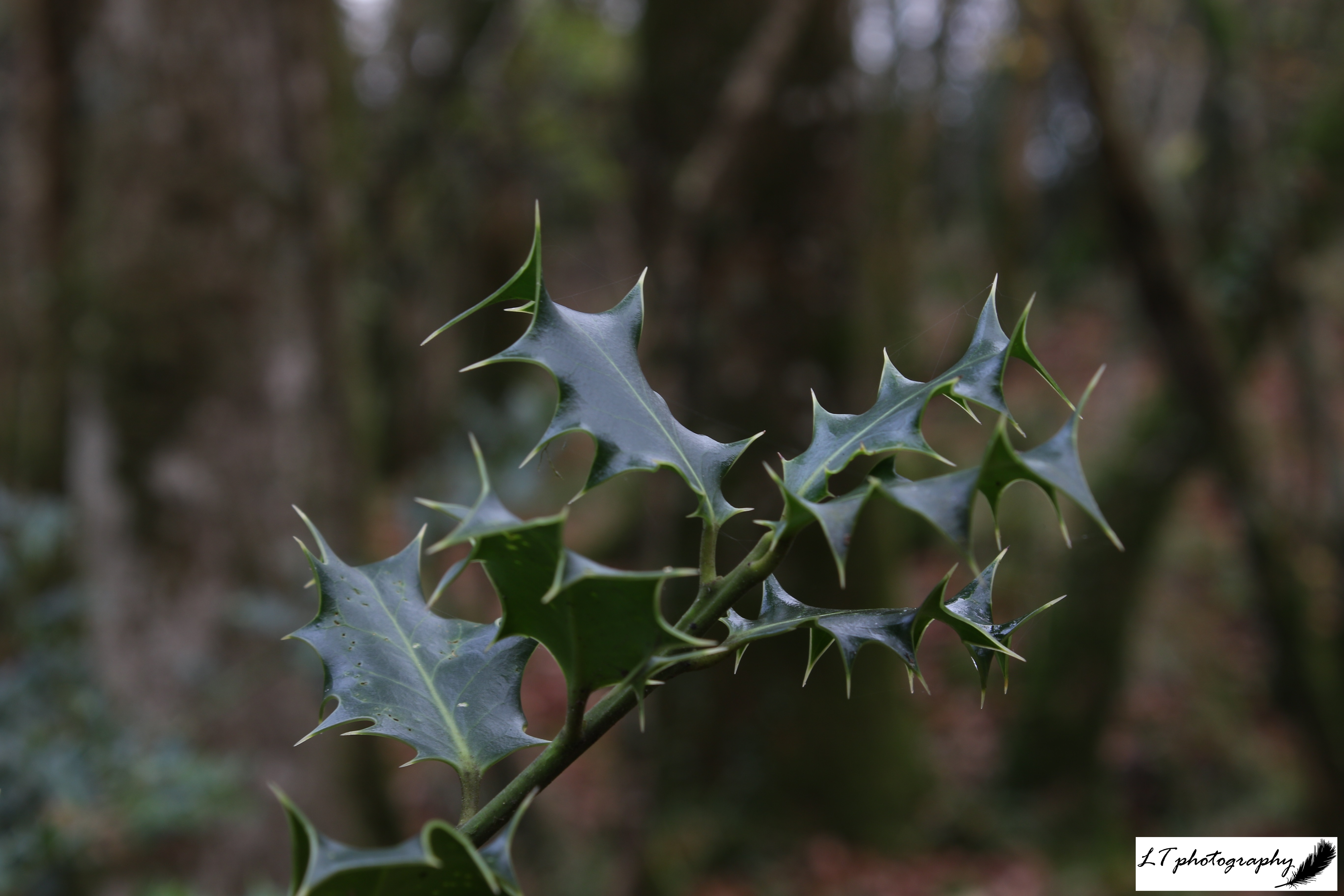
Holly (Ilex aquifolium)
Family: Aquifoliaceae – holly trees
Origin: Native
Shape and Size: Narrow-crowned, conical tree with regular branching, reaching up to 20m
Stems and Twigs: Bark is green when young, becoming smooth and grey with age
Leaves: Alternate, long, glossy, spiny teeth, and waxy on top, matt and pale green beneath
Flowers: White, 4-petalled and in close clusters, with male and female flowers on separate trees (May-August)
Seeds: Red berries with small seeds, only found on female trees
Range and Habitat: Can be found everywhere across the British Isles but prefers drier soils
In Winter: Evergreen spiky leaves and red berries, a symbol of Christmas
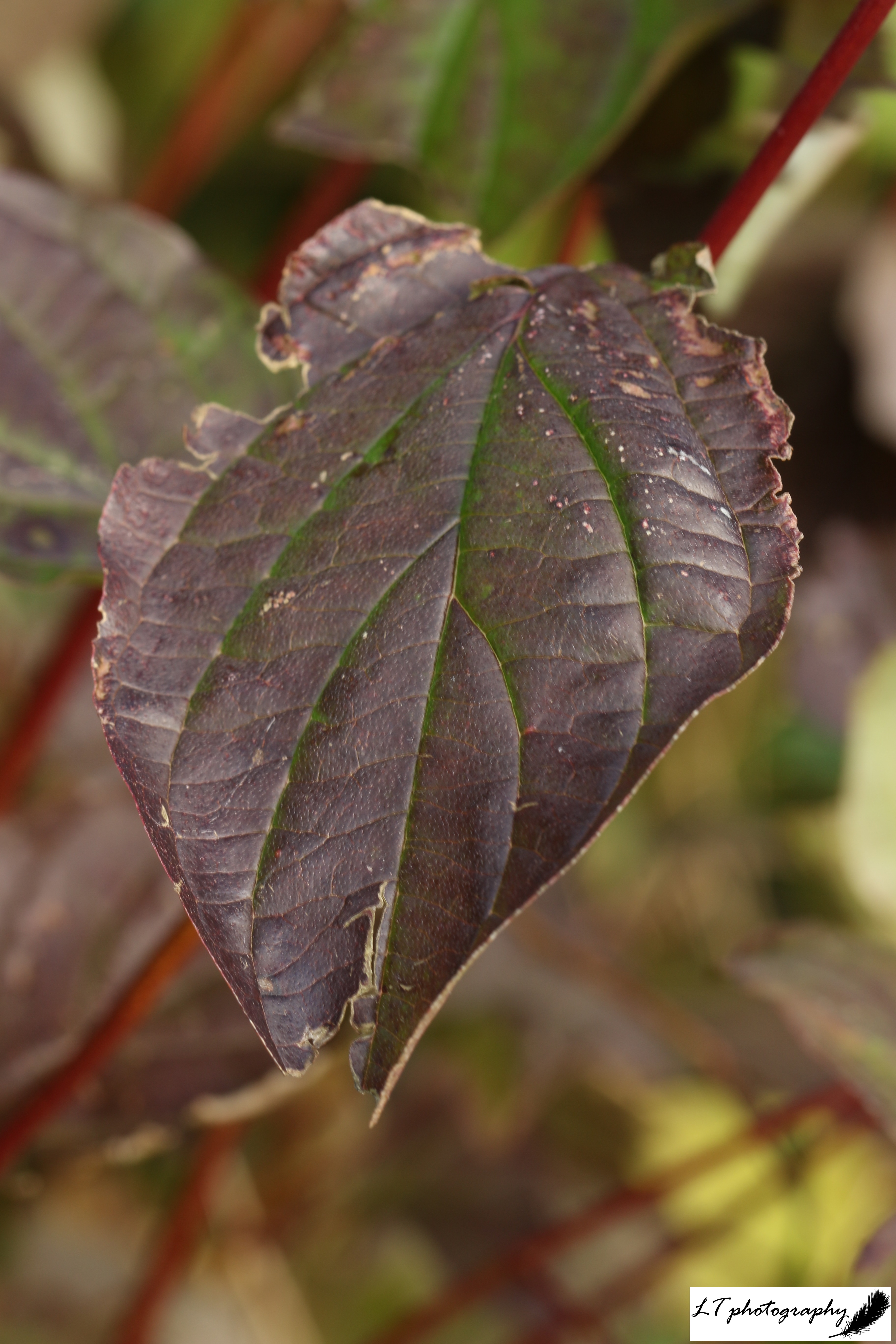
Dogwood (Cornus sanguinea)
Family: Cornaceae – dogwoods
Origin: Native
Shape and Size: Tall and deciduous sending out suckers to form dense thickets (up to 10m)
Stems and Twigs: Bark grey and smooth with shallow ridges, giving off a fetid smell when bruised, attractive to insects
Leaves: Opposite, long, oval, pointed, hairy on both sides, side veins curving forward, and no teeth. Crimson colouring in late autumn
Seeds: Round, bitter, black berries in clusters (sometimes called ‘dogberries’), ripening in August or September
Range and Habitat: Frequent in Midlands and South, grows chiefly on chalk soils, but also found in woodlands, scrub and hedges
In Winter: New twigs are bright red
Common Lime (Tilia x europaea)
Family: Mallow family – related to trees such as cotton and cacao
Origin: Native
Shape and Size: Tall tree with long slender branches that start near the ground (up to 40m)
Stems and Twigs: Young bark is smooth and grey, whereas old bark is fissured
Leaves: Long and heart-shaped with small teeth and tapering to a point. Dark green and hairless above, whereas undersides are paler with white or buff hairs in the vein junctions
Flowers: Greenish-yellow 5-petalled flowers that are sweet smelling (late June-July)
Seeds: Encapsulated in small round hanging fruits, hairy, faintly ribbed and with pointed tips
Range and Habitat: Widespread in rows or avenues in streets, parks and also hedges
In Winter: Red, hairy twigs and shoots
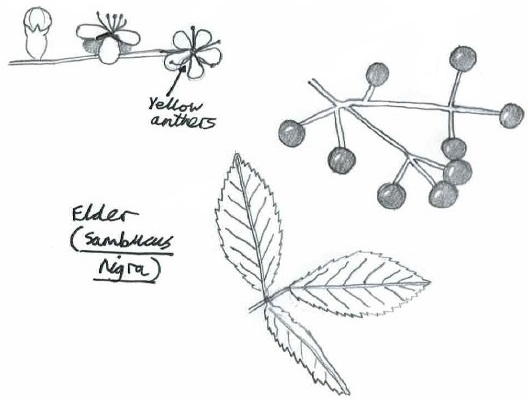
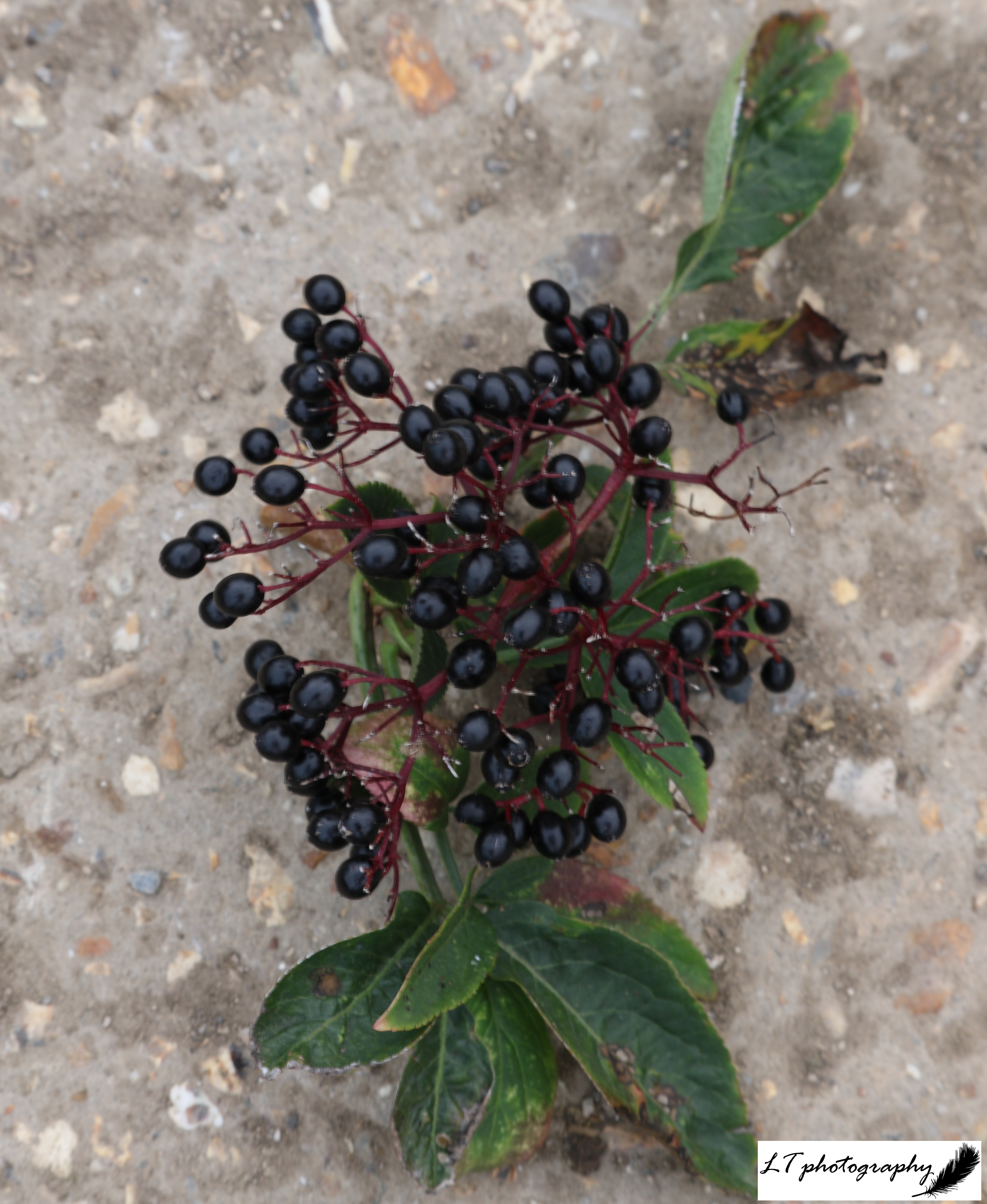
Elder (Sambucus nigra)
Family: Adoxaceae – previously in the honeysuckle family , but now reclassified in moschatel
Origin: Native
Shape and Size: Bushy shrub with many stems or growing into a small tree (up to 10m)
Stems and Twigs: Light brown bark is thick, corky, fissured, and strong smelling
Leaves: Long, dark green, and opposite, with leaflets in pairs, rounded, stalked and with teeth
Flowers: Creamy-white, small, and sweetly fragrant in flat-topped clusters with yellow anthers (May-August)
Seeds: Produces a juicy, edible, purplish-black berry
Range and Habitat: Widespread and common throughout Britain, particularly flourishing where nitrogen content high
In Winter: Pungent, hollow-stemmed twigs and often dotted with light-brown bumps
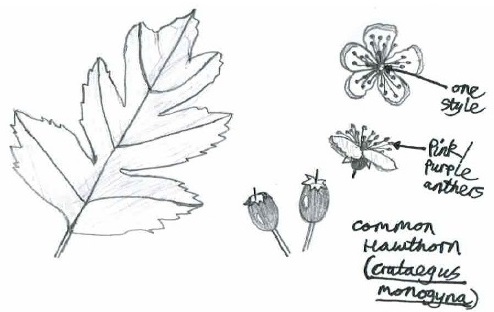
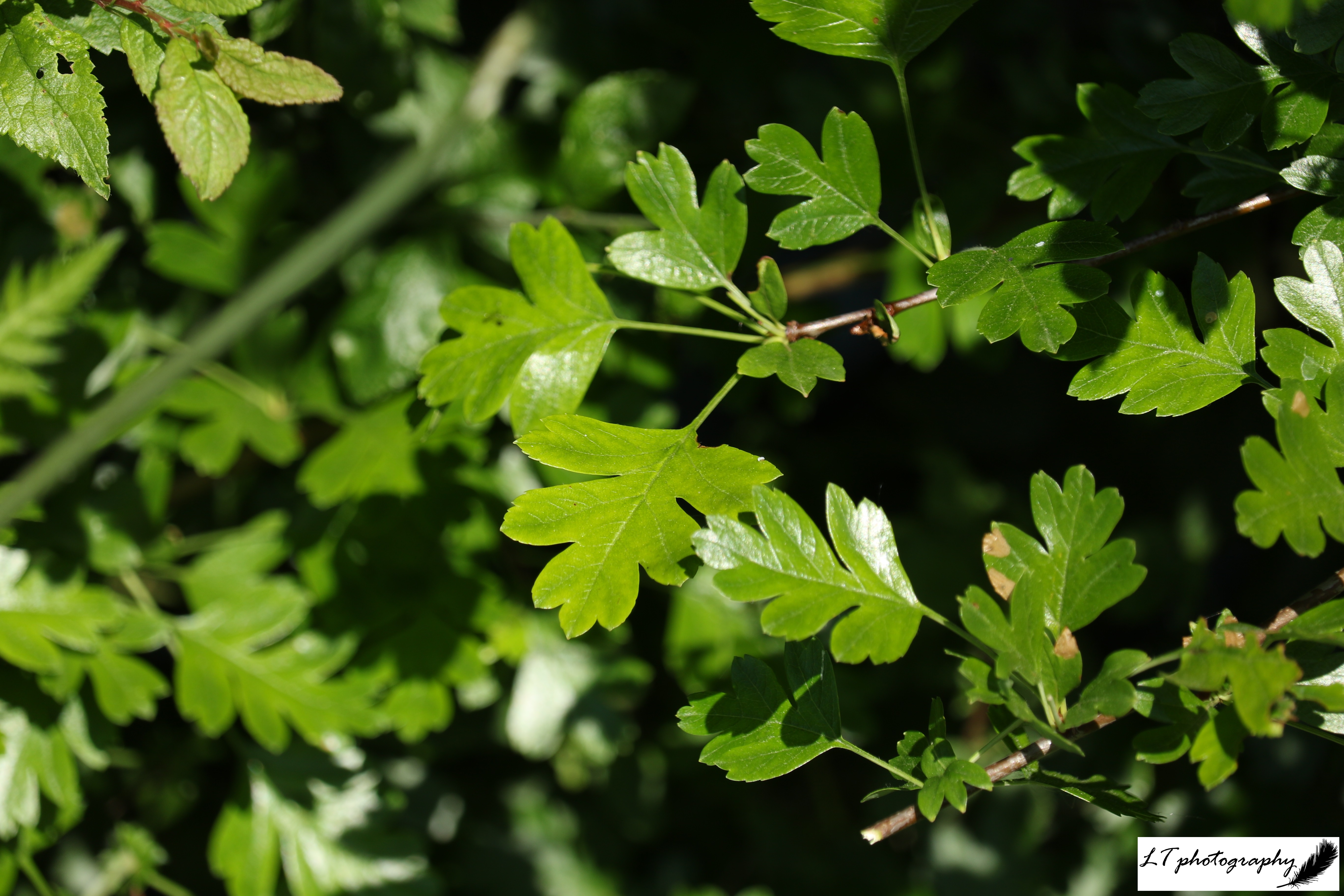
Hawthorn (Crataegus monogyna)
Family: Rose – related to fruit trees such as apricots and apples
Origin: Native
Shape and Size: Quick growing, becoming a dense shrub or single stemmed tree (up to 15m)
Stems and Twigs: Bark is hairless and greyish-brown, with many small scales and sharp spines
Leaves: Alternate, long, toothed, shiny, lobed, and roughly oval-shaped
Flowers: Showy white and fragrant (sickly sweet) with 5 petals, and pink or purple anthers (late April-June). Become deep pink as they fade
Seeds: Fleshy fruits (haws) turn dark wine-red and contain a single seed
Range and Habitat: Widespread and common throughout Britain, in hedges, scrub or woodland margins
In Winter: Spines emerging alongside buds on the twigs
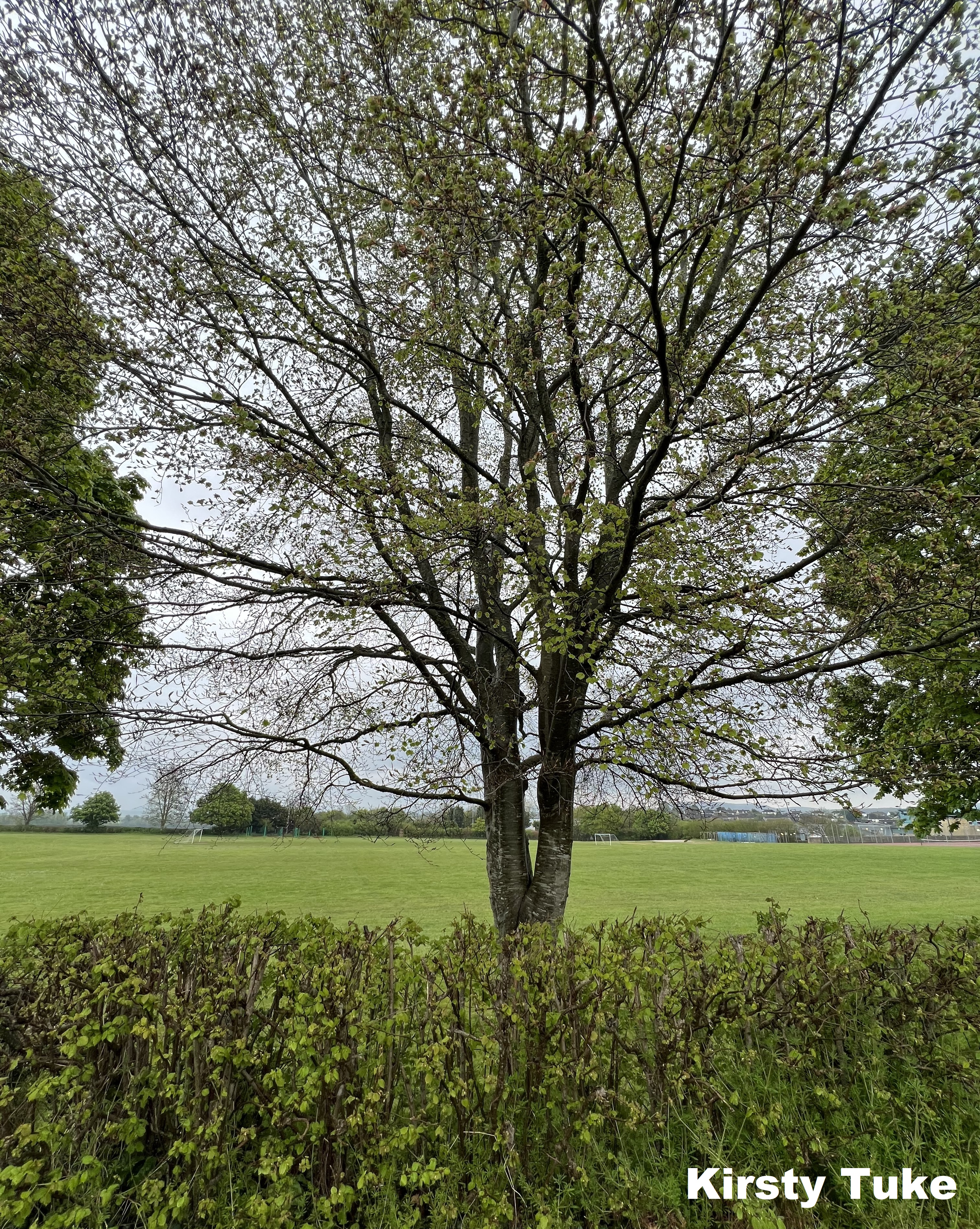
Beech (Fugus sylvatica)
Family: Beech – includes chestnuts and oaks
Origin: Native
Shape and Size: Older trees have a massive, many-branched dome, whereas young trees are slimmer and more conical in outline (up to 36m)
Stems and Twigs: Smooth grey bark may break into small squares
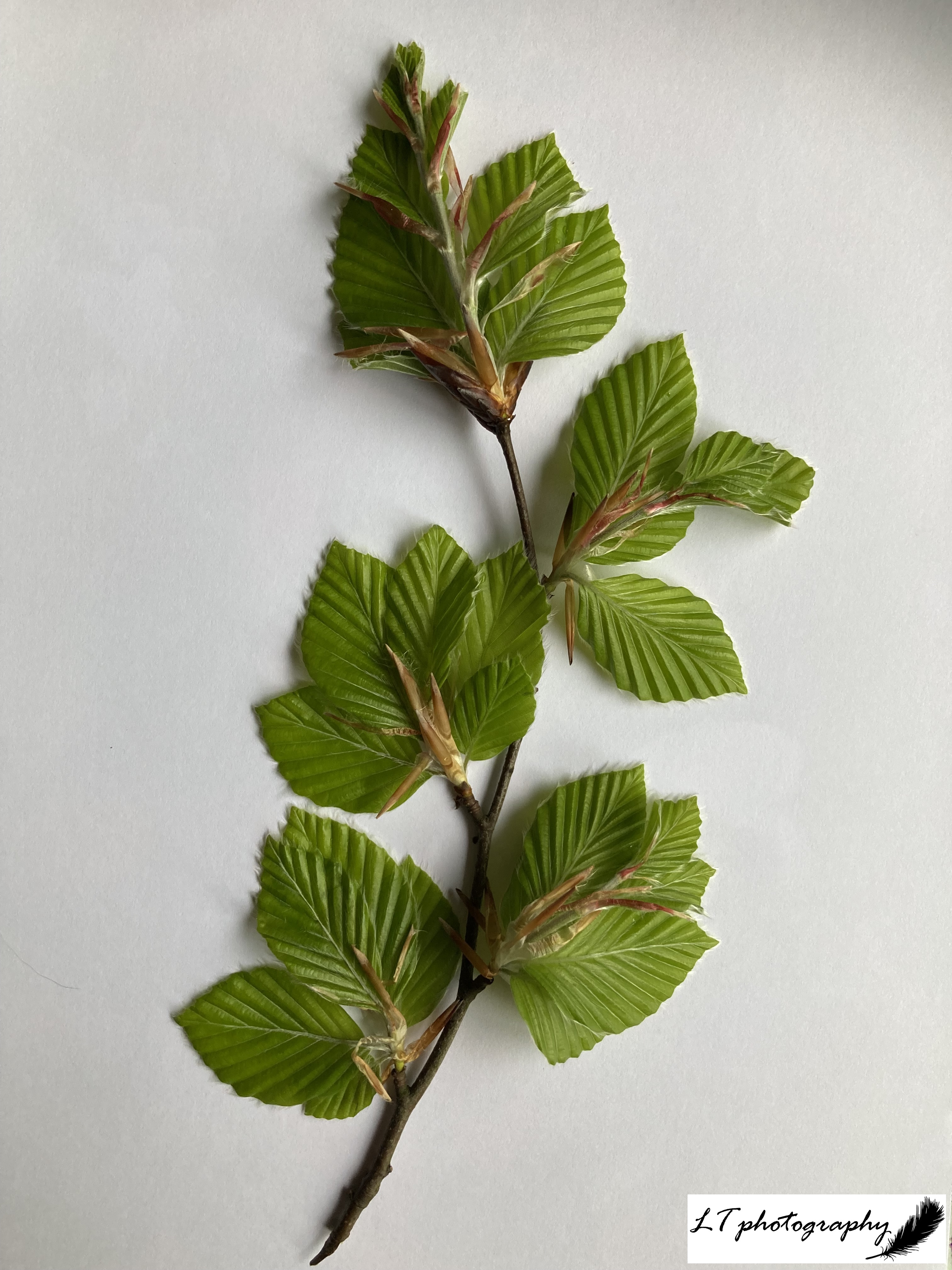
Leaves: Long, wavy margins, alternate, hairy leaf edges, and shiny green on both surfaces
Flowers: Young leaves appear with yellow long-stalked male flowers on tassel-like stalks, and greenish white female flowers (May)
Seeds: Four-lobed husk are two triangular nutlets (mast)
Range and Habitat: Native in woods in the south, but widely planted elsewhere
In Winter: Often hold on to leaves and have sharply-pointed buds
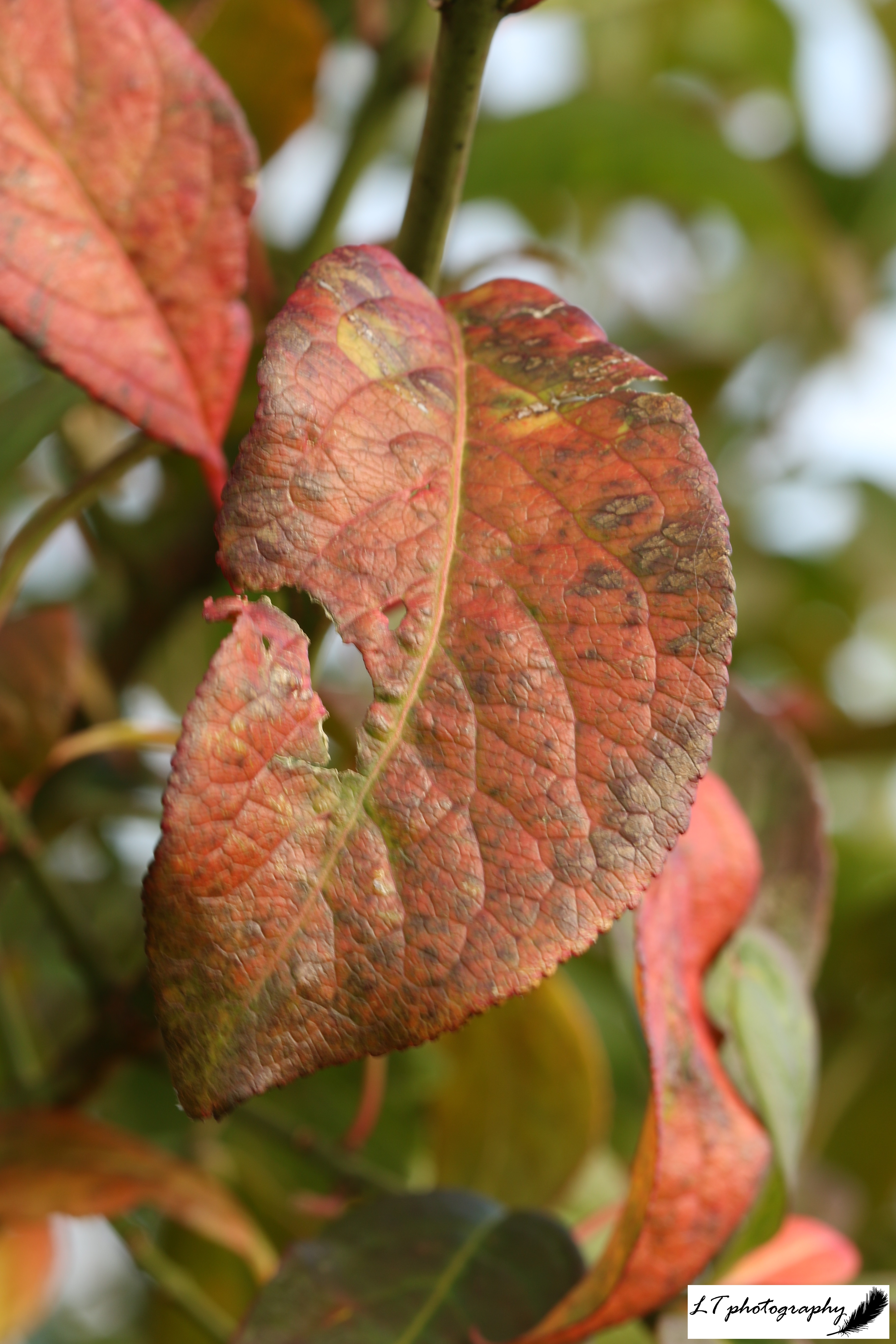
Spindle (Euonymus europaeus)
Family: Staff-vine
Origin: Native
Shape and Size: Small tree or big bush up to 6m
Stems and Twigs: Young, smooth, greenish bark later turns grey
Leaves: Light green leaves are opposite, thin, oval-shaped, and pointed, with small finely toothed margins. Turn pinkish-red in autumn
Flowers: Small greenish-yellow flowers with 4 narrow petals (May-June)
Seeds: Four-lobed seed capsules, which turn a deep pinkish-red when ripe.
Range and Habitat: Grows throughout England and Wales, most frequent in the South, but rarer in Scotland and Ireland. Found in woods, scrub, and hedgerows, in particular on lime
In Winter: Buds and twigs are angular with four sides
Yew (Taxus baccata)
Family: Yew
Origin: Native
Shape and Size: Round-headed tree with dark foliage, often has many trunks (reaches up to 20m)
Stems and Twigs: Smooth, light brown bark flakes to red patches
Leaves: Needles dark green on top and matt yellow-green on underside
Flowers: Male and female flowers are found on separate trees. Male flower is yellow, and tiny female flower is green (February-April)
Seeds: Bright red ripened fruits, much enjoyed by birds, partially encloses a single seed that is poisonous to humans
Range and Habitat: Found in woods, scrub, screes, downs and often on lime
In Winter: Evergreen needle-like leaves present all year round
Last year was an unusual one for us all, as we got used to a new reality, but for me it was also a year of colour, amazing wildlife, and fabulous adventures. I learnt alot and was able to continue to grow as a person, which includes my skill in wildlife photography and passion for communicating nature with you all. To celebrate, here’s a collection of my nature photos spanning 2021, capturing a range of themes, species and stories, and holding a feel good factor. Enjoy!
January
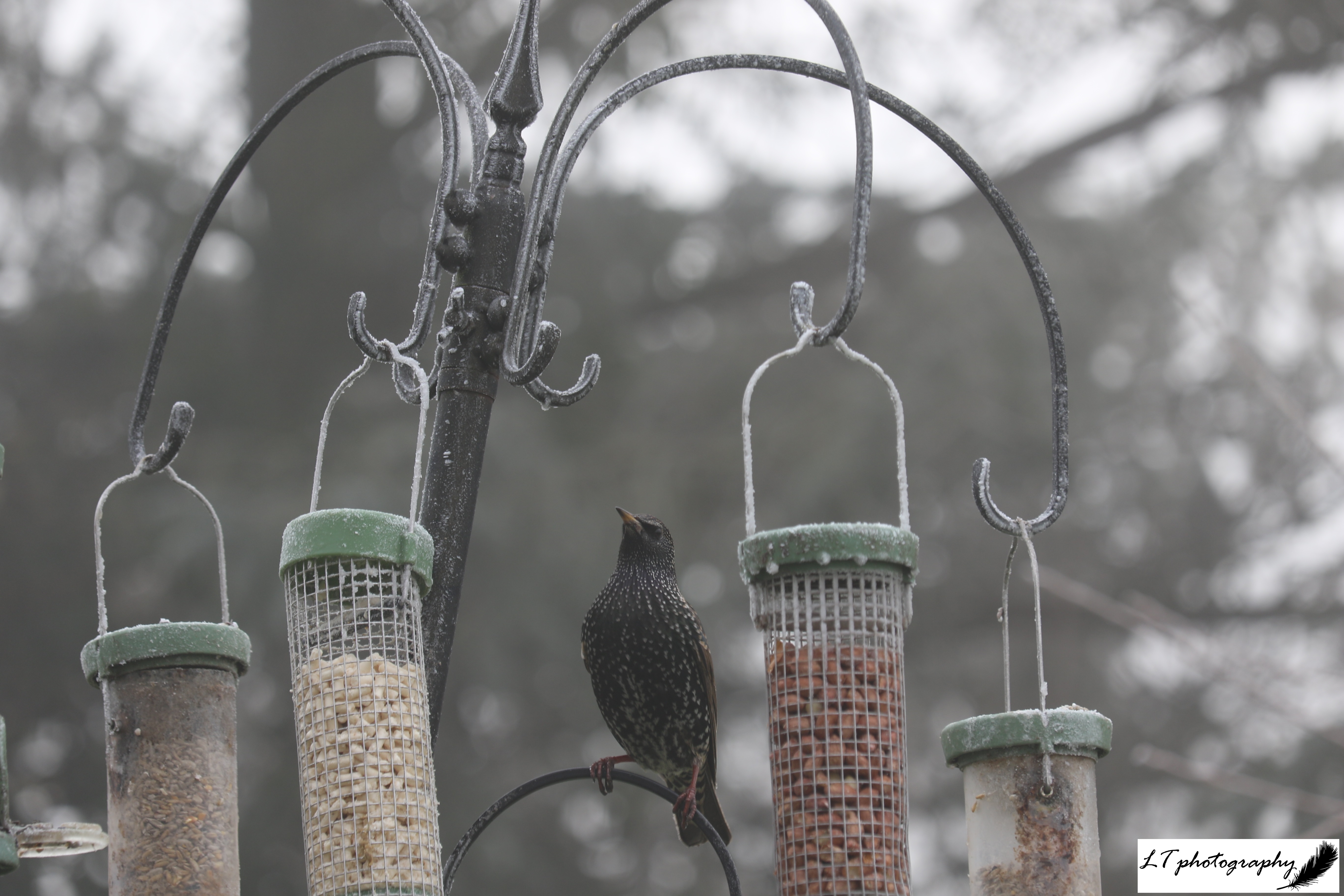
I began my year taking advantage of frosty mornings to capture the birds relying on our garden during the winter. Here a starling looking magnificent in its speckled plumage.
February
In 2021 I made it my mission to take my first up close photos of snowdrops. I enjoyed the challenge, brightening up a gloomier start to my year.
March
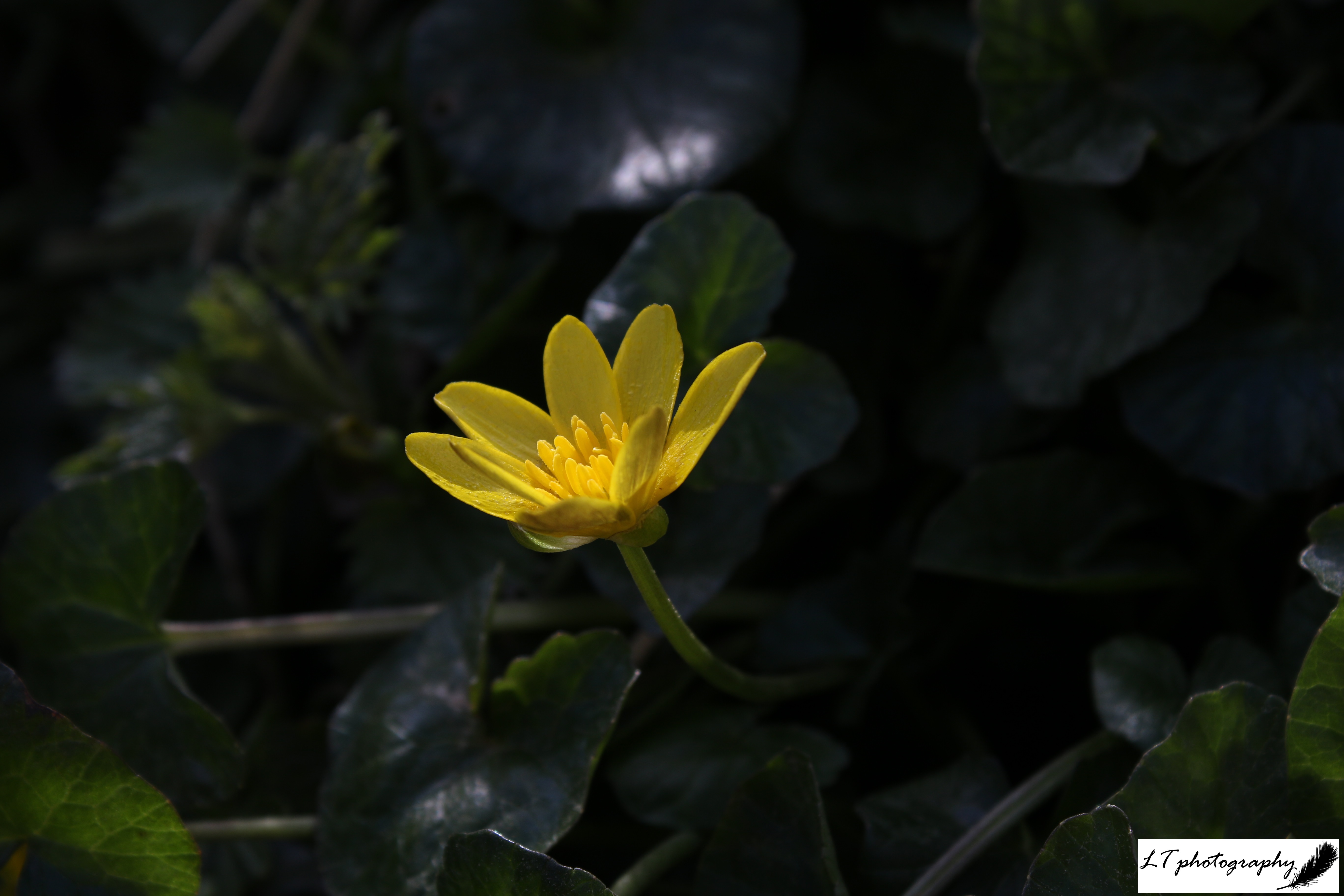
As the first signs of spring began to arrive, my focus turned to the ground and colourful spring flowers. Here a celandine peaks out its sunshine head from a thick cluster of green leaves.
April
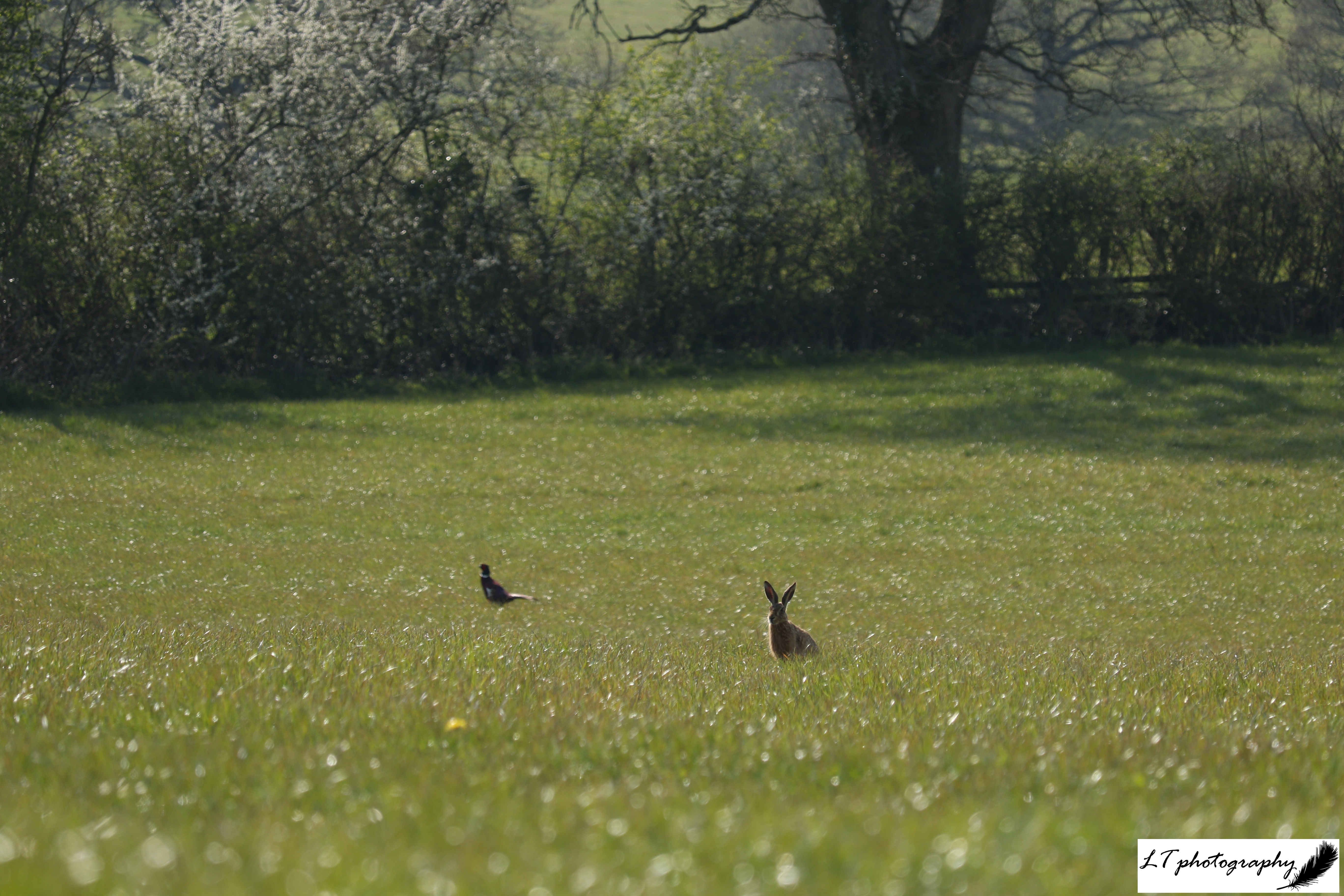
As spring burst into life, my focus turned to the animal species now becoming active in the rural landscape. Here is a relaxed hare (and pheasant) that I ended up spending a sunny afternoon watching feed on this hillside.
Each year grey wagtails are becoming a more and more frequent sight on my family’s farmland. We now have a soft spot for them as they brighten gloomy winter days and add a flash of colour in spring sunshine.
May
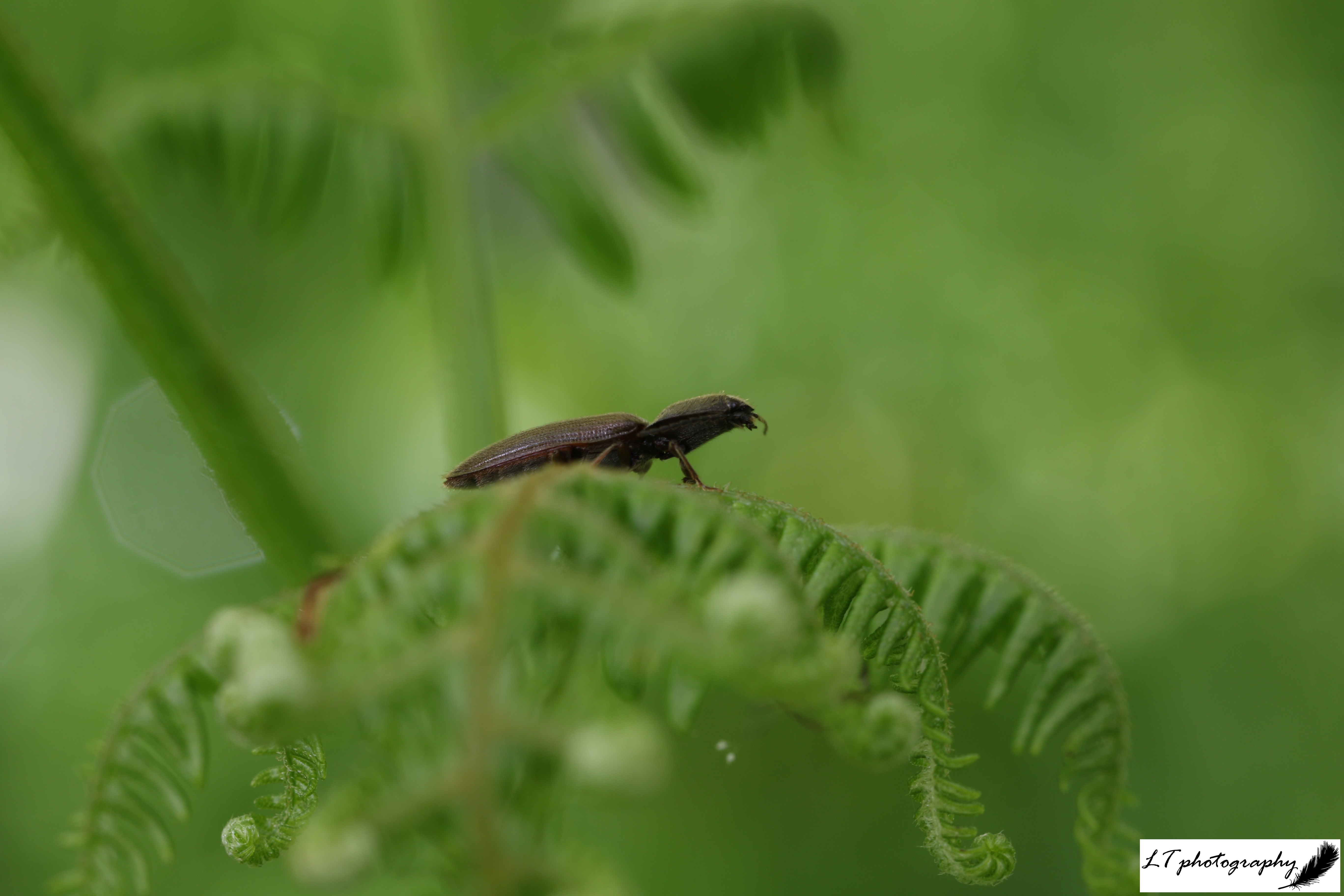
In 2021 I bought my very first macro lens which I was very excited about. It was great fun to head out with no set challenge, and just see what I could find!
June
Last year was definitely the year of butterflies for me. I had alot of fun expanding my knowledge of species and getting to see an increasing number living on my family’s land, such as this meadow brown.
July
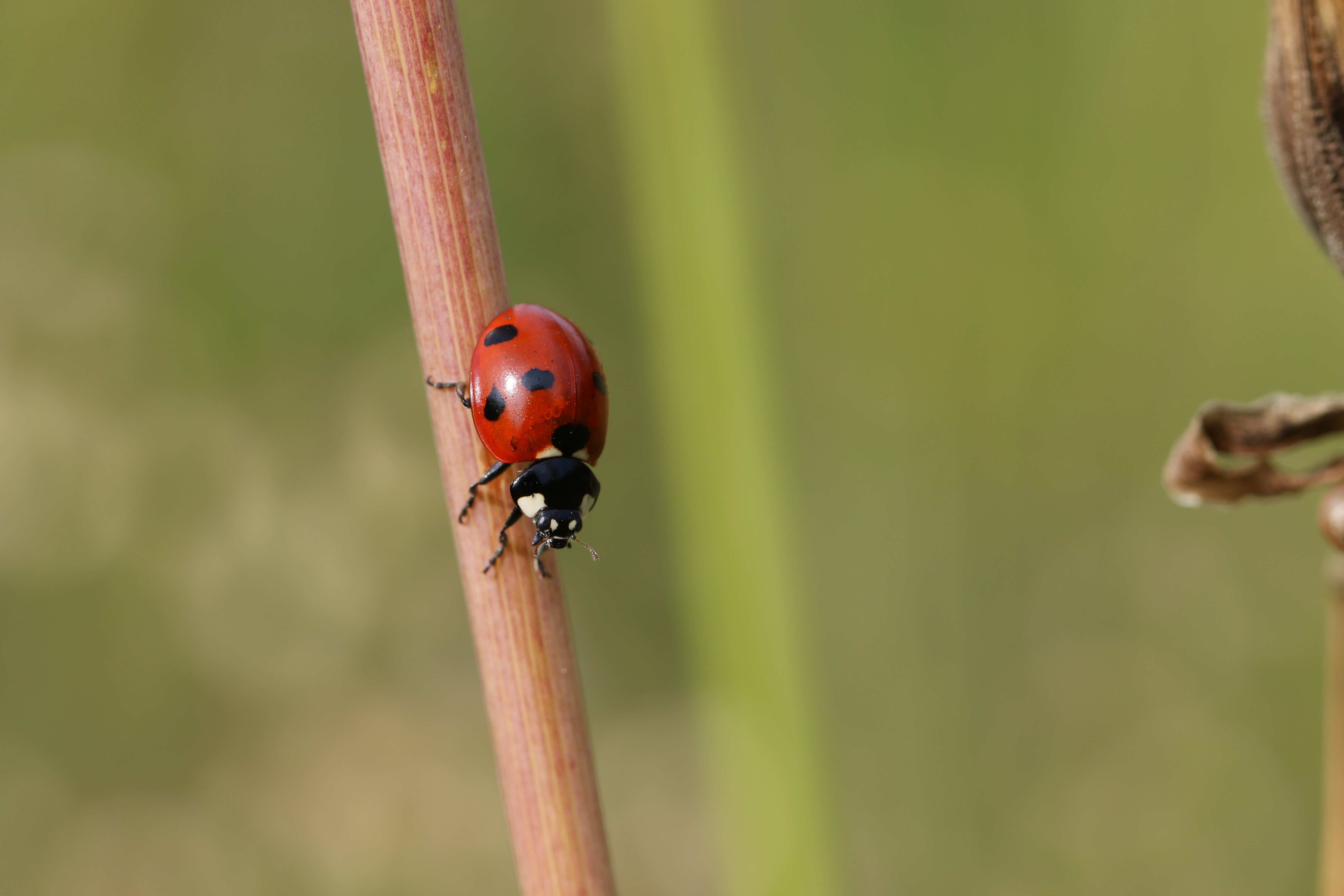
A series of photos that I took of this ladybird became some of my favourites for myself and my family in 2021!
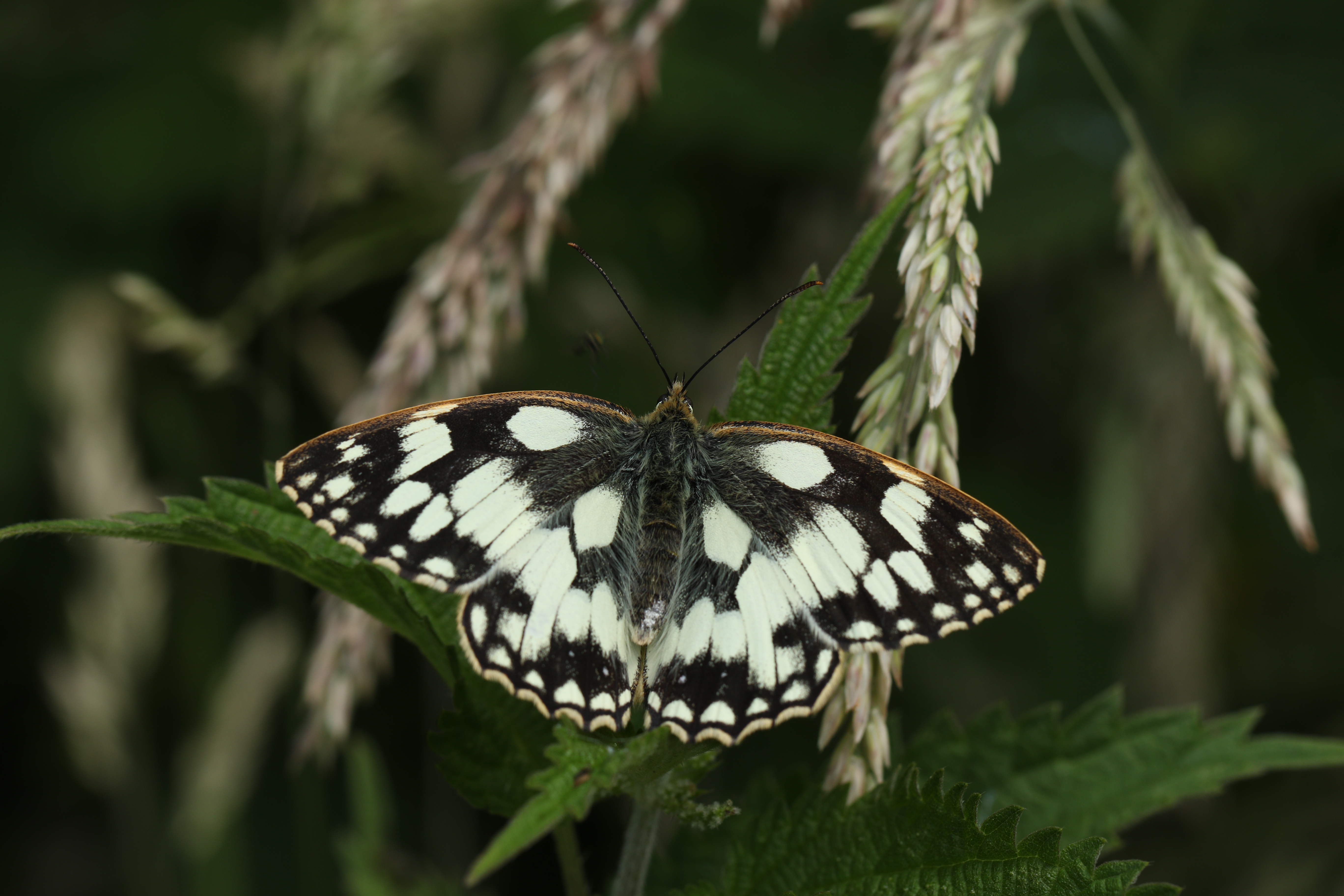
Another one of my 2021 favourites, a spectacular marbled white!
August
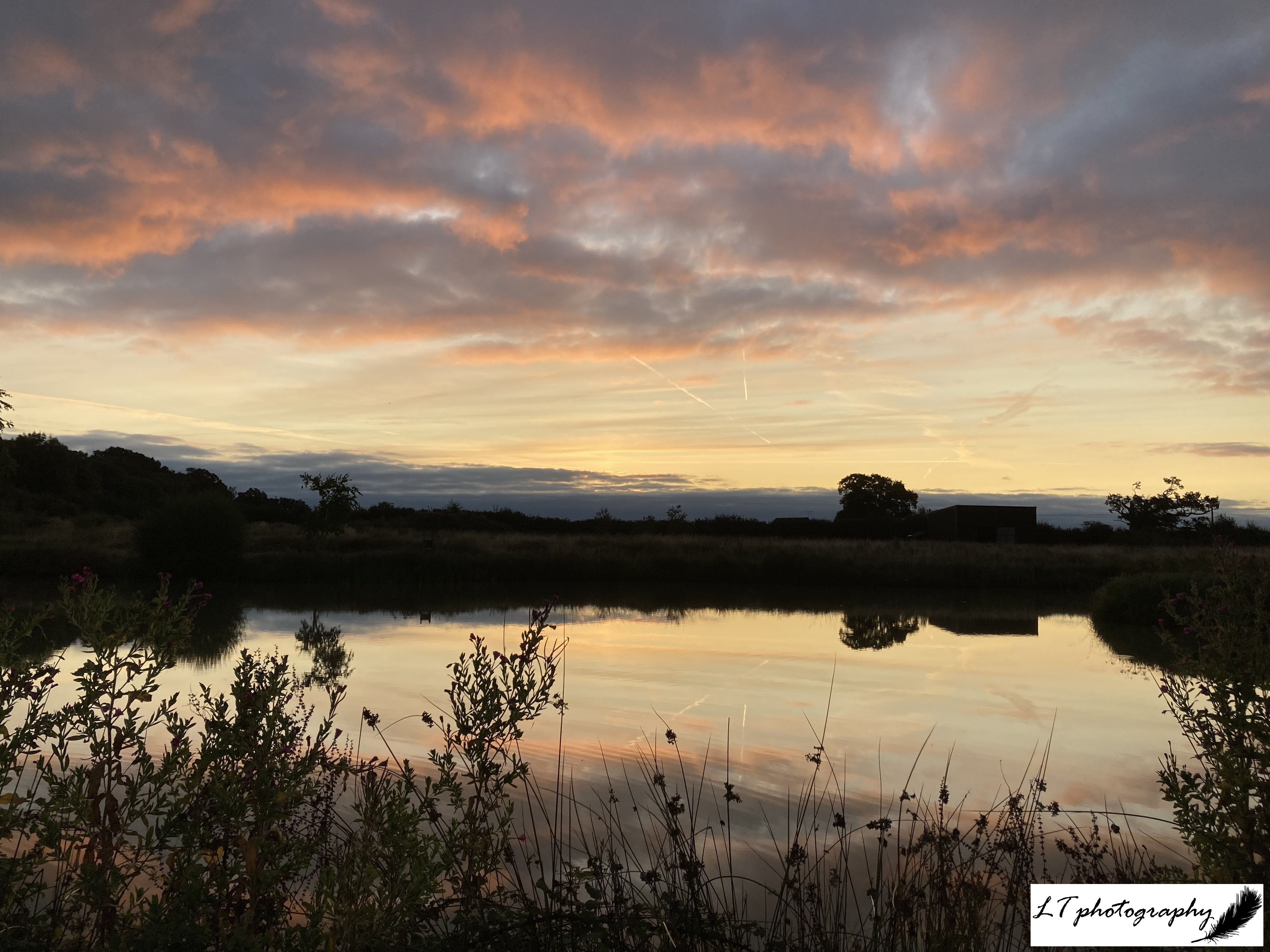
There’s something special about a sunrise over water with pinks, oranges and yellows streaked across the sky like a watercolour.
September
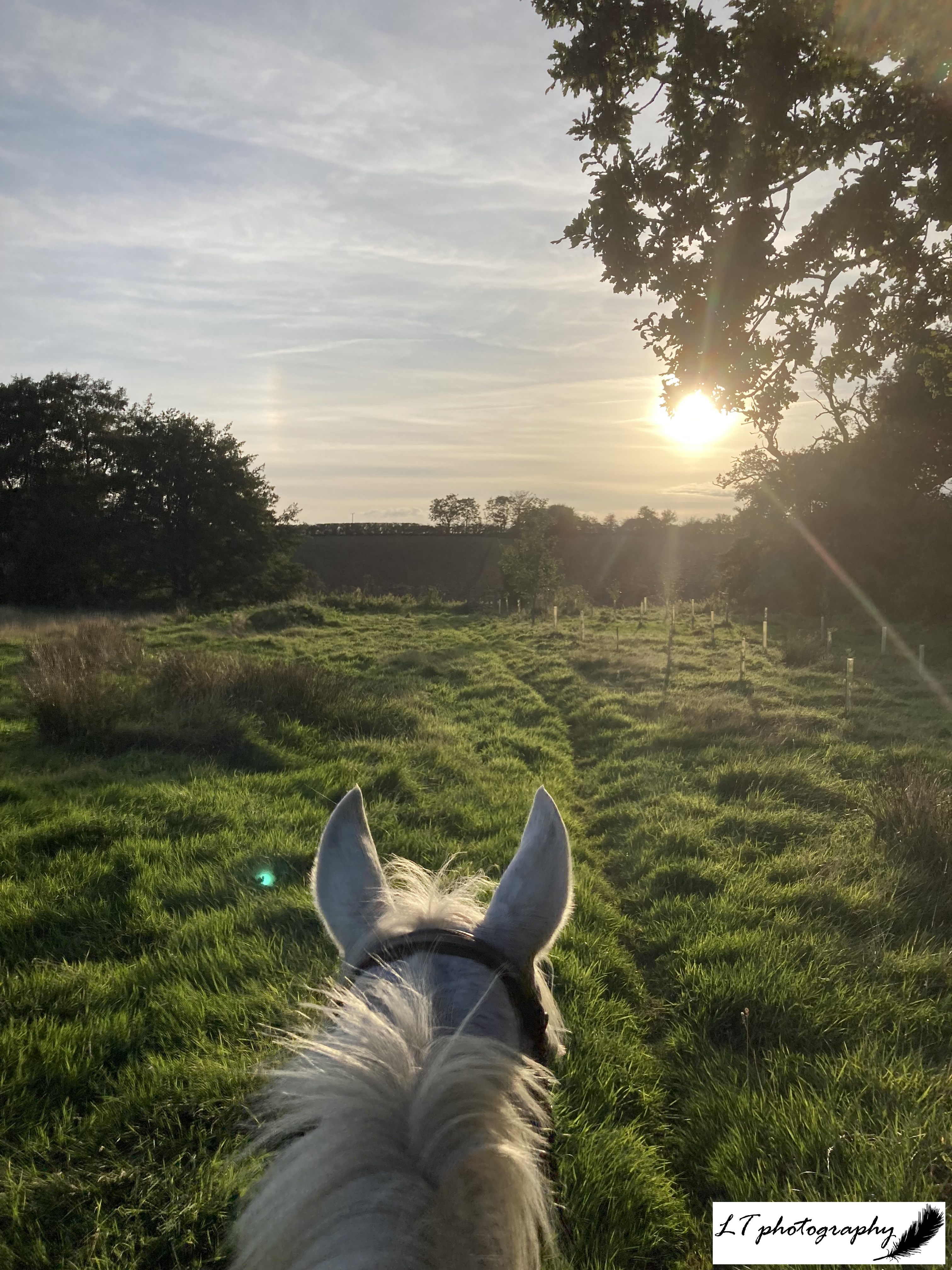
One of my favourite places to be is between two ears exploring the countryside. Here I also had the golden glow of a setting autumn sun to make my ride even more magical.
October
Autumn has some of the best sunsets, with everyday promising something different. Here an oak tree holds on to its leaves as autumn continues its advance through the landscape.
November
A magical part of late autumn is seeing the sun rise over dewy fields covered in a blanket of wafting spiders’ webs. These are produced by thousands of small spiders active before winter arrives.
December
To round off the year, one of my wildlife activities was to plant some new fruiting trees and shrubs down in my family’s conservation field (here a crab apple). Tree planting is definitely a rewarding activity at this time of year!
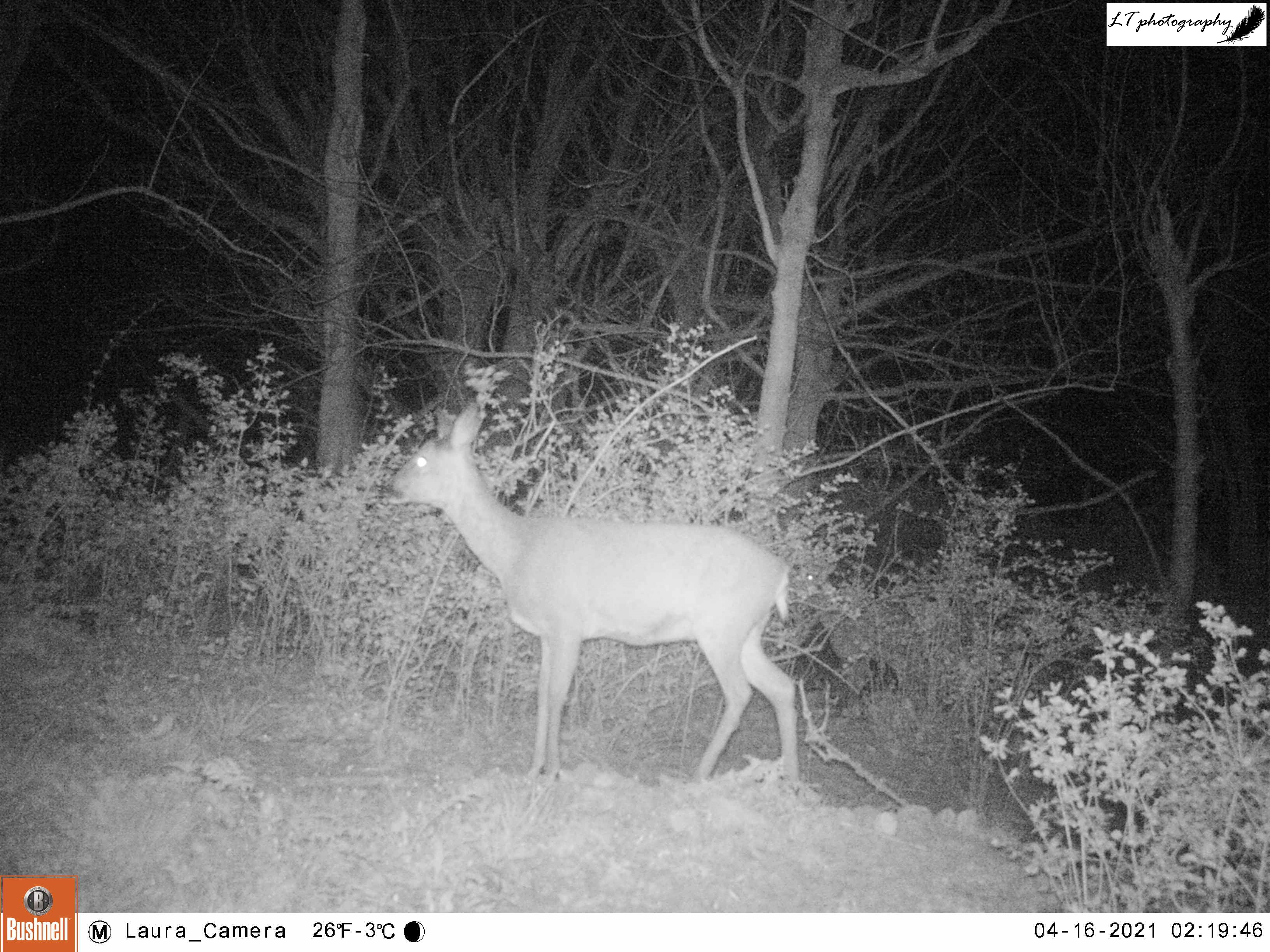
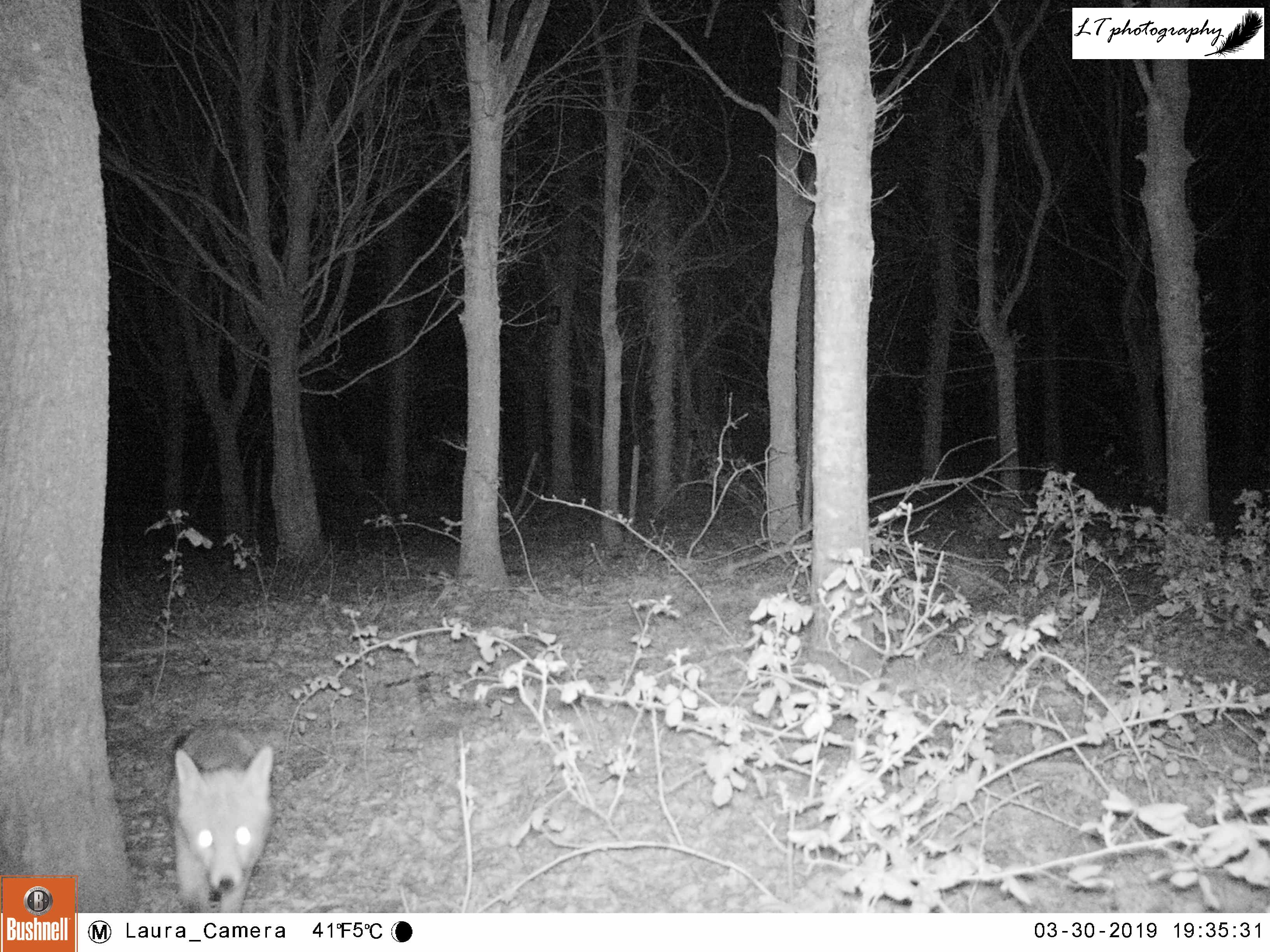
After I click open the file on my camera trap, I press next through a male pheasant strutting his stuff and a female roe deer passing through, until a photo makes me stop. There towards the back of the shotare two small brown shapes. I move through the rest of the photos as day passes into night, and watch as these two rough and tumble through the photos, exploring, playing and watching their wild neighbours go past, ending with one sitting stock still in front of the camera. My camera trap had successfully found my first litter of fox cubs of the year!
The last few years I have become known for my exploration of my family’s farm in Dorset using a camera trap. My camera trap allows me to delve into the lives of my wild neighbours without intrusion or disturbance of their natural behaviour, and to use my photos to inspire others to open their eyes and be motivated to conserve our local wildlife. It is always a rollercoaster of emotions, never knowing what my camera trap might find, but in the end it is a very rewarding experience. If you are interested in getting your own camera trap or knowing how to make the most of your own, check out my ‘How to… Use and Make the Most of a Camera Trap’ guide for some more information.
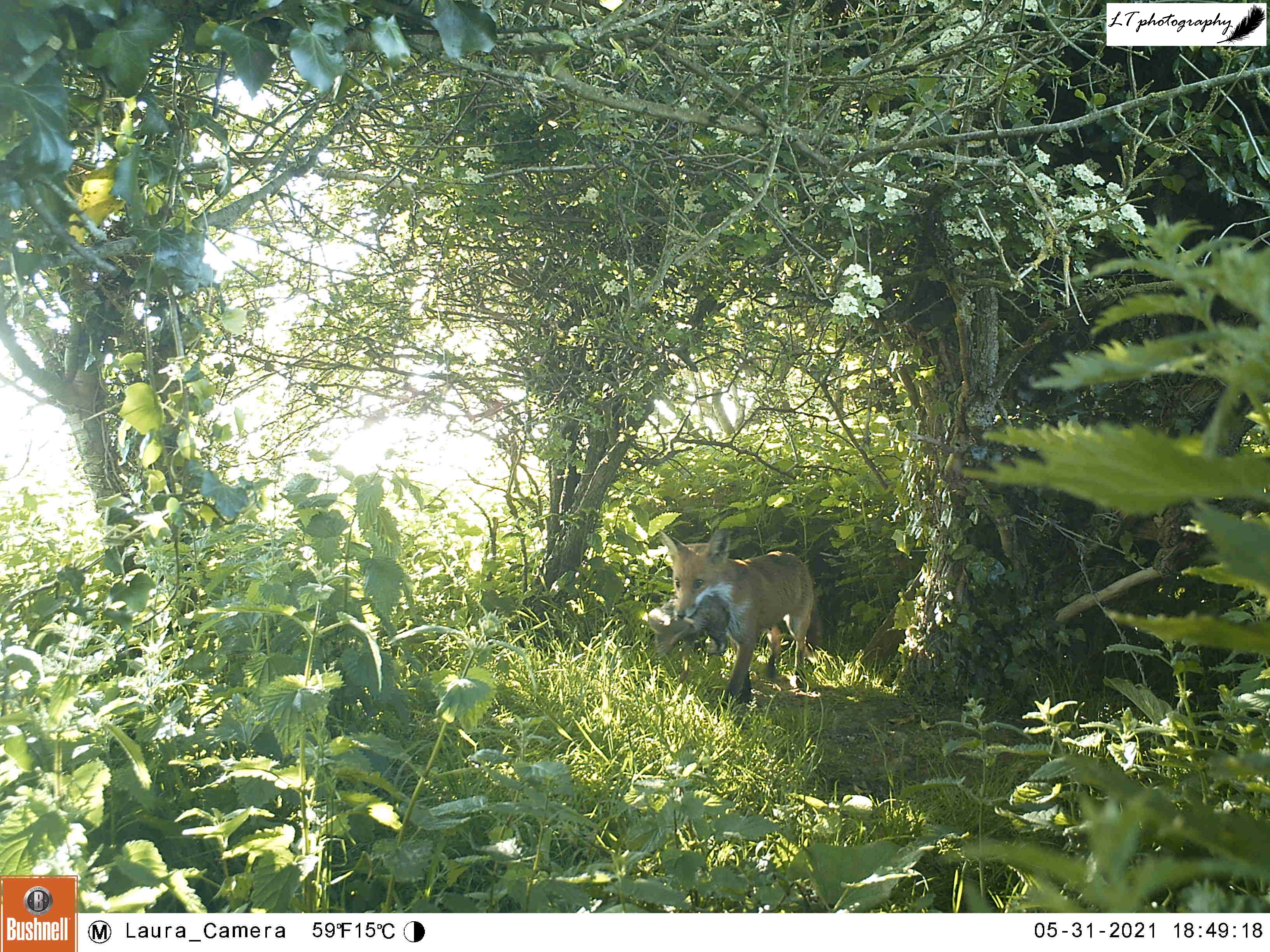
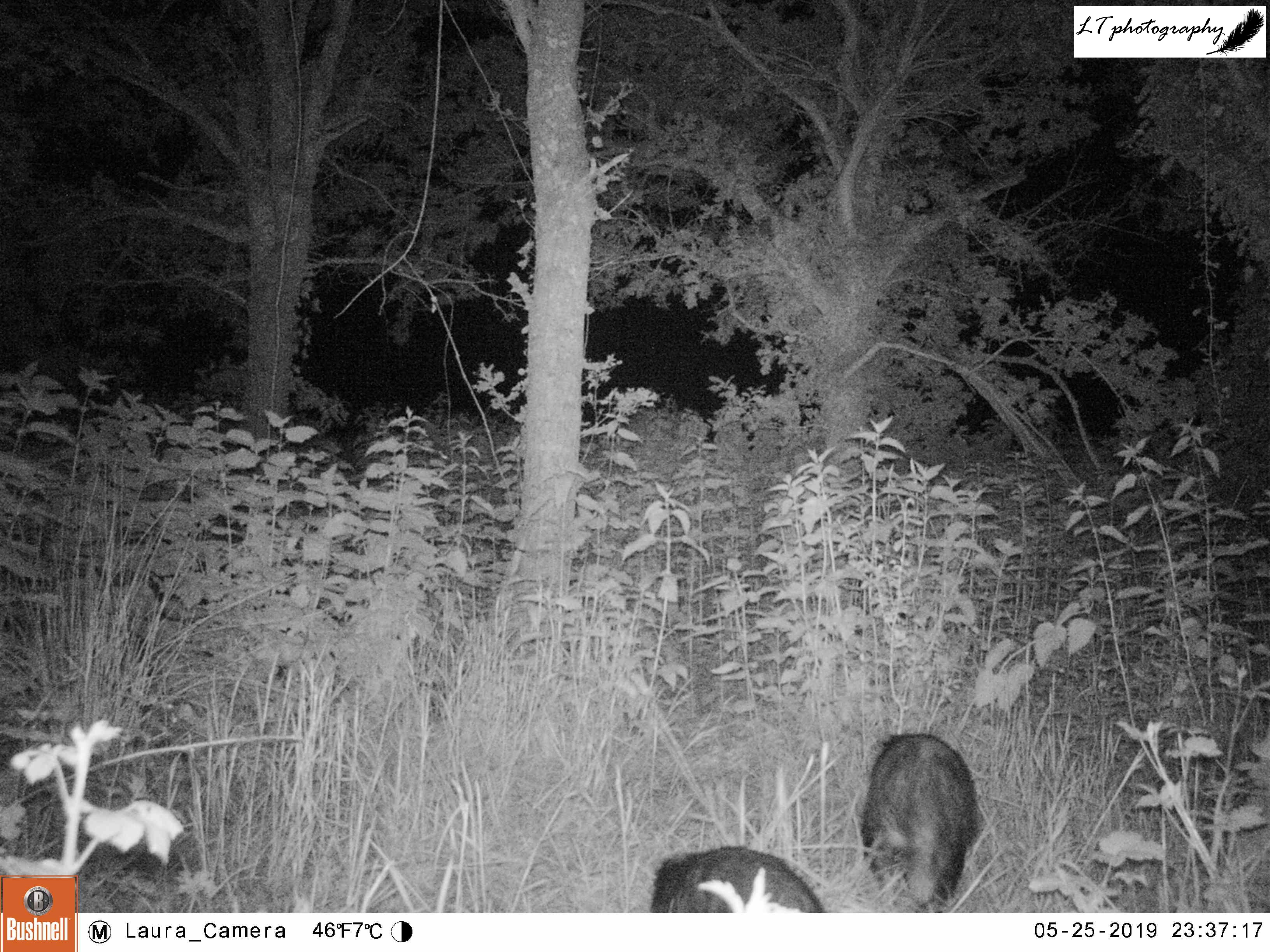
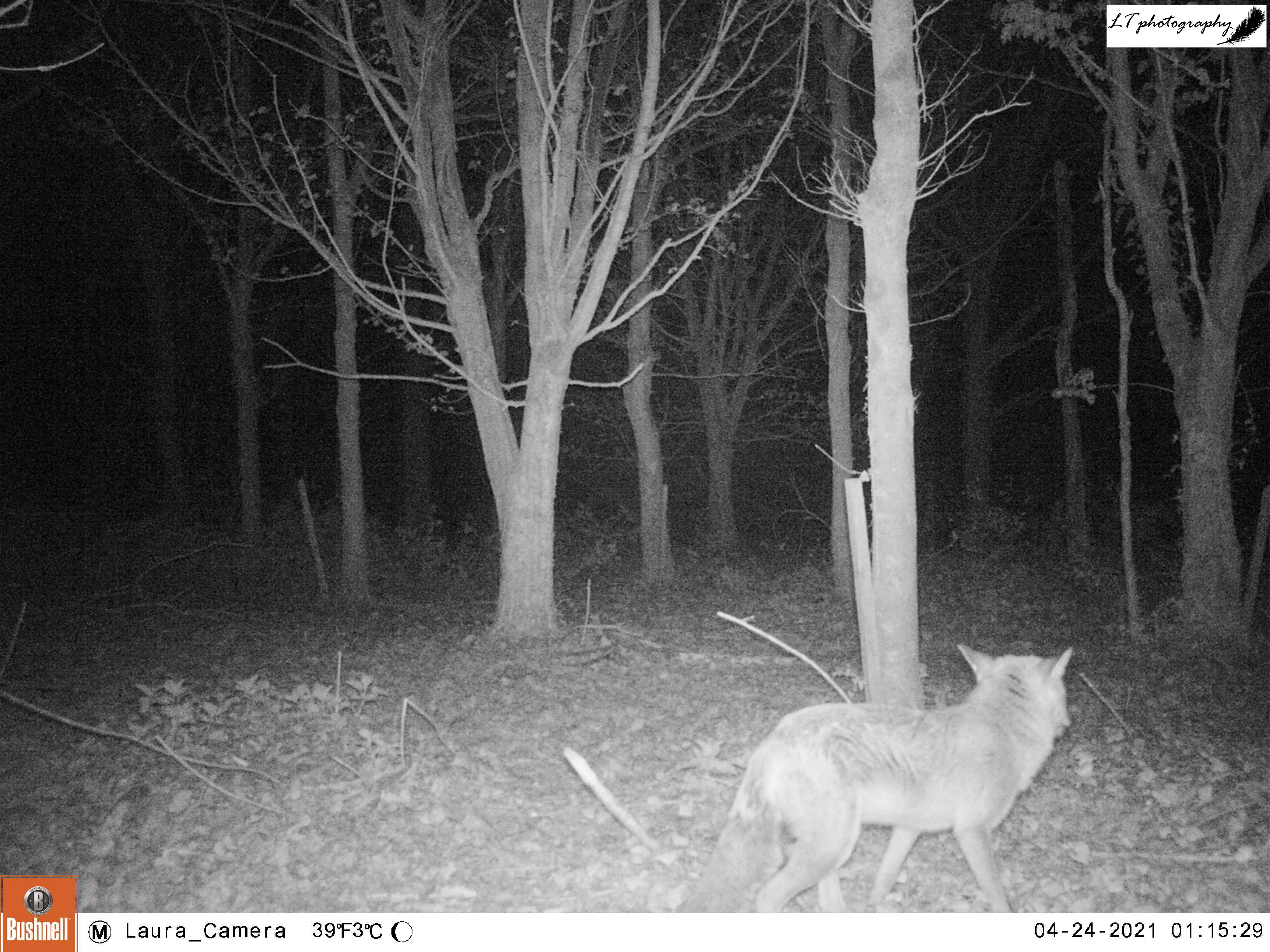
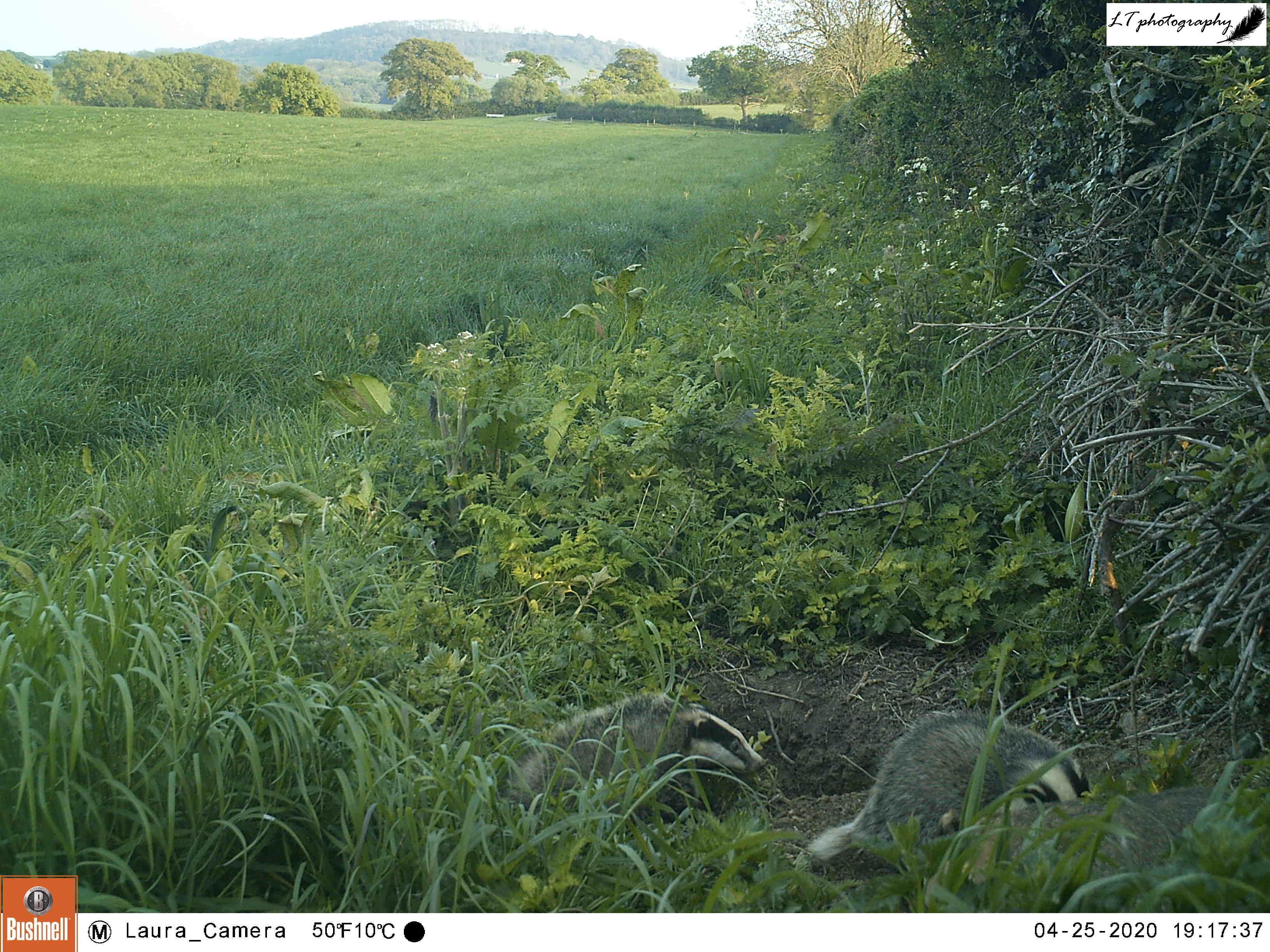
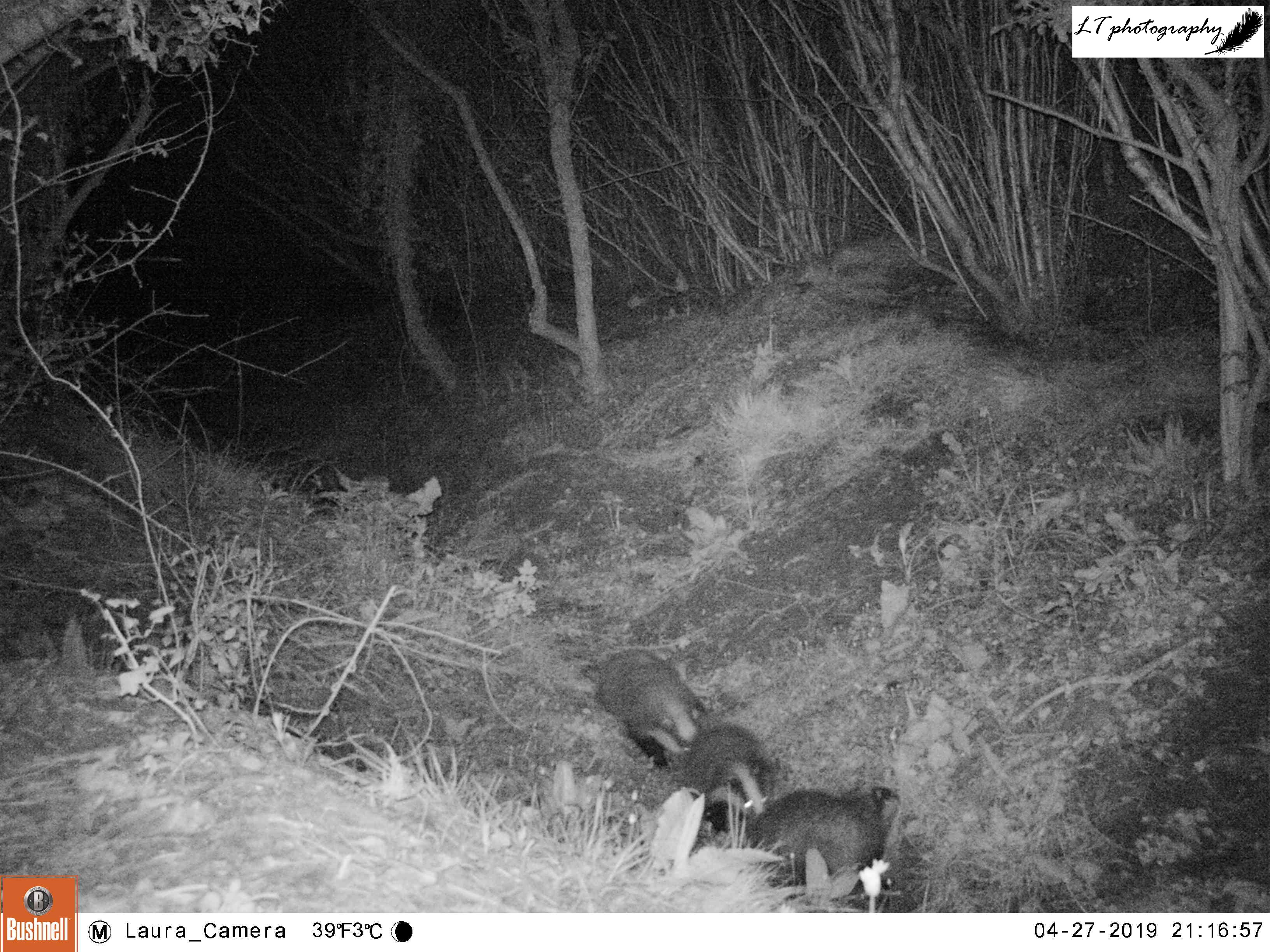
My camera trap has been a very useful tool for me over the last few years, so since 2019 I have spent my spring seasons moving my camera trap around different sites across 250 acres of farmland, taking in different species and behaviour. In 2019, I saw 12 species of birds and mammals, including families of badgers and a family of three fox cubs. In 2020, my camera trapping got even more interesting, with badger cubs, a couple of litters of fox cubs, and lots of roe deer sightings. The most enjoyable shots are always the most unexpected though, despite from time to time getting a photo bomber or two, for example in the form of our farm cat!
This spring I have been out and about once again on the farm with my camera trap. This year I selected six different sites across our land, with the hope of capturing some of the normal sights, along with some new ones. As the spring has now come to an end, activity has dropped across these sites, and thus it is time to see how spring has been captured by my camera trap this year.
Camera Trapping Spring 2021
Quarry Field Badger Sett
My first camera trapping site this year was an active badger sett to the east of my family’s land. It sits between a silage field and a maize field in a wide and thick hedgerow, and is a great crossroads for animals passing through. I have used this site in previous years for camera trapping, with varying success, such as last year’s highlights of badger cubs and a lively, lone fox cub.
This year I set my camera trap up at the sett for a week (3rd-10th April), moving the position and angle every other day to increase my chances of capturing wildlife. It paid off as I had a successful first week, with rabbits, roe deer, badgers, and a fox.
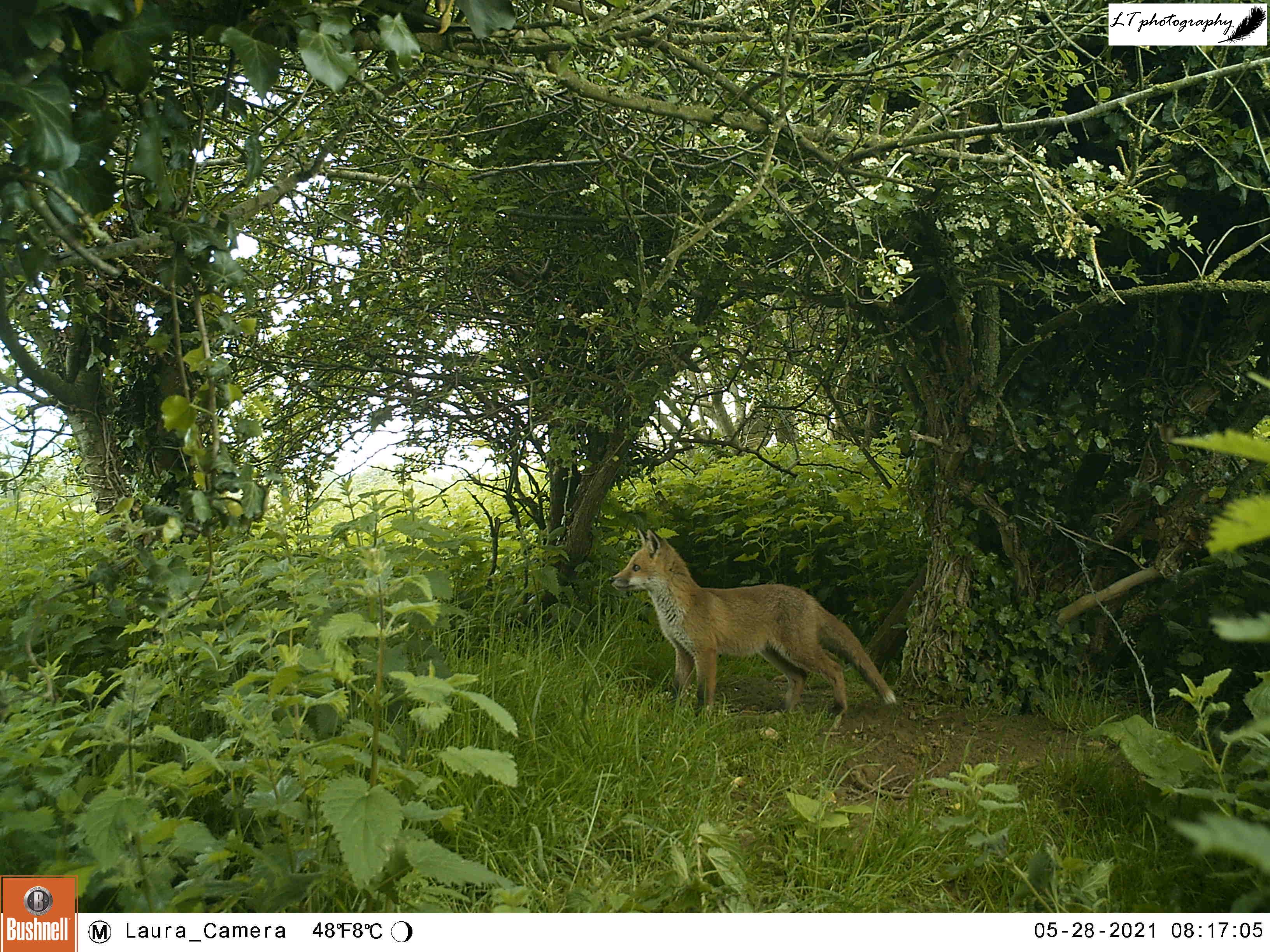
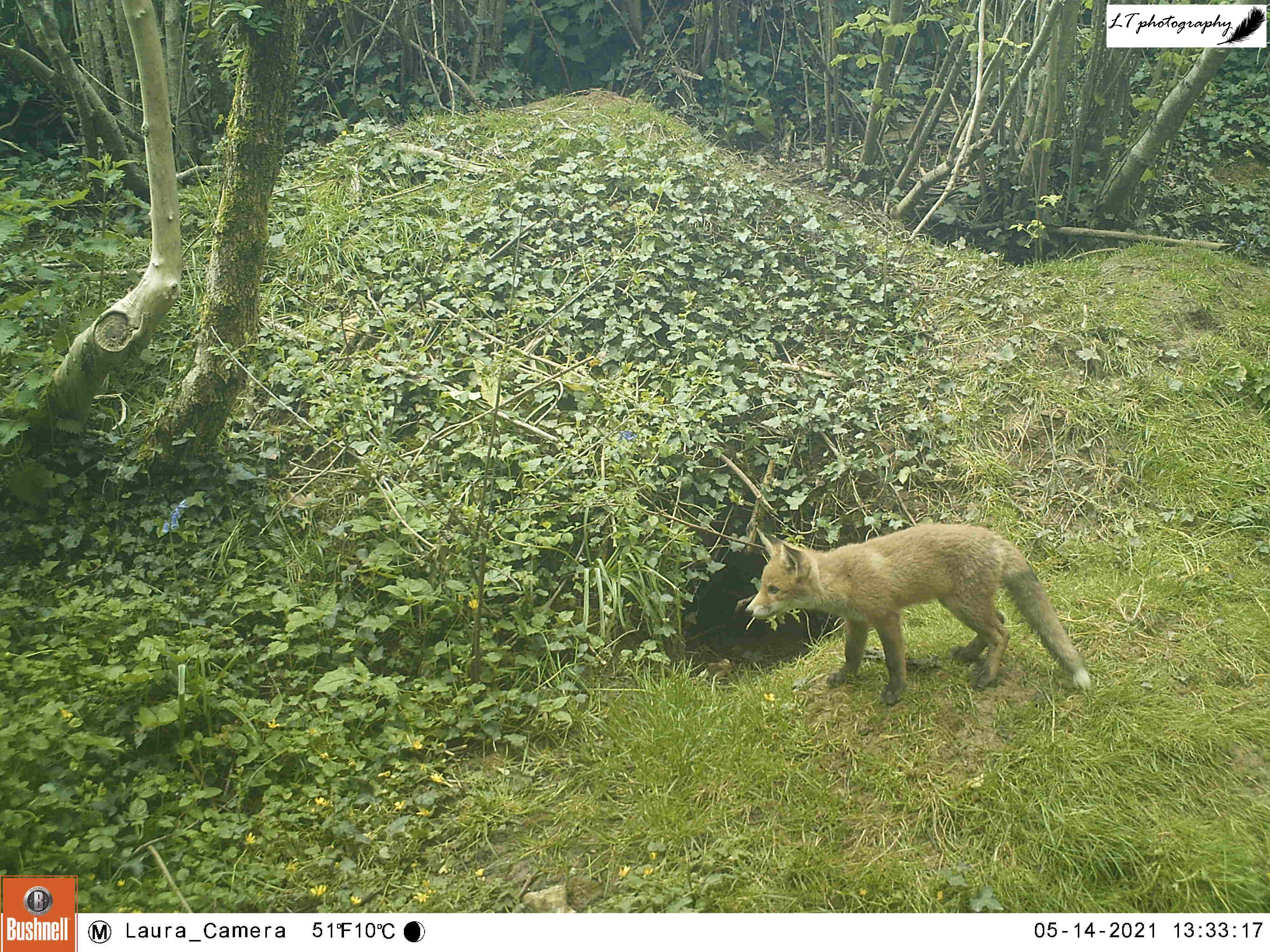
Due to seeing a lone fox cub at this site last year, the presence of an adult fox at the sett once again led me to return with my camera trap seven weeks later for another week (27th May-1st June). My hunch paid off as my camera trap returned photos of two fox cubs playing, living alongside a badger family, and being fed by a parent.
Gill Hill Copse
For my next site, I set my camera trap up within a copse surrounded by a cow grazing field west of the Quarry Field badger sett. During early spring this is a great site to capture wildlife moving through the landscape as the copse is a great stopping place. I have used this site before, and last year I saw species, such as roe deer and foxes.
This year I used my camera in the copse for just one week (11th-18th April), but moved its position within the copse every couple of days. I captured photos of a territorial male pheasant, an adult badger, a grey squirrel, an adult fox, and a rather comical sequence of photos of two female roe deer being spied on by a hiding male. As vegetation in the copse grows up and spring progresses, camera trapping success decreases at this site, but it was nice to see some life early on this spring.
DorsetCounty Council Wood
For my third site, I set my camera trap within a small, young wood that can be found at the centre of my family’s land, bordered by a road and a meadow. I have used this wood before, with some positive sightings in 2019 of foxes and badgers passing through.
This year I tried the wood again for a couple of days (19th-24th April), with some overall disappointing results. A male pheasant and magpie were seen, with an adult fox being seen twice, but overall the wood was quiet, reflecting a lack of diversity evident in this unmanaged woodland. I did not return to the wood again during this spring as a result.
Badger Field Sett
For my fourth camera trapping site, I returned to an active badger sett towards the centre of my family’s land. The sett is bordered by grazing land on both sides, and is set within a wide, thick hedge, extending out into the field on its east side. Last year I used my camera trap to look within the sett and to the sett entrances on either side, and saw adult badgers, badger cubs, and an adult fox. This was unsurprising as the sett is a thriving mixed site for badgers, foxes and rabbits alike.
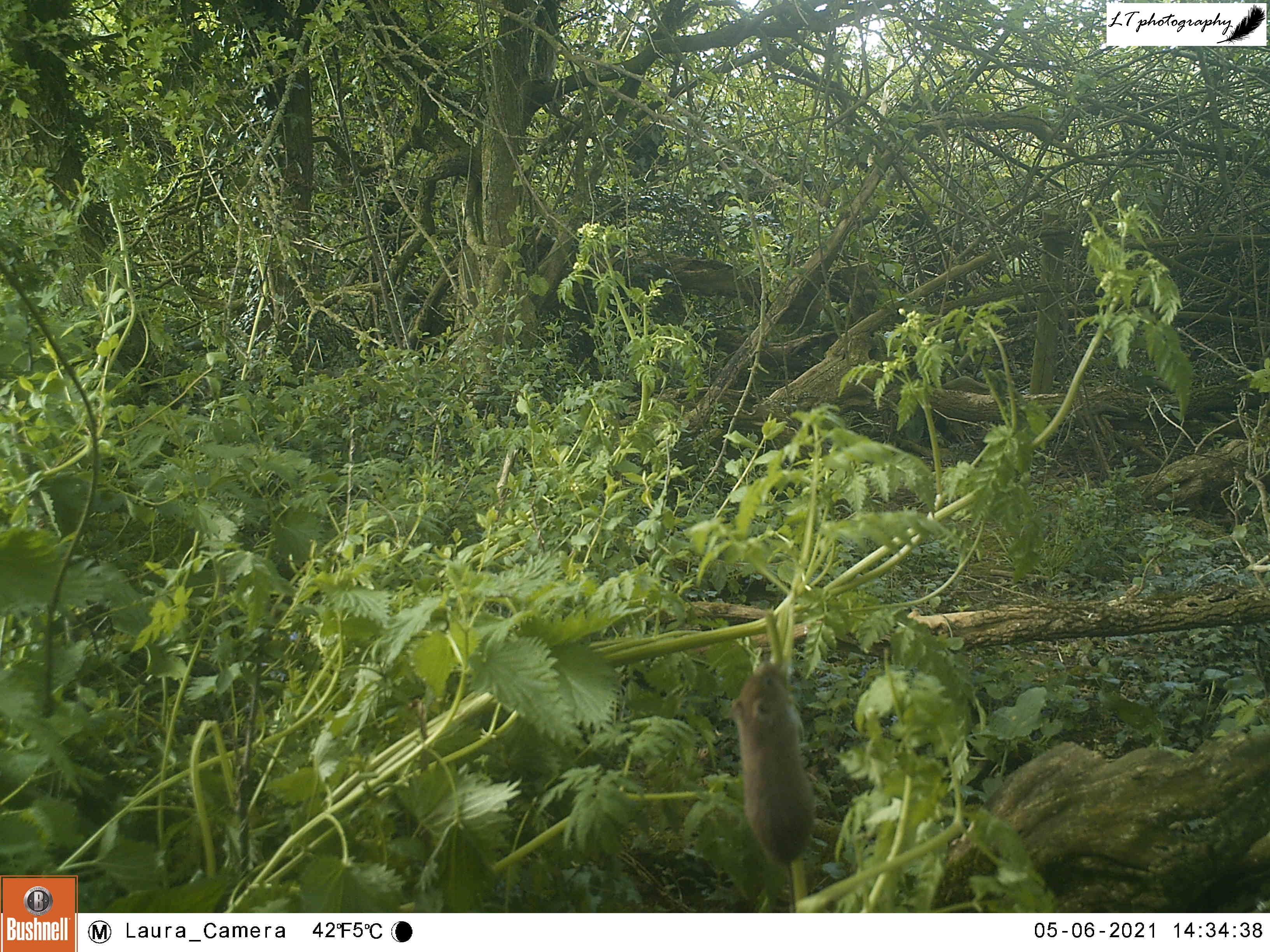
This year I positioned my camera trap first on the western side of the sett (25th-27th April), before positioning it directly within the area above the sett (4th-7th May). Pointing my camera trap at the animal track running along the side of the sett, I captured an adult badger, adult fox, and my first hare! Above the sett, my camera trap was more active, capturing lots of badger activity, woodpigeons, blackbirds, and red-legged partridges, and a surprising sighting of a field vole climbing vegetation. It was a lovely sequence of photos!
Badger Alley
For my fifth site, I chose to return to one of my favourite locations, the familiarly known Badger Alley. Badger Alley is an enclosed footpath that has dug out animal holes along half of its length, split into two old badger setts. In 2019 this was a super site for seeing badgers wondering its length, but last year it was obvious that wildlife numbers had declined, badgers in particular.
This year I spent two stints setting up my camera trap along Badger Alley. Firstly, I spent five days with my camera trap trained on the non-active lower sett, changing the camera’s position after two days (10th-14th May). Amongst photos of a female roe deer and a displaying male pheasant, I got lots of really lovely photos of two fox cubs playing and exploring their world.
I then returned to Badger Alley in June, moving my camera from the non-active lower sett (5th-11th June) to the sett further up (11th-14th June). By now my camera trap found that the family of foxes had moved on, with only the female and new male roe deer appearing at the lower sett. What was really sad, was finding that Badger Alley has now been fully abandoned by badgers, with the higher sett now being home to just rabbits. A slightly disappointing end to my camera trap’s time at Badger Alley!
Monkwood
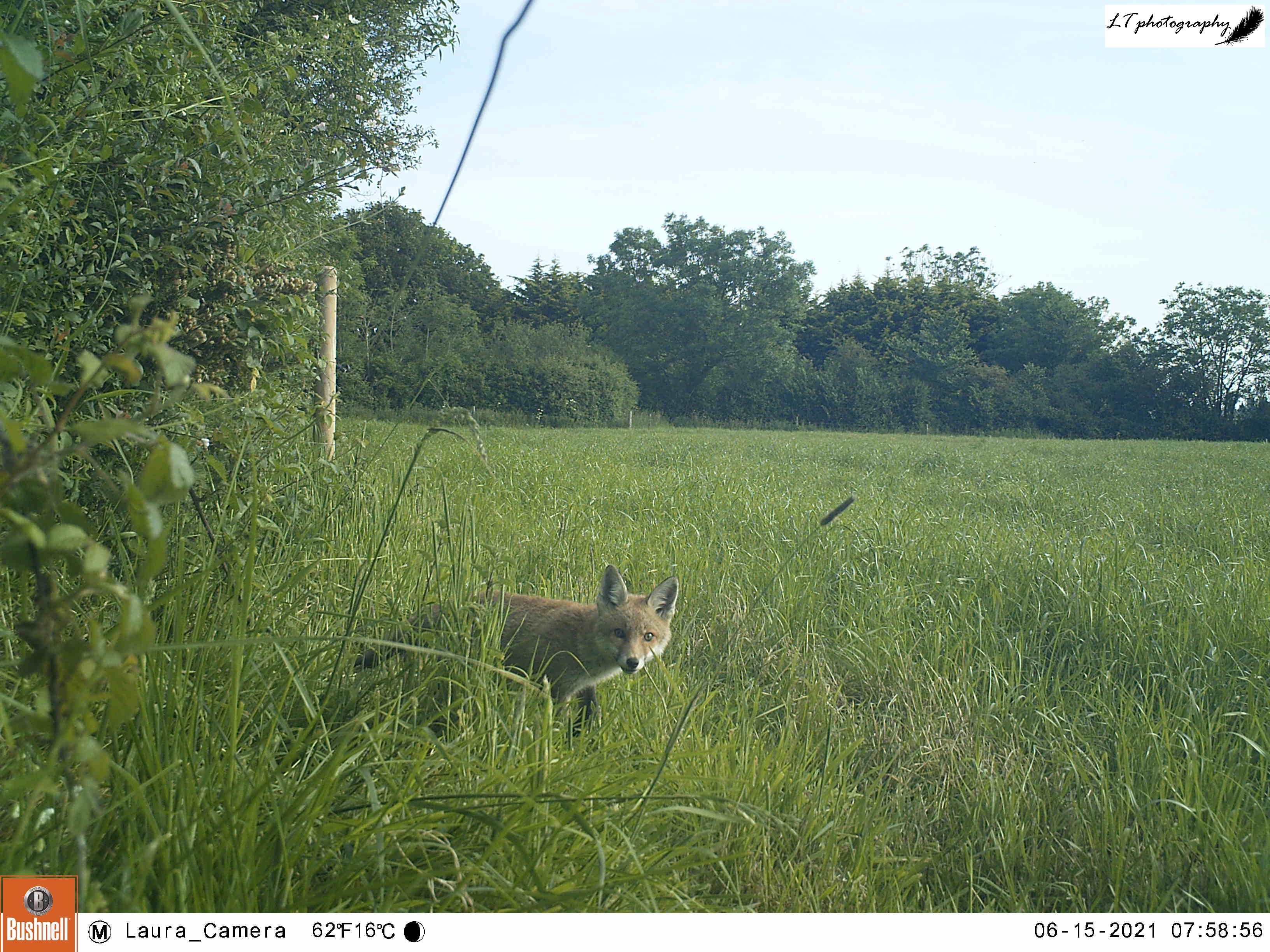
To finish camera trapping during the spring season, I took a bet on a site where there was a possibility of finding another litter of fox cubs. This site was a hedge in the middle of cow grazing land, where I had not previously camera trapped before. I chose to set my camera trap up on a fence post pointing along the hedgeline where I had found holes into the hedge, and left my camera for a couple of days (14th-16th June).
On retrieving my camera trap, I was excited to find that my instincts had been right and my camera trap had shot photos of two fox cubs and an adult. It was a lovely end to my spring camera trapping season!
Last year spring was my lifeline, as we experienced the world around us being thrown into disarray. This year spring was instead turned on its head, with changing weather patterns making it unpredictable and different from what we would usually expect at this time of year. A hot and stormy March, cold April, and wet May made nature emerge later, with spring events taking longer to arrive, and being anywhere up to 60 days late.
Still this year’s spring has been magnificent. Vibrant and colourful, it had much to be celebrated. My family’s farm in Dorset became full of new life, from blossoming trees and flowers, to fox cubs and leverets. Spring is unsurprisingly my favourite time of year, so this year I again made a point of getting out as much as possible to experience it, with my camera by my side. Here’s a look at some of my favourite photos from this spring, either for their aesthetic appeal, meaning to me, or overall joy factor.
Spring in Photos 2021
1. Blackthorn – This photo was taken at the beginning of April on a misty morning. It was a beautiful way to see delicate white blackthorn flowers in a different light, framed in front of a splintered stem.
2. Male blackbird – Blackbirds are an iconic sound of spring for me and also so many others. Their beautiful song often symbolises the beginnings of longer, lighter evenings, or for me fresh spring mornings. This male would sit in this willow tree every morning throughout spring to sing his song, defending his territory and mate. In particular, this male and his female nested in our shed, successfully fledging 5 chicks at the start of June.
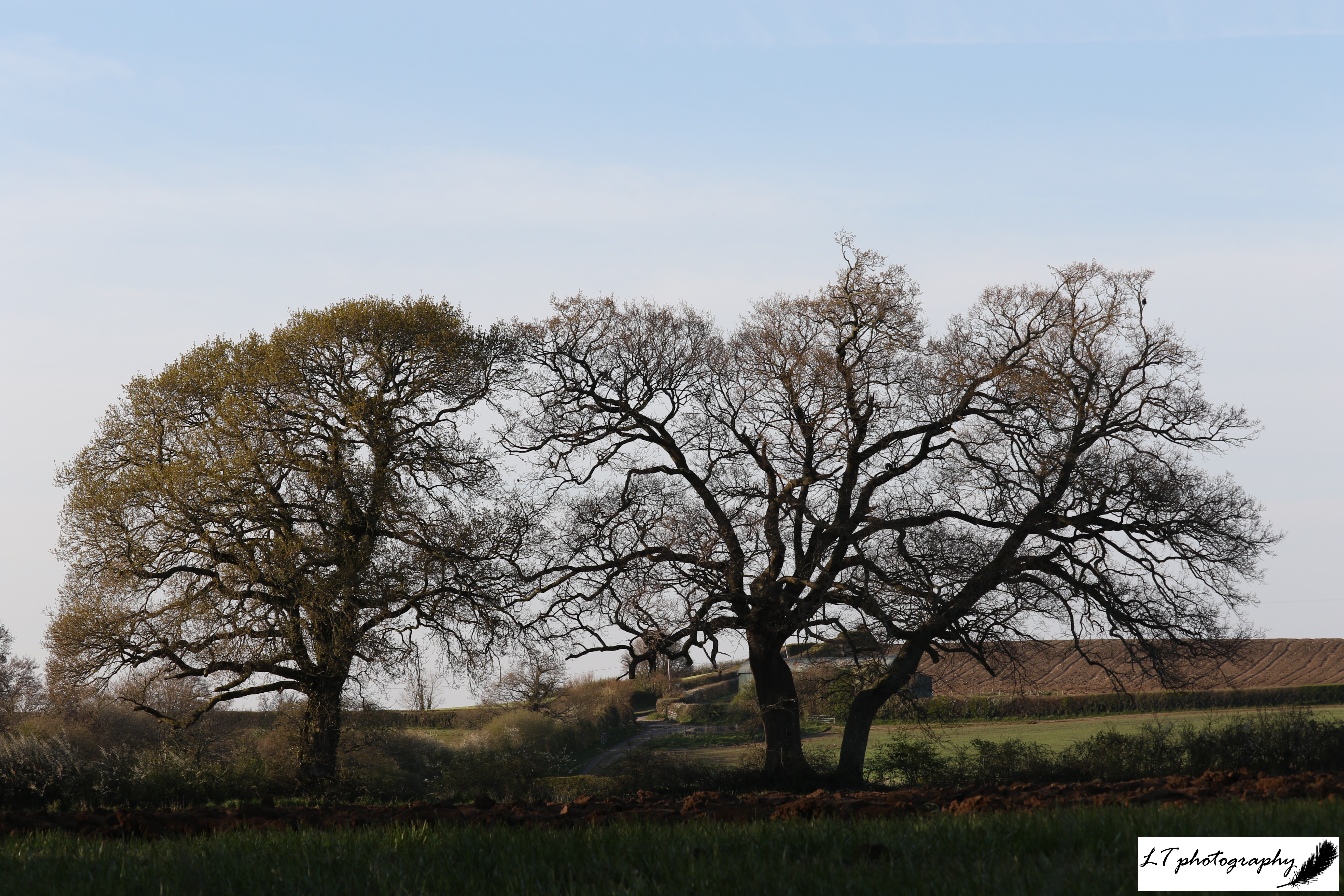
3. Oak trees of a farming landscape – What hits me first in this photo is how bare this landscape seems for late April. The oak trees have barely begun their bud burst, looking skeletal behind a farm field that is being worked. This almost autumnal scene is refreshing though, showing the new beginnings of another year in nature.
4. Camera trap fox cub – This photo is one of my favourites from this spring, symbolising a successful spring camera trapping season (blog post to come). This was one location, an abandoned badger sett, where I thought that foxes may have been breeding. My camera trap proved my feeling to be right, and treated me to an assortment of photos, day and night, of 2 very active fox cubs. Just one of multiple litters that I found on my family’s farm this year!
5. Wood anemones – Wood anemones have slowly become one of my favourite spring flowers, being one of the first to appear in woodlands across the UK. They are a great indicator of ancient woodland, and an interesting flower to photograph for their shape and colour. My memory cards are full of all sorts of different types of photos of this species!
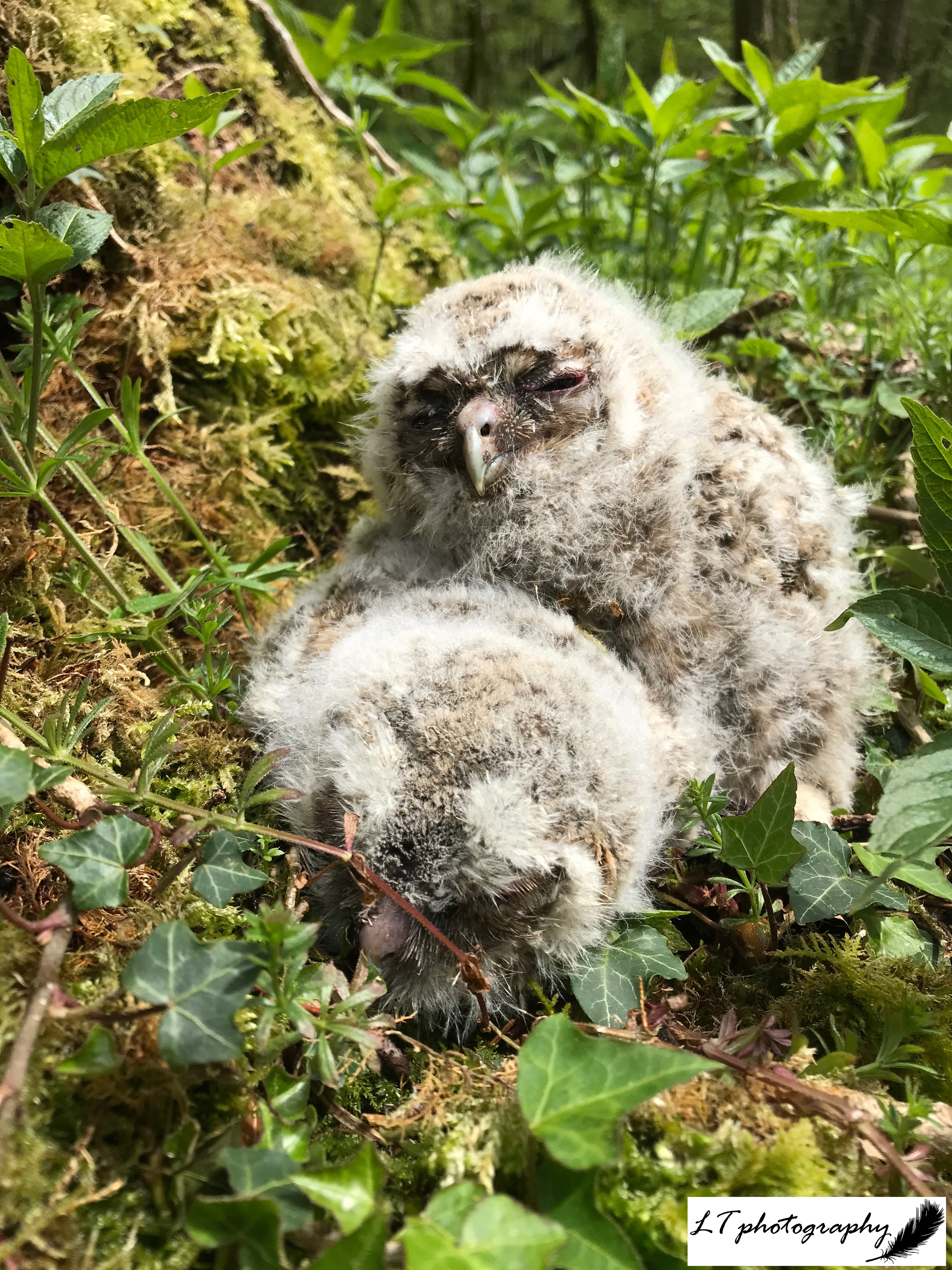
6. Tawny owl chicks – One of my highlights of spring this year has been ringing chicks under license with my bird ringing group (Conservation Action). In particular, I had a great day in early May at the Woodland Trust’s Duncliffe Woods site in North Dorset checking tawny owl nest boxes. It has been a poor year for tawny owls in general, which was reflected by Duncliffe Woods, but we did get lucky and found 3 active nest boxes. I had the pleasure of ringing these chicks, under permit, which will provide important information to help conserve tawny owls in the future.
7. Brown hare – This year has been the year of the hare on my family’s farm in Dorset. We have a reputation for being a great site for this species, but this year has been truly astounding. With 1-3 hares to every field, I was humbled to spend my spring out working alongside them everyday, getting to see them up close and experience their behaviour firsthand. Truly magical!
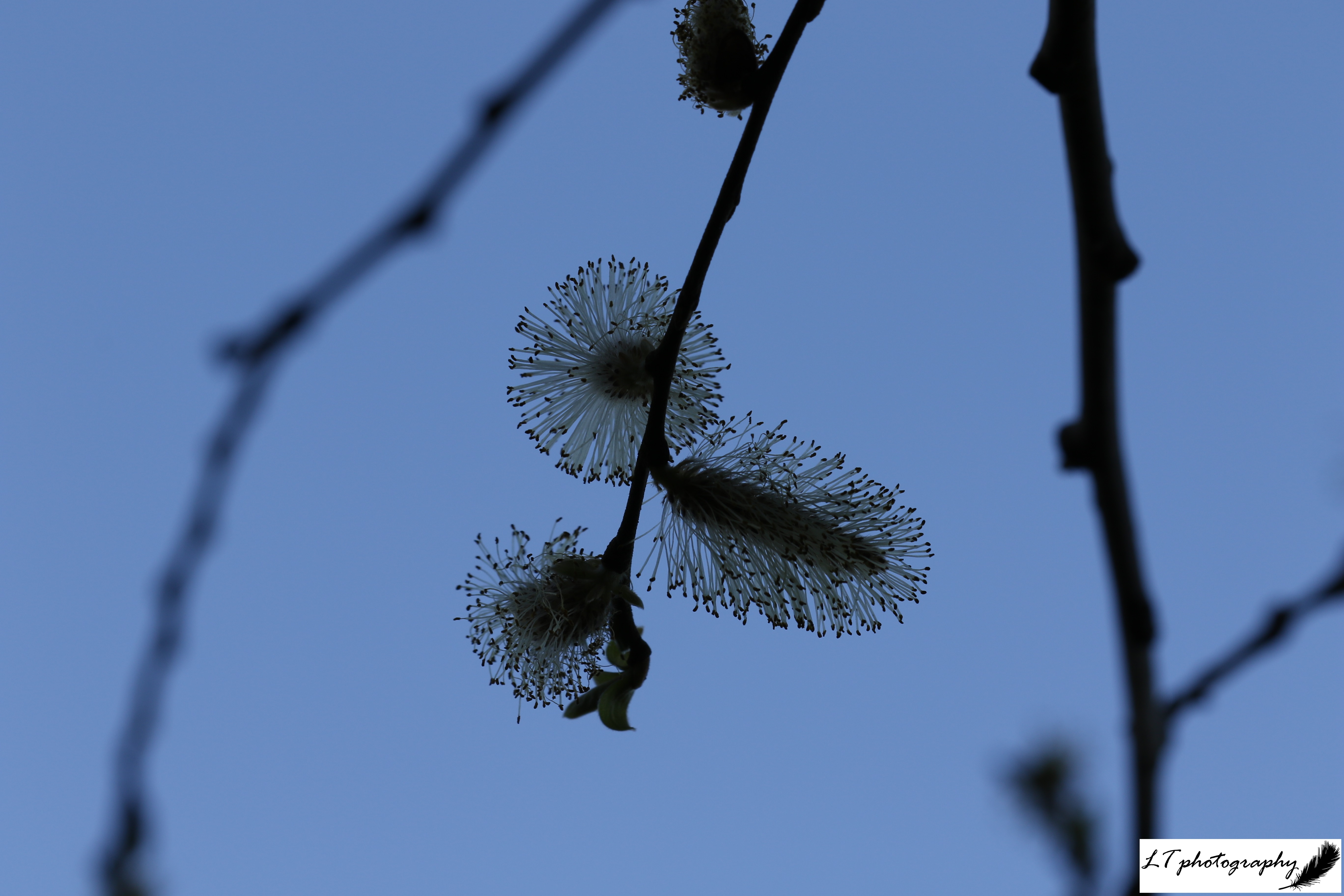
8. Pussy willow flowers – Willow flowers have been a difficult subject for me to photograph this year, with poor results. I was pleased though to find this refreshing photo on my memory card, of willow flowers stood out against a clear blue evening sky. They are beautiful in their own right.
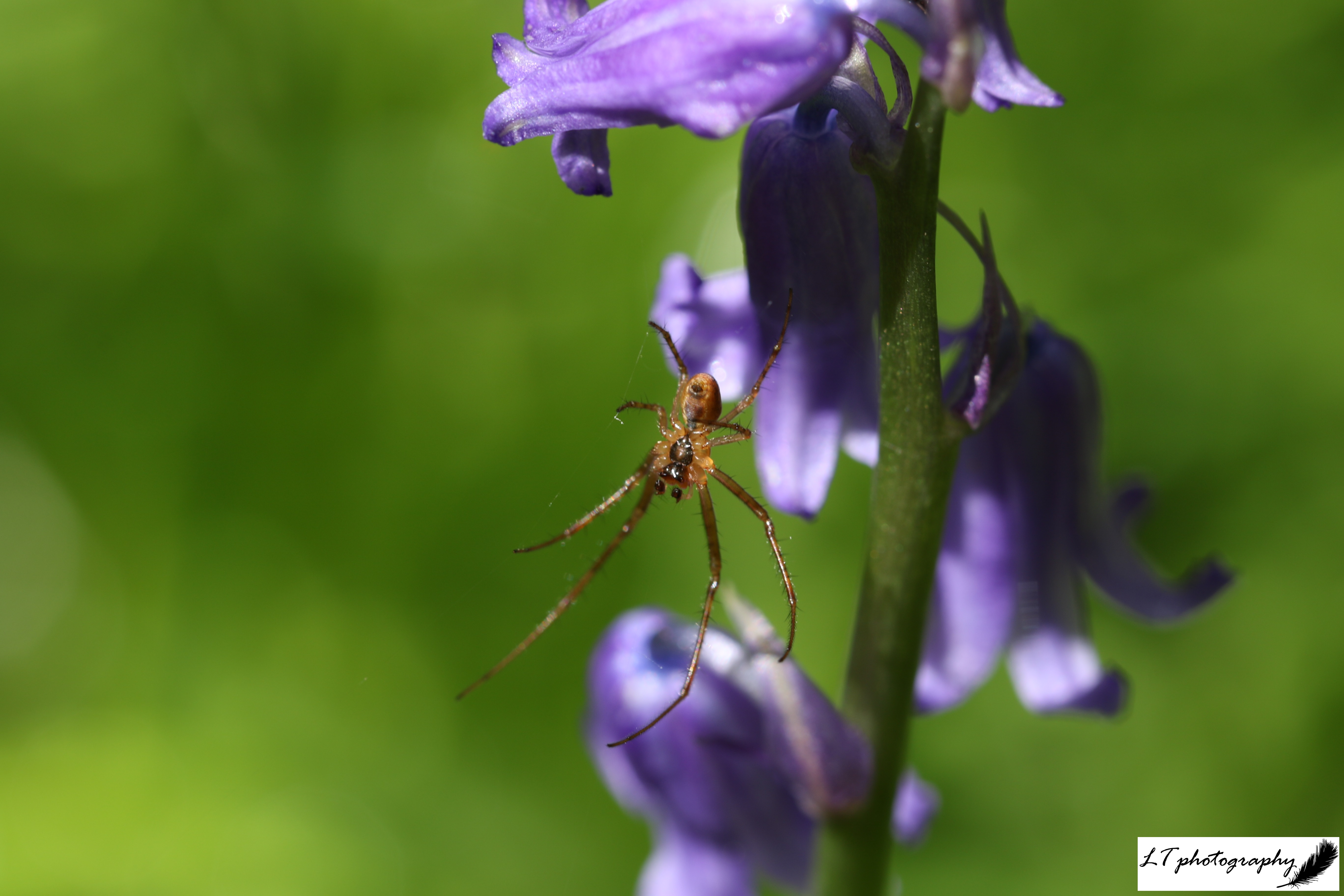
9. Spider in macro – This photo that is not photographically ‘perfect’ is still a favourite of mine from this spring for other reasons. As I invest in my camera equipment, my latest edition has been my first professional macro lens. So this photo was the first photo I even took with my new lens, and it fills me with joy to see the new world I can now start to explore.
10. Grey wagtail – Last year my Dad began digging a pond in his field that he is currently wilding. Though he was rained off in the autumn before completion, the half-dug pond is already attracting a wealth of species from birds to insects. Majestic grey wagtails that have begun populating this area over the winter have also found the pond this spring.
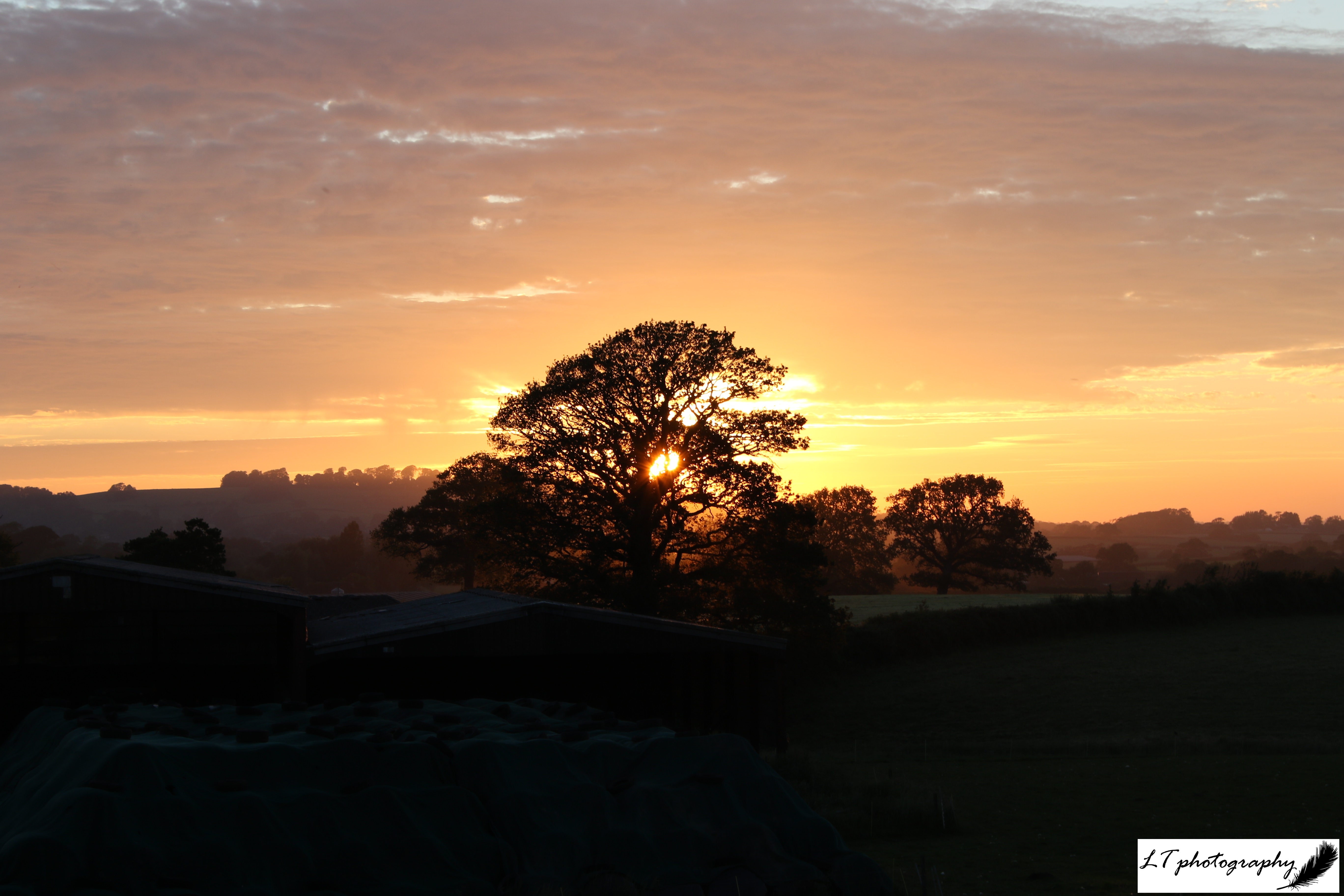
11. Sunset – Though sunrises are magical, sunsets have always been my most favourite time of the day. This is because many of my happiest memories can be linked to beautiful and vibrant sunsets from field research in Canada to evenings at home on my family’s farm. I have seen so many incredible sunsets already so far, but I hope to see many more in the future.
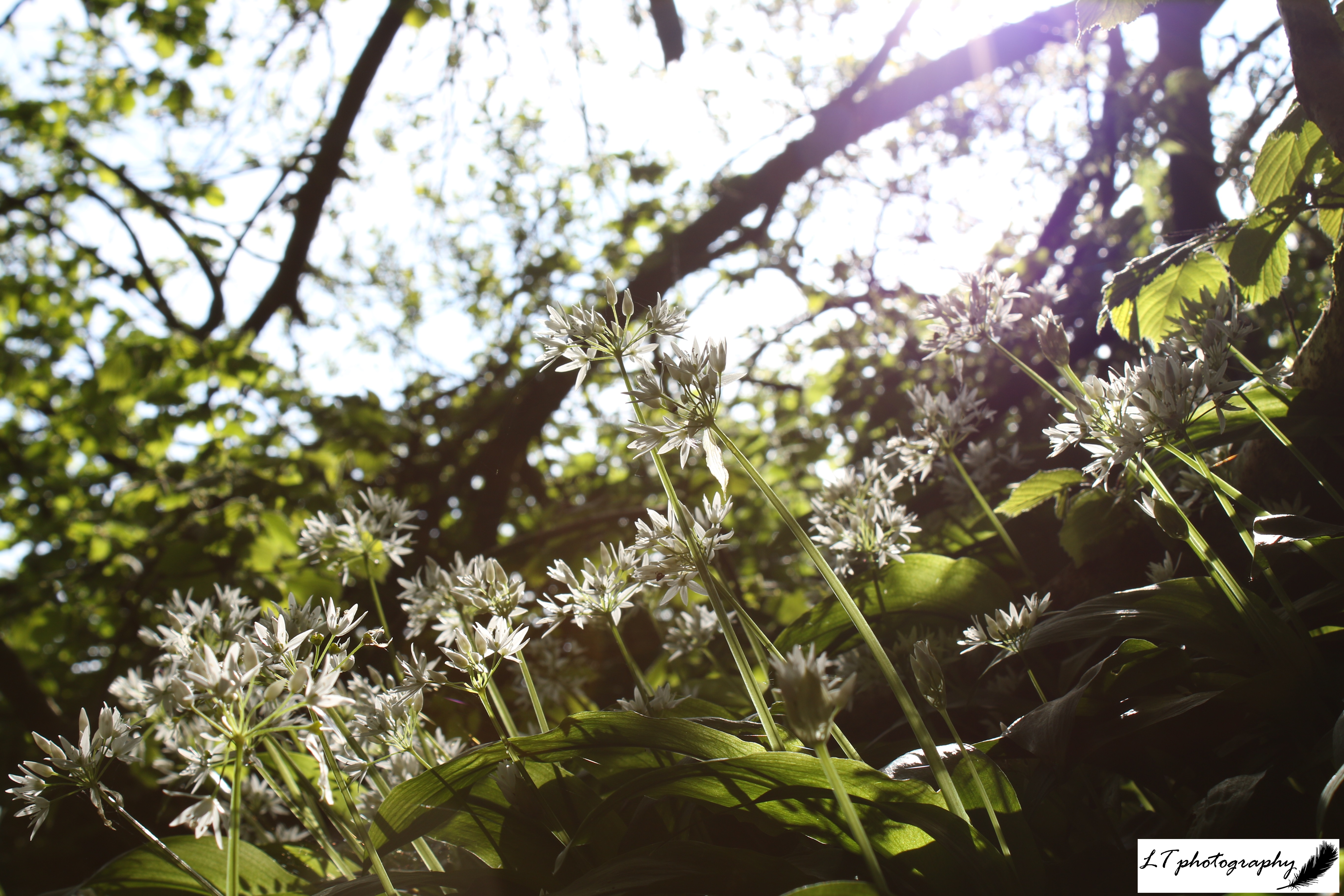
12. Wild garlic – Though my busy spring dissuaded me from mornings waking up before the sunrise, I did spend a couple of glorious mornings waking up and getting out an hour or so after instead. The light is glorious at this time of day and always provides me with inspiration for my photos and life in general. This photo represents this magical time of day and the joys of spring flowers, wild garlic being an iconic example.
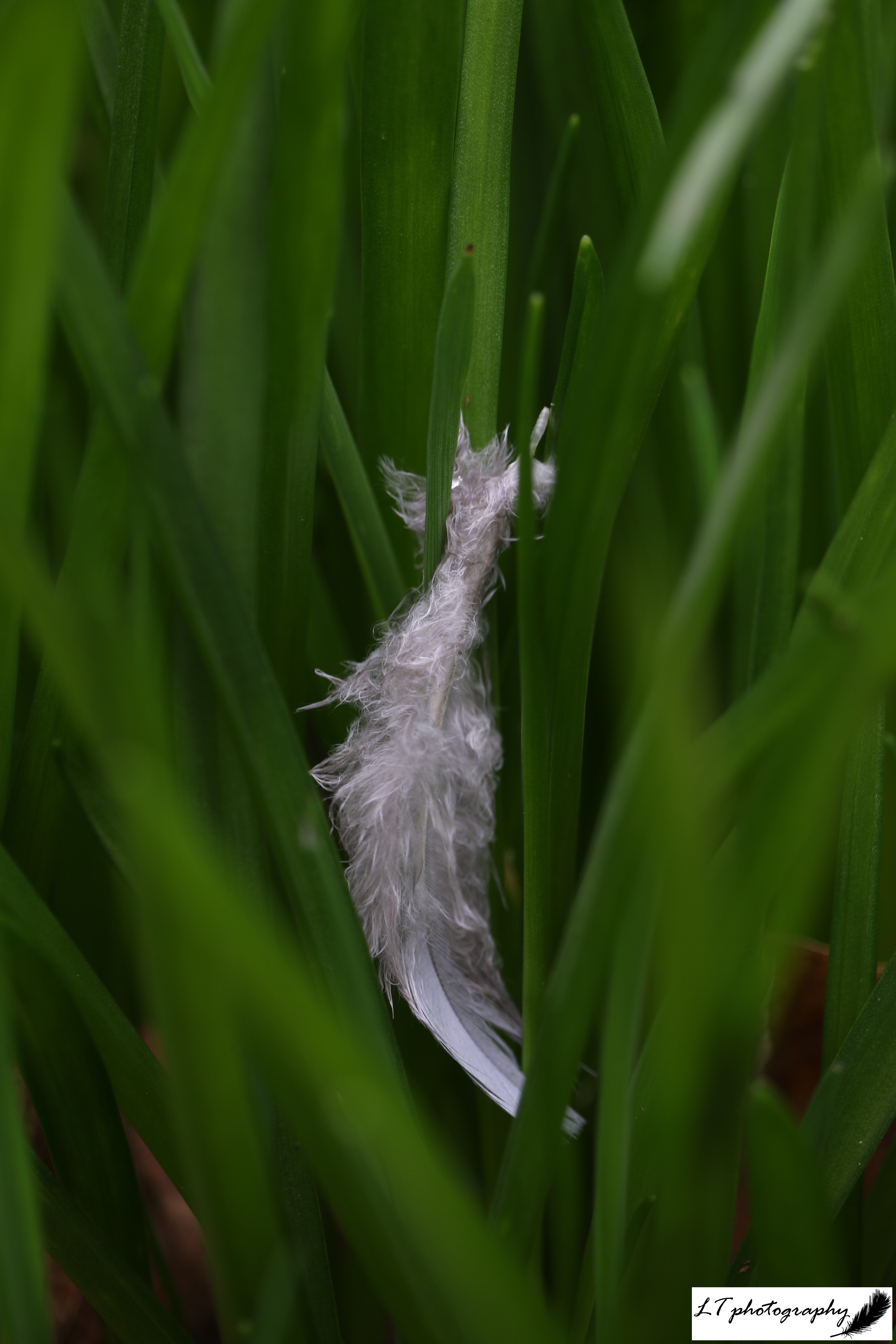
13. Feather in the bluebells – Wait, a feather again? Well feathers always sneak into my many files of photos, being a symbol of mine and representing my love of feathered species. They can also tell us useful information about what is living in a habitat, for example this feather is most likely from a collared dove.
14. Aberdeen angus calf – This photo is one of my favourite photos of one of my mum’s beef suckler calves. Spring is a time of new life in nature and on the farm, with my mum’s small free range beef herd giving birth at this time. This year they have weathered it through some turbulent months, but now are enjoying a bit of sunshine on their backs.
15. Honey bee – As I was intending to buy a macro lens this year, I made sure to time my purchase to be able to use it on the flowering of the poached egg plants in my family’s garden. It arrived well in advance, and, despite some rained off days, I got to spend some happy lunchtimes in the sunshine photographing bees on these flowers. This is one of my favourite macro photos of the flowers this year.
16. Dog roses – Dog roses were the last event of spring that I looked out for this year, and it kept me waiting! They were 22 days later for me than last year, with the first flowers blooming on the 8th June. They came out in force though, covering hedges within the space of a couple of days, adding some more colour to our hedgerows. With their lateness though, I feel like they also marked the end of spring this year.
A majestic oak standing tall in the landscape, watching as centuries pass it by. A silver birch with drooping branches, embellished with leaves, slowly blowing in the breeze. An alder leaning over the edge of a river, spreading its branches to shade the bank beneath it. From capturing the imaginations of children to symbolising strength and life for adults, trees in all their forms are an important part of the landscape and culture within Britain.
With over 70 species in the UK alone, trees come in all shapes and sizes, and can be found anywhere from our highlands to our cities. Trees colonised Britain following the last glaciation, and have since become intertwined with our very own history. They provide us with so much, including resources, such as medicines and building materials, improved air quality, homes for wildlife, and even cultural services, such as therapy through forest bathing. Thus, they are a very important part of our environment!
Now, as our reliance on trees grows and the threats to them increase, it is surprising how little people know about trees in general. For example, the average Brit is unable to name more than five tree species, and a third even believe a money tree is a real species! With two thirds of the public now wanting to learn a little more about the trees in their area, here’s my handy guide to help you identify 10 common tree species that can be found in the UK.
Tree Species
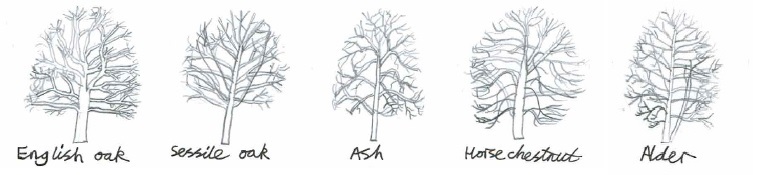
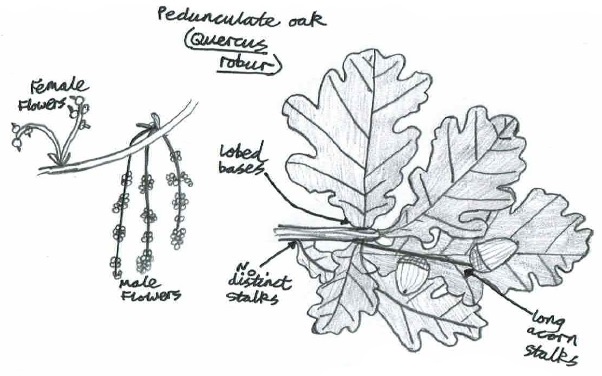
1. Pedunculate or English Oak (Quercus robur)
Family: Fagaceae – related to species such as beech and sweet chestnut
Origin: Native
Shape and size: Up to 40m tall, upward-reaching and broad crown
Stems and twigs: Massive rugged grey-brown trunk
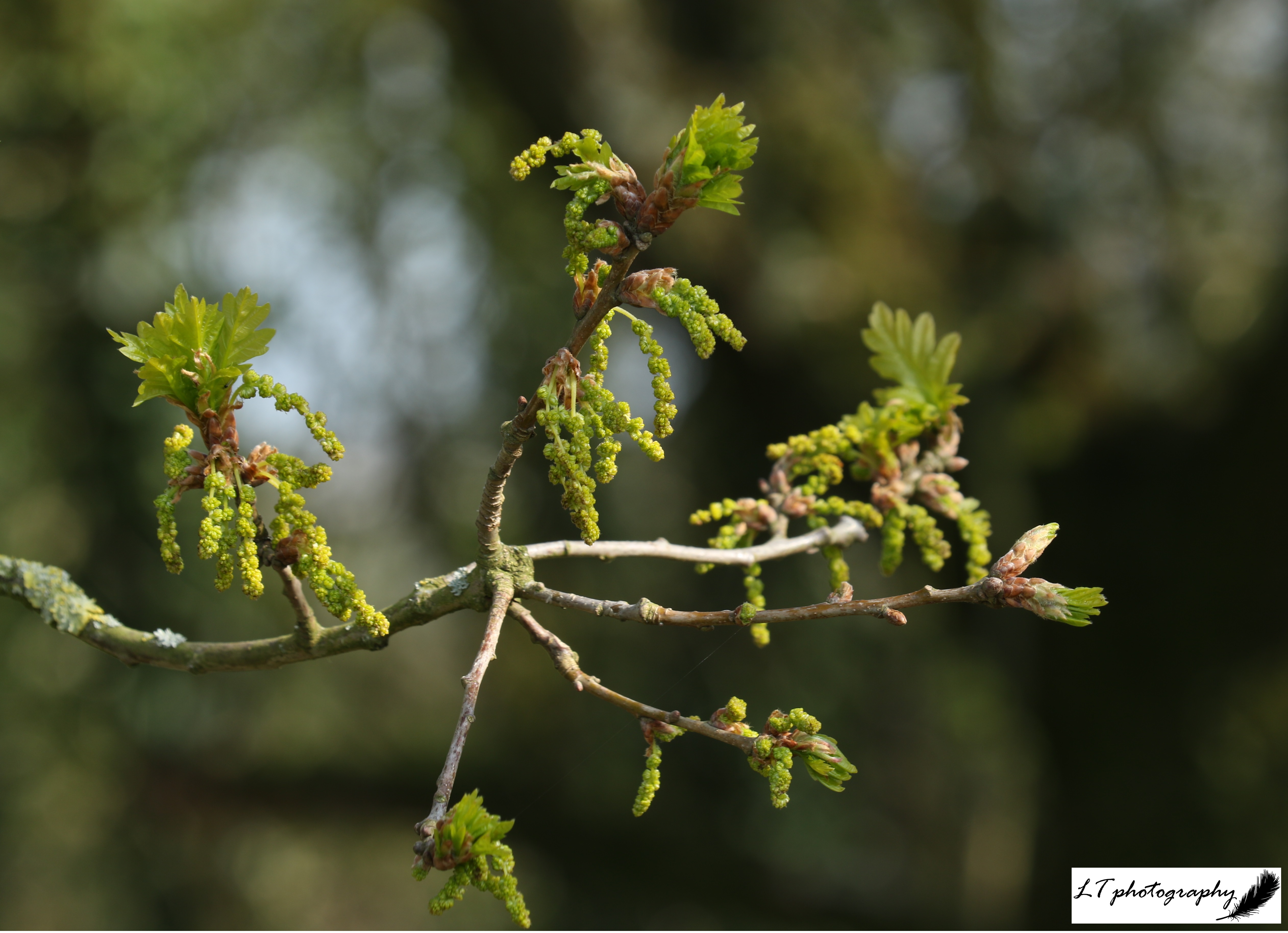
Leaves: 10-12cm long, oblong, and lobed, turning brown in autumn
Flowers: On the same tree and flowering April-June. Male flowers= yellow-green catkins; female flowers= pinkish and on short stalks
Seeds: Produces the familiar acorn, with scaly cups and clusters carried on long stalks
Range &habitat: Widespread and common throughout Britain, found in habitats ranging from deciduous and mixed woodlands to open grassland and hedgerows
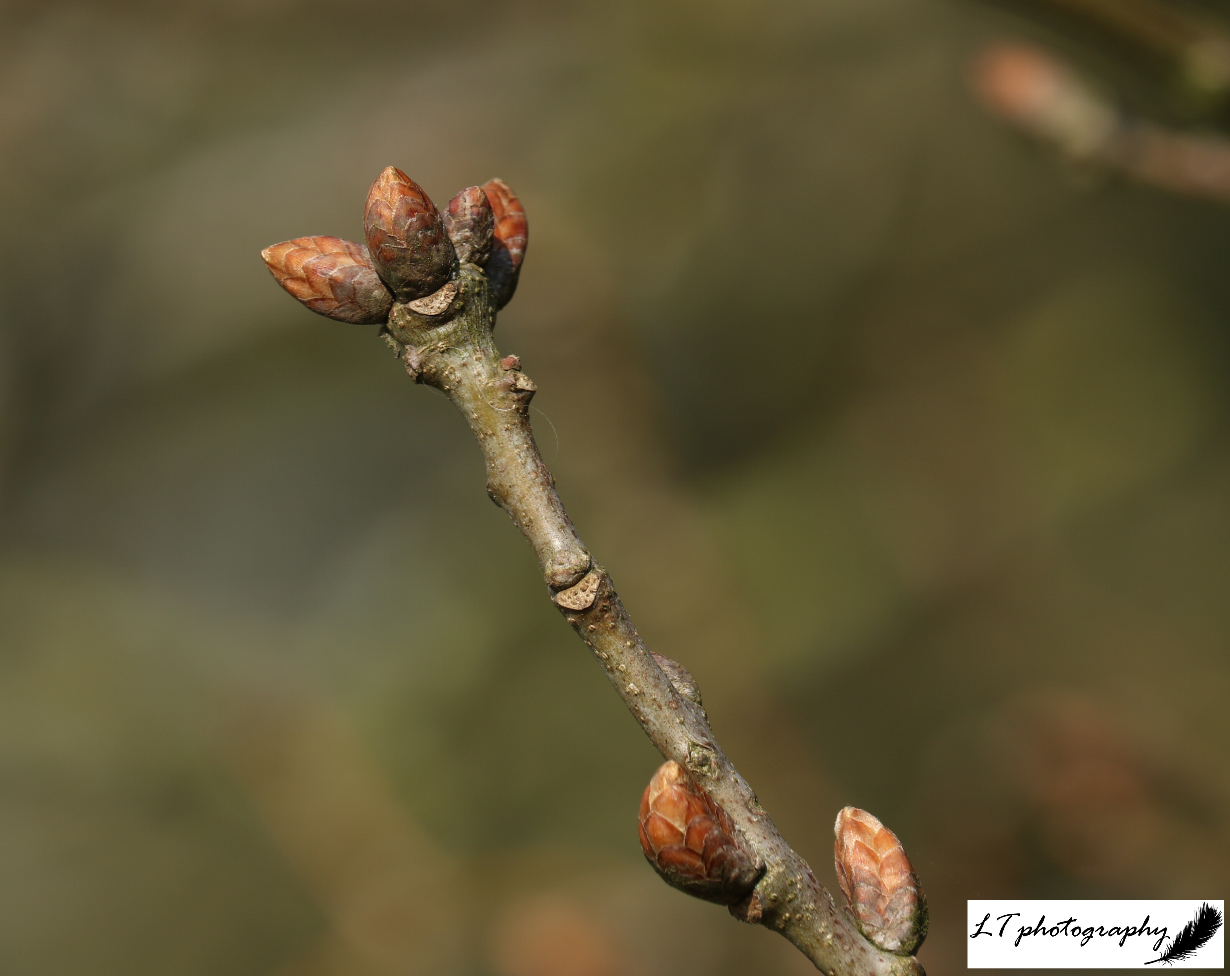
In Winter: Look for rounded buds that have overlapping scales and are found in clusters at the end of each shoot
2. Sessile oak (Quercus petraea)
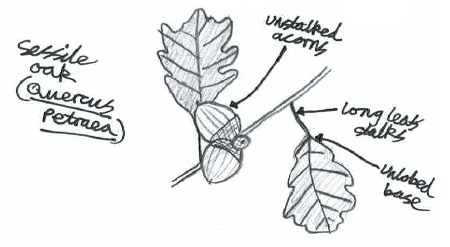
Differs to Pedunculate Oak in that the leaves taper to an unlobed base and have long stalks.
Buds in winter have more scales (more than 20).
Also, the clustered acorns are almost stalk-less with downy cups.
Narrower in shape, prefers more acid soils, and is more common in the West of Britain.
3. Common Ash (Fraxinus excelsior)
Family: Oleaceae – related to olive trees and lilac
Origin: Native
Shape and size: Tall and domed with widely spaced branches, growing up to 35m
Stems and twigs: Bark is pale brown to grey, becoming rugged with age
Leaves: Opposite and toothed, with 9-13 stalked leaflets that have long tips
Flowers: Male and female flowers typically grow on different trees, but both have purple flowers growing in clusters before the leaves
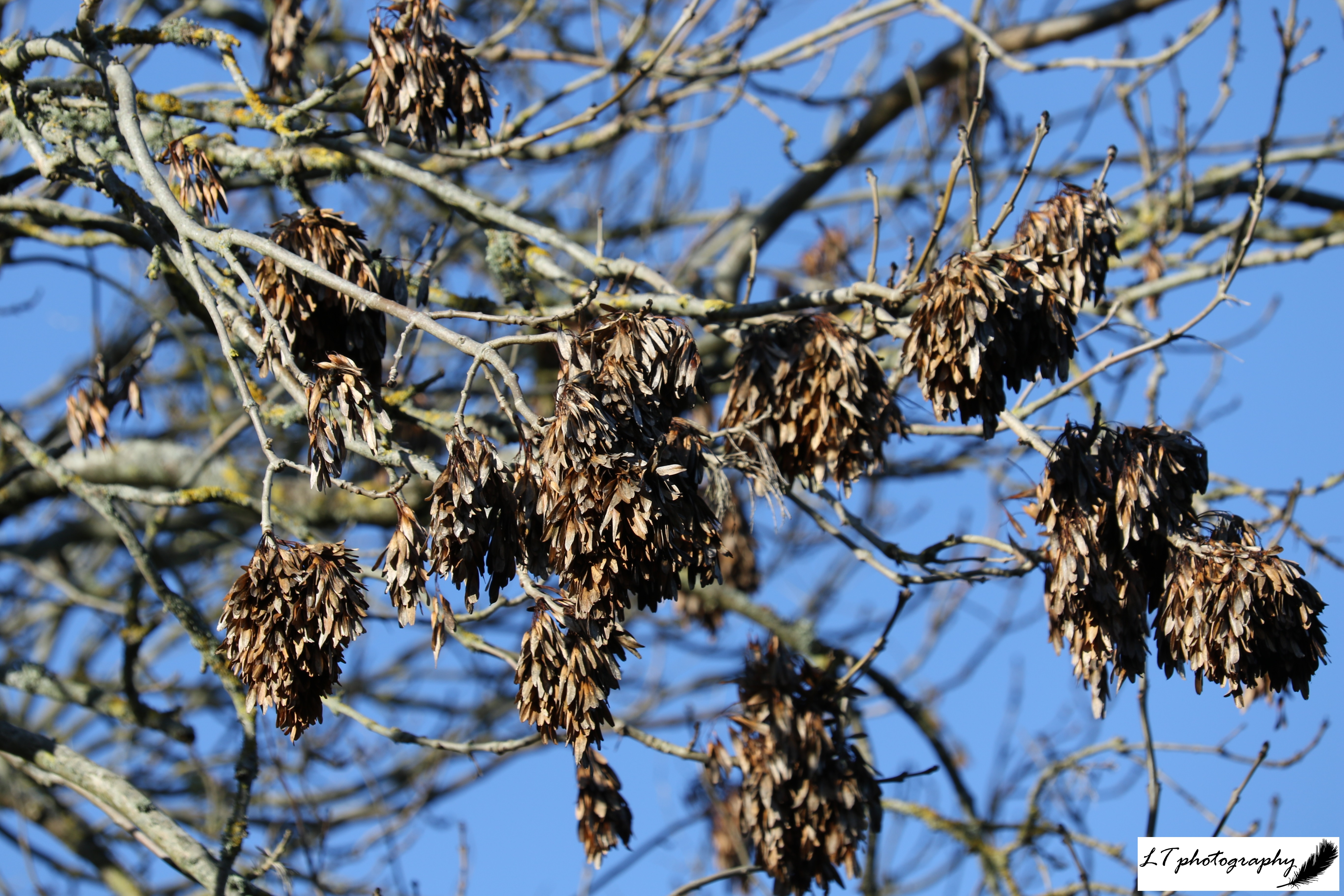
Seeds: Single seeds with a long wing (known as keys)
Range & habitat: Woods and hedges, in particular flourishing on a lime-rich/well-drained soil
In Winter: Smooth twigs with distinctive hairless black buds, and ridged bark on adult trees that resembles a diamond pattern
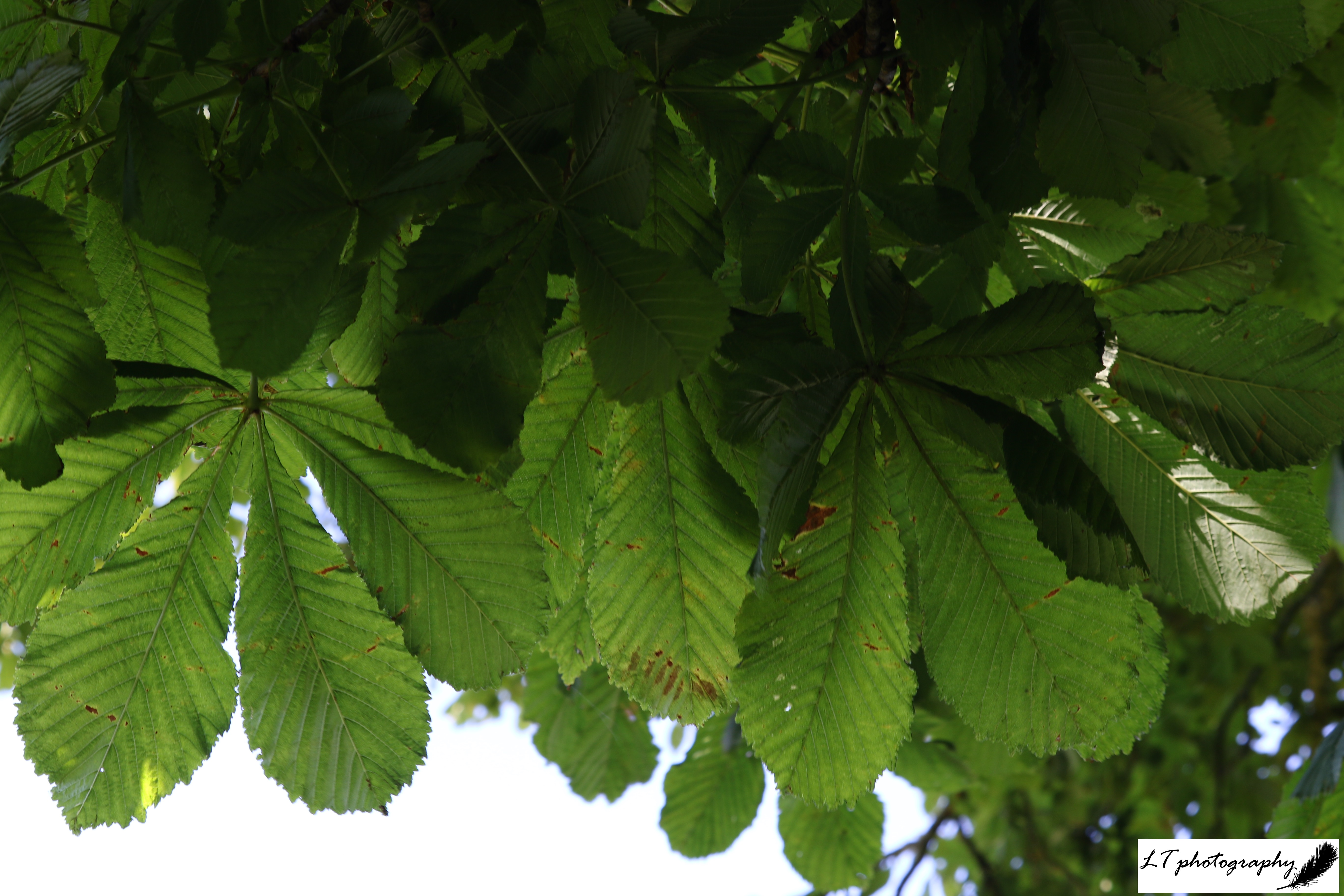
4. Horse Chestnut (Aesculus hippocastanum)
Family: Sapindaceae – related to lychee and maples
Origin: Non-native (introduced in the 1500s from the Balkan peninsula in southeastern Europe)
Shape and size: Arching branches, usually turned up at the ends, growing up to 35m tall
Stems and twigs: Bark is scaly and red-brown or dark grey-brown
Leaves: Five to seven large, thick, stalkless leaflets with pronounced veins and a long, tapering base
Flowers: Showy spike (candle) of white flowers with a yellow to pink spot
Seeds: Spiny fruit contains one or more shiny conkers
Range & habitat: It has now become a widespread and common sight across Britain, tolerating a wide range of soils
In Winter: Smooth bark and sticky buds
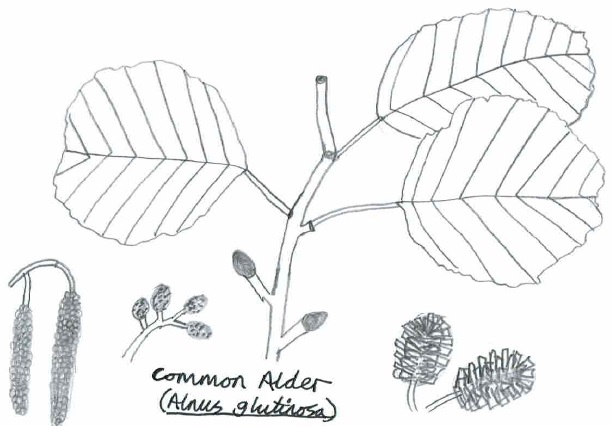
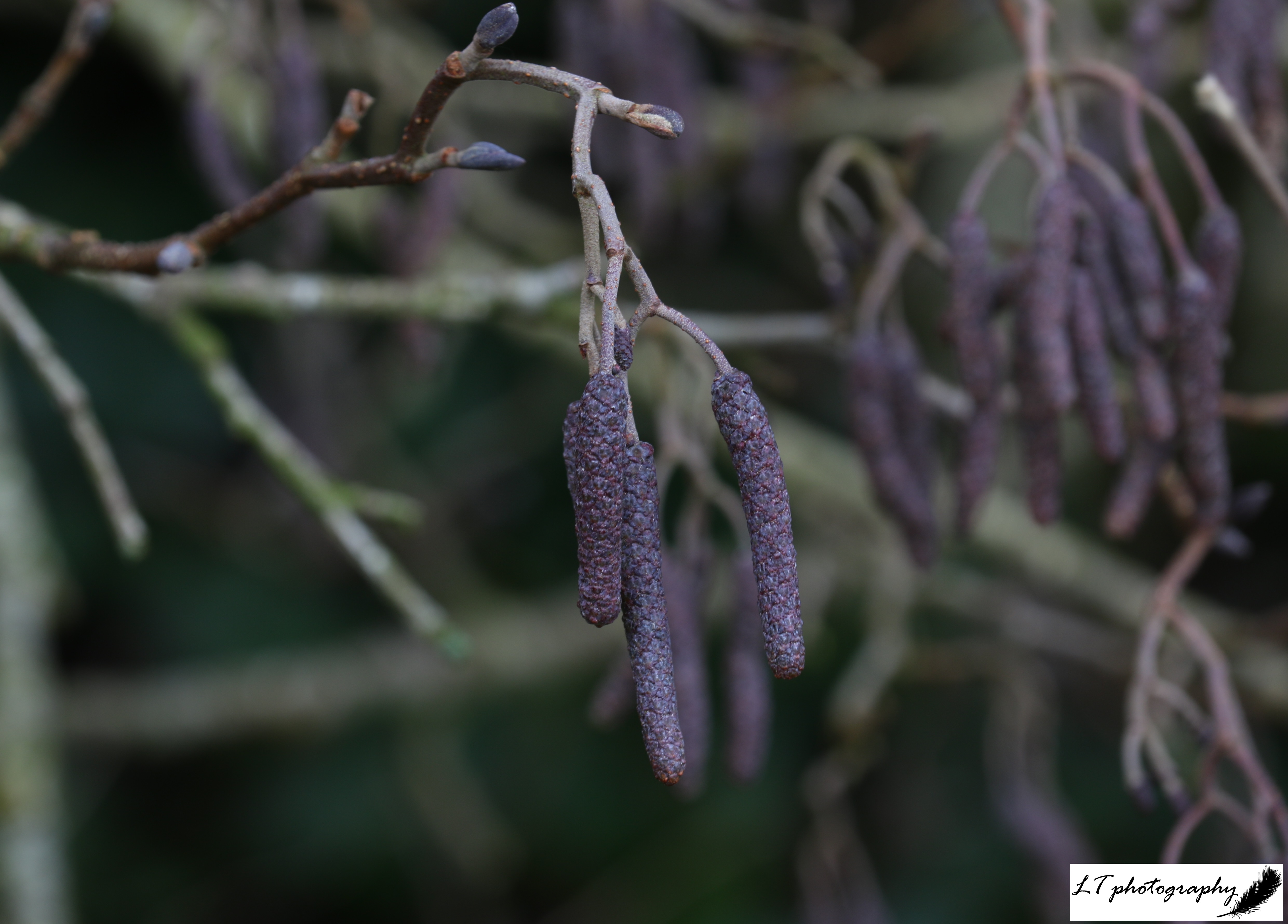
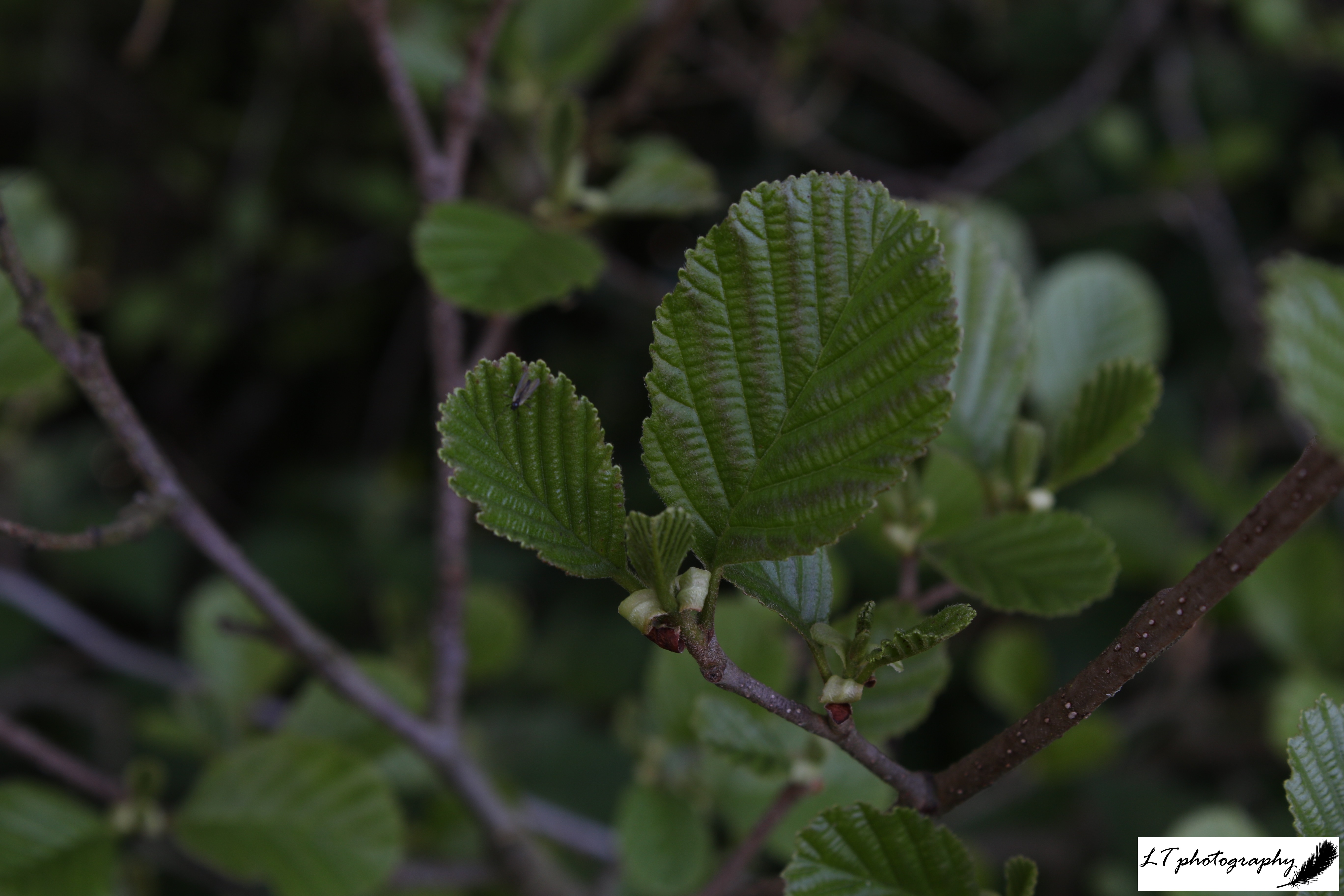
5. Common Alder (Alnus glutinosa)
Family: Betulaceae – related to hazel and birches
Origin: Native
Shape and size: Regular branching and conical shape, growing up to 25m
Stems and twigs: Dark brown bark that is often rough and sprouts young shoots
Leaves: Alternate, rounded, sometimes notched at the tip, and dark green
Flowers: Male and female catkins grow on the same tree, before the leaves. Male catkins= lambs’ tails; female catkins= small and egg-shaped
Seeds: Female catkins turn into a small cone, drying from green to brown, releasing the seeds. The seeds have corky outgrowths that keep them afloat on water
Range & habitat: Thrives in wet ground and is often seen lining the banks of rivers and streams across Britain
In Winter: Appears dull purplish due to purplish buds
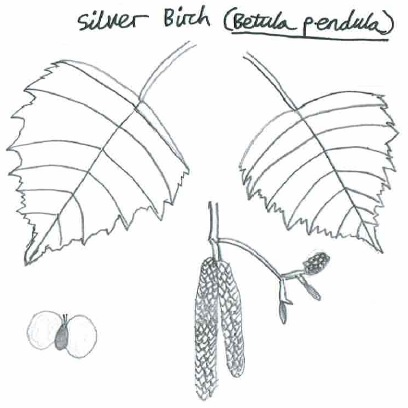
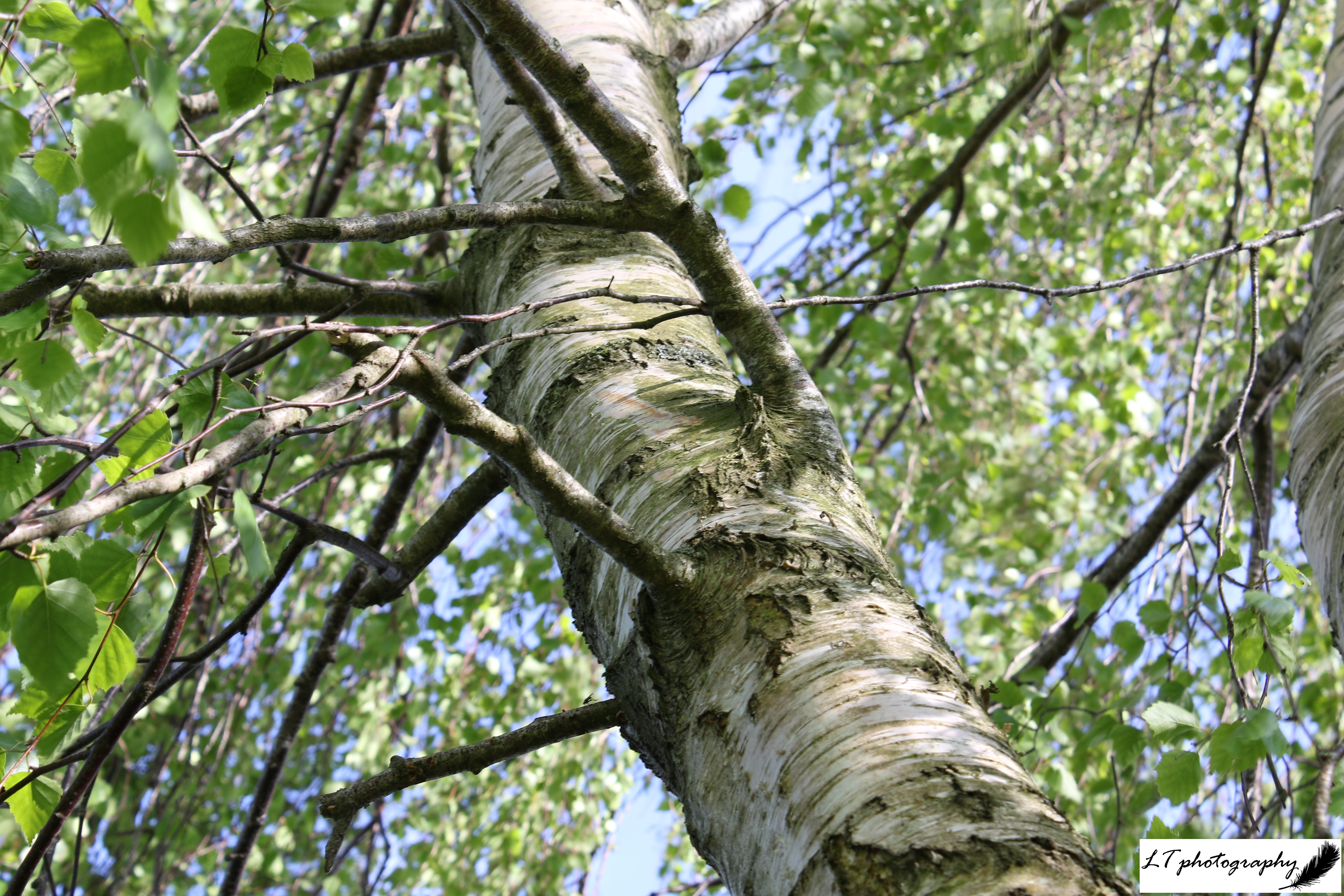
6. Silver Birch (Betula pendula)
Family: Betulaceae – related to alders, hazels and hornbeams
Origin: Native
Shape and size: Erect with pointed crown and drooping branches, reaching up to 30m
Stems and twigs: Young bark reddish, maturing to black and papery-white bark. Twigs smooth with small dark bumps
Leaves: Alternate, triangular and shiny, on slender stalks. Edges are ragged, with smaller teeth between larger main teeth
Flowers: Male catkins= purply-brown; female catkins= smaller and pale green
Seeds: Two winged and wind-borne, released in winter
Range & habitat: Form natural woodlands on light, dry soils throughout Britain
In Winter: Distinctive shape and bark
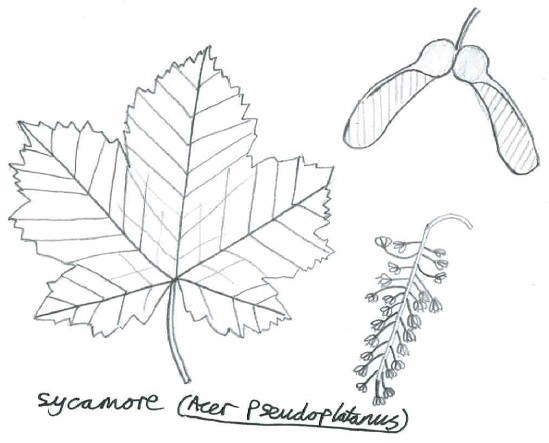
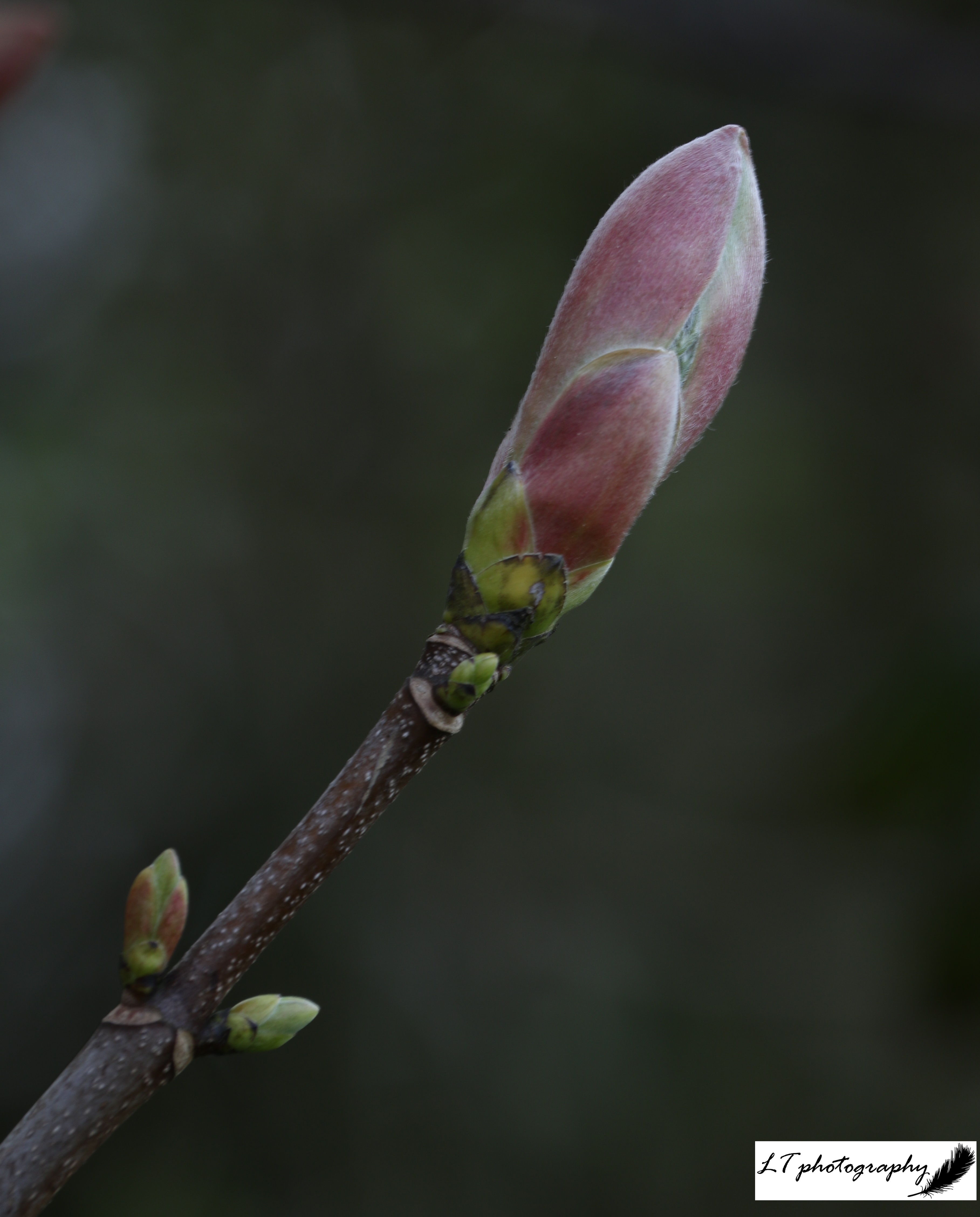
7. Sycamore (Acer pseudoplatanus)
Family: Sapindaceae – related to maples and horse chestnut
Origin: Non-native (introduced from Europe either in the 1500s or by the Romans)
Shape and size: Massive domed outline, with dense foliage and heavy lower branches, growing up to 35m
Stems and twigs: Grey fissured bark ages to pinkish-brown
Leaves: Opposite, five-lobed, and upper side dark green
Flowers: Greeny-yellow flowers in hanging clusters appear with the leaves
Seeds: Hairless keys in right-angled pairs
Range & habitat: Grow vigorously in all parts of Britain, being widely planted on their own for shelter or in woodlands and hedgerows
In Winter: Distinctive shape and bark
8.Wild Cherry (Prunus avium)
Family: Rosaceae – related to roses
Origin: Native
Shape and size: Pyramidal shape, reaching up to 30m
Stems and twigs: Shiny, red-brown bark peels in horizontal strips
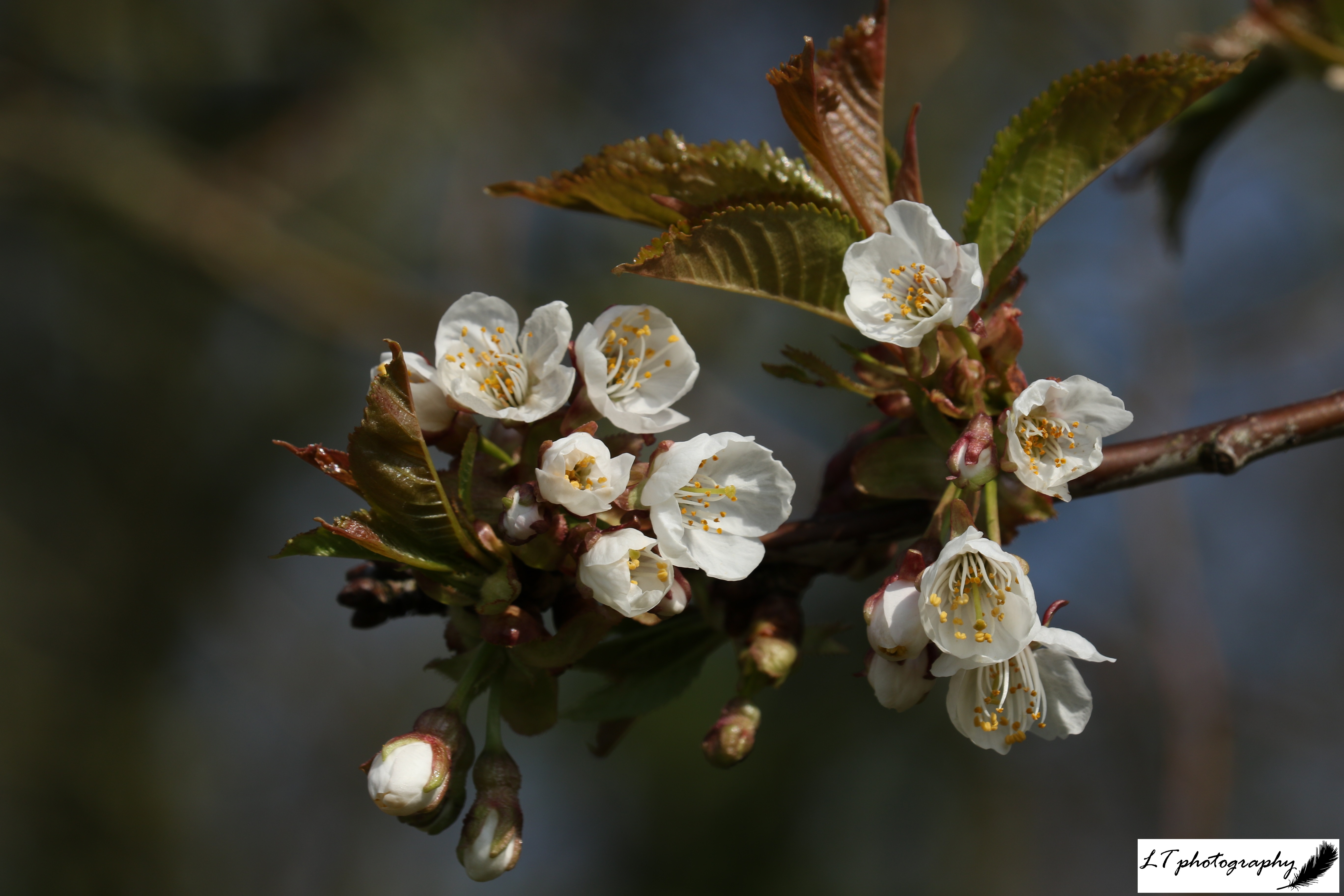
Leaves: Alternate and oval with long points and regular, forward-pointing teeth, and two conspicuous red glands at the top of the stalk
Flowers: White flowers (blossom) appear before the leaves in small, loose clusters
Seeds: Produces round, red cherries
Range & habitat: Native throughout the UK, being found in woodlands and hedgerows
In Winter: Distinctive bark
9. Common Hazel (Corylus avellana)
Family: Betulaceae – related to birches, alders and hornbeams
Origin: Native
Shape and size: Many stems rise from the ‘stool’, which if left uncut can reach 9m
Stems and twigs: Bark coppery brown, smooth and tending to peel
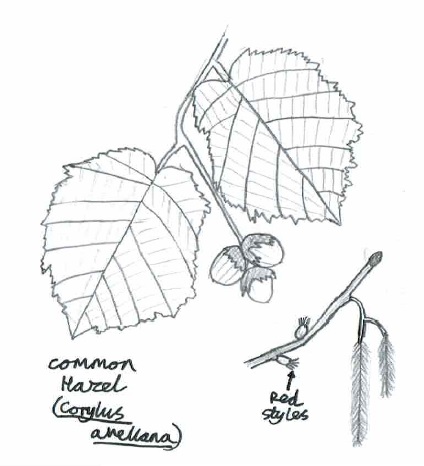
Leaves: Alternate, almost circular with sawtooth edges, hairy, and soft to the touch
Flowers: Male and female flowers found on the same tree. Male= lemon-yellow lambstail catkins; Female= tiny buds with red tassels
Seeds: An edible nut encased in a thick-green husk, ripening in autumn
Range & habitat: Grows throughout Britain, often found in woods, scrub areas, and hedges
In Winter: Distinctive shape and bark, accompanied by the male catkins from December
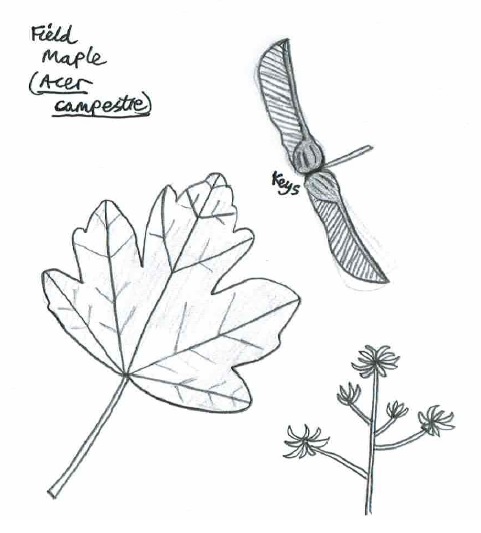
10. Field Maple (Acer campestre)
Family: Sapindaceae – related to lychee and horse chestnut
Origin: Native
Shape and size: Round-shaped tree with branches that droop at the end, growing up to 26m
Stems and twigs: Bark is grey or light brown and twigs downy, later corky
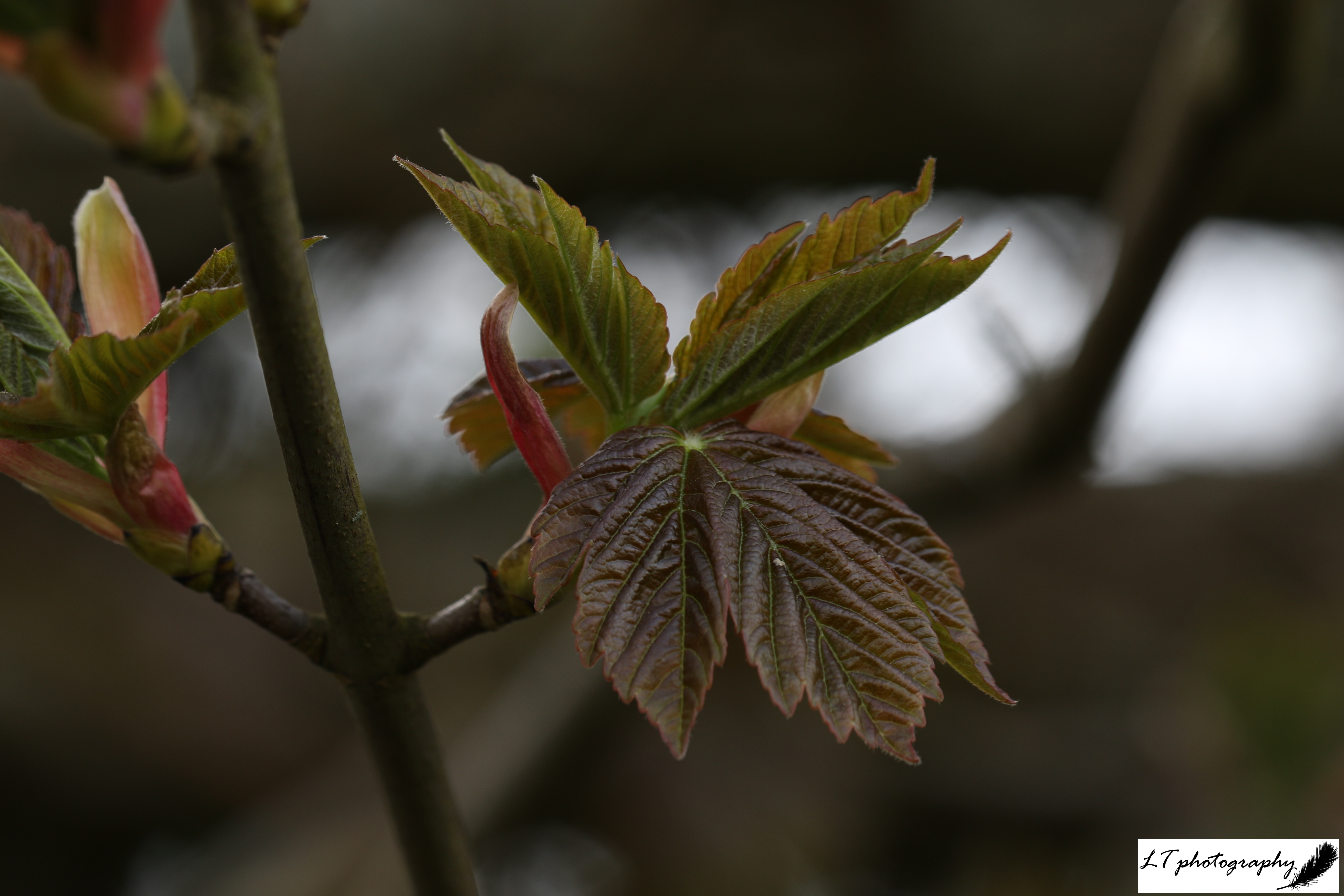
Leaves: Emerging leaves have a pinkish tinge, turning dull-green, and are opposite and small, with three main, round-tipped lobes and two smaller basal lobes
Flowers: Small yellow-green flowers form erect clusters
Seeds: Each pair of seed wings lie in an almost straight line, are often tinged with pink
Range & habitat: Frequent in England and East Wales in woods and hedgerows
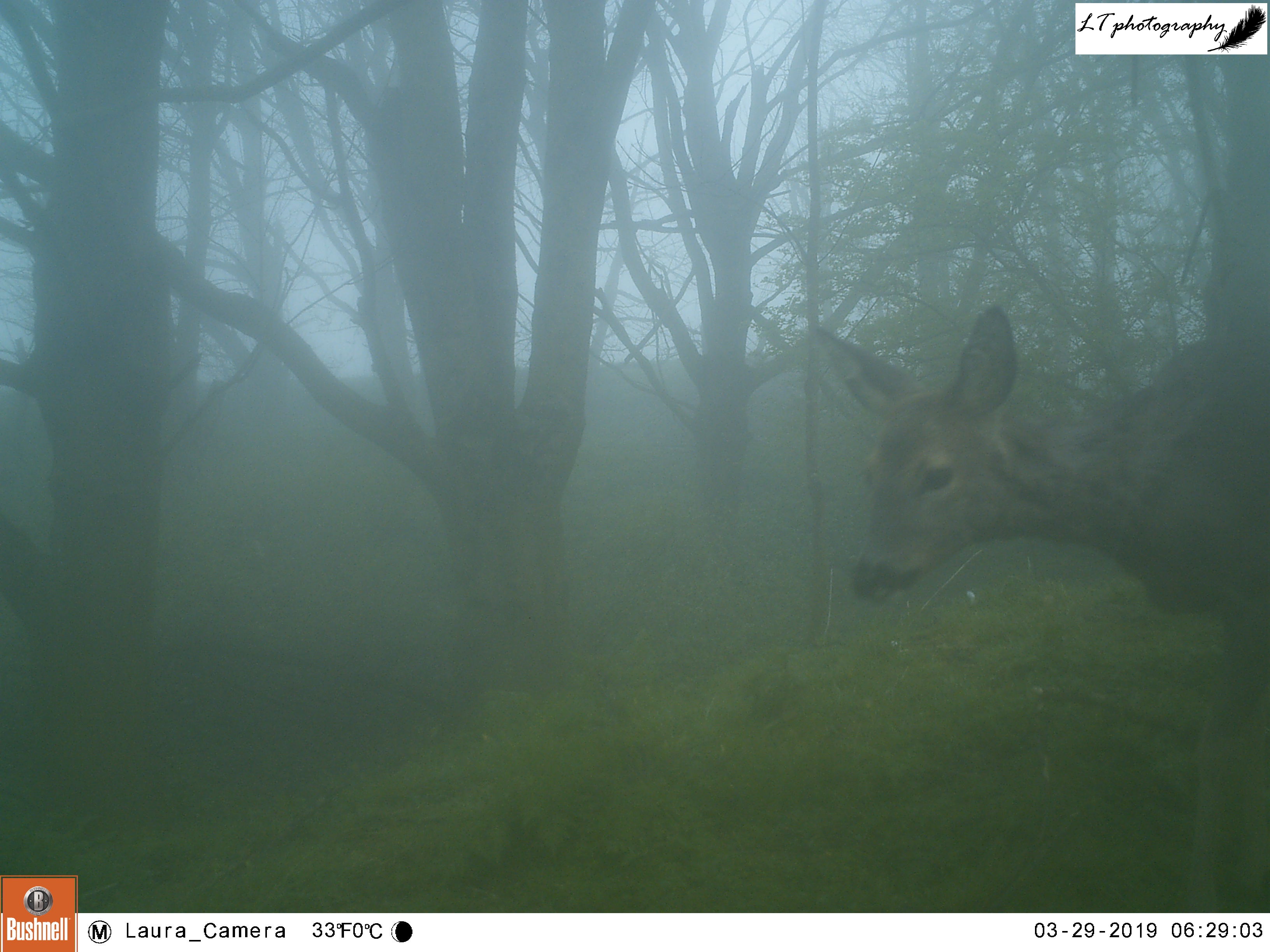
Through the stillness of an early morning mist, a shape appears, carefully stepping through the short undergrowth. She weaves through the trees, stopping to pick and browse as she goes. Then she stops, motionless. Ears pricked she listens out into the gloom, something catching her attention. Magnificent silhouette, the more impressive for her swollen belly, a sign of new life to come. Here she is captured, a glimpse of a world unknown, forever immortalised in a frame.
Camera traps provide a window into another world, one that is often unseen and unknown. As technology improves and efforts increase, humans are now capturing the natural world in increasing detail, observing new behaviours, and keeping track of wildlife that would otherwise be difficult to monitor. Camera traps also provide us as individuals with the opportunity to open our eyes to the world that lies outside our doors. To find out more about camera traps, how to use them, and for some inspiration, check out my ‘How to… Use and Make the Most of a Camera Trap’ post.
Since I got my camera trap a few years ago, it has become an important way for me to explore the hidden world around me. In particular, during spring 2019, I spent 10 weeks conducting camera trap surveys across 5 sites on my family’s land in Dorset. It was a lot of fun to see what species I could detect and in what numbers, whilst seeing how things changed over a period of time. For my results, check out my ‘Spring Countryside Camera Trap Surveys’ post on my blog.
Camera Trapping 2020
This year, despite COVID-19 leading to a national lockdown, I tried to utilise the time I got to spend outside to get my camera trap out as much as possible. The result was some successful and really enjoyable camera trap experiences throughout the spring, which helped to keep me going. On my adventures, I chose to focus on a mixture of 5 new and old sites, including Badger setts, a footpath, a Sycamore copse and a meadow. It was great to once again monitor the animal populations on our farm, experience new life, and to see if something interesting might turn up!
Highlights
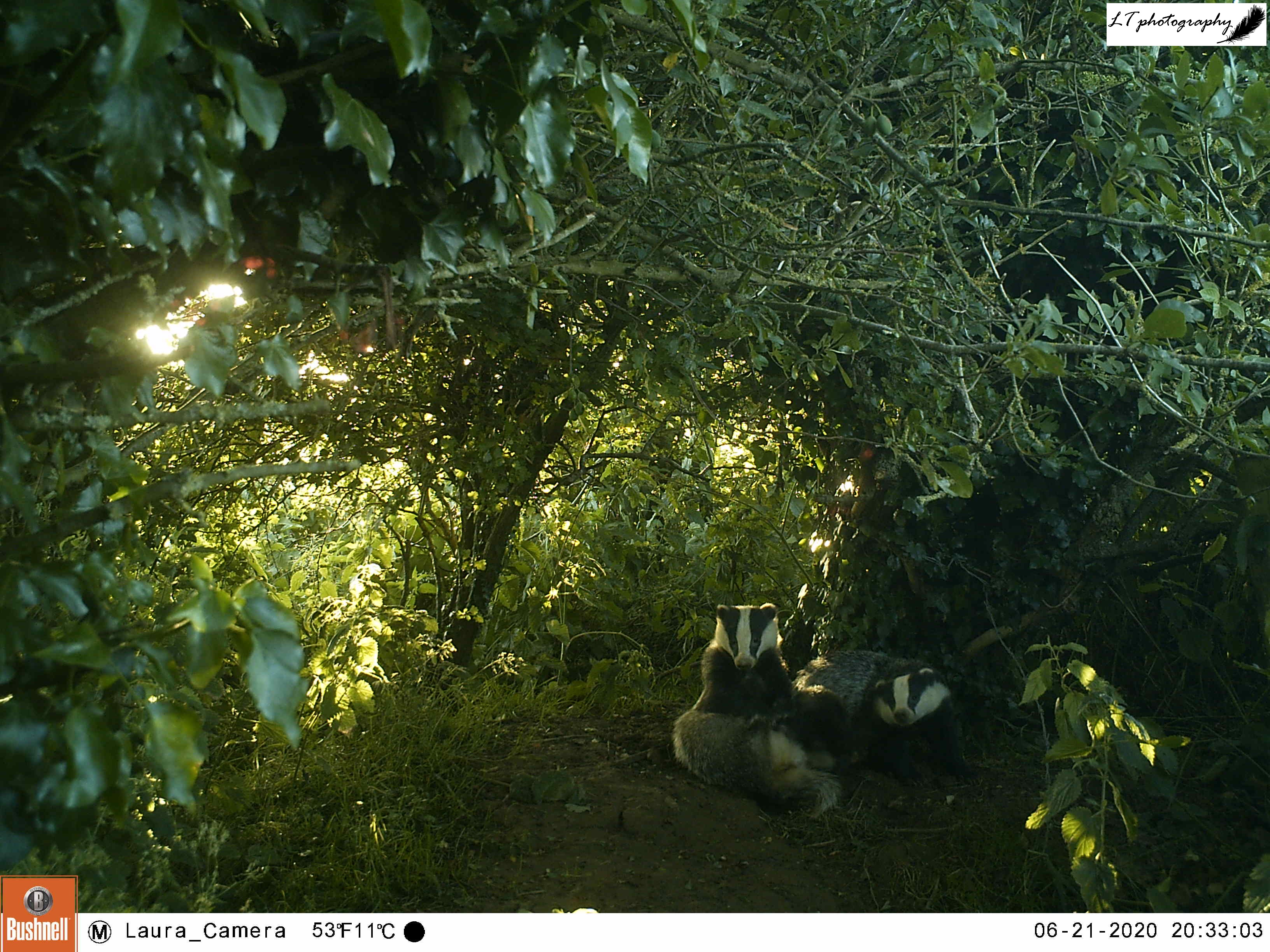
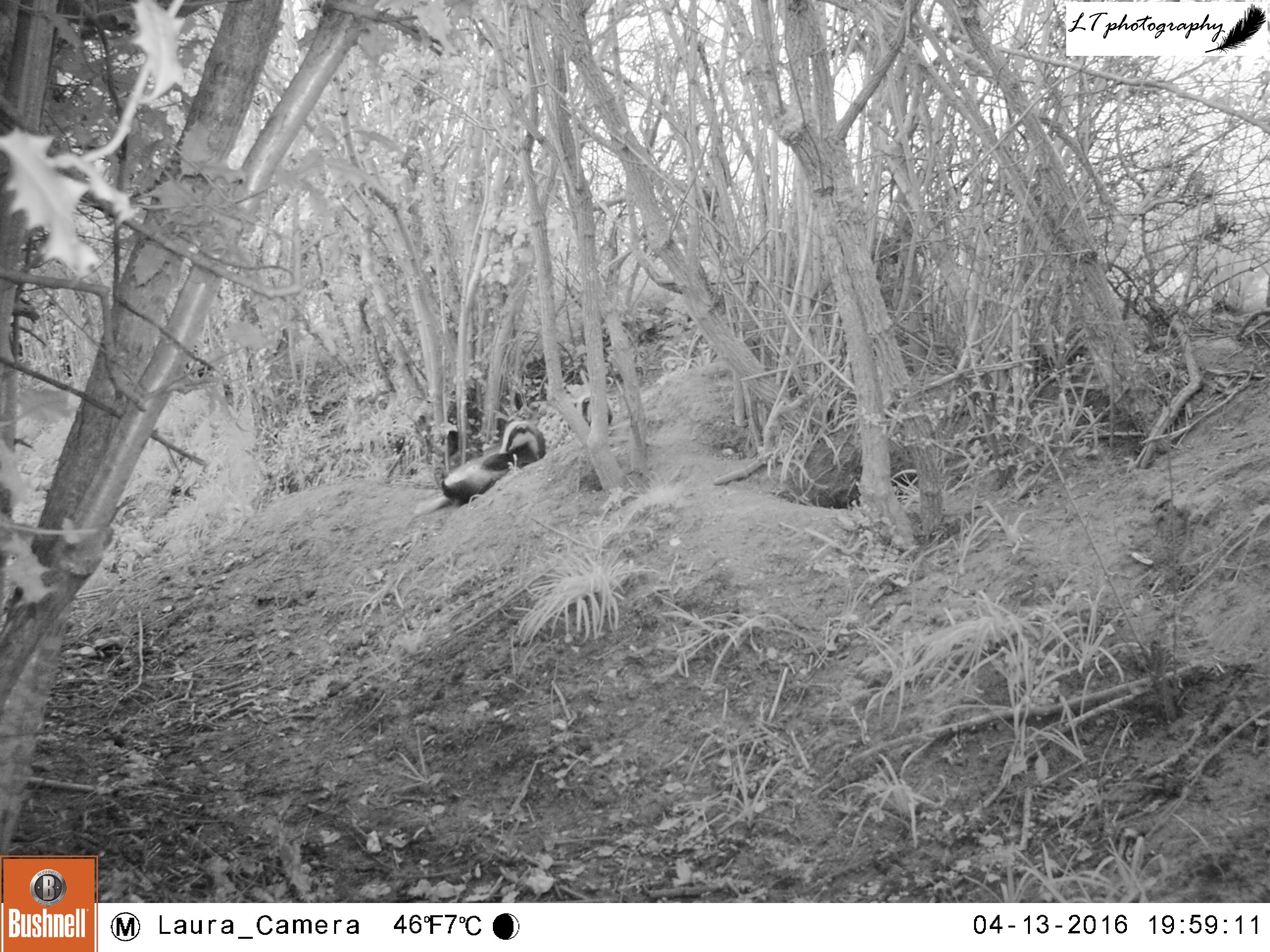
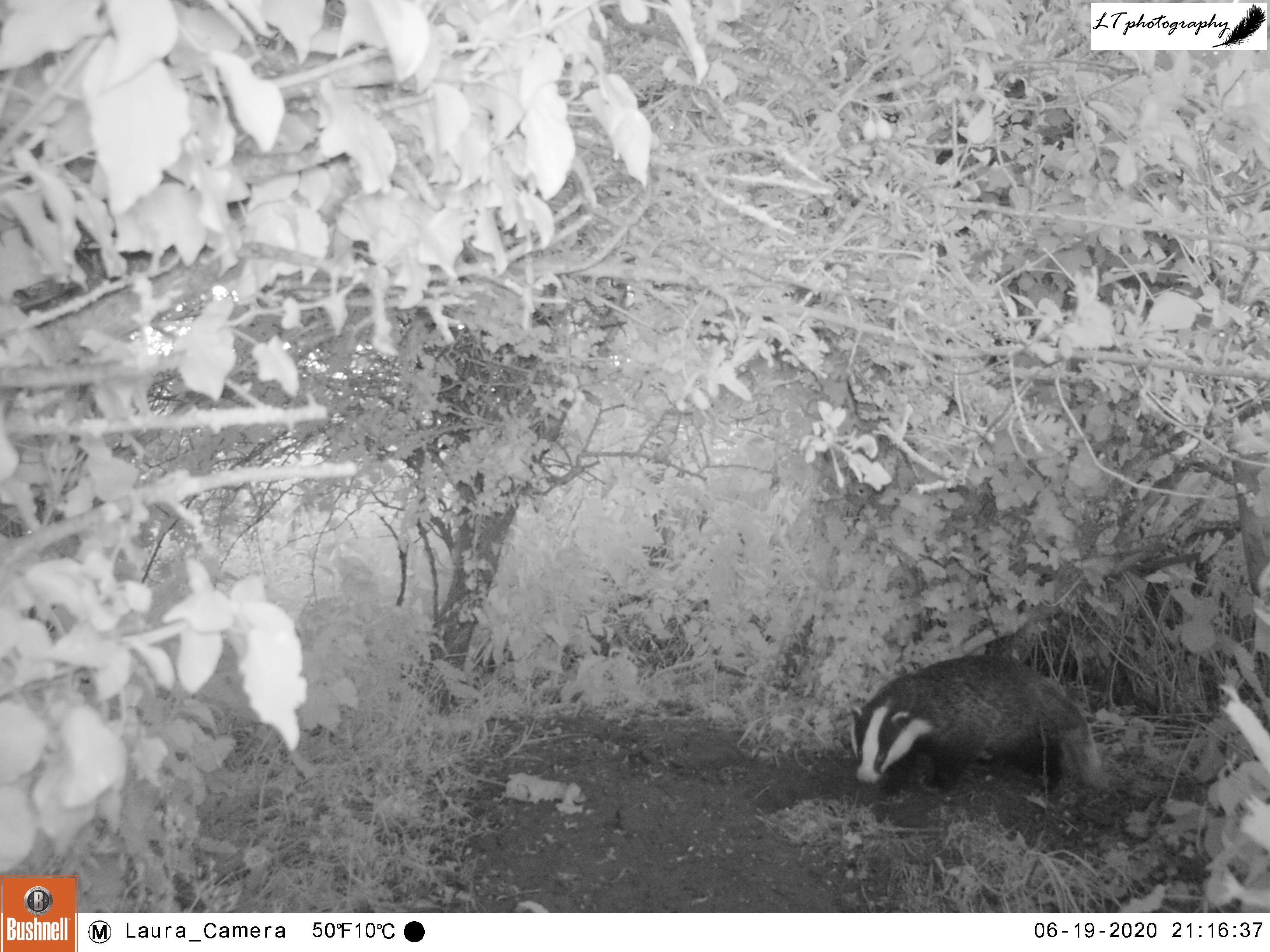
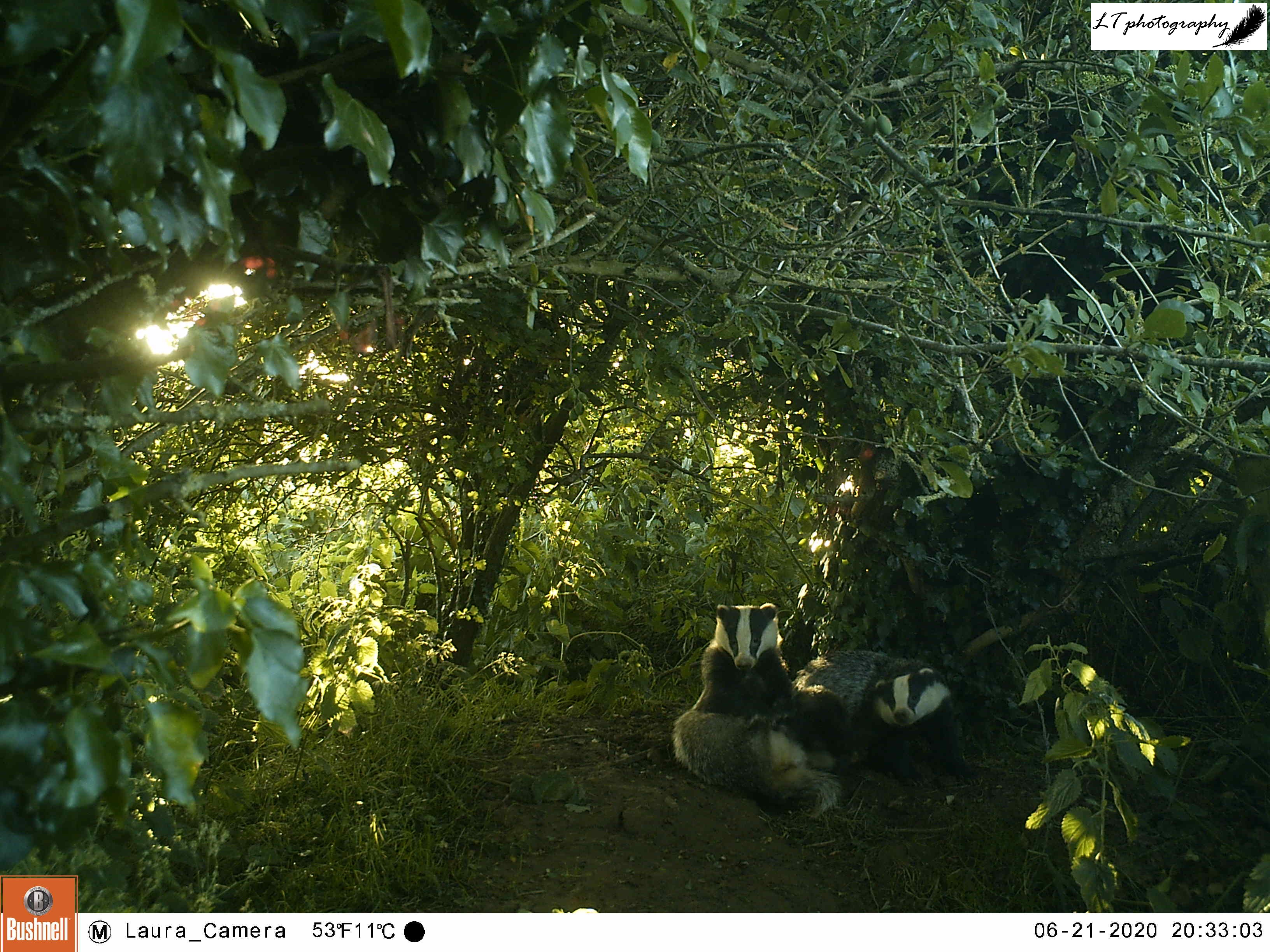
The real stars of my camera trapping this spring just happened to be our British large mammals. In particular some of my highlights involved fantastic sightings of charismatic Badgers. One of my favourites was capturing 2 cubs playing and fighting outside the entrance of a sett at all times of day in April, with a parent often popping in to check on them. I also had some great luck at another sett in June, where my camera trap captured 2 Badger cubs interacting with each other in their natural habitat, in an open area within a hedge. It was really great to see!
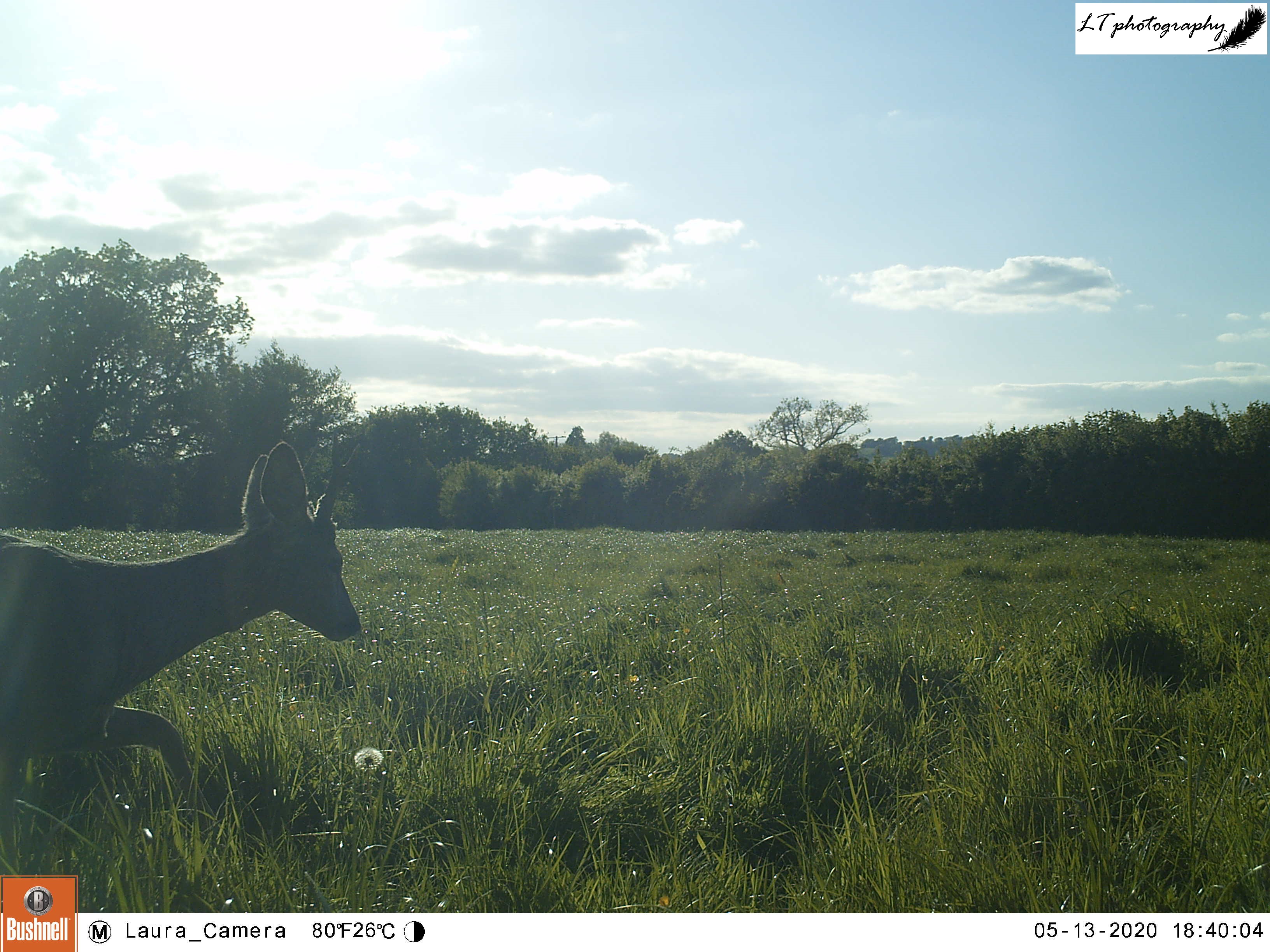
This year Foxes were also popular sights on my camera trap. These ranged from adults and cubs at their dens to being captured on the move, giving me a new insight into their lives and interactions. Roe Deer were also a popular sight on my camera trap as they moved through their habitat and spent time foraging, with does and bucks often being seen separately at these same locations. All wildlife are fantastic to be able to experience in this way though!
When Things Go Wrong!
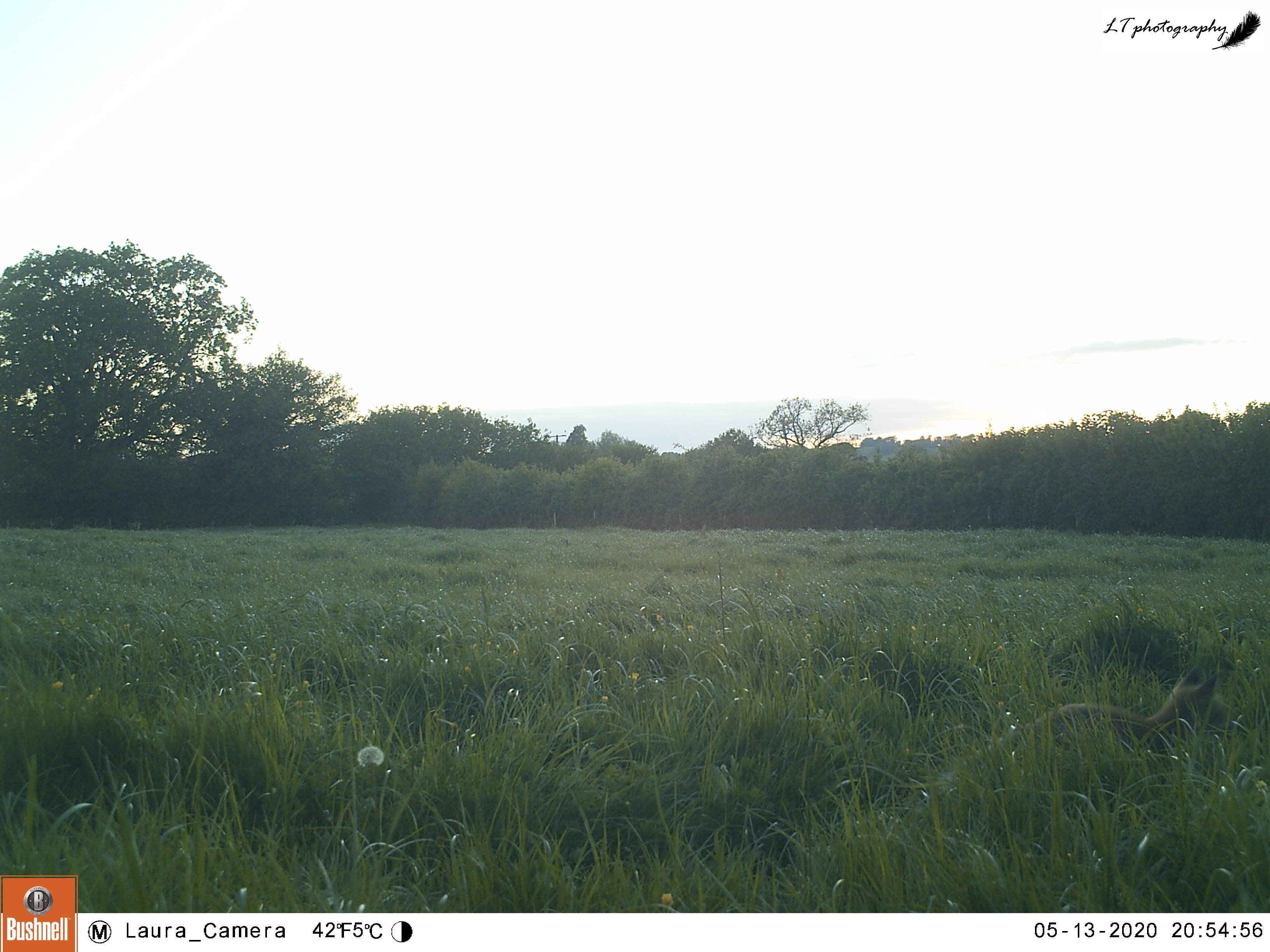
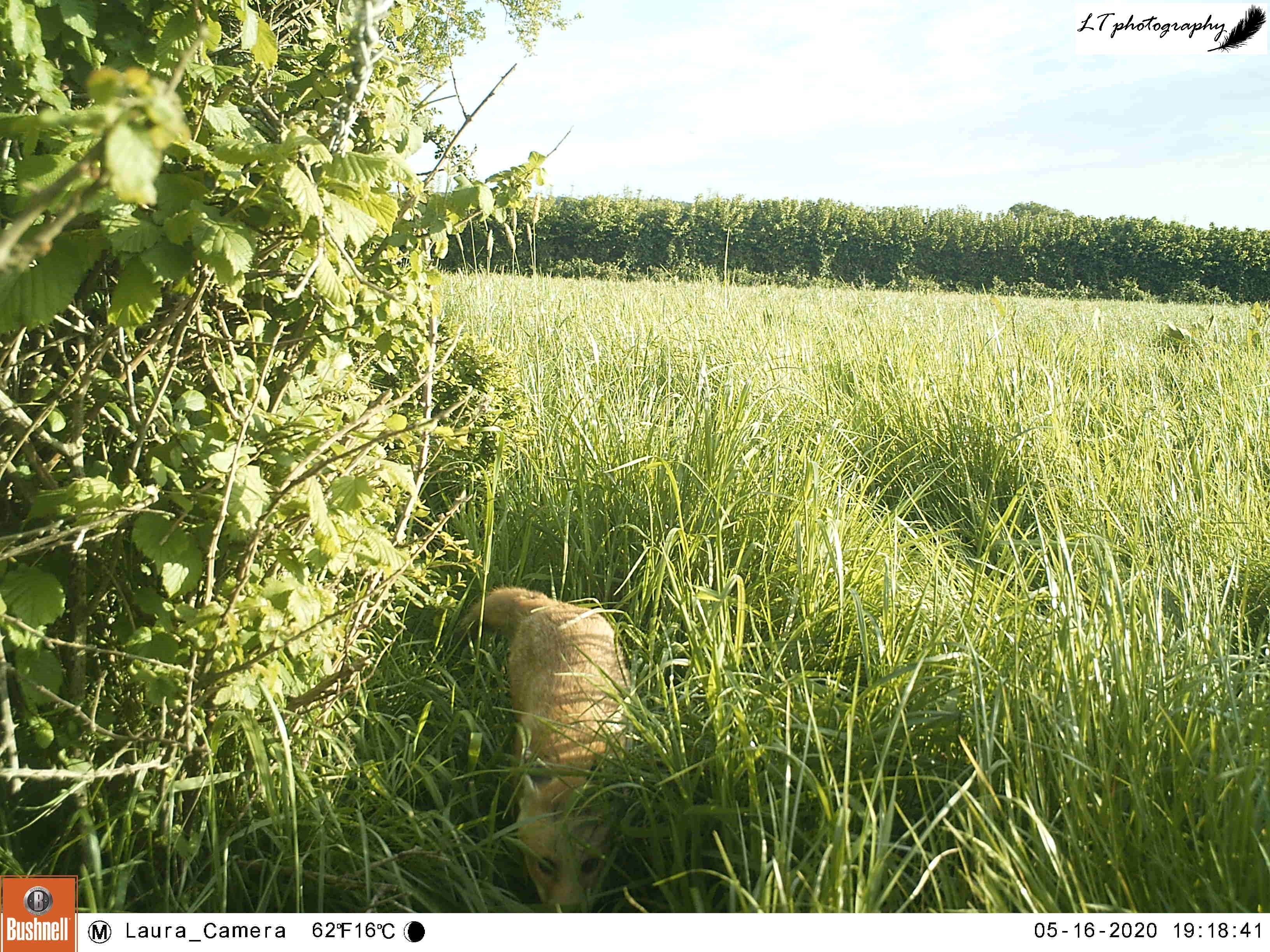
With the highs of camera trapping, there are always bound to be some lows. With many successful days camera trapping this year, my low came in the form of one project not quite going to plan! After sightings of a new fox den at the border of a hay meadow, I set out to try and get photos of this family. Over the course of two weeks I threw all my ideas and efforts at achieving my goal, but over and over again the cubs alluded me. Instead my camera seemed to spend more time capturing the local Roe deer population in this particular location! Here though are some of the glimpses I did catch of this elusive family:
The Best Bit!
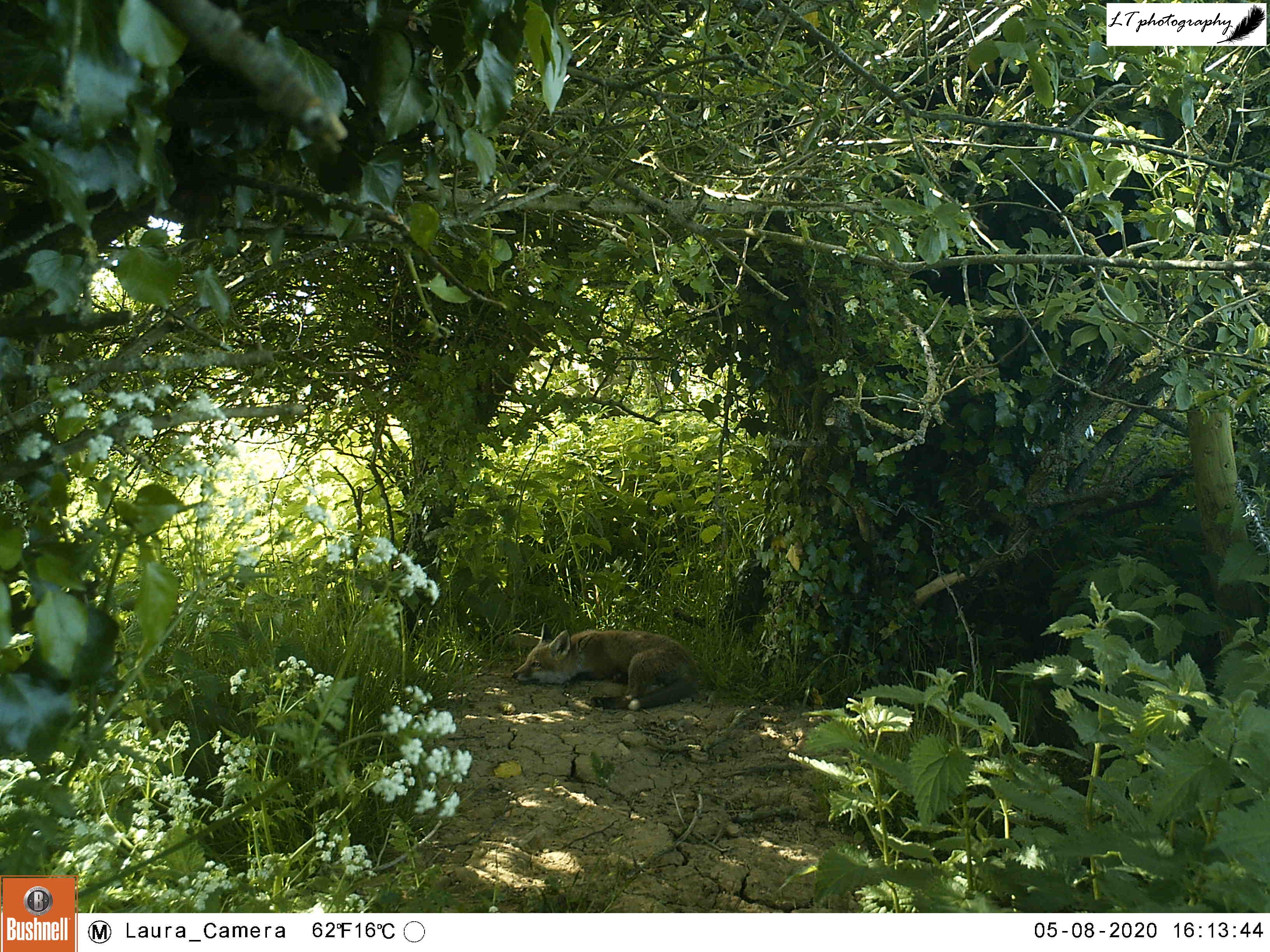
There is always going to be one highlight that stands out from a season camera trapping. For me this year my best bit came in the form of a surprise. Whilst having my camera trap out on an active Badger sett for a week in May and then in June, my camera, amongst many photos of Badgers and their cubs, caught some unexpected shots of a lone Fox cub. In my photos, most days the cub would spend its time sleeping and playing alone in the central area of a hedge above a Badger sett. Sometimes it also made an entrance at night, but it was always seen alone. It was an interesting insight into this cub’s more unusual world.
As the natural world now begins to descend into a deep slumber, get out there now and explore, allowing your surroundings to give you strength, whilst leaving nothing but footprints.
Colourful, radiant, buzzing with life, a piece of paradise in the summer sunshine. All words to describe a small piece of chalk habitat nestled within the heart of my family’s farm in Dorset. Amidst a clay-dominated landscape, this small creation aims to emulate the approximately 41,000 hectares of lowland chalk grassland that can still be found across the UK. This super rich habitat contains over 40 species of flowering plants in every one square metre, giving chalk grassland its reputation as the tropical rainforest of Europe! Sadly though, 50% of chalk grassland has already been lost in Dorset alone since the 1950s.
In 2017, my Dad made the decision to transform a small triangular area of land on our farm into our very own chalk paradise. Though we do not live immediately on chalk downland, it can be found to the North and South of us. This makes our location ideal to create stopover habitat or a wildlife corridor, for the myriad of species that rely on these diverse plant communities. Following bringing in 40 tonnes of quarried chalk and lots of wildflower plugs and seeds, we now have a thriving 10m by 3m and 2m in height chalk mound.
Though my family’s chalk habitat is still in its relative infancy, over time it is transforming into a wildlife haven. From Grasshoppers and Marbled White Butterflies to blue Butterflies and Carder Bees, new species are popping up each and every year. This mini habitat has also been a great place for my mum to teach me all about the plant species that call chalkland grassland home. With her inspiration, I have put together a simple guide to identifying just some of the many wildflower species that are appearing on our mound.
Chalkland Wildflowers
Wild Marjoram (Origanum vulgare)
Family: Mint
Lifespan: Perennial (lives for several years)
Size: Short to medium height (30-60cm)
Stems: Erect, dark-red, downy and either round or square
Leaves: Oval, often slightly toothed, stalked, and 1.5-4.5cm in length
Flowers: Dark purple buds in loose clustered heads, opening to pale purple 6-8mm long flowers. Strongly aromatic. Flowers July-September
Range: Found throughout the UK (particularly in the South), but scarcer in Scotland
Fun Facts: This culinary herb is a symbol of happiness descended from Roman legend, with Origanum meaning ‘mountain joy’
Kidney Vetch (Anthyllis vulneraria)
Family: Legume
Lifespan: Annual (lives for one year) or perennial
Size: Sprawling and medium in height (up to 60cm), but very variable
Stems: Silkily hairy, round, and often greyish
Leaves: In pairs, they are silky white below and green above, and are 30-60mm in length
Flowers: Yellow, orange or a fiery red, and downy-white below. They are found in single heads (12-15mm across) or sometimes pairs. Flowers April-September
Range: Found throughout the UK, especially around the coast
Fun Facts: In the Middle Ages, it was known for speeding up wound healing, with vulneraria meaning ‘wound healer’. It was also once used to commonly treat kidney disorders
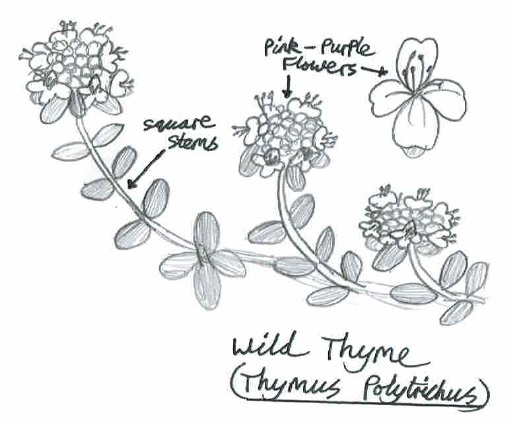
Wild Thyme (Thymus polytrichus)
Family: Mint
Lifespan: Perennial
Size: Low to the ground, forming a mat of non-flowering rooting stems (up to 10cm in height)
Stems: Square with erect flowering stems
Leaves: Evergreen, short stalked, very small oval 4-8mm leaves in opposite pairs
Flowers: Faintly aromatic with pink-purple flowers in round and dense heads. Flowers May-September
Range: Widespread in South East England, but scattered distribution elsewhere
Fun Facts: Long regarded as the favourite flower of fairies, and associated with love. The Greek thumon though means ‘that which is included in a sacrifice’
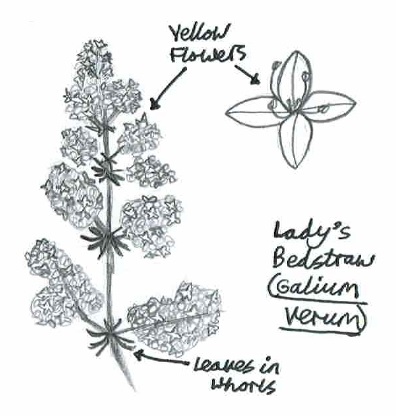
Lady’s Bedstraw (Galium verum)
Family: Madder/Bedstraw
Lifespan: Perennial
Size: Short to medium in height, often sprawling (up to 100cm)
Stems: Four-angled, almost hairless stems
Leaves: Dark green, long, narrow, shiny leaves in whorls of 8-12. Said to smell of new-mown hay
Flowers: Bright golden yellow, 2-4mm wide, in clusters, with a sweet honey-like scent. Only Bedstraw species in the UK with yellow flowers. Flowers June-September
Range: Widespread
Fun Facts: Associated with the story of the Virgin Mary giving birth to the baby Jesus, leading to the belief that a woman lying on a mattress of Lady’s Bedstraw would have a safe and easy childbirth
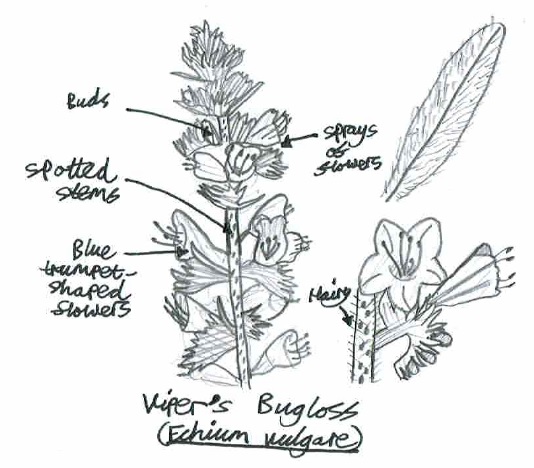
Viper’s Bugloss (Echium vulgare)
Family: Borage/Forget-Me-Not
Lifespan: Biennial (flowers in its second year before dying) or perennial
Size: Medium to tall in height (up to 100cm)
Stems: Roughly hairy and spotted (red-based bristles)
Leaves: Narrow, oval-shaped lower leaves
Flowers: Flowers in drooping clusters of pink buds that open to become erect, blue, trumpet-shaped, open-mouthed flowers, 10-20mm long, in branched spikes. Flowers May-September
Range: Scattered distribution across the UK, being most common in the South
Fun Facts: The plant’s name comes from a time when it was believed to be a cure for snake-bites, reinforced by the dead flower-heads resembling a viper’s head
Rough Hawkbit (Leontodon hispidus)
Family: Daisy
Lifespan: Perennial
Size: Short to medium in height (up to 60cm)
Stems: Very hairy, unbranched, leafless, and slightly swollen at the top
Leaves: Form a rosette of bluntly lobed leaves at the base of the flowering stem
Flowers: Golden-yellow, though often orange or reddish beneath, solitary and 20-40mm wide. Forms seed heads that look like dandelion clocks. Flowers late May-October
Range: Widespread and fairly abundant across the UK, apart from in the far North
Fun Facts: In Greek, Leontodon means ‘Lion’s tooth’, referring to the toothed leaves. The flowers are also rich in nectar and smell sweetly of honey
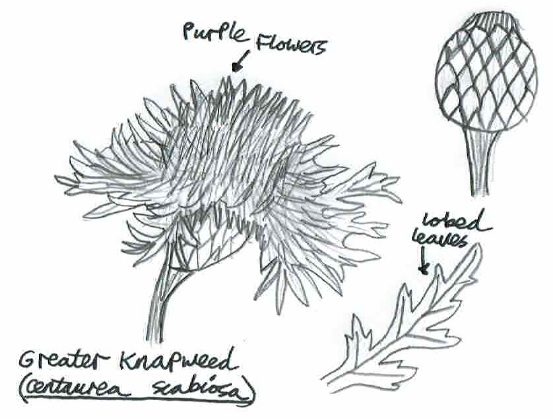
Greater Knapweed (Centaurea scabiosa)
Family: Daisy
Lifespan: Perennial
Size: Medium to tall in height (30-120cm)
Stems: Erect and grooved
Leaves: Lobed, where the lobes are positioned in pairs either side of the leaf centre. The leaves are 100-250mm long
Flowers: Purple, solitary and 30-60mm across. Flowers July-September
Range: Scattered across the UK, but predominantly grows in England
Fun Facts: Commonly used to treat wounds, bruises, sores and similar conditions
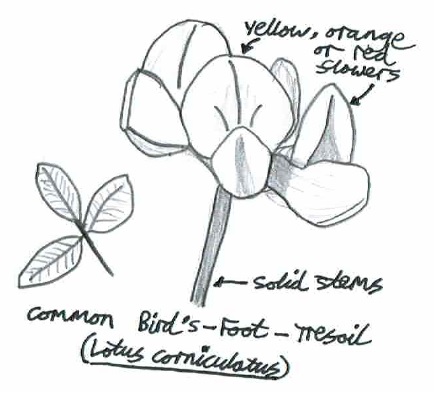
Common Bird’s-Foot-Trefoil (Lotus corniculatus)
Family: Legume
Lifespan: Perennial
Size: Short or medium in height and sprawling (up to 50cm)
Stems: Solid not hollow, and trailing
Leaves: Greyish-green, downy or hairless, and oval-shaped tapering to a point
Flowers: Deep yellow or orange, often partly red, and 10-16mm long, often 2-7 per flower head. Flowers May-September
Range: Widespread
Fun Facts: It has more than 70 common folk names including Eggs and Bacon. The name Bird’s-Foot-Trefoil reflects the resemblance to a bird’s foot, and is a larval food plant of Green Hairstreak and Dingy Skipper Butterflies
Ox-eye Daisy (Leucanthemum vulgare)
Family: Daisy
Lifespan: Perennial
Size: Medium in height (20-75cm)
Stems: Round, angled or square, erect, and slightly hairy
Leaves: Long-stalked, dark green, spoon-shaped, toothed and in a rosette around the base of the flowering stem
Flowers: White, 20-60mm across, solitary and on sparsely leafy stalks. Flowers May-September
Range: Widespread
Fun Facts: In past times, an extract was obtained by boiling the plant down, that was used in salves and medicines to cure a variety of ailments from liver disease to runny eyes. Largest native daisy species
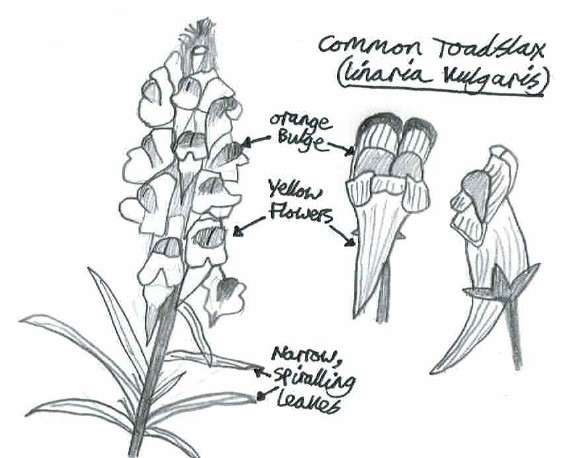
Common Toadflax (Linaria vulgaris)
Family: Plantain
Lifespan: Perennial
Size: Short to medium in height (30-80cm)
Stems: Erect, grey-green, and hairless
Leaves: 30-80mm long, very narrow, untoothed, and spirally arranged up the stems
Flowers: 15-35mm long, yellow with an orange bulge and long straight spur, forming stalked spikes. Flowers June-October
Range: Widespread
Fun Facts: Most common Toadflax species in the UK, getting its name from previously being considered as useless, fit only for toads
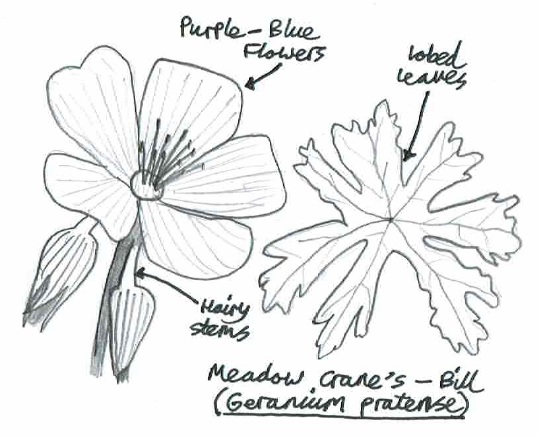
Range: Found throughout the UK, but rarer in South West England and East Anglia
Fact: With lesser known names such as ‘Jingling Johnny’ or Loving Andrews, it is a horticultural favourite dating back to before the Elizabethan times
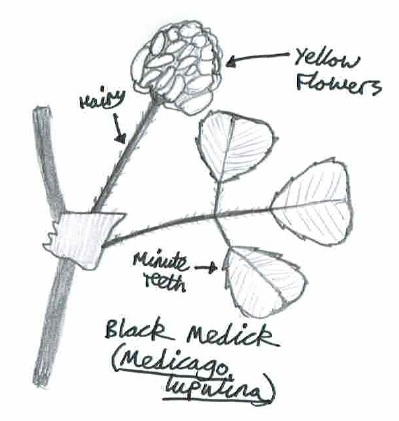
Black Medick (Medicago lupulina)
Family: Legume
Lifespan: Annual or short-lived perennial
Size: Low in height (up to 60cm), and sprawling or erect
Stem: Round or square and hairy
Leaves: Trefoil, downy, and 5-20mm in length, with minute teeth
Flowers: Bright yellow and small, with 10-50 to one short-stalked rounded head (3-8mm wide). Flowers April-October
Range: Widespread across the UK, but sparser in Scotland
Facts: Name means ‘plant of the Medes’, referring to an ancient Middle Eastern people, whilst lupulina means ‘hop-like’, due to similarities with Hop Trefoil

























































































 Laura's Wild World