How to… Help The Planet One Small Step At A Time

Currently there are approximately 7.8 billion people living on this planet, and so it is not surprising that humans have had a significant influence on the environment. For example, 1.76 planets a year are now needed to meet resource and waste absorption demands. Over time, this has heavily impacted our natural world, from massive deforestation and loss of species to large scale pollution and global warming.

Though it can feel like a losing battle, there is still time for us to try and make a difference. By making small and often easy changes within our own lives, then this could be the start to making a big difference on a larger scale. For this to work, to preserve our planet for future generations, we all need to do our bit now.

To help make this seem a little less daunting, I wanted to put together some examples of small things that I have changed in my own day-to-day life or I am now inspired to do. This could be thinking about where your food comes from, giving your old clothes new lives or even volunteering your time for the environment. It’s your life, your world and your choice, but reducing your footprint on this planet is important and a rewarding thing to do now moving forward.

This does not mean you need to do all the things I suggest, but why not see what you can do to do your bit! By making a positive change, you could reduce waste, save money and help the planet. So be active, think globally and act locally!

Food and Drink

Food and drink is an important part of all of our lives. Vital for our survival, it has a major influence on our society and more significantly, the environment. Therefore, your choices can make a real difference to our planet, which could include considering what you are eating and where your food actually comes from.
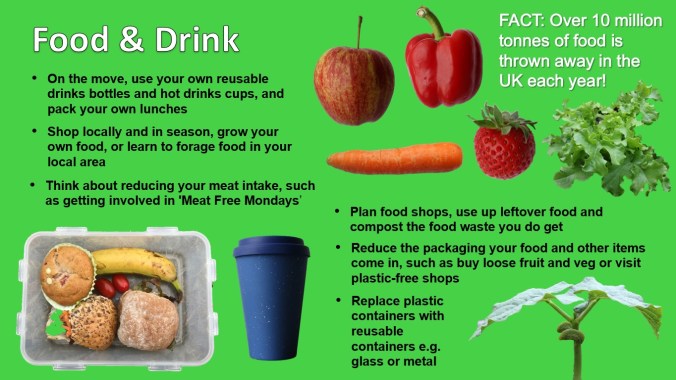
Food & Drink

Home

There are lots of small things you can change in your own home that can reduce your footprint. Often involving the reduction of energy and water usage, some changes will even save you some money in the long run.
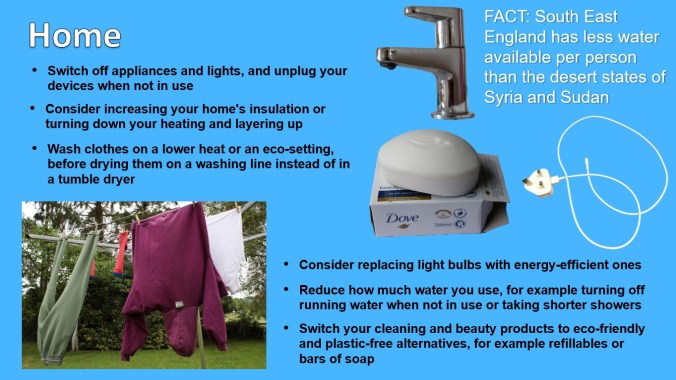
Home

Travel

Getting from a to b is an essential part of many people’s lives in today’s world, so these choices can have a significant impact on the environment. By being smart with the choices you make each time you travel, in the long run it could add up to making a big difference, such as to pollution and resource usage.
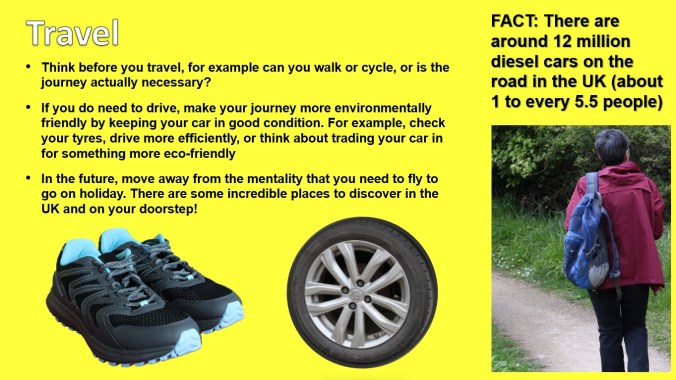
Travel

Reduce, reuse and recycle

One of the easiest ways to try and help the planet is to reduce how much waste comes out of your own home. This could either be by disposing of items properly or more importantly by thinking before you buy.

Reduce, Reuse, Recycle

General Life

As well as making small changes in your own home and on the move, it is important to be aware of the environment in general. By being informed about what is going on in the world, by being active in what you do, and just by being connected, this can make the greatest difference of all
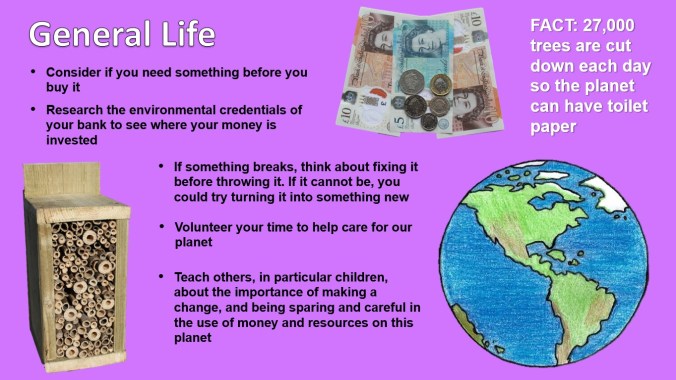
General Life

All photos and drawings are my own

The future for Sable Island

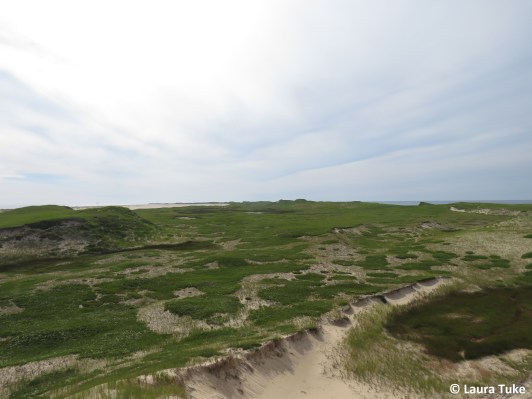
The majority of ecosystems around the world are currently under pressure from the effects of a rapidly growing global human population. Sable island, home to a unique but fragile ecosystem, is no different and has been influenced in many ways by human presence on the island and surrounding area. As a result, the island gained protected National Park Reserve status in 2013, and is now managed by Parks Canada, a Canadian government agency.

Sable

On the island

Since first arrival on Sable Island during the 1500s, humans have left their footprint there. This ranges from infrastructure, such as Main Station and the West Light site, to permanently contaminated sites and introduced non-native species. To attempt to reduce further impact, to visit the island now specific permission has to be acquired from Parks Canada before arrival. Though humans have already left their mark, Parks Canada hope to reduce any further damage to the island in the future.

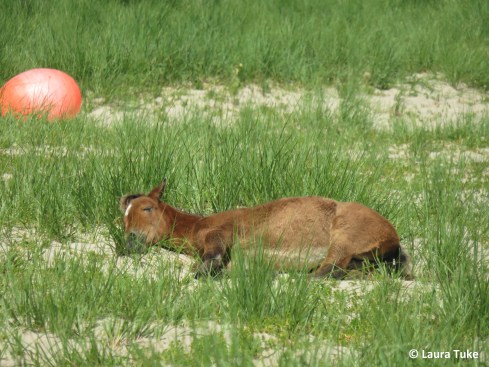
With Sable Island’s feral horses also counting as an introduced species to the island, this led to scientists in the 1950s stating that the population should be removed due to causing damage to the island’s sensitive ecology. This sparked public campaigning which led to the horses achieving legal protection in 1961. As a result, the horses can be a controversial topic for some, with their social and positive ecological impacts being weighed against the negatives. In the meantime, the iconic horses are going nowhere and will continue to be studied in the future, which will increase knowledge of the horses and their island environment.

Sable Island is also home to a meteorological station, built in the late 1800s. Being in this remote location, this weather centre is an important site for climate monitoring, for example with increasing unpredictability of weather patterns. Also, the station is becoming increasingly important in the monitoring and assessment of pollutants transported in the air, allowing for the impact of human activities to be analysed beyond their origin in mainland Canada.

In the surrounding marine environment

Though my Sable Island Stories series has mainly focussed on Sable Island’s terrestrial island, and most is known above the realm of water, Sable Island is definitely not limited to its land mass. For example in relation to mammals, in the surrounding marine environment, Sable Island is home to 17 cetacean species (whales, dolphins and porpoises) and 2 species of seal. In particular, Sable Island is home to the largest grey seal breeding colony in the world, and importantly the grey and harbour seals make up part of a complex cycle of nutrients between the sea and the land.

Seal

Seal haul out

Despite less being known about the marine environment in comparison to terrestrial, following the BBC’s hit series Blue Planet II, issues within our marine environment are becoming increasingly at the forefront of the public’s mind. For Sable Island marine pressures include offshore platforms for extraction of oil and natural gas, cetacean strandings, rising sea levels, tarballs, and washed up toxic materials.

Rig

Most noticeable from my time on Sable Island though, was the marine issue of plastic pollution. This is because where Sable Island is situated a lot of plastic and debris is washed up onto its shores every year, such as during storms. I saw this for myself during my time on the island, and here’s only a few of the photos of what I did see.

Washed up

IMG_7872

Though Sable Island has been influenced by humans in the past, with research and increased education it is now hoped that going forward the island can be protected for future generations to come. It is a rich and biodiverse place with a lot to offer, and will always hold many memories for myself from my amazing summer this year.

Sunset on Sable
Thanks for following my Sable Island Stories blog series. Feel free to check out my previous seven posts, and tune in for updates and to follow my next adventures.