How to… Help The Planet One Small Step At A Time

Currently there are approximately 7.8 billion people living on this planet, and so it is not surprising that humans have had a significant influence on the environment. For example, 1.76 planets a year are now needed to meet resource and waste absorption demands. Over time, this has heavily impacted our natural world, from massive deforestation and loss of species to large scale pollution and global warming.

Though it can feel like a losing battle, there is still time for us to try and make a difference. By making small and often easy changes within our own lives, then this could be the start to making a big difference on a larger scale. For this to work, to preserve our planet for future generations, we all need to do our bit now.

To help make this seem a little less daunting, I wanted to put together some examples of small things that I have changed in my own day-to-day life or I am now inspired to do. This could be thinking about where your food comes from, giving your old clothes new lives or even volunteering your time for the environment. It’s your life, your world and your choice, but reducing your footprint on this planet is important and a rewarding thing to do now moving forward.

This does not mean you need to do all the things I suggest, but why not see what you can do to do your bit! By making a positive change, you could reduce waste, save money and help the planet. So be active, think globally and act locally!

Food and Drink

Food and drink is an important part of all of our lives. Vital for our survival, it has a major influence on our society and more significantly, the environment. Therefore, your choices can make a real difference to our planet, which could include considering what you are eating and where your food actually comes from.
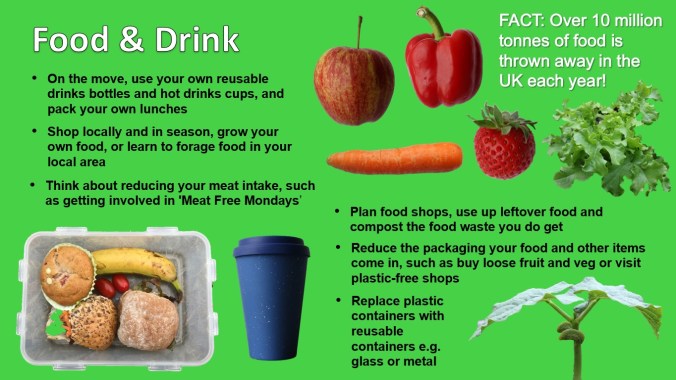
Food & Drink

Home

There are lots of small things you can change in your own home that can reduce your footprint. Often involving the reduction of energy and water usage, some changes will even save you some money in the long run.
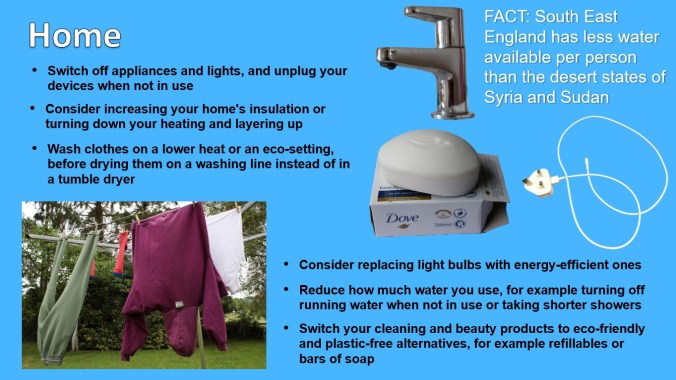
Home

Travel

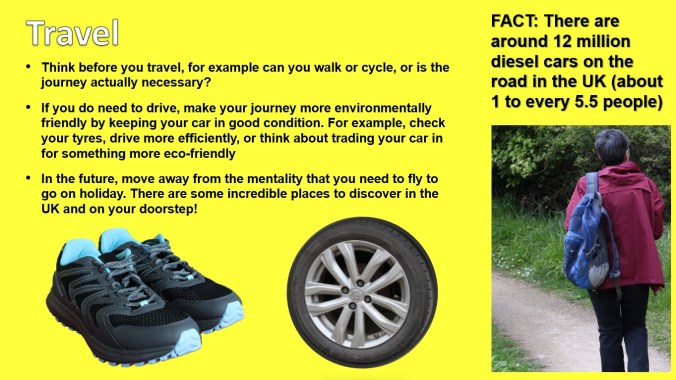
Getting from a to b is an essential part of many people’s lives in today’s world, so these choices can have a significant impact on the environment. By being smart with the choices you make each time you travel, in the long run it could add up to making a big difference, such as to pollution and resource usage.
Travel

Reduce, reuse and recycle

One of the easiest ways to try and help the planet is to reduce how much waste comes out of your own home. This could either be by disposing of items properly or more importantly by thinking before you buy.

Reduce, Reuse, Recycle

General Life

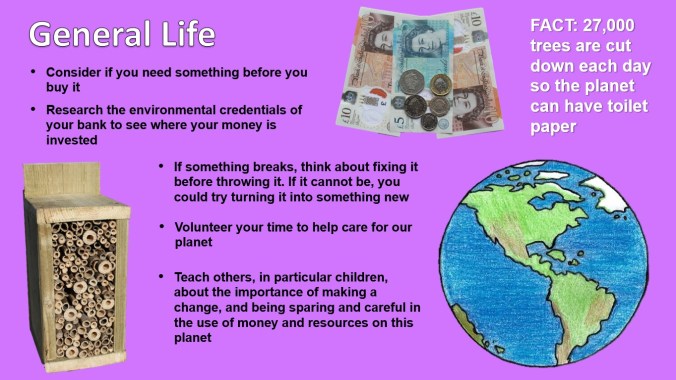
As well as making small changes in your own home and on the move, it is important to be aware of the environment in general. By being informed about what is going on in the world, by being active in what you do, and just by being connected, this can make the greatest difference of all
General Life

All photos and drawings are my own
11 things you need to know about the Sable Island Horse


IMG_8130

In all things of nature there is something of the marvelous – Aristotle

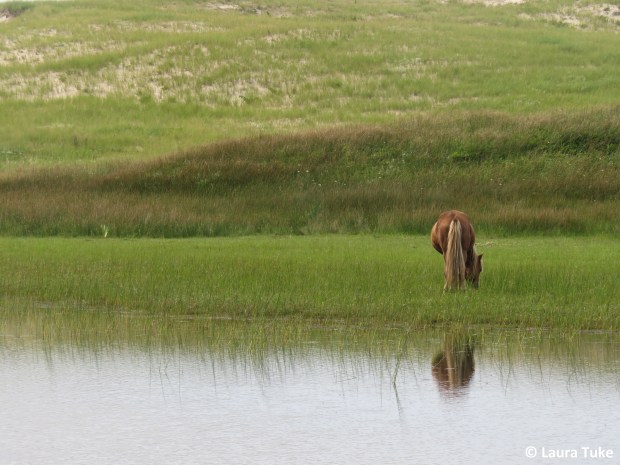
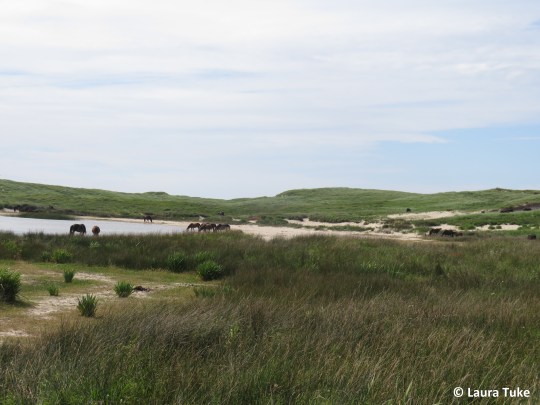
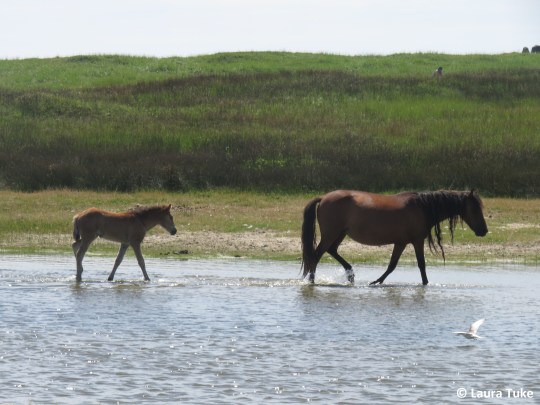
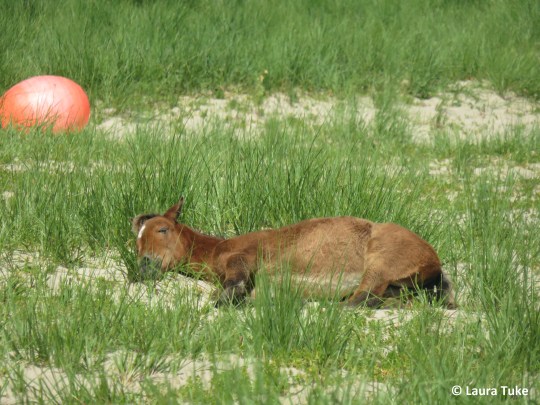
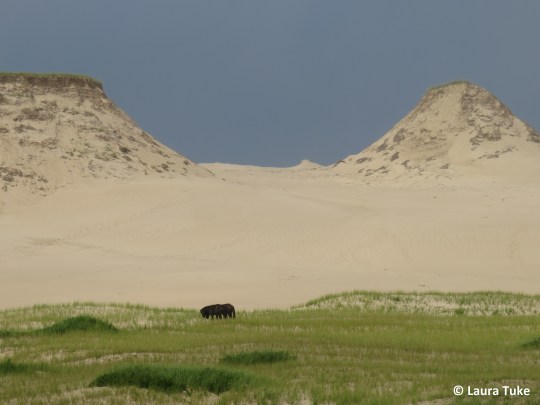
As part of my Master’s degree, from the other side of the North Atlantic, I have had the pleasure of studying a renowned animal population situated on Sable Island, Canada. Though this species is not the first that comes to mind when you think of an island made of sand, within the last few centuries Sable Island has become home to a population of feral horses (Equus ferus ssp. caballus). These horses vary in shape, colour and size, and have now captured the minds of the public and scientists alike, as well as my own.

IMG_4444

For those of you who have never heard of the Sable Island horse, or even for those who have, I have put together a helpful ’11 interesting facts’, so you can learn everything you need to know about these compelling creatures:

  1. Today’s population of Sable Island horses originate from horses first released on the island by European travellers during the mid-1700s, and though genetically distinct as a subspecies, are most closely related to Nordic breeds.

IMG_9271

2. Previously, the horses have been used for a range of purposes on the island, including use as breeding stock for sale on the mainland, hauling lifeboats for the past lifesaving crews, and exportation for the meat trade (mainly dog food).

IMG_9589

3. During the 1950s, scientists said the horses were damaging the sensitive ecology of the island, and proposed their removal. Following a strong public campaign, the Canadian government gave the Sable Island horses legal protection in the 1961 Canadian Shipping Act, protecting them from all human use and interference in the future.

IMG_7413

4. Due to their protected status, the horses are now treated as a wild and naturalised population. As a result, all people visiting and living on the island have to maintain a distance of at least 20m away from the horses at all time.

5. Currently, there are approximately 550 horses living on Sable Island.

IMG_3587

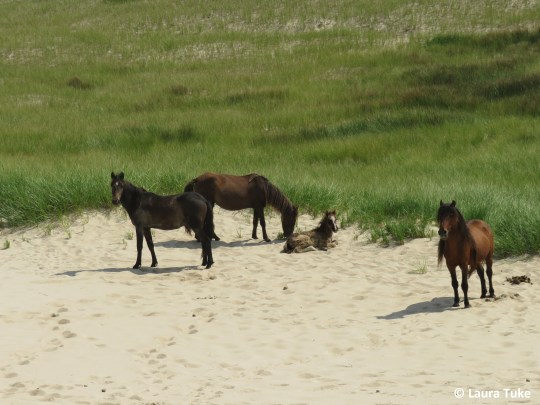
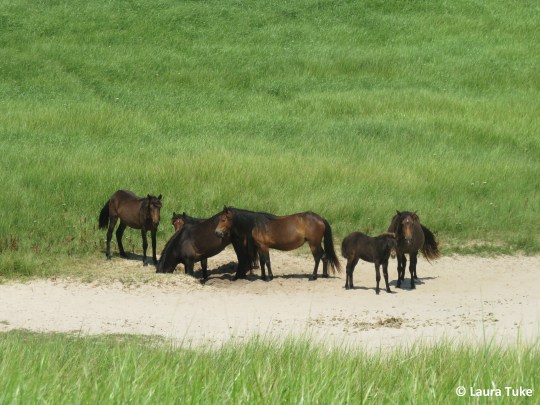
6. Sable Island horses live in all year-round social groups, called bands, which either contain bachelor, unmated males or typically consist of anywhere up to 15 individuals, with 1-3 dominant males (stallions), adult females (mares) and young offspring (typically foals and yearlings).

7. In the Sable Island population, the sex ratio is heavily male-biased. This is because a lower number of females are surviving on the island, due to the different, more extreme conditions they experience in comparison to males, such as with breeding.

IMG_7005

8. The Sable Island horse’s diet is composed mainly of tough American marram grass, other grass species and beach pea, though they will feed opportunistically on a range of other species.

9. The horses are found in a range of colours, but there are none that are spotted, grey, white, or coloured on Sable Island. It is suspected that this is because these colours were kept out of the population previously.

IMG_9103

10. The Sable Island horses have been part of an ongoing long-term individual-based study since 2007, meaning every individual is surveyed between July to early-September each year. As a result, every individual is followed from birth to death, can be individually identified, and have their very own name, such as Orbit, Ripley or Maria.

Orbit and house

Orbit

11. Alongside the Sable Island Horse Project (a collaboration between the University of Saskatchewan and University of Calgary), my research has focused on investigating the genetic basis of foal body size and the potential for it to evolve in the Sable Island horse. Data collection for this research involved a special piece of equipment consisting of two lasers and a camera attached to a frame. This allows for photos to be taken from a distance that were then used to calculate reliable body size measurements.

Laser standard

IMG_7872

Disclaimer: All horse photos (from wide shots to zoomed in) were taken from at least the minimum of 20m away from the subject(s)