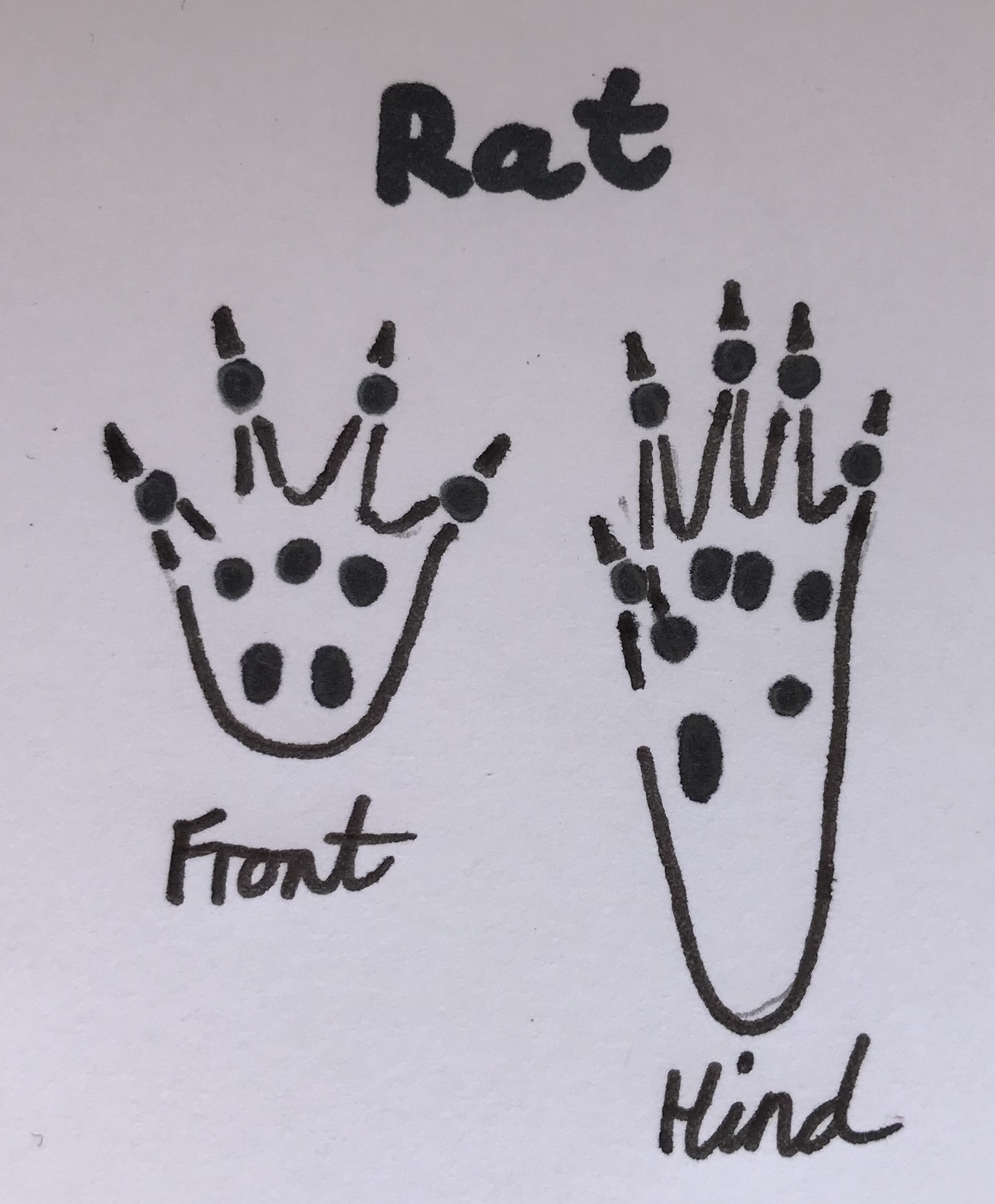
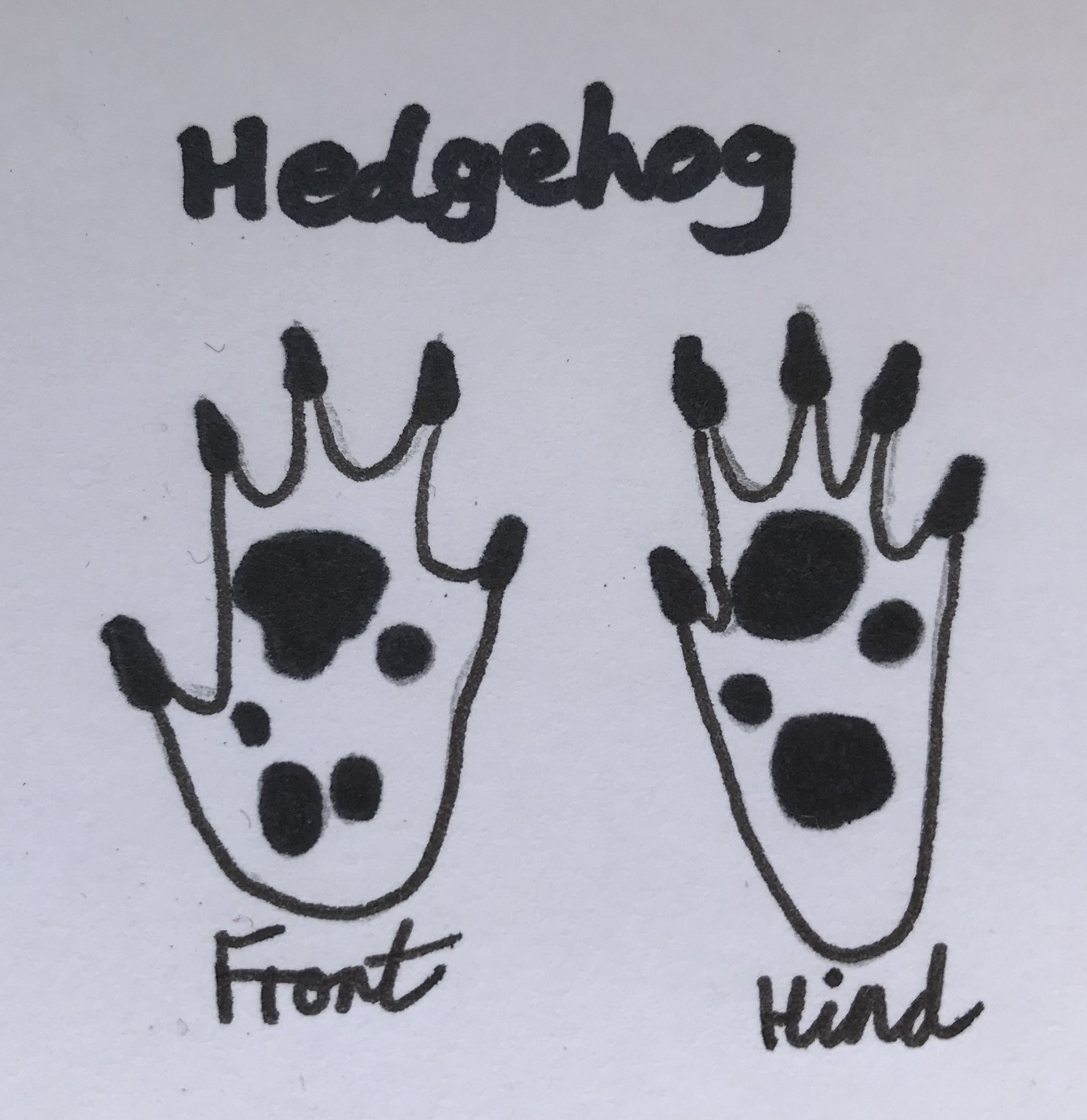
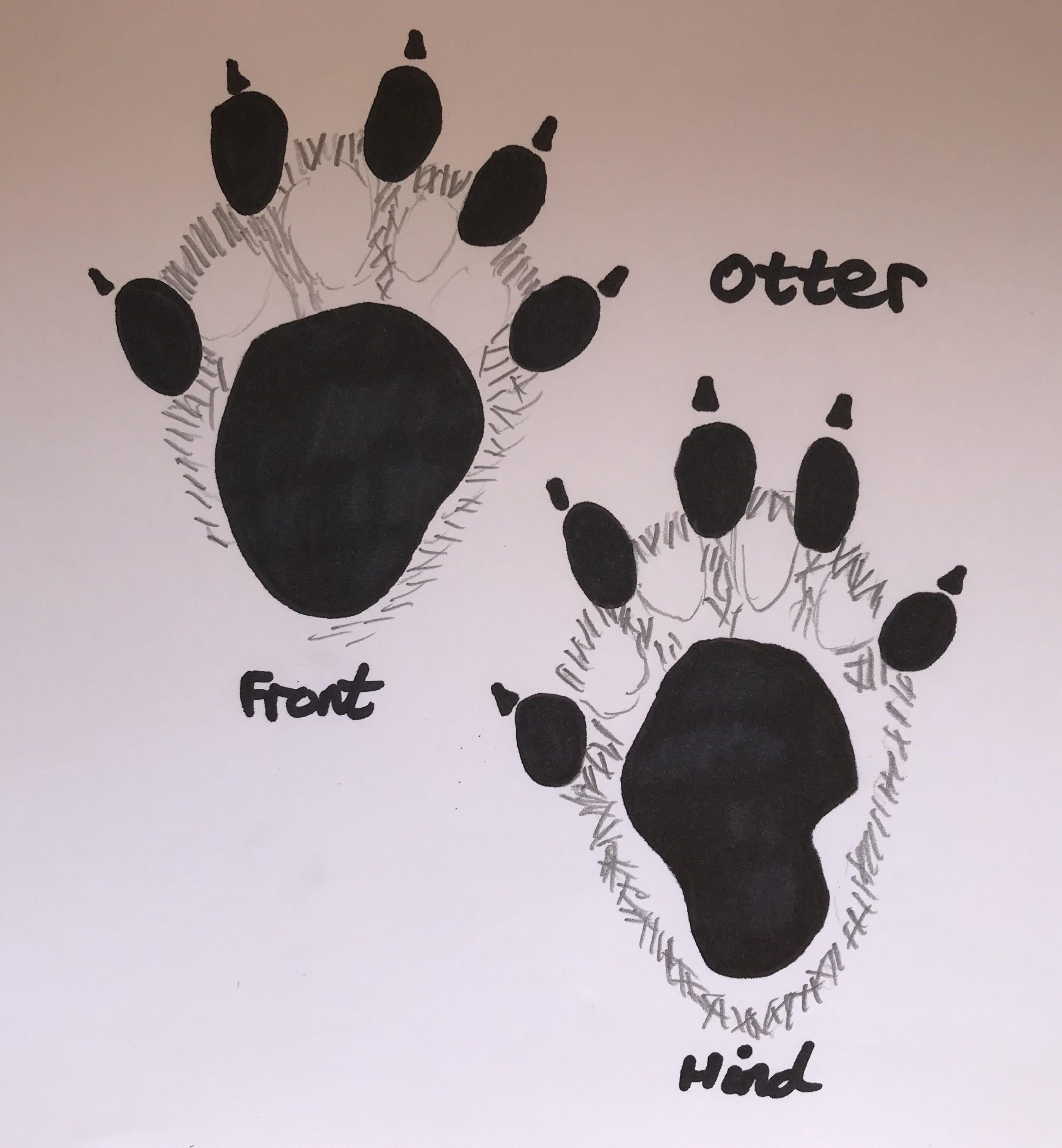
One of my favourite activities each year is camera trapping. The feeling you get of putting out a camera trap in a carefully chosen location and position, and waiting to find out what it may find. Opening the memory card file on a laptop, and seeing what may or may not be waiting for you. Sometimes you may not find anything, and other times you get more than you bargained for!
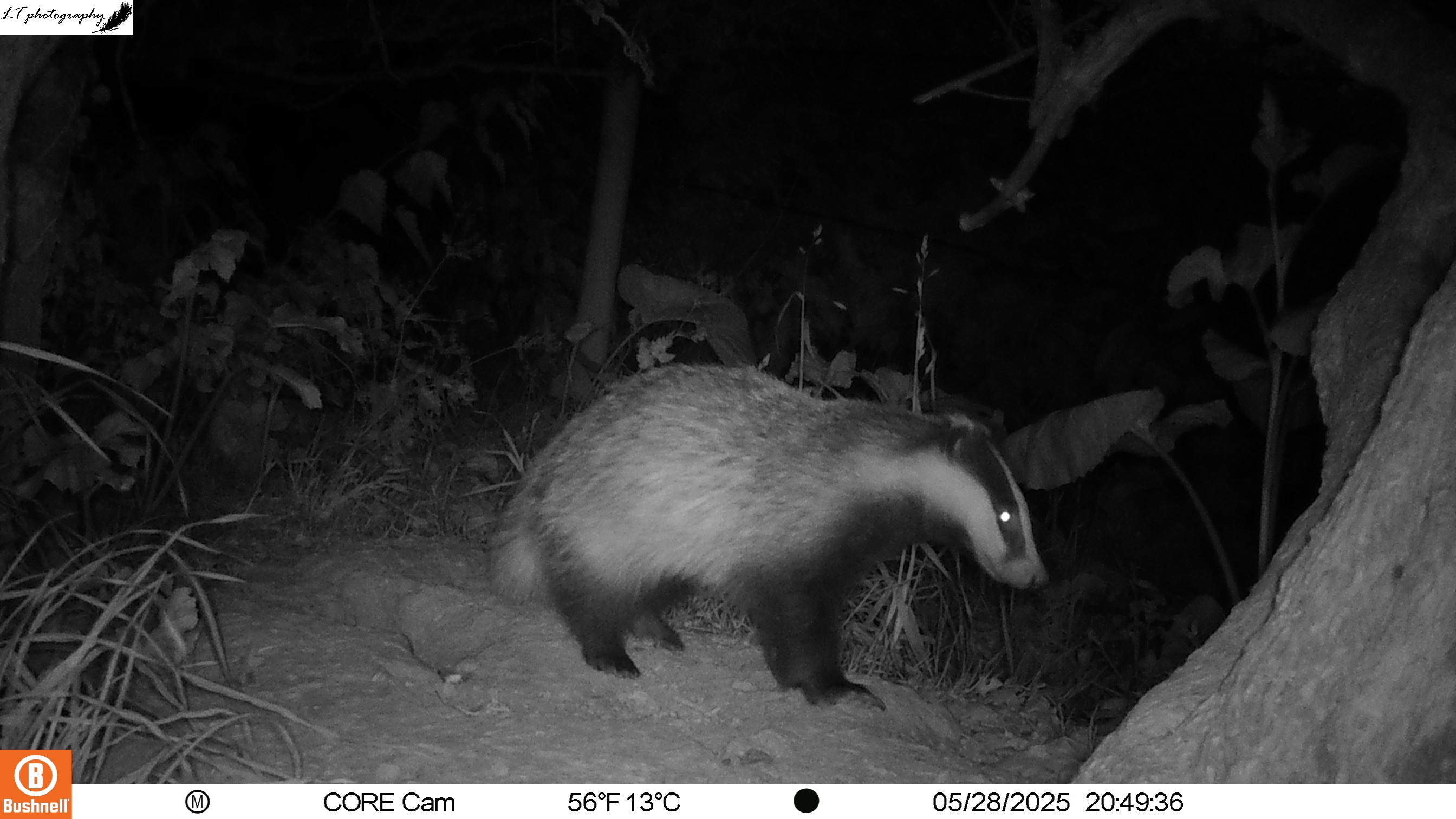
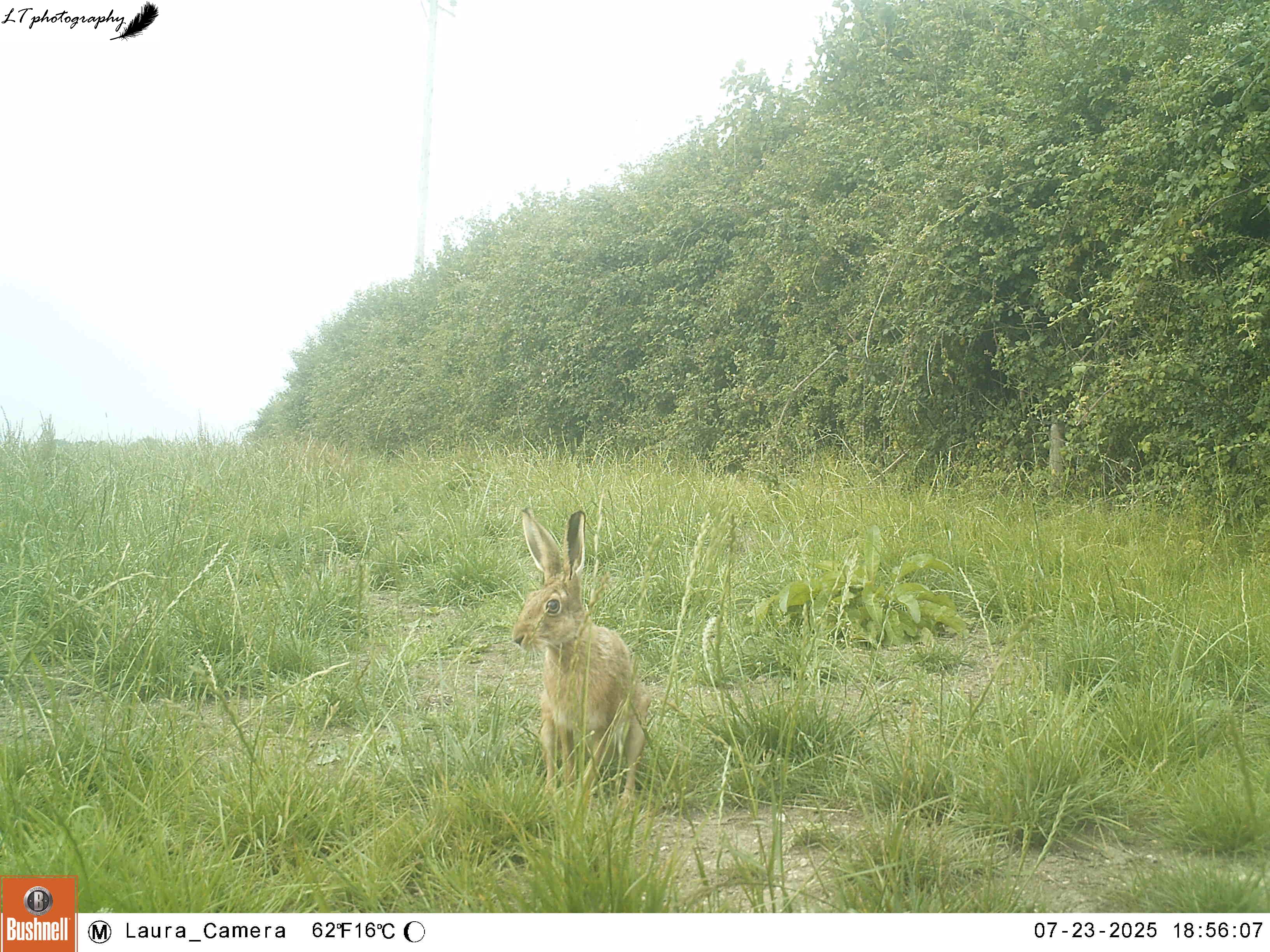
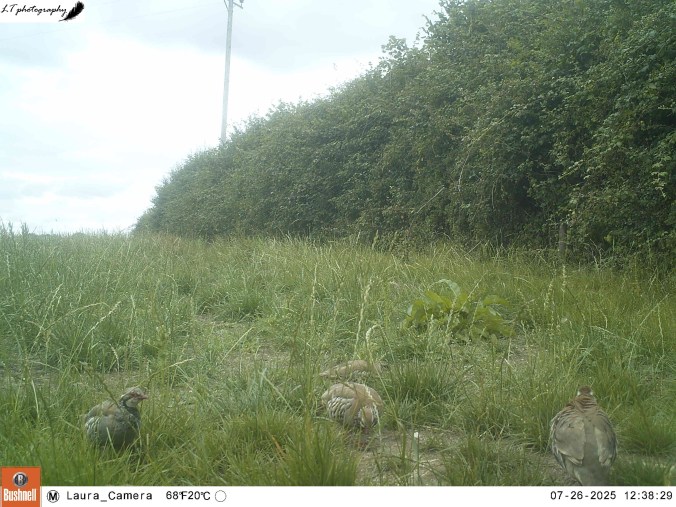
Over the years I have followed families of foxes, watched badgers return to abandoned setts, and even counted up to 5 hedgehogs in one shot in my mother’s garden. It is not just mammals that I have enjoyed, but I have also seen courting woodpigeons, red-legged partridges dust bathing, and even robins feeding their fledged young. You never quite know what is awaiting for you!
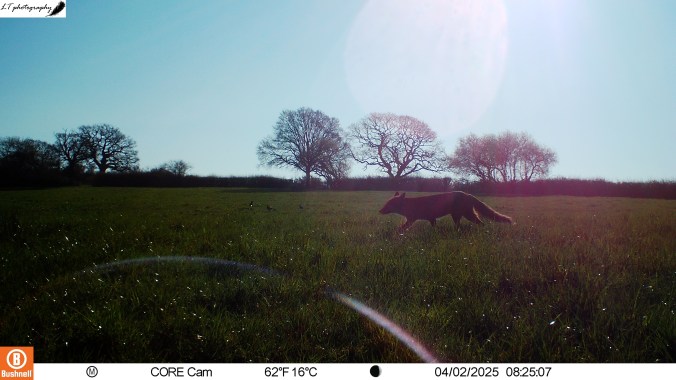
So looking back, how did 2025 go for my camera trapping adventures?
The Situation
When spring arrived in 2025, I got back out with my 2 camera traps, with the aim to try and capture the wildlife that call my family’s farm home. Beginning on the 7th March, my camera traps worked their way around 20 sites across 250 acres, finishing on the 22nd August.
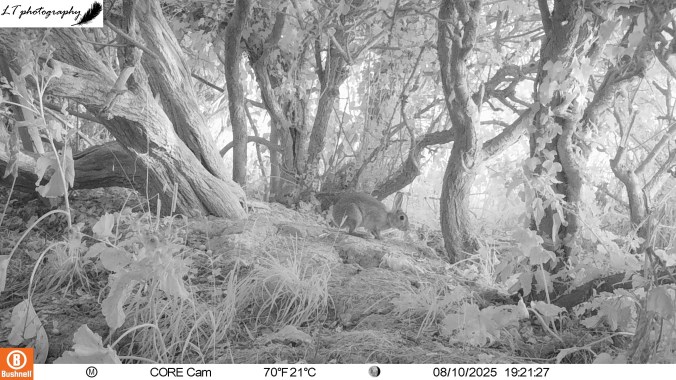
Habitat varied from various sized areas of woodland and semi-improved grassland to water meadows and wildflower meadows, with sites chosen based on the presence of animal activity, such as holes dug or animal tracks, or clearings within more dense habitat. No set pattern was followed for moving the camera traps between sites, other than the majority of the time maintaining a week between moves, and some sites were visited more than once over the spring and summer.
So what did I find?
Species
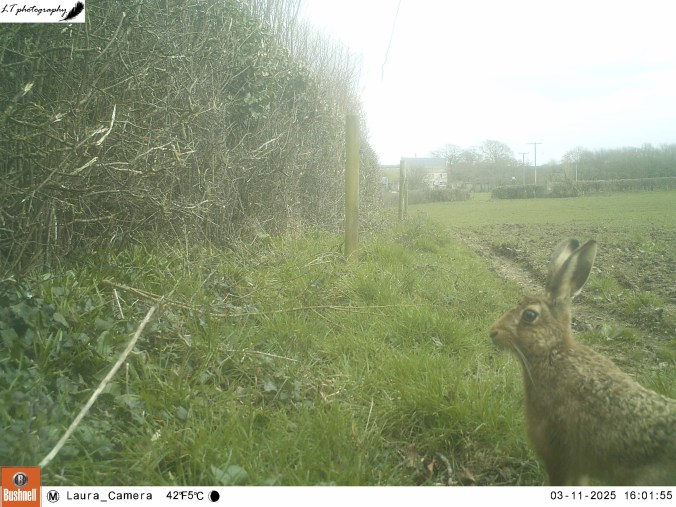
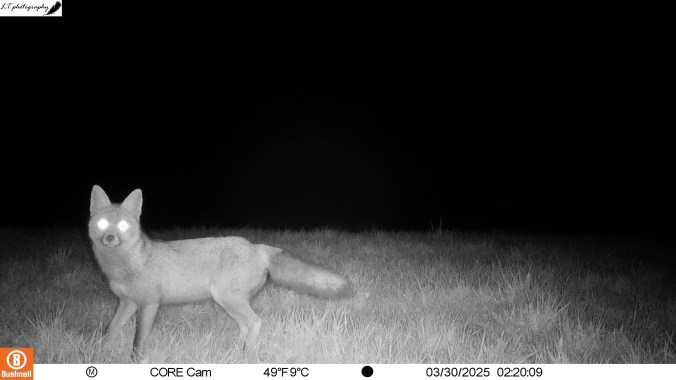
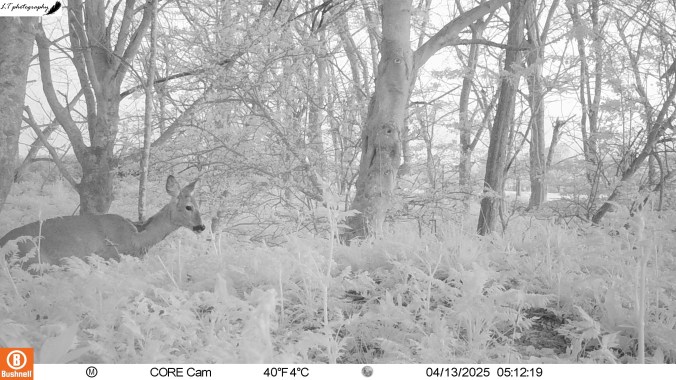
This year I captured 18 different species of wild animal on my camera traps in my local area. Of these species, 9 were birds (red-legged partridge, pheasant, magpie, woodpigeon, sparrowhawk, robin, blackbird, carrion crow, song thrush) and 9 were mammals (fox, hare, grey squirrel, muntjac deer, hedgehog, rabbit, roe deer, badger, and rat). These species were captured across the whole of the time period, but some species were seen more at certain times, such as hares or rabbits later on in the season, when the quantity of sightings of other species were reduced.
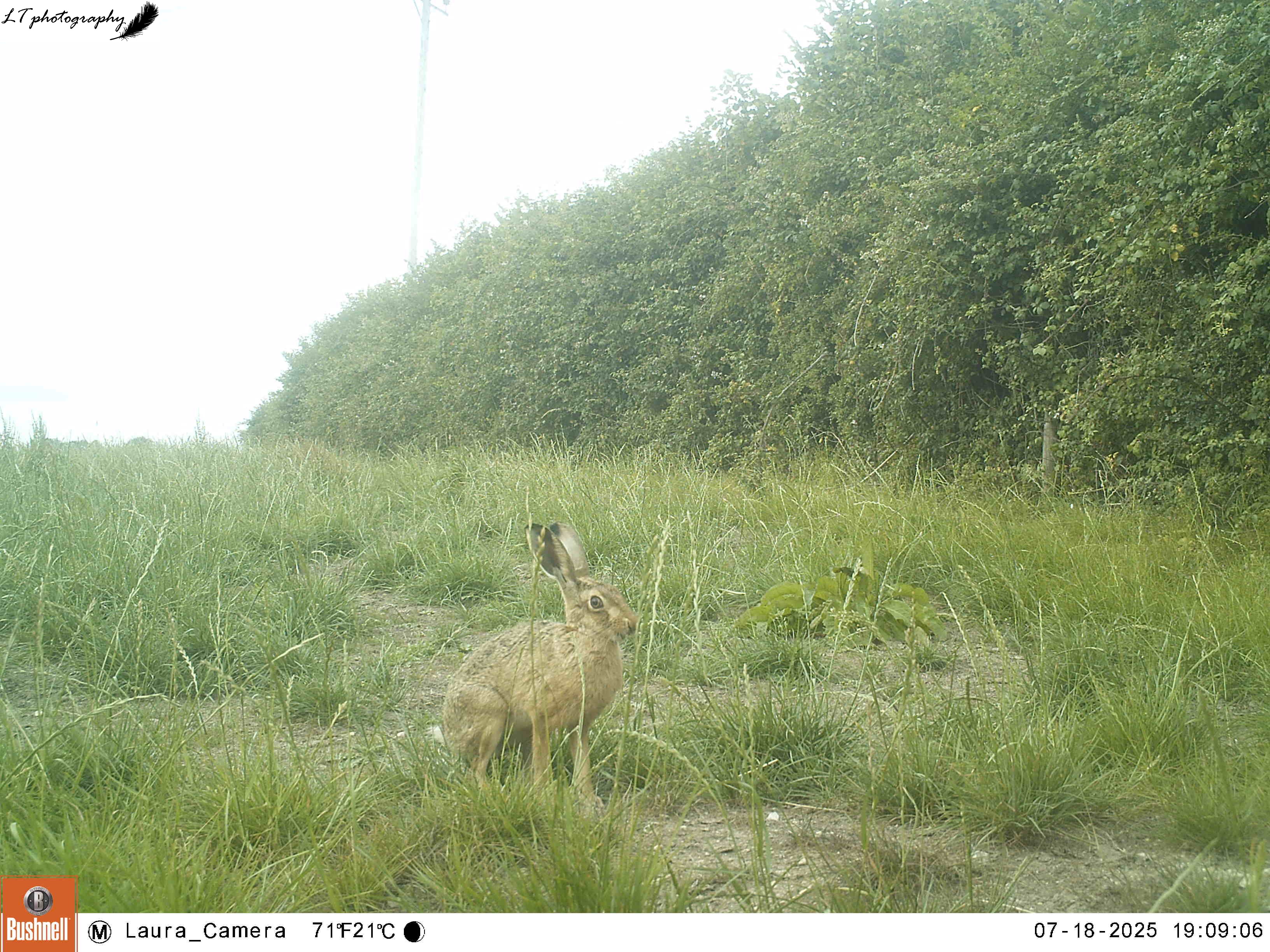
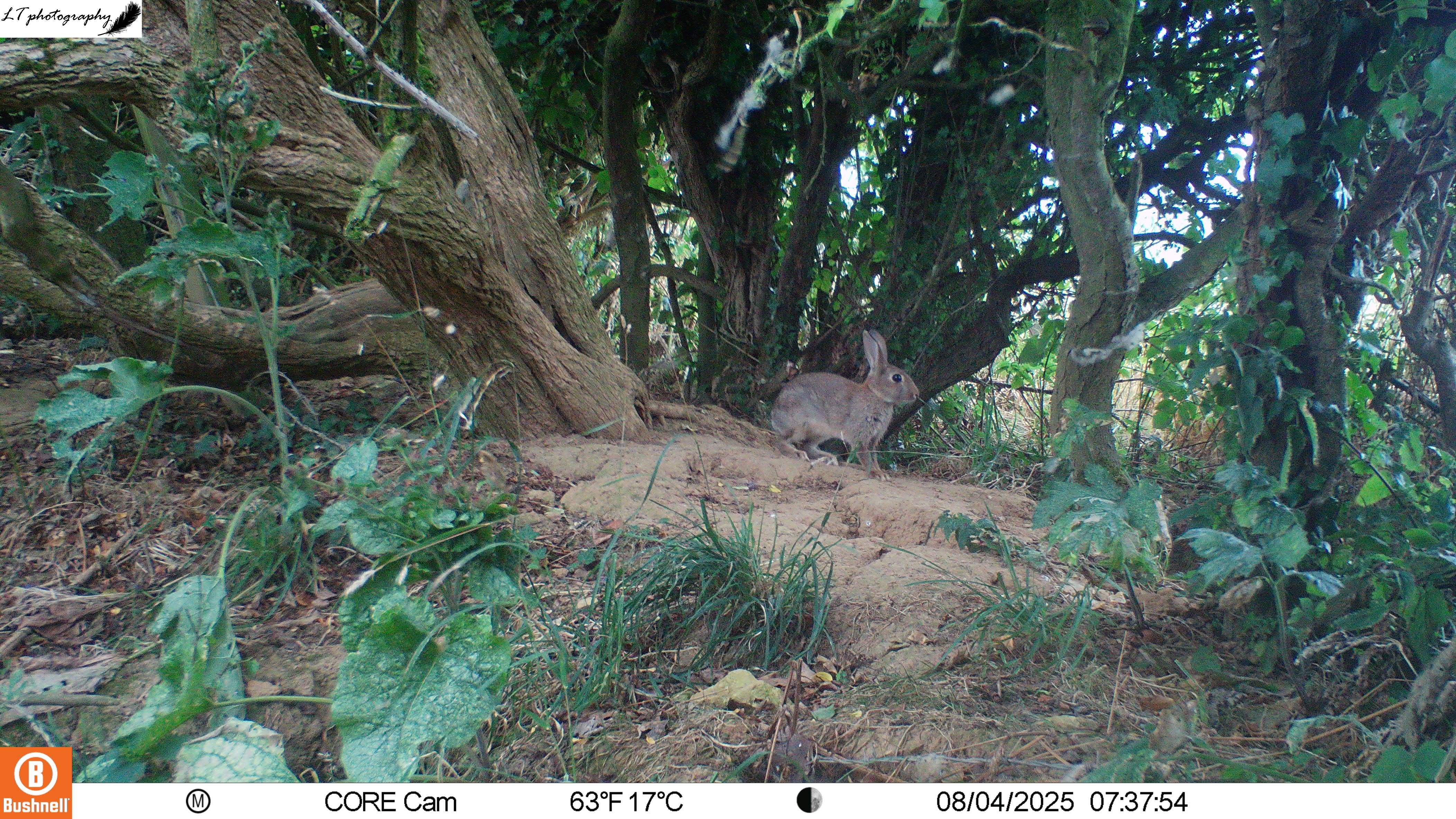
Pheasants and red-legged partridges were seen across the whole of the farm, between 1 and 30 times at different sites, due to the high numbers of these species being present because of game shoot releases at the start of every autumn in my local area. Other widespread species were woodpigeons, grey squirrels, and roe deer, which all tend to be highly abundant species in my local area, as seen.
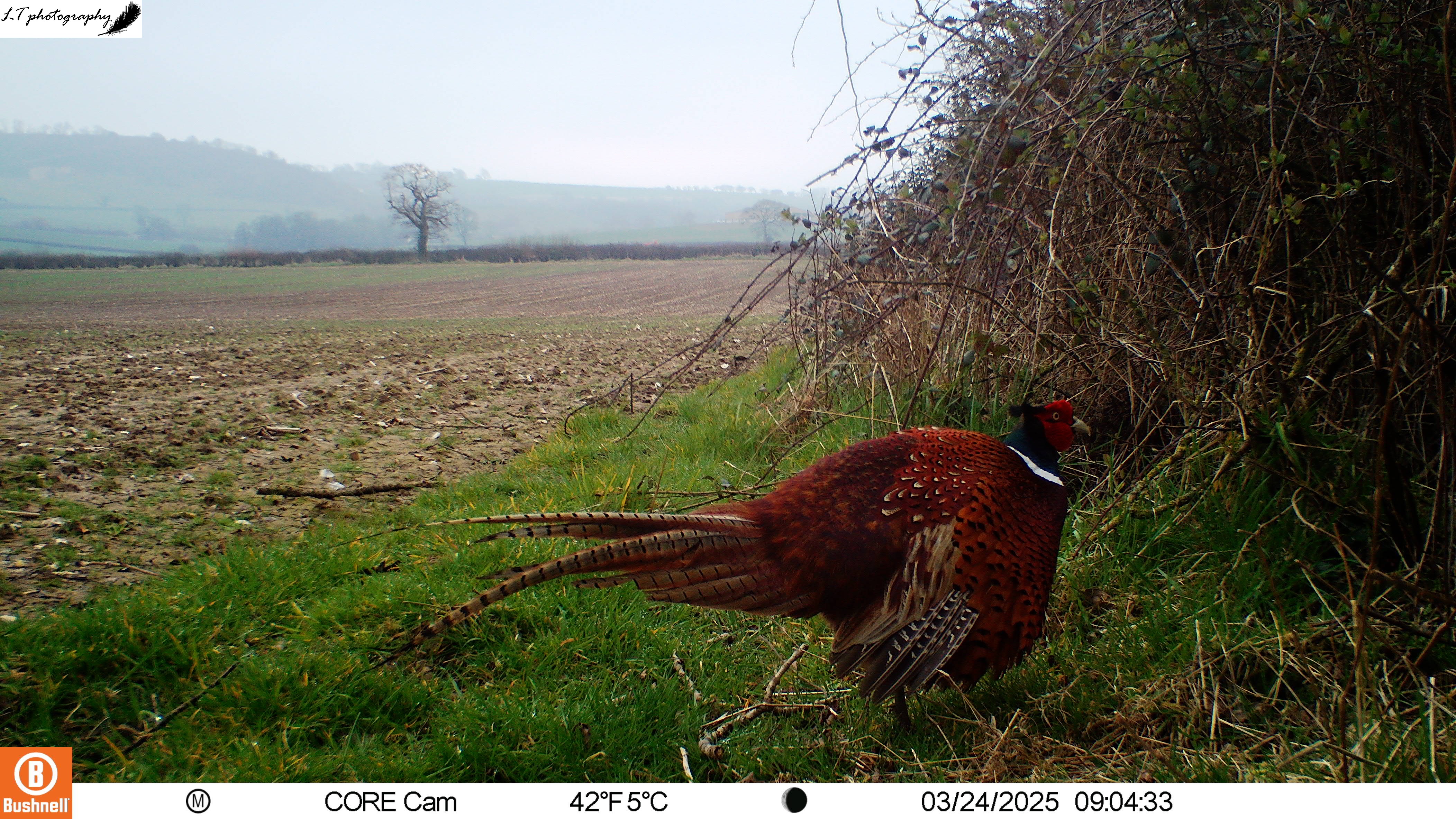
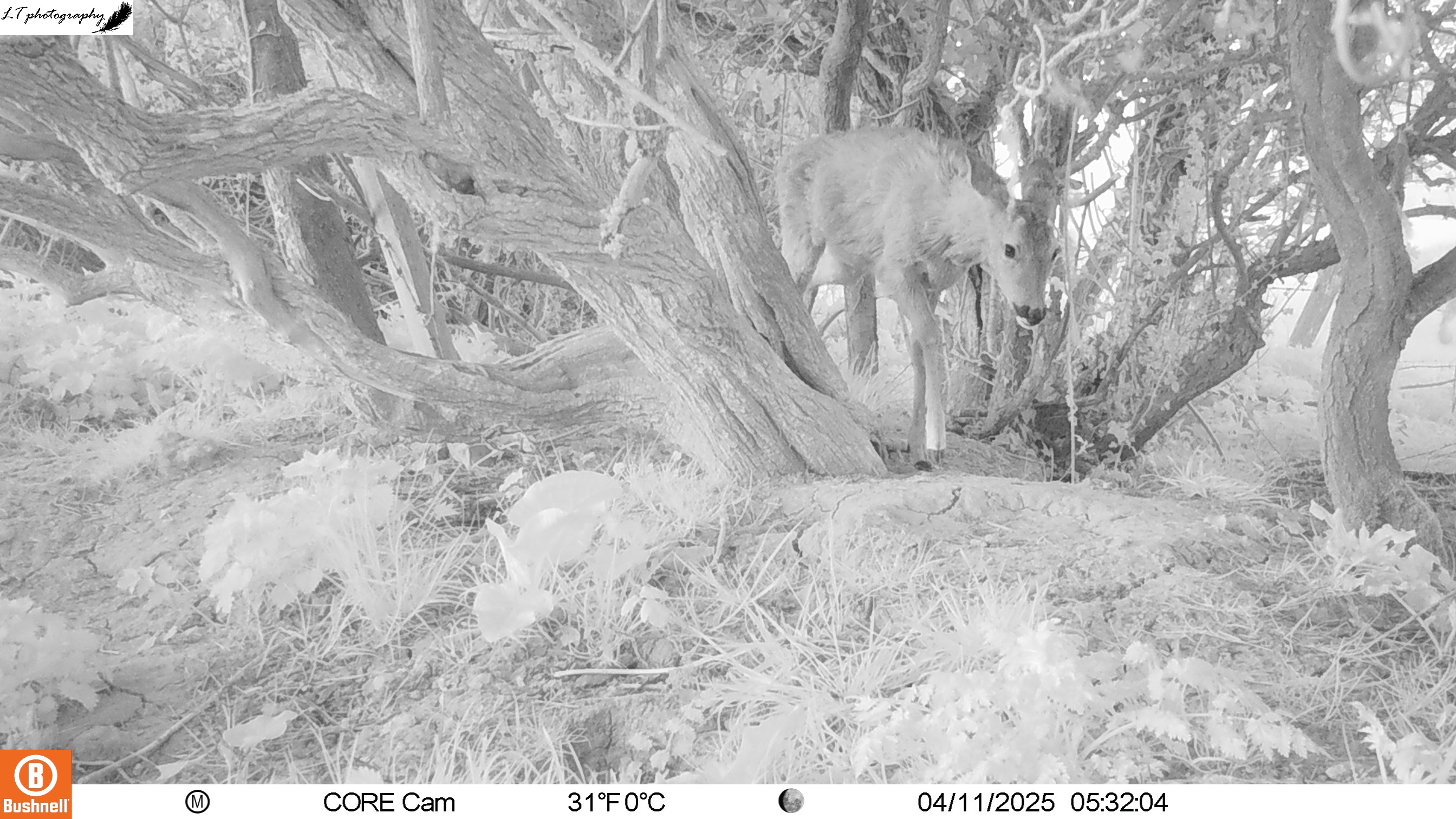
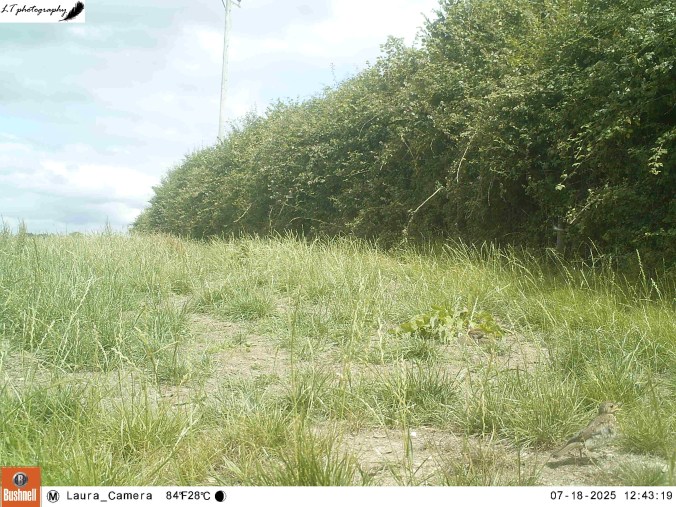
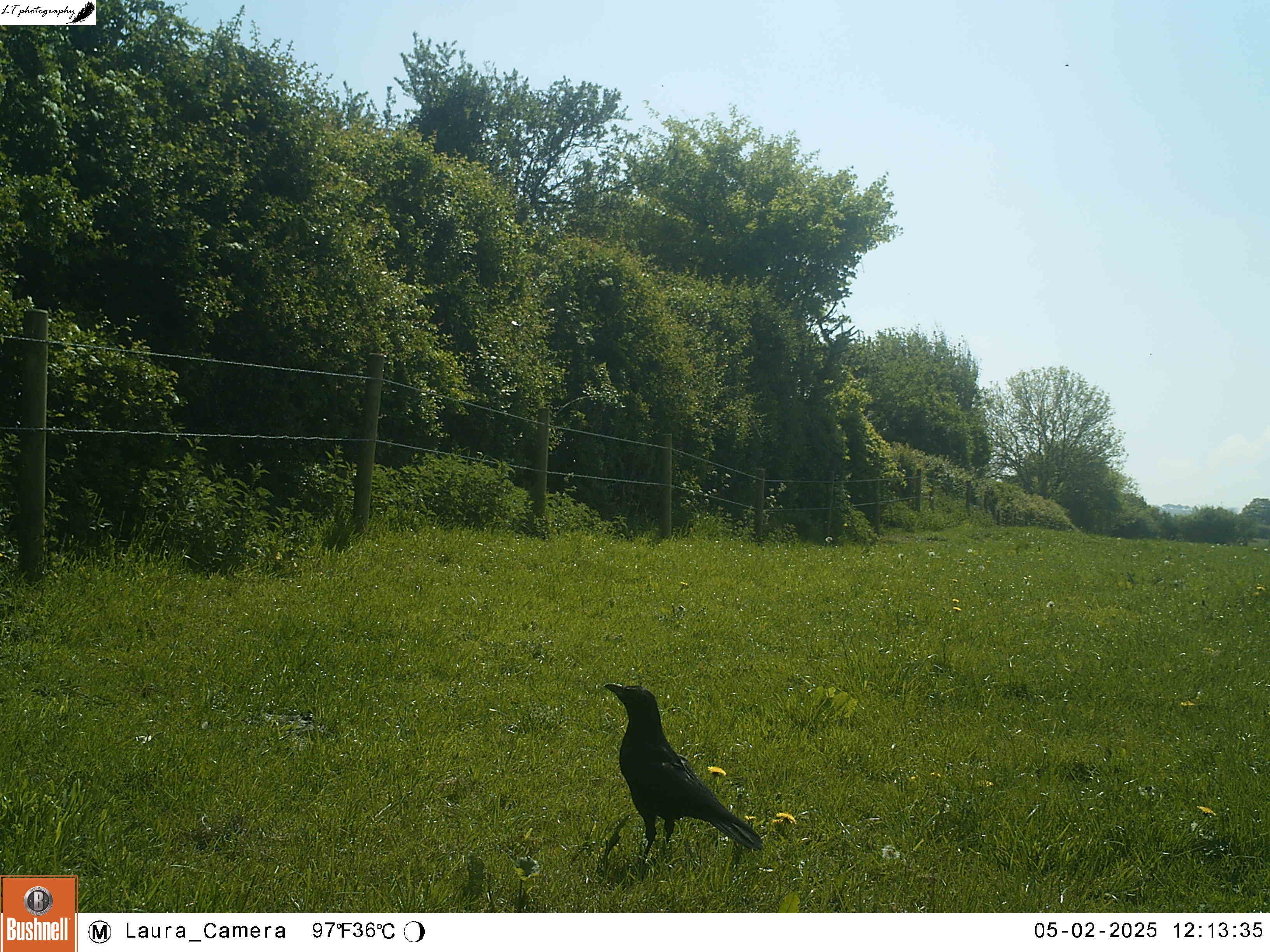
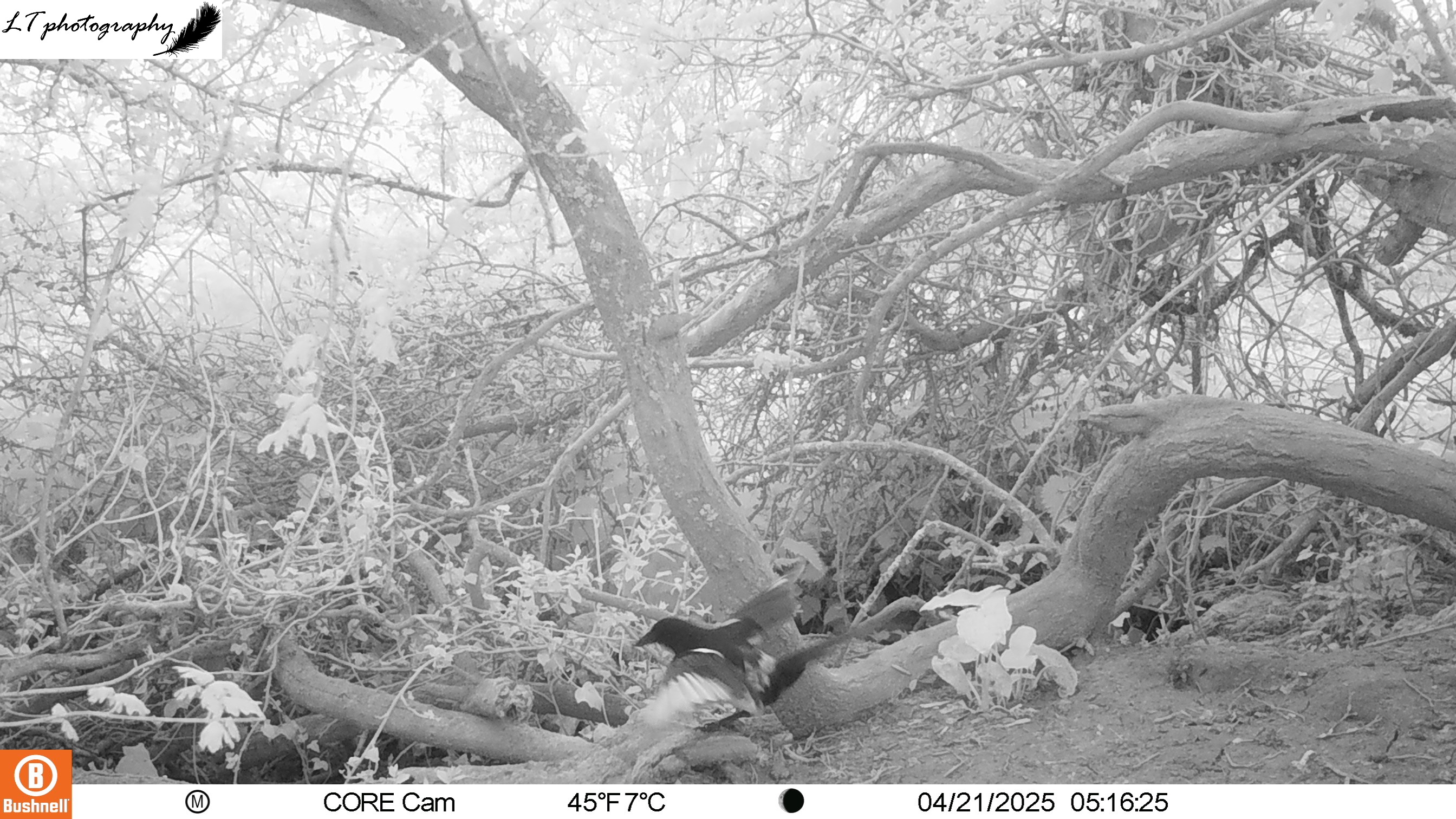
Alongside typical camera trap species, I got to capture some more unsual sightings from my camera traps. On one wildlife motorway, I observed a muntjac deer passing through, which has happened in previous years, but is not as widespread an occurance on our farm. I also captured a sparrowhawk flying along a hedgerow hunting at the edge of a field, and had other chance bird encounters in the form of blackbirds, robins and carrion crows separately hopping around badger setts, song thrushes in the gateway of a field, and magpies out in different open spaces.
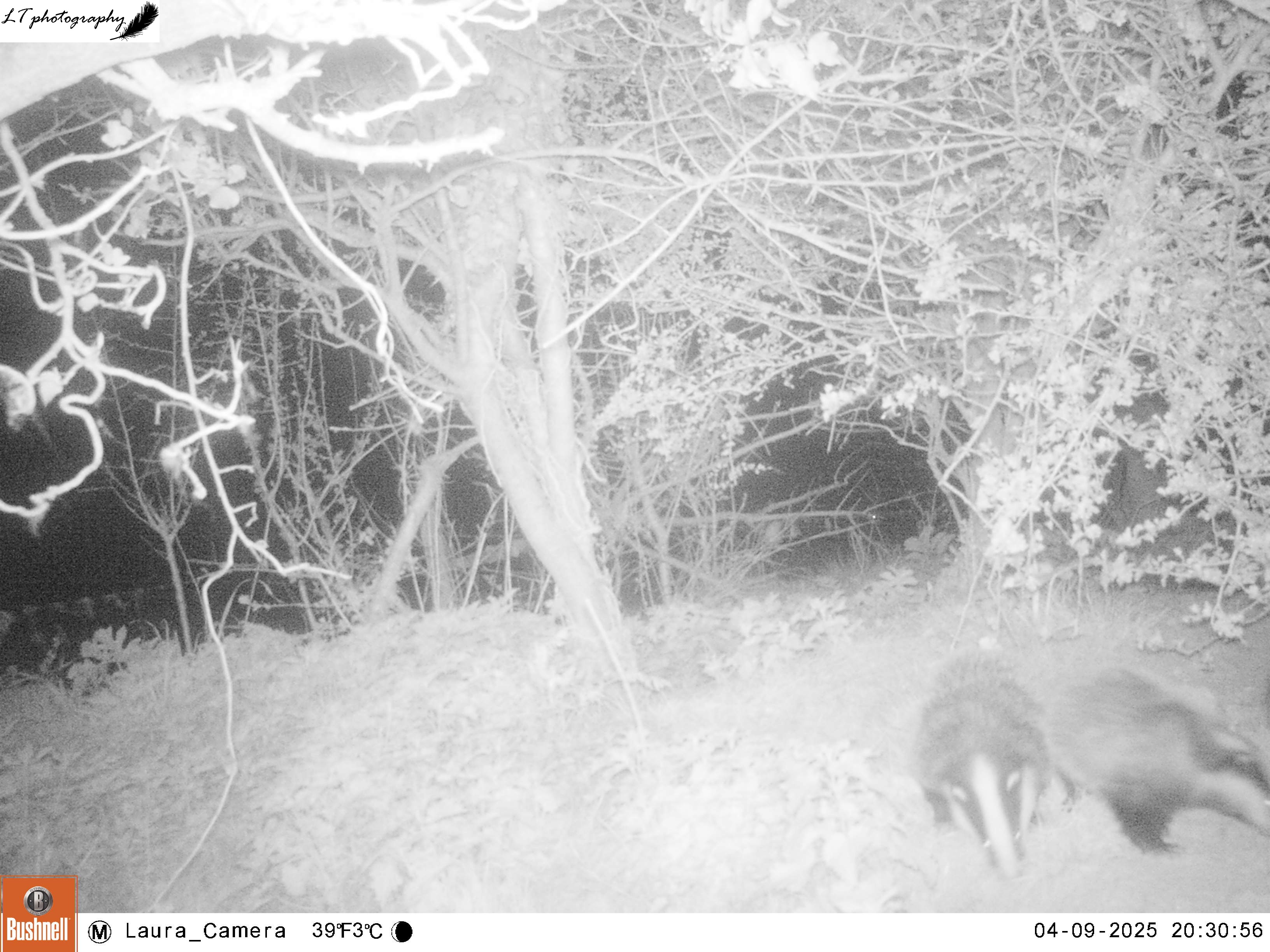
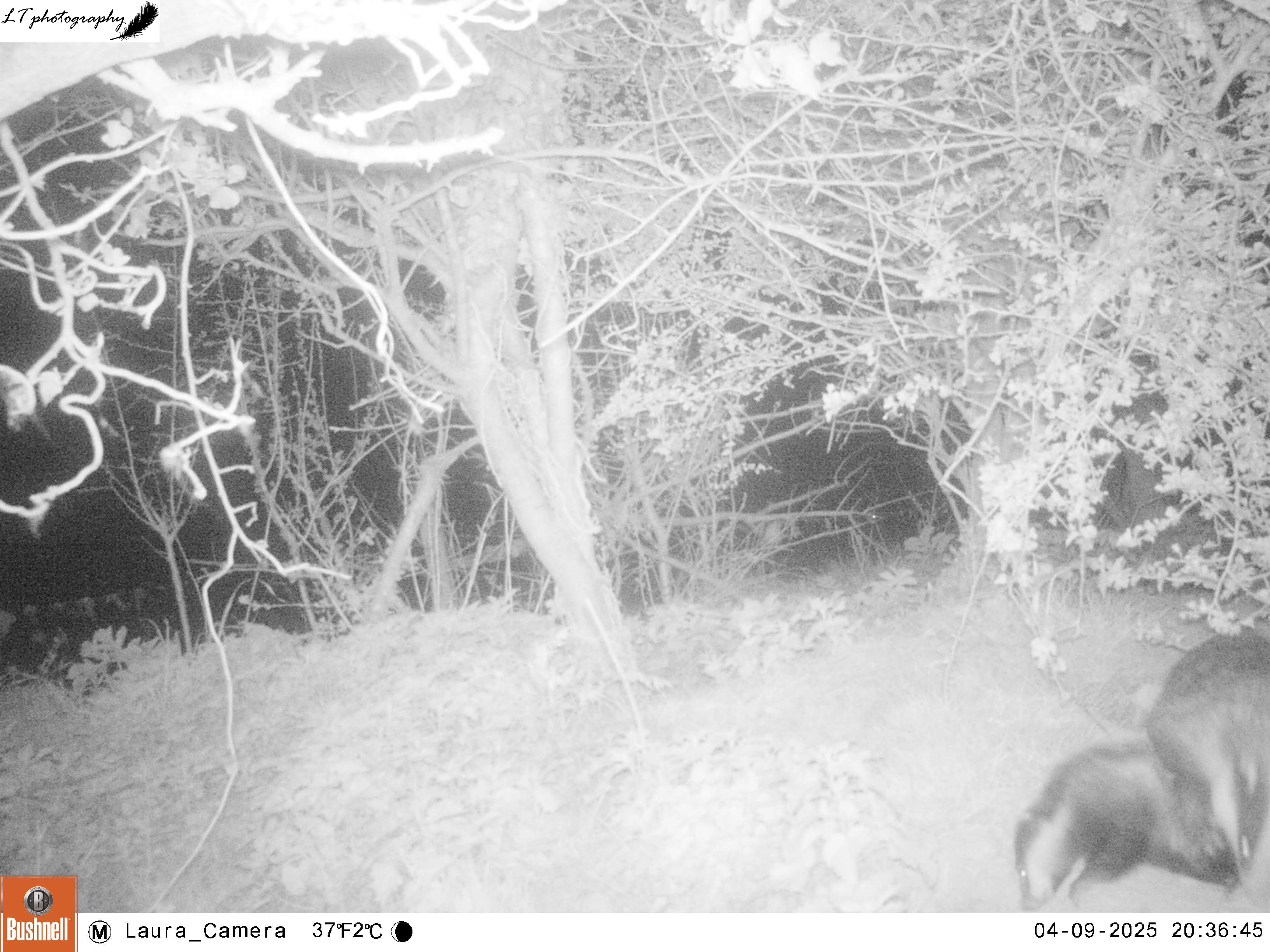
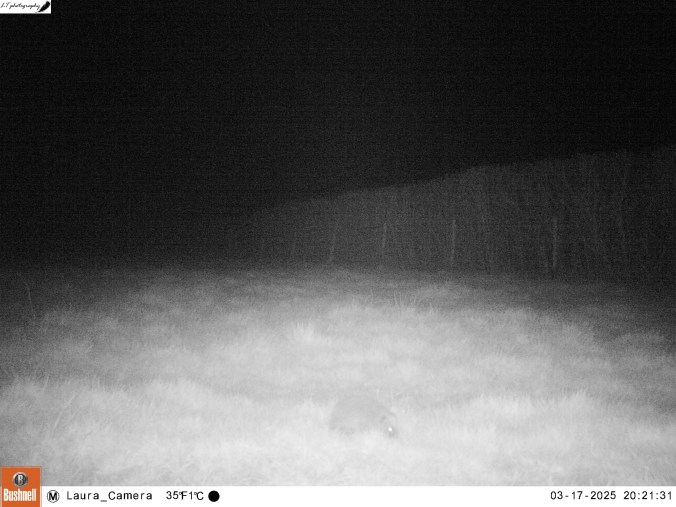
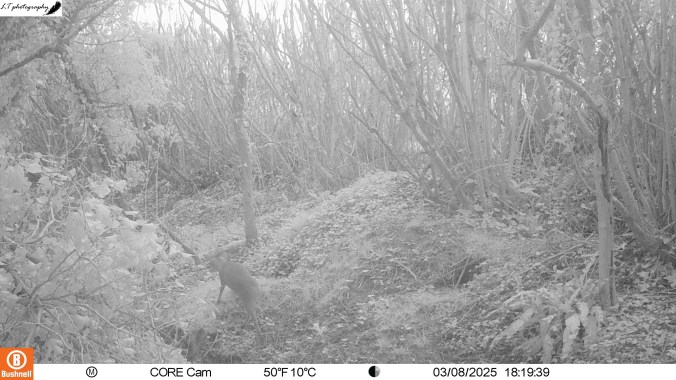
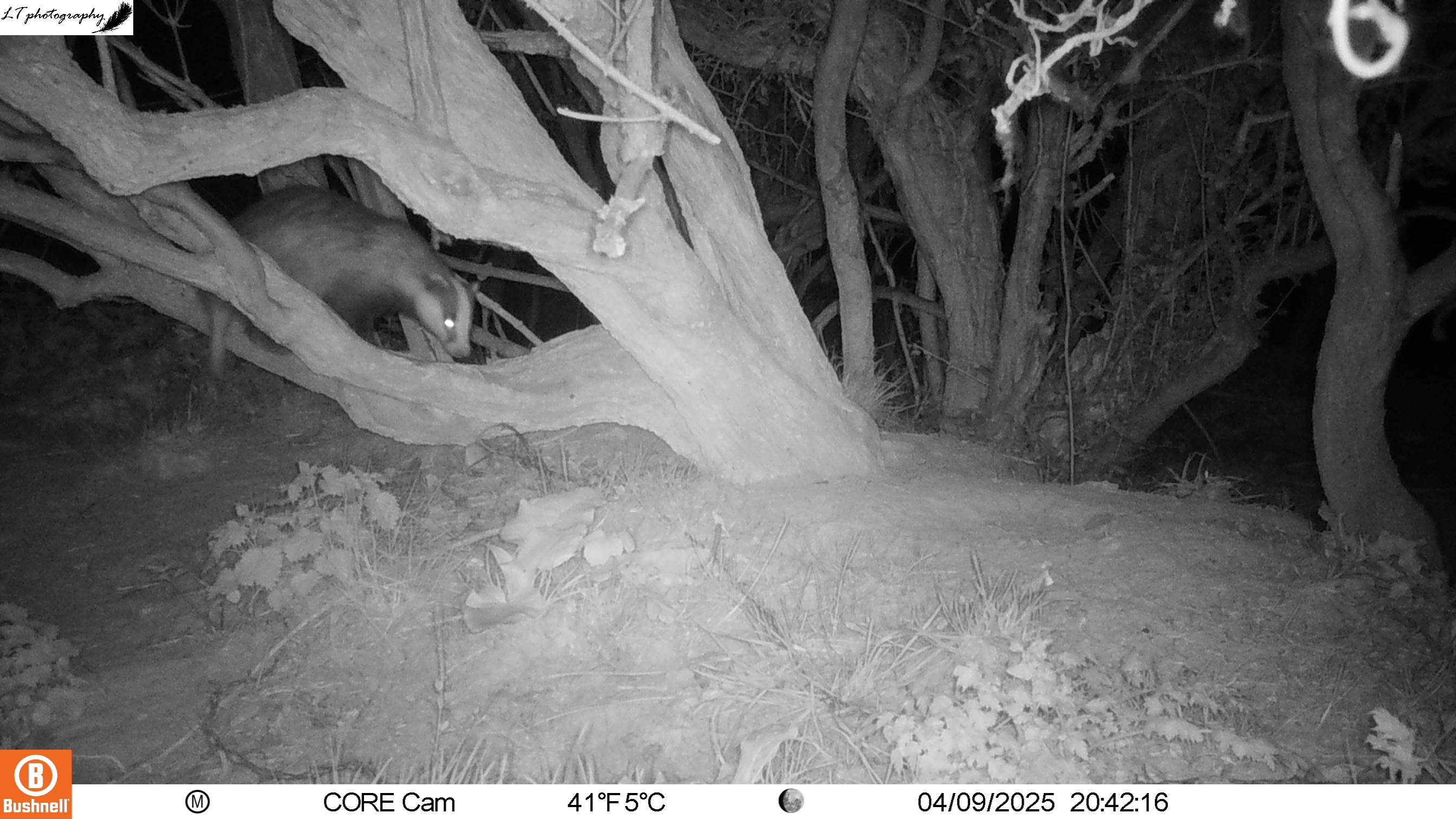
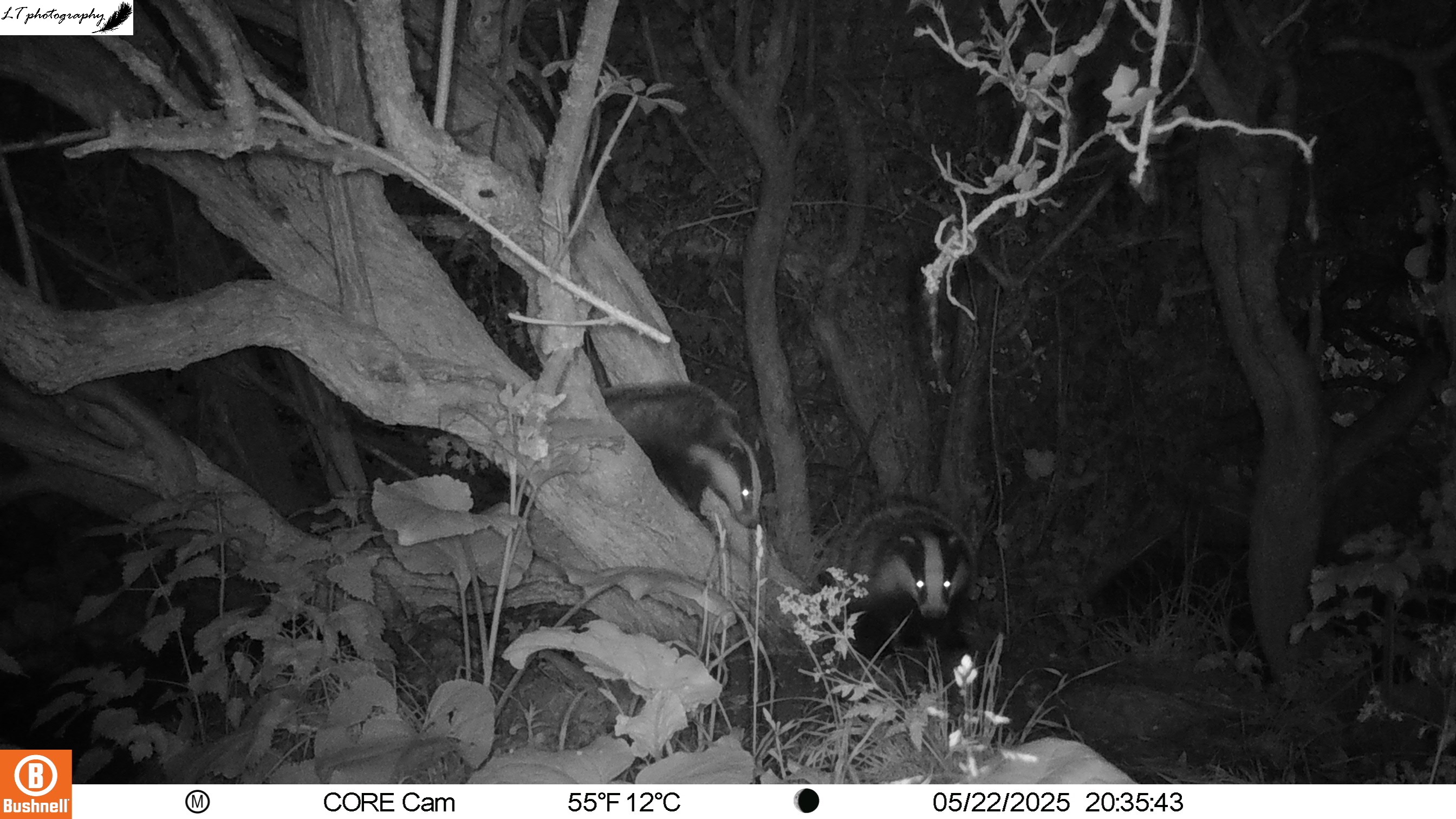
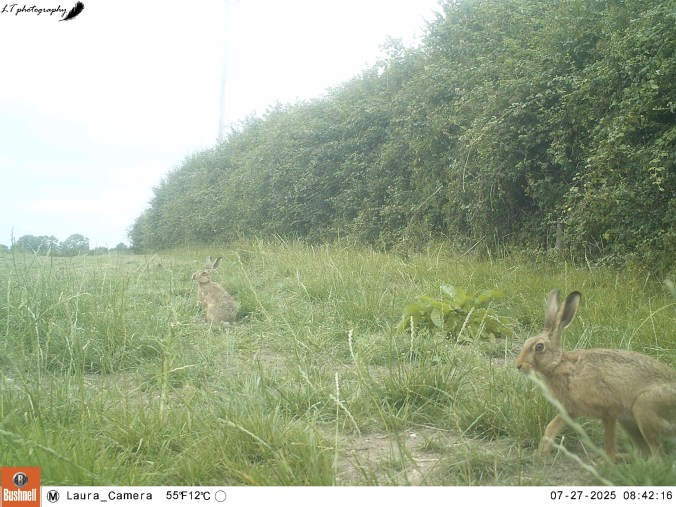
My camera traps caught as well the hidden lives of some iconic mammal species. Badgers were mainly found at 3 sett locations, loafing around, socialising and raising their young, but could also be found passing through fields on their travels. Hedgehogs made an appearance once again, being captured in a paddock close to the farm buldings every night. An increasing icon though, was the brown hare. Hares were captured at nearly all field sites, from water meadows and wildflower meadows, to crops and more intensive grazed grassland. In one extended 15 day period in July, in a field entrance, hares were even captured on 82 separate occasions!
My ultimate favourite species of camera trapping in 2025 though, was the fox. Check out my next blog post to find why!
Habitat
The most successful and species diverse sites were 2 different field edges with hedgerows, the 3 established setts, and a semi-improved field left to grow long. I never quite know how camera trapping will go, but it has shown that a diversity of habitats is important for a diversity of wildlife. It has paid off to also try out some different habitats and sites each year, and not just stick to the same favourites, as you never know what you may find!
Highlights
Muntjac on a Motorway
Partridges Dust Bathing
Badgers Climbing Trees
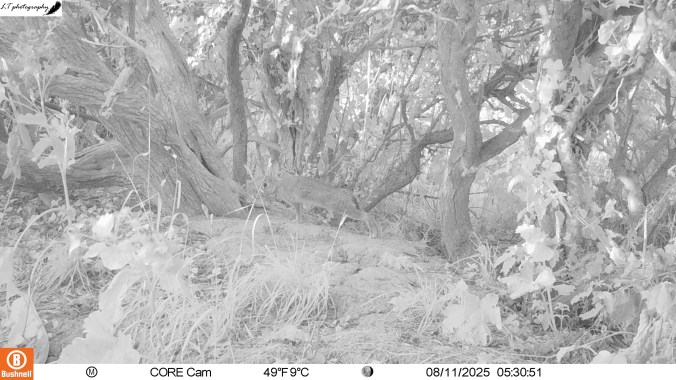
Secret Lives of Rabbits
Socialising Hares
Badger Family Dynamics