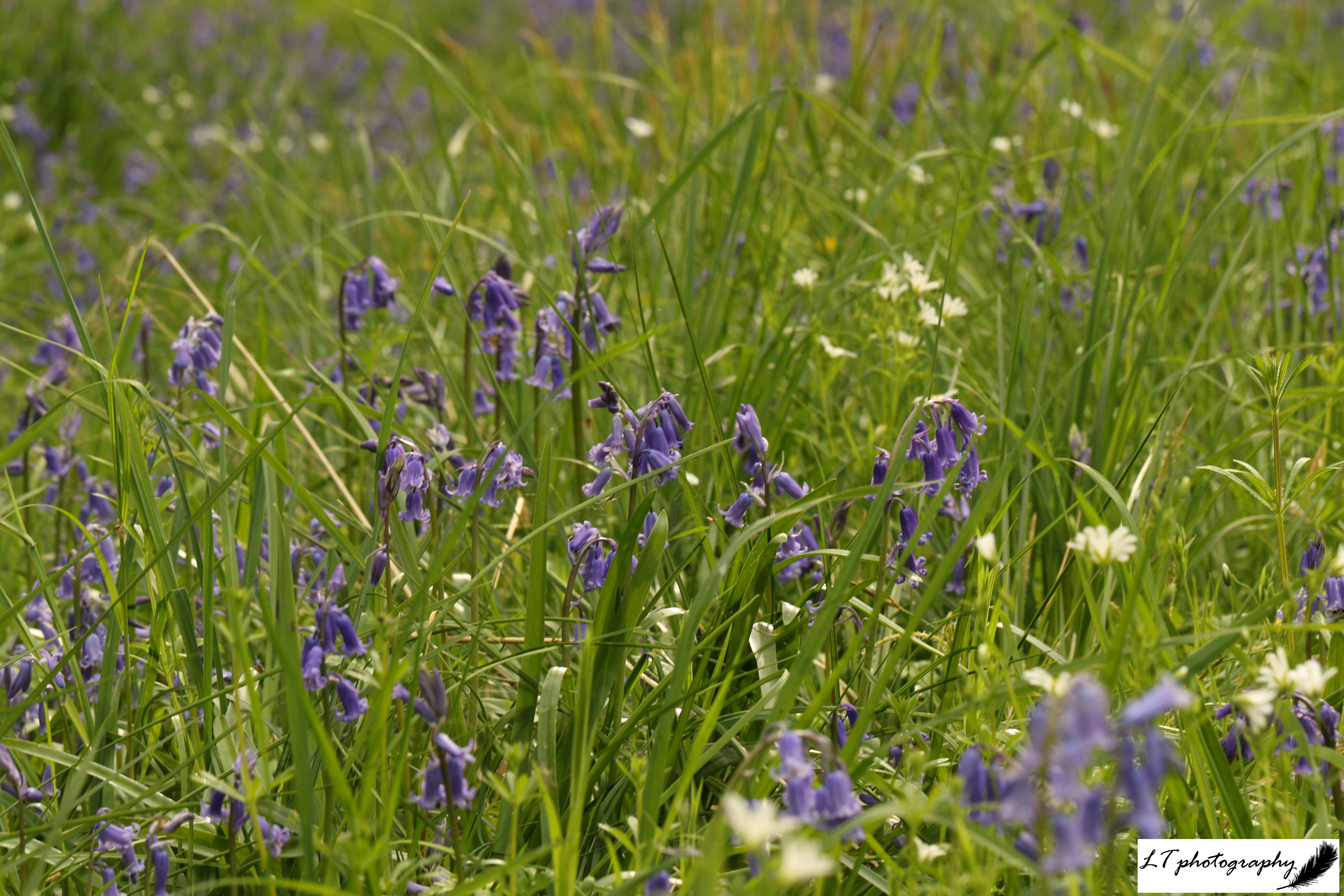
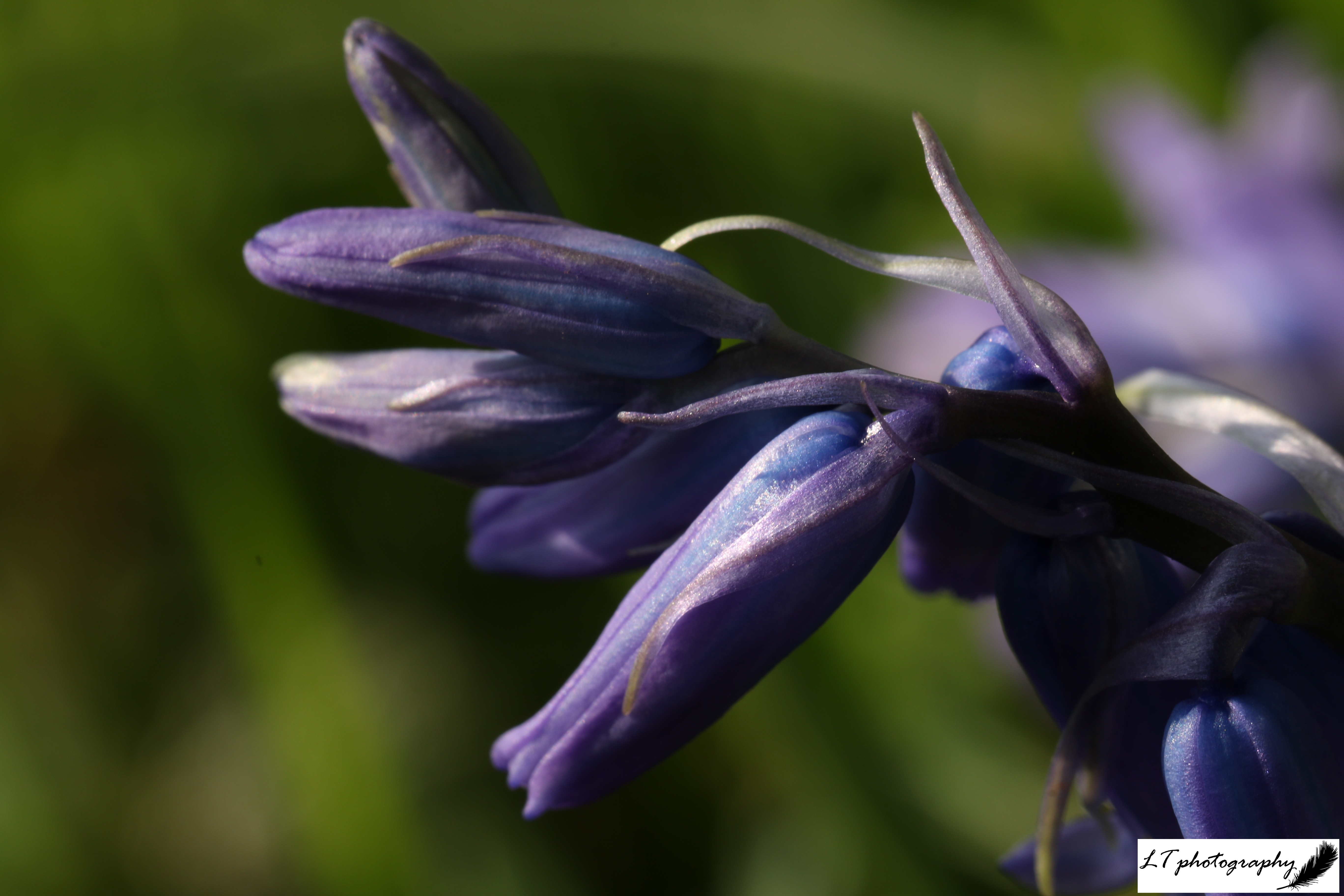
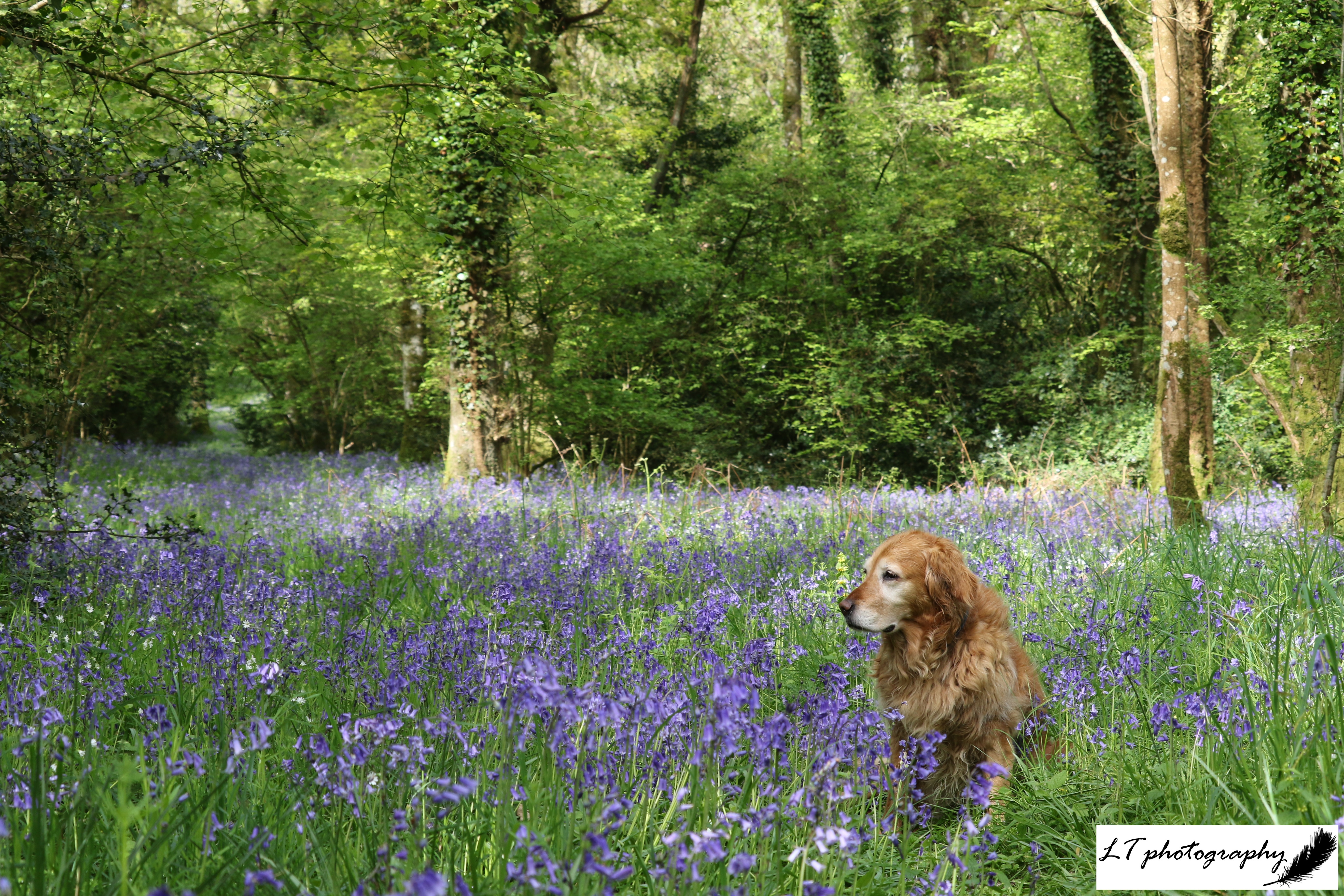
‘When you go down to the woods today, you’re sure of a big surprise’, and in late April to early May, this surprise comes in the form of a fantastic mass event! During this time, our woodlands are blanketed with a sweeping carpet of colour; a rich mass of violet-blue, made up of thousands of nodding heads. This popular spring spectacle is a heady treat for the senses, epitomising the beauty of British springtime. This is not all that our woodlands have to offer at this time though, with the Bluebells making us overlook some humbler stars of the show.
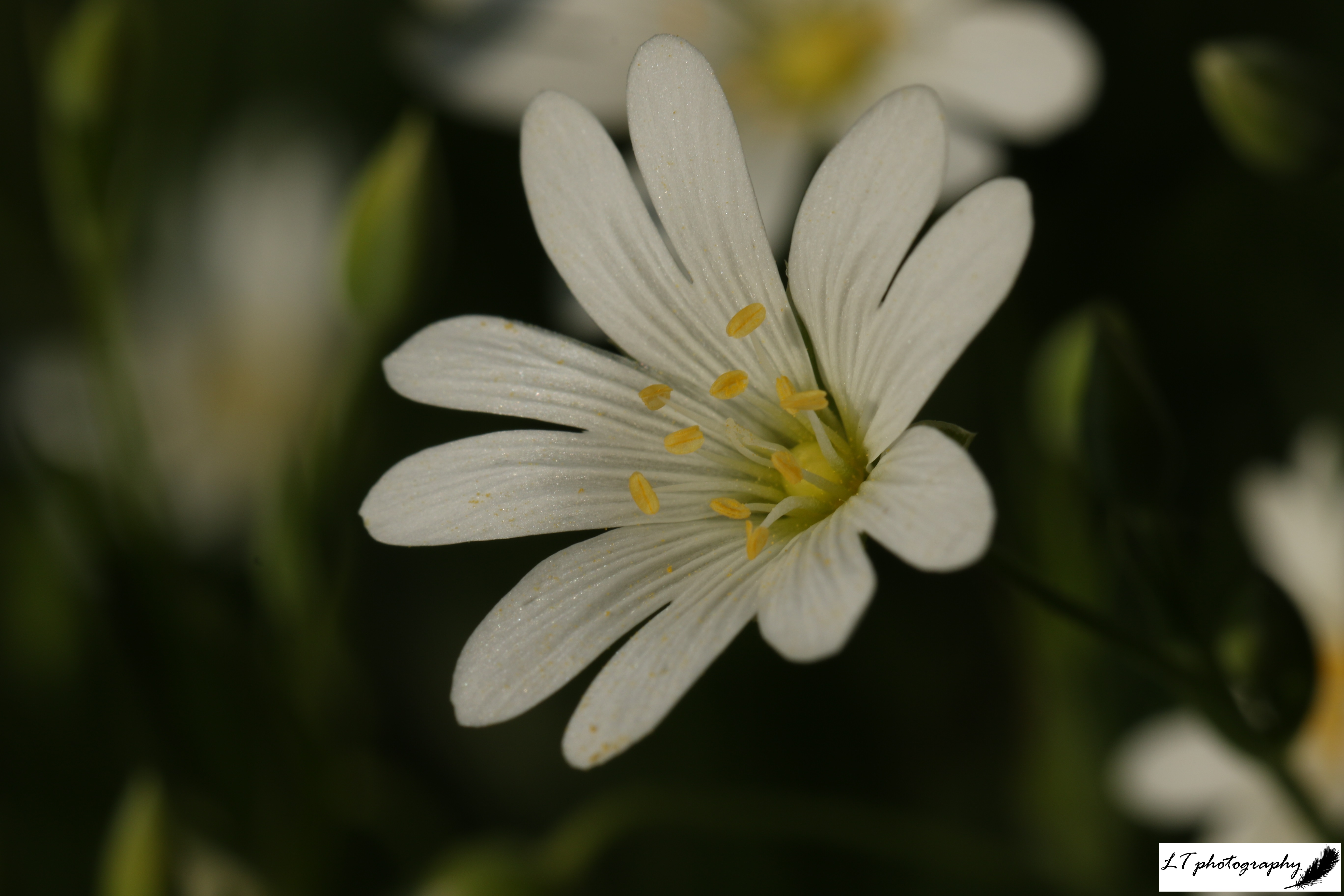
So when walking through the Bluebells, why not stop and look around you for a moment. ‘Daddy’s-shirt-buttons’ or Greater Stitchwort can be found dotted throughout the woodland carpet, white star-shaped flowers on slender stems. In thicker patches of green, clusters of green-centred stars can also be found on sturdy stems, their pungent scent giving them away as the flowers of Wild Garlic. These are joined closer to the ground by the white-cupped faces of the Wood Anemone, heads turned to the sun, merging into the galaxy of colour.
The palette is added to by splashes of pink and yellow. Shining yellow stars of Lesser Celandine float above heart-shaped leaves. The green-spiked Yellow Archangel, like a nettle, adorned with rings of butter-yellow flowers, each with their own hood. You can also find Early Purple Orchids beneath the trees, pink spikes growing from purple-splattered green leaves. Closer to the ground, the glittering pink faces of Herb Robert add to the show.
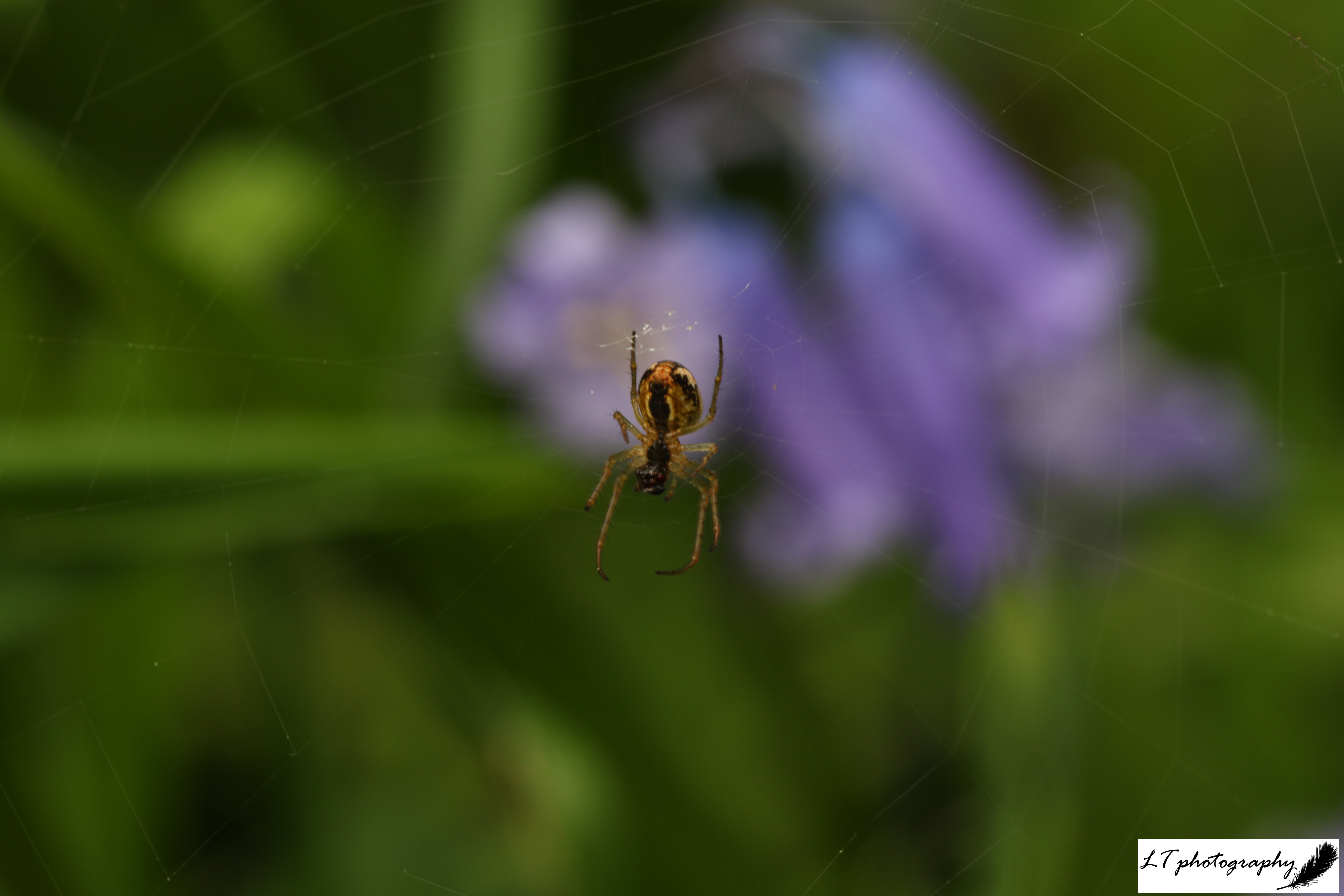
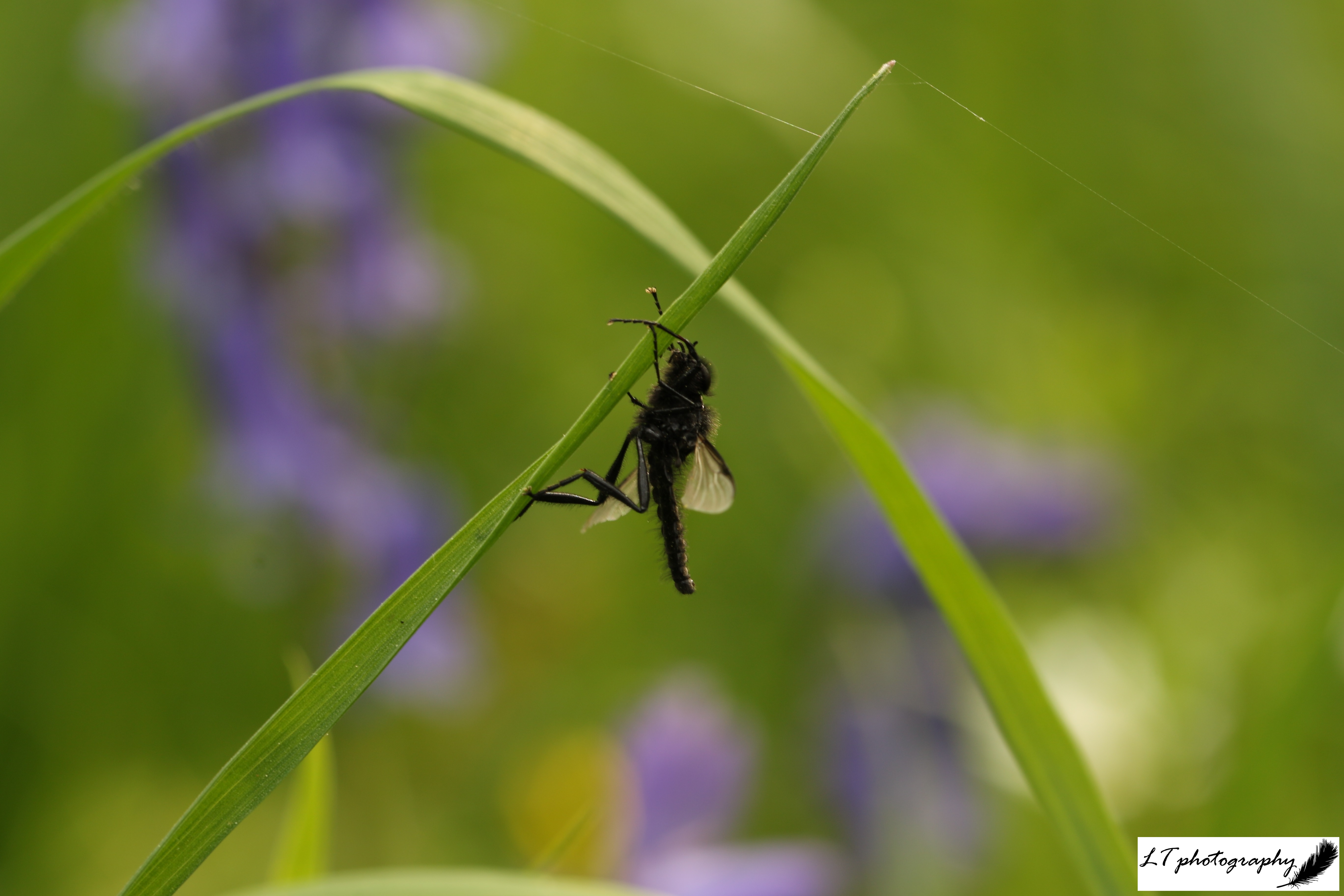
Amongst the Bluebells, there is not just a colourful backdrop of flowers to be found, but a hidden world to be discovered. Down at Bluebell level, the woodland floor comes alive. Spiders spin webs from Bluebell to Bluebell hoping to catch a meal, whilst Bumblebees fly from flower to flower collecting nectar and pollen for their colonies. They are joined by a fantastic array of flies, varying in size, shape, and colour.
If you take an even closer look at the flowers, you might even find some more hidden characters that capture your mind and inspire your imagination. Camouflaged spiders, weird and wonderful weevils, colourful shield bugs, fascinating beetles, and even patchwork snails are waiting to be found. Minibeasts and their tiny worlds can create a sense of calm and simple joy, an easy example being a graceful Butterfly gently flitting by through dappled spring sunshine.
Walking through the Bluebells is a wonderful visual experience, but if you open your ears, then another world can also be added to this. The fluting notes of the Song Thrush, the onomatopoeic song of the Chiffchaff, the melodic Robin, or the powerful trilling song of the Wren. All flow together to create a symphony of bird song, a soundtrack fit for the spectacle that is the blooming of the Bluebells.
‘When you go down to the woods today, you’re sure of a big surprise’, and in spring this might just be bigger than you expect. Next time the Bluebells are blooming, why not stop and see what you might find amongst those nodding heads.
Series in collaboration with guest writer Emma Rogan
Winter is a time when a stillness grips the landscape, activity slows, and nature slumbers. This said, if you know where to look at this time of year, life can still be found. Barn Owls hunting along rough edges at first light, chattering Starlings feeding in flocks in open spaces, or Robins fighting to defend their small territories. For birds, winter is a time when migrant visitors, such as Redwings and Fieldfare, mix with resident species, such as Greenfinches and Great-Spotted Woodpeckers. Side-by-side through cold spells and stormy showers, in cities and the countryside, these birds are staying busy to try to survive.
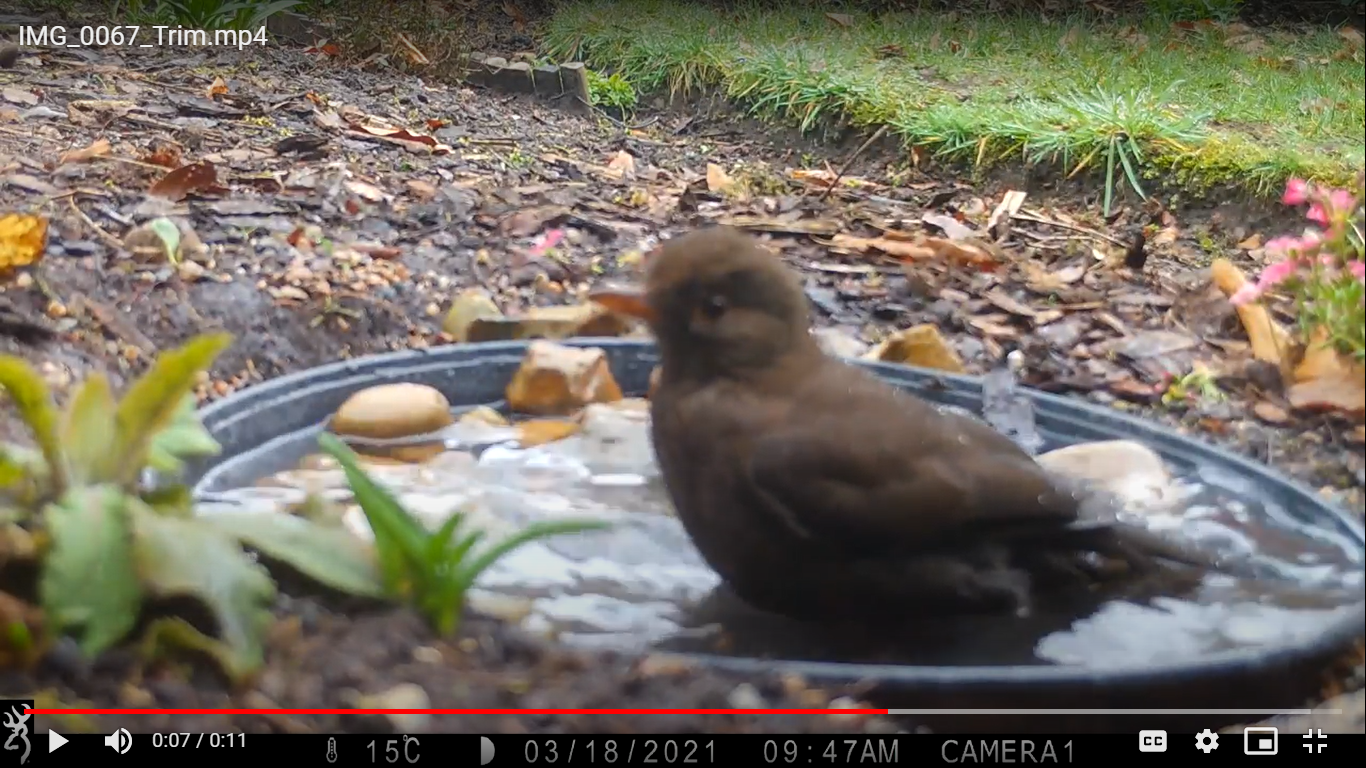
Last time in Rural vs. Urban, we explored the wildlife that live close to home and delved into their hidden lives, all through using simple camera traps. For Dorset-born naturalist Laura, camera trapping has allowed her to record and explore the species that live on her family’s 250 acre farm, opening up a world that would otherwise be overlooked. For Manchester-born wildlife enthusiast Emma, her highlights included seeing a Badger, a Hedgehog, and getting to know the frequent visitors to her garden, such as a lovely Blackbird couple. For both, camera trapping has been a great way to connect with nature, whilst acting as a form of escapism!
For this last instalment of the current Rural vs. Urban series, we are now in winter, with days of sparkling frosts, stormy skies, and low-hanging mist. Last weekend was the RSPB’s annual Big Garden Birdwatch, so for this week we explore the bird species that call our local patches home during winter. As bird species try to survive, what may differ between the challenges of a city and of a countryside landscape? Are there differences or similarities in the species seen or in their behaviour? Lets explore winter on the wing to find out!
Laura’s Rural Garden Bird Survey
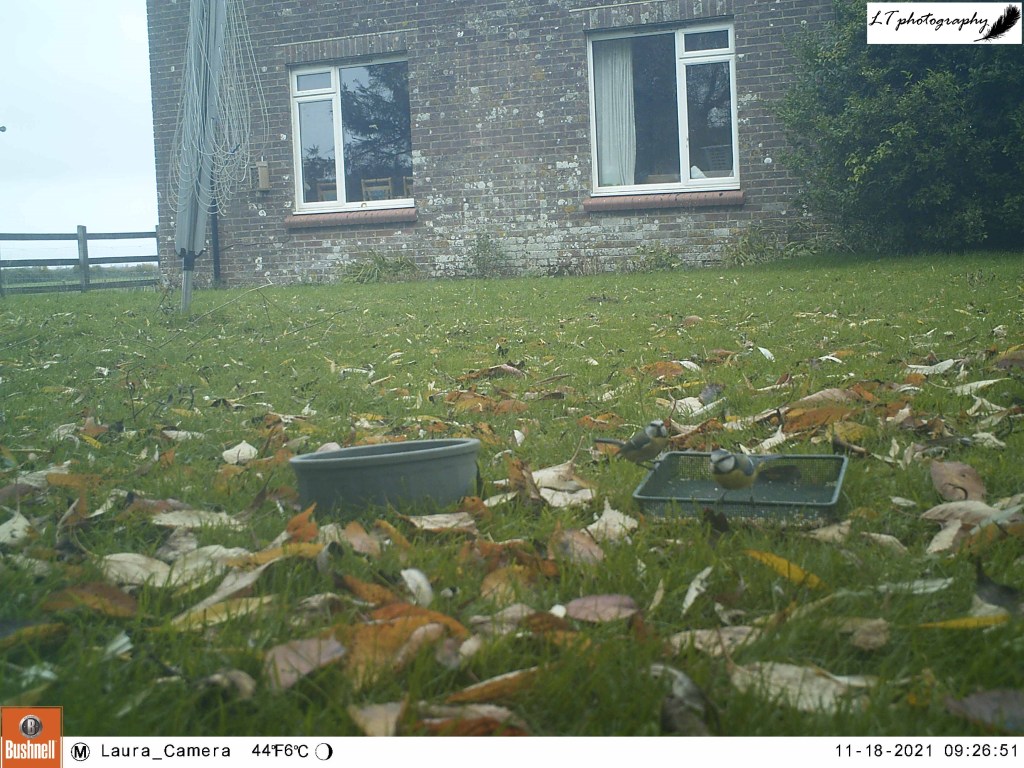
Over the last few years, I have taken part each year in the RSPB’s Big Garden Birdwatch and the BTO’s Garden BirdWatch in 2020, and have enjoyed gaining a deeper knowledge of the species that visit our garden all year round. Winter is one of the best times of year for a variety and abundance of species to be experienced in our garden, and at this time of year my parents and I often enjoy a lunchtime accompanied with birdwatching from our living room window.
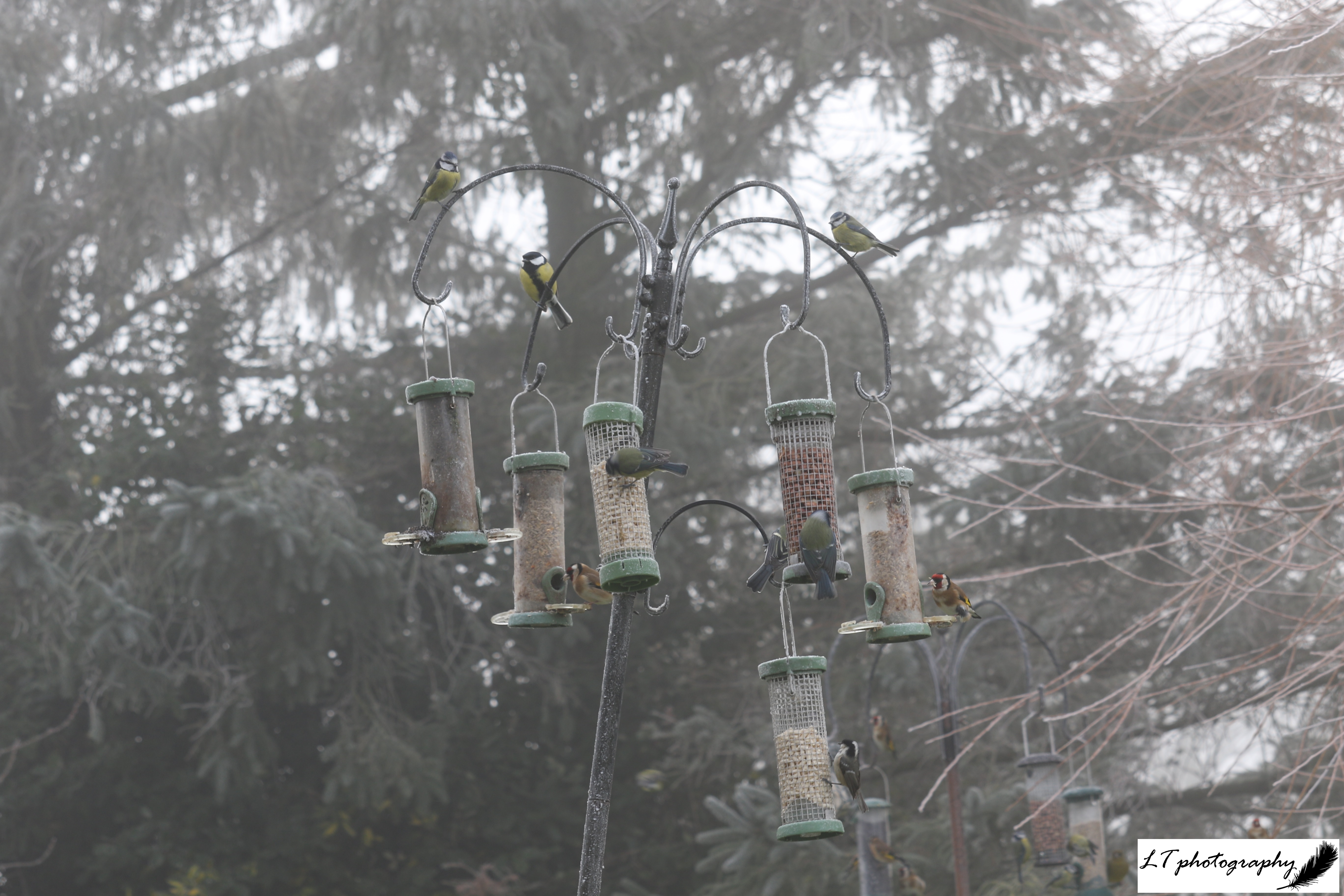
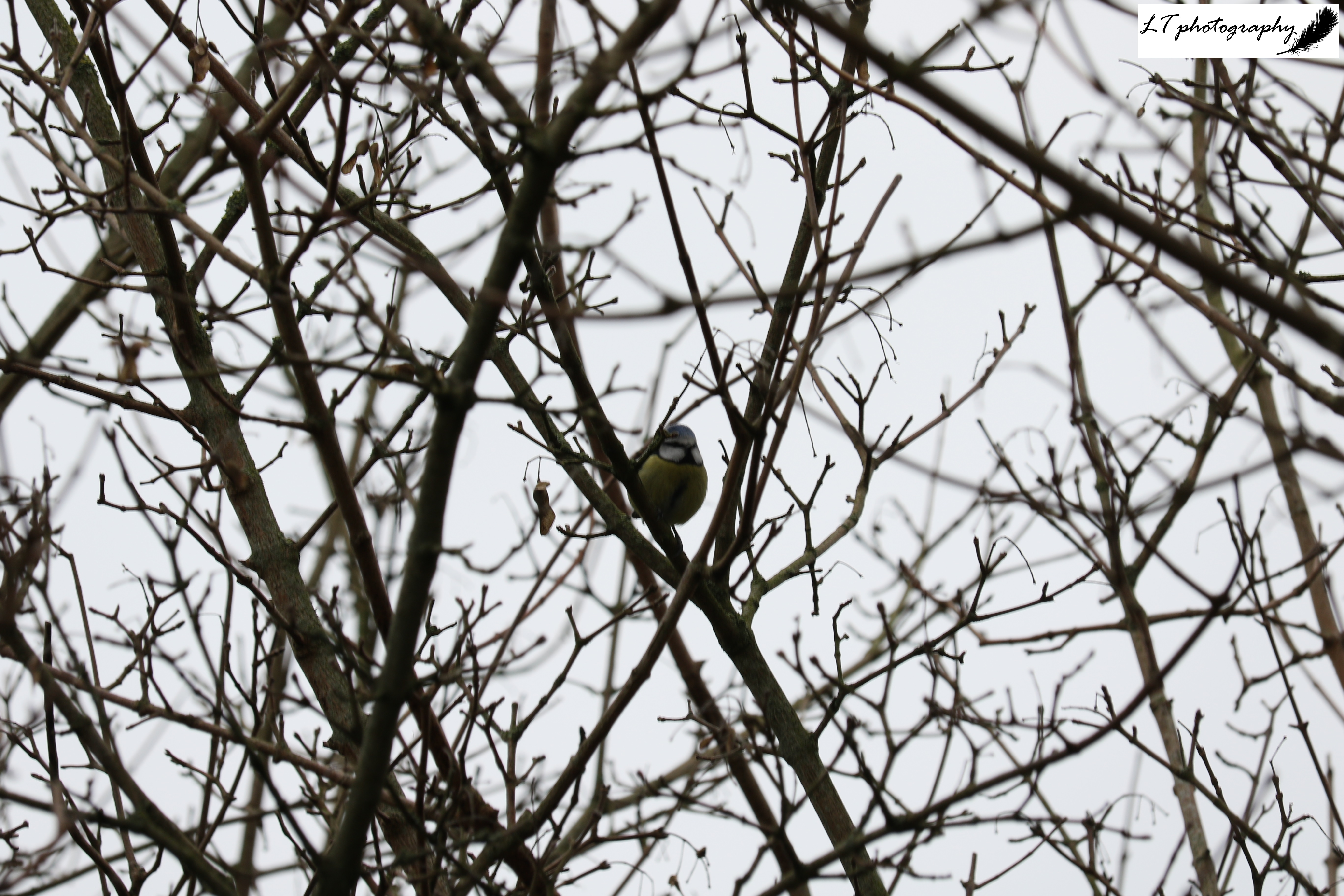
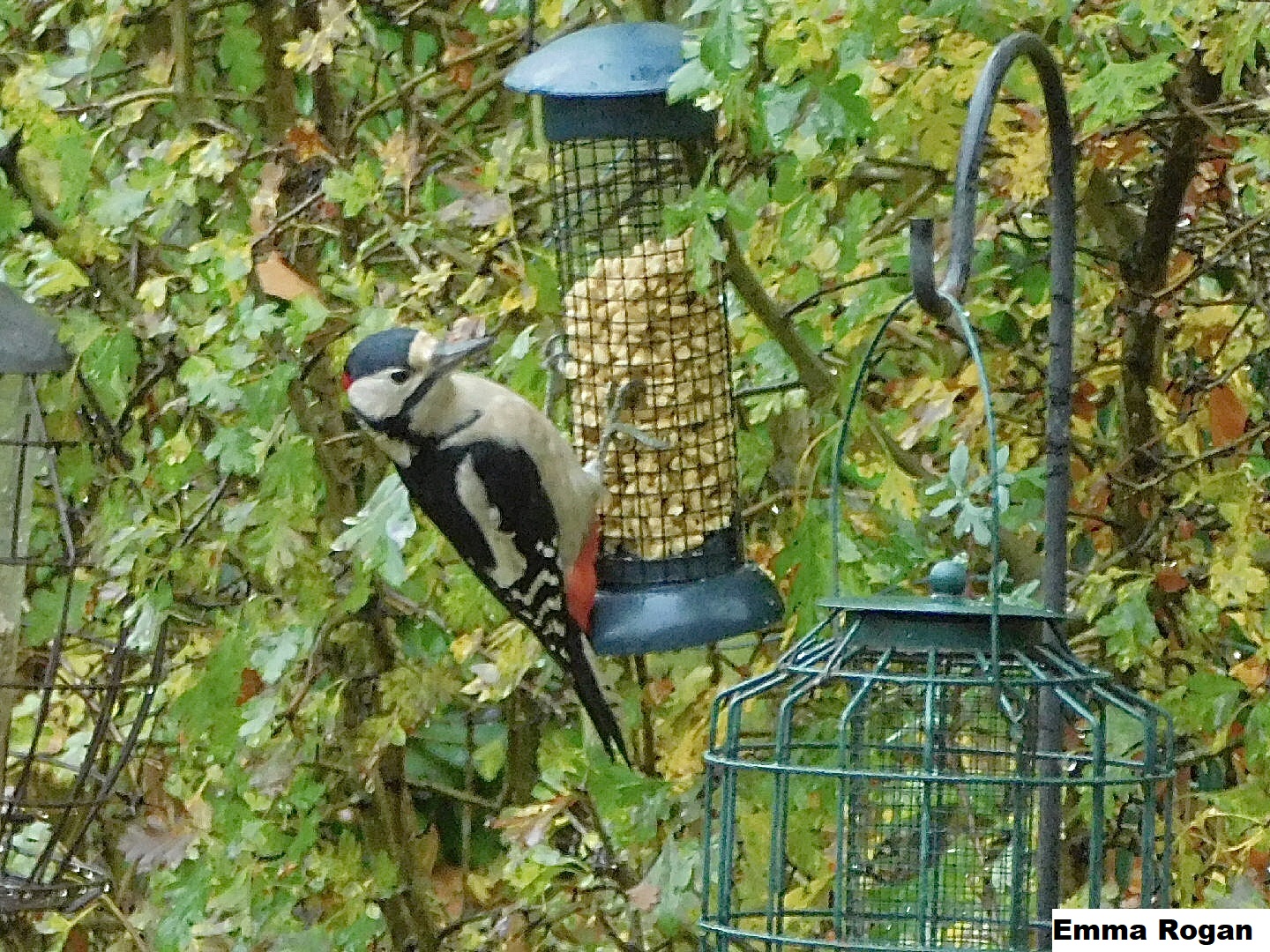
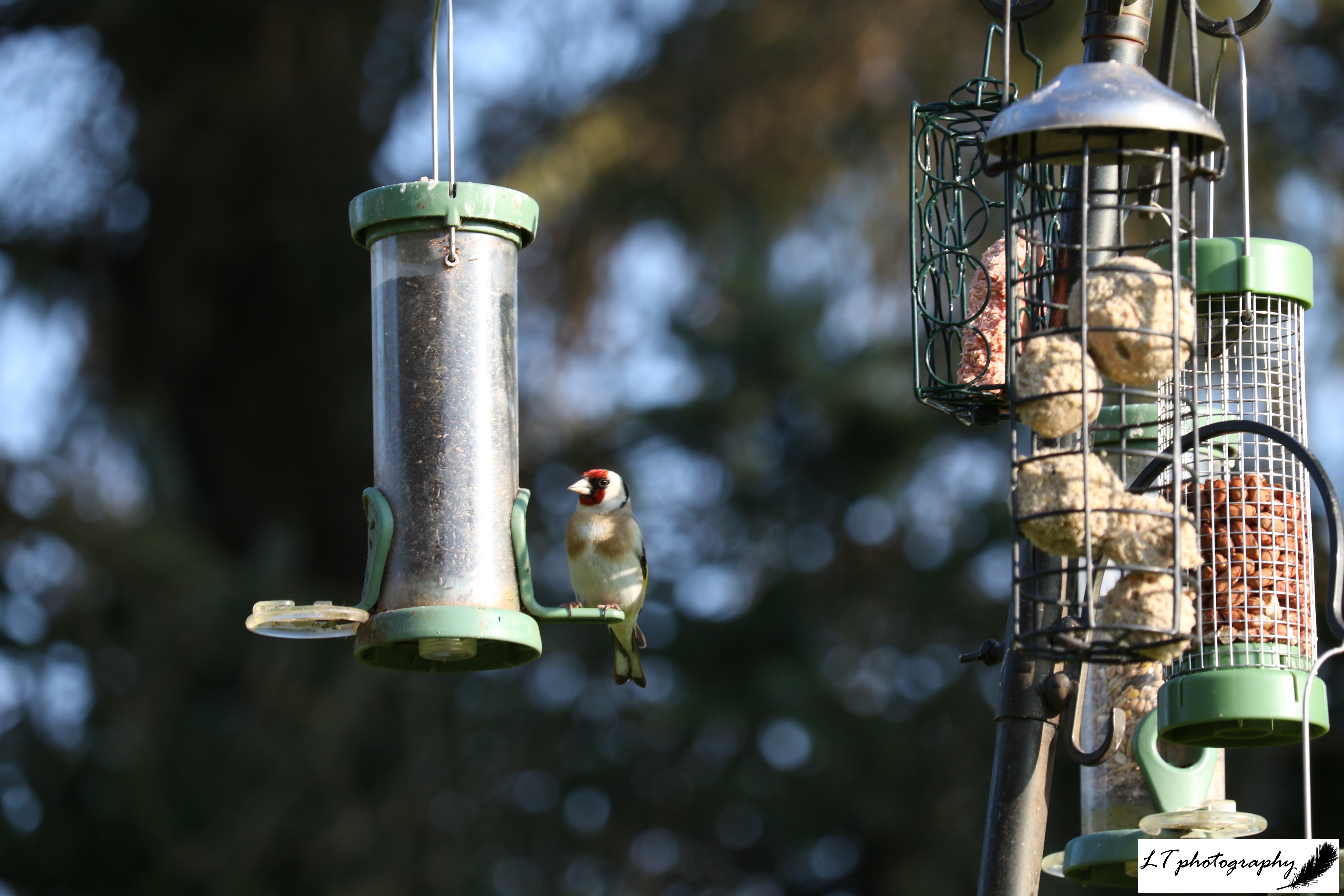
So on the 12th December we did just that, spending 30 minutes recording the diversity and abundance of bird species we saw in half an hour. For such a short period of time, the bird feeders in our garden delivered, with 17 species, varying from Greenfinches and Robins to a Great-Spotted Woodpecker and Starlings! By far the most abundant species though was the Goldfinch, with 14 spotted at one time, closely followed by 12 Chaffinches and 9 Blue Tits. A very good representation of our garden’s winter visitors, just missing Long-Tailed Tits and Coal Tits, the latter being amiss this year!
Emma’s Urban Garden Bird Survey
I combined my bird count with the event of the year, the Great Garden Birdwatch! We sat down with cups of tea and my dad’s iPad to record our garden visitors and contribute to this important monitoring exercise.
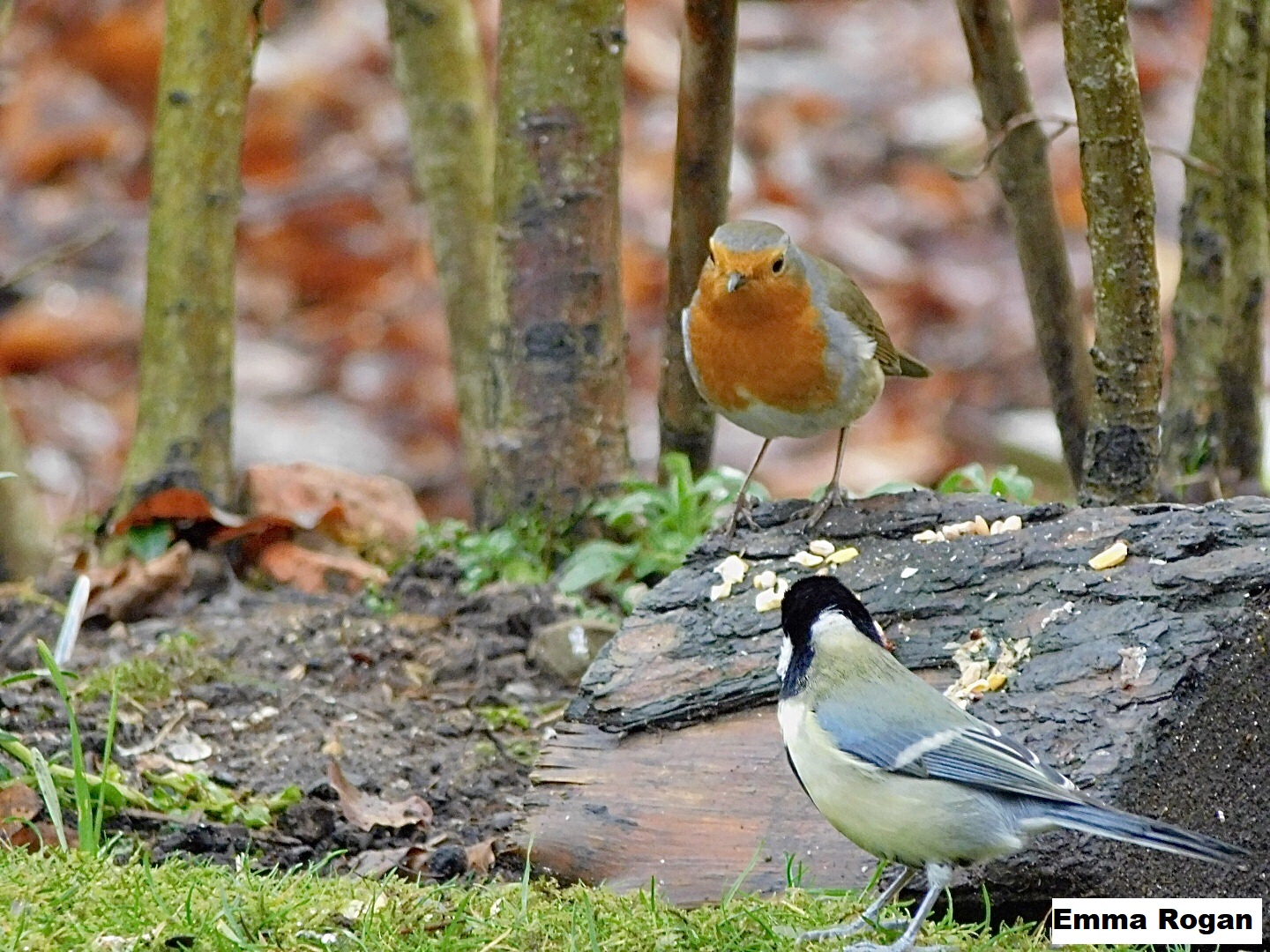
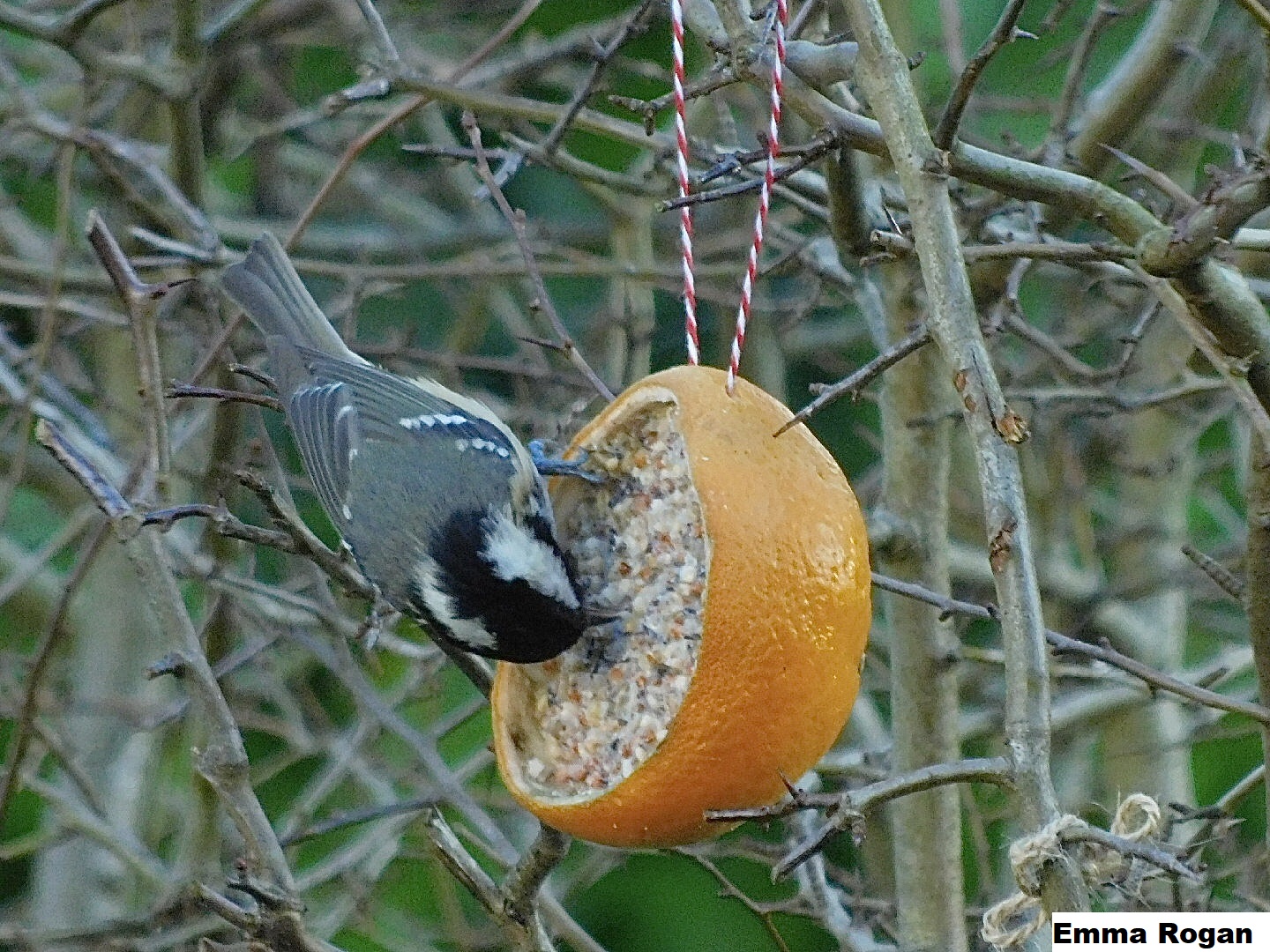
Expecting our birds to use their sixth sense and avoid our garden for an hour, we were pleasantly surprised to see a lot of our regulars! The Robin stopped by, as did Mr and Mrs Blackbird, who come every day for their plate of mealworms. Our bird feeders are also popular with Coal Tits, Blue Tits and Great Tits, and of course the neighbourhood Squirrels! We also have a Nuthatch who visits frequently, nibbling at our bird feeders in his distinctive upside-down stance.
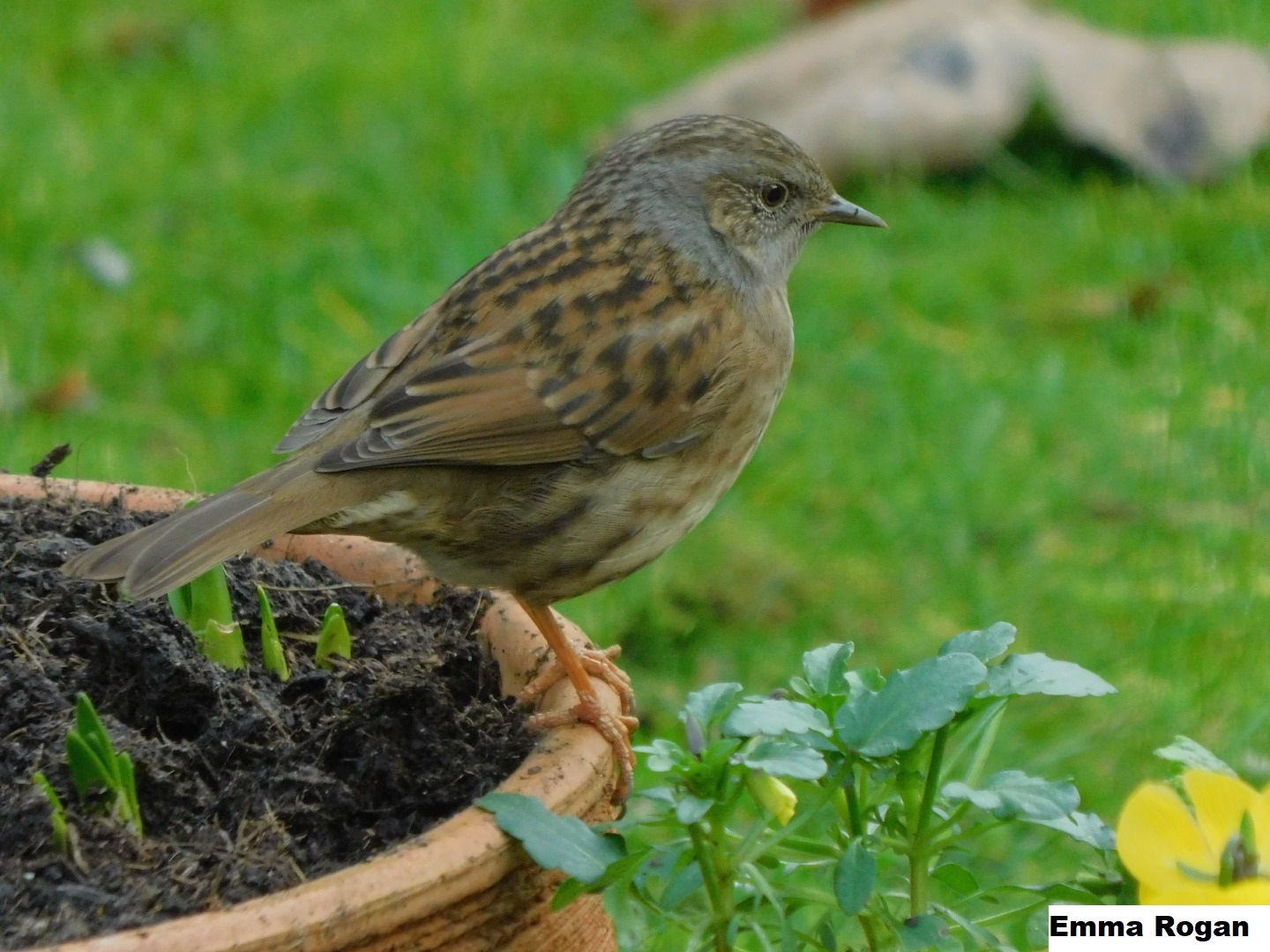
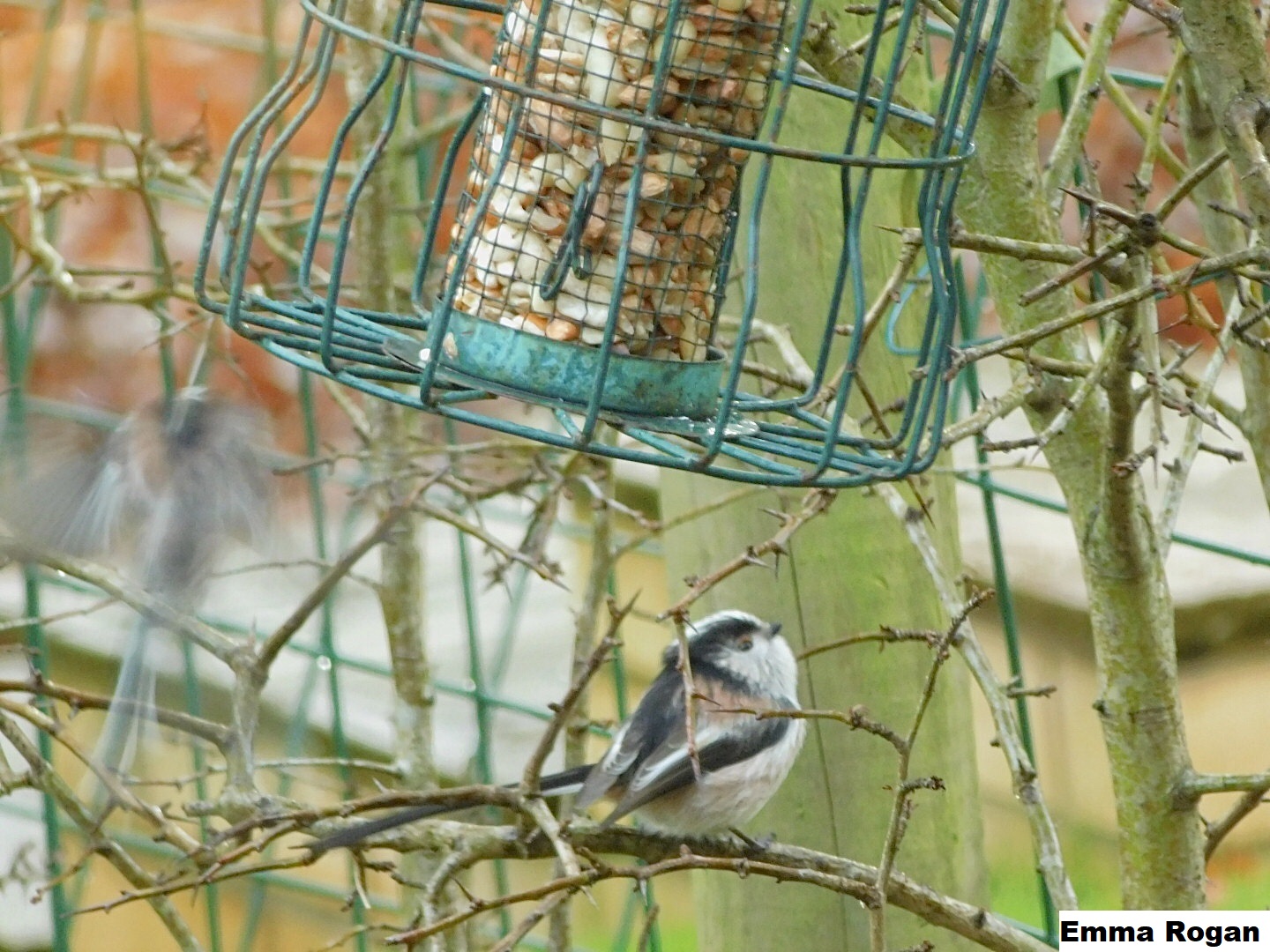
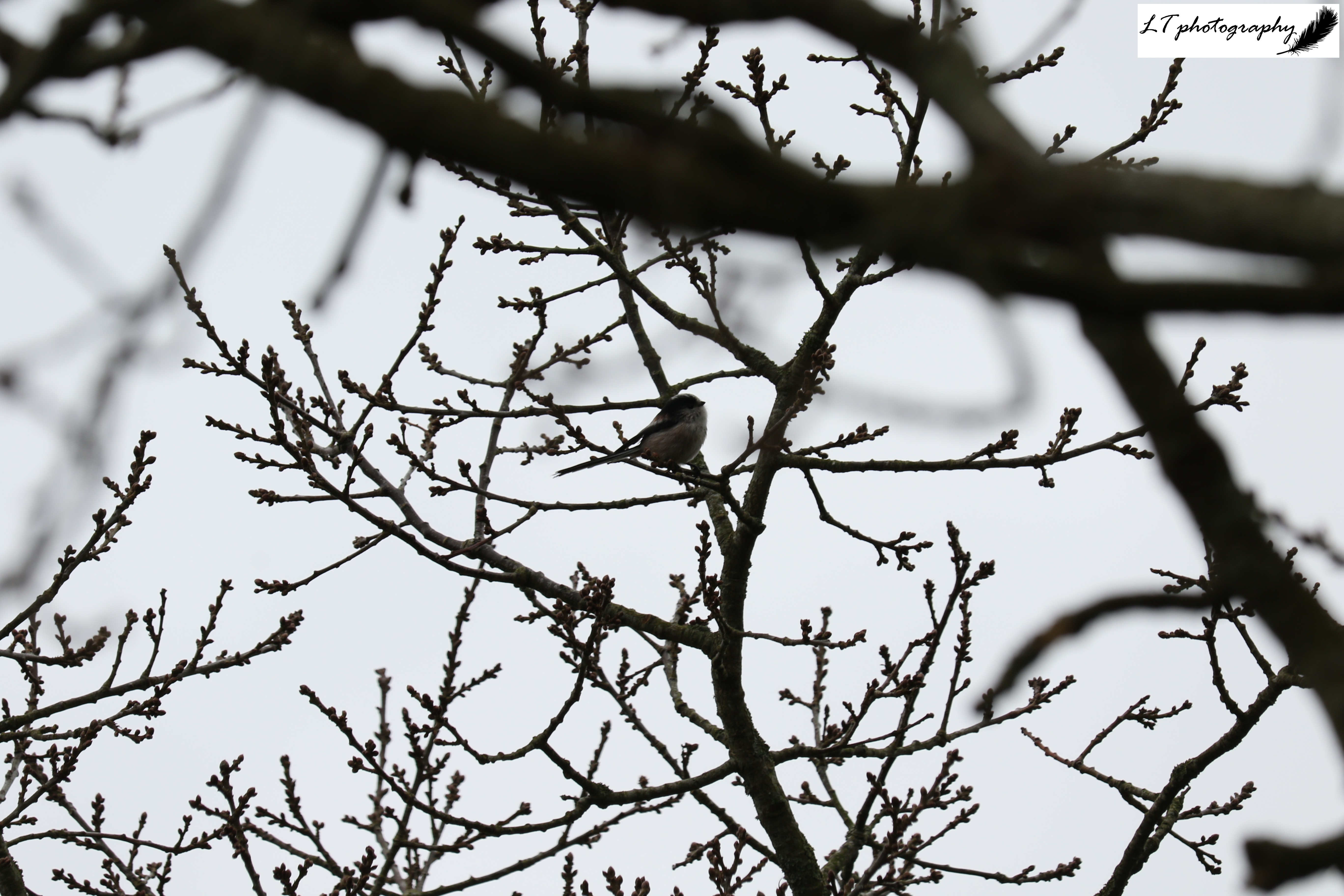
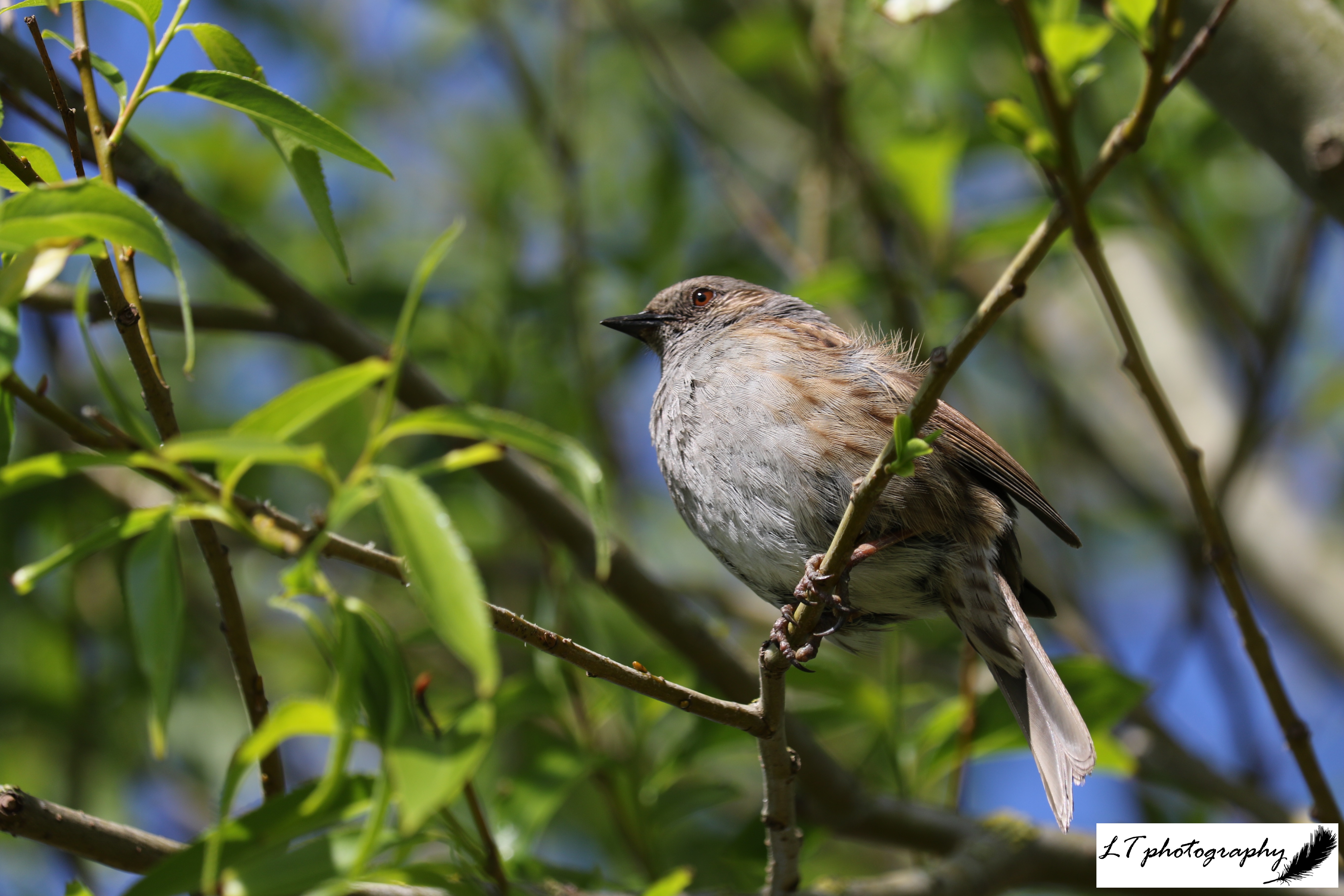
My absolute favourite though are the Long-Tailed Tits, they’re so round and fluffy! Although, I will always have a soft spot for our Dunnock, who we recognise by his extra-fluffy head feathers. Even a bird can have a bad hair day! Sadly though, our Woodpecker didn’t make an appearance.
Laura’s Countryside Bird Walk
Today (Sunday 9th January) was the first beautiful day of a new month and new year. Though the air was cold, it was calm and the sun was shining, a soft golden glow. Stepping out from my back door, I was immediately hit by an abundance of avian activity. Two Carrion Crows flew over my head, cawing as they went. Goldfinches chattered from the garden, hinting at a visit from a good sized flock. A Blue Tit sung its distinctive song, a Robin ‘ticked’ in alarm, and a Blackbird watched me from a nearby fence post. I could not miss this perfect opportunity to explore the bird life that could be found on my family’s land at this time of year.
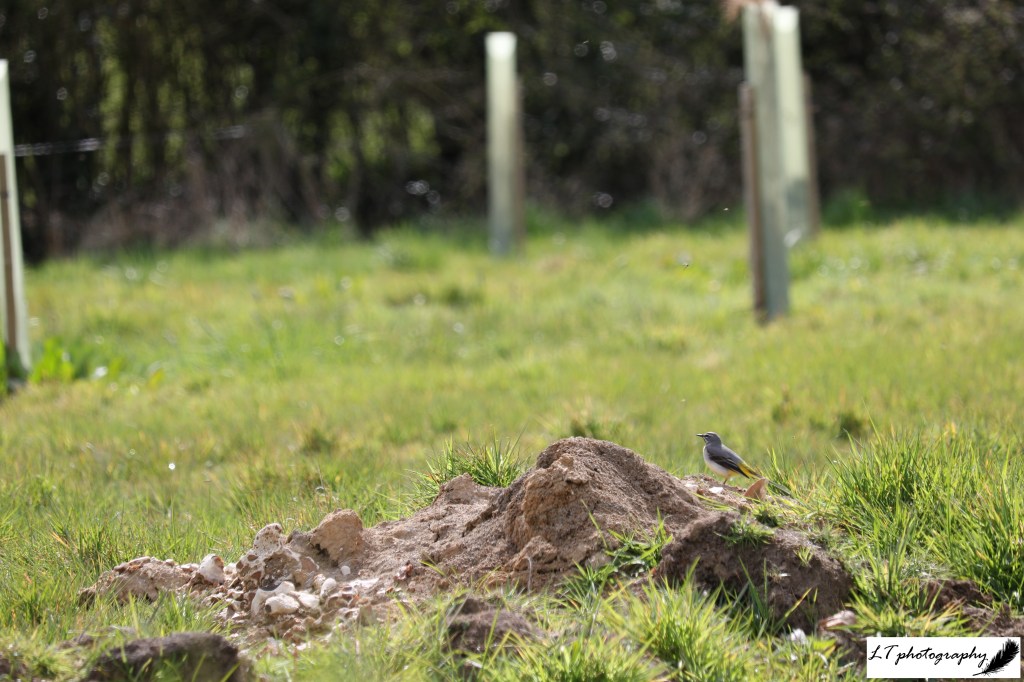
First, I headed down to our farm buildings, joined by the chattering of Starlings feeding out in the nearby fields. As usual at this time of year, the still hulking forms of the barns were being brought to life by busy birds living alongside our wintering animals. House Sparrows could be heard singing in the eaves of the barn, complimented by Great Tits calling from a lone Hawthorn tree, Collared Doves flapping here and there, and a flash of a yellow rump as one of our resident Grey Wagtails was disturbed from where it was feeding. The only thing that could add to the scene would be a Barn Owl floating by, a common sighting at dawn on the farm.
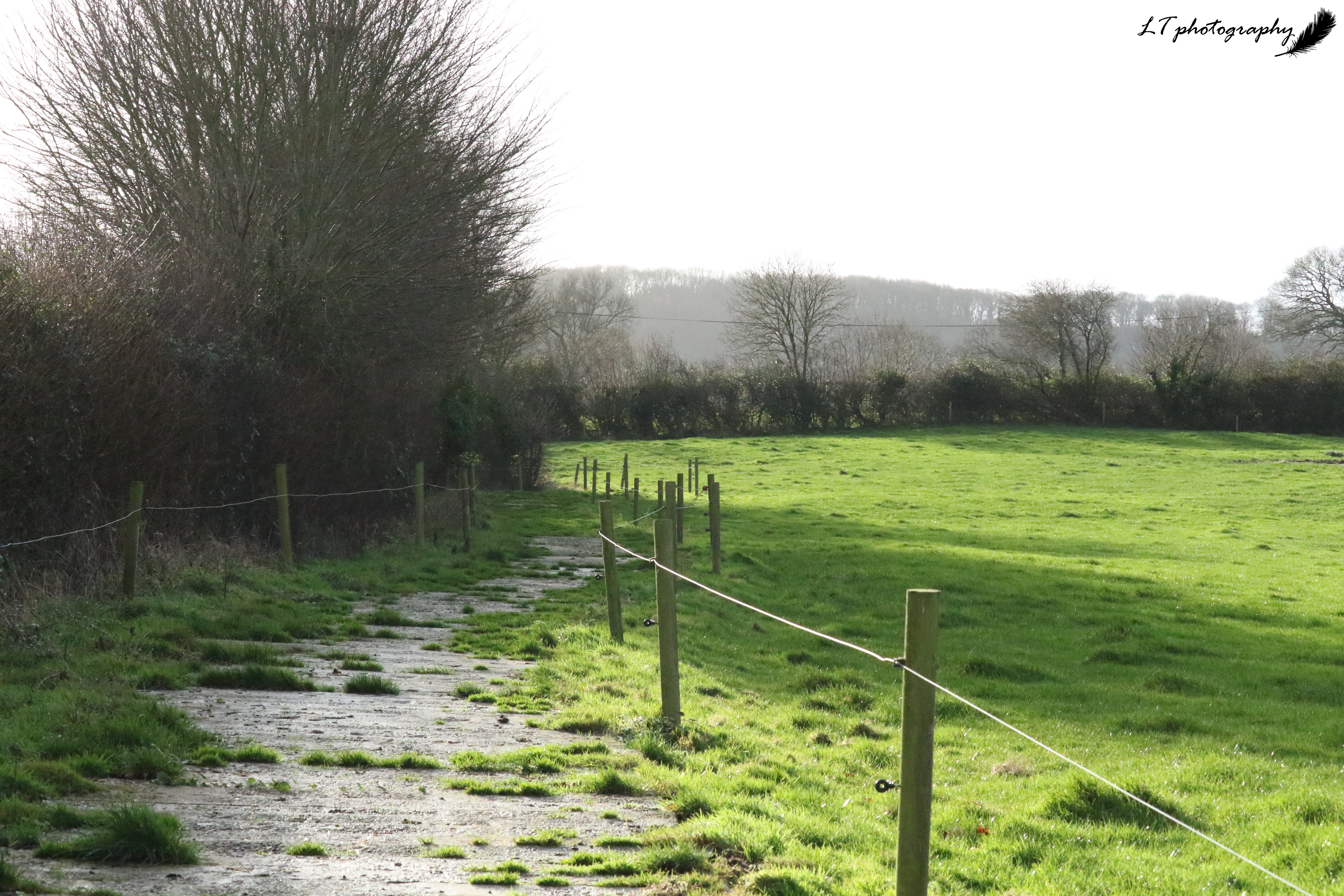
Satisfied with my sightings on the farm, I then headed away from my home hub, following the tracks out into the wider expanse of our land. Here I could find birds flitting along the hedgerows, such as feeding Redwings and wary Wrens. and fields busy with bird feeding activity, including Gulls, Rooks, and Pheasants.
As Fieldfare flew over head, I finished my wintery walk with a meander along one of the larger rivers on the farm. Here I could see the first Snowdrops beginning to push green shoots up from the river bank, marking the start of changes to come. This was joined by the calls of Dunnocks and the twittering of Meadow Pipits out in the fields across the river. With a count of at least 22 bird species, I felt this was a good end to my adventure.
Emma’s City Bird Walk
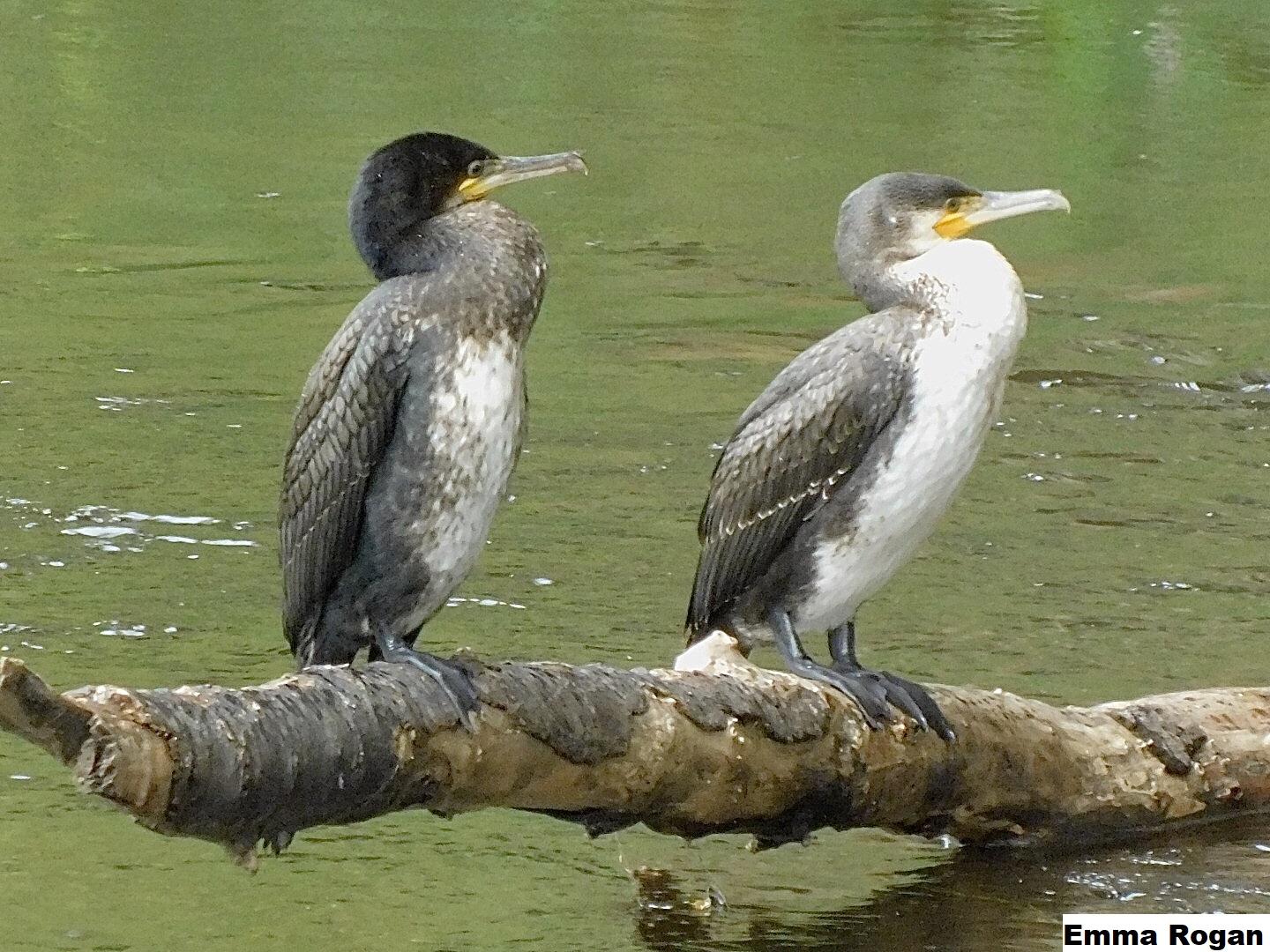
Manchester is home to a huge variety of urban birds. From Herons and Cormorants fishing under motorway bridges along the River Mersey, to hardy Woodpigeons in the city centre, to garden birds drawn in by feeding stations, there is always something new to see! I always love to see how many birds I can spot when I’m out for a walk, and I find that watching the birds in my garden brings me a moment of peace in the middle of busy days.
For my bird walk, I decided to head to a different park for a change! I’m lucky to live in a part of Manchester with a lot of nearby green spaces, and one of these is Didsbury Park, one of the first municipal planned parks in the city, and redesigned in the 1920’s to include recreational features which still exist today. There is also thought to be an old air-raid shelter under the football pitch! The impact of both World Wars One and Two on the local area, just a small village when WW1 began, is commemorated by a beautiful poppy field mural in the park created by graffiti artist Russell Meeham, also known as Quebek.
Suffice to say, I’ve spent many happy hours in Didsbury Park, and my bird walk was no exception! Although, I didn’t have a lot of success at spotting birds. The highlight of the walk was wondering why a group of people were gathered around a particular bush and wandering over there, to find a flock of House Sparrows singing away! My Mum and Dad remember House Sparrows as the most common bird about when they were growing up, but we’ve never actually seen one in our garden. Sadly, their populations have declined substantially in the UK in both rural and urban populations.
It’s All About The Birds!
If you open your eyes, wherever you go during winter you will see life and activity. Though from Laura’s and Emma’s adventures, Laura experienced more bird activity out and about in the countryside, both currently have vibrant gardens. This is testament to how everyone’s gardens right now are a lifeline for our wildlife, whether you live in a bustling city or a quieter piece of the countryside. They provide a valuable home in a changing landscape and prove that we can all do our bit for nature. Why not put out a bird feeder and see what you can see today?
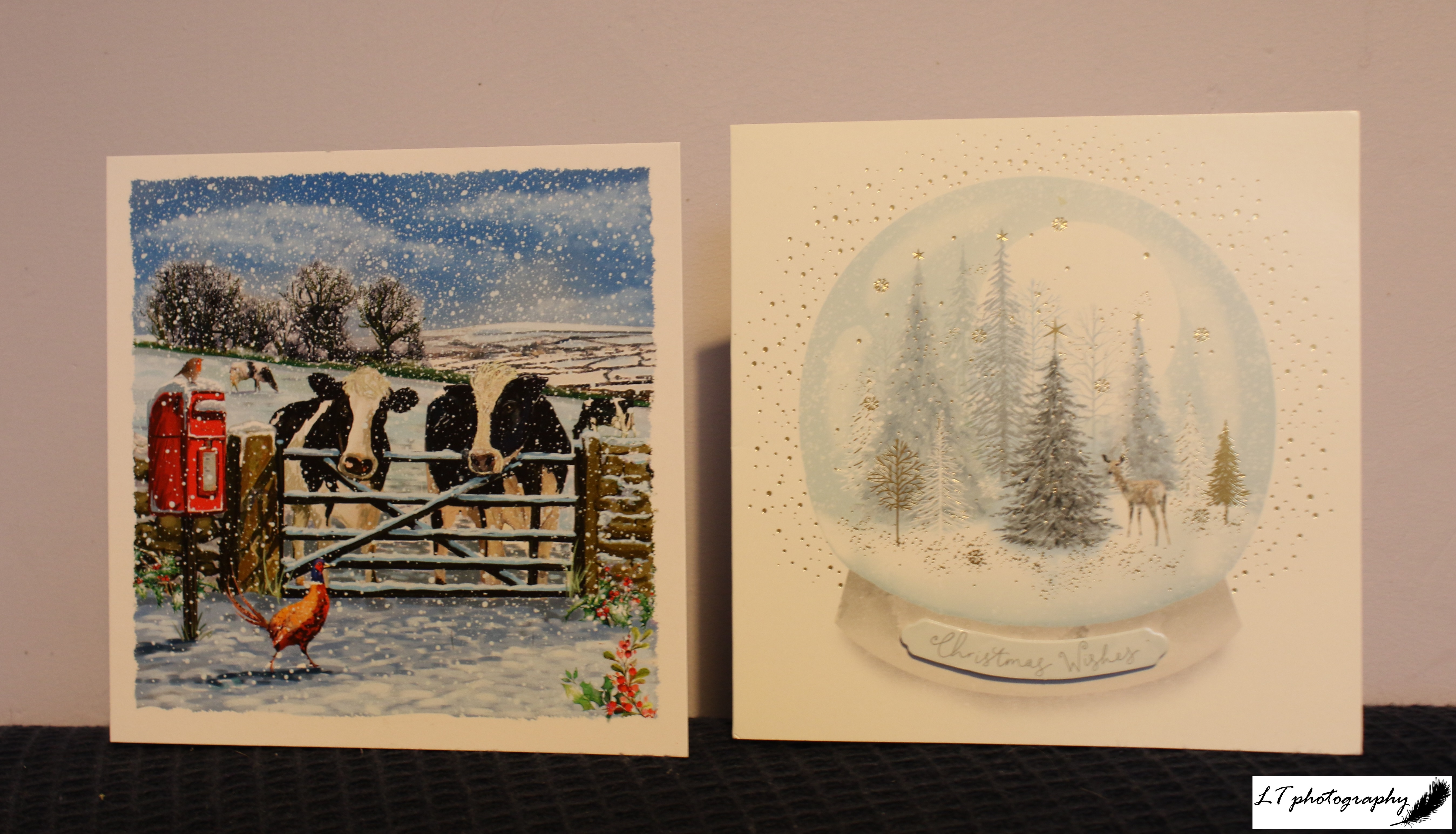
December is a time for magic and the sparking of our imaginations to bring us warmth through bleak days and long cold nights. As the end of the month draws near, our worlds are filling with images of twinkling lights, decadent festive food, and idyllic Christmas card scenes. We welcome Christmas traditions back into our homes, spend time being thankful for what we have, and spend time with family. For how Christmas is shaped today we have the Victorians to thank, but for many of our modern day traditions their origins lay even further back, from times when celebrations were deep rooted in our wild landscapes. As Christmas creeps closer, let’s take a look back at the origins of a few popular traditions, and get in touch with our wild and remarkable past.
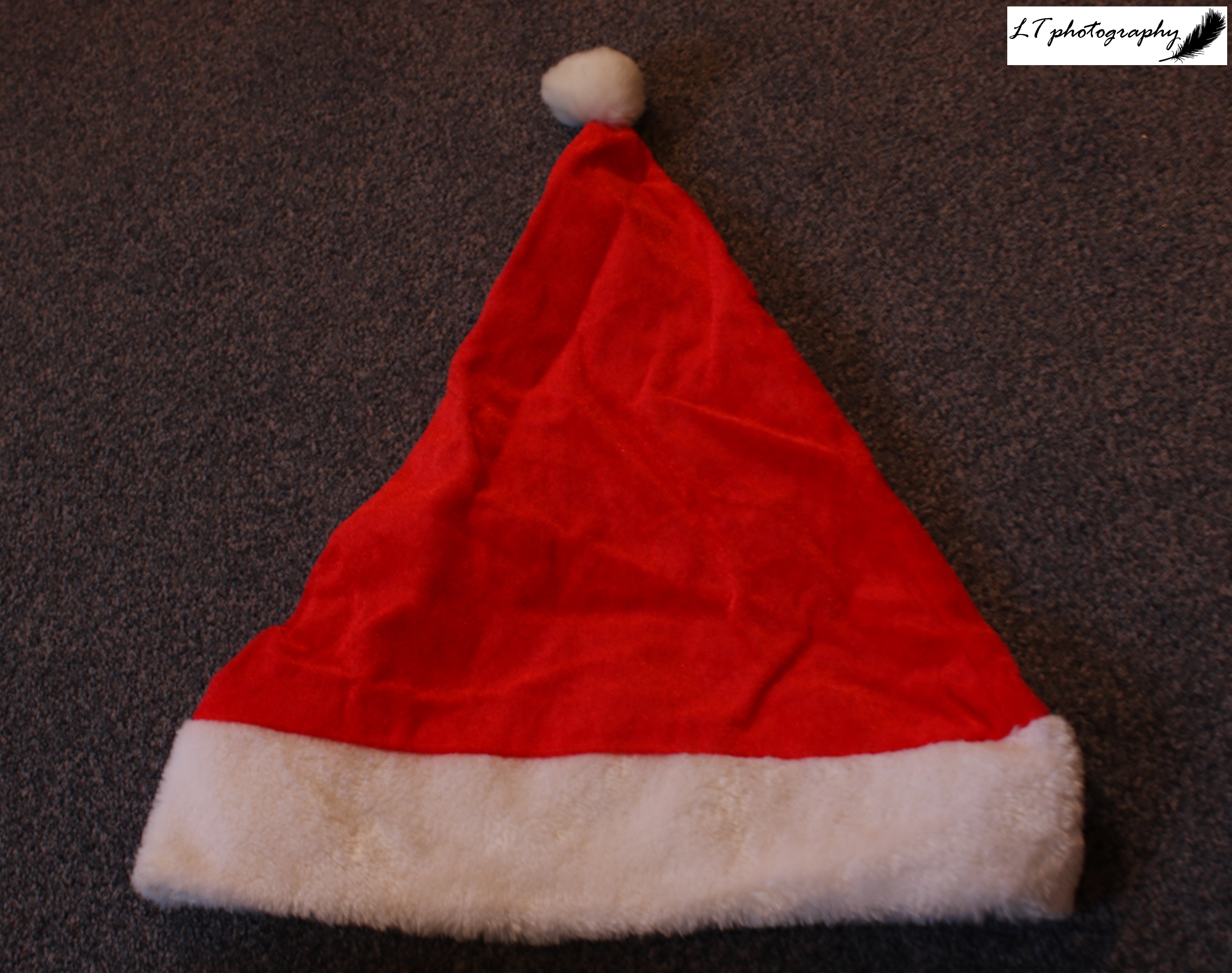
The celebration of mid-winter can be traced as far back as the Roman times. Even before the birth of Jesus, the Romans celebrated this time of year with a festival called Saturnalia, a pagan festival honouring Saturn the Roman god of agriculture and fertility. It was a celebration of the year’s harvest, whilst looking forward to the spring and return of the sun, and trying to ensure a successful next harvest. Starting around the 17th of December, the Romans would offer gifts and sacrifices, decorate their houses with wreaths and greenery, wear colourful clothing, light candles, hold feasts, and be merry. Today’s paper crowns and festive hats can also be traced back to the Romans and Saturnalia. Thus, it is not a new thing to honour the end of the year and welcome the next with colourful celebrations and festivities!
One part of the magic of Christmas for me is the making of sweet treats that are only associated with this time of year. For example, sweet biscuits have long been made to mark Christmas festivities, gaining their spiced flavour, reminiscent of winter, during the Middle Ages. This evolved into gingerbread men, first appearing in 16th century England when Queen Elizabeth I had them made to impress foreign dignitaries and subjects in court. A century later, gingerbread houses joined Christmas traditions, becoming popular in Germany in 1812 following the publication of the Brothers Grimm story, Hansel and Gretel. For many years now I have continued the tradition of making both gingerbread men and houses as part of my Christmas celebrations!
Though the first sweet mince pie is a more recent creation, the first genuine mince pie was enjoyed during the Middle Ages, hundreds of years ago. These mince pies were instead filled with savoury minced meat, chopped fruit, and a preserving liquid, and were larger than those we know today. Traditionally people would eat one of these mince pies every day from Christmas to Twelfth Night (5th January), otherwise it was said that they would suffer misfortune for the whole of the next year. Since then the mince pie has undergone its evolution, becoming the mince pie many of us know and love today.
From the Yule log to stollen, many Christmas sweet treats have been around for hundreds of years. One such is the iconic candy cane that originated in 1670’s Germany. It was said that they were first made as white candy sticks by the choirmaster of Cologne cathedral to give to young singers to keep them still during the long Christmas Eve church services each year. If this is true or not, by 1900 they had taken on their curved shape, red stripes and peppermint flavouring reminiscent of Christmas.
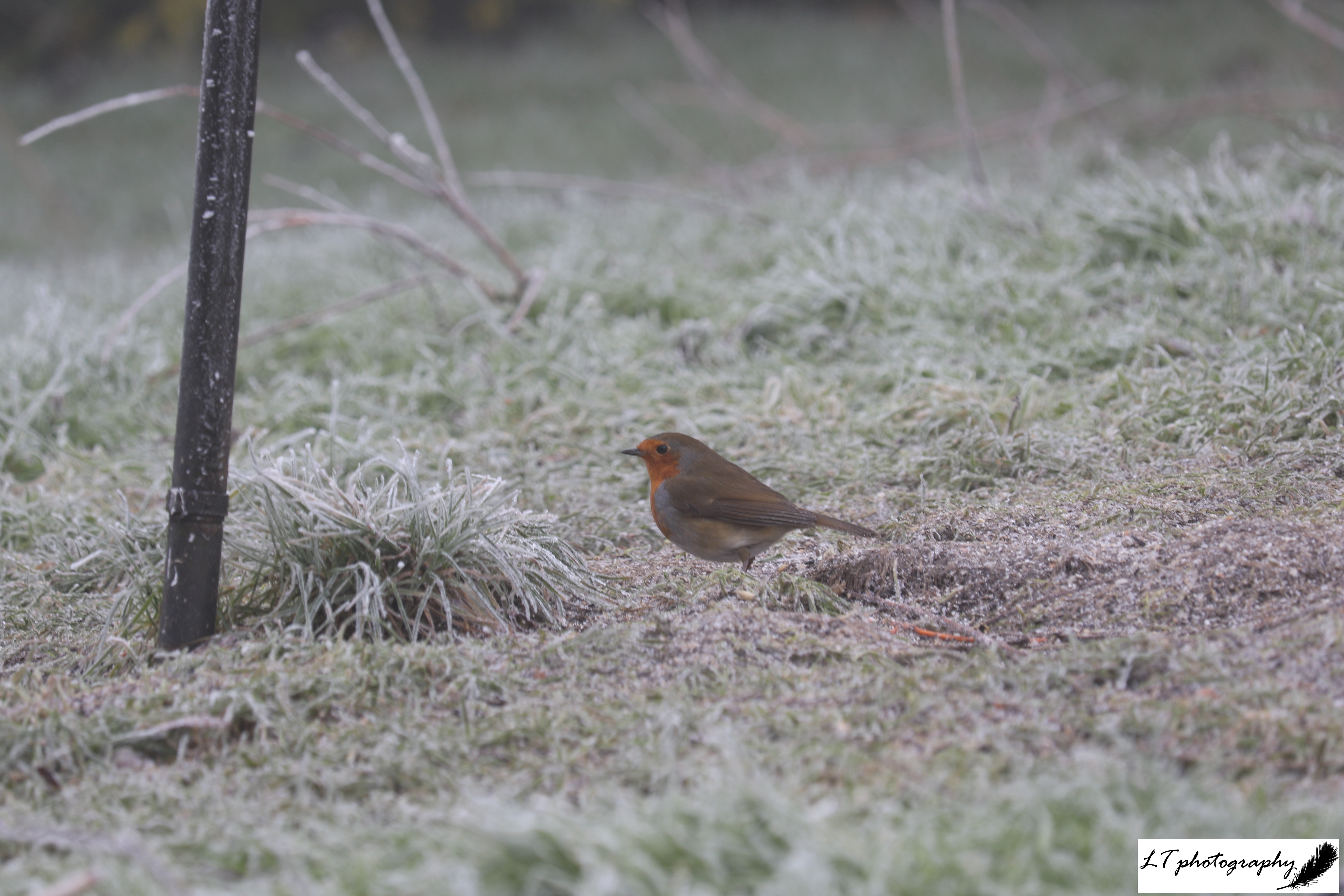
Many of our Christmas traditions and symbols are rooted in nature, for example one popular symbol of Christmas close to nature is the Robin. It is unknown exactly why this is so, but there are lots of interesting legends and reasons associated. For example:
A Robin was at the birth of Jesus, and fanned the flames of the dying fire to keep Mary and Jesus warm. The Robin’s breast was scorched by a stray ember though, and so for the bird’s kindness, Mary declared that this badge of kindness would in memory pass on to the Robin’s descendants
In the UK, Robins are seen in increased numbers in our gardens during the winter months
Royal Mail postmen were nicknamed Robins during the Victorian times due to their bright red uniforms
Whatever the true reason, they are a colourful addition to Christmas celebrations!
Even the origins of Father Christmas can be connected to nature. Though the image of Santa Claus and his reindeer sleigh first came to our shores from America in the 1870s, the idea of Father Christmas has been around for a very long time. Father Christmas was once associated with pagan winter festivals in the 17th century and represented the coming of spring. He was dressed all in green with a wreath of Holly, Mistletoe, or Ivy and was a symbol of happy times, and those to come, brightening winter celebrations.
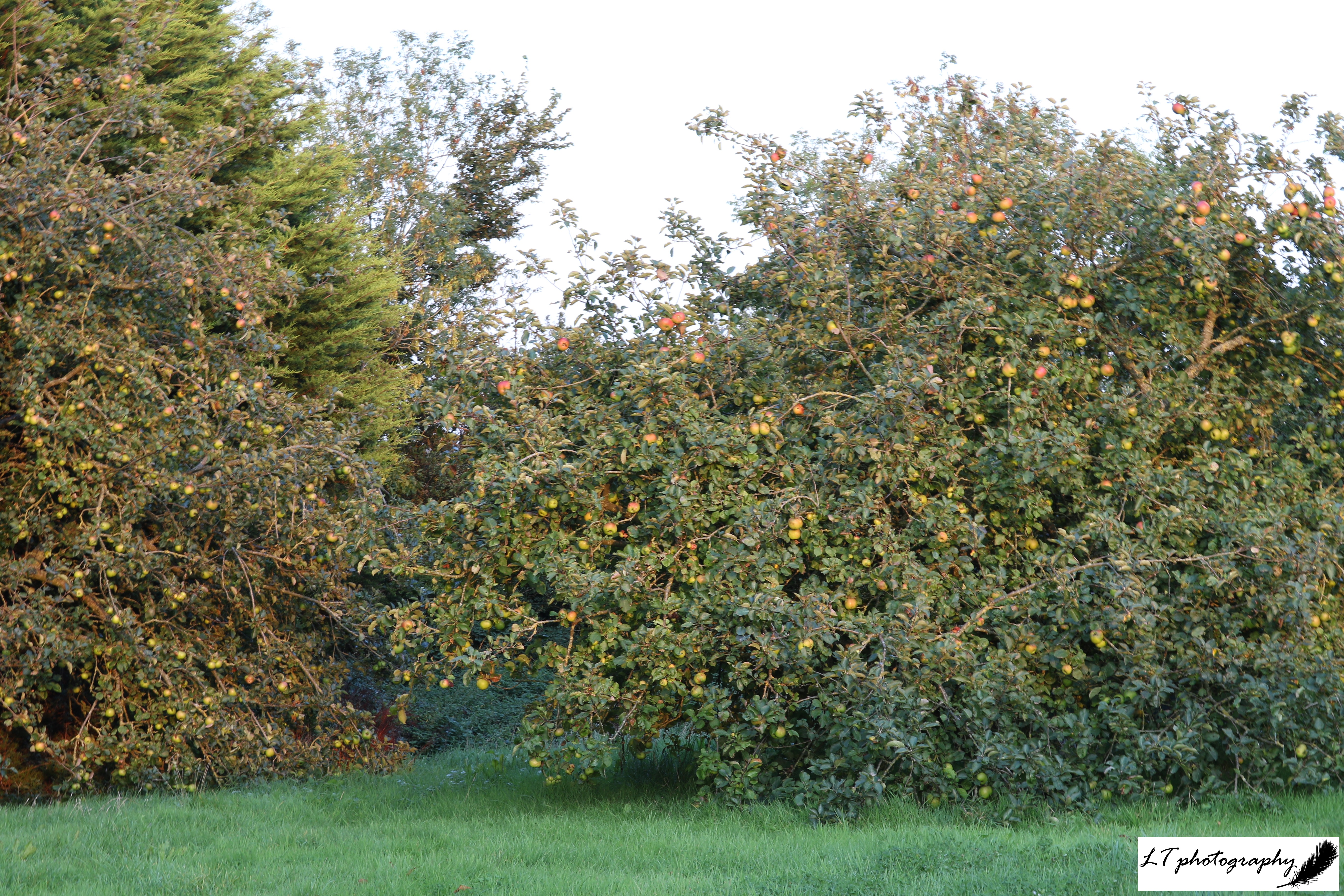
During the festive period, one ancient custom is still being practised in orchards across the country. Traditionally held on Twelfth Night (5th January), this 400 year old tradition is called Apple Wassailing, where wassail comes from the Anglo-Saxon for whole or healthy. During these celebrations, a wassail king and queen would lead a group of revellers to an orchard, where cider would be poured over the roots of the largest and most prolific apple tree, known as the Apple Tree Man, cider-soaked toast would be hung in its branches, and a toast would be made to the health of the tree. This tradition aimed to scare away bad spirits in the orchard and wake up the trees in the hope of a bountiful harvest next autumn!
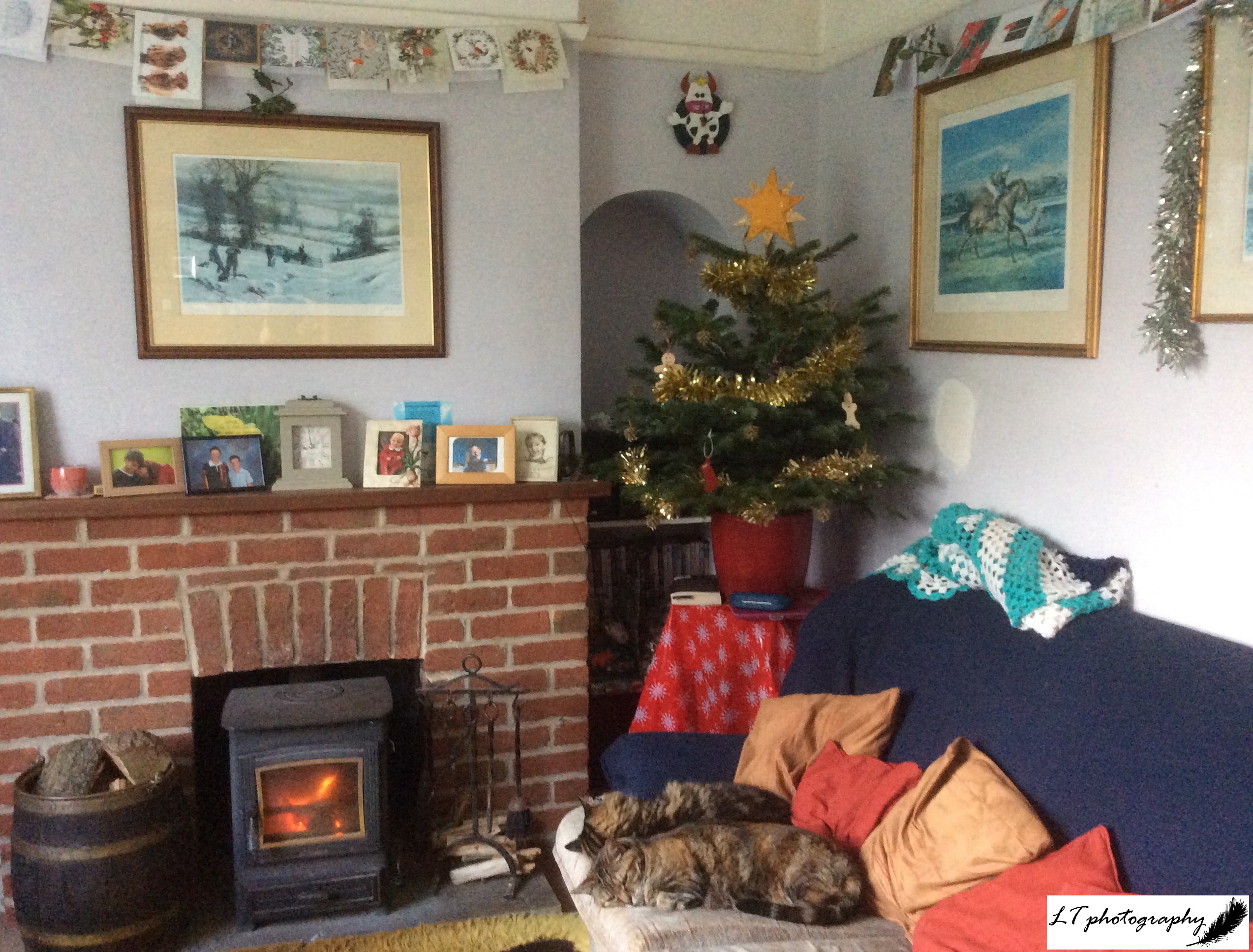
One of the most popular modern Christmas traditions still celebrated across the UK is putting up a Christmas tree. Last year alone, ninety per cent of families in the UK put up a Christmas tree in their home. This tradition first became popular during the Victorian era, when Queen Victoria’s husband Prince Albert brought trees over from Germany for his family in 1840. Despite this, the first Christmas tree was actually brought to England in 1800, by Queen Charlotte, the wife of King George III.
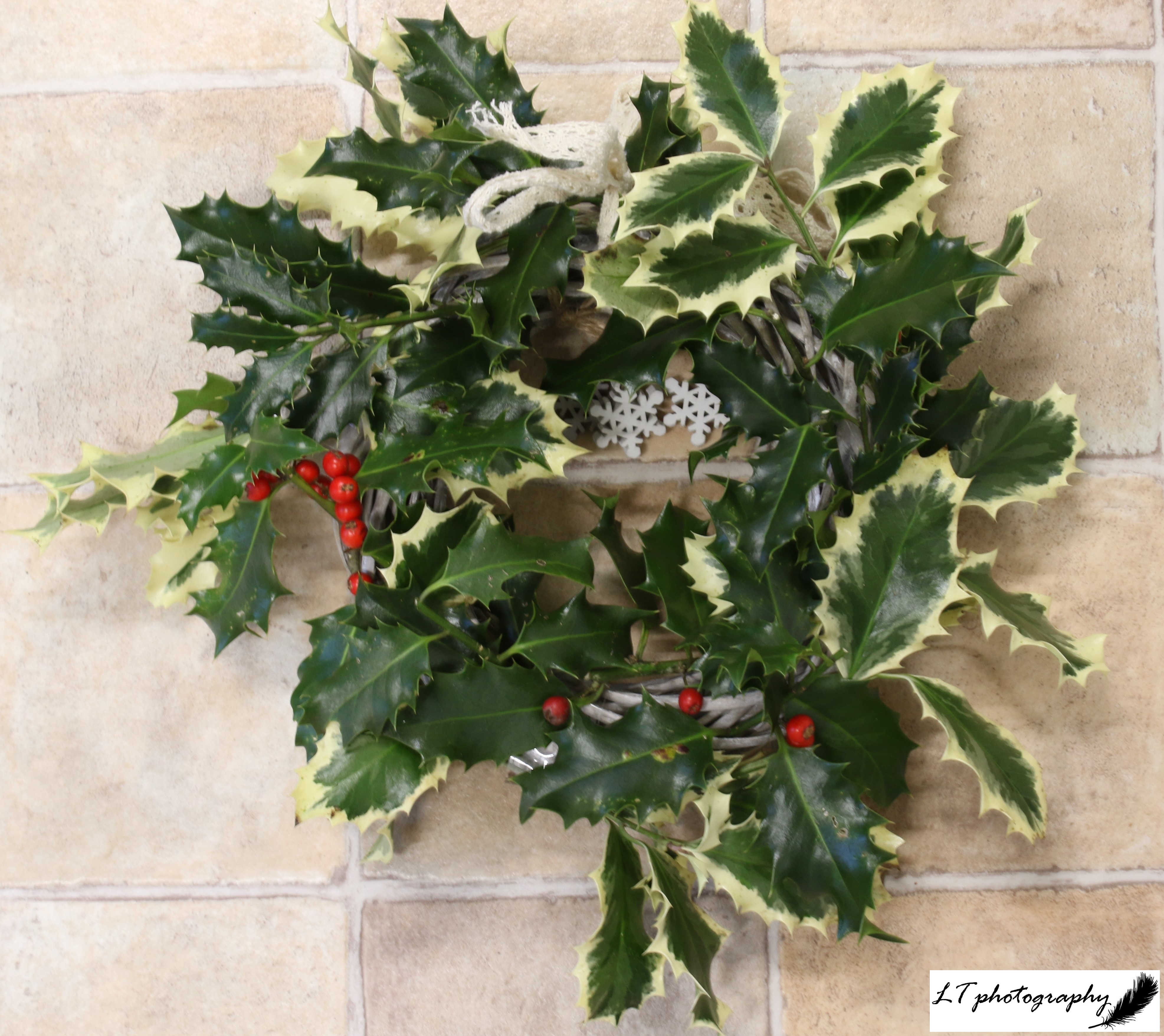
Greenery has long been used to decorate homes during the winter, with trees even being used during the Roman times. In some countries, evergreen boughs were believed to keep evil spirits and illness away, but most importantly they were a reminder that abundance would once again return. Check out my next Christmas-themed blog post out on Monday 21st to take a look at the history of natural decorations, and how you can bring some natural colour into your own home this Christmas.
However you celebrate Christmas time, it is important to stop and think about where our traditions come from. They are rich in history and meaning and can allow us to anchor ourselves during a turbulent season. My favourite parts of Christmas often relate to nature and baking, which have long been a part of celebrating this time of year. Why not join me in honouring our history and start a new Christmas tradition this year!
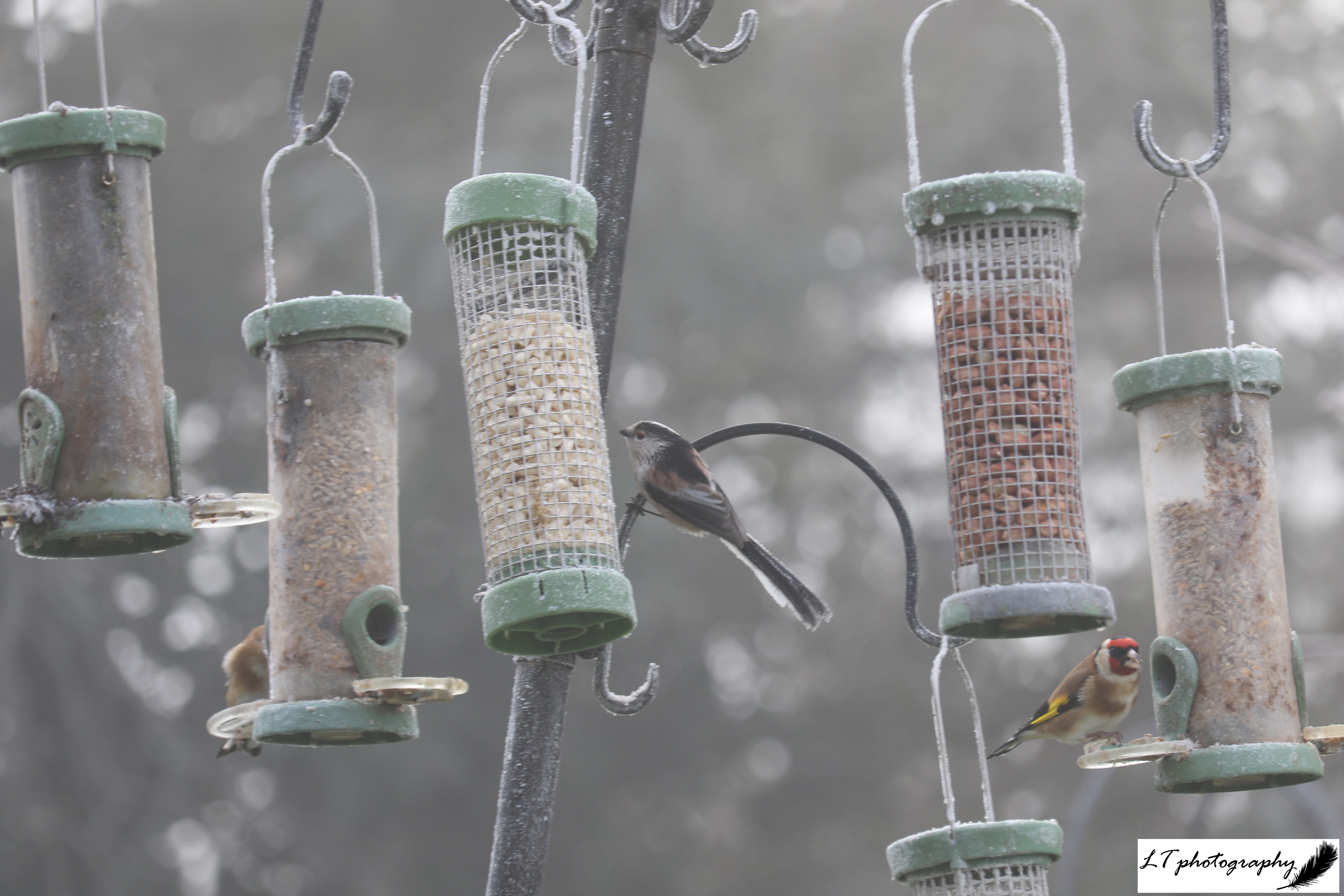
As winter creeps into the landscape and a second lockdown keeps us close to home, our gardens are once again coming alive. Wrens creep through the undergrowth catching insects, Robins sing to defend small territories, and Long-Tailed Tits flit between hedgerows foraging in family groups. It’s not just the birds though, other species are settling down to see out the winter in our gardens too, from butterflies and toads to hedgehogs and ladybirds.
With this year being a bit different, I have found it a great time to take part in the BTO’s Garden BirdWatch, to further connect with nature, boost my mental health, and do my bit. Gardens are very important homes for wildlife, not just at this time of year, so now is an important time for us to understand how we can better help the wildlife that share our gardens with us. If you have a bit of time on your hands, want to do something a bit different, or are interested in the wildlife on your doorstep, then this survey could be just what you need!
The BTO and the Garden BirdWatch
So, what is the BTO? Well, the BTO stands for the British Trust for Ornithology, where ornithology refers to the study of birds. Started in Oxford in 1933, this now Norfolk-based charity aims to engage people with science whilst advancing the understanding of birds and now other wildlife species. With over 60,000 dedicated volunteers, and projects ranging from bird ringing and Cuckoo tracking to urban gull and bat surveys, the BTO has gone from strength-to-strength.
Set up in 1995, one popular BTO project has been the Garden Birdwatch, a project aiming to understand the relationship between wildlife species and our gardens, and how and why some of these species populations may be undergoing change. In a nutshell, the Garden BirdWatch is about participants recording the birds they see in their garden, along with mammals, amphibians, reptiles, butterflies, bumblebees, and dragonflies. As vital habitat for wildlife continues to decrease, whilst the importance of gardens as substitute habitat increases, the information we can provide now can be used to better tailor help to support wildlife in the future.
So why should you take part? Well, the Garden BirdWatch is a great way to enjoy the wildlife in your garden, improve your knowledge, and allow you to follow the annual cycle of life. Taking part is also easy! All you need is a garden, a minimum of 20 minutes a week, and a way to identify the species you see. You do not need to have a big or elaborate garden, put food out, or be an expert. With the Garden BirdWatch currently being free for a year, signing up is easy. Provide a few details about your garden, and get started recording the garden birds and other wildlife that visit you.
Why not join thousands of other volunteers today, and do something new from the comfort of your own home!
Examples of Results
Last year marked the 25th year of the Garden BirdWatch, and so the BTO have now been able to use 25 years of weekly garden observations to begin analysing the relationship between our gardens and wildlife. For example:
Goldfinches, Woodpigeons, Nuthatches, and Jackdaws have become an increasingly common sight in our gardens, relying on our gardens for vital foraging habitat
Song Thrushes, Greenfinches, Starlings, and House Sparrows have become a less common sight in our gardens since 1995, due to a range of factors from disease to loss of habitat
I have now been taking part in the BTO’s Garden BirdWatch for the last 21 weeks. This time has gone past so fast, but has opened my mind to the diversity and abundance of species that visit my garden through the seasons. To sum up my time so far, here are some of my results:
I have observed 26 different bird species in my garden, with the most abundant species being Starlings (50 on 28th July) and House Sparrows (40 on 28th July), followed by Goldfinches (30 on 1st October)
Every week Blue Tits, Great Tits, Collared Doves, Pheasants, Goldfinches, and House Sparrows have been consistently recorded
As summer has moved into autumn and winter, Coal Tits, Jackdaws, and flocks of Goldfinches have become newly reliant on my garden, whereas Great-Spotted Woodpeckers, flocks of House Sparrows, Pheasants, flocks of Starlings, and Sparrowhawks have decreased their visits
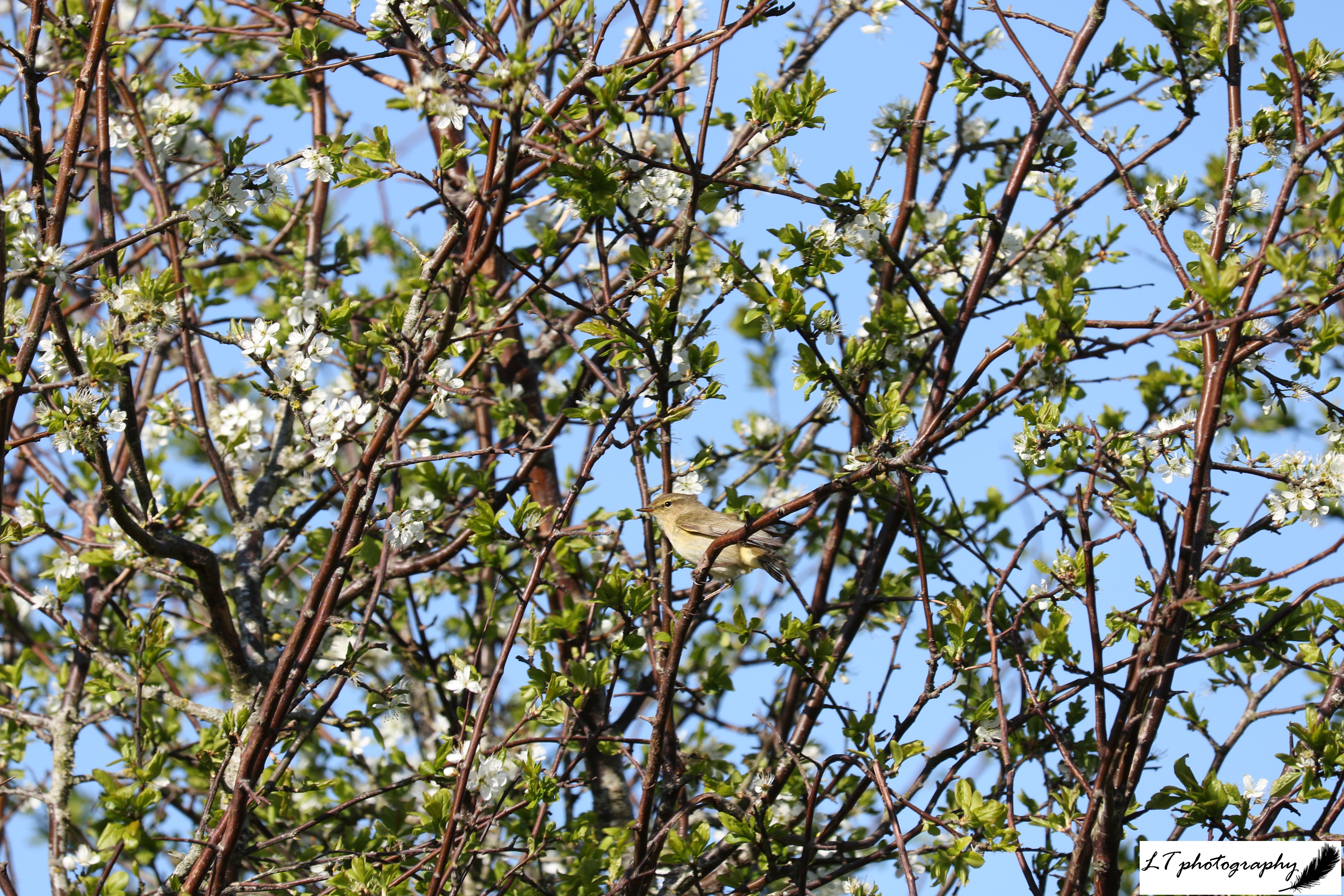
No week or month has been the same, with summer highlights including Greenfinches, Siskins, Chiffchaffs, and Garden Warblers!
So, why not see what wildlife you can encounter this winter?




























 Laura's Wild World