Spring How It Happened In Nature 2025

Spring 2025 felt like an unusual spring this year, with unpredictable weather patterns and trends being hard to pinpoint. Looking back at meteorological records though, despite sudden changeable weather and some cold snaps early on, March, April, May and June were in fact on average warmer and sunnier than previous years, with wet ground drying up fast. As a result, this season felt like it went by in a flash this year and was harder to hold on to, in the present and in memory.

Spring 2024 was even more changeable in weather patterns compared to this year, but still showed some consistent phenological trends (check out Spring 2024: How It Happened). Plant species showed events occurring earlier due to warmer temperatures, whilst insect and bird species showed a split in occurrence, affected by some increased rainfall at certain periods. With spring 2025 also exhibiting some changeability, but overall warmer temperatures, I wonder how spring events played out this year. Let’s take a look at tree, flowering, shrub, insect and bird species to get a snapshot of how things turned out this year in comparison to previous years.

Trees

During 2024, spring emergence dates were on average earlier for most tree species due to warmer and wetter spring weather. In 2025 though, the trend is less easy to discern, with events ranging anywhere from 1 to 30 days earlier, 1 to 21 days later, or even the same day. The trend does not relate to month, but timing of events differed between species, with all english oak events occurring later, whilst all sycamore events occurred earlier, which may signify varying factors at play. There’s also no trend occurring with tree species between the years either, such as becoming earlier or later over time. This year’s spring did feel like the weather was highly changeable at times though, switching from warm to cold, wet to dry, and may have created small scale fluctuation from week to week, despite overall warmer weather.
Flowers

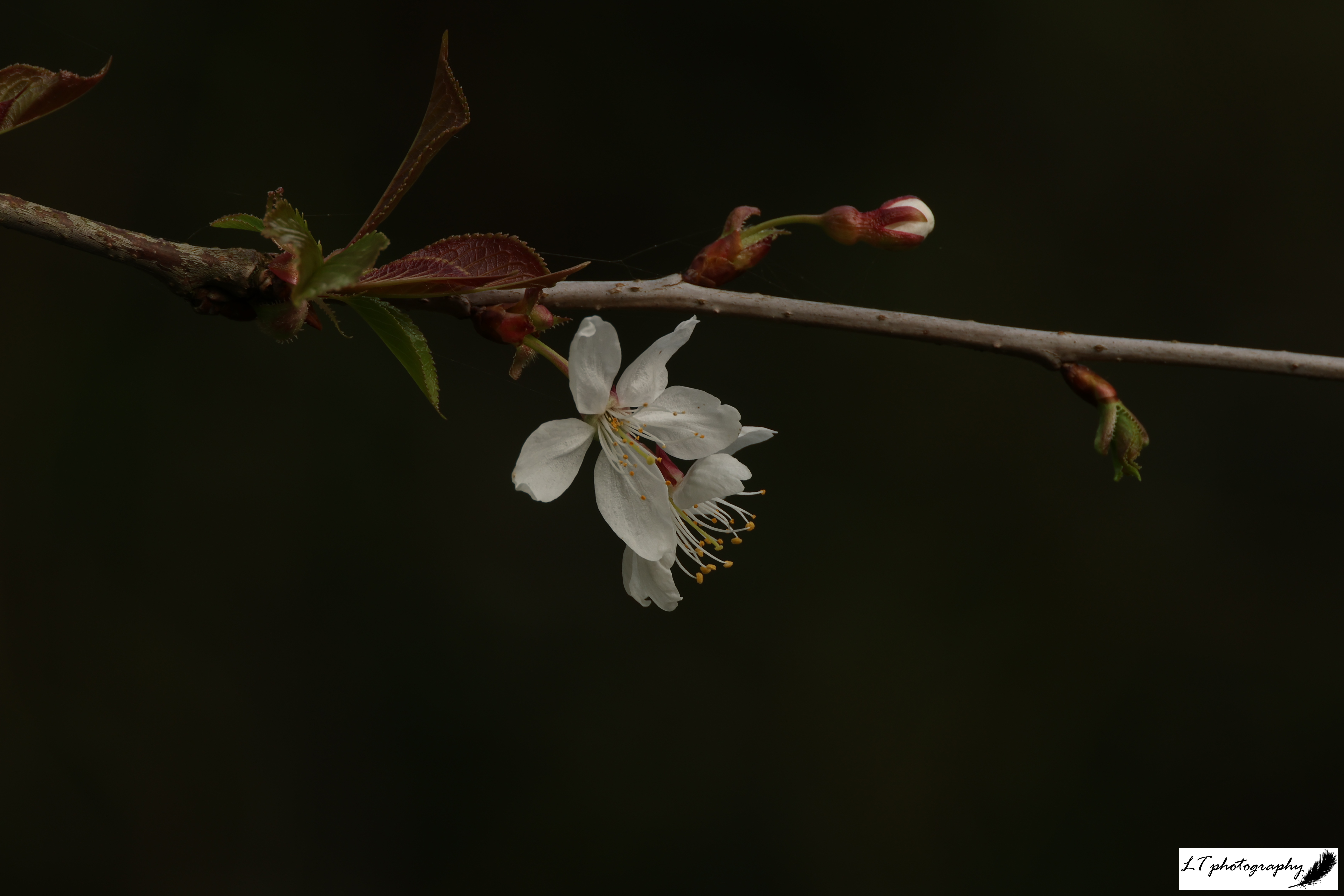
Plants flowering during spring 2024 occurred on average earlier, varying from 1 to 16 days. Following the same situation as with tree species, during spring 2025, the occurrence of plants flowering showed no true trend, with a 50:50 split between earlier or later. Primroses, cowslips, wood anemones, early purple orchids, yellow archangel, and oxeye daisies all first flowered 3-14 days earlier, whereas snowdrops, lesser celandines, daffodils, stitchwort, wild garlic, cuckooflowers, and bluebells all first flowered 5-21 days later. Like with the trees, no pattern was shown connected to month, and flowering this spring may instead also be due to fluctuating weather and temperature patterns.

Shrubs

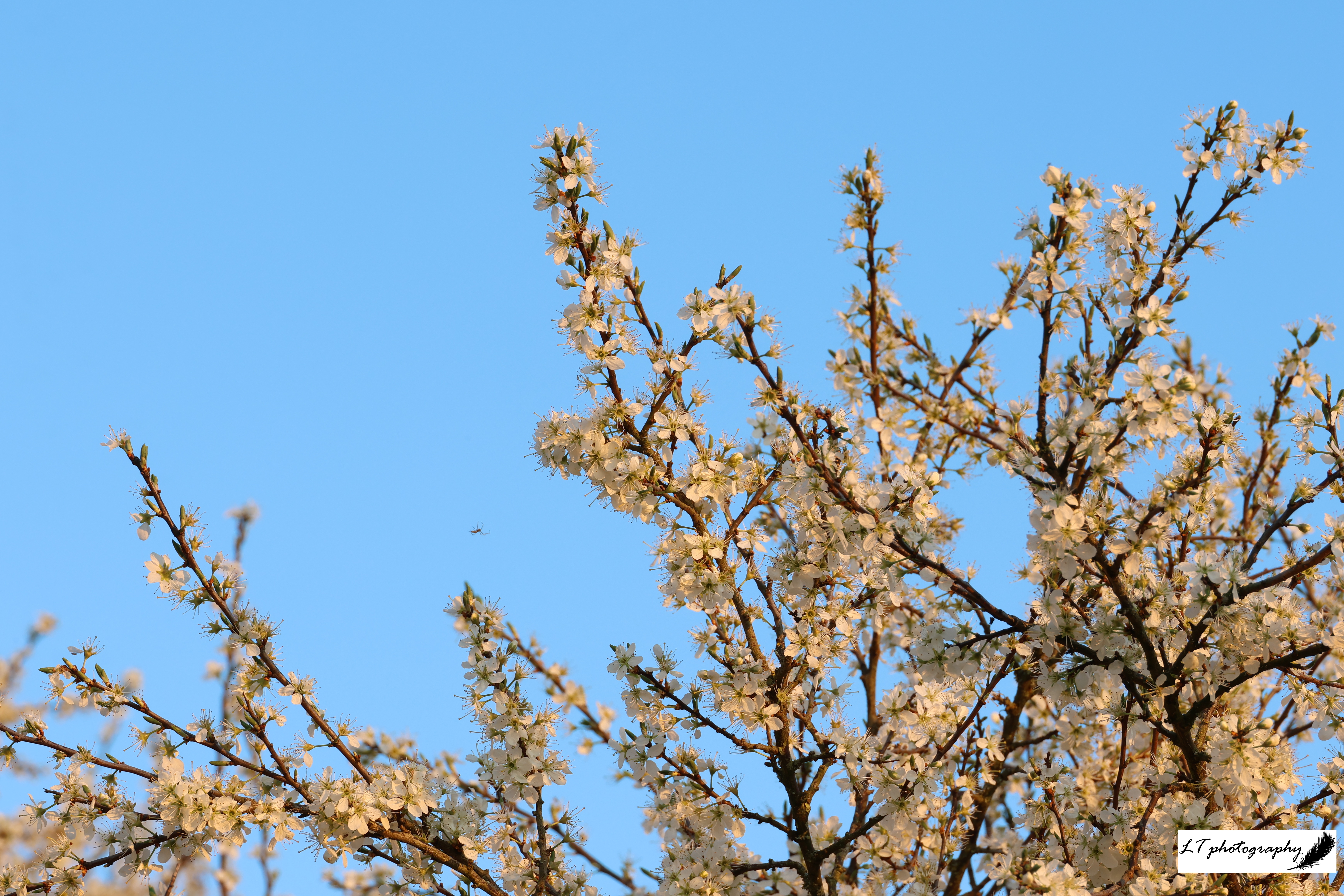
During spring 2024, the majority of shrub events occurred earlier, ranging from 1 to 53 days. In spring 2025 though, there was more of a split. Of 18 recorded events, 10 were later than 2024, ranging from 1 to 29 days, 1 was the same day, and 7 were earlier than 2024, ranging from 4 to 20 days. Some species, such as blackthorn and elder, had all later events, but most species shared variation between budburst, leaves unfurling, and flowering. It is unsurprising that shrubs followed what was seen with other plant species though, being affected by the same factors, causing no discernable trends.

Insects

Of 10 species that had their first emergence date recorded during spring 2024, a 50:50 split was found for earlier and later dates. This year for the same 10 species though, there was a skew towards earlier emergences. For brimstone butterflies, buff-tailed bumblebees, 7-spotted ladybirds, peacock butterflies, small tortoiseshell butterflies, small white butterflies, and queen wasps, emergence ranged from 1-47 days earlier this spring. The exceptions were orange tip butterflies, red admiral butterflies, and speckled wood butterflies, emerging later by 4-32 days during April. Where plant species showed no great pattern between springs 2024 and 2025, these insect species recorded do show more earlier emergences, with on average warmer weather allowing this to occur.

Birds

Over the last three years of recording bird events during spring, no clear trend was observed between years for the bird species that were recorded. For spring 2025 though, the events recorded were shown to have occurred on the same day as in 2024, or 1 to 26 days earlier. For example, cuckoos were heard earlier during April, and juvenile blackbirds were seen earlier, fledging during April. It is really interesting that where this year plant events were occurring all over the place compared to during previous years, bird species were responding earlier to spring conditions. This could be due to weather conditions being on average milder, whilst food sources were also made available earlier during spring this year.

Conclusion

When I first began writing this phenological report for my family’s Dorset farm this year, I began with the recorded plant species and was unable to find any observable trends between years and species, and within species. Though I was starting to feel that absence of trends was still important, things were looking more interesting when I turned my attention to recorded insect and bird species events. Both insect and bird species showed trends towards events occurring earlier this spring, which is more noticeable after a lack of trends over the last couple of years. These show that the season being on average warmer and sunnier this year did have an impact on animal species, even if more factors were involved in what was seen with recorded plant species.

Species List

  • Alder (Tree) Alnus glutinosa
  • Ash (Tree) Fraxinus excelsior
  • Blackbird (Bird) Turdus merula
  • Blackcap (Bird) Sylvia atricapilla
  • Blackthorn (Shrub) Prunus spinosa
  • Bluebell (Flowering Plant) Hyacinthoides non-scripta
  • Brimstone butterfly (Insect) Gonepteryx rhamni
  • Buff-tailed bumblebee (Insect) Bombus terrestris
  • Chiffchaff (Bird) Phylloscopus collybita
  • Common wasp (Insect) Vespula vulgaris
  • Cowslip (Flowering Plant) Primula veris
  • Cuckoo (Bird) Cuculus canorus
  • Cuckooflower (Flowering Plant) Cardamine pratensis
  • Daffodil (Flowering Plant) Narcissus spp.
  • Dog rose (Shrub) Rosa canina
  • Early purple orchid (Flowering Plant) Orchis mascula
  • Elder (Shrub) Sambucus nigra
  • English oak (Tree) Quercus robur
  • Field maple (Tree) Acer campestre
  • Greater stitchwort (Flowering Plant) Stellaria holostea
  • Great-spotted woodpecker (Bird) Dendrocopos major
  • Hawthorn (Shrub) Crataegus monogyna
  • Hazel (Shrub) Crataegus monogyna
  • Horse chestnut (Tree) Aesculus hippocastanum
  • Lesser celandine (Flowering Plant) Ficaria verna
  • Norway maple (Tree) Acer platanoides
  • Orange-tip butterfly (Insect) Anthocharis cardamines
  • Oxeye daisy (Flowering Plant) Leucanthemum vulgare
  • Peacock butterfly (Insect) Aglais io
  • Primrose (Flowering Plant) Primula vulgaris
  • Lilac (Shrub) Syringa vulgaris
  • Red admiral butterfly (Insect) Vanessa atalanta
  • Rook (Bird) Corvus frugilegus
  • Seven-spot ladybird (Insect) Coccinella septempunctata)
  • Silver birch (Tree) Betula pendula
  • Small tortoiseshell butterfly (Insect) Aglais urticae
  • Small white butterfly
  • Snowdrop (Flowering Plant) Galanthus spp.
  • Song thrush (Bird) Turdus philomelos
  • Speckled wood butterfly (Insect) Pararge aegeria
  • Swallow (Bird) Hirundo rustica
  • Sycamore (Tree) Acer pseudoplatanus
  • Wild cherry (Tree) Prunus avium
  • Wild garlic (Flowering Plant) Allium ursinum
  • Wood anemone (Flowering Plant) Anemone nemorosa
  • Yellow archangel (Flowering Plant) Lamium galeobdolon
12 Days of Laura’s Wild Photos 2024

Last year, was a year full of colour and vibrancy for me, a year of adventures, many firsts, and always some learning curves. This also applies to my time spent in nature and my year immersed in my wildlife photography. From sitting amongst the bluebells and chasing after butterflies, to capturing red kites and watching sunsets, it has been a spectacular year as a whole.

To continue my new tradition, over the 12 Days of Christmas of 2024, I accompanied each day on social media with one of my nature photos taken with my camera, camera trap or phone. The aim is always to share my snapshots of nature’s hidden beauty, share some yet to be seen favourite photos, and simply to put a smile on people’s faces during the tough winter months.

Here are my latest 12 Days of Laura’s Wild Photos all in one place!

The 12 Photos

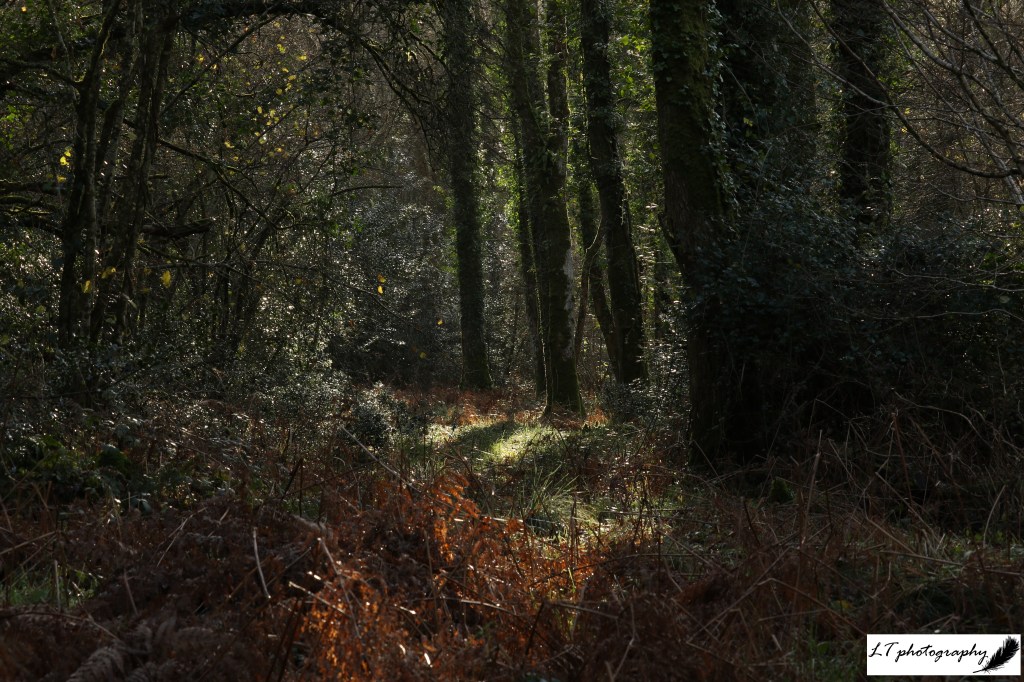
Day 1 – To begin my 12 Days of Laura’s Wild Photos for 2024, I chose a photo that made me think of winter, with it being taken during the winter months. I love the soft sunshine breaking through the trees and producing a pocket of light within the greys and browns of the sleeping woodland.

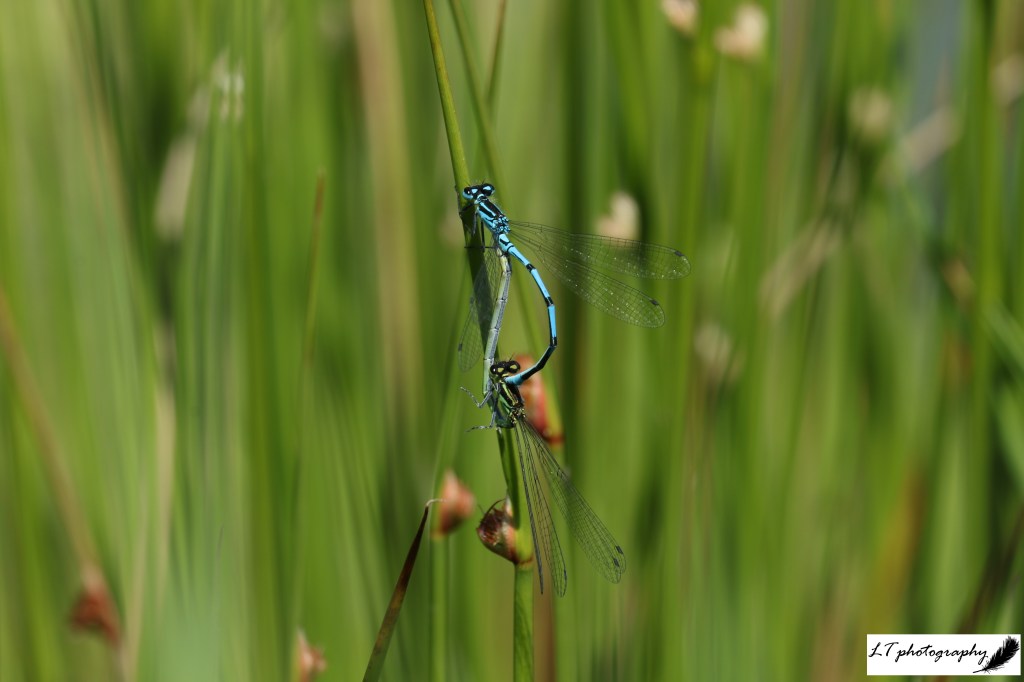
Day 2 – Last year was a year of many adventures and firsts for me, including in my wildlife photography. During May, I got the opportunity to watch and try photographing damselflies for the first time, as they courted over water, and attempted to mate and lay eggs. They are such fantastic coloured jewels to behold!

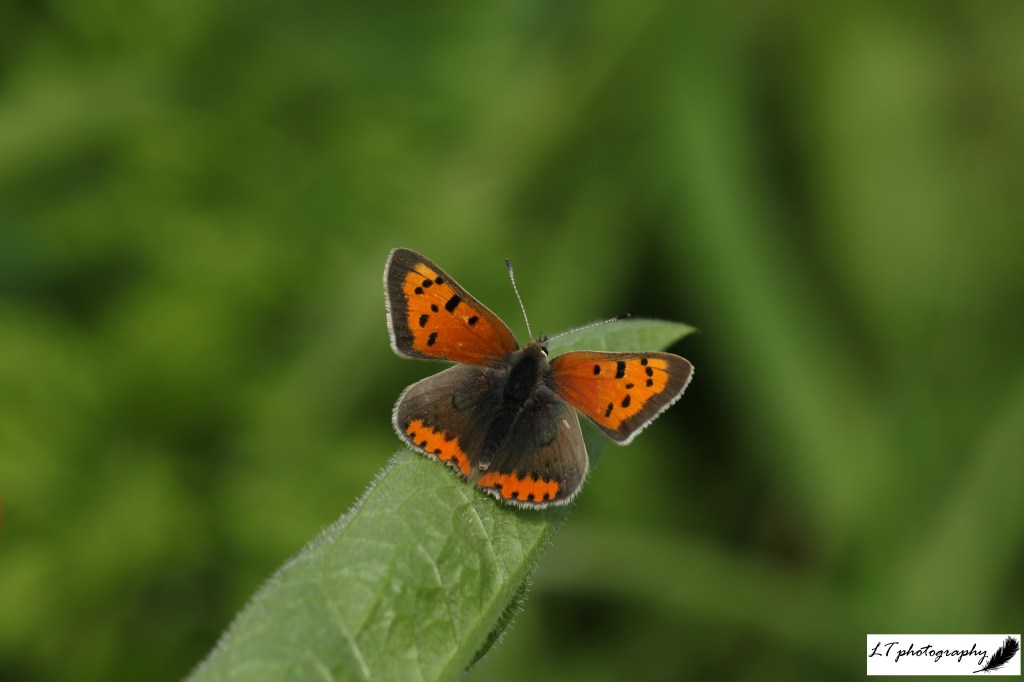
Day 3 – This beautiful Small Copper butterfly was a bright spot of colour for me during an autumnal October day. It was wonderful to see these butterflies flitting around my family’s new wildflower meadow, courting on the wing. It was exciting to see these butterflies choosing to lay eggs here already, despite it only being our meadow’s very first year!

Day 4 – I have captured fantastic sunsets from Canada to Kenya, so I am always trying to find new and wonderful ways to capture their never-ending beauty. They are one of my favourite subjects to photograph, and understandably this photo fills me with such joy including from the experience of taking the photo itself.

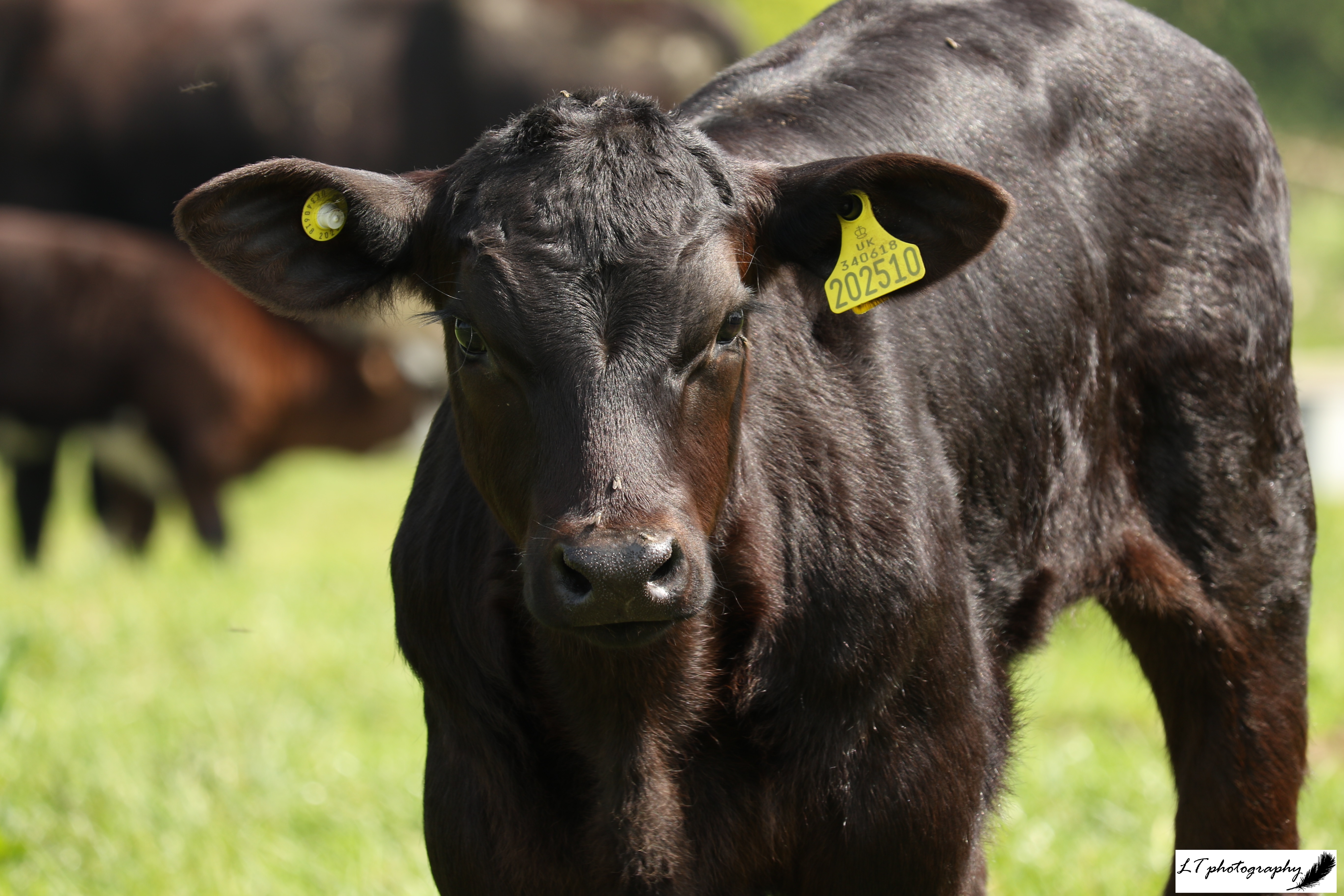
Day 5 – For day 5 of my 12 days, I wanted to include a photo of one of my highlights of 2024, my boy Rook. I had for 9 months looked forward to my cow Raven calving for the first time, and Rook was finally born in April, a week overdue. I enjoyed watching him grow bigger and bigger, and develop a character of his own.

Day 6 – Whenever I needed a mindful moment this autumn, I would escape to our wildflower meadow with my camera. This year my family and I trialled the planting of this meadow with wildflower seeds to see how it would turn out. Well for the first year, it has done well, growing a large diversity of species and becoming a splash of colour as flowers began to pop up throughout the autumn.

Day 7 – For the last day of 2024, I posted a simple photo of a hedgehog feeding from a plate. What is special about it though, is that it marks one evening of many throughout the summer months when a hedgehog would appear before sunset to find food. This tends to signify a lack of wild food available for our hedgehogs, but it was still a great opportunity for me to get to know the hedgehogs in our local area.

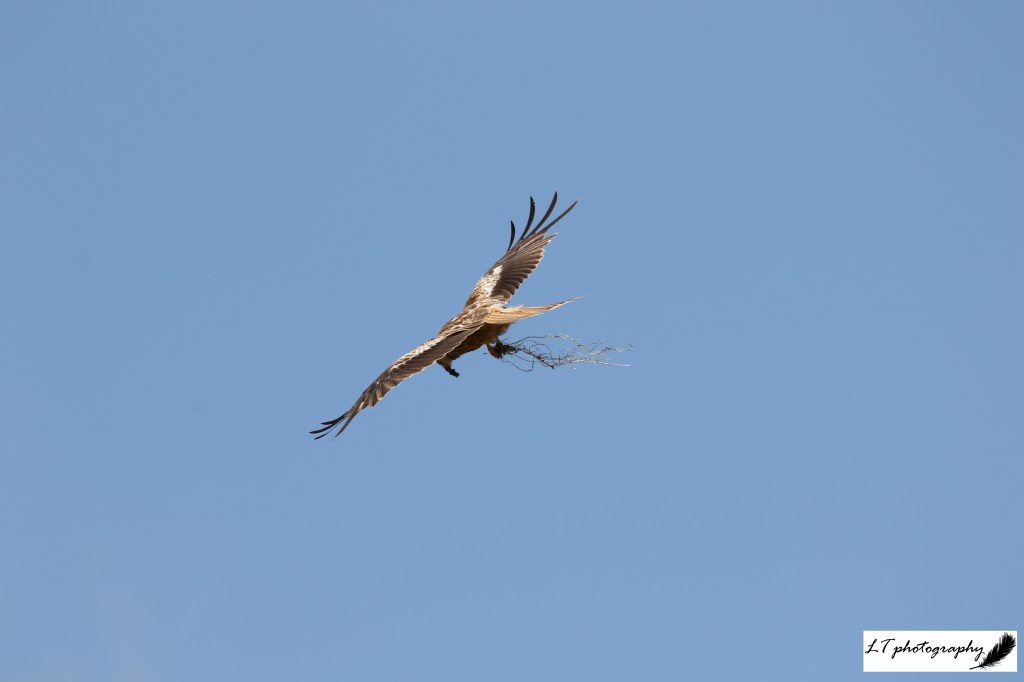
Day 8 – Another of my firsts for 2024 was capturing red kites on the wing in flight. This photo comes from a collection taken during this shoot, when red kites were hunting over a field that was being cut and baled. If you look closely, you can see that this particular bird had some success!

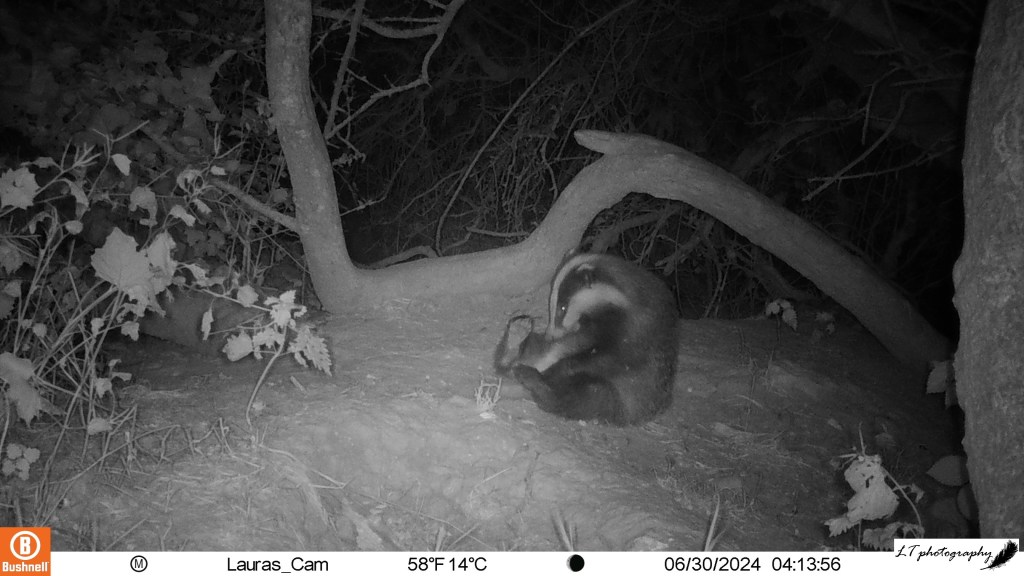
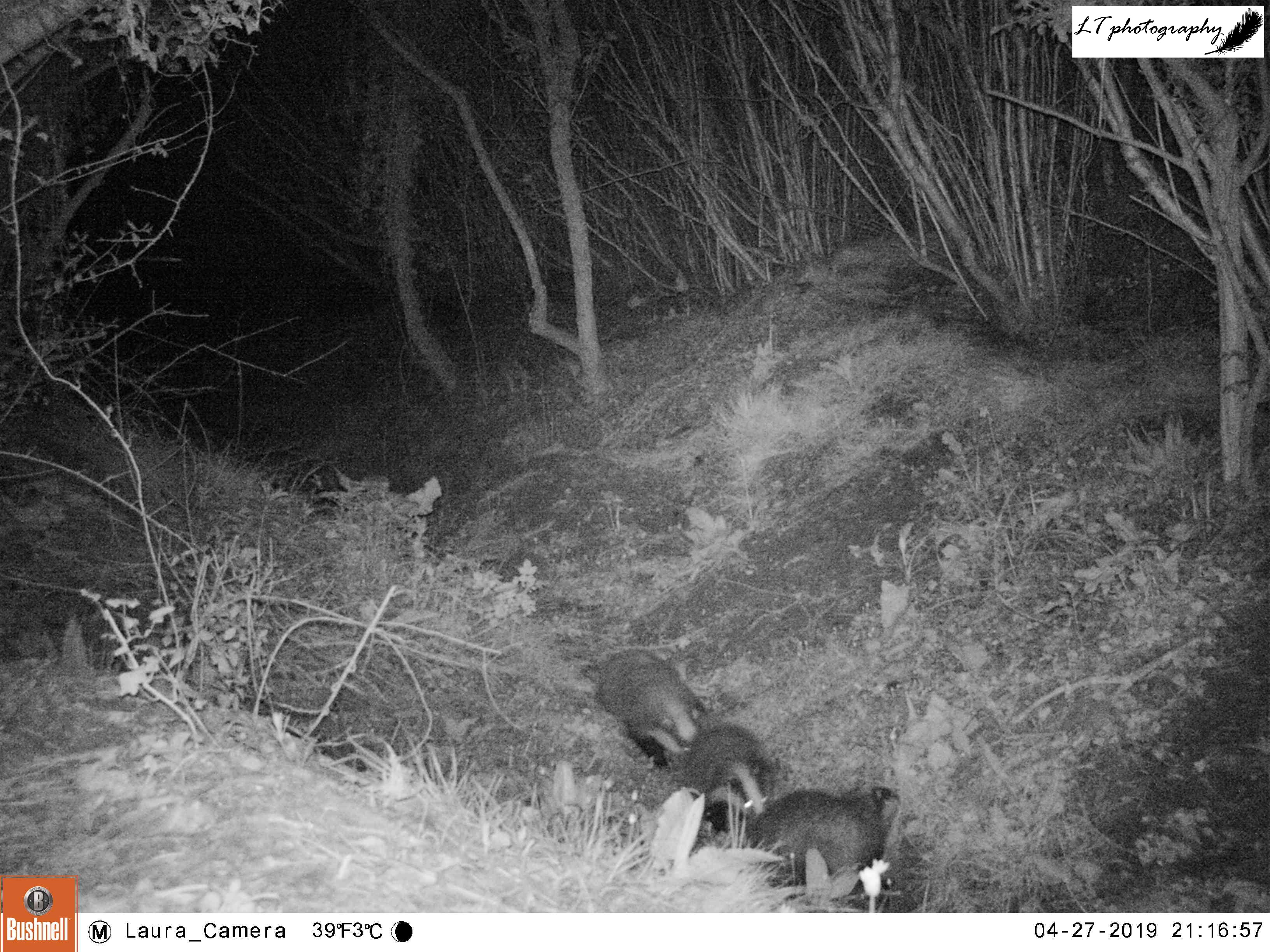
Day 9 – 2024 was a year for me full of incredible wildlife moments and adventures in my happy place out in nature. This included sightings from my camera traps of wildlife ranging from hungry hedgehogs to inquisitive foxes. Some of the best characters though, came in the form of a family of chilled out badgers, including this badger that just needed a sit down!

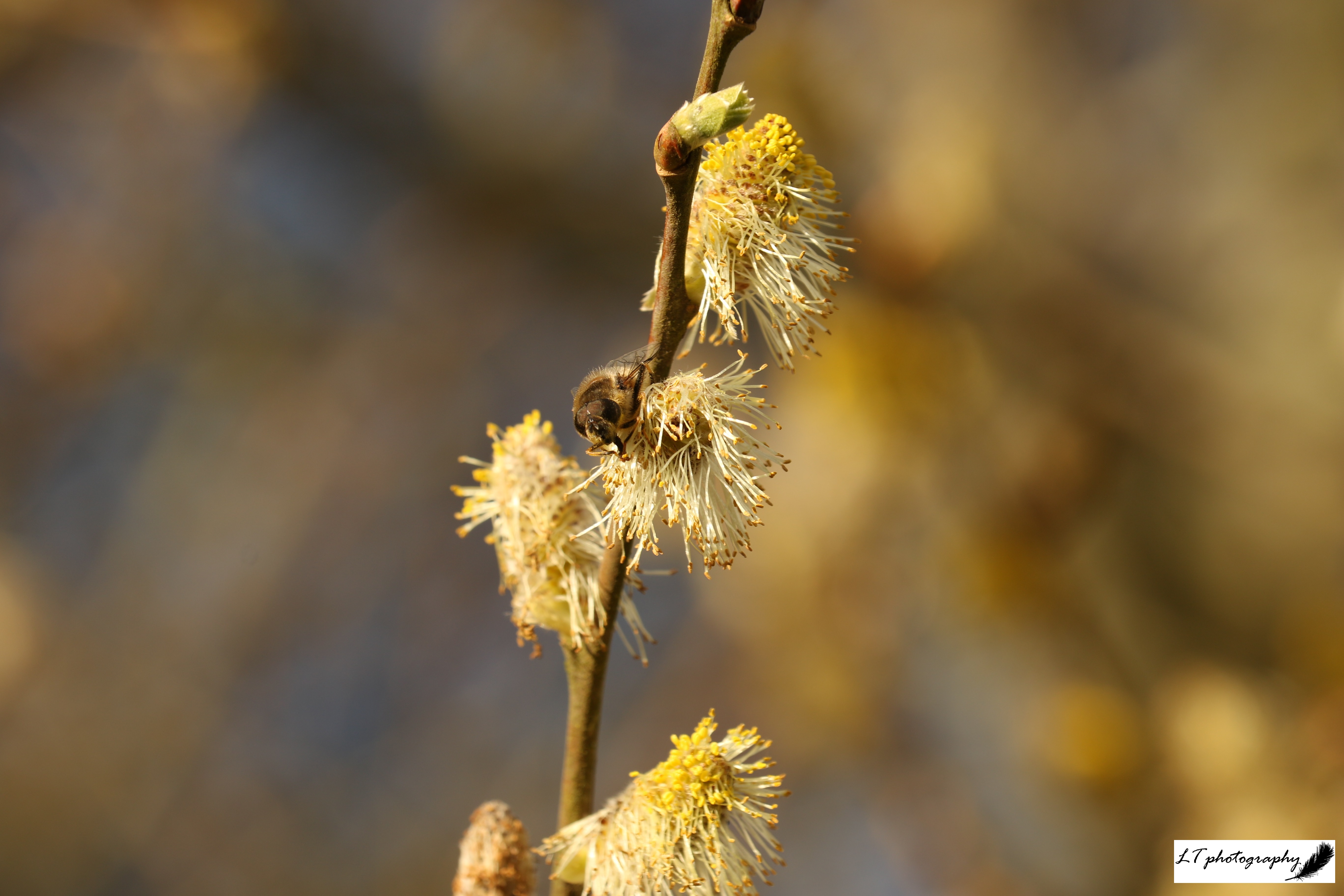
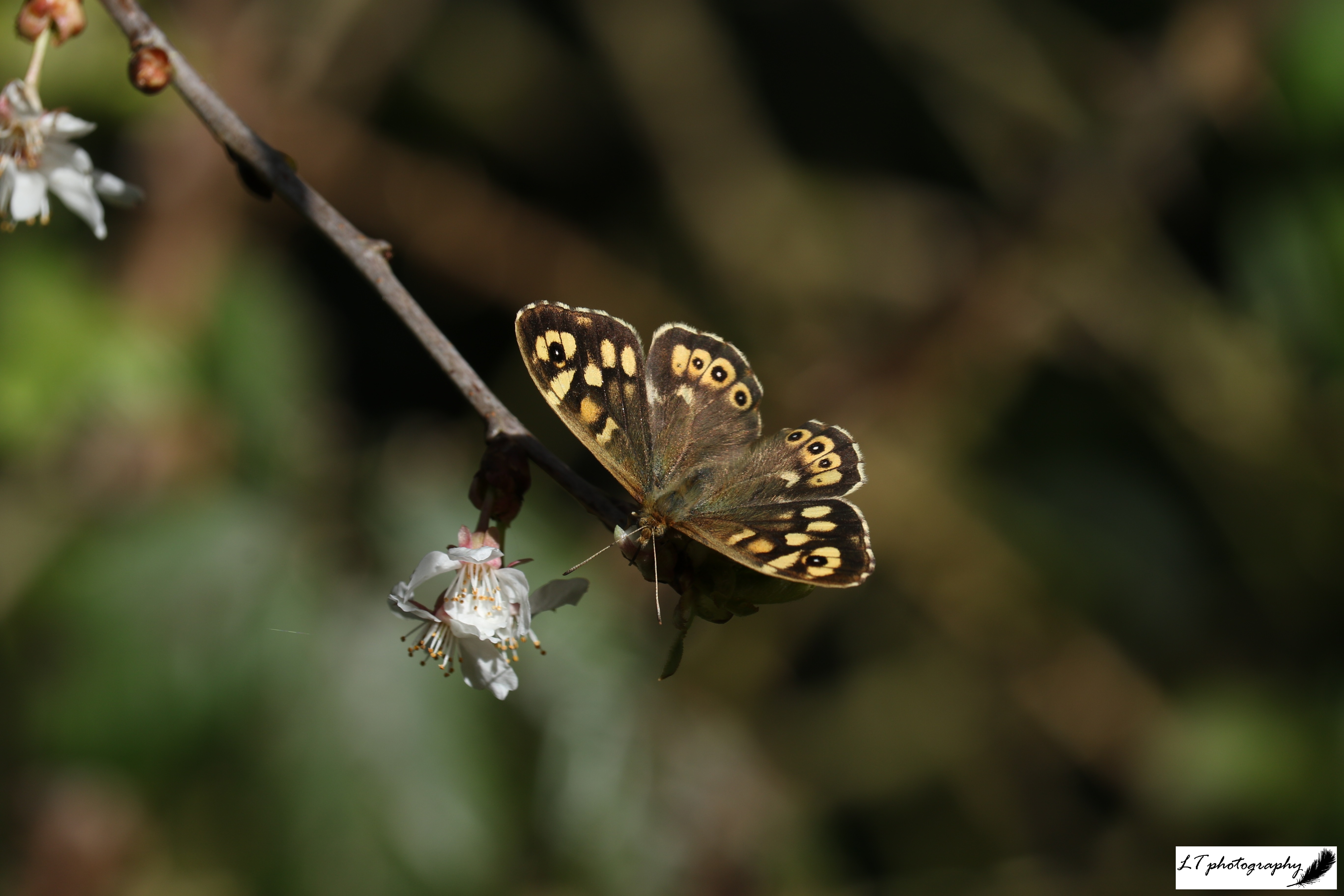
Day 10 – Though I love being out in nature all year round, spring always ends up being my favourite season of the year. It’s a time of hope, new life and incredible natural beauty, which always inspires me in my capturing of the natural world. Here’s just one of the many, many photos from spring 2024, that fills me with joy for the season to come this year!

Day 11 – During 2024, I also had the pleasure of getting to observe my very first nuthatch nest of my bird ringing career. It was amazing to be able to watch as these chicks overtime grew from looking like little dinosaurs to beautifully feathered nuthatch fledglings. This all happened in the matter of a couple of short weeks!

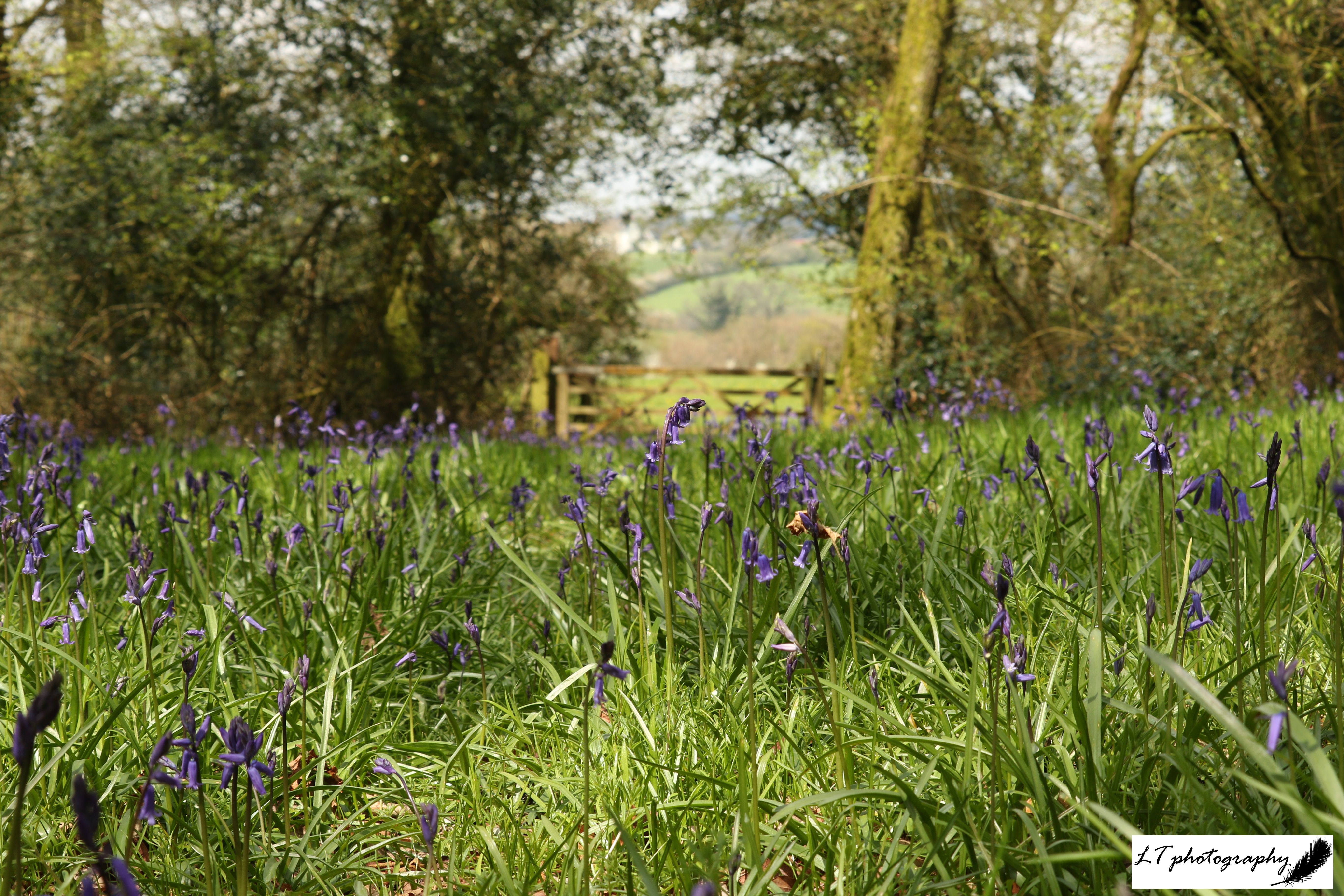
Day 12 – I saved my favourite photo until last during my 12 Days of Laura’s Wild Photos, with this photo showing one of my favourite spring sights. There is nothing quite like a beautiful rich blue carpet of bluebells set against the lush green of new woodland growth. It fills me with joy and the motivation to enjoy another year of the natural wonders in my local area and further afield.

For now it is time to make the most of the last of our winter months, and to look forward to new wild adventures to come!

Spring 2024: How It Happened

Over the last few years, it has been noticeable that weather patterns and average temperatures have been changing and highly unpredictable, leading to the seasons, such as spring, varying from month-to-month and year-to-year, especially here in Dorset. For example, last year spring began a wash out, moving to cold and stormy spells, before ending with heat waves. This year was an equally odd series of spring weather events with a cold start to the season, followed by wet weather with northerly winds, and finishing with drier spells. It was on average warmer and wetter, but cold nights continued for a long time, and had a noticeable effect on plant growth patterns being seen.

Spring 2023 encountered trends for later spring events and a slow start to spring, which helped to create a mismatch between species and spring events. With a warmer, wetter winter before spring this year, and often above average spring temperatures, it is likely the trends this year may differ to those of 2023. It will be interesting to see if this has had an effect though, by looking at trends for some tree, shrub, flower, insect and bird species. How will spring 2024 have shaped up? Read on to see how my favourite season unfurled this year!

Trees

During 2023, spring emergence dates for trees showed a trend for on average later dates, ranging from 1 to 28 days later. In 2024 though, the majority of spring tree dates were earlier, as seen with field maple, horse chestnut, english oak, and wild cherry, ranging from 1 to 22 days earlier from March through to May. Alder dates though were fractionally later, as were ash and sycamore flowering, and silver birch and norway maple budburst, but the other events for these species occurred earlier. The on average warmer and wetter weather will most likely be the reason for these trends, allowing trees to get a head start this year.

Flowers

Plants flowering during spring 2023 occurred on average later, varying from 1 to 16 days. During spring 2024 though, flowering has occurred earlier, as was the trend with tree species. For snowdrops, lesser celandines, primroses, greater stitchwort, wood anemones, early purple orchids, wild garlic, yellow archangel, cuckooflowers, oxeye daisies, and bluebells flowering occurred 1 to 32 days earlier between January and May. The exceptions were found with daffodils, flowering 6 days later during February, and cowslips, 4 days later during April. It would be understandable thus to think that the warmer, wetter weather of the start of spring will have had a heavy influence on these events, just like with trees.

Insects

Of 12 species that had the emergence date recorded during spring 2023, the majority emerged later than the year before, ranging from 2 to 46 days later. This year though, spring 2024 saw the occurrence of a 50:50 split for the 10 species that had their emergence date recorded, with some species from 2023 yet to be seen at all, such as painted lady butterflies.

Buff-tailed bumblebees, 7-spotted ladybirds, and orange tip, red admiral, and speckled wood butterflies all emerged earlier this year, ranging from 2 to 46 days earlier. Conversely, queen wasps, and brimstone, peacock, gatekeeper, and small tortoiseshell butterflies all emerged later than 2023, ranging from 8 to 47 days later. Though not complete for all, the split does tend to be due to March to April species emerging earlier this year whereas April to June species emerged later this year. This may be due to April being a cooler, wetter month this year, impacting insect species more greatly than plant species that were already making their advance and were less impacted.

Shrubs

Spring 2023 mainly showed a trend for later shrub budburst, leaf unfurling and flowering, ranging from 3-27 days from March to May. In contrast, for spring 2024, the majority of events for shrubs occurred earlier, ranging from 1 to 53 days earlier from December through to May. These included for blackthorn, dog rose, elder, hawthorn and hazel, with the only later event being for red female hazel flowers being observed. This trend shows similarities to those of trees and spring flowering plants, and would be similarly due to a warmer, wetter winter and start of spring, allowing events to occur earlier and shrubs to get a head start on the season.

Birds

Following on from the last two years (2022 and 2023), the dates of bird events during spring 2024 showed no clear trend, with a split between different species and events. Rooks began building their nests earlier, chiffchaffs and swallows arrived earlier, song thrushes and yellowhammers first sang earlier, and the first wrens fledged earlier. Conversely, blackbirds first sang later, the first blackbirds fledged later, blackcaps, cuckoos and house martins arrived later, and great-spotted woodpeckers drummed later.

Some of these event timing changes will be due to spring temperatures and weather conditions on short term and long term scales. Other reasons are less obvious currently, but the hope is that bird events will still have been timed right with other species to make the most of resources this year.

Conclusion

Spring 2024 was a thoroughly odd season, varying from month-to-month, but feeling like wet weather prevailed more than the normal. In the end it was vibrant and colourful, though missing the traditional spring feeling. This year spring was heavily effected by climatic changes and changes to weather patterns, and this may become typical during the springs to come. It is really hard to predict then how each season will play out, and it will be interesting to see now how all British species cope with such unpredictability as time goes on. Only time will tell!

Species List

  • Alder (Tree) Alnus glutinosa
  • Ash (Tree) Fraxinus excelsior
  • Blackbird (Bird) Turdus merula
  • Blackcap (Bird) Sylvia atricapilla
  • Blackthorn (Shrub) Prunus spinosa
  • Bluebell (Flowering Plant) Hyacinthoides non-scripta
  • Brimstone butterfly (Insect) Gonepteryx rhamni
  • Buff-tailed bumblebee (Insect) Bombus terrestris
  • Chiffchaff (Bird) Phylloscopus collybita
  • Common wasp (Insect) Vespula vulgaris
  • Cowslip (Flowering Plant) Primula veris
  • Cuckoo (Bird) Cuculus canorus
  • Cuckooflower (Flowering Plant) Cardamine pratensis
  • Daffodil (Flowering Plant) Narcissus spp.
  • Dog rose (Shrub) Rosa canina
  • Early purple orchid (Flowering Plant) Orchis mascula
  • Elder (Shrub) Sambucus nigra
  • English oak (Tree) Quercus robur
  • Field maple (Tree) Acer campestre
  • Gatekeeper butterfly (Insect) Pyronia tithonus
  • Greater stitchwort (Flowering Plant) Stellaria holostea
  • Great-spotted woodpecker (Bird) Dendrocopos major
  • Hawthorn (Shrub) Crataegus monogyna
  • Hazel (Shrub) Crataegus monogyna
  • Horse chestnut (Tree) Aesculus hippocastanum
  • House martin (Bird) Delichon urbicum
  • Lesser celandine (Flowering Plant) Ficaria verna
  • Norway maple (Tree) Acer platanoides
  • Orange-tip butterfly (Insect) Anthocharis cardamines
  • Oxeye daisy (Flowering Plant) Leucanthemum vulgare
  • Peacock butterfly (Insect) Aglais io
  • Primrose (Flowering Plant) Primula vulgaris
  • Red admiral butterfly (Insect) Vanessa atalanta
  • Rook (Bird) Corvus frugilegus
  • Seven-spot ladybird (Insect) Coccinella septempunctata)
  • Silver birch (Tree) Betula pendula
  • Small tortoiseshell butterfly (Insect) Aglais urticae
  • Snowdrop (Flowering Plant) Galanthus spp.
  • Song thrush (Bird) Turdus philomelos
  • Speckled wood butterfly (Insect) Pararge aegeria
  • Swallow (Bird) Hirundo rustica
  • Sycamore (Tree) Acer pseudoplatanus
  • Wild cherry (Tree) Prunus avium
  • Wild garlic (Flowering Plant) Allium ursinum
  • Wood anemone (Flowering Plant) Anemone nemorosa
  • Wren (Bird) Troglodytes troglodytes
  • Yellow archangel (Flowering Plant) Lamium galeobdolon
  • Yellowhammer (Bird) Emberiza citrinella

Spring In Photos 2024

Spring 2024 has no doubt been a tough one for all, nature and wildlife included. The cold and wet weather appearing throughout has made for a unique few months, that has often felt more like a continuation of the winter passed. Despite this, spring took its time to unfurl as in the last couple of years, and had lots to offer.

When it comes to nature, whatever is going on, it continues to provide moments of calm, vibrancy and adventure. This has been apparent more than ever as I venture out with my camera or simply with my phone at hand. Here are just some of the many photos I have taken this spring.

Spring In Photos 2024

Butterfly On Blossom
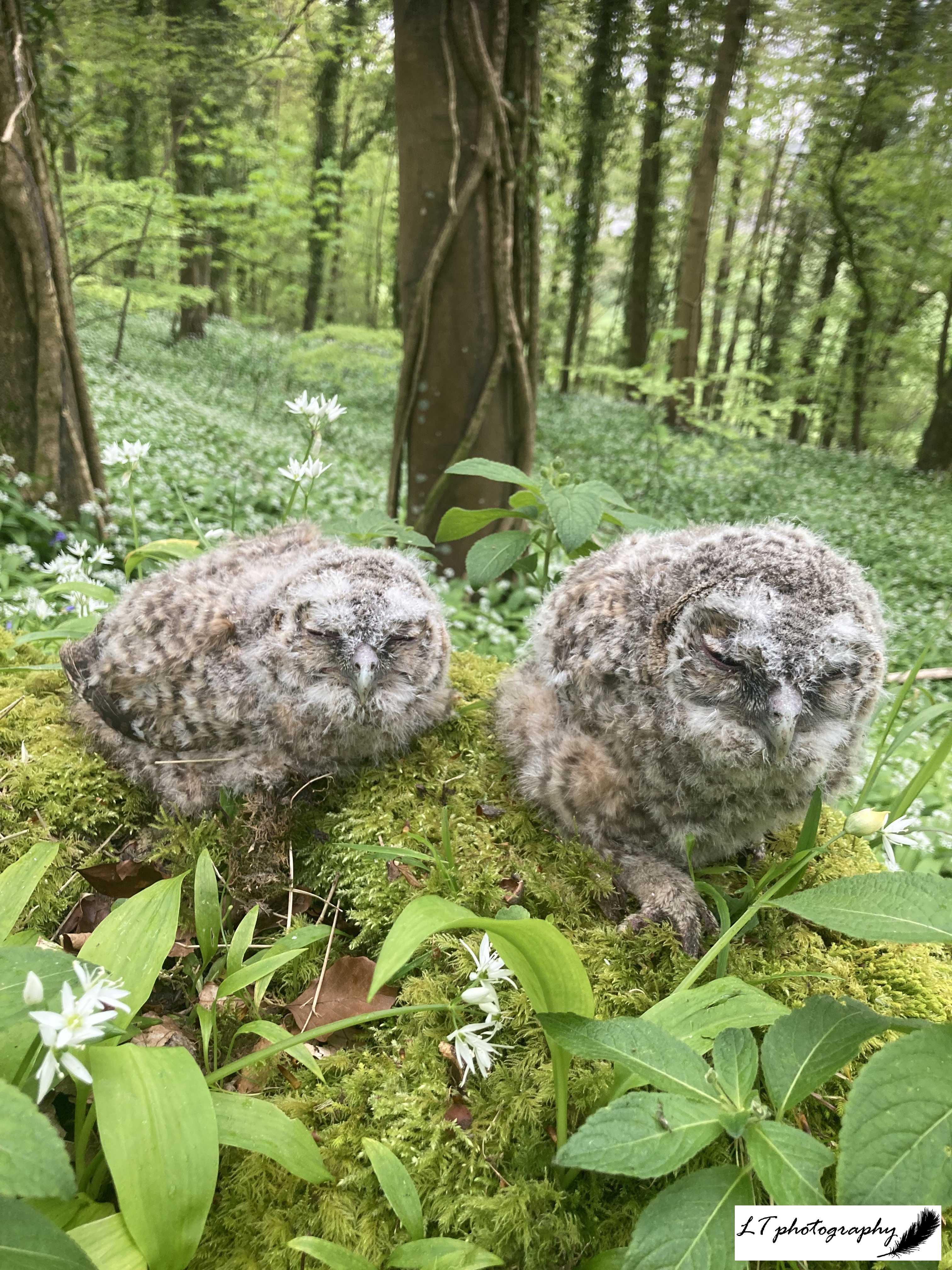
It’s Tiring Being A Tawny chick!
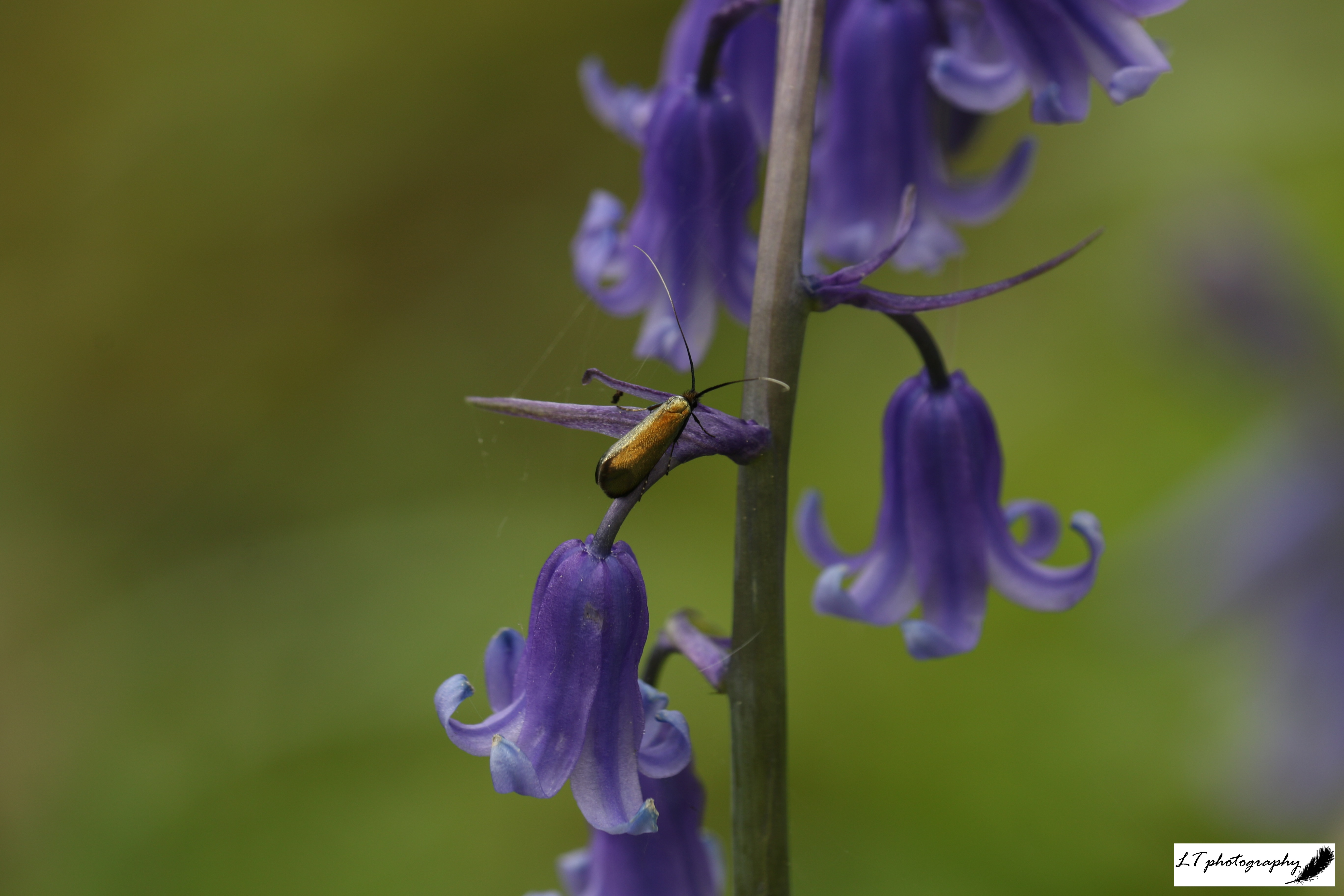
Shimmering Like Gold
In The Spotlight
The Rook To My Raven
Focussing On The Little Things
Sparkling In The Dark
Flying High As A Kite
Beautiful In Blue
Love On The Water
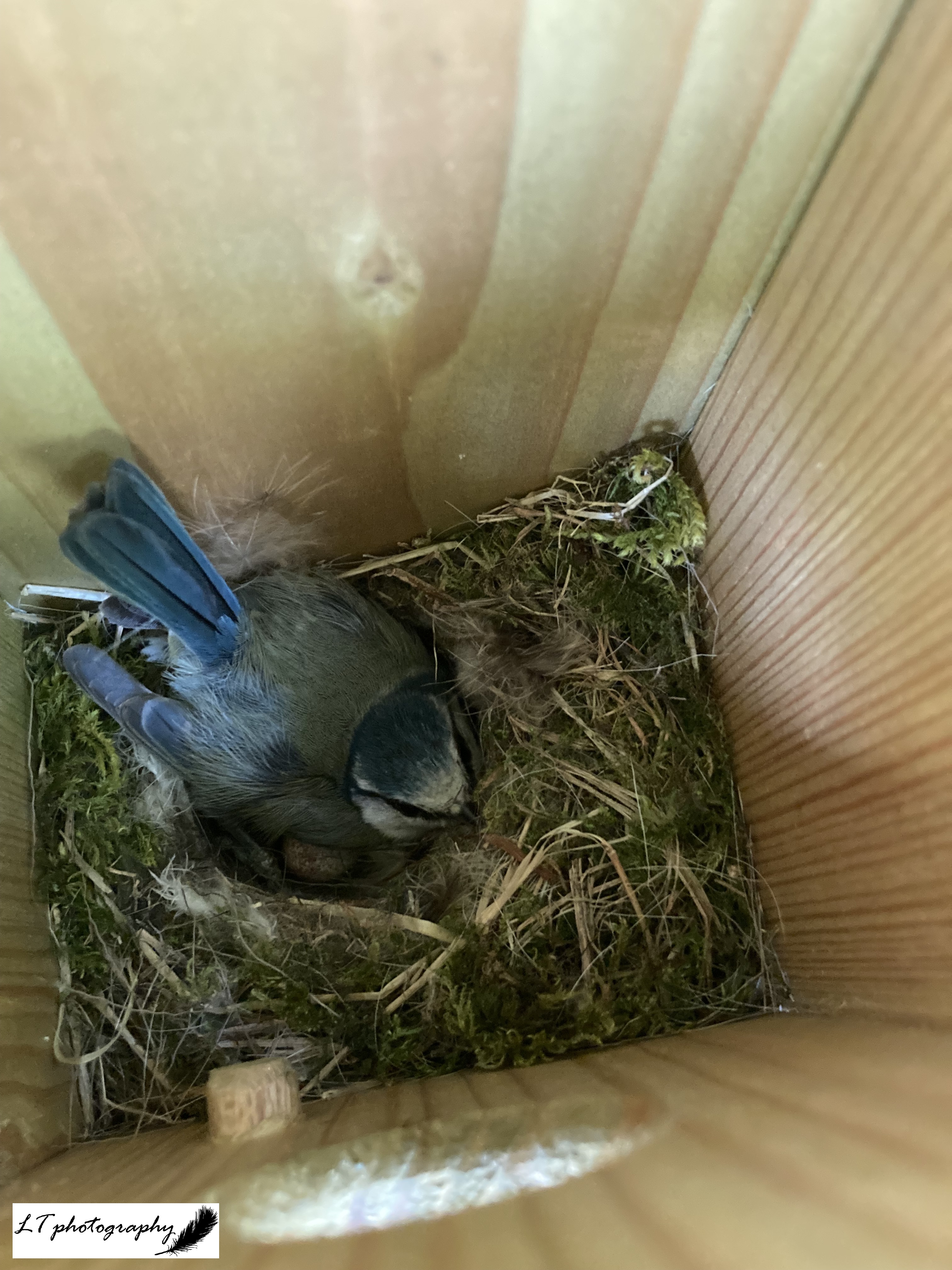
Brooding Like A Blue Tit
A Speckled Beauty

Disclaimer: All birds were handled or observed under rules, with care, and by a trained bird ringer. The welfare of animals always comes first!

Spring 2023: How It Happened

The last few years spring has been unusual and unpredictable, with the effects of climate change changing from month-to-month, year-to-year in Dorset. This year has fitted into this with months switching back and forth between record breaking dry spells or heat waves to rainfall or low temperatures. This is bound to have had an effect on nature and the wildlife around us, which is interesting to explore.

Last year there were trends towards earlier spring events or a slow start to spring and then a speeding up to events in April. I can already suggest that spring this year was slow to start as it gave me the opportunity to really experience spring as it got under way and unfolded in front of me. It will be interesting to see though, if this was the trend for trees, shrubs, flowers, insects and birds alike, if the trend differs to 2022 and how spring shaped up as a whole. Read on to see how my favourite season went this year in all its vibrancy!

Trees

Though in 2022 spring emergence dates for trees had crept earlier than the year before, in 2023 nearly all tree dates were later than 2022, following a more similar trend to 2021 and the proceeding years. Field maple and silver birch both flowered earlier in April, but otherwise ash, horse chestnut, english oak, wild cherry and Norway maple all budburst, unfurled leaves and flowered between 1 and 28 days later from March through to May. The same could be said for the leaves of field maple and silver birch. It was odd to see trees though, lacking their fineries for so long this year!

Flowers

In 2022, flowering times varied between species, but this could be split into half flowering earlier and half later than the year before. This year primroses, cuckooflowers and bluebells in woodland all flowered earlier (4, 2 and 1 day earlier respectively), but flowering trends generally followed a more similar pattern to to those of tree events, occurring later. For snowdrops, lesser celandines, daffodils, stitchwort, cowslips, wood anemones, early purple orchids, wild garlic, oxeye daisies, and hedgerow bluebells this was 1-16 days later between January and June. Interestingly yellow archangel was noticeably absent during its usual flowering time, and instead flowered 36 days later than in 2022 on 17th May, being greatly affected by climate and a great indicator of spring conditions.

Insects

Of 13 species recorded emerging during spring 2022, only 2 did not emerge earlier than the year before: the buff-tailed bumblebee and orange-tip butterfly. For 2023, spring flipped dates back around for insect emergences, with 10 out of 12 recorded species emerging later than the year before. This ranged from 2 days later with the speckled wood butterfly to 46 days later with the red admiral butterfly. The exceptions were peacock and comma butterflies, being recorded 15 and 36 days earlier respectively. This could be due to the colder spring impacting and delaying emergences, for example the brimstone butterfly, a common sign of spring, delayed its emergence until the 3rd of April 2023.

Shrubs

For shrub species recorded in 2022, spring events occurred both earlier and later than in 2021, with no obvious trends. In comparison, spring 2023 showed an obvious trend, with nearly all recorded budburst, first leaf unfurling and flowering for 6 species, occurring later than 2022. The exceptions were dog rose flowering earlier in May and hazel catkins flowering earlier in January. The other spring events took place 3-27 days later from February to May. It was an odd year to see blackthorn flowering 2 weeks later within March and meeting its peak in April, and hawthorn first flowering in May, later than usual.

Birds

There was a split with spring bird events in 2022, with events closer to the start of the season occurring later, and those towards the second half occurring earlier than 2021. For 2023, it seems that the dates of spring bird events were also split, but this time with less clear a trend. Rooks began building nests later and most birds fledged young later, but swallows arrived on the 11th April once again, and blackbirds began singing earlier in February. Some differences in event occurrence can be explained by spring temperatures and weather conditions, whereas some are less easily explained for 2023. It is expected though that the later spring will have an overall effect on bird species through other spring events occurring later.

Conclusion

Spring 2023 varied from month-to-month with weather, temperatures, natural events and vibrancy. As a whole, a general unsettled and cooler time led to spring events occurring later than the year before for many species. The concern is though, that there may be a mismatch between the occurrence of events for different species, such as trees and birds, which could have had a greater impact than currently known. Time will tell what the impact of spring 2023 may be!

Species List

  • Ash (Tree) Fraxinus excelsior
  • Blackbird (Bird) Turdus merula
  • Blackcap (Bird) Sylvia atricapilla
  • Blackthorn (Shrub) Prunus spinosa
  • Bluebell (Flowering Plant) Hyacinthoides non-scripta
  • Brimstone butterfly (Insect) Gonepteryx rhamni
  • Buff-tailed bumblebee (Insect) Bombus terrestris
  • Chiffchaff (Bird) Phylloscopus collybita
  • Comma butterfly (Insect) Polygonia c-album
  • Cowslip (Flowering Plant) Primula veris
  • Cuckoo (Bird) Cuculus canorus
  • Cuckooflower (Flowering Plant) Cardamine pratensis
  • Daffodil (Flowering Plant) Narcissus spp.
  • Dog rose (Shrub) Rosa canina
  • Early purple orchid (Flowering Plant) Orchis mascula
  • Elder (Shrub) Sambucus nigra
  • English oak (Tree) Quercus robur
  • Field maple (Tree) Acer campestre
  • Goldfinch (Bird) Carduelis carduelis
  • Greater stitchwort (Flowering Plant) Stellaria holostea
  • Great-spotted woodpecker (Bird) Dendrocopos major
  • Hawthorn (Shrub) Crataegus monogyna
  • Hazel (Shrub) Crataegus monogyna
  • Horse chestnut (Tree) Aesculus hippocastanum
  • House martin (Bird) Delichon urbicum
  • House sparrow (Bird) Passer domesticus
  • Lesser celandine (Flowering Plant) Ficaria verna
  • Meadow brown butterfly (Insect) Maniola jurtina
  • Norway maple (Tree) Acer platanoides
  • Orange-tip butterfly (Insect) Anthocharis cardamines
  • Oxeye daisy (Flowering Plant) Leucanthemum vulgare
  • Painted lady butterfly (Insect) Vanessa cardui
  • Peacock butterfly (Insect) Aglais io
  • Primrose (Flowering Plant) Primula vulgaris
  • Red admiral butterfly (Insect) Vanessa atalanta
  • Red-tailed bumblebee (Insect) Bombus lapidarius
  • Rook (Bird) Corvus frugilegus
  • Seven-spot ladybird (Insect) Coccinella septempunctata)
  • Silver birch (Tree) Betula pendula
  • Small tortoiseshell butterfly (Insect) Aglais urticae
  • Snowdrop (Flowering Plant) Galanthus spp.
  • Song thrush (Bird) Turdus philomelos
  • Speckled wood butterfly (Insect) Pararge aegeria
  • Starling (Bird) Sturnus vulgaris
  • Swallow (Bird) Hirundo rustica
  • Swift (Bird) Apus apus
  • Wild cherry (Tree) Prunus avium
  • Wild garlic (Flowering Plant) Allium ursinum
  • Wood anemone (Flowering Plant) Anemone nemorosa
  • Wren (Bird) Troglodytes troglodytes
  • Yellow archangel (Flowering Plant) Lamium galeobdolon
  • Yellowhammer (Bird) Emberiza citrinella

Spring Countryside Camera Trap Surveys

M2E43L126-126R396B311

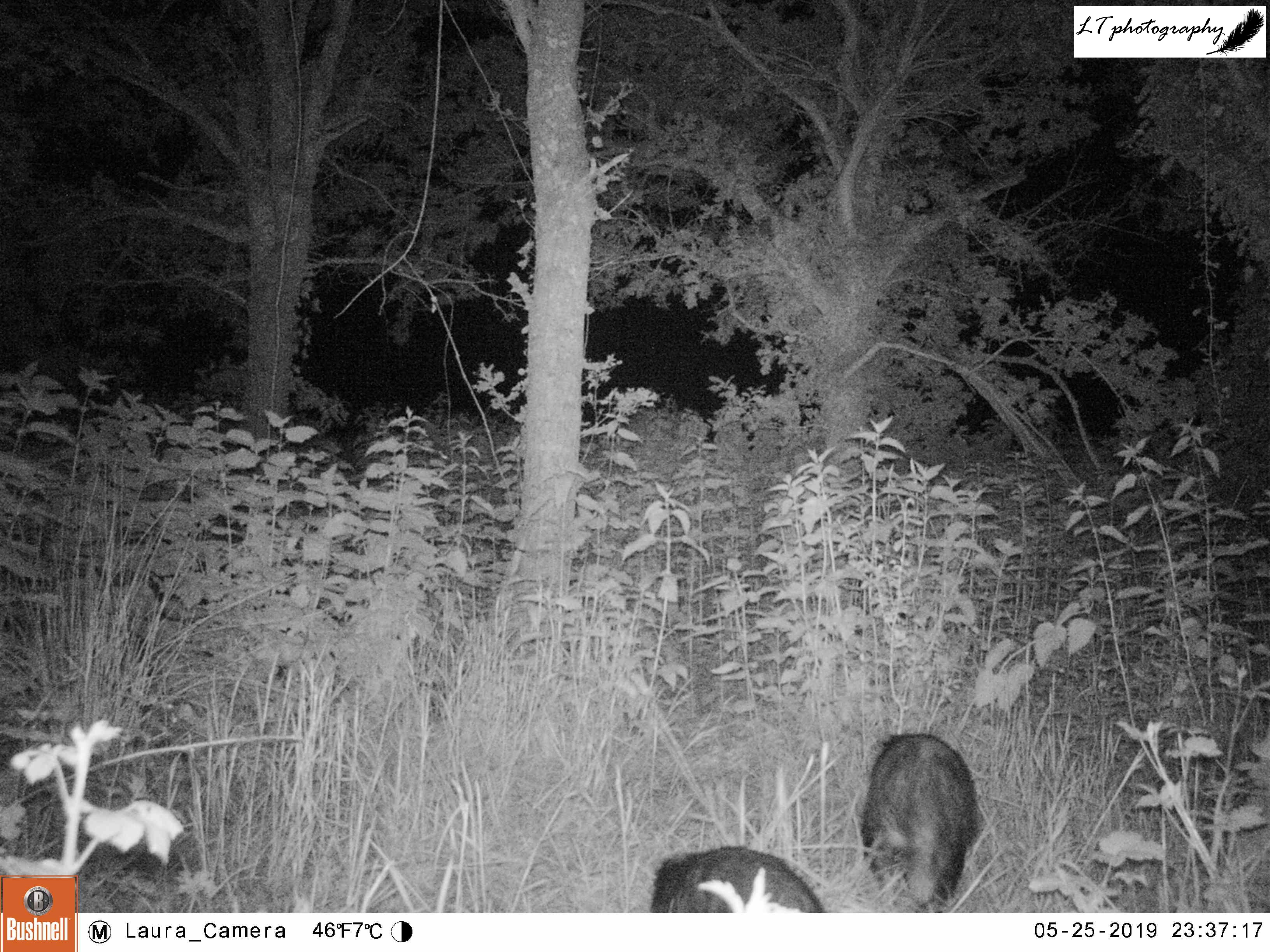
A few years ago, my passion for wildlife led me to save up to buy a Bushnell Trophy camera trap, to be able to explore the wildlife that can be found in my local area. Since then I have embarked on many adventures and had many hours of fun with it, as it allows you to get an amazing undisturbed insight into the lives of more elusive wildlife.
If you are unsure what a camera trap is, it is a digital camera connected to a sensor that is activated/triggered when movement is detected in front of it. It then takes one or a series of photos, a video of select length or a hybrid of the two, that are recorded on to a memory card for later viewing. They are easy to use and can be left out in the elements for long periods of time. My camera trap was a great investment and has now given me years of pleasure at home and further afield, such as in Costa Rica.

This year, as I have been even more inspired by the coming spring, I decided to spend 10 weeks across the season (21st March to 26th May), completing camera trap surveys on my family’s land, which is set in the beautiful Dorset countryside.

For my surveys, over the 10 weeks, I chose a total of 5 camera locations which were used for varying periods of time. These locations I fondly named: copse cam, sett cam, woodland cam, alley cam and fox cam. I left the camera in each location for between 14 to 42 hours across 1-2 nights depending on my intentions at the time. Now spring has seemed to have come to an end, it is now the time for me to take a look back at a fun, exploratory 10 weeks and reflect on some of the wildlife I got the pleasure of recording.

Copse cam

March 2019

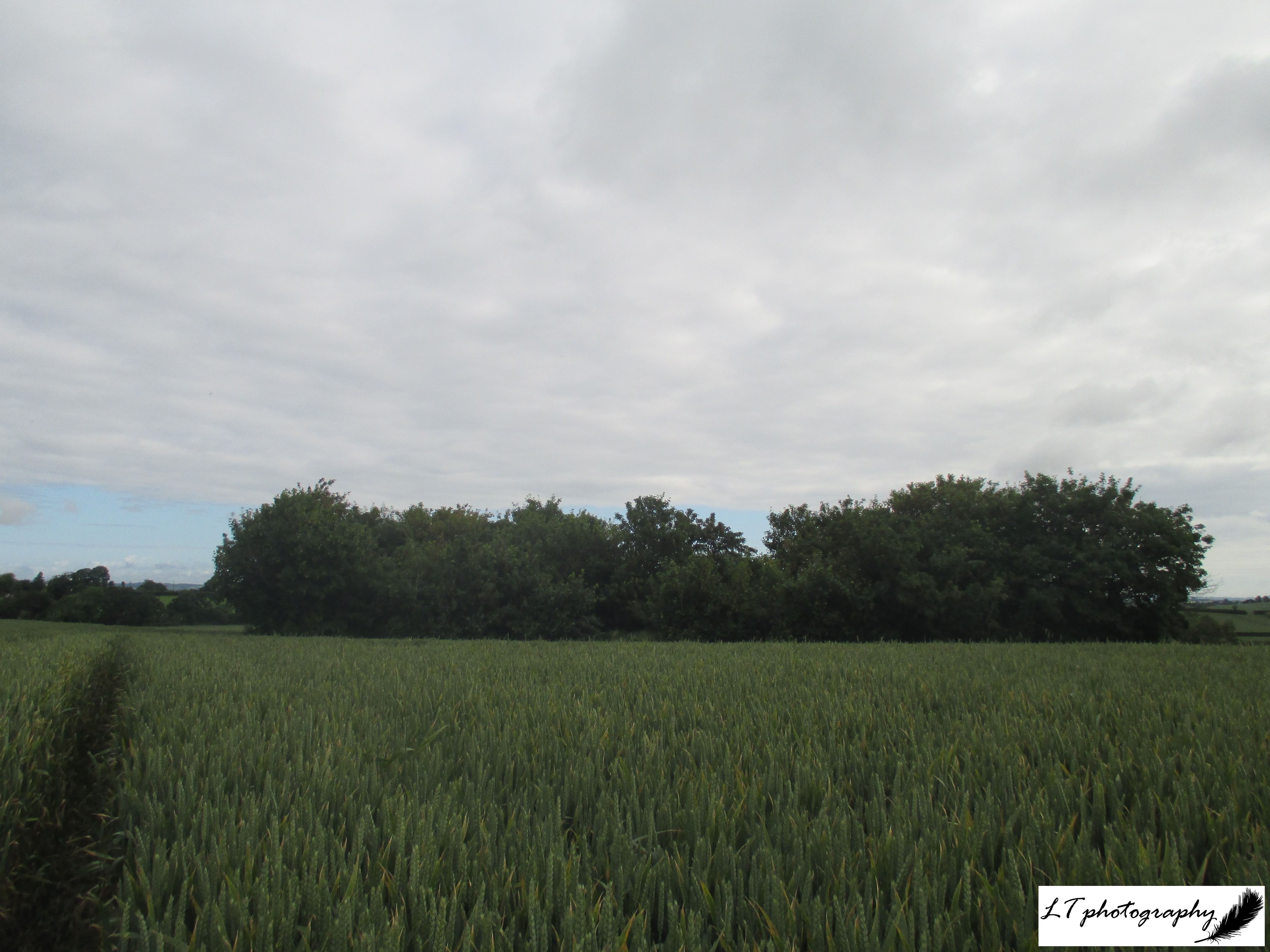
For my first camera location, I chose a small copse situated in a dip within a wheat field that has borders including hedges, trees, a river and a large badger sett. The copse shows signs of use from rabbits and species passing through. The camera was attached to the same tree each time at the centre of the copse, and was either pointed to the west or east to try and capture an idea of activity within the whole area. This location was used for 6 weeks (till 26th April) before the wheat became too long around the copse.

Copse from outside

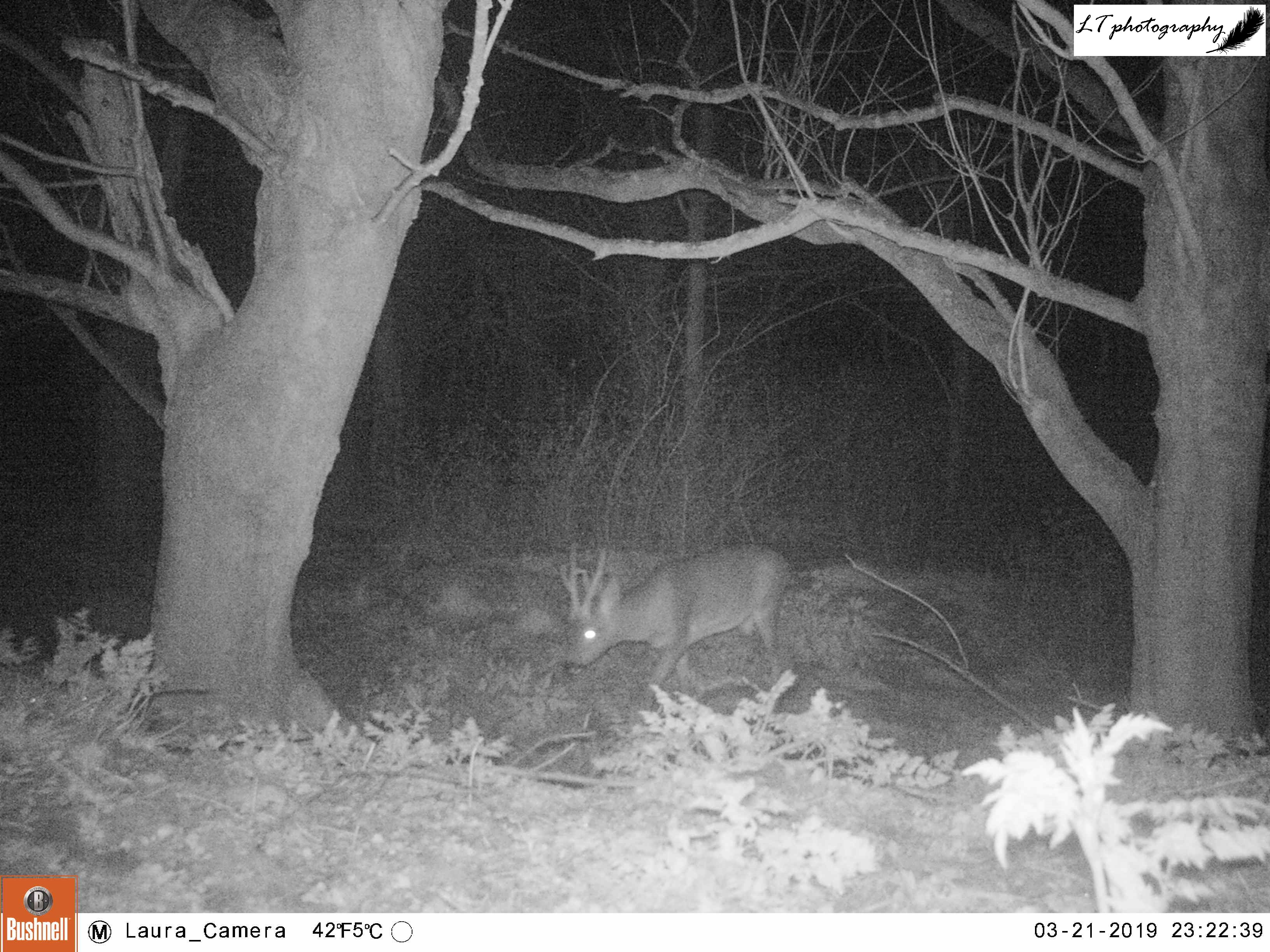
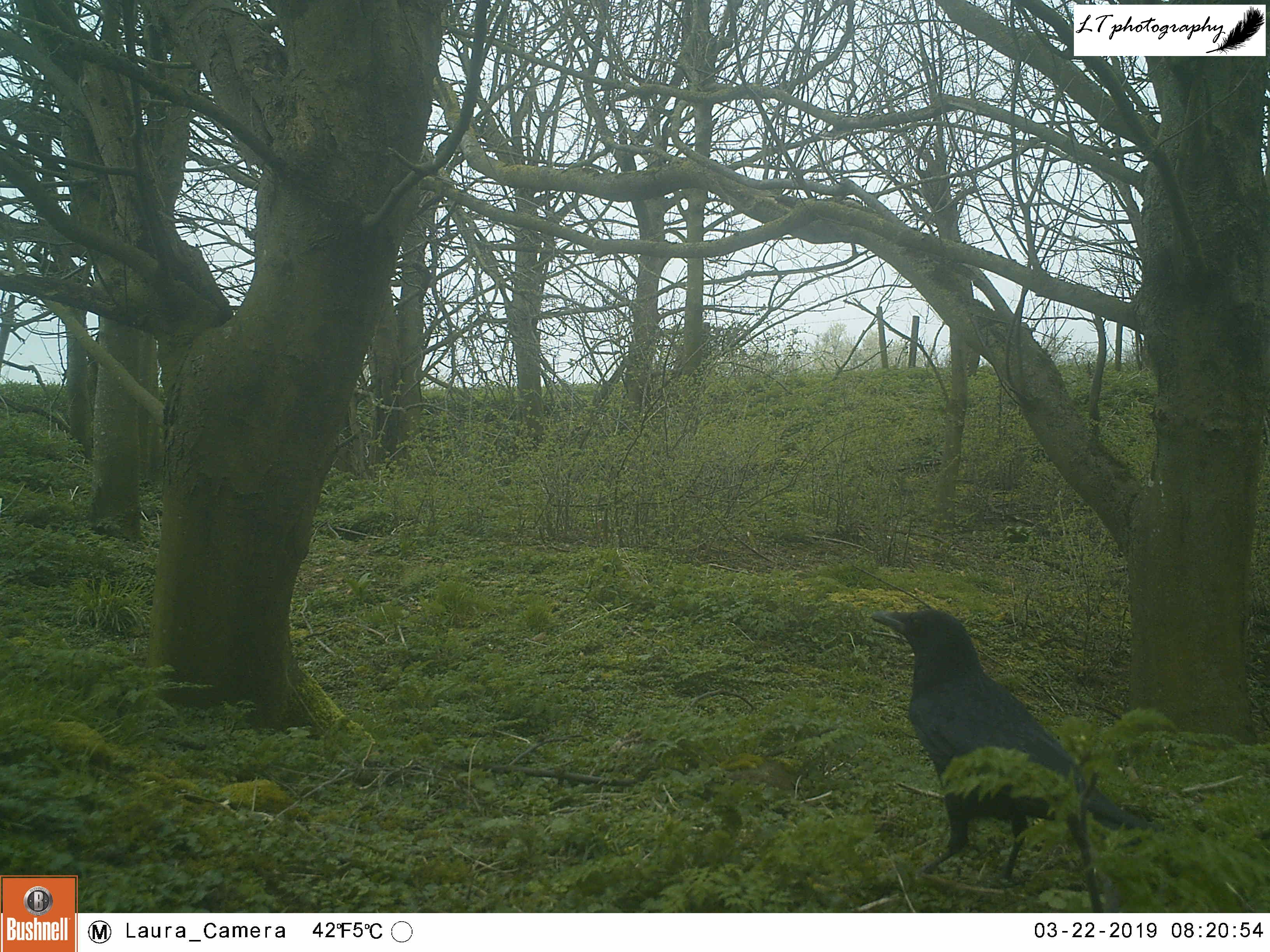
Over the 6 weeks I used this location, 1 week the camera was not set due to bad weather, and another 2 weeks the camera was not triggered at all. Across the 3 weeks that had some success, 5 species were recorded (all singular individuals) that were:

  • Male and female roe deer

Male roe deer

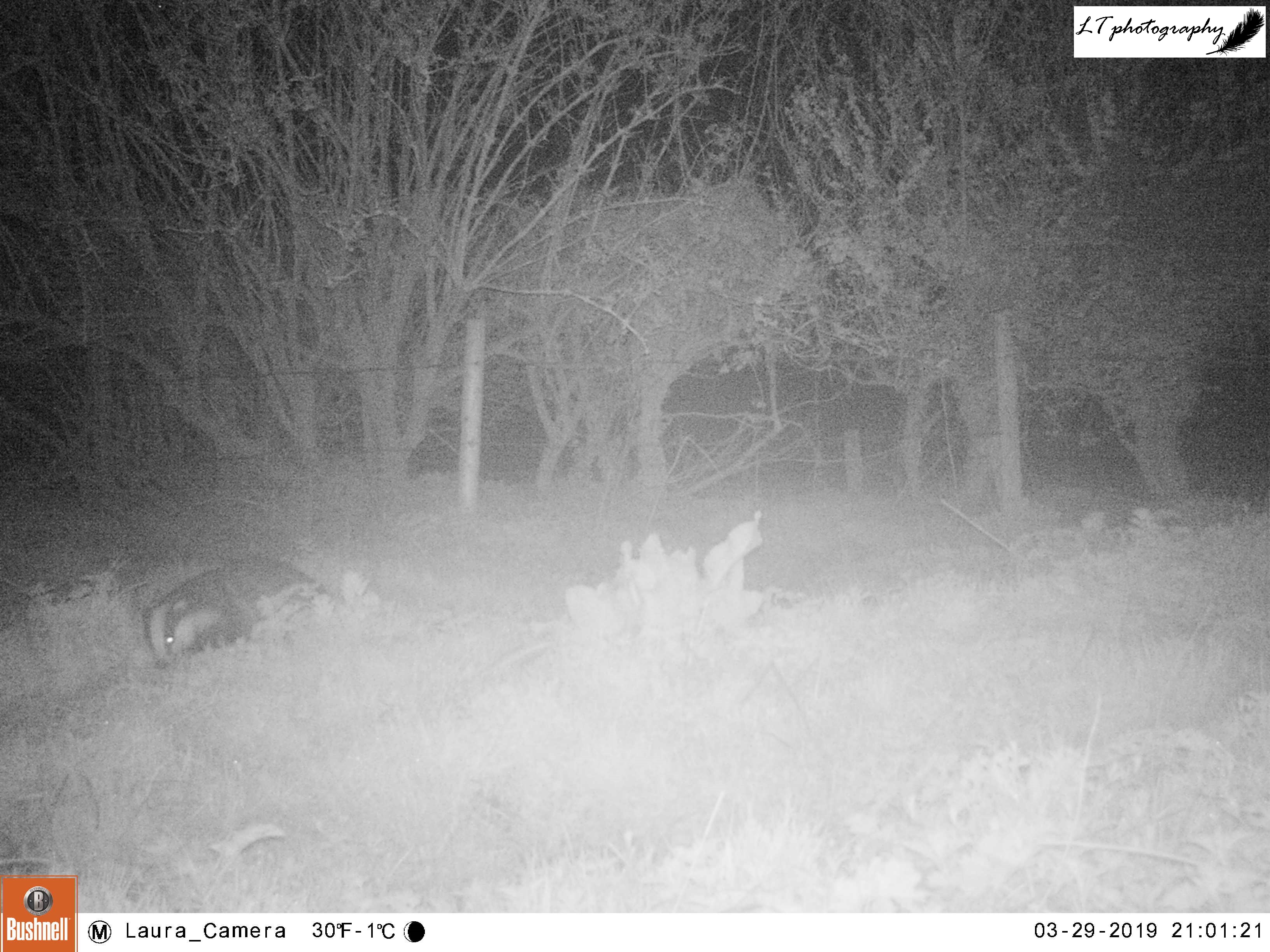
  • Badger

Badger

  • Carrion crow

Carrion crow

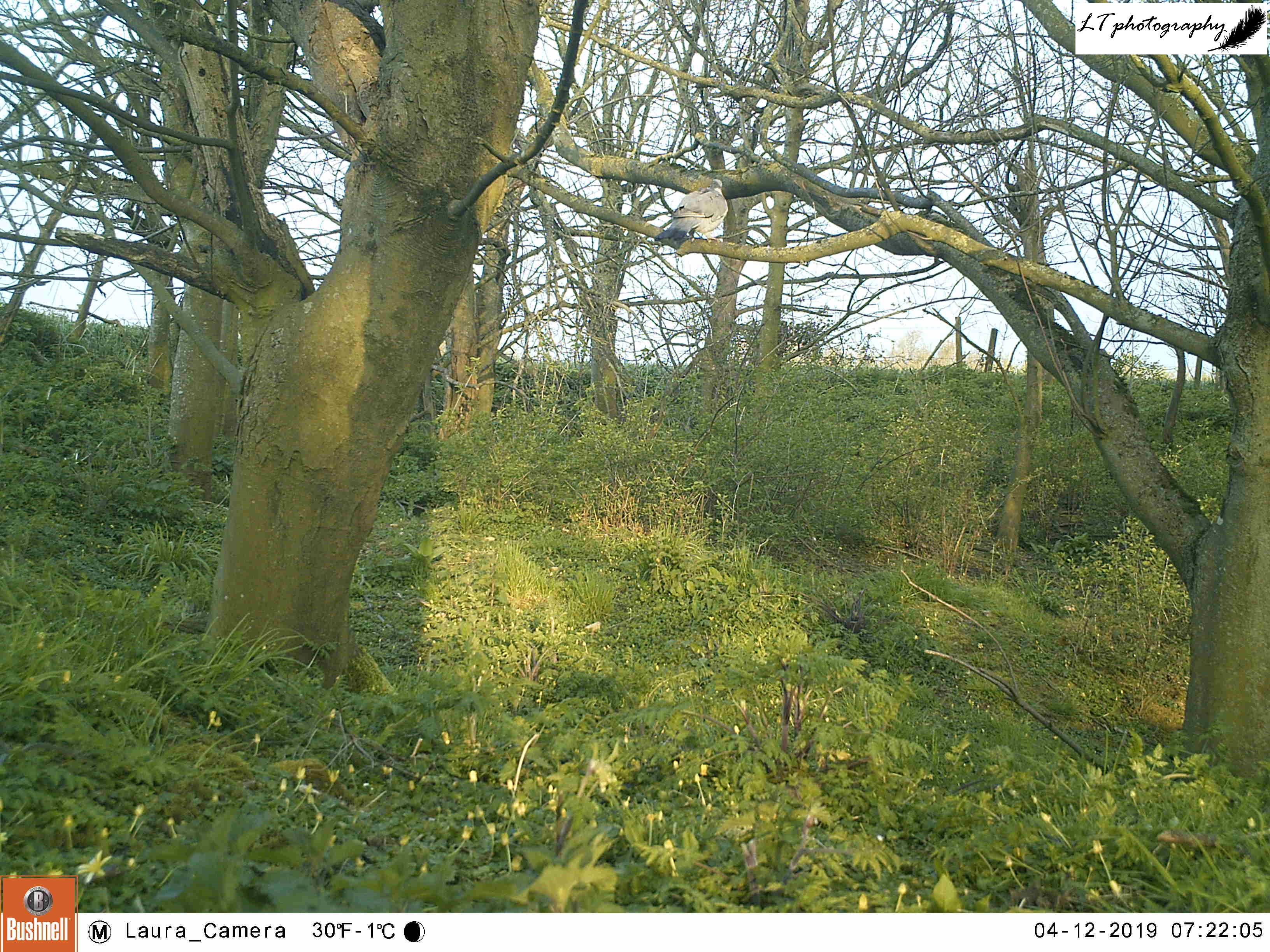
  • Woodpigeon

Woodpigeon

  • Red-legged partridge

Red-legged partridge

A range of animal behaviour was seen on the copse cam, including foraging, resting and fleeing behaviour. Unfortunately due to the growing wheat increasingly isolating the copse, the number of camera triggers, and thus survey success, dropped by 80% over the 3 weeks wildlife was seen. Despite this, I did enjoy the wildlife the camera did capture, as it gave an idea of the wildlife passing through this spot at the beginning of spring.

Favourite photo: an up-close and personal shot of a female roe deer. Other photos captured show that this particular female was possibly pregnant during my surveys.

Doe-eyed (female roe deer in the mist)

Sett cam

For my second camera location, I chose a large fenced off badger sett towards the east of my family’s land. The sett is on the border of agricultural grassland backed by a hedge made up of traditionally known hedge species, including blackthorn and hawthorn. The camera was attached to one of two fence posts spaced approximately a metre apart and facing into the main area of the sett in various directions. This location was used for 5 weeks (till 19th April) until the vegetation within the sett area grew to a height that obscured the view of the camera trap.

Sett in daytime

Over the 5 weeks, one week the camera was not set due to bad weather, leaving 4 weeks in which this location was used. In this time the species seen were (all singular individuals):

  • Badger

Badger

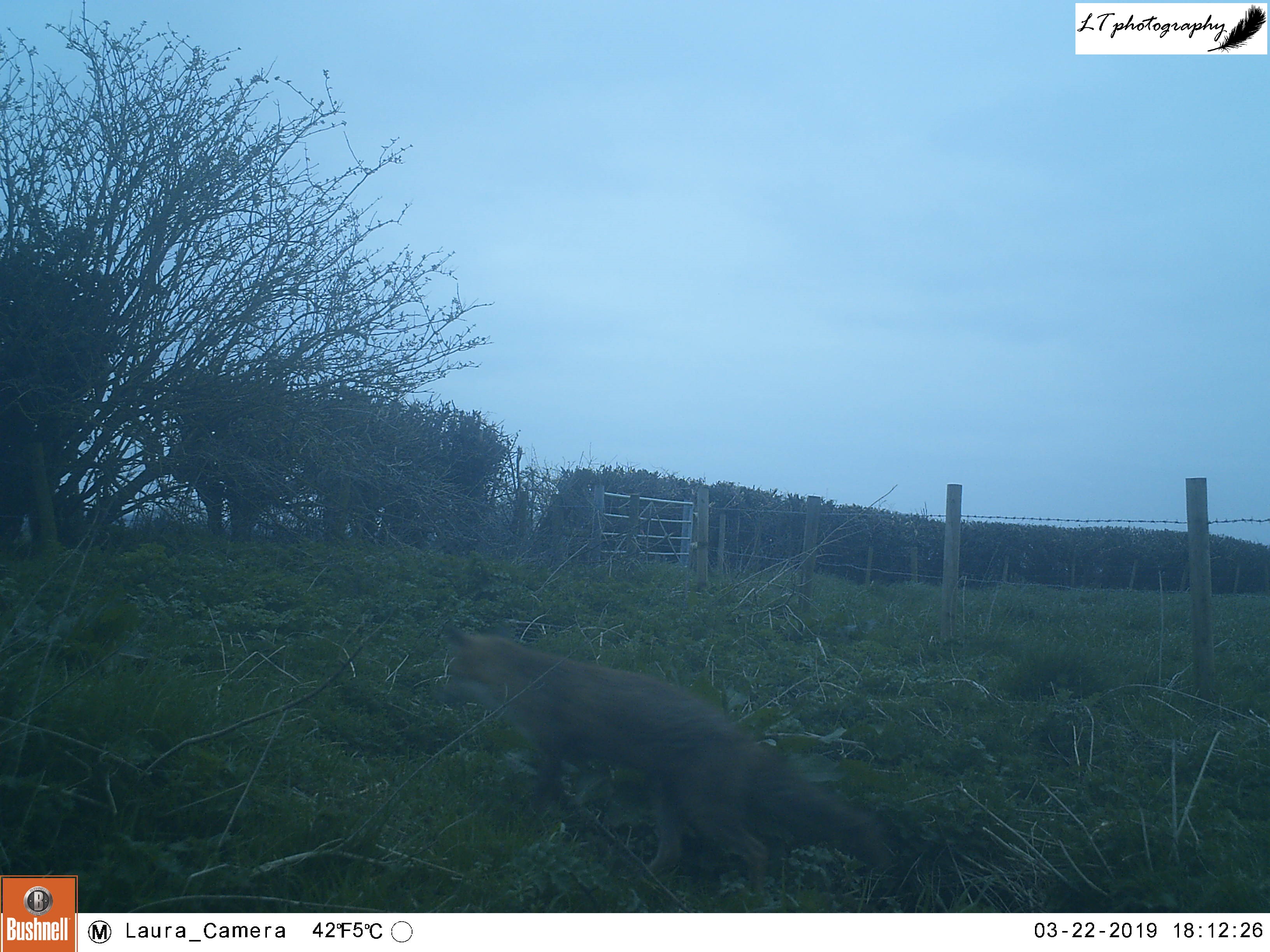
  • Fox

Fox

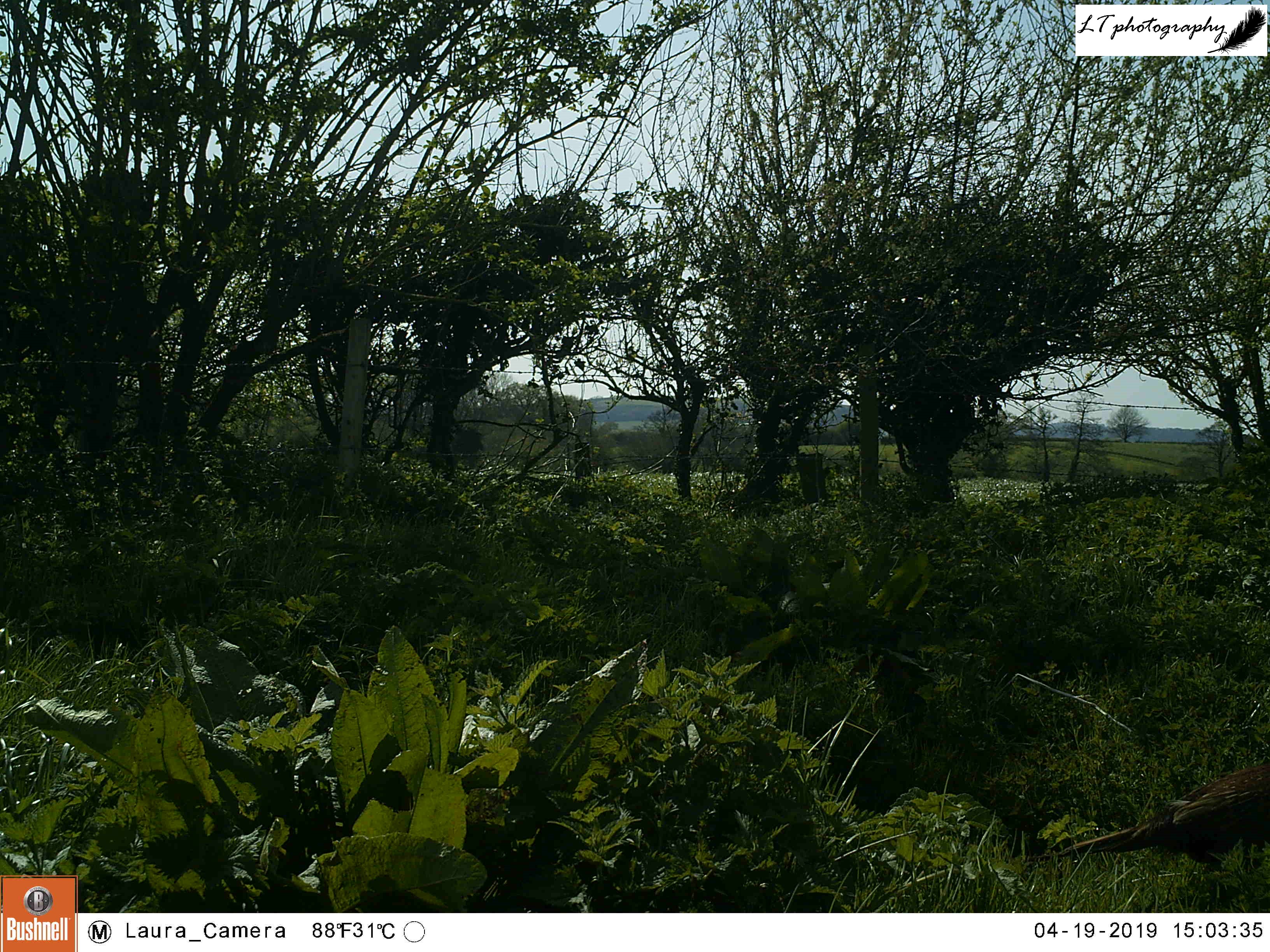
  • Pheasant

Male pheasant

  • Rook

Rook

The number of times the camera trap was triggered was random in relation to length of time set and survey week. Behaviours recorded included foraging and fleeing behaviour. Again, though this camera location was only used for a few weeks, it was great to see the wildlife there, in particular finally seeing badgers actively living in this sett.

Favourite photo: Though the subject of this shot is less noticeable, I love seeing in this photo the shape of a fox disappearing off along the hedge and field line in the background.

Cunning fox

Woodland cam

For my third location, I chose a small area of secondary woodland not far from my house, bordered on its edges by a private lane, meadows and more woodland. The woodland consists of wild cherry trees and predominantly oak trees. For the entire period of 10 weeks, the camera trap was moved between different trees and aimed in different directions to cover a variety of areas within the woodland.

Over the 10 weeks, the lives of 4 common species within this woodland were recorded. These were:

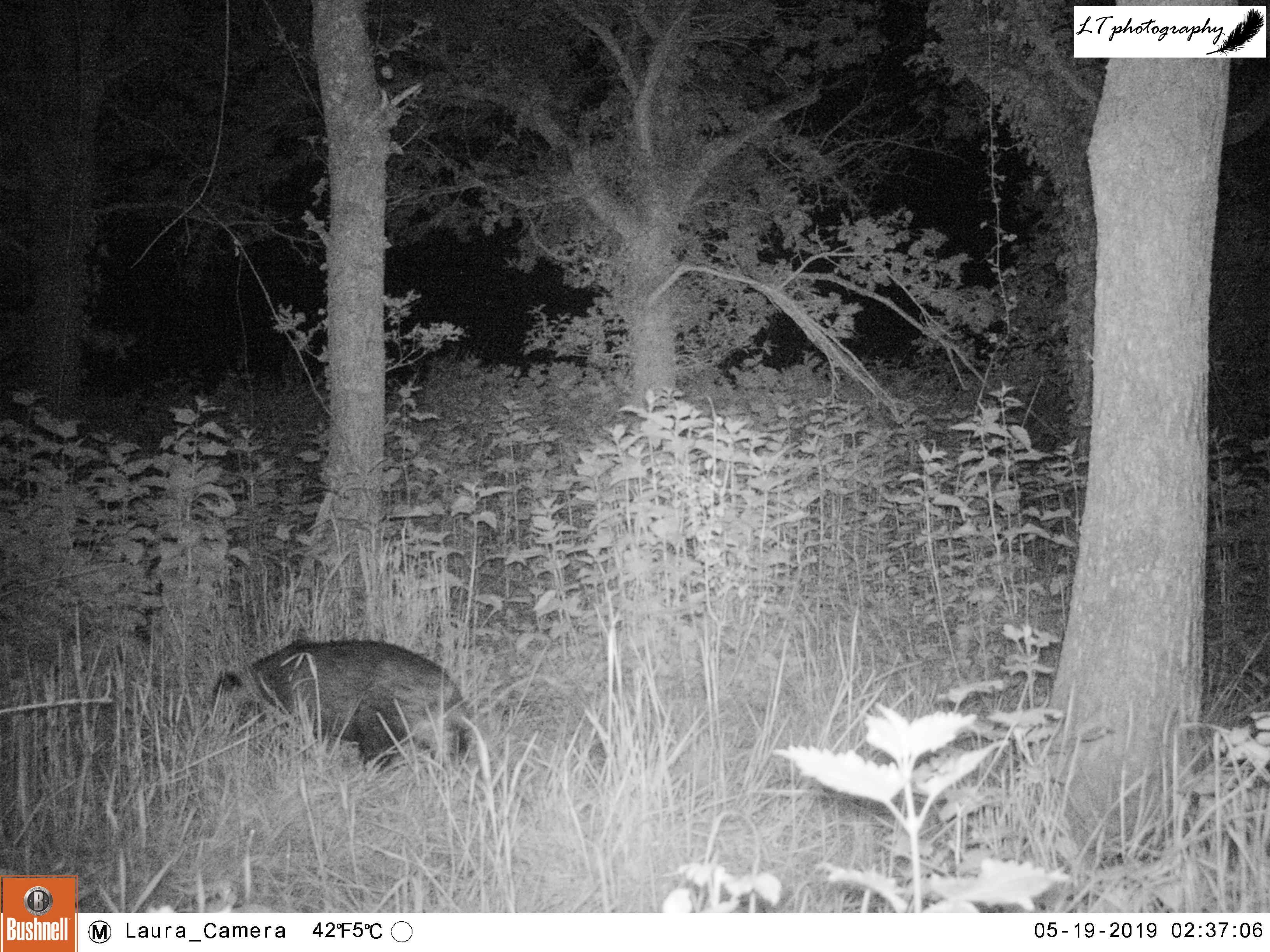
  • Badger (1-2 individuals in a photo)

2 badgers

  • Fox

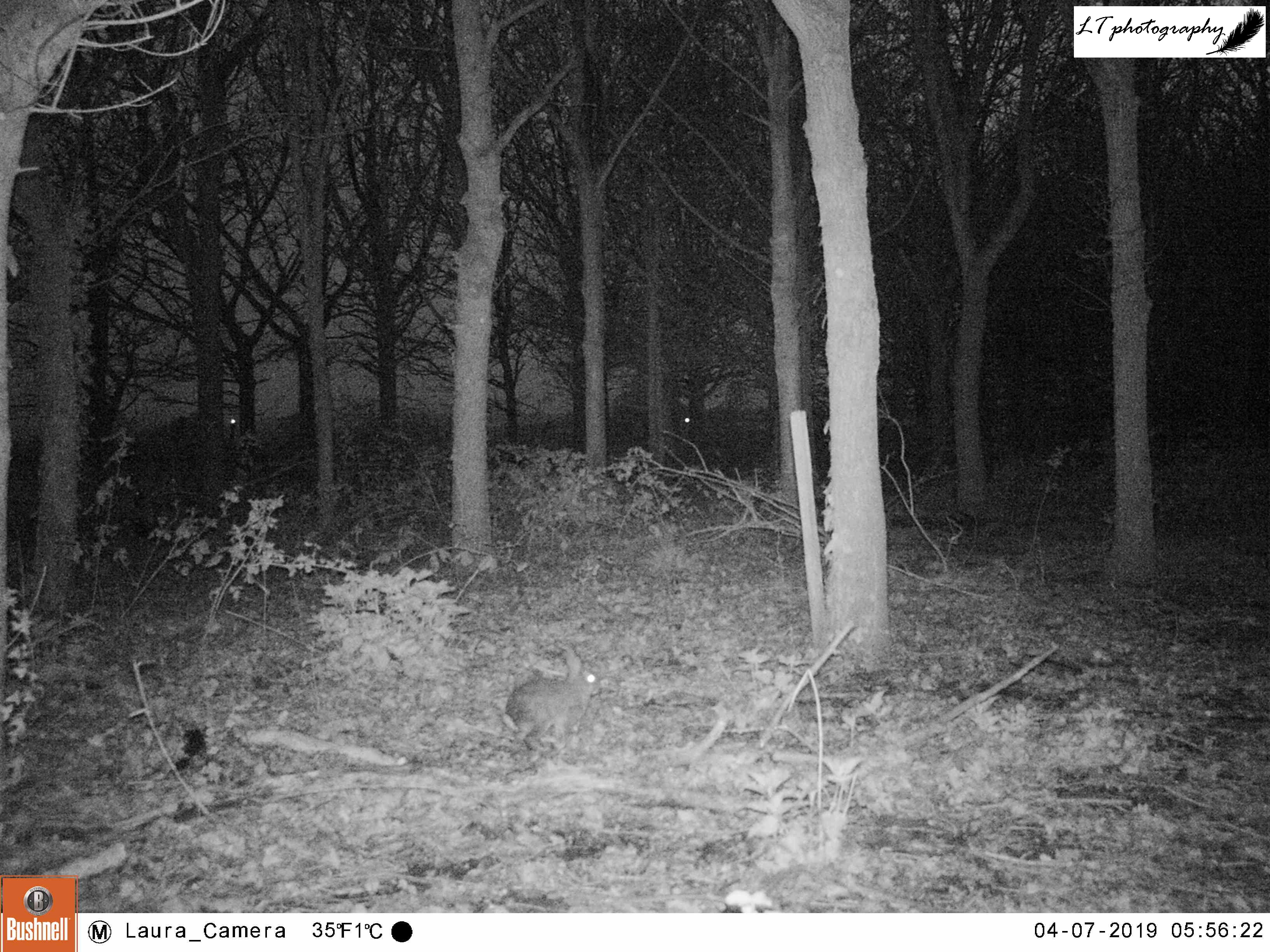
  • Rabbit (included alongside a pheasant in a couple of shots)

Rabbit

  • Pheasant (1-2 individuals in a photo)

The number of times the camera trap was triggered was random in relation to length of time set and survey week. What is interesting though, is that foxes were seen passing through the wood over the first 5 weeks (March into April), but not in the last 5 (April into May). This differs to what was seen for badgers, where compared to the first few weeks, badgers were seen mainly in the last 4 weeks (May) and in increasing numbers, which would correspond with breeding stage and foraging tactics. It was great to see the badgers in this way.

Favourite photo: My favourite photo has to be from when I increasingly caught sight of the badgers in the woodland, as it filled me with excitement every time I saw these photos.

Badgered

Alley cam

For my fourth location, following week 6 (27th April), I chose one of my favourite sites on my family’s land, fondly known as Badger Alley. I refer to a 1-3m wide, rarely used bridle/footpath that is enclosed overhead by the tall hedges growing on either side (creating a tunnel effect). Along this path, an active badger sett and a deserted sett can be found, which are shared by other species, such as rabbits and foxes. The path is also rich along its length with a variety of plant species. In the end, I chose to position my camera trap to be able to take in part of the active sett as well as the path along side it to see what I could see.

Alley cam

Over the 5 weeks from 27th April to 25th May, the camera trap recorded a total of 6 different species, which were:

  • Roe deer

Female roe deer

  • Fox

  • Badger (1-3 individuals in a photo)

  • Rabbit (1-2 individuals in a photo)

  • Woodpigeon

Woodpigeon

  • Grey squirrel

Grey squirrel

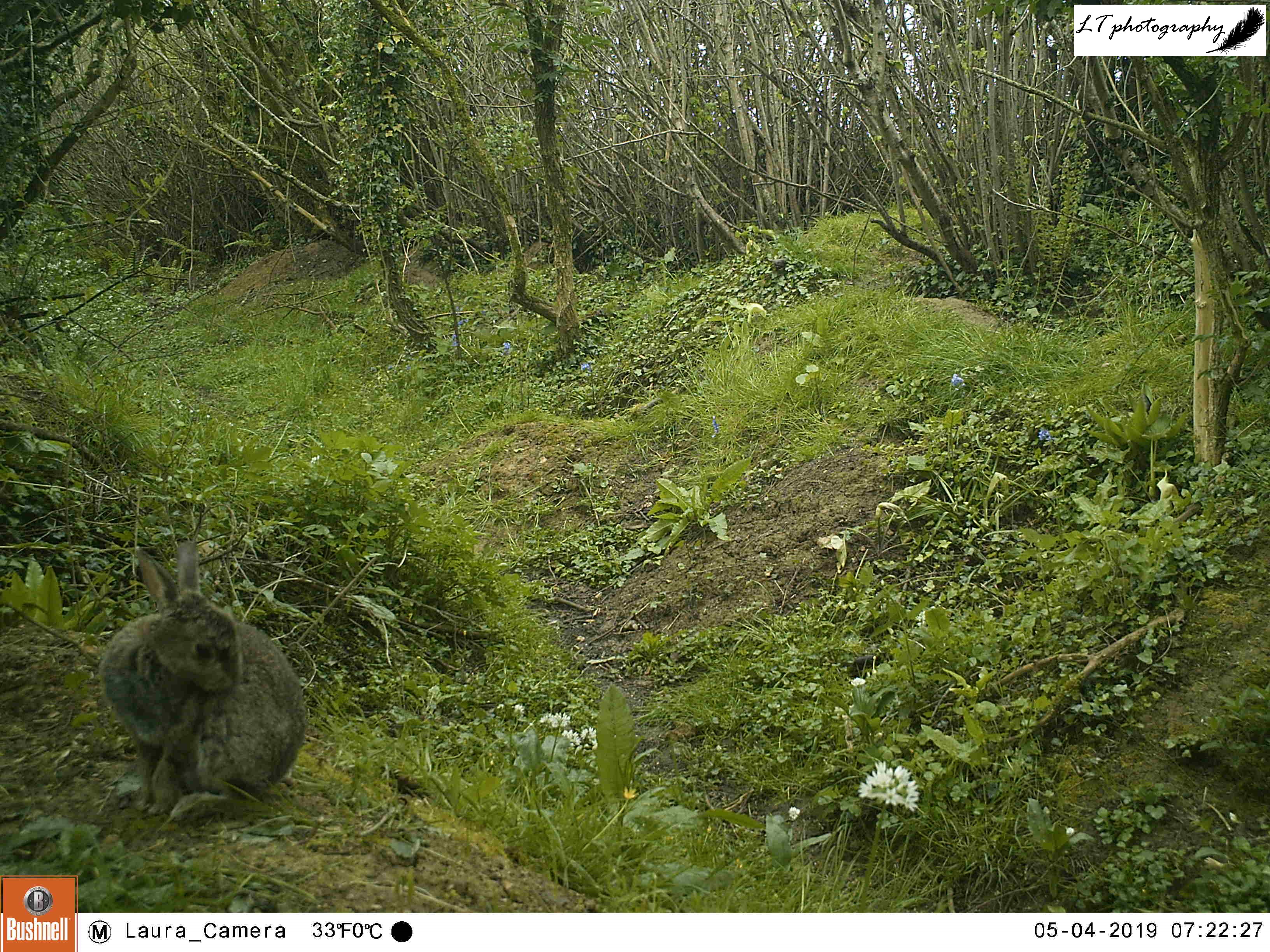
The number of times the camera trap was triggered was random in relation to length of time set and survey week. A range of behaviours were observed in the photos, my favourite being grooming, bonding/socialising, hunting and play behaviour. It has to be sad that I particularly enjoyed using this location for my camera trap surveys!

Rabbit grooming

Favourite photos: When the badgers joined in with showing why Badger Alley was given its name!

M2E1L0-3R350B300

Fox cam (Note: date of photos are incorrect= 2019 not 2018)

For my final camera location, as a one-off (week 8: 10th May), I chose to investigate a potential fox den within the badger sett that borders the wheat field where the copse mentioned is found. This sett is fairly large, is fenced off from the adjacent wheat field whilst being backed by a wide, traditional hedgerow. In particular, a large part of the sett runs within the hedgerow itself, and in places there are open cavities at the centre of the hedge which are popularly used by wildlife.

Sett= location of fox cam

Before I chose this location, my mum had mentioned to me that she thought that she had seen signs of a female fox feeding cubs in this location, and so I decided to set up my camera with the purpose of investigating if this was true. Read on to find out the result!

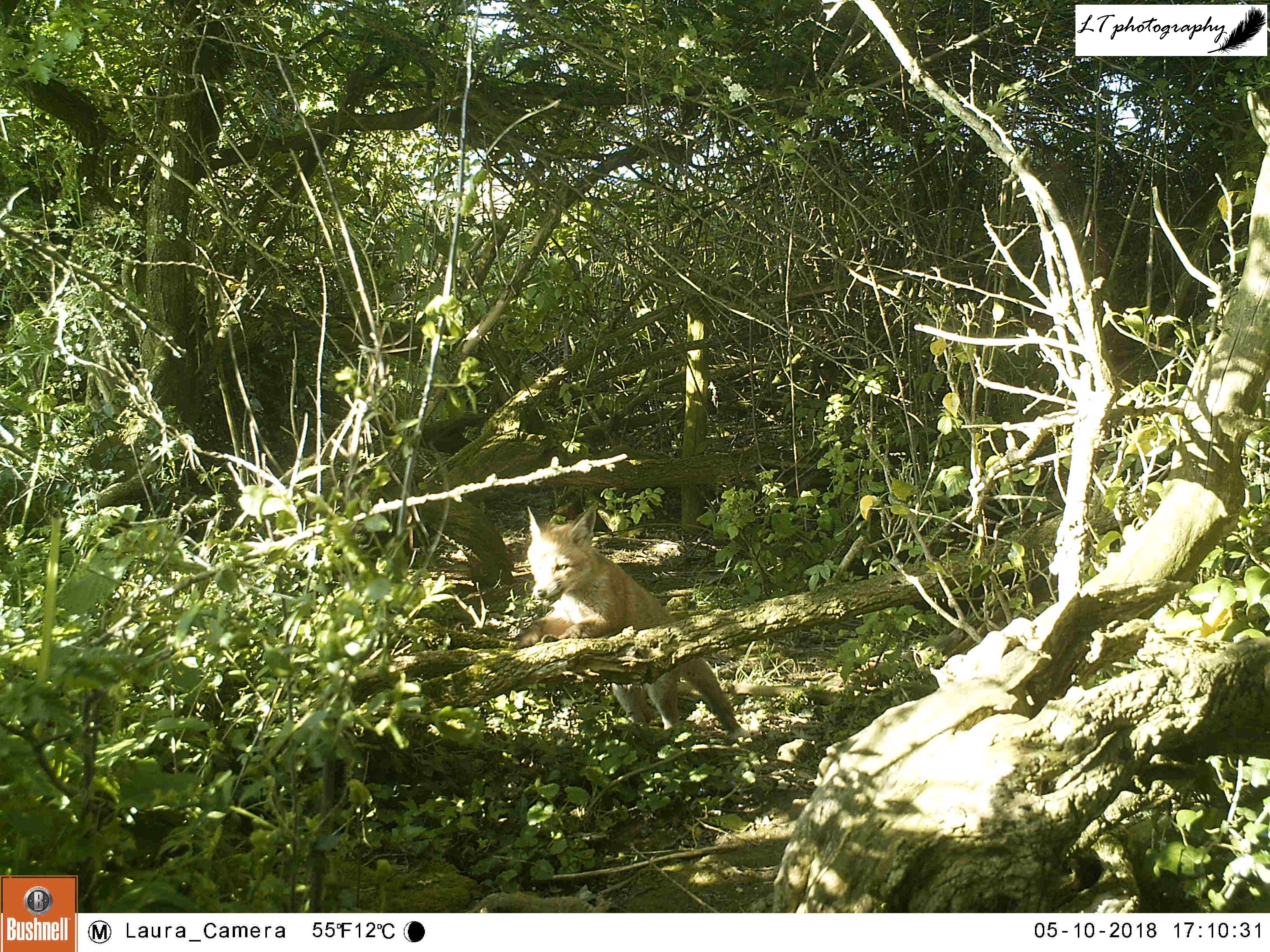
I can now reveal that this camera trap set up was a complete success! I caught a vixen and her 3 cubs on camera, as well as a cheeky magpie and an unexpected great tit. The foxes triggered the camera 127 times over 27 hrs, making for a greater insight into their behaviour, social relationships and private interactions. Very exciting!

Favourite photos: The fox cubs!

Fox cub

Sleepy cub


M2E52L162-162R389B314

Playful cubs

Summary

This spring I really enjoyed embarking on the completion of camera trap surveys and being able to analyse what species can less obviously be seen around me. In total, my camera trap caught sight of 12 different species of birds and mammals, with lots of different individuals being recorded within this.

I hope you enjoyed a small sight into my camera trapping fun and may be inspired to take exploring your local area to the next level. Camera trapping may not be for you but there are lots of other things out there waiting for you.