Rural Dorset vs. Urban Manchester: Exploring Winter’s Wild Birds

Series in collaboration with guest writer Emma Rogan

Winter is a time when a stillness grips the landscape, activity slows, and nature slumbers. This said, if you know where to look at this time of year, life can still be found. Barn Owls hunting along rough edges at first light, chattering Starlings feeding in flocks in open spaces, or Robins fighting to defend their small territories. For birds, winter is a time when migrant visitors, such as Redwings and Fieldfare, mix with resident species, such as Greenfinches and Great-Spotted Woodpeckers. Side-by-side through cold spells and stormy showers, in cities and the countryside, these birds are staying busy to try to survive.
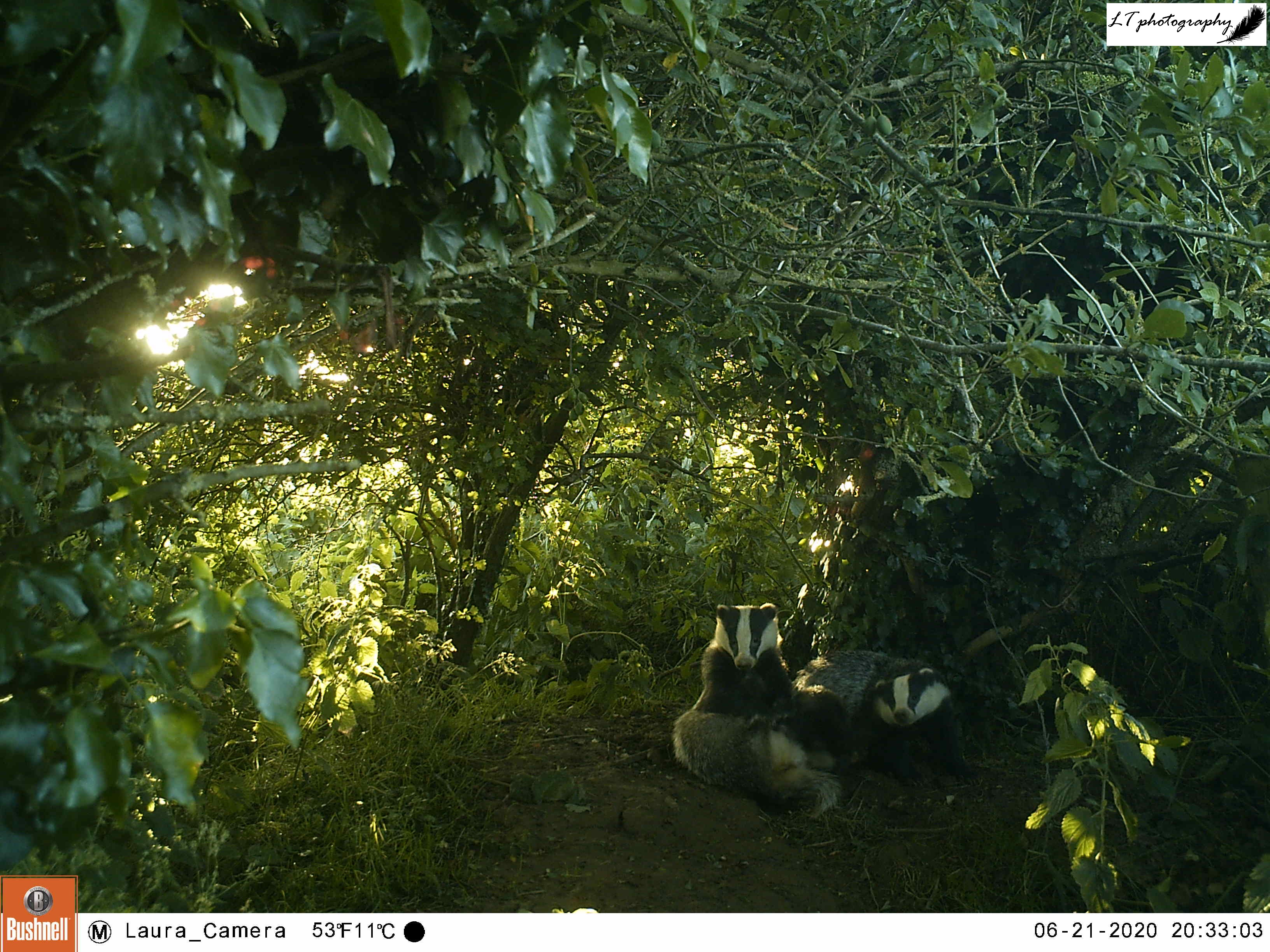
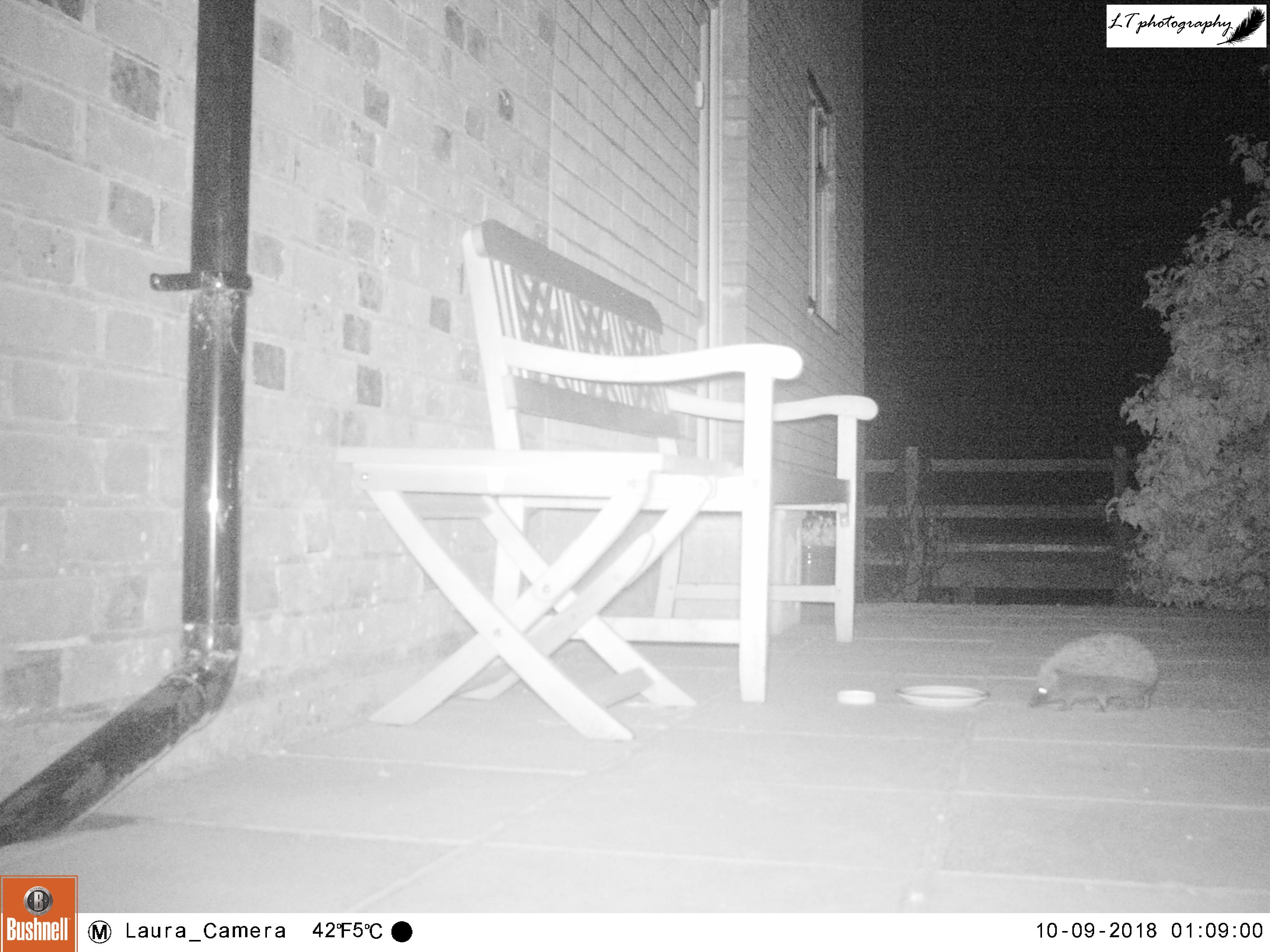
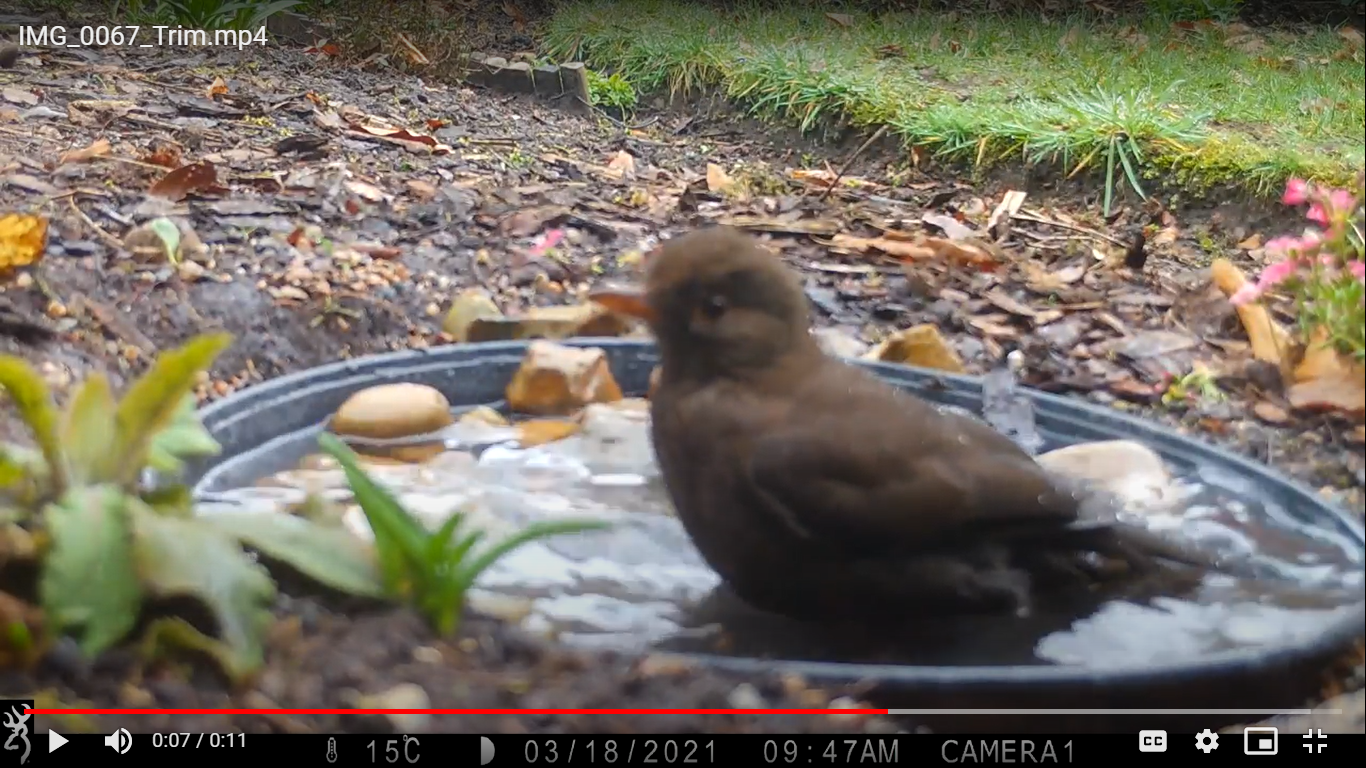
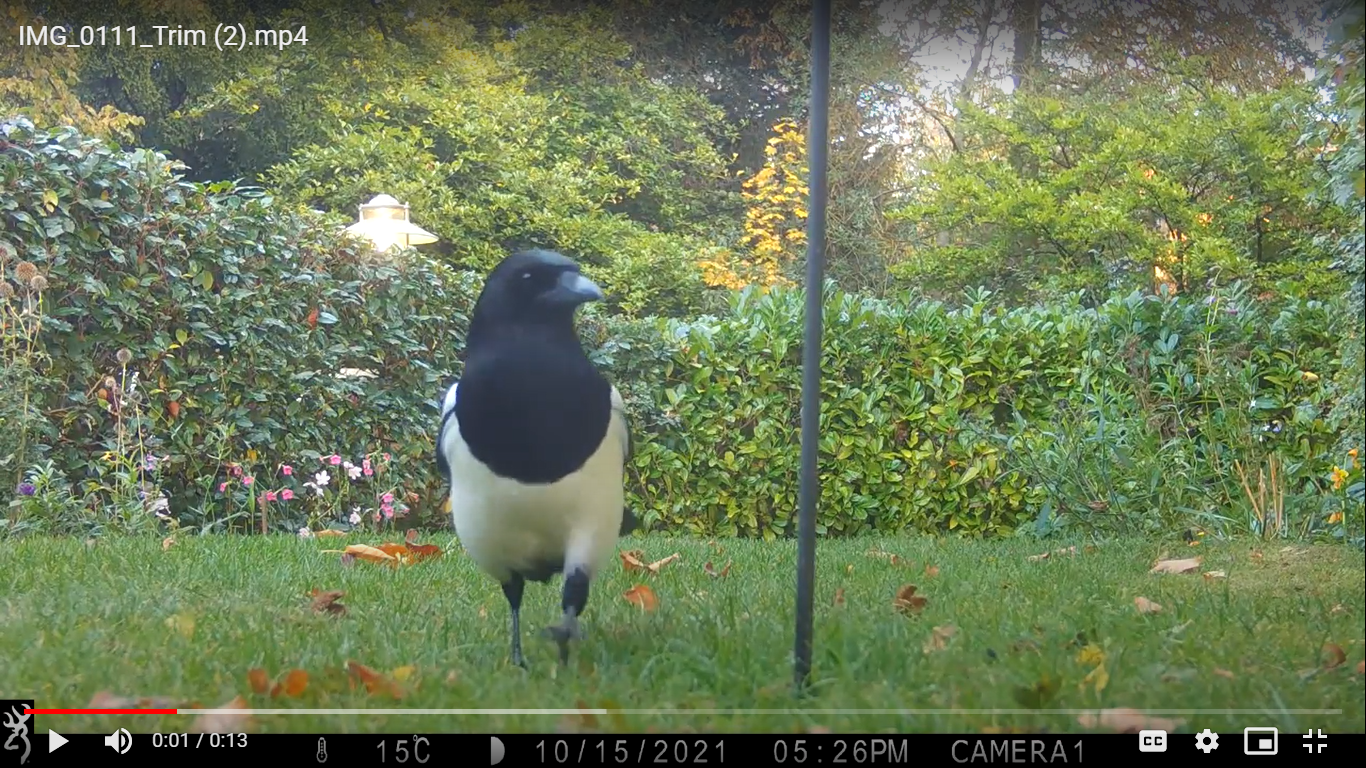
Last time in Rural vs. Urban, we explored the wildlife that live close to home and delved into their hidden lives, all through using simple camera traps. For Dorset-born naturalist Laura, camera trapping has allowed her to record and explore the species that live on her family’s 250 acre farm, opening up a world that would otherwise be overlooked. For Manchester-born wildlife enthusiast Emma, her highlights included seeing a Badger, a Hedgehog, and getting to know the frequent visitors to her garden, such as a lovely Blackbird couple. For both, camera trapping has been a great way to connect with nature, whilst acting as a form of escapism!
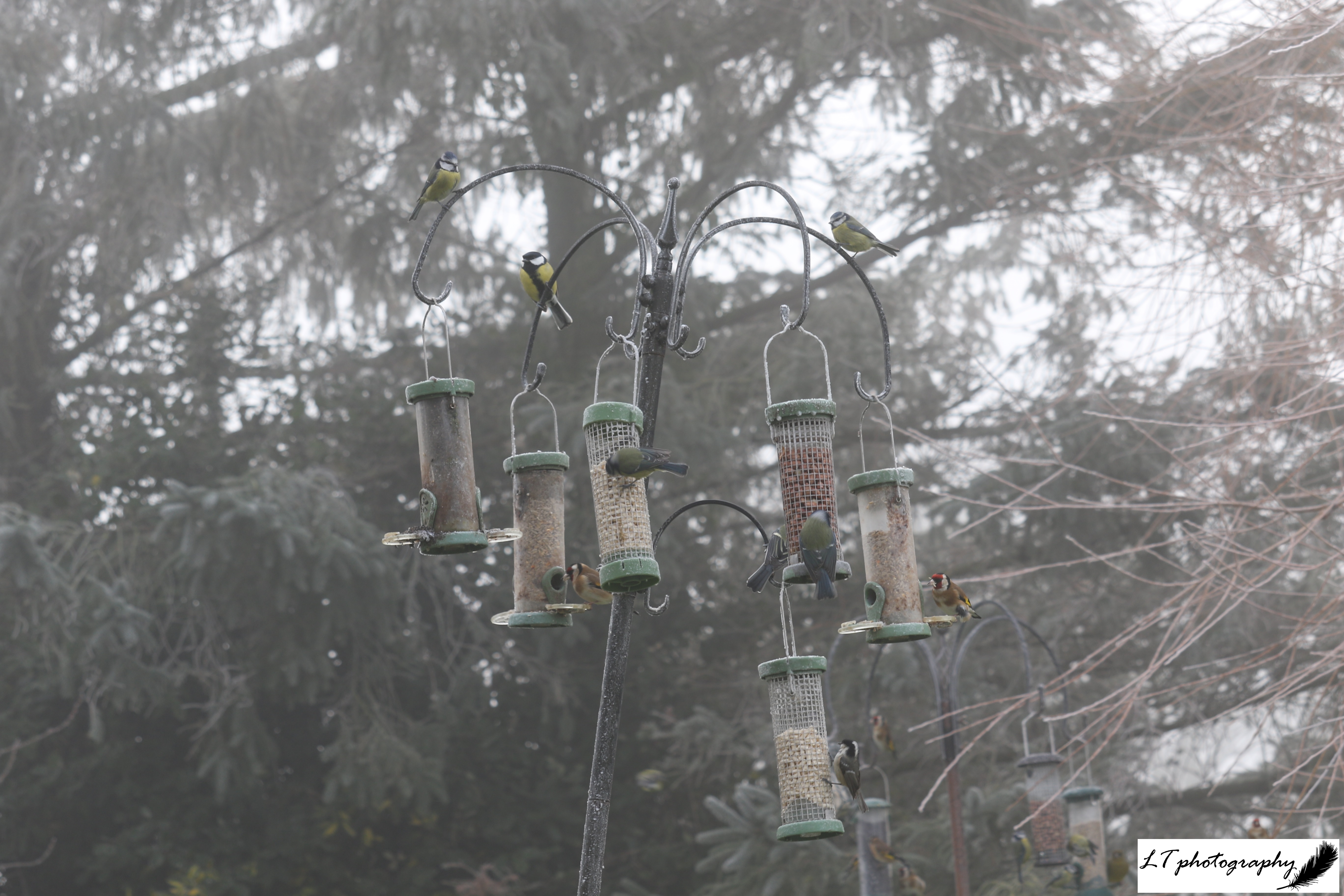
For this last instalment of the current Rural vs. Urban series, we are now in winter, with days of sparkling frosts, stormy skies, and low-hanging mist. Last weekend was the RSPB’s annual Big Garden Birdwatch, so for this week we explore the bird species that call our local patches home during winter. As bird species try to survive, what may differ between the challenges of a city and of a countryside landscape? Are there differences or similarities in the species seen or in their behaviour? Lets explore winter on the wing to find out!
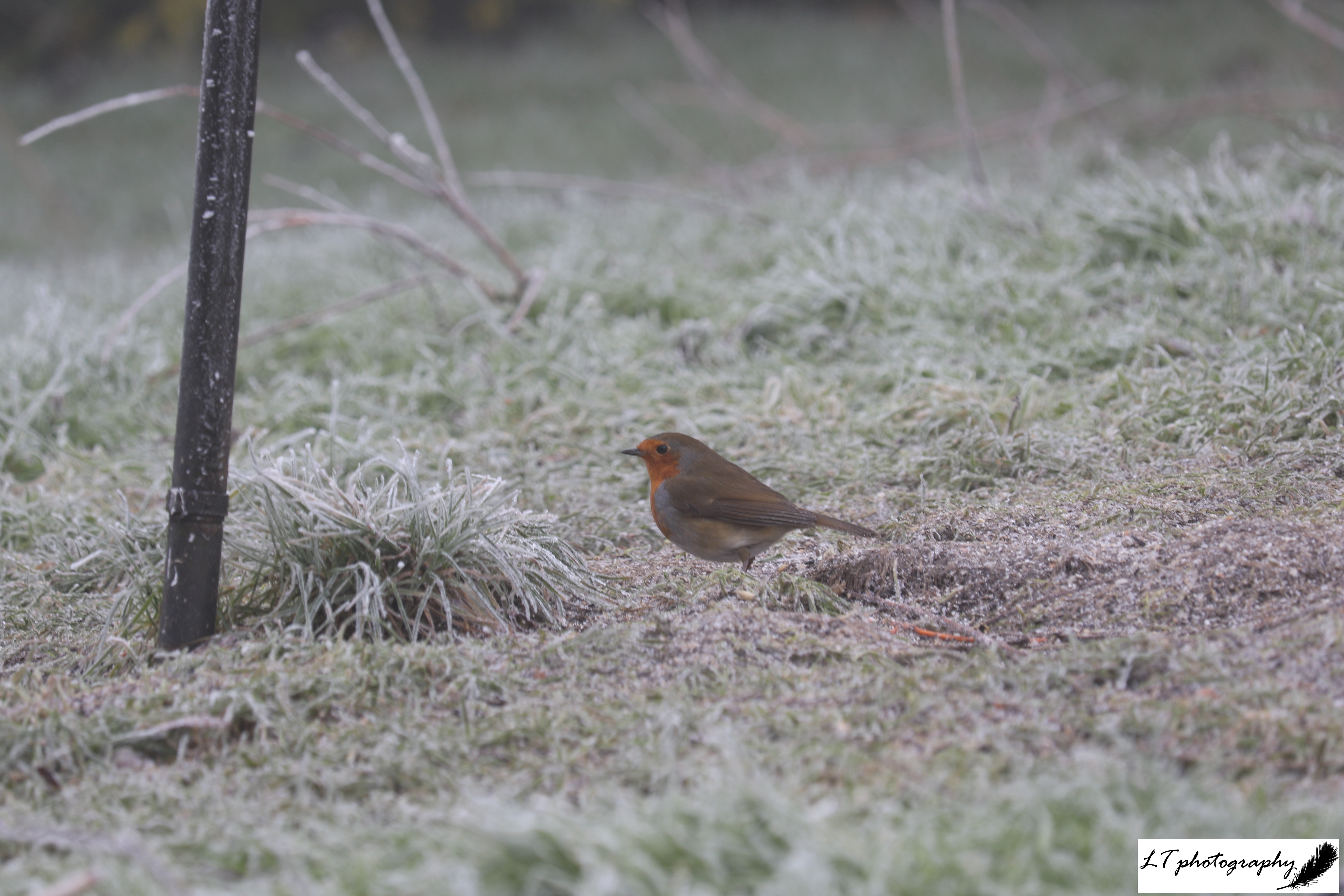
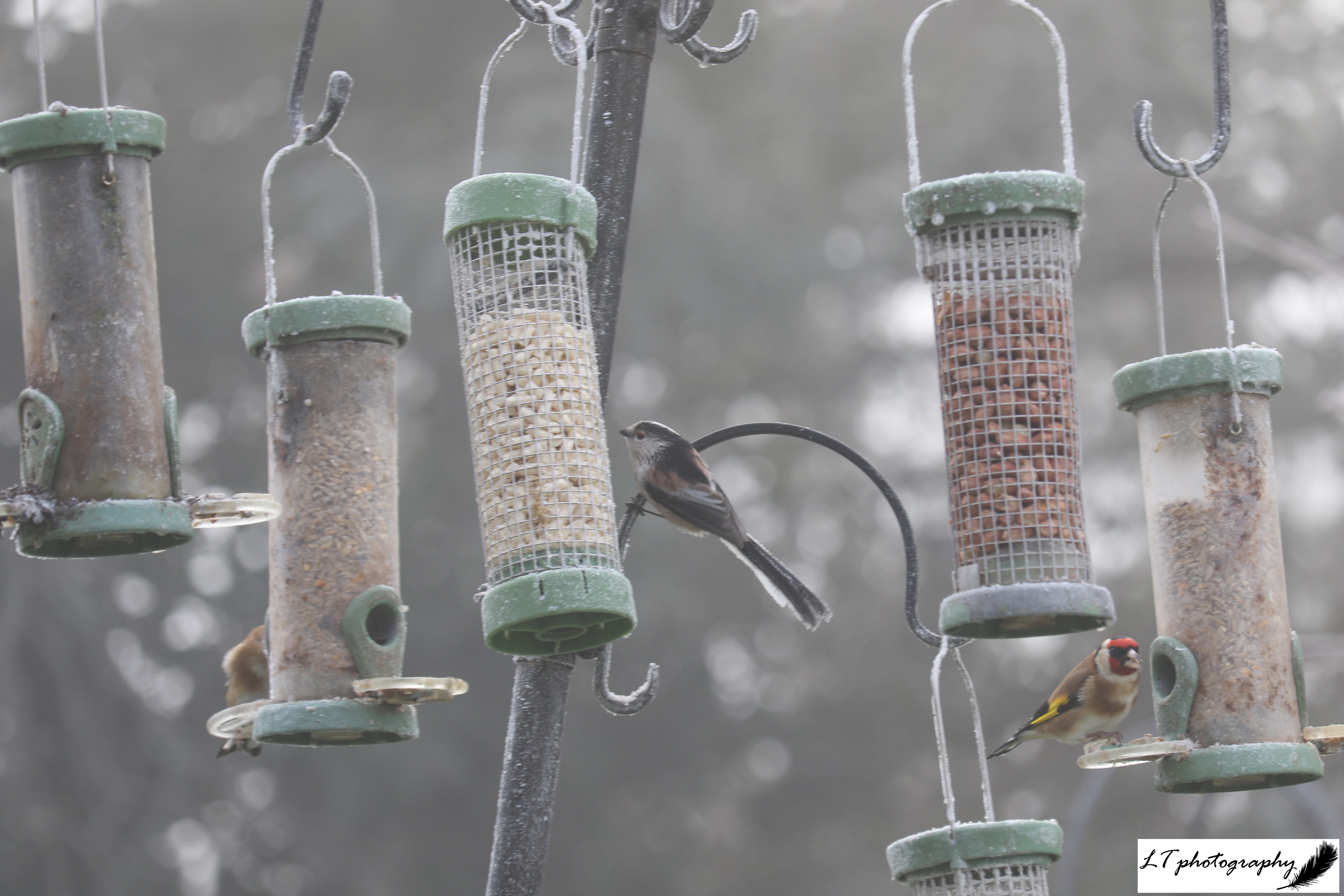
Laura’s Rural Garden Bird Survey

Over the last few years, I have taken part each year in the RSPB’s Big Garden Birdwatch and the BTO’s Garden BirdWatch in 2020, and have enjoyed gaining a deeper knowledge of the species that visit our garden all year round. Winter is one of the best times of year for a variety and abundance of species to be experienced in our garden, and at this time of year my parents and I often enjoy a lunchtime accompanied with birdwatching from our living room window.
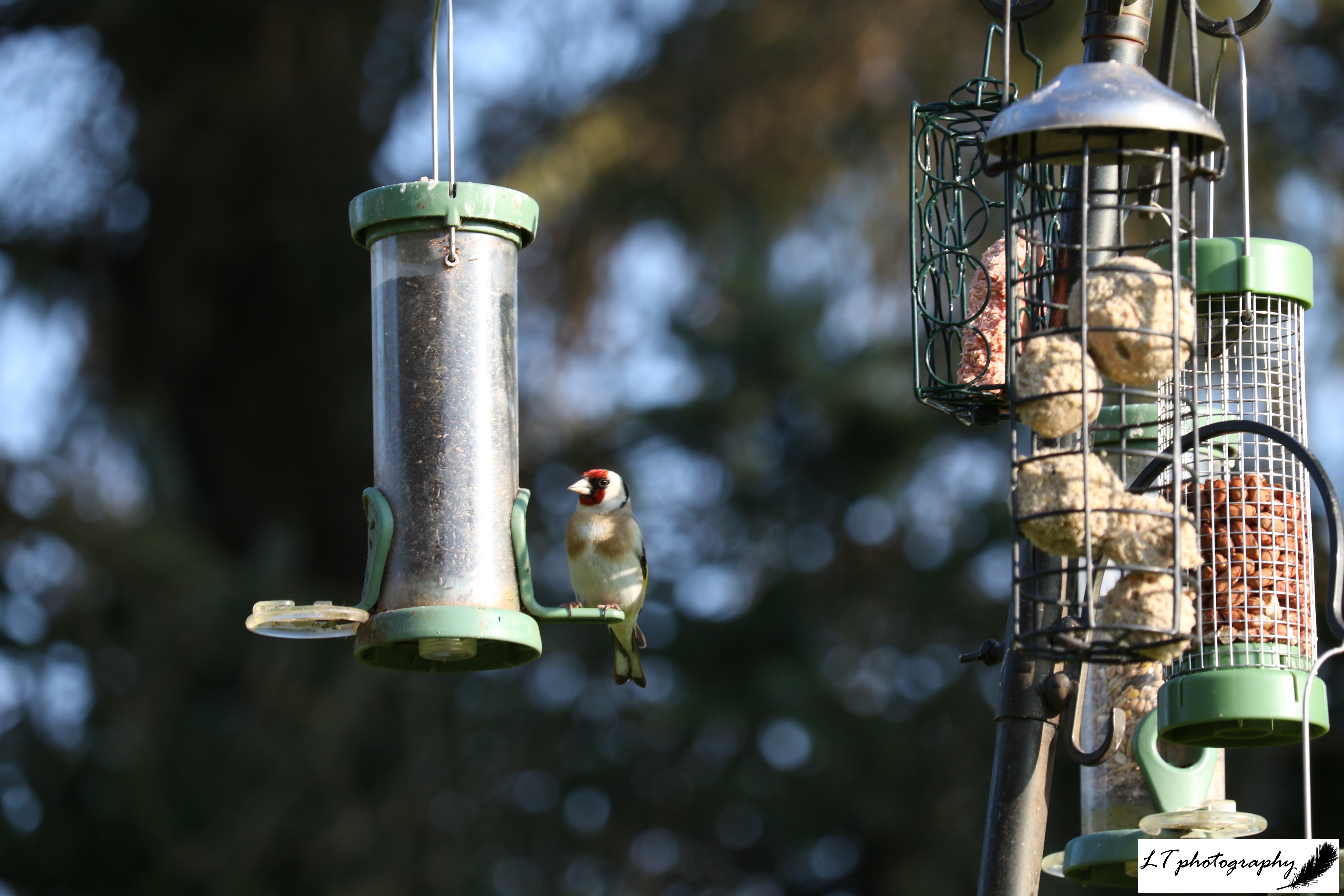
So on the 12th December we did just that, spending 30 minutes recording the diversity and abundance of bird species we saw in half an hour. For such a short period of time, the bird feeders in our garden delivered, with 17 species, varying from Greenfinches and Robins to a Great-Spotted Woodpecker and Starlings! By far the most abundant species though was the Goldfinch, with 14 spotted at one time, closely followed by 12 Chaffinches and 9 Blue Tits. A very good representation of our garden’s winter visitors, just missing Long-Tailed Tits and Coal Tits, the latter being amiss this year!
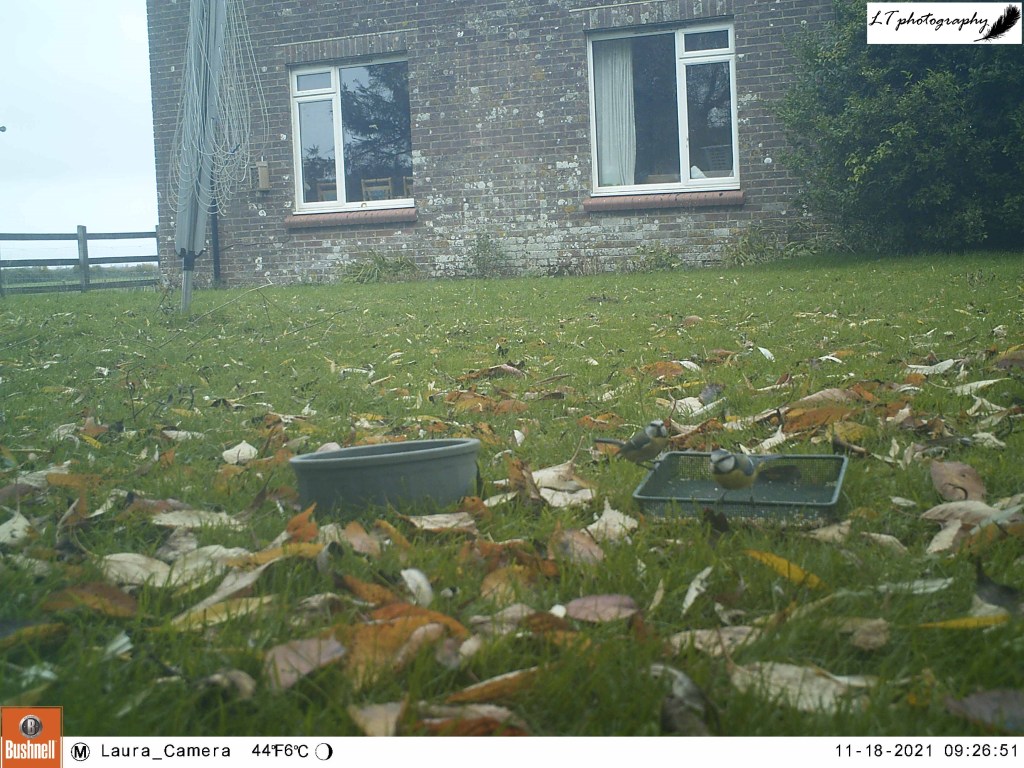
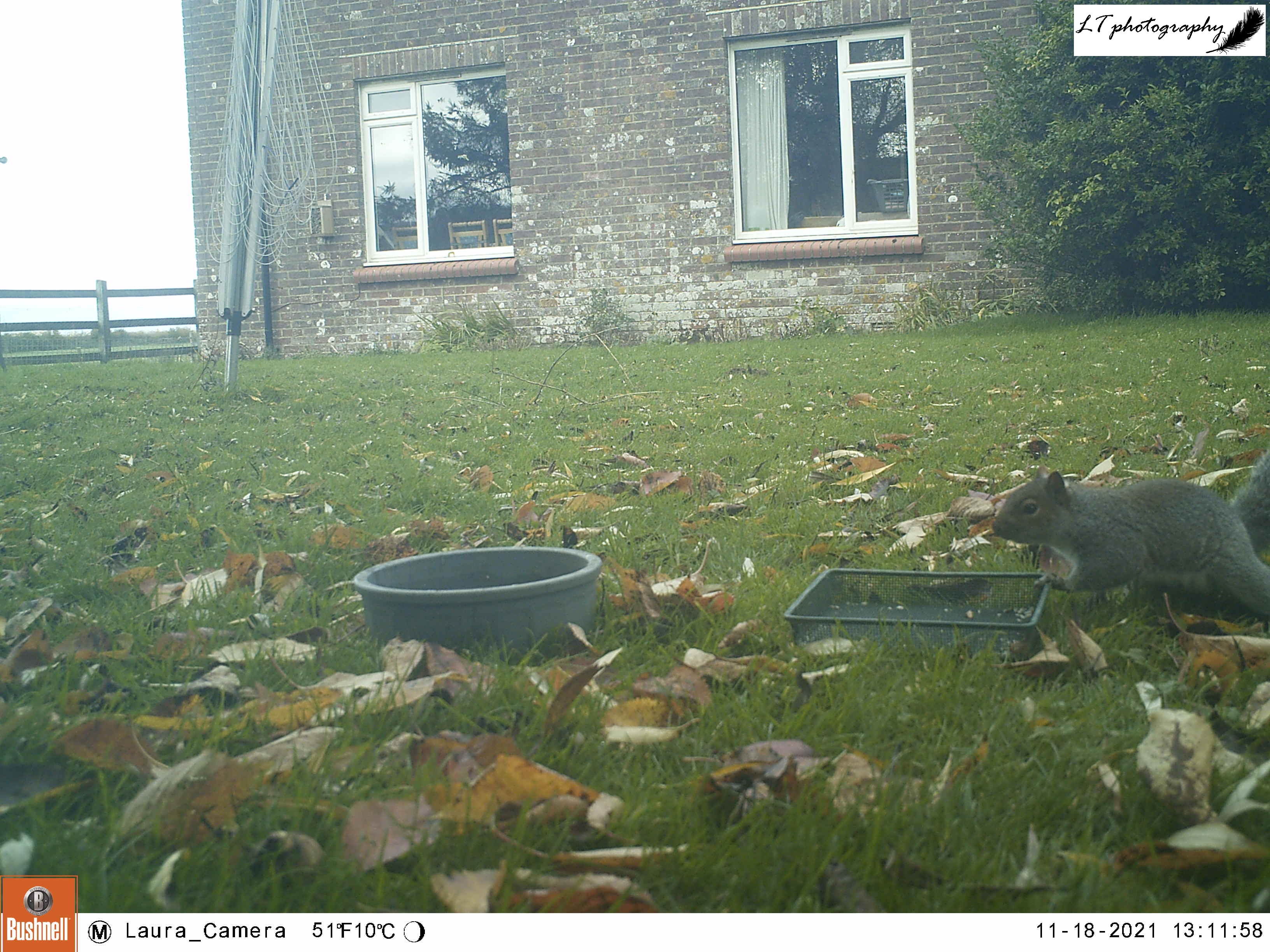
Emma’s Urban Garden Bird Survey

I combined my bird count with the event of the year, the Great Garden Birdwatch! We sat down with cups of tea and my dad’s iPad to record our garden visitors and contribute to this important monitoring exercise.
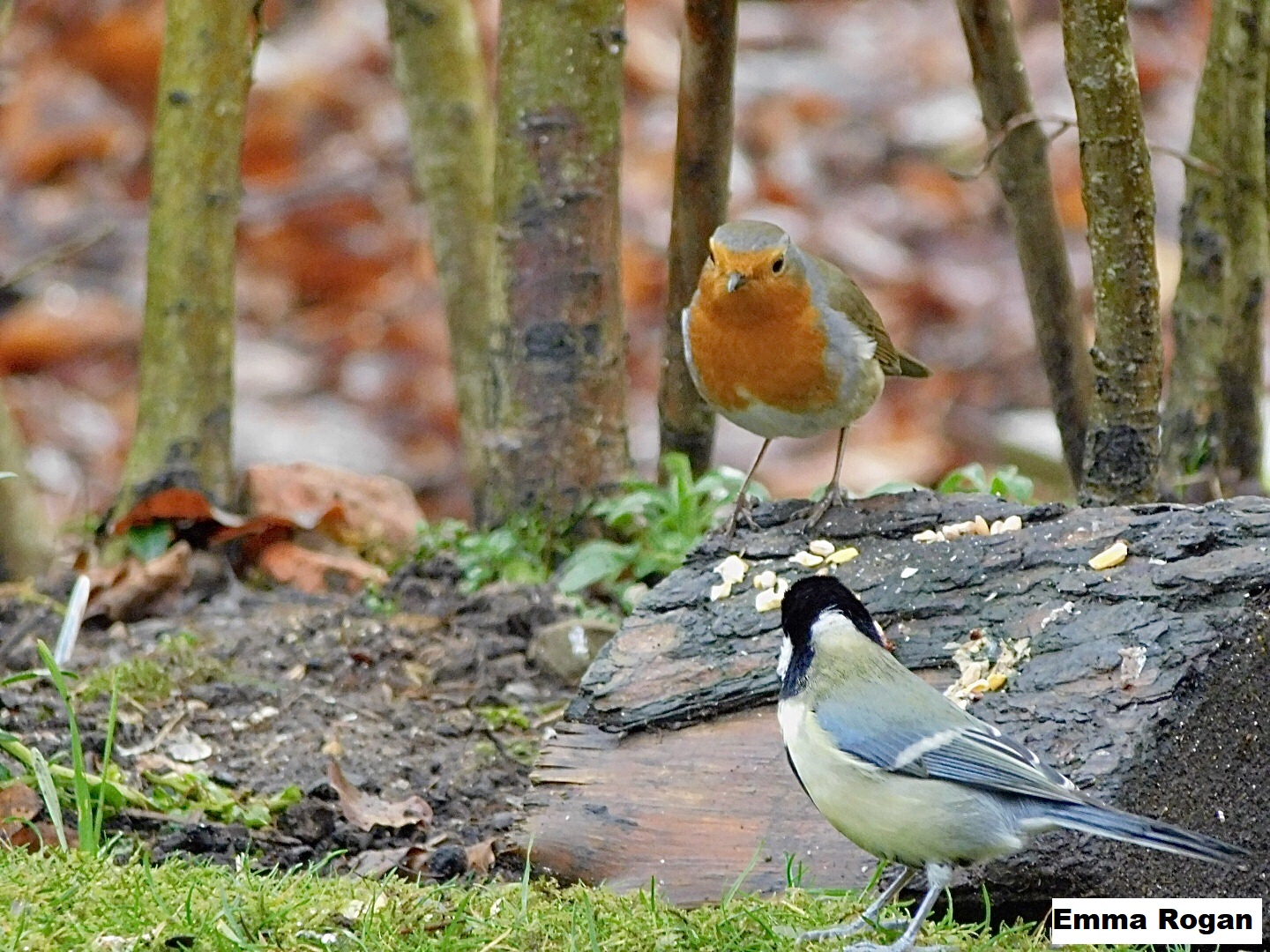
Expecting our birds to use their sixth sense and avoid our garden for an hour, we were pleasantly surprised to see a lot of our regulars! The Robin stopped by, as did Mr and Mrs Blackbird, who come every day for their plate of mealworms. Our bird feeders are also popular with Coal Tits, Blue Tits and Great Tits, and of course the neighbourhood Squirrels! We also have a Nuthatch who visits frequently, nibbling at our bird feeders in his distinctive upside-down stance.
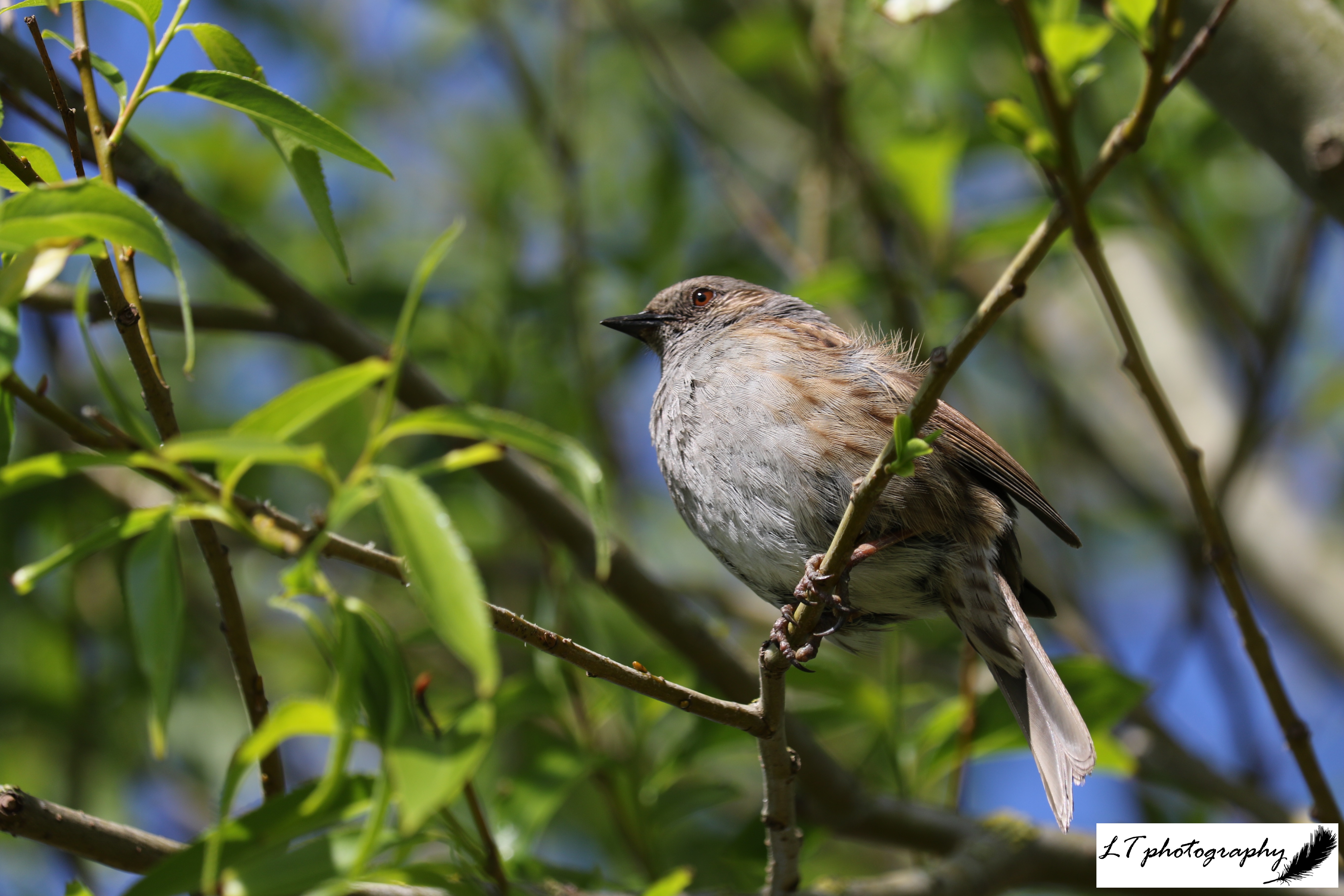
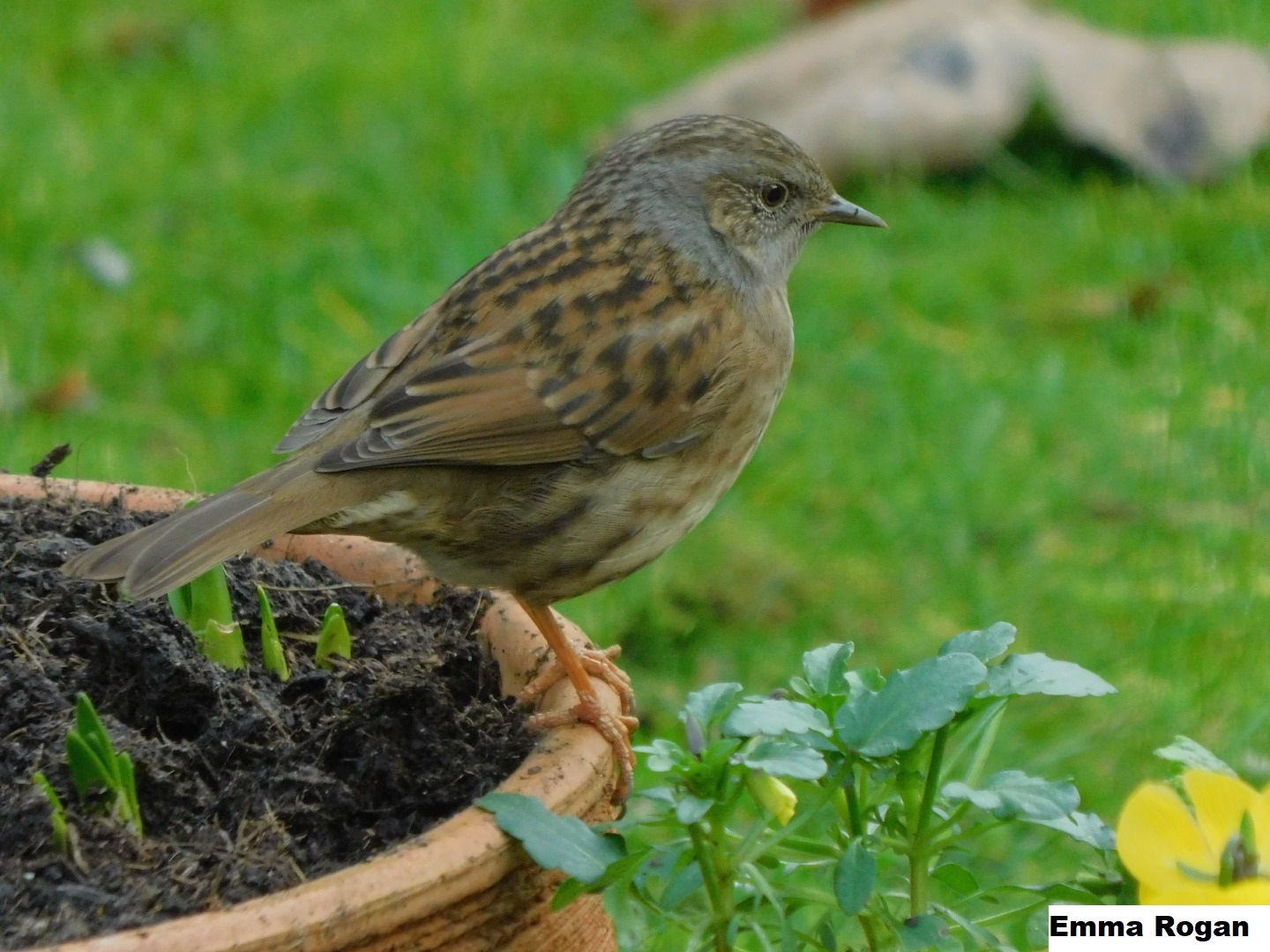
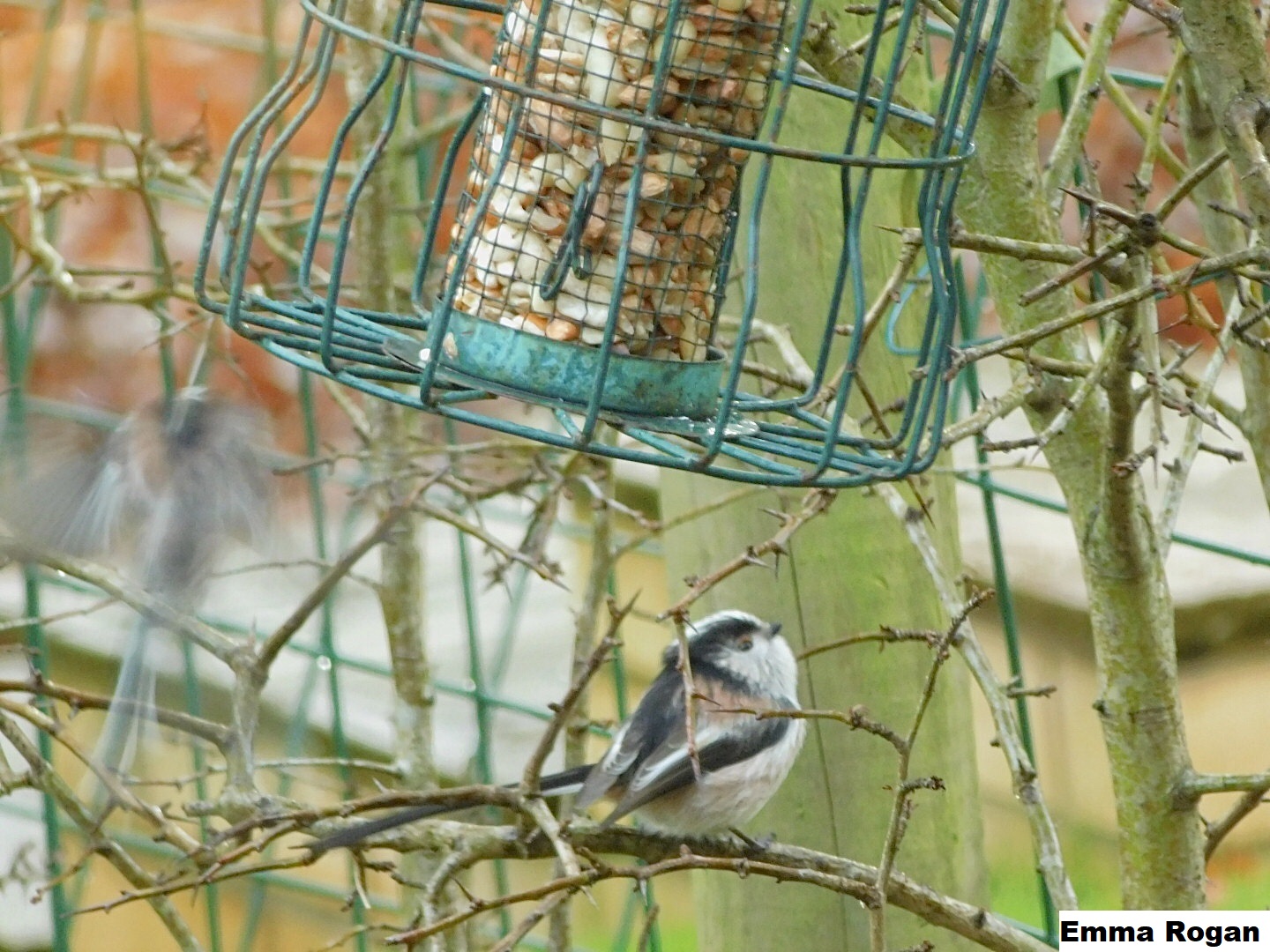
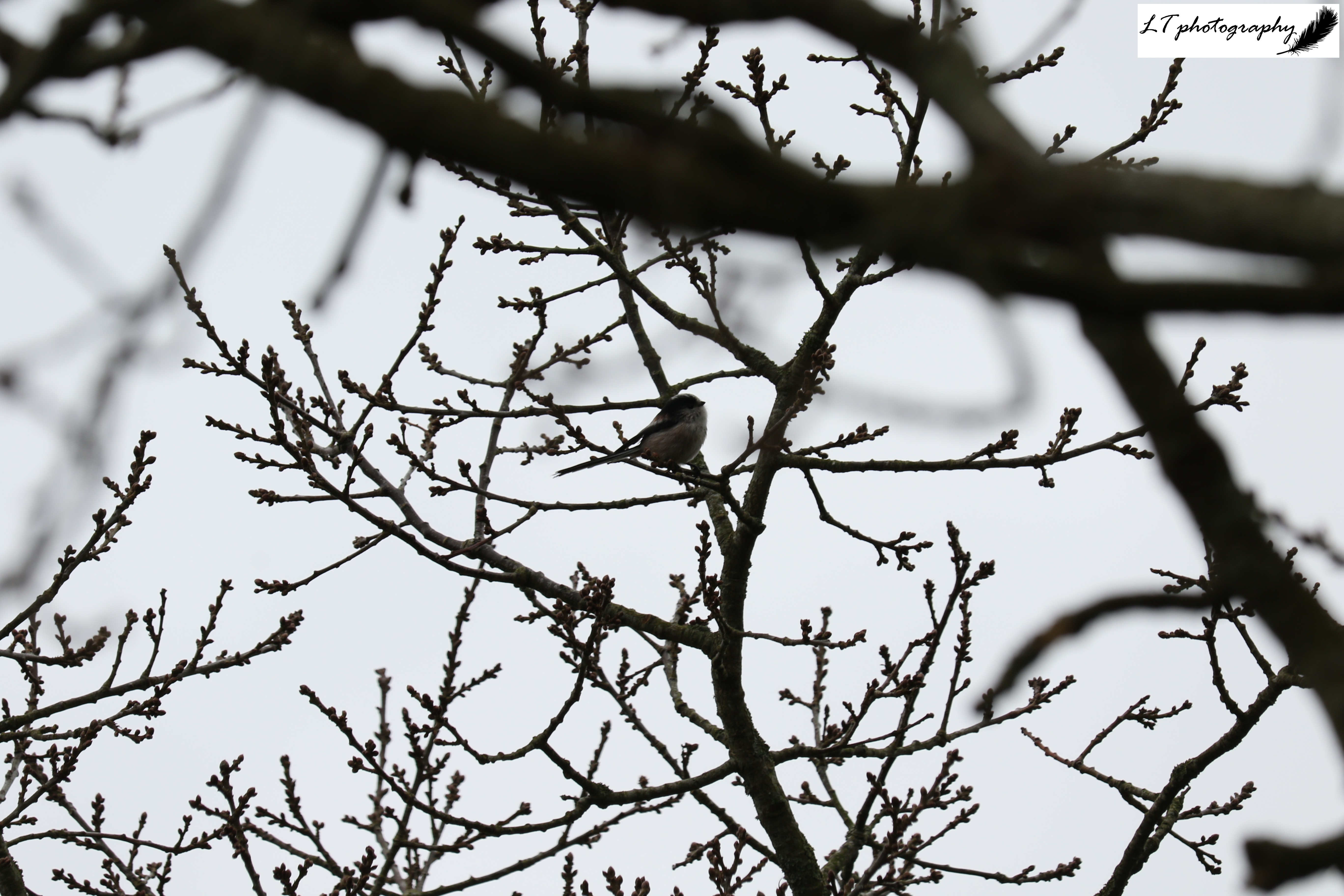
My absolute favourite though are the Long-Tailed Tits, they’re so round and fluffy! Although, I will always have a soft spot for our Dunnock, who we recognise by his extra-fluffy head feathers. Even a bird can have a bad hair day! Sadly though, our Woodpecker didn’t make an appearance.
Laura’s Countryside Bird Walk

Today (Sunday 9th January) was the first beautiful day of a new month and new year. Though the air was cold, it was calm and the sun was shining, a soft golden glow. Stepping out from my back door, I was immediately hit by an abundance of avian activity. Two Carrion Crows flew over my head, cawing as they went. Goldfinches chattered from the garden, hinting at a visit from a good sized flock. A Blue Tit sung its distinctive song, a Robin ‘ticked’ in alarm, and a Blackbird watched me from a nearby fence post. I could not miss this perfect opportunity to explore the bird life that could be found on my family’s land at this time of year.
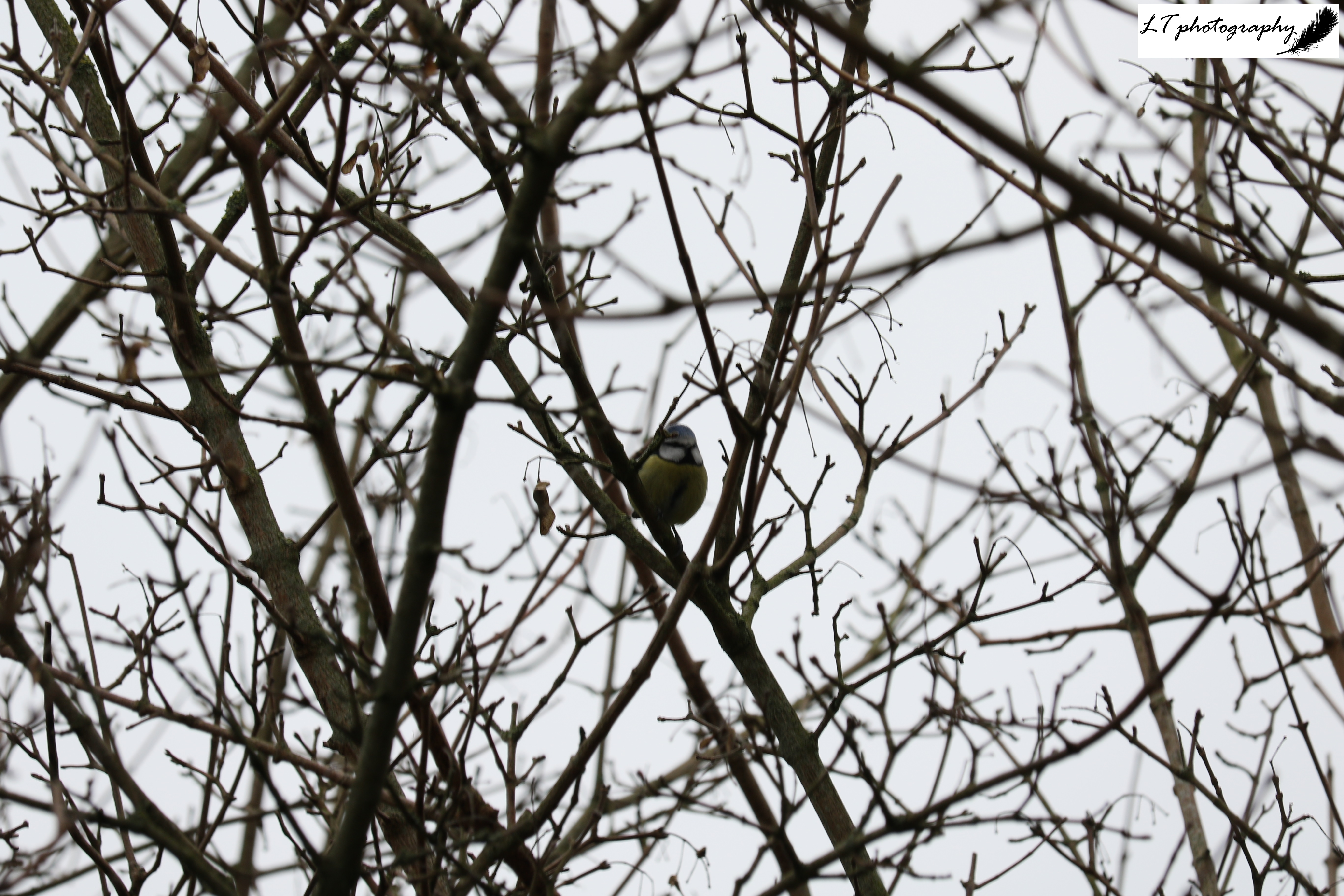
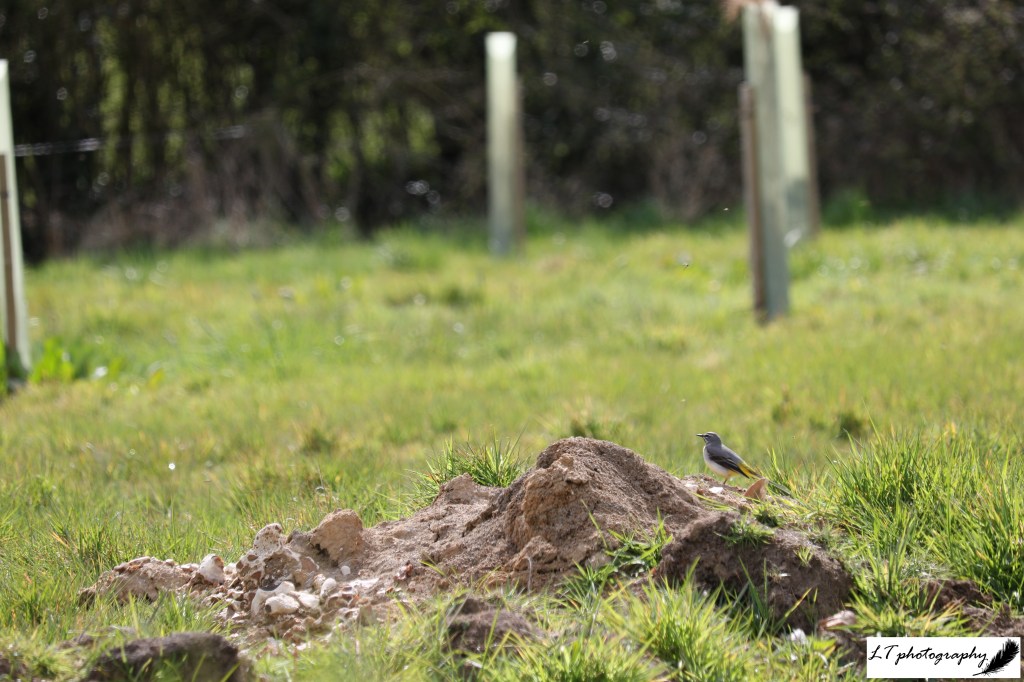
First, I headed down to our farm buildings, joined by the chattering of Starlings feeding out in the nearby fields. As usual at this time of year, the still hulking forms of the barns were being brought to life by busy birds living alongside our wintering animals. House Sparrows could be heard singing in the eaves of the barn, complimented by Great Tits calling from a lone Hawthorn tree, Collared Doves flapping here and there, and a flash of a yellow rump as one of our resident Grey Wagtails was disturbed from where it was feeding. The only thing that could add to the scene would be a Barn Owl floating by, a common sighting at dawn on the farm.

Satisfied with my sightings on the farm, I then headed away from my home hub, following the tracks out into the wider expanse of our land. Here I could find birds flitting along the hedgerows, such as feeding Redwings and wary Wrens. and fields busy with bird feeding activity, including Gulls, Rooks, and Pheasants.
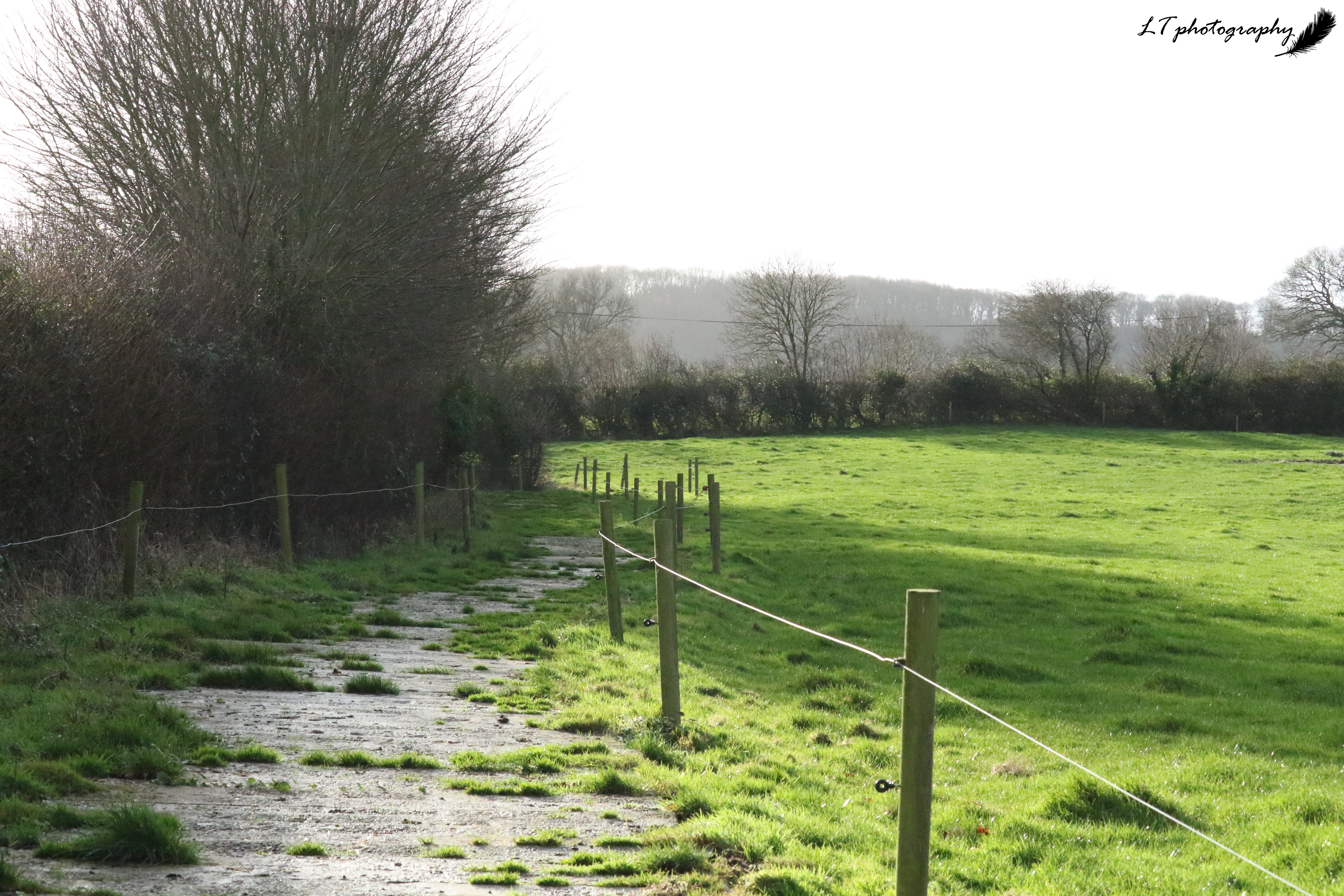
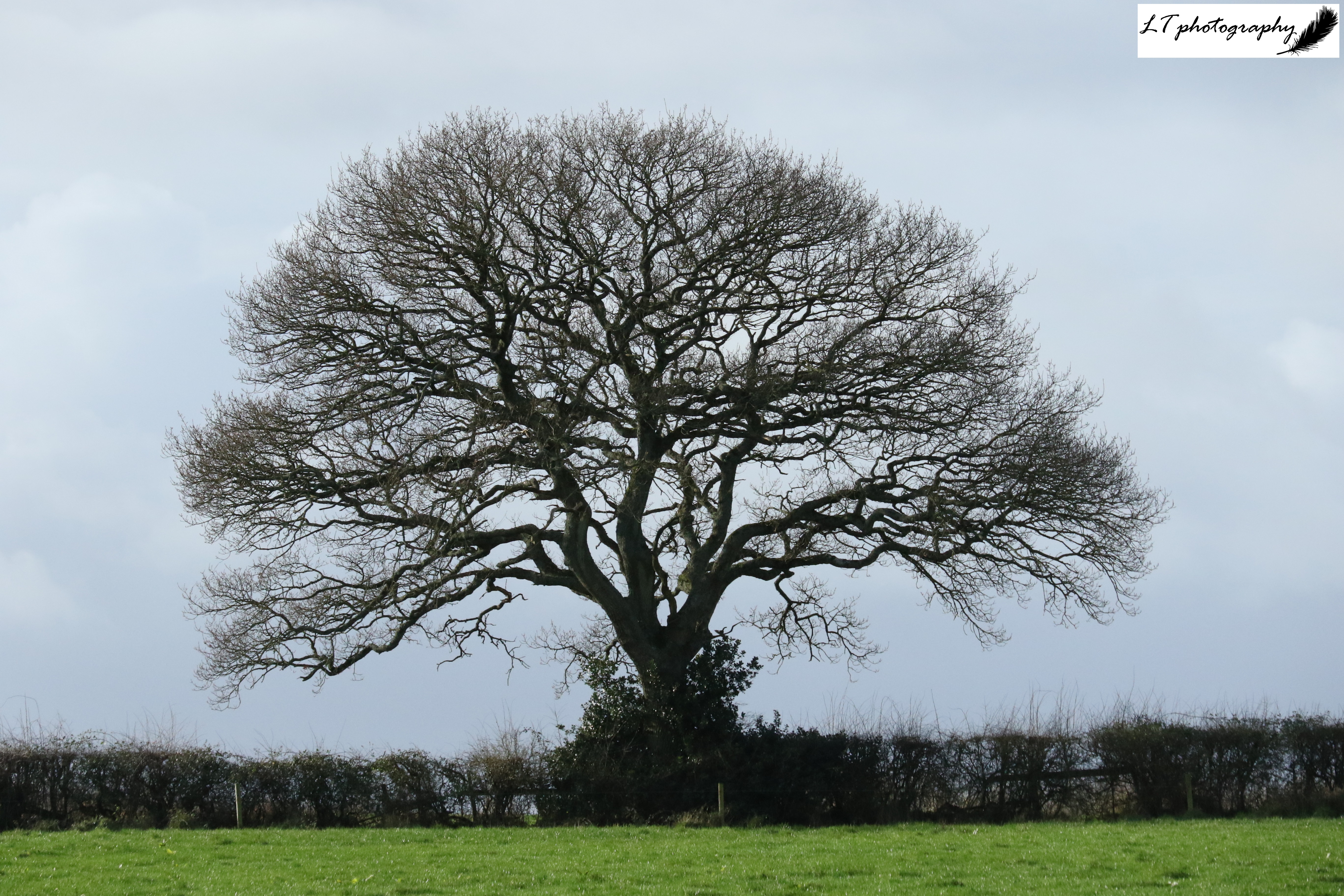
As Fieldfare flew over head, I finished my wintery walk with a meander along one of the larger rivers on the farm. Here I could see the first Snowdrops beginning to push green shoots up from the river bank, marking the start of changes to come. This was joined by the calls of Dunnocks and the twittering of Meadow Pipits out in the fields across the river. With a count of at least 22 bird species, I felt this was a good end to my adventure.

Emma’s City Bird Walk

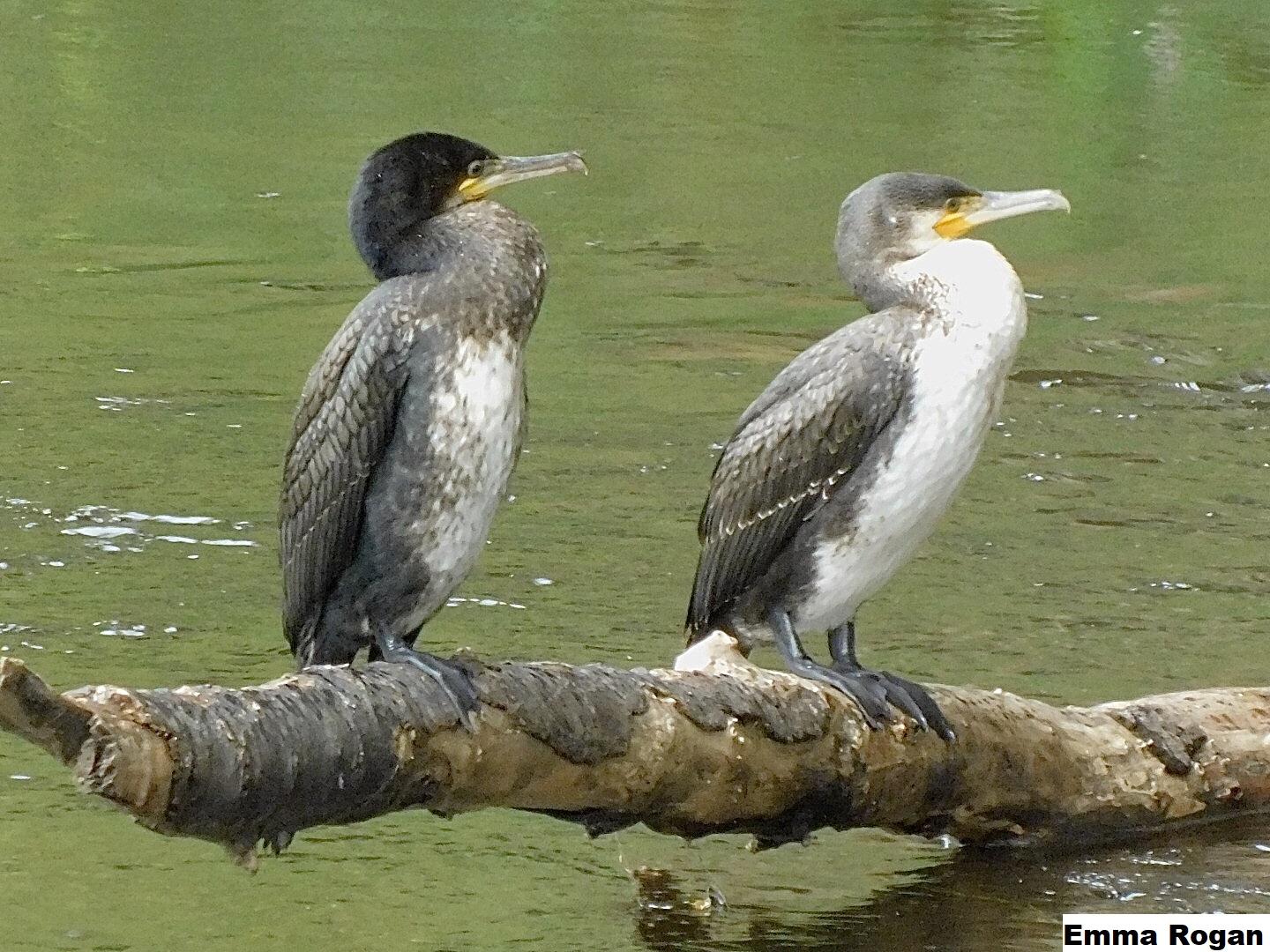
Manchester is home to a huge variety of urban birds. From Herons and Cormorants fishing under motorway bridges along the River Mersey, to hardy Woodpigeons in the city centre, to garden birds drawn in by feeding stations, there is always something new to see! I always love to see how many birds I can spot when I’m out for a walk, and I find that watching the birds in my garden brings me a moment of peace in the middle of busy days.
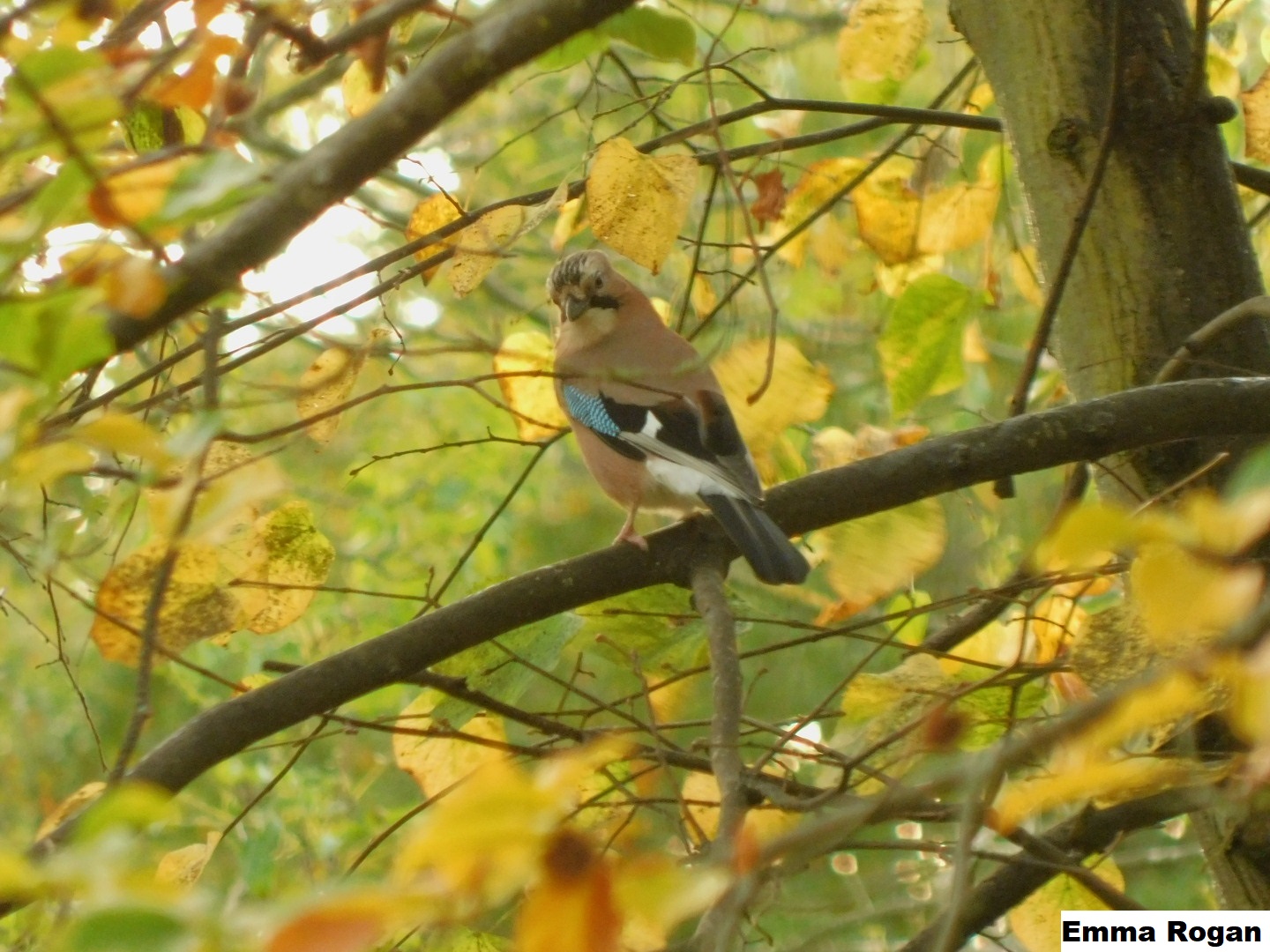
For my bird walk, I decided to head to a different park for a change! I’m lucky to live in a part of Manchester with a lot of nearby green spaces, and one of these is Didsbury Park, one of the first municipal planned parks in the city, and redesigned in the 1920’s to include recreational features which still exist today. There is also thought to be an old air-raid shelter under the football pitch! The impact of both World Wars One and Two on the local area, just a small village when WW1 began, is commemorated by a beautiful poppy field mural in the park created by graffiti artist Russell Meeham, also known as Quebek.
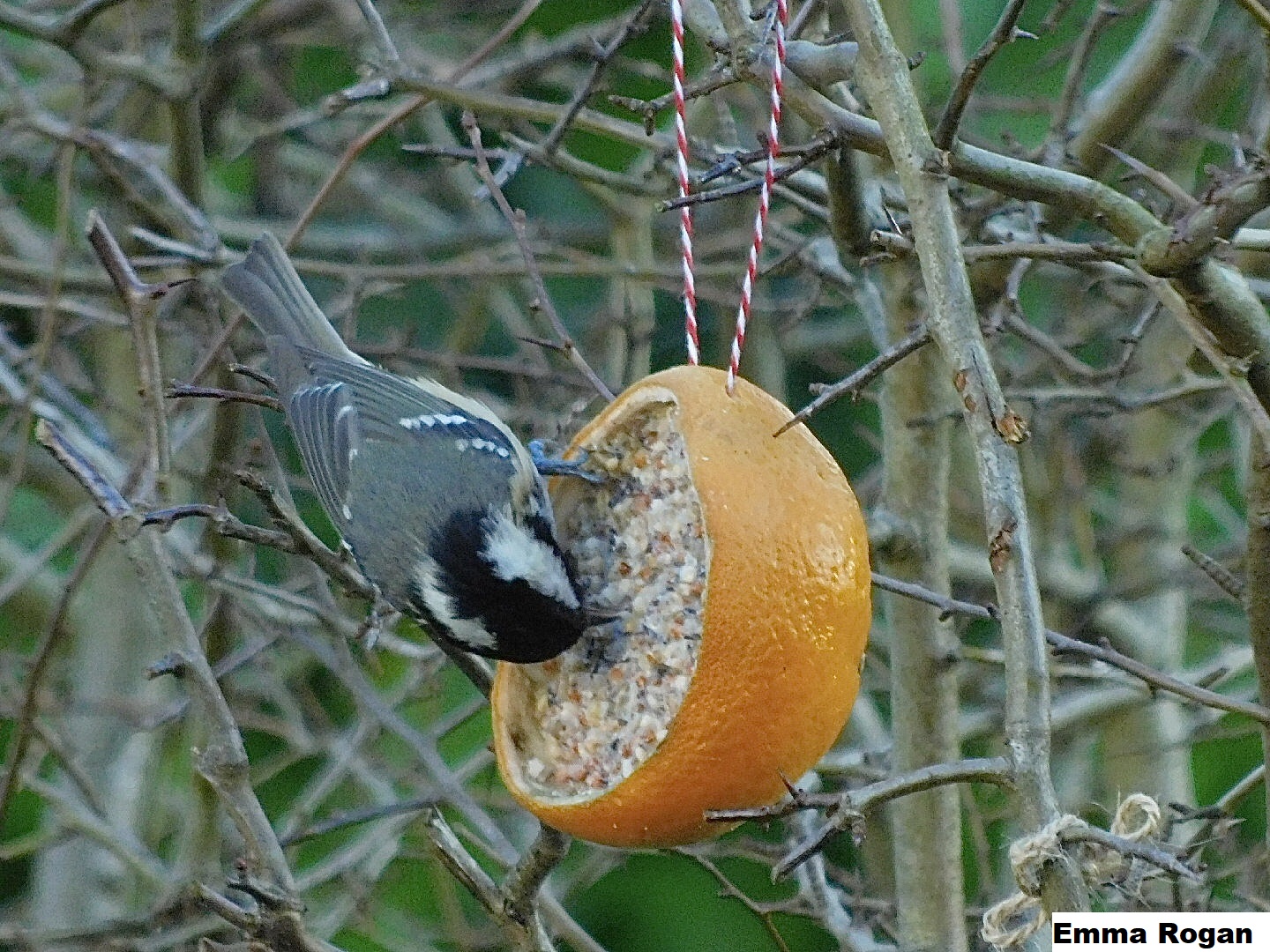
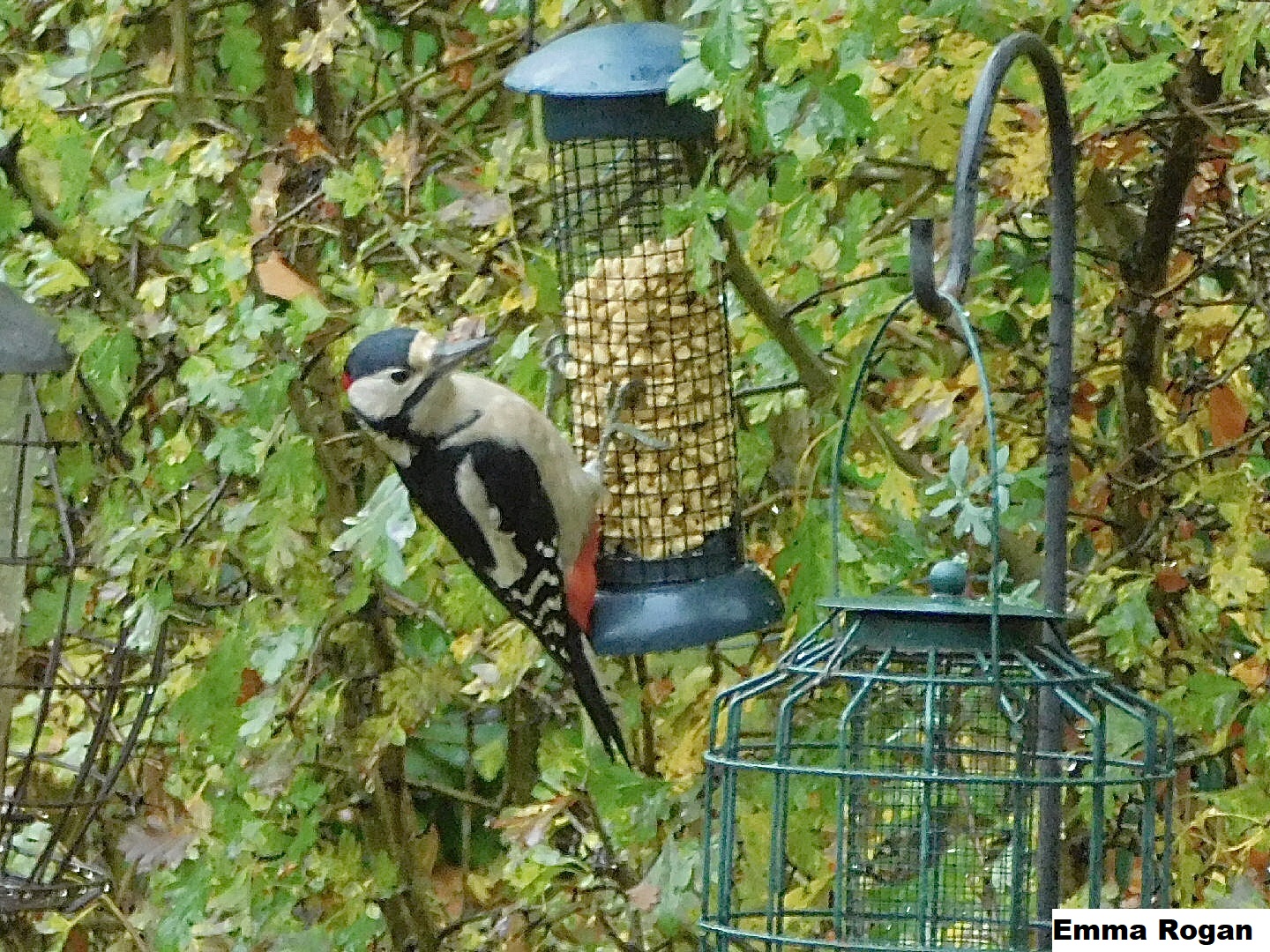
Suffice to say, I’ve spent many happy hours in Didsbury Park, and my bird walk was no exception! Although, I didn’t have a lot of success at spotting birds. The highlight of the walk was wondering why a group of people were gathered around a particular bush and wandering over there, to find a flock of House Sparrows singing away! My Mum and Dad remember House Sparrows as the most common bird about when they were growing up, but we’ve never actually seen one in our garden. Sadly, their populations have declined substantially in the UK in both rural and urban populations.

It’s All About The Birds!

If you open your eyes, wherever you go during winter you will see life and activity. Though from Laura’s and Emma’s adventures, Laura experienced more bird activity out and about in the countryside, both currently have vibrant gardens. This is testament to how everyone’s gardens right now are a lifeline for our wildlife, whether you live in a bustling city or a quieter piece of the countryside. They provide a valuable home in a changing landscape and prove that we can all do our bit for nature. Why not put out a bird feeder and see what you can see today?

Giving Nature a Home on the Farm

‘Give fools their gold, and knaves their power; let fortune’s bubbles rise and fall; who sows a field, or trains a flower, or plants a tree, is more than all’ – John Greenleaf Whittier 

‘Your deepest roots are in nature. No matter who you are, where you live, or what kind of life you lead, you remain irrevocably linked with the rest of creation’ – Charles Cook

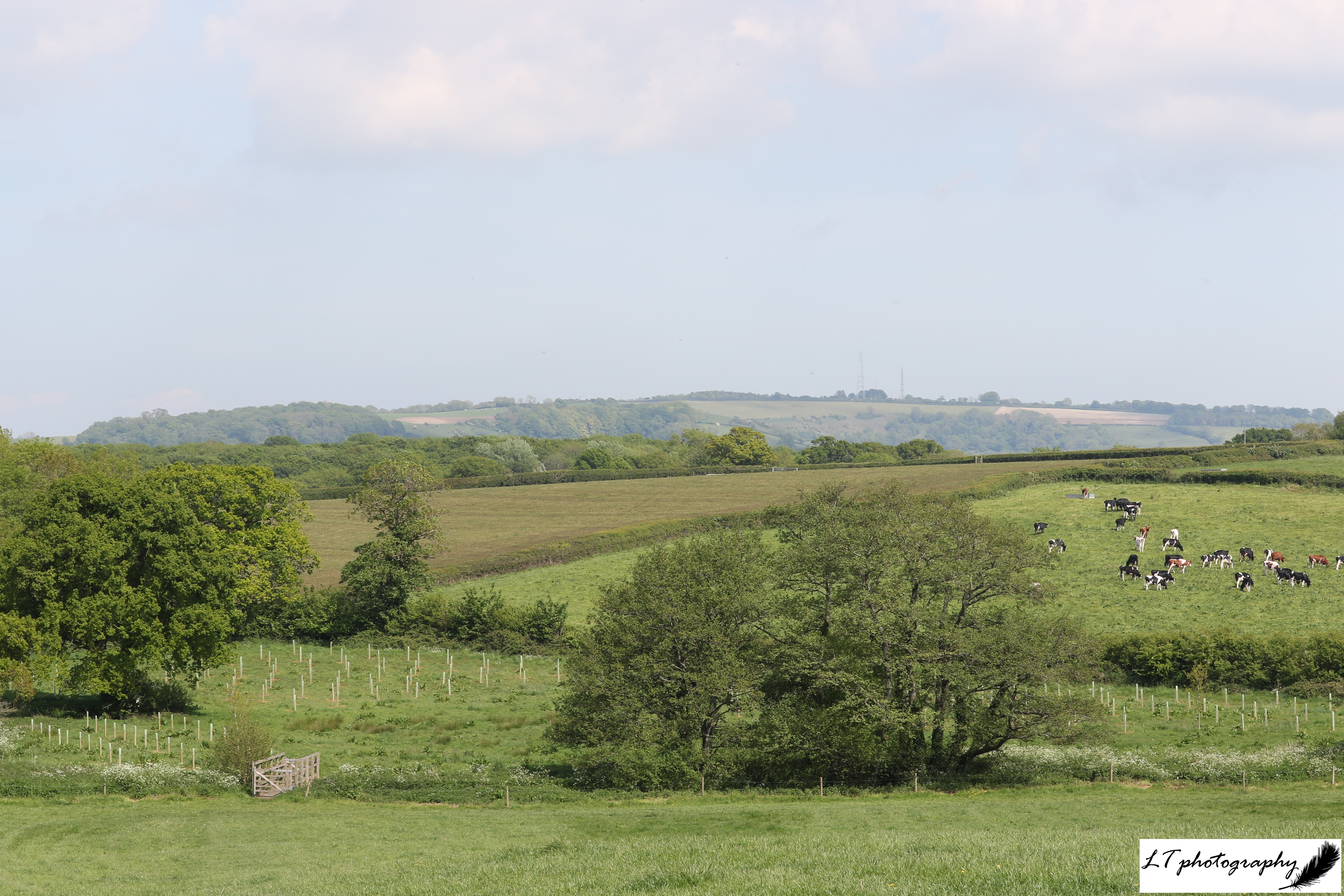
My family and I live on a 250 acre mixed dairy farm in the heart of beautiful Dorset, complete with sheep and beef cows. My parents took the farm on from Dorset County Council in 1995, at a time when it was only 50 acres, and have now expanded it to the 250 acres it is today. As long as I can remember, the farm has been my home. It is a part of who I am, providing the backdrop for me to learn about the natural world, to make informed decisions about how I live my life, and to become passionate about conservation. I have my parents to thank for this.

In 2019, the latest State of Nature report showed that agricultural change has been the largest driver of biodiversity loss over the last 45 years in the UK. With 72% of UK land area being used for agriculture and food production, land management changes have had a significant impact on the wildlife that call these areas home. As we now move forward, we need to focus on agriculture, not with contempt and negativity, but with optimism. If we are to continue to produce food in the UK, we need to focus on working with farmers to make farming sustainable, cost-effective, and most importantly with wildlife in mind.

Growing up on a farm, I have always been aware of how agriculture is heavily intertwined with the environment. My Mum and Dad have always believed in their roles as guardians for the wildlife and natural habitats that call our land home, and are dedicated to conserving and increasing biodiversity. Though it can be tough to create a balance, my Dad believes that farming, through careful management, can produce food in an economically sustainable way, whilst supporting and enhancing the natural environment. Here are some of the examples of how my family are successfully working to give nature a home on our farm.

(1) The Bridge Field

Project:

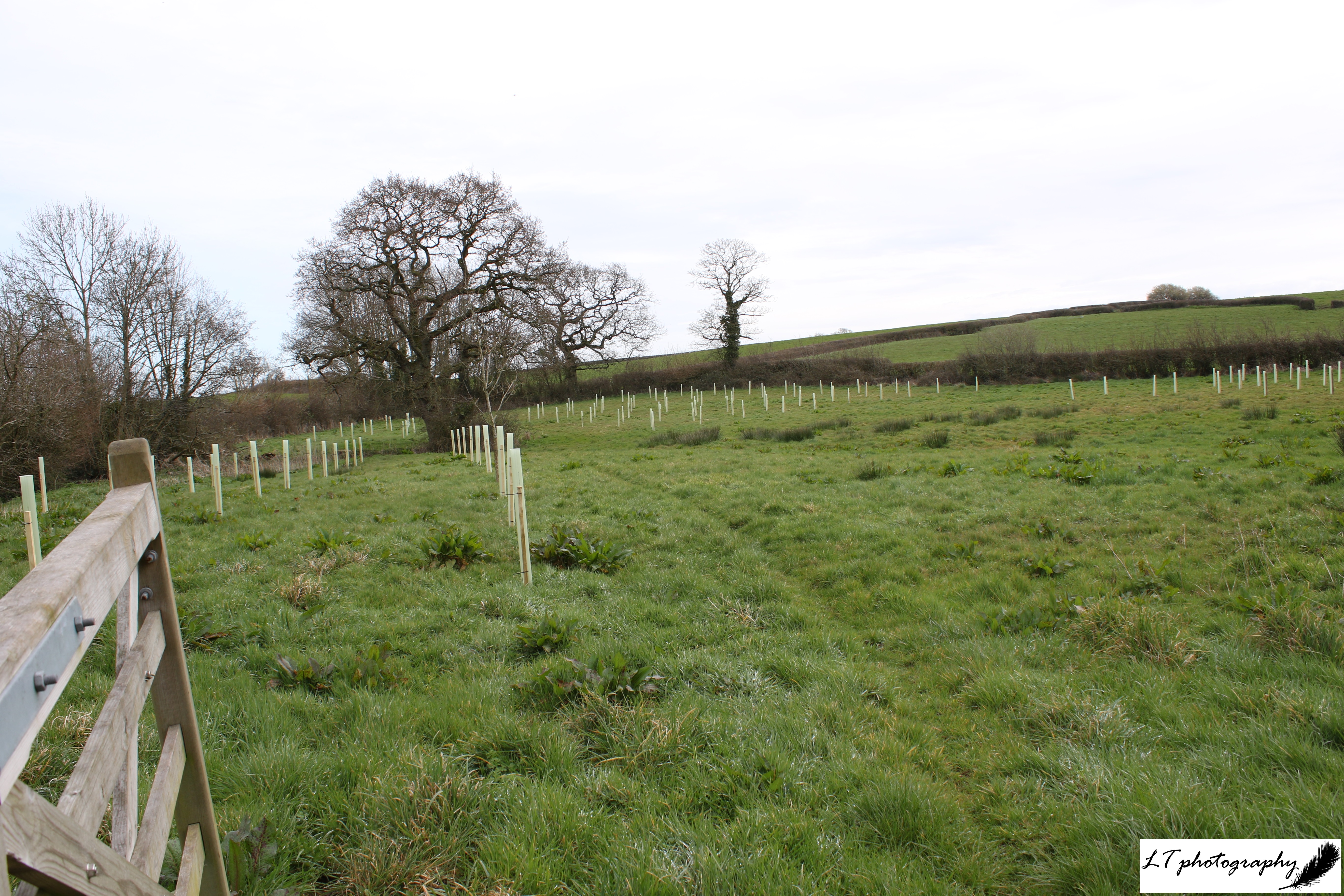
The field is a small, triangular-shaped, 3 acre field, bordered by hedges and a river. It was taken on in 2014 with some other land, and is less ideal for agricultural use due to its shape and often being wet. Hence, it has been left untouched, apart from one late cut of haylage each year and dock management. This year my parents decided to begin the process of restoring the land, with the aim of giving it back to nature.

So far:

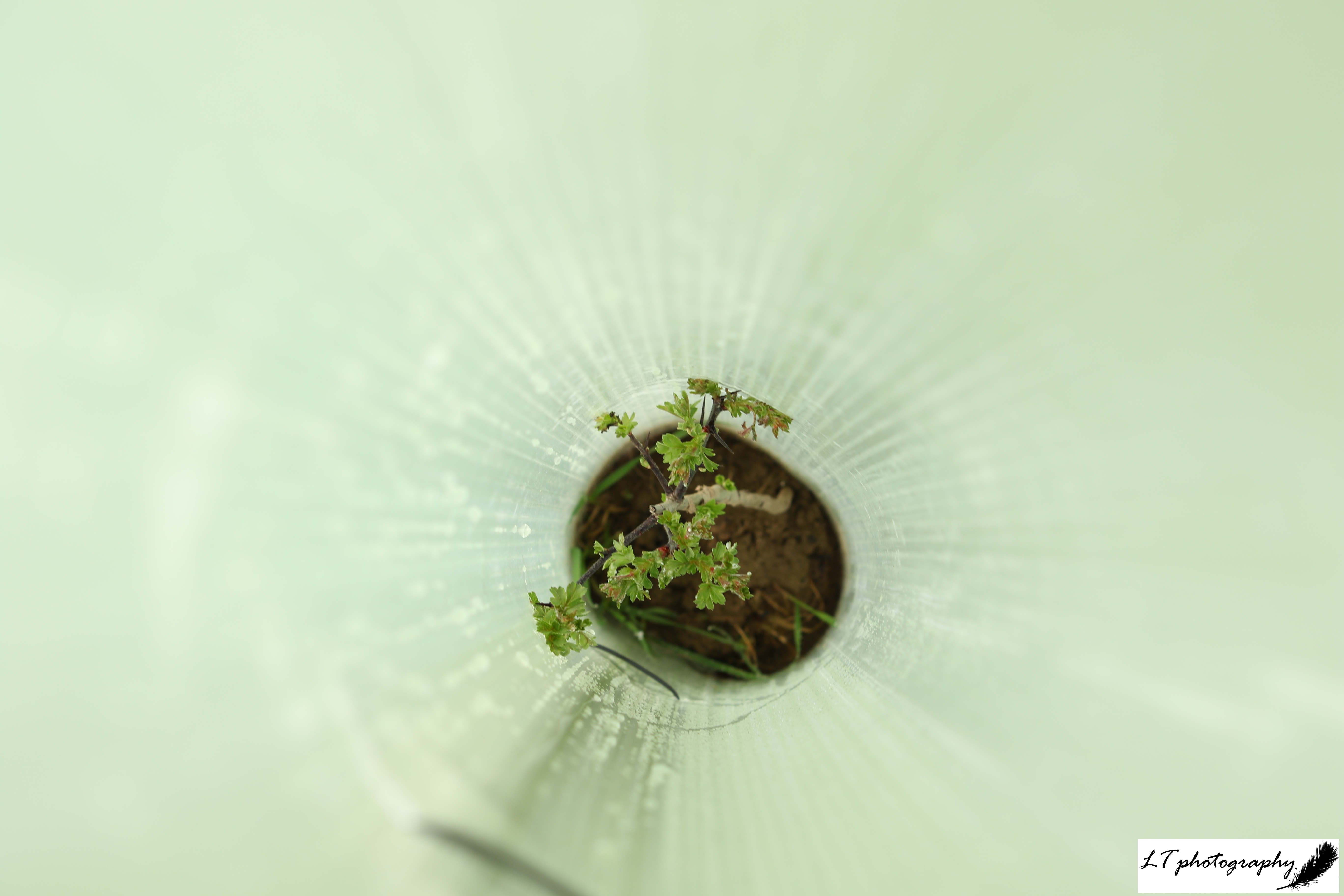
  • At the beginning of the year, we bought in and planted 219 native tree and shrub saplings of 9 species, including Goat Willow and Rowan. The hope is to create a rich and valuable habitat for wildlife.
  • We began managing the grass in the field, which is mainly Yorkshire Fog, to increase species composition. The grass has formed a dense stand across the field and is currently excluding nearly all other species.

Next aims:

  • See how the trees and shrubs grow on
  • Plant natural wildflower species using plugs, bulbs and seeds
  • Create a water source, such as a pond
07_05_20_Farm_Bridge_Field_Trees_2

(2) The Chalk Mound

Project:

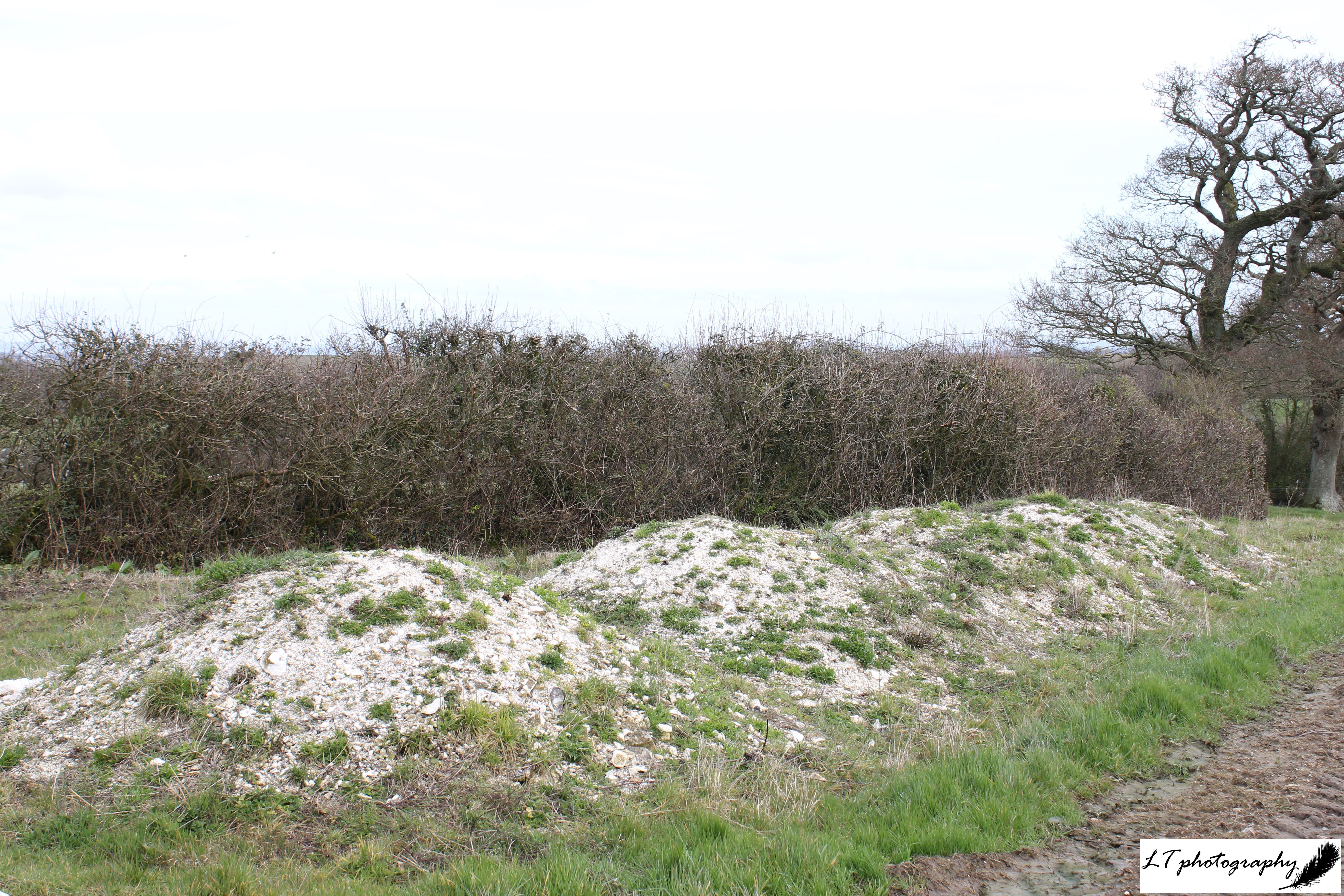
Towards the centre of our land you can find a small triangular area of land that is bordered by hedges and a track. My parents took on this area with some other land in 2014, but it was not anything special. In 2017, my Dad decided to use it to make a small piece of chalk habitat, in our clay area, acting as a perfect stopover location between chalk downland to the north and south of us.

So far:

  • We bought in 40 tonnes of quarried chalk and shaped it into a mound which is 10m by 3m, and 2m in height.
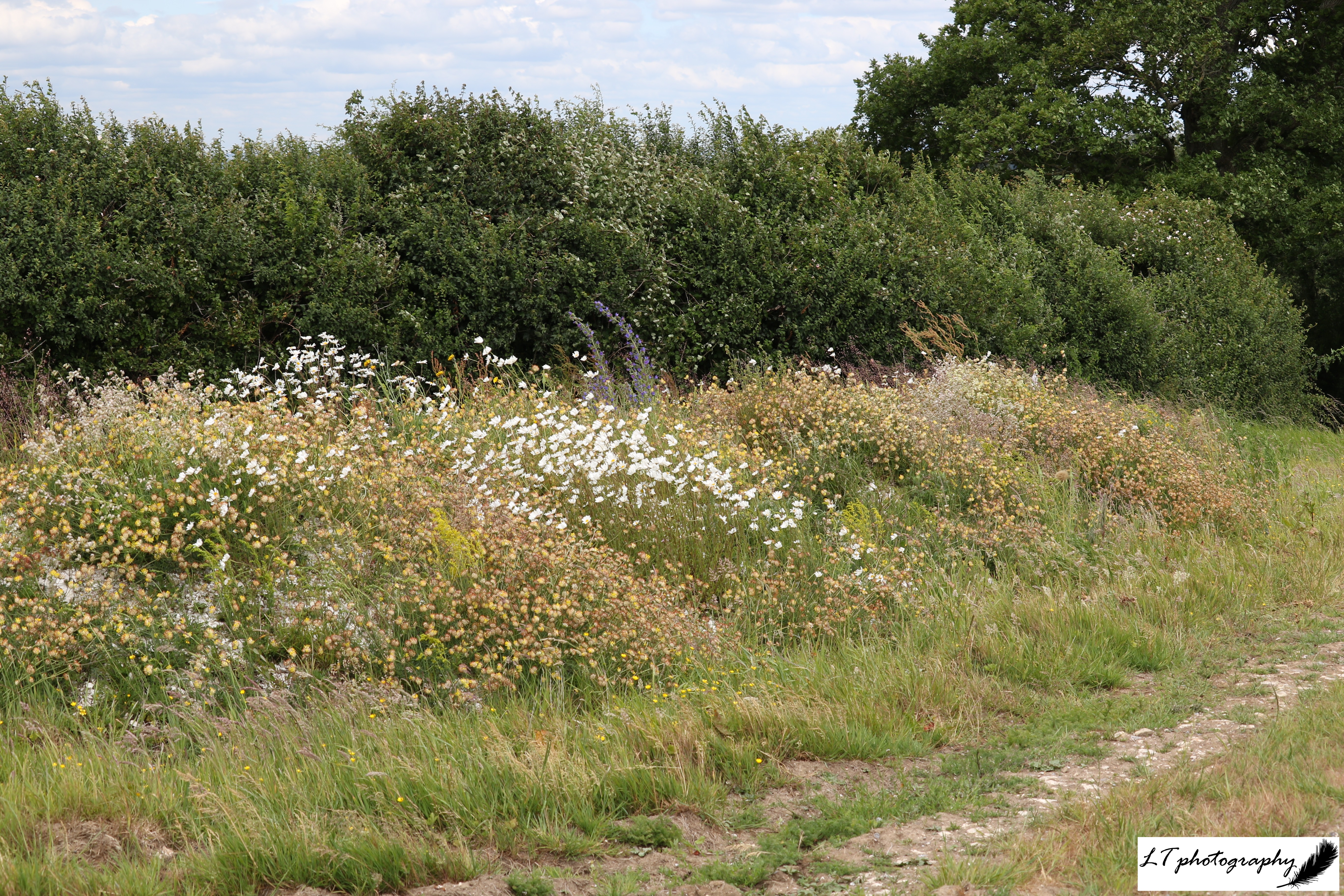
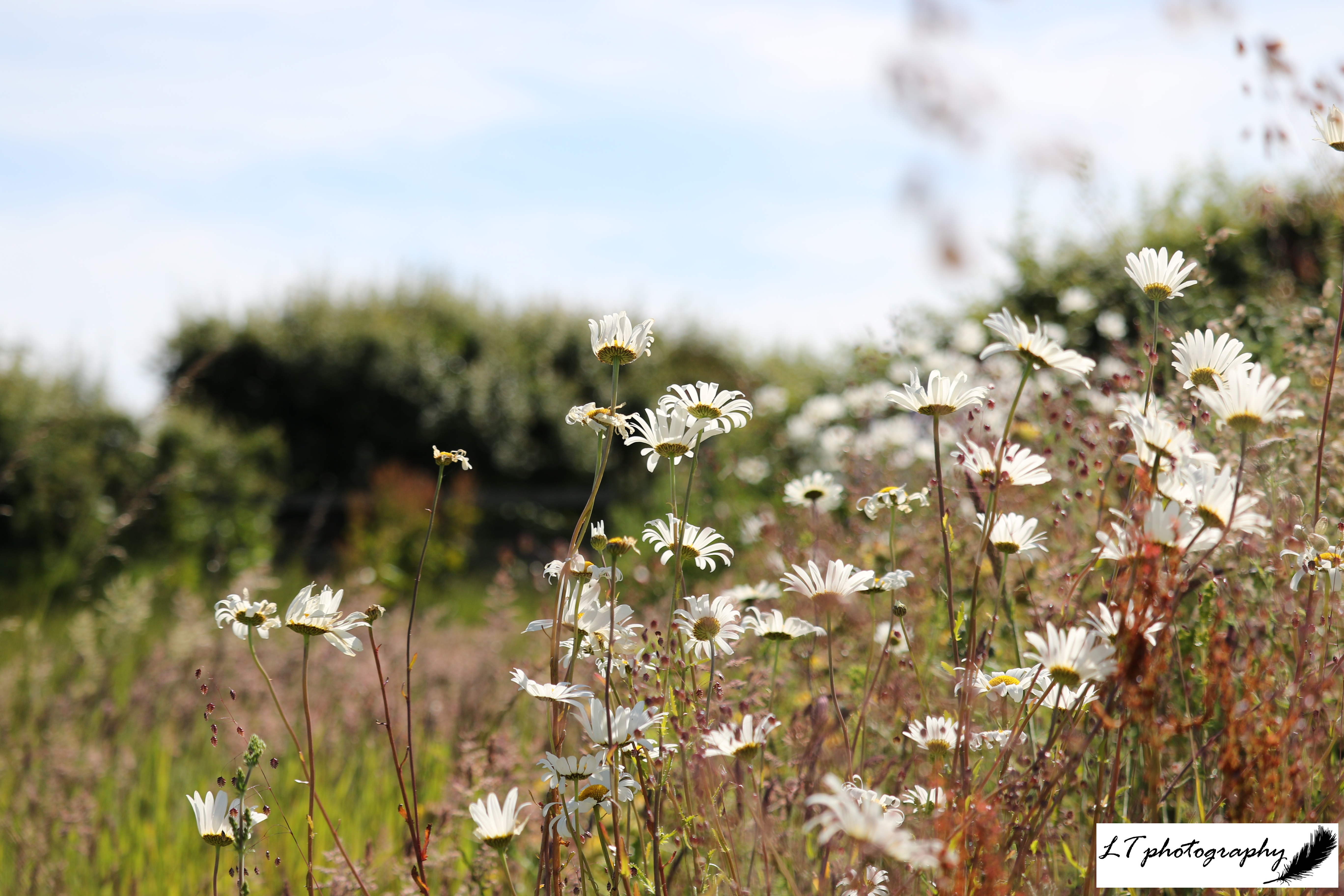
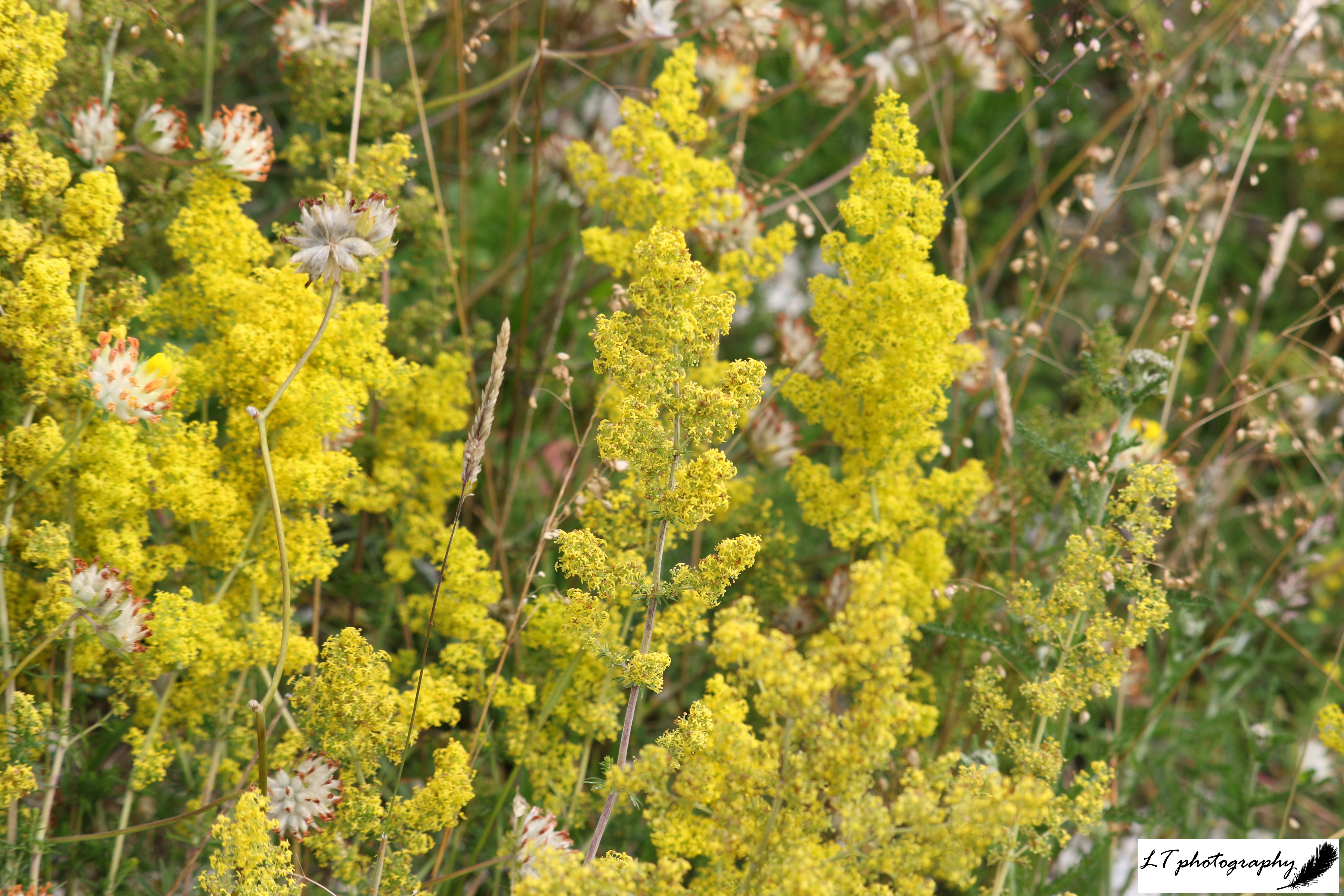
  • We planted a selection of plant plugs and seeds gifted to us, ranging from Quaking Grass and Kidney Vetch to Rough Hawkbit and Lady’s Bedstraw.
  • For the first year, the mound was regularly watered as the plant plugs and seeds became established, but after that they were left to grow on, with minimal management.

Next aims:

  • Continue to enjoy the now thriving habitat that is attracting lots of insects, from butterflies to bees
  • Boost numbers of certain species such as Wild Thyme
  • Complete autumn management of the encroaching Yorkshire Fog grass at the mound’s edges

(3) Wildflower Verges and Rough Areas

Project:

As part of managing our land, my Dad leaves areas and verges uncut and able to thrive, providing valuable habitat for wildlife. One of my Dad’s inspirations for doing this is to provide rough grassland habitat for his favourite bird, the Barn Owl. Barn Owls use such areas to hunt, as it provides cover for their rodent prey. It is also great habitat for other species, such as the majestic Brown Hare.

Different forms so far:

  • Fenced off areas to keep livestock out but allow wildlife in.
  • Verges and strips left to grow up and increase in species diversity.
  • Wildflower verges planted to provide food for different species at different times of year.
  • Field margins created, maintained and protected, meaning a field is never worked up to the hedgerows.

Next aims:

  • Allow areas to continue to increase in diversity and composition
  • Continue to create a mosaic of habitats on the land

(4) Trees and Woodlands

Project:

I am a huge fan of trees, and my family are no different. Throughout our land you will find lots of different species, such as Ash, Alder, Wild Cherry and Oaks, varying in size, shape, and age. They play very important and varying roles in the landscape, from singular trees in fields and hedgerows, to the many growing in copses and woodlands around the farm. We now want to continue to preserve them and increase their numbers.

So far:

  • Over many years, we have been planting more trees wherever we can, with this year’s main project being the Bridge Field.
  • We continue to look after and manage the small woodland areas on our land.
  • We are putting up lots of different nest boxes around the farm, from small Tit boxes to larger Owl boxes.

Next aims:

  • Put up more nest boxes, including Little Owl and Kestrel
  • Monitor nest box use each year
  • Allow trees, such as mature Oaks, to naturally age and return to the ground

(5) Hedgerows

Project:

On my family’s land there are a lot of hedgerows, which are a hugely important habitat for a whole host of wildlife. They range in age and composition, including species such as Spindle, Blackthorn, Ash and Dog Rose. They also provide different services, such as food and shelter, throughout the course of a year, for lots of different species.

So far:

  • We carefully manage hedgerows with wildlife in mind each year.
  • Hedgecutting is practiced on a rotational basis and in late winter if the ground holds up. They are only cut by my Dad or brother who are skilled at cutting the hedges correctly and with care.
  • We annually manage and maintain field margins and ditches.
  • Hedgelaying has been used in the past but only when a hedge is in need of restoration.

Next Aims:

  • Maintain the high standard of hedgerows
  • Allow diversity to continue to increase

Future Aims

With 41% of species in decline since 1970, biodiversity loss and the latest State of Nature report cannot be overlooked. Whilst there is still hope that we can bring things back from the brink, and reverse the decline, to do so we need to act now. We need to create more homes for wildlife, protect what is left of our natural environment, and manage land with wildlife in mind.

On the farm this process is in full swing and gaining momentum each year. In this way, we are trying to make our land more wildlife friendly, managing and creating habitats for wildlife. Now, Skylarks can be heard singing all around the farm each morning, Brown Hares are increasing in number, Butterfly and Moths are becoming more species diverse, and Yellowhammers are becoming increasingly common. There are so many more examples from the big to the small, from Hedgehogs to Newts, but my Dad’s favourite has to be his Barn Owls. Over the last few years Barn Owls have made our land their regular home, with 2 Barn Owl pairs successfully breeding last year!

My Dad now wants to continue my Mum’s and his work dedicated to the environment, from helping farmland birds to reducing our carbon footprint. He wants to continue to show how conservation and increasing biodiversity can go hand in hand with conventional farming, allowing food to be produced whilst looking after the environment. A great example of this is the RSPB’s Hope Farm in Cambridgeshire, an arable farm where careful and targeted management is now having results. It makes me optimistic that if we now focus on working with farmers to give nature a home on their farms in the right way, then this could make a real difference to reversing species decline in the future.

Spring at RSPB Radipole Lake and RSPB Lodmoor

When asking people what they like to do most during spring, answers range from watching Springwatch and doing wildlife gardening to listening to the dawn chorus and taking in wildflowers in our local green spaces. Though I do like doing all these things too, one of my favourite things to do during the spring season is to visit two of my favourite nature reserves in search of some of my top bird species.

Radipole lake nesting mallards

By getting out to local reserves, we are supporting the work of organisations such as the RSPB, immersing ourselves in the wildlife that call these reserves their home, and improving our own health and wellbeing at the same time. Take a look at my recent adventure and see if you may be inspired to visit one of your local nature reserves as spring rolls into summer!

Saturday 11th May 2019

I was first introduced to Dorset’s RSPB Radipole Lake and Lodmoor 5 years ago by my Granddad whilst on a birdwatching trip, and since I have visited many times and have even completed an internship at the reserves with the RSPB. This means I am well acquainted with Radipole and Lodmoor (2 of the 5 RSPB nature reserves found in Dorset) and they hold a special place in my heart.

For those of you who will not have heard of these nature reserves before, I will just start with a few facts about the two:

Radipole Lake

  • 21.3 miles from my homeRadipole lake urban swan
  • 83-hectares in area
  • Designated SSSI (Site of Special Scientific Interest)
  • Managed by the RSPB since 1976
  • Habitats: wetland, hedgerow, scrub, reedbeds, saline lagoons
  • Star species: kingfisher, marsh harrier, bearded tit, Cetti’s warbler

Lodmoor

  • 21.5 miles from my homeLodmoor reedbed
  • 76-hectares in area
  • Designated SSSI
  • 1.5 miles east of Radipole
  • Connected to the sea under a sea wall at the southern end
  • Habitats: freshwater reedbed, scrub, saline marsh
  • Star species: marsh harrier, bearded tit, Cetti’s warbler, common tern

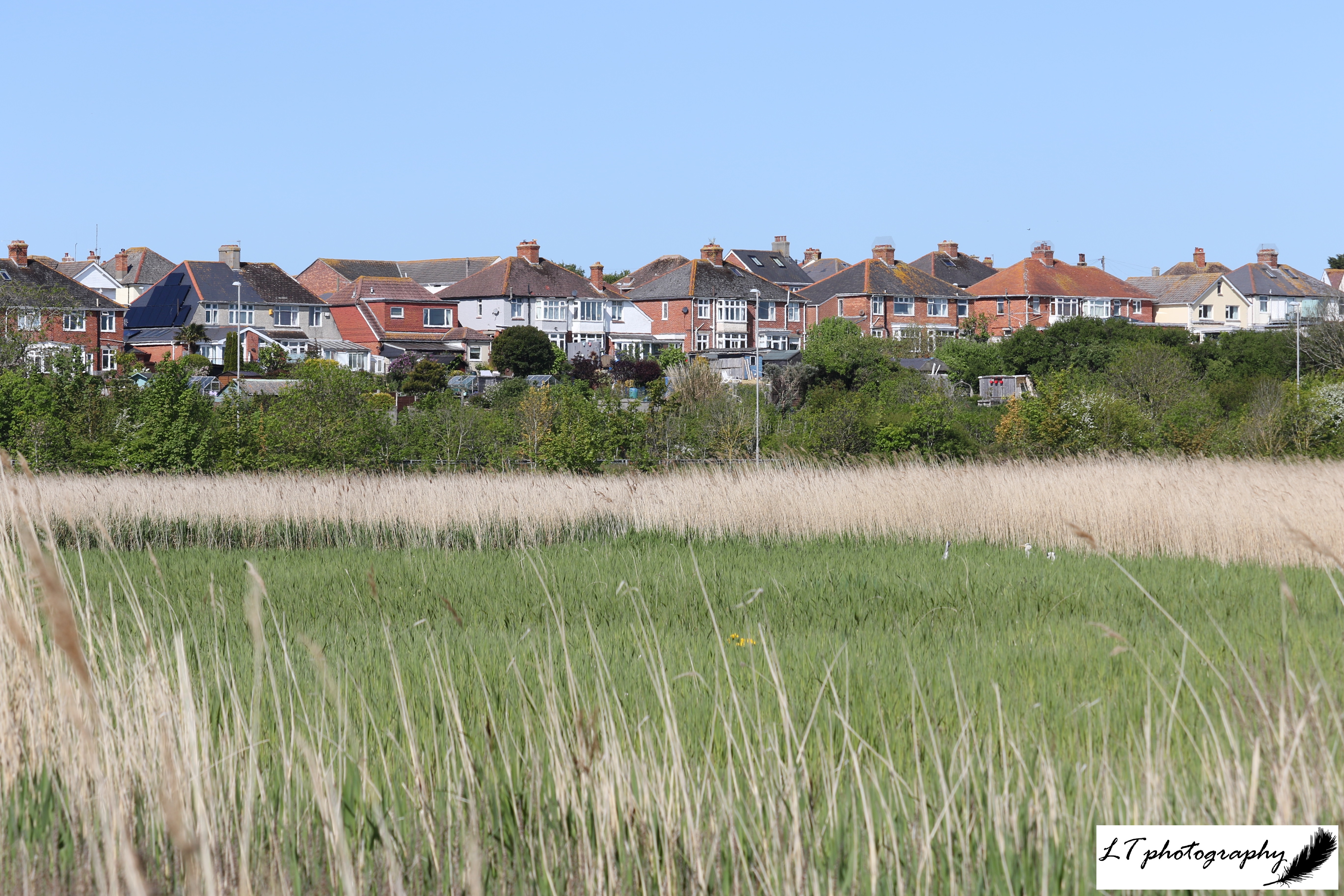
What makes these two reserves extra special for me though, can be split into two parts. Firstly, they are both situated in less conventional locations than many other nature reserves, being found at the centre of the busy seaside town of Weymouth. Thus, when you step into these reserves and surround yourself with the reeds and wildlife, you would not believe that you are situated within the heart of an urban area. In this way, they are both oases for a range of wildlife and for the naturalists that visit them.

Secondly, they are both year-round homes for one of my favourite species of bird of prey, the majestic marsh harrier. I did not know that they could be found on my doorstep until my first visit to the reserves, so their discovery for me a few years back brought with it lots of excitement. Consequently, it is one of the greatest draws for me when visiting these reserves at any time of the year.

Discovery centre marsh harrier mural

So, on a sunny day in May this spring, I headed to the reserves alongside my birdwatching partner in crime, my mum, to hunt down marsh harriers during their breeding season, whilst taking in other species and a range of habitats.

Adventure with my mum


RSPB Radipole Lake Nature Reserve

Discovery centre radipole lake map

Most trips to the reserves start in the public car park outside the RSPB’s Weymouth Discovery Centre and next to the bridge into Radipole Lake Reserve. This setting feels a lot more like an urban area than a home to wildlife.

Radipole lake pigeons

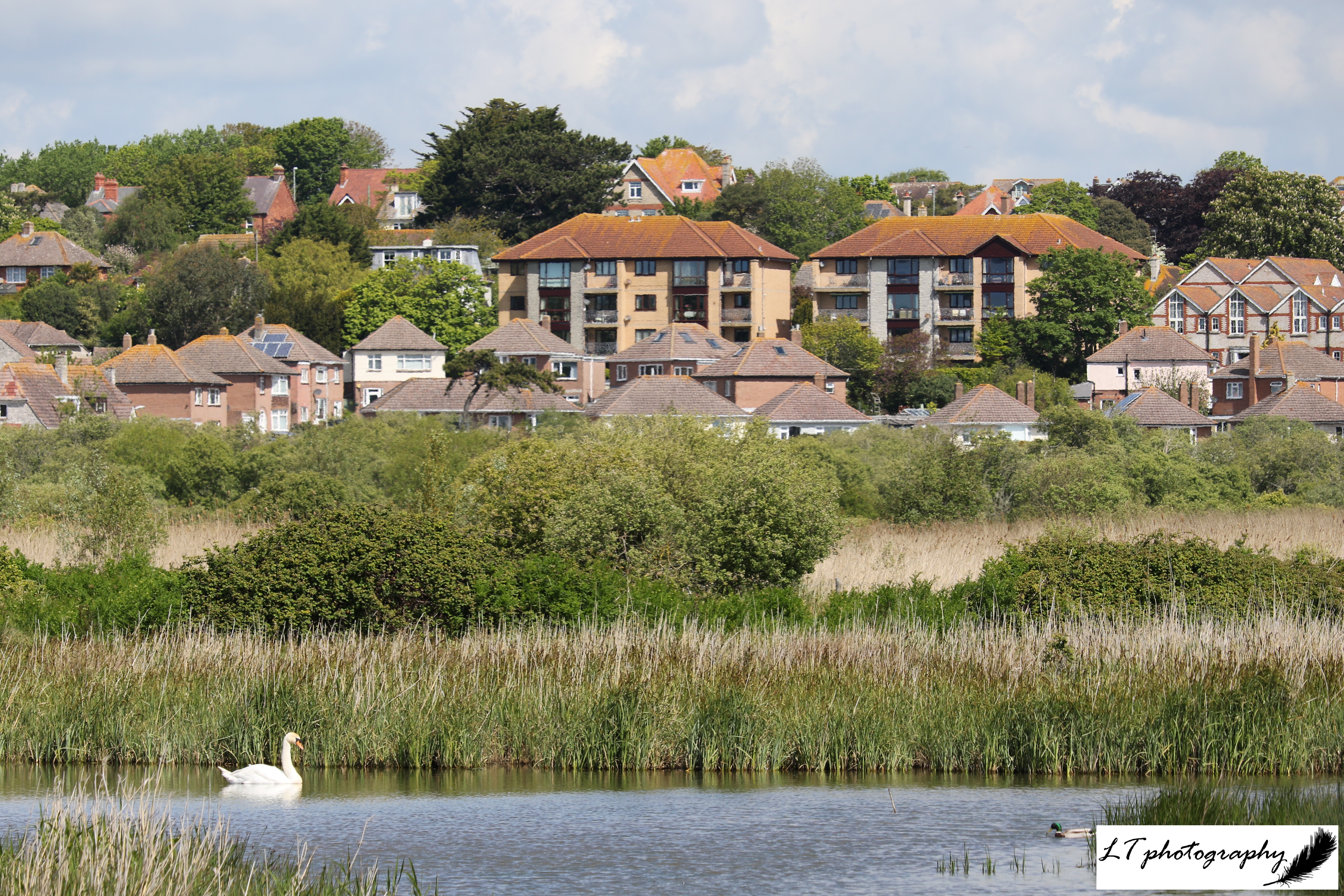
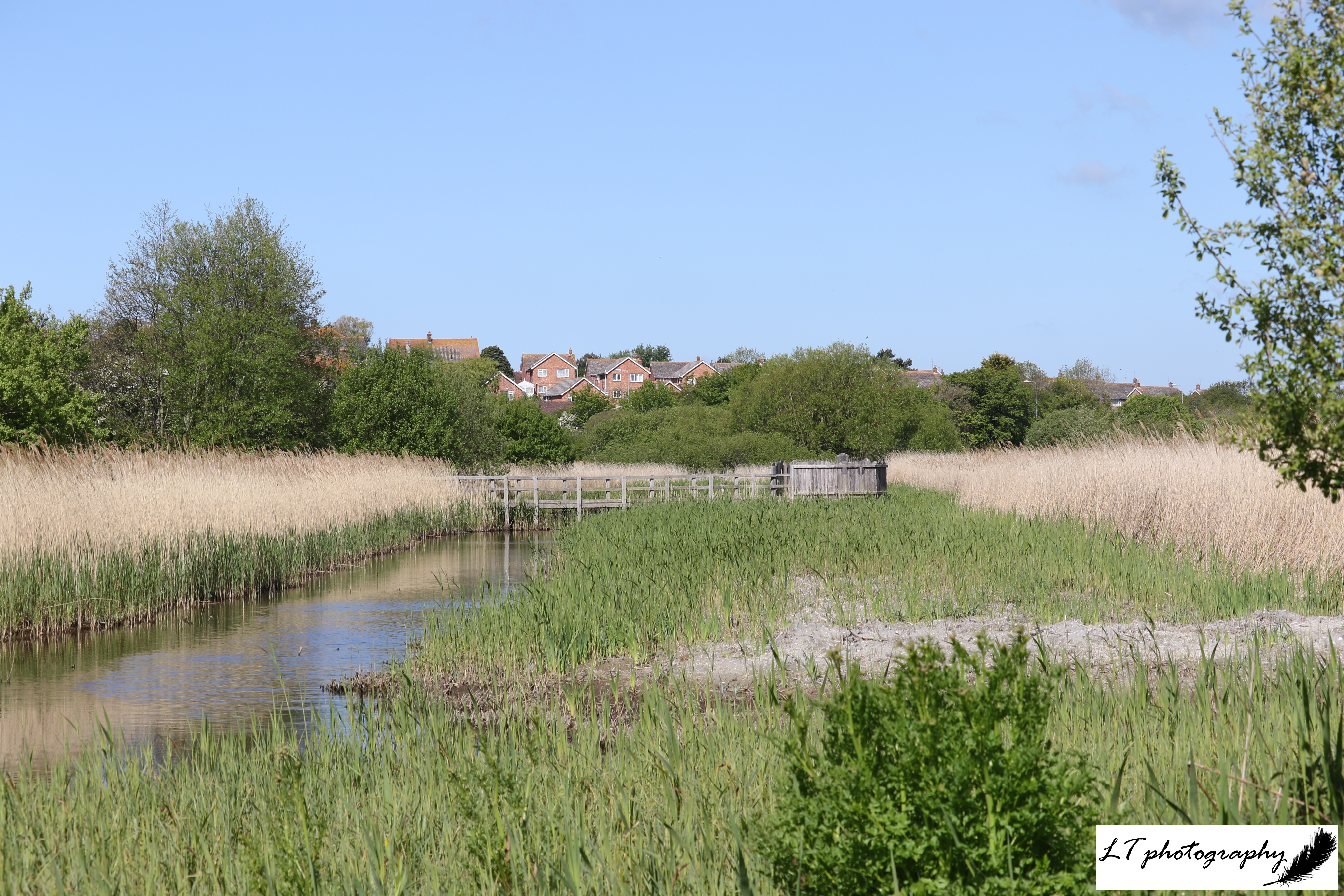
Once you cross the wooden bridge from the car park into the reserve though, you are suddenly transported into a world of water, reeds, sky and trees. You are also hit by a cacophony of bird sounds ranging from species commonly heard in our gardens to water birds and warbler species, such as the sound of the noisy and distinct Cetti’s warbler. If it was not for the houses that can be seen above the reeds in the distance though, you could probably forget the reserve’s urban setting all together!

Radipole lake reeds

When my mum and I crossed the bridge we also found ourselves on a hard surface trail that gives easy access around the reserve. Starting at the discovery centre, we then followed it round the main circular discovery walk, stopping to spot birds in the trees along the sides of the trail, to identify plant species, and to look out across the reeds and open water from the main viewing platforms and spots around the reserve. In this way, we were able to pretty quickly rack up our species list and to get some great views of wildlife.

Radipole lake long-tailed tit
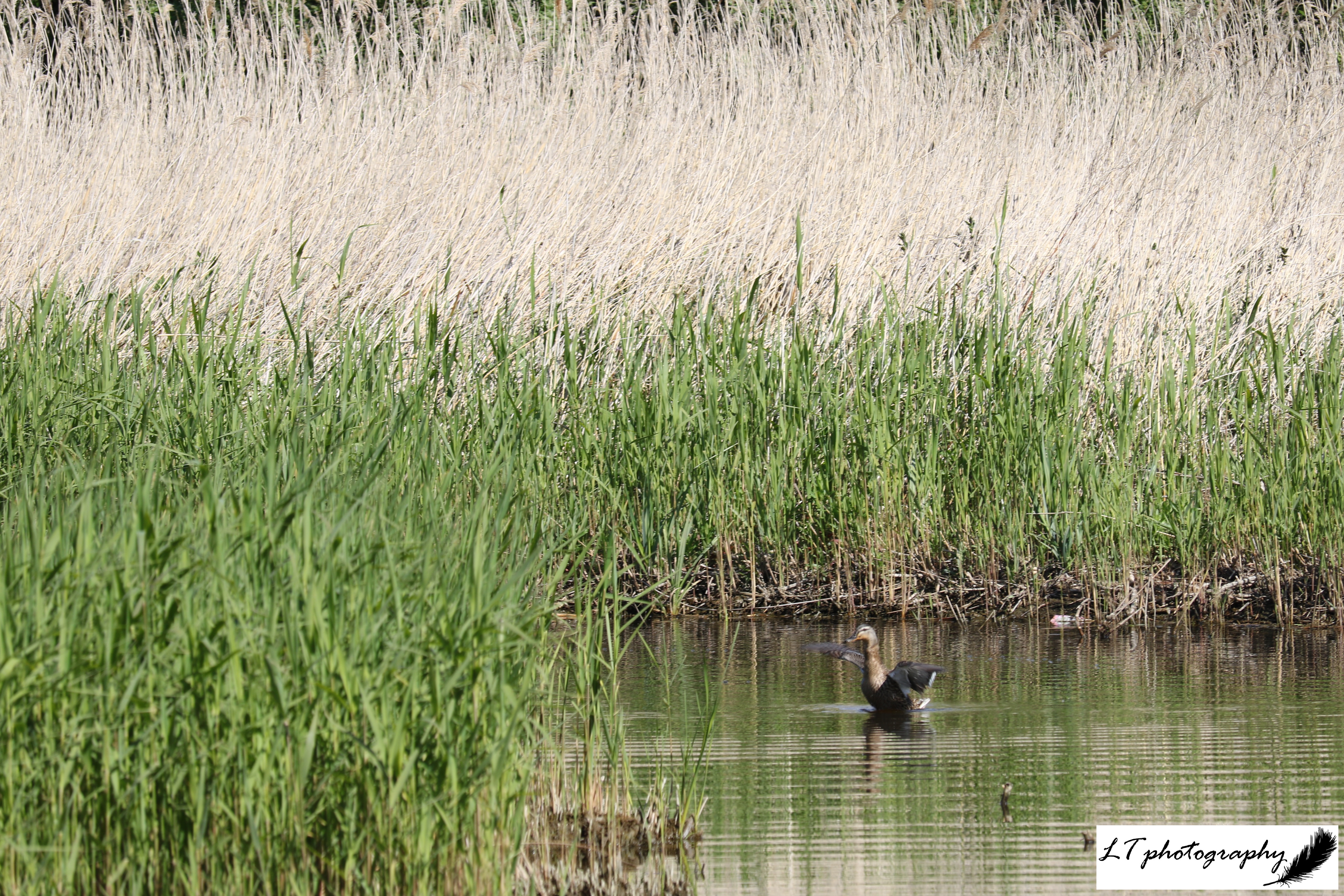
Radipole lake female mallard

Radipole lake dunnock

My highlight of the trip to Radipole though, unsurprisingly included my star species, the marsh harrier. This began earlier on in our walk around the reserve, when my mum and I first caught a tantalising view of a male marsh harrier flying above the reeds, hunting in the distance. This made us then even more motivated to try and get a closer view of marsh harriers on this day, by heading off the main discovery trail and on to the north trail, to visit one of the best spots to watch these birds. Sat at a viewing screen in the sunshine, hot drinks and biscuits in hand, our luck paid off and we had the pleasure of enjoying one of our best ever hours watching marsh harriers at the reserve.

Following a short wait, the hour started with my mum spotting our earlier male marsh harrier hunting above the reeds, though still a good distance away from where we sat. We watched him through binoculars for a little while, before he disappeared from our view.

This sighting from the viewing screen was not our last though. After a longer wait, our viewing experience was suddenly taken up a notch. The same male that we had been watching previously suddenly popped up within 15 metres of the viewing screen, giving us amazing views of him. He then gave us a real show hunting and flying backwards and forwards in front of us before flying higher and higher till he was directly above our heads. This allowed us to really experience this bird in action and gave me the opportunity to at least try and photograph him in his natural habitat. We only made our own departure from the reserve once the male had finally moved off once again.

Radipole lake marsh harrier

Radipole lake marsh harrier 2

Radipole lake marsh harrier 3

From our couple of delightful hours on this reserve, we counted 30+ bird species, with our top 6 being:

  1. Cetti’s warbler
  2.  Swift (first swifts of the year)Radipole lake swifts
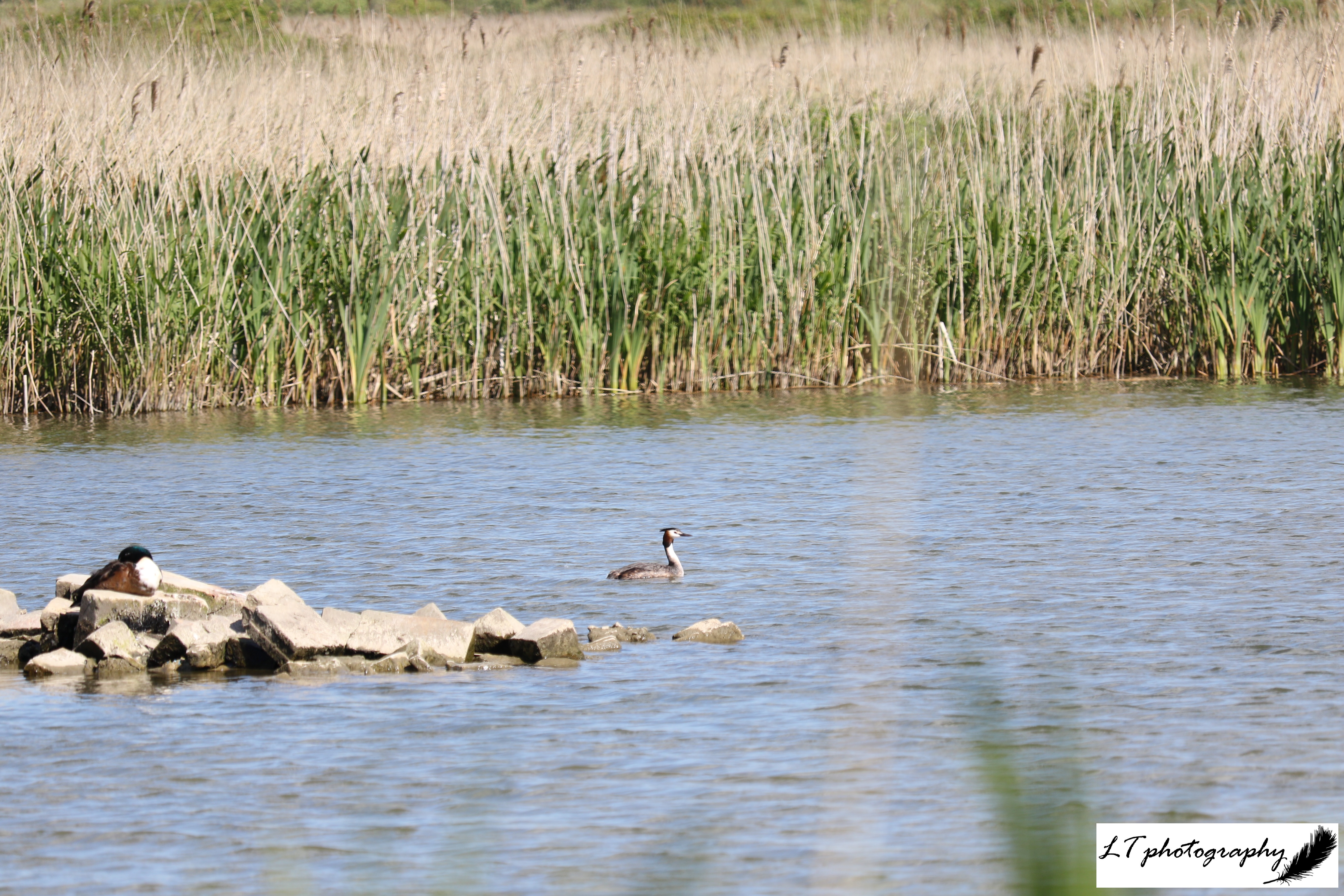
  3. Great-crested grebe
    Radipole lake great-crested grebe
  4. Marsh harrier 
  5. Little grebe
  6. Sedge warbler

Other photos:

Radipole lake coot

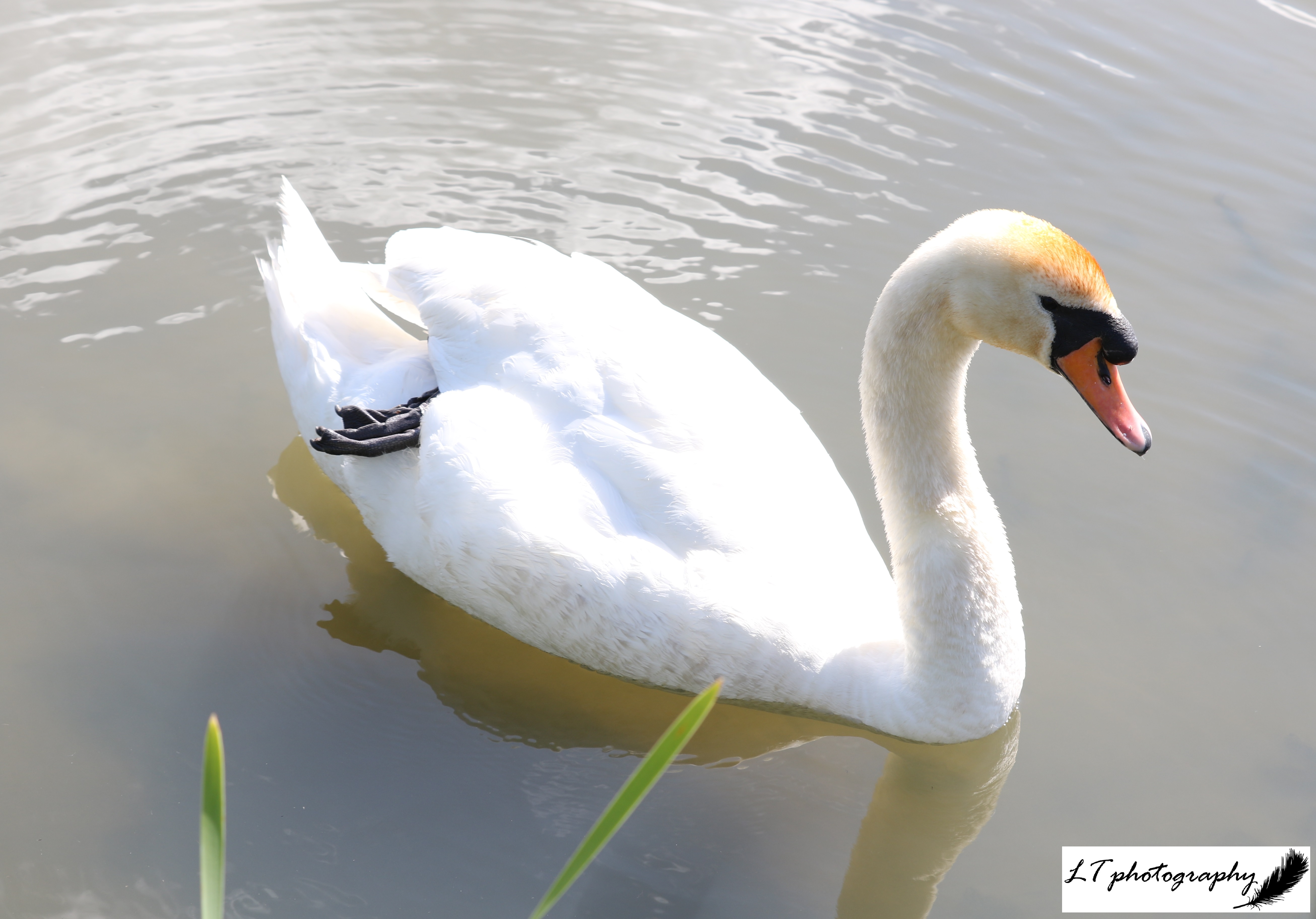
Radipole lake mute swan


RSPB Lodmoor Nature Reserve 

Lodmoor map

On this day in spring, following a stop for lunch sat on the seafront in the glorious sunshine, my mum and I chose to park at Weymouth’s public Overcombe car park on the eastern side of Lodmoor nature reserve. From here we planned to walk a clockwise loop around the reserve’s main trail and see what species we could see that call the reserve their home.

Lodmoor reed trail

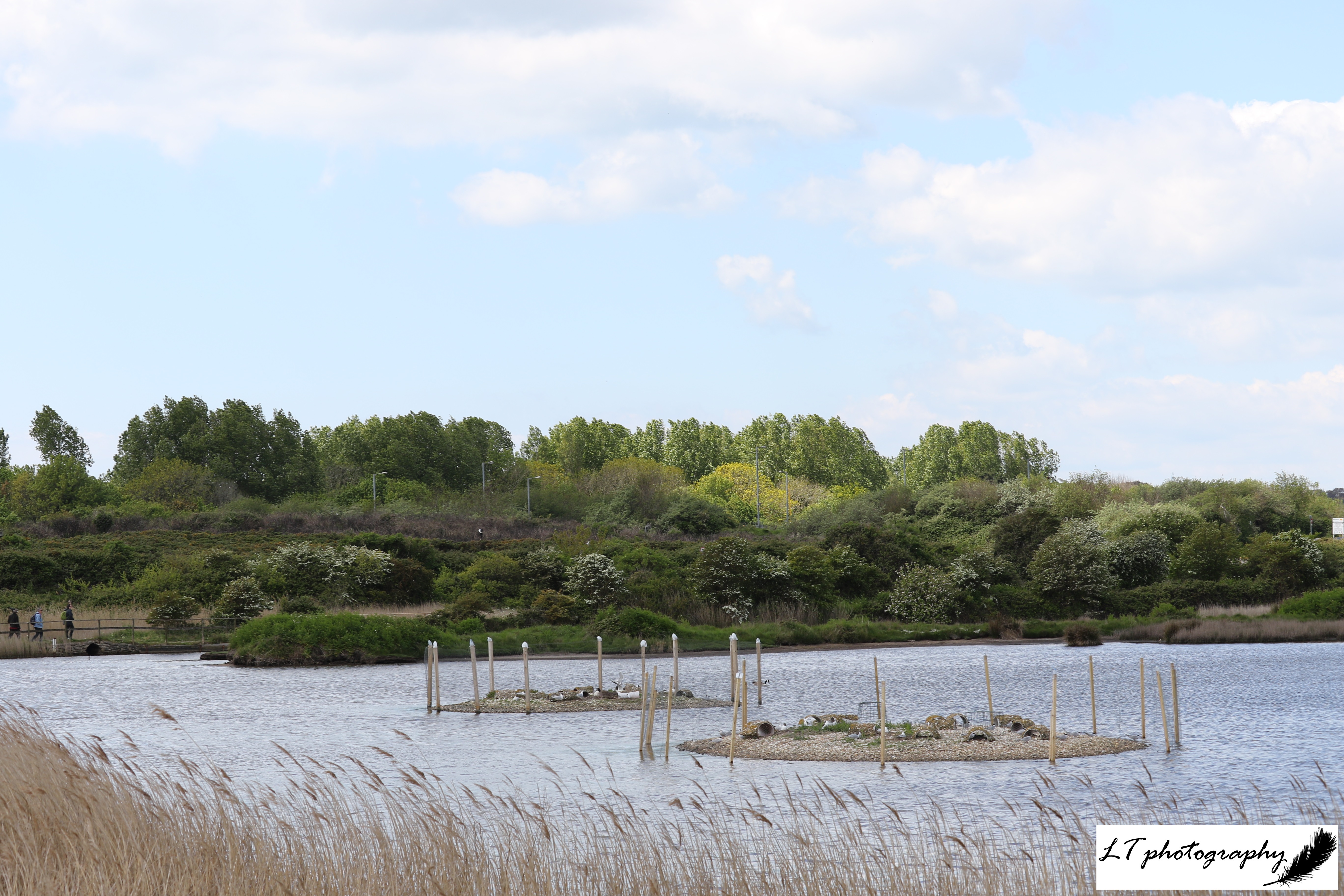
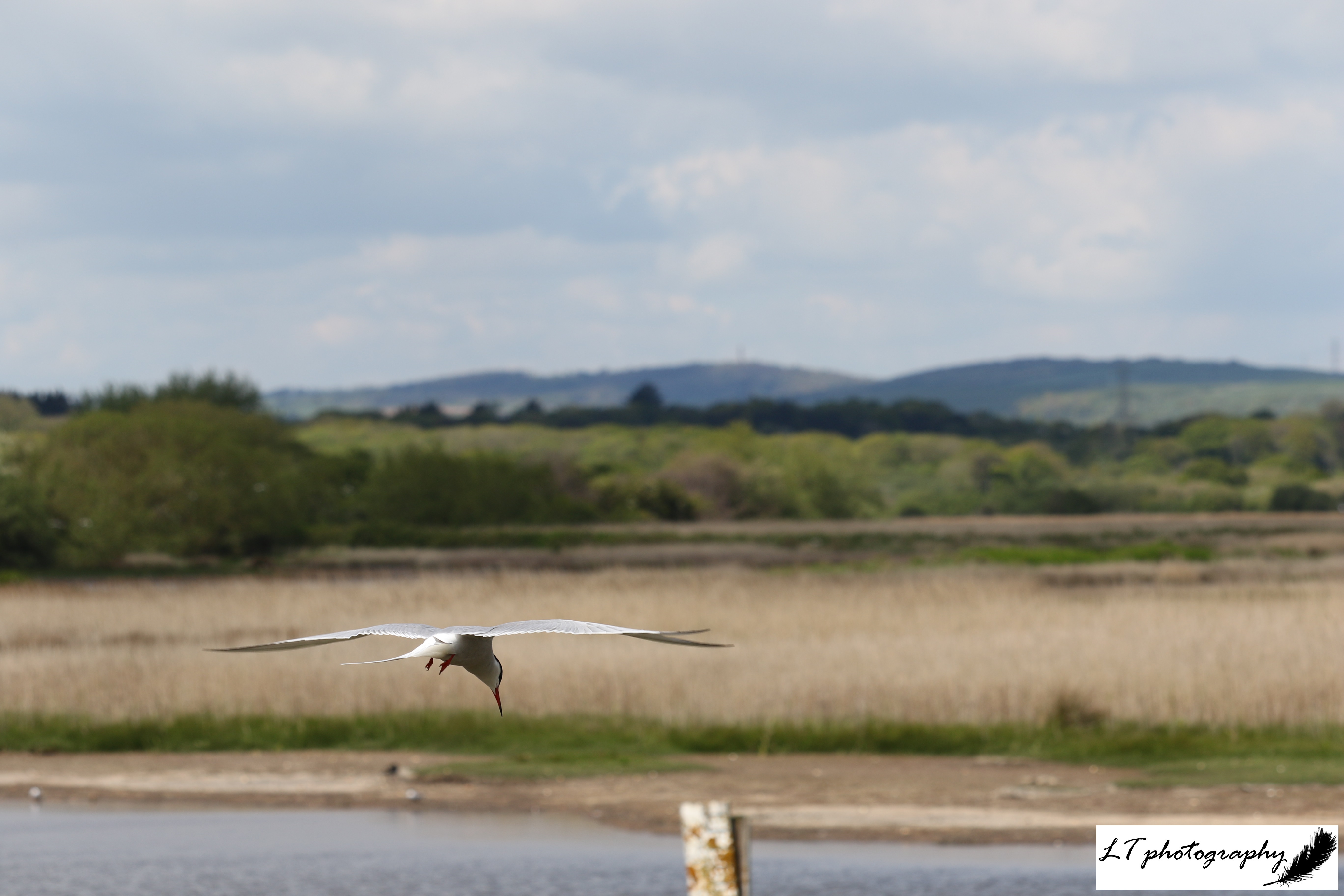
In this way we first walked along the main road that borders the southern side of the reserve and splits Lodmoor from the seafront, stopping at breaks in the reeds and hedges to see what birds we could see on the marsh area. On one of these stops, we finally got to take in one of Lodmoor’s star species, breeding common terns. At the reserve, islands in the lagoons/marsh are managed each year to provide areas for the terns to breed safely away from many predator species. In sight of these islands, we got some really fantastic views of the terns hunting over the water.

Lodmoor commen tern nesting islands

Lodmoor Common tern 2

Though most of the best areas for birdwatching are situated along the side of the main road and near the tern nesting islands, my mum and I of course continued our walk on the main trail around the reserve, taking in as many species as we could. Unfortunately, this year we did not catch any sightings of the marsh harriers that can be found breeding at this site, but the reserve still did not disappoint us. In particular, we spotted 24+ bird species, with our top 6 sightings being:

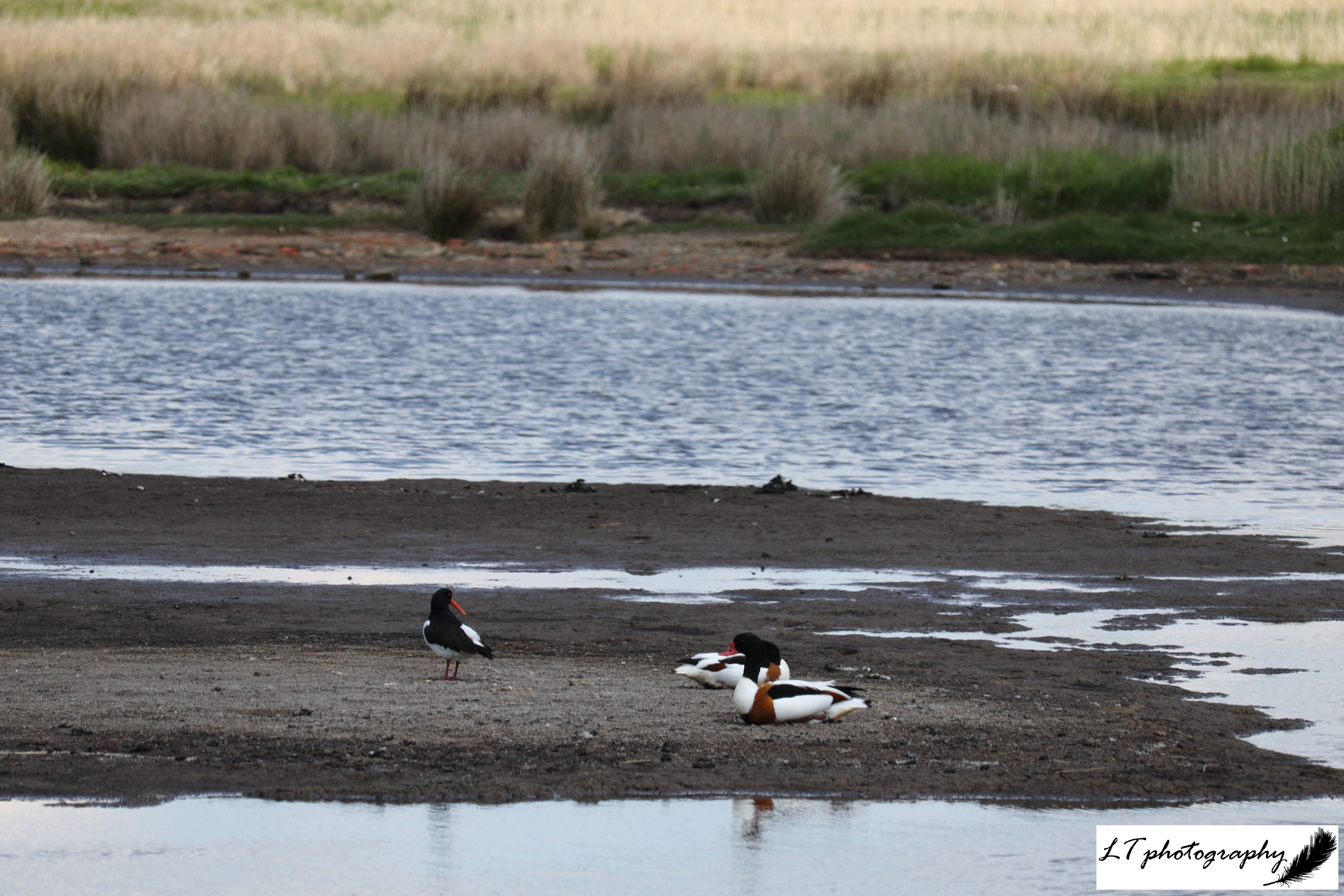
  1. Oystercatcher Lodmoor oystercatcher and shelducks
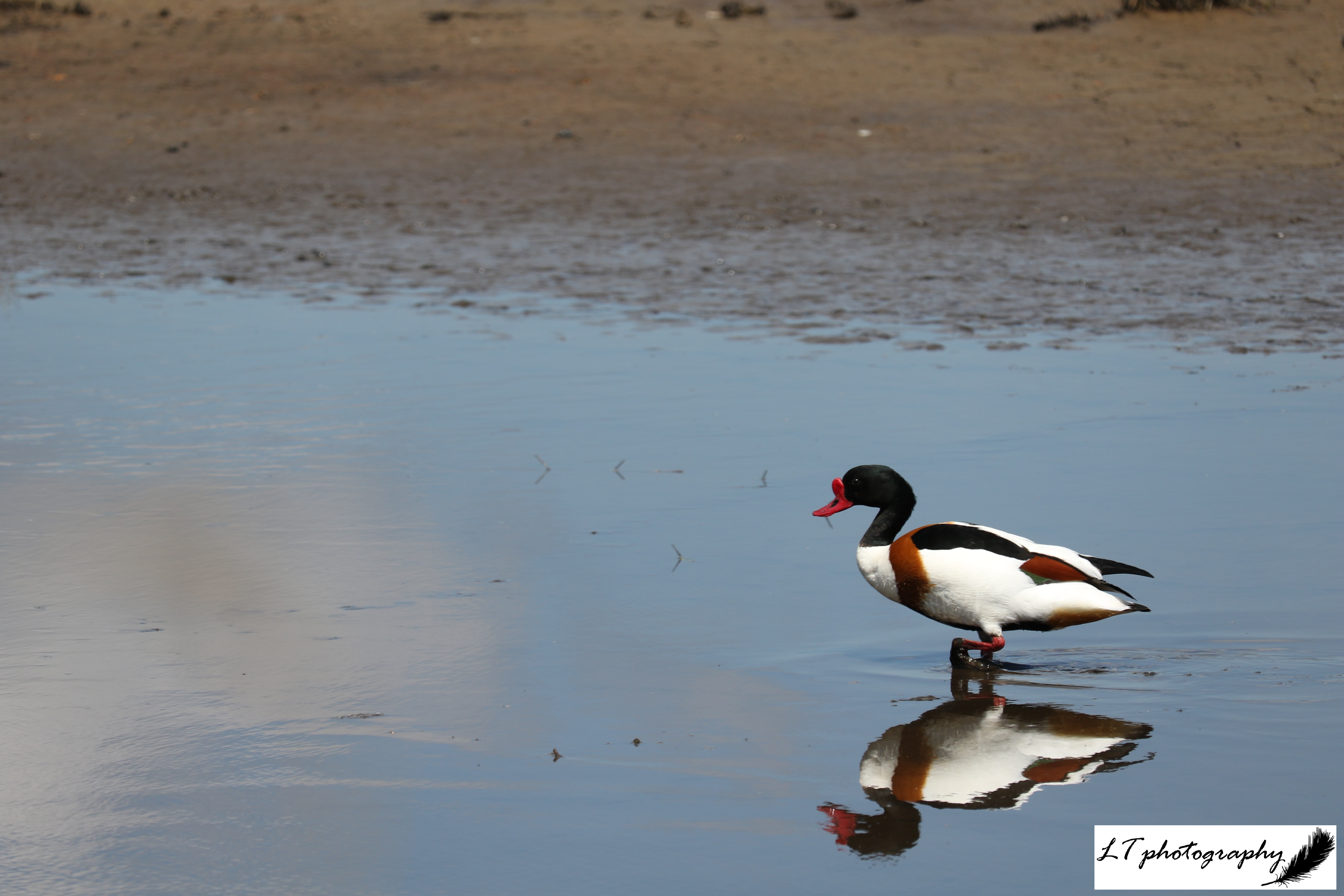
  2. Shelduck Lodmoor shelduck
  3. Bar-tailed godwit
  4. Black-tailed godwit
  5. Common ternLodmoor Common ternLodmoor Common tern 3
  6. Gadwall

Other photos:

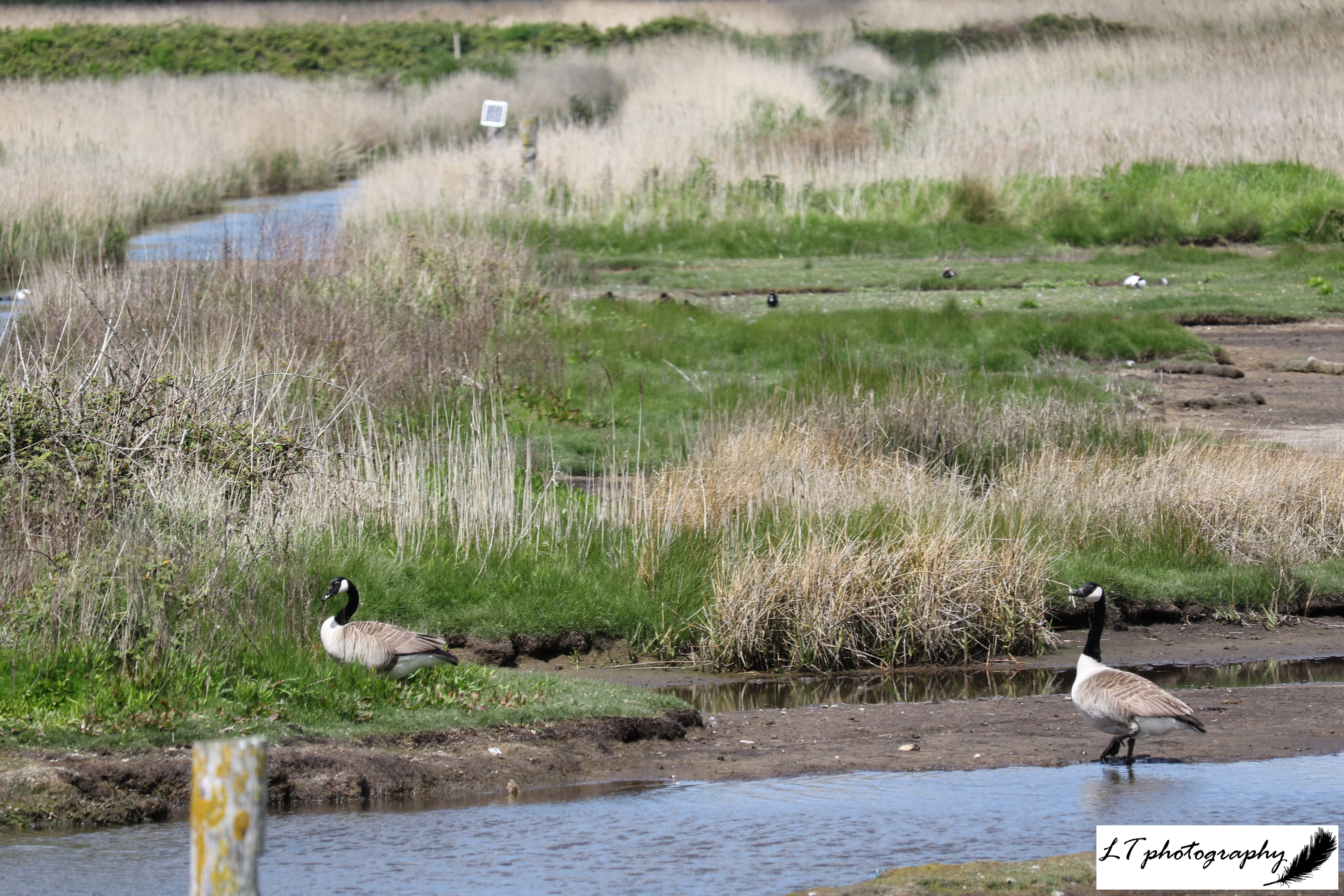
Lodmoor canada geese

Summary

My trip to the reserves may not be everyone’s cup of tea for a day out, but I had a thoroughly enjoyable day in the sunshine, spending time with my mum and being completely distracted from work and day-to-day life. I also got to take in some incredible flora and fauna, as well as a tranquil and vivid environment.

So how was my hunt for the marsh harriers? Though I did not get the pleasure of seeing marsh harriers at both reserves, watching the male at Radipole Lake for a long period of time felt like a real success. They are a striking species that I can easily pick out from others, and with birds of prey being my favourites, it is easy to see why I enjoy watching them so much.

The highlight of my trip obviously was the marsh harriers, but also was being able to spend the day doing something I love with one of my favourite people. We all should take a little time out of our busy lives to do things we enjoy and that uplift us, allowing us to take care of ourselves in the right way. Anything to do with enjoying spring outdoors does this for me and allows me to de-stress.

As I come to the end of this blog post, with the end of my trip, I do hope that I may have inspired you to take a trip to your local nature reserve, even if it is just to take a walk, see something new, have an adventure or appreciate your local plants and animals. Nature reserves are a free and easy form of entertainment for all, so why don’t you escape to one today?

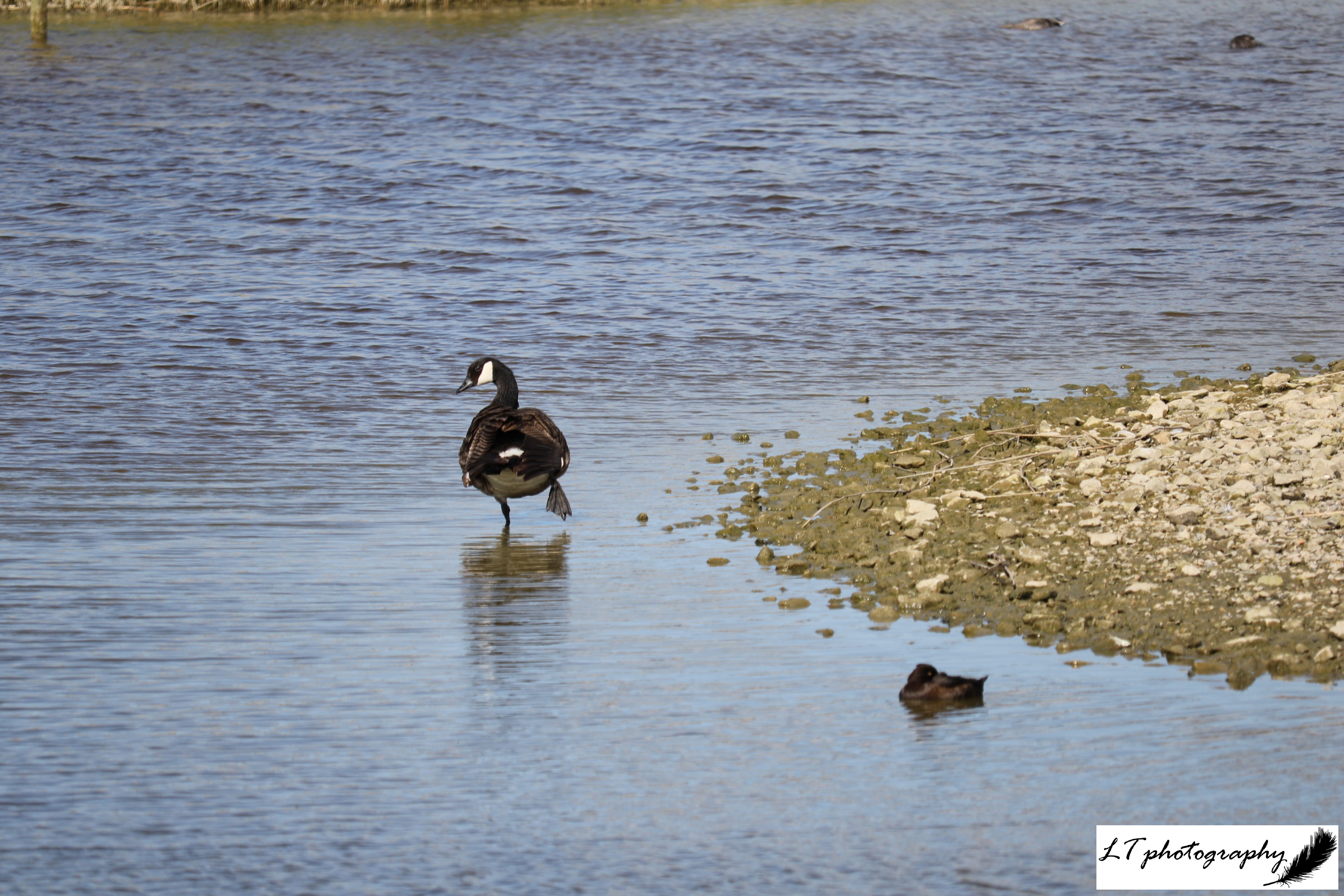
Radipole Lake Canada Goose

40 years of the RSPB’s Big Garden Birdwatch: How can you get involved?

Next weekend the RSPB is holding its annual Big Garden Birdwatch. Many people may have heard of this event before and may have even participated in it (if so thank you), but many people may have never heard of it before though. Either way, with the event celebrating its 40th anniversary this year, I wanted to take a moment to look back at the Birdwatch’s interesting history, wide-ranging impact and more importantly how you could get involved this year to help make it the biggest year yet!

For those of you who may not know, the RSPB (standing for the Royal Society for the Protection of Birds) was founded in 1889 by ornithologist Emily Williamson with the aim of stopping birds being exploited for fashion. Over the following 130 years, the RSPB has grown in size and popularity, and among other things, has acquired at least 209 nature reserves, raised lots of money for conservation projects and created many popular events such as the annual Big Garden Birdwatch. Following its start as an event aimed at children in 1979 in collaboration with Blue Peter, the Birdwatch has now been running for an amazing 40 years, with the hope of many more years to come.

With over half a million people taking part each year now, the Big Garden Birdwatch has officially become the world’s largest wildlife survey. Clocking up over 8 million watch hours and more than 130 million bird sightings, the survey has amassed four decades worth of valuable results for the RSPB. What happens each year to these results though? Well once collated into one big data set they are analysed to monitor trends, and allow us to understand the state of British wildlife such as to identify species declines, and to help protect and conserve it.

To give you an idea of some of the basic results the Birdwatch can provide, lets take a look back at some of last year’s results published by the RSPB. To start, the top 10 garden birds in the UK and Northern Ireland in 2018 were found to be:

2018 big garden birdwatch results

(c) RSPB

  1. House sparrow
  2. Starling
  3. Blue tit
  4. Blackbird
  5. Woodpigeon
  6. Goldfinch (11% rise from 2017)
  7. Great tit
  8. Robin
  9. Long-tailed tit
  10. Chaffinch

The 2018 survey also showed big increases from the past year in the number of sightings of winter visitors, such as siskins and bramblings, and a 5% increase in greenfinch sightings. Despite house sparrows being the most commonly seen species in our gardens in 2018, since its beginning, the Big Garden Birdwatch has seen house sparrow sightings drop year on year, with a 57% decline over 40 years.

In relation to the survey itself though, since 1979 participants have increased in number from approximately 34,000 children to more than half a million individuals of all ages. Whatever your experience or knowledge of birds and wildlife, this is one event where anyone can now get involved. In addition to helping out the RSPB, this survey could also have wide ranging benefits for yourself too. For example it could:

  • Allow you to take a moment to appreciate what is in your garden or local green space
  • Aid your mental health by spending time out in nature and/or being mindful of your local wildlife
  • Allow you to get involved in citizen science where your involvement could have a big difference for scientific knowledge and species conservation
  • It is a bit of fun!

So, if you are interested in the world’s largest wildlife survey, how could you get involved? First, go to the ‘Bird Garden Birdwatch 2019’ section of the RSPB website and either request a free postal pack, download a counting form and bird ID guide or decide to complete the Birdwatch online. Then pick a day between 26th-28th January to sit and watch the birds in your garden or local green space. Follow the rules for counting the birds, and when your hour is complete either send your results to the RSPB by post or online. How you do your Birdwatch though is entirely up to you. It’s simple!


img_0749

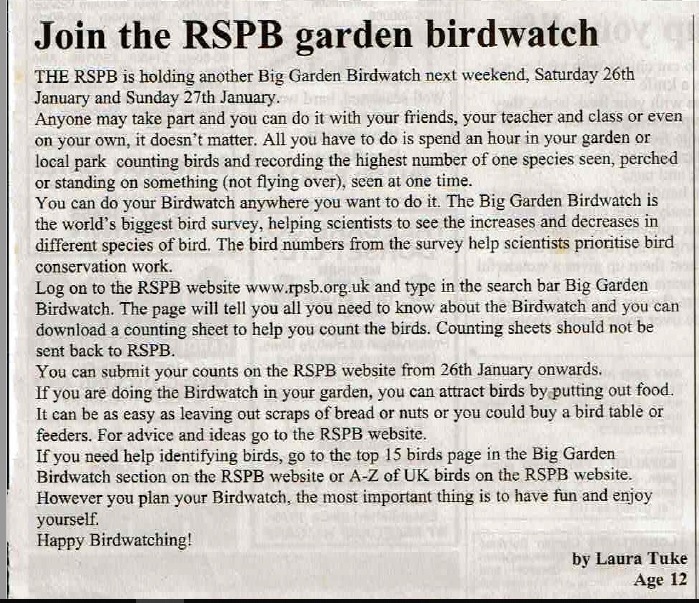
As a result, the Big Garden Birdwatch has now helped to inspire many new generations of birdwatchers and I can say that I am included among them. This was evident at the age of 12, when I decided to write a piece for my local magazine trying to get more people (even then) involved in the Birdwatch. Though my knowledge, writing and understanding of the world has come a long way over the last 11 years, my passion for wildlife, its conservation and its communication have remained the same. So why not listen to 12 year old Laura, do the same as me, and take part in this year’s Big Garden Birdwatch!

big garden birdwatch article

This blog post has been written independently from the RSPB, but all RSPB Big Garden Birdwatch resources and facts used in this blog post, such as seen in the photos of the resources included in the postal pack I received, are entirely the property of the RSPB