The majority of ecosystems around the world are currently under pressure from the effects of a rapidly growing global human population. Sable island, home to a unique but fragile ecosystem, is no different and has been influenced in many ways by human presence on the island and surrounding area. As a result, the island gained protected National Park Reserve status in 2013, and is now managed by Parks Canada, a Canadian government agency.
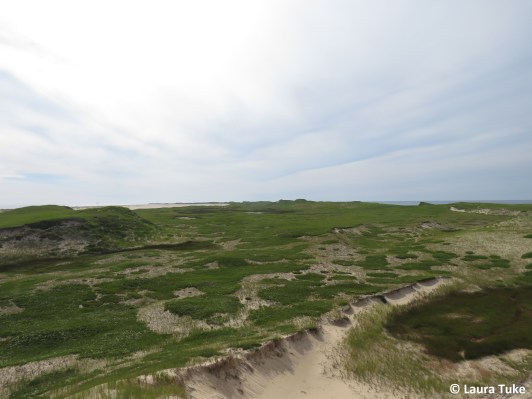
On the island
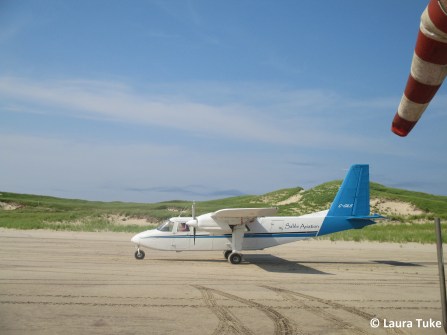
Since first arrival on Sable Island during the 1500s, humans have left their footprint there. This ranges from infrastructure, such as Main Station and the West Light site, to permanently contaminated sites and introduced non-native species. To attempt to reduce further impact, to visit the island now specific permission has to be acquired from Parks Canada before arrival. Though humans have already left their mark, Parks Canada hope to reduce any further damage to the island in the future.


With Sable Island’s feral horses also counting as an introduced species to the island, this led to scientists in the 1950s stating that the population should be removed due to causing damage to the island’s sensitive ecology. This sparked public campaigning which led to the horses achieving legal protection in 1961. As a result, the horses can be a controversial topic for some, with their social and positive ecological impacts being weighed against the negatives. In the meantime, the iconic horses are going nowhere and will continue to be studied in the future, which will increase knowledge of the horses and their island environment.


Sable Island is also home to a meteorological station, built in the late 1800s. Being in this remote location, this weather centre is an important site for climate monitoring, for example with increasing unpredictability of weather patterns. Also, the station is becoming increasingly important in the monitoring and assessment of pollutants transported in the air, allowing for the impact of human activities to be analysed beyond their origin in mainland Canada.
In the surrounding marine environment
Though my Sable Island Stories series has mainly focussed on Sable Island’s terrestrial island, and most is known above the realm of water, Sable Island is definitely not limited to its land mass. For example in relation to mammals, in the surrounding marine environment, Sable Island is home to 17 cetacean species (whales, dolphins and porpoises) and 2 species of seal. In particular, Sable Island is home to the largest grey seal breeding colony in the world, and importantly the grey and harbour seals make up part of a complex cycle of nutrients between the sea and the land.


Despite less being known about the marine environment in comparison to terrestrial, following the BBC’s hit series Blue Planet II, issues within our marine environment are becoming increasingly at the forefront of the public’s mind. For Sable Island marine pressures include offshore platforms for extraction of oil and natural gas, cetacean strandings, rising sea levels, tarballs, and washed up toxic materials.
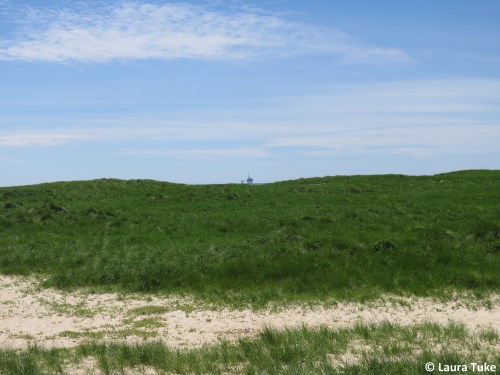
Most noticeable from my time on Sable Island though, was the marine issue of plastic pollution. This is because where Sable Island is situated a lot of plastic and debris is washed up onto its shores every year, such as during storms. I saw this for myself during my time on the island, and here’s only a few of the photos of what I did see.


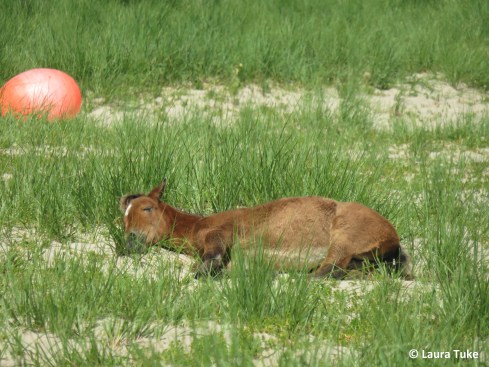
Though Sable Island has been influenced by humans in the past, with research and increased education it is now hoped that going forward the island can be protected for future generations to come. It is a rich and biodiverse place with a lot to offer, and will always hold many memories for myself from my amazing summer this year.

Thanks for following my Sable Island Stories blog series. Feel free to check out my previous seven posts, and tune in for updates and to follow my next adventures.


 American marram grass (Ammophila breviligulata)= Most common species
 Beach pea (Lathyrus japonicas var. maritimus)
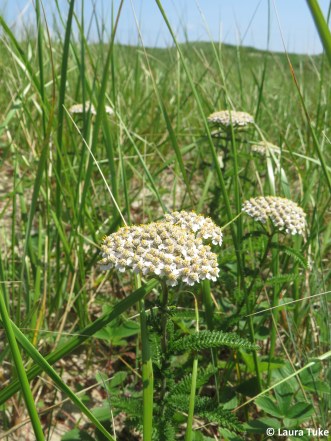 Common yarrow (Achillea millefolium var. occidentalis)
 Sea sandwort (Honckenya peploides sp. robusta)
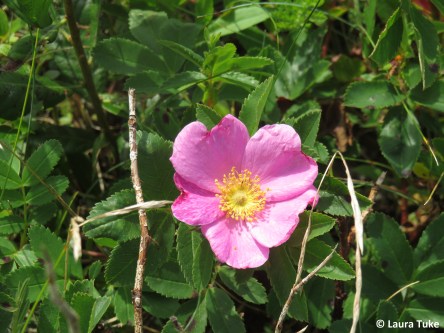 Common wild rose (Rosa virginiana)
 Lowbush blueberry (Vaccinium angustifolium)
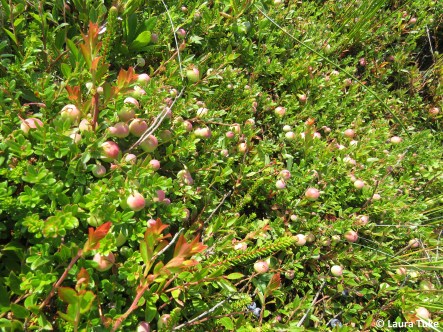 Large cranberry (Vaccinium macrocarpon)
 New York aster (Symphyotrichum novi-belgii)
 Swamp smartweed (Polygonum hydropiperoides)
 Wild strawberry (Fragaria virginiana sp. glauca)
 Small flowered evening primrose (Oenothera parviflora)
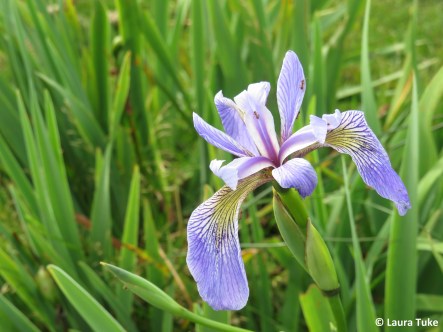 Blue flag iris (Iris versicolor)
 Hooded ladies’ tresses (Spiranthes romanzoffiana)
 Blue-eyed grass (Sisyrinchium angustifolium)
 Hedge bindweed (Calystegia sepium)
 Seaside goldenrod (Solidago sempervirens)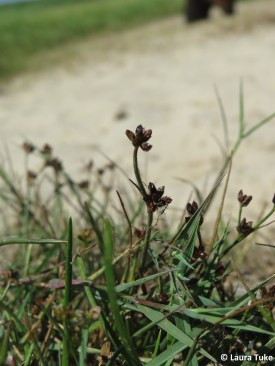
 Curled dock (Rumex crispus)
 Black knapweed (Centaurea nigra)


 Laura's Wild World