My year, last year, was heavily rooted in nature, from new life and wild hobbies to holidays and my nature photography. It was a year to grow and expand my horizons, to experiment and continue to enjoy and capture the magic of the natural world around us. Some of my many highlights include getting up to watch the sun rise over Devon, hiking through Herefordshire, and producing my very first mass produced calendar.
It is typical on my adventures to have a camera in tow or at least a phone or camera trap, and so every year I now use the 12 Days of Christmas to look back on 12 moments of the year in photos. I never know what photos I will end up selecting of so many, but to me they are all snapshots of nature’s hidden beauty, and allow me to bring a splash of colour to people’s homes during the tough winter months.
Here are my latest 12 Days of Laura’s Wild Photos all in one place!
The 12 Days
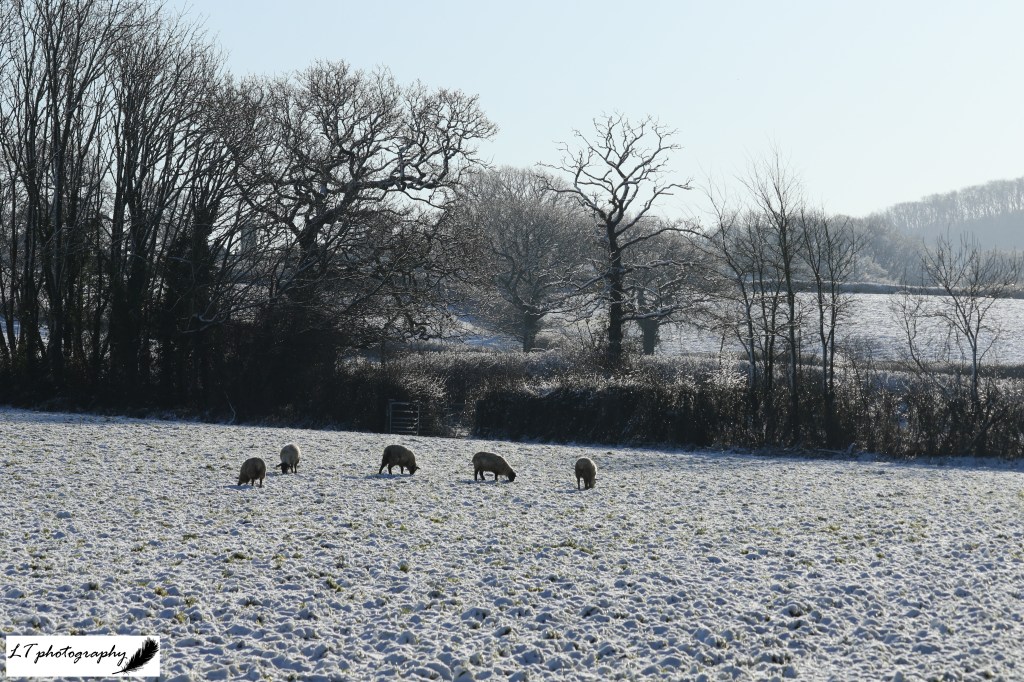
Day 1 – On Christmas Day, I shared a photo taken during the January snows of 2025. I love the skeletal trees providing a backdrop for young sheep grazing on a blanket of glistening snow.
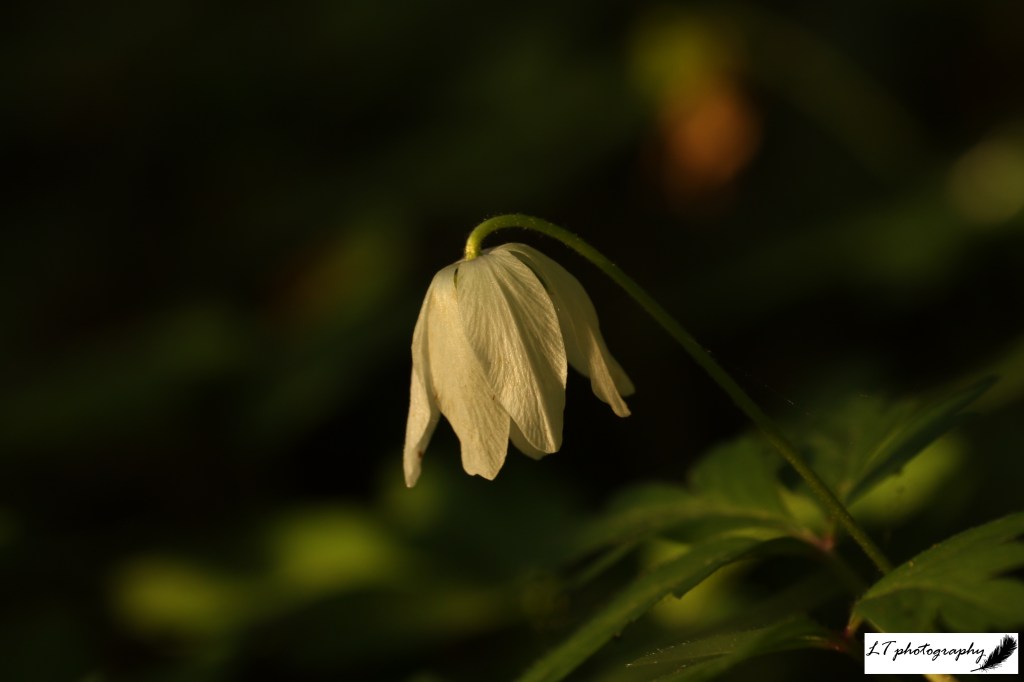
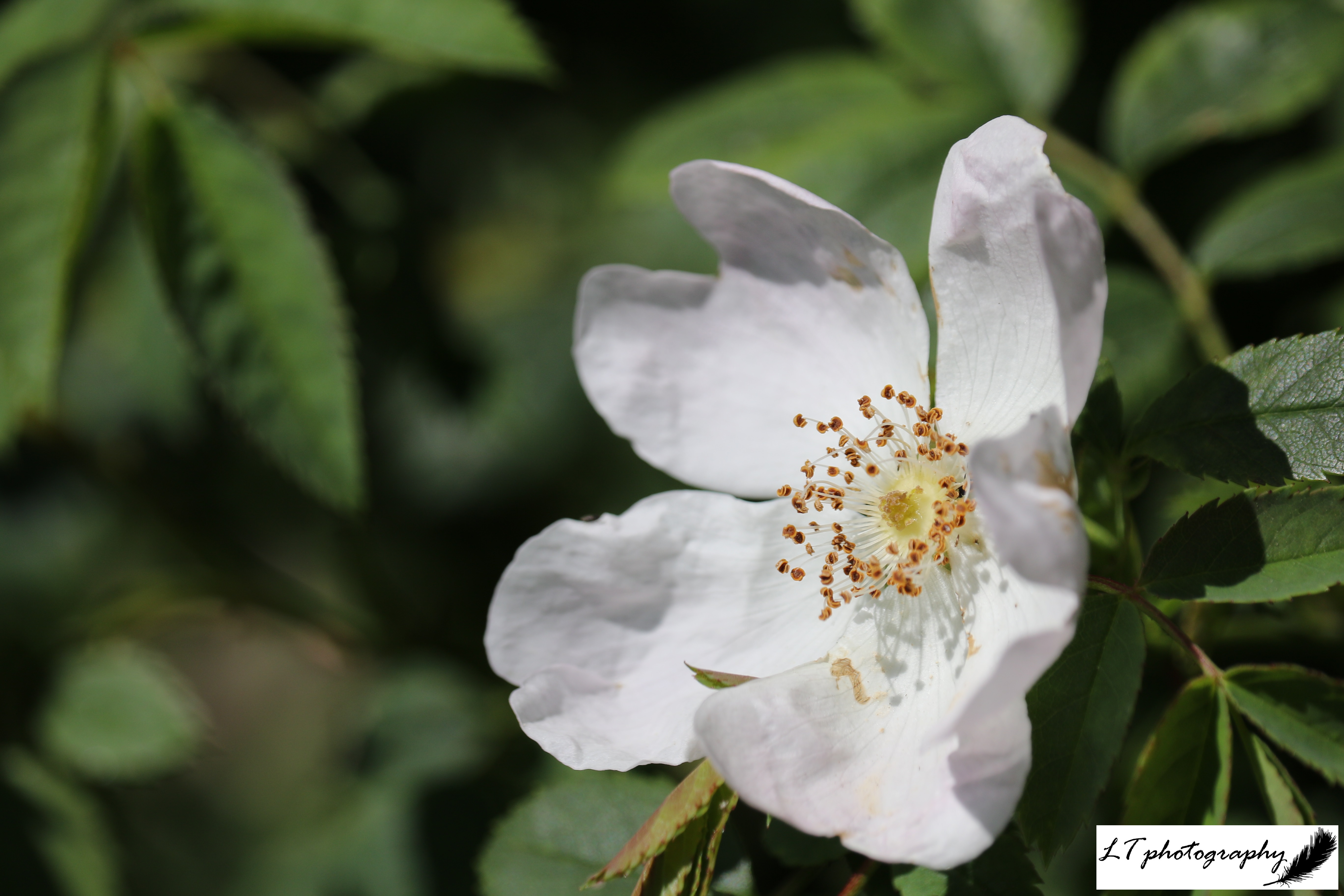
Day 2 – In my nature photography, I love playing with the use of light and shape to capture a moment of wild magic. Here this wild anemone, nestled in the undergrowth of a spring woodland, is a moment of new growth, warmth and hidden beauty.
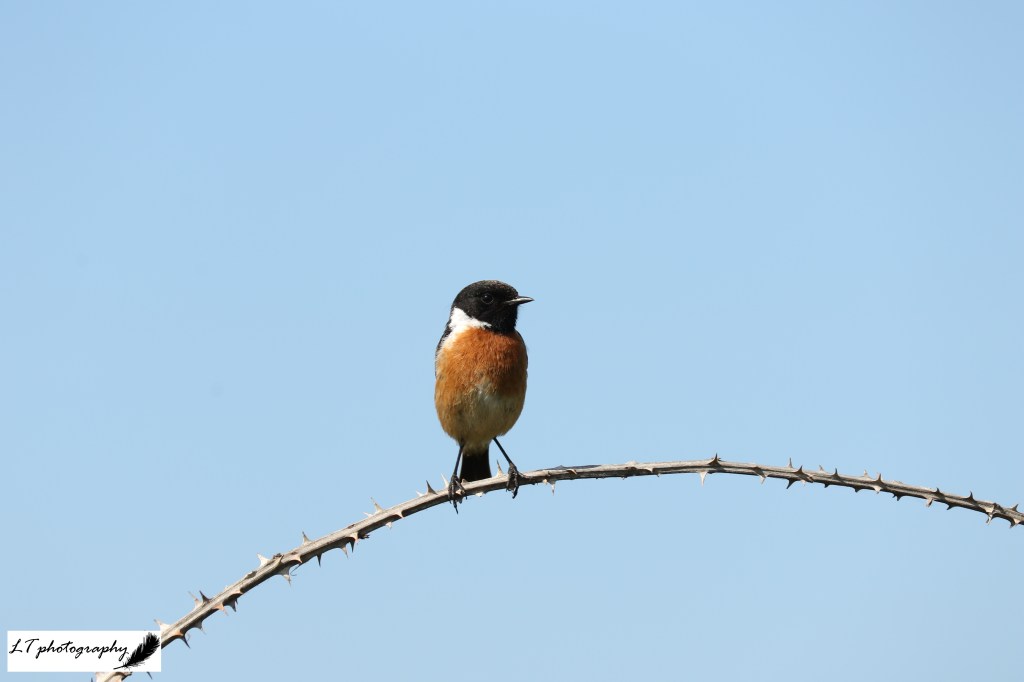
Day 3 – I love an adventure, from exploring close to home and holidaying in the UK to enjoying the wilds of another continent. This stonechat comes from one of my 2025 adventures, when I took a break in beautiful North Devon with my urban buddy Emma Rogan (check out Rural vs Urban).
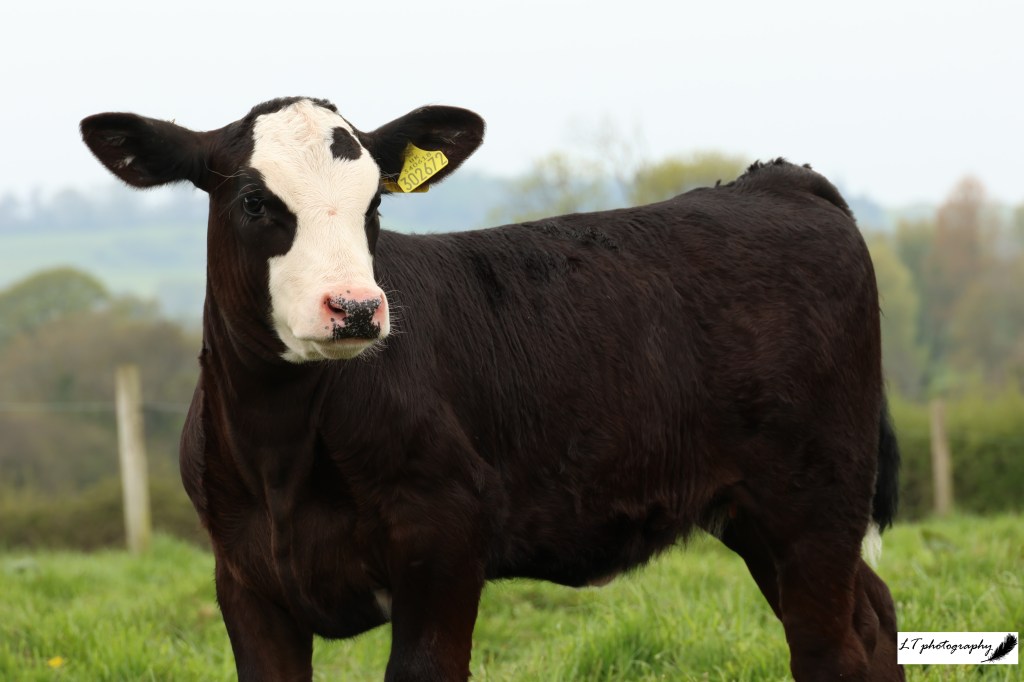
Day 4 – I will always be a farmer’s daughter at heart, and from this place I get hours of enjoyment sat in fields capturing the characters and antics of cows and calves. You never know what will happen or who will be the star, and here is a young suckler calf called Orchid, on a grey but lush green day during April 2025.
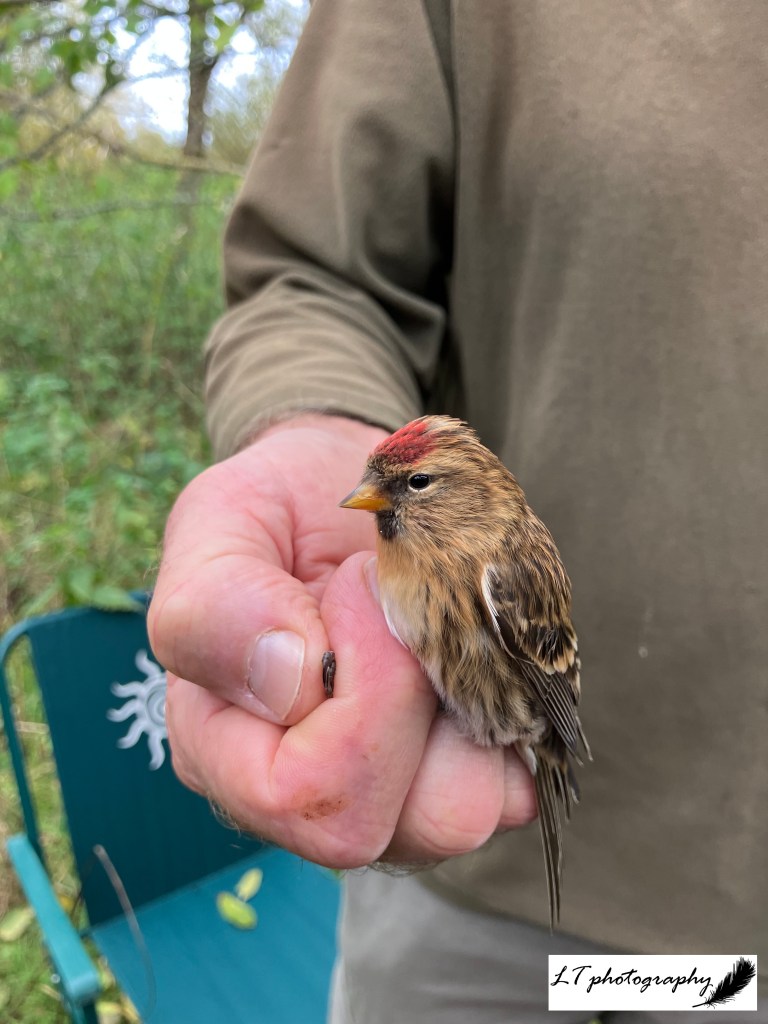
Day 5 – Another part of my life alongside photography is bird ringing, where birds are safely caught and ringed with a metal ring to allow all sorts of data to be collected about their populations. Here’s one of my favourite birds caught in 2025, a very smartly marked lesser redpoll.
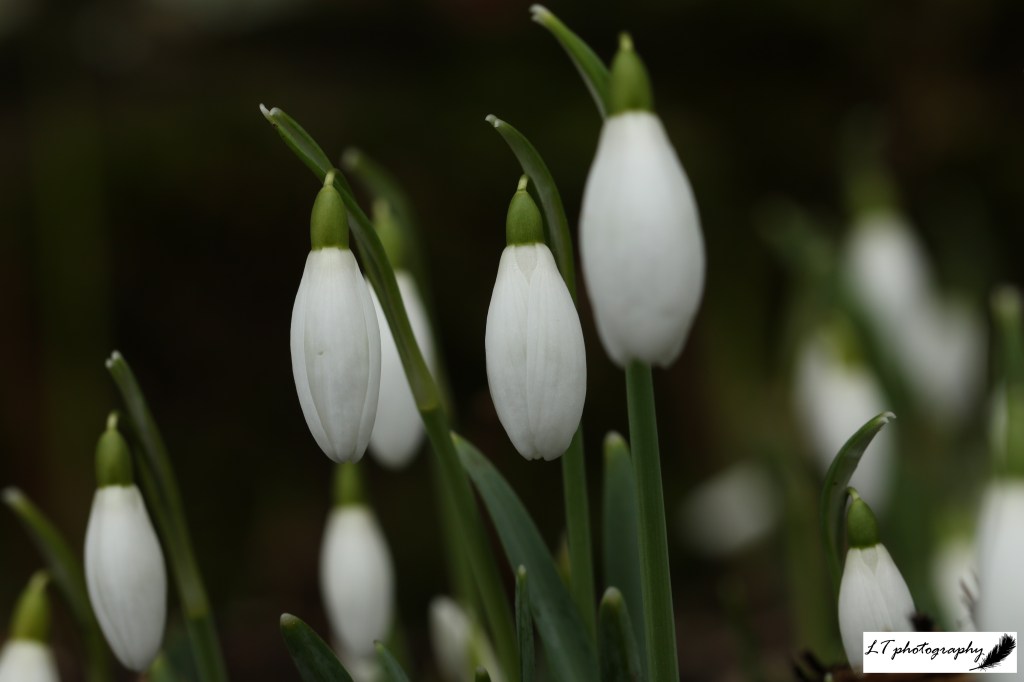
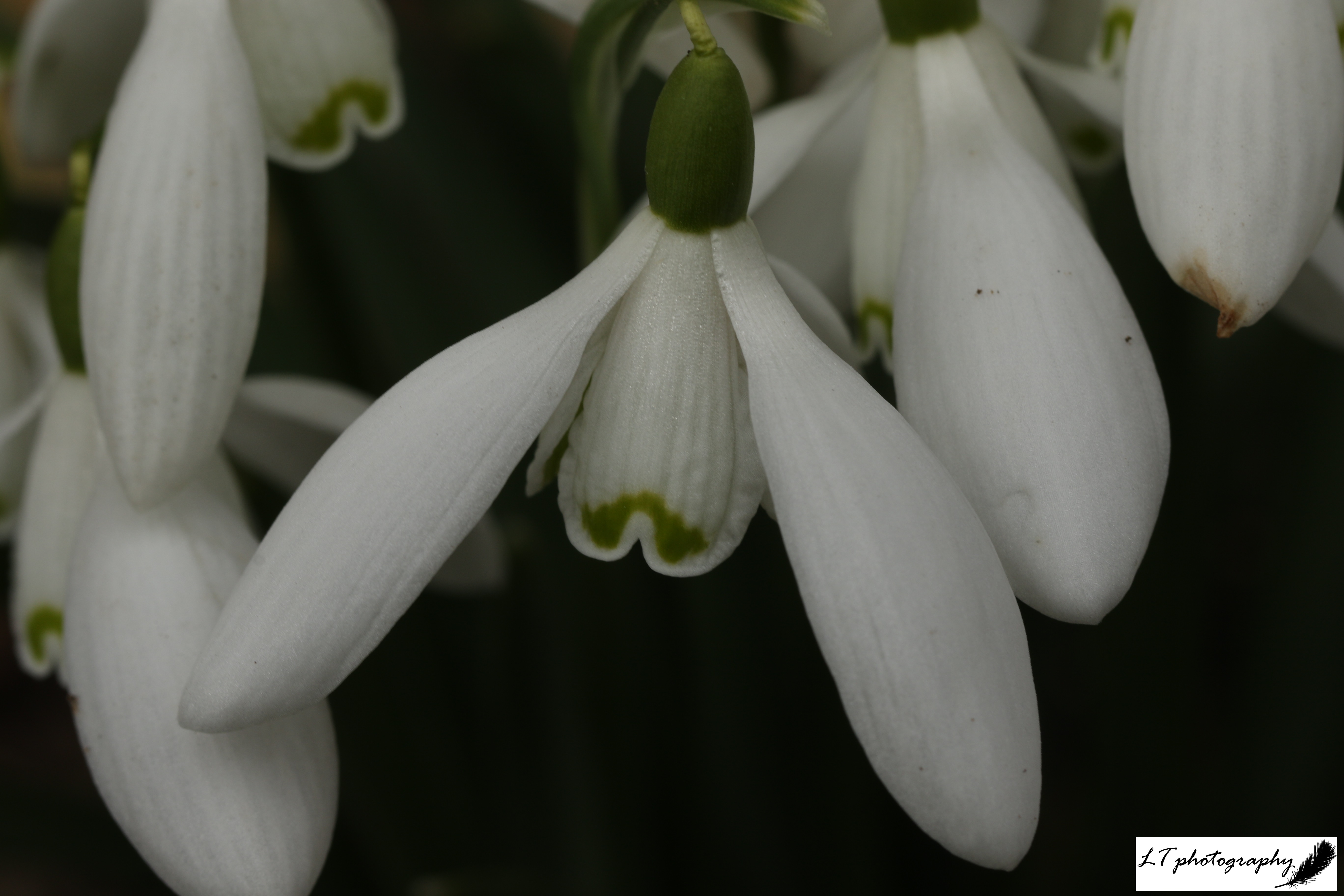
Day 6 – The first true herald of spring days to come, snowdrops are iconic, bursting forth at the start of the new year and bringing hope to all. There’s something magic about seeing their opalescent heads nodding in a cool breeze after the darkest weeks of winter.
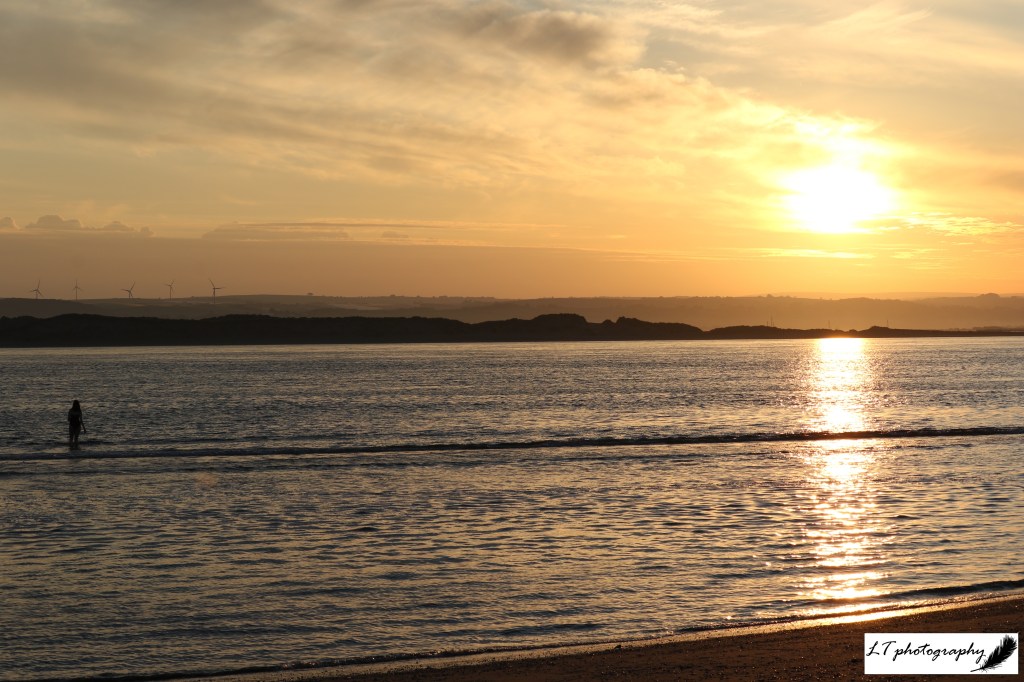
Day 7 – I am known for loving capturing a beautiful sunset, but that does not mean that I am not a fan of a fiery sunrise, the start is just a bit more painful for me! Here is the stunning beginning of a day on a North Devon estuary, with wind turbines and morning swimmer adding to the magic.
Day 8 – Like these gorgeous wild poppies, my 2025 was a year of growth with this blog having its best year yet, many adventures being embarked on, and the start of my nature photography business flourishing. I am so so thankful to everyone’s support, so watch this space!
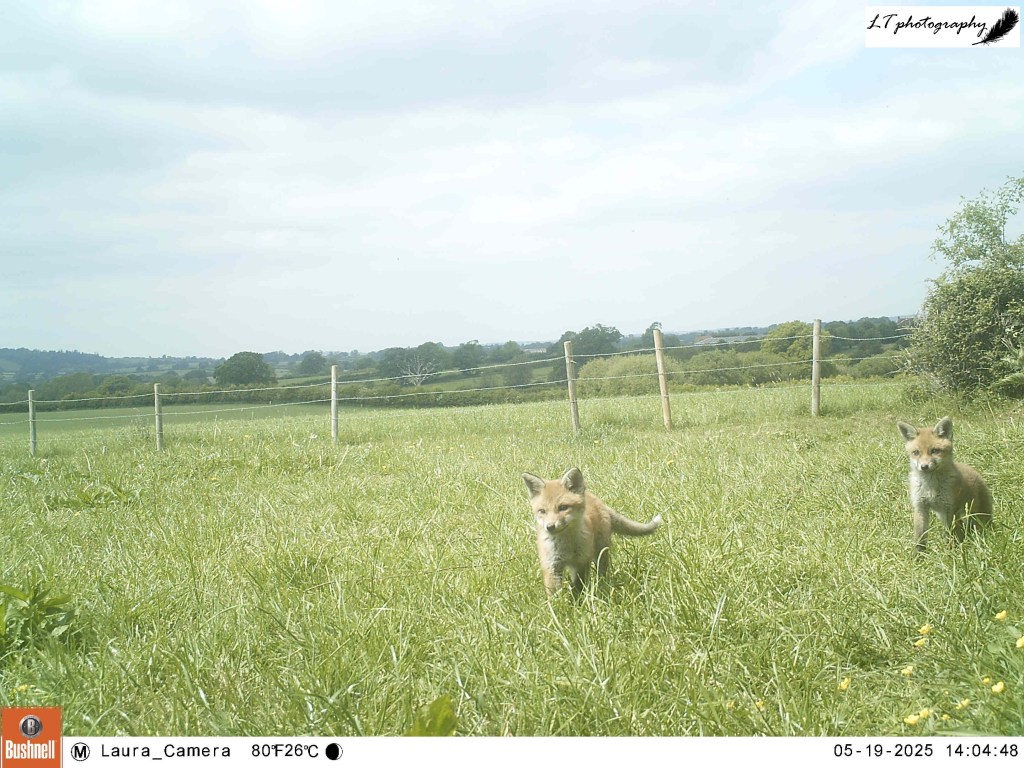
Day 9 – Another of my wild hobbies is camera trapping, where I use a trail camera to unobtrusively observe the unseen lives of our common British wildlife. A firm favourite of mine is the fox, with their tough cubs giving hours of pleasure to watch. Here is just one of many of the photos taken last year yet to be shared with you all!
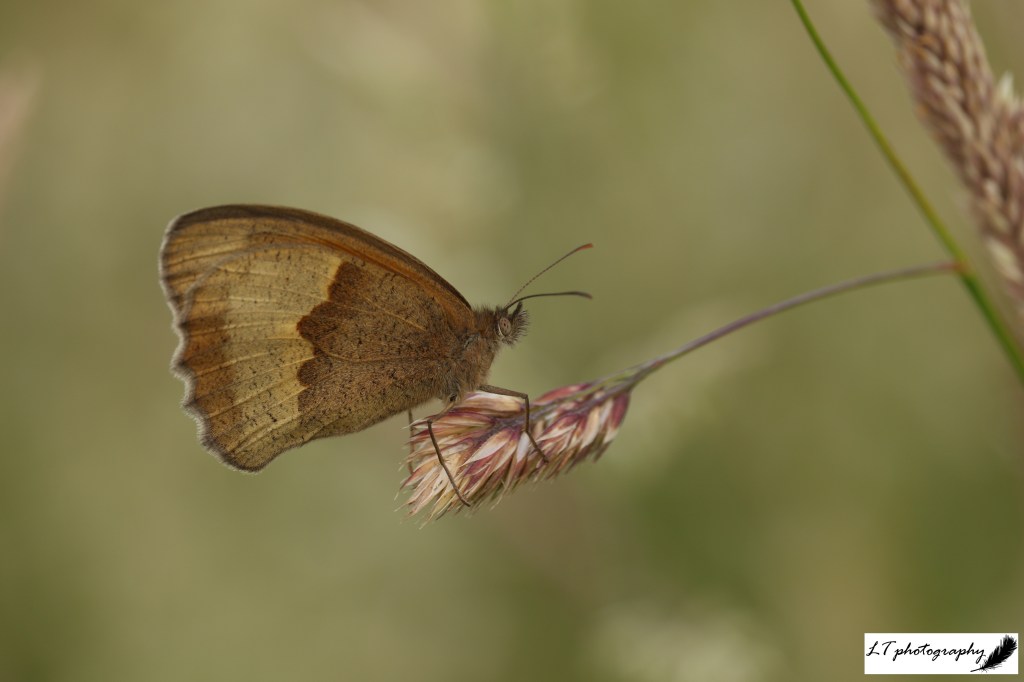
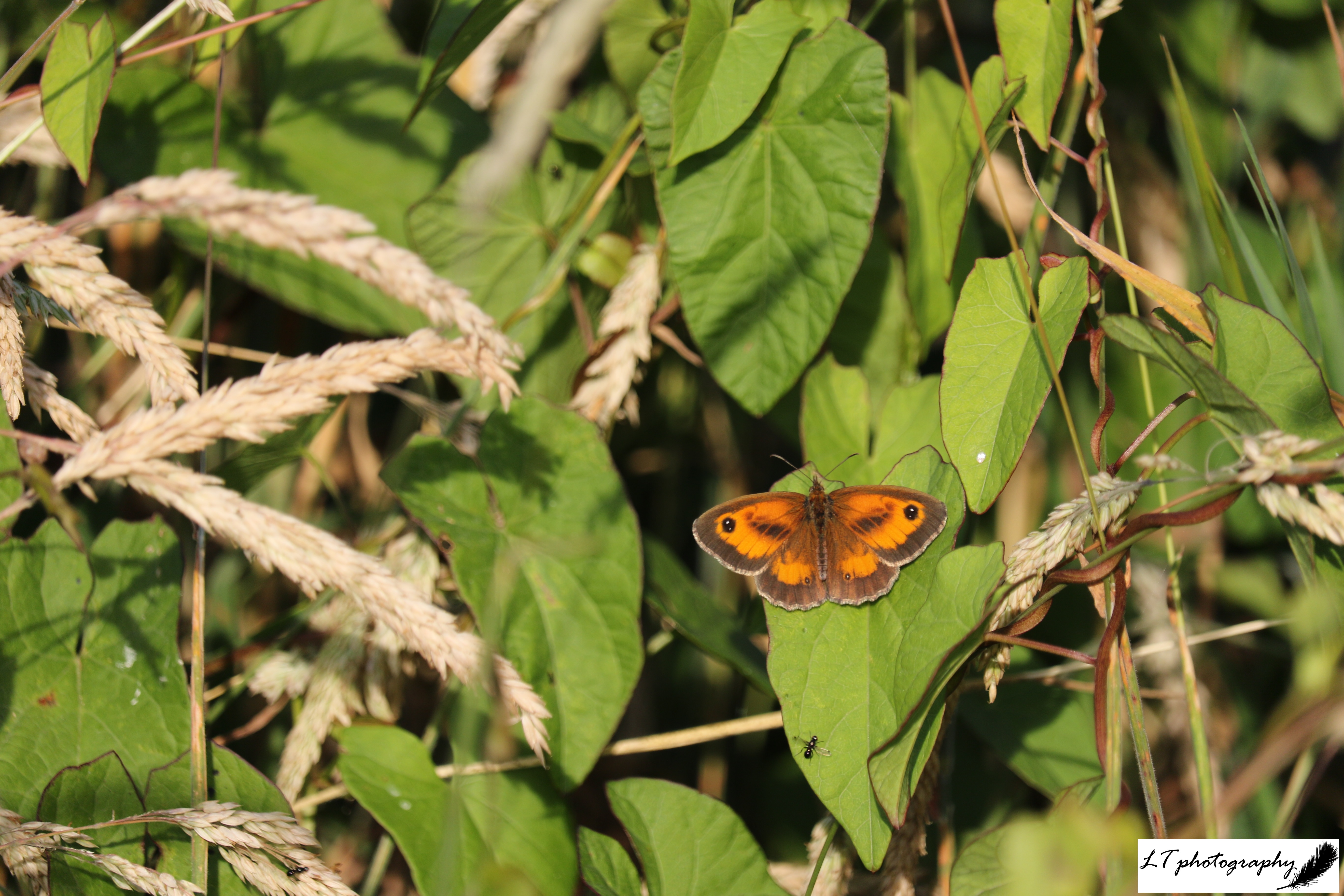
Day 10 – Last year I printed and mass sold my very first nature calendar, and I was overwhelmed by the response. This photo featured in the calendar was of a simple meadow brown butterfly in a wild meadow in Herefordshire, but gives us an up close view of these often overlooked minibeasts. ‘Dull brown’ can also be captivating!
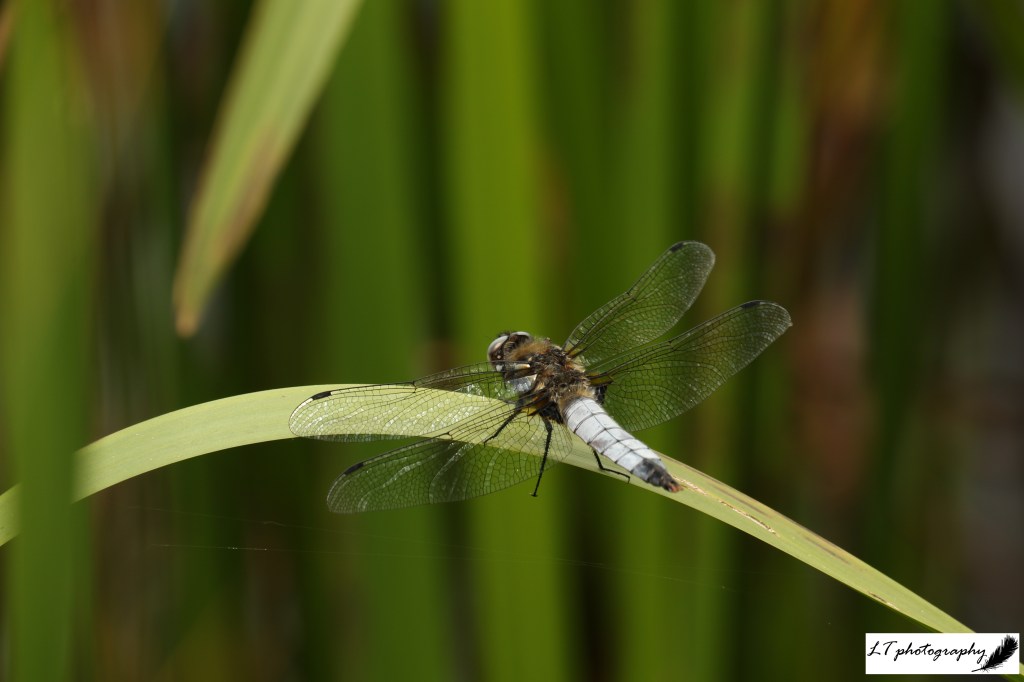
Day 11 – As I neared the end of my 12 Days of Laura’s Wild Photos for 2025, I kept things simple with this dragonfly. Another interesting creature, dragonflies are a game to capture, super fast and often changing their course quickly as they hunt over water. It is a moment to breathe when they finally fall to rest for a short time!
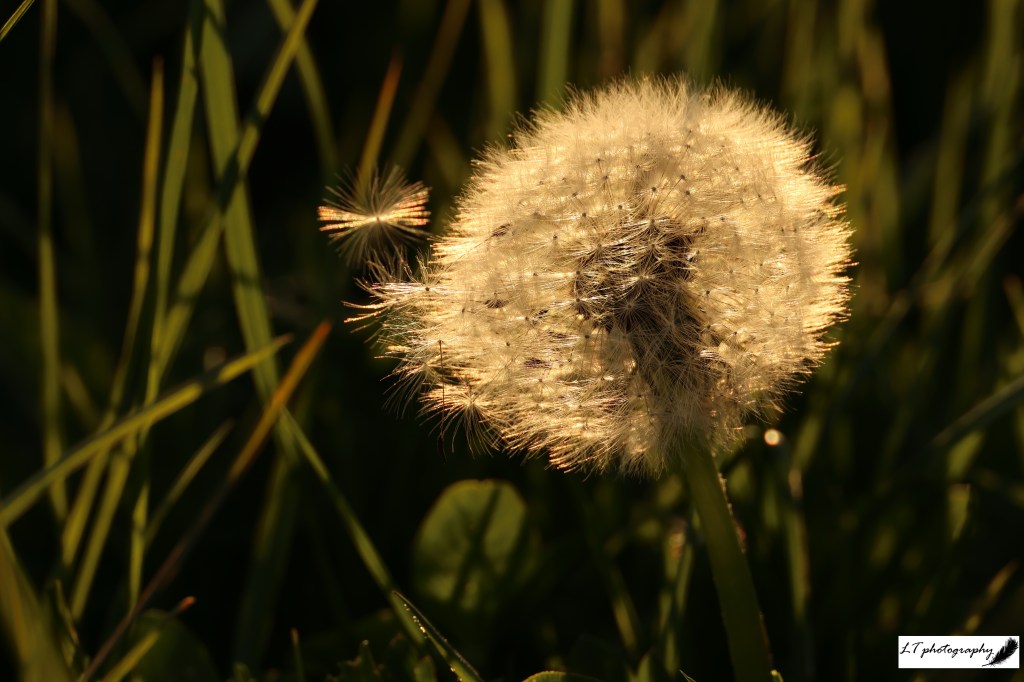
Day 12 – There is something magical about a dandelion clock. I believe it is the childlike wonder they invoke for most people, and here, in warm spring sunlight, this dandelion even has seeds beginning to parachute from its main head, floating on the wind to a new place of rest.
For the last couple of years I have accompanied the 12 Days of Christmas, up to Twelfth Night, with my own 12 Days of Laura’s Wild Photos. On these 12 days I share one photo a day on my social media platforms from the collection of photos that I have taken over the proceeding year out in nature with my camera, camera trap or phone. With these photos I aim to share glimpses of the beauty of nature, share some of my favourites from the year that have yet to take centre stage, and to simply put a smile on people’s faces.
This last christmas I embarked on my 12 Days of Laura’s Wild Photos challenge once again and had a lovely response to my collection of photos with my landscape photos being the main favourites. As I look forward to more wild adventures to come in 2024, here’s my 12 Days of Laura’s Wild Photos for 2023.
12 Photos
Day 1 – I began my 12 Days with a bang on Christmas Day as this photo of a snowy woods in misty sunlight ended up being the most popular photo of the 12 days. It’s a family favourite and was also described as ‘could be a painting’ which I was extremely happy to hear. Maybe it has a future beyond these 12 days!
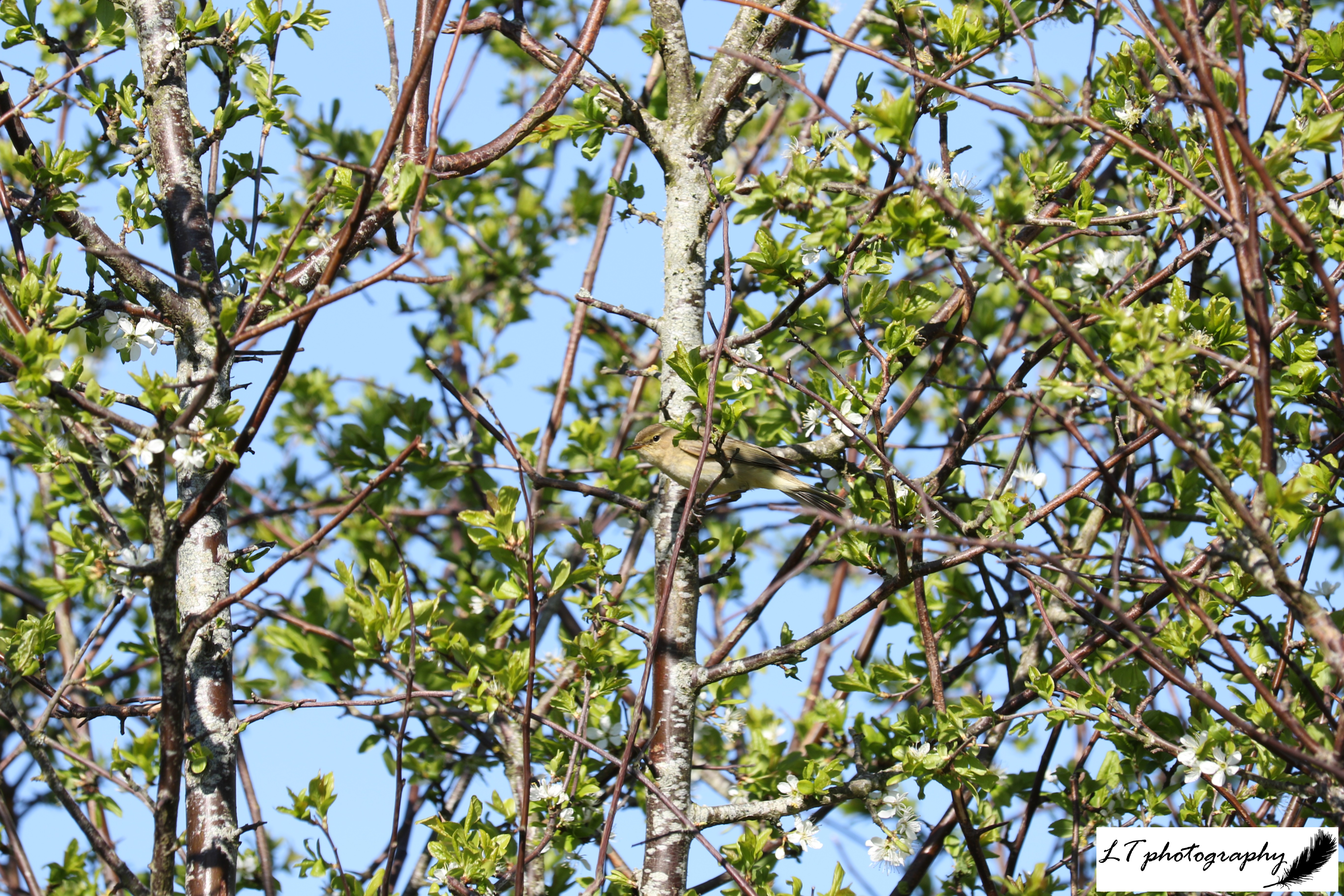
Day 2 – For the second day, I wanted to share 2 classics of spring combined in one photo: a Chiffchaff and Blackthorn. A season of hope, joy and new beginnings, spring is my favourite time to get out with a camera and this photo captures that start when the landscape is just coming back to life.
Day 3 – As I continued on through the days, day 3 had been a very stormy one in the UK, thanks to Storm Gerrit, and so I wanted to bring some warmth to people’s homes. Here is suckler calf Blueberry Muffin, who in January last year, was still living outside with her mother as the ground had stayed drier than this winter!
Day 4 – Drawing our focus down to the ground, this photo takes us back to the days of spring with lush woodlands and glades with soft light filtering through unfurling leaves. A sign of ancient woodland, the wood anemone is also said to bring good luck!
Day 5 – This year I was licensed for the first time to handle and ring Barn Owl chicks on my own, as part of the vital work going on to conserve protected Barn Owls in Dorset and further afield, including on Dorset County Council farms. Some very special moments were had this year and lots still to be learnt! (Disclaimer: Barn Owl Chicks were handled following specific protocols by trained ringers and under a Schedule 1 license)
Day 6 – When we are in the clutches of winter and the landscape is bare, the snowdrop is a wonderful symbol of theend of winter to come, creating carpets of pure white wherever you go. It will not be long now until the first white heads can be seen nodding in the wind once again, and a feeling of hope and strength will return.
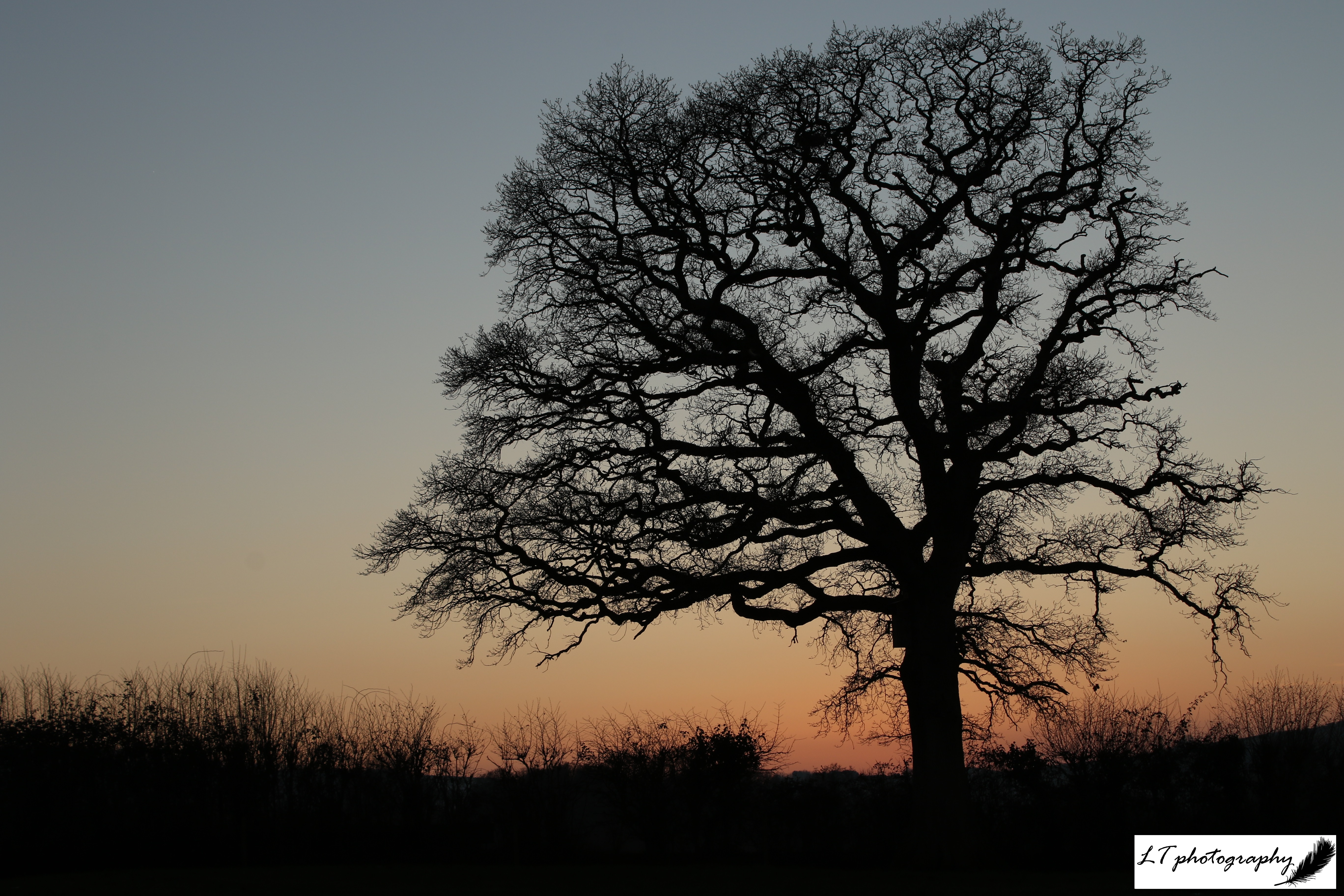
Day 7 – The 7th day marked the arrival of New Year’s Eve and the ending of another year. I thought this photo of a magnificent oak tree resplendent in its skeletal form in front of a warm winter sunset was a perfect way to match the feeling of the light falling on 2023.
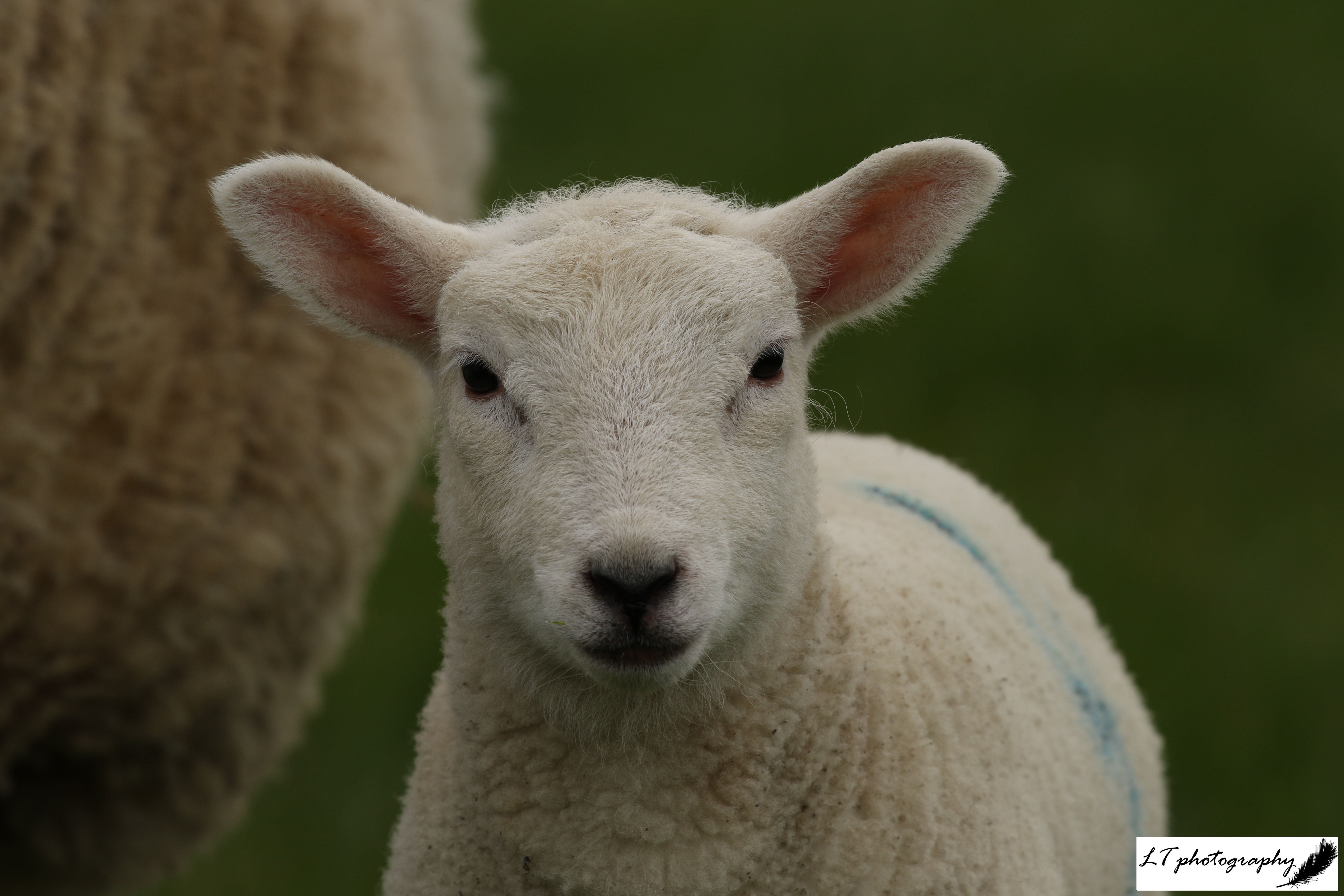
Day 8 – This year I finally bought my first super telephoto lens and so to practise I made use of our very last baby lambs born in spring 2023. It is a wonderful sight to now see subjects up close through a lens without having to be really close. Here’s to more fun in 2024!
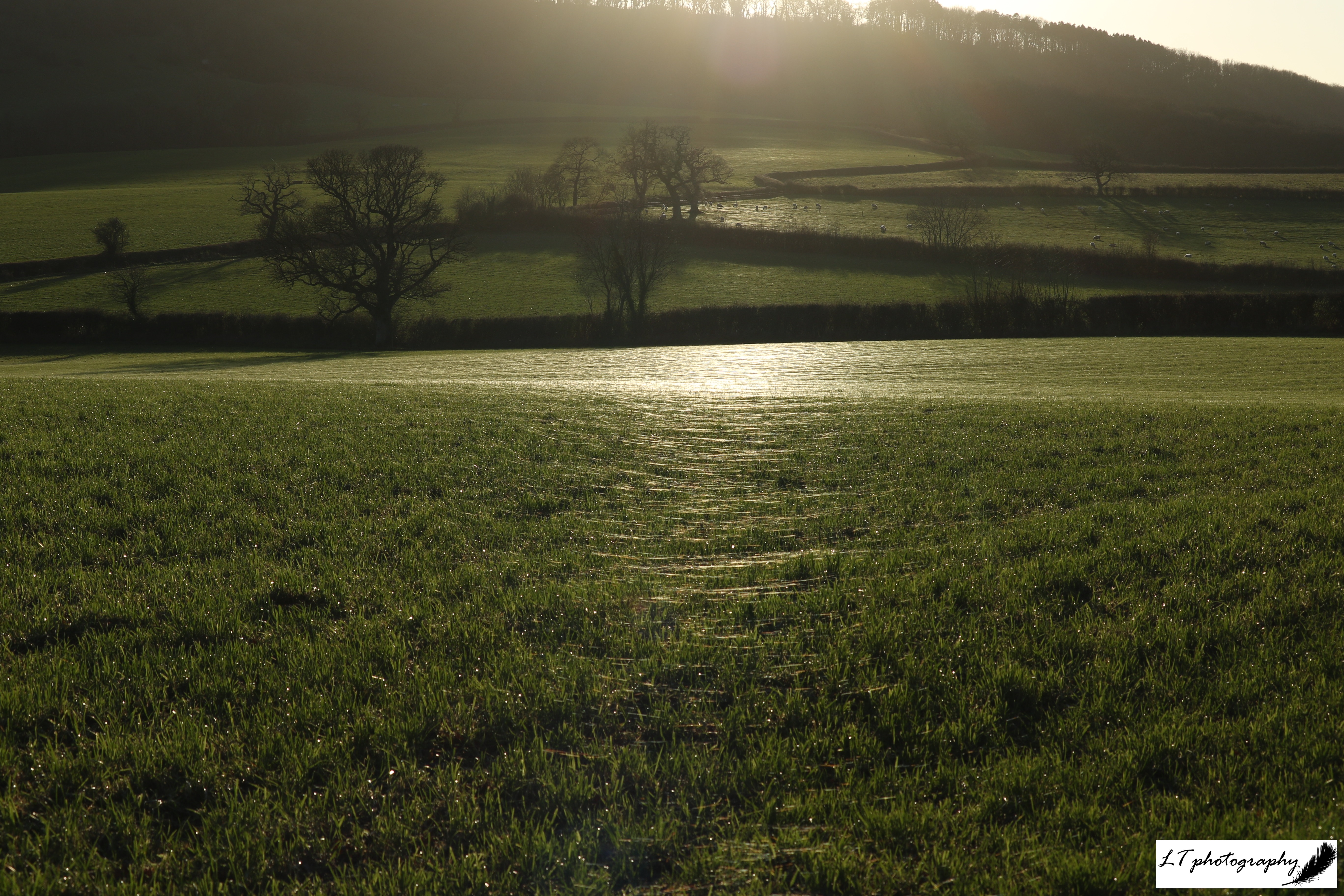
Day 9 – For the 9th day of my challenge, I decided to focus on the effectiveness of simple photos. My example is a photo from last year when soft winter sunshine could be seen glistening off cobwebs completely blanketing a field. A quite simple and spectacular phenomenon!
Day 10 – I got to experience lots of fantastic wildlife during 2023 with my two camera traps, and one highlight species was definitely the fox. Here is the first glimpse I got of a family foxes with four very young cubs,that I went on to watch grow up to become independent themselves. Fantastic! (For more check out my blog post Spring Dorset Camera Trapping Part 2.: Fabulous Foxes).
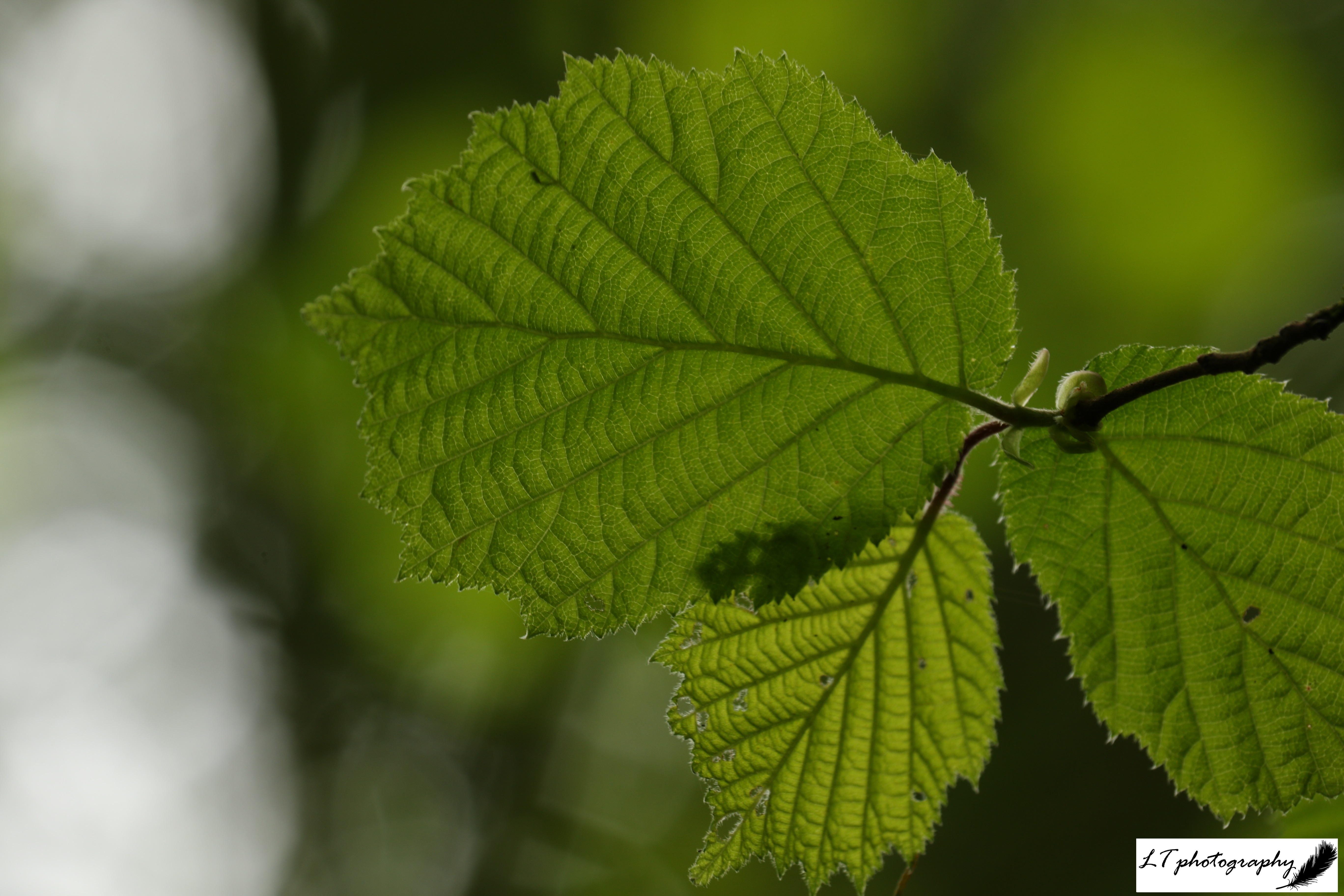
Day 11 – For my penultiate day, I picked this photo as I enjoy how the light delicately falls through this hazel leaf, highlighting the veins stretching out across its surface. Thus, I look forward to the return of green leaves when spring rolls roundonce again.
Day 12 – For my finale, I decided to head back into the woodlands during late spring. Under boughs of hazel here, alone early purple orchid can be found standing watch over a well trodden animal track, calling the observer deeper into the trees.
For now it is time to look to the present and to make the most of the winter months still to come!
This year spring has been a very unusual and unpredictable couple of months for nature. Last year, spring took its time to unfurl, and this year saw a similar trend. A very dry February, a very wet March, a cold April, and then a wet followed by hot and dry May, made for a slow start to spring, and a short and vibrant season.
Despite an odd spring this year, the season has been an enjoyable and fulfilling one for me. It has been filled with lots of wild adventures, experiences, and colourful moments. With my camera by my side (or phone), I have spent lots of time this year capturing and exploring spring in all its shades and vibrancy. Here’s just a few of the many versions of my spring 2023.
Spring In Photos
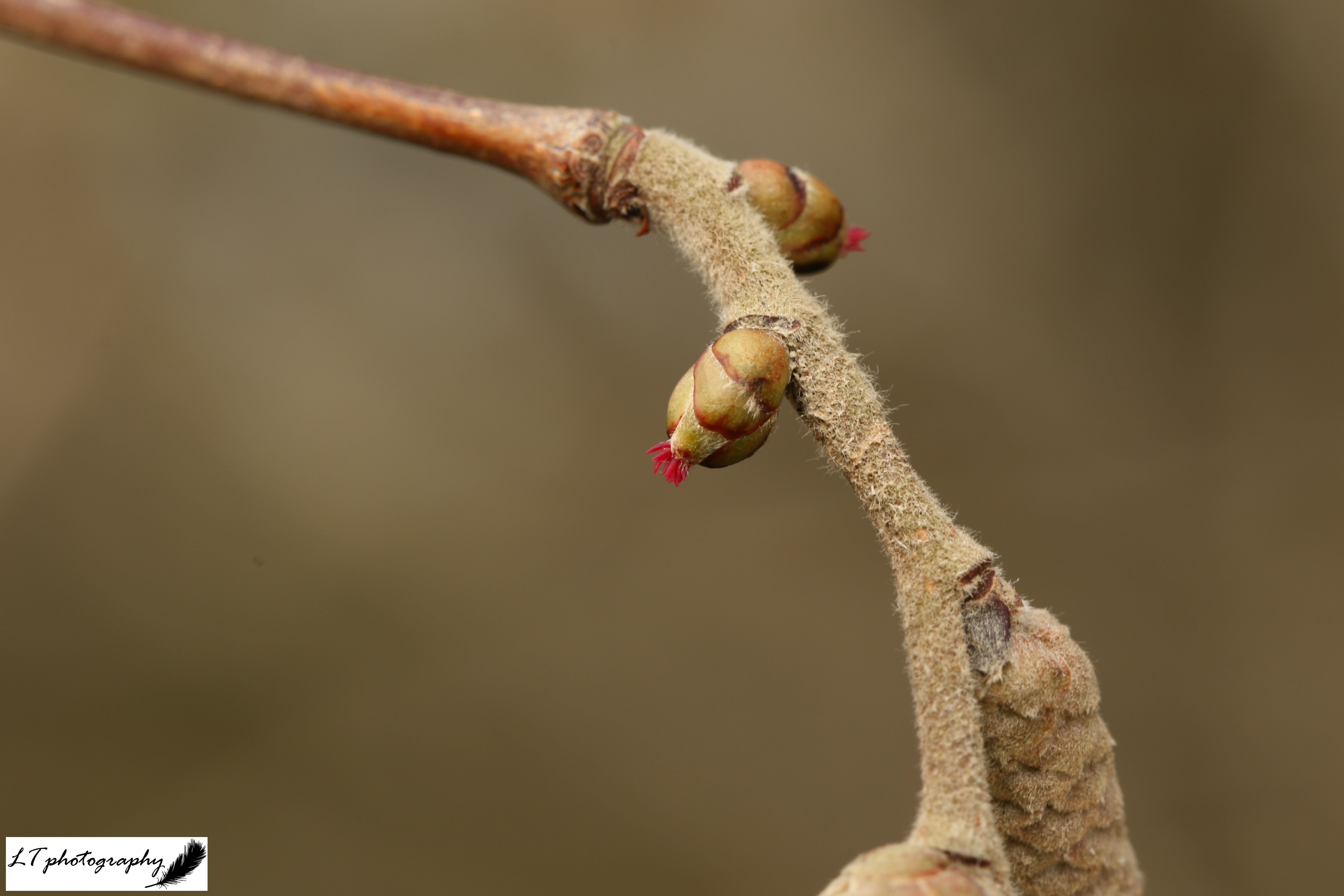
Seeing Red – When people think of hazel flowers, catkins always come to mind, hanging like lamb-tails and powdered with yellow pollen. These are just the male flowers, with the female ones taking the form of understated buds topped with bright red tufts of styles, adding much needed pops of colour at the start of spring.
Glistening Snowdrops – This year I spent much time photographing snowdrops in different ways, making the most of the flowers staying around later into spring. Here I enjoy the glisten of the simple white petals of a nodding snowdrop.
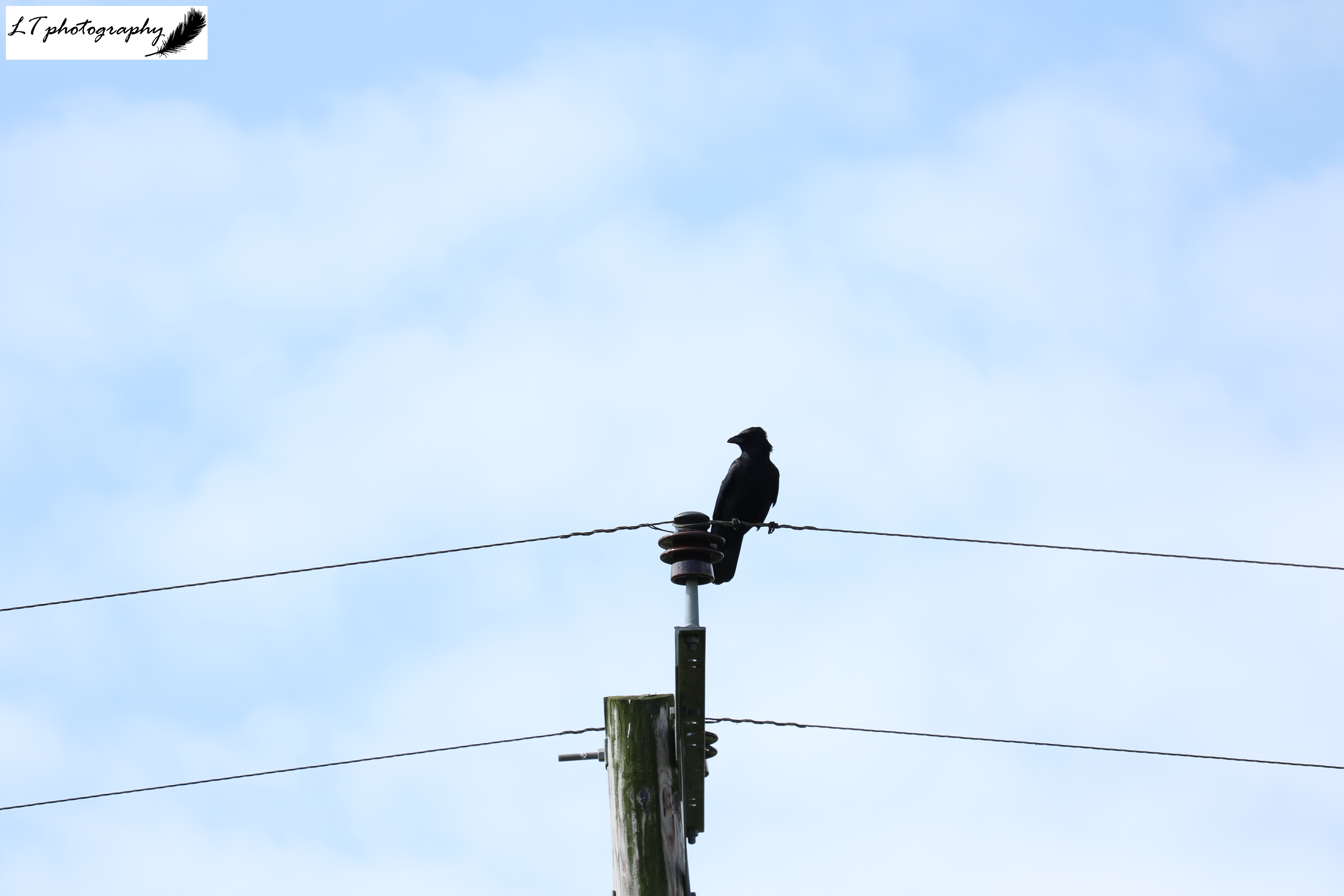
Walking the Line – This crow can be easily recognised from its silhouetted form against the pastels of a blue sky in early spring. A simple photo but an effective one.
Pretty in Pastel – A cheerful sign of spring, primroses get their name from the latin for ‘first rose’. Flowering early in spring, they are often seen as a harbinger of the season, brightening the bleak winter landscape.
Blossoming Chiffchaffs – Chiffchaffs are a real highlight of spring for me, adding to the soundtrack for trees blossoming and leaves unfurling, flowers blooming, and the landscape becoming alive with life once again. I had always wanted to try and capture them amongst this backdrop and this year I had my opportunity to do just that!
Quarry Bank Comes to Life – A National Trust property in Cheshire (check out A Naturalist in Manchester), Quarry Bank’s gardens come to life in spring with a fantastic array of colours!
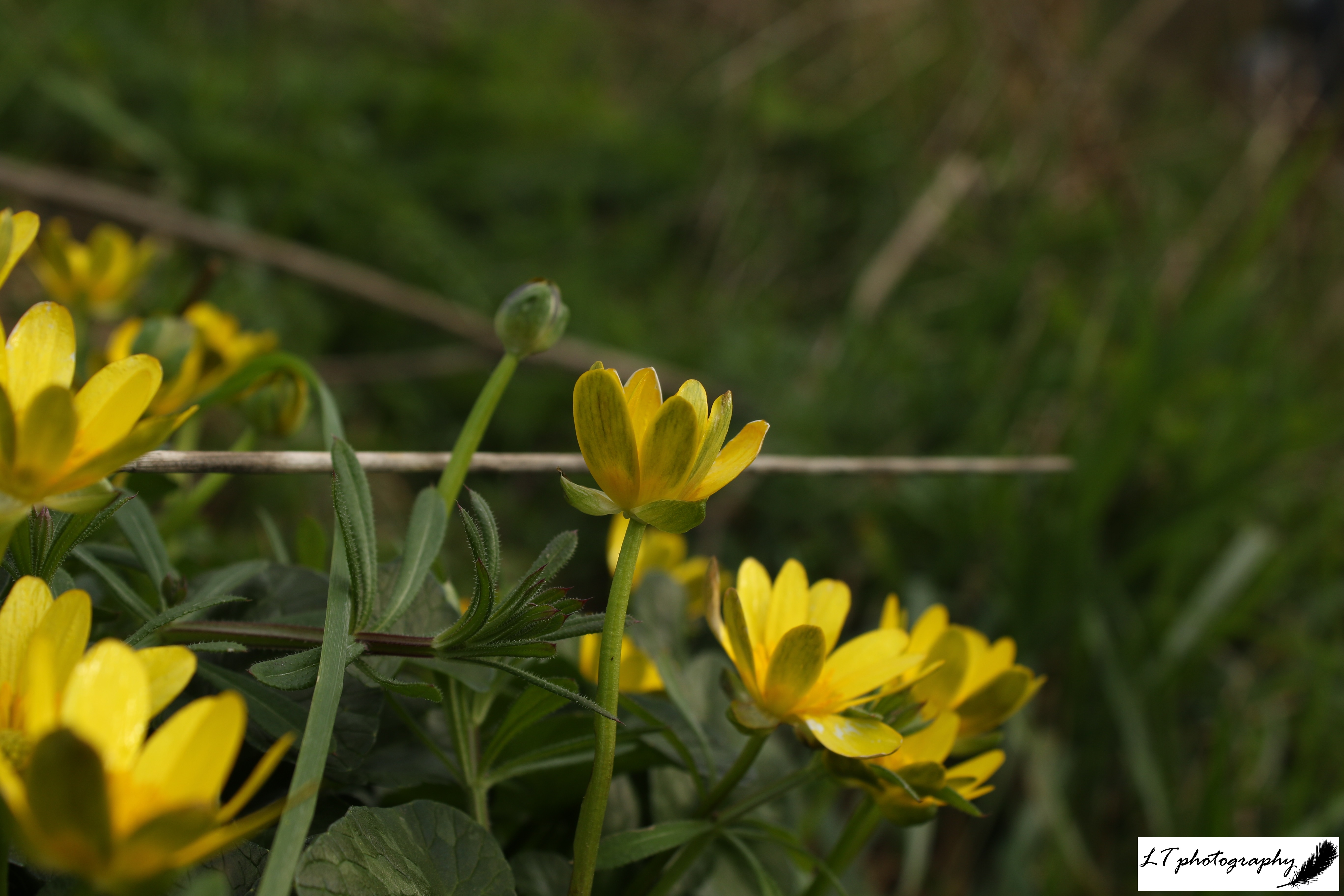
Sunshine Celandine – Celandines are another classic spring flower, helping to provide a joyful pop of colour, as winter slips away. I always enjoy the challenge each year of trying to photograph them in new and interesting ways.
The Hare [Not] In A Hurry – Whilst walking in my local woods, I caught sight of this lovely pair in a neighbouring field. It was lovely to sit and watch them for awhile as they groomed themselves and interacted with each other, never knowing that I was there.
In The Blue – People familiar with my blog and photos will know that bluebells are one of my favourite spring flowers, as they fill me with joy when I see a woodland floor carpeted with their fantastic blue. The bells individually are like magic themselves.
Leading the Way – A lone early-purple orchid bordering an animal track running through a woodland. These spotty-leaved plants can be found in clusters or as here, on their own, amongst the trees.
Woodland Wonders – The wood anemone is another of my favourite spring flowers, appearing like little stars in the green of a woodland floor. Being found in light spots, they are an indicator of ancient woodland.
On the Way to the Peak – Set against a spectacular backdrop of the Peak District, my friend Emma and I passed these stone stacks on the ridge up to Mam Tor. They provide an interesting feature to the rugged landscape.
A Patch of Light – It’s not the first time that I have enjoyed photographing wild garlic in spots of sunshine, but these clusters of white stars always add a bit of enchantment to the landscape.
Ewe and Me – This photo was taken during my first time out with my swanky, but hard-earned, new telephoto lens, and I was hooked. It is so enjoyable to get up, close and personal with animals without having to disturb their natural behaviour!
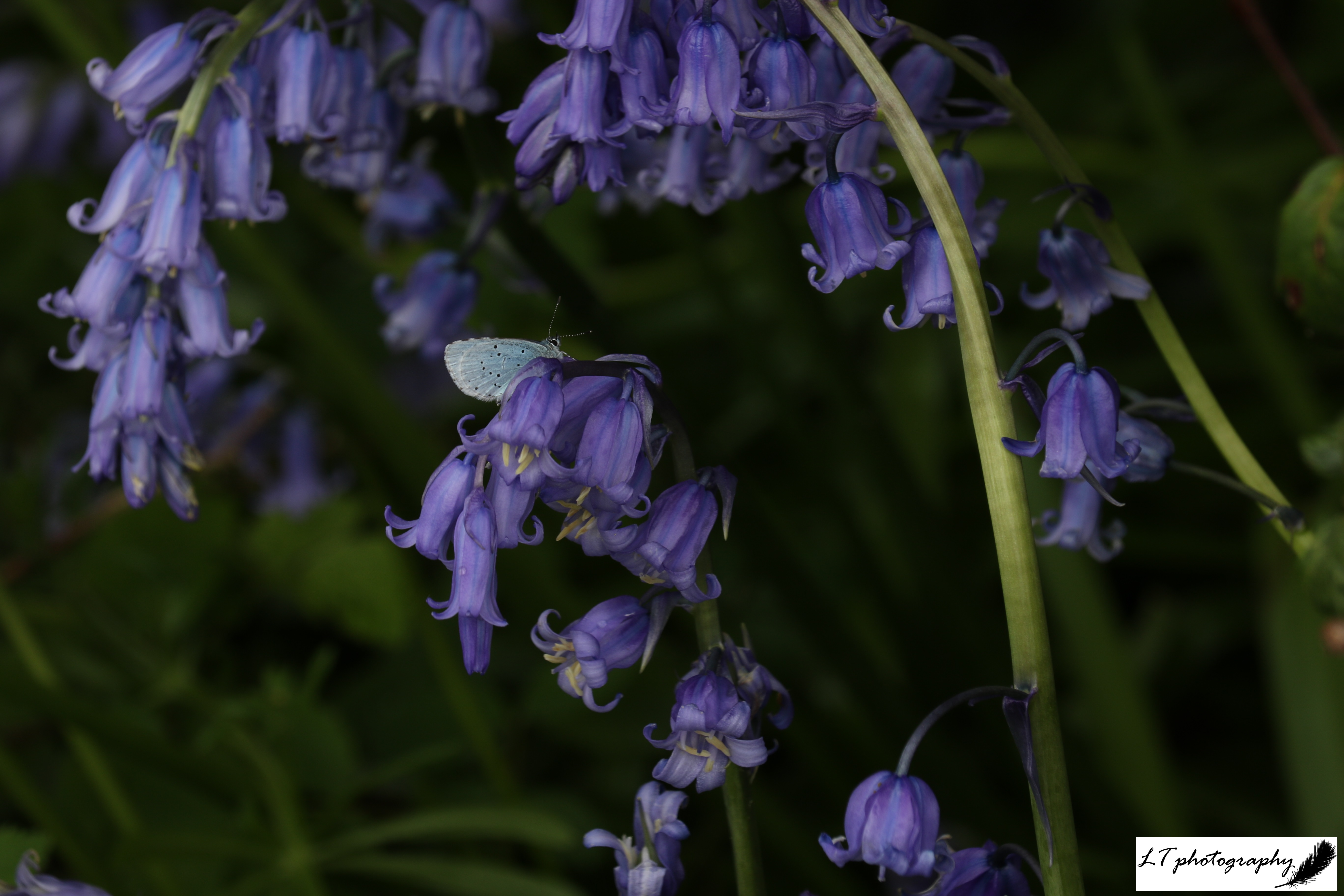
Blue-Toned – This was a chance sighting, but a wonderful one to see a holly blue butterfly on the deep purple-blue of bluebells. Wonderful!
Terrific Tawnies – One of my highlights of spring was having our first brood of tawny owl chicks hatch within one of our nest boxes. These two chicks grew on to both fledge successfully from their box!
Spring this year has been a joyful and colourful experience. In 2020, spring was a lifeline during lockdown. In 2021, spring was a turbulent and unpredictable season, with some real wonderous moments to behold. This year though, I have simply enjoyed every moment that spring had to offer, watching as the season swelled into being and slipped out once again with the heat of the summer sun.
This spring the season began slower, but reached its peak quickly once it got going. In Dorset, from blossom and bursting leaves to nesting birds and breeding mammals, spring bloomed spectacularly, with so much new life on offer. During this time I made lots of adventures out with my camera and took many, many photos. Here are just a few of my favourites from spring 2022.
Spring 2022: In Photos
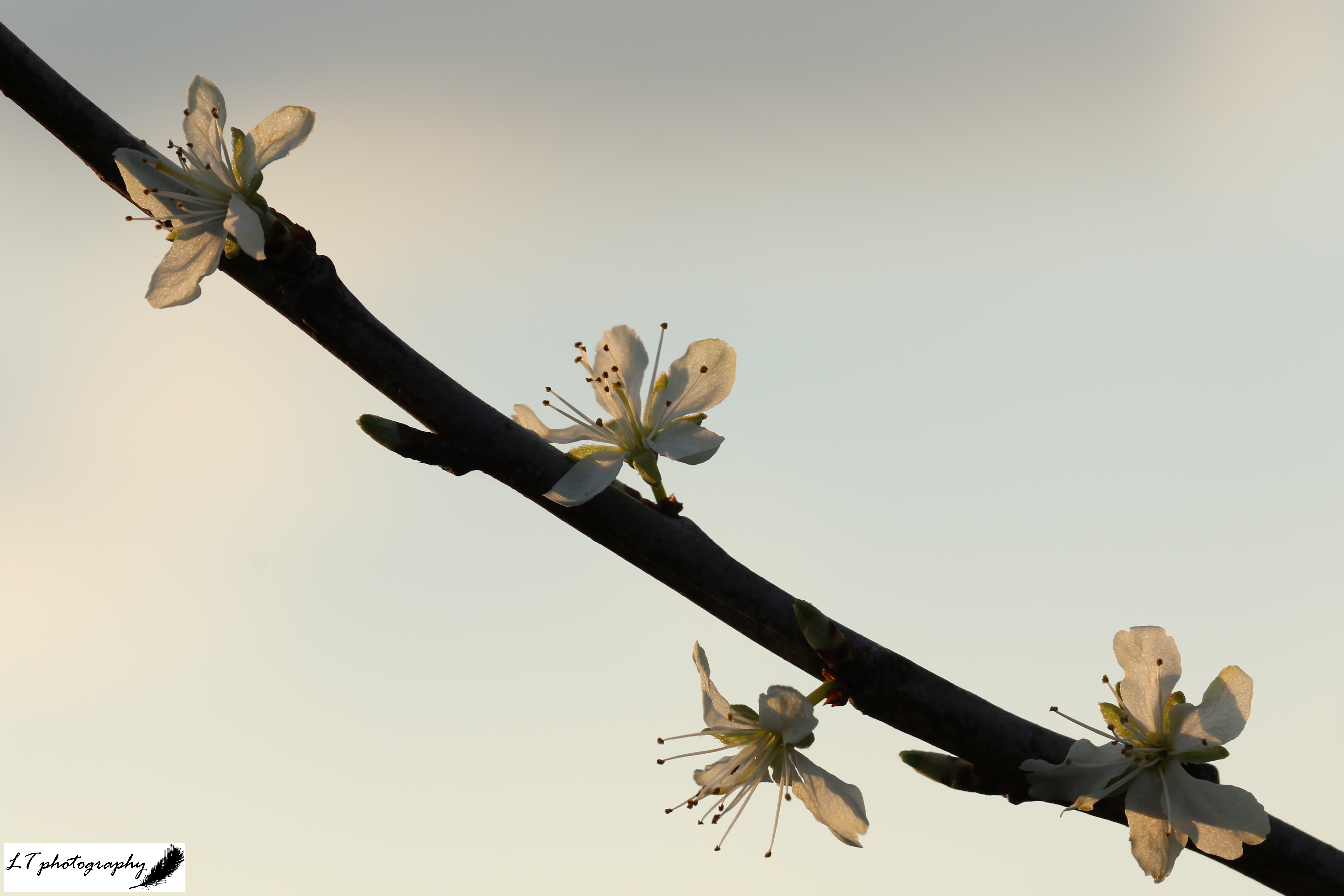
Sunset Damson Blossom – This year the blossom of fruiting trees was fantastic. Our damson tree blossomed without being bitten by frost or hit by strong winds, so hopefully it will be a good year for damsons
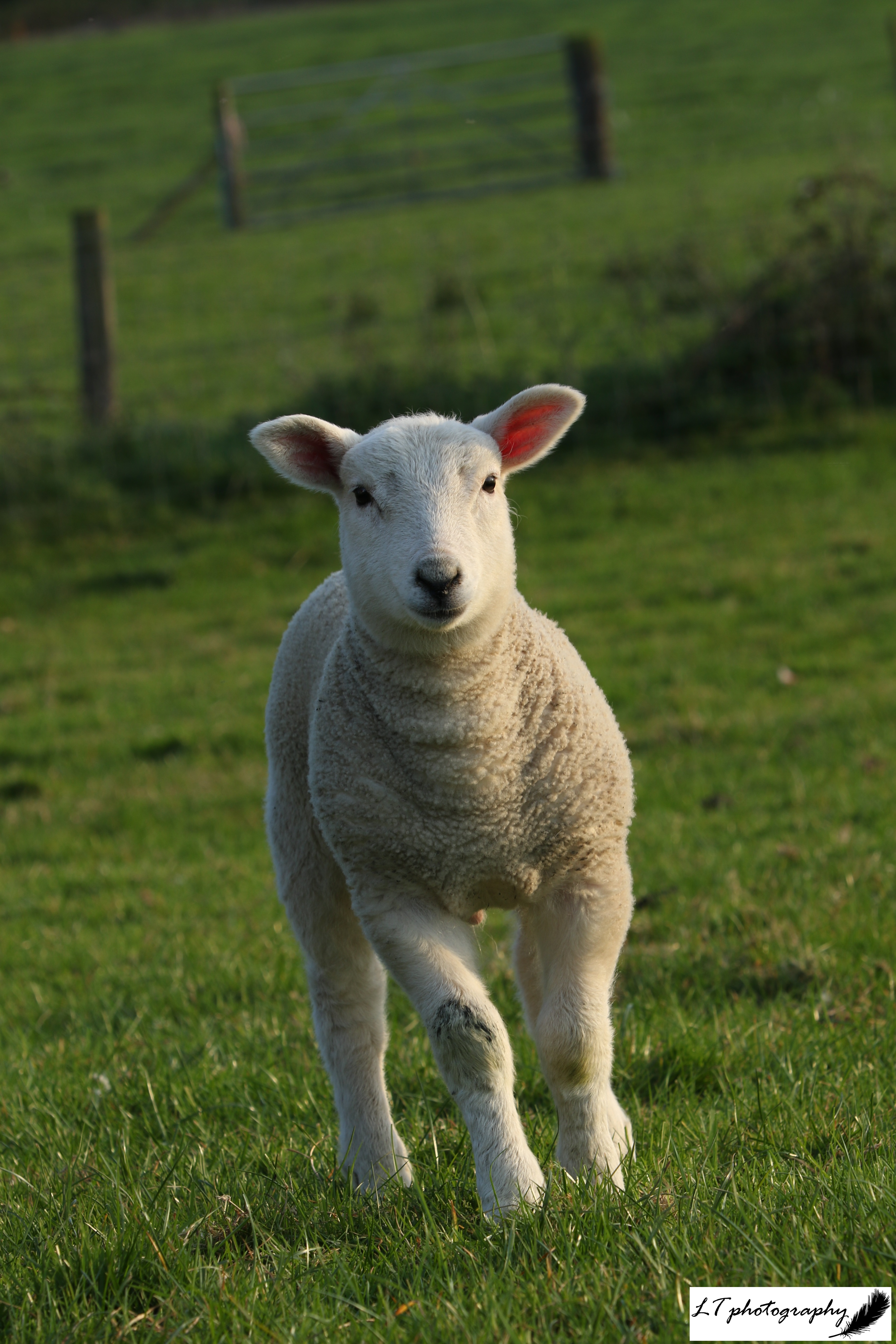
Lambing at Home – My mum has her own mini flock of Lleyn ewes, a Lleyn ram, and a Charolais ram, and for us spring would not be spring without lambs springing around the fields!
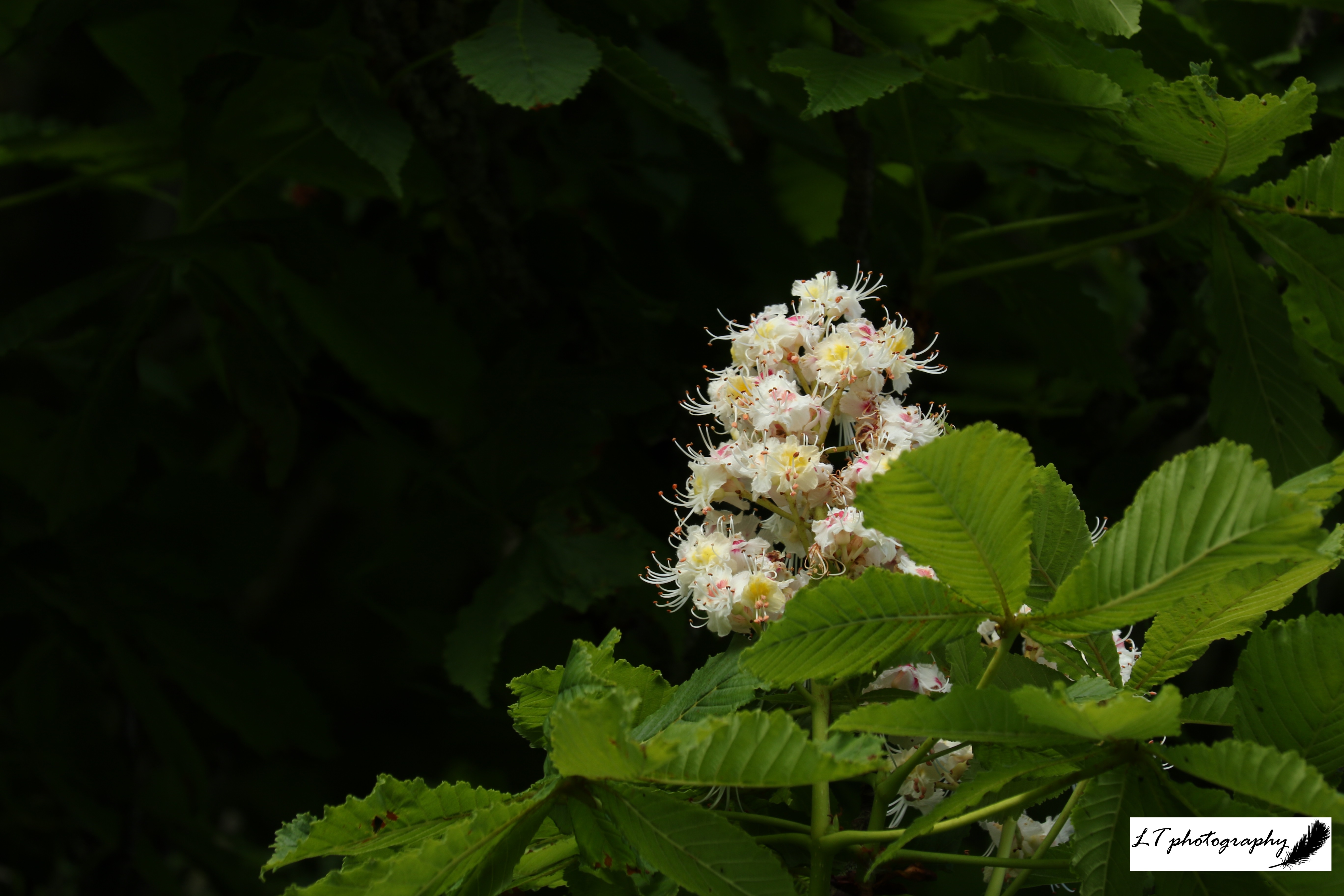
Horse Chestnut Flowers – Often tree flowers are simple, green and unassuming, but not those of horse chestnut trees. Horse chestnut flowers form a candelabra of fantastic white flowers with dots of pink and yellow, towering high in the boughs of the trees
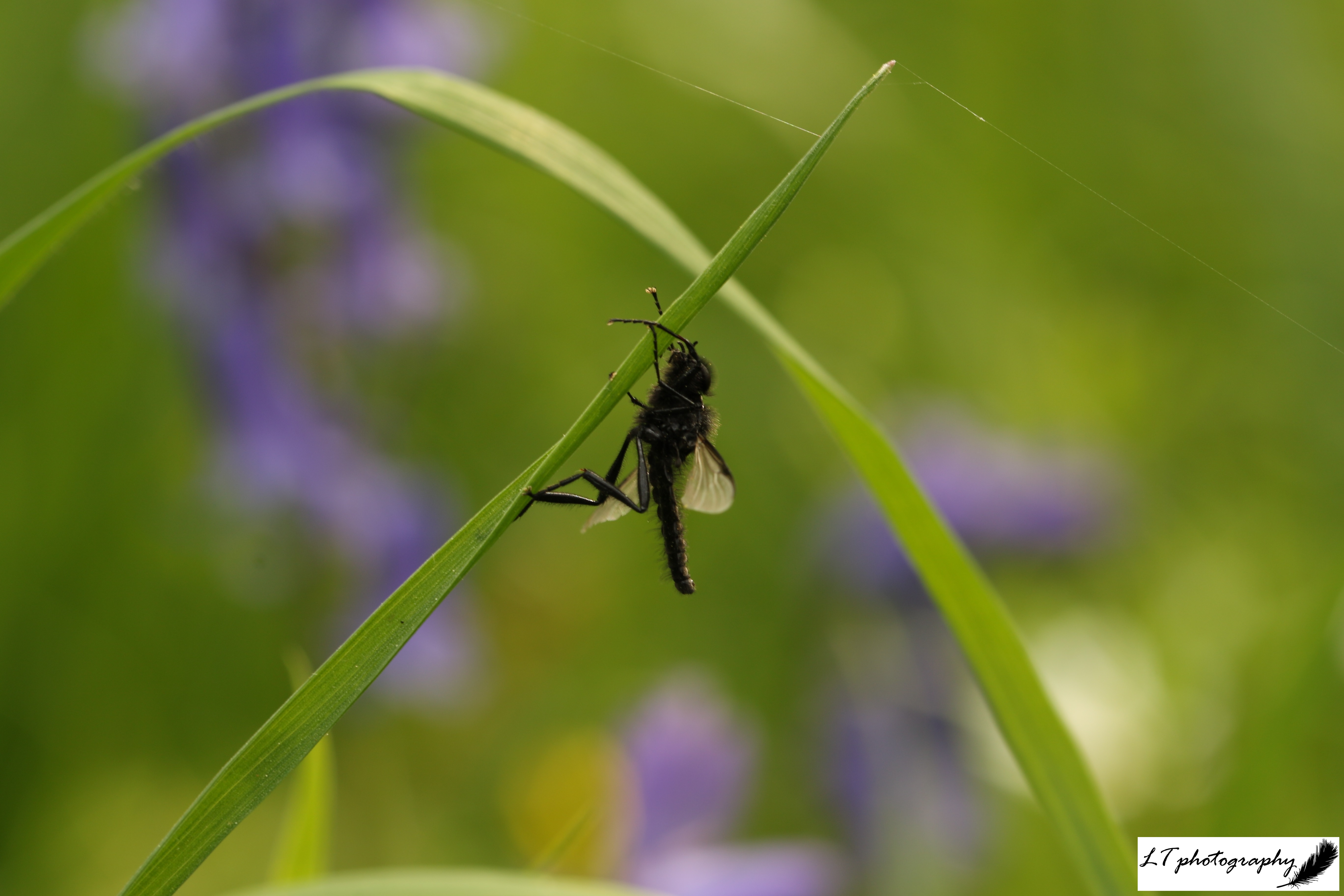
Woodland Minibeasts – This year during the bluebell bloom, I focused on exploring the hidden life amongst the bluebells (check out my previous post for more). One of my finds during my hunts was this fly which looks to be a St. Mark’s fly. This fly gets its name due to emerging around St. Mark’s Day in April each year
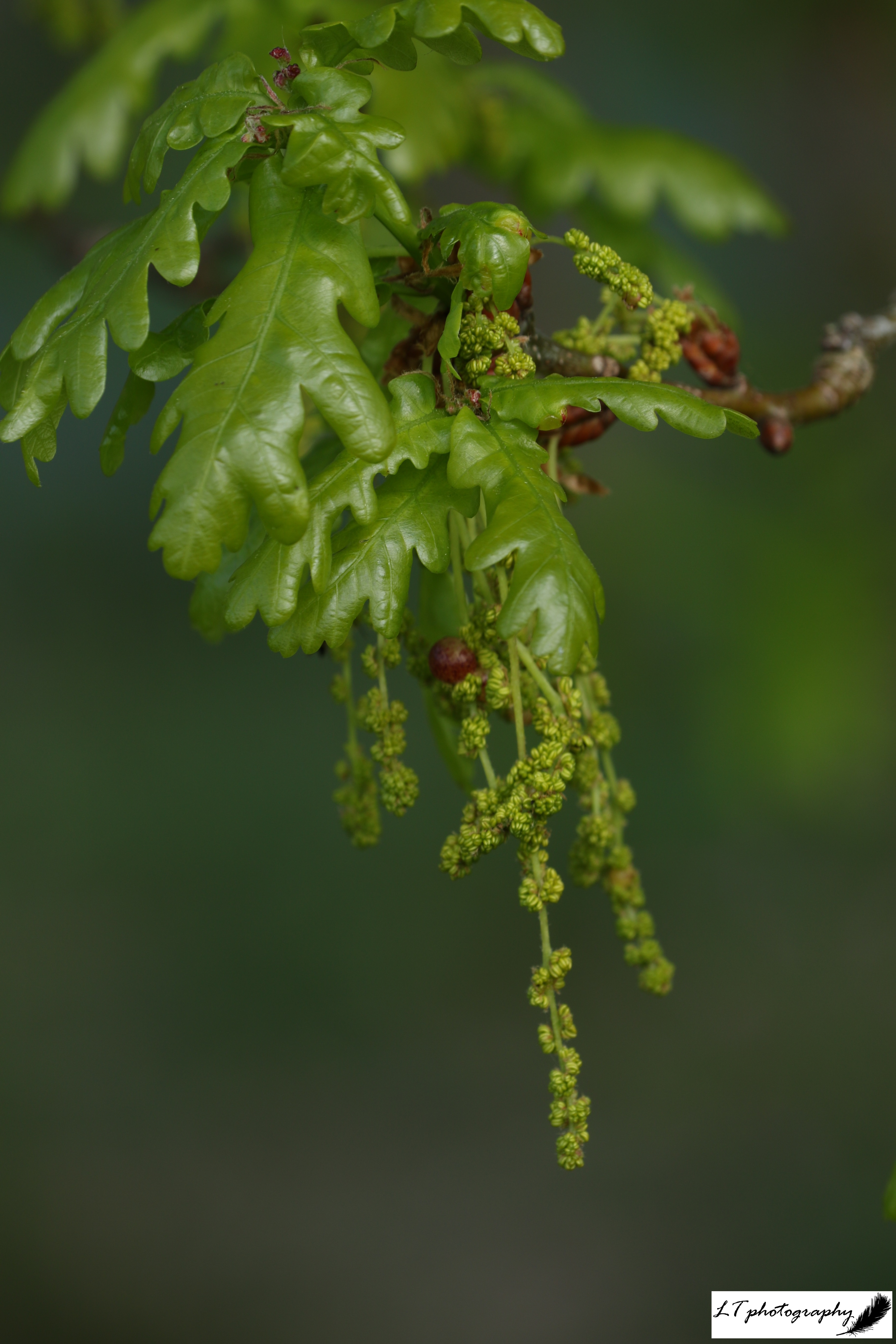
Oak Flowers – Though horse chestnut flowers are showy, some tree flowers are fantastic in a subtler way. The flowers of English oak trees hang down in green streamers from their branches, looking pretty swaying softly in gentle spring breezes
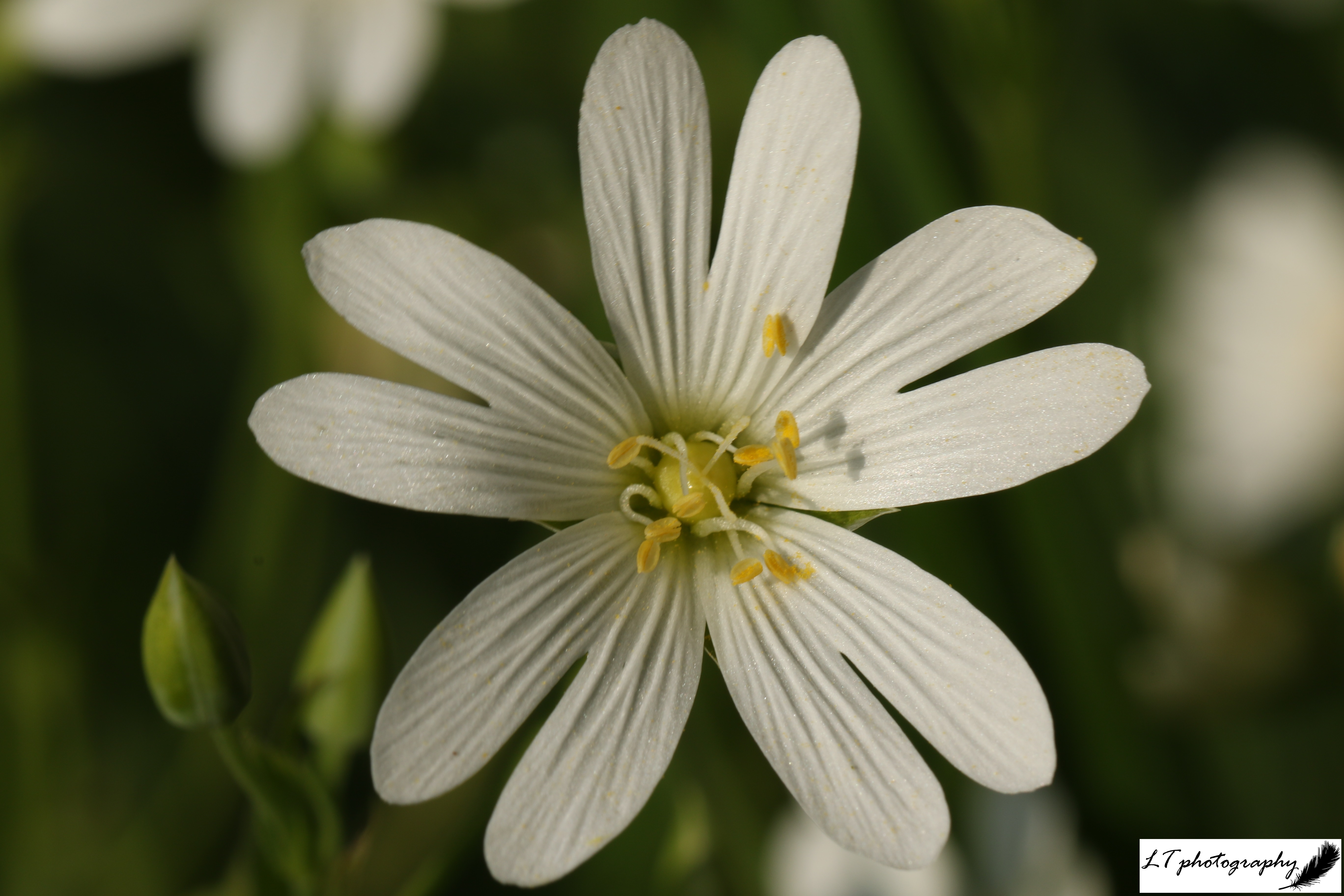
Up Close With Stitchwort Flowers – Stitchwort flowers or ‘Shirt-buttons’ are white stars spotting the countryside throughout spring. Taking a closer look, this particular flower looks weird and wonderful with stamens that curl around each other
Super Snail – This white-lipped snail is a simple, but colourful individual amongst the green of spring. Their swirling shells are a great subject to photograph
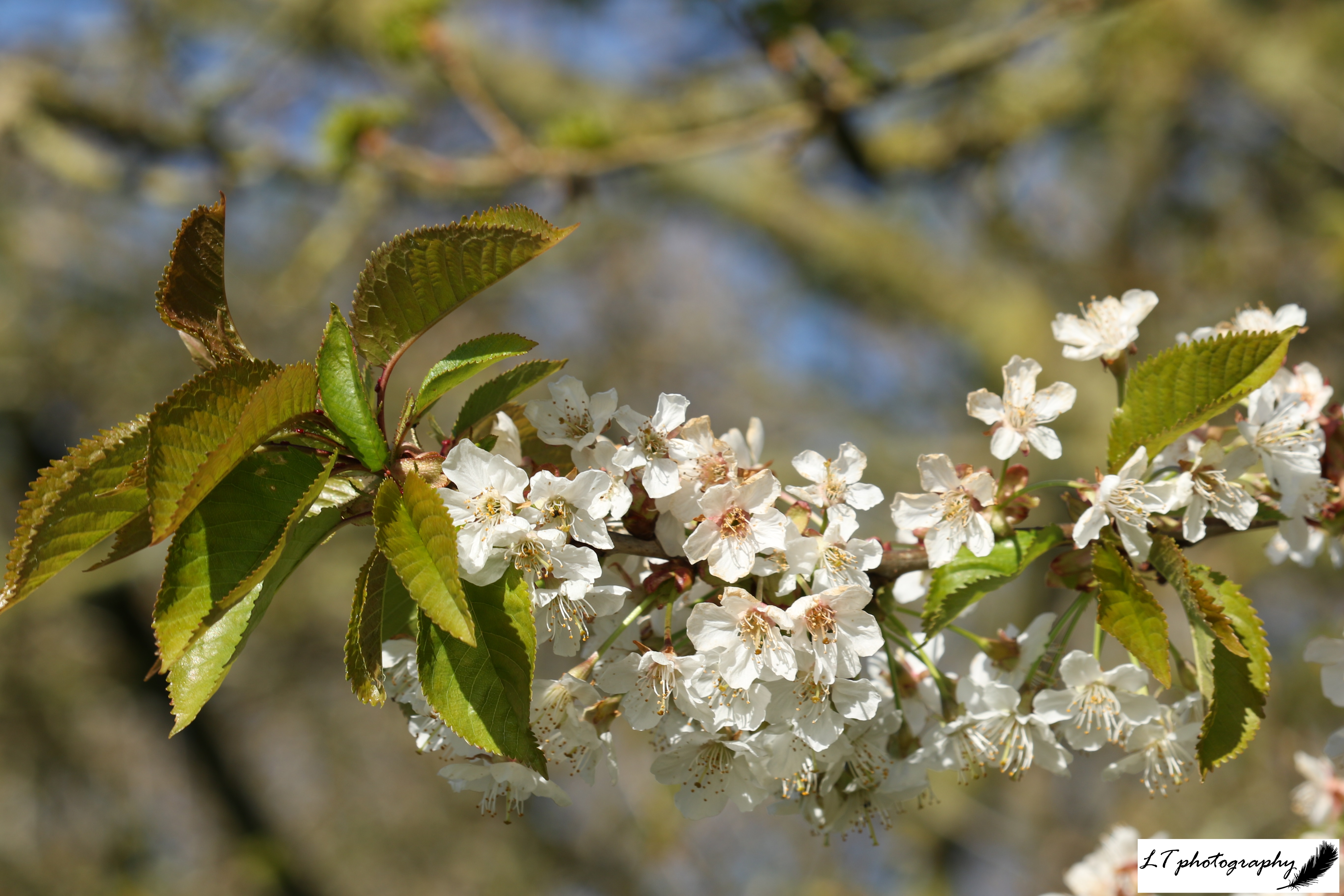
Wild Cherry Blossom – Every year one of my favourite flowering trees is the Wild Cherry. There’s nothing like banches covered in blankets of white set against a bright green backdrop of new leaves
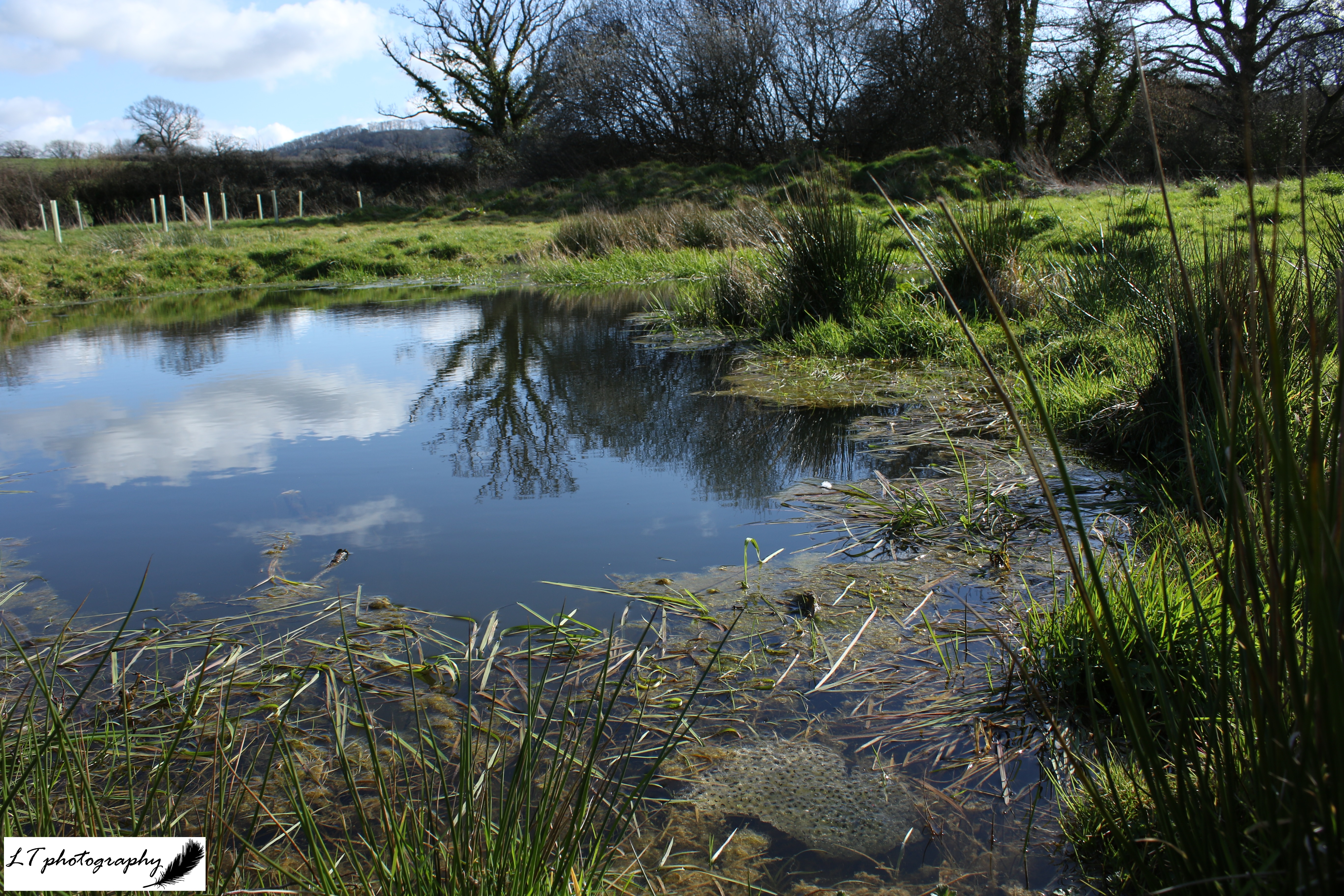
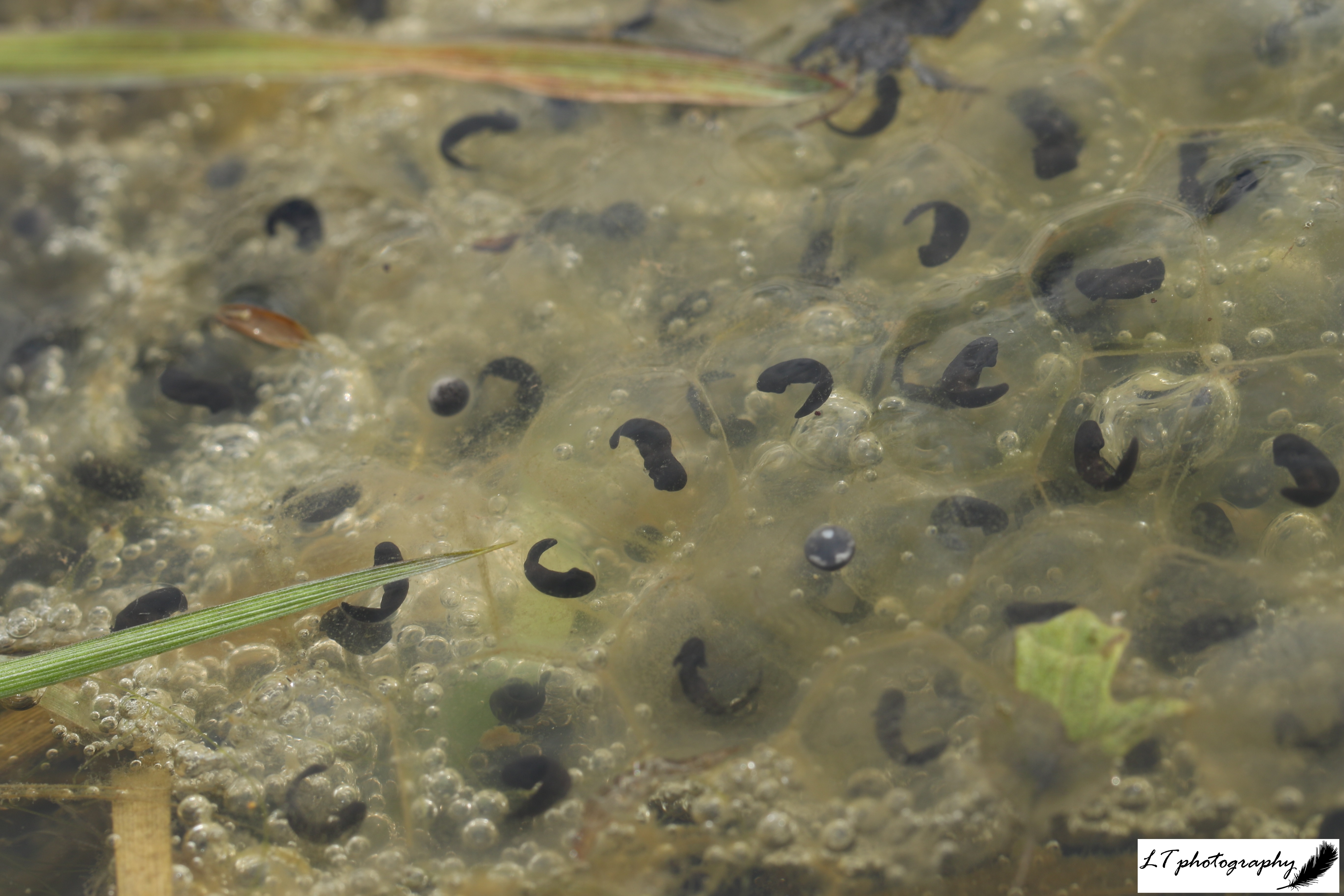
Fabulous First Frogspawn – In 2020, we started digging a pond in our own mini nature reserve at home on our farm. This year we were excited to find our very first frogspawn! It was amazing to watch the tadpoles change and transform over time
1 O’Clock, 2 O’Clock,Dandelion Clock – All children find magic and wonderment in dandelion clocks and their parachute seeds. Even as an adult I still find inspiration in their fragile globe-like forms
Majestic Beasts – My mum has her own herd of beef cross suckler cows and an Aberdeen angus bull that are free range and raise their own calves. We especially enjoy watching the calves grow up and grow into themselves over their very first year of life
Apple Blossom – As a family we have always enjoyed growing and foraging for our own food in our local area. Though last year was not a very good year for fruit, this year looks to be a better year, apples included
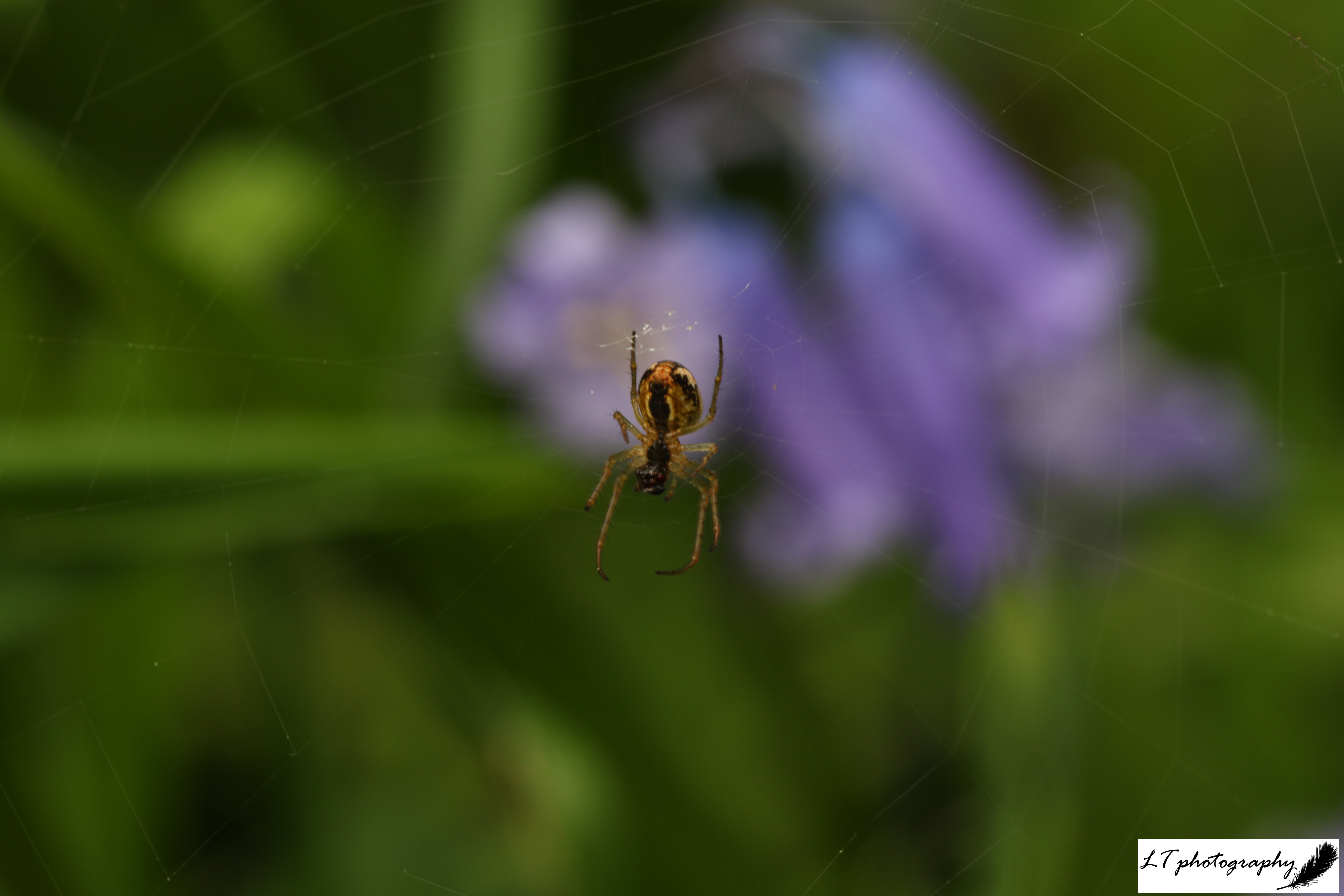
Woodland Spider – Just like the St. Mark’s fly, whilst exploring a woodland of bluebells, I found this species of orb-weaver spider. The bluebells were home to many, many of these little arachnids all weaving their webs between flowers, waiting to catch a meal
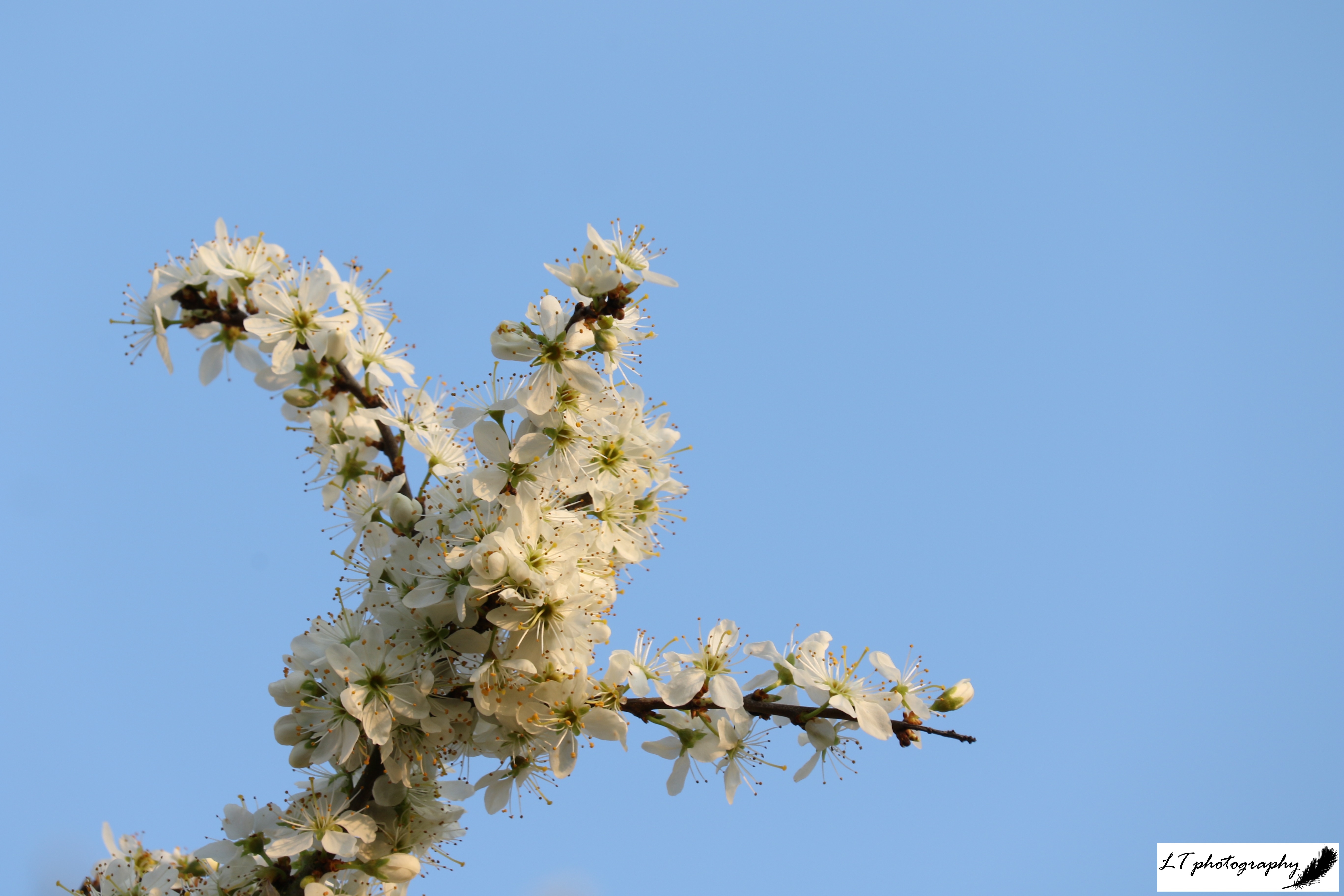
Beautiful Blackthorn Blossom – Every year one of my favourite parts of spring is blackthorn. The snow white flowers of blackthorn winter bring colour to the landscape at a time when things are still grey and spring is only just trickling in
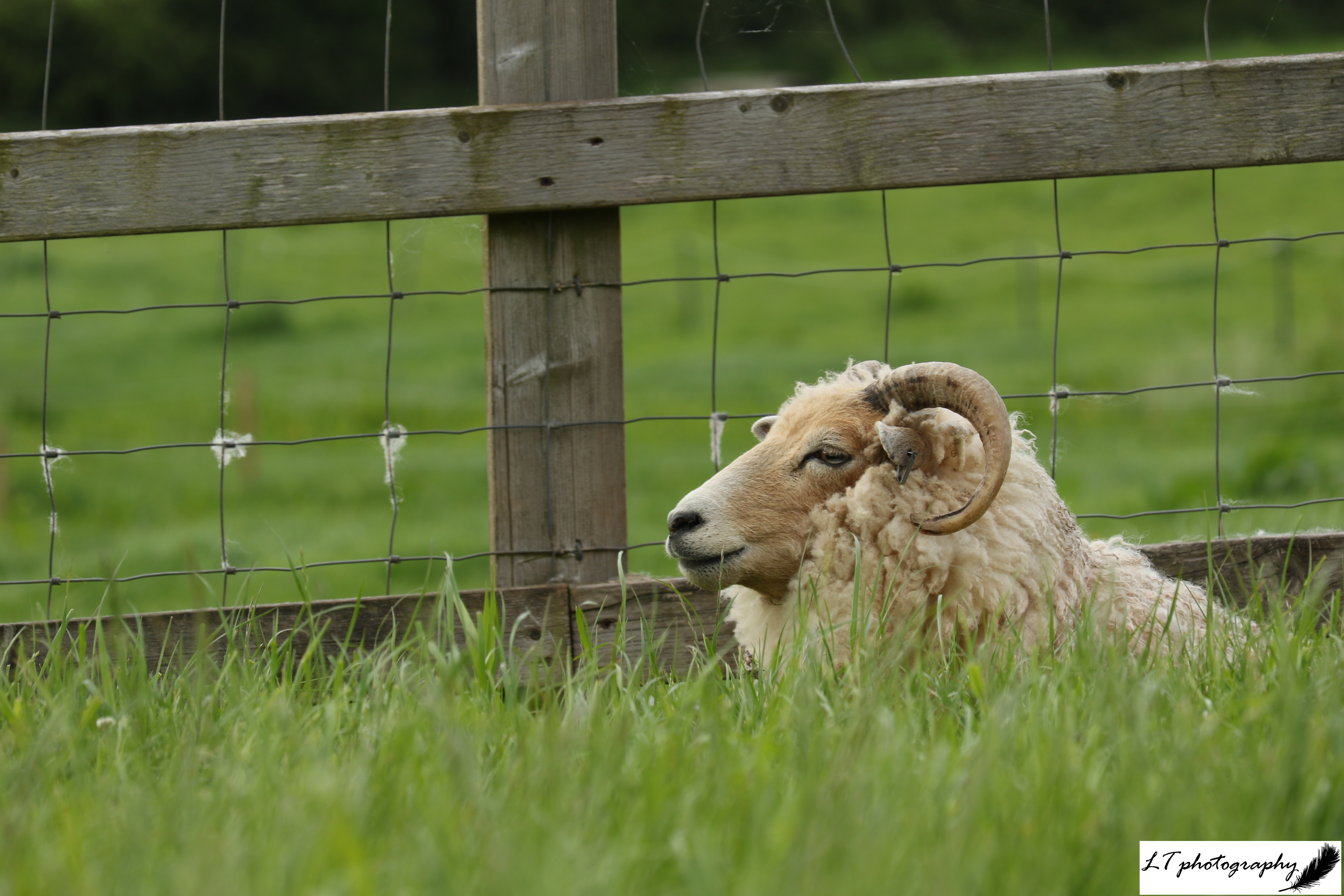
Portland Pets – This year I spent some time photographing my neighbour’s pedigree Portland flock. These small sheep, topped off with curling horns, have a great character and warm colour to them which make it a joy to take their portraits again and again
‘Give fools their gold, and knaves their power; let fortune’s bubbles rise and fall; who sows a field, or trains a flower, or plants a tree, is more than all’ – John Greenleaf Whittier
‘Your deepest roots are in nature. No matter who you are, where you live, or what kind of life you lead, you remain irrevocably linked with the rest of creation’ – Charles Cook
My family and I live on a 250 acre mixed dairy farm in the heart of beautiful Dorset, complete with sheep and beef cows. My parents took the farm on from Dorset County Council in 1995, at a time when it was only 50 acres, and have now expanded it to the 250 acres it is today. As long as I can remember, the farm has been my home. It is a part of who I am, providing the backdrop for me to learn about the natural world, to make informed decisions about how I live my life, and to become passionate about conservation. I have my parents to thank for this.
In 2019, the latest State of Nature report showed that agricultural change has been the largest driver of biodiversity loss over the last 45 years in the UK. With 72% of UK land area being used for agriculture and food production, land management changes have had a significant impact on the wildlife that call these areas home. As we now move forward, we need to focus on agriculture, not with contempt and negativity, but with optimism. If we are to continue to produce food in the UK, we need to focus on working with farmers to make farming sustainable, cost-effective, and most importantly with wildlife in mind.
Growing up on a farm, I have always been aware of how agriculture is heavily intertwined with the environment. My Mum and Dad have always believed in their roles as guardians for the wildlife and natural habitats that call our land home, and are dedicated to conserving and increasing biodiversity. Though it can be tough to create a balance, my Dad believes that farming, through careful management, can produce food in an economically sustainable way, whilst supporting and enhancing the natural environment. Here are some of the examples of how my family are successfully working to give nature a home on our farm.
(1) The Bridge Field
Project:
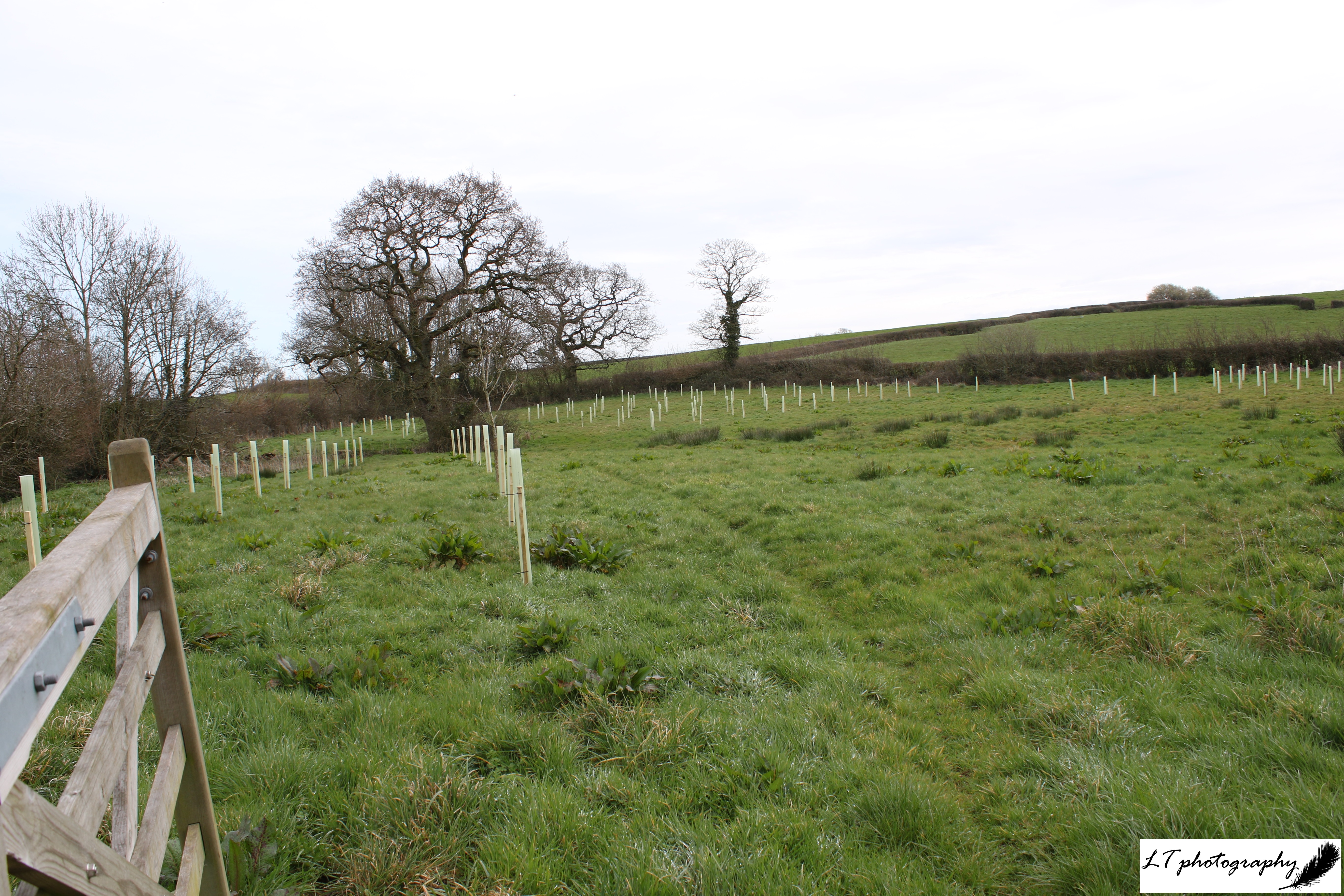
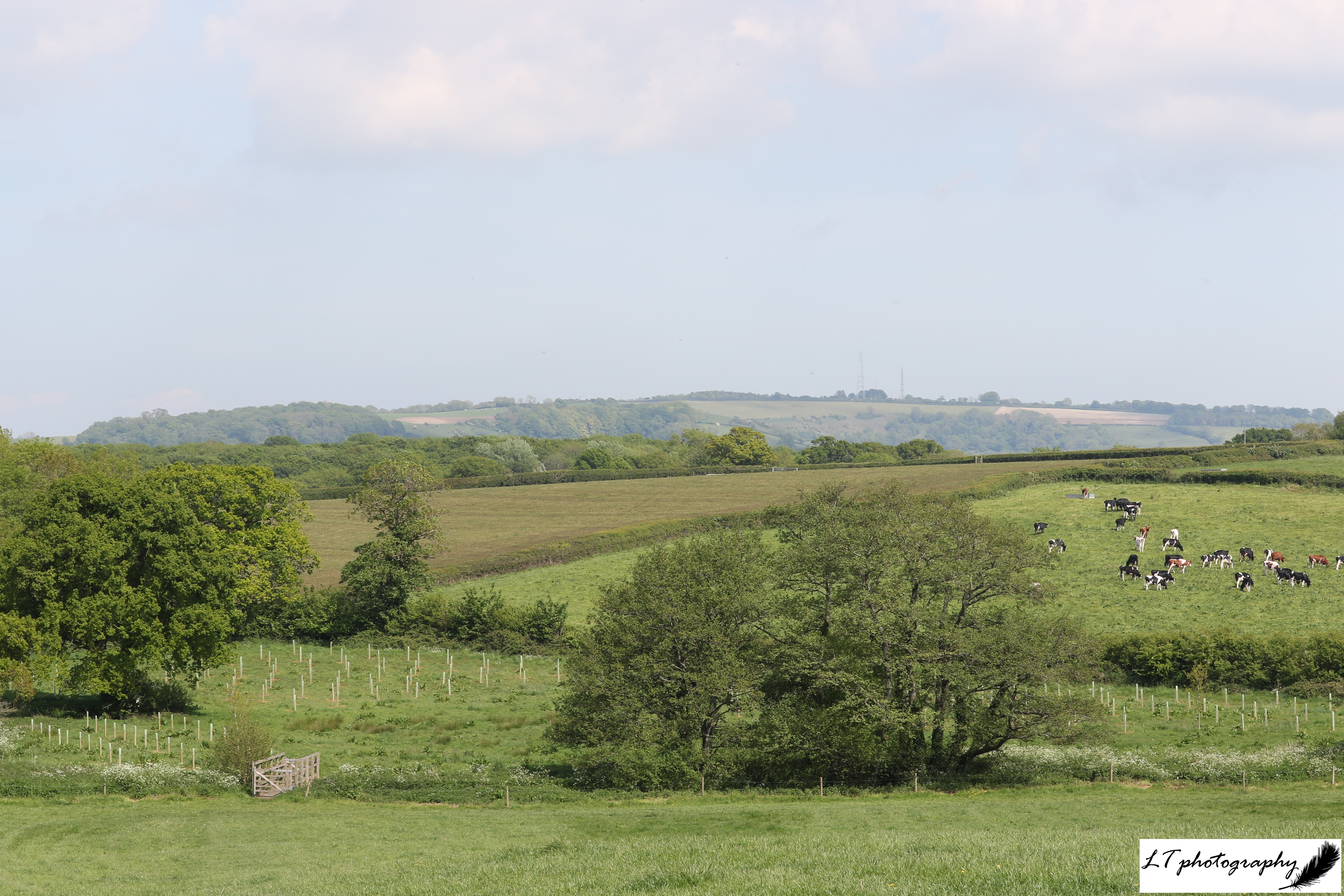
The field is a small, triangular-shaped, 3 acre field, bordered by hedges and a river. It was taken on in 2014 with some other land, and is less ideal for agricultural use due to its shape and often being wet. Hence, it has been left untouched, apart from one late cut of haylage each year and dock management. This year my parents decided to begin the process of restoring the land, with the aim of giving it back to nature.
So far:
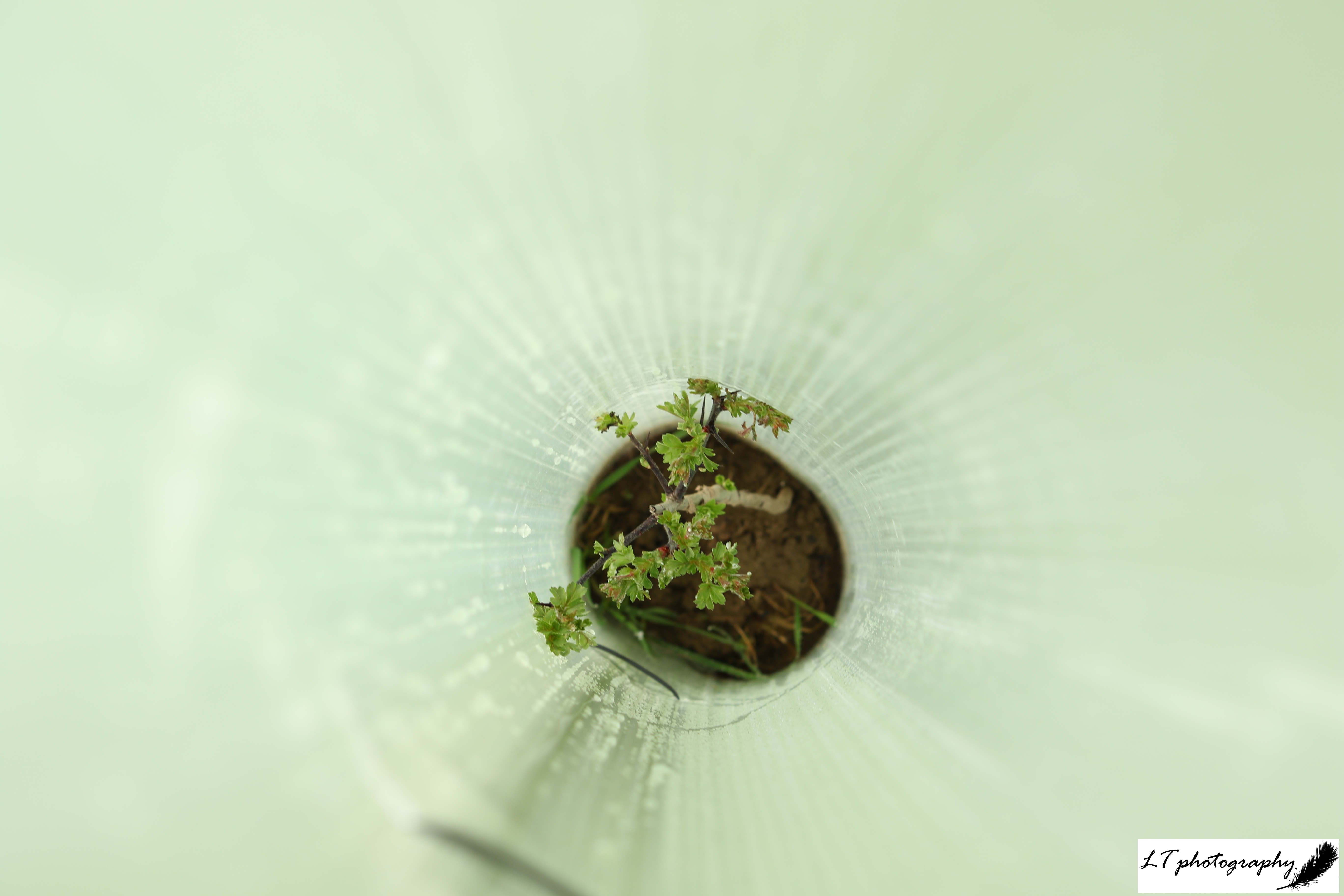
At the beginning of the year, we bought in and planted 219 native tree and shrub saplings of 9 species, including Goat Willow and Rowan. The hope is to create a rich and valuable habitat for wildlife.
We began managing the grass in the field, which is mainly Yorkshire Fog, to increase species composition. The grass has formed a dense stand across the field and is currently excluding nearly all other species.
Next aims:
See how the trees and shrubs grow on
Plant natural wildflower species using plugs, bulbs and seeds
Create a water source, such as a pond
(2) The Chalk Mound
Project:
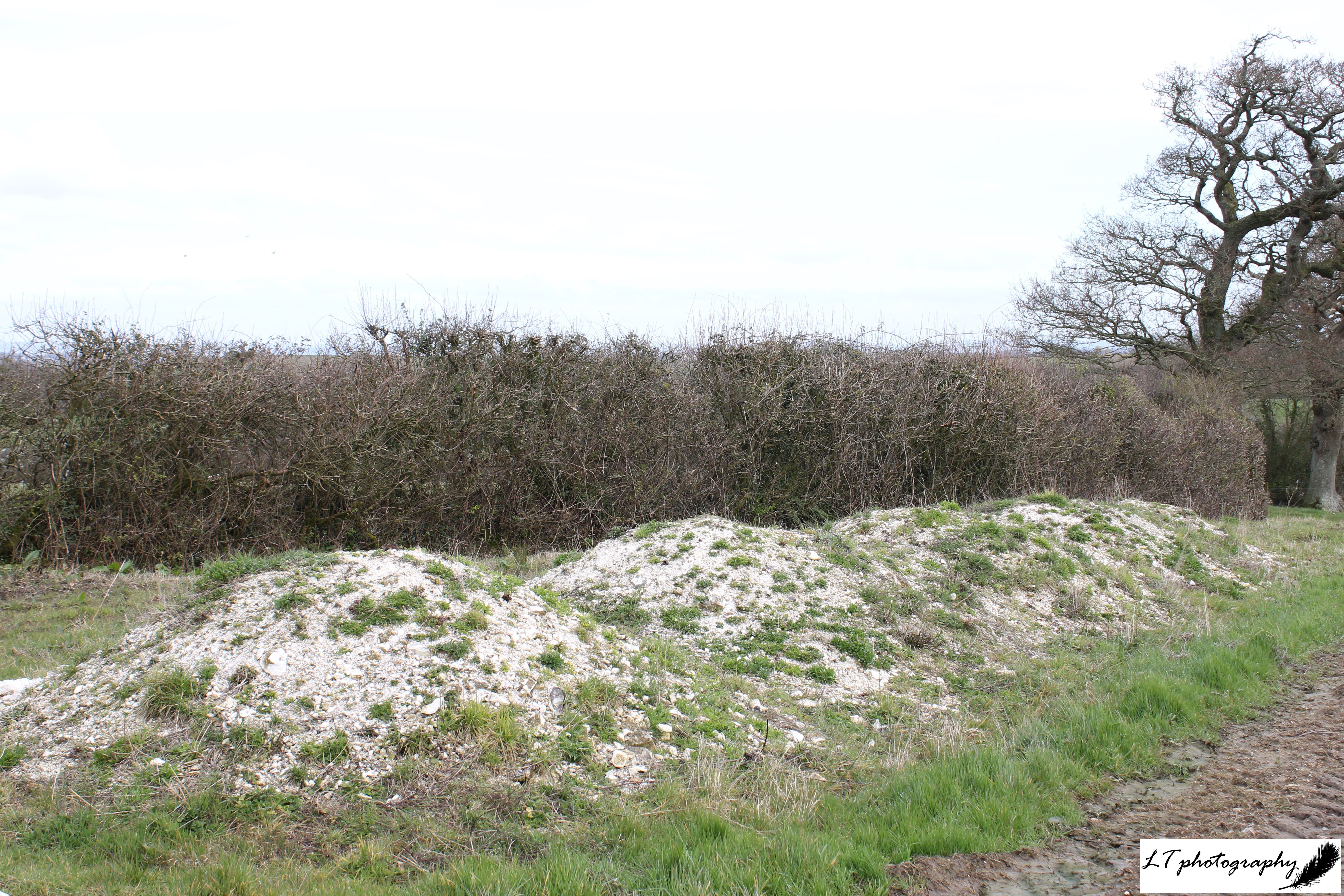
Towards the centre of our land you can find a small triangular area of land that is bordered by hedges and a track. My parents took on this area with some other land in 2014, but it was not anything special. In 2017, my Dad decided to use it to make a small piece of chalk habitat, in our clay area, acting as a perfect stopover location between chalk downland to the north and south of us.
So far:
We bought in 40 tonnes of quarried chalk and shaped it into a mound which is 10m by 3m, and 2m in height.
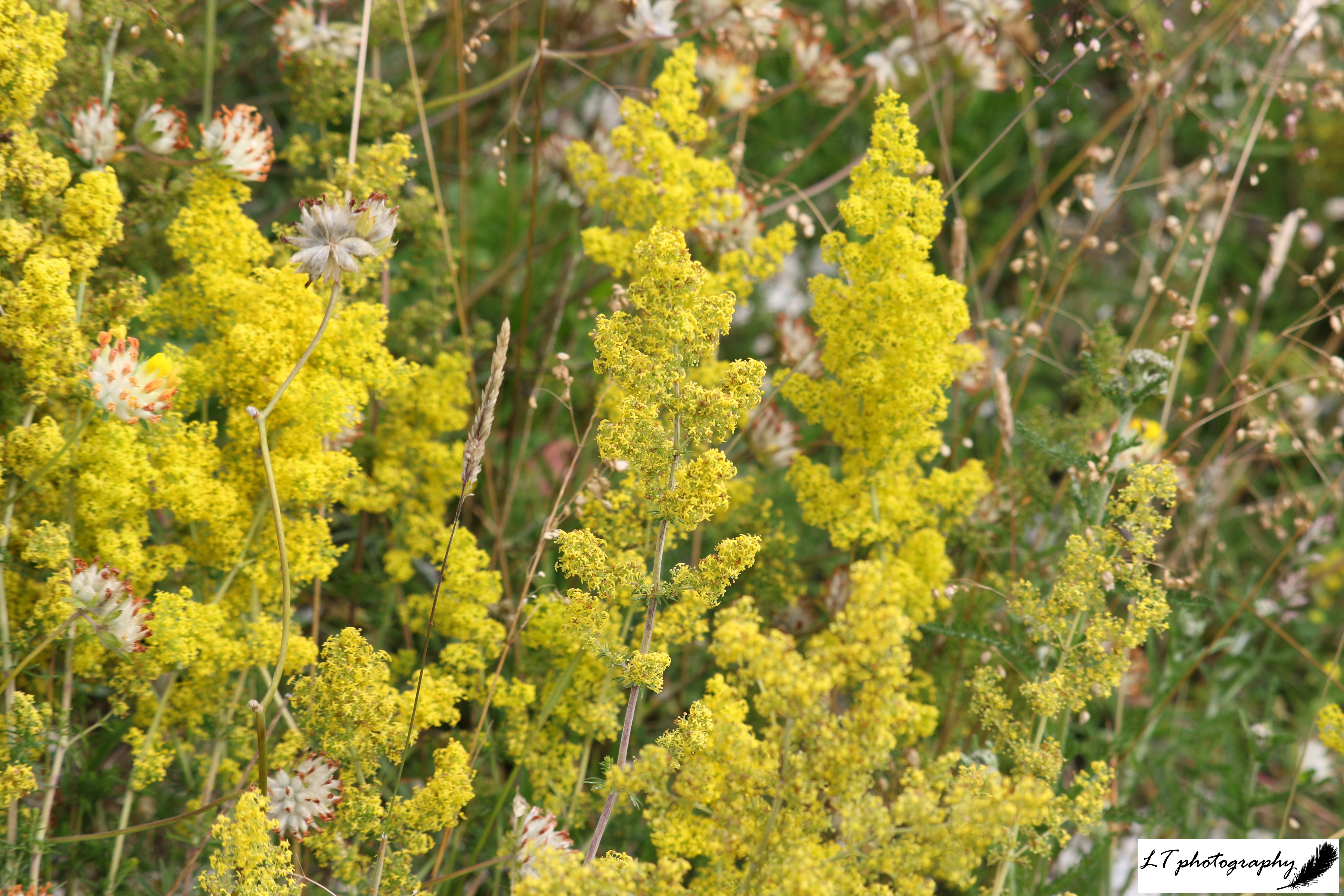
We planted a selection of plant plugs and seeds gifted to us, ranging from Quaking Grass and Kidney Vetch to Rough Hawkbit and Lady’s Bedstraw.
For the first year, the mound was regularly watered as the plant plugs and seeds became established, but after that they were left to grow on, with minimal management.
Next aims:
Continue to enjoy the now thriving habitat that is attracting lots of insects, from butterflies to bees
Boost numbers of certain species such as Wild Thyme
Complete autumn management of the encroaching Yorkshire Fog grass at the mound’s edges
(3) Wildflower Verges and Rough Areas
Project:
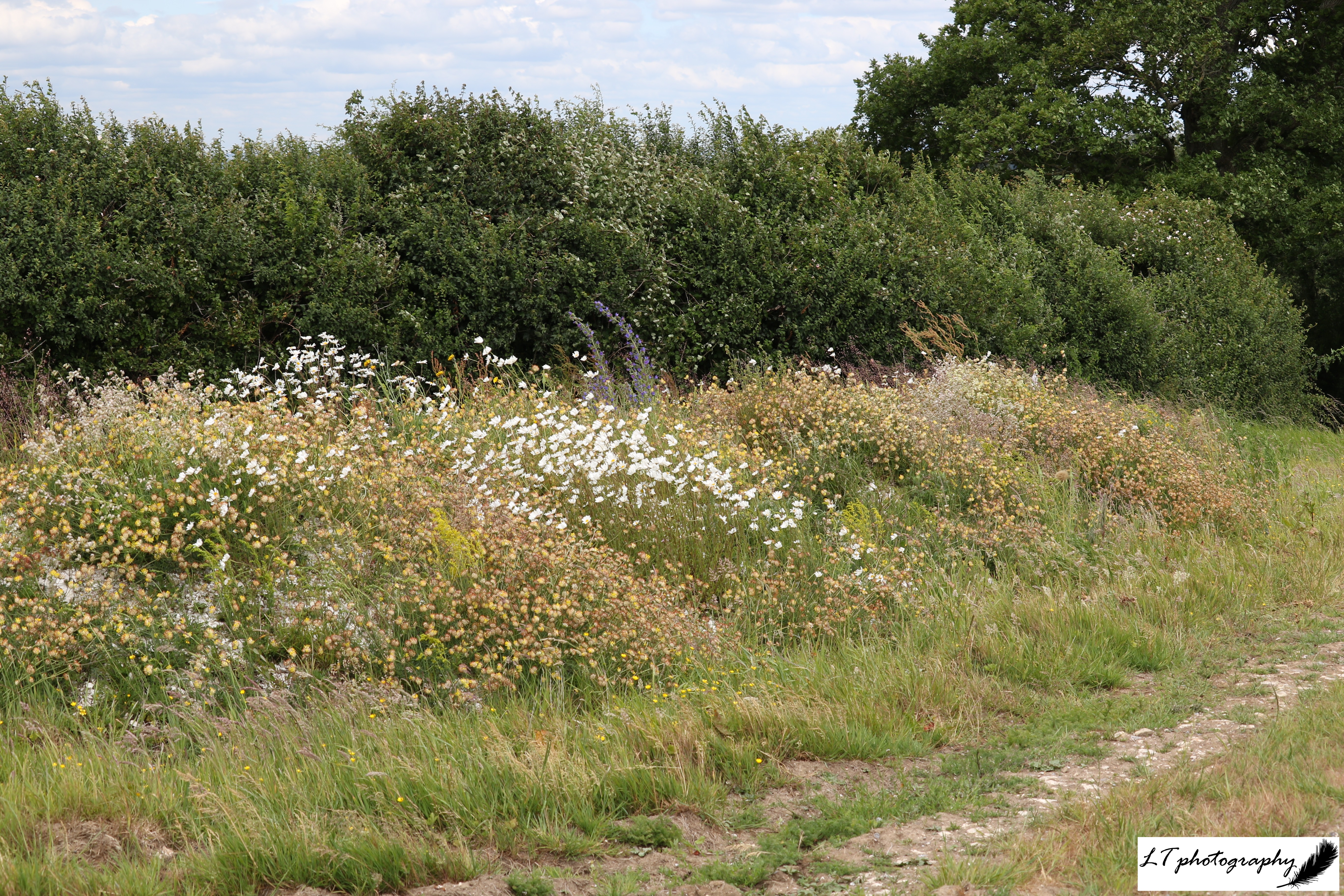
As part of managing our land, my Dad leaves areas and verges uncut and able to thrive, providing valuable habitat for wildlife. One of my Dad’s inspirations for doing this is to provide rough grassland habitat for his favourite bird, the Barn Owl. Barn Owls use such areas to hunt, as it provides cover for their rodent prey. It is also great habitat for other species, such as the majestic Brown Hare.
Different forms so far:
Fenced off areas to keep livestock out but allow wildlife in.
Verges and strips left to grow up and increase in species diversity.
Wildflower verges planted to provide food for different species at different times of year.
Field margins created, maintained and protected, meaning a field is never worked up to the hedgerows.
Next aims:
Allow areas to continue to increase in diversity and composition
Continue to create a mosaic of habitats on the land
(4) Trees and Woodlands
Project:
I am a huge fan of trees, and my family are no different. Throughout our land you will find lots of different species, such as Ash, Alder, Wild Cherry and Oaks, varying in size, shape, and age. They play very important and varying roles in the landscape, from singular trees in fields and hedgerows, to the many growing in copses and woodlands around the farm. We now want to continue to preserve them and increase their numbers.
So far:
Over many years, we have been planting more trees wherever we can, with this year’s main project being the Bridge Field.
We continue to look after and manage the small woodland areas on our land.
We are putting up lots of different nest boxes around the farm, from small Tit boxes to larger Owl boxes.
Next aims:
Put up more nest boxes, including Little Owl and Kestrel
Monitor nest box use each year
Allow trees, such as mature Oaks, to naturally age and return to the ground
(5) Hedgerows
Project:
On my family’s land there are a lot of hedgerows, which are a hugely important habitat for a whole host of wildlife. They range in age and composition, including species such as Spindle, Blackthorn, Ash and Dog Rose. They also provide different services, such as food and shelter, throughout the course of a year, for lots of different species.
So far:
We carefully manage hedgerows with wildlife in mind each year.
Hedgecutting is practiced on a rotational basis and in late winter if the ground holds up. They are only cut by my Dad or brother who are skilled at cutting the hedges correctly and with care.
We annually manage and maintain field margins and ditches.
Hedgelaying has been used in the past but only when a hedge is in need of restoration.
Next Aims:
Maintain the high standard of hedgerows
Allow diversity to continue to increase
Future Aims
With 41% of species in decline since 1970, biodiversity loss and the latest State of Nature report cannot be overlooked. Whilst there is still hope that we can bring things back from the brink, and reverse the decline, to do so we need to act now. We need to create more homes for wildlife, protect what is left of our natural environment, and manage land with wildlife in mind.
On the farm this process is in full swing and gaining momentum each year. In this way, we are trying to make our land more wildlife friendly, managing and creating habitats for wildlife. Now, Skylarks can be heard singing all around the farm each morning, Brown Hares are increasing in number, Butterfly and Moths are becoming more species diverse, and Yellowhammers are becoming increasingly common. There are so many more examples from the big to the small, from Hedgehogs to Newts, but my Dad’s favourite has to be his Barn Owls. Over the last few years Barn Owls have made our land their regular home, with 2 Barn Owl pairs successfully breeding last year!
My Dad now wants to continue my Mum’s and his work dedicated to the environment, from helping farmland birds to reducing our carbon footprint. He wants to continue to show how conservation and increasing biodiversity can go hand in hand with conventional farming, allowing food to be produced whilst looking after the environment. A great example of this is the RSPB’s Hope Farm in Cambridgeshire, an arable farm where careful and targeted management is now having results. It makes me optimistic that if we now focus on working with farmers to give nature a home on their farms in the right way, then this could make a real difference to reversing species decline in the future.
Often it can be difficult to catch a proper glimpse of the animals around us, especially those that are more active at night. Just because you may not be able to see them though, does not mean that they are not there. Instead, a great way to find out what is living near you is to play detective and look for the signs they leave behind, such as fur, burrows or droppings.
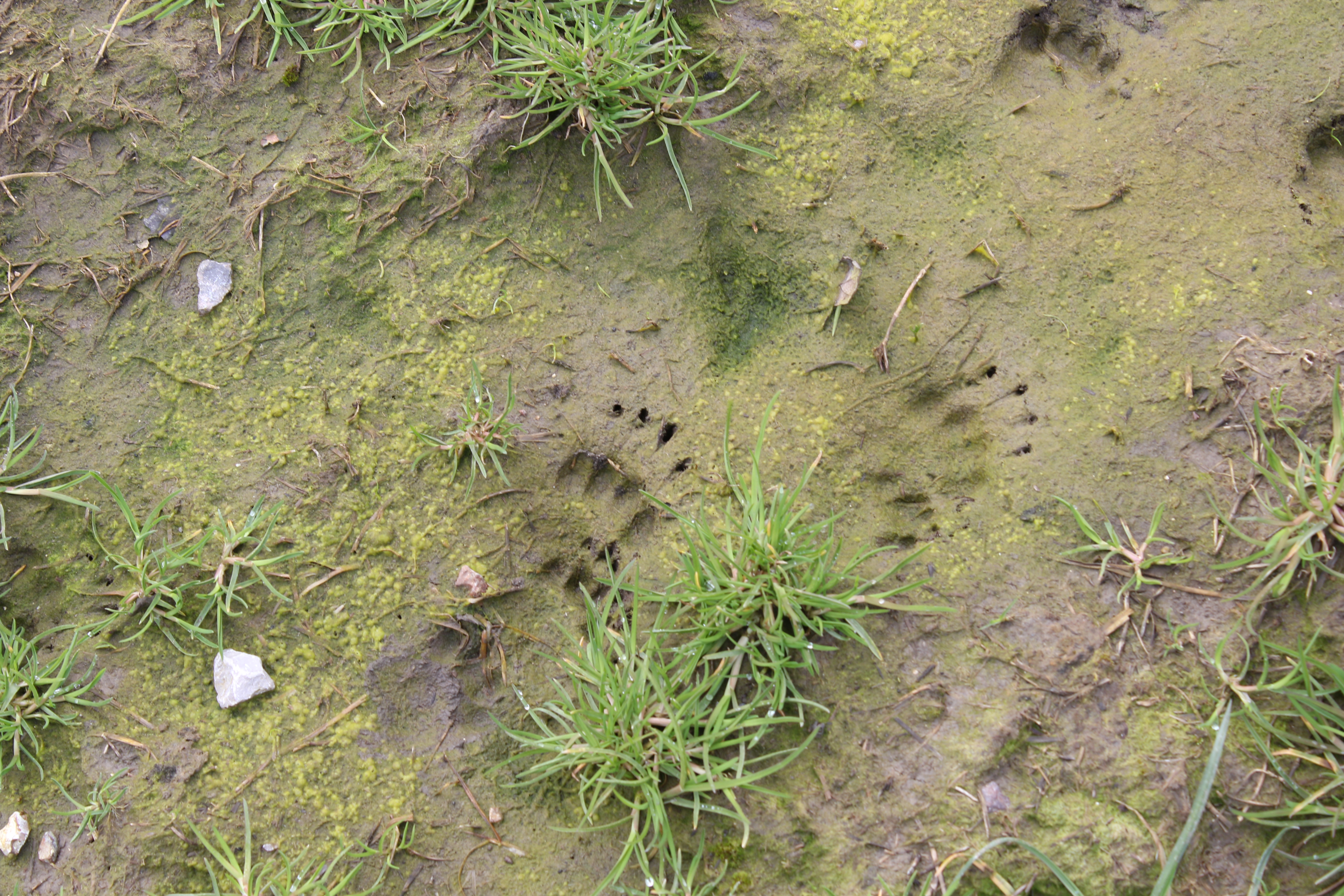
Here we take a look at a great sign of animals being present, animal tracks/footprints. Though they are best found in snow or wet mud, at this time of year the best way to look for tracks is after rain, hardened in drying mud, or by creating your own tracker. So why not have a go playing detective and see what you can find in your garden or wider countryside whilst getting out for exercise. To help you out, here’s my guide to animal footprints!
Guide to animal footprints
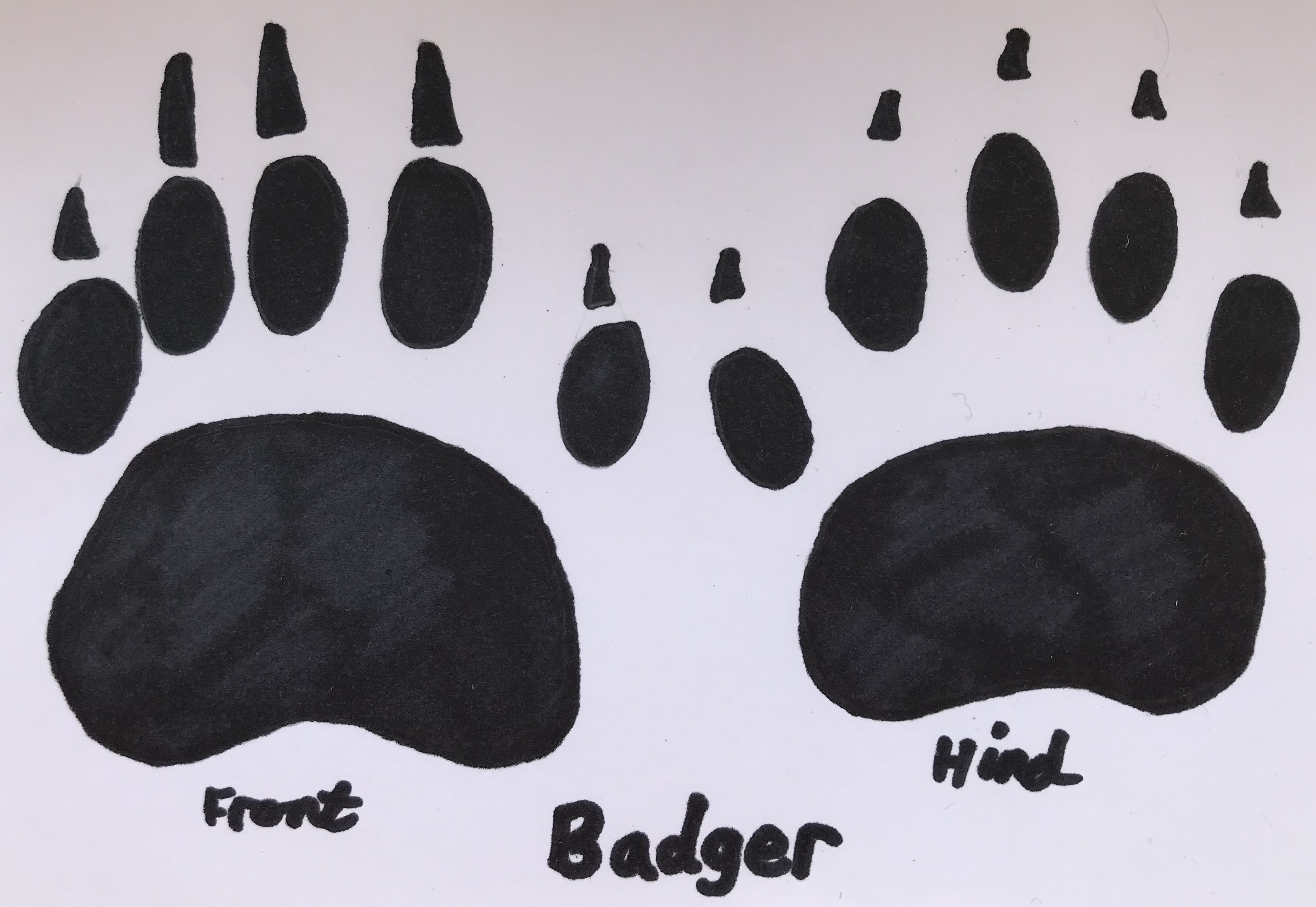
Badger
Footprint Size: 5-6cm long & 5-6.5cm wide
A badger’s footprint is large, broad and robust with 5 toe pads pointing forwards in front of a broad rear pad. They also may show long claw marks that are well in front of the toes. Claw marks are shorter and closer to the toe pads for the hind feet.
Fox
Footprint Size: 5-7cm long & 3.5-4.5cm wide
A fox’s footprint is a bit like a dog’s, but appear more narrow in shape with toes closer together, making a diamond shape. There are 4 distinctly oval toes, 2 at the front and 1 towards each side, and a roughly oval rear pad. Foxes do leave claw prints, unlike cats, but do not have the elongated claws that are visible in badger prints. Sometimes impressions of hairs between pads may be visible.
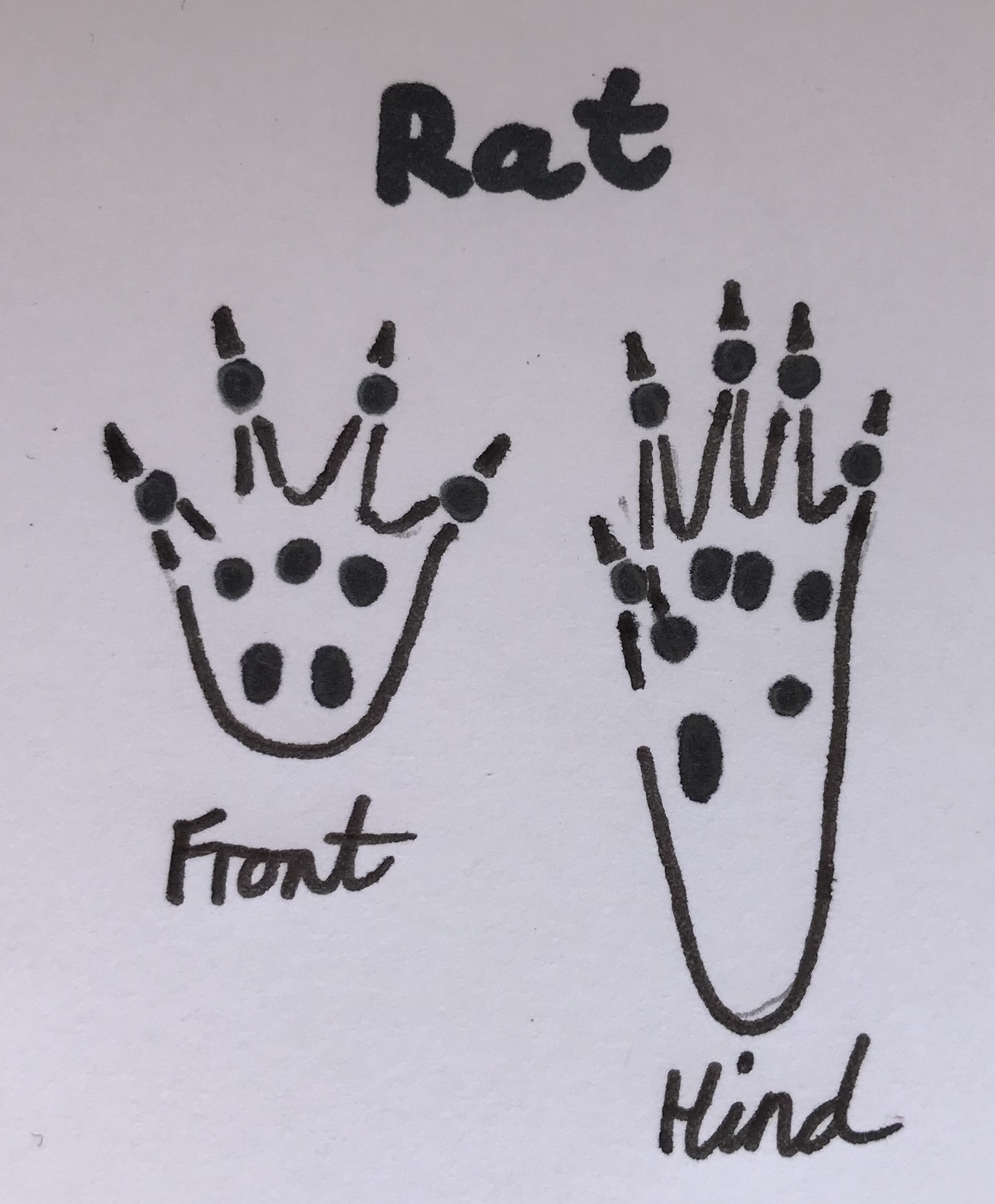
Rat
Footprint Size: Front= 1.8-2.5cm long; Hind= 3-4.5cm long
A rat’s footprints vary between the front and hind feet. On the fore, they have 4 toes, whereas on the hind, they have 5 toes and a long heel. Their footprints can be mistaken with a water vole’s, but a water vole’s tends to show more splayed toes and a shorter heel.
Rabbit
Footprint Size: Front= 4cm long; Hind= 7.5-9.5cm long
The hind feet of a rabbit are much larger than their fore feet. This means that their footprints will be grouped into a pair of long and a pair of shorter prints. Often you will also see lots of footprints crossing each other and signs of multiple rabbits together.
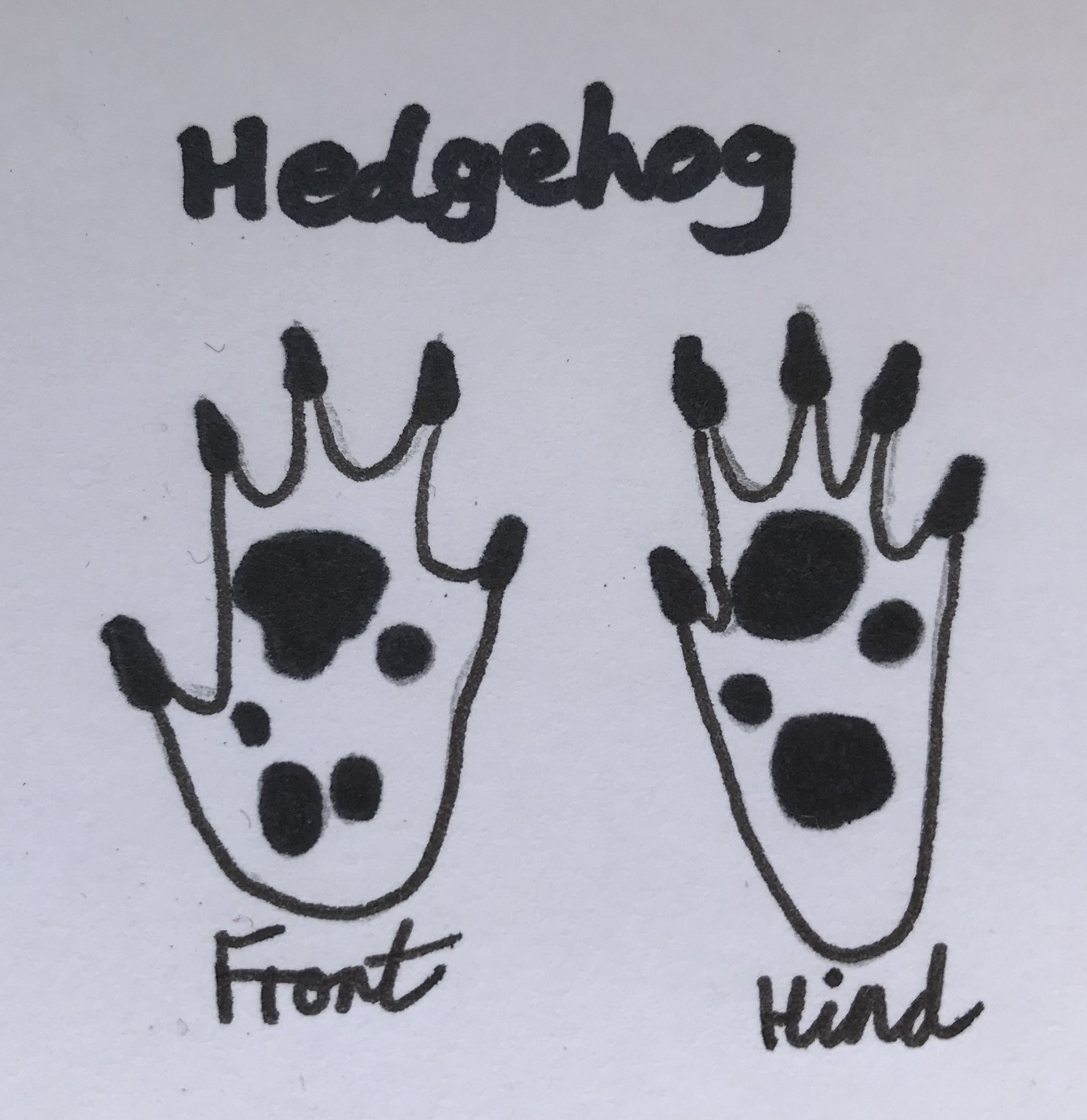
Hedgehog
Footprint Size: ~2.8cm wide & ~2.5cm long
A hedgehog’s footprint is long and narrow in shape with 3 toes pointing forward and 2 pointing out to the sides, making a star shape.
Deer
Footprint Size: Vary from muntjac deer at ~3cm long to red deer at ~9cm long
All deer species have cloven hooves (2 toes), the same as a sheep or a cow. A deer’s toes are more slender and pointed though, looking like 2 teardrops or an upside-down heart. Toes may appear splayed in soft ground.
It tends to be difficult though to tell apart the footprints of different deer species, as they tend to be similar, only differing in size and subtly in shape. A muntjac’s footprint though, for example, will be alot smaller than a red deer’s.
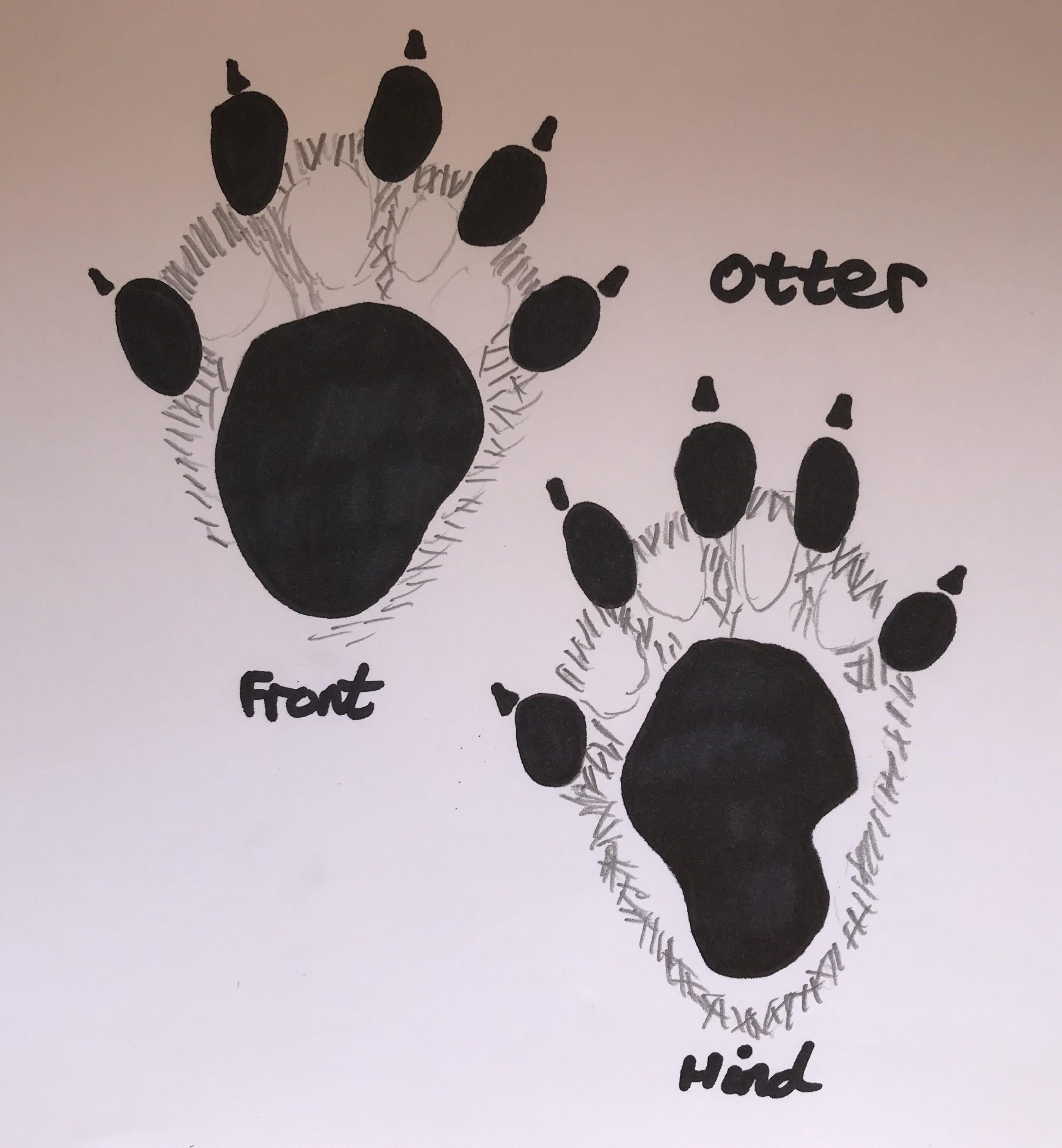
Otter
Footprint Size: 6-9cm long & up to 6cm wide
An otter’s feet are webbed due to their semi-aquatic lifestyle, which can make their prints easy to spot if visible. Their fooprints are also round with 5 toes in front of a large rear pad. Short claw marks projecting from the toes may also be visible.
Small mammals e.g. Mink, weasel, stoat, pine marten, polecat
Footprint Size: Varies with species and sex
Five toes splayed in a star shape
Birds
Footprint Size: Varies with species
Most bird species have four toes, with typically 3 facing forward and 1 backwards. Depending on the species, footprints on the ground will vary in size, shape and form. A common footprint seen in the english countryside is that of the non-native pheasant. Their footprint is fairly distinct due to their large size and looks like an arrow in shape (Footprint Size: 6-8cm long).
February is often described as the bleakest month, with the land still gripped in winter and the coldest temperatures often being reached. It cannot be ignored though, that February also brings the promise of coming spring, with the feeling in the air beginning to change, as the month progresses.
Some mornings a light frost can be woken up to, but still frosts are less frequent this winter, than they used to be.
Photo taken by Marilyn Tuke
Photo taken by Marilyn Tuke
Plants are beginning to stir in February, with catkins (male flowers) hanging from hazel trees, celandines appearing, pussy willow flowering, primroses flowering, and gorse flowering in the hedgerows.
Photo taken by Marilyn Tuke
Photo taken by Marilyn Tuke
Photo taken by Marilyn Tuke
Photo taken by Marilyn Tuke
Photo taken by Marilyn Tuke
Photo taken by Marilyn Tuke
Photo taken by Marilyn Tuke
Photo taken by Marilyn Tuke
This year on our farm though, blackthorn is flowering early in February, along with horse chestnut trees already coming into bud and the buds beginning to burst.
Photo taken by Marilyn Tuke
Photo taken by Marilyn Tuke
Photo taken by Marilyn Tuke
Animals are beginning to become more active in February, with brown hares becoming easier to see in the fields, rabbits becoming ‘frisky’, female foxes being pregnant, and grey squirrels giving birth in their drays. Also, badgers are beginning to give birth to cubs too, with the most obvious sign of this being remains of grass seen around the entrance tunnels to setts, left from where badgers have dragged grass down into their setts to make nests.
Photo taken by Marilyn Tuke
Photo taken by Marilyn Tuke
As well at this time of year, starling flocks begin to disperse, as individuals head back to their breeding ranges and rooks begin to build their nests in preparation for breeding. The drumming sound of great spotted woodpeckers can now be heard more frequently, as males defend their territories against other males and attempt to attract a female. This is the same with the dawn chorus, as in February it begins to pick up, due to males defending their territories and advertising themselves to available females.
Conditions were mild towards the end of February this year, leading to insects, such as honeybees and butterflies beginning to become active.
In relation to the farm side of life, in February our four sheep were brought inside in preparation for iconic spring lambing at the end of March.
Photo taken by Marilyn Tuke
Photo taken by Marilyn Tuke
My highlight of February, was beginning to hear blackbirds singing at dawn and dusk as the month came to an end, which is a traditional sign that winter is over.










































 Laura's Wild World