Spring 2020: In Photos

As the world was thrown into disarray with the full force of a pandemic, our daily lives were hit by lockdown, slowing and grounding to a halt. For the natural world outside our windows though, spring was just beginning, with days warming, buds bursting, and migrants making their return. Even when our own lives were being disrupted, the natural world was carrying on.
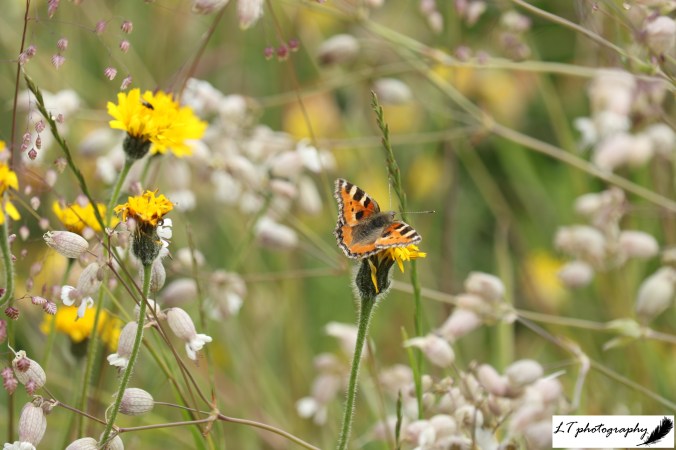
13_06_20_Farm_Chalk_Mound_Rough_Hawkbit_Small_Tortoiseshell_Butterfly_2

For me, spring has been a real lifeline this year. With the natural world bursting with life, I was able to draw real strength from the return of the swallows, the flowering of the bluebells and the trees becoming cloaked in delicate new leaves. Every moment I could spend out in nature gave me the strength to continue as if nothing had changed, cherishing every moment for what it was. For this I am grateful, and I really appreciate that I am lucky to have the beautiful Dorset countryside right on my doorstep.

As spring begins to make its exit, I wanted to take some moments to reflect on a time that has taught me a lot, brought me some real magic through the natural world, and will be remembered for as many good memories as those eclipsed by Covid-19. To begin with, here are a selection of my favourite photos from this spring. They range from spring wonderment to heart-warming moments, that all mean something to me.

Spring 2020 in photos

1) Small Tortoiseshell Butterfly – The photo featured above was taken only last week, and reminds me of how valuable the time I spend expanding my knowledge of nature really is, including the identification of butterflies and flowers. I found this Small Tortoiseshell butterfly on a 10m long chalk mound that my parents have created for wildlife within our farmland, and it really is coming into its own this year!

16_04_20_Horseshoe_Woods_Bluebells_Spider_Dewdrop_3

2) Bluebell & Spider – When the bluebells are flowering, it has to be one of my most favourite times of the year. As the woodland floor transforms to a carpet of blue purple, I feel at my happiest and enjoy noticing new details each year, such as the spider hunting on these drooping bells.
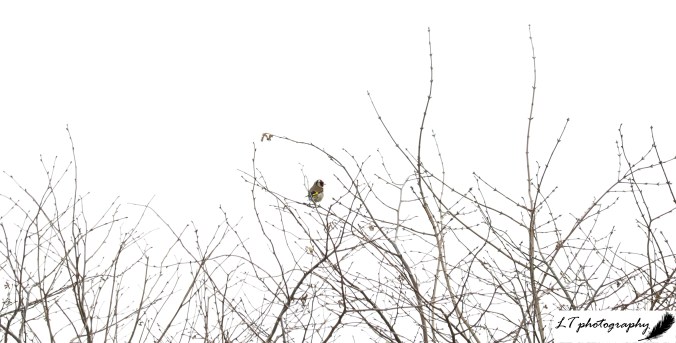
2) 20_03_20_Farm_Goldfinch_2

3) Goldfinch – I love the simplicity of this photo of a Goldfinch taken back in March. The bright colours of the bird vividly stand out from the swelling buds and bare twigs of the hazel in this hedgerow. It was enough to brighten a moment on a decidedly chilly spring day.
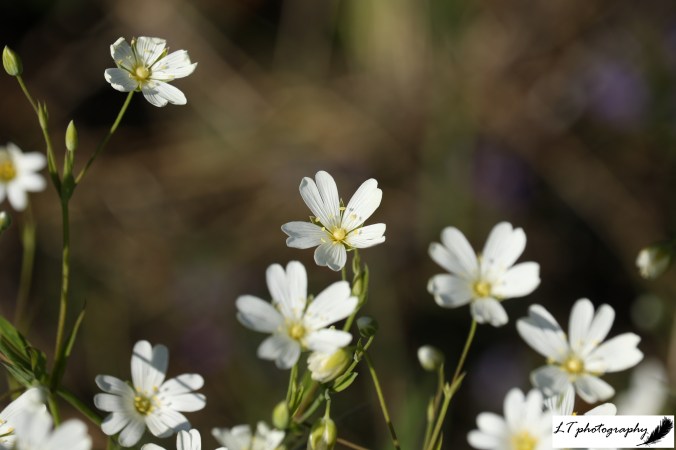
15_04_20_Farm_Flowers_Stitchwort_3

4) Stitchwort – Every flower is unique and different in its own way. With Greater Stitchwort, every flower stands out like a small white star, carpeting verges, hedgerows and woodlands alike.
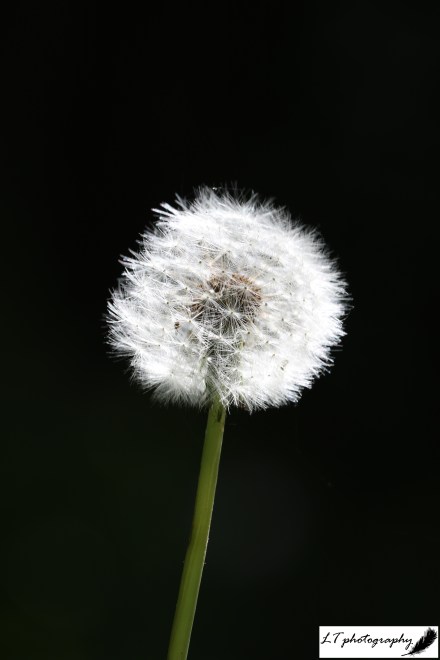
07_05_20_Farm_Dandelion_Seeds_4

5) Dandelion Seeds – Now as an adult I still hold on to the child-like curiosity that a dandelion invokes. With hundreds of parachuting seeds waiting to fly, this dandelion creates a beautiful fluffy silhouette in the spring sunshine.

20_03_20_Farm_Lleyn_Lamb_3

6) Lleyn Lamb – This photo is as it seems, a photo of a sleepy newborn lamb, born earlier this year. I am proud to say that I come from a farming background in the heart of Dorset. It has been this that has provided me with a spectacular backdrop to learn about the natural world around me, given me the knowledge and experiences to be able to make informed decisions about how I live my life, and given me an understanding of the important relationship between the environment and modern agriculture.

07_05_20_Farm_Wild_Garlic_Insect_3

7) Wild Garlic & Insect – I love to notice the details in nature and get down to the level of the ‘small things’. This may be noticing the curl of an unfurling fern, the patterns on the petals of a tiny flower, or the jewel-like colours of an insect exploring a cluster of star-shaped wild garlic flowers.

13_05_20_Farm_Sunrise_Hangings_Gate

8) Sunrise – One of the best times of day has usually come and gone by the time most people have woken up in the morning. A sunrise is a golden time though to get out, listen to the birds singing and watch as the world wakes up around you. There is nothing like it!
07_05_20_Farm_Rabbit_Baby_Black_6

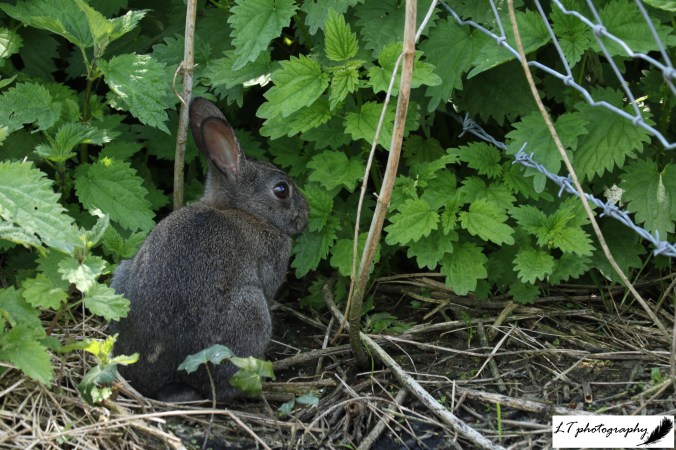
9) Dark Rabbit – One of my more unusual sightings this year has to be this rabbit, that has notably darker fur compared to the usual European rabbit. It was small in size, and though showing wild instincts, it was slightly less fearful of us humans. Everyday it could be found sunning itself in a small open area within vegetation situated behind our farm buildings.

8) 16_04_20_Horseshoe_Woods_Flower_Moschatel_8

10) Moschatel – Every year I try and learn one new species of flowering plant that can be found in our woodlands and surrounding countryside. This year it was the turn of Moschatel. An often overlooked flower due to its greenish colour, Moschatel is also known as Townhall Clock, due to its flowers having 5 faces that make it look like a cube or townhall clock in shape.

15_04_20_Farm_Bird_Chiffchaff

11) Chiffchaff – One of my highlights of spring every year is the return of the Chiffchaff. When I hear this bird sing for the first time each year, I feel like spring has truly arrived, so I am particularly saddened when their singing finally falls silent as autumn grips the landscape.
15_04_20_Farm_Badger_Alley_Feather

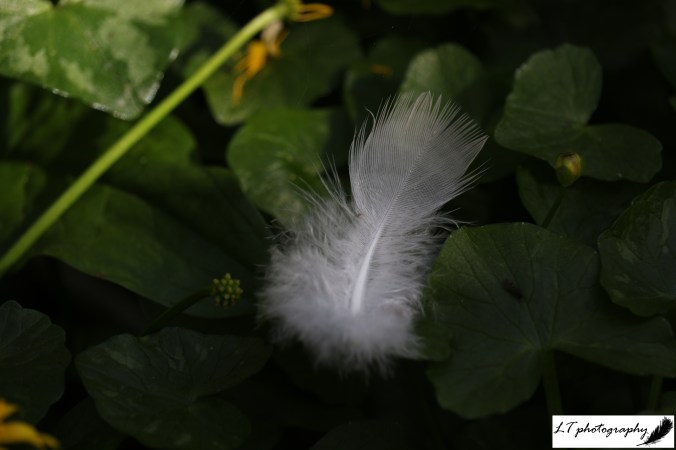
12) Feather – This photo is a good example of the beauty of detail. It is simple, but a spot of light highlights the real elegance of this contour feather, now left to lay amongst the vegetation.
15_04_20_Farm_Beef_Cows_Dream

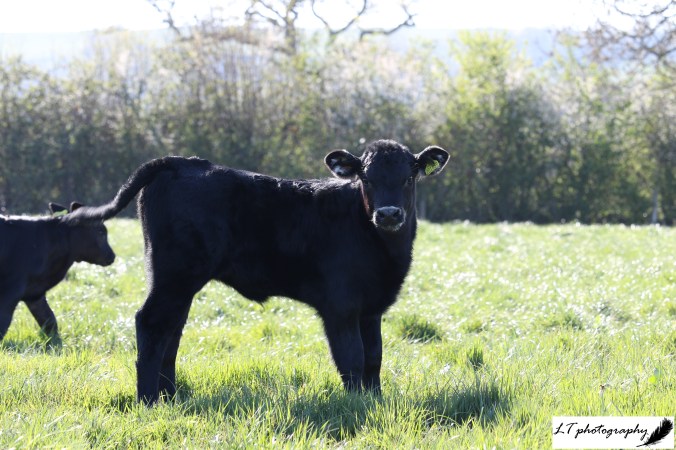
13) Aberdeen Angus Calf – This inquisitive and interestingly marked calf is another photo that connects with my farming roots. Spring is synonymous with new life, from on the farm to the wider countryside, and this little one was just one of many, precious and to be celebrated.
07_05_20_Farm_Hart's-Tongue_Fern_Spider

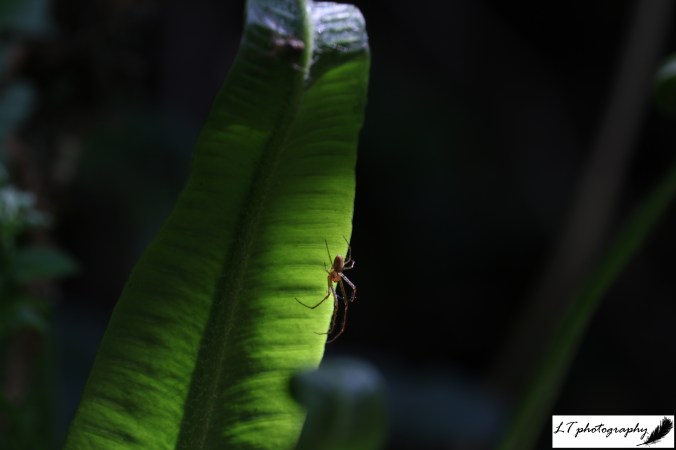
14) Spider & Hart’s-Tongue Fern – Some days I walk along in my own world and the wildlife around me merges into one. Other days the world becomes bigger though and I see every detail pop out at me, such as with this spider making its home on a Hart’s-Tongue fern.
M2E54L167-167R388B312

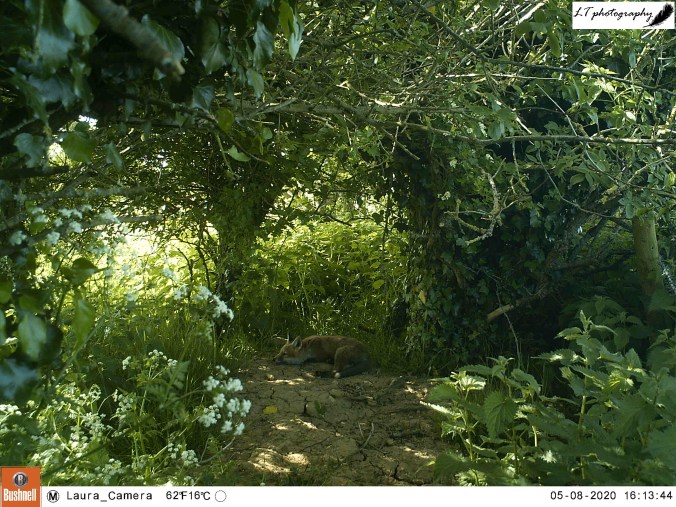
15) Fox Cub – As people who follow my blog or social media will already know, this spring I have had fun yet again using my camera trap on my family’s land. This has to be one of my favourite photos from this year! It was a totally unexpected surprise when this fox cub turned up on my camera trap.

13_06_20_Farm_Chalk_Barn_Owl_Pellet_Tree_Bank_Vole

16) Vole Bones – With the return of breeding barn owls to my family’s farm, I had some fun one afternoon dissecting the pellets left by these owls. It is definitely a very rewarding feeling when you are then able to identify the species the bones you find come from. Here I believe this mandible to be from a bank vole.
IMG-1149

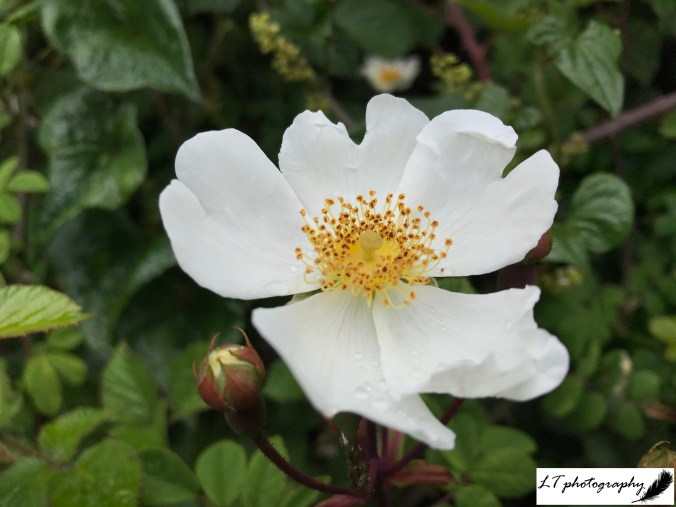
17) Field Rose – I have always loved taking photos of flowers and capturing their small details. Here a field rose, you can clearly see the reproductive organs from the stamens to the stigma.

How spring happened 2017-2019

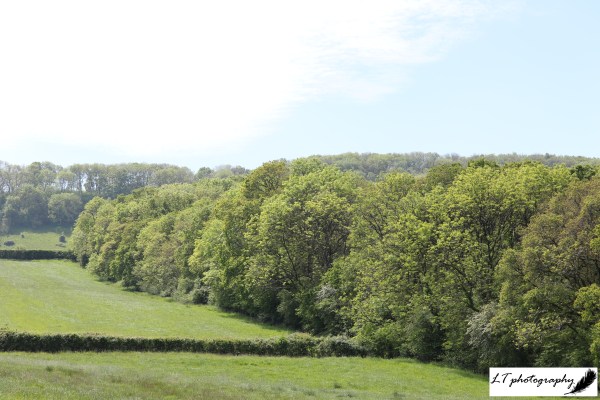
Over the last few years, I have taken part in recording how spring has unfurled at my home in Dorset, for a citizen science scheme. As at the end of each spring I upload my results to an online site, in 2017 I decided that I should be writing my observations down for myself in my wildlife journal, making it easy to look back on them in the future.

Now I have recorded dates for many different wildlife spring events, from trees coming into leaf to the return of migrants, for 2017, 2018, and 2019. So here, I want to take a moment to look back at these and reflect on what they may show about spring and its current emergence, and if there is anything interesting we can take from this.

10_05_19_Horseshoe_Woods_Cassie_Bluebells_11

Trees

In my local area, you can find a large variety of native and non-native tree species. Over the last 3 years, I have consistently made observations for 5 tree species: ash, sycamore, horse chestnut, pedunculate oak and silver birch.

25_05_19_Outside

For the 5 tree species, some similar patterns can be observed from my recorded spring dates for the last 3 years. In 2018, a colder winter was experienced, with heavy snowfalls taking place in January, February and March. Evidently this had an effect on the timing of budburst, first leaf and first flowering for tree species, in comparison to the year before.

Budburst was 36 days later for ash trees (27/04/18), 10 days later for sycamore trees (08/04/18), 19 days later for horse chestnut trees (20/03/18), 21 days later for oak trees (18/04/18), and 26 days later for silver birch trees (12/04/18). The same amount of lateness was also seen with the first leaf and first flowering for these tree species in 2018.

19_04_19_Farm_Oak_Tree_2

Due to the weather of spring 2018, this meant that when looking at how this year’s spring unfurled (2019) in comparison to last year, predictably budburst, first leaf and first flowering took place 4-53 days earlier than 2018. When comparing 2019 with 2017 though, I am able to get an idea of the average trend for the three years. For example, ash and silver birch events are getting later, as are horse chestnut flowering and sycamore first leaf. Sycamore, horse chestnut and oak generally show a trend though of spring events getting earlier, from a couple of days to a month.

30_03_19_Farm_Horse_Chestnut_Tree_2

Shrubs

For shrubs, the selection I have been observing during spring each year are: blackthorn, dog rose, elder, hawthorn and lilac. From 2017-2019, a similar trend was predominantly observed in these species as with tree species.

In comparison to 2017, blackthorn first flowering was 14 days later in 2018 (30/03/18), elder budburst was 9 days later (13/03/18), elder first leaf was 23 days later (30/03/18) , hawthorn budburst was 33 days later (02/04/18), hawthorn first leaf was 6 days later (08/04/18), and lilac first flowering was 27 days later (07/05/18).

Then when looking at 2019, spring dates were earlier in comparison to 2018, with blackthorn budburst, first leaf and first flowering being 20, 9 and 29 days earlier, dog rose budburst, first leaf and first flowering being 22 and 29 days earlier, elder budburst, first leaf and first flowering being 9, 24 and 8 days earlier, hawthorn budburst and first flowering being 36 and 13 days earlier, and lilac first flowering being 14 days earlier.

Also, similarly to tree species, blackthorn and elder both showed that from 2017 to 2019 spring events have become earlier on average. Hawthorn and lilac showed the opposite trend though, with hawthorn first leaf and first flowering becoming later over the 3 years on average, if only by 7-13 days.

21_04_19_Garden_Lilac_Sunset

Flowers 

In comparing spring between 2017, 2018 and 2019, it is evident that for many plant species the same trends have been shown from year to year. This is not true for all though, as between bluebells, cuckooflowers, lesser celandines, oxeye daisies, snowdrops and wood anemones, flowering times varied from being later in 2018 and earlier in 2019, to being earlier overall, or being similar overall.

22_06_19_Farm_Chalk_Mound_Oxeye_Daisies_10

  • Bluebells flowered 17 days later in 2018 (13/04/18) than 2017, and then 10 days earlier in 2019 compared to 2018. From 2017 to 2019, this was 7 days later overall.
  • Cuckooflowers flowered 16 days later in 2018 (20/04/18) than 2017, and then 12 days earlier in 2019 compared to 2018. From 2017 to 2019, this was 4 days later overall.
  • Lesser celandines flowered 5 days earlier from 2017 to 2018 (24/02/18), followed by another 13 days earlier in 2019.
  • Snowdrops flowered 10 days earlier from 2017 to 2018 (10/01/18), followed by another 7 days earlier in 2019.
  • Wood anemones flowered around a similar date at the beginning of March each year.

12_04_19_Horseshoe_Wood_Anemone_7

  • Oxeye daisies flowered around a similar date at the end of May each year.

Grasses

Grass species also showed a differing trend to tree and shrub species for 2017-2019, with a united pattern of flowering later each year. When observing spring events with grasses, I observe from year to year 4 species: cocksfoot, meadow foxtail, timothy, and yorkshire fog.

22_06_19_Farm_Chalk_Mound_Yorkshire_Fog_Grass_2

Only timothy had observations made for 2017, and so in comparing with 2018, it was found to have flowered 18 days later (18/05/18). This is in line with comparisons between 2018 and 2019, where it was found that cocksfoot flowered 4 days later (30/05/19), meadow foxtail flowered 14 days later (15/05/19), timothy flowered 23 days later (10/06/19), and yorkshire fog flowered 14 days later (12/06/19).

Birds

Though I have started increasing my recordings of different bird species during spring, I only have records for 2+ years for rooks, blackcaps, chiffchaffs, house martins, song thrushes, cuckoos, and swallows.

  • Following the first snowfall of the year, rooks were first seen to be nest building 16 days earlier in 2018 (04/02/18) than 2017, but with no snow, this was 11 days later in 2019.
  • Blackcaps returned to my local area 12 days later in 2018 (11/04/18) than 2017.
  • Chiffchaffs returned 13 days later in 2018 (26/03/18) than 2017, following the last of the snow and cold weather. Consequently, in 2019 they returned 8 days earlier than 2019 (15/02/19), closer to the 2017 date.
  • House martins returned 12 days later in 2018 (25/05/18) than 2017, whilst being 31 days earlier in 2019 than 2018.
  • Male song thrushes were first heard singing in 2018 on 28/01/18, 8 days earlier than 2017. In 2019, this occurred a lot earlier though, 30 days earlier, falling on 29/12/18.
  • Male cuckoo heard calling at a similar time at the end of May in 2018 and 2019.
  • Swallows returned to my local area at a similar time at the end of March/beginning of April in 2017, 2018 and 2019.

Insects

22_06_19_Garden_Yellow_Flower_Bee

In line with tree and shrub species, the first sightings recorded each spring of insects followed a general pattern of emerging later in 2018 than 2017, and earlier in 2019 than 2018. This was true for:

  • Brimstone butterflies – 13 days later on 14th April 2018 and 47 days earlier on 26th February 2019
  • Peacock butterflies – 14 days later on 20th April 2018 and 26 days earlier on 25th March 2019
  • Small tortoiseshell butterflies – 31 days later on 26th April 2018 and 25 days earlier on 1st April 2019
  • Speckled wood butterflies – 20 days later on 26th April 2018 and 4 days earlier on 22nd April 2019
  • Orange tip butterflies – 28 days later on 4th May 2018 and 33 days earlier on 1st April 2019
  • Red admiral butterflies – 27 days earlier on 22nd April 2019 
  • 7-spot ladybirds – 19 days later on 25th April 2018
  • Queen wasps – 47 days earlier on 31st March 2019
  • Red-tailed bumblebees – 13 days earlier on 21st April 2019

25_05_19_Horseshoe_Wood_Speckled_Wood_Butterfly_3

Summary

With my love of spring, each year I have enjoyed recording the dates of when things happen during spring, such as the first swallow, first leaf or first elder flower. It has been satisfying now to be able to take a moment to put a few of my records together and take a look at how spring has unfurled over the last few years and what this could mean.

For some species, events are getting earlier, probably due to warmer temperatures earlier on in the year and during the winter before. For others, they are in fact getting later, which will be related to other weather and environmental factors here and further afield. Either way, the ‘norm’ is changing and it will be interesting to see how this could progress over the next few years to come.

19_04_19_Farm_Cows_Milk_Blackthorn_3

Winter into spring: March on the farm

With the month of March comes the arrival of spring, symbolising the start of another year’s new growth and a transition following the bleaker winter months. March has often been associated with the saying ‘comes in like a lion, goes out like a lion’, referring to the weather. This was true about this March, with wild weather and strong winds featuring at the beginning of March, before the weather becoming more calm as the month progressed.

As traditional, during March, wildfowl made a sudden departure, fox cubs were born, buzzards established breeding orders, hawthorn and elder broke into leaf, small tortoiseshells emerged, nest building began, small warblers such as chiffchaffs returned from Africa, crocuses flowered, summer visitors began to return, and winter migrants began to migrate to their summer territories.

Though primroses, daffodils, celandines and blackthorn first flowered during February, it was nice to see all these flowers still blooming throughout March. Song birds during March could be heard singing, and the first woodland flowers began to come out at the end of March. The traditional ‘Mad’ March hares also made an appearance, with females resisting the advances of amorous males.

The beginning of Spring is symbolised by lengthening days and increasing temperatures. At the end of March, with the clocks going forward an hour, lengthening days were fulfilled, but this year the increasing temperatures did not make an appearance during March. After the stormier weather at the beginning of March, a cold spell set in, halting the advancement of Spring. This was symbolised with sycamore and silver birch being late coming into leaf, wood anemones and ferns being late to come out in the woods, and Blackbirds nesting late.

On the farm, new lives began during March. Aberdeen Angus suckler cows gave birth to their calves and three of our four mules gave birth to lambs, highlighting one of my favourite parts of the farming calendar.

My highlight of March was beginning to use my new Bushnell camera trap to photograph and video the wildlife on the farm, including the local badgers.