Spring In Photos 2022

Spring this year has been a joyful and colourful experience. In 2020, spring was a lifeline during lockdown. In 2021, spring was a turbulent and unpredictable season, with some real wonderous moments to behold. This year though, I have simply enjoyed every moment that spring had to offer, watching as the season swelled into being and slipped out once again with the heat of the summer sun.

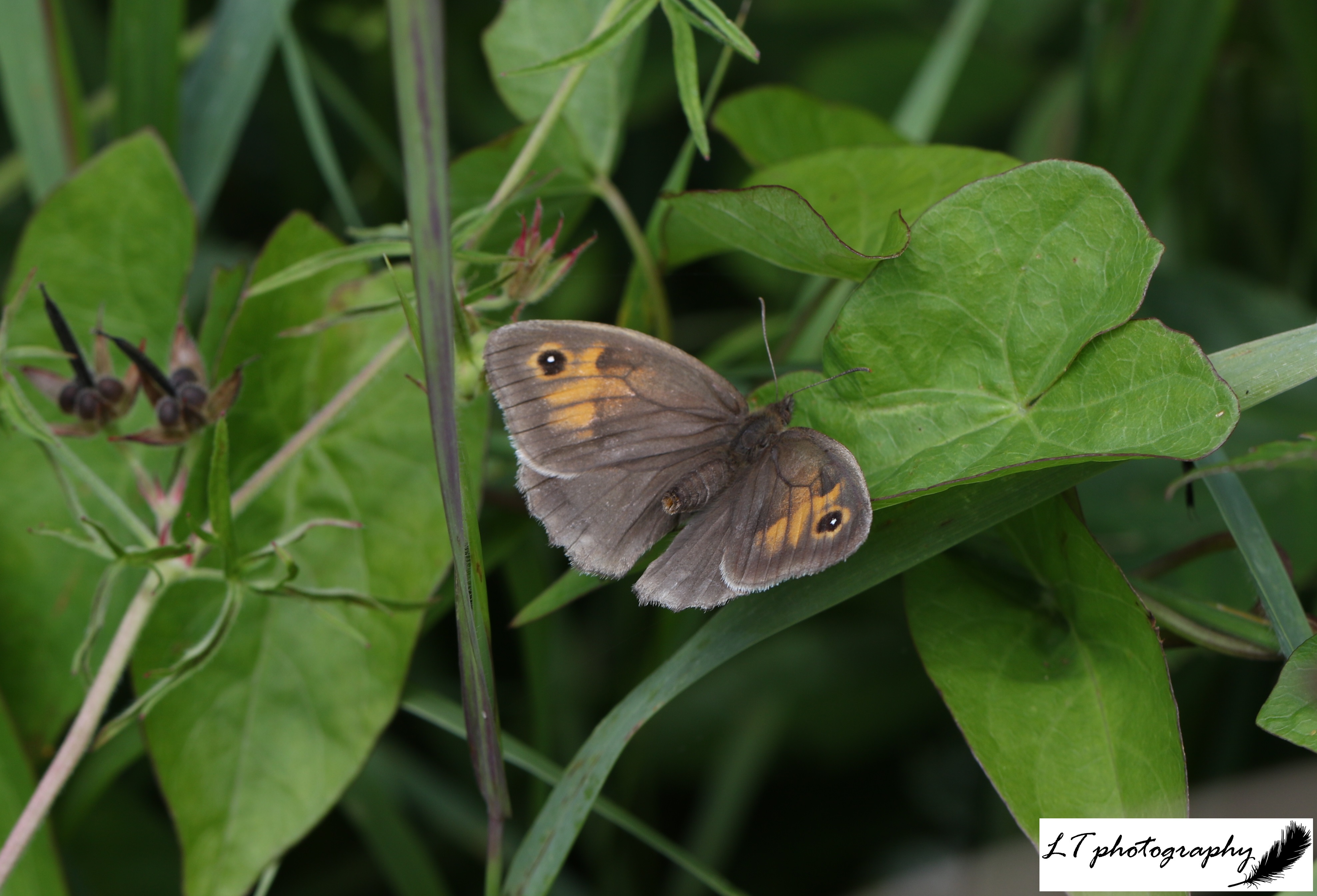
This spring the season began slower, but reached its peak quickly once it got going. In Dorset, from blossom and bursting leaves to nesting birds and breeding mammals, spring bloomed spectacularly, with so much new life on offer. During this time I made lots of adventures out with my camera and took many, many photos. Here are just a few of my favourites from spring 2022.

Spring 2022: In Photos

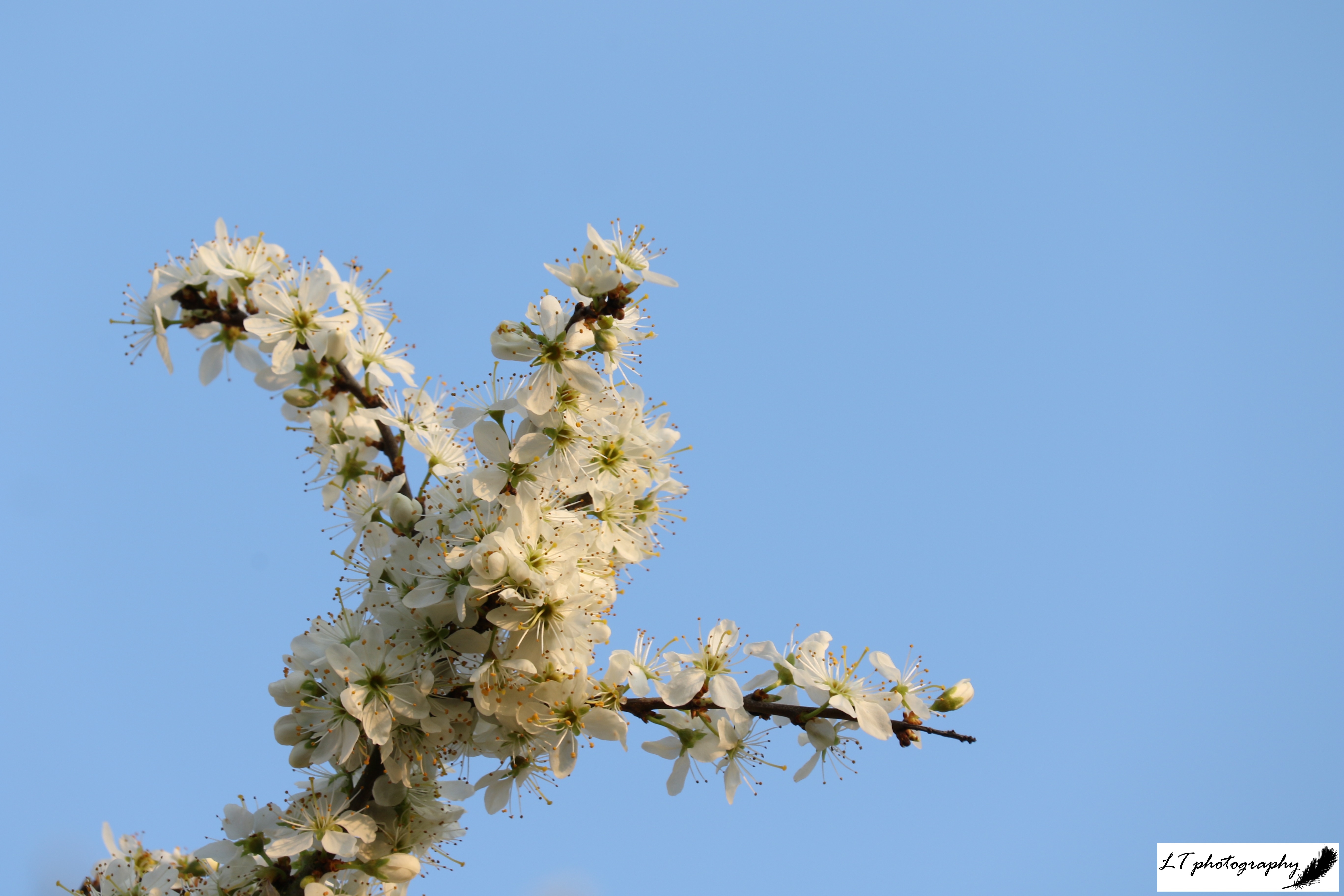
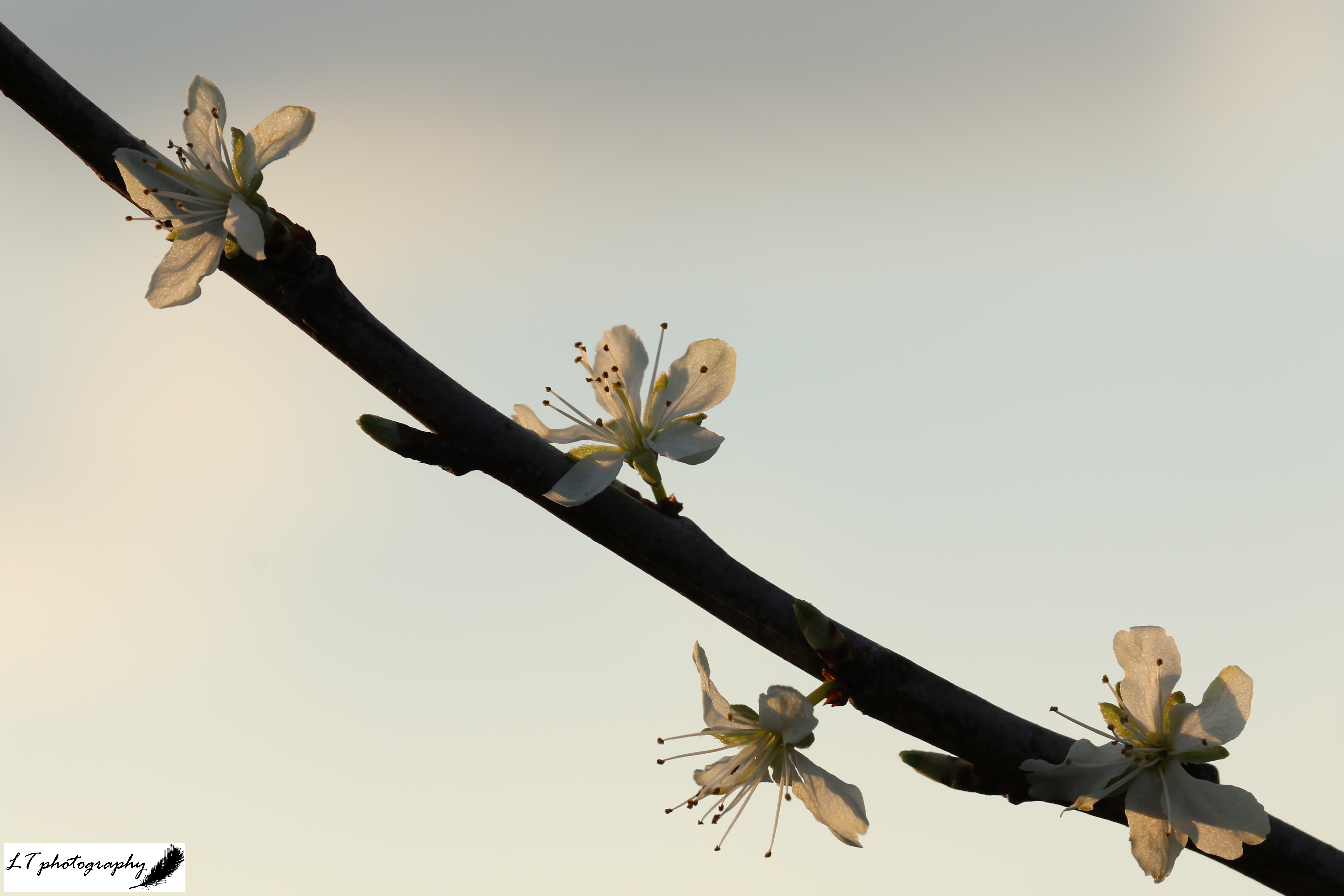
Sunset Damson Blossom – This year the blossom of fruiting trees was fantastic. Our damson tree blossomed without being bitten by frost or hit by strong winds, so hopefully it will be a good year for damsons

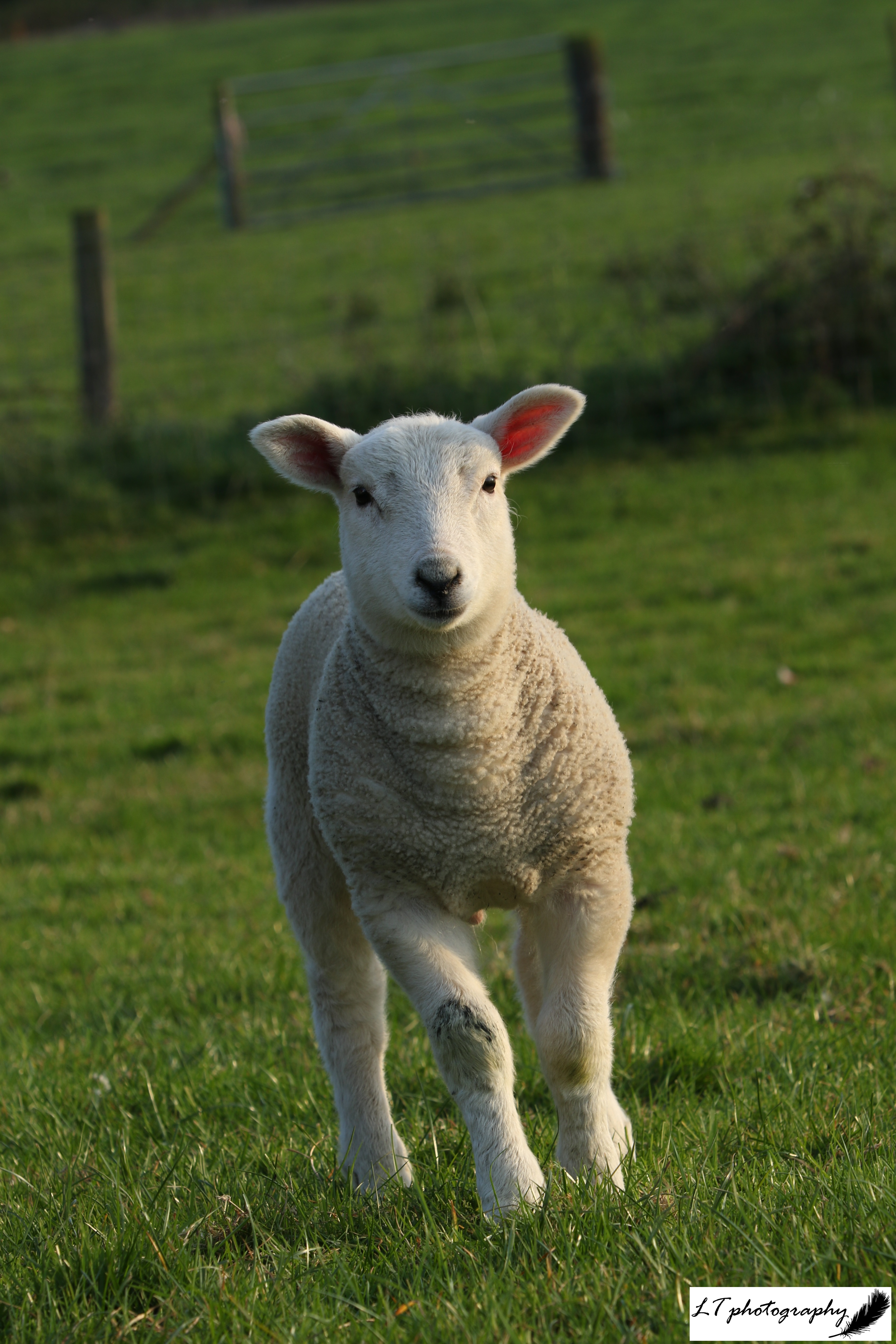
Lambing at Home – My mum has her own mini flock of Lleyn ewes, a Lleyn ram, and a Charolais ram, and for us spring would not be spring without lambs springing around the fields!

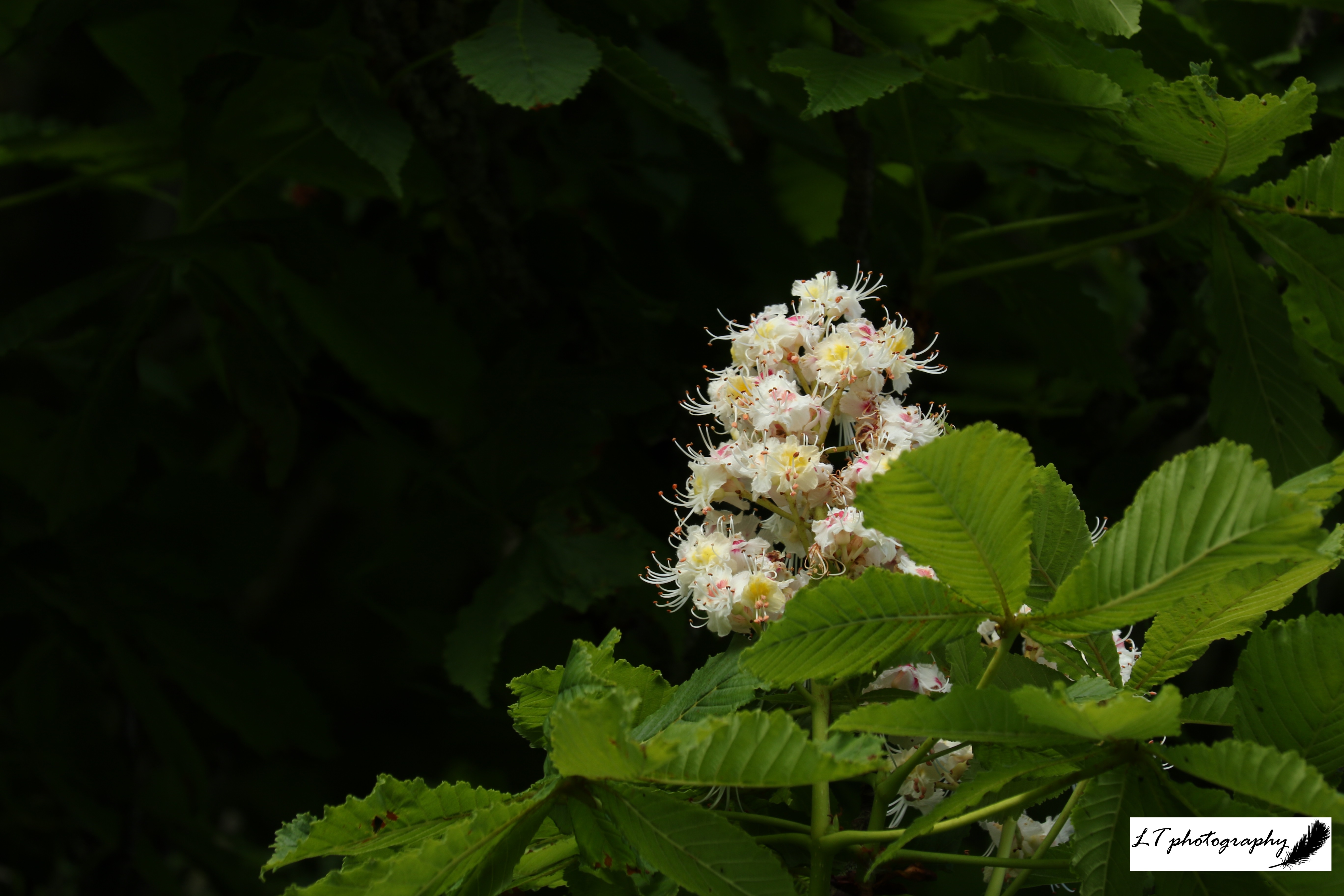
Horse Chestnut Flowers – Often tree flowers are simple, green and unassuming, but not those of horse chestnut trees. Horse chestnut flowers form a candelabra of fantastic white flowers with dots of pink and yellow, towering high in the boughs of the trees

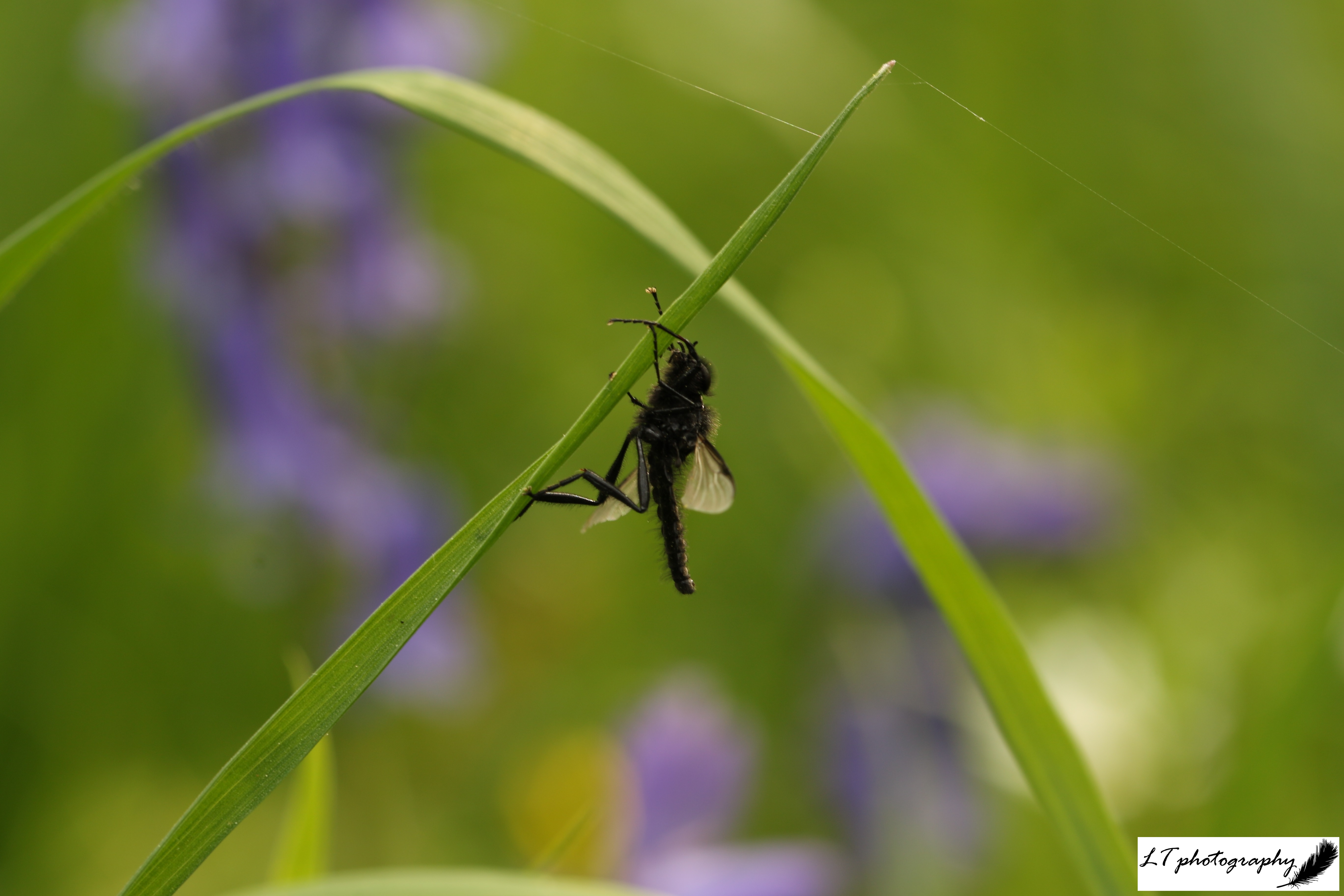
Woodland Minibeasts – This year during the bluebell bloom, I focused on exploring the hidden life amongst the bluebells (check out my previous post for more). One of my finds during my hunts was this fly which looks to be a St. Mark’s fly. This fly gets its name due to emerging around St. Mark’s Day in April each year

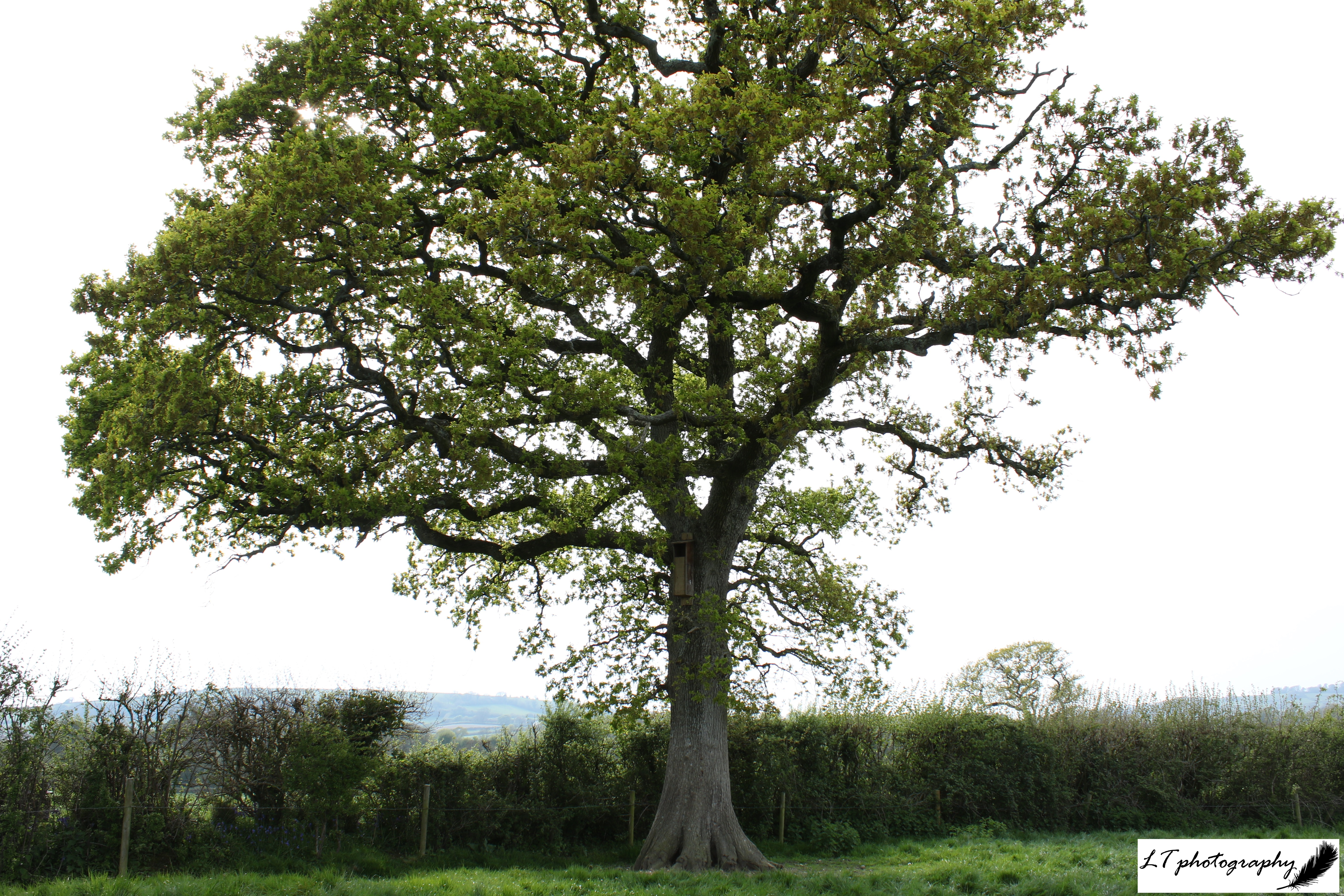
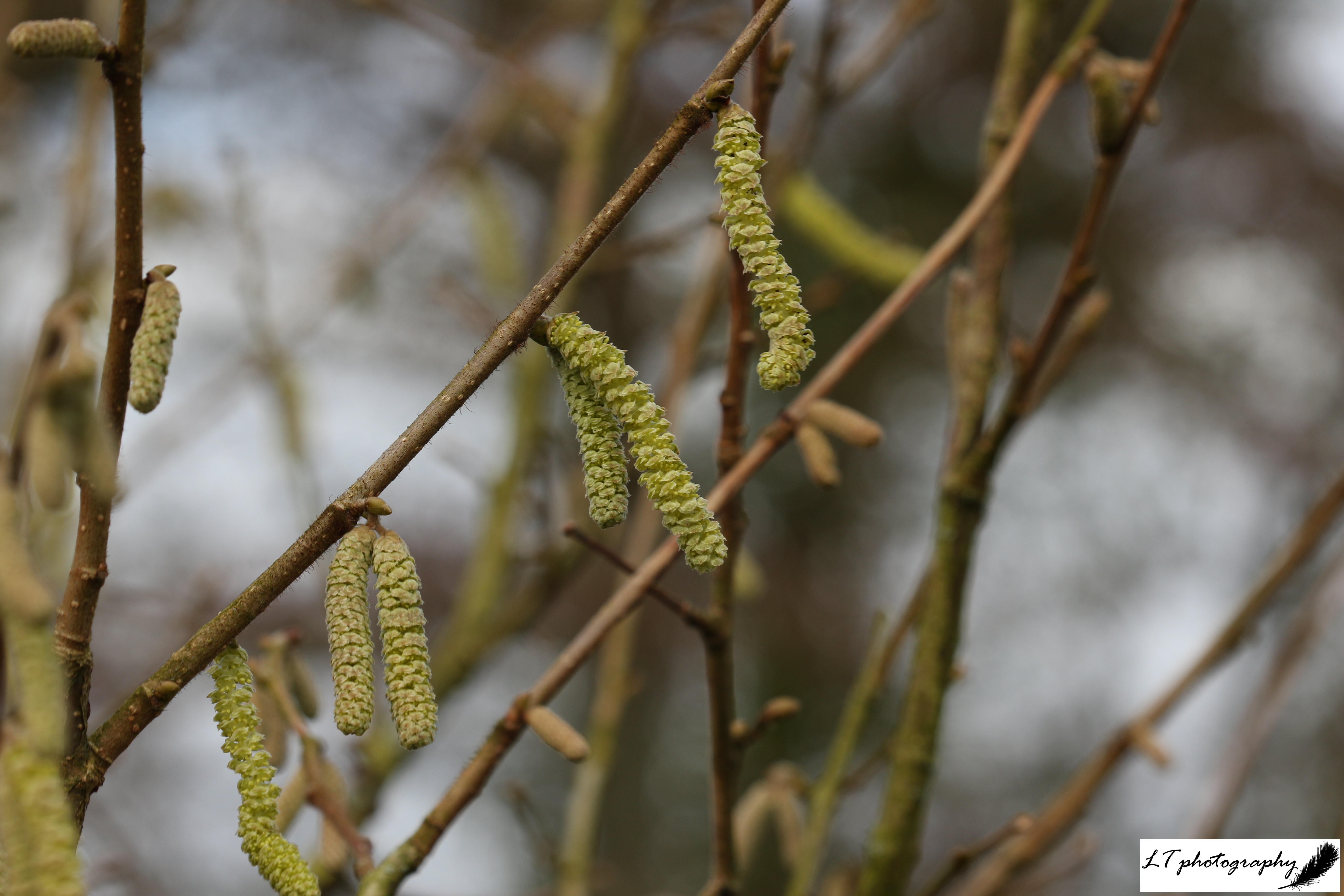
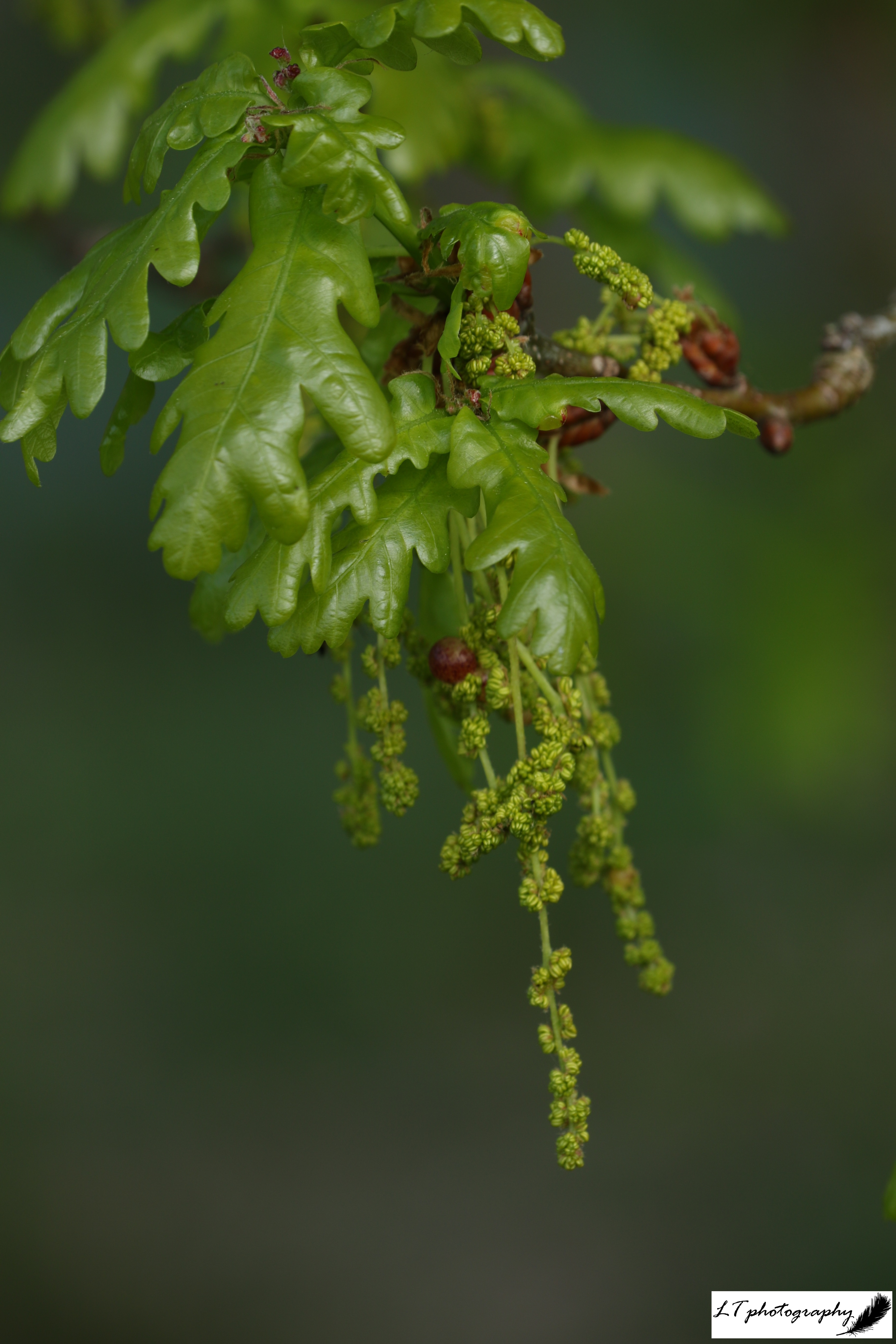
Oak Flowers – Though horse chestnut flowers are showy, some tree flowers are fantastic in a subtler way. The flowers of English oak trees hang down in green streamers from their branches, looking pretty swaying softly in gentle spring breezes

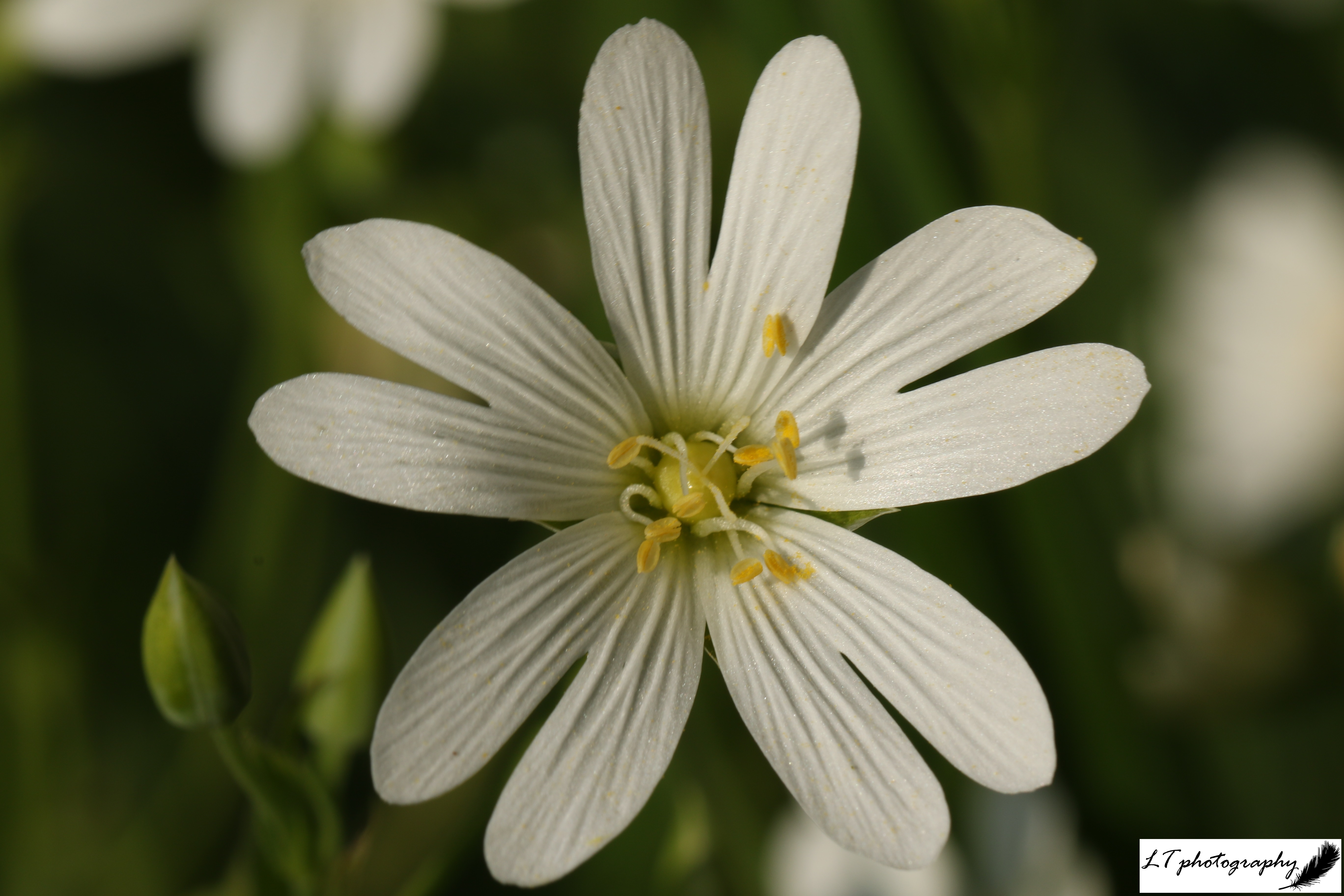
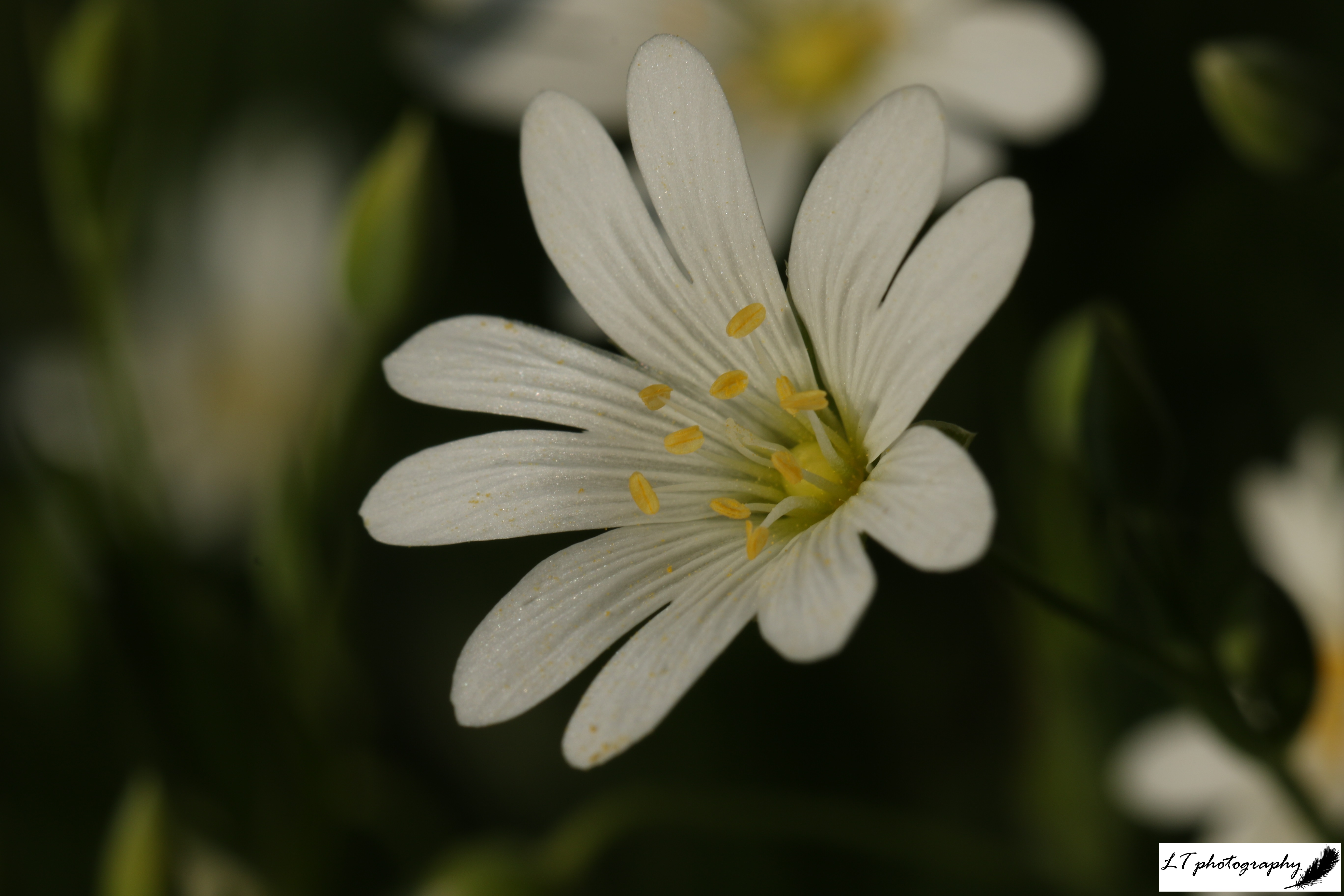
Up Close With Stitchwort Flowers – Stitchwort flowers or ‘Shirt-buttons’ are white stars spotting the countryside throughout spring. Taking a closer look, this particular flower looks weird and wonderful with stamens that curl around each other

Super Snail – This white-lipped snail is a simple, but colourful individual amongst the green of spring. Their swirling shells are a great subject to photograph

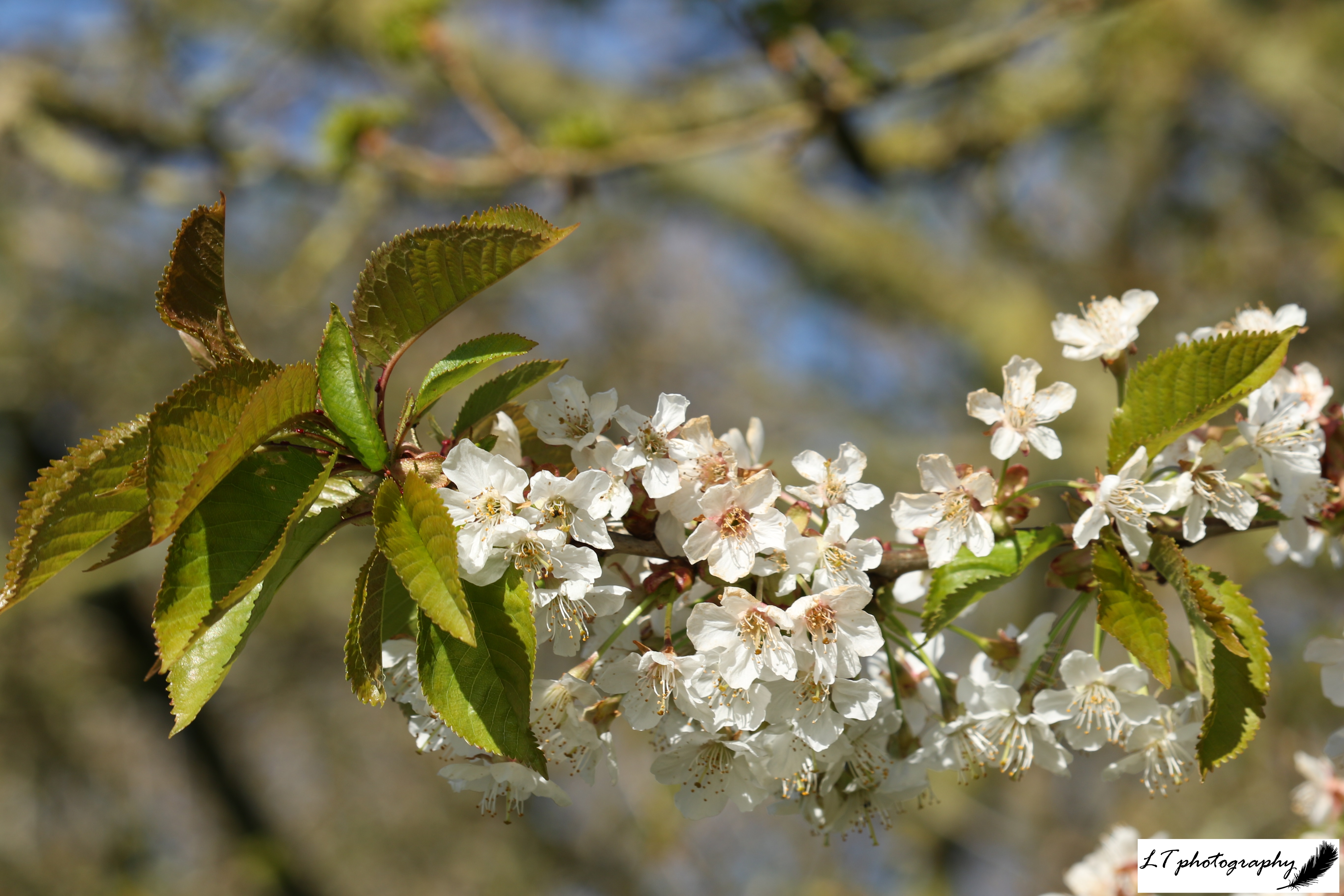
Wild Cherry Blossom – Every year one of my favourite flowering trees is the Wild Cherry. There’s nothing like banches covered in blankets of white set against a bright green backdrop of new leaves

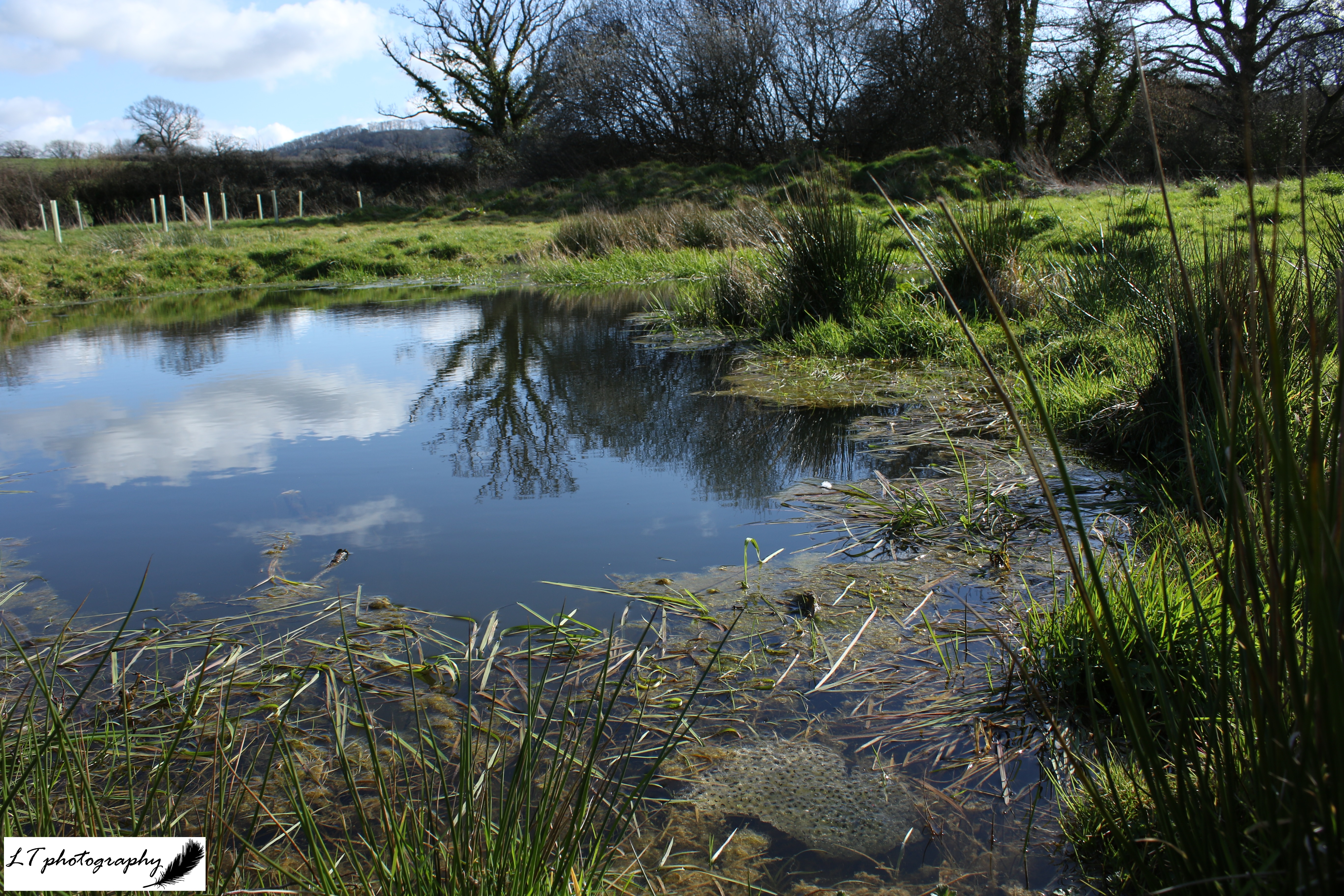
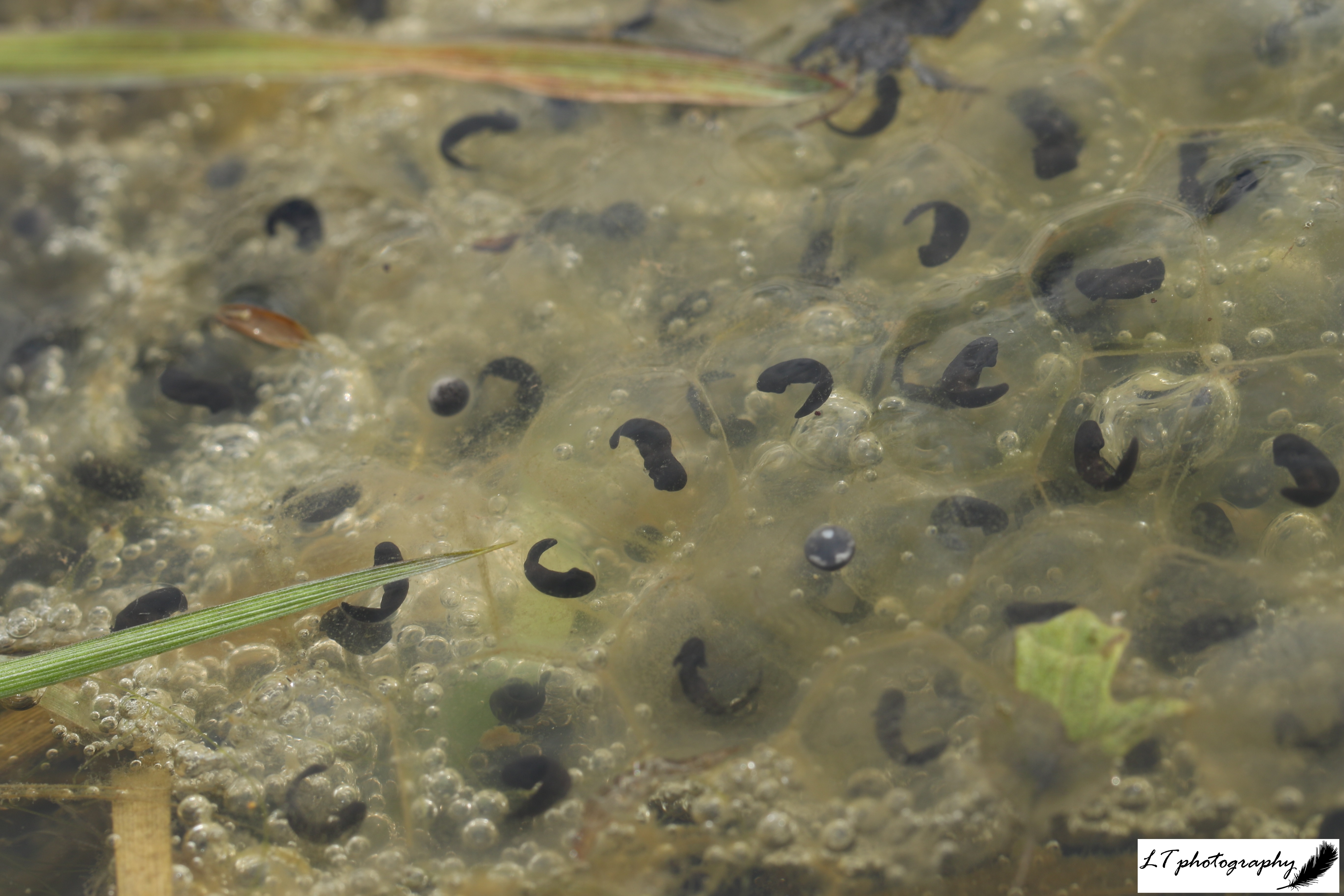
Fabulous First Frogspawn – In 2020, we started digging a pond in our own mini nature reserve at home on our farm. This year we were excited to find our very first frogspawn! It was amazing to watch the tadpoles change and transform over time

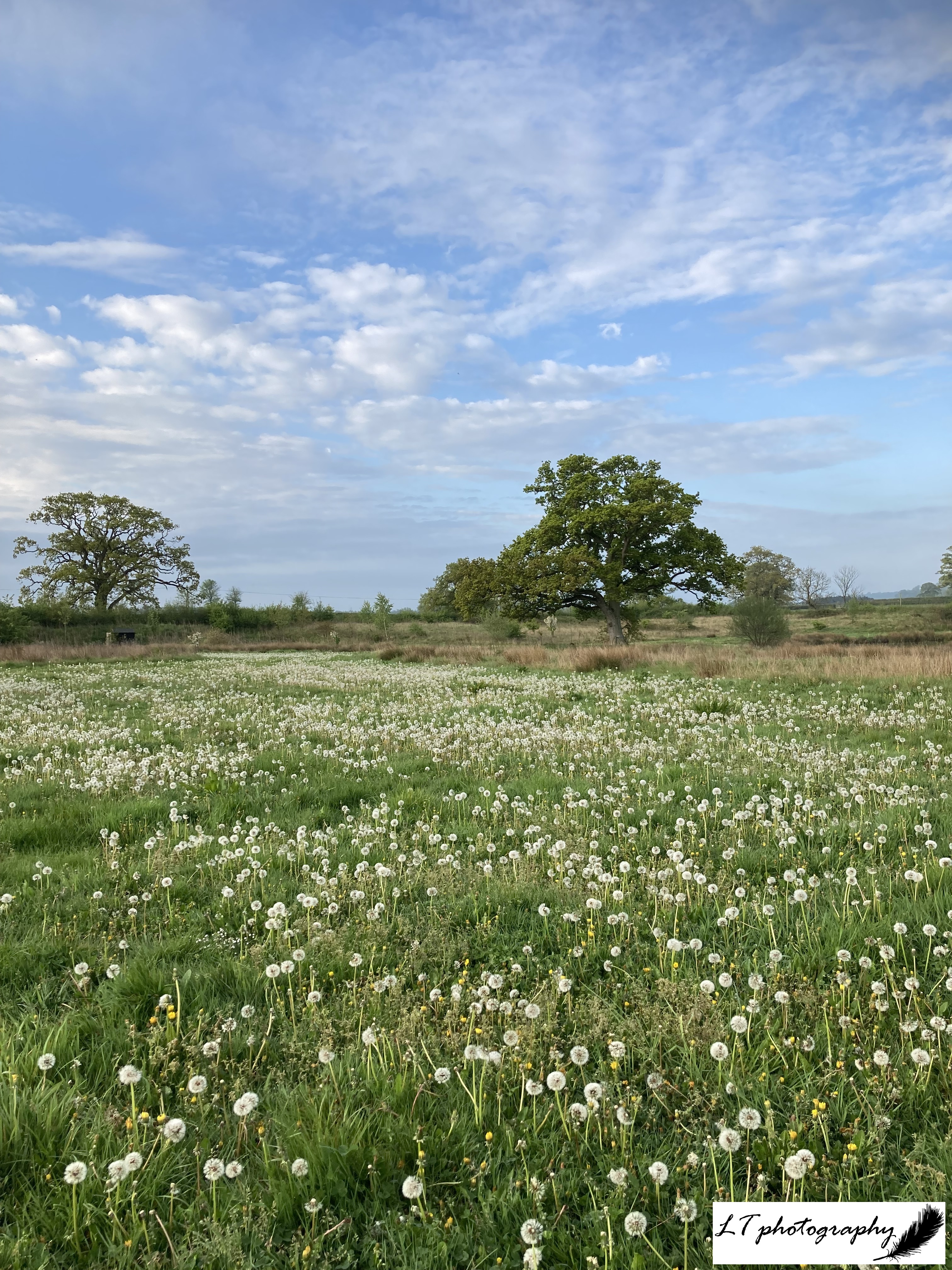
1 O’Clock, 2 O’Clock, Dandelion Clock – All children find magic and wonderment in dandelion clocks and their parachute seeds. Even as an adult I still find inspiration in their fragile globe-like forms

Majestic Beasts – My mum has her own herd of beef cross suckler cows and an Aberdeen angus bull that are free range and raise their own calves. We especially enjoy watching the calves grow up and grow into themselves over their very first year of life

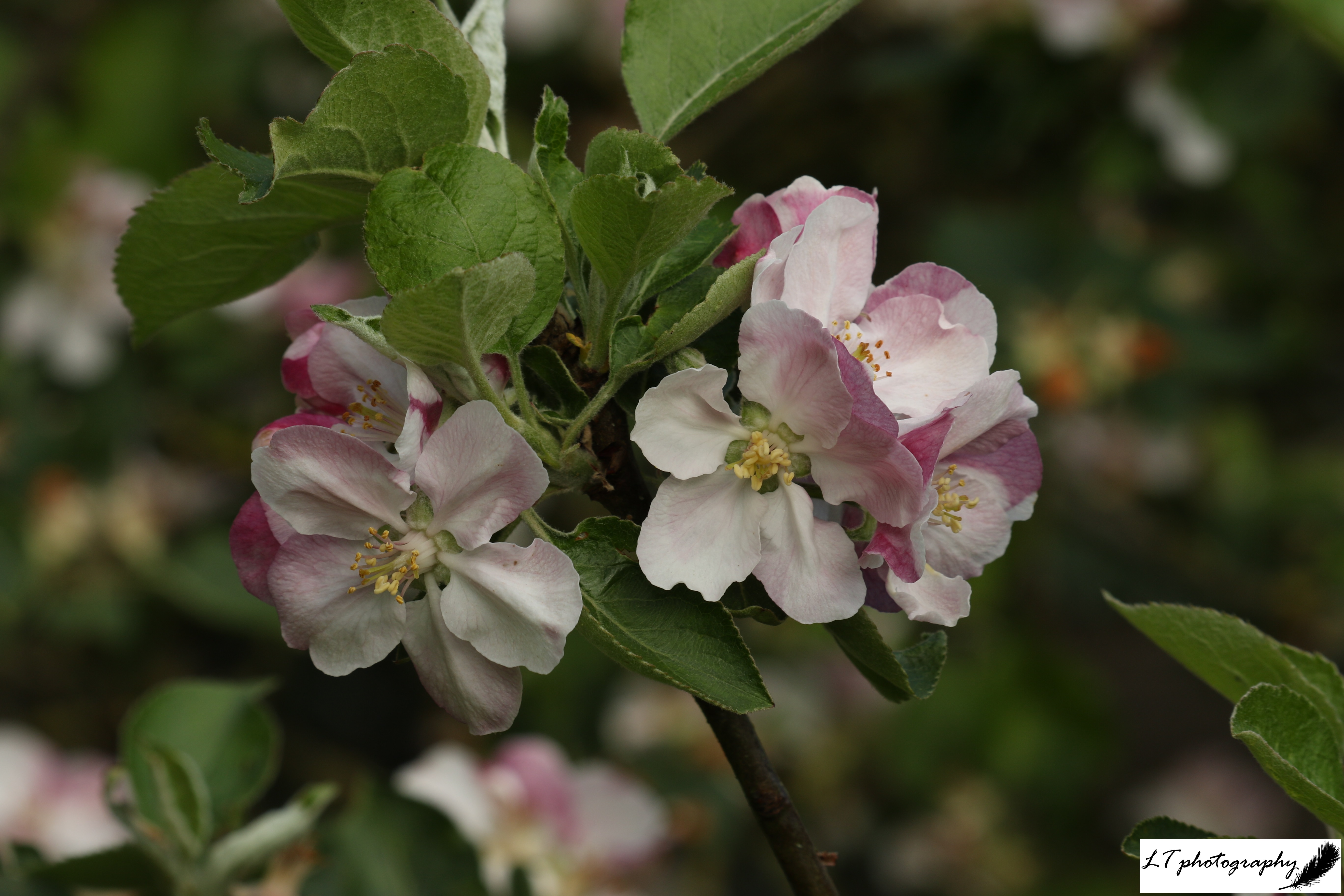
Apple Blossom – As a family we have always enjoyed growing and foraging for our own food in our local area. Though last year was not a very good year for fruit, this year looks to be a better year, apples included

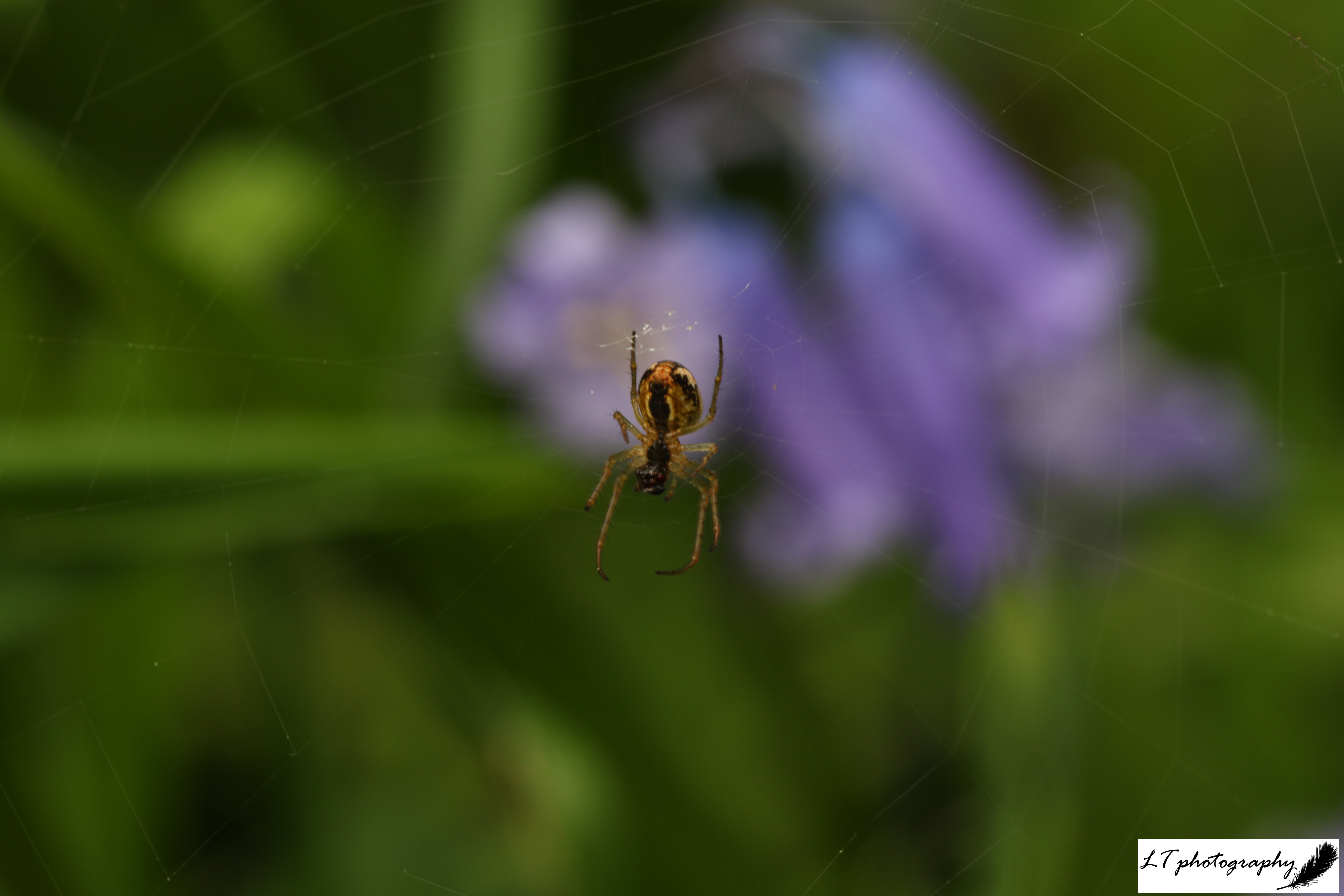
Woodland Spider – Just like the St. Mark’s fly, whilst exploring a woodland of bluebells, I found this species of orb-weaver spider. The bluebells were home to many, many of these little arachnids all weaving their webs between flowers, waiting to catch a meal

Beautiful Blackthorn Blossom – Every year one of my favourite parts of spring is blackthorn. The snow white flowers of blackthorn winter bring colour to the landscape at a time when things are still grey and spring is only just trickling in

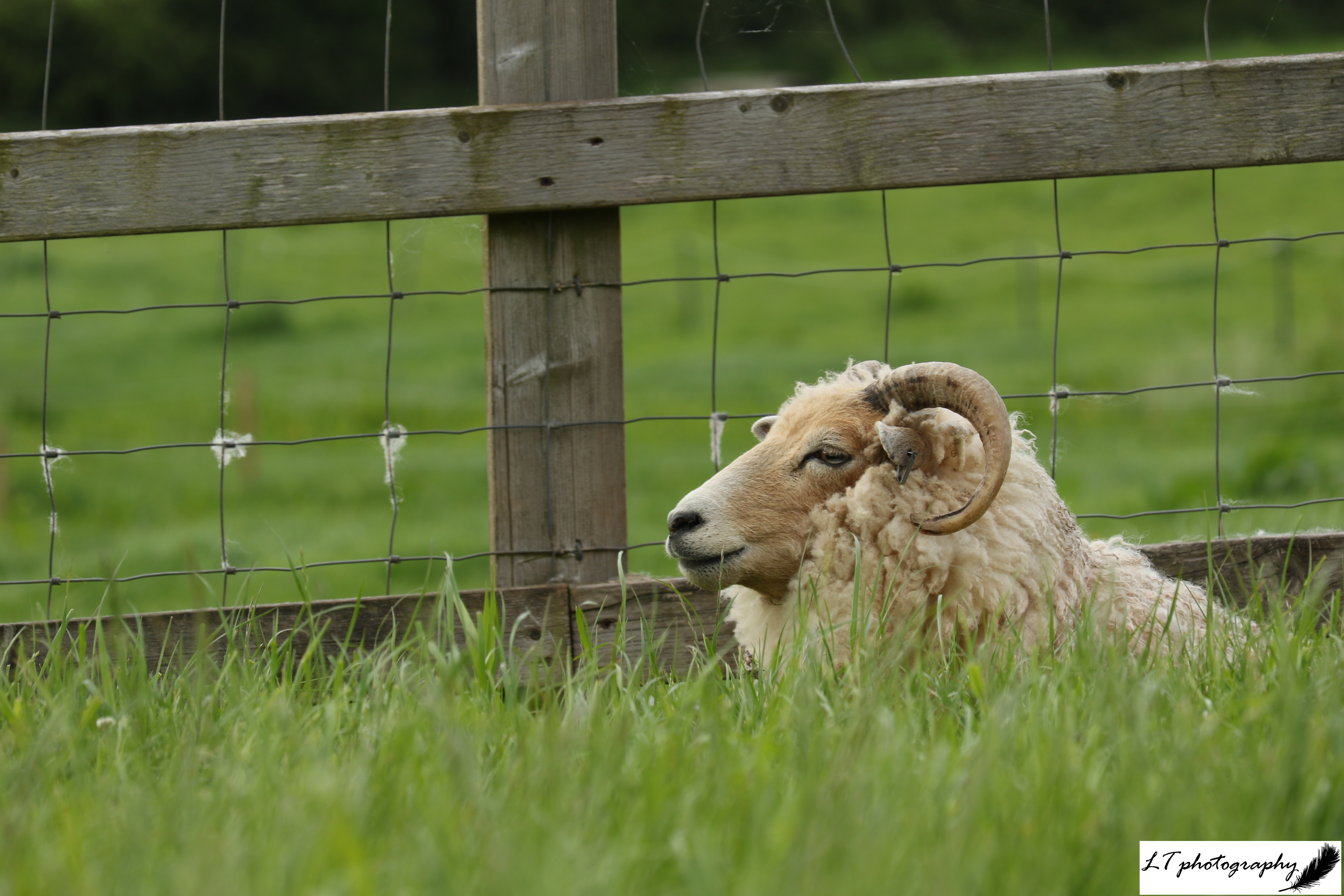
Portland Pets – This year I spent some time photographing my neighbour’s pedigree Portland flock. These small sheep, topped off with curling horns, have a great character and warm colour to them which make it a joy to take their portraits again and again

Spring in Bloom in Dorset 2022

‘There is no time like Spring, When life’s alive in everything… Before the sun has power, To scorch the world up in his noontide hour’ – Christina Rossetti

Where for me Winter is a grey, bleak, and quiet time, Spring is the opposite. Those first Snowdrops of January whisper of the season to come, leading the way ahead for new life to follow. This opens the door for change and the blossoming of Spring. A vibrant season, Spring arrives with an explosion of colour, awe-inspiring after tough Winter months. Yellows, pinks, purples, blues, and whites, amongst others, paint a landscape of reviving green. It is a magical time!

This year has been no different, with Spring unfurling in style, though with some added meteorological unpredictability. Right now though, woodlands are carpeted with the purple hues of Bluebells, pastel blossom drips from fruiting trees, and leaves begin to envelop trees and hedgerows. It is a time to be enjoyed and relished after another tough Winter, with promise now of more new life as this season continues. Let us now celebrate the blooming of Spring 2022 so far.

Exploring With My Camera Trap Spring 2021

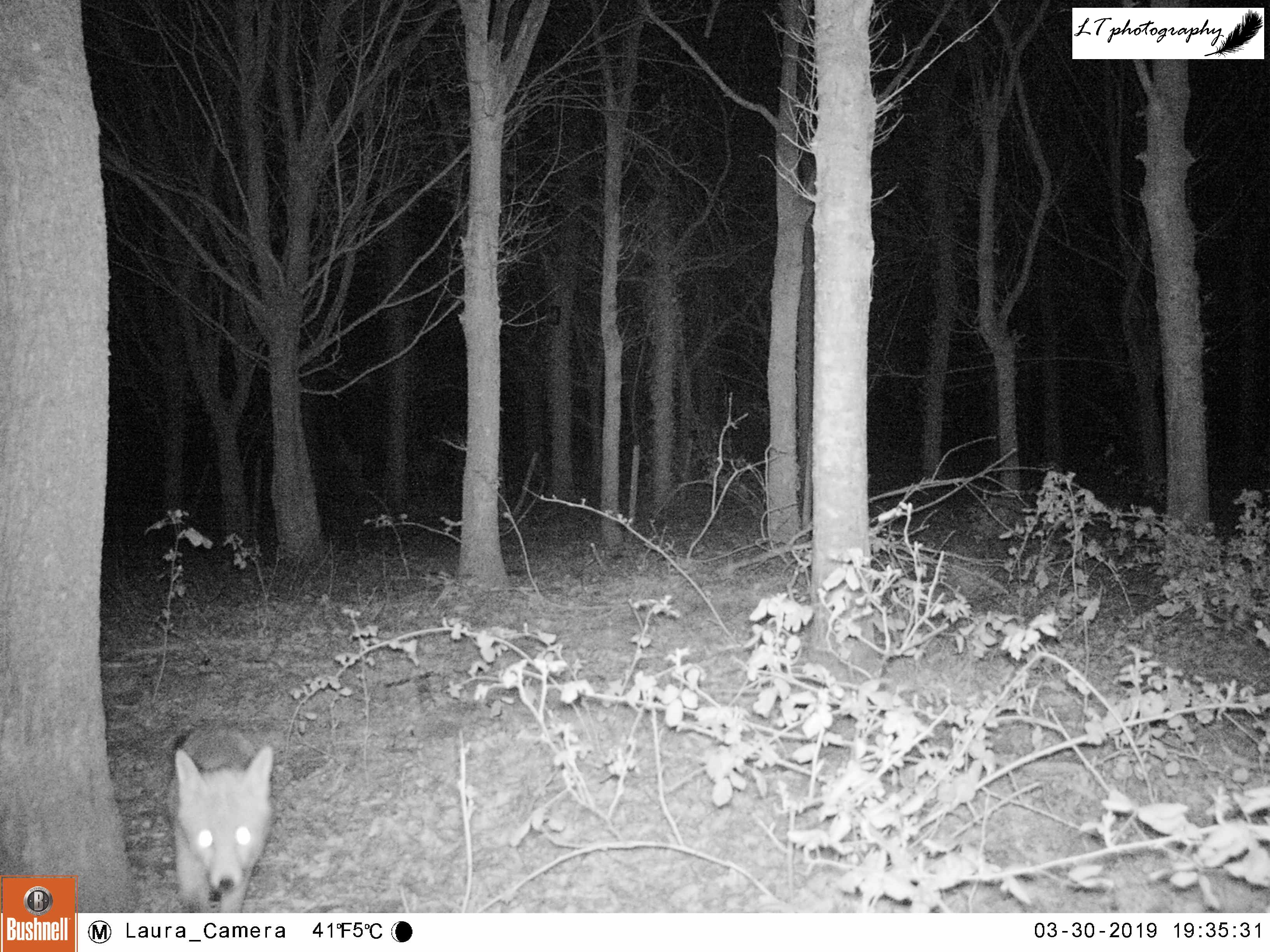
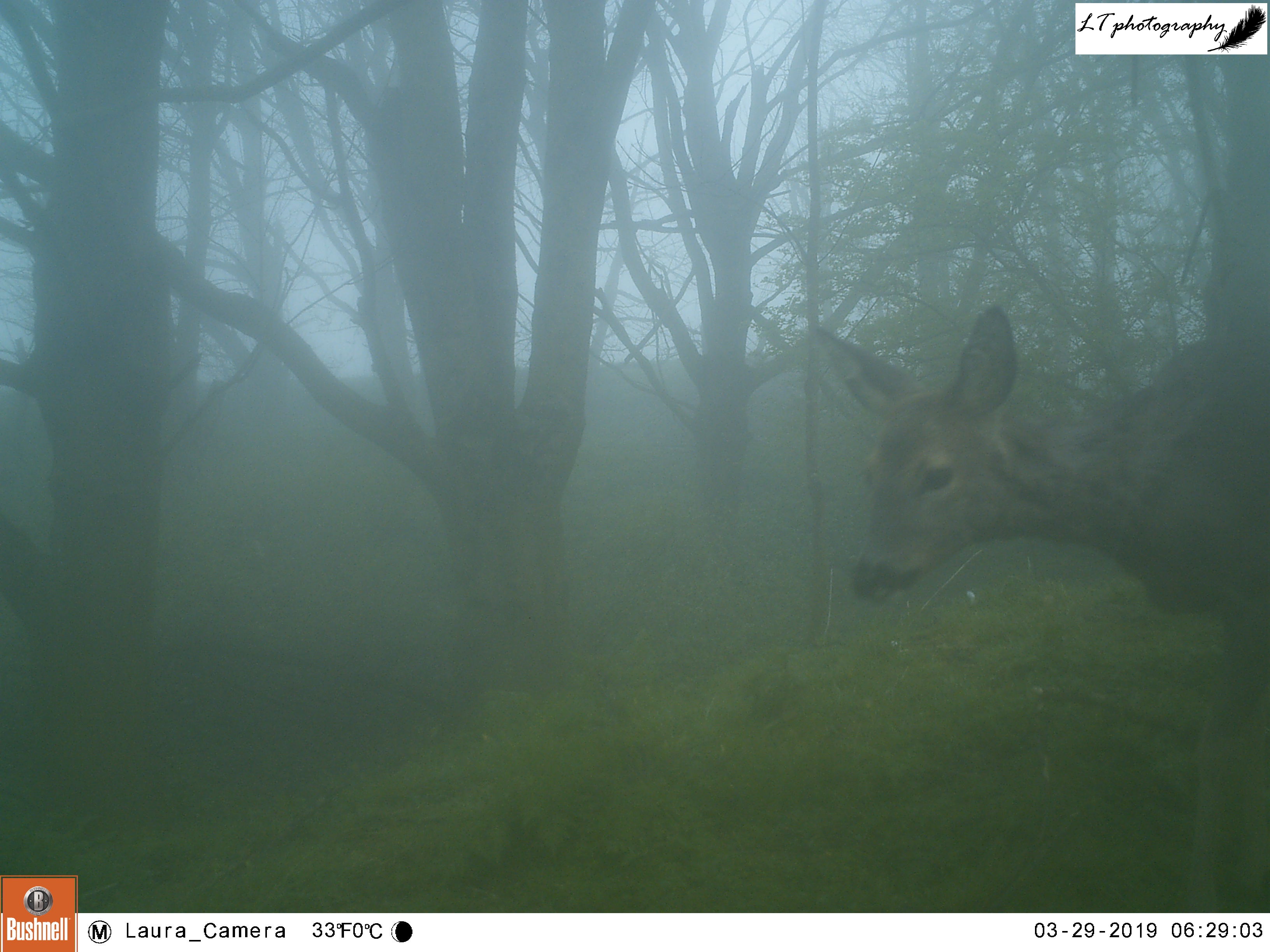
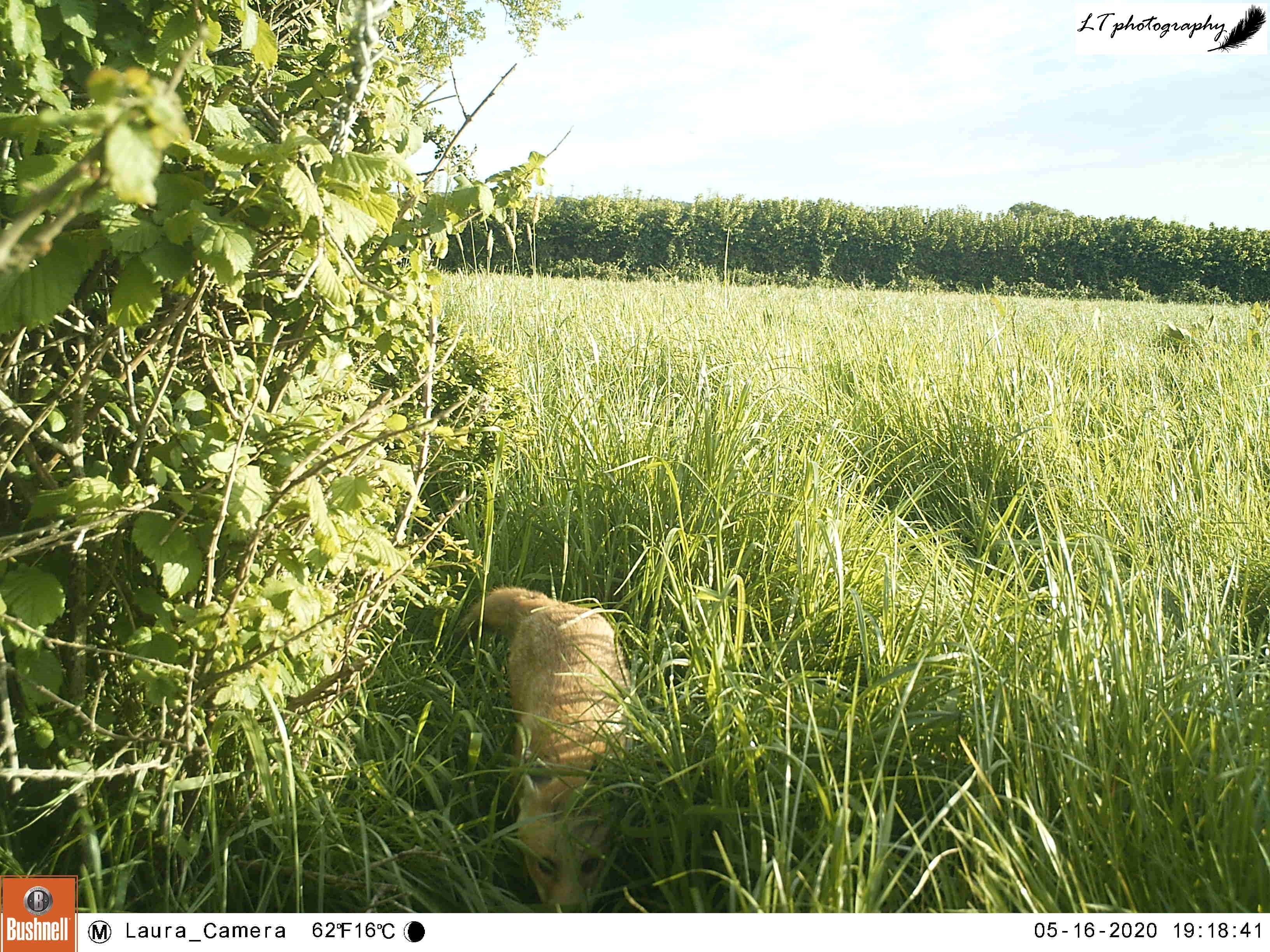
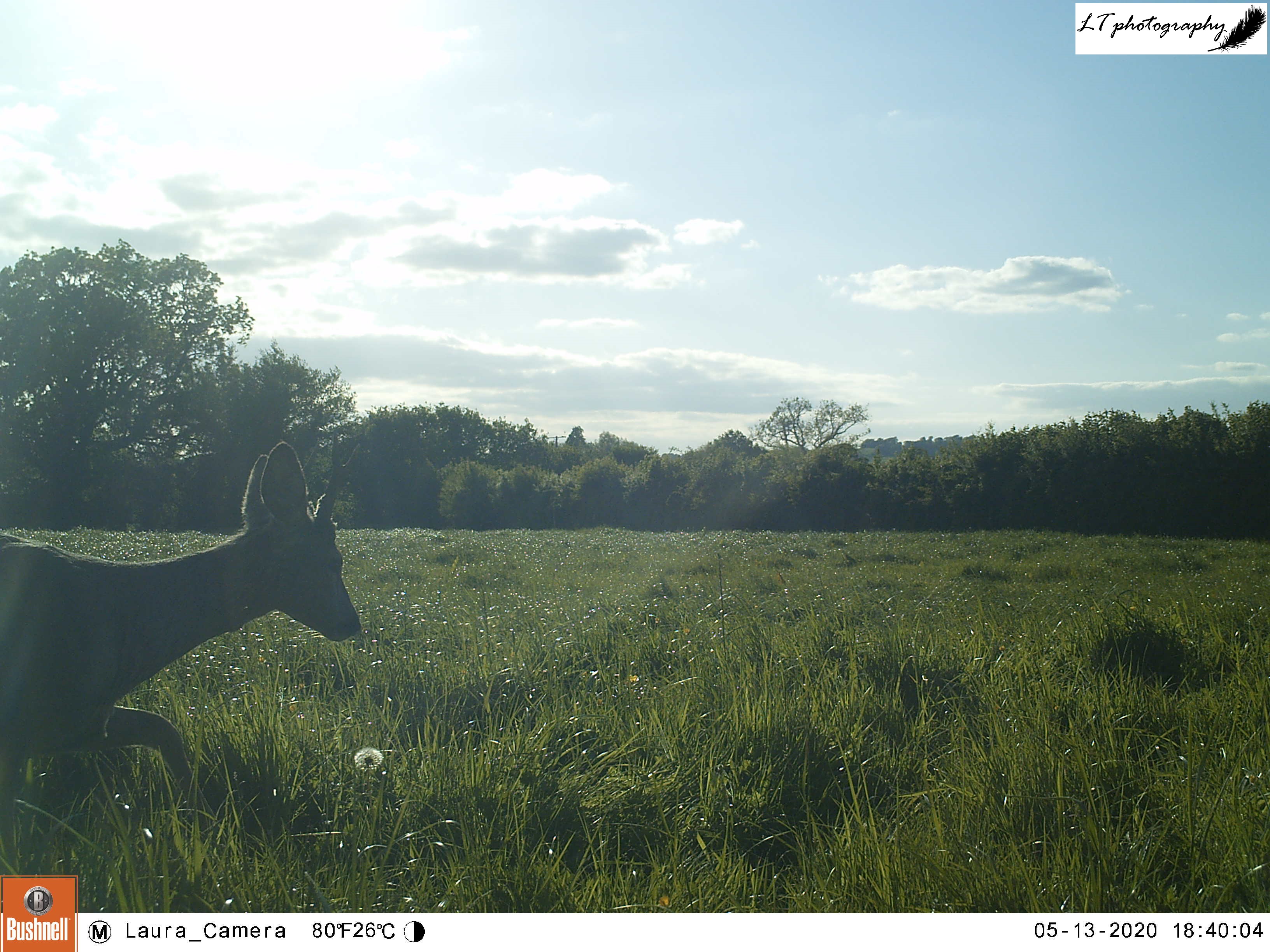
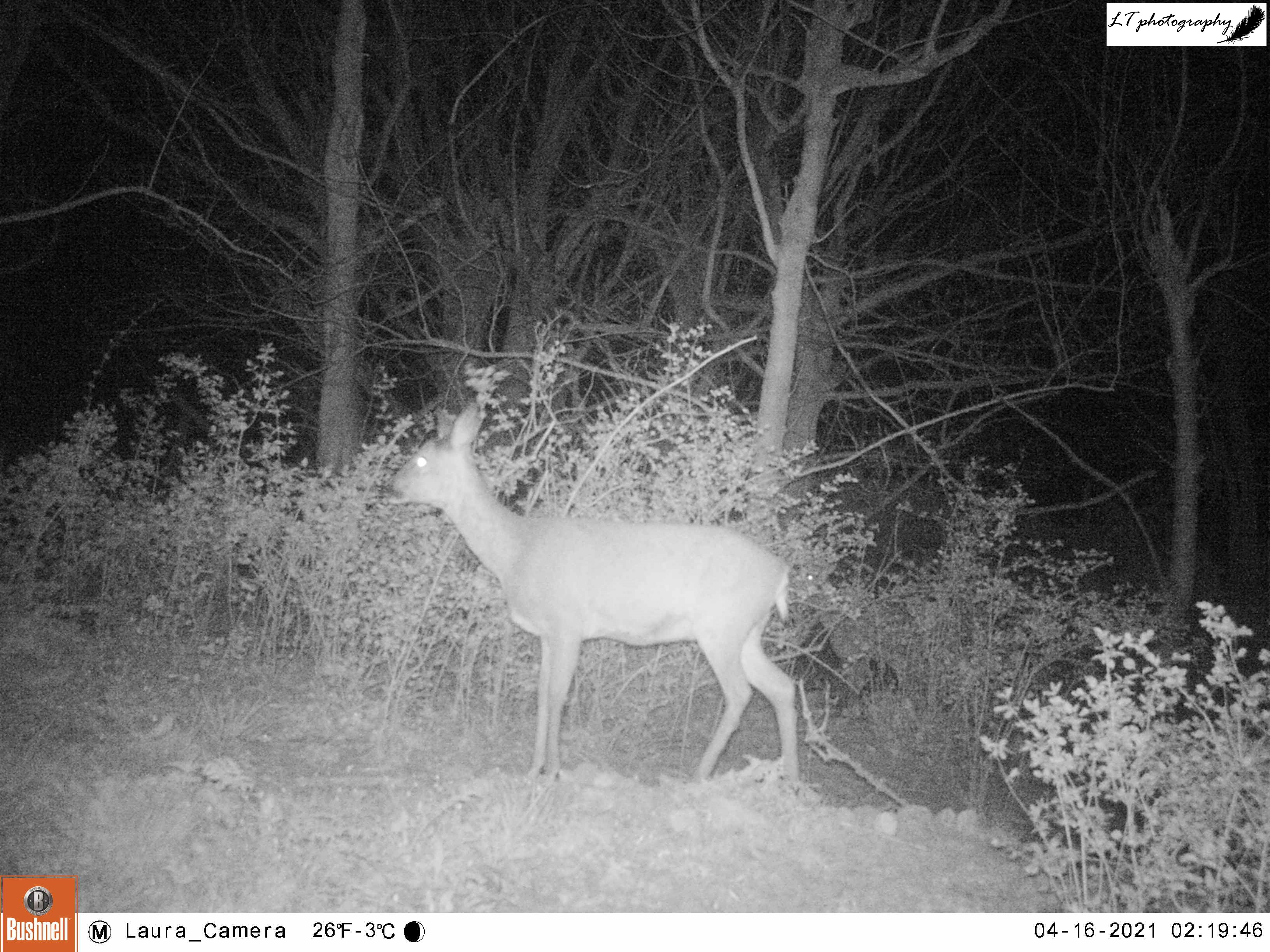
After I click open the file on my camera trap, I press next through a male pheasant strutting his stuff and a female roe deer passing through, until a photo makes me stop. There towards the back of the shot are two small brown shapes. I move through the rest of the photos as day passes into night, and watch as these two rough and tumble through the photos, exploring, playing and watching their wild neighbours go past, ending with one sitting stock still in front of the camera. My camera trap had successfully found my first litter of fox cubs of the year!

The last few years I have become known for my exploration of my family’s farm in Dorset using a camera trap. My camera trap allows me to delve into the lives of my wild neighbours without intrusion or disturbance of their natural behaviour, and to use my photos to inspire others to open their eyes and be motivated to conserve our local wildlife. It is always a rollercoaster of emotions, never knowing what my camera trap might find, but in the end it is a very rewarding experience. If you are interested in getting your own camera trap or knowing how to make the most of your own, check out my ‘How to… Use and Make the Most of a Camera Trap’ guide for some more information.

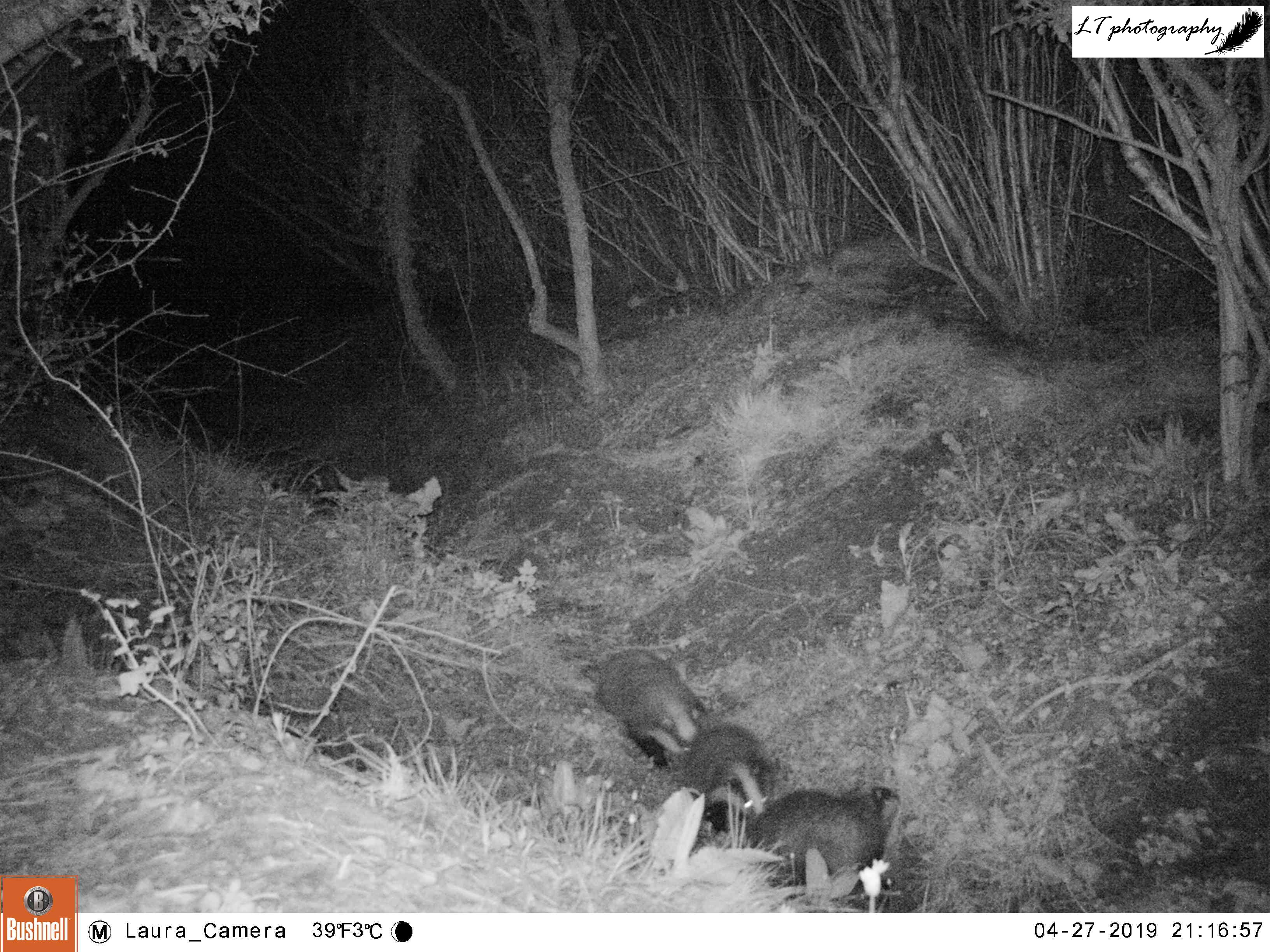
My camera trap has been a very useful tool for me over the last few years, so since 2019 I have spent my spring seasons moving my camera trap around different sites across 250 acres of farmland, taking in different species and behaviour. In 2019, I saw 12 species of birds and mammals, including families of badgers and a family of three fox cubs. In 2020, my camera trapping got even more interesting, with badger cubs, a couple of litters of fox cubs, and lots of roe deer sightings. The most enjoyable shots are always the most unexpected though, despite from time to time getting a photo bomber or two, for example in the form of our farm cat!

This spring I have been out and about once again on the farm with my camera trap. This year I selected six different sites across our land, with the hope of capturing some of the normal sights, along with some new ones. As the spring has now come to an end, activity has dropped across these sites, and thus it is time to see how spring has been captured by my camera trap this year.

Camera Trapping Spring 2021

Quarry Field Badger Sett

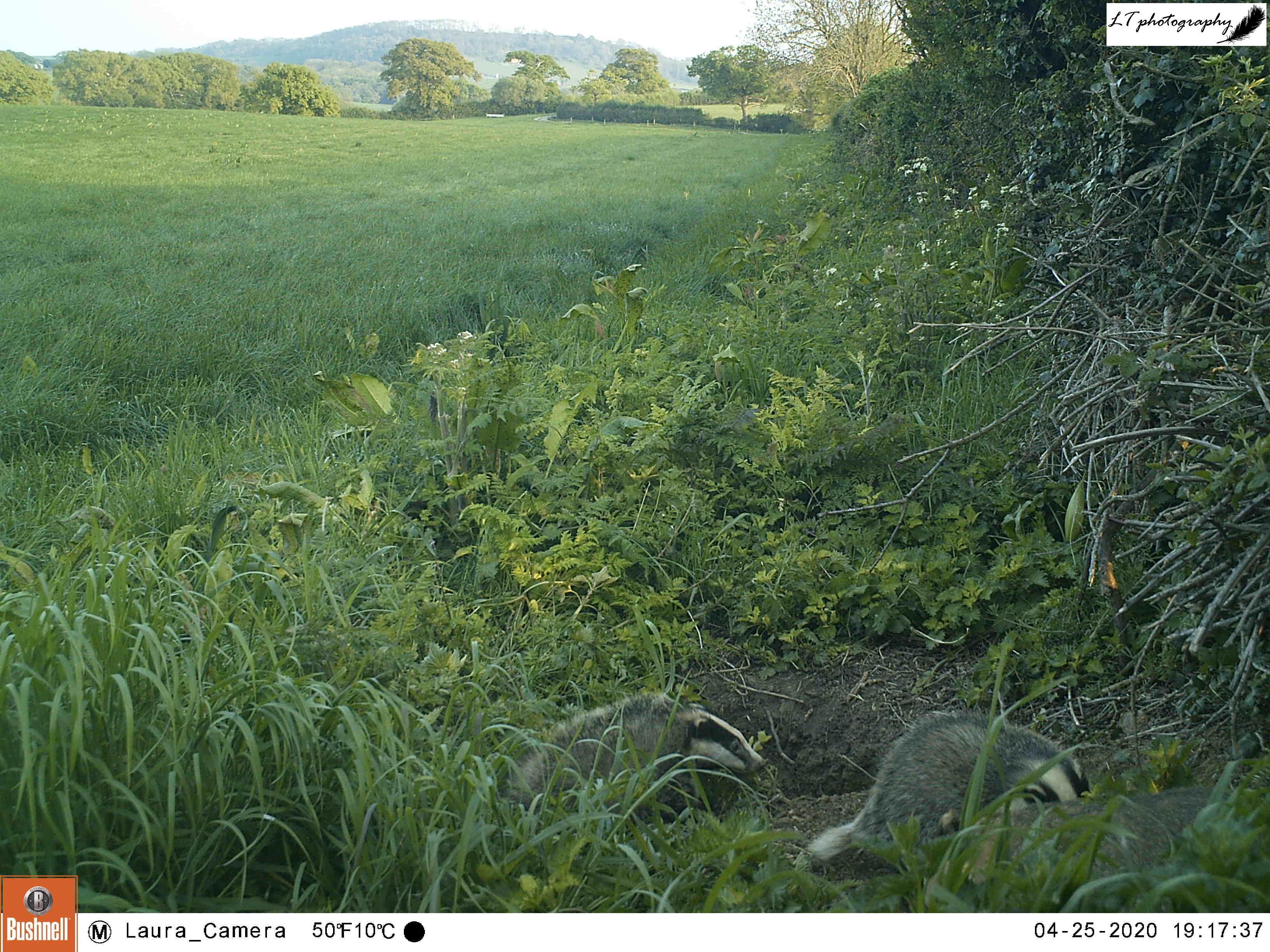
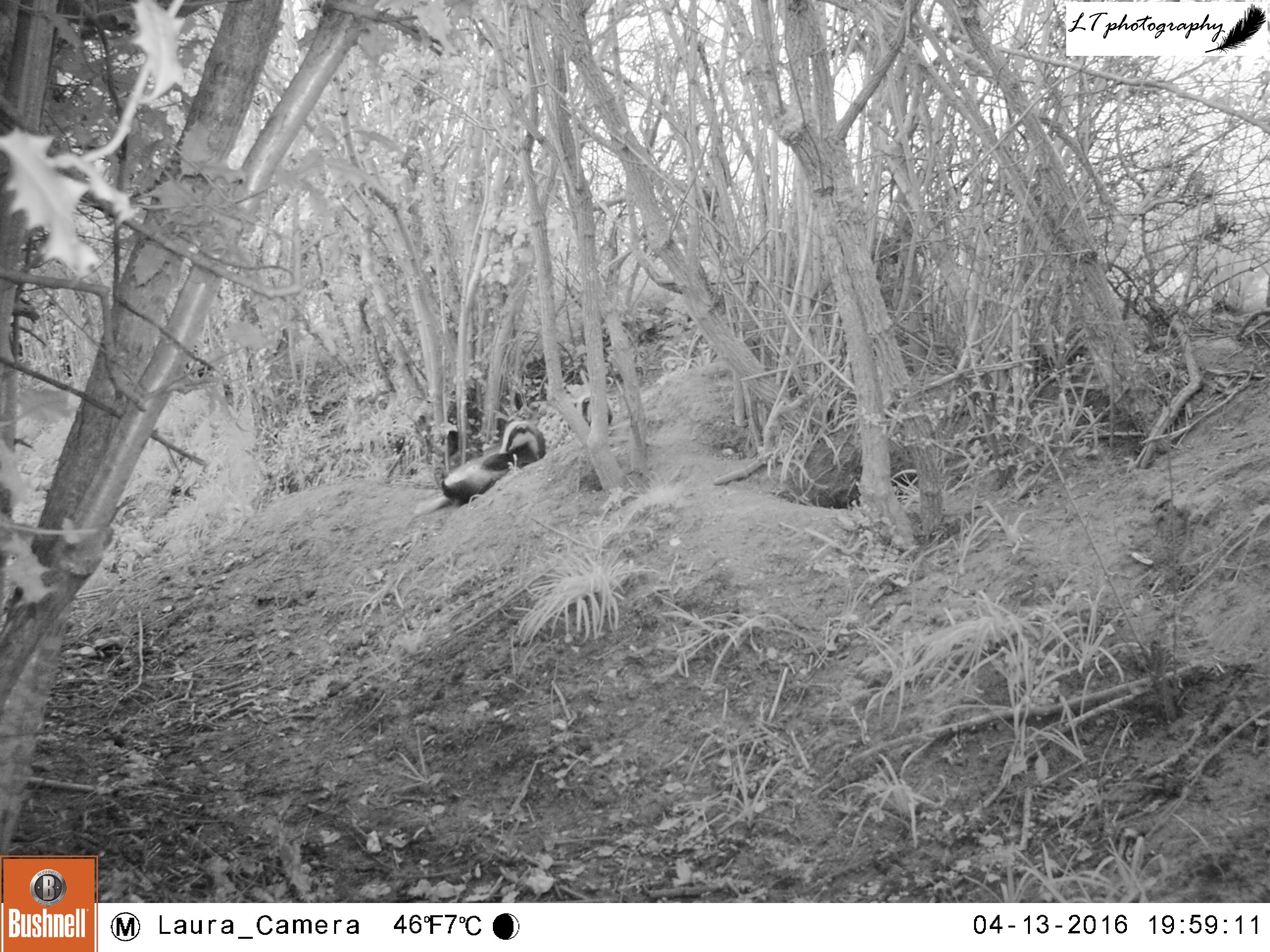
My first camera trapping site this year was an active badger sett to the east of my family’s land. It sits between a silage field and a maize field in a wide and thick hedgerow, and is a great crossroads for animals passing through. I have used this site in previous years for camera trapping, with varying success, such as last year’s highlights of badger cubs and a lively, lone fox cub.

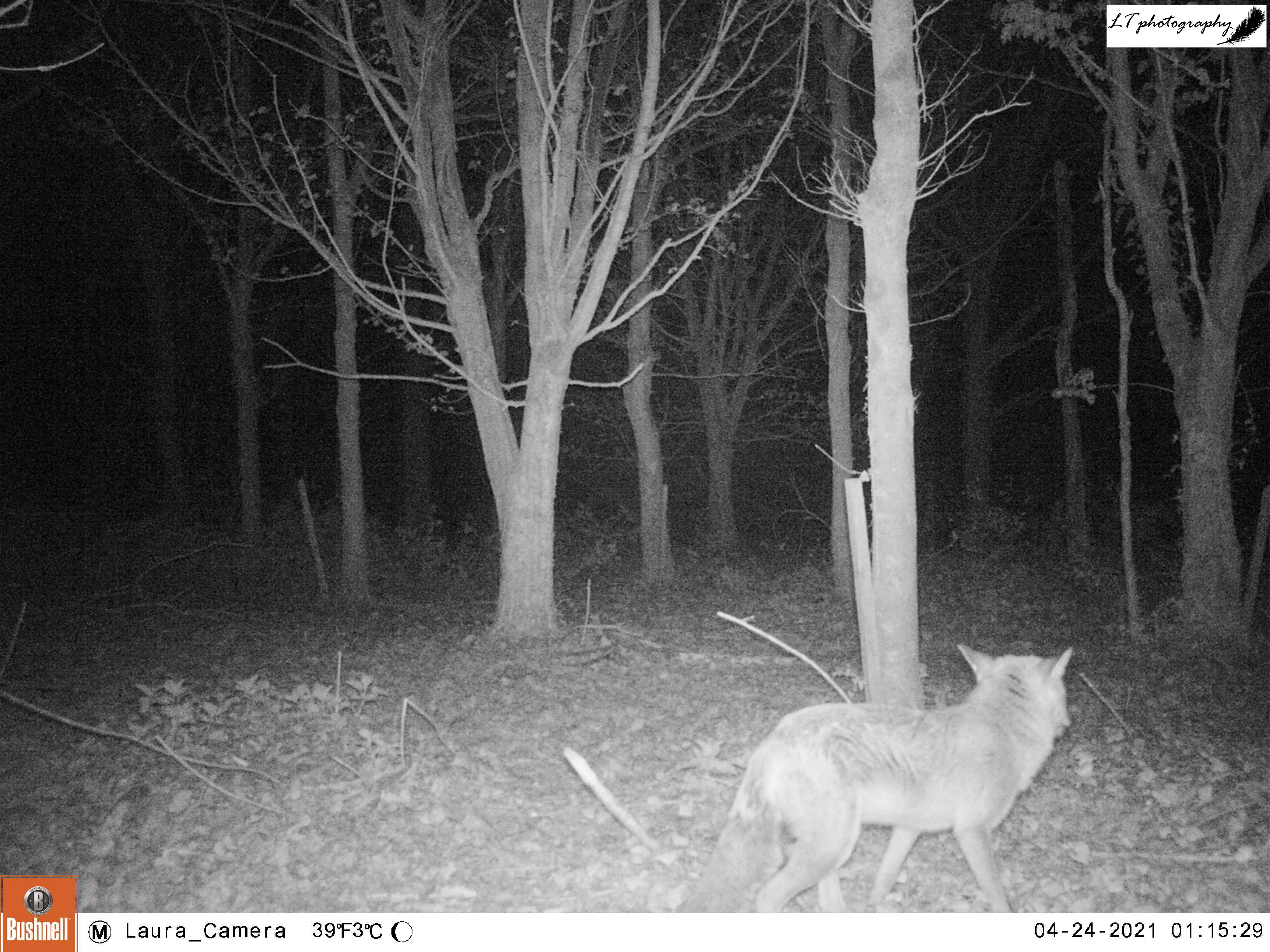
This year I set my camera trap up at the sett for a week (3rd-10th April), moving the position and angle every other day to increase my chances of capturing wildlife. It paid off as I had a successful first week, with rabbits, roe deer, badgers, and a fox.

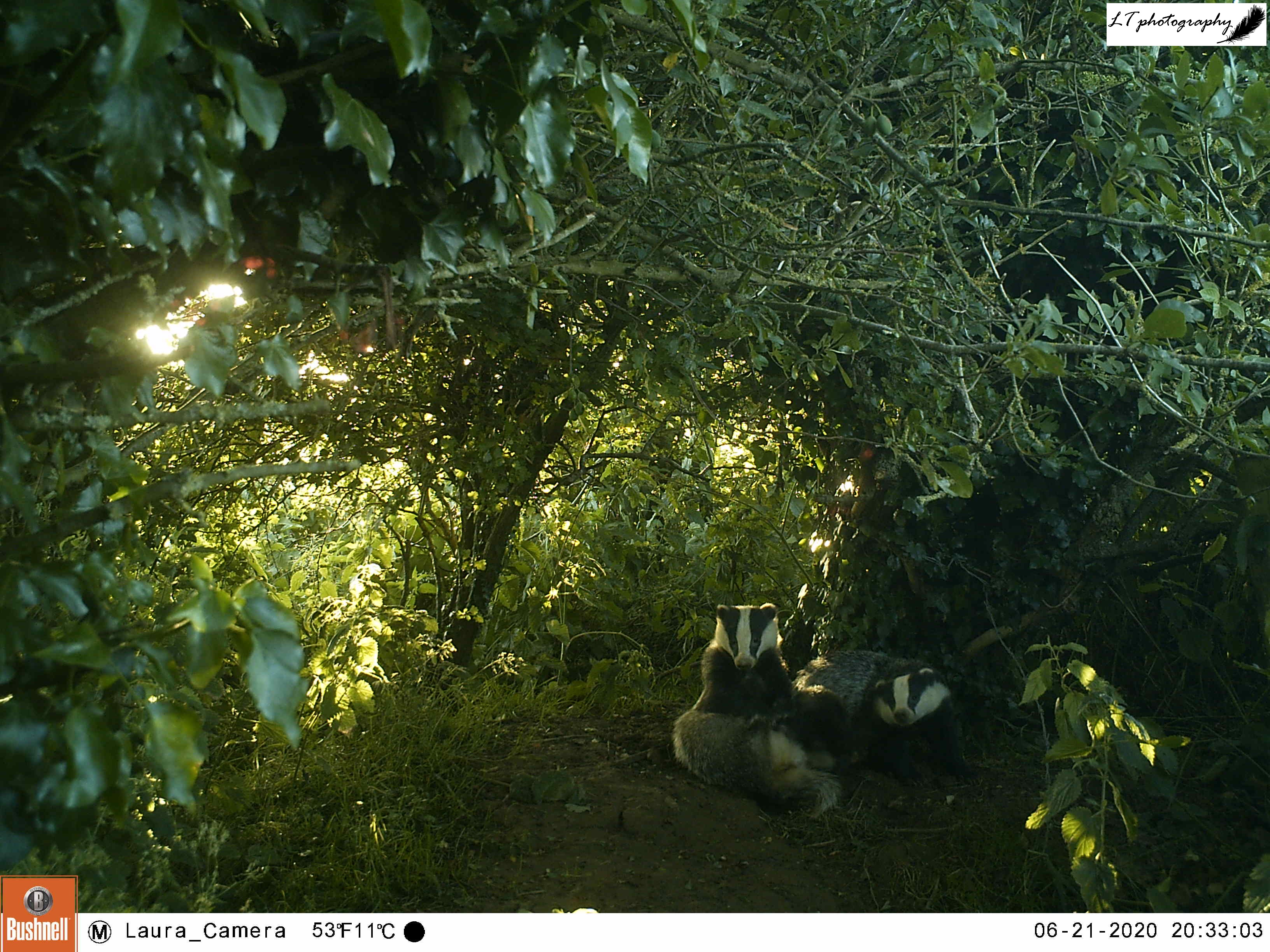
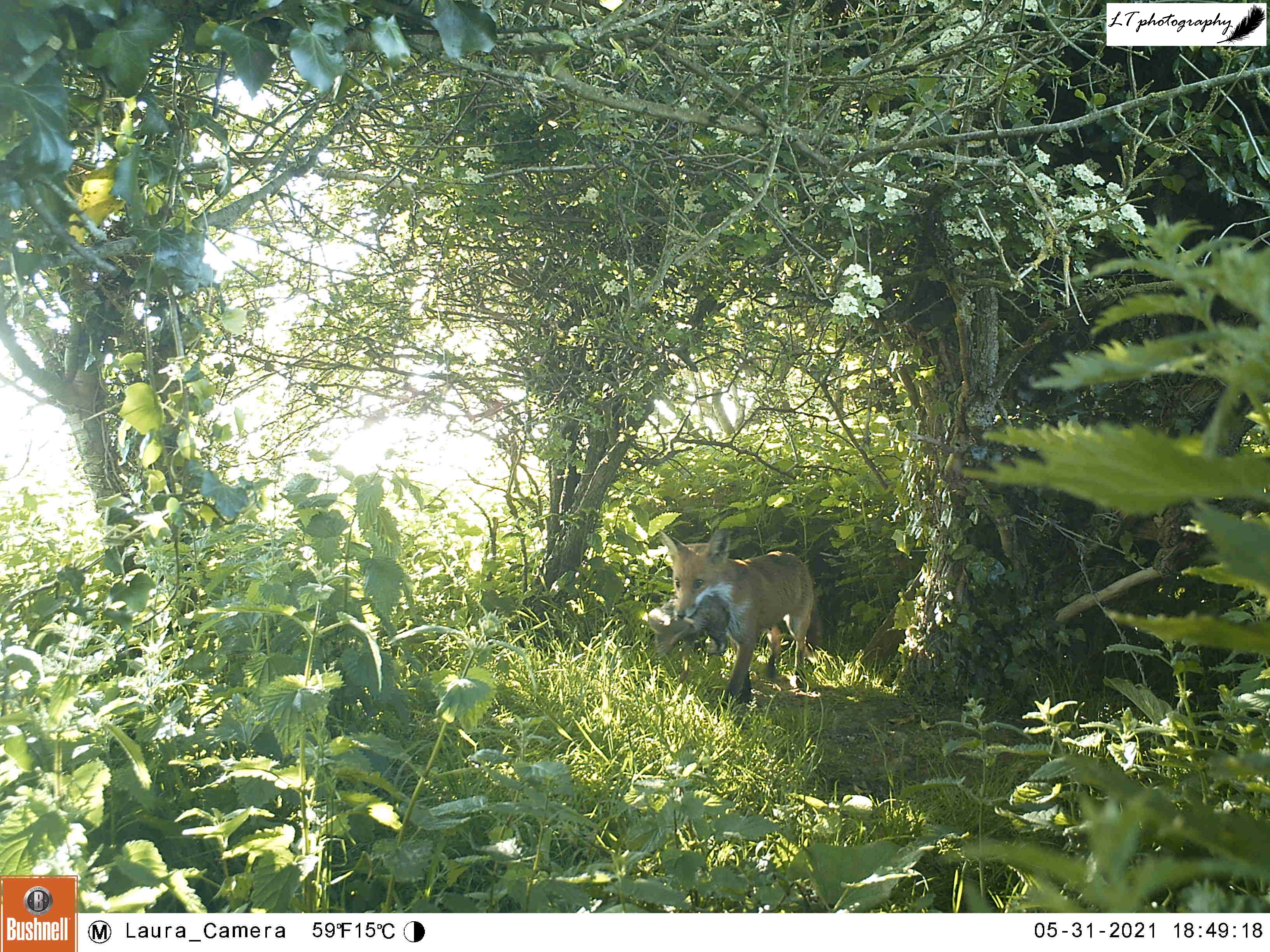
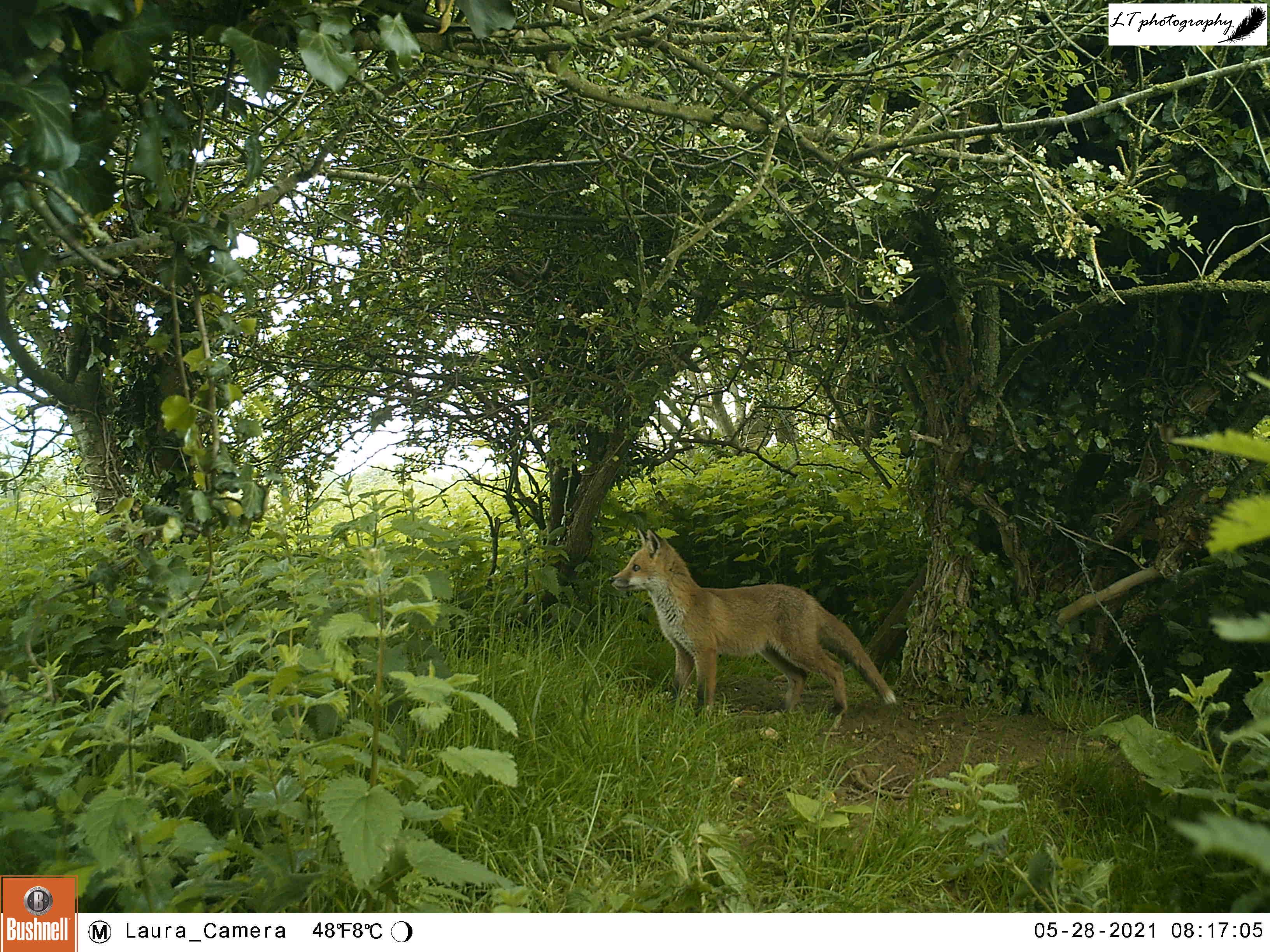
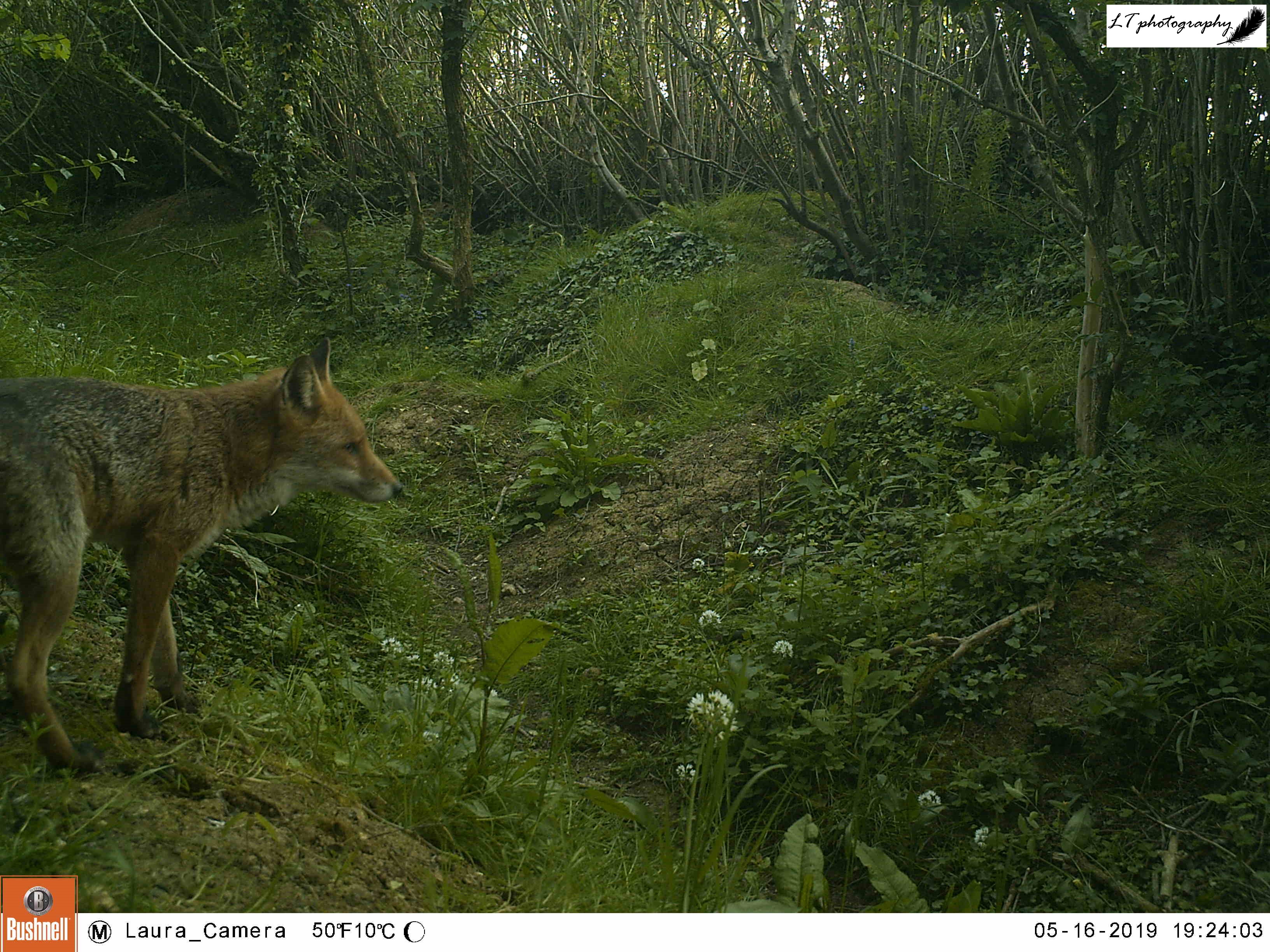
Due to seeing a lone fox cub at this site last year, the presence of an adult fox at the sett once again led me to return with my camera trap seven weeks later for another week (27th May-1st June). My hunch paid off as my camera trap returned photos of two fox cubs playing, living alongside a badger family, and being fed by a parent.

Gill Hill Copse

For my next site, I set my camera trap up within a copse surrounded by a cow grazing field west of the Quarry Field badger sett. During early spring this is a great site to capture wildlife moving through the landscape as the copse is a great stopping place. I have used this site before, and last year I saw species, such as roe deer and foxes.

This year I used my camera in the copse for just one week (11th-18th April), but moved its position within the copse every couple of days. I captured photos of a territorial male pheasant, an adult badger, a grey squirrel, an adult fox, and a rather comical sequence of photos of two female roe deer being spied on by a hiding male. As vegetation in the copse grows up and spring progresses, camera trapping success decreases at this site, but it was nice to see some life early on this spring.

Dorset County Council Wood

For my third site, I set my camera trap within a small, young wood that can be found at the centre of my family’s land, bordered by a road and a meadow. I have used this wood before, with some positive sightings in 2019 of foxes and badgers passing through.

This year I tried the wood again for a couple of days (19th-24th April), with some overall disappointing results. A male pheasant and magpie were seen, with an adult fox being seen twice, but overall the wood was quiet, reflecting a lack of diversity evident in this unmanaged woodland. I did not return to the wood again during this spring as a result.

Badger Field Sett

For my fourth camera trapping site, I returned to an active badger sett towards the centre of my family’s land. The sett is bordered by grazing land on both sides, and is set within a wide, thick hedge, extending out into the field on its east side. Last year I used my camera trap to look within the sett and to the sett entrances on either side, and saw adult badgers, badger cubs, and an adult fox. This was unsurprising as the sett is a thriving mixed site for badgers, foxes and rabbits alike.

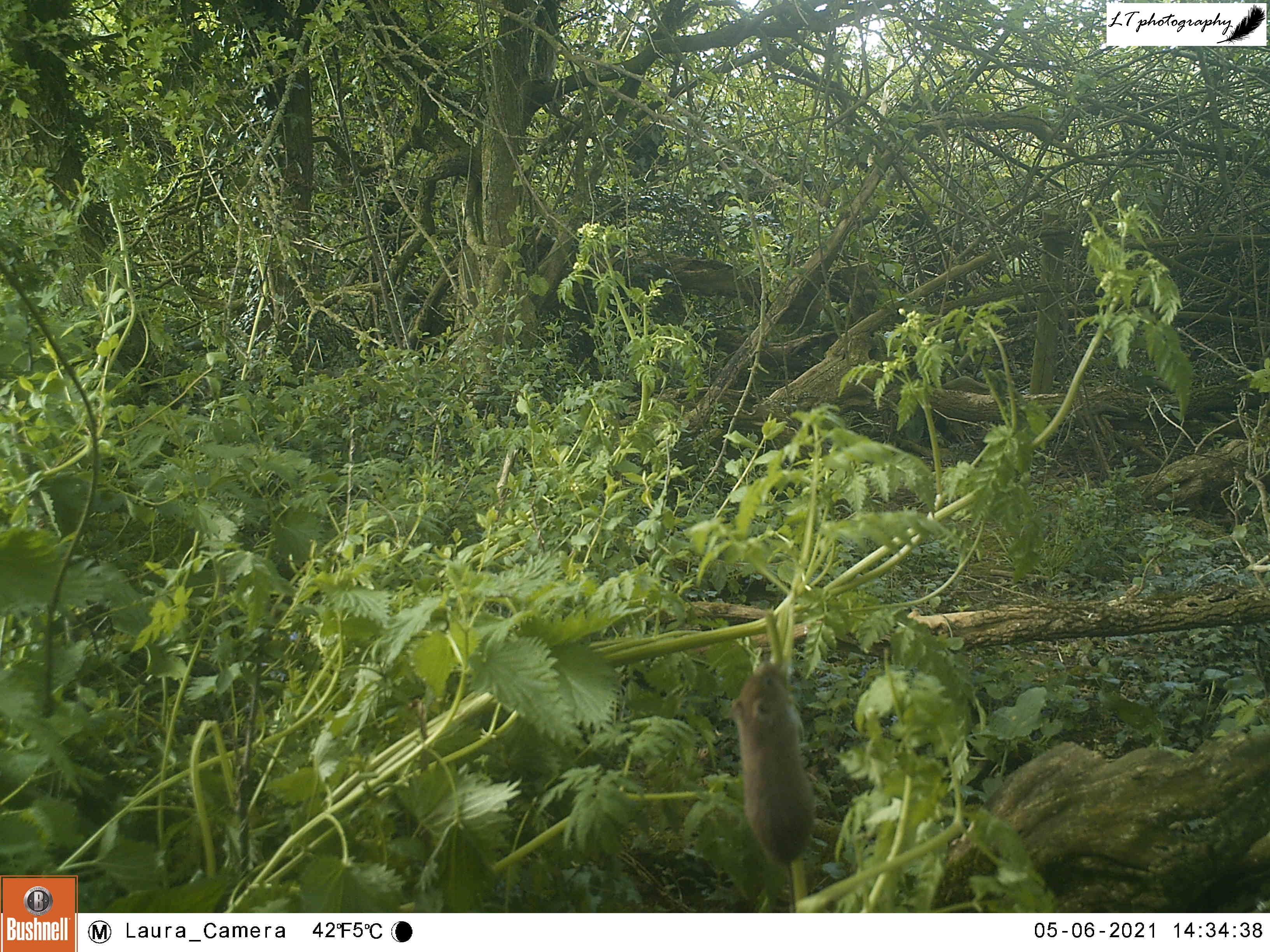
This year I positioned my camera trap first on the western side of the sett (25th-27th April), before positioning it directly within the area above the sett (4th-7th May). Pointing my camera trap at the animal track running along the side of the sett, I captured an adult badger, adult fox, and my first hare! Above the sett, my camera trap was more active, capturing lots of badger activity, woodpigeons, blackbirds, and red-legged partridges, and a surprising sighting of a field vole climbing vegetation. It was a lovely sequence of photos!

Badger Alley

For my fifth site, I chose to return to one of my favourite locations, the familiarly known Badger Alley. Badger Alley is an enclosed footpath that has dug out animal holes along half of its length, split into two old badger setts. In 2019 this was a super site for seeing badgers wondering its length, but last year it was obvious that wildlife numbers had declined, badgers in particular.

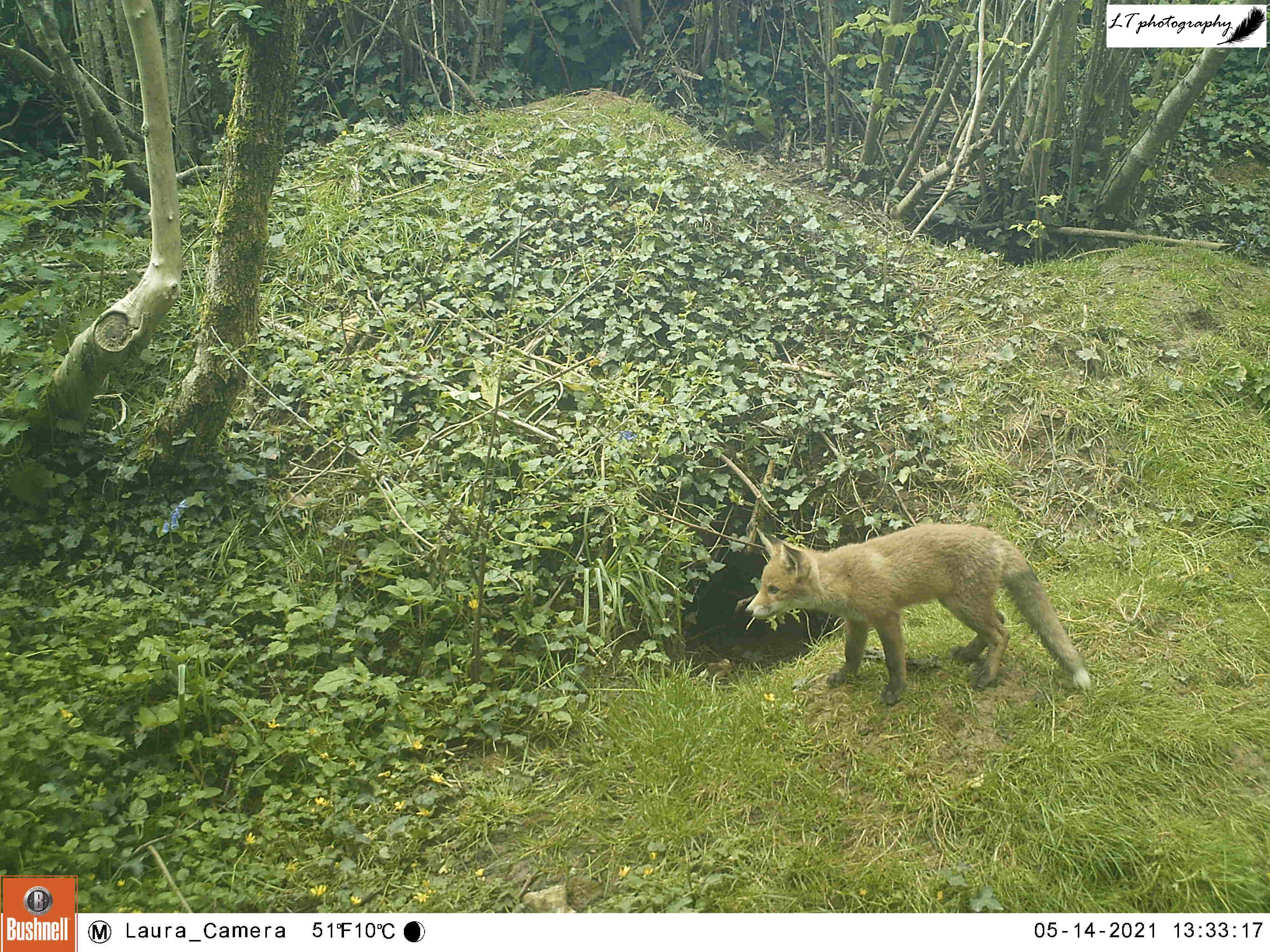
This year I spent two stints setting up my camera trap along Badger Alley. Firstly, I spent five days with my camera trap trained on the non-active lower sett, changing the camera’s position after two days (10th-14th May). Amongst photos of a female roe deer and a displaying male pheasant, I got lots of really lovely photos of two fox cubs playing and exploring their world.

I then returned to Badger Alley in June, moving my camera from the non-active lower sett (5th-11th June) to the sett further up (11th-14th June). By now my camera trap found that the family of foxes had moved on, with only the female and new male roe deer appearing at the lower sett. What was really sad, was finding that Badger Alley has now been fully abandoned by badgers, with the higher sett now being home to just rabbits. A slightly disappointing end to my camera trap’s time at Badger Alley!

Monkwood

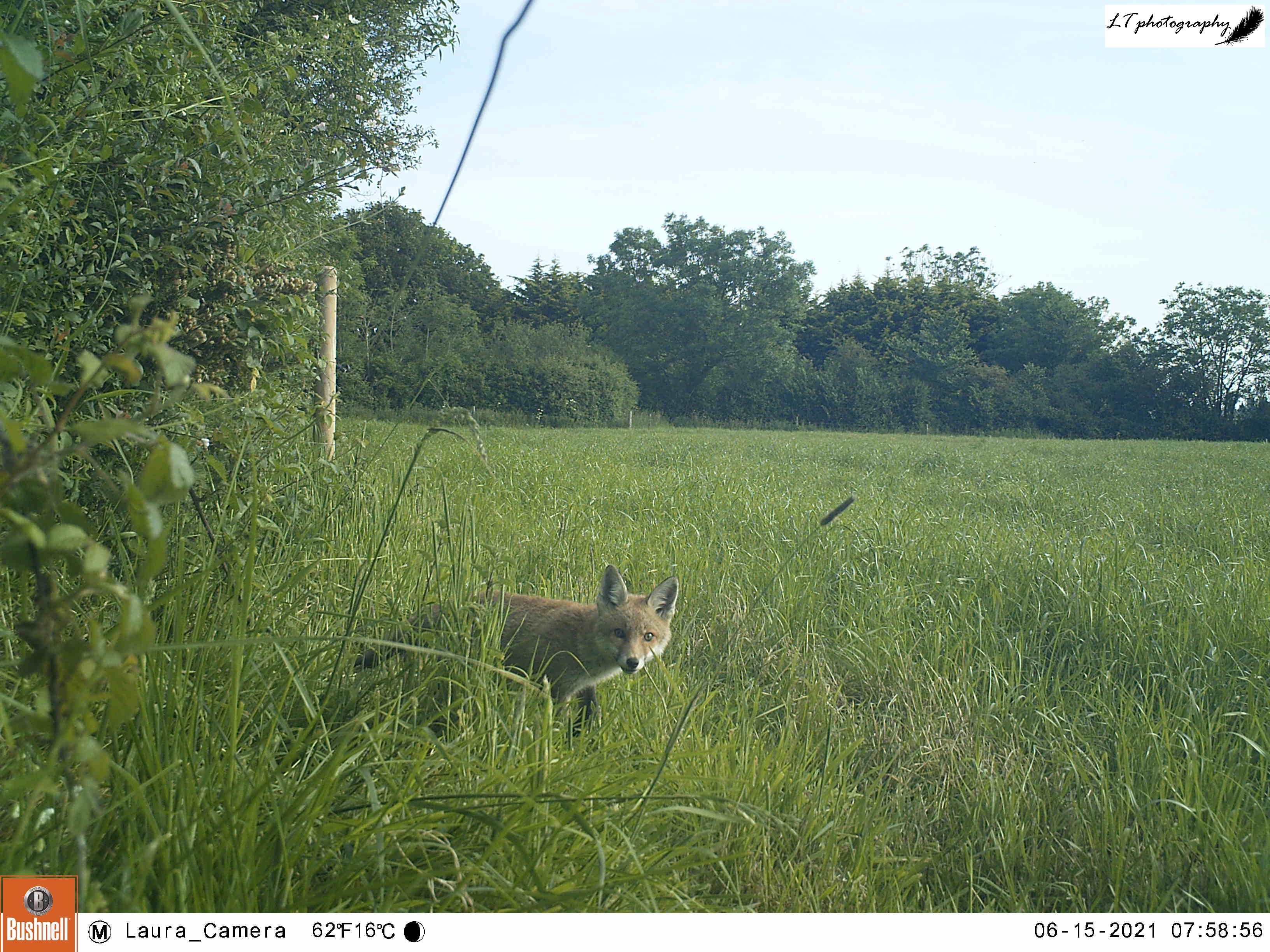
To finish camera trapping during the spring season, I took a bet on a site where there was a possibility of finding another litter of fox cubs. This site was a hedge in the middle of cow grazing land, where I had not previously camera trapped before. I chose to set my camera trap up on a fence post pointing along the hedgeline where I had found holes into the hedge, and left my camera for a couple of days (14th-16th June).

On retrieving my camera trap, I was excited to find that my instincts had been right and my camera trap had shot photos of two fox cubs and an adult. It was a lovely end to my spring camera trapping season!

Spring in Photos 2021

Last year spring was my lifeline, as we experienced the world around us being thrown into disarray. This year spring was instead turned on its head, with changing weather patterns making it unpredictable and different from what we would usually expect at this time of year. A hot and stormy March, cold April, and wet May made nature emerge later, with spring events taking longer to arrive, and being anywhere up to 60 days late.

Still this year’s spring has been magnificent. Vibrant and colourful, it had much to be celebrated. My family’s farm in Dorset became full of new life, from blossoming trees and flowers, to fox cubs and leverets. Spring is unsurprisingly my favourite time of year, so this year I again made a point of getting out as much as possible to experience it, with my camera by my side. Here’s a look at some of my favourite photos from this spring, either for their aesthetic appeal, meaning to me, or overall joy factor.

Spring in Photos 2021

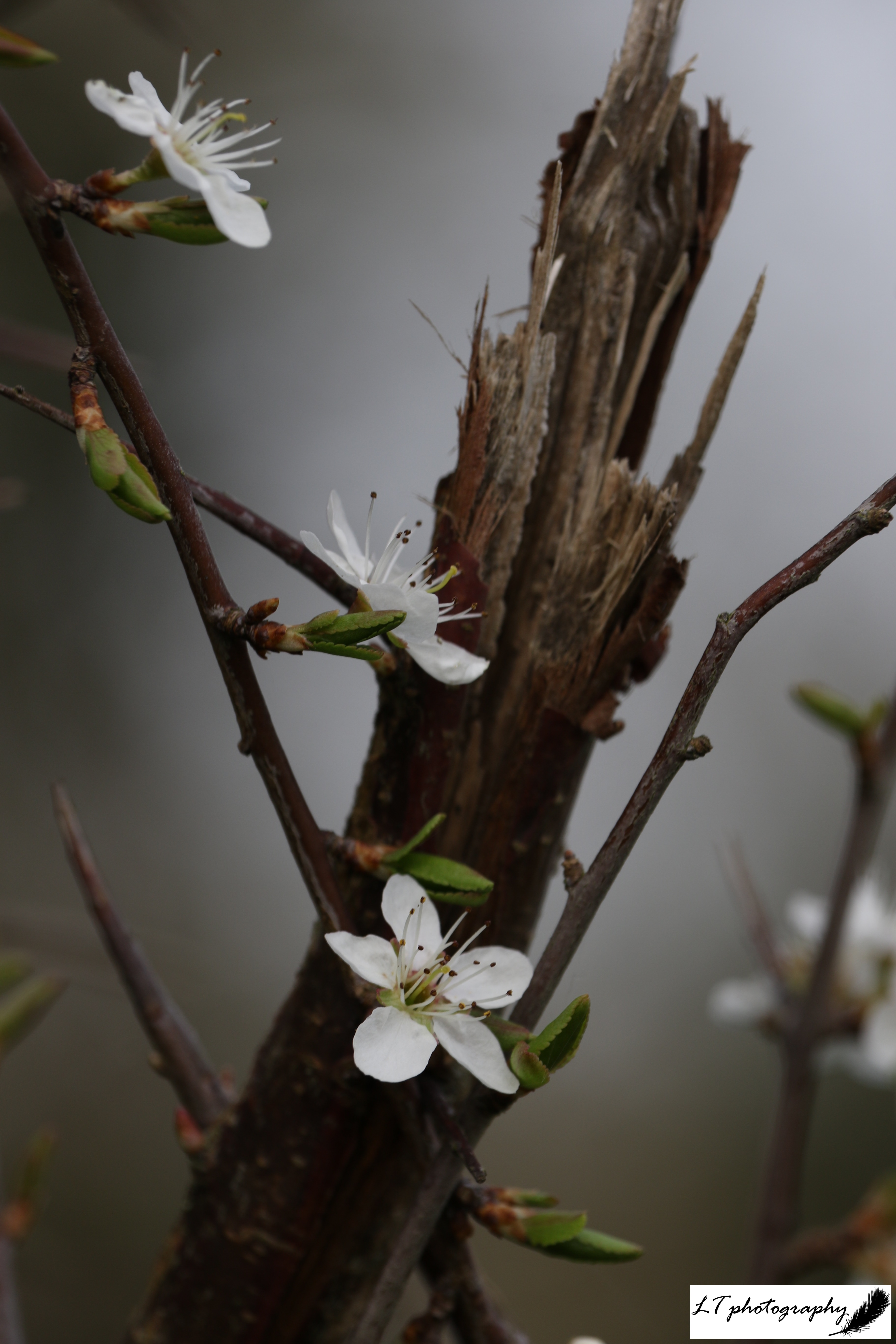
1. Blackthorn – This photo was taken at the beginning of April on a misty morning. It was a beautiful way to see delicate white blackthorn flowers in a different light, framed in front of a splintered stem.

2. Male blackbird – Blackbirds are an iconic sound of spring for me and also so many others. Their beautiful song often symbolises the beginnings of longer, lighter evenings, or for me fresh spring mornings. This male would sit in this willow tree every morning throughout spring to sing his song, defending his territory and mate. In particular, this male and his female nested in our shed, successfully fledging 5 chicks at the start of June.

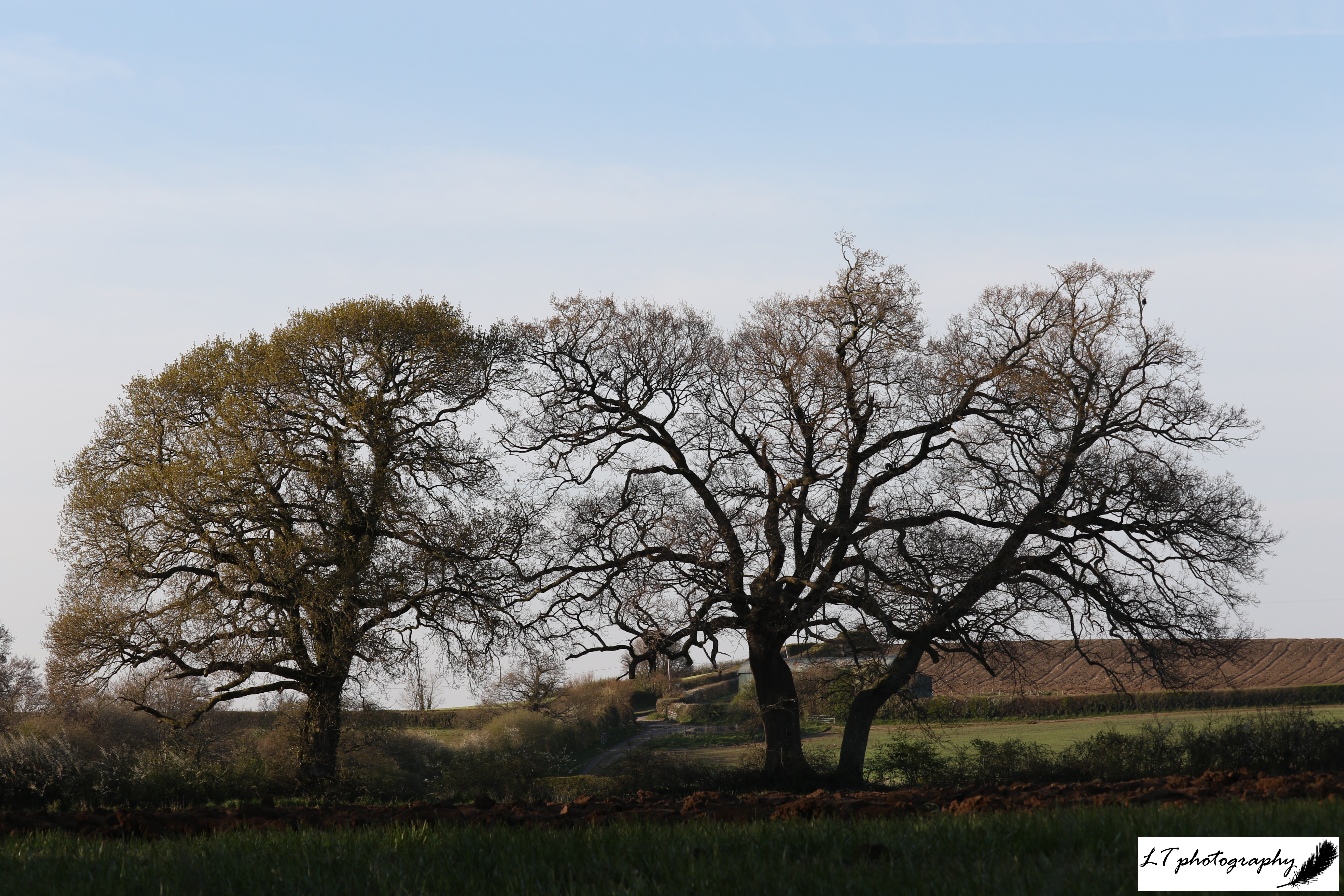
3. Oak trees of a farming landscape – What hits me first in this photo is how bare this landscape seems for late April. The oak trees have barely begun their bud burst, looking skeletal behind a farm field that is being worked. This almost autumnal scene is refreshing though, showing the new beginnings of another year in nature.

4. Camera trap fox cub – This photo is one of my favourites from this spring, symbolising a successful spring camera trapping season (blog post to come). This was one location, an abandoned badger sett, where I thought that foxes may have been breeding. My camera trap proved my feeling to be right, and treated me to an assortment of photos, day and night, of 2 very active fox cubs. Just one of multiple litters that I found on my family’s farm this year!

5. Wood anemones – Wood anemones have slowly become one of my favourite spring flowers, being one of the first to appear in woodlands across the UK. They are a great indicator of ancient woodland, and an interesting flower to photograph for their shape and colour. My memory cards are full of all sorts of different types of photos of this species!

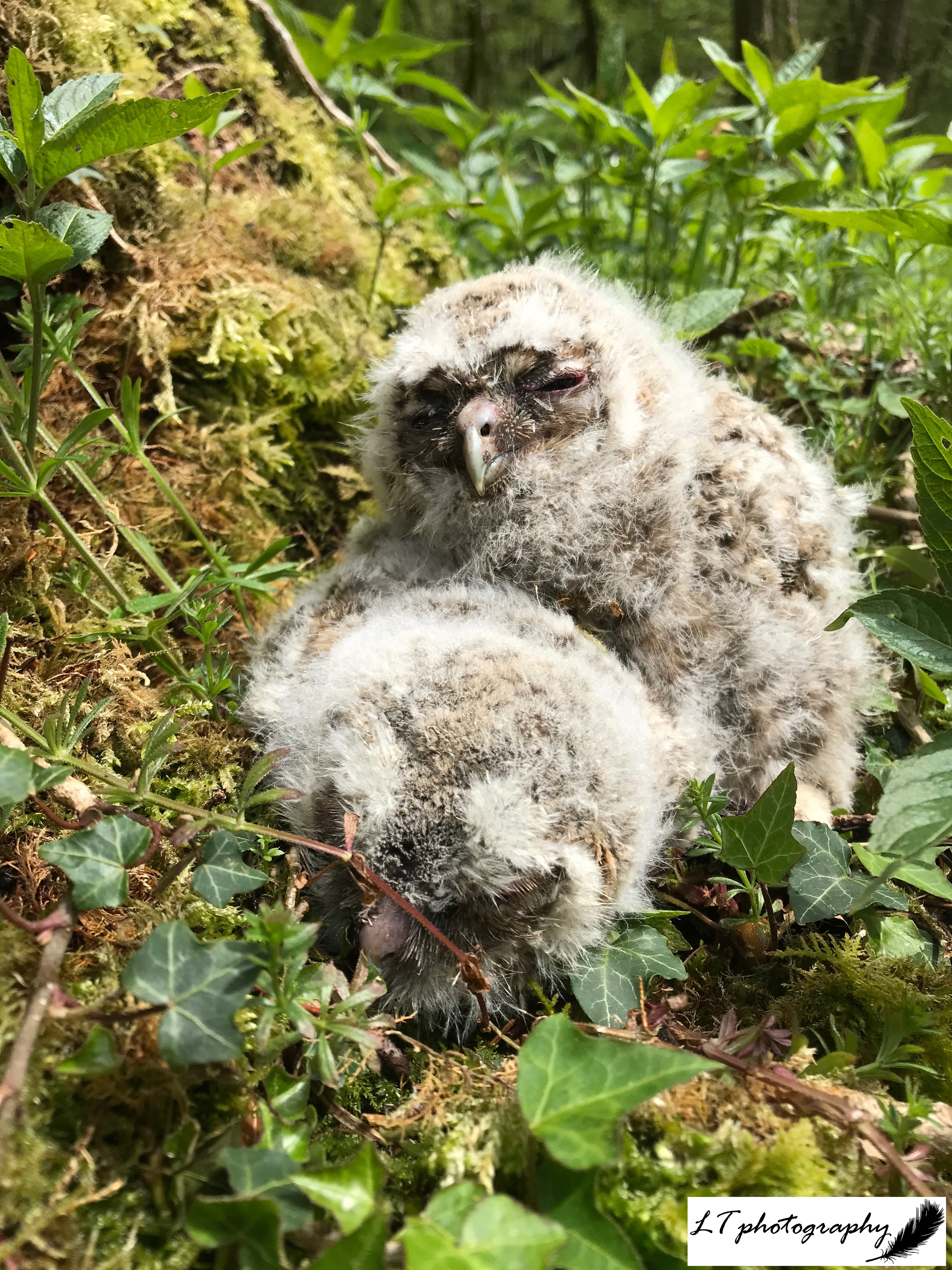
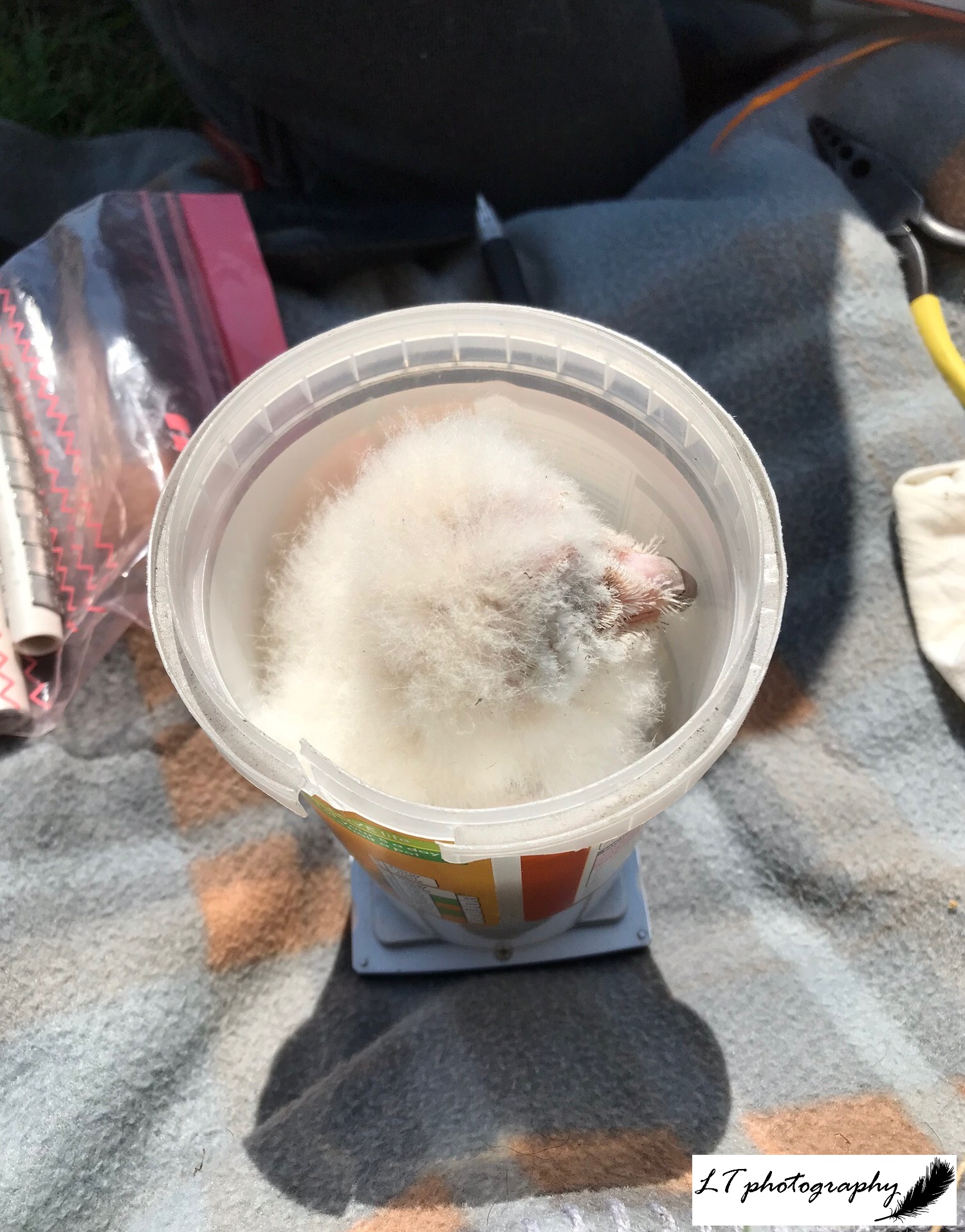
6. Tawny owl chicks – One of my highlights of spring this year has been ringing chicks under license with my bird ringing group (Conservation Action). In particular, I had a great day in early May at the Woodland Trust’s Duncliffe Woods site in North Dorset checking tawny owl nest boxes. It has been a poor year for tawny owls in general, which was reflected by Duncliffe Woods, but we did get lucky and found 3 active nest boxes. I had the pleasure of ringing these chicks, under permit, which will provide important information to help conserve tawny owls in the future.

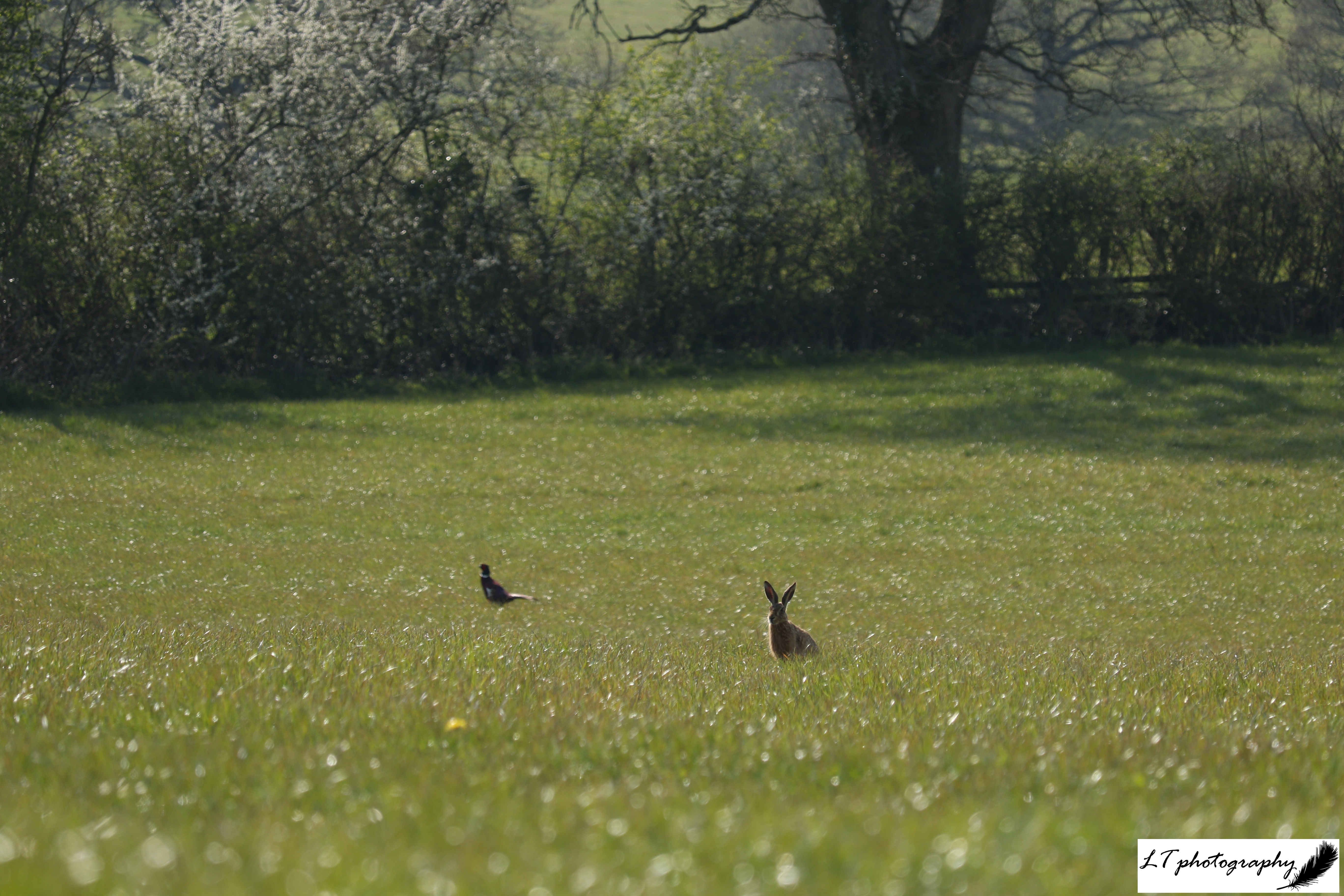
7. Brown hare – This year has been the year of the hare on my family’s farm in Dorset. We have a reputation for being a great site for this species, but this year has been truly astounding. With 1-3 hares to every field, I was humbled to spend my spring out working alongside them everyday, getting to see them up close and experience their behaviour firsthand. Truly magical!

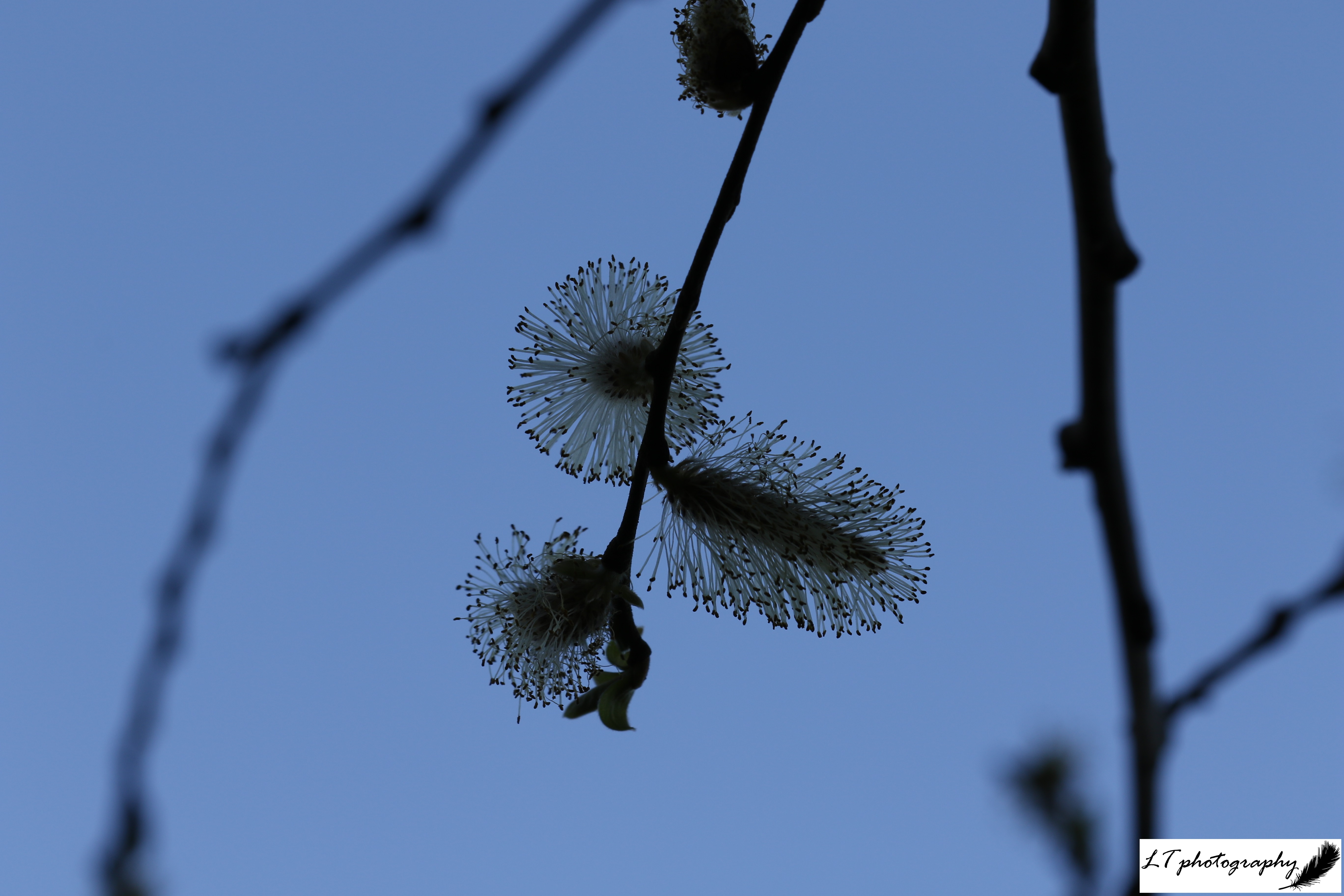
8. Pussy willow flowers – Willow flowers have been a difficult subject for me to photograph this year, with poor results. I was pleased though to find this refreshing photo on my memory card, of willow flowers stood out against a clear blue evening sky. They are beautiful in their own right.

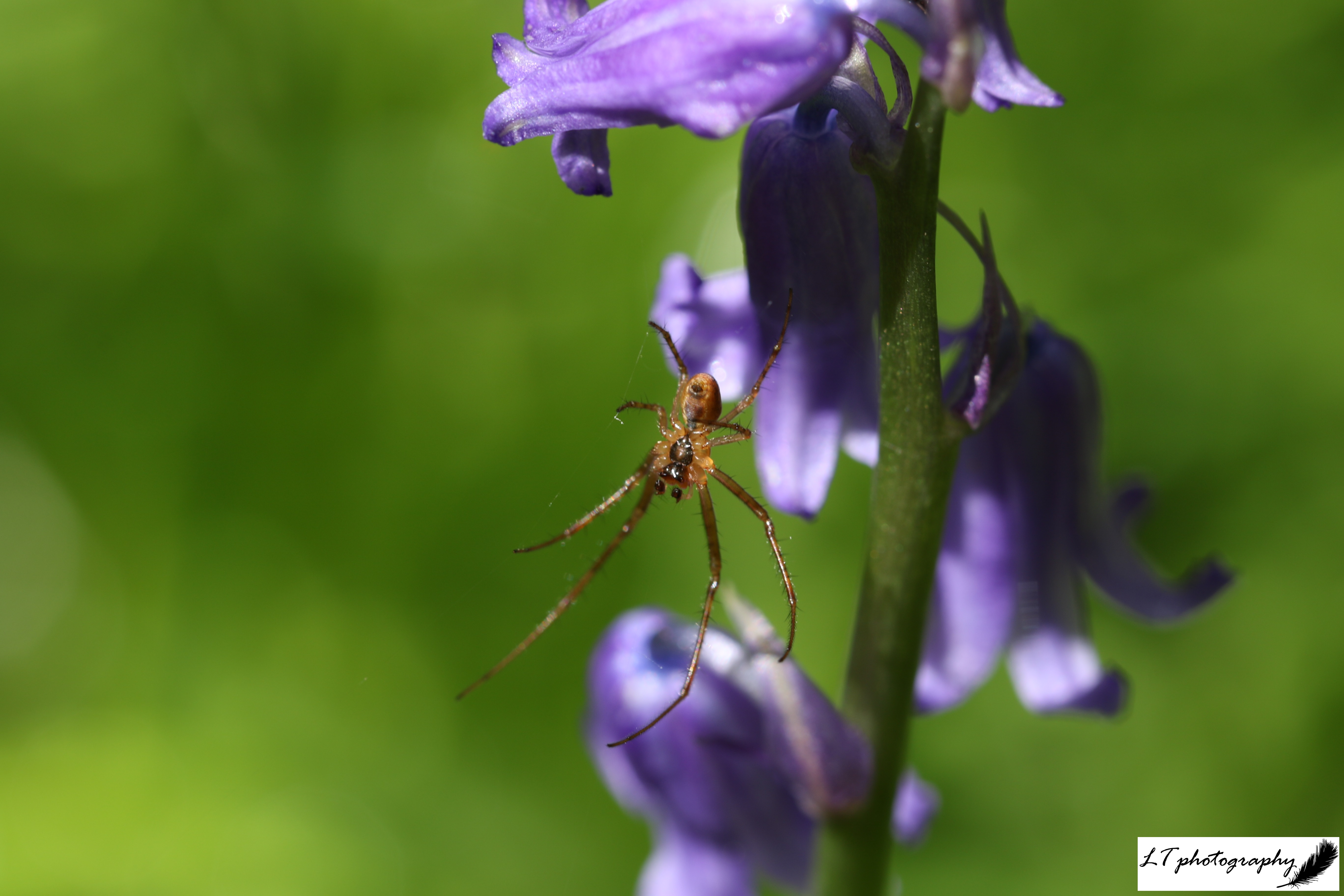
9. Spider in macro – This photo that is not photographically ‘perfect’ is still a favourite of mine from this spring for other reasons. As I invest in my camera equipment, my latest edition has been my first professional macro lens. So this photo was the first photo I even took with my new lens, and it fills me with joy to see the new world I can now start to explore.

10. Grey wagtail – Last year my Dad began digging a pond in his field that he is currently wilding. Though he was rained off in the autumn before completion, the half-dug pond is already attracting a wealth of species from birds to insects. Majestic grey wagtails that have begun populating this area over the winter have also found the pond this spring.

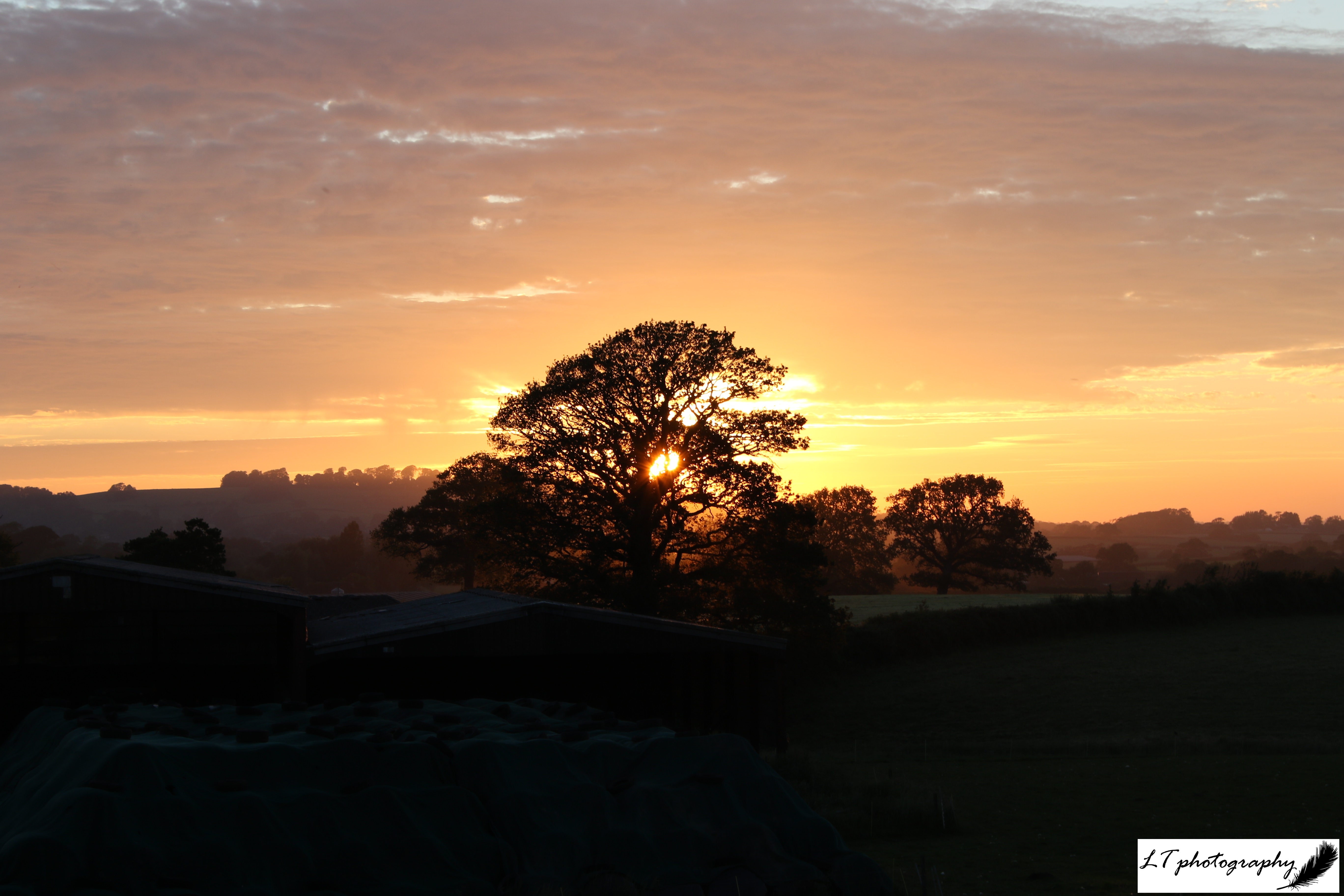
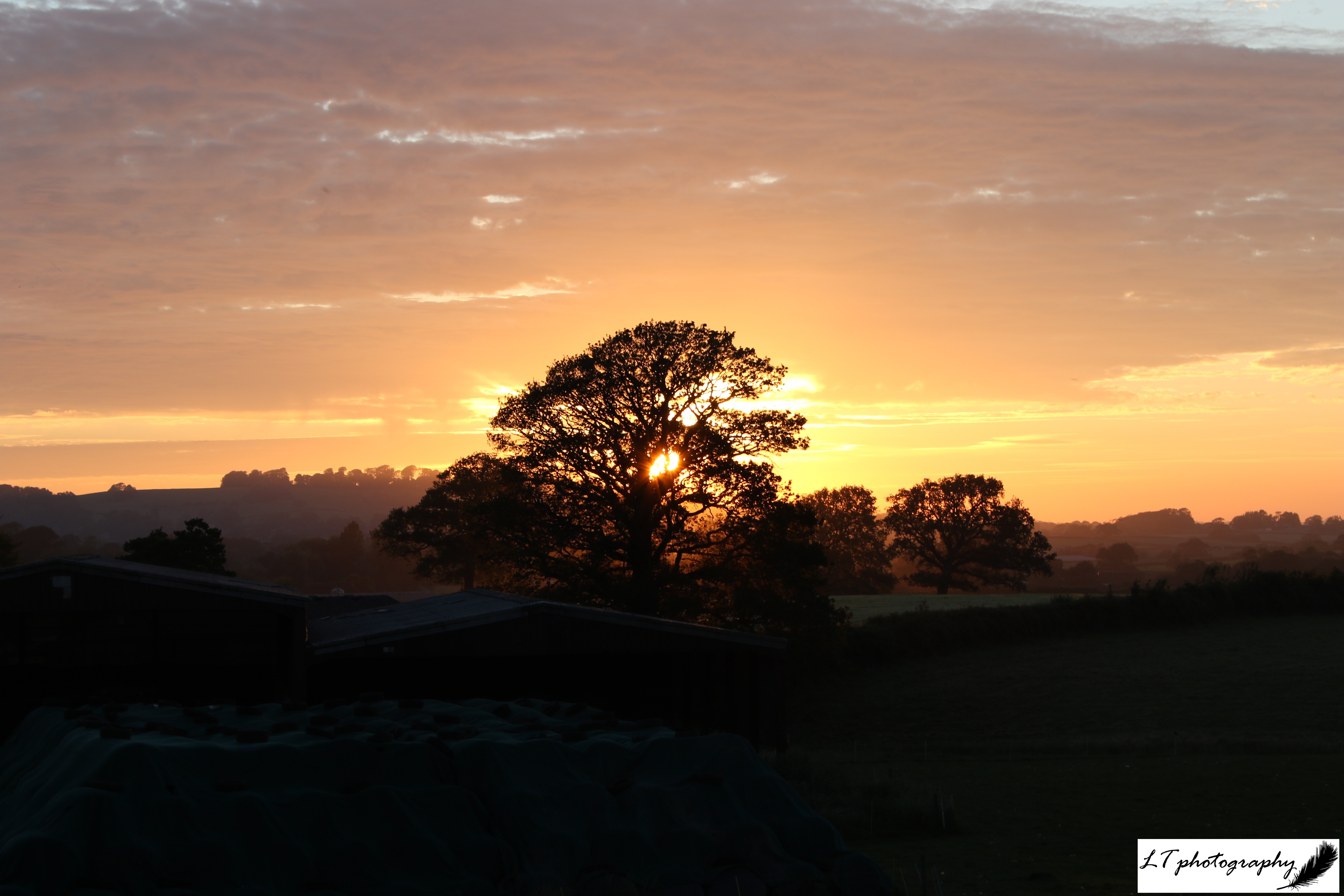
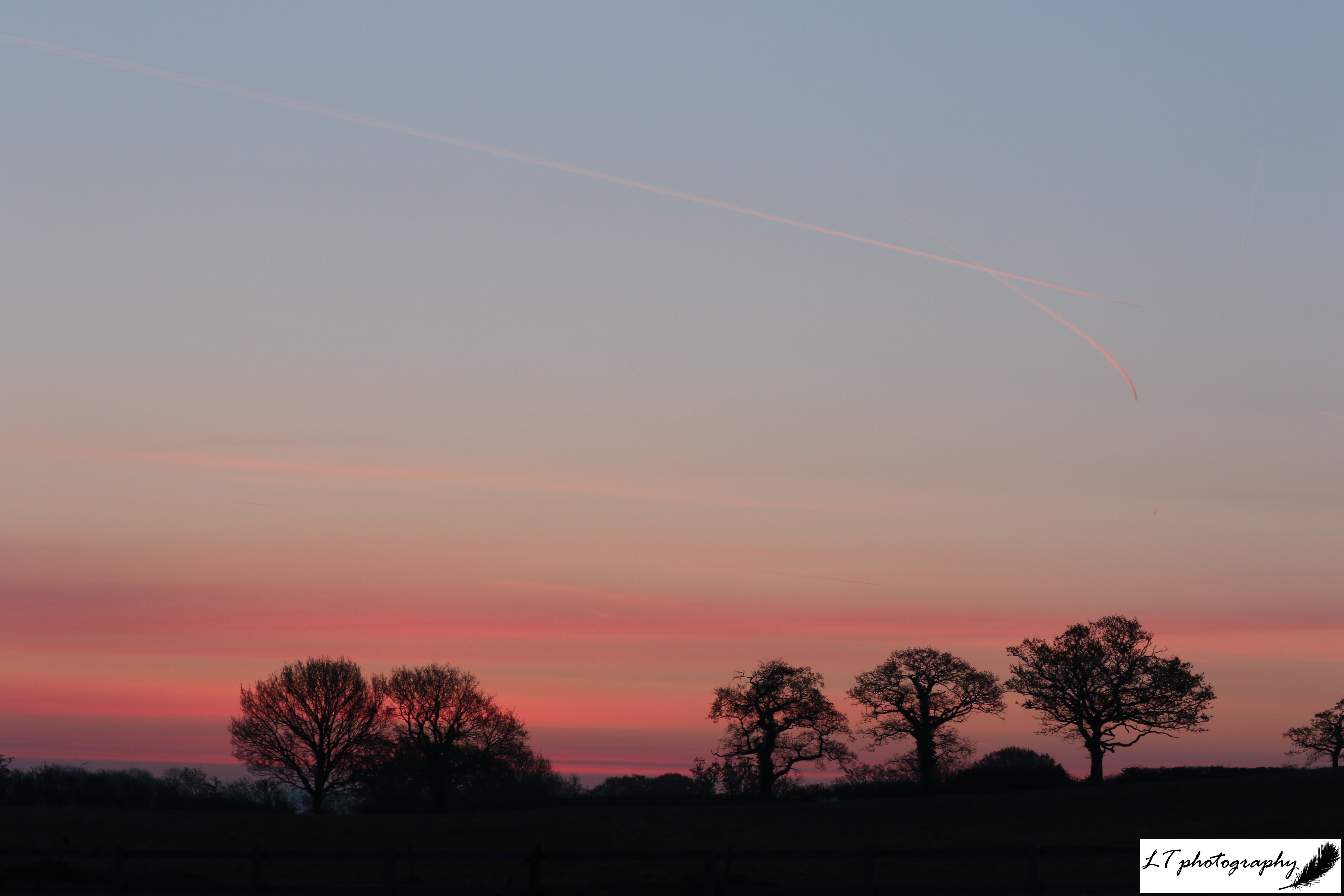
11. Sunset – Though sunrises are magical, sunsets have always been my most favourite time of the day. This is because many of my happiest memories can be linked to beautiful and vibrant sunsets from field research in Canada to evenings at home on my family’s farm. I have seen so many incredible sunsets already so far, but I hope to see many more in the future.

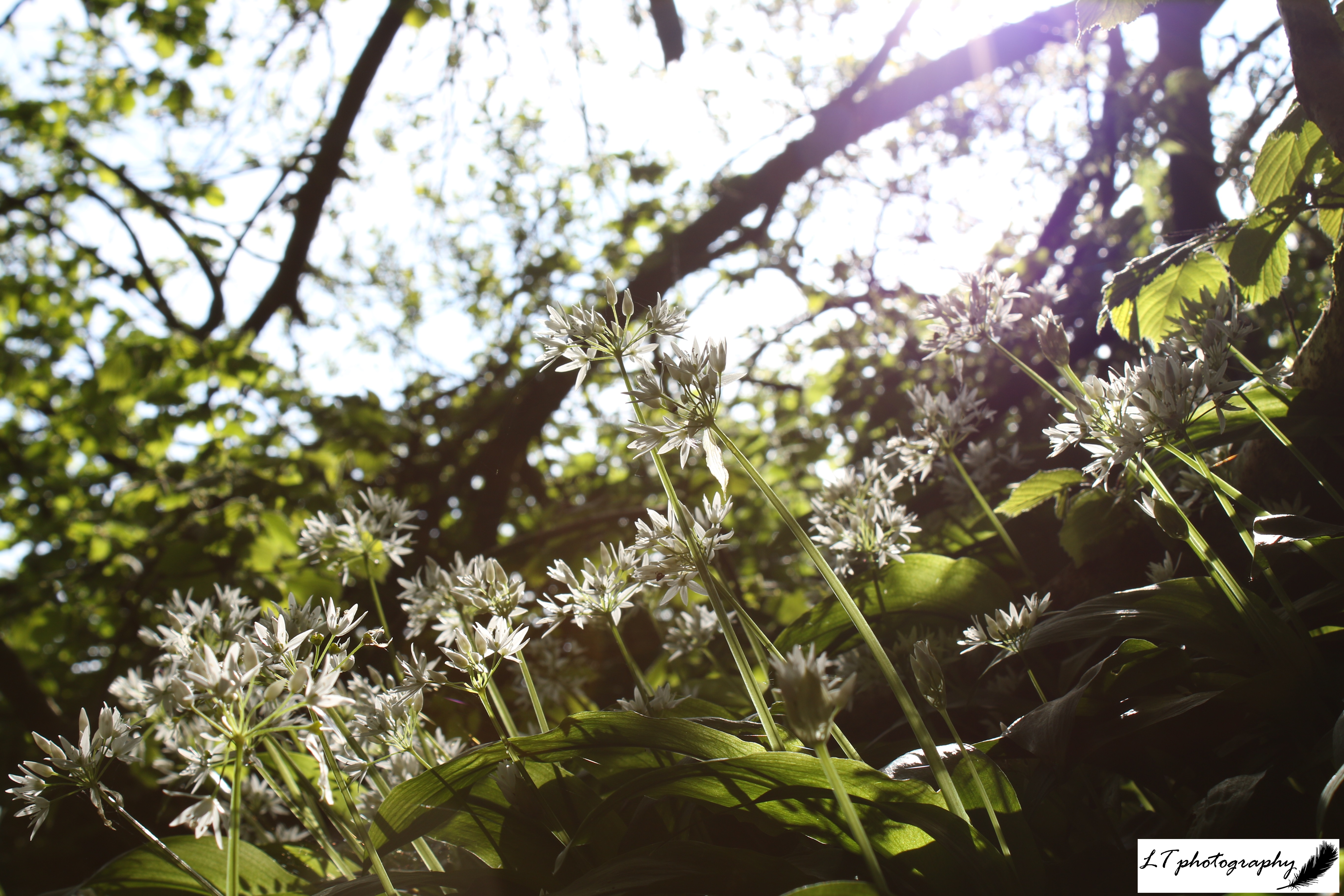
12. Wild garlic – Though my busy spring dissuaded me from mornings waking up before the sunrise, I did spend a couple of glorious mornings waking up and getting out an hour or so after instead. The light is glorious at this time of day and always provides me with inspiration for my photos and life in general. This photo represents this magical time of day and the joys of spring flowers, wild garlic being an iconic example.

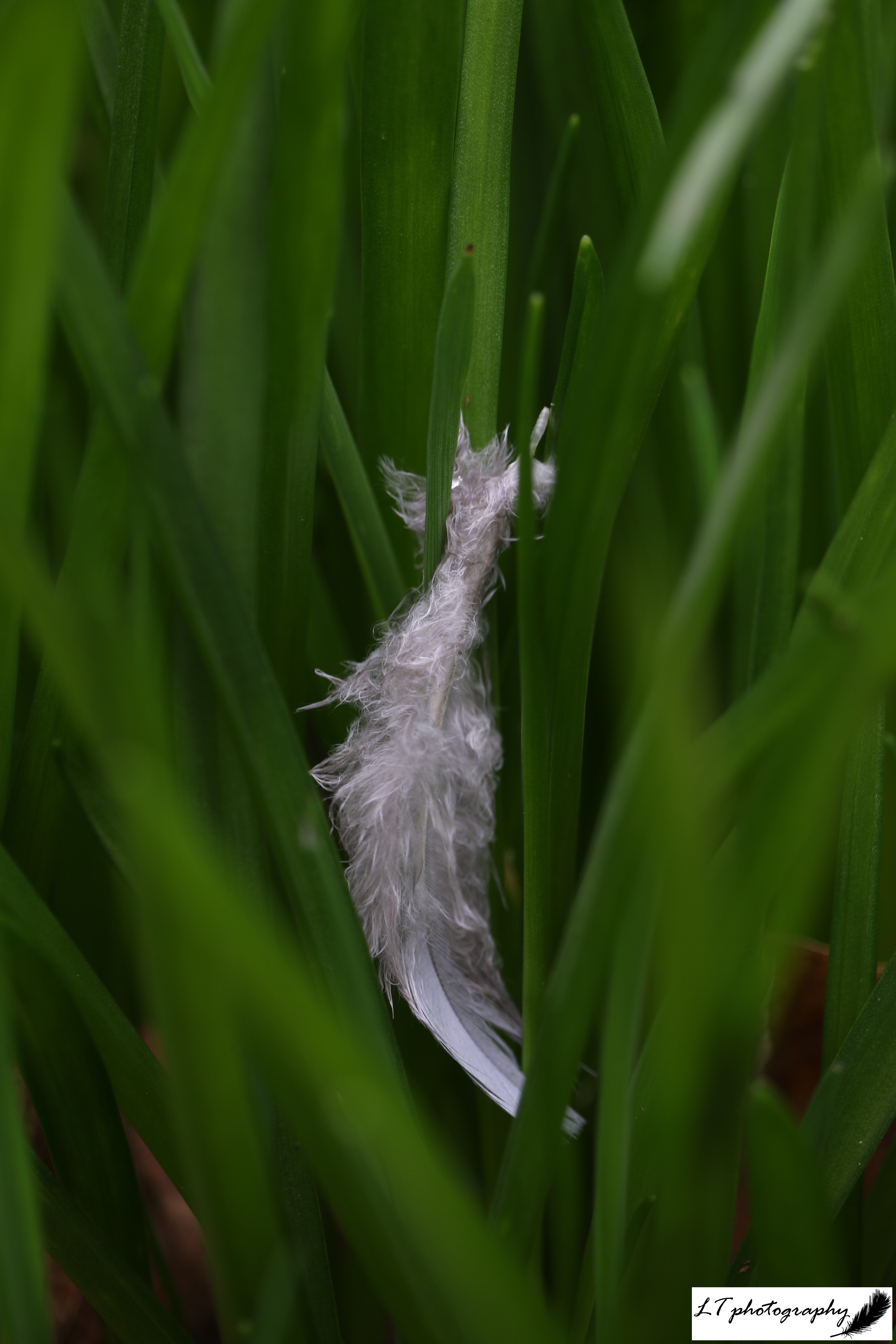
13. Feather in the bluebells – Wait, a feather again? Well feathers always sneak into my many files of photos, being a symbol of mine and representing my love of feathered species. They can also tell us useful information about what is living in a habitat, for example this feather is most likely from a collared dove.

14. Aberdeen angus calf – This photo is one of my favourite photos of one of my mum’s beef suckler calves. Spring is a time of new life in nature and on the farm, with my mum’s small free range beef herd giving birth at this time. This year they have weathered it through some turbulent months, but now are enjoying a bit of sunshine on their backs.

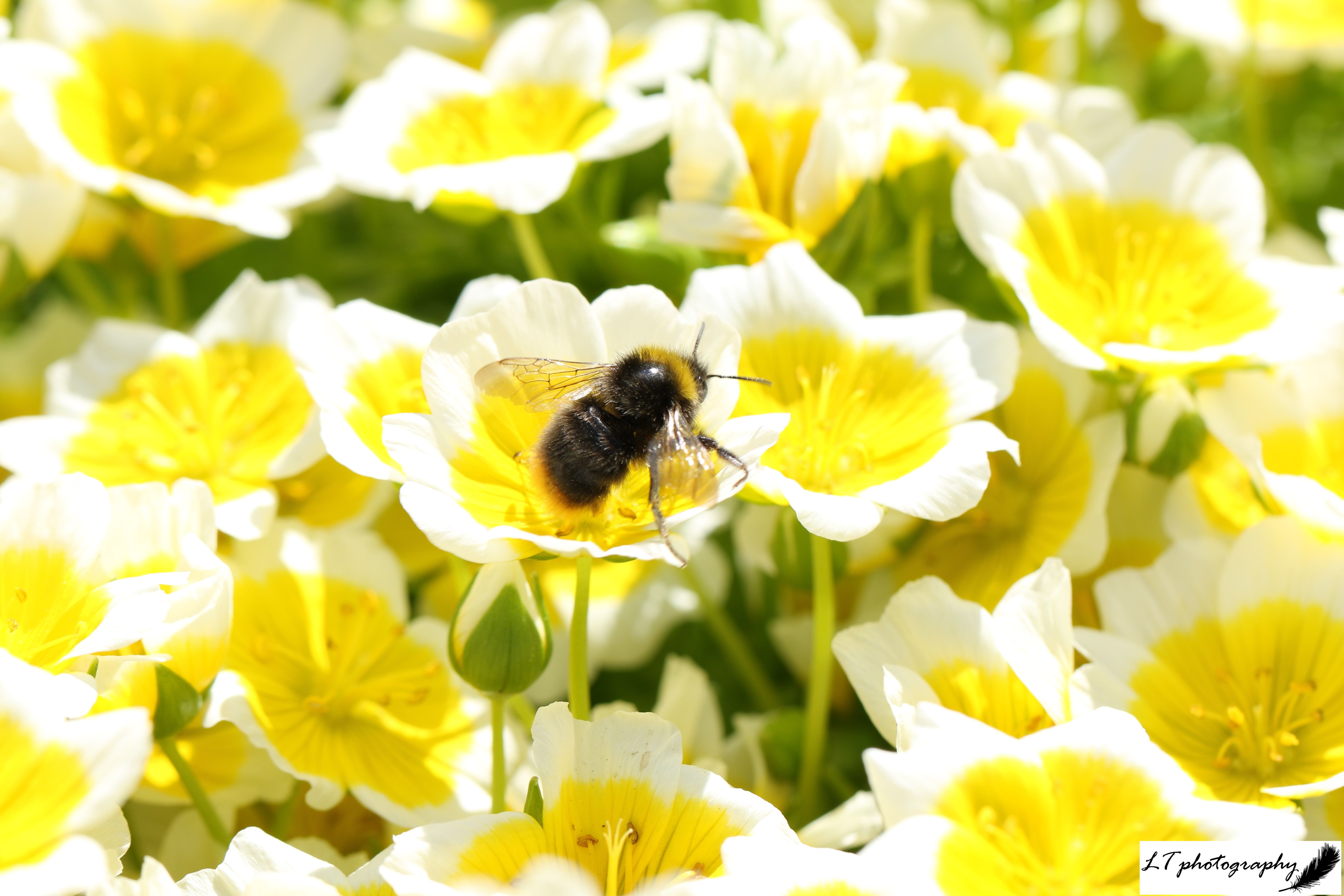
15. Honey bee – As I was intending to buy a macro lens this year, I made sure to time my purchase to be able to use it on the flowering of the poached egg plants in my family’s garden. It arrived well in advance, and, despite some rained off days, I got to spend some happy lunchtimes in the sunshine photographing bees on these flowers. This is one of my favourite macro photos of the flowers this year.

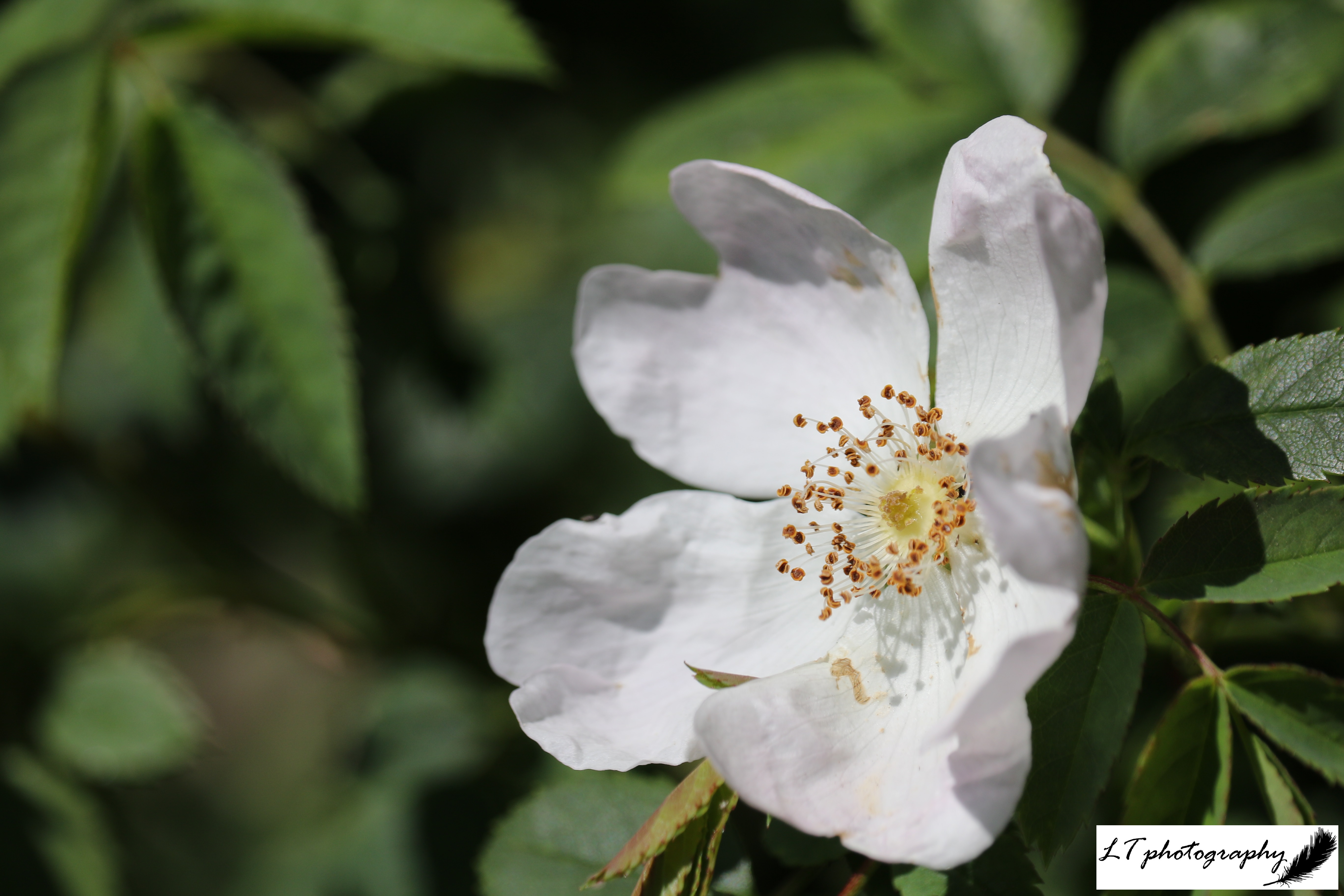
16. Dog roses – Dog roses were the last event of spring that I looked out for this year, and it kept me waiting! They were 22 days later for me than last year, with the first flowers blooming on the 8th June. They came out in force though, covering hedges within the space of a couple of days, adding some more colour to our hedgerows. With their lateness though, I feel like they also marked the end of spring this year.

Spring 2021: How It Happened

This spring has been an unexpected, unpredictable and turbulent season, that has taken its time to unfurl. Traditionally spring is a season that is characterised as calm and dry, with days getting longer and warmer, and the potential for cooler nights. As lighter evenings returned this year though, spring was far from traditional, with a stormy then hot March, cold and frosty April, and a wash out of a May.

Since 2017, I have recorded the dates of the events of spring every year, and with the start of my blog, every year since I have analysed and compared spring events to see how the season took form. Last year I showed that the timing of spring events is heavily linked to spring weather, resulting in either earlier or later occurrence accordingly. Over the last couple of years this has varied alot, so it will be interesting to see what has gone on this year.

This spring a lot has been going on for me, but I have still found time to be out in nature as much as possible and to enjoy the time when one season slips into another. It has felt that spring has dragged on longer this year, with the potential effects of spring starting warm and progressing to cold, then wet. So as this spring comes to a gradual close and the heat sets in, it is time to find out what actually went on during spring 2021.

Trees

This year there was a general trend for trees being later in their bud burst, leaves unfurling, and flowering compared to 2020. Even before the frosty nights of April, silver birch (Betula pendula) buds burst 14 days later on 26th March, Norway maple (Acer platanoides) first flowered 5 days later on 26th March, and beech (Fagus sylvatica) buds burst 14 days later on 27th March.

As we moved through April and into May, spring events began to stretch even further in their lateness. For example, wild cherry (Prunus avium) buds burst 35 days later on 8th April, horse chestnut (Aesculus hippocastanum) first flowered 18 days later on 20th April, alder (Alnus glutinosa) buds burst 15 days later on 21st April, the first lime (Tilia x europaea) leaves unfurled 23 days later on 26th April, pedunculate/english oak (Quercus robur) leaves first unfurled 31 days later on 5th May, and ash (Fraxinus excelsior) flowered 37 days later on 9th May.

Field maple (Acer campestre) did not follow this trend though, with bud burst being 10 days earlier on 26th March, and first leaves unfurling 5 days earlier on 1st April. This may be as these trees missed the worst of the spring weather, but for the other trees spring events ranged from being 1 to 37 days late!

Shrubs

For a lot of the shrub species I monitored a similar trend was shown as with tree species, being later compared to 2020. For example, elder (Sambucus nigra) leaves first unfurled 34 days later on 18th March, blackthorn (Prunus spinosa) first flowered 17 days later on 23rd March, and hawthorn (Crataegus monogyna) first flowered 23 days later on 11th May.

Though half of the shrubs I monitored were later in their spring events, ranging anywhere from 2-34 days later, two species did not completely fit this trend. For lilac (Syringa vulgaris) bud burst occurred 12 days earlier on 24th February, but flowered 17 days later on 2nd May. This was the same for dog rose (Rosa canina), where buds burst 12 days earlier on 22nd February, but first flowered 22 days later on 8th June. For both of these species though, it is the spring events occurring before April that are earlier, as the ones occurring in April and May were not immune to the frosts and heavy rainfall like the other shrubs.

Flowers

For many of our commonly associated spring flower species, there was a little more of a split between appearing earlier or later, but on average they flowered later compared to 2020. Snowdrops (Galanthus spp.) first flowered 15 days later on 18th January, wood anemones (Anemone nemorosa) 8 days later on 30th March, bluebells (Hyacinthoides non-scripta) and greater stitchwort (Stellaria holostea) both 4 days later on 1st April, cowslips (Primula veris) 12 days later on 2nd April, early purple orchid (Orchis mascula) 12 days later on 18th April, wild garlic (Allium ursinum) 14 days later on 20th April, and oxeye daisy (Leucanthemum vulgare) 16 days later on 3rd June.

The exceptions were a section of earlier flowering species, including primrose (Primula vulgaris) first flowering 27 days earlier on 31st December, lesser celandine (Ficaria verna) 3 days earlier on 15th January, daffodil (Narcissus spp.) 22 days earlier on 19th January, and cuckooflower (Cardamine pratensis) 10 days earlier on 8th April. These flowers would have been influenced by a warmer winter and start to spring, generally flowering before the cold spell in April.

Birds

On average, bird species spring events have also become later this year compared to 2020. I heard my first song thrush (Turdus philomelos) singing 17 days later on 1st January, I saw my first rook (Corvus frugilegus) nests being built 10 days later on 25th February, and I heard my first chiffchaff (Phylloscopus collybita) on 16th March. April and May events were again influenced, for example I saw my first swallow (Hirundo rustica) 5 days later on 10th April, saw my first house martin (Delichon urbicum) 9 days later on 21st April, heard my first cuckoo (Cuculus canorus) 3 days later on 1st May, and saw my first swift (Apus apus) 10 days later on 16th May.

There were two exceptions though, where I recorded hearing my first blackbird (Turdus merula) singing 13 days earlier on 10th February, and saw my first blackcap (Sylvia atricapilla) 8 days earlier on 14th April. These would most likely relate to other influencing factors, such as overwintering in the UK or habitat requirements.

Insects

Compared to previous years, I have still yet to see some species of butterfly that would typically be on the wing by now, such as gatekeeper butterflies (Pyronia tithonus). For the insects I have seen though, again there was a split in event occurrence compared to 2020. For example, I saw my first small tortoiseshell butterfly (Aglais urticae) 2 days later on 7th April, red admiral butterfly (Vanessa atalanta) 26 days later on 7th April, brimstone butterfly (Gonepteryx rhamni) 26 days later on 18th April, and speckled wood butterfly (Pararge aegeria) 52 days later on 13th June.

The early emergers came in the form of my first buff-tailed bumblebee (Bombus terrestris) 14 days earlier on 27th February, peacock butterfly (Aglais io) 5 days earlier on 30th March, orange-tip butterfly (Anthocharis cardamines) 13 days earlier on 31st March, and red-tailed bumblebee (Bombus lapidarius) 12 days earlier on 19th April. Despite these species appearing earlier in spring, later flowering plants will have had a knock-on effect for them due to a mismatch in timing for food. Only further down the line will we be able to see the extent of this impact.

Summary

This year I have recorded more spring dates than I have done so before, such as alder trees flowering, first yellowhammer singing, and first green-veined white butterfly, which will be useful information during the years to come. This reflects how I have felt more in touch with nature this year even with the unusual weather patterns, such as alot of rain! It became clear as we went through May though, that there was a trend for events happening later and later. This is why I was so interested to see how far this trend actually extended amongst species.

Last year I wrote that spring events are ‘in fact getting later, which will be related to… weather and environmental factors here and further afield’. This year this has turned out to be the case, which shows how climate change is having more of an impact through changes in weather patterns rather than just warmer temperatures. Earlier spring events have been getting earlier with warmer winters, but heavy rainfall and colder starts to spring have been affecting late March to May events most. I wonder now what impact this might have as we move forward, for example greater mismatches in ecological timings.

Spring Countryside Camera Trapping 2020

Through the stillness of an early morning mist, a shape appears, carefully stepping through the short undergrowth. She weaves through the trees, stopping to pick and browse as she goes. Then she stops, motionless. Ears pricked she listens out into the gloom, something catching her attention. Magnificent silhouette, the more impressive for her swollen belly, a sign of new life to come. Here she is captured, a glimpse of a world unknown, forever immortalised in a frame.

Camera traps provide a window into another world, one that is often unseen and unknown. As technology improves and efforts increase, humans are now capturing the natural world in increasing detail, observing new behaviours, and keeping track of wildlife that would otherwise be difficult to monitor. Camera traps also provide us as individuals with the opportunity to open our eyes to the world that lies outside our doors. To find out more about camera traps, how to use them, and for some inspiration, check out my ‘How to… Use and Make the Most of a Camera Trap’ post.

Since I got my camera trap a few years ago, it has become an important way for me to explore the hidden world around me. In particular, during spring 2019, I spent 10 weeks conducting camera trap surveys across 5 sites on my family’s land in Dorset. It was a lot of fun to see what species I could detect and in what numbers, whilst seeing how things changed over a period of time. For my results, check out my ‘Spring Countryside Camera Trap Surveys’ post on my blog.

Camera Trapping 2020

This year, despite COVID-19 leading to a national lockdown, I tried to utilise the time I got to spend outside to get my camera trap out as much as possible. The result was some successful and really enjoyable camera trap experiences throughout the spring, which helped to keep me going. On my adventures, I chose to focus on a mixture of 5 new and old sites, including Badger setts, a footpath, a Sycamore copse and a meadow. It was great to once again monitor the animal populations on our farm, experience new life, and to see if something interesting might turn up!

Highlights

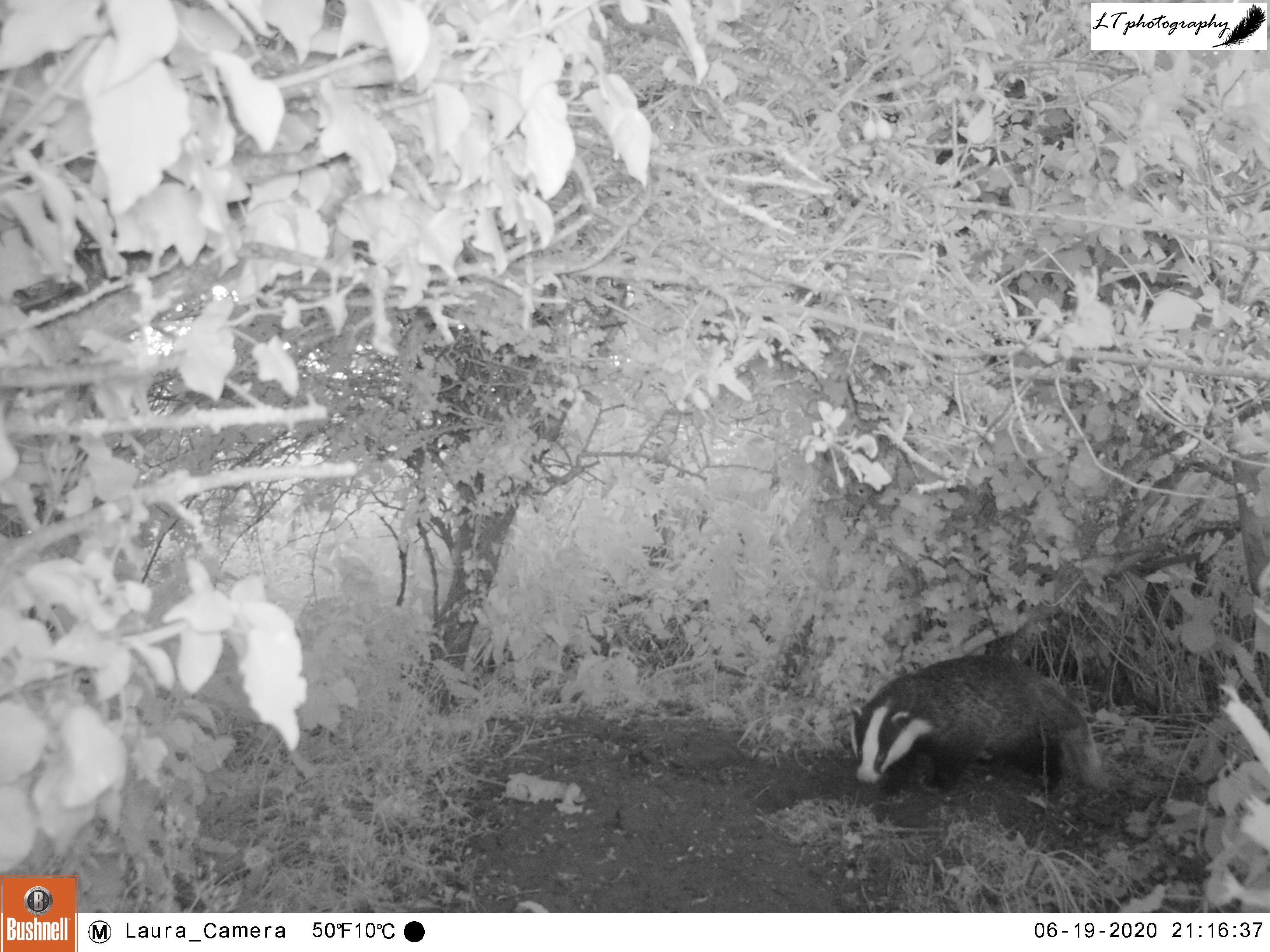
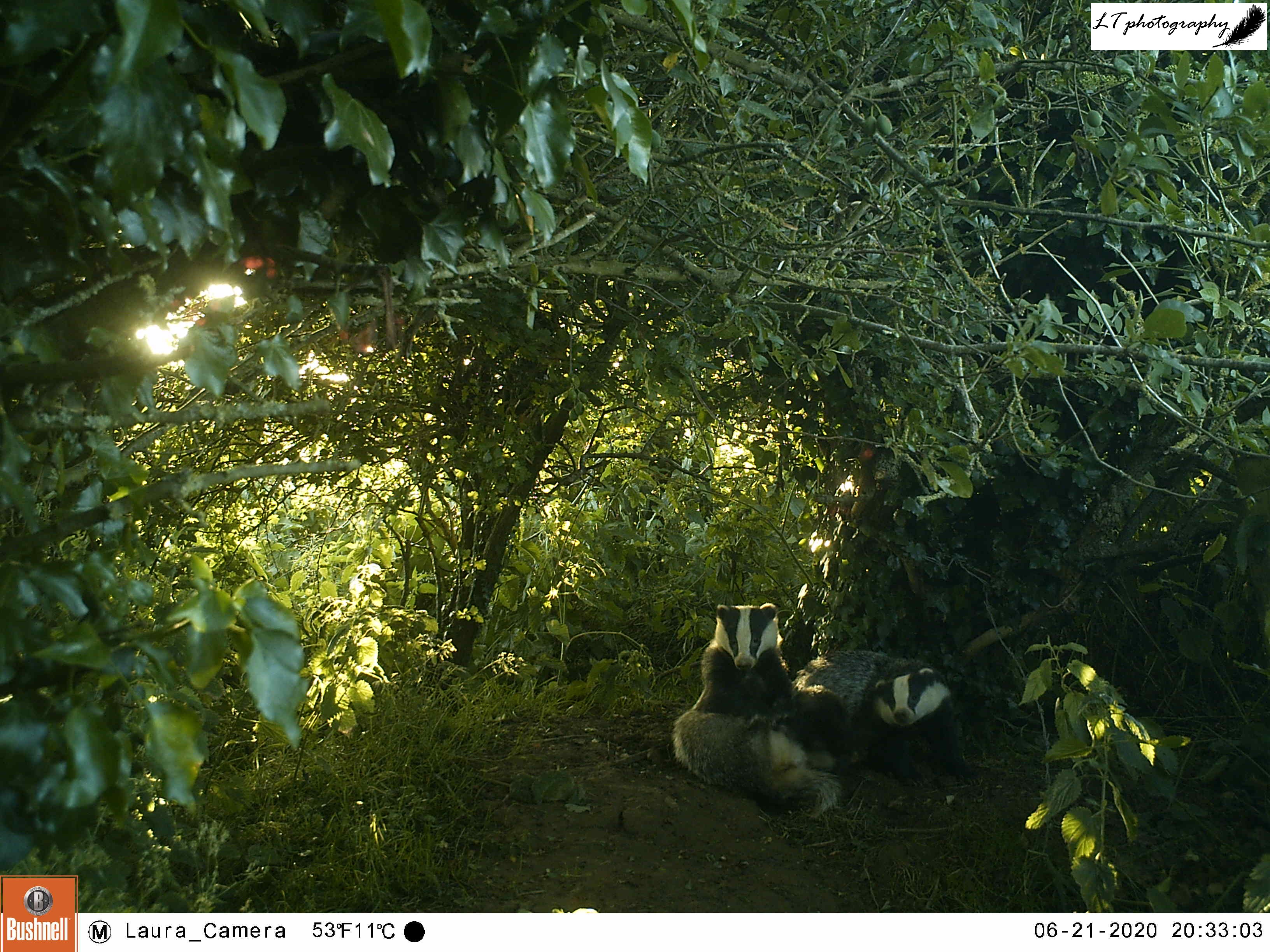
The real stars of my camera trapping this spring just happened to be our British large mammals. In particular some of my highlights involved fantastic sightings of charismatic Badgers. One of my favourites was capturing 2 cubs playing and fighting outside the entrance of a sett at all times of day in April, with a parent often popping in to check on them. I also had some great luck at another sett in June, where my camera trap captured 2 Badger cubs interacting with each other in their natural habitat, in an open area within a hedge. It was really great to see!

This year Foxes were also popular sights on my camera trap. These ranged from adults and cubs at their dens to being captured on the move, giving me a new insight into their lives and interactions. Roe Deer were also a popular sight on my camera trap as they moved through their habitat and spent time foraging, with does and bucks often being seen separately at these same locations. All wildlife are fantastic to be able to experience in this way though!

When Things Go Wrong!

With the highs of camera trapping, there are always bound to be some lows. With many successful days camera trapping this year, my low came in the form of one project not quite going to plan! After sightings of a new fox den at the border of a hay meadow, I set out to try and get photos of this family. Over the course of two weeks I threw all my ideas and efforts at achieving my goal, but over and over again the cubs alluded me. Instead my camera seemed to spend more time capturing the local Roe deer population in this particular location! Here though are some of the glimpses I did catch of this elusive family:

The Best Bit!

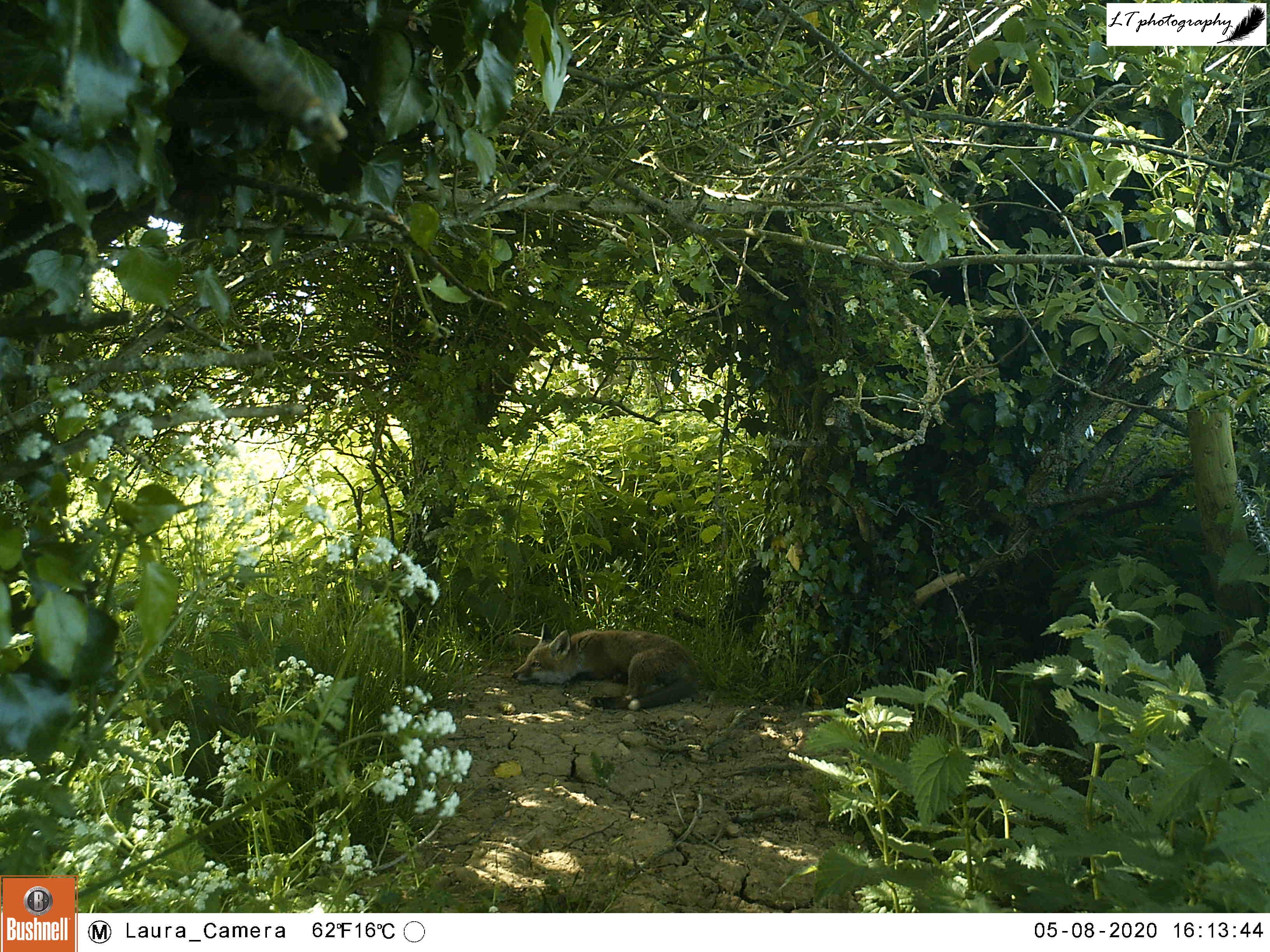
There is always going to be one highlight that stands out from a season camera trapping. For me this year my best bit came in the form of a surprise. Whilst having my camera trap out on an active Badger sett for a week in May and then in June, my camera, amongst many photos of Badgers and their cubs, caught some unexpected shots of a lone Fox cub. In my photos, most days the cub would spend its time sleeping and playing alone in the central area of a hedge above a Badger sett. Sometimes it also made an entrance at night, but it was always seen alone. It was an interesting insight into this cub’s more unusual world.

As the natural world now begins to descend into a deep slumber, get out there now and explore, allowing your surroundings to give you strength, whilst leaving nothing but footprints.

Breeding Barn Owls 2020

Feathers fluffy, downy, soft to the touch. A heart of feathers outlining inquisitive eyes. A new beginning, hints of the precious adult to come. A hope, a prayer, a future. An endearing beginning for the reticent guardian of twilight – Original Piece

As a very unusual summer comes to an end, with it also comes the end of another breeding season for the Barn Owls that call my family’s farm home. For many years now, Barn Owls have increasingly become an important species on the farm, giving an indication of habitat quality and changes in the environment.

Last year the Owls had their best year yet, with two separate pairs on the farm, one nesting in a tree and one in a nest box, fledging two chicks each. It was also the start of Barn Owl chicks being ringed on the farm, which was very exciting for us all. If you want to read more about these Barn Owls, take a look at my previous posts, including Barn Owls in the Depths of Dorset, and Barmy about Barn Owls.

This Year

This year has been another year filled with the joys of this species. From sightings around the farm throughout the seasons, to fledged chicks during the summer, it has been really special. This year we were not lucky enough to have 2 known pairs breed again on the farm, but we were lucky enough to have 1 pair breed in our Barn Owl nest box. In the end the pair hatched 4 chicks, with 2 surviving to successfully fledge in August, which was exciting nonetheless. Though no Barn Owls have bred in the old oak tree this year, it has also been actively used, becoming a popular roosting site for one or more individuals.

Conservation Action and the Barn Owl chicks

Following our Barn Owl chicks being ringed last year, I have now joined the North Dorset-based Conservation Action group, becoming a trainee bird ringer. Conservation Action is a group of experienced ornithologists and BTO trained ringers, dedicated to conserving and preserving the natural environment, ringing bird species to increase knowledge, and raising awareness of conservation efforts in younger generations. Focuses range from migrating species in Autumn to Owls and my favourites, the birds of prey.

Last year Conservation Action monitored a total of 47 Barn Owl nest boxes across Dorset, leading to 66 Barns Owls being successfully ringed (63 owlets and 3 adults). It was a great year for Barn Owls and Conservation Action alike!

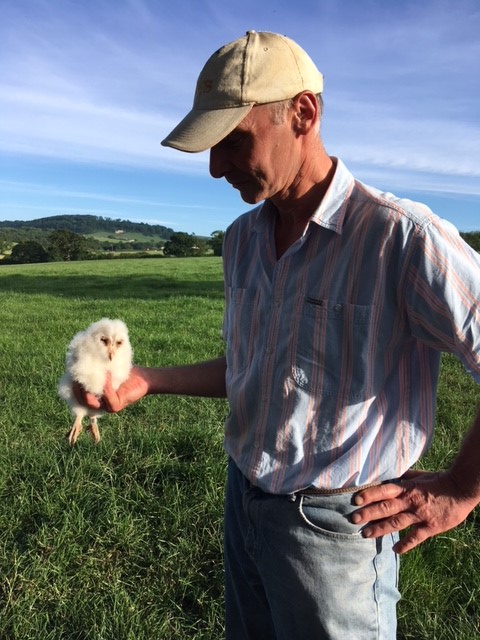
Now a member of Conservation Action and a trainee bird ringer, this year I was very excited at the prospect of Barn Owls breeding once again on our land. For this breeding season I got the opportunity to become an accredited agent under a Schedule 1 Permit, meaning that I was fully licensed to assist with Barn Owl nest box checks and monitoring, including our very own box. So it was an absolute privilege to be able to ring, under supervision, my very own 2 Barn Owl chicks this year. Such incredible birds and such a special experience, which was made all the better by getting to experience it alongside my parents and 2 year old niece!

Their Importance

Barn Owls are one important indicator species for farmland and grassland in Britain, meaning that they can tell us a lot about the condition of these habitats. With Barn Owls having made a comeback to my family’s farmland, it has also shown how changes to land management can restore and create habitat for wildlife, including for other species with related habitat needs (for more information see my post Giving Nature a Home on the Farm).

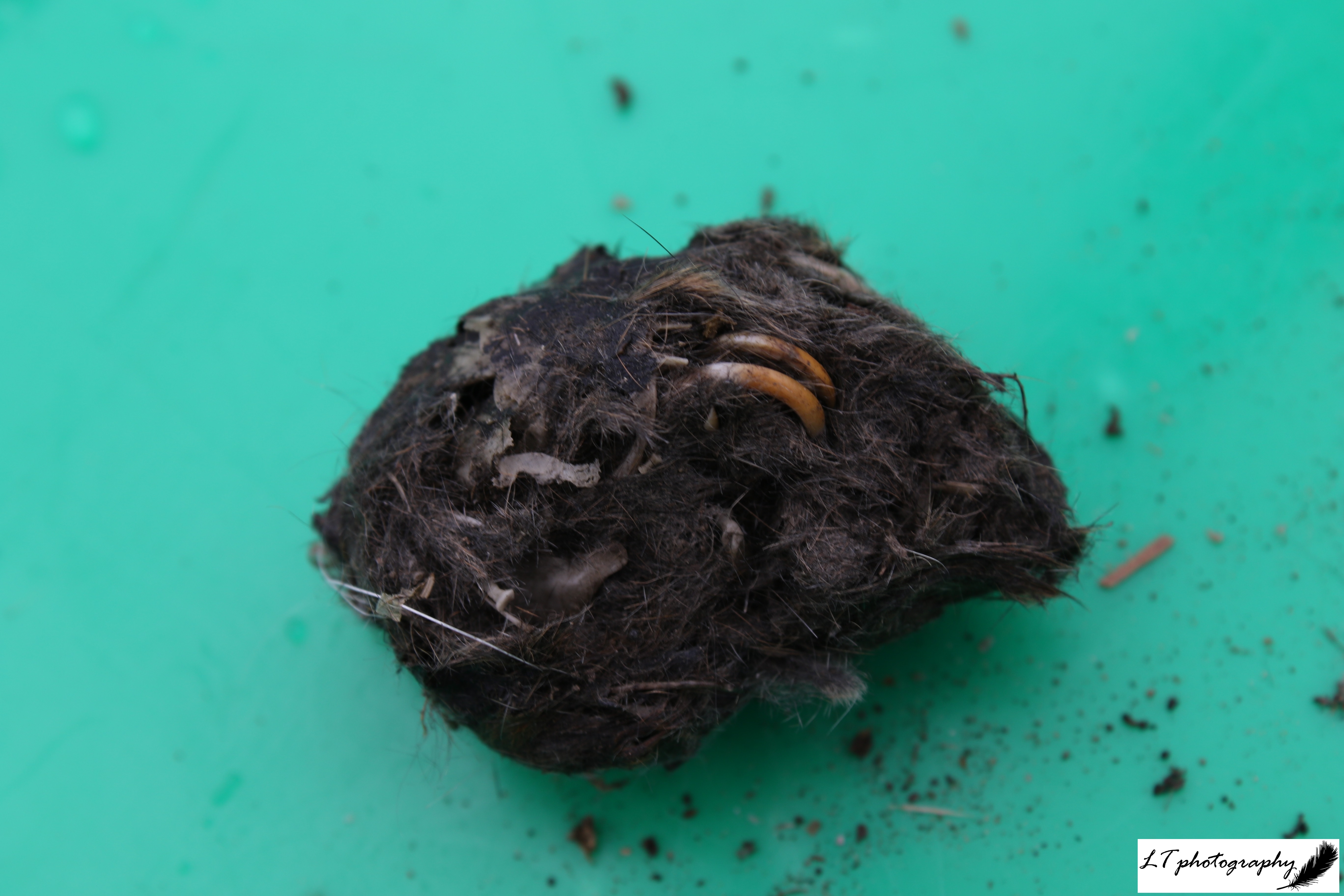
Barn Owls have also helped me to find out more about the small mammal species living on our land. This has been through dissecting pellets left by the owls, that I have previously written about in my post: How to… Be a Barn Owl Pellet Detective. For example, pellets from the roost tree have shown remains belonging to Bank Voles, Field Voles, Common Shrews, and Brown Rats, whereas pellets from the nest box barn have shown remains belonging to Field Voles, Bank Voles, Common Shrews, Pygmy Shrews, and Mice.

Moving Forward

After this year’s Barn Owl breeding season, and the excitement of Barn Owls continuing to breed on the farm, things are looking exciting for the future! It will be interesting though, to see how Barn Owls fared across Dorset and the UK this year as a whole, and to see if the farm’s 1 breeding pair followed the general trend. I also look forward to now getting more involved in monitoring Barn Owls in Dorset, spreading word of the work Conservation Action are doing, and the potential of ringing more of my own Barn Owls next year!

On the farm we now aim to continue working with Barn Owls and other wildlife in mind, and to monitor the success of new projects, including putting up nest boxes for Kestrels, Tawny Owls and Little Owls. In many ways the future looks bright to me!

How to… Identify Chalkland Wildflowers

Colourful, radiant, buzzing with life, a piece of paradise in the summer sunshine. All words to describe a small piece of chalk habitat nestled within the heart of my family’s farm in Dorset. Amidst a clay-dominated landscape, this small creation aims to emulate the approximately 41,000 hectares of lowland chalk grassland that can still be found across the UK. This super rich habitat contains over 40 species of flowering plants in every one square metre, giving chalk grassland its reputation as the tropical rainforest of Europe! Sadly though, 50% of chalk grassland has already been lost in Dorset alone since the 1950s.

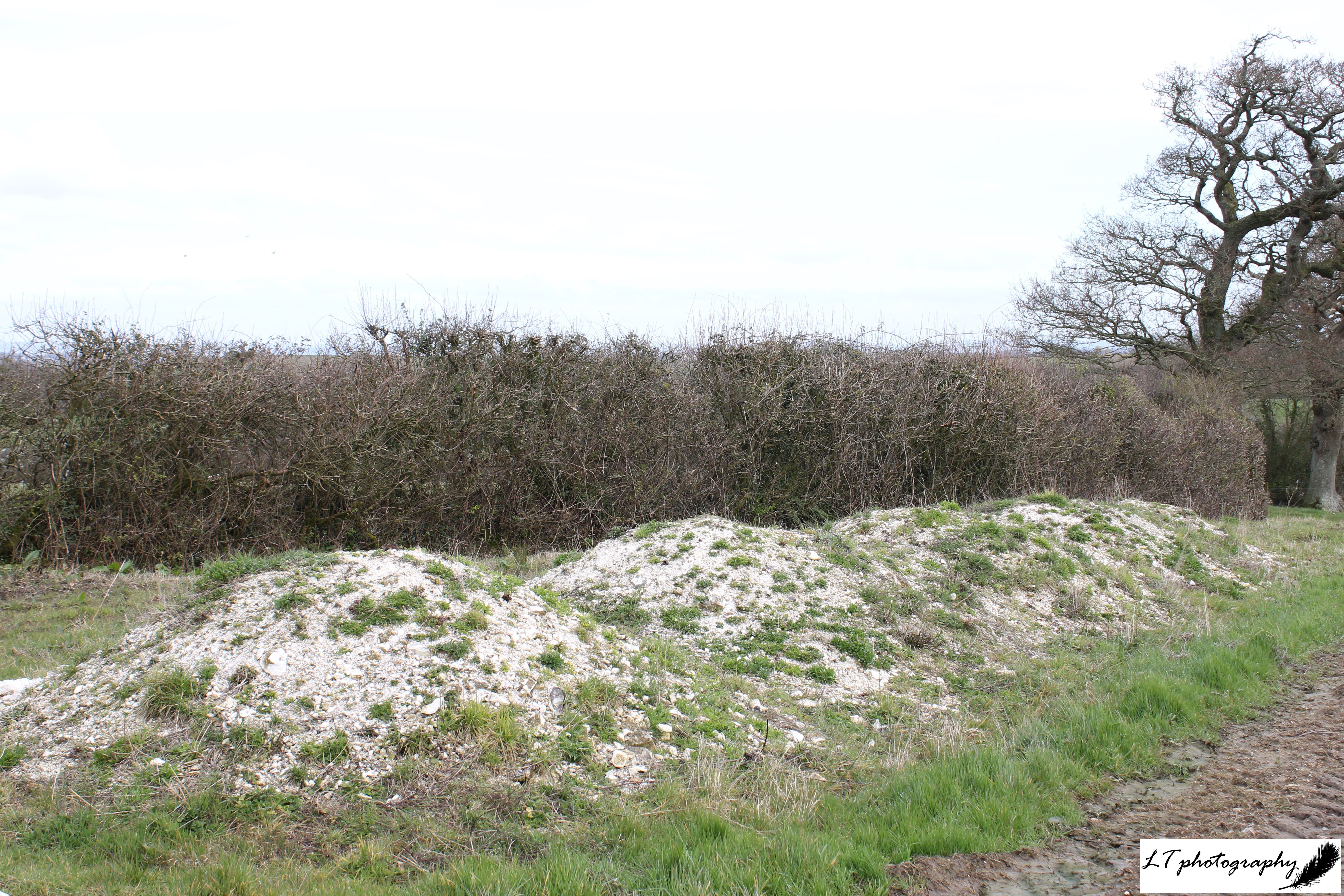
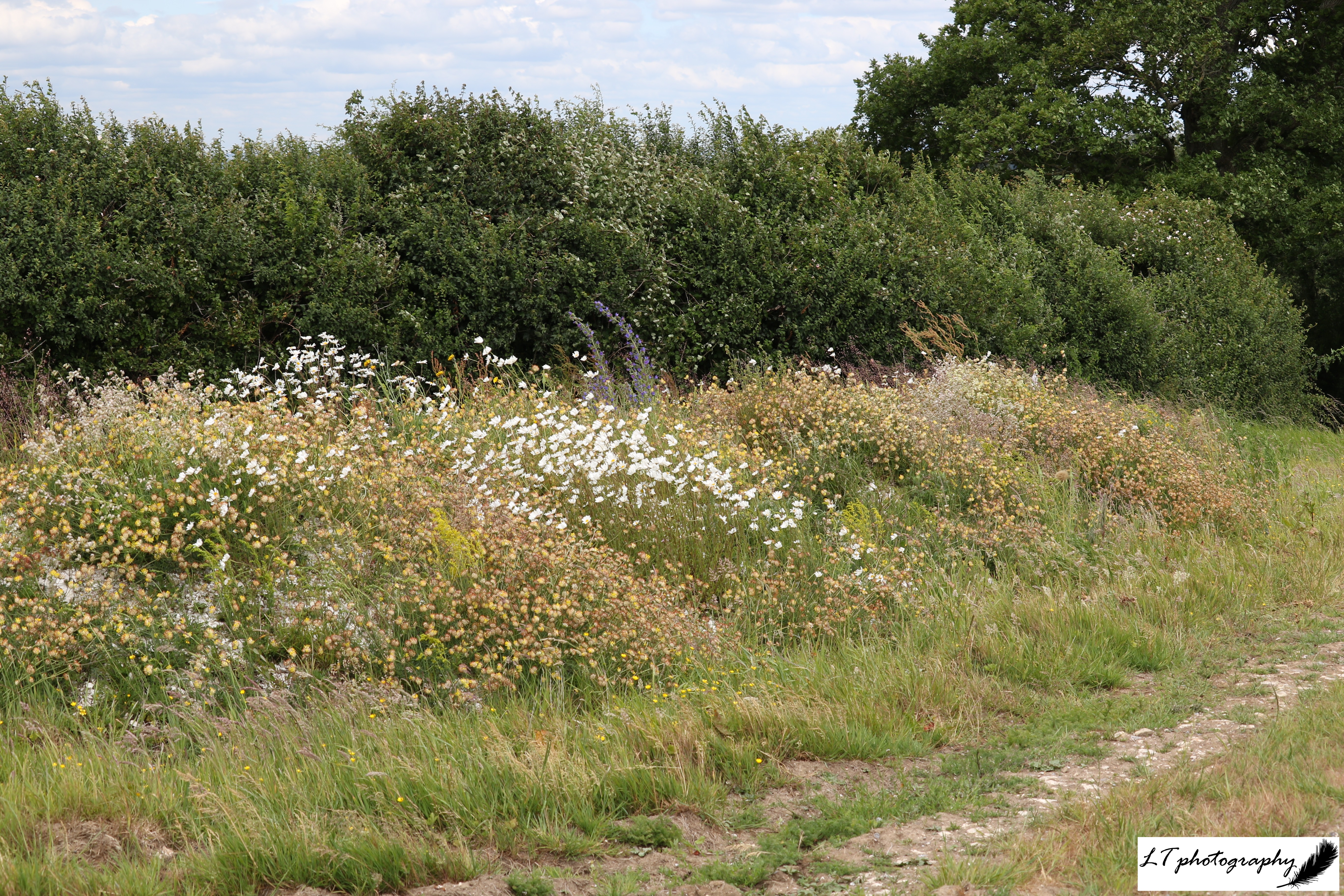
In 2017, my Dad made the decision to transform a small triangular area of land on our farm into our very own chalk paradise. Though we do not live immediately on chalk downland, it can be found to the North and South of us. This makes our location ideal to create stopover habitat or a wildlife corridor, for the myriad of species that rely on these diverse plant communities. Following bringing in 40 tonnes of quarried chalk and lots of wildflower plugs and seeds, we now have a thriving 10m by 3m and 2m in height chalk mound.

Though my family’s chalk habitat is still in its relative infancy, over time it is transforming into a wildlife haven. From Grasshoppers and Marbled White Butterflies to blue Butterflies and Carder Bees, new species are popping up each and every year. This mini habitat has also been a great place for my mum to teach me all about the plant species that call chalkland grassland home. With her inspiration, I have put together a simple guide to identifying just some of the many wildflower species that are appearing on our mound.

Chalkland Wildflowers

Wild Marjoram (Origanum vulgare)Wild Marjoram

  • Family: Mint
  • Lifespan: Perennial (lives for several years)
  • Size: Short to medium height (30-60cm)
  • Stems: Erect, dark-red, downy and either round or square
  • Leaves: Oval, often slightly toothed, stalked, and 1.5-4.5cm in length
  • Flowers: Dark purple buds in loose clustered heads, opening to pale purple 6-8mm long flowers. Strongly aromatic. Flowers July-September
  • Range: Found throughout the UK (particularly in the South), but scarcer in Scotland
  • Fun Facts: This culinary herb is a symbol of happiness descended from Roman legend, with Origanum meaning ‘mountain joy’

Kidney Vetch (Anthyllis vulneraria)Kidney Vetch

  • Family: Legume
  • Lifespan: Annual (lives for one year) or perennial
  • Size: Sprawling and medium in height (up to 60cm), but very variable
  • Stems: Silkily hairy, round, and often greyish
  • Leaves: In pairs, they are silky white below and green above, and are 30-60mm in length
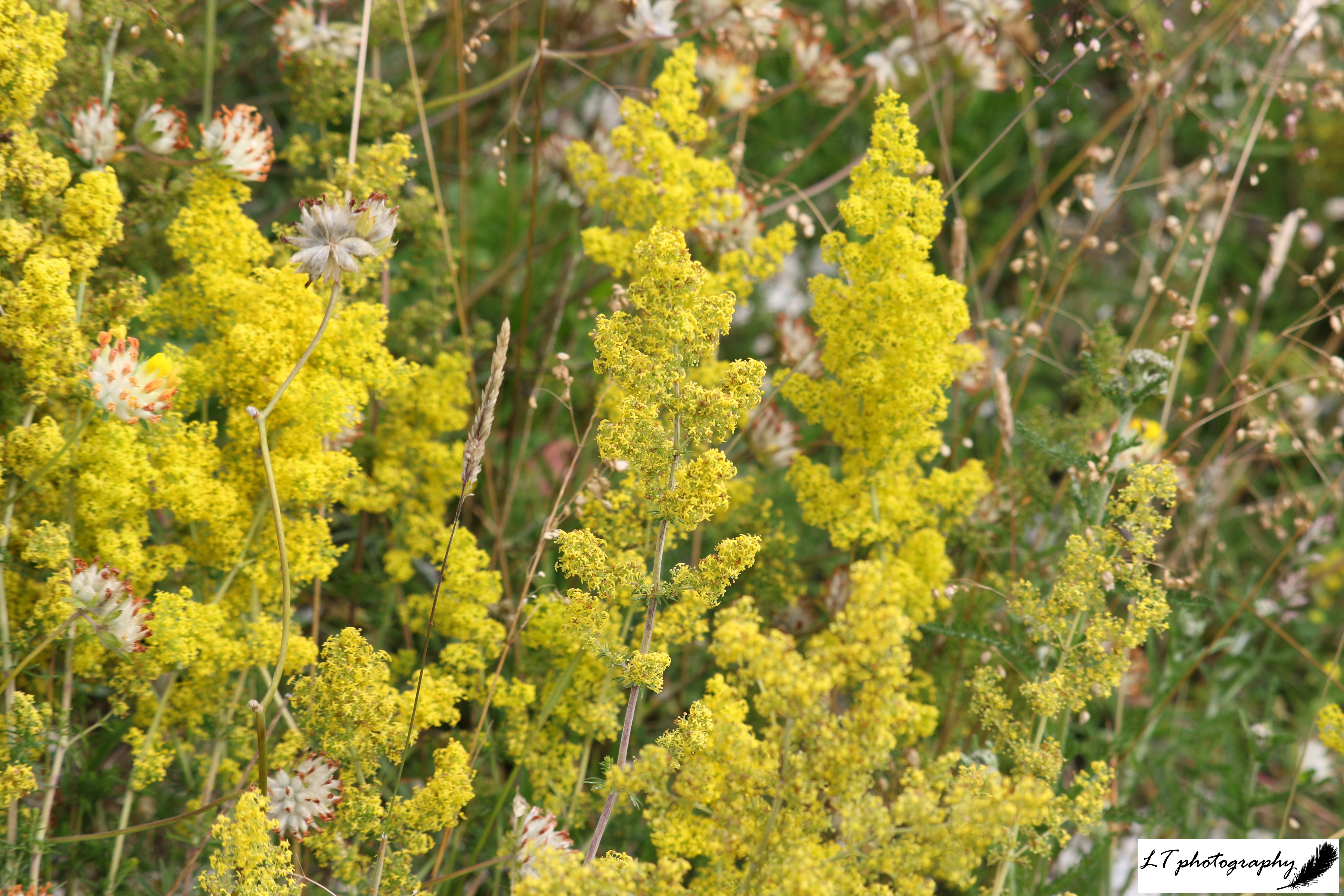
  • Flowers: Yellow, orange or a fiery red, and downy-white below. They are found in single heads (12-15mm across) or sometimes pairs. Flowers April-September
  • Range: Found throughout the UK, especially around the coast
  • Fun Facts: In the Middle Ages, it was known for speeding up wound healing, with vulneraria meaning ‘wound healer’. It was also once used to commonly treat kidney disorders

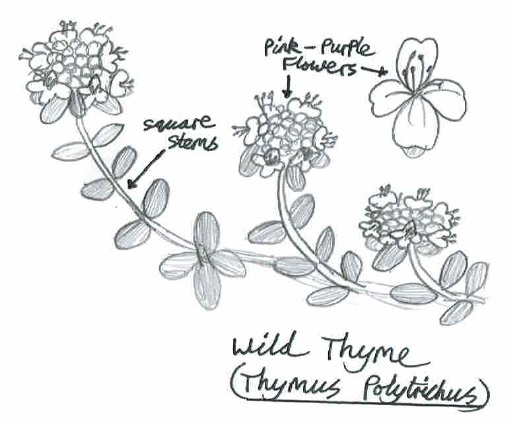
Wild Thyme (Thymus polytrichus) Wild Thyme

  • Family: Mint
  • Lifespan: Perennial
  • Size: Low to the ground, forming a mat of non-flowering rooting stems (up to 10cm in height)
  • Stems: Square with erect flowering stems
  • Leaves: Evergreen, short stalked, very small oval 4-8mm leaves in opposite pairs
  • Flowers: Faintly aromatic with pink-purple flowers in round and dense heads. Flowers May-September
  • Range: Widespread in South East England, but scattered distribution elsewhere
  • Fun Facts: Long regarded as the favourite flower of fairies, and associated with love. The Greek thumon though means ‘that which is included in a sacrifice’

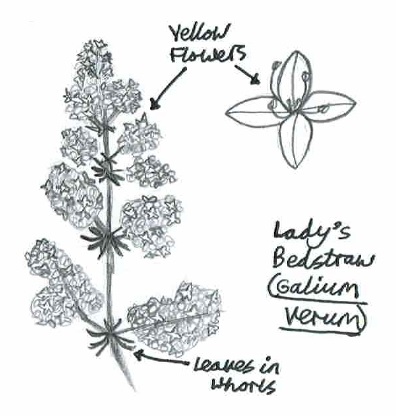
Lady’s Bedstraw (Galium verum)Lady's Bedstraw

  • Family: Madder/Bedstraw
  • Lifespan: Perennial
  • Size: Short to medium in height, often sprawling (up to 100cm)
  • Stems: Four-angled, almost hairless stems
  • Leaves: Dark green, long, narrow, shiny leaves in whorls of 8-12. Said to smell of new-mown hay
  • Flowers: Bright golden yellow, 2-4mm wide, in clusters, with a sweet honey-like scent. Only Bedstraw species in the UK with yellow flowers. Flowers June-September
  • Range: Widespread
  • Fun Facts: Associated with the story of the Virgin Mary giving birth to the baby Jesus, leading to the belief that a woman lying on a mattress of Lady’s Bedstraw would have a safe and easy childbirth

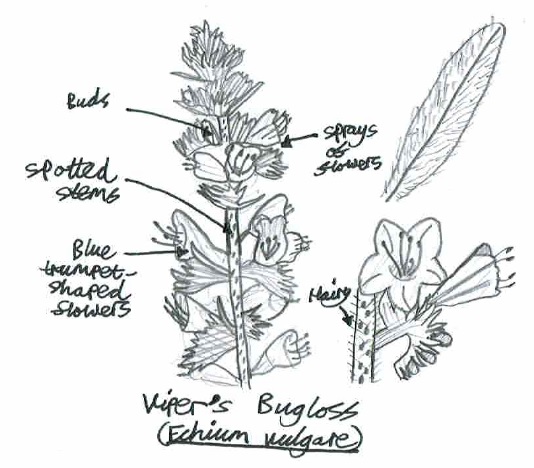
Viper’s Bugloss (Echium vulgare)Viper's Bugloss

  • Family: Borage/Forget-Me-Not
  • Lifespan: Biennial (flowers in its second year before dying) or perennial
  • Size: Medium to tall in height (up to 100cm)
  • Stems: Roughly hairy and spotted (red-based bristles)
  • Leaves: Narrow, oval-shaped lower leaves
  • Flowers: Flowers in drooping clusters of pink buds that open to become erect, blue, trumpet-shaped, open-mouthed flowers, 10-20mm long, in branched spikes. Flowers May-September
  • Range: Scattered distribution across the UK, being most common in the South
  • Fun Facts: The plant’s name comes from a time when it was believed to be a cure for snake-bites, reinforced by the dead flower-heads resembling a viper’s head

Rough Hawkbit (Leontodon hispidus)Rough Hawkbit

  • Family: Daisy
  • Lifespan: Perennial
  • Size: Short to medium in height (up to 60cm)
  • Stems: Very hairy, unbranched, leafless, and slightly swollen at the top
  • Leaves: Form a rosette of bluntly lobed leaves at the base of the flowering stem
  • Flowers: Golden-yellow, though often orange or reddish beneath, solitary and 20-40mm wide. Forms seed heads that look like dandelion clocks. Flowers late May-October
  • Range: Widespread and fairly abundant across the UK, apart from in the far North
  • Fun Facts: In Greek, Leontodon means ‘Lion’s tooth’, referring to the toothed leaves. The flowers are also rich in nectar and smell sweetly of honey

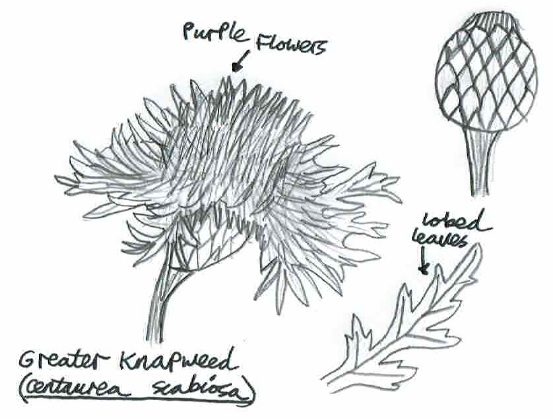
Greater Knapweed (Centaurea scabiosa)Greater Knapweed

  • Family: Daisy
  • Lifespan: Perennial
  • Size: Medium to tall in height (30-120cm)
  • Stems: Erect and grooved
  • Leaves: Lobed, where the lobes are positioned in pairs either side of the leaf centre. The leaves are 100-250mm long
  • Flowers: Purple, solitary and 30-60mm across. Flowers July-September
  • Range: Scattered across the UK, but predominantly grows in England
  • Fun Facts: Commonly used to treat wounds, bruises, sores and similar conditions

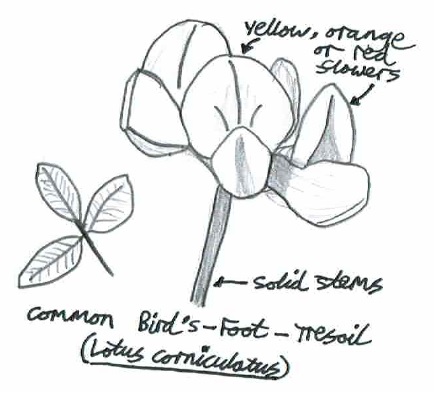
Common Bird’s-Foot-Trefoil (Lotus corniculatus)Common Bird's Foot Trefoil

  • Family: Legume
  • Lifespan: Perennial
  • Size: Short or medium in height and sprawling (up to 50cm)
  • Stems: Solid not hollow, and trailing
  • Leaves: Greyish-green, downy or hairless, and oval-shaped tapering to a point
  • Flowers: Deep yellow or orange, often partly red, and 10-16mm long, often 2-7 per flower head. Flowers May-September
  • Range: Widespread
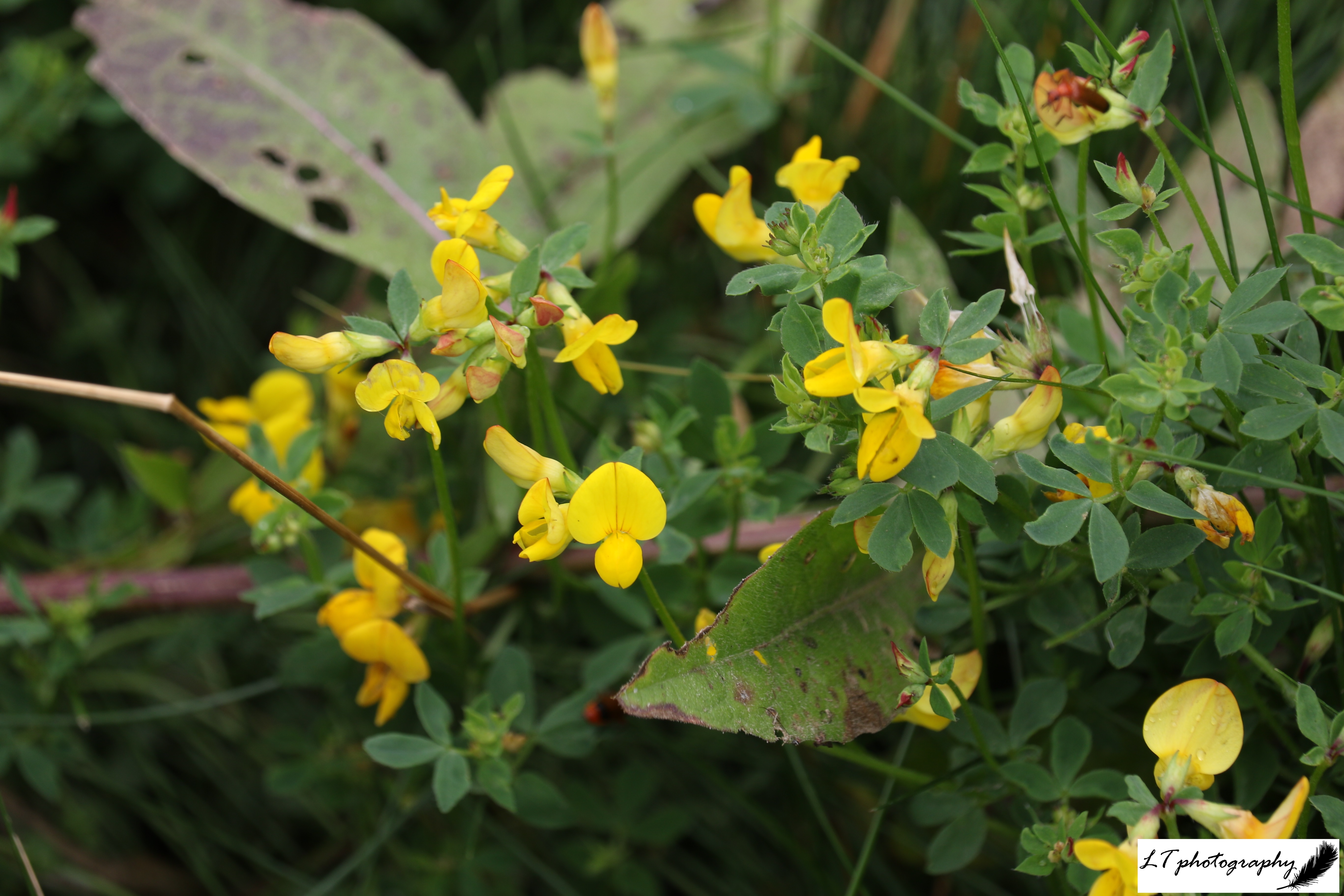
  • Fun Facts: It has more than 70 common folk names including Eggs and Bacon. The name Bird’s-Foot-Trefoil reflects the resemblance to a bird’s foot, and is a larval food plant of Green Hairstreak and Dingy Skipper Butterflies

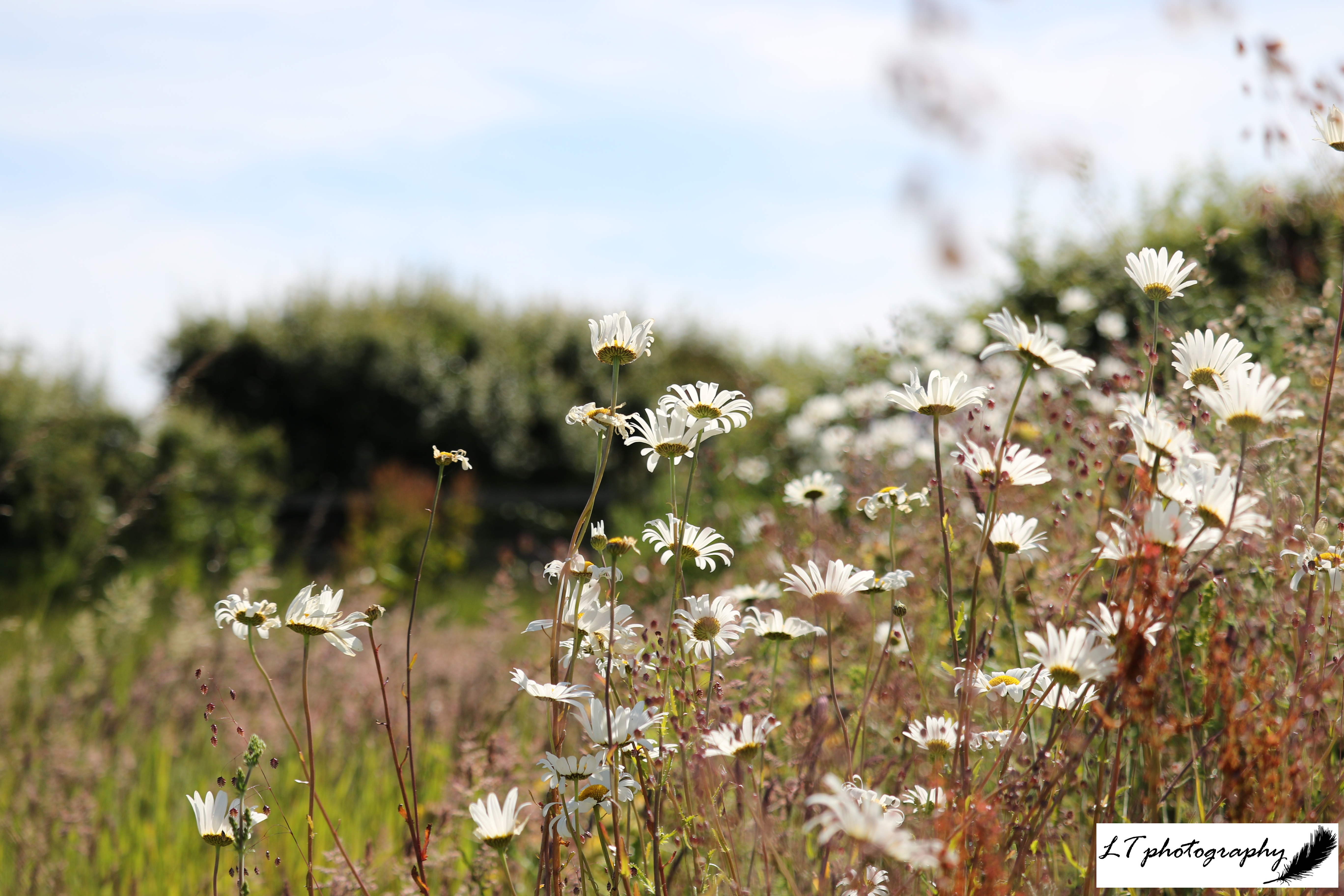
Ox-eye Daisy (Leucanthemum vulgare)Ox Eye Daisy

  • Family: Daisy
  • Lifespan: Perennial
  • Size: Medium in height (20-75cm)
  • Stems: Round, angled or square, erect, and slightly hairy
  • Leaves: Long-stalked, dark green, spoon-shaped, toothed and in a rosette around the base of the flowering stem
  • Flowers:  White, 20-60mm across, solitary and on sparsely leafy stalks. Flowers May-September
  • Range: Widespread
  • Fun Facts: In past times, an extract was obtained by boiling the plant down, that  was used in salves and medicines to cure a variety of ailments from liver disease to runny eyes. Largest native daisy species

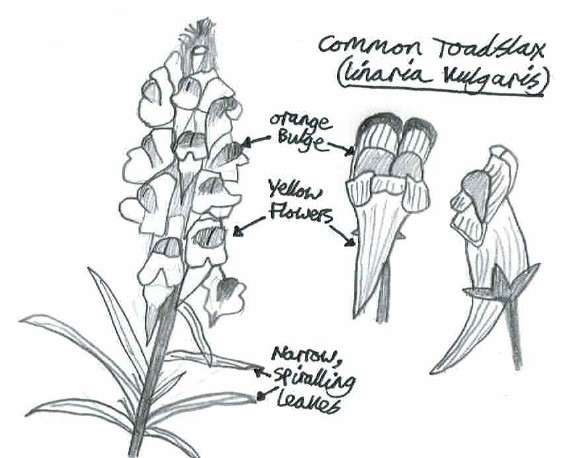
Common Toadflax (Linaria vulgaris)Common Toadflax

  • Family: Plantain
  • Lifespan: Perennial
  • Size: Short to medium in height (30-80cm)
  • Stems: Erect, grey-green, and hairless
  • Leaves: 30-80mm long, very narrow, untoothed, and spirally arranged up the stems
  • Flowers: 15-35mm long, yellow with an orange bulge and long straight spur, forming stalked spikes. Flowers June-October
  • Range: Widespread
  • Fun Facts: Most common Toadflax species in the UK, getting its name from previously being considered as useless, fit only for toads

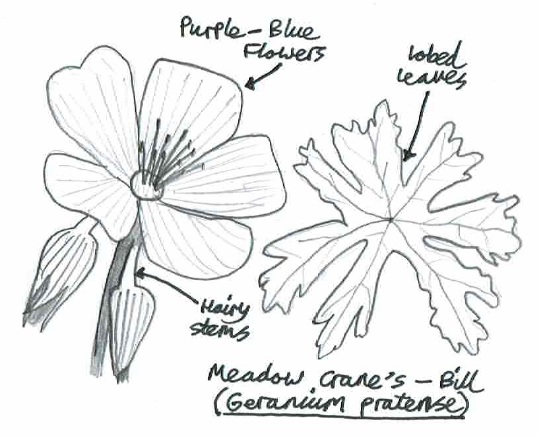
Meadow Crane’s-Bill (Geranium pratense)Meadow Cranesbill

  • Family: Geranium
  • Lifespan: Perennial
  • Size: Medium to tall in height (30-100cm)
  • Stems: Hairy, erect, and often reddish
  • Leaves: Have 5-9 lobes, cut nearly to the base
  • Flowers: Soft violet blue, petals not notched, 15-30mm wide. Flowers June-September
  • Range: Found throughout the UK, but rarer in South West England and East Anglia
  • Fact: With lesser known names such as ‘Jingling Johnny’ or Loving Andrews, it is a horticultural favourite dating back to before the Elizabethan times

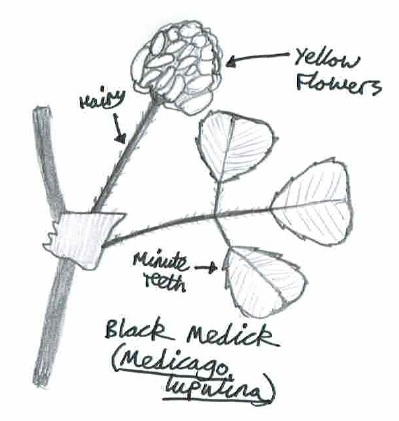
Black Medick (Medicago lupulina)Black Medick

  • Family: Legume
  • Lifespan: Annual or short-lived perennial
  • Size: Low in height (up to 60cm), and sprawling or erect
  • Stem: Round or square and hairy
  • Leaves: Trefoil, downy, and 5-20mm in length, with minute teeth
  • Flowers: Bright yellow and small, with 10-50 to one short-stalked rounded head (3-8mm wide). Flowers April-October
  • Range: Widespread across the UK, but sparser in Scotland
  • Facts: Name means ‘plant of the Medes’, referring to an ancient Middle Eastern people, whilst lupulina means ‘hop-like’, due to similarities with Hop Trefoil


Now get out there and see what you can find!
 

Drawings and photos all my own

Giving Nature a Home on the Farm

‘Give fools their gold, and knaves their power; let fortune’s bubbles rise and fall; who sows a field, or trains a flower, or plants a tree, is more than all’ – John Greenleaf Whittier 

‘Your deepest roots are in nature. No matter who you are, where you live, or what kind of life you lead, you remain irrevocably linked with the rest of creation’ – Charles Cook

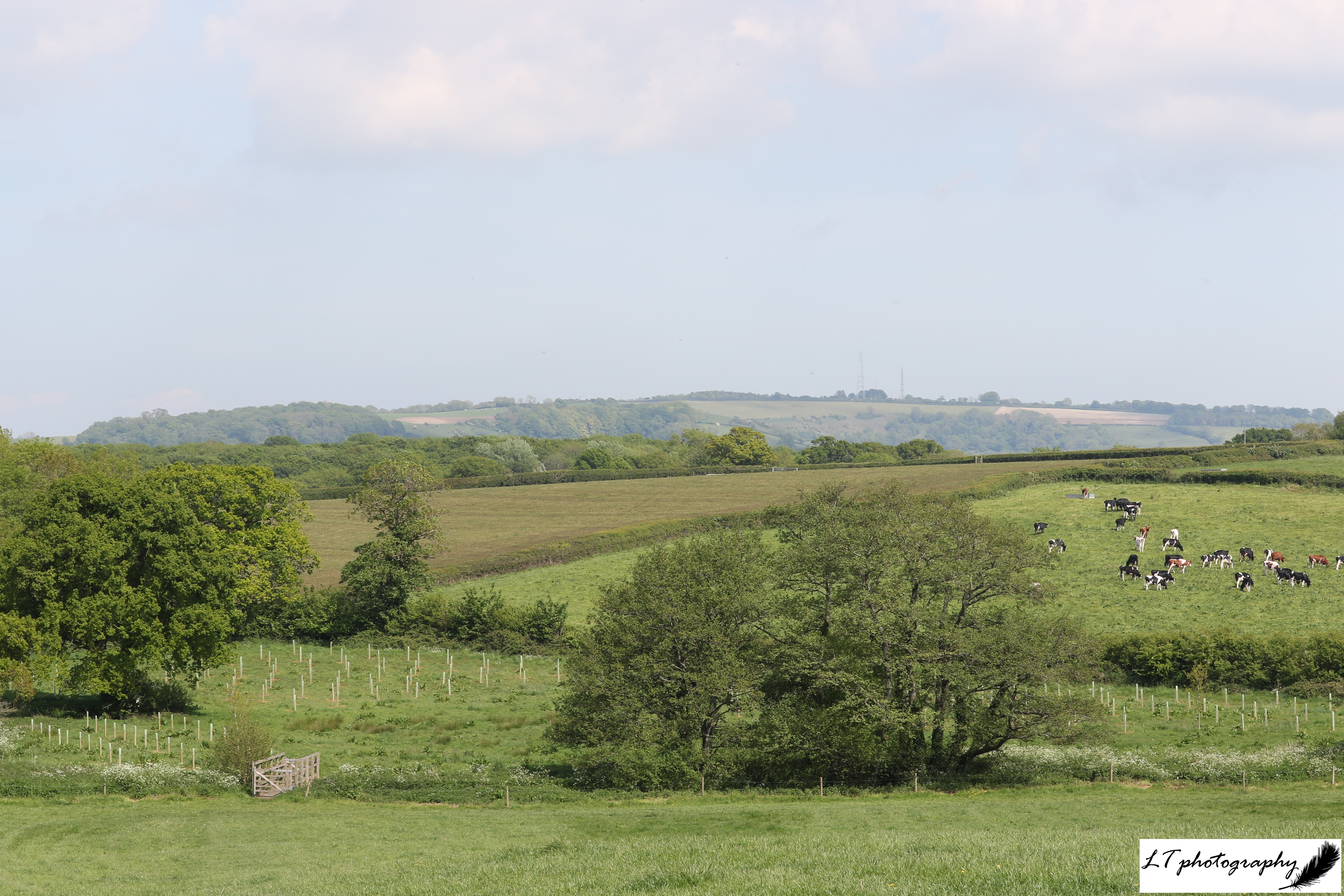
My family and I live on a 250 acre mixed dairy farm in the heart of beautiful Dorset, complete with sheep and beef cows. My parents took the farm on from Dorset County Council in 1995, at a time when it was only 50 acres, and have now expanded it to the 250 acres it is today. As long as I can remember, the farm has been my home. It is a part of who I am, providing the backdrop for me to learn about the natural world, to make informed decisions about how I live my life, and to become passionate about conservation. I have my parents to thank for this.

In 2019, the latest State of Nature report showed that agricultural change has been the largest driver of biodiversity loss over the last 45 years in the UK. With 72% of UK land area being used for agriculture and food production, land management changes have had a significant impact on the wildlife that call these areas home. As we now move forward, we need to focus on agriculture, not with contempt and negativity, but with optimism. If we are to continue to produce food in the UK, we need to focus on working with farmers to make farming sustainable, cost-effective, and most importantly with wildlife in mind.

Growing up on a farm, I have always been aware of how agriculture is heavily intertwined with the environment. My Mum and Dad have always believed in their roles as guardians for the wildlife and natural habitats that call our land home, and are dedicated to conserving and increasing biodiversity. Though it can be tough to create a balance, my Dad believes that farming, through careful management, can produce food in an economically sustainable way, whilst supporting and enhancing the natural environment. Here are some of the examples of how my family are successfully working to give nature a home on our farm.

(1) The Bridge Field

Project:

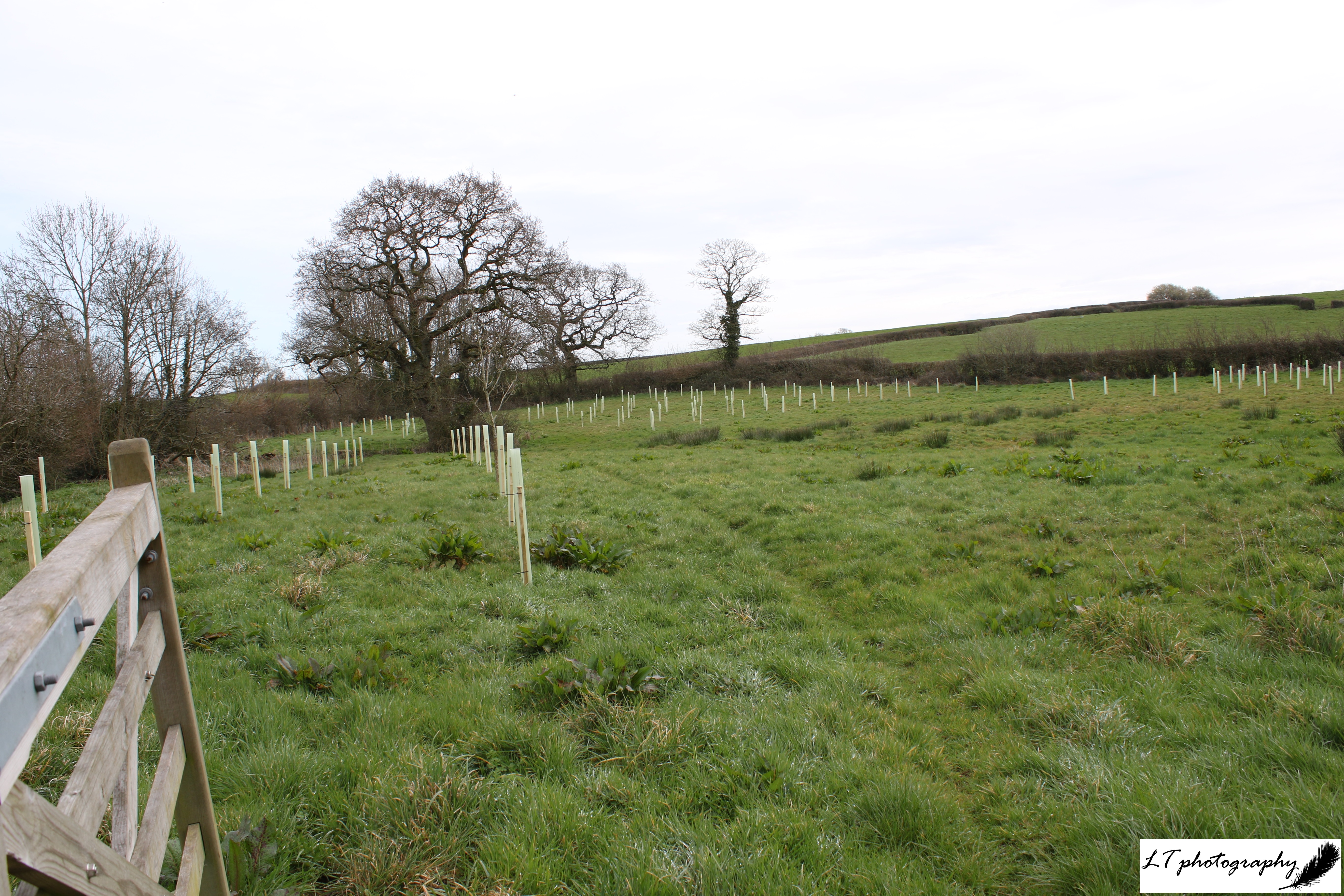
The field is a small, triangular-shaped, 3 acre field, bordered by hedges and a river. It was taken on in 2014 with some other land, and is less ideal for agricultural use due to its shape and often being wet. Hence, it has been left untouched, apart from one late cut of haylage each year and dock management. This year my parents decided to begin the process of restoring the land, with the aim of giving it back to nature.

So far:

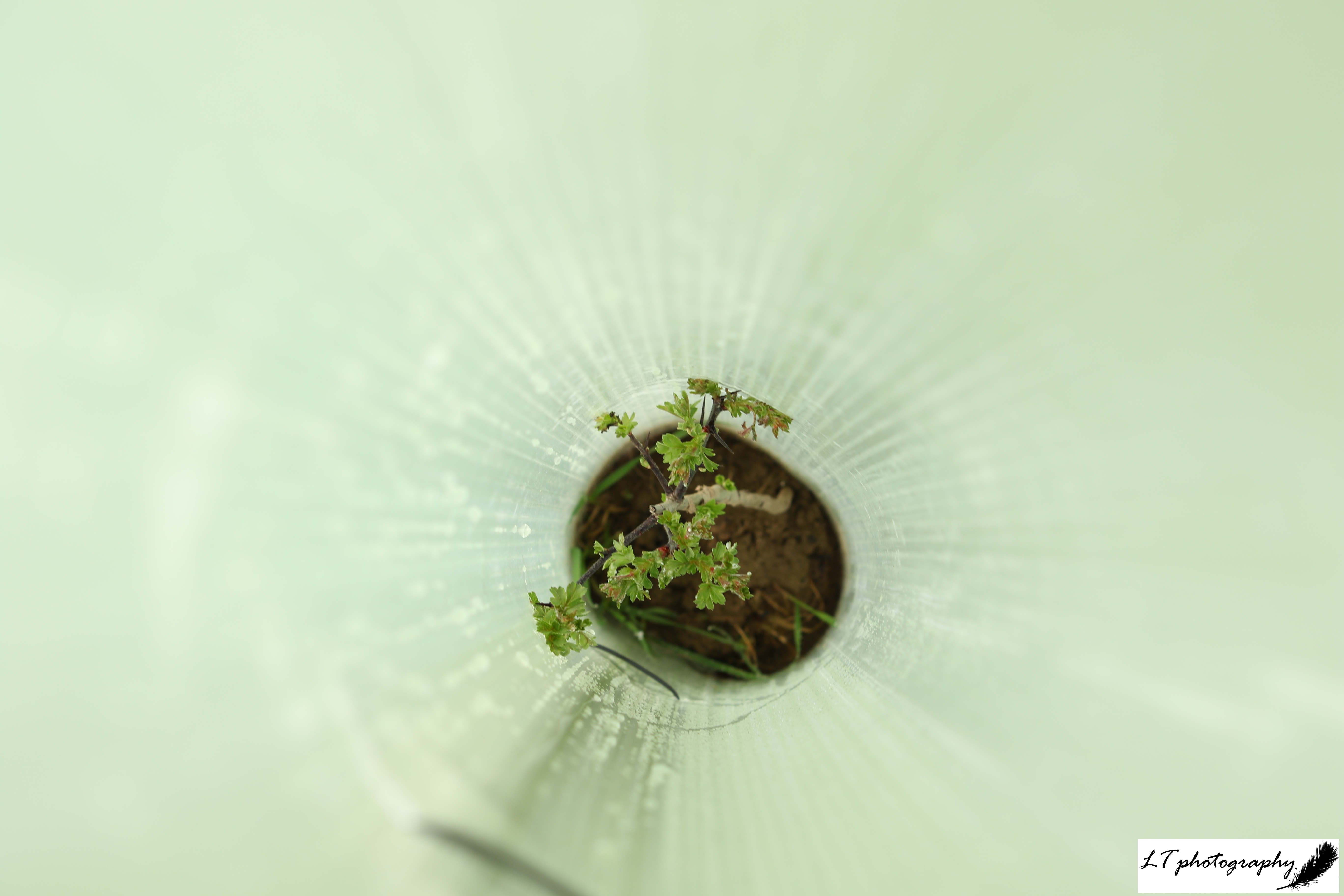
  • At the beginning of the year, we bought in and planted 219 native tree and shrub saplings of 9 species, including Goat Willow and Rowan. The hope is to create a rich and valuable habitat for wildlife.
  • We began managing the grass in the field, which is mainly Yorkshire Fog, to increase species composition. The grass has formed a dense stand across the field and is currently excluding nearly all other species.

Next aims:

  • See how the trees and shrubs grow on
  • Plant natural wildflower species using plugs, bulbs and seeds
  • Create a water source, such as a pond
07_05_20_Farm_Bridge_Field_Trees_2

(2) The Chalk Mound

Project:

Towards the centre of our land you can find a small triangular area of land that is bordered by hedges and a track. My parents took on this area with some other land in 2014, but it was not anything special. In 2017, my Dad decided to use it to make a small piece of chalk habitat, in our clay area, acting as a perfect stopover location between chalk downland to the north and south of us.

So far:

  • We bought in 40 tonnes of quarried chalk and shaped it into a mound which is 10m by 3m, and 2m in height.
  • We planted a selection of plant plugs and seeds gifted to us, ranging from Quaking Grass and Kidney Vetch to Rough Hawkbit and Lady’s Bedstraw.
  • For the first year, the mound was regularly watered as the plant plugs and seeds became established, but after that they were left to grow on, with minimal management.

Next aims:

  • Continue to enjoy the now thriving habitat that is attracting lots of insects, from butterflies to bees
  • Boost numbers of certain species such as Wild Thyme
  • Complete autumn management of the encroaching Yorkshire Fog grass at the mound’s edges

(3) Wildflower Verges and Rough Areas

Project:

As part of managing our land, my Dad leaves areas and verges uncut and able to thrive, providing valuable habitat for wildlife. One of my Dad’s inspirations for doing this is to provide rough grassland habitat for his favourite bird, the Barn Owl. Barn Owls use such areas to hunt, as it provides cover for their rodent prey. It is also great habitat for other species, such as the majestic Brown Hare.

Different forms so far:

  • Fenced off areas to keep livestock out but allow wildlife in.
  • Verges and strips left to grow up and increase in species diversity.
  • Wildflower verges planted to provide food for different species at different times of year.
  • Field margins created, maintained and protected, meaning a field is never worked up to the hedgerows.

Next aims:

  • Allow areas to continue to increase in diversity and composition
  • Continue to create a mosaic of habitats on the land

(4) Trees and Woodlands

Project:

I am a huge fan of trees, and my family are no different. Throughout our land you will find lots of different species, such as Ash, Alder, Wild Cherry and Oaks, varying in size, shape, and age. They play very important and varying roles in the landscape, from singular trees in fields and hedgerows, to the many growing in copses and woodlands around the farm. We now want to continue to preserve them and increase their numbers.

So far:

  • Over many years, we have been planting more trees wherever we can, with this year’s main project being the Bridge Field.
  • We continue to look after and manage the small woodland areas on our land.
  • We are putting up lots of different nest boxes around the farm, from small Tit boxes to larger Owl boxes.

Next aims:

  • Put up more nest boxes, including Little Owl and Kestrel
  • Monitor nest box use each year
  • Allow trees, such as mature Oaks, to naturally age and return to the ground

(5) Hedgerows

Project:

On my family’s land there are a lot of hedgerows, which are a hugely important habitat for a whole host of wildlife. They range in age and composition, including species such as Spindle, Blackthorn, Ash and Dog Rose. They also provide different services, such as food and shelter, throughout the course of a year, for lots of different species.

So far:

  • We carefully manage hedgerows with wildlife in mind each year.
  • Hedgecutting is practiced on a rotational basis and in late winter if the ground holds up. They are only cut by my Dad or brother who are skilled at cutting the hedges correctly and with care.
  • We annually manage and maintain field margins and ditches.
  • Hedgelaying has been used in the past but only when a hedge is in need of restoration.

Next Aims:

  • Maintain the high standard of hedgerows
  • Allow diversity to continue to increase

Future Aims

With 41% of species in decline since 1970, biodiversity loss and the latest State of Nature report cannot be overlooked. Whilst there is still hope that we can bring things back from the brink, and reverse the decline, to do so we need to act now. We need to create more homes for wildlife, protect what is left of our natural environment, and manage land with wildlife in mind.

On the farm this process is in full swing and gaining momentum each year. In this way, we are trying to make our land more wildlife friendly, managing and creating habitats for wildlife. Now, Skylarks can be heard singing all around the farm each morning, Brown Hares are increasing in number, Butterfly and Moths are becoming more species diverse, and Yellowhammers are becoming increasingly common. There are so many more examples from the big to the small, from Hedgehogs to Newts, but my Dad’s favourite has to be his Barn Owls. Over the last few years Barn Owls have made our land their regular home, with 2 Barn Owl pairs successfully breeding last year!
My Dad now wants to continue my Mum’s and his work dedicated to the environment, from helping farmland birds to reducing our carbon footprint. He wants to continue to show how conservation and increasing biodiversity can go hand in hand with conventional farming, allowing food to be produced whilst looking after the environment. A great example of this is the RSPB’s Hope Farm in Cambridgeshire, an arable farm where careful and targeted management is now having results. It makes me optimistic that if we now focus on working with farmers to give nature a home on their farms in the right way, then this could make a real difference to reversing species decline in the future.

30 Days Wild 2020: My Wild Month

I have always lived a wild life. For this I have my family to thank, being raised in the middle of the beautiful Dorset countryside, immersed in everything Mother Nature has to offer. It has been my playground, my classroom, my escape, and my counsellor. It is a part of who I am. This is why I am so passionate to protect and conserve our natural world, and why I now make it my mission to share all it has to offer with the rest of the world.

So when I heard about 30 Days Wild, I just had to get involved! The month-long challenge aims to bring people closer to nature, get people learning and exploring, and make a positive difference for wildlife in the UK. This year I made it my goal to spread the word, and before the month started, I began blogging about the challenge in the hope of inspiring others to also get involved (check out How to… Get involved in the June 30 Days Wild challenge). The response was amazing!

Once June was under way, I also made 30 Days Wild a focus of each and every day for the whole of the month. I got to try some new things, learn some new knowledge, help some worthy causes, share with others about nature and wildlife, and most importantly, I got to explore and spend valuable time out in nature. I enjoyed every minute, so join me now as I take a look back at how wild my month of June really was!

Wall Chart

30 Days Wild – June 2020

Day 1 – Monday 1st (Work):

For the very first day of my 30 Days Wild, I started with a bang, showing my support for my local Wildlife Trust by becoming a member. By joining Dorset Wildlife Trust, I have joined 25,000 other members helping to conserve and safeguard wildlife in Dorset and on my doorstep. I look forward to now doing my bit!

Day 2 – Tuesday 2nd (Work):

For my second day, I was faced again with the challenge of completing a Random Act of Wildness alongside a busy day at work. I achieved this though, by taking a break in the evening to watch a wild webcam in the form of BBC Springwatch’s live nest cams. It was amazing to get a different perspective of the nests, such as being right inside a Jackdaw’s nest!

Day 2

Day 3 – Wednesday 3rd (Day off):

On my first day off during the challenge, I was able to go for a long walk out in nature, seeing what I could discover on my way. Despite it being a rainy day, the wildlife did not disappoint, with lots of different birds and insects making their presence felt, from families of Long-Tailed Tits to chattering Magpies.

Day 4 – Thursday 4th (Day off):

With another day off work, I decided to combine taking in nature with another of my passions, horse riding. On a hack with my next door neighbour’s mare Marsha, I got to get some really great views of the beautiful countryside near where I live, combined with views of some great bird species, such as my favourites, the birds of prey.

Day 5 – Friday 5th (Work):

Over the last couple of months I have tried to regularly upload a new post to this blog every Friday. To combine 30 Days Wild with my recent How to… series, on this day I uploaded a piece about making a home for wildlife, and in particular a hotel for bees. To do this post, I got to make my very own hotel, which was very rewarding, so if you would like to make your own, why not check out my easy guide: How to… Make Your Own Bee Hotel

Day 5

Day 6 – Saturday 6th (Day off):

I love growing my own fruit and vegetables, and then being able to pick and eat them! So I was happy on this day off, that I got the pleasure of picking my family’s first gooseberry crop, though it took a while after to top and tail all of them! I also spent time listening to my bird songs and calls CD to do some revision before going out for a walk to test my knowledge. I now love being able to instinctively know when I can hear certain species, such as a Blackcap or Yellowhammer singing in the landscape!

Day 6

Day 7 – Sunday 7th (Work):

I spent the whole of my Sunday making a note of the species that I came across as I went about my usual day before, during and after work. I was able to realise just how lucky I am to work outside and spend so much time out in nature everyday!

I also spent the evening catching up on Springwatch with the company of one of my house cats!

Day 8 – Monday 8th (Work):

During my 30 Days Wild, I wanted to donate to a wildlife cause. I decided that one cause I wanted to support was the Marine Turtle Conservation Project, which without funding would not be able to continue their important work. It was also well timed as the 8th of June was World Oceans Day!

I as well finished my day excitingly helping with Barn Owl nest box checks in my local area, now that I am fully licensed. This included the Barn Owl box on my family’s own farm and it is definitely looking positive for them this year!

Day 9 – Tuesday 9th (Work):

On this day, I was lucky enough to go out hacking on horseback whilst at work, and rode through some really spectacular countryside. It was one very busy day at work, so when I got home I also relaxed with some wild reading, including a great fictional book by zoologist Delia Owens called Where The Crawdads Sing. Her imagery of the North Carolina marshland is absolutely stunning!

Day 9

Day 10 – Wednesday 10th (Day off):

For my day off, I wanted to spend time really taking in the natural world around me and exploring the finer details. In this way, I got to see some incredible things from a hunting Sparrowhawk and Digger Bee nests to strong smelling Honeysuckle and mating Yellow Shell Moths. There is just so much to see if you give yourself the time to take it all in!

Day 10

Day 11 – Thursday 11th (Day off):

The day before during my walks, I had collected some Barn Owl pellets from beneath two nest sites, a tree and a nest box, on my family’s land. I then spent the next day soaking the pellets and teasing them apart to see what they held inside. From the nest box site, there was Field Vole, Mouse and Common Shrew bones, whereas from the tree site there was Field and Bank Vole, Common and Pygmy Shrew, and Brown Rat.

I also spent some time identifying plants that I had seen out and about, including learning to identify a Male Fern that my cat was very interested in helping me with!

Day 11

Day 12 – Friday 12th (Work):

This Friday, I once again combined 30 Days Wild with my recent How to… series, uploading a post on making small changes to your own life to help our planet. For example, walking and cycling more, thinking before you buy, and cutting your water usage. If you want to get inspired yourself, check out my post: How to… Help the planet one small step at a time.

I also spent some time on this rainy day, appreciating the beauty of the falling rain.

Day 12

Day 13 – Saturday 13th (Day off):

I spent my Saturday wild and busy. My activities ranged from identifying pollinators to organising equipment ahead of the autumn bird ringing season. I am always happiest doing something but doing something outside is even better!

Day 14 – Sunday 14th (Work):

There is nothing more valuable than your own parents passing down their knowledge to you, and with mine it is no different. I have my Mum to thank for the foundations of all my wildlife knowledge today, from bird song to plant species. This year my Mum has been teaching me about chalkland species, using the chalk mound my Mum and Dad have created themselves on our farmland. It has been so enjoyable listening to my Mum as she IDs and teaches me each and every species on the ridge!

Day 15 – Monday 15th (Work):

The ever-changing sky is a source of wonder and life. I took time over the course of a whole day, appreciating it and watching it change, from cloud watching with white fluffy and dark rain clouds to an unexpectedly beautiful sunset!

Day 16 – Tuesday 16th (Work):

One of the acitivities I definitely wanted to do during 30 Days Wild, was to make my own bird food, taking me back to my childhood. I kept it simple with lard and bird seed, and packed the food into different shaped recycled containers for some variation. I then left it in the fridge overnight with the aim of testing it the very next day!

Day 16

Day 17 – Wednesday 17th (Day off):

I began my day off by putting out my homemade bird food in the garden. Unfortunately it was a bit hot, and the food kept melting off its strings! It was a hit with the local fledged Starling chicks though, and eventually disappeared within 48 hours.

I also took my mum and dad to my bird ringing trainer’s private nature reserve for a a different walk. It is such a lovely place to be, and gave us all some inspiration of how we can make more homes for wildlife on our own land. To finish the day, I helped pick some of the fruit growing in my family’s garden, my favourites being the strawberries!

Day 17

Day 18 – Thursday 18th (Day off) :

People who read my blog will know that I love the woods! It’s a place I go to when I want a break from the world or just to watch the seasons change in a place where it’s at its most noticeable. So as part of my 30 Days Wild, I headed into the woods for a spot of forest bathing and a refresher. The day’s rain did not even stop me!

Day 18

Day 19 – Friday 19th (Work):

Due to my love of spring and wildlife photography, for this Friday on my blog, I uploaded a post about my favourite photos from spring 2020. It was great to reflect on my own spring and to look back on some great moments, making it easily one of my favourite posts so far this year! If you want to take a look, check out my Spring 2020: In Photos

I also headed out into my family’s land after work, to revisit a favourite camera trapping spot from this spring. Once there, I set up my camera trap again, and looked forward to seeing what I might catch this time around.

Day 19

Day 20 – Saturday 20th (Work):

After work, I signed up to the BTO’s Garden BirdWatch, which is currently free for everyone to take part, and allows me to upload what I see in my garden at home every week. I also took time out to focus on my mental health, and completed a wild guided meditation, lying on the grass in my garden. I picked this particular meditation as it incorporates taking in the sounds around you, such as the sounds of nature. It was so surreal for me to relax outside and then reopen my eyes to see lots and lots of baby starlings looking back at me!

Day 20

Day 21 – Sunday 21st (Day off):

As it was Father’s Day, for my Sunday off, I got to spend lots of time with my dad. This included two walks also with my mum, where we tried to see what nature had to offer us, which included birds of prey and wonderful Skylarks. To top off an active day, I also pulled on my trainers for the first time in a couple of weeks, due to an injury, and went for a run through the countryside around my home. I just cannot get enough of being outdoors!

Day 21

Day 22 – Monday 22nd (Work):

For my Monday, I completed two different Random Acts of Wildness. Firstly, I began writing down all the birds I saw in my garden during the day as part of the BTO’s Garden BirdWatch.

I then made a donation to charity. I may not have a lot of money, but at times like these I realise how lucky and fortunate I am in life. So when I saw another great cause, I had to get involved and donate!

Two years ago, during my Master’s in Conservation and Biodiversity, I got the opportunity to go on a field course to Kenya, with a lot of organisation from Adventure Upgrade Safaris. They even got me a cake for my birthday! Now without tourism, the company are struggling and without our support, they will not be able to continue for the future. They need our help to survive!

Day 22

Day 23 – Tuesday 23rd (Work):

This day was an exciting day for me! It was the day that, after work, I got to retrieve my camera trap that I had put out last Friday!

Though I had previously captured my best camera trap photo this year in this location (a fox cub), I did not know what to expect this time around. My camera trap did not disappoint though, and the photos included those of the fox cub I had previously seen, a rabbit and some really great photos of some badgers!

Day 24 – Wednesday 24th (Day off):

On a day when I really needed it, I got to spend my day off doing some things I love. My bird ringing group starts the autumn migration ringing season on the 1st of August and so to start my Wednesday, I helped with some of the preparation for the season. For example, we completed an important but often overlooked job, re-dying our mist nets with a special dye mix.

I also excitingly spent some of my day ringing Kestrel chicks and, now that I am fully licensed, helped with Barn Owl nest box checks. This led to me also getting to ring Barn Owl chicks and getting some great views of some Little Owls!

Day 24

Day 25 – Thursday 25th (Day off):

Another activity I really wanted to do during my 30 Days Wild, was to do some wild baking. I decided on making some simple vanilla cupcakes and decorating them with minibeasts in different colours.

My time spent baking was not without some drama though, as I ended up modelling icing during an afternoon of over 30 degrees heat! Despite this, I soldiered on through runny icing, with the much needed help of my mum, and had some great fun, whilst making some yummy cakes topped with interesting and colourful creatures!

Day 25

Day 26 – Friday 26th (Work):

For my last Friday of 30 Days Wild, I uploaded to my blog another brand new post. This time my post followed on from last Friday’s spring upload, and focussed on how spring unfolded this year. If you want to have a read about how my extra special spring actually turned out this year, check out my Spring 2020: How It Happened.

Day 26

Day 27 – Saturday 27th (Day off):

This day was another day of relaxing in nature. This included watching and recording the birds in my garden, going for a long horse ride through the Dorset countryside, and exploring the flowers growing in my garden and on my currently ‘no mow’ lawn.

Day 27

Day 28 – Sunday 28th (Work):

With it being especially rainy during my day at work, I made it my priority to spend my lunch break outdoors during a break in the weather. It was a much needed refresher! Also, having completed my first week of the BTO’s Garden BirdWatch yesterday, I spent my evening uploading my results to their website. It was exciting to see how the week actually went!

Day 28

Day 29 – Monday 29th (Work):

I spent this Monday rushed off of my feet at work. To keep my brain relaxed though, I came up with the plan of spending my day attempting to noticing the wildlife around me and seeing if I could find a species for each letter of the alphabet. I had a very successful day of it, alongside being very productive at work, leading to only one species missing (the letter X)!

The response to me completing this activity was absolutely amazing on Twitter. It gave me a real sense of joy to see everyone’s support, so thank you everyone!

Day 30 – Tuesday 30th (Work):

Today was the last day of June and the final day of 30 Days Wild. However much I would have liked to have finished with a bang, it would not have fit my true and busy day. Instead, today was a day of appreciating and being grateful for the natural world around me. This may be in the form of what I encountered on my travels or seen out of my window, or by taking in other people’s experiences such as through books and on twitter. I treasured them all!

Day 30

My Highlights

This June has been a wild rollercoaster which I have absolutely loved! Spending time focussing on nature each and every day has enriched my days, relaxed me, and allowed me to connect further with the wild world around me. If I had to pick some highlights, these would include my wild alphabet becoming popular on Twitter, making wild cupcakes with my mum, expanding my knowledge of plants, ringing my first Kestrel and Barn Owl chicks, and sharing my 30 Days Wild on social media.

I have learnt and experienced so much this past month, and I am now inspired to continue making the natural world an important part of each and every day, and to share my passion with as many people as I possibly can. I hope that if you participated in this year’s challenge, that you also had a great month. Otherwise here’s to next year’s 30 Days Wild!

19_04_19_Farm_Cows_Milk_Blackthorn_3