Spring 2023: How It Happened

The last few years spring has been unusual and unpredictable, with the effects of climate change changing from month-to-month, year-to-year in Dorset. This year has fitted into this with months switching back and forth between record breaking dry spells or heat waves to rainfall or low temperatures. This is bound to have had an effect on nature and the wildlife around us, which is interesting to explore.

Last year there were trends towards earlier spring events or a slow start to spring and then a speeding up to events in April. I can already suggest that spring this year was slow to start as it gave me the opportunity to really experience spring as it got under way and unfolded in front of me. It will be interesting to see though, if this was the trend for trees, shrubs, flowers, insects and birds alike, if the trend differs to 2022 and how spring shaped up as a whole. Read on to see how my favourite season went this year in all its vibrancy!
Trees

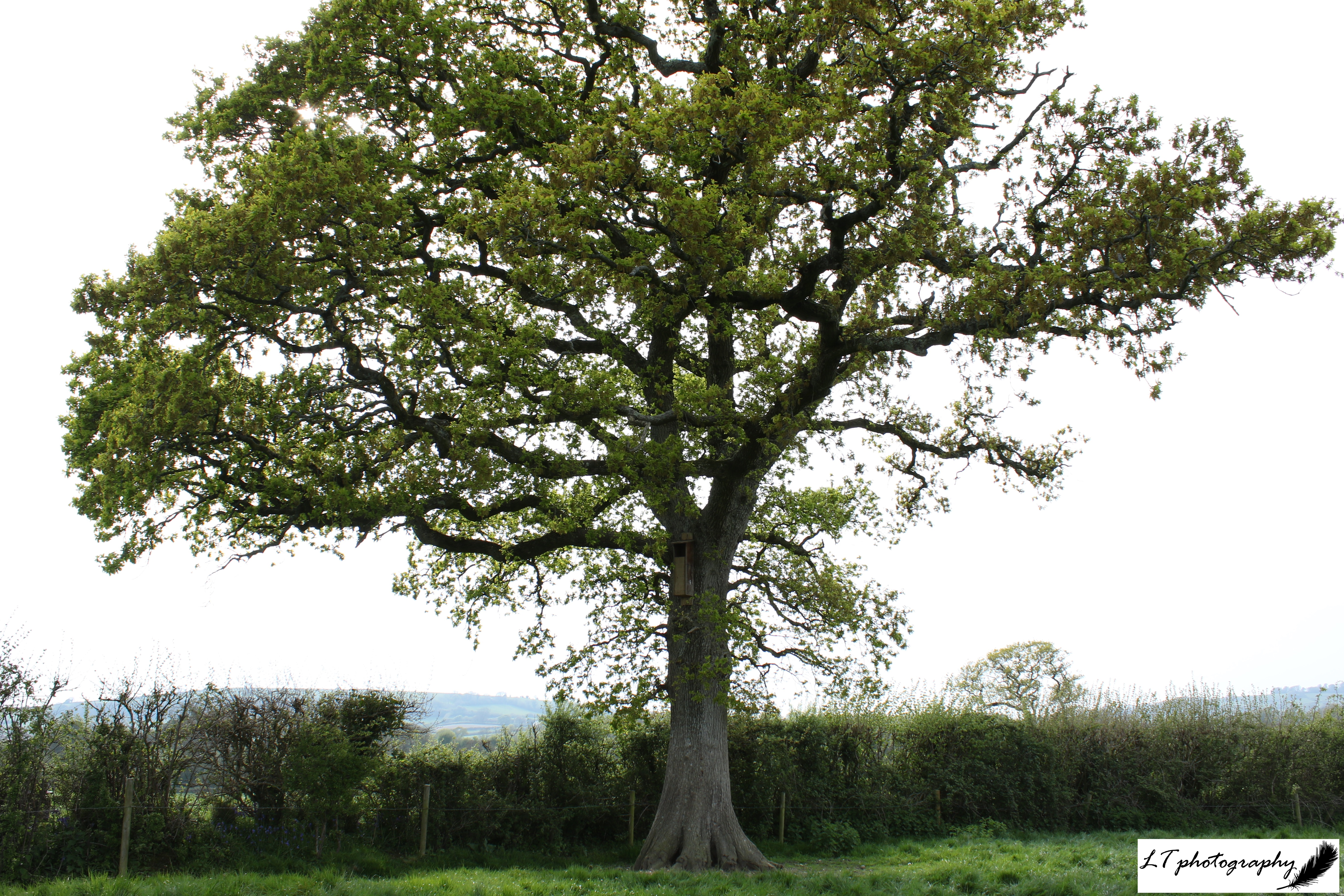
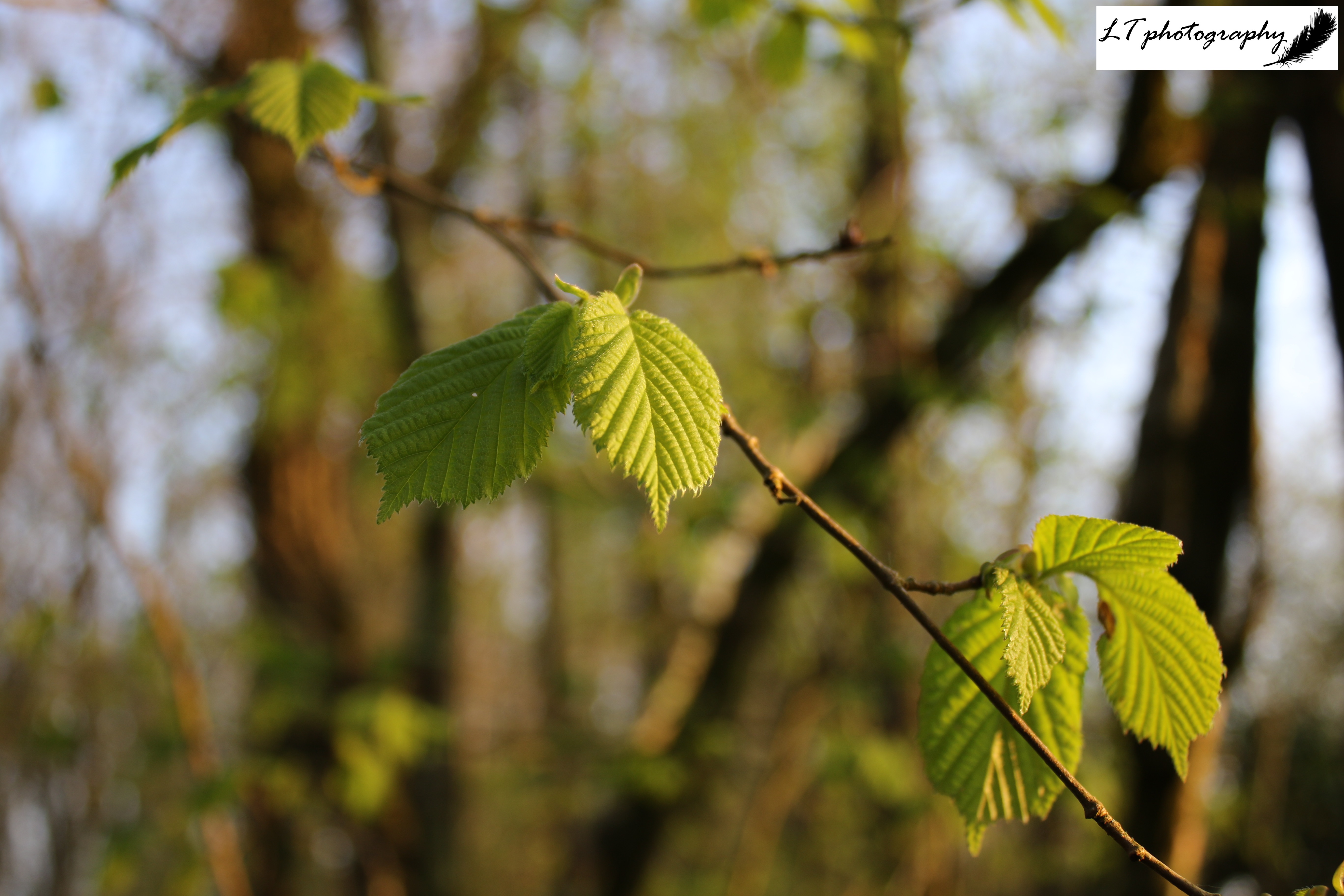
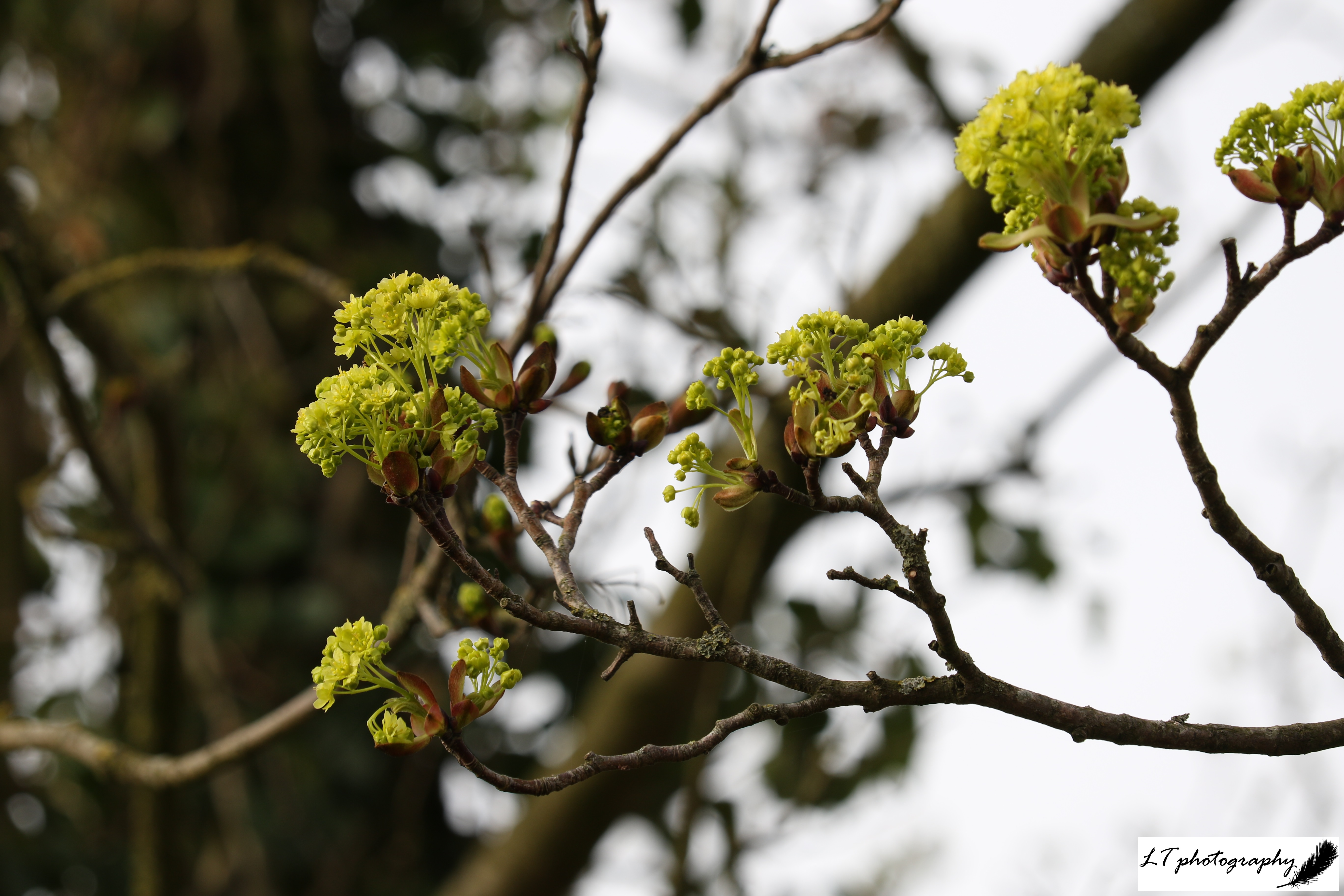
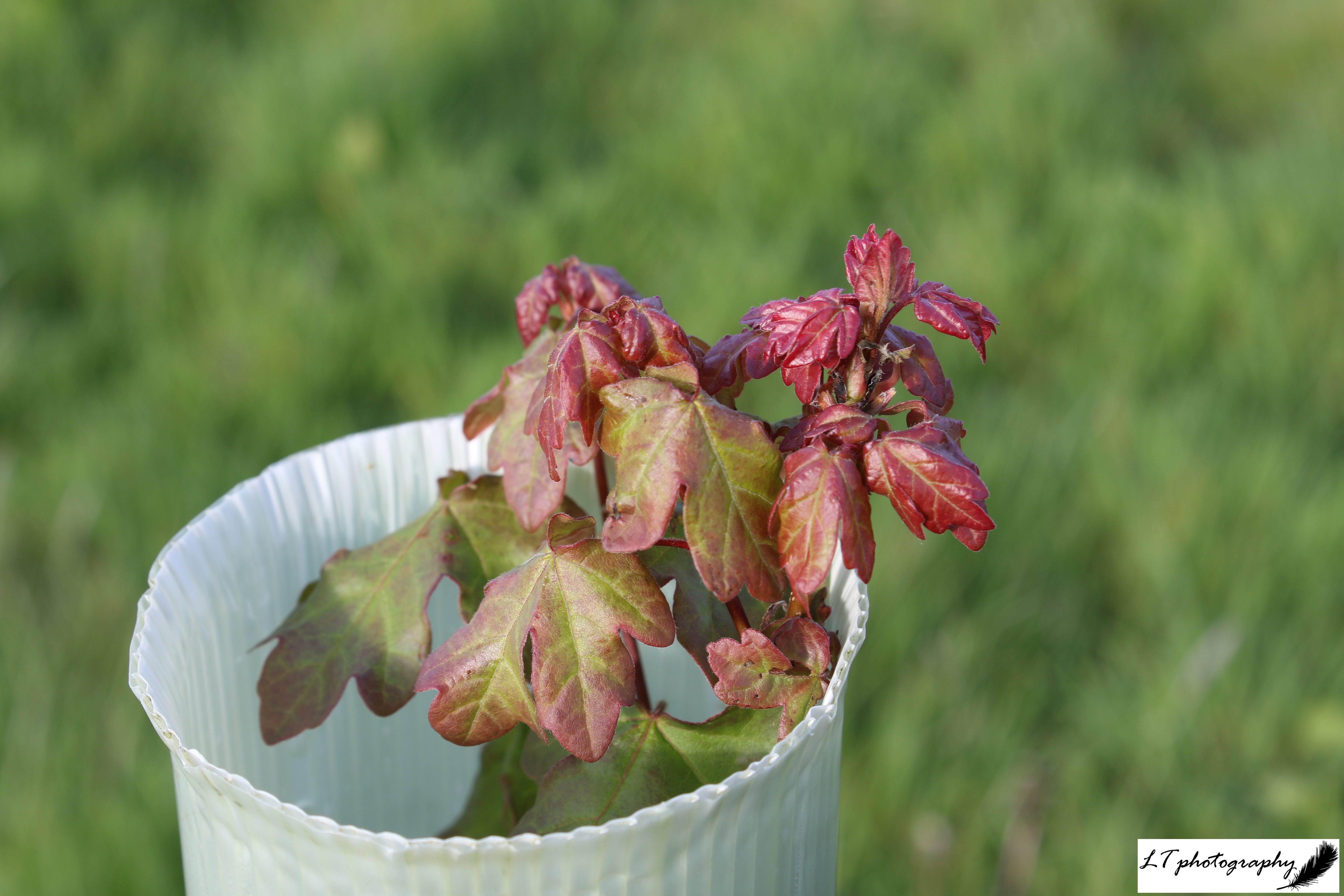
Though in 2022 spring emergence dates for trees had crept earlier than the year before, in 2023 nearly all tree dates were later than 2022, following a more similar trend to 2021 and the proceeding years. Field maple and silver birch both flowered earlier in April, but otherwise ash, horse chestnut, english oak, wild cherry and Norway maple all budburst, unfurled leaves and flowered between 1 and 28 days later from March through to May. The same could be said for the leaves of field maple and silver birch. It was odd to see trees though, lacking their fineries for so long this year!
Flowers

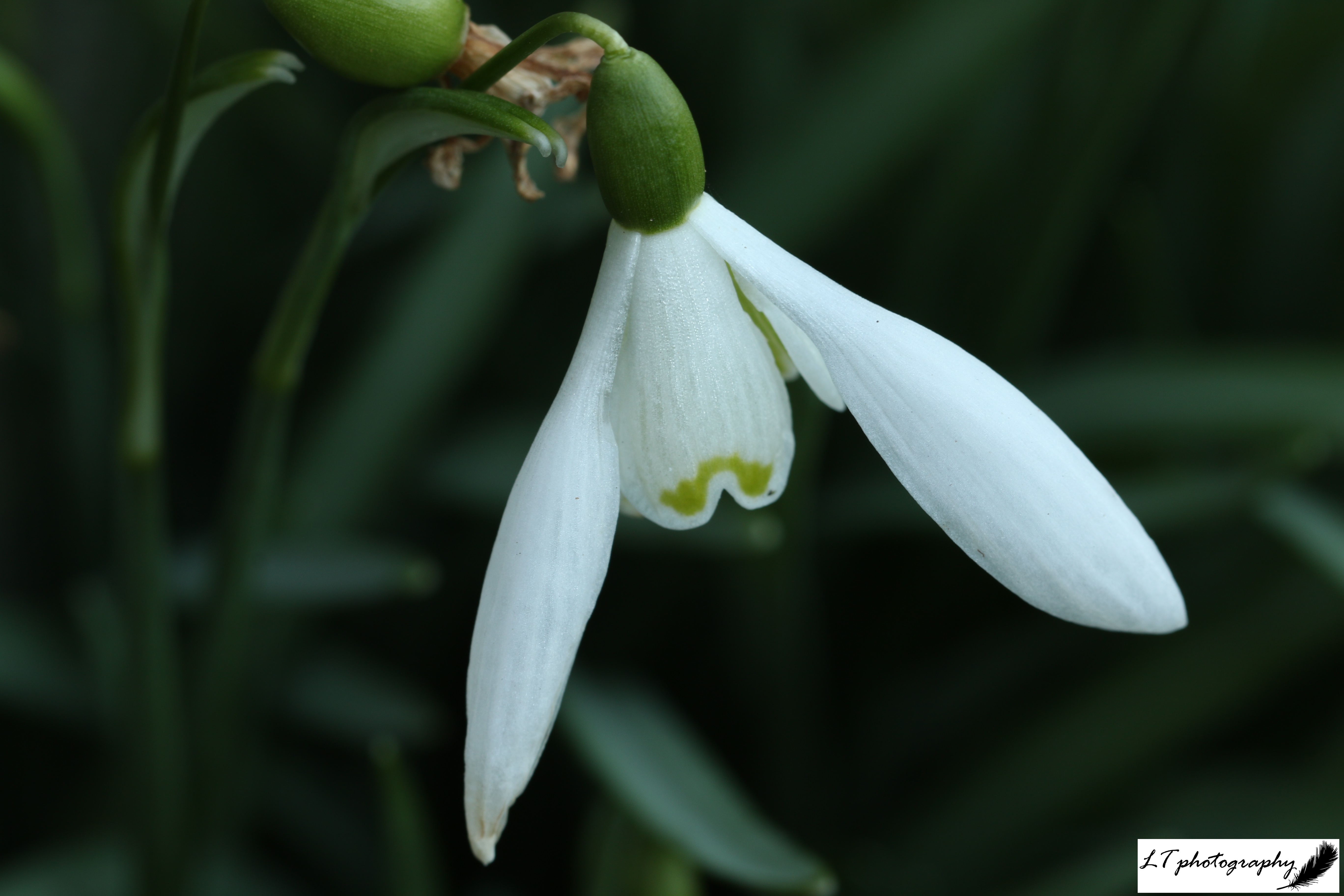
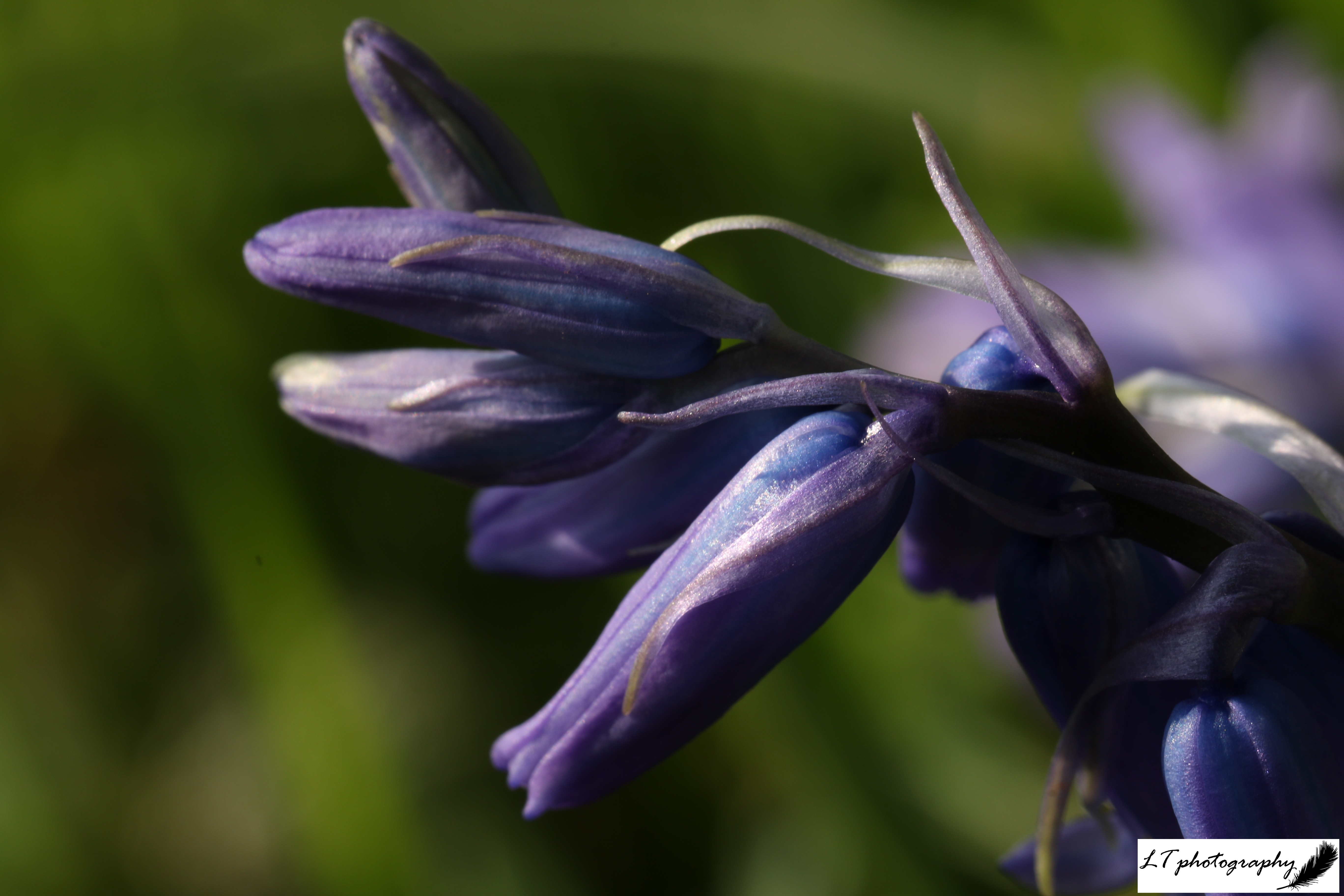
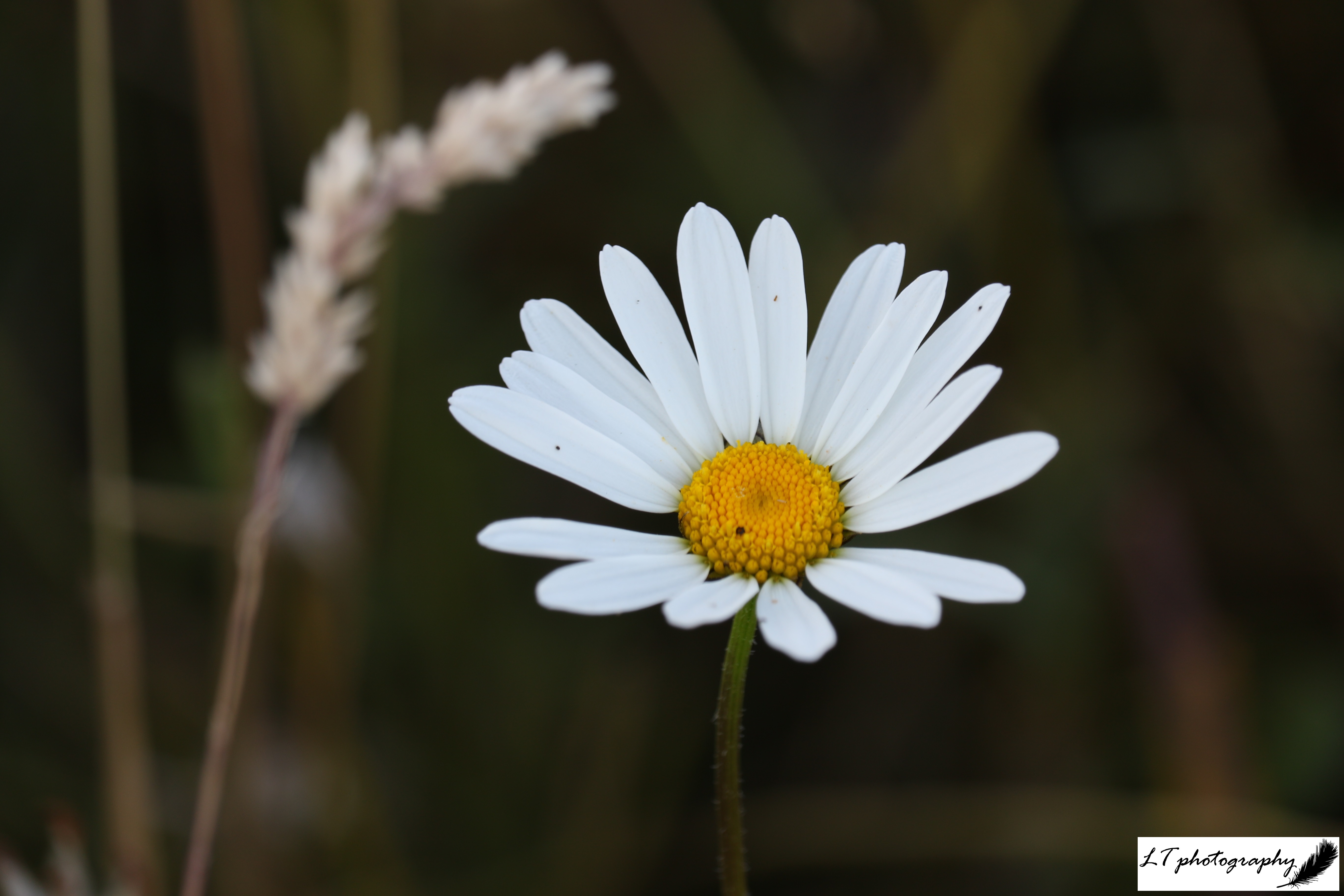
In 2022, flowering times varied between species, but this could be split into half flowering earlier and half later than the year before. This year primroses, cuckooflowers and bluebells in woodland all flowered earlier (4, 2 and 1 day earlier respectively), but flowering trends generally followed a more similar pattern to to those of tree events, occurring later. For snowdrops, lesser celandines, daffodils, stitchwort, cowslips, wood anemones, early purple orchids, wild garlic, oxeye daisies, and hedgerow bluebells this was 1-16 days later between January and June. Interestingly yellow archangel was noticeably absent during its usual flowering time, and instead flowered 36 days later than in 2022 on 17th May, being greatly affected by climate and a great indicator of spring conditions.

Insects

Of 13 species recorded emerging during spring 2022, only 2 did not emerge earlier than the year before: the buff-tailed bumblebee and orange-tip butterfly. For 2023, spring flipped dates back around for insect emergences, with 10 out of 12 recorded species emerging later than the year before. This ranged from 2 days later with the speckled wood butterfly to 46 days later with the red admiral butterfly. The exceptions were peacock and comma butterflies, being recorded 15 and 36 days earlier respectively. This could be due to the colder spring impacting and delaying emergences, for example the brimstone butterfly, a common sign of spring, delayed its emergence until the 3rd of April 2023.

Shrubs

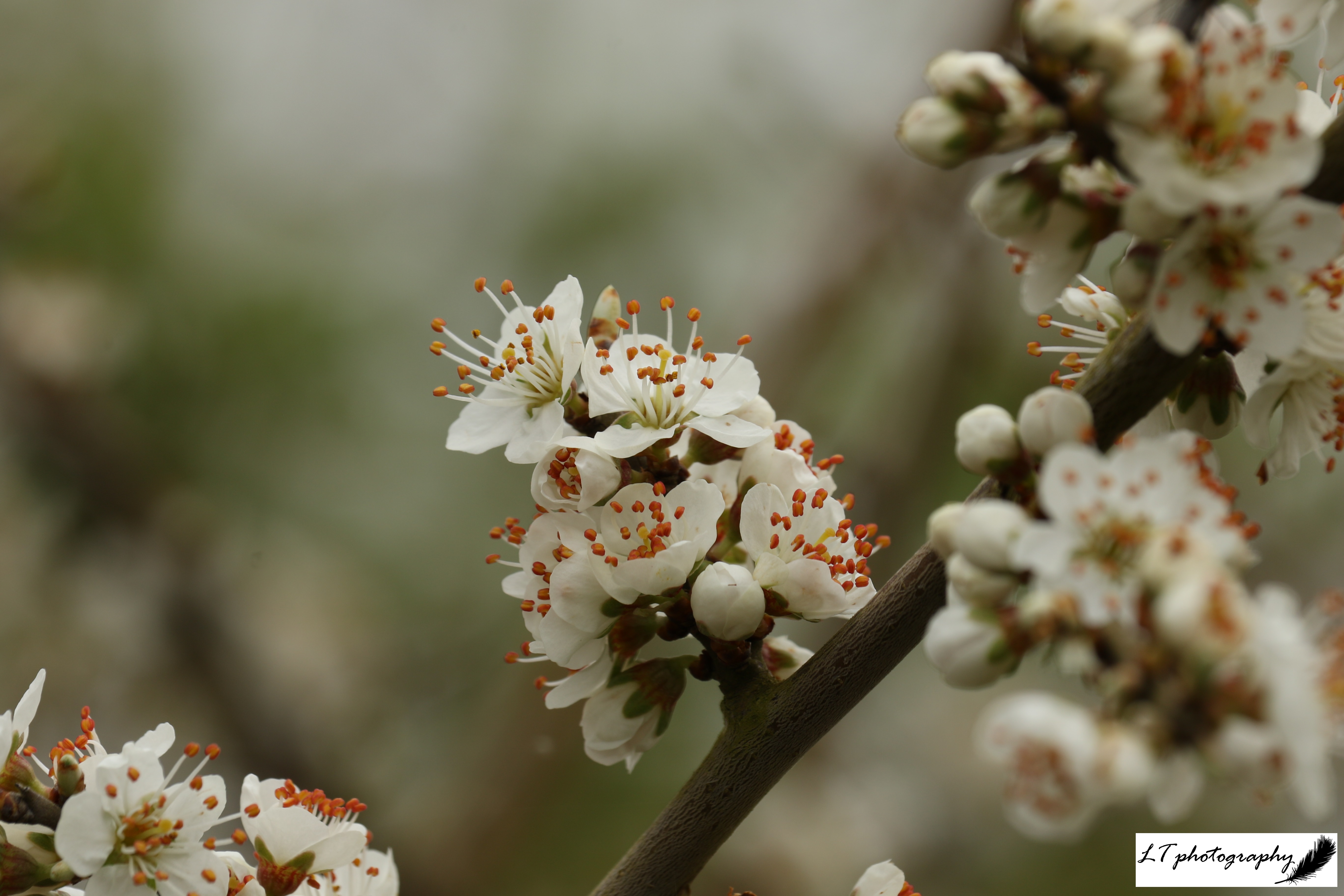
For shrub species recorded in 2022, spring events occurred both earlier and later than in 2021, with no obvious trends. In comparison, spring 2023 showed an obvious trend, with nearly all recorded budburst, first leaf unfurling and flowering for 6 species, occurring later than 2022. The exceptions were dog rose flowering earlier in May and hazel catkins flowering earlier in January. The other spring events took place 3-27 days later from February to May. It was an odd year to see blackthorn flowering 2 weeks later within March and meeting its peak in April, and hawthorn first flowering in May, later than usual.

Birds

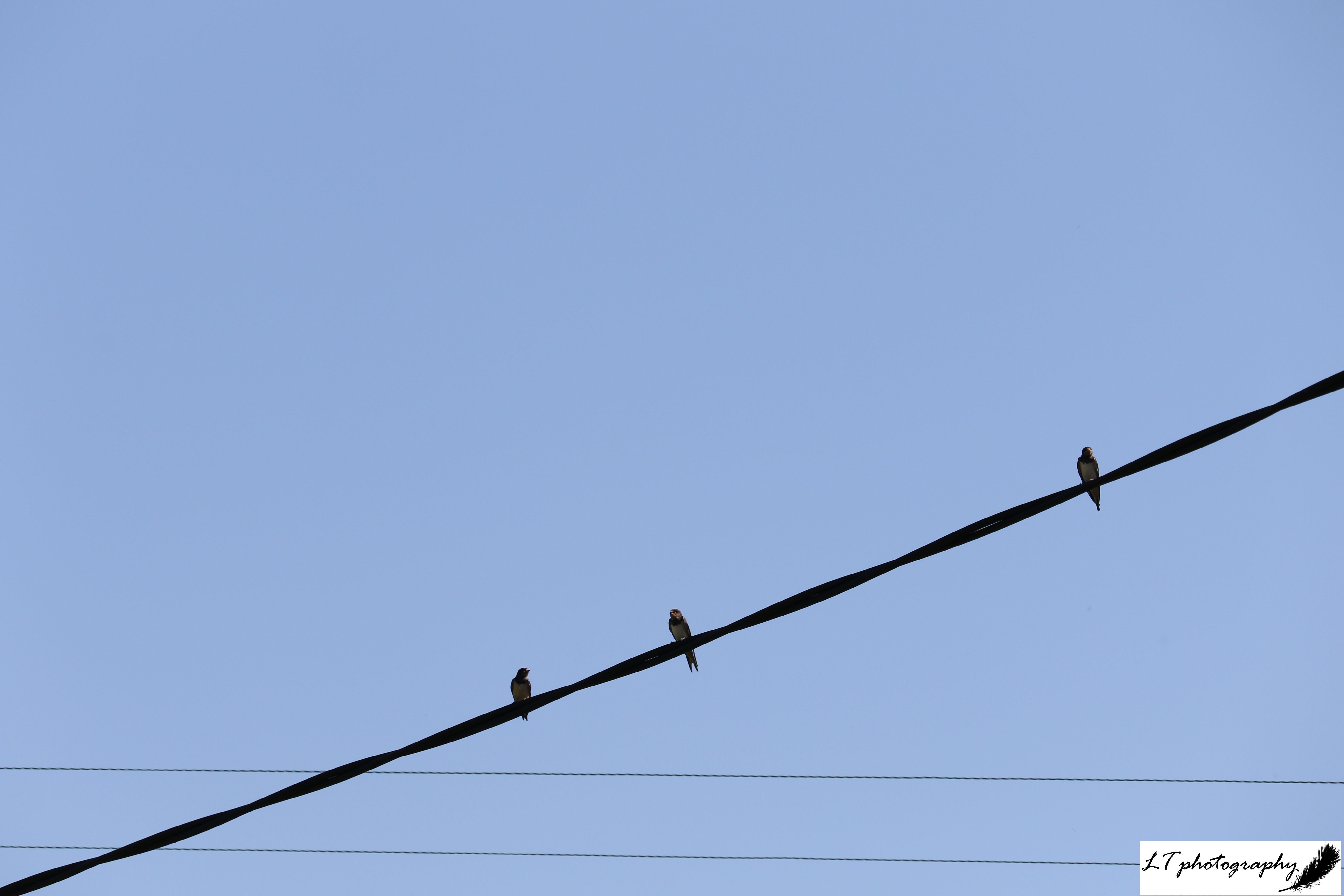
There was a split with spring bird events in 2022, with events closer to the start of the season occurring later, and those towards the second half occurring earlier than 2021. For 2023, it seems that the dates of spring bird events were also split, but this time with less clear a trend. Rooks began building nests later and most birds fledged young later, but swallows arrived on the 11th April once again, and blackbirds began singing earlier in February. Some differences in event occurrence can be explained by spring temperatures and weather conditions, whereas some are less easily explained for 2023. It is expected though that the later spring will have an overall effect on bird species through other spring events occurring later.

Conclusion

Spring 2023 varied from month-to-month with weather, temperatures, natural events and vibrancy. As a whole, a general unsettled and cooler time led to spring events occurring later than the year before for many species. The concern is though, that there may be a mismatch between the occurrence of events for different species, such as trees and birds, which could have had a greater impact than currently known. Time will tell what the impact of spring 2023 may be!
Species List

  • Ash (Tree) Fraxinus excelsior
  • Blackbird (Bird) Turdus merula
  • Blackcap (Bird) Sylvia atricapilla
  • Blackthorn (Shrub) Prunus spinosa
  • Bluebell (Flowering Plant) Hyacinthoides non-scripta
  • Brimstone butterfly (Insect) Gonepteryx rhamni
  • Buff-tailed bumblebee (Insect) Bombus terrestris
  • Chiffchaff (Bird) Phylloscopus collybita
  • Comma butterfly (Insect) Polygonia c-album
  • Cowslip (Flowering Plant) Primula veris
  • Cuckoo (Bird) Cuculus canorus
  • Cuckooflower (Flowering Plant) Cardamine pratensis
  • Daffodil (Flowering Plant) Narcissus spp.
  • Dog rose (Shrub) Rosa canina
  • Early purple orchid (Flowering Plant) Orchis mascula
  • Elder (Shrub) Sambucus nigra
  • English oak (Tree) Quercus robur
  • Field maple (Tree) Acer campestre
  • Goldfinch (Bird) Carduelis carduelis
  • Greater stitchwort (Flowering Plant) Stellaria holostea
  • Great-spotted woodpecker (Bird) Dendrocopos major
  • Hawthorn (Shrub) Crataegus monogyna
  • Hazel (Shrub) Crataegus monogyna
  • Horse chestnut (Tree) Aesculus hippocastanum
  • House martin (Bird) Delichon urbicum
  • House sparrow (Bird) Passer domesticus
  • Lesser celandine (Flowering Plant) Ficaria verna
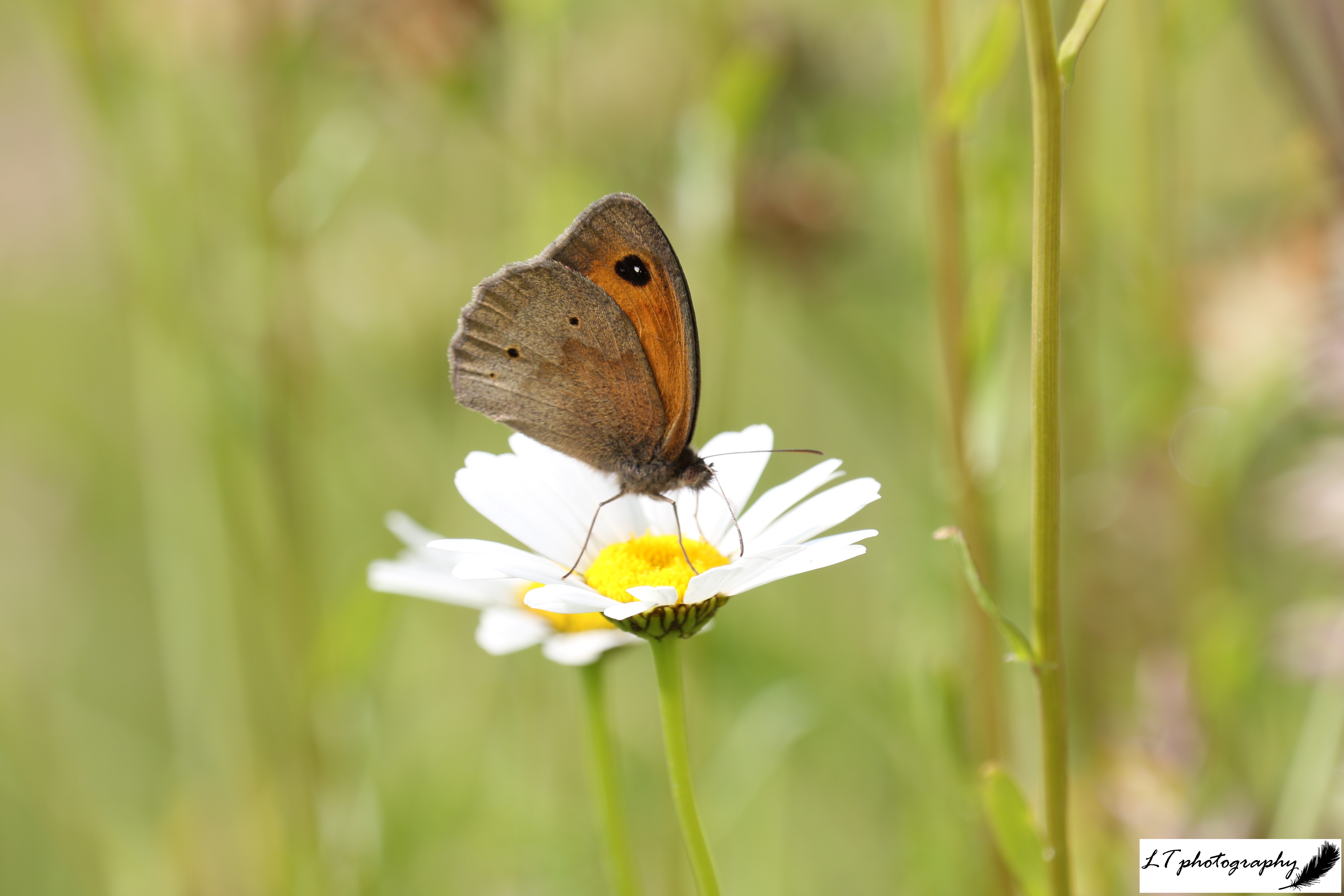
  • Meadow brown butterfly (Insect) Maniola jurtina
  • Norway maple (Tree) Acer platanoides
  • Orange-tip butterfly (Insect) Anthocharis cardamines
  • Oxeye daisy (Flowering Plant) Leucanthemum vulgare
  • Painted lady butterfly (Insect) Vanessa cardui
  • Peacock butterfly (Insect) Aglais io
  • Primrose (Flowering Plant) Primula vulgaris
  • Red admiral butterfly (Insect) Vanessa atalanta
  • Red-tailed bumblebee (Insect) Bombus lapidarius
  • Rook (Bird) Corvus frugilegus
  • Seven-spot ladybird (Insect) Coccinella septempunctata)
  • Silver birch (Tree) Betula pendula
  • Small tortoiseshell butterfly (Insect) Aglais urticae
  • Snowdrop (Flowering Plant) Galanthus spp.
  • Song thrush (Bird) Turdus philomelos
  • Speckled wood butterfly (Insect) Pararge aegeria
  • Starling (Bird) Sturnus vulgaris
  • Swallow (Bird) Hirundo rustica
  • Swift (Bird) Apus apus
  • Wild cherry (Tree) Prunus avium
  • Wild garlic (Flowering Plant) Allium ursinum
  • Wood anemone (Flowering Plant) Anemone nemorosa
  • Wren (Bird) Troglodytes troglodytes
  • Yellow archangel (Flowering Plant) Lamium galeobdolon
  • Yellowhammer (Bird) Emberiza citrinella
Spring In Photos 2023

This year spring has been a very unusual and unpredictable couple of months for nature. Last year, spring took its time to unfurl, and this year saw a similar trend. A very dry February, a very wet March, a cold April, and then a wet followed by hot and dry May, made for a slow start to spring, and a short and vibrant season.

Despite an odd spring this year, the season has been an enjoyable and fulfilling one for me. It has been filled with lots of wild adventures, experiences, and colourful moments. With my camera by my side (or phone), I have spent lots of time this year capturing and exploring spring in all its shades and vibrancy. Here’s just a few of the many versions of my spring 2023.

Spring In Photos

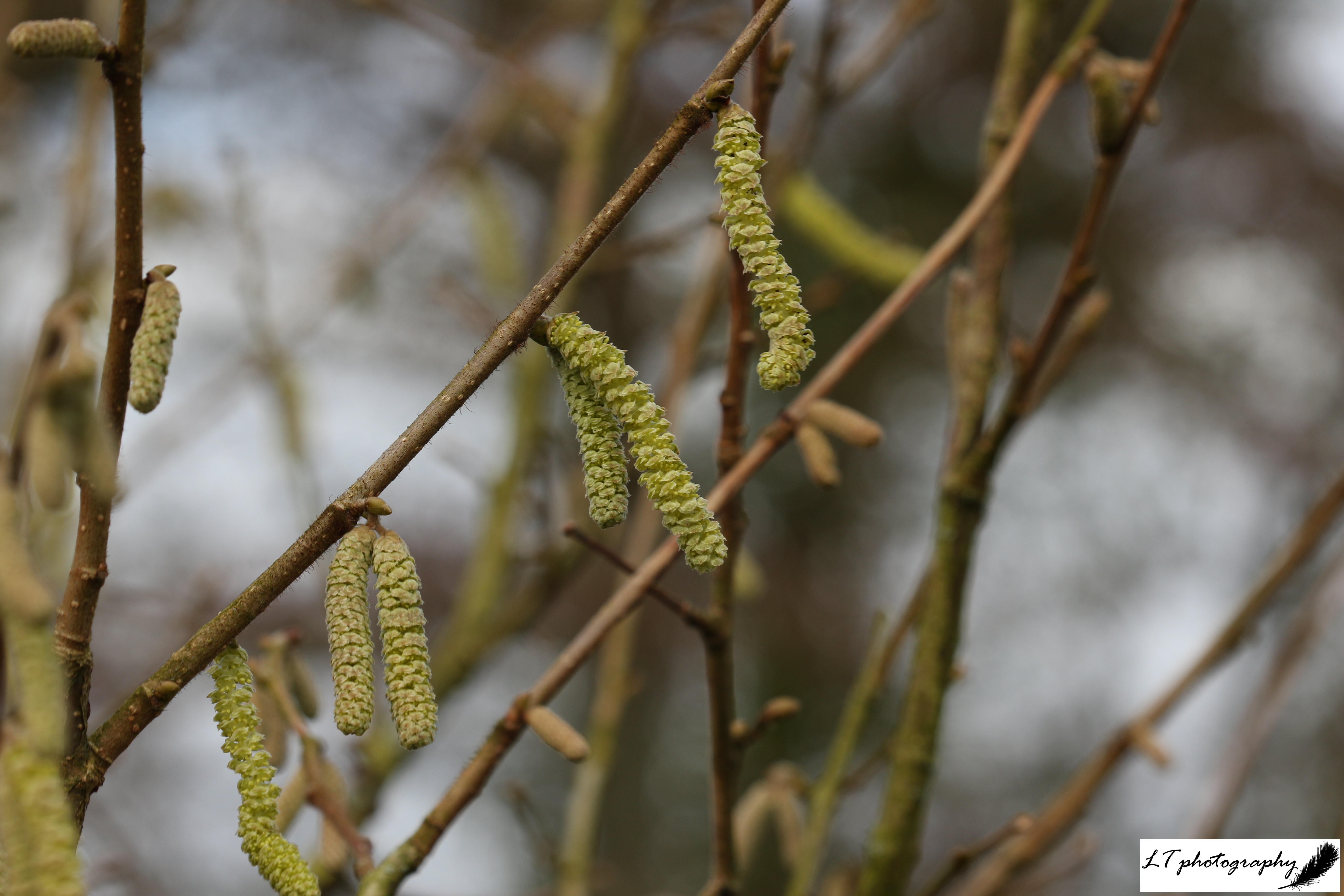
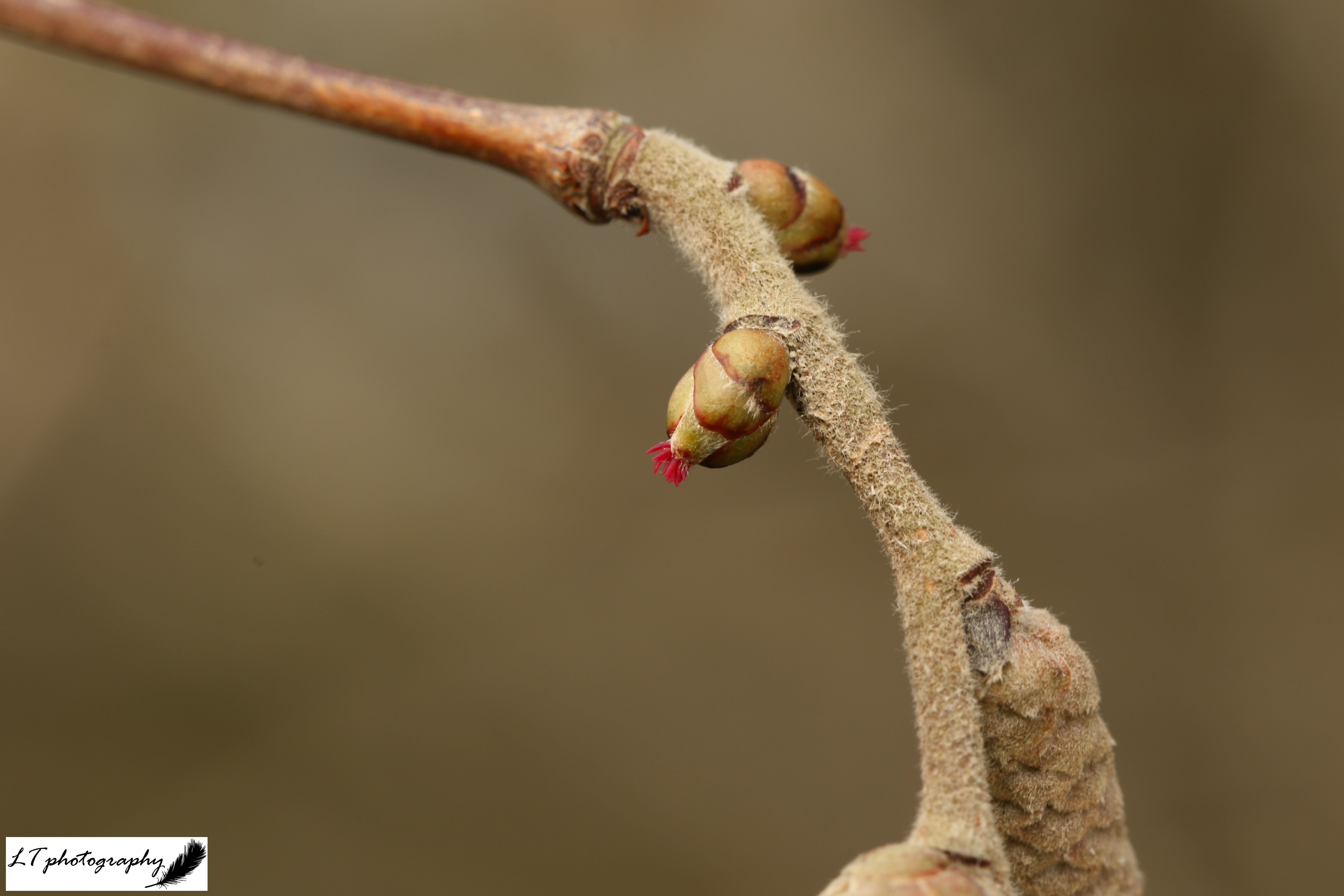
Seeing Red – When people think of hazel flowers, catkins always come to mind, hanging like lamb-tails and powdered with yellow pollen. These are just the male flowers, with the female ones taking the form of understated buds topped with bright red tufts of styles, adding much needed pops of colour at the start of spring.

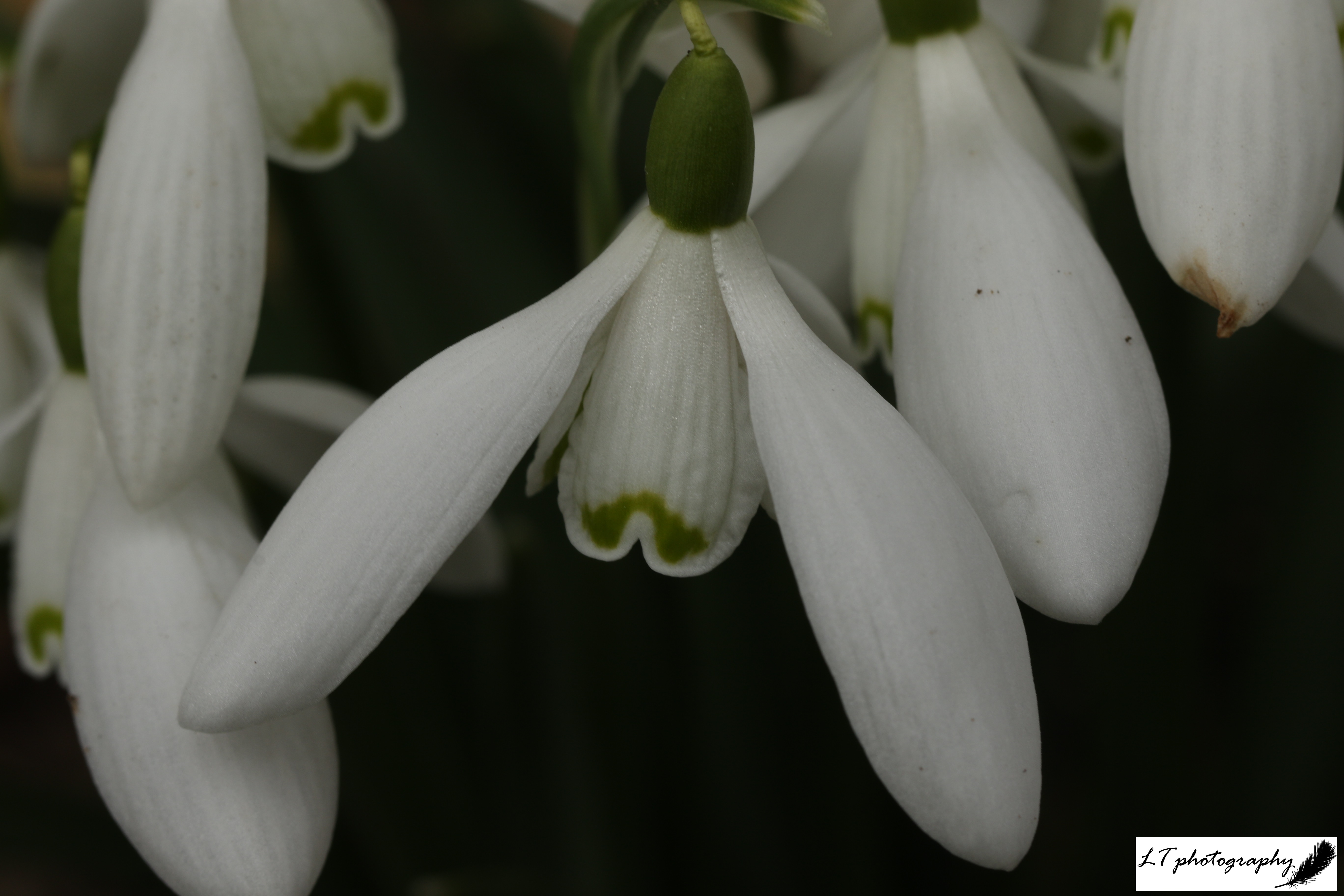
Glistening Snowdrops – This year I spent much time photographing snowdrops in different ways, making the most of the flowers staying around later into spring. Here I enjoy the glisten of the simple white petals of a nodding snowdrop.

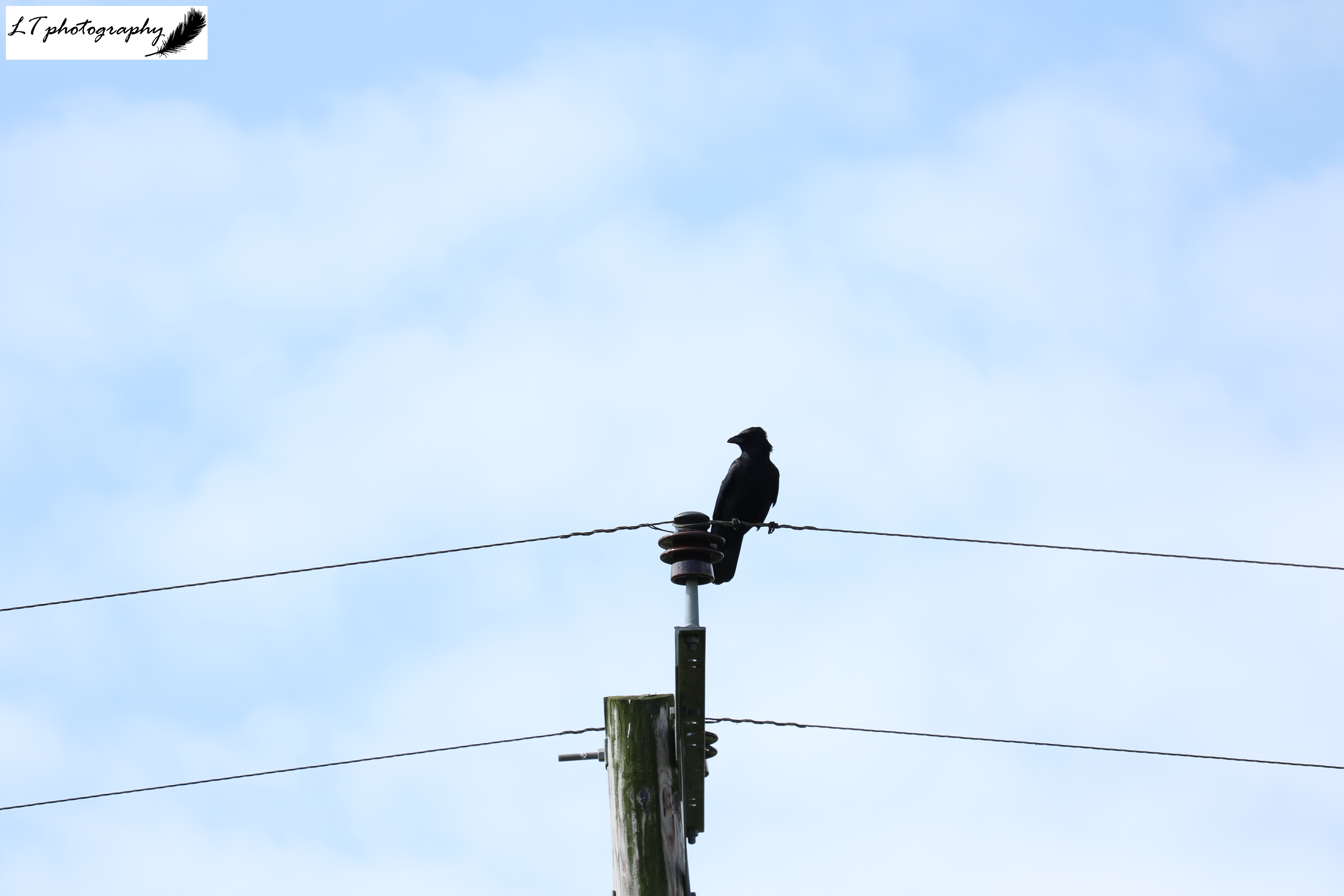
Walking the Line – This crow can be easily recognised from its silhouetted form against the pastels of a blue sky in early spring. A simple photo but an effective one.

Pretty in Pastel – A cheerful sign of spring, primroses get their name from the latin for ‘first rose’. Flowering early in spring, they are often seen as a harbinger of the season, brightening the bleak winter landscape.

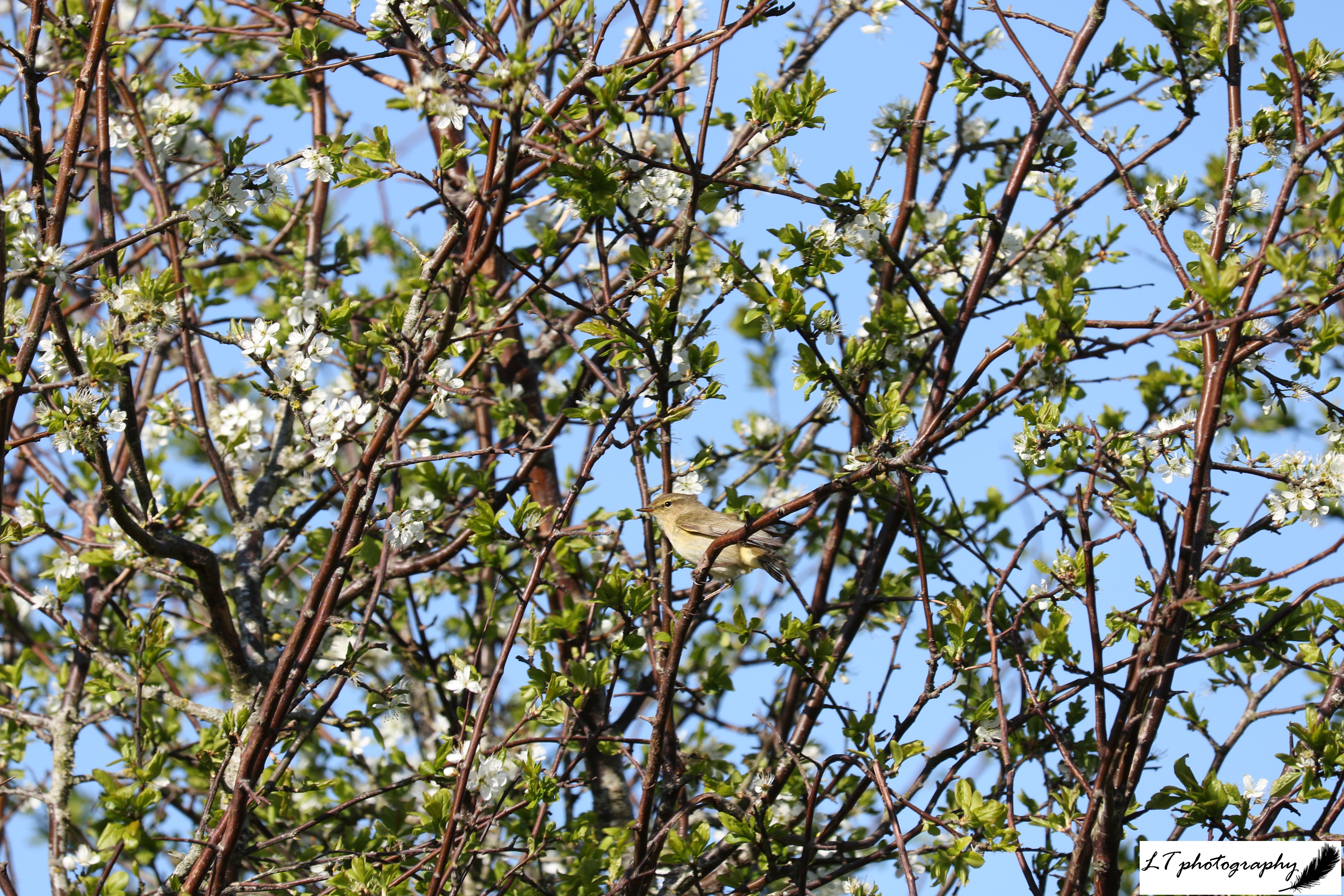
Blossoming Chiffchaffs – Chiffchaffs are a real highlight of spring for me, adding to the soundtrack for trees blossoming and leaves unfurling, flowers blooming, and the landscape becoming alive with life once again. I had always wanted to try and capture them amongst this backdrop and this year I had my opportunity to do just that!

Quarry Bank Comes to Life – A National Trust property in Cheshire (check out A Naturalist in Manchester), Quarry Bank’s gardens come to life in spring with a fantastic array of colours!

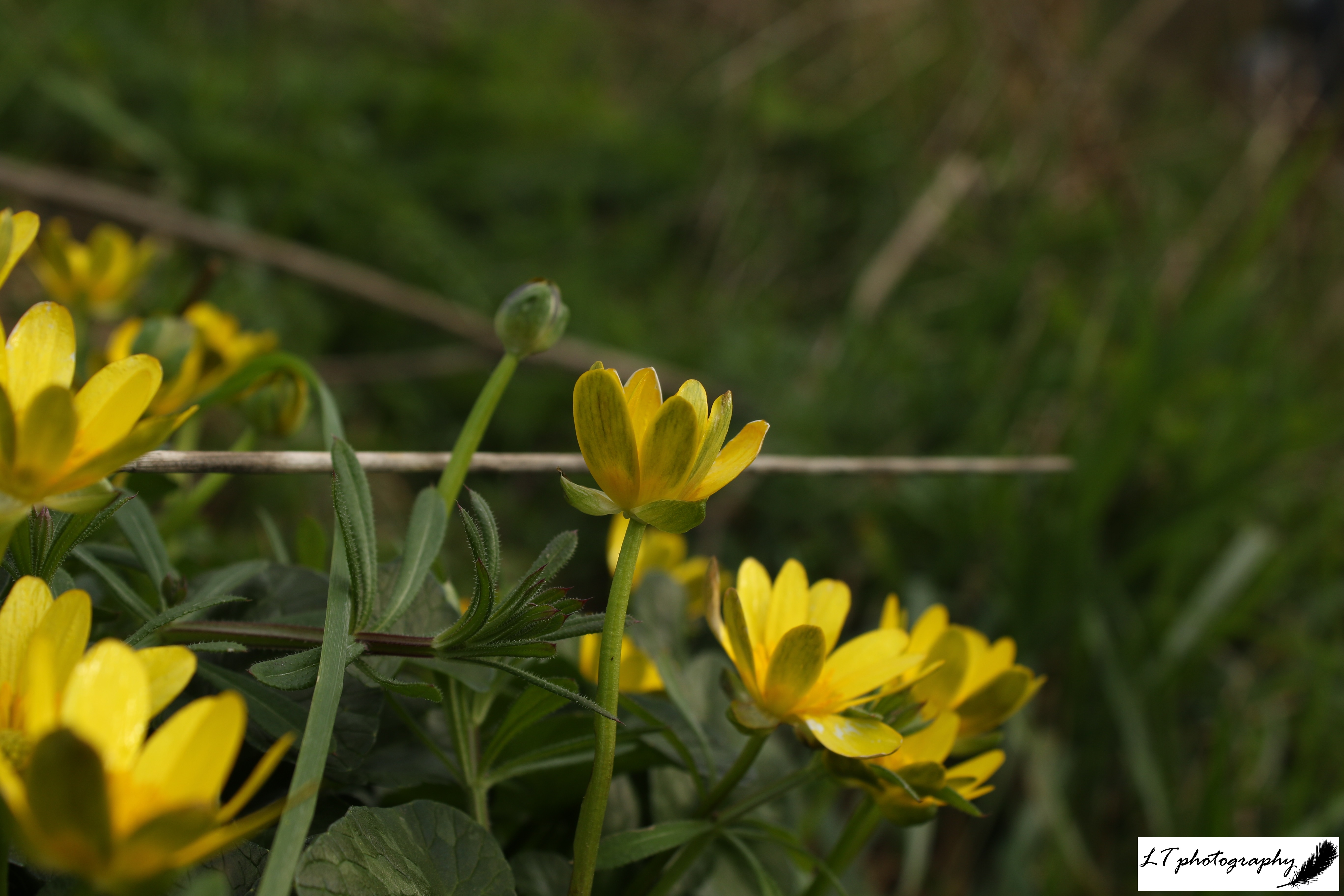
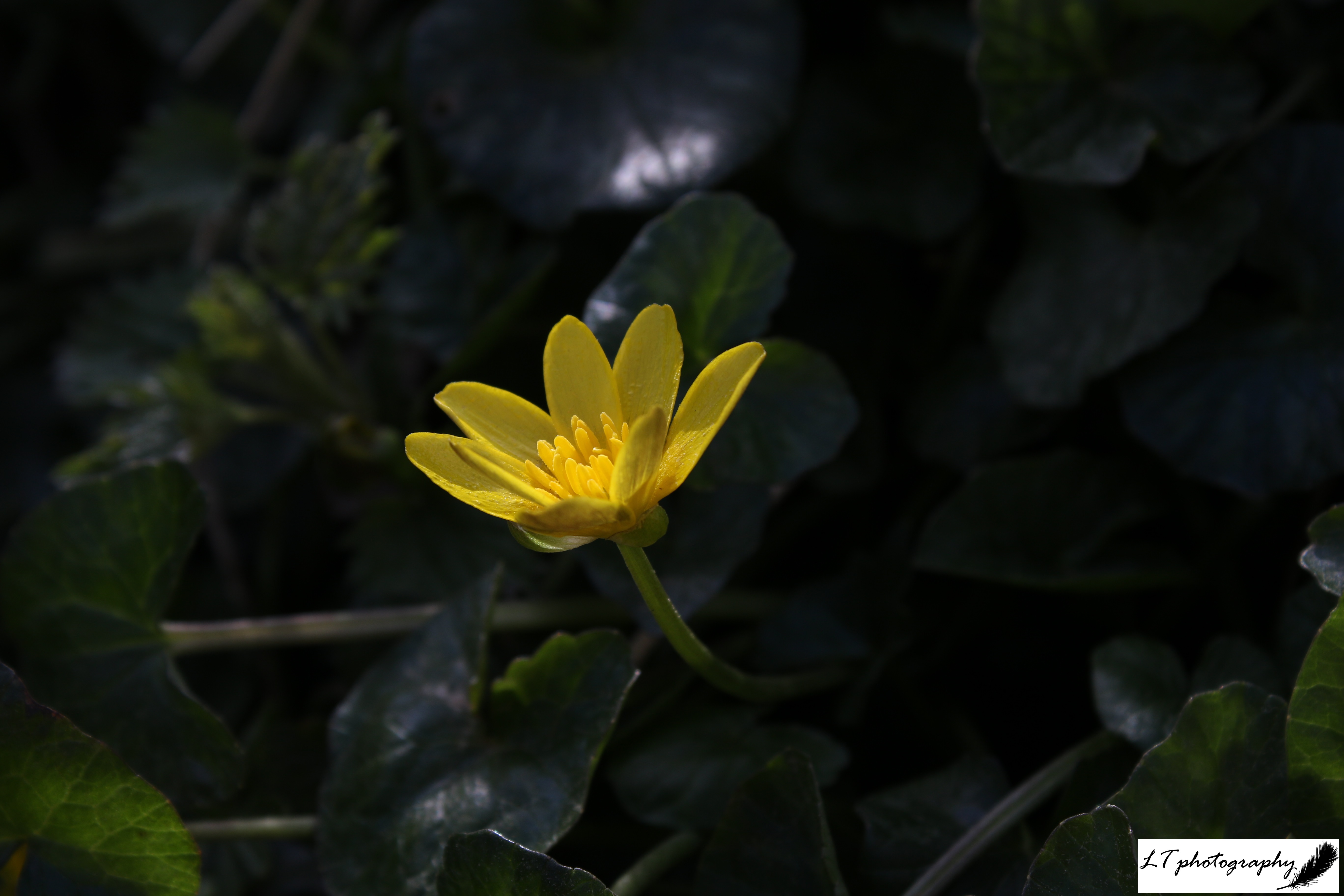
Sunshine Celandine – Celandines are another classic spring flower, helping to provide a joyful pop of colour, as winter slips away. I always enjoy the challenge each year of trying to photograph them in new and interesting ways.

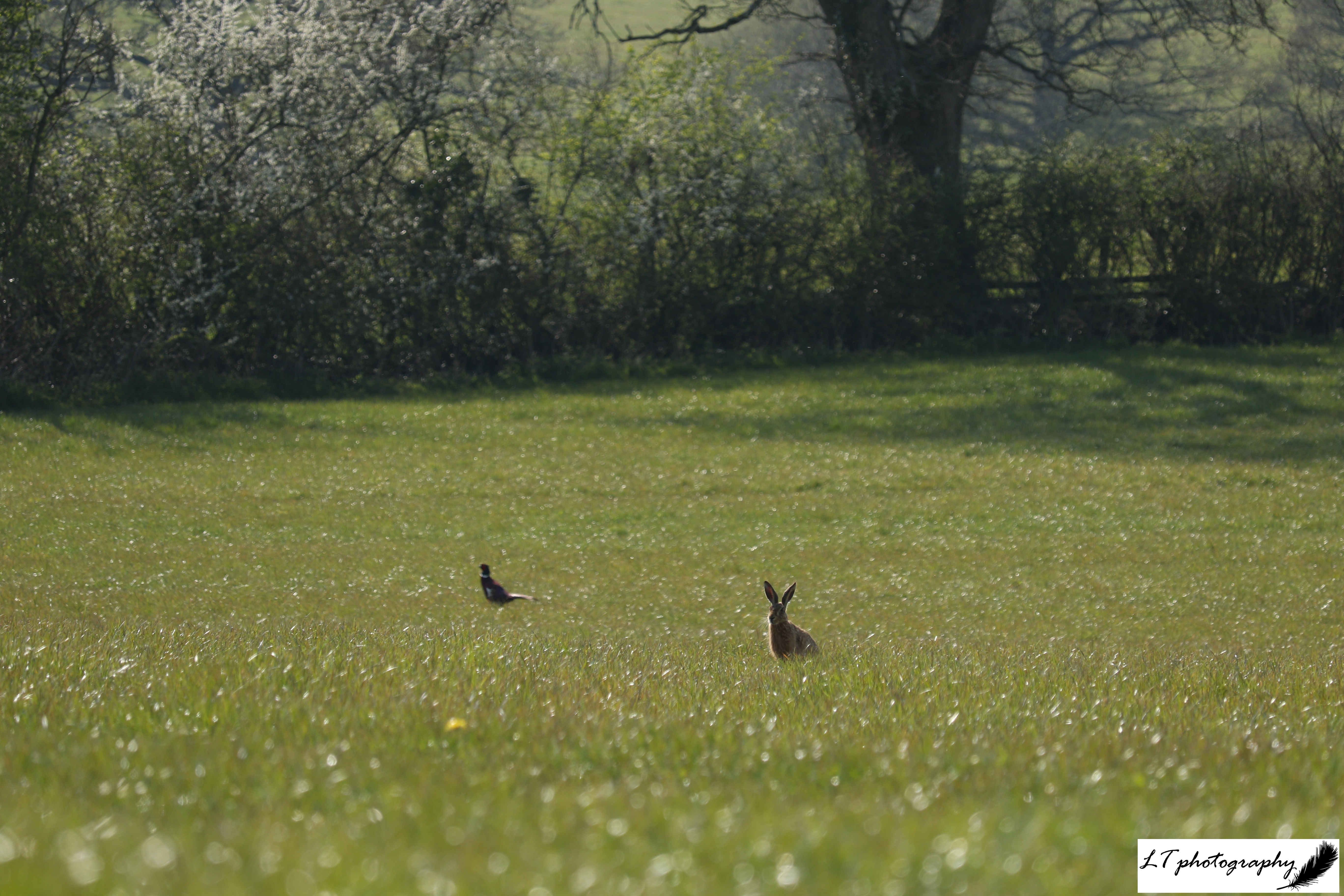
The Hare [Not] In A Hurry – Whilst walking in my local woods, I caught sight of this lovely pair in a neighbouring field. It was lovely to sit and watch them for awhile as they groomed themselves and interacted with each other, never knowing that I was there.

In The Blue – People familiar with my blog and photos will know that bluebells are one of my favourite spring flowers, as they fill me with joy when I see a woodland floor carpeted with their fantastic blue. The bells individually are like magic themselves.

Leading the Way – A lone early-purple orchid bordering an animal track running through a woodland. These spotty-leaved plants can be found in clusters or as here, on their own, amongst the trees.

Woodland Wonders – The wood anemone is another of my favourite spring flowers, appearing like little stars in the green of a woodland floor. Being found in light spots, they are an indicator of ancient woodland.

On the Way to the Peak – Set against a spectacular backdrop of the Peak District, my friend Emma and I passed these stone stacks on the ridge up to Mam Tor. They provide an interesting feature to the rugged landscape.

A Patch of Light – It’s not the first time that I have enjoyed photographing wild garlic in spots of sunshine, but these clusters of white stars always add a bit of enchantment to the landscape.

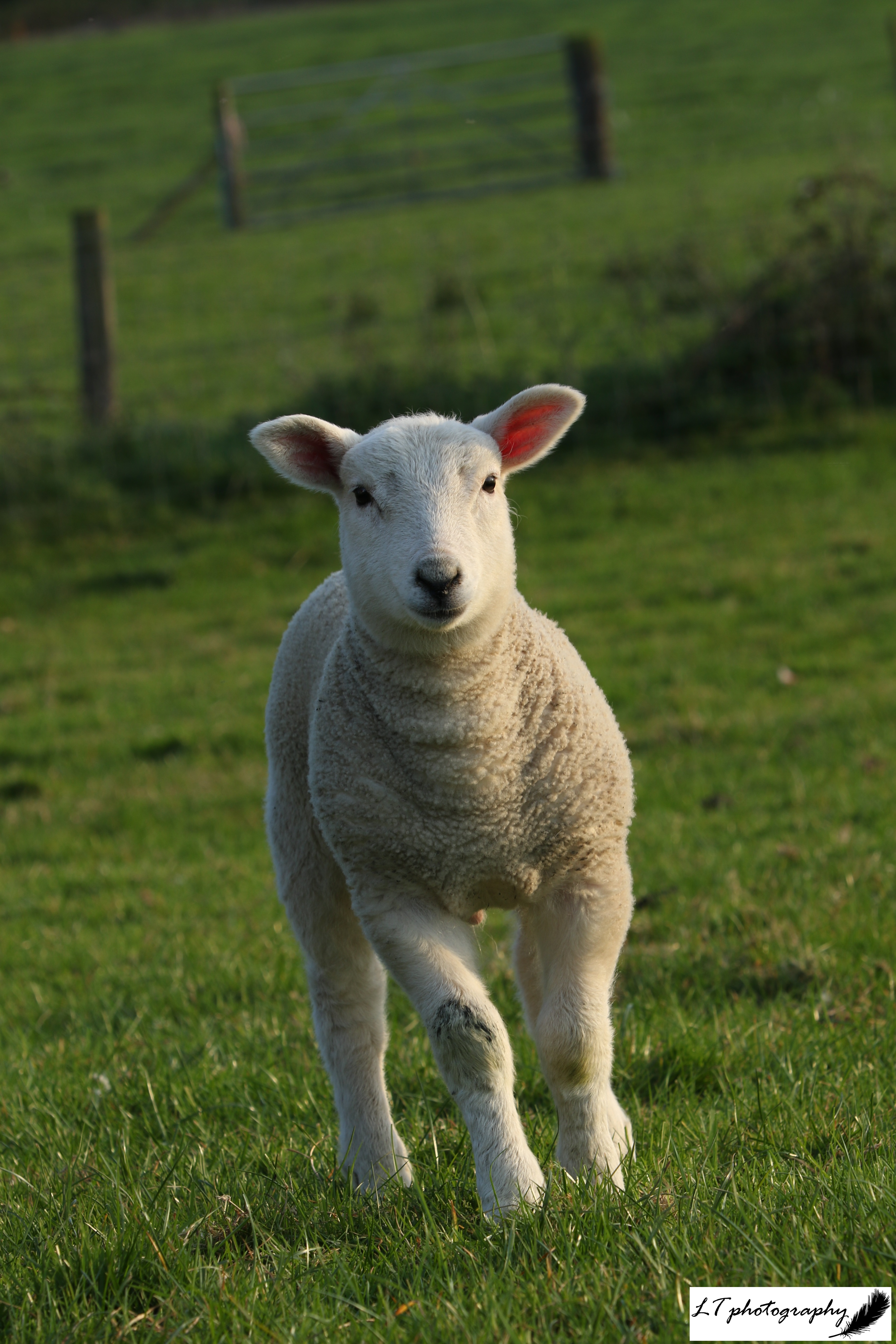
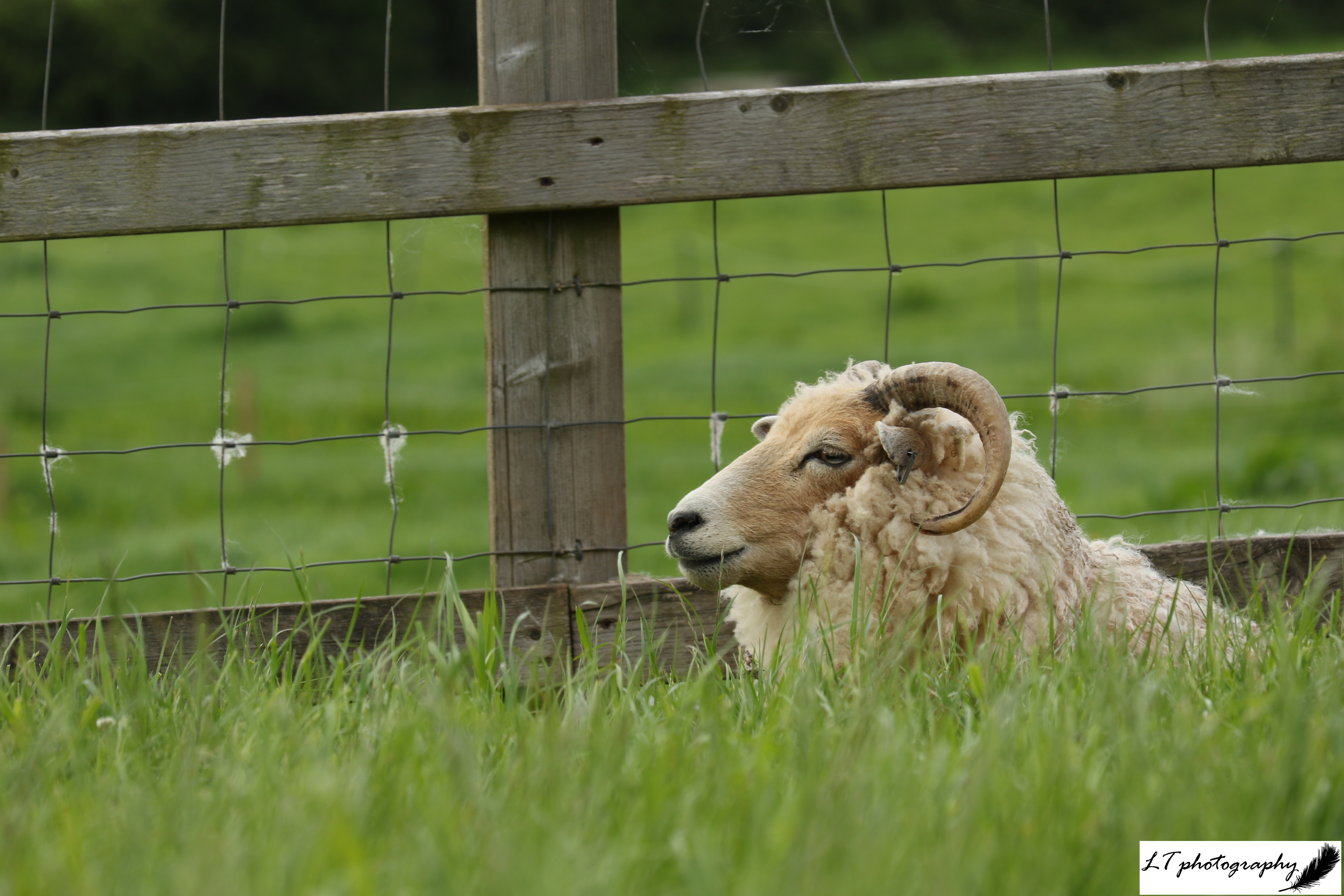
Ewe and Me – This photo was taken during my first time out with my swanky, but hard-earned, new telephoto lens, and I was hooked. It is so enjoyable to get up, close and personal with animals without having to disturb their natural behaviour!

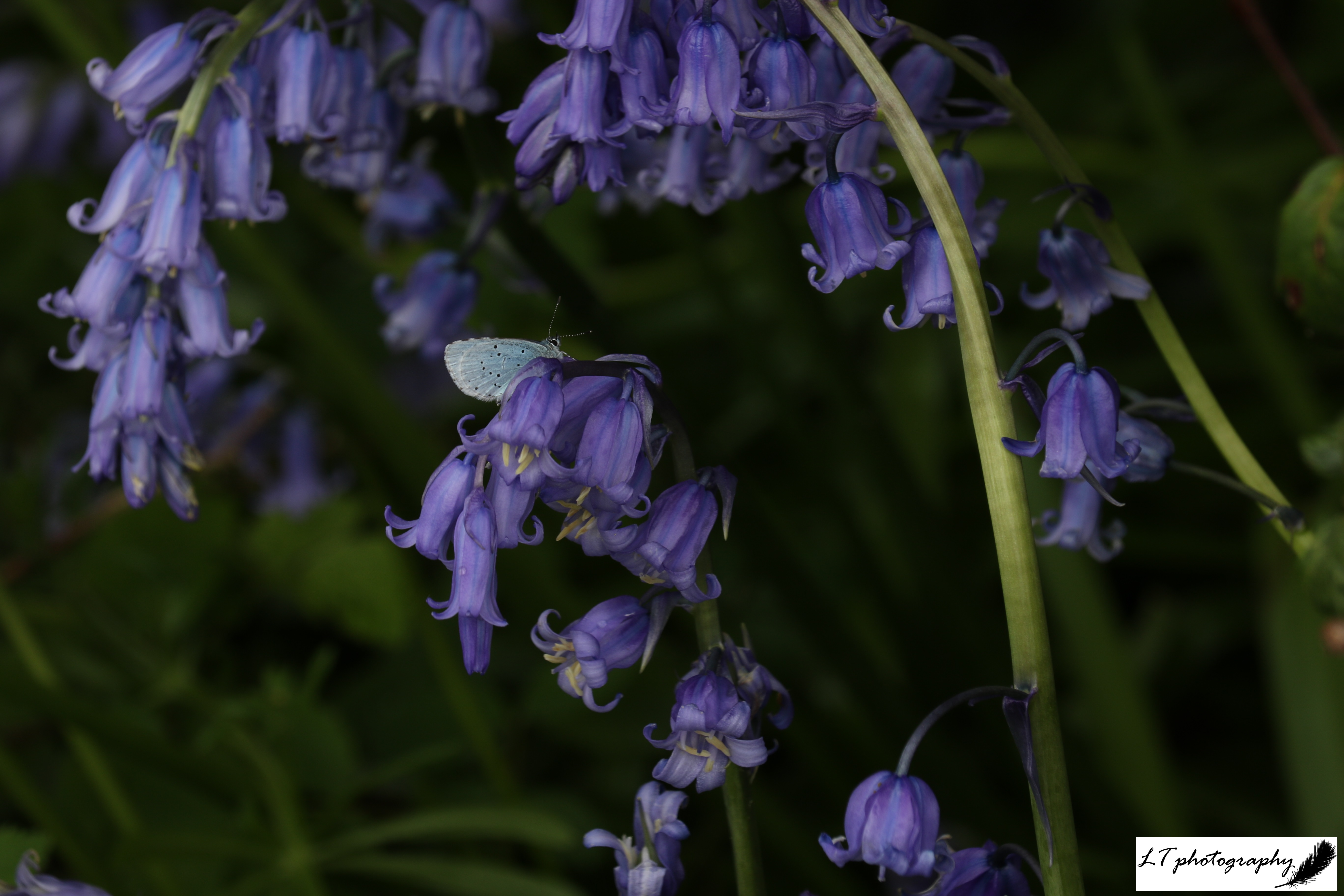
Blue-Toned – This was a chance sighting, but a wonderful one to see a holly blue butterfly on the deep purple-blue of bluebells. Wonderful!

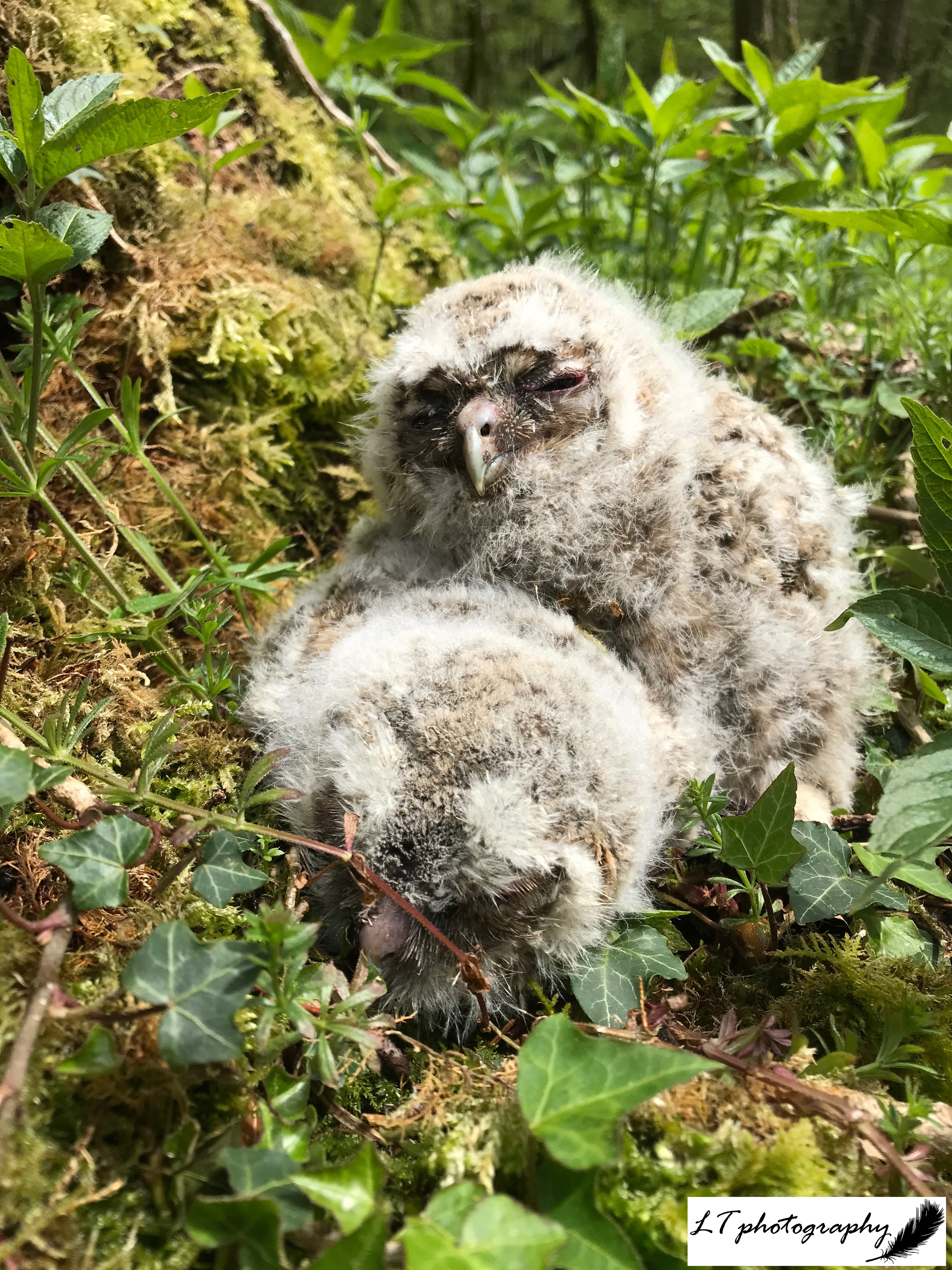
Terrific Tawnies – One of my highlights of spring was having our first brood of tawny owl chicks hatch within one of our nest boxes. These two chicks grew on to both fledge successfully from their box!

Spring 2022: How It Happened

This year spring has been a blast of colour, abundance, and new beginnings. Though April experienced some cooler weather, and storms blew up here and there, on the whole spring was calm and dry. What characterised this spring most of all though was the weather being warmer in general, making spring 2022 the 5th warmest on average with a quarter less rainfall. Turbulent winter weather led to a slower start to spring, but the increasing warmer days led to spring speeding up and going out in a hurry in my home area of Dorset.

Last year weather patterns had a big influence on spring events, with events moving earlier or later as a result. For many species, events actually occurred later in spring in Dorset in 2021 due to cooler and wetter weather overall. For example, compared to 2020, oak leaves unfurled 31 days later, bluebells flowered 4 days later, and swallows arrived 5 days later. It was an unsual spring that was still joyful, but showed the unexpected impact that climate change is already having on spring events.

After the unpredictability of spring 2021, it will be interesting to see how spring events have fared this year in 2022. How is spring looking as a season overall in 2022? Did specific spring events get back on track or continue to become later? And did spring events continue to follow weather patterns? Read on to find out!

Trees

This year on my family’s farm we have seen a general trend for tree budburst, first leaf and first flowering occurring earlier than in 2021, showing dates more similar to those of 2020 or ones that were even earlier. This was true for beech (Fagus sylvatica), field maple (Acer campestre), horse chestnut (Aesculus hippocastanum), english oak (Quercus robur), wild cherry (Prunus avium), and Norway maple (Acer platanoides) trees, all between 9 and 28 days earlier. This was similar for ash (Fraxinus excelsior) and silver birch (Betula pendula) trees, but ash showed budburst 10 days later and silver birch first leaves 4 days later.

For first flowers, horse chestnut and ash trees shared the earlier trend with them blooming 2 and 34 days earlier respectively. For field maple, english oak, silver birch, wild cherry, and Norway maple flowers though, flowers actually appeared anywhere between 1 to 24 days later.

Shrubs

For blackthorn (Prunus spinosa), dog rose (Rosa canina), elder (Sambucus nigra), hawthorn (Crataegus monogyna), lilac (Syringa vulgaris), and hazel (Crataegus monogyna) first flowering occurred earlier than in 2021. This ranged from hazel flowers 5 days earlier to blackthorn flowers 21 days earlier.

Surprisingly for first budburst and first leaf, the opposite trend was actually shown. For blackthorn, dog rose, elder, hawthorn, and lilac these spring events were seen to occur on the same day as 2021 or later by 2-13 days. As these shrub events occur more towards the start of spring, maybe the slow start to spring was having an effect. Hazel budburst occurred 12 days earlier instead, but first leaf was delayed and ended up fitting the trend, unfurling 13 days later on 24th March.

Flowers

Though snowdrops (Galanthus spp.) first showed their snowy heads 12 days earlier on 6th January, first flowering was 6 days later for daffodils (Narcissus spp.) on 25th January, 11 days later for lesser celandines (Ficaria verna) on 26th January, and 45 days later for primroses (Primula vulgaris) on 14th February.

Other spring flowering species had a more mixed response to the season, either appearing earlier or later compared to 2021, as we moved from March to April. The earlier appearers were:

  • Bluebell (Hyacinthoides non-scripta) – 6 days earlier on 26th March
  • Early purple orchid (Orchis mascula) – 11 days earlier on 7th April
  • Yellow archangel (Lamium galeobdolon) – 22 days earlier on 11th April
  • Wild garlic (Allium ursinum) – 1 day earlier on 19th April
  • Oxeye daisy (Leucanthemum vulgare) – 16 days earlier on 18th May

The later appearers were:

  • Wood anemone (Anemone nemorosa) – 2 days later on 1st April
  • Greater stitchwort (Stellaria holostea) – 3 days later on 4th April
  • Cuckooflower (Cardamine pratensis) – 2 days later on 10th April
  • Cowslips (Primula veris) – 9 days later on 11th April

Grasses

This year all recorded grass species flowered earlier. Meadow foxtail (Alopecurus pratensis) first flowered 18 days earlier on 22nd April, Yorkshire fog (Holcus lanatus) 33 days earlier on 10th May, and cocksfoot (Dactylis glomerata) 21 days earlier on 19th May.

Birds

With birds, the first spring events of the year occurred later on average. For example, song thrushes (Turdus philomelos) were first heard singing 18 days later on 19th January, rooks (Corvus frugilegus) were first seen building their nests 2 days later on 27th February, and blackbirds (Turdus merula) were first heard singing 6 days later on 16th February.

As we reached March, events occurred earlier than in 2021, with chiffchaffs Phylloscopus collybita) arriving 3 days earlier on 13th March, cuckoos (Cuculus canorus), blackcaps (Sylvia atricapilla), and yellowhammers (Emberiza citrinella) first singing 3, 7 and 14 days earlier respecitvely in April, and great-spotted woodpeckers (Dendrocopos major) first fledging 10 days earlier on 6th June. Swallows (Hirundo rustica) were an exception though first returning to our land 1 day later on 11th April.

Insects

The majority of insects I recorded were first seen on the wing on our land earlier than in 2021, making the most of our more stable weather, These were:

  • Red-tailed bumblebee (Bombus lapidarius) – 27 days earlier on 3rd March
  • 7-spot ladybird (Coccinella septempunctata) – 1 day earlier on 19th March
  • Peacock butterfly (Aglais io) – 10 days earlier on 20th March
  • Small tortoiseshell butterfly (Aglais urticae) – 16 days earlier on 22nd March
  • Brimstone butterfly (Gonepteryx rhamni) – 26 days earlier on 23rd March
  • Red admiral butterfly (Vanessa atalanta) – 14 days earlier on 24th March
  • Speckled wood butterfly (Pararge aegeria) – 53 days earlier on 21st April
  • Small white butterfly (Pieris rapae) – 14 days earlier on 8th May
  • Painted lady butterfly (Vanessa cardui) – 43 days earlier on 17th May
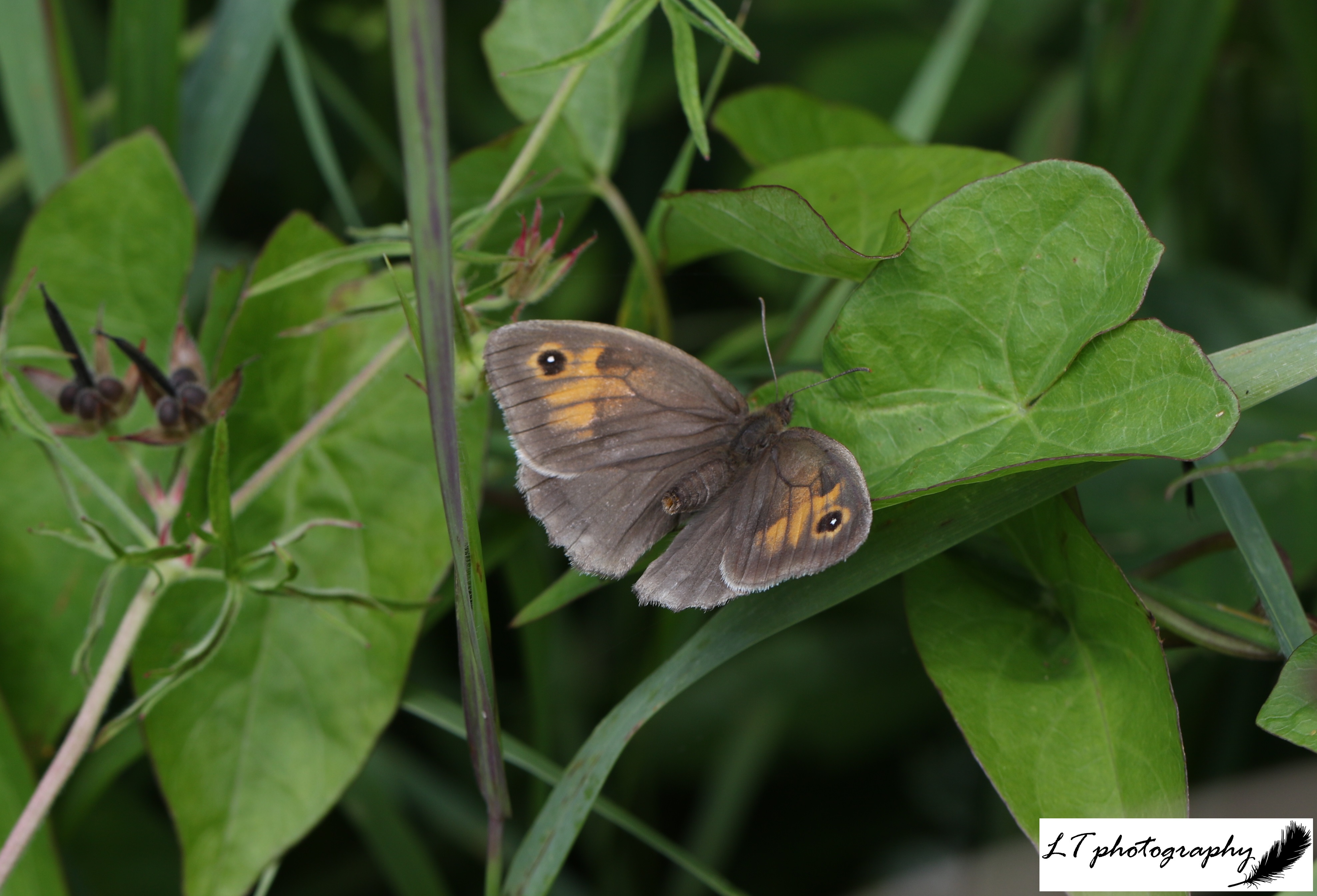
  • Meadow brown butterfly (Maniola jurtina) – 27 days earlier on 22nd May
  • Comma butterfly (Polygonia c-album) – 31 days earlier on 17th June

The exceptions were the buff-tailed bumblebee (Bombus terrestris) that emerged 19 days later on 18th March and orange-tip butterfly (Anthocharis cardamines) first seen 18 days later on 18th April.

Summary

This year during spring, plants tended to flower earlier, which could be due to the on average less turbulent weather, alongside the possibility of stress responses being triggered by the increasing temperatures at times. As a result flowers appeared earlier and went over more quickly.

Budburst and leaves did not follow as consistent a trend, but on average plants went through these spring events later than 2021. This may be due to many of these events occurring more towards the beginning of spring, when day length and temperature increases would have only just started to take an effect. Bird events followed spring in general with a slow start and a quick finish, whilst insects emerged earlier, as expected after last year’s unpredictable weather.

This year I have enjoyed all that spring had to offer, though it felt like once it got started it rushed through to its finish. In the moment it was a glorious season, but was cut short in its splendour. Being my favourite season, this year I was particularly sad when the season went over in to summer. Let’s see what will happen during the seasons to come and enjoy the adventures to be had!

Spring In Photos 2022

Spring this year has been a joyful and colourful experience. In 2020, spring was a lifeline during lockdown. In 2021, spring was a turbulent and unpredictable season, with some real wonderous moments to behold. This year though, I have simply enjoyed every moment that spring had to offer, watching as the season swelled into being and slipped out once again with the heat of the summer sun.

This spring the season began slower, but reached its peak quickly once it got going. In Dorset, from blossom and bursting leaves to nesting birds and breeding mammals, spring bloomed spectacularly, with so much new life on offer. During this time I made lots of adventures out with my camera and took many, many photos. Here are just a few of my favourites from spring 2022.

Spring 2022: In Photos

Sunset Damson Blossom – This year the blossom of fruiting trees was fantastic. Our damson tree blossomed without being bitten by frost or hit by strong winds, so hopefully it will be a good year for damsons

Lambing at Home – My mum has her own mini flock of Lleyn ewes, a Lleyn ram, and a Charolais ram, and for us spring would not be spring without lambs springing around the fields!

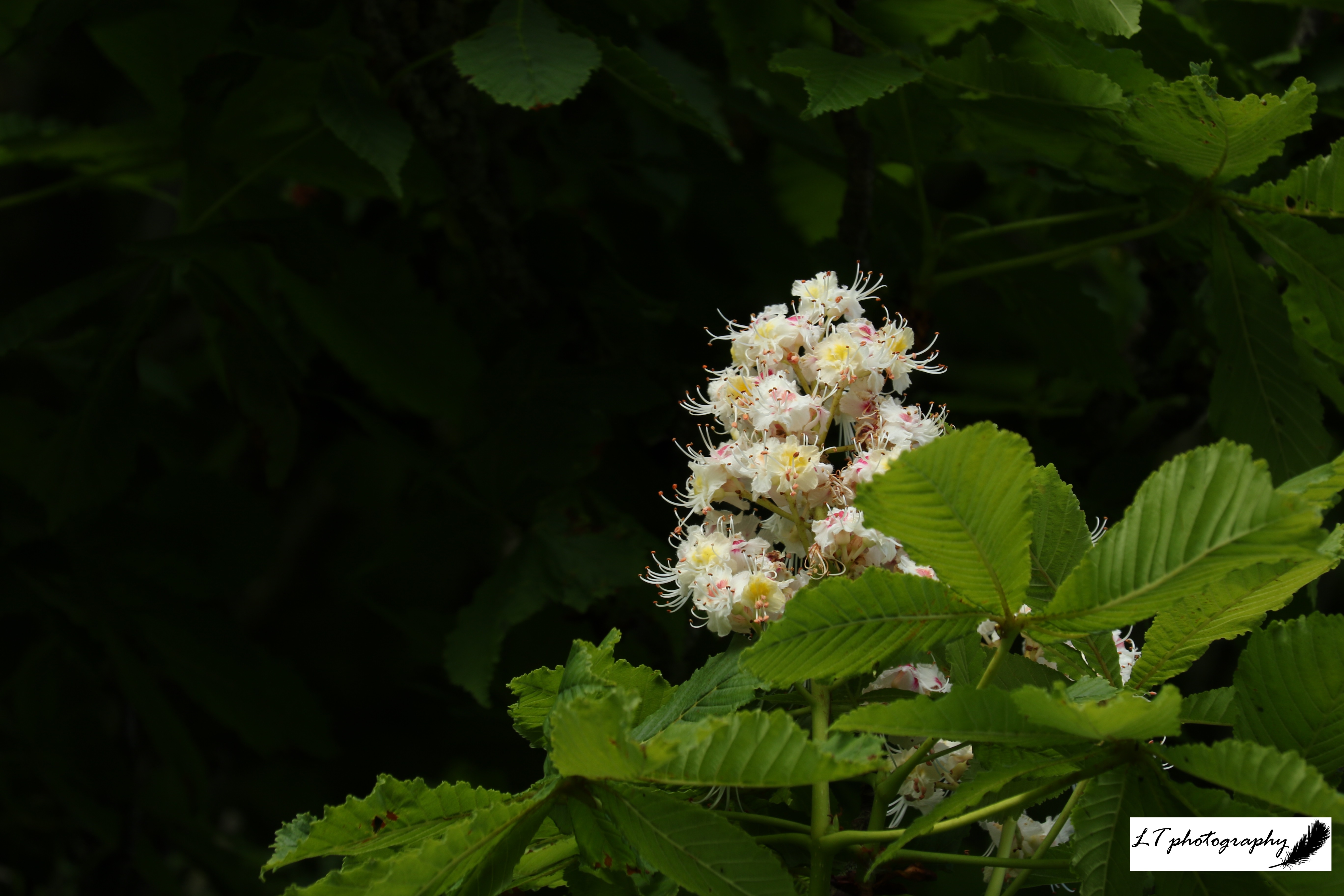
Horse Chestnut Flowers – Often tree flowers are simple, green and unassuming, but not those of horse chestnut trees. Horse chestnut flowers form a candelabra of fantastic white flowers with dots of pink and yellow, towering high in the boughs of the trees

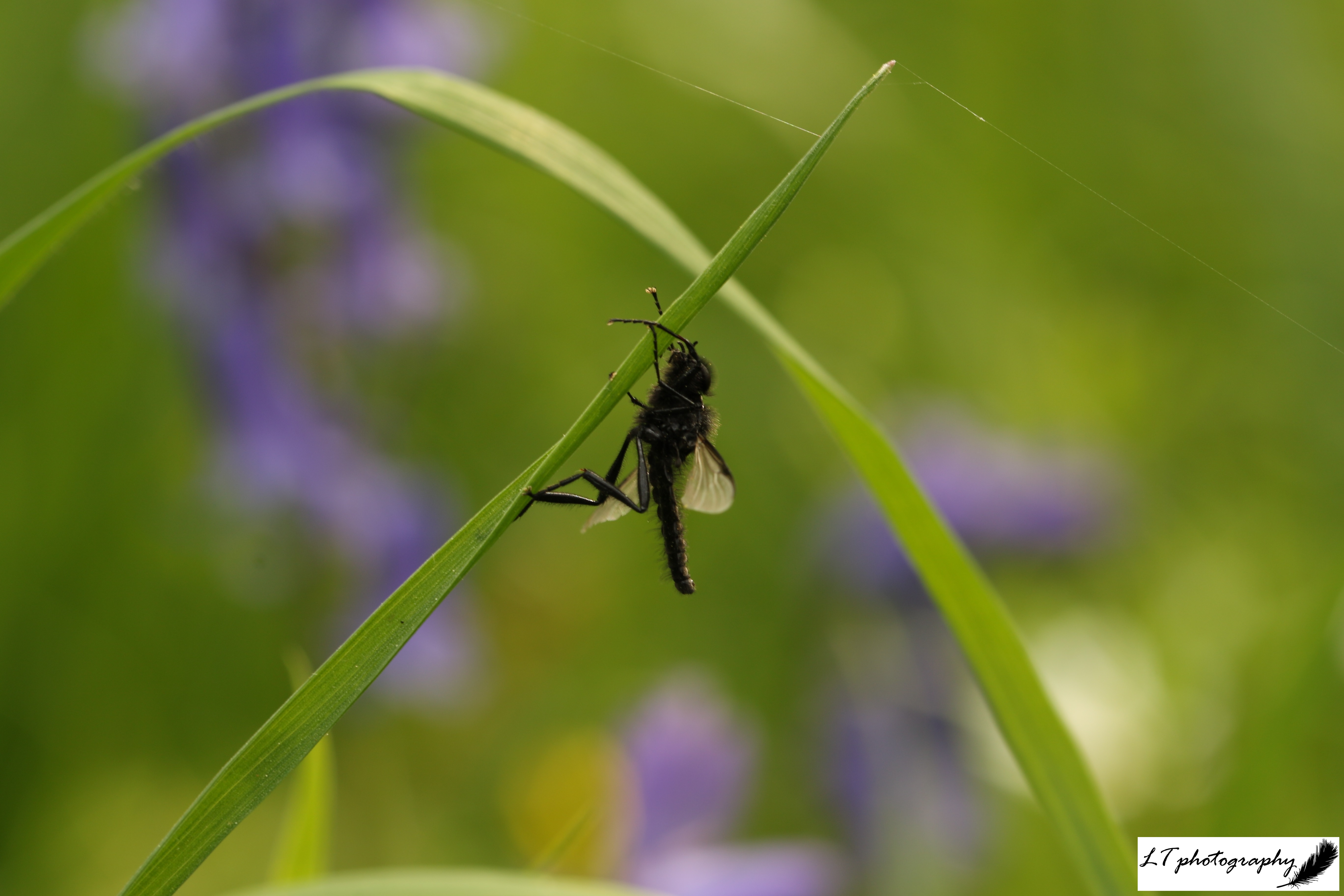
Woodland Minibeasts – This year during the bluebell bloom, I focused on exploring the hidden life amongst the bluebells (check out my previous post for more). One of my finds during my hunts was this fly which looks to be a St. Mark’s fly. This fly gets its name due to emerging around St. Mark’s Day in April each year

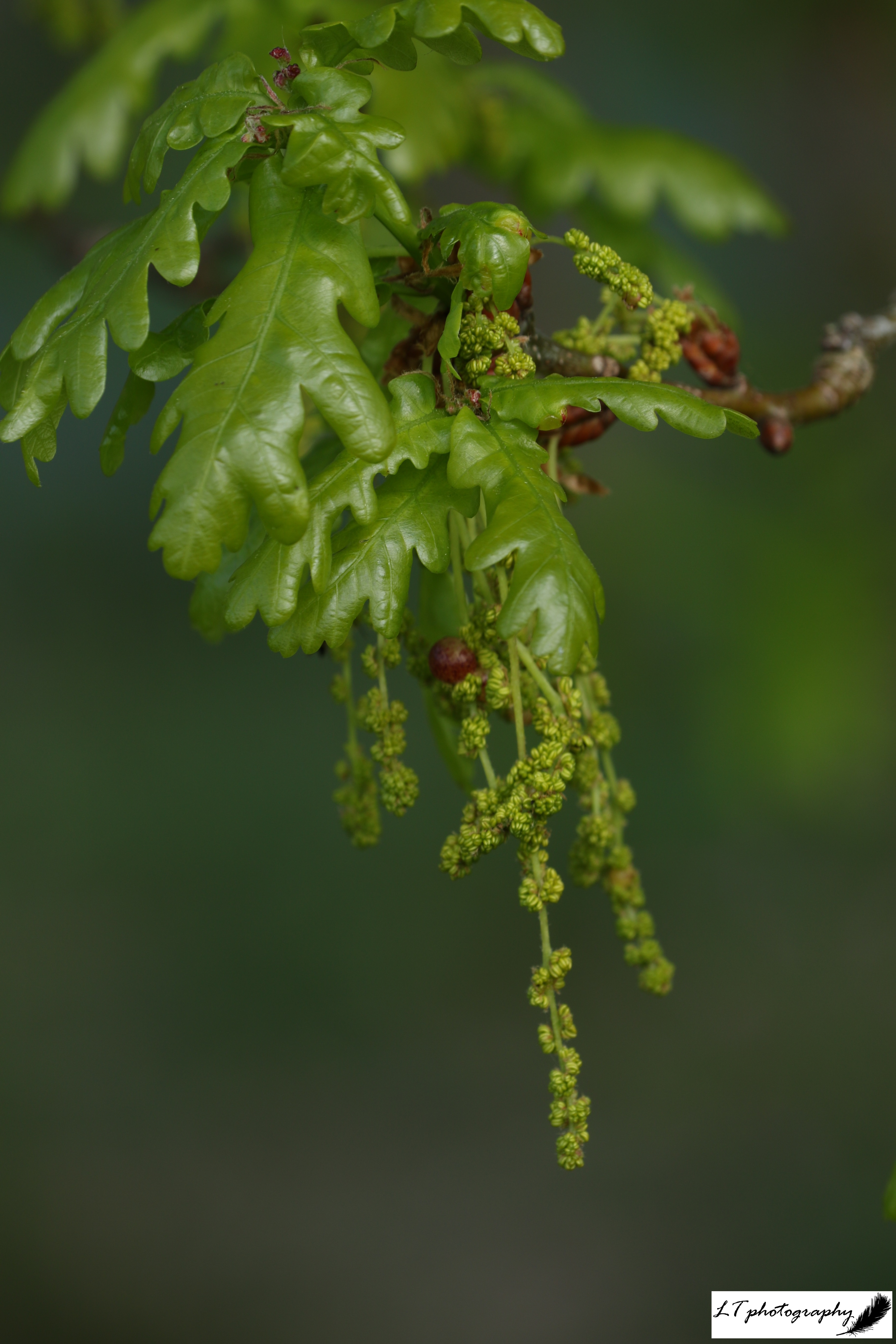
Oak Flowers – Though horse chestnut flowers are showy, some tree flowers are fantastic in a subtler way. The flowers of English oak trees hang down in green streamers from their branches, looking pretty swaying softly in gentle spring breezes

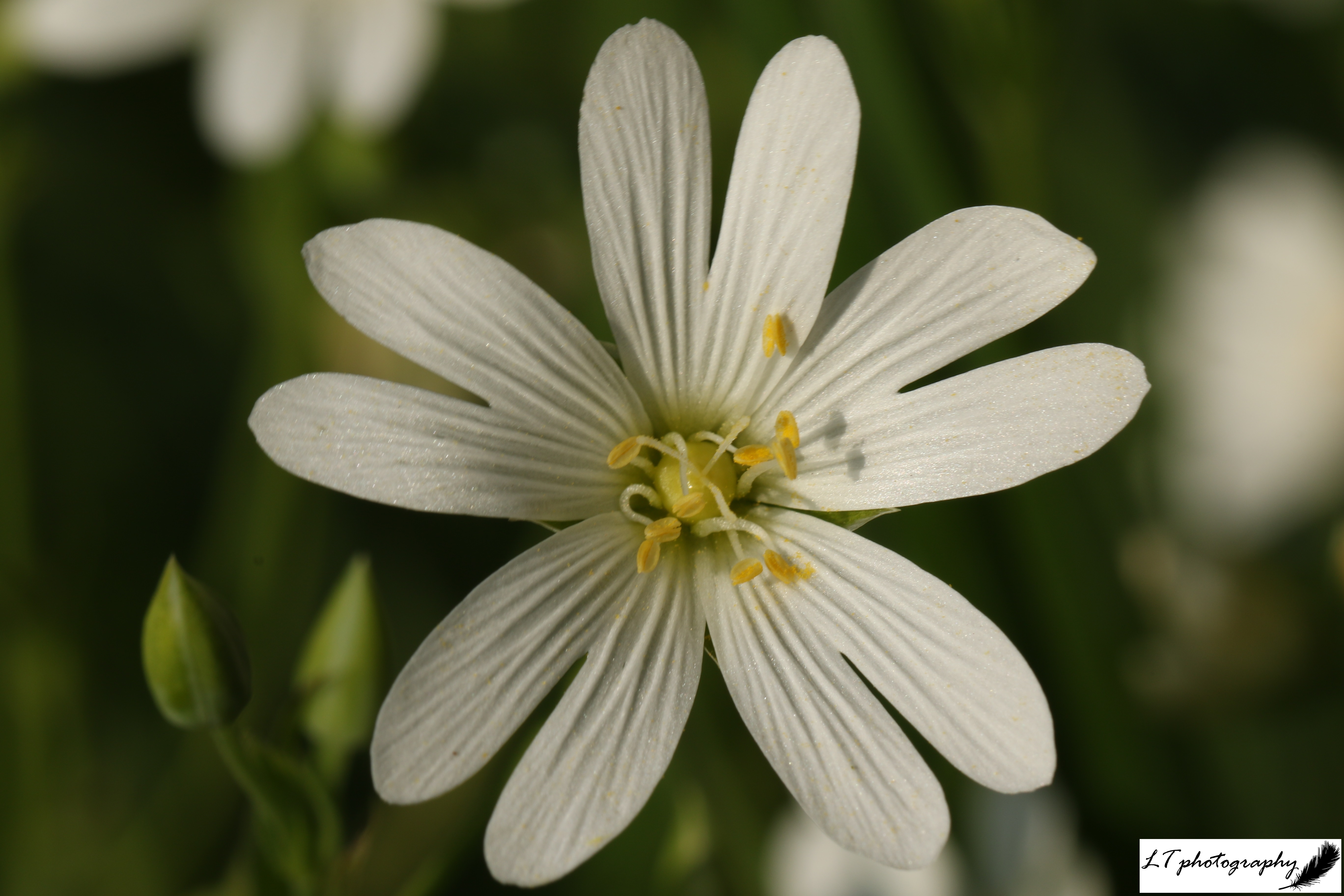
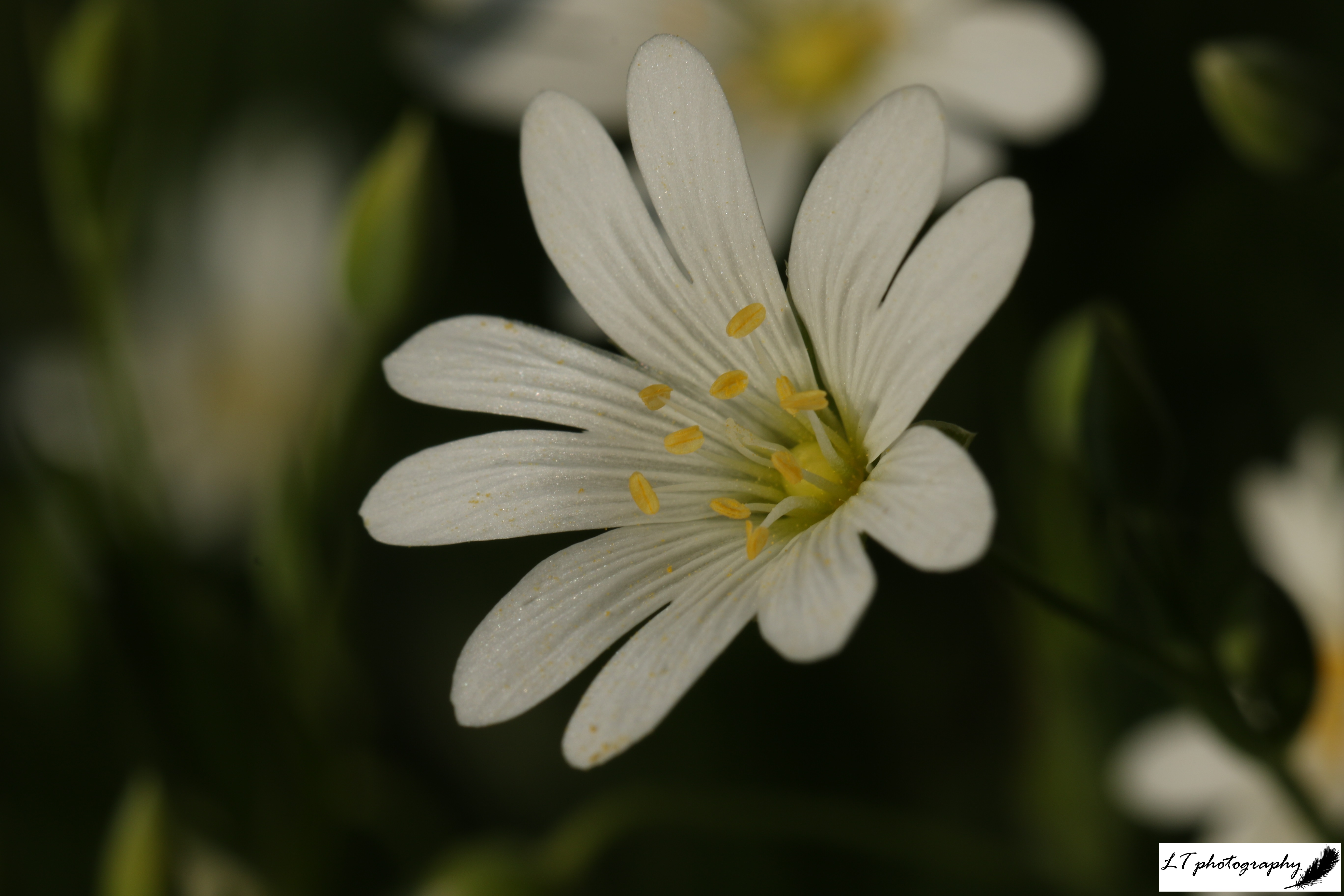
Up Close With Stitchwort Flowers – Stitchwort flowers or ‘Shirt-buttons’ are white stars spotting the countryside throughout spring. Taking a closer look, this particular flower looks weird and wonderful with stamens that curl around each other

Super Snail – This white-lipped snail is a simple, but colourful individual amongst the green of spring. Their swirling shells are a great subject to photograph

Wild Cherry Blossom – Every year one of my favourite flowering trees is the Wild Cherry. There’s nothing like banches covered in blankets of white set against a bright green backdrop of new leaves

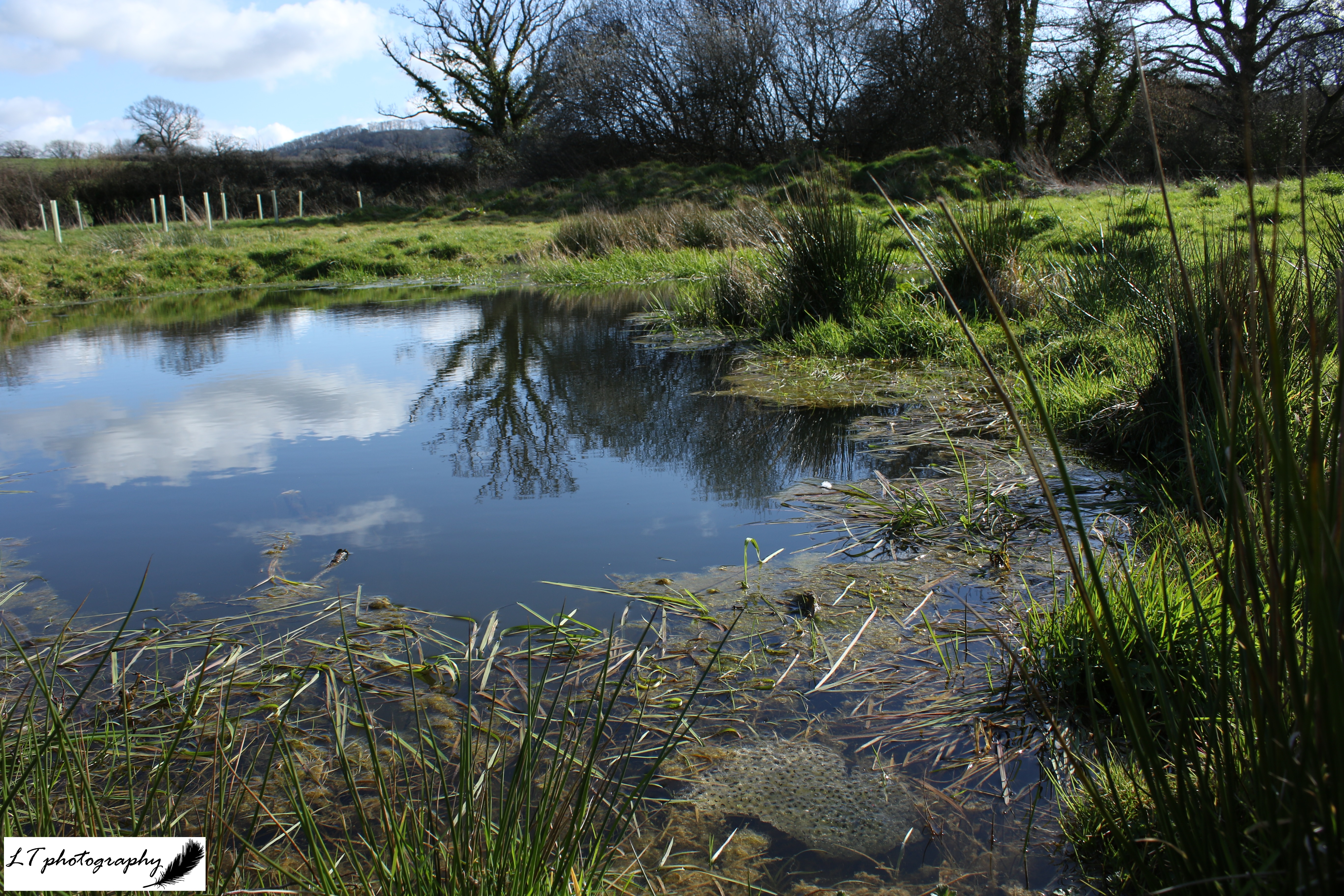
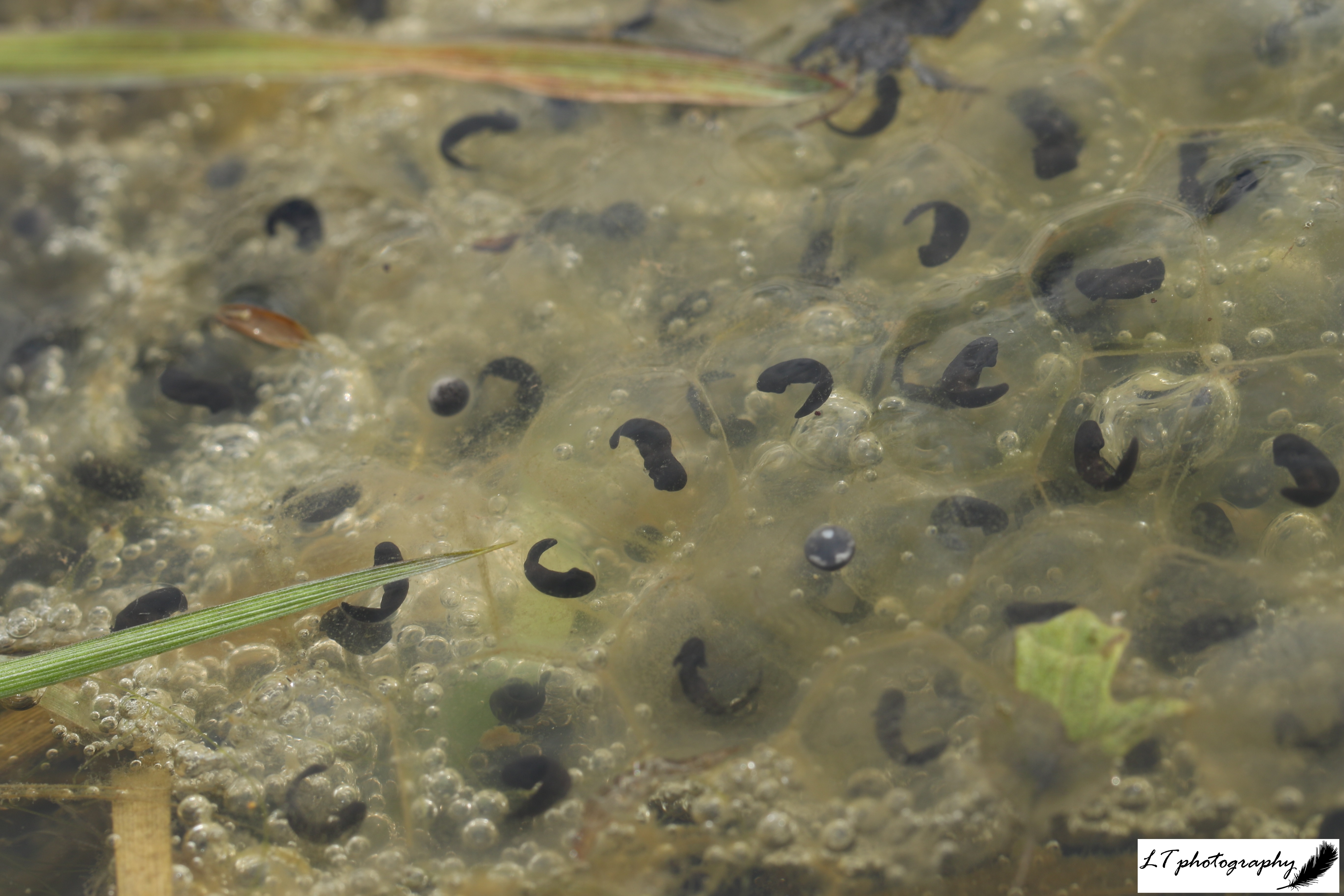
Fabulous First Frogspawn – In 2020, we started digging a pond in our own mini nature reserve at home on our farm. This year we were excited to find our very first frogspawn! It was amazing to watch the tadpoles change and transform over time

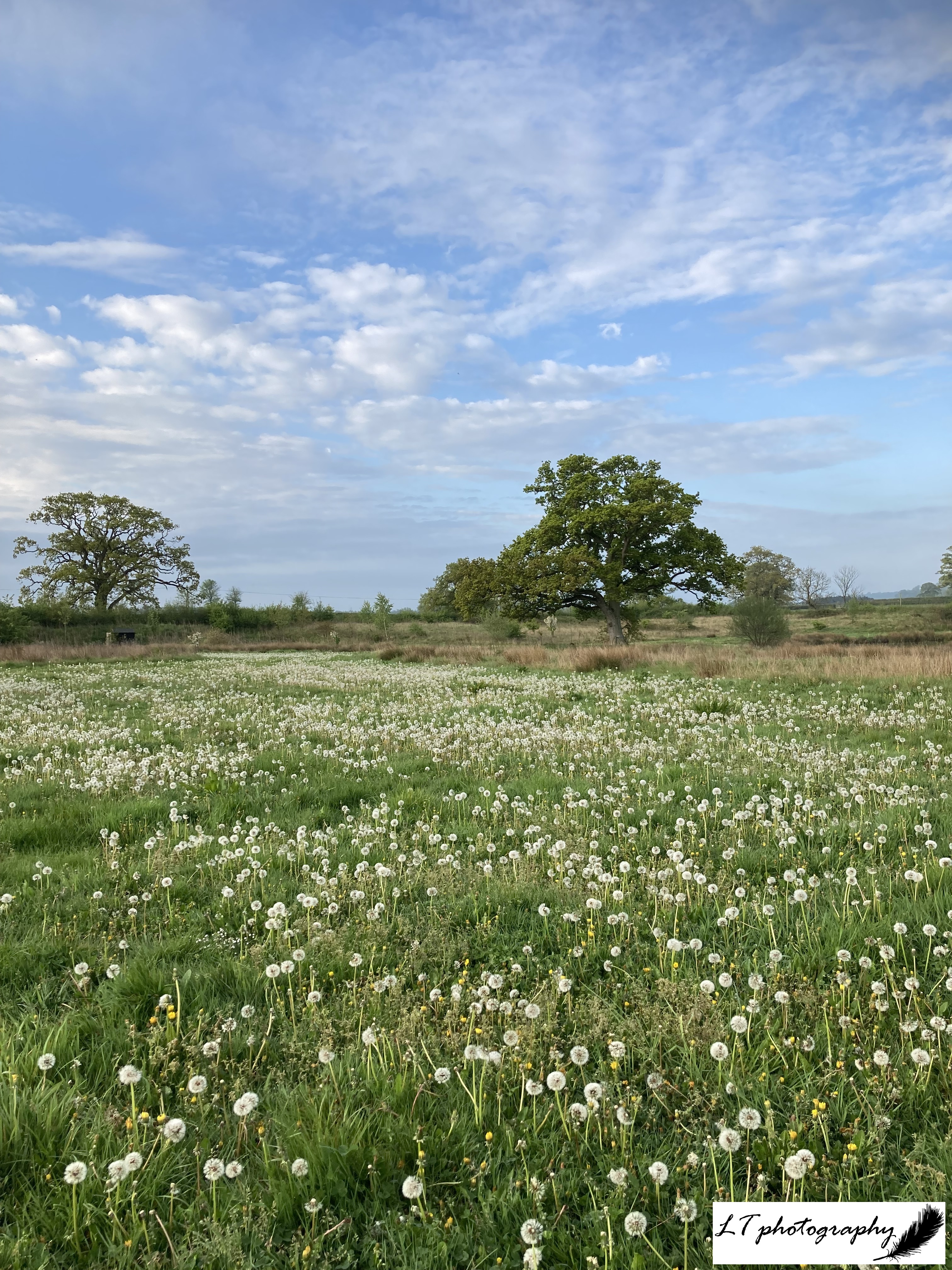
1 O’Clock, 2 O’Clock, Dandelion Clock – All children find magic and wonderment in dandelion clocks and their parachute seeds. Even as an adult I still find inspiration in their fragile globe-like forms

Majestic Beasts – My mum has her own herd of beef cross suckler cows and an Aberdeen angus bull that are free range and raise their own calves. We especially enjoy watching the calves grow up and grow into themselves over their very first year of life

Apple Blossom – As a family we have always enjoyed growing and foraging for our own food in our local area. Though last year was not a very good year for fruit, this year looks to be a better year, apples included

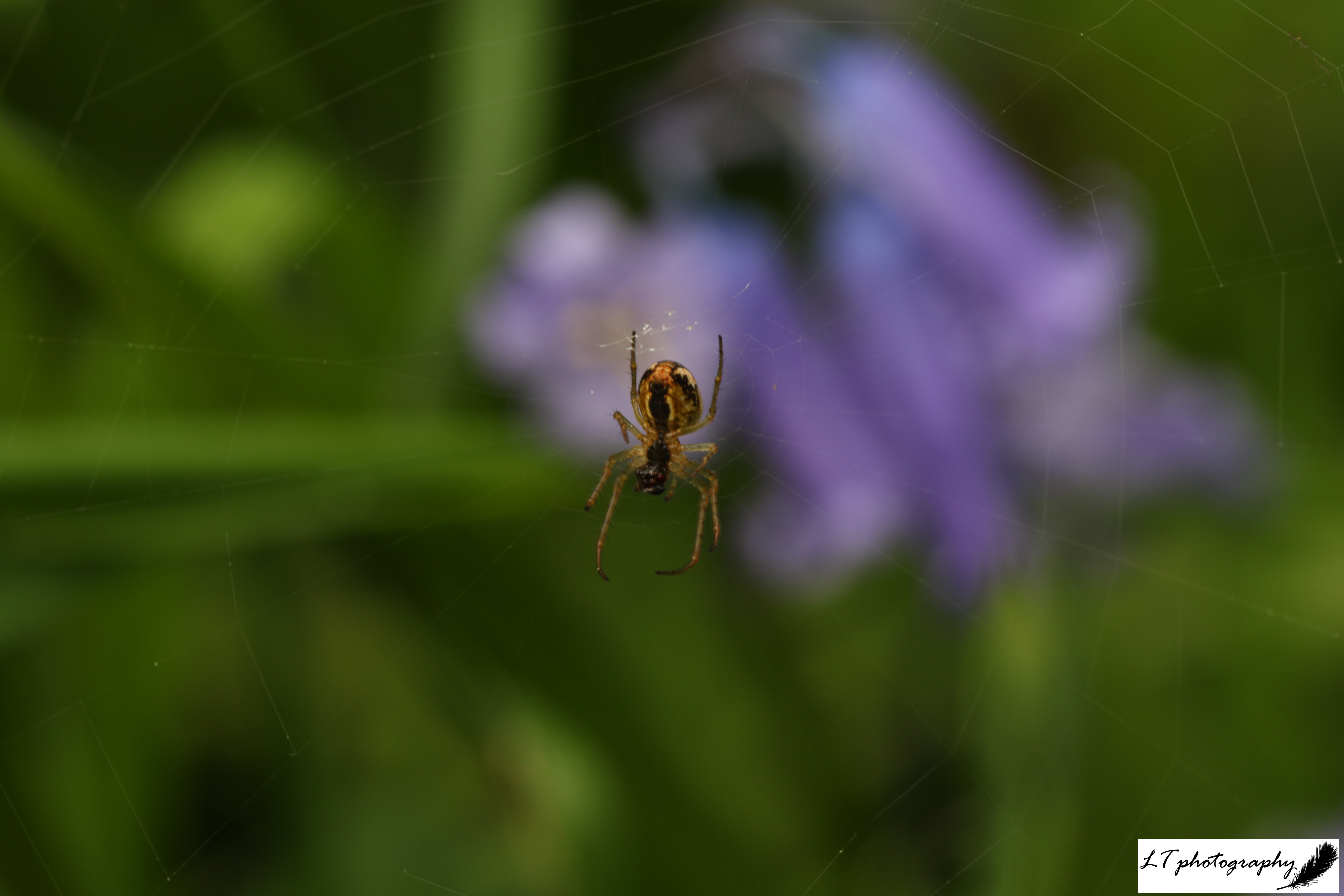
Woodland Spider – Just like the St. Mark’s fly, whilst exploring a woodland of bluebells, I found this species of orb-weaver spider. The bluebells were home to many, many of these little arachnids all weaving their webs between flowers, waiting to catch a meal

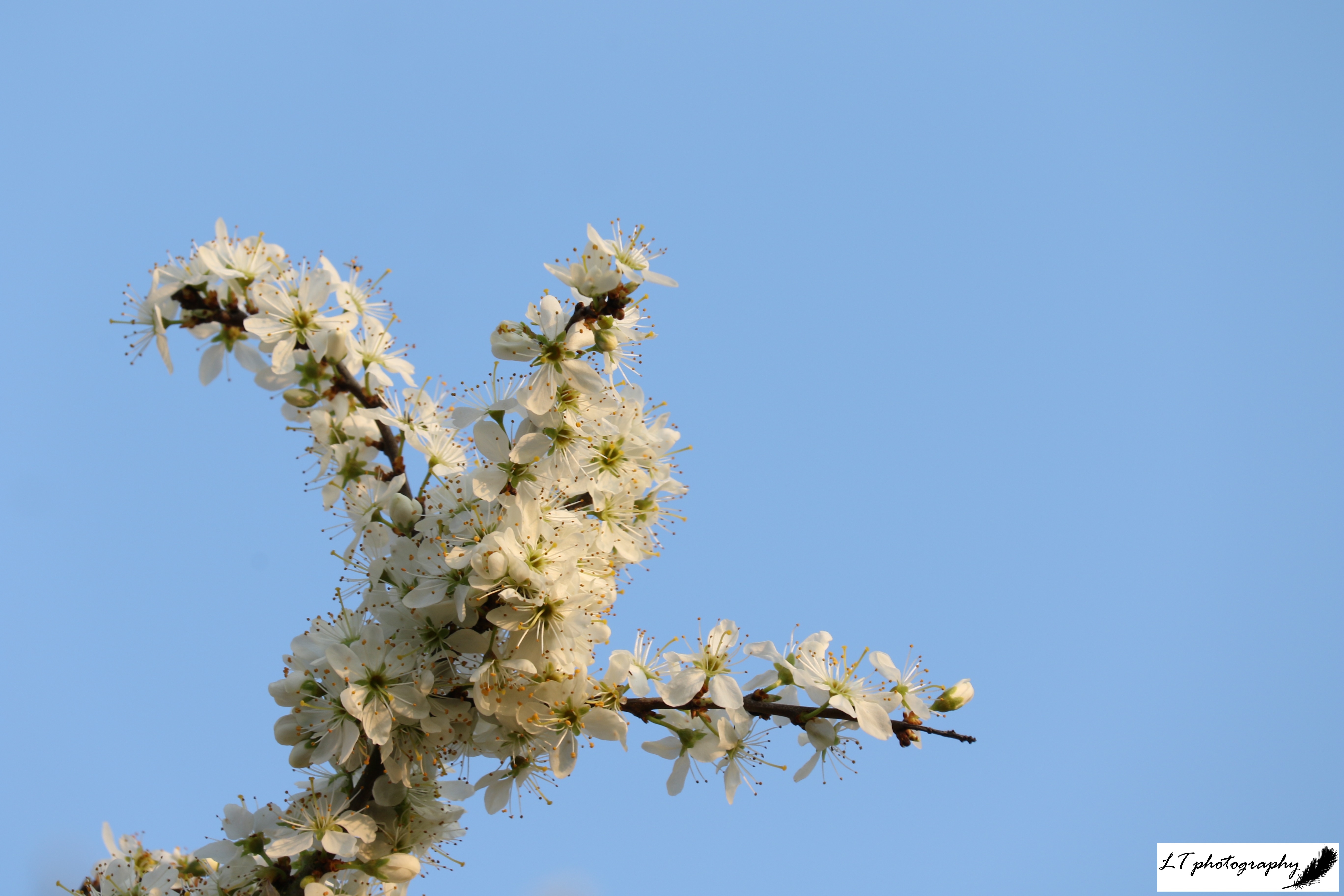
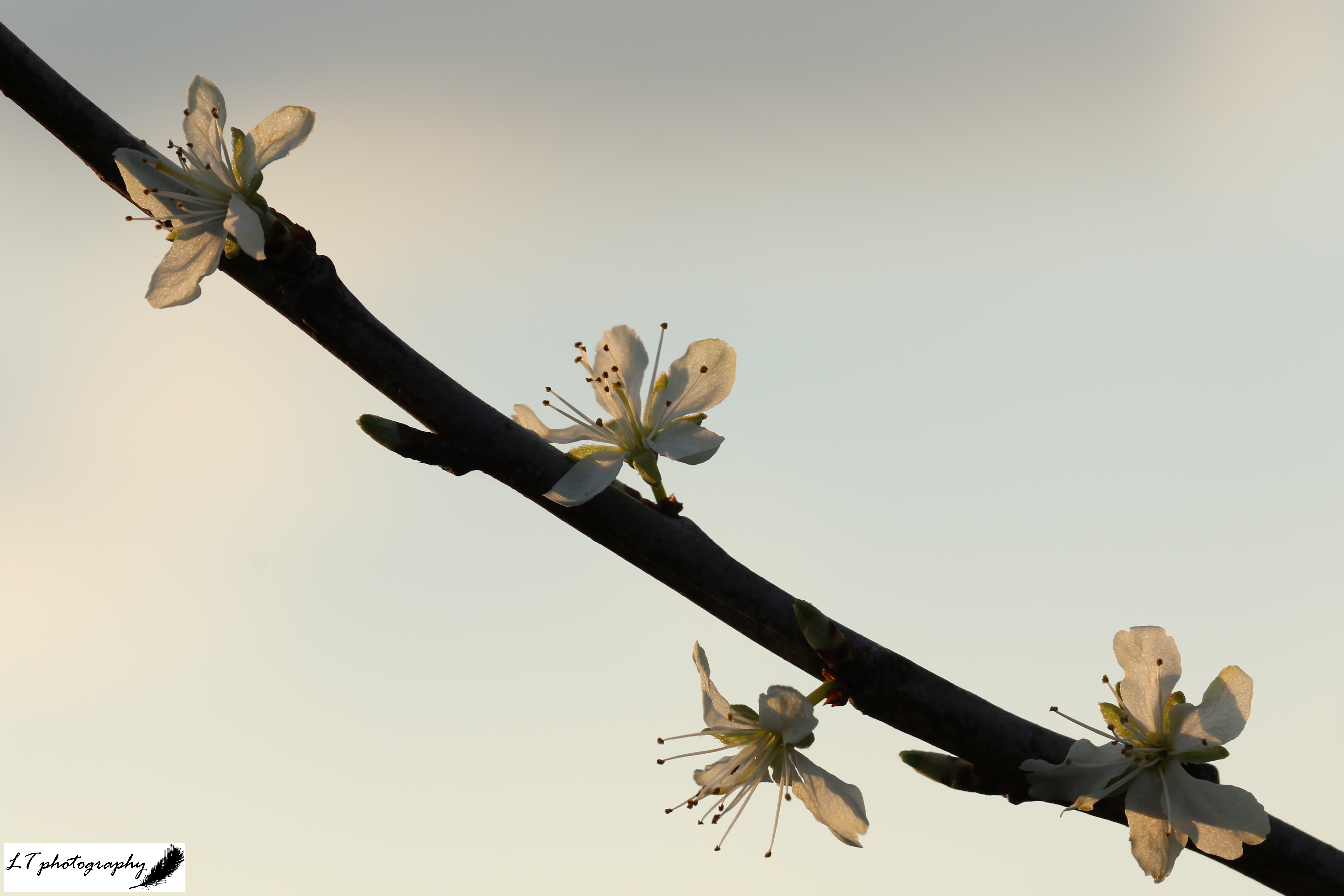
Beautiful Blackthorn Blossom – Every year one of my favourite parts of spring is blackthorn. The snow white flowers of blackthorn winter bring colour to the landscape at a time when things are still grey and spring is only just trickling in

Portland Pets – This year I spent some time photographing my neighbour’s pedigree Portland flock. These small sheep, topped off with curling horns, have a great character and warm colour to them which make it a joy to take their portraits again and again

Spring in Bloom in Dorset 2022

‘There is no time like Spring, When life’s alive in everything… Before the sun has power, To scorch the world up in his noontide hour’ – Christina Rossetti

Where for me Winter is a grey, bleak, and quiet time, Spring is the opposite. Those first Snowdrops of January whisper of the season to come, leading the way ahead for new life to follow. This opens the door for change and the blossoming of Spring. A vibrant season, Spring arrives with an explosion of colour, awe-inspiring after tough Winter months. Yellows, pinks, purples, blues, and whites, amongst others, paint a landscape of reviving green. It is a magical time!

This year has been no different, with Spring unfurling in style, though with some added meteorological unpredictability. Right now though, woodlands are carpeted with the purple hues of Bluebells, pastel blossom drips from fruiting trees, and leaves begin to envelop trees and hedgerows. It is a time to be enjoyed and relished after another tough Winter, with promise now of more new life as this season continues. Let us now celebrate the blooming of Spring 2022 so far.

Exploring With My Camera Trap Spring 2021

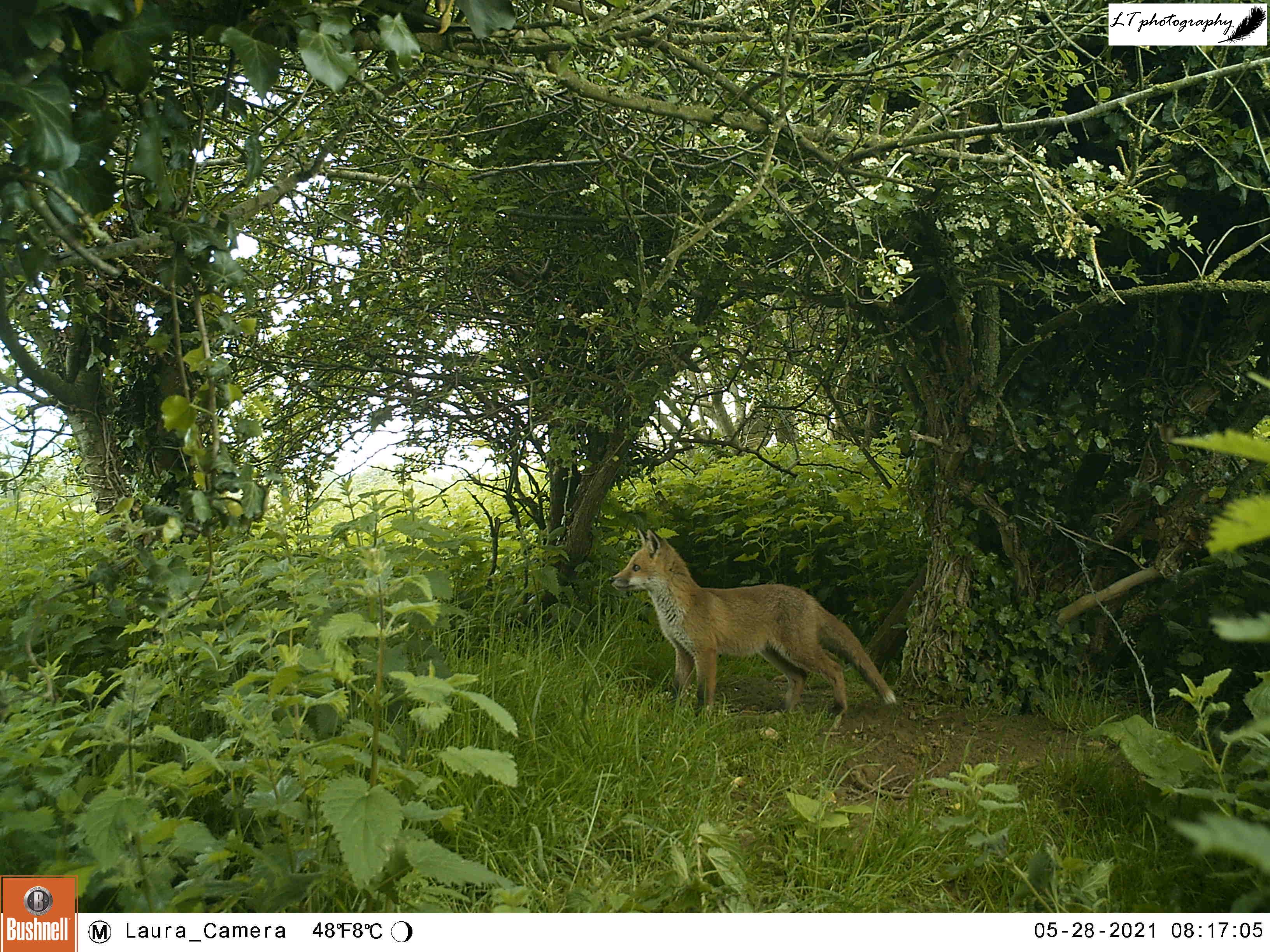
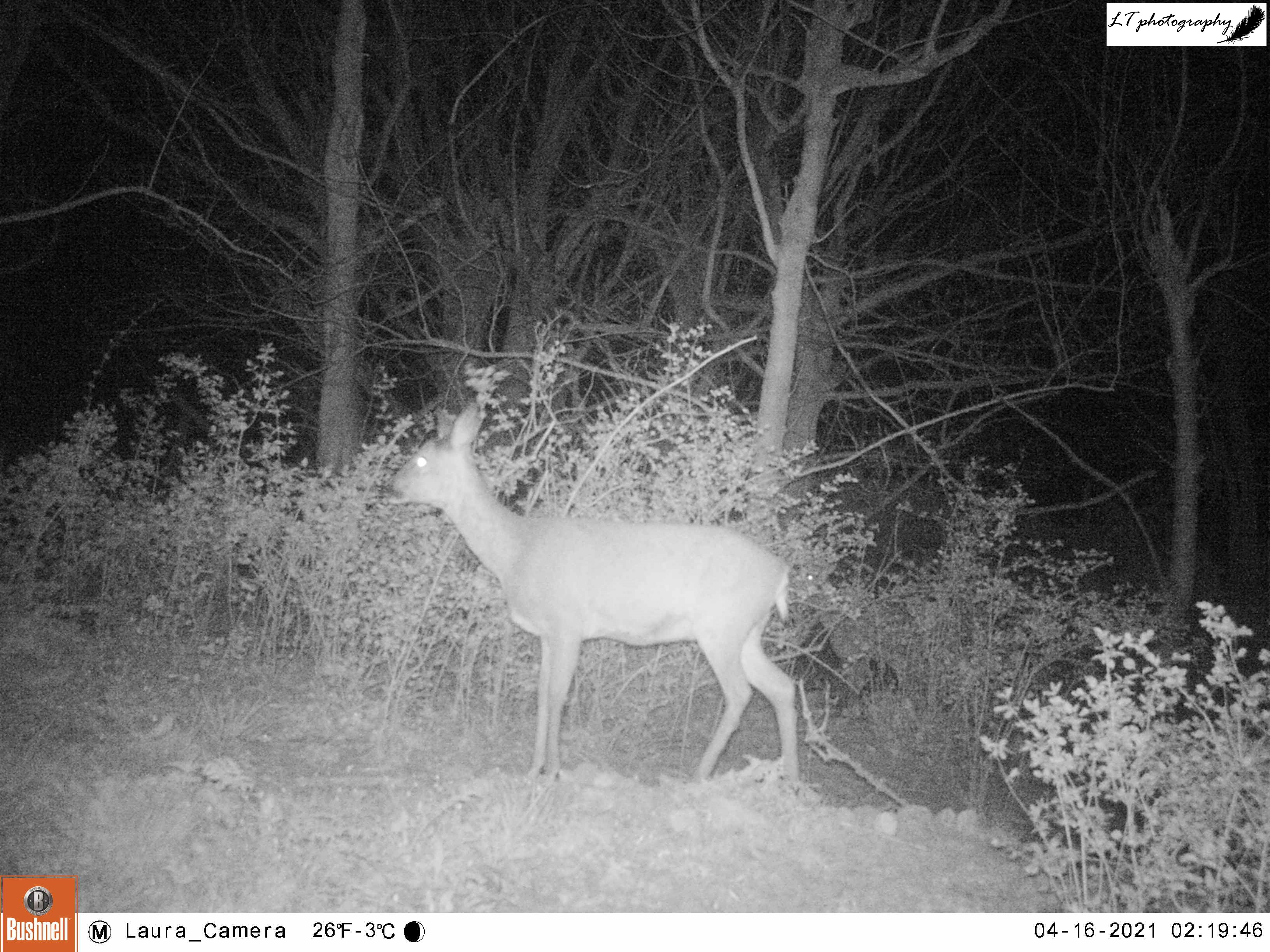
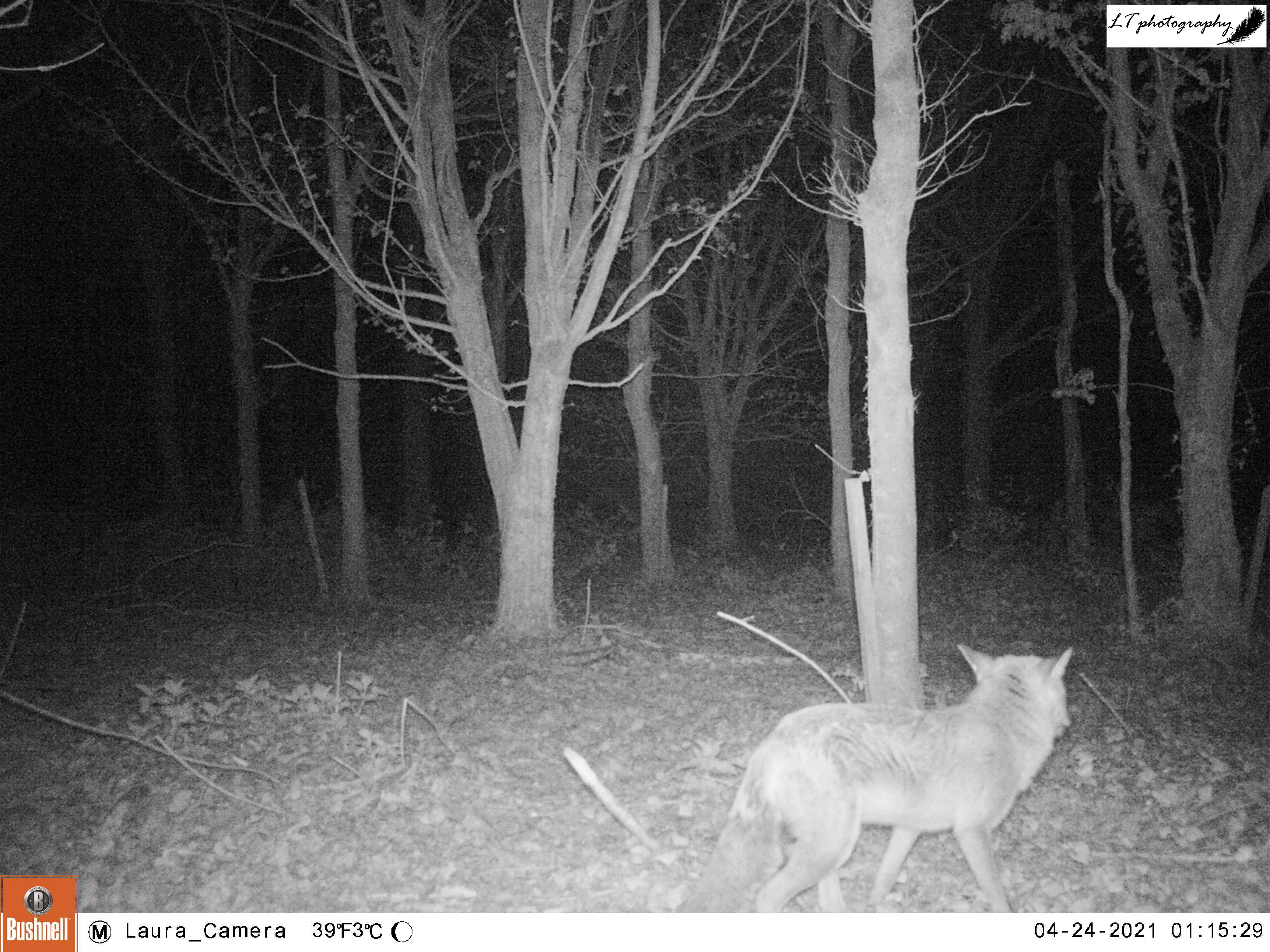
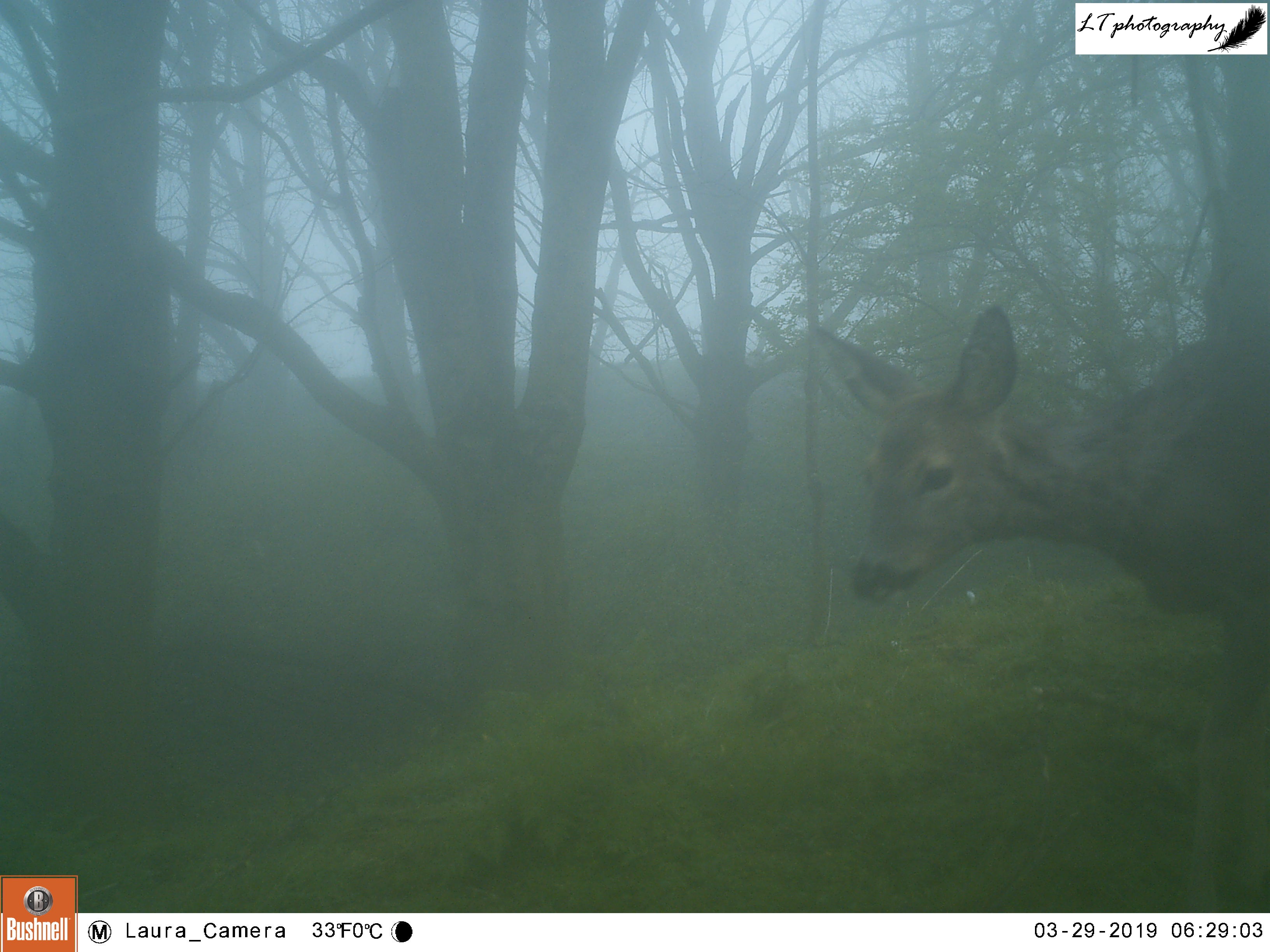
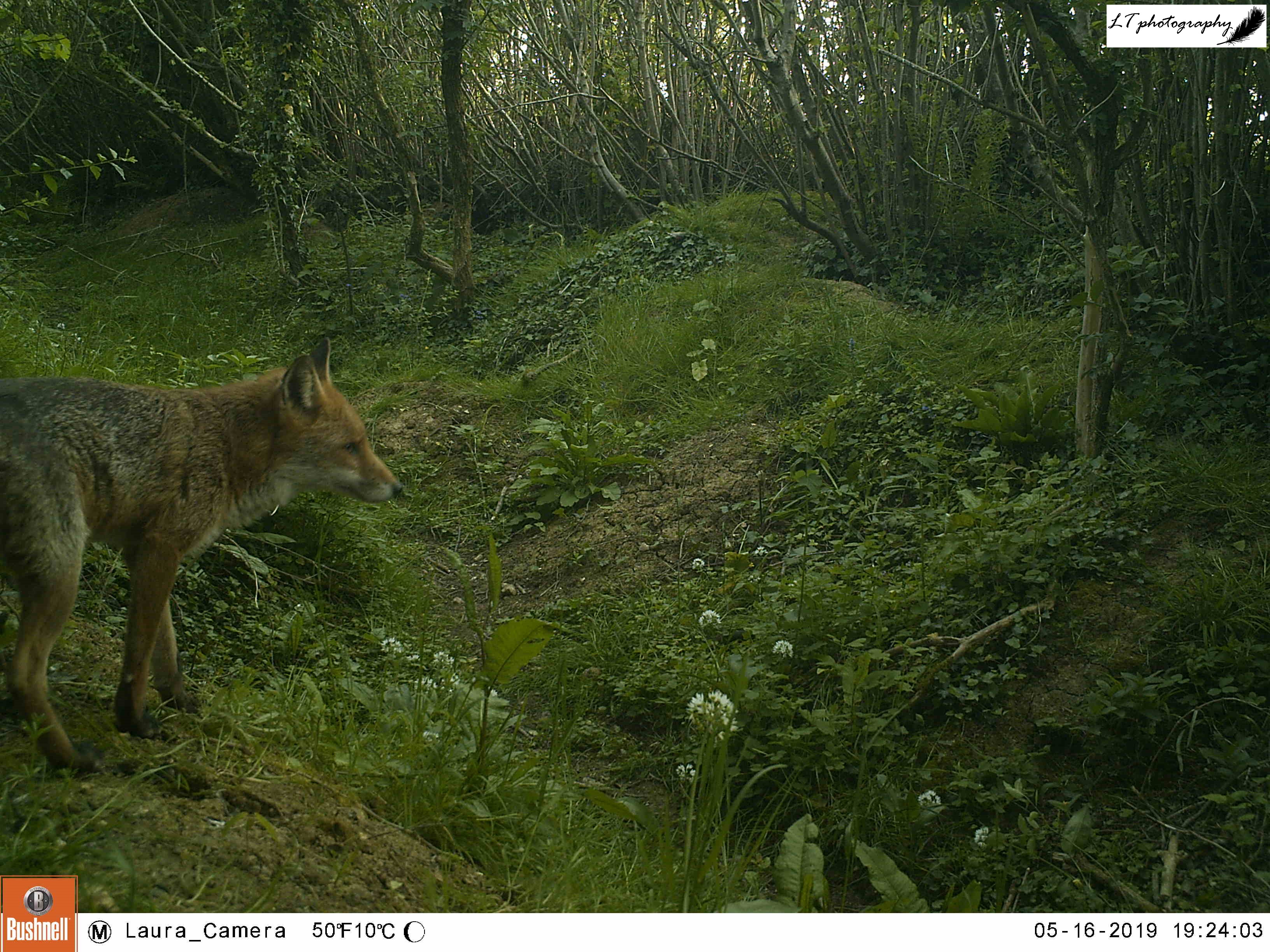
After I click open the file on my camera trap, I press next through a male pheasant strutting his stuff and a female roe deer passing through, until a photo makes me stop. There towards the back of the shot are two small brown shapes. I move through the rest of the photos as day passes into night, and watch as these two rough and tumble through the photos, exploring, playing and watching their wild neighbours go past, ending with one sitting stock still in front of the camera. My camera trap had successfully found my first litter of fox cubs of the year!

The last few years I have become known for my exploration of my family’s farm in Dorset using a camera trap. My camera trap allows me to delve into the lives of my wild neighbours without intrusion or disturbance of their natural behaviour, and to use my photos to inspire others to open their eyes and be motivated to conserve our local wildlife. It is always a rollercoaster of emotions, never knowing what my camera trap might find, but in the end it is a very rewarding experience. If you are interested in getting your own camera trap or knowing how to make the most of your own, check out my ‘How to… Use and Make the Most of a Camera Trap’ guide for some more information.

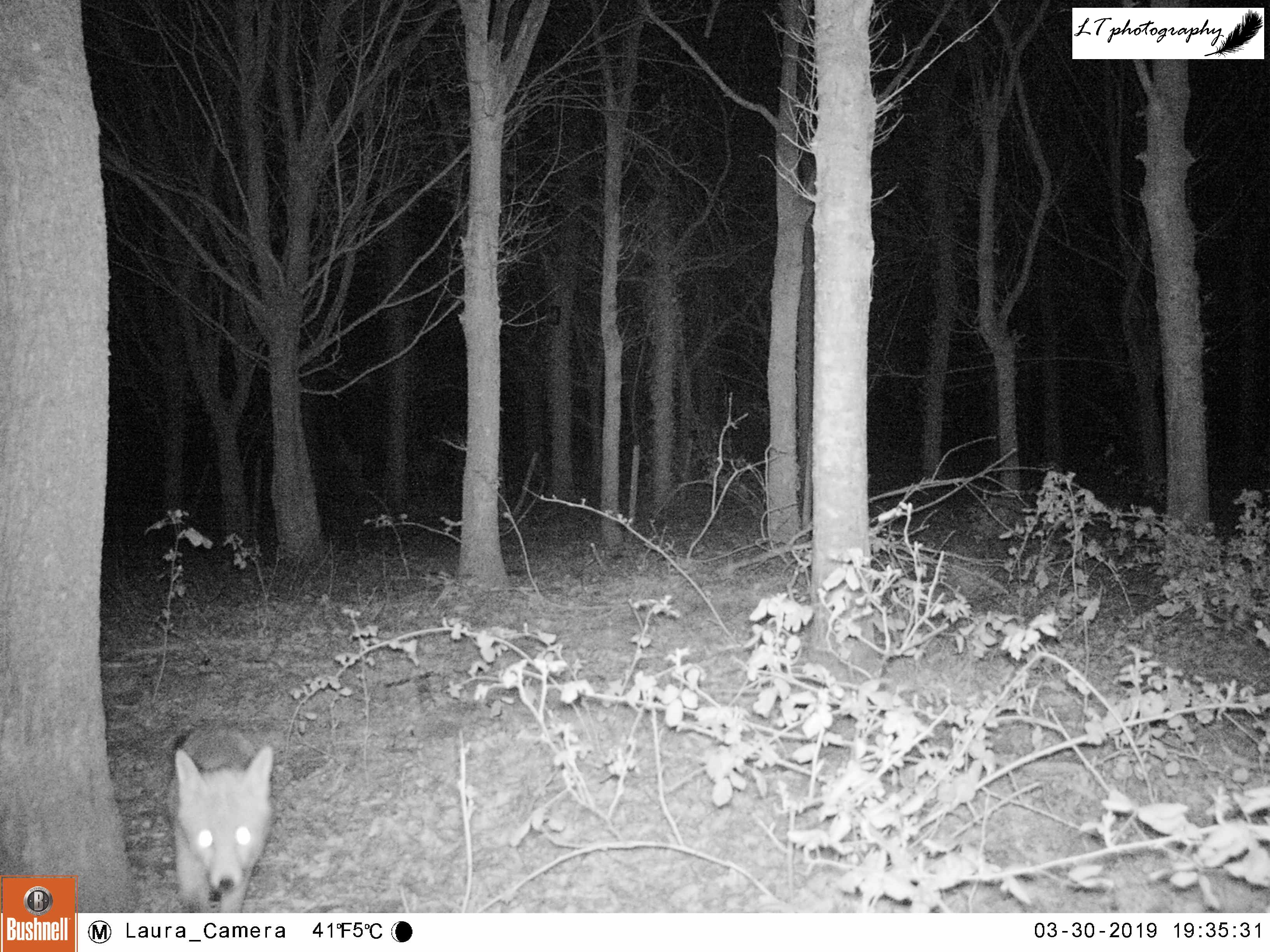
My camera trap has been a very useful tool for me over the last few years, so since 2019 I have spent my spring seasons moving my camera trap around different sites across 250 acres of farmland, taking in different species and behaviour. In 2019, I saw 12 species of birds and mammals, including families of badgers and a family of three fox cubs. In 2020, my camera trapping got even more interesting, with badger cubs, a couple of litters of fox cubs, and lots of roe deer sightings. The most enjoyable shots are always the most unexpected though, despite from time to time getting a photo bomber or two, for example in the form of our farm cat!

This spring I have been out and about once again on the farm with my camera trap. This year I selected six different sites across our land, with the hope of capturing some of the normal sights, along with some new ones. As the spring has now come to an end, activity has dropped across these sites, and thus it is time to see how spring has been captured by my camera trap this year.

Camera Trapping Spring 2021

Quarry Field Badger Sett

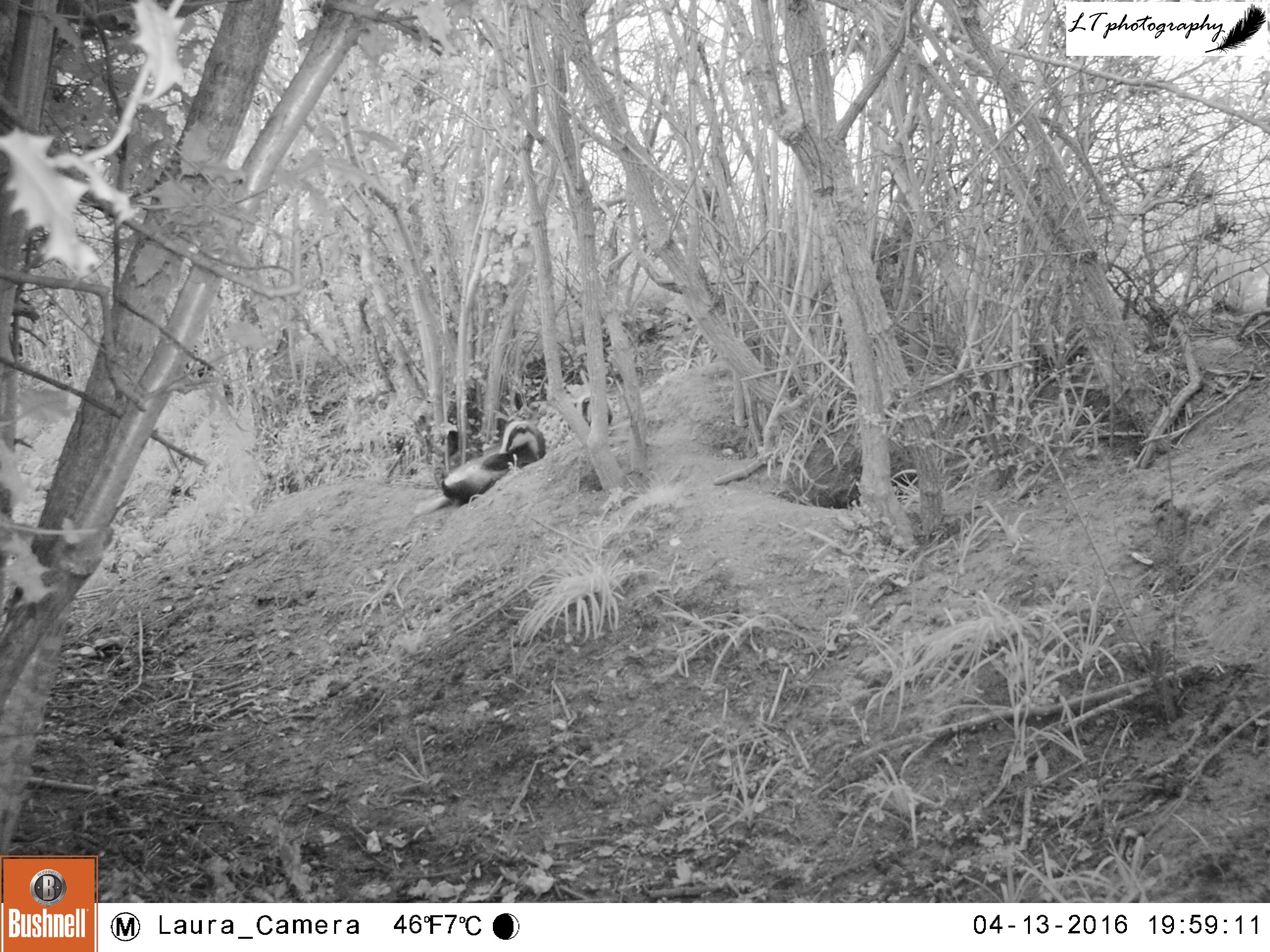
My first camera trapping site this year was an active badger sett to the east of my family’s land. It sits between a silage field and a maize field in a wide and thick hedgerow, and is a great crossroads for animals passing through. I have used this site in previous years for camera trapping, with varying success, such as last year’s highlights of badger cubs and a lively, lone fox cub.

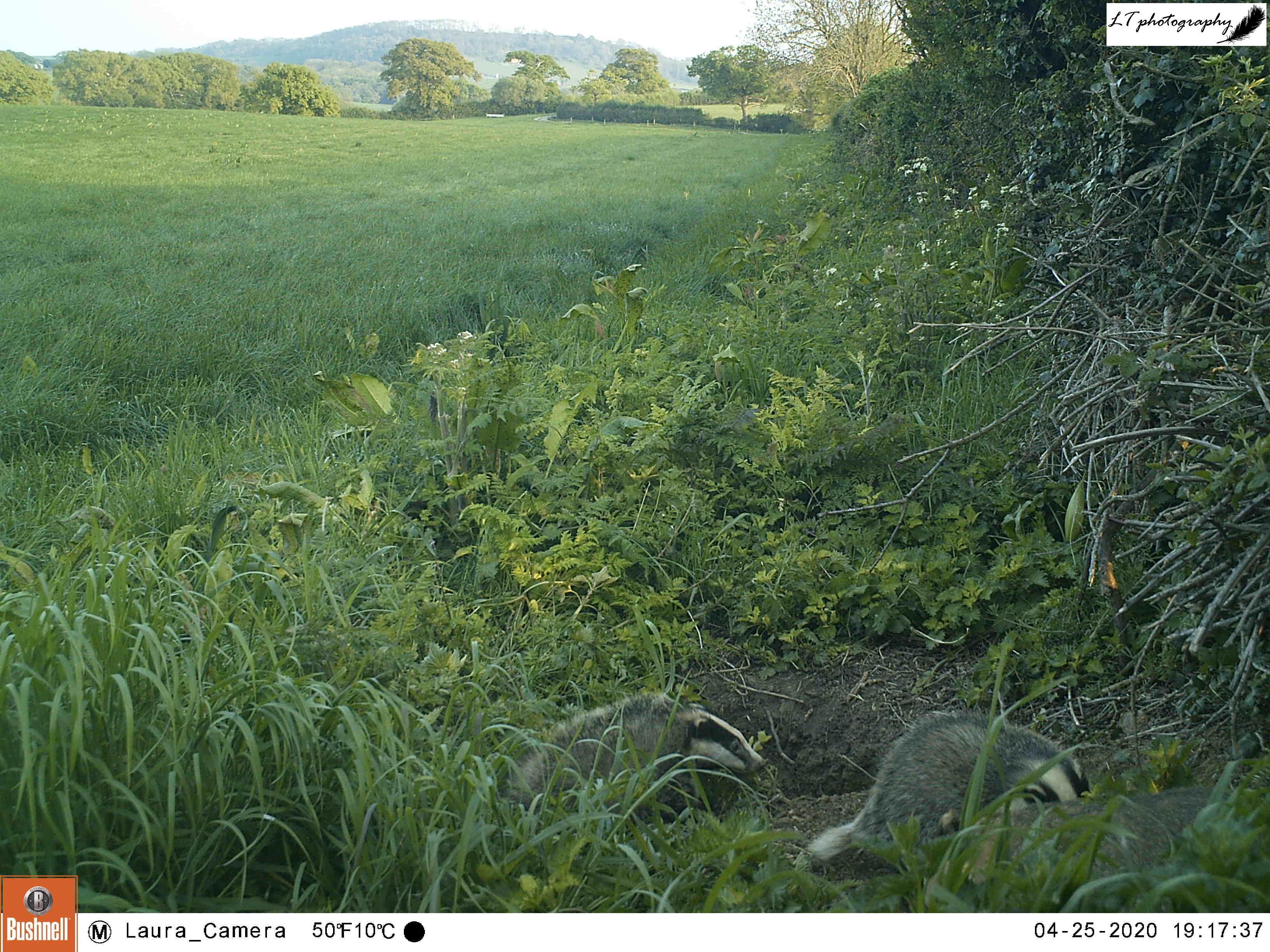
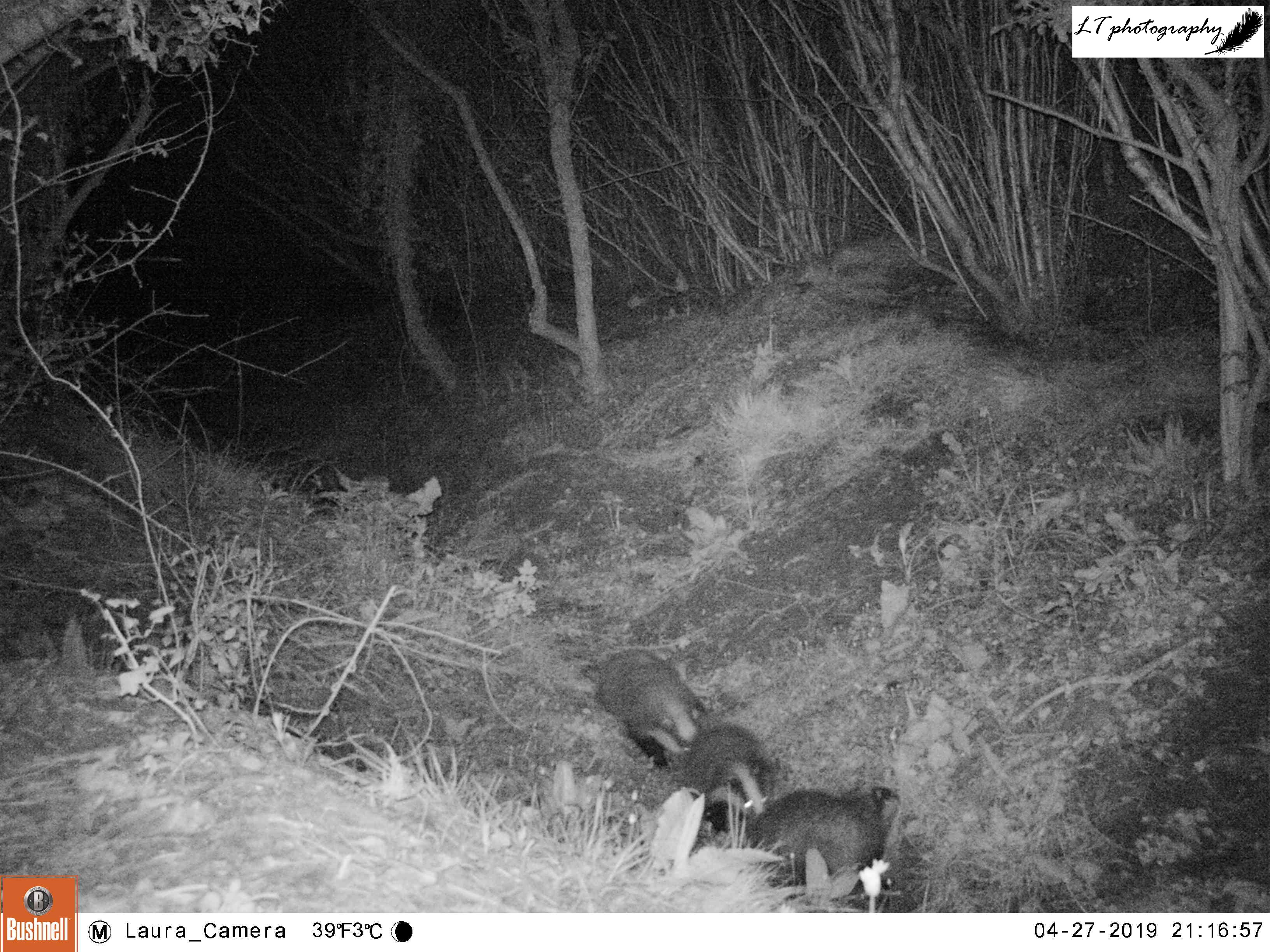
This year I set my camera trap up at the sett for a week (3rd-10th April), moving the position and angle every other day to increase my chances of capturing wildlife. It paid off as I had a successful first week, with rabbits, roe deer, badgers, and a fox.

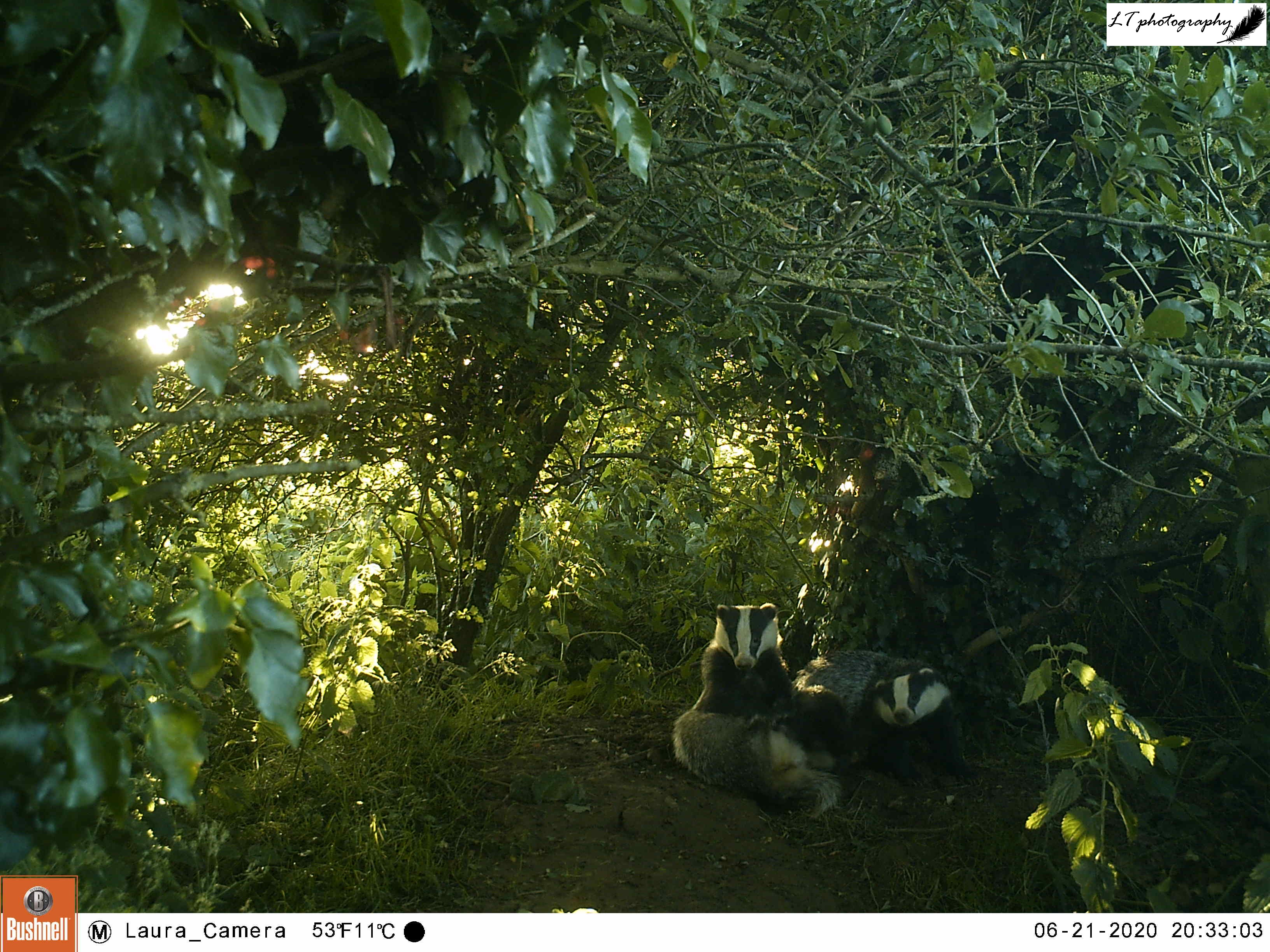
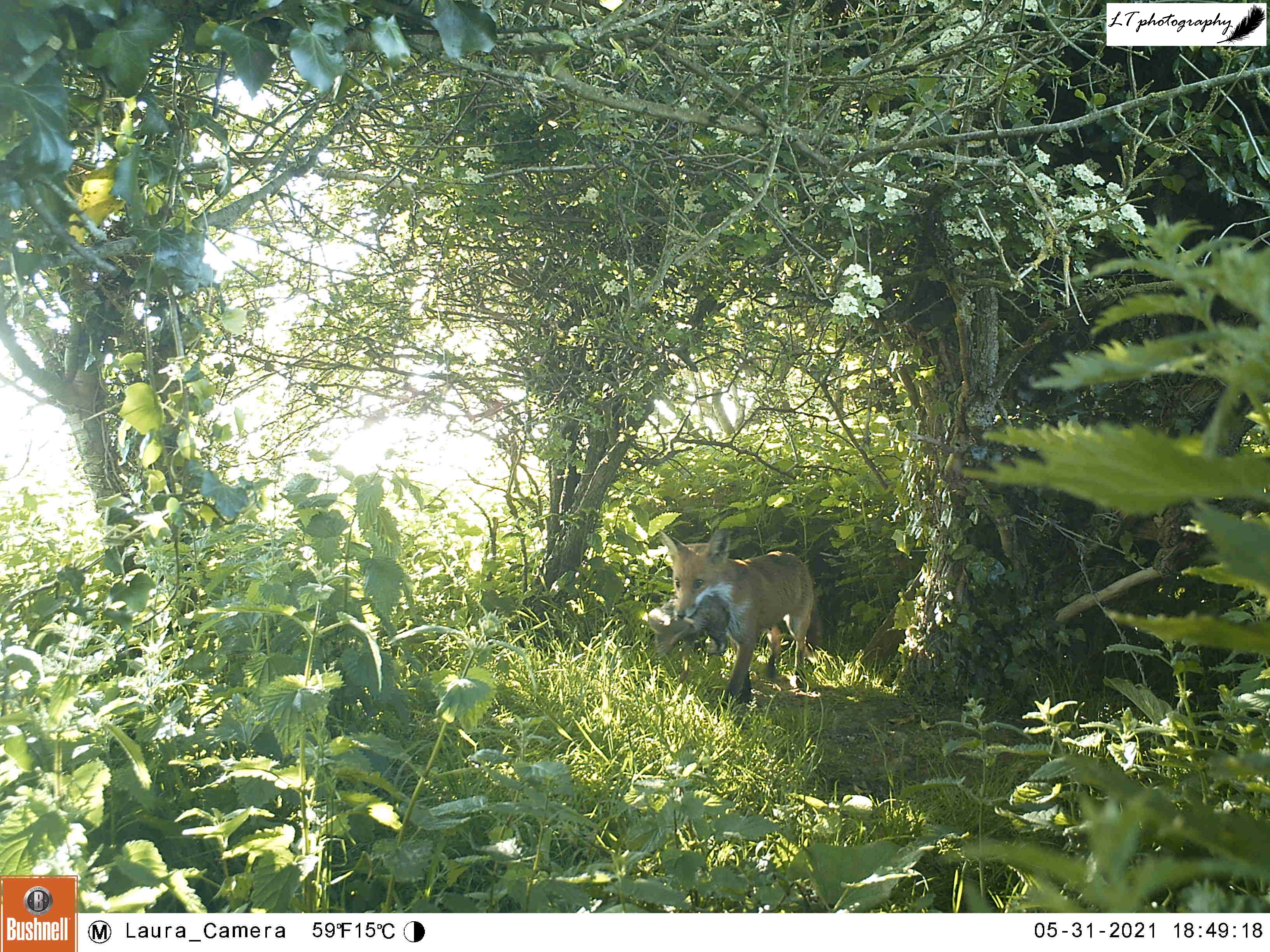
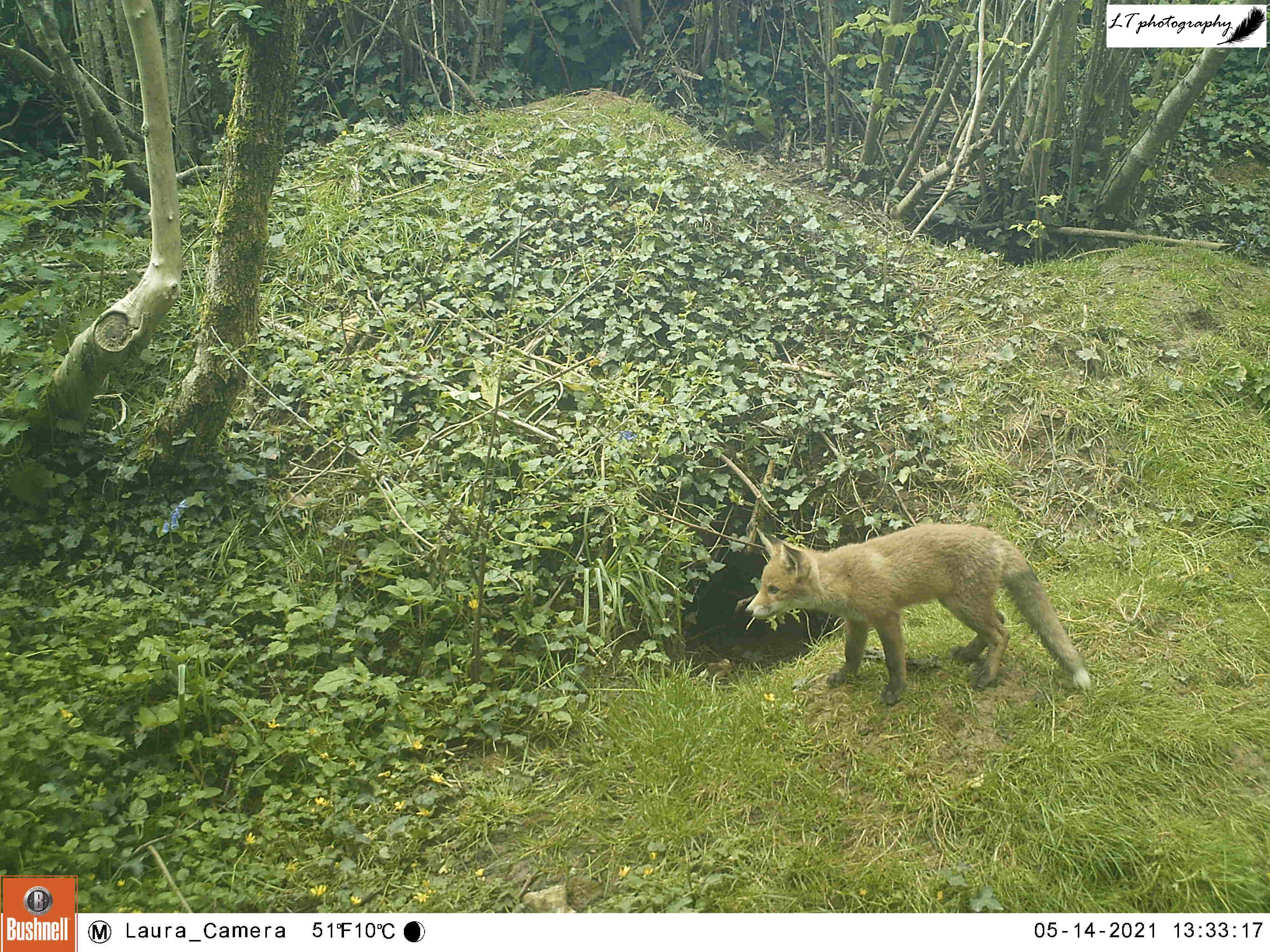
Due to seeing a lone fox cub at this site last year, the presence of an adult fox at the sett once again led me to return with my camera trap seven weeks later for another week (27th May-1st June). My hunch paid off as my camera trap returned photos of two fox cubs playing, living alongside a badger family, and being fed by a parent.

Gill Hill Copse

For my next site, I set my camera trap up within a copse surrounded by a cow grazing field west of the Quarry Field badger sett. During early spring this is a great site to capture wildlife moving through the landscape as the copse is a great stopping place. I have used this site before, and last year I saw species, such as roe deer and foxes.

This year I used my camera in the copse for just one week (11th-18th April), but moved its position within the copse every couple of days. I captured photos of a territorial male pheasant, an adult badger, a grey squirrel, an adult fox, and a rather comical sequence of photos of two female roe deer being spied on by a hiding male. As vegetation in the copse grows up and spring progresses, camera trapping success decreases at this site, but it was nice to see some life early on this spring.

Dorset County Council Wood

For my third site, I set my camera trap within a small, young wood that can be found at the centre of my family’s land, bordered by a road and a meadow. I have used this wood before, with some positive sightings in 2019 of foxes and badgers passing through.

This year I tried the wood again for a couple of days (19th-24th April), with some overall disappointing results. A male pheasant and magpie were seen, with an adult fox being seen twice, but overall the wood was quiet, reflecting a lack of diversity evident in this unmanaged woodland. I did not return to the wood again during this spring as a result.

Badger Field Sett

For my fourth camera trapping site, I returned to an active badger sett towards the centre of my family’s land. The sett is bordered by grazing land on both sides, and is set within a wide, thick hedge, extending out into the field on its east side. Last year I used my camera trap to look within the sett and to the sett entrances on either side, and saw adult badgers, badger cubs, and an adult fox. This was unsurprising as the sett is a thriving mixed site for badgers, foxes and rabbits alike.

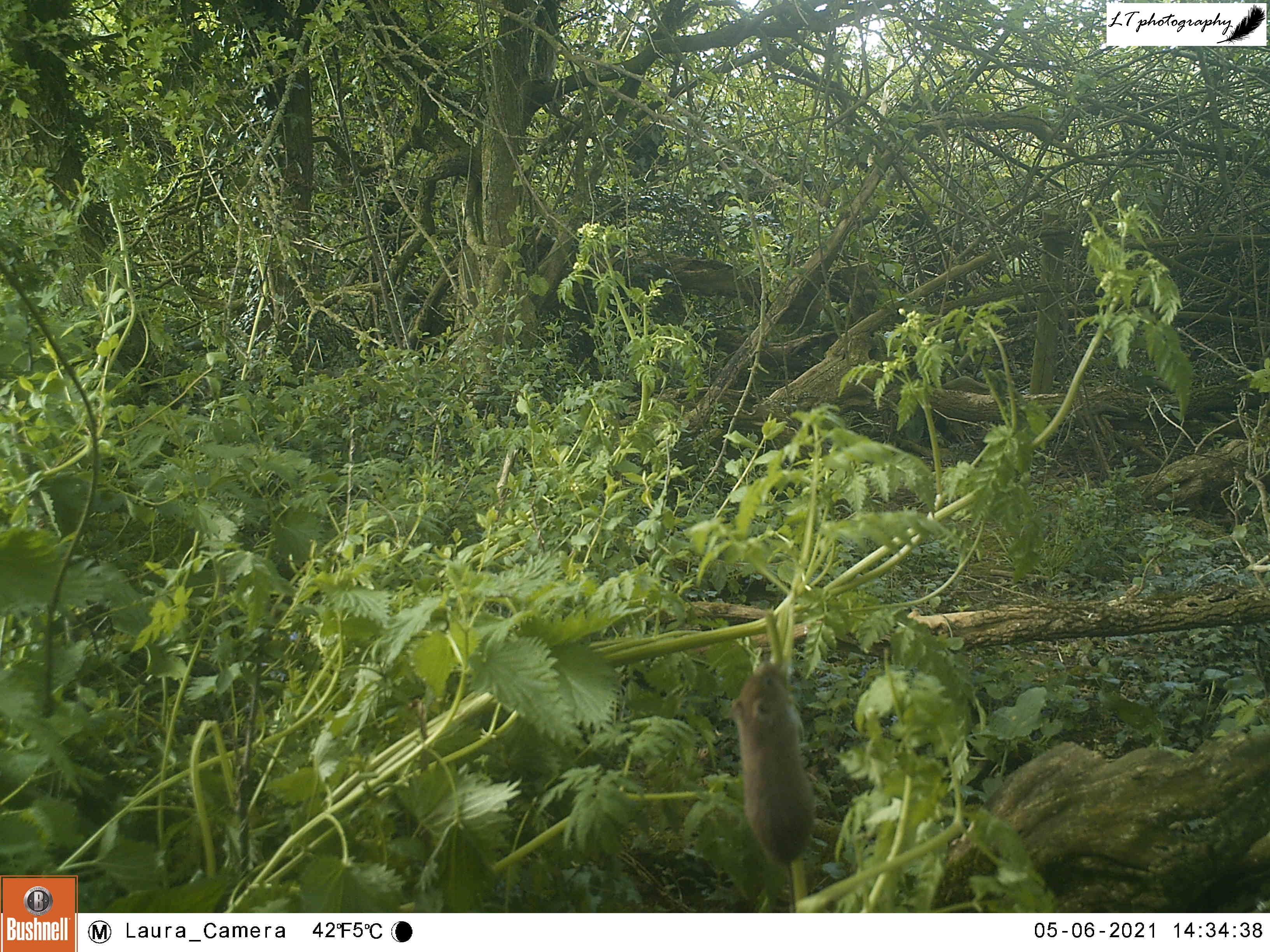
This year I positioned my camera trap first on the western side of the sett (25th-27th April), before positioning it directly within the area above the sett (4th-7th May). Pointing my camera trap at the animal track running along the side of the sett, I captured an adult badger, adult fox, and my first hare! Above the sett, my camera trap was more active, capturing lots of badger activity, woodpigeons, blackbirds, and red-legged partridges, and a surprising sighting of a field vole climbing vegetation. It was a lovely sequence of photos!

Badger Alley

For my fifth site, I chose to return to one of my favourite locations, the familiarly known Badger Alley. Badger Alley is an enclosed footpath that has dug out animal holes along half of its length, split into two old badger setts. In 2019 this was a super site for seeing badgers wondering its length, but last year it was obvious that wildlife numbers had declined, badgers in particular.

This year I spent two stints setting up my camera trap along Badger Alley. Firstly, I spent five days with my camera trap trained on the non-active lower sett, changing the camera’s position after two days (10th-14th May). Amongst photos of a female roe deer and a displaying male pheasant, I got lots of really lovely photos of two fox cubs playing and exploring their world.

I then returned to Badger Alley in June, moving my camera from the non-active lower sett (5th-11th June) to the sett further up (11th-14th June). By now my camera trap found that the family of foxes had moved on, with only the female and new male roe deer appearing at the lower sett. What was really sad, was finding that Badger Alley has now been fully abandoned by badgers, with the higher sett now being home to just rabbits. A slightly disappointing end to my camera trap’s time at Badger Alley!

Monkwood

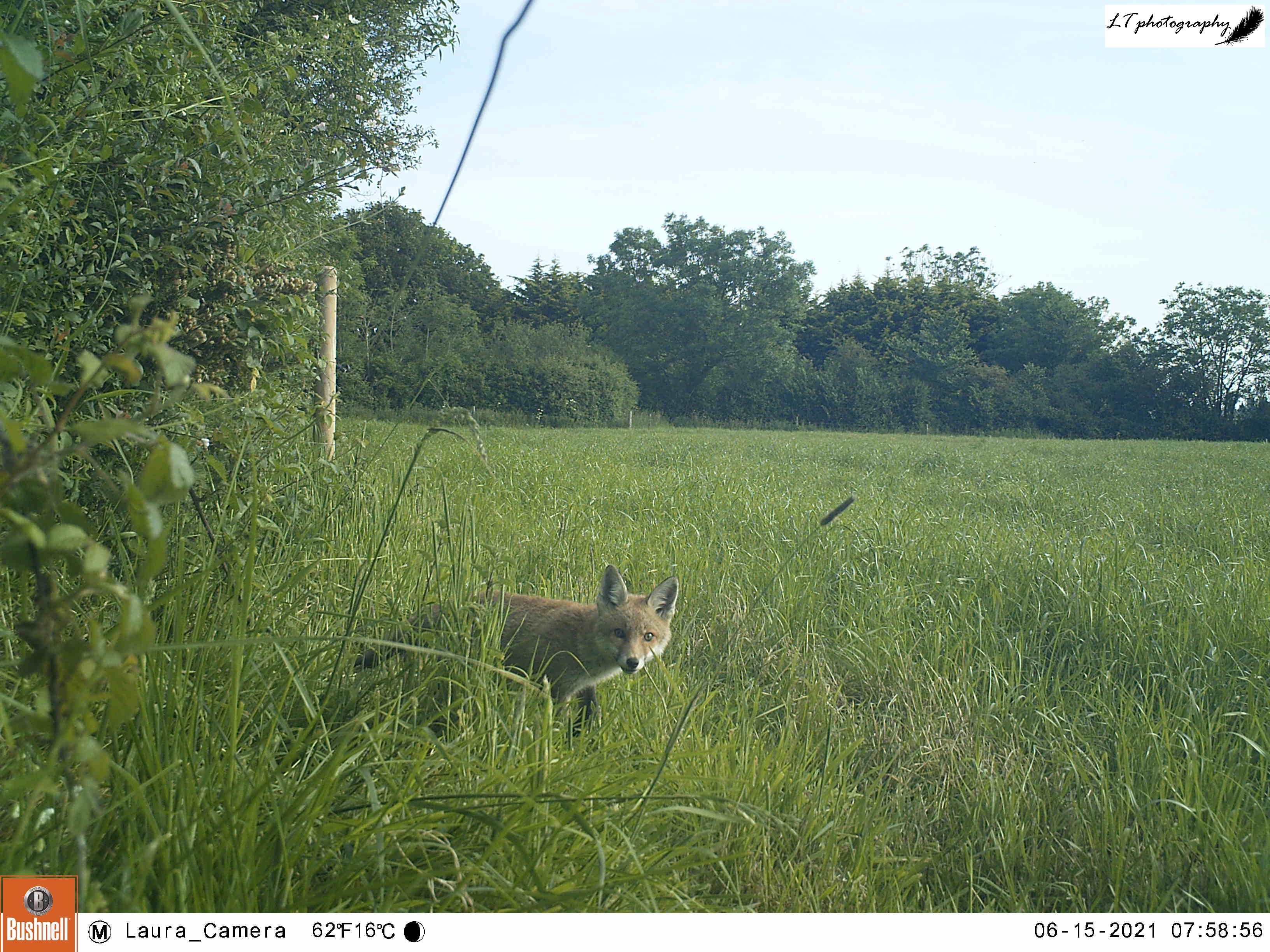
To finish camera trapping during the spring season, I took a bet on a site where there was a possibility of finding another litter of fox cubs. This site was a hedge in the middle of cow grazing land, where I had not previously camera trapped before. I chose to set my camera trap up on a fence post pointing along the hedgeline where I had found holes into the hedge, and left my camera for a couple of days (14th-16th June).

On retrieving my camera trap, I was excited to find that my instincts had been right and my camera trap had shot photos of two fox cubs and an adult. It was a lovely end to my spring camera trapping season!

Spring in Photos 2021

Last year spring was my lifeline, as we experienced the world around us being thrown into disarray. This year spring was instead turned on its head, with changing weather patterns making it unpredictable and different from what we would usually expect at this time of year. A hot and stormy March, cold April, and wet May made nature emerge later, with spring events taking longer to arrive, and being anywhere up to 60 days late.

Still this year’s spring has been magnificent. Vibrant and colourful, it had much to be celebrated. My family’s farm in Dorset became full of new life, from blossoming trees and flowers, to fox cubs and leverets. Spring is unsurprisingly my favourite time of year, so this year I again made a point of getting out as much as possible to experience it, with my camera by my side. Here’s a look at some of my favourite photos from this spring, either for their aesthetic appeal, meaning to me, or overall joy factor.

Spring in Photos 2021

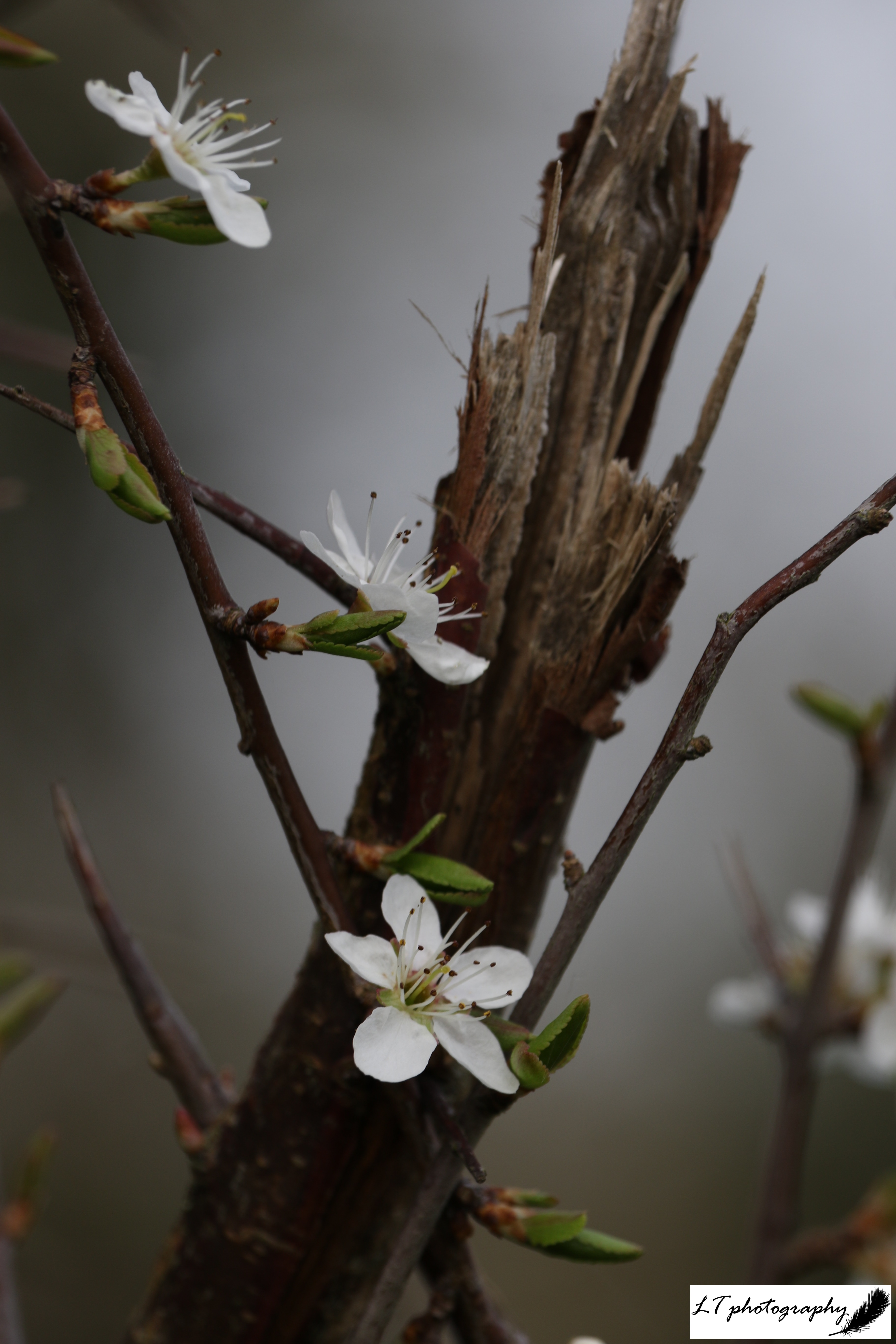
1. Blackthorn – This photo was taken at the beginning of April on a misty morning. It was a beautiful way to see delicate white blackthorn flowers in a different light, framed in front of a splintered stem.

2. Male blackbird – Blackbirds are an iconic sound of spring for me and also so many others. Their beautiful song often symbolises the beginnings of longer, lighter evenings, or for me fresh spring mornings. This male would sit in this willow tree every morning throughout spring to sing his song, defending his territory and mate. In particular, this male and his female nested in our shed, successfully fledging 5 chicks at the start of June.

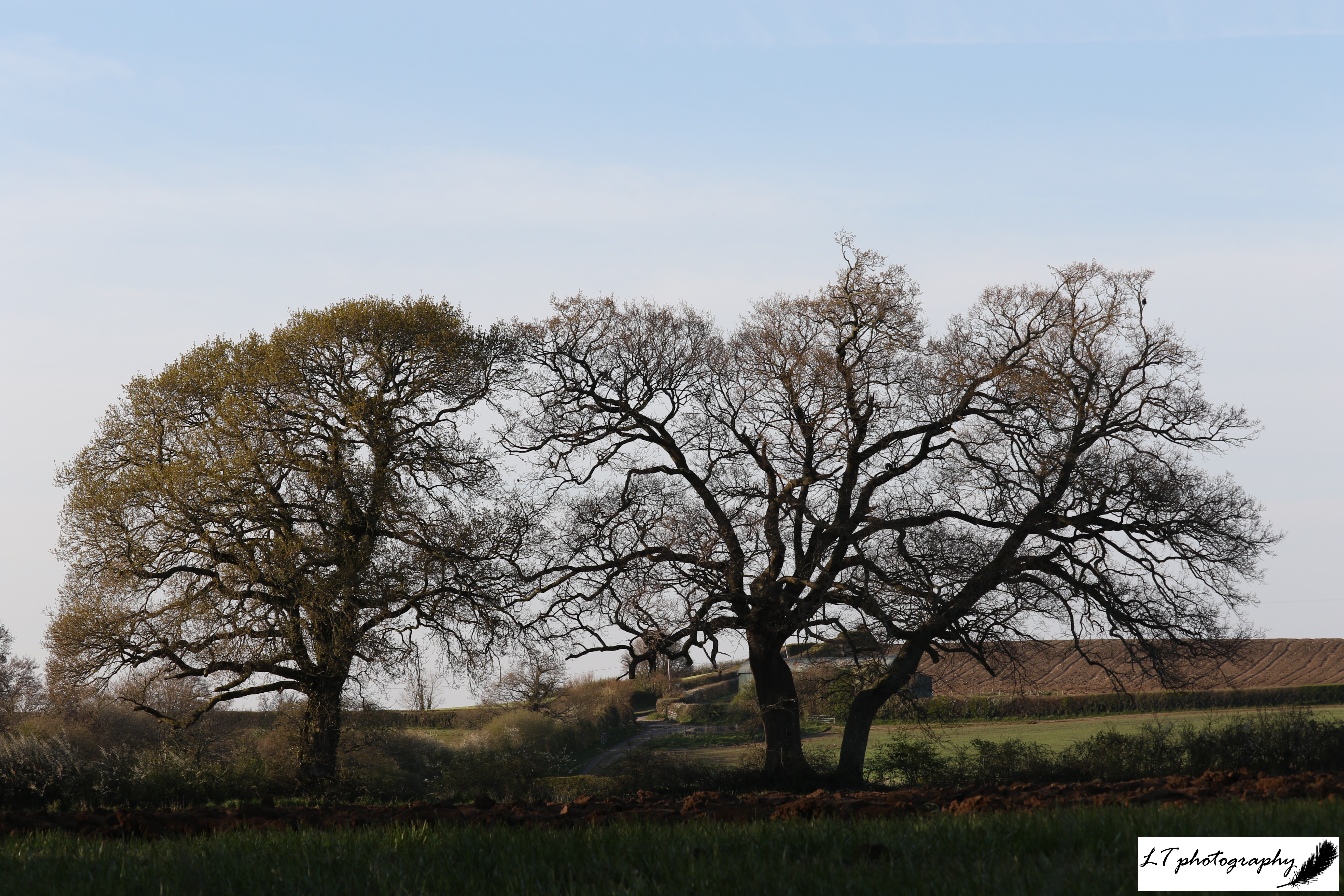
3. Oak trees of a farming landscape – What hits me first in this photo is how bare this landscape seems for late April. The oak trees have barely begun their bud burst, looking skeletal behind a farm field that is being worked. This almost autumnal scene is refreshing though, showing the new beginnings of another year in nature.

4. Camera trap fox cub – This photo is one of my favourites from this spring, symbolising a successful spring camera trapping season (blog post to come). This was one location, an abandoned badger sett, where I thought that foxes may have been breeding. My camera trap proved my feeling to be right, and treated me to an assortment of photos, day and night, of 2 very active fox cubs. Just one of multiple litters that I found on my family’s farm this year!

5. Wood anemones – Wood anemones have slowly become one of my favourite spring flowers, being one of the first to appear in woodlands across the UK. They are a great indicator of ancient woodland, and an interesting flower to photograph for their shape and colour. My memory cards are full of all sorts of different types of photos of this species!

6. Tawny owl chicks – One of my highlights of spring this year has been ringing chicks under license with my bird ringing group (Conservation Action). In particular, I had a great day in early May at the Woodland Trust’s Duncliffe Woods site in North Dorset checking tawny owl nest boxes. It has been a poor year for tawny owls in general, which was reflected by Duncliffe Woods, but we did get lucky and found 3 active nest boxes. I had the pleasure of ringing these chicks, under permit, which will provide important information to help conserve tawny owls in the future.

7. Brown hare – This year has been the year of the hare on my family’s farm in Dorset. We have a reputation for being a great site for this species, but this year has been truly astounding. With 1-3 hares to every field, I was humbled to spend my spring out working alongside them everyday, getting to see them up close and experience their behaviour firsthand. Truly magical!

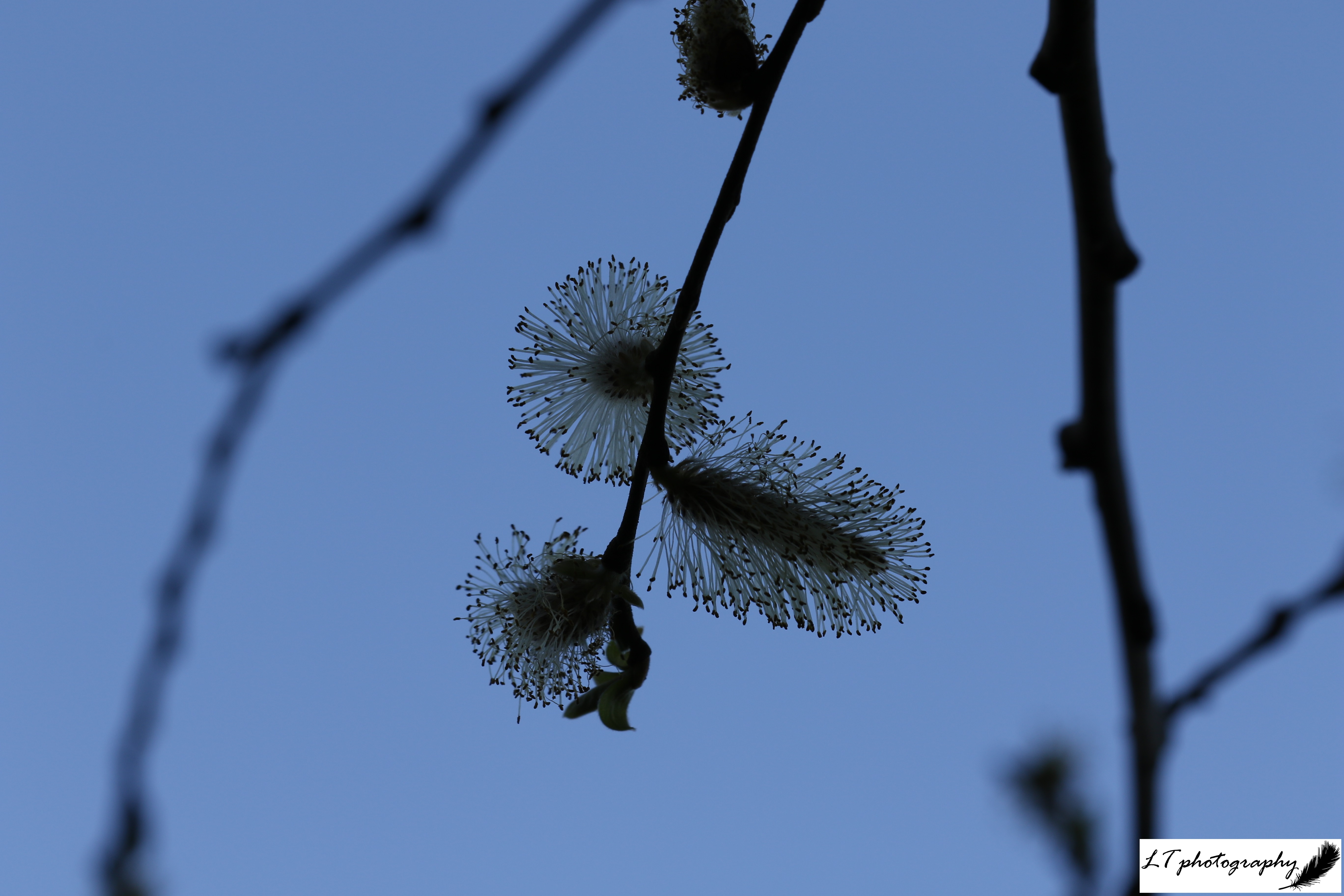
8. Pussy willow flowers – Willow flowers have been a difficult subject for me to photograph this year, with poor results. I was pleased though to find this refreshing photo on my memory card, of willow flowers stood out against a clear blue evening sky. They are beautiful in their own right.

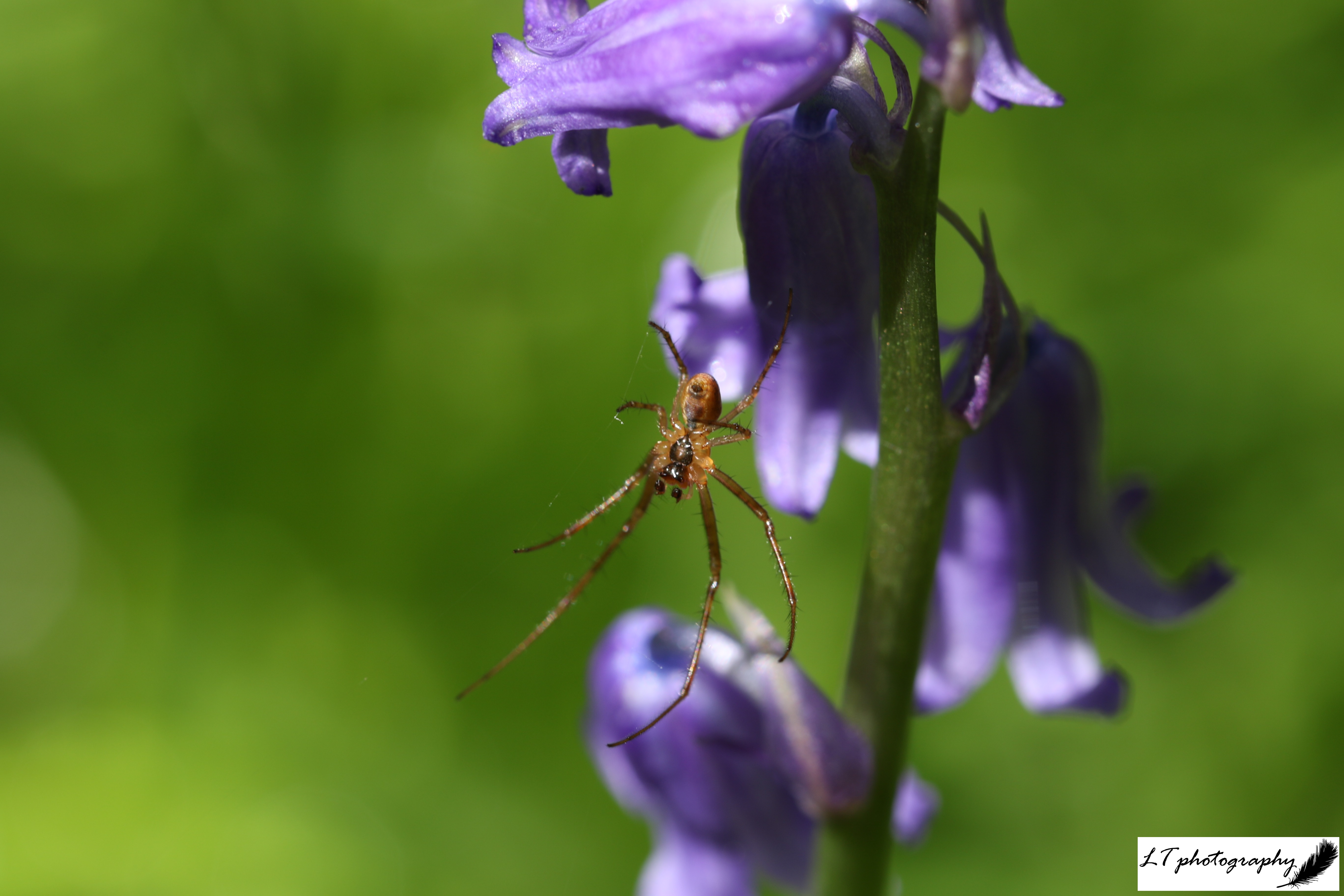
9. Spider in macro – This photo that is not photographically ‘perfect’ is still a favourite of mine from this spring for other reasons. As I invest in my camera equipment, my latest edition has been my first professional macro lens. So this photo was the first photo I even took with my new lens, and it fills me with joy to see the new world I can now start to explore.

10. Grey wagtail – Last year my Dad began digging a pond in his field that he is currently wilding. Though he was rained off in the autumn before completion, the half-dug pond is already attracting a wealth of species from birds to insects. Majestic grey wagtails that have begun populating this area over the winter have also found the pond this spring.

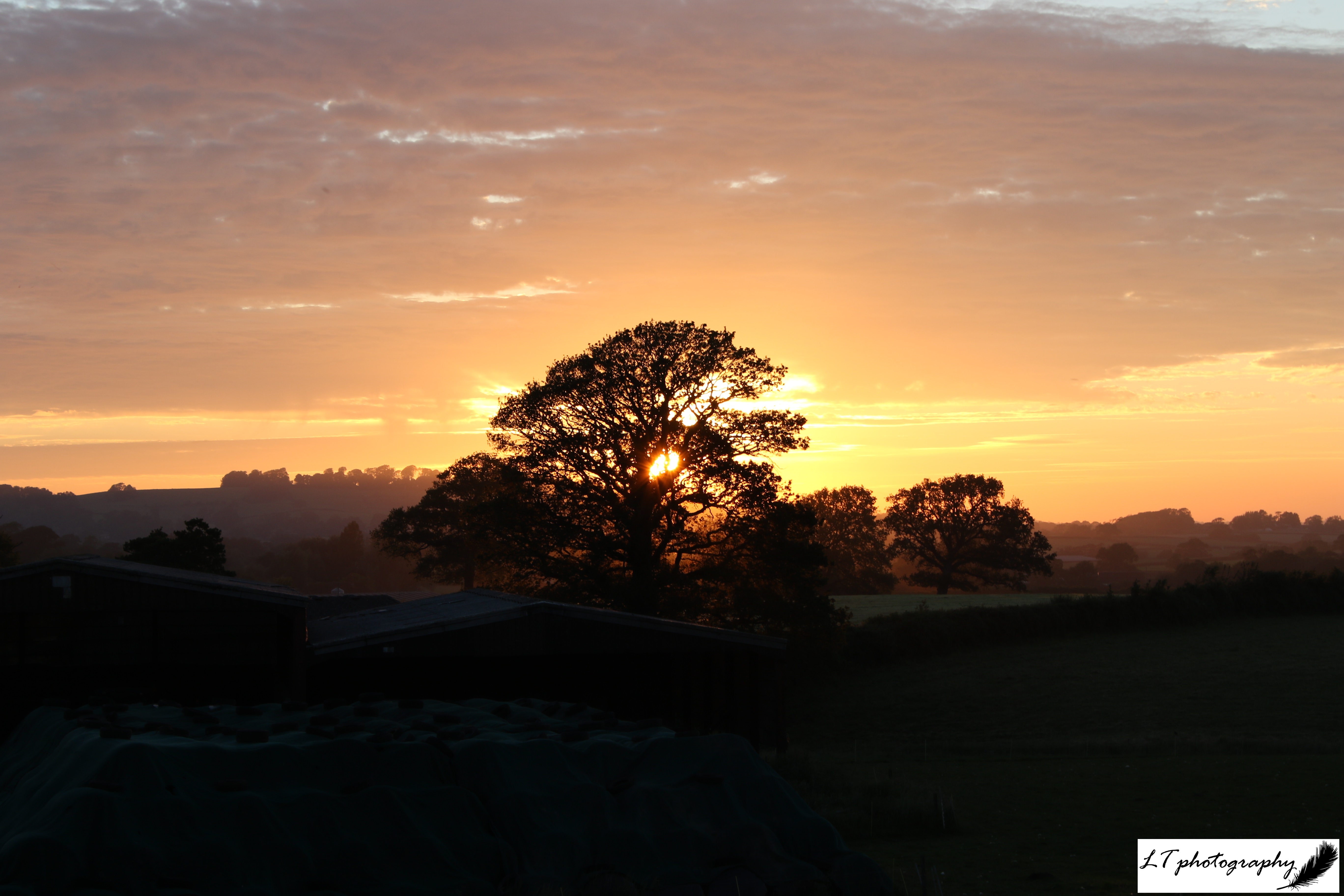
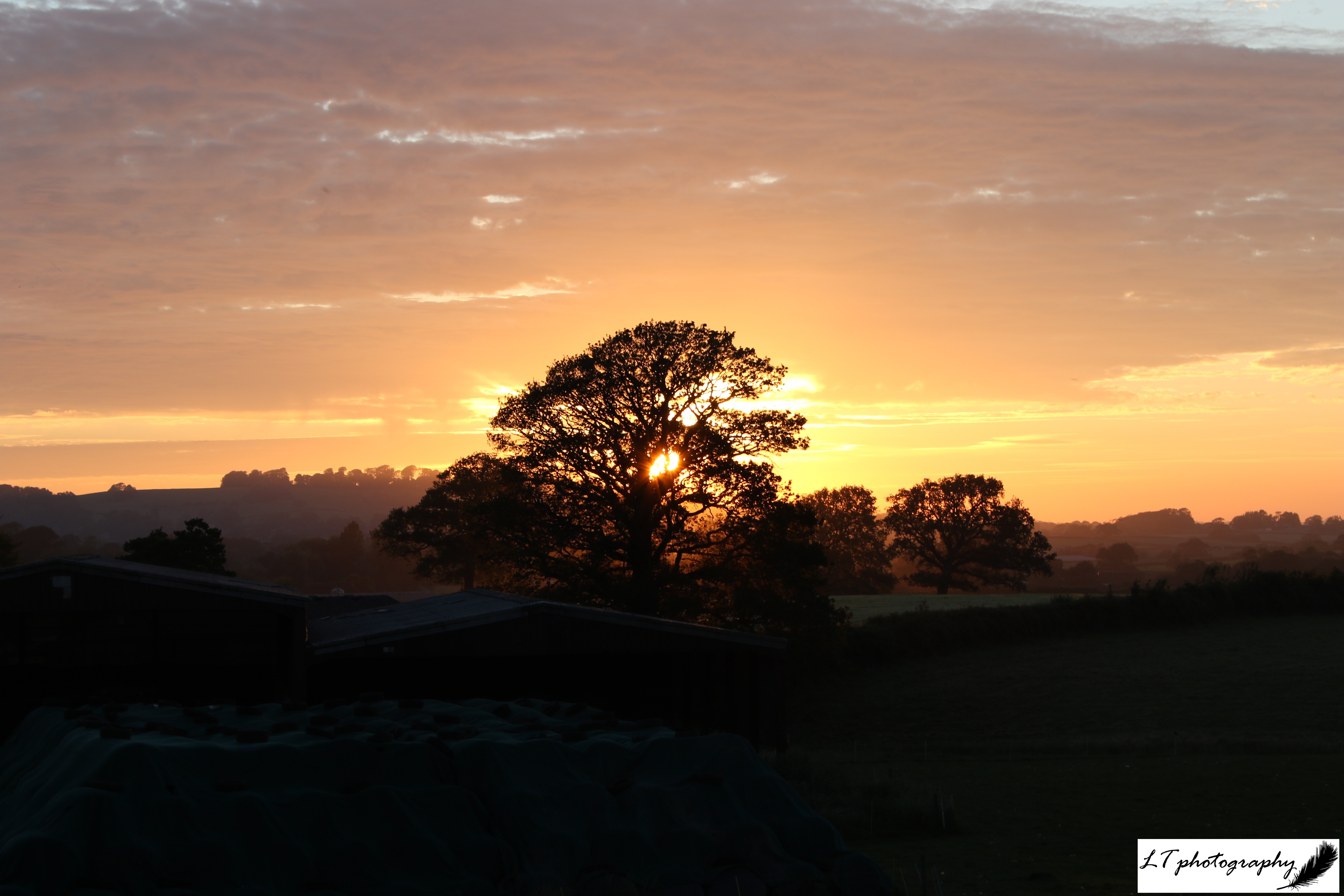
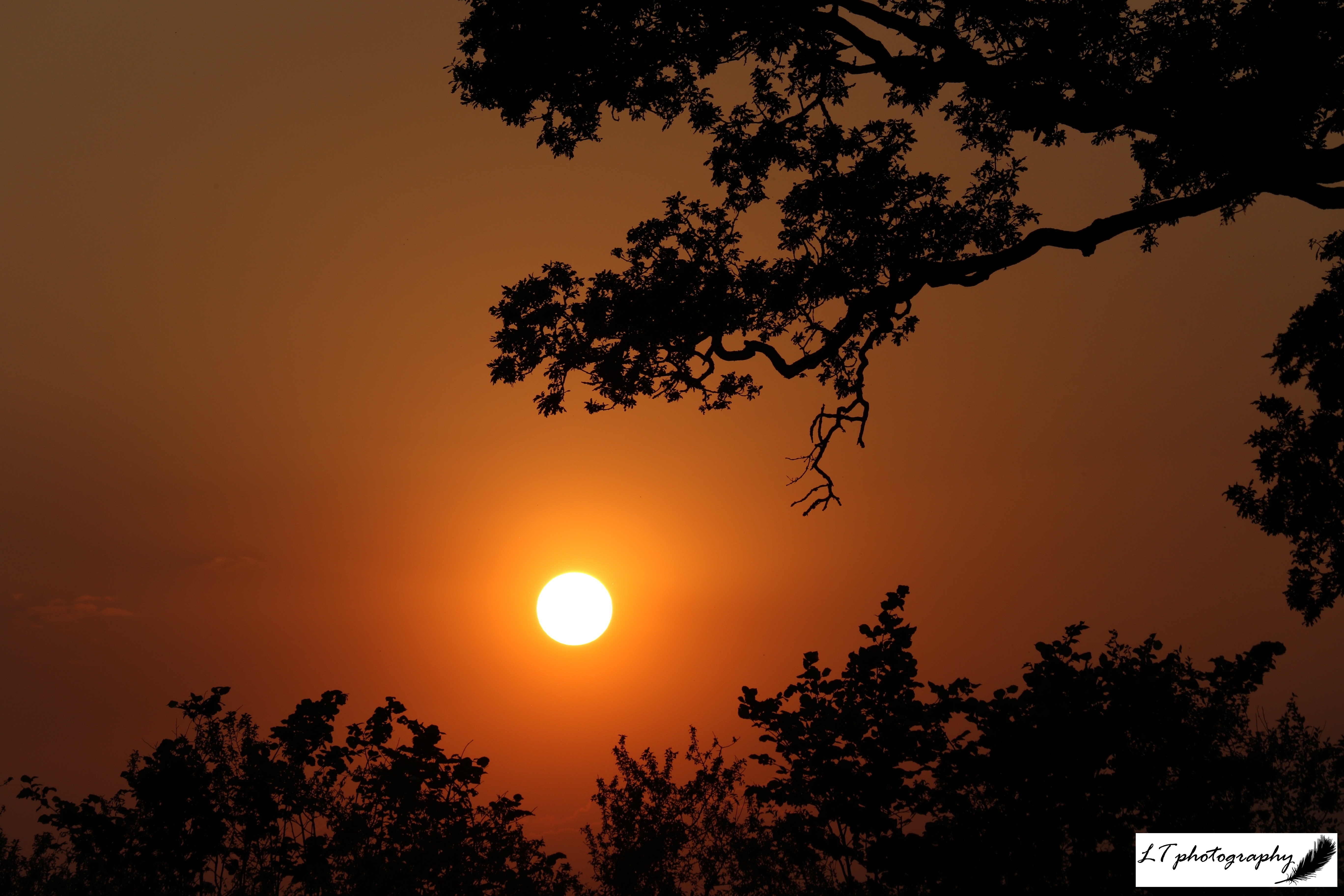
11. Sunset – Though sunrises are magical, sunsets have always been my most favourite time of the day. This is because many of my happiest memories can be linked to beautiful and vibrant sunsets from field research in Canada to evenings at home on my family’s farm. I have seen so many incredible sunsets already so far, but I hope to see many more in the future.

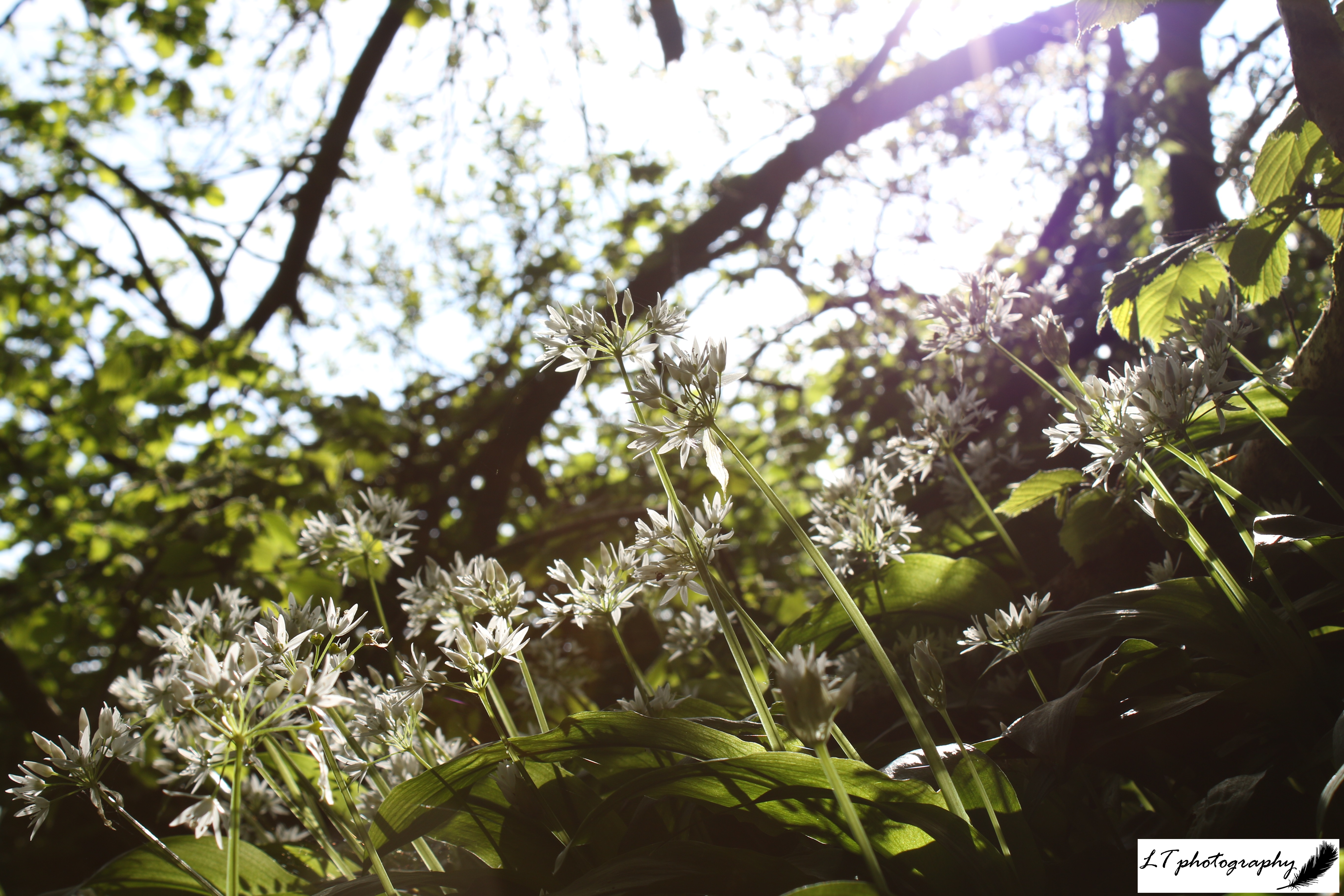
12. Wild garlic – Though my busy spring dissuaded me from mornings waking up before the sunrise, I did spend a couple of glorious mornings waking up and getting out an hour or so after instead. The light is glorious at this time of day and always provides me with inspiration for my photos and life in general. This photo represents this magical time of day and the joys of spring flowers, wild garlic being an iconic example.

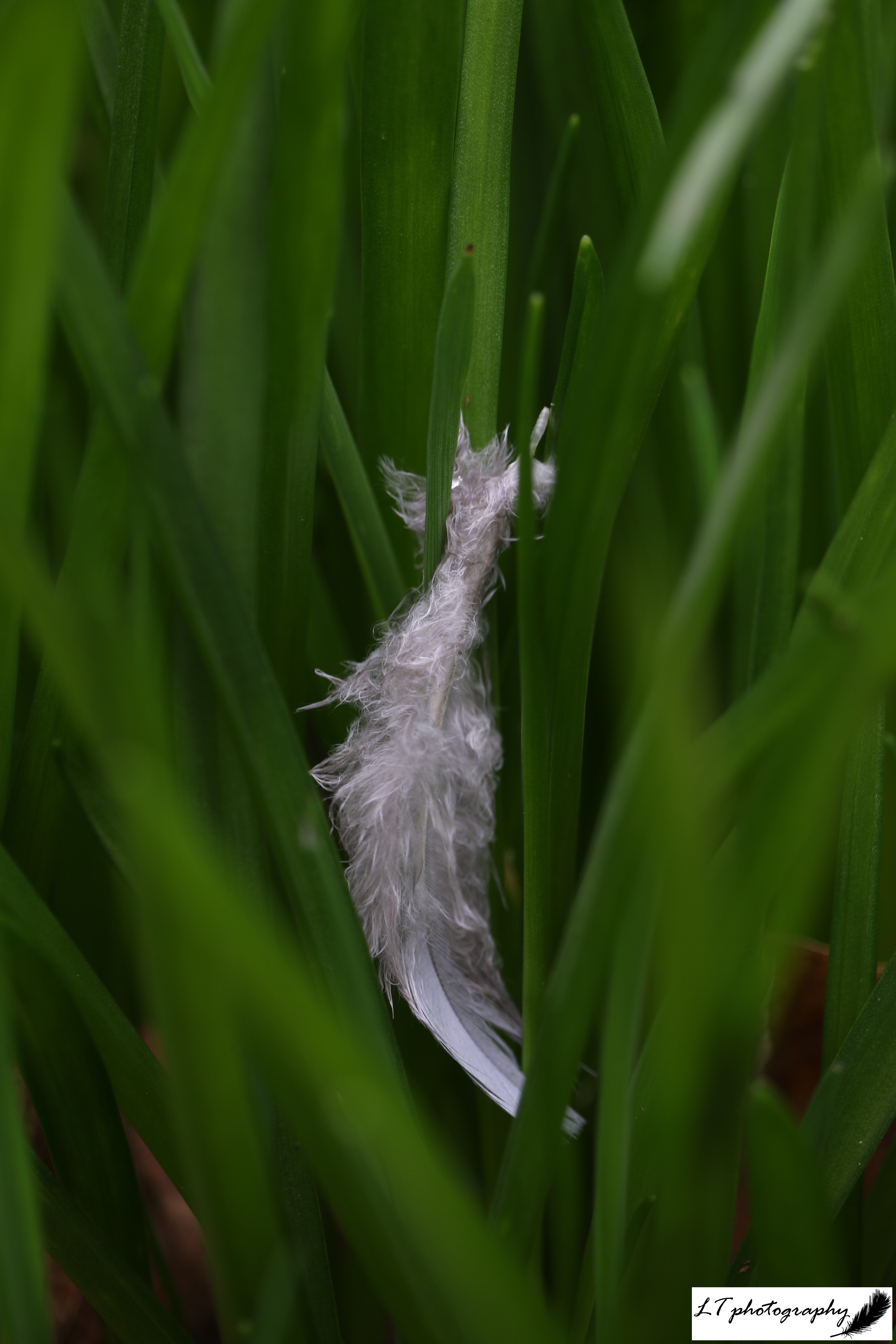
13. Feather in the bluebells – Wait, a feather again? Well feathers always sneak into my many files of photos, being a symbol of mine and representing my love of feathered species. They can also tell us useful information about what is living in a habitat, for example this feather is most likely from a collared dove.

14. Aberdeen angus calf – This photo is one of my favourite photos of one of my mum’s beef suckler calves. Spring is a time of new life in nature and on the farm, with my mum’s small free range beef herd giving birth at this time. This year they have weathered it through some turbulent months, but now are enjoying a bit of sunshine on their backs.

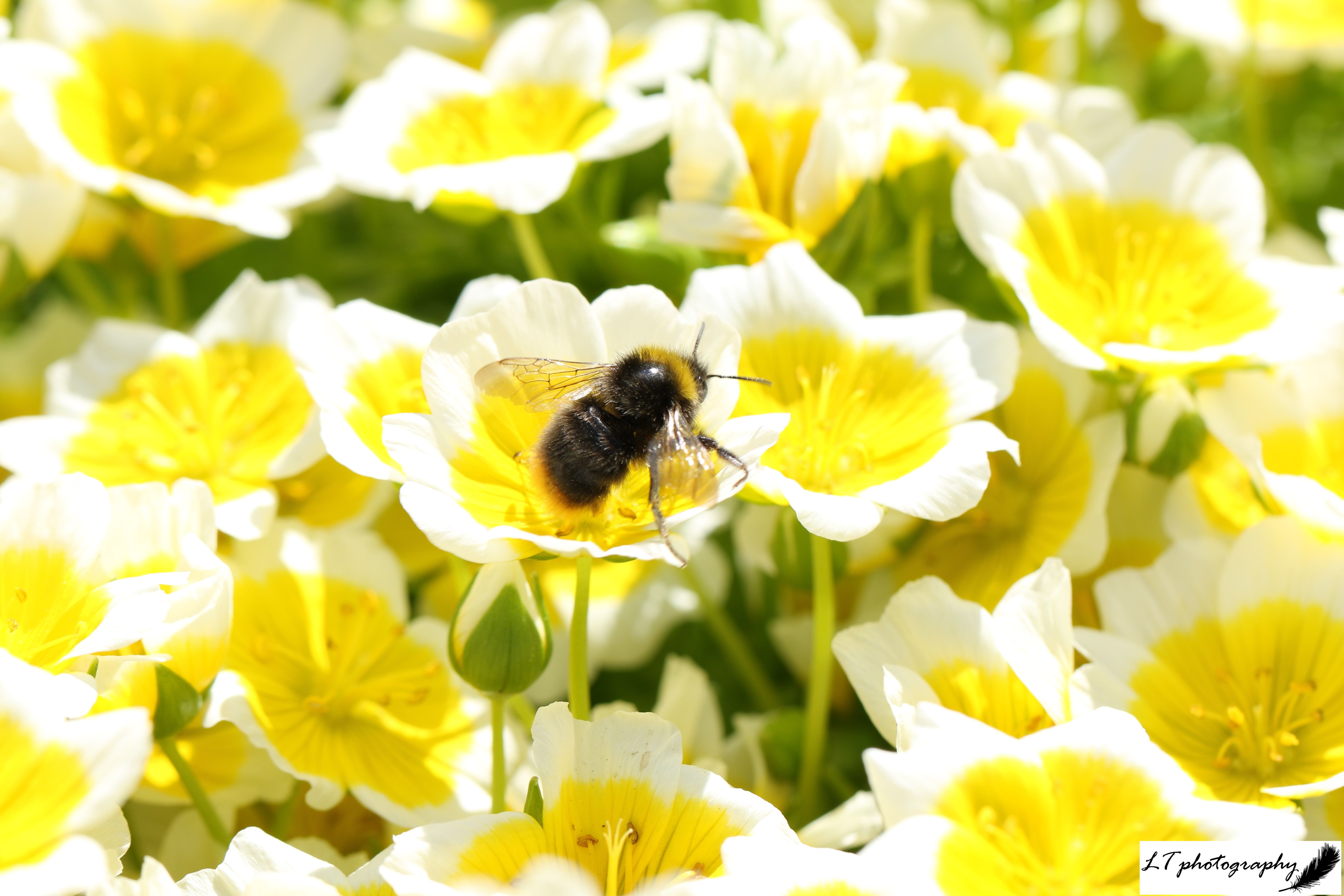
15. Honey bee – As I was intending to buy a macro lens this year, I made sure to time my purchase to be able to use it on the flowering of the poached egg plants in my family’s garden. It arrived well in advance, and, despite some rained off days, I got to spend some happy lunchtimes in the sunshine photographing bees on these flowers. This is one of my favourite macro photos of the flowers this year.

16. Dog roses – Dog roses were the last event of spring that I looked out for this year, and it kept me waiting! They were 22 days later for me than last year, with the first flowers blooming on the 8th June. They came out in force though, covering hedges within the space of a couple of days, adding some more colour to our hedgerows. With their lateness though, I feel like they also marked the end of spring this year.

Spring 2021: How It Happened

This spring has been an unexpected, unpredictable and turbulent season, that has taken its time to unfurl. Traditionally spring is a season that is characterised as calm and dry, with days getting longer and warmer, and the potential for cooler nights. As lighter evenings returned this year though, spring was far from traditional, with a stormy then hot March, cold and frosty April, and a wash out of a May.

Since 2017, I have recorded the dates of the events of spring every year, and with the start of my blog, every year since I have analysed and compared spring events to see how the season took form. Last year I showed that the timing of spring events is heavily linked to spring weather, resulting in either earlier or later occurrence accordingly. Over the last couple of years this has varied alot, so it will be interesting to see what has gone on this year.

This spring a lot has been going on for me, but I have still found time to be out in nature as much as possible and to enjoy the time when one season slips into another. It has felt that spring has dragged on longer this year, with the potential effects of spring starting warm and progressing to cold, then wet. So as this spring comes to a gradual close and the heat sets in, it is time to find out what actually went on during spring 2021.

Trees

This year there was a general trend for trees being later in their bud burst, leaves unfurling, and flowering compared to 2020. Even before the frosty nights of April, silver birch (Betula pendula) buds burst 14 days later on 26th March, Norway maple (Acer platanoides) first flowered 5 days later on 26th March, and beech (Fagus sylvatica) buds burst 14 days later on 27th March.

As we moved through April and into May, spring events began to stretch even further in their lateness. For example, wild cherry (Prunus avium) buds burst 35 days later on 8th April, horse chestnut (Aesculus hippocastanum) first flowered 18 days later on 20th April, alder (Alnus glutinosa) buds burst 15 days later on 21st April, the first lime (Tilia x europaea) leaves unfurled 23 days later on 26th April, pedunculate/english oak (Quercus robur) leaves first unfurled 31 days later on 5th May, and ash (Fraxinus excelsior) flowered 37 days later on 9th May.
Field maple (Acer campestre) did not follow this trend though, with bud burst being 10 days earlier on 26th March, and first leaves unfurling 5 days earlier on 1st April. This may be as these trees missed the worst of the spring weather, but for the other trees spring events ranged from being 1 to 37 days late!

Shrubs

For a lot of the shrub species I monitored a similar trend was shown as with tree species, being later compared to 2020. For example, elder (Sambucus nigra) leaves first unfurled 34 days later on 18th March, blackthorn (Prunus spinosa) first flowered 17 days later on 23rd March, and hawthorn (Crataegus monogyna) first flowered 23 days later on 11th May.

Though half of the shrubs I monitored were later in their spring events, ranging anywhere from 2-34 days later, two species did not completely fit this trend. For lilac (Syringa vulgaris) bud burst occurred 12 days earlier on 24th February, but flowered 17 days later on 2nd May. This was the same for dog rose (Rosa canina), where buds burst 12 days earlier on 22nd February, but first flowered 22 days later on 8th June. For both of these species though, it is the spring events occurring before April that are earlier, as the ones occurring in April and May were not immune to the frosts and heavy rainfall like the other shrubs.

Flowers

For many of our commonly associated spring flower species, there was a little more of a split between appearing earlier or later, but on average they flowered later compared to 2020. Snowdrops (Galanthus spp.) first flowered 15 days later on 18th January, wood anemones (Anemone nemorosa) 8 days later on 30th March, bluebells (Hyacinthoides non-scripta) and greater stitchwort (Stellaria holostea) both 4 days later on 1st April, cowslips (Primula veris) 12 days later on 2nd April, early purple orchid (Orchis mascula) 12 days later on 18th April, wild garlic (Allium ursinum) 14 days later on 20th April, and oxeye daisy (Leucanthemum vulgare) 16 days later on 3rd June.

The exceptions were a section of earlier flowering species, including primrose (Primula vulgaris) first flowering 27 days earlier on 31st December, lesser celandine (Ficaria verna) 3 days earlier on 15th January, daffodil (Narcissus spp.) 22 days earlier on 19th January, and cuckooflower (Cardamine pratensis) 10 days earlier on 8th April. These flowers would have been influenced by a warmer winter and start to spring, generally flowering before the cold spell in April.

Birds

On average, bird species spring events have also become later this year compared to 2020. I heard my first song thrush (Turdus philomelos) singing 17 days later on 1st January, I saw my first rook (Corvus frugilegus) nests being built 10 days later on 25th February, and I heard my first chiffchaff (Phylloscopus collybita) on 16th March. April and May events were again influenced, for example I saw my first swallow (Hirundo rustica) 5 days later on 10th April, saw my first house martin (Delichon urbicum) 9 days later on 21st April, heard my first cuckoo (Cuculus canorus) 3 days later on 1st May, and saw my first swift (Apus apus) 10 days later on 16th May.

There were two exceptions though, where I recorded hearing my first blackbird (Turdus merula) singing 13 days earlier on 10th February, and saw my first blackcap (Sylvia atricapilla) 8 days earlier on 14th April. These would most likely relate to other influencing factors, such as overwintering in the UK or habitat requirements.

Insects

Compared to previous years, I have still yet to see some species of butterfly that would typically be on the wing by now, such as gatekeeper butterflies (Pyronia tithonus). For the insects I have seen though, again there was a split in event occurrence compared to 2020. For example, I saw my first small tortoiseshell butterfly (Aglais urticae) 2 days later on 7th April, red admiral butterfly (Vanessa atalanta) 26 days later on 7th April, brimstone butterfly (Gonepteryx rhamni) 26 days later on 18th April, and speckled wood butterfly (Pararge aegeria) 52 days later on 13th June.

The early emergers came in the form of my first buff-tailed bumblebee (Bombus terrestris) 14 days earlier on 27th February, peacock butterfly (Aglais io) 5 days earlier on 30th March, orange-tip butterfly (Anthocharis cardamines) 13 days earlier on 31st March, and red-tailed bumblebee (Bombus lapidarius) 12 days earlier on 19th April. Despite these species appearing earlier in spring, later flowering plants will have had a knock-on effect for them due to a mismatch in timing for food. Only further down the line will we be able to see the extent of this impact.

Summary

This year I have recorded more spring dates than I have done so before, such as alder trees flowering, first yellowhammer singing, and first green-veined white butterfly, which will be useful information during the years to come. This reflects how I have felt more in touch with nature this year even with the unusual weather patterns, such as alot of rain! It became clear as we went through May though, that there was a trend for events happening later and later. This is why I was so interested to see how far this trend actually extended amongst species.

Last year I wrote that spring events are ‘in fact getting later, which will be related to… weather and environmental factors here and further afield’. This year this has turned out to be the case, which shows how climate change is having more of an impact through changes in weather patterns rather than just warmer temperatures. Earlier spring events have been getting earlier with warmer winters, but heavy rainfall and colder starts to spring have been affecting late March to May events most. I wonder now what impact this might have as we move forward, for example greater mismatches in ecological timings.

Spring Countryside Camera Trapping 2020

Through the stillness of an early morning mist, a shape appears, carefully stepping through the short undergrowth. She weaves through the trees, stopping to pick and browse as she goes. Then she stops, motionless. Ears pricked she listens out into the gloom, something catching her attention. Magnificent silhouette, the more impressive for her swollen belly, a sign of new life to come. Here she is captured, a glimpse of a world unknown, forever immortalised in a frame.

Camera traps provide a window into another world, one that is often unseen and unknown. As technology improves and efforts increase, humans are now capturing the natural world in increasing detail, observing new behaviours, and keeping track of wildlife that would otherwise be difficult to monitor. Camera traps also provide us as individuals with the opportunity to open our eyes to the world that lies outside our doors. To find out more about camera traps, how to use them, and for some inspiration, check out my ‘How to… Use and Make the Most of a Camera Trap’ post.

Since I got my camera trap a few years ago, it has become an important way for me to explore the hidden world around me. In particular, during spring 2019, I spent 10 weeks conducting camera trap surveys across 5 sites on my family’s land in Dorset. It was a lot of fun to see what species I could detect and in what numbers, whilst seeing how things changed over a period of time. For my results, check out my ‘Spring Countryside Camera Trap Surveys’ post on my blog.

Camera Trapping 2020

This year, despite COVID-19 leading to a national lockdown, I tried to utilise the time I got to spend outside to get my camera trap out as much as possible. The result was some successful and really enjoyable camera trap experiences throughout the spring, which helped to keep me going. On my adventures, I chose to focus on a mixture of 5 new and old sites, including Badger setts, a footpath, a Sycamore copse and a meadow. It was great to once again monitor the animal populations on our farm, experience new life, and to see if something interesting might turn up!

Highlights

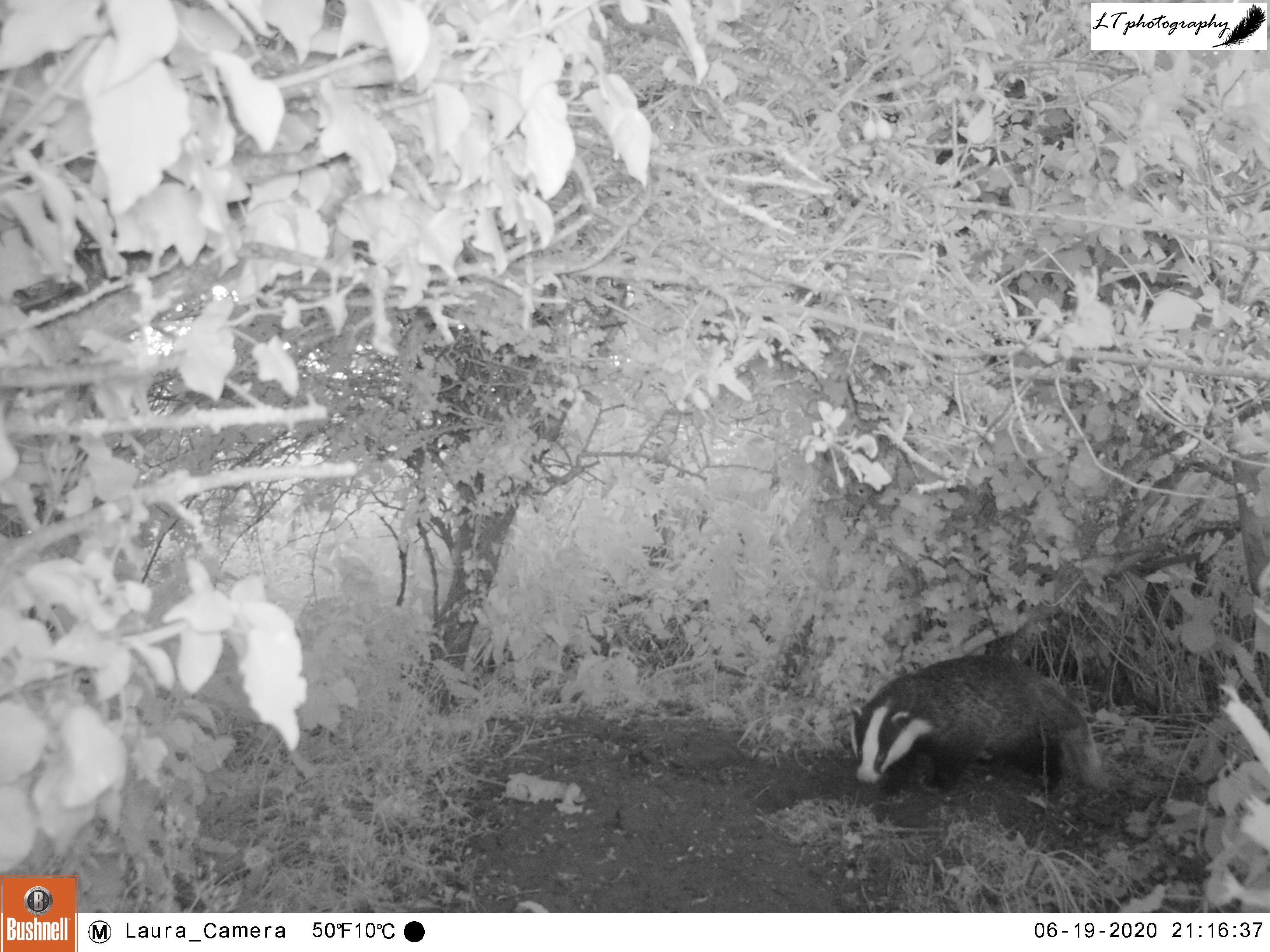
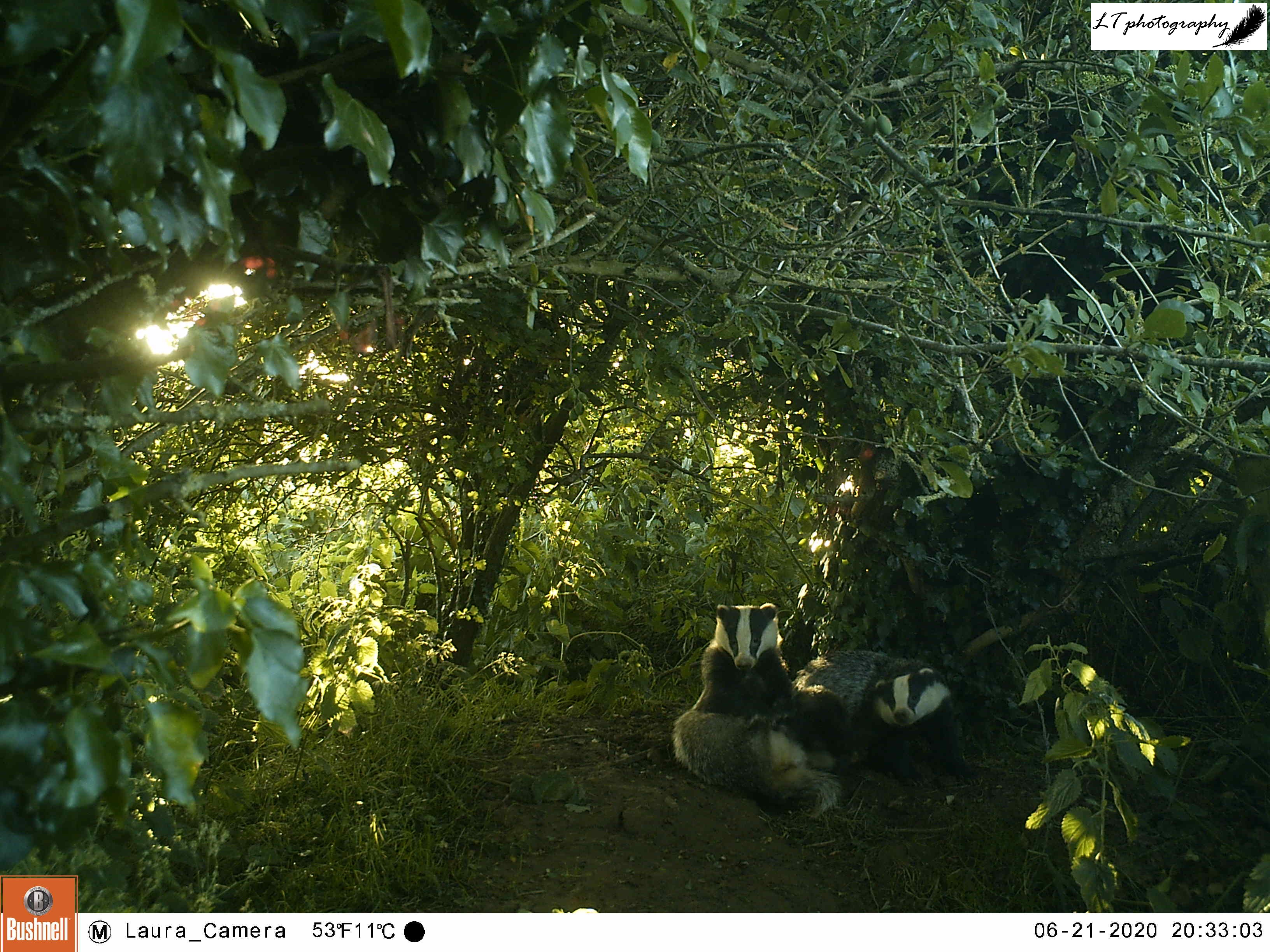
The real stars of my camera trapping this spring just happened to be our British large mammals. In particular some of my highlights involved fantastic sightings of charismatic Badgers. One of my favourites was capturing 2 cubs playing and fighting outside the entrance of a sett at all times of day in April, with a parent often popping in to check on them. I also had some great luck at another sett in June, where my camera trap captured 2 Badger cubs interacting with each other in their natural habitat, in an open area within a hedge. It was really great to see!

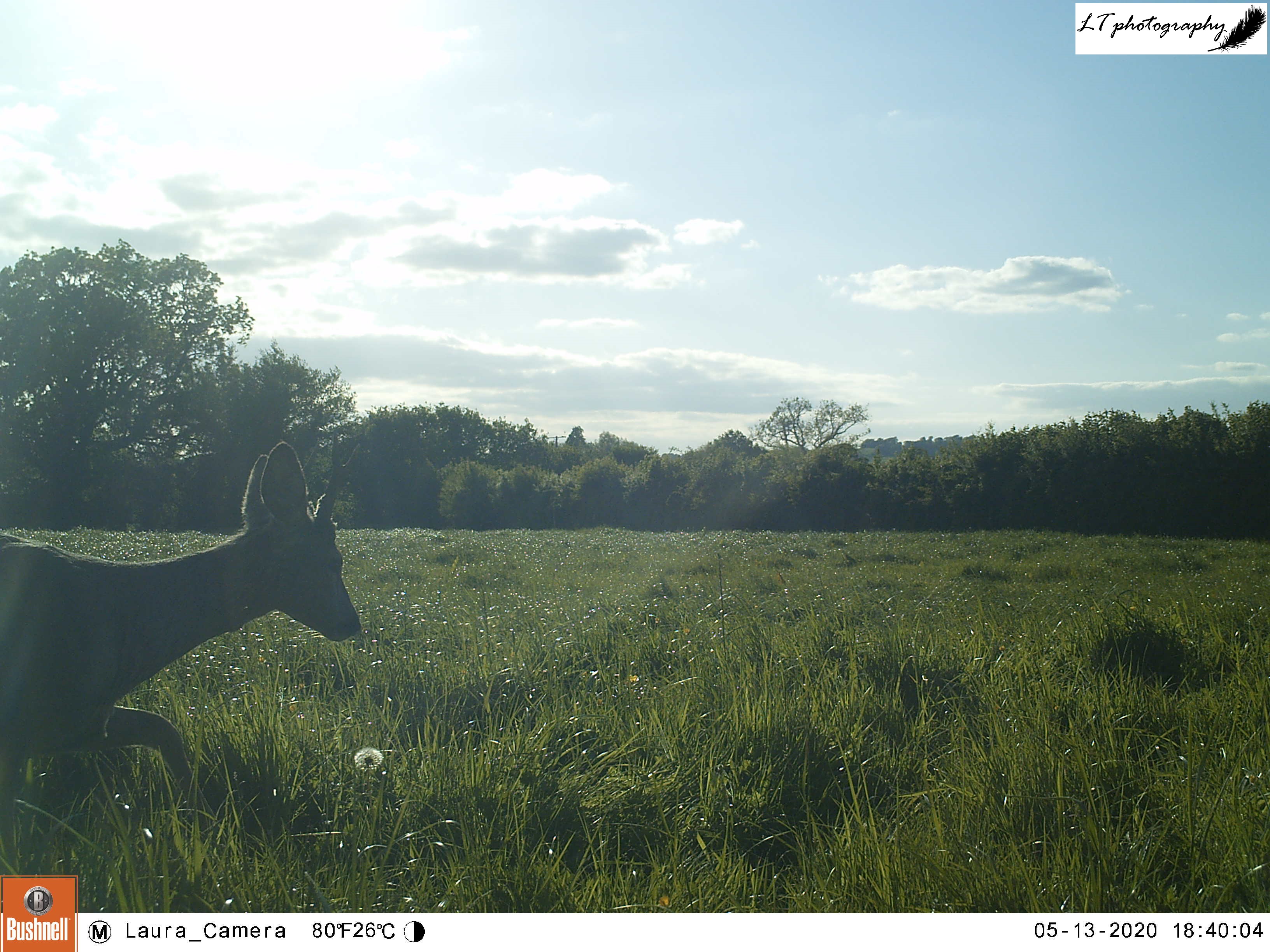
This year Foxes were also popular sights on my camera trap. These ranged from adults and cubs at their dens to being captured on the move, giving me a new insight into their lives and interactions. Roe Deer were also a popular sight on my camera trap as they moved through their habitat and spent time foraging, with does and bucks often being seen separately at these same locations. All wildlife are fantastic to be able to experience in this way though!

When Things Go Wrong!

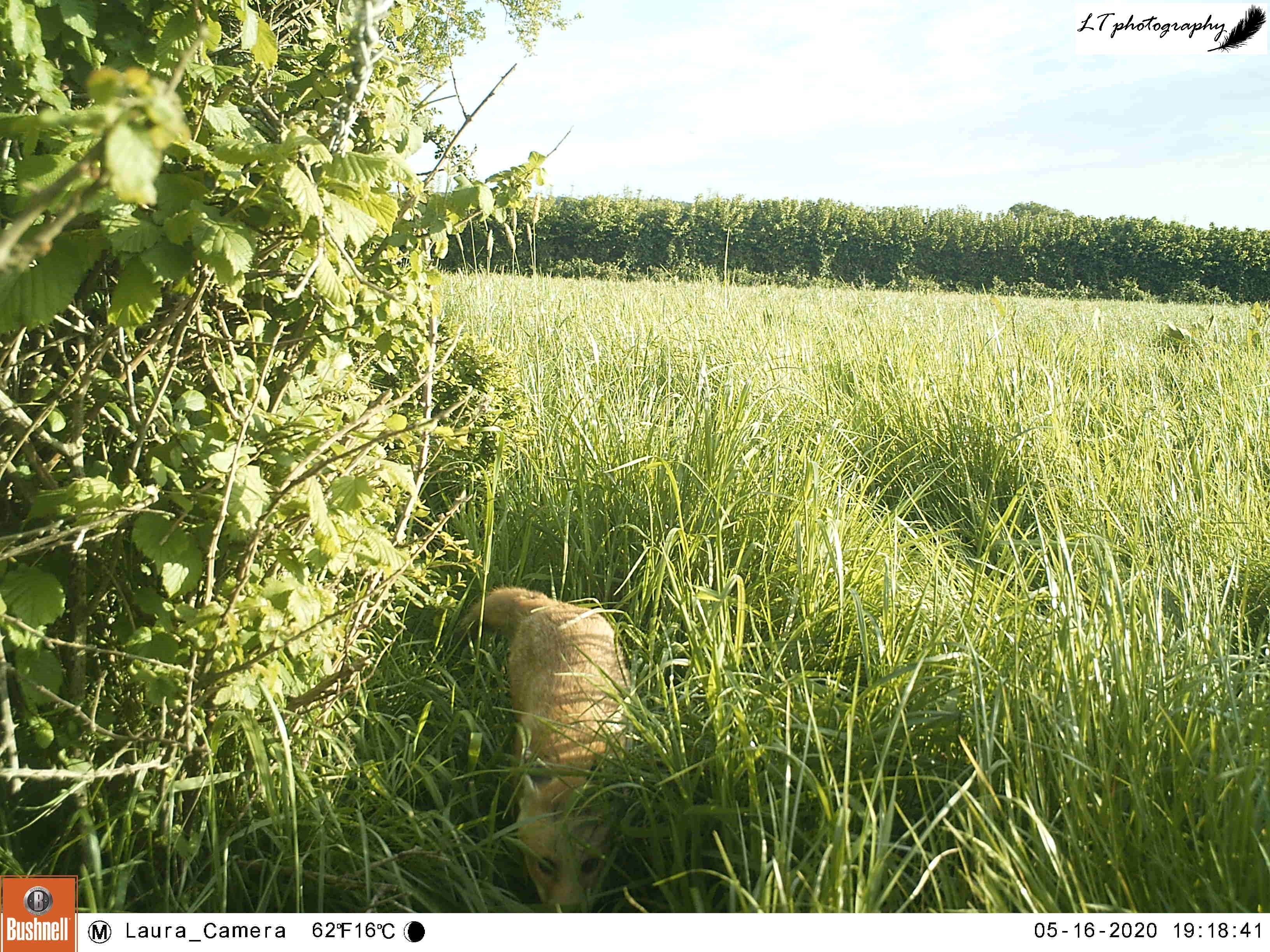
With the highs of camera trapping, there are always bound to be some lows. With many successful days camera trapping this year, my low came in the form of one project not quite going to plan! After sightings of a new fox den at the border of a hay meadow, I set out to try and get photos of this family. Over the course of two weeks I threw all my ideas and efforts at achieving my goal, but over and over again the cubs alluded me. Instead my camera seemed to spend more time capturing the local Roe deer population in this particular location! Here though are some of the glimpses I did catch of this elusive family:

The Best Bit!

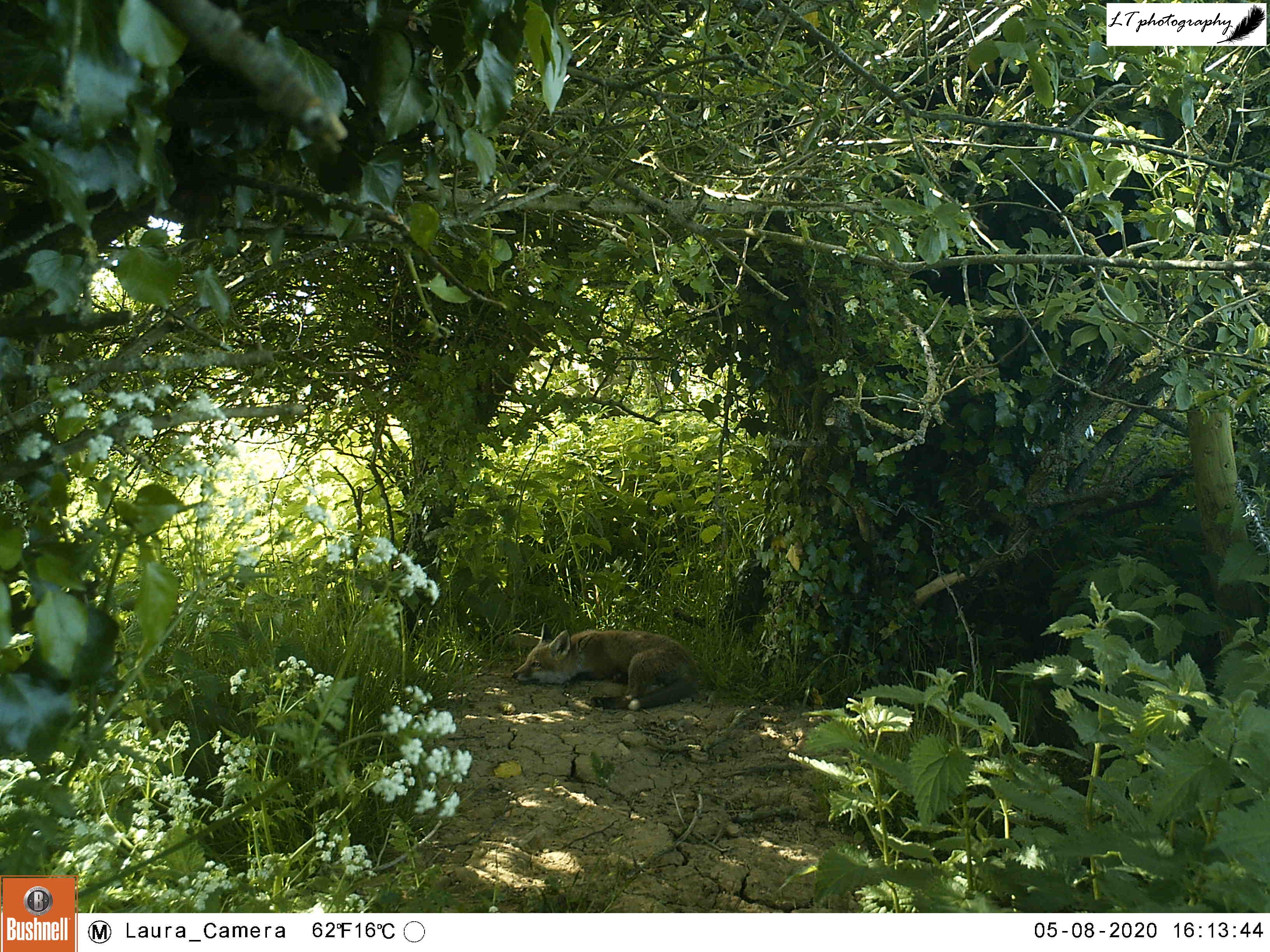
There is always going to be one highlight that stands out from a season camera trapping. For me this year my best bit came in the form of a surprise. Whilst having my camera trap out on an active Badger sett for a week in May and then in June, my camera, amongst many photos of Badgers and their cubs, caught some unexpected shots of a lone Fox cub. In my photos, most days the cub would spend its time sleeping and playing alone in the central area of a hedge above a Badger sett. Sometimes it also made an entrance at night, but it was always seen alone. It was an interesting insight into this cub’s more unusual world.

As the natural world now begins to descend into a deep slumber, get out there now and explore, allowing your surroundings to give you strength, whilst leaving nothing but footprints.

Breeding Barn Owls 2020

Feathers fluffy, downy, soft to the touch. A heart of feathers outlining inquisitive eyes. A new beginning, hints of the precious adult to come. A hope, a prayer, a future. An endearing beginning for the reticent guardian of twilight – Original Piece

As a very unusual summer comes to an end, with it also comes the end of another breeding season for the Barn Owls that call my family’s farm home. For many years now, Barn Owls have increasingly become an important species on the farm, giving an indication of habitat quality and changes in the environment.

Last year the Owls had their best year yet, with two separate pairs on the farm, one nesting in a tree and one in a nest box, fledging two chicks each. It was also the start of Barn Owl chicks being ringed on the farm, which was very exciting for us all. If you want to read more about these Barn Owls, take a look at my previous posts, including Barn Owls in the Depths of Dorset, and Barmy about Barn Owls.

This Year

This year has been another year filled with the joys of this species. From sightings around the farm throughout the seasons, to fledged chicks during the summer, it has been really special. This year we were not lucky enough to have 2 known pairs breed again on the farm, but we were lucky enough to have 1 pair breed in our Barn Owl nest box. In the end the pair hatched 4 chicks, with 2 surviving to successfully fledge in August, which was exciting nonetheless. Though no Barn Owls have bred in the old oak tree this year, it has also been actively used, becoming a popular roosting site for one or more individuals.

Conservation Action and the Barn Owl chicks

Following our Barn Owl chicks being ringed last year, I have now joined the North Dorset-based Conservation Action group, becoming a trainee bird ringer. Conservation Action is a group of experienced ornithologists and BTO trained ringers, dedicated to conserving and preserving the natural environment, ringing bird species to increase knowledge, and raising awareness of conservation efforts in younger generations. Focuses range from migrating species in Autumn to Owls and my favourites, the birds of prey.

Last year Conservation Action monitored a total of 47 Barn Owl nest boxes across Dorset, leading to 66 Barns Owls being successfully ringed (63 owlets and 3 adults). It was a great year for Barn Owls and Conservation Action alike!

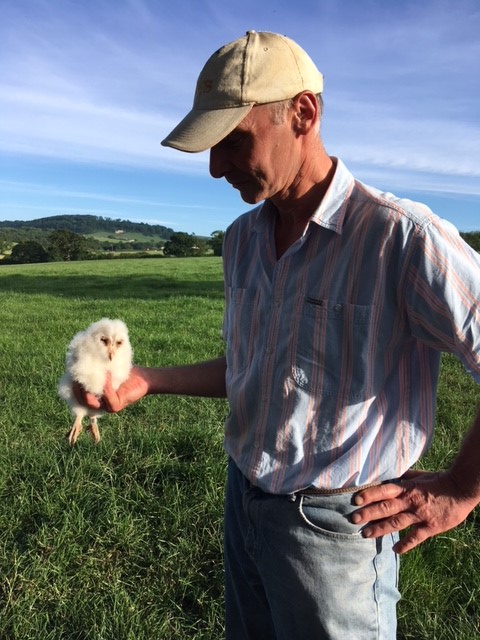
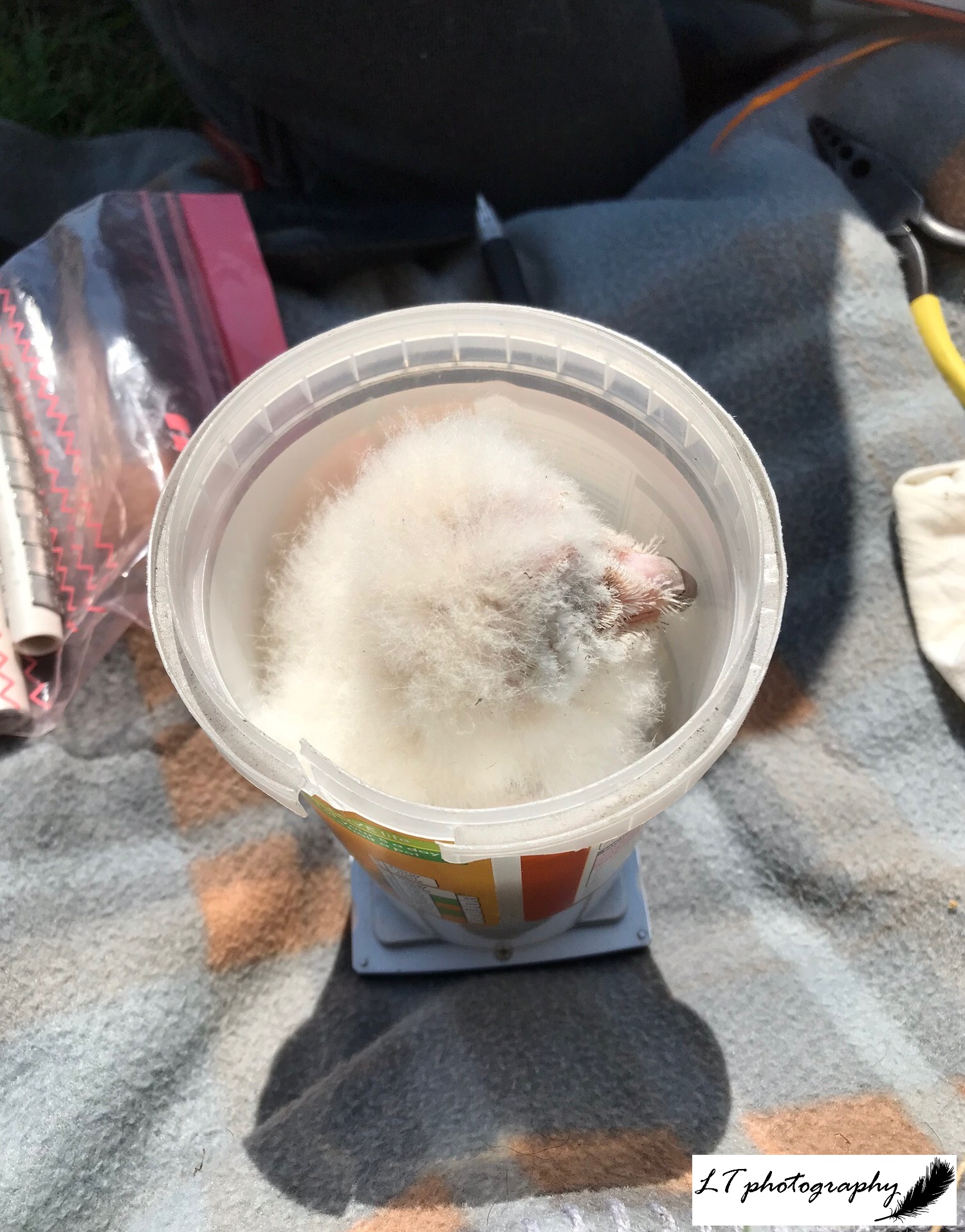
Now a member of Conservation Action and a trainee bird ringer, this year I was very excited at the prospect of Barn Owls breeding once again on our land. For this breeding season I got the opportunity to become an accredited agent under a Schedule 1 Permit, meaning that I was fully licensed to assist with Barn Owl nest box checks and monitoring, including our very own box. So it was an absolute privilege to be able to ring, under supervision, my very own 2 Barn Owl chicks this year. Such incredible birds and such a special experience, which was made all the better by getting to experience it alongside my parents and 2 year old niece!

Their Importance

Barn Owls are one important indicator species for farmland and grassland in Britain, meaning that they can tell us a lot about the condition of these habitats. With Barn Owls having made a comeback to my family’s farmland, it has also shown how changes to land management can restore and create habitat for wildlife, including for other species with related habitat needs (for more information see my post Giving Nature a Home on the Farm).

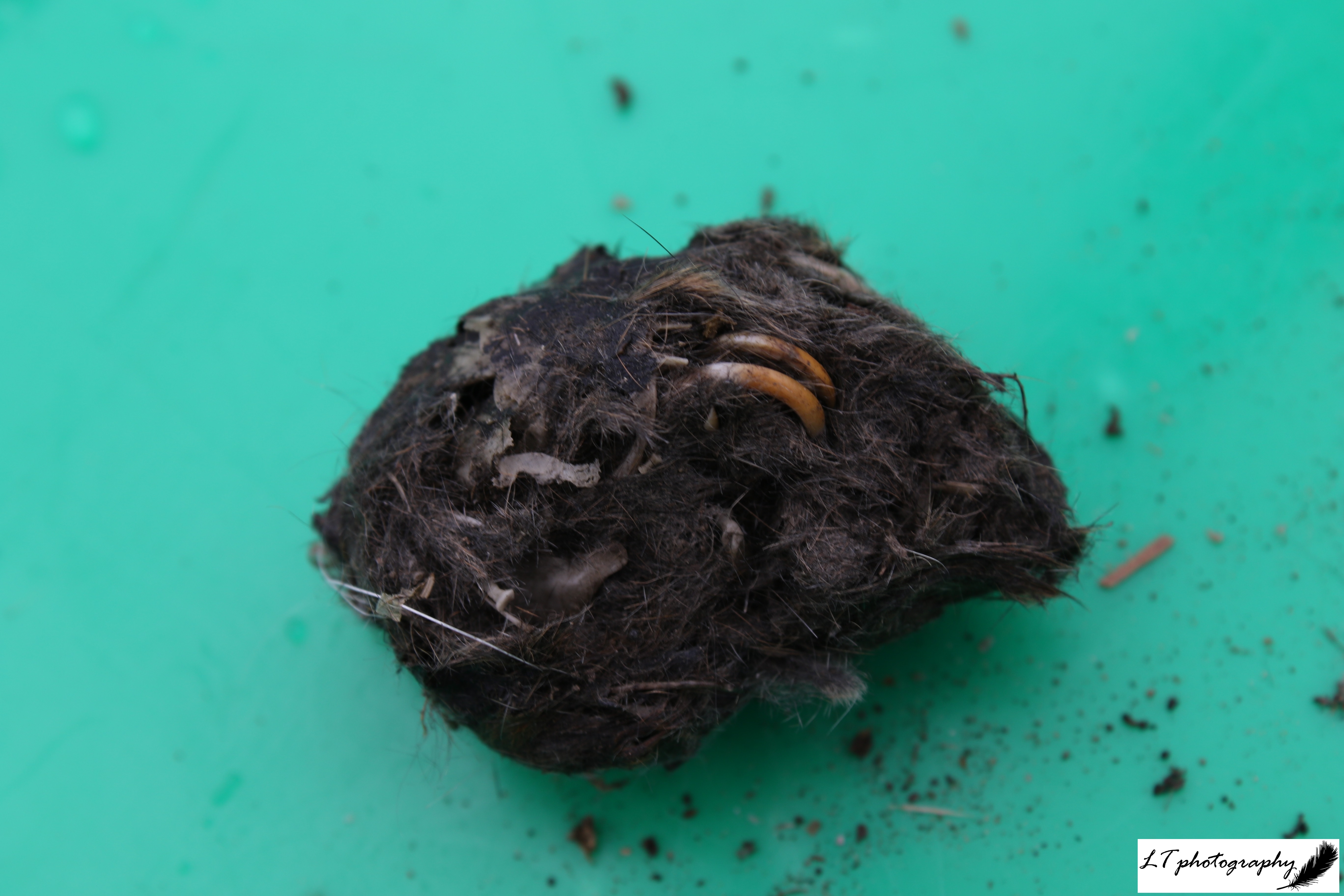
Barn Owls have also helped me to find out more about the small mammal species living on our land. This has been through dissecting pellets left by the owls, that I have previously written about in my post: How to… Be a Barn Owl Pellet Detective. For example, pellets from the roost tree have shown remains belonging to Bank Voles, Field Voles, Common Shrews, and Brown Rats, whereas pellets from the nest box barn have shown remains belonging to Field Voles, Bank Voles, Common Shrews, Pygmy Shrews, and Mice.

Moving Forward

After this year’s Barn Owl breeding season, and the excitement of Barn Owls continuing to breed on the farm, things are looking exciting for the future! It will be interesting though, to see how Barn Owls fared across Dorset and the UK this year as a whole, and to see if the farm’s 1 breeding pair followed the general trend. I also look forward to now getting more involved in monitoring Barn Owls in Dorset, spreading word of the work Conservation Action are doing, and the potential of ringing more of my own Barn Owls next year!

On the farm we now aim to continue working with Barn Owls and other wildlife in mind, and to monitor the success of new projects, including putting up nest boxes for Kestrels, Tawny Owls and Little Owls. In many ways the future looks bright to me!