After I click open the file on my camera trap, I press next through a male pheasant strutting his stuff and a female roe deer passing through, until a photo makes me stop. There towards the back of the shot are two small brown shapes. I move through the rest of the photos as day passes into night, and watch as these two rough and tumble through the photos, exploring, playing and watching their wild neighbours go past, ending with one sitting stock still in front of the camera. My camera trap had successfully found my first litter of fox cubs of the year!

The last few years I have become known for my exploration of my family’s farm in Dorset using a camera trap. My camera trap allows me to delve into the lives of my wild neighbours without intrusion or disturbance of their natural behaviour, and to use my photos to inspire others to open their eyes and be motivated to conserve our local wildlife. It is always a rollercoaster of emotions, never knowing what my camera trap might find, but in the end it is a very rewarding experience. If you are interested in getting your own camera trap or knowing how to make the most of your own, check out my ‘How to… Use and Make the Most of a Camera Trap’ guide for some more information.

My camera trap has been a very useful tool for me over the last few years, so since 2019 I have spent my spring seasons moving my camera trap around different sites across 250 acres of farmland, taking in different species and behaviour. In 2019, I saw 12 species of birds and mammals, including families of badgers and a family of three fox cubs. In 2020, my camera trapping got even more interesting, with badger cubs, a couple of litters of fox cubs, and lots of roe deer sightings. The most enjoyable shots are always the most unexpected though, despite from time to time getting a photo bomber or two, for example in the form of our farm cat!


This spring I have been out and about once again on the farm with my camera trap. This year I selected six different sites across our land, with the hope of capturing some of the normal sights, along with some new ones. As the spring has now come to an end, activity has dropped across these sites, and thus it is time to see how spring has been captured by my camera trap this year.


Camera Trapping Spring 2021
Quarry Field Badger Sett
My first camera trapping site this year was an active badger sett to the east of my family’s land. It sits between a silage field and a maize field in a wide and thick hedgerow, and is a great crossroads for animals passing through. I have used this site in previous years for camera trapping, with varying success, such as last year’s highlights of badger cubs and a lively, lone fox cub.
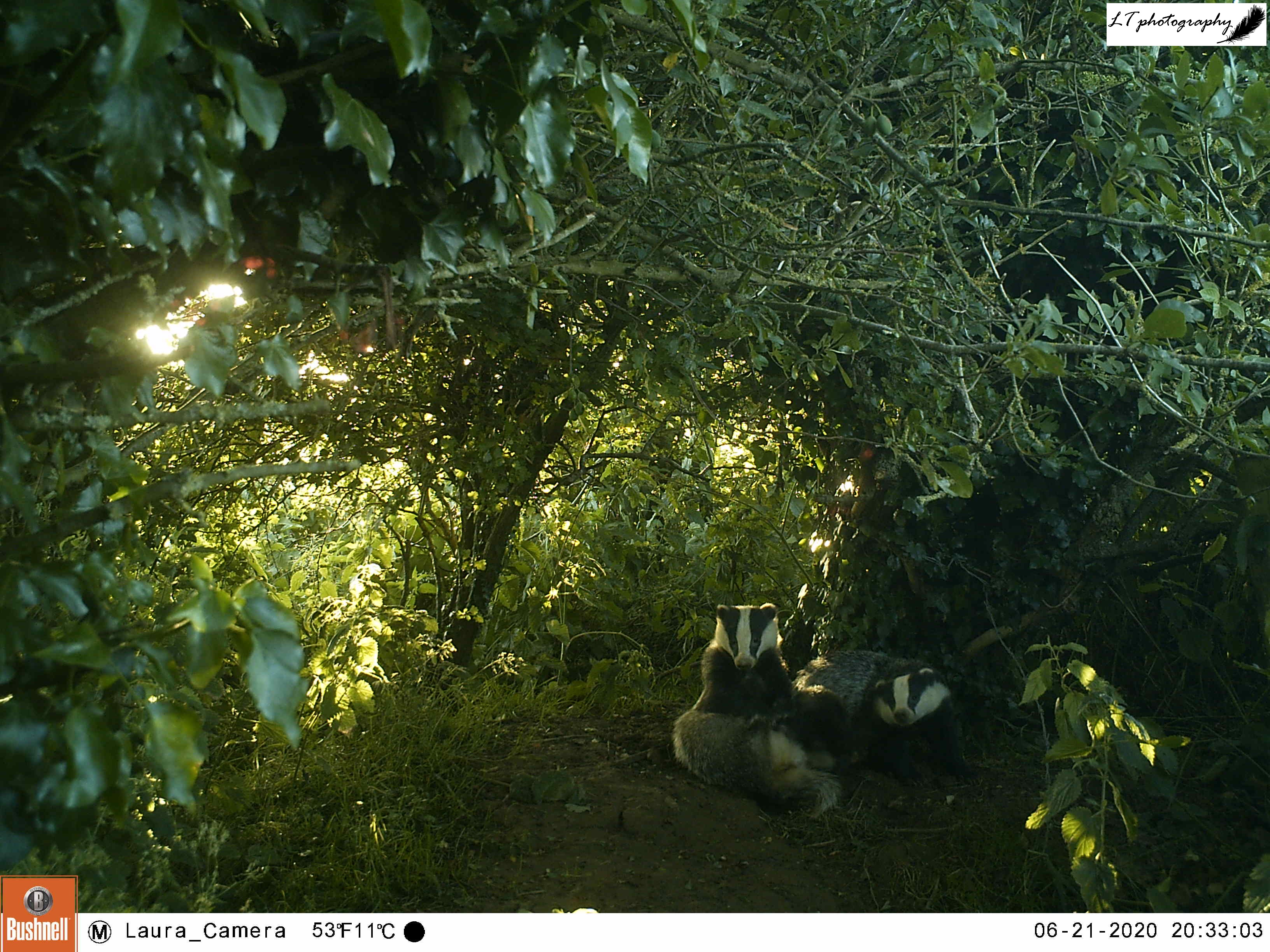
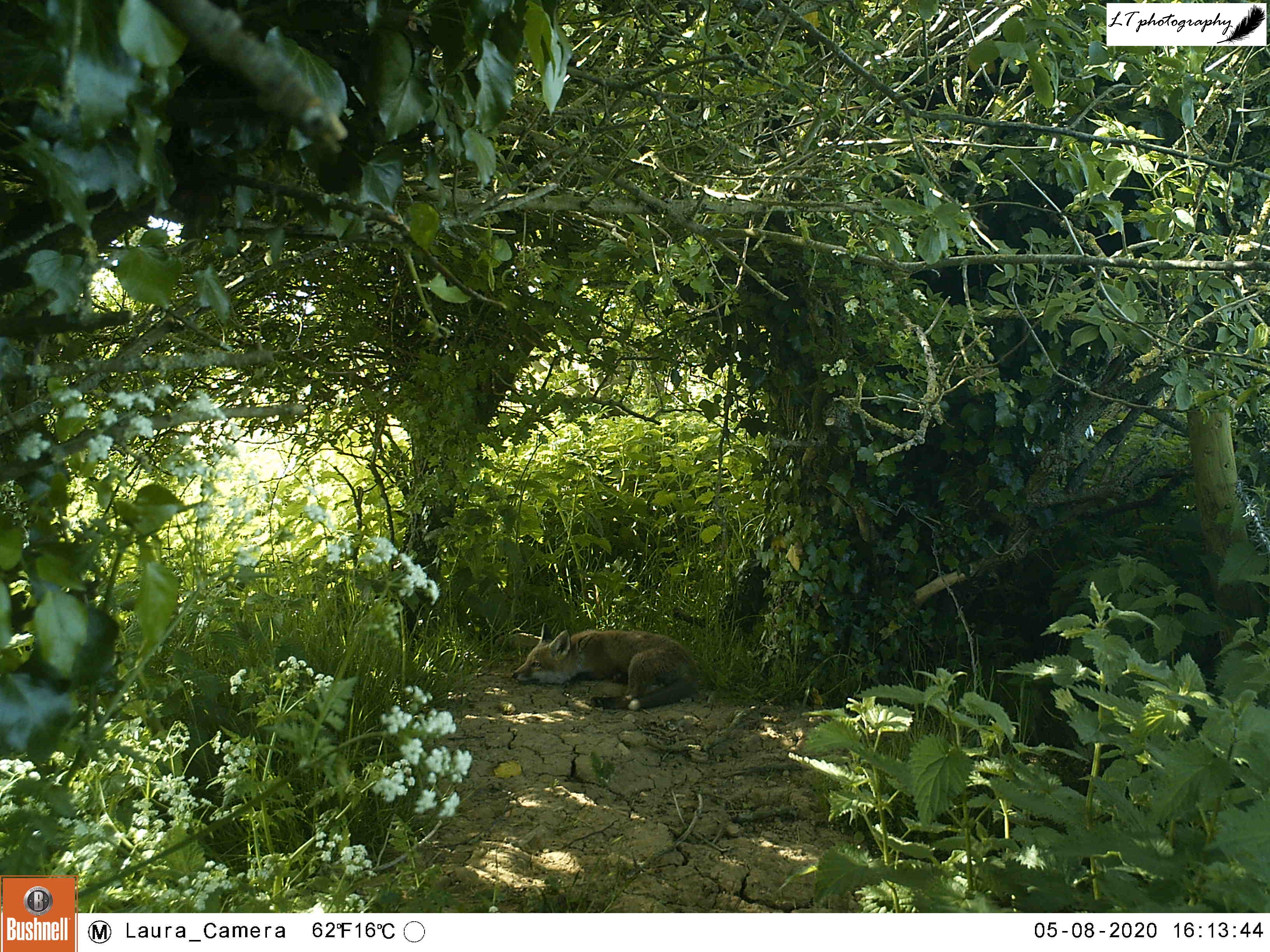
This year I set my camera trap up at the sett for a week (3rd-10th April), moving the position and angle every other day to increase my chances of capturing wildlife. It paid off as I had a successful first week, with rabbits, roe deer, badgers, and a fox.


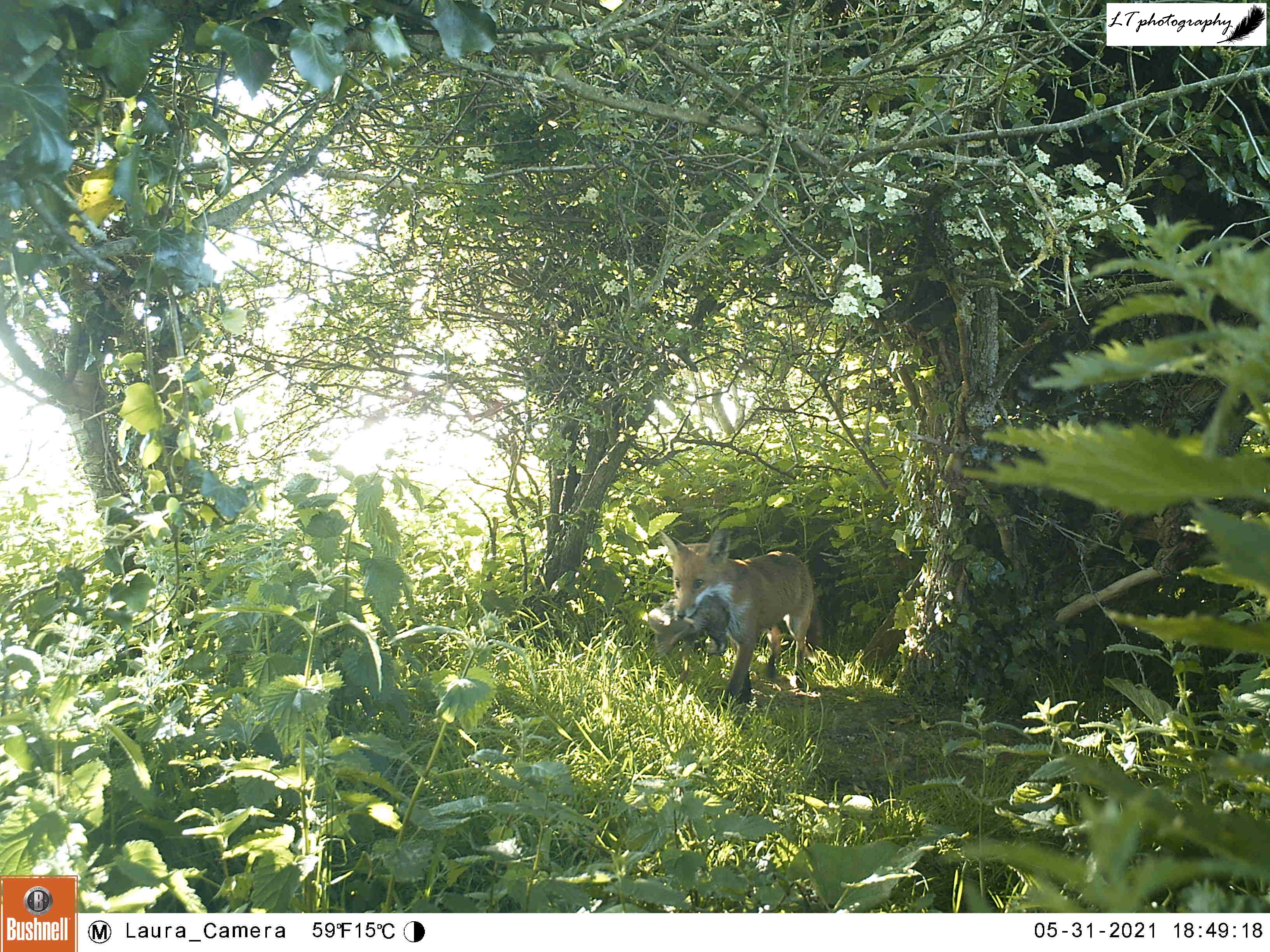
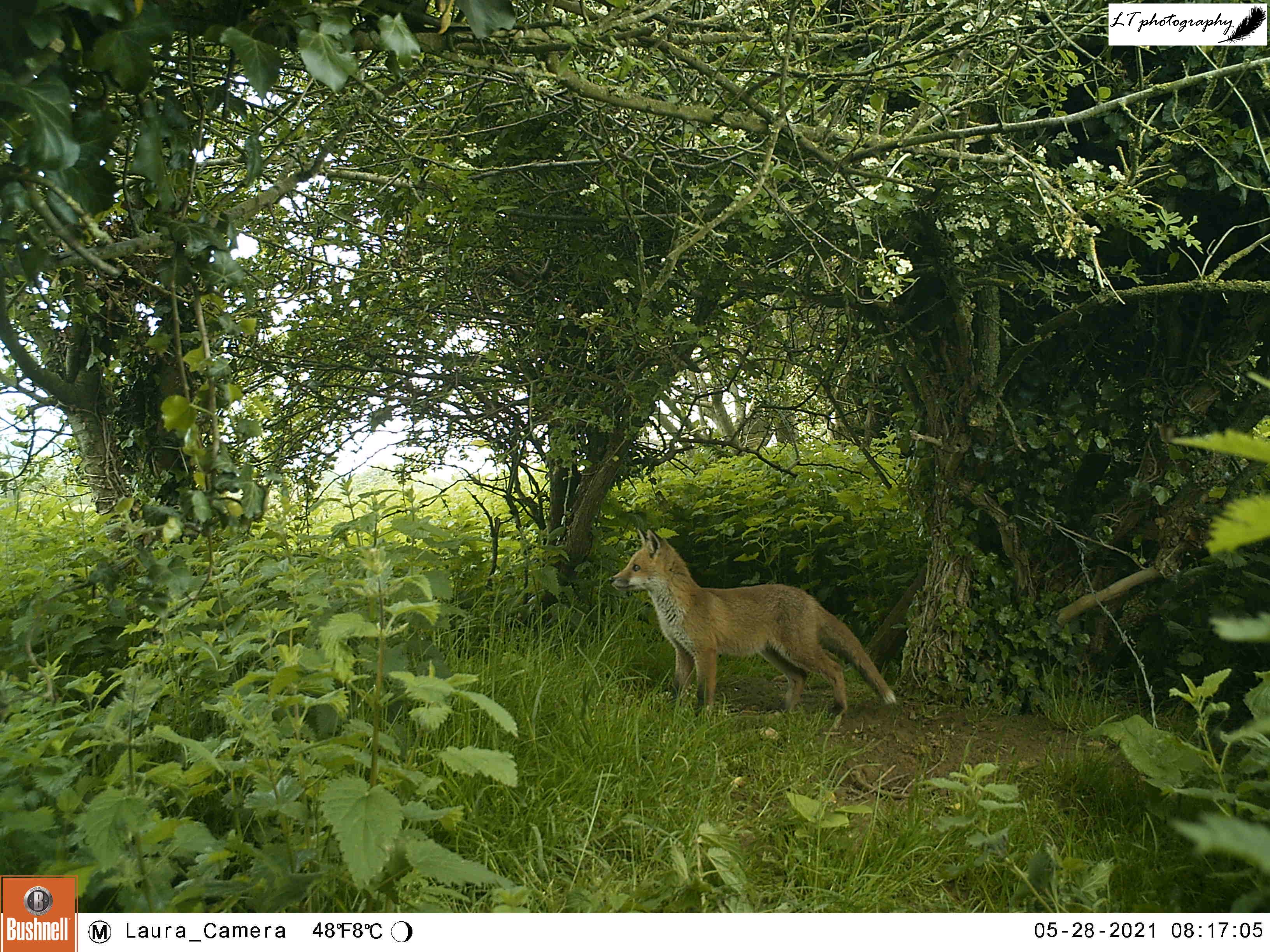
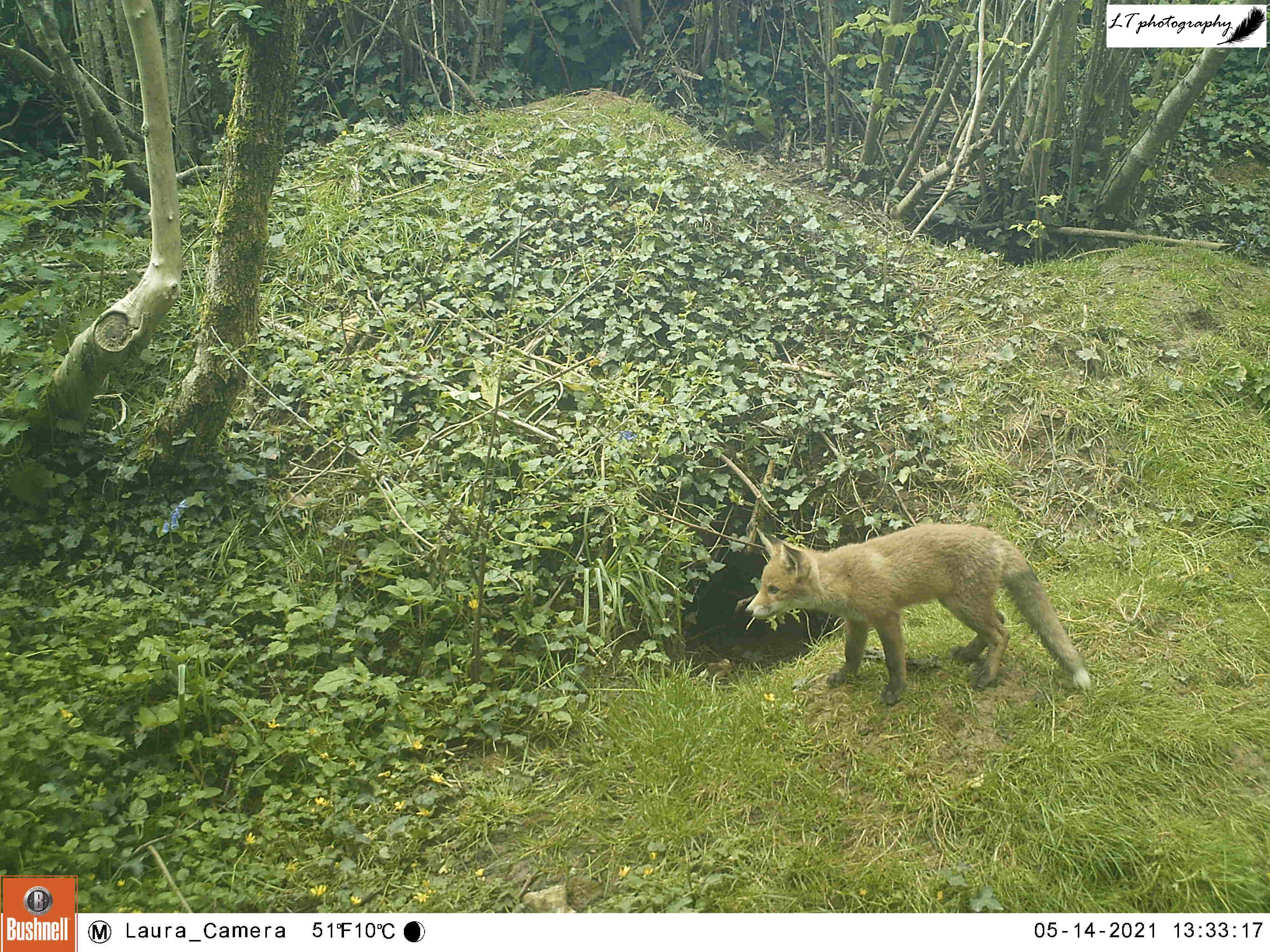
Due to seeing a lone fox cub at this site last year, the presence of an adult fox at the sett once again led me to return with my camera trap seven weeks later for another week (27th May-1st June). My hunch paid off as my camera trap returned photos of two fox cubs playing, living alongside a badger family, and being fed by a parent.

Gill Hill Copse
For my next site, I set my camera trap up within a copse surrounded by a cow grazing field west of the Quarry Field badger sett. During early spring this is a great site to capture wildlife moving through the landscape as the copse is a great stopping place. I have used this site before, and last year I saw species, such as roe deer and foxes.


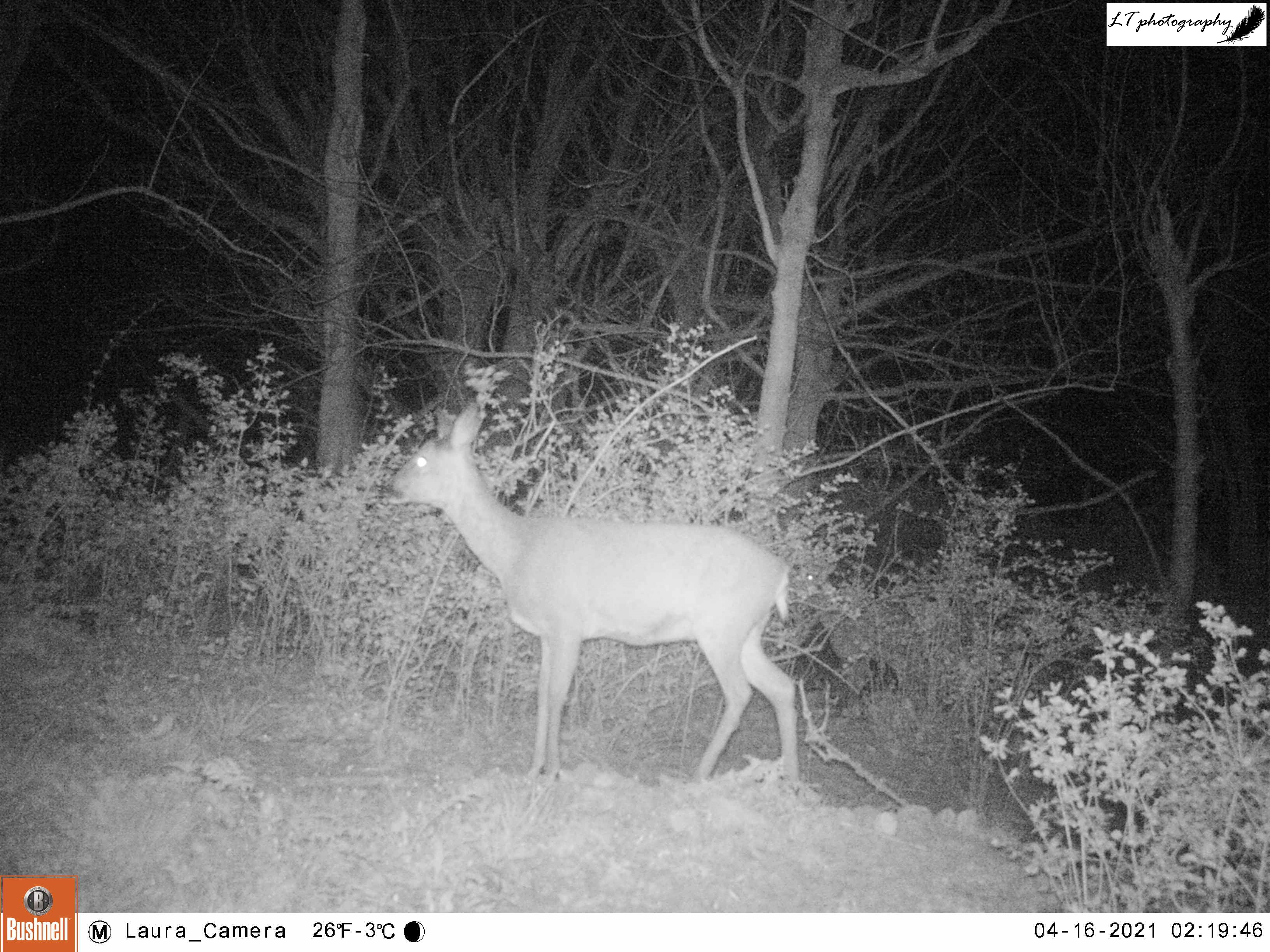
This year I used my camera in the copse for just one week (11th-18th April), but moved its position within the copse every couple of days. I captured photos of a territorial male pheasant, an adult badger, a grey squirrel, an adult fox, and a rather comical sequence of photos of two female roe deer being spied on by a hiding male. As vegetation in the copse grows up and spring progresses, camera trapping success decreases at this site, but it was nice to see some life early on this spring.

Dorset County Council Wood
For my third site, I set my camera trap within a small, young wood that can be found at the centre of my family’s land, bordered by a road and a meadow. I have used this wood before, with some positive sightings in 2019 of foxes and badgers passing through.
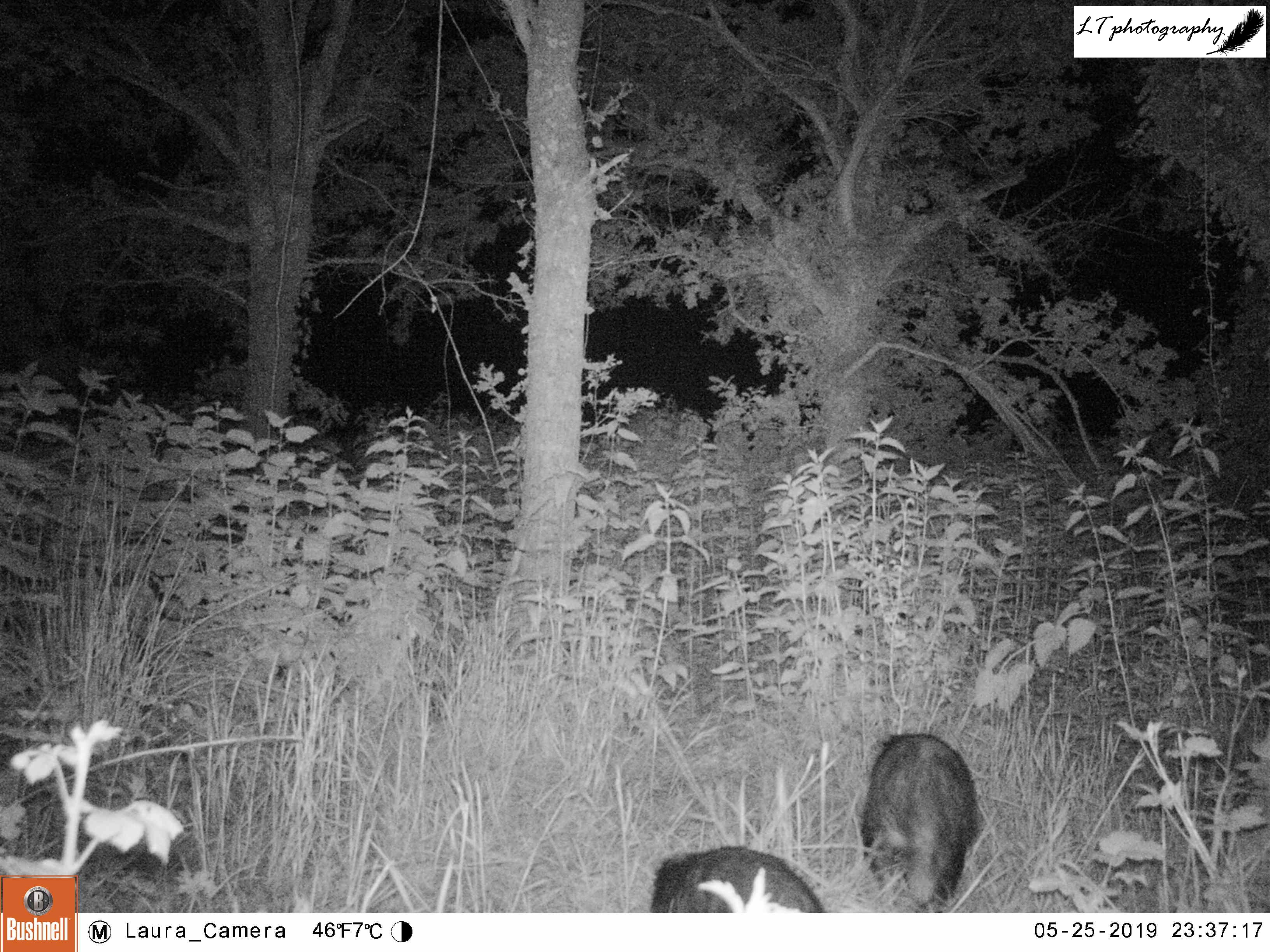
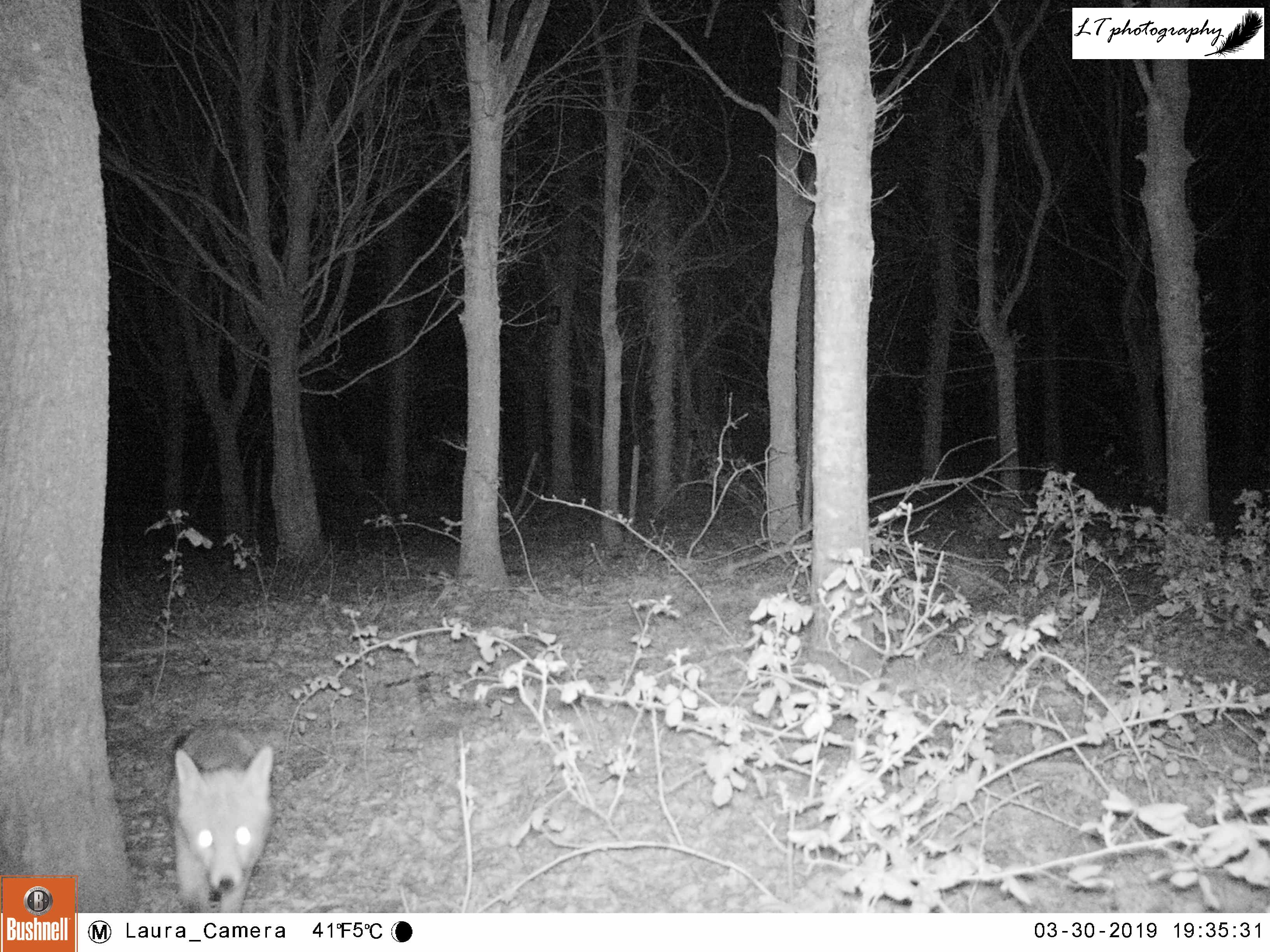
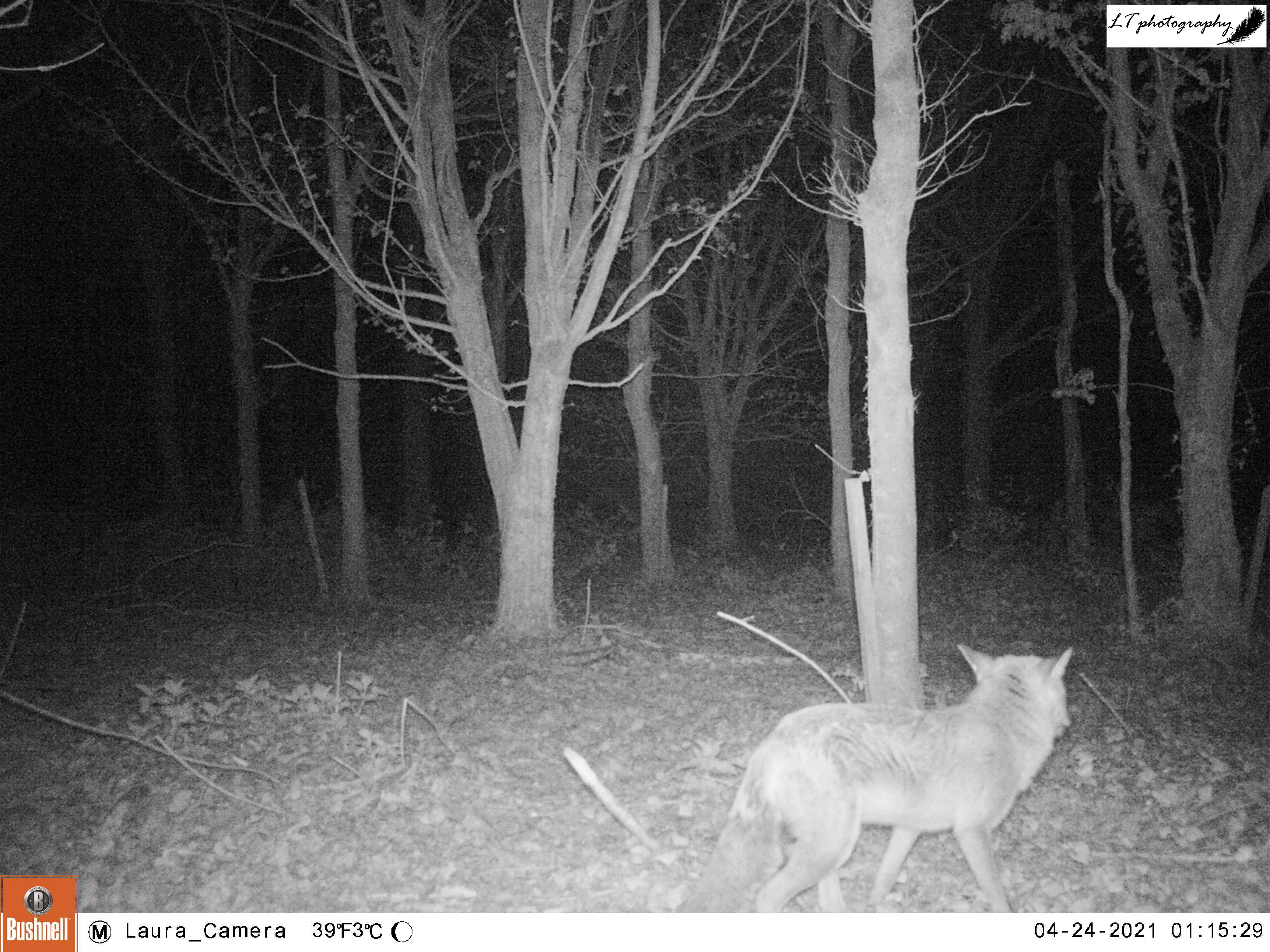
This year I tried the wood again for a couple of days (19th-24th April), with some overall disappointing results. A male pheasant and magpie were seen, with an adult fox being seen twice, but overall the wood was quiet, reflecting a lack of diversity evident in this unmanaged woodland. I did not return to the wood again during this spring as a result.

Badger Field Sett
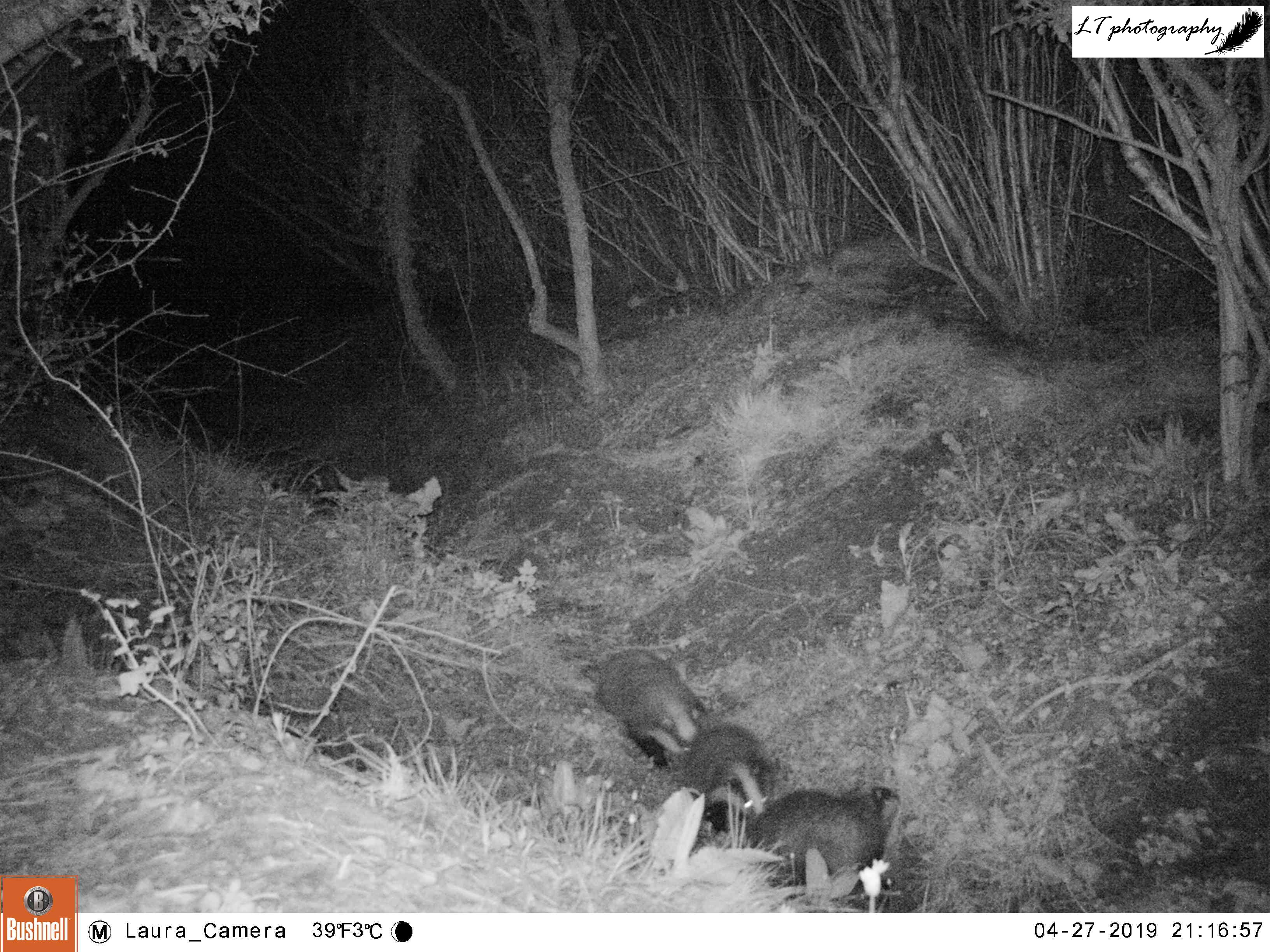
For my fourth camera trapping site, I returned to an active badger sett towards the centre of my family’s land. The sett is bordered by grazing land on both sides, and is set within a wide, thick hedge, extending out into the field on its east side. Last year I used my camera trap to look within the sett and to the sett entrances on either side, and saw adult badgers, badger cubs, and an adult fox. This was unsurprising as the sett is a thriving mixed site for badgers, foxes and rabbits alike.
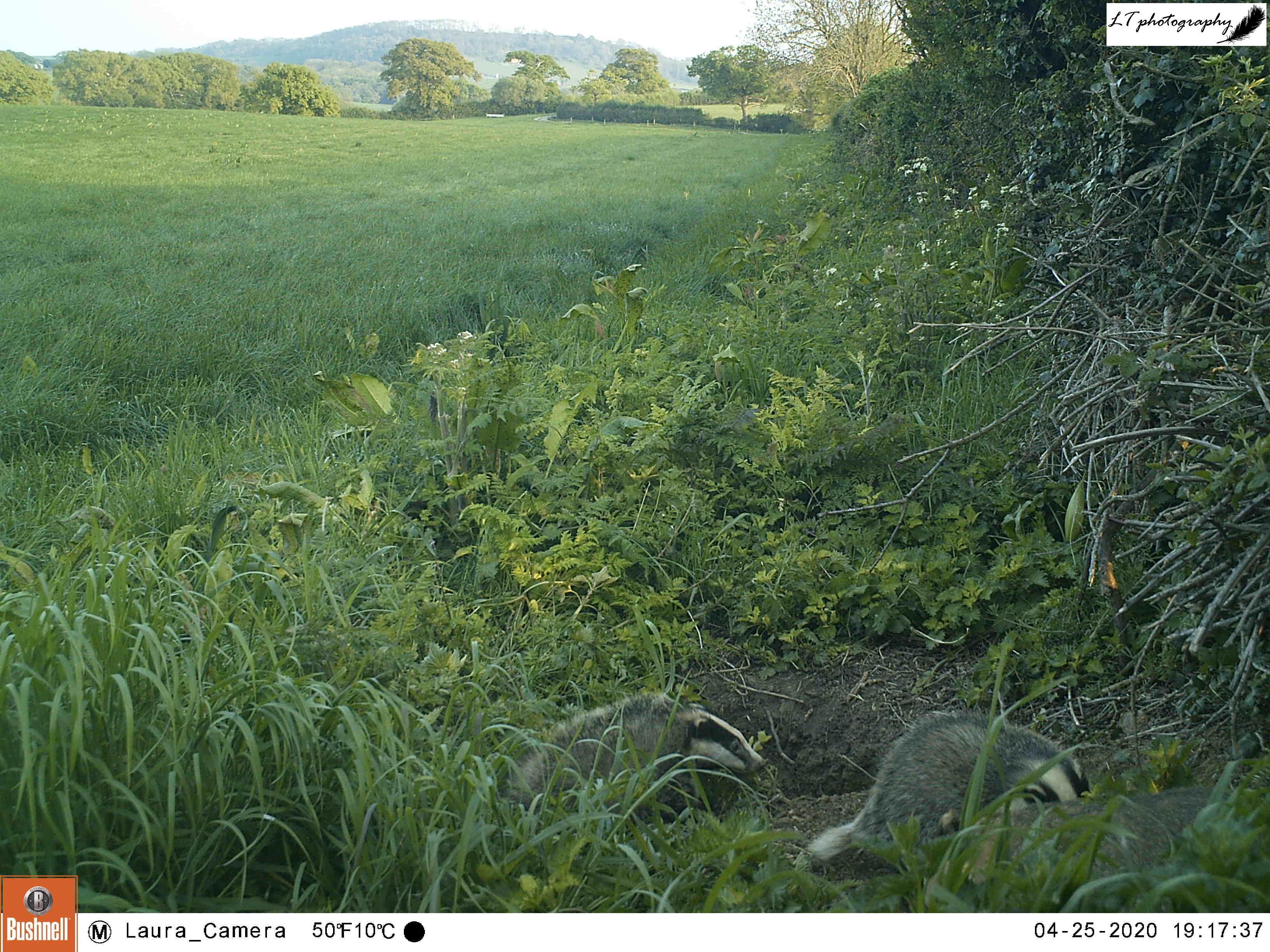

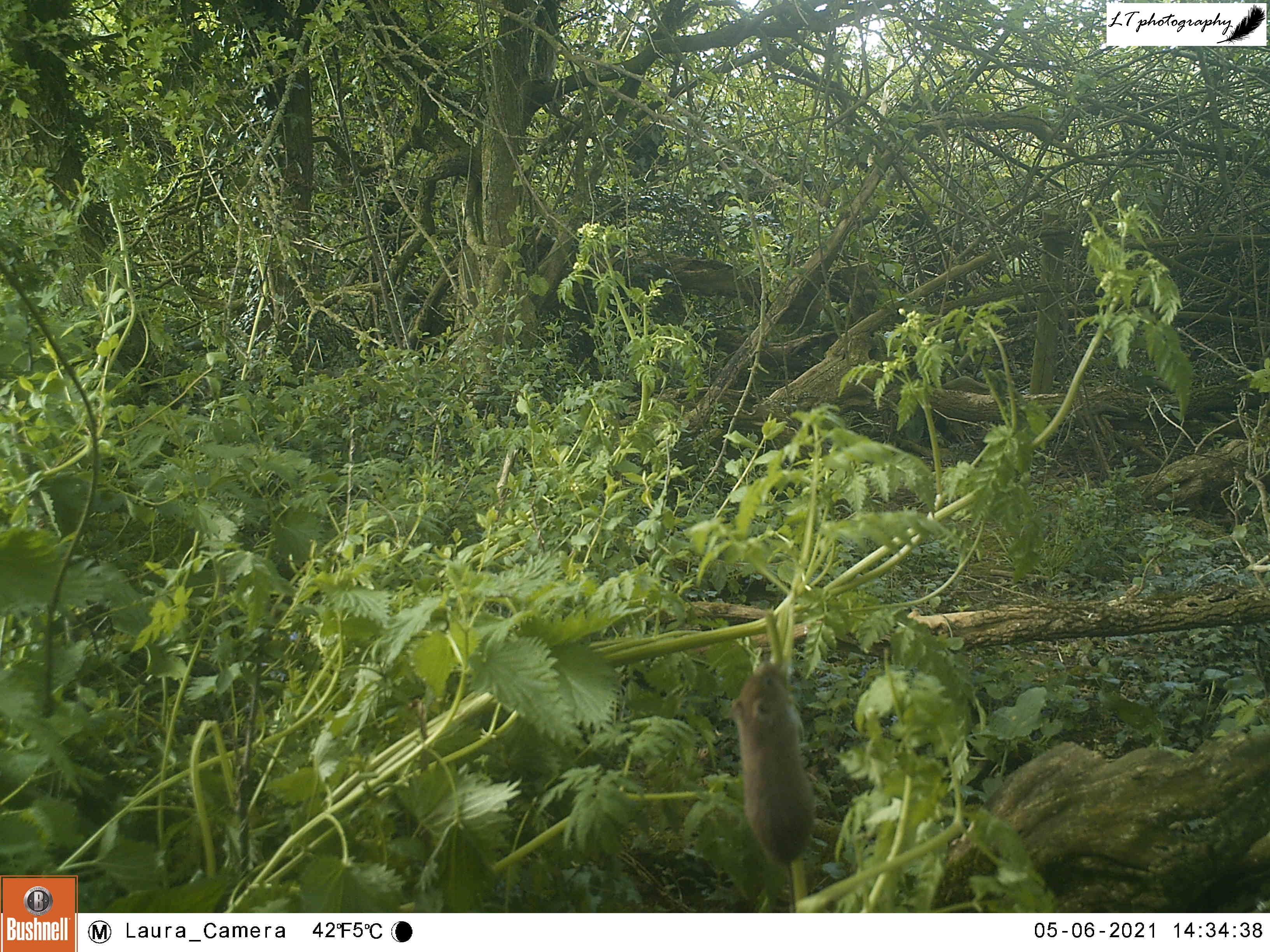
This year I positioned my camera trap first on the western side of the sett (25th-27th April), before positioning it directly within the area above the sett (4th-7th May). Pointing my camera trap at the animal track running along the side of the sett, I captured an adult badger, adult fox, and my first hare! Above the sett, my camera trap was more active, capturing lots of badger activity, woodpigeons, blackbirds, and red-legged partridges, and a surprising sighting of a field vole climbing vegetation. It was a lovely sequence of photos!

Badger Alley
For my fifth site, I chose to return to one of my favourite locations, the familiarly known Badger Alley. Badger Alley is an enclosed footpath that has dug out animal holes along half of its length, split into two old badger setts. In 2019 this was a super site for seeing badgers wondering its length, but last year it was obvious that wildlife numbers had declined, badgers in particular.

This year I spent two stints setting up my camera trap along Badger Alley. Firstly, I spent five days with my camera trap trained on the non-active lower sett, changing the camera’s position after two days (10th-14th May). Amongst photos of a female roe deer and a displaying male pheasant, I got lots of really lovely photos of two fox cubs playing and exploring their world.

I then returned to Badger Alley in June, moving my camera from the non-active lower sett (5th-11th June) to the sett further up (11th-14th June). By now my camera trap found that the family of foxes had moved on, with only the female and new male roe deer appearing at the lower sett. What was really sad, was finding that Badger Alley has now been fully abandoned by badgers, with the higher sett now being home to just rabbits. A slightly disappointing end to my camera trap’s time at Badger Alley!


Monkwood
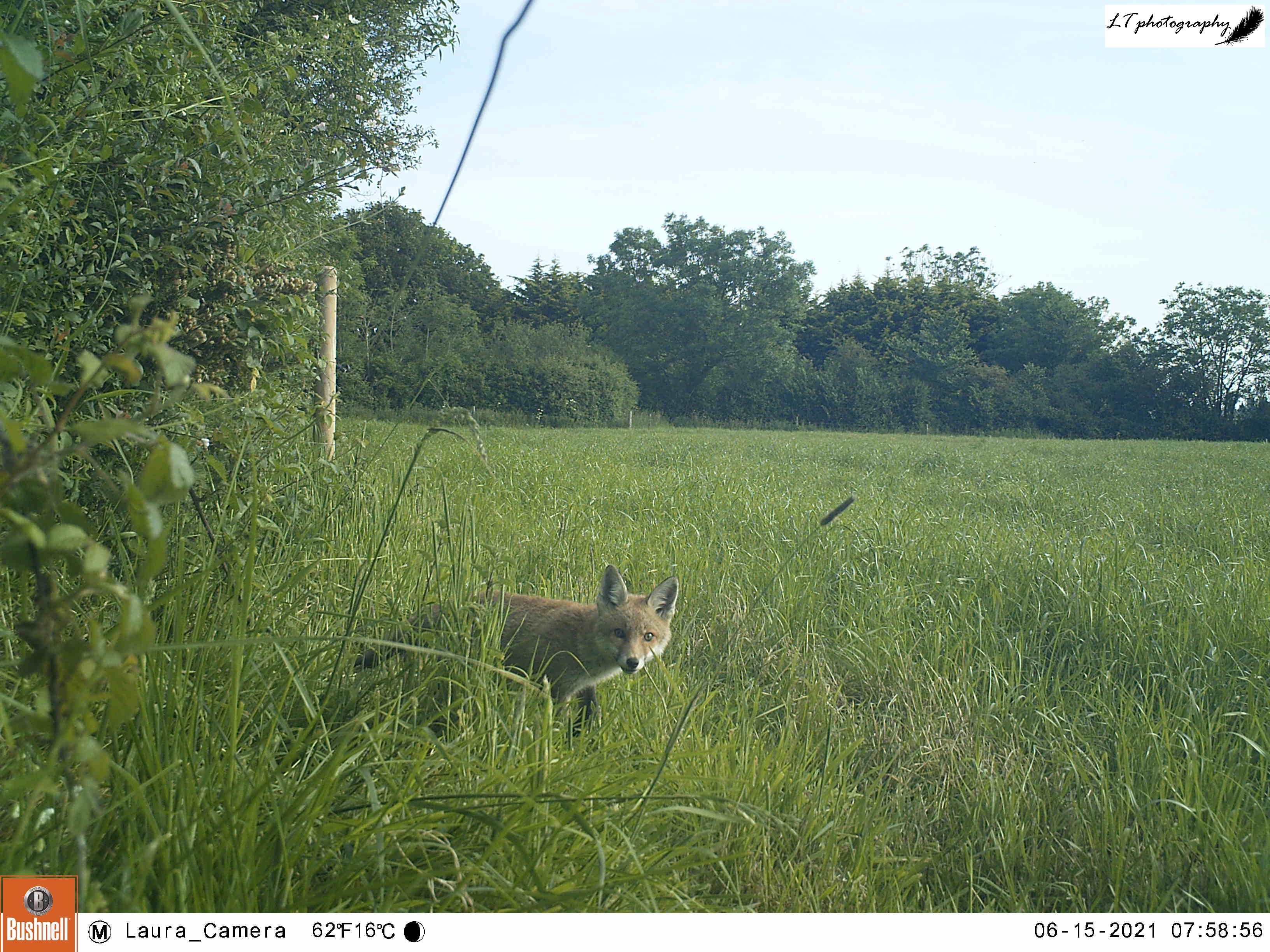
To finish camera trapping during the spring season, I took a bet on a site where there was a possibility of finding another litter of fox cubs. This site was a hedge in the middle of cow grazing land, where I had not previously camera trapped before. I chose to set my camera trap up on a fence post pointing along the hedgeline where I had found holes into the hedge, and left my camera for a couple of days (14th-16th June).
On retrieving my camera trap, I was excited to find that my instincts had been right and my camera trap had shot photos of two fox cubs and an adult. It was a lovely end to my spring camera trapping season!


 Laura's Wild World