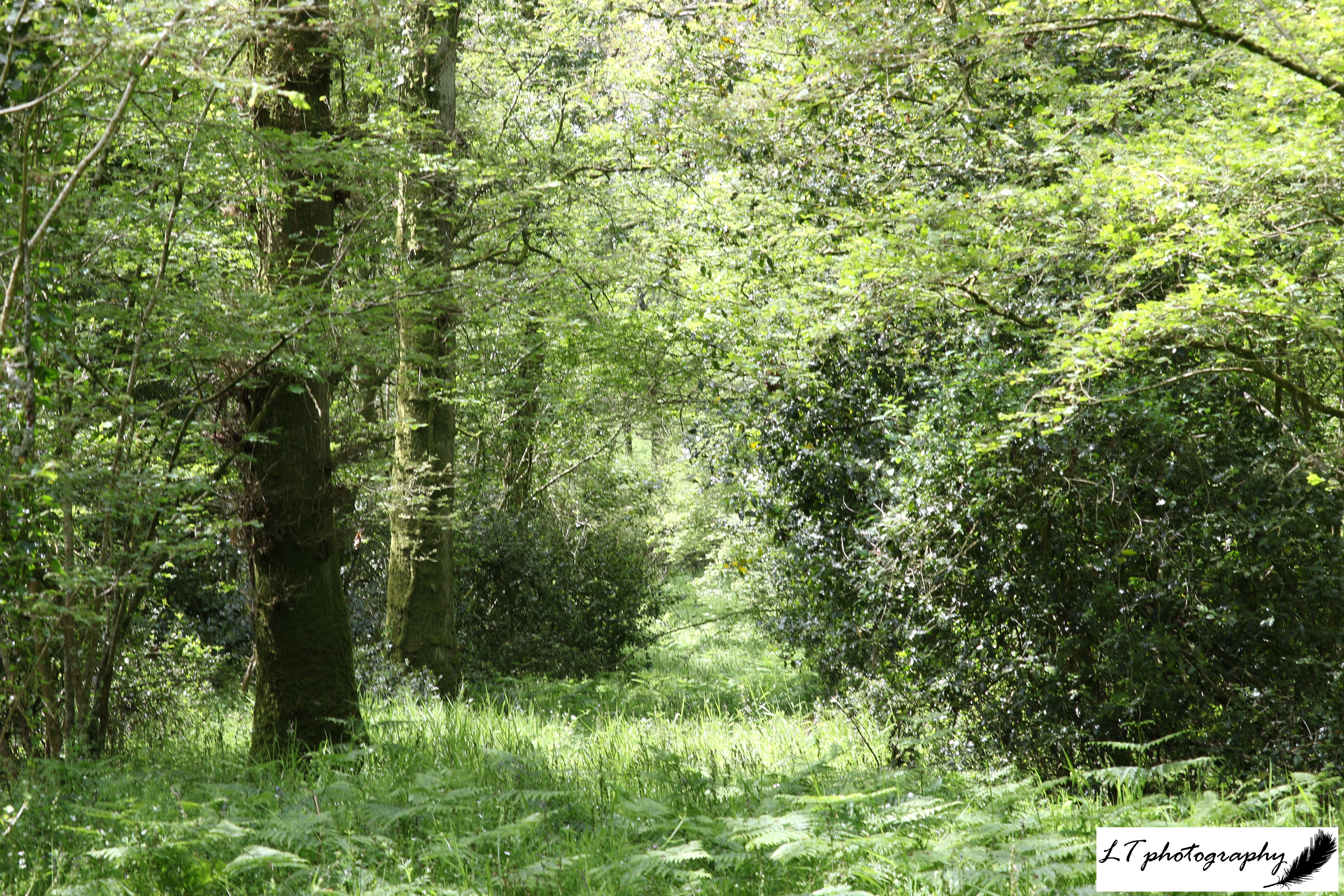
Every June the Wildlife Trusts hold their annual 30 Days Wild challenge, aiming to connect more people with nature. It is free and easy to get involved with, and is a great way to have fun, relax, and learn something new. It is completely up to you how you spend your 30 days, with every ‘Random Act of Wildness’ counting. Now in its 8th year, the Wildlife Trusts hope that this year will have been the challenge’s best year yet.


For the last 3 years, I have been taking part in 30 Days Wild each June. From baking to birdwatching, this challenge has been an opportunity to slow down and spend more time out in nature. If you want to read all about my previous years participating in 30 Days Wild, check out my blog posts from 2020 and 2021.

For this year, I wanted to try something a little bit different. Instead of intentionally trying to do something wild every day, I wanted to simply appreciate nature in my everyday life. Being a very active, outdoor person, I wanted to see how in 30 Days I naturally connect with nature on an average day-to-day basis. Read on to find out all about my 30 Days Wild 2022!


30 Days Wild 2022
Wednesday 1st: The first day of the month was a busy one, but in my downtime I spent part of my evening exploring my farm’s and neighbours’ buildings for occupied swallow nests ahead of monitoring them over the coming weeks. So far I have found 4 that were either lined or already had eggs laid or chicks hatched.

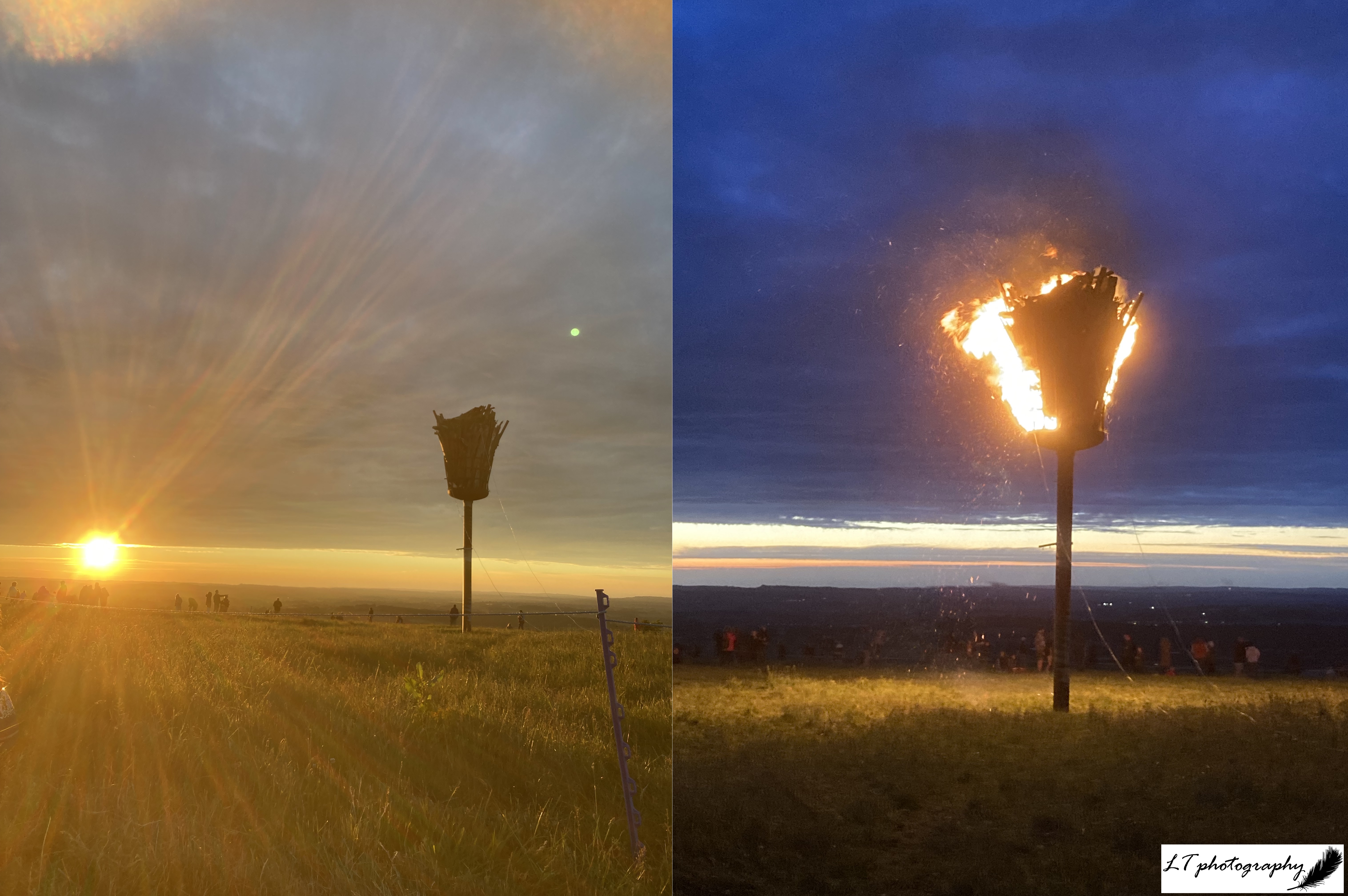
Thursday 2nd: I spent my Thursday working, but also taking some time to relax out in nature. This included going out for a hack on my neighbour’s lovely mare Marsha with a friend and her horse, and watching a spectacular sunset with friends on Okeford Hill for Okeford Fitzpaine’s Platinum Jubilee beacon lighting.
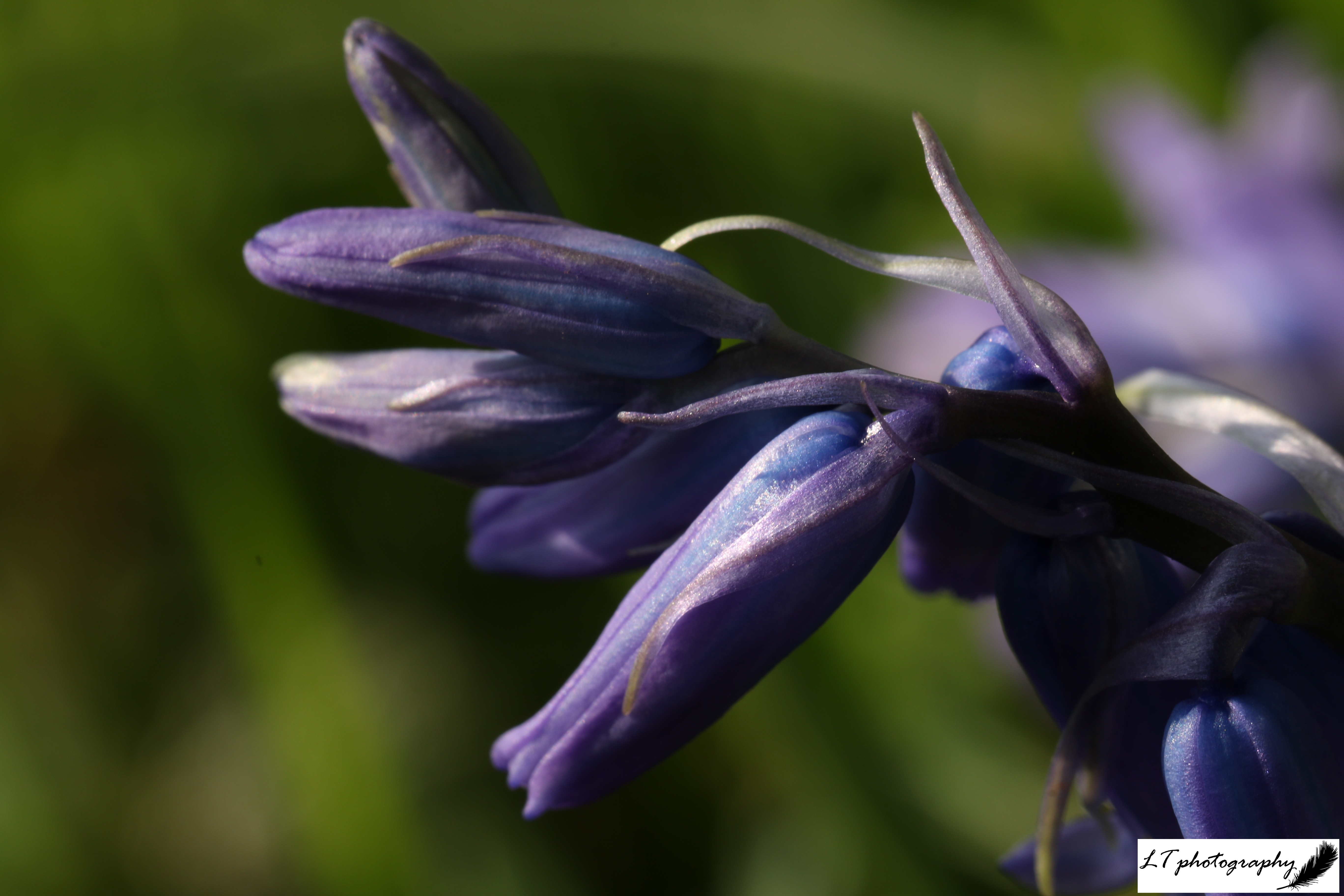
Friday 3rd: This Friday was my first Wild Friday of the month on my blog. For this one, I went back to one of my very favourite times of the year: the blooming of the bluebells. This post had a twist though as I explored a little further and focused on the life amongst the bluebells this year.
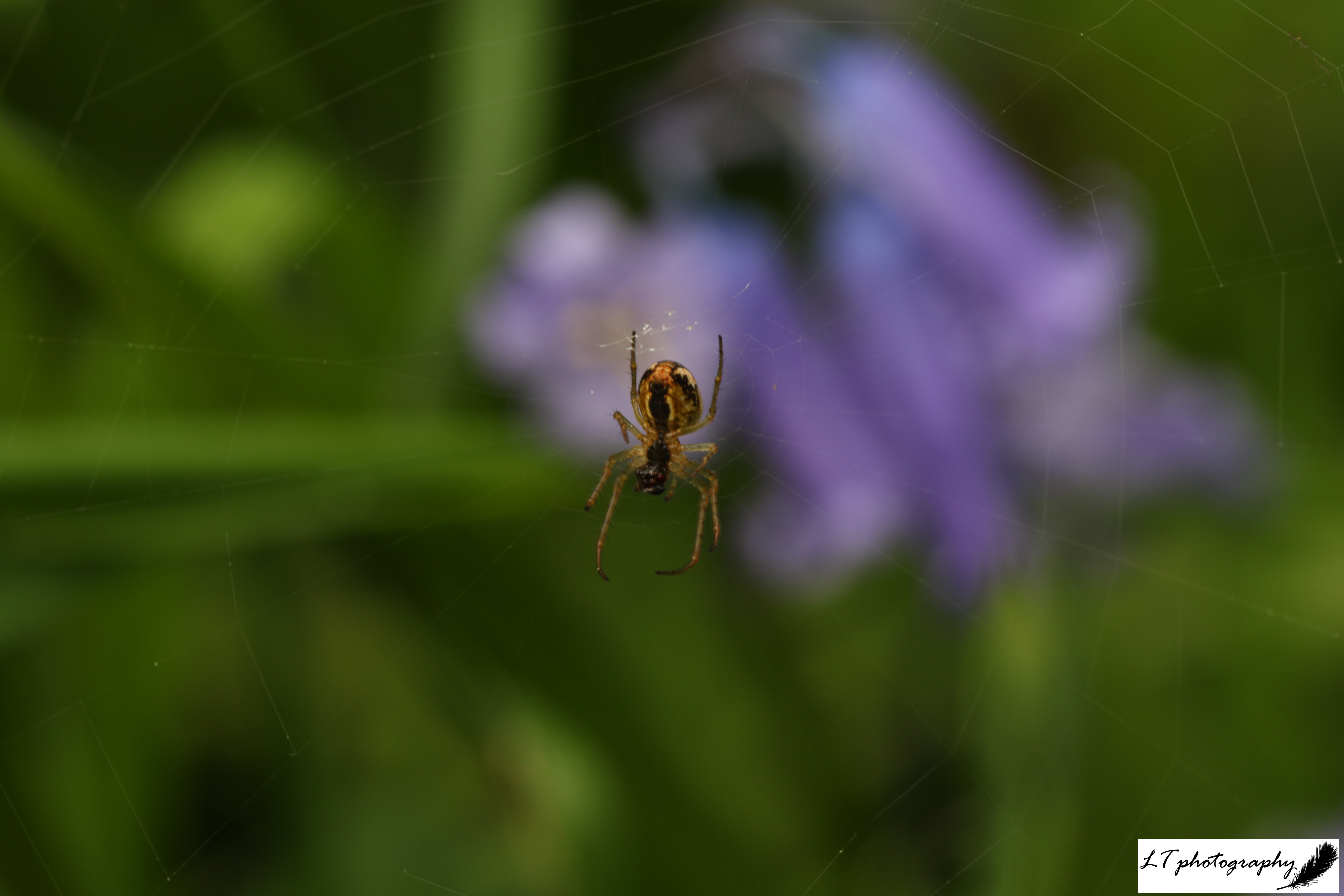
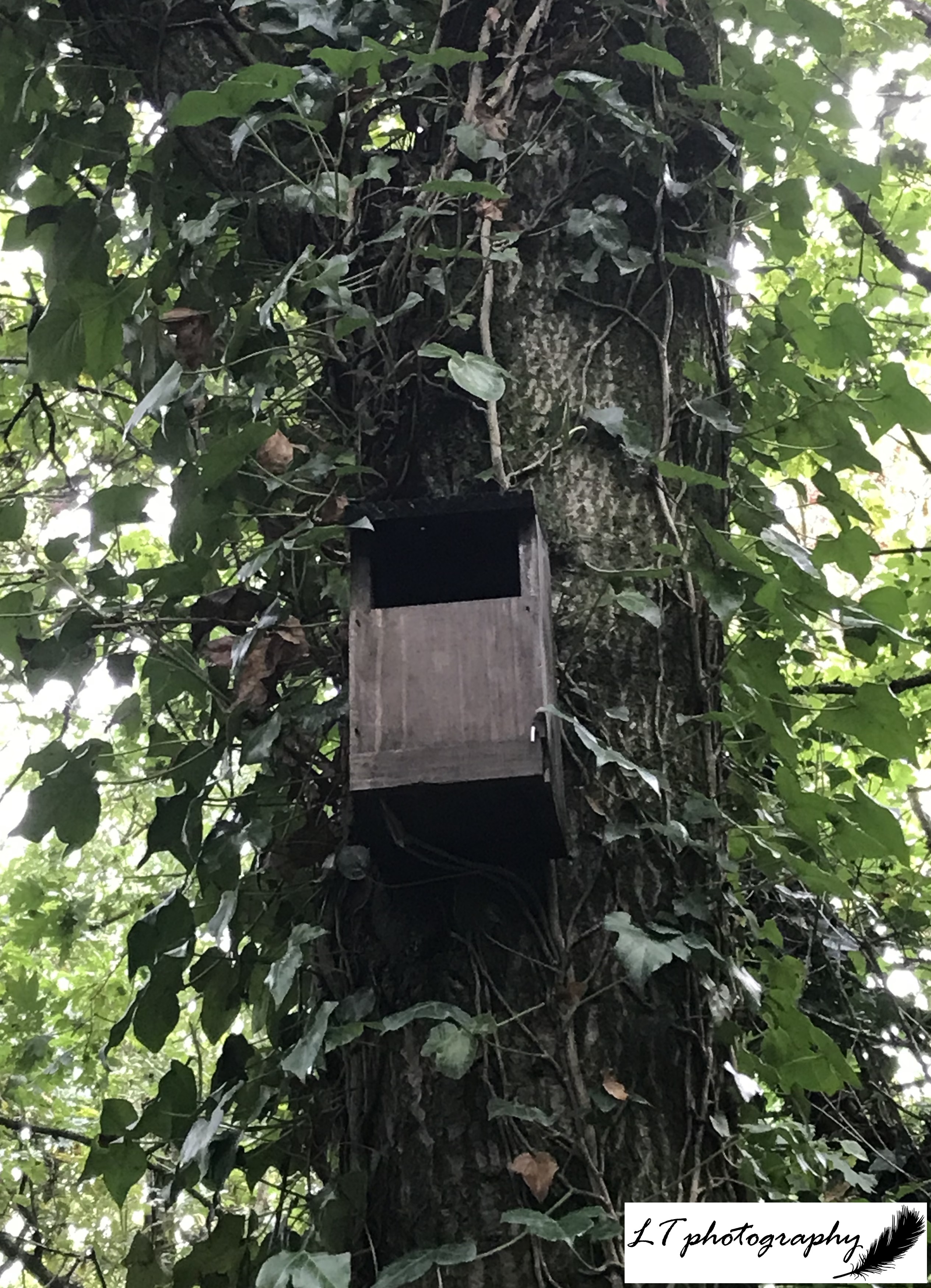
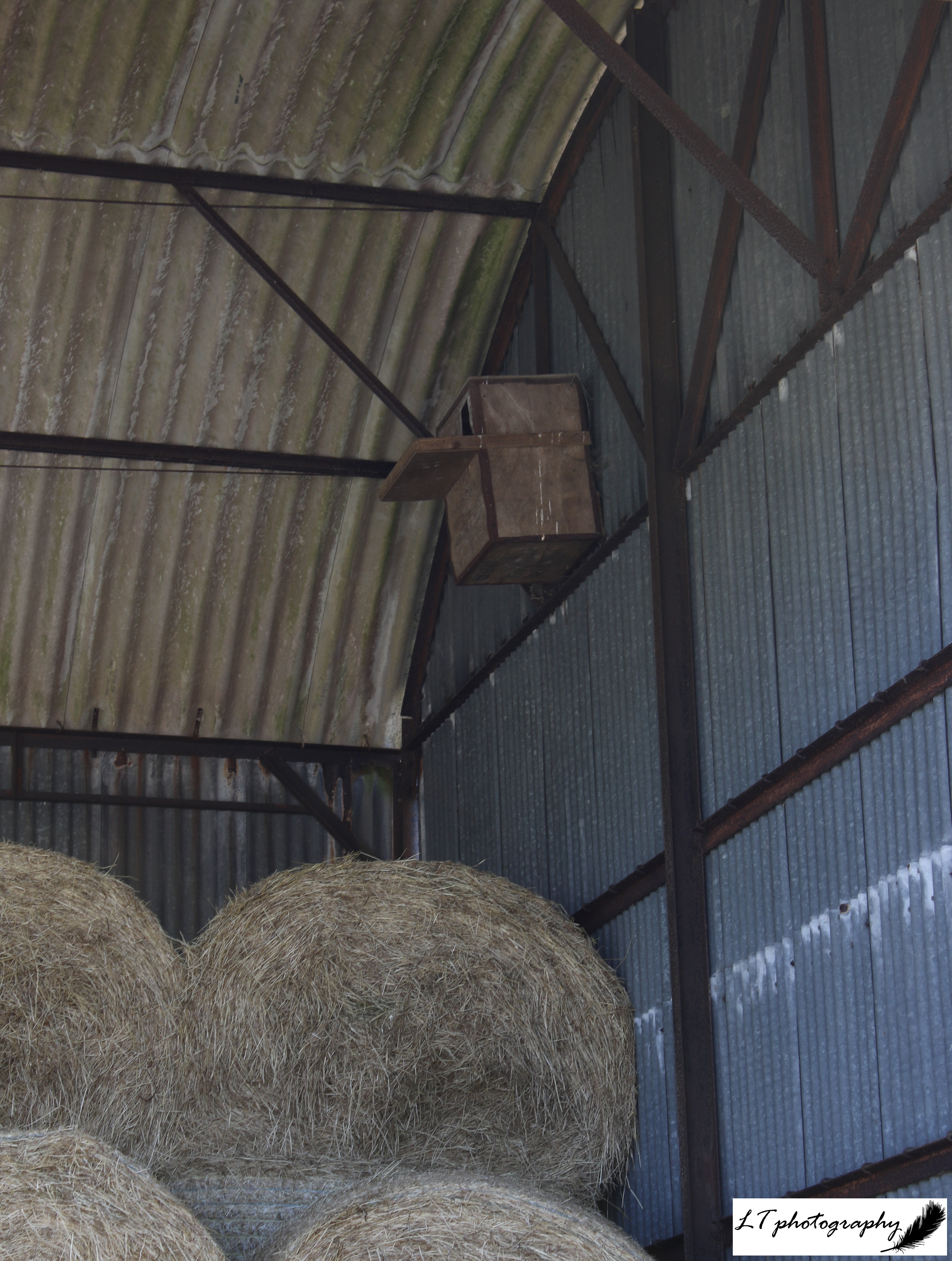
Saturday 4th: As the breeding season for birds continued, I took some time today to check some of my nests. My barn owl nest box was looking good, and I discovered an interesting new nest tree on the farm (stay tuned!). I also discovered a robin’s nest hidden in the middle of a rubbish pile where the chicks are close to fledging.
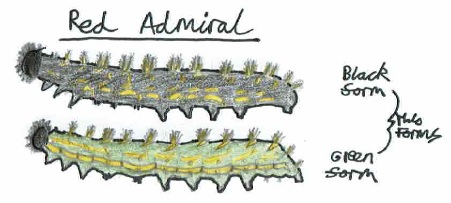
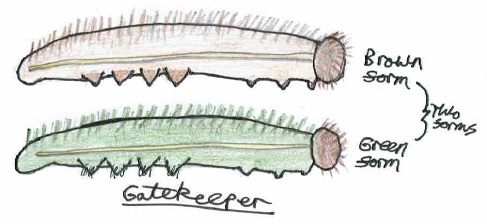
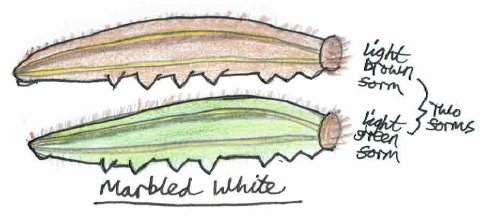
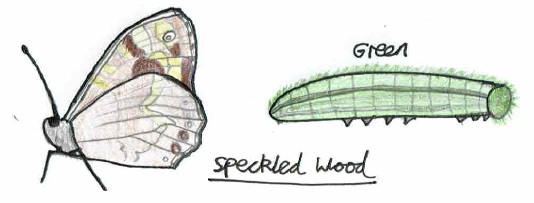
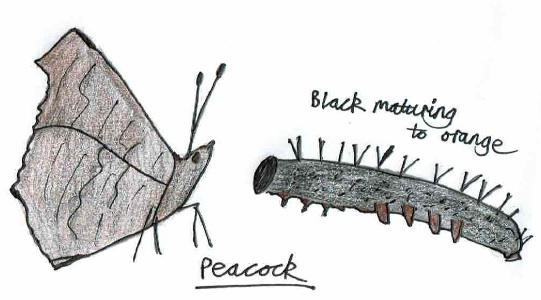
Sunday 5th: On a more chilled work day, I began reading Simon King’s book ‘The Shetland Diaries’ and continued sketching butterflies and their caterpillars for my next blog post. A little bit of escapism!


Monday 6th: Today I got to ring my first swallow chicks of the year, with one nest that has done well and is 2 weeks ahead of all the others. I hope the chicks continue doing well and fledge successfully! The rest of the day I was out working in nature, until I ended up hurting my knee and going to A and E!
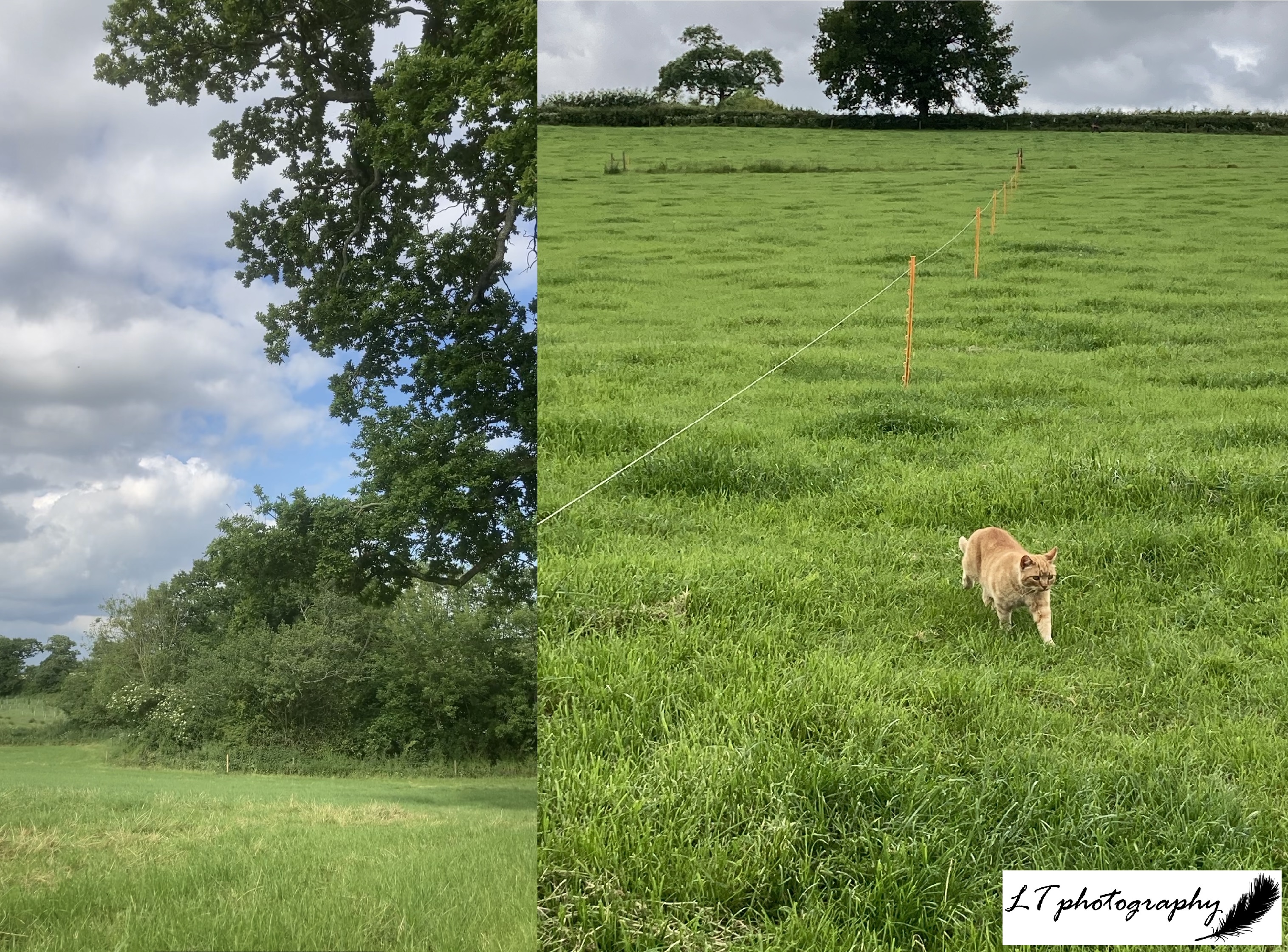
Tuesday 7th: Despite a stitched up knee, between rest and easy jobs, I still went to check my current bird nests. I now have 5 swallow nests, 1 with my ringed chicks and 4 with eggs, and discovered my second kestrel nest of the year.
Wednesday 8th: My wild highlight of the day came in the form of fluffy goslings. At lunch my neighbour’s family of Canada geese got spooked and the parents flew off. The 6-8 goslings fled in fright and I did my best to catch them back up. I only found 4, but I was able to successfully release them back to their lake and their parents thankfully returned to them later on in the day.

Thursday 9th: I began my busy day, that included some habitat maintenance, bright and early with the dawn chorus and a wonderful sunrise. It was a great start to the day, listening to the songs of robins, song thrushes, chiffchaffs, and more.
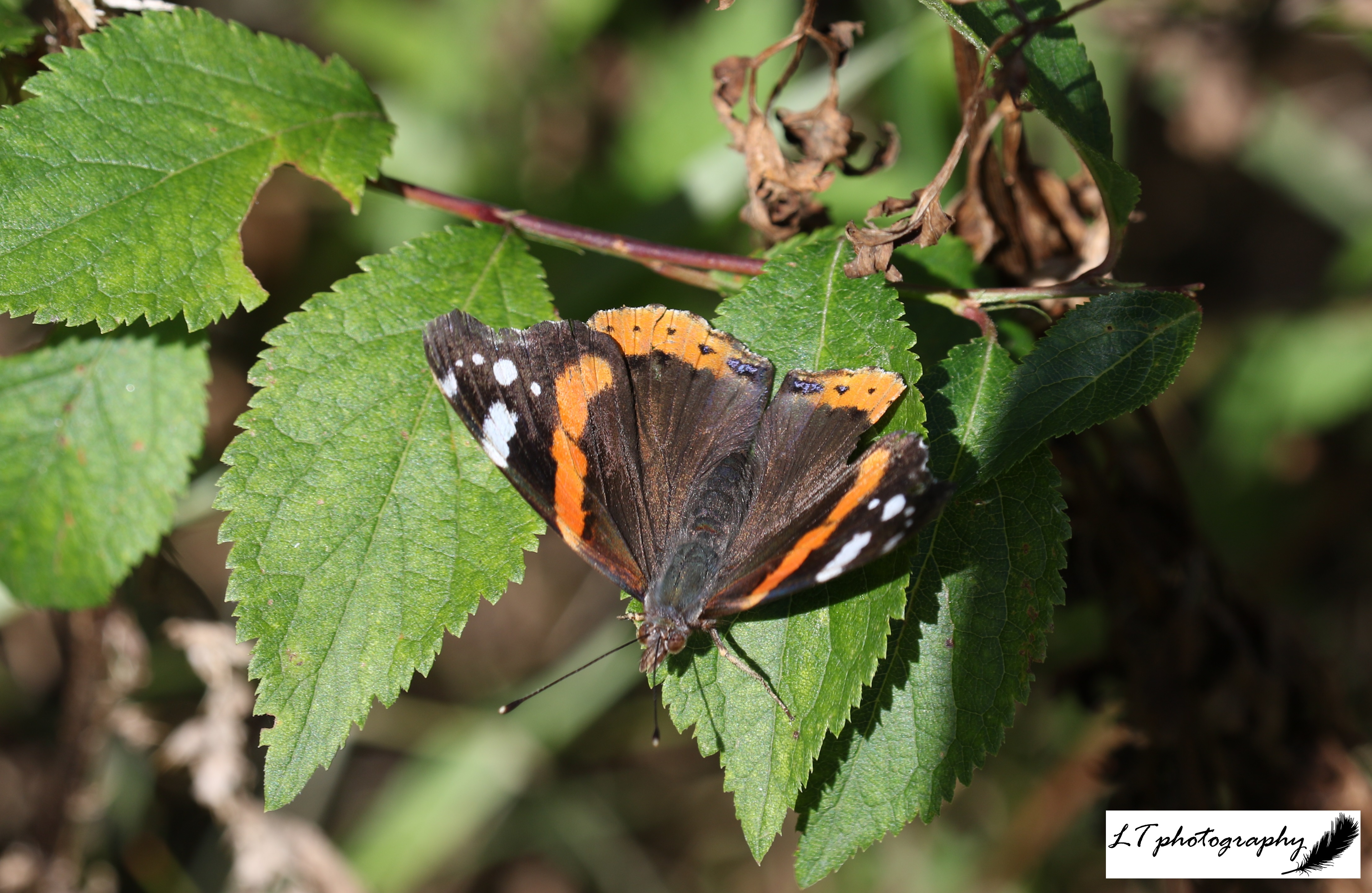
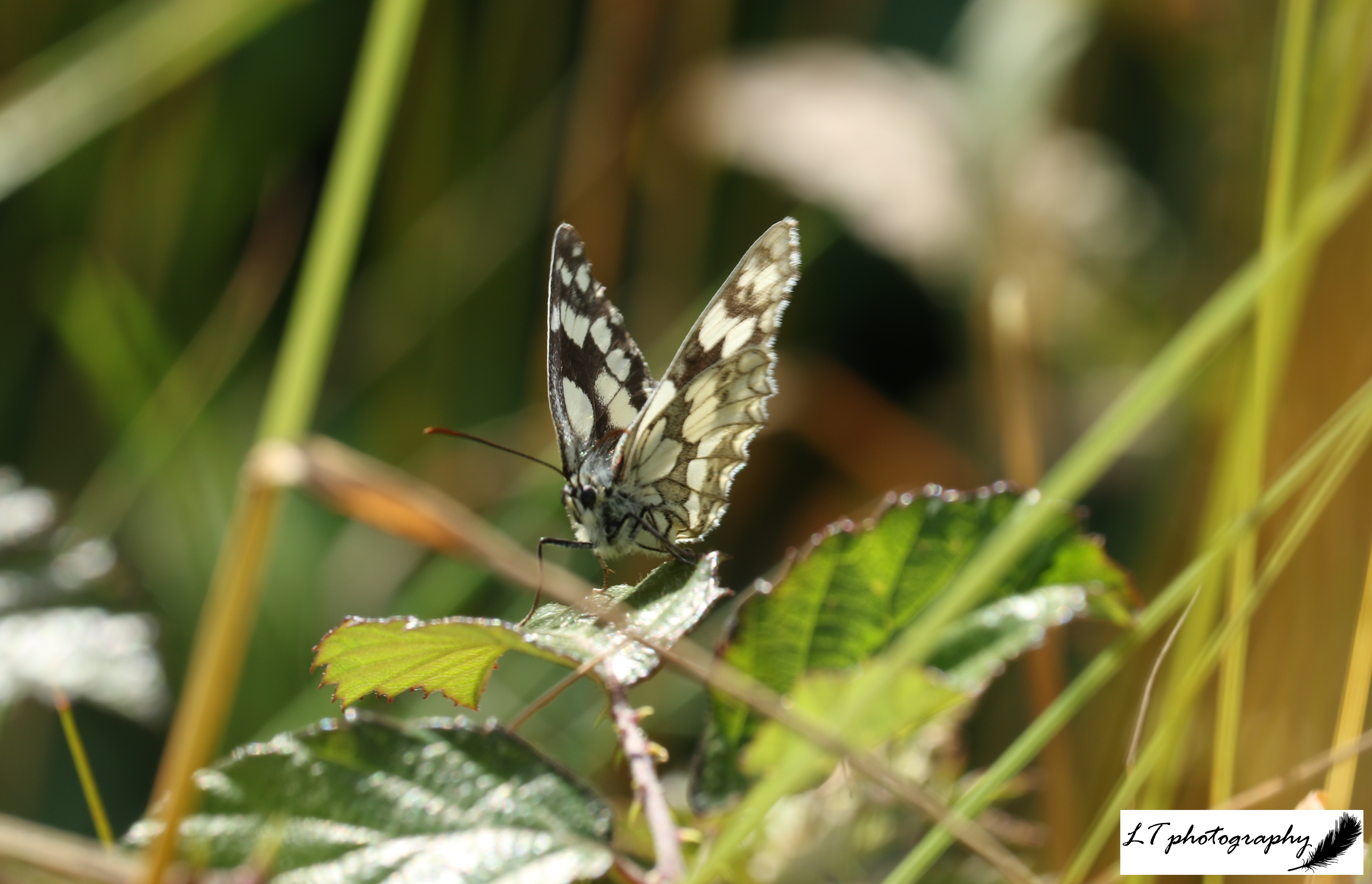
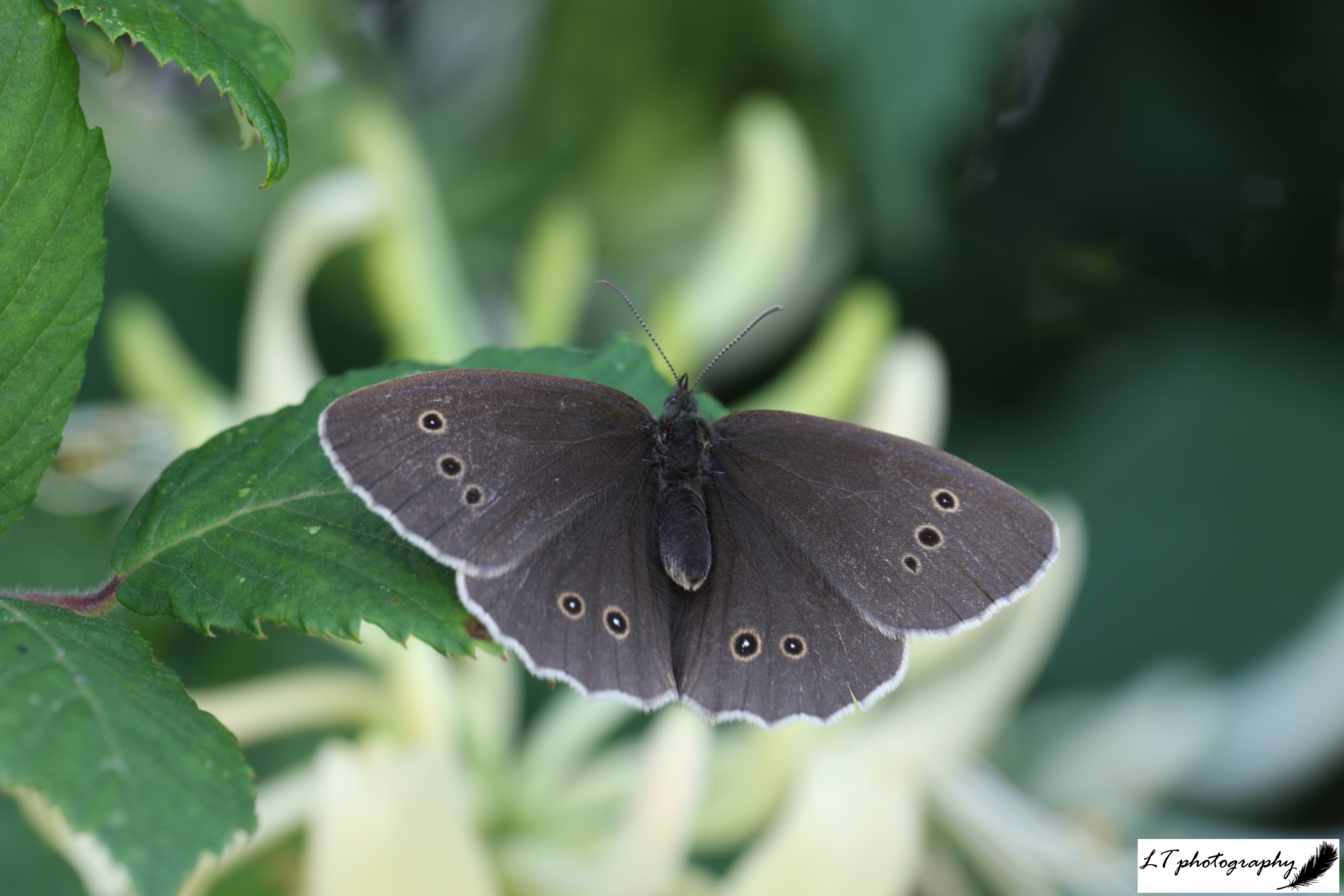
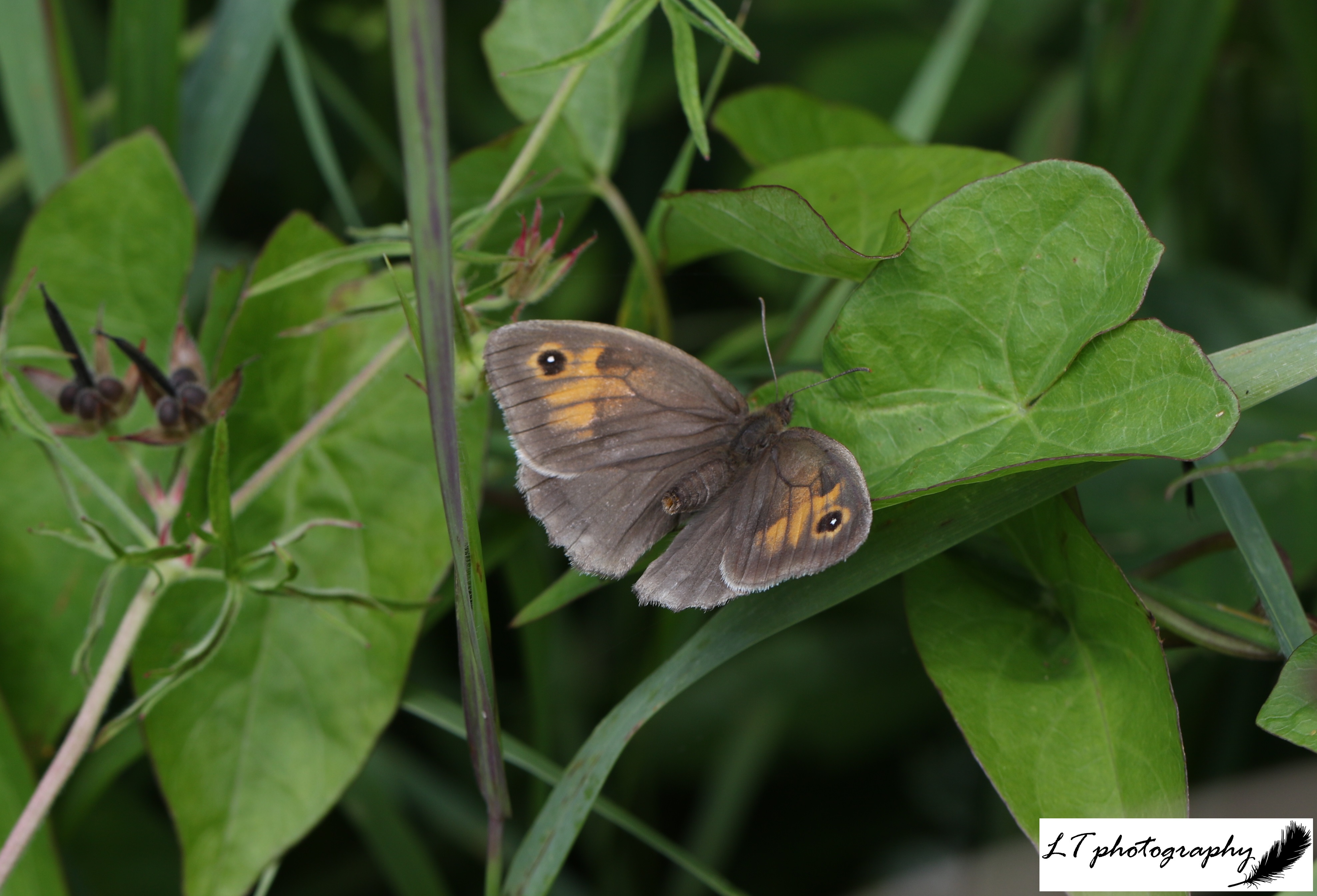
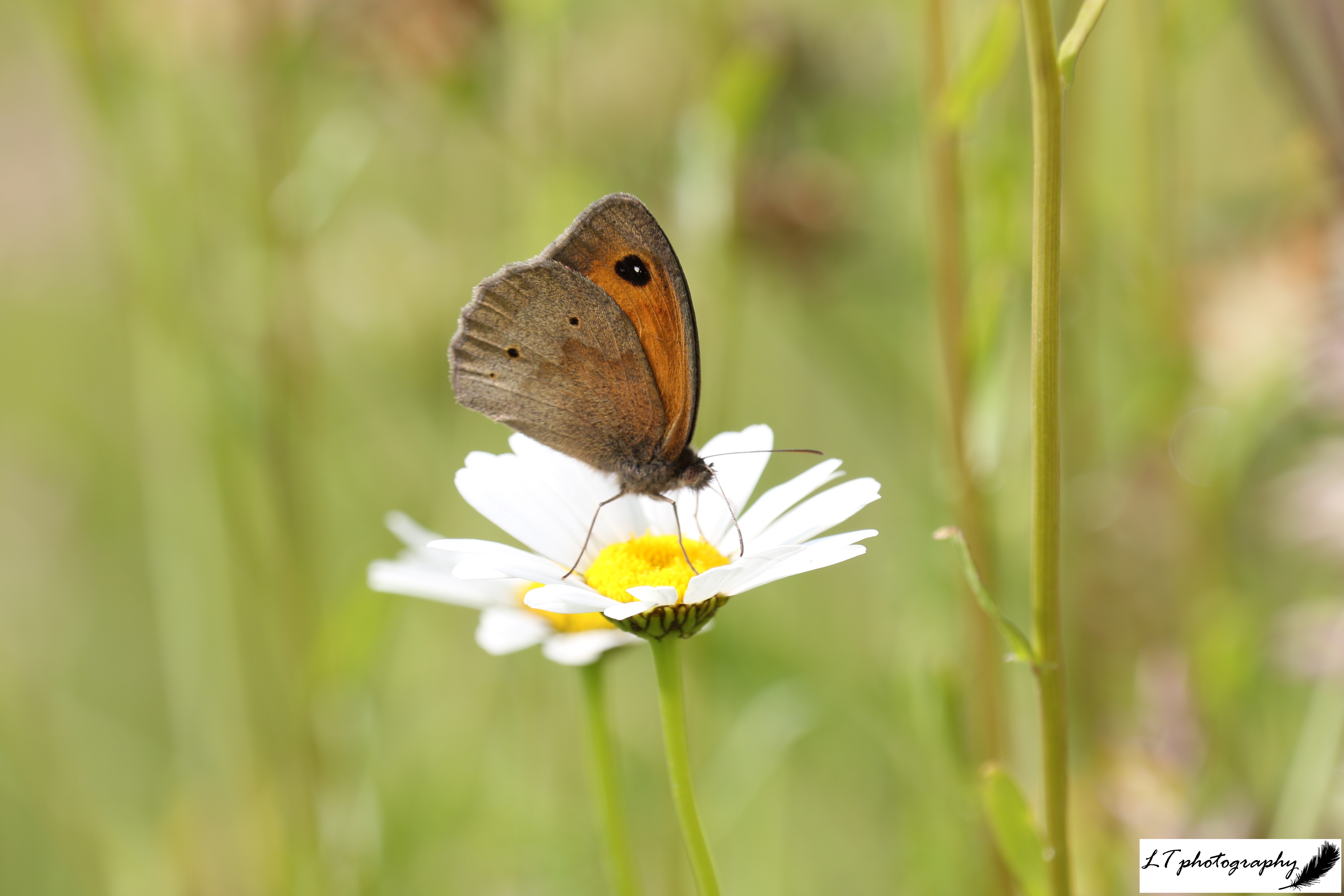
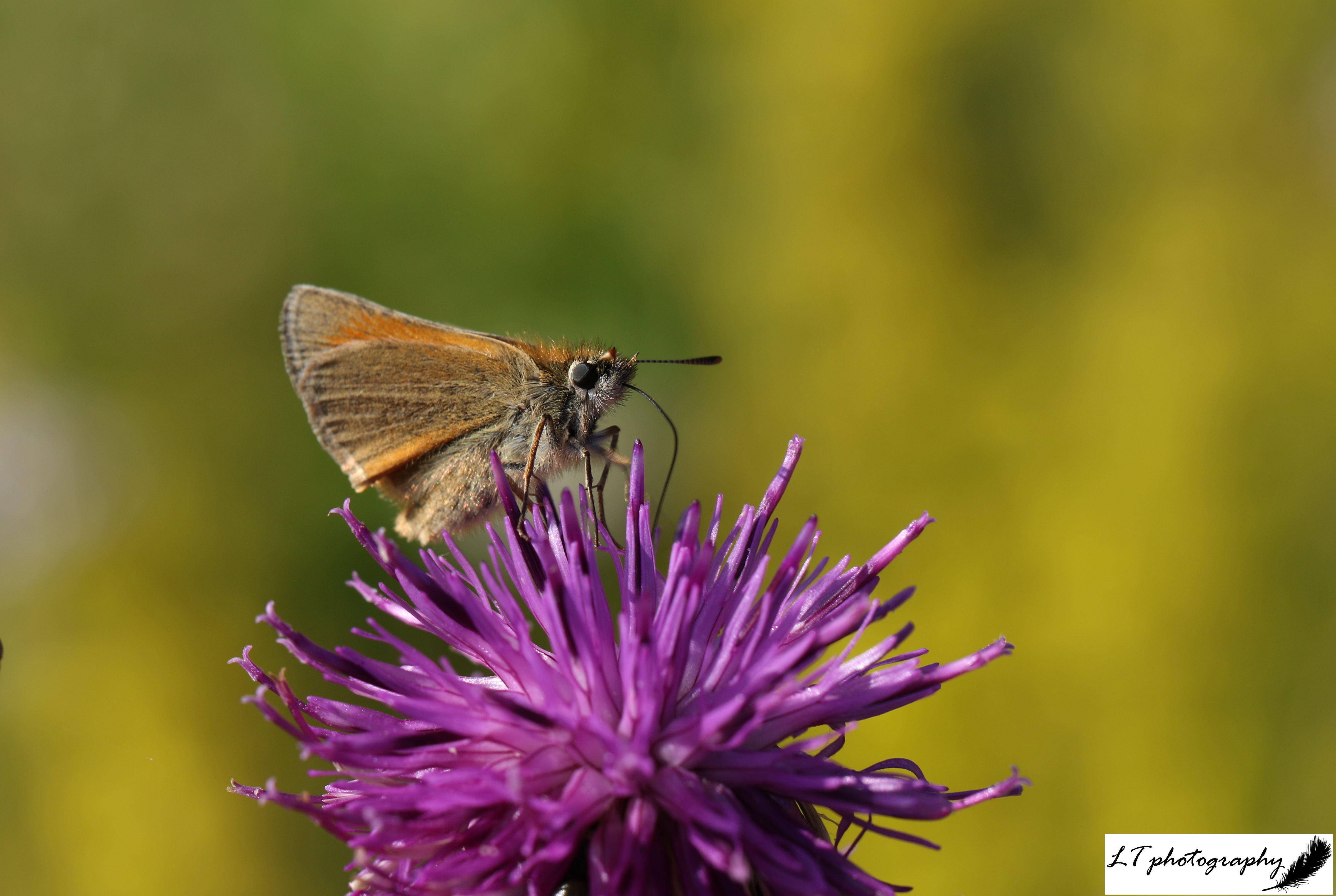
Friday 10th: Today’s wild time was spent out in nature walking a lovely little dog called Kaya for the Cinnamon Trust. It was also Wild Friday on this blog once again, and this Friday’s post was one of my favourites to put together. With a collection of facts, my photos, and my own drawings, my post was a How to.. guide to identifying common British butterfly species.
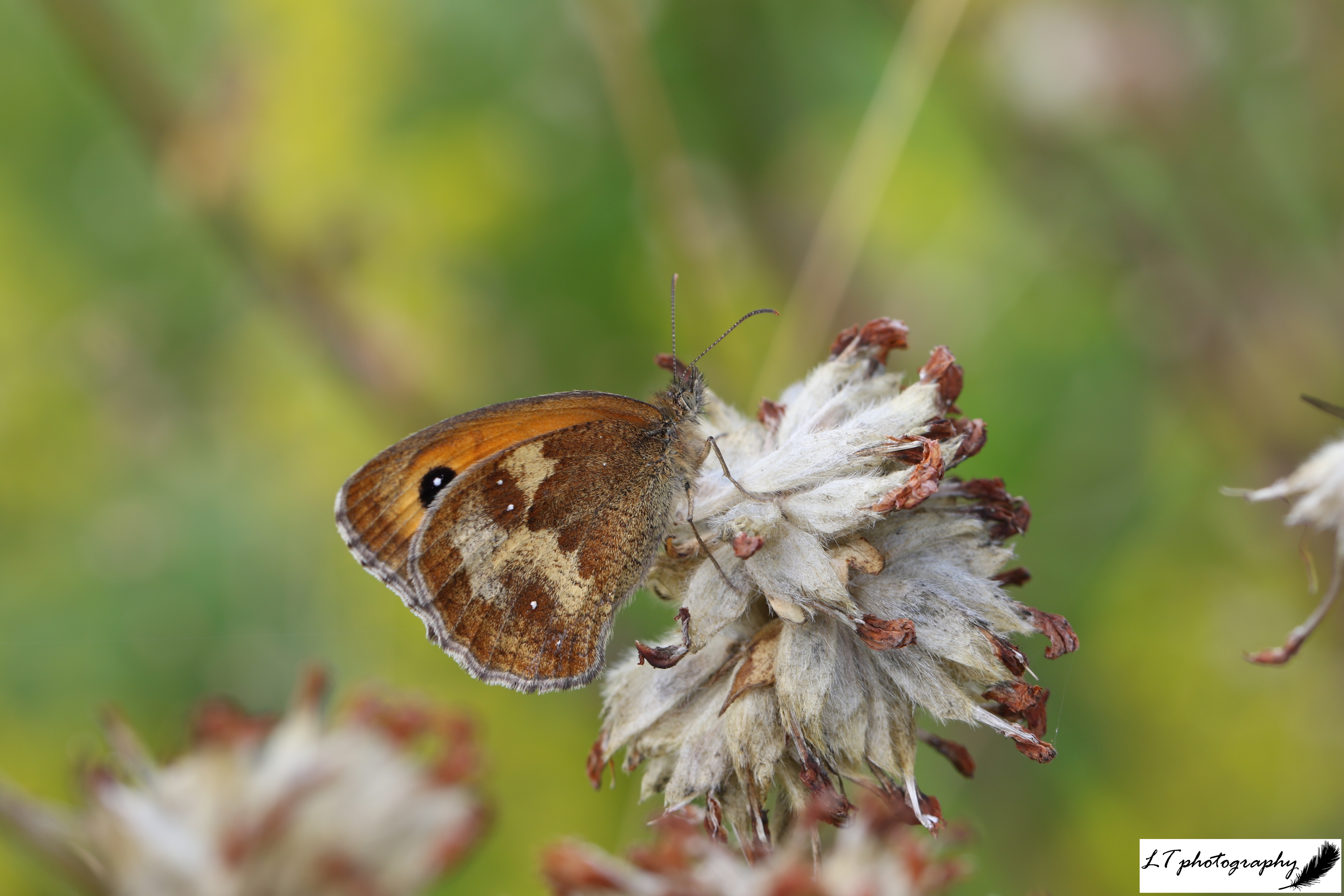
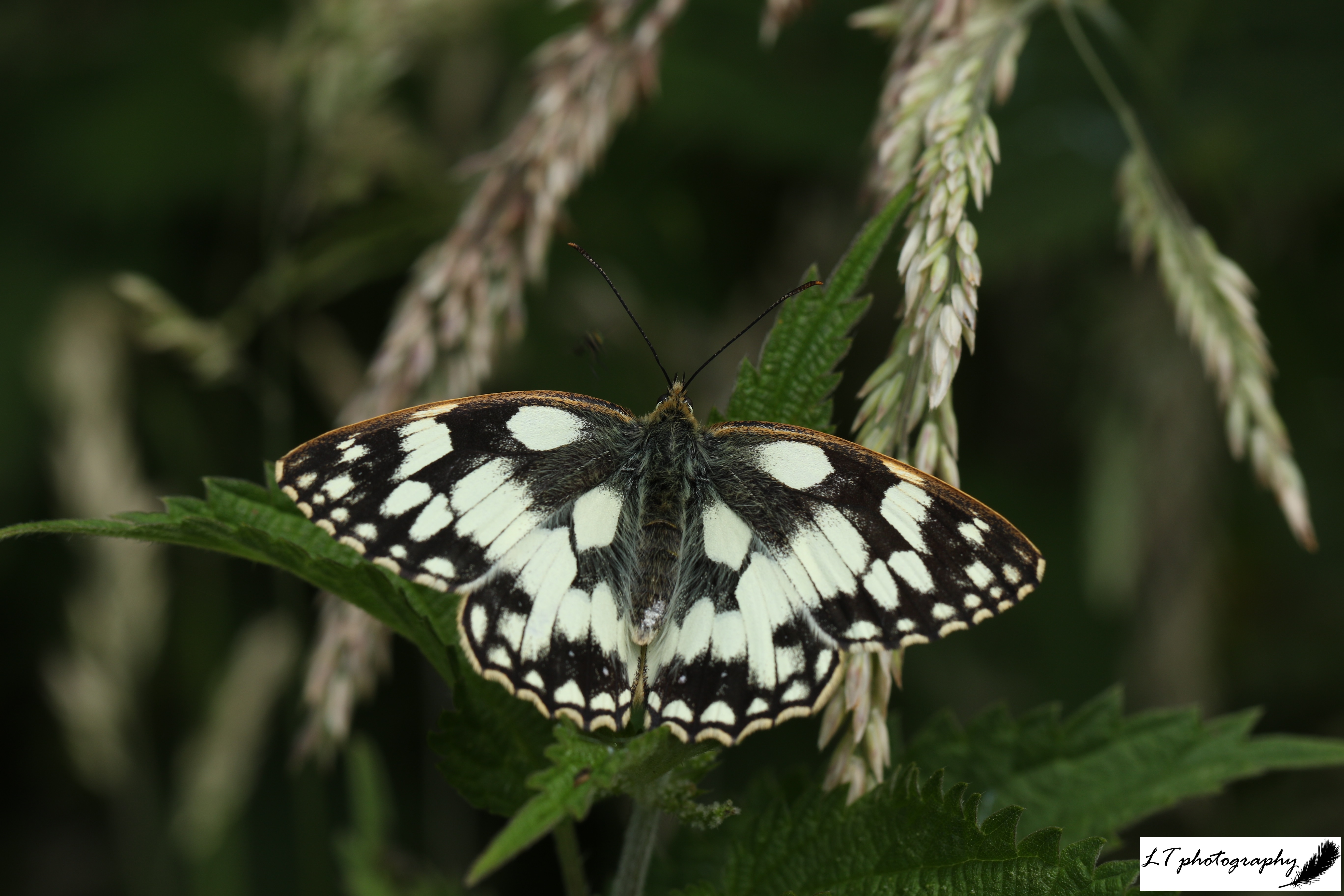
Saturday 11th: Today I had a lot on my mind, weighing me down. So I thought it was the perfect time to take a break and be mindful in nature. It was just what I needed to clear my head and calm my body, allowing me to pick myself up and carry on.
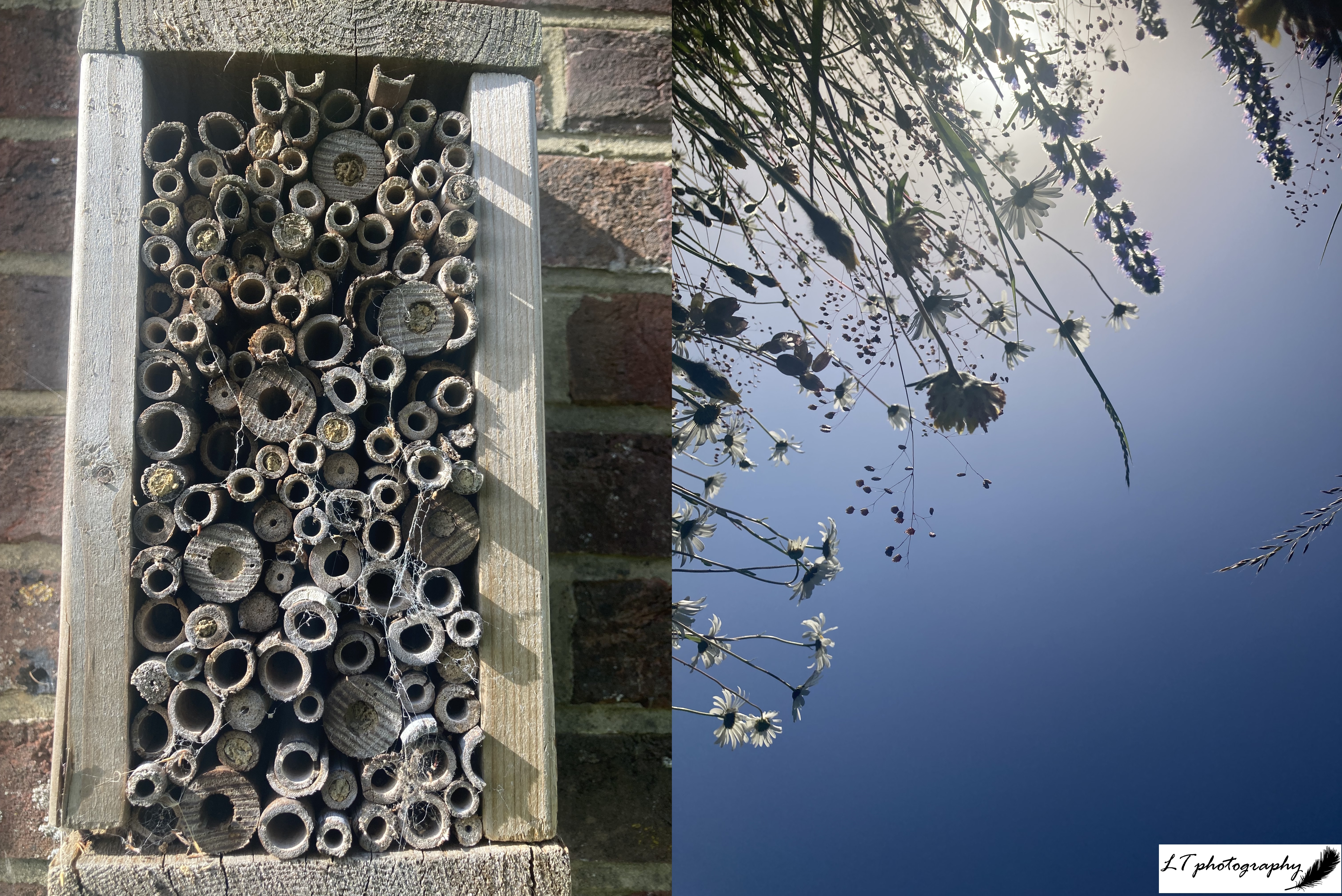
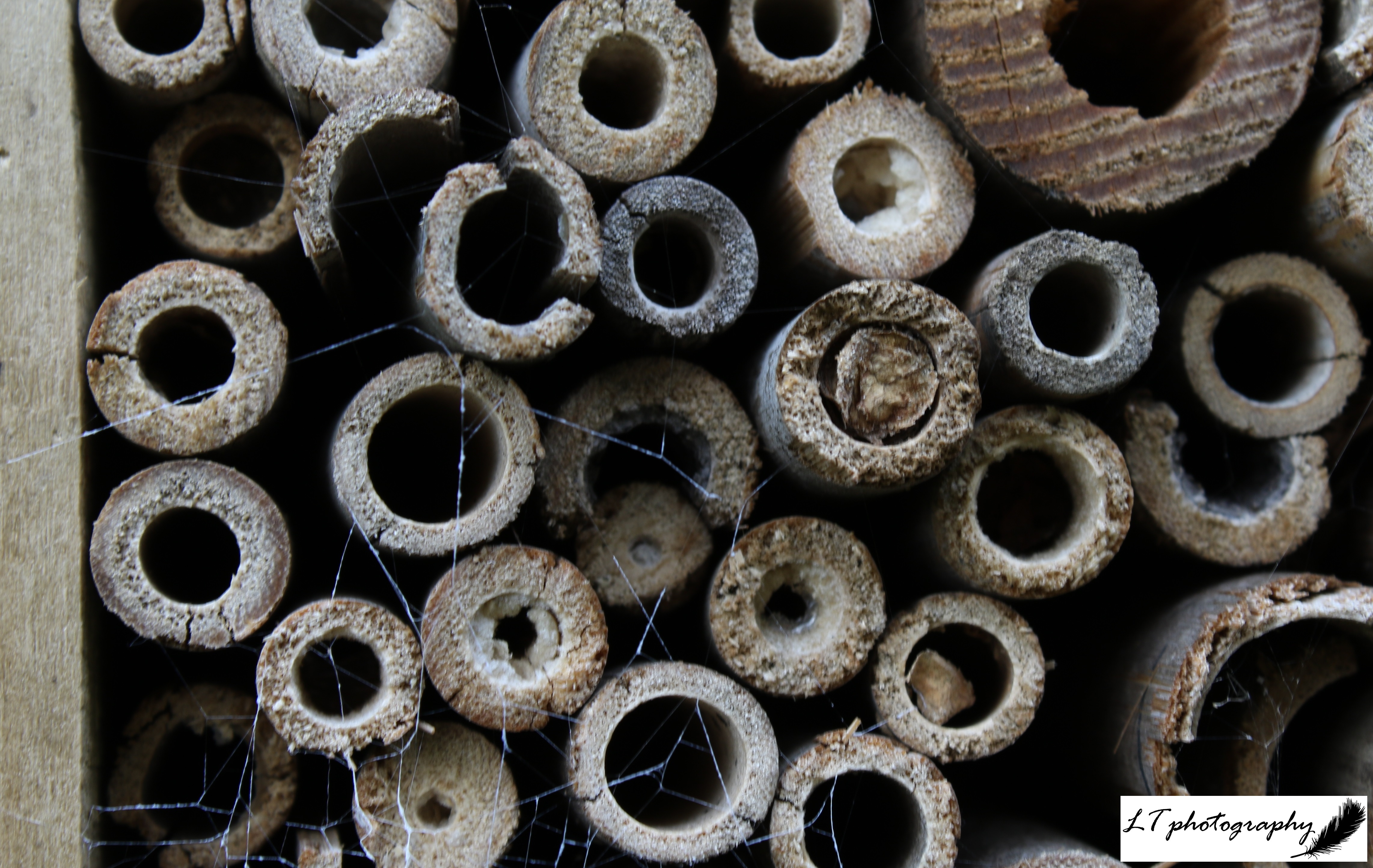
Sunday 12th: I took the day easy, giving my knee some more time to rest. I did though check my bee hotel, which is currently being well used, and spent a really lovely summer’s evening with my brother and his family in their wonderful little garden.
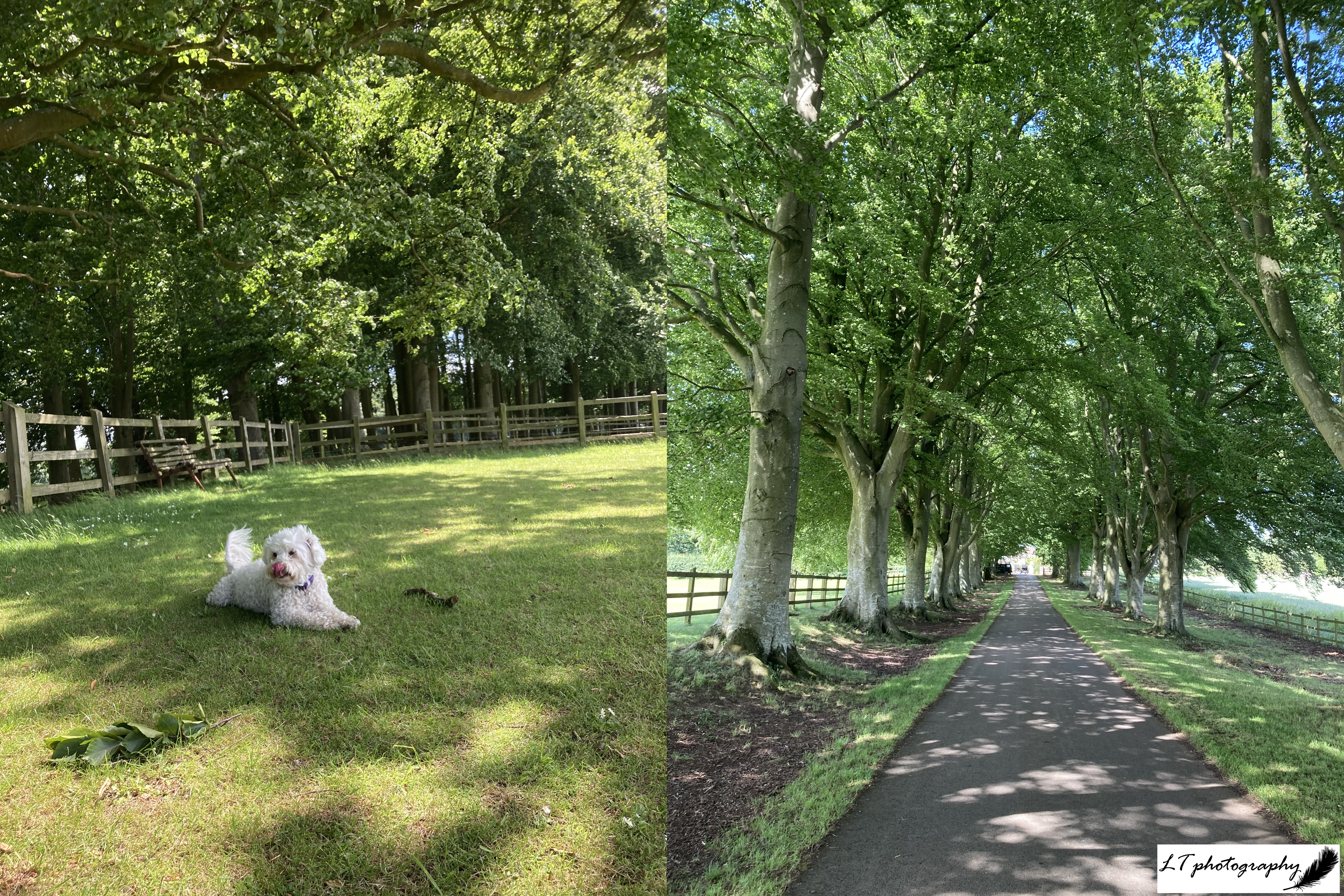
Monday 13th: Today was another day when I got to walk the little dog Kaya, and this time we escaped the hot day by walking in the shade of a huge avenue of trees and looking out for all the wildflowers we could find.
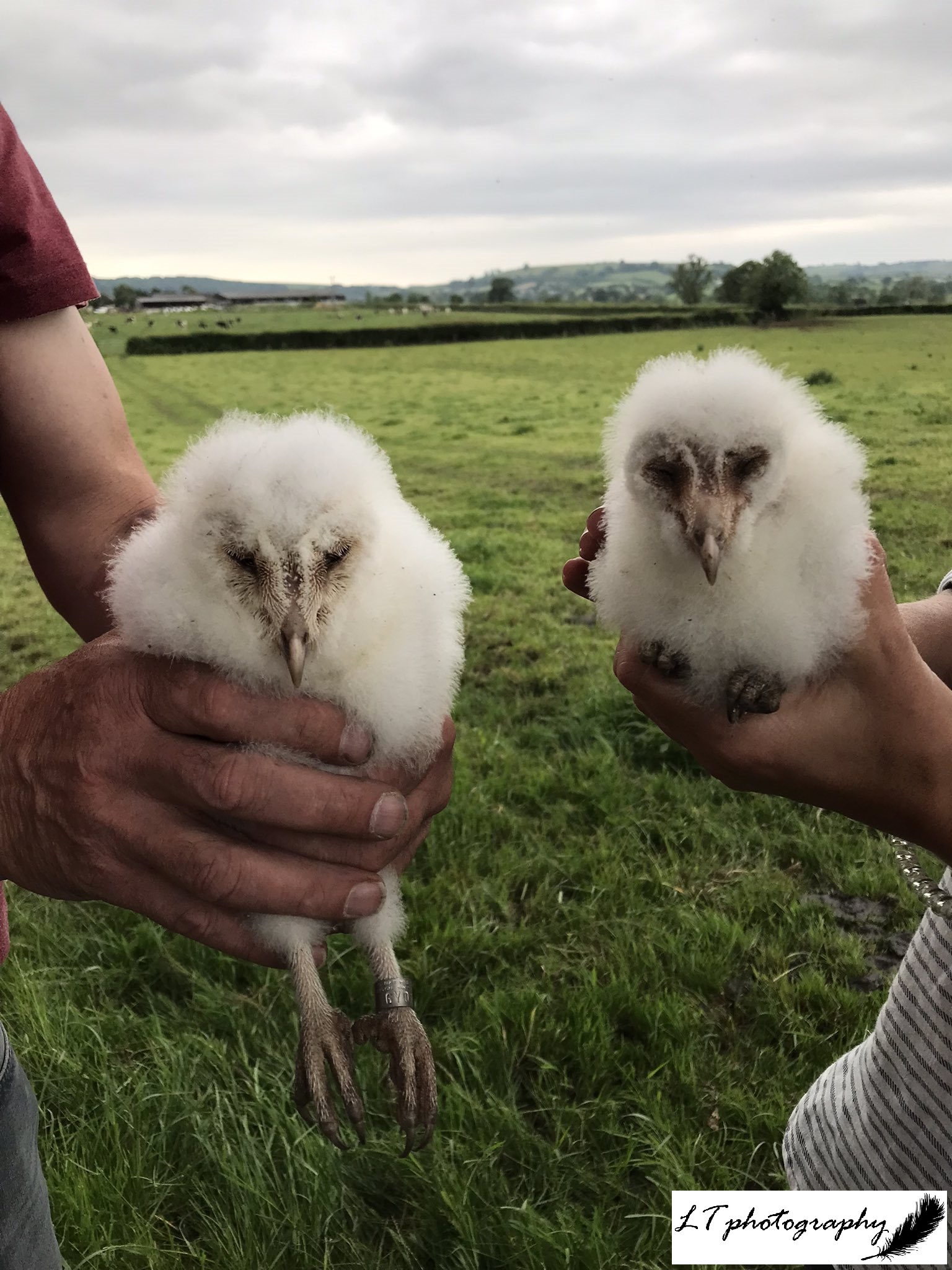
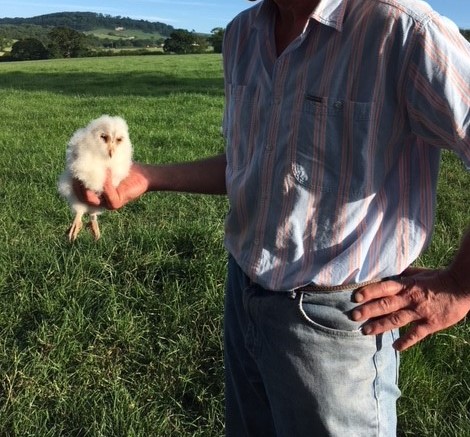
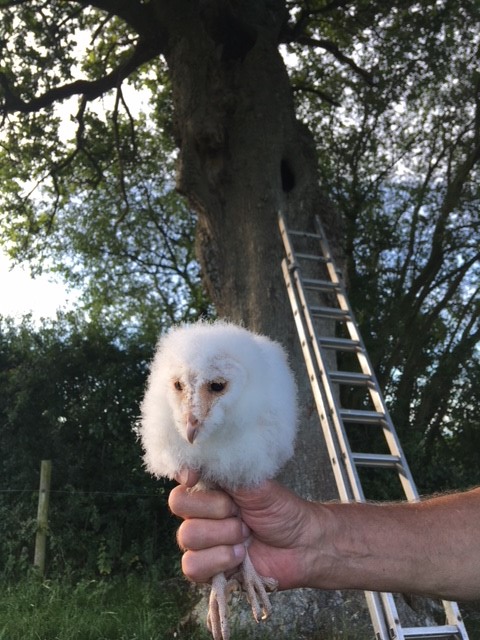
Tuesday 14th: Today was a special day on the farm for me. I got to ring the first of this year’s barn owl chicks, which is always a real pleasure, but I also got to ring our very first kestrel chicks on the farm! Stay tuned to this blog later on in the year to find out how our barn owls (and kestrels) have fared this year.
Wednesday 15th: My wild highlight of today’s work day was seeing fox cubs. On my daily travels around our land, I saw not one family of fox cubs, but 3, all out playing and exploring. Whatever people might think of foxes, fox cubs are a real joy to watch.

Thursday 16th: Though a day late, today I made my usual swallow nest checks. My 5 nests are doing well, 1 ringed brood of 5 staying close to their nest, 2 nests nearly ready to be ringed, and 2 more that are just hatching.
Friday 17th: I was outside most of the day, but my wild highlight has to be watching 4 red kites swooping over the fields following grass being cut by tractors. It was also Wild Friday on this blog, and so this Friday’s post was a collection of some of my favourite photos from spring 2020.


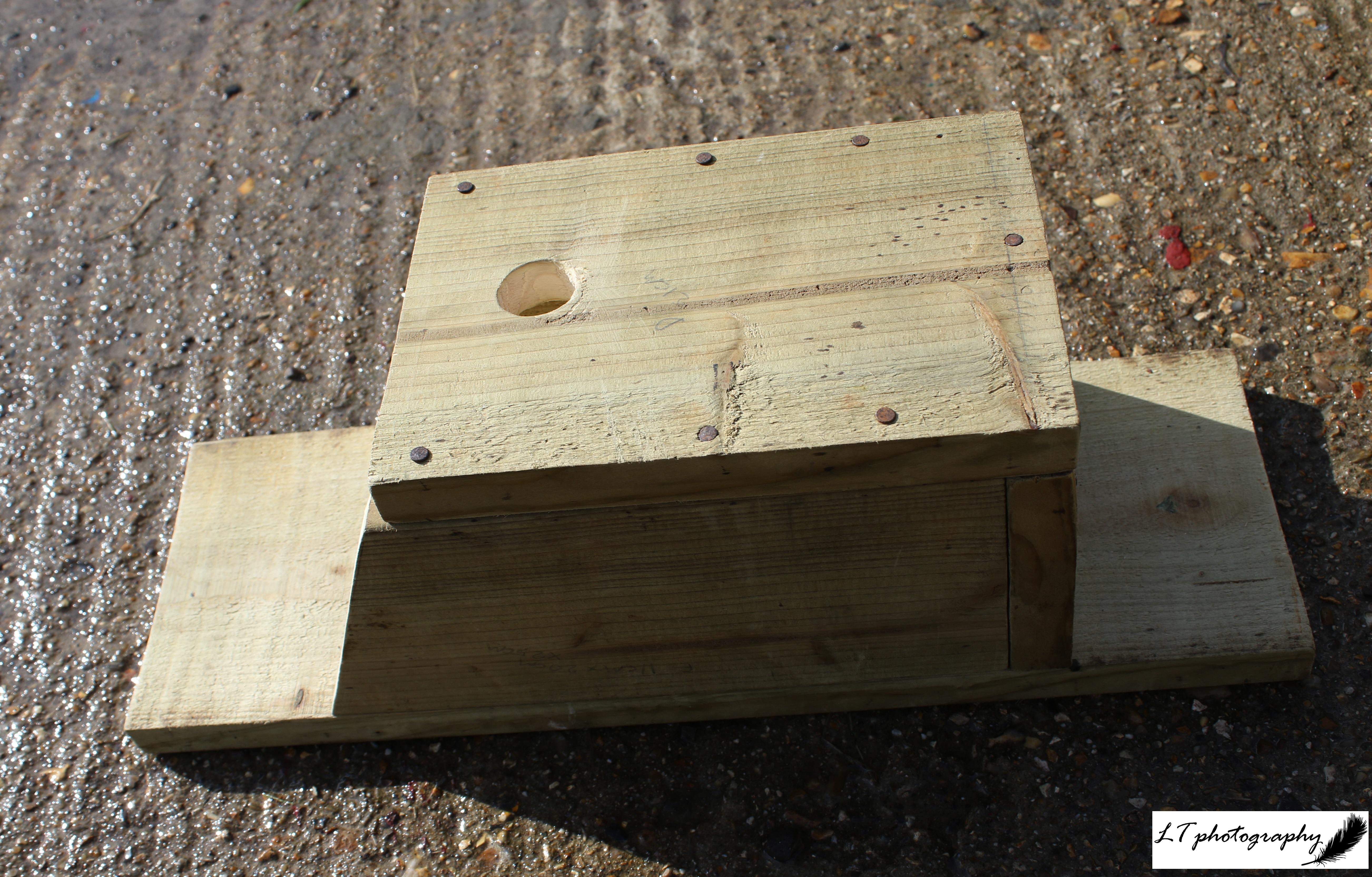
Saturday 18th: In between work hours, I used my free time to finish hand painting the bee hotel I had been working on for my niece’s 4th birthday. I really enjoyed painting it and I was very happy with the end result! Maybe I will have to do more wild wood painting in the future!

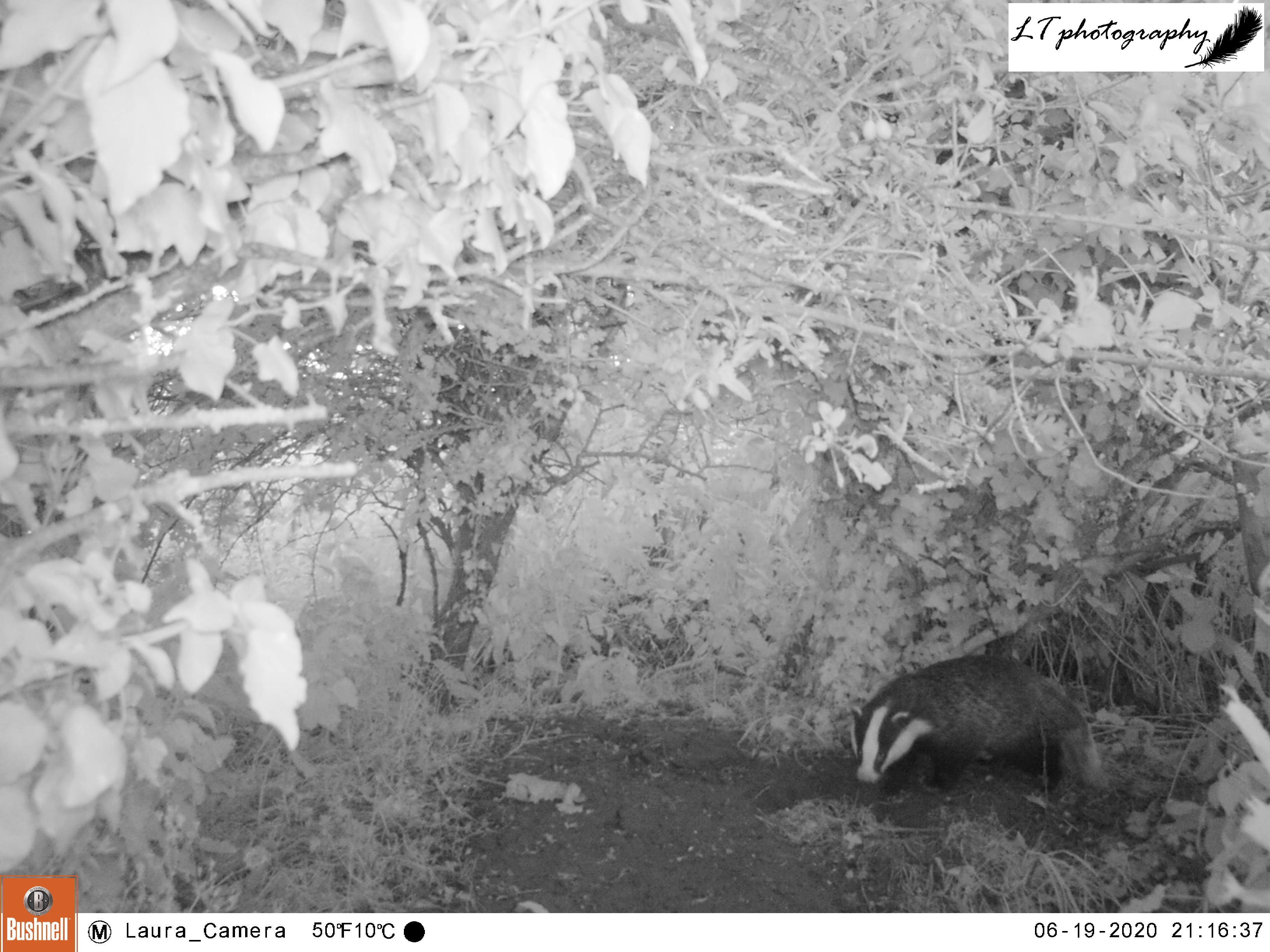
Sunday 19th: As I had a more relaxed day, I headed out and collected recent photos and videos from my two camera traps that are out and active at the moment. This is my favourite part of camera trapping, and my cameras did not disappoint. Check out my blog posts coming in the next few weeks to see all about my camera trapping adventures this spring!
Monday 20th: Around work today, I picked the first gooseberries of the year, explored what flowers are currently out right now, and watched a lovely sunset.
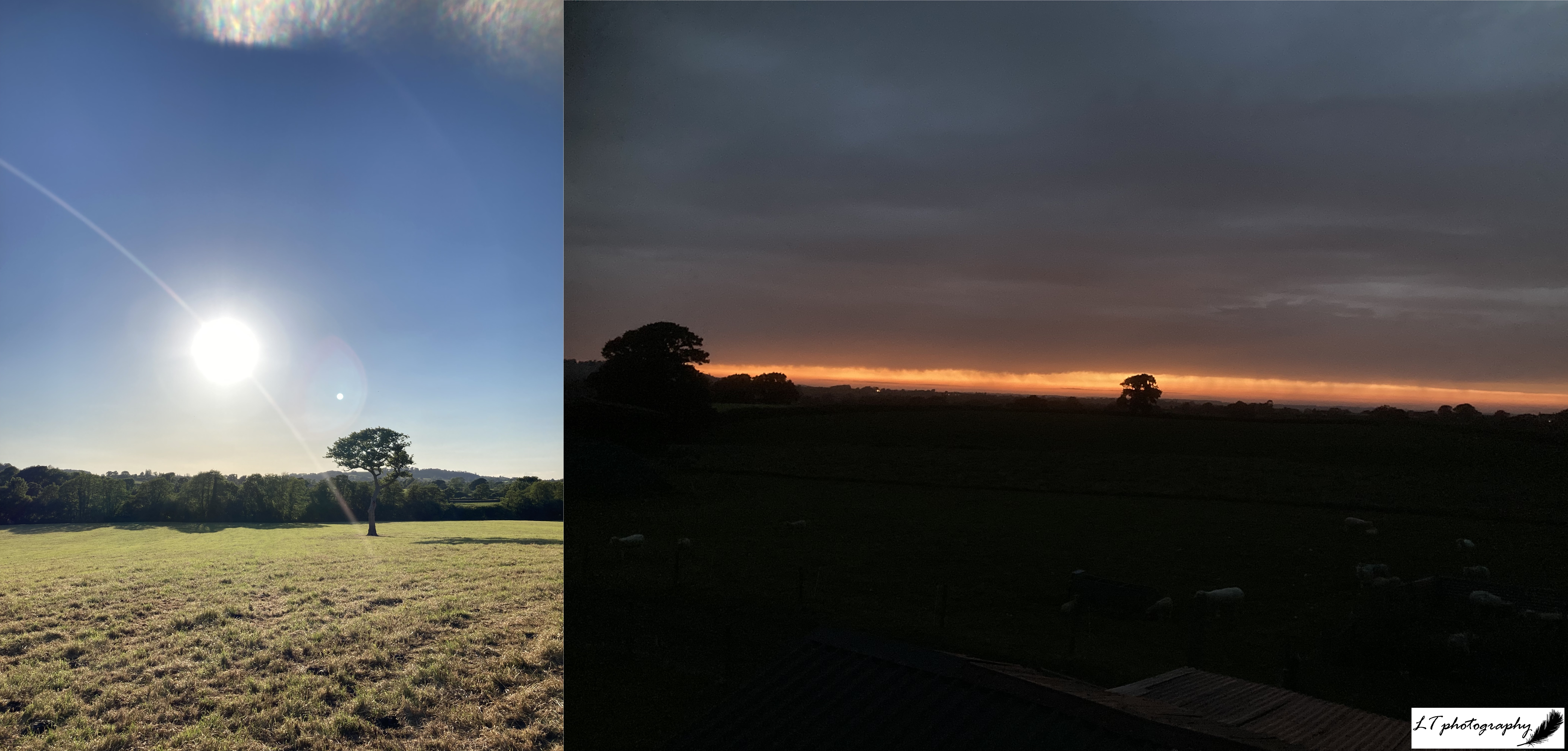
Tuesday 21st: Today I spent most of the day working away from the main hub of our farm, provided with wild moments including listening to yellowhammers sing, watching adult kestrels feeding their chicks, and escaping a swarm of honey bees. To finish the day, I got to ring another 2 of my 5 swallow nests. I am enjoying monitoring my small swallow population!
Wednesday 22nd: As Wednesday rolled around once again, I was back checking on my swallows that have yet to reach the ringing stage. Now 1 nest has completely fledged, another 2 have been ringed, 1 is ready to ring, and unfortunately 1 of my nests has been predated. This year has definitely been a tough one for swallows once again, but it is good to have seen some chicks fledge already.
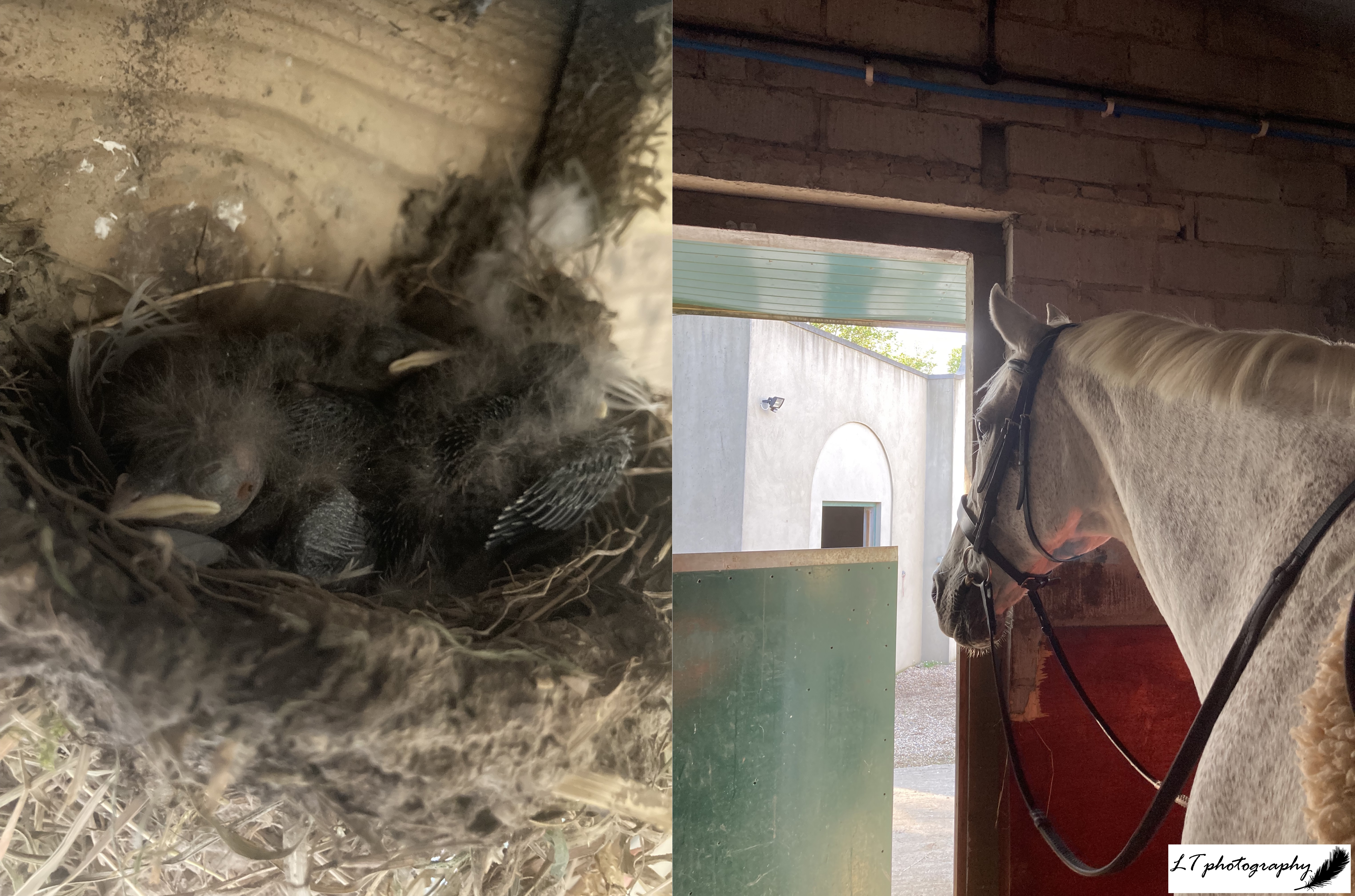
Thursday 23rd: After a couple of weeks resting up from my knee injury, I was finally back out on horseback. I went for a lovely chilled hack out around my local area on Marsha, taking in lots of wildlife, including singing greenfinches and a hunting buzzard.
Friday 24th: Today I enjoyed sharing the last Wild Friday on my Laura’s Wild World blog this June. This particular post celebrates spring by looking at how spring happened in 2022. It was an interesting post to put together!

Saturday 25th: For the first day I had had off in a long time, I had been invited to a ‘Greylag Goose Roundup’. This event was being held at Poole Park to catch geese for a project where each year as many as possible of the current population are being coloured ring. It was a great day of catching up with other bird ringers and getting to ring my very first greylag goose!

Sunday 26th: Today I woke up to the rain falling and quenching the thirst of the land right now. It was great to take some time to appreciate the falling rain, before getting some drier spells to walk the countryside.
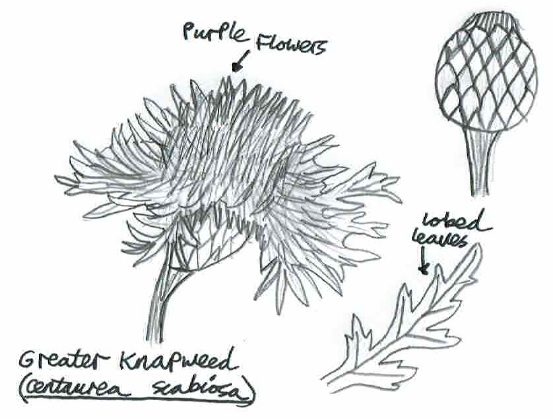
Monday 27th: Again another day begun with rain, before heating up and drying out. After a busy day, I enjoyed taking a break from life and walking around our land, exploring nature. Flocks of juvenile goldfinches, knapweed blossoming into purple flowers, and hares grazing in the fields, just some of the few sights to be beheld.


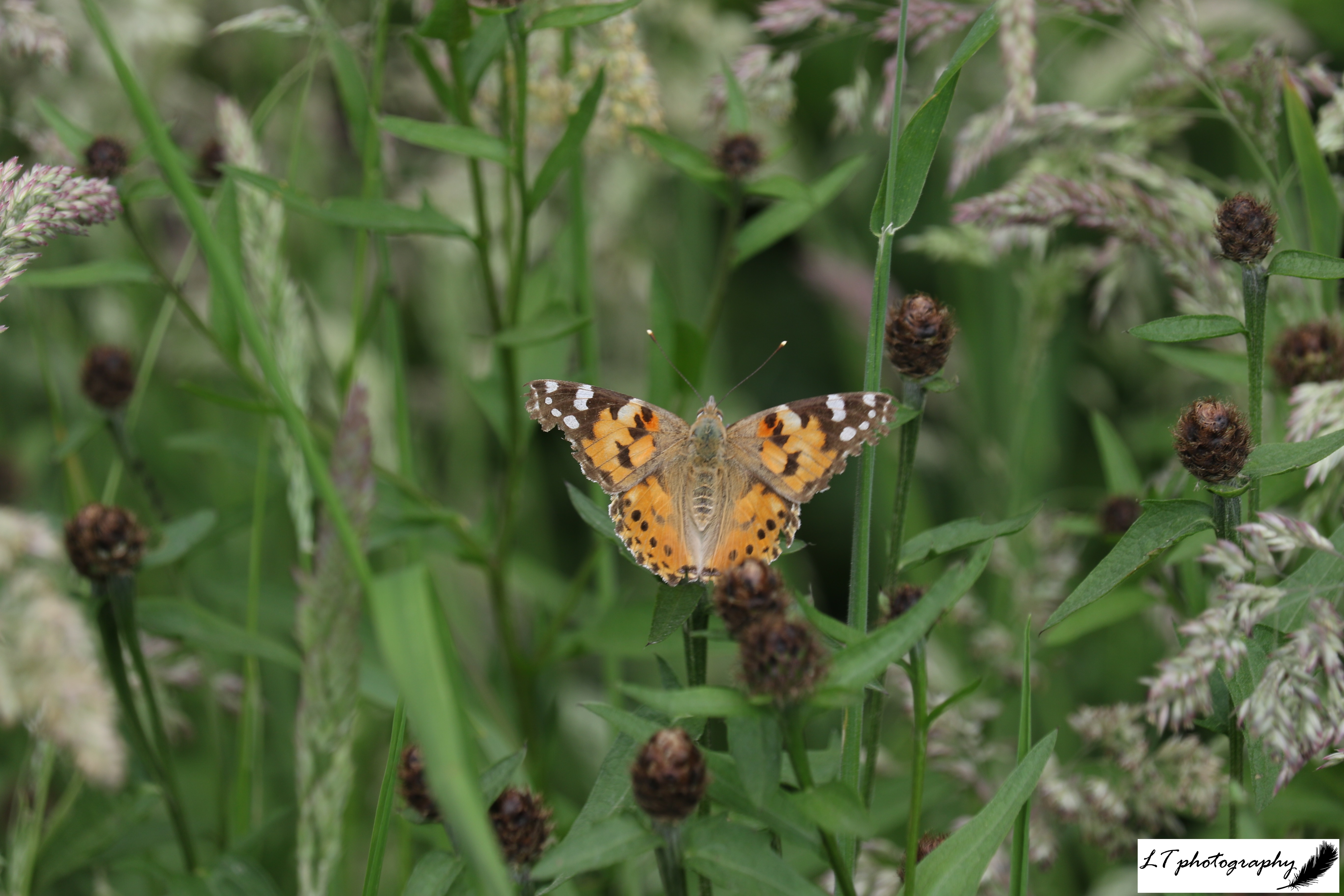
Tuesday 28th: This morning I had another lovely ride out on Marsha, with some of my wild highlights being a buzzard trying to hide in a tree, painted lady butterflies on the wing, and hedgerows full of wildflowers. This afternoon I had a good walk with my Dad watching butterflies and birds, including meadow browns and red kites.
Wednesday 29th: Today when I was not working or going to appointments, I spent time organising my wildlife photos and camera trap photos, and playing outside with my young nieces, who both love nature in their own individual ways.

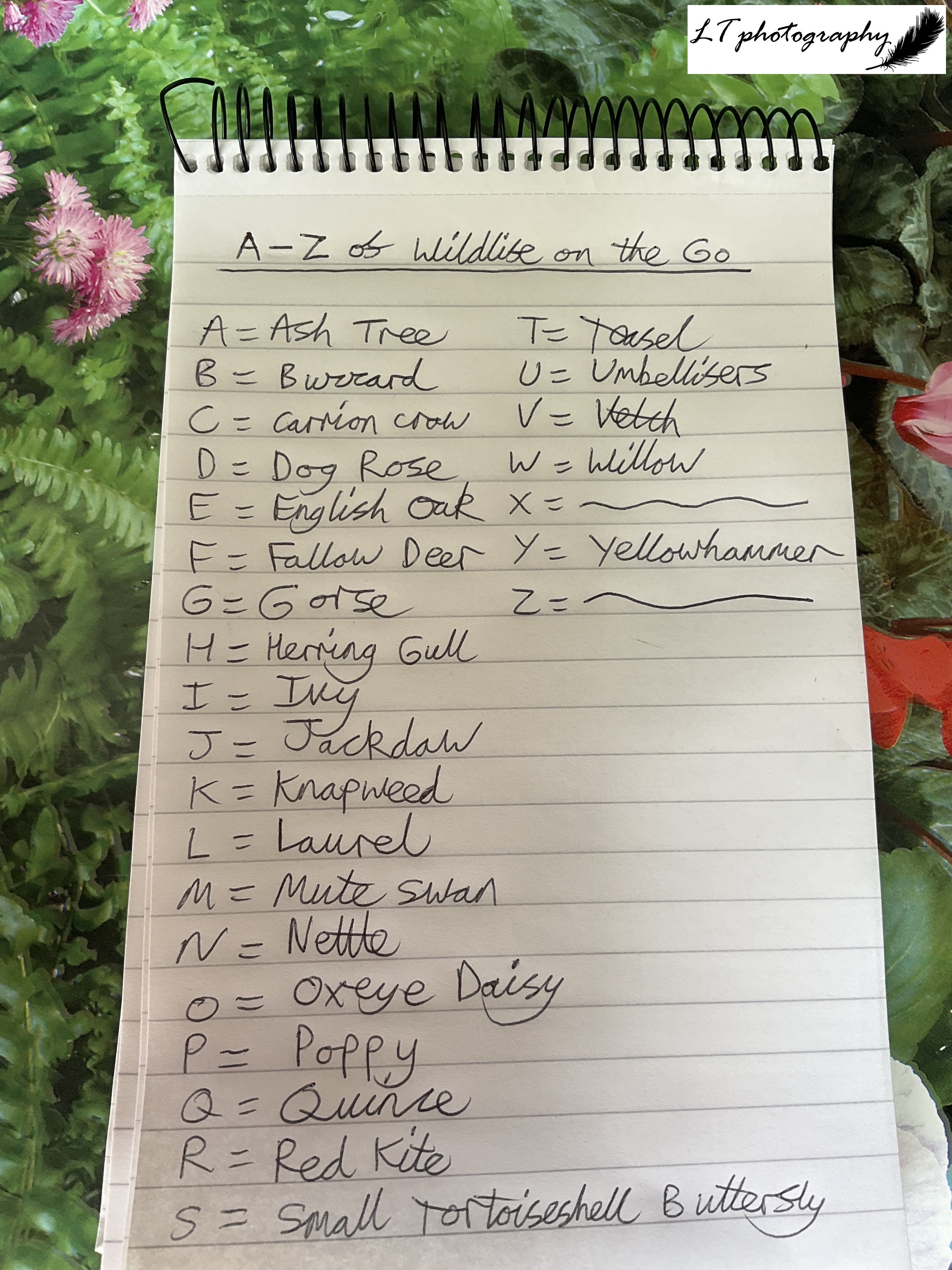
Thursday 30th: For the last day of this year’s 30 Days Wild, I have been travelling up to London by bus to spend a few days exploring with my mum. For something a little different, I challenged myself to my annual A-Z of wildlife, but a travel edition. Here’s how I got on:
Looking back at my June this year, I was very busy, but the month shows that I naturally take time each day to connect with and appreciate nature. This could be through harvesting food, walking out in nature, or even getting involved in conservation projects. Being outside out in nature is important for my mental health, for my inspiration, and for my lifestyle, and so after this year’s 30 Days Wild, I now appreciate our natural environment even more so. Here’s for living every day a wild one!























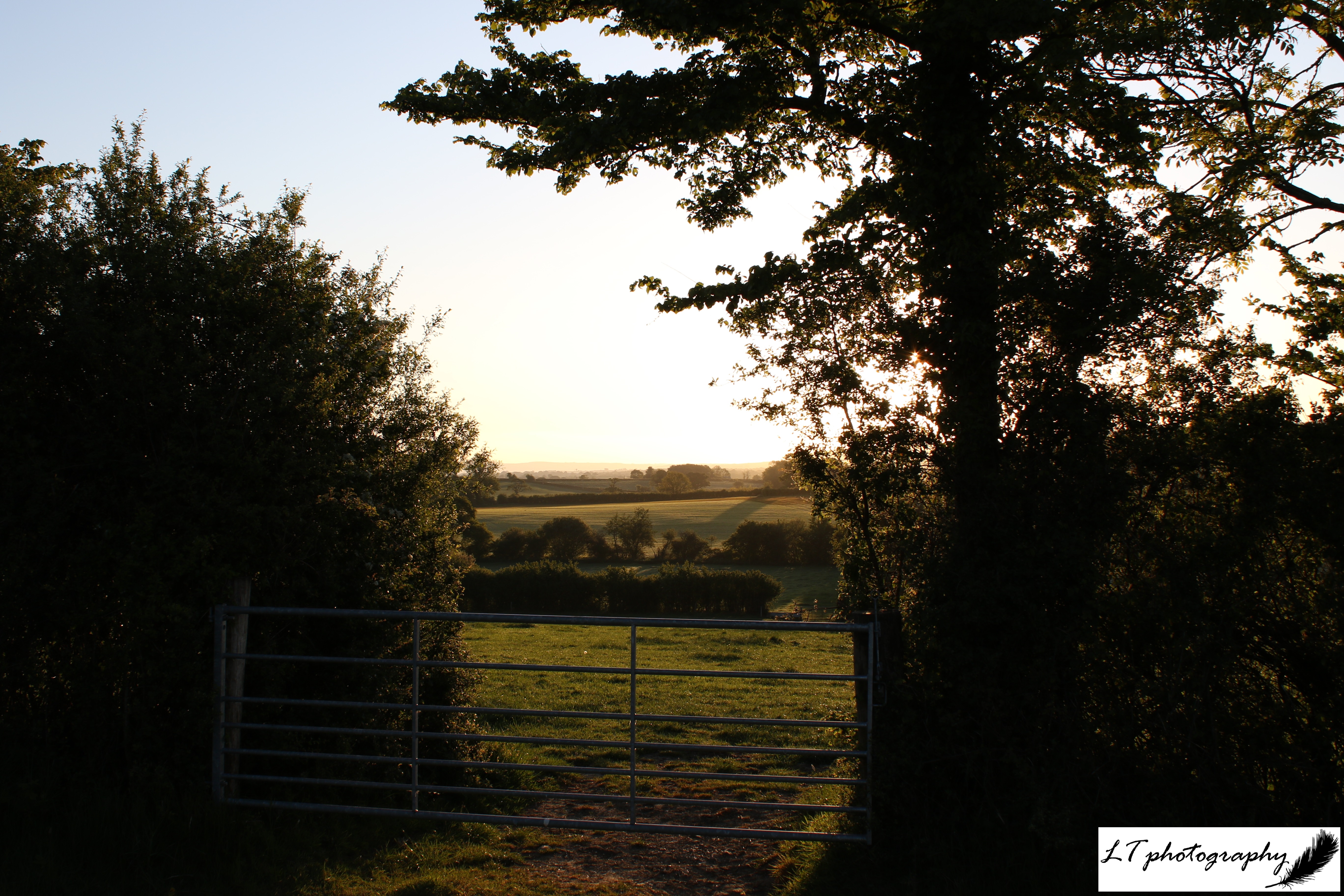
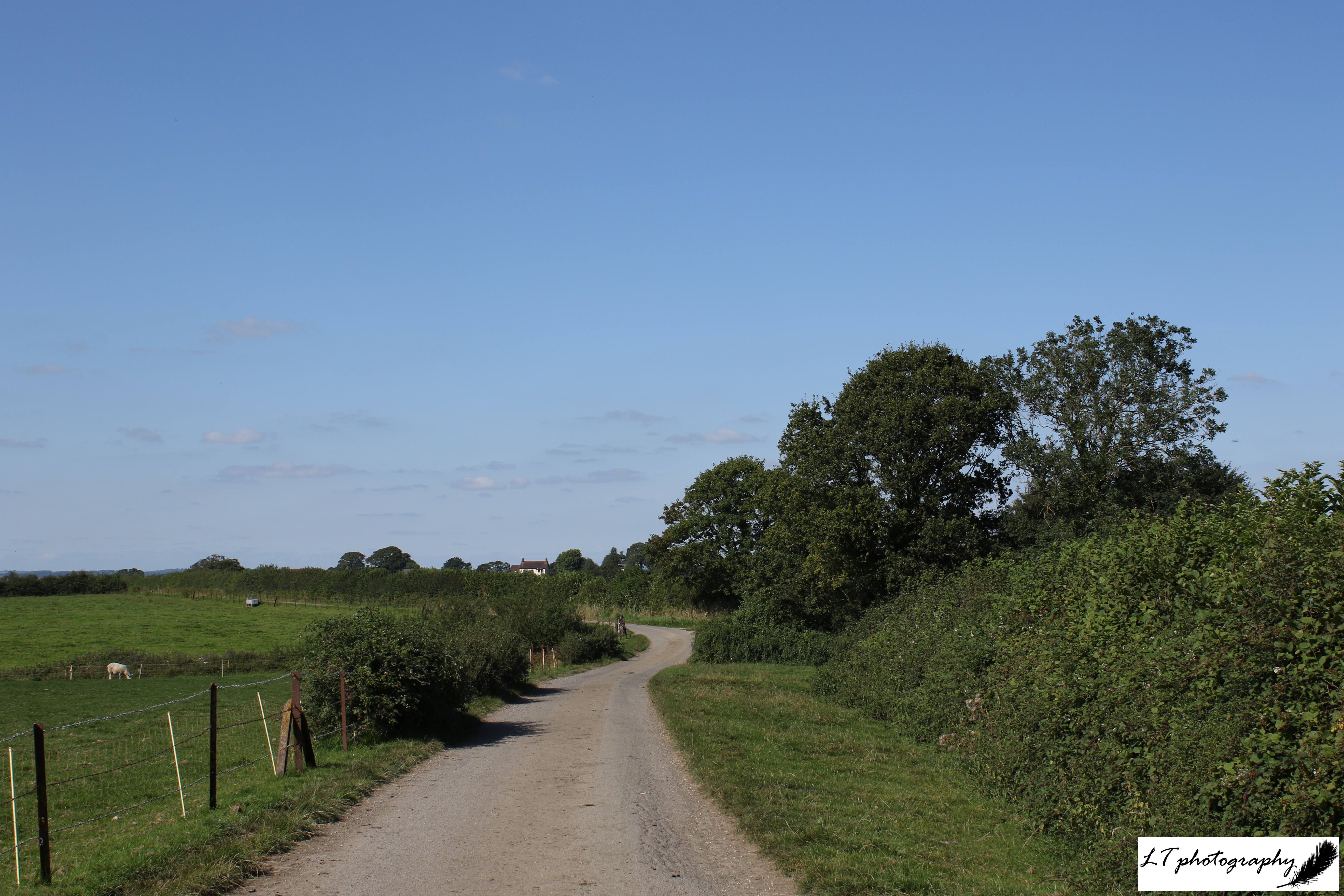









































 As the weather gets warmer and drier during spring and the countryside begins to bloom, I always like to set myself the goal of getting out into it as much as possible. I like to use these countryside walks as a way to calm my own mind and escape the stresses of modern day-to-day life. In particular, I am always drawn back to the woodlands and forests, with the tranquillity they breath to me. Growing up in Dorset I have always been able to disappear into the trees and appreciate such a habitat at any time of year.
 In celebration of my love of the woods, especially during springtime, over April and May this year, I made 4 visits to one of my local ones to observe it as the season changed. On these trips I sat and wrote down my experience on my favourite log (see photo above), and took lots of photos with my new DSLR camera whilst walking through the woods. Check out below to see my diary entries and the photos that accompany them:


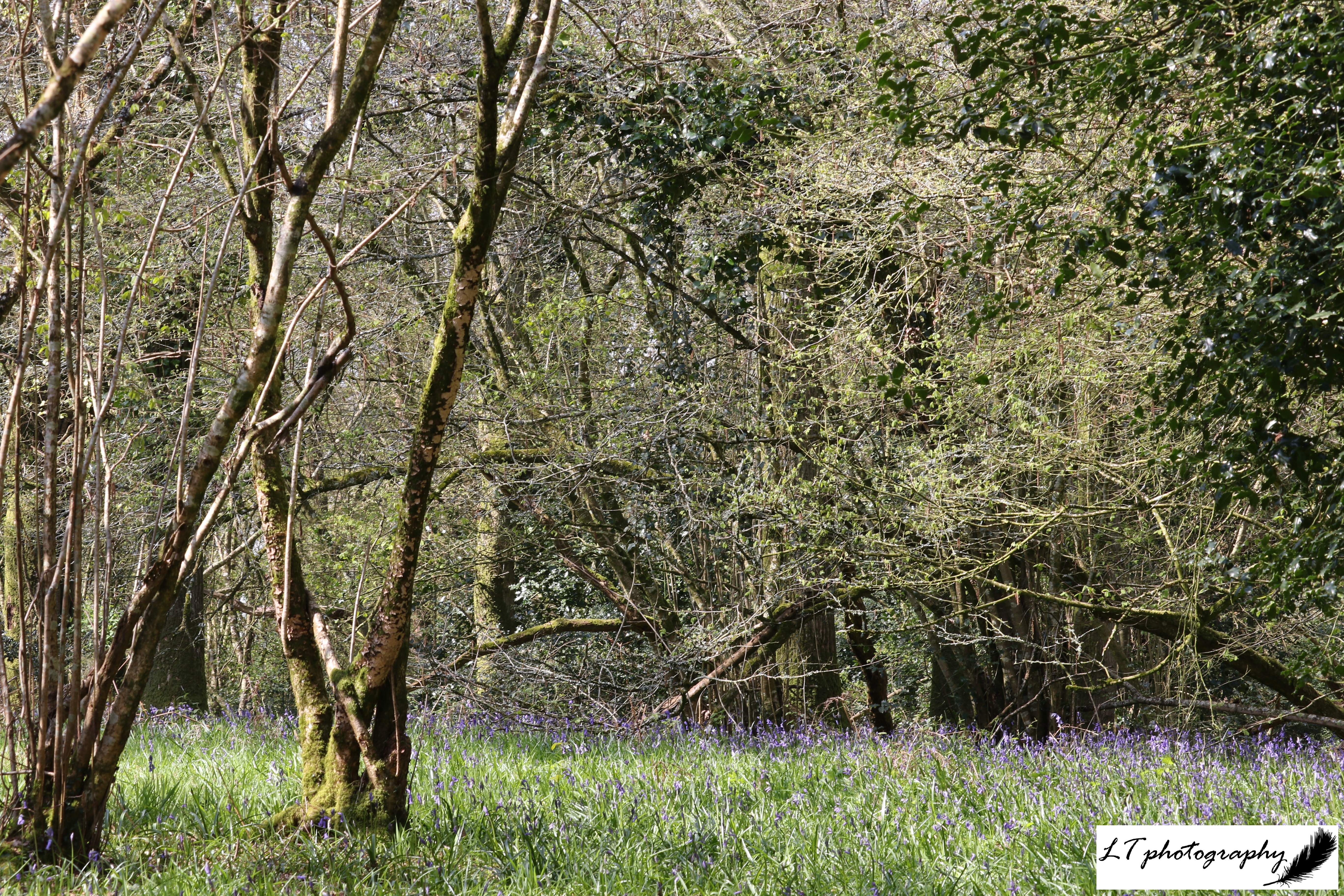


 Spring bird calls and song provides the soundtrack to my trip, including everything from groups of foraging long-tailed tits to angry blue tits and charismatic chiff chaffs. I also hear the reminiscent winter squabbling of jays, and on a stop to my favourite log in the middle of the wood, I can hear the coarser call of a raven and the calls of male pheasants.


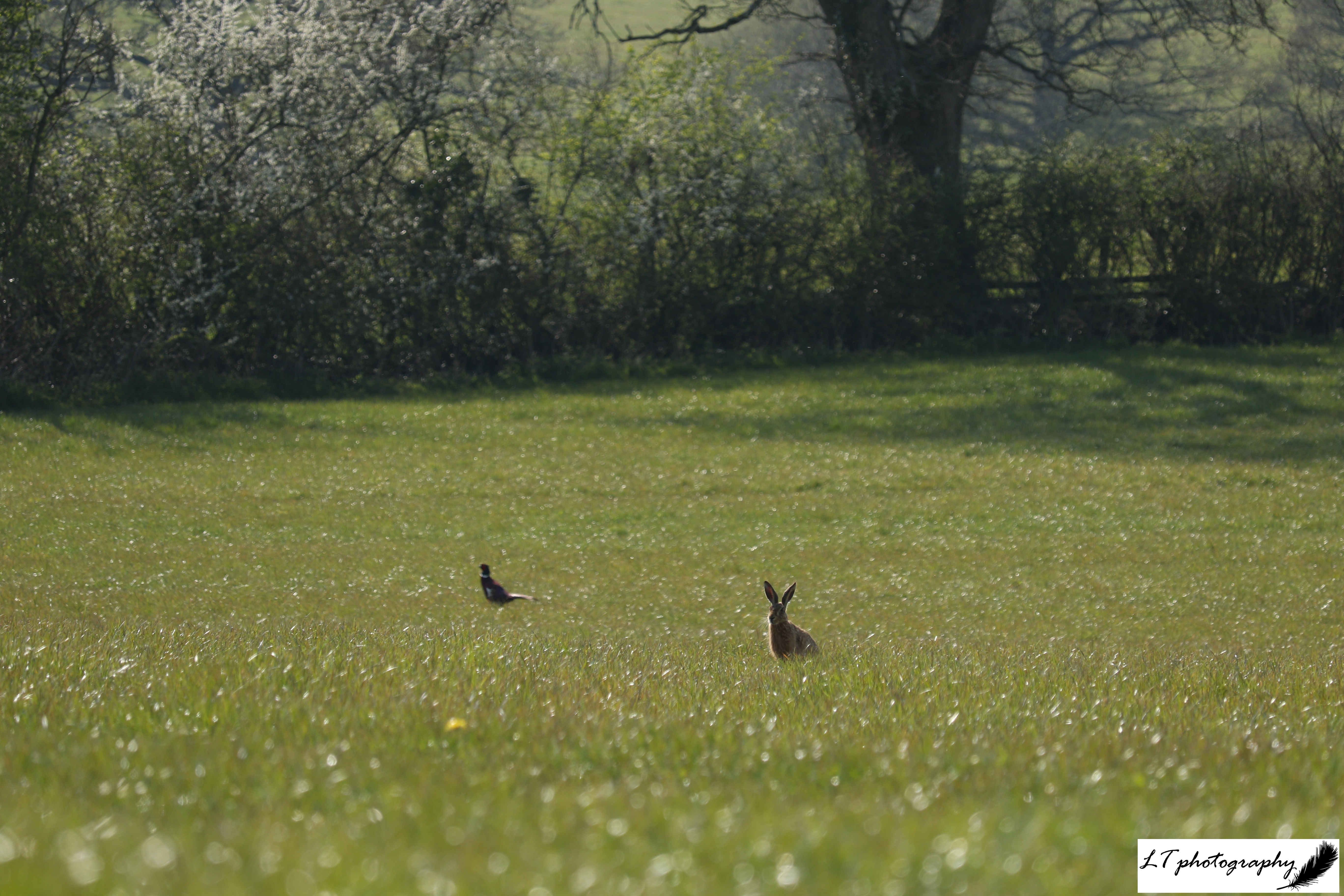
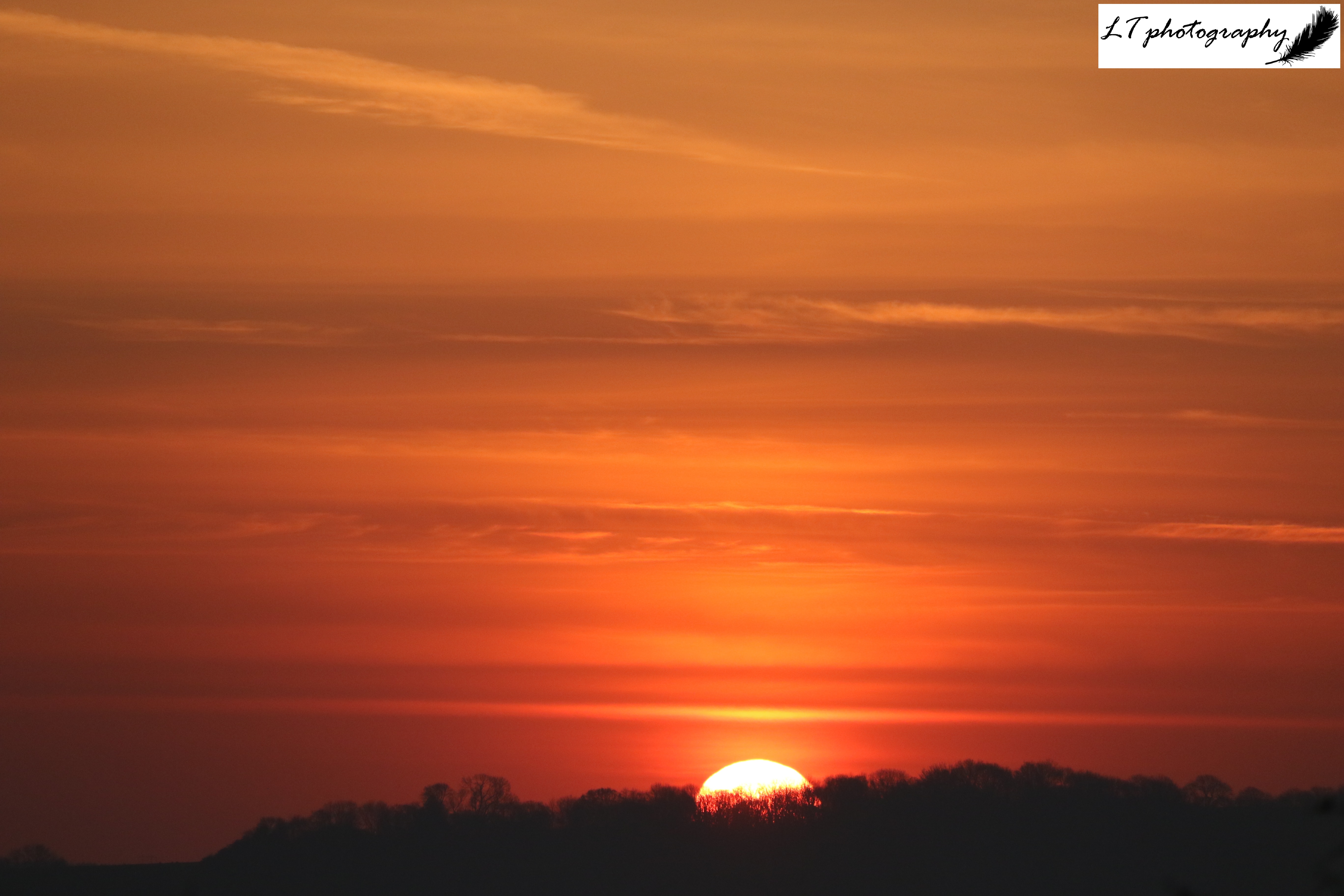 This morning I chose to get up at 5am to meet a 6.08am sunrise, and to make the most of the dawn light. At this time of day, on my walk to the woods, I had great sightings of roe deer and brown hare, and got to see a beautiful pink sunrise. The dewy grass added to my photos in this glorious light.


 Snow white garlic flowers are now emerging in the wood, whilst early purple orchids are also beginning to sprout here and there. The bluebells are now starting to create a sea of blue, with their white counterparts dotted here and there amongst them. Soon the woods will be fully awash with purply-blue and patches of white.


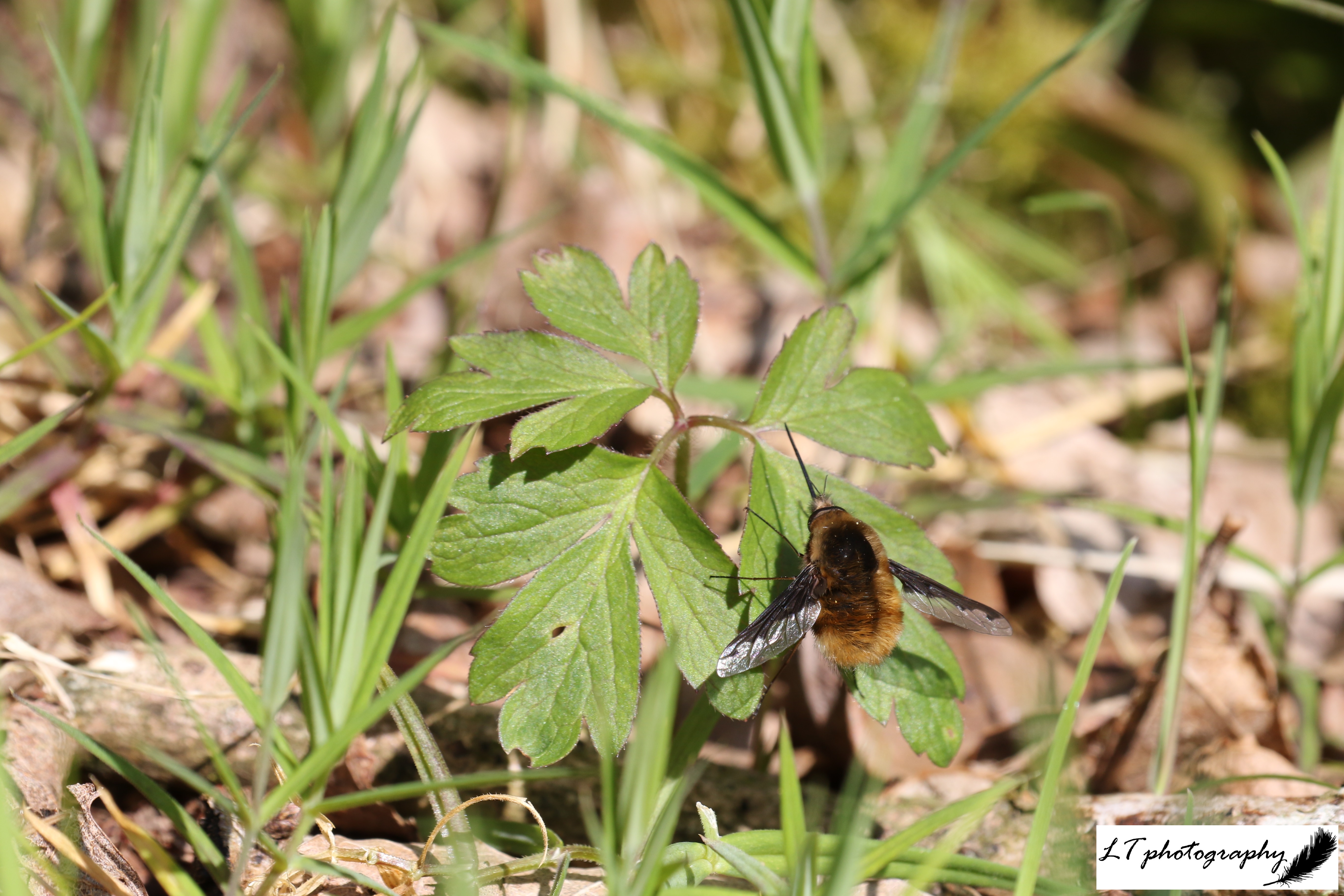
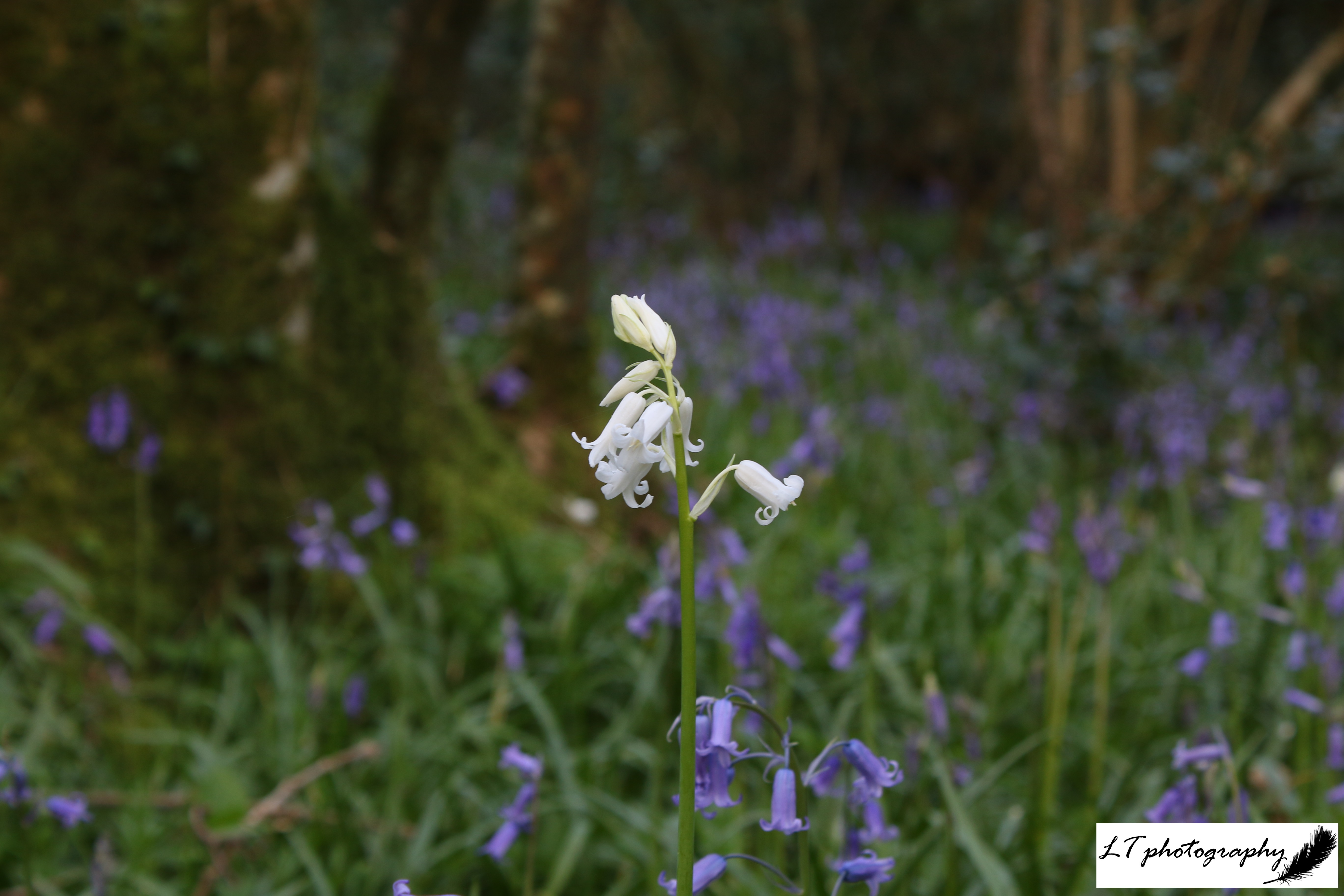 You can definitely forget yourself among these trees, flowers and wildlife, which this morning included the bark of grey squirrels up in the tree canopy. Today, I have stayed awhile sat in the morning light of the woods, but I now know to make my way home from here, as the sun begins to burn through the trees a little too hot, and the midges begin to bite my neck more noticeably. This signals ‘the best part of the day has thus moved on’, as i must.
 On my trip this time to the woods, I took my four-legged friend Cassie. At the ripe old age of 13, she is becoming weary on her legs, but is still up for an adventure. This is great as there is nothing better than sharing the wonder of the outdoors with another being, even if they are no more than 3 feet tall.


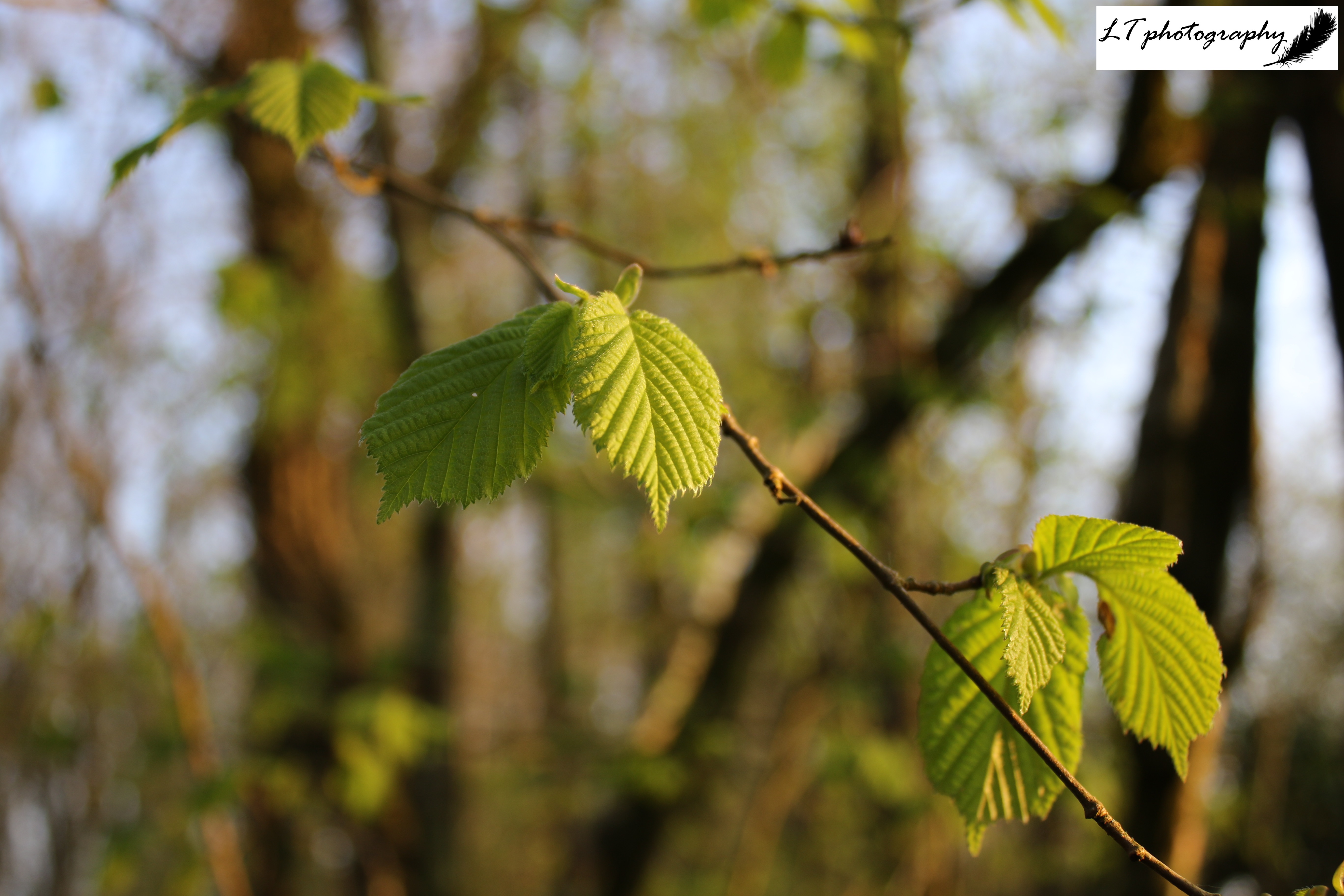
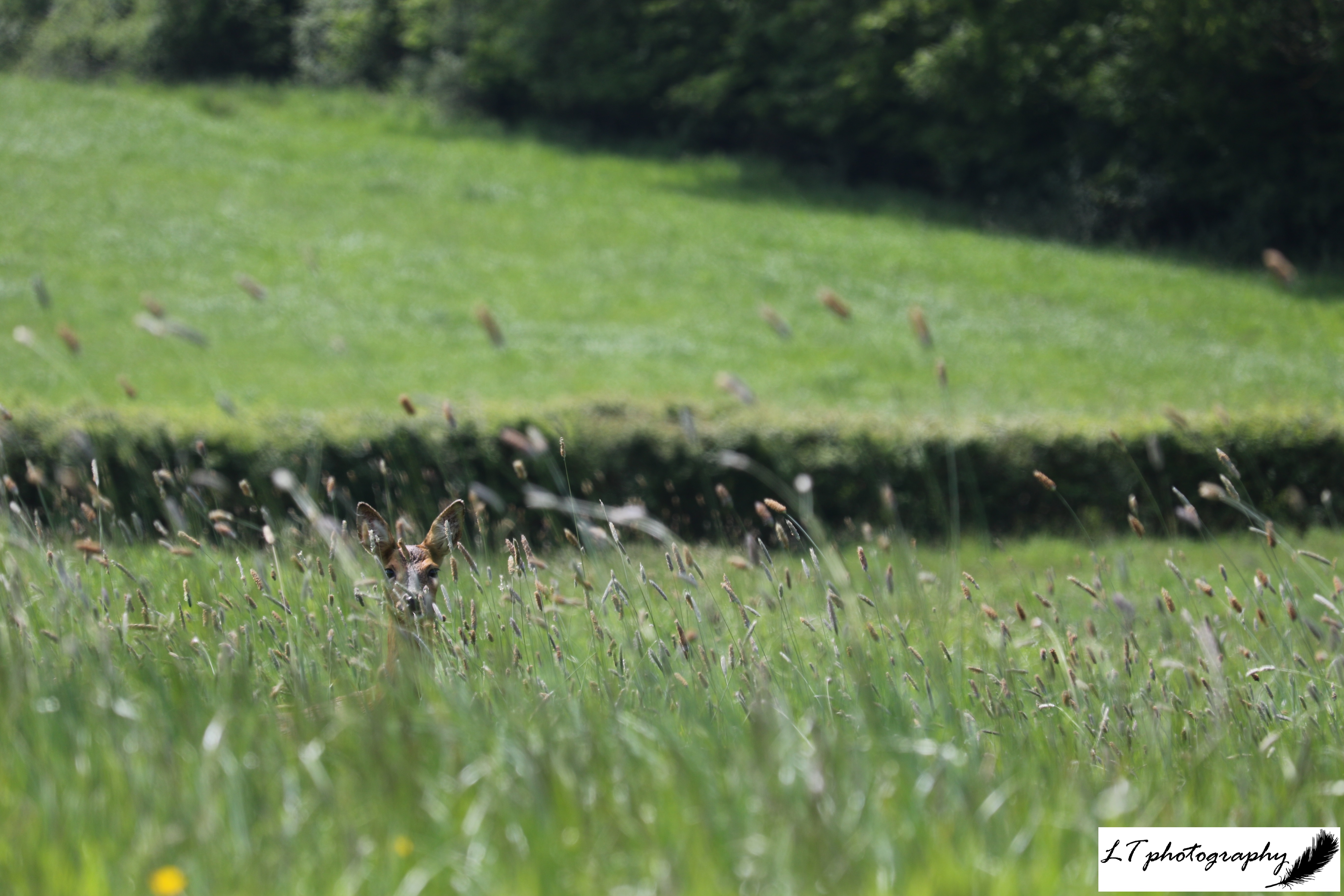 The days are getting hotter and the sun higher in the May sky. In the depths of the wood though, the canopy keeps me cool. The woodland floor is now a tangle of unruly vegetation. The dying bluebells, orchids, and spring flowers jostle with unfurling ferns, sticky goose grass and flowers that persist. These include stitchwort, herb Robert, and red campion, which are gems of colour in a sea of green.