A Year in the Life of a Woodland – Part 2

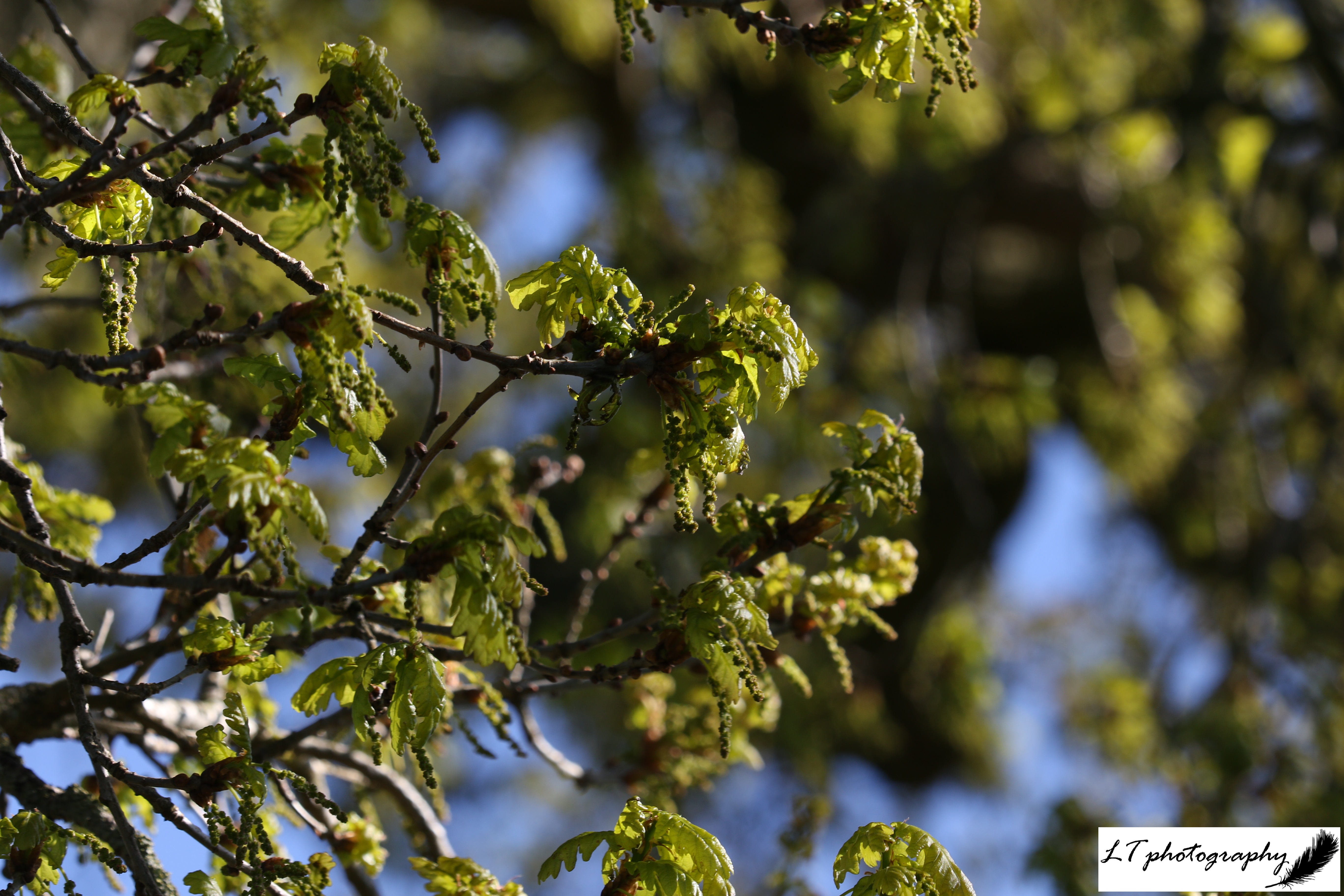
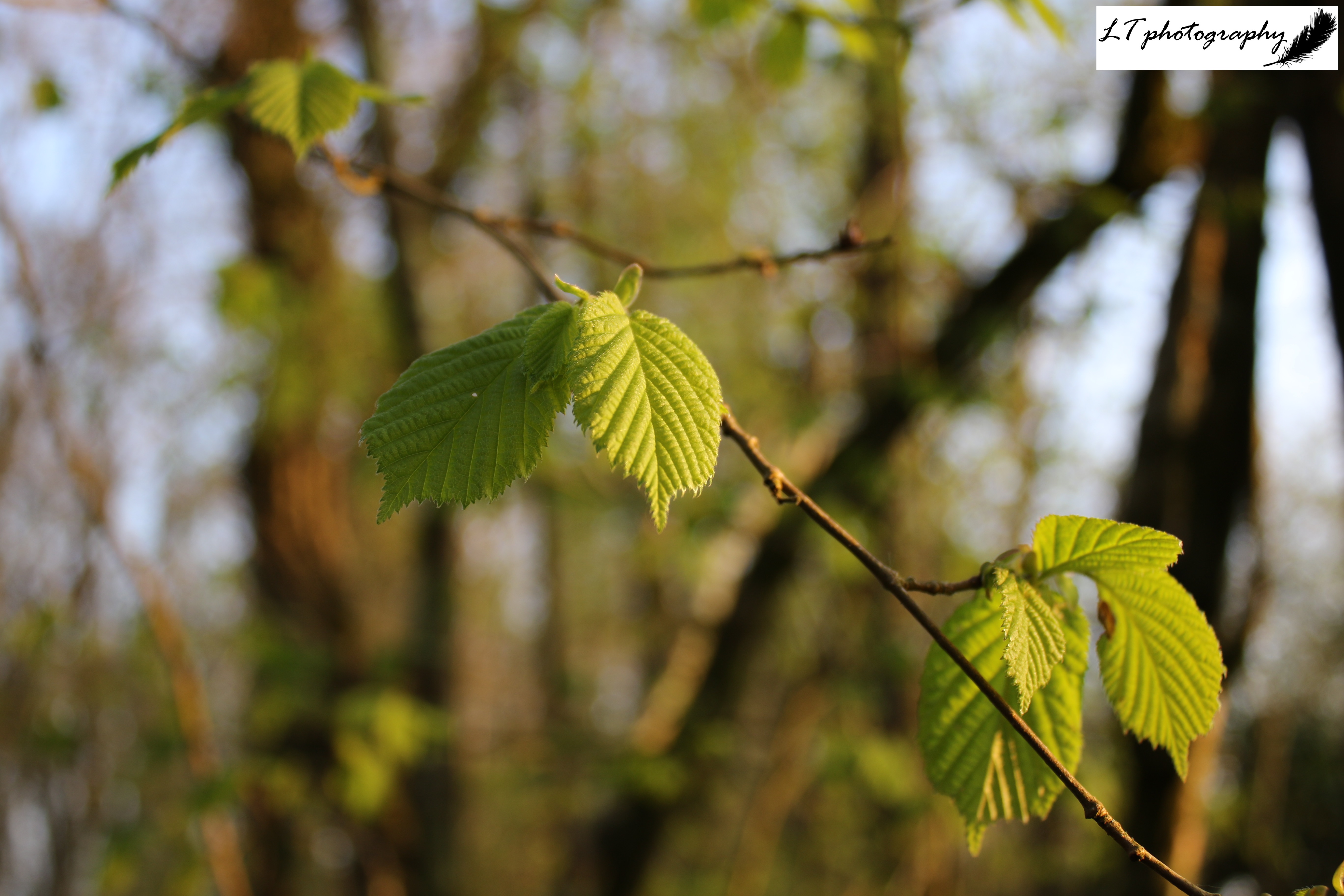
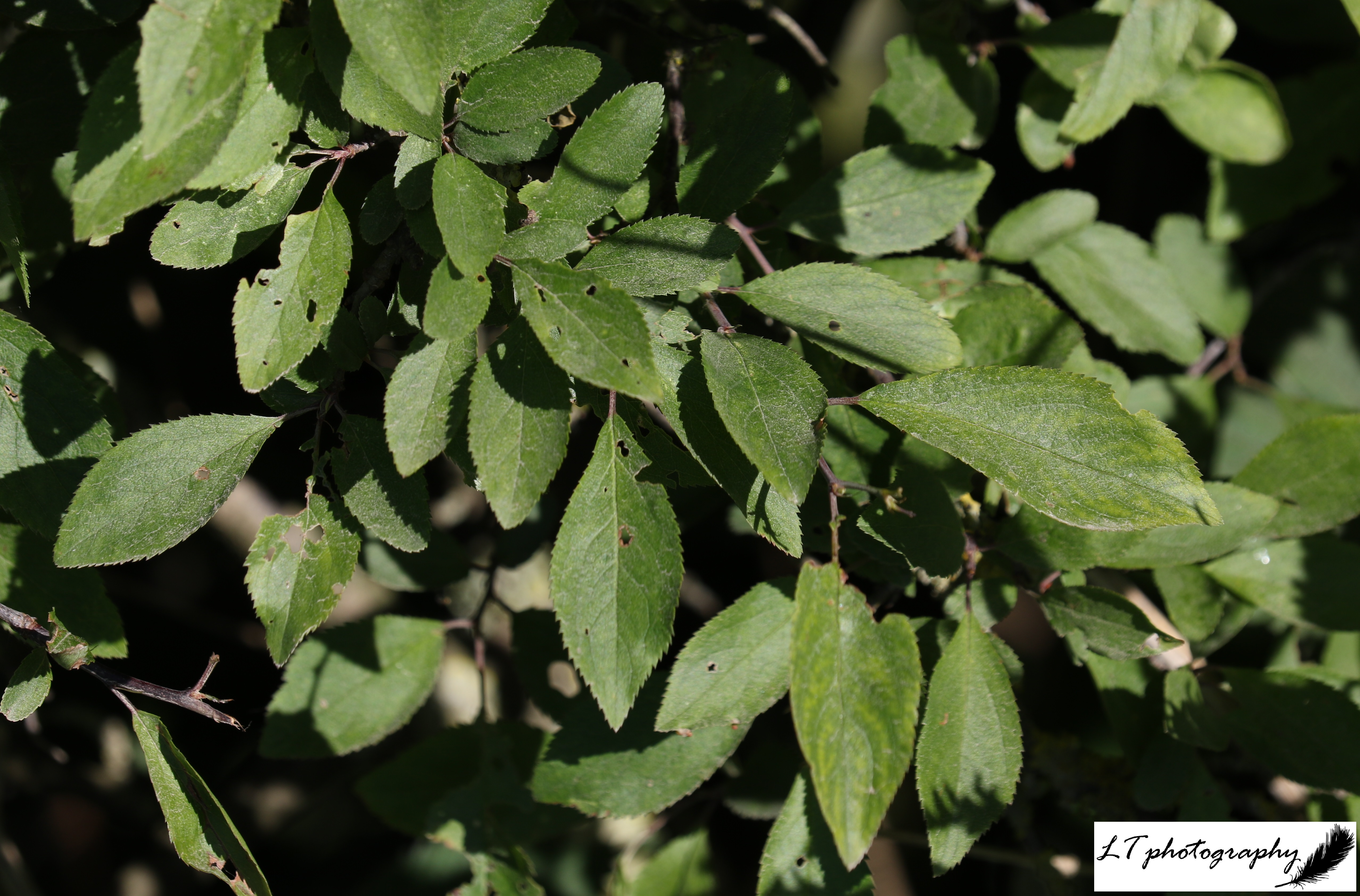
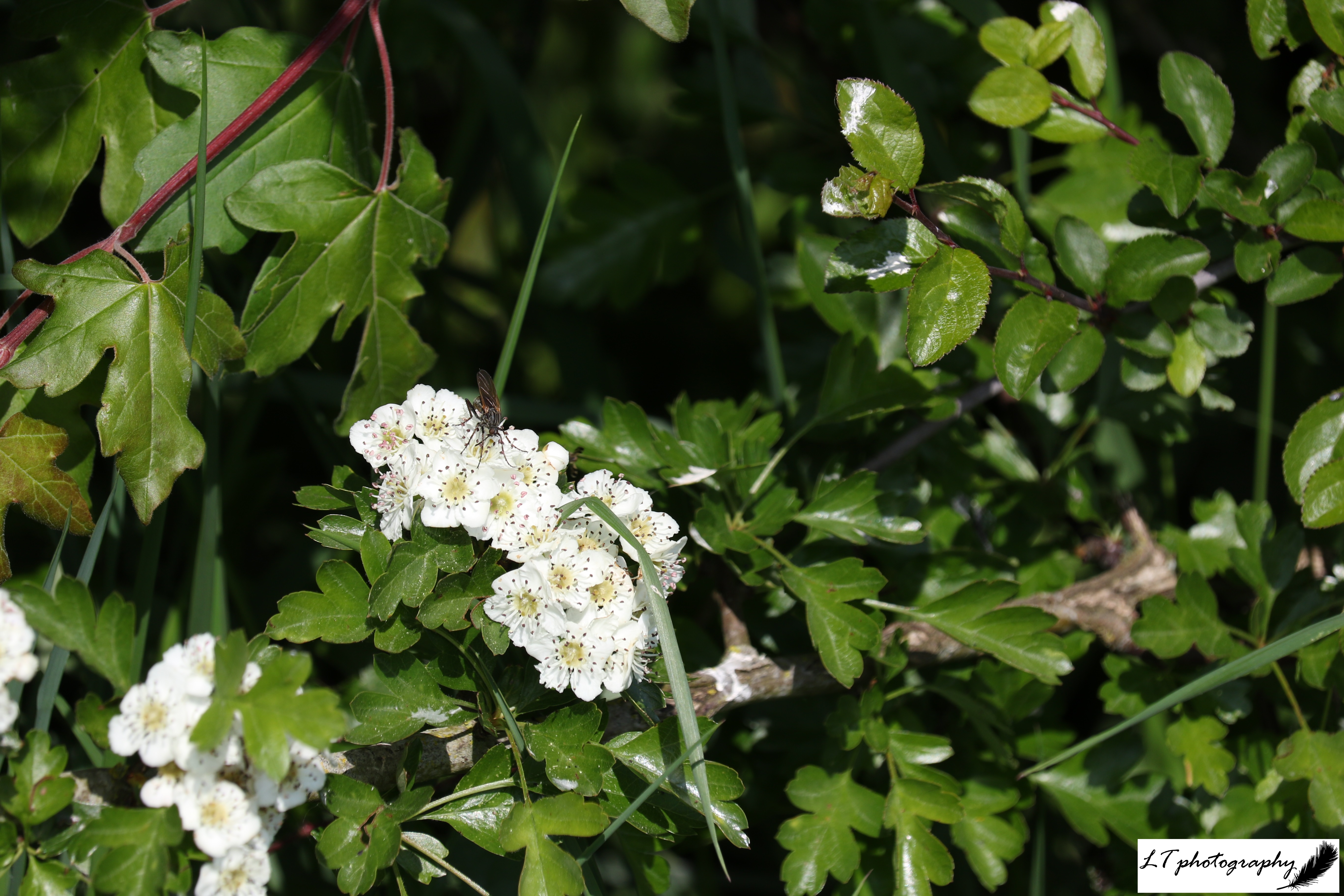
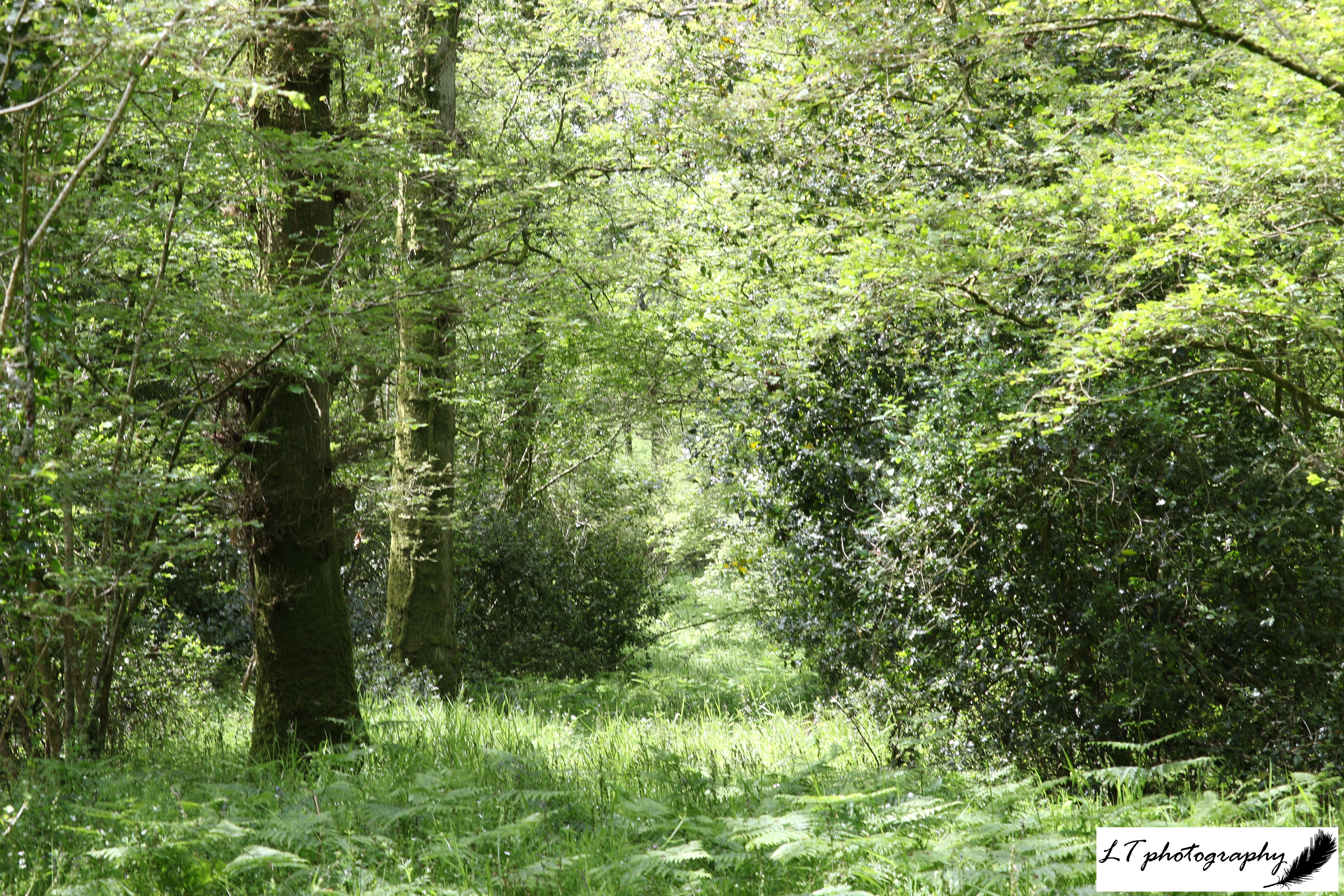
Throughout 2024, I followed in person a year in the life of an ancient, broadleaved woodland in the heart of rural Dorset. I followed its progress from certain points within its bounds, and observed the beauty the woodland had to offer throughout the seasons. It was really interesting to see what goes on during each month of the year within a classic english country woodland, and to be able see the subtle differences as time went on.

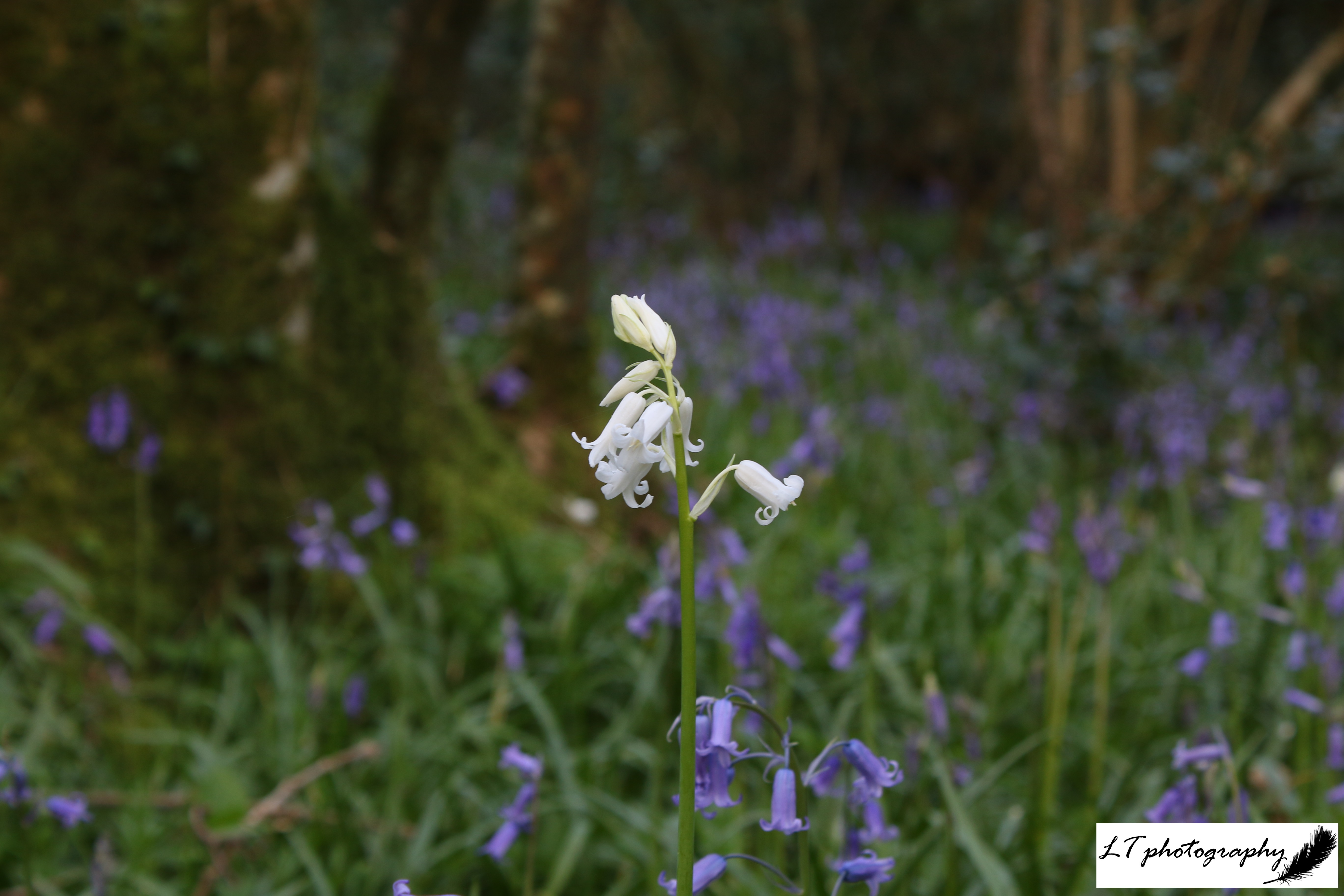
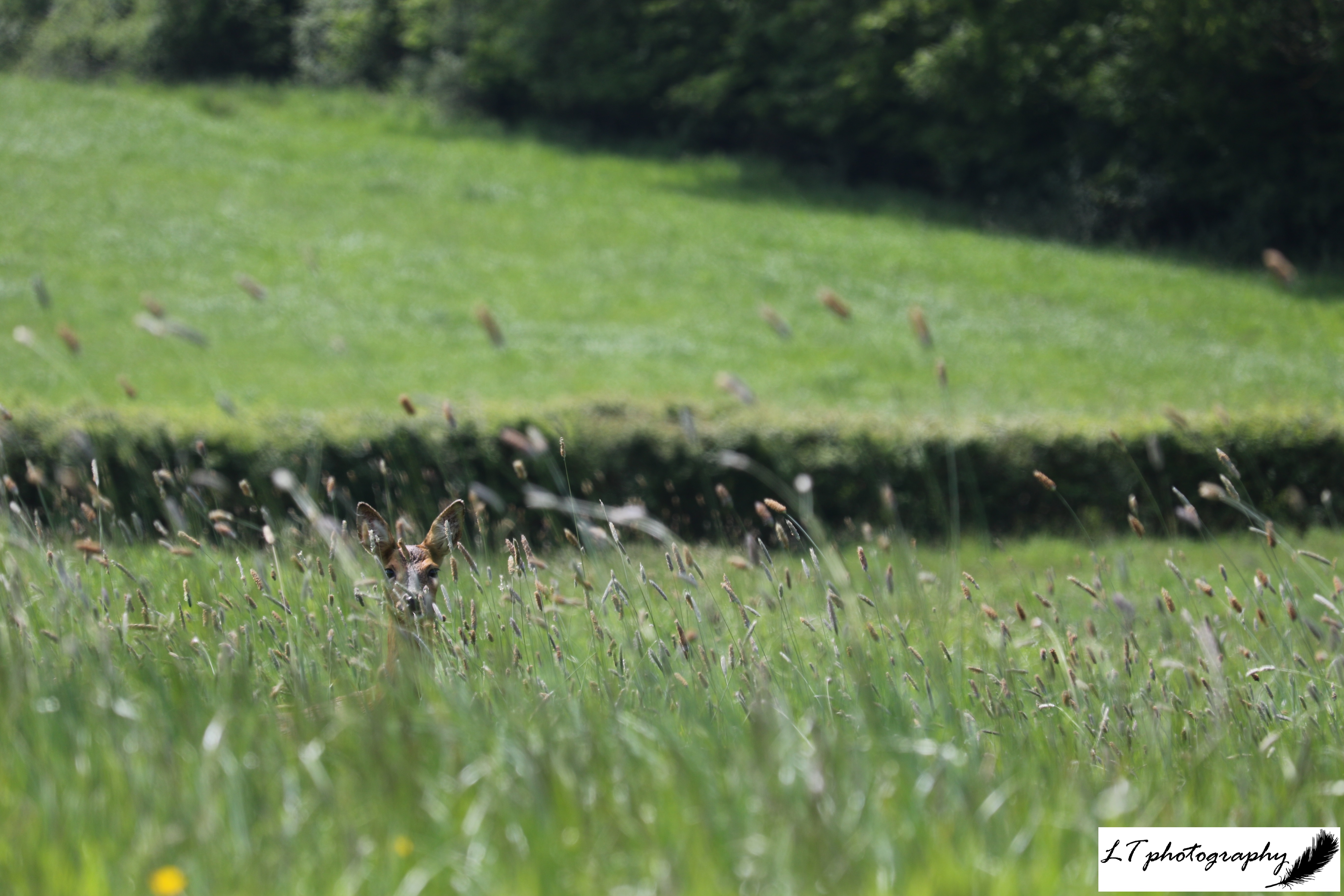
Previously on my blog, I left the woodland at the end of June after six months of colourful adventures. I watched as winter transformed into a vibrant spring and moved towards the summer months. From majestic skeletal trees and the unrolling of green to carpets of blue and flashes of beautiful butterflies, the woodland showed itself to be a master of changing its finery in dramatic style. To read more, check out Part 1 on my blog!

This time I delve into the second half of 2024 amongst the trees, as summer brings tranquil days, autumn comes with a riot of colour, and the woodland slips back into its winter slumber. How will these months differ to those of the first half of the year and what can we learn as the days regress once again. Here’s part 2 of my A Year in the Life of a Woodland.

July

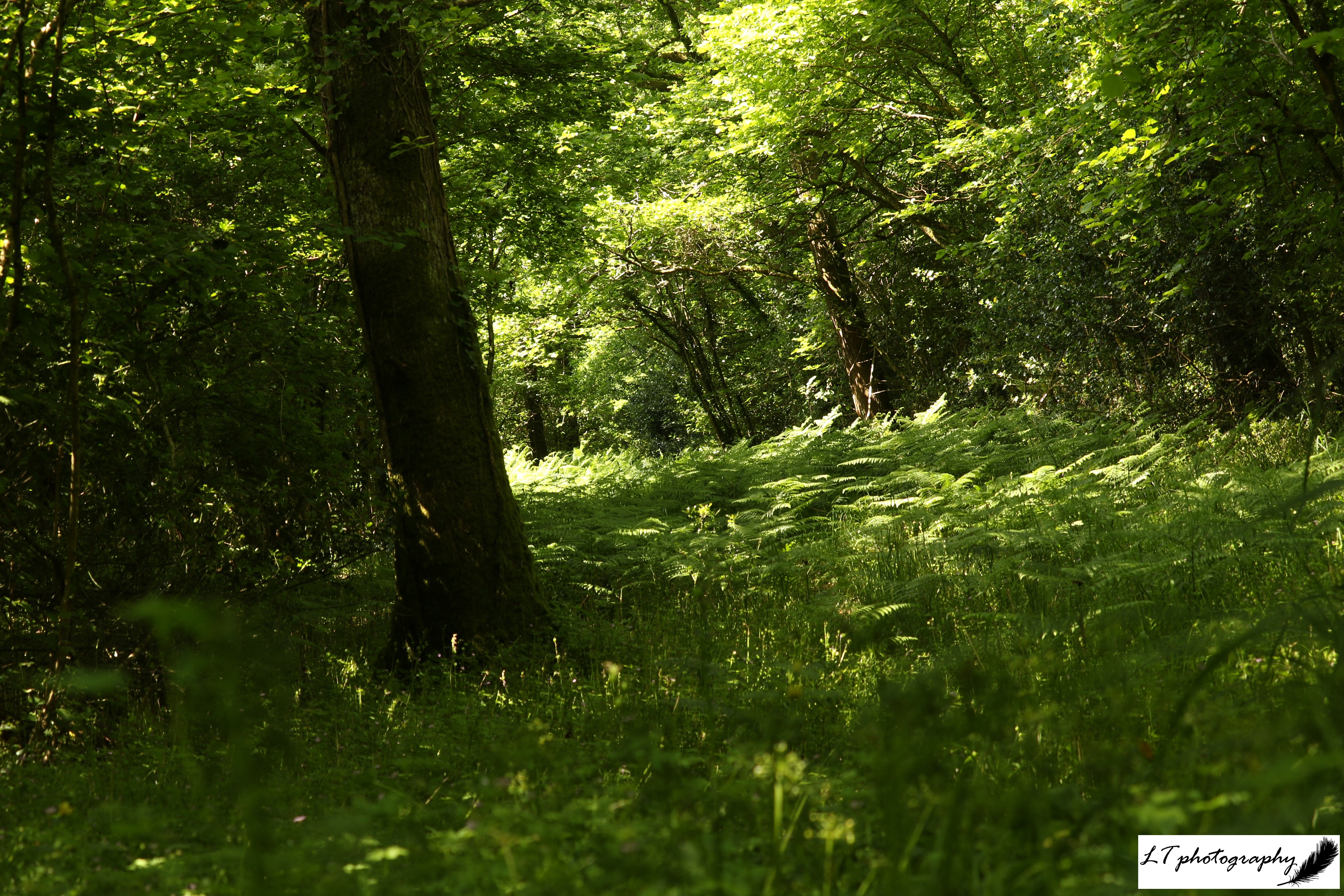
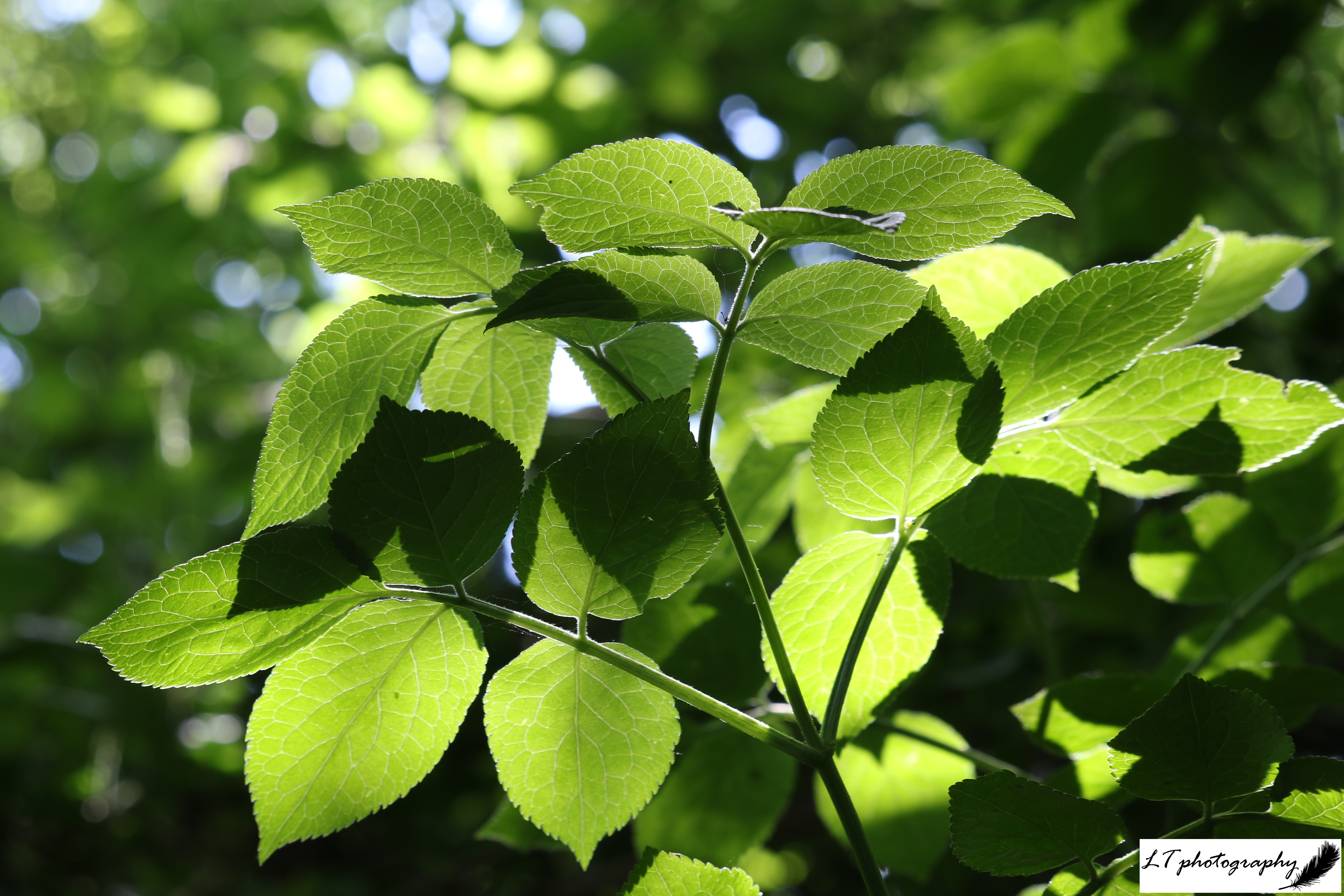
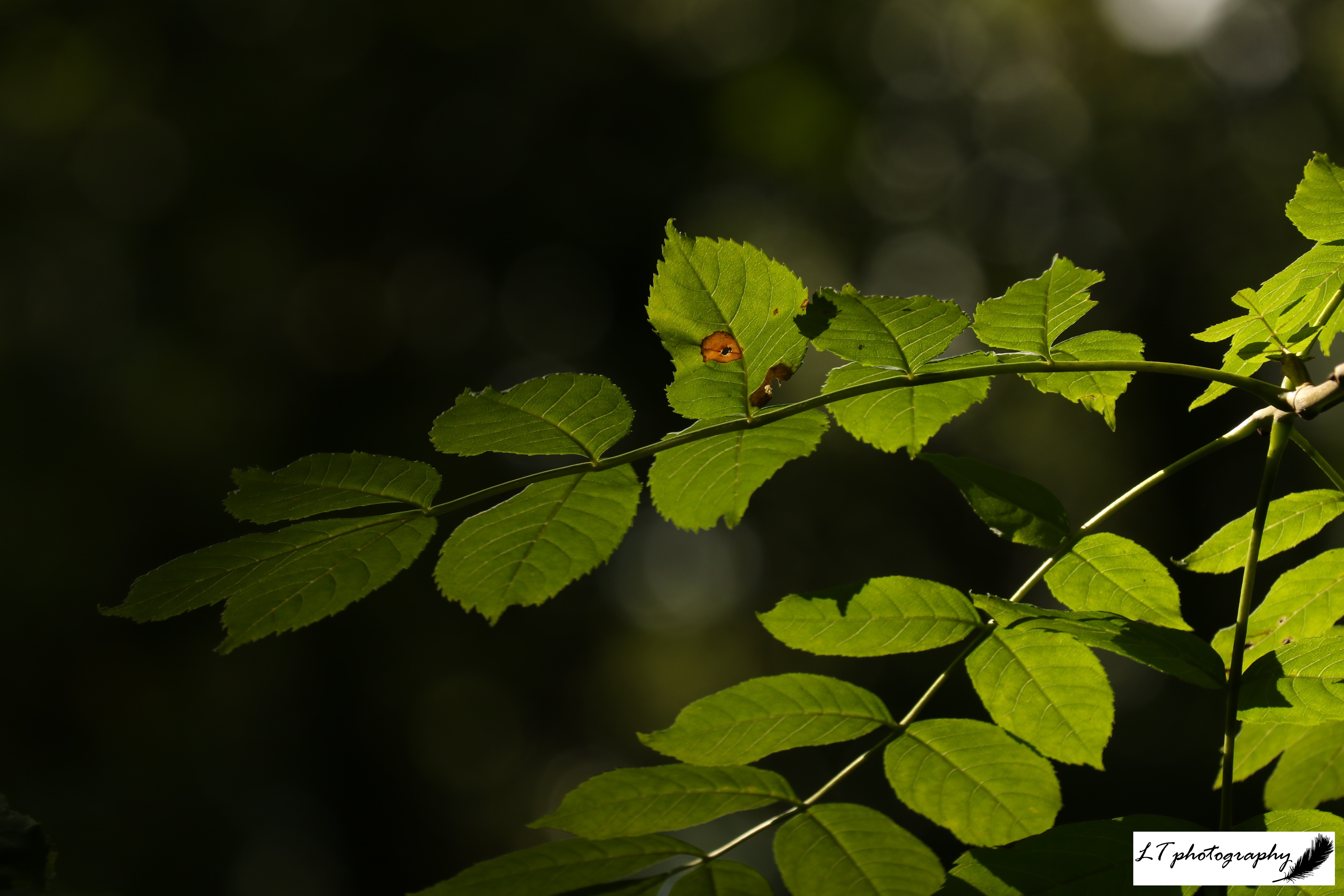
Summer has arrived! Stepping into the woodland, humid warmth is replaced by a refreshing cool within the shade of the tall trees. All around the undergrowth is starting to die back, with flower heads dropping their spent petals and seeds beginning to be produced. Herb robert survives on though, with nodding heads of still bright pink flowers, whilst honeysuckle hangs from the trees, giving off their heady scent, and enchanter’s nightshade and bramble flowers start to appear. Amongst all this, ferns now stand tall along open tracks and wooodland glades, lush green and stealing the summer sunlight from any plants tucked below.

Birds of the woodland are now concentrating on feeding their young or are even coming to the end of this year’s breeding season. Distant chiffchaffs and wrens sing on though, alongside woodpigeons calling, and tits communicating up in the trees. Buzzing flies can also be heard on warmer days, whilst dragonflies dance along woodland borders on silent wings. A fox slinks by through the shadows of the trees, on silent paws, at ease, only turning its head as it walks by. With the woodland now full of new life, the excitement and activity of spring is ebbing away, and we welcome the days of the more relaxed summer season.

August

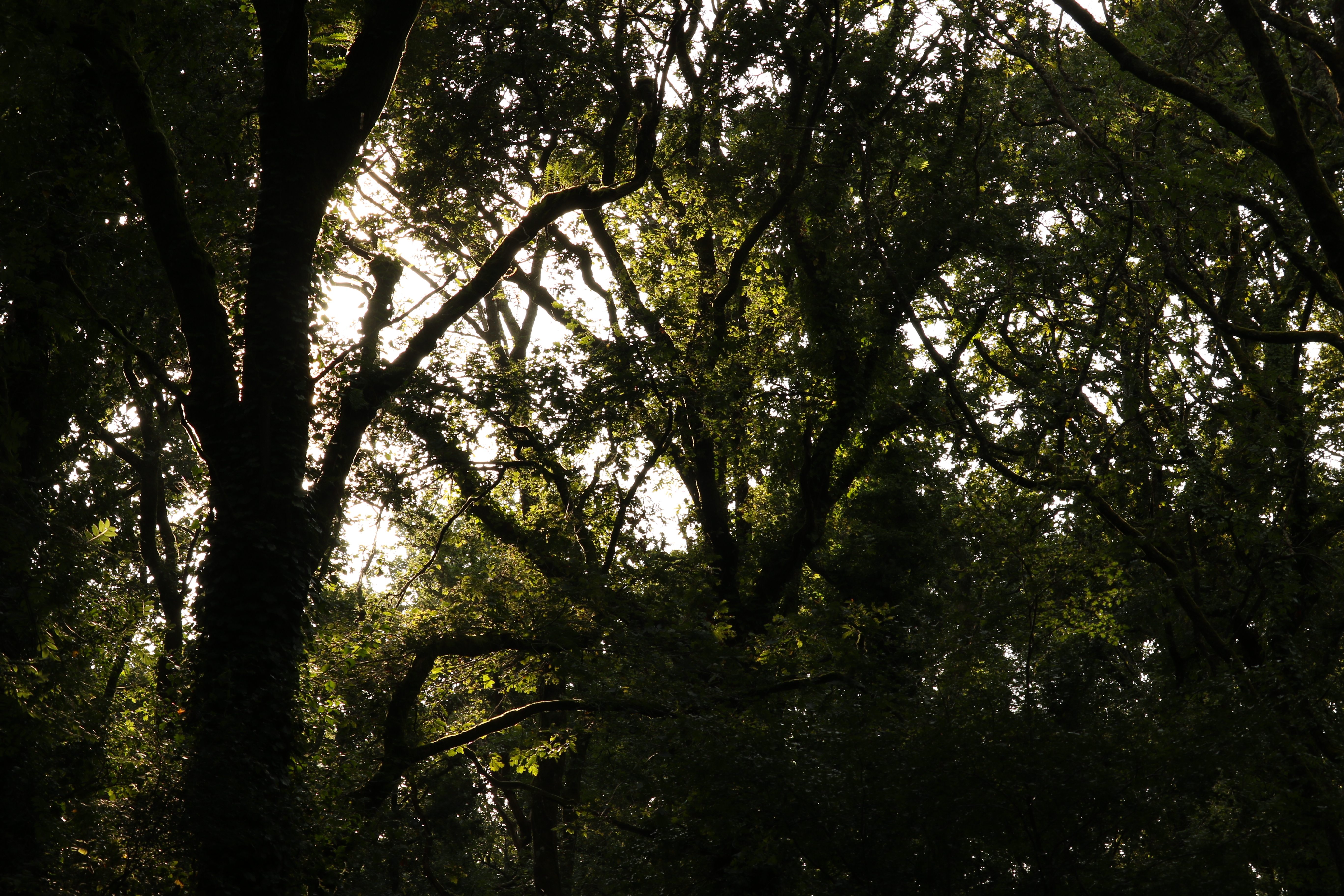
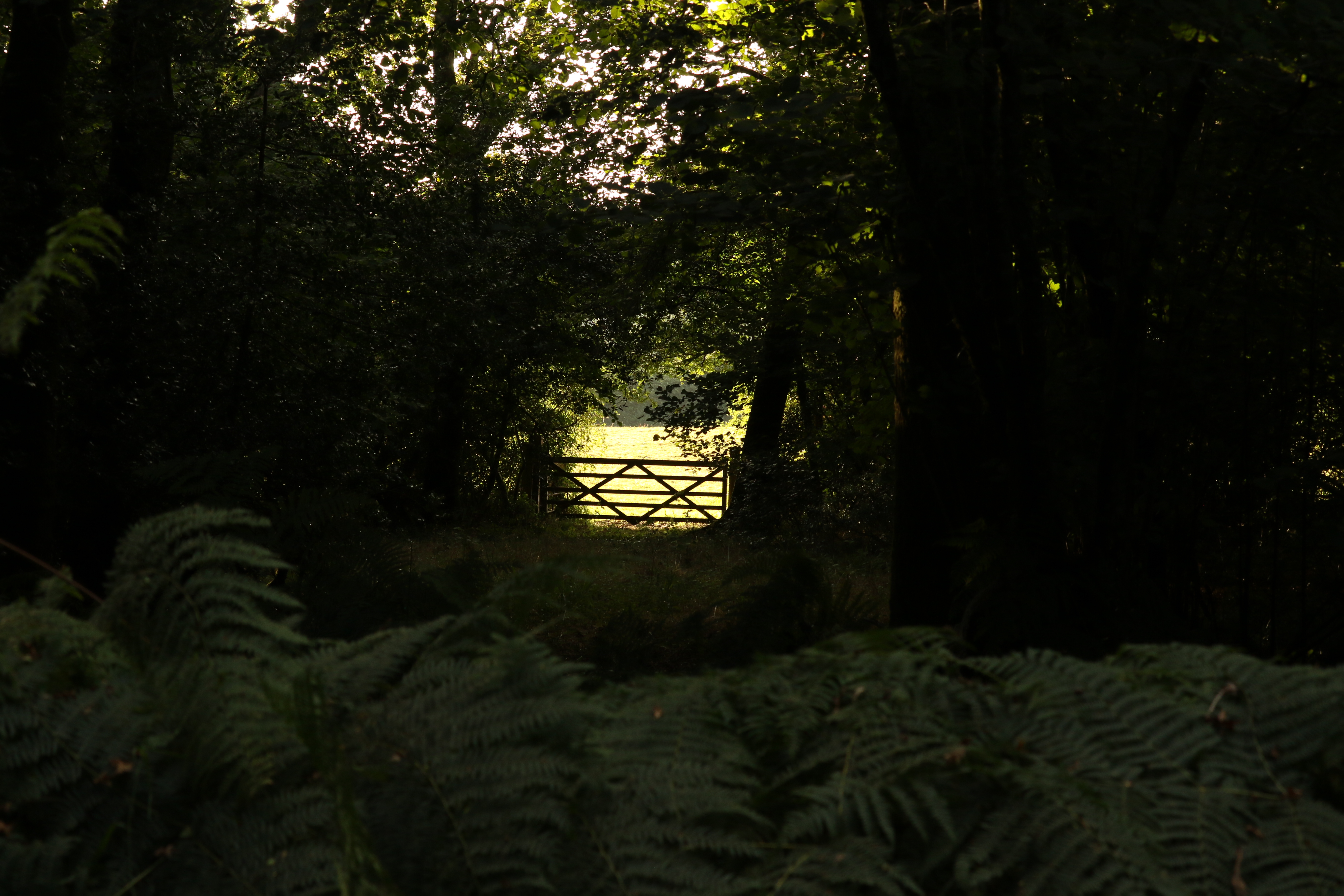
The woods are returning to their quieter state once again. The days are beginning to shorten in small increments, and the first whisperings of autumn can be felt. The start of August has been interesting with the woods seeing hot days broken up with spells of grey and heavy showers. As evening sun breaks through the still lush, but battered canopy, it’s noticeable that the woodland floor is picking up pace receding now. The hint of colour from flowers is completely disappearing, whilst the green undergrowth is beginning to show the brown leaf litter layer below.

Silence blankets the woodland, broken by wind up in the tree canopy, distant bird contact calls, and noise beyond the woodland altogether. The joyful bird song of spring has long served it’s purpose, and now the time has come when summer visitors are beginning to think of moving on to warmer climes, as the first signs of autumn have arrived. Plants hang with fat seed heads, hazel trees are laden with nuts that are already being pilfered, grey squirrels can be heard alarm calling up in the trees, and jays are popping up with their rough screaming calls. It’s a time of bounty and fruitfulness, a time to celebrate what nature has given us this year, and a time to prepare for the slumber to come.
September

The first breath of chilly air has arrived and rarer dry days have an edge to them. Another change in the year is coming, as the woodland floor dies back, leaving increasing patches of last year’s leaf litter open to the air once again. In places grass is crowding out other species on woodland rides, whilst ferns begin to turn brown, like fire catching their leaves’ edges. The first holly berries are beginning to redden, hazel trees are bedecked in green nuts, ripe blackberries are already beginning to soften, and oaks are growing their iconic nuts complete with their classic cups.

The mornings are now renewed with a gentle soundtrack of calling birds in the woodland, with residents claiming territories and migrants passing through on their way. Nuthatches, wrens, goldcrests and robins are amongst this cohort, creating a bubble of bird song. The afternoons are quieter, filled with lazily buzzing insects, and the odd animal sound. This afternoon though, the woodland soundscape is broken up with the sound of a great-spotted woodpecker moving from tree to tree and tapping to find food beneath bark. 

October

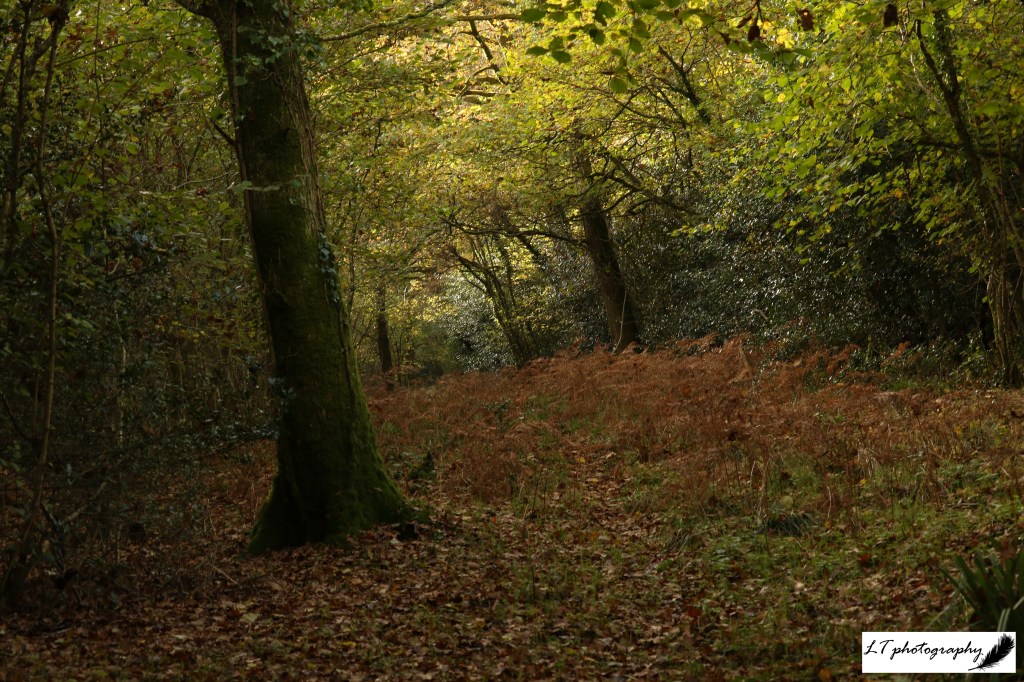
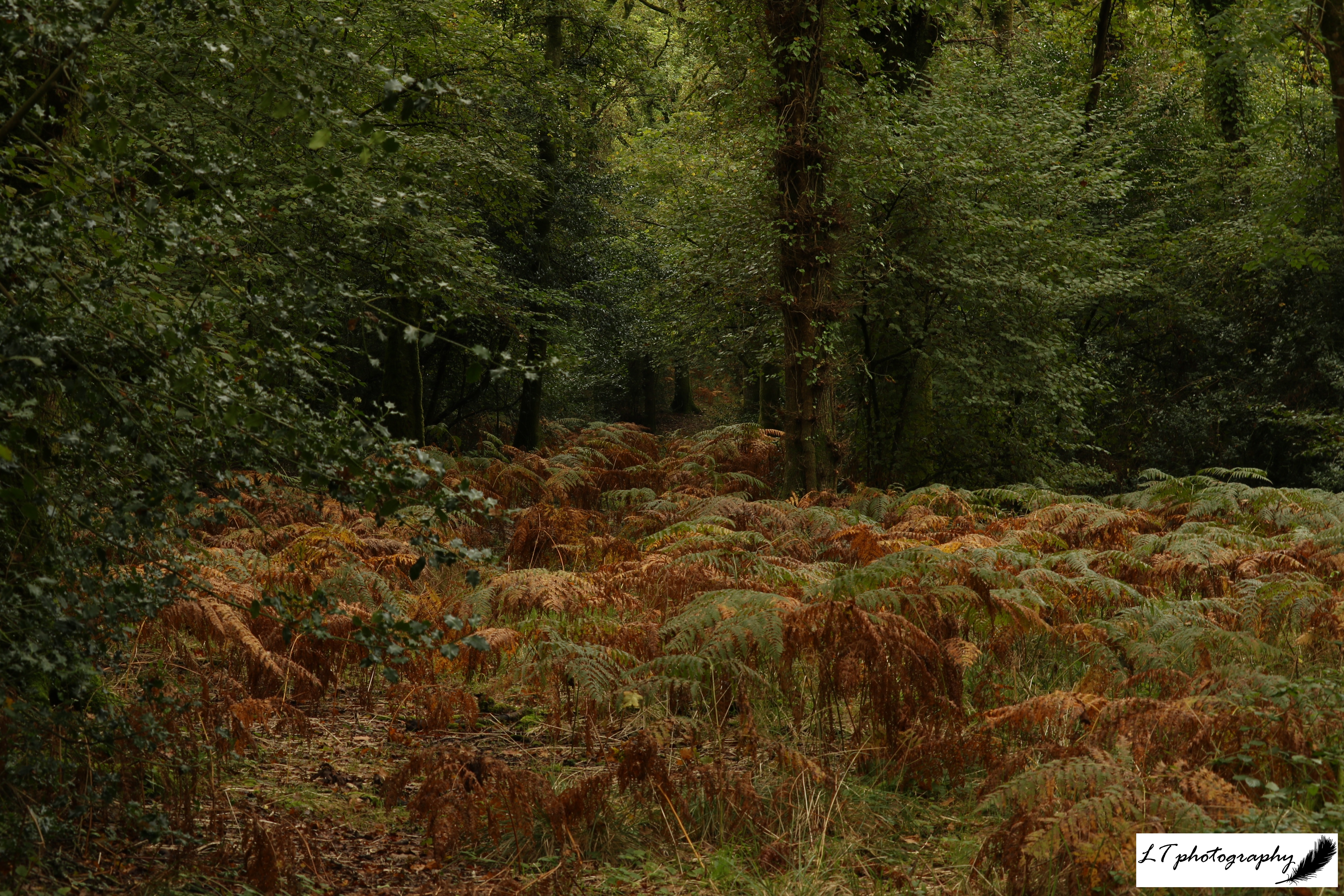
Nights are drawing in, temperatures are beginning to cool, and the dampness in the air is creeping in. Trees, such as oak, hazel and ash, are beginning to show changes to the colour of their leaves, adding yellows, reds, and oranges to their palette. As the trees signal the start of changing out of their finery, the ferns covering the woodland floor below are now fully on fire, curling up and browning away. As this dying off progresses, new life is symbolised through nuts, seeds and berries, such as the first ripe holly berries, shiny and red, waiting to be eaten. To buck the trend, ivy tendrils are sprouting clusters of green balls, their late flowers that will reach their peak in November.
Most of the summer avian residents will have begun their travels to warmer climes, leaving overwintering birds moving through and residents staying put. For example, our native robins are beginning to sing strong once again, needing to defend their important territories throughout the winter. Tits can be heard beginning to travel in small feeding flocks, whilst wrens and goldcrests flit in the branches currently going solo. Mammals do not make an appearance during my visit, but there are signs of the badgers, foxes, roe deer and squirrels that call the woods home. Times are bountiful for those who can find it, but harsher days are on their way!

November

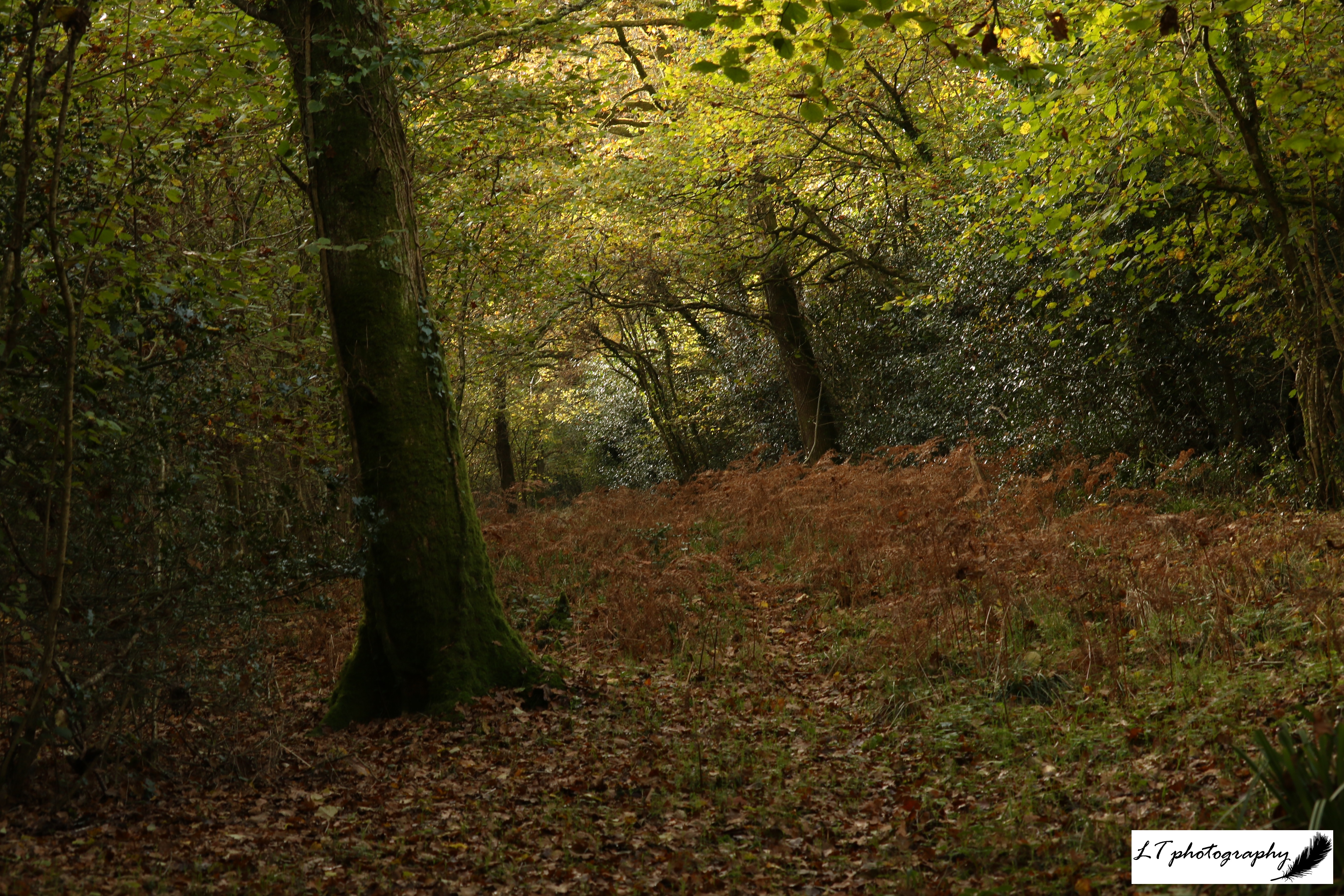
The arrival of November is accompanied by shortening day lengths and biting northerly winds. Mostly the month begins calm in the woodland with grey or sunny days. As trees continue to take in the goodness of this year’s bounty of leaves, the green of summer has been fully taken over by bright fierce colours in the canopy, with the orange of oak, yellow of hazel, gold of field maple, and red of hawthorn, amongst others. The leaves also begin to fall from on high, twirling to the ground and beginning to form a crunchy leaf litter under foot. The trees are going to go out with a riot of colour!

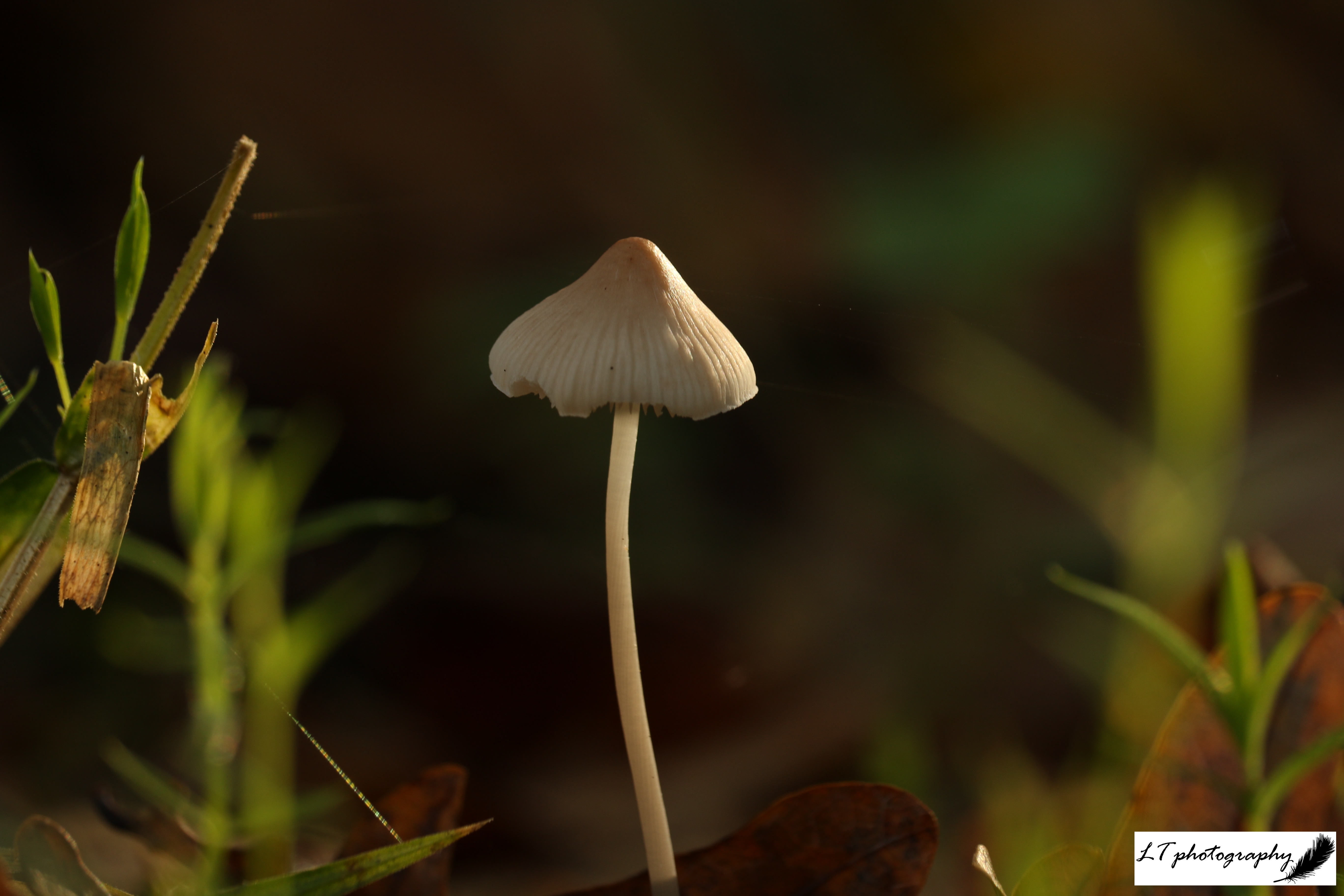
The soft sunlight falling through the trees marks a slowing of time and activity for wildlife. Pheasants meander amongst the trees being released from local shoots. A raucous jay echoes through the still trees. Mushrooms poke up from the leaf litter here and there creating a more ethereal quality to the woodland during this time. It finally feels like autumn has arrived just at the point when people look towards the closing of the year in a month’s time. Time to savour the last hurrah of nature!

December

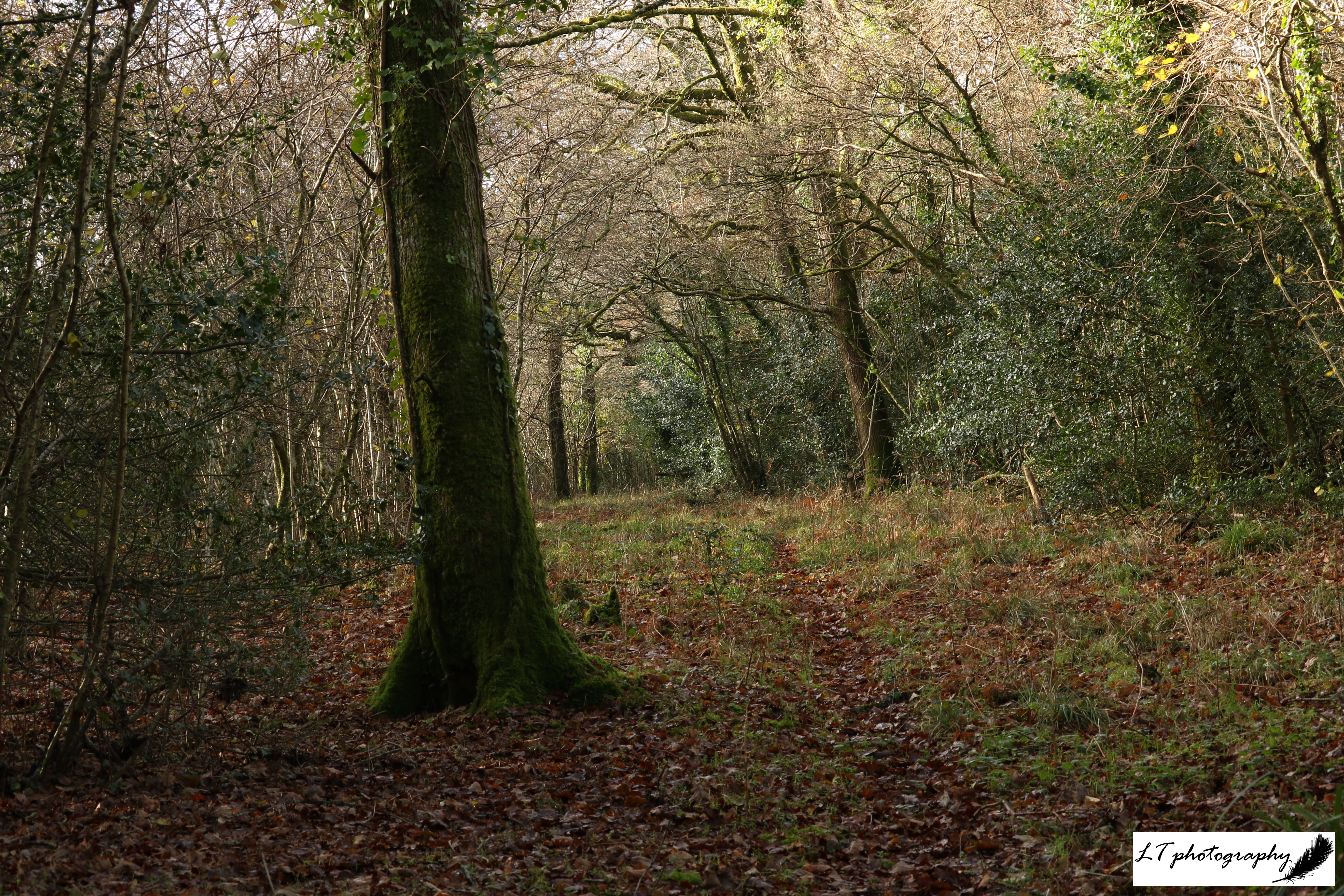
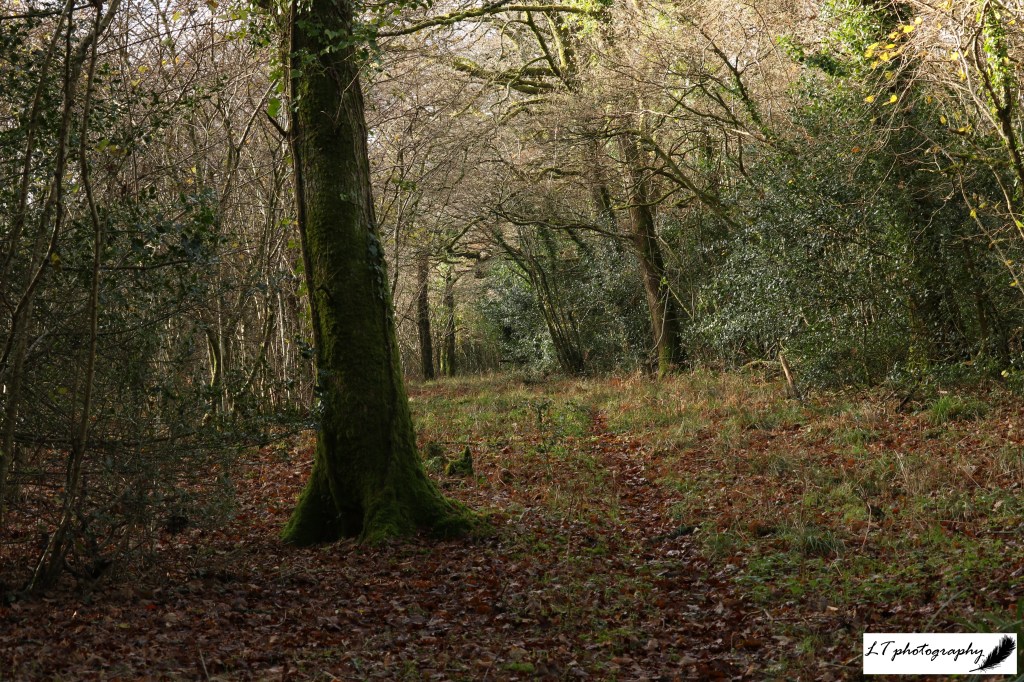
The year is rolling on to its close once again and winter is fully upon us. As I step back into the woodland for one last walk of the year, a cool breeze bites my cheeks whilst cheerful sunshine falls through the trees. Now I find myself surrounded by leafless forms once again, bare, skeletal, but magnificent, especially the ancient oaks. The last few hazel leaves cling to their branches, but most trees have now shed their finery, and a new carpet of leaf litter satisfyingly crunches beneath my feet. The trees are putting nutrients back into the earth as they now lay in slumber.

Up above my head, I can hear a soft tap, tap, tap. The sound of a great-spotted woodpecker moving from tree to tree once again, and tapping for food under their barks. Birds call all around me, from angry wrens, territorial robins, and hungry blue tits, to a raven passing overhead, blackbirds on the wing, and even a nuthatch going about its business. Badgers will now be sleeping more, whilst foxes are more active, thinking about breeding once again. There is still so much life to be found out in this Dorset woodland, even if all are just trying to survive through to another year. December is rolling on and a new year beckons!

Spring In Photos 2024

Spring 2024 has no doubt been a tough one for all, nature and wildlife included. The cold and wet weather appearing throughout has made for a unique few months, that has often felt more like a continuation of the winter passed. Despite this, spring took its time to unfurl as in the last couple of years, and had lots to offer.

When it comes to nature, whatever is going on, it continues to provide moments of calm, vibrancy and adventure. This has been apparent more than ever as I venture out with my camera or simply with my phone at hand. Here are just some of the many photos I have taken this spring.

Spring In Photos 2024

Butterfly On Blossom
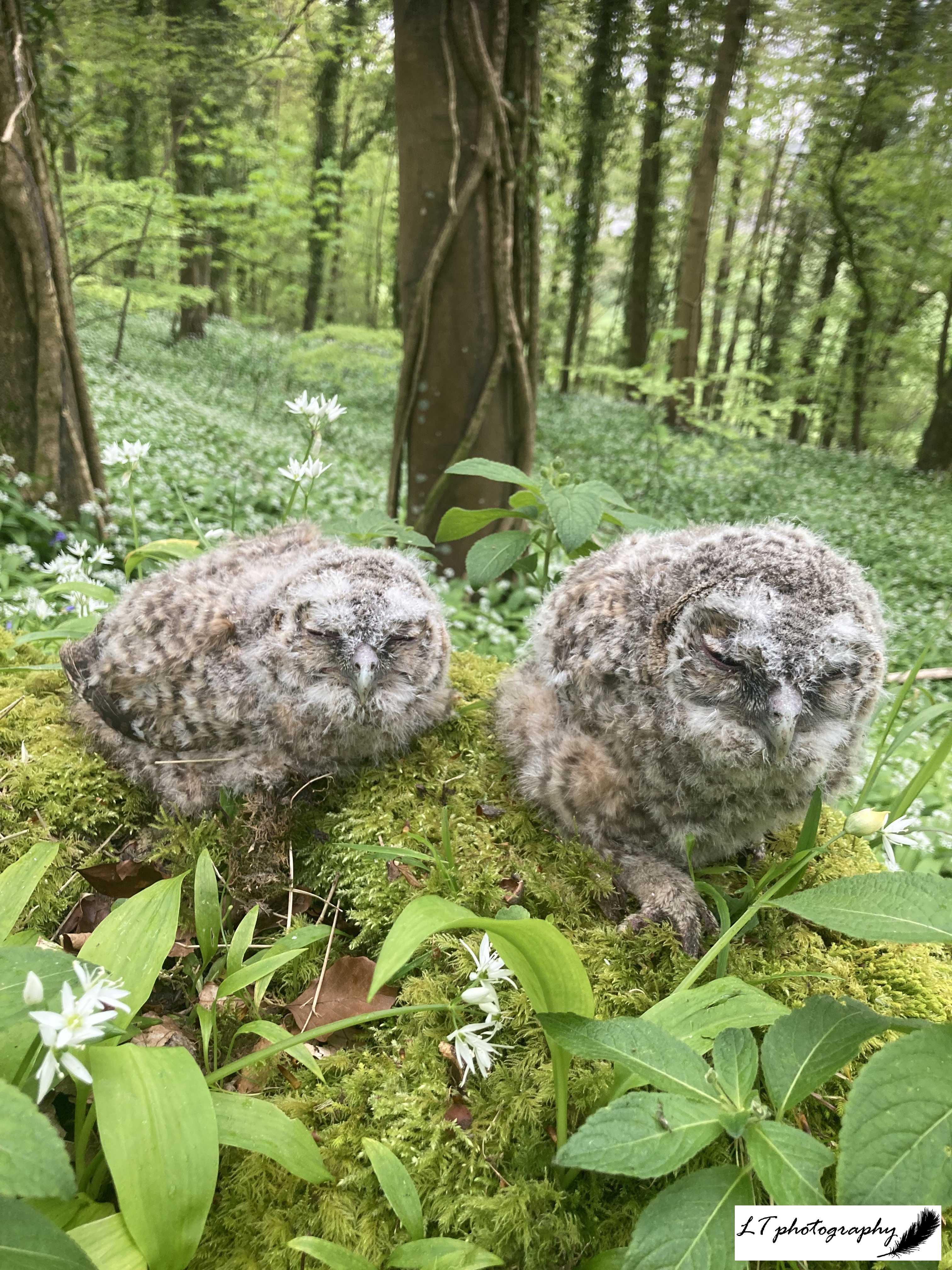
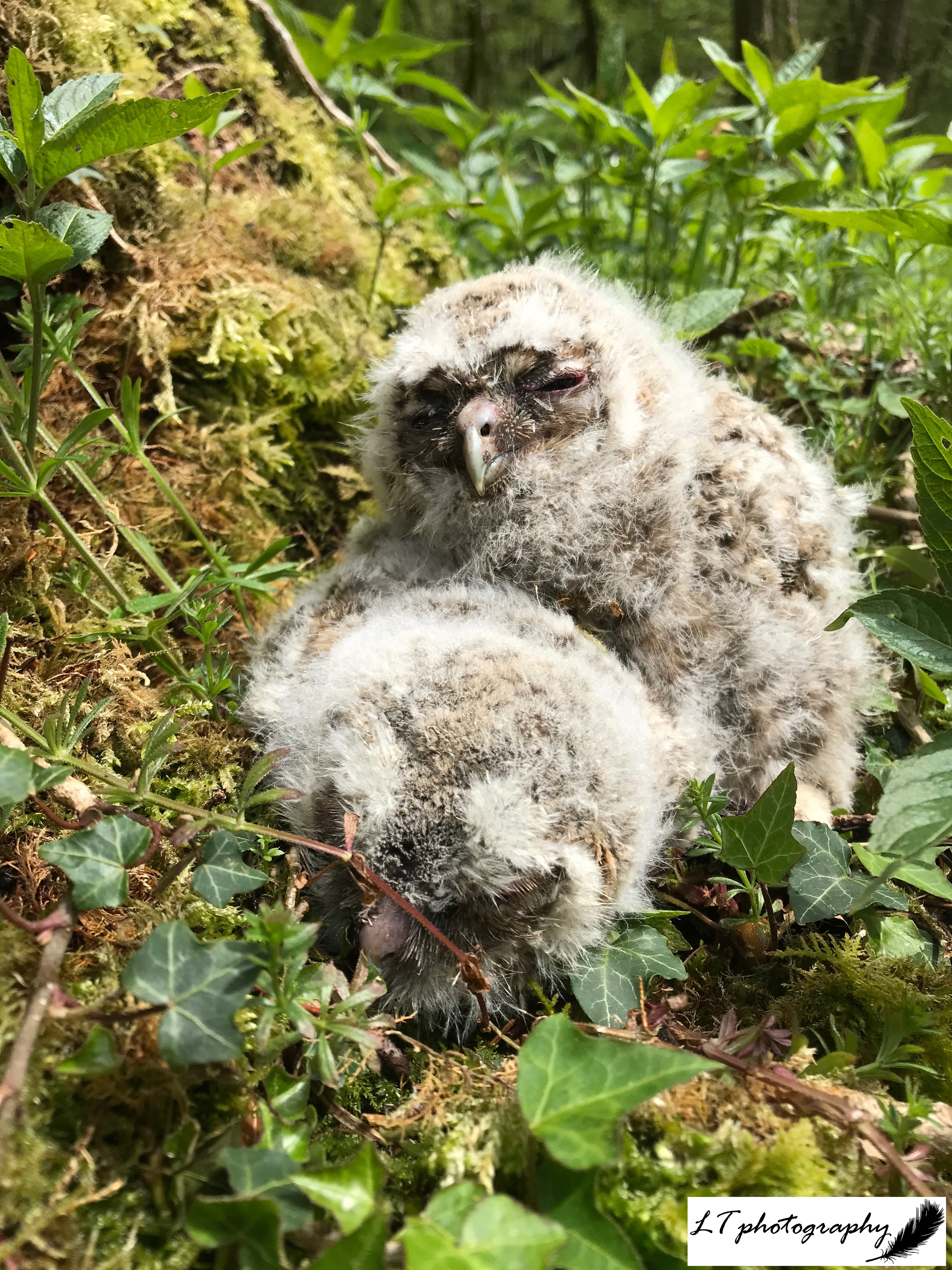
It’s Tiring Being A Tawny chick!
Shimmering Like Gold
In The Spotlight
The Rook To My Raven
Focussing On The Little Things
Sparkling In The Dark
Flying High As A Kite
Beautiful In Blue
Love On The Water
Brooding Like A Blue Tit
A Speckled Beauty

Disclaimer: All birds were handled or observed under rules, with care, and by a trained bird ringer. The welfare of animals always comes first!

Wildlife Photos for 2021

Last year was an unusual one for us all, as we got used to a new reality, but for me it was also a year of colour, amazing wildlife, and fabulous adventures. I learnt alot and was able to continue to grow as a person, which includes my skill in wildlife photography and passion for communicating nature with you all. To celebrate, here’s a collection of my nature photos spanning 2021, capturing a range of themes, species and stories, and holding a feel good factor. Enjoy!

January

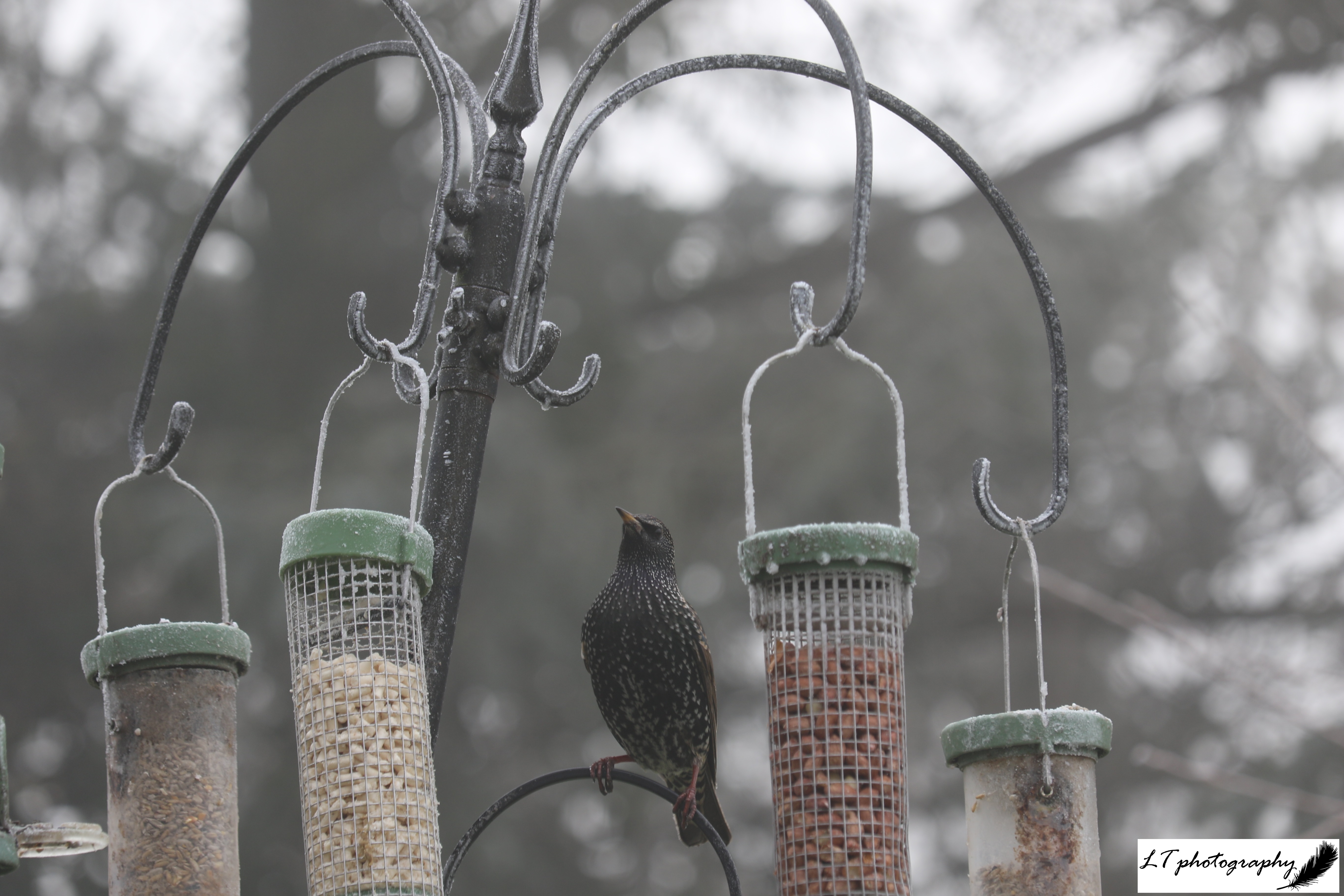
I began my year taking advantage of frosty mornings to capture the birds relying on our garden during the winter. Here a starling looking magnificent in its speckled plumage.

February

In 2021 I made it my mission to take my first up close photos of snowdrops. I enjoyed the challenge, brightening up a gloomier start to my year.

March

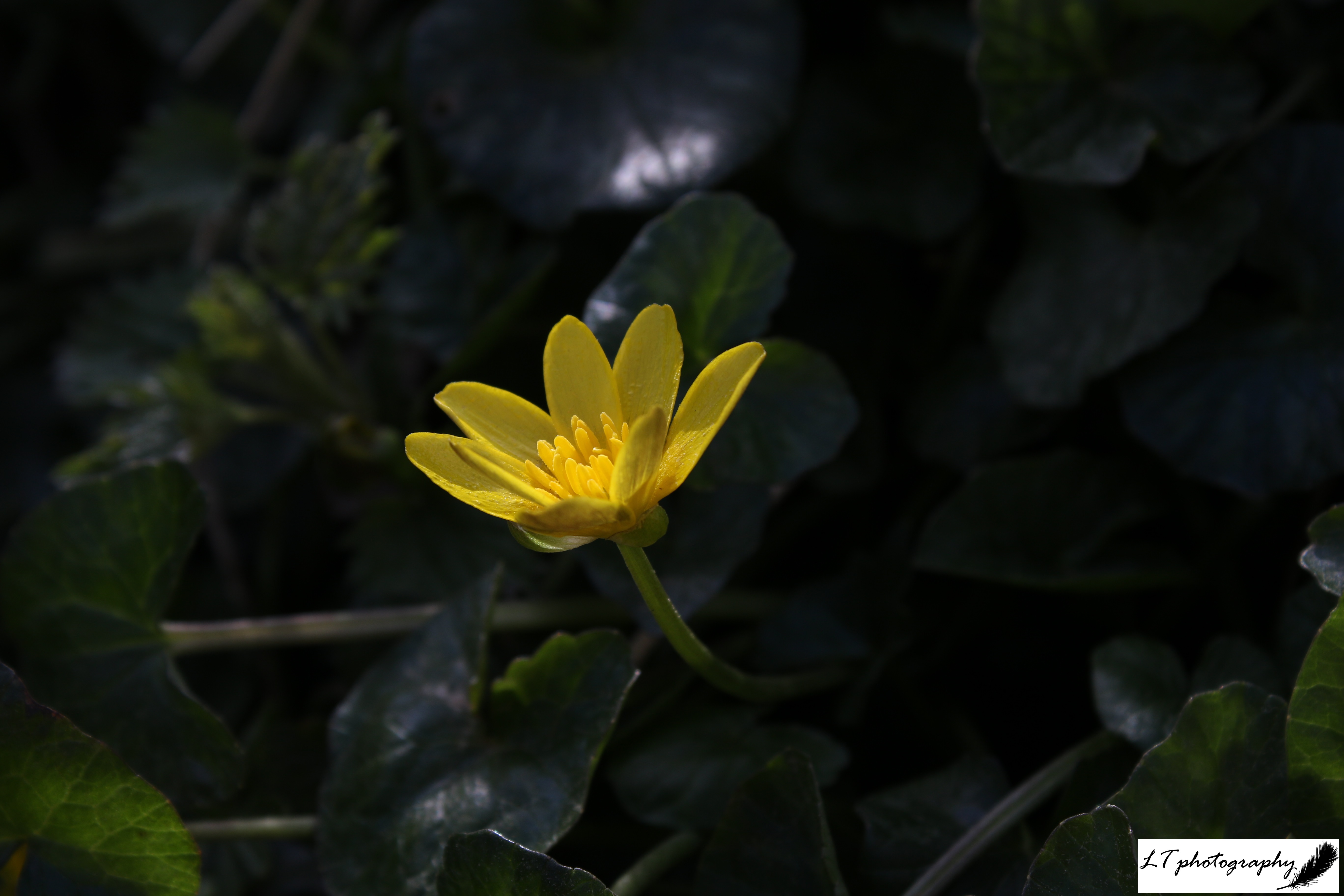
As the first signs of spring began to arrive, my focus turned to the ground and colourful spring flowers. Here a celandine peaks out its sunshine head from a thick cluster of green leaves.

April

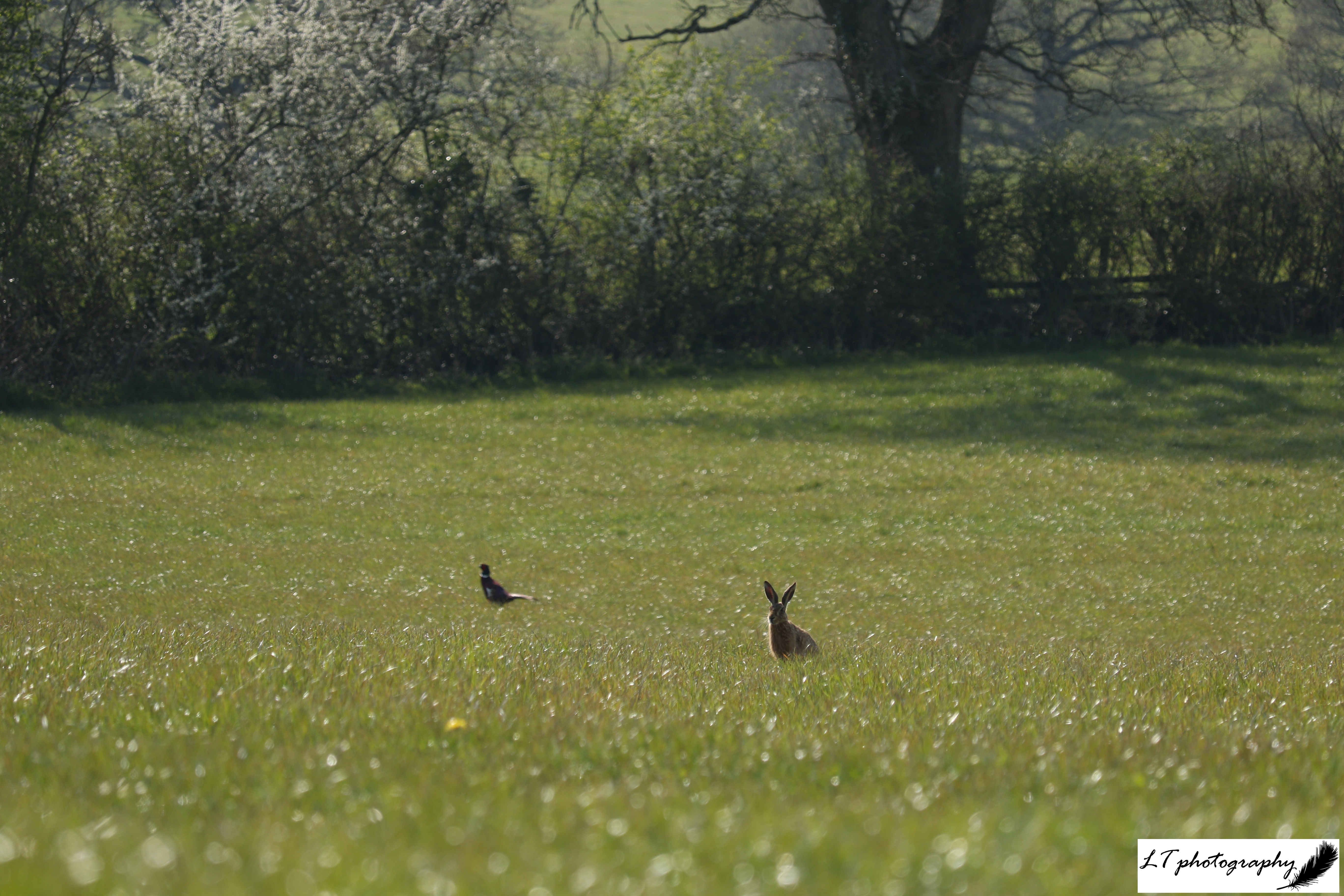
As spring burst into life, my focus turned to the animal species now becoming active in the rural landscape. Here is a relaxed hare (and pheasant) that I ended up spending a sunny afternoon watching feed on this hillside.
Each year grey wagtails are becoming a more and more frequent sight on my family’s farmland. We now have a soft spot for them as they brighten gloomy winter days and add a flash of colour in spring sunshine.

May

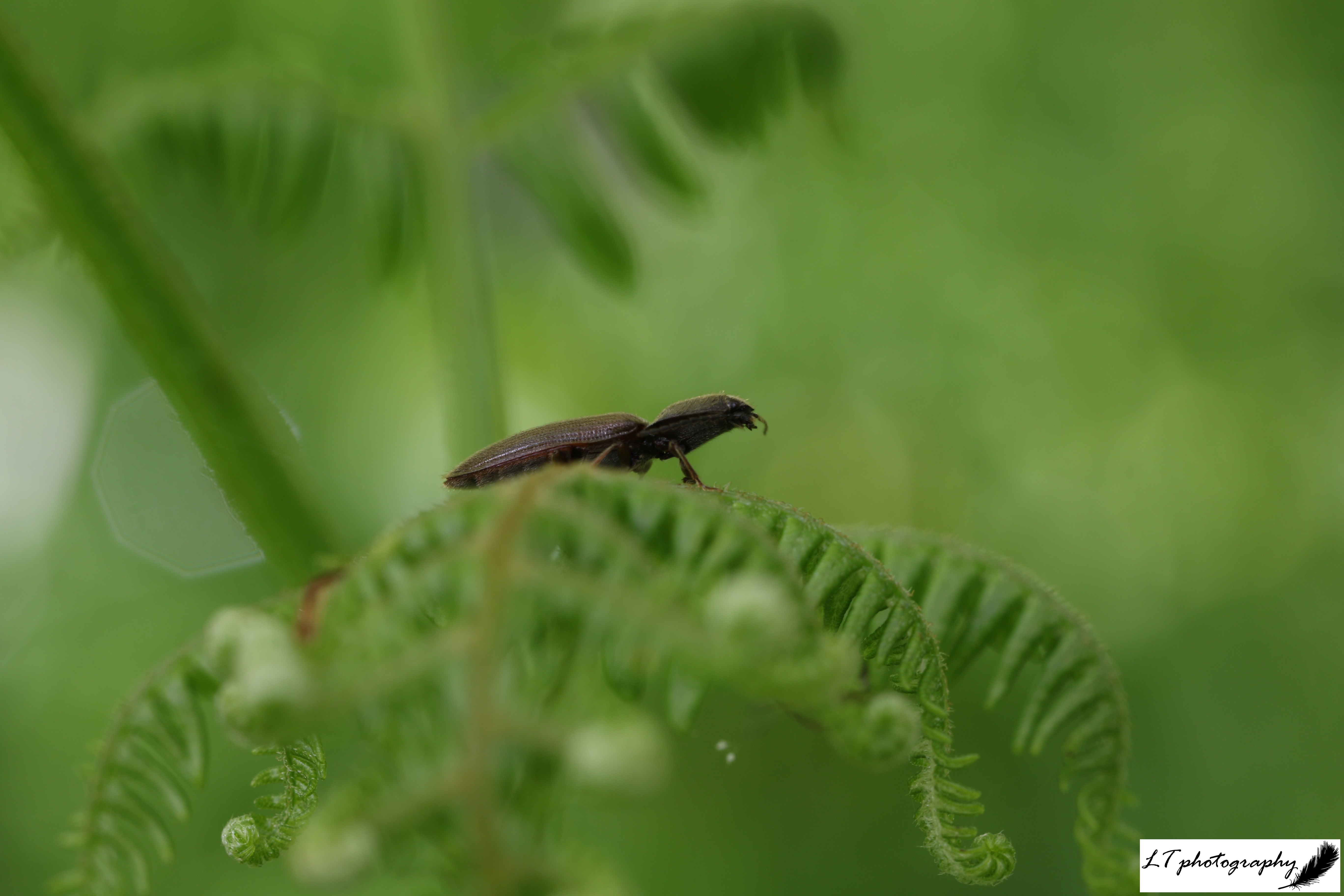
In 2021 I bought my very first macro lens which I was very excited about. It was great fun to head out with no set challenge, and just see what I could find!

June

Last year was definitely the year of butterflies for me. I had alot of fun expanding my knowledge of species and getting to see an increasing number living on my family’s land, such as this meadow brown.

July

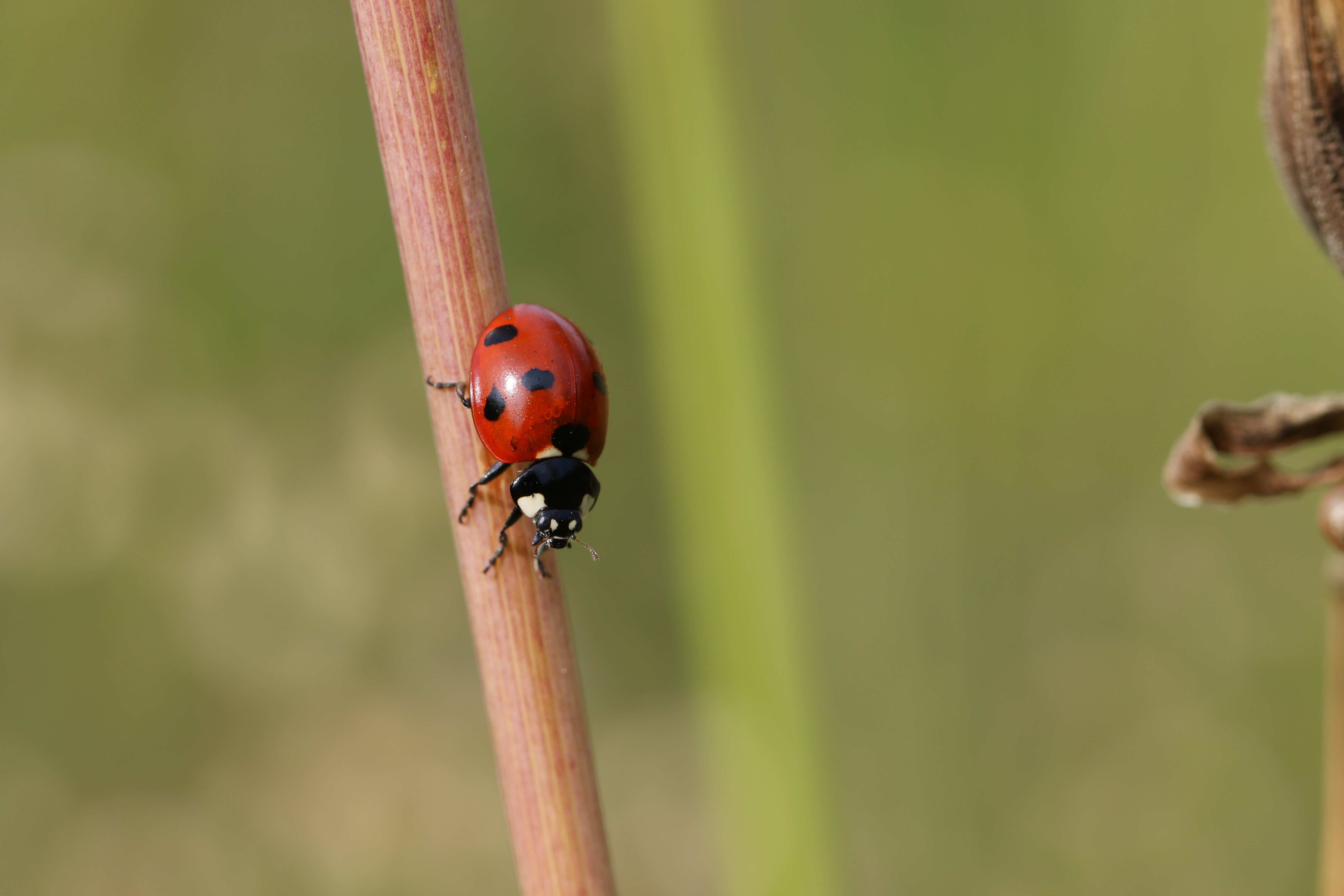
A series of photos that I took of this ladybird became some of my favourites for myself and my family in 2021!
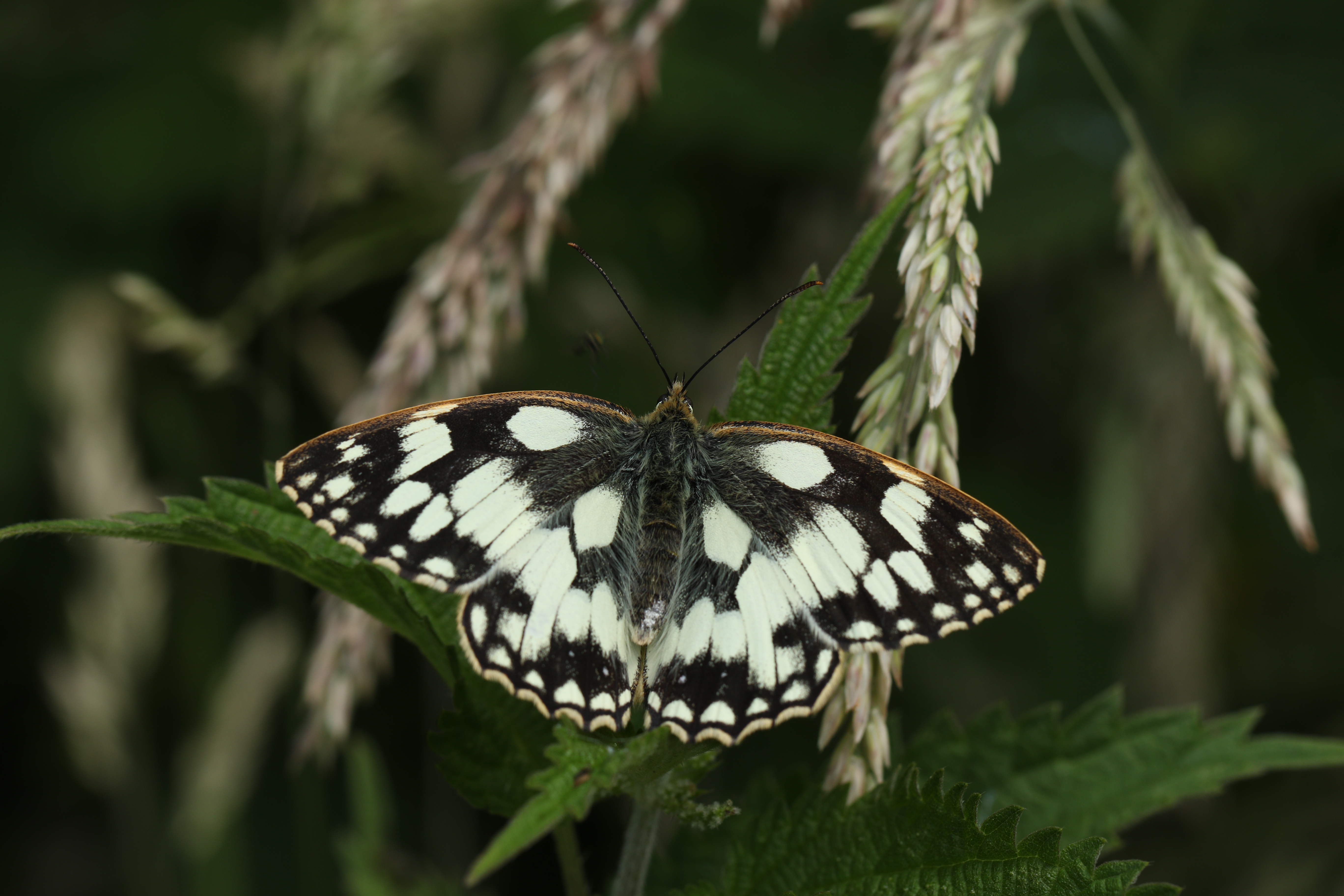
Another one of my 2021 favourites, a spectacular marbled white!

August

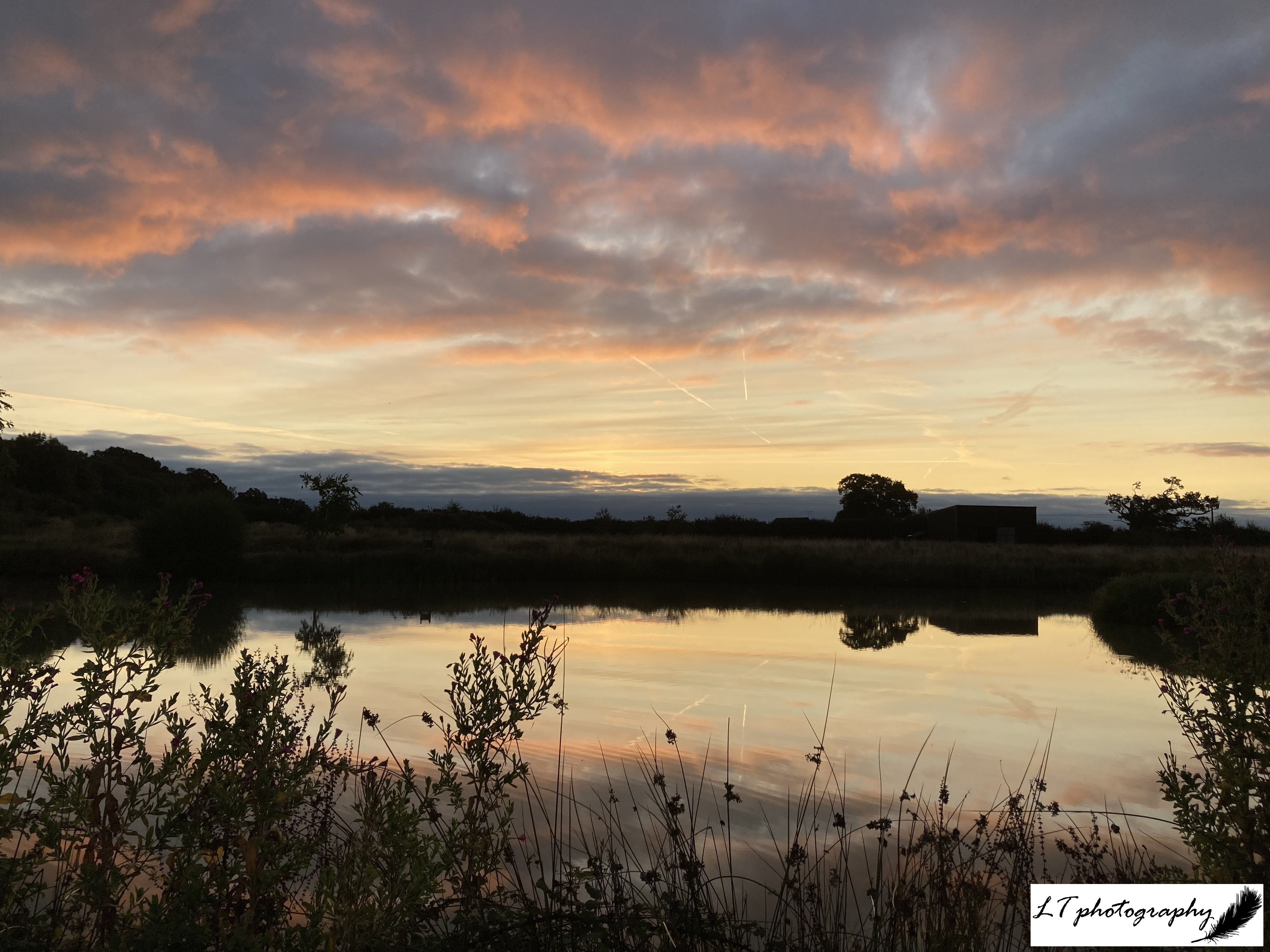
There’s something special about a sunrise over water with pinks, oranges and yellows streaked across the sky like a watercolour.

September

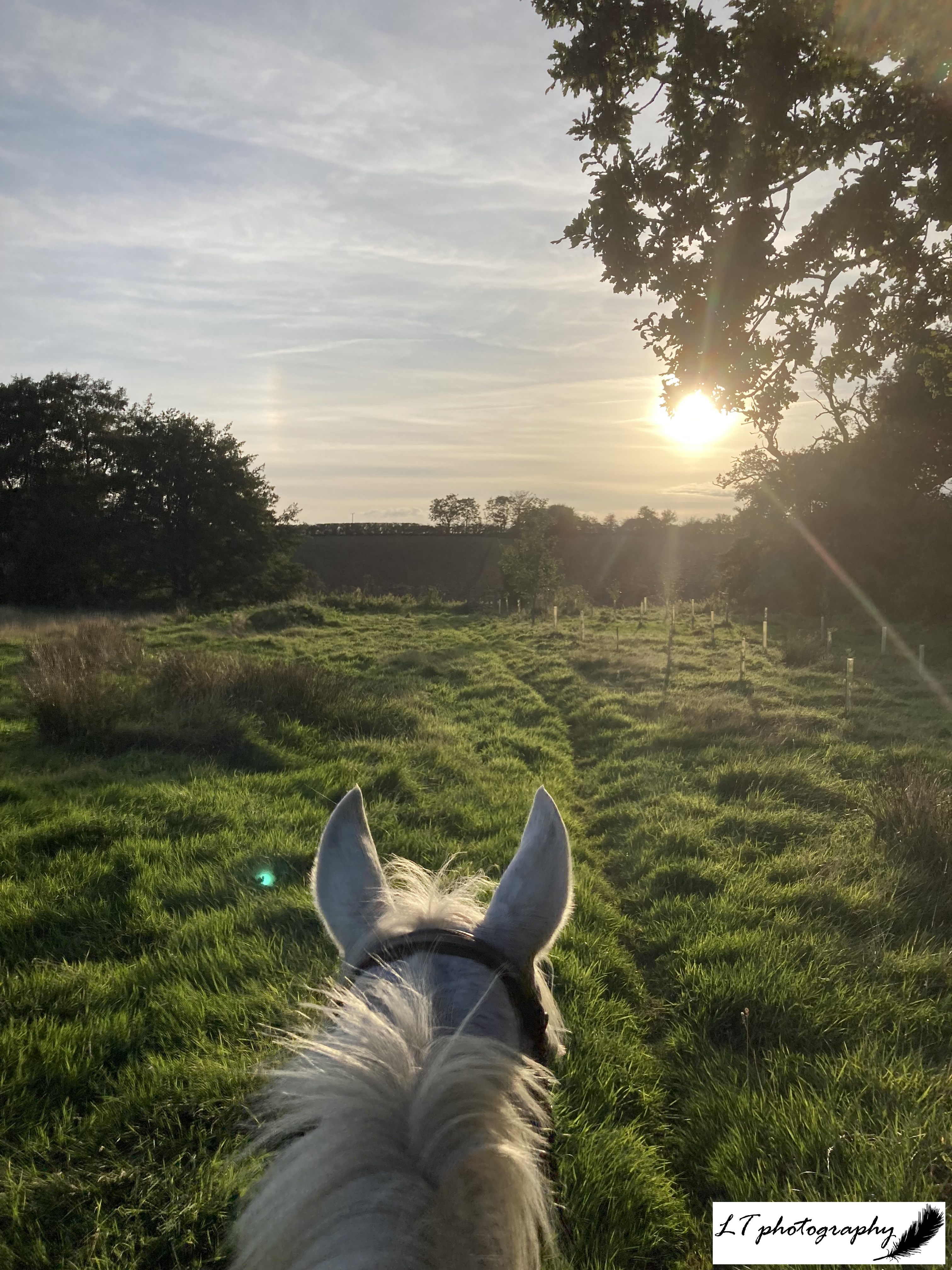
One of my favourite places to be is between two ears exploring the countryside. Here I also had the golden glow of a setting autumn sun to make my ride even more magical.

October

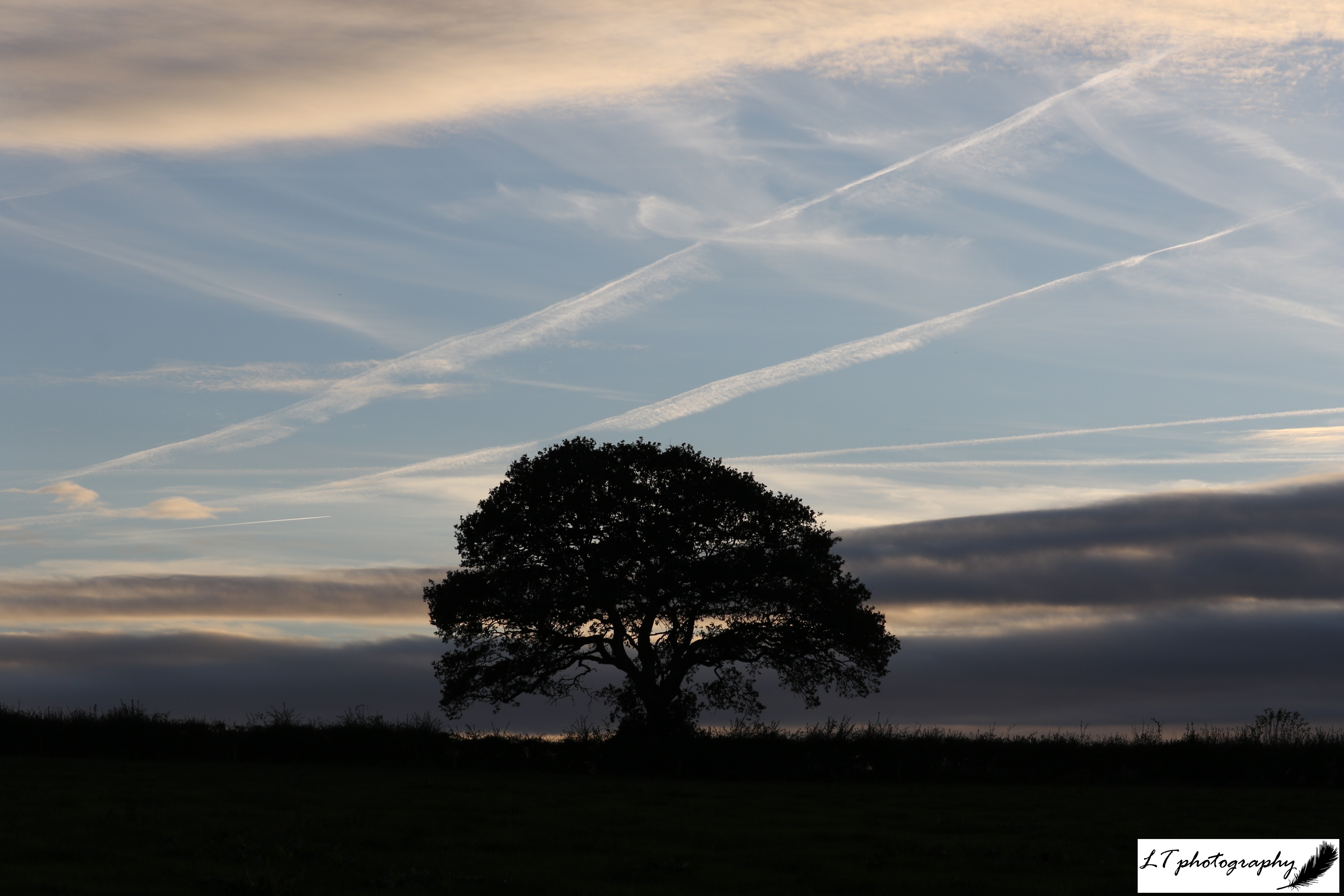
Autumn has some of the best sunsets, with everyday promising something different. Here an oak tree holds on to its leaves as autumn continues its advance through the landscape.

November

A magical part of late autumn is seeing the sun rise over dewy fields covered in a blanket of wafting spiders’ webs. These are produced by thousands of small spiders active before winter arrives.

December

To round off the year, one of my wildlife activities was to plant some new fruiting trees and shrubs down in my family’s conservation field (here a crab apple). Tree planting is definitely a rewarding activity at this time of year!

Here’s to new adventures in 2022!

Spring in Photos 2021

Last year spring was my lifeline, as we experienced the world around us being thrown into disarray. This year spring was instead turned on its head, with changing weather patterns making it unpredictable and different from what we would usually expect at this time of year. A hot and stormy March, cold April, and wet May made nature emerge later, with spring events taking longer to arrive, and being anywhere up to 60 days late.

Still this year’s spring has been magnificent. Vibrant and colourful, it had much to be celebrated. My family’s farm in Dorset became full of new life, from blossoming trees and flowers, to fox cubs and leverets. Spring is unsurprisingly my favourite time of year, so this year I again made a point of getting out as much as possible to experience it, with my camera by my side. Here’s a look at some of my favourite photos from this spring, either for their aesthetic appeal, meaning to me, or overall joy factor.

Spring in Photos 2021

1. Blackthorn – This photo was taken at the beginning of April on a misty morning. It was a beautiful way to see delicate white blackthorn flowers in a different light, framed in front of a splintered stem.

2. Male blackbird – Blackbirds are an iconic sound of spring for me and also so many others. Their beautiful song often symbolises the beginnings of longer, lighter evenings, or for me fresh spring mornings. This male would sit in this willow tree every morning throughout spring to sing his song, defending his territory and mate. In particular, this male and his female nested in our shed, successfully fledging 5 chicks at the start of June.

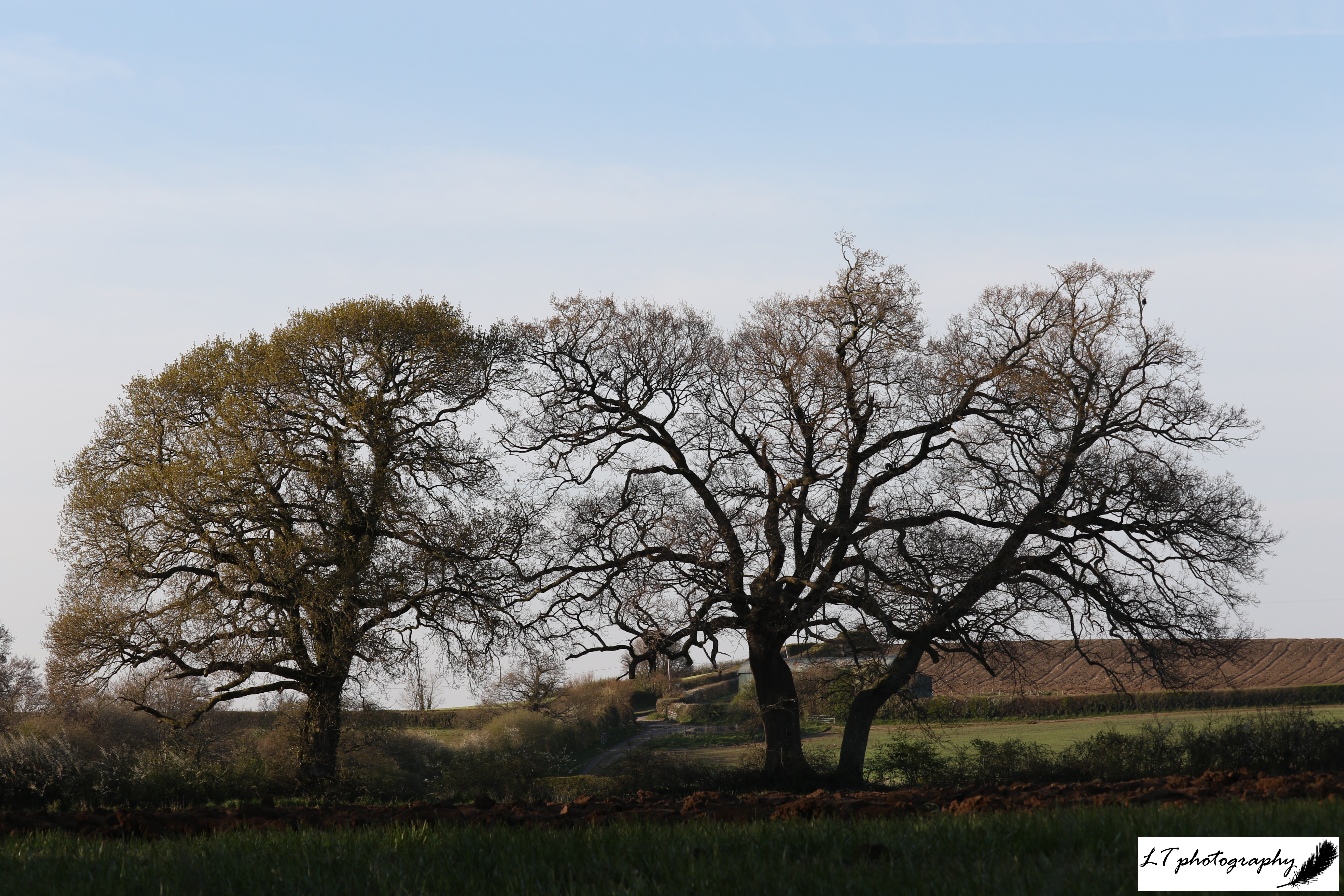
3. Oak trees of a farming landscape – What hits me first in this photo is how bare this landscape seems for late April. The oak trees have barely begun their bud burst, looking skeletal behind a farm field that is being worked. This almost autumnal scene is refreshing though, showing the new beginnings of another year in nature.

4. Camera trap fox cub – This photo is one of my favourites from this spring, symbolising a successful spring camera trapping season (blog post to come). This was one location, an abandoned badger sett, where I thought that foxes may have been breeding. My camera trap proved my feeling to be right, and treated me to an assortment of photos, day and night, of 2 very active fox cubs. Just one of multiple litters that I found on my family’s farm this year!

5. Wood anemones – Wood anemones have slowly become one of my favourite spring flowers, being one of the first to appear in woodlands across the UK. They are a great indicator of ancient woodland, and an interesting flower to photograph for their shape and colour. My memory cards are full of all sorts of different types of photos of this species!

6. Tawny owl chicks – One of my highlights of spring this year has been ringing chicks under license with my bird ringing group (Conservation Action). In particular, I had a great day in early May at the Woodland Trust’s Duncliffe Woods site in North Dorset checking tawny owl nest boxes. It has been a poor year for tawny owls in general, which was reflected by Duncliffe Woods, but we did get lucky and found 3 active nest boxes. I had the pleasure of ringing these chicks, under permit, which will provide important information to help conserve tawny owls in the future.

7. Brown hare – This year has been the year of the hare on my family’s farm in Dorset. We have a reputation for being a great site for this species, but this year has been truly astounding. With 1-3 hares to every field, I was humbled to spend my spring out working alongside them everyday, getting to see them up close and experience their behaviour firsthand. Truly magical!

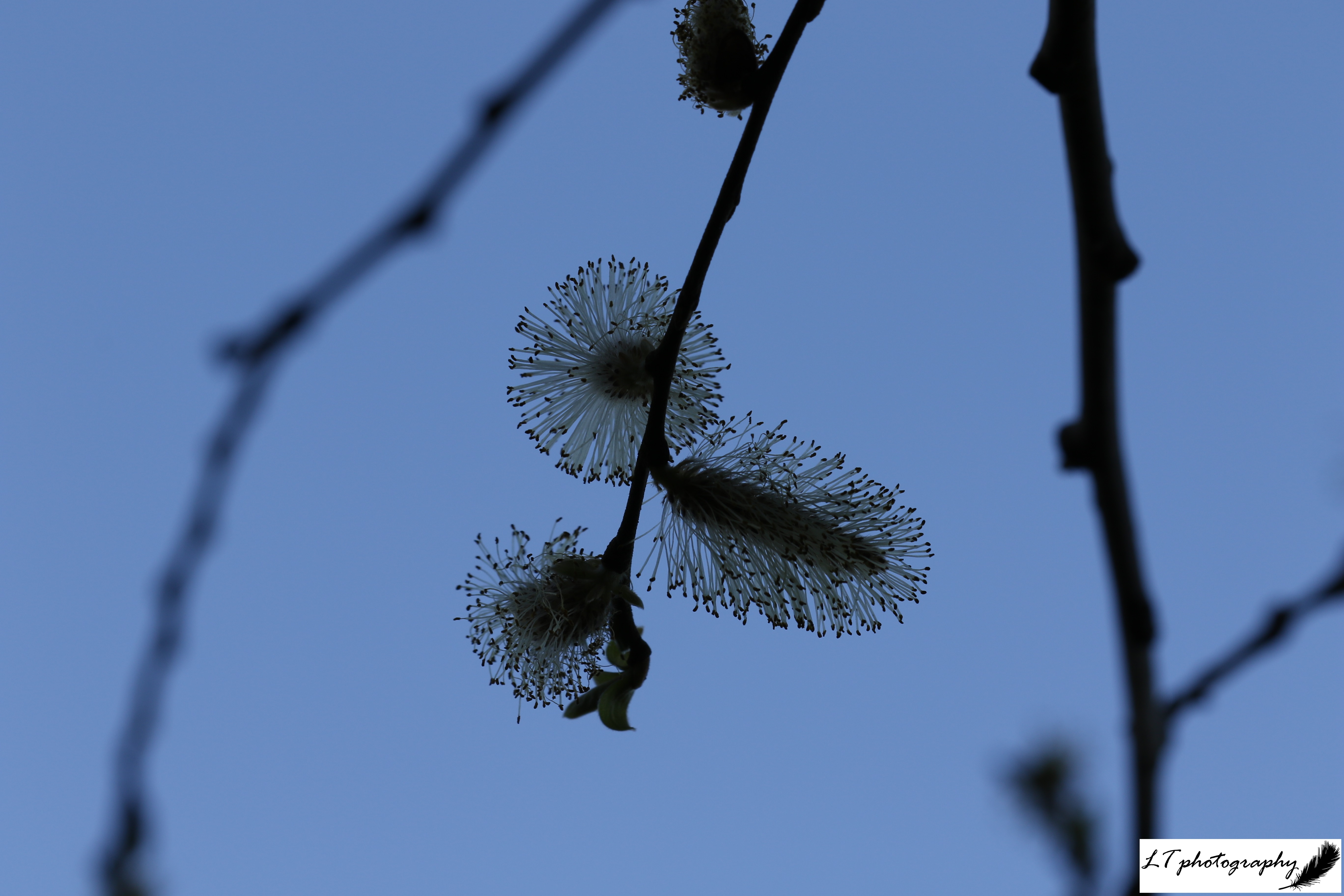
8. Pussy willow flowers – Willow flowers have been a difficult subject for me to photograph this year, with poor results. I was pleased though to find this refreshing photo on my memory card, of willow flowers stood out against a clear blue evening sky. They are beautiful in their own right.

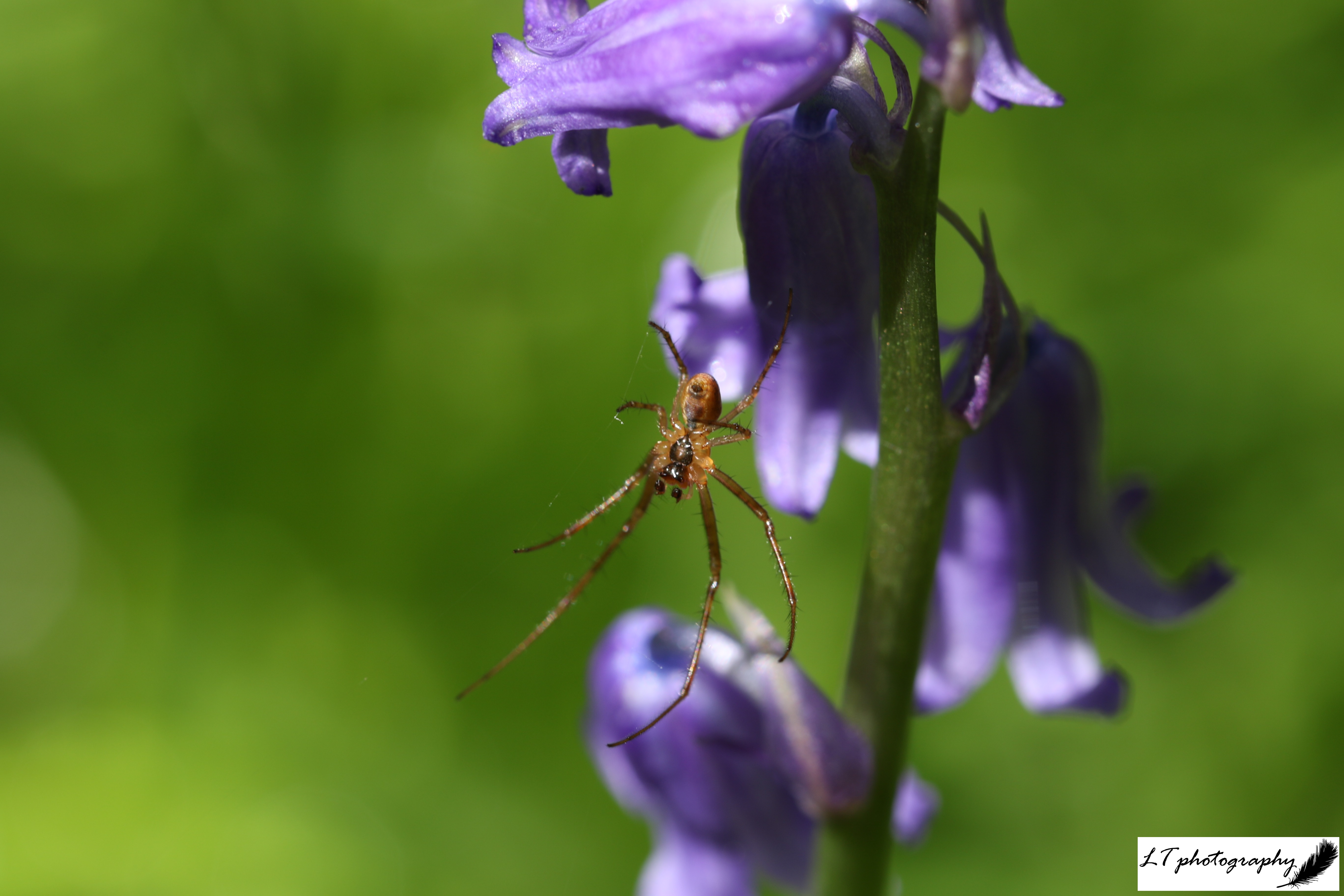
9. Spider in macro – This photo that is not photographically ‘perfect’ is still a favourite of mine from this spring for other reasons. As I invest in my camera equipment, my latest edition has been my first professional macro lens. So this photo was the first photo I even took with my new lens, and it fills me with joy to see the new world I can now start to explore.

10. Grey wagtail – Last year my Dad began digging a pond in his field that he is currently wilding. Though he was rained off in the autumn before completion, the half-dug pond is already attracting a wealth of species from birds to insects. Majestic grey wagtails that have begun populating this area over the winter have also found the pond this spring.

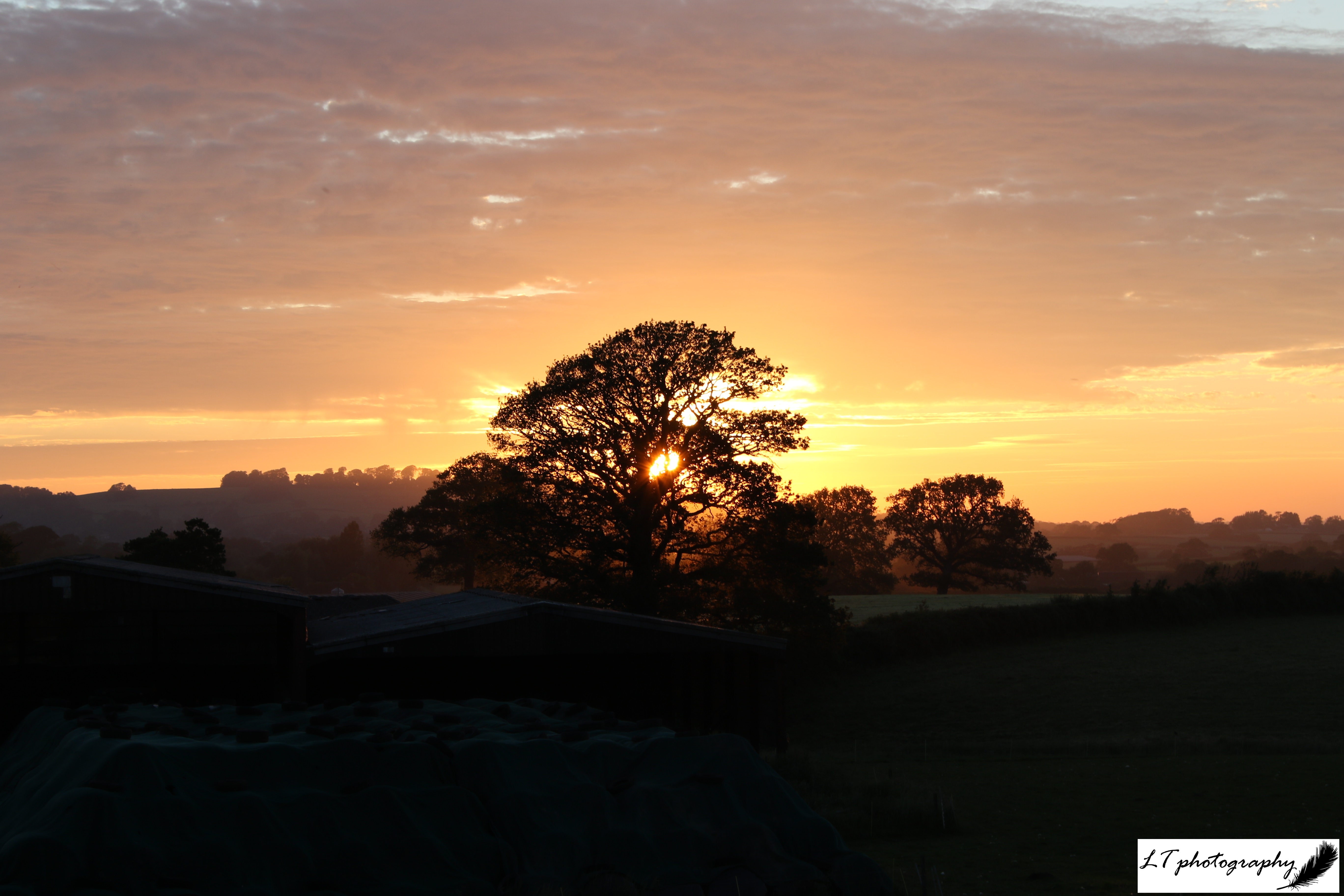
11. Sunset – Though sunrises are magical, sunsets have always been my most favourite time of the day. This is because many of my happiest memories can be linked to beautiful and vibrant sunsets from field research in Canada to evenings at home on my family’s farm. I have seen so many incredible sunsets already so far, but I hope to see many more in the future.

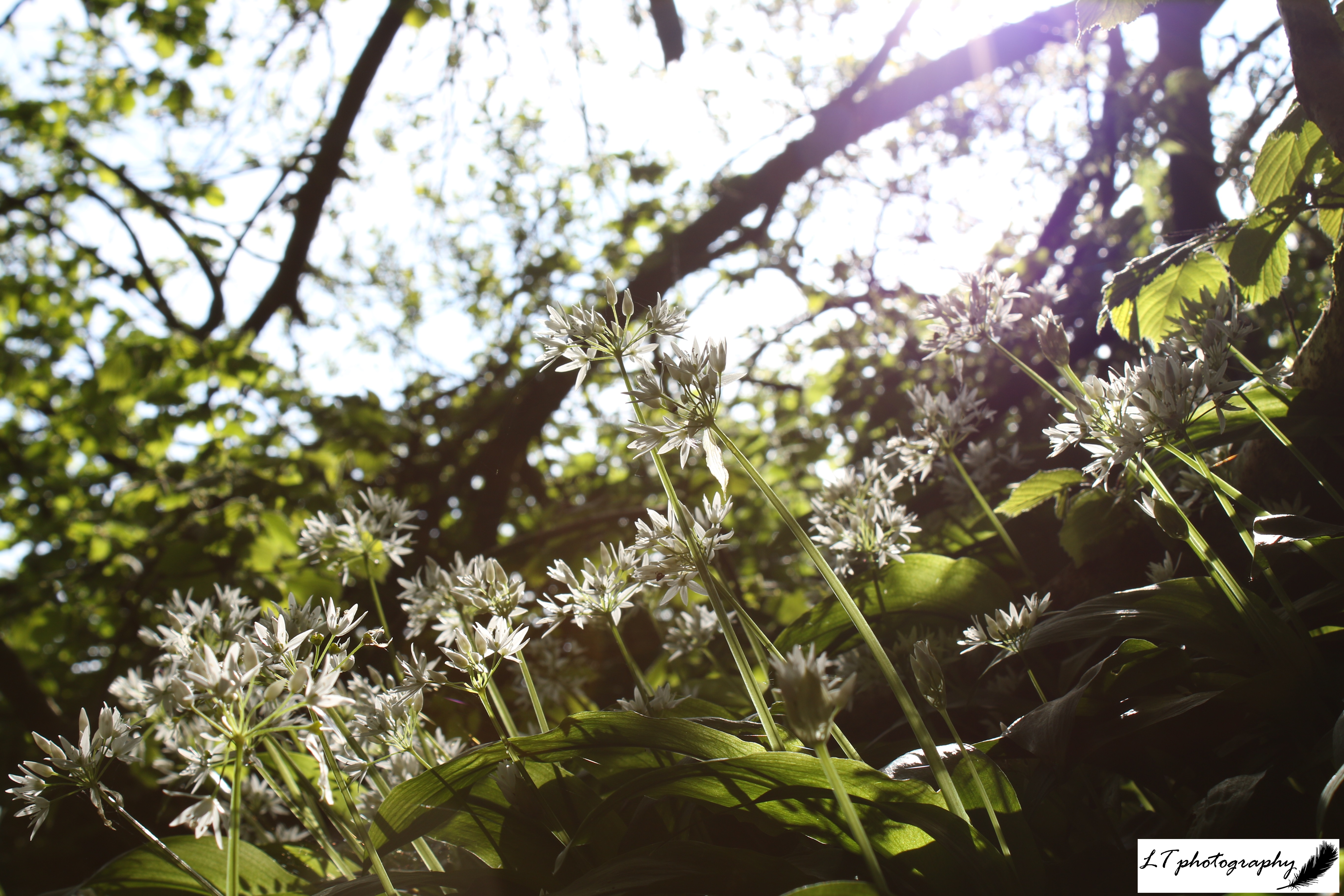
12. Wild garlic – Though my busy spring dissuaded me from mornings waking up before the sunrise, I did spend a couple of glorious mornings waking up and getting out an hour or so after instead. The light is glorious at this time of day and always provides me with inspiration for my photos and life in general. This photo represents this magical time of day and the joys of spring flowers, wild garlic being an iconic example.

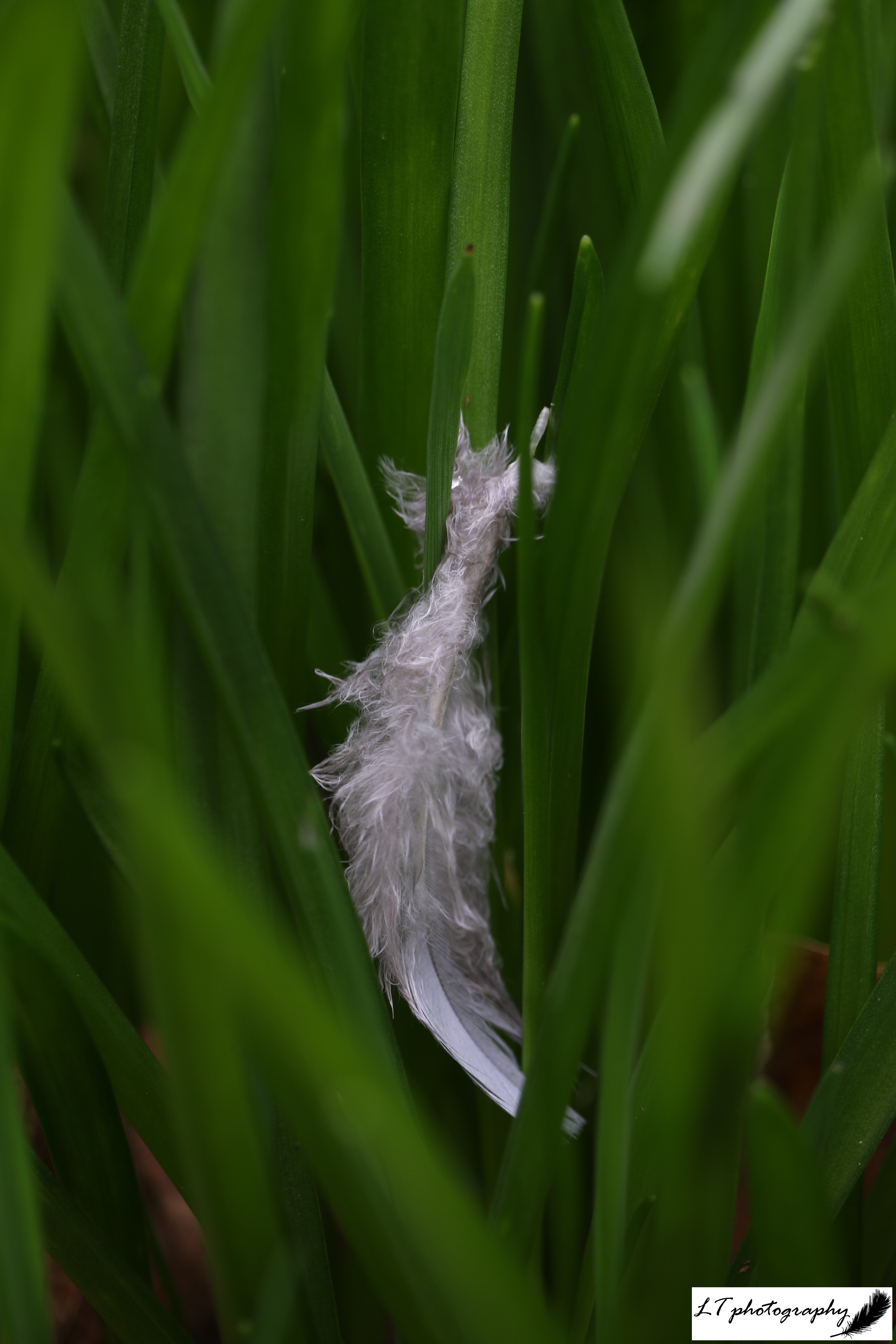
13. Feather in the bluebells – Wait, a feather again? Well feathers always sneak into my many files of photos, being a symbol of mine and representing my love of feathered species. They can also tell us useful information about what is living in a habitat, for example this feather is most likely from a collared dove.

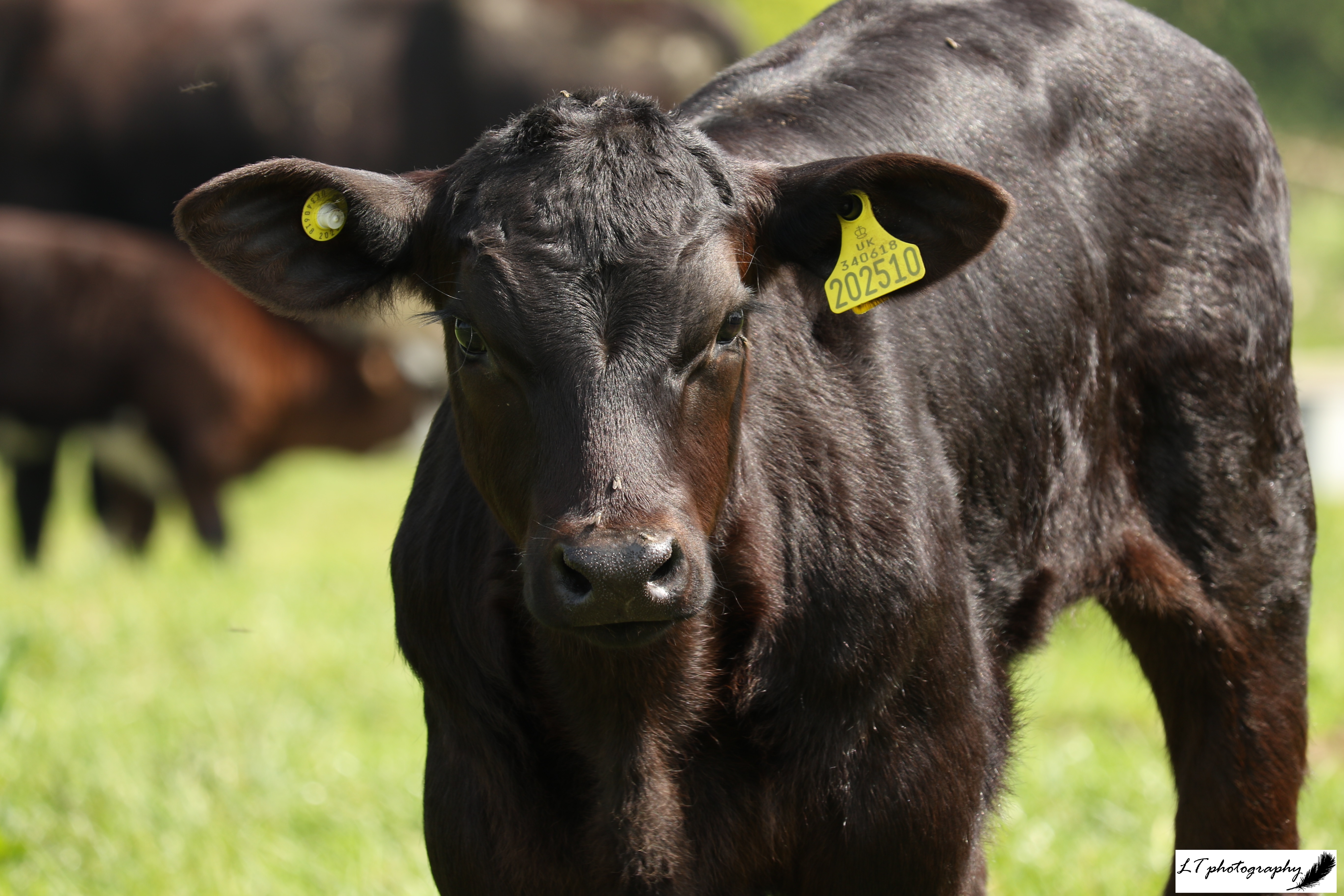
14. Aberdeen angus calf – This photo is one of my favourite photos of one of my mum’s beef suckler calves. Spring is a time of new life in nature and on the farm, with my mum’s small free range beef herd giving birth at this time. This year they have weathered it through some turbulent months, but now are enjoying a bit of sunshine on their backs.

15. Honey bee – As I was intending to buy a macro lens this year, I made sure to time my purchase to be able to use it on the flowering of the poached egg plants in my family’s garden. It arrived well in advance, and, despite some rained off days, I got to spend some happy lunchtimes in the sunshine photographing bees on these flowers. This is one of my favourite macro photos of the flowers this year.

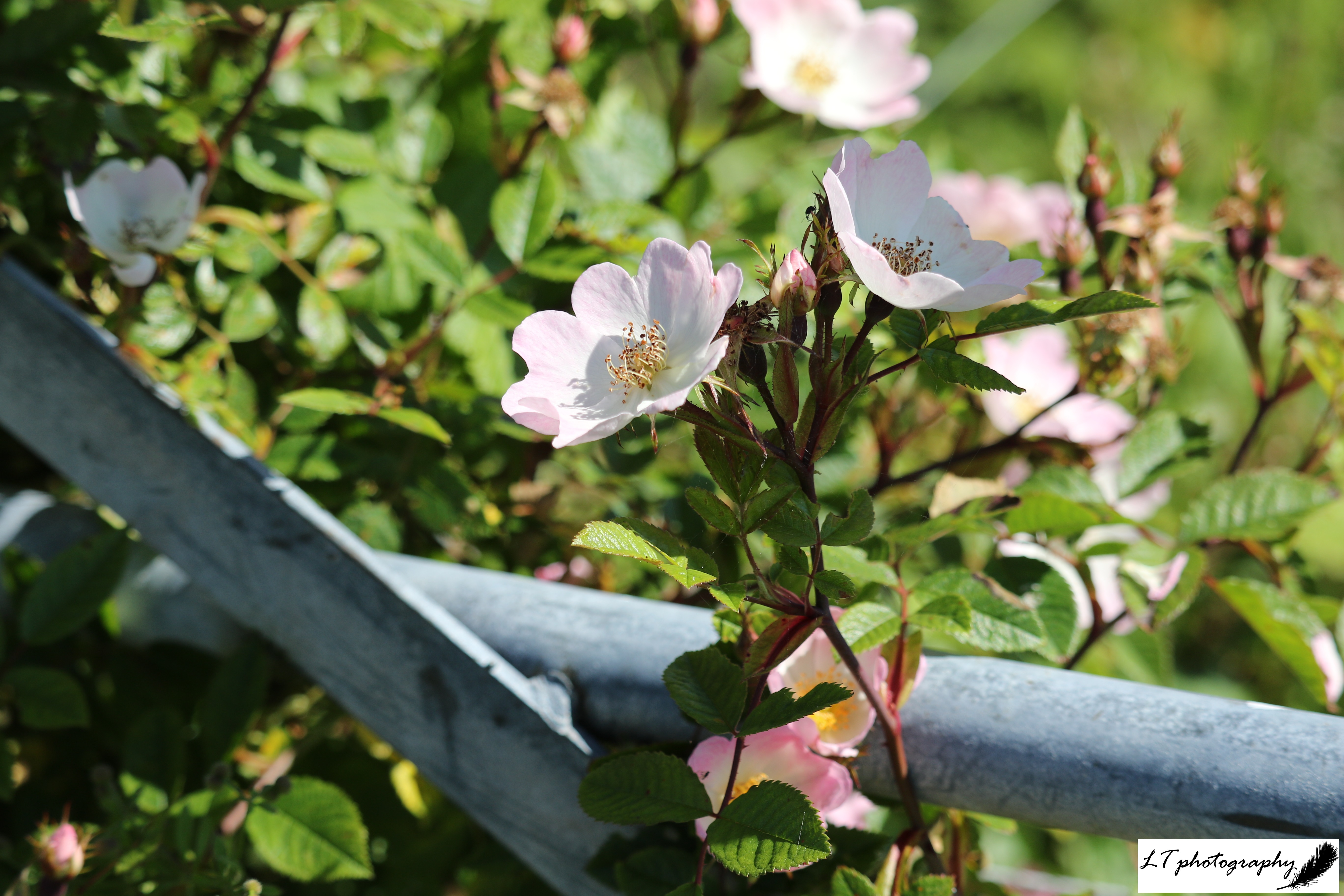
16. Dog roses – Dog roses were the last event of spring that I looked out for this year, and it kept me waiting! They were 22 days later for me than last year, with the first flowers blooming on the 8th June. They came out in force though, covering hedges within the space of a couple of days, adding some more colour to our hedgerows. With their lateness though, I feel like they also marked the end of spring this year.

How to… Identify Chalkland Wildflowers

Colourful, radiant, buzzing with life, a piece of paradise in the summer sunshine. All words to describe a small piece of chalk habitat nestled within the heart of my family’s farm in Dorset. Amidst a clay-dominated landscape, this small creation aims to emulate the approximately 41,000 hectares of lowland chalk grassland that can still be found across the UK. This super rich habitat contains over 40 species of flowering plants in every one square metre, giving chalk grassland its reputation as the tropical rainforest of Europe! Sadly though, 50% of chalk grassland has already been lost in Dorset alone since the 1950s.

In 2017, my Dad made the decision to transform a small triangular area of land on our farm into our very own chalk paradise. Though we do not live immediately on chalk downland, it can be found to the North and South of us. This makes our location ideal to create stopover habitat or a wildlife corridor, for the myriad of species that rely on these diverse plant communities. Following bringing in 40 tonnes of quarried chalk and lots of wildflower plugs and seeds, we now have a thriving 10m by 3m and 2m in height chalk mound.

Though my family’s chalk habitat is still in its relative infancy, over time it is transforming into a wildlife haven. From Grasshoppers and Marbled White Butterflies to blue Butterflies and Carder Bees, new species are popping up each and every year. This mini habitat has also been a great place for my mum to teach me all about the plant species that call chalkland grassland home. With her inspiration, I have put together a simple guide to identifying just some of the many wildflower species that are appearing on our mound.

Chalkland Wildflowers

Wild Marjoram (Origanum vulgare)Wild Marjoram

  • Family: Mint
  • Lifespan: Perennial (lives for several years)
  • Size: Short to medium height (30-60cm)
  • Stems: Erect, dark-red, downy and either round or square
  • Leaves: Oval, often slightly toothed, stalked, and 1.5-4.5cm in length
  • Flowers: Dark purple buds in loose clustered heads, opening to pale purple 6-8mm long flowers. Strongly aromatic. Flowers July-September
  • Range: Found throughout the UK (particularly in the South), but scarcer in Scotland
  • Fun Facts: This culinary herb is a symbol of happiness descended from Roman legend, with Origanum meaning ‘mountain joy’

Kidney Vetch (Anthyllis vulneraria)Kidney Vetch

  • Family: Legume
  • Lifespan: Annual (lives for one year) or perennial
  • Size: Sprawling and medium in height (up to 60cm), but very variable
  • Stems: Silkily hairy, round, and often greyish
  • Leaves: In pairs, they are silky white below and green above, and are 30-60mm in length
  • Flowers: Yellow, orange or a fiery red, and downy-white below. They are found in single heads (12-15mm across) or sometimes pairs. Flowers April-September
  • Range: Found throughout the UK, especially around the coast
  • Fun Facts: In the Middle Ages, it was known for speeding up wound healing, with vulneraria meaning ‘wound healer’. It was also once used to commonly treat kidney disorders

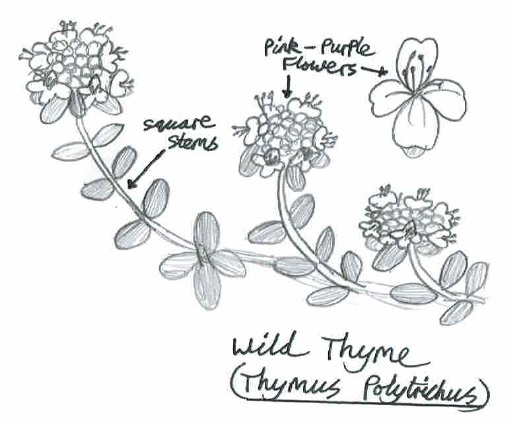
Wild Thyme (Thymus polytrichus) Wild Thyme

  • Family: Mint
  • Lifespan: Perennial
  • Size: Low to the ground, forming a mat of non-flowering rooting stems (up to 10cm in height)
  • Stems: Square with erect flowering stems
  • Leaves: Evergreen, short stalked, very small oval 4-8mm leaves in opposite pairs
  • Flowers: Faintly aromatic with pink-purple flowers in round and dense heads. Flowers May-September
  • Range: Widespread in South East England, but scattered distribution elsewhere
  • Fun Facts: Long regarded as the favourite flower of fairies, and associated with love. The Greek thumon though means ‘that which is included in a sacrifice’

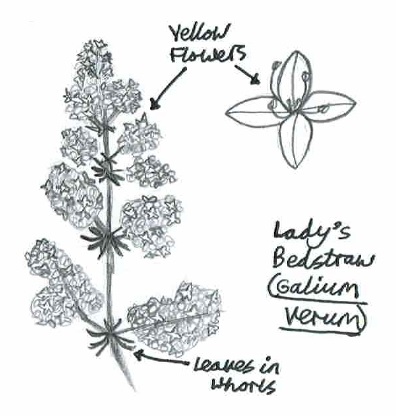
Lady’s Bedstraw (Galium verum)Lady's Bedstraw

  • Family: Madder/Bedstraw
  • Lifespan: Perennial
  • Size: Short to medium in height, often sprawling (up to 100cm)
  • Stems: Four-angled, almost hairless stems
  • Leaves: Dark green, long, narrow, shiny leaves in whorls of 8-12. Said to smell of new-mown hay
  • Flowers: Bright golden yellow, 2-4mm wide, in clusters, with a sweet honey-like scent. Only Bedstraw species in the UK with yellow flowers. Flowers June-September
  • Range: Widespread
  • Fun Facts: Associated with the story of the Virgin Mary giving birth to the baby Jesus, leading to the belief that a woman lying on a mattress of Lady’s Bedstraw would have a safe and easy childbirth

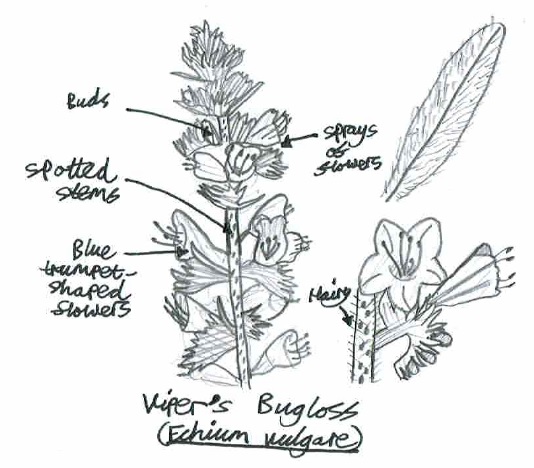
Viper’s Bugloss (Echium vulgare)Viper's Bugloss

  • Family: Borage/Forget-Me-Not
  • Lifespan: Biennial (flowers in its second year before dying) or perennial
  • Size: Medium to tall in height (up to 100cm)
  • Stems: Roughly hairy and spotted (red-based bristles)
  • Leaves: Narrow, oval-shaped lower leaves
  • Flowers: Flowers in drooping clusters of pink buds that open to become erect, blue, trumpet-shaped, open-mouthed flowers, 10-20mm long, in branched spikes. Flowers May-September
  • Range: Scattered distribution across the UK, being most common in the South
  • Fun Facts: The plant’s name comes from a time when it was believed to be a cure for snake-bites, reinforced by the dead flower-heads resembling a viper’s head

Rough Hawkbit (Leontodon hispidus)Rough Hawkbit

  • Family: Daisy
  • Lifespan: Perennial
  • Size: Short to medium in height (up to 60cm)
  • Stems: Very hairy, unbranched, leafless, and slightly swollen at the top
  • Leaves: Form a rosette of bluntly lobed leaves at the base of the flowering stem
  • Flowers: Golden-yellow, though often orange or reddish beneath, solitary and 20-40mm wide. Forms seed heads that look like dandelion clocks. Flowers late May-October
  • Range: Widespread and fairly abundant across the UK, apart from in the far North
  • Fun Facts: In Greek, Leontodon means ‘Lion’s tooth’, referring to the toothed leaves. The flowers are also rich in nectar and smell sweetly of honey

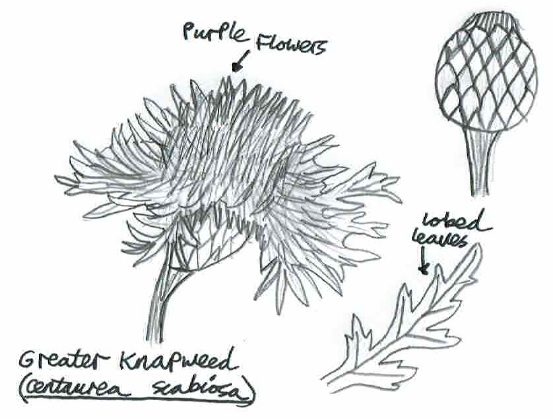
Greater Knapweed (Centaurea scabiosa)Greater Knapweed

  • Family: Daisy
  • Lifespan: Perennial
  • Size: Medium to tall in height (30-120cm)
  • Stems: Erect and grooved
  • Leaves: Lobed, where the lobes are positioned in pairs either side of the leaf centre. The leaves are 100-250mm long
  • Flowers: Purple, solitary and 30-60mm across. Flowers July-September
  • Range: Scattered across the UK, but predominantly grows in England
  • Fun Facts: Commonly used to treat wounds, bruises, sores and similar conditions

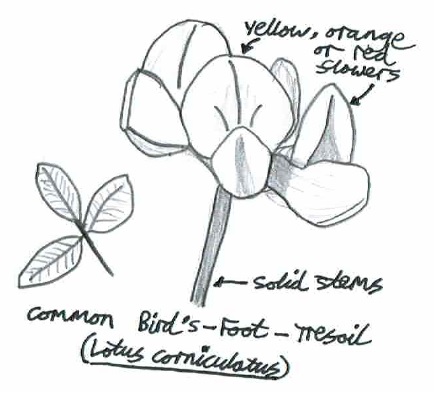
Common Bird’s-Foot-Trefoil (Lotus corniculatus)Common Bird's Foot Trefoil

  • Family: Legume
  • Lifespan: Perennial
  • Size: Short or medium in height and sprawling (up to 50cm)
  • Stems: Solid not hollow, and trailing
  • Leaves: Greyish-green, downy or hairless, and oval-shaped tapering to a point
  • Flowers: Deep yellow or orange, often partly red, and 10-16mm long, often 2-7 per flower head. Flowers May-September
  • Range: Widespread
  • Fun Facts: It has more than 70 common folk names including Eggs and Bacon. The name Bird’s-Foot-Trefoil reflects the resemblance to a bird’s foot, and is a larval food plant of Green Hairstreak and Dingy Skipper Butterflies

Ox-eye Daisy (Leucanthemum vulgare)Ox Eye Daisy

  • Family: Daisy
  • Lifespan: Perennial
  • Size: Medium in height (20-75cm)
  • Stems: Round, angled or square, erect, and slightly hairy
  • Leaves: Long-stalked, dark green, spoon-shaped, toothed and in a rosette around the base of the flowering stem
  • Flowers:  White, 20-60mm across, solitary and on sparsely leafy stalks. Flowers May-September
  • Range: Widespread
  • Fun Facts: In past times, an extract was obtained by boiling the plant down, that  was used in salves and medicines to cure a variety of ailments from liver disease to runny eyes. Largest native daisy species

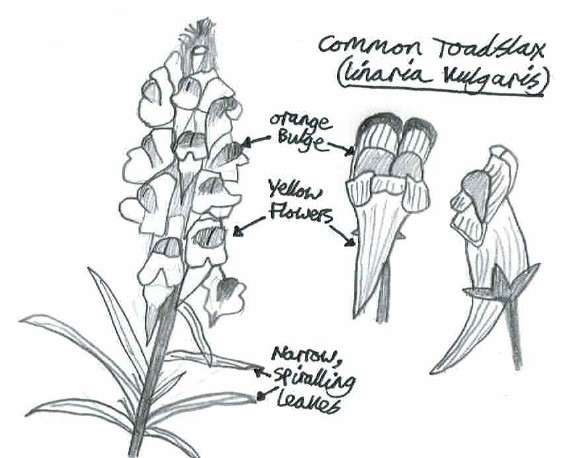
Common Toadflax (Linaria vulgaris)Common Toadflax

  • Family: Plantain
  • Lifespan: Perennial
  • Size: Short to medium in height (30-80cm)
  • Stems: Erect, grey-green, and hairless
  • Leaves: 30-80mm long, very narrow, untoothed, and spirally arranged up the stems
  • Flowers: 15-35mm long, yellow with an orange bulge and long straight spur, forming stalked spikes. Flowers June-October
  • Range: Widespread
  • Fun Facts: Most common Toadflax species in the UK, getting its name from previously being considered as useless, fit only for toads

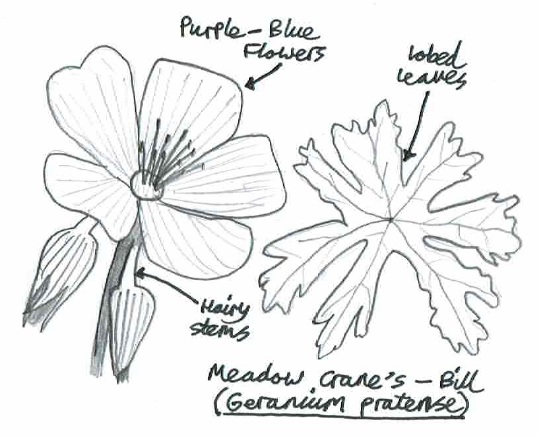
Meadow Crane’s-Bill (Geranium pratense)Meadow Cranesbill

  • Family: Geranium
  • Lifespan: Perennial
  • Size: Medium to tall in height (30-100cm)
  • Stems: Hairy, erect, and often reddish
  • Leaves: Have 5-9 lobes, cut nearly to the base
  • Flowers: Soft violet blue, petals not notched, 15-30mm wide. Flowers June-September
  • Range: Found throughout the UK, but rarer in South West England and East Anglia
  • Fact: With lesser known names such as ‘Jingling Johnny’ or Loving Andrews, it is a horticultural favourite dating back to before the Elizabethan times

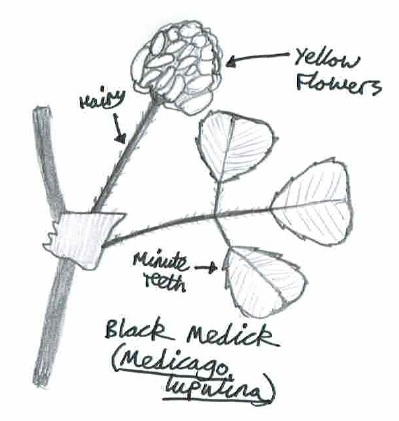
Black Medick (Medicago lupulina)Black Medick

  • Family: Legume
  • Lifespan: Annual or short-lived perennial
  • Size: Low in height (up to 60cm), and sprawling or erect
  • Stem: Round or square and hairy
  • Leaves: Trefoil, downy, and 5-20mm in length, with minute teeth
  • Flowers: Bright yellow and small, with 10-50 to one short-stalked rounded head (3-8mm wide). Flowers April-October
  • Range: Widespread across the UK, but sparser in Scotland
  • Facts: Name means ‘plant of the Medes’, referring to an ancient Middle Eastern people, whilst lupulina means ‘hop-like’, due to similarities with Hop Trefoil


Now get out there and see what you can find!


Drawings and photos all my own

Spring 2020: How It Happened

Walking through the trees, in dappled early morning sunlight, through swathes of brilliant blue. Standing rooted to the spot, hearing the first Chiffchaff, Swallow, Cuckoo. Sitting in breezy sunshine, learning to identify Hawkbits, Vetches and Viper’s-Bugloss. These are just some of the highlights of my spring this year, wild and full of life. With each new day, there was a new wild highlight to be had.

13_05_20_Farm_Sunrise_Hangings_Gate

Following on from my post last week about my favourite photos from this spring (check out Spring 2020: In Photos), I wanted to continue celebrating the lifeline that has been spring and the natural world for me during lockdown. This week I am looking at how spring unfolded this year in my local area and how it looked now the summer is hitting our shores.

Since 2015 I have been writing down a lot of my observations about spring each year. This means I can now look at spring 2020 in light of how the last few years have actually looked and see if anything interesting comes up. Last year I did this in more detail, so for that check out my post called: How Spring Happened 2017-2019.

22_06_19_Farm_Chalk_Mound_Oxeye_Daisies_6

So, did a favourite of my mum’s, the Chiffchaff, return by Mother’s Day this year? Did the Oak burst into leaf before the Ash (and so are we in for a splash)? And did the song of the Cuckoo return to my family’s land for another year? As spring now slips into summer, it is time for me to reflect on an extra special spring.

Trees

One of the very first trees to start showing signs of life each spring at my home in Dorset, is the Horse Chestnut (Aesculus hippocastanum). This year the first buds burst on the 18th of February, which shows a gradual shift forwards over the last few years, being 6 days earlier than last year, and a month earlier than 2018. The first leaf then unfurled on the 10th of March (9 days later than 2019), followed by the first flowers on the 2nd of April (13 days earlier than 2019).

Due to a cold start to spring and a very wet winter, which left the ground cold and waterlogged, Pedunculate (English) Oaks (Quercus robur) were late to make a start, with the first budburst seen on the 2nd of April, 37 days later than 2019. They got going quickly though, with leaves bursting forth by the 8th of April (4 days earlier than 2019) and flowers blooming by the 12th of April (13 days earlier than 2019).

Despite the ground, the trend this year was towards earlier budburst, first leaves and first flowers. Silver Birch (Betula pendula) buds burst on the 15th March, 15 days earlier than 2019; Ash (Fraxinus excelsior) flowered on the 2nd of April, 18 days earlier than 2019; Field Maple (Acer campestre) buds burst on the 5th of April, 13 days earlier than 2019. Grey Willow (Salix cinerea) bucked the trend though, first flowering on the 24th of February, later than last year by 10 days.

This year I added Alder (Alnus glutinosa), Beech (Fagus sylvatica), Lime (Tilia x europaea), Wild Cherry (Prunus avium), and Norway Maple (Acer platanoides) to my spring records, but I did not make observations for Sycamore as in previous years. Lime buds burst on the 14th of March, followed by the first leaf on the 3rd of April; Wild Cherry buds burst on the 15th of March, followed by the first leaf 1 month later and first flower 15 days after that; Norway Maple first flowered on the 21st of March; Alder buds burst on the 6th of April; and Beech buds burst on the 10th of April.

Shrubs

Hazel (Corylus avellana) is one species that flowers early in the year, providing a first hint of colour in a wintry landscape. This year I first saw the male catkins on the 8th of January, followed by the female red flowers on the 1st of February (5 days later than 2019). The first hazel leaf then unfurled 43 days later on the 14th of March.

Blackthorn (Prunus spinosa) is another species that flowers before it produces its leaves, cloaking hedgerows in drifts of snowy white and accompanying a ‘blackthorn winter’ in early spring. This year the first flowers burst open on the 6th of March, 5 days later than last year, but 24 days earlier than 2018.

After the early flowering species have brought colour to our countryside, Hawthorn (Crataegus monogyna) is one of the first shrubs to burst into leaf in the hedgerows. This year its buds first burst on the 2nd of March, 5 days later than 2019, followed by the first leaf unfurling 10 days after (28 days earlier than 2019). Their flowers then followed a month after, on the 18th of April, 10 days earlier than 2019.

07_05_20_Farm_Hawthorn_Flowers_3

A similar trend was shown with Lilac (Syringa vulgaris), where budburst took place on the 8th of March, 13 days later than 2019. The first leaf then unfurled 3 days later too, on the 25th of March, and the first flowers bloomed on the 15th of April, 7 days earlier than 2019.

The flowers of Elder (Sambucus nigra) are well known and iconic in our countryside, popular for making elderflower cordial. This year Elder flowered early, with the first flowers being seen at home on the 25th of April (22 days earlier than 2019). Just like Elder, the Dog Rose (Rosa canina) is another late bloomer, which opened its petals for the first time on the 17th of May this year (11 days earlier than last year).

Flowers 

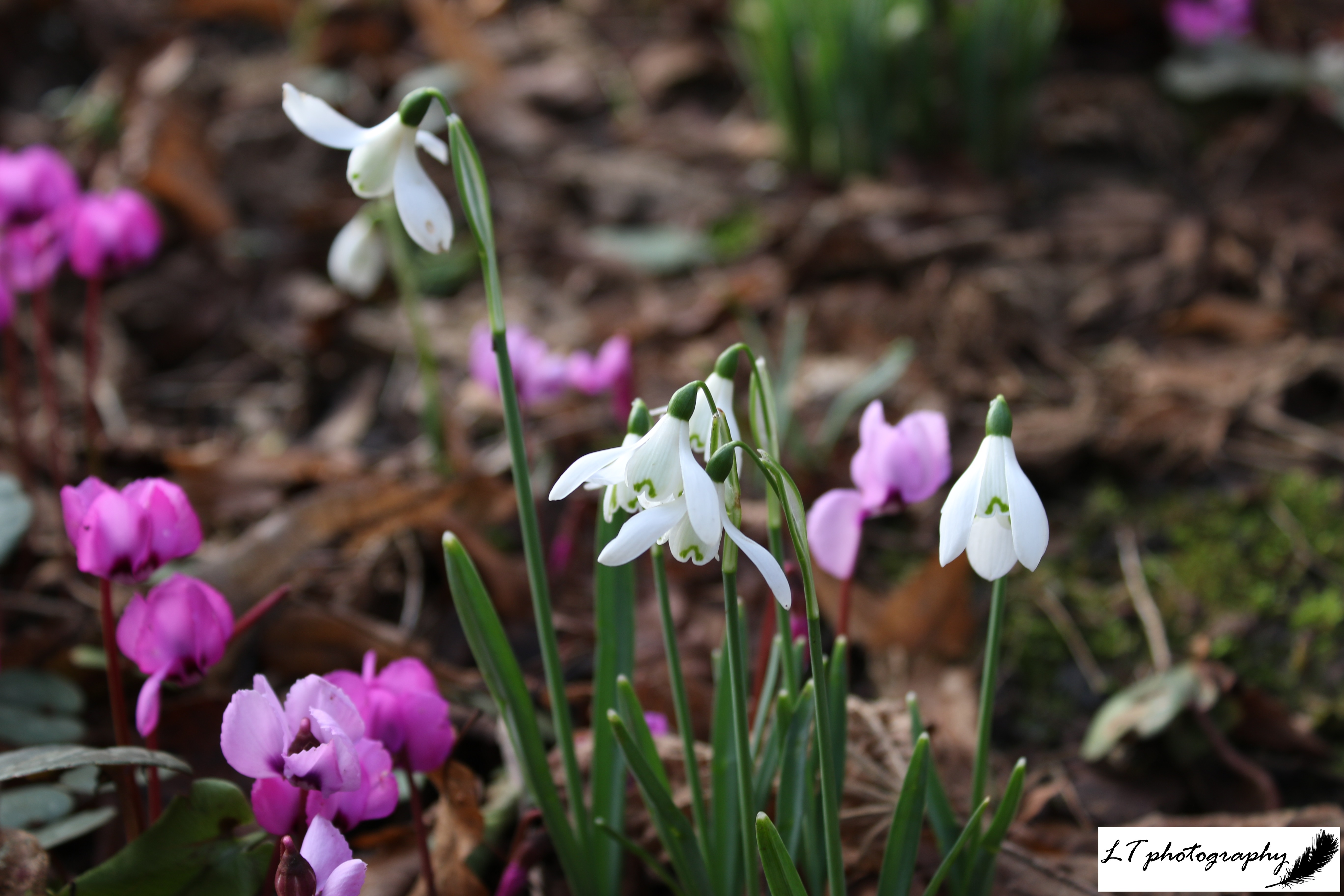
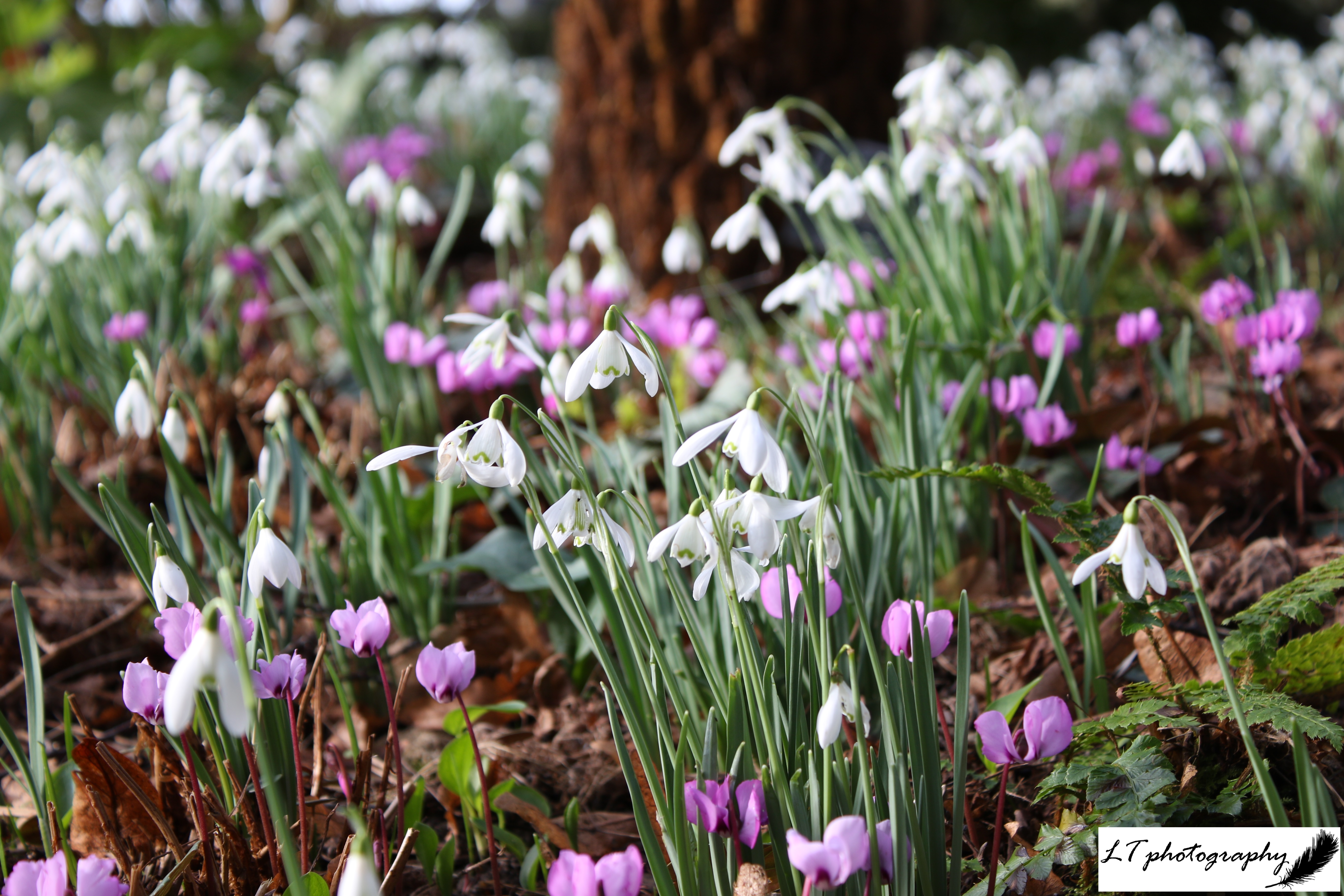
The very first flowers to be seen blooming in the countryside is the dainty snow white Snowdrop (Galanthus spp.). Over the last few years the drooping heads of snowdrops have been flowering earlier each year. This year though, it appeared only 1 day earlier than 2019, welcoming in the year on the 3rd of January.

Snowdrops were soon followed by other iconic spring species, in the form of the first Lesser Celandine (Ficaria verna) on the 18th of January (44 days earlier than 2019), the first Primrose (Primula vulgaris) on the 27th of January (8 days earlier than 2019), and the first Daffodils (Narcissus spp.); on the 2nd of February (the same day as last year!).

As spring went on, the Snowdrops and sunshine yellows were joined by Wood Anemones (Anemone nemorosa) on the 22nd of March, Bluebells (Hyacinthoides non-scripta) on the 28th of March, Wild Garlic (Allium ursinum) on the 6th of April, Cuckooflowers (Cardamine pratensis) on the 18th of April, and Oxeye Daisies (Leucanthemum vulgare) on the 18th of May, all occurring 6-17 days earlier than last year.

This year I also included three new flowering species to my spring records: Cowslips (Primula veris), Greater Stitchwort (Stellaria holostea), and Early Purple Orchids (Orchis mascula). I saw the first Cowslip flower on the 20th of March, the first Greater Stitchwort on the 28th of March, and the first Early Purple Orchid on the 6th of April.

Grasses

This year I was so busy in May and the first half of June that I completely overlooked the flowering of 3 common perennial grass species in my local area: Cock’s-foot (Dactylis glomerata), Timothy (Phleum pratense), and Yorkshire Fog (Holcus lanatus). I did though catch Meadow Foxtail (Alopecurus pratensis) flowering, which first occurred on the 22nd of April (23 days earlier than 2019).

13_05_20_Sunrise_Meadow

Birds

With the start of every new year, I begin to keep my eye out for the start of the Rooks (Corvus frugilegus) nesting in the bare and skeletal forms of large oak trees near my home. This year they kept me waiting awhile though, with the first signs of nest building appearing on the 15th of February, 17 days later than 2019.

Unlike the start of the Rooks nesting though, the start of male Song Thrushes (Turdus philomelos) singing crept even earlier than last spring. This was 13 days earlier in fact, with me hearing my first on the 15th of December in 2019! This was not reflected by Blackbirds (Turdus merula) though, as I heard my first male singing on the 23rd of February, 17 days later than 2019.

One of my favourite first signs that spring has begun has to be the return of the Chiffchaff (Phylloscopus collybita). This year they returned to my home in Dorset on the 1st of March, 17 days earlier than 2019.

15_04_20_Farm_Bird_Chiffchaff

The glorious return of the Chiffchaffs were then eagerly followed by the first Swallow (Hirundo rustica) on the 5th of April (1 day later than 2019), the first House Martin (Delichon urbicum) on the 12th of April (12 days earlier than 2019), the first Blackcap (Sylvia atricapilla) on the 22nd of April (11 days later than 2018), and the first Swift (Apus apus) on the 6th of May (19 days earlier than 2018). A Cuckoo (Cuculus canorus) did make its exciting return to my family’s land too, which I heard for the first time on the 28th of April (24 days earlier than last year).

25_06_20_Farm_Birds_Swallow_Chicks

Insects 

This year the majority of the insects I observed, emerged later than they did last year in 2019. I saw my first Brimstone Butterfly (Gonepteryx rhamni) on the 24th of March, my first Peacock Butterfly (Aglais io) on the 4th of April, my first Small Tortoiseshell Butterfly (Aglais urticae) on the 5th of April, my first Orange-Tip Butterfly (Anthocharis cardamines) on the 13th of April, my first Red-Tailed Bumblebee (Bombus lapidarius) on the 1st of May, and my first queen Wasp (Vespula vulgaris) on the 7th of May, with all ranging anywhere between 4 and 37 days later in date than last year.

The ones that did not follow this pattern though, were the Speckled Wood Butterfly (Pararge aegeria) first seen on the same day as last year on the 22nd of April, and the Red Admiral Butterfly (Vanessa atalanta) that was first seen 29 days earlier on the 22nd of April. This year I also added Buff-Tailed Bumblebee (Bombus terrestris) to my observations, seeing the first at home on the 13th of March.

25_05_19_Horseshoe_Wood_Speckled_Wood_Butterfly_7

This Year

This year it has definitely been an interesting and joyful experience to watch how spring unfolded. It started with early signs during the winter, before arriving with a blaze of glory in March.

13_05_20_Sunrise_Oak_Tree_Grass_3

This last winter was a warm, wet and windy one, which left the ground cold and waterlogged for quite a while into spring. A number of species such as Oak trees struggled with this, but for many it did not stop them from emerging on time or earlier, such as snowdrops and field maples. This variation continued with bird species, some arriving and beginning breeding earlier and some later. For a lot of the insect species though, they emerged late, which will have had a lot to do with the less than ideal weather conditions this spring, for example frosts in April. Thus, how spring is changing year-to-year definitely has a lot to do with changing weather conditions.

So as spring fades to summer heat, I can now say that the Chiffchaff made its return to the British Isles by Mother’s Day, the Oak burst into leaf before the Ash (and so we are in for a splash!), and a Cuckoo made its return to my home. It has definitely been a great spring this year!

Spring woodland walking: My Local Woods

19_04_19_Horseshoe_Wood_Bluebells_26As the weather gets warmer and drier during spring and the countryside begins to bloom, I always like to set myself the goal of getting out into it as much as possible. I like to use these countryside walks as a way to calm my own mind and escape the stresses of modern day-to-day life. In particular, I am always drawn back to the woodlands and forests, with the tranquillity they breath to me. Growing up in Dorset I have always been able to disappear into the trees and appreciate such a habitat at any time of year.

19_04_19_LogIn celebration of my love of the woods, especially during springtime, over April and May this year, I made 4 visits to one of my local ones to observe it as the season changed. On these trips I sat and wrote down my experience on my favourite log (see photo above), and took lots of photos with my new DSLR camera whilst walking through the woods. Check out below to see my diary entries and the photos that accompany them:

1: Signs of spring

  • Date: Friday 12th April
  • Time of day: Mid-morning
  • Highlight: Seeing the first bluebells emerging in the woods

Today I made my first trip of the year to my local woods, walking across the countryside to get there. The sun is shining down upon me in its glorious spring style, but it has to be said that there is still a chill on the breeze.

12_04_19_Horseshoe_Wood_Bluebells_21

The woods are noticeably just beginning to take on their spring splendour with the woodland floor coming to life. Bluebells are starting to flower, wood anemones are dotted here and there, and celandines, primroses and stitchwort are spreading through the undergrowth. The hazel trees are coming into leaf, as are the oak trees, with small soft bunches of leaves hanging above my head. Everything is now lush and green, with winter now being fully forgotten.

12_04_19_Horseshoe_Wood_Hazel_5Spring bird calls and song provides the soundtrack to my trip, including everything from groups of foraging long-tailed tits to angry blue tits and charismatic chiff chaffs. I also hear the reminiscent winter squabbling of jays, and on a stop to my favourite log in the middle of the wood, I can hear the coarser call of a raven and the calls of male pheasants.

When turning my eyes to the ground around me, it becomes apparent that the undergrowth is full of bees and flies buzzing between the flowers, the most notable being furry bee flies. Looking at the undergrowth around me, it does make me think how if you just stop for one moment and take in your surroundings, you will always find that everything is alive around you.

12_04_19_Horseshoe_Wood_Bee_Fly_6

When sat in this wood, I feel away from all the hub bub and stress of everyday life. It gives me the opportunity to see this world through the glass of a lens, whilst still getting excited about everything new I see. Thus, I believe everyone should have the opportunity to have their own escape into nature, such as amongst the trees, flowers and wildlife, to be able to recharge and refresh.

2: Sunrise start

  • Date: Friday 19th April
  • Time of day: Early morning
  • Highlight: Sunrise

19_04_19_Farm_Sunrise_9This morning I chose to get up at 5am to meet a 6.08am sunrise, and to make the most of the dawn light. At this time of day, on my walk to the woods, I had great sightings of roe deer and brown hare, and got to see a beautiful pink sunrise. The dewy grass added to my photos in this glorious light.

The wood definitely did not disappoint, blanketed in the warm golden tones of dawn. The sunlight falling through the trees was spectacular, especially at this time of year when a mix of well known flower species carpet the woodland floor. I was also greeted by the dawn chorus in full swing, with great tits, robins, blackbirds and lots more adding their voices to the mix.

19_04_19_Horseshoe_Wood_Hazel_819_04_19_Horseshoe_Wood_Stitchwort_4Snow white garlic flowers are now emerging in the wood, whilst early purple orchids are also beginning to sprout here and there. The bluebells are now starting to create a sea of blue, with their white counterparts dotted here and there amongst them. Soon the woods will be fully awash with purply-blue and patches of white.

19_04_19_Horseshoe_Wood_Bluebells_White_2You can definitely forget yourself among these trees, flowers and wildlife, which this morning included the bark of grey squirrels up in the tree canopy. Today, I have stayed awhile sat in the morning light of the woods, but I now know to make my way home from  here, as the sun begins to burn through the trees a little too hot, and the midges begin to bite my neck more noticeably. This signals ‘the best part of the day has thus moved on’, as i must.

3: Walking with a four-legged friend

  • Date: Friday 10th May
  • Time of day: Morning
  • Highlight: The company of my dog Cassie

10_05_19_Horseshoe_Woods_Cassie_2On my trip this time to the woods, I took my four-legged friend Cassie. At the ripe old age of 13, she is becoming weary on her legs, but is still up for an adventure. This is great as there is nothing better than sharing the wonder of the outdoors with another being, even if they are no more than 3 feet tall.

By this time, the woods are now dressed in light green leaves of varying shapes and sizes. The woodland floor is also becoming rich with vegetation. My favourites, the bluebells, are now beginning to go over, with their best time being a week ago. Though the thought of the end of this year’s bluebells makes me sad, I also find that there is something beautiful in seeing their fading colour and shrivelling bell-shaped flowers. Instead they are being replaced by the unfurling of fern fronds and a carpet of green. Now the orchids are out in full force , as are the flowers of wild garlic, yellow archangel, and dainty pink herb robert.

10_05_19_Horseshoe_Woods_Fern_4

10_05_19_Horseshoe_Woods_Fern_5

The birds still sing in full force, with the usual suspects in place, but now they are joined by the caws of rooks and chatter of jackdaws. The woodland floor is now also full with the noise of flying insects buzzing between the flowers in all their shapes and sizes. For my canine friend and myself, the woods are still giving us endless pleasure as the season rolls on.

10_05_19_Horseshoe_Woods_Dandelion_Seeds_4

4: The death of spring

  • Date: Saturday 25th May
  • Time of day: Afternoon
  • Highlight: The changing of the season

25_05_19_Outside25_05_19_Horseshoe_Wood_Roe_DeerThe days are getting hotter and the sun higher in the May sky. In the depths of the wood though, the canopy keeps me cool. The woodland floor is now a tangle of unruly vegetation. The dying bluebells, orchids, and spring flowers jostle with unfurling ferns, sticky goose grass and flowers that persist. These include stitchwort, herb Robert, and red campion, which are gems of colour in a sea of green.

25_05_19_Horseshoe_Wood_Common_Spotted_Orchid_3

Looking up, hazel leaves make a blanket of lace above my head as the work of busy invertebrates is now noticeable by this point. On the ground, brown speckled wood butterflies flit, flies still buzz, and bejewelled light green beetles fall on me as they dive bomb from the trees.

25_05_19_Horseshoe_Wood_Speckled_Wood_Butterfly_7Ash trees are finally fully in leaf and roe deer ramble lazily between the trees around me. Though this transition period may be more subtle than others, it truly signifies the changing of the seasons, as the important time for some species is replaced by the next. Thus, summer has now crept up on us!

How the woodland made its transition


25_05_19_No.1


25th May


Winter into spring: April on the farm

April is one of my favourite months of the year on the farm. During April, the Dorset countryside begins to burst into new life. Newborn lambs bounce in the fields, newborn calves snooze in the fields in the spring sunshine, birds begin to nest and raise a new generation, and flowers carpet the woodlands.

Plants this April still followed a trend of being late, with some woodlands not becoming decked out in their full splendour during this month like in past years. Still Bluebells, wild garlic, early purple orchids and late wood anemones began to coat the woodland floor. Also, the woodland ferns began to unfurl in the woods later than usual.

During this April, trees were very much still late, with sycamore and silver birch finally bursting into leaf. Oaks were noticeably asynchronous in their bud burst, with some trees on there way to being in full leaf and others yet to start.

April saw the main crop of migrants arriving on warm winds. This year our barn swallows returned on April 6th, exactly the same date as in 2015! By the time we were fully into April, bird breeding pairs had been firmly established, and the nesting season for many bird species was fully under way. During April, more birds can be heard singing at dawn than any other time of year, which is quite magical to hear.

This year the tawny owls are breeding later than last year, but by the end of April the first hissing calls of tawny owl fledglings could be heard resonating through Dorset woodlands.

Life could be seen blooming everywhere throughout April. Dog violets and cowslips, among other species, were seen flowering along roadside banks.

WP_20160427_002

27/04/16

Brimstone butterflies, orange tip butterflies, and peacock butterflies all began to emerge during the first half of April.

Throughout April, I made myself busy amongst the mounds university revision, by setting up my camera trap at different popular sites around our farmland. It was amazing to see the first badger cubs emerge from their den, and even more special to me, was being able to watch fox cubs beginning to explore above ground with their siblings, during the second half of the month. Fox cubs have to be my highlight of beautiful April!