Spring Dorset Camera Trapping 2023 – Pt. 1: Wonderful Wildlife

“In photography there are no shadows that cannot be illuminated” – August Sander

“Actually, it’s nature itself that creates the most beautiful pictures, I’m only choosing the perspective” – Katja Michael

Over the last four years I have used camera traps to try to capture the wildlife that call my family’s Dorset farm home. It has been a way to gain an insight into the lives of animals that usually would only be seen in passing on a day-to-day basis, such as a hare or a fox, and to be able to see them as anything but ordinary. It has also been an opportunity to watch natural behaviour that we would not usually easily see without disturbing wildlife, and to truly get an idea of the abundance and diversity of species over 250 acres. There is always more that we can learn each year though!

For the last few months, my camera traps have been back out recording what there is to be seen out in nature this year. Moving between 10 locations across our land, from March to July, there were lots of lovely moments that were captured, along with the unusual and unexpected. Over two parts, I will delve into what my camera traps had to offer in photograph and video form, and share some of my highlights. To start, lets take a look at the range of wildlife that featured on the farm this spring, saving the best this year for next week!
Bridlepath: Badger Alley

A family-named Badger Alley is a great site for a variety of mammal species found on the farm, with even a first muntjac deer being spotted last year. Badger Alley is a naturally-enclosed bridlepath that was once home to a large family of badgers, but now the sett lies bare. This path for humans is also a popular thoroughfare for wildlife as well as being a sheltered location for the homes of certain species. This is one site that I return to with my camera trap year-on-year!

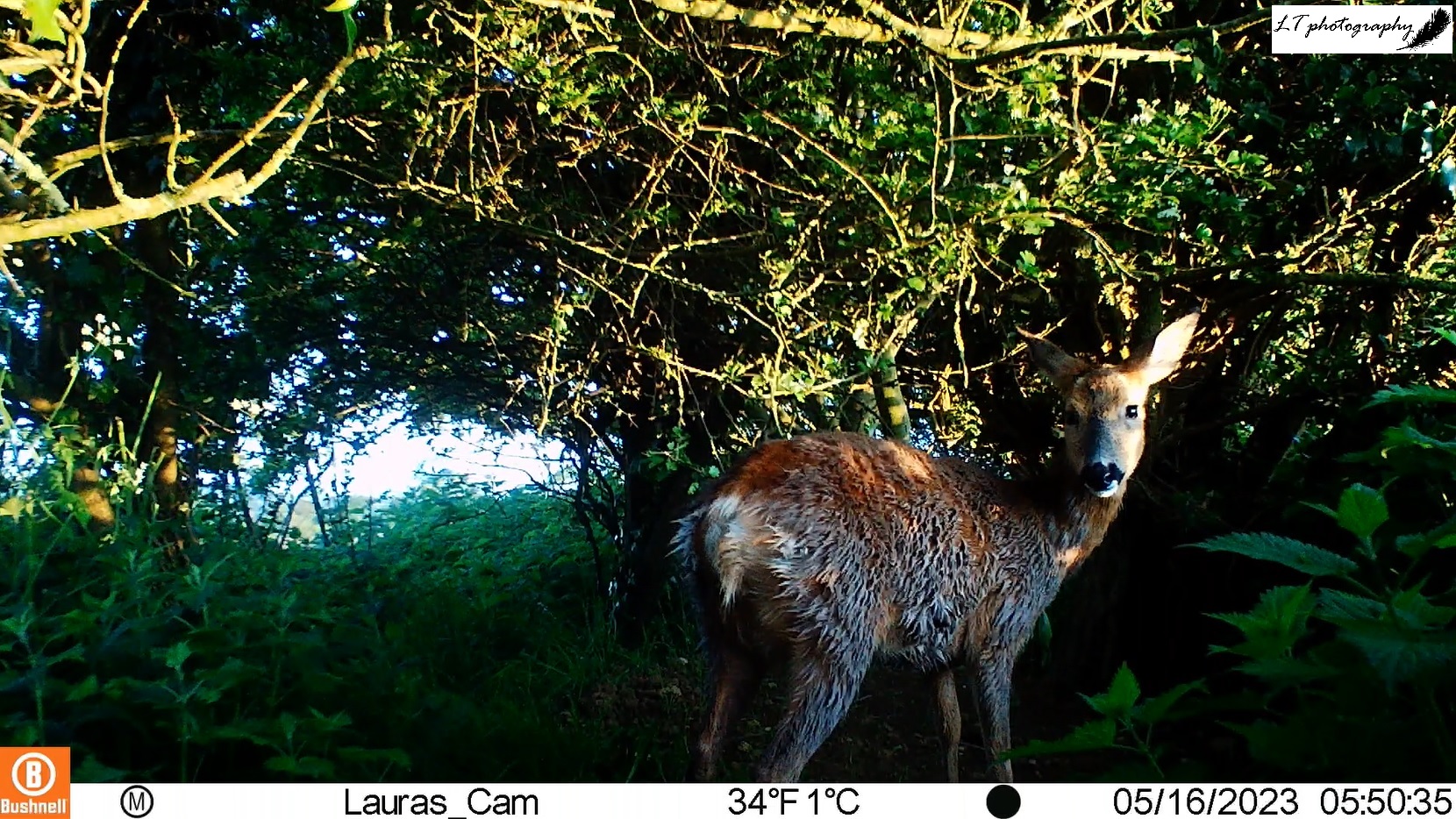
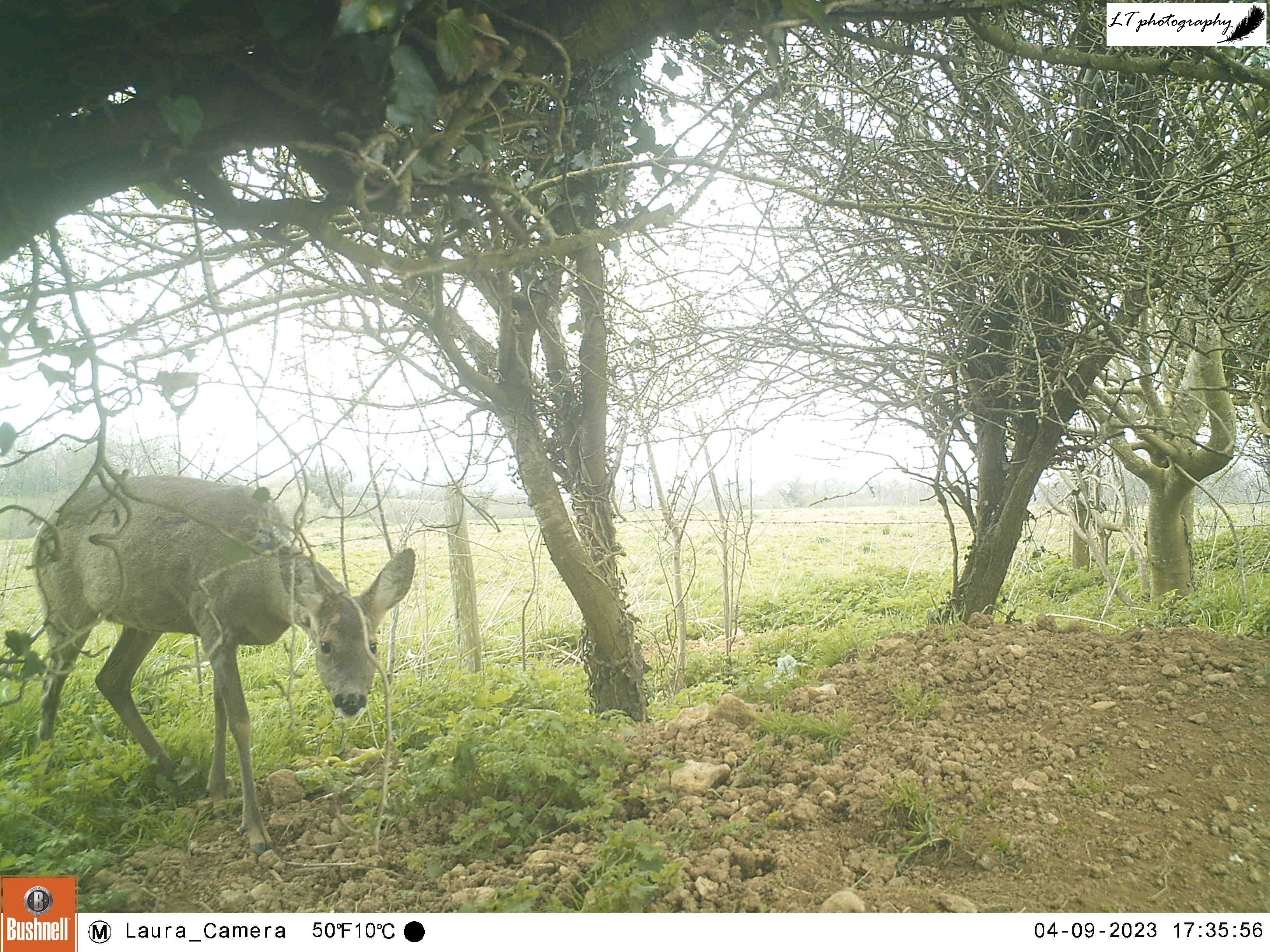
This year 6 mammal species were captured on my camera traps, including one of my favourite’s that will feature next week. I had a scruffy adult female roe deer passing through,
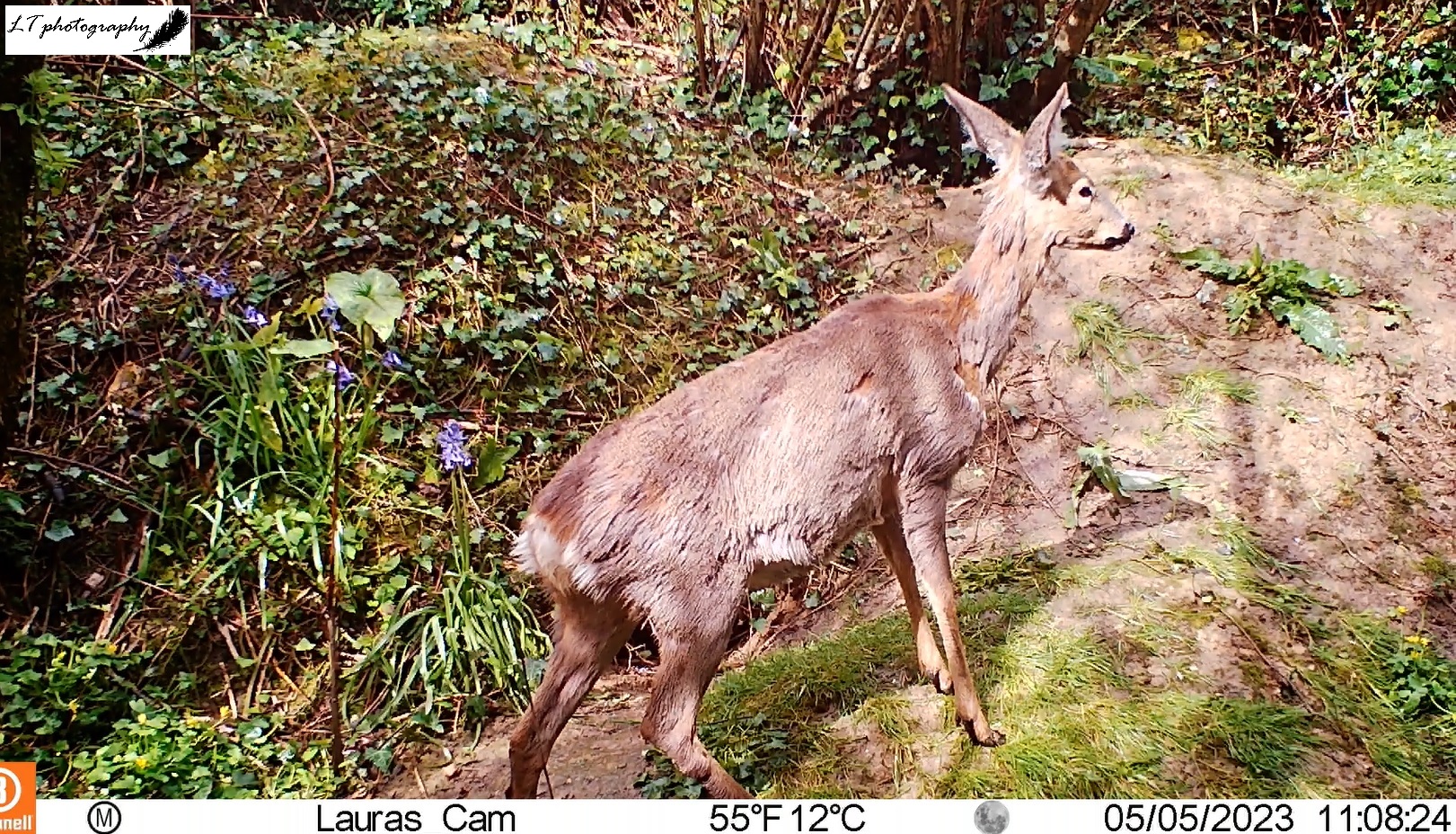
an often seen adult male roe deer feeding and scent marking,
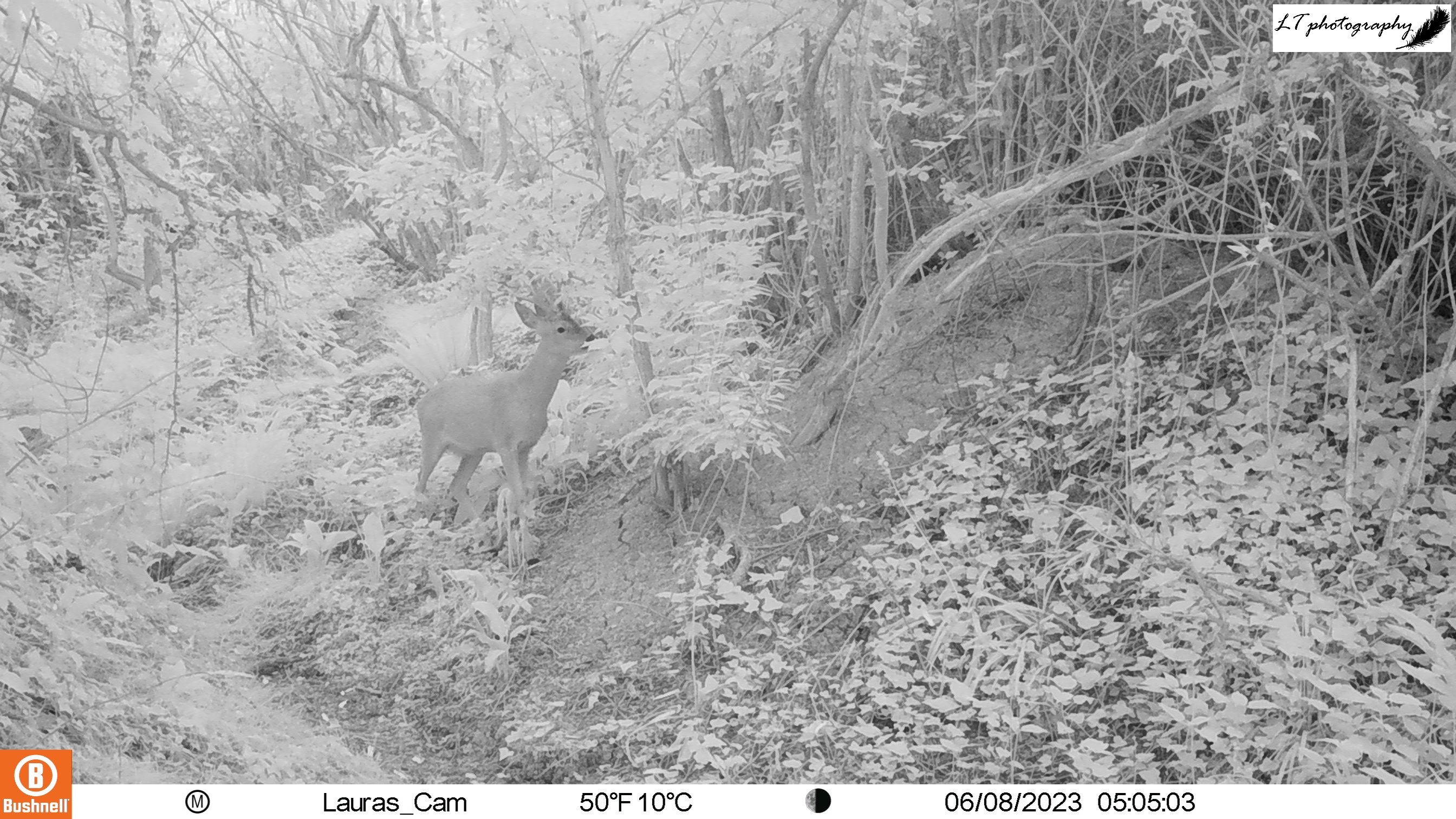
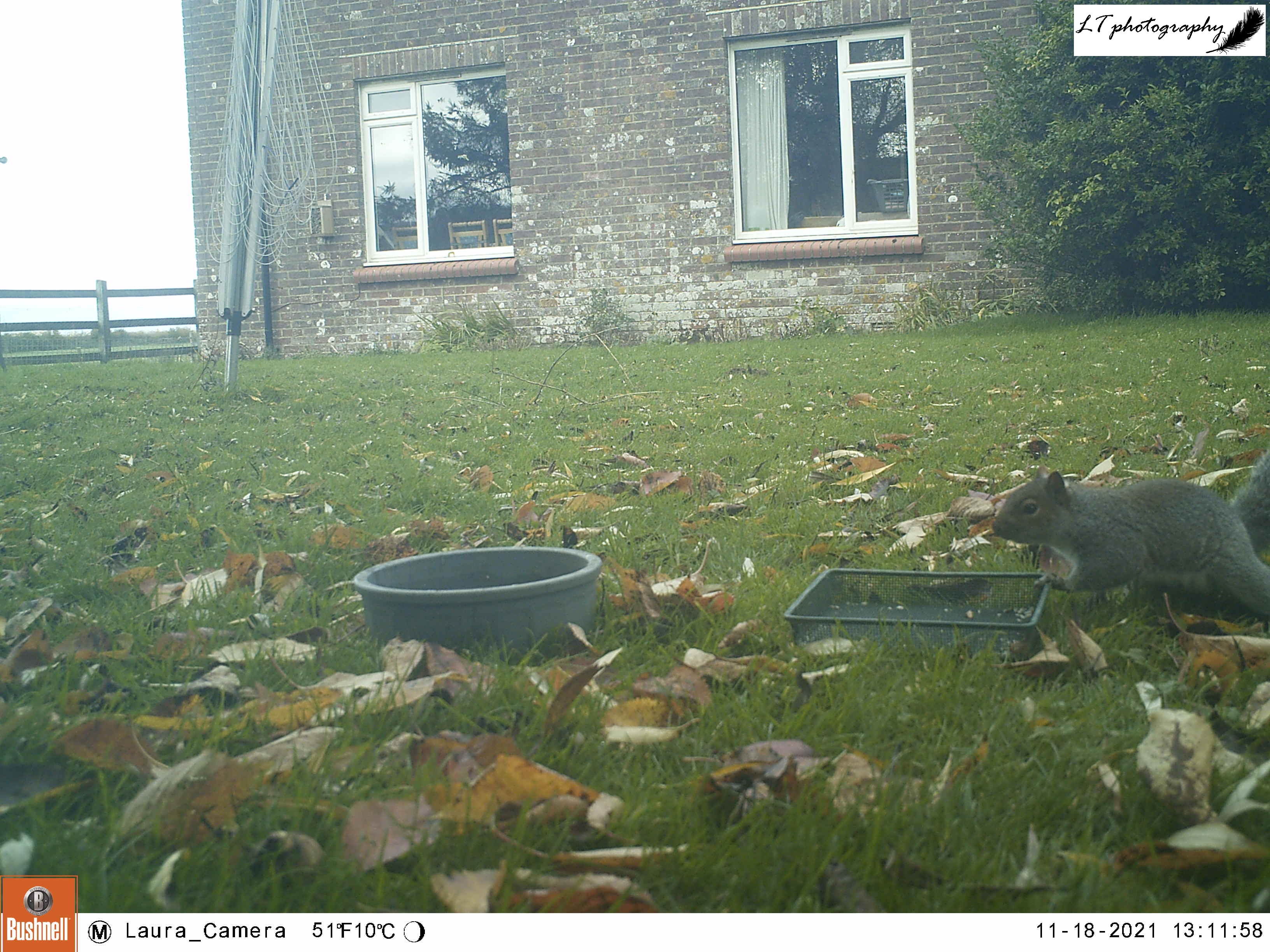
a territorial grey squirrel on his favourite perch,

plenty of whizzing past, including babies,
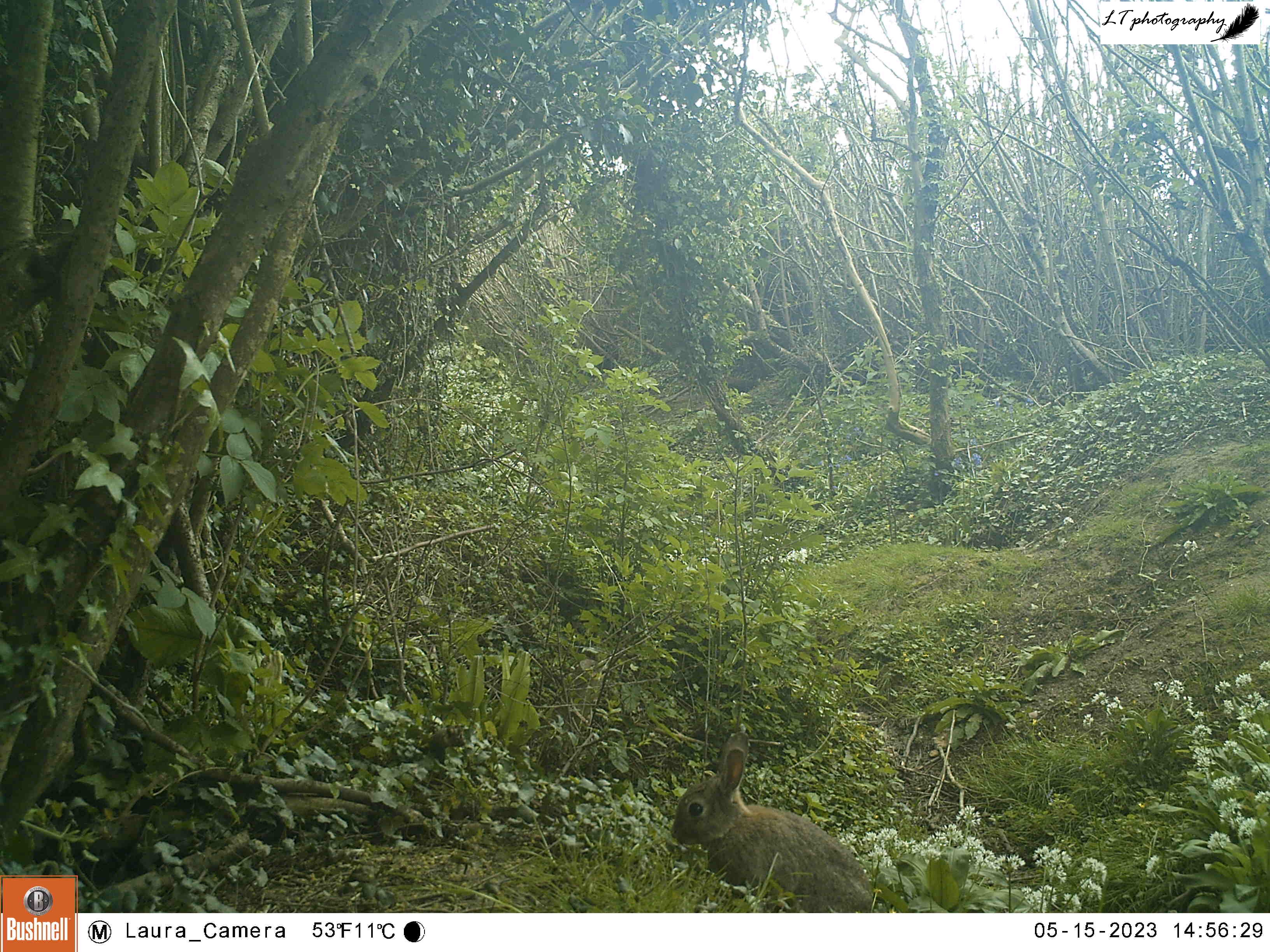
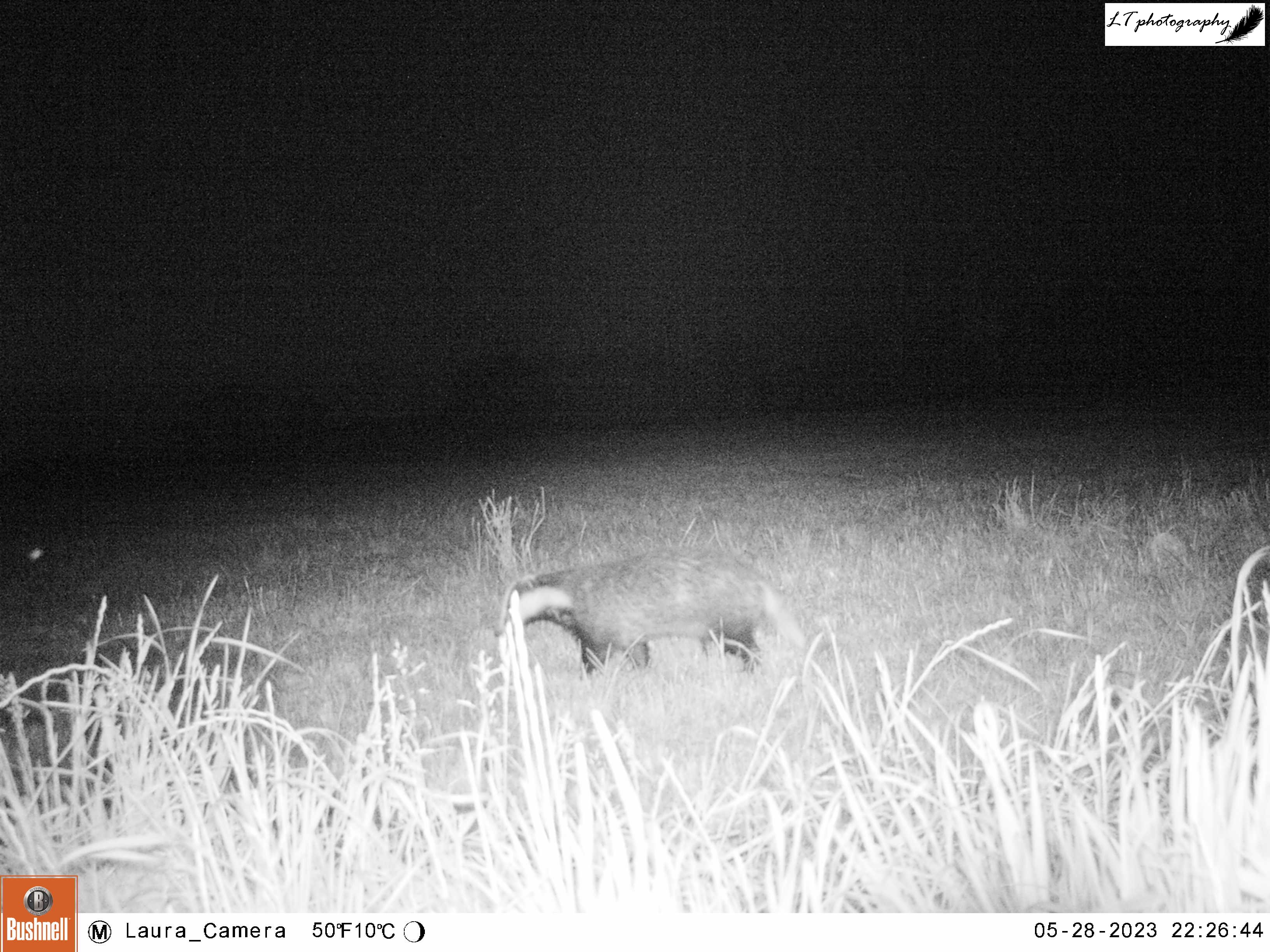
and a one-off inquisitive badger.

Badger Setts: Badger Field and Quarry Field

Over the years our badger population and distribution has fluctuated, including with Dorset’s badger. Currently though we have two active badger setts that each contain a healthy family of badgers that stick to defined territories within our land.

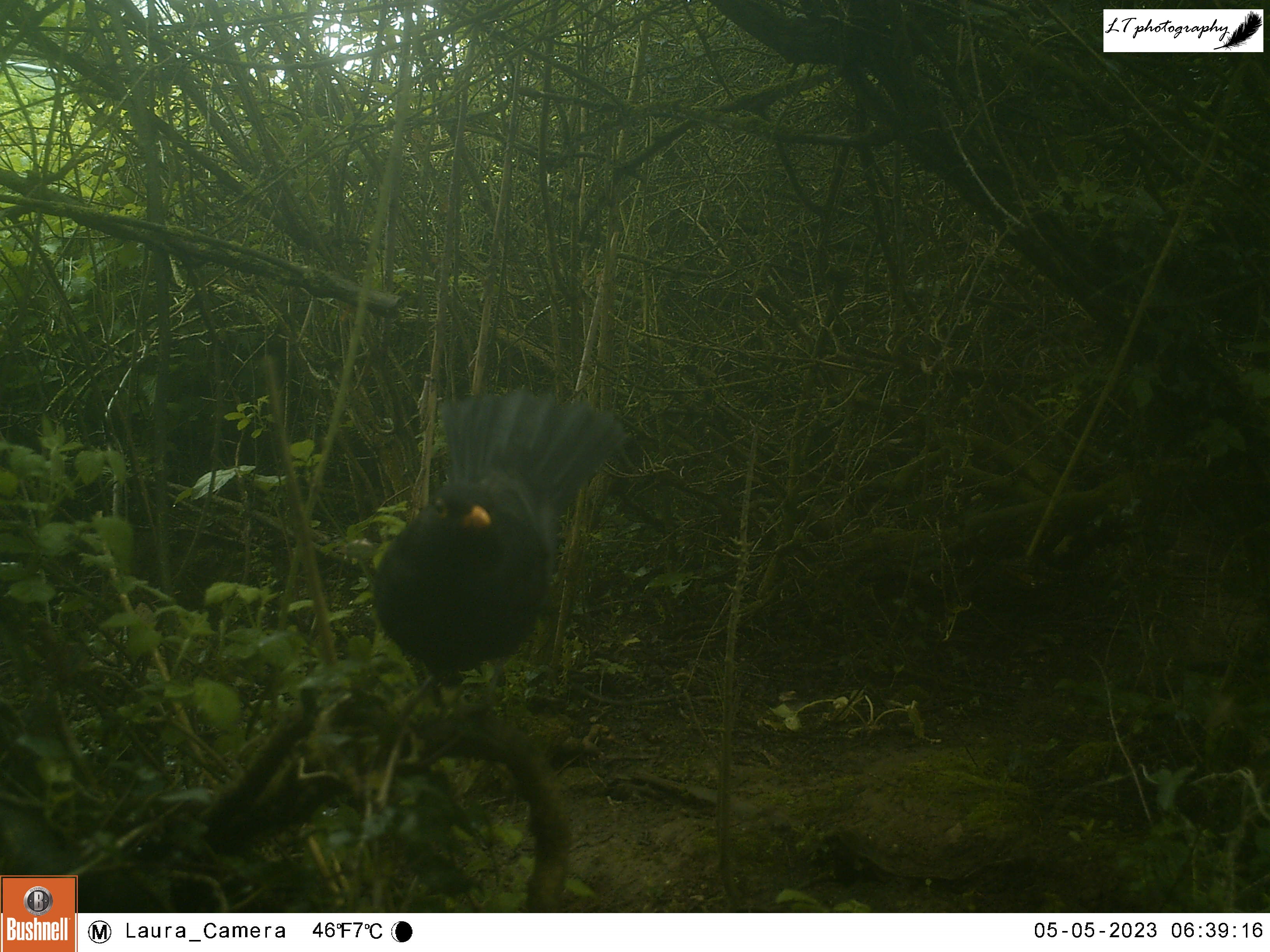
These setts are not just home to badgers, but also other species, including next week’s stars. Each year new species can be added to the list featured at these setts, but this year 4 common ones were captured alongside the two already mentioned. Species seen were:

  • Blackbird
  • Pheasant
  • Carrion crow
  • Roe Deer (male and female)

Wooded Area: Gill Hill Copse

This year I only used one wooded area on the farm for my camera trapping, a small copse towards the centre of our land. Over the years this rich copse has been home to and a passing through place for a variety of typical and more unusual species, and each year it is interesting to see what will be found. This year the more typical characters were seen, which included the highly abundant roe deer, such as a frequent female, and pheasants.
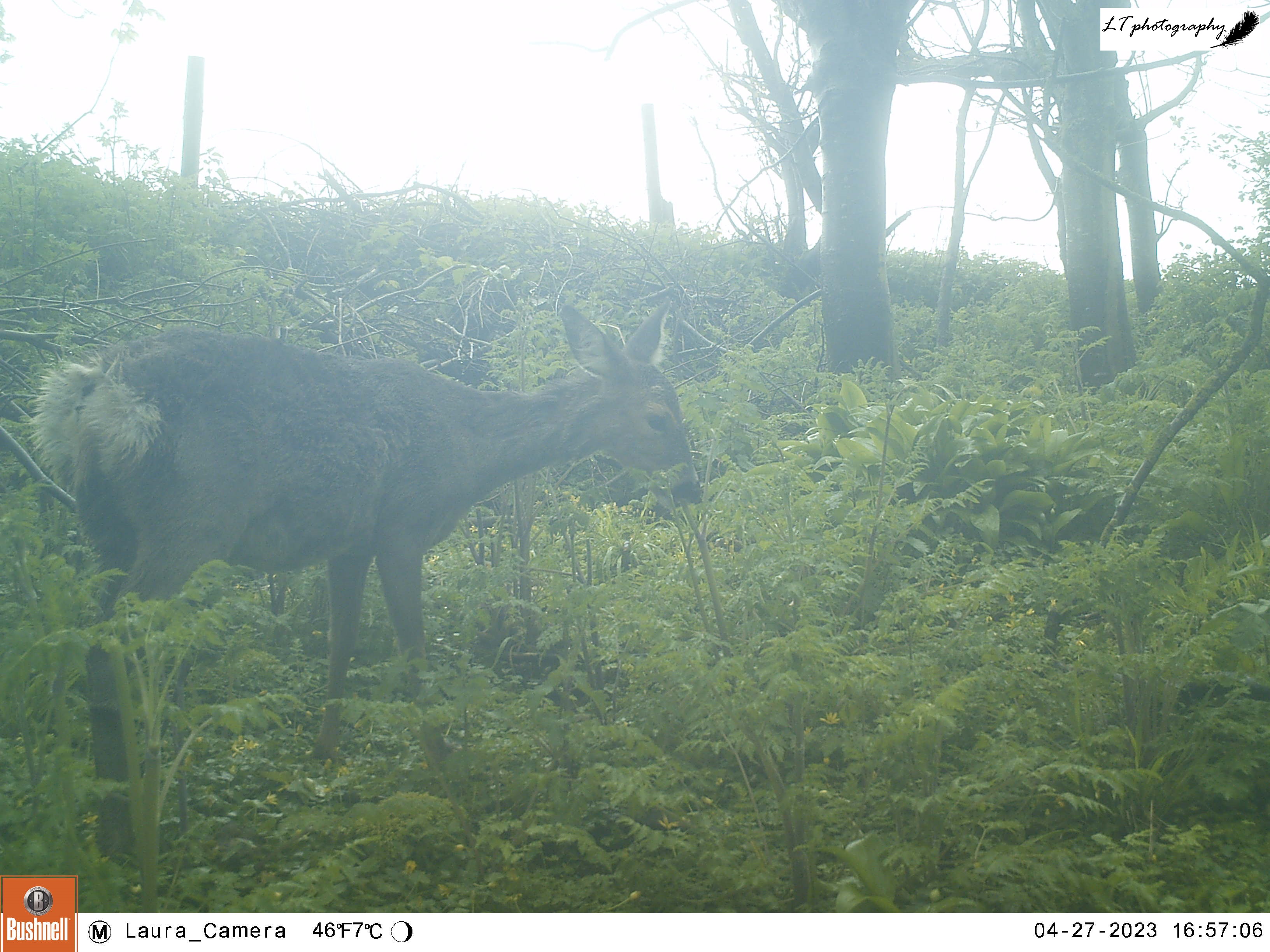
Within the copse an old badger sett can also be found, being situated not far from one of the active setts. This year for the first year of many, a lone badger could be seen entering and leaving the sett using a particular hole, making me think of a satellite male. It will be interesting to see what can be found here next year as a result!
Fields: Cowleighs, Quarry Field, Tower Paddock, Water Meadow

Across the farm, you will find our land is a mosaic of habitats and grassland managed for different purposes, on different timescales, and in different ways. This does mean that depending on where you are and at what time of year, you may experience different species at varied abundances and also the potential for some more unusual species. Fantastic wildlife moments are a guarantee though!

This year has been a hard year on nature already, and so analysing camera trap content is a good moment to stop and reflect on the feathered and furred individuals that call our land home all year round. Living not far from shoots, pheasants and red-legged partridges are a common sight, with numbers reducing over the summer when they provide a popular food source for a number of species. This year pheasants did a good job of making their way into the frame of my camera traps at nearly every site!

Another species going through a population boom on our land at the moment is the roe deer, with individuals being seen at most of my camera trap sites and a walk through our land giving you consistent sightings of many males and females. Next week’s star was also seen at nearly every camera trap field sites this year too!

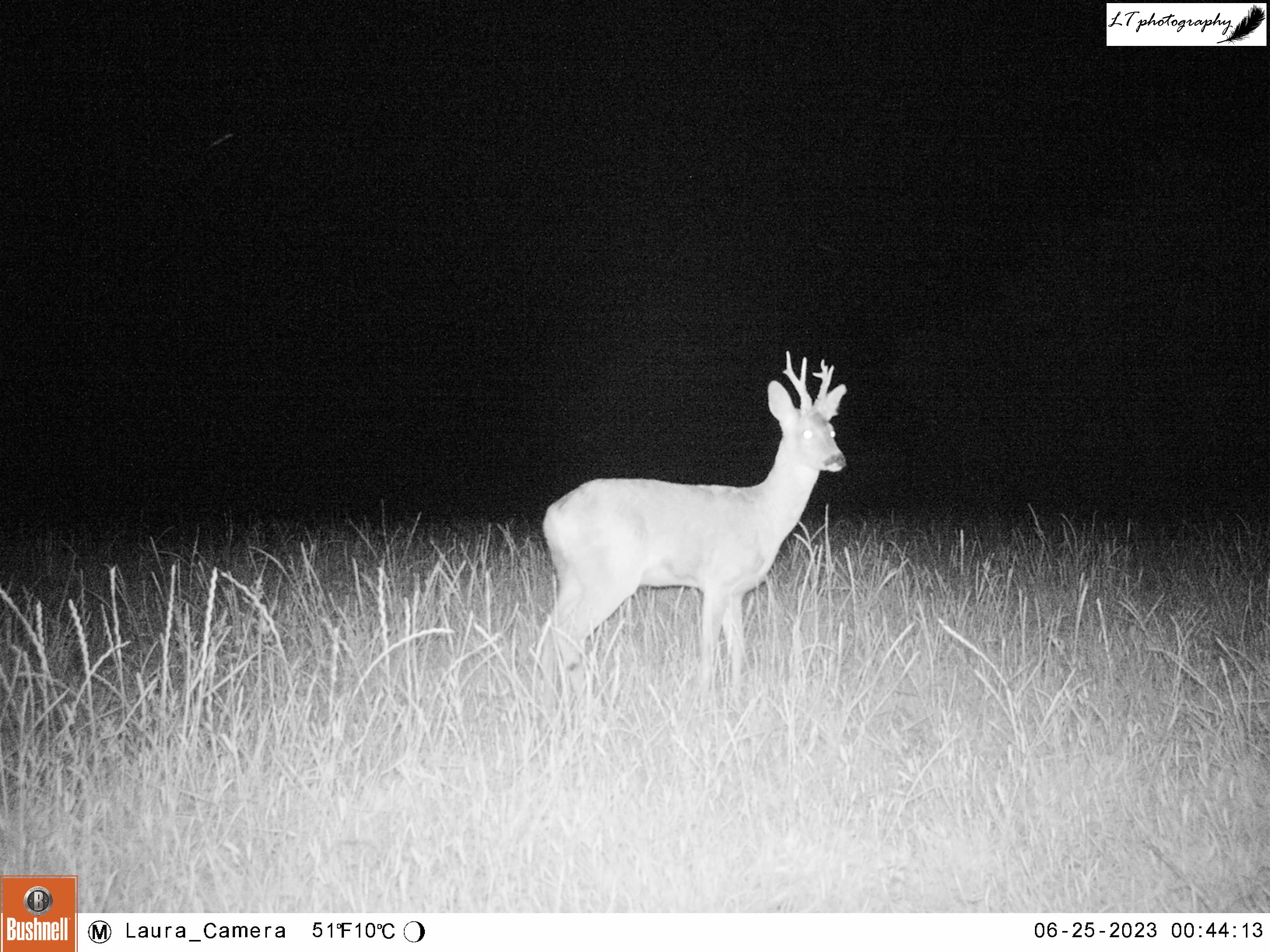
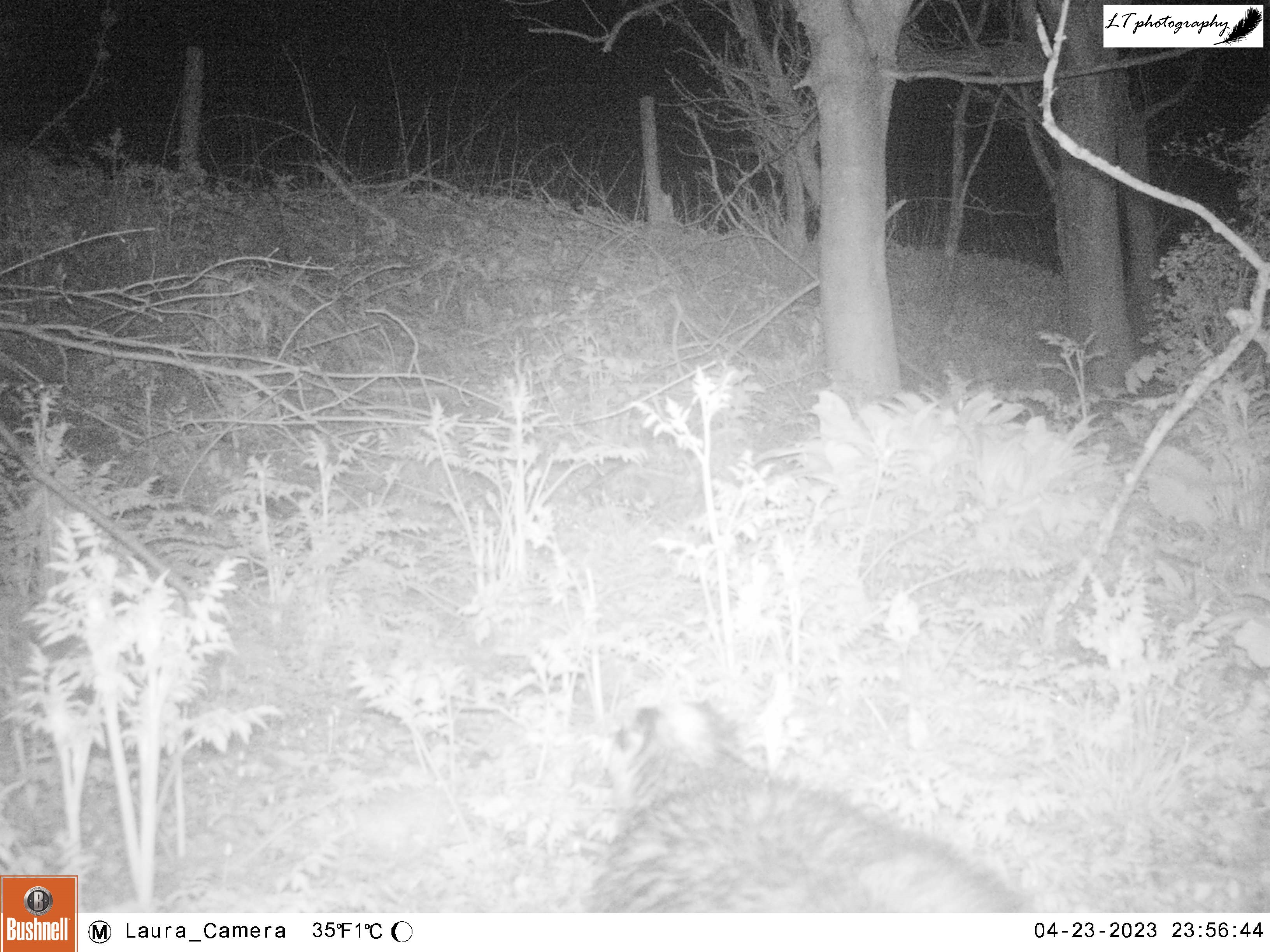
Badgers were caught on my camera traps when observing fields that were adjacent with active badger setts, showing badgers roaming for food, territorial marking and social interactions.
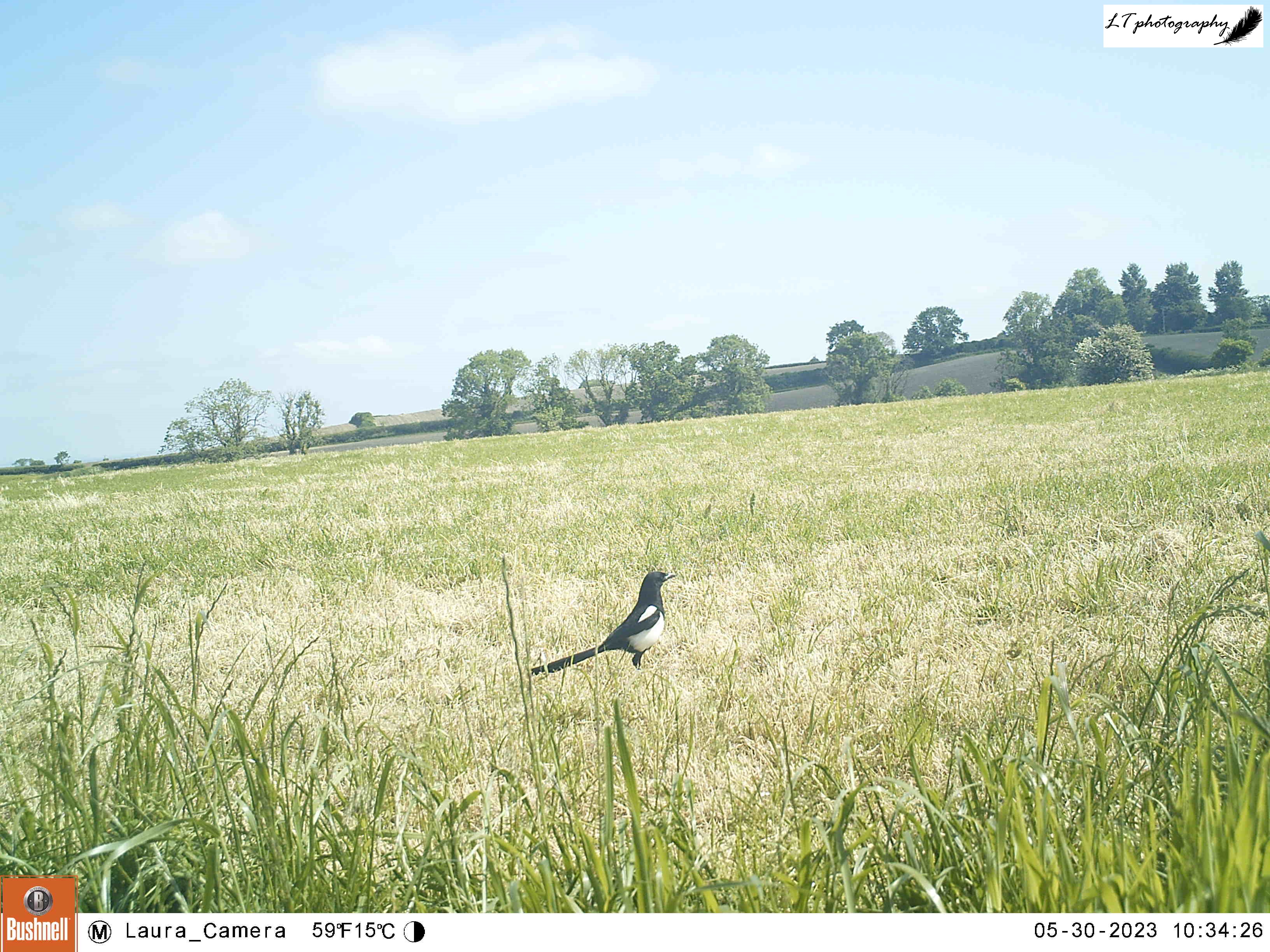
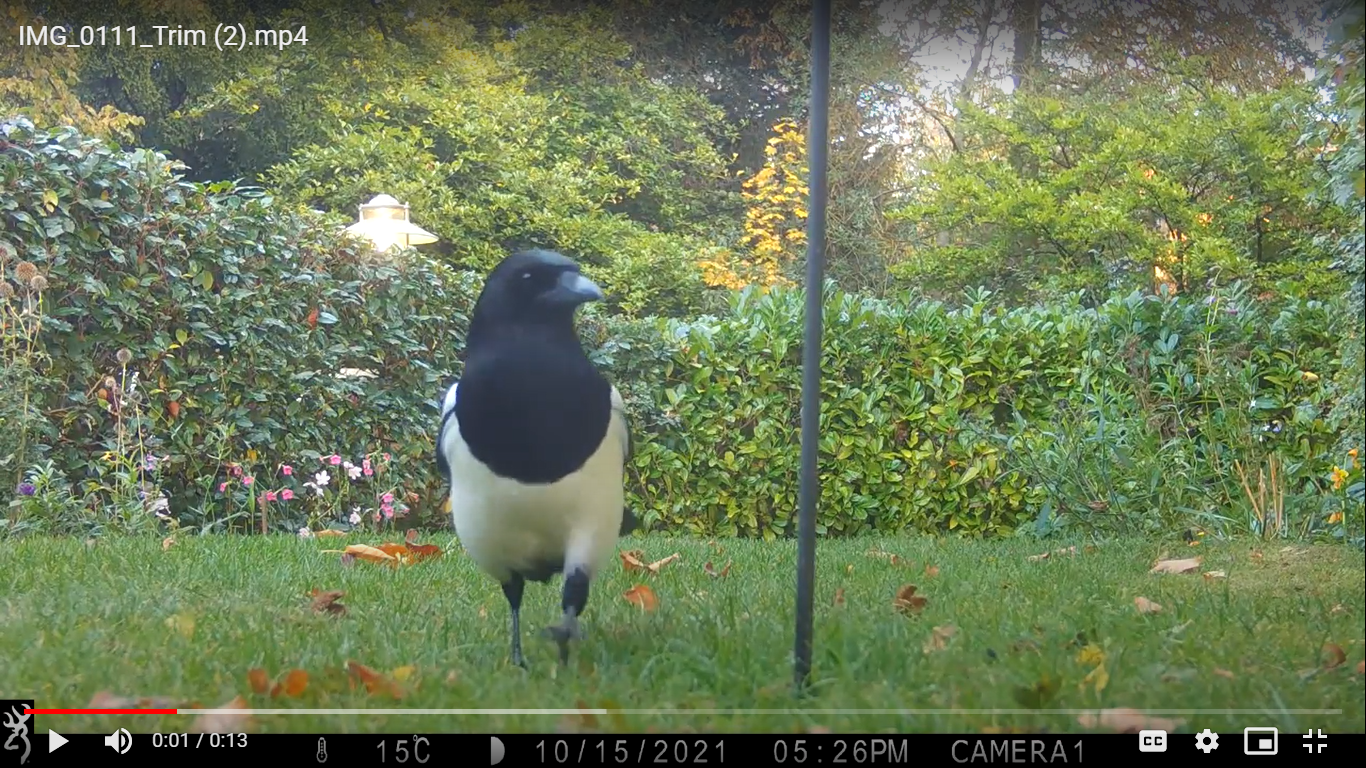
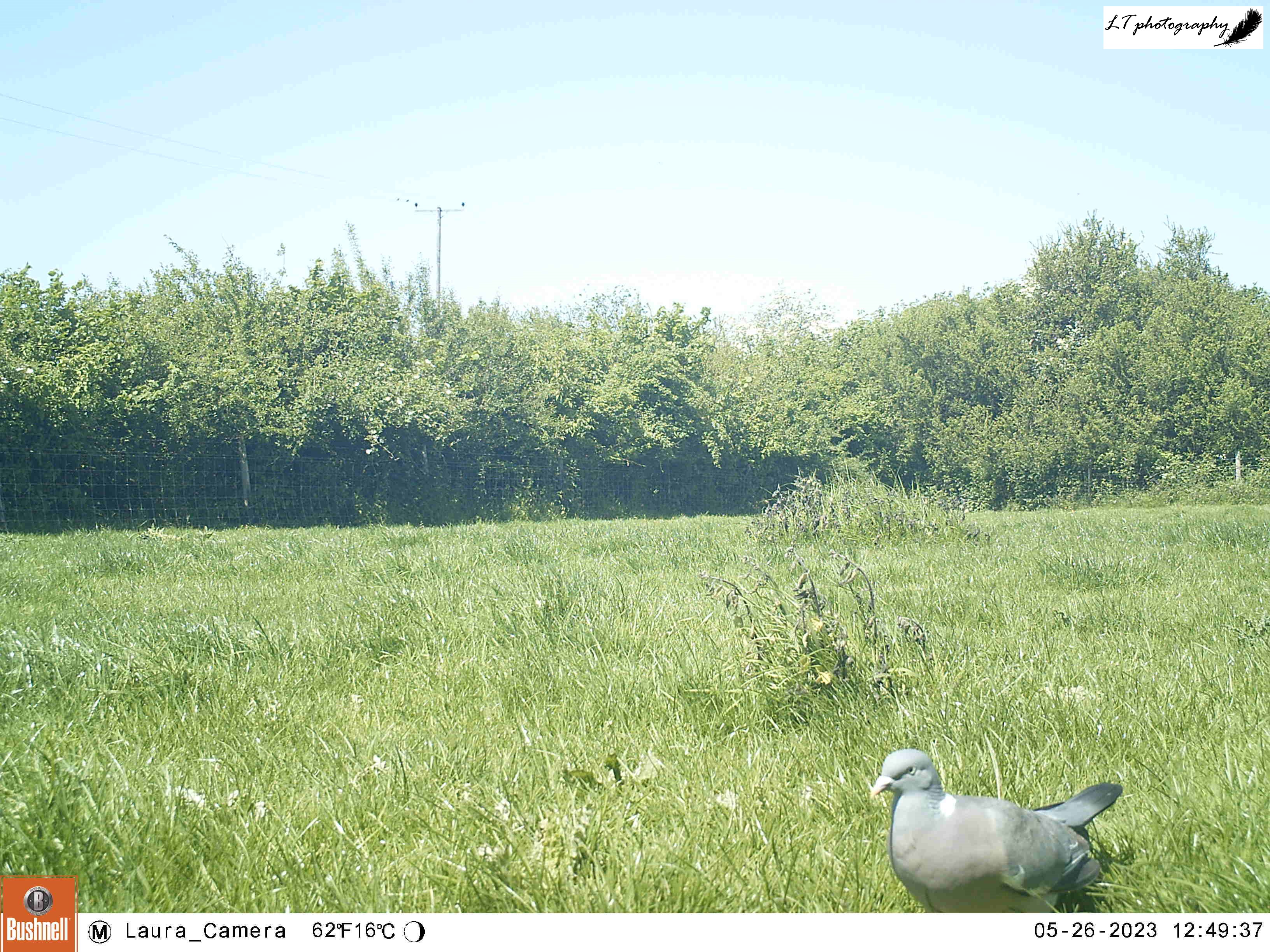
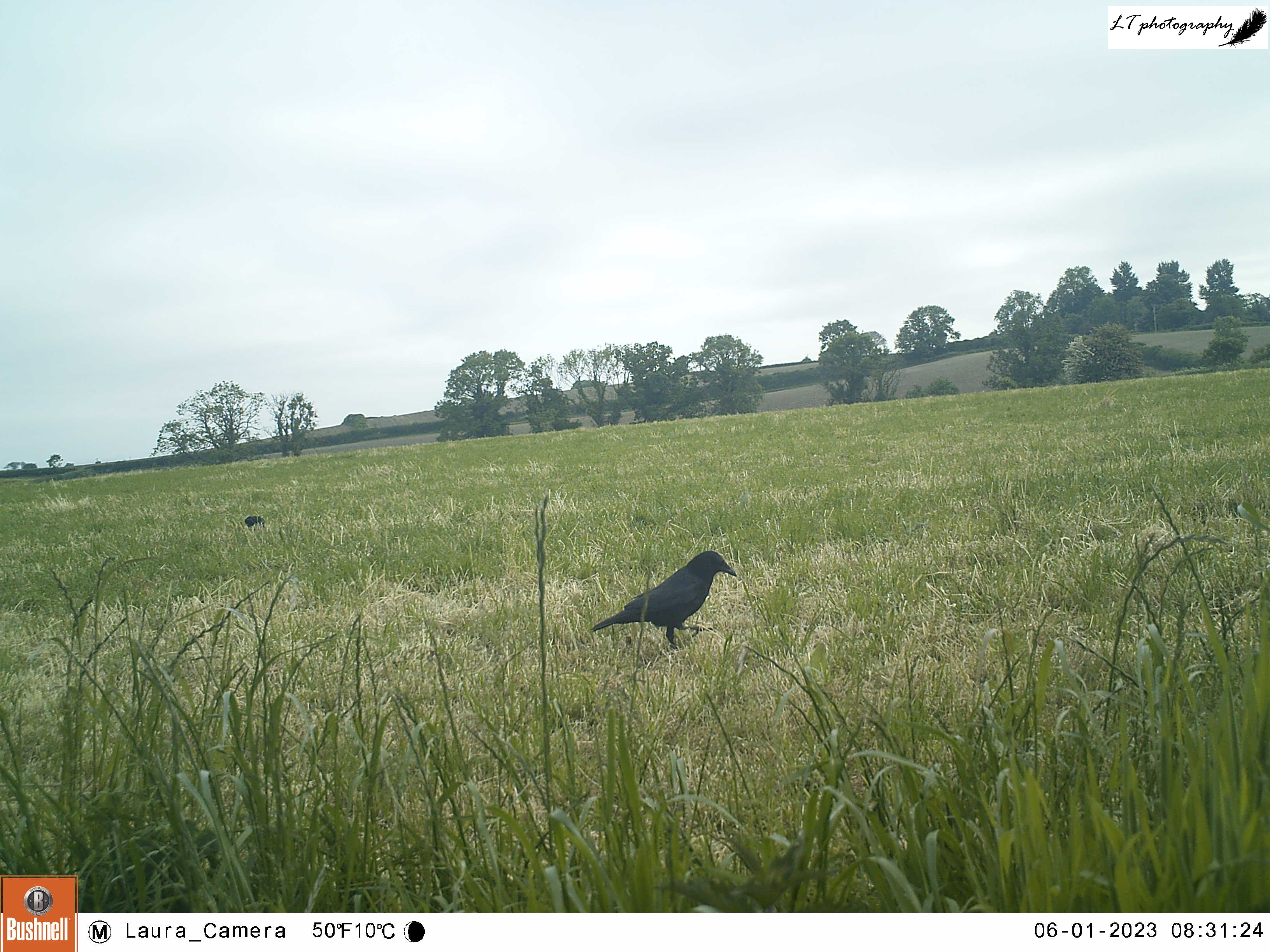
Many bird species made their cameos on my cameras, including an inquisitive woodpigeon, feeding carrion crows, and a magpie passing through. This year bird species broke up the antics of the mammals that were vying to be the stars of my camera trap photos and videos.
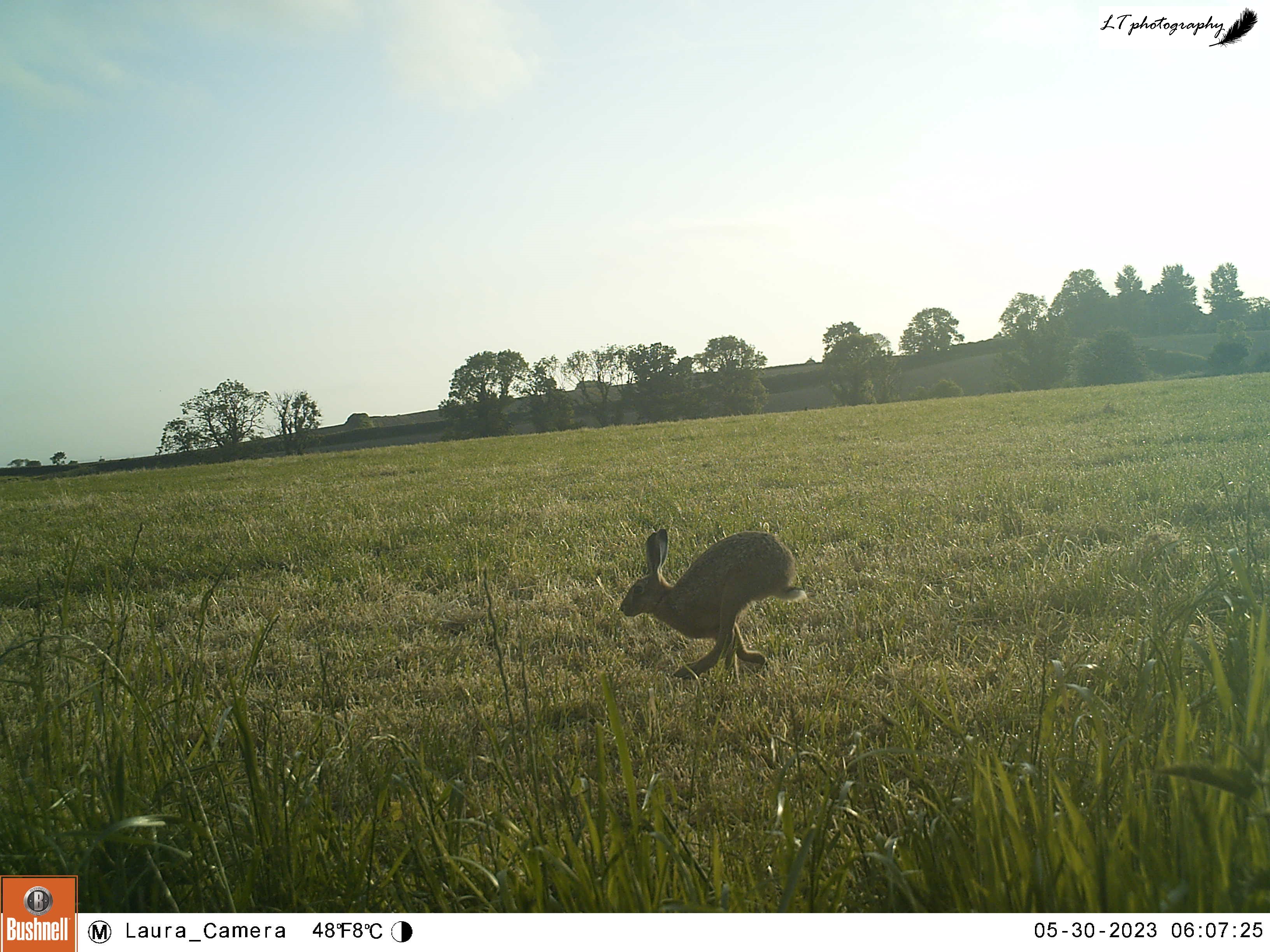
To finish my field observations, my camera traps this year did a good job of capturing sightings of the charismatic hare, a wonderful common sight across our land. Shots include a hare feeding, an inquisitive individual, and hares speeding past.
Garden

Our house and garden is situated at the centre of our land, and has often been described as a hive of bird activity, as such an abundance of different species visit daily. We also get visits at different times of year from different mammal species, which add to the fun of setting a camera trap to gain another view of the wildlife visiting our small garden. This year’s wildlife visits included a cheeky magpie and an emerging hedgehog, a species that we now see in our garden in the autumn in increasing numbers!

Check out my blog post next week to see the missing star of this year’s camera trapping adventures!
Rural Dorset vs. Urban Manchester: Exploring Winter’s Wild Birds

Series in collaboration with guest writer Emma Rogan

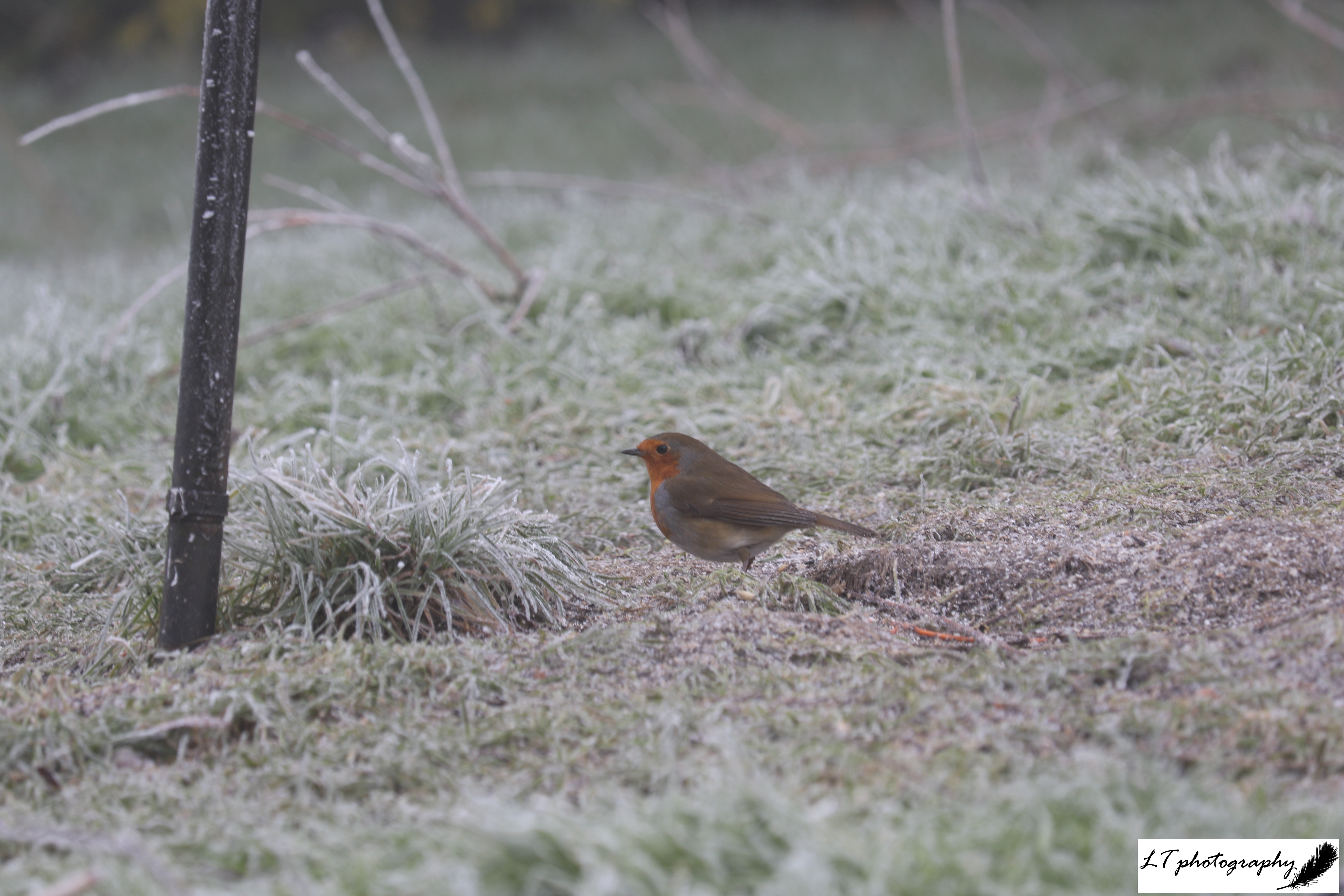
Winter is a time when a stillness grips the landscape, activity slows, and nature slumbers. This said, if you know where to look at this time of year, life can still be found. Barn Owls hunting along rough edges at first light, chattering Starlings feeding in flocks in open spaces, or Robins fighting to defend their small territories. For birds, winter is a time when migrant visitors, such as Redwings and Fieldfare, mix with resident species, such as Greenfinches and Great-Spotted Woodpeckers. Side-by-side through cold spells and stormy showers, in cities and the countryside, these birds are staying busy to try to survive.

Last time in Rural vs. Urban, we explored the wildlife that live close to home and delved into their hidden lives, all through using simple camera traps. For Dorset-born naturalist Laura, camera trapping has allowed her to record and explore the species that live on her family’s 250 acre farm, opening up a world that would otherwise be overlooked. For Manchester-born wildlife enthusiast Emma, her highlights included seeing a Badger, a Hedgehog, and getting to know the frequent visitors to her garden, such as a lovely Blackbird couple. For both, camera trapping has been a great way to connect with nature, whilst acting as a form of escapism!

For this last instalment of the current Rural vs. Urban series, we are now in winter, with days of sparkling frosts, stormy skies, and low-hanging mist. Last weekend was the RSPB’s annual Big Garden Birdwatch, so for this week we explore the bird species that call our local patches home during winter. As bird species try to survive, what may differ between the challenges of a city and of a countryside landscape? Are there differences or similarities in the species seen or in their behaviour? Lets explore winter on the wing to find out!

Laura’s Rural Garden Bird Survey

Over the last few years, I have taken part each year in the RSPB’s Big Garden Birdwatch and the BTO’s Garden BirdWatch in 2020, and have enjoyed gaining a deeper knowledge of the species that visit our garden all year round. Winter is one of the best times of year for a variety and abundance of species to be experienced in our garden, and at this time of year my parents and I often enjoy a lunchtime accompanied with birdwatching from our living room window.

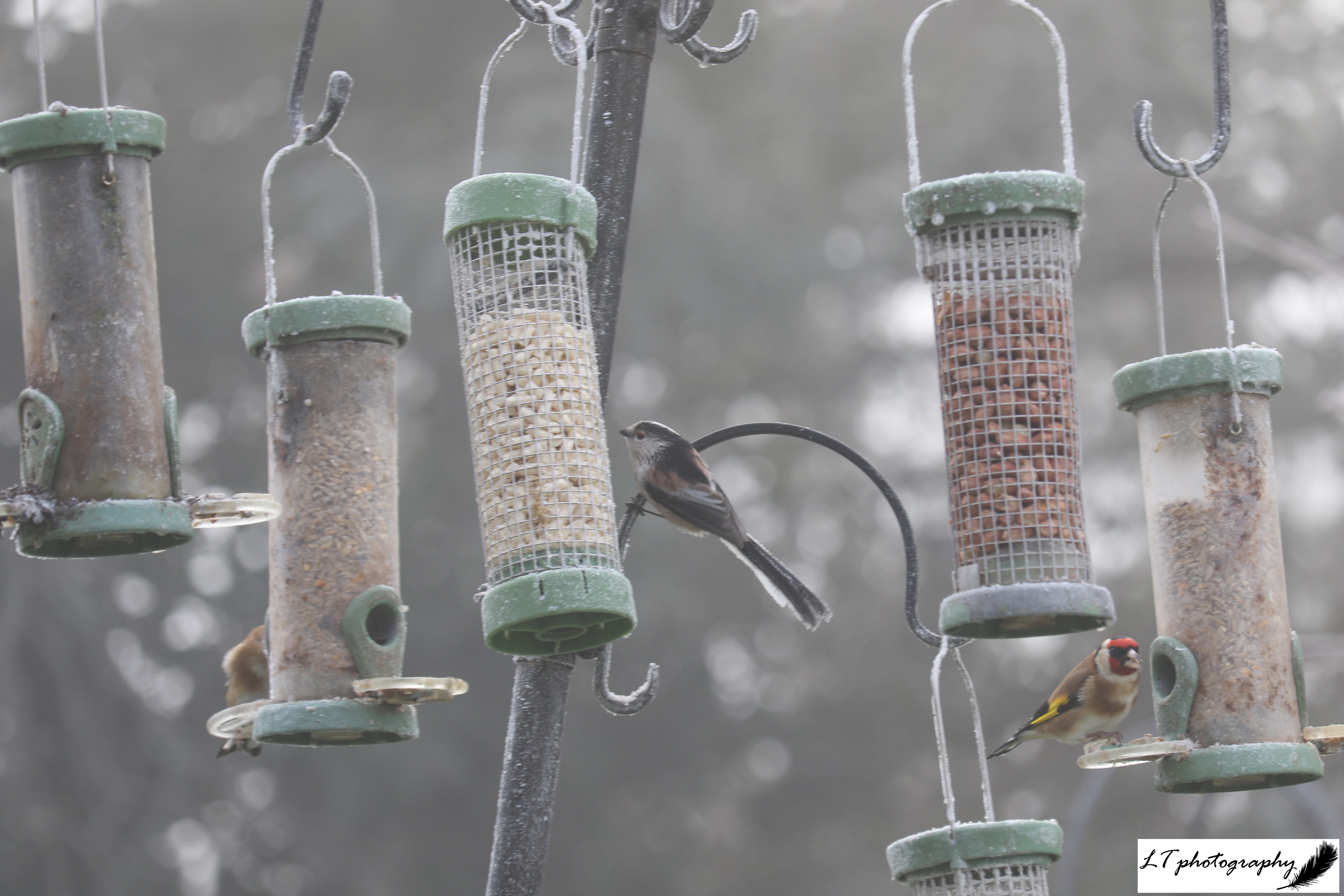
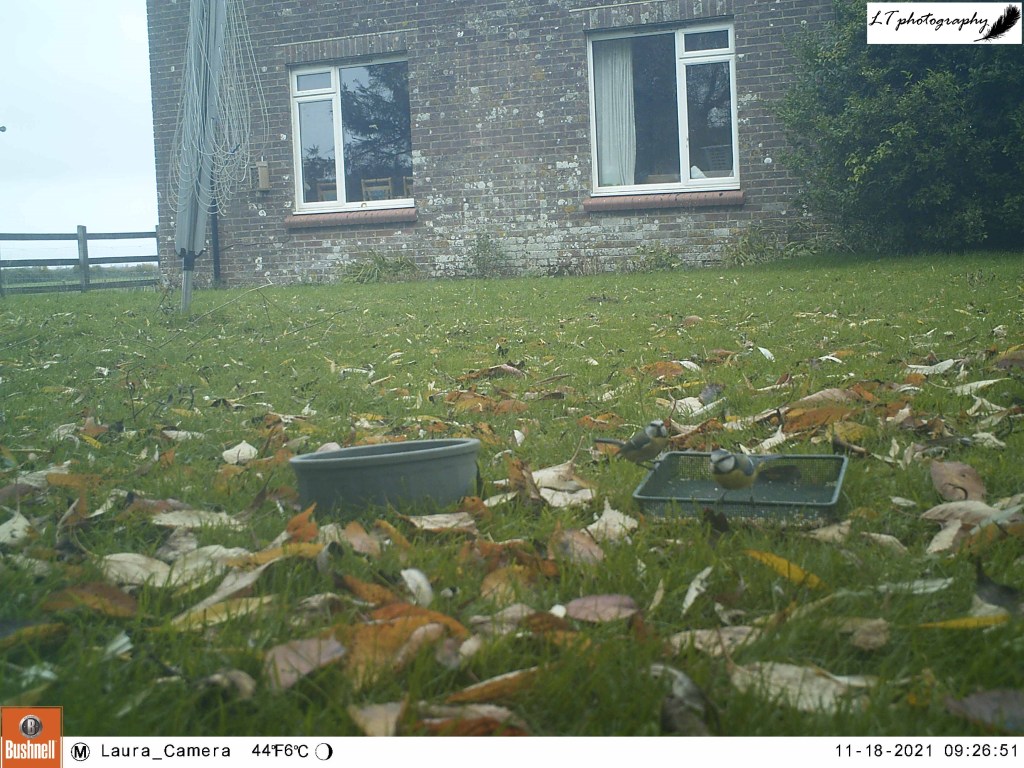
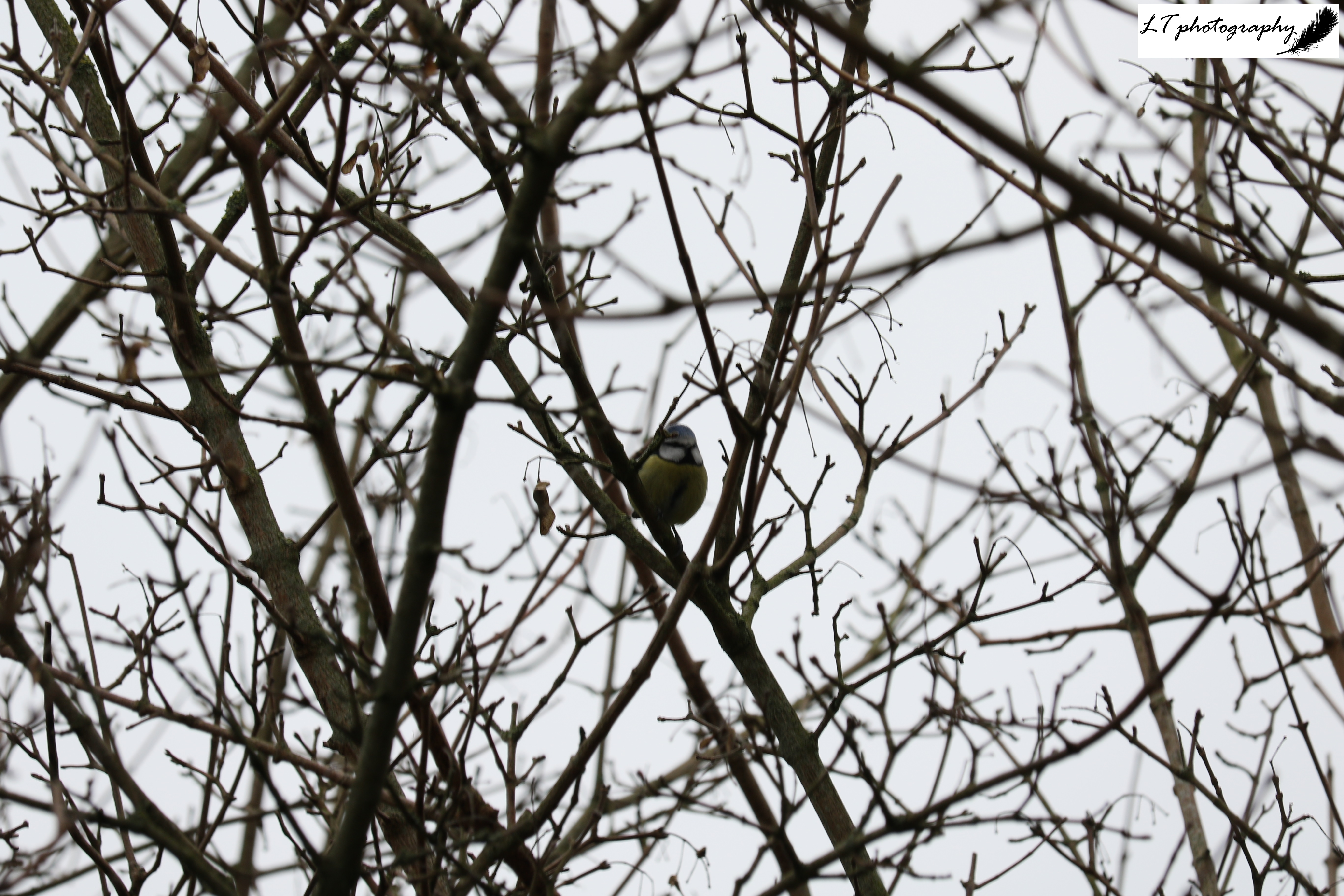
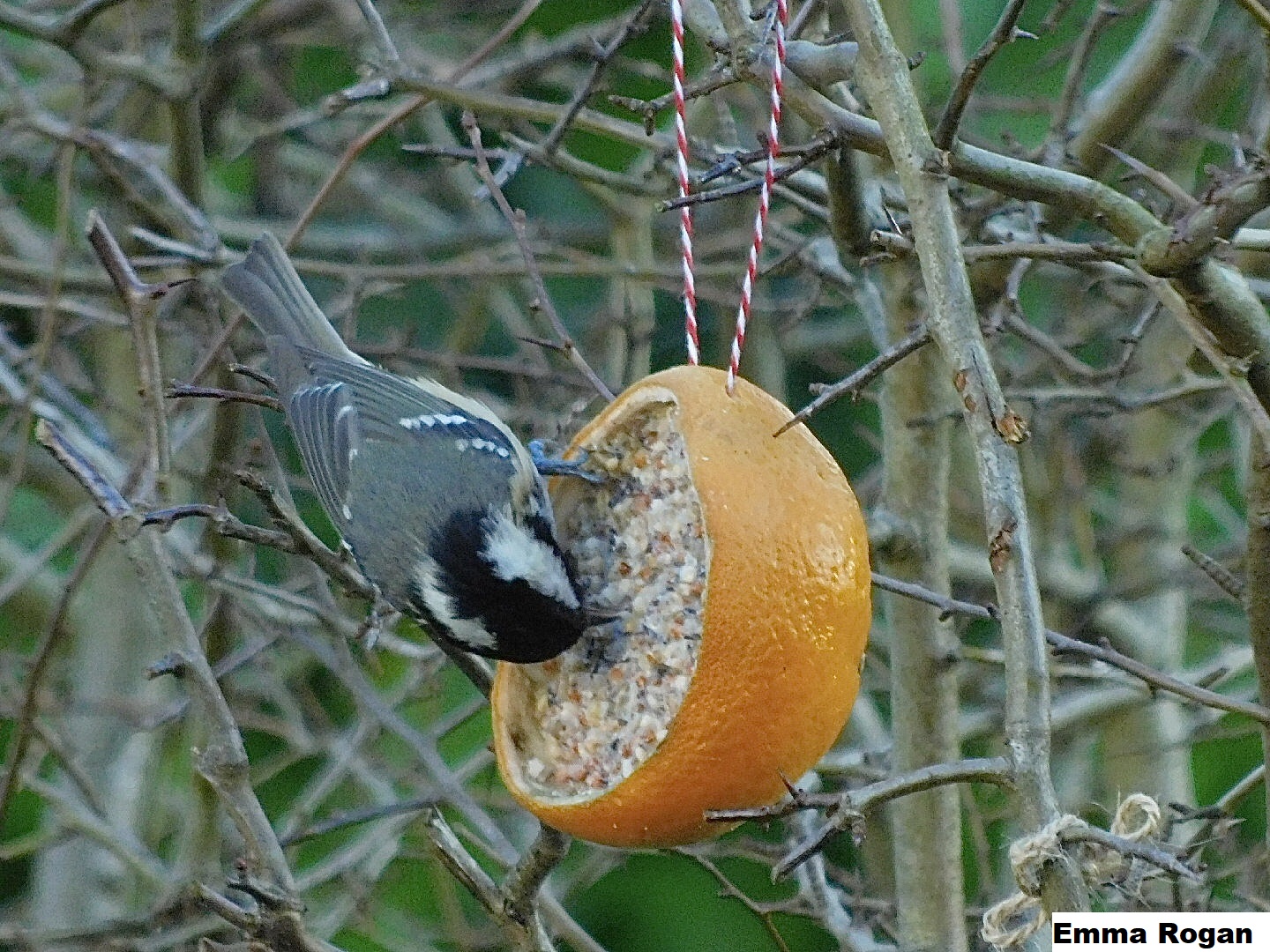
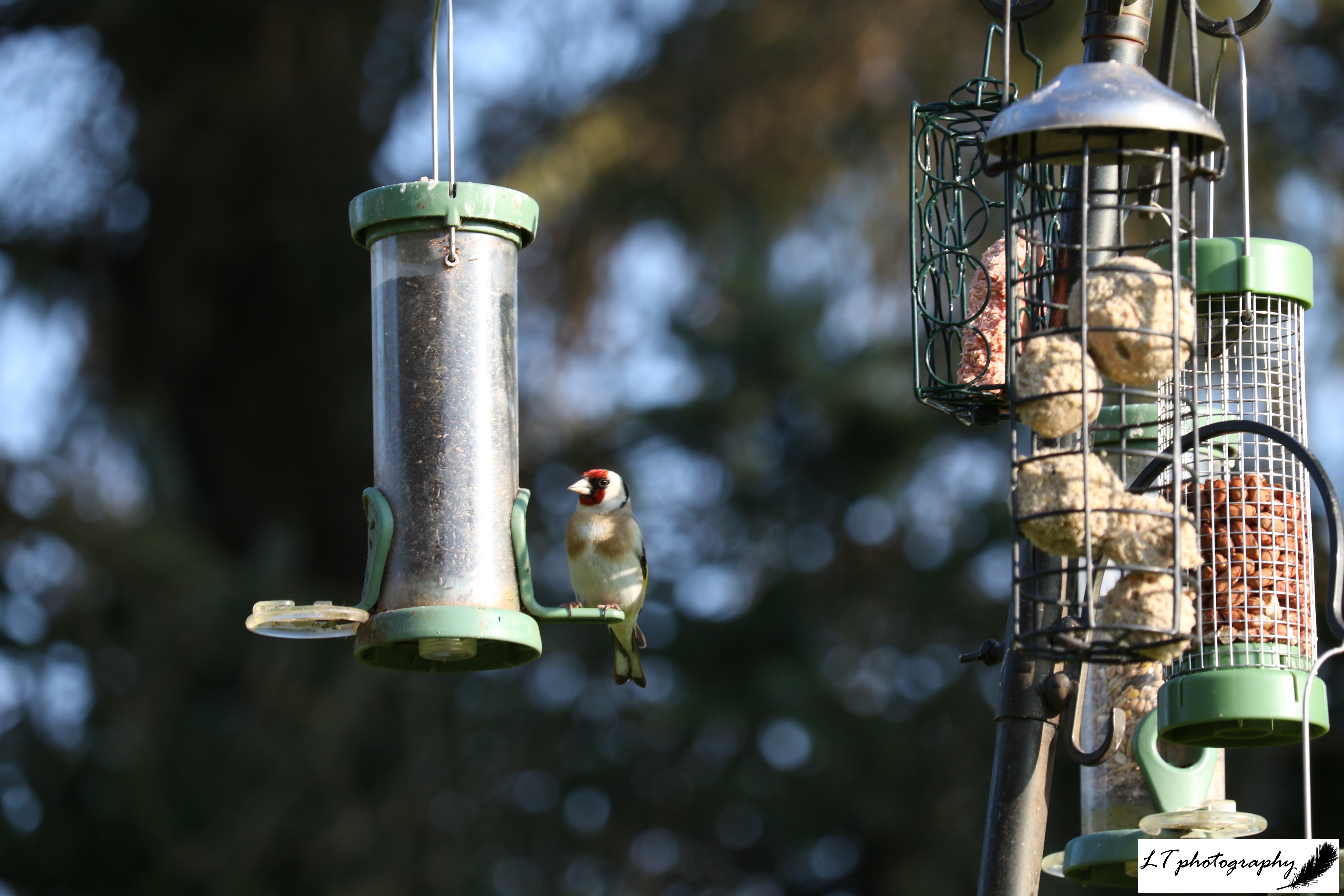
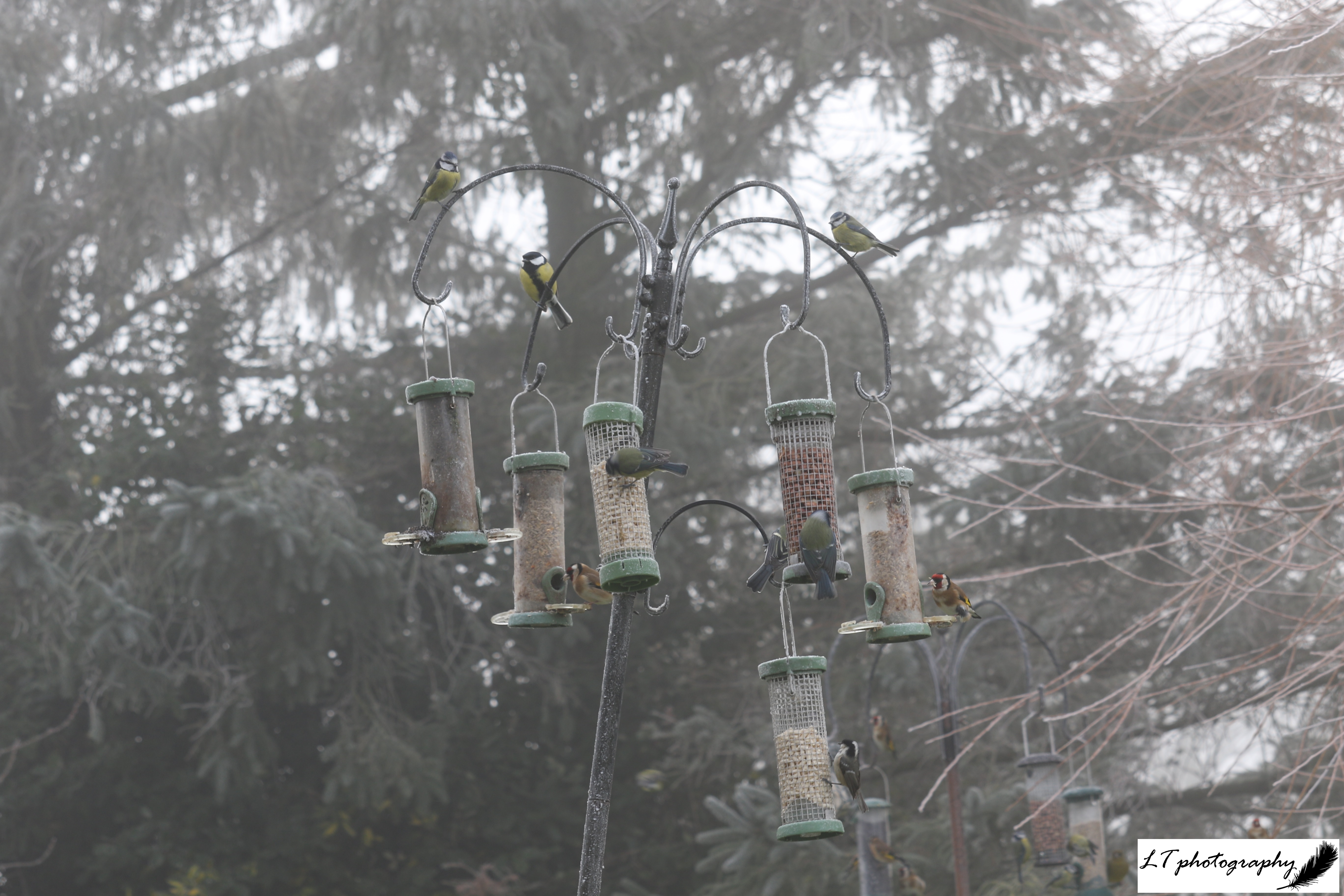
So on the 12th December we did just that, spending 30 minutes recording the diversity and abundance of bird species we saw in half an hour. For such a short period of time, the bird feeders in our garden delivered, with 17 species, varying from Greenfinches and Robins to a Great-Spotted Woodpecker and Starlings! By far the most abundant species though was the Goldfinch, with 14 spotted at one time, closely followed by 12 Chaffinches and 9 Blue Tits. A very good representation of our garden’s winter visitors, just missing Long-Tailed Tits and Coal Tits, the latter being amiss this year!
Emma’s Urban Garden Bird Survey

I combined my bird count with the event of the year, the Great Garden Birdwatch! We sat down with cups of tea and my dad’s iPad to record our garden visitors and contribute to this important monitoring exercise.

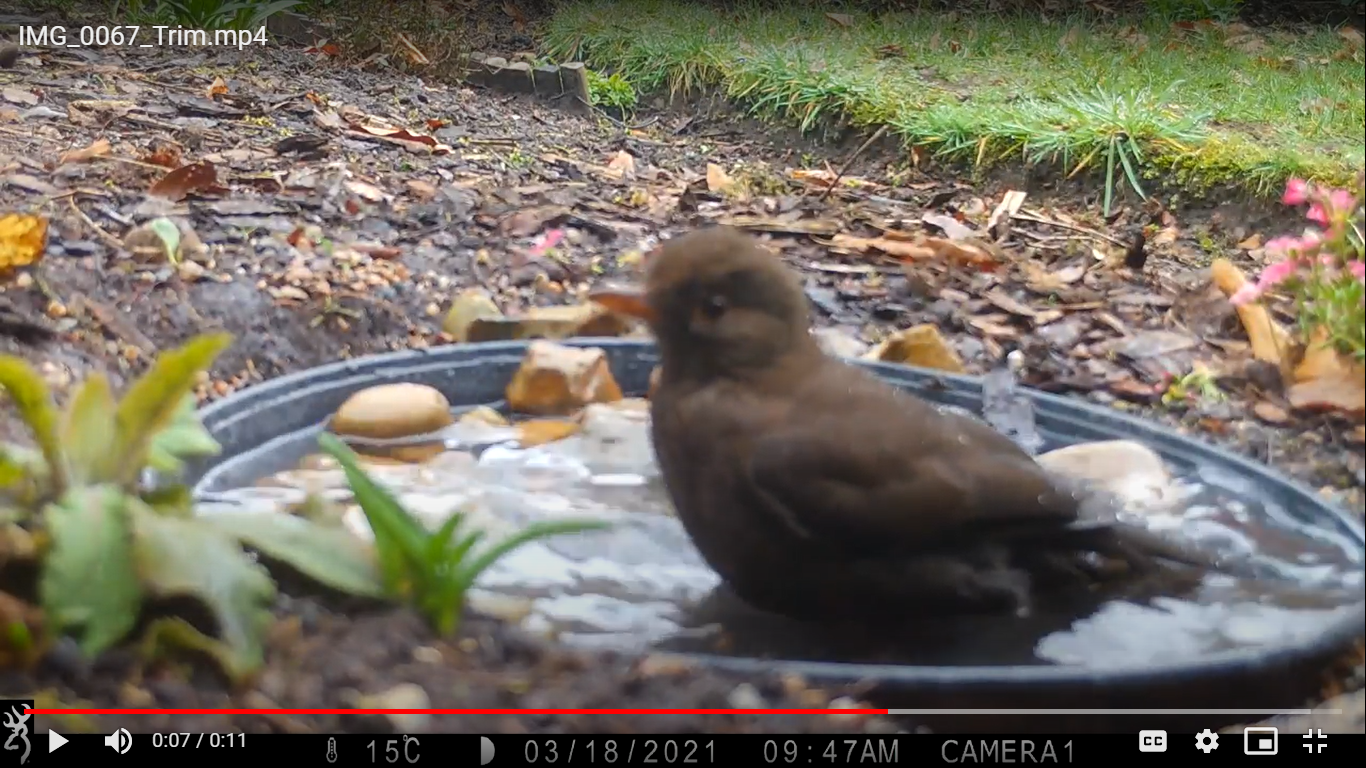
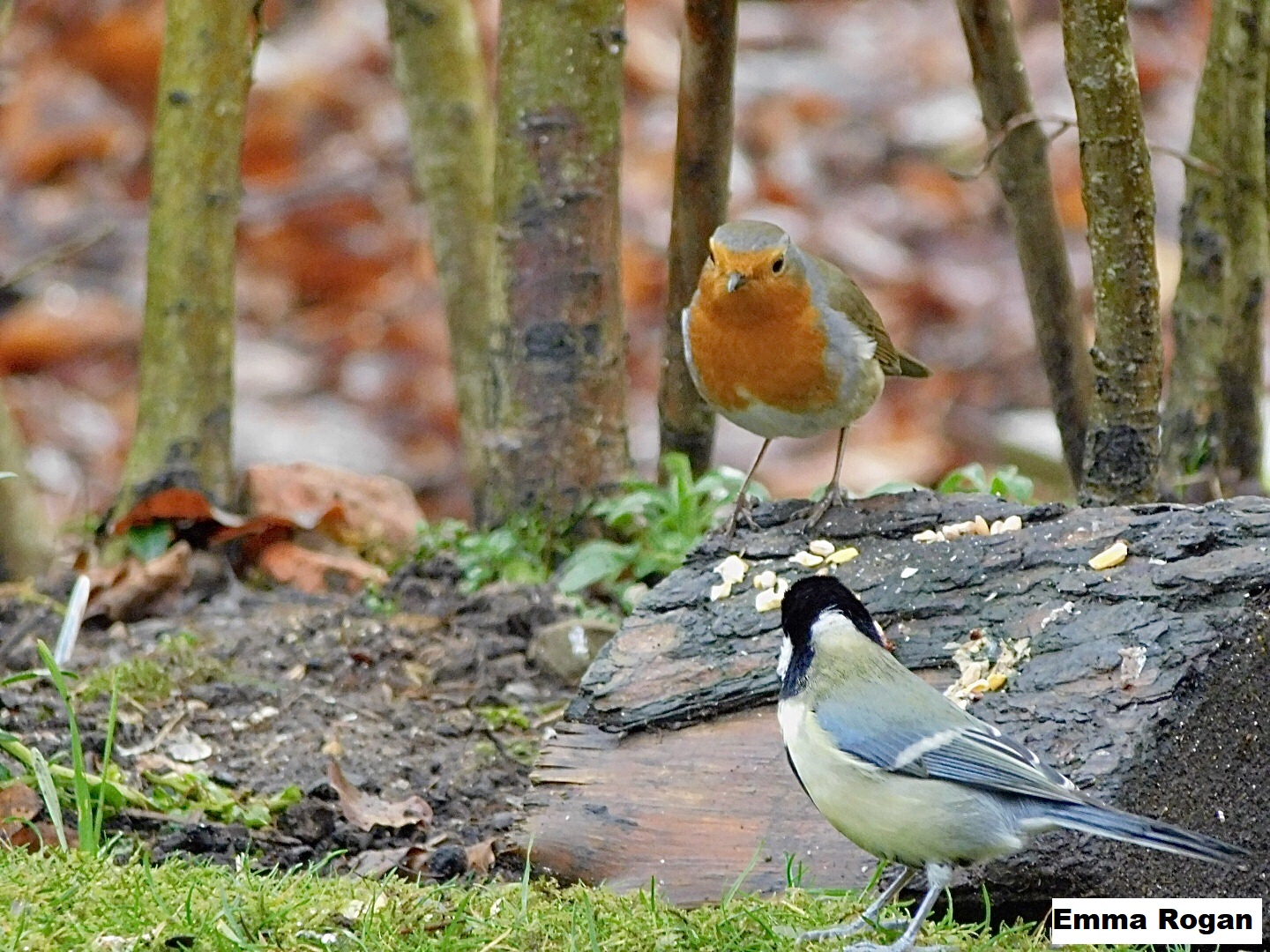
Expecting our birds to use their sixth sense and avoid our garden for an hour, we were pleasantly surprised to see a lot of our regulars! The Robin stopped by, as did Mr and Mrs Blackbird, who come every day for their plate of mealworms. Our bird feeders are also popular with Coal Tits, Blue Tits and Great Tits, and of course the neighbourhood Squirrels! We also have a Nuthatch who visits frequently, nibbling at our bird feeders in his distinctive upside-down stance.

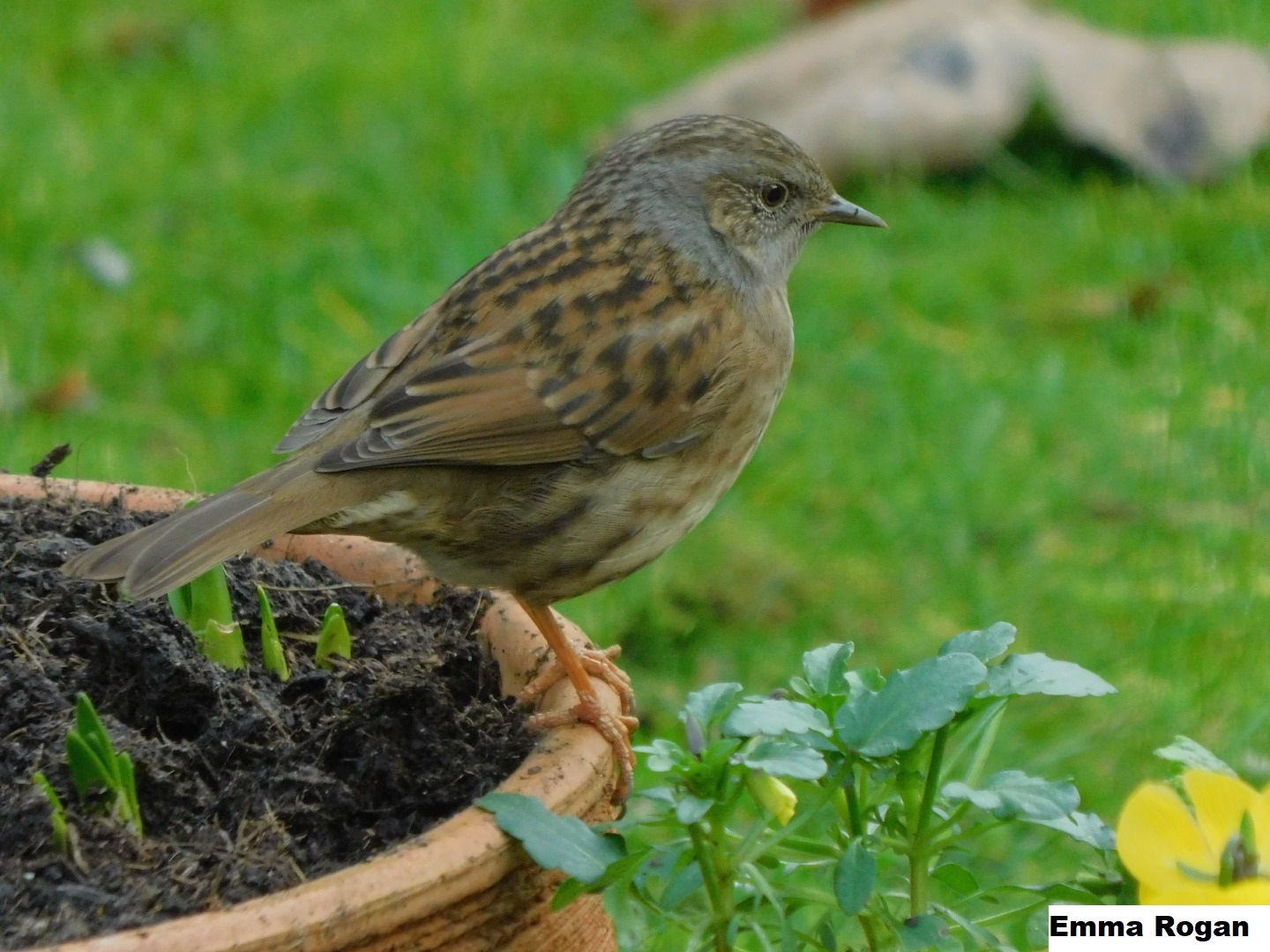
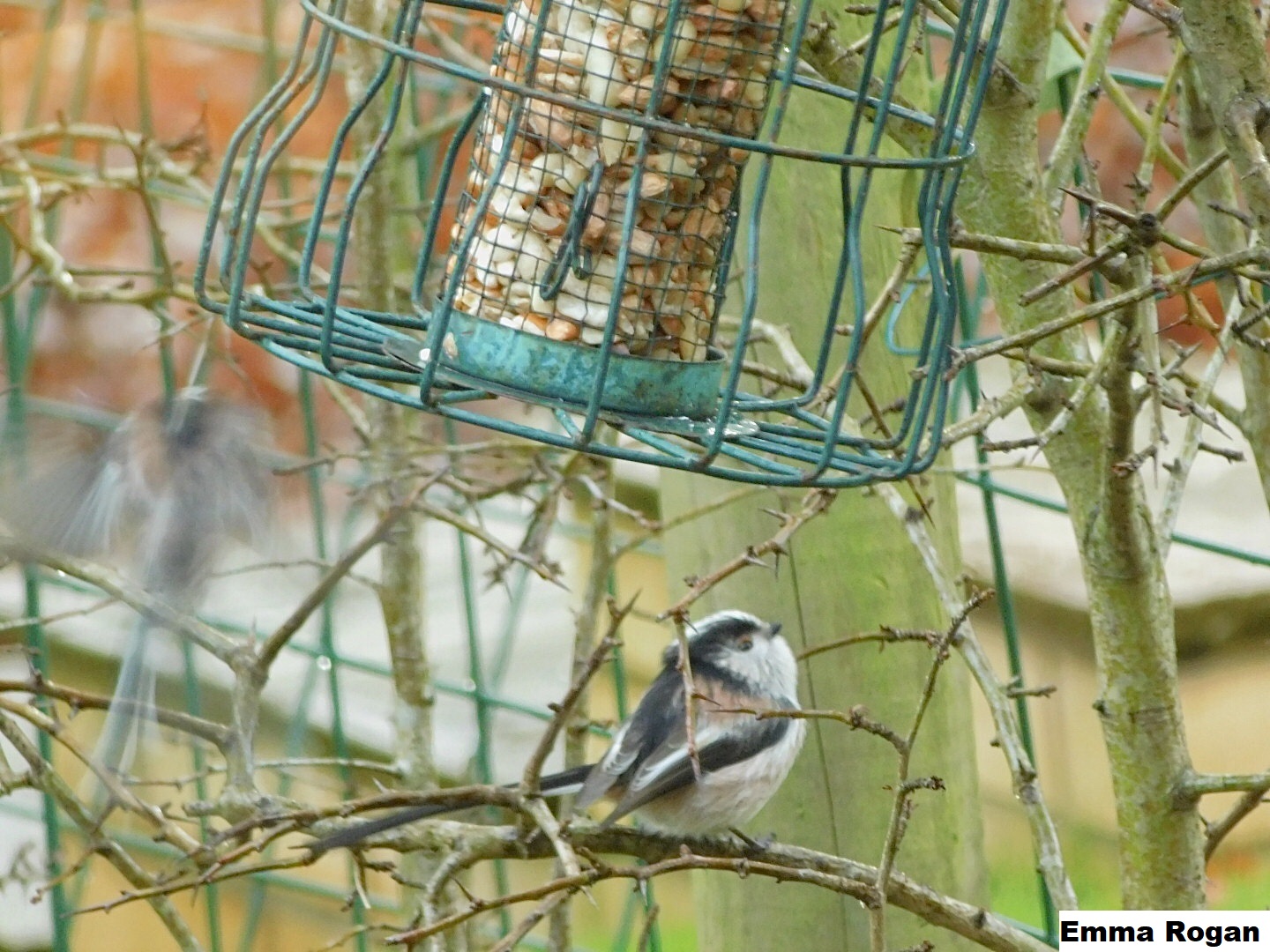
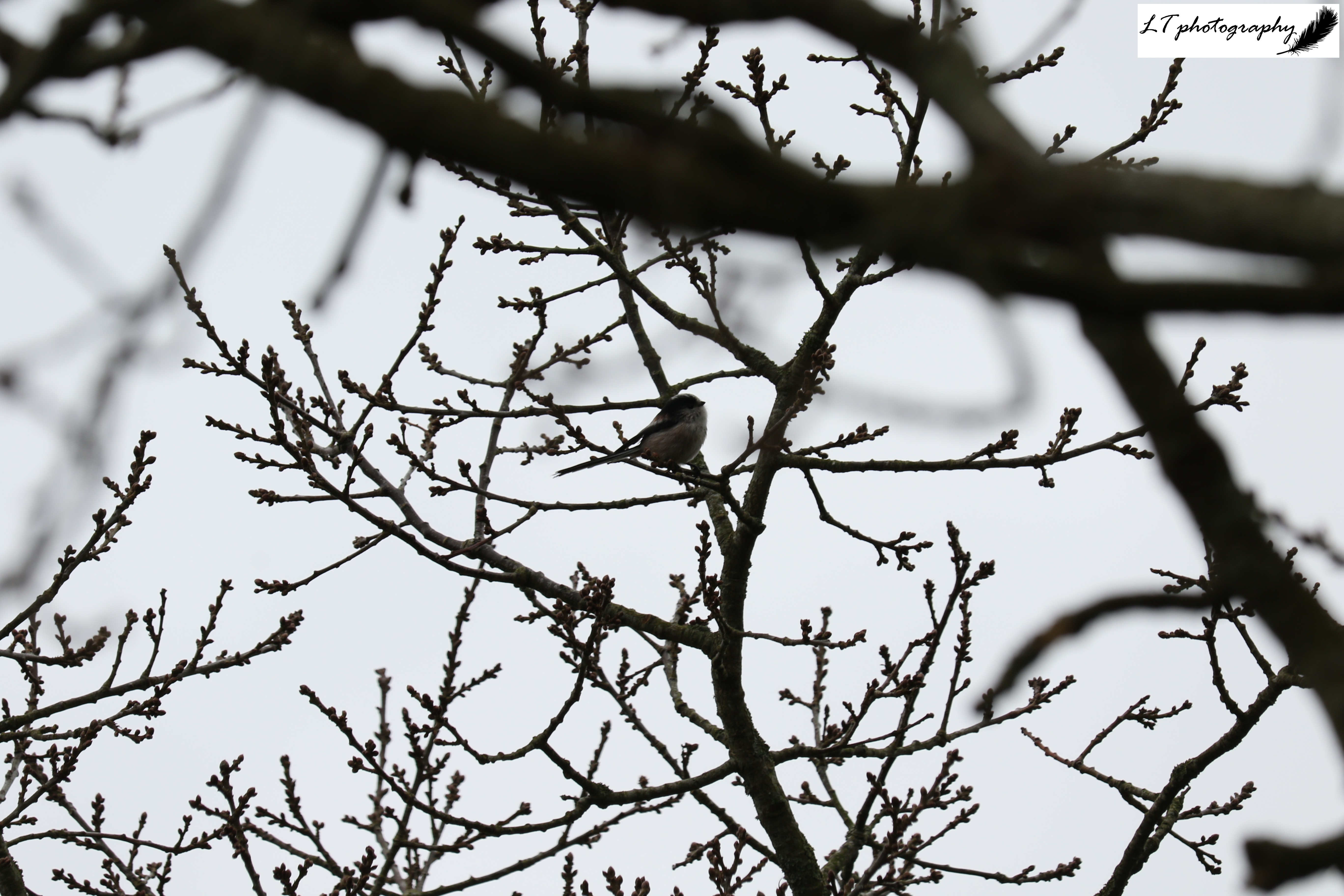
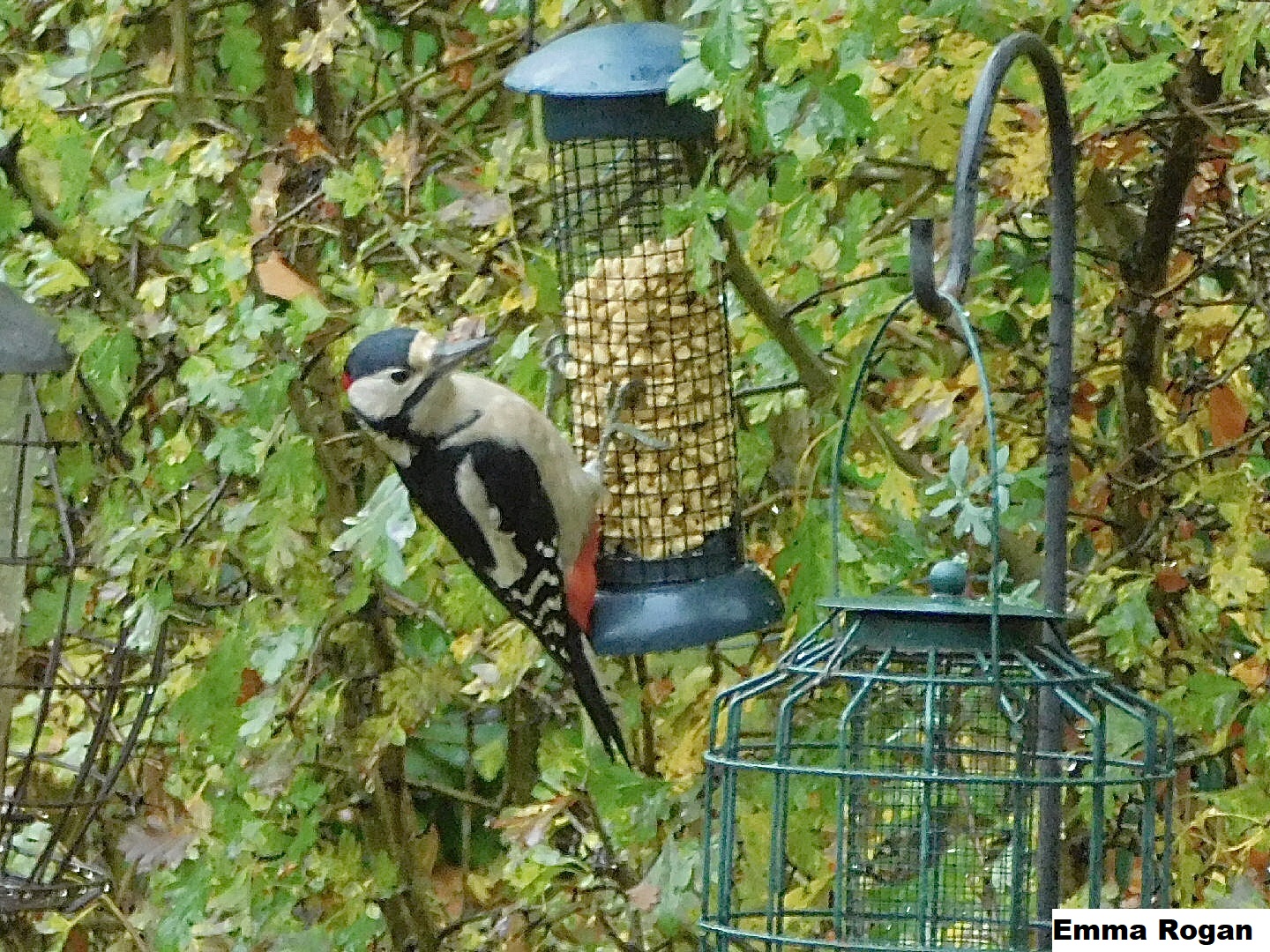
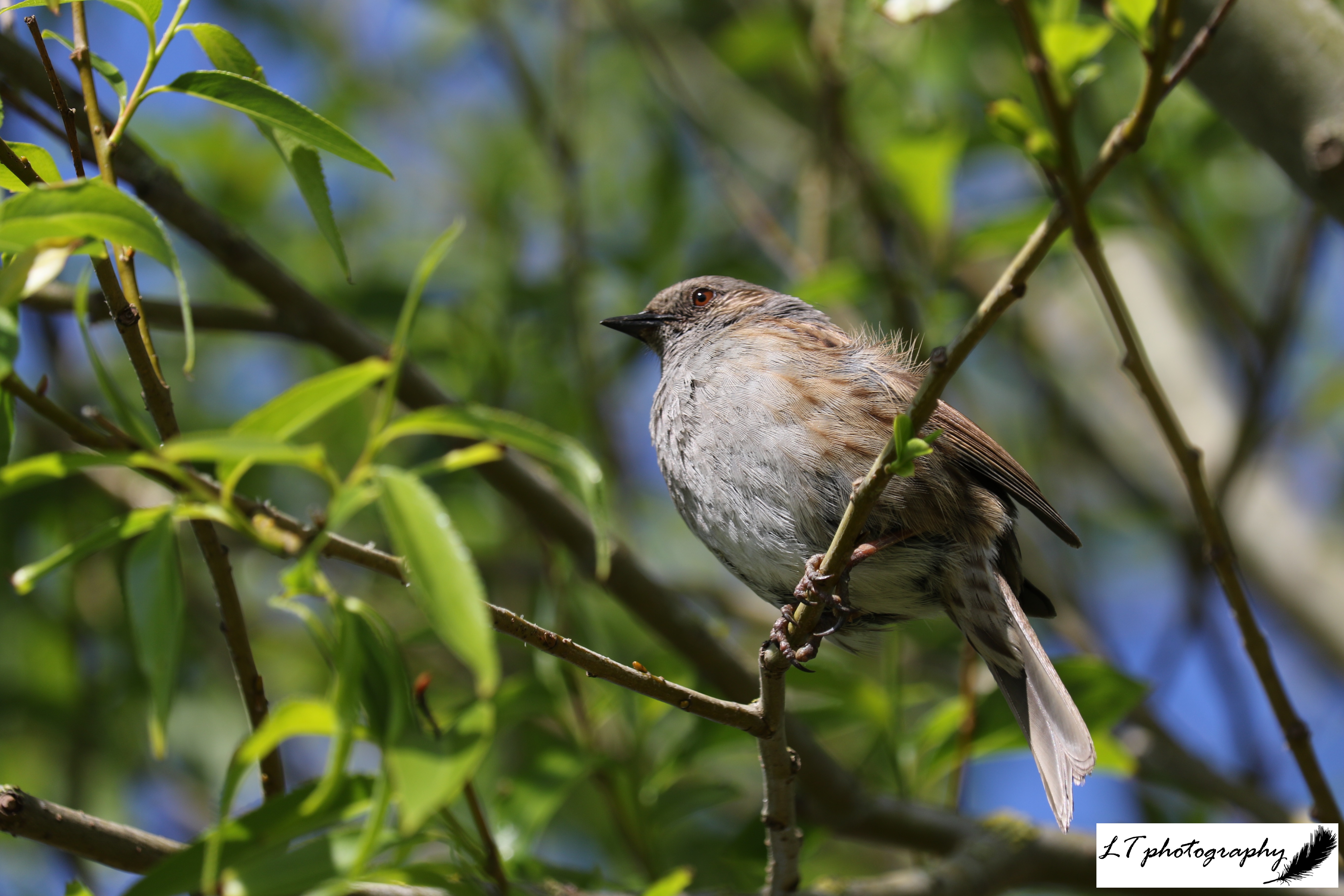
My absolute favourite though are the Long-Tailed Tits, they’re so round and fluffy! Although, I will always have a soft spot for our Dunnock, who we recognise by his extra-fluffy head feathers. Even a bird can have a bad hair day! Sadly though, our Woodpecker didn’t make an appearance.

Laura’s Countryside Bird Walk

Today (Sunday 9th January) was the first beautiful day of a new month and new year. Though the air was cold, it was calm and the sun was shining, a soft golden glow. Stepping out from my back door, I was immediately hit by an abundance of avian activity. Two Carrion Crows flew over my head, cawing as they went. Goldfinches chattered from the garden, hinting at a visit from a good sized flock. A Blue Tit sung its distinctive song, a Robin ‘ticked’ in alarm, and a Blackbird watched me from a nearby fence post. I could not miss this perfect opportunity to explore the bird life that could be found on my family’s land at this time of year.

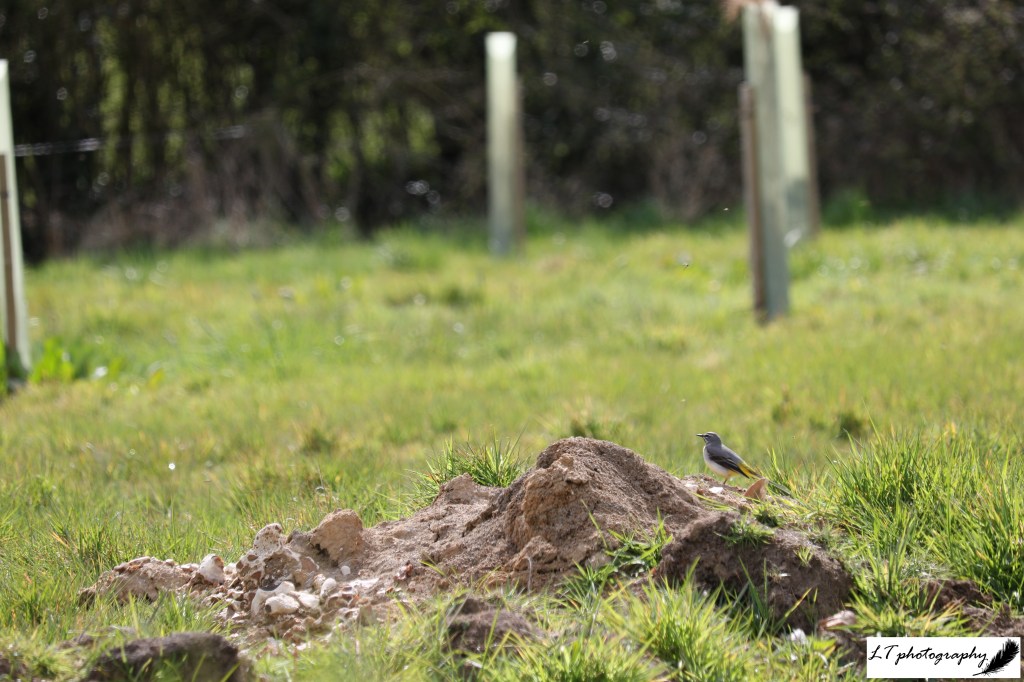
First, I headed down to our farm buildings, joined by the chattering of Starlings feeding out in the nearby fields. As usual at this time of year, the still hulking forms of the barns were being brought to life by busy birds living alongside our wintering animals. House Sparrows could be heard singing in the eaves of the barn, complimented by Great Tits calling from a lone Hawthorn tree, Collared Doves flapping here and there, and a flash of a yellow rump as one of our resident Grey Wagtails was disturbed from where it was feeding. The only thing that could add to the scene would be a Barn Owl floating by, a common sighting at dawn on the farm.

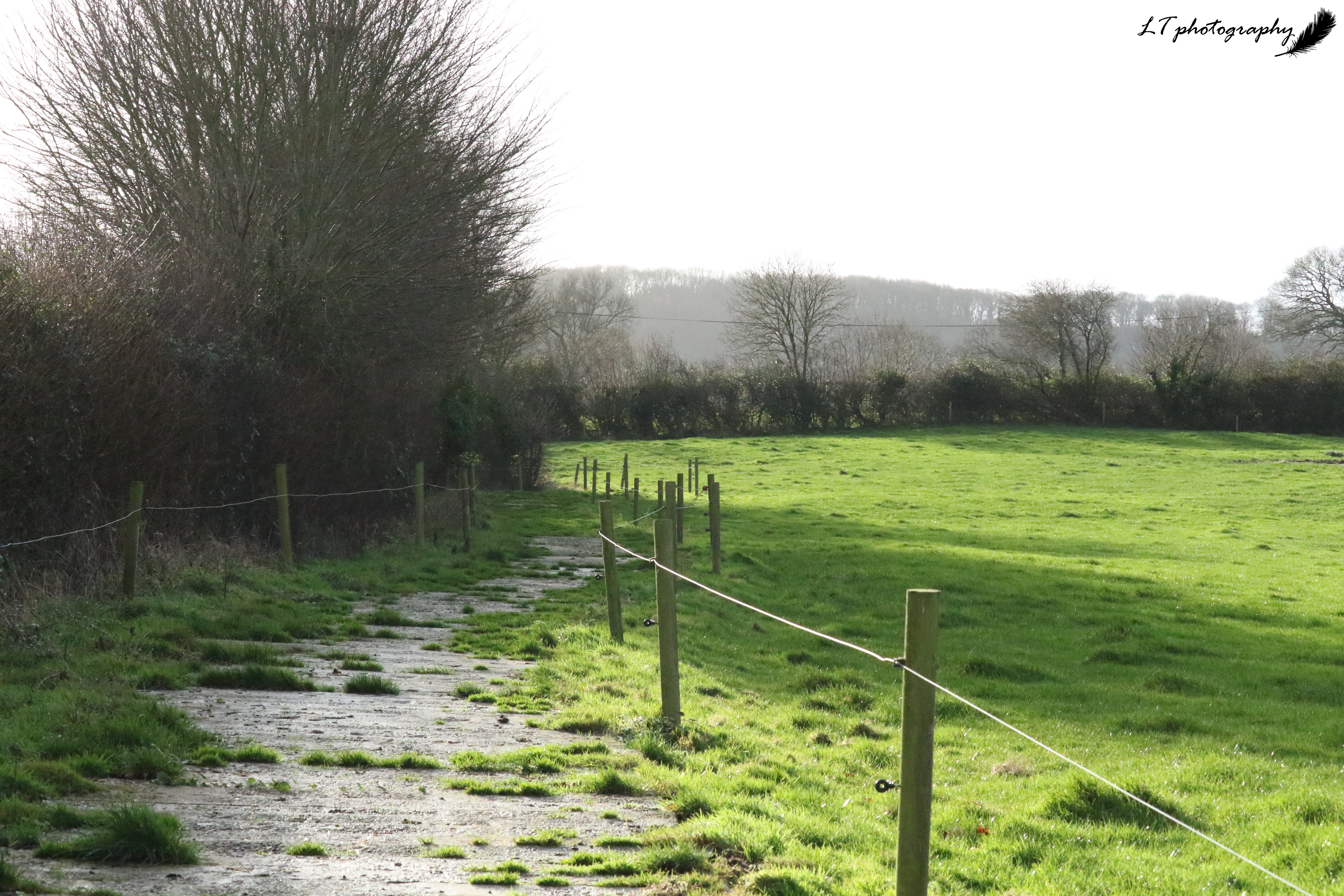
Satisfied with my sightings on the farm, I then headed away from my home hub, following the tracks out into the wider expanse of our land. Here I could find birds flitting along the hedgerows, such as feeding Redwings and wary Wrens. and fields busy with bird feeding activity, including Gulls, Rooks, and Pheasants.

As Fieldfare flew over head, I finished my wintery walk with a meander along one of the larger rivers on the farm. Here I could see the first Snowdrops beginning to push green shoots up from the river bank, marking the start of changes to come. This was joined by the calls of Dunnocks and the twittering of Meadow Pipits out in the fields across the river. With a count of at least 22 bird species, I felt this was a good end to my adventure.

Emma’s City Bird Walk

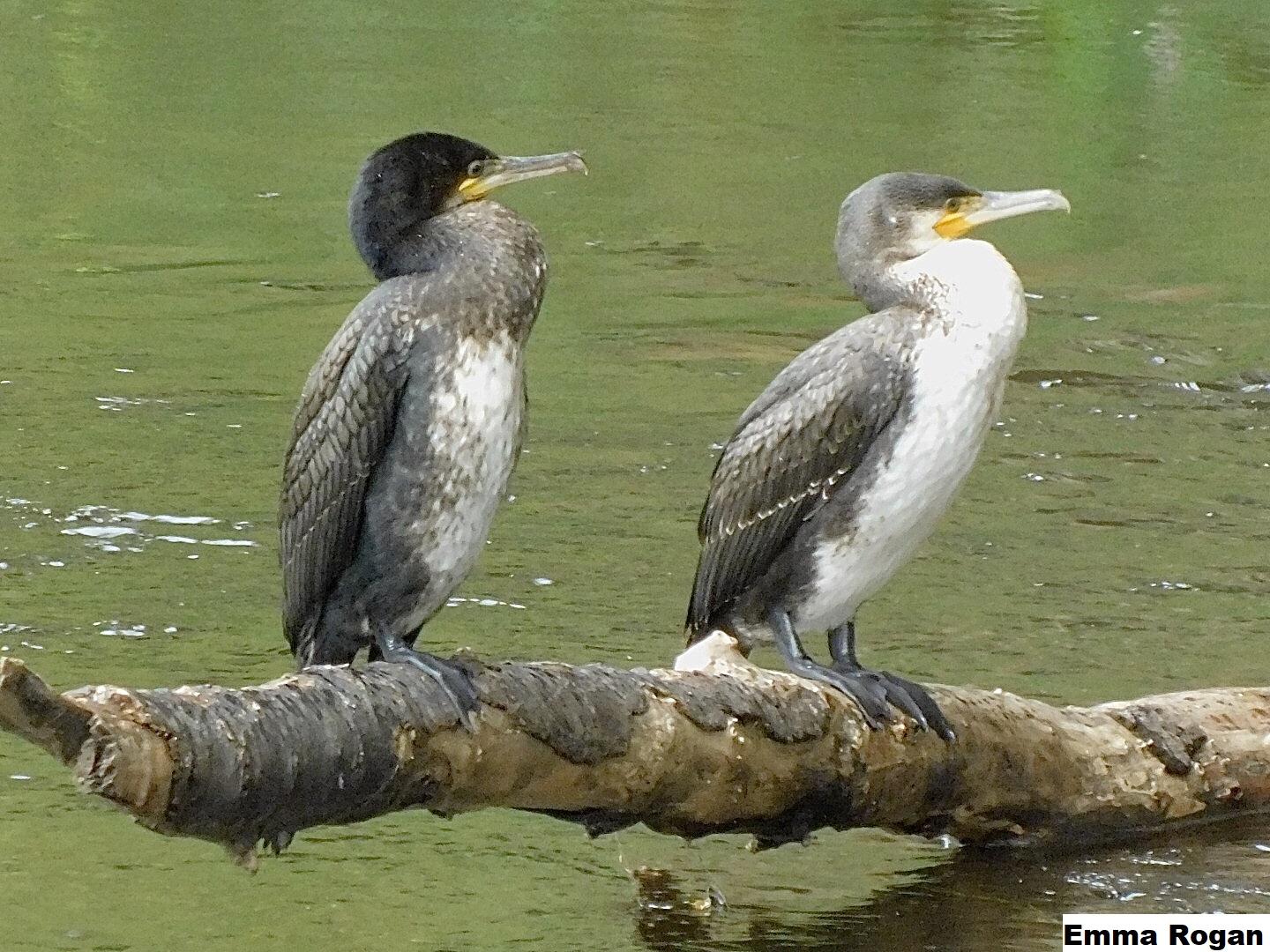
Manchester is home to a huge variety of urban birds. From Herons and Cormorants fishing under motorway bridges along the River Mersey, to hardy Woodpigeons in the city centre, to garden birds drawn in by feeding stations, there is always something new to see! I always love to see how many birds I can spot when I’m out for a walk, and I find that watching the birds in my garden brings me a moment of peace in the middle of busy days.

For my bird walk, I decided to head to a different park for a change! I’m lucky to live in a part of Manchester with a lot of nearby green spaces, and one of these is Didsbury Park, one of the first municipal planned parks in the city, and redesigned in the 1920’s to include recreational features which still exist today. There is also thought to be an old air-raid shelter under the football pitch! The impact of both World Wars One and Two on the local area, just a small village when WW1 began, is commemorated by a beautiful poppy field mural in the park created by graffiti artist Russell Meeham, also known as Quebek.

Suffice to say, I’ve spent many happy hours in Didsbury Park, and my bird walk was no exception! Although, I didn’t have a lot of success at spotting birds. The highlight of the walk was wondering why a group of people were gathered around a particular bush and wandering over there, to find a flock of House Sparrows singing away! My Mum and Dad remember House Sparrows as the most common bird about when they were growing up, but we’ve never actually seen one in our garden. Sadly, their populations have declined substantially in the UK in both rural and urban populations.

It’s All About The Birds!

If you open your eyes, wherever you go during winter you will see life and activity. Though from Laura’s and Emma’s adventures, Laura experienced more bird activity out and about in the countryside, both currently have vibrant gardens. This is testament to how everyone’s gardens right now are a lifeline for our wildlife, whether you live in a bustling city or a quieter piece of the countryside. They provide a valuable home in a changing landscape and prove that we can all do our bit for nature. Why not put out a bird feeder and see what you can see today?

26 Years of the BTO’s Garden BirdWatch: Getting Involved During Lockdown

As winter creeps into the landscape and a second lockdown keeps us close to home, our gardens are once again coming alive. Wrens creep through the undergrowth catching insects, Robins sing to defend small territories, and Long-Tailed Tits flit between hedgerows foraging in family groups. It’s not just the birds though, other species are settling down to see out the winter in our gardens too, from butterflies and toads to hedgehogs and ladybirds.

With this year being a bit different, I have found it a great time to take part in the BTO’s Garden BirdWatch, to further connect with nature, boost my mental health, and do my bit. Gardens are very important homes for wildlife, not just at this time of year, so now is an important time for us to understand how we can better help the wildlife that share our gardens with us. If you have a bit of time on your hands, want to do something a bit different, or are interested in the wildlife on your doorstep, then this survey could be just what you need!

The BTO and the Garden BirdWatch

So, what is the BTO? Well, the BTO stands for the British Trust for Ornithology, where ornithology refers to the study of birds. Started in Oxford in 1933, this now Norfolk-based charity aims to engage people with science whilst advancing the understanding of birds and now other wildlife species. With over 60,000 dedicated volunteers, and projects ranging from bird ringing and Cuckoo tracking to urban gull and bat surveys, the BTO has gone from strength-to-strength.

Set up in 1995, one popular BTO project has been the Garden Birdwatch, a project aiming to understand the relationship between wildlife species and our gardens, and how and why some of these species populations may be undergoing change. In a nutshell, the Garden BirdWatch is about participants recording the birds they see in their garden, along with mammals, amphibians, reptiles, butterflies, bumblebees, and dragonflies. As vital habitat for wildlife continues to decrease, whilst the importance of gardens as substitute habitat increases, the information we can provide now can be used to better tailor help to support wildlife in the future.

So why should you take part? Well, the Garden BirdWatch is a great way to enjoy the wildlife in your garden, improve your knowledge, and allow you to follow the annual cycle of life. Taking part is also easy! All you need is a garden, a minimum of 20 minutes a week, and a way to identify the species you see. You do not need to have a big or elaborate garden, put food out, or be an expert. With the Garden BirdWatch currently being free for a year, signing up is easy. Provide a few details about your garden, and get started recording the garden birds and other wildlife that visit you.

Why not join thousands of other volunteers today, and do something new from the comfort of your own home!

Examples of Results

Last year marked the 25th year of the Garden BirdWatch, and so the BTO have now been able to use 25 years of weekly garden observations to begin analysing the relationship between our gardens and wildlife. For example:

  • Goldfinches, Woodpigeons, Nuthatches, and Jackdaws have become an increasingly common sight in our gardens, relying on our gardens for vital foraging habitat
  • Song Thrushes, Greenfinches, Starlings, and House Sparrows have become a less common sight in our gardens since 1995, due to a range of factors from disease to loss of habitat

I have now been taking part in the BTO’s Garden BirdWatch for the last 21 weeks. This time has gone past so fast, but has opened my mind to the diversity and abundance of species that visit my garden through the seasons. To sum up my time so far, here are some of my results:

  • I have observed 26 different bird species in my garden, with the most abundant species being Starlings (50 on 28th July) and House Sparrows (40 on 28th July), followed by Goldfinches (30 on 1st October)
  • Every week Blue Tits, Great Tits, Collared Doves, Pheasants, Goldfinches, and House Sparrows have been consistently recorded
  • As summer has moved into autumn and winter, Coal Tits, Jackdaws, and flocks of Goldfinches have become newly reliant on my garden, whereas Great-Spotted Woodpeckers, flocks of House Sparrows, Pheasants, flocks of Starlings, and Sparrowhawks have decreased their visits
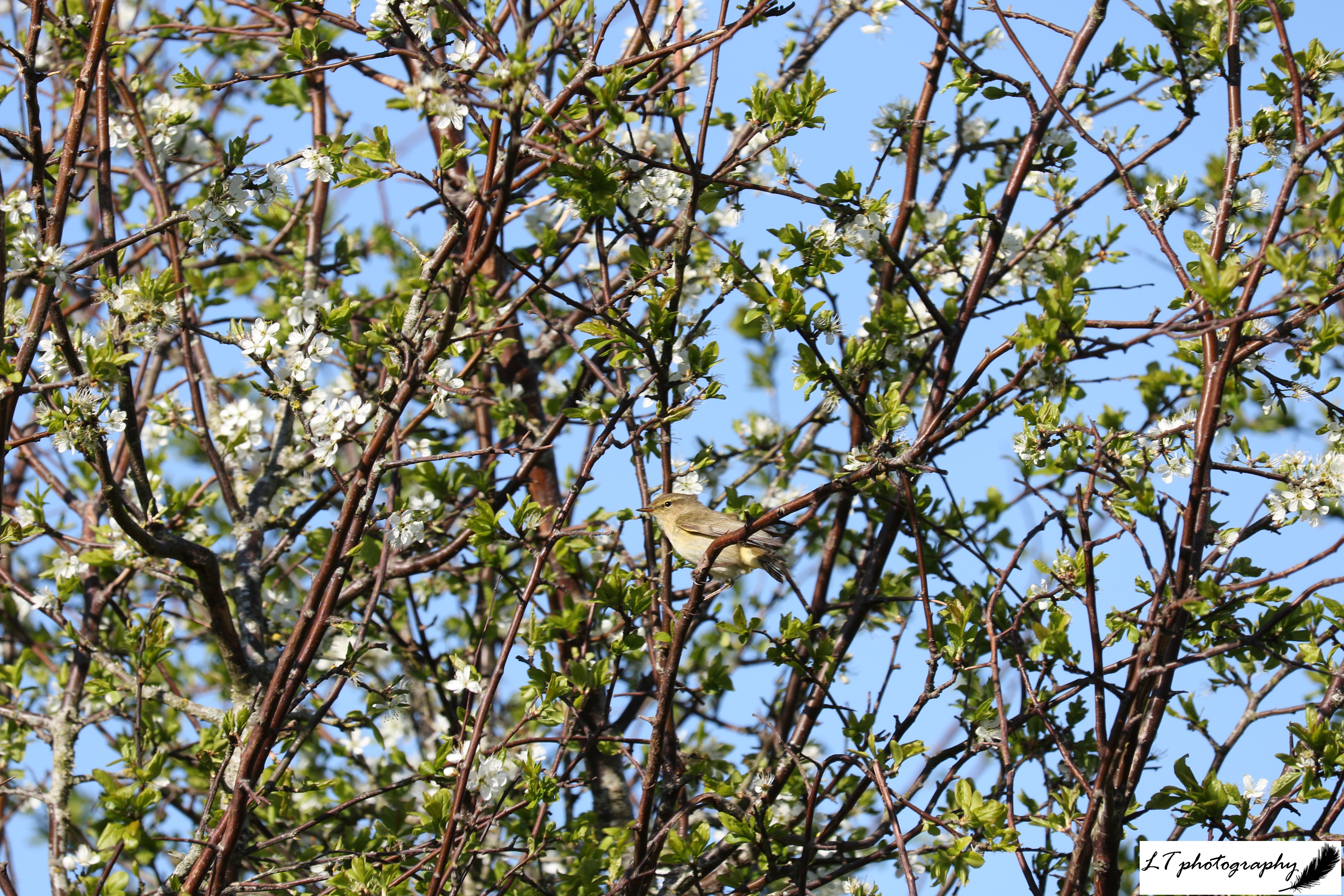
  • No week or month has been the same, with summer highlights including Greenfinches, Siskins, Chiffchaffs, and Garden Warblers!

So, why not see what wildlife you can encounter this winter?