With research trips to remote and out of the way locations, this can often give the opportunity to experience other destinations along the way. Whether this be other remote locations, diverse habitats or even big cities, these stops can be as exciting as reaching the final destination. For many years now I have enjoyed travelling in groups and on my own to many locations around the world, and love to experience new, diverse and exciting places.
Though this summer the majority of my trip to Canada was spent on vibrant Sable Island (see other blog posts for more details), I did spend a couple of days either end in Halifax, Nova Scotia. Despite being lesser-known, the city of Halifax had a lot to offer the eager traveller and topped off my 5 week stay in Canada. In commemoration, here’s some of my Halifax highlights and memorable moments:


Staying in a Canadian university dorm room
For the first three nights I spent in Canada, before heading over to Sable Island, I stayed in Gerard Hall, a hall of residence for students at Dalhousie University in Halifax. Though it was the summer, meaning no students were currently in residence, I still got to experience the feel of a film cliché North American dormitory, with shared rooms and large mixed-sex bathrooms. This was very different to my university experience as a fresher back in England.


Food
During my time in Halifax, before and after staying on Sable, I got to try lots of different food, which is often one of my favourite parts of travelling. This included Tim Hortons in the airport, breakfast at a Canadian breakfast bar,


vegan food from the Heartwood stall on Halifax waterfront, food from local restaurants, such as piatto pizzeria + enoteca (Italian), and Man Bean (Vietnamese),

and my favourite, city style cheesecake from the Sweet Hereafter Cheesecakery (a place that also has dairy-free and gluten-free options).


Though I did not necessarily try traditional Canadian food whilst in Halifax itself, I did thoroughly enjoy myself!
Halifax tourist spots
Two of the tourist attractions I visited whilst in Halifax were the Public Gardens and the Citadel fort.
Halifax Public Gardens were a lovely spot to escape from the hustle and bustle of the city. I spent some time there walking in the gardens and sitting and reading a book by the lake.


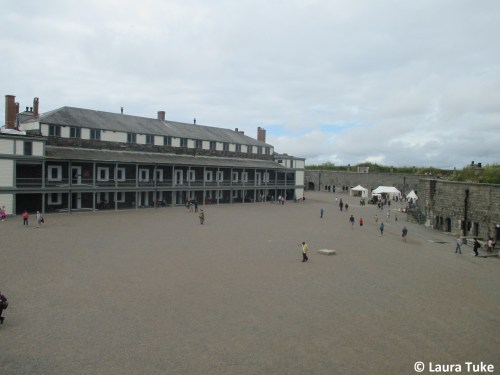
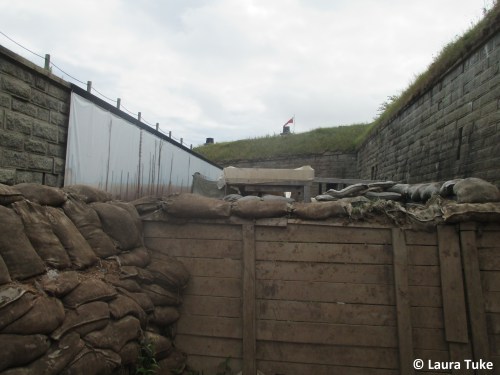
On the same day in August that I visited the Halifax Public Gardens, I also made a trip to Citadel Hill to explore the Halifax Citadel fort and its current First World War commemorations. I always enjoy learning a bit about the history of the places I visit and Halifax was no different.
Halifax 2018 Buskers Festival
One of my favourite finds from my time in Halifax, was the 2018 Halifax Buskers Festival that was going on during the weekend I first arrived. This festival celebrates the best professional street performers from around the world, who are invited specially to perform at this annual event situated along the Halifax Waterfront.
During this weekend I got to watch shows from a range of acts, including Hannah Cryle (circus acrobatic street show), Nigel Blackstorm (the heavy metal magician), The Flyin’ Hawaiian Show (circus acrobat), Break City All Stars (street dance group), Incendia Motus (acrobatics with fire) and Jack Wise (magician). My favourite show of them all by far though was ‘Her Majesty’s’ Secret Circus show, which was a clever mix of action-packed stunt-comedy performed by two talented individuals. Definitely brightened my day!

Hannah Cryle
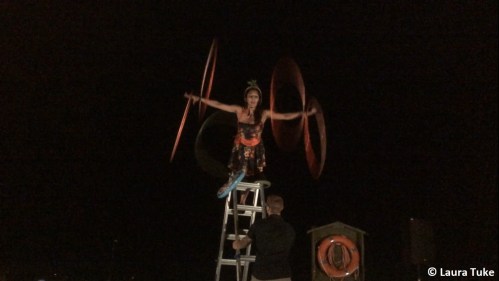
The Flyin’ Hawaiian Show
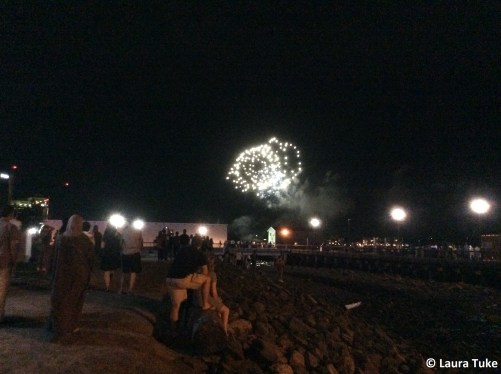
Halifax Waterfront
One of my favourite parts of Halifax was the Waterfront. Along this stretch you can take a walk, look out across the harbour and explore the shops, restaurants and attractions along the way. It is one part of Halifax that allows you to escape from the main part of the city and take in some of the best views Halifax has to offer.


The little things
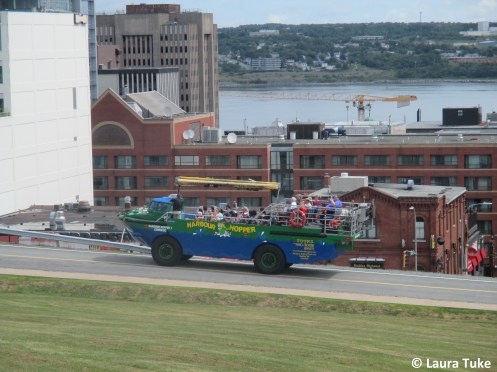
I have many many more highlights of mine that I could share from my time in Halifax, but in that way I could go on forever. Other highlights include everything from a ‘play me’ piano in the street, rainbow zebra crossings, the ‘horses of Halifax’, harbour hopper tour vehicles driving around, maple ice-cream, souvenir shopping, and long walks around Downtown Halifax.






 Laura's Wild World