How to…Use and Make the Most of a Camera Trap

There is nothing like the exhilaration of camera trapping. Setting up the camera trap/trail camera in a golden location, waiting with anticipation for the camera check day, and riding a rollercoaster when capturing something totally unexpected. Camera trapping is one highly addictive activity!

M2E31L53-53R392B293

So why is camera trapping so popular? Well, camera traps allow us to non-invasively open up a normally unseen world. This is a thrilling thing to be able to do, giving us the addictive ability to observe wildlife up close and personal without disturbance. In this way, camera traps can be used as an important tool to identify the presence or absence of species, monitor animal populations and record interesting behaviour.

M2E1L0-13R350B300

At home on my family’s farm, I use my camera trap to carry out surveys across our land, to find out what wildlife is present, how abundant these species are, and to experience new life in spring in all its glory. However you choose to use your camera trap, I can only say for you to have lots of fun and adventures whilst doing it!

M2E45L145-145R394B315

Buying a camera trap

So where do you start if you do not already own a camera trap? Well all off-the-shelf camera traps have similar components and operate on the same principles: a digital camera connected to an infrared sensor that “sees” warm moving objects. Camera traps typically range from £30 to £1000, meaning there is a lot of choice out there. To find the camera trap that is right for you though, you should consider these key questions:

  • How much are you willing to spend?
  • What are you going to be wanting to use it for?
  • Where are you going to be using it?
  • Do you want to use it during the daytime, night-time (black and white or colour) or both?
  • Do you want to take photos, videos or both?
  • Will you want increased capabilities, such as wireless, geo-tagging or higher detection capabilities?

The camera trap I use is a simple Bushnell model that I bought many years ago now for about £120.

How to use a camera trap to get the best from it

Camera traps have a lot of potential as they can remain operational 24/7 and can be left in the field for long periods of time. To increase your chance of camera trap success though, you need to set it up properly to maximise animal detection. Here are some handy tips to get you started:

  1. Visit your chosen site before setting up your camera trap to make sure it is the best site possible.16_04_20_Farm_Badger_Alley_5
  2. Do not forget to make sure your camera has another battery life and SD card room each time you set it up.
  3. Carefully select where to mount your camera trap, such as a sturdy tree or post, to make sure your camera will be supported and  positioned to take in your chosen field of view.Detection zone
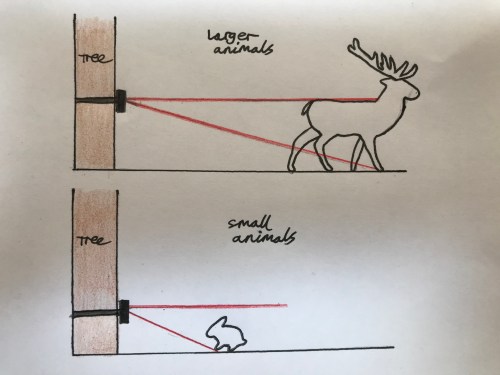
  4. Consider the height of the animal(s) you are trying to capture to increase detection and inclusion in the frame. For the best result, position your camera trap so it sits just below the target’s shoulder height.Camera Height
  5. Camera angle is as important as height when positioning the camera trap. For best result and to increase the detection range, you want the camera trap to aim horizontally at the subject. A stick is a great way to get a better angle for your camera. Camera angle
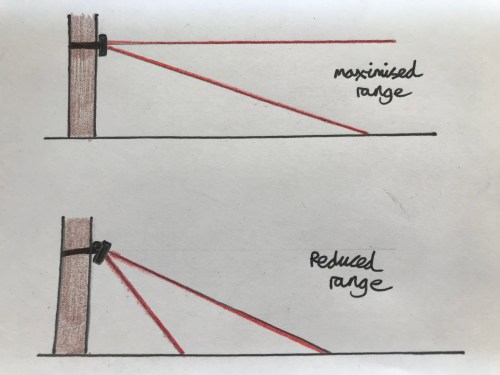
  6. Think about where you want the animal to be positioned in the frame. Larger animals are easier to detect so will be detected at longer ranges compared to smaller ones, and animals walking across the camera trap’s field of view will be more easily detected compared to walking towards it.Animal Position
  7. Try to reduce the number of false triggers by trimming back vegetation that could trigger the camera if moving in the wind. Do not remove enough to disturb your intended subjects though!
  8. And always do your research! The more you know about a site or species, the more likely you will get results.

Inspiration for camera trap sites and uses

Over the few years I have owned my own camera trap, I have used it for a number of different purposes and in a variety of locations. Here are some examples of my own work to help inspire you:

  • Abroad – In 2017, I was lucky enough to spend 2 weeks in Costa Rica on a field course for my Bachelor’s degree, and so I decided to take my camera trap along with me. This allowed me to get some cool sightings of some interesting wildlife

M2E43L24-32R350B300

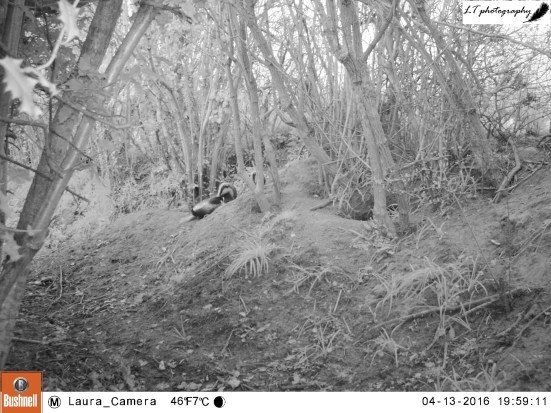
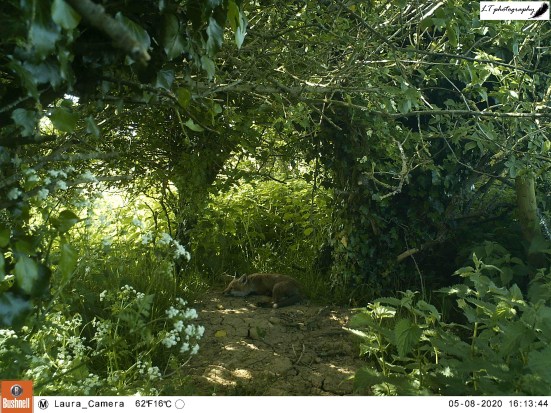
  • Badger setts – A popular choice for a camera trap site is at a badger sett. With 3 established badger setts on my family’s land, I have previously had all sorts of interesting results by observing setts in this way. In particular, it has always been great to see how different species cohabit such locations.
M2E40L17-25R350B300

M2E54L167-167R388B312

M2E54L172-172R388B317

  • Paths – A great place I have found to put my camera trap is on an enclosed footpath on our land. This is because the path, fondly known as Badger Alley, is bordered either side by hedges, is in the vicinity of used and disused badger setts, and is frequently used by wildlife but infrequently by humans. Always be aware of how safe a camera trap may be on footpaths though!

M2E43L126-126R396B311

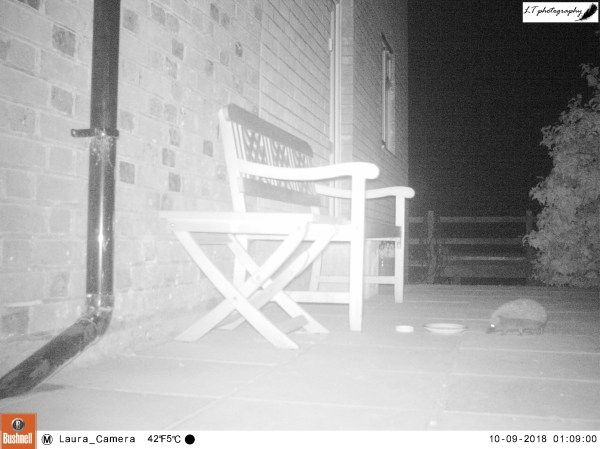
Garden – One of my all time favourite projects I used my camera trap for, was to get photos of our own special garden visitor in October 2018. I love getting to see the wildlife that is truly on our doorstep!
M2E1L0-8R350B300

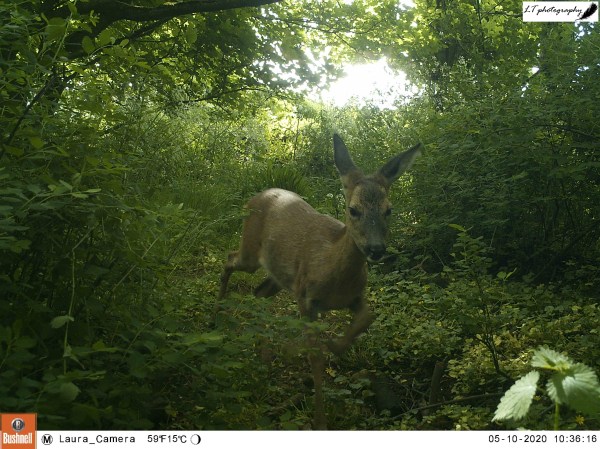
  • Woodland – I have previously found that a woodland can be an interesting place to capture wildlife. The result can often be unexpected or interesting, with less of an idea of what might turn up.
M2E51L160-159R390B314

Animal trail – Another great way to try and capture the wildlife that is in your local area is to find and set up your camera trap on a well used animal trail. It is interesting to find out what animals are actually making those tracks!

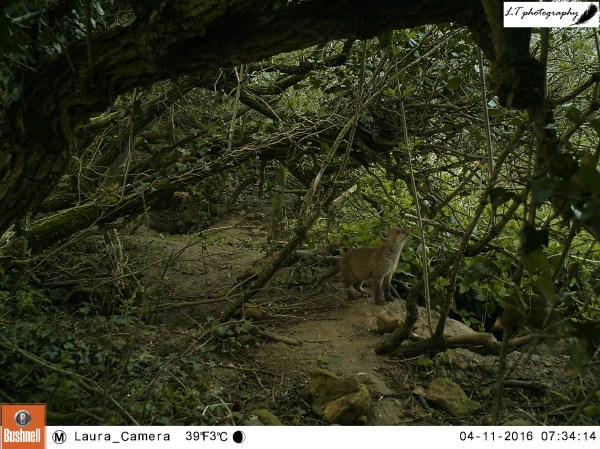
Specific animals – Often when camera trapping, you want to capture a specific animal, which leads to research and setting up the camera trap in a position where this animal has been sighted. Relating to this, my other favourite camera trap project has been to capture fox cubs above ground and to observe their behaviour. This has resulted in many cute photos over the years!
M2E31L60-60R392B300

Now it’s your turn! Even if you do not own/want to own a camera trap, there are always ways around it, for example why don’t you see if you can borrow one from somewhere or someone.

Though camera trapping does not always go to plan, the results can be truly satisfying. Time to see what you can find!

For more camera trap action, check out my blog post from last year called: Spring Countryside Camera Trap Surveys

Spring at RSPB Radipole Lake and RSPB Lodmoor

When asking people what they like to do most during spring, answers range from watching Springwatch and doing wildlife gardening to listening to the dawn chorus and taking in wildflowers in our local green spaces. Though I do like doing all these things too, one of my favourite things to do during the spring season is to visit two of my favourite nature reserves in search of some of my top bird species.

Radipole lake nesting mallards

By getting out to local reserves, we are supporting the work of organisations such as the RSPB, immersing ourselves in the wildlife that call these reserves their home, and improving our own health and wellbeing at the same time. Take a look at my recent adventure and see if you may be inspired to visit one of your local nature reserves as spring rolls into summer!

Saturday 11th May 2019

I was first introduced to Dorset’s RSPB Radipole Lake and Lodmoor 5 years ago by my Granddad whilst on a birdwatching trip, and since I have visited many times and have even completed an internship at the reserves with the RSPB. This means I am well acquainted with Radipole and Lodmoor (2 of the 5 RSPB nature reserves found in Dorset) and they hold a special place in my heart.

For those of you who will not have heard of these nature reserves before, I will just start with a few facts about the two:

Radipole Lake

  • 21.3 miles from my homeRadipole lake urban swan
  • 83-hectares in area
  • Designated SSSI (Site of Special Scientific Interest)
  • Managed by the RSPB since 1976
  • Habitats: wetland, hedgerow, scrub, reedbeds, saline lagoons
  • Star species: kingfisher, marsh harrier, bearded tit, Cetti’s warbler

Lodmoor

  • 21.5 miles from my homeLodmoor reedbed
  • 76-hectares in area
  • Designated SSSI
  • 1.5 miles east of Radipole
  • Connected to the sea under a sea wall at the southern end
  • Habitats: freshwater reedbed, scrub, saline marsh
  • Star species: marsh harrier, bearded tit, Cetti’s warbler, common tern

What makes these two reserves extra special for me though, can be split into two parts. Firstly, they are both situated in less conventional locations than many other nature reserves, being found at the centre of the busy seaside town of Weymouth. Thus, when you step into these reserves and surround yourself with the reeds and wildlife, you would not believe that you are situated within the heart of an urban area. In this way, they are both oases for a range of wildlife and for the naturalists that visit them.

Secondly, they are both year-round homes for one of my favourite species of bird of prey, the majestic marsh harrier. I did not know that they could be found on my doorstep until my first visit to the reserves, so their discovery for me a few years back brought with it lots of excitement. Consequently, it is one of the greatest draws for me when visiting these reserves at any time of the year.

Discovery centre marsh harrier mural

So, on a sunny day in May this spring, I headed to the reserves alongside my birdwatching partner in crime, my mum, to hunt down marsh harriers during their breeding season, whilst taking in other species and a range of habitats.

Adventure with my mum


RSPB Radipole Lake Nature Reserve

Discovery centre radipole lake map

Most trips to the reserves start in the public car park outside the RSPB’s Weymouth Discovery Centre and next to the bridge into Radipole Lake Reserve. This setting feels a lot more like an urban area than a home to wildlife.

Radipole lake pigeons

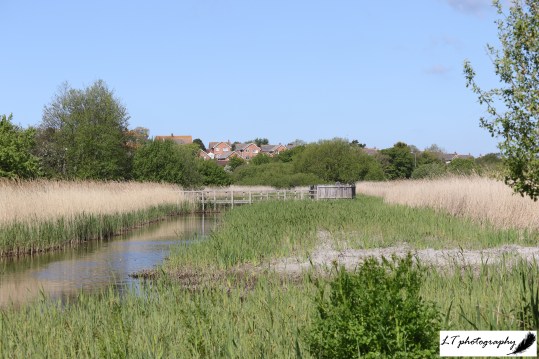
Once you cross the wooden bridge from the car park into the reserve though, you are suddenly transported into a world of water, reeds, sky and trees. You are also hit by a cacophony of bird sounds ranging from species commonly heard in our gardens to water birds and warbler species, such as the sound of the noisy and distinct Cetti’s warbler. If it was not for the houses that can be seen above the reeds in the distance though, you could probably forget the reserve’s urban setting all together!

Radipole lake reeds

When my mum and I crossed the bridge we also found ourselves on a hard surface trail that gives easy access around the reserve. Starting at the discovery centre, we then followed it round the main circular discovery walk, stopping to spot birds in the trees along the sides of the trail, to identify plant species, and to look out across the reeds and open water from the main viewing platforms and spots around the reserve. In this way, we were able to pretty quickly rack up our species list and to get some great views of wildlife.

Radipole lake long-tailed tit
Radipole lake female mallard

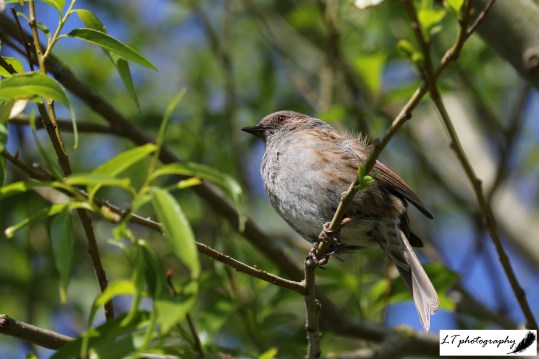
Radipole lake dunnock

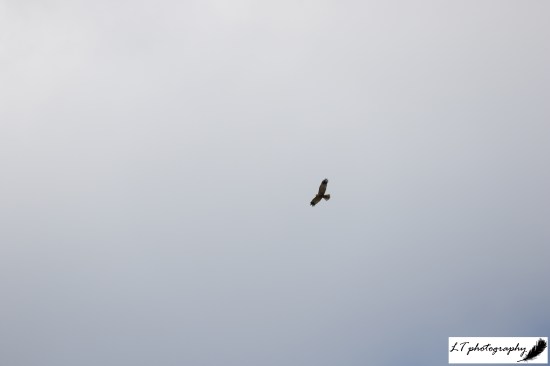
My highlight of the trip to Radipole though, unsurprisingly included my star species, the marsh harrier. This began earlier on in our walk around the reserve, when my mum and I first caught a tantalising view of a male marsh harrier flying above the reeds, hunting in the distance. This made us then even more motivated to try and get a closer view of marsh harriers on this day, by heading off the main discovery trail and on to the north trail, to visit one of the best spots to watch these birds. Sat at a viewing screen in the sunshine, hot drinks and biscuits in hand, our luck paid off and we had the pleasure of enjoying one of our best ever hours watching marsh harriers at the reserve.

Following a short wait, the hour started with my mum spotting our earlier male marsh harrier hunting above the reeds, though still a good distance away from where we sat. We watched him through binoculars for a little while, before he disappeared from our view.

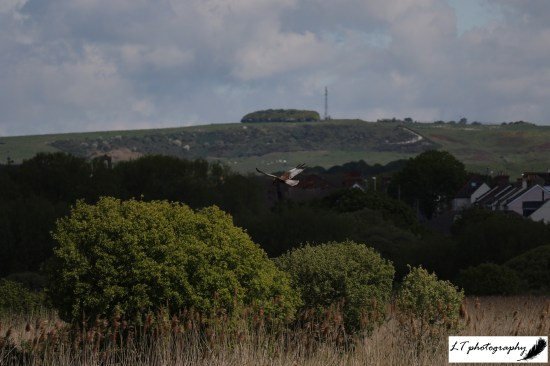
This sighting from the viewing screen was not our last though. After a longer wait, our viewing experience was suddenly taken up a notch. The same male that we had been watching previously suddenly popped up within 15 metres of the viewing screen, giving us amazing views of him. He then gave us a real show hunting and flying backwards and forwards in front of us before flying higher and higher till he was directly above our heads. This allowed us to really experience this bird in action and gave me the opportunity to at least try and photograph him in his natural habitat. We only made our own departure from the reserve once the male had finally moved off once again.

Radipole lake marsh harrier

Radipole lake marsh harrier 2

Radipole lake marsh harrier 3

From our couple of delightful hours on this reserve, we counted 30+ bird species, with our top 6 being:

  1. Cetti’s warbler
  2.  Swift (first swifts of the year)Radipole lake swifts
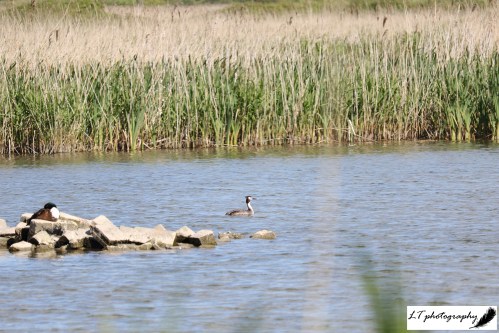
  3. Great-crested grebe
    Radipole lake great-crested grebe
  4. Marsh harrier 
  5. Little grebe
  6. Sedge warbler

Other photos:

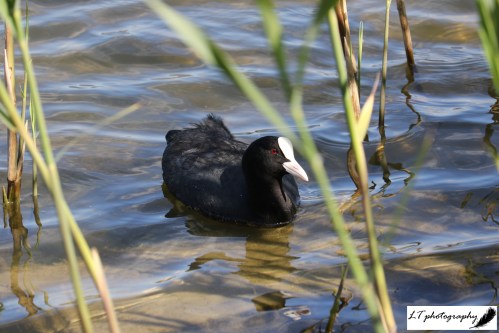
Radipole lake coot

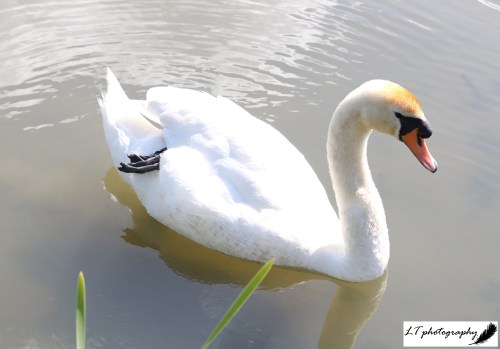
Radipole lake mute swan


RSPB Lodmoor Nature Reserve 

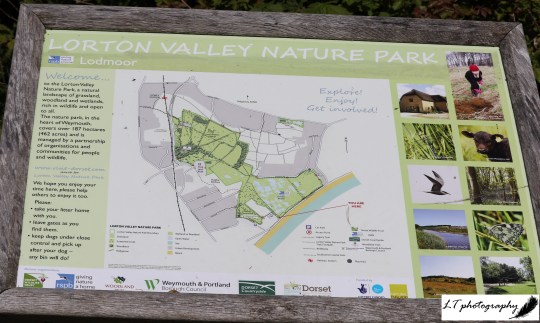
Lodmoor map

On this day in spring, following a stop for lunch sat on the seafront in the glorious sunshine, my mum and I chose to park at Weymouth’s public Overcombe car park on the eastern side of Lodmoor nature reserve. From here we planned to walk a clockwise loop around the reserve’s main trail and see what species we could see that call the reserve their home.

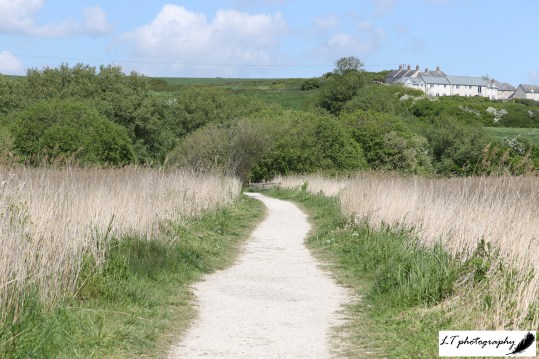
Lodmoor reed trail

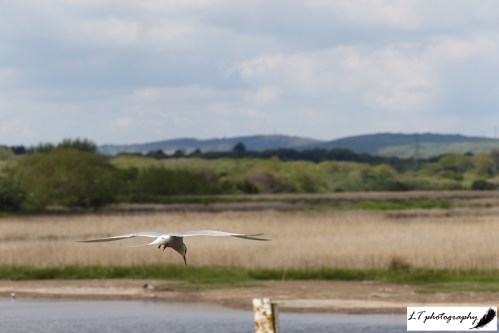
In this way we first walked along the main road that borders the southern side of the reserve and splits Lodmoor from the seafront, stopping at breaks in the reeds and hedges to see what birds we could see on the marsh area. On one of these stops, we finally got to take in one of Lodmoor’s star species, breeding common terns. At the reserve, islands in the lagoons/marsh are managed each year to provide areas for the terns to breed safely away from many predator species. In sight of these islands, we got some really fantastic views of the terns hunting over the water.

Lodmoor commen tern nesting islands

Lodmoor Common tern 2

Though most of the best areas for birdwatching are situated along the side of the main road and near the tern nesting islands, my mum and I of course continued our walk on the main trail around the reserve, taking in as many species as we could. Unfortunately, this year we did not catch any sightings of the marsh harriers that can be found breeding at this site, but the reserve still did not disappoint us. In particular, we spotted 24+ bird species, with our top 6 sightings being:

  1. Oystercatcher Lodmoor oystercatcher and shelducks
  2. Shelduck Lodmoor shelduck
  3. Bar-tailed godwit
  4. Black-tailed godwit
  5. Common ternLodmoor Common ternLodmoor Common tern 3
  6. Gadwall

Other photos:

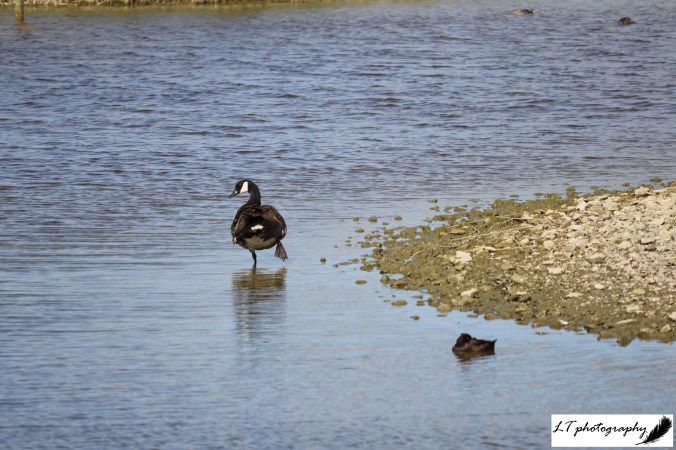
Lodmoor canada geese

Summary

My trip to the reserves may not be everyone’s cup of tea for a day out, but I had a thoroughly enjoyable day in the sunshine, spending time with my mum and being completely distracted from work and day-to-day life. I also got to take in some incredible flora and fauna, as well as a tranquil and vivid environment.

So how was my hunt for the marsh harriers? Though I did not get the pleasure of seeing marsh harriers at both reserves, watching the male at Radipole Lake for a long period of time felt like a real success. They are a striking species that I can easily pick out from others, and with birds of prey being my favourites, it is easy to see why I enjoy watching them so much.

The highlight of my trip obviously was the marsh harriers, but also was being able to spend the day doing something I love with one of my favourite people. We all should take a little time out of our busy lives to do things we enjoy and that uplift us, allowing us to take care of ourselves in the right way. Anything to do with enjoying spring outdoors does this for me and allows me to de-stress.

As I come to the end of this blog post, with the end of my trip, I do hope that I may have inspired you to take a trip to your local nature reserve, even if it is just to take a walk, see something new, have an adventure or appreciate your local plants and animals. Nature reserves are a free and easy form of entertainment for all, so why don’t you escape to one today?

Radipole Lake Canada Goose