Spring How It Happened In Nature 2025

Spring 2025 felt like an unusual spring this year, with unpredictable weather patterns and trends being hard to pinpoint. Looking back at meteorological records though, despite sudden changeable weather and some cold snaps early on, March, April, May and June were in fact on average warmer and sunnier than previous years, with wet ground drying up fast. As a result, this season felt like it went by in a flash this year and was harder to hold on to, in the present and in memory.

Spring 2024 was even more changeable in weather patterns compared to this year, but still showed some consistent phenological trends (check out Spring 2024: How It Happened). Plant species showed events occurring earlier due to warmer temperatures, whilst insect and bird species showed a split in occurrence, affected by some increased rainfall at certain periods. With spring 2025 also exhibiting some changeability, but overall warmer temperatures, I wonder how spring events played out this year. Let’s take a look at tree, flowering, shrub, insect and bird species to get a snapshot of how things turned out this year in comparison to previous years.

Trees

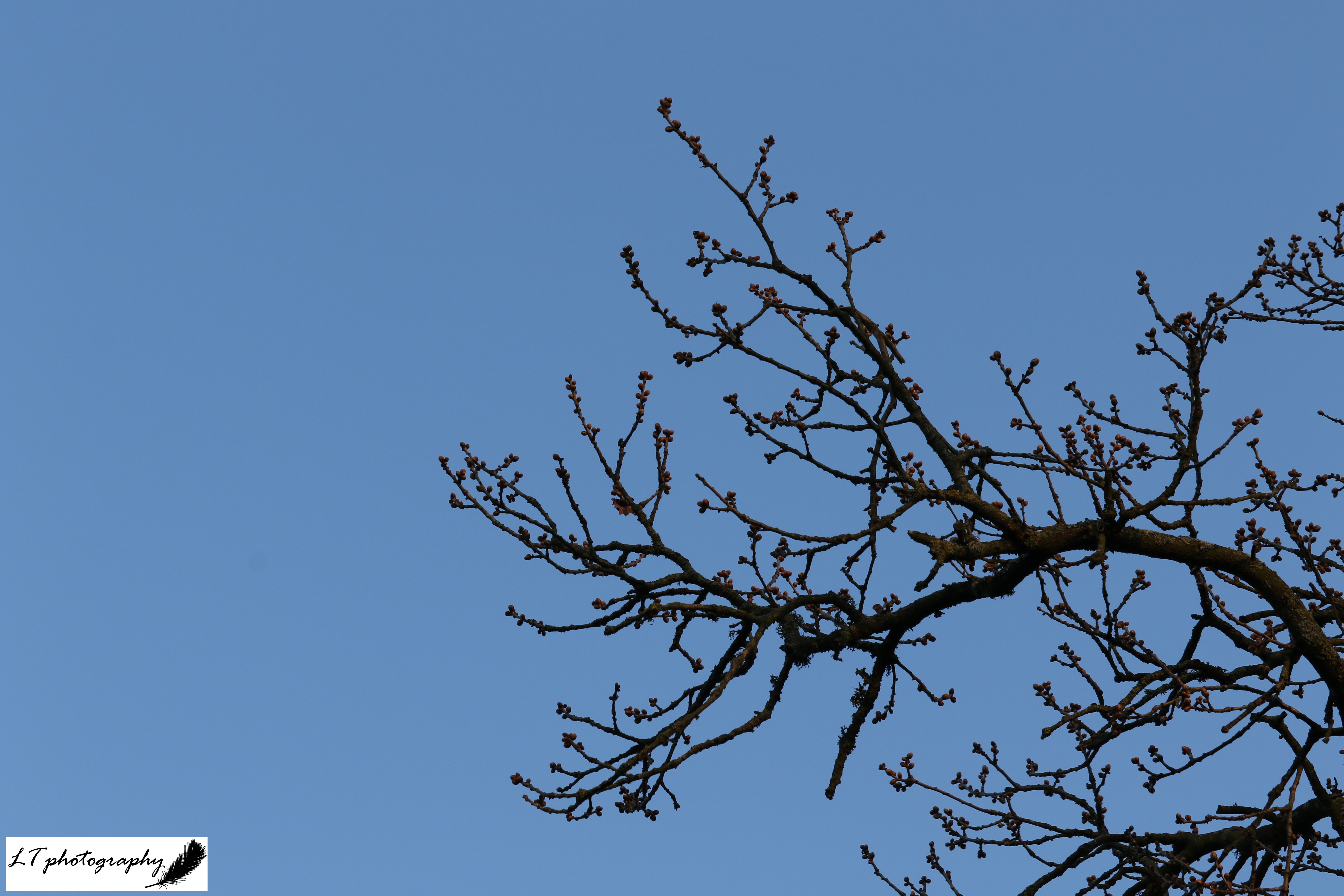
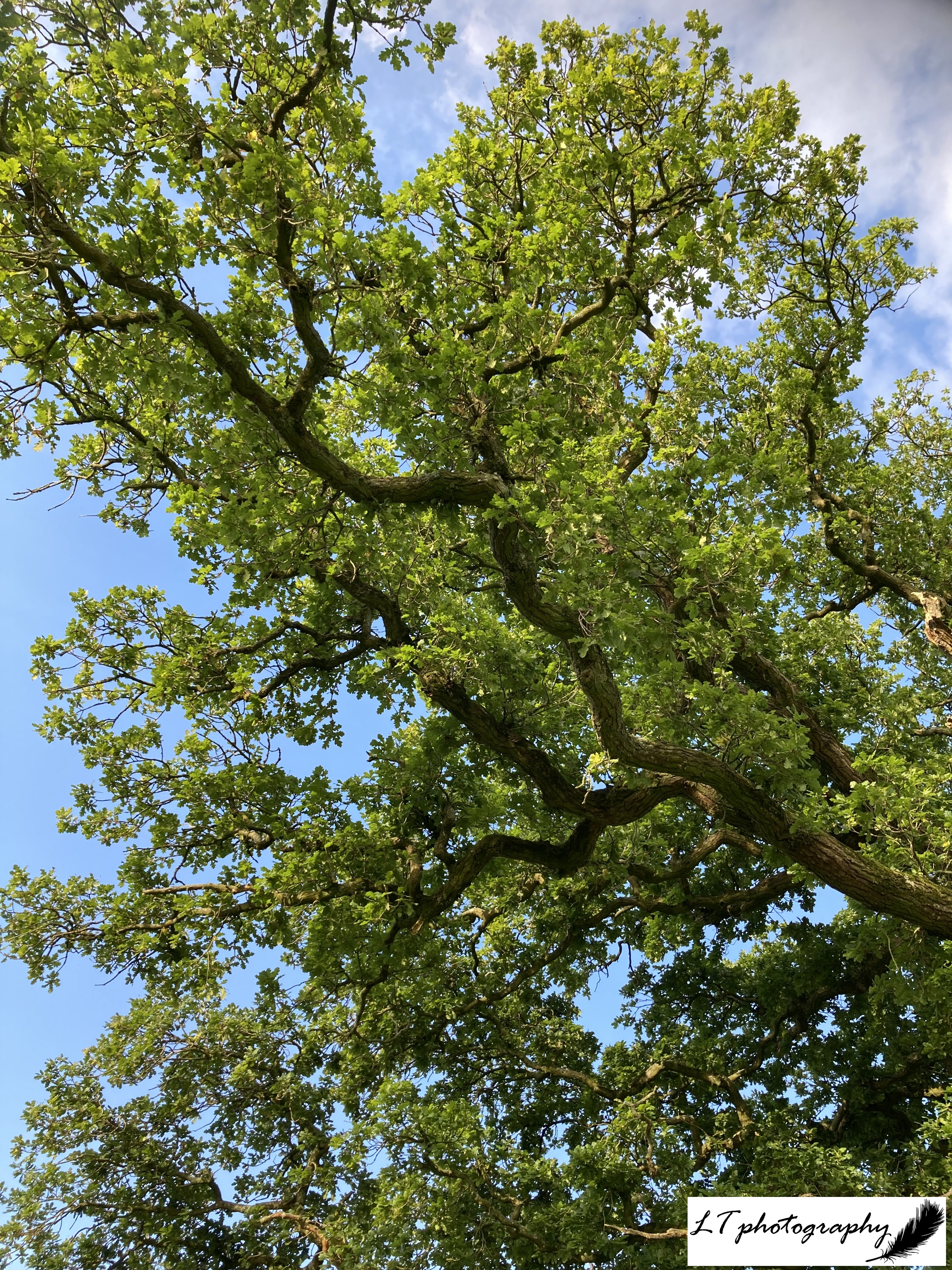
During 2024, spring emergence dates were on average earlier for most tree species due to warmer and wetter spring weather. In 2025 though, the trend is less easy to discern, with events ranging anywhere from 1 to 30 days earlier, 1 to 21 days later, or even the same day. The trend does not relate to month, but timing of events differed between species, with all english oak events occurring later, whilst all sycamore events occurred earlier, which may signify varying factors at play. There’s also no trend occurring with tree species between the years either, such as becoming earlier or later over time. This year’s spring did feel like the weather was highly changeable at times though, switching from warm to cold, wet to dry, and may have created small scale fluctuation from week to week, despite overall warmer weather.

Flowers

Plants flowering during spring 2024 occurred on average earlier, varying from 1 to 16 days. Following the same situation as with tree species, during spring 2025, the occurrence of plants flowering showed no true trend, with a 50:50 split between earlier or later. Primroses, cowslips, wood anemones, early purple orchids, yellow archangel, and oxeye daisies all first flowered 3-14 days earlier, whereas snowdrops, lesser celandines, daffodils, stitchwort, wild garlic, cuckooflowers, and bluebells all first flowered 5-21 days later. Like with the trees, no pattern was shown connected to month, and flowering this spring may instead also be due to fluctuating weather and temperature patterns.

Shrubs

During spring 2024, the majority of shrub events occurred earlier, ranging from 1 to 53 days. In spring 2025 though, there was more of a split. Of 18 recorded events, 10 were later than 2024, ranging from 1 to 29 days, 1 was the same day, and 7 were earlier than 2024, ranging from 4 to 20 days. Some species, such as blackthorn and elder, had all later events, but most species shared variation between budburst, leaves unfurling, and flowering. It is unsurprising that shrubs followed what was seen with other plant species though, being affected by the same factors, causing no discernable trends.

Insects

Of 10 species that had their first emergence date recorded during spring 2024, a 50:50 split was found for earlier and later dates. This year for the same 10 species though, there was a skew towards earlier emergences. For brimstone butterflies, buff-tailed bumblebees, 7-spotted ladybirds, peacock butterflies, small tortoiseshell butterflies, small white butterflies, and queen wasps, emergence ranged from 1-47 days earlier this spring. The exceptions were orange tip butterflies, red admiral butterflies, and speckled wood butterflies, emerging later by 4-32 days during April. Where plant species showed no great pattern between springs 2024 and 2025, these insect species recorded do show more earlier emergences, with on average warmer weather allowing this to occur.

Birds

Over the last three years of recording bird events during spring, no clear trend was observed between years for the bird species that were recorded. For spring 2025 though, the events recorded were shown to have occurred on the same day as in 2024, or 1 to 26 days earlier. For example, cuckoos were heard earlier during April, and juvenile blackbirds were seen earlier, fledging during April. It is really interesting that where this year plant events were occurring all over the place compared to during previous years, bird species were responding earlier to spring conditions. This could be due to weather conditions being on average milder, whilst food sources were also made available earlier during spring this year.

Conclusion

When I first began writing this phenological report for my family’s Dorset farm this year, I began with the recorded plant species and was unable to find any observable trends between years and species, and within species. Though I was starting to feel that absence of trends was still important, things were looking more interesting when I turned my attention to recorded insect and bird species events. Both insect and bird species showed trends towards events occurring earlier this spring, which is more noticeable after a lack of trends over the last couple of years. These show that the season being on average warmer and sunnier this year did have an impact on animal species, even if more factors were involved in what was seen with recorded plant species.

Species List

  • Alder (Tree) Alnus glutinosa
  • Ash (Tree) Fraxinus excelsior
  • Blackbird (Bird) Turdus merula
  • Blackcap (Bird) Sylvia atricapilla
  • Blackthorn (Shrub) Prunus spinosa
  • Bluebell (Flowering Plant) Hyacinthoides non-scripta
  • Brimstone butterfly (Insect) Gonepteryx rhamni
  • Buff-tailed bumblebee (Insect) Bombus terrestris
  • Chiffchaff (Bird) Phylloscopus collybita
  • Common wasp (Insect) Vespula vulgaris
  • Cowslip (Flowering Plant) Primula veris
  • Cuckoo (Bird) Cuculus canorus
  • Cuckooflower (Flowering Plant) Cardamine pratensis
  • Daffodil (Flowering Plant) Narcissus spp.
  • Dog rose (Shrub) Rosa canina
  • Early purple orchid (Flowering Plant) Orchis mascula
  • Elder (Shrub) Sambucus nigra
  • English oak (Tree) Quercus robur
  • Field maple (Tree) Acer campestre
  • Greater stitchwort (Flowering Plant) Stellaria holostea
  • Great-spotted woodpecker (Bird) Dendrocopos major
  • Hawthorn (Shrub) Crataegus monogyna
  • Hazel (Shrub) Crataegus monogyna
  • Horse chestnut (Tree) Aesculus hippocastanum
  • Lesser celandine (Flowering Plant) Ficaria verna
  • Norway maple (Tree) Acer platanoides
  • Orange-tip butterfly (Insect) Anthocharis cardamines
  • Oxeye daisy (Flowering Plant) Leucanthemum vulgare
  • Peacock butterfly (Insect) Aglais io
  • Primrose (Flowering Plant) Primula vulgaris
  • Lilac (Shrub) Syringa vulgaris
  • Red admiral butterfly (Insect) Vanessa atalanta
  • Rook (Bird) Corvus frugilegus
  • Seven-spot ladybird (Insect) Coccinella septempunctata)
  • Silver birch (Tree) Betula pendula
  • Small tortoiseshell butterfly (Insect) Aglais urticae
  • Small white butterfly
  • Snowdrop (Flowering Plant) Galanthus spp.
  • Song thrush (Bird) Turdus philomelos
  • Speckled wood butterfly (Insect) Pararge aegeria
  • Swallow (Bird) Hirundo rustica
  • Sycamore (Tree) Acer pseudoplatanus
  • Wild cherry (Tree) Prunus avium
  • Wild garlic (Flowering Plant) Allium ursinum
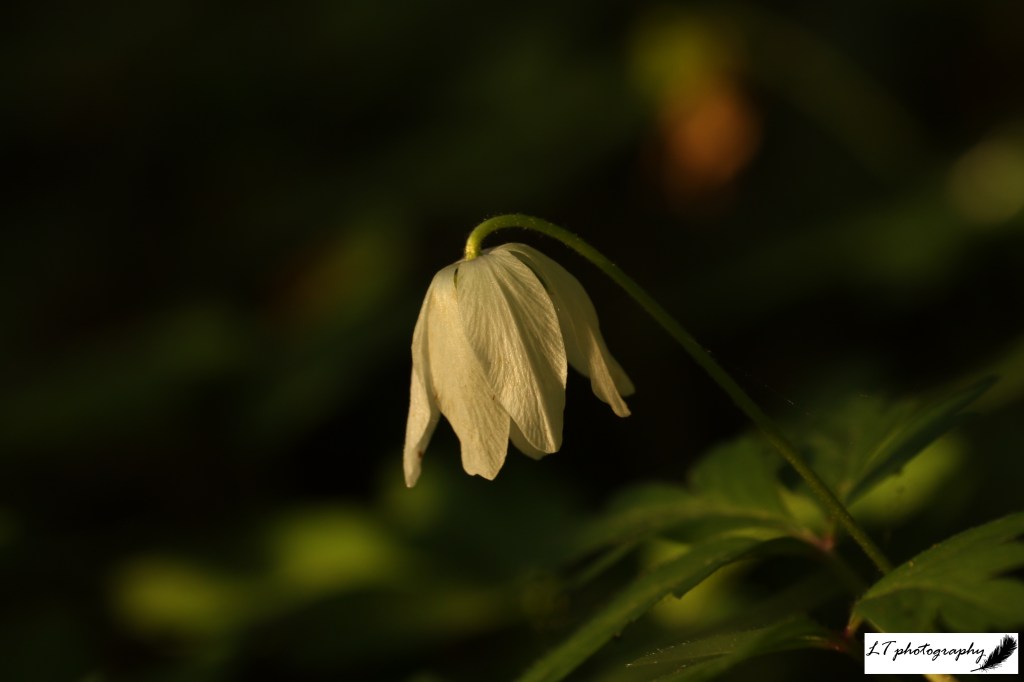
  • Wood anemone (Flowering Plant) Anemone nemorosa
  • Yellow archangel (Flowering Plant) Lamium galeobdolon

Breeding Birds on the Farm in 2022

In the heart of rolling Dorset, you can find my family’s home, a 250 acre mixed dairy farm with the hope of producing food alongside conserving and promoting nature. As a naturalist and conservationist, the farm is my base for exploring, learning and putting ideas into practice. With an increasing variety of habitats, there is an increasing amount of wildlife to experience, explore and enjoy, in particular a fantastic diversity and abundance of bird species (explore my blog for more adventures).

In 2019, I got the opportunity to begin training as a bird ringer with a local trainer, which was one skill that I always wanted to gain. Whilst working towards gaining my next permit, a C permit, my training has allowed me to acquire greater knowledge and a new perspective of the birds that call my family’s farm home. In 2022, my C permit was in reach and my training gave me some new experiences and some continued fantastic moments. Whilst the breeding season for birds currently plays out for 2023, I want to look back on my experiences for 2022 to see what can be learnt, including our amazing barn owls.

Kestrels

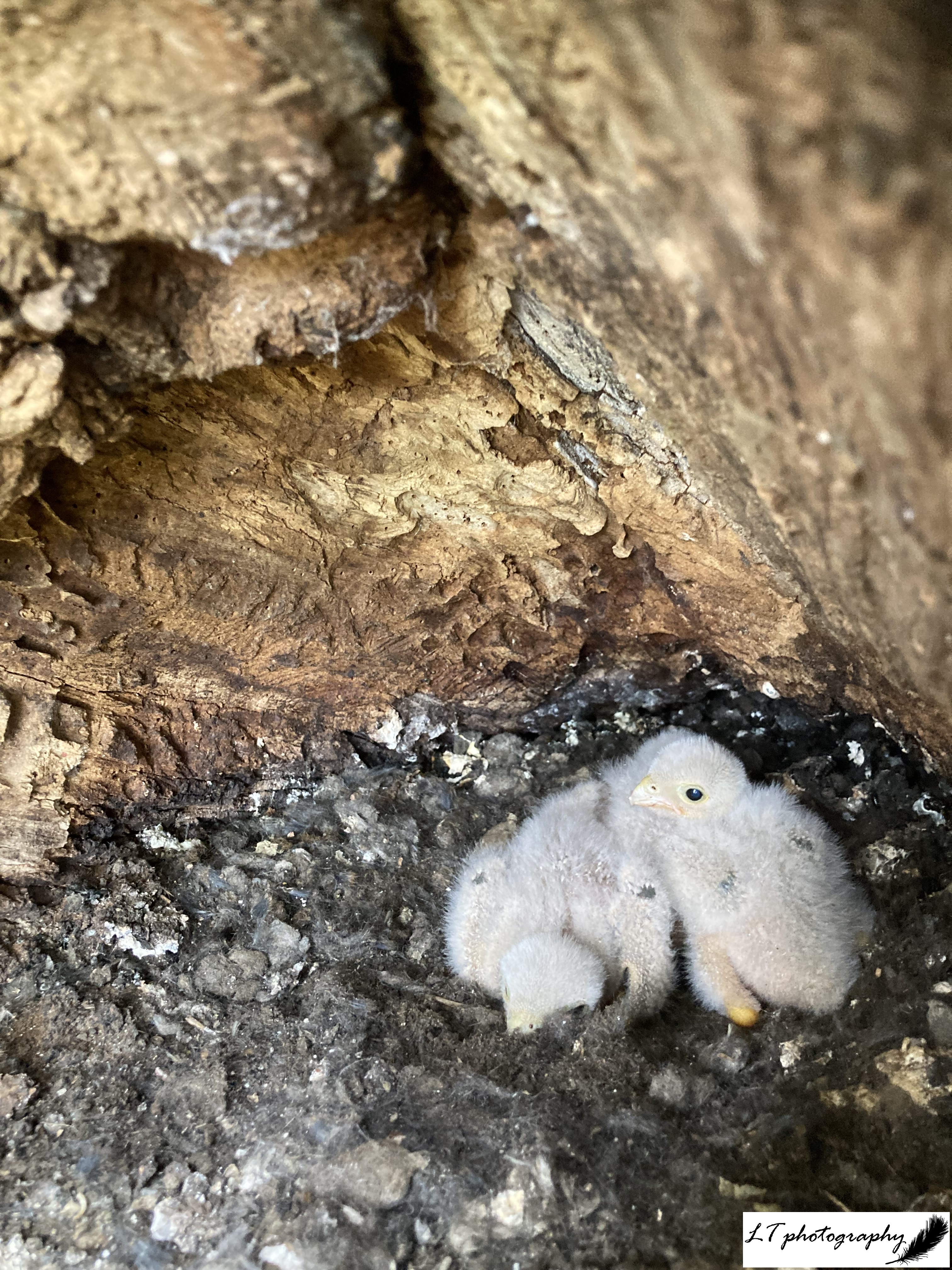
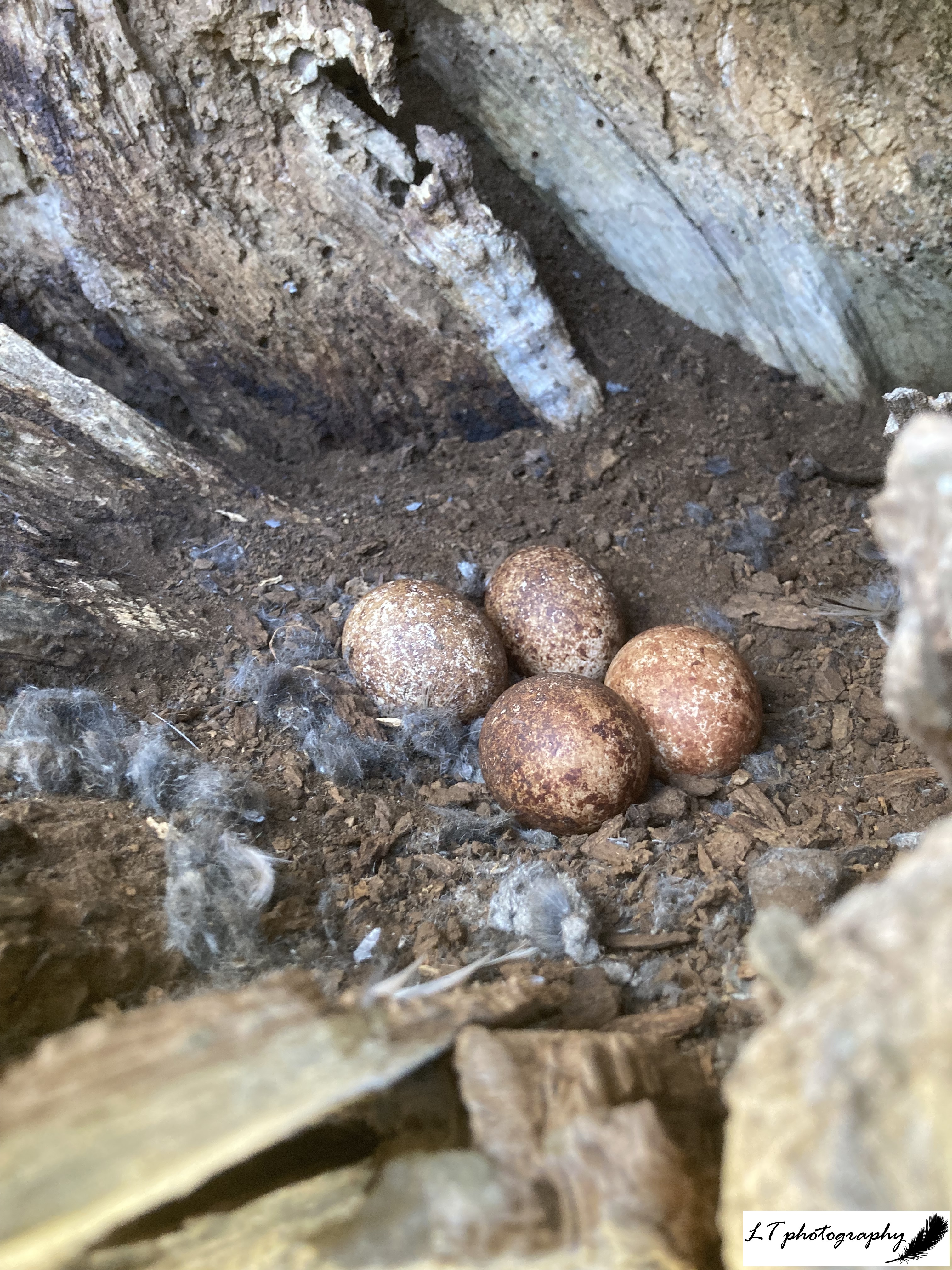
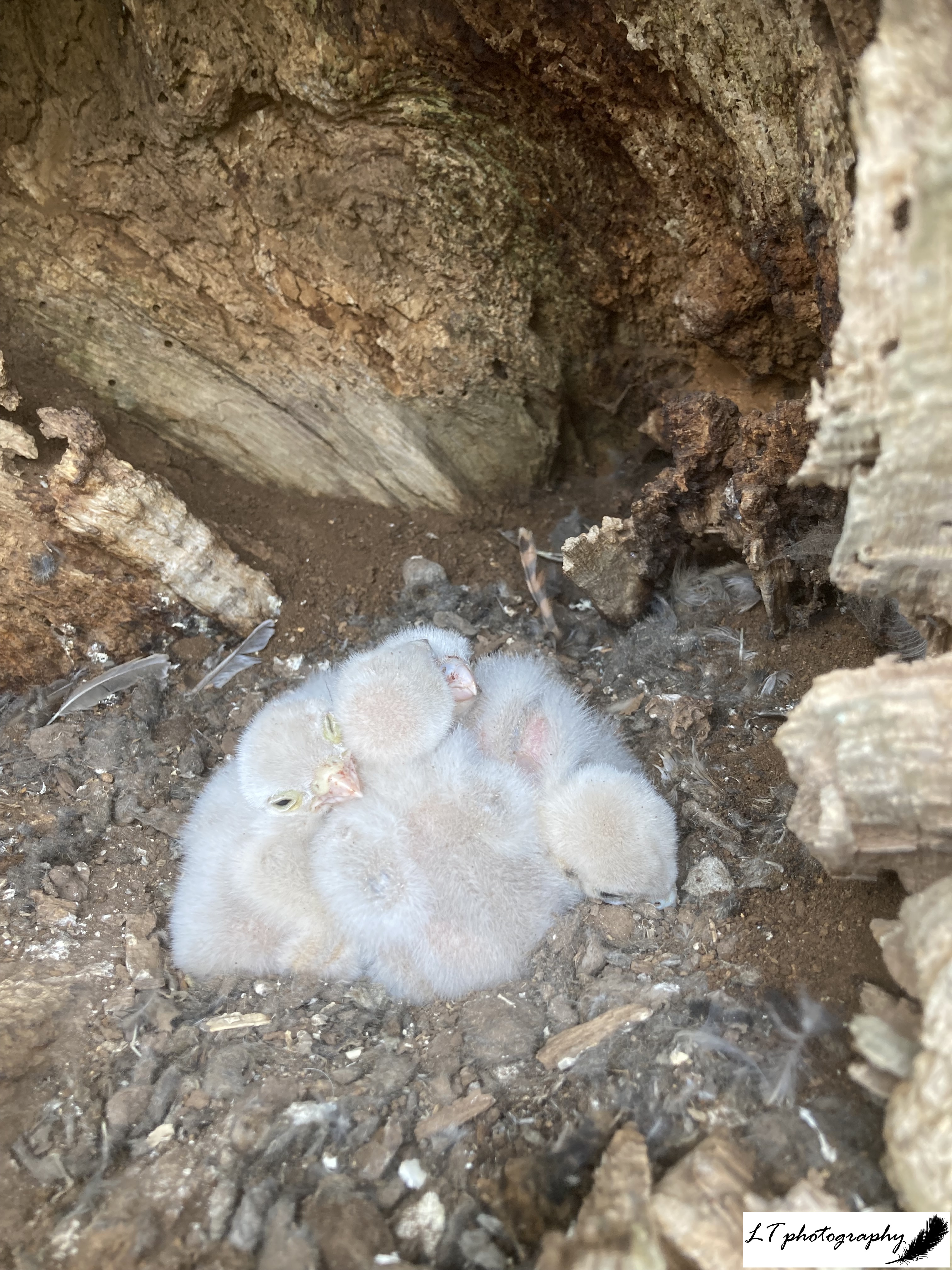
In previous years on the farm, we have known kestrels have been breeding here, but not where they were nesting. In 2021, we did find one nest within a hole in an ash tree, where a pair hatched 3 chicks. Two weeks later though, at the end of June that year, bad weather unfortunately led to the chicks not surviving, potentially due to the nest being exposed to the harsh weather. Thankfully in 2022, this same hole was used again by a pair of kestrels, and they successfully reared 3 chicks fledging in the first week of July, and I was lucky to have the opportunity to ring them too.

I was as well lucky enough to discover another pair of kestrels nesting in a hole in an oak tree at the other end of the farm. This pair was also successful, raising 4 chicks to fledging in the second week of July, that again I got to ring when they were still in the nest. With spring having been odd this year, kestrels are late breeding, so it will be interesting to see how it plays out for them.

Swallows

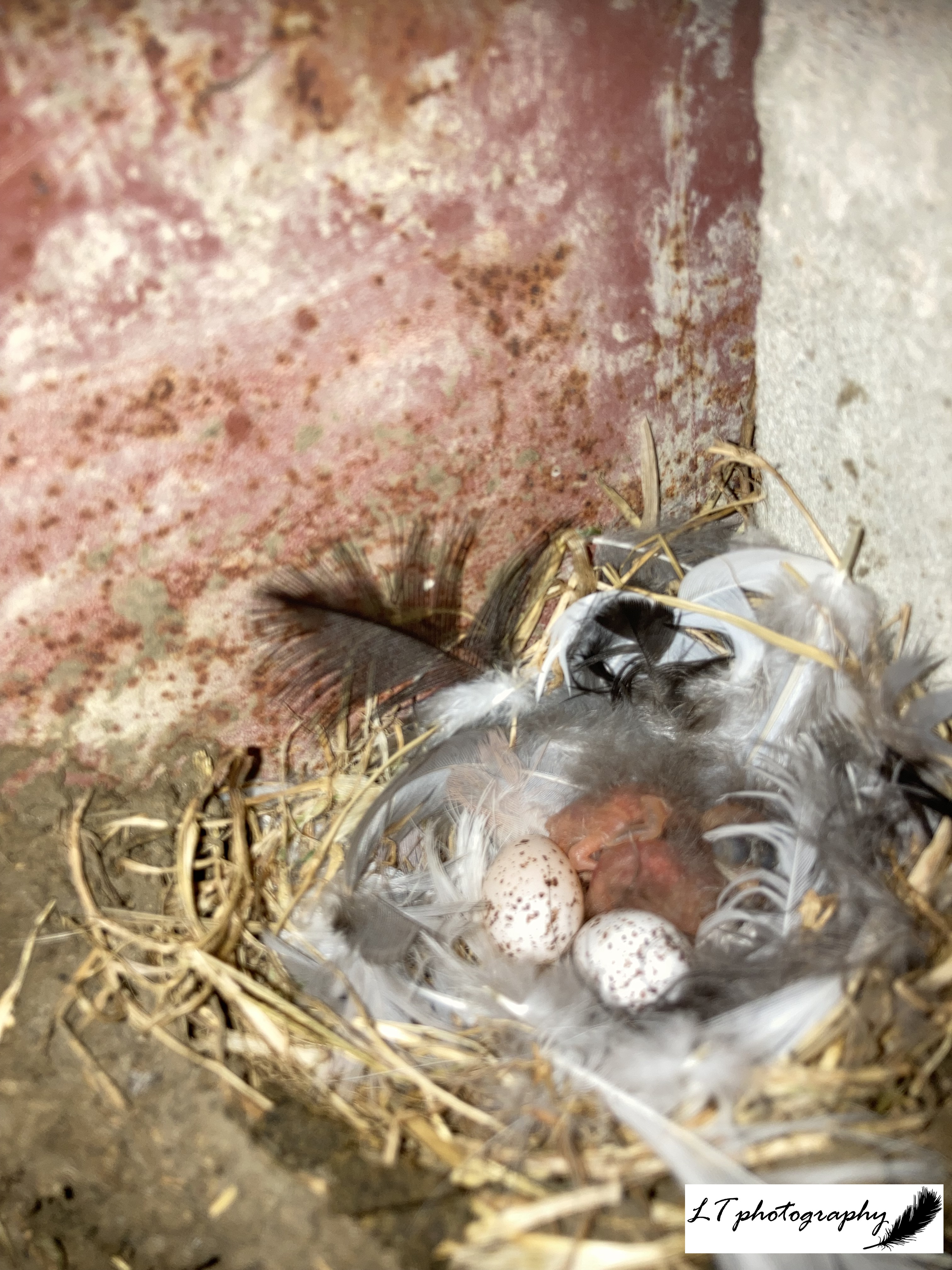
Year-on-year, the swallows return to nest within our farm buildings and our neighbour’s outbuildings, and still do so even if population numbers are not as high as they used to be. For 2022, I began my nest checks of the two properties as part of my ringing training on the 25th May. During this check I found 5 nests in use, with one already containing eggs. These 5 eggs hatched on the 27th May, and marked the start of a rocky breeding season for the swallows. With the first round of nests, 4 nests got to the chick stage, but only 2 fledged chicks (3 and 5 respectively). One of these nests then successfully went on to rear another brood of 4 chicks to fledging, though most pairs did not re-nest as the weather was very hot and dry last summer. Fingers crossed for a better year this year!

Barn Owls

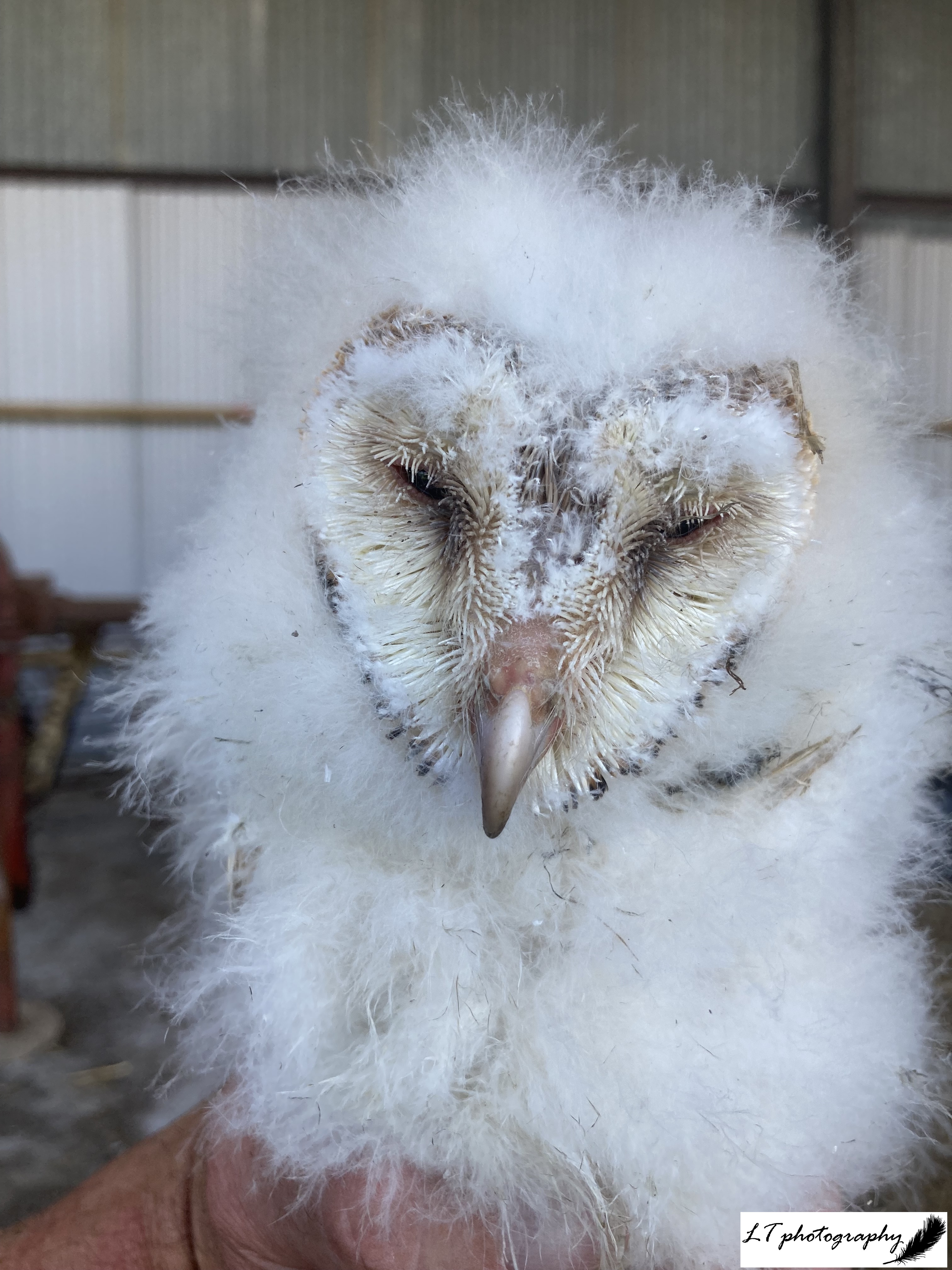
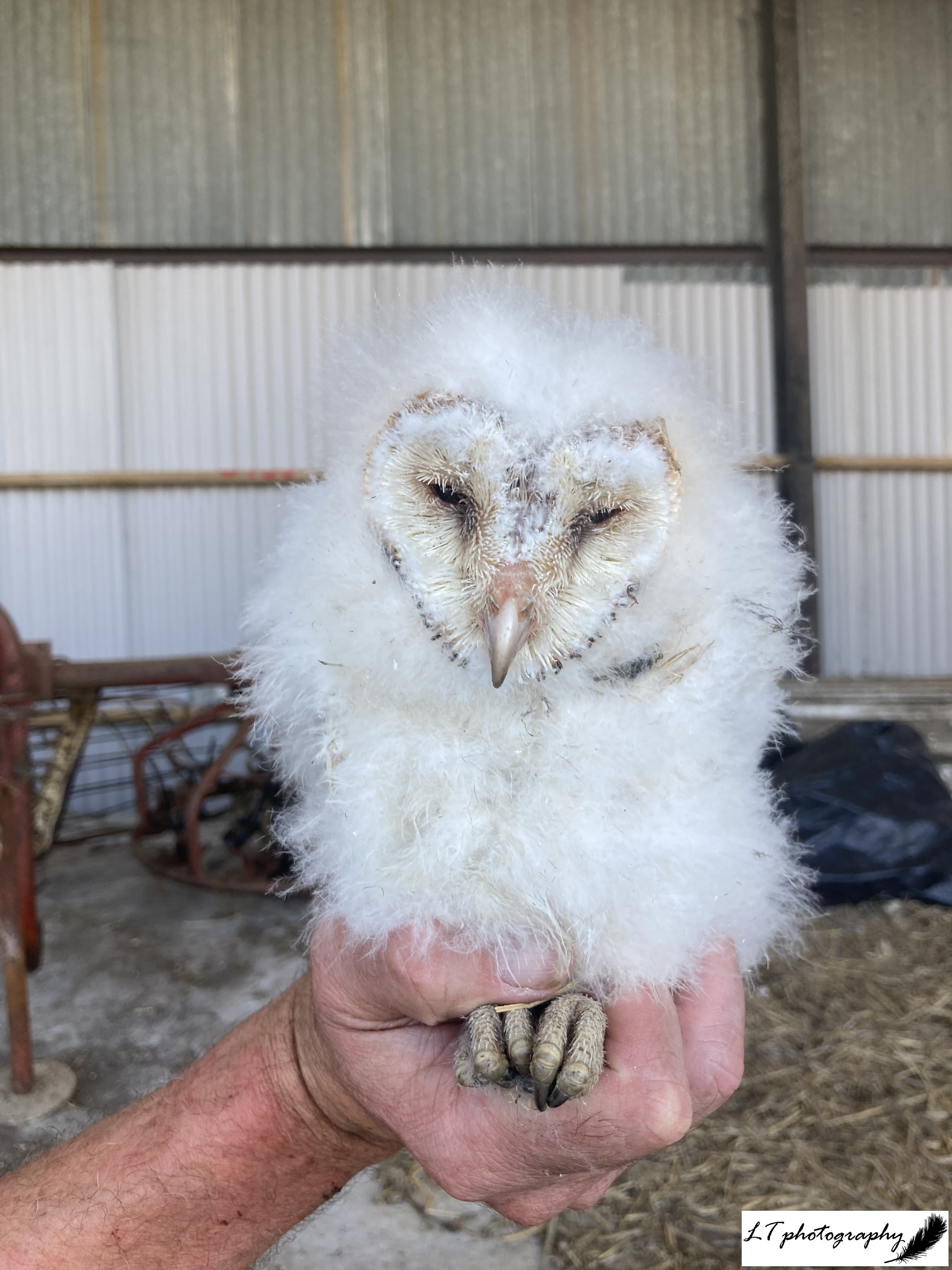
Barn owls go hand-in-hand with my family’s farm, so it is unsurprising that they are my father’s favourite bird species. With our nest box being a popular site each year, since 2019, barn owl chicks have been ringed on the farm by my ringing group, even before I started with my own ringing training. In 2021, Barn owls had a tough year though, with bad weather having an impact on their success rate on the farm. Thankfully in 2022 they had more luck, with a pair nesting in our box hatching 5 chicks, varying in size, at the end of June. They went on to successfully fledge 2 chicks. The icing on the cake was discovering another barn owl pair nesting in a hole in the ash tree also used by one of our kestrel pairs. These particular barn owls hatched eggs at the beginning of June, and went on to fledge 2 chicks too. Fantastic!

Garden Visitors

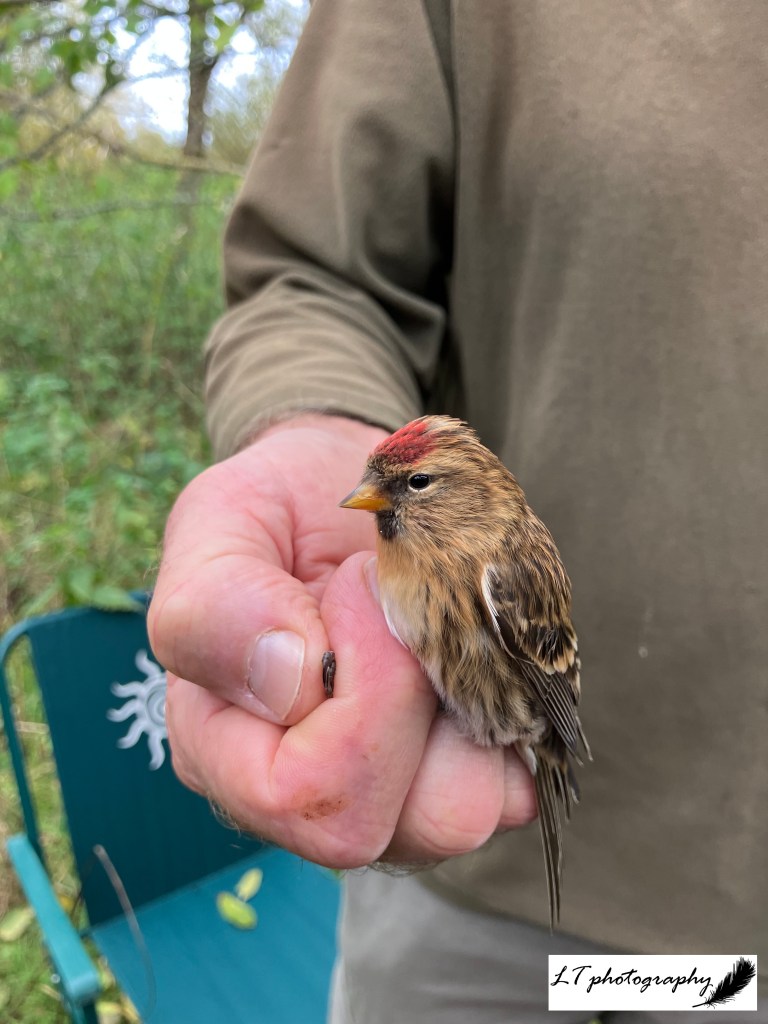
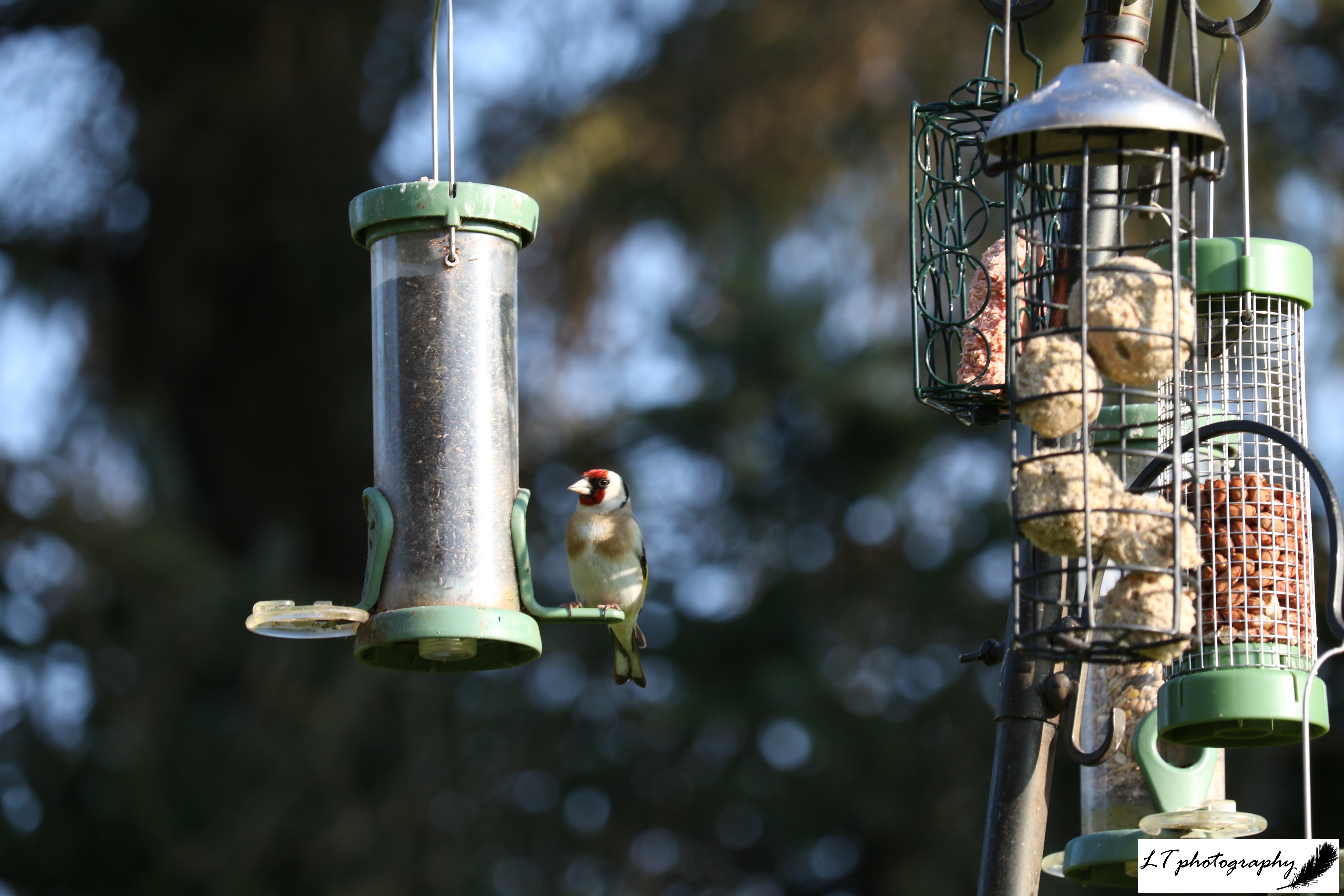
In 2022, as I worked towards finishing my training to get my bird ringing C permit, I got to do 2 days of ringing in my garden for the very first time. Though fairly small, our garden is a hub of avian activity daily, so I was excited to see what mist nets would catch. On the first day we caught 100 new birds (30 house sparrows, 30 great tits, 23 blue tits, 7 starlings, 4 chaffinches, 2 robins, 2 blackbirds, and 2 great-spotted woodpeckers), with a lot being juveniles. On the second day, 2 1/2 weeks later, a morning spent mist netting caught another 101 birds, with 92 being new (33 blue tits, 33 house sparrows, 7 great tits, 4 chaffinches, 3 robins, 3 great-spotted woodpeckers, 1 blackbird, and 1 goldfinch). It was really interesting to get the opportunity to get an idea of how many birds there really are in my area and producing young each year. Apparently alot!

All birds were ringed under license and following rules to ensure the health and welfare of the birds handled.

I look forward to seeing what 2023 will shape up to be!

A Year In The Life Of An Oak Tree

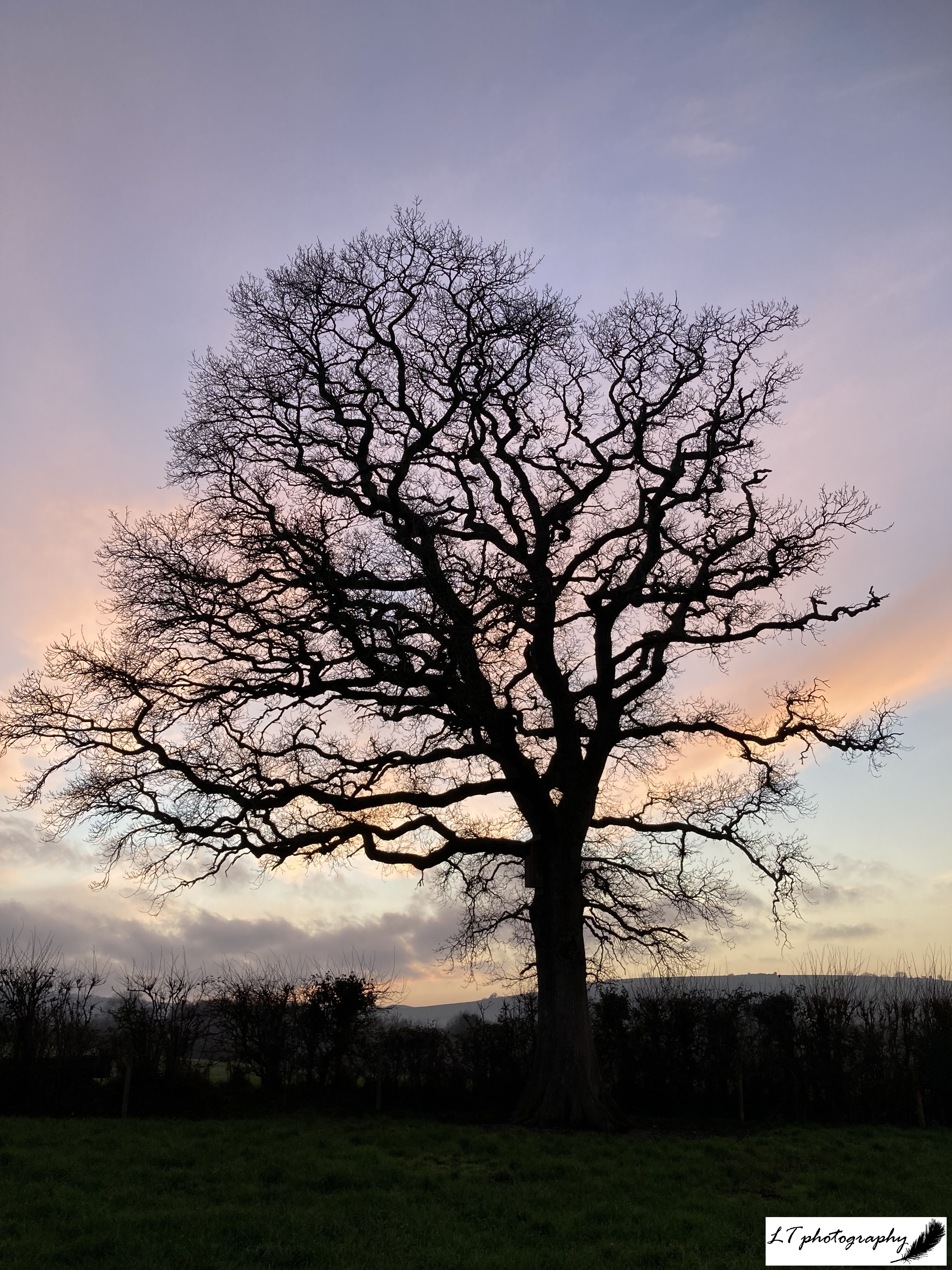
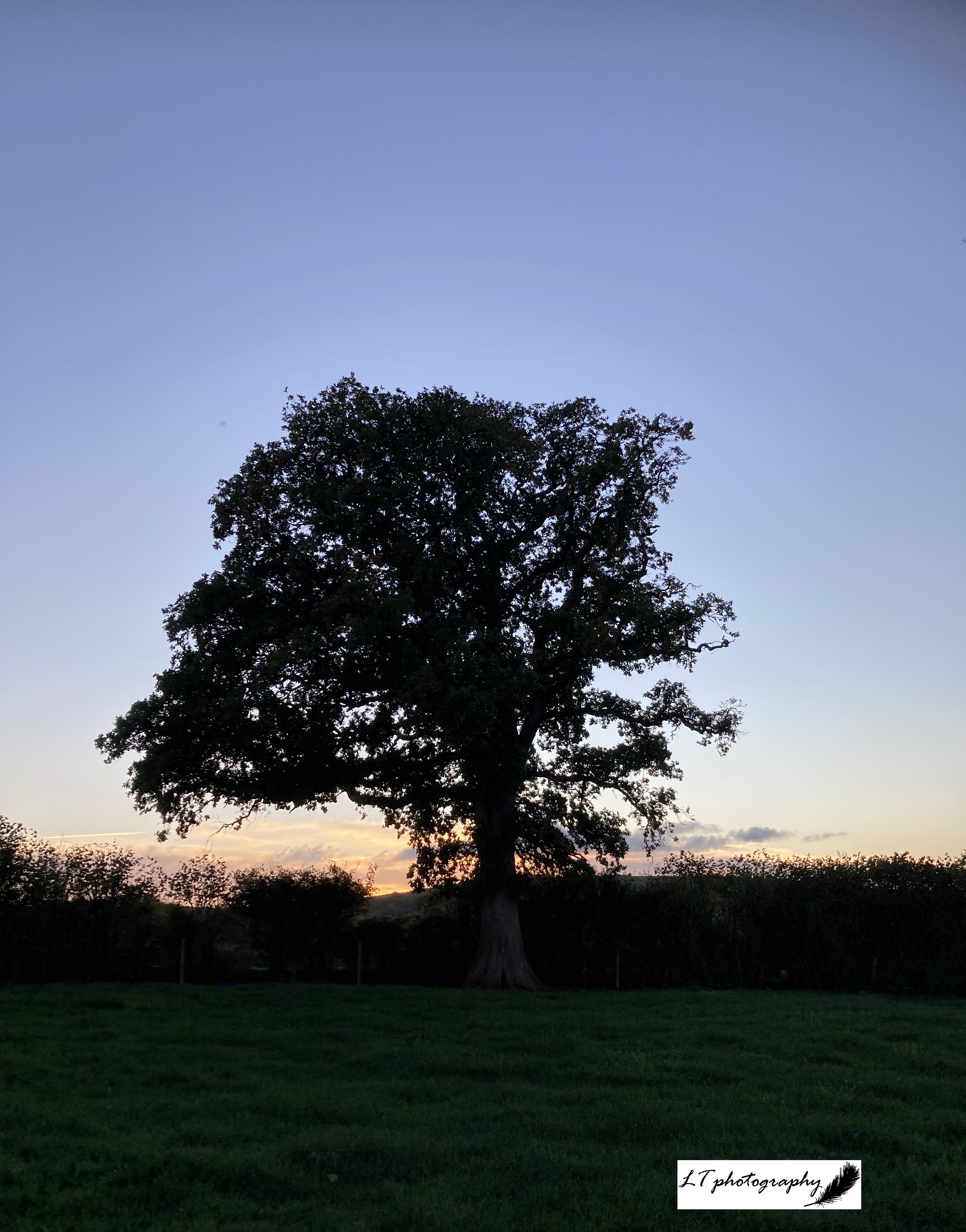
In the depths of the Dorset countryside, amongst hills, fields, rivers and hedgerows, an oak tree stands tall, stretching its branches over its corner of a field. Having stood proud for many years, each year this tree goes through its cycle, starting with its skeletal form, and moving through budburst, flowering and leaves unfurling, to shedding its green cloak in the autumn at the start of its long winter sleep. Hopefully it will keep continuing its cycle for many years to come.

Every year the rest of nature also goes through its cycle of life, overlooked by this oak tree. From the beginning of new life to the death of others, from howling gales to sleepy sunshine, from constant neighbours to new wildlife spectacles, this tree stands tall through it all. So for this piece, lets follow a year in the life of this particular oak tree in 2022, and see what can be experienced in just one spot.

January

As a new year began, the landscape lay in slumber, riding out the worst of a harsh winter. Hibernating animals, seeds and bulbs laying beneath the earth, and trees standing tall in dormancy. The oak tree was no different, slumbering through a very chilly January 2022, with many dry, cold, and foggy spells. A number of mornings began with the glittering shine of thick hoar frost, turning the landscape into a crisp, white world. During clear nights, the oak tree was surrounded by tawny owls ‘twit-ing’ and ‘twoo-ing’, rekindling pair bonds. By day birds were busy, robins defending feeding patches and forming pairs, great tits singing their squeaky gate songs, and buzzards hunting over the open countryside.

February

As a new month unfolded, the oak tree still stood slumbering, lichen dotting its bark and its buds hard and scaly, waiting. The oak tree may have been dormant, but around it subtle changes were beginning to appear in the landscape. White snowdrops nodding their heads under the hedgerows, lemon yellow catkins blowing in the breeze, and a woodpecker drumming on a trunk nearby. At night, male badgers pass by on the hunt for a mate, and foxes can be heard making their chilling howls, with females now heavily pregnant. February was a wet and very stormy month, but the the tree stood strong throughout.

March

As spring began to unfold, the oak tree experienced a month of unpredictable weather, moving from cold frosty nights to some very hot days. Despite this, change was in the air, with the oak tree beginning to wake up and show swelling in its buds. This was mirrored in the landscape, through blackthorn dripping white from the hedgerows, primroses creating a yellow carpet beneath, and the distinctive nodding heads of bluebells beginning to pop up everywhere. The oak tree also witnessed the first chiffchaff singing, the first brimstone butterfly flitting by, and even the first tawny owl nesting in the oak tree’s box before being unfortunately predated. Mammals were beginning to range further from their homes and other species were making their returns, such as the melodious blackcap.

April

A new month dawned, and the oak tree was becoming a symbol of new life. The first pale green leaves were unfurling and yellowy-green flowers were now hanging down from its branches. Drier, more stable weather meant the oak tree was now standing side-by-side with bovine neighbours, whilst many species were making use of the oak tree itself, such as blackbirds singing from its heights. Hedgerows and meadows around were also coming to life, with spectacular springtime flowers, from snowy stitchwort to sunshine celandines and cowslips. Daily, foxes can be found passing by, off hunting to bring back pheasants and rabbits to their cubs that are growing fast. The oak’s paddock also becomes a feeding ground for wonderful returning swallows and house martins, just the tip of the fantastic spring wildlife that were there to be discovered.

May

As spring blossomed into its full potential, the oak tree became adorned in its full cloak of fresh green leaves, thriving on warmer, calmer weather. The tree’s neighbouring hedgerow also began to bloom into life with flurries of white hawthorn flowers and the swelling cream buds of elder flowers. The tree was now home to a new family of woodpeckers, as well as some boisterous young squirrels and blue tits flitting between the leaves picking off oak eggar moth caterpillars. New life and its signs were everywhere, with fox cubs playing above ground, a male cuckoo singing, and even a female kestrel sitting on eggs in a lone oak tree in the next field. The landscape was buzzing with life!

June

As June hit, the oak tree was experiencing the peak of spring and its ending for another year. The oak tree continued to flourish whilst watching the cycle of nature surrounding it. House martins dancing on the wing, swallows hunting low over the fields, swifts speeding past screaming, red kites circling over fields following tractors cutting grass, hares grazing by falling light, a roe deer quietly sneaking past, and fox cubs beginning to roam. Not too far away the clutch of kestrel eggs had hatched and the chicks were beginning to grow fast!

July

Though a calm and sunny month, July was by far a very hot one, with some extreme heat waves hitting the oak tree and its home, its leaves now deepening to a dark green. In the midst of heat, the landscape was still dotted with colour in the form of wildflowers, from red campion and knapweed to bramble and swathes of cow parsley. Butterflies were busy on the wing, with the sight of a red admiral flitting by the oak tree in lazy summer sunshine being a tranquil sight to the eye. A highlight of the month was the yellowhammers singing their metallic song from the nearby hedgerows, and the neighbouring kestrel nest producing 4 healthy chicks to fledging and leaving their tree silent for another year.

August

Following on from July, August saw the descent of the countryside into a worsening drought state. Now the oak tree’s leaves were starting to look dusty and sad, whilst the oak began to produce young acorns, small and green. The lush summer was beginning to fade, though colour still could be found in the form of darting blue damselflies, orange flashes of a meadow brown butterfly, and the first shining blackberries. As nature’s season of new life passes, with fox cubs becoming more independent and young birds now feeding up ahead of migrating, the tree watches on, as a new mother cow gives birth in the shade of its lofty boughs.

September

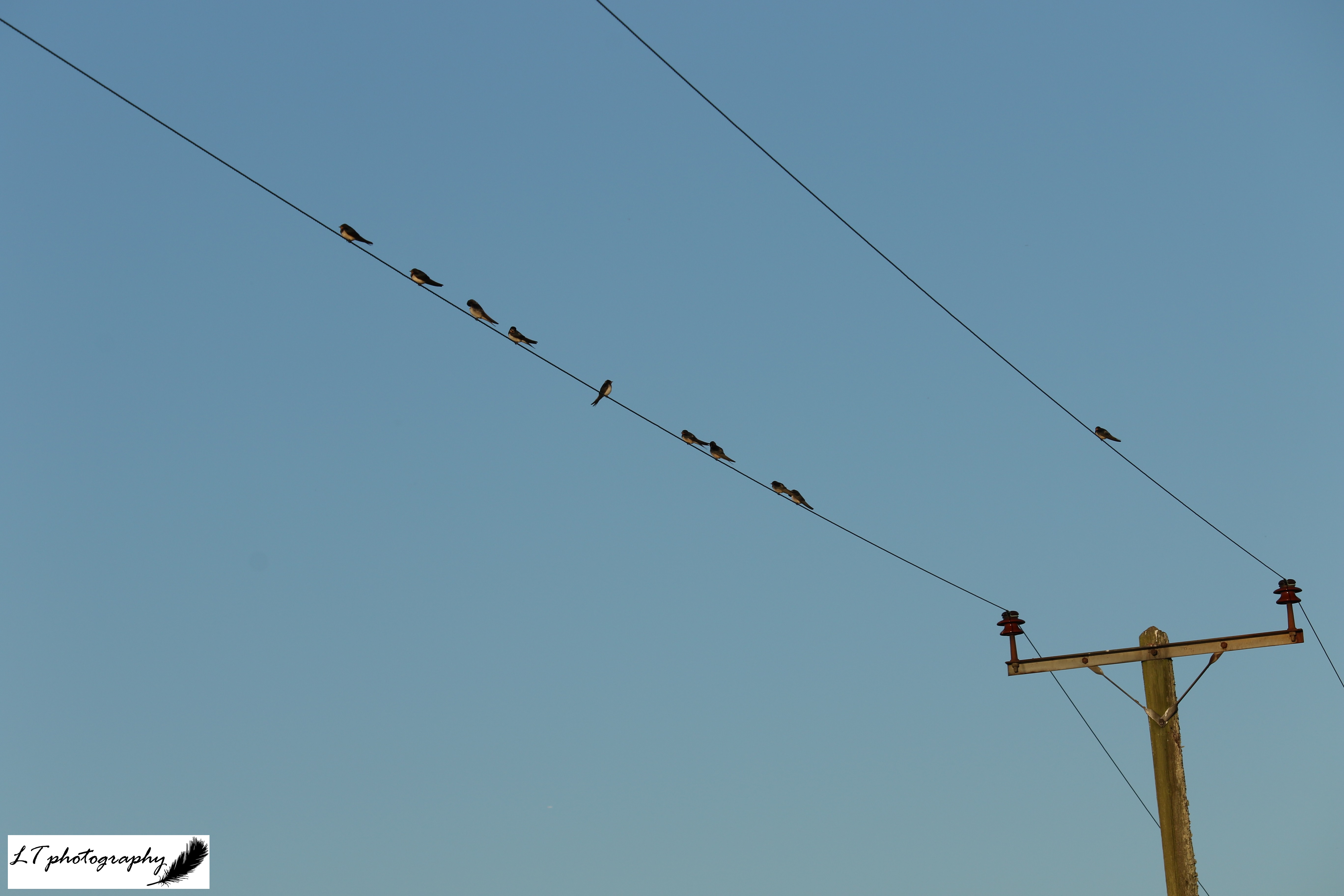
With the onset of autumn, the oak tree experienced the continuation of warm weather alongside the return of some rain showers. This was enough for the tree to green up once again and for its plentiful little green acorns to swell into the typical acorns we all know. The oak’s bounty was also joined by hedgerows filled with hazel nuts and shining berries, such as elder, rose hips, hawthorn, and sloes. This bounty was attracting an array of species, including wasps, blackbirds and jays. The oak tree also overlooked other spectacular sights from spider webs glistening with morning dew, red kites scavenging close by, charms of colourful goldfinches feeding on seedheads, swallows lining up on telegraph lines in the evening sun, and some fantastic sights of a family of linnets.

October

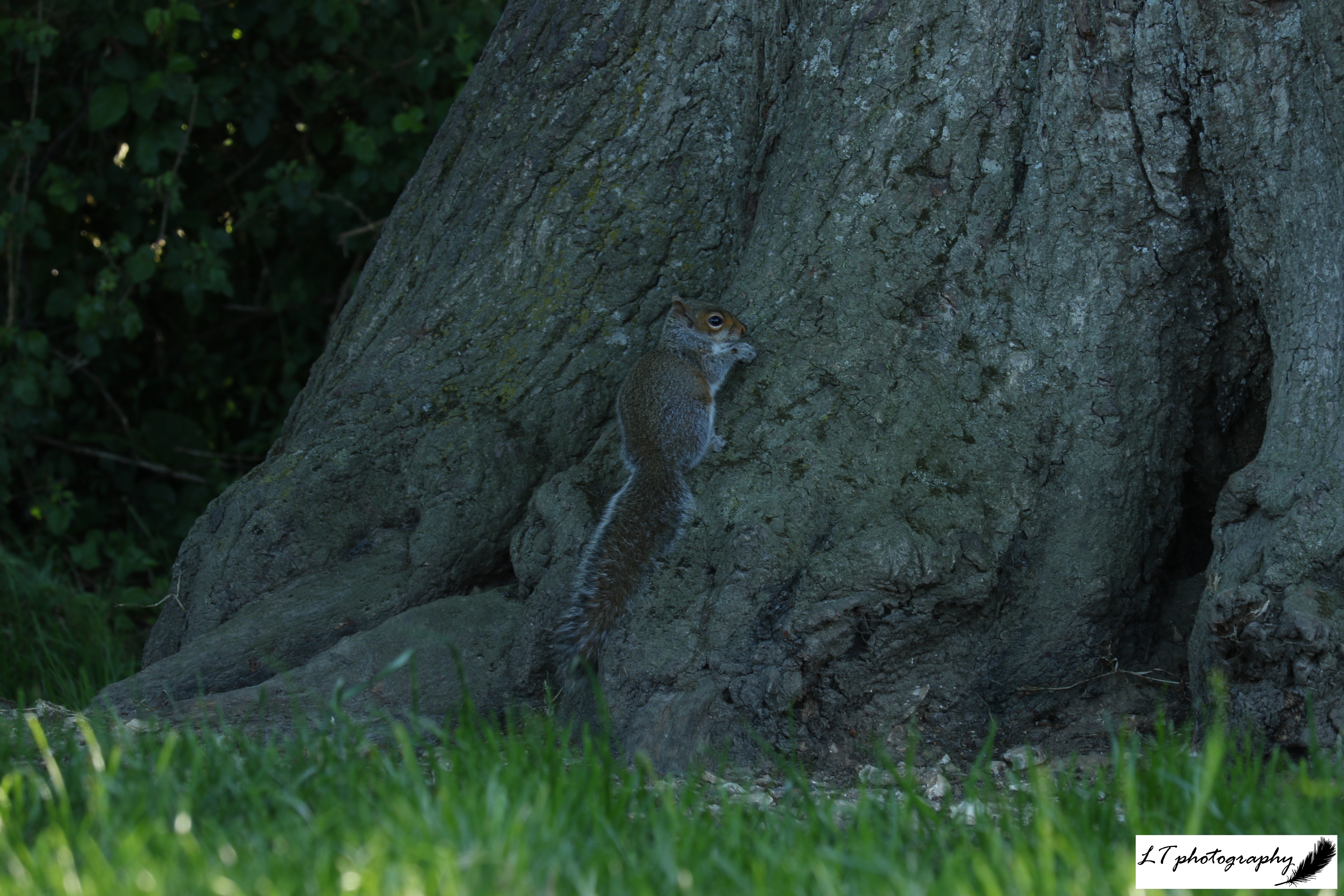
The mild weather continued into October, with the oak tree now covered with ripening acorns, and leaves beginning to be tinted with spots of orange and brown. These acorns were already being utilised by grey squirrels and migrating woodpigeons, amongst other species. With the oak tree’s bovine neighbours beginning to leave the tree behind for the winter, the oak was left alone overlooking the landscape changing colour spectacularly, from the pinks of spindle to the yellows of silver birch. The oak tree also watched over other autumn spectacles, such as craneflies lazily flying over the grass in warm sunshine, roe deer bucks chasing does, and the growing of magnificent fungi, such as the oak’s own bracket fungus. The landscape is alive at night too, with the return of calling tawny owls, the snuffling of badgers, and the exploring of now fully grown fox cubs.

November

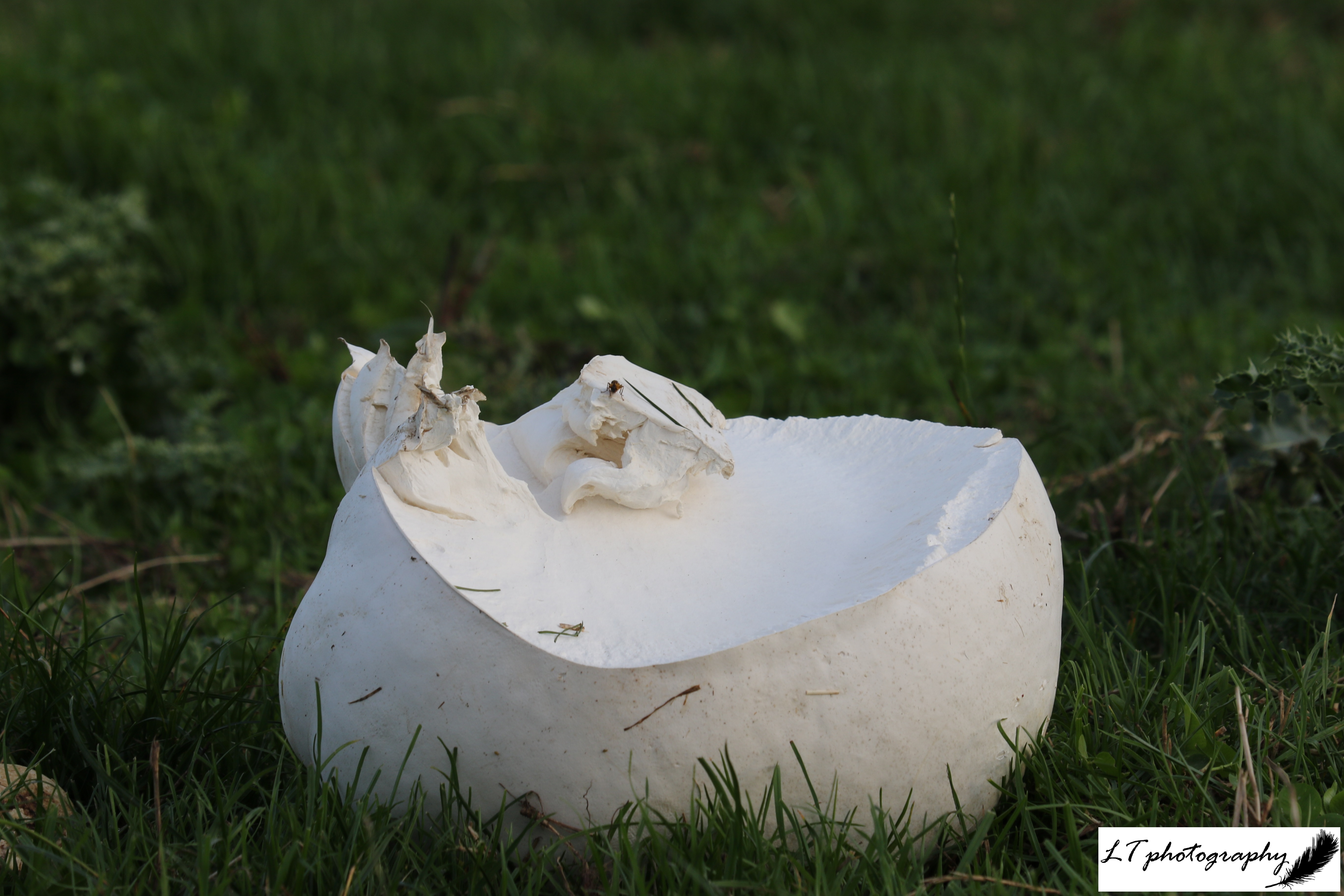
A mild November led to it being a very wet and windy month for the oak tree and its home. Ripe acorns now lay scattered around the trunk of the tree, and brown and orange leaves were now being blown free with each storm. On calmer days, the landscape was still showing lots of wildlife activity, with territorial robins fighting, families of long-tailed tits flying between hedgerows, flocks of meadow pipits feeding out in the fields, and large flocks of fieldfare and redwings making themselves at home. Whilst exploring around the oak tree, fantastical puffballs could be found in the grass, late ivy flowers and the start of its black berries in the hedgerows, and spectacular pink and orange spindle berries in the hedges further away from the oak.

December

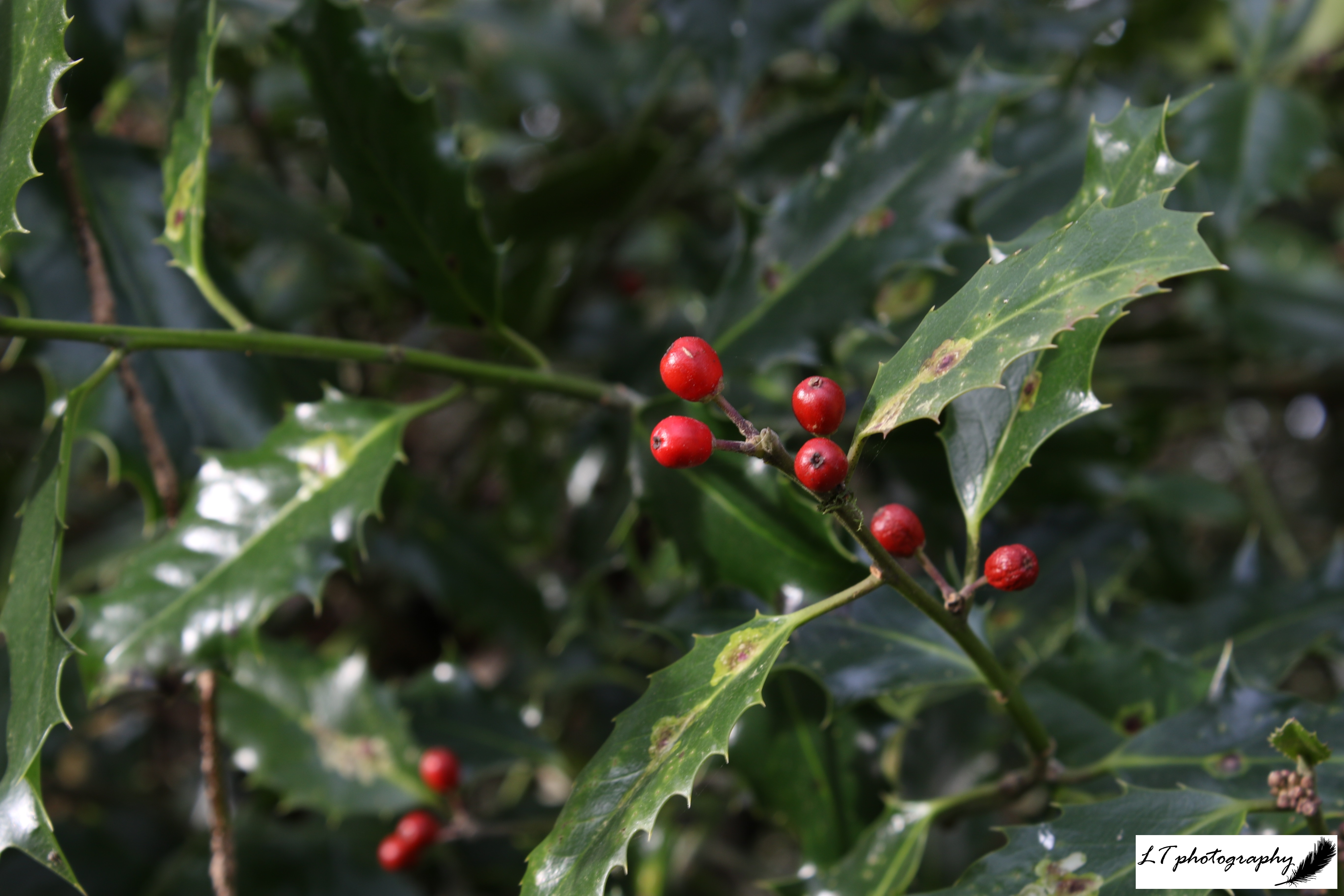
To wrap up the year, December marked a change in the weather, with colder, drier, and sunnier days, and some spells of real hard frosts and frozen ground. By now the landscape was beginning to fall into its winter slumber once again, as was the oak tree, with only the hardier species still active. A lone cattle egret, a murmuration of starlings, wagging grey and pied wagtails, a hare passing through, and hunting barn owls included. As the tree’s surroundings lose their colour, a little can still be found with the shining green of a hart’s-tongue fern or the blood red of holly berries in the hedgerows. Here the year is drawing to a close, with a fantastic sunset and the oak’s last leaf floating softly to the ground.
Spring In Photos 2022

Spring this year has been a joyful and colourful experience. In 2020, spring was a lifeline during lockdown. In 2021, spring was a turbulent and unpredictable season, with some real wonderous moments to behold. This year though, I have simply enjoyed every moment that spring had to offer, watching as the season swelled into being and slipped out once again with the heat of the summer sun.

This spring the season began slower, but reached its peak quickly once it got going. In Dorset, from blossom and bursting leaves to nesting birds and breeding mammals, spring bloomed spectacularly, with so much new life on offer. During this time I made lots of adventures out with my camera and took many, many photos. Here are just a few of my favourites from spring 2022.

Spring 2022: In Photos

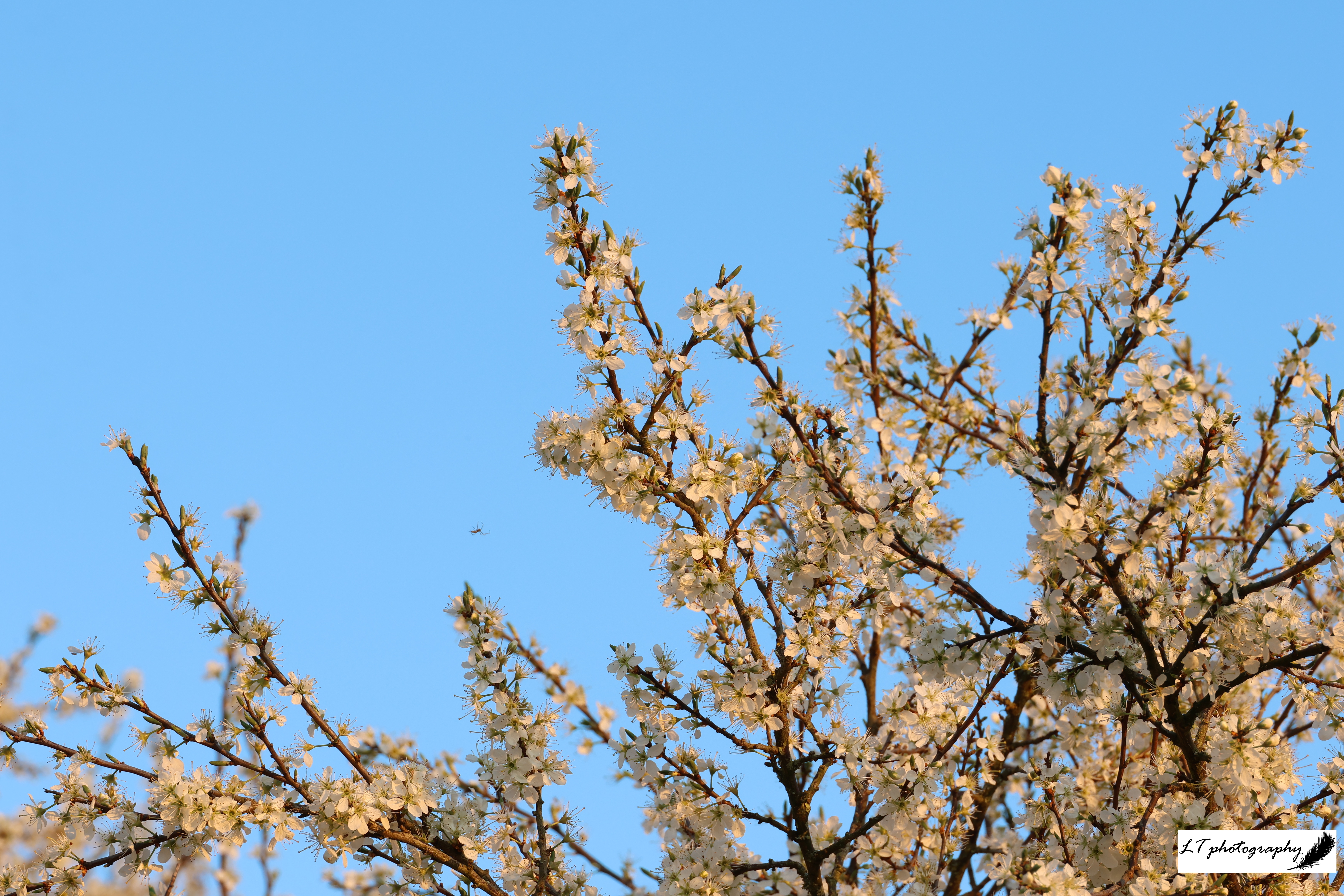
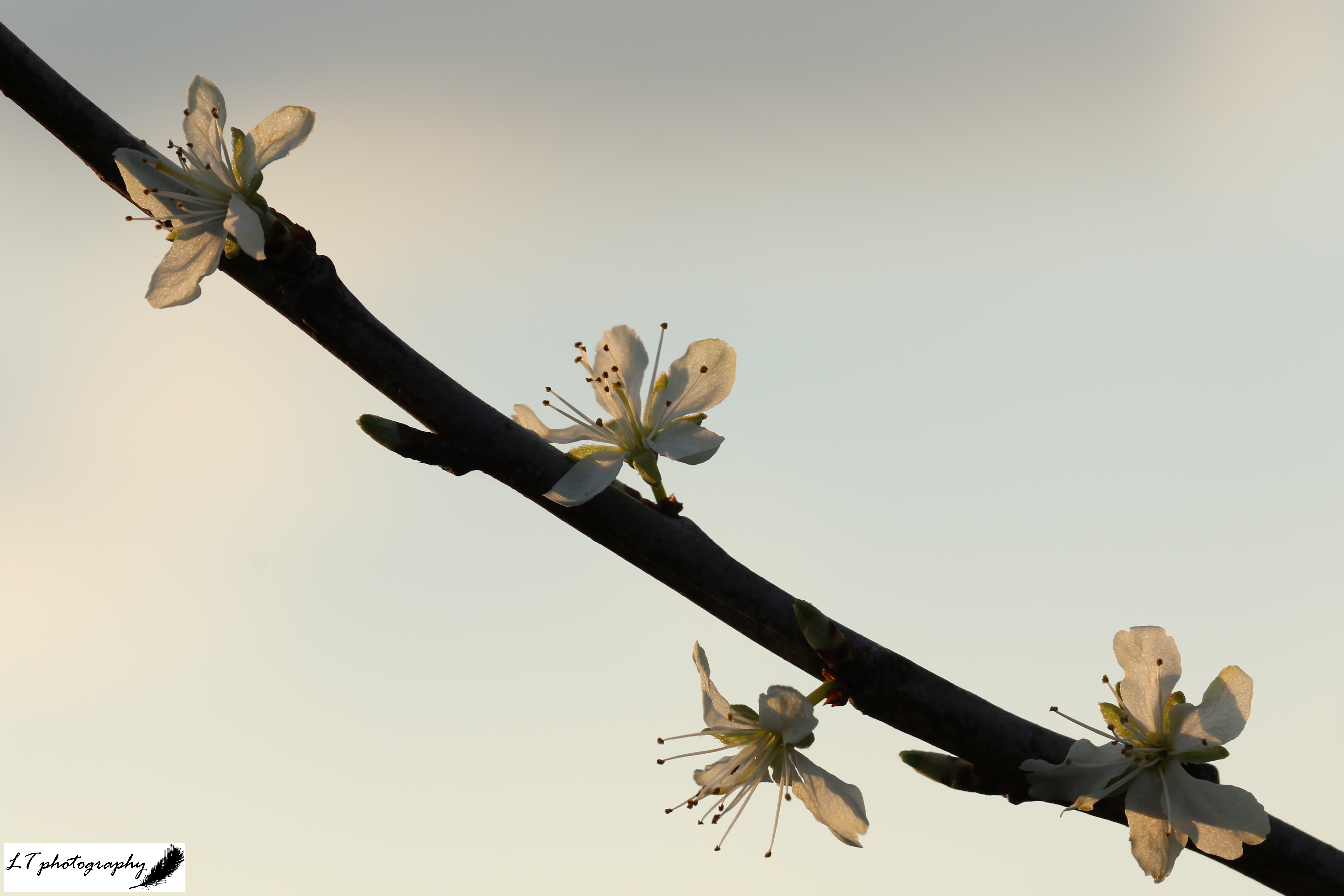
Sunset Damson Blossom – This year the blossom of fruiting trees was fantastic. Our damson tree blossomed without being bitten by frost or hit by strong winds, so hopefully it will be a good year for damsons

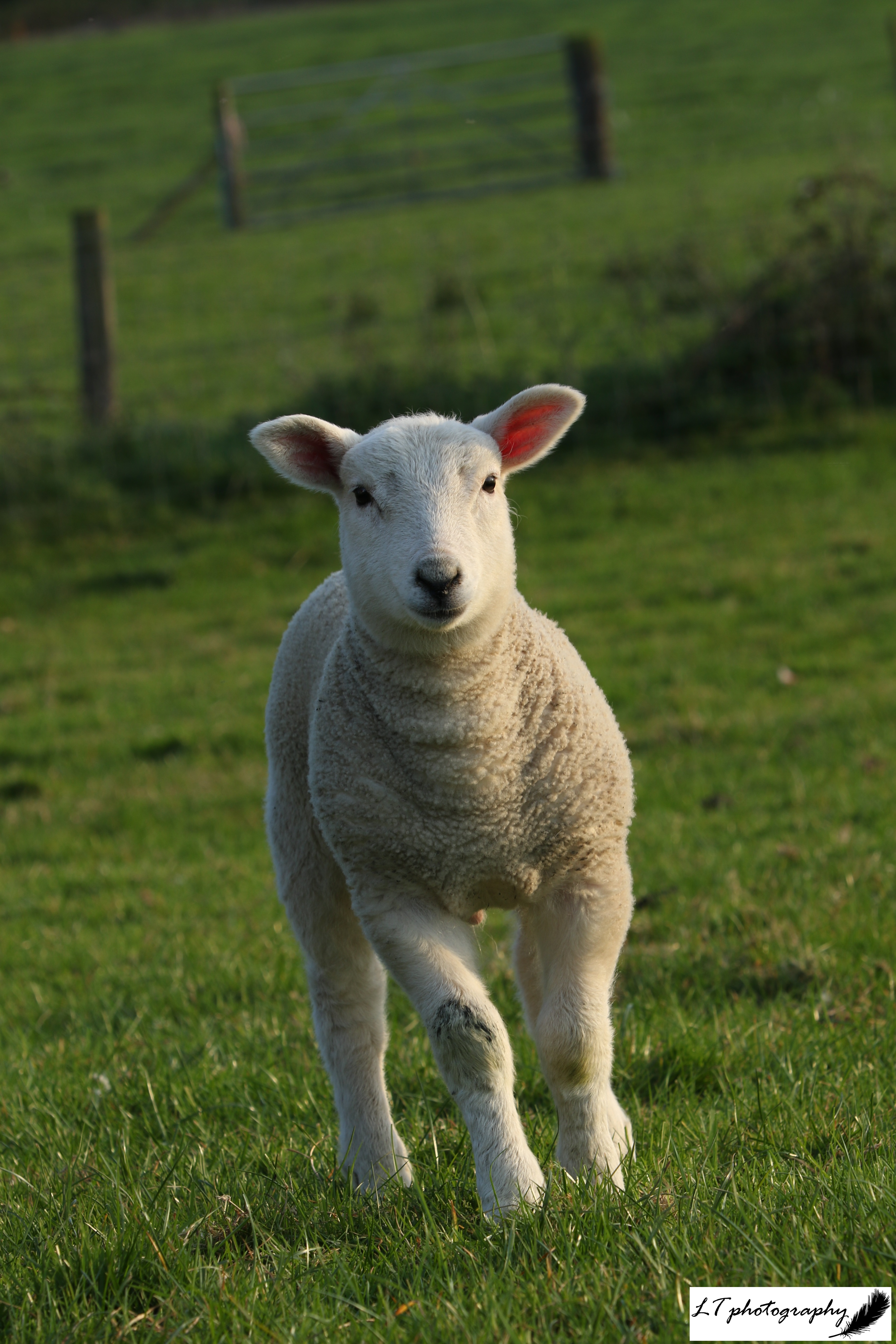
Lambing at Home – My mum has her own mini flock of Lleyn ewes, a Lleyn ram, and a Charolais ram, and for us spring would not be spring without lambs springing around the fields!

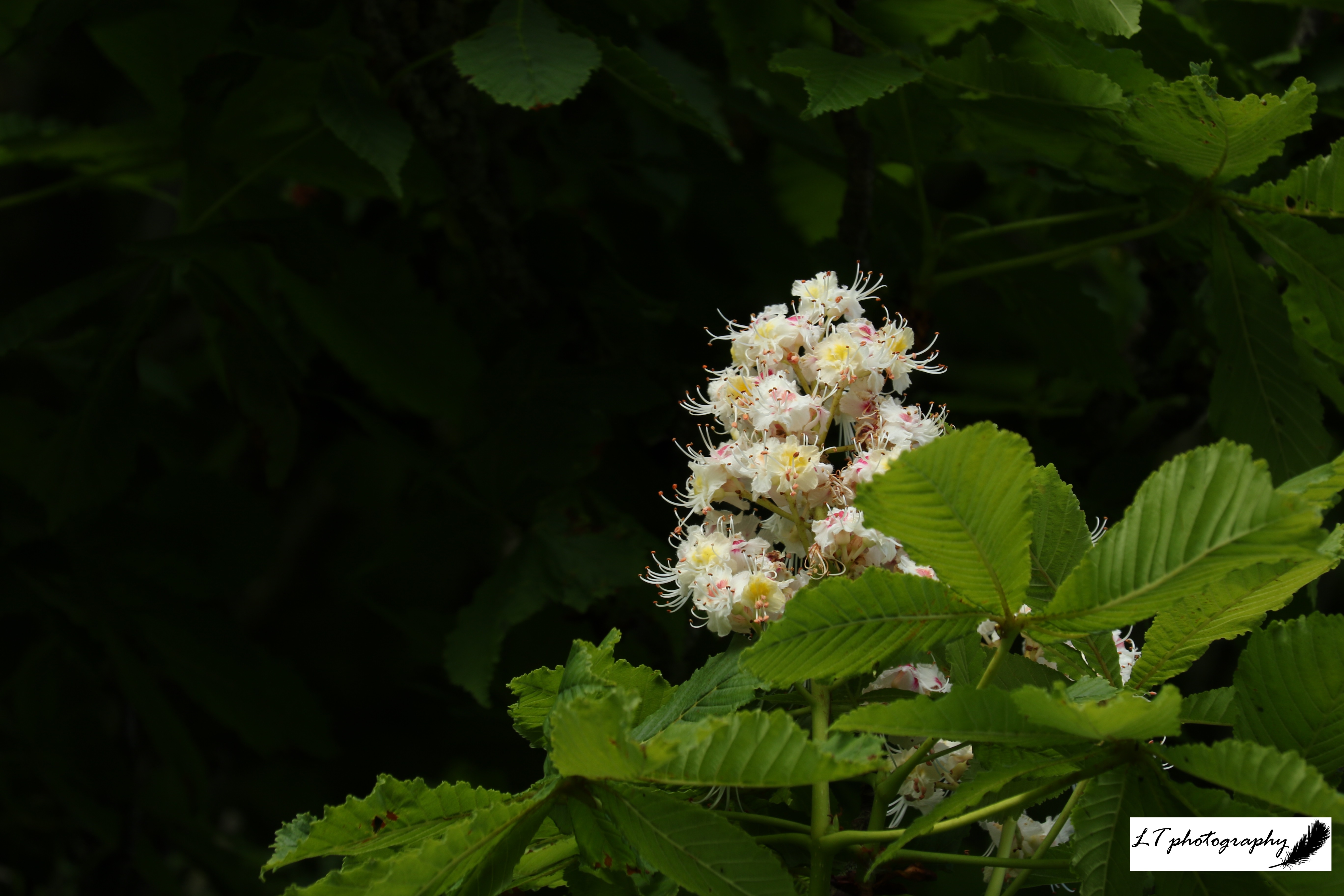
Horse Chestnut Flowers – Often tree flowers are simple, green and unassuming, but not those of horse chestnut trees. Horse chestnut flowers form a candelabra of fantastic white flowers with dots of pink and yellow, towering high in the boughs of the trees

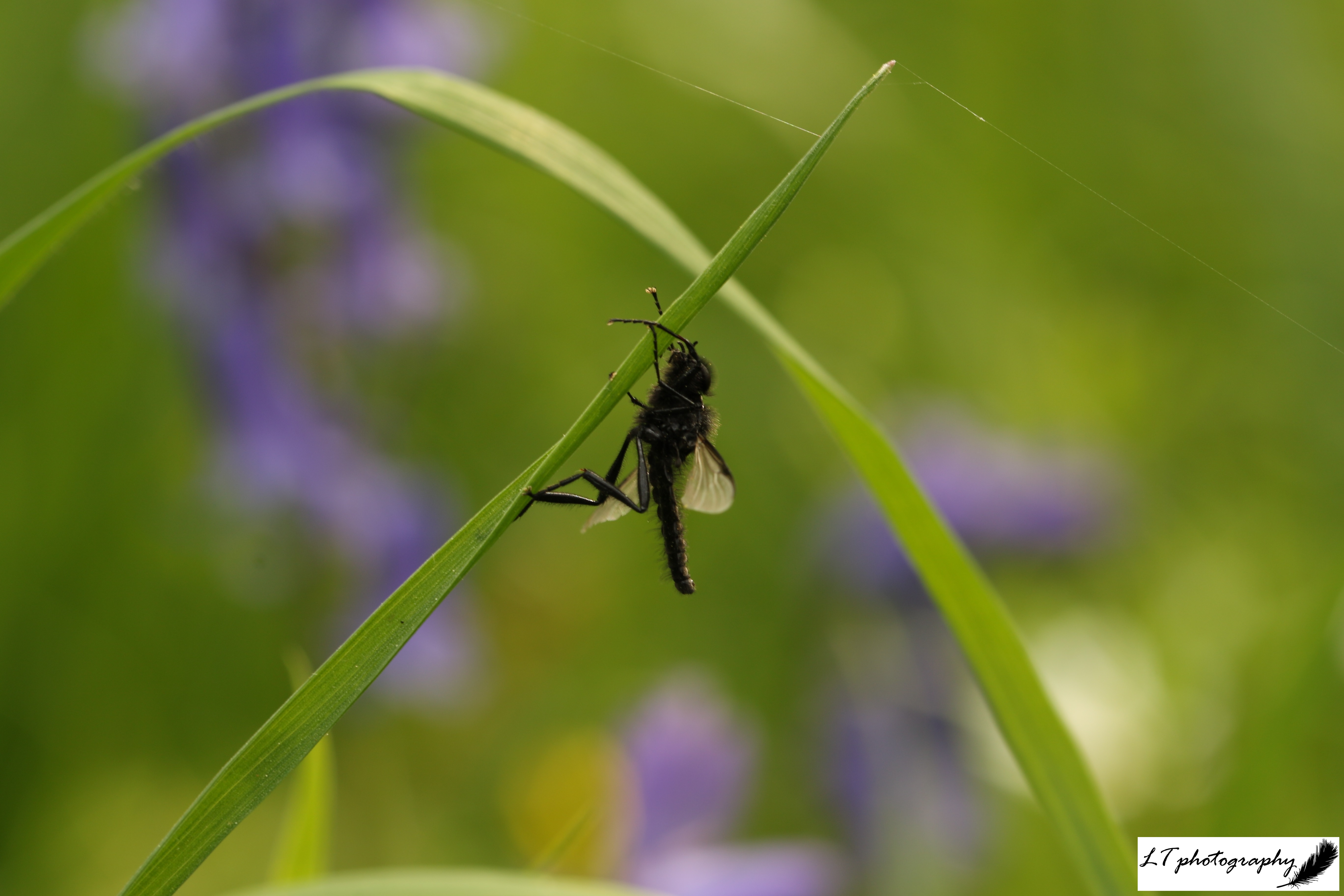
Woodland Minibeasts – This year during the bluebell bloom, I focused on exploring the hidden life amongst the bluebells (check out my previous post for more). One of my finds during my hunts was this fly which looks to be a St. Mark’s fly. This fly gets its name due to emerging around St. Mark’s Day in April each year

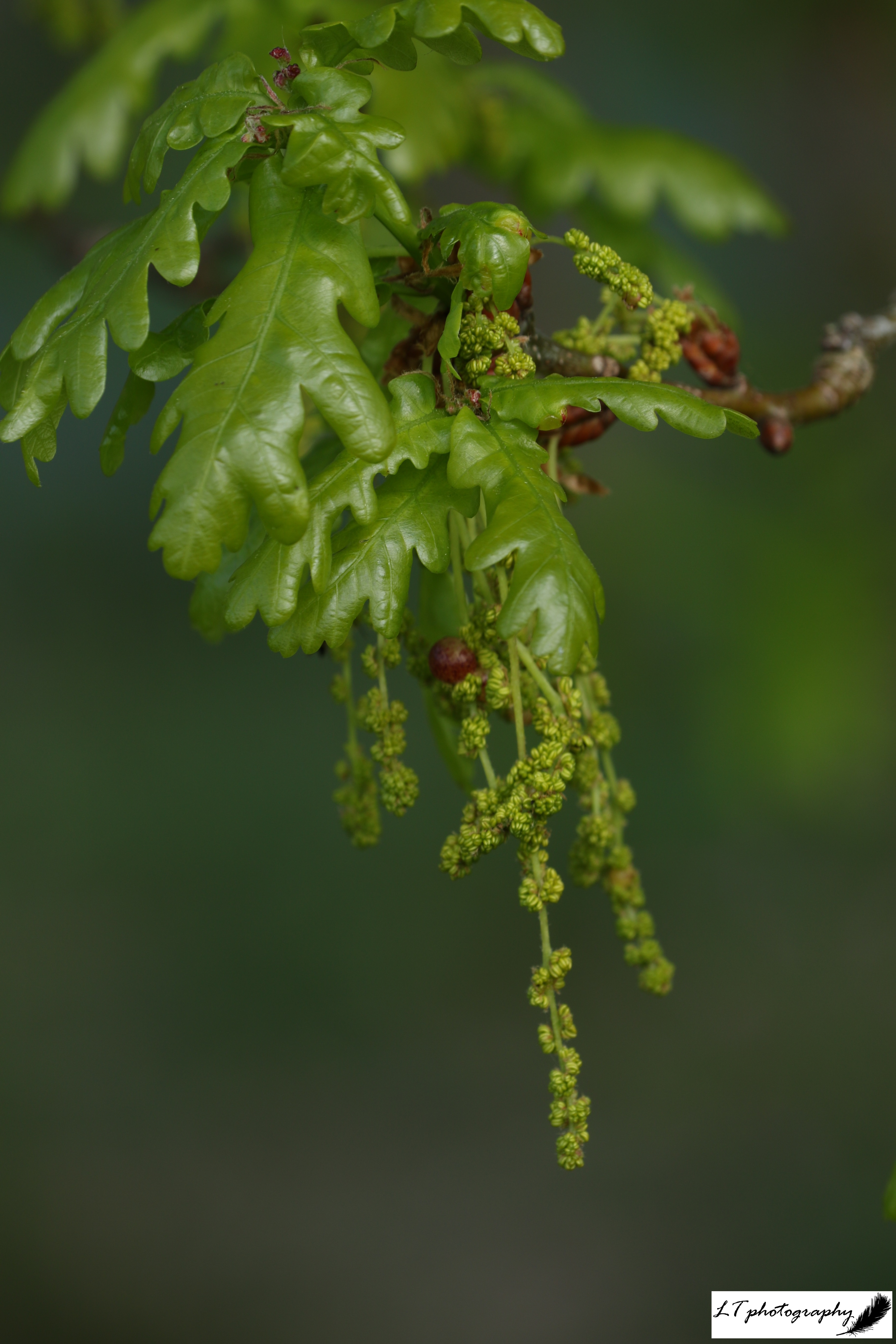
Oak Flowers – Though horse chestnut flowers are showy, some tree flowers are fantastic in a subtler way. The flowers of English oak trees hang down in green streamers from their branches, looking pretty swaying softly in gentle spring breezes

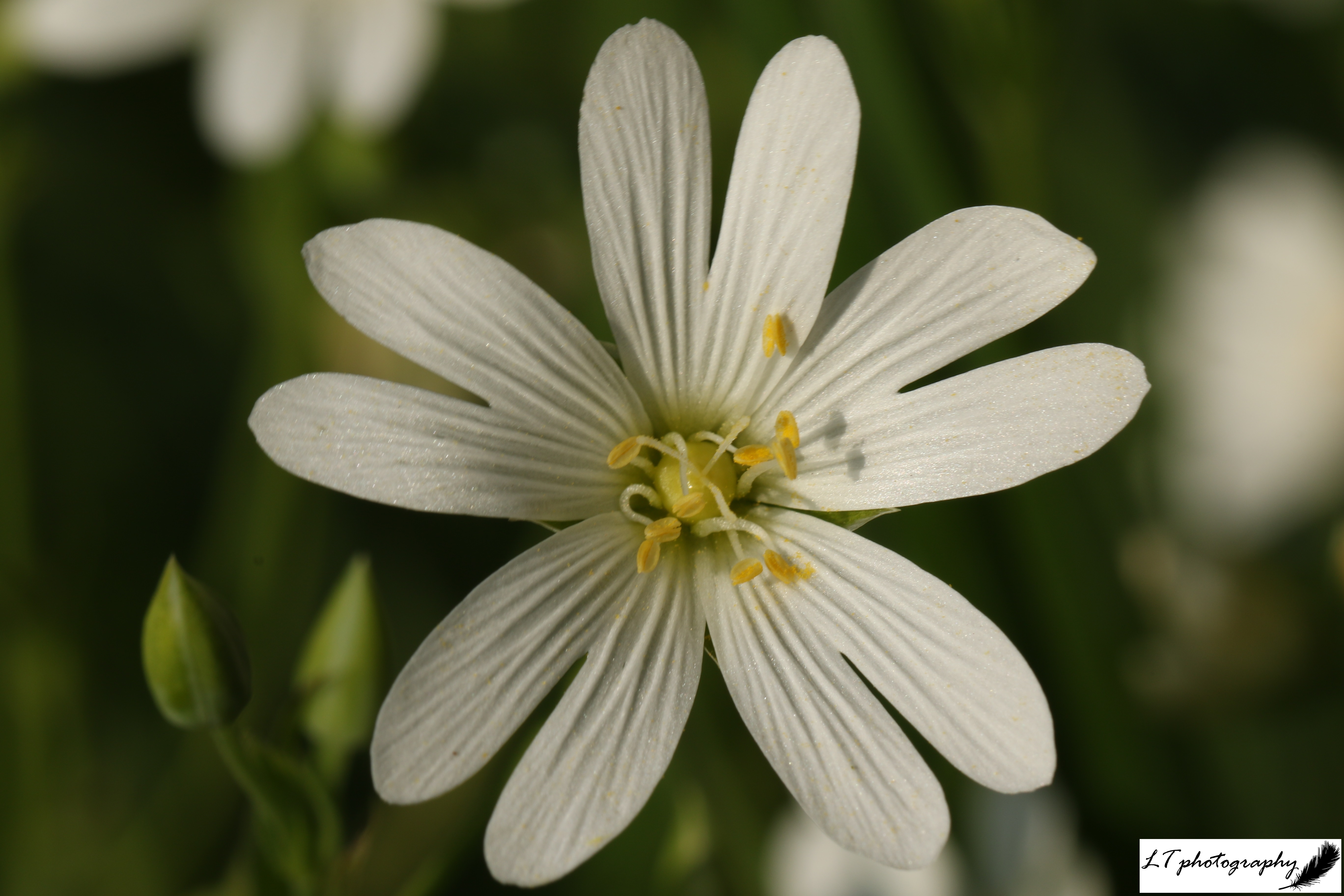
Up Close With Stitchwort Flowers – Stitchwort flowers or ‘Shirt-buttons’ are white stars spotting the countryside throughout spring. Taking a closer look, this particular flower looks weird and wonderful with stamens that curl around each other

Super Snail – This white-lipped snail is a simple, but colourful individual amongst the green of spring. Their swirling shells are a great subject to photograph

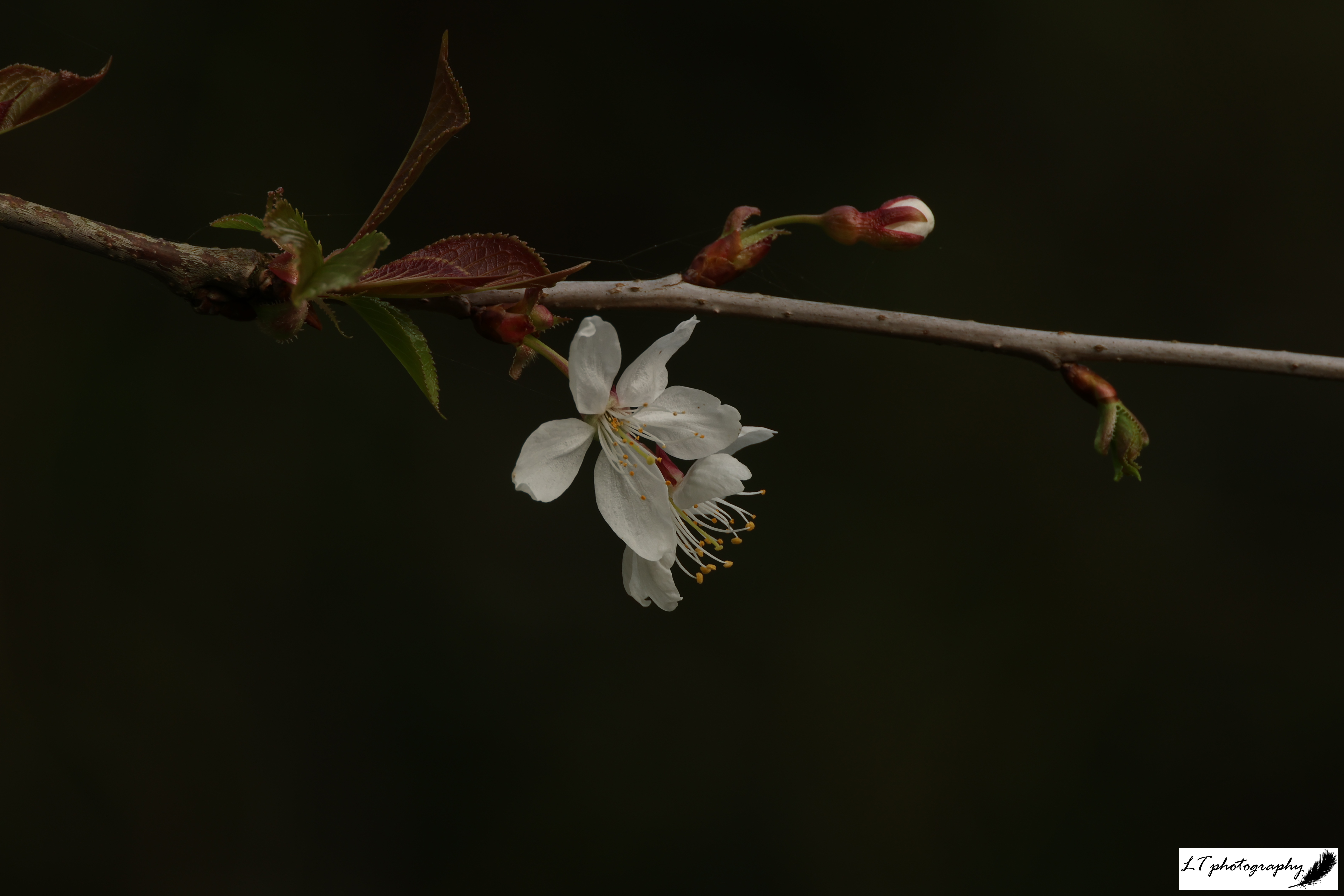
Wild Cherry Blossom – Every year one of my favourite flowering trees is the Wild Cherry. There’s nothing like banches covered in blankets of white set against a bright green backdrop of new leaves

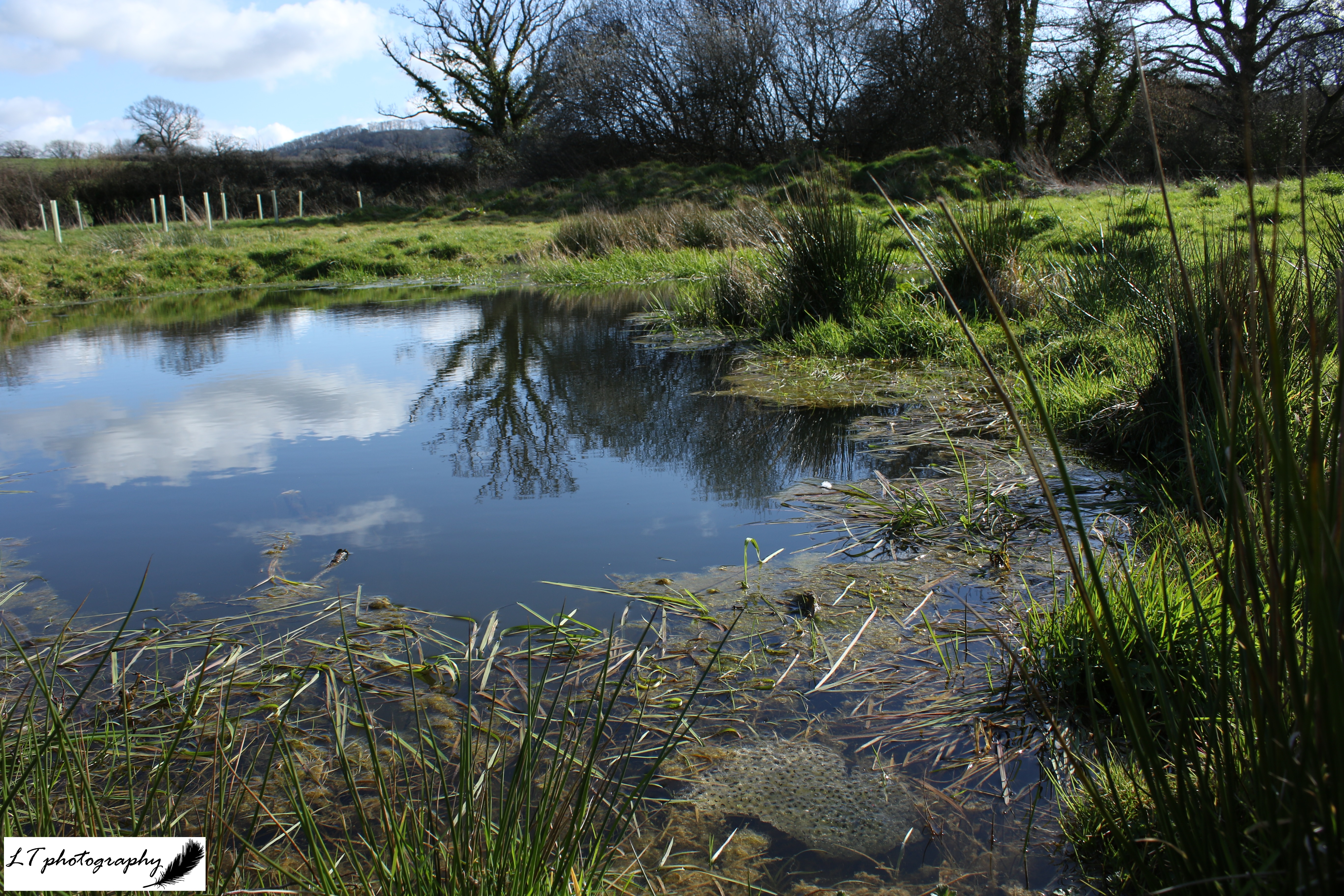
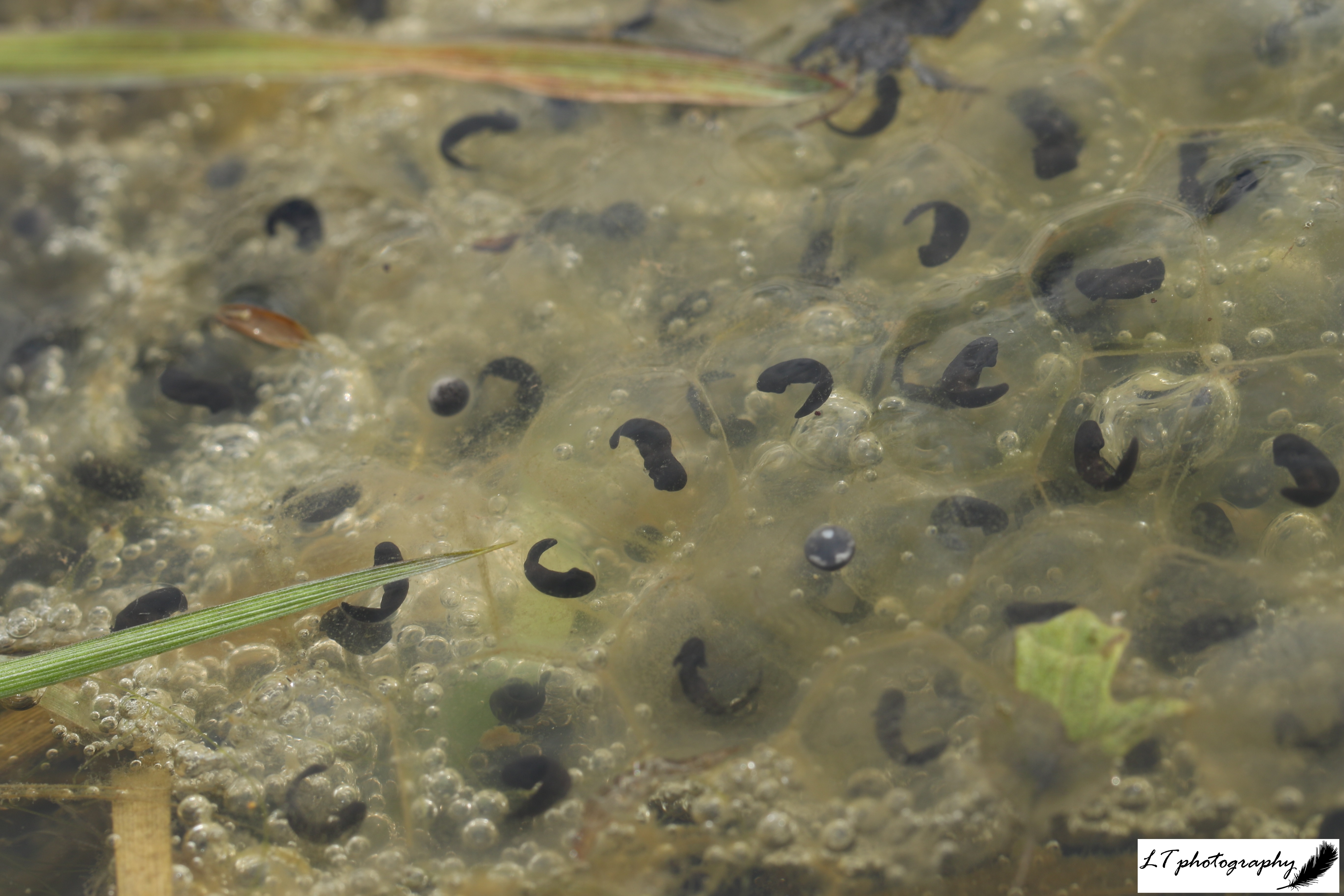
Fabulous First Frogspawn – In 2020, we started digging a pond in our own mini nature reserve at home on our farm. This year we were excited to find our very first frogspawn! It was amazing to watch the tadpoles change and transform over time

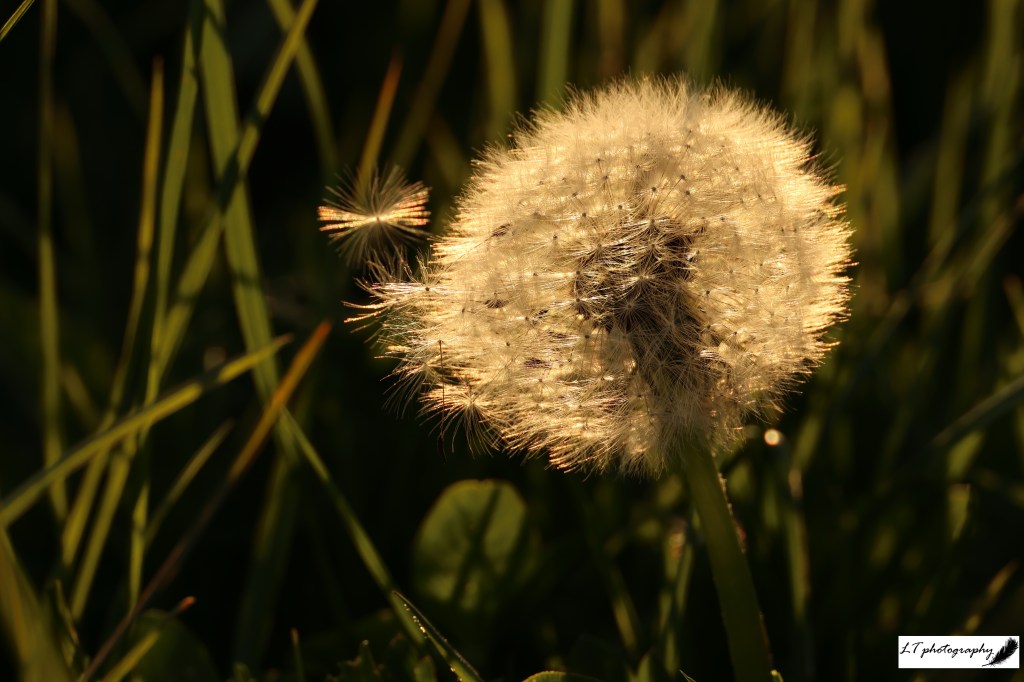
1 O’Clock, 2 O’Clock, Dandelion Clock – All children find magic and wonderment in dandelion clocks and their parachute seeds. Even as an adult I still find inspiration in their fragile globe-like forms

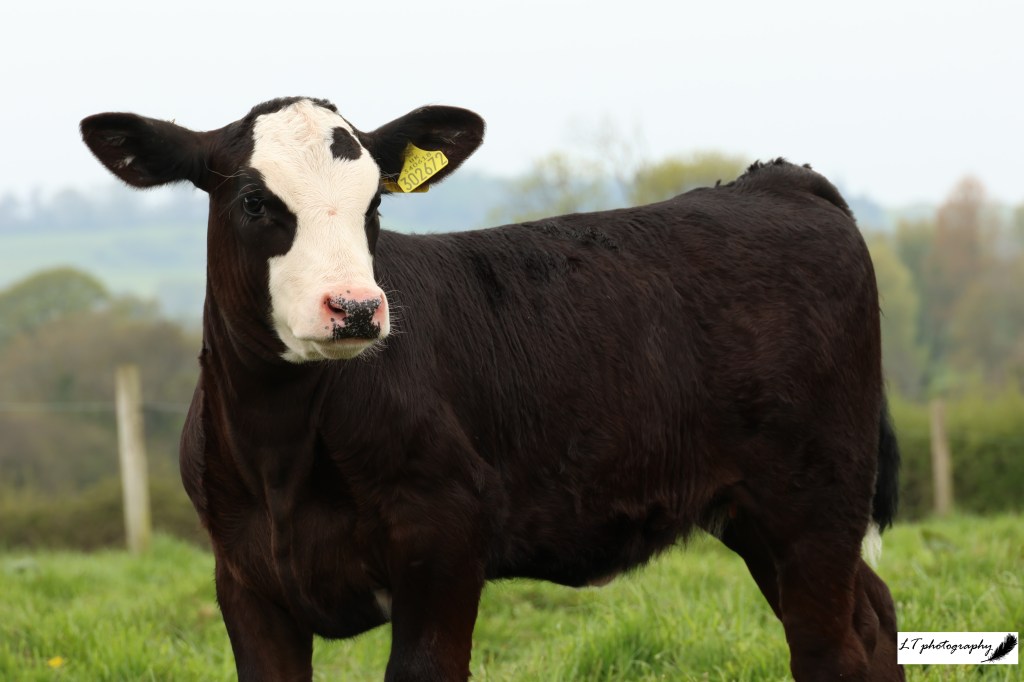
Majestic Beasts – My mum has her own herd of beef cross suckler cows and an Aberdeen angus bull that are free range and raise their own calves. We especially enjoy watching the calves grow up and grow into themselves over their very first year of life

Apple Blossom – As a family we have always enjoyed growing and foraging for our own food in our local area. Though last year was not a very good year for fruit, this year looks to be a better year, apples included

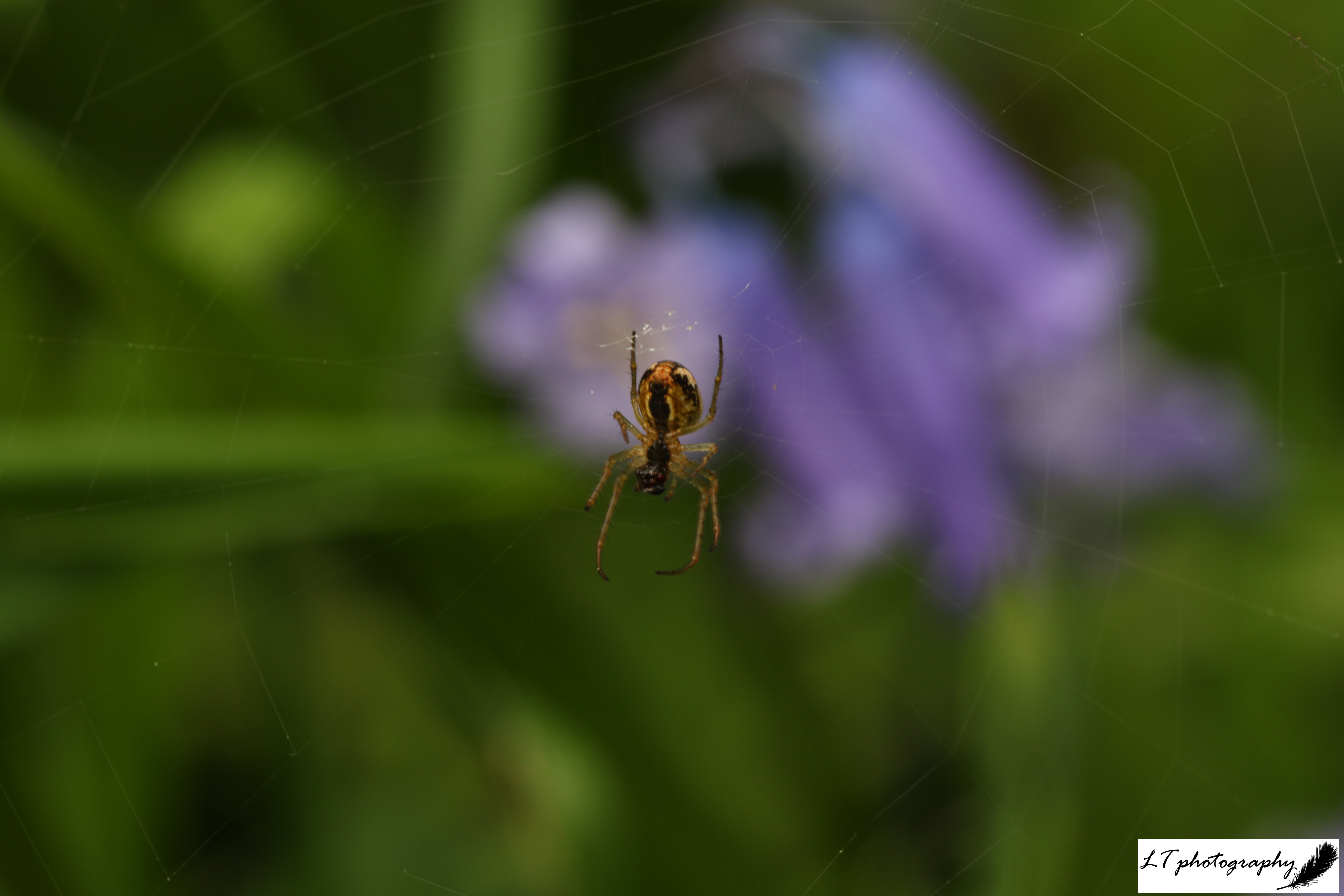
Woodland Spider – Just like the St. Mark’s fly, whilst exploring a woodland of bluebells, I found this species of orb-weaver spider. The bluebells were home to many, many of these little arachnids all weaving their webs between flowers, waiting to catch a meal

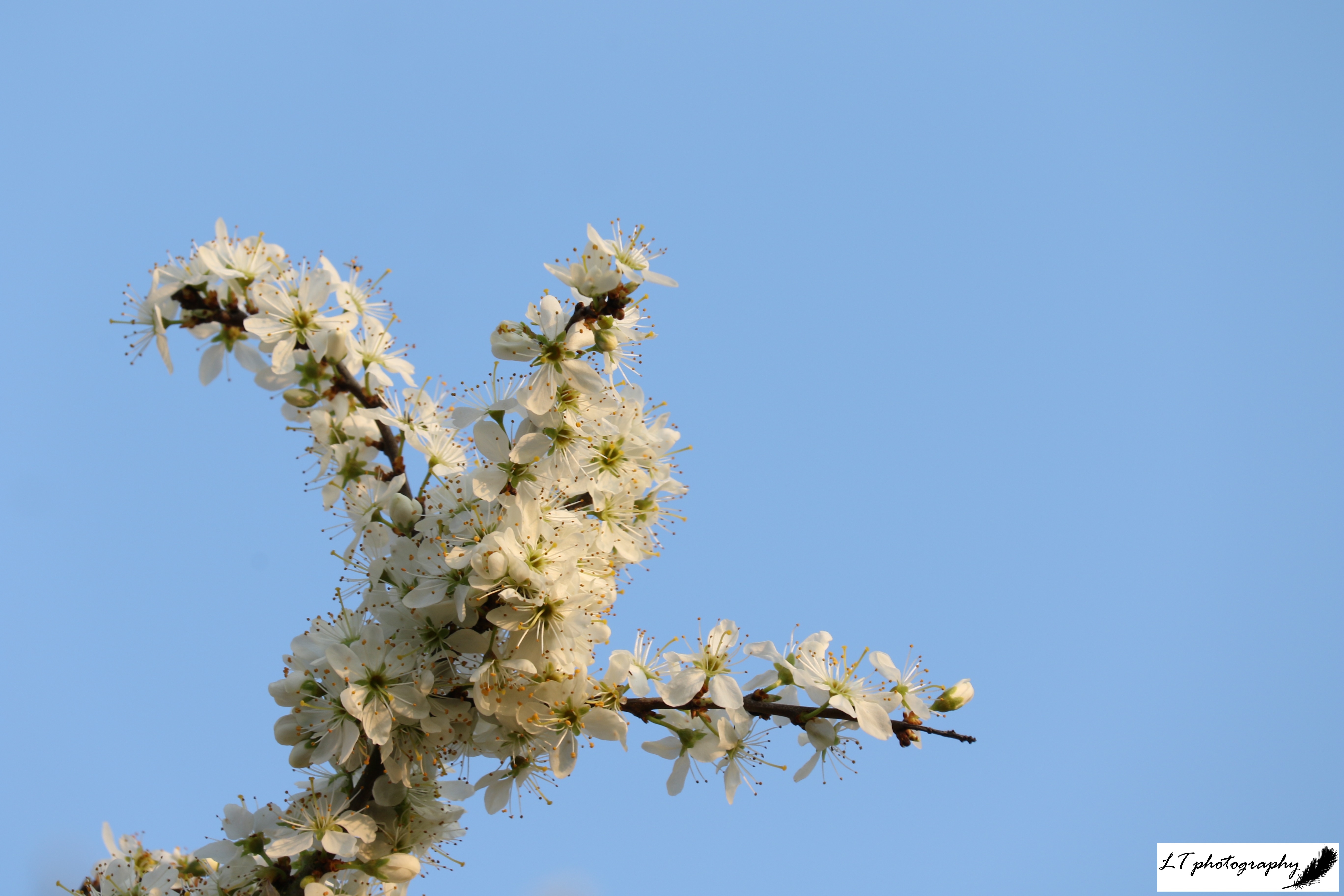
Beautiful Blackthorn Blossom – Every year one of my favourite parts of spring is blackthorn. The snow white flowers of blackthorn winter bring colour to the landscape at a time when things are still grey and spring is only just trickling in

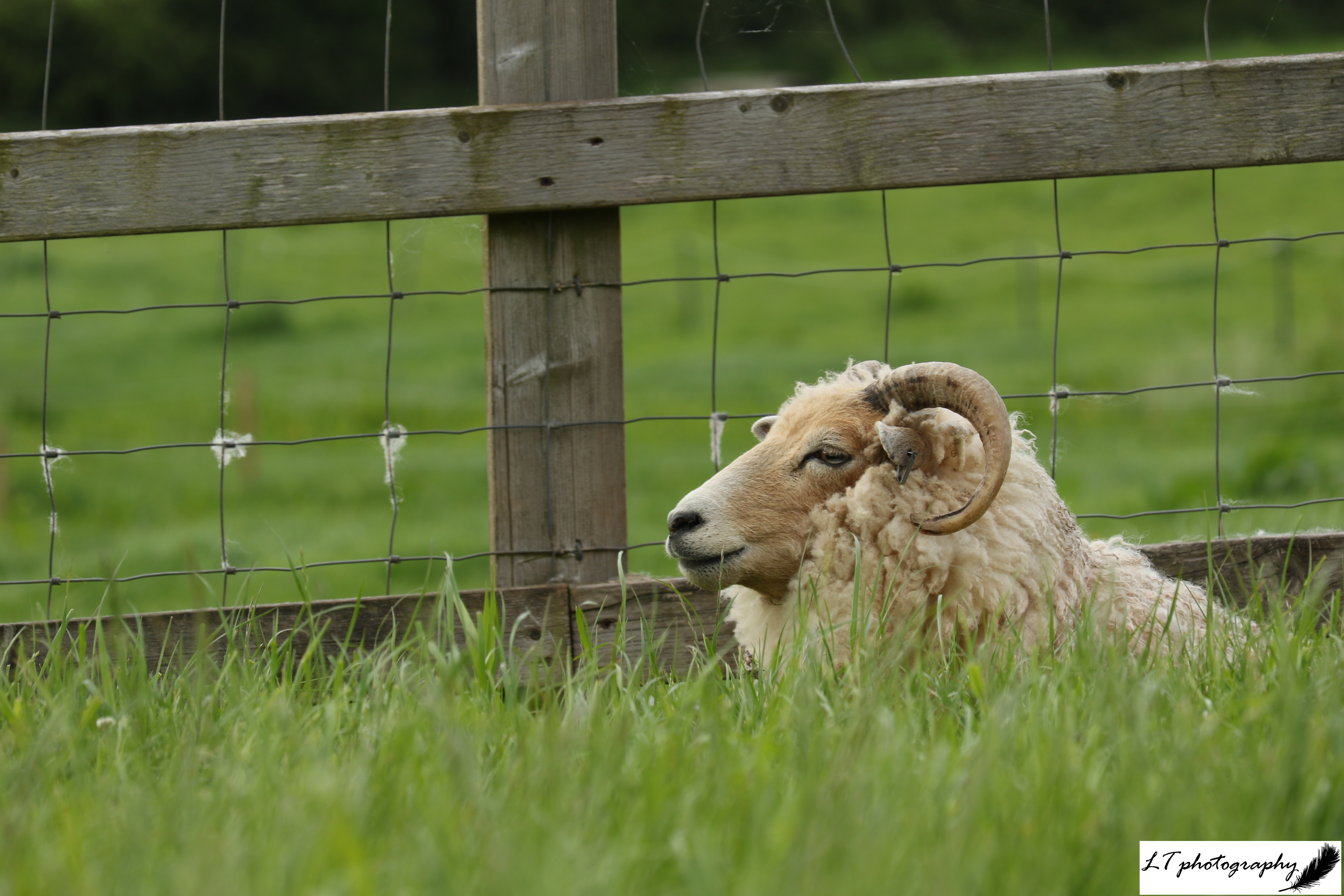
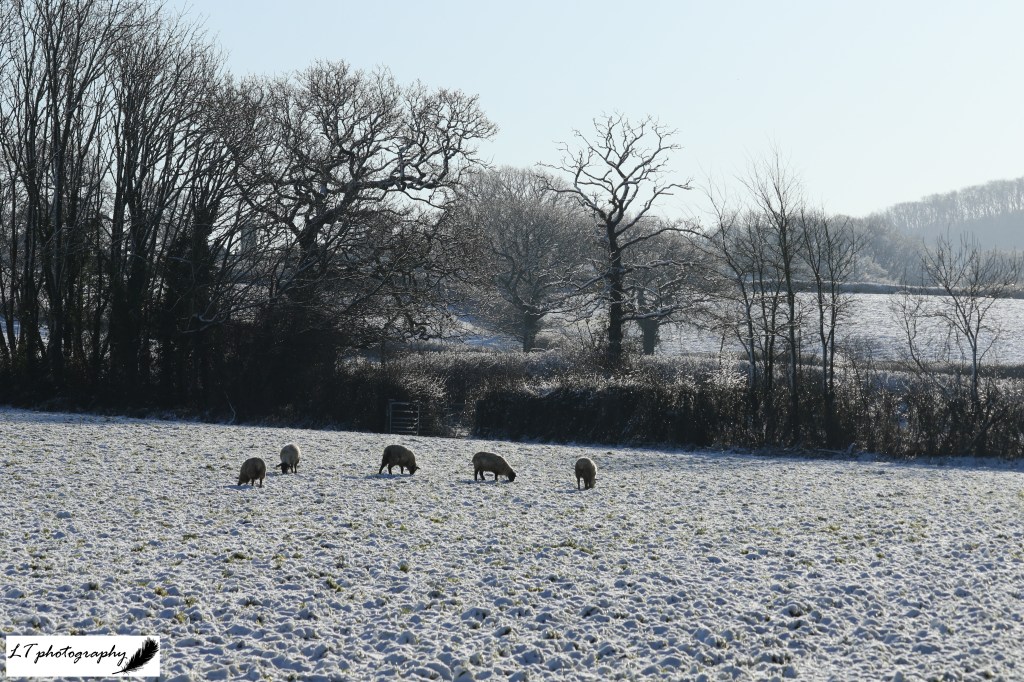
Portland Pets – This year I spent some time photographing my neighbour’s pedigree Portland flock. These small sheep, topped off with curling horns, have a great character and warm colour to them which make it a joy to take their portraits again and again

Wildlife Photos for 2021

Last year was an unusual one for us all, as we got used to a new reality, but for me it was also a year of colour, amazing wildlife, and fabulous adventures. I learnt alot and was able to continue to grow as a person, which includes my skill in wildlife photography and passion for communicating nature with you all. To celebrate, here’s a collection of my nature photos spanning 2021, capturing a range of themes, species and stories, and holding a feel good factor. Enjoy!

January

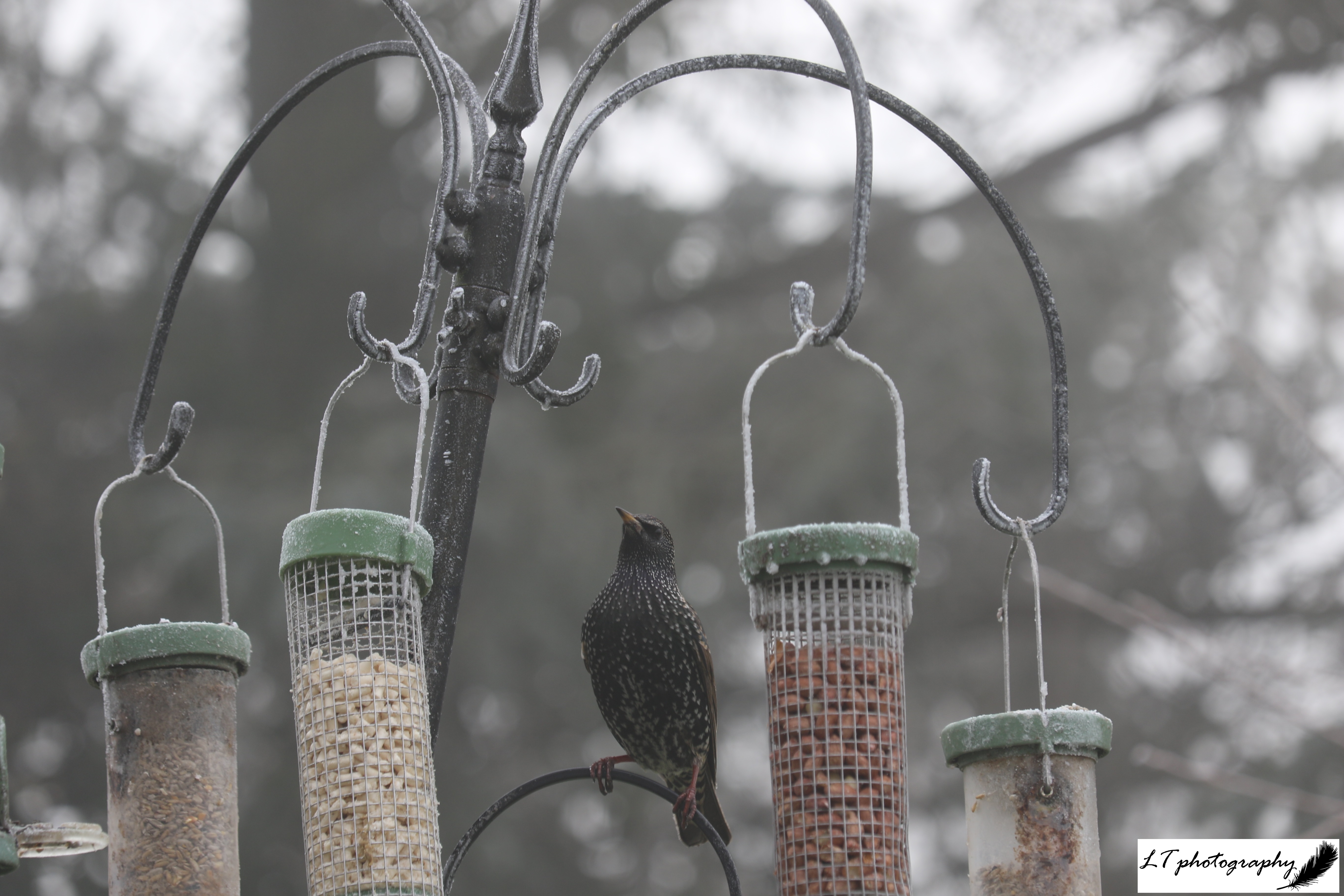
I began my year taking advantage of frosty mornings to capture the birds relying on our garden during the winter. Here a starling looking magnificent in its speckled plumage.

February

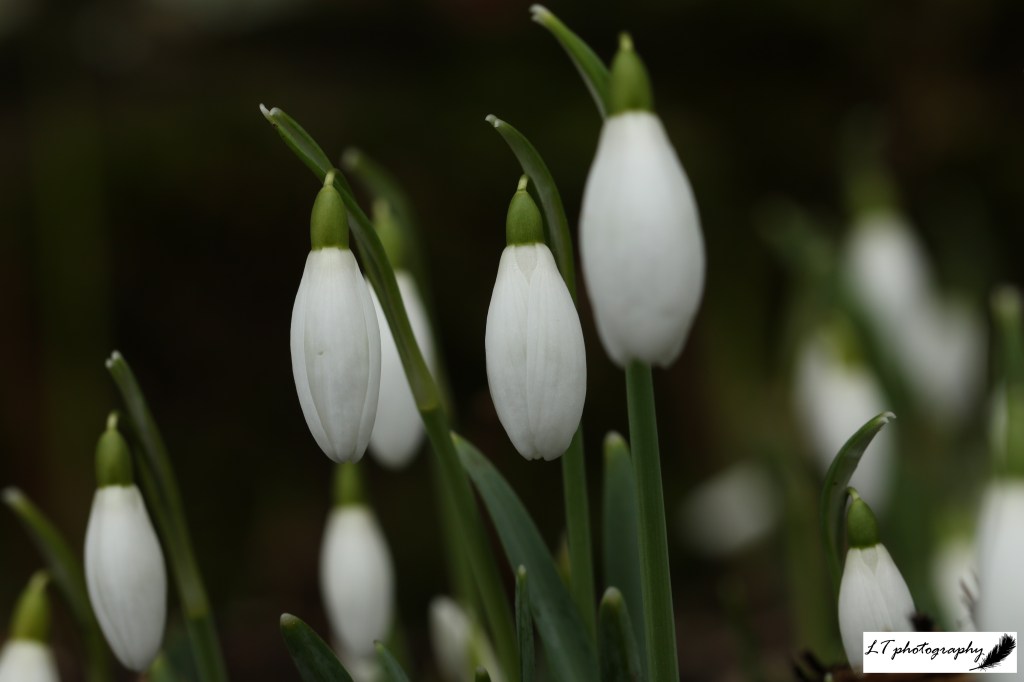
In 2021 I made it my mission to take my first up close photos of snowdrops. I enjoyed the challenge, brightening up a gloomier start to my year.

March

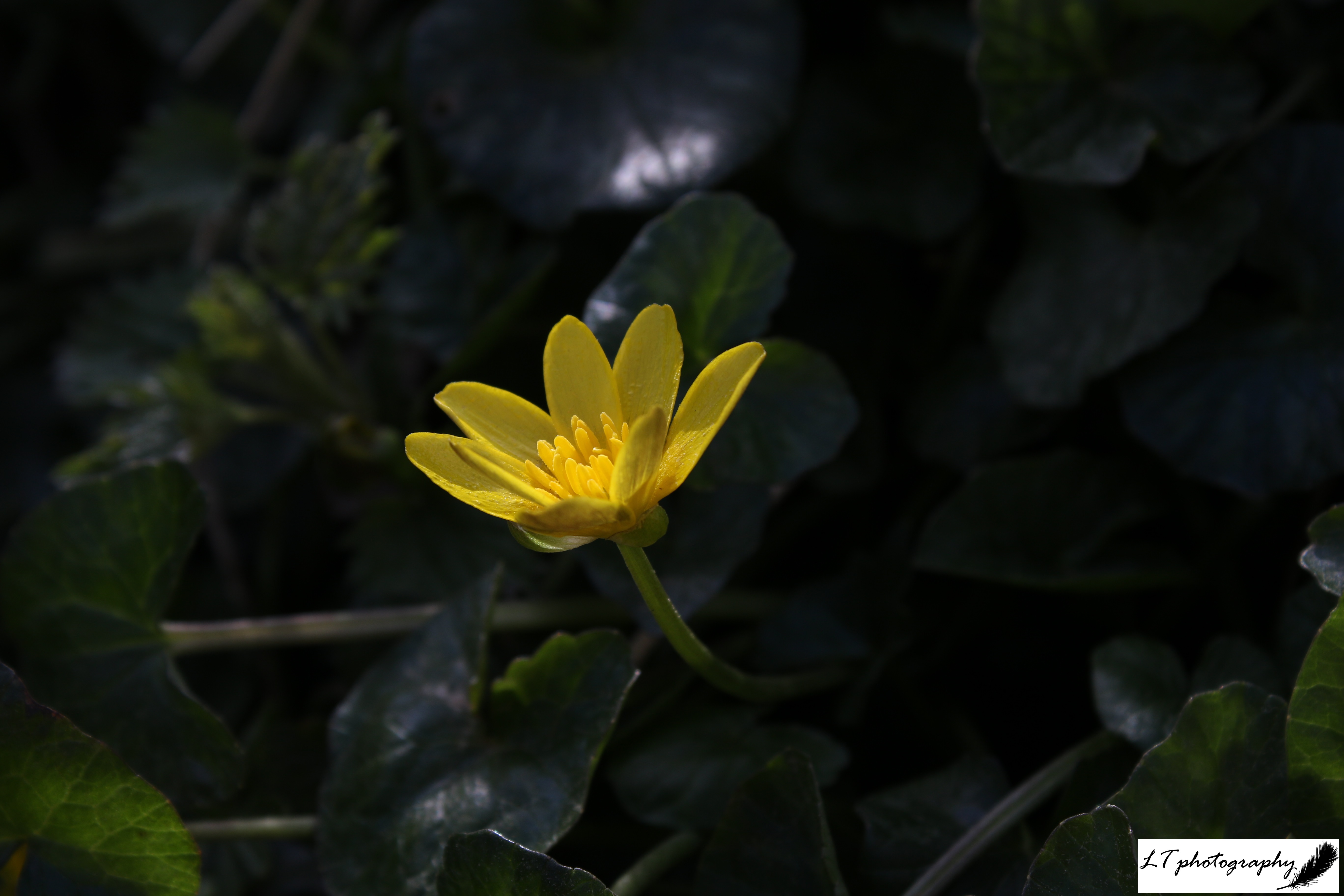
As the first signs of spring began to arrive, my focus turned to the ground and colourful spring flowers. Here a celandine peaks out its sunshine head from a thick cluster of green leaves.

April

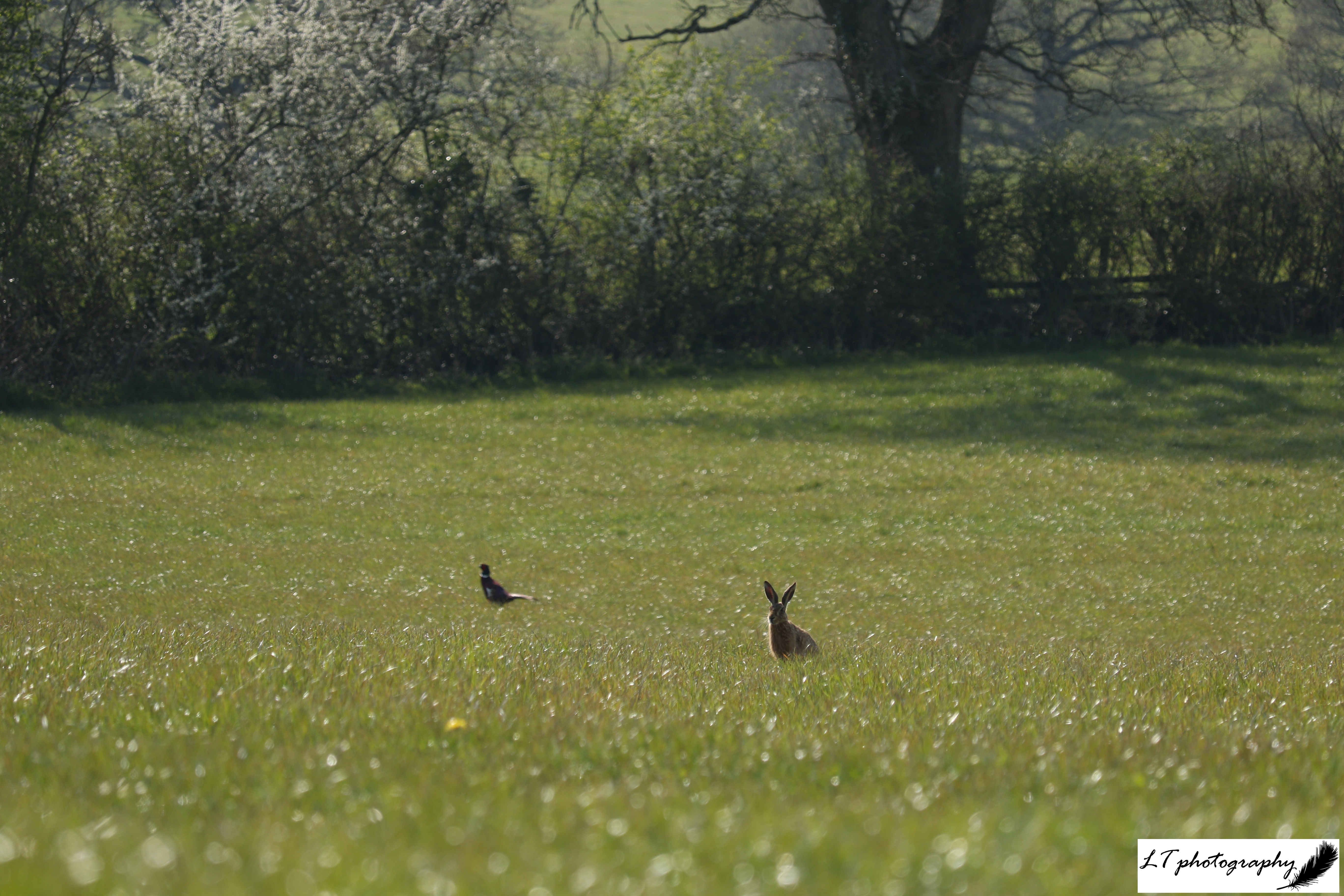
As spring burst into life, my focus turned to the animal species now becoming active in the rural landscape. Here is a relaxed hare (and pheasant) that I ended up spending a sunny afternoon watching feed on this hillside.
Each year grey wagtails are becoming a more and more frequent sight on my family’s farmland. We now have a soft spot for them as they brighten gloomy winter days and add a flash of colour in spring sunshine.

May

In 2021 I bought my very first macro lens which I was very excited about. It was great fun to head out with no set challenge, and just see what I could find!
June

Last year was definitely the year of butterflies for me. I had alot of fun expanding my knowledge of species and getting to see an increasing number living on my family’s land, such as this meadow brown.

July

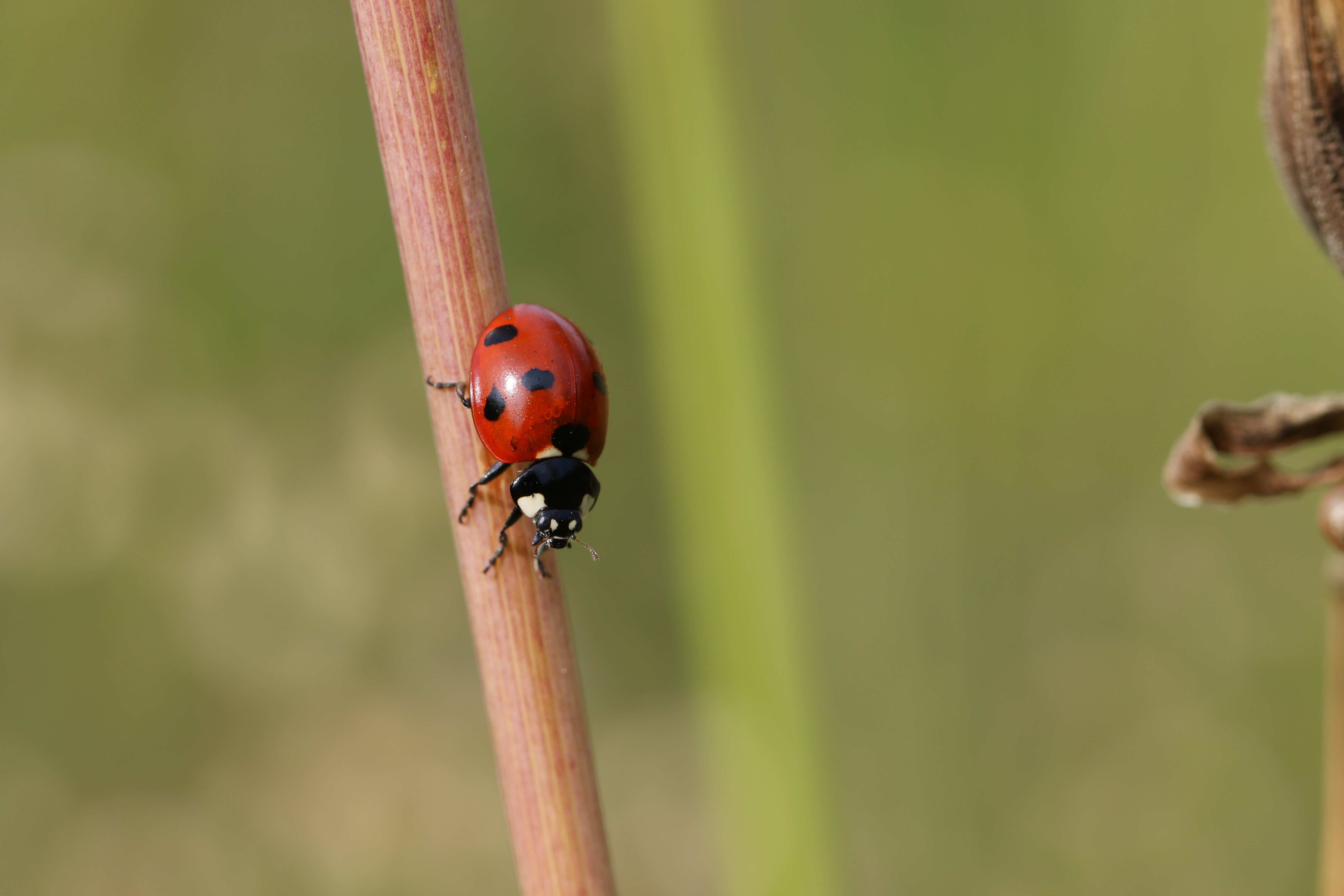
A series of photos that I took of this ladybird became some of my favourites for myself and my family in 2021!
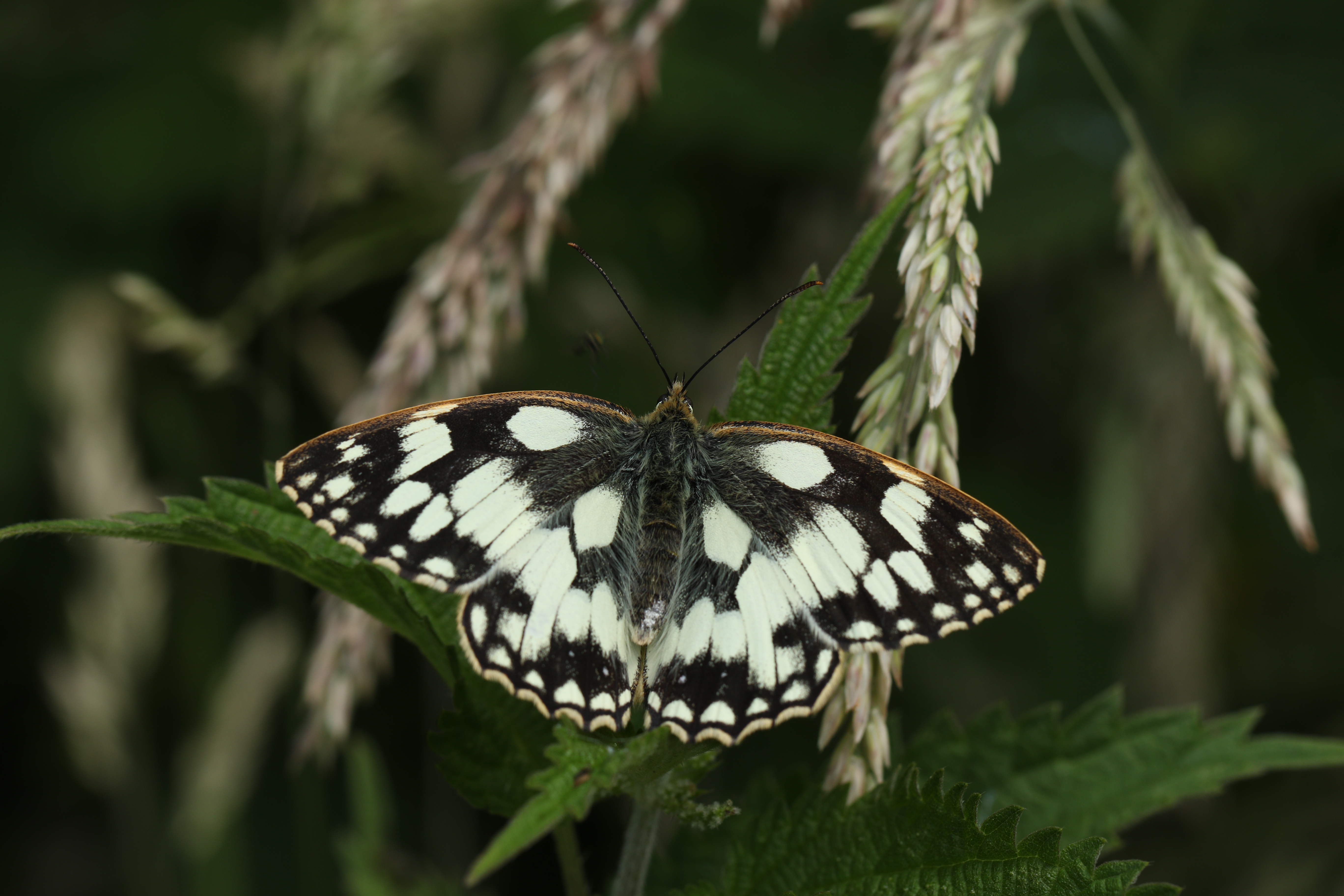
Another one of my 2021 favourites, a spectacular marbled white!

August

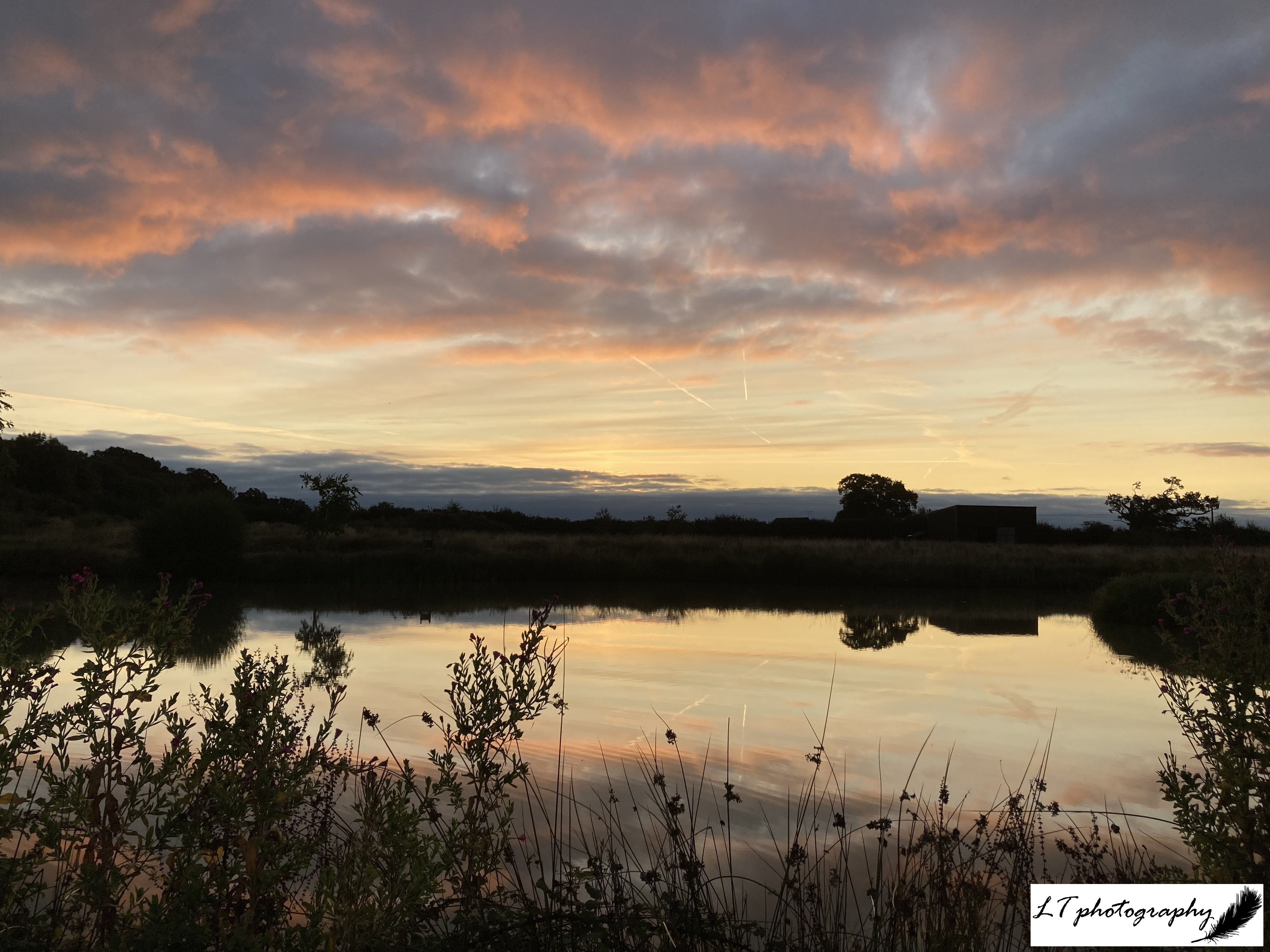
There’s something special about a sunrise over water with pinks, oranges and yellows streaked across the sky like a watercolour.

September

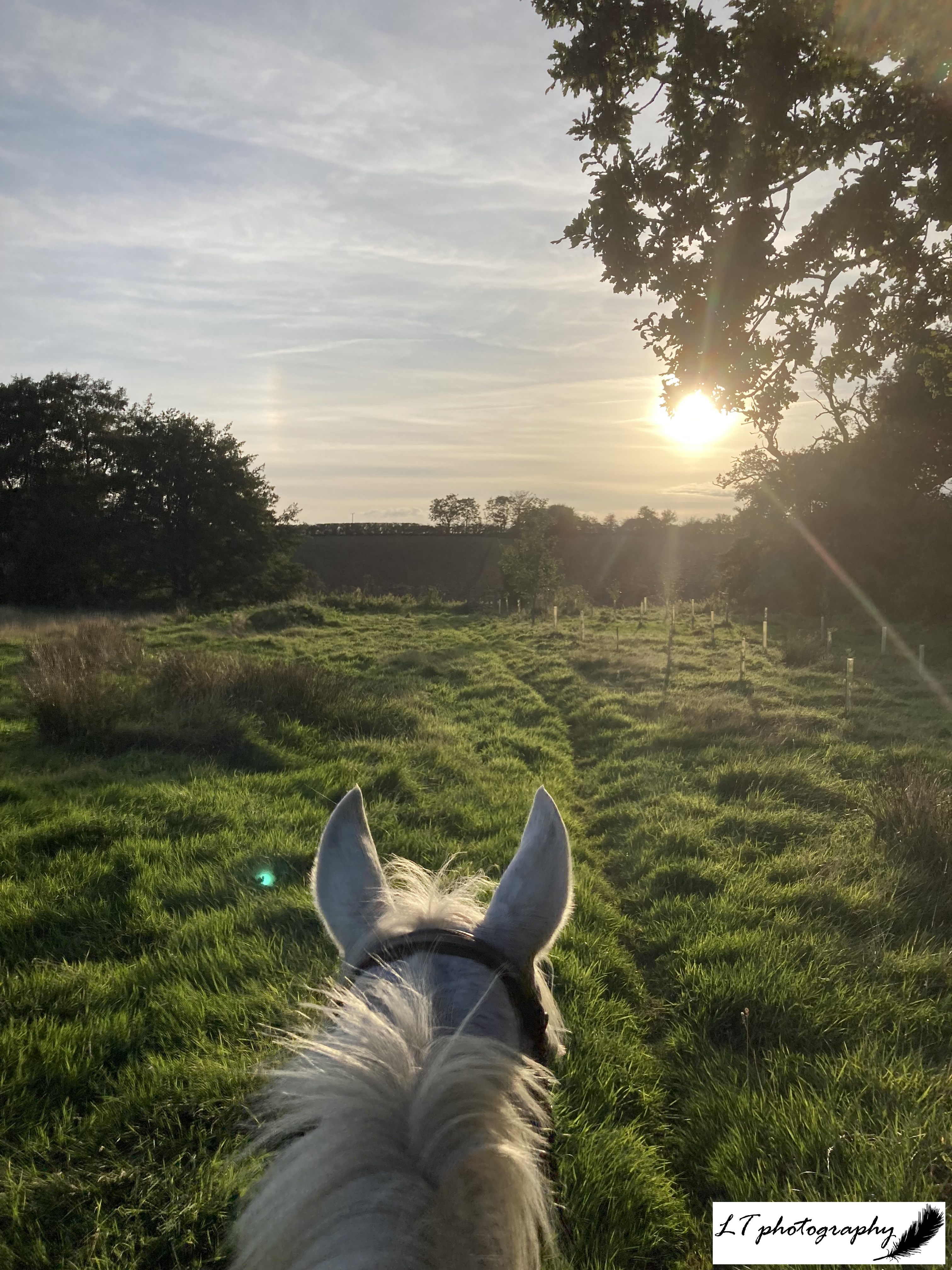
One of my favourite places to be is between two ears exploring the countryside. Here I also had the golden glow of a setting autumn sun to make my ride even more magical.

October

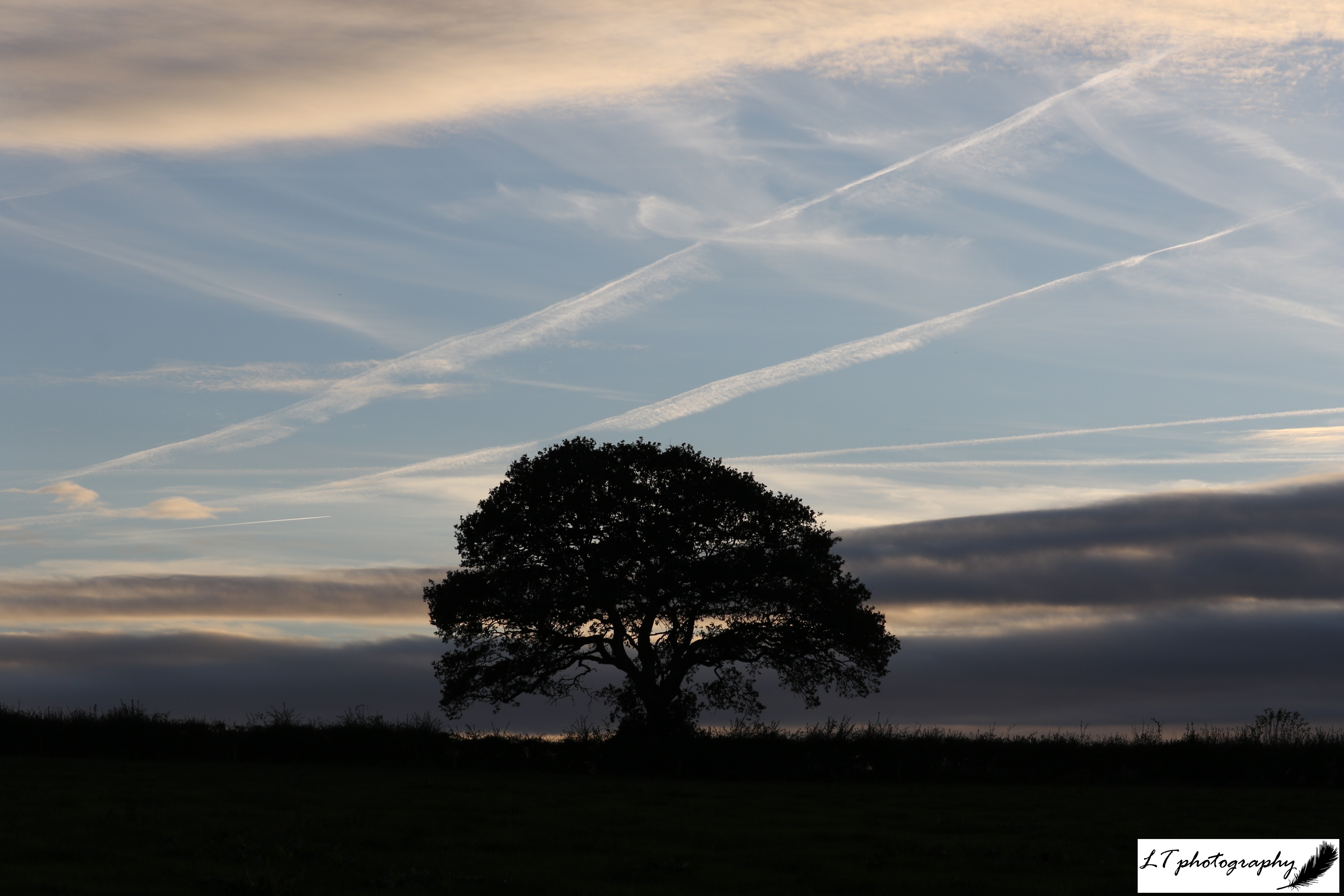
Autumn has some of the best sunsets, with everyday promising something different. Here an oak tree holds on to its leaves as autumn continues its advance through the landscape.

November

A magical part of late autumn is seeing the sun rise over dewy fields covered in a blanket of wafting spiders’ webs. These are produced by thousands of small spiders active before winter arrives.

December

To round off the year, one of my wildlife activities was to plant some new fruiting trees and shrubs down in my family’s conservation field (here a crab apple). Tree planting is definitely a rewarding activity at this time of year!

Here’s to new adventures in 2022!