Spring 2020: How It Happened

Walking through the trees, in dappled early morning sunlight, through swathes of brilliant blue. Standing rooted to the spot, hearing the first Chiffchaff, Swallow, Cuckoo. Sitting in breezy sunshine, learning to identify Hawkbits, Vetches and Viper’s-Bugloss. These are just some of the highlights of my spring this year, wild and full of life. With each new day, there was a new wild highlight to be had.

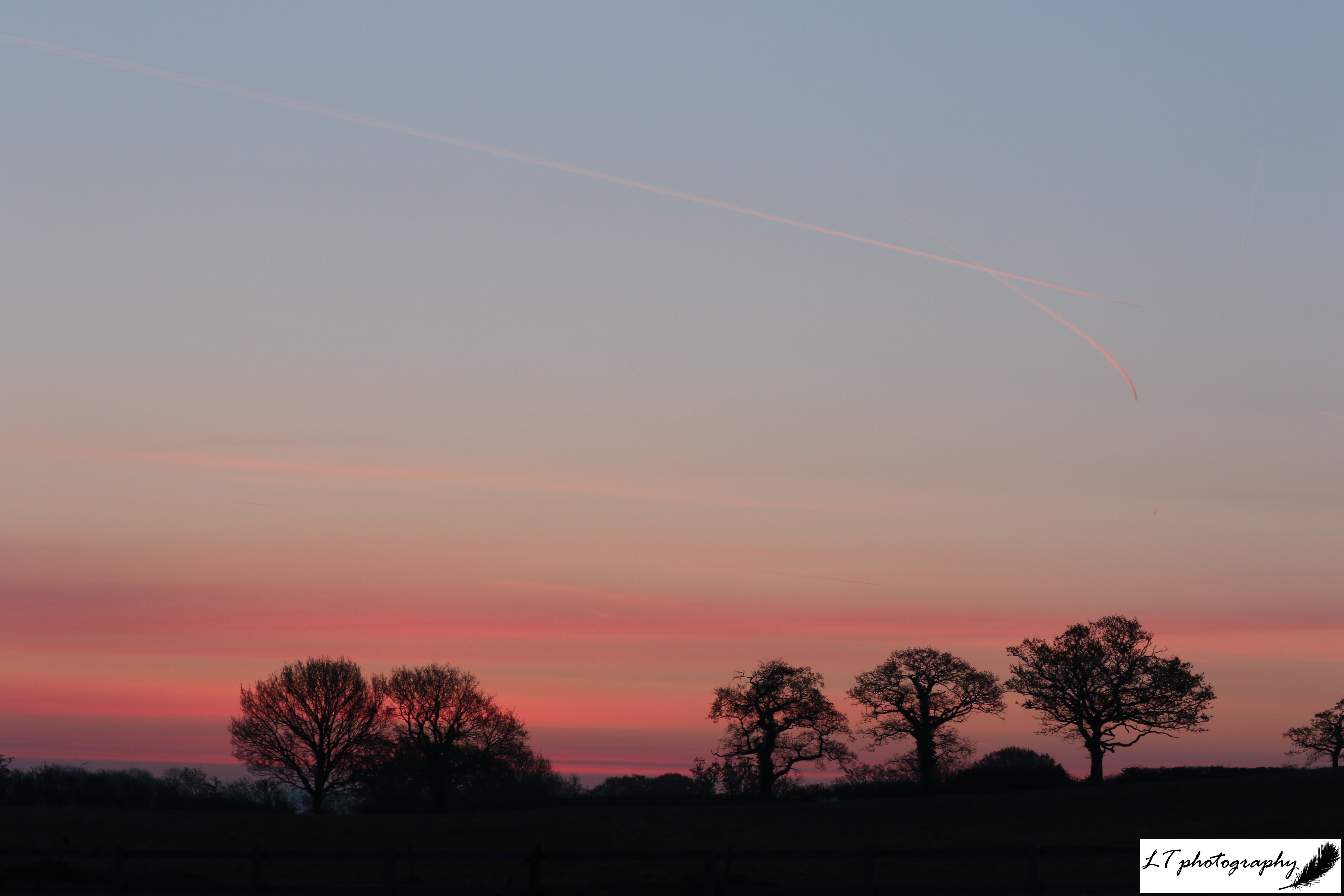
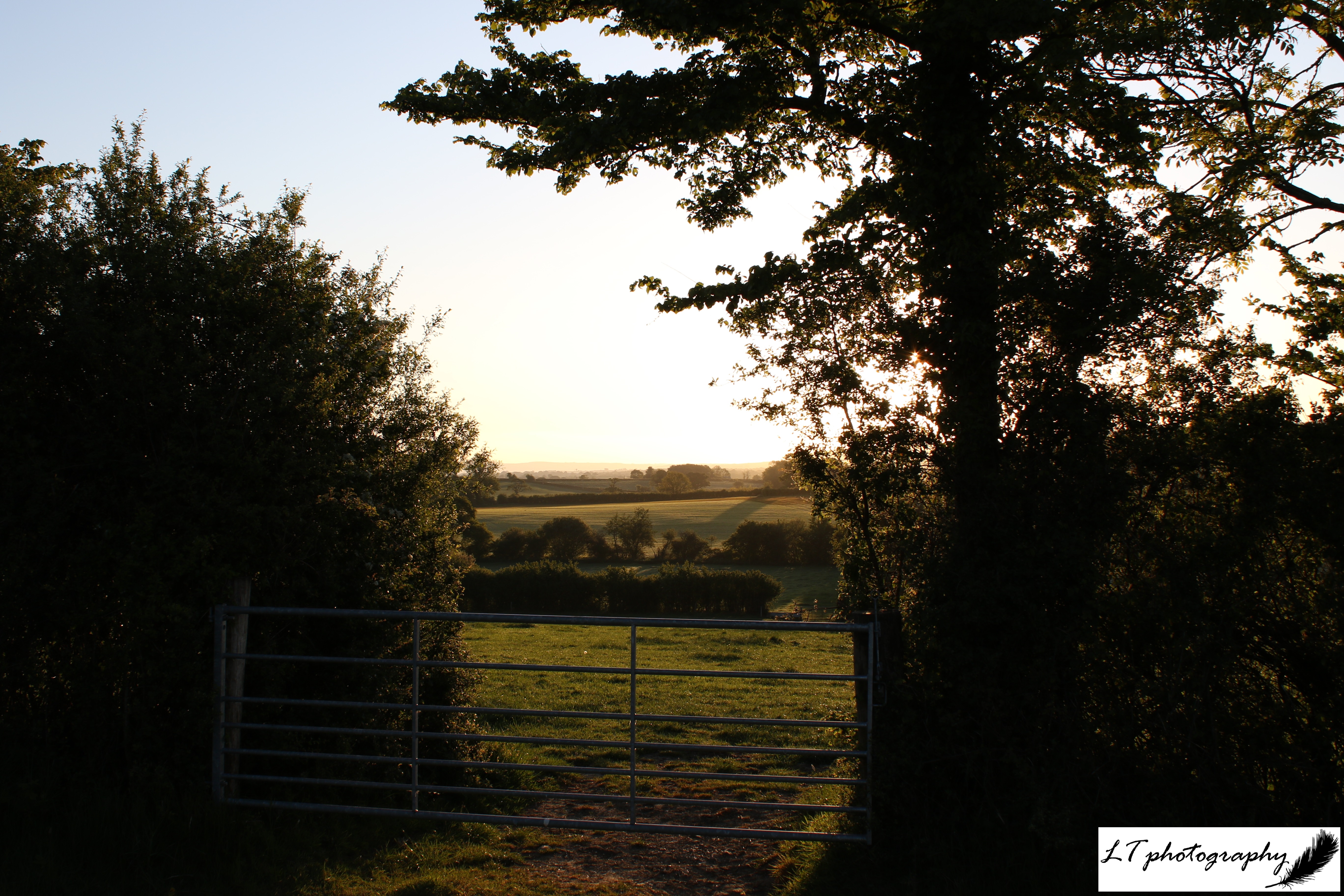
13_05_20_Farm_Sunrise_Hangings_Gate

Following on from my post last week about my favourite photos from this spring (check out Spring 2020: In Photos), I wanted to continue celebrating the lifeline that has been spring and the natural world for me during lockdown. This week I am looking at how spring unfolded this year in my local area and how it looked now the summer is hitting our shores.

Since 2015 I have been writing down a lot of my observations about spring each year. This means I can now look at spring 2020 in light of how the last few years have actually looked and see if anything interesting comes up. Last year I did this in more detail, so for that check out my post called: How Spring Happened 2017-2019.

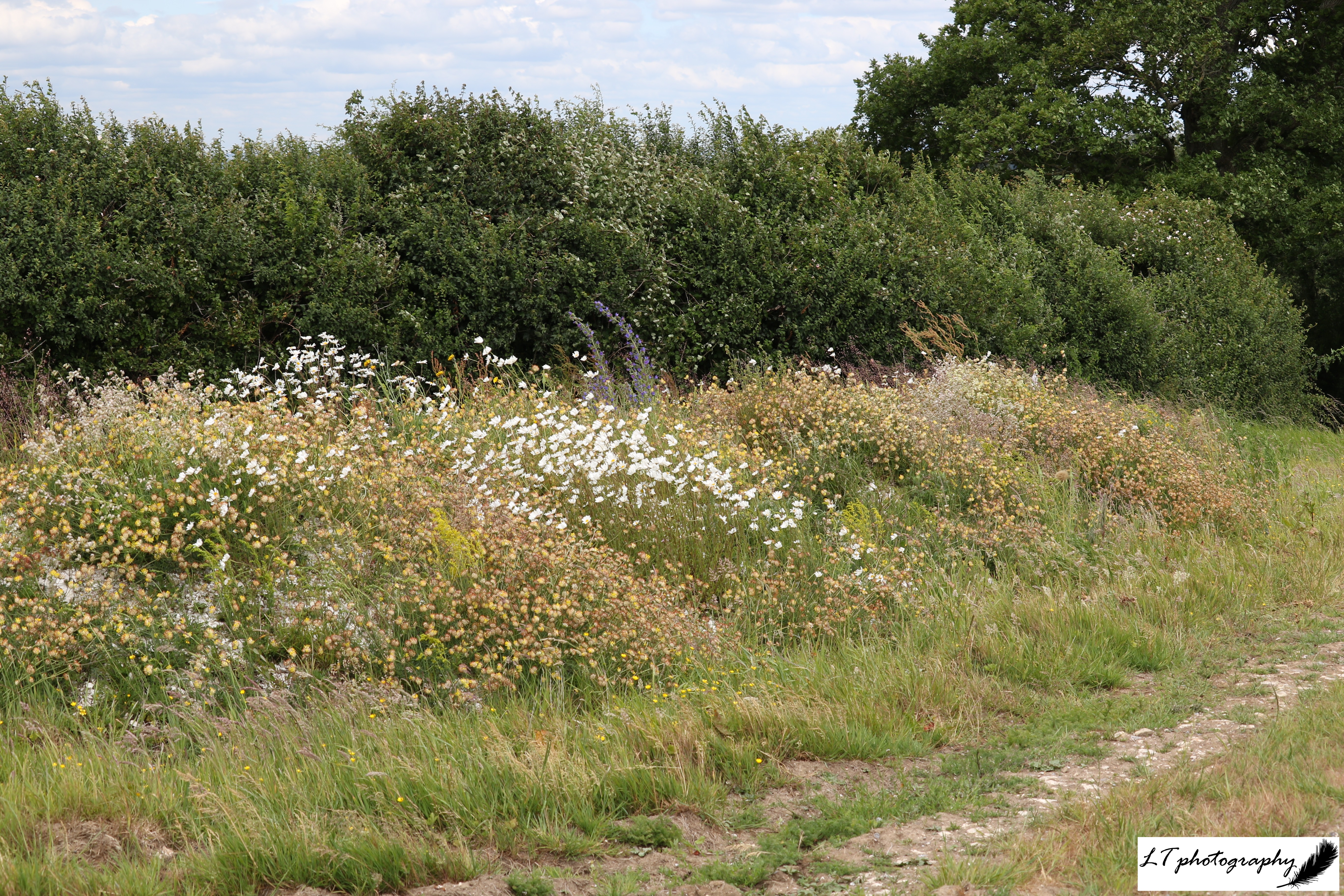
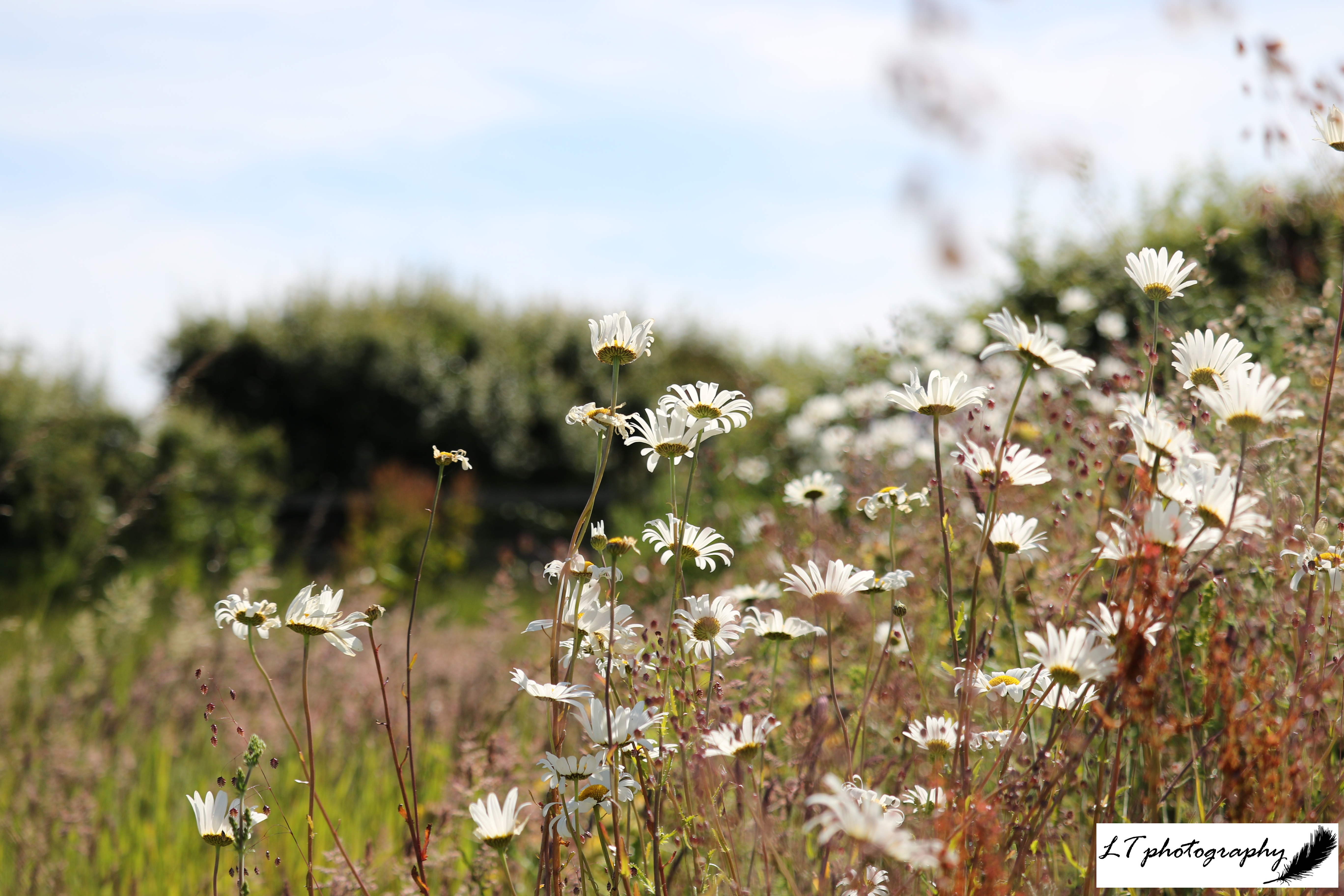
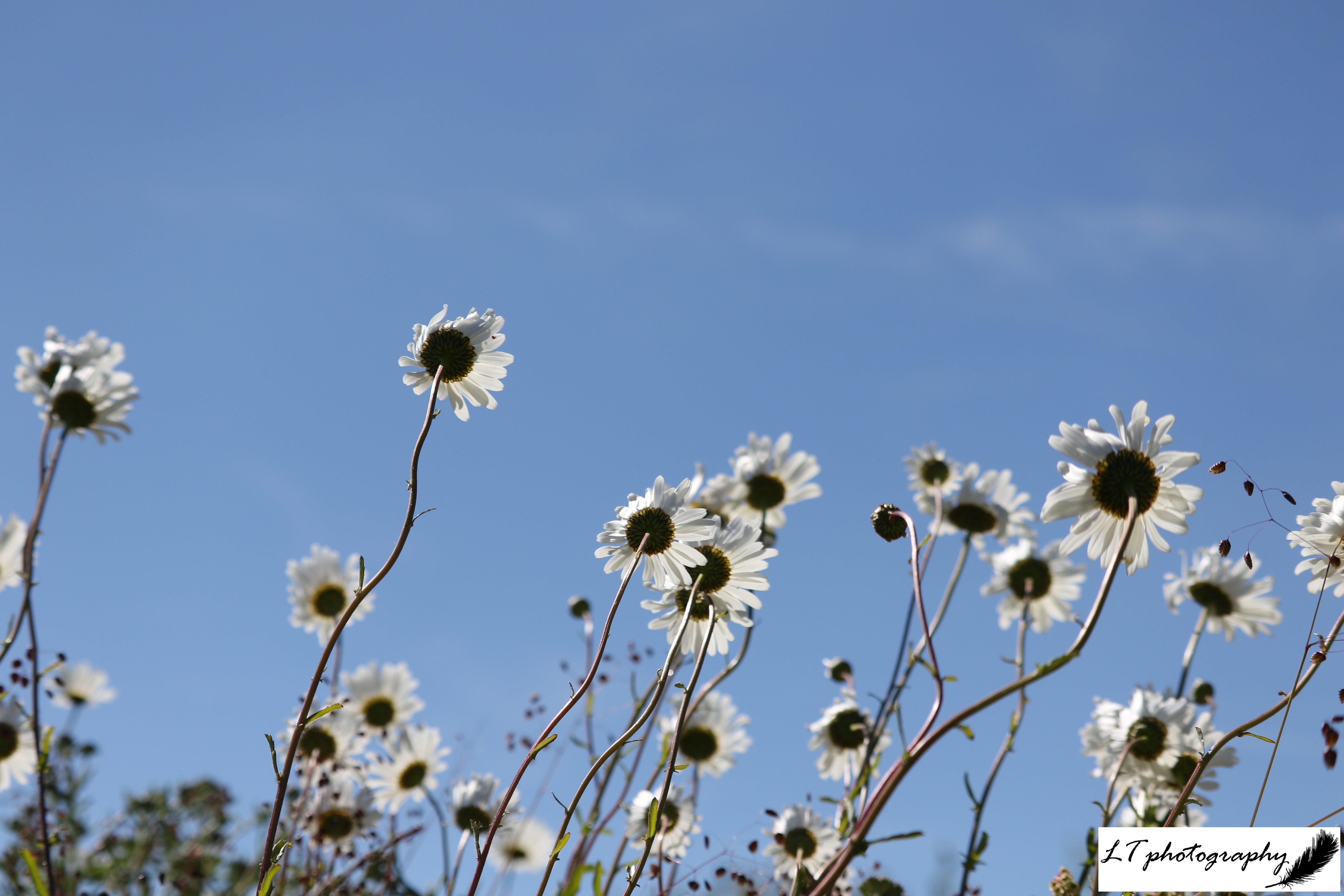
22_06_19_Farm_Chalk_Mound_Oxeye_Daisies_6

So, did a favourite of my mum’s, the Chiffchaff, return by Mother’s Day this year? Did the Oak burst into leaf before the Ash (and so are we in for a splash)? And did the song of the Cuckoo return to my family’s land for another year? As spring now slips into summer, it is time for me to reflect on an extra special spring.

Trees

One of the very first trees to start showing signs of life each spring at my home in Dorset, is the Horse Chestnut (Aesculus hippocastanum). This year the first buds burst on the 18th of February, which shows a gradual shift forwards over the last few years, being 6 days earlier than last year, and a month earlier than 2018. The first leaf then unfurled on the 10th of March (9 days later than 2019), followed by the first flowers on the 2nd of April (13 days earlier than 2019).

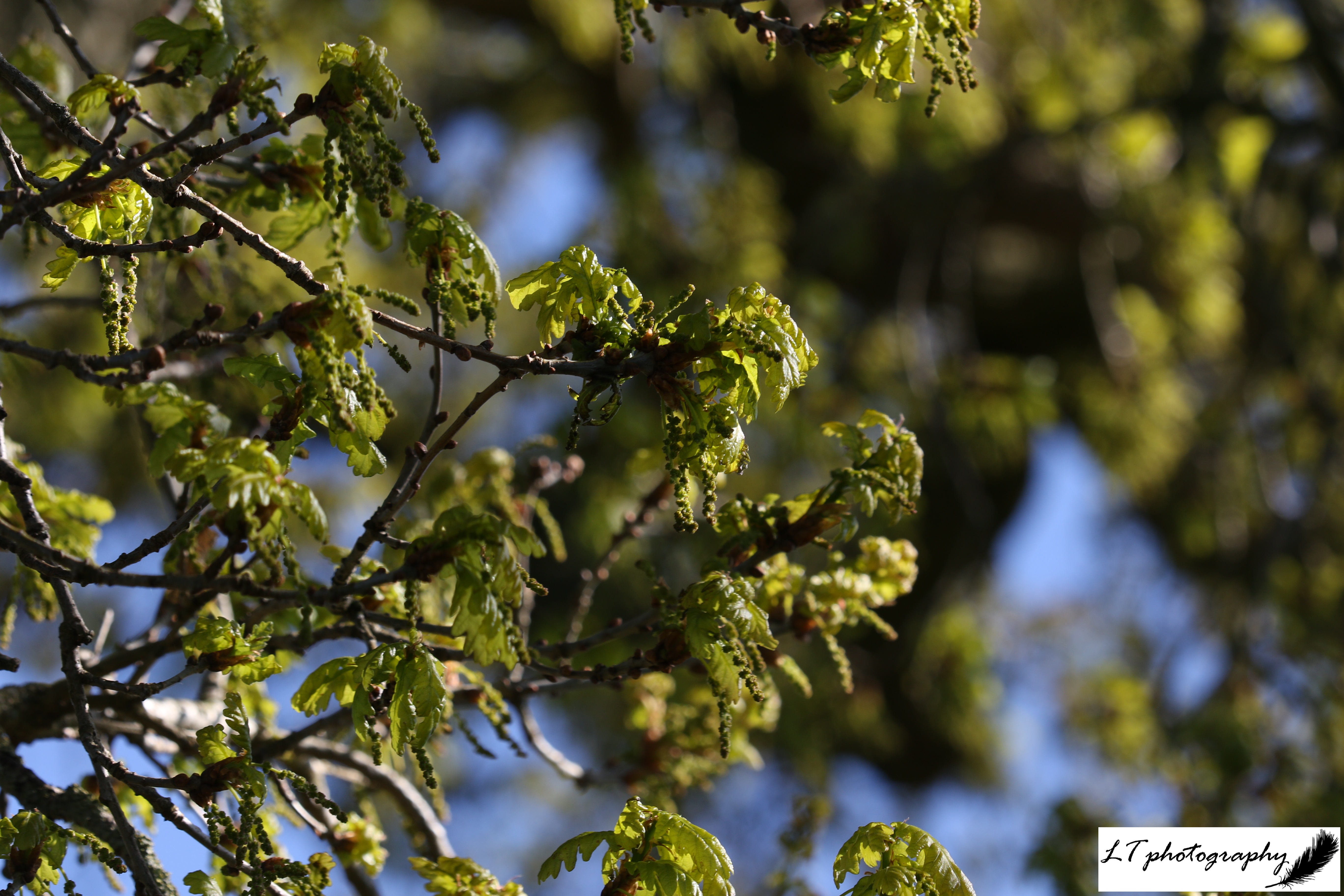
Due to a cold start to spring and a very wet winter, which left the ground cold and waterlogged, Pedunculate (English) Oaks (Quercus robur) were late to make a start, with the first budburst seen on the 2nd of April, 37 days later than 2019. They got going quickly though, with leaves bursting forth by the 8th of April (4 days earlier than 2019) and flowers blooming by the 12th of April (13 days earlier than 2019).

Despite the ground, the trend this year was towards earlier budburst, first leaves and first flowers. Silver Birch (Betula pendula) buds burst on the 15th March, 15 days earlier than 2019; Ash (Fraxinus excelsior) flowered on the 2nd of April, 18 days earlier than 2019; Field Maple (Acer campestre) buds burst on the 5th of April, 13 days earlier than 2019. Grey Willow (Salix cinerea) bucked the trend though, first flowering on the 24th of February, later than last year by 10 days.

This year I added Alder (Alnus glutinosa), Beech (Fagus sylvatica), Lime (Tilia x europaea), Wild Cherry (Prunus avium), and Norway Maple (Acer platanoides) to my spring records, but I did not make observations for Sycamore as in previous years. Lime buds burst on the 14th of March, followed by the first leaf on the 3rd of April; Wild Cherry buds burst on the 15th of March, followed by the first leaf 1 month later and first flower 15 days after that; Norway Maple first flowered on the 21st of March; Alder buds burst on the 6th of April; and Beech buds burst on the 10th of April.

Shrubs

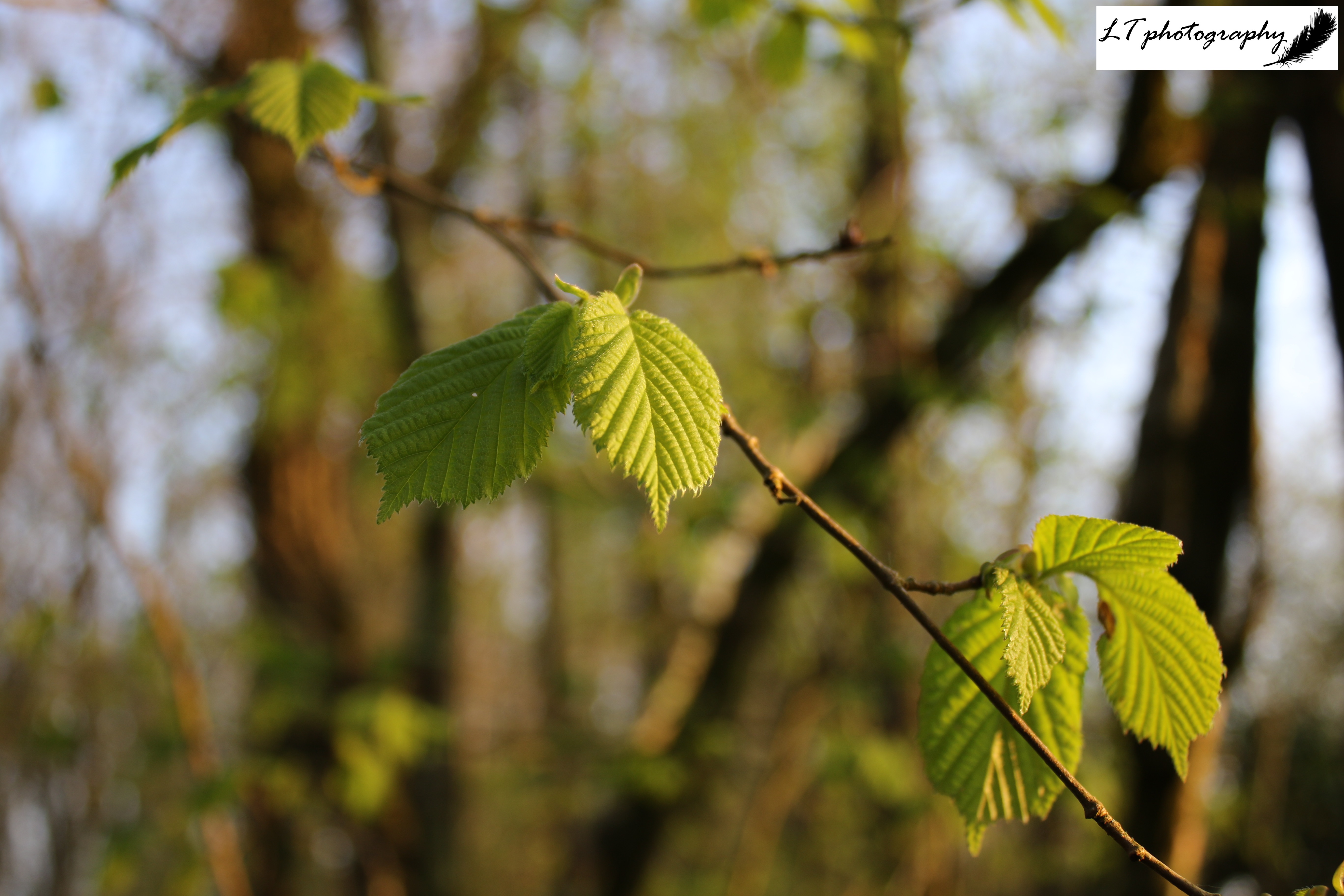
Hazel (Corylus avellana) is one species that flowers early in the year, providing a first hint of colour in a wintry landscape. This year I first saw the male catkins on the 8th of January, followed by the female red flowers on the 1st of February (5 days later than 2019). The first hazel leaf then unfurled 43 days later on the 14th of March.

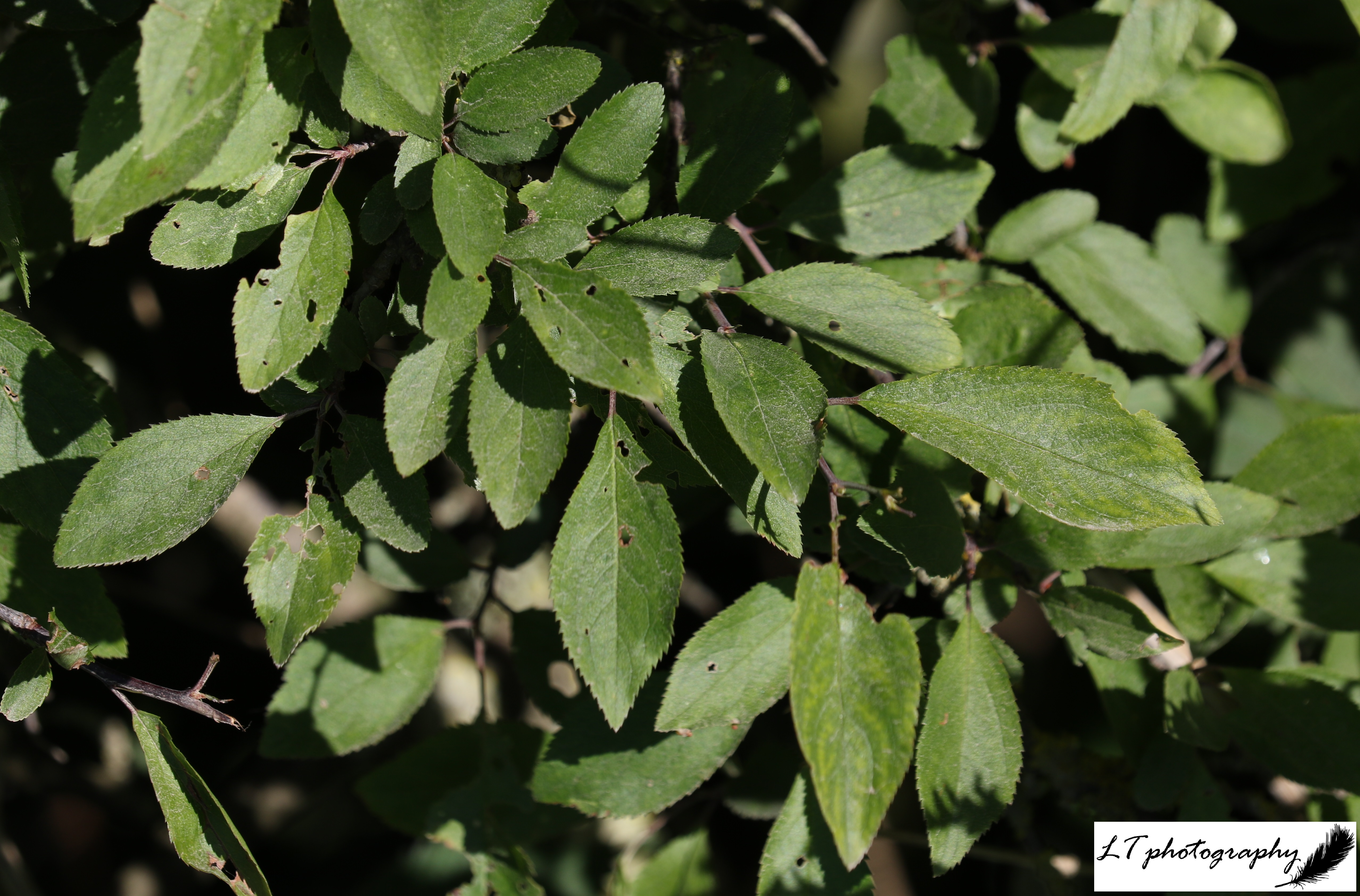
Blackthorn (Prunus spinosa) is another species that flowers before it produces its leaves, cloaking hedgerows in drifts of snowy white and accompanying a ‘blackthorn winter’ in early spring. This year the first flowers burst open on the 6th of March, 5 days later than last year, but 24 days earlier than 2018.

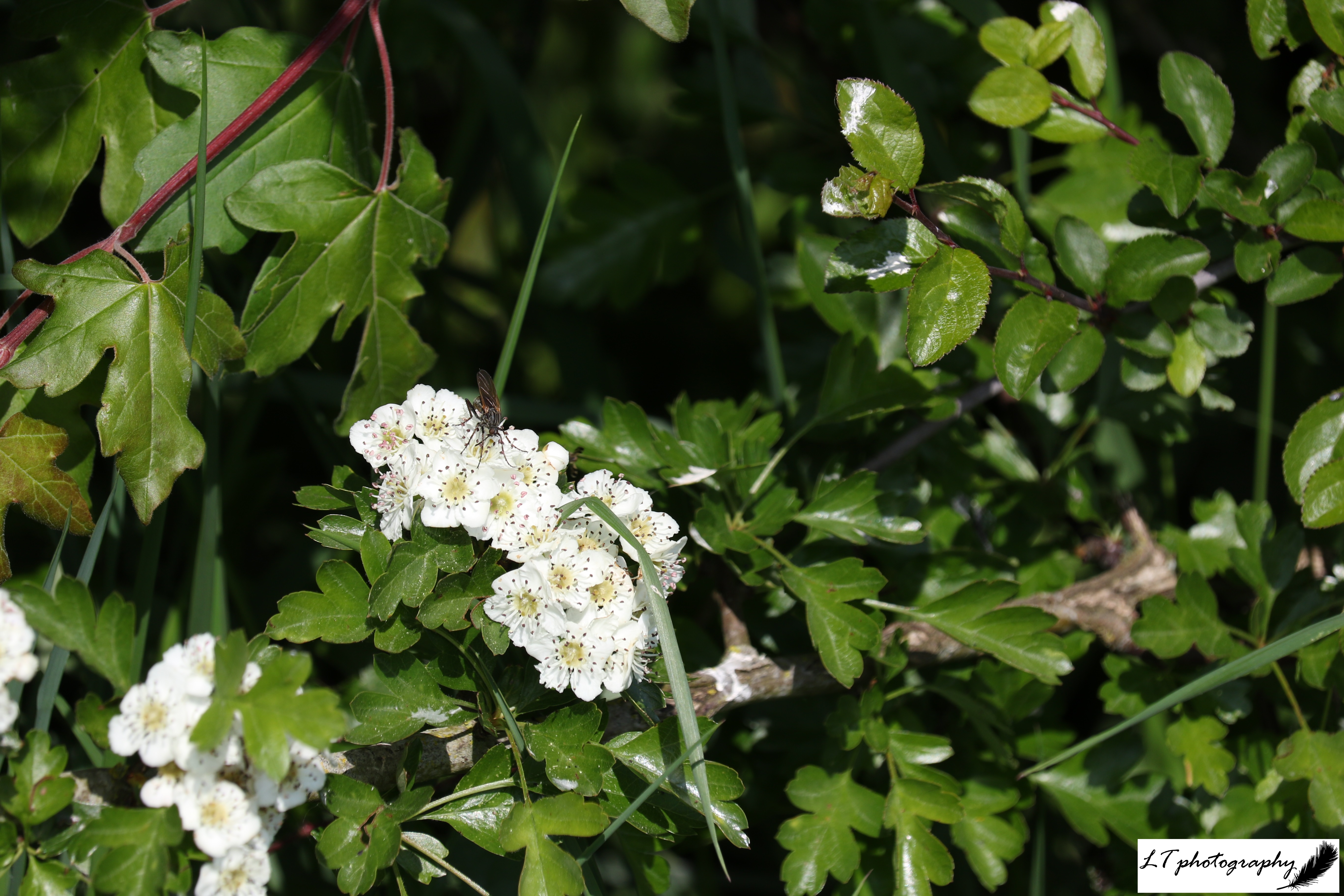
After the early flowering species have brought colour to our countryside, Hawthorn (Crataegus monogyna) is one of the first shrubs to burst into leaf in the hedgerows. This year its buds first burst on the 2nd of March, 5 days later than 2019, followed by the first leaf unfurling 10 days after (28 days earlier than 2019). Their flowers then followed a month after, on the 18th of April, 10 days earlier than 2019.

07_05_20_Farm_Hawthorn_Flowers_3

A similar trend was shown with Lilac (Syringa vulgaris), where budburst took place on the 8th of March, 13 days later than 2019. The first leaf then unfurled 3 days later too, on the 25th of March, and the first flowers bloomed on the 15th of April, 7 days earlier than 2019.

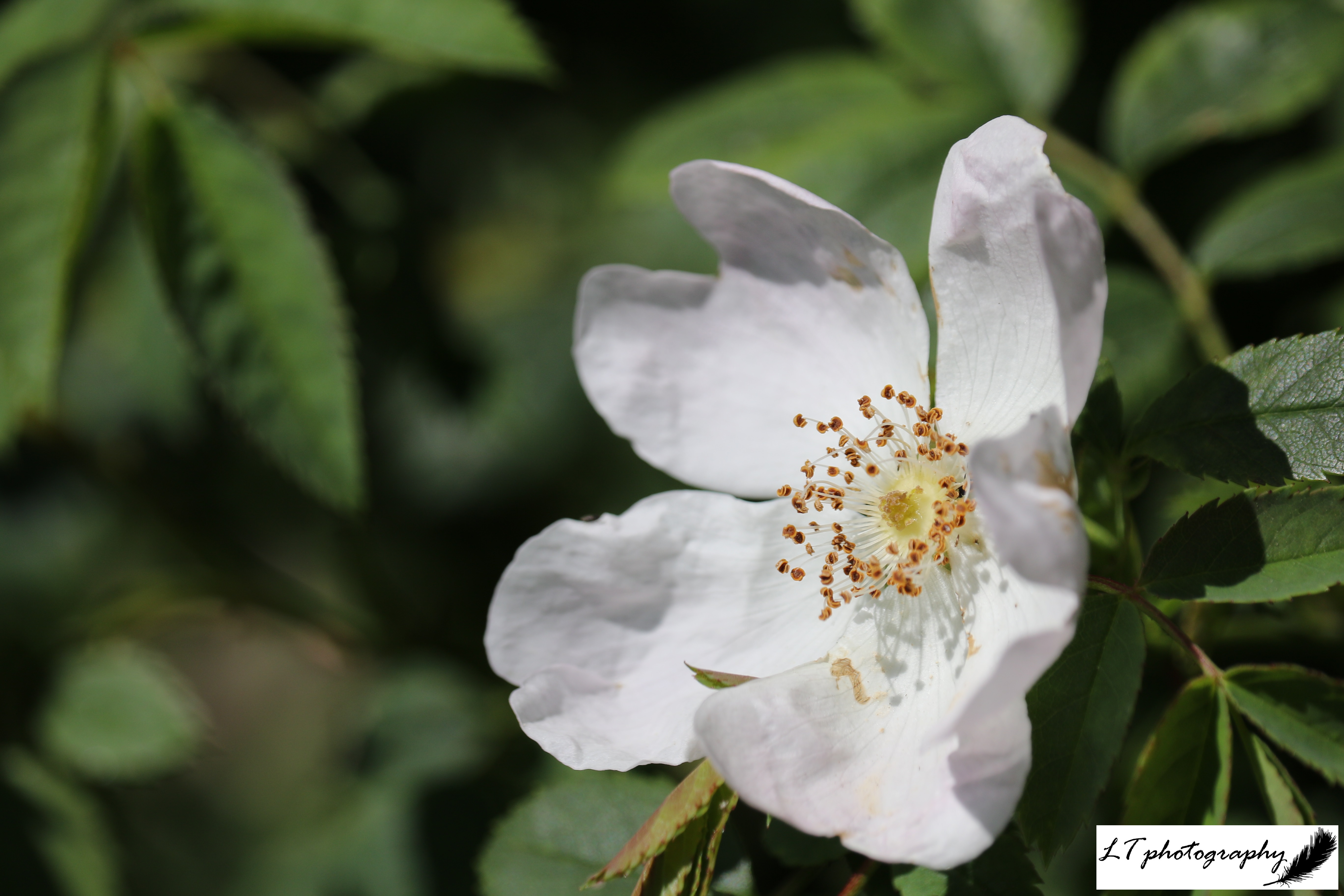
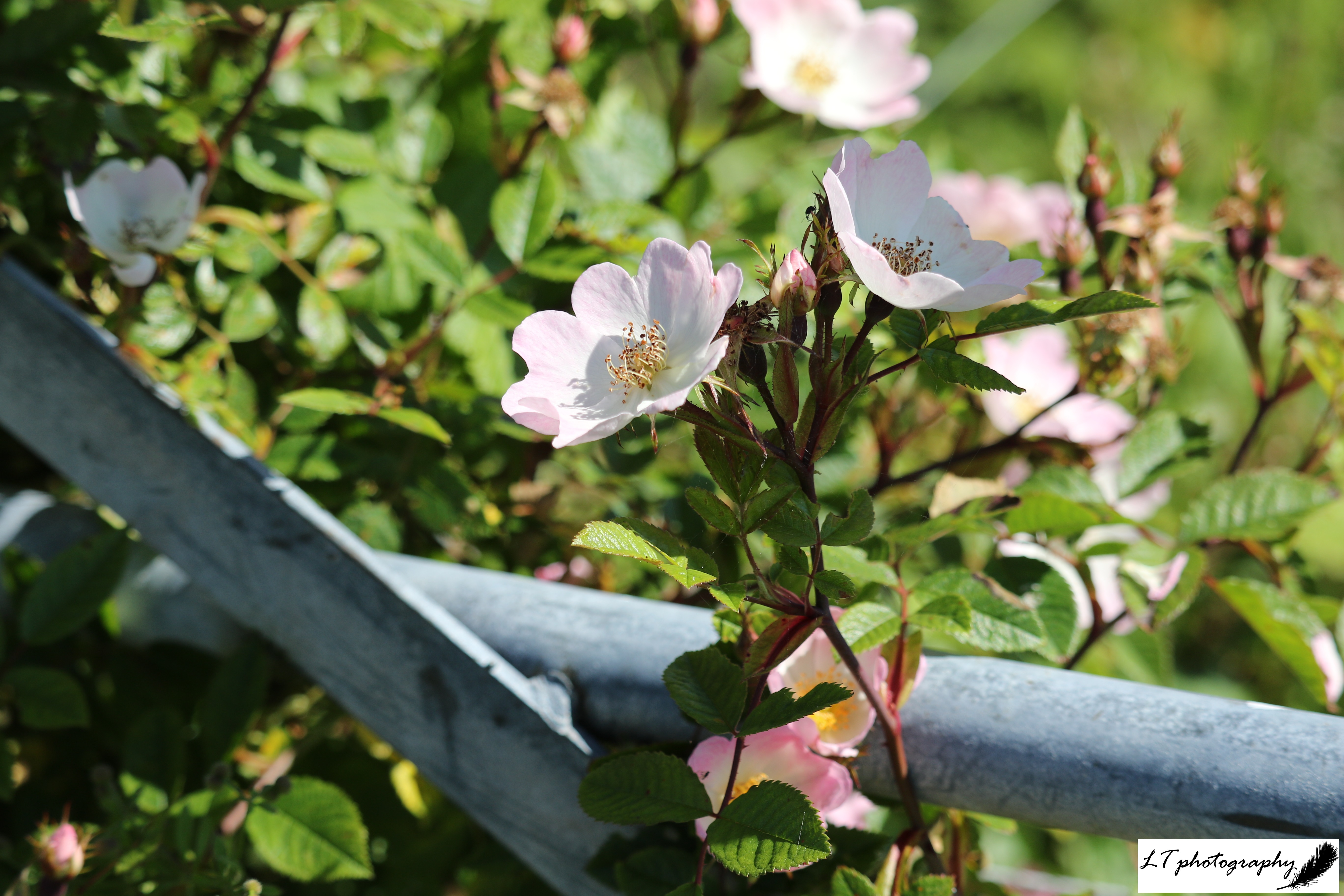
The flowers of Elder (Sambucus nigra) are well known and iconic in our countryside, popular for making elderflower cordial. This year Elder flowered early, with the first flowers being seen at home on the 25th of April (22 days earlier than 2019). Just like Elder, the Dog Rose (Rosa canina) is another late bloomer, which opened its petals for the first time on the 17th of May this year (11 days earlier than last year).

Flowers 

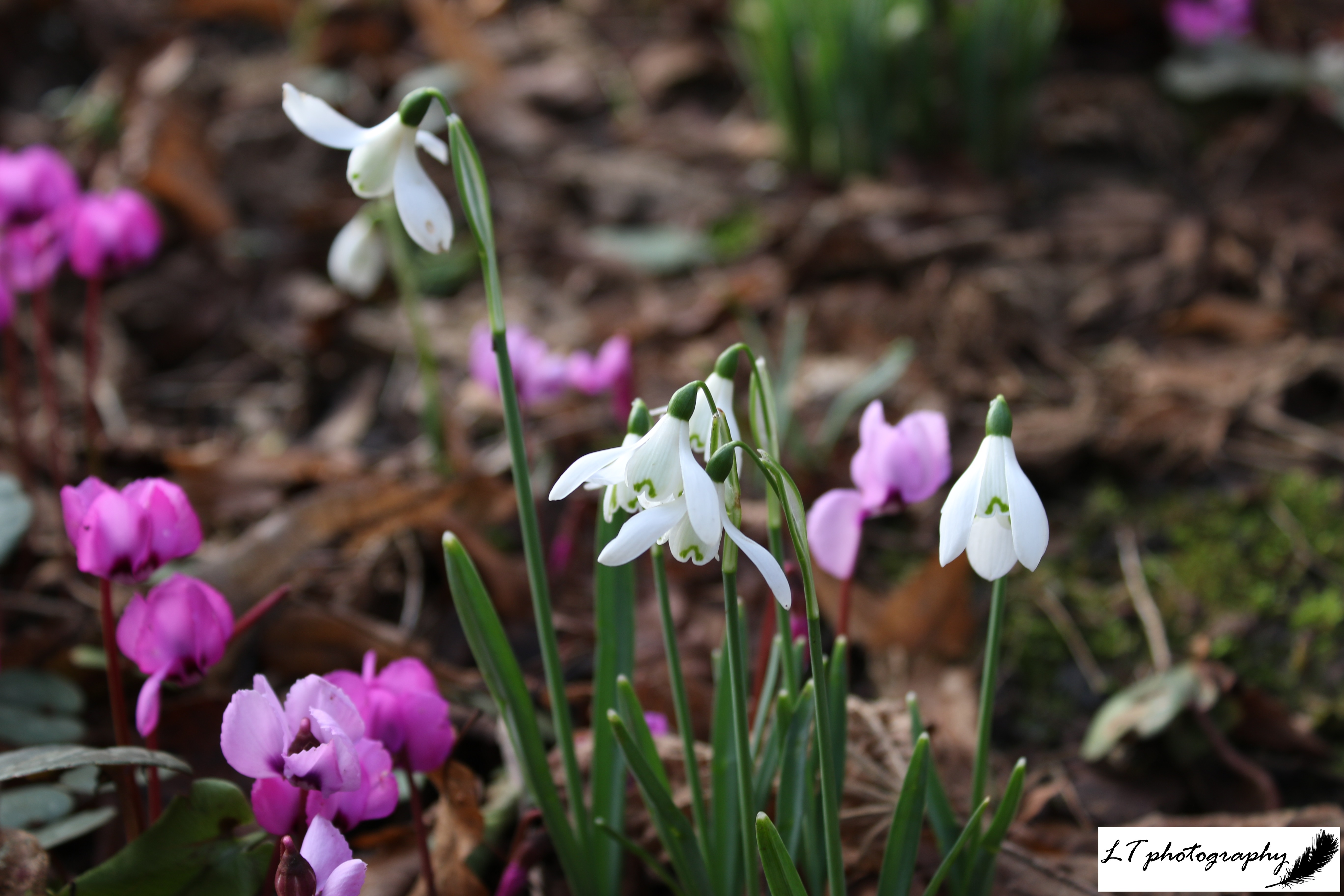
The very first flowers to be seen blooming in the countryside is the dainty snow white Snowdrop (Galanthus spp.). Over the last few years the drooping heads of snowdrops have been flowering earlier each year. This year though, it appeared only 1 day earlier than 2019, welcoming in the year on the 3rd of January.

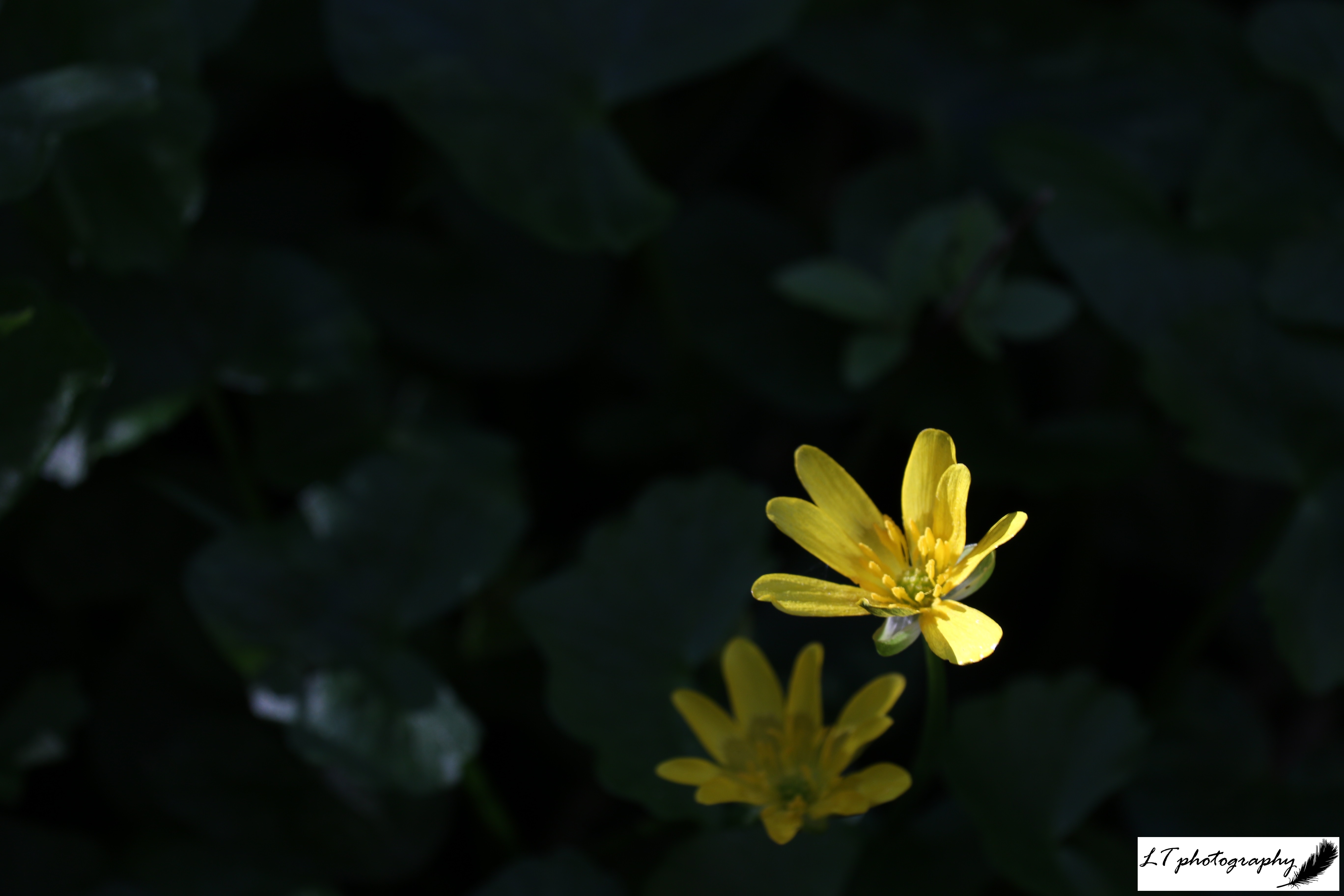
Snowdrops were soon followed by other iconic spring species, in the form of the first Lesser Celandine (Ficaria verna) on the 18th of January (44 days earlier than 2019), the first Primrose (Primula vulgaris) on the 27th of January (8 days earlier than 2019), and the first Daffodils (Narcissus spp.); on the 2nd of February (the same day as last year!).

As spring went on, the Snowdrops and sunshine yellows were joined by Wood Anemones (Anemone nemorosa) on the 22nd of March, Bluebells (Hyacinthoides non-scripta) on the 28th of March, Wild Garlic (Allium ursinum) on the 6th of April, Cuckooflowers (Cardamine pratensis) on the 18th of April, and Oxeye Daisies (Leucanthemum vulgare) on the 18th of May, all occurring 6-17 days earlier than last year.

This year I also included three new flowering species to my spring records: Cowslips (Primula veris), Greater Stitchwort (Stellaria holostea), and Early Purple Orchids (Orchis mascula). I saw the first Cowslip flower on the 20th of March, the first Greater Stitchwort on the 28th of March, and the first Early Purple Orchid on the 6th of April.

Grasses

This year I was so busy in May and the first half of June that I completely overlooked the flowering of 3 common perennial grass species in my local area: Cock’s-foot (Dactylis glomerata), Timothy (Phleum pratense), and Yorkshire Fog (Holcus lanatus). I did though catch Meadow Foxtail (Alopecurus pratensis) flowering, which first occurred on the 22nd of April (23 days earlier than 2019).

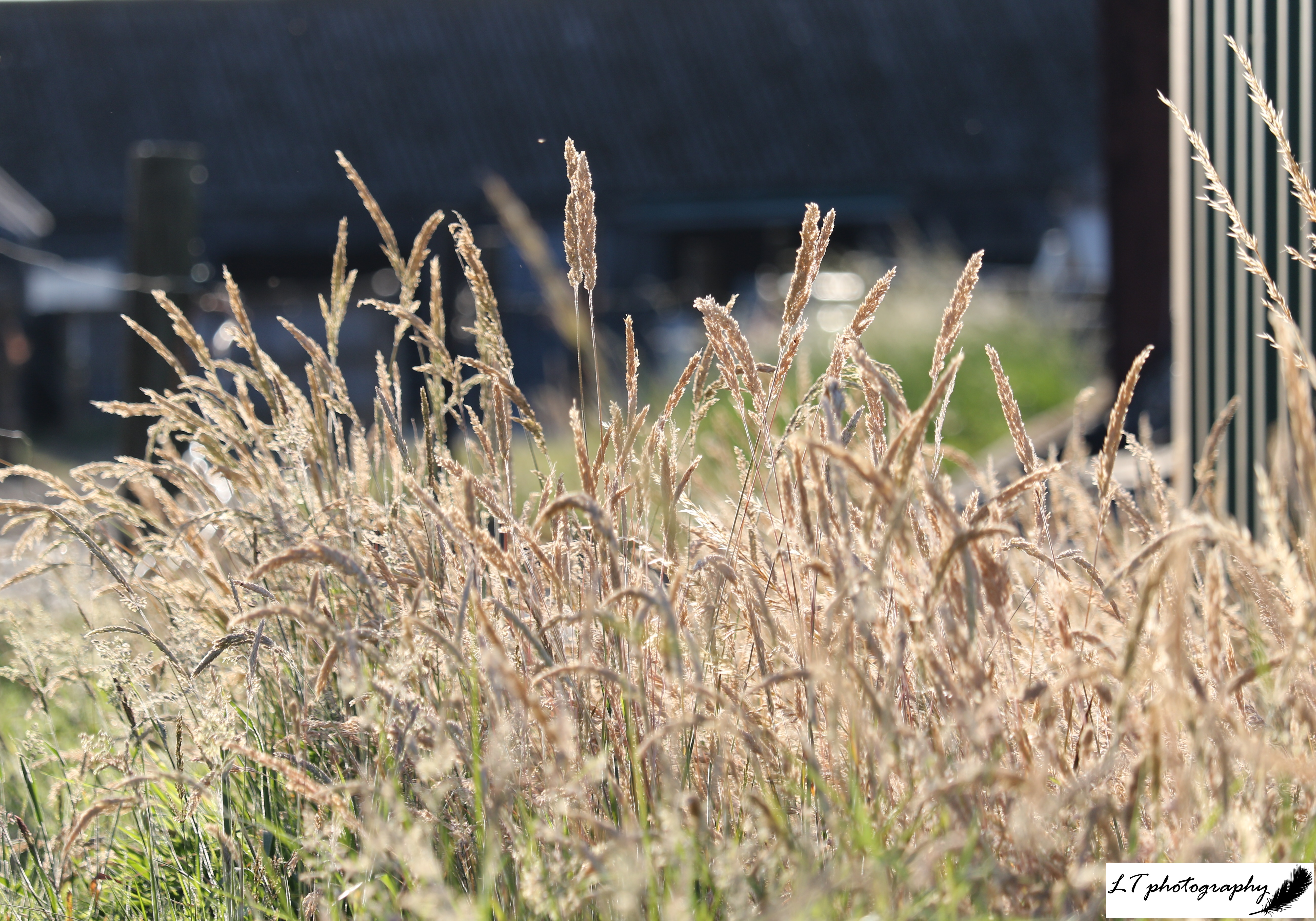
13_05_20_Sunrise_Meadow

Birds

With the start of every new year, I begin to keep my eye out for the start of the Rooks (Corvus frugilegus) nesting in the bare and skeletal forms of large oak trees near my home. This year they kept me waiting awhile though, with the first signs of nest building appearing on the 15th of February, 17 days later than 2019.

Unlike the start of the Rooks nesting though, the start of male Song Thrushes (Turdus philomelos) singing crept even earlier than last spring. This was 13 days earlier in fact, with me hearing my first on the 15th of December in 2019! This was not reflected by Blackbirds (Turdus merula) though, as I heard my first male singing on the 23rd of February, 17 days later than 2019.

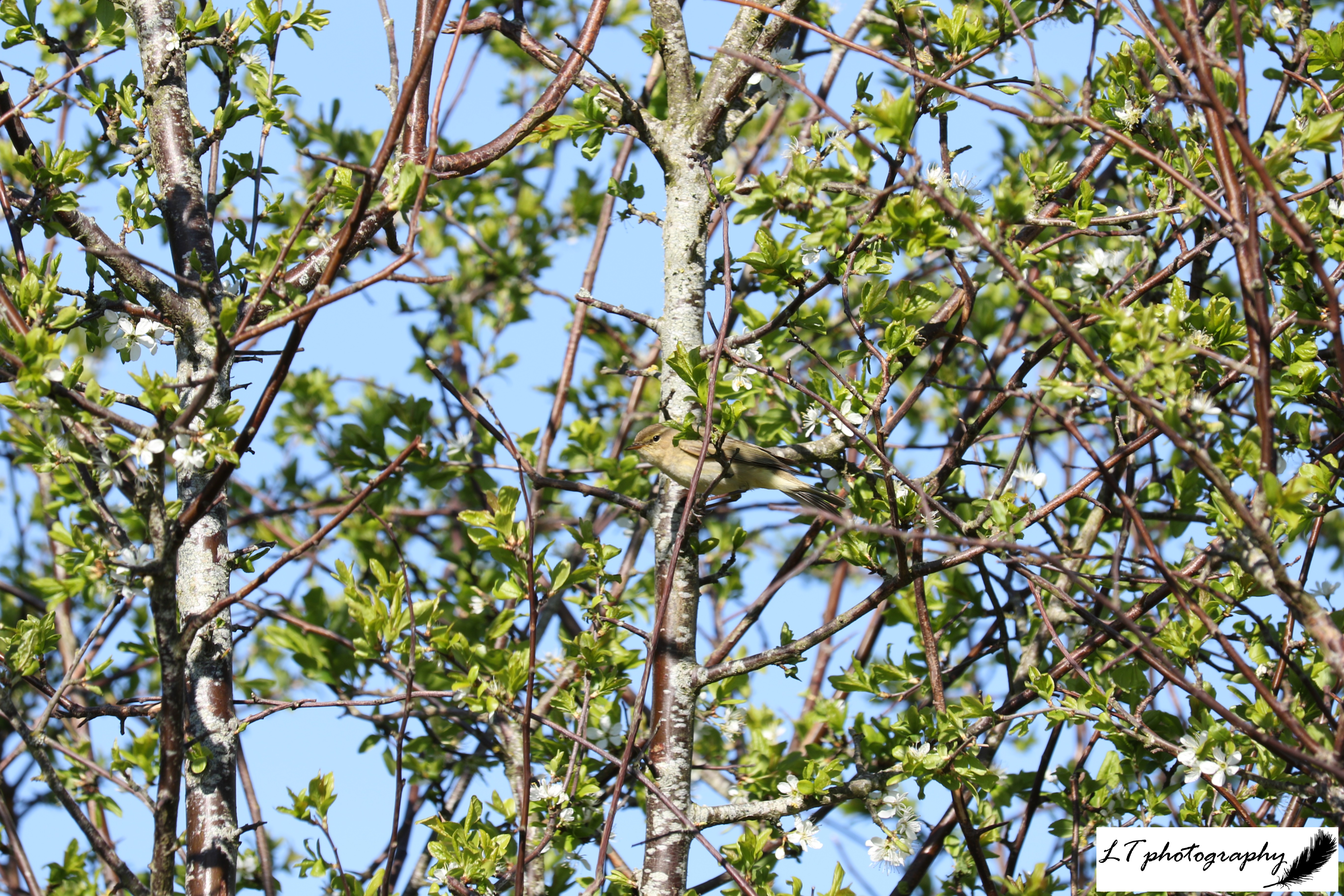
One of my favourite first signs that spring has begun has to be the return of the Chiffchaff (Phylloscopus collybita). This year they returned to my home in Dorset on the 1st of March, 17 days earlier than 2019.

15_04_20_Farm_Bird_Chiffchaff

The glorious return of the Chiffchaffs were then eagerly followed by the first Swallow (Hirundo rustica) on the 5th of April (1 day later than 2019), the first House Martin (Delichon urbicum) on the 12th of April (12 days earlier than 2019), the first Blackcap (Sylvia atricapilla) on the 22nd of April (11 days later than 2018), and the first Swift (Apus apus) on the 6th of May (19 days earlier than 2018). A Cuckoo (Cuculus canorus) did make its exciting return to my family’s land too, which I heard for the first time on the 28th of April (24 days earlier than last year).

25_06_20_Farm_Birds_Swallow_Chicks

Insects 

This year the majority of the insects I observed, emerged later than they did last year in 2019. I saw my first Brimstone Butterfly (Gonepteryx rhamni) on the 24th of March, my first Peacock Butterfly (Aglais io) on the 4th of April, my first Small Tortoiseshell Butterfly (Aglais urticae) on the 5th of April, my first Orange-Tip Butterfly (Anthocharis cardamines) on the 13th of April, my first Red-Tailed Bumblebee (Bombus lapidarius) on the 1st of May, and my first queen Wasp (Vespula vulgaris) on the 7th of May, with all ranging anywhere between 4 and 37 days later in date than last year.

The ones that did not follow this pattern though, were the Speckled Wood Butterfly (Pararge aegeria) first seen on the same day as last year on the 22nd of April, and the Red Admiral Butterfly (Vanessa atalanta) that was first seen 29 days earlier on the 22nd of April. This year I also added Buff-Tailed Bumblebee (Bombus terrestris) to my observations, seeing the first at home on the 13th of March.

25_05_19_Horseshoe_Wood_Speckled_Wood_Butterfly_7

This Year

This year it has definitely been an interesting and joyful experience to watch how spring unfolded. It started with early signs during the winter, before arriving with a blaze of glory in March.

13_05_20_Sunrise_Oak_Tree_Grass_3

This last winter was a warm, wet and windy one, which left the ground cold and waterlogged for quite a while into spring. A number of species such as Oak trees struggled with this, but for many it did not stop them from emerging on time or earlier, such as snowdrops and field maples. This variation continued with bird species, some arriving and beginning breeding earlier and some later. For a lot of the insect species though, they emerged late, which will have had a lot to do with the less than ideal weather conditions this spring, for example frosts in April. Thus, how spring is changing year-to-year definitely has a lot to do with changing weather conditions.

So as spring fades to summer heat, I can now say that the Chiffchaff made its return to the British Isles by Mother’s Day, the Oak burst into leaf before the Ash (and so we are in for a splash!), and a Cuckoo made its return to my home. It has definitely been a great spring this year!

How to… Identify British Woodland Flowers

At this moment, as spring moves on, the natural world outside our doors is going through one of its busiest times. From birds nesting to the leaves bursting, the world around us is buzzing with the promise of new life.

During spring, one of my favourite things to do is walk in the dappled light beneath an increasing canopy, between steadfast trees and amongst undergrowth blooming with colour. Walking through a woodland is an easy way to lose yourself for a little while and give yourself a much needed lift. To connect further, an easy way on a woodland walk is to pick out the plants and animals that you can recognise around you. This can often be more difficult than first thought.

So to help you be mindful of the wonderful world out there, I have put together a simple guide to some of my favourite woodland flowering species that are easy to find during spring. It is time to get out there and explore!

16_04_20_Horseshoe_Woods_Bluebells_8

Well known flowers

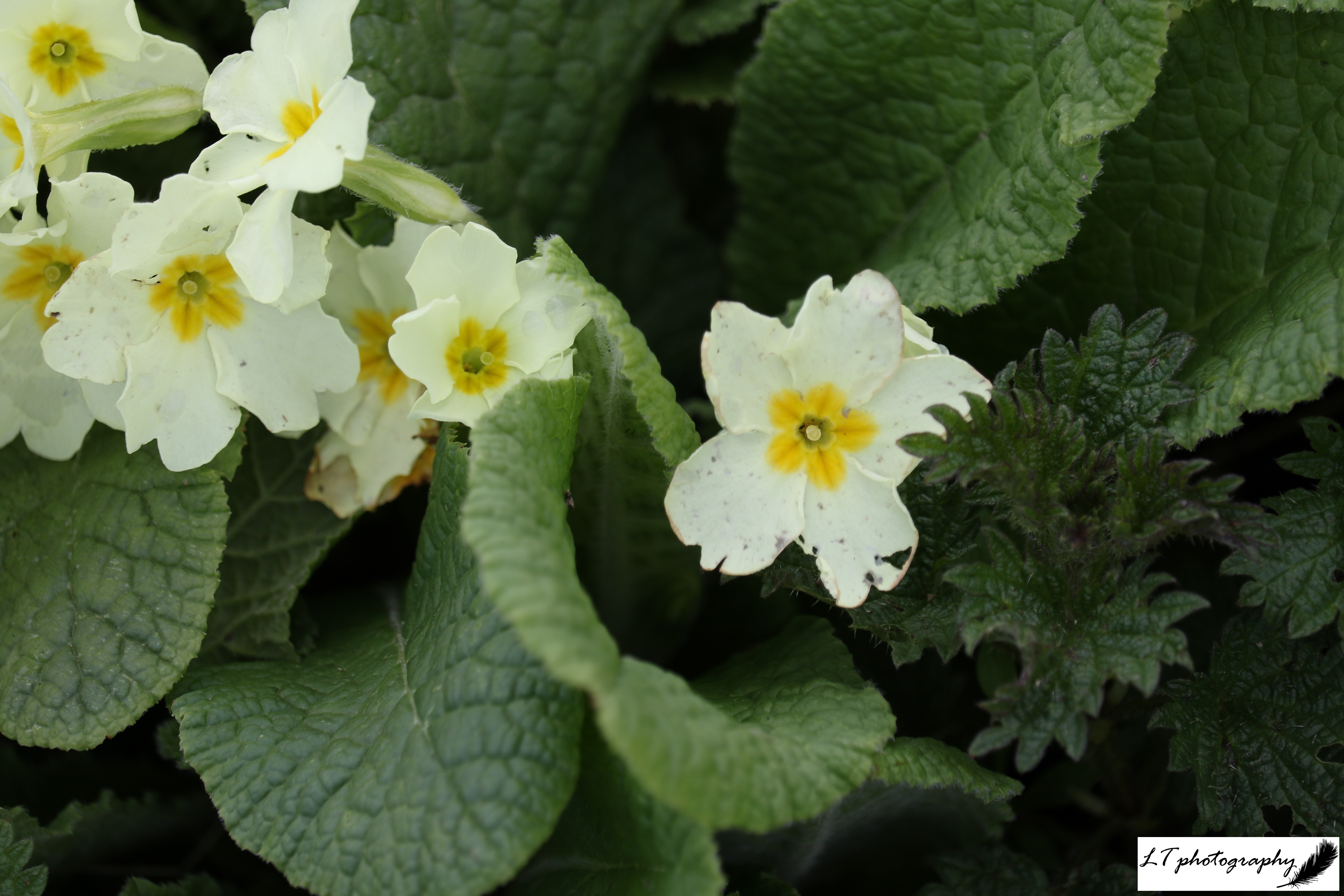
Primrose (Primula vulgaris)Primrose

  • Size: Low carpeter; up to 12cm tall
  • Flowers: Pale yellow (there are pink-purple forms) with a deep yellow eye and honey-guides
  • Stems and leaves: Long shaggily hairy stems with wrinkled and toothed leaves, that are hairless above and hairy below (up to 15cm long)
  • When does it flower? March-May (heralds the arrival of spring)
  • Where can it be found? Woods, hedgebanks and grassy places throughout Britain


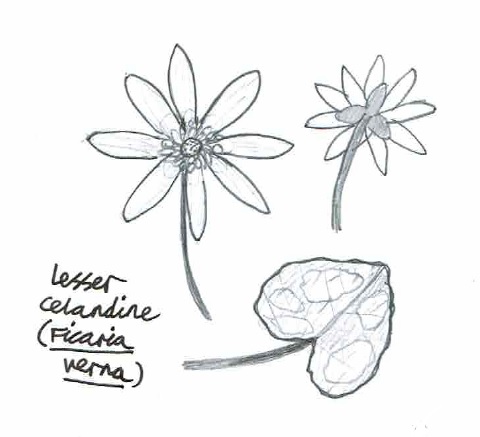
Lesser Celandine (Ficaria verna)Lesser celandine

  • Size: Up to 30cm tall
  • Flowers: Solitary with 8-12 glossy yellow petals and 3 sepals
  • Stems and leaves: Hairless with leaves that are long-stalked, heart-shaped, and dark green. Sometimes bear dark or light markings
  • When does it flower? February-May
  • Where can it be found? Woods, grassland, hedges, waysides, bare ground and by fresh water throughout Britain


Bluebell (Hyacinthoides non-scriptus)Bluebell 2

  • Size: Up to 50cm tall
  • Flowers: Azure blue (though sometimes pink or white) with cream-coloured anthers. Fragrant and bell-shaped with six turned-down lobes
  • Stems and leaves: Long, narrow, strap-shaped, keeled leaves
  • When does it flower? April-June
  • Where can it be found? Carpeting woodlands, hedges, scrubland, on sea-cliffs and mountains in most parts of Britain


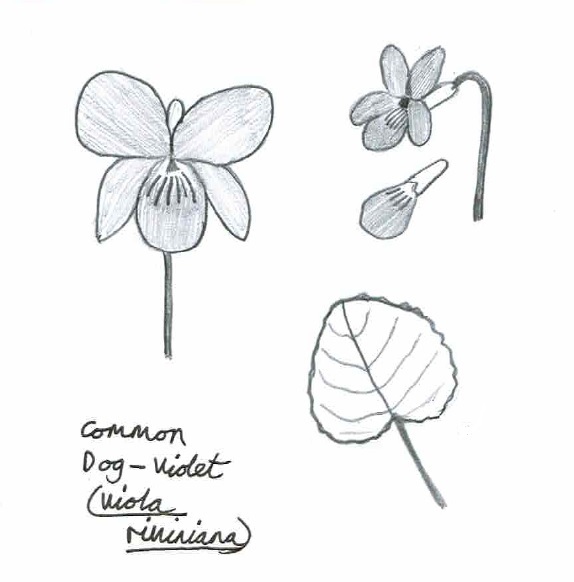
Common Dog-violet (Viola riviniana)Common Dog-Violet

  • Most common wild violet species in the UK
  • Size: Up to 15cm tall
  • Flowers: Unscented with petals that are blue-violet but variable, usually overlapping. Stout spur, curved upward, blunt, notched at tip and paler than petals (often creamy)
  • Stems and leaves: Hairless or only slightly downy leaves and stalks. The leaves are long-stalked, heart-shaped, pointed at the tip, and as broad as they are long
  • When does it flower? March-May and sometimes July-September
  • Where can it be found? Woods, hedges, pastures, heaths and rocky areas throughout the British isles

Sweet Violet (Viola odorata)

  • Size: Up to 15cm tall
  • Flowers: Blue-violet, often white, occasionally lilac, pink or yellow. Only fragrant violet in Britain
  • Stems and leaves: Leaves are heart-shaped, downy and enlarged in summer
  • When does it flower? February-May
  • Where can it be found? Woods and hedges over most of the British isles


Plants known to some

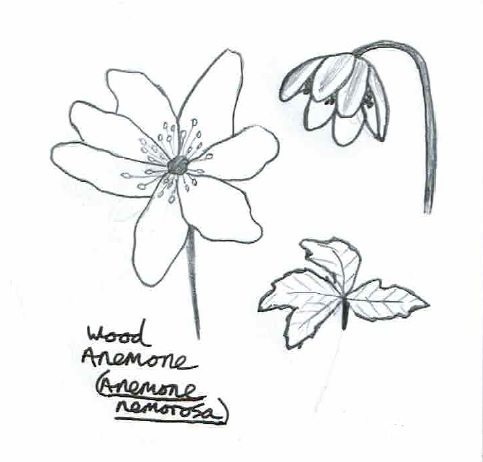
Wood anemone (Anemone nemorosa)Wood Anemone

  • Size: Up to 30cm tall
  • Flowers: Solitary white (sometimes tinged purple) that nod when closed
  • Stems and leaves: About two-thirds of the way up each slender stem is a ring of three leaves (trifoliate), each divided into three toothed segments. Rising above the leaves is the solitary flower
  • When does it flower? March-May
  • Where can it be found? Carpeting woodlands in spring, as well as hedge-banks and occasionally grasslands throughout Britain


Greater stitchwort (Stellaria holostea)Greater Stitchwort

  • Size: Up to 60cm tall
  • Flowers: Deeply cleft white petals
  • Stems and leaves: Stalkless, narrow and long-pointed leaves with a slightly grey tinge (15-60cm long)
  • When does it flower? March-June
  • Where can it be found? Across woodlands, hedgerows and scrub areas throughout Britain except some northern isles


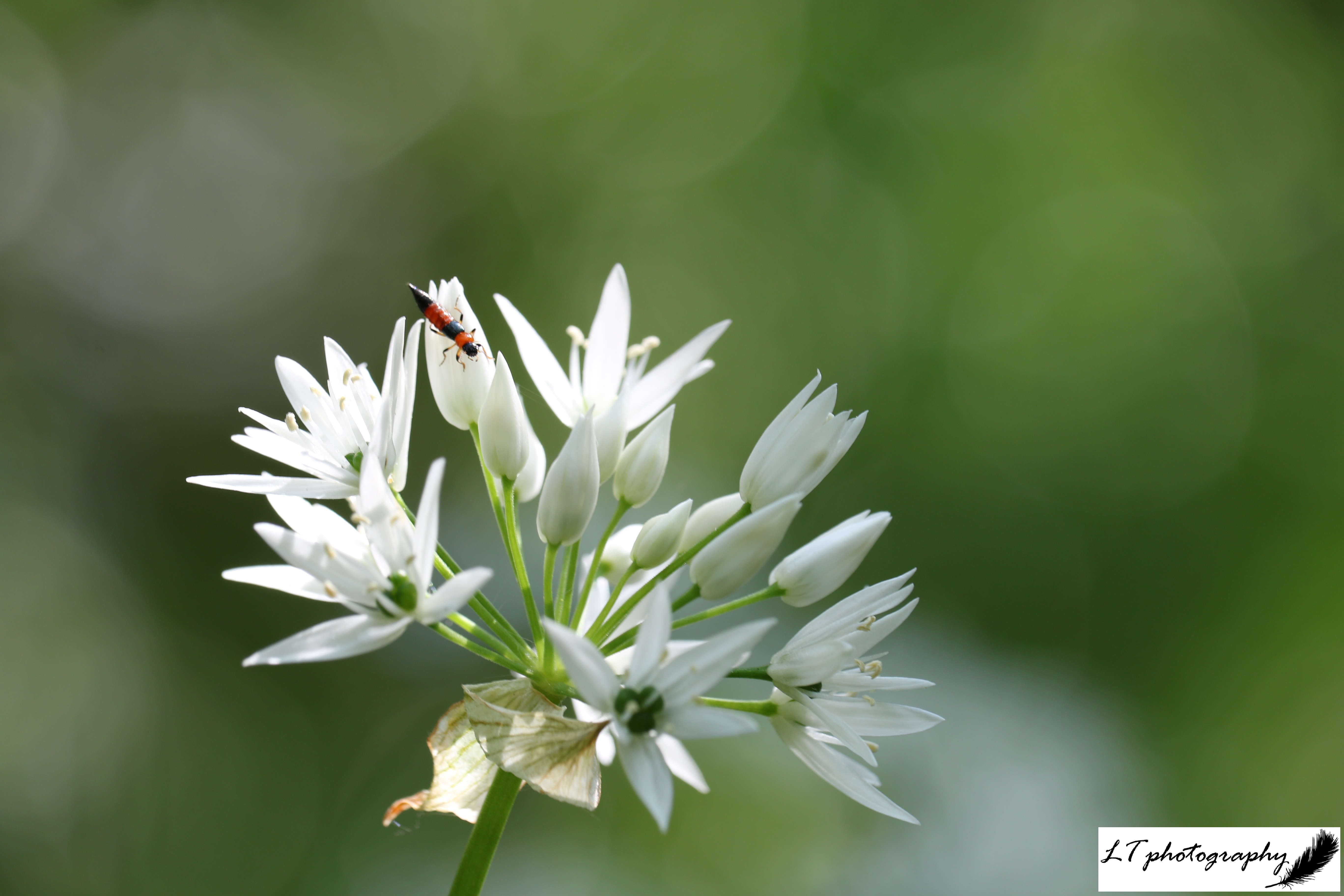
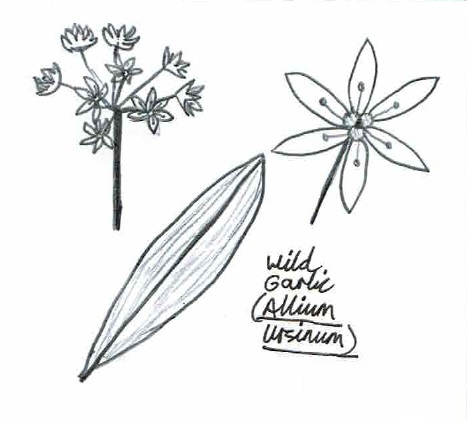
Wild Garlic/Ramsons (Allium ursinum) Wild Garlic

  • Most common and only native broad-leaved garlic
  • Size: Up to 45cm tall
  • Flowers: White star-like flowers
  • Stems and leaves: Have leafless flowering stems. The leaves are broad, flat, lanceolate and distinctive smelling
  • When does it flower? April-June
  • Where can it be found? Often seen growing in large clumps in woods and shady places throughout Britain


Wild Strawberry (Fragaria vesca)

  • Size: Up to 30cm tall
  • Flowers: White flowers with no gaps between the 5 unnotched petals. Produce reddish fleshy strawberries that have protruding pips
  • Stems and leaves: Hairy. Leaves are trefoil on long stalks and are brighter green on top and pale below. Lower leaves form a rosette
  • When does it flower? April-July
  • Where can it be found? Woods, scrub, and grassland throughout the British Isles

Strawberry

Barren Strawberry (Potentilla sterilis)

  • Size: Up to 30cm tall
  • Flowers: Unlike wild strawberry, there are gaps between the slightly notched white petals. Produces unstrawberry-like non-fleshy fruits
  • Stems and leaves: They are hairy, but unlike wild strawberry, they have smaller, shorter stems and blue-green leaves
  • When does it flower? Earlier than wild strawberry, from February-May
  • Where can it be found? Woodlands, scrub, hedgebanks and other dry banks

16_04_20_Horseshoe_Woods_Flower_Wild_Strawberry_2


Less known plants

Yellow Archangel (Lamiastrum galeobdolon)Yellow Archangel

  • Size: Up to 30cm tall
  • Flowers: Yellow and two-lipped, with the upper lip being helmet-shaped and the lower having three almost equal-sized lobes
  • Stems and leaves: Hairy and patch-forming, with leafy and upright flowering stems. The leaves are long-stalked, oval in shape, dark green, irregularly toothed and borne in opposite pairs
  • When does it flower? April-June
  • Where can it be found? Woodlands and hedgerows in England and Wales


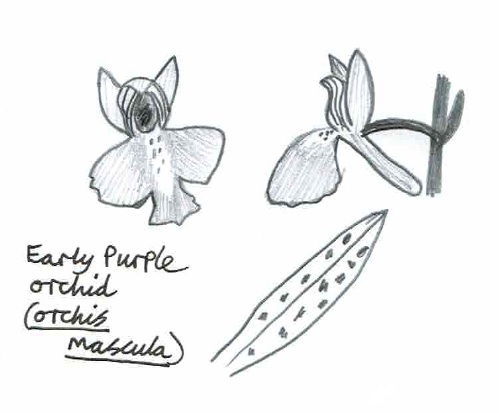
Early Purple Orchid (Orchis mascula)Early Purple Orchid

  • Size: Up to 40cm tall
  • Flowers: Form a spike on a stout, upright stem. Usually some shade of purple, sometimes pinkish or white, and are three-lobed with three inner and three outer petals. The upper five petals are oval and form a hood; the lower petal extends into a long lip. Scent described as tom-cat-like
  • Stems and leaves: Lance-shaped, varying from broad to narrow, and usually have round, purple-black blotches on their upper surface
  • When does it flower? April-June
  • Where can it be found? Frequently in woodlands, and is widespread throughout Britain


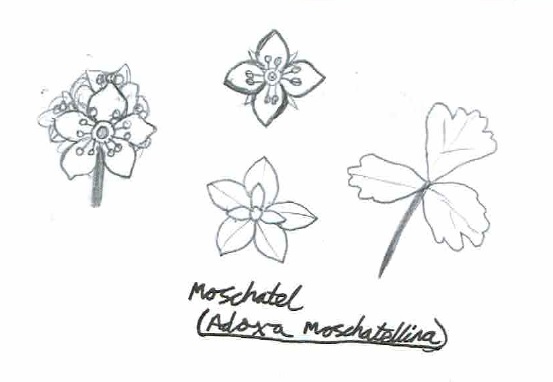
Moschatel (Adoxa moschatellina)Moschatel

  • Also known as townhall clock and is the only species in its family
  • Size: Up to 15cm tall
  • Flowers: Flower heads greenish, almost forming a cube with one flower on each side (5 petals each) and one flower on top (4 petals). Scent is musk-like, likened to almond or elder blossom
  • Stems and leaves: Hairless with long-stalked trefoil leaves, that are positioned in one pair on each flower-stalk
  • When does it flower? March-May
  • Where can it be found? Woods, hedge-banks, and rocky mountain places, locally common throughout Britain


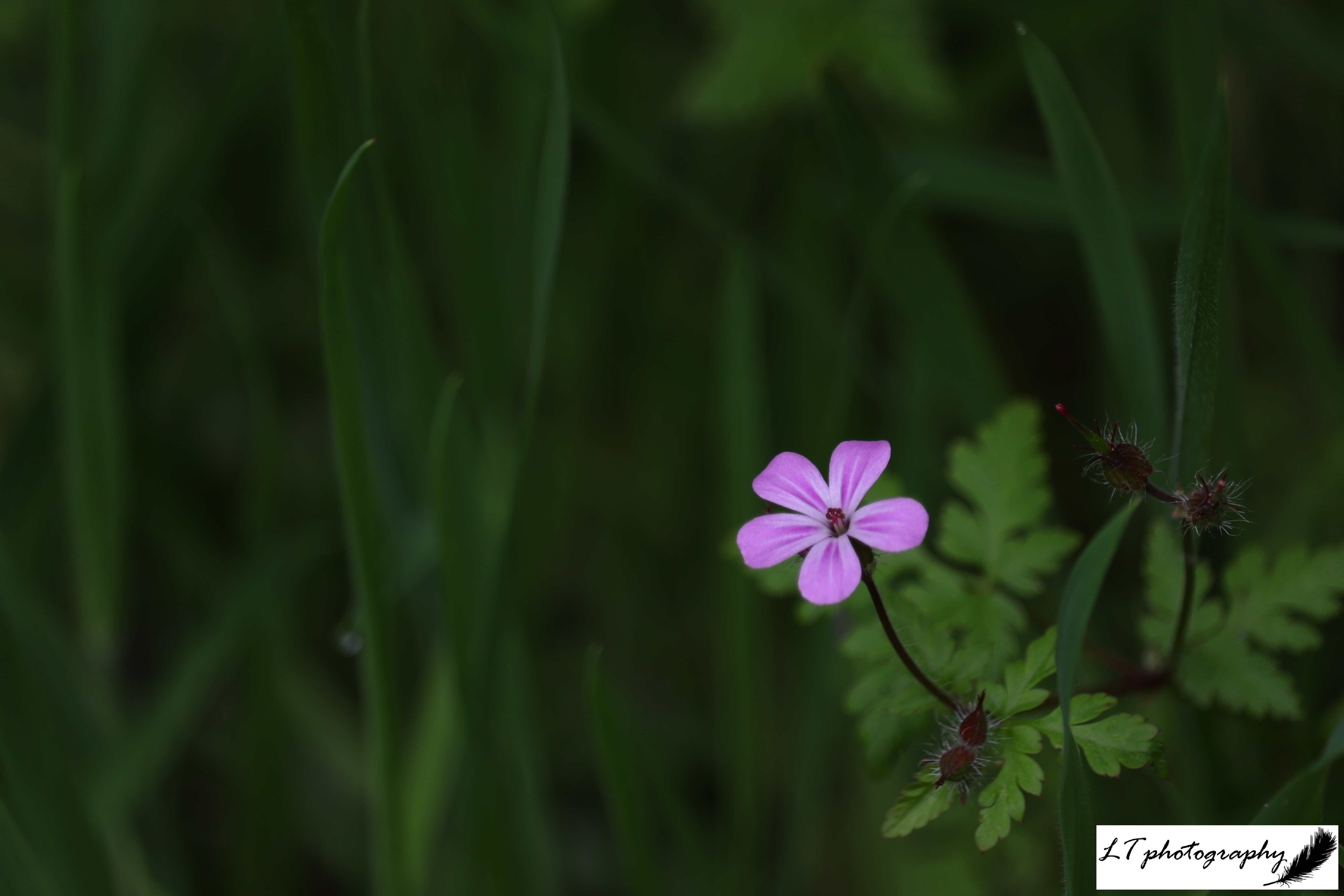
Herb-robert (Geranium robertianum)Herb-Robert

  • Size: Up to 50cm tall
  • Flowers: Strong smelling and deep pink, occasionally white, with rounded petals that are not notched
  • Stems and leaves: Hairy with stems that are often reddish and leaves that are fern-like with 3-5 lobes
  • When does it flower? April-November
  • Where can it be found? Shady spots on hedgebanks, rocks and walls or in woods throughout Britain

25_05_19_Horseshoe_Wood_Herb_Robert_3


All photos and drawings are my own 

Kingston Lacy’s Spectacular Snowdrops

‘We all want quiet. We all want beauty… We all need space. Unless we have it, we cannot reach that sense of quiet in which whispers of better things come to us gently’ (Octavia Hill, 1883, Co-founder of the National Trust)

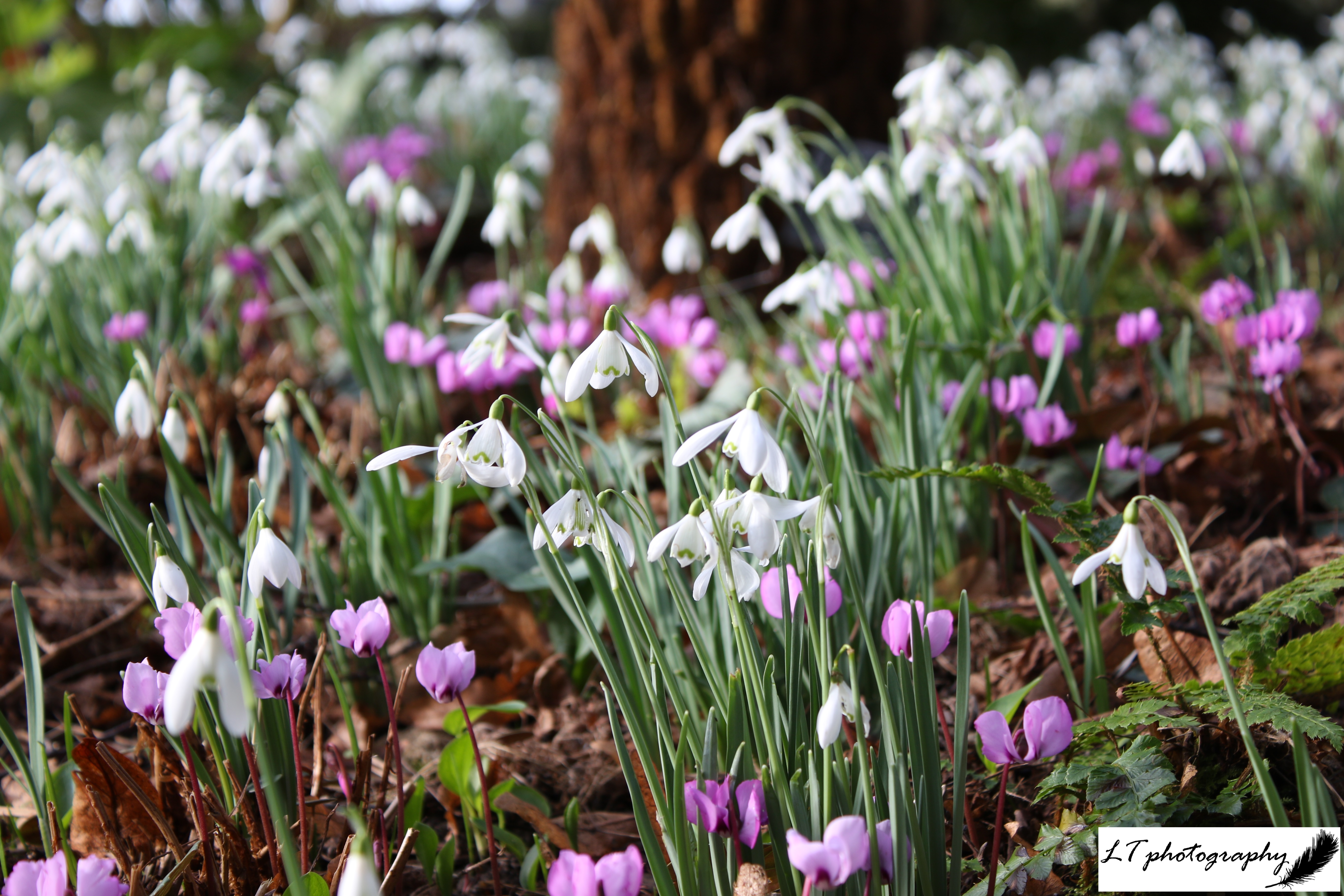
One brisk, but sunny day at the beginning of February, I found myself surrounded by carpets of brilliant white. Looking closer, I could see thousands of delicate flowers, nodding in the breeze like flurries of snow, shaped like bells or little fairy skirts. Here the effervescent snowdrops become a real spectacle at this time of year, shouting loud that the brighter days of spring are on their way.

086A2805

With my parents by my side, I had decided to spend my day off exploring Kingston Lacy, a beautiful National Trust estate famous for its incredible annual snowdrop displays. I was really looking forward to this trip, after a long spell of being very busy with work and other projects. It was a time for me to just pause and take a breather in a really breathtaking location.

086A2847

We began our day out by passing through the heart of Kingston Lacy, passing by the old stable block, and heading out onto the estate’s approximately 4.7 kilometre woodland trail, made up of established footpaths and historic carriageways. Our start wound us first through a stretch of native deciduous woodland, an area of currently skeletal trees alive with early birdsong.

Habituated to the presence of visitors walking through, we got some really great close-up views of the residents, including red-breasted robins and serenading song thrushes.

The woodland was also sprinkled with human touches here and there, from benches made from old tree trunks to archways of woven hazel. A lovely stretch to hide away from the world, at least for a little while!

086A2764

We did not just pass through woodland though. Our journey also took us past Blandford lodge near the entrance to Kingston Lacy, across boardwalks over marshland, and through rolling parkland, dotted with trees varying magnificently in size, species, age and skeletal form. It is quite incredible to think what some of those trees will have lived through in the history of this estate!

086A2777

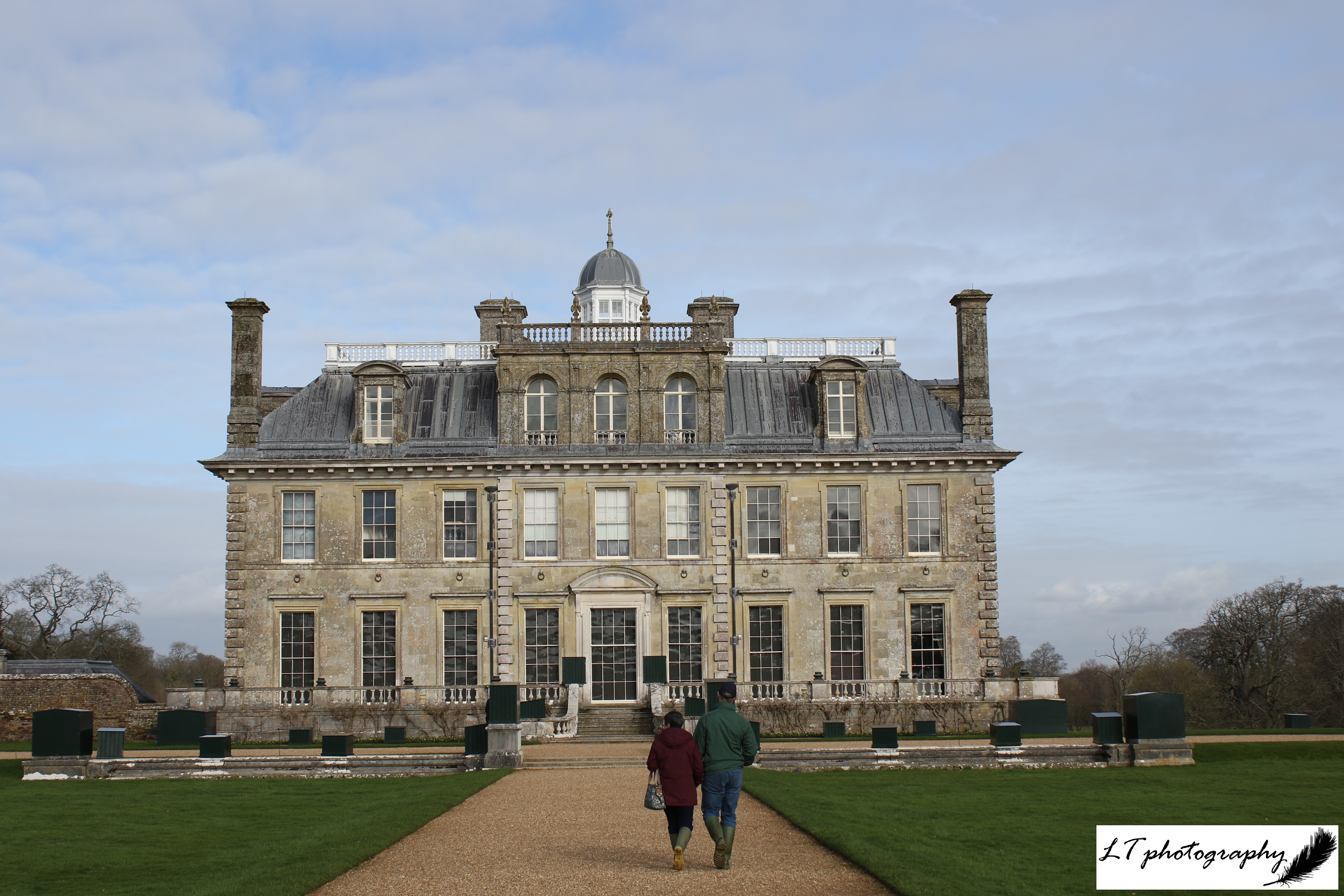
As well, our path took us past the magnificent Kingston Lacy house, a ‘family home reimagined as a Venetian palace’. Though the estate dates back to the medieval times, the first form of the current house was completed in 1667. It went on to be the home of the Bankes family for over 300 years, before being bequeathed to the National Trust in 1981. Though on this February day we did not venture into the house, it is well worth a visit, with the rooms decorated like pieces of art and treasures ranging from ancient Egypt to the Spanish Peninsular War.

As the hours drew on and the sun made its way across the winter sky, our path took us back past the old stables and in the direction of Kingston Lacy’s gradens. Here today’s real magic was to be found. We finally made our way into a world where snowdrops created carpets of snow around us. Stretching along avenues of pollarded trees, across woodland glades, around winding bends, and even nestled within the impressive Japanese gardens.

The pearly white of snowdrops was made bolder by the pinks of cyclamens, purples of irises and crocuses, and cream and maroon of helibores.  Seeing something small on such a scale, over 6 million to be precise, is a sight to behold. First planted in the early 1900s, with now over 40 different species, Kingston Lacy’s snowdrops will be a legacy for future generations to come.

Kingston Lacy is such a lovely place to escape for those of us who like history, nature or just getting outdoors. Throughout the year they have a range of different events, from their snowdrop walks and Easter egg hunts to summer outdoor yoga and outdoor theatre/cinema that will keep you coming back time and time again, as i have over the last couple of months. For now here’s to the snowdrops, the promising pioneers of the new season to come. Pure, hopeful and the symbol of rebirth, snowdrops are the delicate, effervescent heralds of spring.

Golden days of autumn

As we ease into the holiday season and creep closer to the closing of the year, it is time to contemplate and reflect, be thankful for what we have, and celebrate what is important to you. Looking outwards during this time, to the world beyond the window, autumn has now also made its departure. Skeletal trees, howling gales, freezing temperatures, and dormancy characterise the landscape, though there are hidden gems to be found. As you cuddle up in your home on this cold winter’s evening, let us now remember back to those golden days of autumn.

Autumn as it happened

When I think of autumn, the first thoughts that come to mind are dazzling colours, falling leaves collecting in drifts on the ground, bountiful fruit, and migrant birds passing through. Though my favourite season tends to be blossoming spring, autumn is a time that is often the favourite of many. Each season has something special to offer and autumn is no different!

This year autumn has been a bit more unpredictable and turbulent in its advancement than many other years, being the 5th wettest english autumn since records began. Despite this, it has mainly progressed in the traditional fashion.

September saw evening temperatures drop, the start of misty mornings with spider webs shining with dew, ripening fruit and nuts, grey squirrels beginning to cache food, the emergence of the first autumn fungi, and the start of birds moving through.

October saw the trees beginning to change, becoming decked out in resplendent colour, fungi in abundance, the buzz of late insects such as wasps and honeybees, goldfinches harvesting seeds from thistles and teasels, fallen acorns becoming available as a valuable food source, the squawks of jays collecting nuts, and by the end of the month most migrants had moved on.

As the season of decline and decay moved on also, November saw oak trees in colour, other trees losing their leaves on mass, cackling fieldfare in the hedgerows, withering bracken, plentiful ripe seeds and fruit, redwings making their return, wildfowl and wading birds settling in for winter, thrushes and blackbirds harvesting fruit, winter flocks forming as they scavenge in bushes and along hedgerows, and lengthening nights.

By the end of November, most of the trees and hedgerows were bare of leaves, conditions were cooler, frost and fog were more common in the mornings, and winter was on its way.

A day in the woods

As part of my celebration of autumn this year, I made a visit to my favourite local woods. On this October trip, I spent time being mindful, capturing the world around me through words and through a lens.

‘As I step into the woods, it is noticeable how the vegetation is beginning to die away, though the ferns still stand sentinel over the woodland floor. Looking closer though, fungi is dotted everwhere. Small capped mushrooms stand only a couple of centimetres tall, whilst larger and more exquisite shapes stand taller and hang from the trunks of trees.

A nuthatch lands on a branch above my head. I look up and see that autumn is already in full swing, with the trees working at different paces, creating a spectacular mosaic of colour from fading greens to copper and gold. The trees are beginning to lose their magnificent mantels in spectacular style. Berries adorn holly and hawthorn bushes, shining scarlet in the strained autumn light.

My other senses are also stimulated. To my nose, the forest smells fresh, though with every step the woodland floor releases an aroma of damp decay and rotting vegetation. On my exposed skin, a gentle cool breeze plays, whilst midges crawl and bite.

My ears are most active though. Long-tailed tits flit from tree to tree around me, making high-pitched calls as they feed as a family, characteristic of autumn. Robins and tits also sing their songs in the trees around, before a wren sounds its alarm call and the other birds join in. Further away, still in the forest, pheasants fight, a collared dove coos, and a jay caws its raucous call as it goes about its way, storing food for winter. Outside of the wood, I can also hear farm sounds along with crows and rooks cawing.

Though the buzz of woodland life is beginning to slow, decay and slip away, the landscape is still full of life.’

Sunlight

The science of autumn

Why do leaves change colour?

  • This process is triggered by changing day length and is sped up by increased sunlight and cooler temperatures. It occurs when pigments, such as chlorophyll, is broken down, and then transported back into the branch. The colour is produced by the remaining degraded pigments in the leaf. Different amounts of pigment left in leaves creates the different colours.

Why do birds migrate?

  • Birds migrate from areas of low or decreasing resources, such as food, to areas of high or increasing resources. It can be triggered by factors such as changes in day length, temperature, or is simply a genetic predisposition. Migration can vary from short within-country movement to long-distance migration. It is still not fully understood how birds navigate during migration, but suggestions include using landmarks or an inbuilt magnetic compass.

Starlings

How do mammals survive the winter?

  • A variety of adaptations are used during the winter by different mammal species. They grow longer, thicker coats. increase food intake to produce fat reserves, and create underground nests where they can sleep through colder days. Mammals that find it difficult to cope during the winter, such as those that eat mainly insects, instead slow their body processes down nearly to a stand still to survive. This is called hibernation with common examples being seen in hedgehogs, bats and dormice.

Rabbit

The end of autumn’s glory

This year’s autumn has been fantastically colourful trees and woodlands, incredible wildlife displays and cliche autumnal moments.

Buzzard and Pheasants

One of my highlights has to be experiencing some of the more interesting migrants that rock up on the British shores during autumn. For me these included wacky wrynecks and marvellous marsh warblers giving some exciting moments.

Now autumn 2019 has come and gone in a blaze of glory, though it was a little wet at times!

Sunset

A Wild Adventure to Richmond Park

In a green oasis surrounded by urban jungle, ancient trees stand as sentinels. They have watched over this space for centuries, watching as time and history passes by. Some have even stood in this spot for over 800 years, growing taller whilst a wall was raised, royals hunted deer, and a city grew up around its edges. As a busy metropolis hums and pulses at its borders, this park rolling on for 2,500 acres, has lain timeless for centuries. It now continues to capture the hearts and minds of the millions of visitors that step through its walls every year.

IMG_0033

Nestled in the south-west of London, Richmond Park stands as London’s largest Site of Special Scientific Interest and a Grade One Heritage Landscape, with even the Royal Ballet School and a royal residence within its walls. This impressive park first came to my attention last year when I was given the book ‘Park Life: The Memoirs of a Royal Parks Gamekeeper’ written by John Bartram. This book recounts the author’s 30 years working and living within the bubble of Richmond Park. Sparking my imagination, it was his story that inspired in me the desire to make my day trip to his beloved Richmond.

On a hot, but grey autumn day in early September, I made my trek to Richmond Park, with the company of my aunt by my side to guide my path. Starting at the Roehampton Gate in the north-east of the upside-down pentagon-shaped park, we set a route to allow us to take in a range of beautiful habitats, incredible wildlife and the character of this impressive landscape.

IMG_0035

Our first steps took us south, hugging the 2km of river that winds down the east side of the park, known as the Beverley Brook. This river for a time became our birdwatching paradise, filling us with excitement with every stretch. We saw everything from a family of long-tailed tits feeding, fish swimming in the shallows, a spotted flycatcher doing its iconic hunting routine, and a bedraggled juvenile kestrel, to a pair of resting mandarin ducks, a tree creeping tree creeper, the flash of yellow of a chiffchaff, and a grey wagtail wagging. With around 100 bird species having been recorded in the park, we could not wish for more fantastic species to start our walk.

IMG_0045

Moving on from the river, we then headed into the heart of the parkland. With Richmond also being a Special Area of Conservation, the park is home to over a thousand ancient trees; over 1300 species of beetle including iconic stag beetles; at least 9 species of bat; and a range of habitat types including acid grassland, bogs, and 30 ponds. It is truly an incredible space that feels isolated from the rest of the outside world. With every step you can spot another butterfly species, discover a whole host of plants, spot a range of bird species from green woodpeckers to wheatears, and simply escape everyday life.

IMG_0054

Our journey through the park also took us through the middle of the Pen Ponds which were filled with a myriad of bird species. This ranged from coots to black-headed gulls, tufted ducks to greylag geese, and moorhens to little egrets. With drama unfolding in front of us with every sight, we got to see gulls mobbing late nesting grebes, ducks competing for food, and birds flying low overhead, whilst getting the closest views of great-crested grebes that I have ever had!

IMG_0047

Though Richmond Park is home to many amazing species, it is the majestic beasts with sleek coats and antlers standing heavy on their heads, that are the star attraction for millions of visitors each year. The Park is home to about 300 red and 300 fallow deer, and these deer are most popular during their impressive autumn spectacle of rutting. Of course during my journey through the park, my aunt and I came across many of the red deer impressive with their bare antlers, and watched them in awe from a far. These deer were very much a main part of John Bartram’s 30 years in Richmond Park as a Park ranger.

IMG_0056

As I neared the end of my adventures in Richmond Park for one day, it was evident that though my few hours of escapism were great, you could also easily lose yourself in Richmond Park for days, or in the case of John Bartram, years. It was easy to understand how he spent 4 decades hidden away working and living within this park. Its a place which has something for everyone, with everything from open space and incredible landscapes to amazing wildlife and cafes! For me, seeing 44 species of bird in a short space of time was my highlight. When beautiful places such as this can be found on your doorstep, what more could you want?

How spring happened 2017-2019

Over the last few years, I have taken part in recording how spring has unfurled at my home in Dorset, for a citizen science scheme. As at the end of each spring I upload my results to an online site, in 2017 I decided that I should be writing my observations down for myself in my wildlife journal, making it easy to look back on them in the future.
Now I have recorded dates for many different wildlife spring events, from trees coming into leaf to the return of migrants, for 2017, 2018, and 2019. So here, I want to take a moment to look back at these and reflect on what they may show about spring and its current emergence, and if there is anything interesting we can take from this.

10_05_19_Horseshoe_Woods_Cassie_Bluebells_11

Trees

In my local area, you can find a large variety of native and non-native tree species. Over the last 3 years, I have consistently made observations for 5 tree species: ash, sycamore, horse chestnut, pedunculate oak and silver birch.

25_05_19_Outside

For the 5 tree species, some similar patterns can be observed from my recorded spring dates for the last 3 years. In 2018, a colder winter was experienced, with heavy snowfalls taking place in January, February and March. Evidently this had an effect on the timing of budburst, first leaf and first flowering for tree species, in comparison to the year before.

Budburst was 36 days later for ash trees (27/04/18), 10 days later for sycamore trees (08/04/18), 19 days later for horse chestnut trees (20/03/18), 21 days later for oak trees (18/04/18), and 26 days later for silver birch trees (12/04/18). The same amount of lateness was also seen with the first leaf and first flowering for these tree species in 2018.

19_04_19_Farm_Oak_Tree_2

Due to the weather of spring 2018, this meant that when looking at how this year’s spring unfurled (2019) in comparison to last year, predictably budburst, first leaf and first flowering took place 4-53 days earlier than 2018. When comparing 2019 with 2017 though, I am able to get an idea of the average trend for the three years. For example, ash and silver birch events are getting later, as are horse chestnut flowering and sycamore first leaf. Sycamore, horse chestnut and oak generally show a trend though of spring events getting earlier, from a couple of days to a month.

30_03_19_Farm_Horse_Chestnut_Tree_2

Shrubs

For shrubs, the selection I have been observing during spring each year are: blackthorn, dog rose, elder, hawthorn and lilac. From 2017-2019, a similar trend was predominantly observed in these species as with tree species.

In comparison to 2017, blackthorn first flowering was 14 days later in 2018 (30/03/18), elder budburst was 9 days later (13/03/18), elder first leaf was 23 days later (30/03/18) , hawthorn budburst was 33 days later (02/04/18), hawthorn first leaf was 6 days later (08/04/18), and lilac first flowering was 27 days later (07/05/18).

Then when looking at 2019, spring dates were earlier in comparison to 2018, with blackthorn budburst, first leaf and first flowering being 20, 9 and 29 days earlier, dog rose budburst, first leaf and first flowering being 22 and 29 days earlier, elder budburst, first leaf and first flowering being 9, 24 and 8 days earlier, hawthorn budburst and first flowering being 36 and 13 days earlier, and lilac first flowering being 14 days earlier.

Also, similarly to tree species, blackthorn and elder both showed that from 2017 to 2019 spring events have become earlier on average. Hawthorn and lilac showed the opposite trend though, with hawthorn first leaf and first flowering becoming later over the 3 years on average, if only by 7-13 days.

21_04_19_Garden_Lilac_Sunset

Flowers 

In comparing spring between 2017, 2018 and 2019, it is evident that for many plant species the same trends have been shown from year to year. This is not true for all though, as between bluebells, cuckooflowers, lesser celandines, oxeye daisies, snowdrops and wood anemones, flowering times varied from being later in 2018 and earlier in 2019, to being earlier overall, or being similar overall.

22_06_19_Farm_Chalk_Mound_Oxeye_Daisies_10

  • Bluebells flowered 17 days later in 2018 (13/04/18) than 2017, and then 10 days earlier in 2019 compared to 2018. From 2017 to 2019, this was 7 days later overall.

  • Cuckooflowers flowered 16 days later in 2018 (20/04/18) than 2017, and then 12 days earlier in 2019 compared to 2018. From 2017 to 2019, this was 4 days later overall.
  • Lesser celandines flowered 5 days earlier from 2017 to 2018 (24/02/18), followed by another 13 days earlier in 2019.

  • Snowdrops flowered 10 days earlier from 2017 to 2018 (10/01/18), followed by another 7 days earlier in 2019.
  • Wood anemones flowered around a similar date at the beginning of March each year.

12_04_19_Horseshoe_Wood_Anemone_7

  • Oxeye daisies flowered around a similar date at the end of May each year.

Grasses

Grass species also showed a differing trend to tree and shrub species for 2017-2019, with a united pattern of flowering later each year. When observing spring events with grasses, I observe from year to year 4 species: cocksfoot, meadow foxtail, timothy, and yorkshire fog.

22_06_19_Farm_Chalk_Mound_Yorkshire_Fog_Grass_2

Only timothy had observations made for 2017, and so in comparing with 2018, it was found to have flowered 18 days later (18/05/18). This is in line with comparisons between 2018 and 2019, where it was found that cocksfoot flowered 4 days later (30/05/19), meadow foxtail flowered 14 days later (15/05/19), timothy flowered 23 days later (10/06/19), and yorkshire fog flowered 14 days later (12/06/19).

Birds

Though I have started increasing my recordings of different bird species during spring, I only have records for 2+ years for rooks, blackcaps, chiffchaffs, house martins, song thrushes, cuckoos, and swallows.

  • Following the first snowfall of the year, rooks were first seen to be nest building 16 days earlier in 2018 (04/02/18) than 2017, but with no snow, this was 11 days later in 2019.
  • Blackcaps returned to my local area 12 days later in 2018 (11/04/18) than 2017.
  • Chiffchaffs returned 13 days later in 2018 (26/03/18) than 2017, following the last of the snow and cold weather. Consequently, in 2019 they returned 8 days earlier than 2019 (15/02/19), closer to the 2017 date.
  • House martins returned 12 days later in 2018 (25/05/18) than 2017, whilst being 31 days earlier in 2019 than 2018.
  • Male song thrushes were first heard singing in 2018 on 28/01/18, 8 days earlier than 2017. In 2019, this occurred a lot earlier though, 30 days earlier, falling on 29/12/18.
  • Male cuckoo heard calling at a similar time at the end of May in 2018 and 2019.
  • Swallows returned to my local area at a similar time at the end of March/beginning of April in 2017, 2018 and 2019.

Insects

22_06_19_Garden_Yellow_Flower_Bee

In line with tree and shrub species, the first sightings recorded each spring of insects followed a general pattern of emerging later in 2018 than 2017, and earlier in 2019 than 2018. This was true for:

  • Brimstone butterflies – 13 days later on 14th April 2018 and 47 days earlier on 26th February 2019
  • Peacock butterflies – 14 days later on 20th April 2018 and 26 days earlier on 25th March 2019
  • Small tortoiseshell butterflies – 31 days later on 26th April 2018 and 25 days earlier on 1st April 2019
  • Speckled wood butterflies – 20 days later on 26th April 2018 and 4 days earlier on 22nd April 2019
  • Orange tip butterflies – 28 days later on 4th May 2018 and 33 days earlier on 1st April 2019
  • Red admiral butterflies – 27 days earlier on 22nd April 2019 
  • 7-spot ladybirds – 19 days later on 25th April 2018
  • Queen wasps – 47 days earlier on 31st March 2019
  • Red-tailed bumblebees – 13 days earlier on 21st April 2019

25_05_19_Horseshoe_Wood_Speckled_Wood_Butterfly_3

Summary

With my love of spring, each year I have enjoyed recording the dates of when things happen during spring, such as the first swallow, first leaf or first elder flower. It has been satisfying now to be able to take a moment to put a few of my records together and take a look at how spring has unfurled over the last few years and what this could mean.

For some species, events are getting earlier, probably due to warmer temperatures earlier on in the year and during the winter before. For others, they are in fact getting later, which will be related to other weather and environmental factors here and further afield. Either way, the ‘norm’ is changing and it will be interesting to see how this could progress over the next few years to come.

19_04_19_Farm_Cows_Milk_Blackthorn_3

Spring woodland walking: My Local Woods

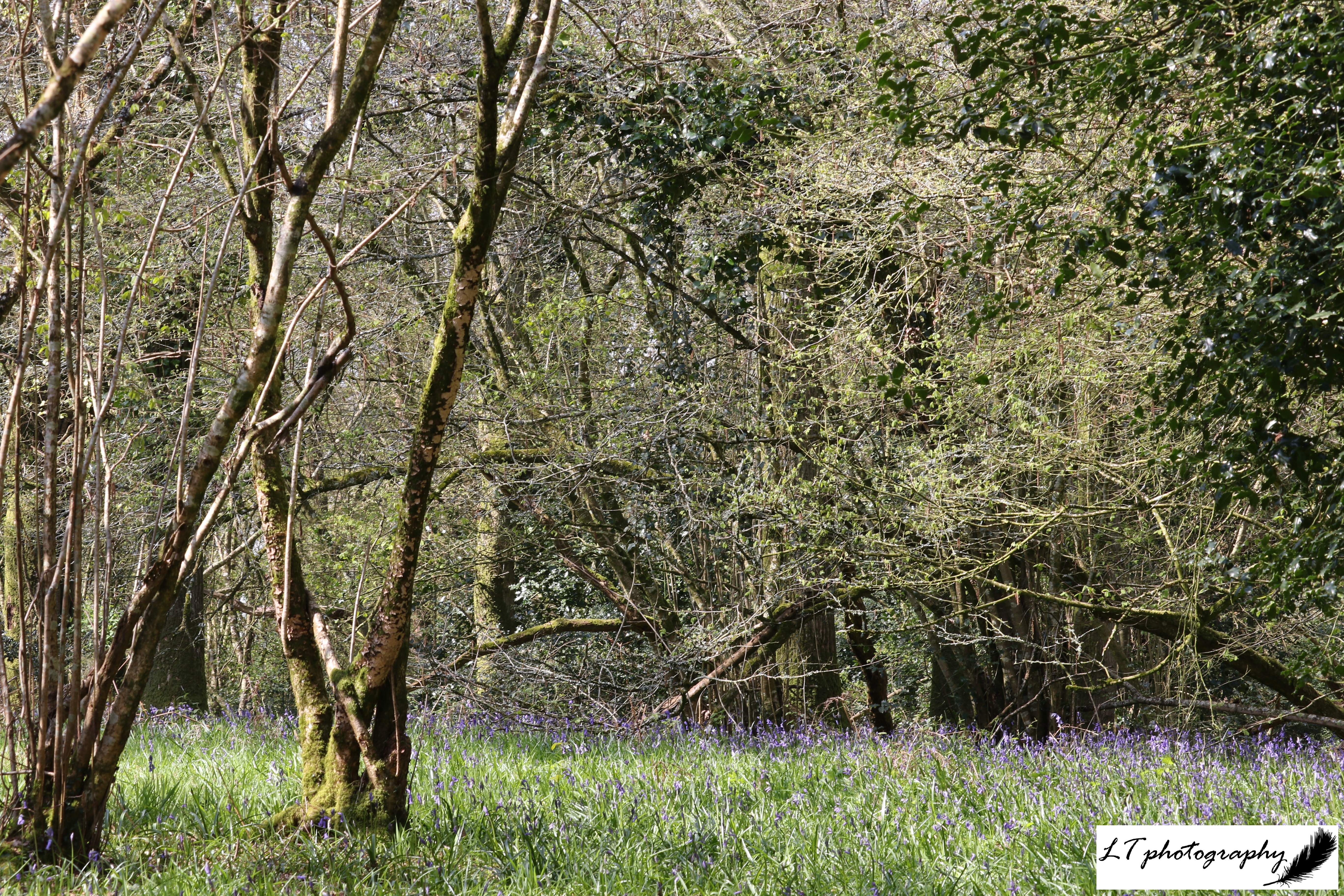
19_04_19_Horseshoe_Wood_Bluebells_26As the weather gets warmer and drier during spring and the countryside begins to bloom, I always like to set myself the goal of getting out into it as much as possible. I like to use these countryside walks as a way to calm my own mind and escape the stresses of modern day-to-day life. In particular, I am always drawn back to the woodlands and forests, with the tranquillity they breath to me. Growing up in Dorset I have always been able to disappear into the trees and appreciate such a habitat at any time of year.

19_04_19_LogIn celebration of my love of the woods, especially during springtime, over April and May this year, I made 4 visits to one of my local ones to observe it as the season changed. On these trips I sat and wrote down my experience on my favourite log (see photo above), and took lots of photos with my new DSLR camera whilst walking through the woods. Check out below to see my diary entries and the photos that accompany them:

1: Signs of spring

  • Date: Friday 12th April
  • Time of day: Mid-morning
  • Highlight: Seeing the first bluebells emerging in the woods

Today I made my first trip of the year to my local woods, walking across the countryside to get there. The sun is shining down upon me in its glorious spring style, but it has to be said that there is still a chill on the breeze.

12_04_19_Horseshoe_Wood_Bluebells_21

The woods are noticeably just beginning to take on their spring splendour with the woodland floor coming to life. Bluebells are starting to flower, wood anemones are dotted here and there, and celandines, primroses and stitchwort are spreading through the undergrowth. The hazel trees are coming into leaf, as are the oak trees, with small soft bunches of leaves hanging above my head. Everything is now lush and green, with winter now being fully forgotten.

12_04_19_Horseshoe_Wood_Hazel_5Spring bird calls and song provides the soundtrack to my trip, including everything from groups of foraging long-tailed tits to angry blue tits and charismatic chiff chaffs. I also hear the reminiscent winter squabbling of jays, and on a stop to my favourite log in the middle of the wood, I can hear the coarser call of a raven and the calls of male pheasants.

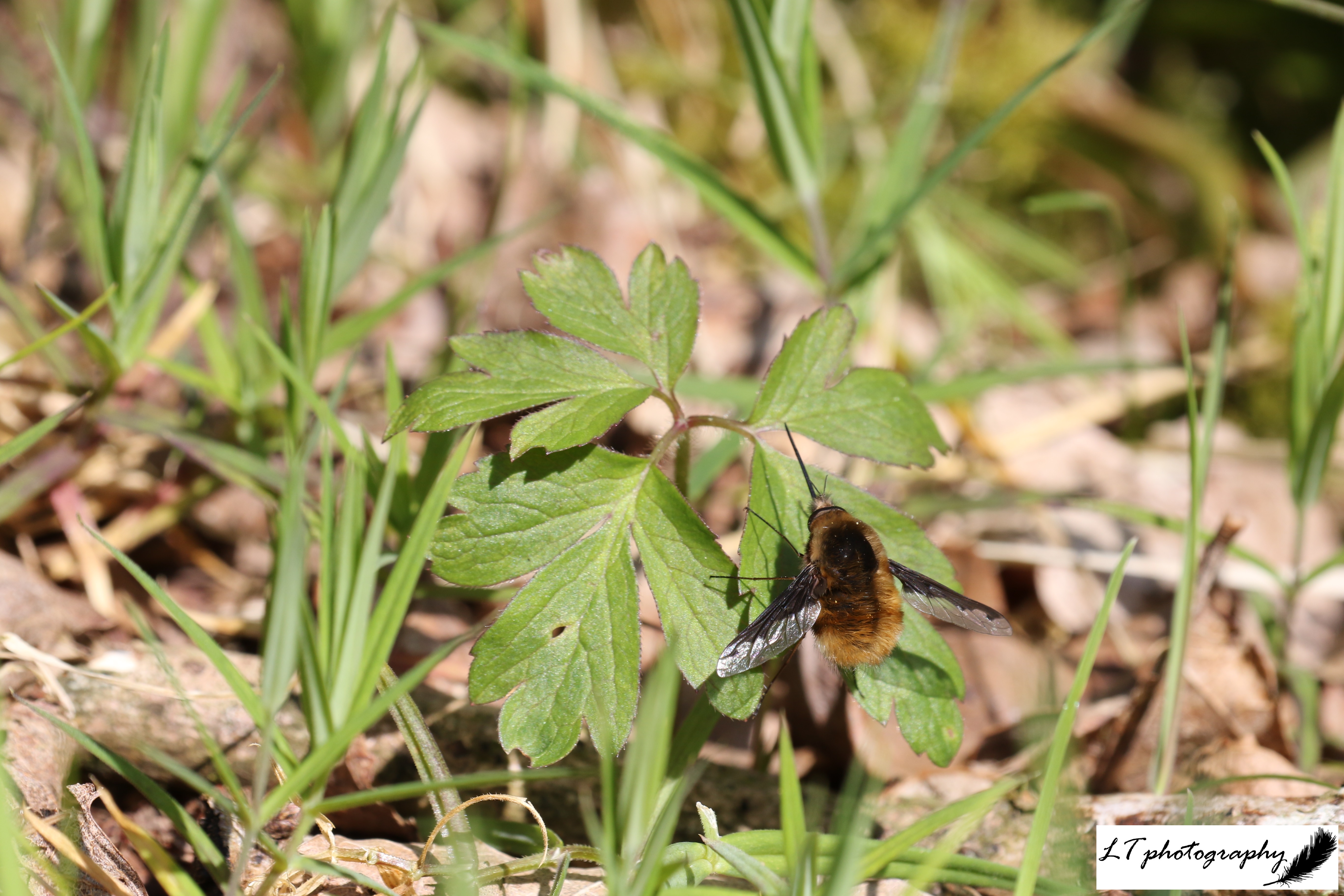
When turning my eyes to the ground around me, it becomes apparent that the undergrowth is full of bees and flies buzzing between the flowers, the most notable being furry bee flies. Looking at the undergrowth around me, it does make me think how if you just stop for one moment and take in your surroundings, you will always find that everything is alive around you.

12_04_19_Horseshoe_Wood_Bee_Fly_6

When sat in this wood, I feel away from all the hub bub and stress of everyday life. It gives me the opportunity to see this world through the glass of a lens, whilst still getting excited about everything new I see. Thus, I believe everyone should have the opportunity to have their own escape into nature, such as amongst the trees, flowers and wildlife, to be able to recharge and refresh.

2: Sunrise start

  • Date: Friday 19th April
  • Time of day: Early morning
  • Highlight: Sunrise

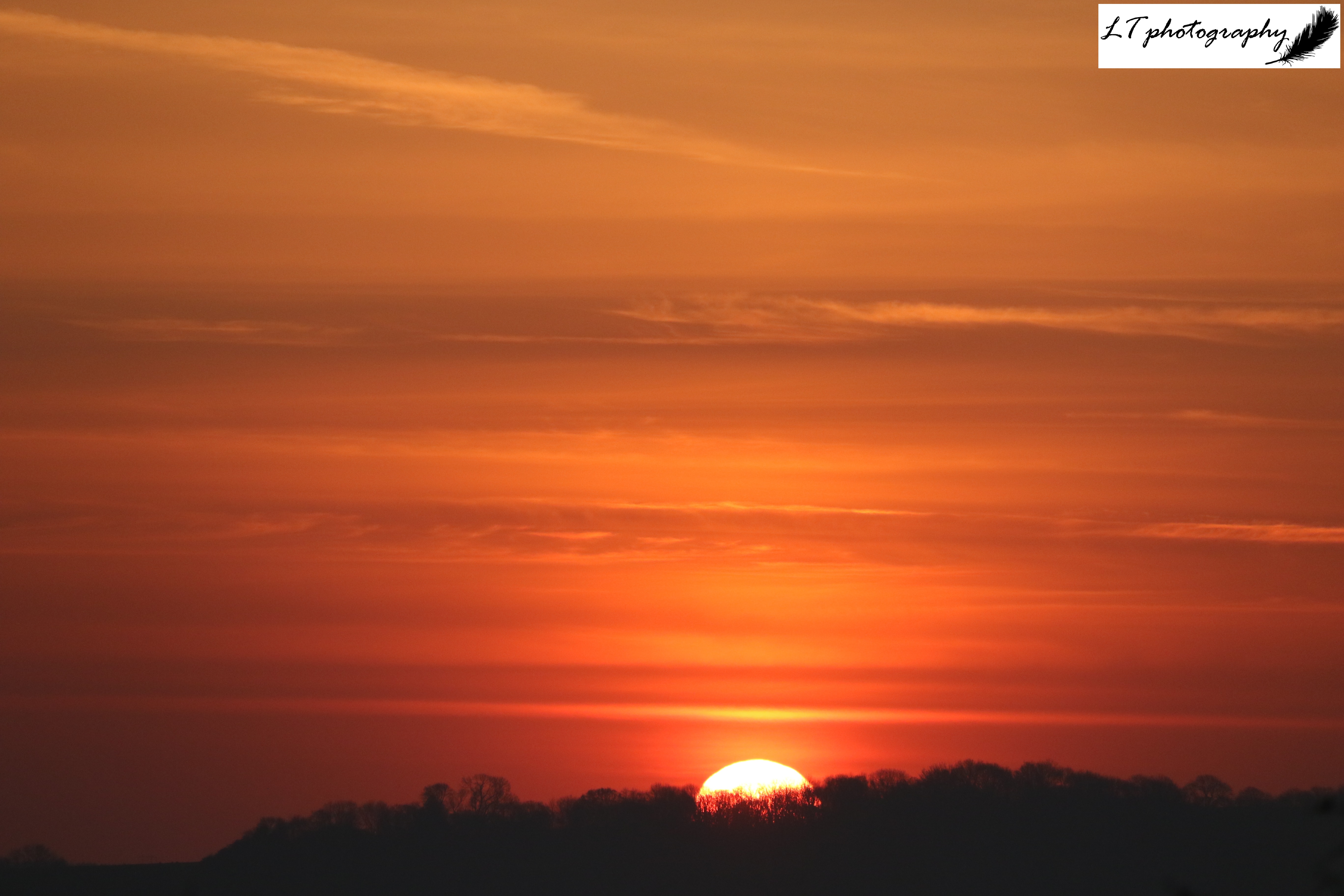
19_04_19_Farm_Sunrise_9This morning I chose to get up at 5am to meet a 6.08am sunrise, and to make the most of the dawn light. At this time of day, on my walk to the woods, I had great sightings of roe deer and brown hare, and got to see a beautiful pink sunrise. The dewy grass added to my photos in this glorious light.

The wood definitely did not disappoint, blanketed in the warm golden tones of dawn. The sunlight falling through the trees was spectacular, especially at this time of year when a mix of well known flower species carpet the woodland floor. I was also greeted by the dawn chorus in full swing, with great tits, robins, blackbirds and lots more adding their voices to the mix.

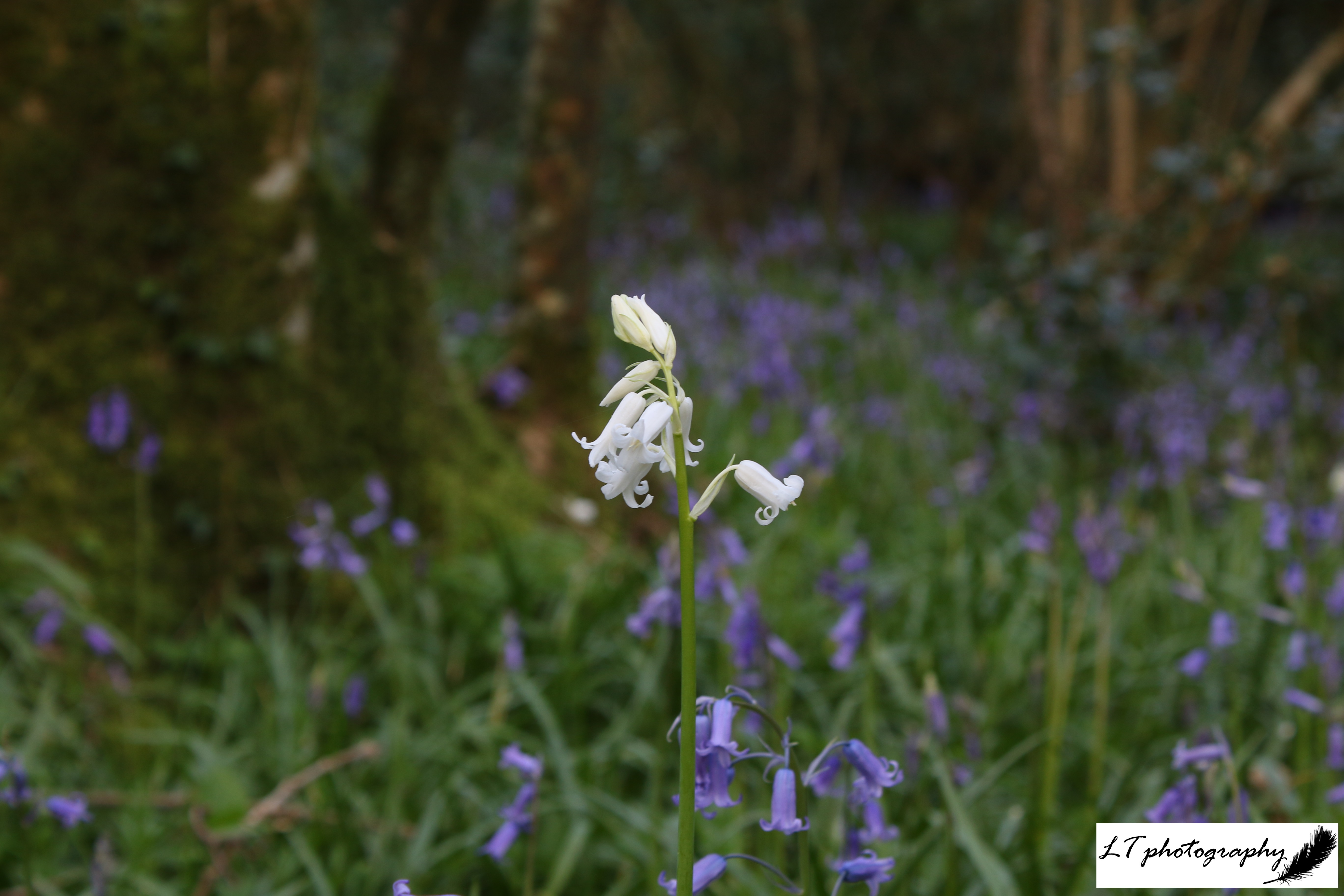
19_04_19_Horseshoe_Wood_Hazel_819_04_19_Horseshoe_Wood_Stitchwort_4Snow white garlic flowers are now emerging in the wood, whilst early purple orchids are also beginning to sprout here and there. The bluebells are now starting to create a sea of blue, with their white counterparts dotted here and there amongst them. Soon the woods will be fully awash with purply-blue and patches of white.

19_04_19_Horseshoe_Wood_Bluebells_White_2You can definitely forget yourself among these trees, flowers and wildlife, which this morning included the bark of grey squirrels up in the tree canopy. Today, I have stayed awhile sat in the morning light of the woods, but I now know to make my way home from  here, as the sun begins to burn through the trees a little too hot, and the midges begin to bite my neck more noticeably. This signals ‘the best part of the day has thus moved on’, as i must.

3: Walking with a four-legged friend

  • Date: Friday 10th May
  • Time of day: Morning
  • Highlight: The company of my dog Cassie

10_05_19_Horseshoe_Woods_Cassie_2On my trip this time to the woods, I took my four-legged friend Cassie. At the ripe old age of 13, she is becoming weary on her legs, but is still up for an adventure. This is great as there is nothing better than sharing the wonder of the outdoors with another being, even if they are no more than 3 feet tall.

By this time, the woods are now dressed in light green leaves of varying shapes and sizes. The woodland floor is also becoming rich with vegetation. My favourites, the bluebells, are now beginning to go over, with their best time being a week ago. Though the thought of the end of this year’s bluebells makes me sad, I also find that there is something beautiful in seeing their fading colour and shrivelling bell-shaped flowers. Instead they are being replaced by the unfurling of fern fronds and a carpet of green. Now the orchids are out in full force , as are the flowers of wild garlic, yellow archangel, and dainty pink herb robert.

10_05_19_Horseshoe_Woods_Fern_4

10_05_19_Horseshoe_Woods_Fern_5

The birds still sing in full force, with the usual suspects in place, but now they are joined by the caws of rooks and chatter of jackdaws. The woodland floor is now also full with the noise of flying insects buzzing between the flowers in all their shapes and sizes. For my canine friend and myself, the woods are still giving us endless pleasure as the season rolls on.

10_05_19_Horseshoe_Woods_Dandelion_Seeds_4

4: The death of spring

  • Date: Saturday 25th May
  • Time of day: Afternoon
  • Highlight: The changing of the season

25_05_19_Outside25_05_19_Horseshoe_Wood_Roe_DeerThe days are getting hotter and the sun higher in the May sky. In the depths of the wood though, the canopy keeps me cool. The woodland floor is now a tangle of unruly vegetation. The dying bluebells, orchids, and spring flowers jostle with unfurling ferns, sticky goose grass and flowers that persist. These include stitchwort, herb Robert, and red campion, which are gems of colour in a sea of green.

25_05_19_Horseshoe_Wood_Common_Spotted_Orchid_3

Looking up, hazel leaves make a blanket of lace above my head as the work of busy invertebrates is now noticeable by this point. On the ground, brown speckled wood butterflies flit, flies still buzz, and bejewelled light green beetles fall on me as they dive bomb from the trees.

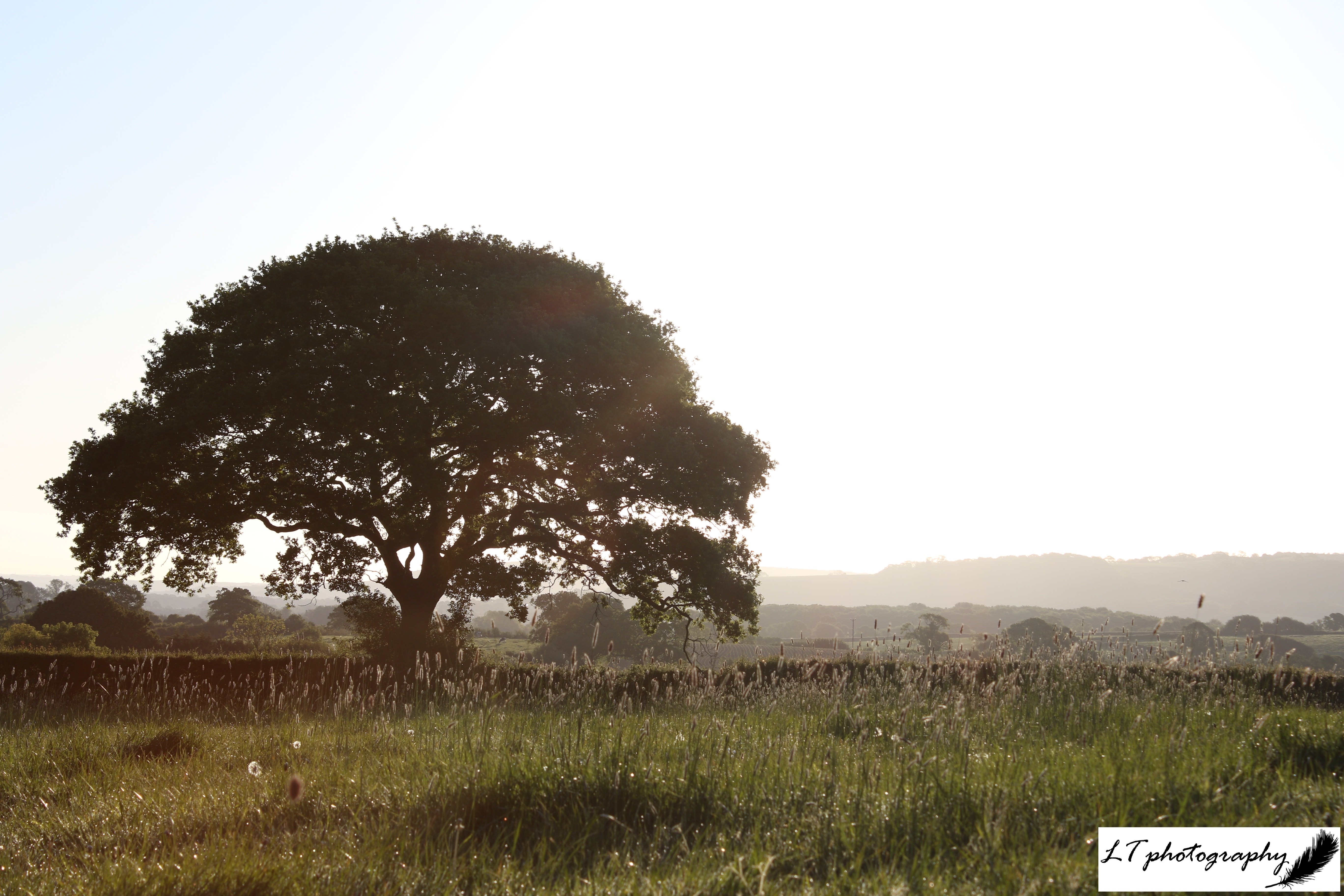
25_05_19_Horseshoe_Wood_Speckled_Wood_Butterfly_7Ash trees are finally fully in leaf and roe deer ramble lazily between the trees around me. Though this transition period may be more subtle than others, it truly signifies the changing of the seasons, as the important time for some species is replaced by the next. Thus, summer has now crept up on us!
How the woodland made its transition


25_05_19_No.1


25th May


Guide to Sable Island’s habitats and plants

Look deep into nature, and then you will understand everything better – Albert Einstein

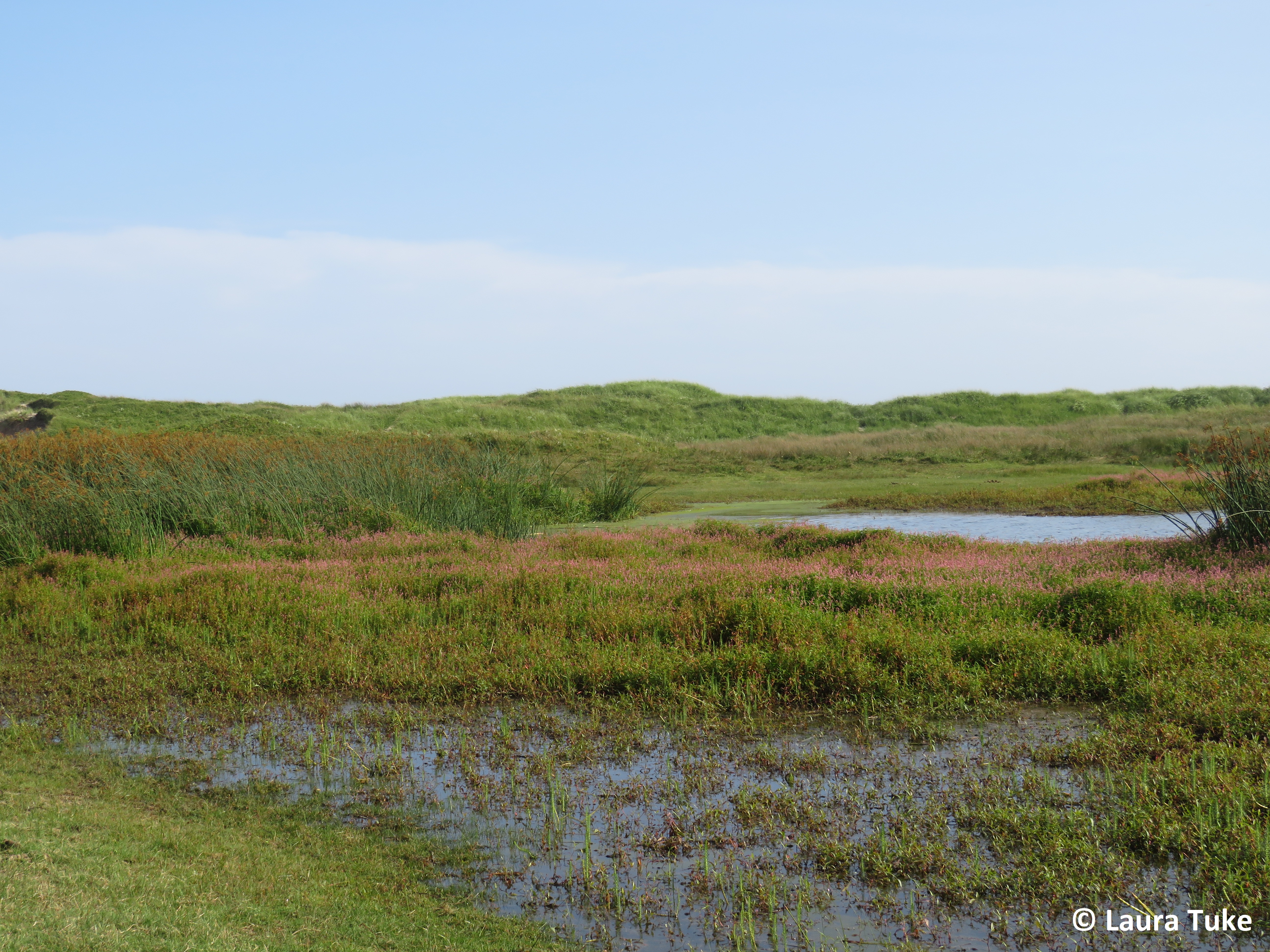
Sable Island, 250km from Halifax, Nova Scotia, Canada, is an island made entirely of sand. For approximately two thirds of the island runs a series of high dunes, flanked by two long sandy beaches, and are considered one of the largest dune systems in Eastern Canada. With the island experiencing a maritime temperate climate, the island sustains a range of habitat types, which include grassland, heath, sandwort, freshwater ponds, brackish ponds, and non-vegetated terrain.

Due to strong winds and a lack of soil, the island is treeless (apart from one) and is dominated by low-growing plant species. When on the island myself, one thing i loved, other than the vast variety of plant species, was the strong smell of lush green vegetation that would bombard my sense of smell everytime i was out and about walking.

Plant Species

In 2016, 183 vascular plant species were recorded on Sable Island, in which 34% were considered alien species.

Here’s a selection of different, more notable species that can be found on Sable Island:

Common species

Marram grasslandAmerican marram grass (Ammophila breviligulata)= Most common species

Beach peaBeach pea (Lathyrus japonicas var. maritimus)

Common yarrowCommon yarrow (Achillea millefolium var. occidentalis)

SandwortSea sandwort (Honckenya peploides sp. robusta)

Common wild roseCommon wild rose (Rosa virginiana)
Edible fruit and fragrant flowers

Lowbush blueberryLowbush blueberry (Vaccinium angustifolium)
Edible fruit

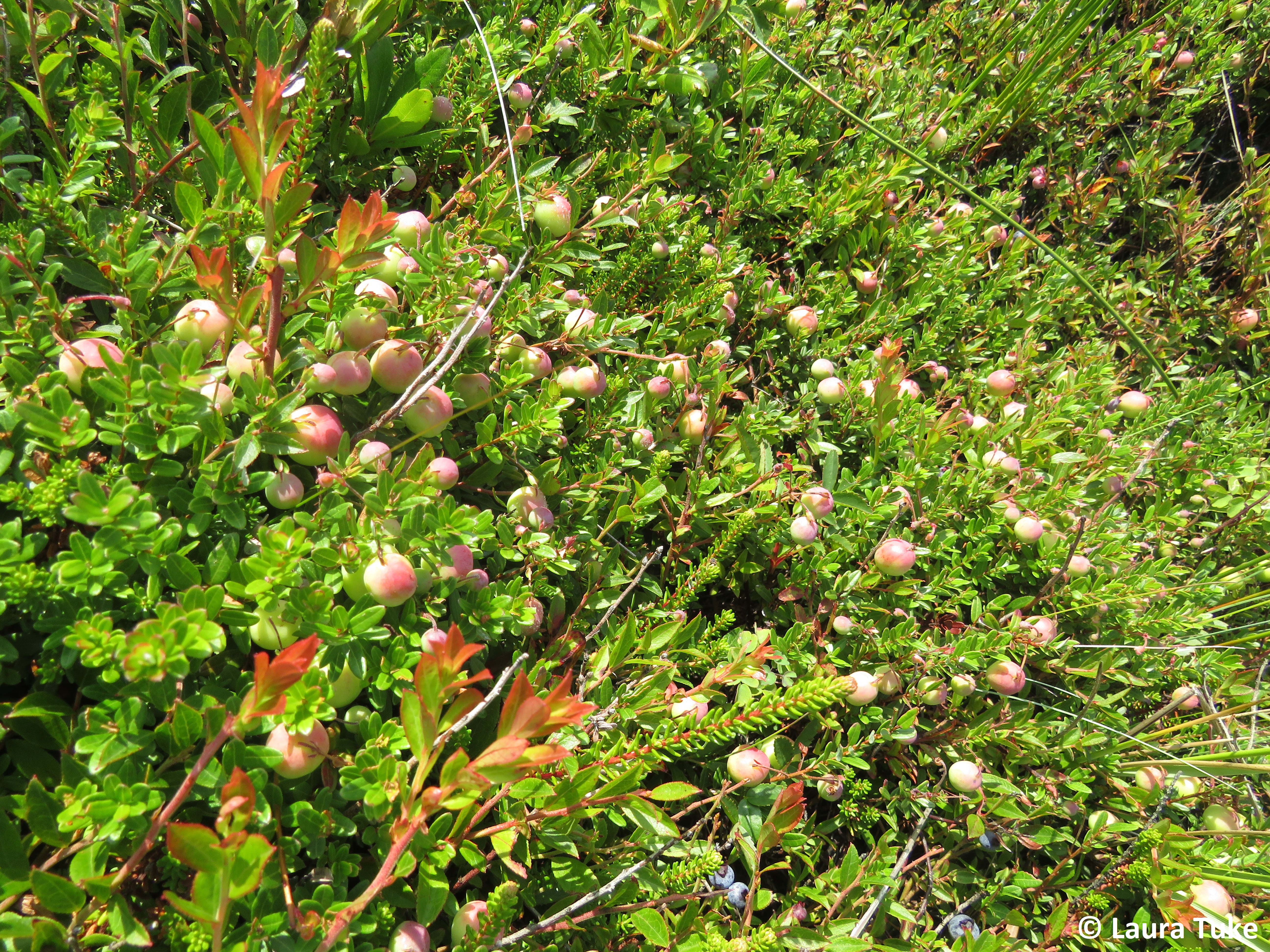
Large cranberryLarge cranberry (Vaccinium macrocarpon)
Edible fruit

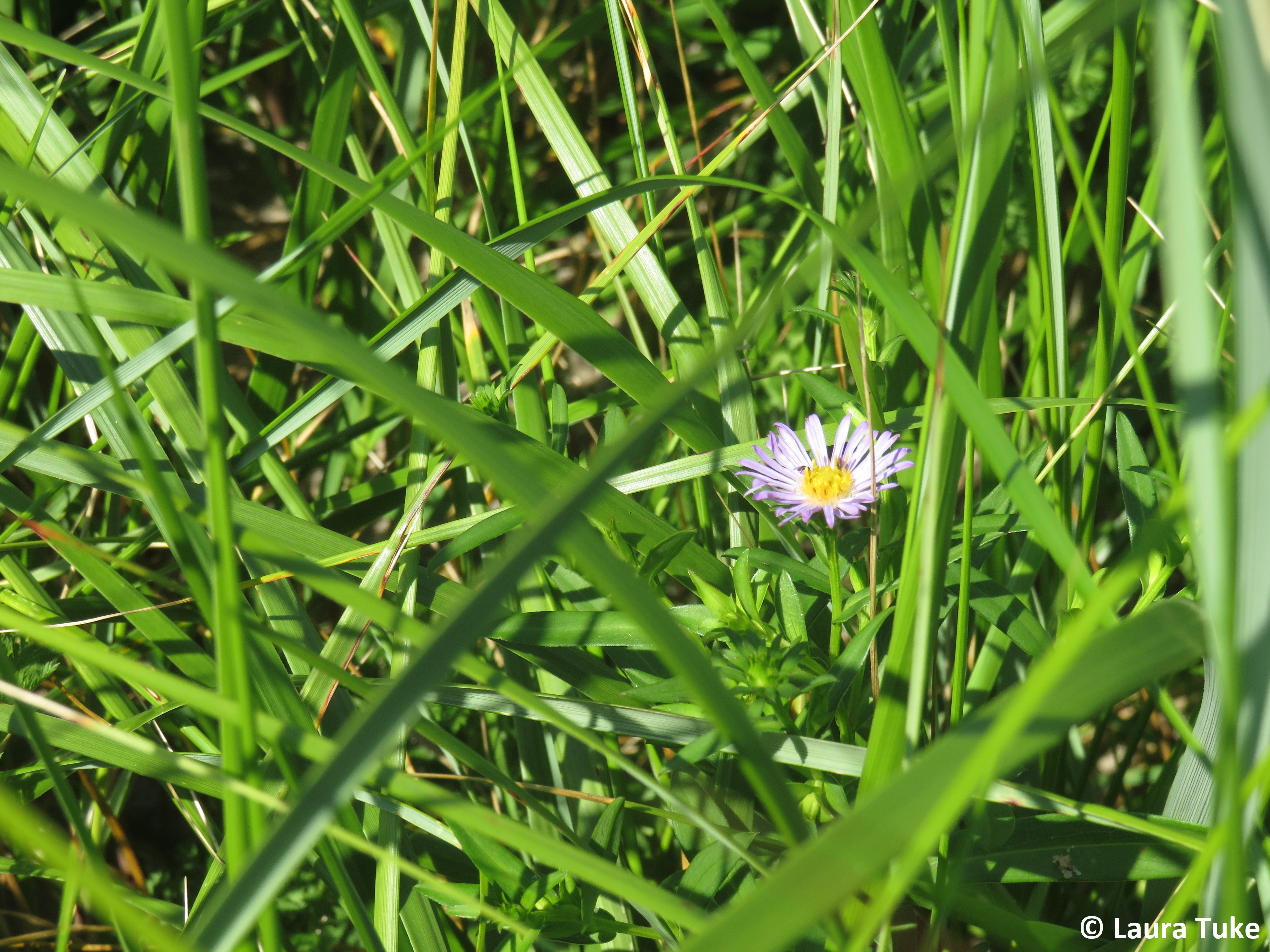
New york asterNew York aster (Symphyotrichum novi-belgii)

Swamp smartweed

Stretch of swamp smartweedSwamp smartweed (Polygonum hydropiperoides)

Wild strawberryWild strawberry (Fragaria virginiana sp. glauca)
Edible fruit

Small flowered evening primroseSmall flowered evening primrose (Oenothera parviflora)

Blue flag irisBlue flag iris (Iris versicolor)

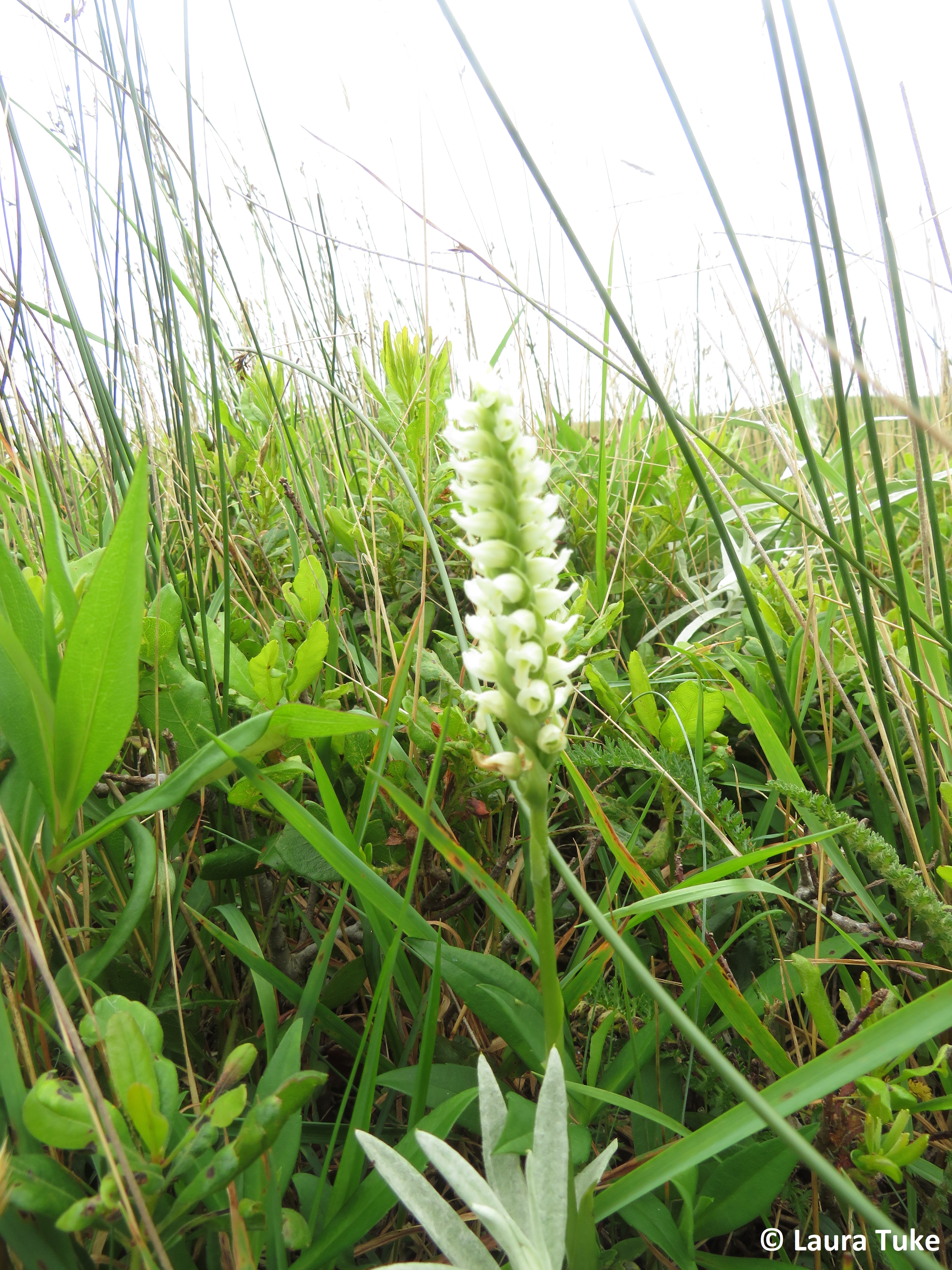
Hooded Ladies' tressesHooded ladies’ tresses (Spiranthes romanzoffiana)

Blue eyed grassBlue-eyed grass (Sisyrinchium angustifolium)

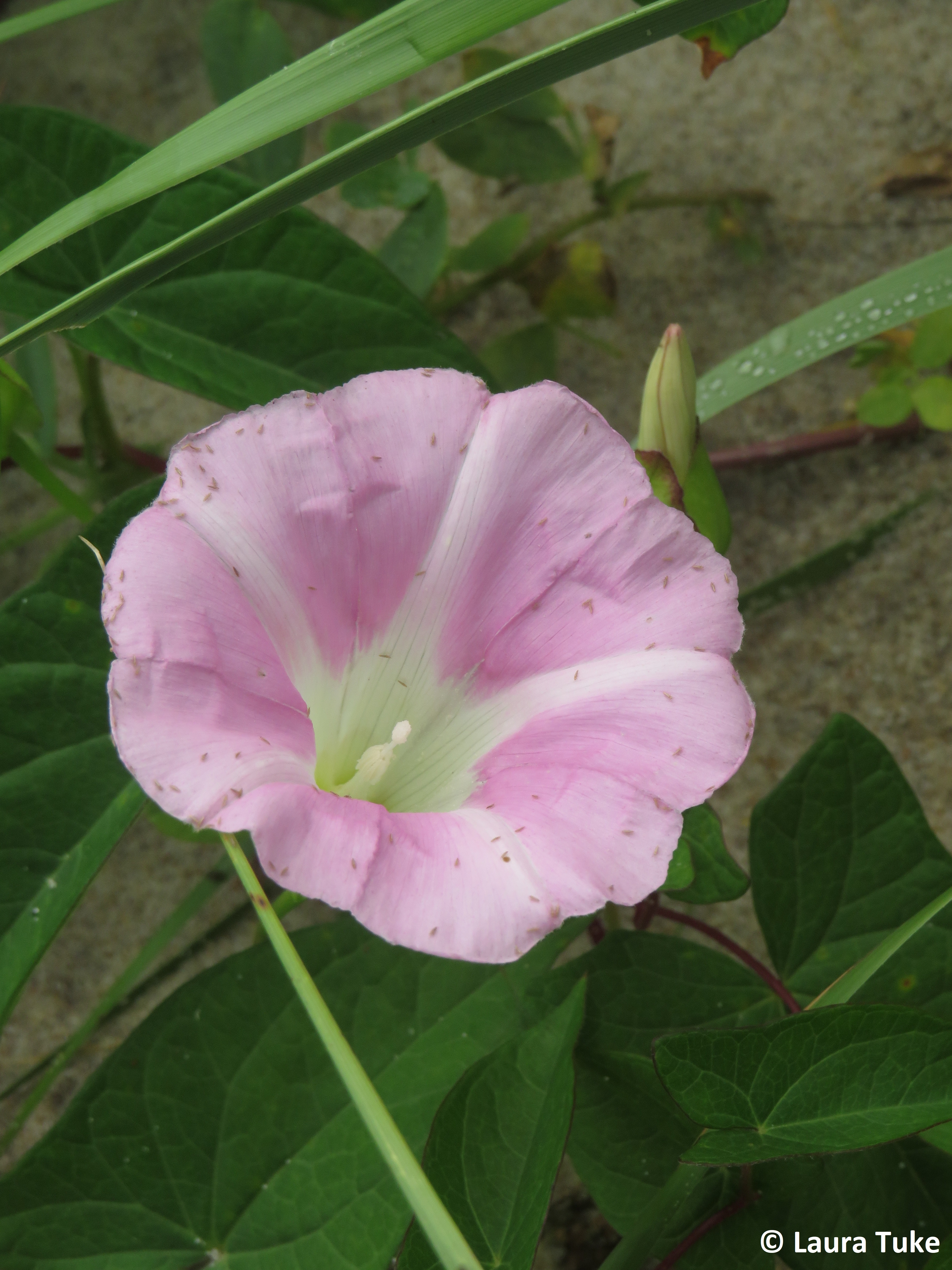
Hedge bindweedHedge bindweed (Calystegia sepium)

Seaside goldenrodSeaside goldenrod (Solidago sempervirens)

Also:
Pearly everlasting (Anaphalis margaritacea)
Creeping juniper (Juniperus horizontalis)
Common juniper (Juniperus communis var. megistocarpa)
Star-flowered false solomon’s seal (Maianthemum stellatum)
Black crowberry (Empetrum nigrum)= Edible fruit
Bayberry (Morella pensylvanica)= Edible fruit and aromatic leaves
Wand dewberry (Rubus arcuans)= Edible fruit
Threepetal bedstraw (Galium trifidum)

Juncus


Rushes and sedges

Baltic rush (Juncus balticus var. littoralis)
Canada rush (Juncus canadensis)
Slender rush (Juncus tenuis)
Jointleaf rush (Juncus articulatus)

Star sedge (Carex echinata)
Soft-stemmed bulrush (Schoenoplectus tabernaemontani)


Other grass species (Poa and fescue)

Red fescue (Festuca rubra)
Annual meadow grass (Poa annua)
Kentucky bluegrass (Poa pratensis)
Bentgrass (Agrostis scabra)

Introduced species

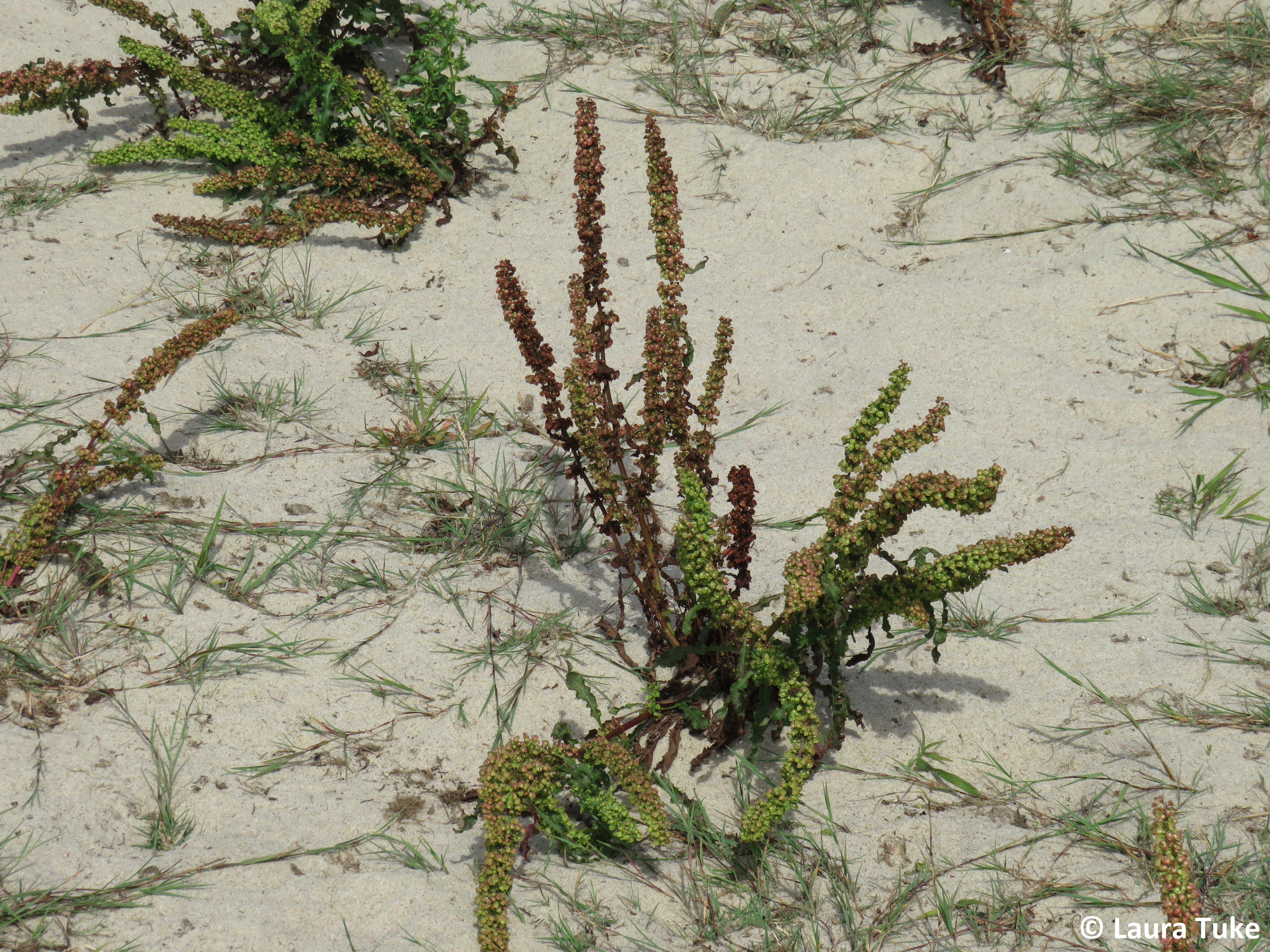
Curled dockCurled dock (Rumex crispus)

Black knapweedBlack knapweed (Centaurea nigra)

Also:
White clover (Trifolium repens)
Common heather (Calluna vulgaris)
Red clover (Trifolium pratense)
Common plantain (Plantago major)
English plantain (Plantago lanceolata)

Sable Island’s Only Tree

On Sable Island, due to the extreme conditions, there is only one living tree. This tree is a Scot’s pine, standing at a few feet tall. It was planted 50 years ago and can be found at the ‘Pine Tree Pond’ near Main Station on the island.

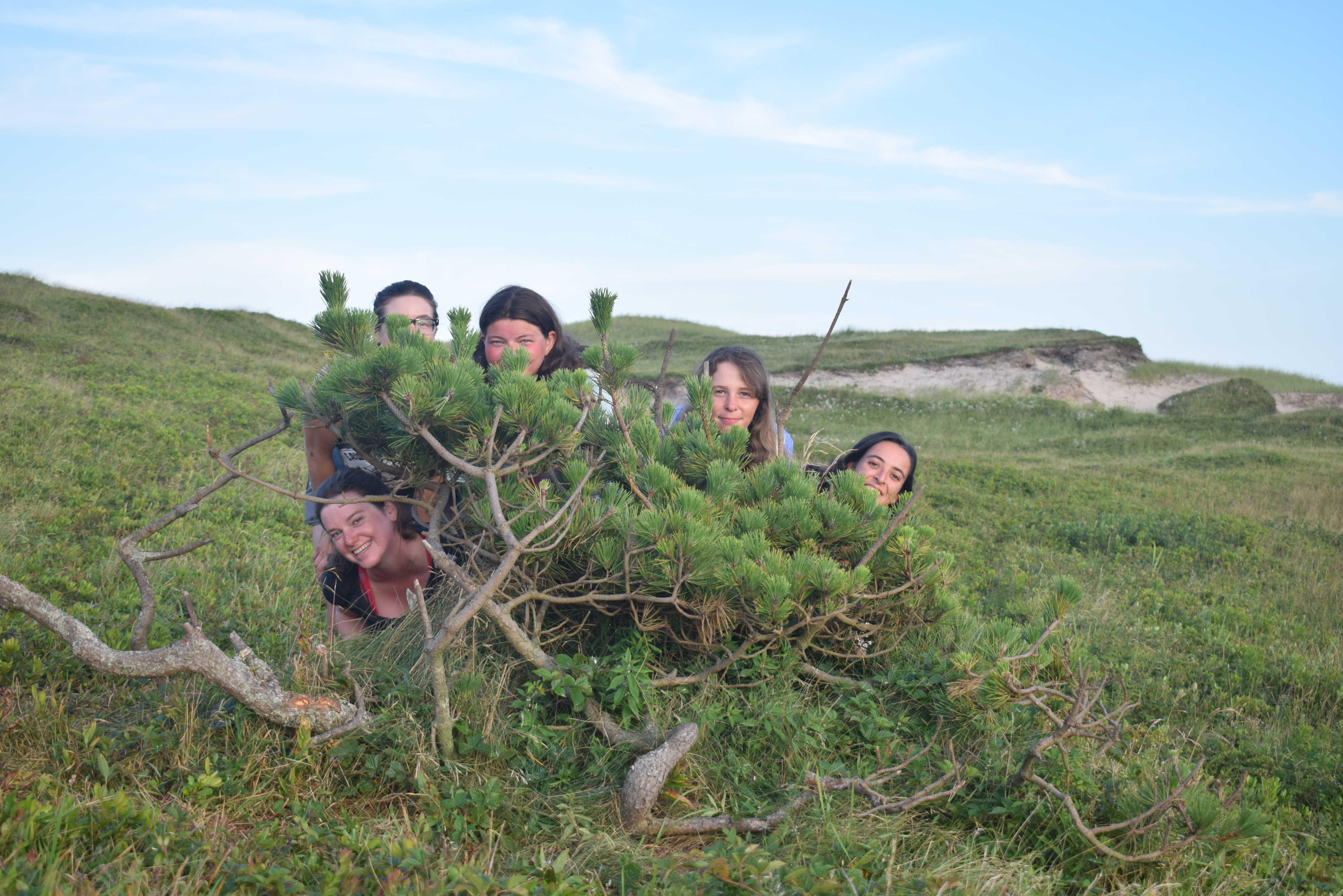
Here’s a couple of photos of the tree with the Sable Island Horse Project’s crew for the second half of this year’s summer field season:

DSC_0419DSC_0424

Winter into spring: April on the farm

April is one of my favourite months of the year on the farm. During April, the Dorset countryside begins to burst into new life. Newborn lambs bounce in the fields, newborn calves snooze in the fields in the spring sunshine, birds begin to nest and raise a new generation, and flowers carpet the woodlands.

Plants this April still followed a trend of being late, with some woodlands not becoming decked out in their full splendour during this month like in past years. Still Bluebells, wild garlic, early purple orchids and late wood anemones began to coat the woodland floor. Also, the woodland ferns began to unfurl in the woods later than usual.

During this April, trees were very much still late, with sycamore and silver birch finally bursting into leaf. Oaks were noticeably asynchronous in their bud burst, with some trees on there way to being in full leaf and others yet to start.

April saw the main crop of migrants arriving on warm winds. This year our barn swallows returned on April 6th, exactly the same date as in 2015! By the time we were fully into April, bird breeding pairs had been firmly established, and the nesting season for many bird species was fully under way. During April, more birds can be heard singing at dawn than any other time of year, which is quite magical to hear.

This year the tawny owls are breeding later than last year, but by the end of April the first hissing calls of tawny owl fledglings could be heard resonating through Dorset woodlands.

Life could be seen blooming everywhere throughout April. Dog violets and cowslips, among other species, were seen flowering along roadside banks.

WP_20160427_002

27/04/16

Brimstone butterflies, orange tip butterflies, and peacock butterflies all began to emerge during the first half of April.

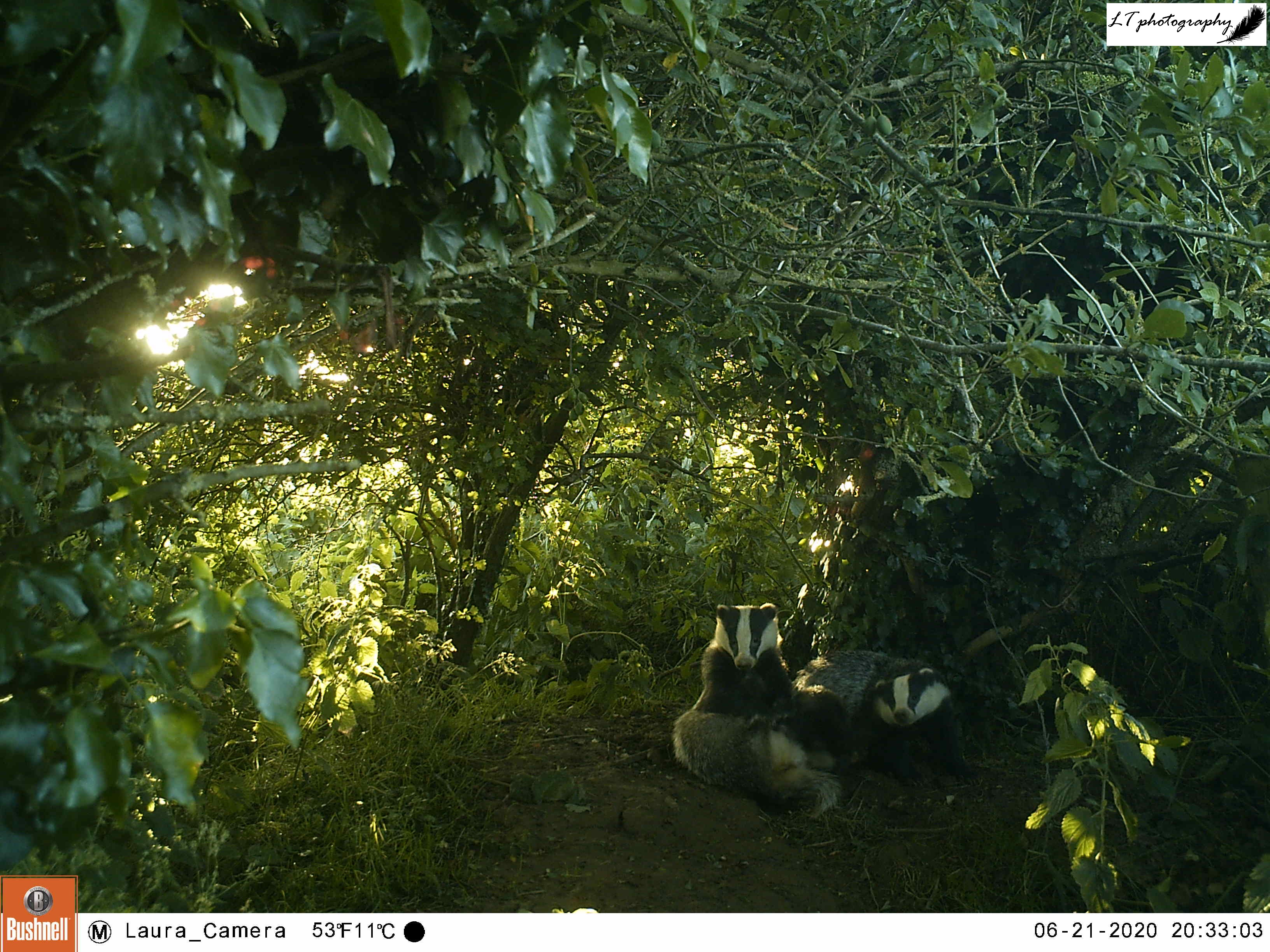
Throughout April, I made myself busy amongst the mounds university revision, by setting up my camera trap at different popular sites around our farmland. It was amazing to see the first badger cubs emerge from their den, and even more special to me, was being able to watch fox cubs beginning to explore above ground with their siblings, during the second half of the month. Fox cubs have to be my highlight of beautiful April!