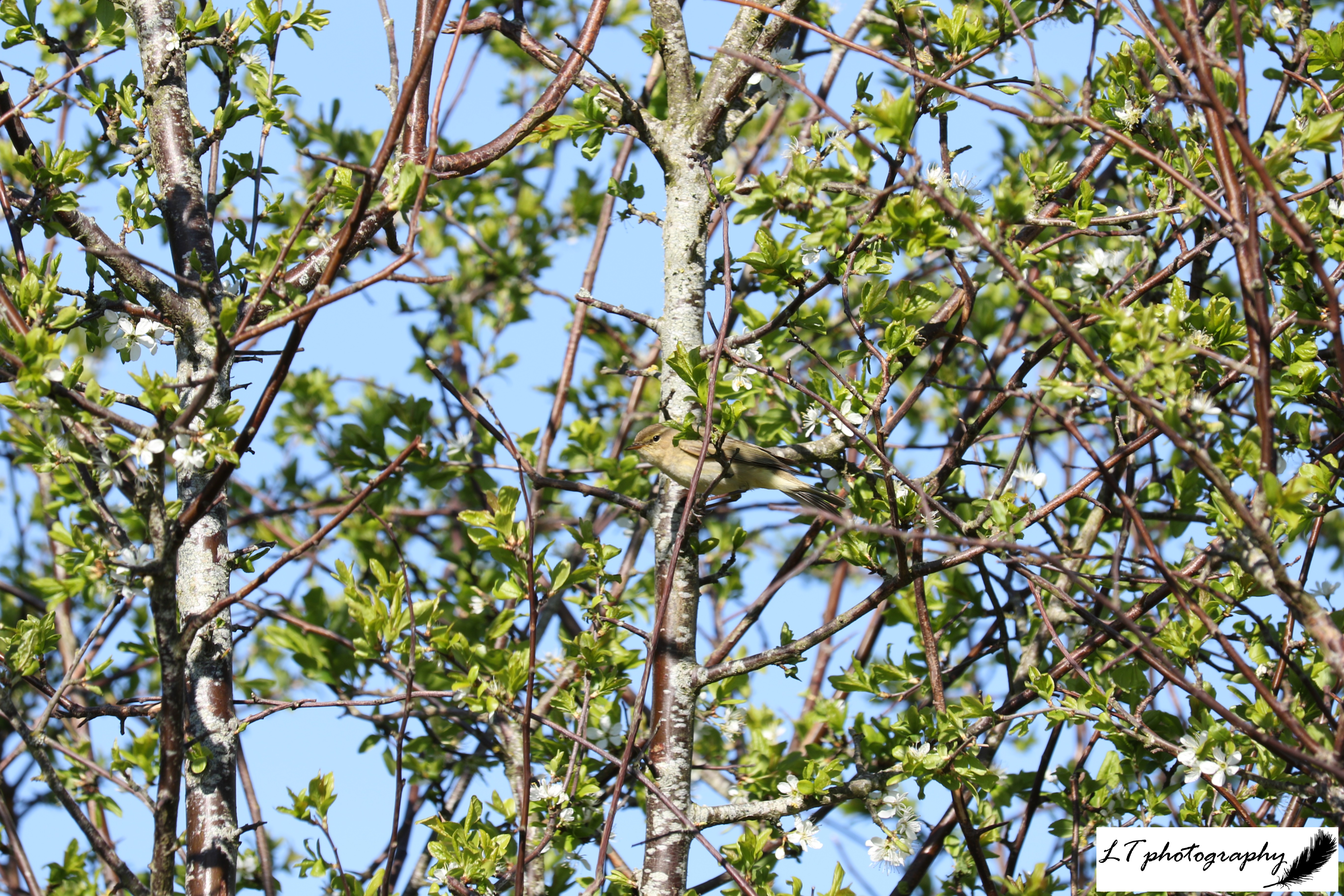
How to… Identify All Year Round Garden Birds

Photographs will be updated in the future

In the UK, 633 wild bird species have been recorded up to 2024, from eagles and owls to kingfishers and thrushes. Between 2015 and 2020 though, almost half of all bird species in the UK were seen to have experienced a decline in number, adding to a steady decline over 50 years. Some of the biggest factors have been increased development, agricultural intensification, habitat loss, lack of woodland management, disease, and climate change, amongst others.

As bird species continue to lose access to habitat and food sources across the UK, our gardens, however big or small, are becoming an important lifeline for populations. ‘Garden birds’ refer to any species that visit and utilise a garden, and species will depend on what food, water, and habitat is available, and also the habitats that can be found around a garden. This often leads to variation in what people may see from garden-to-garden.

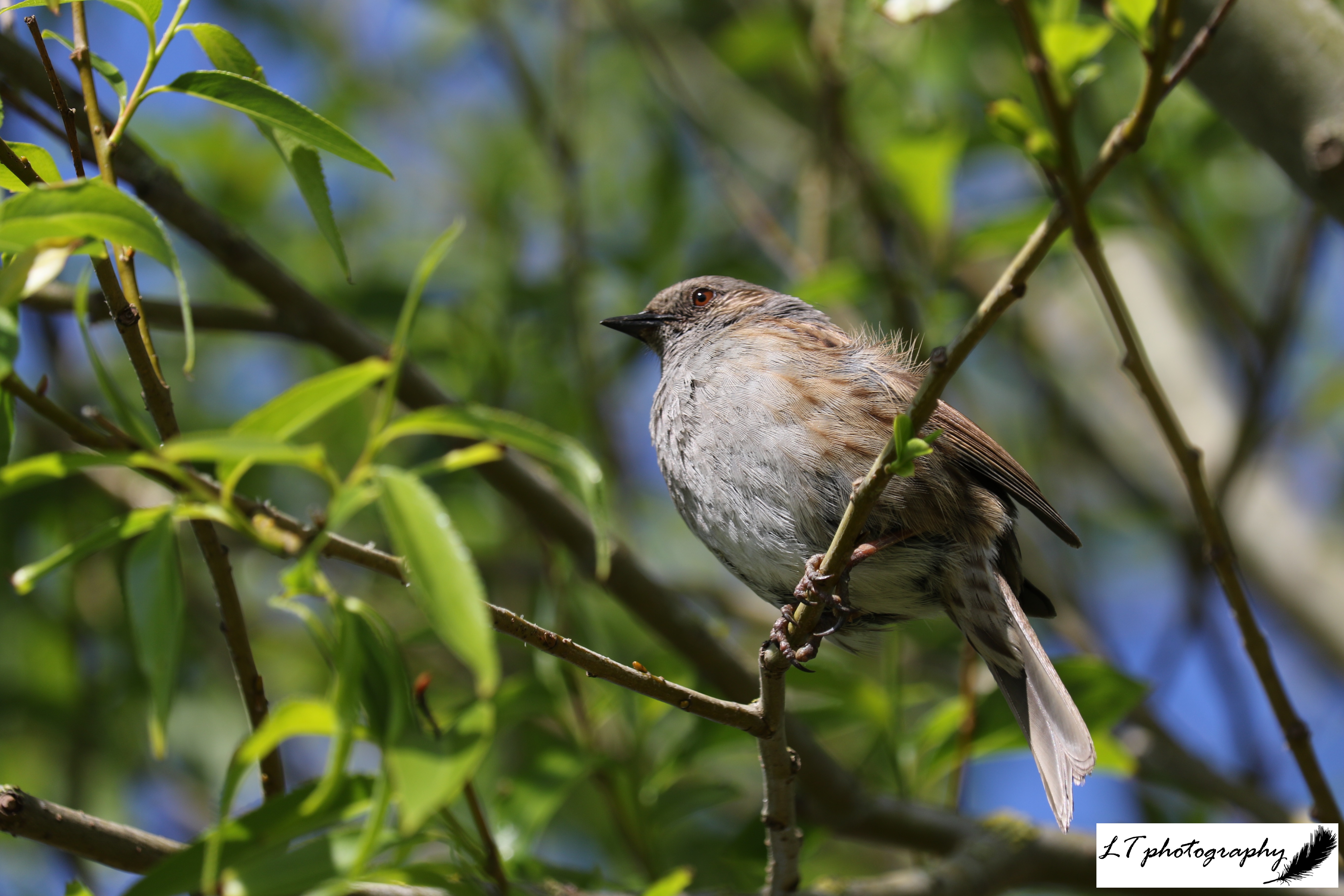
Despite differences, there are a number of birds that are more likely to be seen in gardens, and it is great to know what you may be seeing to help easily tailor your garden for their use, such as what bird food to offer. To help identify species, here you can find a helpful guide to 10 birds that can often be seen in gardens across the UK, even when their populations are decreasing in number. Take a look below!

Species:

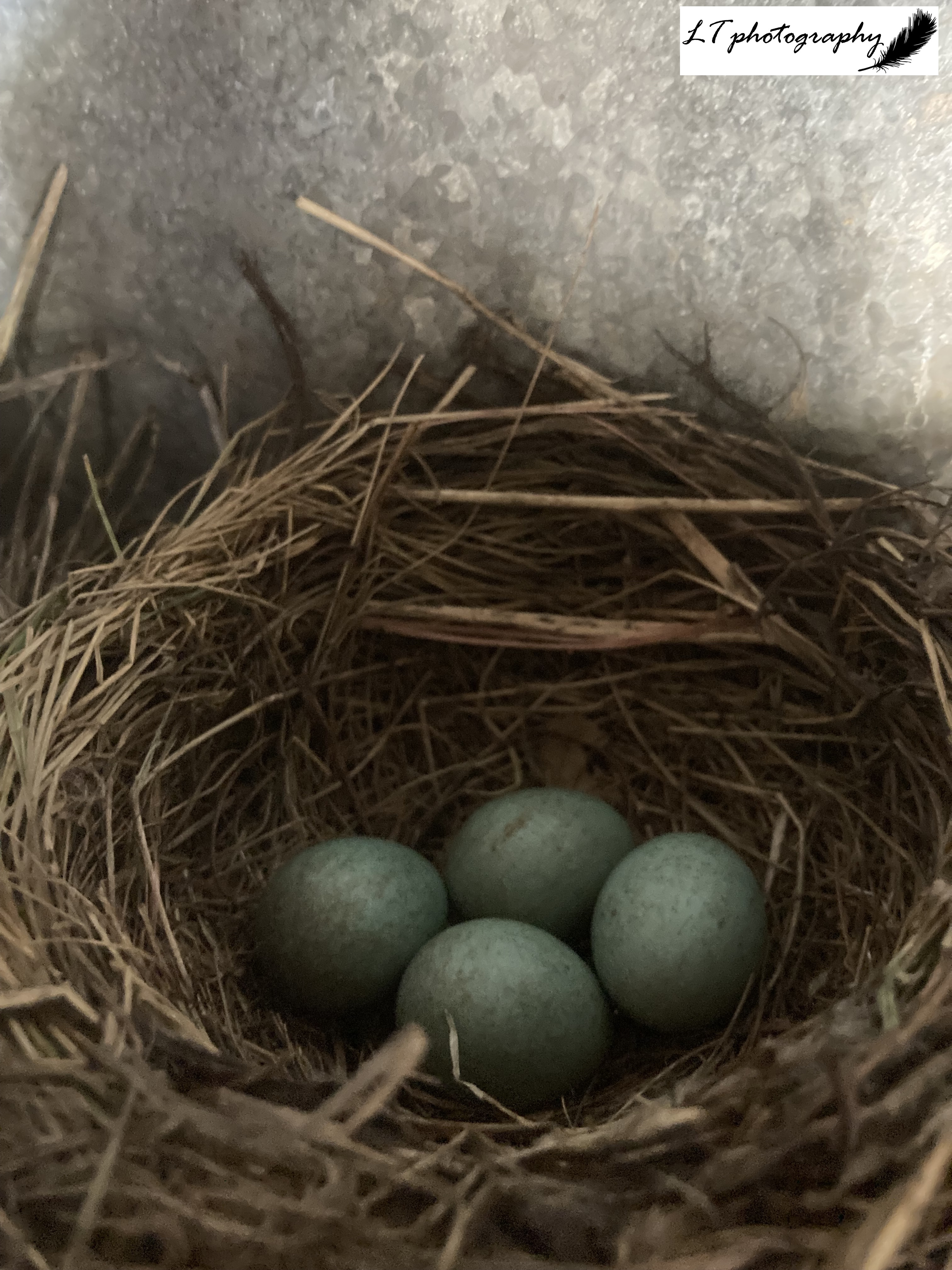
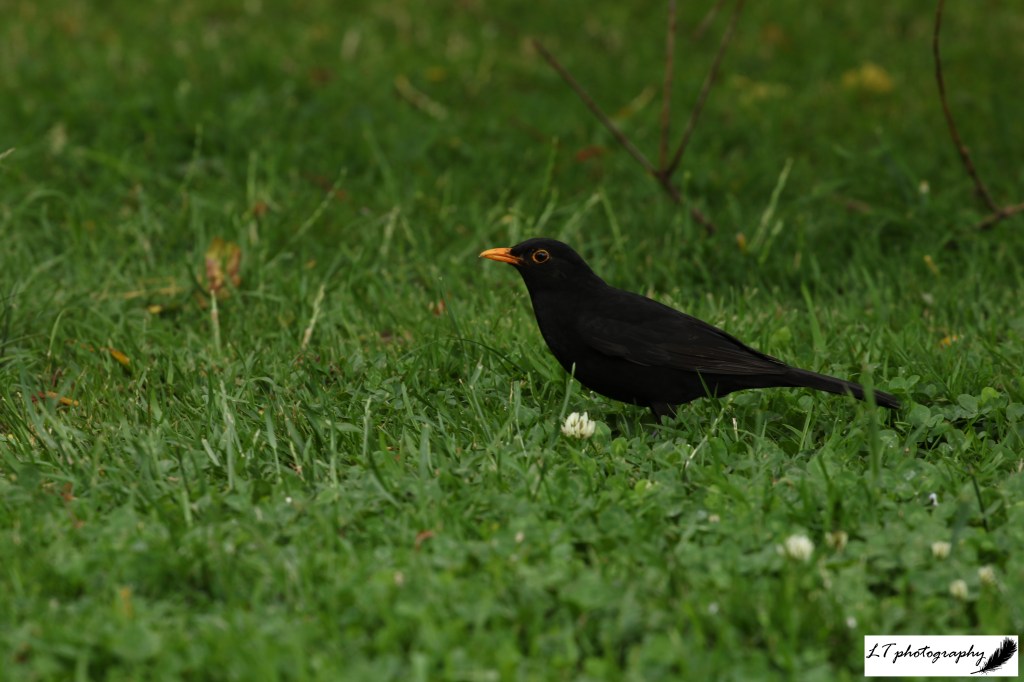
Common Blackbird (Turdus merula)

  • Length: 23.5 – 29cm
  • Weight: 80 – 125g
  • Colour: Adult males are all black with a yellow beak, whilst adult females are dark brown with a more dull beak. Young start as a speckled version of the female and change to adult feathers through moulting their feathers
  • What To Feed: Mealworms, fat balls, or sunflower hearts on the floor or in a ground feeder
  • Breeding Season: March to Late July
  • Nest: A round cup made of twigs, grass and other plant materials, close to the ground in adequate cover
  • UK Conservation status: Green

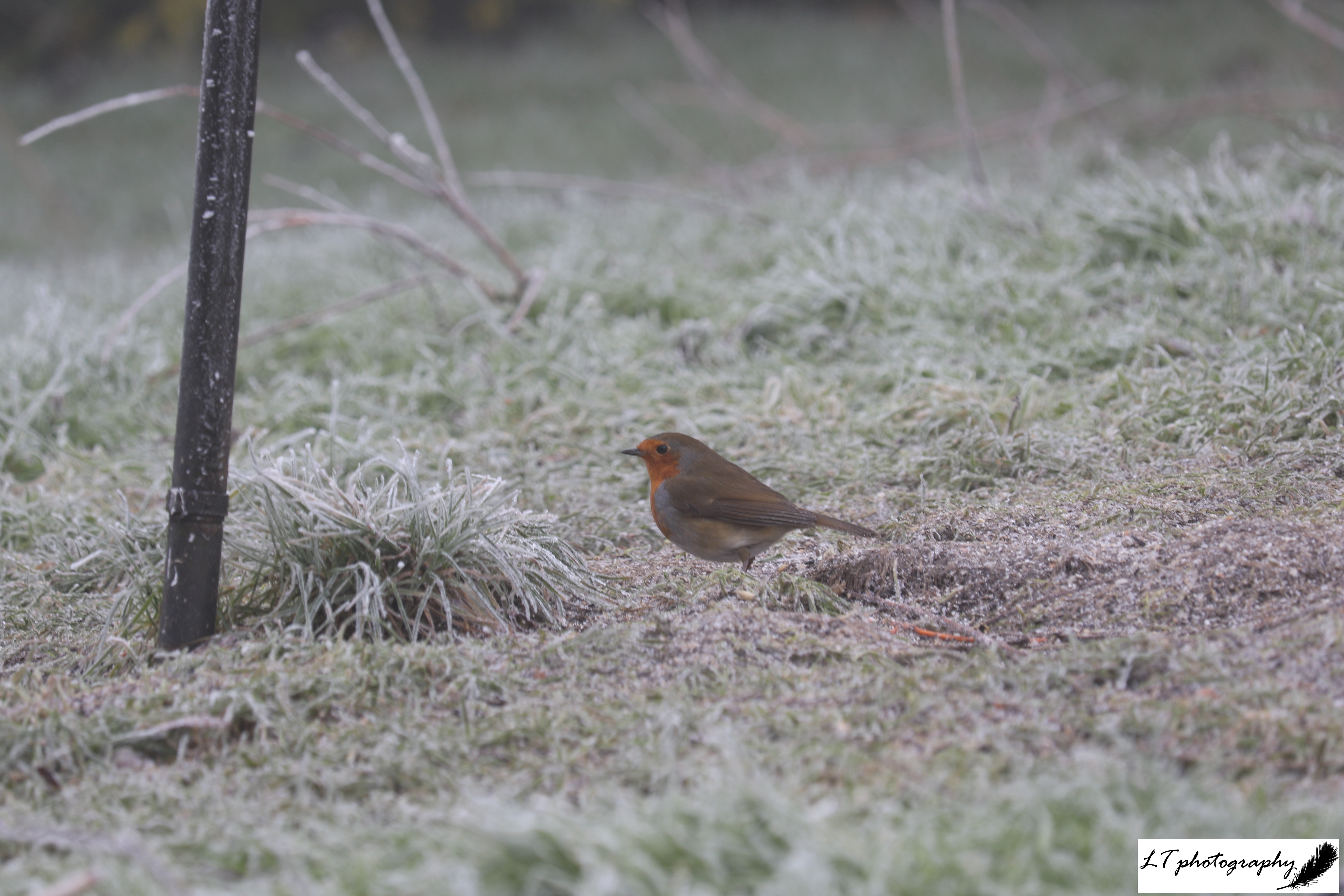
European Robin (Erithacus rubecula)

  • Length: 12.5 – 14cm
  • Weight: 13 – 21g
  • Colour: Adult males and females look the same, both brown with an orange-red breast and white underside. The young start a speckled brown
  • What To Feed: Mealworms, suet, or seeds on a ground feeder, bird table or bird feeder with platform
  • Breeding Season: March to mid-August
  • Nest: A round cup made of grass, moss and leaves and lined with hair and maybe feathers, usually tucked in a hole, crevice or behind something
  • UK Conservation Status: Green

House Sparrow (Passer domesticus)

  • Length: 14 – 16cm
  • Weight: 23 – 35g
  • Colour: Adult males have a grey crown and cheeks, chestnut sides to head, black bib, grey underparts, rufous-brown back, and white wing-bar. Adult females and young (until body moult) have buff-brown upperparts, underparts grey, brown cap and cream supercilium behind eye
  • What To Feed: Will eat a range food, including seeds and grains from feeders
  • Breeding Season: March to August
  • Nest: In cavities, where dried plant material is stuffed in to make an untidy sphere which is then lined with softer materials, such as feathers
  • UK Conservation Status: Red

Blue Tit (Cyanistes caeruleus)

  • Length: 13.5 – 15cm
  • Weight: 9 – 13.5g
  • Colour: Blue crown, wings and tail, white cheeks, black eye-stripe, underparts yellow, and greyish-black central belly stripe. Their young begin with more dull feathers and yellowish cheeks
  • What To Feed: Fat balls, suet, peanuts, or sunflower seeds from hanging feeders
  • Breeding Season: March to June
  • Nest: Built inside cavities and formed of a cup of plant material, such as moss, lined with soft materials, such as feathers, wool and fur
  • UK Conservation Status: Green

Great Tit (Parus major)

  • Length: 13.5 – 15cm
  • Weight: 14 – 22g
  • Colour: Black head with white cheeks, moss-green back, blue-grey wings and tails, yellow underparts and black central belly-band. Males have wider, more defined belly-band. Young begin more dull and with yellowish cheeks
  • What To Feed: Suet, fat balls, peanuts, or sunflower seeds in hanging feeders
  • Breeding Season: March to July
  • Nest: Built inside cavities, formed of a cup of twigs, roots, moss, lichen and/or grasses, and lined with soft materials, such as hair or plant material
  • UK Conservation Status: Green

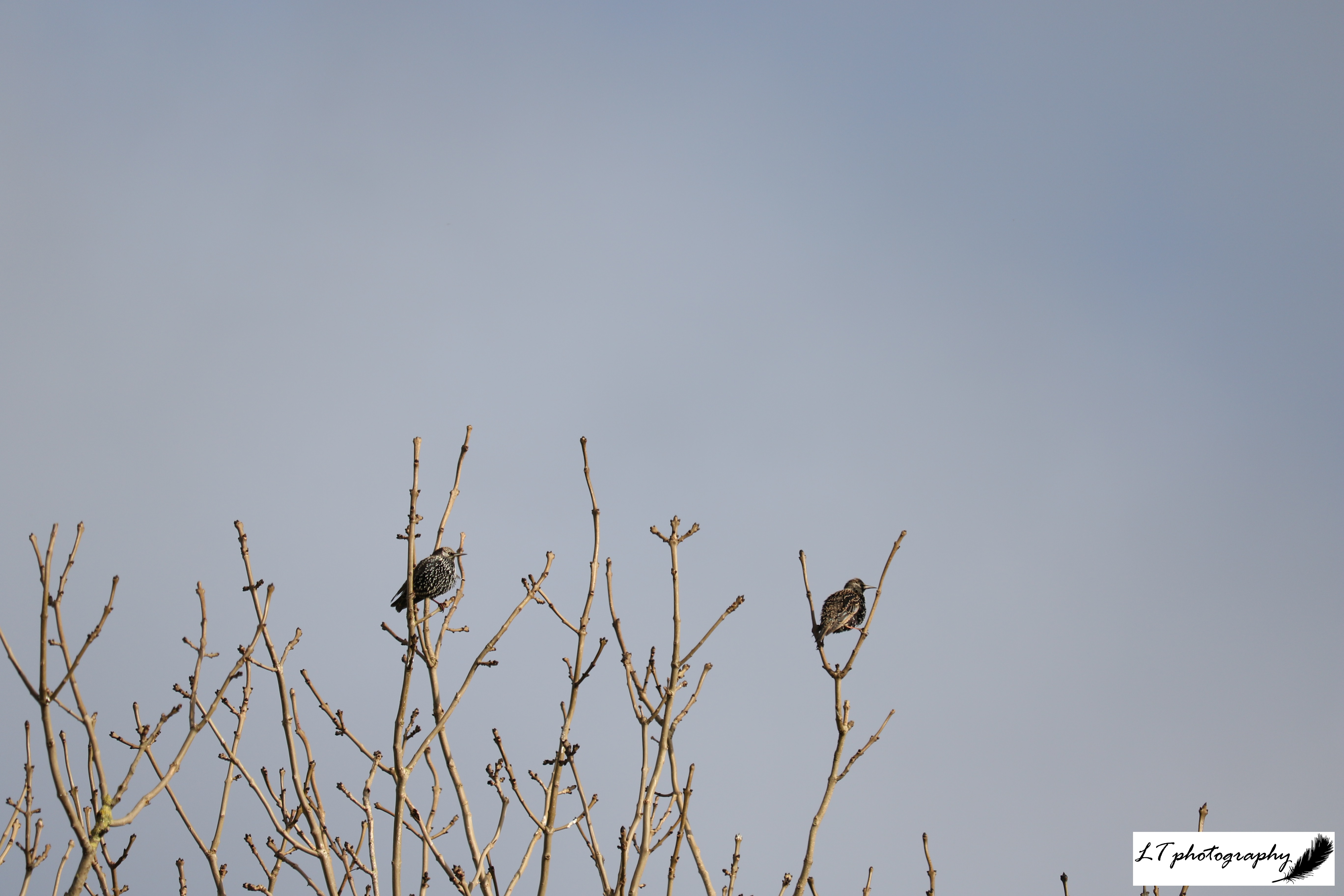
Starling (Sturnus vulgaris)

  • Length: 19 – 22cm
  • Weight: 60 – 97g
  • Colour: Black bird with long-pointed yellow bill, white spots dotted through plumage, a green-purple sheen to the feathers and pale pink legs. The young start with grey-brown feathers and change with body moult
  • What To Feed: Suet, peanuts or sunflower hearts in hanging and ground feeders
  • Breeding Season: March-July
  • Nest: In holes and cavities in trees and buildings, made up of a messy depression of plant stems, grass, and moss, and often lined with feathers or wool
  • UK Conservation Status: Red

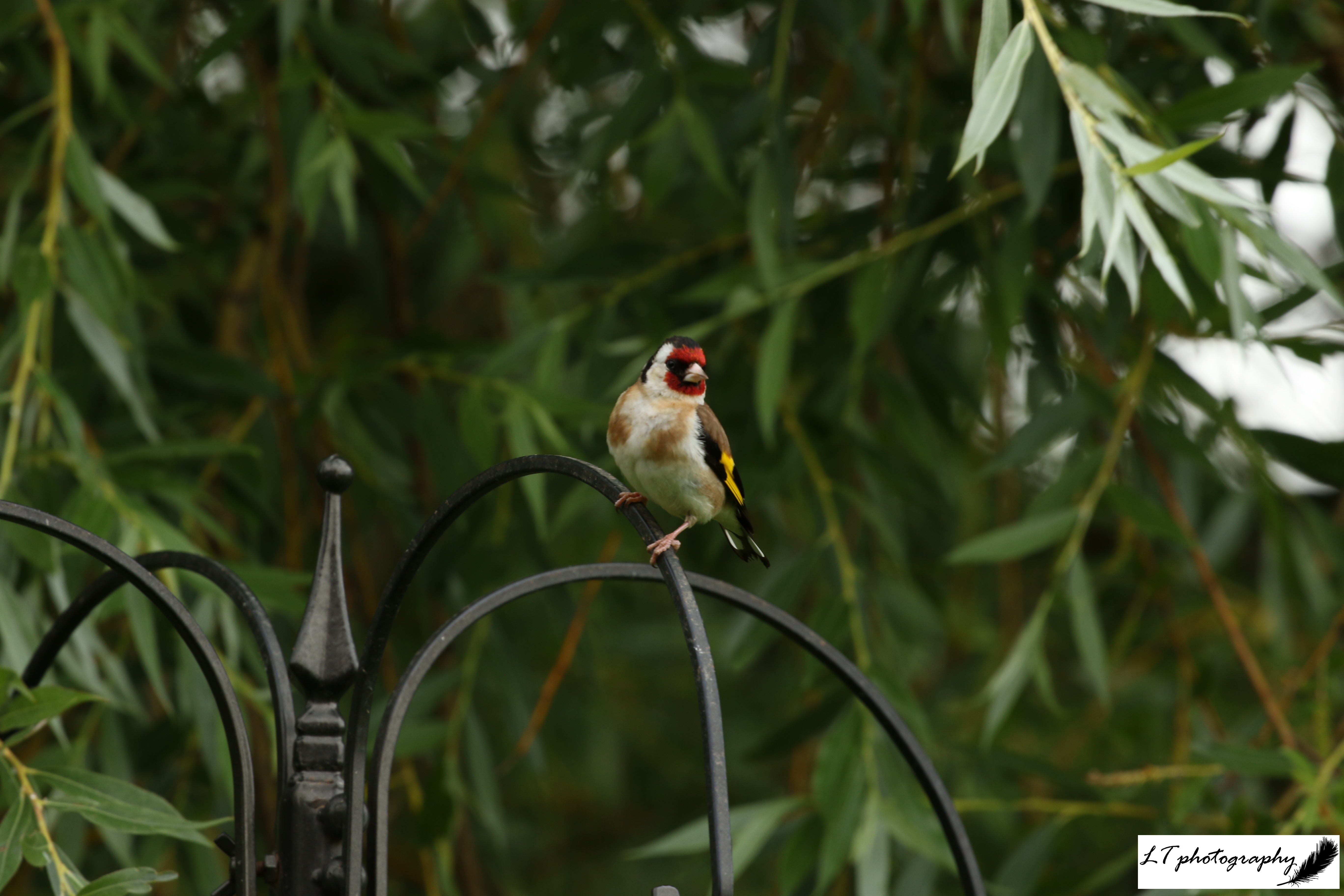
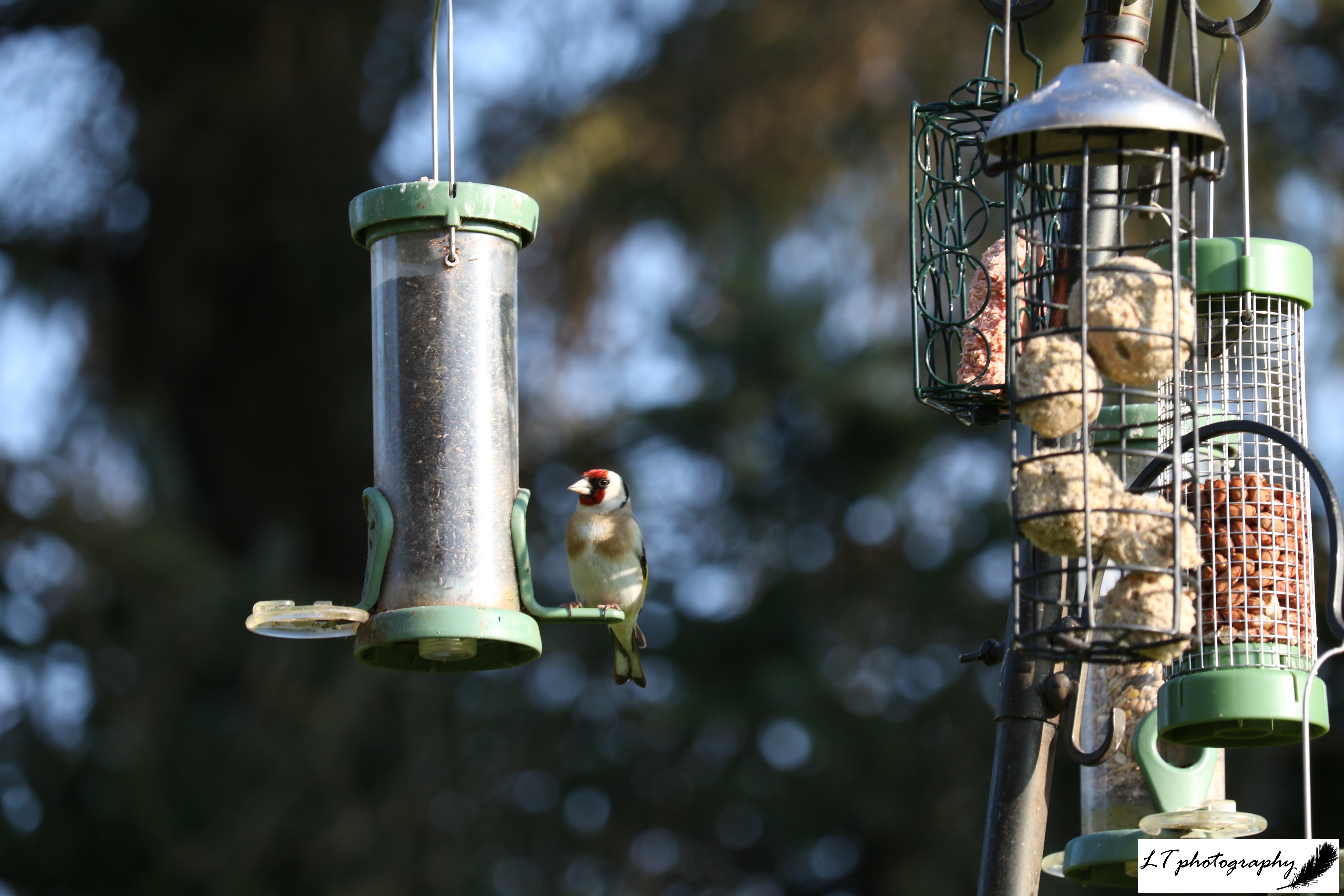
Goldfinch (Carduelis carduelis)

  • Length: 12 – 13.5cm
  • Weight: 13 – 20g
  • Colour: Adults have a black and white head with red face, brown back, black wings with yellow bar, and black tail with white spots. Young lack colourful head until body moult
  • What To Feed: Sunflower hearts, niger seeds or mixed seed in hanging feeders
  • Breeding Season: April to August
  • Nest: A neat cup made of moss, grass, wool, and hair, relatively far off of the ground in tight tree branches, hedges or shrubs
  • UK Conservation Status: Green

Chaffinch (Fringilla coelebs)

  • Length: 14 – 16cm
  • Weight: 17.5 – 29g
  • Colour: Adult males have pinky-red cheeks and breast, and blue-grey crown and neck, whereas adult females and young lack the colourful head and instead have a grey-green one. All have a distinct pale rump and double white wing bars
  • What To Feed: Peanuts, sunflower seeds, seed mixes, or suet in hanging or ground feeders
  • Breeding Season: April to June
  • Nest: Deep cup of lichens, grass, roots and feathers, lined with plant down, feathers or wool, usually in the fork of a tree, shrub or hedgerow
  • UK Conservation Status: Green

Collared Dove (Streptopelia decaocto)

  • Length: 29 – 33cm
  • Weight: 168 – 249g
  • Colour: Pale pinky-grey-brown feathers, black neck collar, dark eye, grey underparts, and reddish feet
  • What To Feed: Small seeds from ground feeders or bird tables
  • Breeding Season: March to September
  • Nest: Sparse platform of twigs and leaves in trees or high up in buildings
  • UK Conservation Status: Green

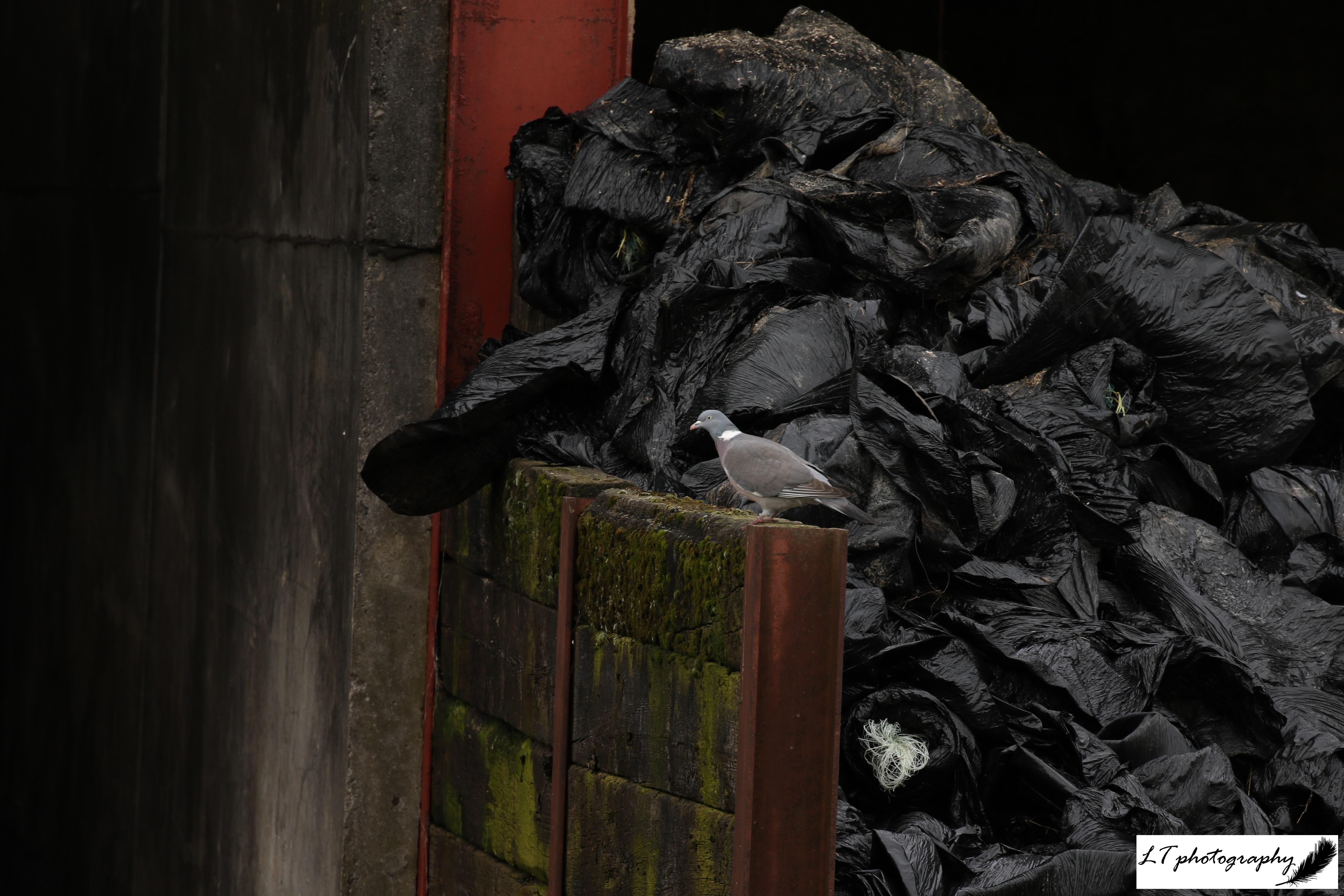
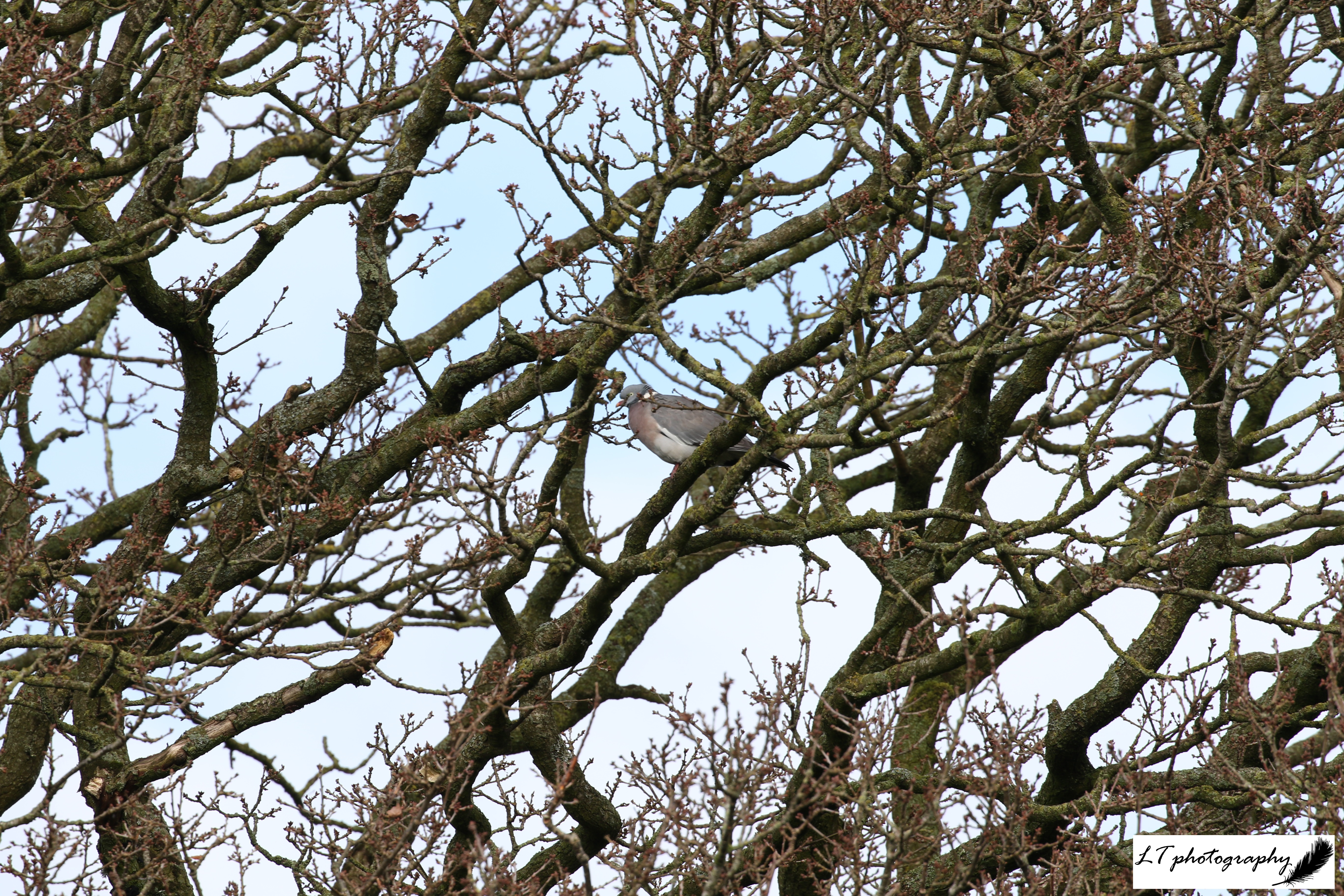
Woodpigeon (Columba palumbus)

  • Length: 38 – 43cm
  • Weight: 325 – 620g
  • Colour: Grey-blue head and back, pinky-red belly, large white patch on neck, sides of neck iridescent purple and green, white wing patches and pink legs. Young are pale with no neck patch.
  • What To Feed: Only British herbivorous bird. Feed seeds on a bird table, ground feeder or the ground
  • Breeding Season: February to November
  • Nest: Simple platform constructed from sticks in trees, shrubs, vegetation or ledges
  • UK Conservation Status: Amber
Spring In Photos 2022

Spring this year has been a joyful and colourful experience. In 2020, spring was a lifeline during lockdown. In 2021, spring was a turbulent and unpredictable season, with some real wonderous moments to behold. This year though, I have simply enjoyed every moment that spring had to offer, watching as the season swelled into being and slipped out once again with the heat of the summer sun.

This spring the season began slower, but reached its peak quickly once it got going. In Dorset, from blossom and bursting leaves to nesting birds and breeding mammals, spring bloomed spectacularly, with so much new life on offer. During this time I made lots of adventures out with my camera and took many, many photos. Here are just a few of my favourites from spring 2022.

Spring 2022: In Photos

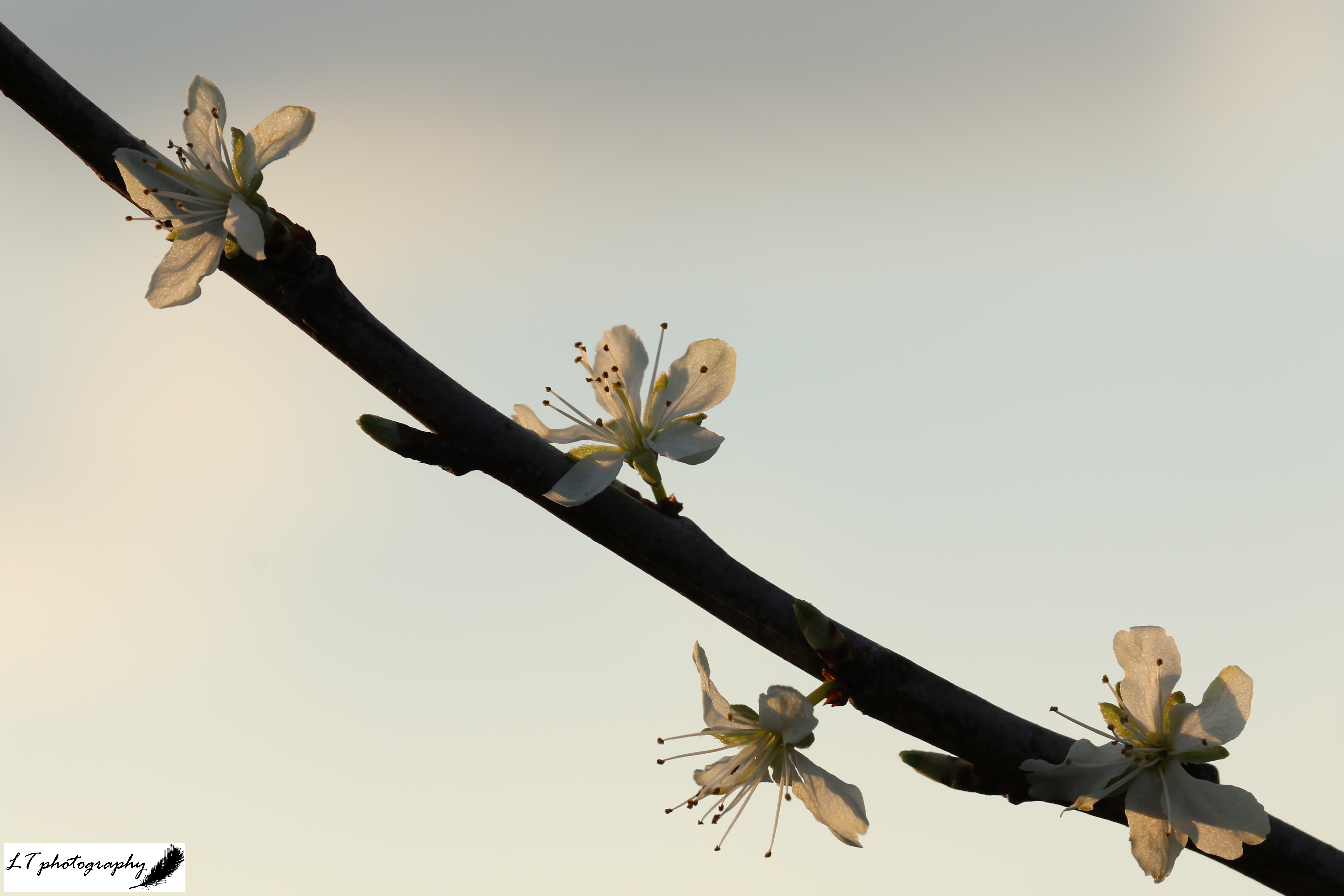
Sunset Damson Blossom – This year the blossom of fruiting trees was fantastic. Our damson tree blossomed without being bitten by frost or hit by strong winds, so hopefully it will be a good year for damsons

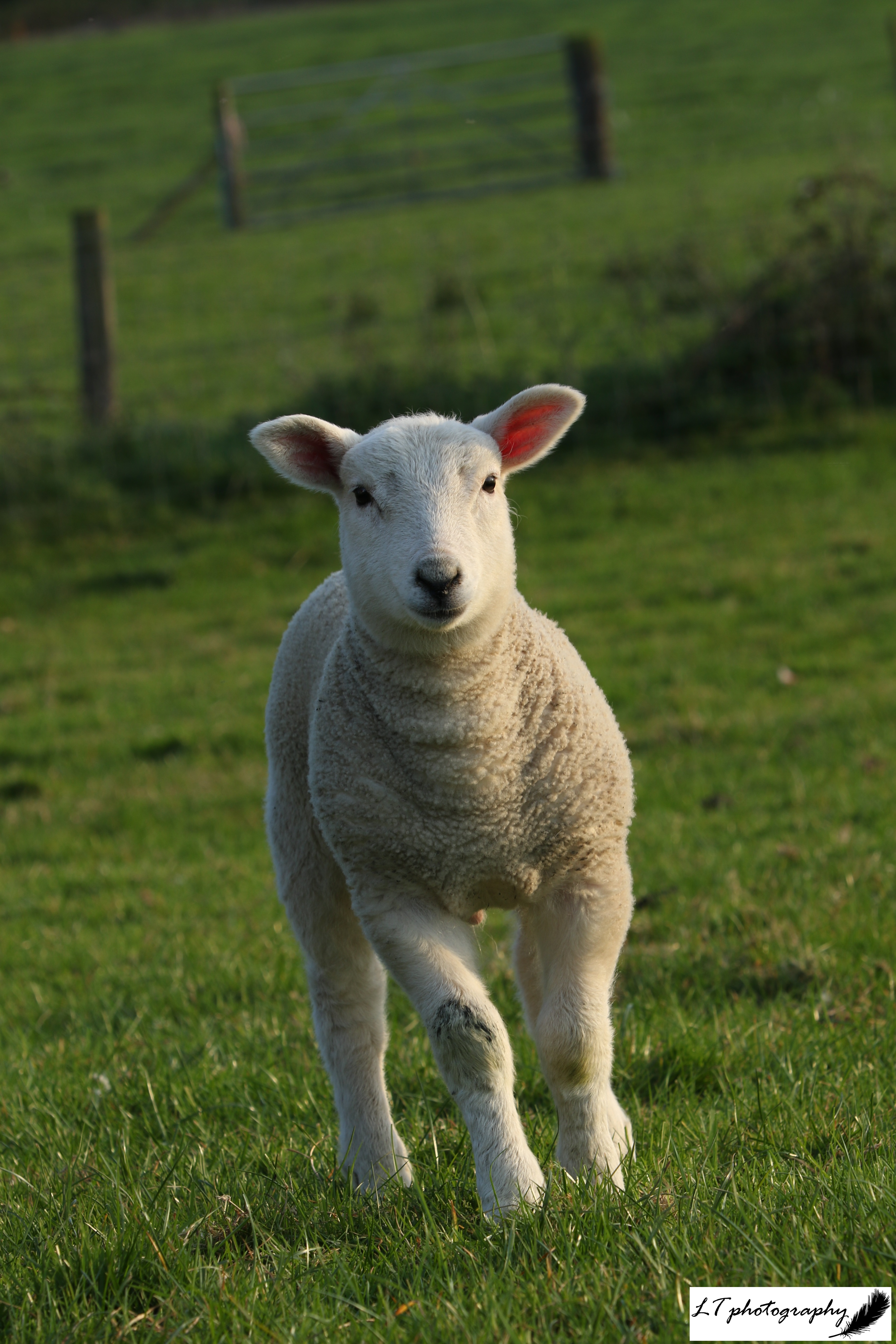
Lambing at Home – My mum has her own mini flock of Lleyn ewes, a Lleyn ram, and a Charolais ram, and for us spring would not be spring without lambs springing around the fields!

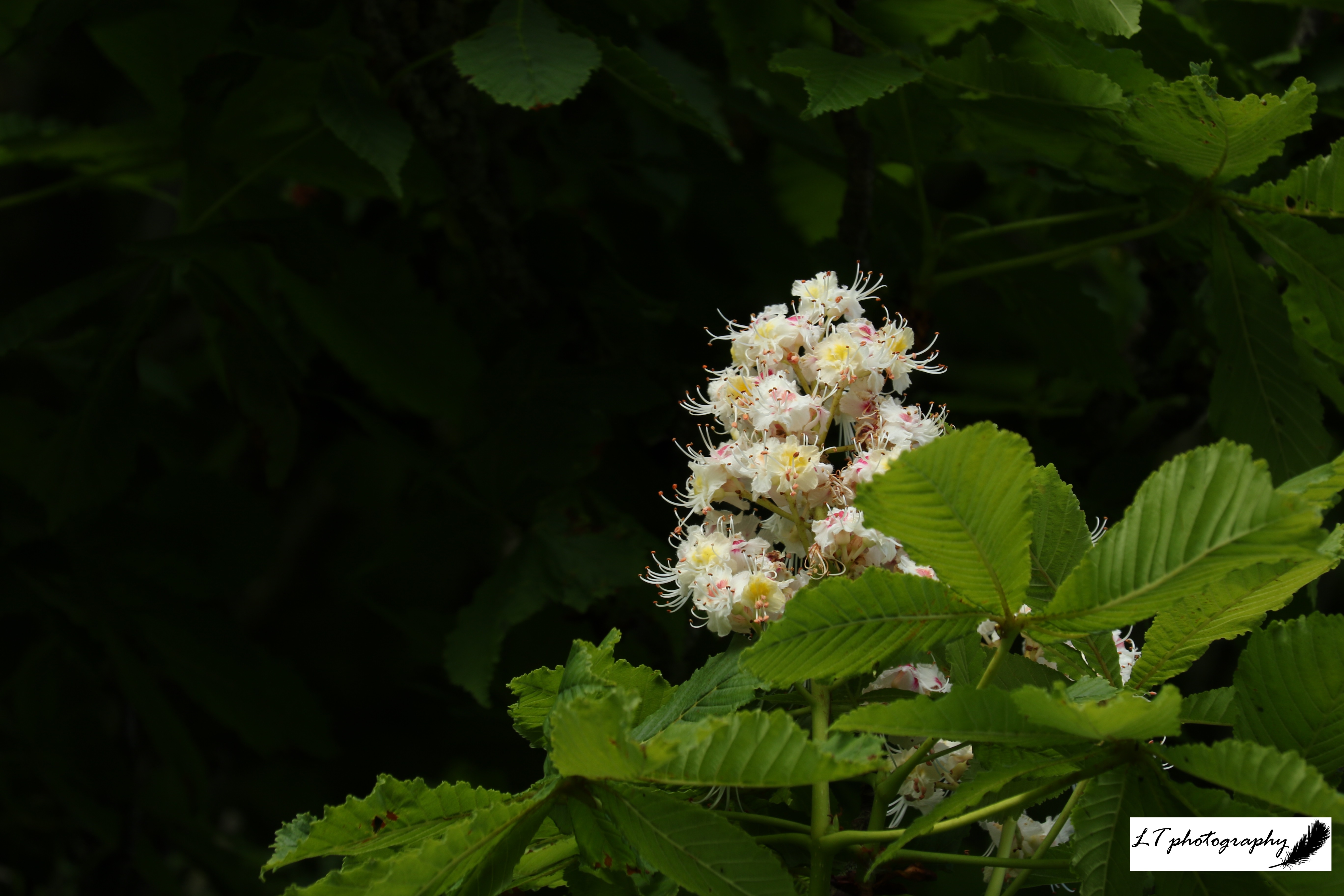
Horse Chestnut Flowers – Often tree flowers are simple, green and unassuming, but not those of horse chestnut trees. Horse chestnut flowers form a candelabra of fantastic white flowers with dots of pink and yellow, towering high in the boughs of the trees

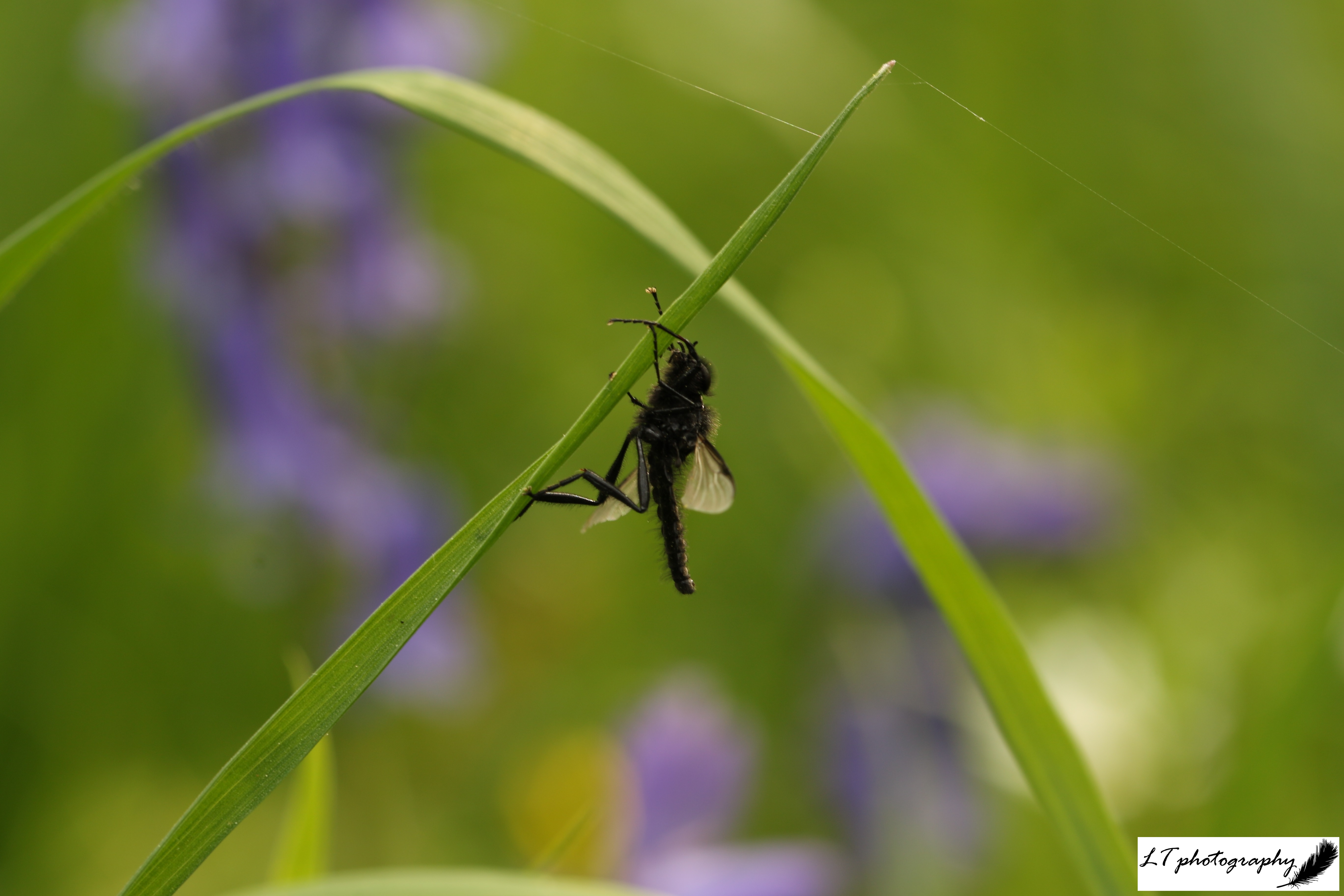
Woodland Minibeasts – This year during the bluebell bloom, I focused on exploring the hidden life amongst the bluebells (check out my previous post for more). One of my finds during my hunts was this fly which looks to be a St. Mark’s fly. This fly gets its name due to emerging around St. Mark’s Day in April each year

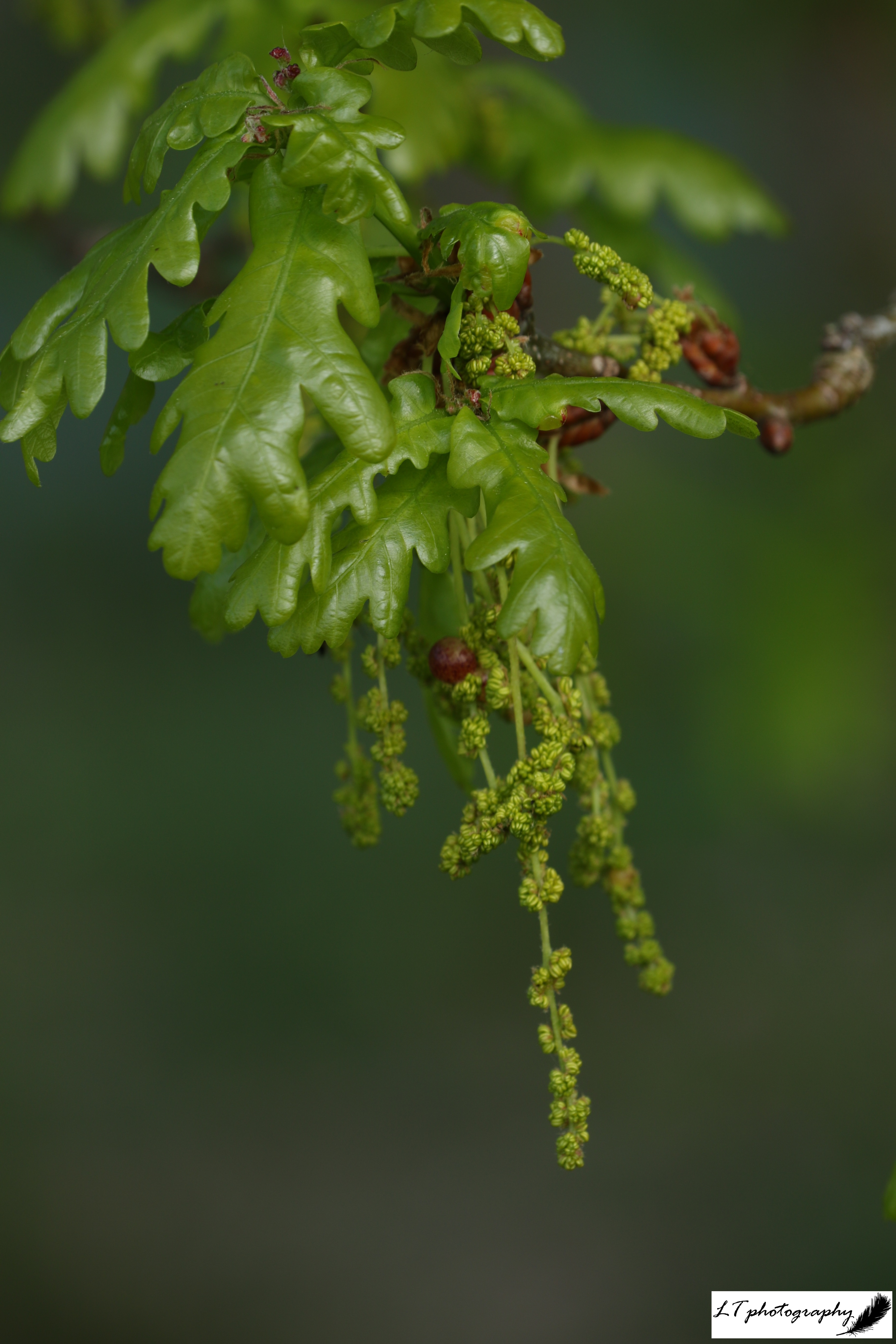
Oak Flowers – Though horse chestnut flowers are showy, some tree flowers are fantastic in a subtler way. The flowers of English oak trees hang down in green streamers from their branches, looking pretty swaying softly in gentle spring breezes

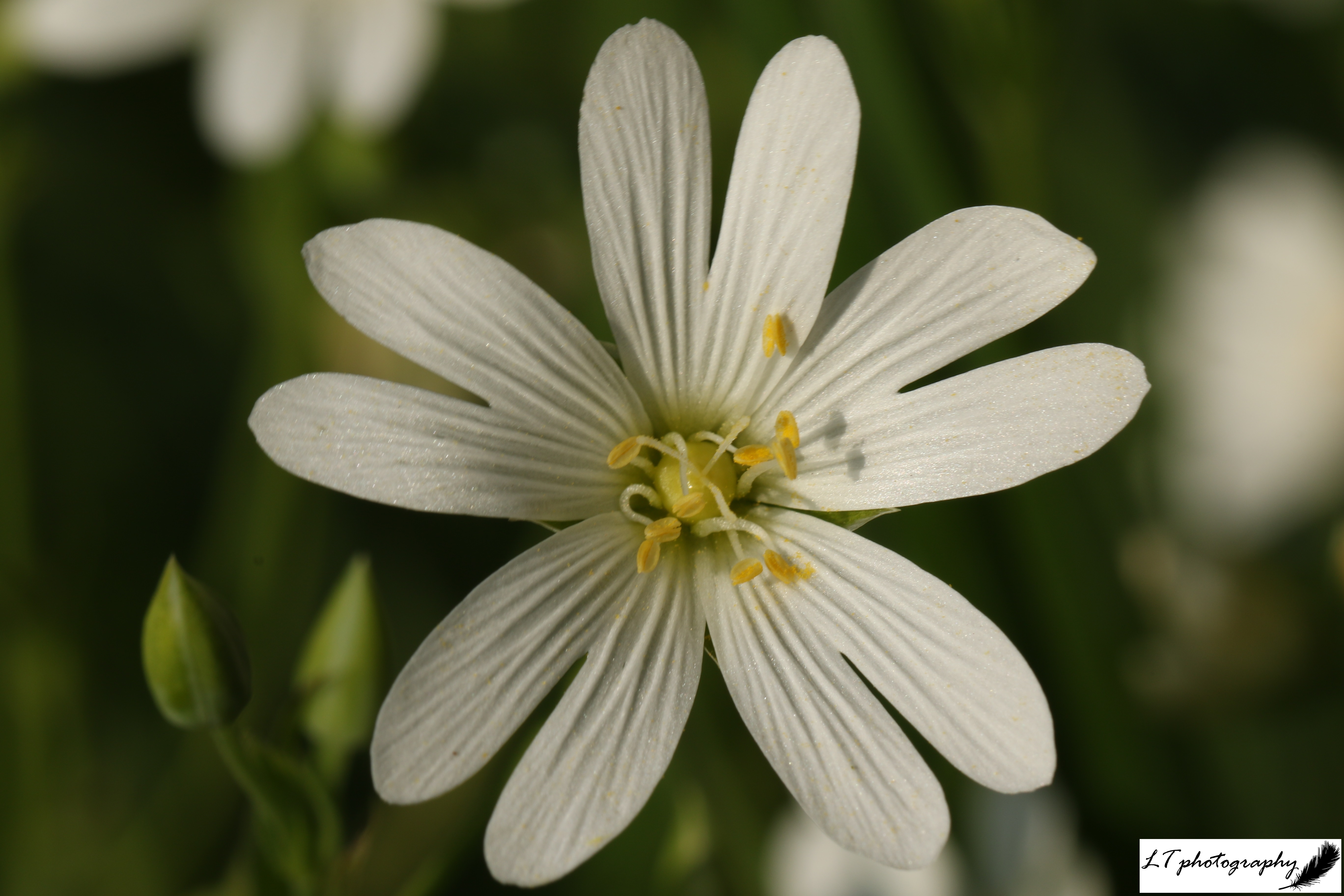
Up Close With Stitchwort Flowers – Stitchwort flowers or ‘Shirt-buttons’ are white stars spotting the countryside throughout spring. Taking a closer look, this particular flower looks weird and wonderful with stamens that curl around each other

Super Snail – This white-lipped snail is a simple, but colourful individual amongst the green of spring. Their swirling shells are a great subject to photograph

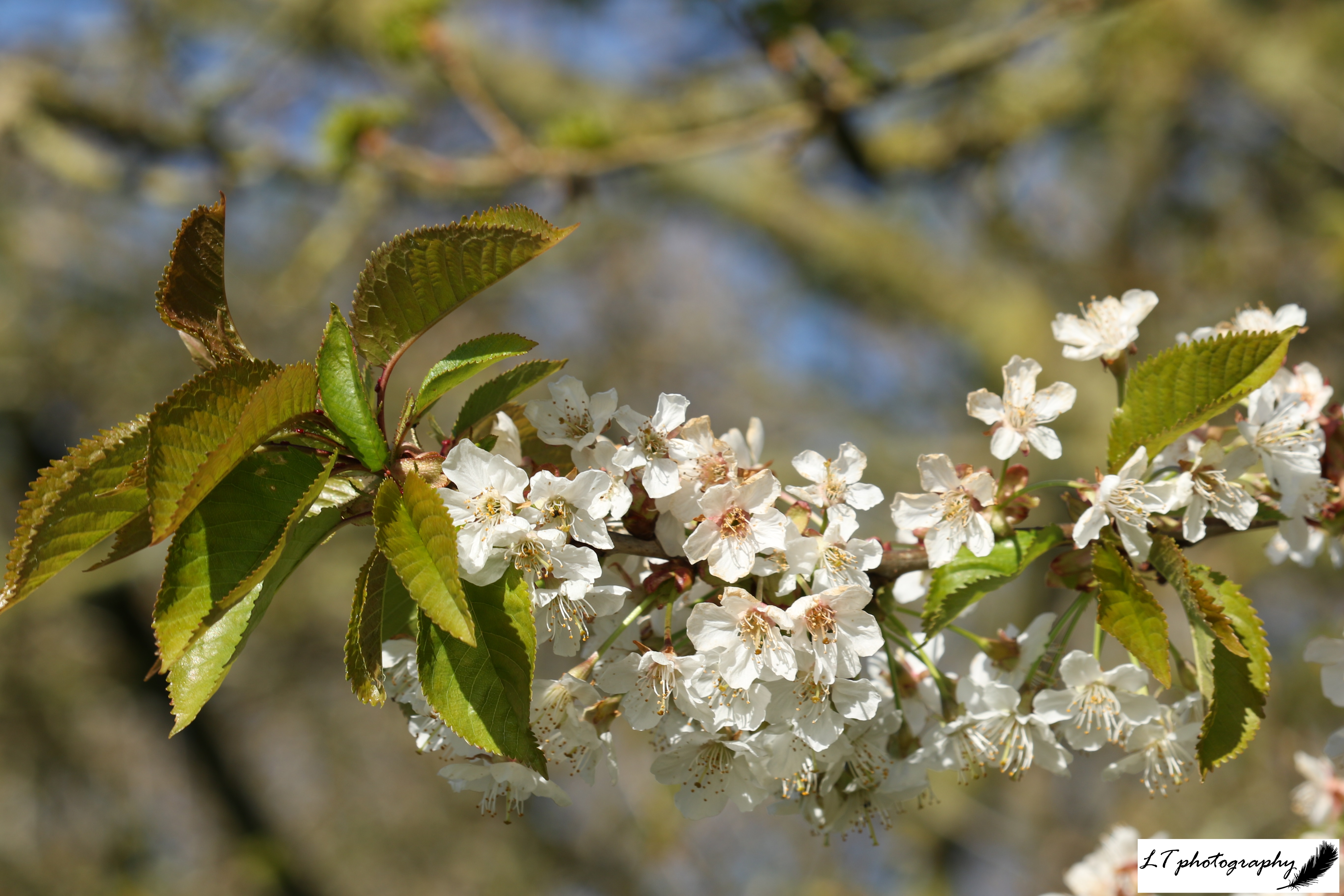
Wild Cherry Blossom – Every year one of my favourite flowering trees is the Wild Cherry. There’s nothing like banches covered in blankets of white set against a bright green backdrop of new leaves

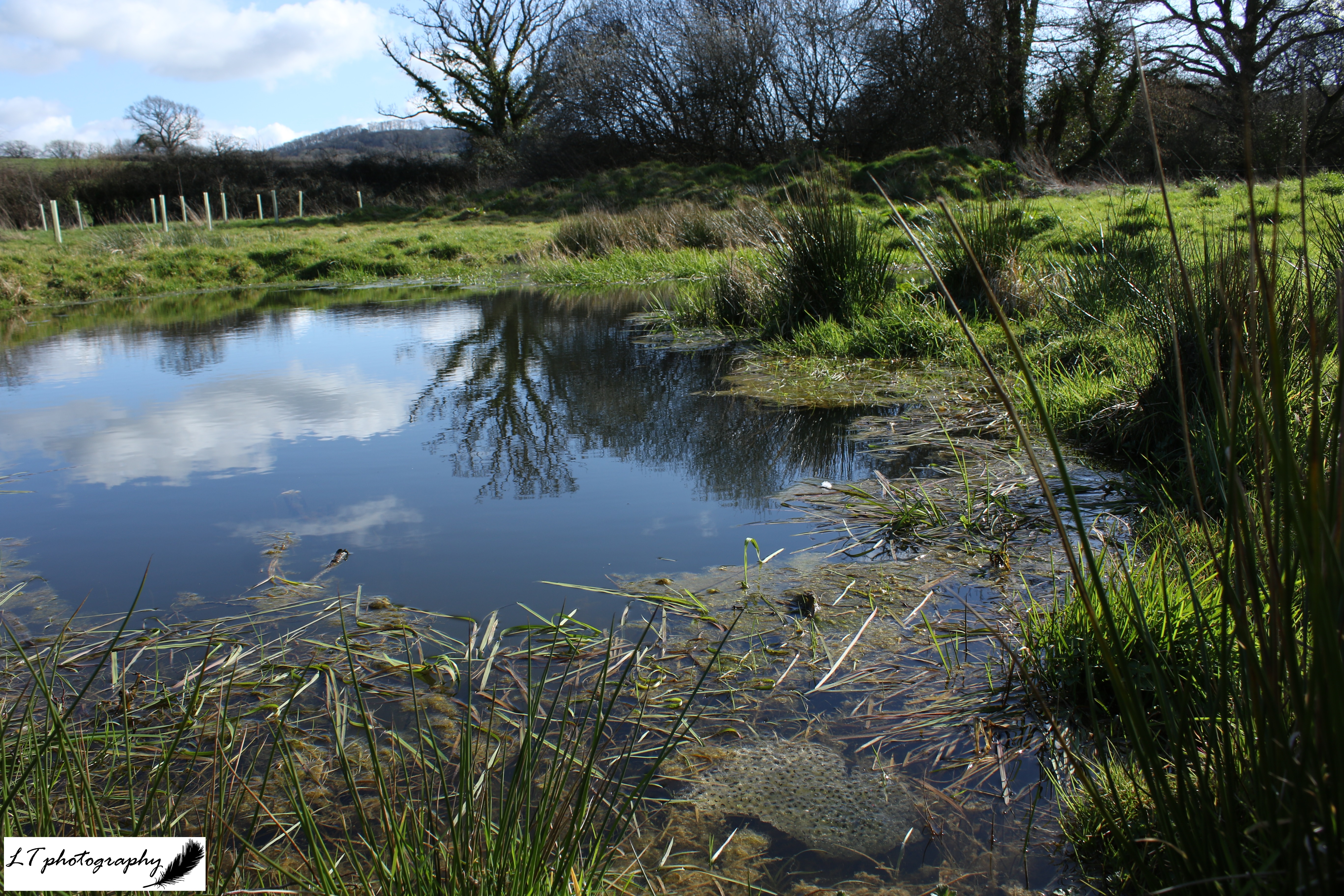
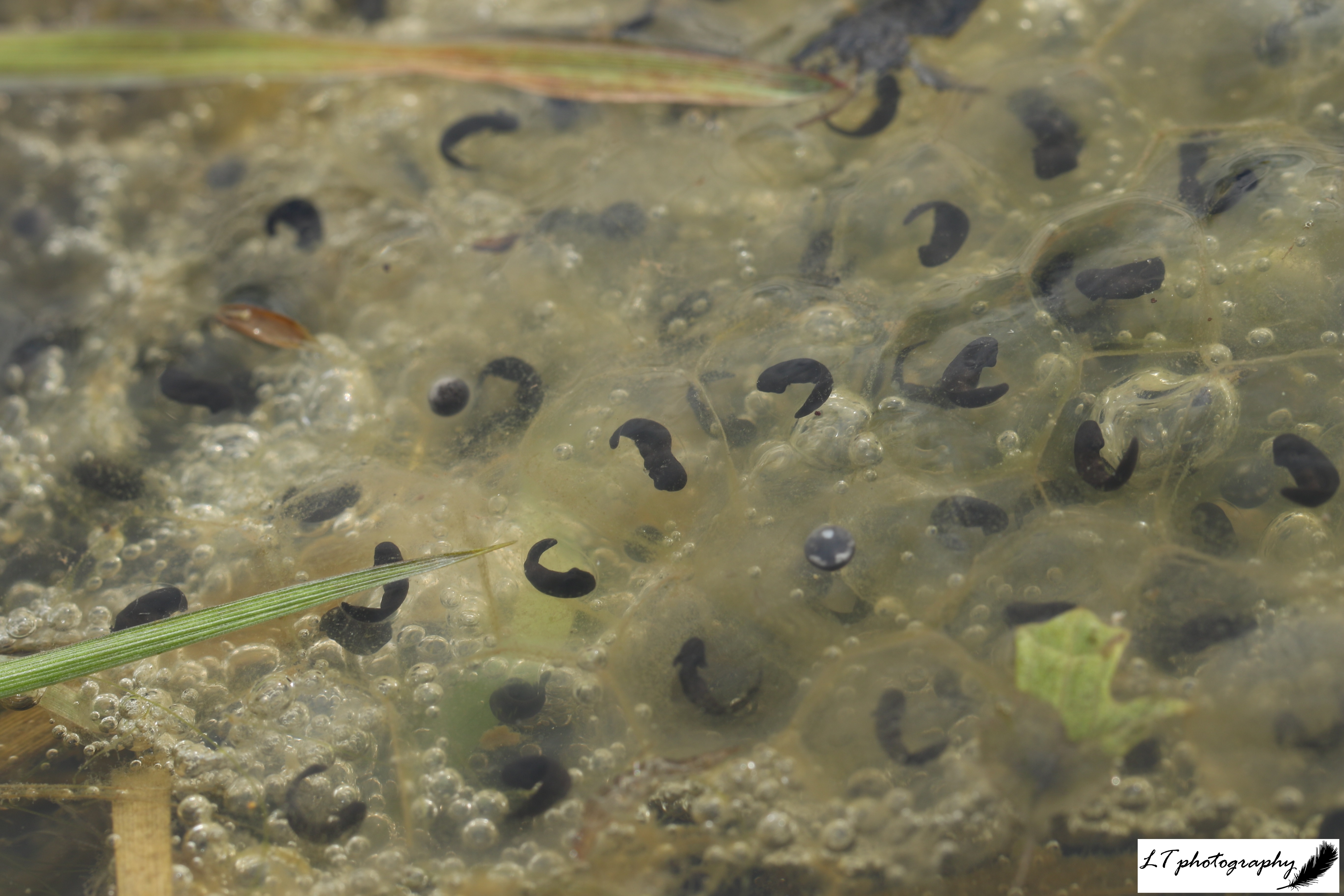
Fabulous First Frogspawn – In 2020, we started digging a pond in our own mini nature reserve at home on our farm. This year we were excited to find our very first frogspawn! It was amazing to watch the tadpoles change and transform over time

1 O’Clock, 2 O’Clock, Dandelion Clock – All children find magic and wonderment in dandelion clocks and their parachute seeds. Even as an adult I still find inspiration in their fragile globe-like forms

Majestic Beasts – My mum has her own herd of beef cross suckler cows and an Aberdeen angus bull that are free range and raise their own calves. We especially enjoy watching the calves grow up and grow into themselves over their very first year of life

Apple Blossom – As a family we have always enjoyed growing and foraging for our own food in our local area. Though last year was not a very good year for fruit, this year looks to be a better year, apples included

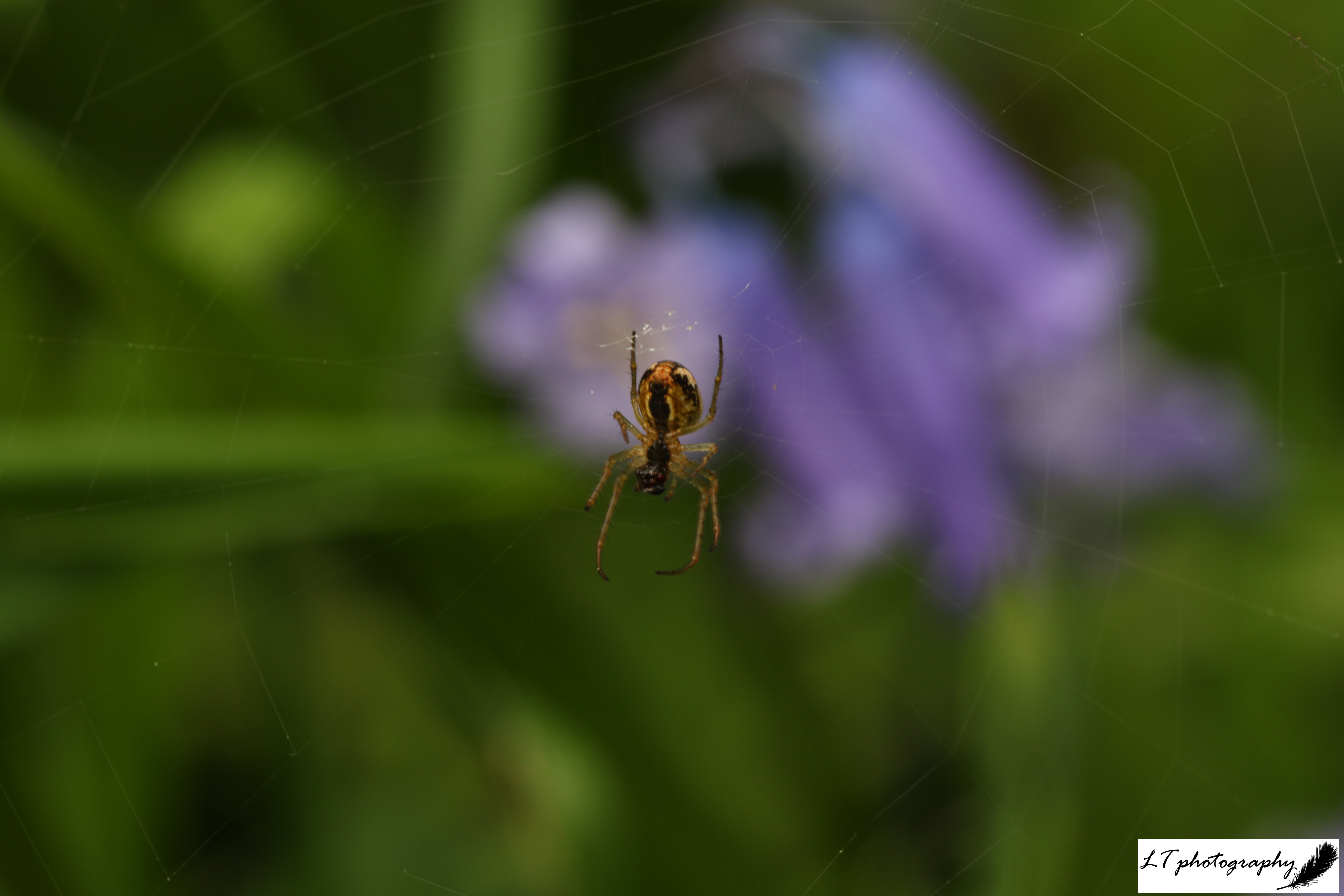
Woodland Spider – Just like the St. Mark’s fly, whilst exploring a woodland of bluebells, I found this species of orb-weaver spider. The bluebells were home to many, many of these little arachnids all weaving their webs between flowers, waiting to catch a meal

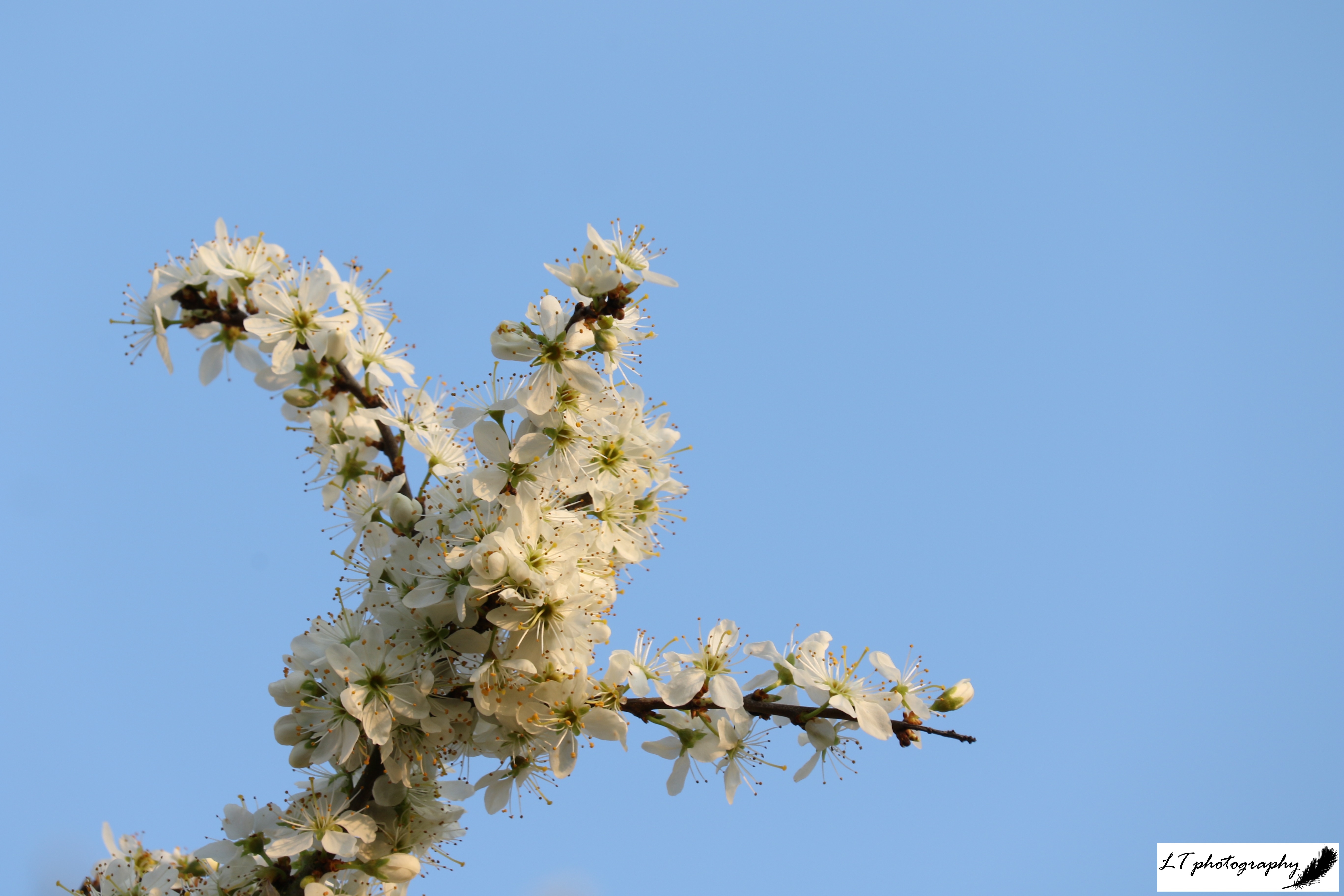
Beautiful Blackthorn Blossom – Every year one of my favourite parts of spring is blackthorn. The snow white flowers of blackthorn winter bring colour to the landscape at a time when things are still grey and spring is only just trickling in

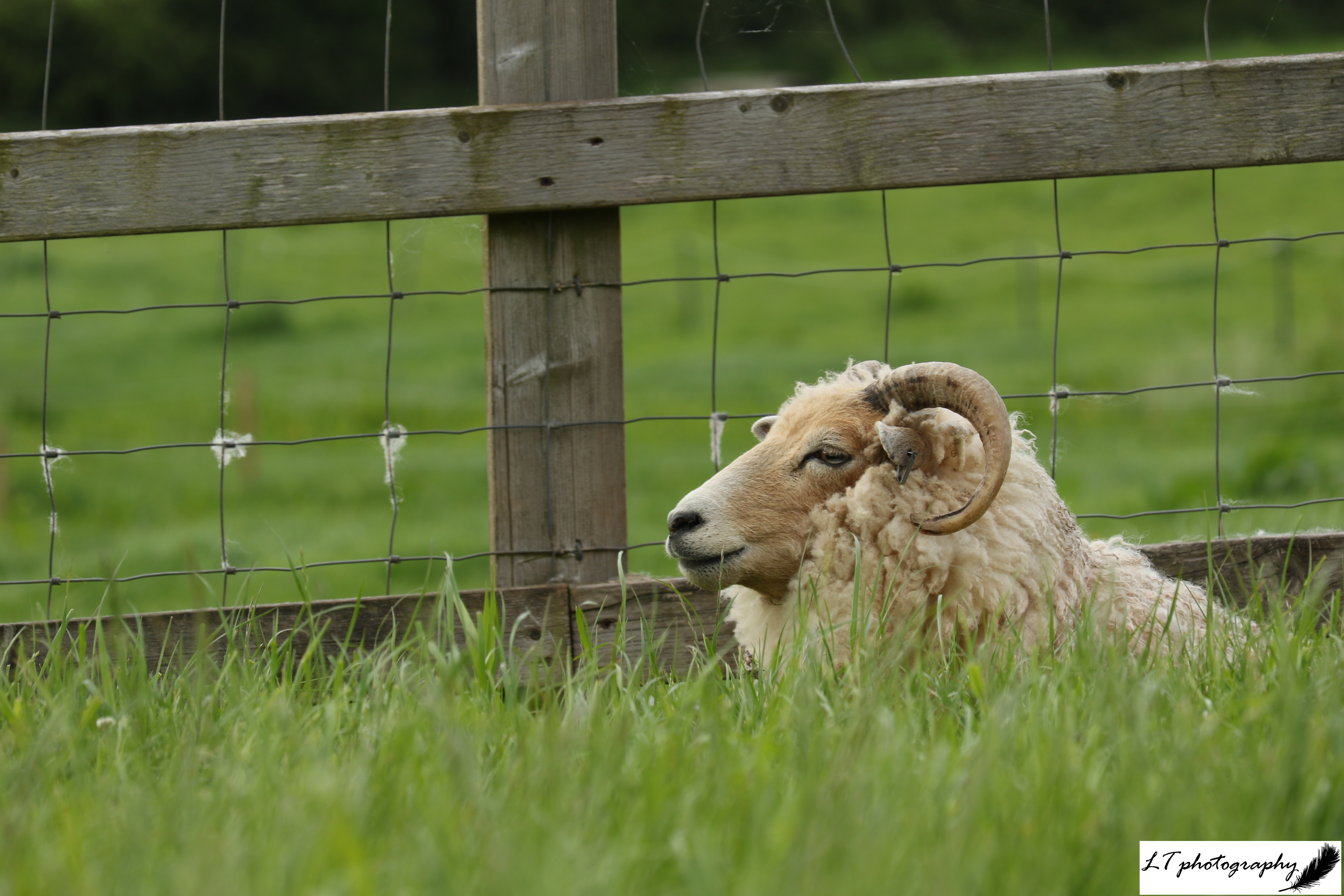
Portland Pets – This year I spent some time photographing my neighbour’s pedigree Portland flock. These small sheep, topped off with curling horns, have a great character and warm colour to them which make it a joy to take their portraits again and again

How to… Identify UK Butterfly Species

A flash of colour flitting by in the heat of the summer sun. Twisting this way and that, showing off amazing aerial acrobatics above a meadow of long, waving grass. A butterfly, small but standing out against a backdrop of browns, yellows, reds, blues and whites. Floating like a leaf down to a flower, the butterfly stops, flicking its wings before coming to a stop, wings outstretched in the sunshine. What could this beauty be?

Butterflies come in all shapes, sizes and colours, and can be found in a variety of habitats, from big cities to more remote areas. They are also a popular cultural symbol across the globe, with symbolism ranging from rebirth and transformation to representing the human soul. Along with their long history of capturing the mind and imagination of people, in nature, butterflies are great indicators of the health of habitats and are an important part of the food chain. As is the common story right now, butterflies are unfortunately threatened by habitat loss and degradation, as well as climate change, pesticide use, and invasive species. They need our help!

To be able to help butterflies, we need to understand them better. In the UK, we have 59 species, with only 2 being migrants. Though butterflies are more noticeable for people to identify, most Brits can only name but a handful of species. As we ease into summer, now is a great time to brush up your knowledge of what species you can identify. Here’s 13 to get you started!

Butterflies

Brimstone (Gonepteryx rhamni)

  • Family: White and Yellow butterflies
  • Size: Large (60-74mm wide)
  • Butterfly appearance: Look like veined-leaves with pale-yellow undersides and an orange dot on each wing. Uppersides: Males= sulphurous yellow; Female= paler in colour
  • Caterpillar food plants: Buckthorn and Alder Buckthorn
  • On the wing: Can be seen throughout the year, but most commonly during spring
  • Winter: Hibernate as adults in wooded areas
  • Distribution: Common in England and Wales, less common in Ireland, and very rare in Scotland

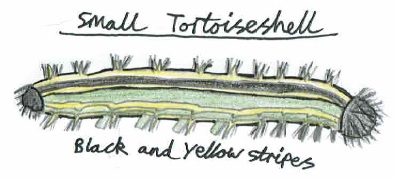
Small Tortoiseshell (Aglais urticae)

  • Family: Brush-footed butterflies
  • Size: Medium (45-60mm wide)
  • Butterfly appearance: Bright orange wings with a black pattern, white patch close to each outer top edge, and a border of blue half-moons. Underside dark and light brown
  • Caterpillar food plants: Nettles
  • On the wing: March-October
  • Winter: Hibernate as adults in sites, such as tree hollows and sheds
  • Distribution: Widespread throughout Britain

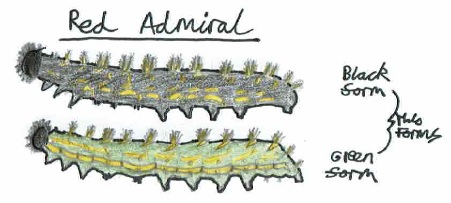
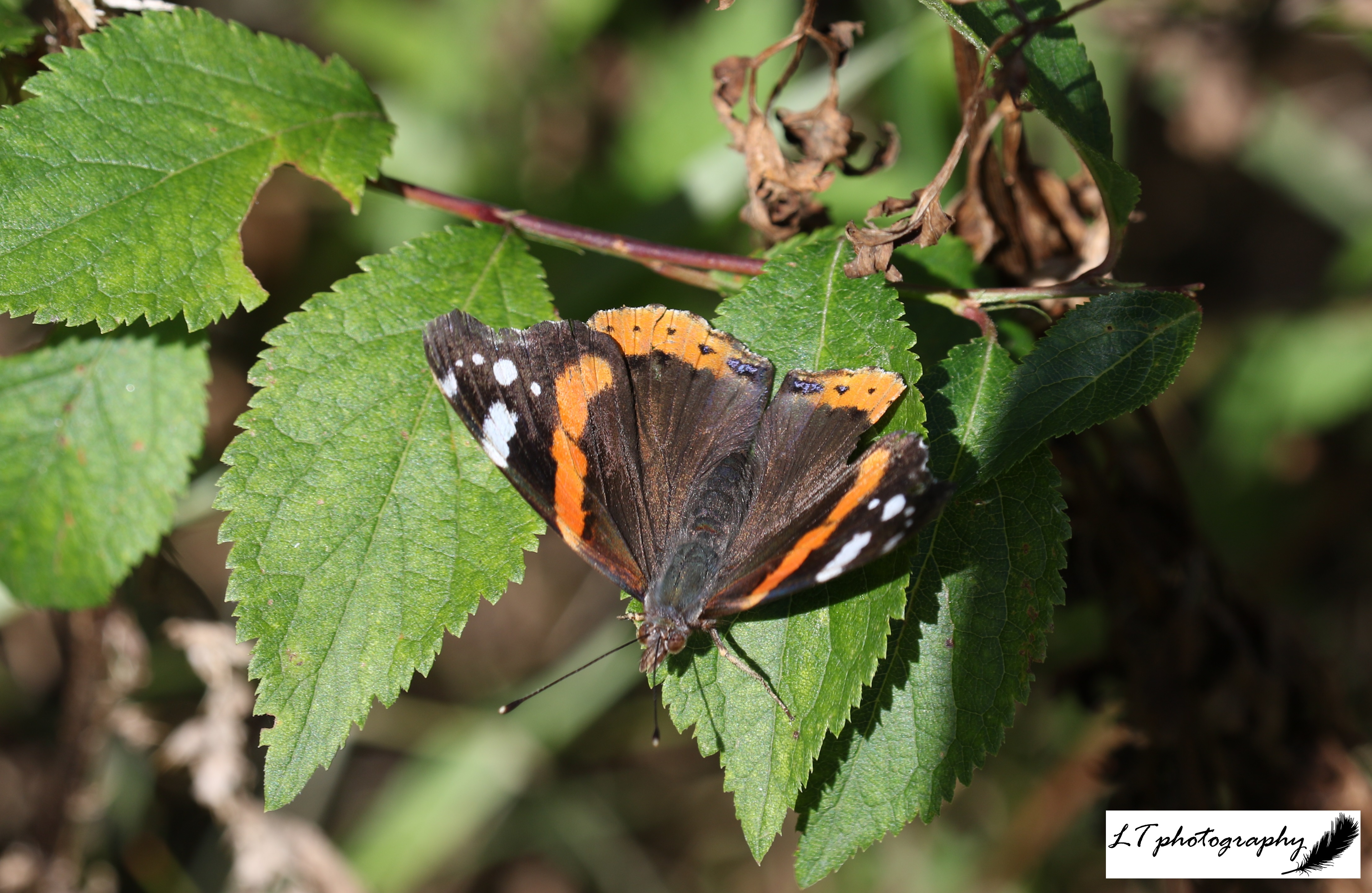
Red Admiral (Vanessa atalanta)

  • Family: Brush-footed butterflies
  • Size: Large (64-78mm wide)
  • Butterfly appearance: Black wings with red bands and white markings. Underside is similar, but paler and more mottled
  • Caterpillar food plants: Nettles
  • On the wing: March-October
  • Winter: Hibernate as adults
  • Distribution: Widespread throughout Britain

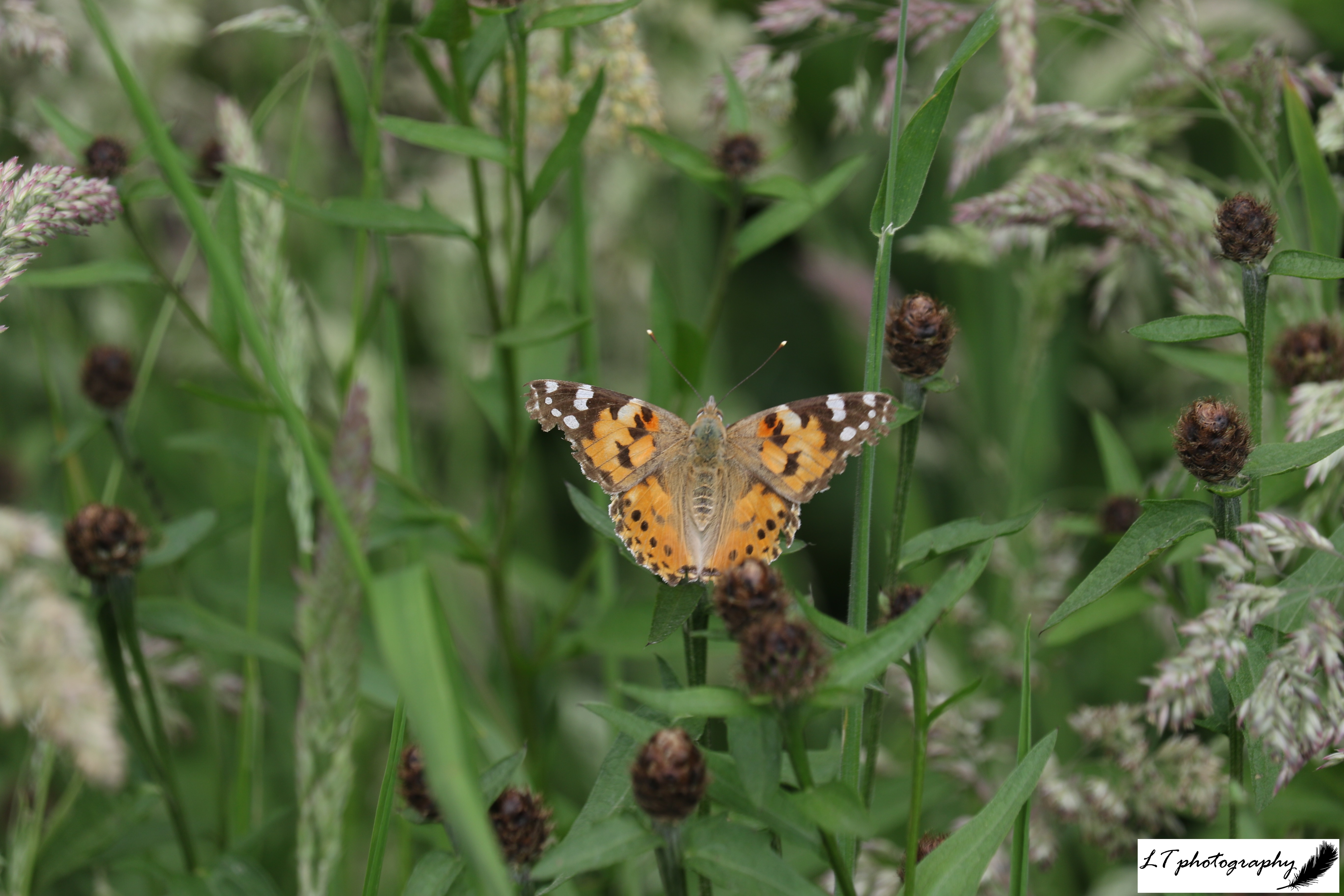
Painted Lady (Vanessa cardui)

  • Family: Brush-footed butterflies
  • Size: Medium/Large (58-74mm)
  • Butterfly appearance: Orange wings with black and white markings. Underside is similar, but paler and more mottled
  • Caterpillar food plants: Thistles and sometimes nettles and mallows
  • On the wing: March-October
  • Winter: Migrate from Africa each spring
  • Distribution: Widespread across Britain

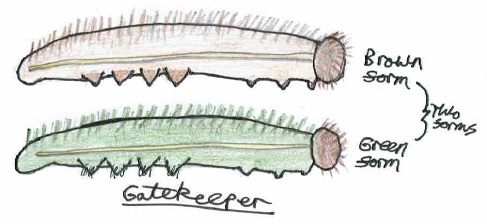
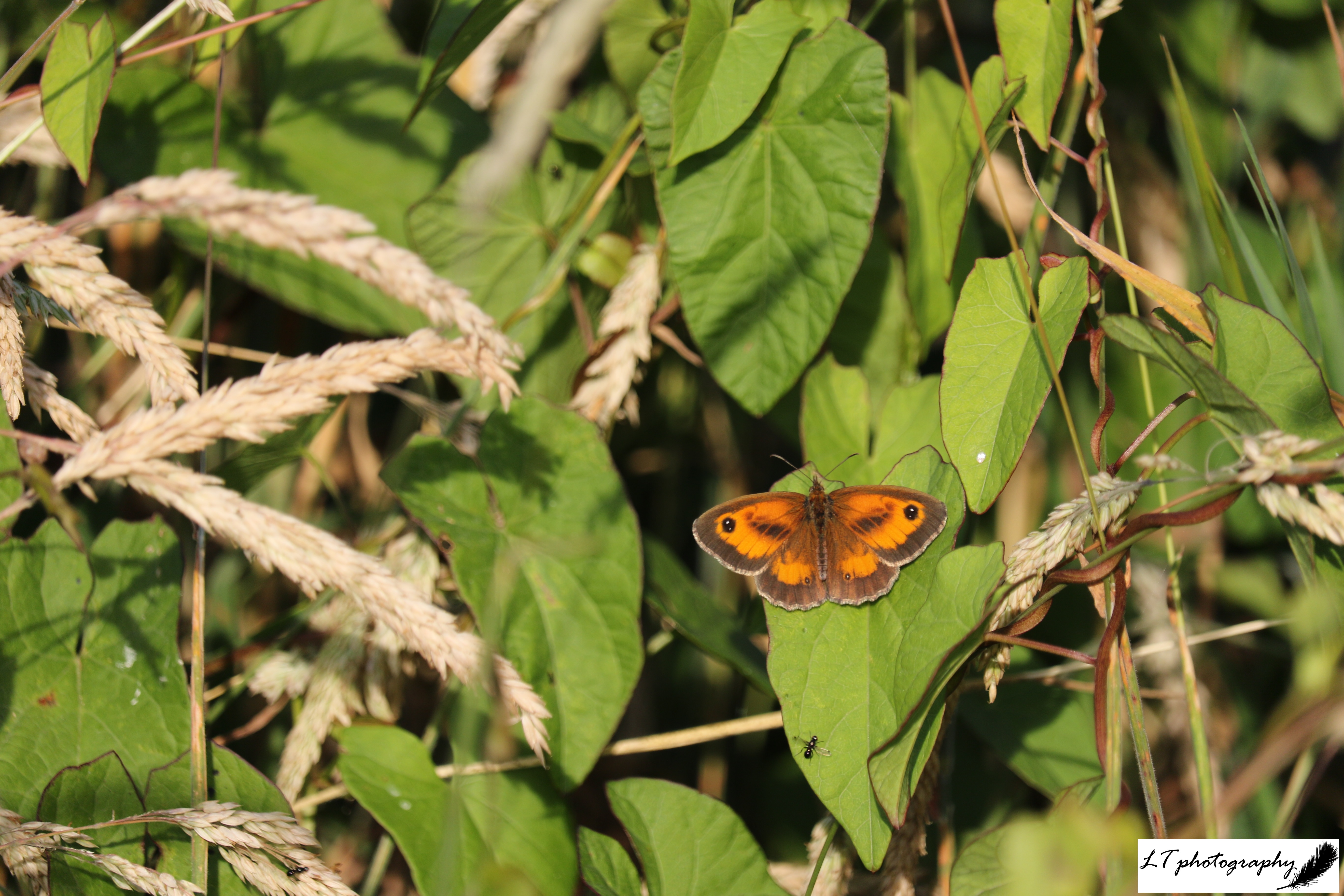
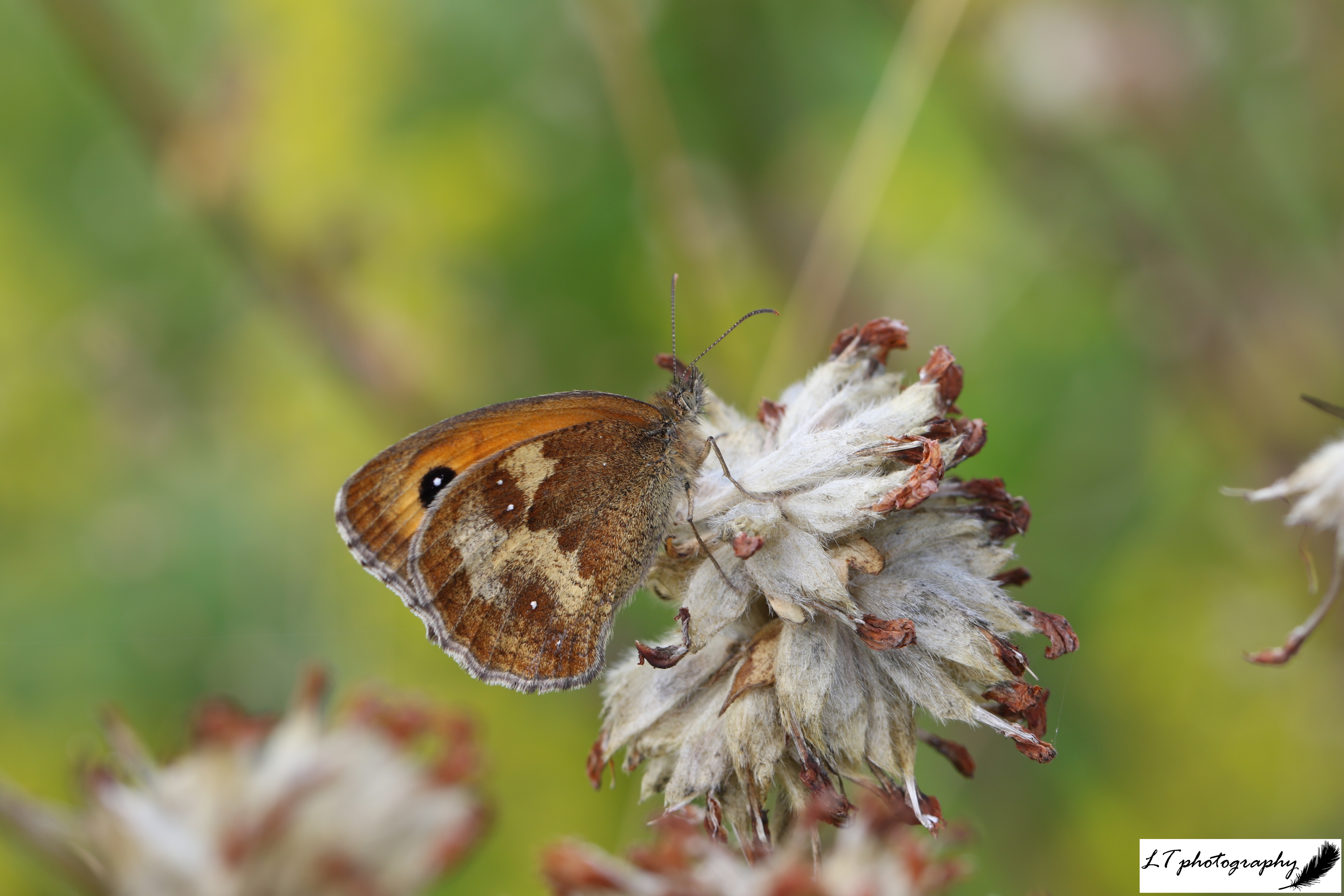
Gatekeeper (Pyronia tithonus)

  • Family: Brush-footed (brown) butterflies
  • Size: Medium (37-48mm wide)
  • Butterfly appearance: Orange and brown wings on top with a black false eye on each wing. Males are smaller and richer in colour than females, with distinct dark band across the forewing. Underside of the forewing is largely orange and the hindwing yellow and brown
  • Caterpillar food plants: Fine grasses, such as fescues
  • On the wing: June-September
  • Winter: Hibernate as caterpillars
  • Distribution: Most common in southern and central England and Wales

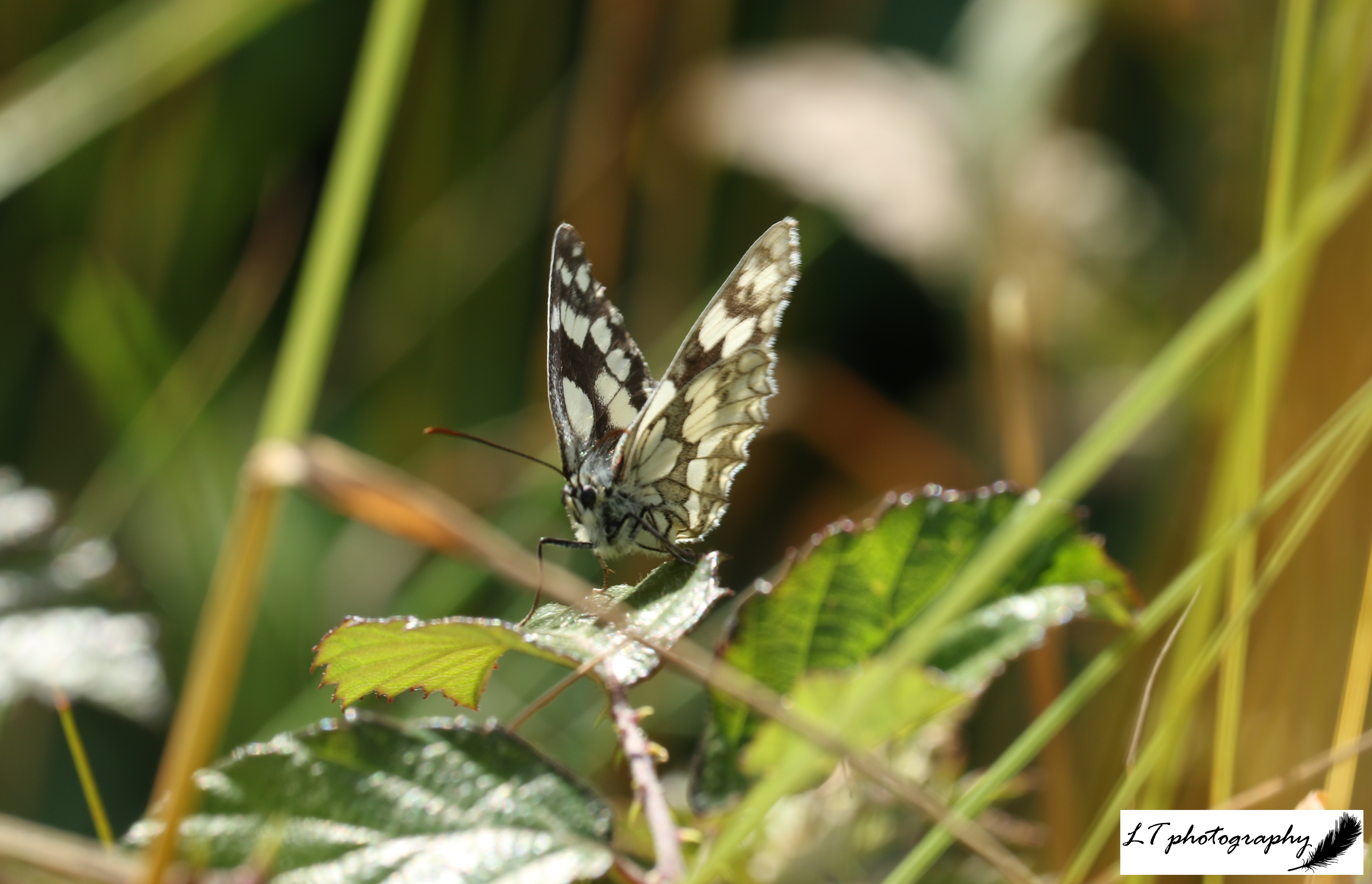
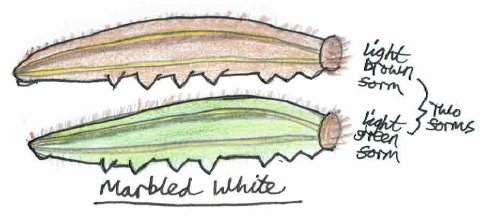
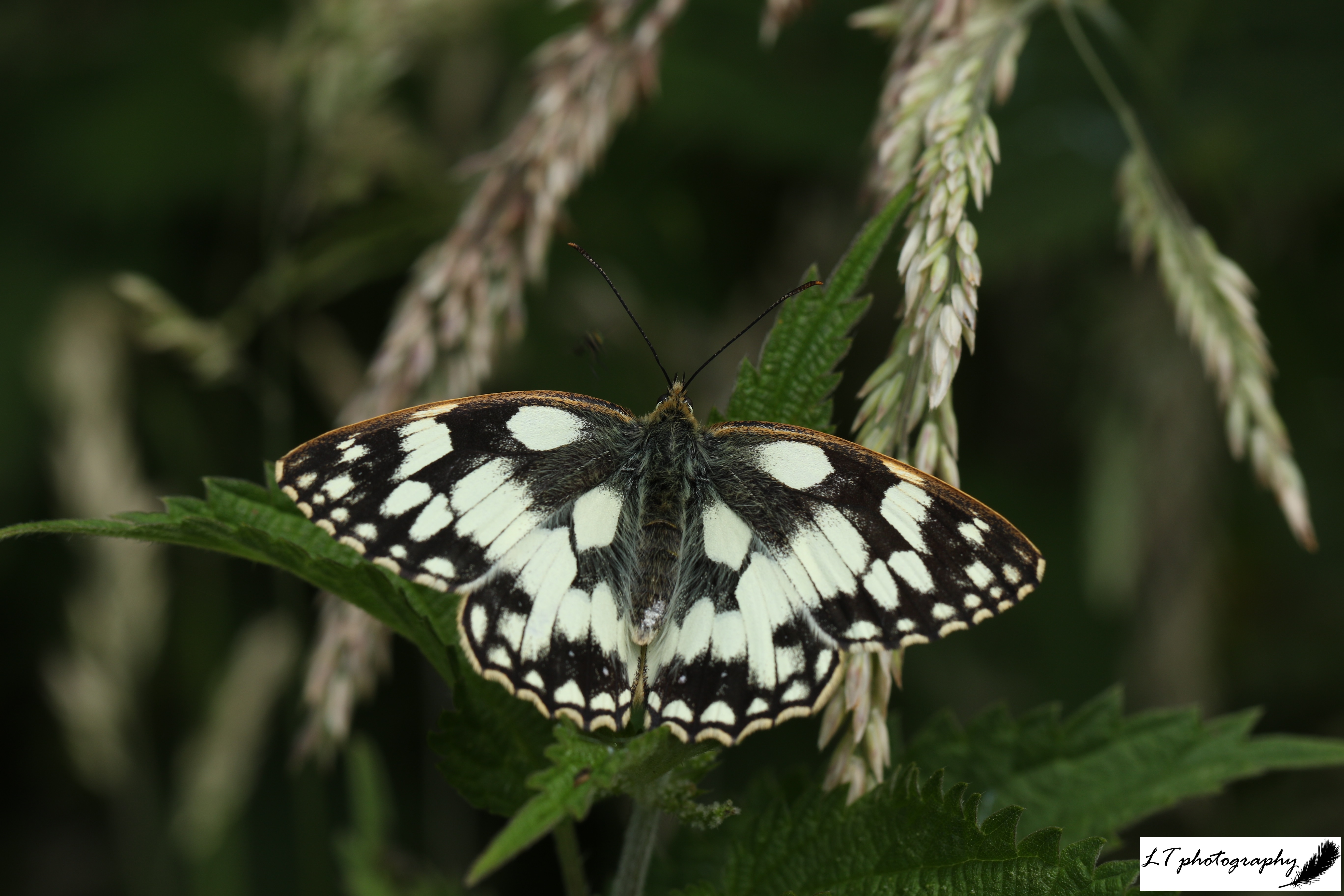
Marbled White (Melanargia galathea)

  • Family: Brush-footed (brown) butterflies
  • Size: Medium (53-58mm wide)
  • Butterfly appearance: Distinctive black and white chequered wings that vary in pattern between individuals. Undersidesnot so brightly marked with eye-spots and grey or yellowish bands
  • Caterpillar food plants: Grasses, such as red fescue and sheep’s-fescue
  • On the wing: June-August
  • Winter: Hibernate as caterpillars
  • Distribution: Southern and central England and Wales

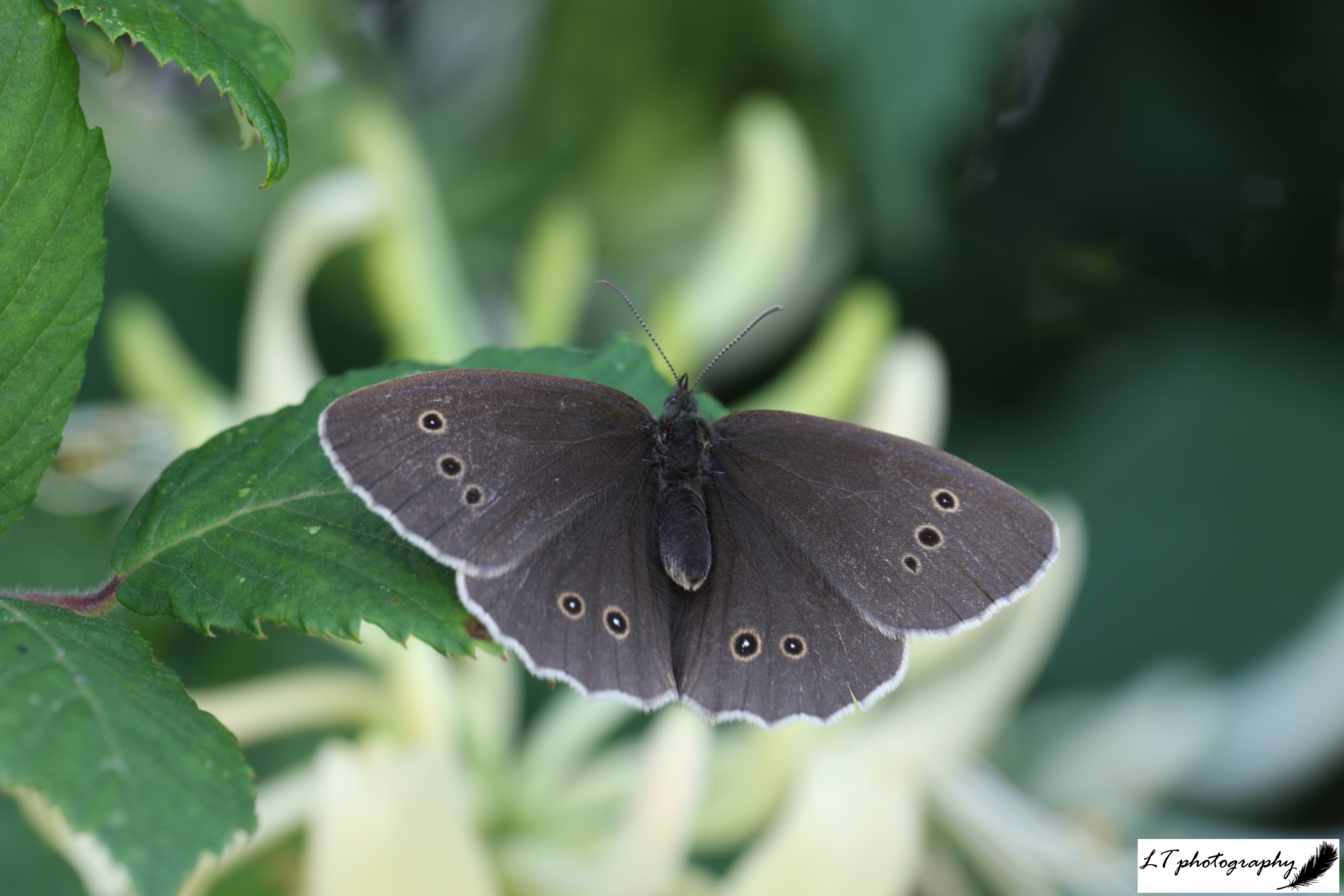
Ringlet (Aphantopus hyperantus)

  • Family: Brush-footed (brown) butterflies
  • Size: Medium (42-52mm wide)
  • Butterfly appearance: Begin velvety with deep blackish brown wings bordered by white. Iconic rings on wings vary in number, size and shape. Females larger with more pronounced markings
  • Caterpillar food plants: Various grasses including cock’s-foot and tufted hair-grass
  • On the wing: June-August
  • Winter: Hibernate as caterpillars
  • Distribution: Everywhere apart from northern Scotland

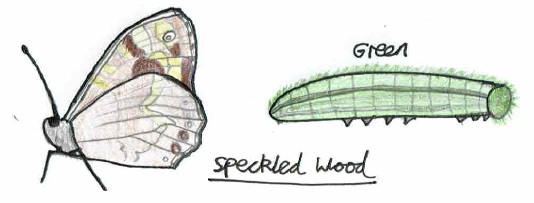
Speckled Wood (Pararge aegeria)

  • Family: Brush-footed (brown) butterflies
  • Size: Medium (46-56mm wide)
  • Butterfly appearance: Dark brown with cream spots, though the female’s are larger. Forewings have a false eye and hindwings have three false eyes. Undersides mottled brown
  • Caterpillar food plants: Various grasses including false brome, cock’s-foot, Yorkshire fog, and common couch
  • On the wing: March-October
  • Winter: Hibernate as caterpillars or a chrysalis
  • Distribution: Throughout England (except the far north), Wales and Ireland, and in northern Scotland

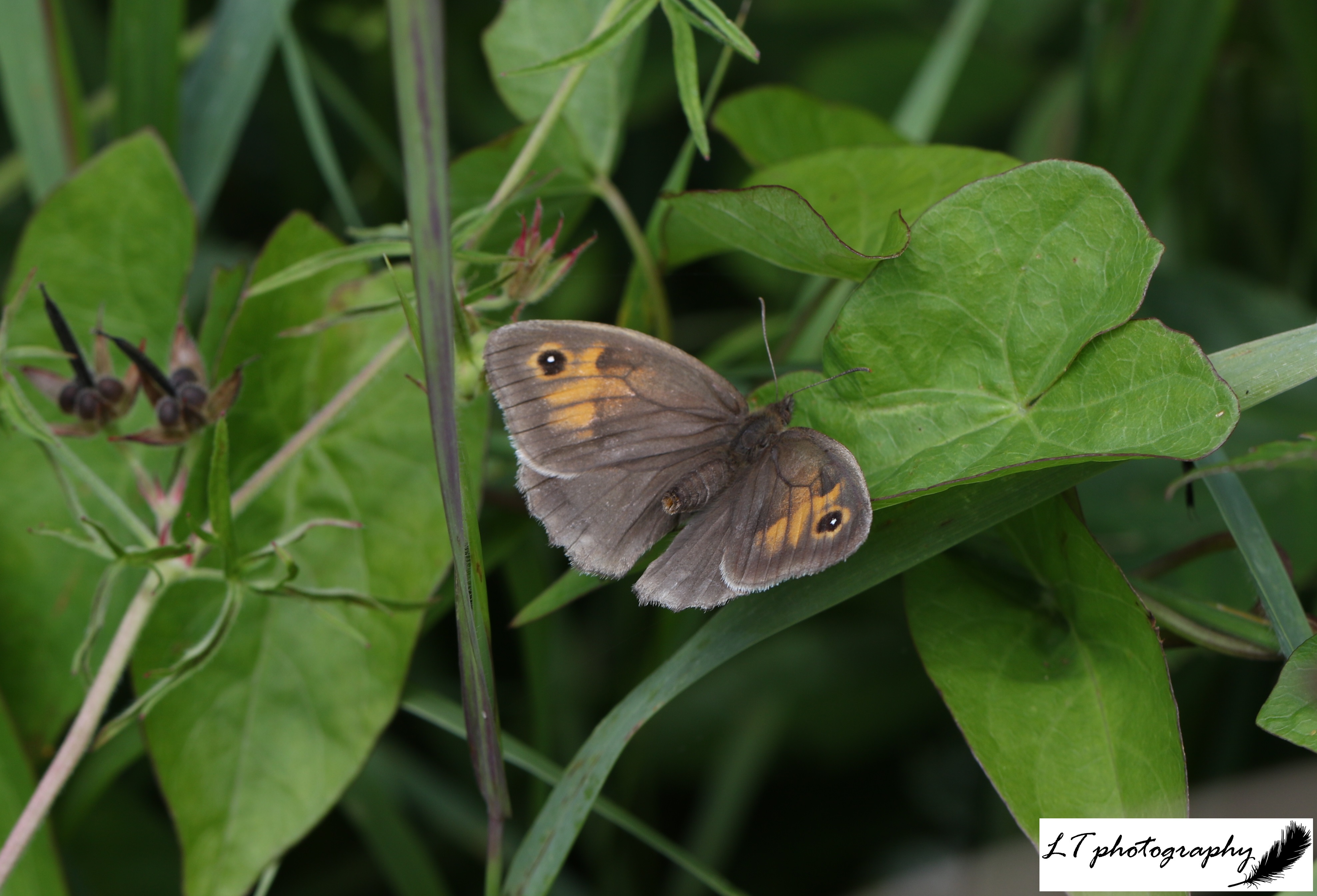
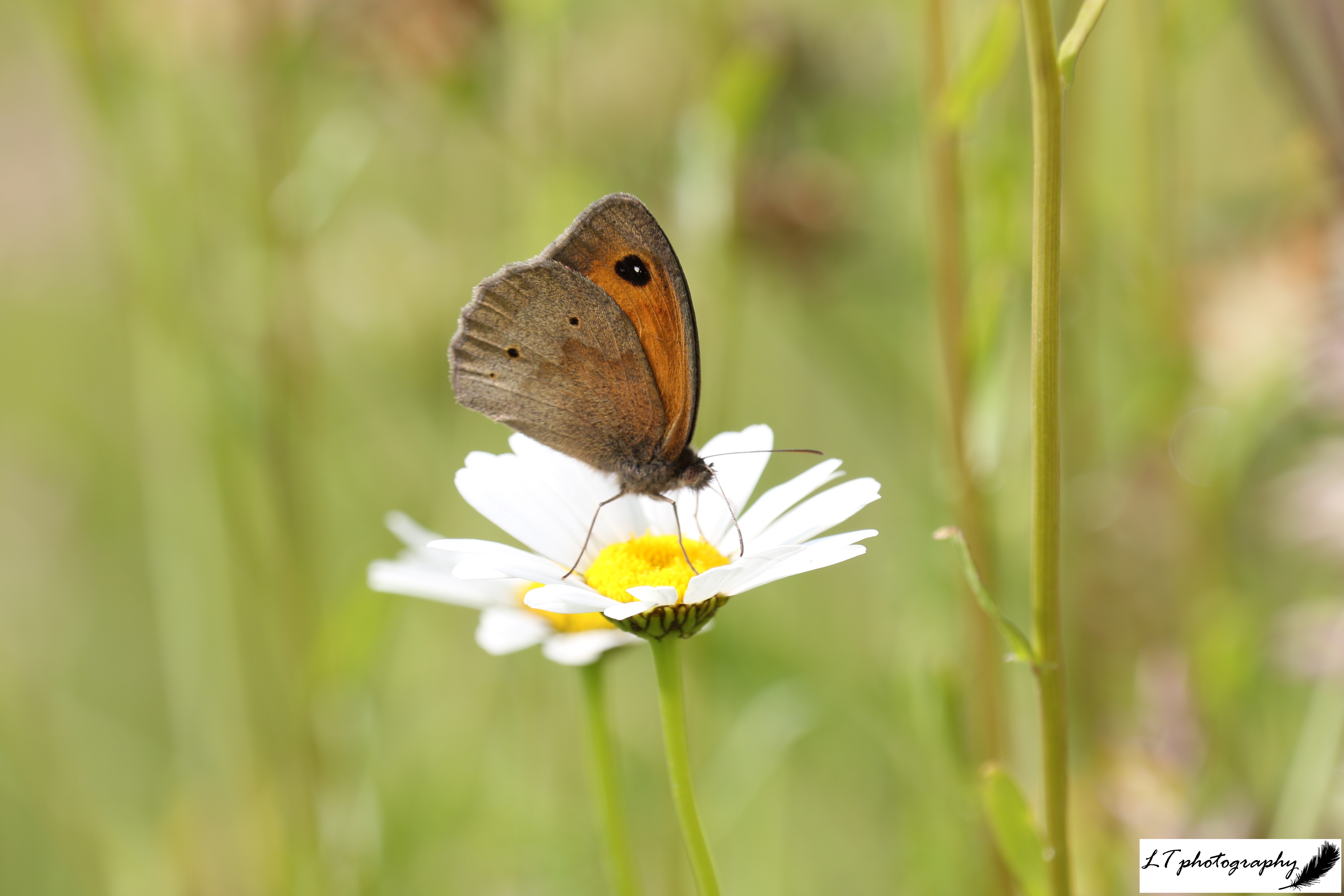
Meadow Brown (Maniola jurtina)

  • Family: Brush-footed (brown) butterflies
  • Size: Medium (40-60mm wide)
  • Butterfly appearance: Male= dark brown with dark scent patch on forewing and faint orange smudge; Female= lighter brown with more orange on wings. Underside is largely orange with mottled brown hindwing
  • Caterpillar food plants: Wide range of grasses from fine fescues to coarse cock’s-foot
  • On the wing: May-September
  • Winter: Hibernate as caterpillars
  • Distribution: Widespread across Britain

Comma (Polygonia c-album)

  • Family: Brush-footed butterflies
  • Size: Medium/Large (50-64mm)
  • Butterfly appearance: Orange wings with brown patterns and scalloped edges to wings. Mottled underside with white, comma-like mark on hindwing
  • Caterpillar food plants: Nettle, elm and hop
  • On the wing: Spring after hibernation; Summer brood= June-July; Autumn brood= August-September
  • Winter: Hibernate as adults, camouflaged as a leaf
  • Distribution: Widespread across England and Wales, rare in southern Scotland and Northern Ireland

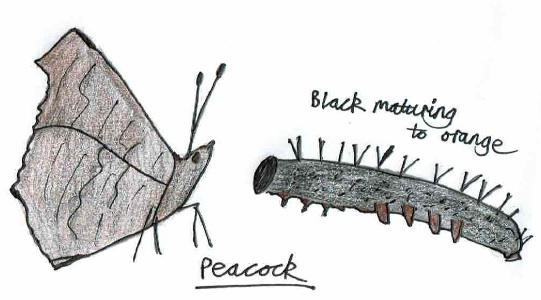
Peacock (Aglais io)

  • Family: Brush-footed butterflies
  • Size: Large (63-75mm wide)
  • Butterfly appearance: Red wings with four large false eyes. Undersides almost black
  • Caterpillar food plants: Nettles
  • On the wing: Spring after hibernation, and June-September
  • Winter: Hibernate as adults in hollow trees and buildings
  • Distribution: Widespread across Britain

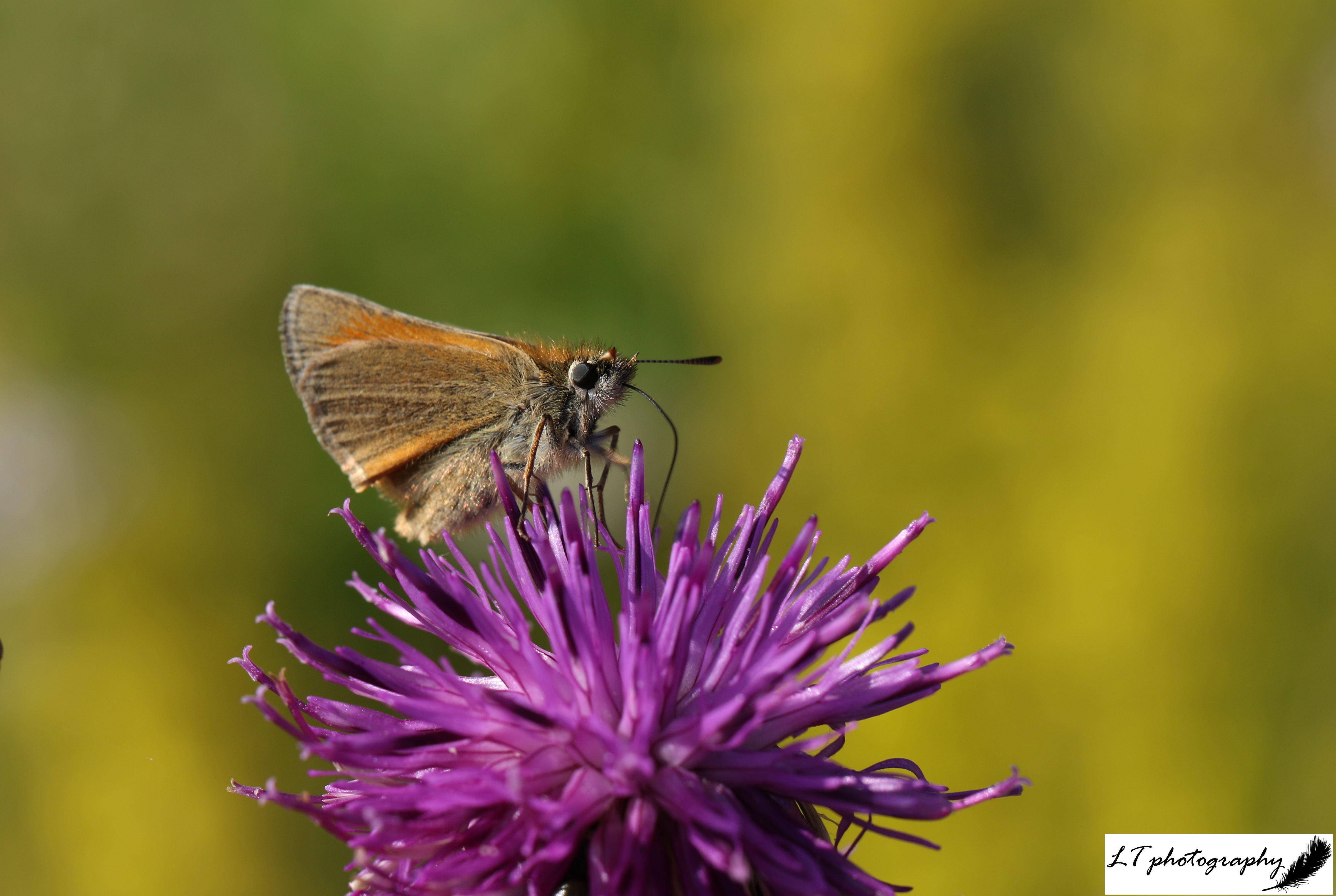
Small Skipper (Thymelicus sylvestris)

  • Family: Skippers
  • Size: Small (25-34mm wide)
  • Butterfly appearance: Orange on top with a black edge, and paler undersides. Male= dark stripe in centre of fore-wing. Antenna tip is orange below
  • Caterpillar food plants: Yorkshire fog and other tall grasses
  • On the wing: June-September
  • Winter: Hibernate as caterpillars
  • Distribution: Widespread up to North Yorkshire and Scottish border

Large Skipper (Ochlodes venatus)

  • Family: Skippers
  • Size: Small (28-36mm wide)
  • Butterfly appearance: Wings rich brown with orange patches, but male has a dark bar in the centre of the forewing. Underside mottled orange
  • Caterpillar food plants: Cock’s-foot and other tall grasses
  • On the wing: May-September
  • Winter: Hibernate as caterpillars
  • Distribution: Throughout England, Wales, and in Dumfries and Galloway

Giving Nature a Home on the Farm

‘Give fools their gold, and knaves their power; let fortune’s bubbles rise and fall; who sows a field, or trains a flower, or plants a tree, is more than all’ – John Greenleaf Whittier 

‘Your deepest roots are in nature. No matter who you are, where you live, or what kind of life you lead, you remain irrevocably linked with the rest of creation’ – Charles Cook

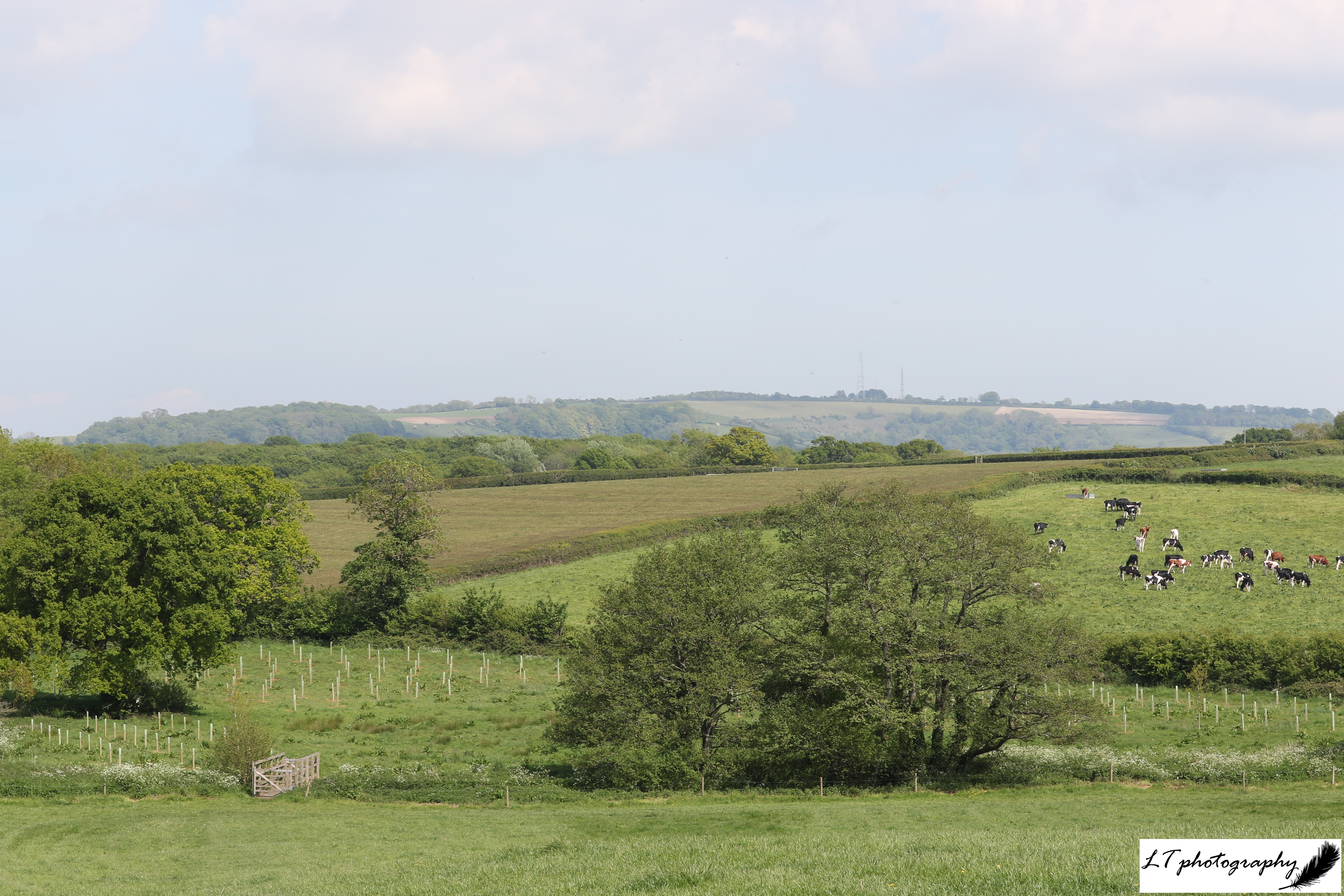
My family and I live on a 250 acre mixed dairy farm in the heart of beautiful Dorset, complete with sheep and beef cows. My parents took the farm on from Dorset County Council in 1995, at a time when it was only 50 acres, and have now expanded it to the 250 acres it is today. As long as I can remember, the farm has been my home. It is a part of who I am, providing the backdrop for me to learn about the natural world, to make informed decisions about how I live my life, and to become passionate about conservation. I have my parents to thank for this.

In 2019, the latest State of Nature report showed that agricultural change has been the largest driver of biodiversity loss over the last 45 years in the UK. With 72% of UK land area being used for agriculture and food production, land management changes have had a significant impact on the wildlife that call these areas home. As we now move forward, we need to focus on agriculture, not with contempt and negativity, but with optimism. If we are to continue to produce food in the UK, we need to focus on working with farmers to make farming sustainable, cost-effective, and most importantly with wildlife in mind.

Growing up on a farm, I have always been aware of how agriculture is heavily intertwined with the environment. My Mum and Dad have always believed in their roles as guardians for the wildlife and natural habitats that call our land home, and are dedicated to conserving and increasing biodiversity. Though it can be tough to create a balance, my Dad believes that farming, through careful management, can produce food in an economically sustainable way, whilst supporting and enhancing the natural environment. Here are some of the examples of how my family are successfully working to give nature a home on our farm.

(1) The Bridge Field

Project:

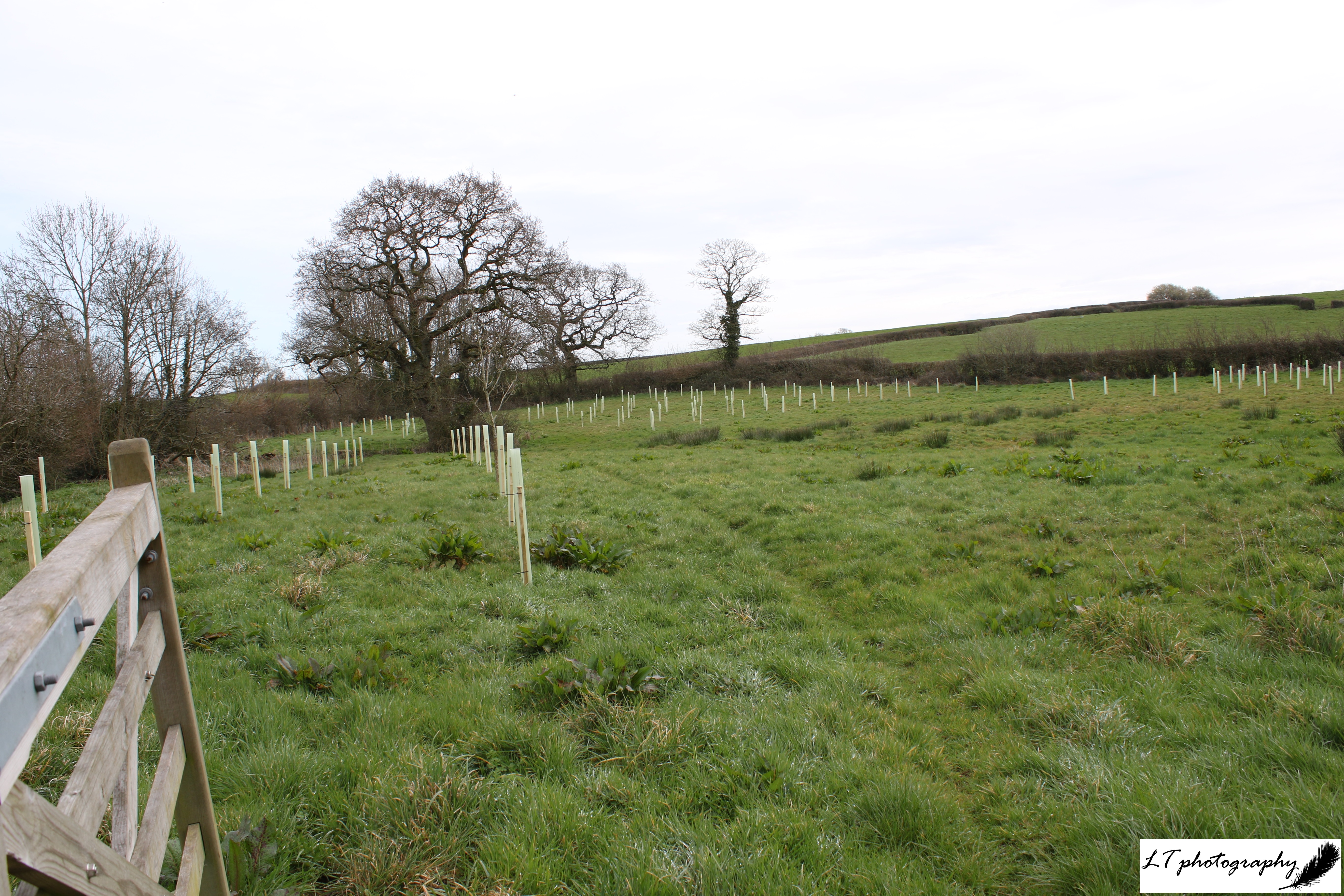
The field is a small, triangular-shaped, 3 acre field, bordered by hedges and a river. It was taken on in 2014 with some other land, and is less ideal for agricultural use due to its shape and often being wet. Hence, it has been left untouched, apart from one late cut of haylage each year and dock management. This year my parents decided to begin the process of restoring the land, with the aim of giving it back to nature.

So far:

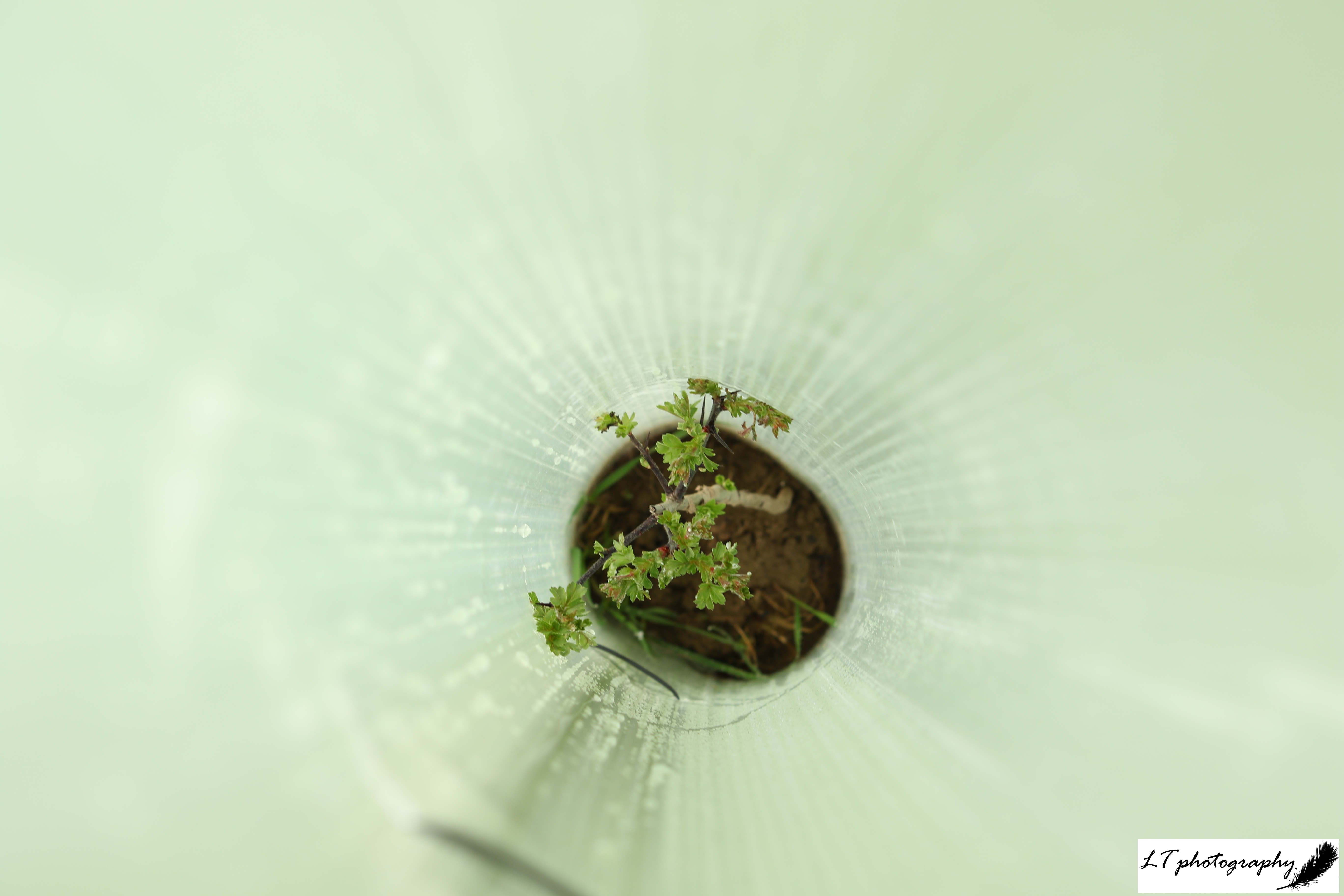
  • At the beginning of the year, we bought in and planted 219 native tree and shrub saplings of 9 species, including Goat Willow and Rowan. The hope is to create a rich and valuable habitat for wildlife.
  • We began managing the grass in the field, which is mainly Yorkshire Fog, to increase species composition. The grass has formed a dense stand across the field and is currently excluding nearly all other species.

Next aims:

  • See how the trees and shrubs grow on
  • Plant natural wildflower species using plugs, bulbs and seeds
  • Create a water source, such as a pond
07_05_20_Farm_Bridge_Field_Trees_2

(2) The Chalk Mound

Project:

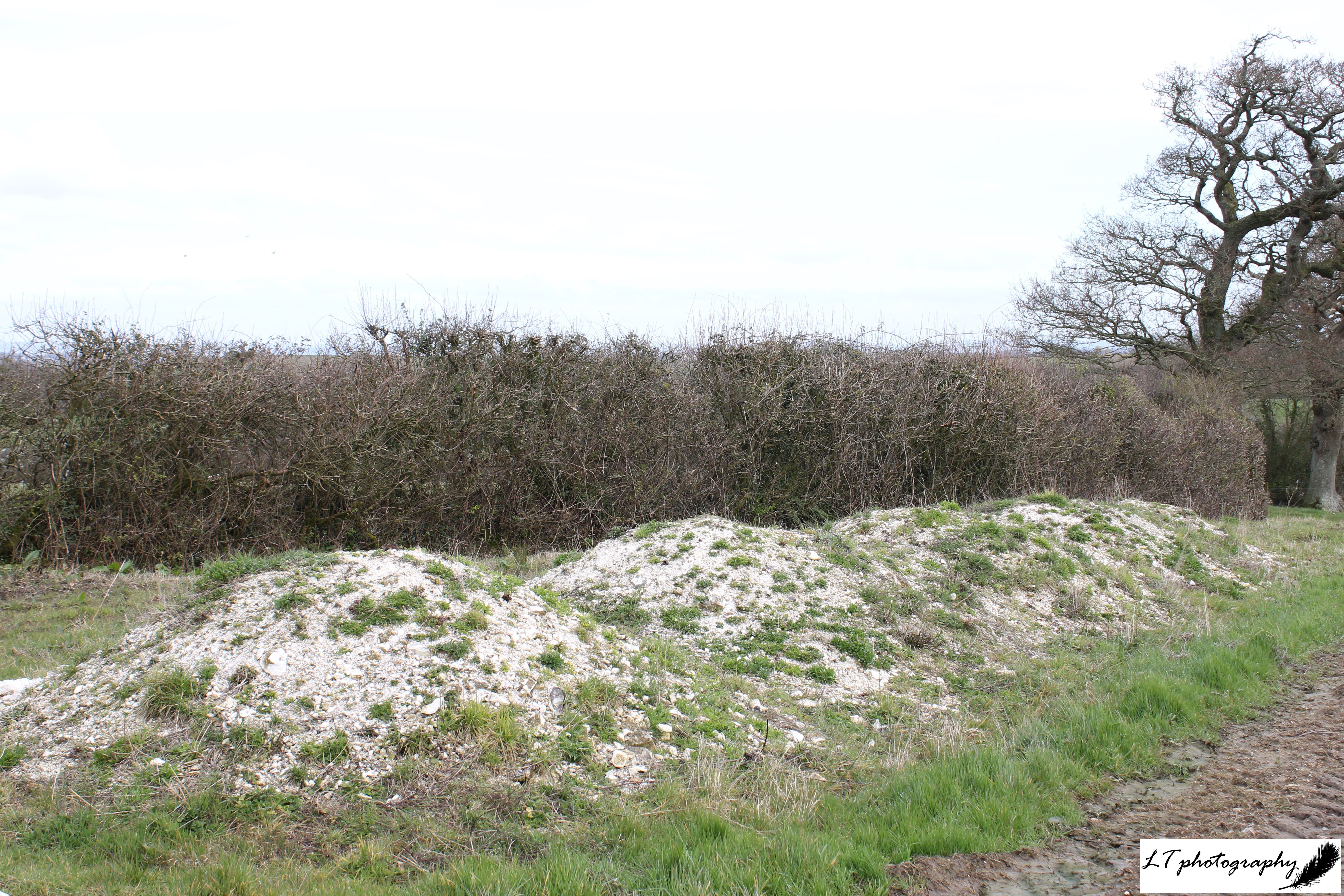
Towards the centre of our land you can find a small triangular area of land that is bordered by hedges and a track. My parents took on this area with some other land in 2014, but it was not anything special. In 2017, my Dad decided to use it to make a small piece of chalk habitat, in our clay area, acting as a perfect stopover location between chalk downland to the north and south of us.

So far:

  • We bought in 40 tonnes of quarried chalk and shaped it into a mound which is 10m by 3m, and 2m in height.
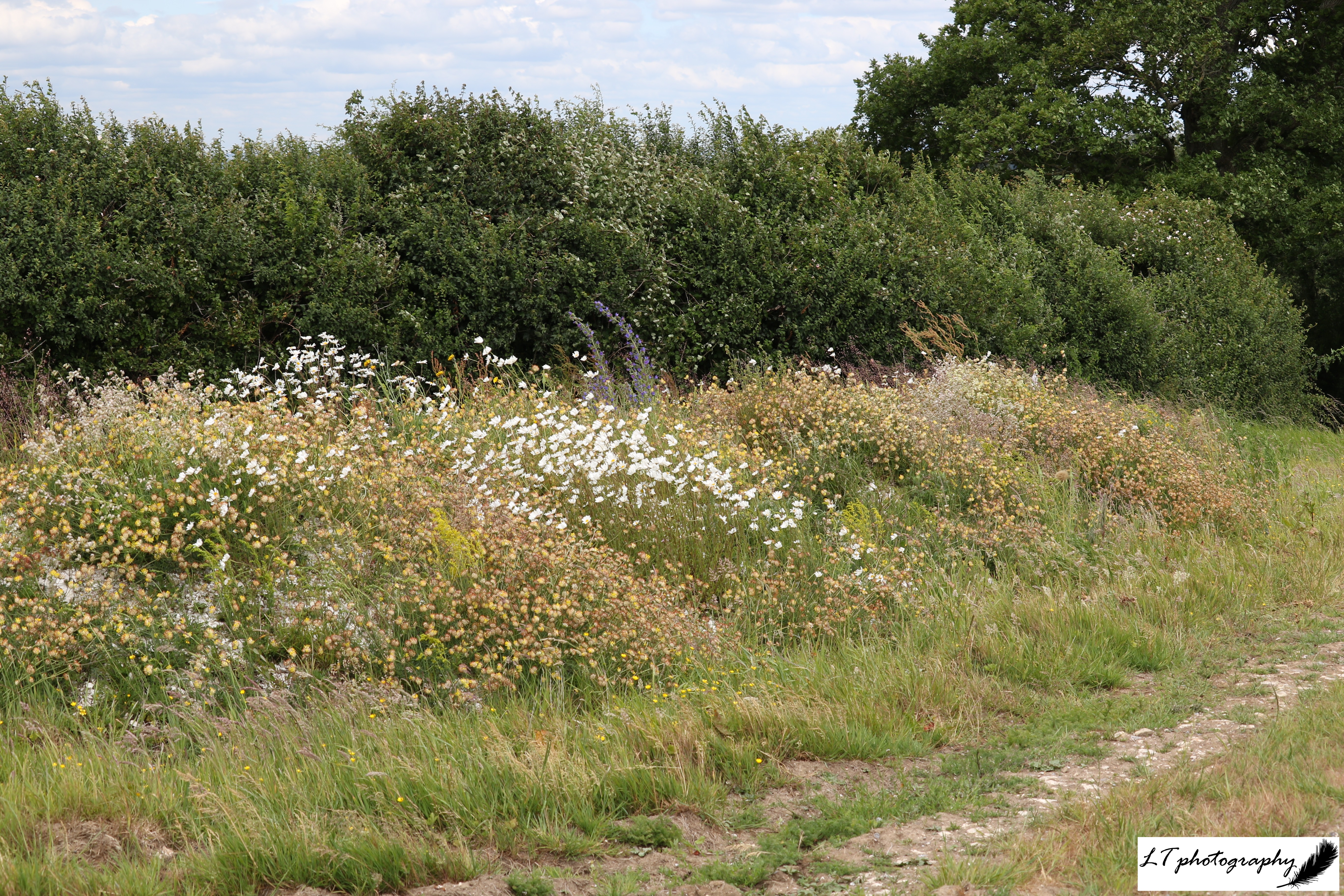
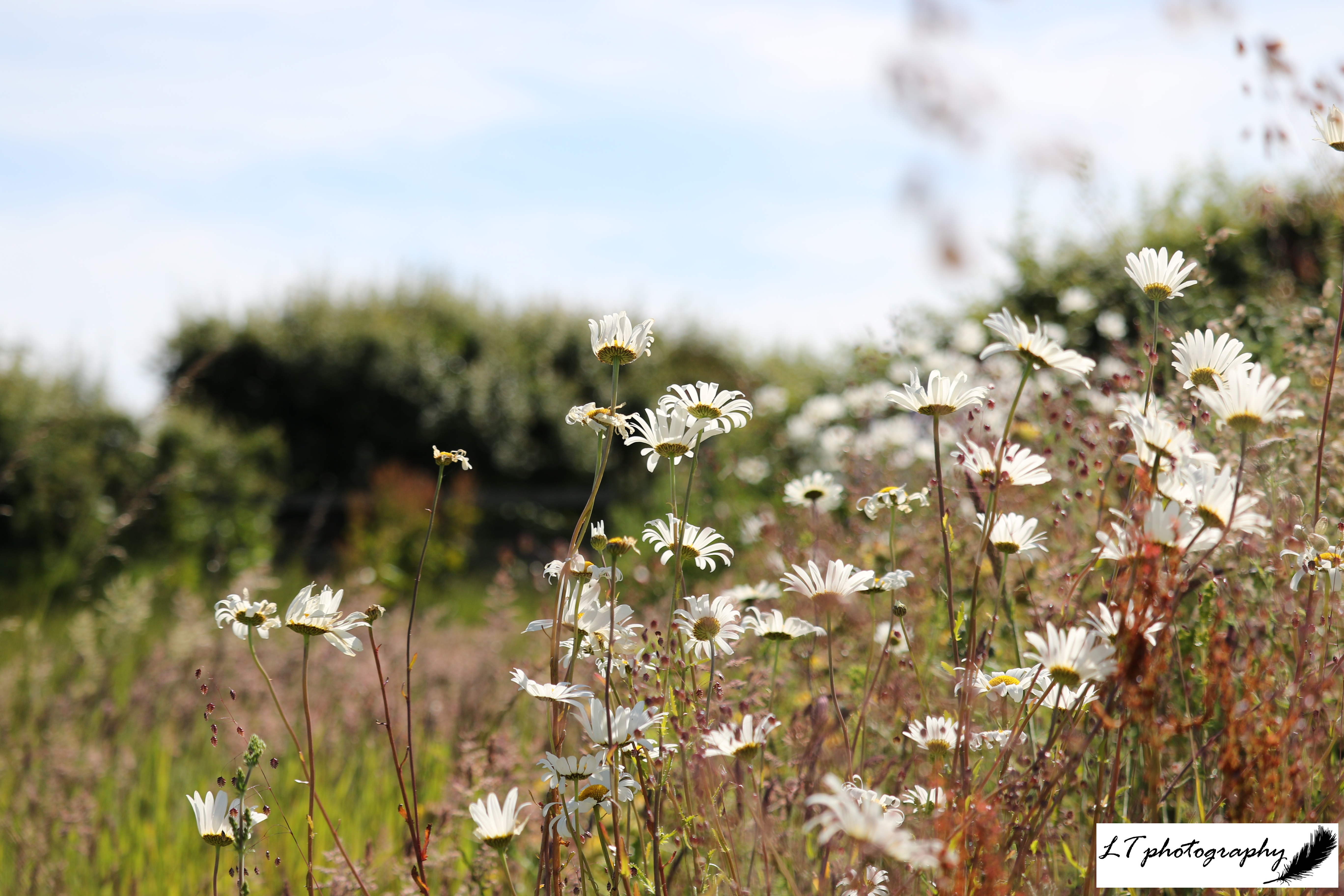
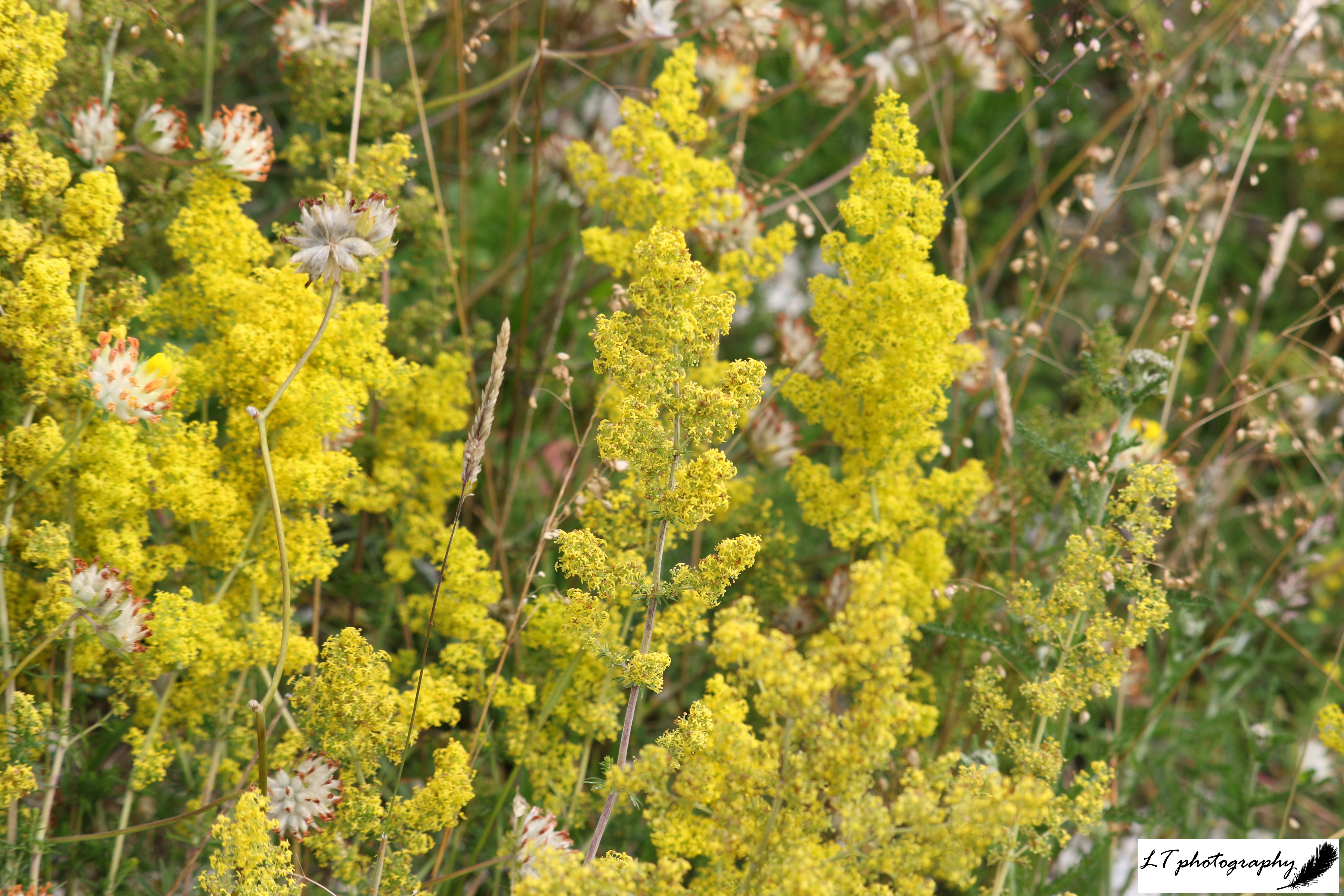
  • We planted a selection of plant plugs and seeds gifted to us, ranging from Quaking Grass and Kidney Vetch to Rough Hawkbit and Lady’s Bedstraw.
  • For the first year, the mound was regularly watered as the plant plugs and seeds became established, but after that they were left to grow on, with minimal management.

Next aims:

  • Continue to enjoy the now thriving habitat that is attracting lots of insects, from butterflies to bees
  • Boost numbers of certain species such as Wild Thyme
  • Complete autumn management of the encroaching Yorkshire Fog grass at the mound’s edges

(3) Wildflower Verges and Rough Areas

Project:

As part of managing our land, my Dad leaves areas and verges uncut and able to thrive, providing valuable habitat for wildlife. One of my Dad’s inspirations for doing this is to provide rough grassland habitat for his favourite bird, the Barn Owl. Barn Owls use such areas to hunt, as it provides cover for their rodent prey. It is also great habitat for other species, such as the majestic Brown Hare.

Different forms so far:

  • Fenced off areas to keep livestock out but allow wildlife in.
  • Verges and strips left to grow up and increase in species diversity.
  • Wildflower verges planted to provide food for different species at different times of year.
  • Field margins created, maintained and protected, meaning a field is never worked up to the hedgerows.

Next aims:

  • Allow areas to continue to increase in diversity and composition
  • Continue to create a mosaic of habitats on the land

(4) Trees and Woodlands

Project:

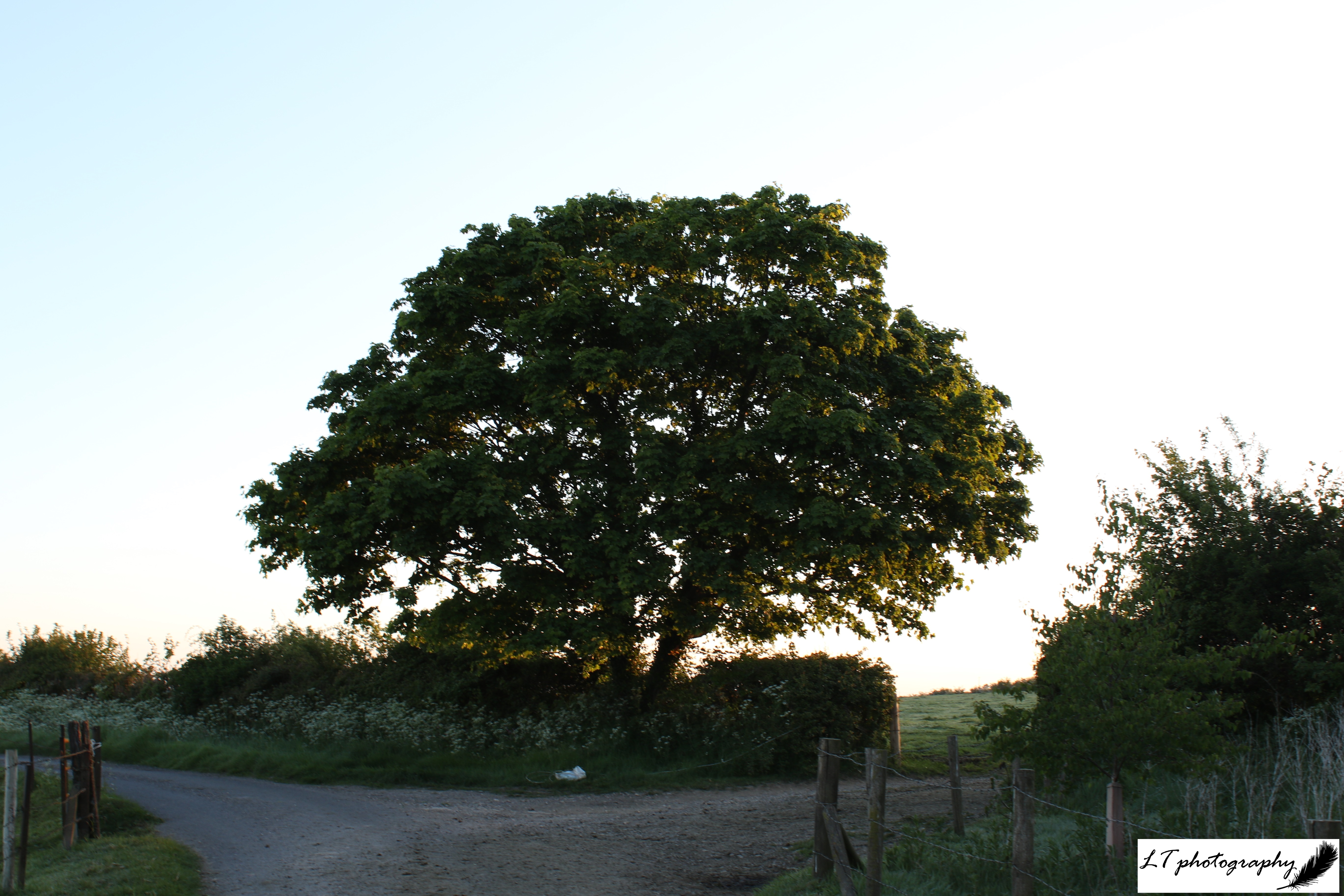
I am a huge fan of trees, and my family are no different. Throughout our land you will find lots of different species, such as Ash, Alder, Wild Cherry and Oaks, varying in size, shape, and age. They play very important and varying roles in the landscape, from singular trees in fields and hedgerows, to the many growing in copses and woodlands around the farm. We now want to continue to preserve them and increase their numbers.

So far:

  • Over many years, we have been planting more trees wherever we can, with this year’s main project being the Bridge Field.
  • We continue to look after and manage the small woodland areas on our land.
  • We are putting up lots of different nest boxes around the farm, from small Tit boxes to larger Owl boxes.

Next aims:

  • Put up more nest boxes, including Little Owl and Kestrel
  • Monitor nest box use each year
  • Allow trees, such as mature Oaks, to naturally age and return to the ground

(5) Hedgerows

Project:

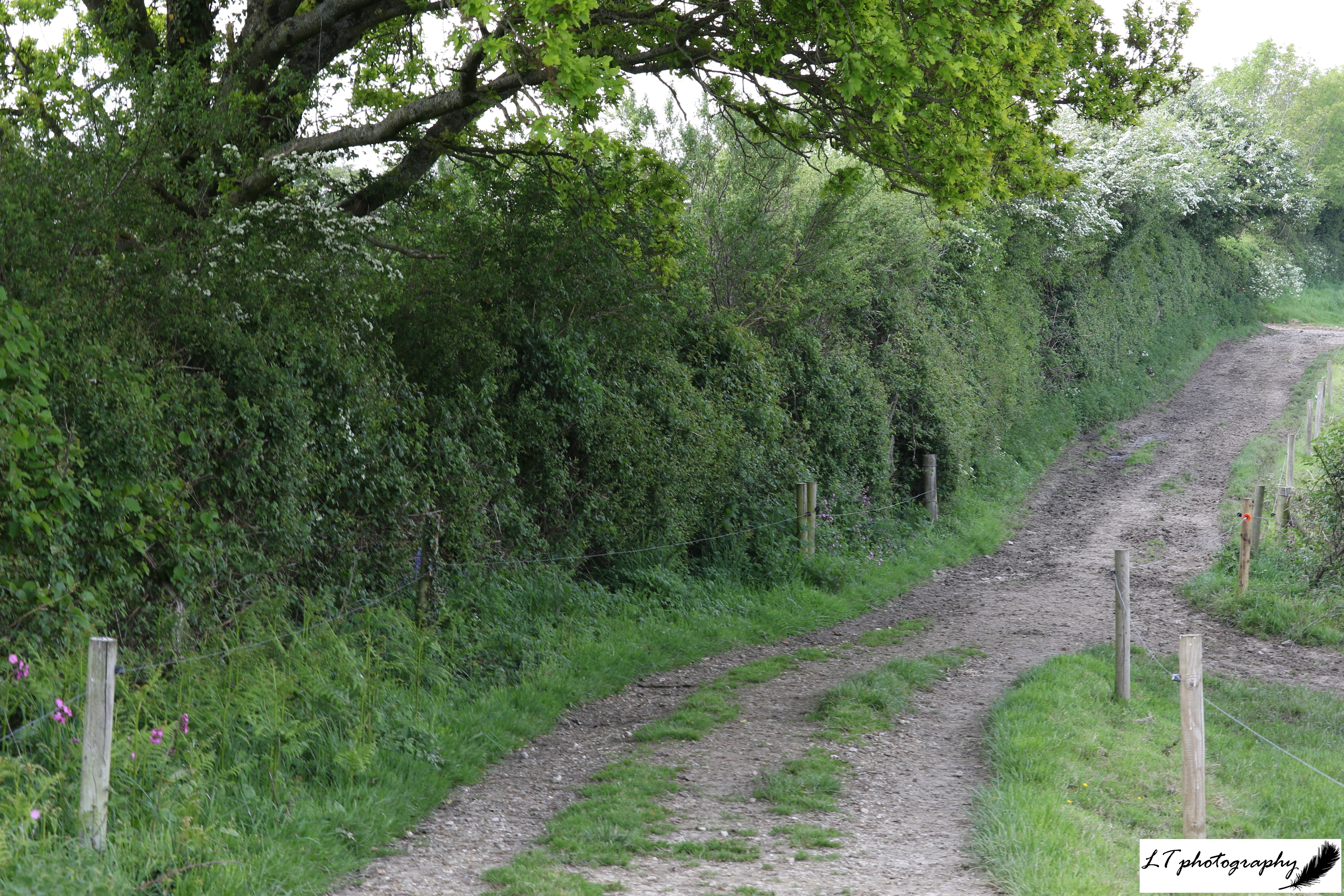
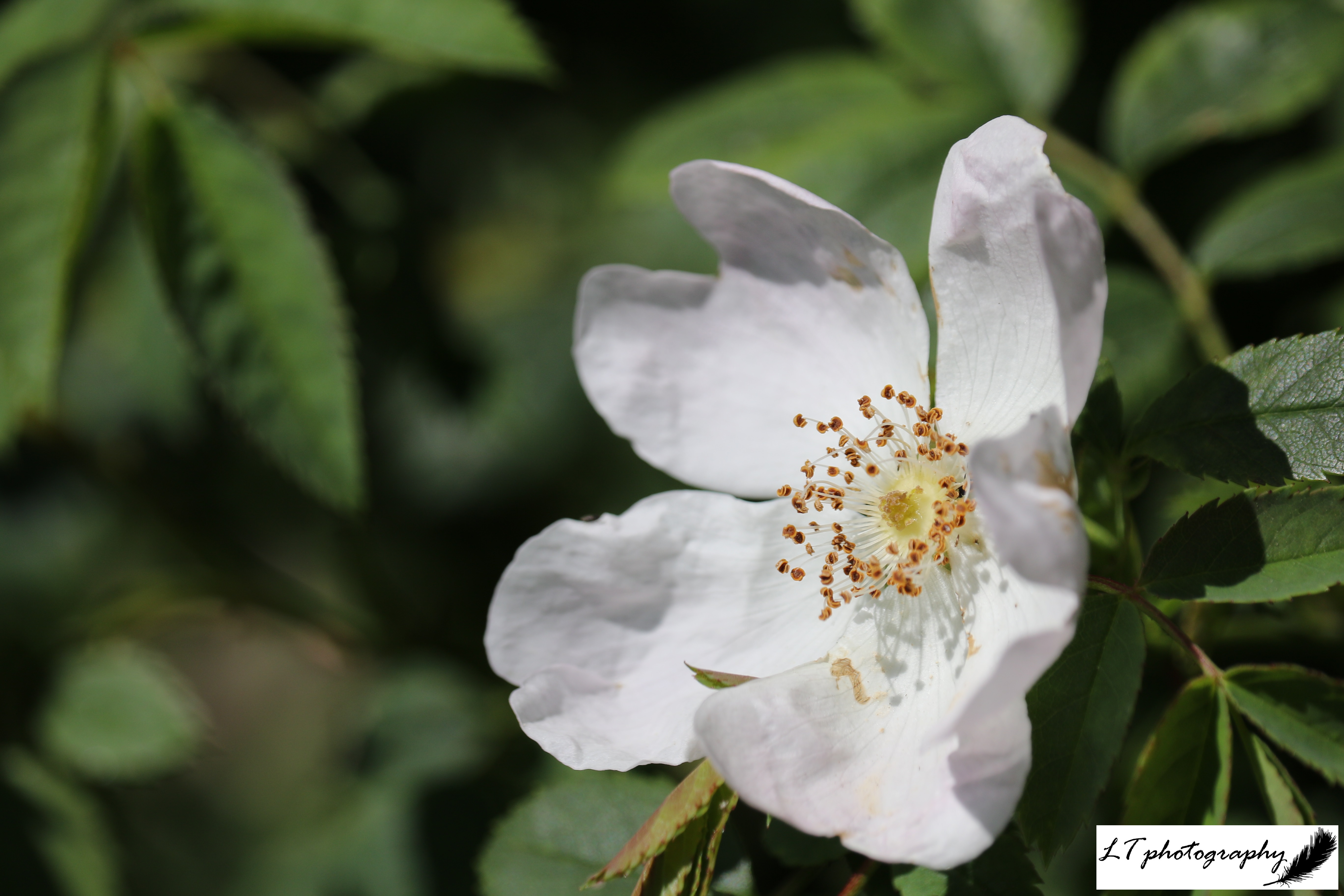
On my family’s land there are a lot of hedgerows, which are a hugely important habitat for a whole host of wildlife. They range in age and composition, including species such as Spindle, Blackthorn, Ash and Dog Rose. They also provide different services, such as food and shelter, throughout the course of a year, for lots of different species.

So far:

  • We carefully manage hedgerows with wildlife in mind each year.
  • Hedgecutting is practiced on a rotational basis and in late winter if the ground holds up. They are only cut by my Dad or brother who are skilled at cutting the hedges correctly and with care.
  • We annually manage and maintain field margins and ditches.
  • Hedgelaying has been used in the past but only when a hedge is in need of restoration.

Next Aims:

  • Maintain the high standard of hedgerows
  • Allow diversity to continue to increase

Future Aims

With 41% of species in decline since 1970, biodiversity loss and the latest State of Nature report cannot be overlooked. Whilst there is still hope that we can bring things back from the brink, and reverse the decline, to do so we need to act now. We need to create more homes for wildlife, protect what is left of our natural environment, and manage land with wildlife in mind.

On the farm this process is in full swing and gaining momentum each year. In this way, we are trying to make our land more wildlife friendly, managing and creating habitats for wildlife. Now, Skylarks can be heard singing all around the farm each morning, Brown Hares are increasing in number, Butterfly and Moths are becoming more species diverse, and Yellowhammers are becoming increasingly common. There are so many more examples from the big to the small, from Hedgehogs to Newts, but my Dad’s favourite has to be his Barn Owls. Over the last few years Barn Owls have made our land their regular home, with 2 Barn Owl pairs successfully breeding last year!

My Dad now wants to continue my Mum’s and his work dedicated to the environment, from helping farmland birds to reducing our carbon footprint. He wants to continue to show how conservation and increasing biodiversity can go hand in hand with conventional farming, allowing food to be produced whilst looking after the environment. A great example of this is the RSPB’s Hope Farm in Cambridgeshire, an arable farm where careful and targeted management is now having results. It makes me optimistic that if we now focus on working with farmers to give nature a home on their farms in the right way, then this could make a real difference to reversing species decline in the future.