Breeding Birds on the Farm 2023

In memory of Trevor Squire

My love of birds can be first originated with my grandfather, who enjoyed sharing his own passion with me when I was child, even before my own began. In time, my mum passed her own knowledge on to me, but it took me going off to university to finally realise how much fascination bird species hold for me. Once I returned home to Dorset after completing my Master’s, I then got the opportunity to begin my training as a bird ringer in 2019 with a very special local trainer, Trevor Squire.
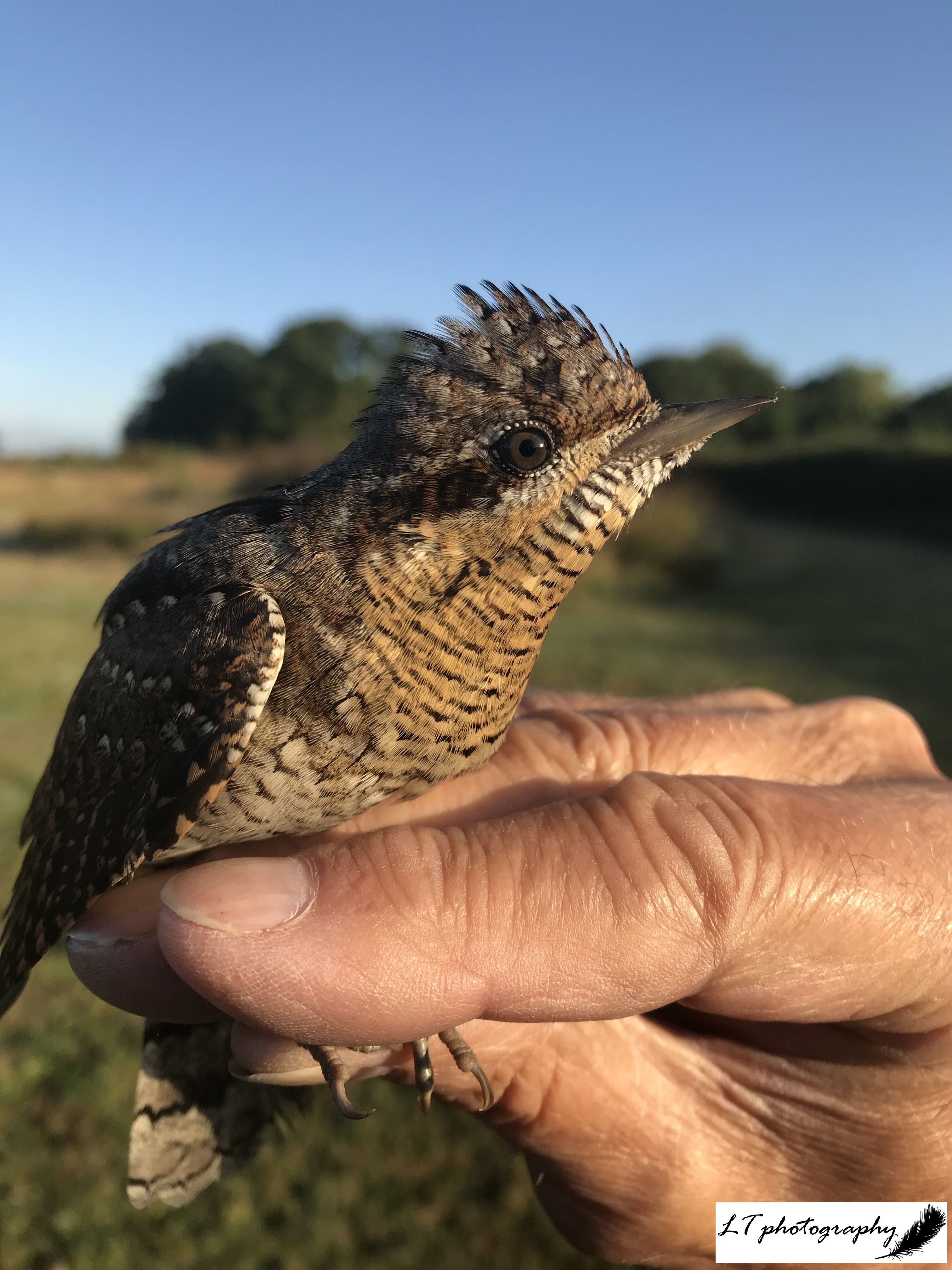
Last year I posted on my blog all about the birds breeding on my family’s farm in Dorset throughout 2022, whilst working to apply for my C permit (check it out here). That year I encountered 2 broods of kestrel chicks, 3 broods of swallow chicks, 2 broods of barn owl chicks, and 2 great mornings ringing in my own garden to build my confidence with a range of species.
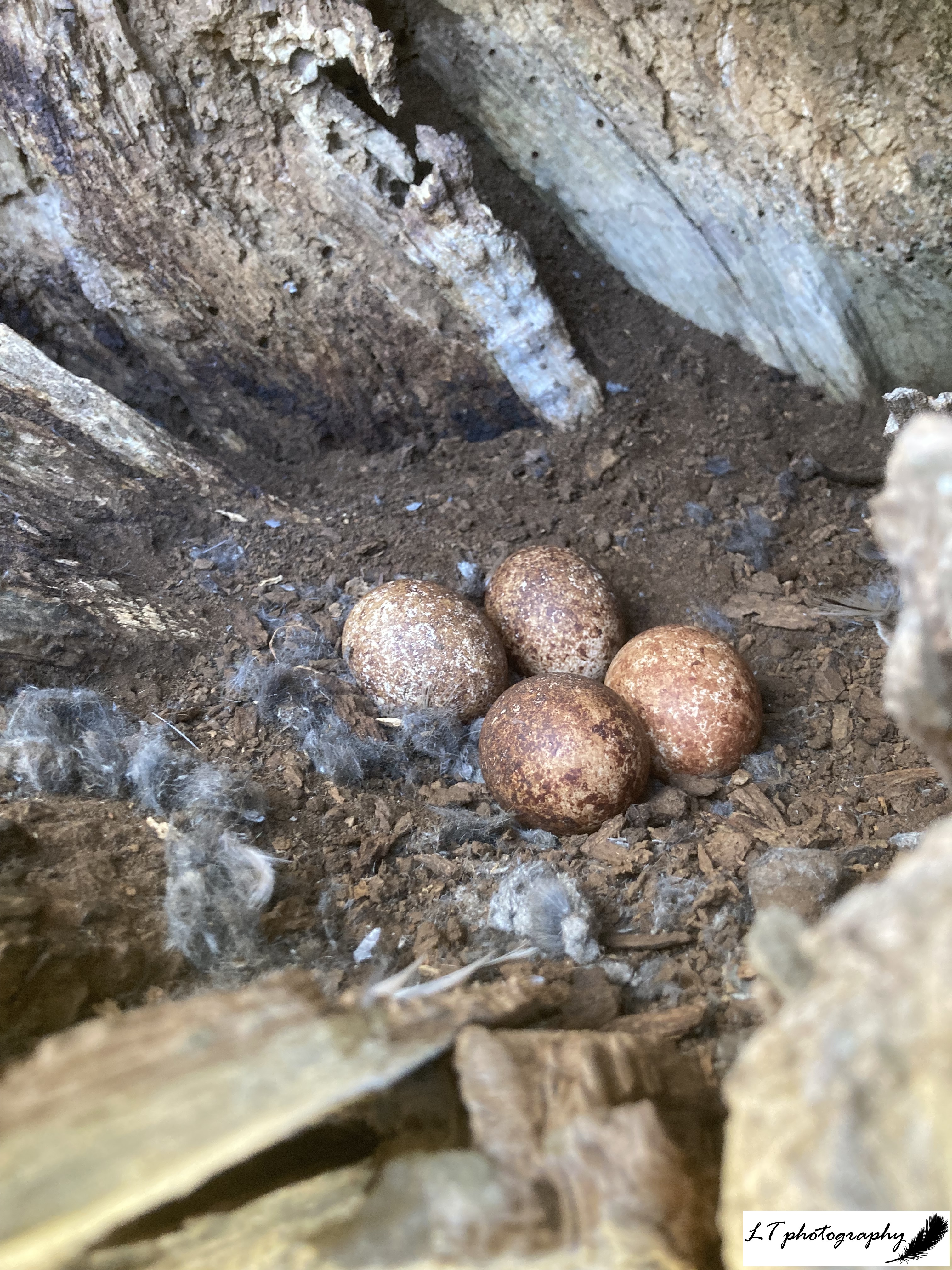
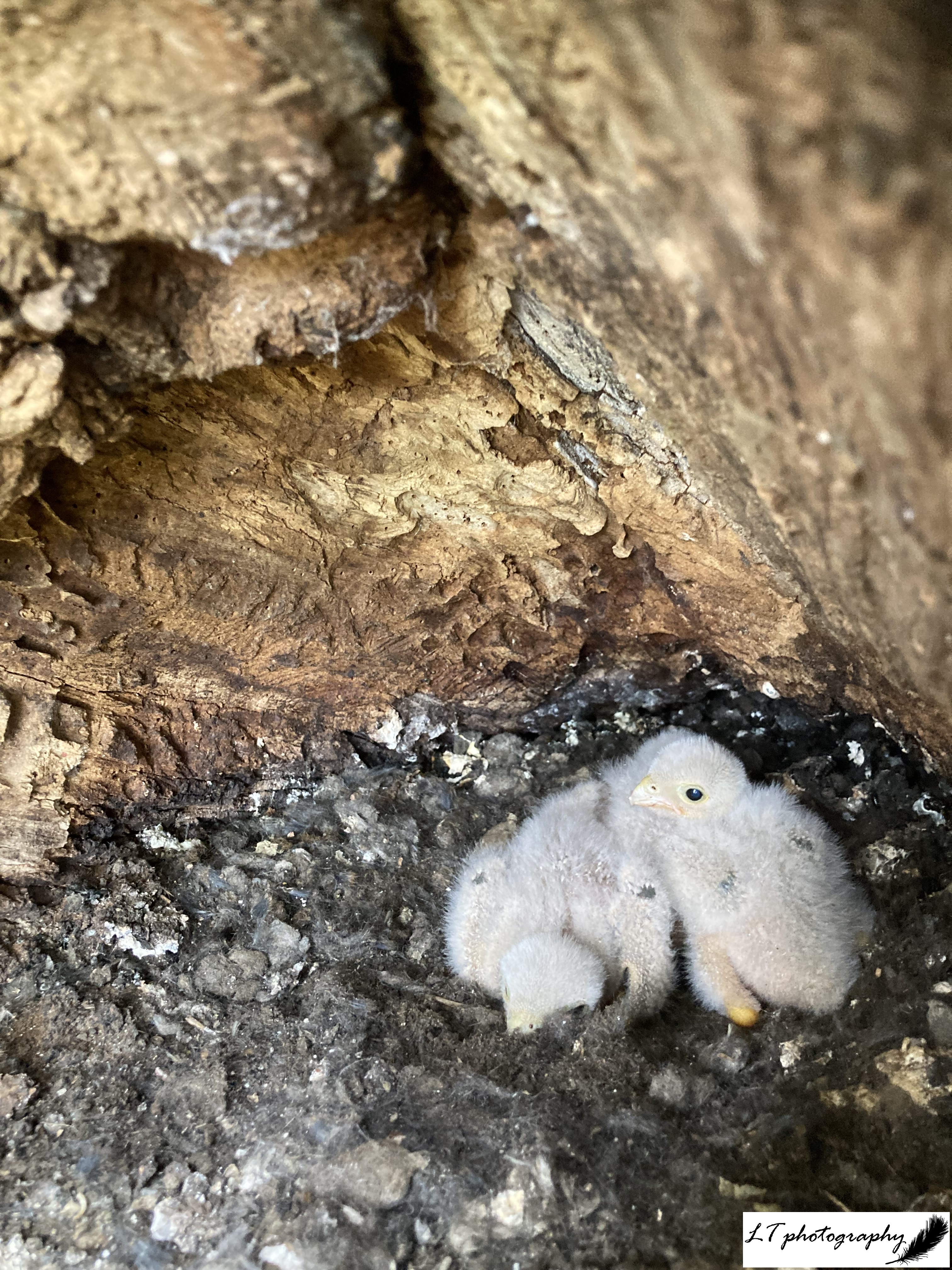
Moving in to 2023, I had now gained my C permit with restrictions, and could begin to ring with more independence whilst exploring the bird life on my family’s Dorset farm. Unfortunately, no kestrel nests were discovered on the farm during 2023, as our local population were hit hard by avian flu. There was still lots of bird fun to be had though, so read on to find out what I got up to.

Swallows

In 2022, the swallow population around my home had a tough year and a very poor breeding season, which may be because less pairs returned to start with. In total, I discovered 6 nests, but only 3 fledged chicks, 12 in total. So in 2023, with my new C permit now giving me the endorsement to ring swallow chicks on my own, I hoped for more luck for my swallows.

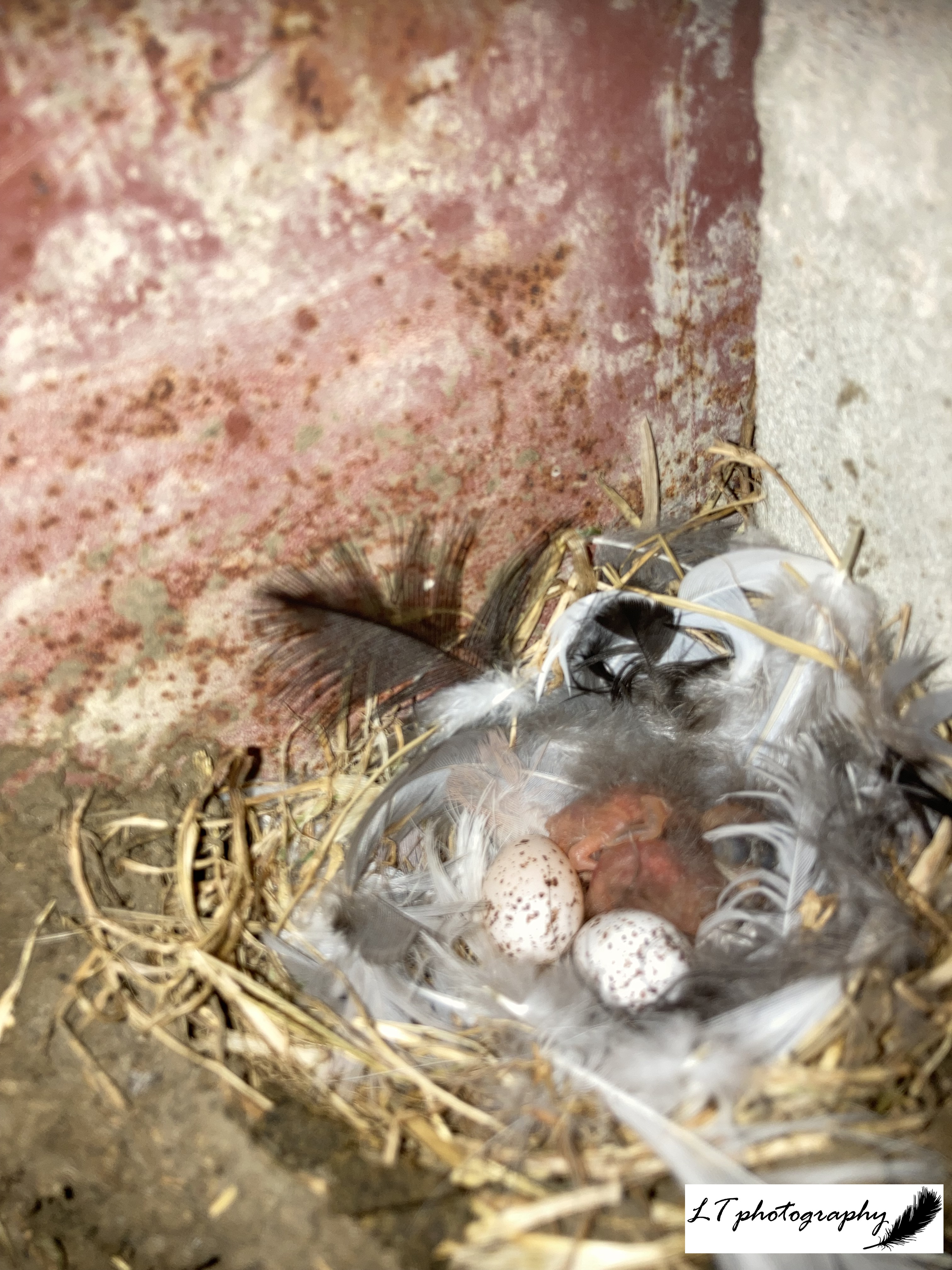
I began nest checks again on the 25th May and over the course of the breeding season I discovered 6 different nests in use, with 4 being used again for 2nd broods. I am very happy to say that I had the pleasure of ringing 42 swallow chicks from 11th June to 16th September. Knowing that some chicks even fledged before I had the chance to ring them, 2023 was a very good year for my swallow population in comparison to 2022.

Barn Owls

Those who follow my blog will already know that barn owls are a species that are very special to my family, with these birds being intertwined with farmland in Dorset. Barn owls are a great indicator of the state of nature on farmland, and have been followed closely on our land since 2019, helping to influence management. Check out my Barn Owl page for more stories.
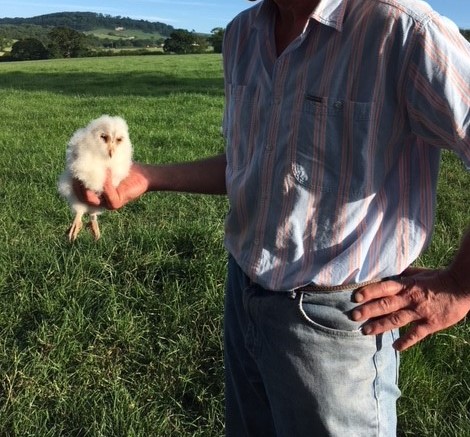
In 2022, the barn owls had a good year on the farm, with 2 pairs nesting at opposite ends of our land, one in an annually used nest box and another in the same tree as a pair of kestrels. Both pairs went on to have 2 chicks fledge successfully, which was a big positive for the barn owl population in our area.
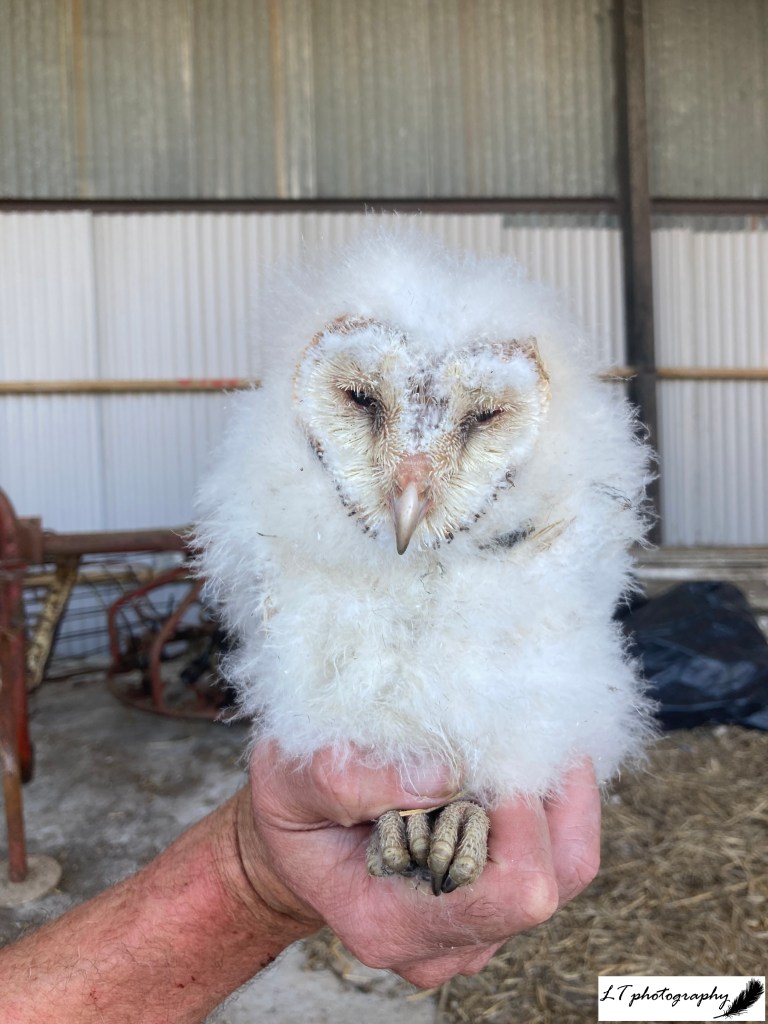
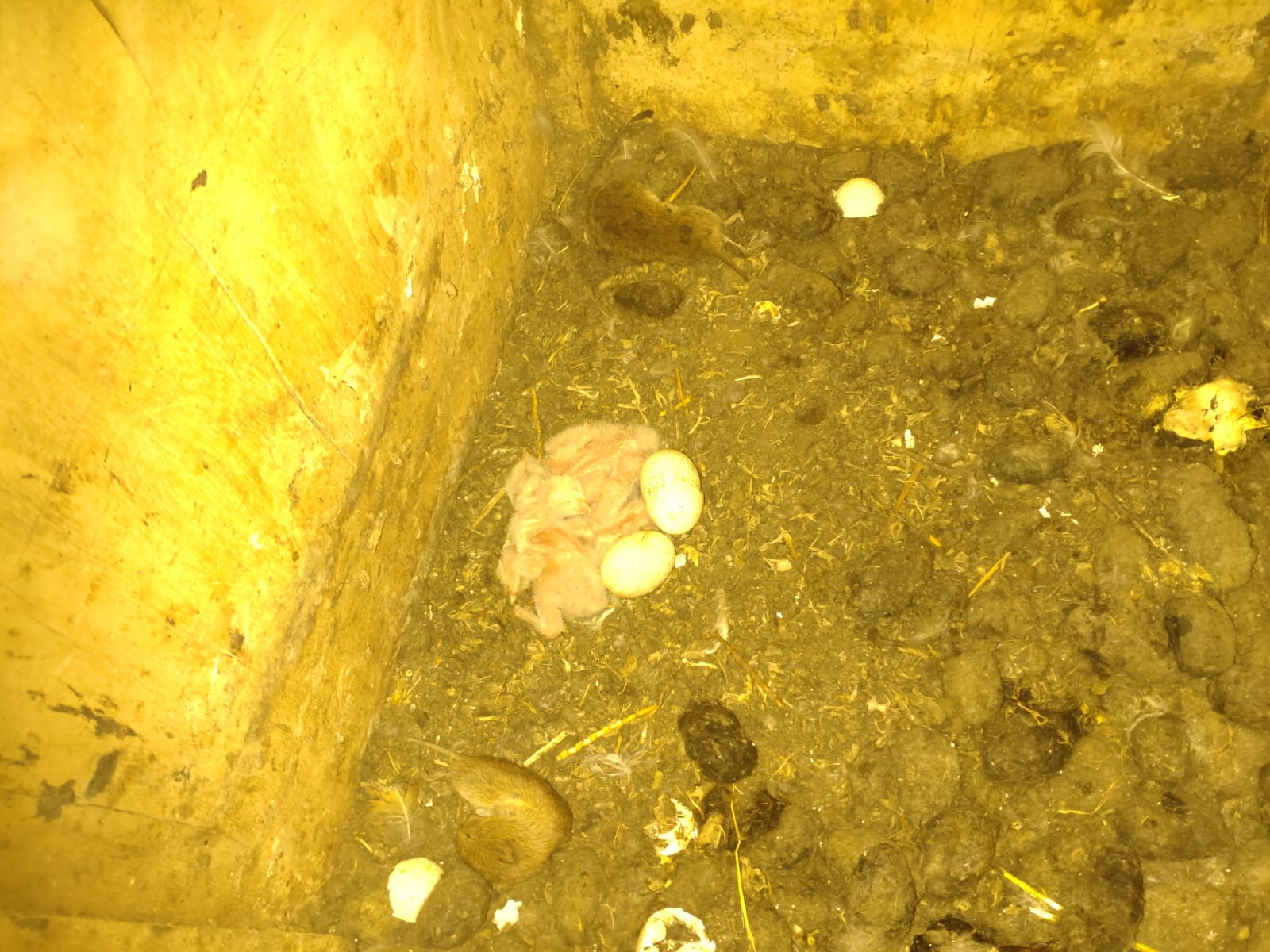
For 2023, I now had my C permit that had the inclusion of an endorsement for me to ring barn owl chicks on my own. We had high hopes for our barn nest box once again, having seen 2 owls hunting around the farm over the winter, and courting around the box in early spring. On checking the box on the 2nd June, we were happy to discover 3-4 young chicks. I used these chicks as an opportunity to gain confidence, and ringed 3 good sized chicks alongside my ringing trainer on the 7th July. We had hoped to discover a second pair breeding on our farm again in 2023, but we are very happy that at least 2 of the barn box chicks were seen to go on to fledge successfully. This is a definite improvement on only 1 chick in 2021!
Chicks Ringed of New Species

As on my newly acquired C permit I only have endorsements to ring swallow, kestrel, and barn owl chicks, in 2023 I aimed to ring chicks from other species alongside my ringing trainer to expand on my C permit in time.
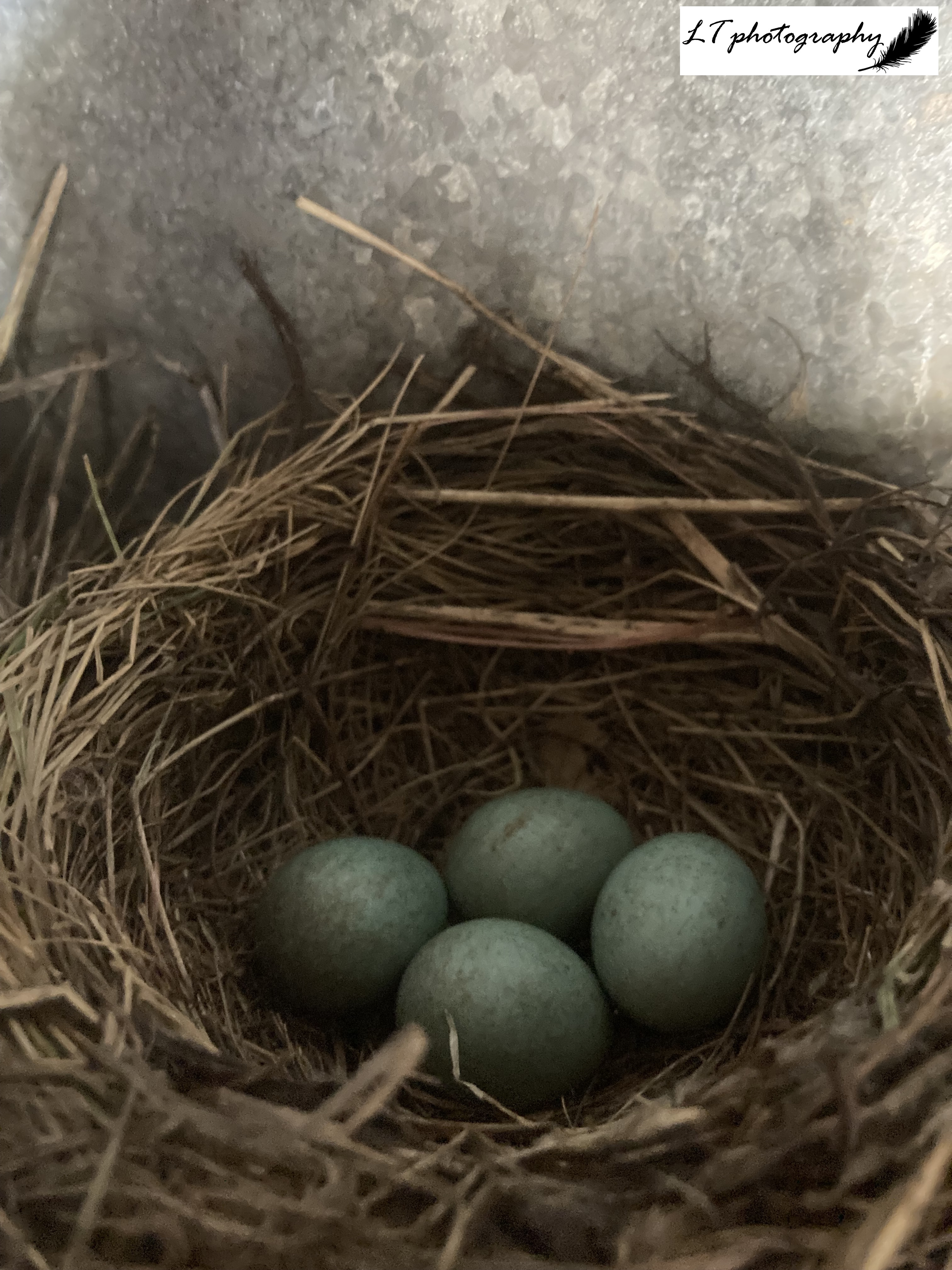
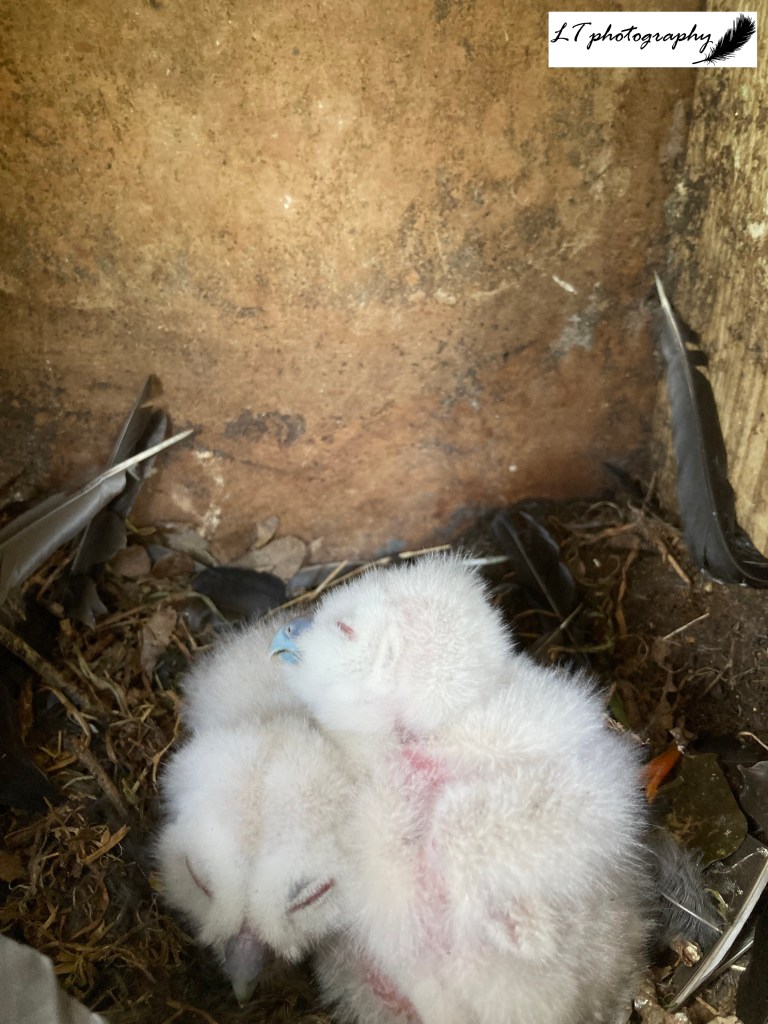
On the farm in 2023, I got to ring my first brood of blackbird chicks (4), blue tit chicks (7), and starling chicks (1). The highlight though was one of our tawny owl boxes finally producing a healthy brood of 2 tawny owl chicks. A great start to increasing my experience, whilst I also got the opportunity to ring at other sites, such as checking tawny owl boxes with another ringing group.
Garden Mist Netting

In 2022, ahead of applying for my C permit, I got to spend 2 mornings mist netting and ringing in my own garden with another ringing trainer. This was an exciting first for me, made even greater by catching 192 new birds of 9 species, the highlight being some lovely starlings.
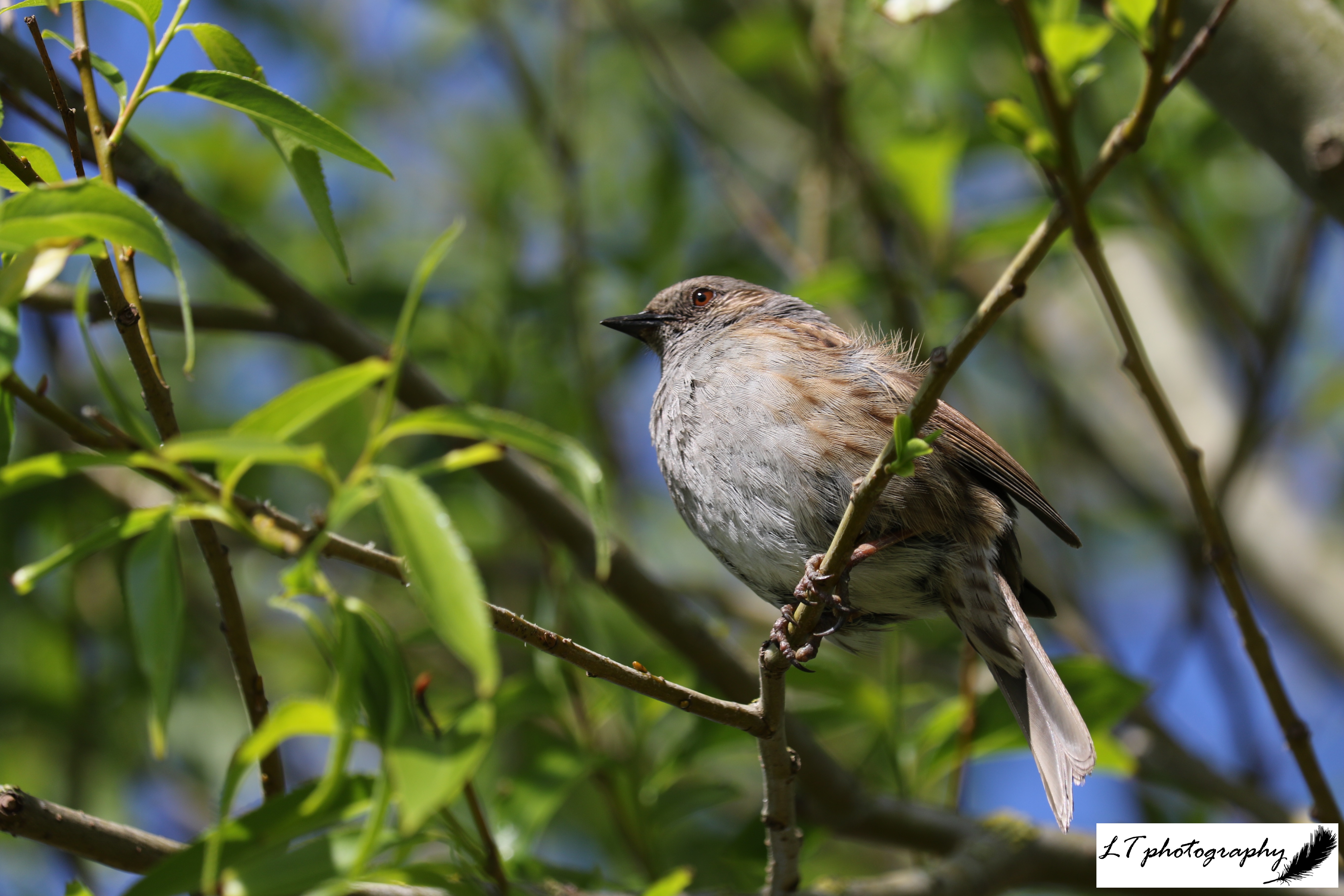
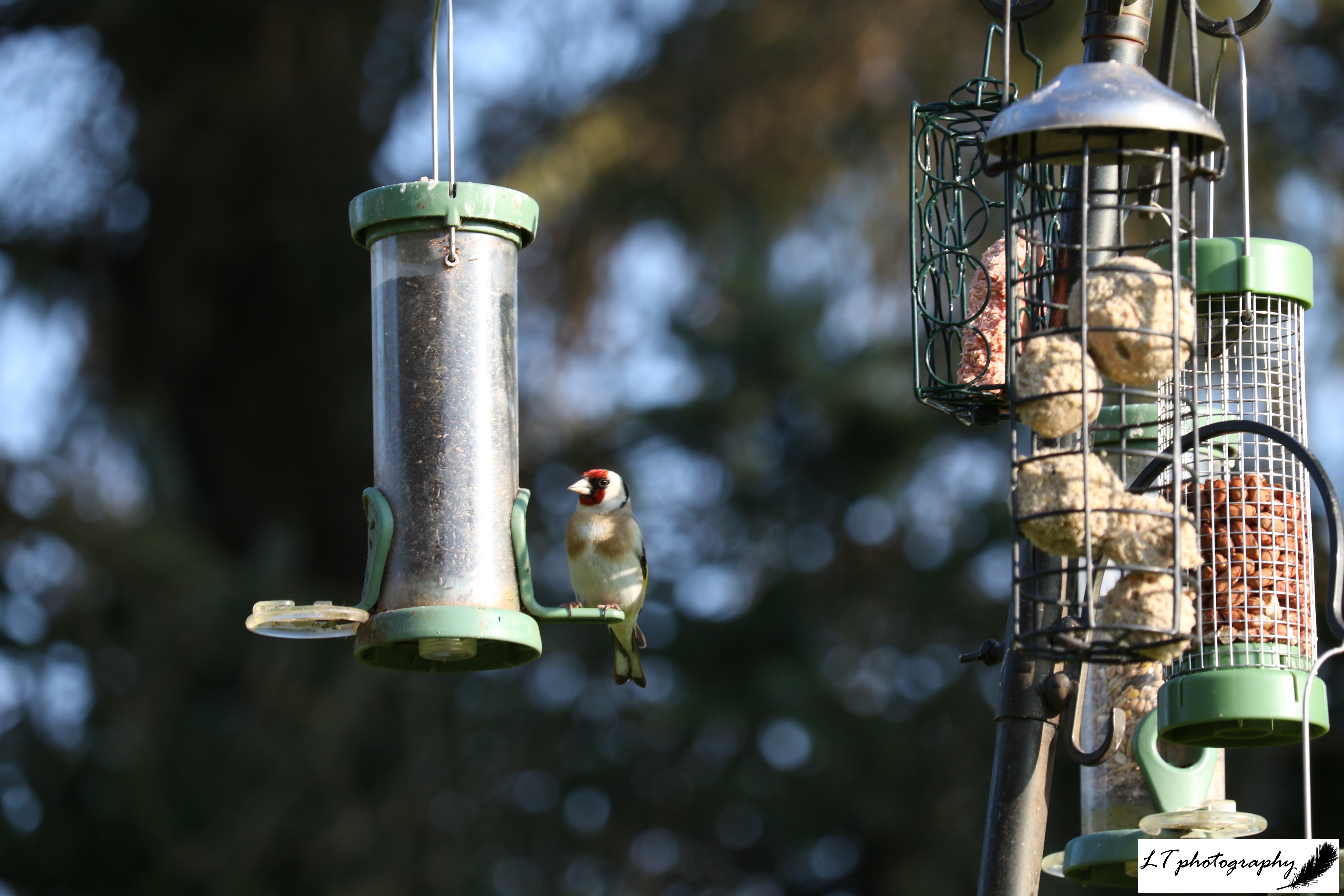
For 2023, I got to experience a new first, mist netting and ringing in my garden all on my own. Through June and July, I spent 6 mornings ringing in my garden, and managed the situation each time, so as to only catch as many birds as I could deal with on my own at one time. Over these mornings I caught 90 new birds of 11 species (1 robin, 7 chaffinches, 11 blue tits, 44 house sparrows, 1 blackbird, 13 great-spotted woodpeckers, 2 goldfinches, 3 dunnocks, 6 great tits, 1 starling, and 1 greenfinch), and learnt alot from acquiring this experience already. My highlight was definitely the greenfinch, as it was a beautiful adult male and my very first greenfinch ever ringed!

Here’s to 2024 being as interesting!

All birds were ringed under license and following rules to ensure the health and welfare of the birds handled at all times.

Sable Island Horse Project field crew 2018

It was a pleasure to join this year’s Sable Island Horse Project crew out on the island itself to census the whole feral horse population. The project would not be the same without the dedicated crew and my experience on Sable island would not have been the same without the girls I spent my four weeks with. To the seven of us that made up the field crew this year, here’s a series of fact files to introduce and celebrate each of us:

Julie Colpitts

Julie Colpitts

Photo Credit: Sable Island Horse Project

Role: Team leader
Time on the island: Full field season (July-August)
Course and university: PhD at University of Saskatchewan (Canada)
Sable Island research: Population genetics structure in Sable Island feral horses
Twitter: @julie_colpitts

Chiara Fraticelli 

Chiara Fraticelli

Photo Credit: Diana Jeong

Heya! I’m Chiara Fraticelli and I came onto the project from the University of Exeter, Cornwall campus within my Conservation and Biodiversity Master’s course. I’m originally from Italy but did my university degree in the UK.

My main wildlife interest is African mammals, which begs the question, what was I doing on Sable Island studying horse behaviour? 😀 Well, horses have always been one of my favourite animals, and the possibility to study feral horses in such an exceptional environment was very tempting. Sable Island is a place where it’s unlikely for a person to go as a tourist, and even if you do, you can’t understand the challenges and problems involved in horse adaptation and reserve management by only staying a few hours. For my project I studied risk aversion and island tameness of the Sable Island horses. This is interesting because these horses evolved for generations without predators, such as humans. But is it because this is a learned behaviour or because the genetics changed? This was my question.

I really enjoyed my time on Sable Island, the place is amazing, the horses were interesting to study and the crew was very friendly. My favourite horses this season was a fearless foal in one of the big bands living near the centre of the island. I had to move away from him almost everytime I saw him because he wanted to come close and discover what I was!

Chiara's Favourite Foal

Photo Chiara took of her favourite foal

Coming soon I have an internship in Africa, where I will spend 6 months learning and working on park management. This is the direction I want my career to take, but we will see where life will take me.

Twitter: @Chiara_Frati
Instagram: _kiaraspace_
Blog: http://www.kiaraspace.com

Check out Chiara’s social media pages and blog to follow her on her next adventure coming soon!

Kirsten Johnsen

Kirsten Johnsen

Photo Credit: Sable Island Horse Project

Time on the island: Full field season (July-August)
University and course: MSc at University of Saskatchewan
Main research interests: Population ecology, behavioural ecology, wildlife conservation and environmental impact management.
Main wildlife interests: Large mammals and birds (especially owls), but also snakes.
Sable Island research: Looking at whether drinking from a pond or well influences energy intake and energy loss in Sable Island Horses through observational behaviour surveys and taking samples of available vegetation communities. Also looking at those factors in relation to parasite counts.

What did I enjoy most about Sable Island: 
I really liked the ecosystem in general since it is so unique. The views were amazing, especially when I could see the ocean on both sides of the island at once. One of my favourite spots on the island is Bald Dune, since looking at it is like looking at a desert and it’s so unlike any other area that I have visited before.

Funniest moment:
When group pictures were taken at the end of the field season. Specifically when trying to take either an awkward 70’s pose or a soccer-style picture, where Ruth and I kept cracking up because there was such a delay on the camera timer and we could not keep a straight face for that long.

Favourite horses: 
While I think Lil’ Thing was my favourite overall, I also quite liked watching Rolex and Golds (a cute pair of siblings). Ripley and Orbit stand out as well because they were both pretty mischievous.

What’s next: I hope to have the data from this summer processed and analyzed within the next year. Eventually after school, I’d probably like to work in wildlife conservation/ecology. Ideally I’d like to work at one of the parks since I enjoy public engagement and studying lots of different facets of the same ecosystem to see how it all works together. Otherwise I would be happy working in environmental consultancy since I enjoyed the process of creating management plan suggestions in previous projects.

Alice Liboiron

Alice Liboiron

Photo Credit: Sable Island Horse Project

Time on the island: First half of the field season (July)
Course and university: Doctor of Veterinary Medicine at University of Saskatchewan Western College of Veterinary Medicine (Canada)
Sable Island research: Parasitology study of the feral horse population

Diana Jeong

Diana Jeong

Photo Credit: Sable Island Horse Project

Time on the island: First half of the field season (July)
Course and university: MSc student of Jocelyn Poissant at the Faculty of Veterinary Medicine, University of Calgary
Home: (London, ON) Canada
Main research interests: Genetic research for wildlife conservation/management
Sable Island research: Inbreeding depression and juvenile traits in the feral horse population

What did you enjoy most about this year’s field season: I loved getting to know my study system, the unique personalities of some of the horses, and the team of researchers that I would be working with in the future. Being out in the field would not have been as fun for Diana if I did not have the group of women I got to work with on the first half of the season.
Favourite memory of the field season: Getting the field team hooked onto old school throwback songs whilst working in the lab.
Funniest moment: During the first half of the field season, Alice taught us how to do the floss dance in the middle of the beach.
Favourite horse(s) on Sable Island: Any horse with unique facial markings for easy identification!

What’s coming up for you next? I am just starting my Master’s at UofC, so right now I’m just focussing on my courses and literature review. I hope to be able to get all the lab work done in time to potentially join the 2019 field season next year on Sable.
Career plans: I am unsure which career path to pursue currently, but I hope to be able to contribute to the field of wildlife health and ecology in some way, in whichever profession I choose.

Twitter: @chanwoorijeong and please follow @SI_horses (the Sable Island Horse project official twitter page)

Ruth Greuel

Ruth Greuel

Photo Credit: Ruth Greuel

Role: Plant guru
Time on the island: Second half of the field season (August)
Course and university: 
PhD at University of Saskatchewan
Home country: Canada
Main research/wildlife interests: Herbivory and grazing (large herbivores, primarily), rangeland management, nutrient cycling and dynamics. Grassland ecology in general. I also enjoy lichenology and plant ID.
Sable Island research:
Just beginning a PhD studying sea-to-land nutrient transfer, nutrient cycling through the system and how that may affect the horses.

What did you enjoy most about this year’s field season overall?
I love field work in general! Being outside and getting so much fresh air, exercise and time to think is such a treat after being cooped up with the computer during the rest of the year. I also really like meeting up with the rest of the field crew at the end of every day, winding down and talking about the things we each saw.
Highlight(s) of the field season:
Seeing a brand new foal just starting to walk around on wobbly legs! Or getting to see the blue flag irises in bloom (Iris versicolor).

Blue flag iris
Funniest moment: Taking our group photo out by the only tree on the island!
Favourite horse(s) on Sable: There are a few I get excited to see, but I don’t know all of their names or histories as well as other crew members do. There’s a yearling on the west end of the island that I call Bruno and I am especially fond of him.
What’s coming up next?
Continuing to work on this! More Sable Island field seasons, hopefully.
Career plans: Would love to continue to do research on wild places!

Twitter:
 @ruthjgee

Laura Tuke

Me

Photo Credit: Chiara Fraticelli

As people will already know from this blog and its Sable Island Stories series, I joined the second half of the field season on Sable in August this year, and had the best time. To recap on myself, I am based in my home country England, and I have just completed a Master’s in Conservation and Biodiversity at the University of Exeter. As part of my degree, I got the opportunity to complete a research project looking at the quantitative genetics of foal body size in the Sable Island feral horse population. So in summary, I investigated if foal body size is due to genes and if foals are under selection for larger or smaller body size.

What I enjoyed most about my time on Sable Island, was getting to experience field work abroad first hand, and from it I got the opportunity to meet some great people, experience a different and unique ecosystem, and to learn more about myself as a person. My favourite moment of the field season, following my previous blog post, was spending evenings watching the spectacular Sable Island sunsets with the rest of the field crew.

IMG_4478

Photo Credit: Kirsten Johnsen

Watching the horses day in and out, I grew a soft spot for a few foals that I ended up suggesting potential names for. My favourites were Hardy a foal I saw for the first time at only a couple of days old, Missy a very cheeky little foal, and Tilly who I named after my baby niece.

Hardy

Hardy and his mum at a couple of weeks old

What’s next? I am currently taking a break to adjust to post-university life, before working towards my next goals. I am passionate about wildlife and its conservation, research and educating the public on wildlife issues, among other things, and so my ambition now is to get into the wildlife film industry to combine my greatest interests.

Twitter: @laura_tuke
Blog:
Laura’s Wild World (this blog)

Thank you to Chiara, Diana, Ruth and Kirsten for providing me with the fact files for this blog post!