Spring In Photos 2023

This year spring has been a very unusual and unpredictable couple of months for nature. Last year, spring took its time to unfurl, and this year saw a similar trend. A very dry February, a very wet March, a cold April, and then a wet followed by hot and dry May, made for a slow start to spring, and a short and vibrant season.

Despite an odd spring this year, the season has been an enjoyable and fulfilling one for me. It has been filled with lots of wild adventures, experiences, and colourful moments. With my camera by my side (or phone), I have spent lots of time this year capturing and exploring spring in all its shades and vibrancy. Here’s just a few of the many versions of my spring 2023.

Spring In Photos

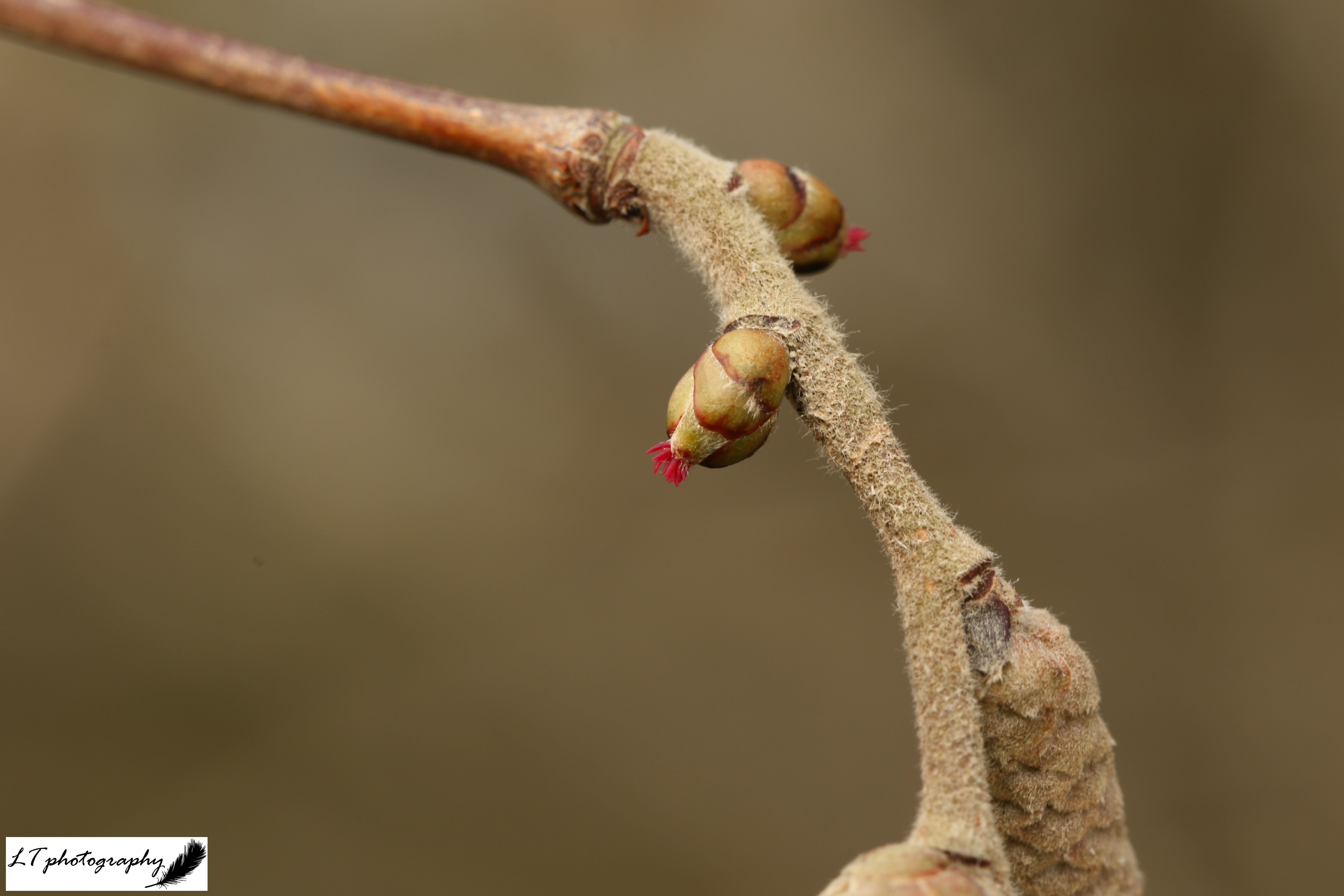
Seeing Red – When people think of hazel flowers, catkins always come to mind, hanging like lamb-tails and powdered with yellow pollen. These are just the male flowers, with the female ones taking the form of understated buds topped with bright red tufts of styles, adding much needed pops of colour at the start of spring.

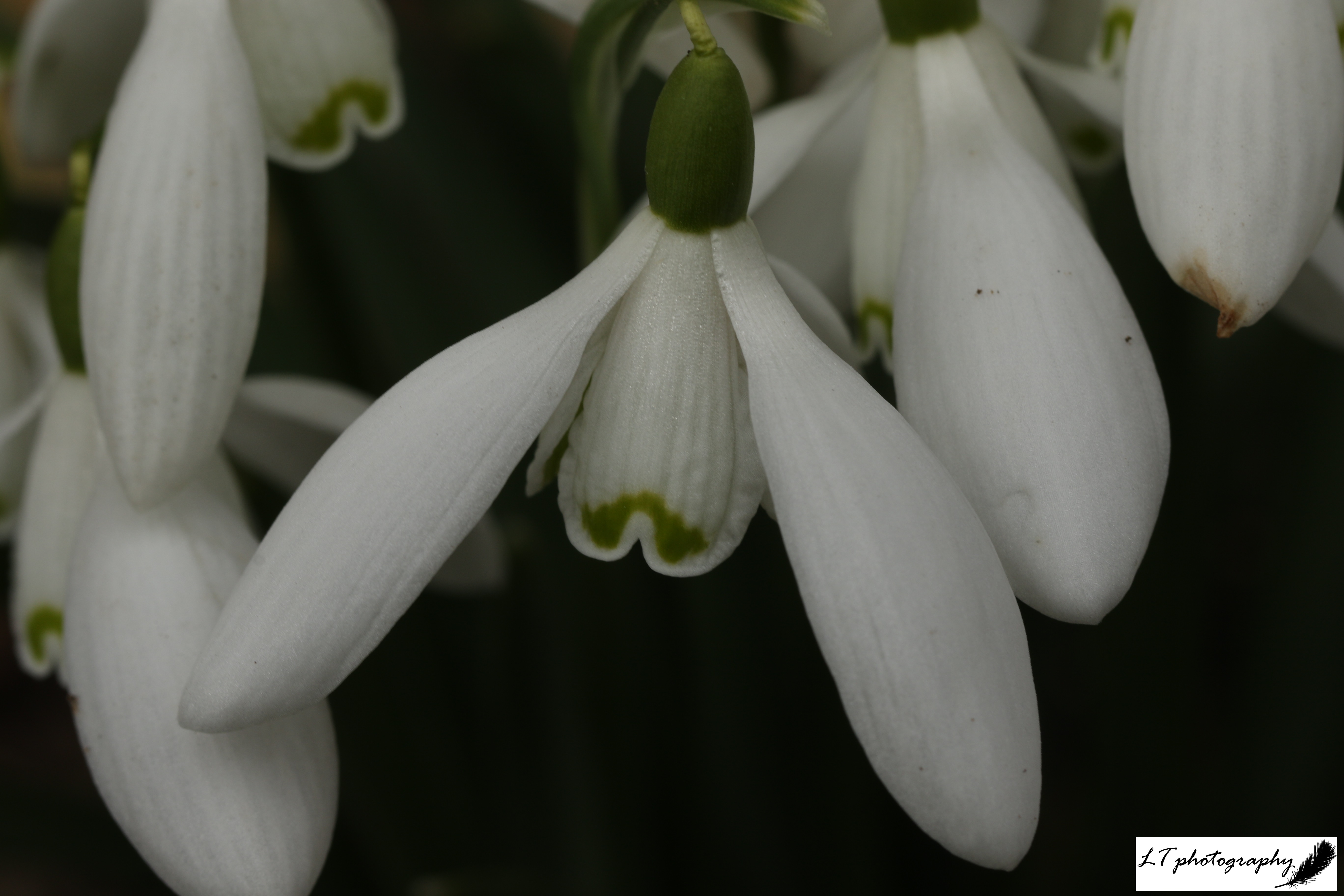
Glistening Snowdrops – This year I spent much time photographing snowdrops in different ways, making the most of the flowers staying around later into spring. Here I enjoy the glisten of the simple white petals of a nodding snowdrop.

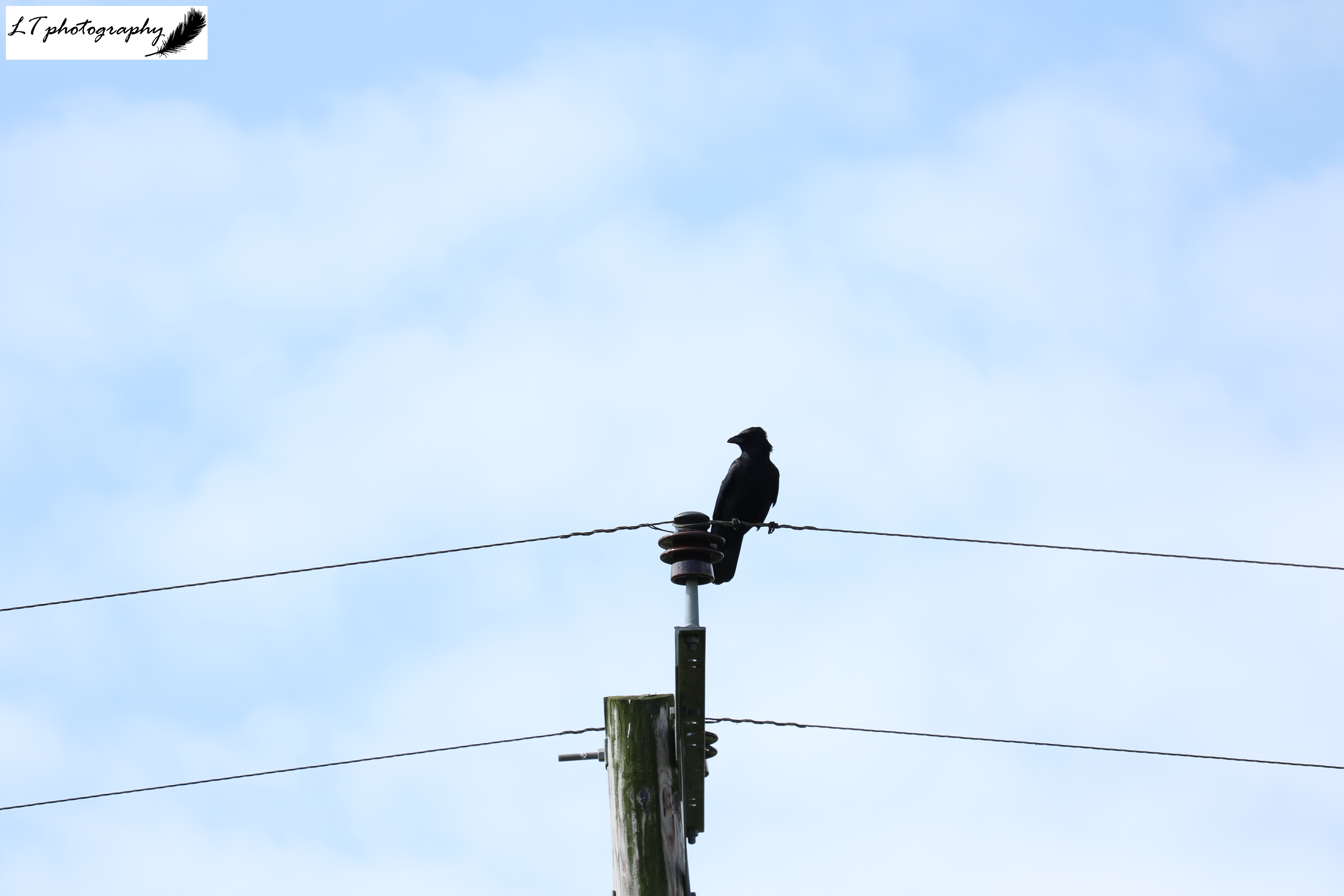
Walking the Line – This crow can be easily recognised from its silhouetted form against the pastels of a blue sky in early spring. A simple photo but an effective one.

Pretty in Pastel – A cheerful sign of spring, primroses get their name from the latin for ‘first rose’. Flowering early in spring, they are often seen as a harbinger of the season, brightening the bleak winter landscape.

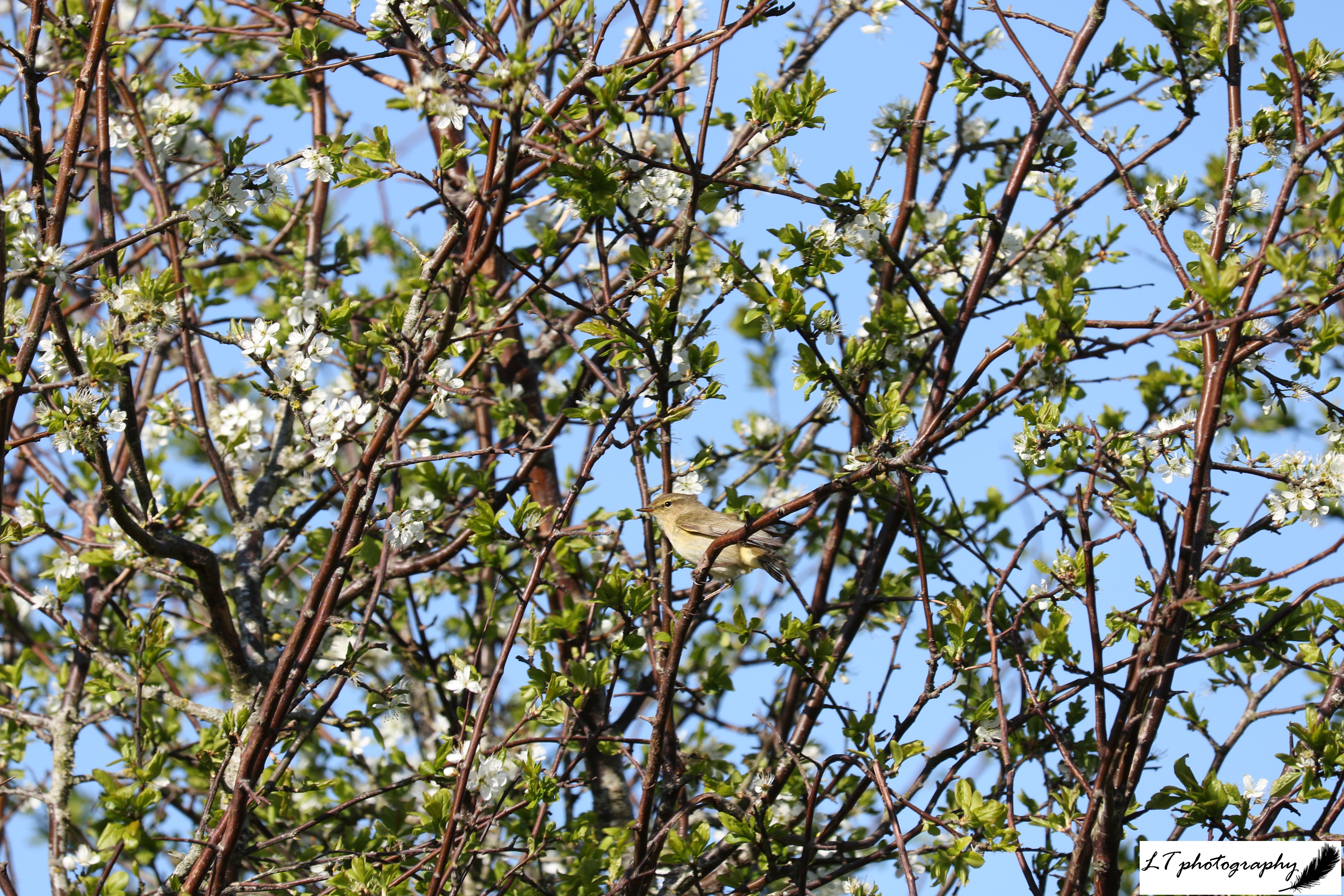
Blossoming Chiffchaffs – Chiffchaffs are a real highlight of spring for me, adding to the soundtrack for trees blossoming and leaves unfurling, flowers blooming, and the landscape becoming alive with life once again. I had always wanted to try and capture them amongst this backdrop and this year I had my opportunity to do just that!

Quarry Bank Comes to Life – A National Trust property in Cheshire (check out A Naturalist in Manchester), Quarry Bank’s gardens come to life in spring with a fantastic array of colours!

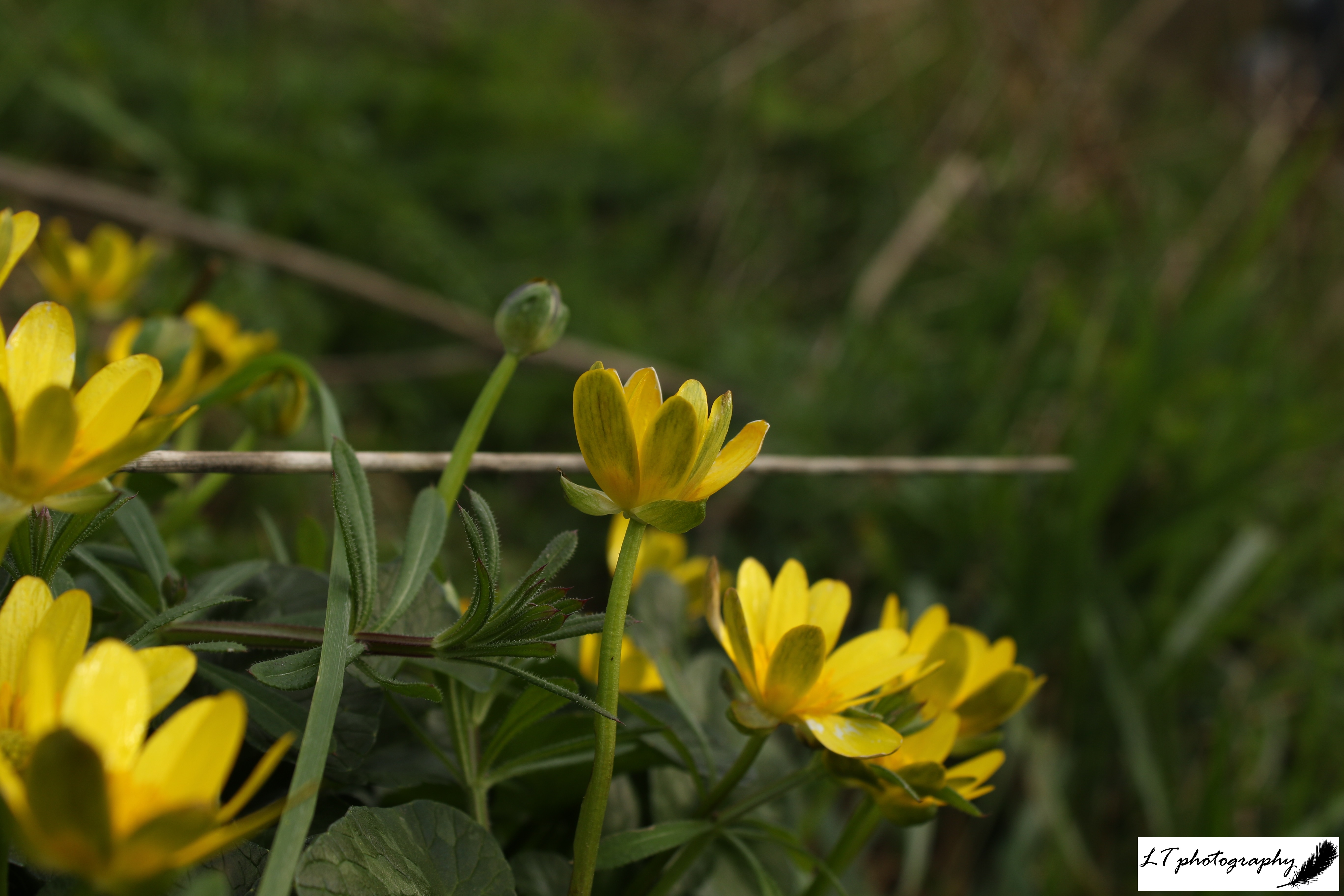
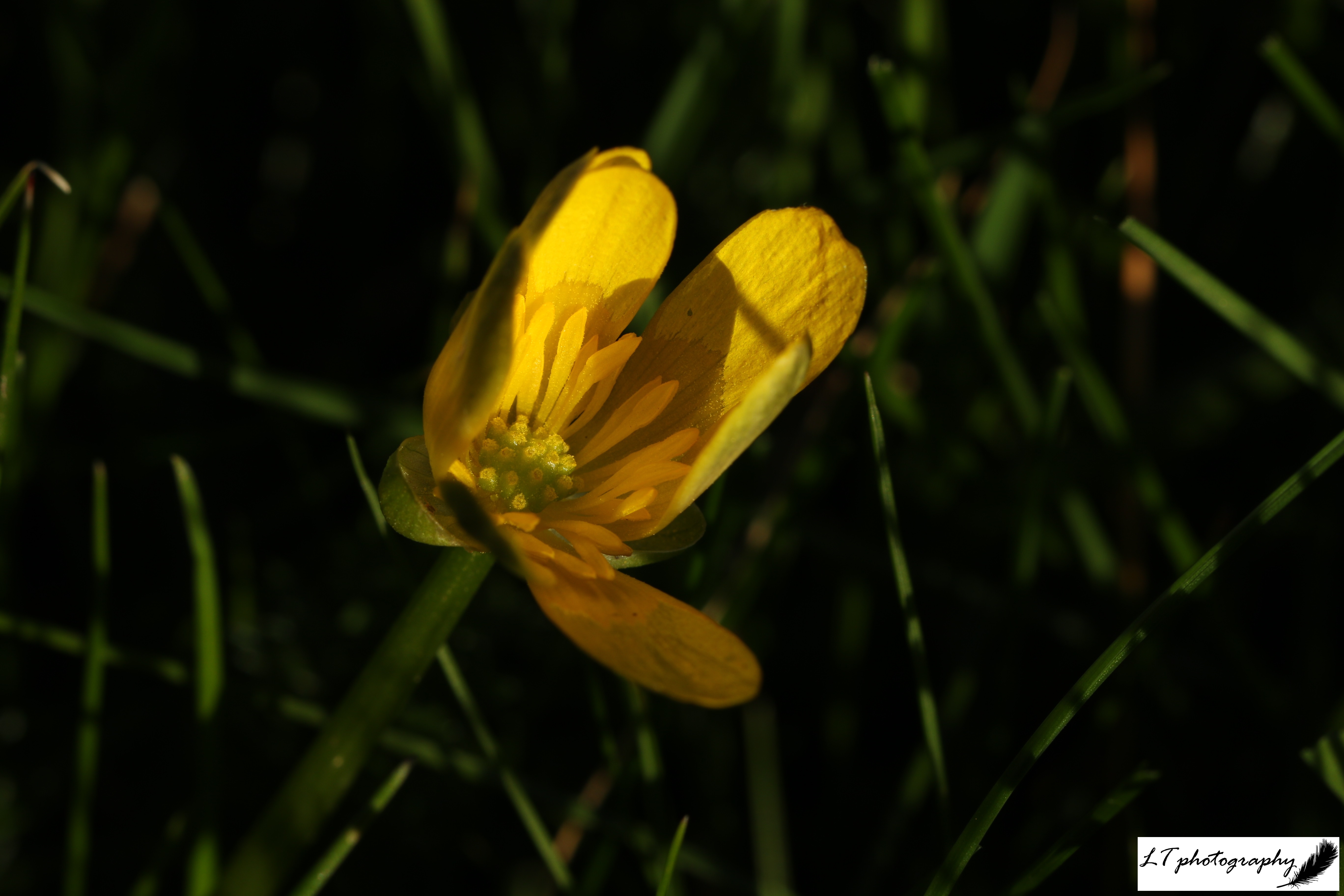
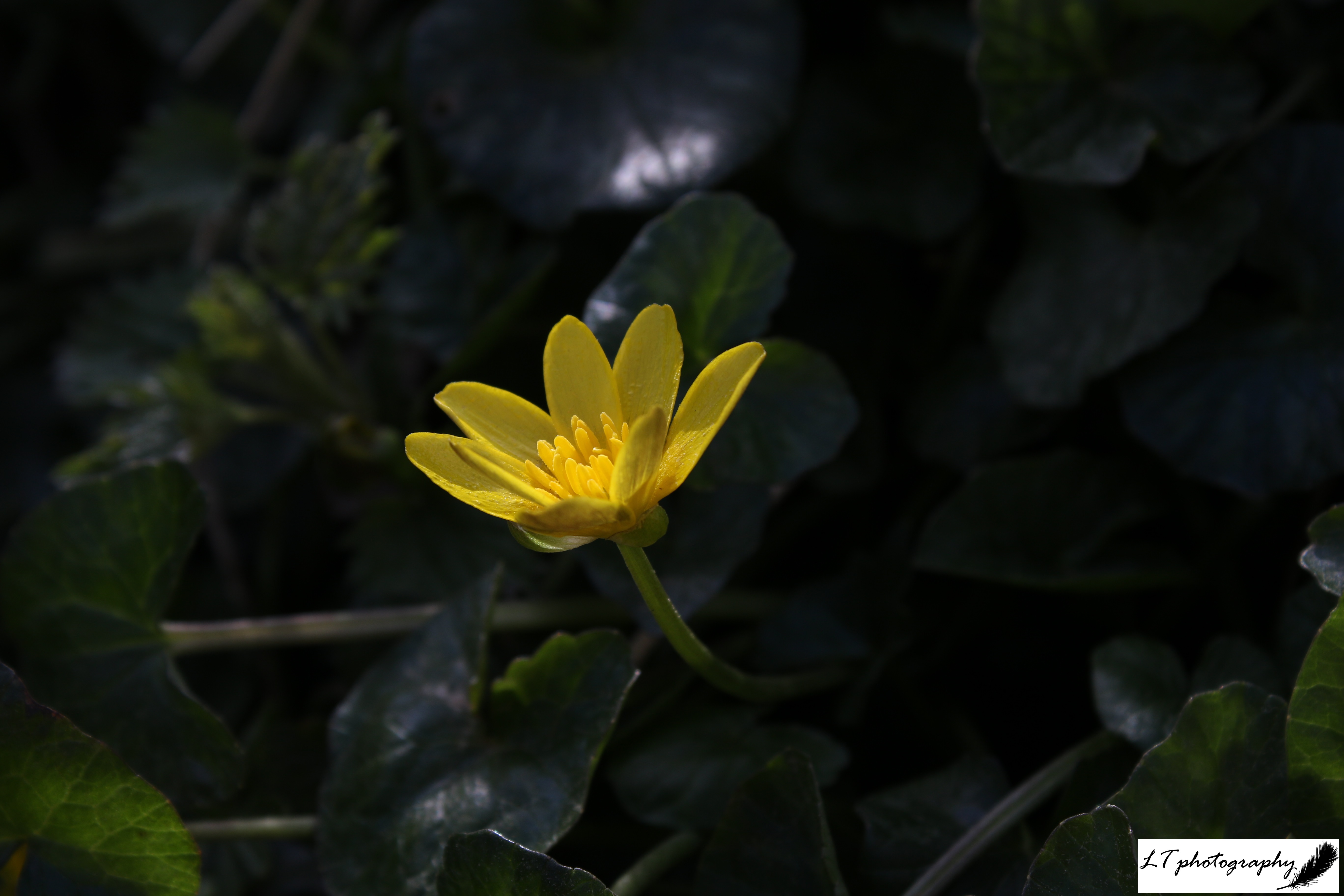
Sunshine Celandine – Celandines are another classic spring flower, helping to provide a joyful pop of colour, as winter slips away. I always enjoy the challenge each year of trying to photograph them in new and interesting ways.

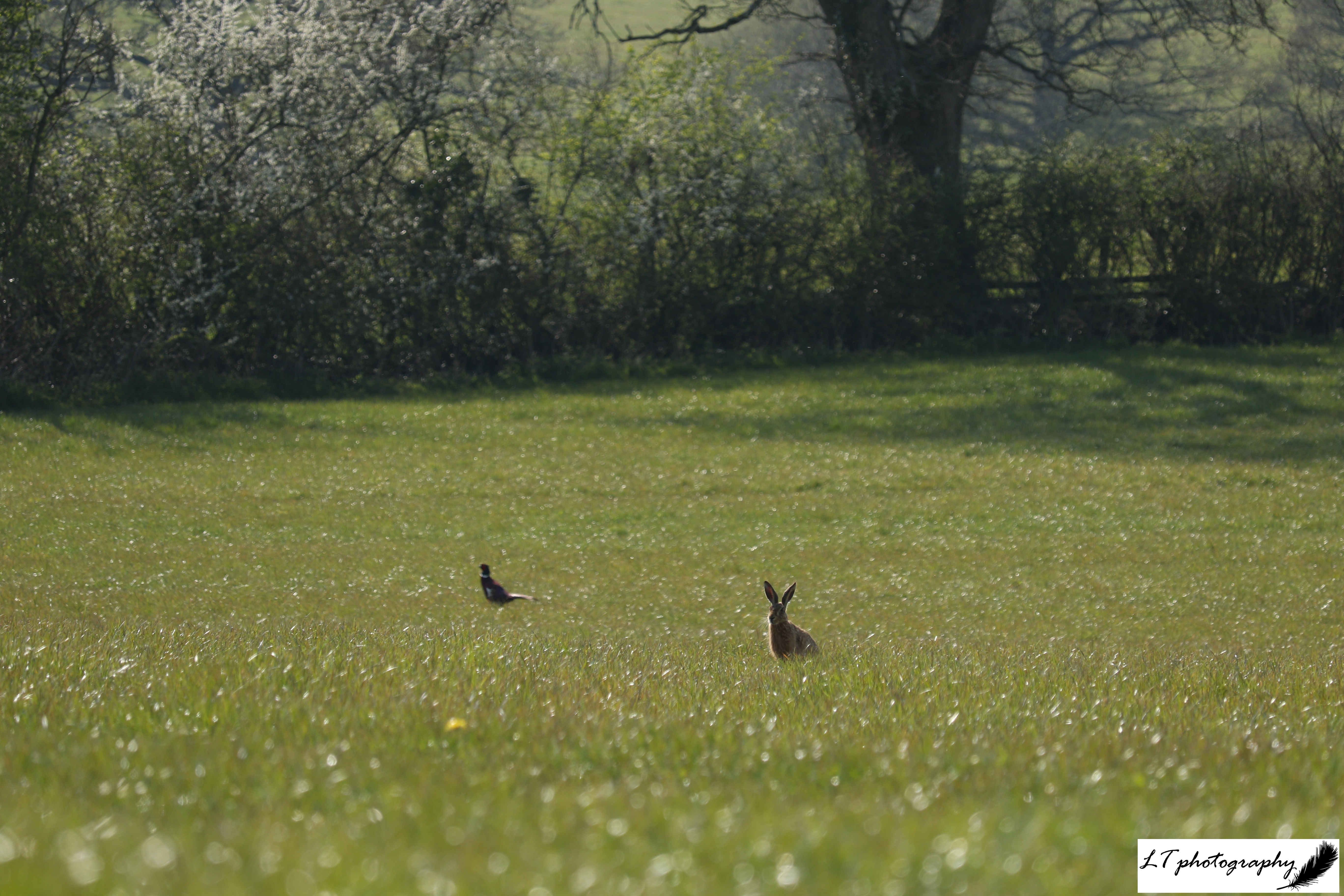
The Hare [Not] In A Hurry – Whilst walking in my local woods, I caught sight of this lovely pair in a neighbouring field. It was lovely to sit and watch them for awhile as they groomed themselves and interacted with each other, never knowing that I was there.

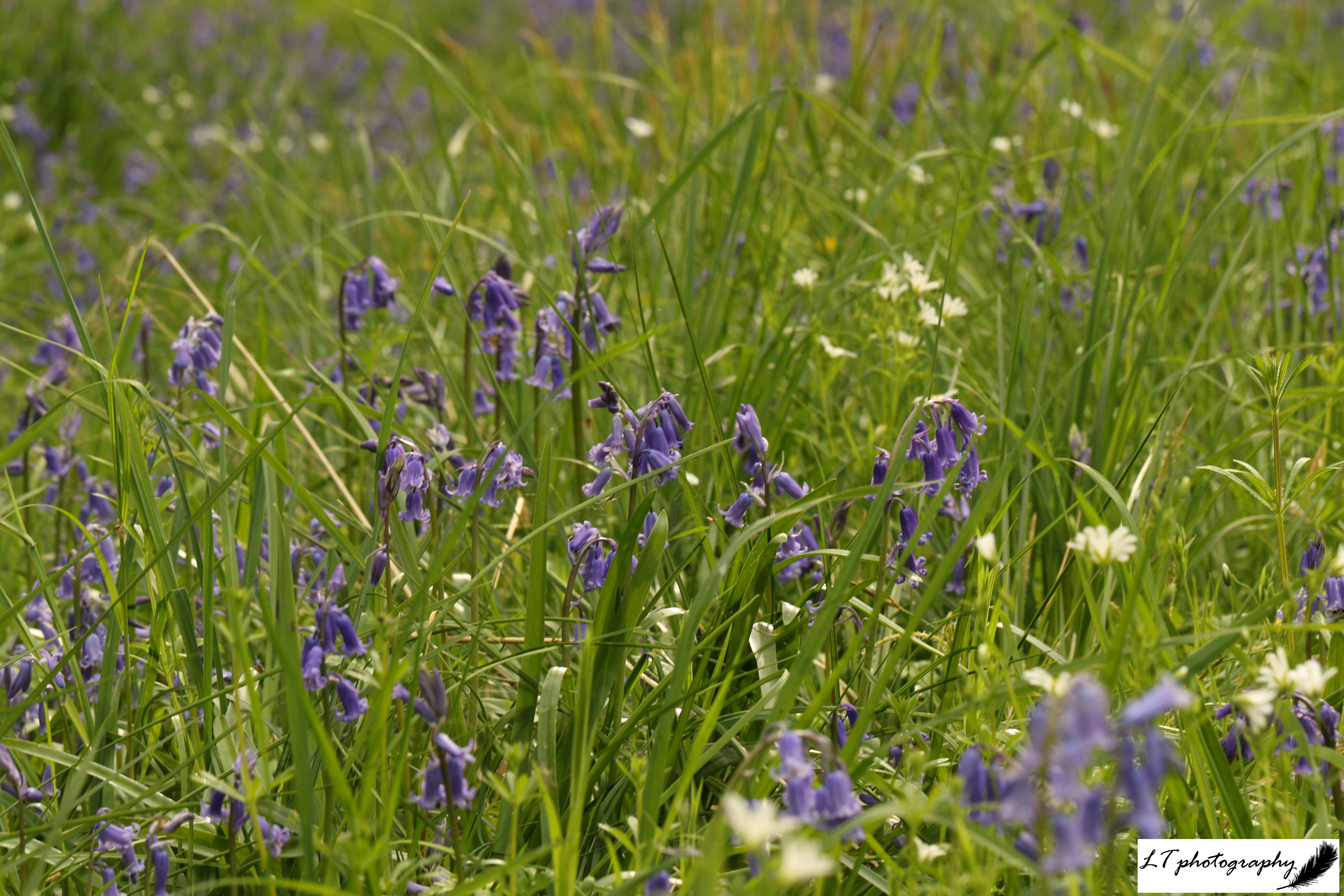
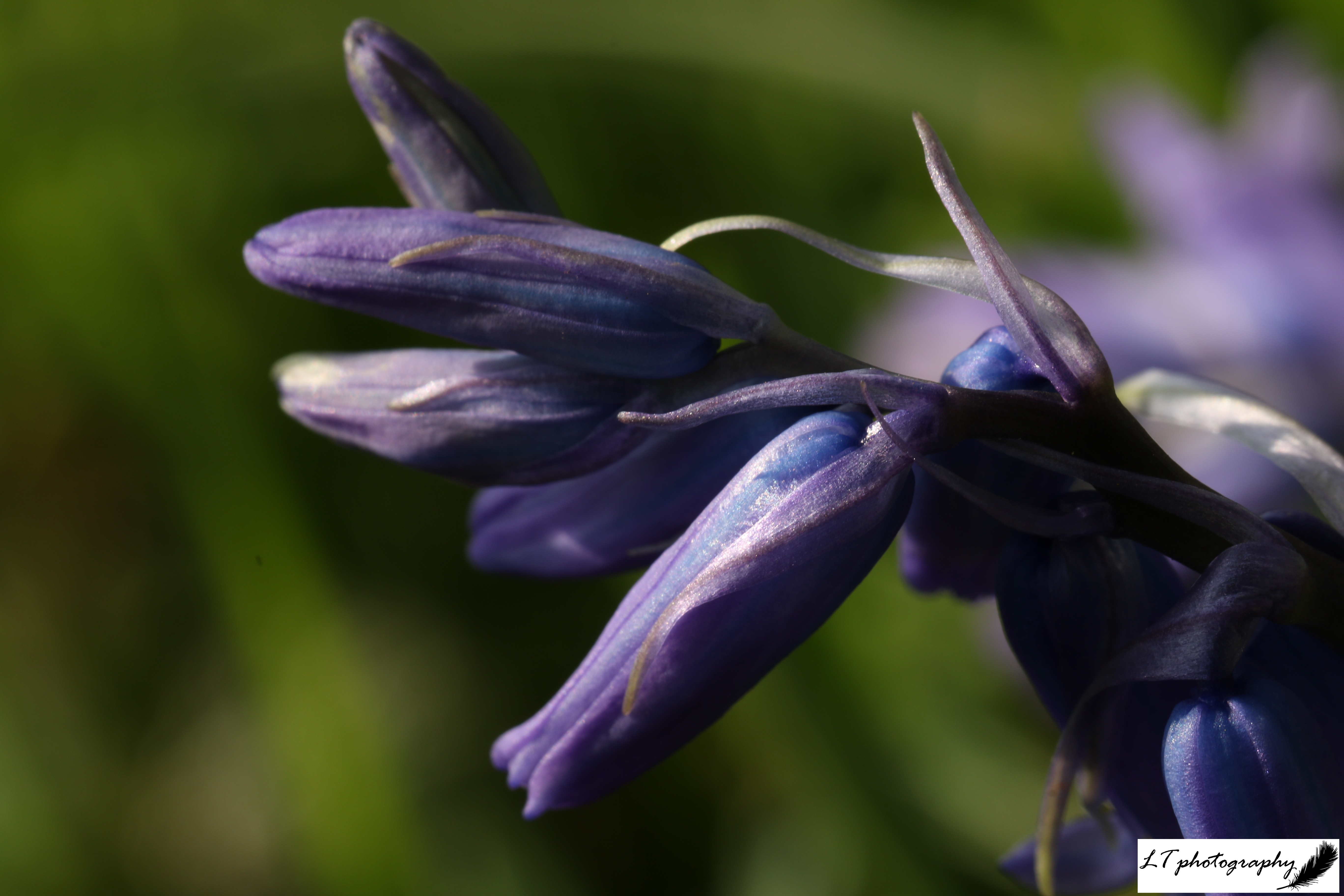
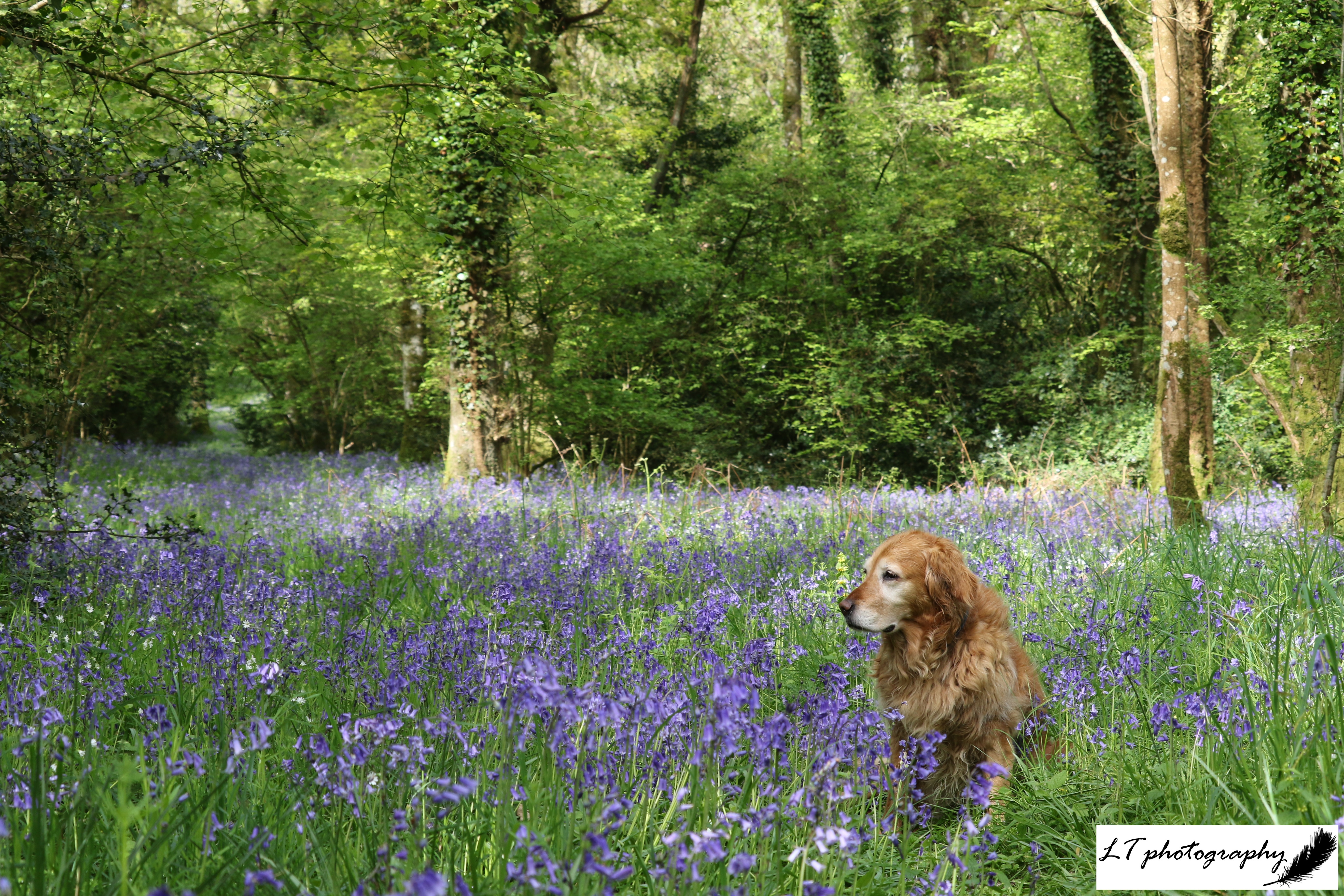
In The Blue – People familiar with my blog and photos will know that bluebells are one of my favourite spring flowers, as they fill me with joy when I see a woodland floor carpeted with their fantastic blue. The bells individually are like magic themselves.

Leading the Way – A lone early-purple orchid bordering an animal track running through a woodland. These spotty-leaved plants can be found in clusters or as here, on their own, amongst the trees.

Woodland Wonders – The wood anemone is another of my favourite spring flowers, appearing like little stars in the green of a woodland floor. Being found in light spots, they are an indicator of ancient woodland.

On the Way to the Peak – Set against a spectacular backdrop of the Peak District, my friend Emma and I passed these stone stacks on the ridge up to Mam Tor. They provide an interesting feature to the rugged landscape.

A Patch of Light – It’s not the first time that I have enjoyed photographing wild garlic in spots of sunshine, but these clusters of white stars always add a bit of enchantment to the landscape.

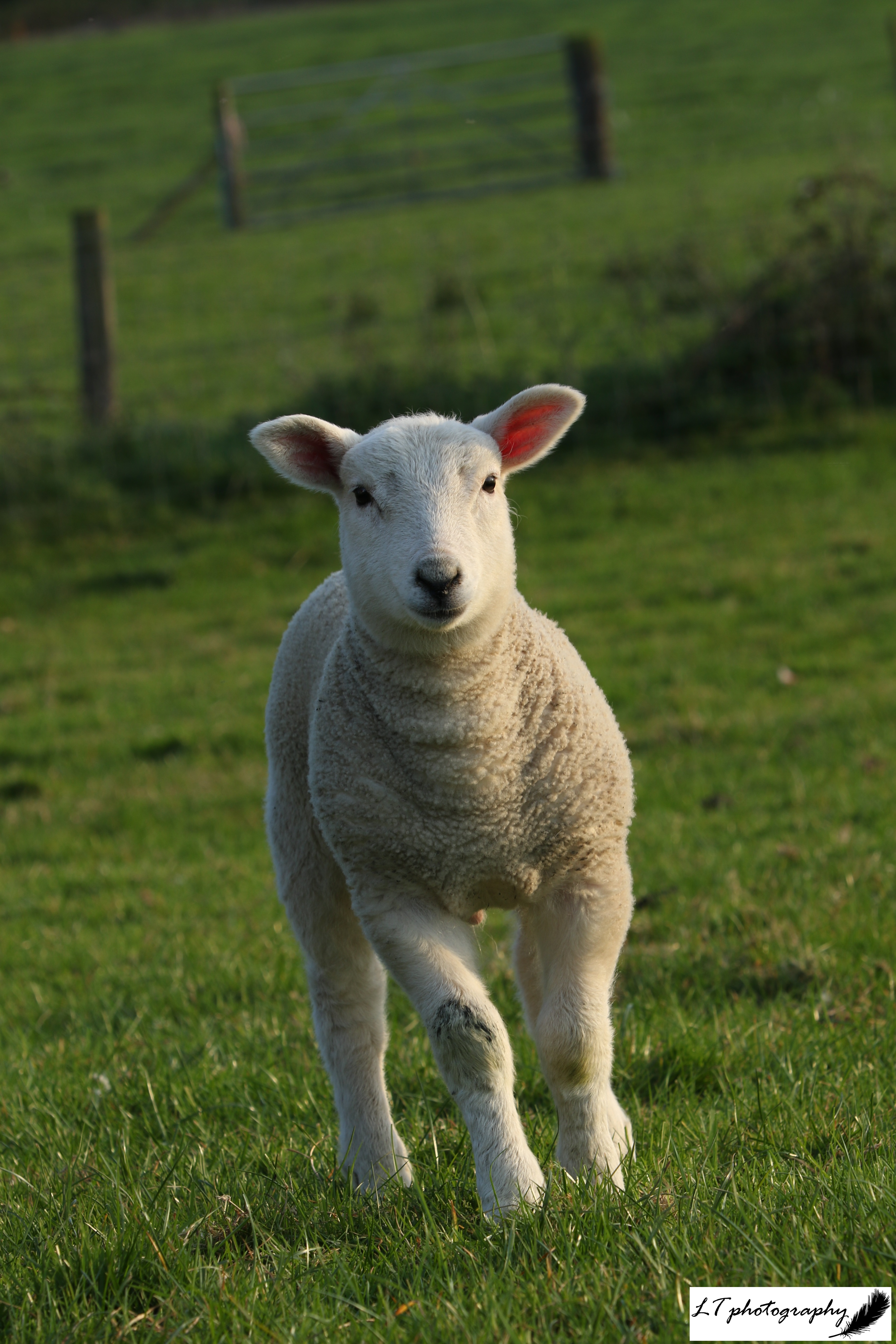
Ewe and Me – This photo was taken during my first time out with my swanky, but hard-earned, new telephoto lens, and I was hooked. It is so enjoyable to get up, close and personal with animals without having to disturb their natural behaviour!

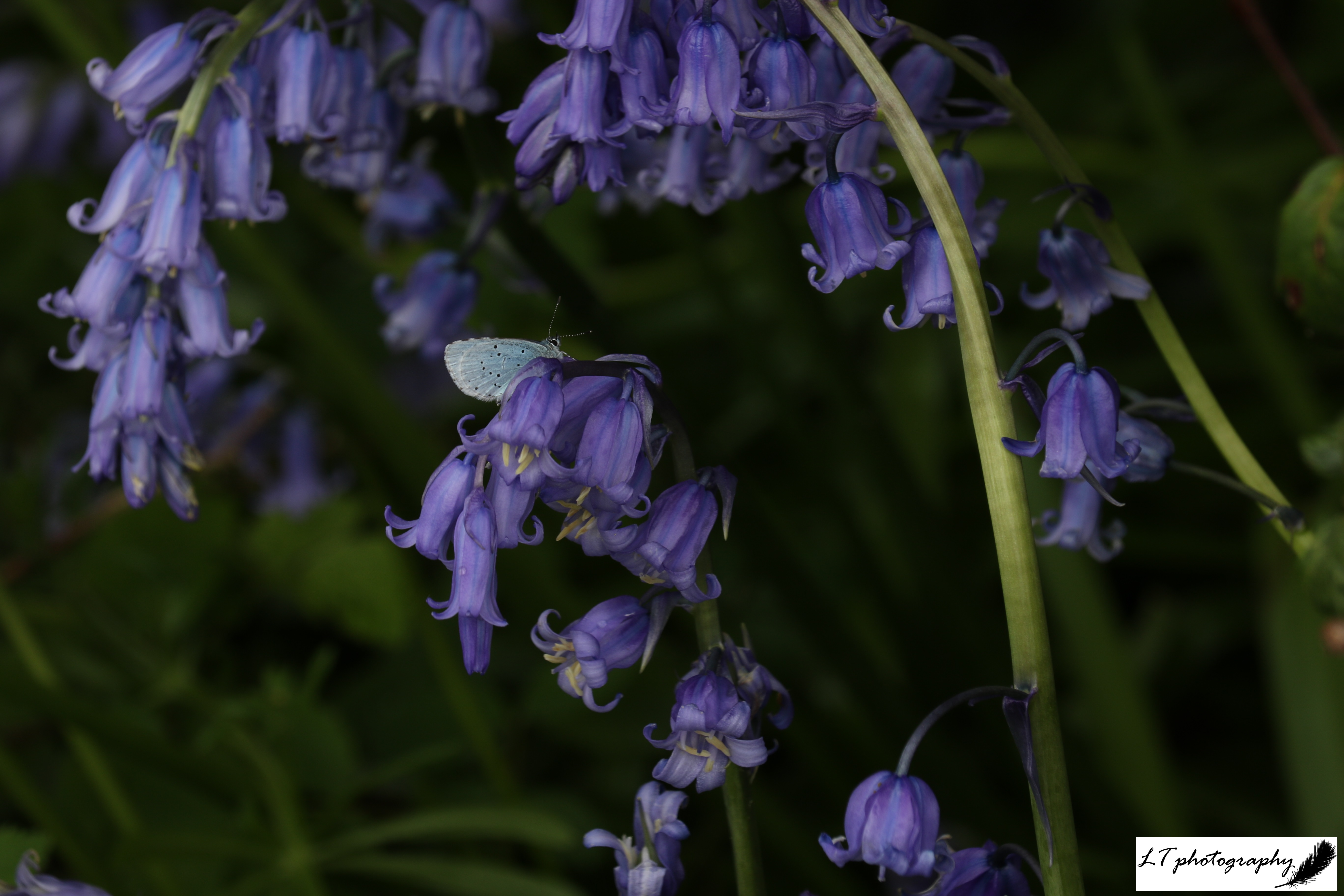
Blue-Toned – This was a chance sighting, but a wonderful one to see a holly blue butterfly on the deep purple-blue of bluebells. Wonderful!

Terrific Tawnies – One of my highlights of spring was having our first brood of tawny owl chicks hatch within one of our nest boxes. These two chicks grew on to both fledge successfully from their box!

Nature Photos For 2022

Last year was a very unpredictable year for all walks of life, but for me it was another fantastic year for wildlife, with some wild firsts and much inspiration to be taken from nature. With each new year, I take it as a fresh opportunity to enhance my skill as a wildlife photographer and to also immerse myself in the wildlife that can be found all around me. There is so much to celebrate in nature and so much beauty to be found, and 2022 did not disappoint in this. So to look back on the year, here’s a collection of photos spanning 2022, from my photographic adventures through to simply finding inspiration from nature in my life. Enjoy!

2022

January

The start to the year felt a little grey and bleak, but adventuring out with my camera I was able to find some life and activity in the landscape, which can always be found if you look closely enough. In this photo, this little blue tit looks so small, as they are, but I love how its bright colours pop out from its surroundings.

February

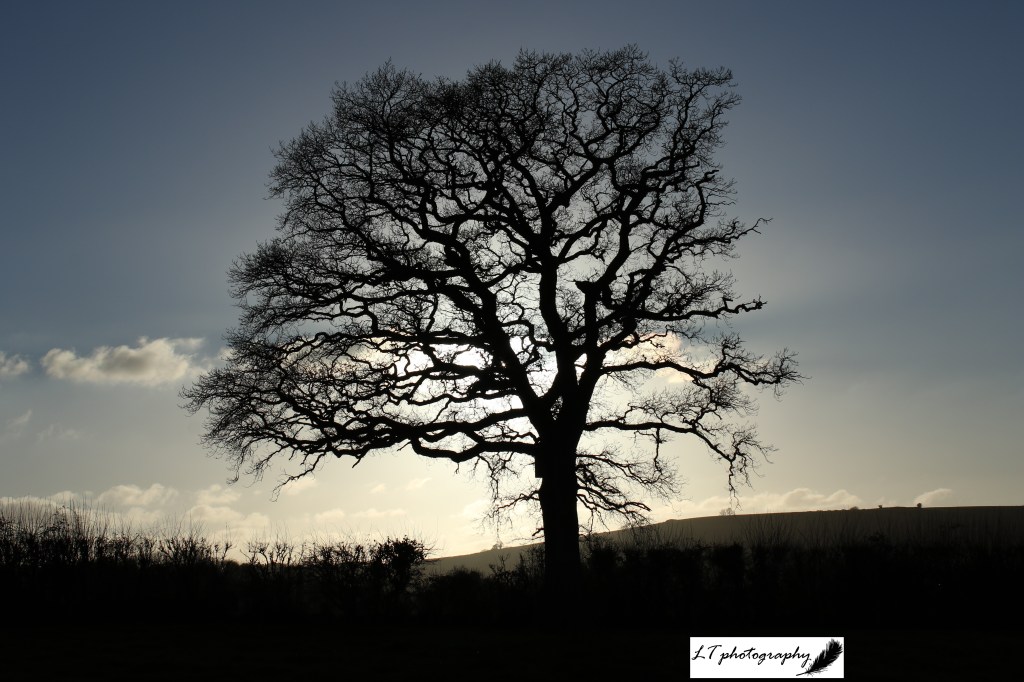
For me one of the joys of my year in 2022 was following the life of one particular oak tree and visiting it regularly to experience its annual cycle and those of the wildlife living within its close surroundings (check out my A Year In The Life Of An Oak Tree blog post).

March

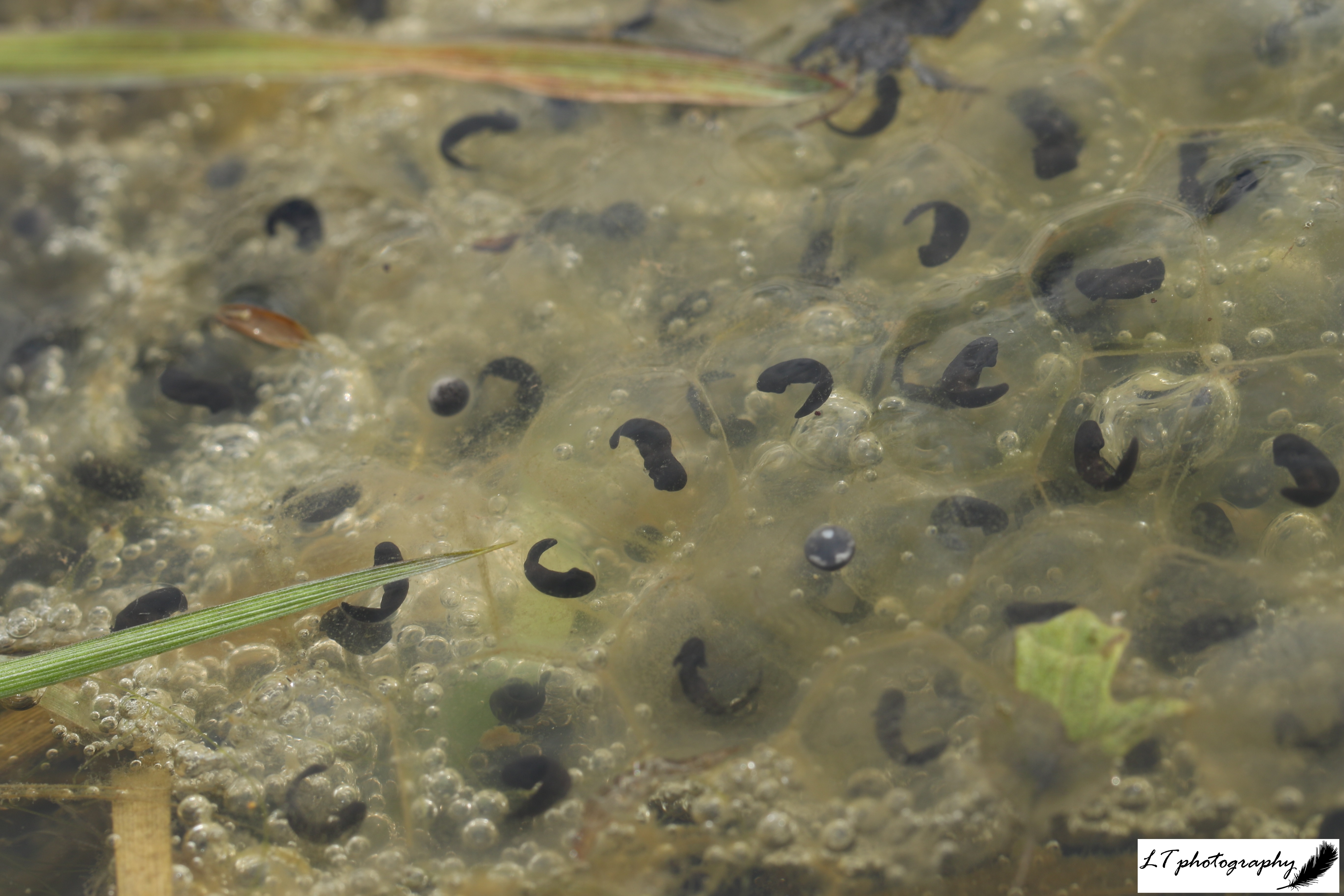
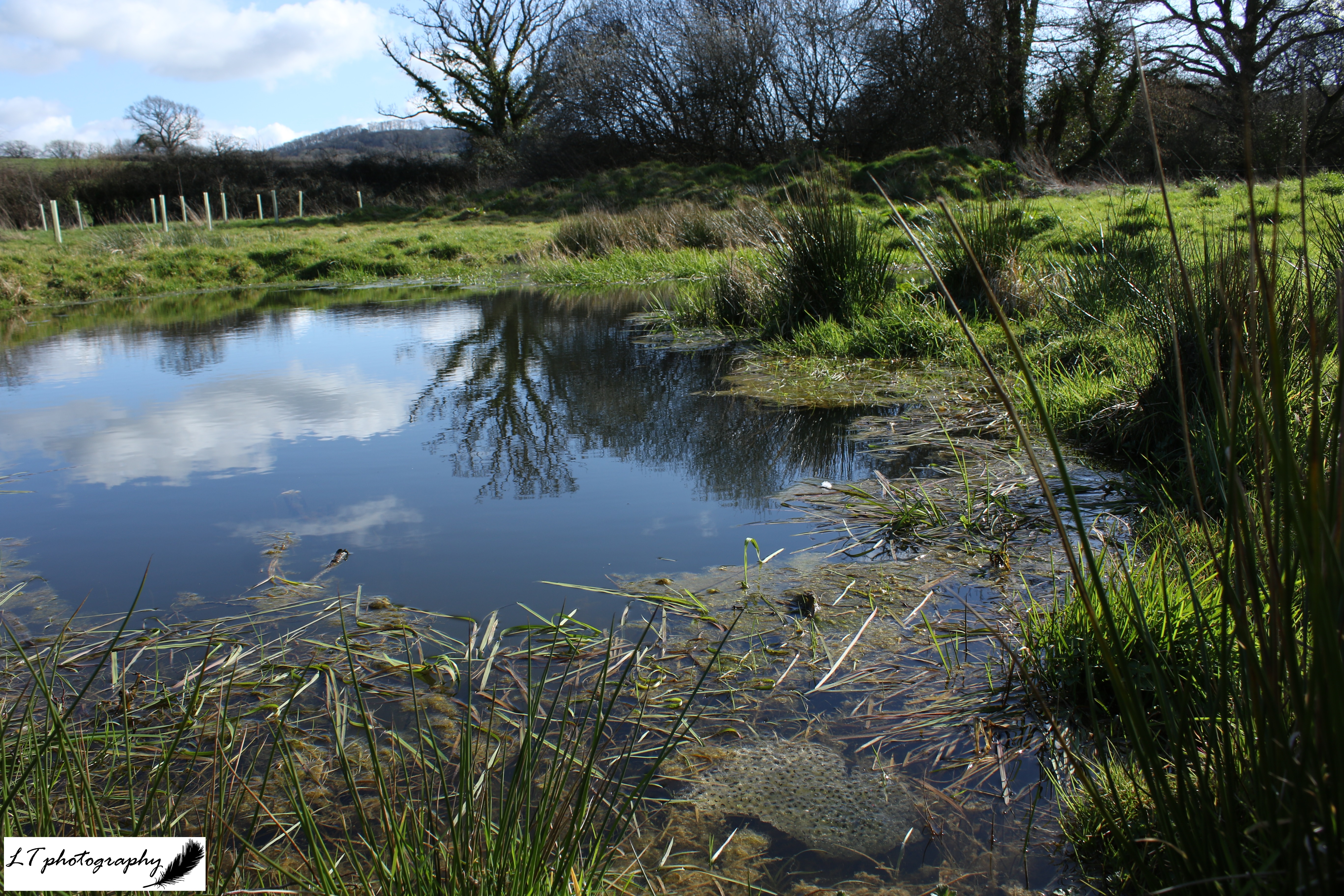
One wildlife first for me in 2022 was discovering frog spawn for the first time in my family’s new pond in our conservation field. I enjoyed making multiple trips to this site at the beginning of spring to enjoy, explore the development of tadpoles and all its intricacies, and to take some cool photos.

April

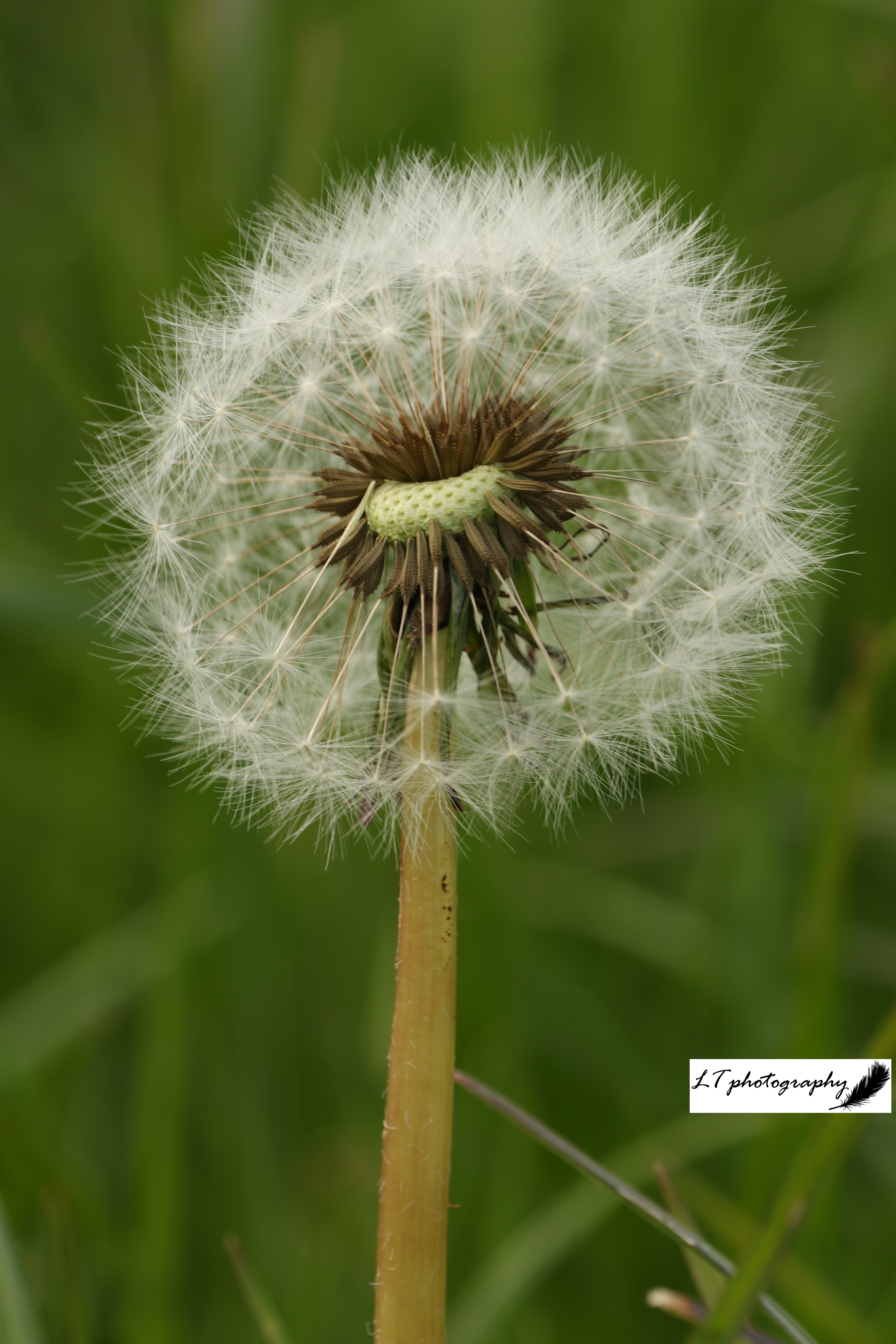
Sometimes the most simple of subjects can be the most satisfying to photograph, showing a different side to their shape and form. Dandelions such as this one are a favourite of mine as they are a common sight, but have a hint of the magical when you look a little closer. This particular photo has also become a favourite with some of my friends and family.

May

This beautiful boy was a spontaneous joy to photograph and has inspired me to see the beauty in even the more common of inhabitants to be found in nature. All can inspire!

June

Last year was another fantastic year for camera trapping in my local area. From roe deer to fox cubs, I got to record some magical sights, including this wonderfully patterned British mammal and the antics of one particular family.

July

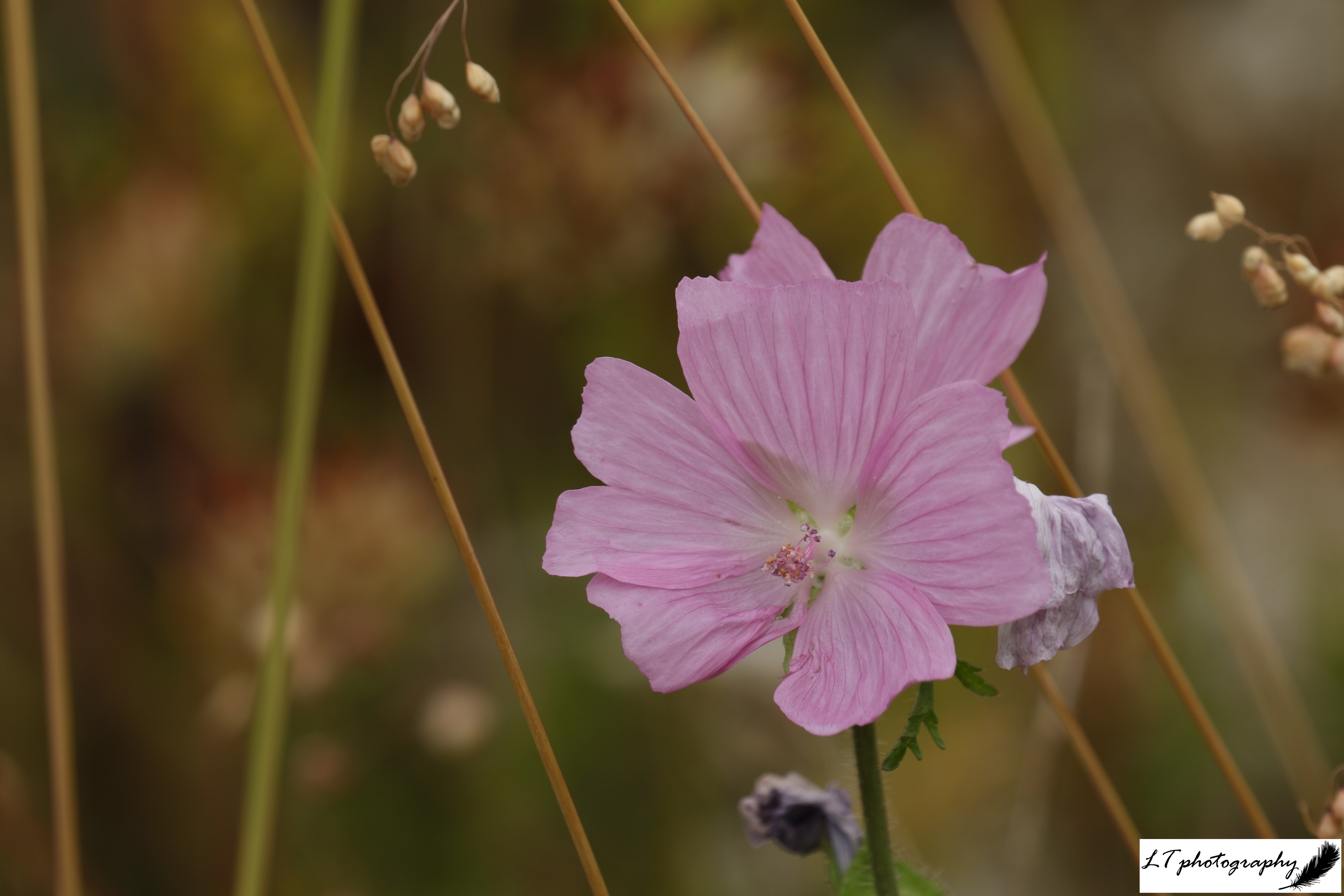
In summer, the countryside around my home in Dorset is alive with the scent and colour of many different species of wildflower, from meadowsweet and dog roses to bird’s-foot-trefoil and wild marjoram. Pictured here is the flower of the common mallow which can be found in a variety of habitats, in this case on a wild chalk mound.

August

Summer is a great time to see lots of weird and wonderful moths, including this red underwing, that will even venture into your garden and home at this time. With over 2500 species of moths in the UK alone, there are lots to discover!

September

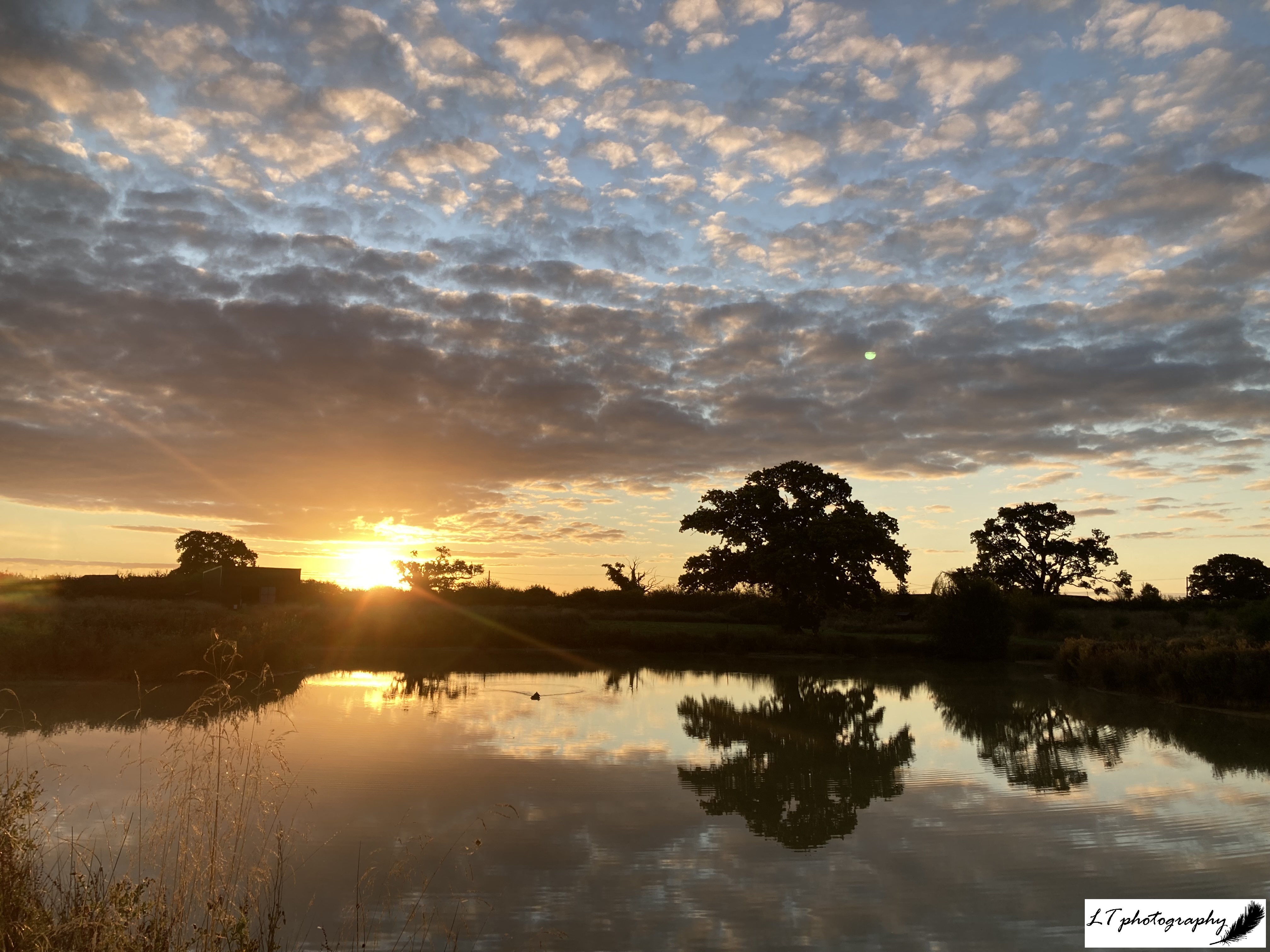
Summer mornings waking up very early to go and take part in autumn migration bird ringing is made all the more better by fantastic sunrises, such as this one from September. That golden light over water is simply magical!

October

Though I do not celebrate Halloween myself, I have made it my annual tradition at the end of October to carve a pumpkin with a nature-themed design. The design for my 2022 pumpkin was the shapes of leaves of 5 different tree species, including oak, field maple and hazel.

November

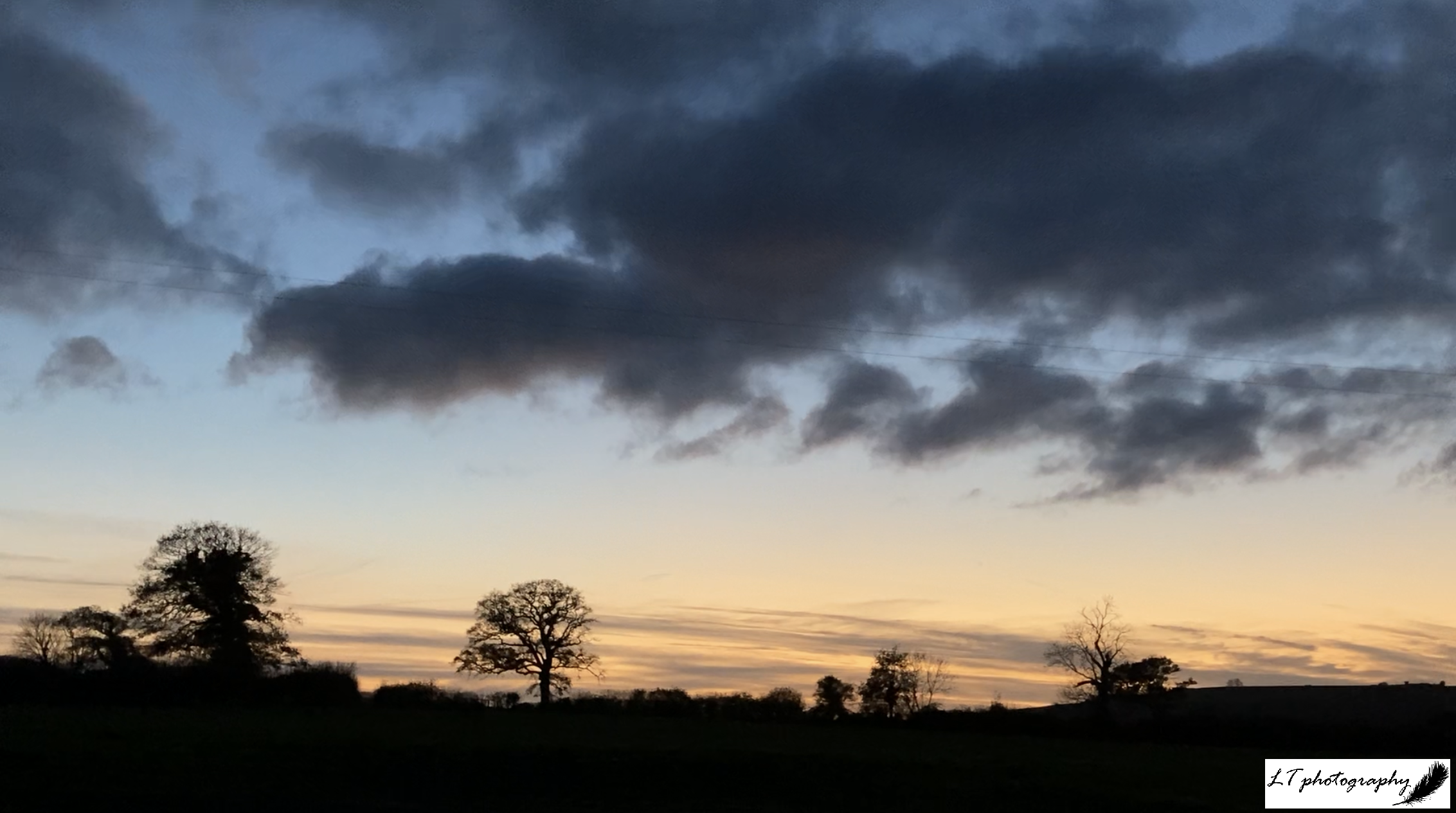
November is a month that observes the end of autumn and the start of winter in Dorset, with greyer skies, shorter days, and the landscape falling into a slumbering state. As a result, a colourful sunset can really brighten up a less spectacular day at this time of year.

December

Though my family and I only have a small Christmas celebration each year, part of advent for me is making Christmas decorations using greenery and natural colourful plants (check out my How to… Bring Nature into Your Home at Christmas blog post for more). Here pictured are some of 2022’s Christmas decorations.

Spring Dorset Camera Trapping 2022 – Pt. 1: The Farm

“The camera is an instrument that teaches people how to see without a camera” – Dorothea Lange

“The two most engaging powers of a photograph are to make new things familiar and familiar things new” – William Thackeray

As each year passes, and spring rolls around once again, I set out with my trusty camera trap to record the wildlife that call my family’s Dorset farm home. Remote cameras are a great way to delve into and explore the hidden worlds of the wildlife that live alongside us, without causing disturbance. You never know what you may discover, and so there is nothing quite like the excitement I feel each time I check my cameras.

For the last few years I have spent an increasing amount of time using my camera traps to explore and survey my area of Dorset, and each year the results have got better and better. Species recorded range from small mammals and birds up to larger more iconic mammal species, such as badgers. These adventures have allowed me to open my eyes to the species that goes unnoticed on the farm each day, and to help my family forge a deeper connection with the wildlife we strive to manage and protect. Check out my blog posts from 2019, 2020, and 2021 for more!

This year I have visited 8 locations on my family’s farm, using both my old camera trap and brand new model to see what I could discover (check out next week’s blog post for the 8th location). Last year 6 locations were used that were all visited this year also. Some of these sites were used with a set purpose and question to answer, whereas others are just great sites to use for exploring wildlife. This year 9 species were recorded, with 1 new one to add to the collection. Read on to find out what my camera traps found!

Camera Trapping 2022

Little Wood Field

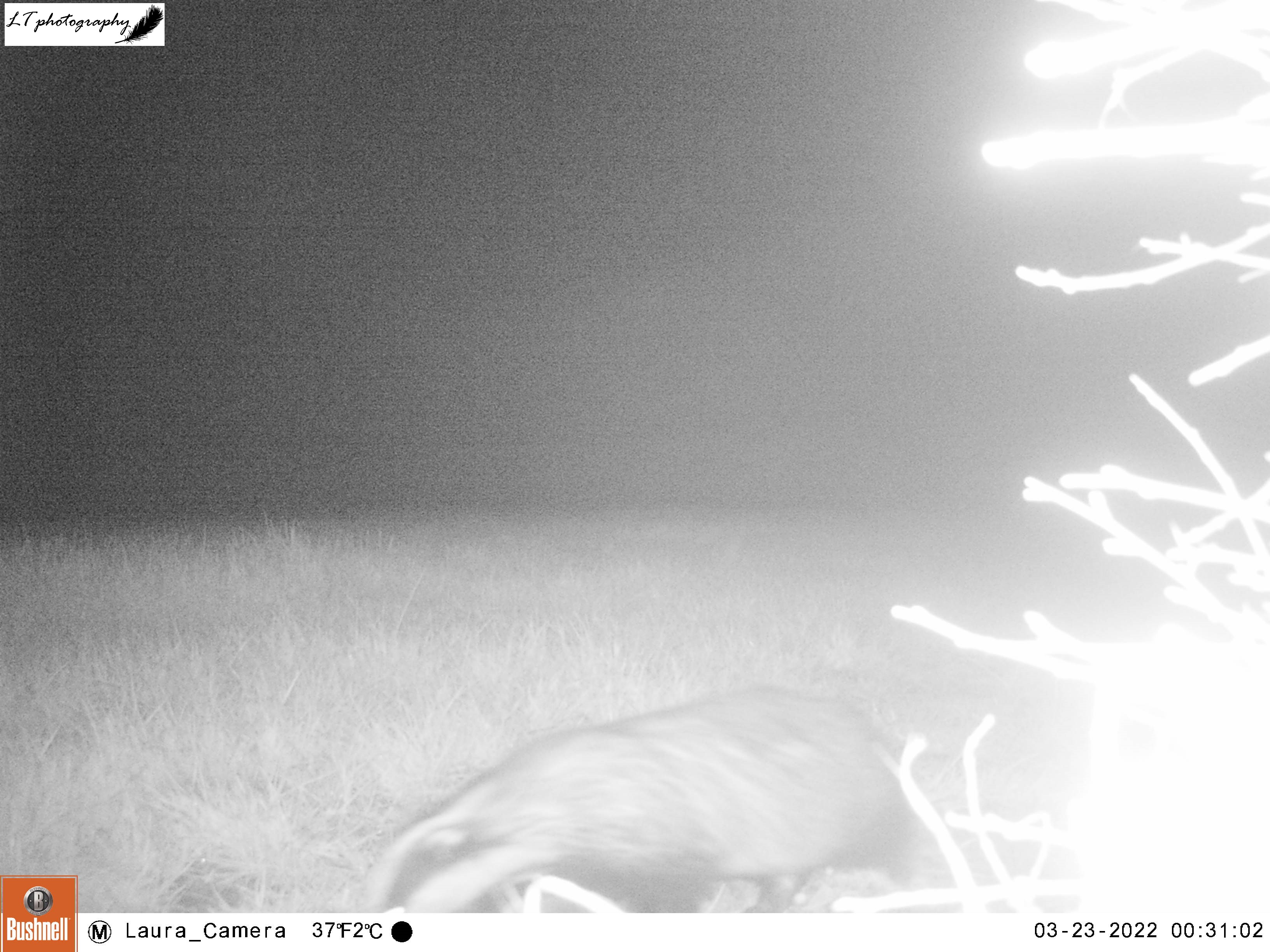
This year I set up my camera trap 12 days earlier than last year, beginning with a new site. I had spotted an interesting tree at the edge of a small field, where a hole had been dug between its roots, and I wanted to know who may have dug it. So I set up my camera watching the track in the field leading to the hole, and left it from 22nd-26th March to see what I could find.

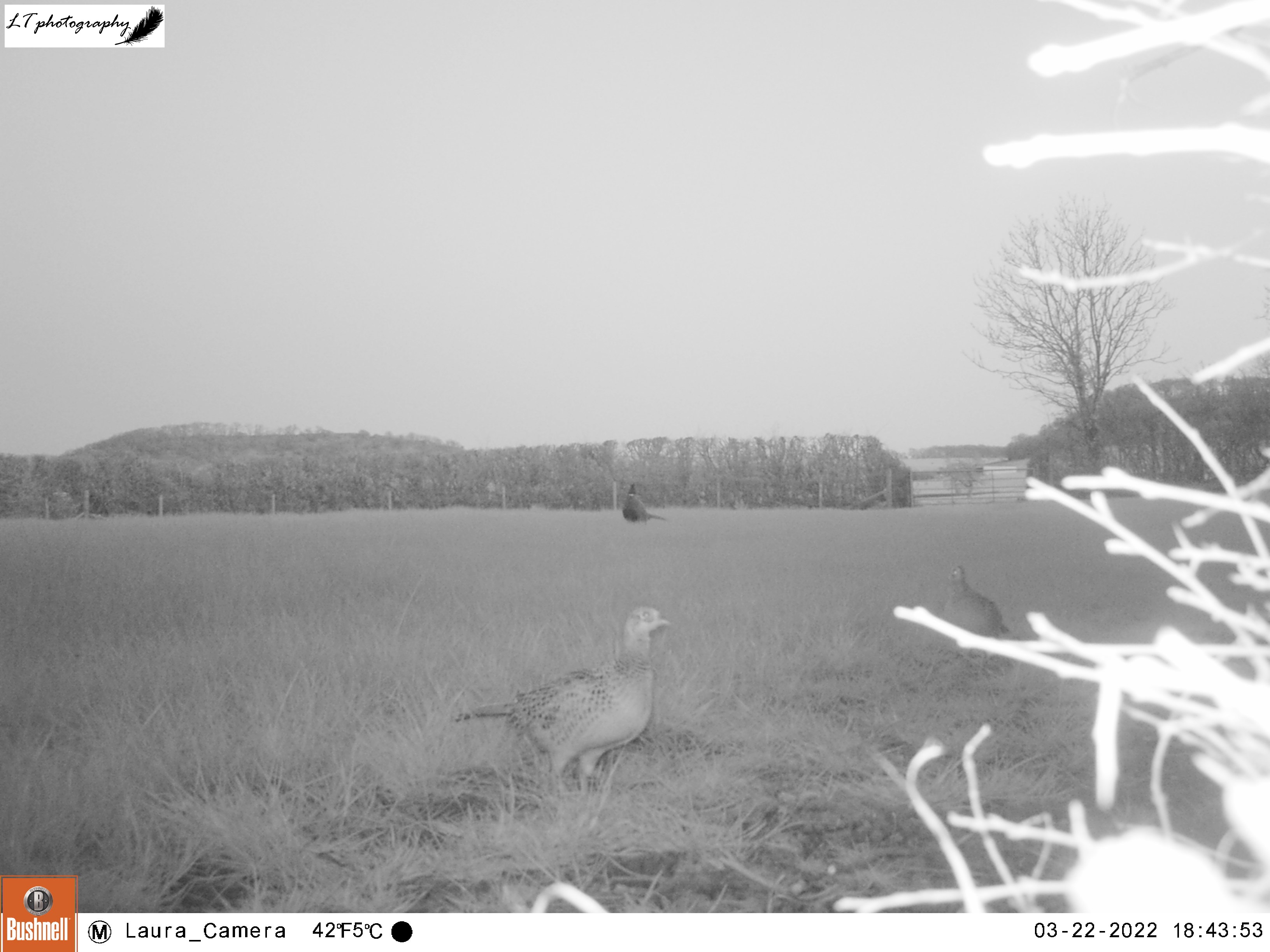
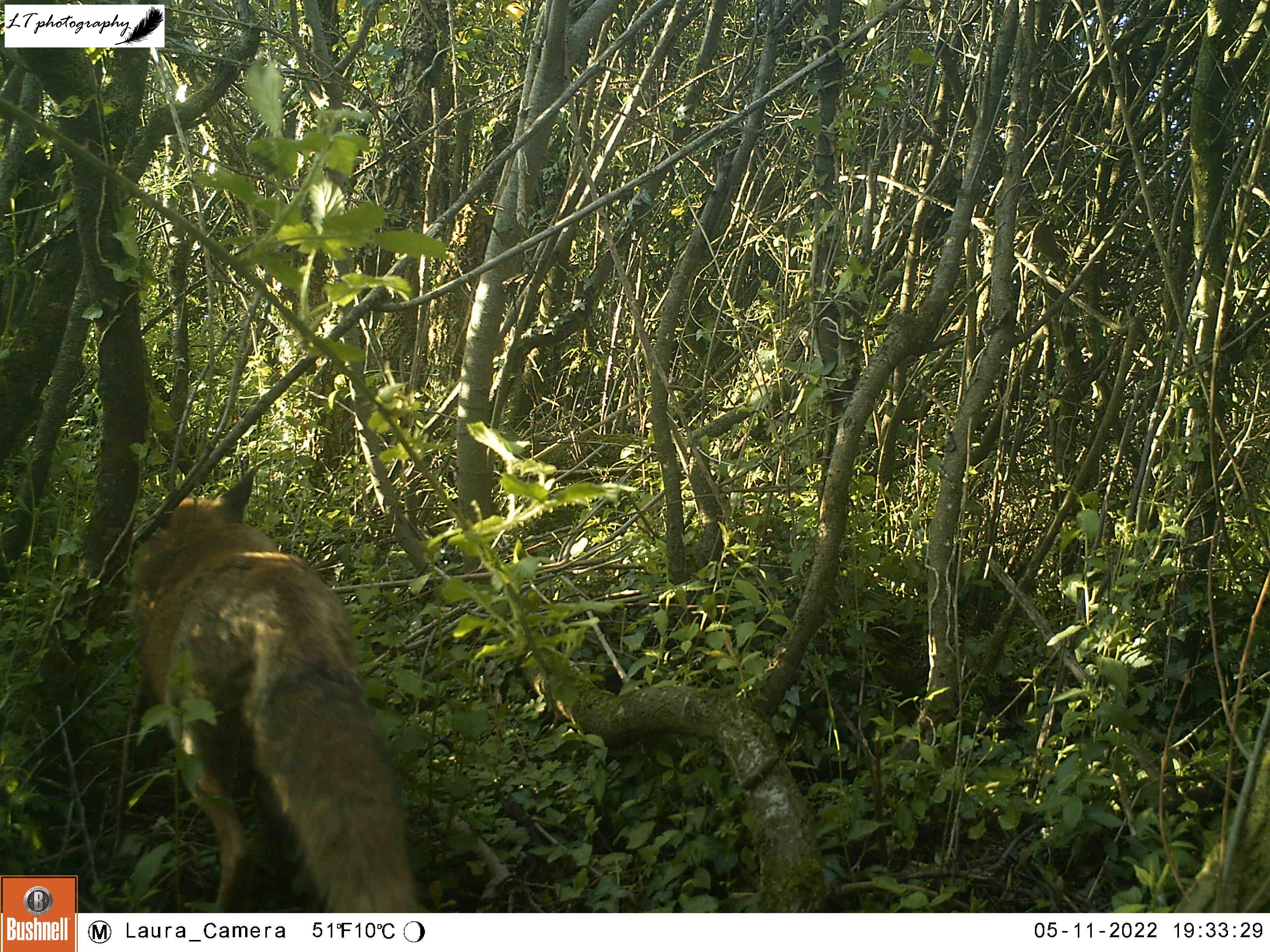
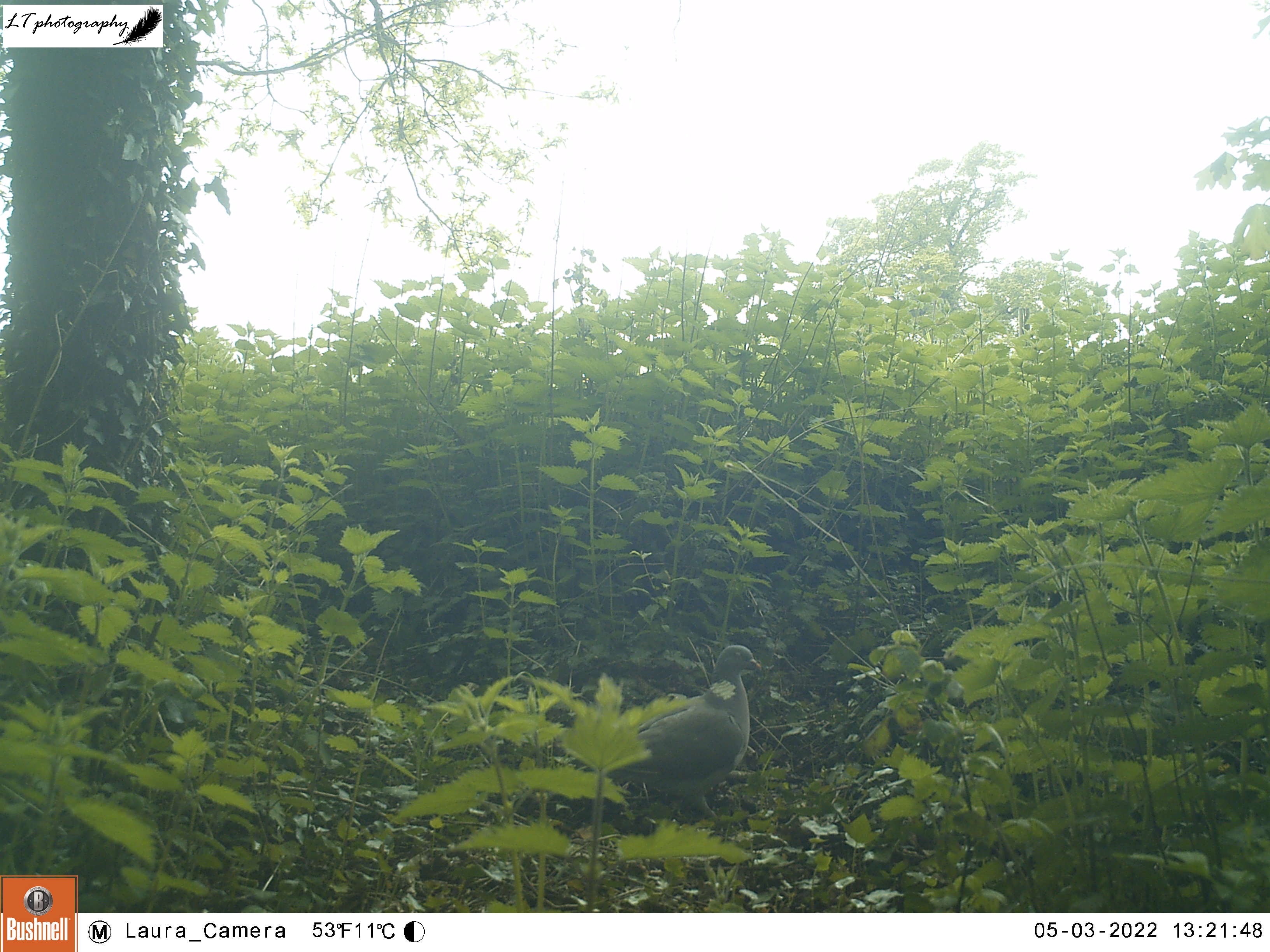
It was a good start to spring camera trapping, but with mixed results. Different arrangements of male and female pheasants made an appearance every day, birds in the form of magpies, a woodpigeon, and a carrion crow were seen, and potential home owners came in the form of a fox and a badger. Though the badger may have possibly been using the hole, in the end I came to the conclusion that the hole was not currently in use.

Monkwood Field

For my next site, I returned to a new site from last year, a small abandoned satellite badger sett that had been home to a family of foxes. When I went to put out my camera, I could see that a new hole had been dug in the sett, so I set my camera to watch the track heading from the field directly to this new hole over 2 nights (26th-27th March), due to stormy weather.

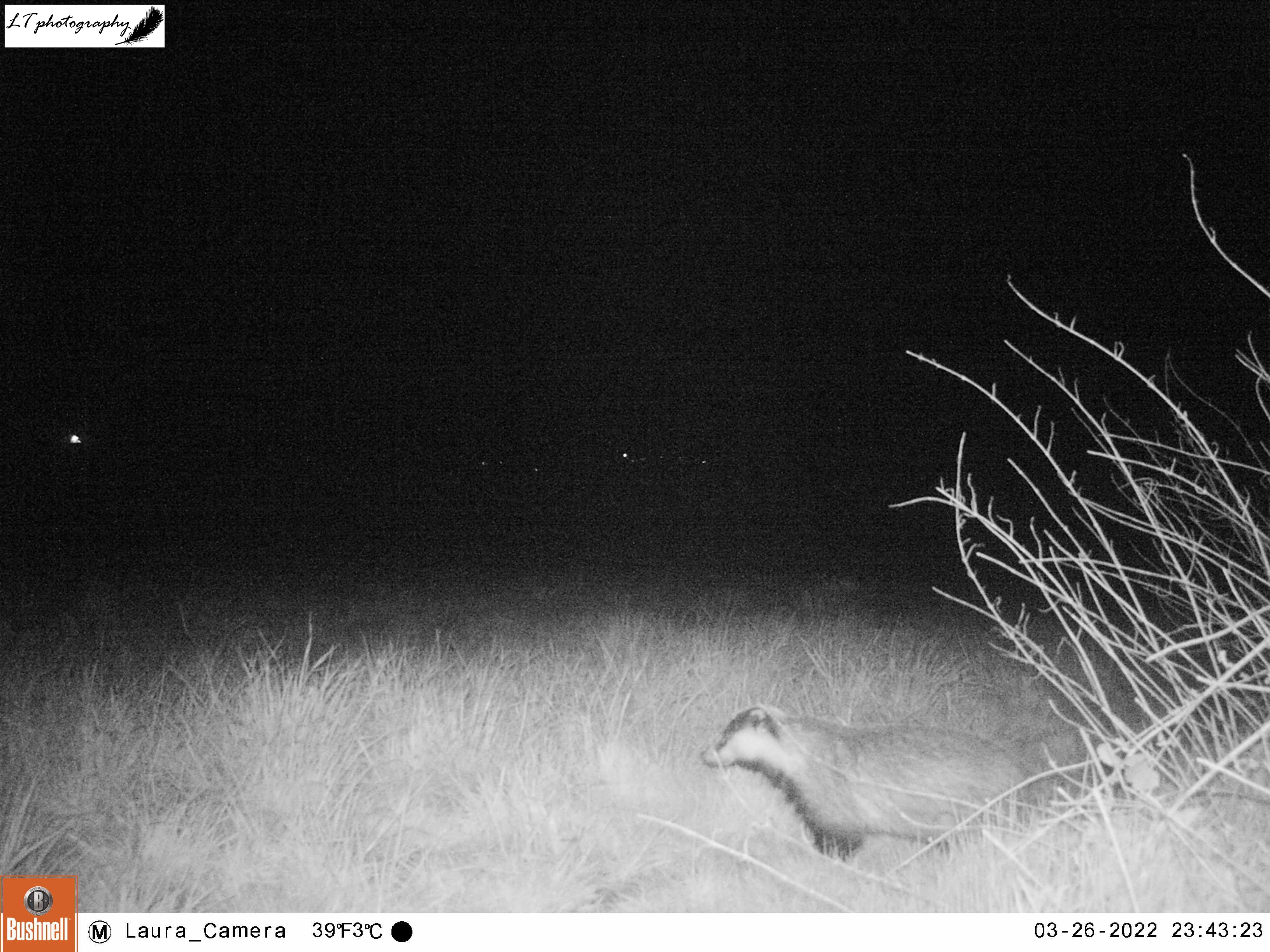
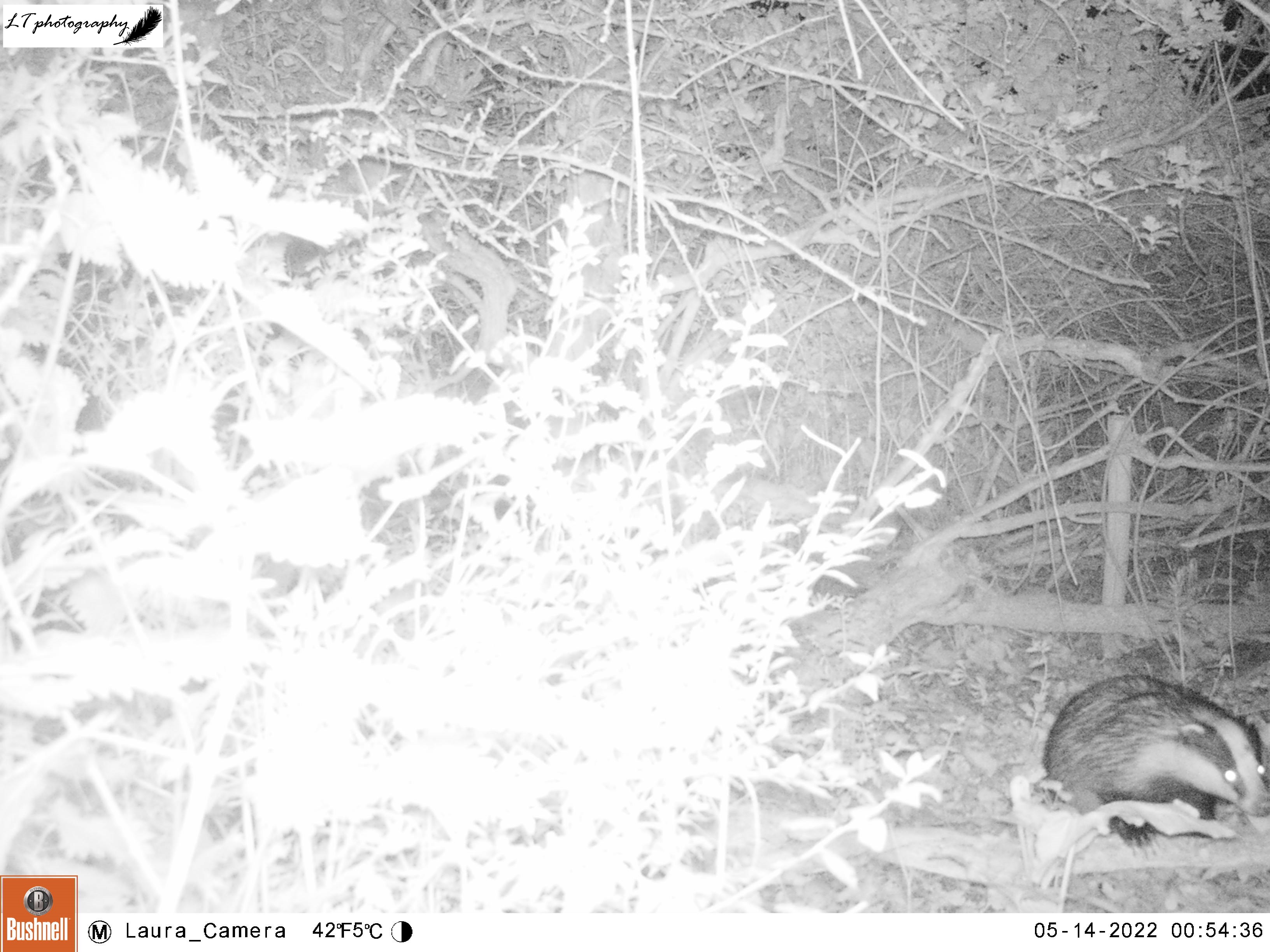
In the short time it was operating, my camera trap was productive, with a displaying male pheasant, a fox passing through (maybe the same from Little Wood?), and the sett’s current resident. My camera was able to show that the new hole belonged to a lone badger, most probably a male.

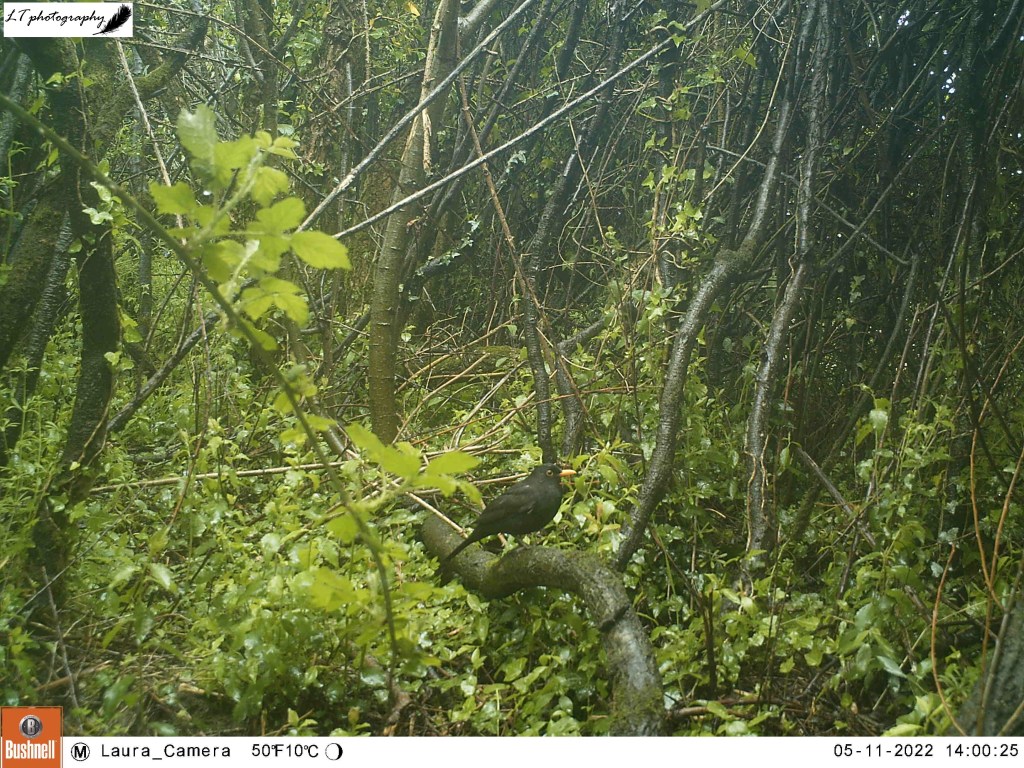
Later on in the season I decided to see where the fox may have been coming from, and returned to Monkwood Field. I chose to set my camera trap in the corner of the field on a tree trunk within the hedge, looking at the animal tracks that run through it. I did not know what results I would get, but after nearly a week (8th-13th May), my camera actually did quite well, despite not pinpointing where the fox may have been coming from. I caught sight of the fox a few times, and got some nice photos of a territorial male bullfinch and territorial male blackbird.

Quarry Field Badger Sett

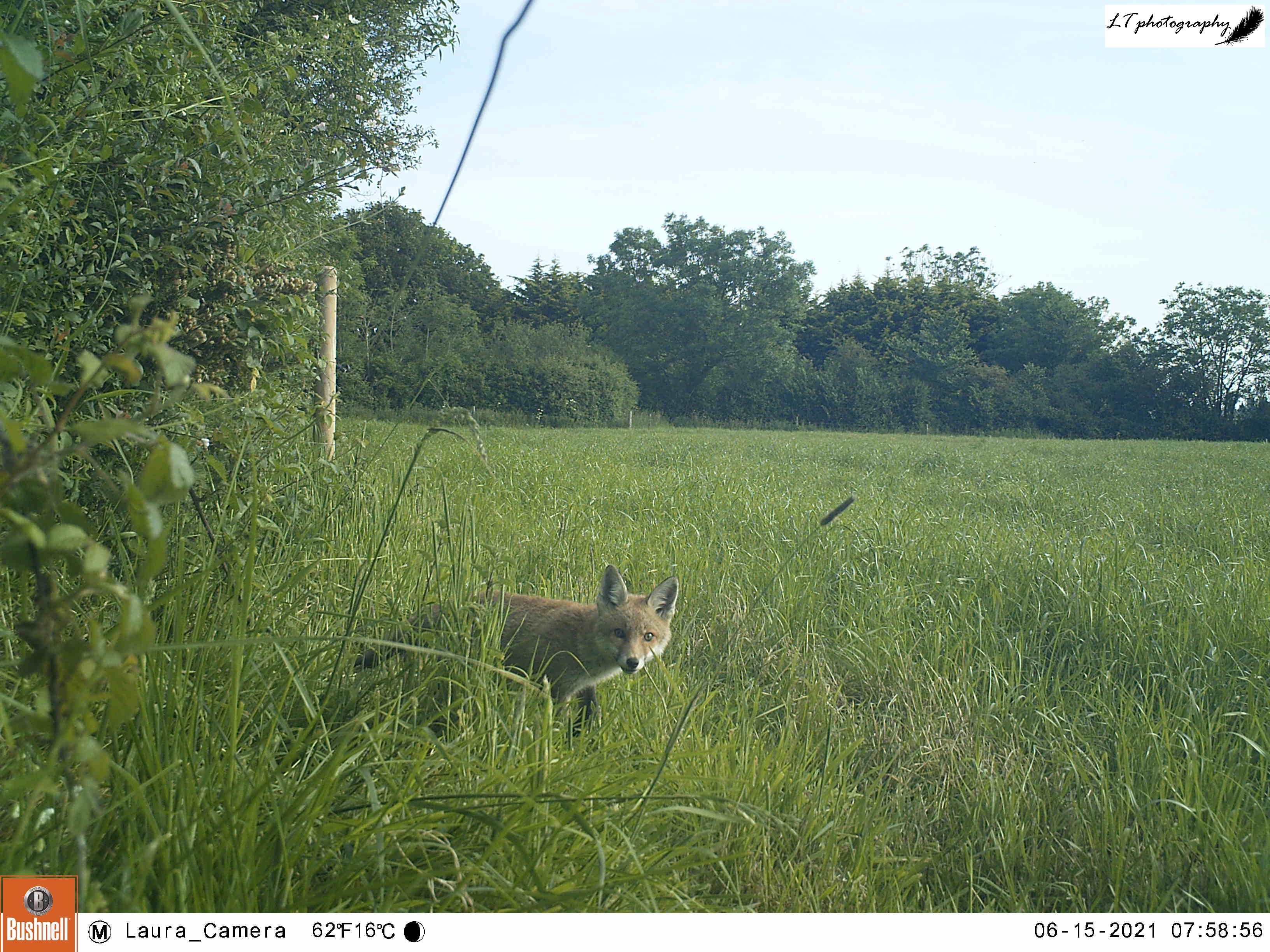
For the last 3 years running, I returned my camera trap to my highly successful site at the active Quarry Field badger sett. Each year I have set my camera up on a fence post in an open space within a hedge lying directly above the sett, pointing in one of 2 directions. Previously, it has been a great site to capture the resident badger family and the other animals sharing the sett, in particular fox families. Last year, in this way, I got to watch the antics of 2 fox cubs living in the sett.

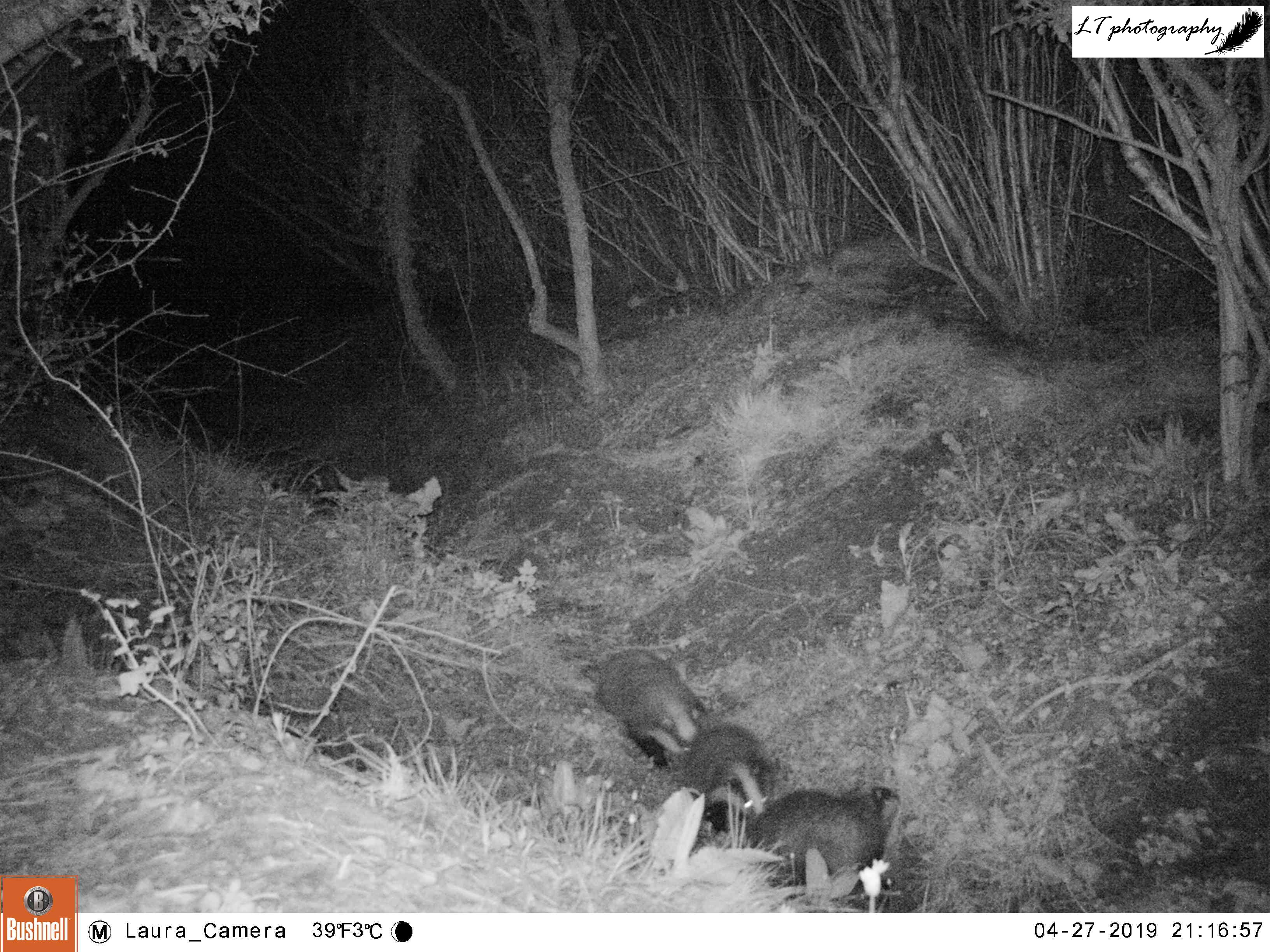
For a week during April (16th-23rd), my camera trap watched this site. During this time, rabbits were a common sight every day, day and night, along with a busy badger every night. So far there was no sign of any foxes at the sett, as in past years.

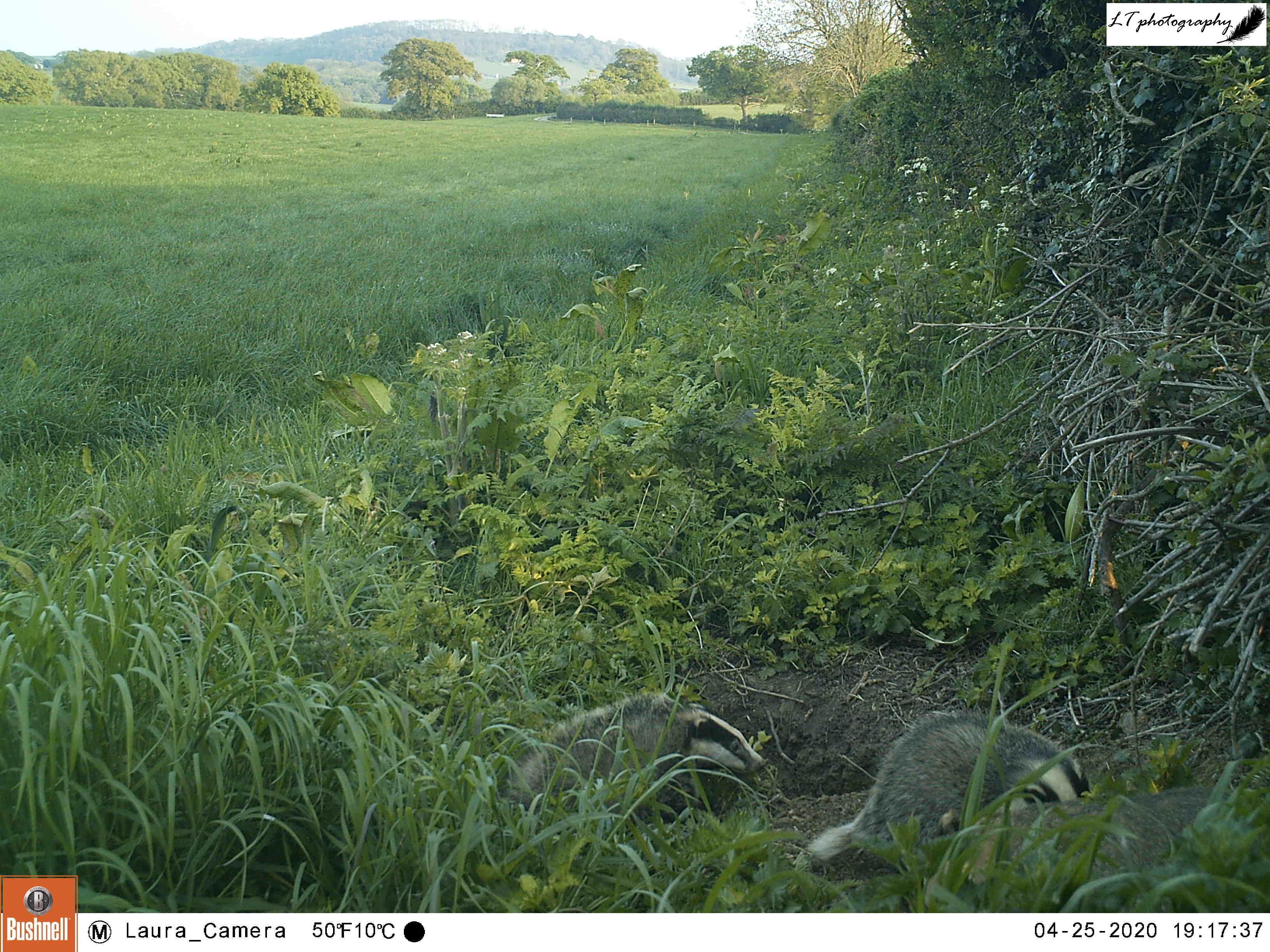
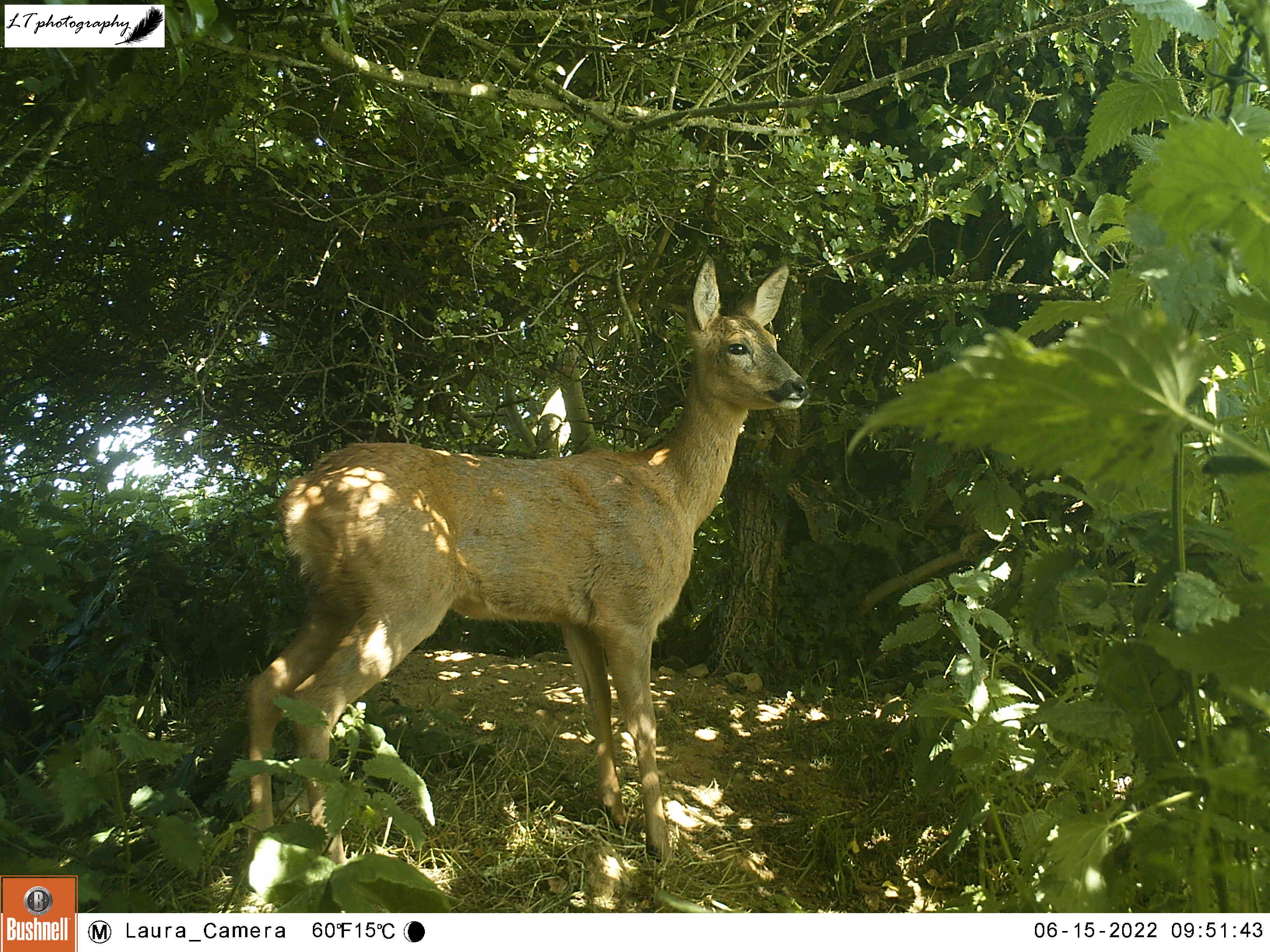
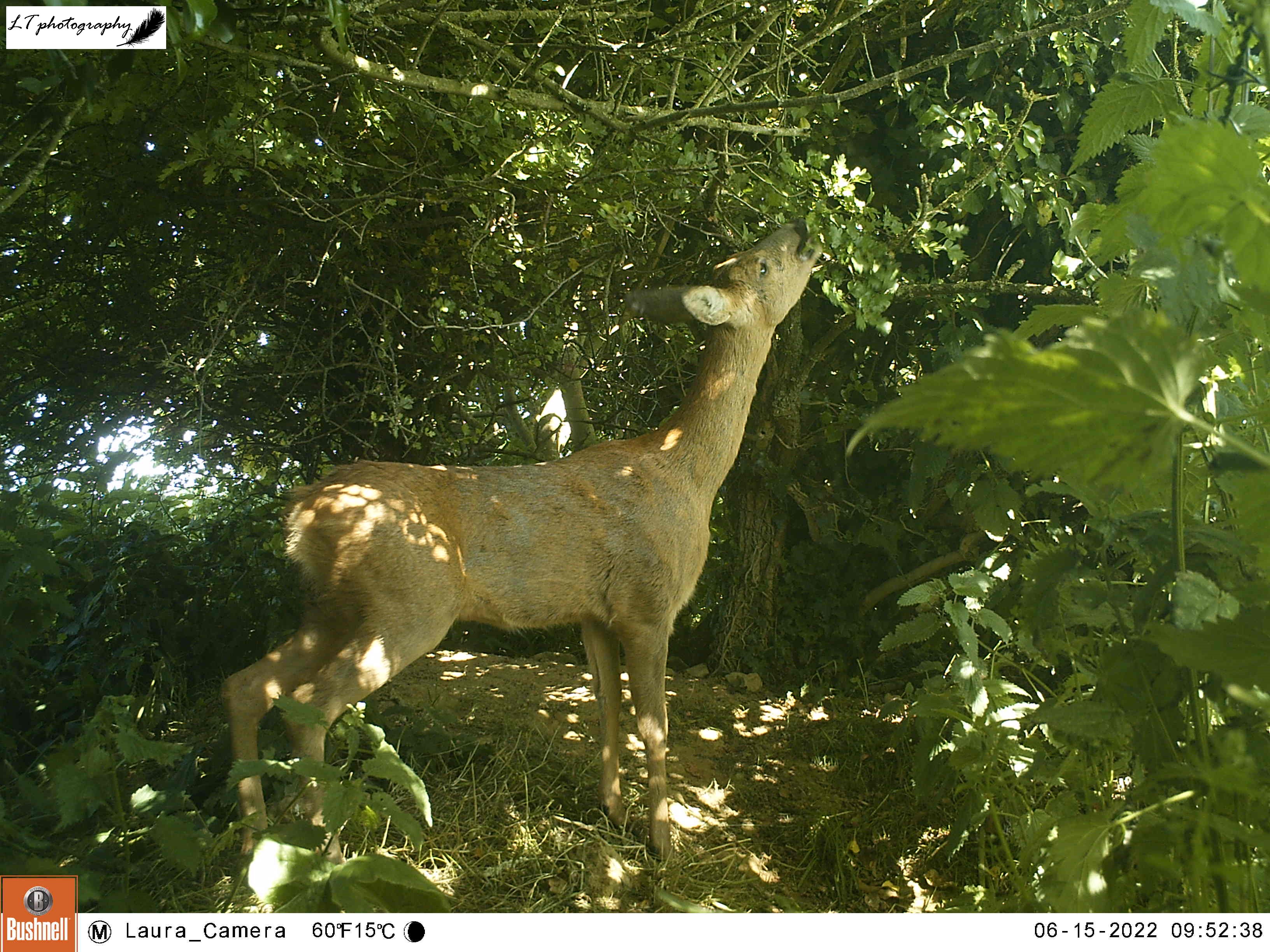
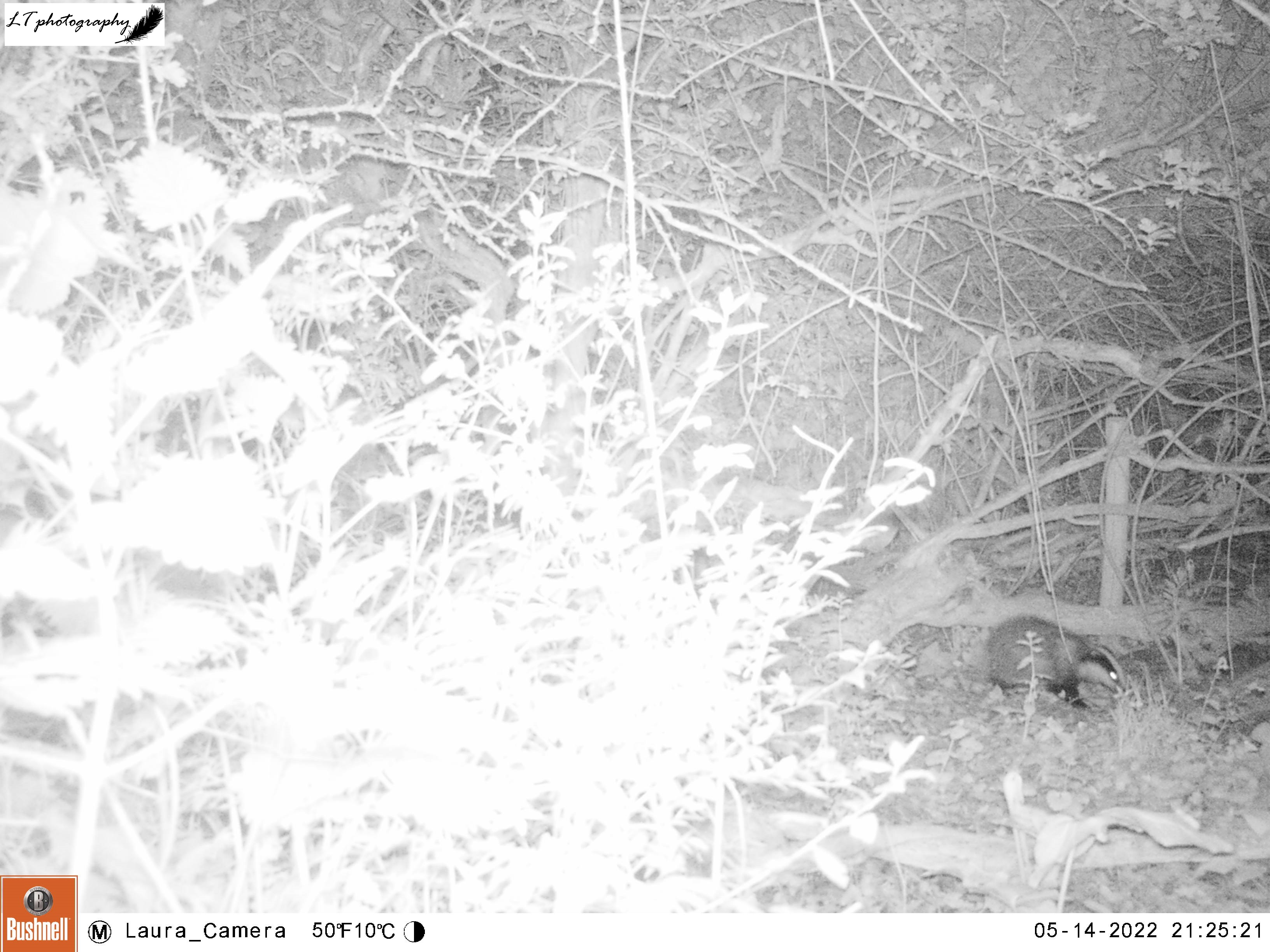
As this site still seemed to be a productive one, I returned to the sett with my camera trap for a second round once some time had passed. For 2 weeks (6th-20th June), my camera was very busy, capturing rabbits, male and female roe deer, a territorial male blackbird, and at least one fox passing through. The best photos though came in the form of the sett’s resident badgers, and two small editions. An active family, it was amazing to watch the cubs and adults feeding, grooming and playing each day.

Gill Hill Copse

This copse has been another of my regular camera trapping sites over the past 3 years. At this site, I tend to set my camera up on a tree, as with this year where I set it watching an animal track passing through the copse.

This year, over 6 days (23rd-29th April), my camera was not particularly busy, but did capture one of the many male pheasants in the area, as well as a fox passing through.

Dorset County Council Wood

The small piece of wood close to my home is another site that I have used over the last 3 years, situated next to this year’s new Little Wood site. This year, I first visited the wood at the beginning of May, setting up my camera on a tree to face an animal track coming off a quiet road into the wood. After a week (2nd-8th May), my camera had caught photos of a one off woodpigeon and a regular badger.

As spring passed away, I decided to give my camera trap one last go in the wood, over 4 days between 20th and 24th June. This time I set up my camera further within the little wood, facing a clearing. Though the only animal photographed during this time was a fox, I was still excited to see the charismatic species passing through.

Badger Field Badger Sett

My oldest camera trap site is an active badger sett in a hedgerow between two fields. Over the years this sett has given me badgers, fox cubs, and even a field mouse. This year I returned and set my camera up in its usual spot on the trunk of a small tree in the open space within the hedge above the sett. Within a week (13th-21st May), I caught sight of a blackbird, a fox, and a badger. Though no fox cubs, this active sett excitingly had badger cubs again, like the Quarry Field sett.

Cowleighs Paddock

Towards the end of my spring camera trapping, I tried another new site in the hope of capturing sight of a particular species. This year has been a very good year for foxes on our farm, for example with 3 potential breeding females living along the same connecting hedgeline. Though at the beginning of spring I had discovered one litter of fox cubs (check out next week’s blog post), I had yet to find any others. I had a hunch about one den though, potentially situated in a ditch alongside a small paddock. I set up my camera trap and waited 2 weeks to see what I would find (22nd May-4th June).

My camera trap did not fail me. Alongside a showy male pheasant, my camera caught the photos I had hoped for. At least one fox cub can be seen playing and exploring in the long grass in the paddock outside the ditch, along with photos of an adult female bringing food to the same spot. Though from these photos I cannot confirm how many fox cubs are in this litter, it is great to know that they are there and doing well! A great spring this year!

Spring In Photos 2022

Spring this year has been a joyful and colourful experience. In 2020, spring was a lifeline during lockdown. In 2021, spring was a turbulent and unpredictable season, with some real wonderous moments to behold. This year though, I have simply enjoyed every moment that spring had to offer, watching as the season swelled into being and slipped out once again with the heat of the summer sun.

This spring the season began slower, but reached its peak quickly once it got going. In Dorset, from blossom and bursting leaves to nesting birds and breeding mammals, spring bloomed spectacularly, with so much new life on offer. During this time I made lots of adventures out with my camera and took many, many photos. Here are just a few of my favourites from spring 2022.

Spring 2022: In Photos

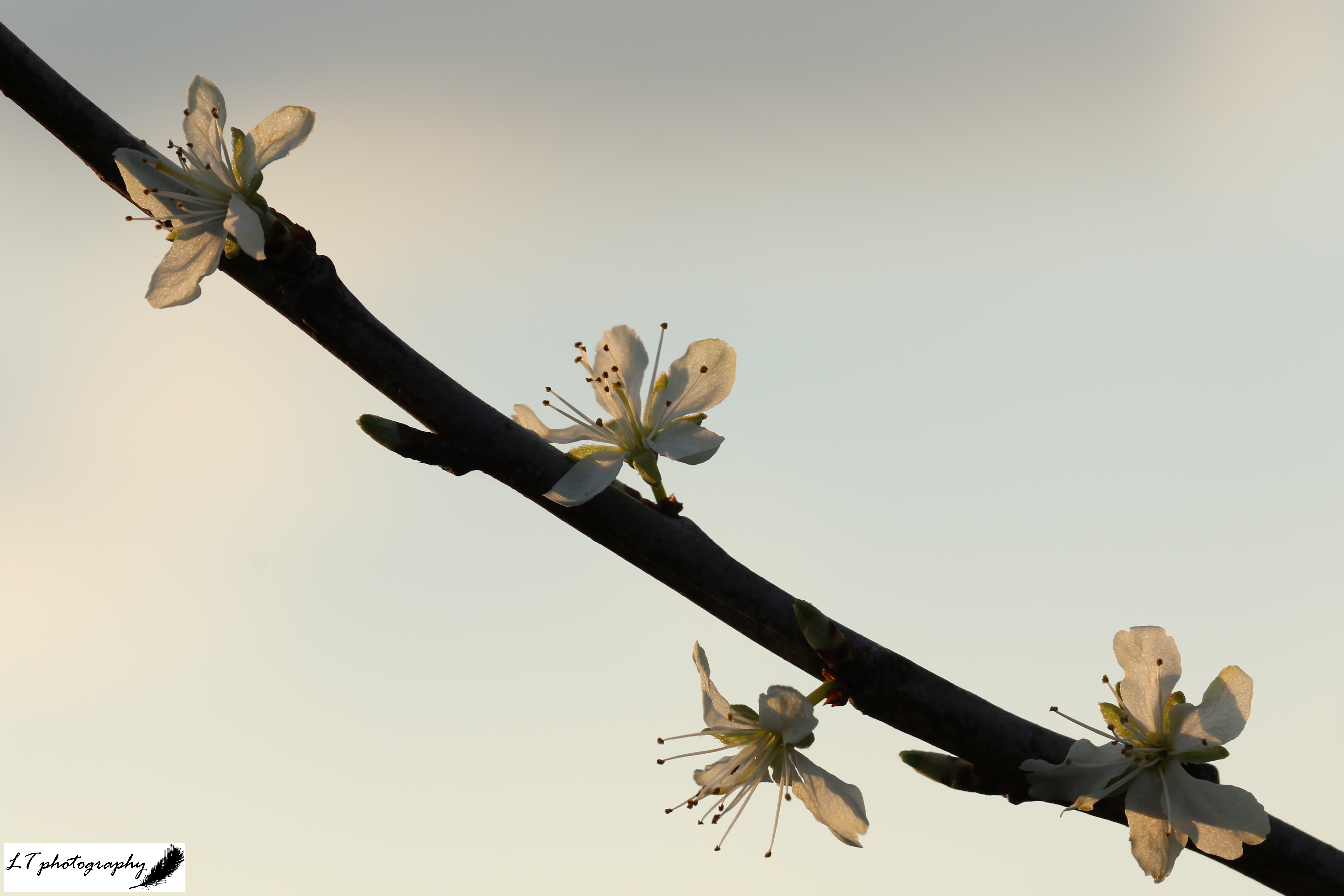
Sunset Damson Blossom – This year the blossom of fruiting trees was fantastic. Our damson tree blossomed without being bitten by frost or hit by strong winds, so hopefully it will be a good year for damsons

Lambing at Home – My mum has her own mini flock of Lleyn ewes, a Lleyn ram, and a Charolais ram, and for us spring would not be spring without lambs springing around the fields!

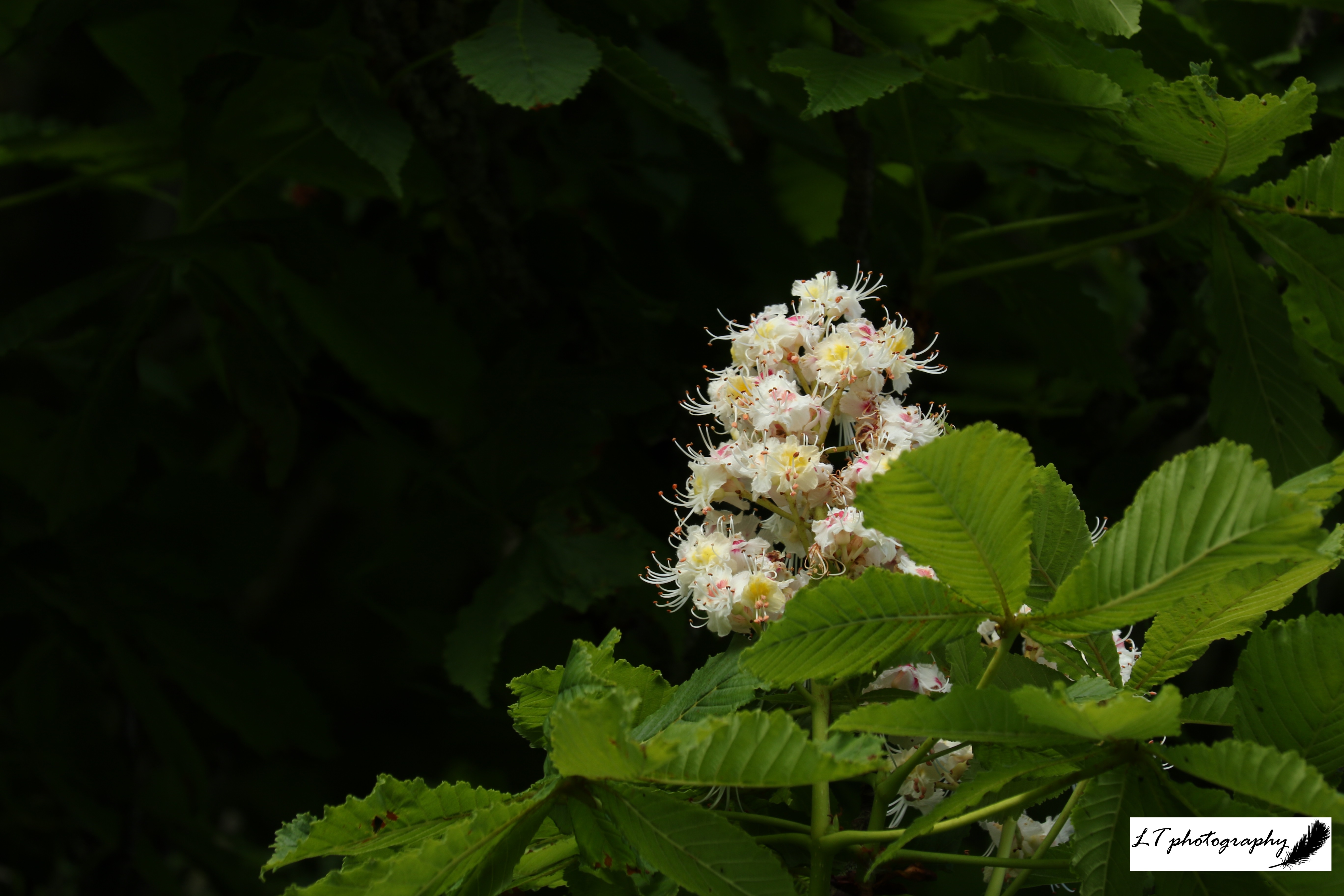
Horse Chestnut Flowers – Often tree flowers are simple, green and unassuming, but not those of horse chestnut trees. Horse chestnut flowers form a candelabra of fantastic white flowers with dots of pink and yellow, towering high in the boughs of the trees

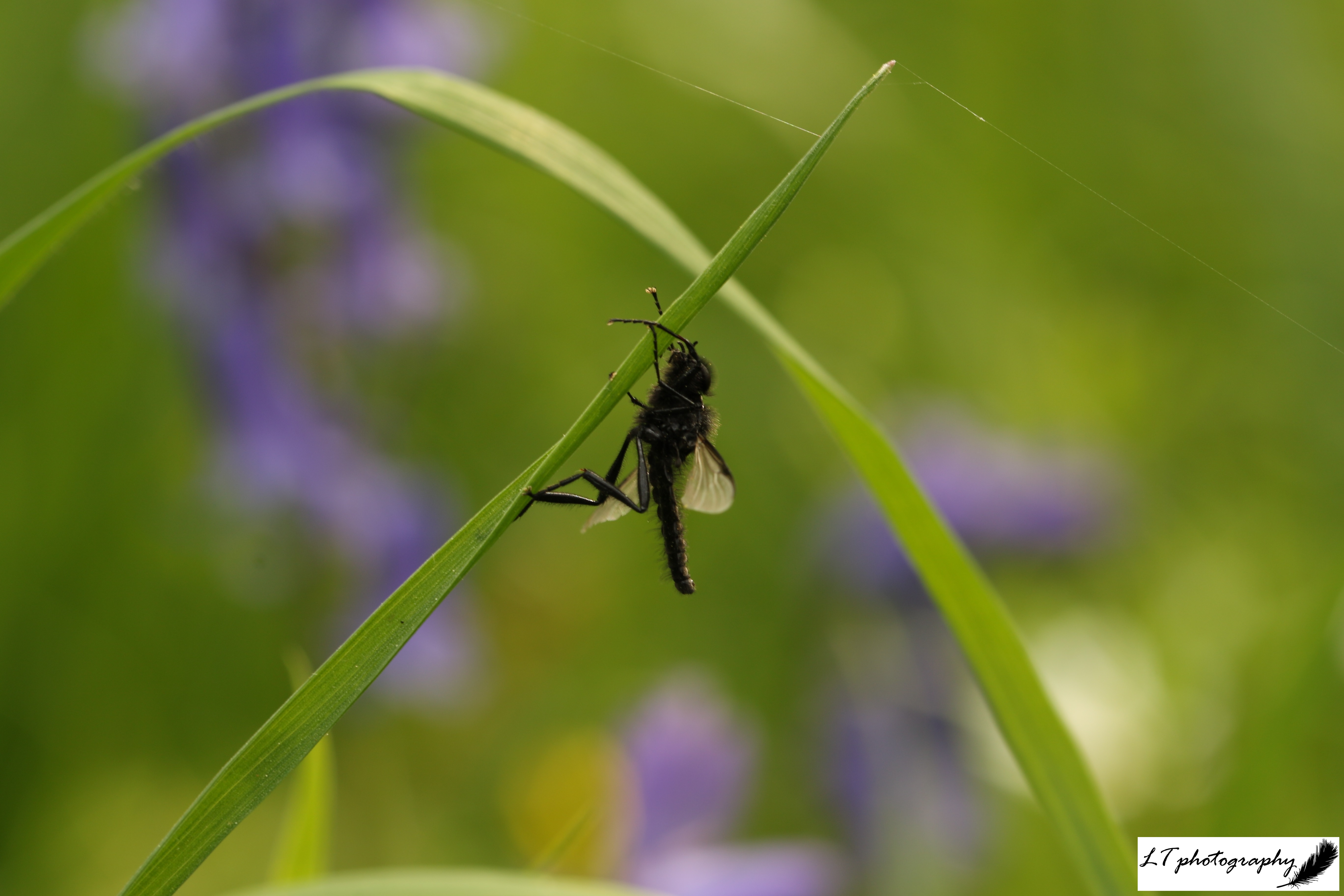
Woodland Minibeasts – This year during the bluebell bloom, I focused on exploring the hidden life amongst the bluebells (check out my previous post for more). One of my finds during my hunts was this fly which looks to be a St. Mark’s fly. This fly gets its name due to emerging around St. Mark’s Day in April each year

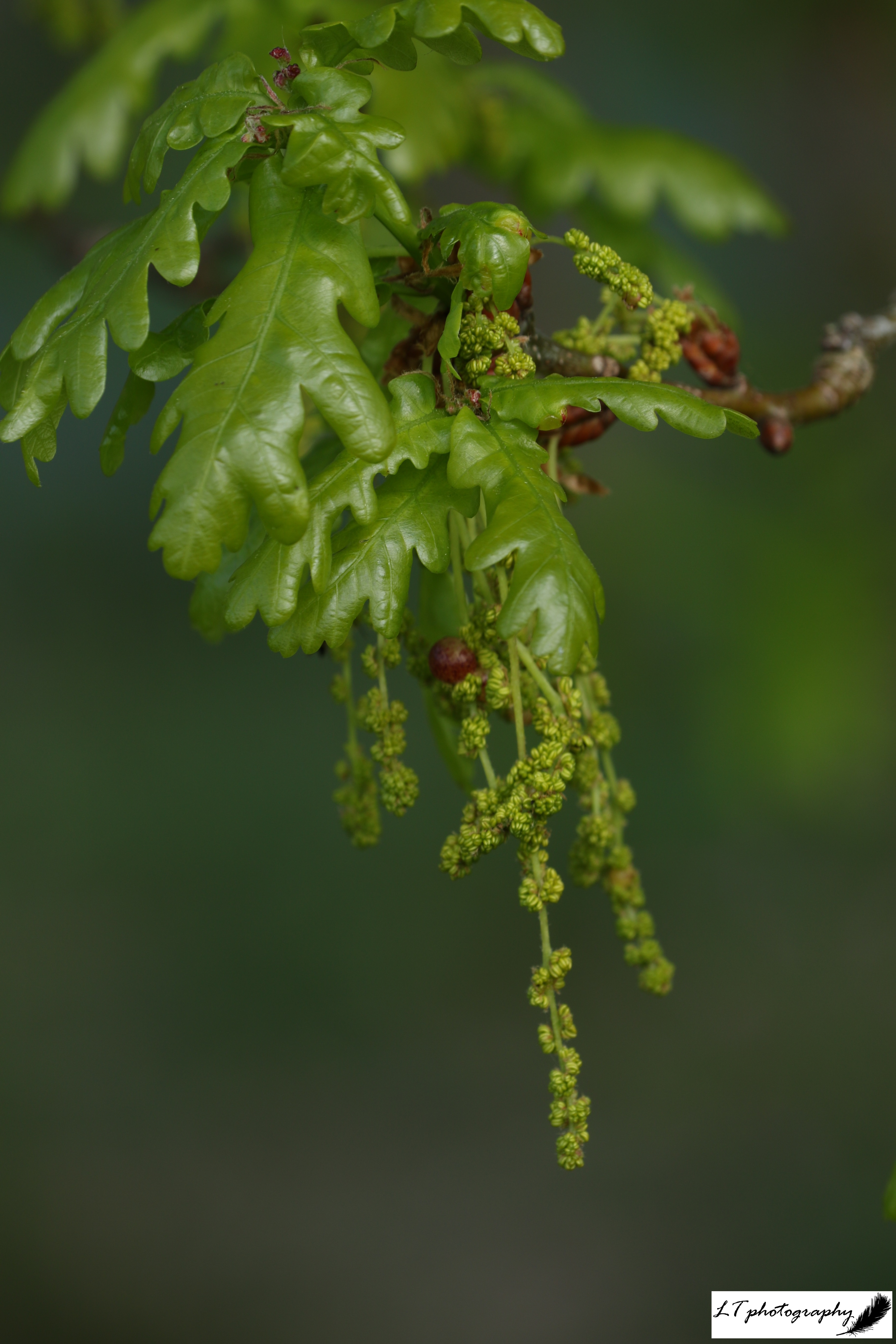
Oak Flowers – Though horse chestnut flowers are showy, some tree flowers are fantastic in a subtler way. The flowers of English oak trees hang down in green streamers from their branches, looking pretty swaying softly in gentle spring breezes

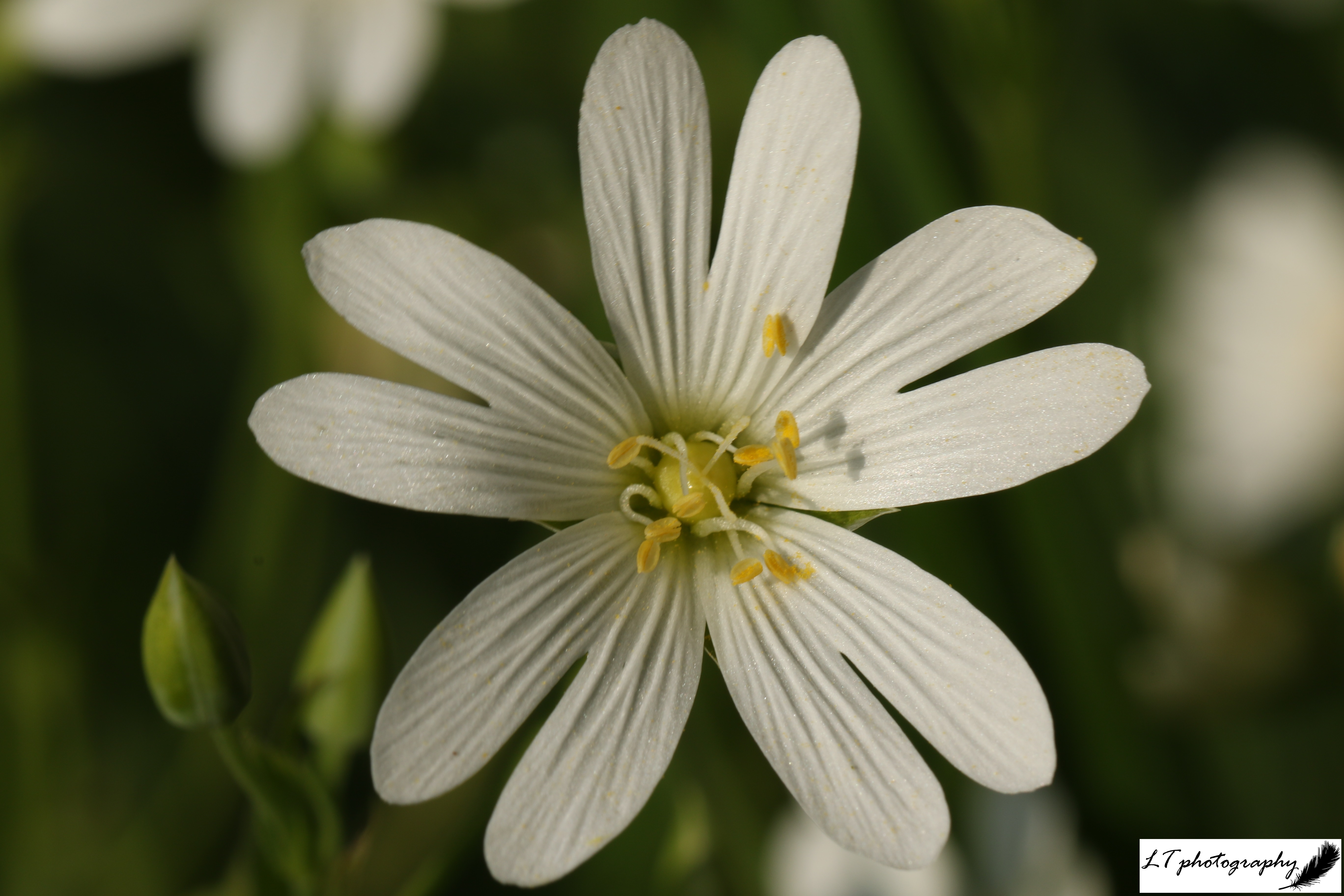
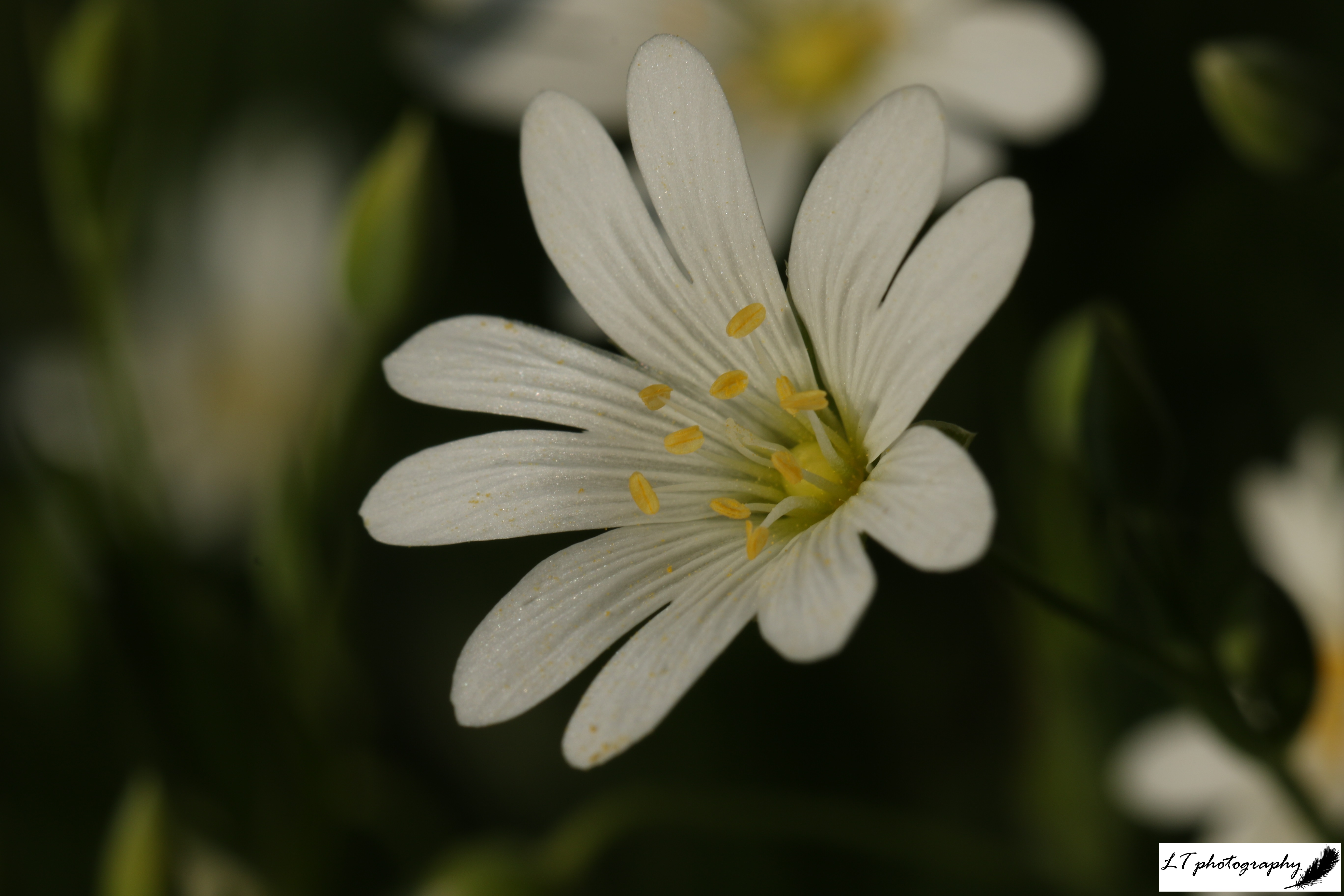
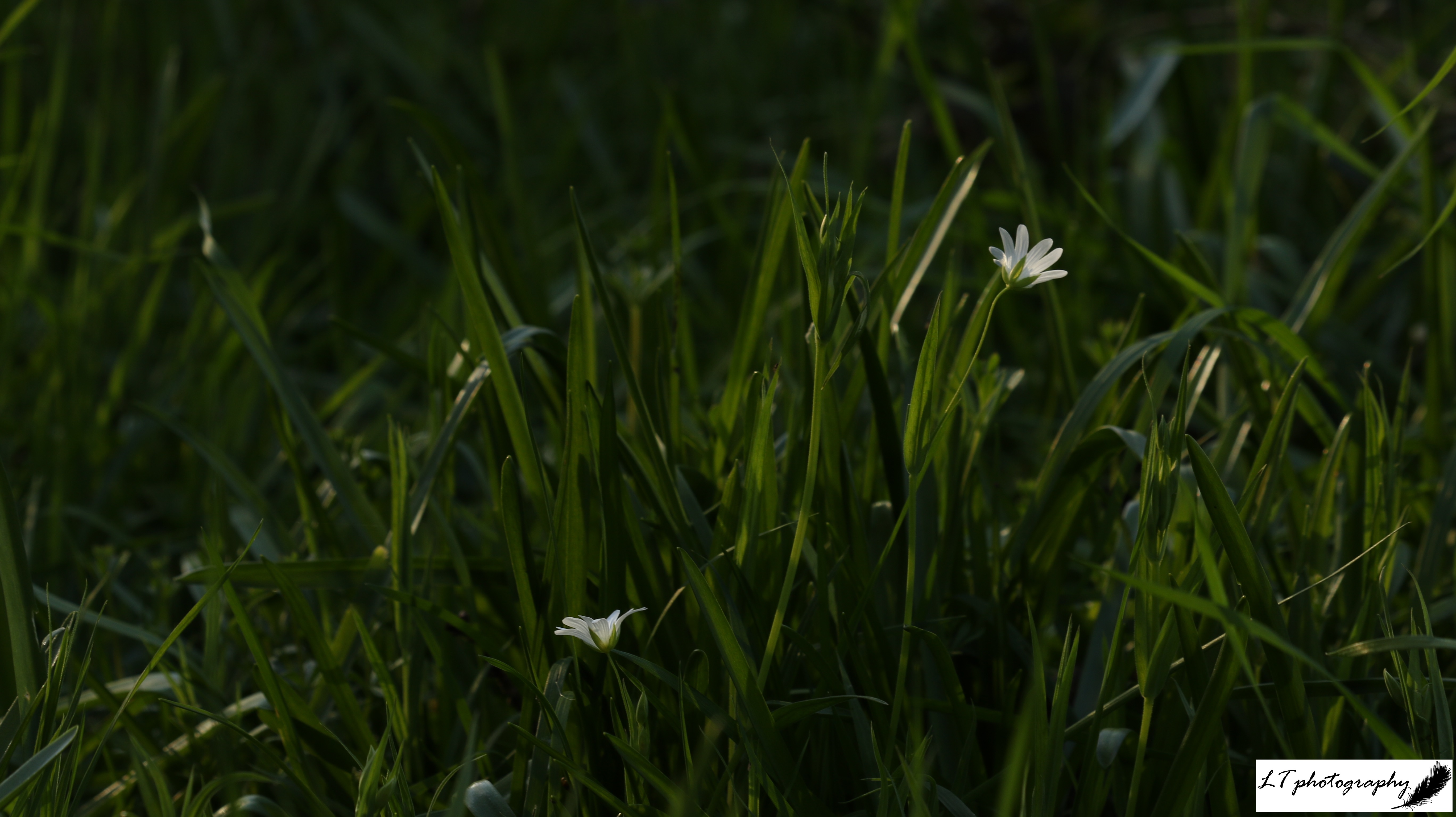
Up Close With Stitchwort Flowers – Stitchwort flowers or ‘Shirt-buttons’ are white stars spotting the countryside throughout spring. Taking a closer look, this particular flower looks weird and wonderful with stamens that curl around each other

Super Snail – This white-lipped snail is a simple, but colourful individual amongst the green of spring. Their swirling shells are a great subject to photograph

Wild Cherry Blossom – Every year one of my favourite flowering trees is the Wild Cherry. There’s nothing like banches covered in blankets of white set against a bright green backdrop of new leaves

Fabulous First Frogspawn – In 2020, we started digging a pond in our own mini nature reserve at home on our farm. This year we were excited to find our very first frogspawn! It was amazing to watch the tadpoles change and transform over time

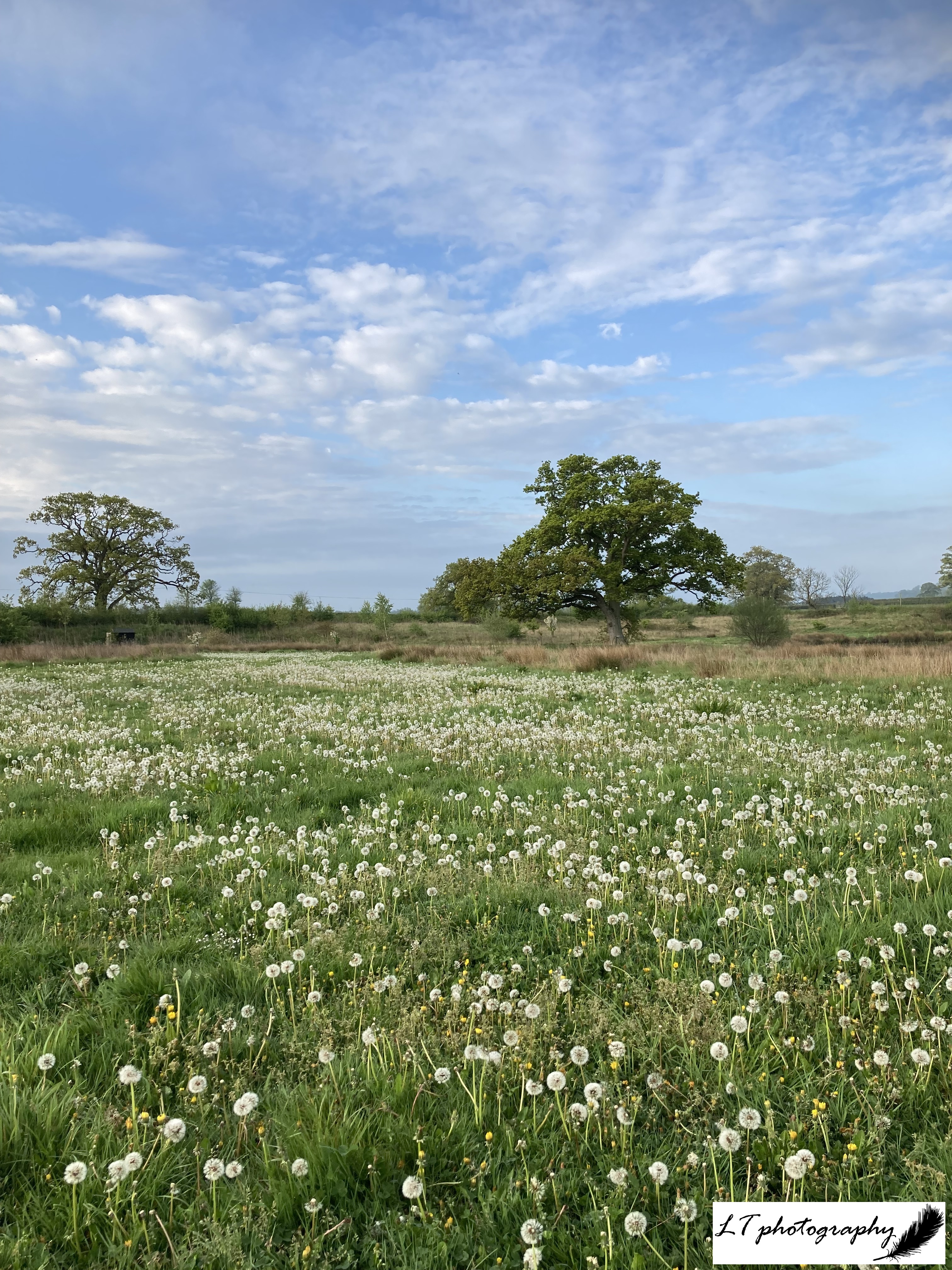
1 O’Clock, 2 O’Clock, Dandelion Clock – All children find magic and wonderment in dandelion clocks and their parachute seeds. Even as an adult I still find inspiration in their fragile globe-like forms

Majestic Beasts – My mum has her own herd of beef cross suckler cows and an Aberdeen angus bull that are free range and raise their own calves. We especially enjoy watching the calves grow up and grow into themselves over their very first year of life

Apple Blossom – As a family we have always enjoyed growing and foraging for our own food in our local area. Though last year was not a very good year for fruit, this year looks to be a better year, apples included

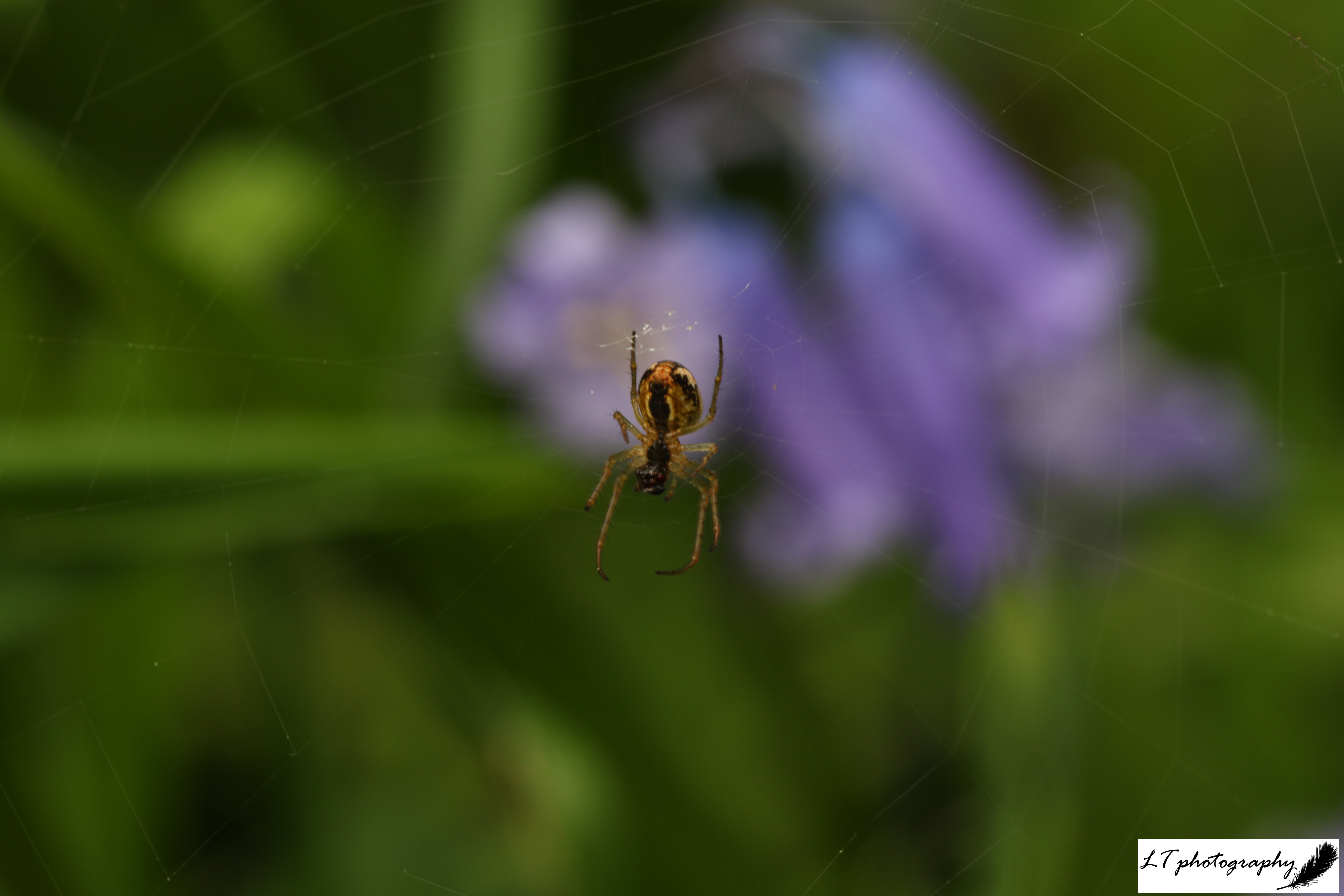
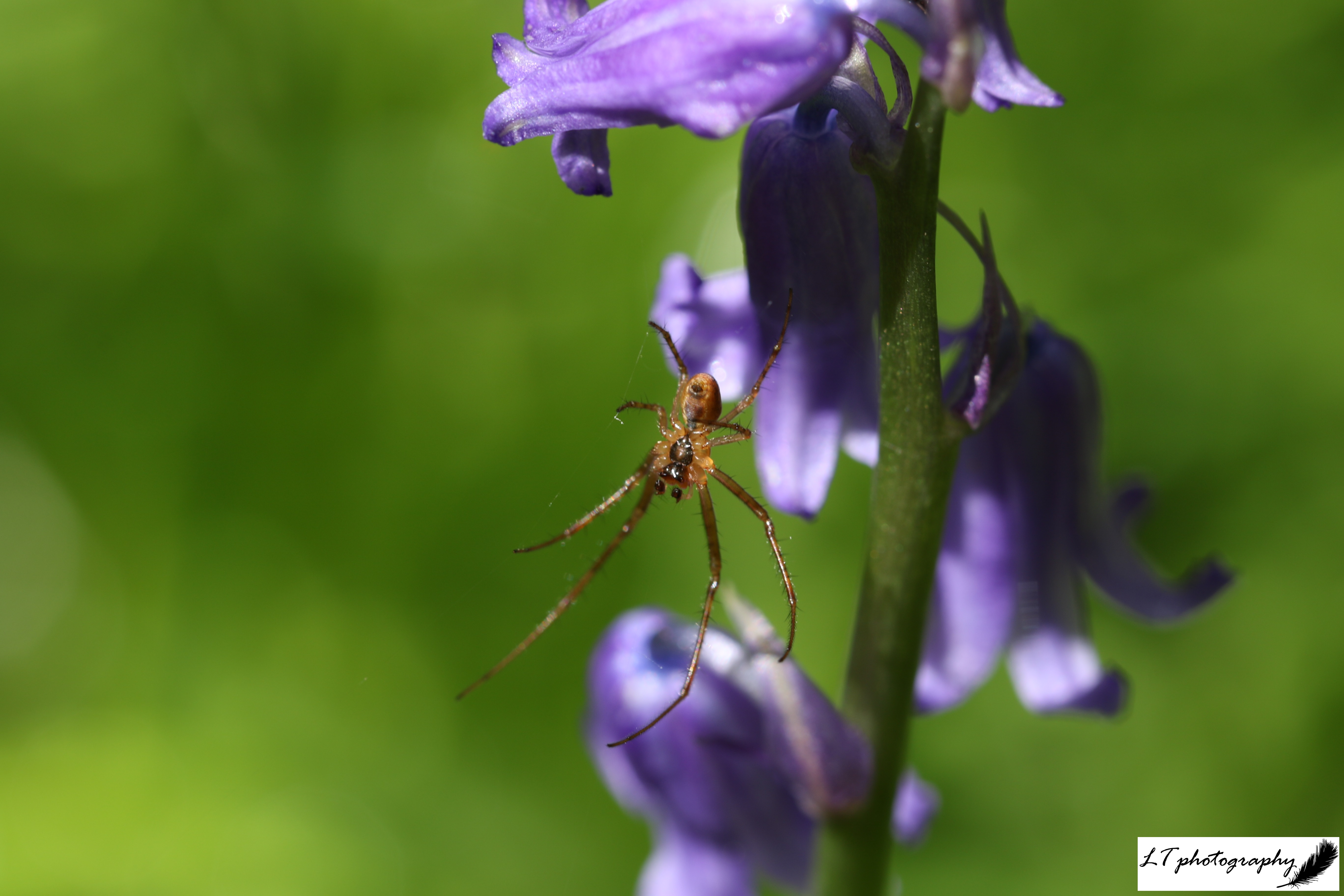
Woodland Spider – Just like the St. Mark’s fly, whilst exploring a woodland of bluebells, I found this species of orb-weaver spider. The bluebells were home to many, many of these little arachnids all weaving their webs between flowers, waiting to catch a meal

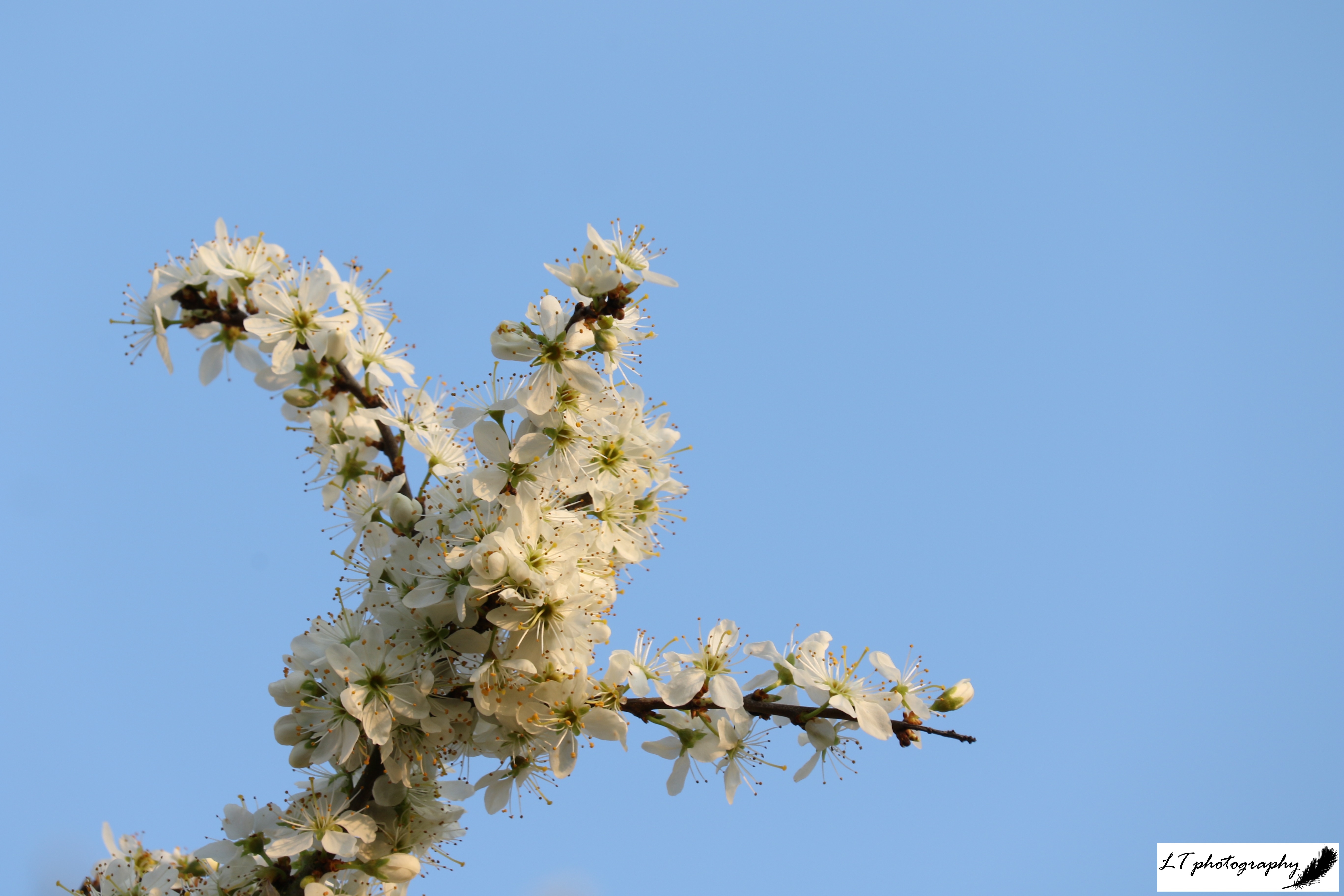
Beautiful Blackthorn Blossom – Every year one of my favourite parts of spring is blackthorn. The snow white flowers of blackthorn winter bring colour to the landscape at a time when things are still grey and spring is only just trickling in

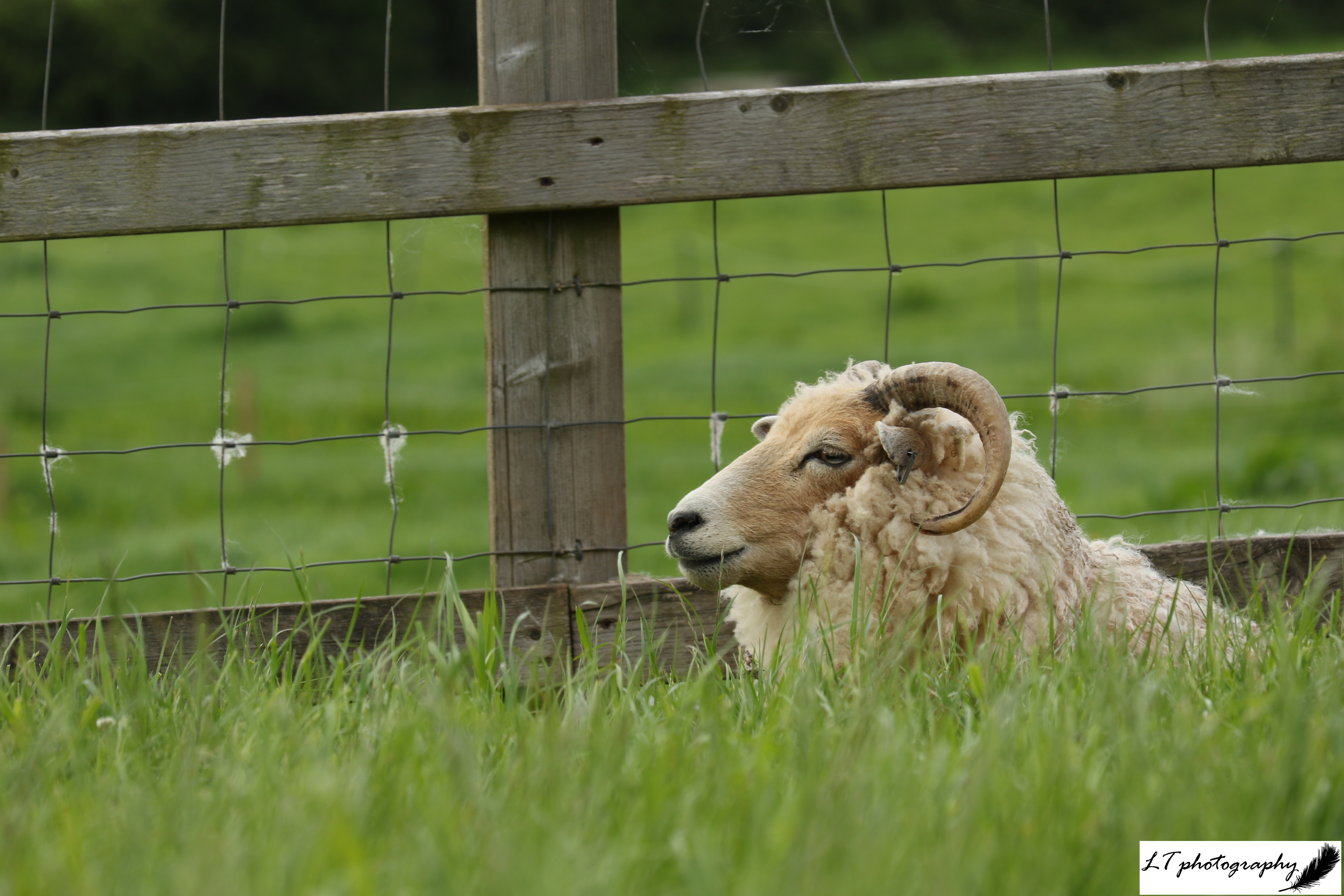
Portland Pets – This year I spent some time photographing my neighbour’s pedigree Portland flock. These small sheep, topped off with curling horns, have a great character and warm colour to them which make it a joy to take their portraits again and again

Life Amongst the Bluebells

‘When you go down to the woods today, you’re sure of a big surprise’, and in late April to early May, this surprise comes in the form of a fantastic mass event! During this time, our woodlands are blanketed with a sweeping carpet of colour; a rich mass of violet-blue, made up of thousands of nodding heads. This popular spring spectacle is a heady treat for the senses, epitomising the beauty of British springtime. This is not all that our woodlands have to offer at this time though, with the Bluebells making us overlook some humbler stars of the show.

So when walking through the Bluebells, why not stop and look around you for a moment. ‘Daddy’s-shirt-buttons’ or Greater Stitchwort can be found dotted throughout the woodland carpet, white star-shaped flowers on slender stems. In thicker patches of green, clusters of green-centred stars can also be found on sturdy stems, their pungent scent giving them away as the flowers of Wild Garlic. These are joined closer to the ground by the white-cupped faces of the Wood Anemone, heads turned to the sun, merging into the galaxy of colour.

The palette is added to by splashes of pink and yellow. Shining yellow stars of Lesser Celandine float above heart-shaped leaves. The green-spiked Yellow Archangel, like a nettle, adorned with rings of butter-yellow flowers, each with their own hood. You can also find Early Purple Orchids beneath the trees, pink spikes growing from purple-splattered green leaves. Closer to the ground, the glittering pink faces of Herb Robert add to the show.

Amongst the Bluebells, there is not just a colourful backdrop of flowers to be found, but a hidden world to be discovered. Down at Bluebell level, the woodland floor comes alive. Spiders spin webs from Bluebell to Bluebell hoping to catch a meal, whilst Bumblebees fly from flower to flower collecting nectar and pollen for their colonies. They are joined by a fantastic array of flies, varying in size, shape, and colour.

If you take an even closer look at the flowers, you might even find some more hidden characters that capture your mind and inspire your imagination. Camouflaged spiders, weird and wonderful weevils, colourful shield bugs, fascinating beetles, and even patchwork snails are waiting to be found. Minibeasts and their tiny worlds can create a sense of calm and simple joy, an easy example being a graceful Butterfly gently flitting by through dappled spring sunshine.

Walking through the Bluebells is a wonderful visual experience, but if you open your ears, then another world can also be added to this. The fluting notes of the Song Thrush, the onomatopoeic song of the Chiffchaff, the melodic Robin, or the powerful trilling song of the Wren. All flow together to create a symphony of bird song, a soundtrack fit for the spectacle that is the blooming of the Bluebells.

‘When you go down to the woods today, you’re sure of a big surprise’, and in spring this might just be bigger than you expect. Next time the Bluebells are blooming, why not stop and see what you might find amongst those nodding heads.

Spring in Bloom in Dorset 2022

‘There is no time like Spring, When life’s alive in everything… Before the sun has power, To scorch the world up in his noontide hour’ – Christina Rossetti

Where for me Winter is a grey, bleak, and quiet time, Spring is the opposite. Those first Snowdrops of January whisper of the season to come, leading the way ahead for new life to follow. This opens the door for change and the blossoming of Spring. A vibrant season, Spring arrives with an explosion of colour, awe-inspiring after tough Winter months. Yellows, pinks, purples, blues, and whites, amongst others, paint a landscape of reviving green. It is a magical time!

This year has been no different, with Spring unfurling in style, though with some added meteorological unpredictability. Right now though, woodlands are carpeted with the purple hues of Bluebells, pastel blossom drips from fruiting trees, and leaves begin to envelop trees and hedgerows. It is a time to be enjoyed and relished after another tough Winter, with promise now of more new life as this season continues. Let us now celebrate the blooming of Spring 2022 so far.

Wildlife Photos for 2021

Last year was an unusual one for us all, as we got used to a new reality, but for me it was also a year of colour, amazing wildlife, and fabulous adventures. I learnt alot and was able to continue to grow as a person, which includes my skill in wildlife photography and passion for communicating nature with you all. To celebrate, here’s a collection of my nature photos spanning 2021, capturing a range of themes, species and stories, and holding a feel good factor. Enjoy!

January

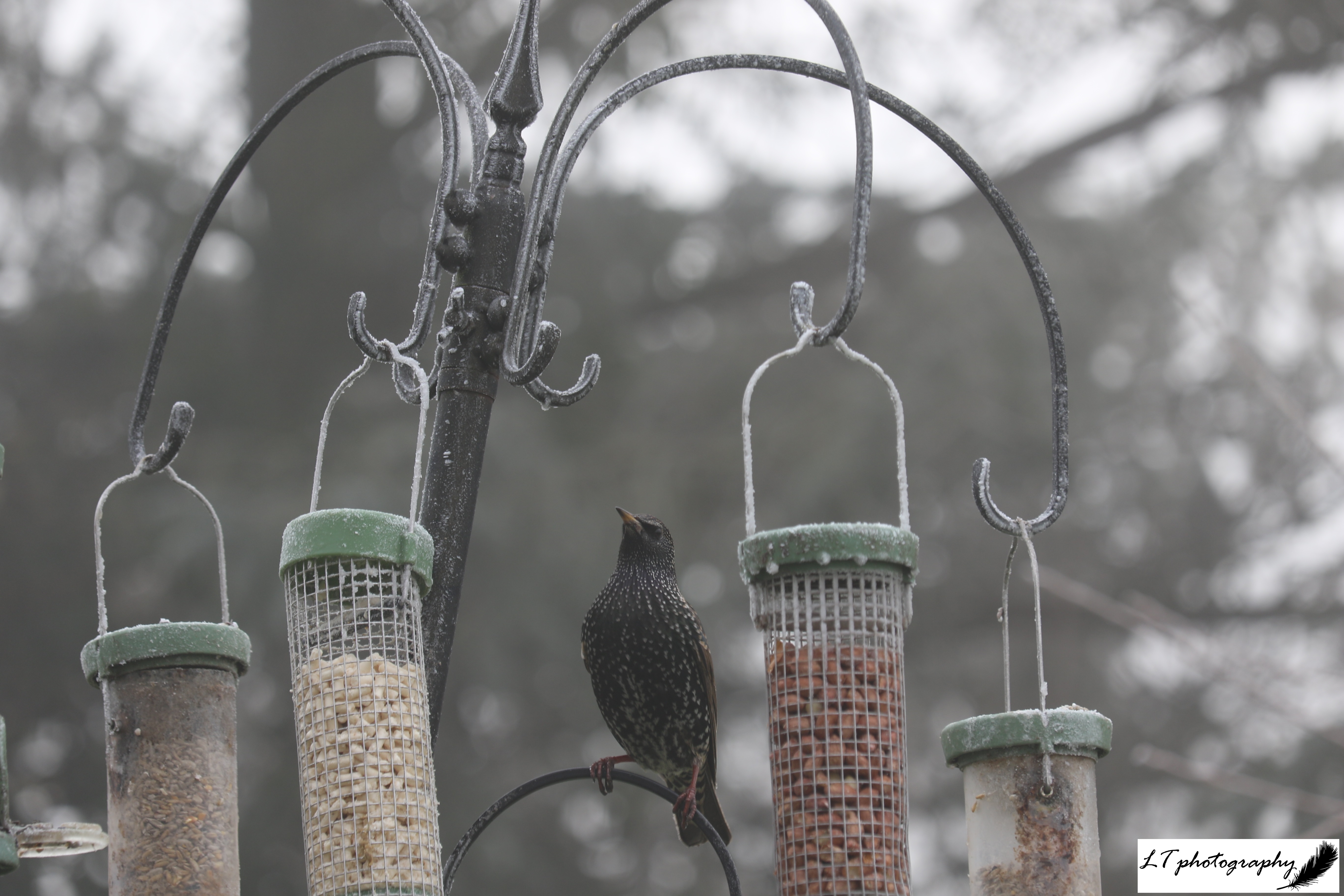
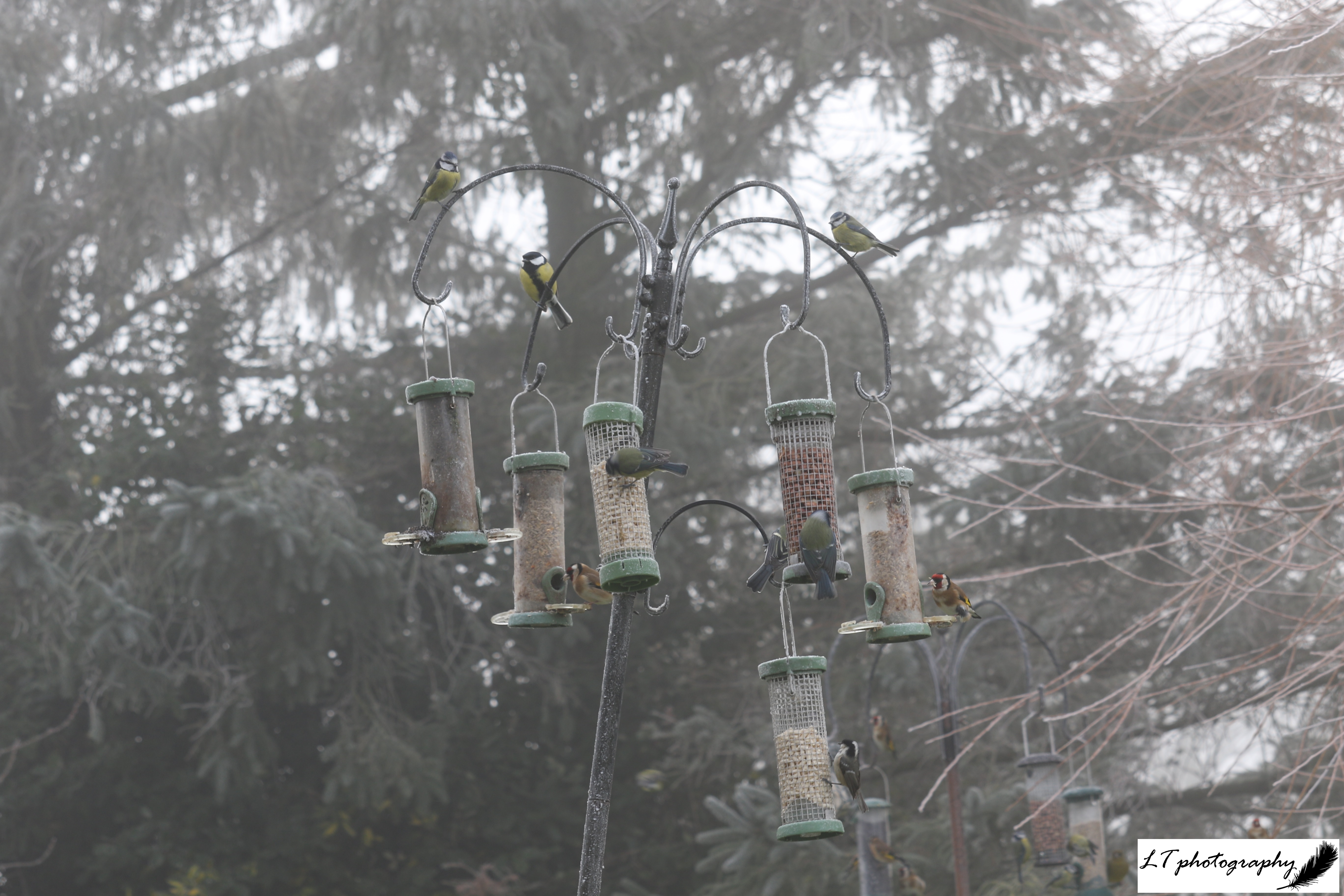
I began my year taking advantage of frosty mornings to capture the birds relying on our garden during the winter. Here a starling looking magnificent in its speckled plumage.

February

In 2021 I made it my mission to take my first up close photos of snowdrops. I enjoyed the challenge, brightening up a gloomier start to my year.

March

As the first signs of spring began to arrive, my focus turned to the ground and colourful spring flowers. Here a celandine peaks out its sunshine head from a thick cluster of green leaves.

April

As spring burst into life, my focus turned to the animal species now becoming active in the rural landscape. Here is a relaxed hare (and pheasant) that I ended up spending a sunny afternoon watching feed on this hillside.
Each year grey wagtails are becoming a more and more frequent sight on my family’s farmland. We now have a soft spot for them as they brighten gloomy winter days and add a flash of colour in spring sunshine.

May

In 2021 I bought my very first macro lens which I was very excited about. It was great fun to head out with no set challenge, and just see what I could find!

June

Last year was definitely the year of butterflies for me. I had alot of fun expanding my knowledge of species and getting to see an increasing number living on my family’s land, such as this meadow brown.

July

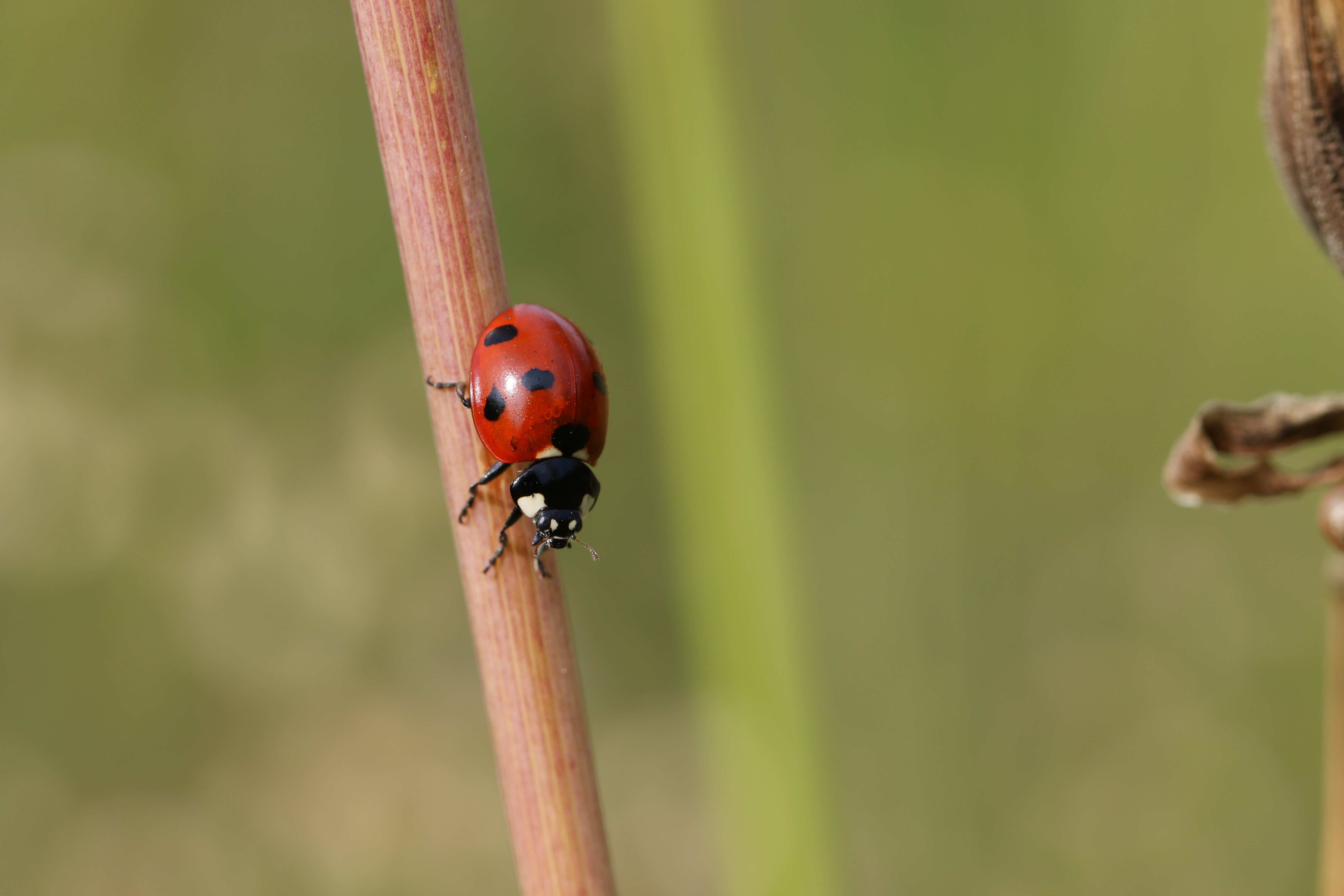
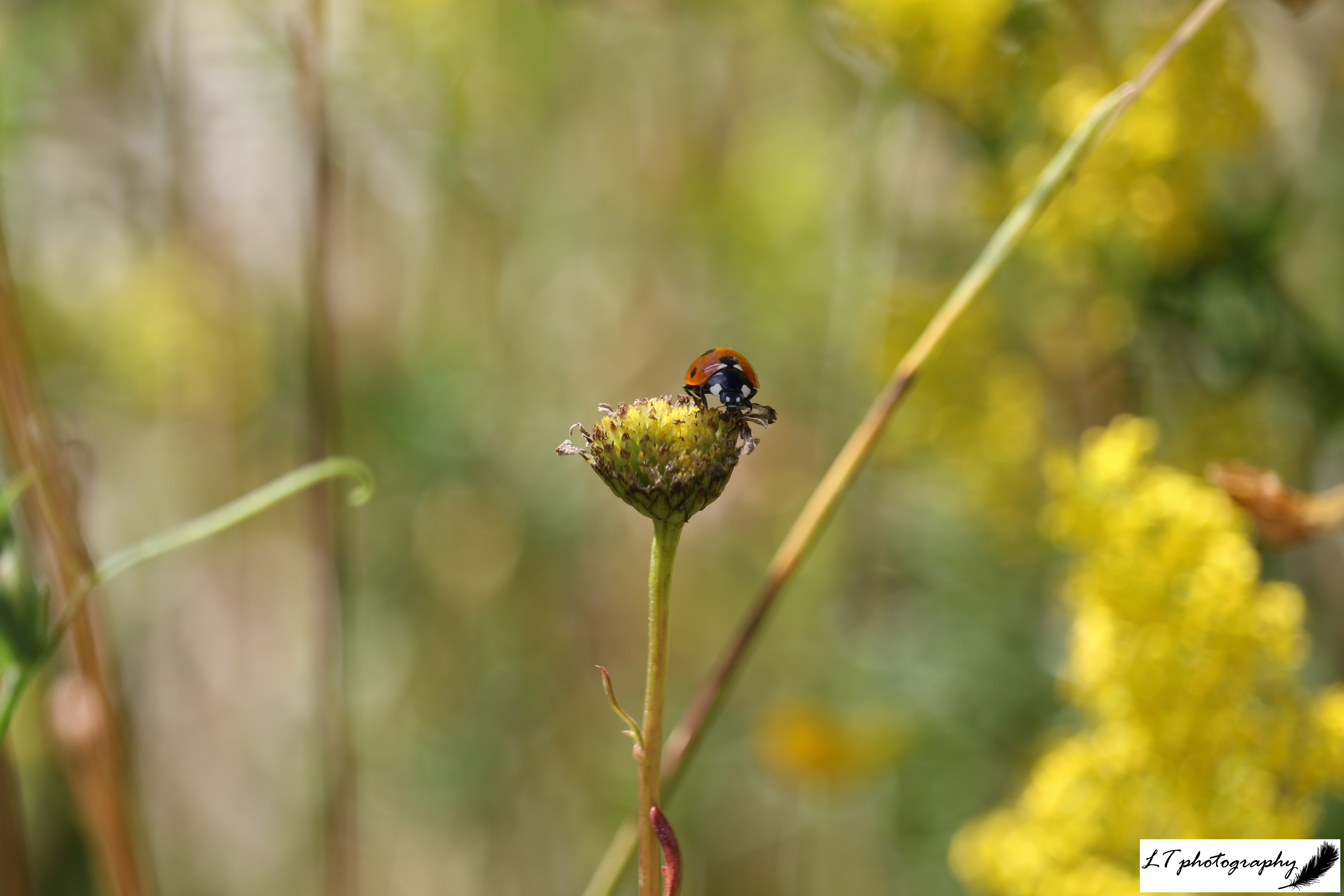
A series of photos that I took of this ladybird became some of my favourites for myself and my family in 2021!
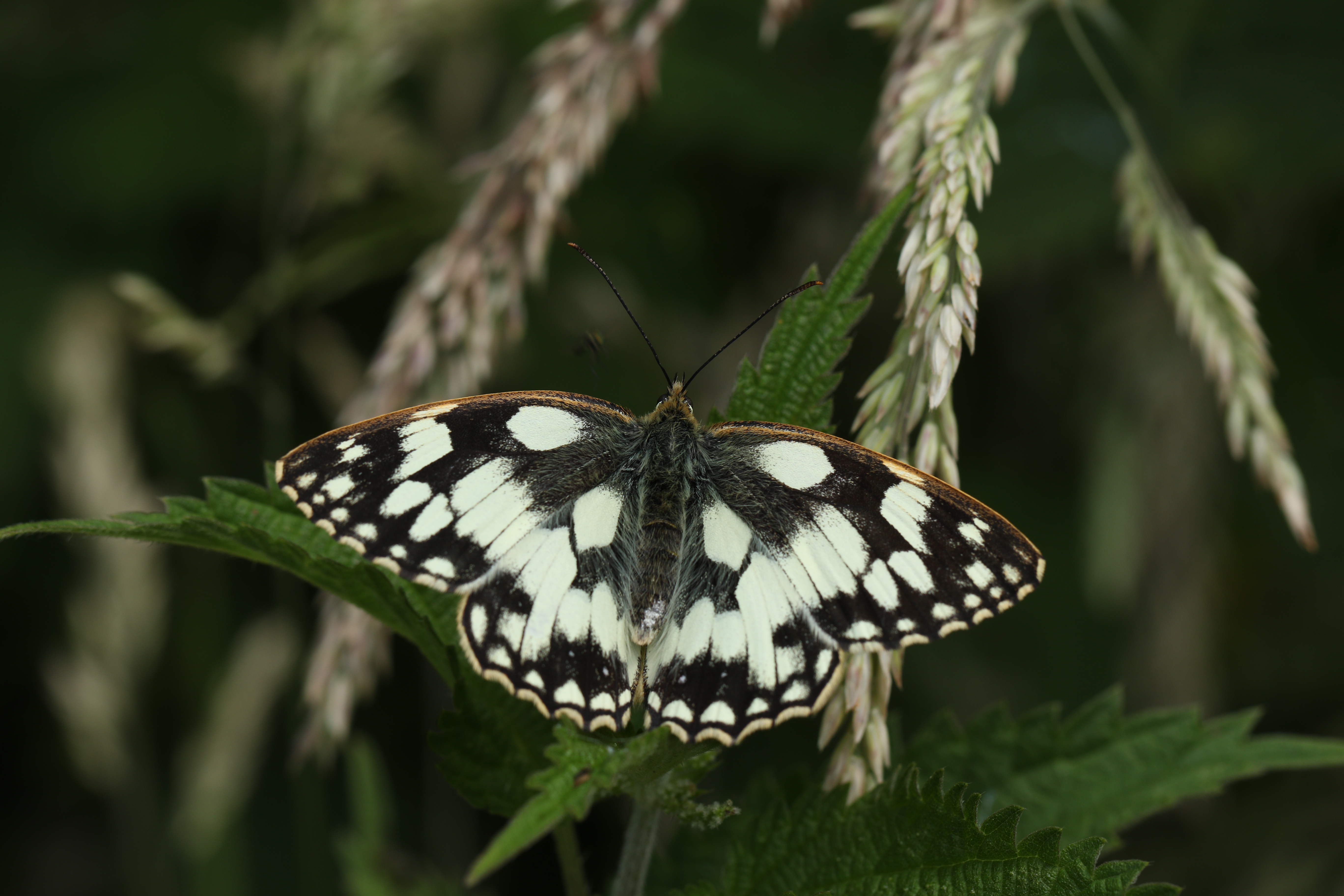
Another one of my 2021 favourites, a spectacular marbled white!

August

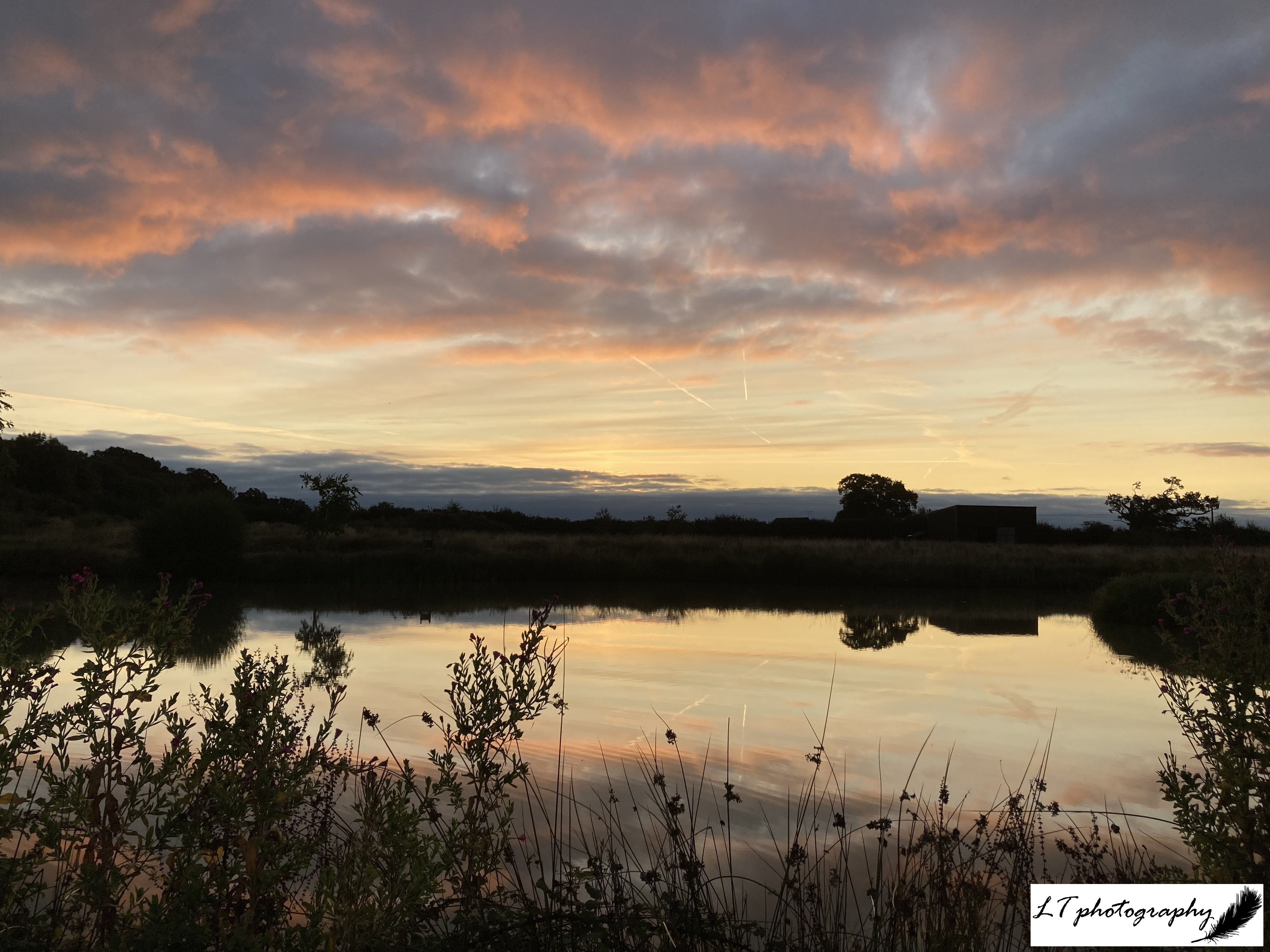
There’s something special about a sunrise over water with pinks, oranges and yellows streaked across the sky like a watercolour.

September

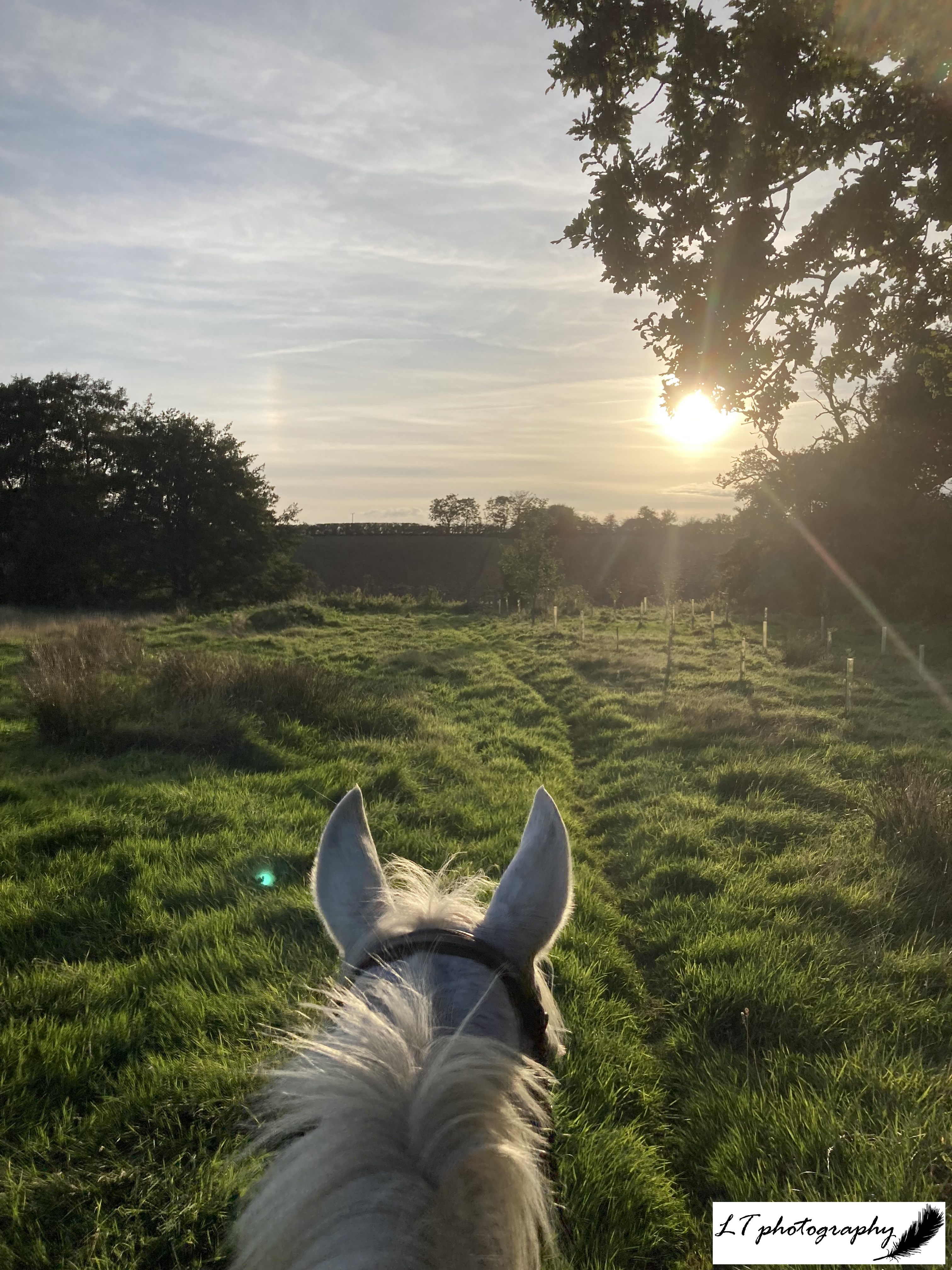
One of my favourite places to be is between two ears exploring the countryside. Here I also had the golden glow of a setting autumn sun to make my ride even more magical.

October

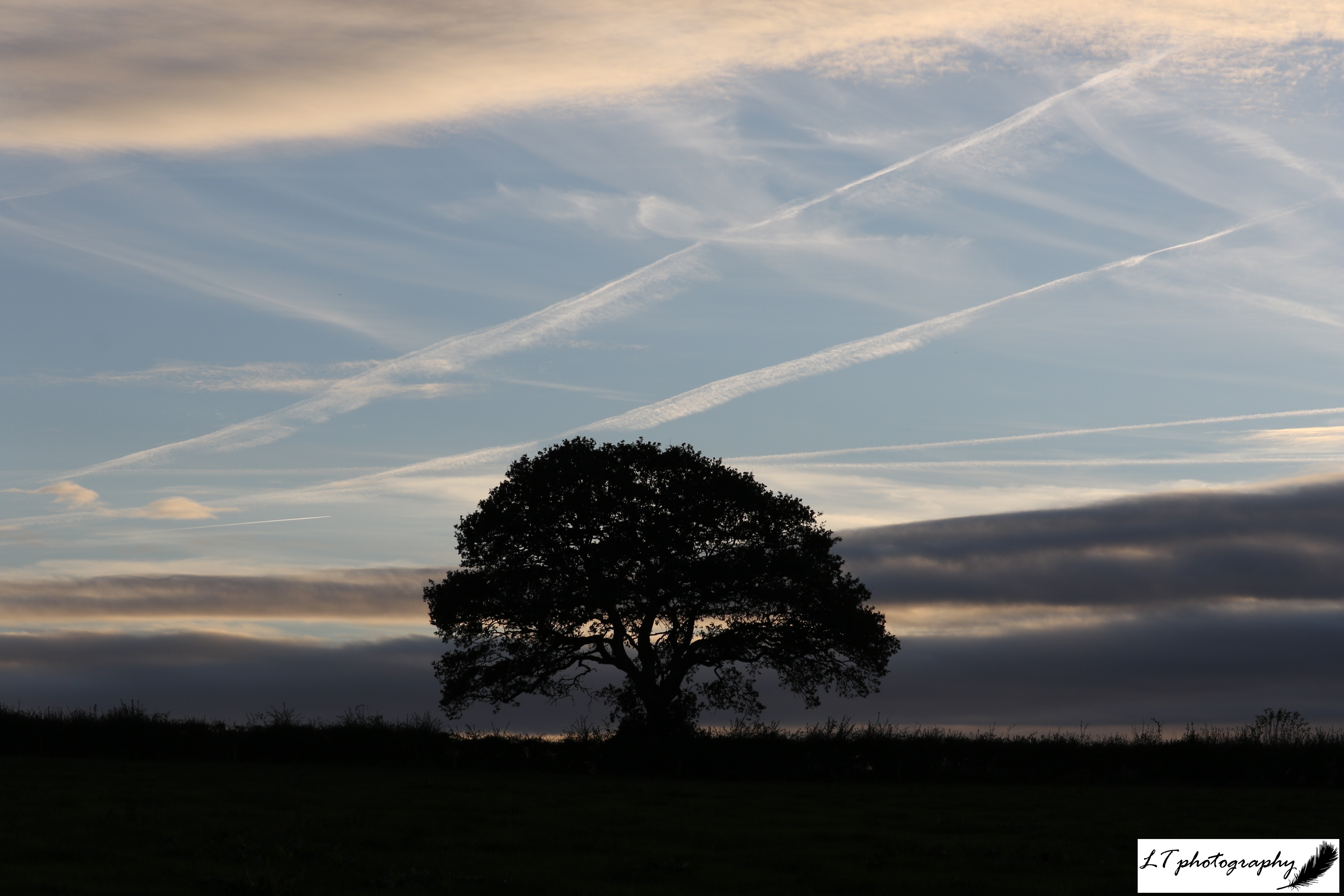
Autumn has some of the best sunsets, with everyday promising something different. Here an oak tree holds on to its leaves as autumn continues its advance through the landscape.

November

A magical part of late autumn is seeing the sun rise over dewy fields covered in a blanket of wafting spiders’ webs. These are produced by thousands of small spiders active before winter arrives.

December

To round off the year, one of my wildlife activities was to plant some new fruiting trees and shrubs down in my family’s conservation field (here a crab apple). Tree planting is definitely a rewarding activity at this time of year!

Here’s to new adventures in 2022!

My 30 Days Wild 2021: A Wild Month

June has been one of those months that has passed by in the blink of an eye. Rainy days quickly moved into scorching heat and then back to rain, framing the last of spring’s events. Every day I have tried to be outside as much as possible, with my happy place being out in nature. From work to down time, my life and hobbies revolve around the wild and the natural world around me. This is why I love to share my experiences with others, to excite, inspire, and instill, and to help motivate people to protect and conserve what is left of our natural world.

It is not surprising then that I am always up for a wild challenge. Last year this took the form of the Wildlife Trusts’ 30 Days Wild, an annual nature challenge that has now run for 6 years, with more than a million people taking part last year. This challenge aims to bring people closer to nature whilst making a positive difference for wildlife and its conservation. All you have to do is complete one ‘Random Act of Wildness’ each day for the whole of June. It is that simple!

Last year I really enjoyed participating in 30 Days Wild, with the challenge enriching my days, helping me to relax, and allowing me to develop a deeper connection with the natural world around me. It also gave me an added focus on days that were busy and stressful, keeping me centred and moving forward. My Random Acts of Wildness ranged from making bird food and picking fruit, to dissecting barn owl pellets and learning my chalkland wildflower species. So it was an easy decision this year to take part once again.

Here’s what I got up to during 30 Days Wild 2021:

Day 1: Tuesday 1st (Work)

For the start of my 30 Days Wild, I began strong.

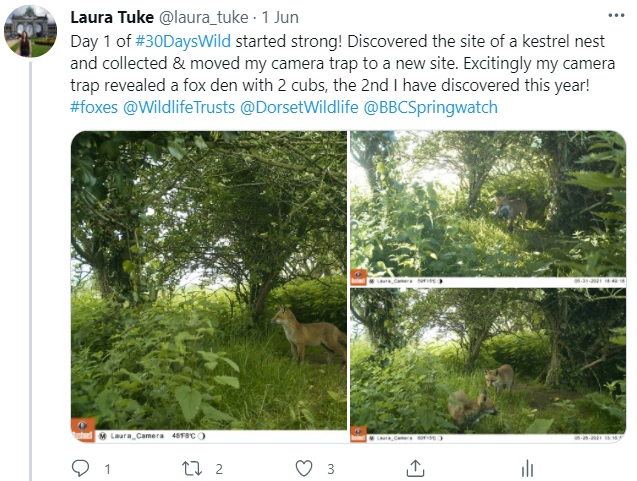
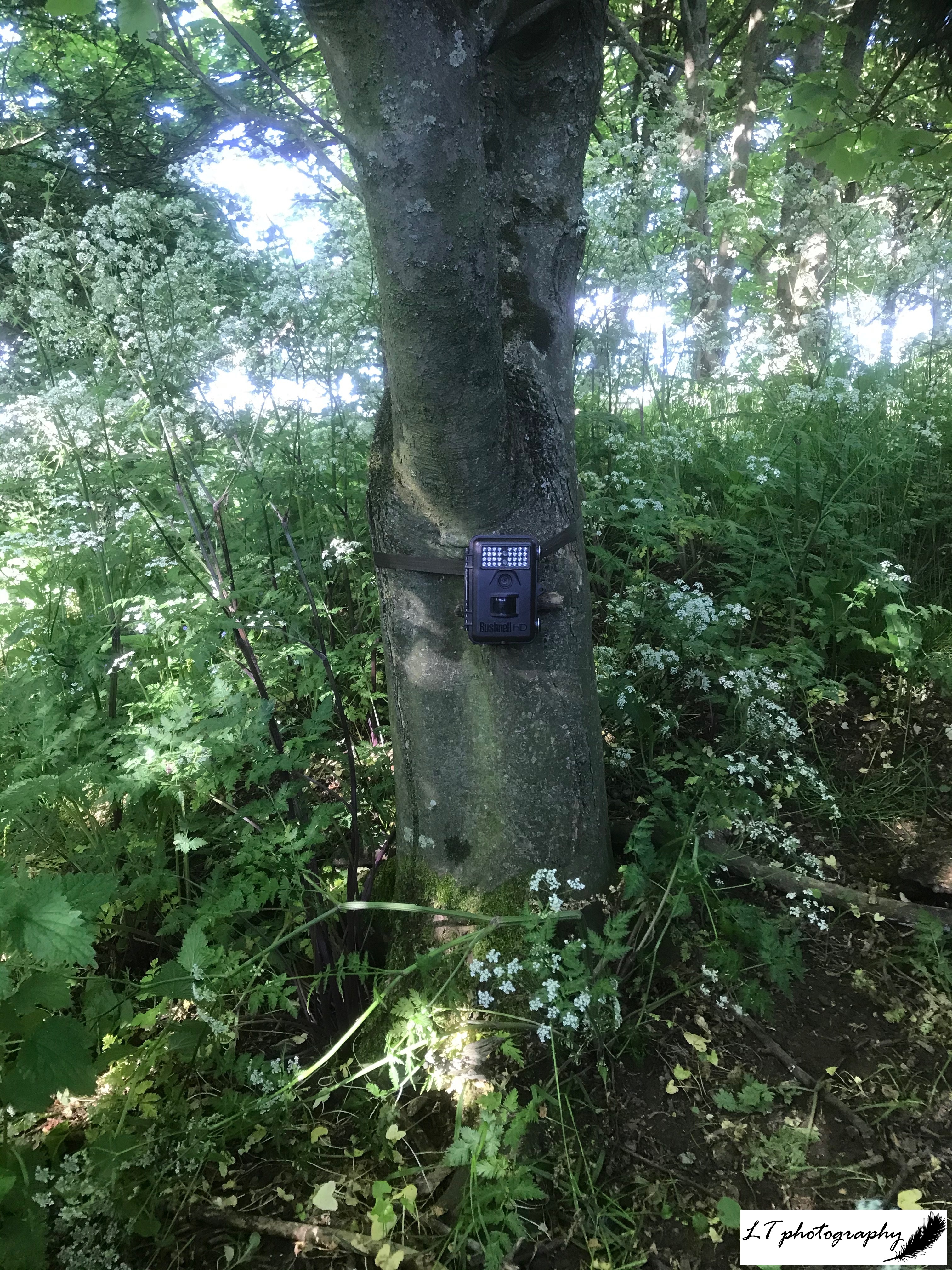
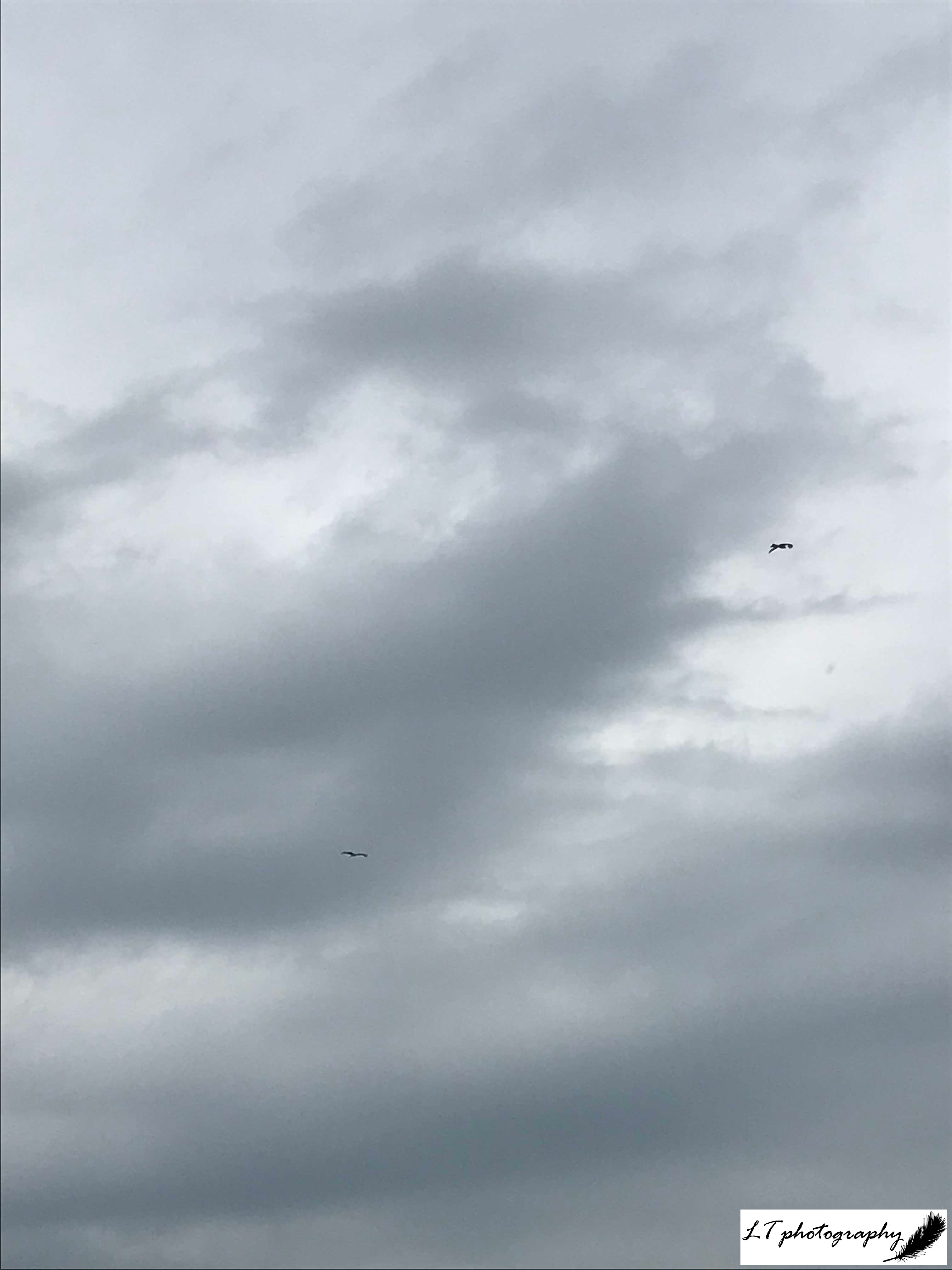
After failing to find an active kestrel nest last year, I finally found the natural nest I had been hoping for! I also checked and moved my camera trap after a week out at a badger sett, discovering my second family of foxes of this year, with it being by far my best camera trapping season yet!

Day 2: Wednesday 2nd (Day Off)

I love an adventure, and so today I ventured out into my local area in the rain to take in as many different habitats and species as possible, with the highlight being 4 red kites sitting in a tree on my family’s land. After drying off and allowing the rain to pass, that afternoon I headed back outside, this time to test my brand new macro lens and get stuck in to the world of the small.

Day 3: Thursday 3rd (Day Off)

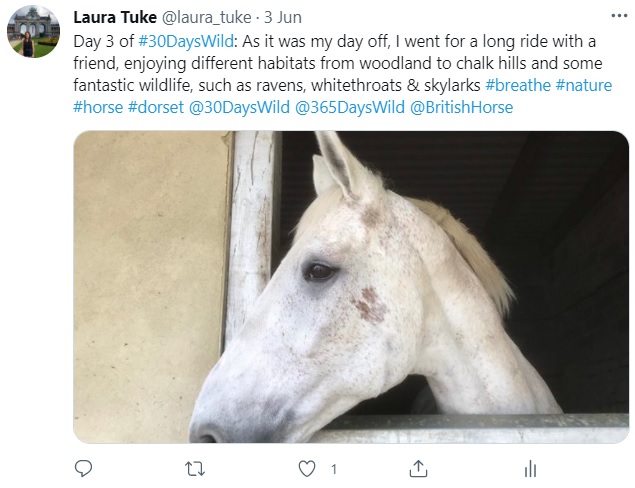
For my second day off, I made the most of free time and went for a long ride with a friend, the highlight being riding through chalk grasslands, embellished with colourful flowers and melodious birds. Being on horseback in this way allows me to take in a range of wildlife in a short period of time and also give me great up-close views.

Day 4: Friday 4th (Work)

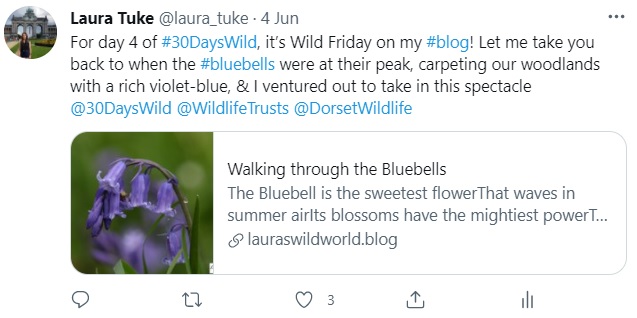
For spring, my wildlife blog has been back up and running, and every Friday has been a Wild Friday. For this week, my new post was all about the spring bluebells, which are one of my favourite parts of spring each year. Check it out on my blog now!

Day 5: Saturday 5th (Work)

After a long day at work, I still had energy to work on some of my nature projects. This included putting my dad together a list of all the bird species seen on my family’s land in the last year (65!), and learning how to fill in nest records for the BTO’s Nest Record Scheme, beginning with a blackbird’s, kestrel’s, and barn owl’s nest.

Day 6: Sunday 6th (Work)

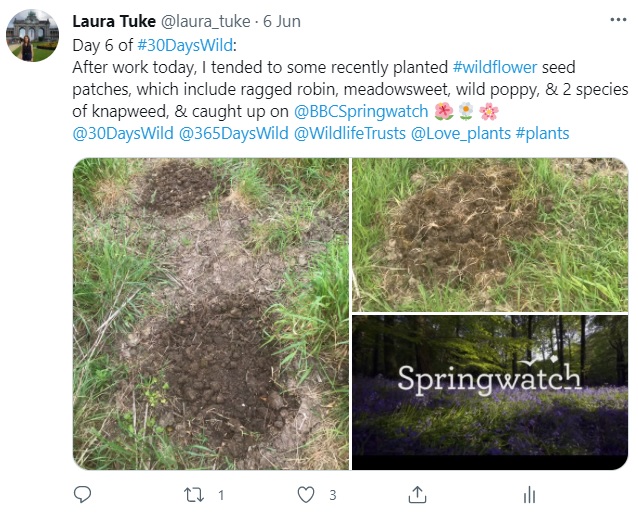
A week ago I cleared a small wildlife area of docks and sowed some homemade wildlife mixes, so this evening after work I headed over to the area to do some management and to water the seeds. I then headed home to finish off my day with Thursday’s and Friday’s missed episodes of Springwatch.

Day 7: Monday 7th (Work)

After catching my neice’s cold, today I felt particularly under the weather. It was a perfect way then to spend my evening curled up in an armchair reading some lovely nature blogs to cheer myself up before an early night.

Day 8: Tuesday 8th (Work)

My happy place is out in nature, and so I have been enjoying working at the moment on my family’s farm in Dorset, and keeping an open mind to what I might discover during day-to-day life. Today I had everything from peacock butterflies and Lackey moth caterpillars, to yellowhammers singing and brown hares grazing within 10 metres of me!

Day 9: Wednesday 9th (Day Off)

I began my first of two days by heading to my bird ringing trainer’s private nature reserve to help with summer maintenance work, before returning home to check the kestrel nest and to head round to my next door neighbour’s to look for active swallow nests (4 so far!).

Day 10: Thursday 10th (Day Off)

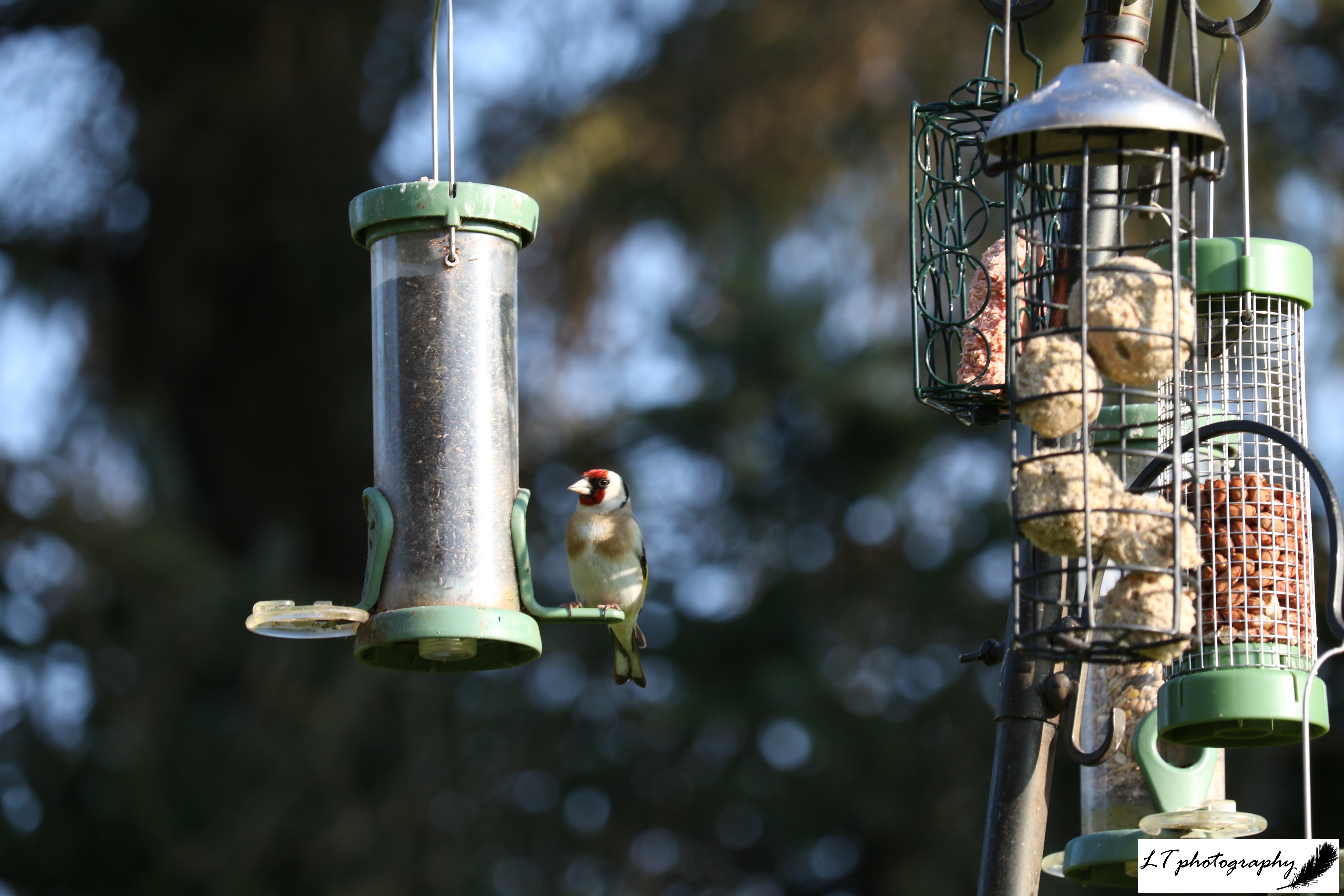
For my second day off, I had a lovely relaxing hack with Marsha exploring a new route near my home, and spent time watching and counting the birds visiting the feeders in my garden. From pheasants and house sparrows to goldfinches and greenfinches, all species and their abundance are recorded in my garden and sent off at the end of the week to the BTO’s Garden BirdWatch scheme.

Day 11: Friday 11th (Work)

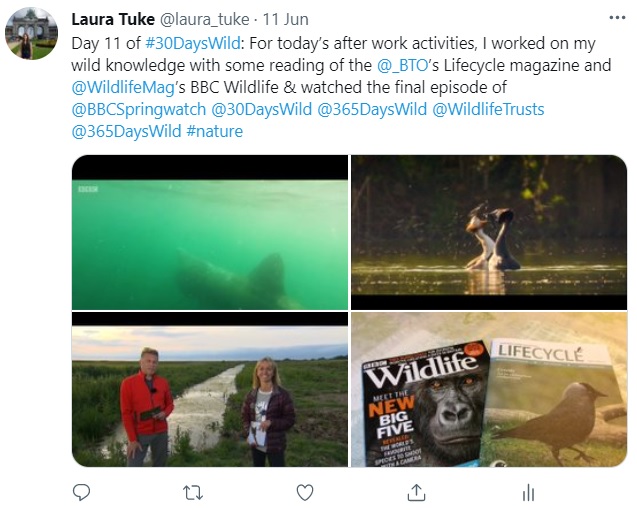
Today after work I spent time expanding my wildlife knowledge through reading the BTO’s Lifecycle magazine and BBC Wildlife magazine, and watching the very last episode of 2021’s Springwatch.

Day 12: Saturday 12th (Work)

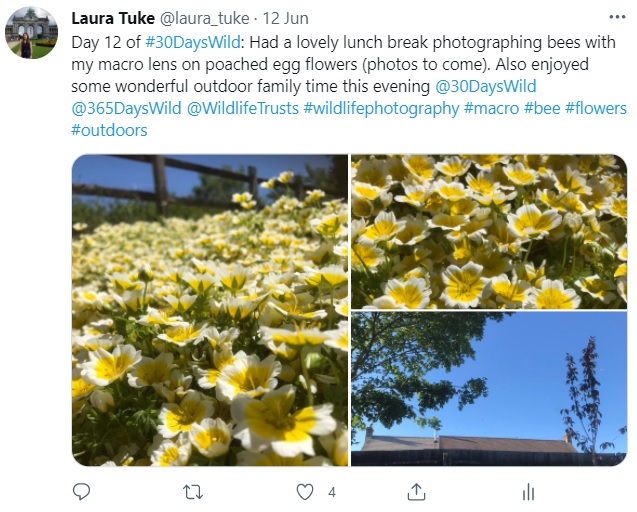
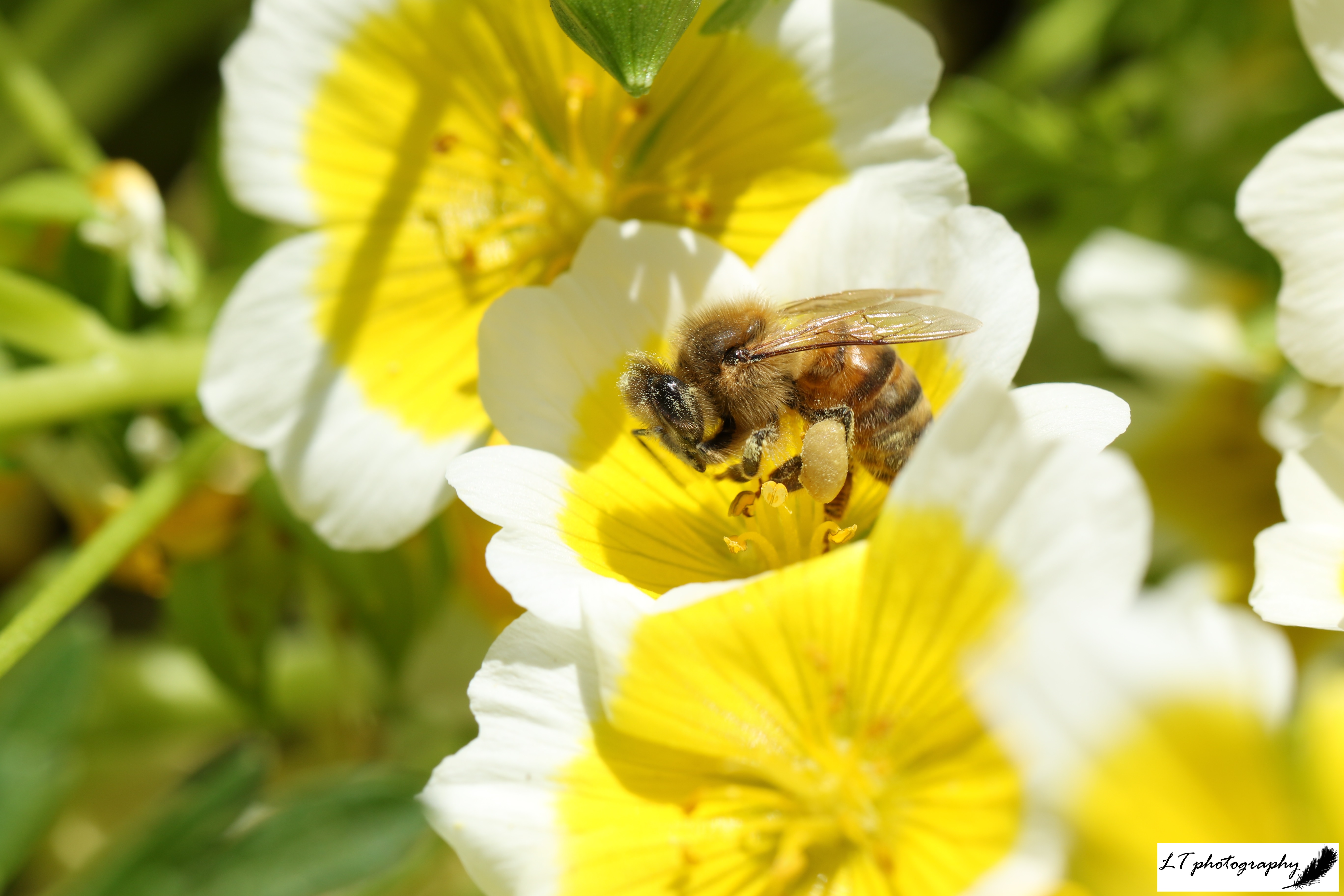
Today I used my lunch break to take photos of the bees buzzing around the poached egg flowers in my family’s garden using my brand new macro lens (very exciting!). My evening was then spent relaxing with my family in my brother and sister-in-law’s garden for a lovely family bbq in the setting sun.

Day 13: Sunday 13th (Work)

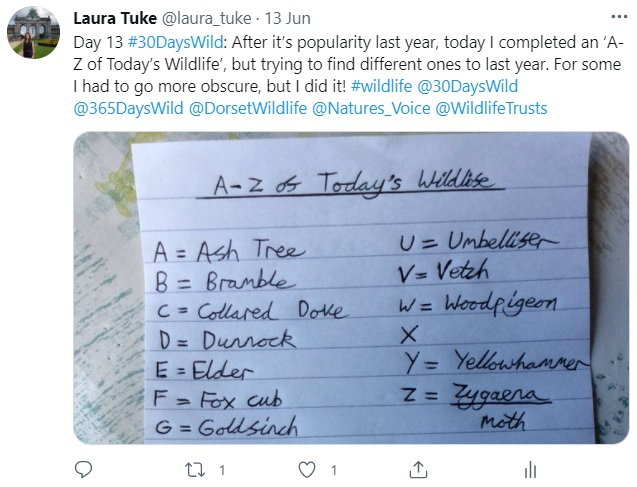
Last year I completed a self-set challenge to find an example of wildlife for every letter of the alphabet during just 1 day. Today I decided to have a go once again, but with the added challenge of finding different examples compared to last year. It was tough, but I did it!

Day 14: Monday 14th (Work)

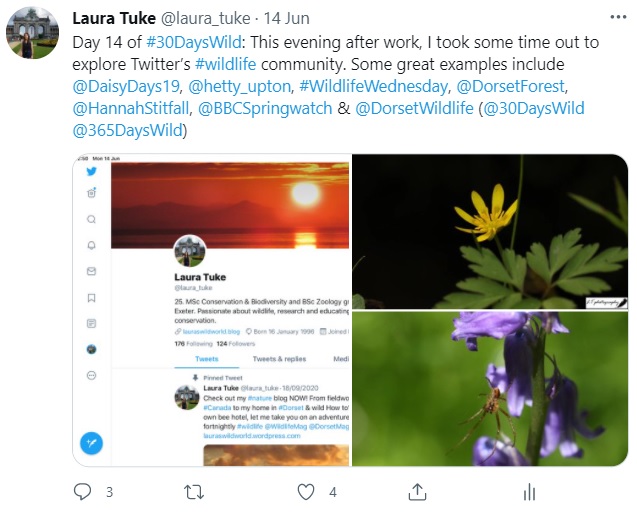
After a long day at work, I spent some time exploring Twitter’s wildlife community, visiting some of my favourite and some new pages. Why not check them out yourself to find out what they have been getting up to?

Day 15: Tuesday 15th (Work)

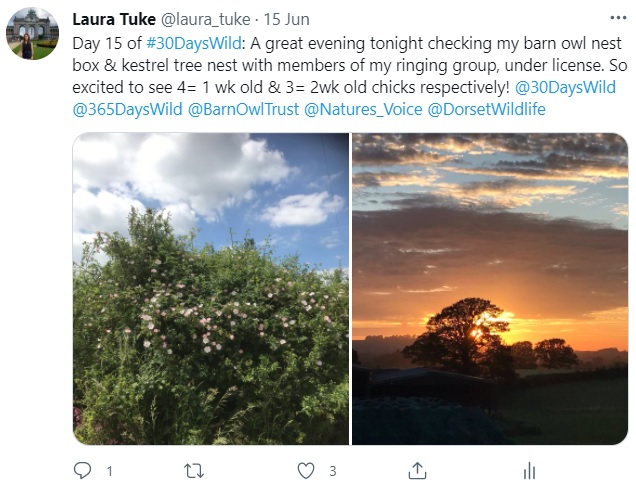
After work, I had a really lovely evening checking my family’s barn owl nest box and kestrel tree nest with fully licensed members of my ringing group. We were excited to find the adult female barn owl brooding 4 young and the adult female kestrel feeding 3 two week old chicks!

Day 16: Wednesday 16th (Day Off)

To finish off a jam packed day off, I went for a lovely evening walk that began with just me and my camera and ended with me also carrying my camera trap and family’s farm cat. He likes to have a walk, but he gets tired too easily!

Day 17: Thursday 17th (Day Off)

Around my usual horse riding today, I kept myself busy with my wildlife photography, using my camera, taking photos off of memory cards, organising photos, and sorting my camera trap.

Day 18: Friday 18th (Work)

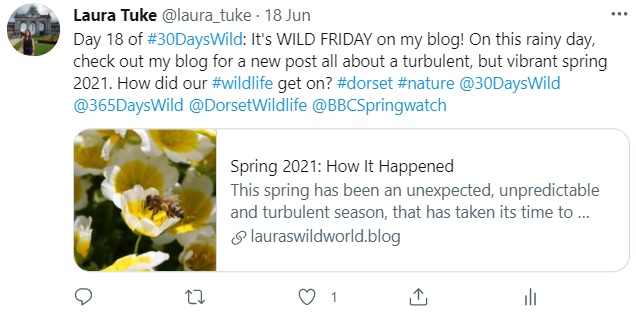
Today was another ‘Wild Friday‘ on my blog meaning a brand new blog post went up all about how spring 2021 unfurled. A little scientific, a little anecdotal, and a little visual-based, it was an enjoyable piece to write.

Day 19: Saturday 19th (Work)

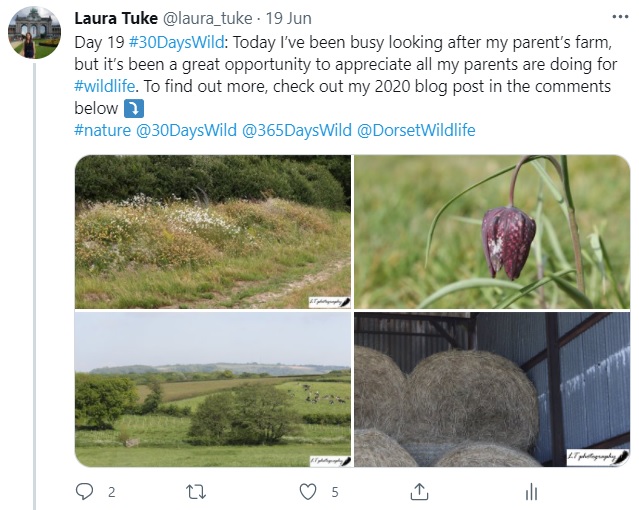
Today I have been very busy looking after my parents’ farm whilst they are away. It has been a great opportunity to take in all that the farm has to offer and to appreciate all the work my parents have done and are doing for wildlife on the farm, from digging ponds to planting trees.

For more information check out my 2020 blog post called ‘Giving Nature a Home on the Farm’.

Day 20: Sunday 20th (Work)

After a busy few days looking after the farm, this afternoon I took some time to relax with my family, and be a proud aunt seeing how my very intelligent neice is learning more and more about wildlife. To top off my day, I took part in the Wildlife Trusts Big Wild Quiz, getting a respectable 28 out of 35.

Day 21: Monday 21st (Work)

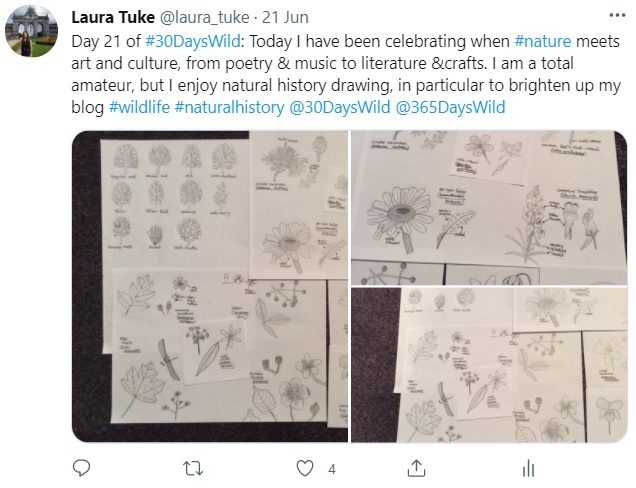
Nature has a strong influence on british culture, influencing everything from music to art and literature. Nature is also a great inspiration for my own creativity, for example encouraging me to improve my own ability to draw and sketch, and to use my drawings to illustrate my wild ‘How to’ guides.

Day 22: Tuesday 22nd (Work)

After a busy day at work, I decided that for today’s Random Act of Wildness I would make a valuable donation to Dorset Wildlife Trust. Any donation that can be made is important for such organisations to be able to do their conservation work, such as rewilding and habitat management.

Day 23: Wednesday 23rd (Day Off)

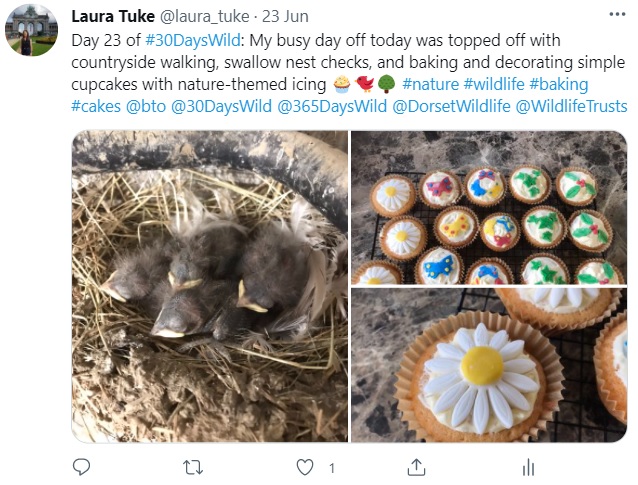
Around a lovely much needed catch up with and old friend, I spent my day off countryside walking, checking swallow nests, and baking. I followed suit of last year’s baking, and kept it simple with yummy sponge cakes with wild decorations, in the form of flowers, butterflies and leaves. A lot of fun!

Day 24: Thursday 24th (Day Off)

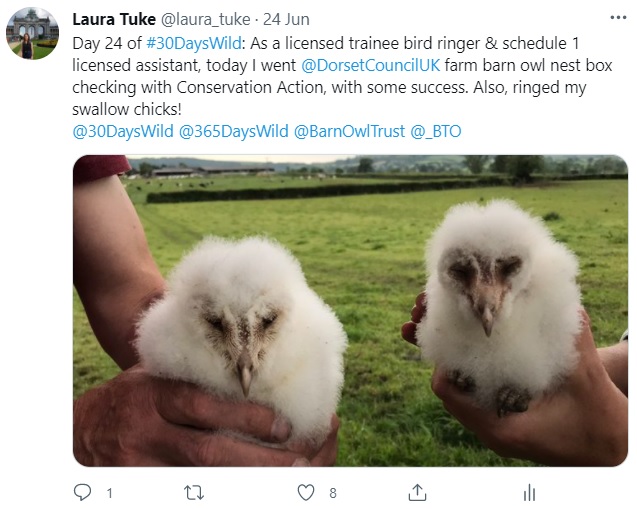
Today I spent my day checking barn owl nest boxes with Dorset County Council and Alan who I ring with at Conservation Action. Such experiences always feel like a privilege to me and it was a great training experience, topped off with ringing 3 out of 4 of my swallow nests.

Day 25: Friday 25th (Work)

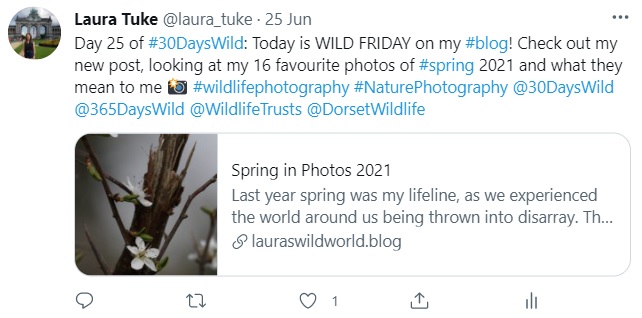
Today was Wild Friday on my blog, with this week’s post being all about my how spring looked for me personally, featuring 16 of my favourite photos from the season. They are either aesthetically pleasing, a great memory, or just bring me joy. Check it out now!

Day 26: Saturday 26th (Work)

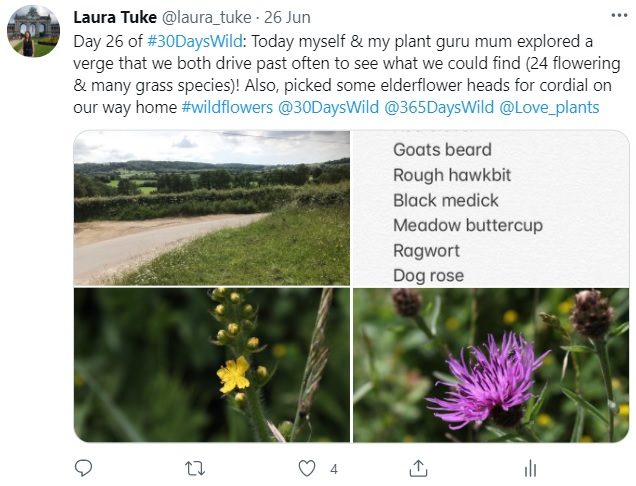
Today on a much needed afternoon off, activities included exploring a road verge in my local area to ID plants with my mum (24 wildflower species), and picking elderflower heads to make this year’s elderflower cordial.

Day 27: Sunday 27th (Work)

For the last 2 years I have been enjoying training as a bird ringer, and have become a member of my trainer’s conservation group called Conservation Action. We are based in Dorset and the South West and aim to protect, restore and preserve biodiversity, promote conservation, and to research and monitor the state of nature.

For more information, check out our website at www.conservationactionuk.org or our Twitter and Instagram pages.

Day 28: Monday 28th (Work)

Though my happy place is being outside in all weathers, today was one of those days when I got a bit too wet and then a bit too sweaty. The day was still very productive, so I felt content at the end of the day to head home and curl up with my current wild book: Gavin Thurston’s ‘Journeys into the Wild: Secret Life of a Cameraman’.

Day 29: Tuesday 29th (Work)

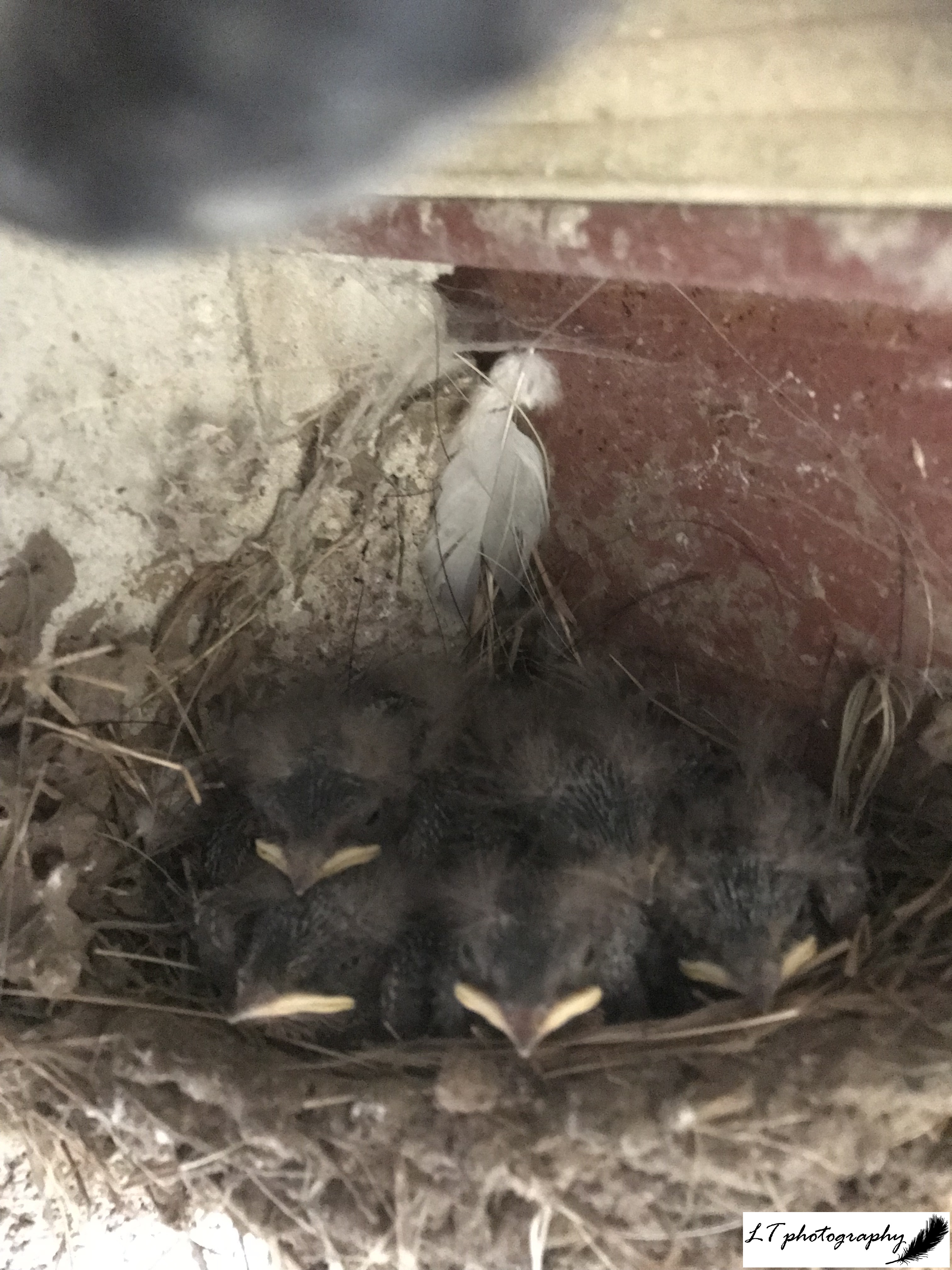
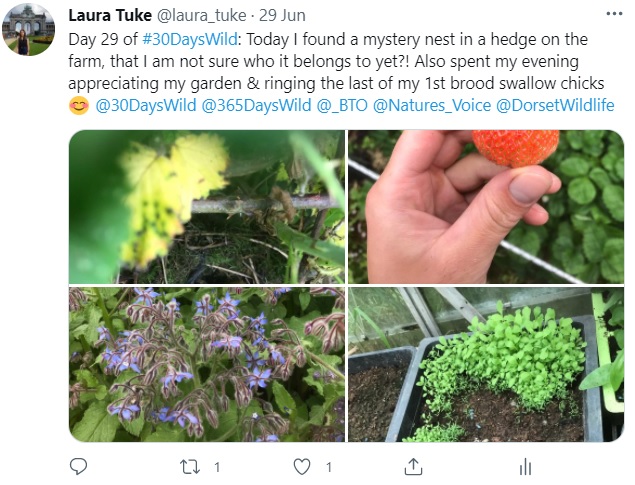
Today I accidentally found a bird’s nest at waist height in a hedge on my family’s farm, spent a lovely half hour out in my garden, the flowers thick with bumblebees, and ringed my final of first brood swallow nest.

Day 30: Wednesday 30th (Day Off)

Today I had a glorious last day of 30 Days Wild. I had a lovely early morning walk with my mum, took photos of the many butterflies on the farm at the moment, and finished the day checking barn owl boxes with my bird ringing training as the sun set

A lovely, active and wild month spent in some of the best ways possible!
Spring in Photos 2021

Last year spring was my lifeline, as we experienced the world around us being thrown into disarray. This year spring was instead turned on its head, with changing weather patterns making it unpredictable and different from what we would usually expect at this time of year. A hot and stormy March, cold April, and wet May made nature emerge later, with spring events taking longer to arrive, and being anywhere up to 60 days late.

Still this year’s spring has been magnificent. Vibrant and colourful, it had much to be celebrated. My family’s farm in Dorset became full of new life, from blossoming trees and flowers, to fox cubs and leverets. Spring is unsurprisingly my favourite time of year, so this year I again made a point of getting out as much as possible to experience it, with my camera by my side. Here’s a look at some of my favourite photos from this spring, either for their aesthetic appeal, meaning to me, or overall joy factor.

Spring in Photos 2021

1. Blackthorn – This photo was taken at the beginning of April on a misty morning. It was a beautiful way to see delicate white blackthorn flowers in a different light, framed in front of a splintered stem.

2. Male blackbird – Blackbirds are an iconic sound of spring for me and also so many others. Their beautiful song often symbolises the beginnings of longer, lighter evenings, or for me fresh spring mornings. This male would sit in this willow tree every morning throughout spring to sing his song, defending his territory and mate. In particular, this male and his female nested in our shed, successfully fledging 5 chicks at the start of June.

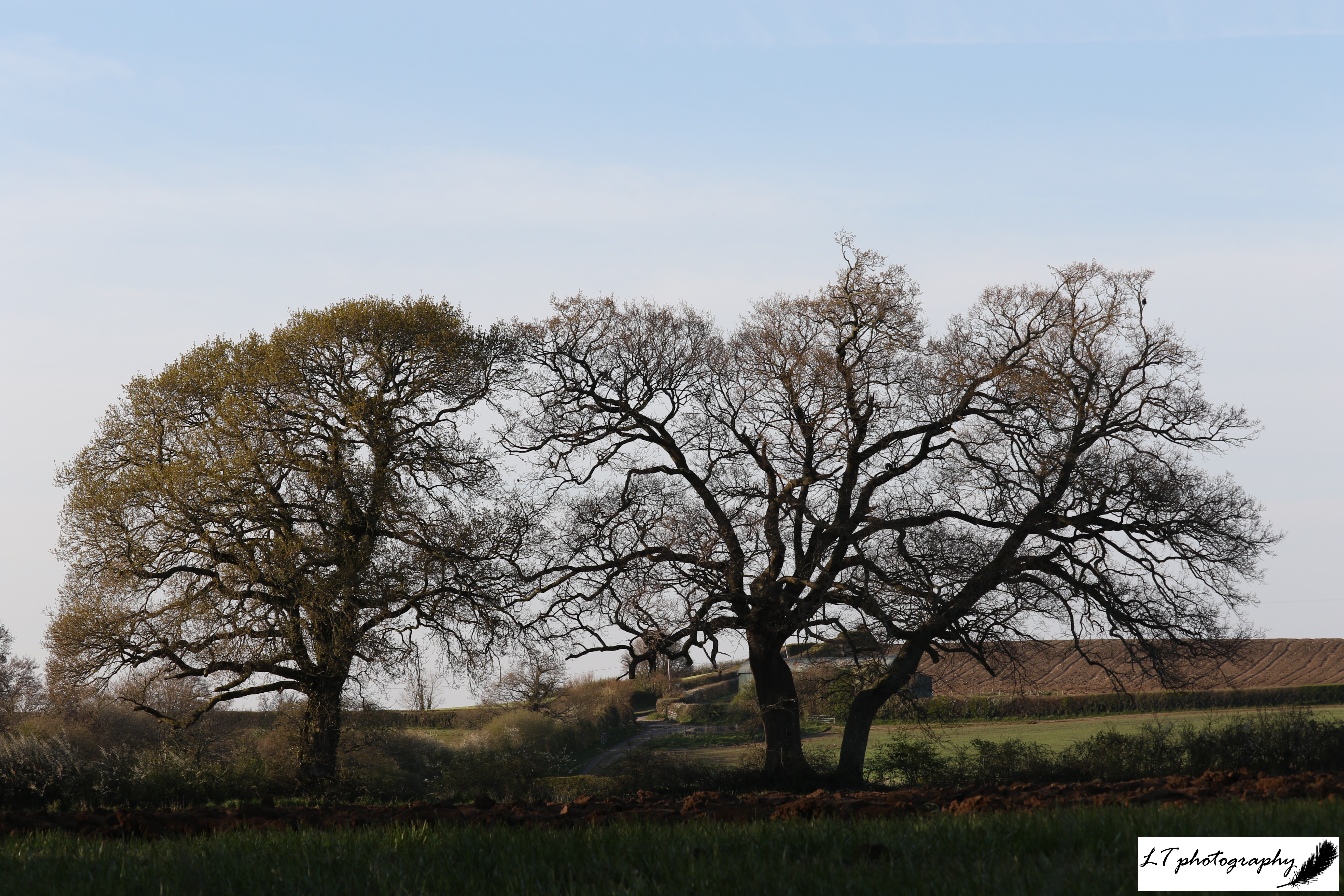
3. Oak trees of a farming landscape – What hits me first in this photo is how bare this landscape seems for late April. The oak trees have barely begun their bud burst, looking skeletal behind a farm field that is being worked. This almost autumnal scene is refreshing though, showing the new beginnings of another year in nature.

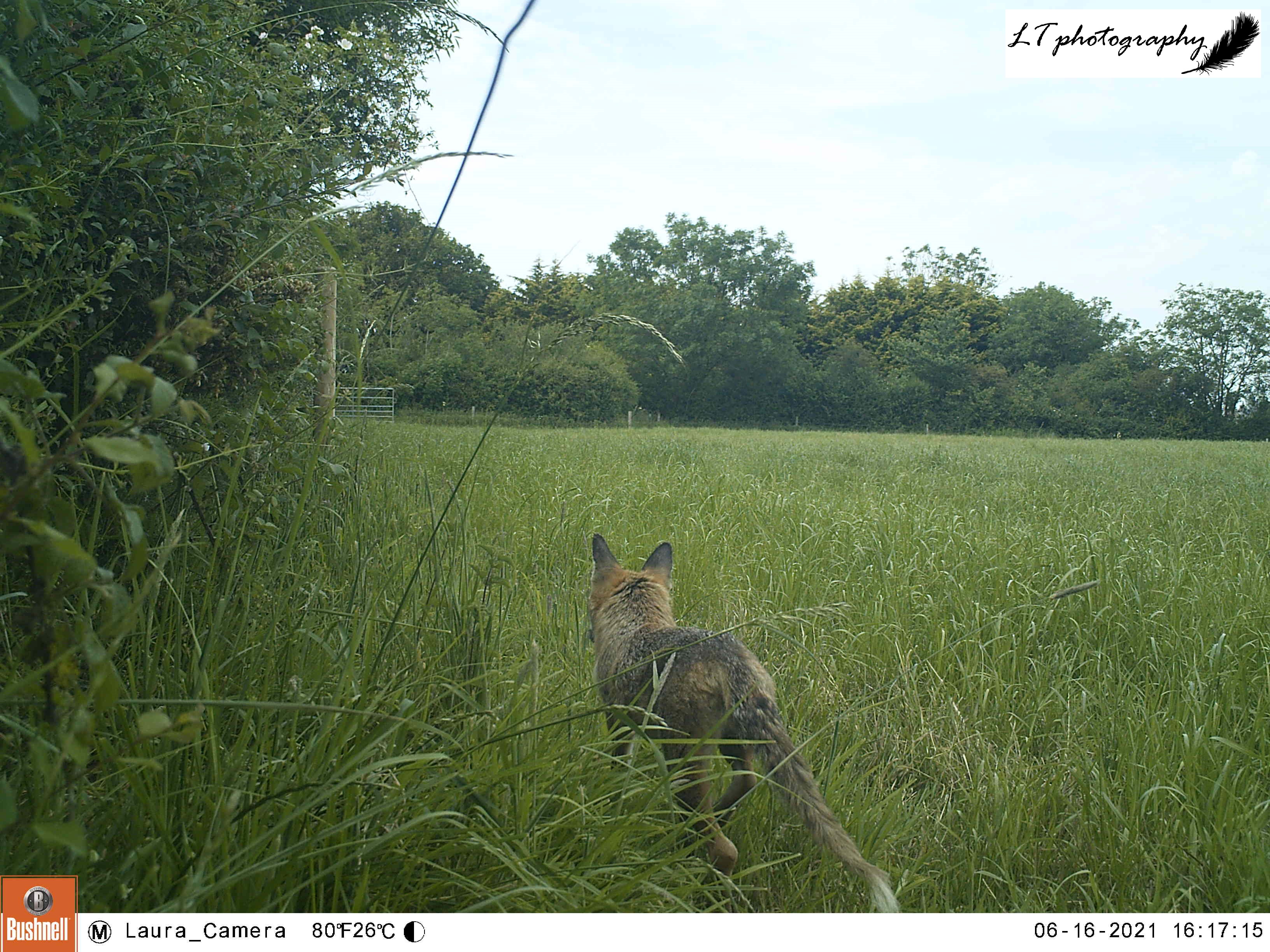
4. Camera trap fox cub – This photo is one of my favourites from this spring, symbolising a successful spring camera trapping season (blog post to come). This was one location, an abandoned badger sett, where I thought that foxes may have been breeding. My camera trap proved my feeling to be right, and treated me to an assortment of photos, day and night, of 2 very active fox cubs. Just one of multiple litters that I found on my family’s farm this year!

5. Wood anemones – Wood anemones have slowly become one of my favourite spring flowers, being one of the first to appear in woodlands across the UK. They are a great indicator of ancient woodland, and an interesting flower to photograph for their shape and colour. My memory cards are full of all sorts of different types of photos of this species!

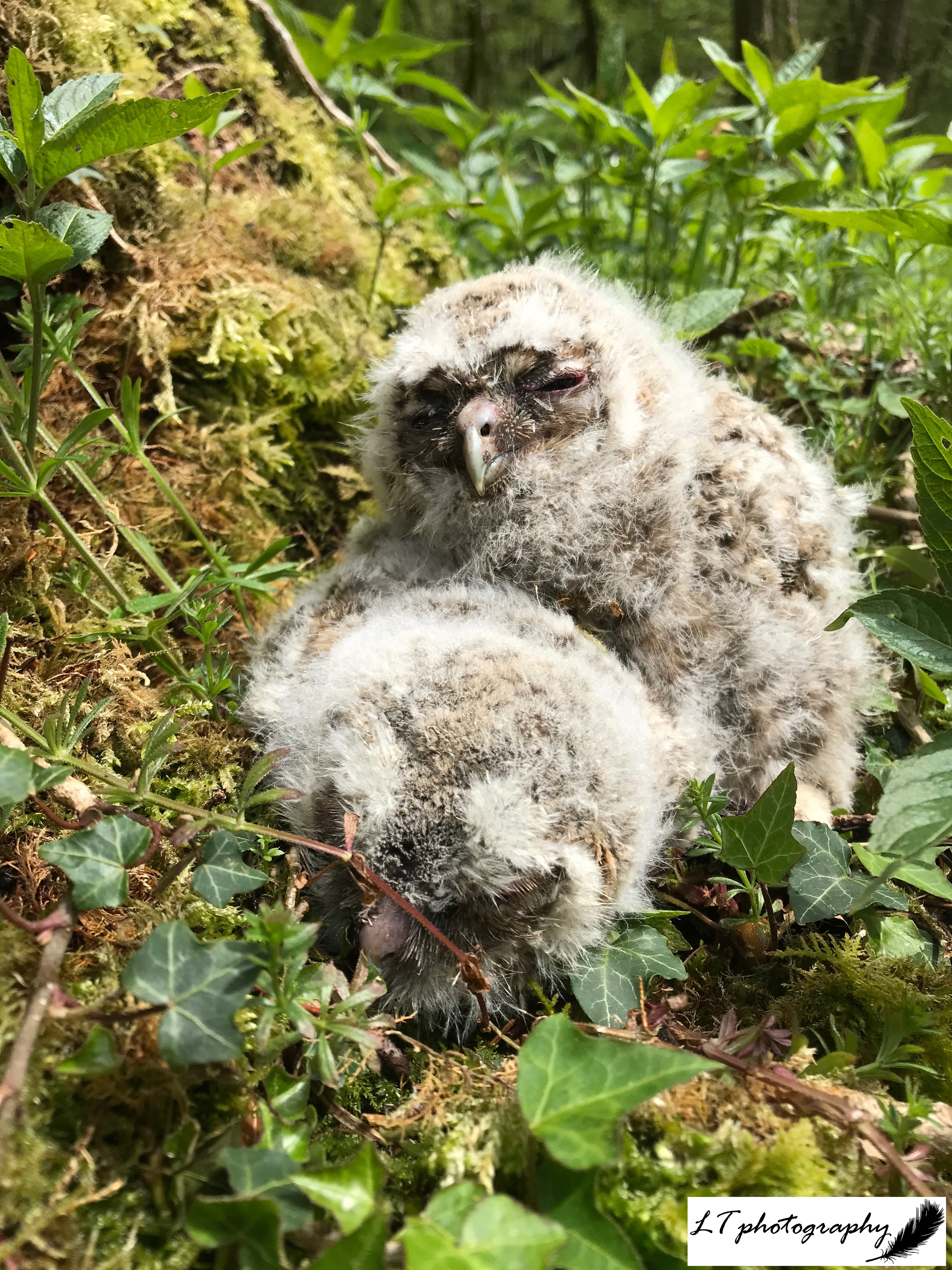
6. Tawny owl chicks – One of my highlights of spring this year has been ringing chicks under license with my bird ringing group (Conservation Action). In particular, I had a great day in early May at the Woodland Trust’s Duncliffe Woods site in North Dorset checking tawny owl nest boxes. It has been a poor year for tawny owls in general, which was reflected by Duncliffe Woods, but we did get lucky and found 3 active nest boxes. I had the pleasure of ringing these chicks, under permit, which will provide important information to help conserve tawny owls in the future.

7. Brown hare – This year has been the year of the hare on my family’s farm in Dorset. We have a reputation for being a great site for this species, but this year has been truly astounding. With 1-3 hares to every field, I was humbled to spend my spring out working alongside them everyday, getting to see them up close and experience their behaviour firsthand. Truly magical!

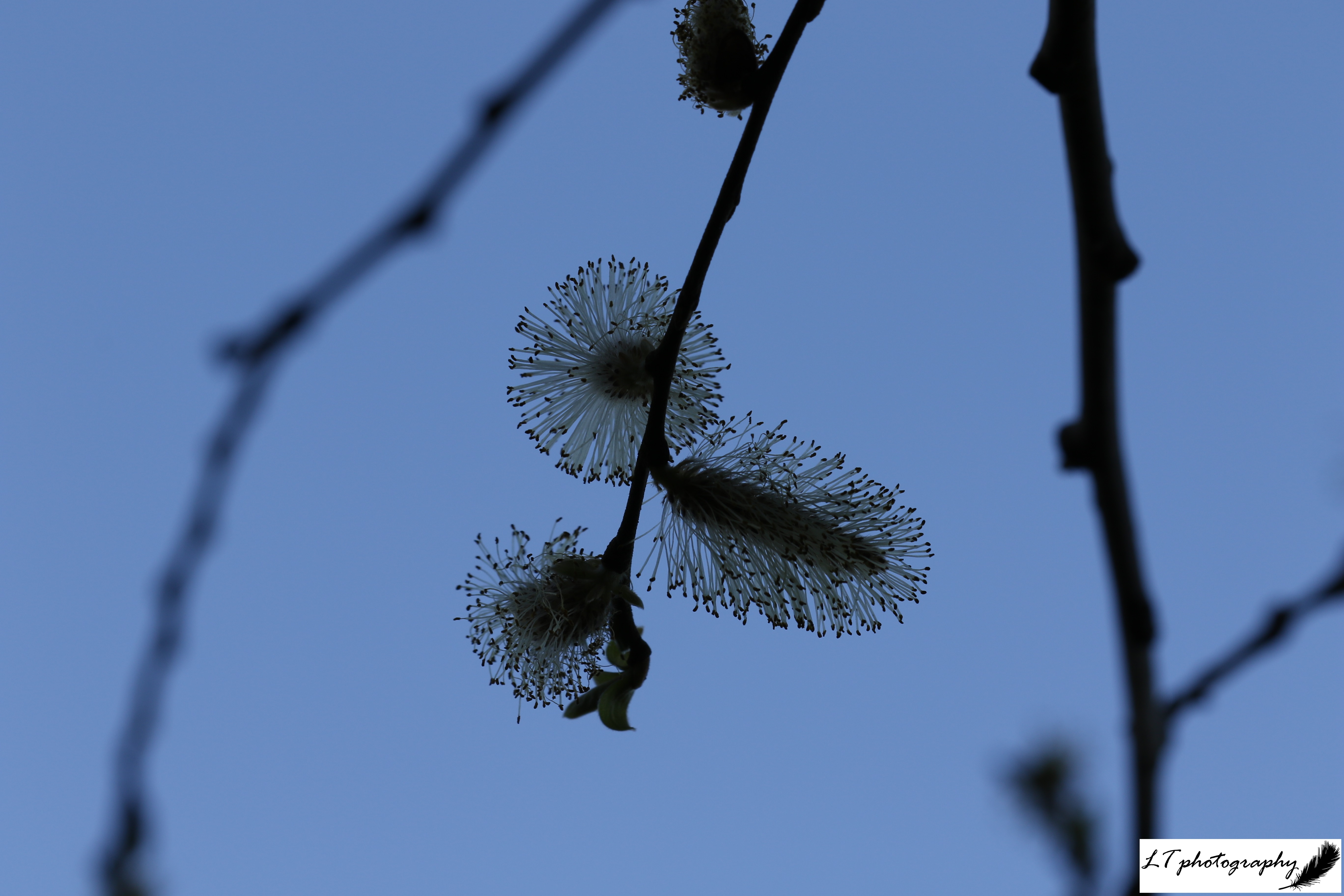
8. Pussy willow flowers – Willow flowers have been a difficult subject for me to photograph this year, with poor results. I was pleased though to find this refreshing photo on my memory card, of willow flowers stood out against a clear blue evening sky. They are beautiful in their own right.

9. Spider in macro – This photo that is not photographically ‘perfect’ is still a favourite of mine from this spring for other reasons. As I invest in my camera equipment, my latest edition has been my first professional macro lens. So this photo was the first photo I even took with my new lens, and it fills me with joy to see the new world I can now start to explore.

10. Grey wagtail – Last year my Dad began digging a pond in his field that he is currently wilding. Though he was rained off in the autumn before completion, the half-dug pond is already attracting a wealth of species from birds to insects. Majestic grey wagtails that have begun populating this area over the winter have also found the pond this spring.

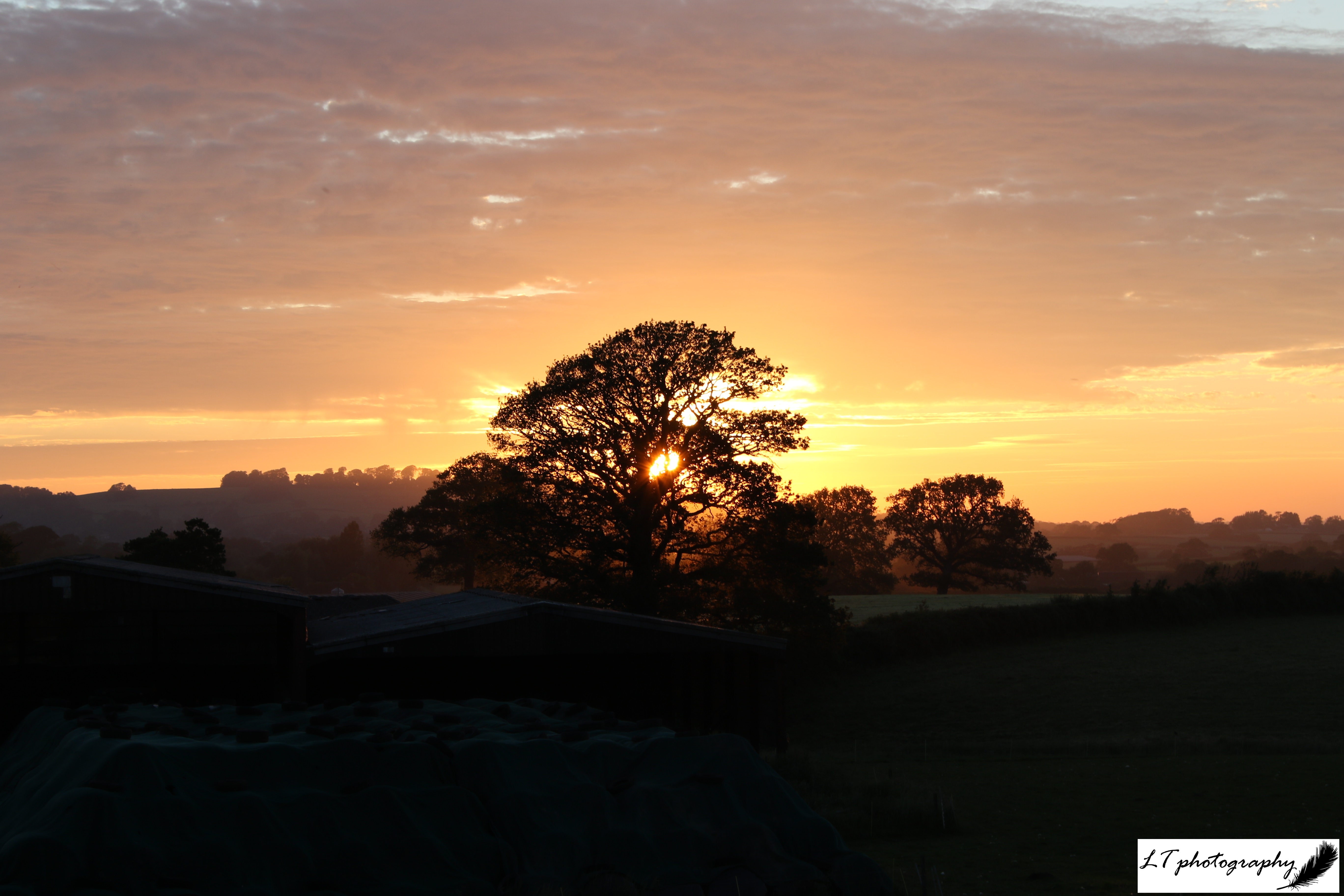
11. Sunset – Though sunrises are magical, sunsets have always been my most favourite time of the day. This is because many of my happiest memories can be linked to beautiful and vibrant sunsets from field research in Canada to evenings at home on my family’s farm. I have seen so many incredible sunsets already so far, but I hope to see many more in the future.

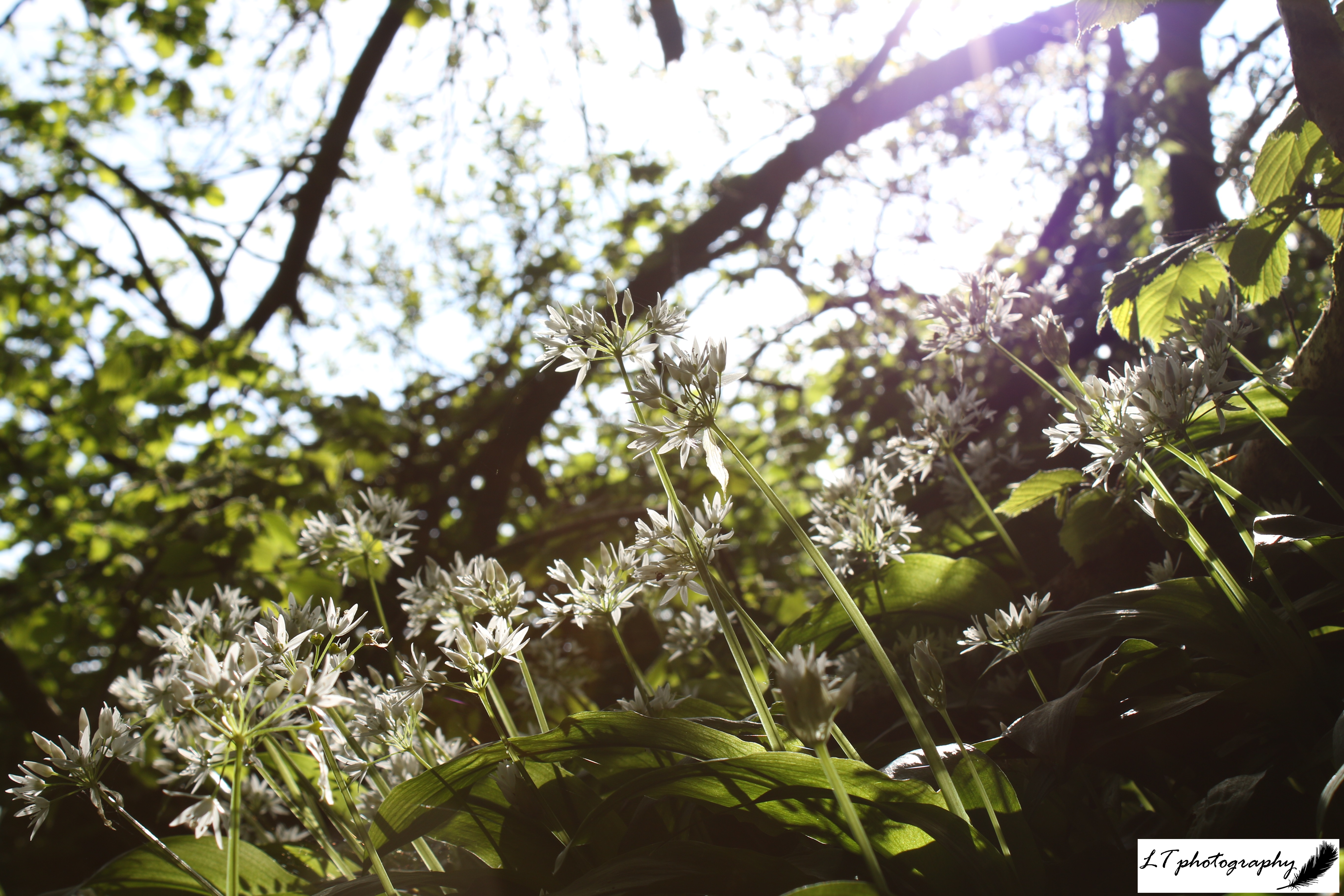
12. Wild garlic – Though my busy spring dissuaded me from mornings waking up before the sunrise, I did spend a couple of glorious mornings waking up and getting out an hour or so after instead. The light is glorious at this time of day and always provides me with inspiration for my photos and life in general. This photo represents this magical time of day and the joys of spring flowers, wild garlic being an iconic example.

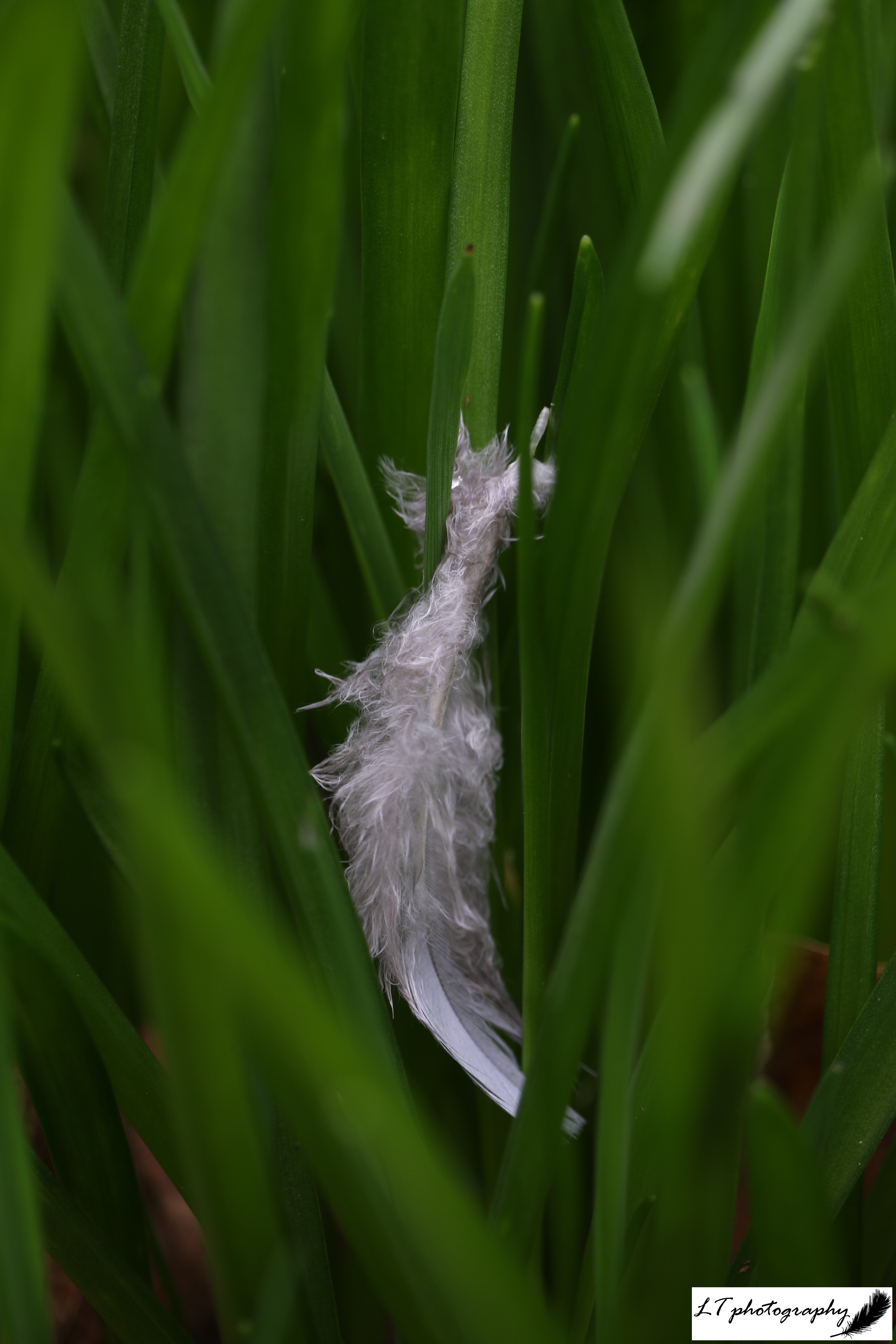
13. Feather in the bluebells – Wait, a feather again? Well feathers always sneak into my many files of photos, being a symbol of mine and representing my love of feathered species. They can also tell us useful information about what is living in a habitat, for example this feather is most likely from a collared dove.

14. Aberdeen angus calf – This photo is one of my favourite photos of one of my mum’s beef suckler calves. Spring is a time of new life in nature and on the farm, with my mum’s small free range beef herd giving birth at this time. This year they have weathered it through some turbulent months, but now are enjoying a bit of sunshine on their backs.

15. Honey bee – As I was intending to buy a macro lens this year, I made sure to time my purchase to be able to use it on the flowering of the poached egg plants in my family’s garden. It arrived well in advance, and, despite some rained off days, I got to spend some happy lunchtimes in the sunshine photographing bees on these flowers. This is one of my favourite macro photos of the flowers this year.

16. Dog roses – Dog roses were the last event of spring that I looked out for this year, and it kept me waiting! They were 22 days later for me than last year, with the first flowers blooming on the 8th June. They came out in force though, covering hedges within the space of a couple of days, adding some more colour to our hedgerows. With their lateness though, I feel like they also marked the end of spring this year.

26 Years of the BTO’s Garden BirdWatch: Getting Involved During Lockdown

As winter creeps into the landscape and a second lockdown keeps us close to home, our gardens are once again coming alive. Wrens creep through the undergrowth catching insects, Robins sing to defend small territories, and Long-Tailed Tits flit between hedgerows foraging in family groups. It’s not just the birds though, other species are settling down to see out the winter in our gardens too, from butterflies and toads to hedgehogs and ladybirds.

With this year being a bit different, I have found it a great time to take part in the BTO’s Garden BirdWatch, to further connect with nature, boost my mental health, and do my bit. Gardens are very important homes for wildlife, not just at this time of year, so now is an important time for us to understand how we can better help the wildlife that share our gardens with us. If you have a bit of time on your hands, want to do something a bit different, or are interested in the wildlife on your doorstep, then this survey could be just what you need!

The BTO and the Garden BirdWatch

So, what is the BTO? Well, the BTO stands for the British Trust for Ornithology, where ornithology refers to the study of birds. Started in Oxford in 1933, this now Norfolk-based charity aims to engage people with science whilst advancing the understanding of birds and now other wildlife species. With over 60,000 dedicated volunteers, and projects ranging from bird ringing and Cuckoo tracking to urban gull and bat surveys, the BTO has gone from strength-to-strength.

Set up in 1995, one popular BTO project has been the Garden Birdwatch, a project aiming to understand the relationship between wildlife species and our gardens, and how and why some of these species populations may be undergoing change. In a nutshell, the Garden BirdWatch is about participants recording the birds they see in their garden, along with mammals, amphibians, reptiles, butterflies, bumblebees, and dragonflies. As vital habitat for wildlife continues to decrease, whilst the importance of gardens as substitute habitat increases, the information we can provide now can be used to better tailor help to support wildlife in the future.

So why should you take part? Well, the Garden BirdWatch is a great way to enjoy the wildlife in your garden, improve your knowledge, and allow you to follow the annual cycle of life. Taking part is also easy! All you need is a garden, a minimum of 20 minutes a week, and a way to identify the species you see. You do not need to have a big or elaborate garden, put food out, or be an expert. With the Garden BirdWatch currently being free for a year, signing up is easy. Provide a few details about your garden, and get started recording the garden birds and other wildlife that visit you.

Why not join thousands of other volunteers today, and do something new from the comfort of your own home!
Examples of Results

Last year marked the 25th year of the Garden BirdWatch, and so the BTO have now been able to use 25 years of weekly garden observations to begin analysing the relationship between our gardens and wildlife. For example:

  • Goldfinches, Woodpigeons, Nuthatches, and Jackdaws have become an increasingly common sight in our gardens, relying on our gardens for vital foraging habitat
  • Song Thrushes, Greenfinches, Starlings, and House Sparrows have become a less common sight in our gardens since 1995, due to a range of factors from disease to loss of habitat

I have now been taking part in the BTO’s Garden BirdWatch for the last 21 weeks. This time has gone past so fast, but has opened my mind to the diversity and abundance of species that visit my garden through the seasons. To sum up my time so far, here are some of my results:

  • I have observed 26 different bird species in my garden, with the most abundant species being Starlings (50 on 28th July) and House Sparrows (40 on 28th July), followed by Goldfinches (30 on 1st October)
  • Every week Blue Tits, Great Tits, Collared Doves, Pheasants, Goldfinches, and House Sparrows have been consistently recorded
  • As summer has moved into autumn and winter, Coal Tits, Jackdaws, and flocks of Goldfinches have become newly reliant on my garden, whereas Great-Spotted Woodpeckers, flocks of House Sparrows, Pheasants, flocks of Starlings, and Sparrowhawks have decreased their visits
  • No week or month has been the same, with summer highlights including Greenfinches, Siskins, Chiffchaffs, and Garden Warblers!

So, why not see what wildlife you can encounter this winter?