2026 Calendars For Sale

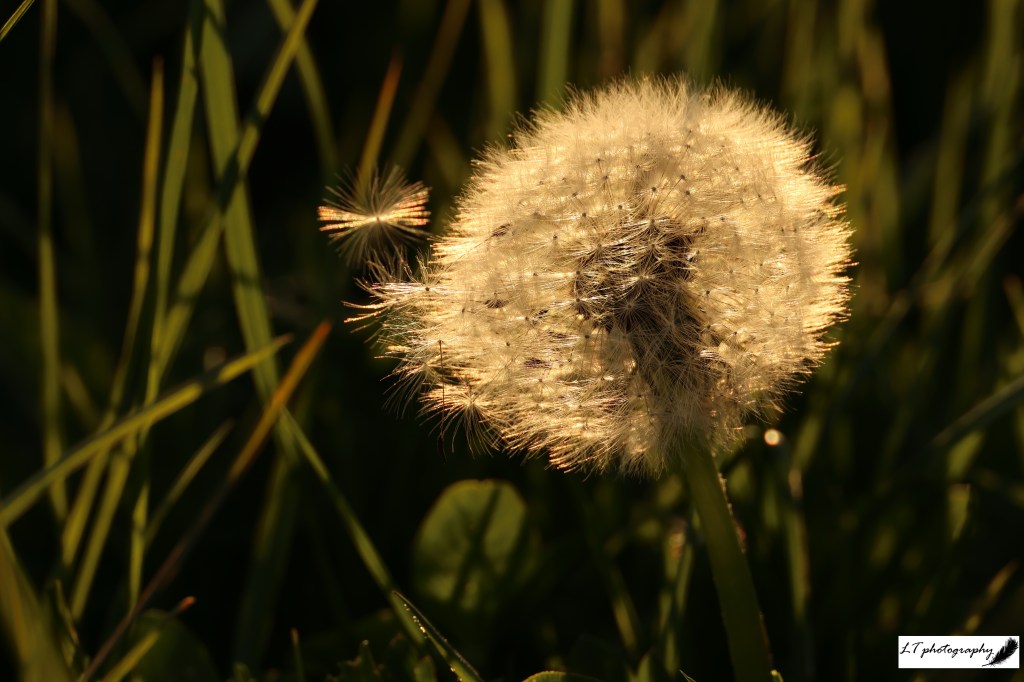
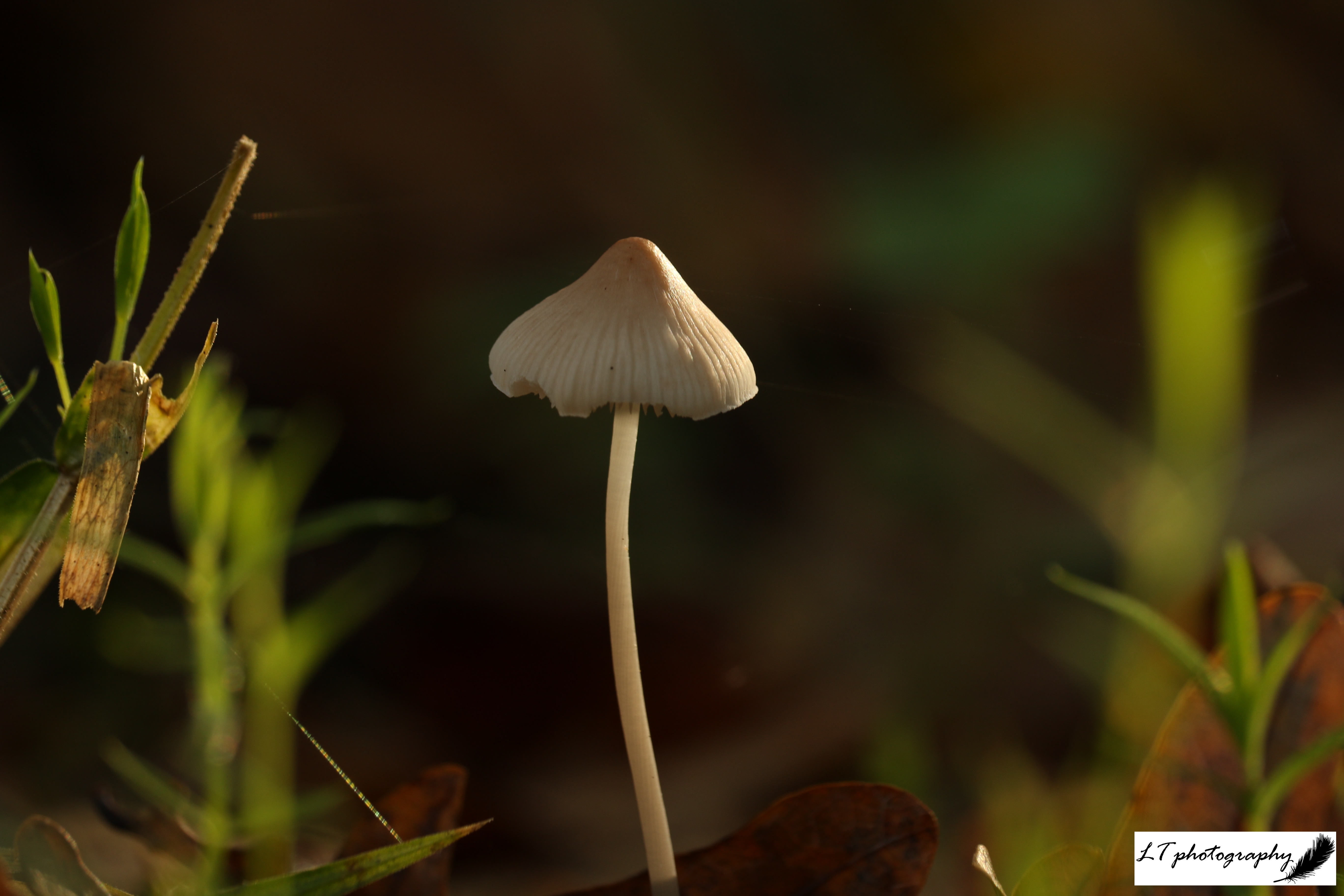
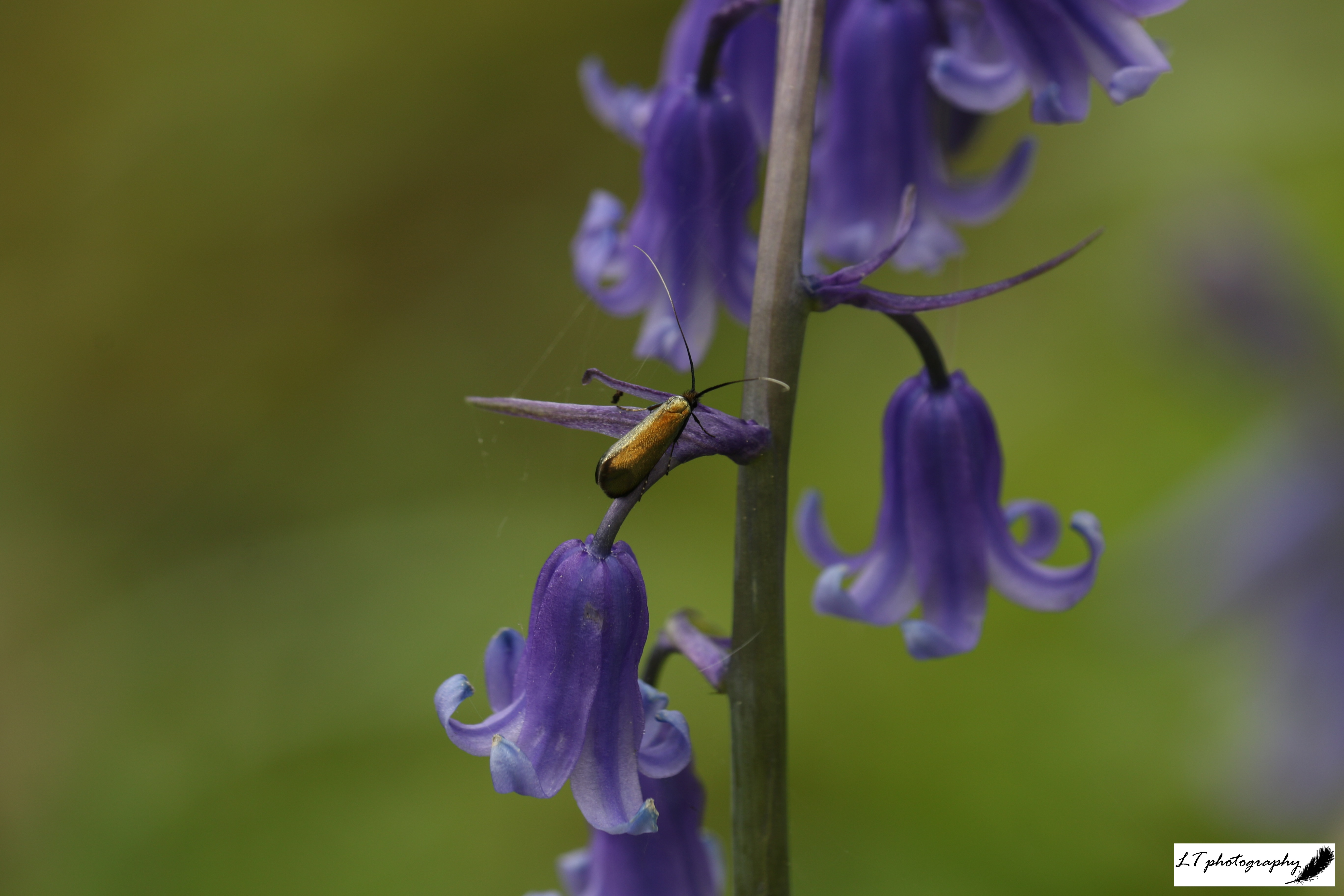
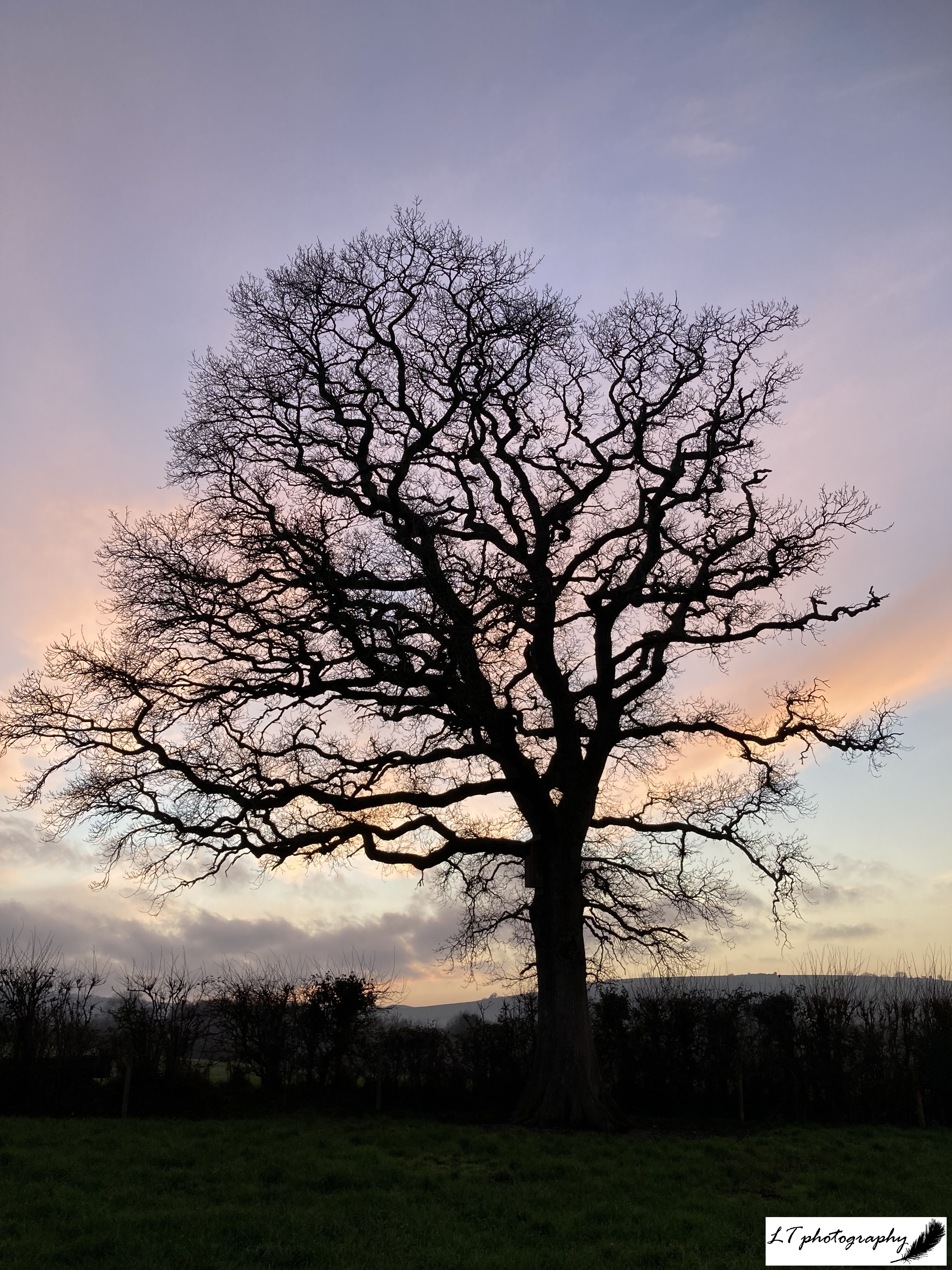
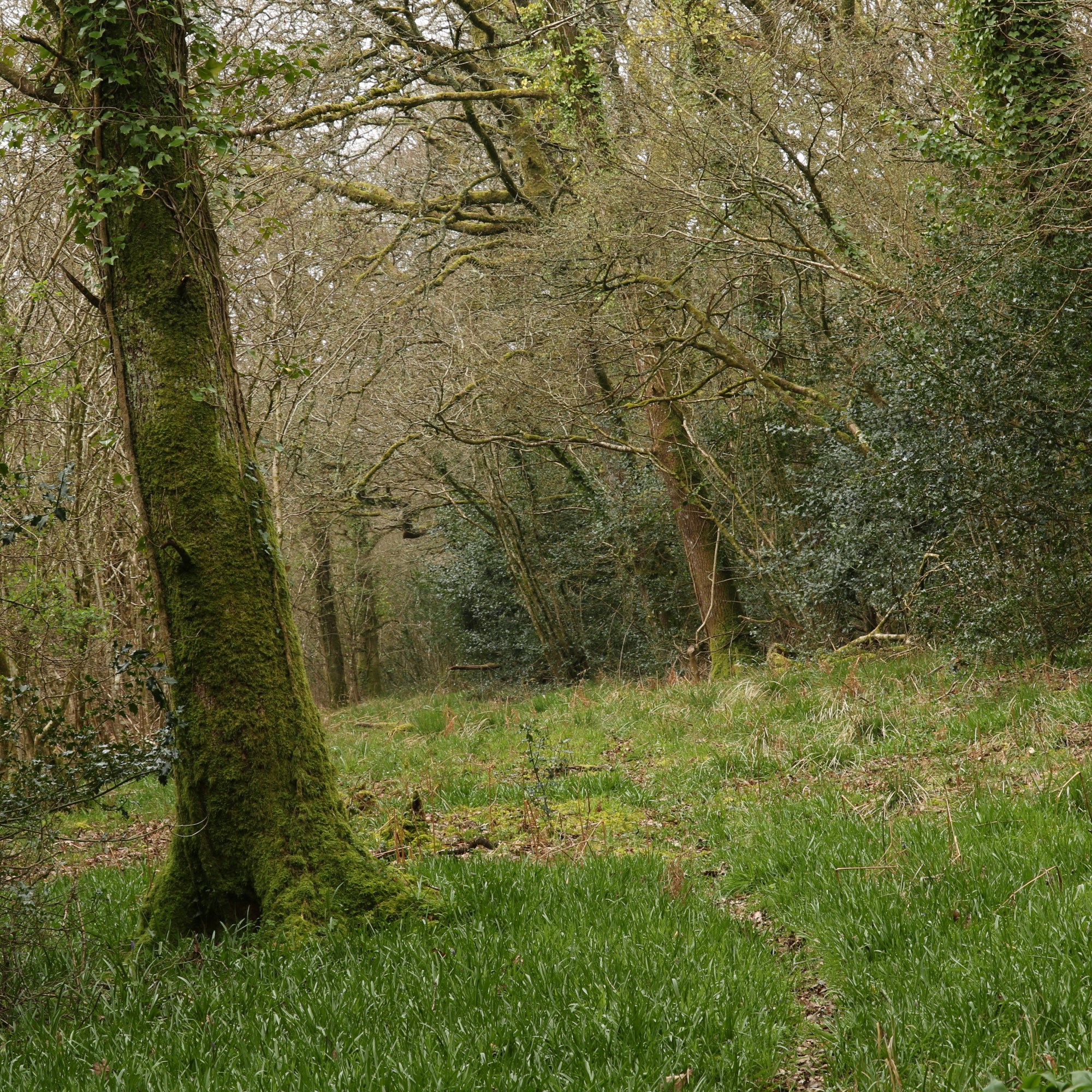
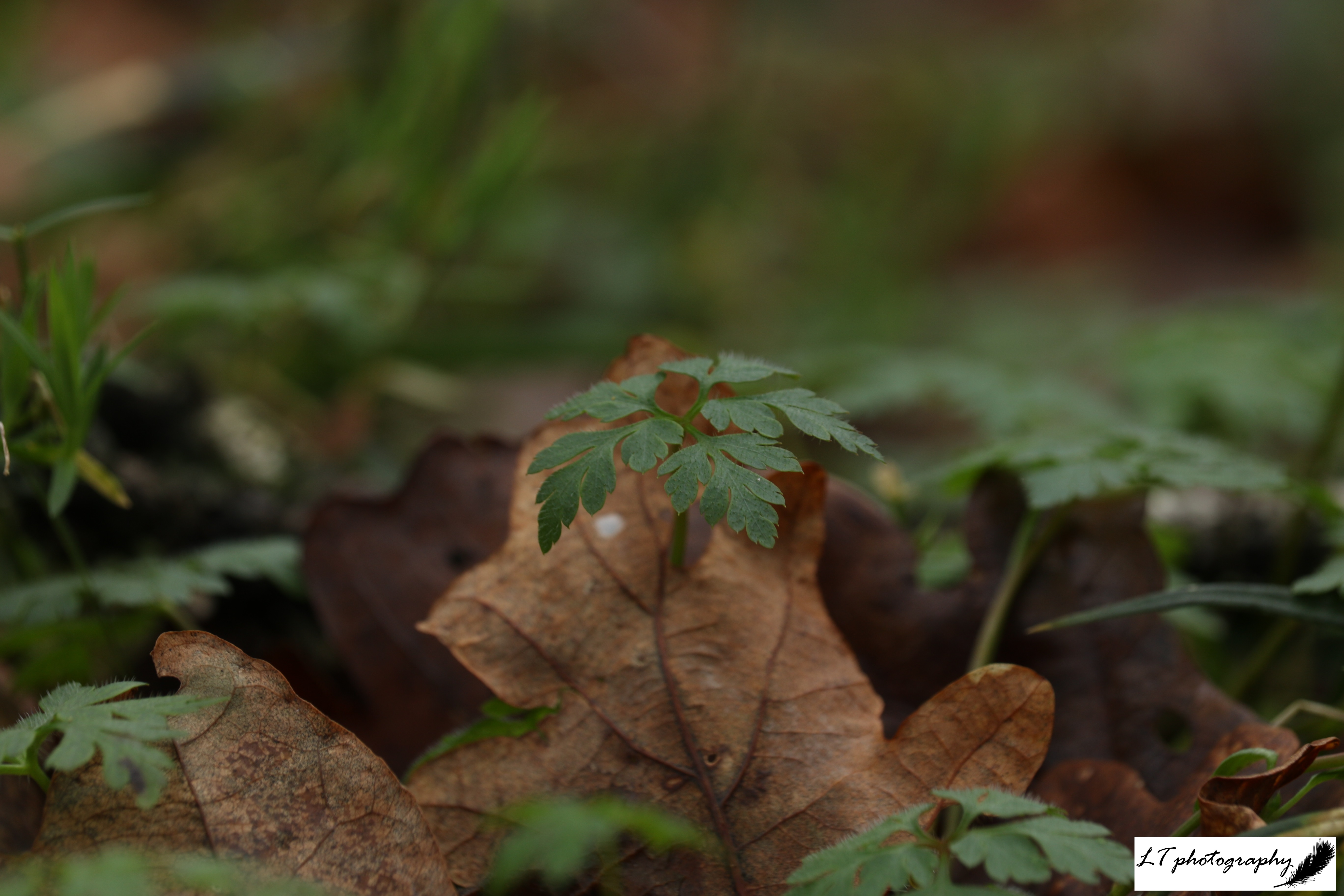
I am really excited to share with everyone, my first ever mass printed nature calendar for 2026 that I have been recently selling! Calendars are still currently available to buy. They make great gifts or help to bring a bit of colour into your home all year round!

My calendar features photos that I have taken myself over the last year, mainly in Dorset, which capture the magic and beauty of nature throughout the seasons, with no photo editing needed.

If you are interested in buying one of my 2026 calendars, drop me a message. I am selling them for £7.50 each, and adding postage if hand delivery cannot be arranged. I am always grateful for everyone’s support as I progress with my passion for photography.

A Year in the Life of a Woodland – Part 2

Throughout 2024, I followed in person a year in the life of an ancient, broadleaved woodland in the heart of rural Dorset. I followed its progress from certain points within its bounds, and observed the beauty the woodland had to offer throughout the seasons. It was really interesting to see what goes on during each month of the year within a classic english country woodland, and to be able see the subtle differences as time went on.

Previously on my blog, I left the woodland at the end of June after six months of colourful adventures. I watched as winter transformed into a vibrant spring and moved towards the summer months. From majestic skeletal trees and the unrolling of green to carpets of blue and flashes of beautiful butterflies, the woodland showed itself to be a master of changing its finery in dramatic style. To read more, check out Part 1 on my blog!

This time I delve into the second half of 2024 amongst the trees, as summer brings tranquil days, autumn comes with a riot of colour, and the woodland slips back into its winter slumber. How will these months differ to those of the first half of the year and what can we learn as the days regress once again. Here’s part 2 of my A Year in the Life of a Woodland.

July

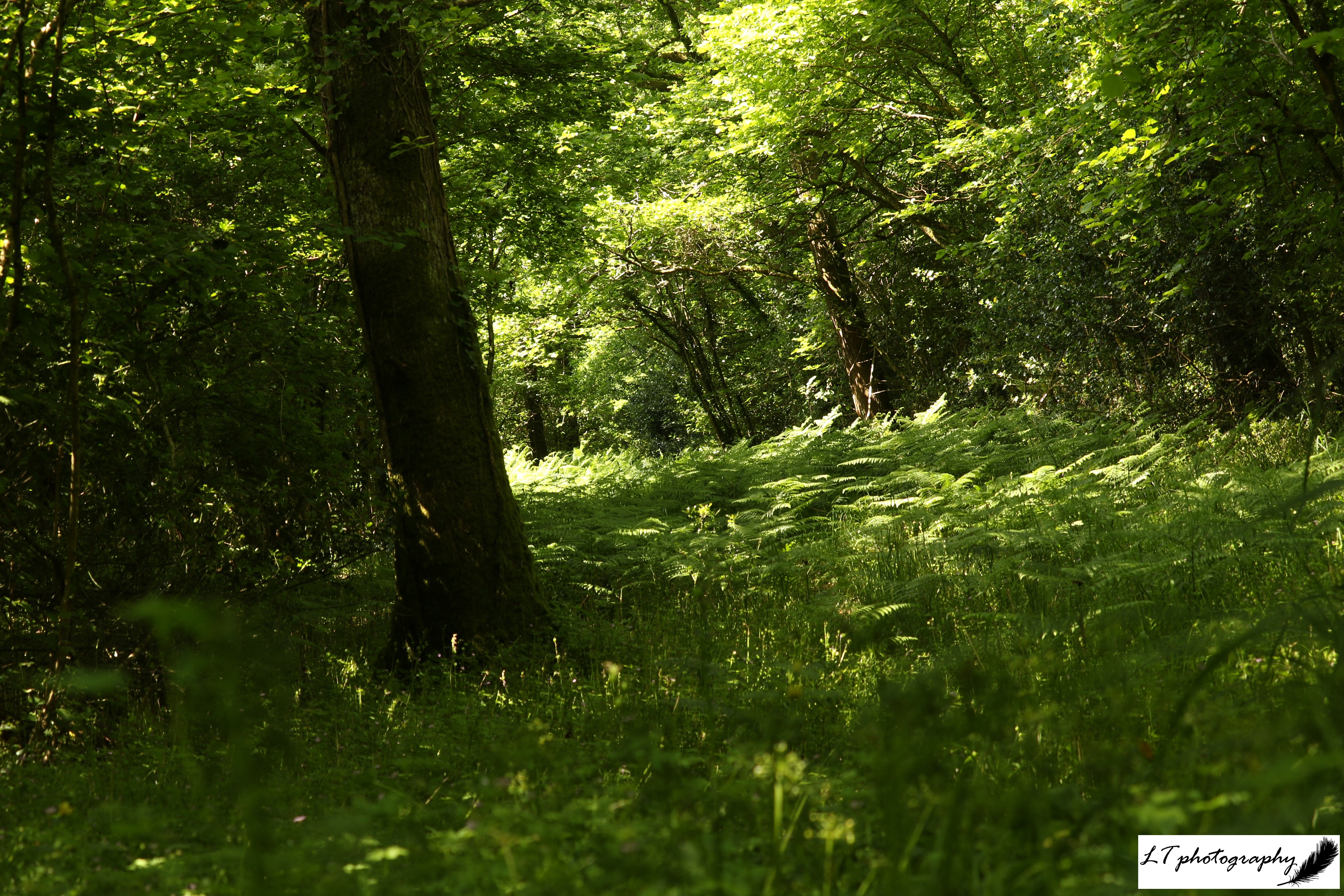
Summer has arrived! Stepping into the woodland, humid warmth is replaced by a refreshing cool within the shade of the tall trees. All around the undergrowth is starting to die back, with flower heads dropping their spent petals and seeds beginning to be produced. Herb robert survives on though, with nodding heads of still bright pink flowers, whilst honeysuckle hangs from the trees, giving off their heady scent, and enchanter’s nightshade and bramble flowers start to appear. Amongst all this, ferns now stand tall along open tracks and wooodland glades, lush green and stealing the summer sunlight from any plants tucked below.

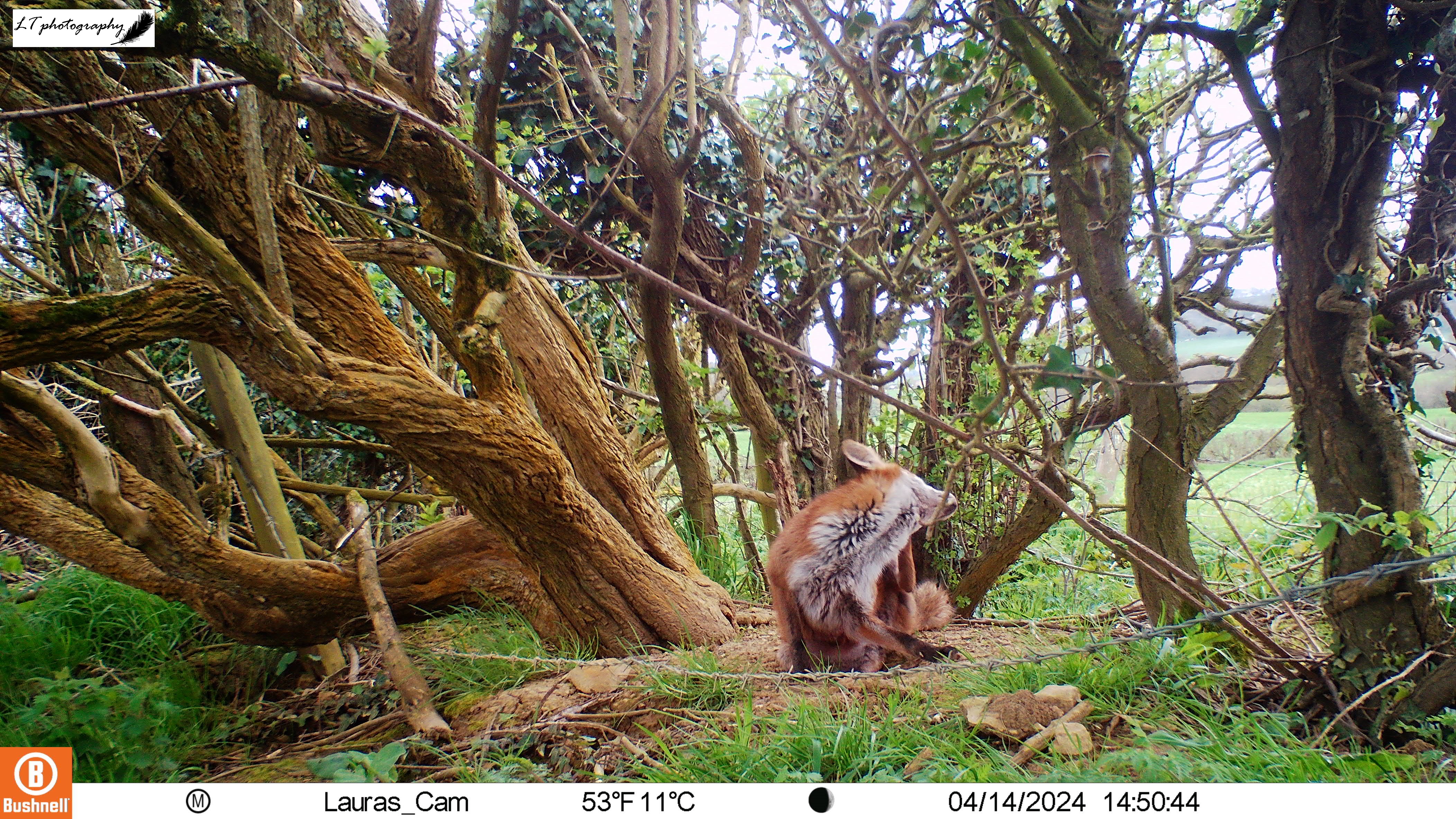
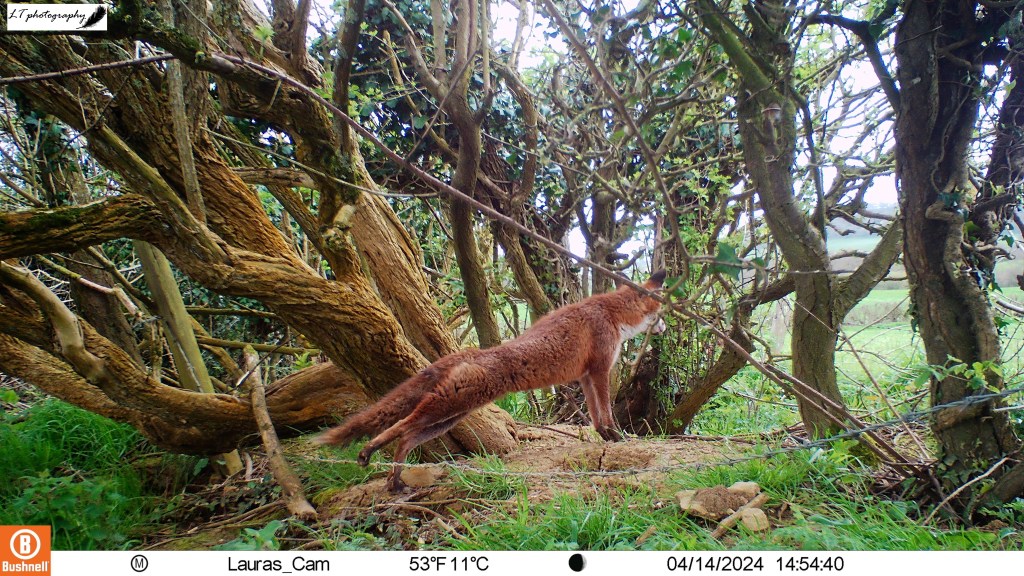
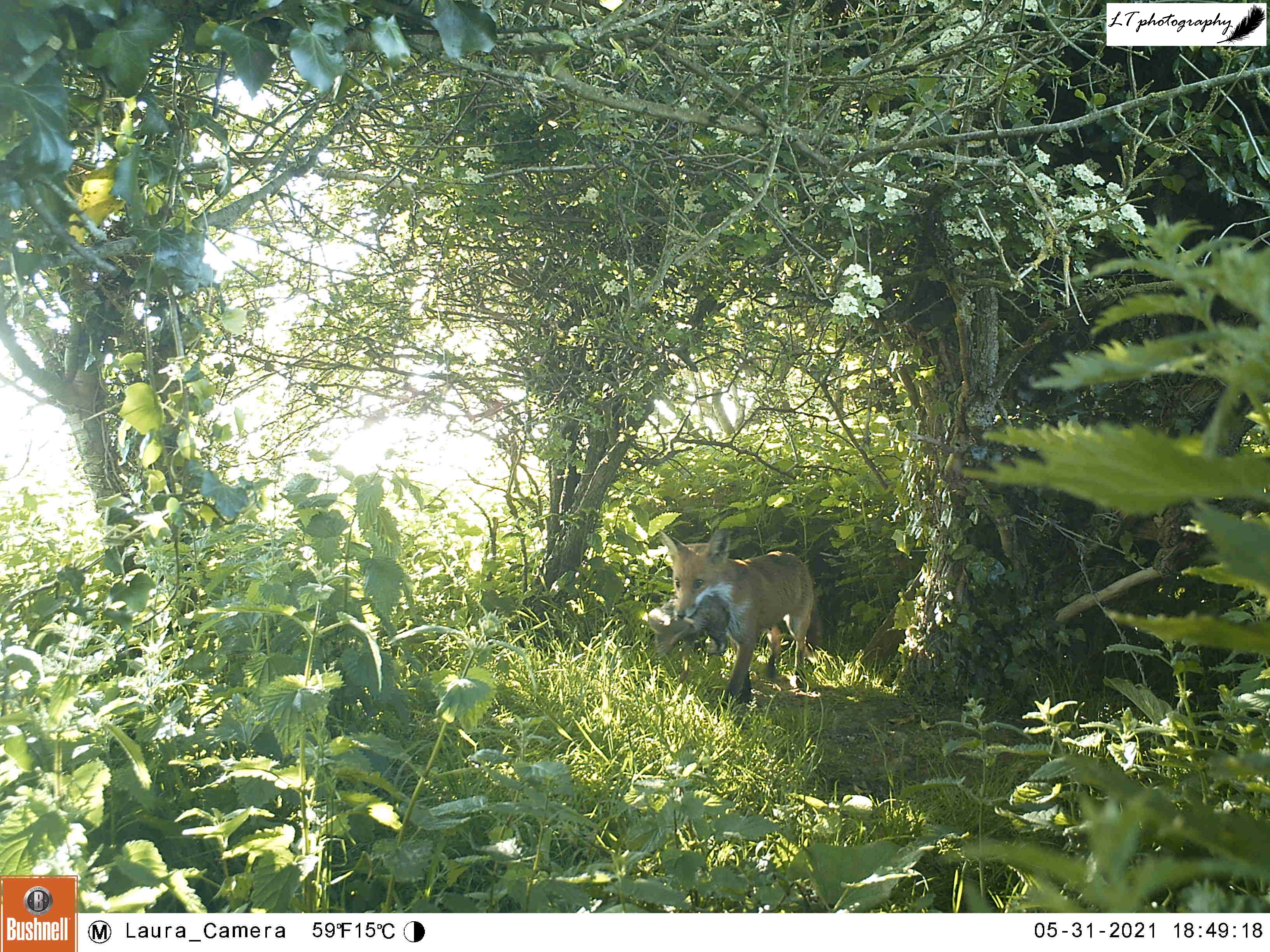
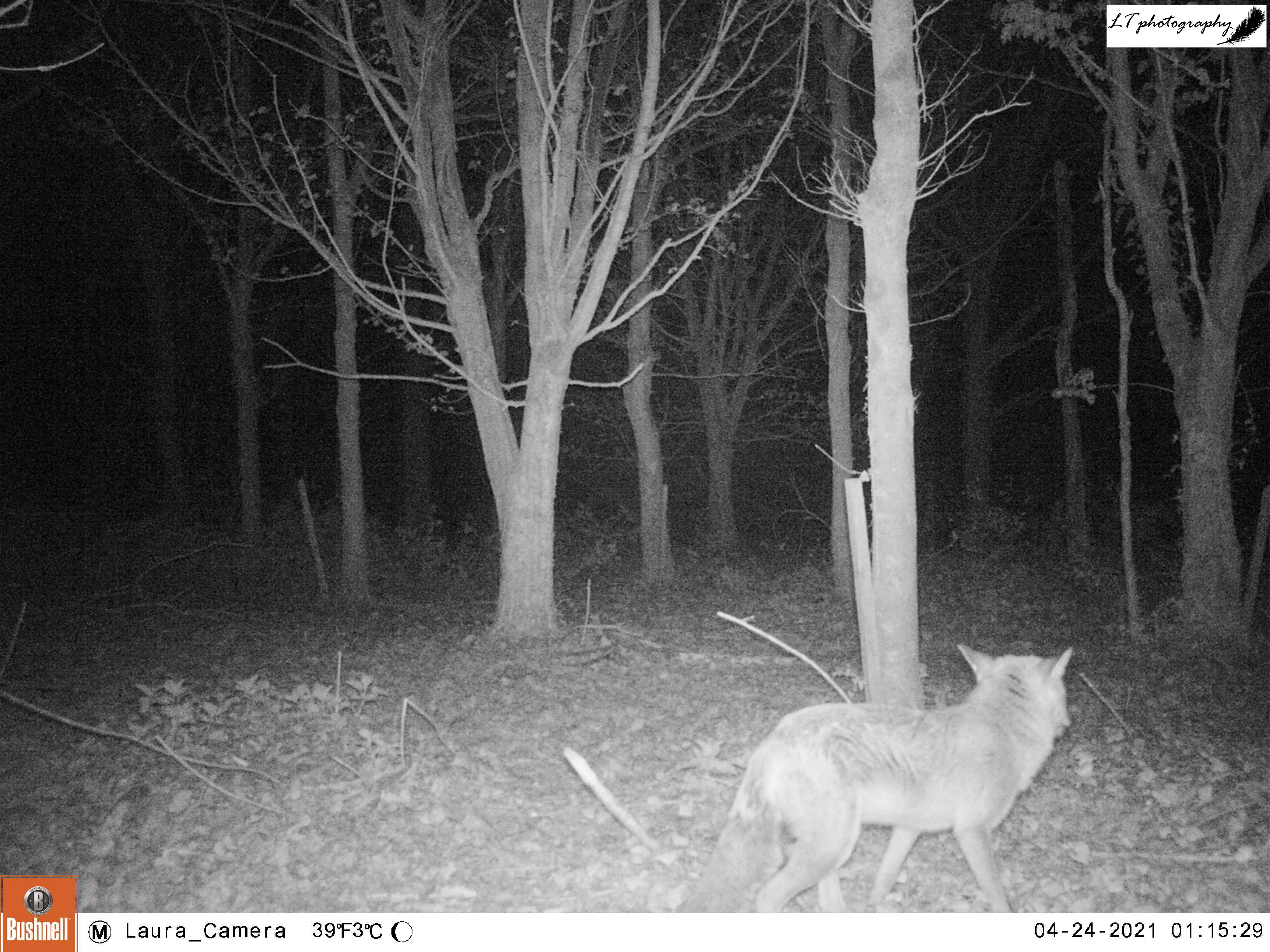
Birds of the woodland are now concentrating on feeding their young or are even coming to the end of this year’s breeding season. Distant chiffchaffs and wrens sing on though, alongside woodpigeons calling, and tits communicating up in the trees. Buzzing flies can also be heard on warmer days, whilst dragonflies dance along woodland borders on silent wings. A fox slinks by through the shadows of the trees, on silent paws, at ease, only turning its head as it walks by. With the woodland now full of new life, the excitement and activity of spring is ebbing away, and we welcome the days of the more relaxed summer season.

August

The woods are returning to their quieter state once again. The days are beginning to shorten in small increments, and the first whisperings of autumn can be felt. The start of August has been interesting with the woods seeing hot days broken up with spells of grey and heavy showers. As evening sun breaks through the still lush, but battered canopy, it’s noticeable that the woodland floor is picking up pace receding now. The hint of colour from flowers is completely disappearing, whilst the green undergrowth is beginning to show the brown leaf litter layer below.

Silence blankets the woodland, broken by wind up in the tree canopy, distant bird contact calls, and noise beyond the woodland altogether. The joyful bird song of spring has long served it’s purpose, and now the time has come when summer visitors are beginning to think of moving on to warmer climes, as the first signs of autumn have arrived. Plants hang with fat seed heads, hazel trees are laden with nuts that are already being pilfered, grey squirrels can be heard alarm calling up in the trees, and jays are popping up with their rough screaming calls. It’s a time of bounty and fruitfulness, a time to celebrate what nature has given us this year, and a time to prepare for the slumber to come.

September

The first breath of chilly air has arrived and rarer dry days have an edge to them. Another change in the year is coming, as the woodland floor dies back, leaving increasing patches of last year’s leaf litter open to the air once again. In places grass is crowding out other species on woodland rides, whilst ferns begin to turn brown, like fire catching their leaves’ edges. The first holly berries are beginning to redden, hazel trees are bedecked in green nuts, ripe blackberries are already beginning to soften, and oaks are growing their iconic nuts complete with their classic cups.

The mornings are now renewed with a gentle soundtrack of calling birds in the woodland, with residents claiming territories and migrants passing through on their way. Nuthatches, wrens, goldcrests and robins are amongst this cohort, creating a bubble of bird song. The afternoons are quieter, filled with lazily buzzing insects, and the odd animal sound. This afternoon though, the woodland soundscape is broken up with the sound of a great-spotted woodpecker moving from tree to tree and tapping to find food beneath bark. 

October

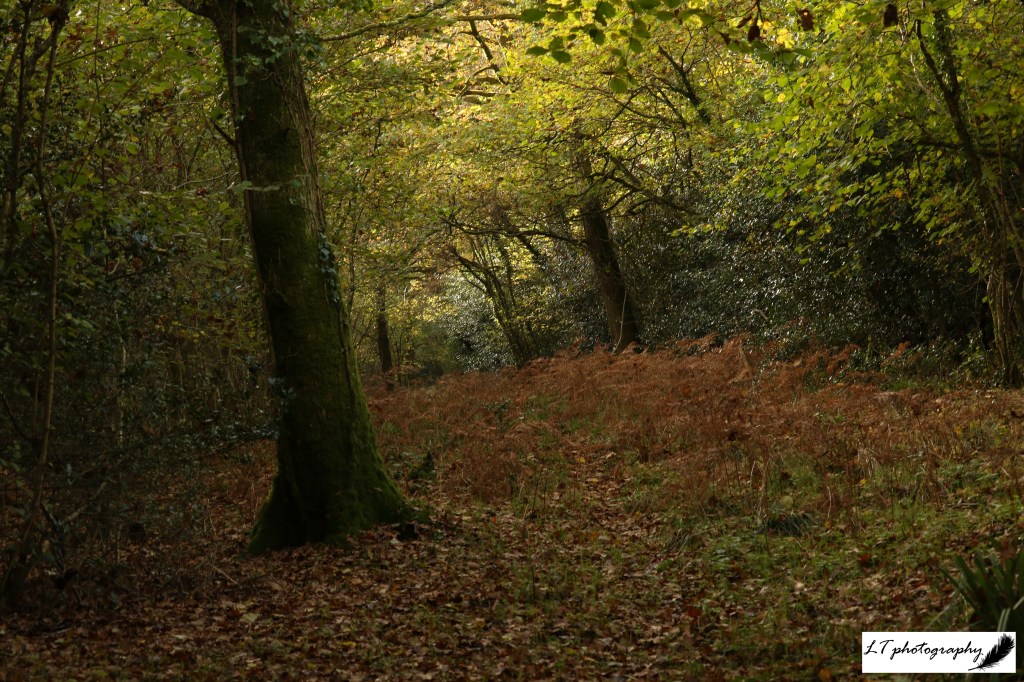
Nights are drawing in, temperatures are beginning to cool, and the dampness in the air is creeping in. Trees, such as oak, hazel and ash, are beginning to show changes to the colour of their leaves, adding yellows, reds, and oranges to their palette. As the trees signal the start of changing out of their finery, the ferns covering the woodland floor below are now fully on fire, curling up and browning away. As this dying off progresses, new life is symbolised through nuts, seeds and berries, such as the first ripe holly berries, shiny and red, waiting to be eaten. To buck the trend, ivy tendrils are sprouting clusters of green balls, their late flowers that will reach their peak in November.

Most of the summer avian residents will have begun their travels to warmer climes, leaving overwintering birds moving through and residents staying put. For example, our native robins are beginning to sing strong once again, needing to defend their important territories throughout the winter. Tits can be heard beginning to travel in small feeding flocks, whilst wrens and goldcrests flit in the branches currently going solo. Mammals do not make an appearance during my visit, but there are signs of the badgers, foxes, roe deer and squirrels that call the woods home. Times are bountiful for those who can find it, but harsher days are on their way!

November

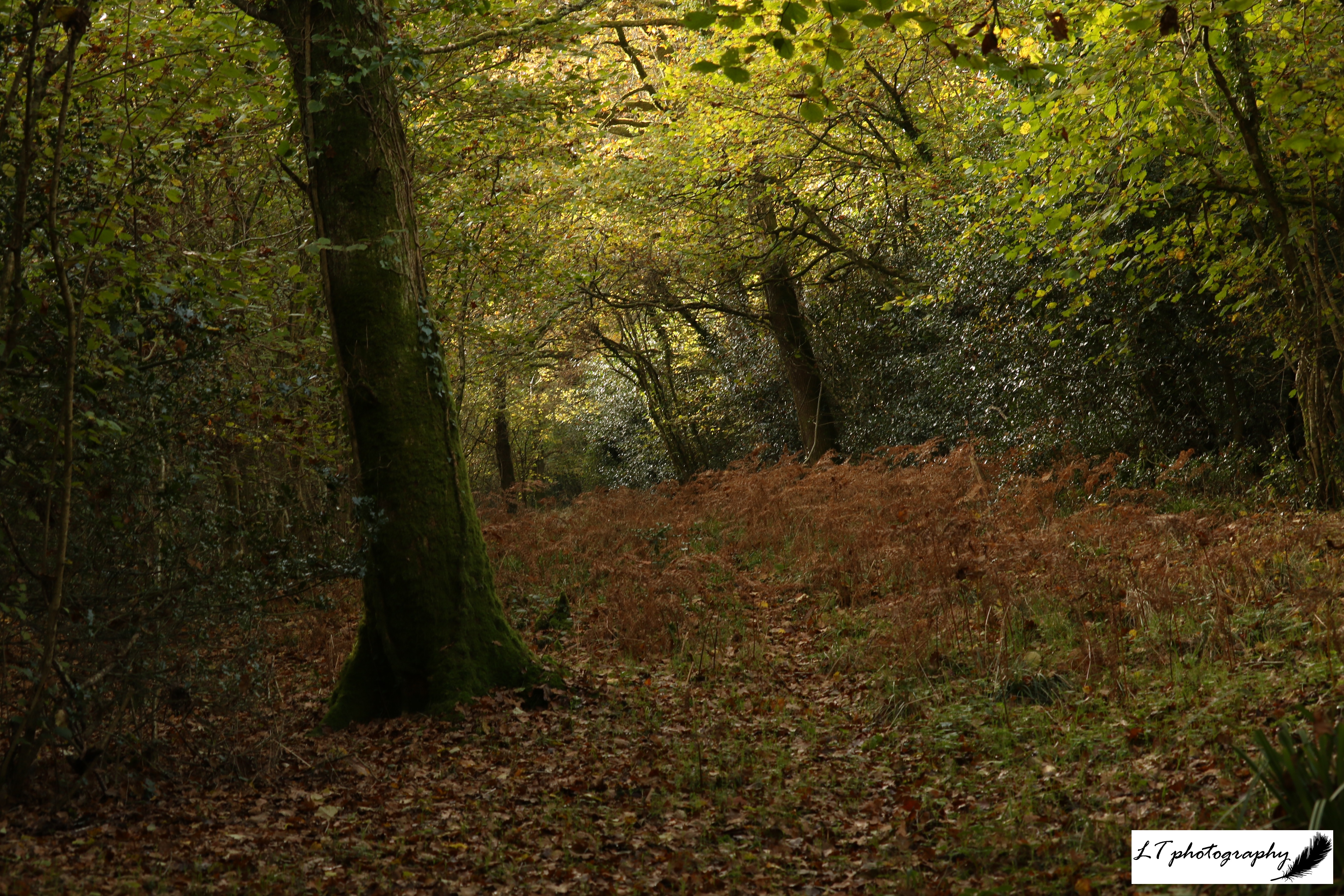
The arrival of November is accompanied by shortening day lengths and biting northerly winds. Mostly the month begins calm in the woodland with grey or sunny days. As trees continue to take in the goodness of this year’s bounty of leaves, the green of summer has been fully taken over by bright fierce colours in the canopy, with the orange of oak, yellow of hazel, gold of field maple, and red of hawthorn, amongst others. The leaves also begin to fall from on high, twirling to the ground and beginning to form a crunchy leaf litter under foot. The trees are going to go out with a riot of colour!

The soft sunlight falling through the trees marks a slowing of time and activity for wildlife. Pheasants meander amongst the trees being released from local shoots. A raucous jay echoes through the still trees. Mushrooms poke up from the leaf litter here and there creating a more ethereal quality to the woodland during this time. It finally feels like autumn has arrived just at the point when people look towards the closing of the year in a month’s time. Time to savour the last hurrah of nature!

December

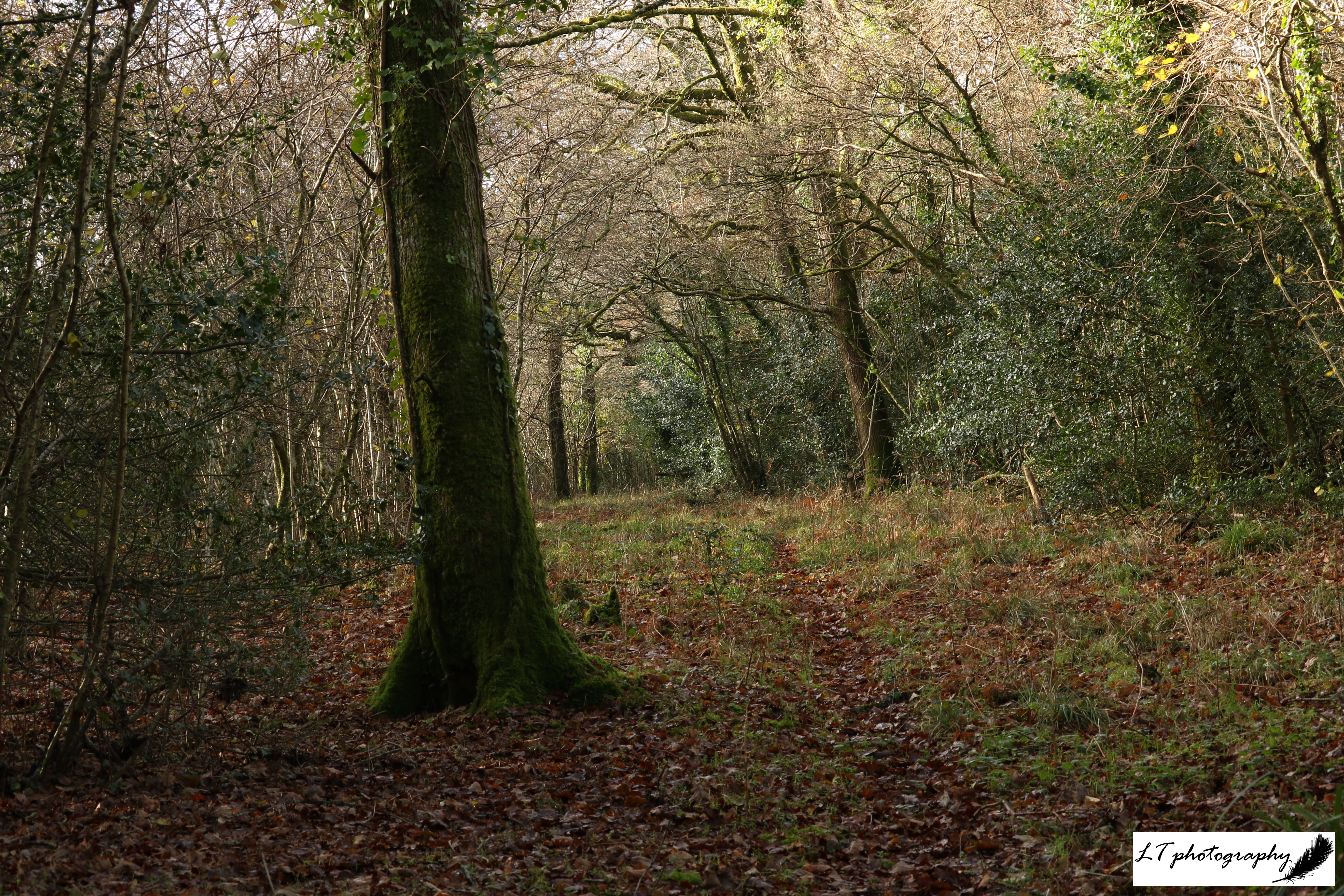
The year is rolling on to its close once again and winter is fully upon us. As I step back into the woodland for one last walk of the year, a cool breeze bites my cheeks whilst cheerful sunshine falls through the trees. Now I find myself surrounded by leafless forms once again, bare, skeletal, but magnificent, especially the ancient oaks. The last few hazel leaves cling to their branches, but most trees have now shed their finery, and a new carpet of leaf litter satisfyingly crunches beneath my feet. The trees are putting nutrients back into the earth as they now lay in slumber.

Up above my head, I can hear a soft tap, tap, tap. The sound of a great-spotted woodpecker moving from tree to tree once again, and tapping for food under their barks. Birds call all around me, from angry wrens, territorial robins, and hungry blue tits, to a raven passing overhead, blackbirds on the wing, and even a nuthatch going about its business. Badgers will now be sleeping more, whilst foxes are more active, thinking about breeding once again. There is still so much life to be found out in this Dorset woodland, even if all are just trying to survive through to another year. December is rolling on and a new year beckons!

12 Days of Laura’s Wild Photos 2024

Last year, was a year full of colour and vibrancy for me, a year of adventures, many firsts, and always some learning curves. This also applies to my time spent in nature and my year immersed in my wildlife photography. From sitting amongst the bluebells and chasing after butterflies, to capturing red kites and watching sunsets, it has been a spectacular year as a whole.

To continue my new tradition, over the 12 Days of Christmas of 2024, I accompanied each day on social media with one of my nature photos taken with my camera, camera trap or phone. The aim is always to share my snapshots of nature’s hidden beauty, share some yet to be seen favourite photos, and simply to put a smile on people’s faces during the tough winter months.

Here are my latest 12 Days of Laura’s Wild Photos all in one place!

The 12 Photos

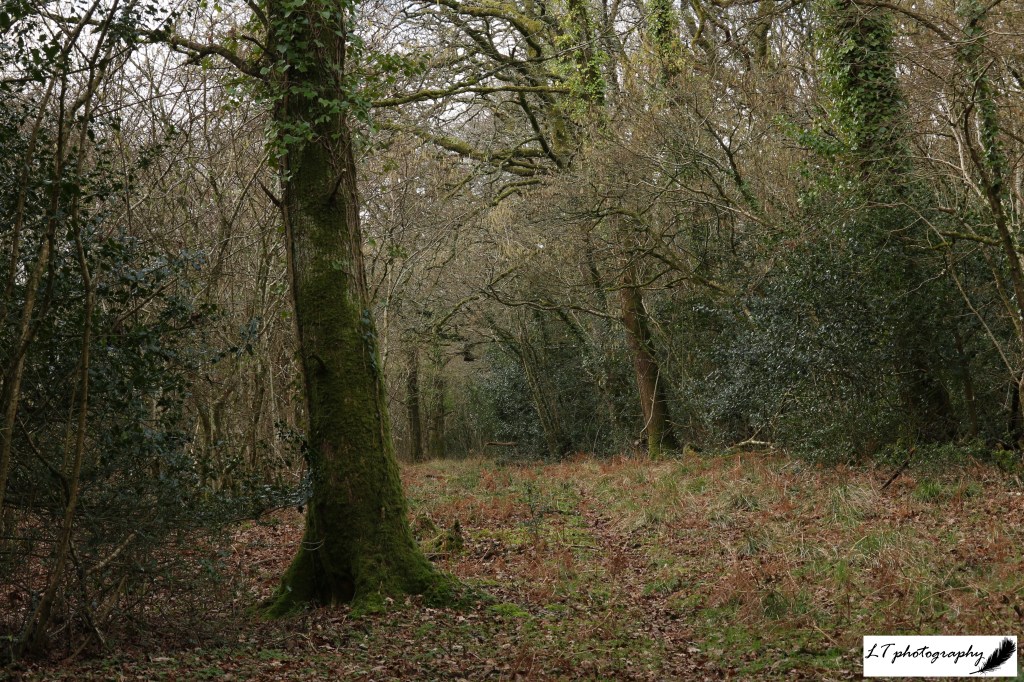
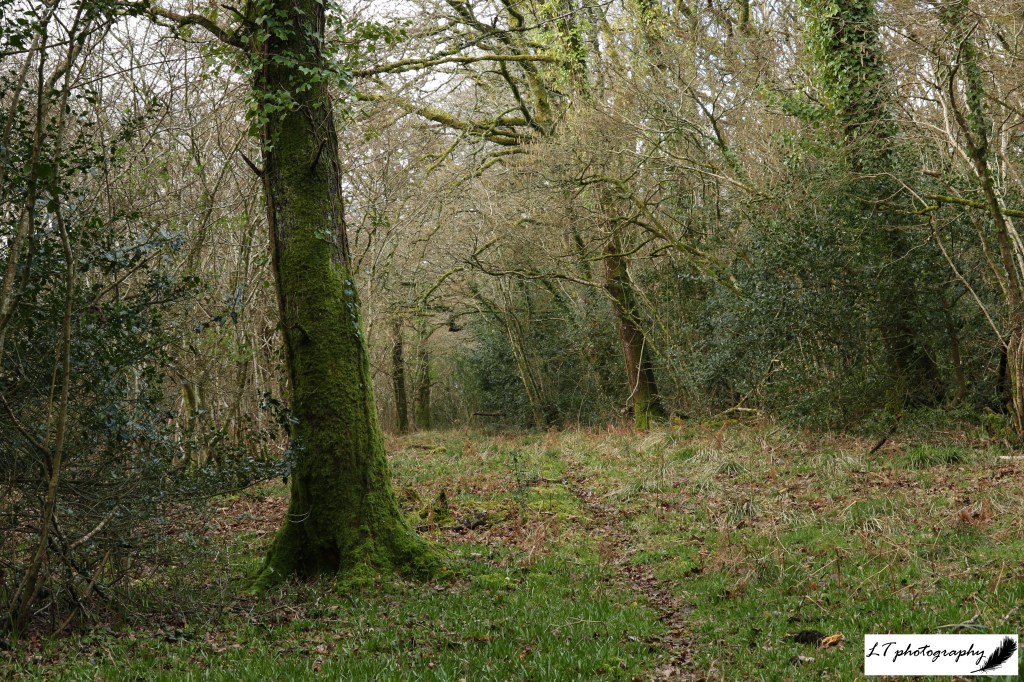
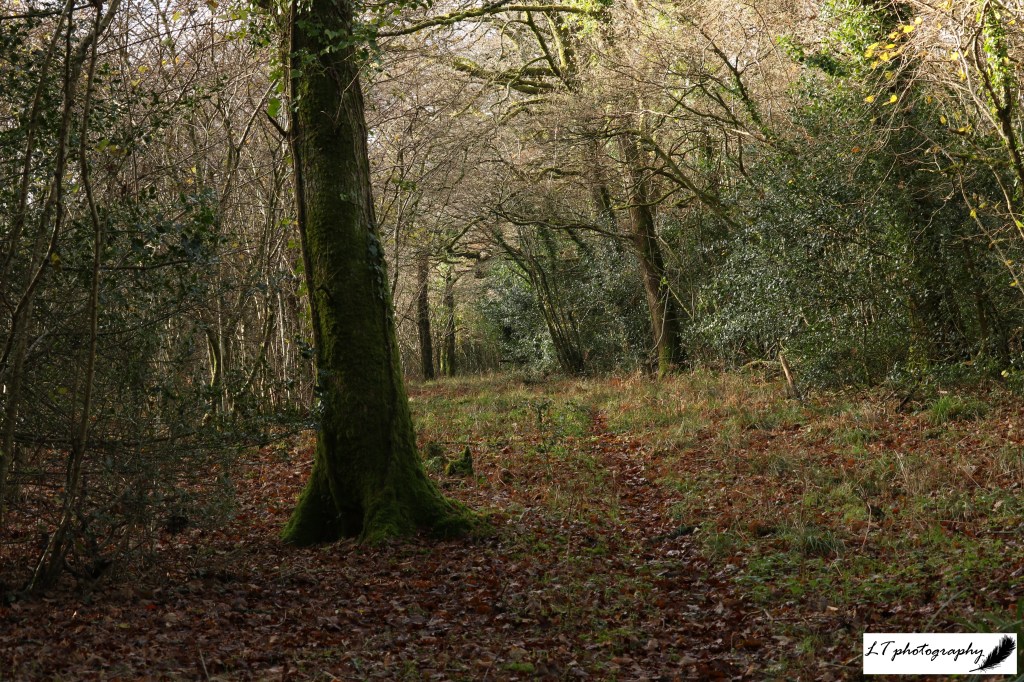
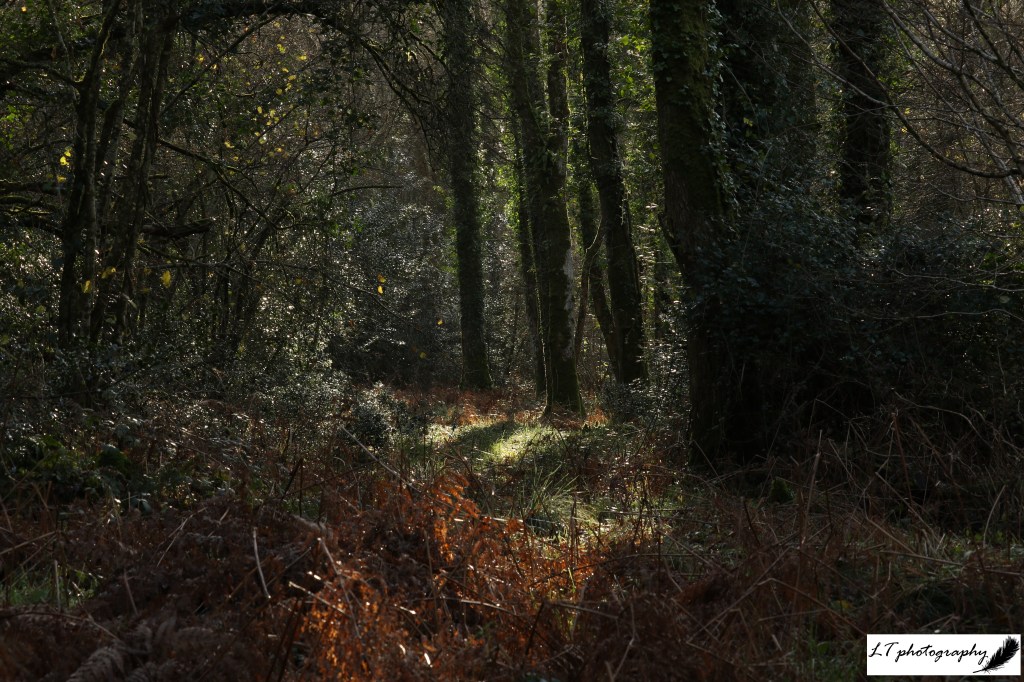
Day 1 – To begin my 12 Days of Laura’s Wild Photos for 2024, I chose a photo that made me think of winter, with it being taken during the winter months. I love the soft sunshine breaking through the trees and producing a pocket of light within the greys and browns of the sleeping woodland.

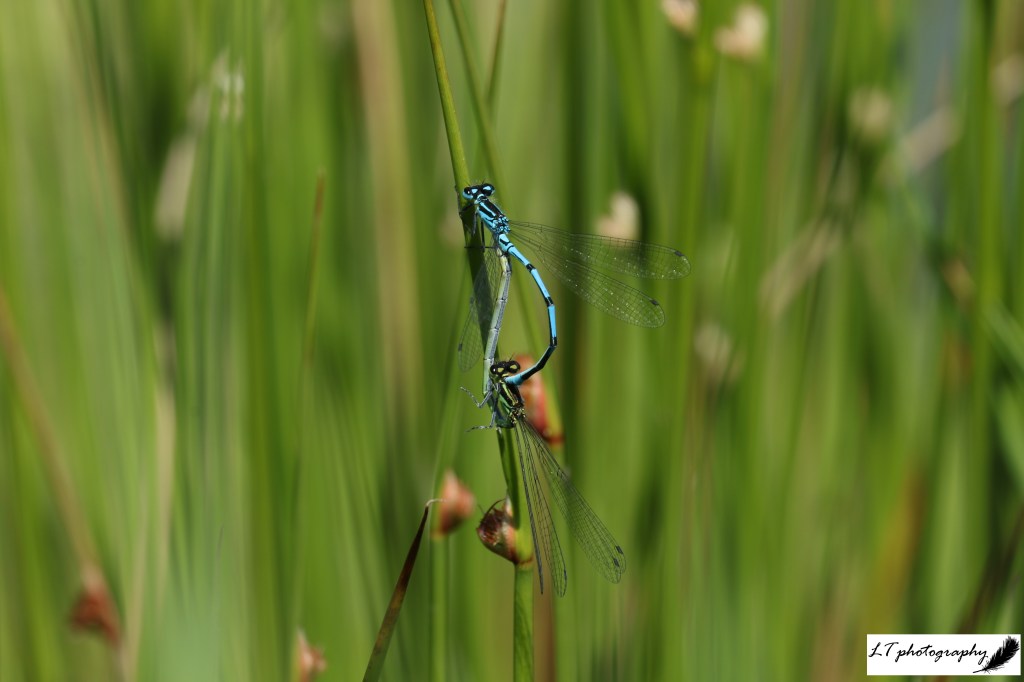
Day 2 – Last year was a year of many adventures and firsts for me, including in my wildlife photography. During May, I got the opportunity to watch and try photographing damselflies for the first time, as they courted over water, and attempted to mate and lay eggs. They are such fantastic coloured jewels to behold!

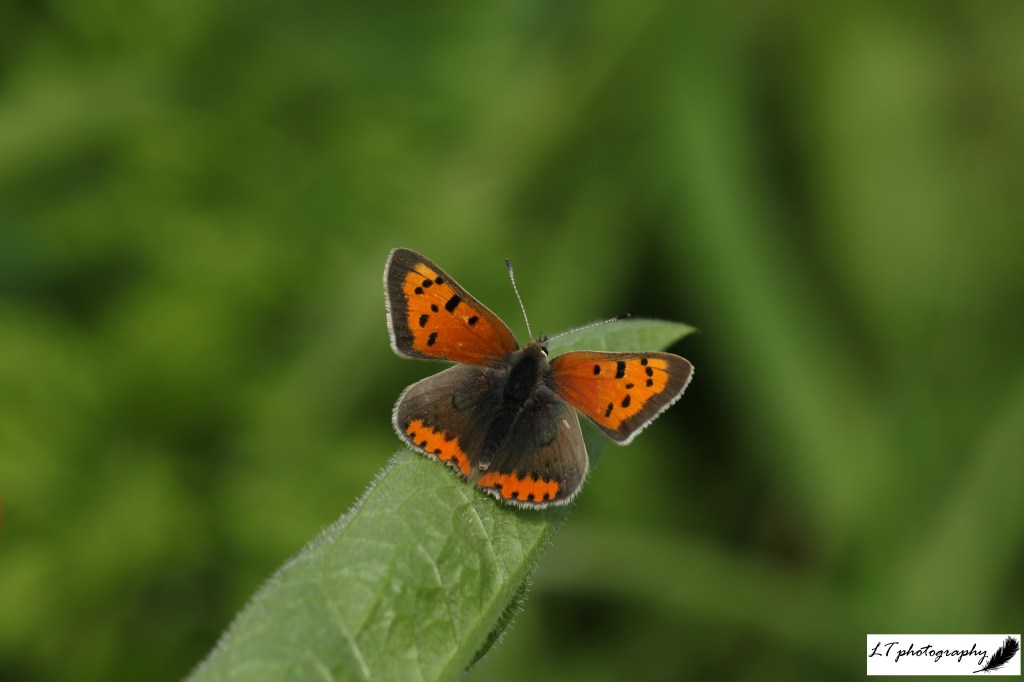
Day 3 – This beautiful Small Copper butterfly was a bright spot of colour for me during an autumnal October day. It was wonderful to see these butterflies flitting around my family’s new wildflower meadow, courting on the wing. It was exciting to see these butterflies choosing to lay eggs here already, despite it only being our meadow’s very first year!

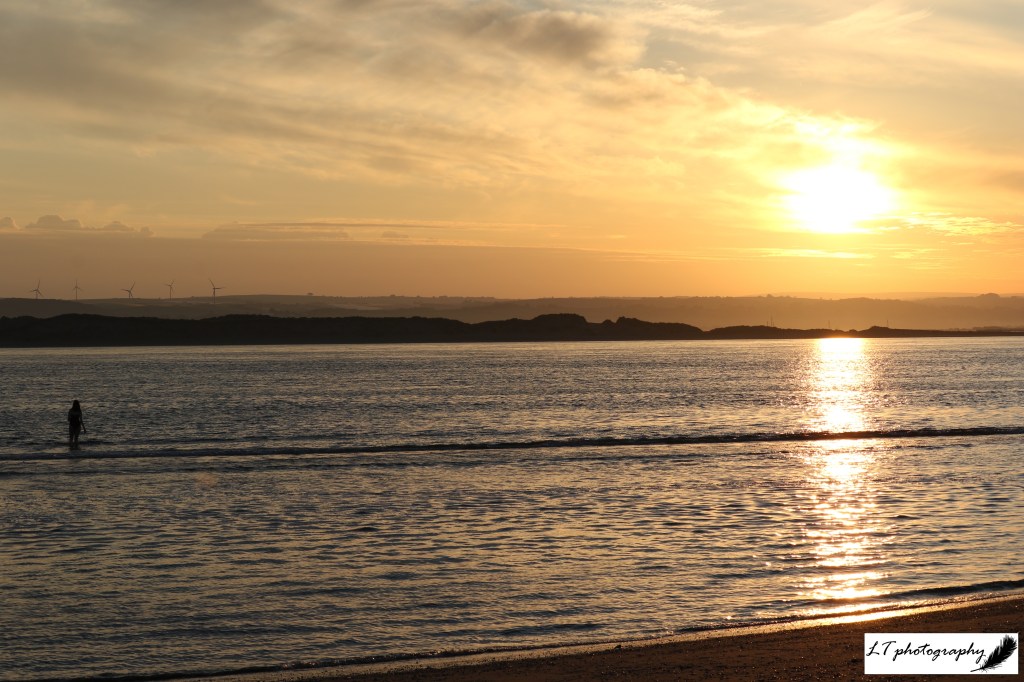
Day 4 – I have captured fantastic sunsets from Canada to Kenya, so I am always trying to find new and wonderful ways to capture their never-ending beauty. They are one of my favourite subjects to photograph, and understandably this photo fills me with such joy including from the experience of taking the photo itself.

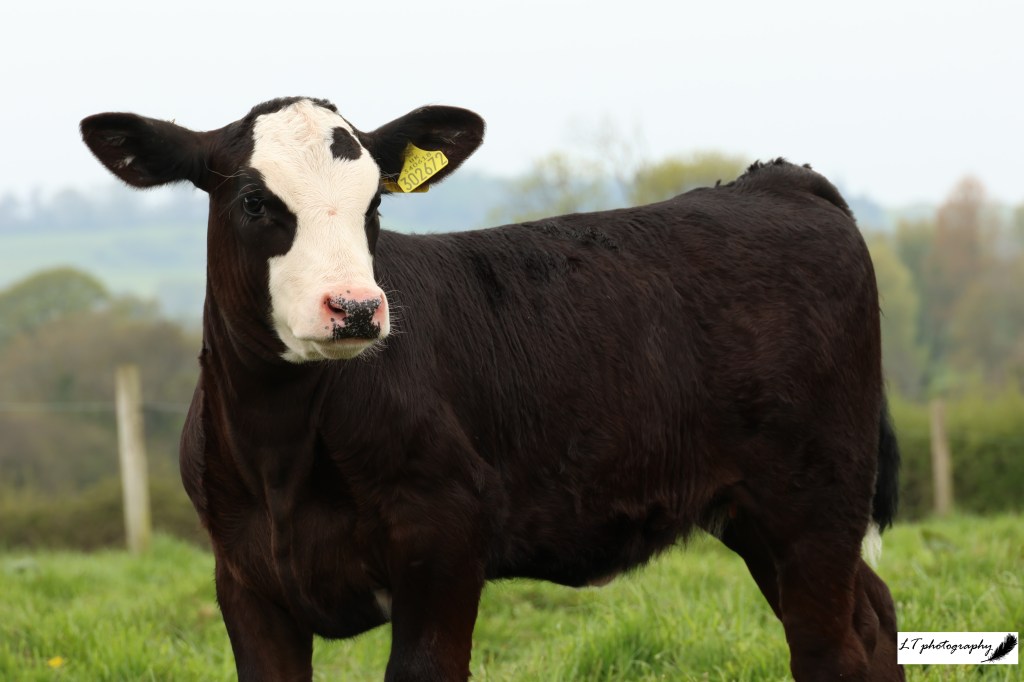
Day 5 – For day 5 of my 12 days, I wanted to include a photo of one of my highlights of 2024, my boy Rook. I had for 9 months looked forward to my cow Raven calving for the first time, and Rook was finally born in April, a week overdue. I enjoyed watching him grow bigger and bigger, and develop a character of his own.

Day 6 – Whenever I needed a mindful moment this autumn, I would escape to our wildflower meadow with my camera. This year my family and I trialled the planting of this meadow with wildflower seeds to see how it would turn out. Well for the first year, it has done well, growing a large diversity of species and becoming a splash of colour as flowers began to pop up throughout the autumn.

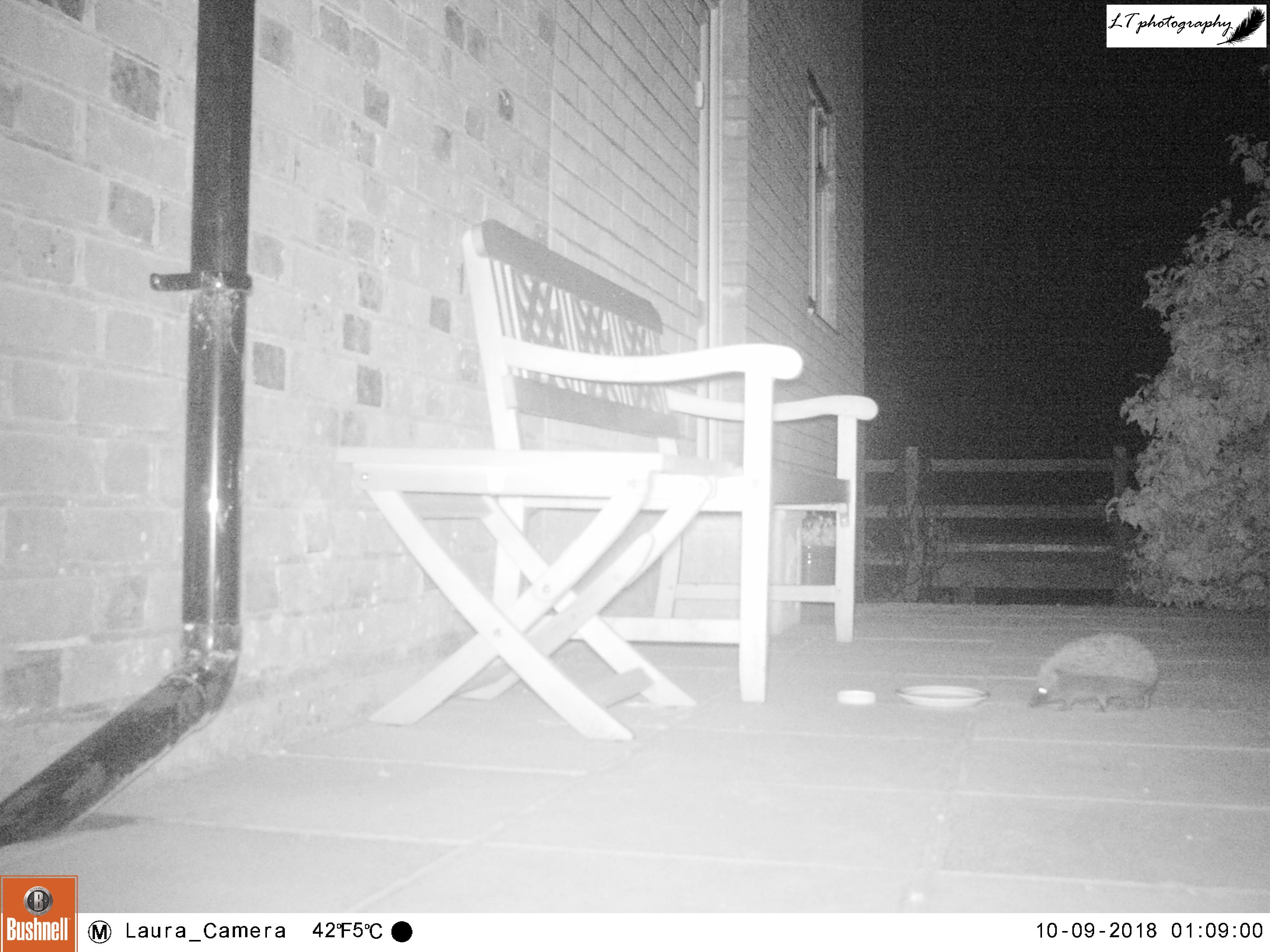
Day 7 – For the last day of 2024, I posted a simple photo of a hedgehog feeding from a plate. What is special about it though, is that it marks one evening of many throughout the summer months when a hedgehog would appear before sunset to find food. This tends to signify a lack of wild food available for our hedgehogs, but it was still a great opportunity for me to get to know the hedgehogs in our local area.

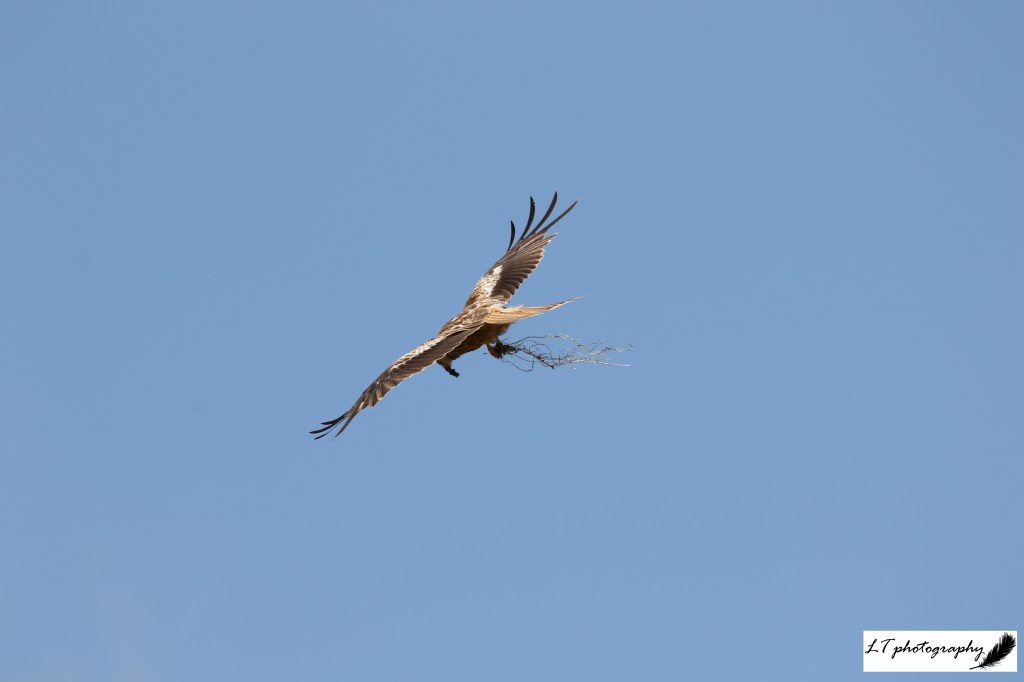
Day 8 – Another of my firsts for 2024 was capturing red kites on the wing in flight. This photo comes from a collection taken during this shoot, when red kites were hunting over a field that was being cut and baled. If you look closely, you can see that this particular bird had some success!

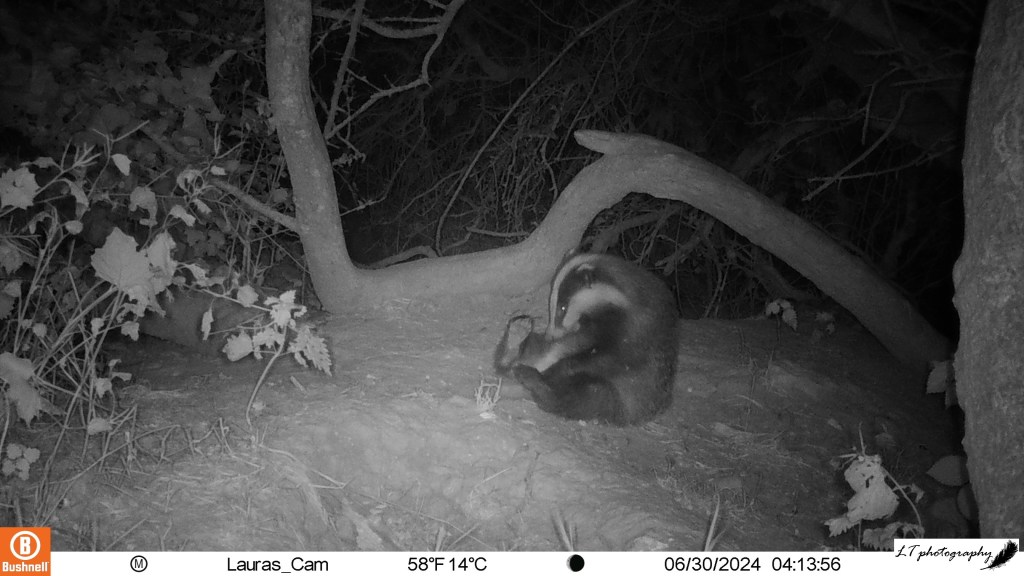
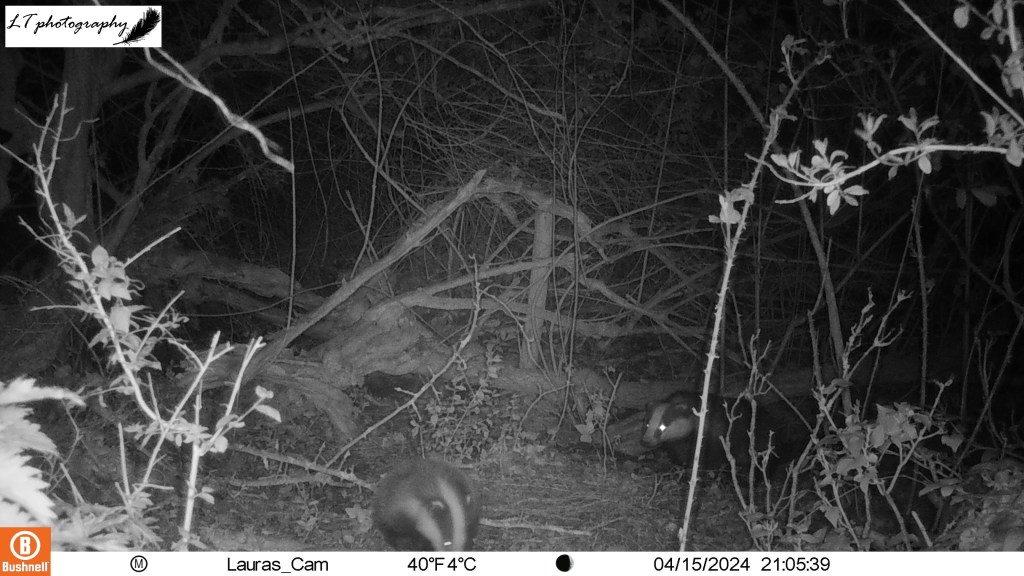
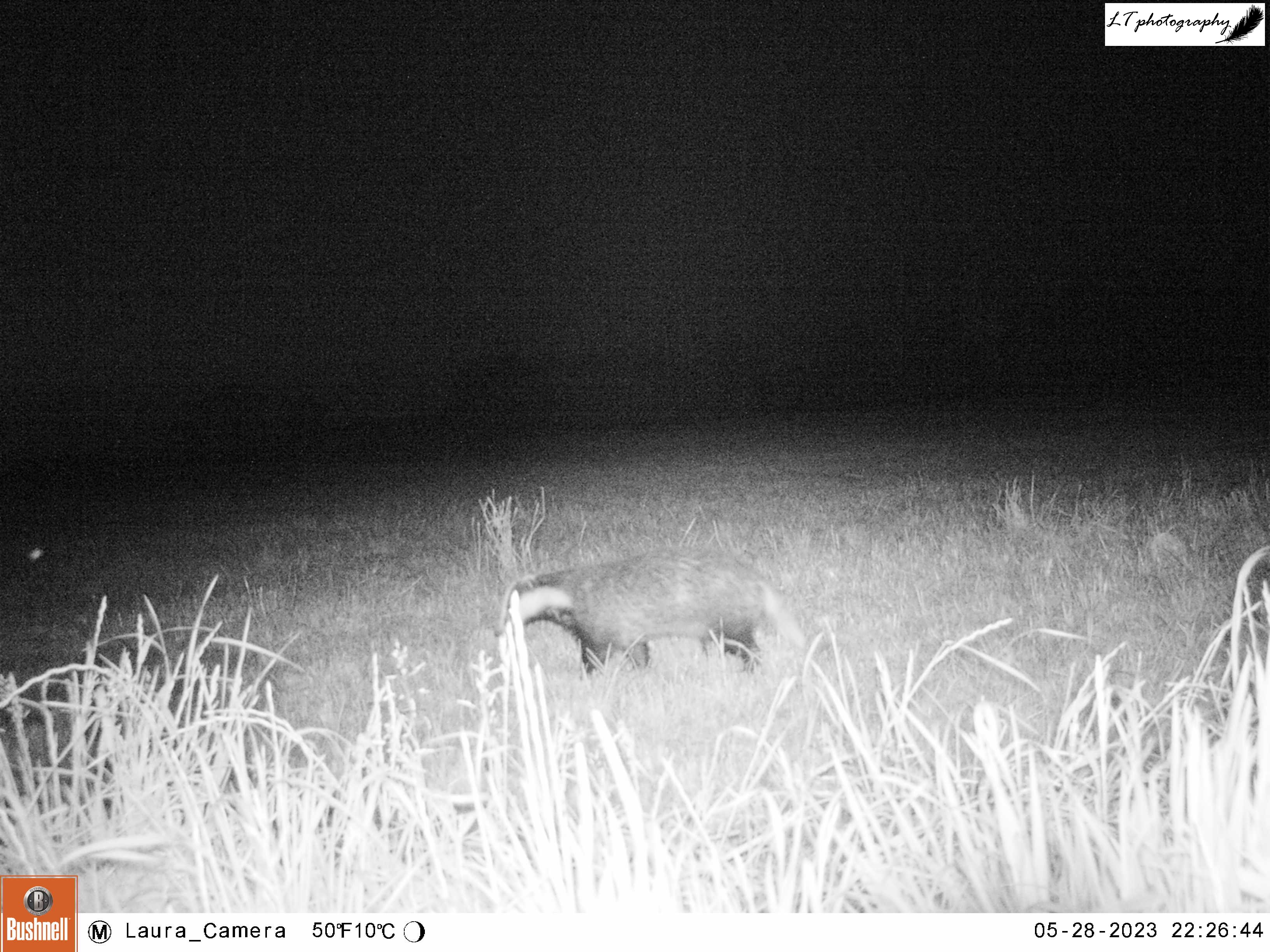
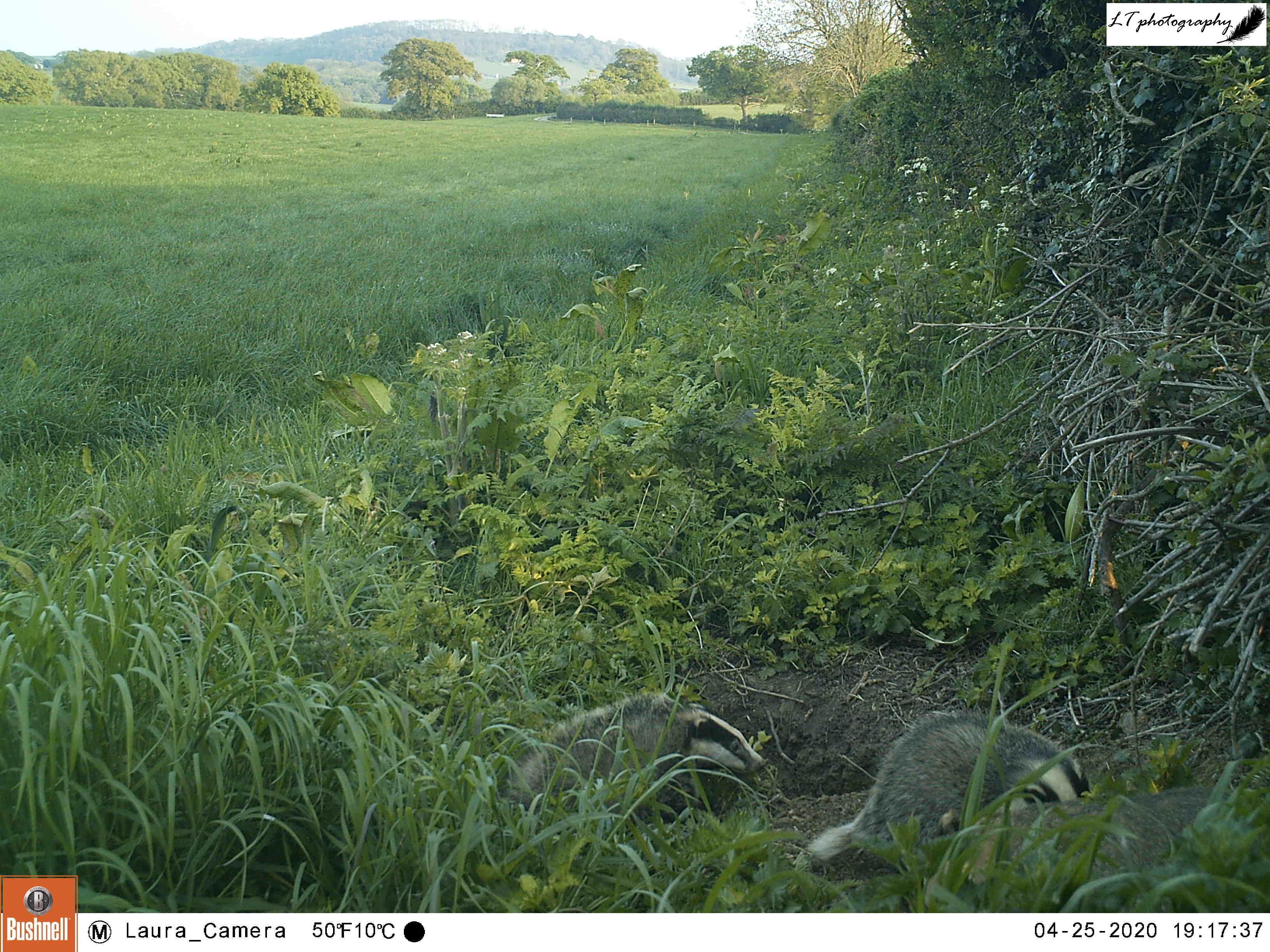
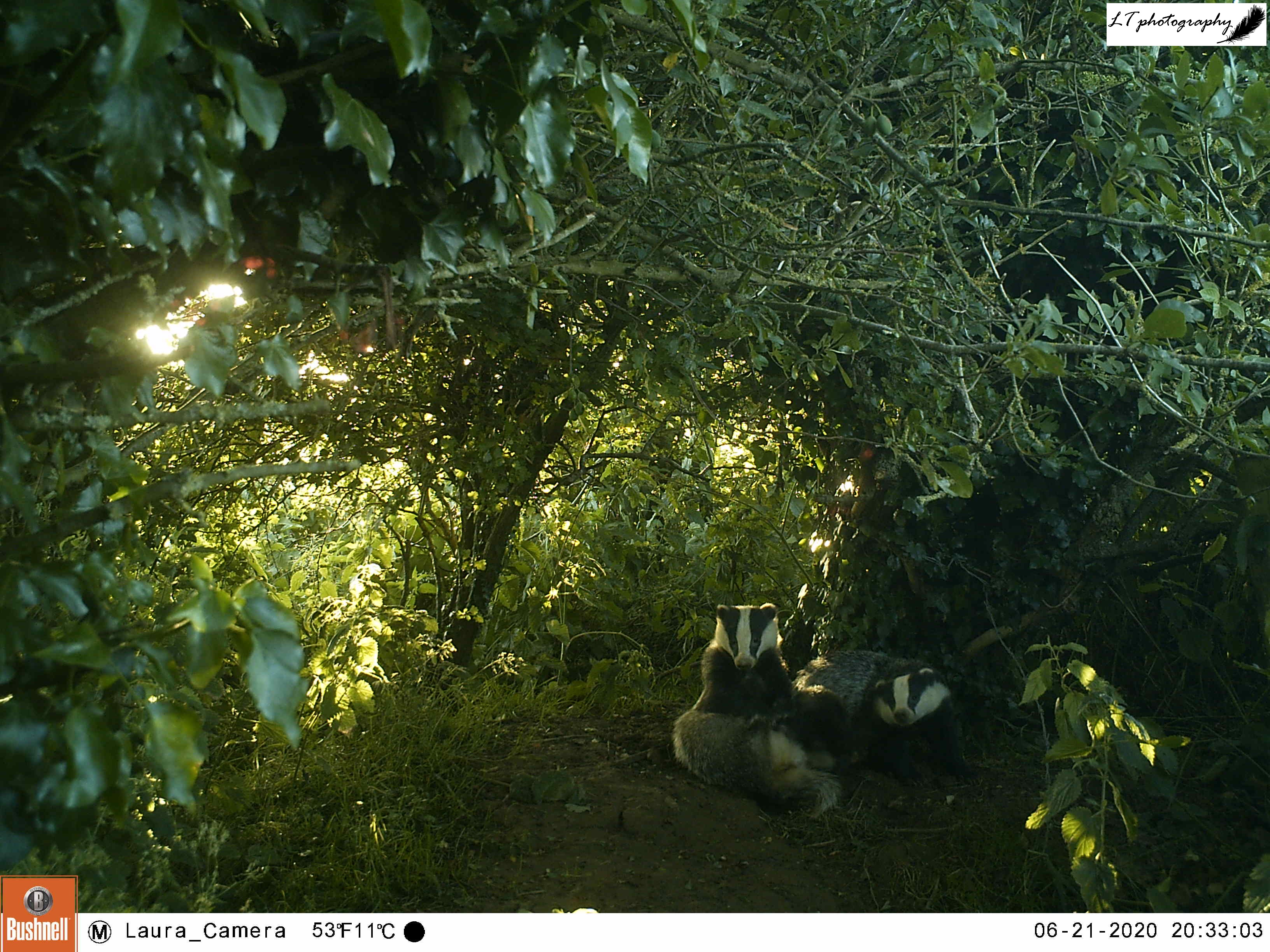
Day 9 – 2024 was a year for me full of incredible wildlife moments and adventures in my happy place out in nature. This included sightings from my camera traps of wildlife ranging from hungry hedgehogs to inquisitive foxes. Some of the best characters though, came in the form of a family of chilled out badgers, including this badger that just needed a sit down!

Day 10 – Though I love being out in nature all year round, spring always ends up being my favourite season of the year. It’s a time of hope, new life and incredible natural beauty, which always inspires me in my capturing of the natural world. Here’s just one of the many, many photos from spring 2024, that fills me with joy for the season to come this year!

Day 11 – During 2024, I also had the pleasure of getting to observe my very first nuthatch nest of my bird ringing career. It was amazing to be able to watch as these chicks overtime grew from looking like little dinosaurs to beautifully feathered nuthatch fledglings. This all happened in the matter of a couple of short weeks!

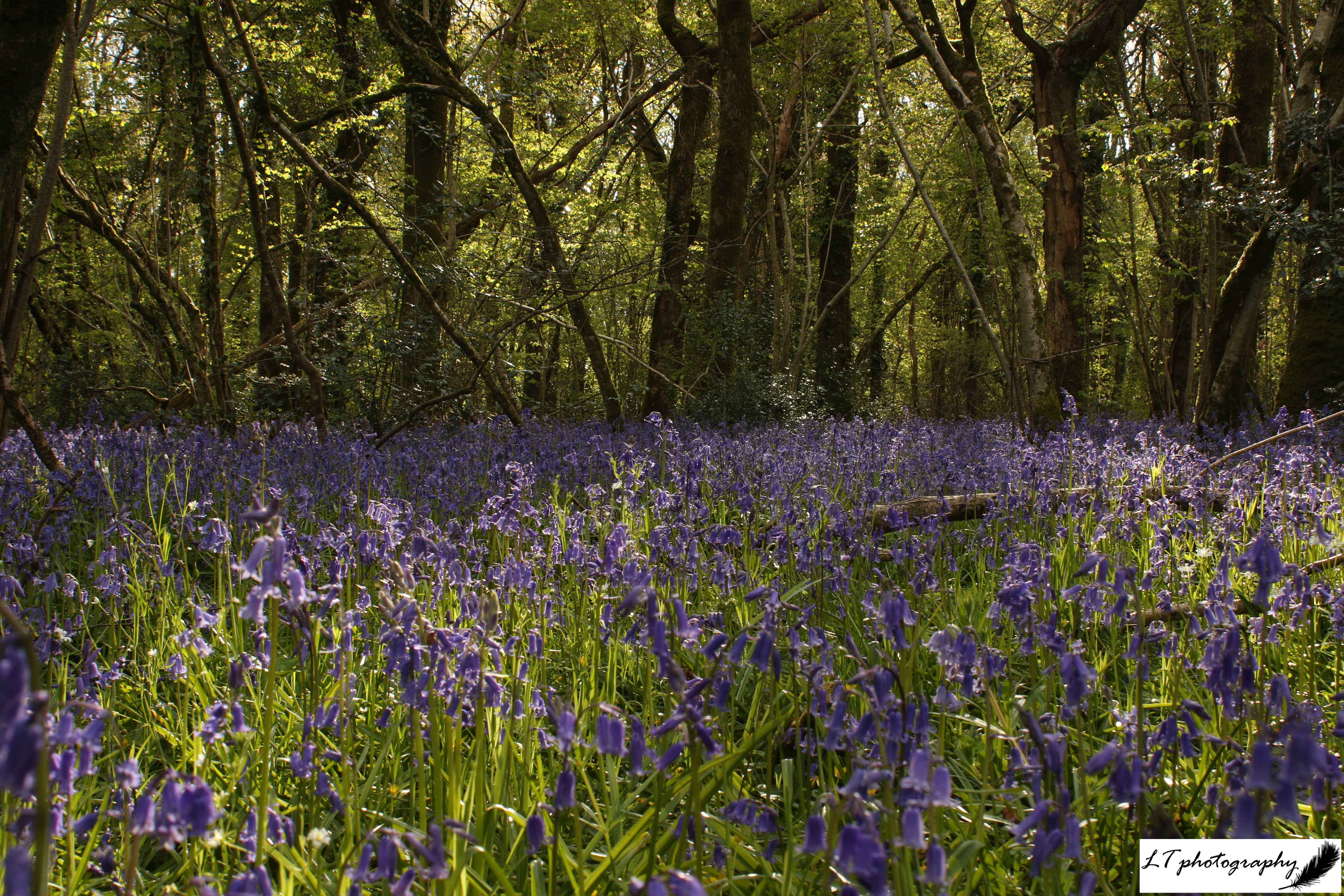
Day 12 – I saved my favourite photo until last during my 12 Days of Laura’s Wild Photos, with this photo showing one of my favourite spring sights. There is nothing quite like a beautiful rich blue carpet of bluebells set against the lush green of new woodland growth. It fills me with joy and the motivation to enjoy another year of the natural wonders in my local area and further afield.

For now it is time to make the most of the last of our winter months, and to look forward to new wild adventures to come!

Spring Camera Trapping 2024 – Part. 1: March, April & Early May

Year-on-year, the landscape waking up after its winter slumber inspires me to re-explore the wildlife becoming active in my local area. In Dorset, my family’s farm is home to a wide range of mammal and bird species, amongst others, with new additions being observed every year. Despite this, on a day-to-day basis many species are often not seen, living more secretive lives.

A great, unobtrusive way to be able to observe wildlife on my family’s farm is to use a camera trap. A camera trap is a small waterproof camera that is triggered by movement. The camera then records either photos, video or both, and my cameras store these on a memory card (check out my How to.. guide for more info). By using a camera trap in the right way, you can get some really amazing views of wildlife, all without individuals being aware of the camera and being disturbed.

This year, from the 10th March onwards, I began setting up and changing the location of my two camera traps every week, to see what I could find and learn this year about my local wildlife. Over a few months, I used a variety of different locations close to home, and also revisited some over that time period too. Some locations, such as my Badger Alley site, have been used for many years now, whereas some, such as my Bridge Field site, were used for the first time this year. Lets now go back to early spring to find out what my camera traps learnt and observed this year!

March

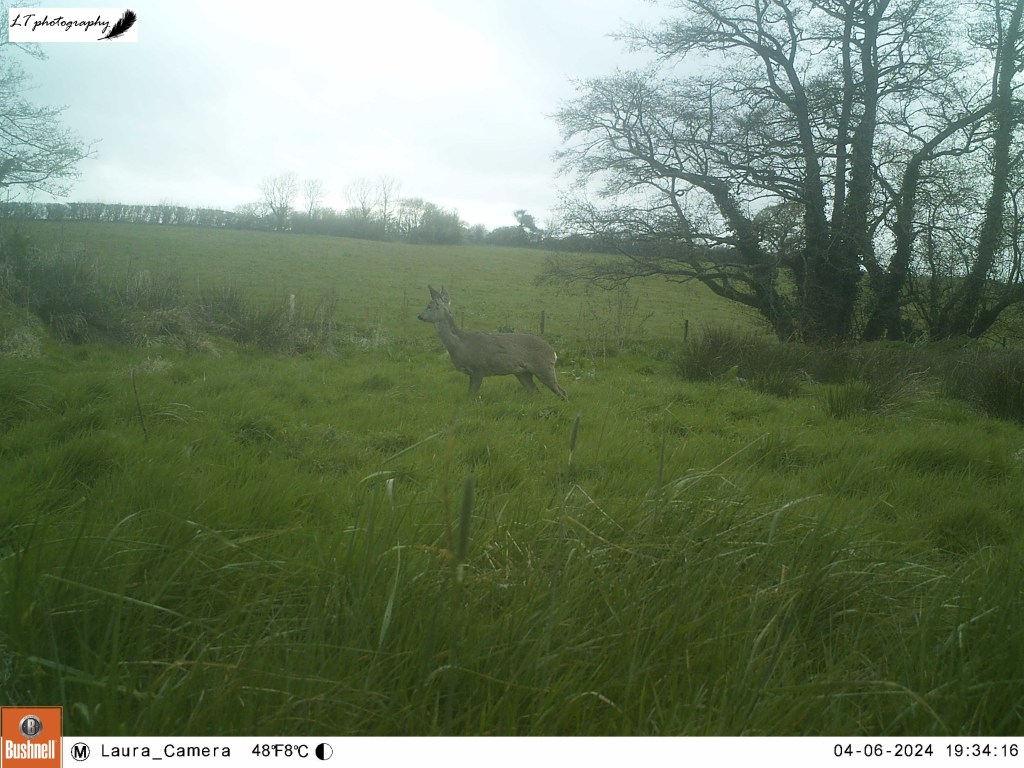
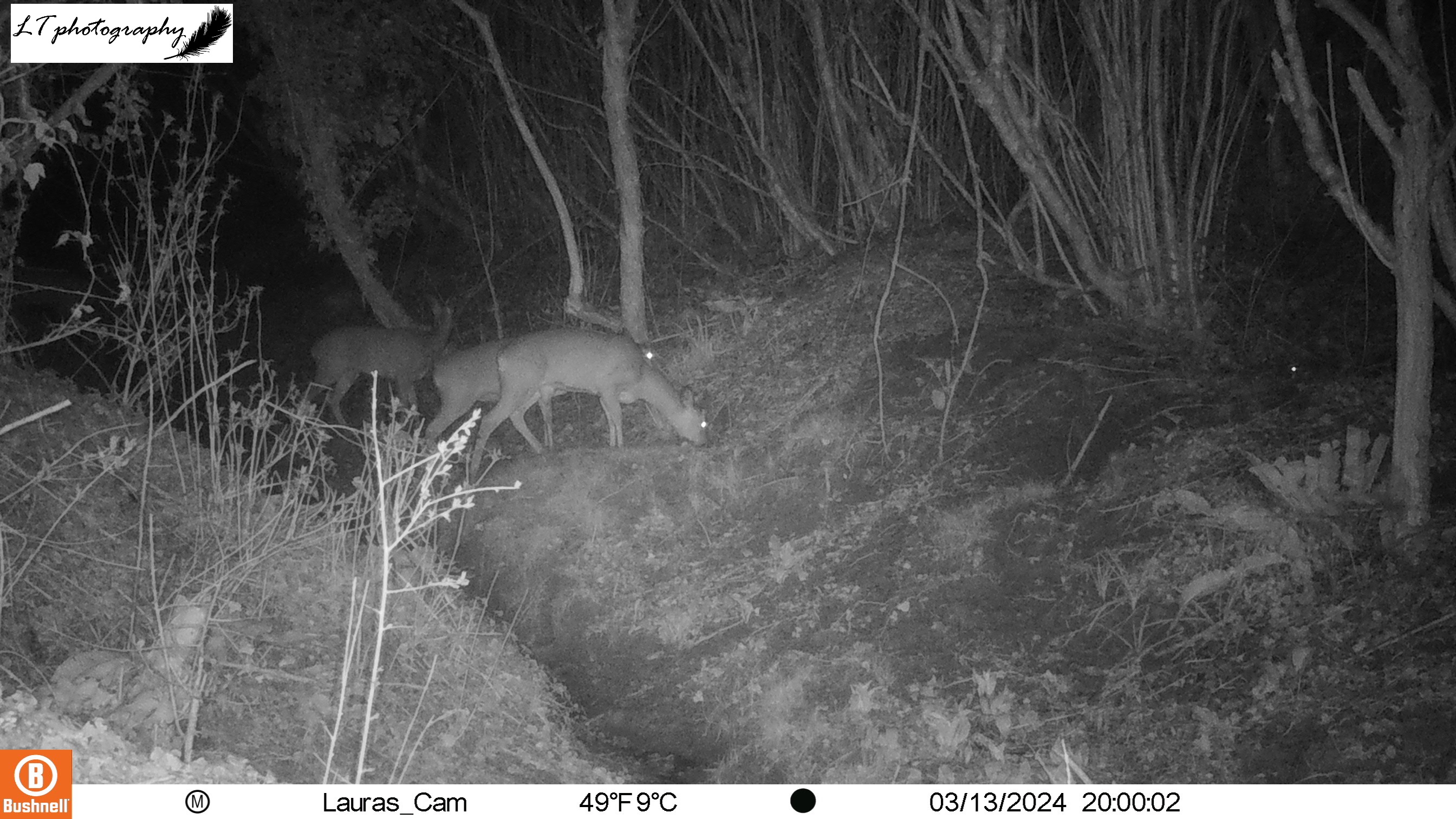
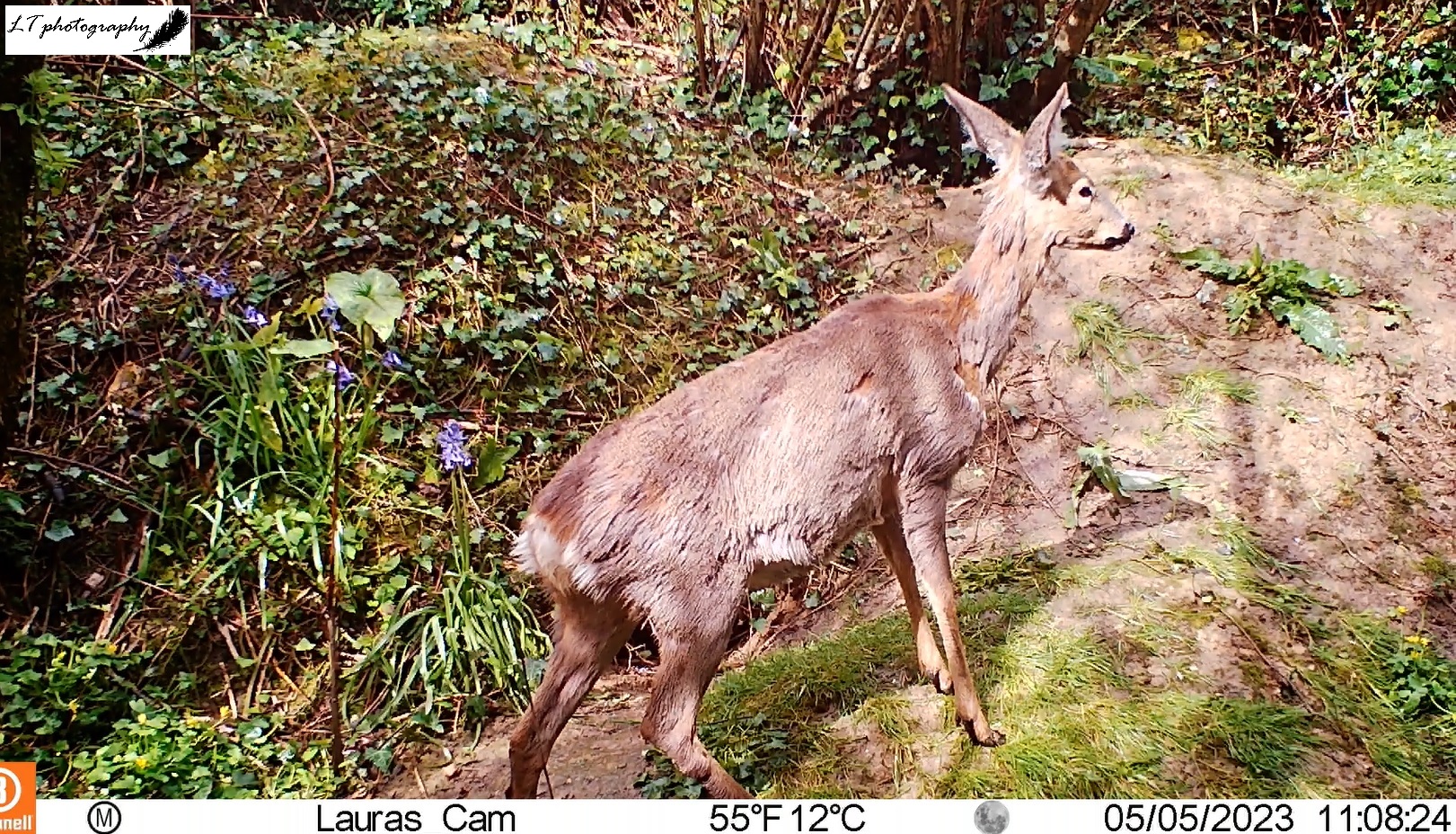
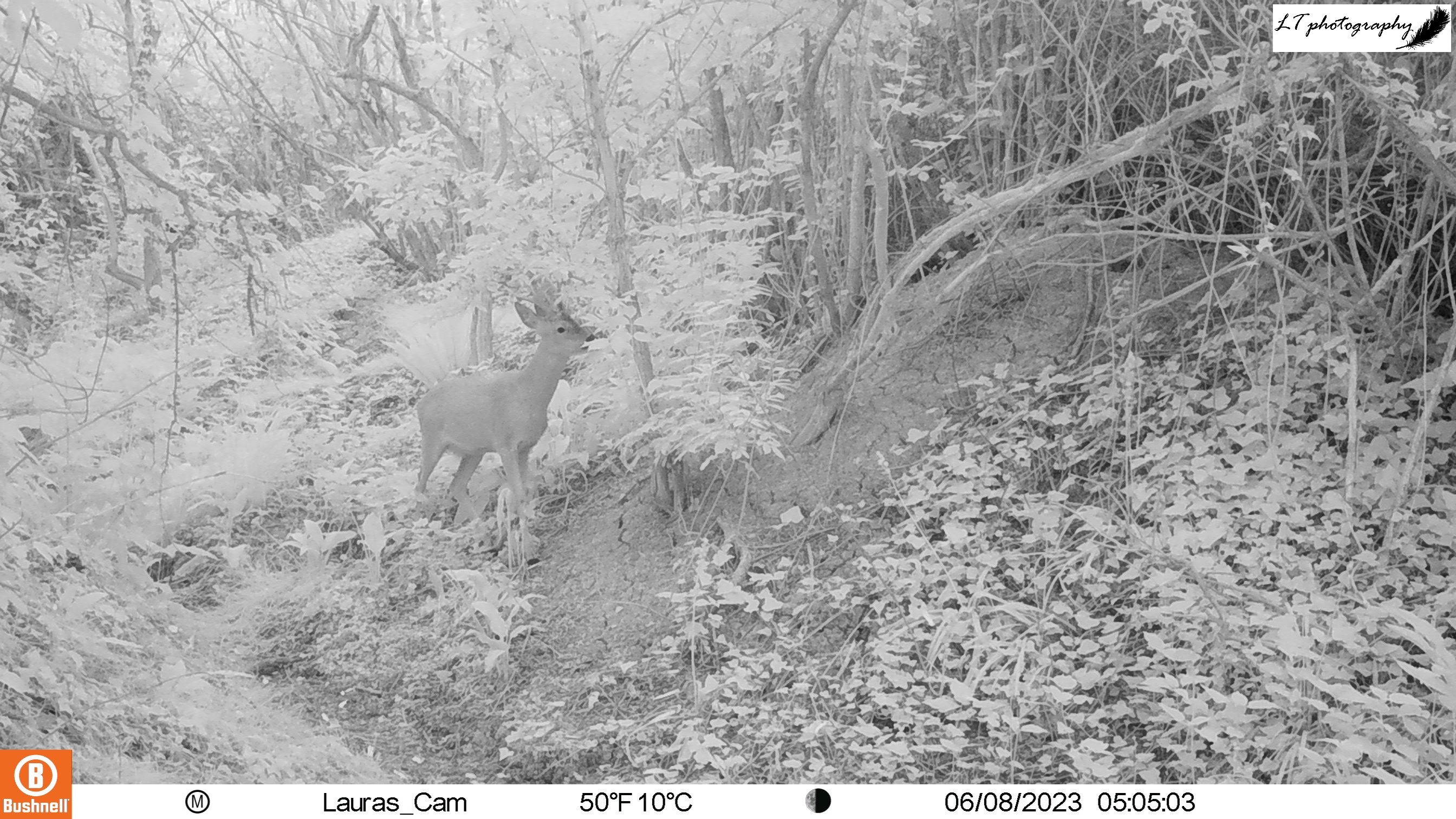
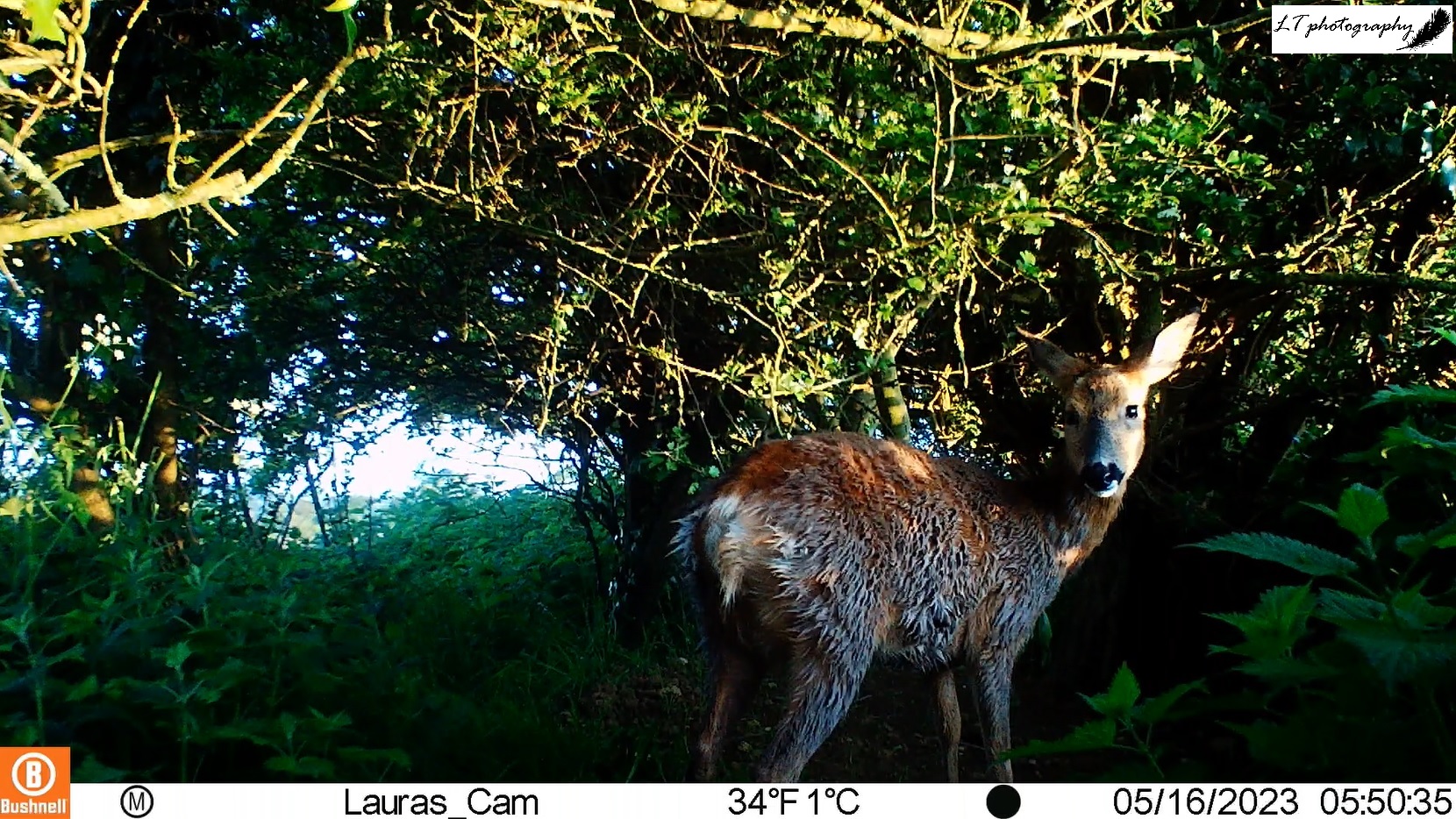
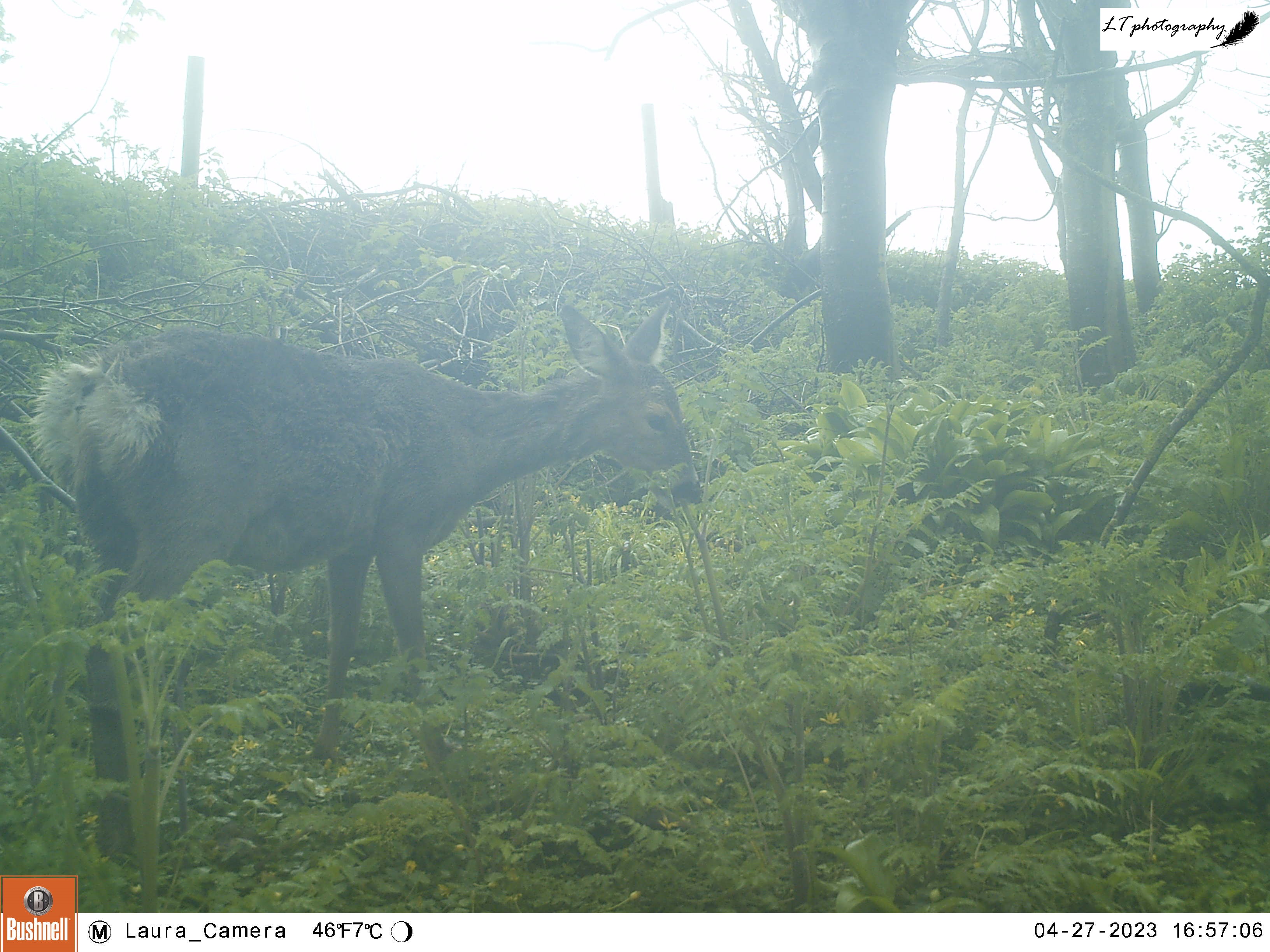
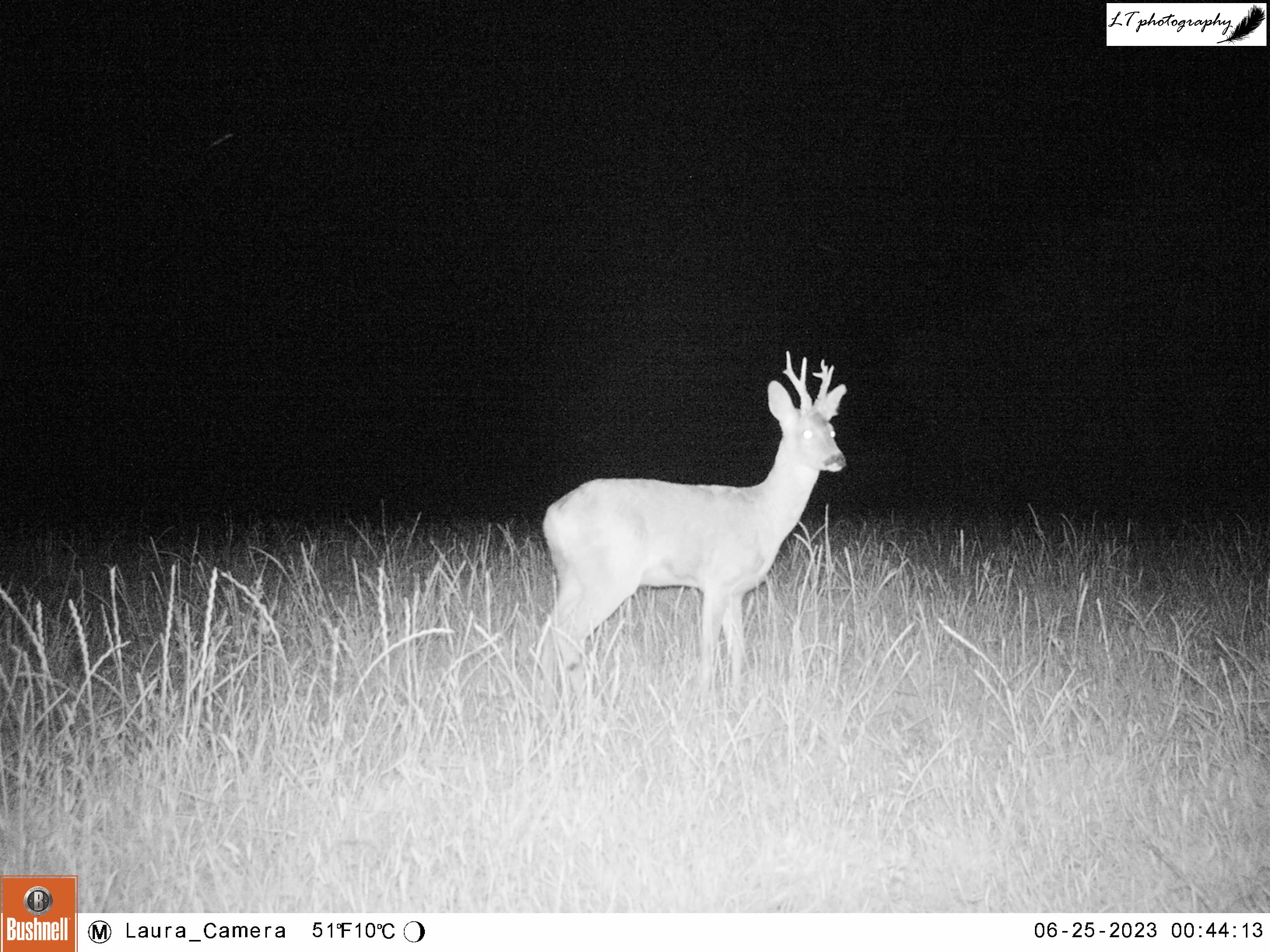
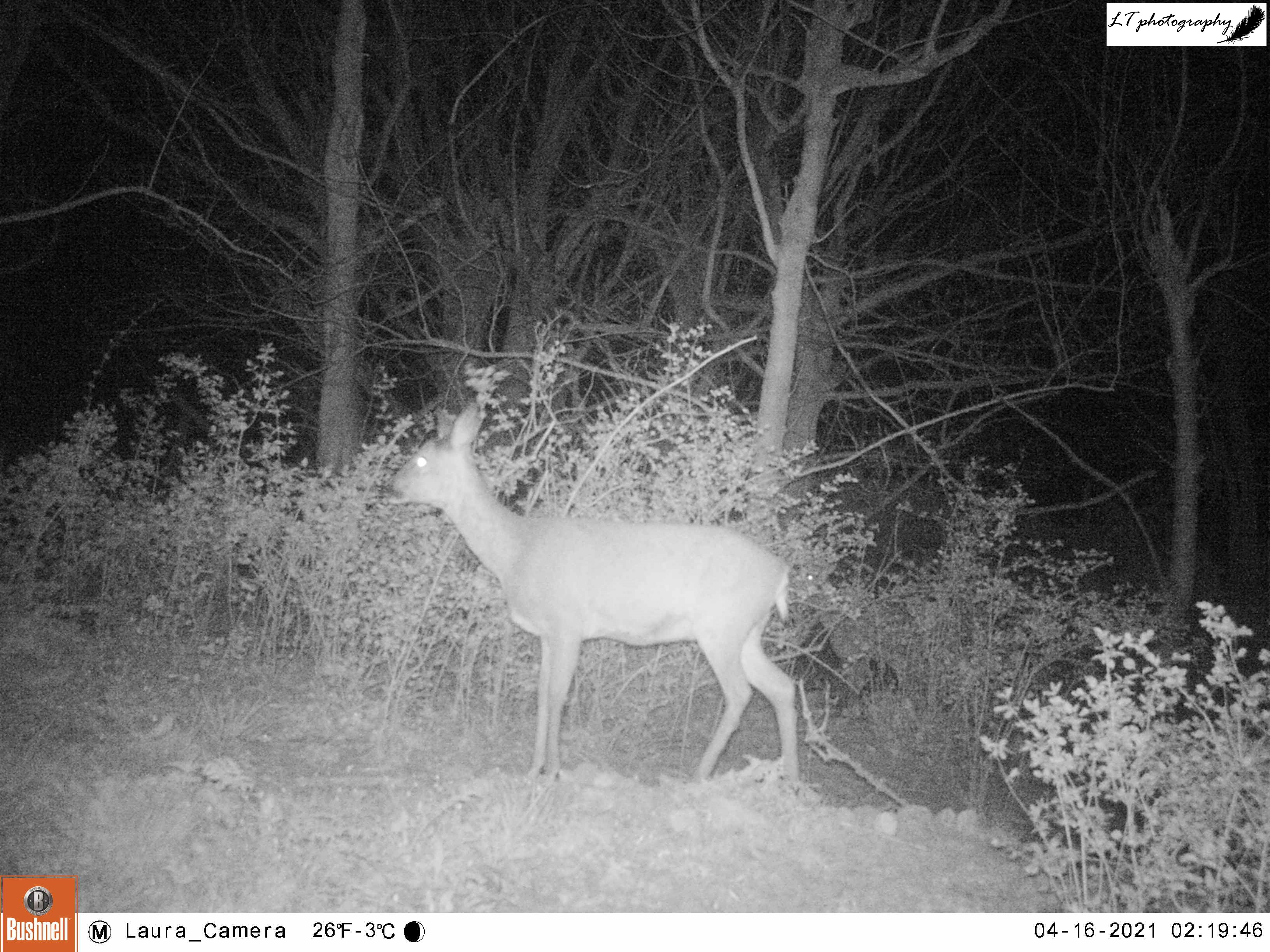
As the landscape slowly wakes up and new growth begins to carpet fields, woodlands, and hedgerows, the local wildlife is also beginning to become more active as they go about their day-to-day lives. In early spring, roe deer are still living in non-territorial mixed-sex groups of varying size with groups sharing limited food sources. This year, across the farm, my camera traps observed many roe deer groups passing through the landscape during March, including males growing antlers covered in soft velvety skin, and females with growing pregnant bellies. In particular, this spring groups stayed together quite a while due to fluctuating weather affecting the growth and abundance of plants.

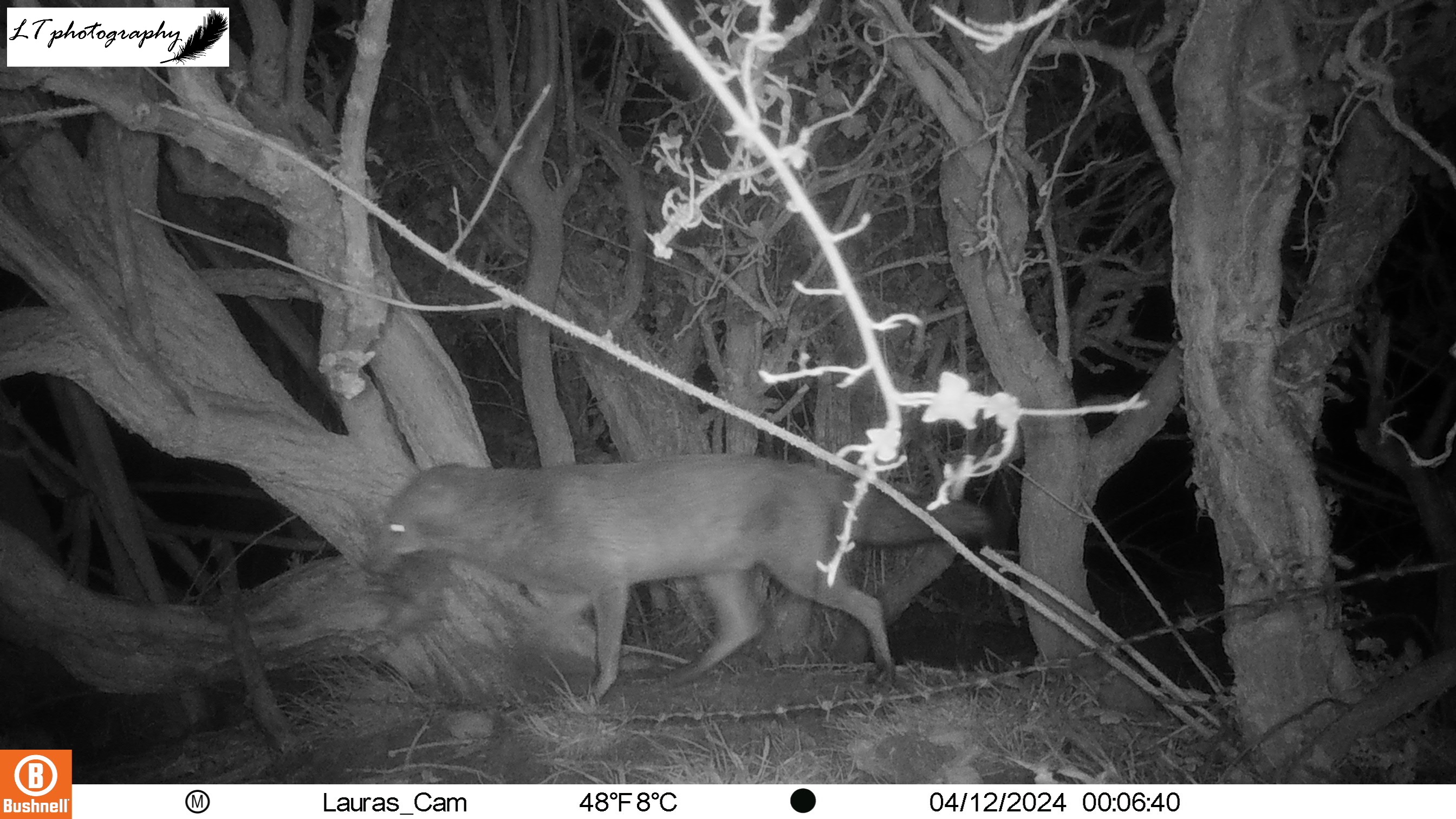
March is the peak time for fox cubs being born in Britain, and so typically during this month vixens stay below ground in their den to give birth and keep their cubs warm whilst still vulnerable. This means during early spring, foxes seen tend to be males hunting and providing for their mates. During this time this year, my camera traps often caught foxes carrying prey, such as pheasants and rabbits, and travelling the same tracks daily. These sightings are a wonderful sign that there is new life arriving somewhere out there in the local landscape.

March is the month of winter drawing to a close and spring beginning to breathe life into the land again. With my camera traps at the ready, and well-trodden paths often the best place to observe wildlife, I was able to capture a range of sights and surprises varying from grey squirrels digging up nuts buried in the autumn to badgers searching for food to territorial fighting of breeding woodpigeons. You never quite know what you will see!

Species Seen: Rabbit, brown rat, fox, badger, pheasant, roe deer, woodpigeon, grey squirrel

April

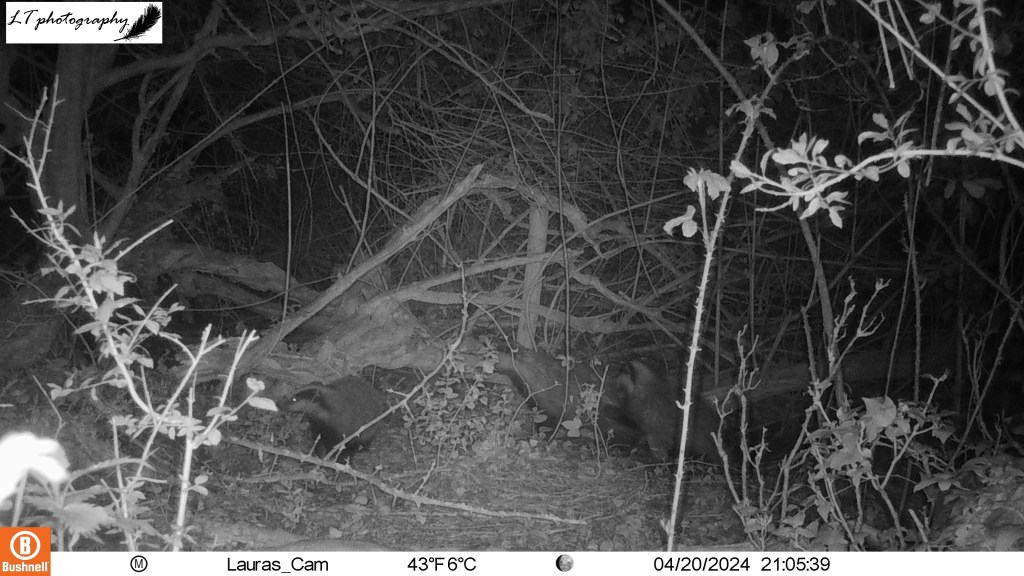
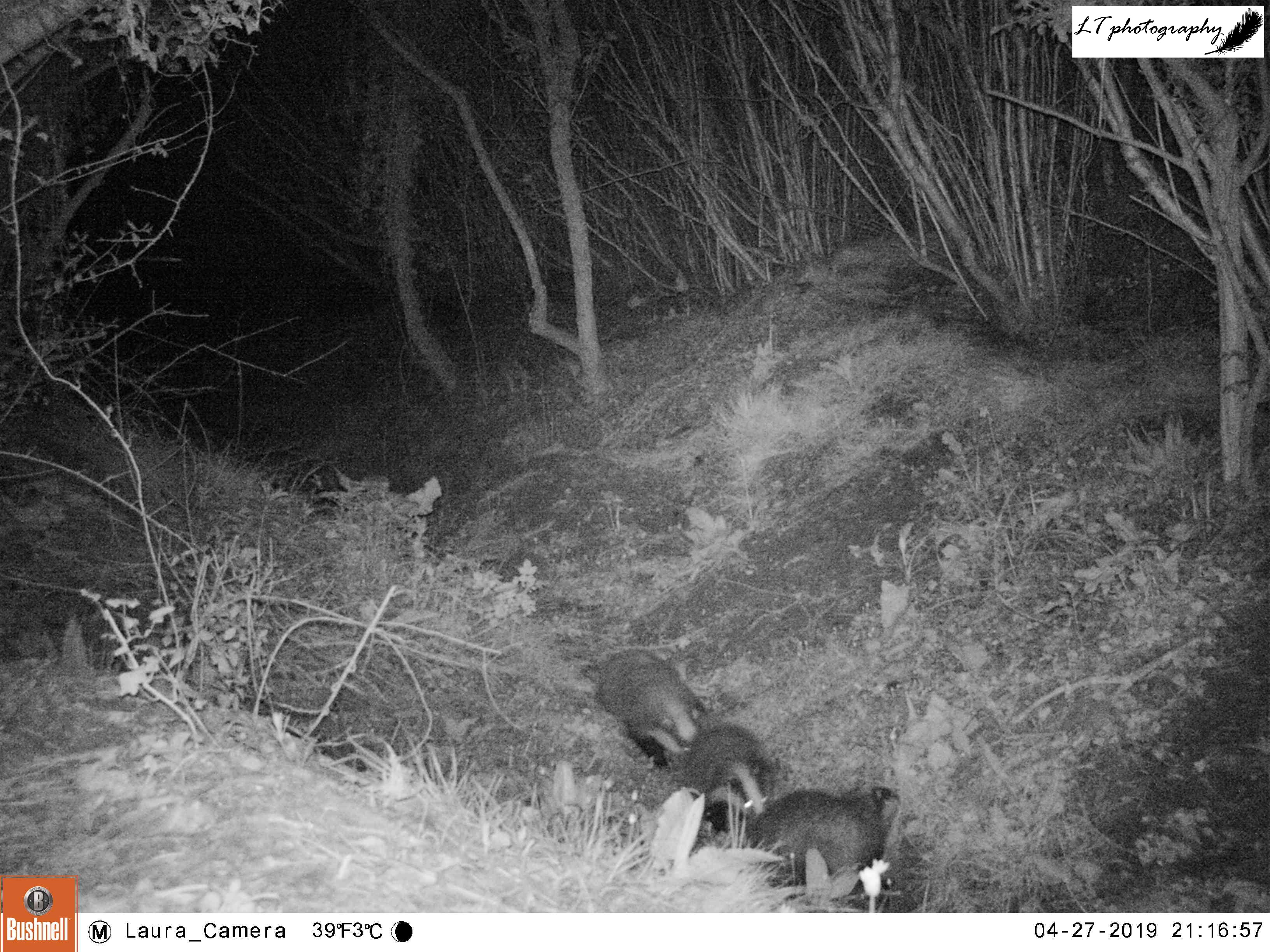
April marks the appearance of abundant new life, with leaves unfurling on trees, blossom dripping from hedgerows, and spring flowers popping up across the landscape. This month is also full of new life for many animal species local to me too, with signs of this being picked up on my camera traps. Being typically born in February, badger cubs now begin to explore the entrance to their setts and the immediate area. This year I was lucky to capture one particular family of badgers with their cubs beginning to explore above ground during April, and not just views of adults walking on by. To be able to watch any young animals playing and exploring the world for the first time is truly an incredible experience!

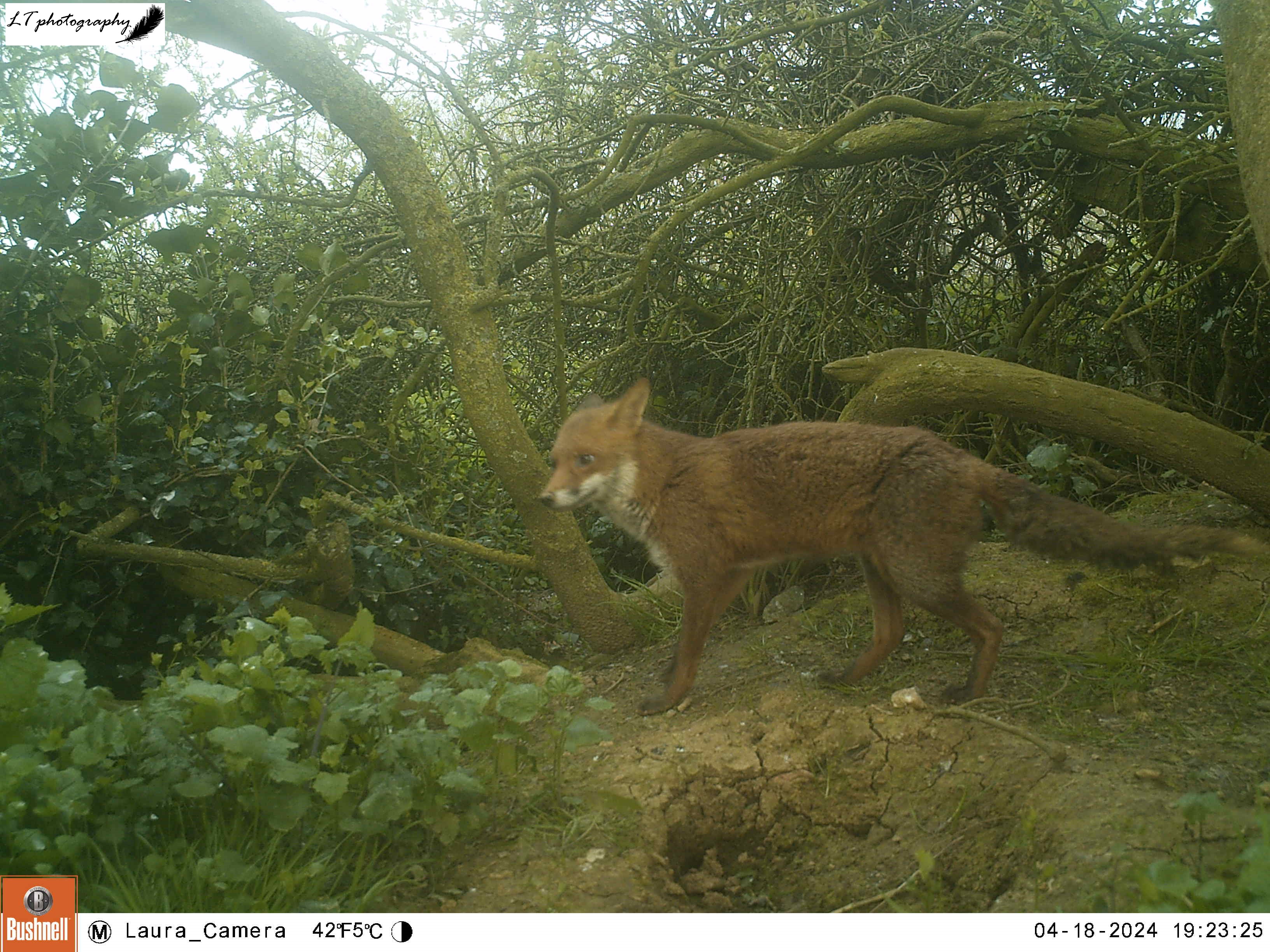
Though this year I was not lucky enough to capture fox cubs emerging in April for the first time, as in more recent years, my camera traps still picked up views of adult foxes frequenting areas that could have been home to possible den sites. Vixens during April will still be heavily relied on by their cubs, leaving the male to still be the main food provider and protecter of the den. My camera traps captured possible views of some very diligent dads in my local area this year!

During this month of spring, not all species and individuals are yet to have young relying upon them, with females instead feeding up ahead and males keeping to themselves. One species in particular that my camera traps observed doing this was the hedgehog, an abundant visitor to my family’s garden, typically emerging from hibernation at the end of March or early April. Other stars spotted were hares not in a hurry and some boisterous roe bucks.

Species List: Pheasant, roe deer, brown hare, fox, badger, carrion crow, brown rat, grey squirrel, blackbird, woodpigeon, magpie, jackdaw, hedgehog, house sparrow

Early May

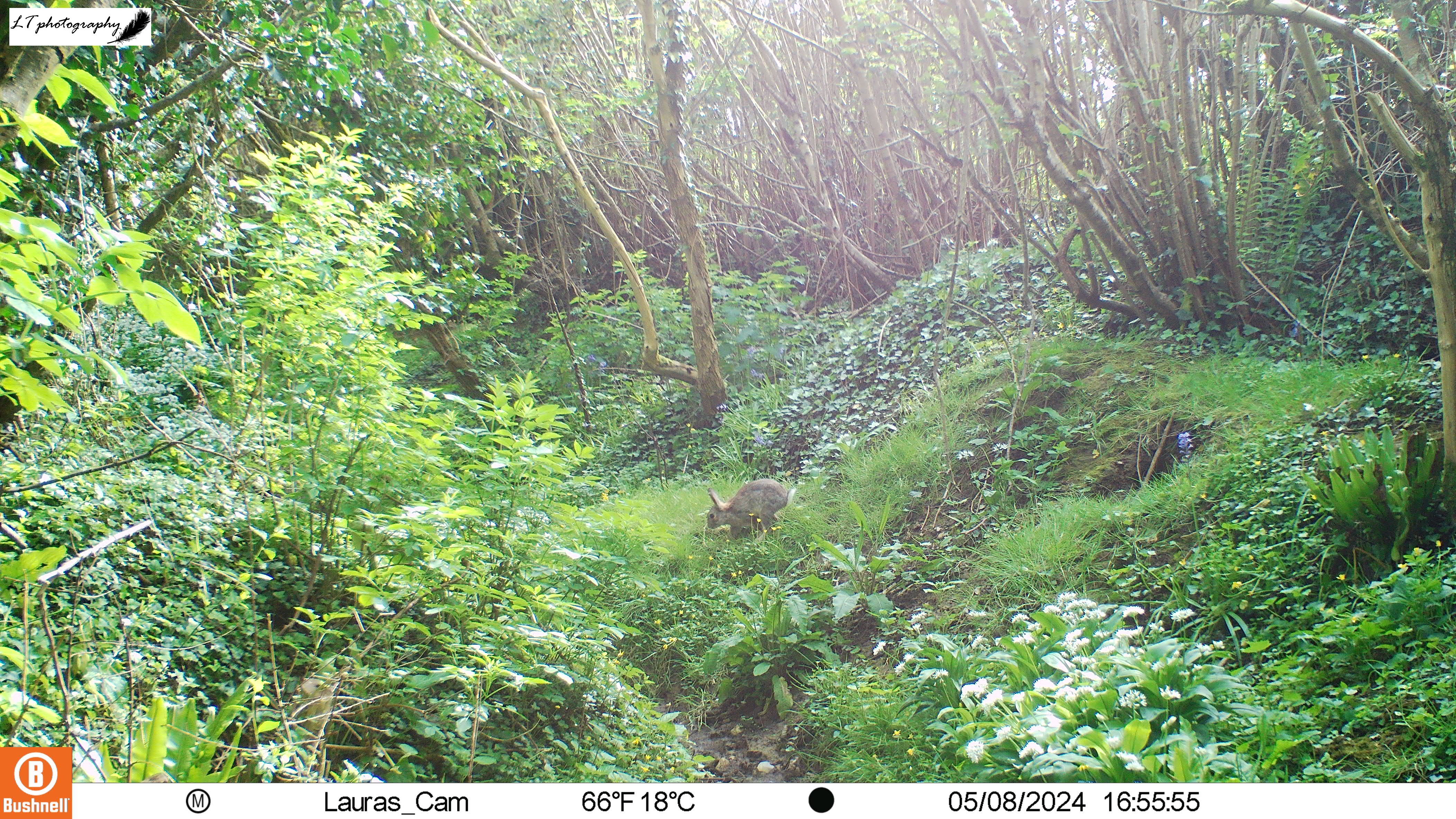
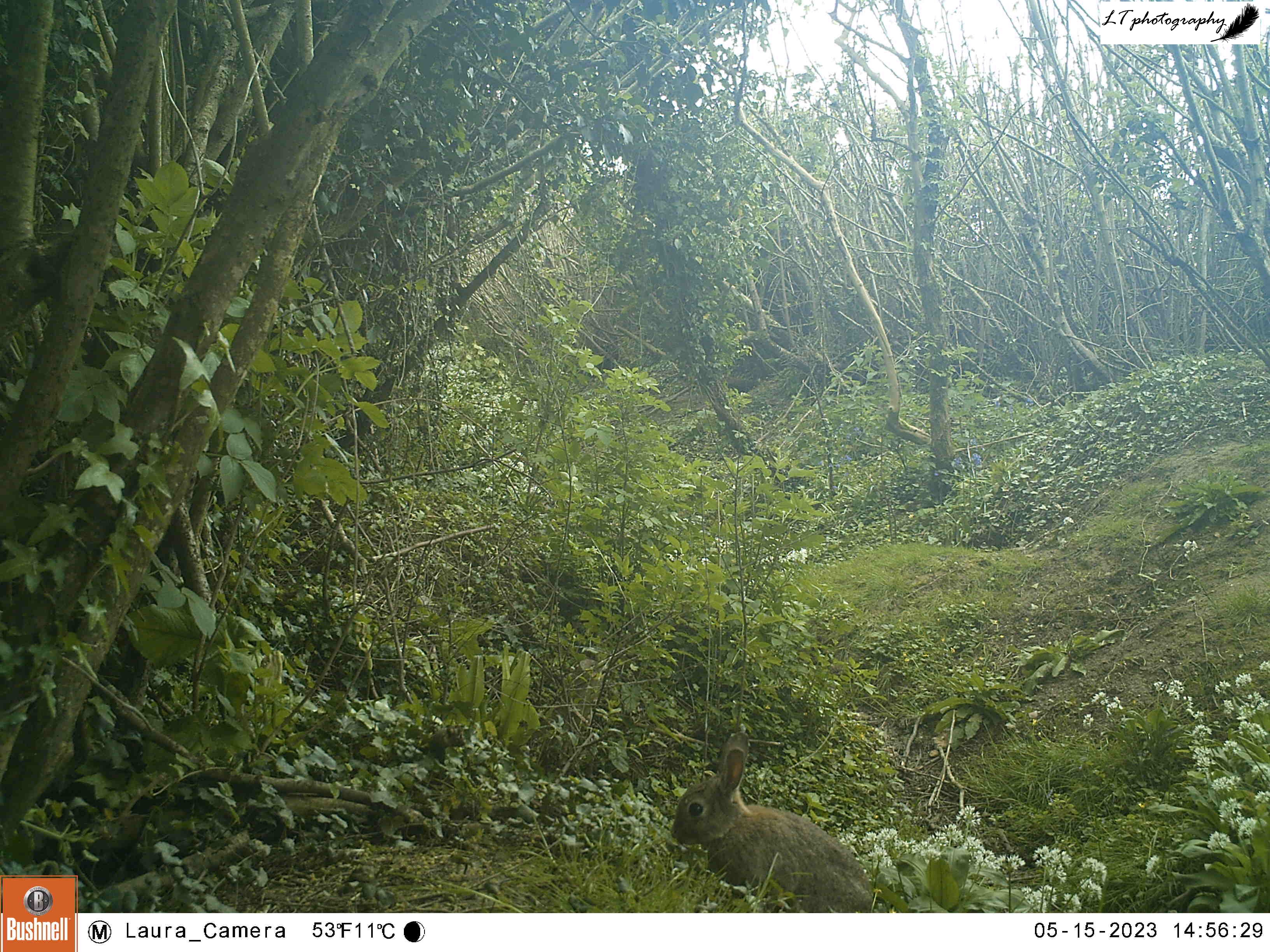
As the spring season rolls into the month of May, the landscape is now a hive of activity. Plants abundantly grow and blossom into colour, and many species are focussed on having and raising young, and passing on their genes to the next generation. May is a great month to glimpse hidden behaviour of wildlife and take in a different side to many species. This year this included rabbits socialising, nosy roe deer, and foxes climbing trees.

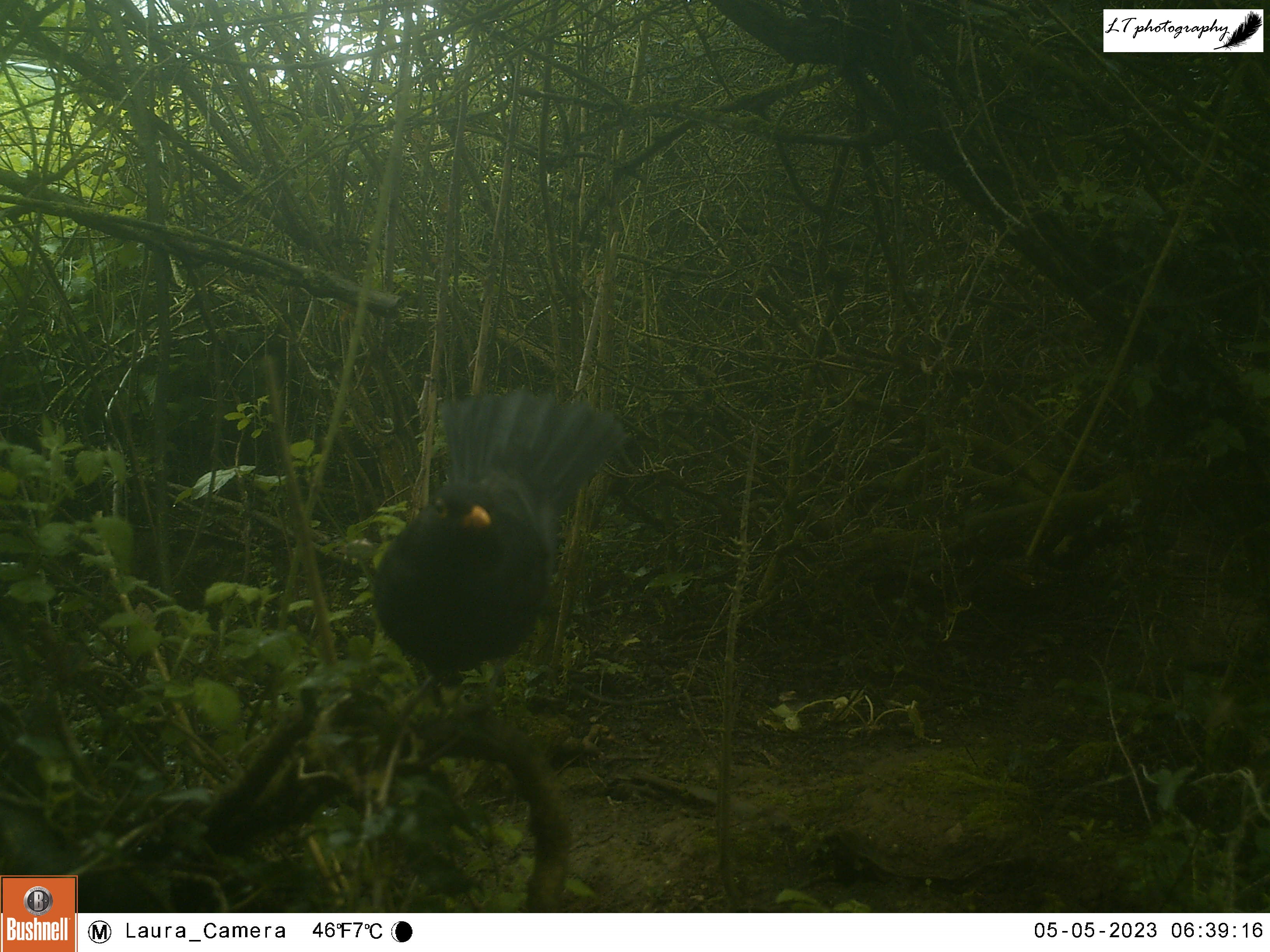
As birds nest, hatch chicks and feed young, individuals are also at their most active. This often means my camera traps get some glimpses of such species on the go. This May these included many woodpigeons, robins finding food, and chiffchaffs flitting through hedgerows. It is great that camera traps allow me to observe some of our local feathered species as well.

My favourite surprise this May though, was multiple sightings of muntjac deer on our land once again. Though muntjac are non-native and can be a problem in many areas, on our land my family and I have never observed muntjac with our own eyes before. Therefore, my camera traps have given us an interesting and unexpected glimpse into the presence of this deer species on our farm, and their movement through our area.

Species List: Roe deer, pheasant, chiffchaff, robin, muntjac deer, rabbit, woodpigeon, brown rat, grey squirrel, fox

A Year In The Life Of A Woodland – Part 1

In 2022, I followed the annual cycle of one particular oak tree as it went through its own life stages, and watched the landscape change from its corner of a Dorset field. The tree encountered hunting barn owls, howling gales, breeding kestrels, and even a family of foxes, and observed such a vibrant year in nature even just from one spot. So for 2024, I wanted to follow such a story again, but this time on a different scale.

This year I am following a year in the life of an ancient, broadleaved woodland in the heart of rural, rolling Dorset. I will follow its progress from certain points within its bounds, and observe the beauty the woodland has to offer throughout the seasons. I look forward to seeing what goes on through the year, and the subtle differences from month to month at its heart. To start, I bring to you the first half of a year in the life of a woodland (January-June).

January

Entering the woods again at the start of a new year, there is a distinct feeling that the landscape currently lies in slumber. Though in previous years January has experienced wintery weather with cold spells characterised by hoar frosts and sheets of snow, this year the bite is missing from the weather, allowing the first signs of new life to appear already. The low winter sun breaks through the sturdy trunks of dormant trees, shining weak rays on the green leaves of woodland plants beginning to pop up underfoot, wood anemone and bluebells included.

Up in the naked boughs of the trees, birds fly from branch to branch, including blue tits, great tits, and goldcrests, buzzards whirl in the skies above, and pheasants make their raucous call now and again. Remaining holly and hawthorn berries provide a spot of colour against ivy and plentiful moss, but with the first lush greens and pastel yellows popping up, such as hazel catkins dangling from the trees, the woods are hinting at change. These are the first whisperings of spring in the stillness of the woodland, with more signs being found at night, such as tawny owls loudly defending their territories, and badgers and foxes increasing their roaming amongst the trees.

February

As a new month begins, the landscape feels like it is very much still in the grips of winter. A grey gloom hangs over the woodland, with the overcast sky threatening an endless possibility of rain. Where February 2023 was a cold, dry month, February 2024 is reflecting continued milder and wetter weather than average, with sunshine being much in demand. It is still not warm enough for any further advancement in the signs of spring from the previous month though, with the woodland floor still being mainly dressed in warm browns. Despite this, those first whisperings of new life can still be seen, with the slow marching growth of shoots of well known species, such as bluebell and stitchwort.

The mosses and lichens are also now joined by the much needed warm yellows of primroses and celandines, along with the red gems that are female hazel flowers. The slumbering woodland is currently the backdrop for the day-toiday life of its winter residents, but with the addition of blackbirds and song thrushes now starting to sing their melodious songs ahead of breeding in the spring.

March

As March begins, the start of blackthorn winter brings biting winds from the north, creating a break in 2024’s trend for warmer and wetter weather, which continues for the rest of the month. A rare calm day though sees the woodland bathed in soft, early spring sunshine, as it begins to finally switch from its shroud of brown to greens, with a carpet of new growth. Bluebell leaves are marching on in their advance of growth, making the most of increasing temperatures, whilst spear-shaped wild garlic leaves now carpet areas around the ambling streams through the middle of the wood. Hazel catkins are now fading to a creamy yellow, and their red female flowers are joined by swelling leaf buds. Though spring is advancing quickly, the woodland still waits for more flowers to keep company with the primroses and celandines.

A difference lies up in the trees. The woodland is coming alive with the sound of bird species that have wintered here in the UK and do not have to travel as far to return to their breeding territories. From great tits and blue tits, to wrens and goldcrests, a range of calls and songs can be heard, cut through by the sound of great-spotted woodpeckers drumming near and far. Mammals are beginning to become more active too, with grey squirrels fighting for territory and roe deer groups roaming through and around the woods. Spring is on its way!

April

As spring unfurls, the weather of April feels reminiscent of 2023, with cooler, damper weather dominating due to persistent north winds and plenty of rain. In the woods growth continues to move forward, but at a noticeably slower pace than could be expected. The month opens with tree buds swelling, hazel and hawthorn leaves bursting forth, and trees dripping with blackthorn and willow flowers. The woodland floor is coming to life now with a never ending mat of purple dog violets, pale green moschatel, yellow celandines and primroses, white stitchwort, the beginnings of purple-blue bluebells, and the fantastic starry heads of wood anemones. Wild garlic leaves continue to grow around the bubbling streams, smelling noticeably pungent now and beginning to show the whites of flower buds, whilst ferns unfurl their hairy coils across the woodland.

As the woodland bursts into life, it is accompanied by an intensifying soundtrack. In the background a rich tapestry of bird song can be heard, as migrants make their return, from great tits, blue tits and wrens, to chiffchaffs, blackbirds and robins. These include the continued crow of pheasants, the cat-like mewling of buzzards circling overhead, and the barks of grey squirrels. Listening more closely though, buzzing can now be heard as bees and flies make the most of flowers now blooming. The woodland finally feels alive after the first three months of the year taking its toll, though it waits for the return of some warm spring sunshine.

May

On a quiet afternoon at the start of the month, stepping amongst the trees is like stepping into a whole new world compared to the start of the year. Sunlight falls soft through new green leaves, dappling the woodland floor with warmth and light. At the base of the trees, the floor is now a lush green carpet of plant life. The cooler weather of April has meant that some April events have continued on into May, such as the bluebells, whilst the wind now coming from the south bringing warmer weather is beginning to promote much needed new growth.

Bluebells are just going over their peak after a spectacular show of rich purple-blue that has been breathtaking. Amongst hanging bells, stitchwort is continuing to open new flowers, alongside shocks of pink from herb Robert. New flowers appear in the forms of early-purple orchids, and red campion. Yellow archangel that took some time to arrive is becoming bleached to a creamy yellow, whereas wood anemones are bidding their final farewell. Wild garlic persists as do bright yellow celandines, adding to the show. Things move on though, as the ferns begin to overshadow the bluebells with their green fronds. Spring marches on.

With plant life becoming abundant, the woodland is now abuzz with insects of many kinds, whilst spiders make their homes between the flowers. Midges are particularly prevalent this year with a damp spring too! A highlight right now though, is the woodland’s bird life, with the continued singing of many species that call the woods home and are breeding right now, the chiffchaff really standing out in particular. Somewhere in a hole in a tree, maybe a tall oak, a female blue tit will now be sat tight on her eggs, growing the next generation of blue tits. 

June

As I step into the woodland on one of the first dry days in a while, my surroundings move from bright light to light spots and shadows. The tree canopy is now nearing completion and lush green oak, ash and hazel blanket out the light. Below on the woodland floor, a change has occurred. Spring stars have finally made their leave, and riotous bluebells, early-purple orchids, and wild garlic have been replaced by a dense green carpet of leaves. Herb Robert has taken over, with pink flowers creating a joyful pop of colour. Also these flowers are joined by white pig nut, purple germander speedwell, and pink foxgloves, and the lst yellow archangel, stitchwort and vibrant dog violets. The green seed pods of previous flowers remain, and a bluebell here and there when lucky, but now ferns stand tall above the woodland floor, unfurling their final leaves and making a canopy of their own.

As the spring season bids us farewell, it’s now the time of new life and growth, which is currently evident in the woodland. The drone of insects has lessened as flowers go over, but can still be found with flashes of blue damselflies, battling speckled wood butterflies, and striped flies. The first young of mammals, such as foxes, and birds, such as tawny owls, are also now venturing out to explore their new world. This can be heard up in the trees with the songs of birds and the alarm calls of protective parents. Summer and lazy days are on their way!
Spring Dorset Camera Trapping 2023 – Pt. 1: Wonderful Wildlife

“In photography there are no shadows that cannot be illuminated” – August Sander

“Actually, it’s nature itself that creates the most beautiful pictures, I’m only choosing the perspective” – Katja Michael

Over the last four years I have used camera traps to try to capture the wildlife that call my family’s Dorset farm home. It has been a way to gain an insight into the lives of animals that usually would only be seen in passing on a day-to-day basis, such as a hare or a fox, and to be able to see them as anything but ordinary. It has also been an opportunity to watch natural behaviour that we would not usually easily see without disturbing wildlife, and to truly get an idea of the abundance and diversity of species over 250 acres. There is always more that we can learn each year though!

For the last few months, my camera traps have been back out recording what there is to be seen out in nature this year. Moving between 10 locations across our land, from March to July, there were lots of lovely moments that were captured, along with the unusual and unexpected. Over two parts, I will delve into what my camera traps had to offer in photograph and video form, and share some of my highlights. To start, lets take a look at the range of wildlife that featured on the farm this spring, saving the best this year for next week!

Bridlepath: Badger Alley

A family-named Badger Alley is a great site for a variety of mammal species found on the farm, with even a first muntjac deer being spotted last year. Badger Alley is a naturally-enclosed bridlepath that was once home to a large family of badgers, but now the sett lies bare. This path for humans is also a popular thoroughfare for wildlife as well as being a sheltered location for the homes of certain species. This is one site that I return to with my camera trap year-on-year!

This year 6 mammal species were captured on my camera traps, including one of my favourite’s that will feature next week. I had a scruffy adult female roe deer passing through,

an often seen adult male roe deer feeding and scent marking,

a territorial grey squirrel on his favourite perch,

plenty of whizzing past, including babies,

and a one-off inquisitive badger.

Badger Setts: Badger Field and Quarry Field

Over the years our badger population and distribution has fluctuated, including with Dorset’s badger. Currently though we have two active badger setts that each contain a healthy family of badgers that stick to defined territories within our land.

These setts are not just home to badgers, but also other species, including next week’s stars. Each year new species can be added to the list featured at these setts, but this year 4 common ones were captured alongside the two already mentioned. Species seen were:

  • Blackbird
  • Pheasant
  • Carrion crow
  • Roe Deer (male and female)

Wooded Area: Gill Hill Copse

This year I only used one wooded area on the farm for my camera trapping, a small copse towards the centre of our land. Over the years this rich copse has been home to and a passing through place for a variety of typical and more unusual species, and each year it is interesting to see what will be found. This year the more typical characters were seen, which included the highly abundant roe deer, such as a frequent female, and pheasants.

Within the copse an old badger sett can also be found, being situated not far from one of the active setts. This year for the first year of many, a lone badger could be seen entering and leaving the sett using a particular hole, making me think of a satellite male. It will be interesting to see what can be found here next year as a result!

Fields: Cowleighs, Quarry Field, Tower Paddock, Water Meadow

Across the farm, you will find our land is a mosaic of habitats and grassland managed for different purposes, on different timescales, and in different ways. This does mean that depending on where you are and at what time of year, you may experience different species at varied abundances and also the potential for some more unusual species. Fantastic wildlife moments are a guarantee though!

This year has been a hard year on nature already, and so analysing camera trap content is a good moment to stop and reflect on the feathered and furred individuals that call our land home all year round. Living not far from shoots, pheasants and red-legged partridges are a common sight, with numbers reducing over the summer when they provide a popular food source for a number of species. This year pheasants did a good job of making their way into the frame of my camera traps at nearly every site!

Another species going through a population boom on our land at the moment is the roe deer, with individuals being seen at most of my camera trap sites and a walk through our land giving you consistent sightings of many males and females. Next week’s star was also seen at nearly every camera trap field sites this year too!

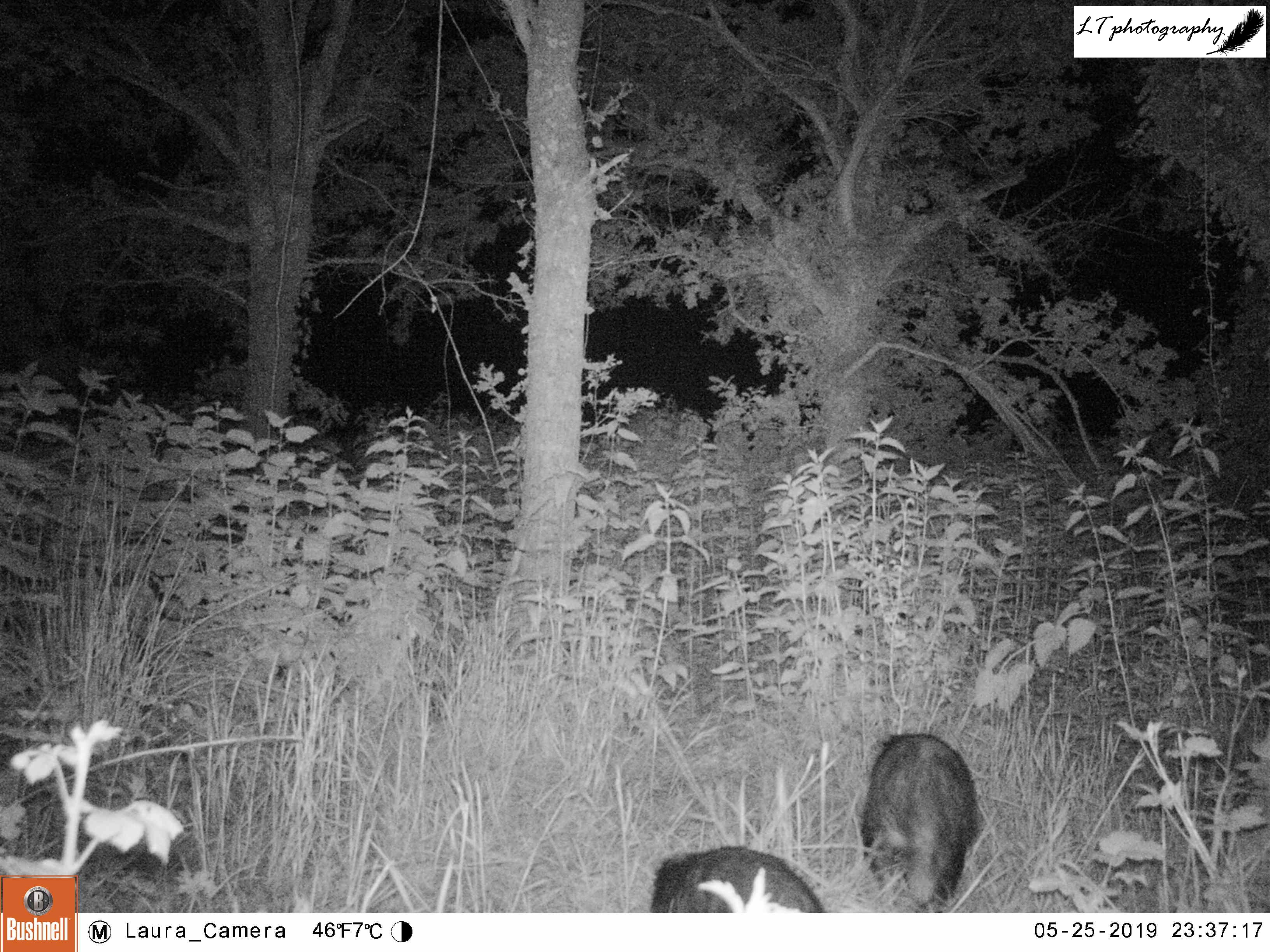
Badgers were caught on my camera traps when observing fields that were adjacent with active badger setts, showing badgers roaming for food, territorial marking and social interactions.

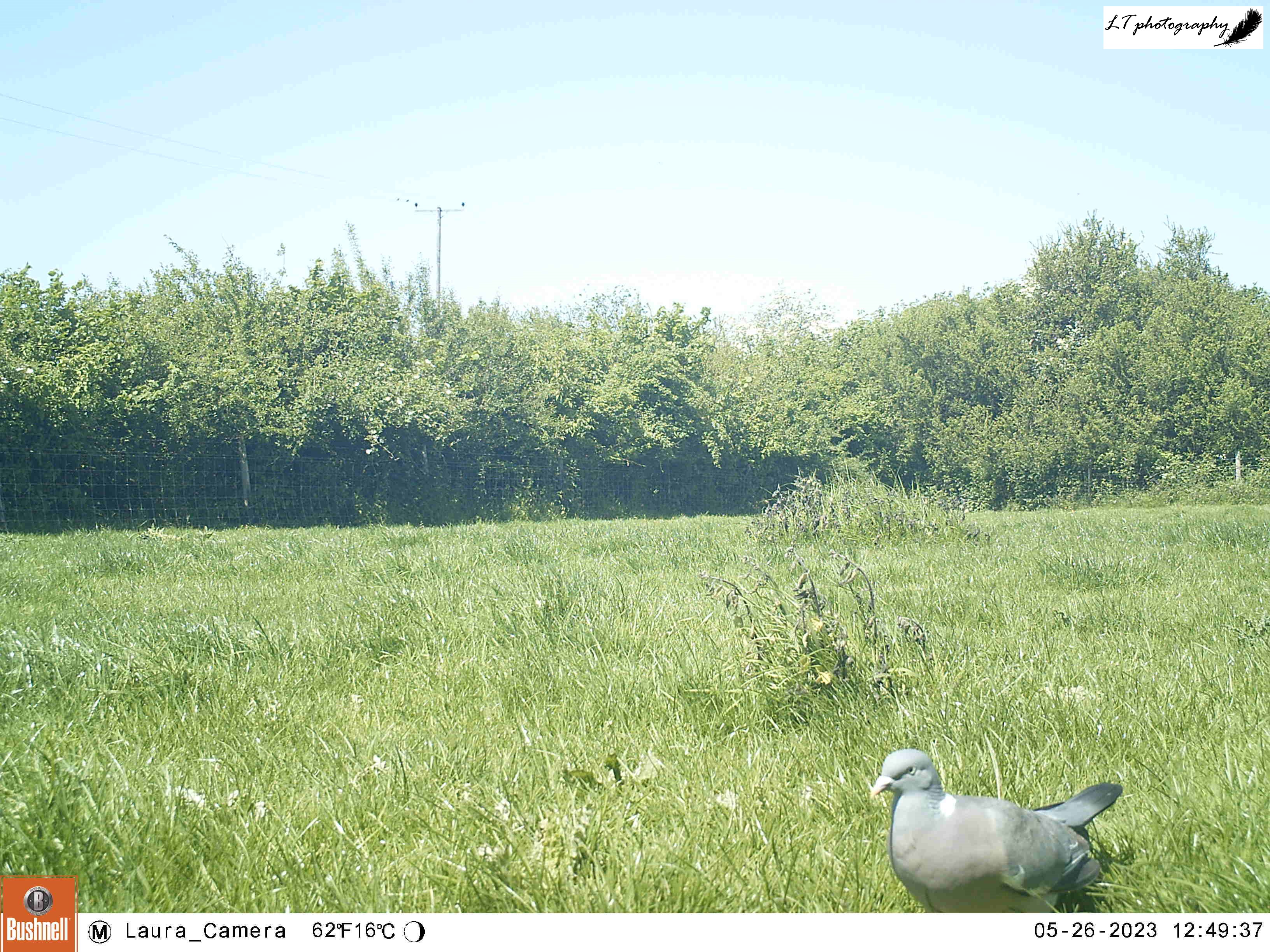
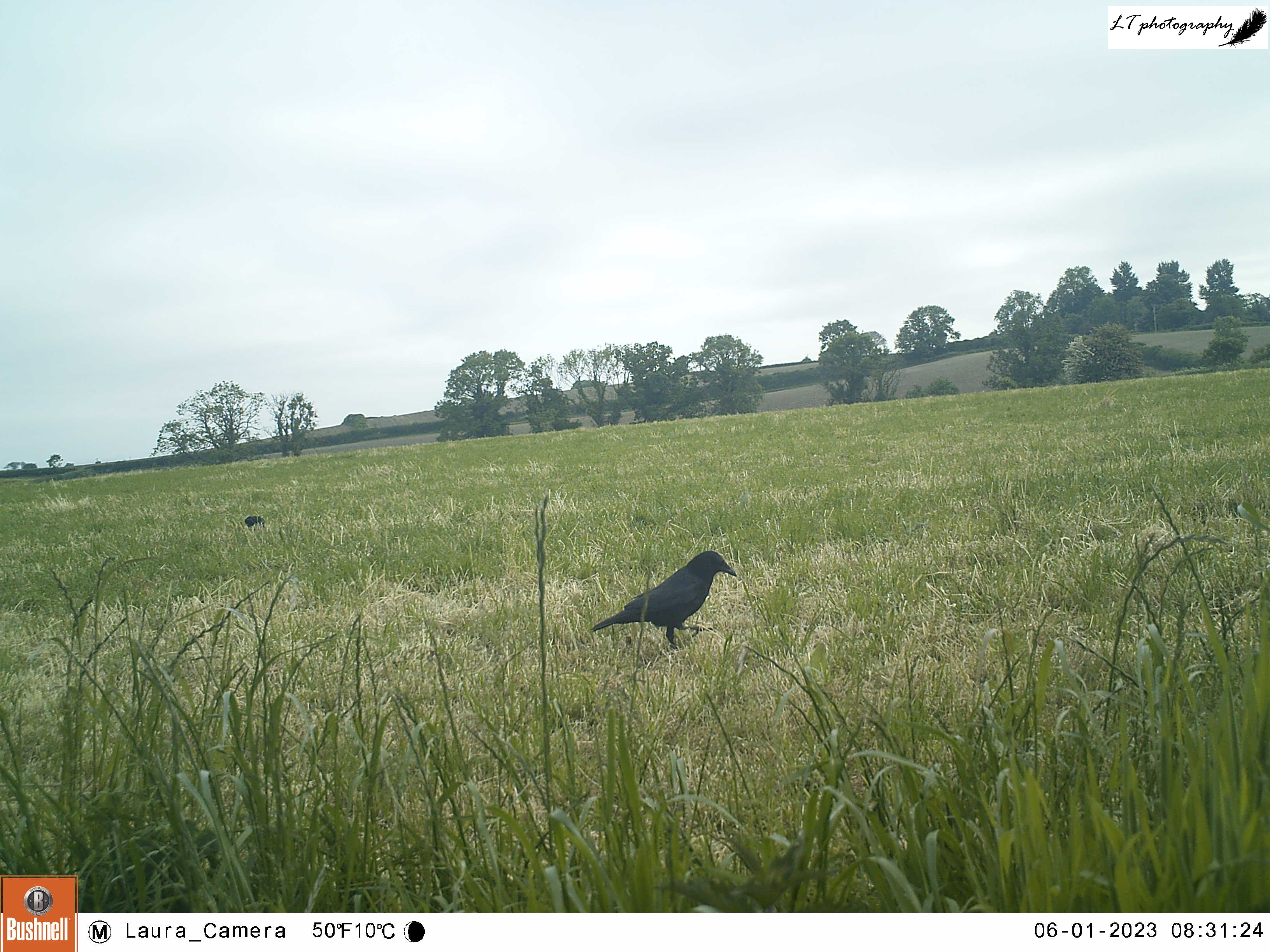
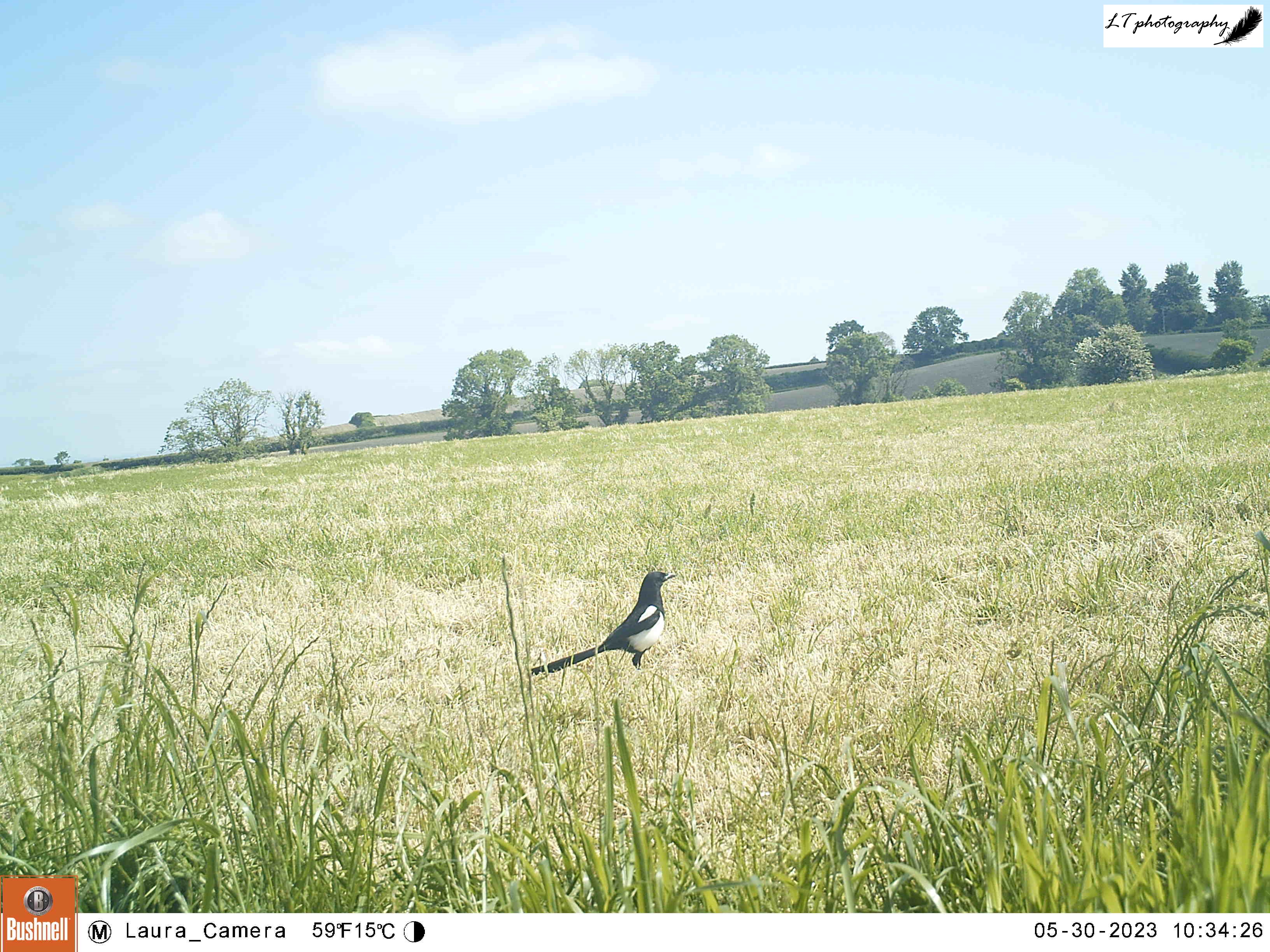
Many bird species made their cameos on my cameras, including an inquisitive woodpigeon, feeding carrion crows, and a magpie passing through. This year bird species broke up the antics of the mammals that were vying to be the stars of my camera trap photos and videos.

To finish my field observations, my camera traps this year did a good job of capturing sightings of the charismatic hare, a wonderful common sight across our land. Shots include a hare feeding, an inquisitive individual, and hares speeding past.

Garden

Our house and garden is situated at the centre of our land, and has often been described as a hive of bird activity, as such an abundance of different species visit daily. We also get visits at different times of year from different mammal species, which add to the fun of setting a camera trap to gain another view of the wildlife visiting our small garden. This year’s wildlife visits included a cheeky magpie and an emerging hedgehog, a species that we now see in our garden in the autumn in increasing numbers!

Check out my blog post next week to see the missing star of this year’s camera trapping adventures!

Spring In Photos 2023

This year spring has been a very unusual and unpredictable couple of months for nature. Last year, spring took its time to unfurl, and this year saw a similar trend. A very dry February, a very wet March, a cold April, and then a wet followed by hot and dry May, made for a slow start to spring, and a short and vibrant season.

Despite an odd spring this year, the season has been an enjoyable and fulfilling one for me. It has been filled with lots of wild adventures, experiences, and colourful moments. With my camera by my side (or phone), I have spent lots of time this year capturing and exploring spring in all its shades and vibrancy. Here’s just a few of the many versions of my spring 2023.

Spring In Photos

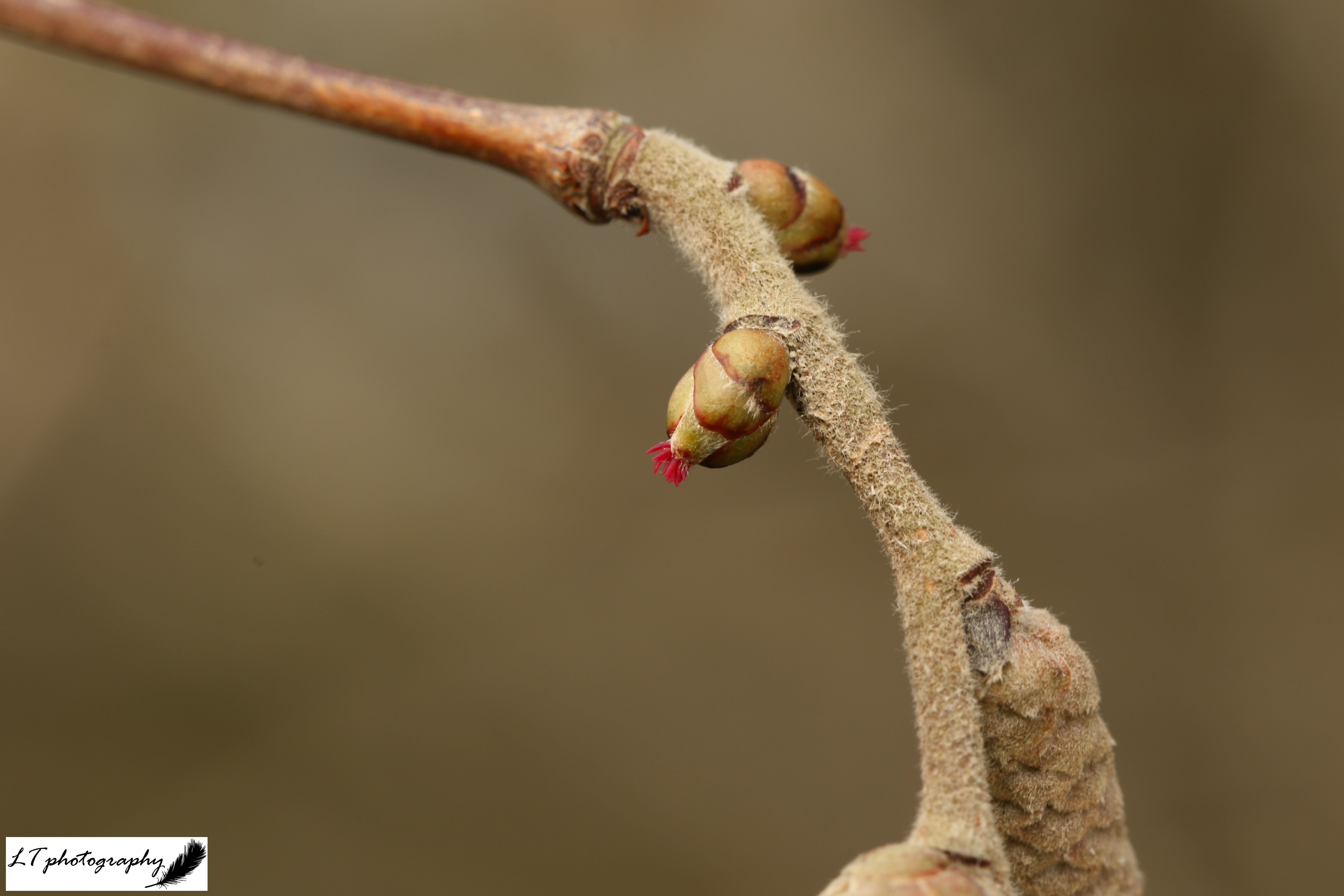
Seeing Red – When people think of hazel flowers, catkins always come to mind, hanging like lamb-tails and powdered with yellow pollen. These are just the male flowers, with the female ones taking the form of understated buds topped with bright red tufts of styles, adding much needed pops of colour at the start of spring.

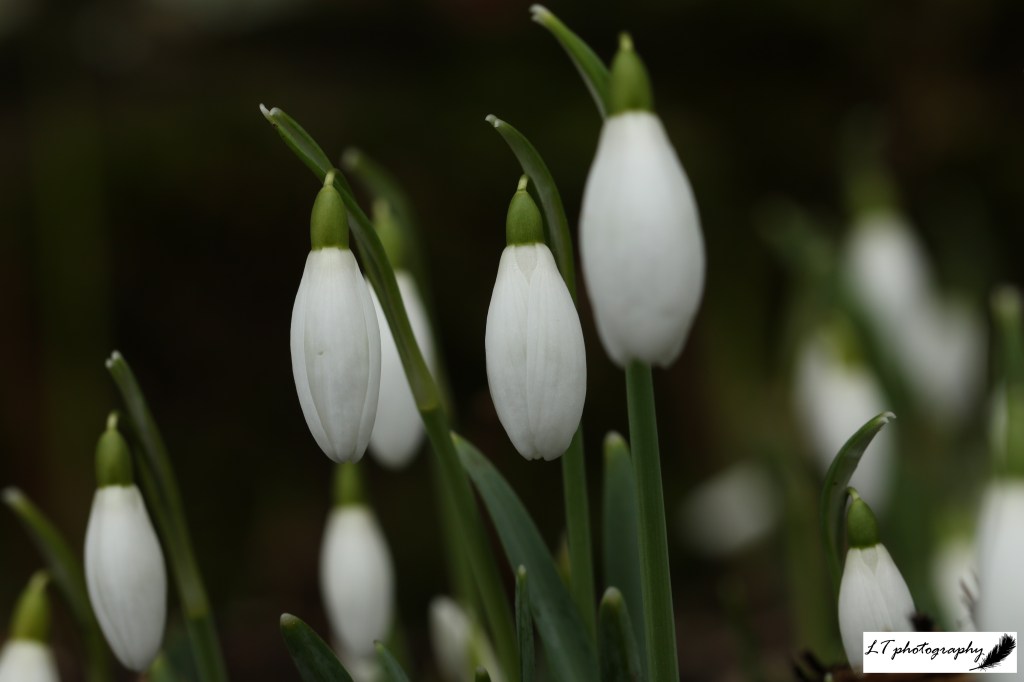
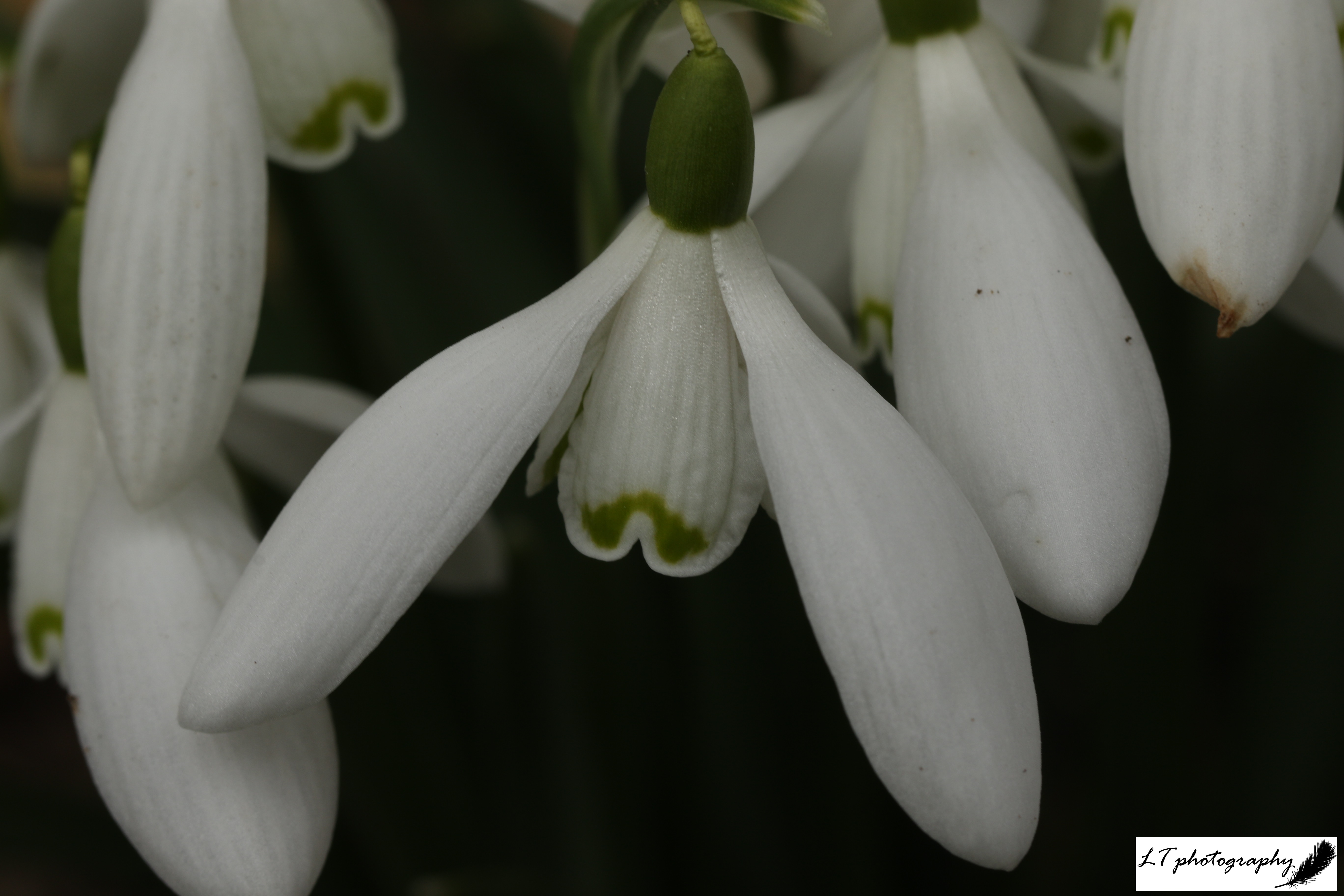
Glistening Snowdrops – This year I spent much time photographing snowdrops in different ways, making the most of the flowers staying around later into spring. Here I enjoy the glisten of the simple white petals of a nodding snowdrop.

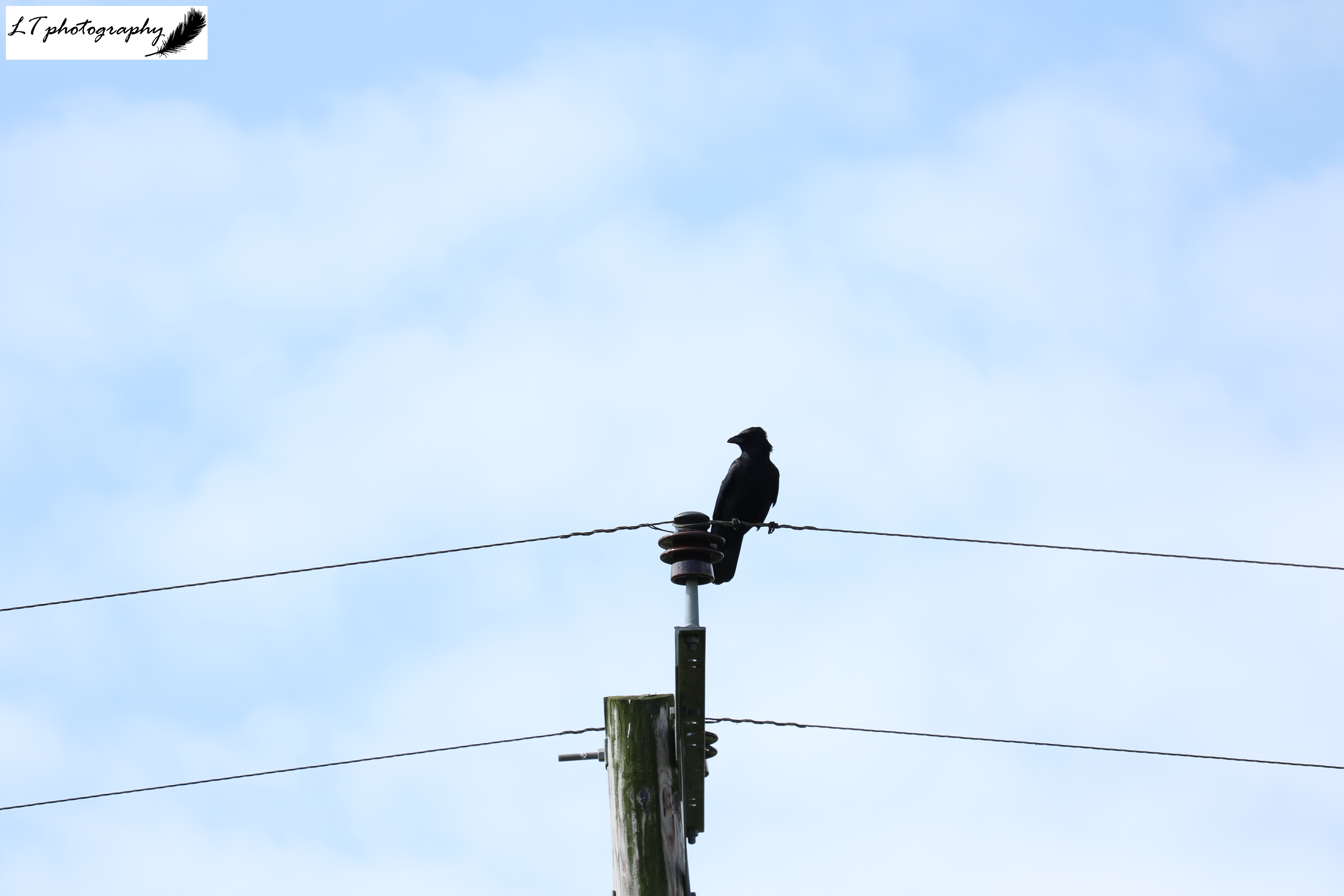
Walking the Line – This crow can be easily recognised from its silhouetted form against the pastels of a blue sky in early spring. A simple photo but an effective one.

Pretty in Pastel – A cheerful sign of spring, primroses get their name from the latin for ‘first rose’. Flowering early in spring, they are often seen as a harbinger of the season, brightening the bleak winter landscape.

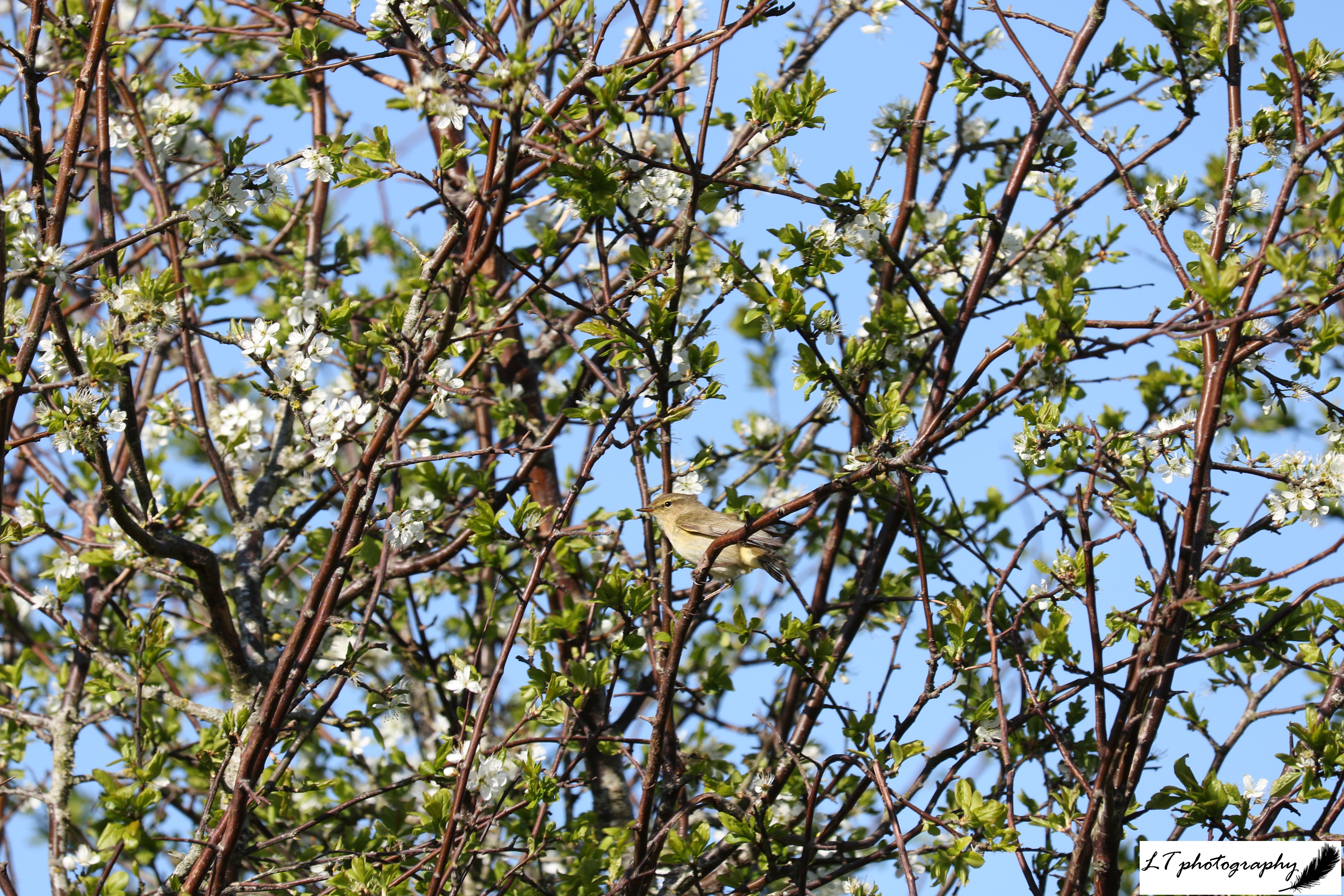
Blossoming Chiffchaffs – Chiffchaffs are a real highlight of spring for me, adding to the soundtrack for trees blossoming and leaves unfurling, flowers blooming, and the landscape becoming alive with life once again. I had always wanted to try and capture them amongst this backdrop and this year I had my opportunity to do just that!

Quarry Bank Comes to Life – A National Trust property in Cheshire (check out A Naturalist in Manchester), Quarry Bank’s gardens come to life in spring with a fantastic array of colours!

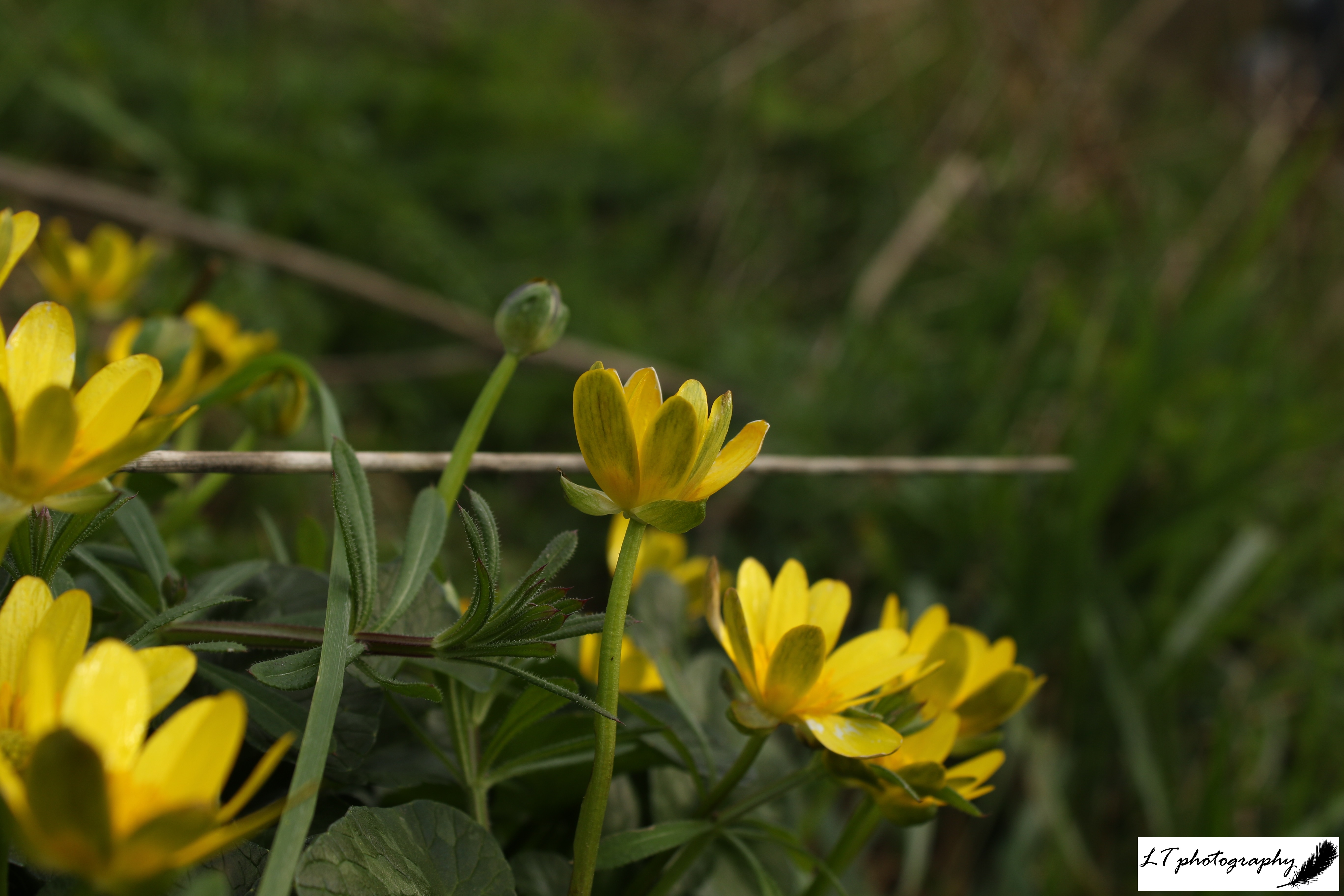
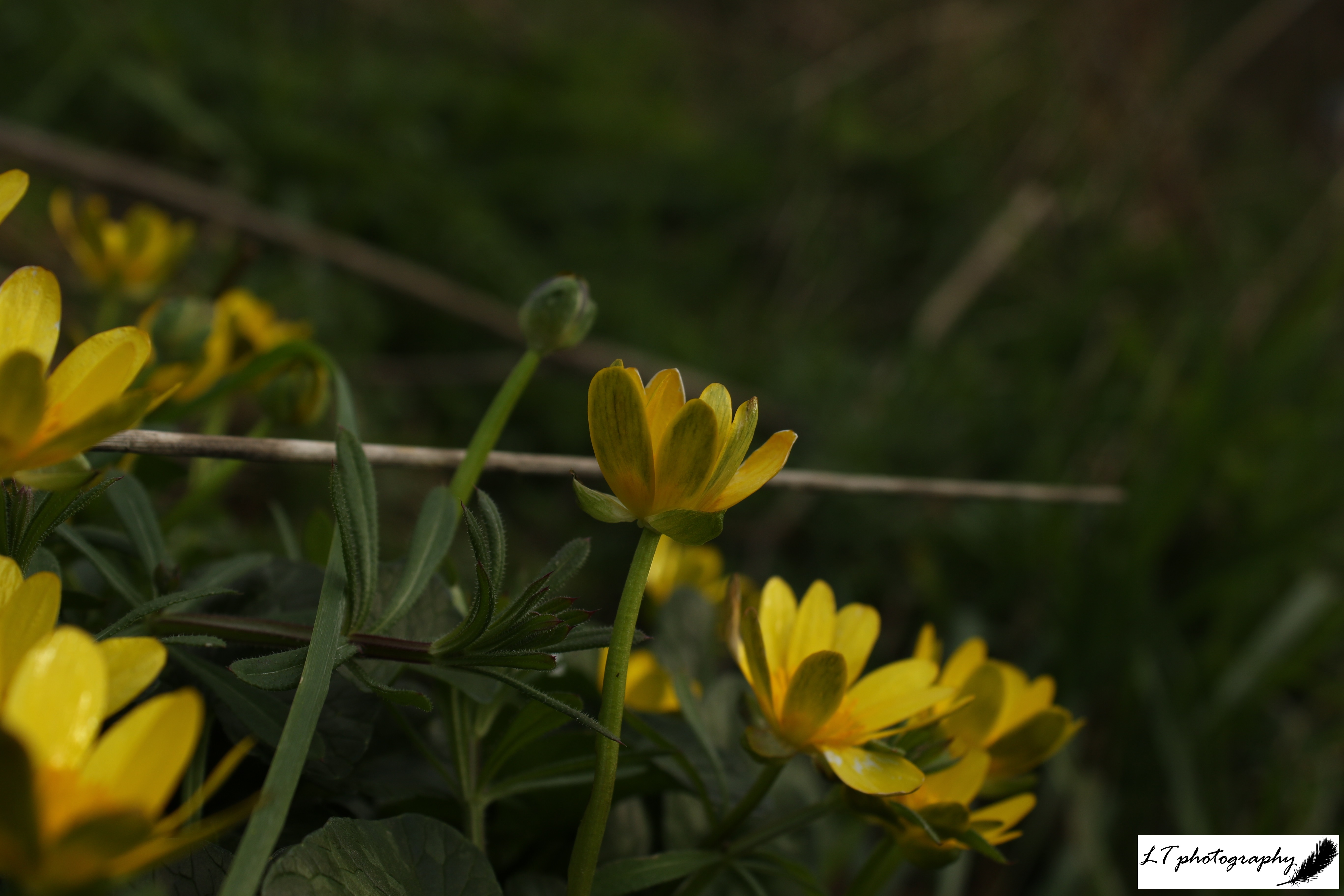
Sunshine Celandine – Celandines are another classic spring flower, helping to provide a joyful pop of colour, as winter slips away. I always enjoy the challenge each year of trying to photograph them in new and interesting ways.

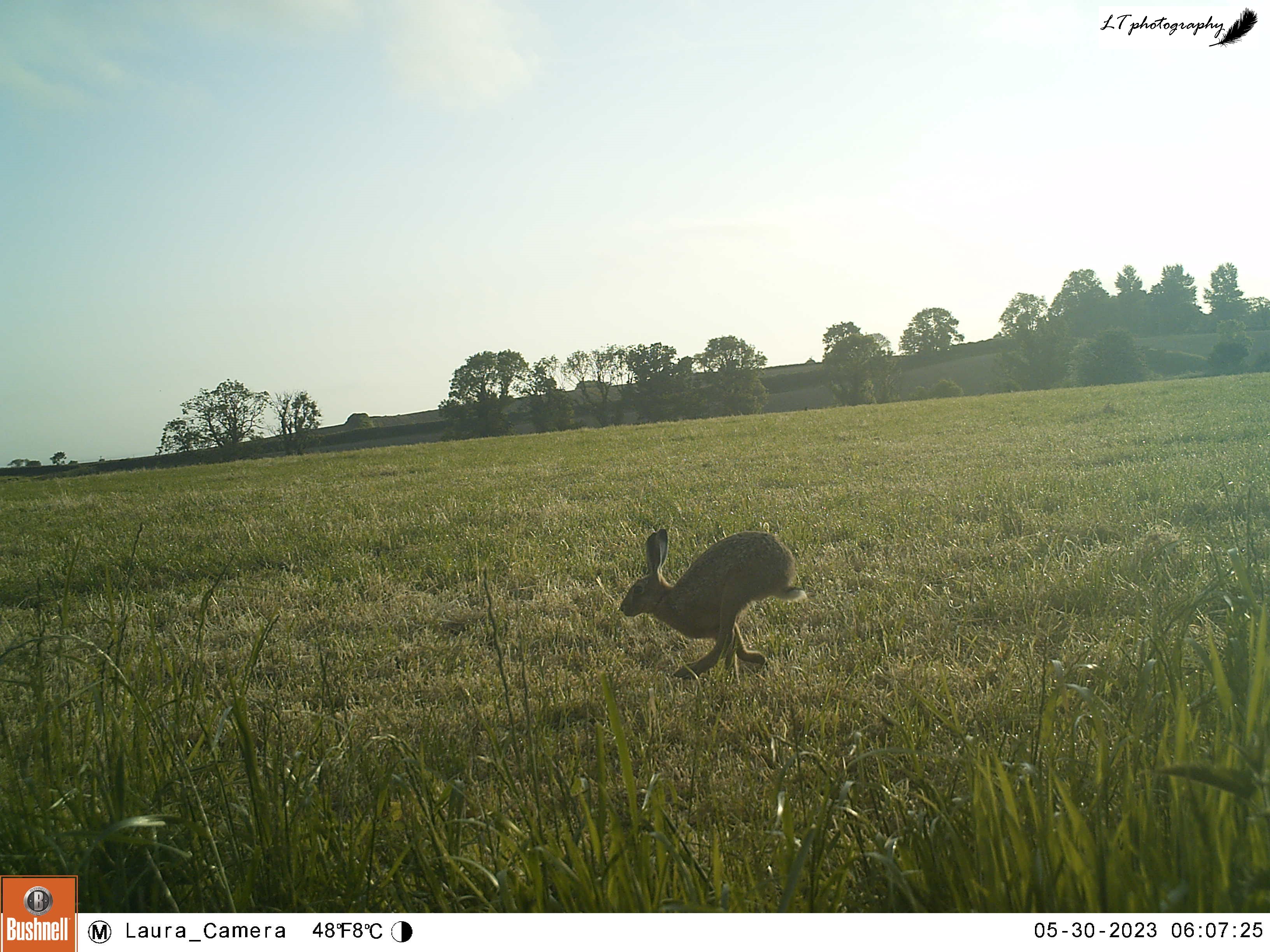
The Hare [Not] In A Hurry – Whilst walking in my local woods, I caught sight of this lovely pair in a neighbouring field. It was lovely to sit and watch them for awhile as they groomed themselves and interacted with each other, never knowing that I was there.

In The Blue – People familiar with my blog and photos will know that bluebells are one of my favourite spring flowers, as they fill me with joy when I see a woodland floor carpeted with their fantastic blue. The bells individually are like magic themselves.

Leading the Way – A lone early-purple orchid bordering an animal track running through a woodland. These spotty-leaved plants can be found in clusters or as here, on their own, amongst the trees.

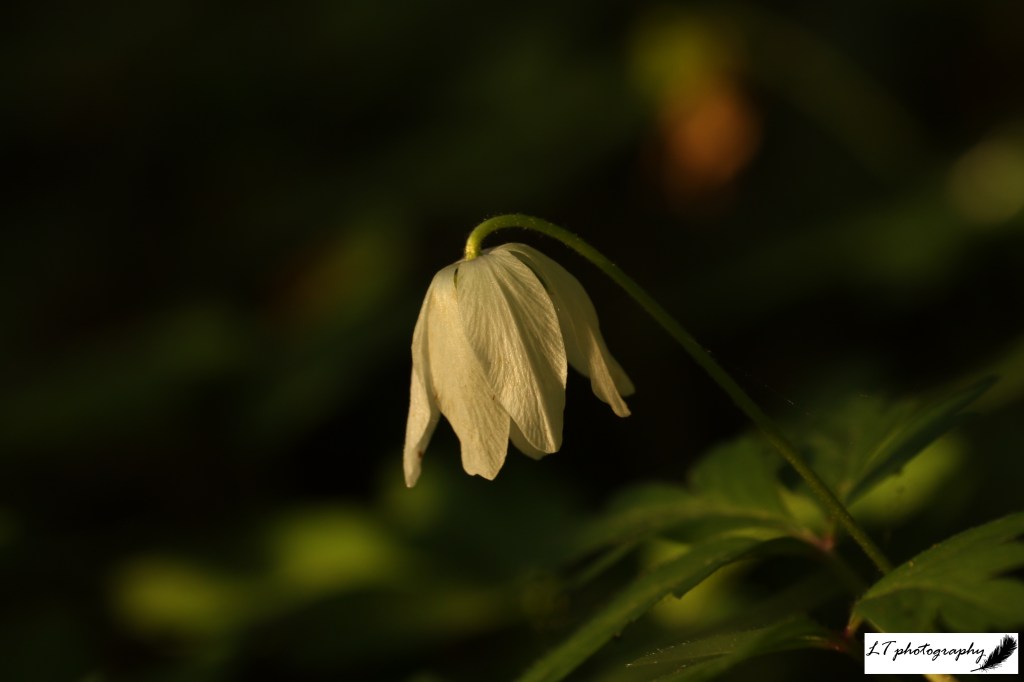
Woodland Wonders – The wood anemone is another of my favourite spring flowers, appearing like little stars in the green of a woodland floor. Being found in light spots, they are an indicator of ancient woodland.

On the Way to the Peak – Set against a spectacular backdrop of the Peak District, my friend Emma and I passed these stone stacks on the ridge up to Mam Tor. They provide an interesting feature to the rugged landscape.

A Patch of Light – It’s not the first time that I have enjoyed photographing wild garlic in spots of sunshine, but these clusters of white stars always add a bit of enchantment to the landscape.

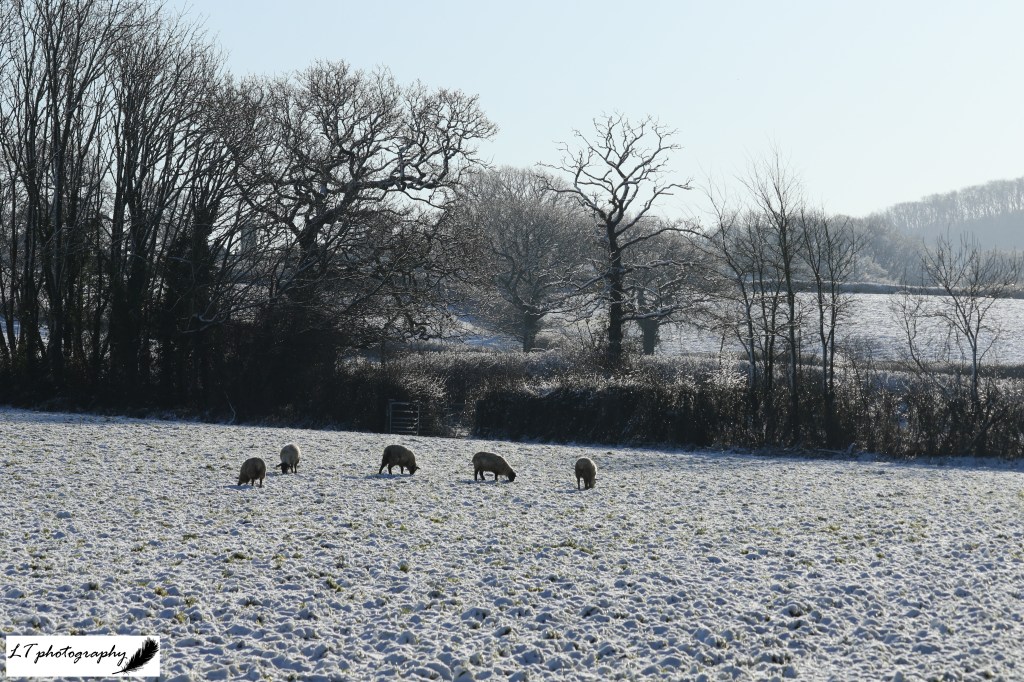
Ewe and Me – This photo was taken during my first time out with my swanky, but hard-earned, new telephoto lens, and I was hooked. It is so enjoyable to get up, close and personal with animals without having to disturb their natural behaviour!

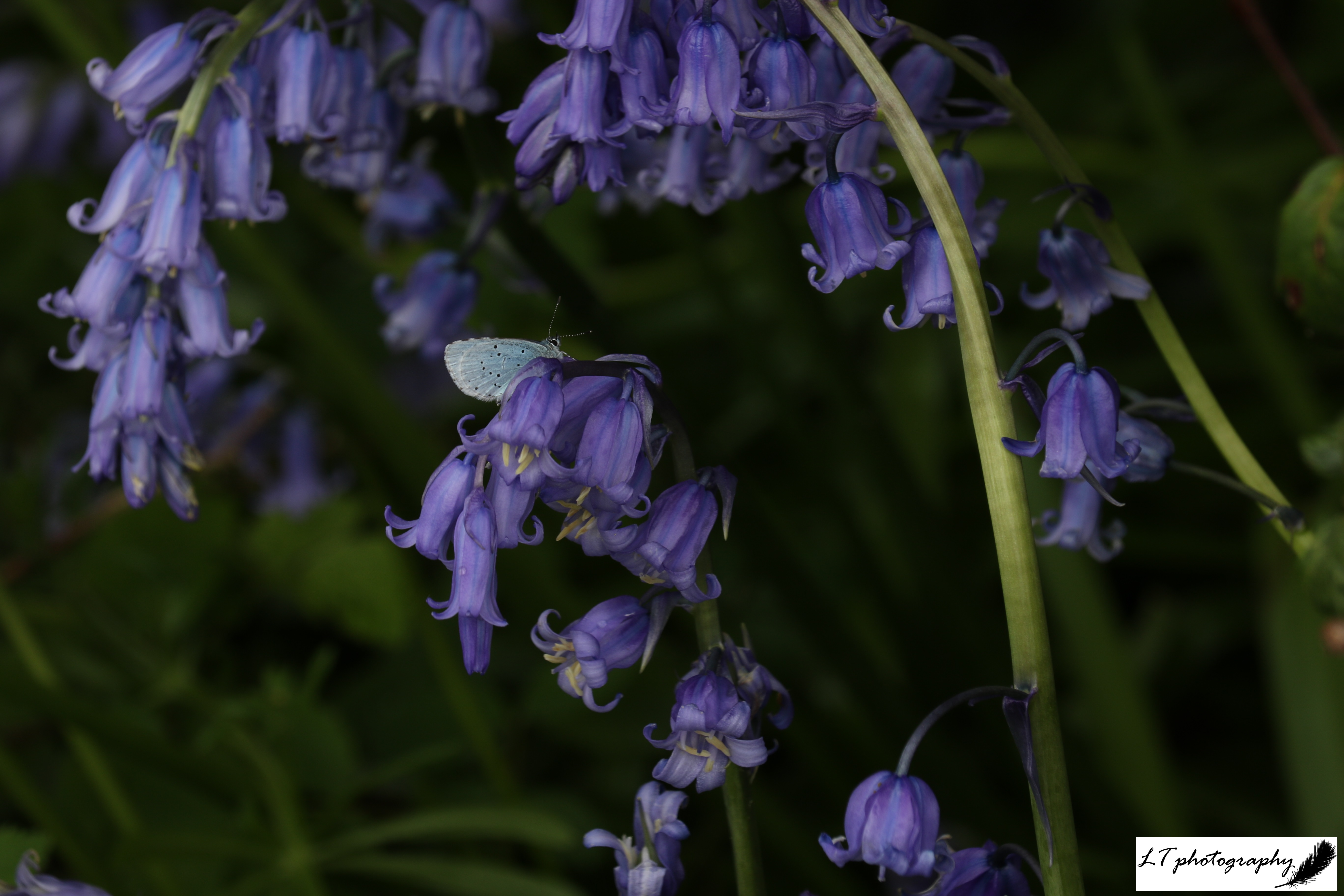
Blue-Toned – This was a chance sighting, but a wonderful one to see a holly blue butterfly on the deep purple-blue of bluebells. Wonderful!

Terrific Tawnies – One of my highlights of spring was having our first brood of tawny owl chicks hatch within one of our nest boxes. These two chicks grew on to both fledge successfully from their box!

How to… Identify Signs of Spring in Britain

This year the Spring Equinox occurred on the 20th March, marking the point when the sun sat directly over the Earth’s equator heading northward, alongside the start of a new season, in our case spring. With spring comes longer day lengths, milder temperatures, regrowth, new beginnings, and the literal ‘springing’ of plants from the ground. After tough winters and a period of dormancy for nature, the sights of spring understandably lift spirits and create hope and joy.

As we look ahead to spring and what it means to us all, people will also be looking for the first signs of its arrival to tell them the season is upon us. With an increase in activity within nature, these signs can differ for different people, with examples including the first snowdrops, mammals coming out of hibernation, or even birds such as Rooks beginning to nest. For Emma, my Rural vs Urban blog series co-writer (check it out!), her first signs of spring in Manchester are as follows:

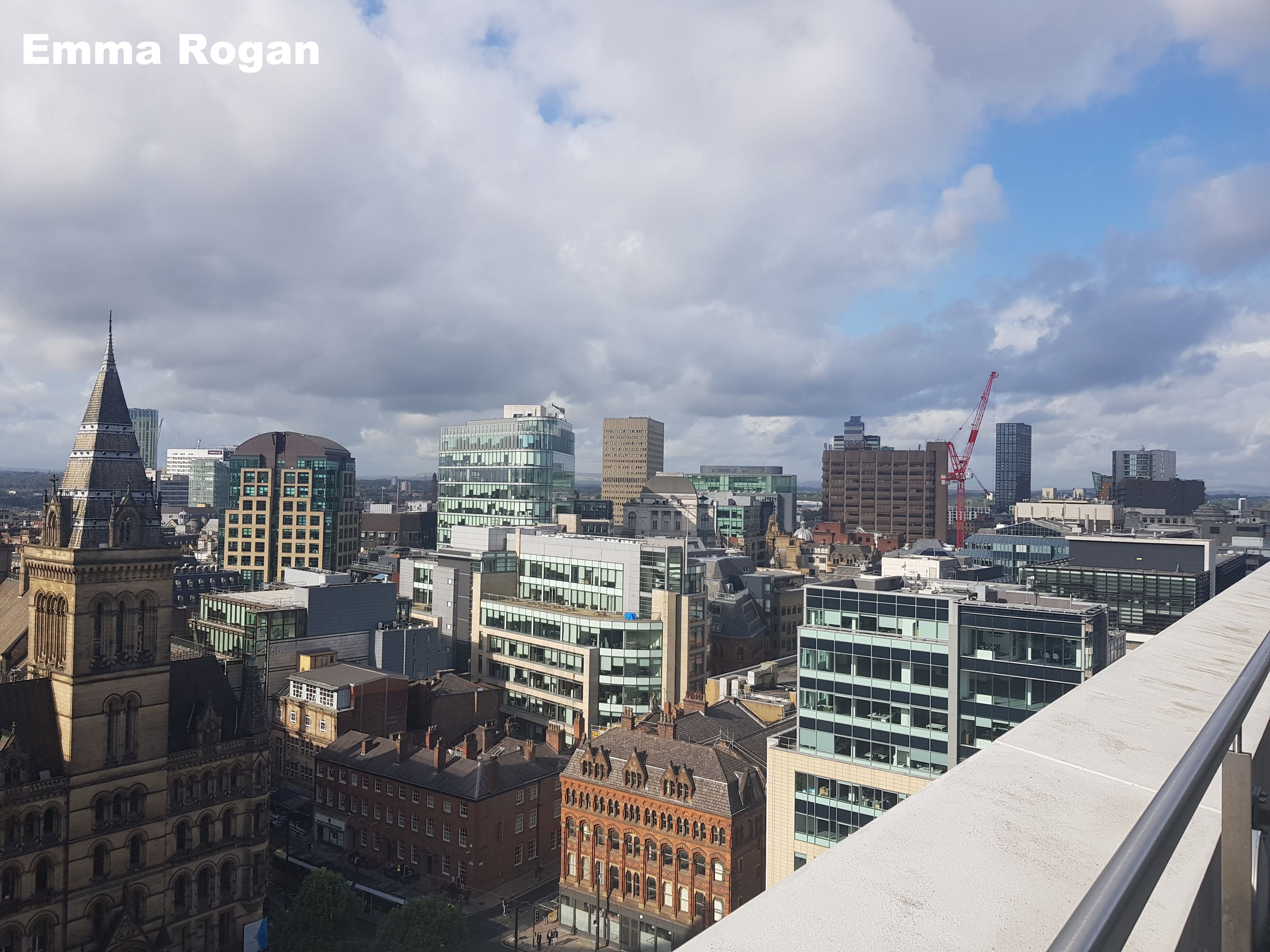
Signs of spring in Manchester, as typed from the tram on a lovely spring day: sunshine reflected off the sides of the glass buildings, daffodils and crocuses bravely making an appearance on the grass banks, seeing the first few Manchester bees buzzing about, thinking that it’s warm enough to leave the house without a coat then realising you made a mistake when it pours down with rain later in the day, and sitting outside at the pub!

Though we may all have our own personal favourites, there are some popular first signs of spring that can easily be looked for in anyone’s local area across Britain. Why not try to find them all yourself?

1. Hazel Catkins

  • Hazel is one of the first of our native species to flower at the start of the year, bringing real colour and joy to the still wintery landscape
  • Latin Name: Corylus avellana
  • Name: Catkin refers to long cylindrical clusters of small flowers
  • When to See: January to April
  • Where to See: Woodlands, scrub areas and hedgerows
  • Identifying Features: Lemon-yellow with pollen when open, and shaped like a lambstail, hanging in clusters from hazel branches
  • Range: Widespread throughout Britain

2. Yellow Flowers

  • After a cold and grey winter, nothing raises the spirit like the blooming of sunshine yellow flowers in the landscape, a symbol of rebirth and new beginnings
  • Most Popular: Daffodils (Narcissus spp,); lesser celandines (Ficaria verna); primroses (Primula vulgaris); cowslips (Primula veris)
  • When to See: Daffodils= February to May; celandines= March to May; primroses= February to May; cowslips= April to May
  • Where to See: Daffodils= gardens, parks and woodlands; celandines= woodland, grassland and gardens; primroses= woodland, hedgerows, and gardens; cowslips= grassland, woodland and hedgerows
  • Identifying Features: Daffodils= inner trumpet shape with a crown of petals; celandines= shiny yellow stars; primroses= rosettes of pale petals with darker centres; cowslips= bell-shaped within a green casing

3. Frogspawn

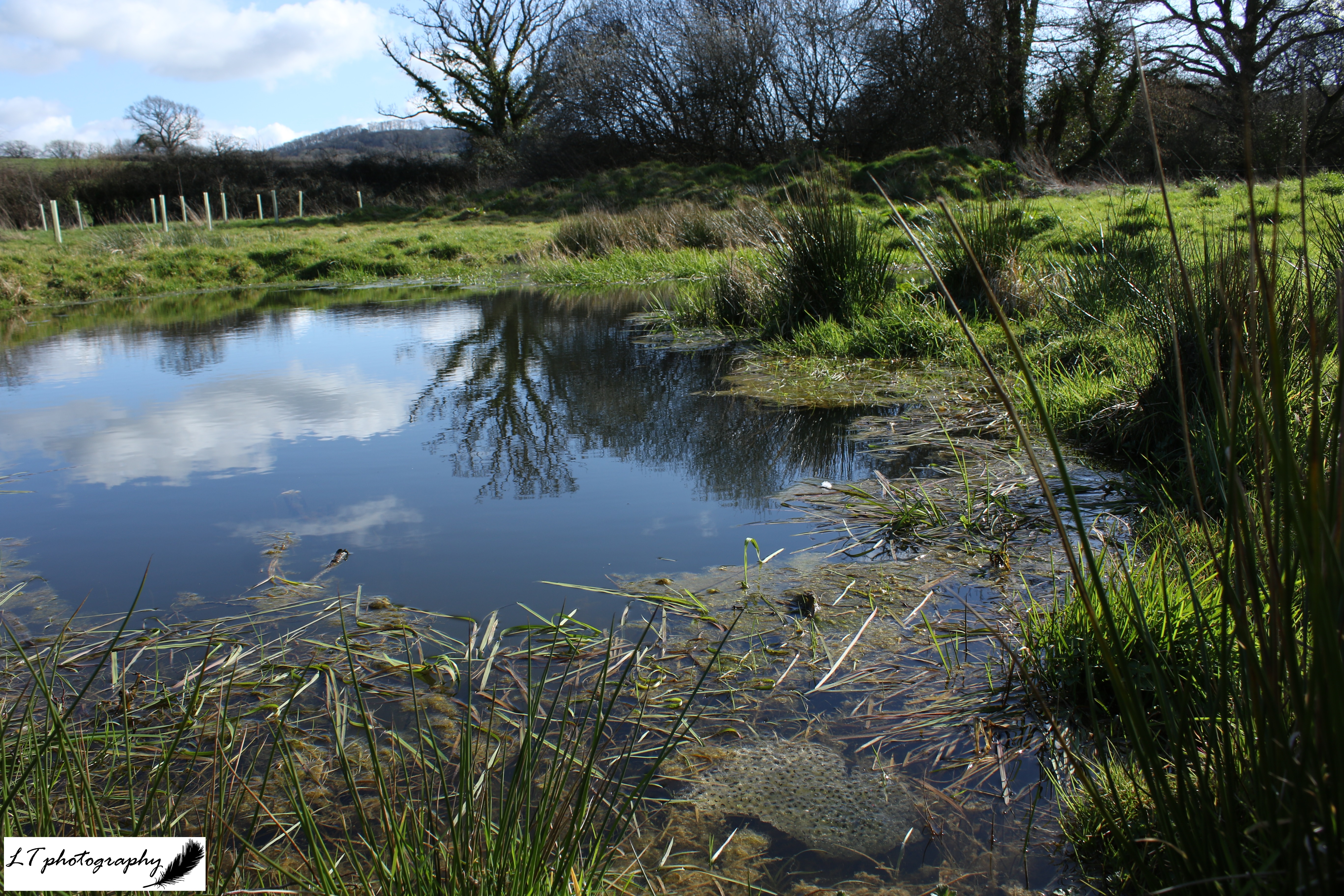
  • A symbol of spring that captures the imagination from a young age with its strange and sudden appearance early each spring
  • What is it?: The eggs are most commonly laid by the common frog (Rana temporaria)
  • When to See: Mainly February to March
  • Where to See: Just below the surface of ponds and streams
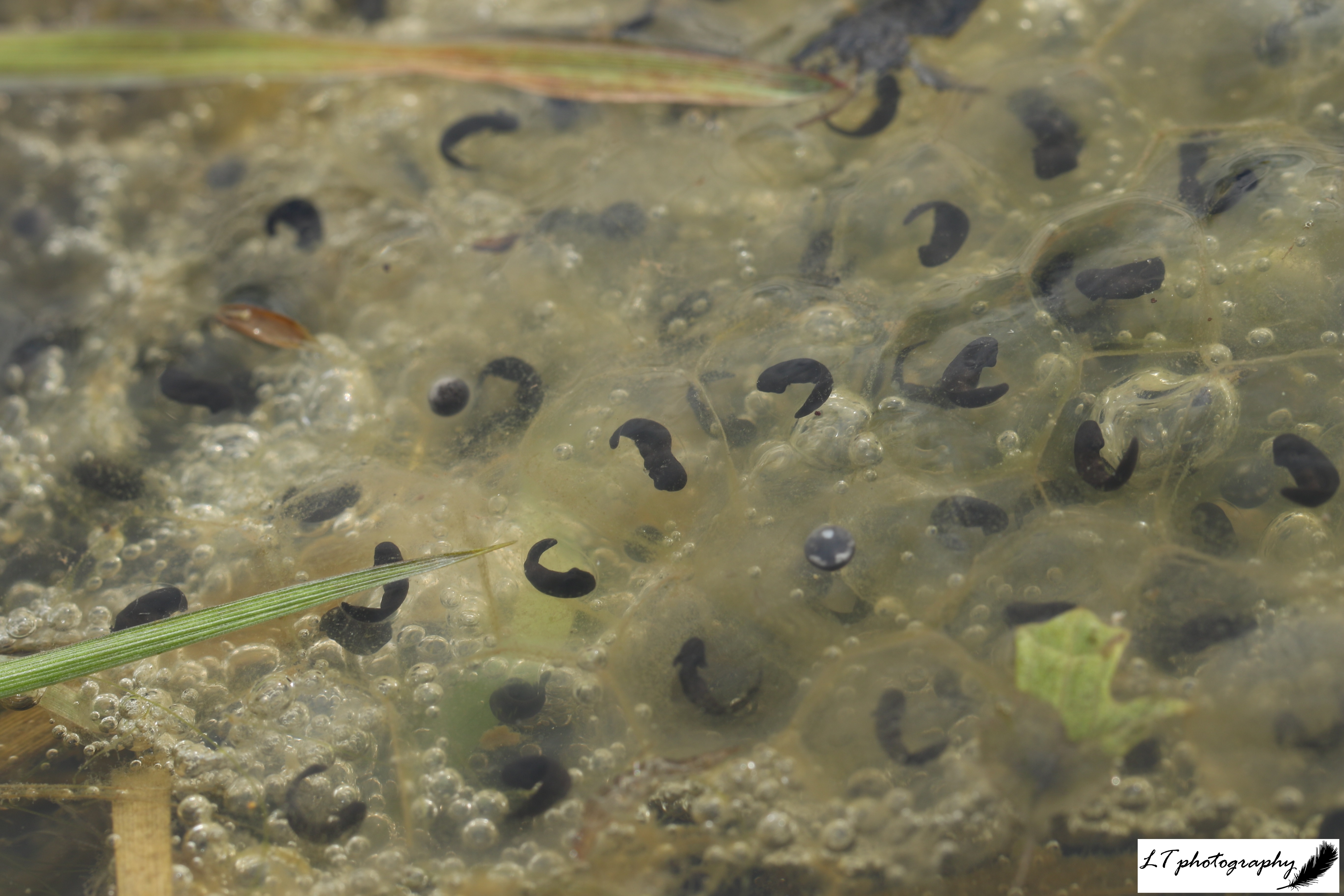
  • Identifying Features: Floating clumps of jelly that are made up of lots of small jelly eggs with a black dot or developing tadpole at their centres
  • Range: Widespread across Britain but more likely to be seen in certain areas

4. Buzzing Bees

  • The sound of queen bees buzzing lazily around in warm sunshine is a real sound of spring, symbolising new life to come
  • Examples: Buff-tailed bumblebee (Bombus terrestris); red-tailed bumblebee (Bombus lapidarius); tree bumblebee (Bombus hypnorum); white-tailed bumblebee (Bombus lucorum)
  • When to See: Buff-tailed= February to October; red-tailed= mainly March to August; tree= mainly March to July; white-tailed= March to October
  • Where to See: All can be seen in a wide range of habitats from woodland and farmland to gardens and heathland
  • Identifying Features: Buff-tailed= yellow collar near head and another on abdomen with queens having buff ‘tails’ and workers white with buff line above; red-tailed= black with red ‘tails’ with males having two yellow bands on thorax and one at base of abdomen; tree= ginger-brown thorax and black abdomen with white tail; white-tailed= black with two lemon-yellow bands on body and white ‘tail’

5. Chiffchaff

  • This tiny little bird is one of the earliest birds to arrive from warmer winter climes, and sing its heart out, heralding the start of spring
  • Latin Name: Phylloscopus collybita
  • Name: Named after its distinctive ‘chiff chaff chiff chaff’ song
  • When to See: Some winter in the UK, but can be heard singing from March to October when migrants return
  • Where to See: Woodland, scrubland, parks and gardens
  • Identifying Features: Green or dusky olive; short pale eye stripe; moderately dark eye stripe; dark legs; fine often dark bill; continuous tail-flicking movement; distinctive song
  • Range: Widespread across Britain, apart from more mountainous areas of Scotland

6. Pussy Willow

  • Emerging early on in the year, pussy willow is a real symbol of the beginnings of spring, and is often used as decorations at Easter
  • Latin Name: Salix caprea but also could refer to Salix cinerea
  • Name: Pussy willow is a colloquial name for goat willow, but is now often used for grey willow too. This is due to their furry male catkins looking like the soft, furry paws of a cat
  • When to See: February to April
  • Where to See: Woodland, hedgerows, scrub and damper, more open ground
  • Identifying Features: The more noticeable male flowers are the silver-grey, fluffy, and oval catkins standing upright from willow branches. They turn yellow when covered with pollen
  • Range: Widespread across Britain

7. Brimstone Butterfly

  • Though warmer, milder weather leads to the emerging of different butterfly species, the first brimstone butterfly is often the first species seen and its warm colour has connotations of sunshine and cheerfulness
  • Latin Name: Gonepteryx rhamni
  • Name: Brimstone is the old name for sulphur, which is the colour of the male butterfly’s wings
  • When to See: March onwards
  • Where to See: Can be seen in a wide variety of habitats, but the larval foodplants are alder buckthorn and buckthorn which is more scarcely distributed
  • Identifying Features: Veined wings with pale-yellow undersides and an orange dot on each wing. The uppersides are sulphurous yellow on males and paler on females
  • Range: Common in England and Wales, less common in Ireland, and very rare in Scotland

8. Spring Blossom

  • Everyone knows that spring is truly underway when blossom starts to coat trees and hedgerows in spectacular pastel fashion. It is a real spirit lifter after a long winter!
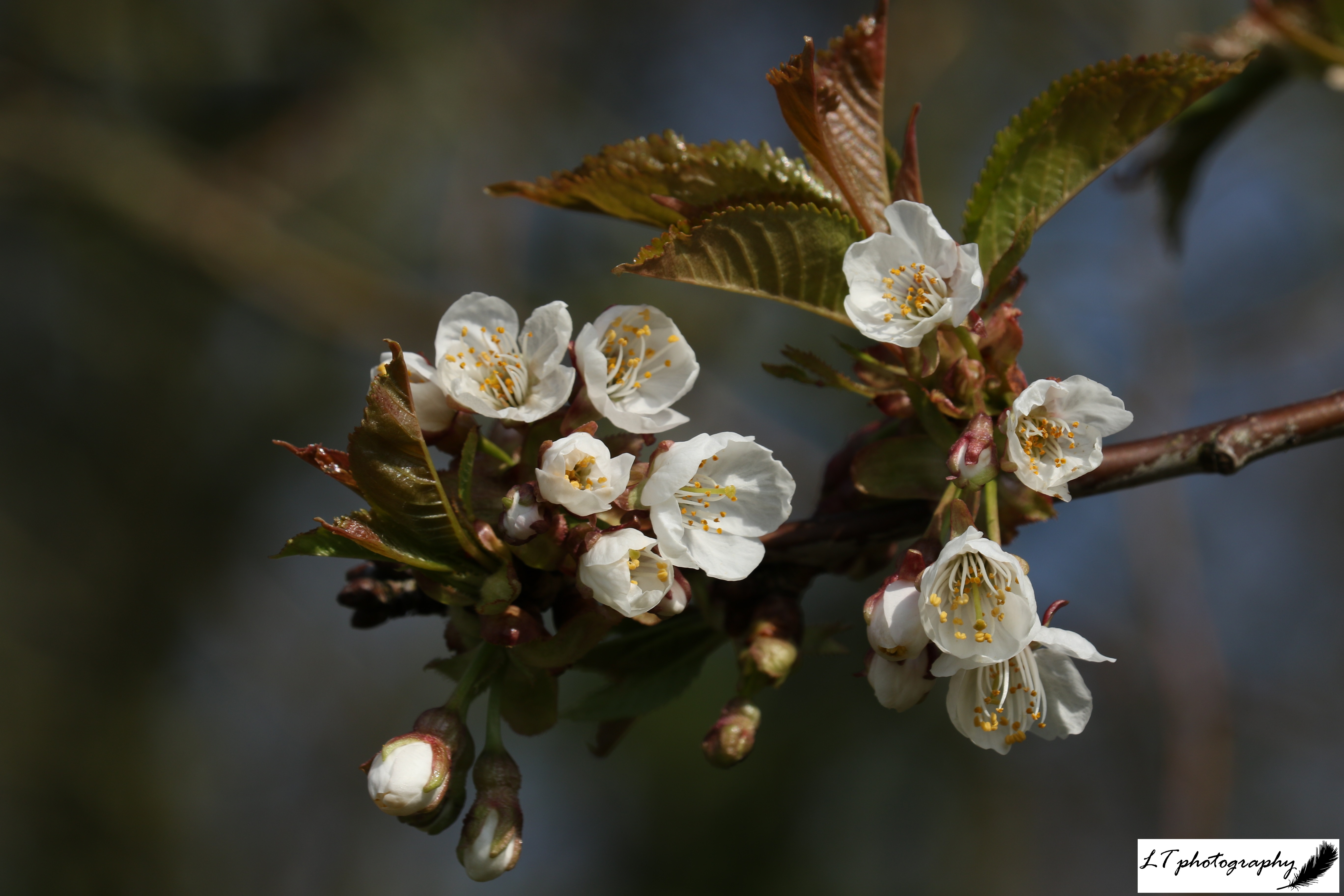
  • Examples: Blackthorn (Prunus spinosa); wild cherry (Prunus avium); hawthorn (Crataegus monogyna)
  • When to See: Blackthorn= March to April; wild cherry= April to May; hawthorn= April to June
  • Where to See: Blackthorn= hedgerows, woodland margins and scrubland; wild cherry= woodlands, gardens and hedgerows; hawthorn= hedgerows, woodland margins and scrubland
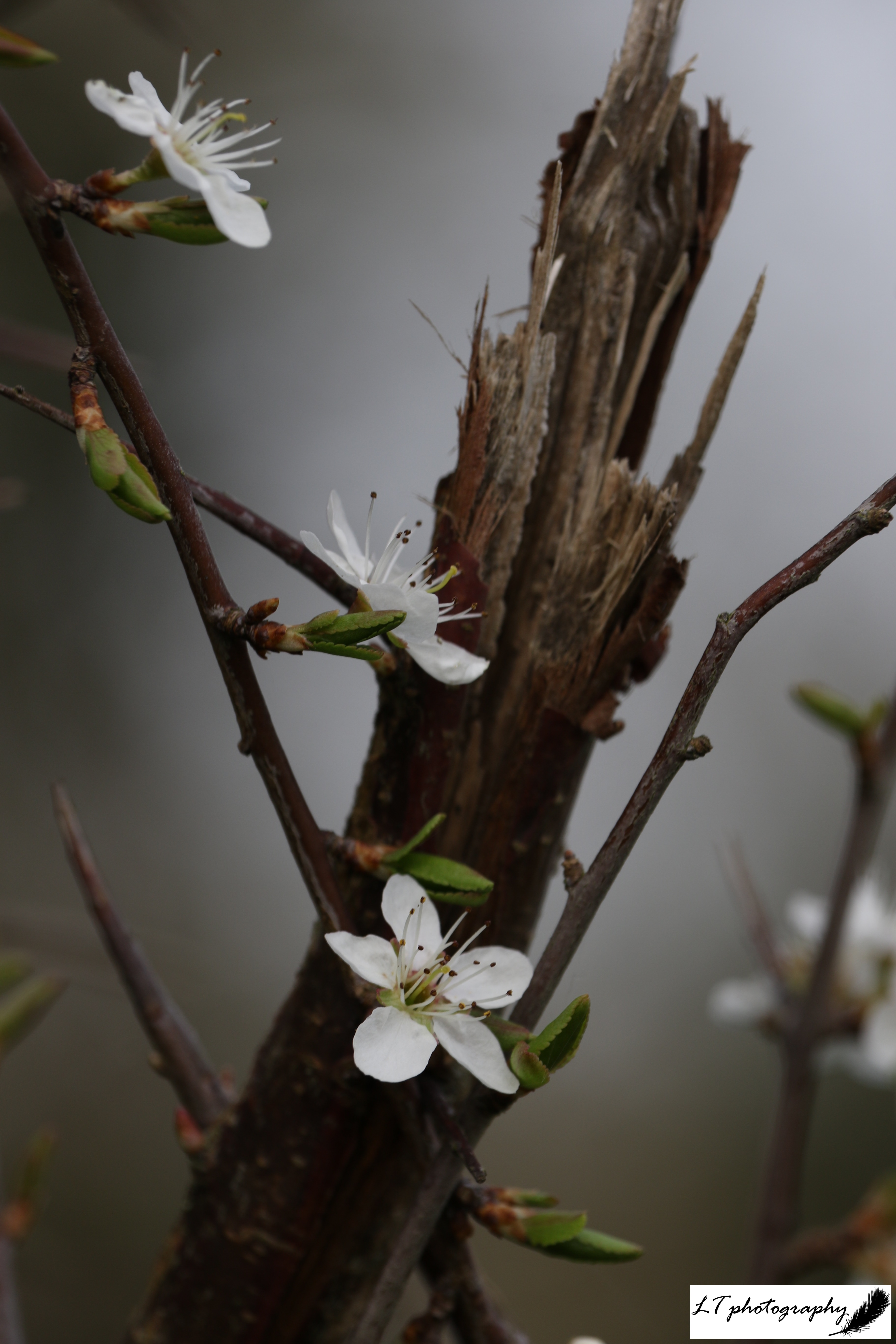
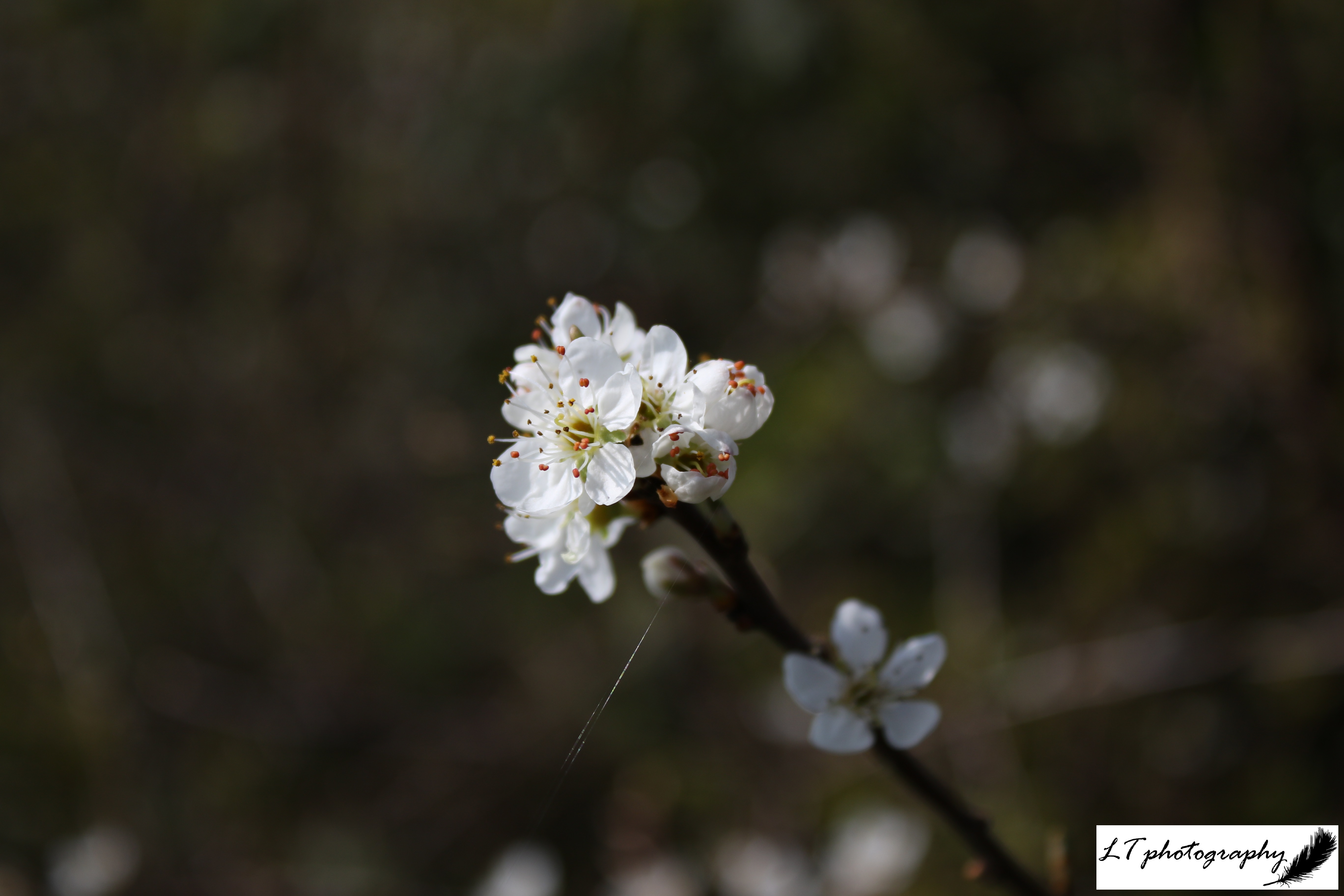
  • Identifying Features: Blackthorn= flowers white with 5 petals and red-tipped anthers; wild cherry= white flowers cup-shaped and with 5 petals; hawthorn= white flowers with 5 petals, pink or purple anthers and sickly sweet scent

9. Barn Swallow

  • This iconic bird makes a 6000 mile migration from Africa to breed in the UK, arriving with warmer weather and active exploration of potential nest sites
  • Latin Name: Hirundo rustica
  • Name: Barn comes from typically nesting in barns and out-houses, and the latin Hirundo means swallow
  • When to See: March to October
  • Where to See: Open country, perching on wires, and hunting low over grassland or water
  • Identifying Features: Blue-black; red forehead and throat; dark throat; long, pointed wings; deeply forked tail; agile flight
  • Range: Widespread across Britain

10. Common Bluebell

  • Over half of the world’s population of bluebells can be found in the UK, making for some incredible spring spectacles across Britain
  • Latin Name: Hyacinthoides non-scriptus
  • Name: Named for their distinctive flowers
  • When to See: March to June
  • Where to See: Carpeting woodlands, hedgerows, scrubland, on sea-cliffs and mountains
  • Identifying Features: Long, narrow green leaves; purple-blue bell-shaped flowers hanging from long stems; strong sweet scent
  • Range: Widespread across Britain

Rural Dorset vs. Urban Manchester: Wildlife Camera Trapping in 2021

Series in collaboration with guest writer Emma Rogan

Fox cubs playing in secluded hedgerows, badgers wandering along field margins, and male pheasants displaying in woodlands. Wildlife cameras are a great way to capture the behaviour and presence of wildlife, and can open up a hidden world not so easily accessible in person. More often wildlife cameras are associated with exploring the rural, but they are also a great way to explore the world closer to home. Hedgehogs snuffling through gardens looking for food, birds jostling for space on feeders, or even rodents clearing up after avian visitors. Camera trapping allows us to connect to nature wherever we live, from rolling hills to suburban oases.

Last time in Rural vs. Urban, we embraced autumn in all its colours and forms, with the main focus being the plant and fungi stars of the show. Dorset-born naturalist Laura delved into the magnificent and colourful display autumn had to offer, and found inspiration in the season, from her writing to her baking. Joining Laura for this series, Manchester-born wildlife enthusiast Emma explored the history and culture rooted in the plants she discovered, and found a much-needed moment of calm in her busy day-to-day life. Though both found differences in their comparative landscapes, they both found fungi to be fascinating and wondrous, but an area of knowledge in need of improvement.

In this next instalment of Rural vs. Urban, we explore the use of camera traps in the two different landscapes and see how they have allowed Laura and Emma to connect with their local wildlife. We will see how species may differ between the city and countryside, as well as behaviours and even interactions between species. It will be interesting to see what we may learn from looking back at fantastic camera trap photos from both locations, as they help us to uncover the secret lives of wildlife. Join us on our adventures to find out what we discovered!

Laura’s Camera Trapping in Dorset

Over the last few years I have become well known online for my camera trap photos exploring the lives of the wildlife living on my family’s land in Dorset. In particular, each spring I keep my camera trap out 24/7, moving it between locations, to capture spring unfurling for my animal neighbours. By doing so I have gained a lot of enjoyment from seeing what I could discover, and have been able to expand my own knowledge of my local wildlife and their hidden lives. To experience some of my previous camera trap adventures, check out my earlier blog posts from 2019 and 2020.

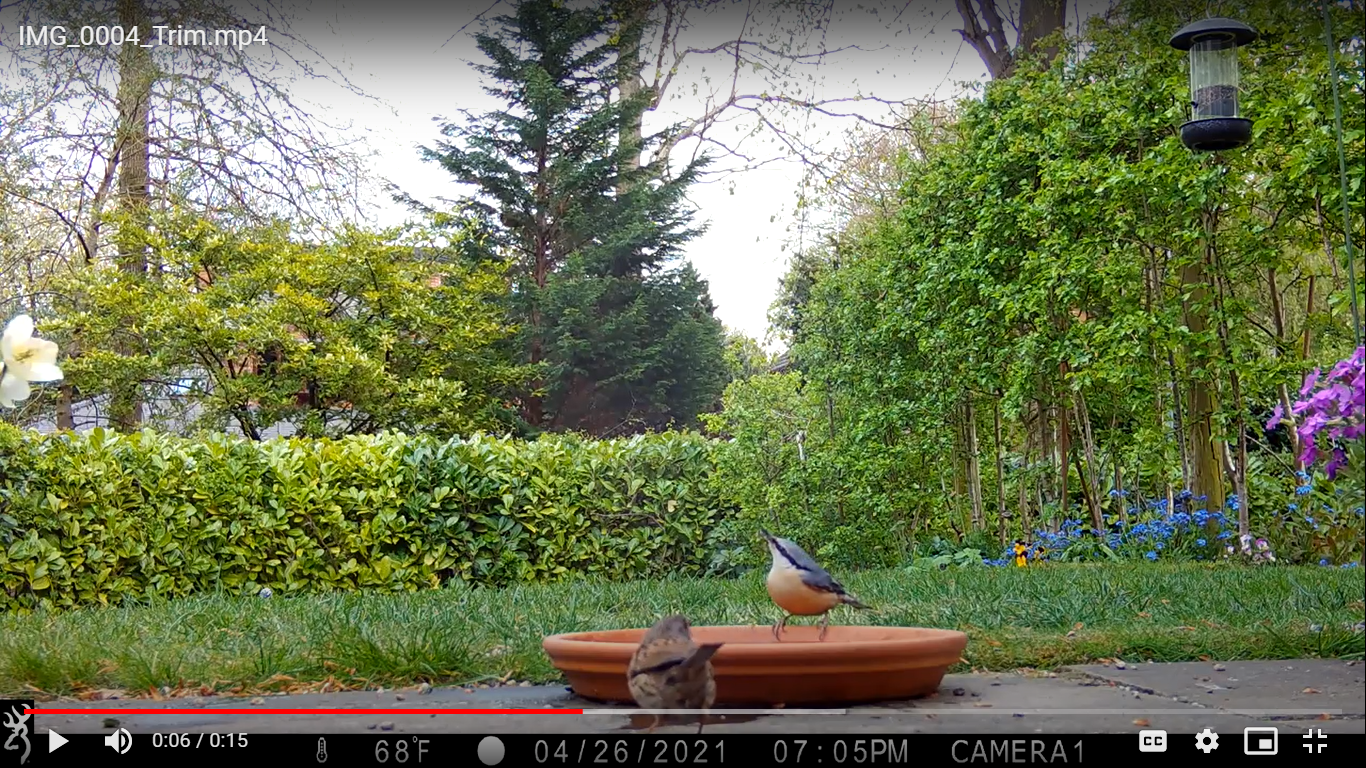
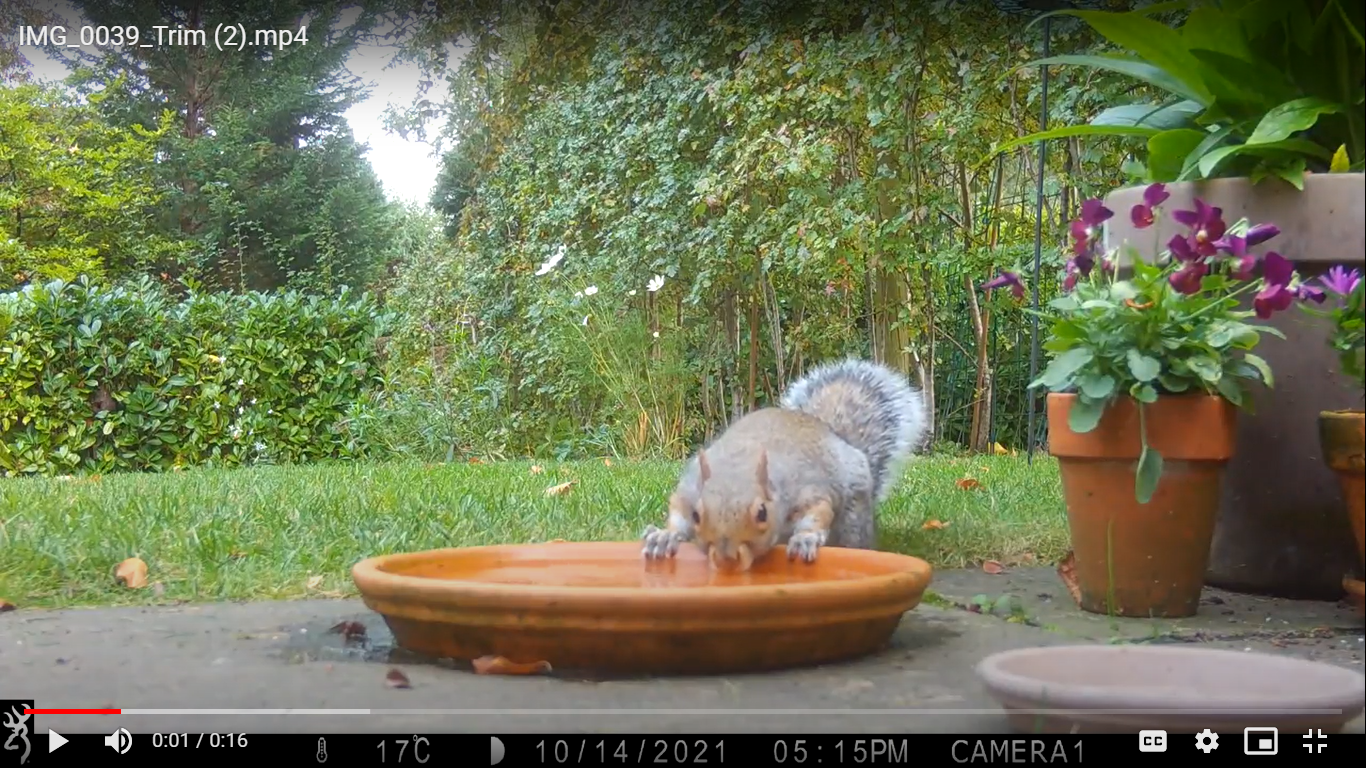
Last year, in 2021, my camera trap did not fail to amaze me and allowed me to continue my adventure exploring and capturing local wildlife. Throughout the spring my camera moved between 6 different locations across 250 acres, varying from badger setts to woodland. Between these locations I captured a total of 13 different species in 2021, which were rabbit, badger, roe deer, fox, partridge, pheasant, grey squirrel, magpie, blackbird, field vole, hare, woodpigeon, and the humble bumblebee.

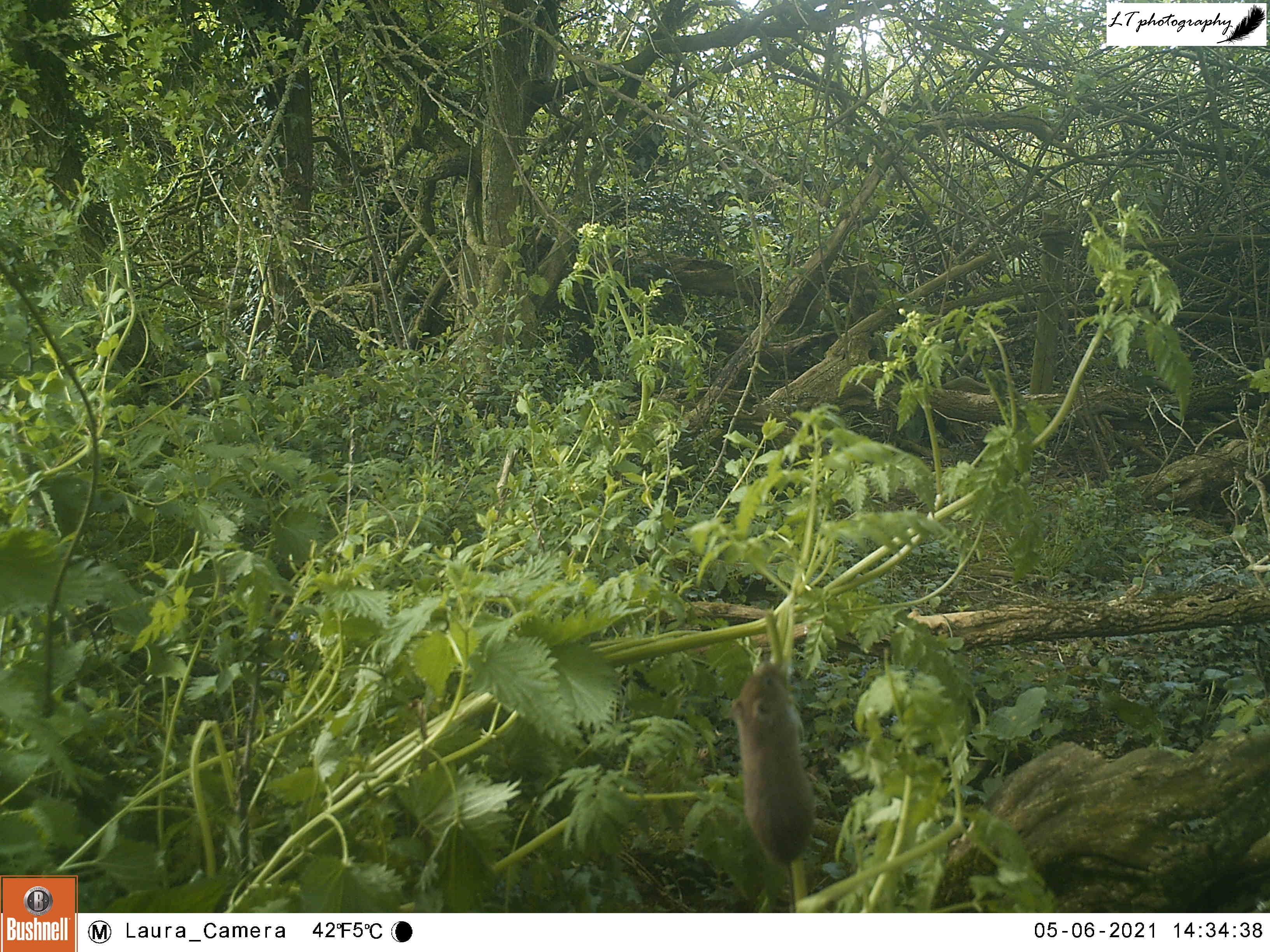
One of my highlights from 2021 was capturing some new species for my collection, even if my first photos of them were blurry . These included my first hare (or the back of one!), a field vole climbing up cow parsley stalks, and even a bumblebee buzzing about. This is one of the reasons I get excited when checking my camera trap photos, as you never know what you may discover!

Another part of camera trapping in 2021 was getting to further experience animal species living side by side in harmony. For example, at one badger sett I saw a family of badgers sharing their home with rabbits and a family of foxes. Also, at another location, I got to see fox cubs learning about their surroundings and interacting with other species, such as roe deer. Very cool!

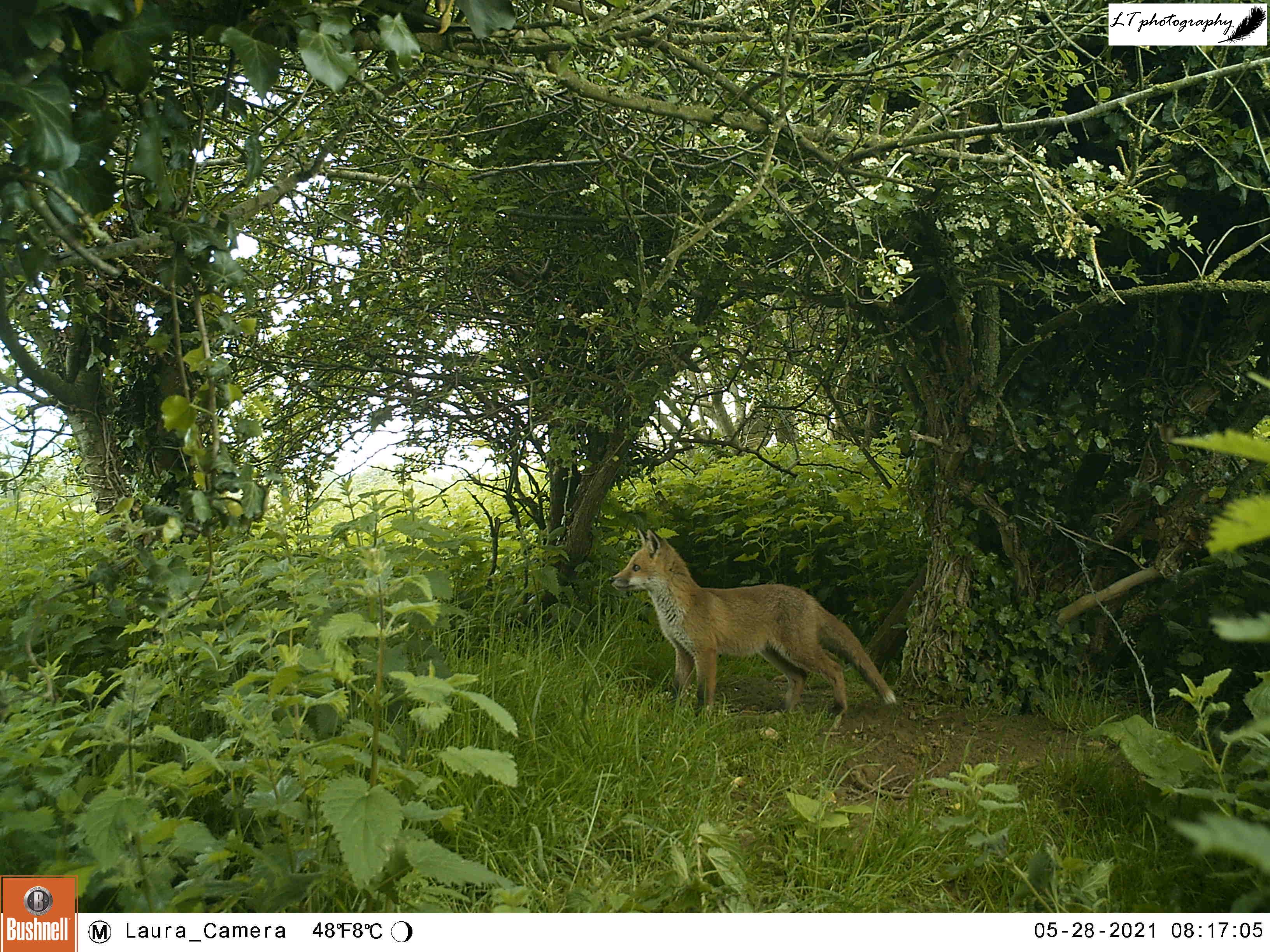
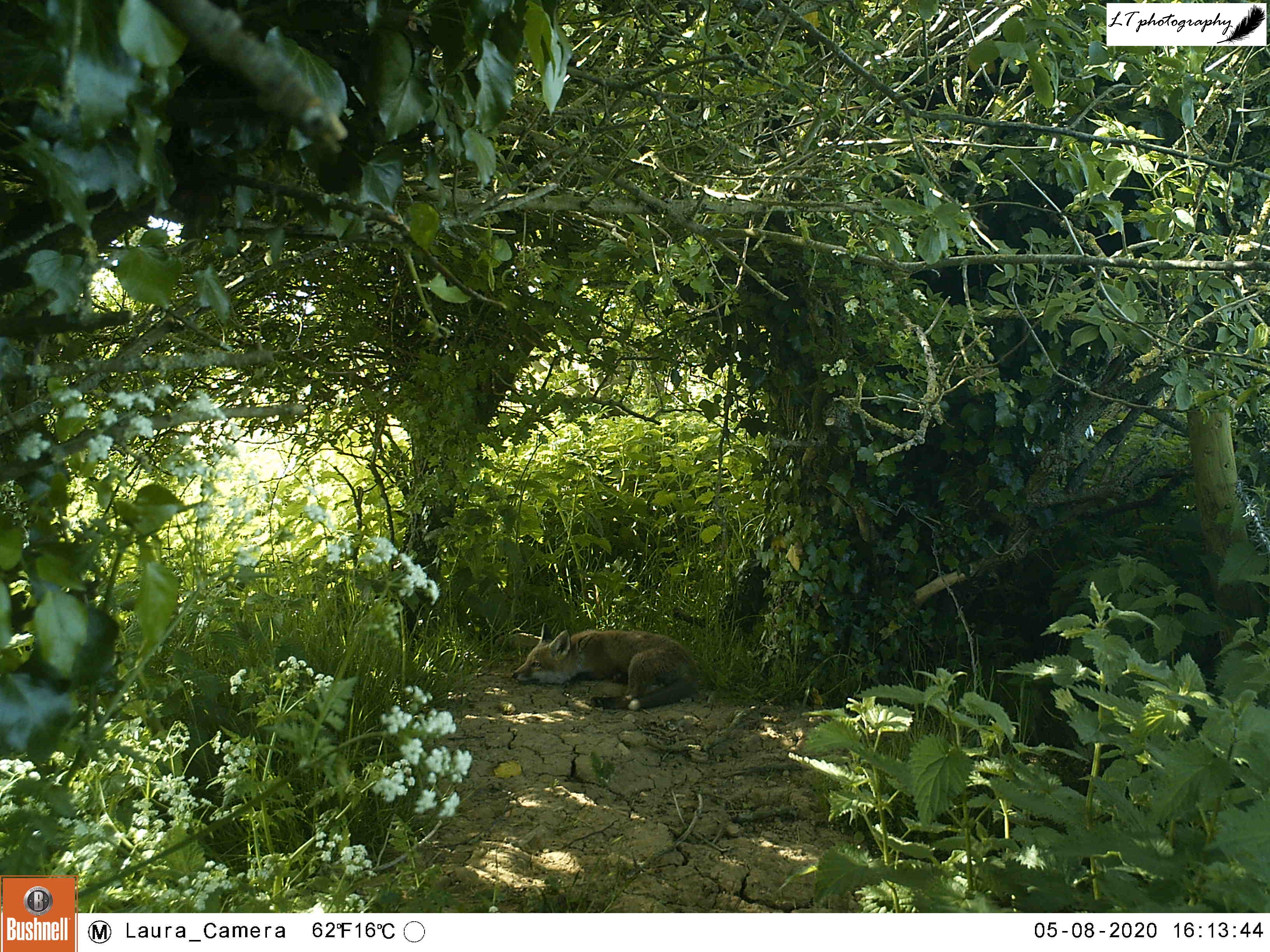
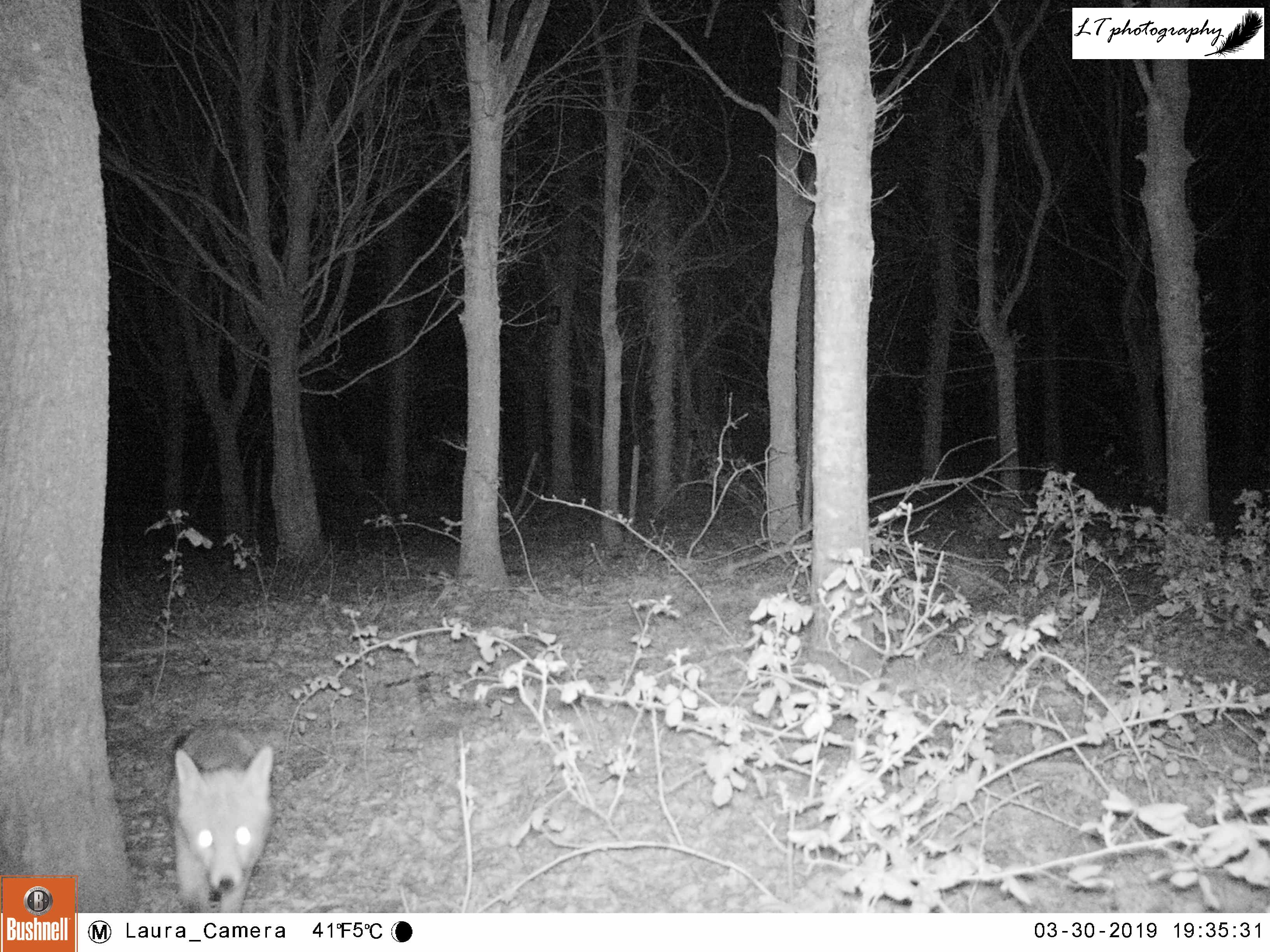
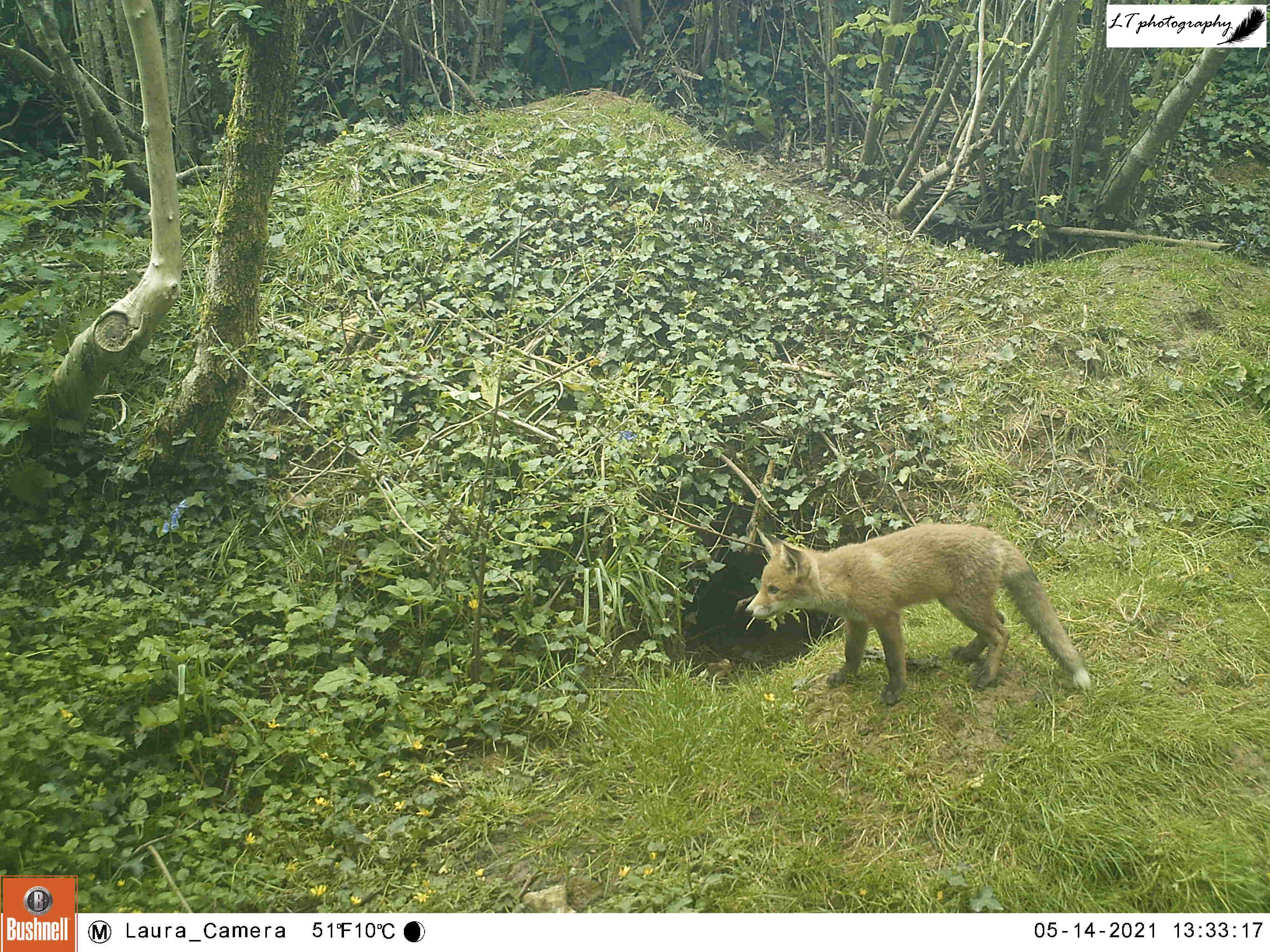
One of my favourite parts of 2021 though, has to be all the fox families I discovered! During this year, the most commonly seen species on my camera trap, to my surprise, was the fox (at every location!). In some cases I specifically aimed to capture this species, such as staking out a possible fox den, but in others foxes just happened to be living there or passing through. So by the end of spring, I had discovered 3 litters of fox cubs and a number of frequently used fox trails. What was most special of all was getting to experience fox cubs exploring their natural habitat and interacting with each other without me disturbing them. Magical!

After camera trapping in spring, my camera trap was given a well earned break until November. To round off the year, I staked out my garden to check out the birds that call it home. To find out more, stay tuned for next week’s blog post!

Emma’s Camera Trapping in Manchester

Although the past two years have been strange and sad in many ways, my little rectangle of garden has been a constant source of joy. During the first lockdown I started to spend a lot more time in the garden, which made me curious about the lives of the insects, birds, squirrels and foxes that also call our garden their home. So, in December 2020, I got my first wildlife camera!

The first time I left my camera out overnight, I was delighted to have captured a variety of animals including squirrels, the neighbour’s cat and a fox. It’s far from unusual to spot a fox late at night in my area, but something about seeing a fox going about its usually secret business made this sighting feel special. “I got a fox!” I yelled excitedly down the stairs. From that point onwards, I had caught the camera trapping bug.

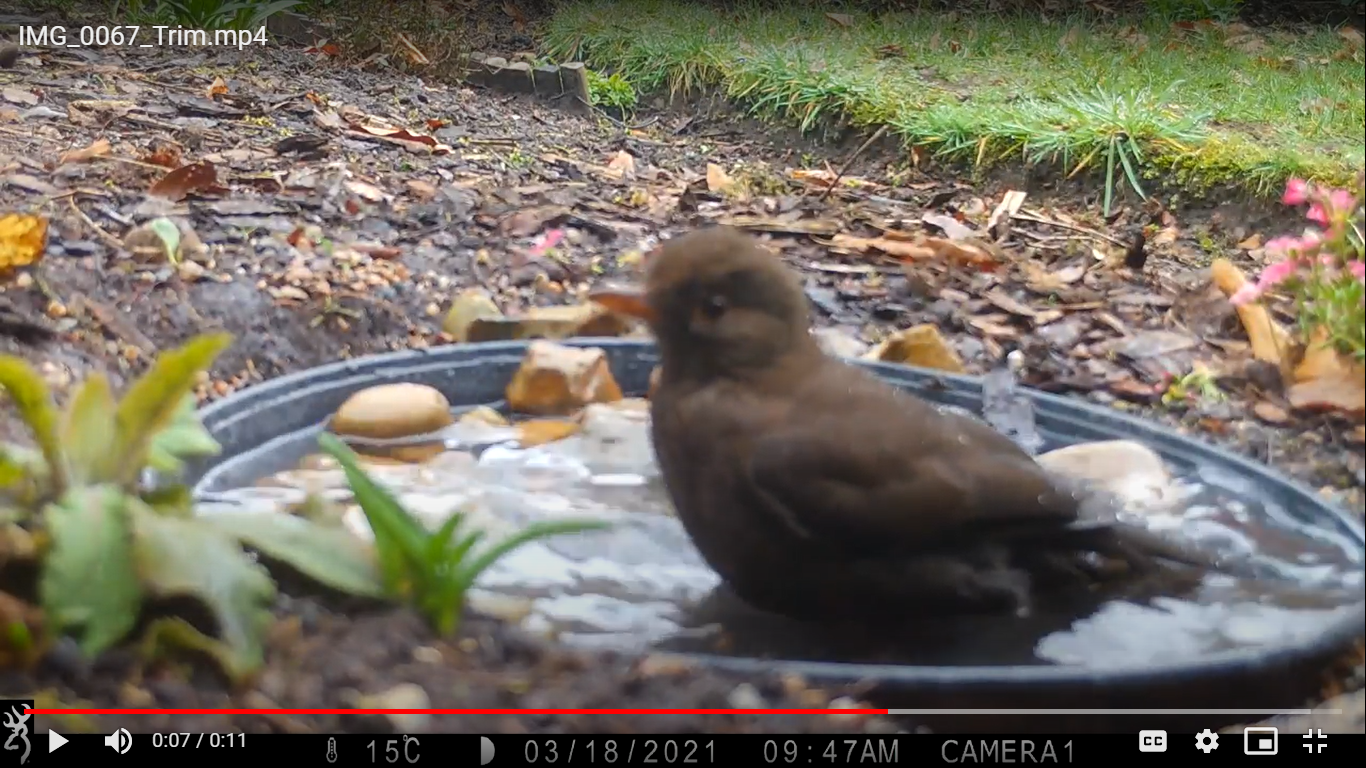
Camera trapping has allowed me to get to know the unique personalities of our garden visitors, and also to see how their behaviour towards us changed over time. Our lovely Mrs Blackbird used to wait until we’d gone back inside before she’d sneak up the side of the garden to eat her evening plate of mealworms, but now she feels brave enough to hop around the empty plate chirping indignantly until someone gets the message. We also realised that Mr and Mrs Blackbird would always come for their dinner one at a time, and would only eat half the plate each! Now that’s true love.

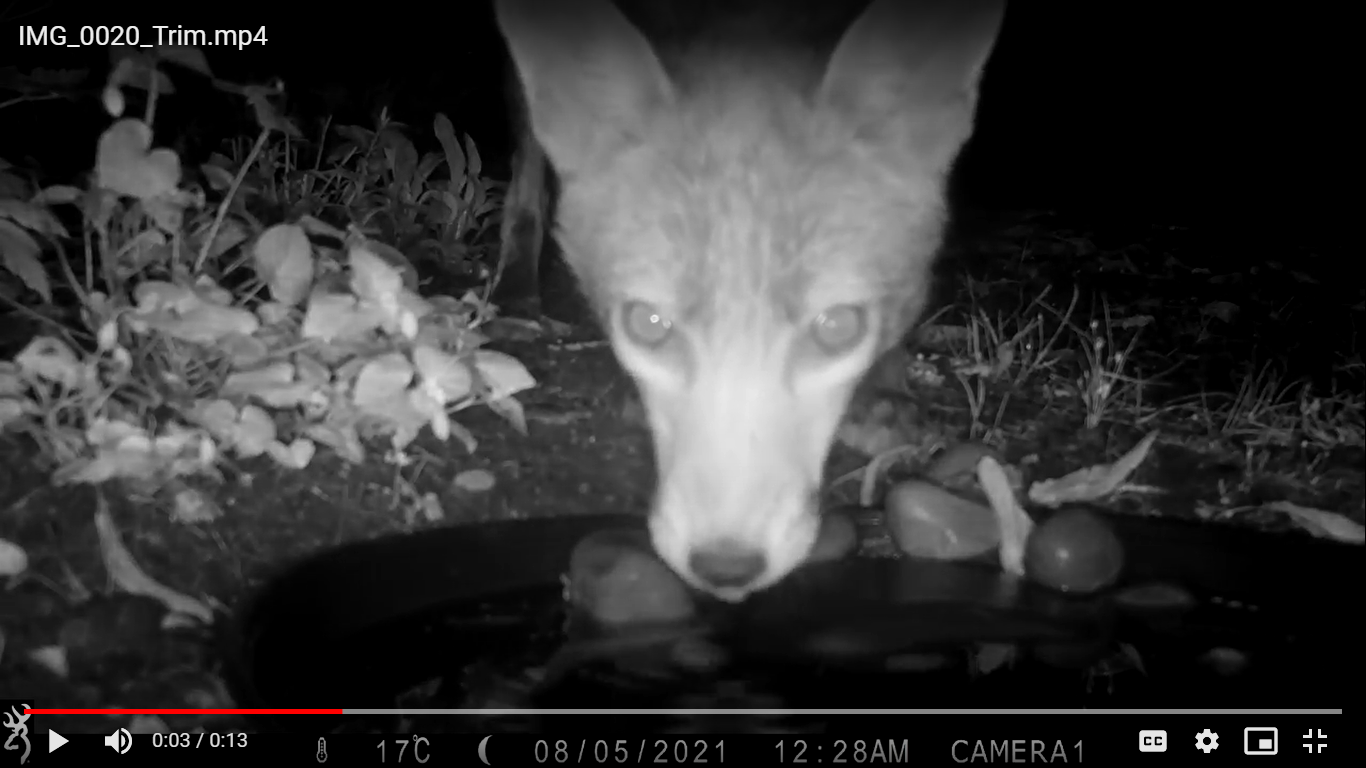
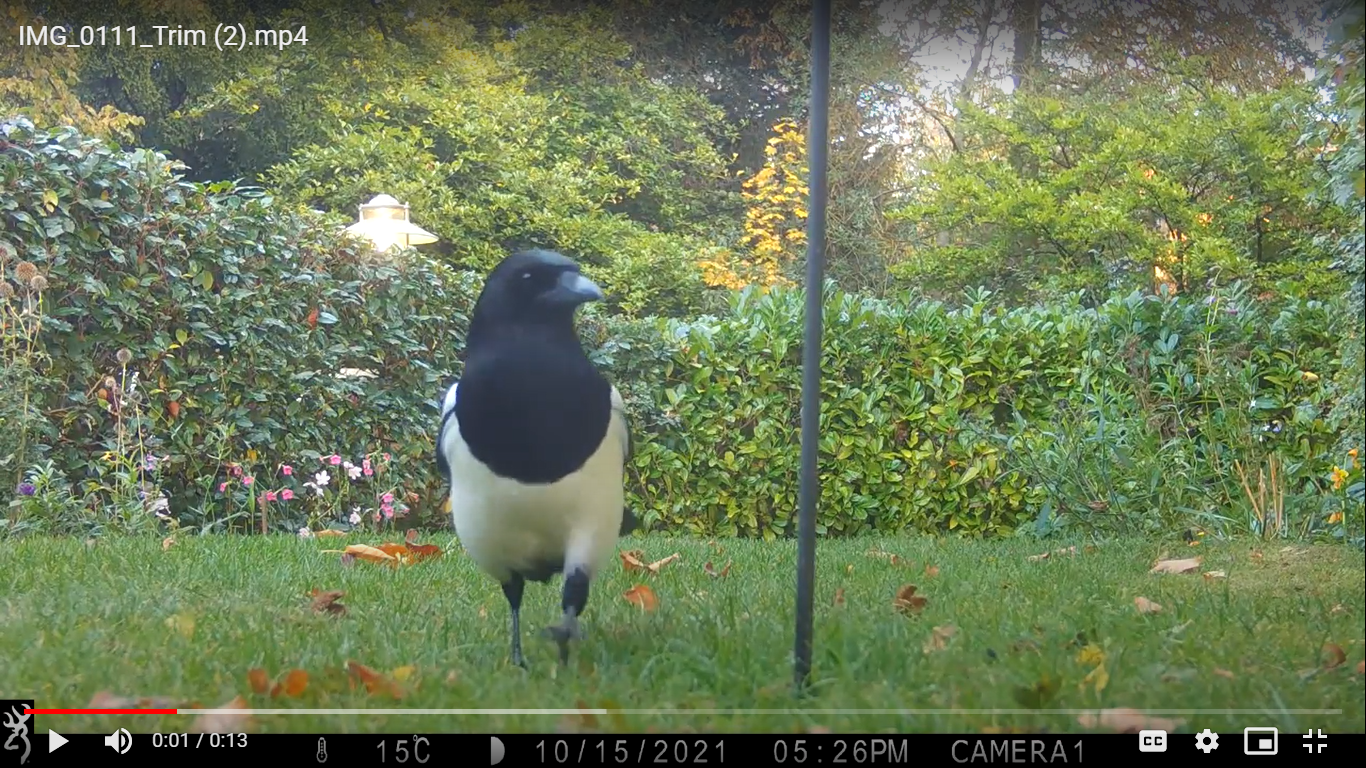
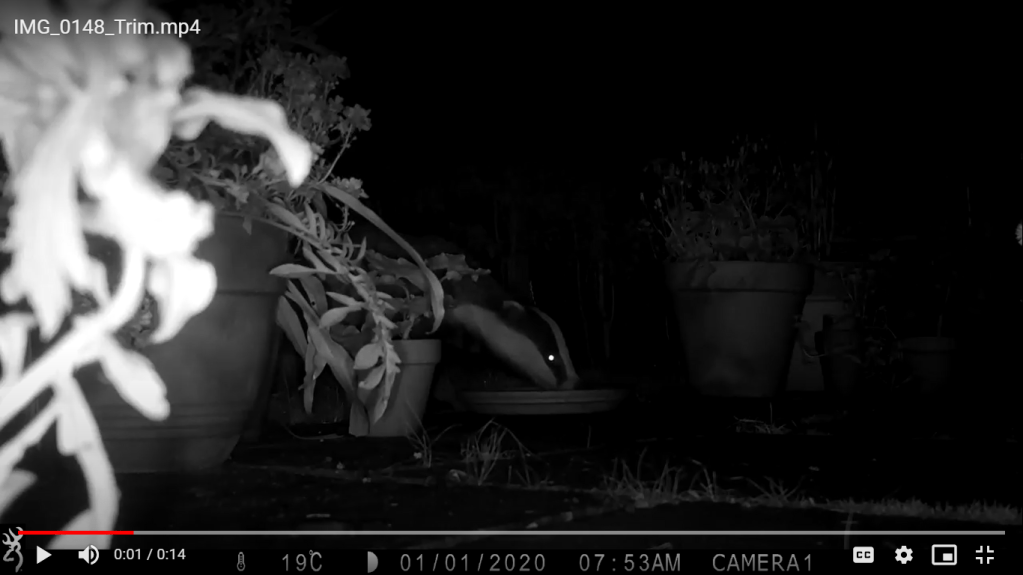
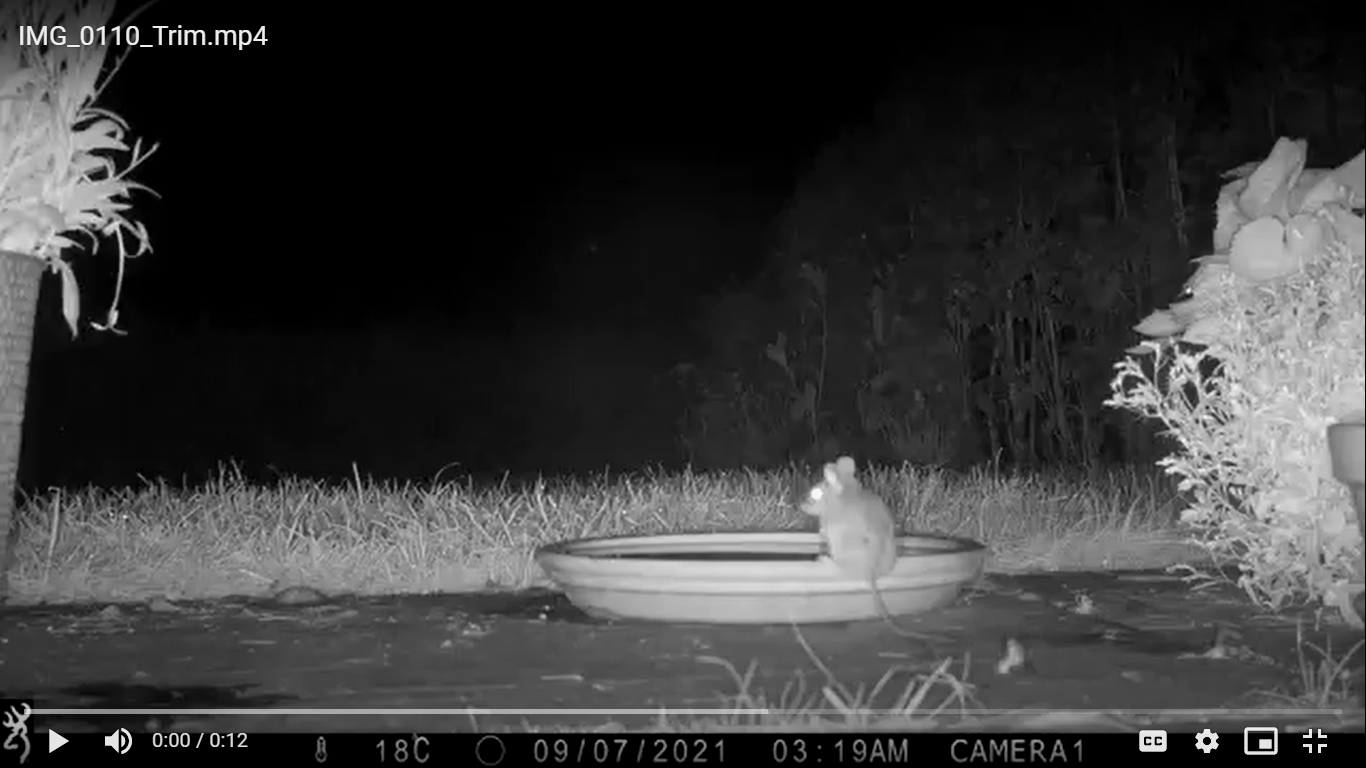
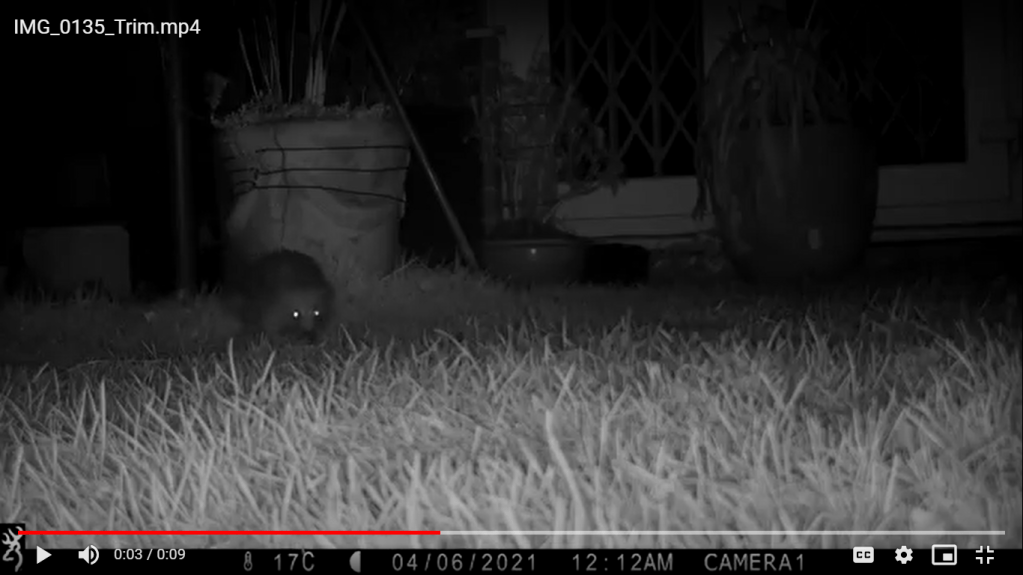
My most exciting capture came on an equally exciting day. On the morning of the day I was due to get my Professional level ACA results, I checked my camera and was amazed to see that a badger had stopped by for a drink! The badger must have brought good luck with him, as thankfully I passed the exams. I was also delighted to see a hedgehog wandering through my boyfriend’s garden one night. We named him Podge, and for a while he was an extremely cute regular visitor. Finally, I can’t talk about camera trapping without mentioning my love for our magpies, who have kept us well entertained all year swaggering around the garden and stealing all the snacks we put out!

One thing I’ve learned from my experience camera trapping this year is that although cities may be full of people, we have a huge variety of wildlife roaming around just outside our front doors. I hope that more people will feel inspired to get to know the wild visitors passing through their streets and gardens, and even leave out some food and water to make them feel welcome!

The Wonders of Camera Trapping

Camera trapping is a learning experience and an eye-opening adventure, providing an unedited and up-close view of the more secretive lives of our wild neighbours. For Laura, camera trapping in 2021 continued to expand her record and understanding of the animals that call her local area home. Moving forward she would like to begin collecting videos of her local wildlife and buy a new camera trap to expand her camera trapping efforts.

Giving nature a home is something every one of us can do. For Emma, camera trapping taught her that even a small green space in an urban landscape can support a huge variety of wildlife; bees, badgers, woodpeckers, nuthatches, squirrels, hedgehogs and many more! In 2022, Emma wants to make her garden a haven for wildlife, and hopefully capture a frog moving into the frog pond she and her mum built.

At a time when nature is struggling most, it is important for us all to do our bit. Sometimes it is difficult to know how, but if you can understand your local patch better, this can become a lot easier. Using a camera trap is a great and easy way to do this, allowing you to create that connection with your local wildlife, however big or small. If you would like to know more or are inspired to try it out yourself, check out Laura’s blog post about ‘How to… Use and Make the Most of a Camera Trap‘.

Exploring With My Camera Trap Spring 2021

After I click open the file on my camera trap, I press next through a male pheasant strutting his stuff and a female roe deer passing through, until a photo makes me stop. There towards the back of the shot are two small brown shapes. I move through the rest of the photos as day passes into night, and watch as these two rough and tumble through the photos, exploring, playing and watching their wild neighbours go past, ending with one sitting stock still in front of the camera. My camera trap had successfully found my first litter of fox cubs of the year!

The last few years I have become known for my exploration of my family’s farm in Dorset using a camera trap. My camera trap allows me to delve into the lives of my wild neighbours without intrusion or disturbance of their natural behaviour, and to use my photos to inspire others to open their eyes and be motivated to conserve our local wildlife. It is always a rollercoaster of emotions, never knowing what my camera trap might find, but in the end it is a very rewarding experience. If you are interested in getting your own camera trap or knowing how to make the most of your own, check out my ‘How to… Use and Make the Most of a Camera Trap’ guide for some more information.

My camera trap has been a very useful tool for me over the last few years, so since 2019 I have spent my spring seasons moving my camera trap around different sites across 250 acres of farmland, taking in different species and behaviour. In 2019, I saw 12 species of birds and mammals, including families of badgers and a family of three fox cubs. In 2020, my camera trapping got even more interesting, with badger cubs, a couple of litters of fox cubs, and lots of roe deer sightings. The most enjoyable shots are always the most unexpected though, despite from time to time getting a photo bomber or two, for example in the form of our farm cat!

This spring I have been out and about once again on the farm with my camera trap. This year I selected six different sites across our land, with the hope of capturing some of the normal sights, along with some new ones. As the spring has now come to an end, activity has dropped across these sites, and thus it is time to see how spring has been captured by my camera trap this year.

Camera Trapping Spring 2021

Quarry Field Badger Sett

My first camera trapping site this year was an active badger sett to the east of my family’s land. It sits between a silage field and a maize field in a wide and thick hedgerow, and is a great crossroads for animals passing through. I have used this site in previous years for camera trapping, with varying success, such as last year’s highlights of badger cubs and a lively, lone fox cub.

This year I set my camera trap up at the sett for a week (3rd-10th April), moving the position and angle every other day to increase my chances of capturing wildlife. It paid off as I had a successful first week, with rabbits, roe deer, badgers, and a fox.

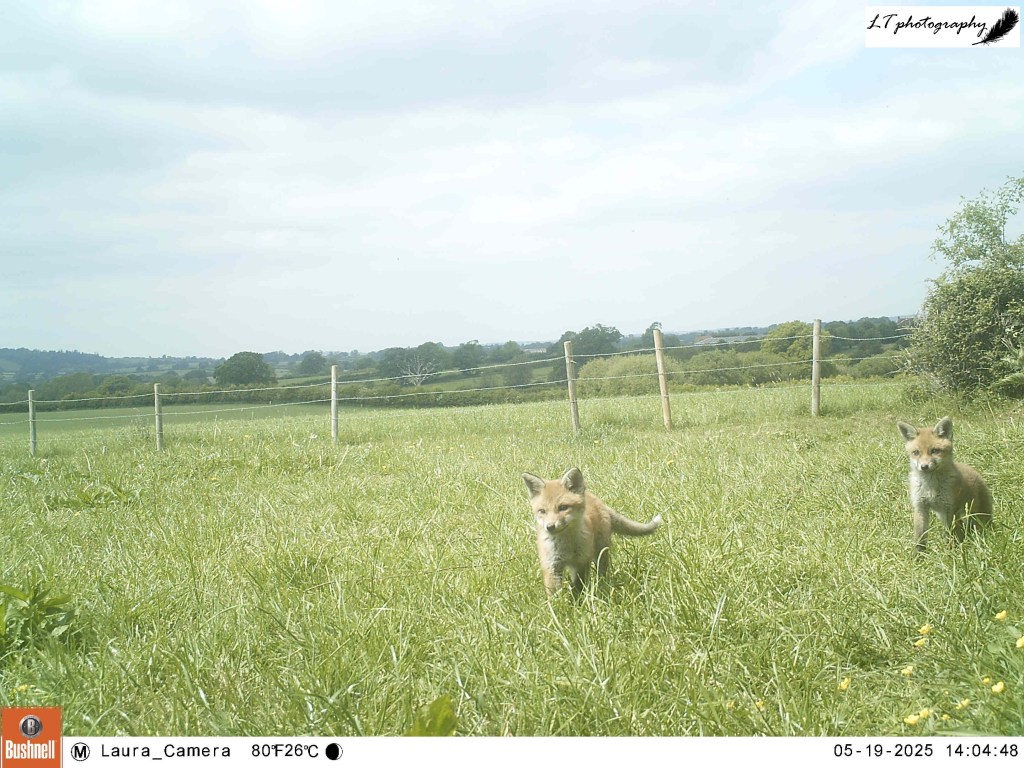
Due to seeing a lone fox cub at this site last year, the presence of an adult fox at the sett once again led me to return with my camera trap seven weeks later for another week (27th May-1st June). My hunch paid off as my camera trap returned photos of two fox cubs playing, living alongside a badger family, and being fed by a parent.

Gill Hill Copse

For my next site, I set my camera trap up within a copse surrounded by a cow grazing field west of the Quarry Field badger sett. During early spring this is a great site to capture wildlife moving through the landscape as the copse is a great stopping place. I have used this site before, and last year I saw species, such as roe deer and foxes.

This year I used my camera in the copse for just one week (11th-18th April), but moved its position within the copse every couple of days. I captured photos of a territorial male pheasant, an adult badger, a grey squirrel, an adult fox, and a rather comical sequence of photos of two female roe deer being spied on by a hiding male. As vegetation in the copse grows up and spring progresses, camera trapping success decreases at this site, but it was nice to see some life early on this spring.

Dorset County Council Wood

For my third site, I set my camera trap within a small, young wood that can be found at the centre of my family’s land, bordered by a road and a meadow. I have used this wood before, with some positive sightings in 2019 of foxes and badgers passing through.

This year I tried the wood again for a couple of days (19th-24th April), with some overall disappointing results. A male pheasant and magpie were seen, with an adult fox being seen twice, but overall the wood was quiet, reflecting a lack of diversity evident in this unmanaged woodland. I did not return to the wood again during this spring as a result.

Badger Field Sett

For my fourth camera trapping site, I returned to an active badger sett towards the centre of my family’s land. The sett is bordered by grazing land on both sides, and is set within a wide, thick hedge, extending out into the field on its east side. Last year I used my camera trap to look within the sett and to the sett entrances on either side, and saw adult badgers, badger cubs, and an adult fox. This was unsurprising as the sett is a thriving mixed site for badgers, foxes and rabbits alike.

This year I positioned my camera trap first on the western side of the sett (25th-27th April), before positioning it directly within the area above the sett (4th-7th May). Pointing my camera trap at the animal track running along the side of the sett, I captured an adult badger, adult fox, and my first hare! Above the sett, my camera trap was more active, capturing lots of badger activity, woodpigeons, blackbirds, and red-legged partridges, and a surprising sighting of a field vole climbing vegetation. It was a lovely sequence of photos!

Badger Alley

For my fifth site, I chose to return to one of my favourite locations, the familiarly known Badger Alley. Badger Alley is an enclosed footpath that has dug out animal holes along half of its length, split into two old badger setts. In 2019 this was a super site for seeing badgers wondering its length, but last year it was obvious that wildlife numbers had declined, badgers in particular.

This year I spent two stints setting up my camera trap along Badger Alley. Firstly, I spent five days with my camera trap trained on the non-active lower sett, changing the camera’s position after two days (10th-14th May). Amongst photos of a female roe deer and a displaying male pheasant, I got lots of really lovely photos of two fox cubs playing and exploring their world.

I then returned to Badger Alley in June, moving my camera from the non-active lower sett (5th-11th June) to the sett further up (11th-14th June). By now my camera trap found that the family of foxes had moved on, with only the female and new male roe deer appearing at the lower sett. What was really sad, was finding that Badger Alley has now been fully abandoned by badgers, with the higher sett now being home to just rabbits. A slightly disappointing end to my camera trap’s time at Badger Alley!

Monkwood

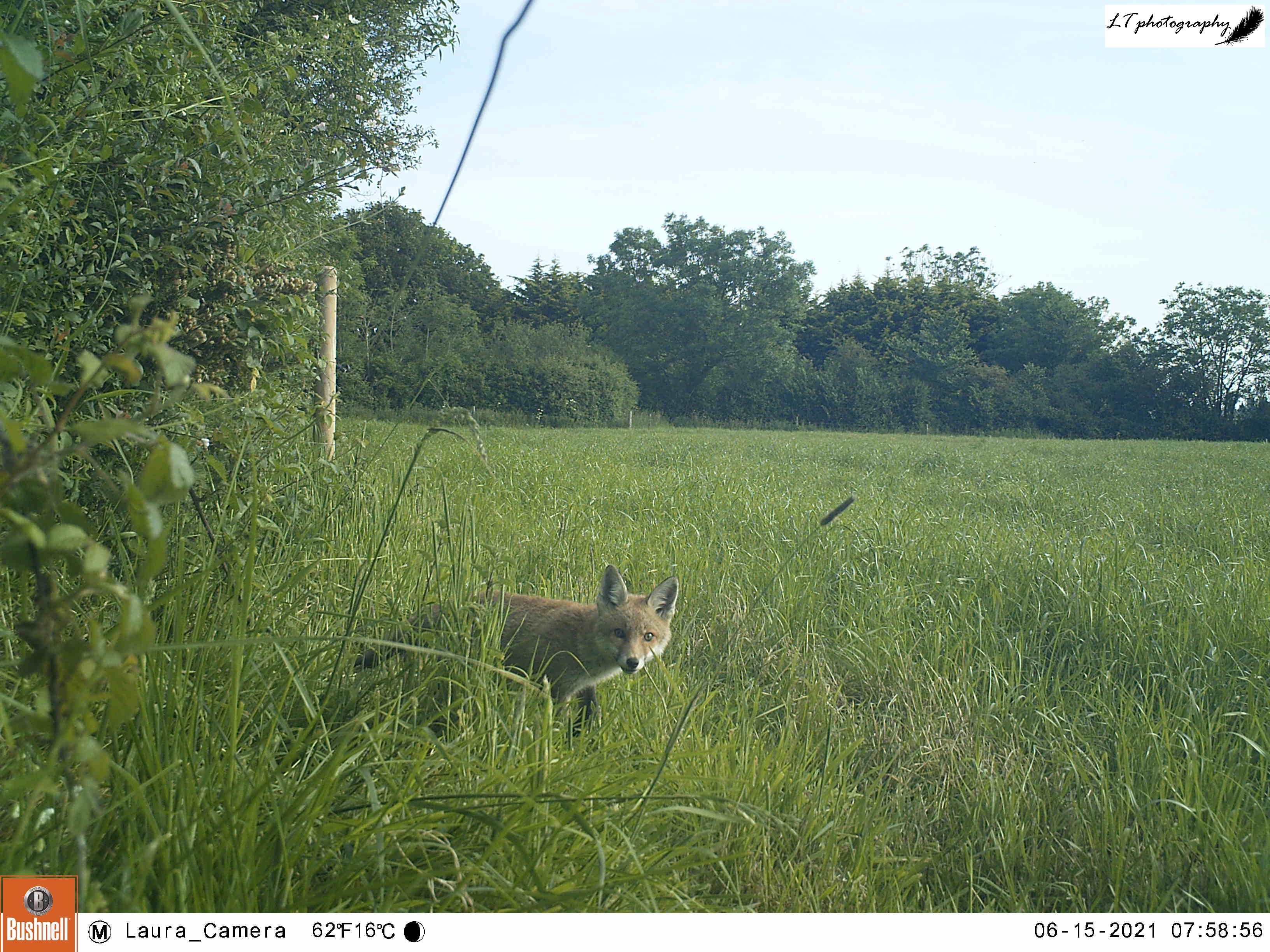
To finish camera trapping during the spring season, I took a bet on a site where there was a possibility of finding another litter of fox cubs. This site was a hedge in the middle of cow grazing land, where I had not previously camera trapped before. I chose to set my camera trap up on a fence post pointing along the hedgeline where I had found holes into the hedge, and left my camera for a couple of days (14th-16th June).

On retrieving my camera trap, I was excited to find that my instincts had been right and my camera trap had shot photos of two fox cubs and an adult. It was a lovely end to my spring camera trapping season!