Life Amongst the Bluebells

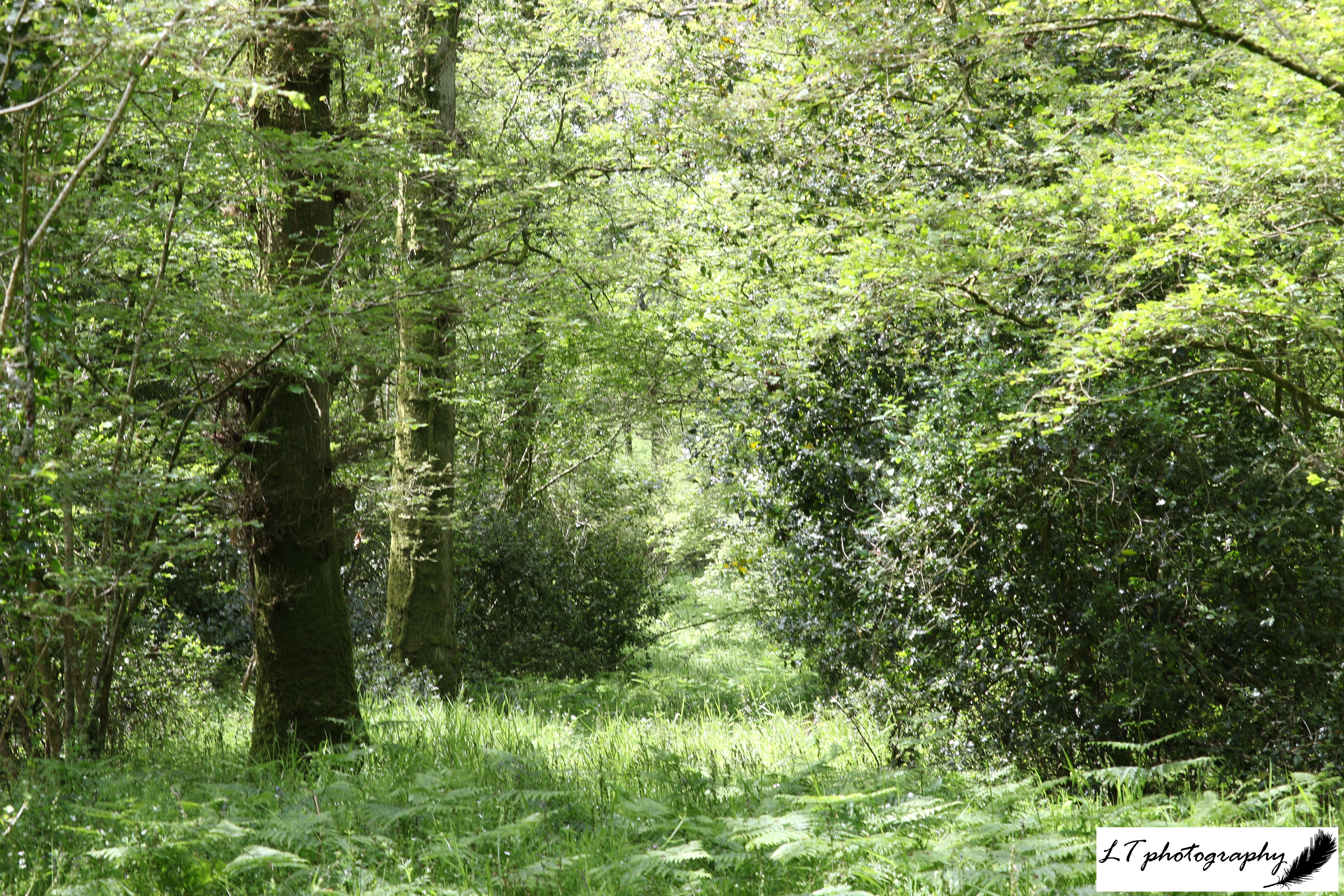
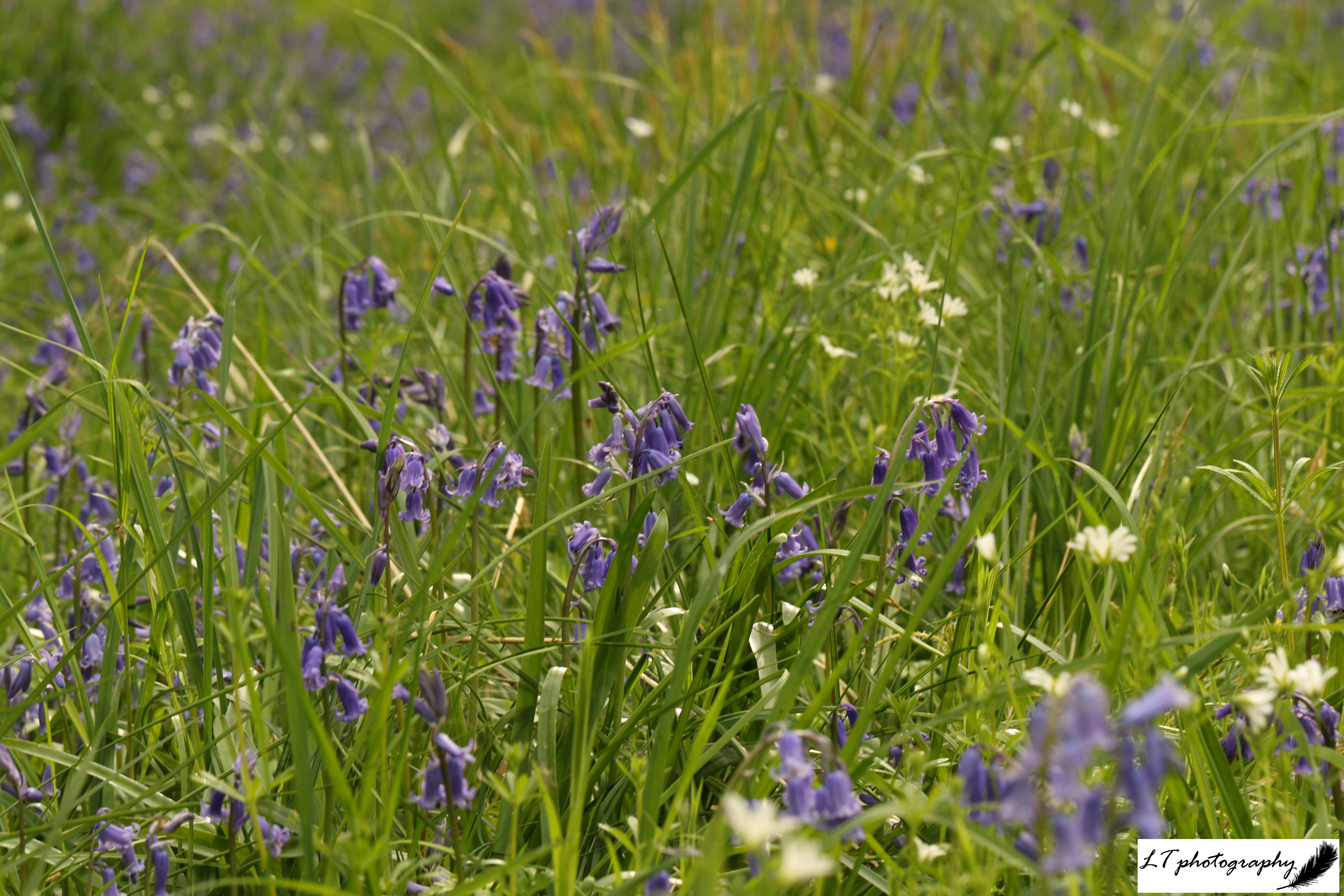
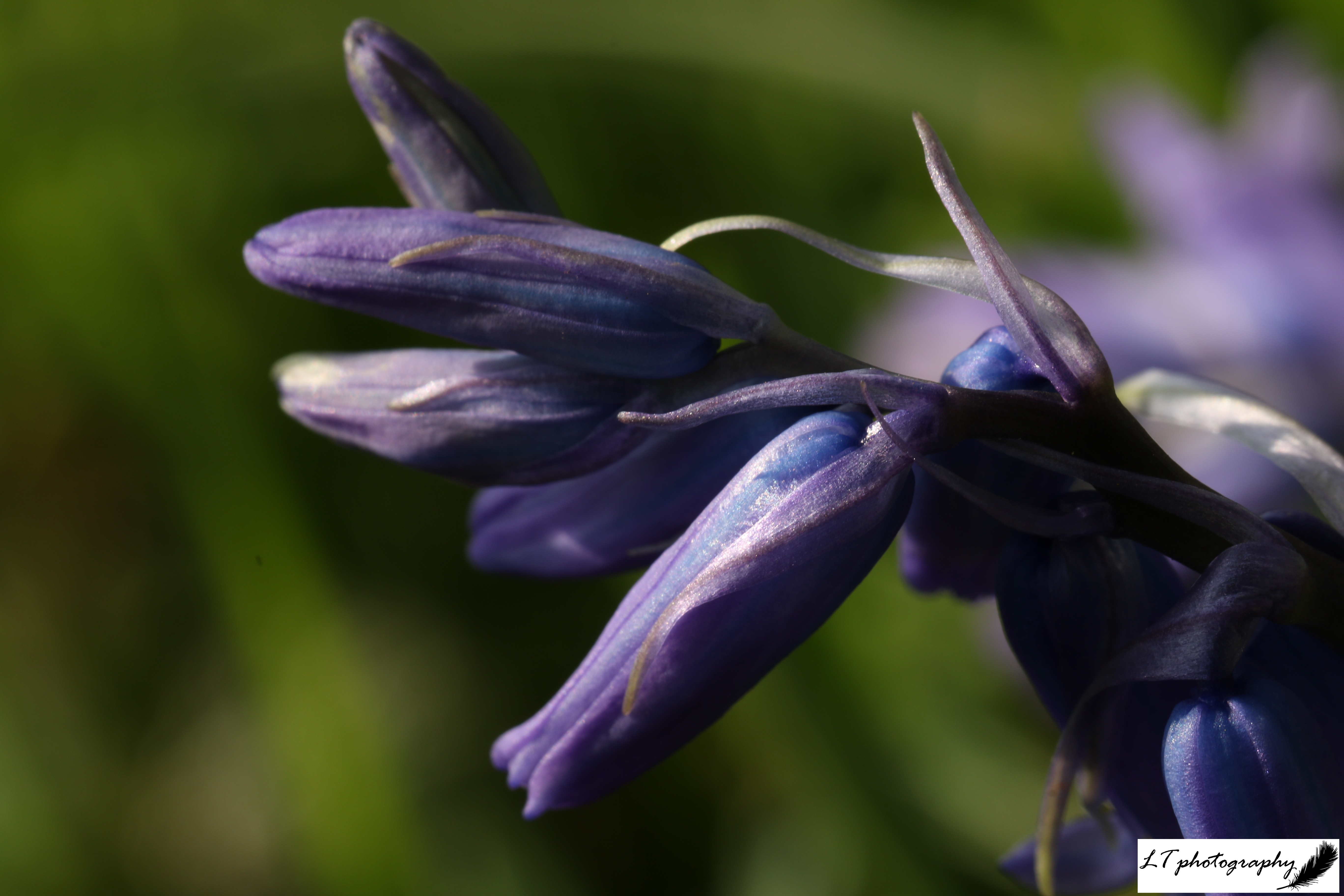
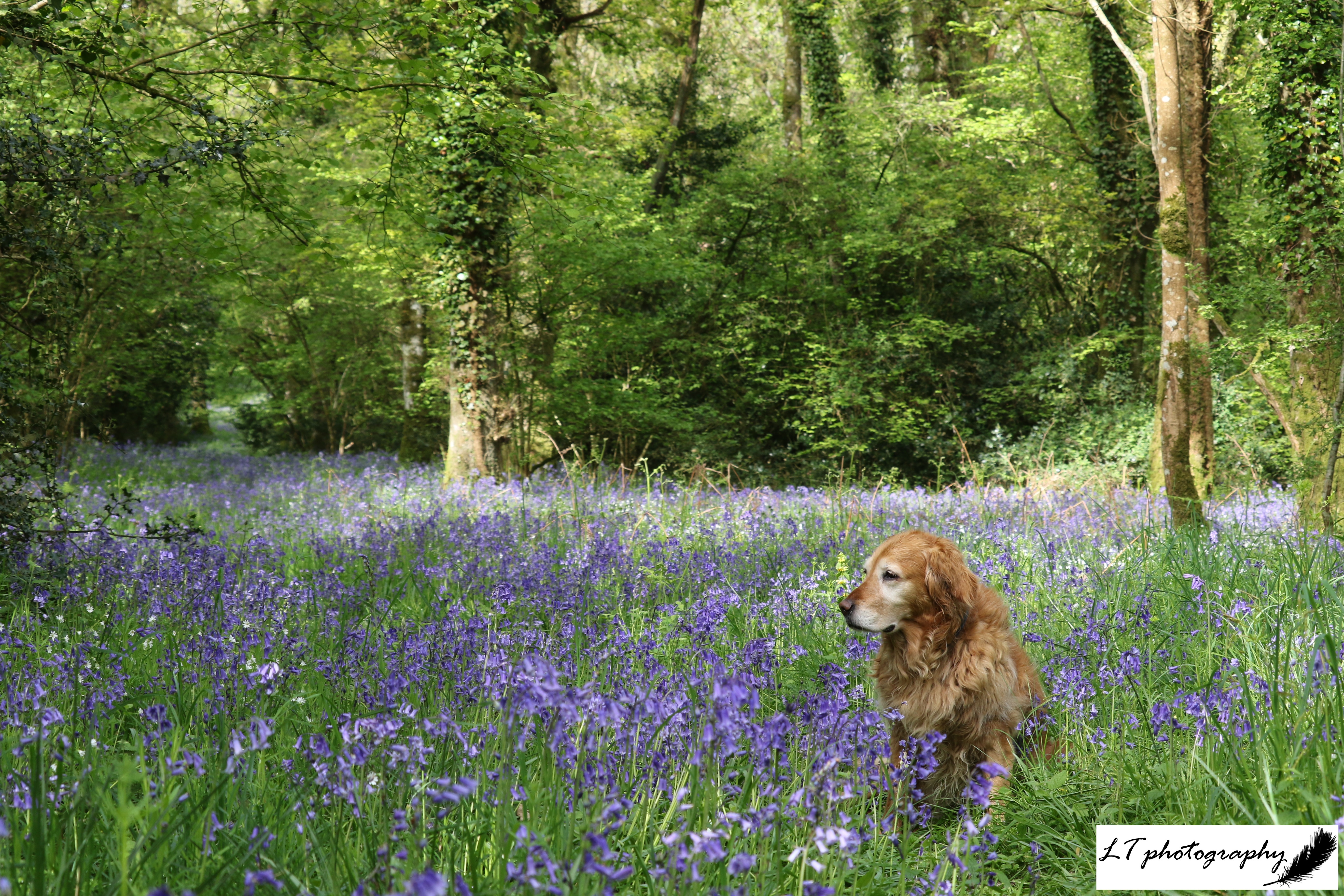
‘When you go down to the woods today, you’re sure of a big surprise’, and in late April to early May, this surprise comes in the form of a fantastic mass event! During this time, our woodlands are blanketed with a sweeping carpet of colour; a rich mass of violet-blue, made up of thousands of nodding heads. This popular spring spectacle is a heady treat for the senses, epitomising the beauty of British springtime. This is not all that our woodlands have to offer at this time though, with the Bluebells making us overlook some humbler stars of the show.

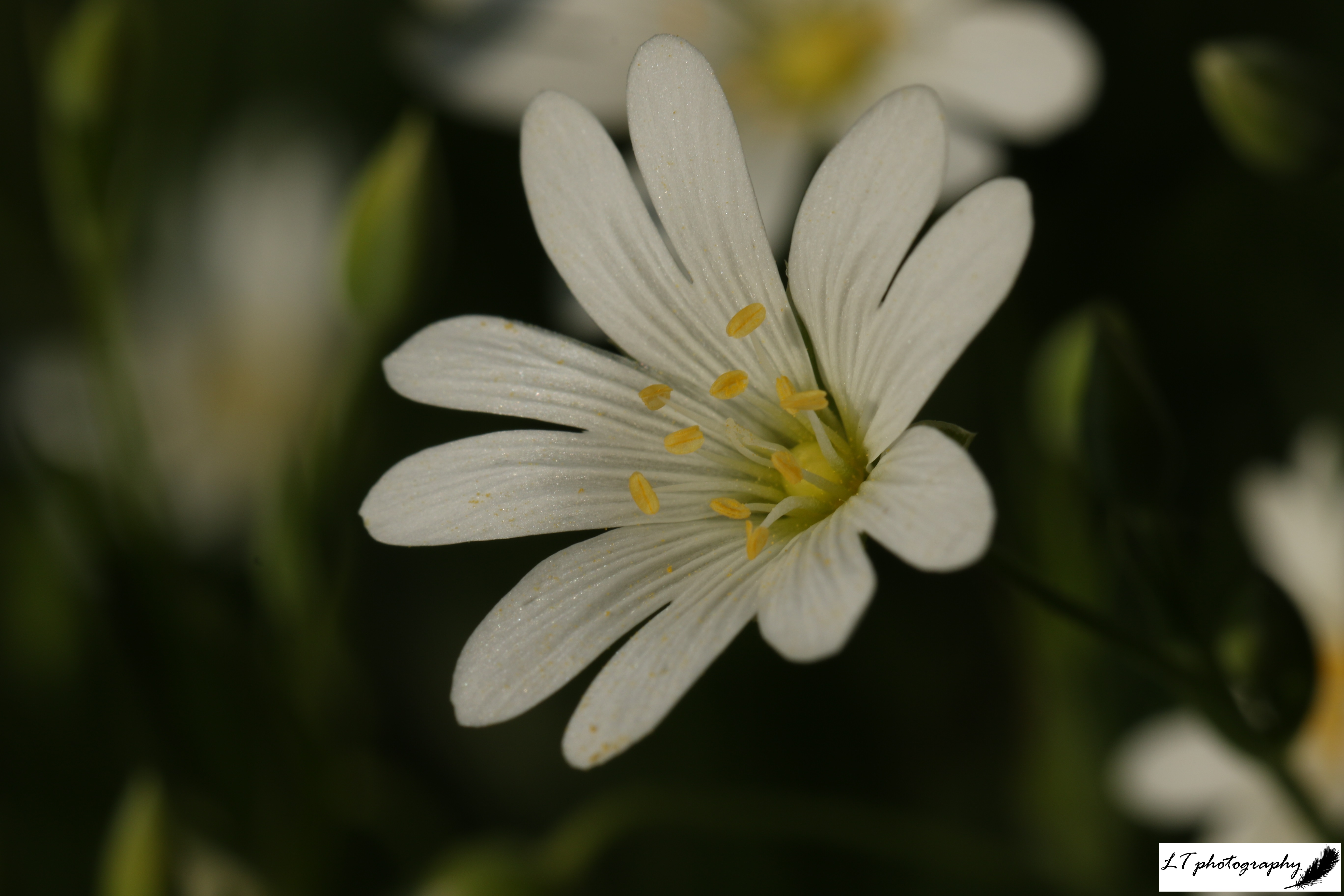
So when walking through the Bluebells, why not stop and look around you for a moment. ‘Daddy’s-shirt-buttons’ or Greater Stitchwort can be found dotted throughout the woodland carpet, white star-shaped flowers on slender stems. In thicker patches of green, clusters of green-centred stars can also be found on sturdy stems, their pungent scent giving them away as the flowers of Wild Garlic. These are joined closer to the ground by the white-cupped faces of the Wood Anemone, heads turned to the sun, merging into the galaxy of colour.

The palette is added to by splashes of pink and yellow. Shining yellow stars of Lesser Celandine float above heart-shaped leaves. The green-spiked Yellow Archangel, like a nettle, adorned with rings of butter-yellow flowers, each with their own hood. You can also find Early Purple Orchids beneath the trees, pink spikes growing from purple-splattered green leaves. Closer to the ground, the glittering pink faces of Herb Robert add to the show.

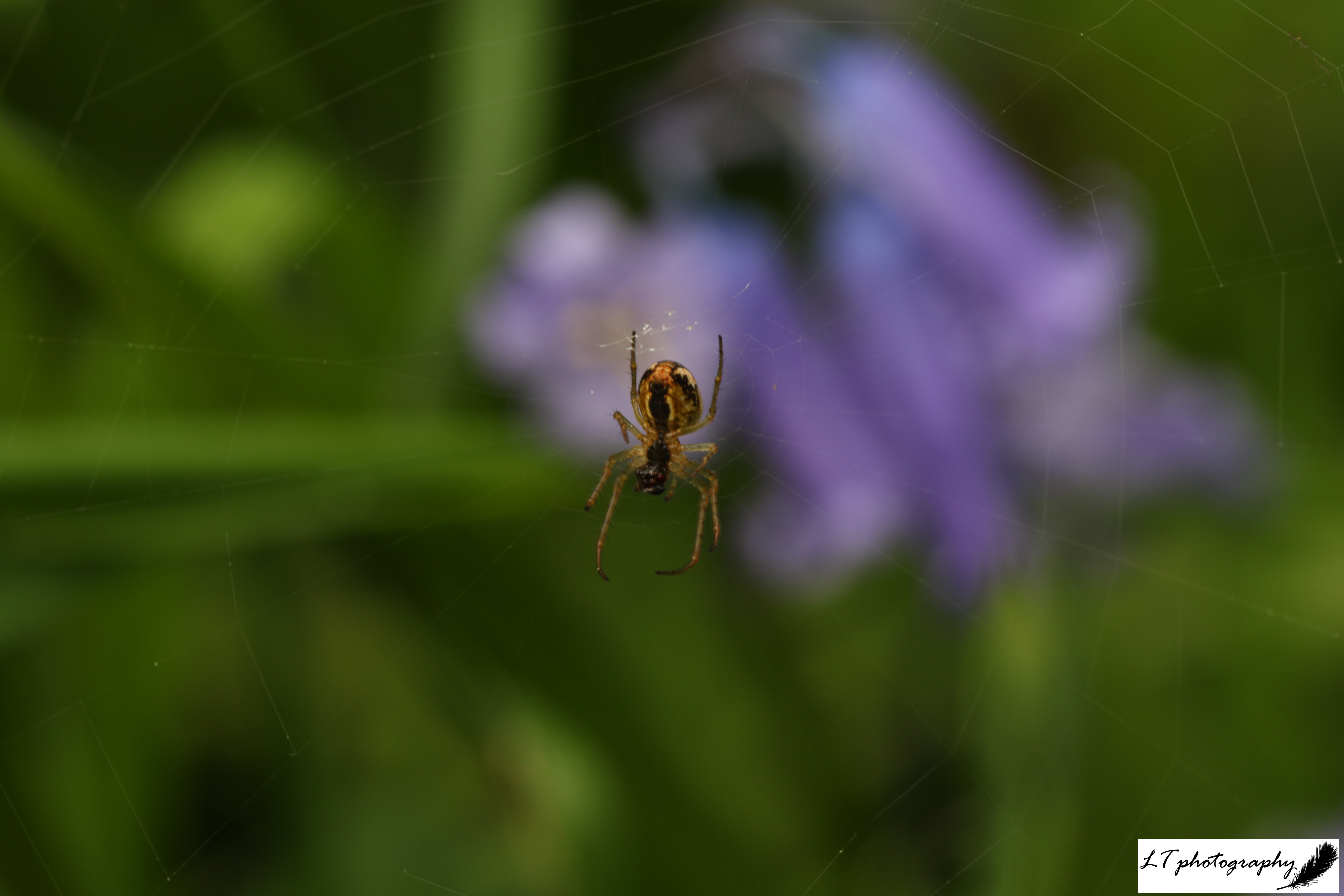
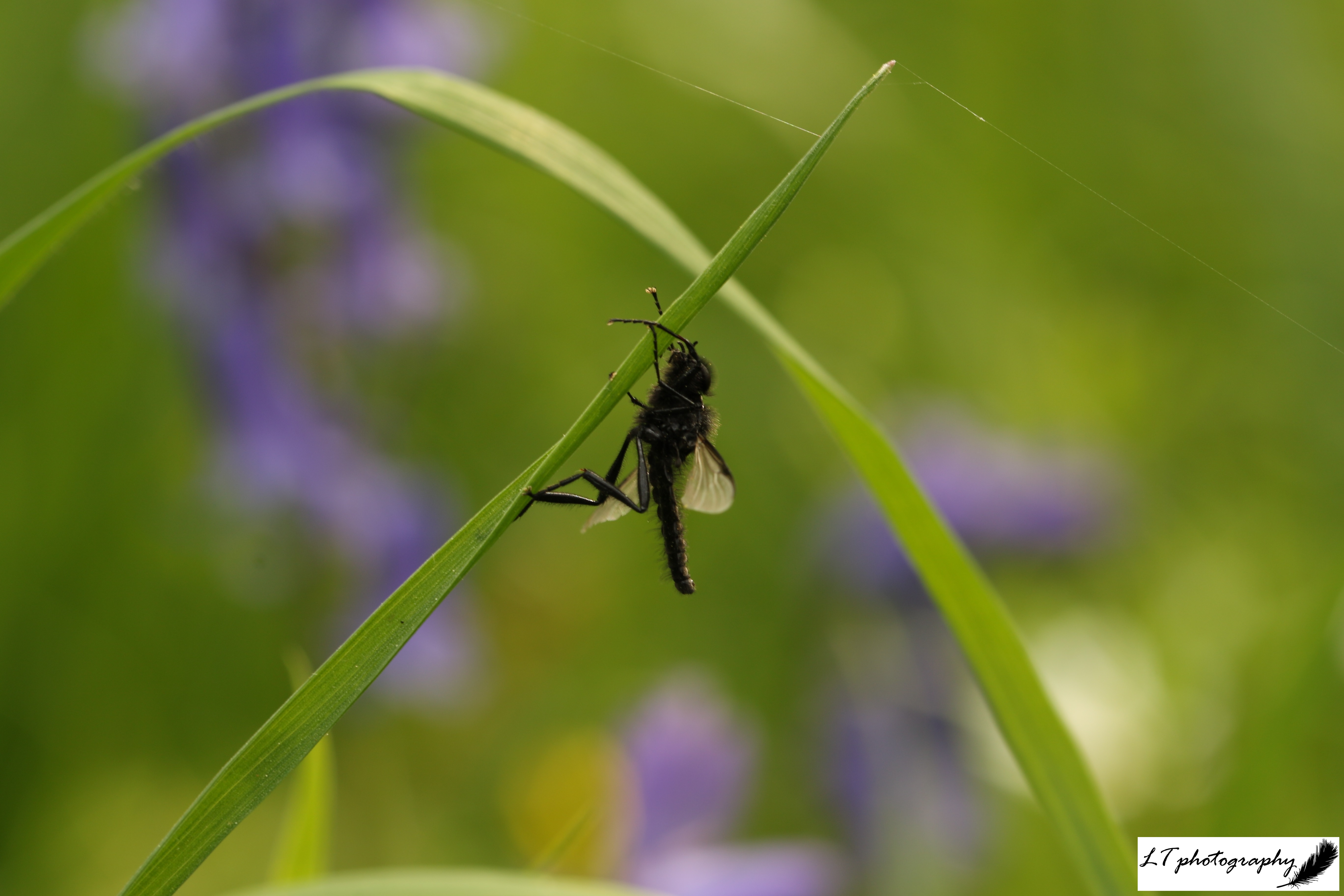
Amongst the Bluebells, there is not just a colourful backdrop of flowers to be found, but a hidden world to be discovered. Down at Bluebell level, the woodland floor comes alive. Spiders spin webs from Bluebell to Bluebell hoping to catch a meal, whilst Bumblebees fly from flower to flower collecting nectar and pollen for their colonies. They are joined by a fantastic array of flies, varying in size, shape, and colour.

If you take an even closer look at the flowers, you might even find some more hidden characters that capture your mind and inspire your imagination. Camouflaged spiders, weird and wonderful weevils, colourful shield bugs, fascinating beetles, and even patchwork snails are waiting to be found. Minibeasts and their tiny worlds can create a sense of calm and simple joy, an easy example being a graceful Butterfly gently flitting by through dappled spring sunshine.

Walking through the Bluebells is a wonderful visual experience, but if you open your ears, then another world can also be added to this. The fluting notes of the Song Thrush, the onomatopoeic song of the Chiffchaff, the melodic Robin, or the powerful trilling song of the Wren. All flow together to create a symphony of bird song, a soundtrack fit for the spectacle that is the blooming of the Bluebells.

‘When you go down to the woods today, you’re sure of a big surprise’, and in spring this might just be bigger than you expect. Next time the Bluebells are blooming, why not stop and see what you might find amongst those nodding heads.

Spring in Photos 2021

Last year spring was my lifeline, as we experienced the world around us being thrown into disarray. This year spring was instead turned on its head, with changing weather patterns making it unpredictable and different from what we would usually expect at this time of year. A hot and stormy March, cold April, and wet May made nature emerge later, with spring events taking longer to arrive, and being anywhere up to 60 days late.

Still this year’s spring has been magnificent. Vibrant and colourful, it had much to be celebrated. My family’s farm in Dorset became full of new life, from blossoming trees and flowers, to fox cubs and leverets. Spring is unsurprisingly my favourite time of year, so this year I again made a point of getting out as much as possible to experience it, with my camera by my side. Here’s a look at some of my favourite photos from this spring, either for their aesthetic appeal, meaning to me, or overall joy factor.

Spring in Photos 2021

1. Blackthorn – This photo was taken at the beginning of April on a misty morning. It was a beautiful way to see delicate white blackthorn flowers in a different light, framed in front of a splintered stem.

2. Male blackbird – Blackbirds are an iconic sound of spring for me and also so many others. Their beautiful song often symbolises the beginnings of longer, lighter evenings, or for me fresh spring mornings. This male would sit in this willow tree every morning throughout spring to sing his song, defending his territory and mate. In particular, this male and his female nested in our shed, successfully fledging 5 chicks at the start of June.

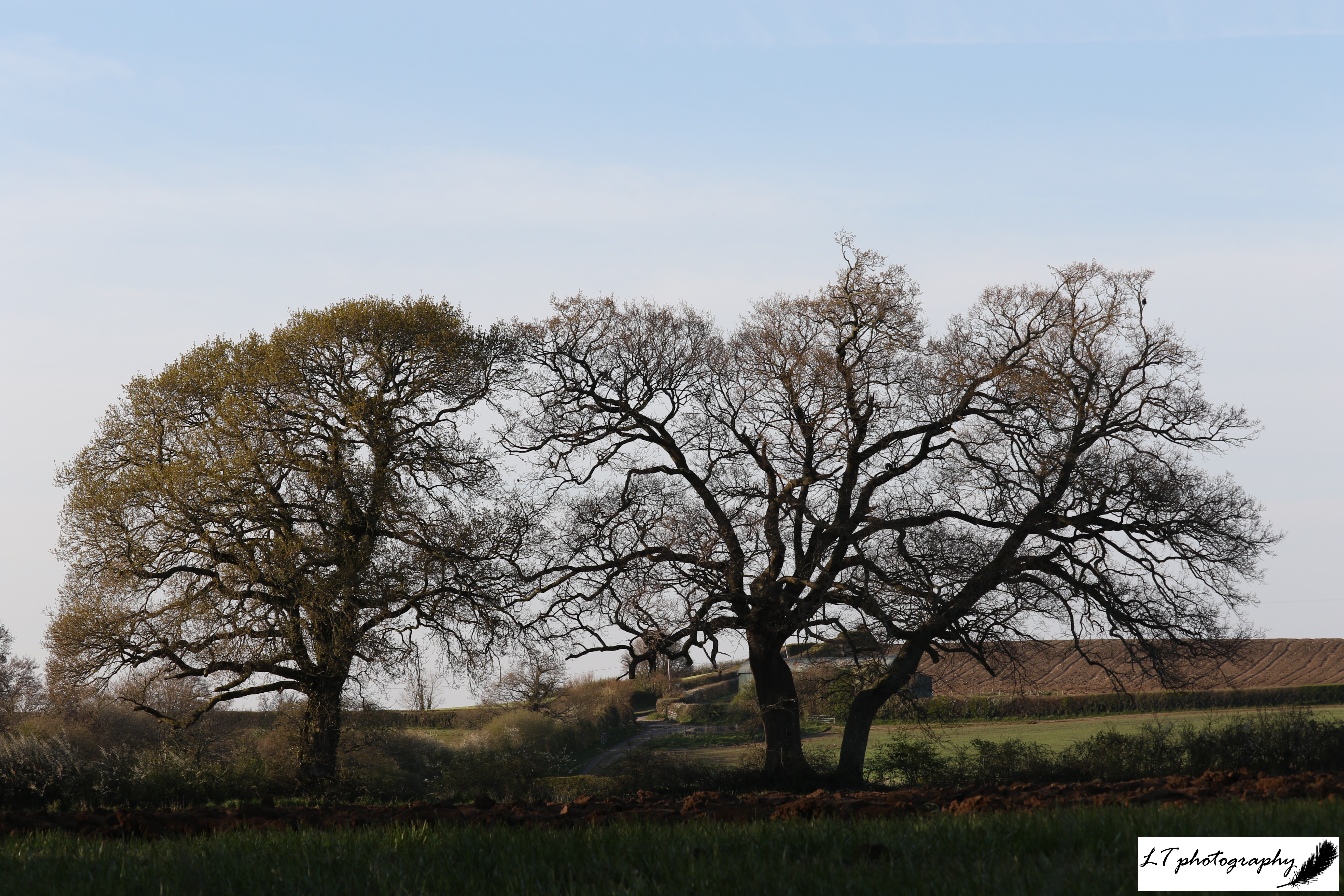
3. Oak trees of a farming landscape – What hits me first in this photo is how bare this landscape seems for late April. The oak trees have barely begun their bud burst, looking skeletal behind a farm field that is being worked. This almost autumnal scene is refreshing though, showing the new beginnings of another year in nature.

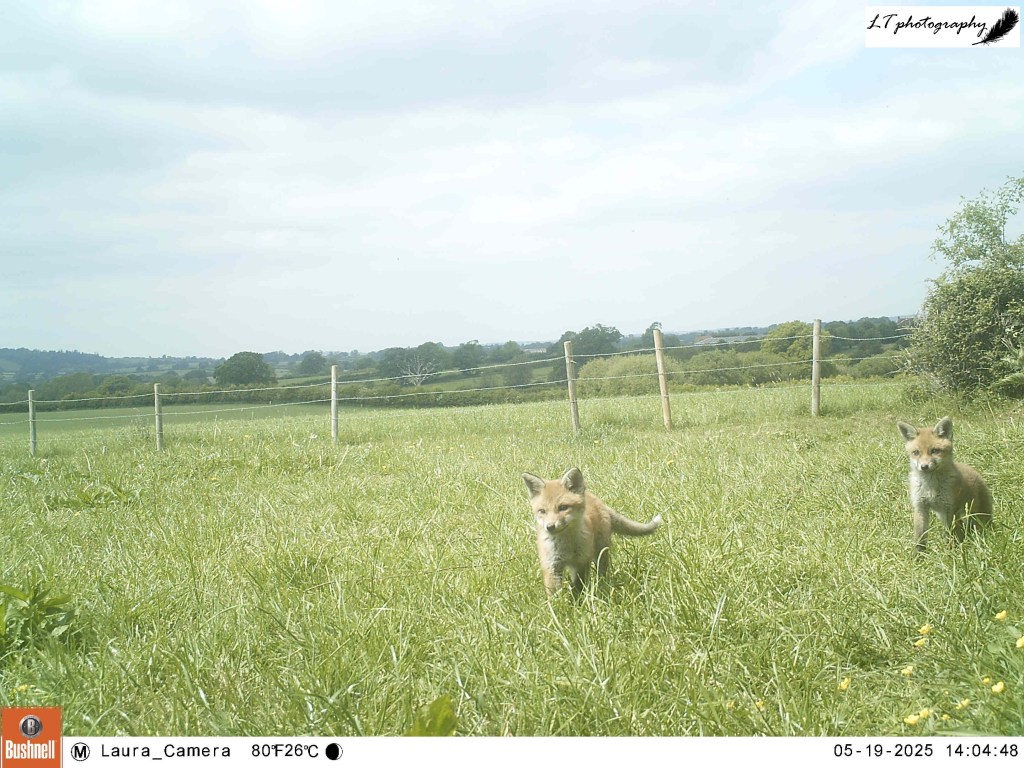
4. Camera trap fox cub – This photo is one of my favourites from this spring, symbolising a successful spring camera trapping season (blog post to come). This was one location, an abandoned badger sett, where I thought that foxes may have been breeding. My camera trap proved my feeling to be right, and treated me to an assortment of photos, day and night, of 2 very active fox cubs. Just one of multiple litters that I found on my family’s farm this year!

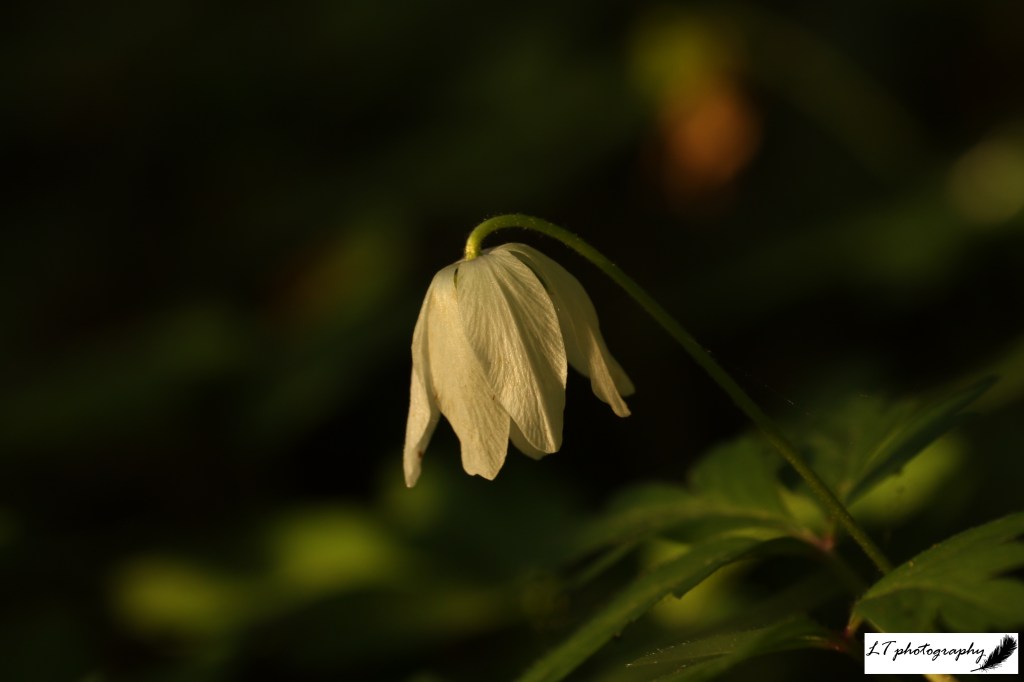
5. Wood anemones – Wood anemones have slowly become one of my favourite spring flowers, being one of the first to appear in woodlands across the UK. They are a great indicator of ancient woodland, and an interesting flower to photograph for their shape and colour. My memory cards are full of all sorts of different types of photos of this species!

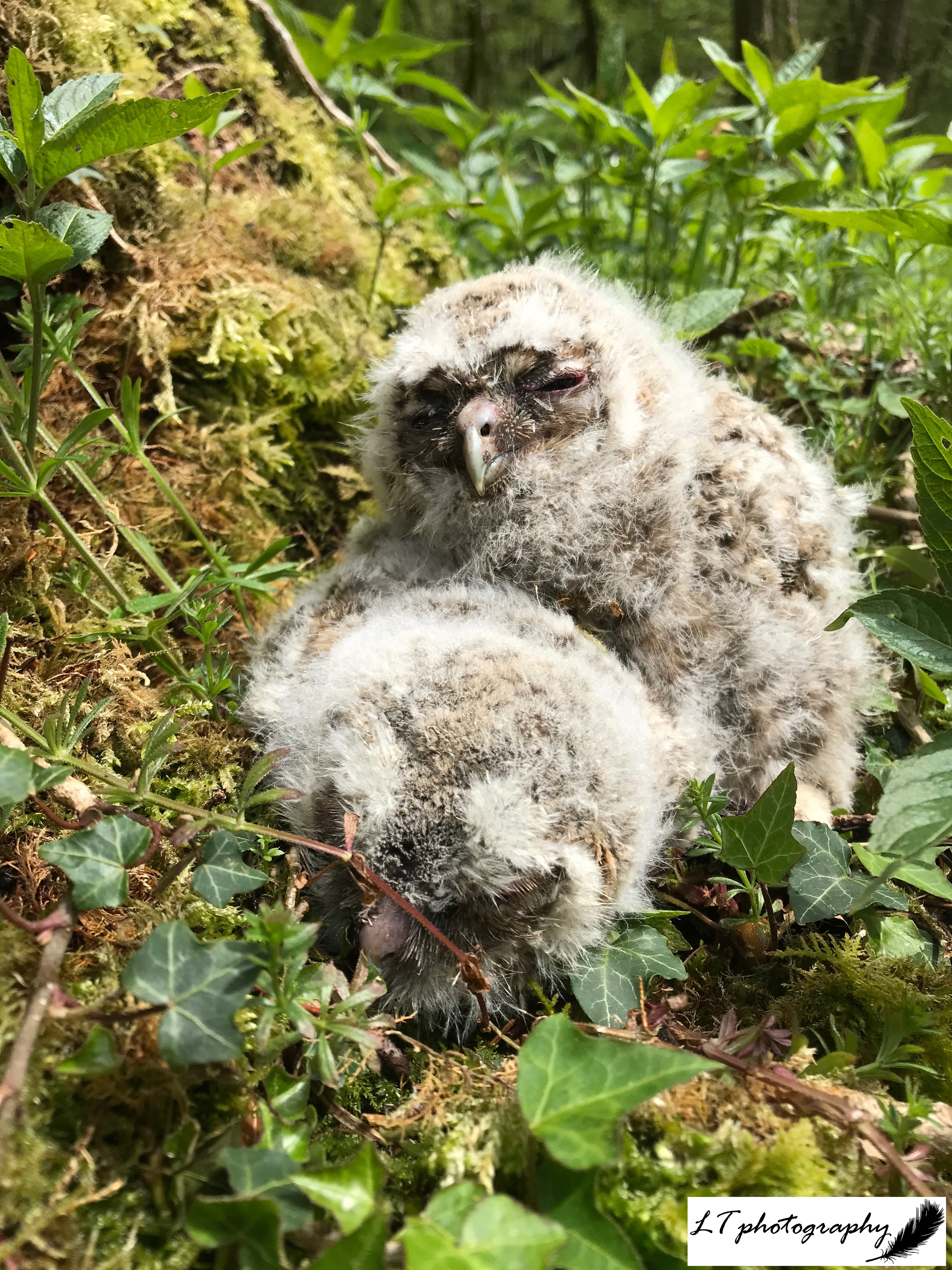
6. Tawny owl chicks – One of my highlights of spring this year has been ringing chicks under license with my bird ringing group (Conservation Action). In particular, I had a great day in early May at the Woodland Trust’s Duncliffe Woods site in North Dorset checking tawny owl nest boxes. It has been a poor year for tawny owls in general, which was reflected by Duncliffe Woods, but we did get lucky and found 3 active nest boxes. I had the pleasure of ringing these chicks, under permit, which will provide important information to help conserve tawny owls in the future.

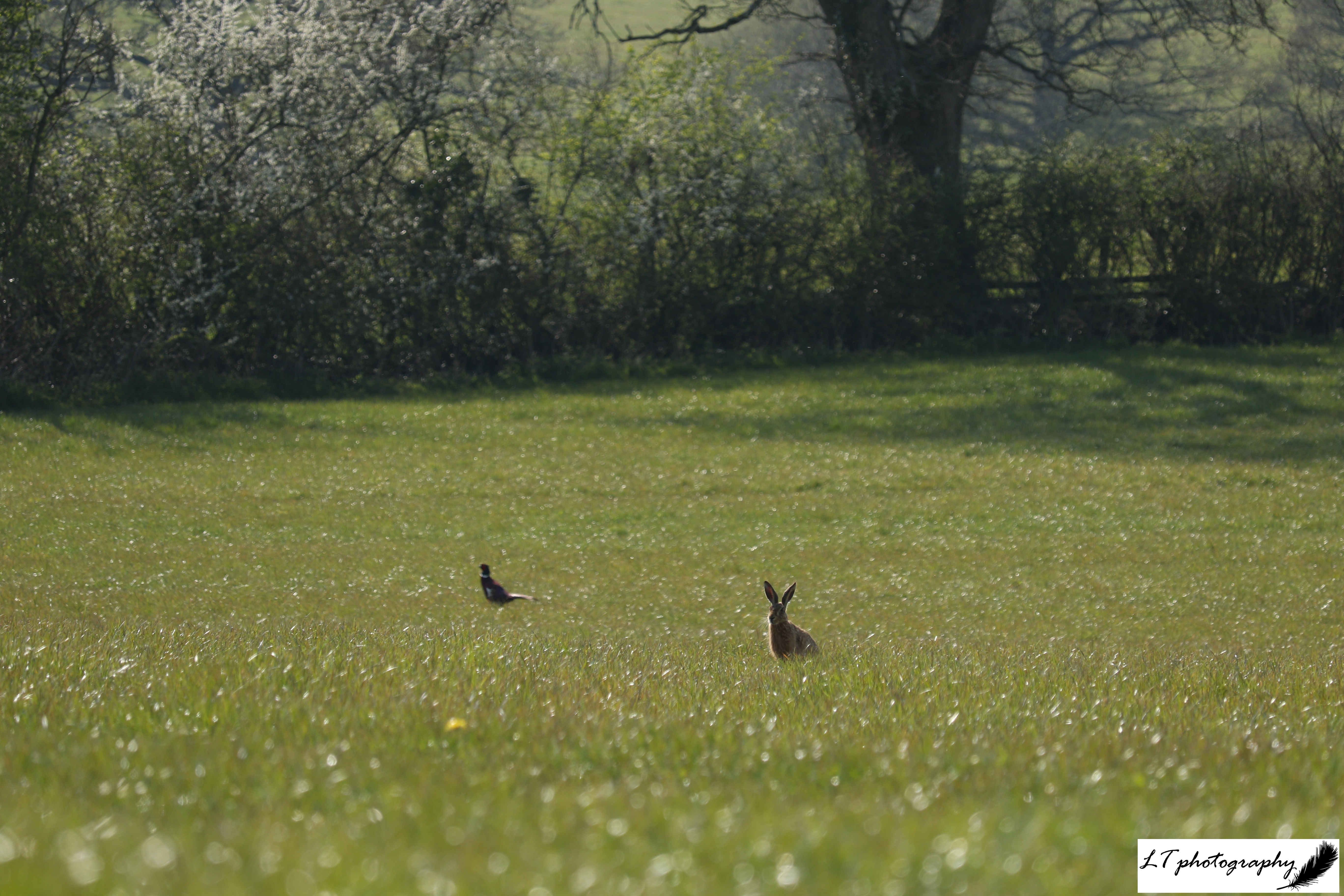
7. Brown hare – This year has been the year of the hare on my family’s farm in Dorset. We have a reputation for being a great site for this species, but this year has been truly astounding. With 1-3 hares to every field, I was humbled to spend my spring out working alongside them everyday, getting to see them up close and experience their behaviour firsthand. Truly magical!

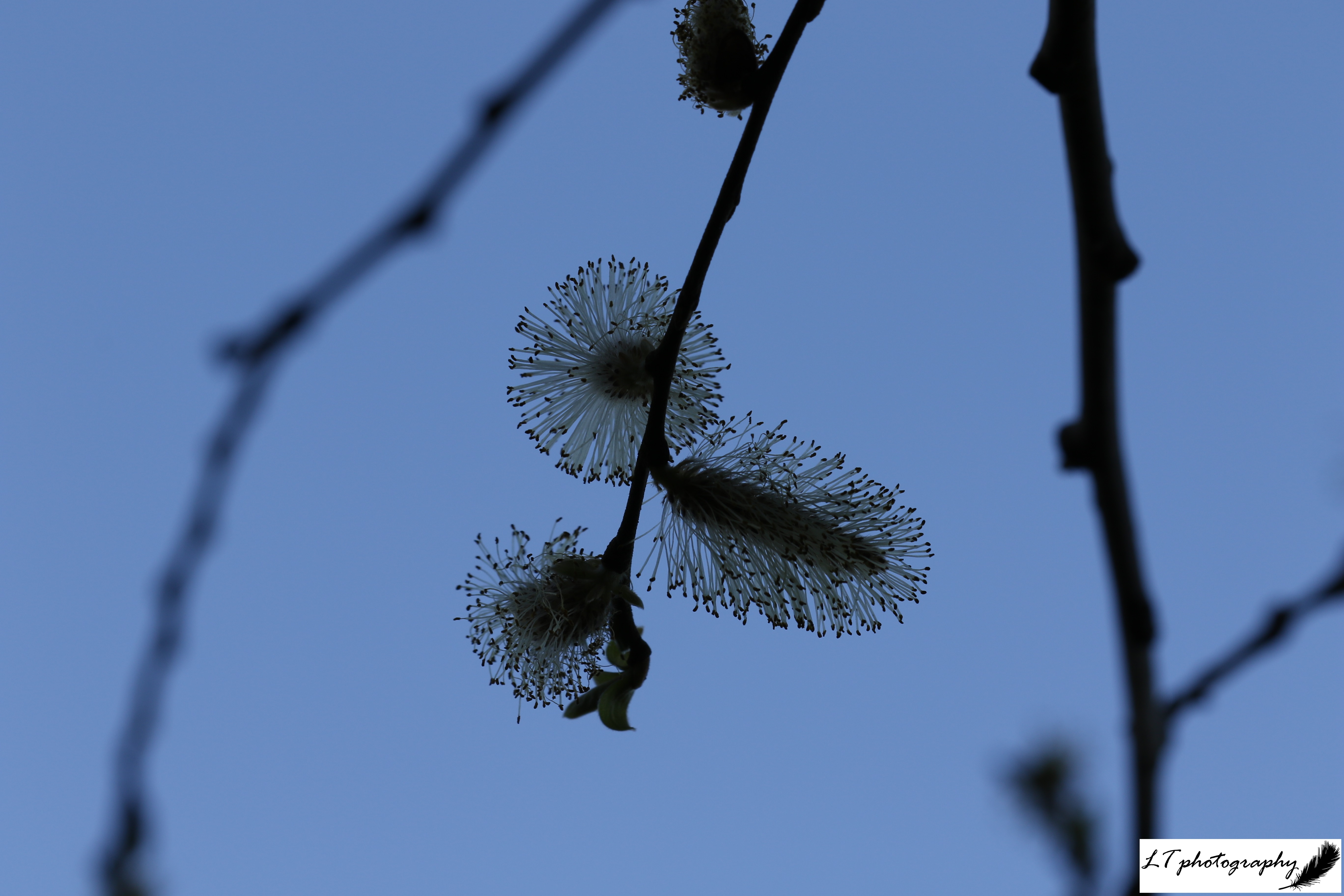
8. Pussy willow flowers – Willow flowers have been a difficult subject for me to photograph this year, with poor results. I was pleased though to find this refreshing photo on my memory card, of willow flowers stood out against a clear blue evening sky. They are beautiful in their own right.

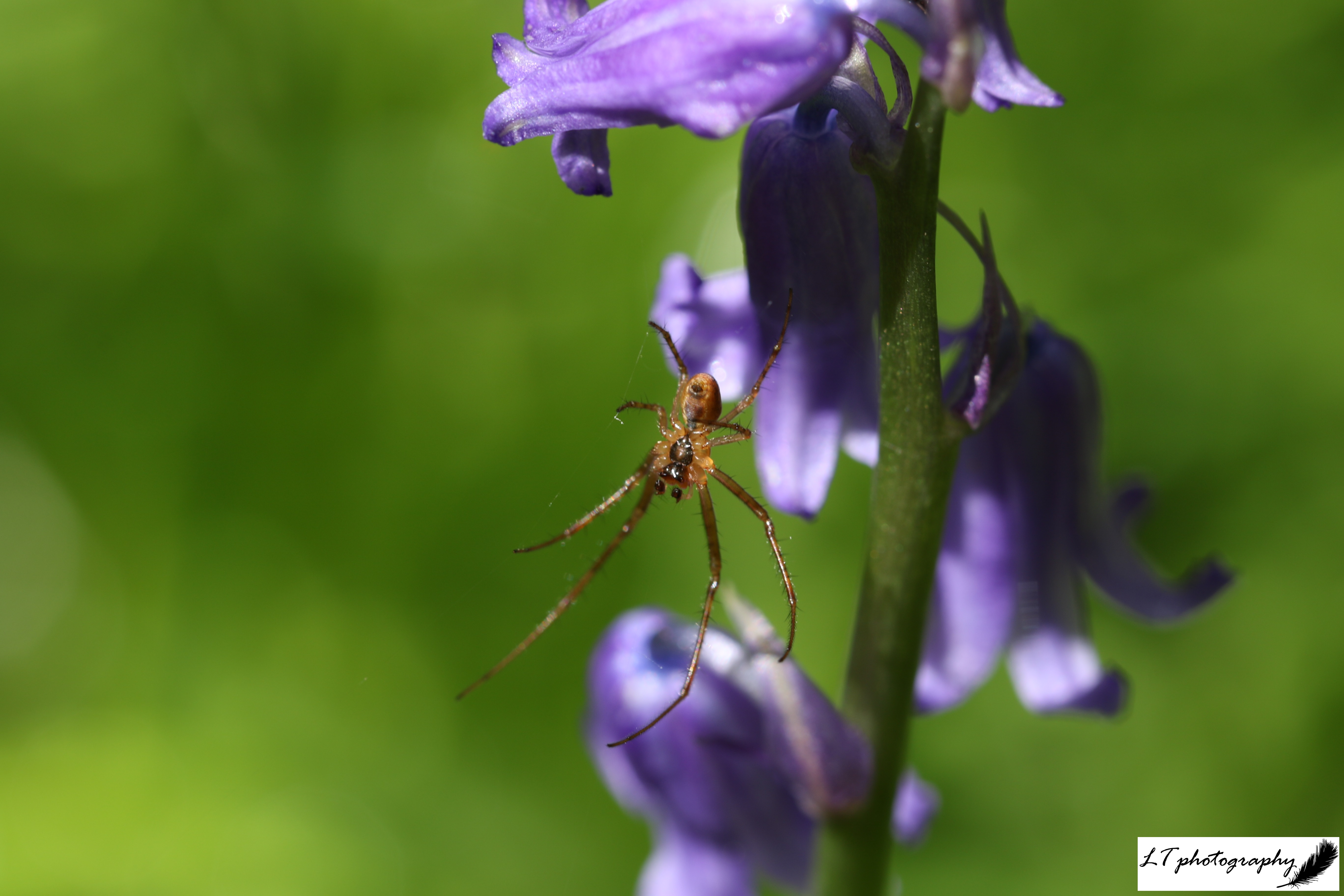
9. Spider in macro – This photo that is not photographically ‘perfect’ is still a favourite of mine from this spring for other reasons. As I invest in my camera equipment, my latest edition has been my first professional macro lens. So this photo was the first photo I even took with my new lens, and it fills me with joy to see the new world I can now start to explore.

10. Grey wagtail – Last year my Dad began digging a pond in his field that he is currently wilding. Though he was rained off in the autumn before completion, the half-dug pond is already attracting a wealth of species from birds to insects. Majestic grey wagtails that have begun populating this area over the winter have also found the pond this spring.

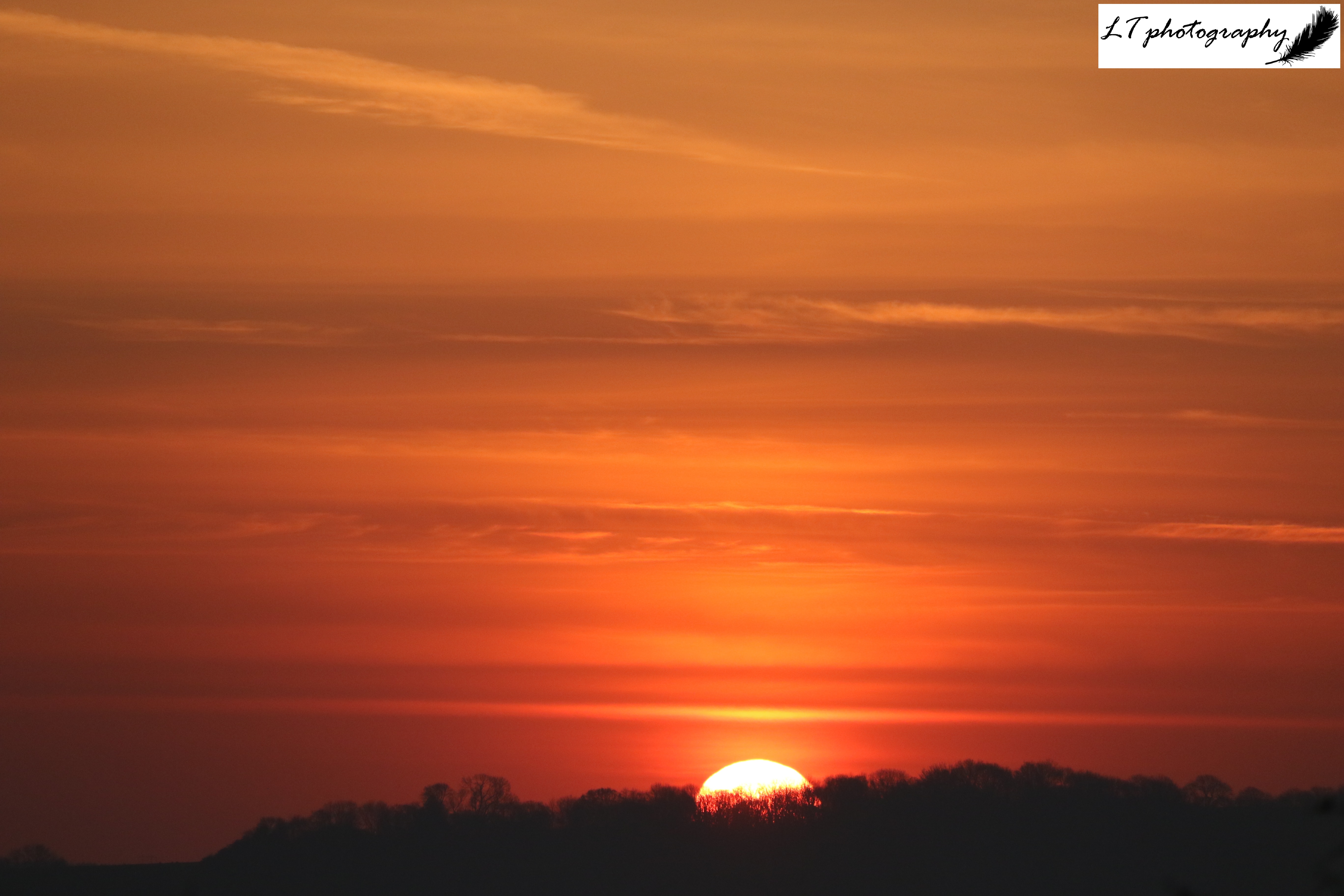
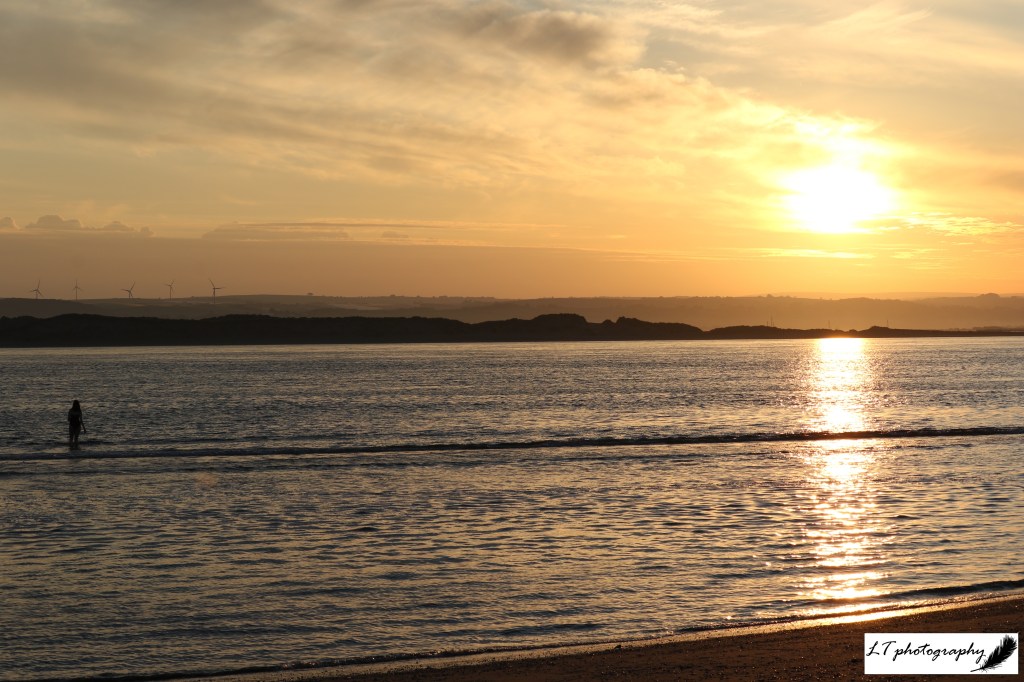
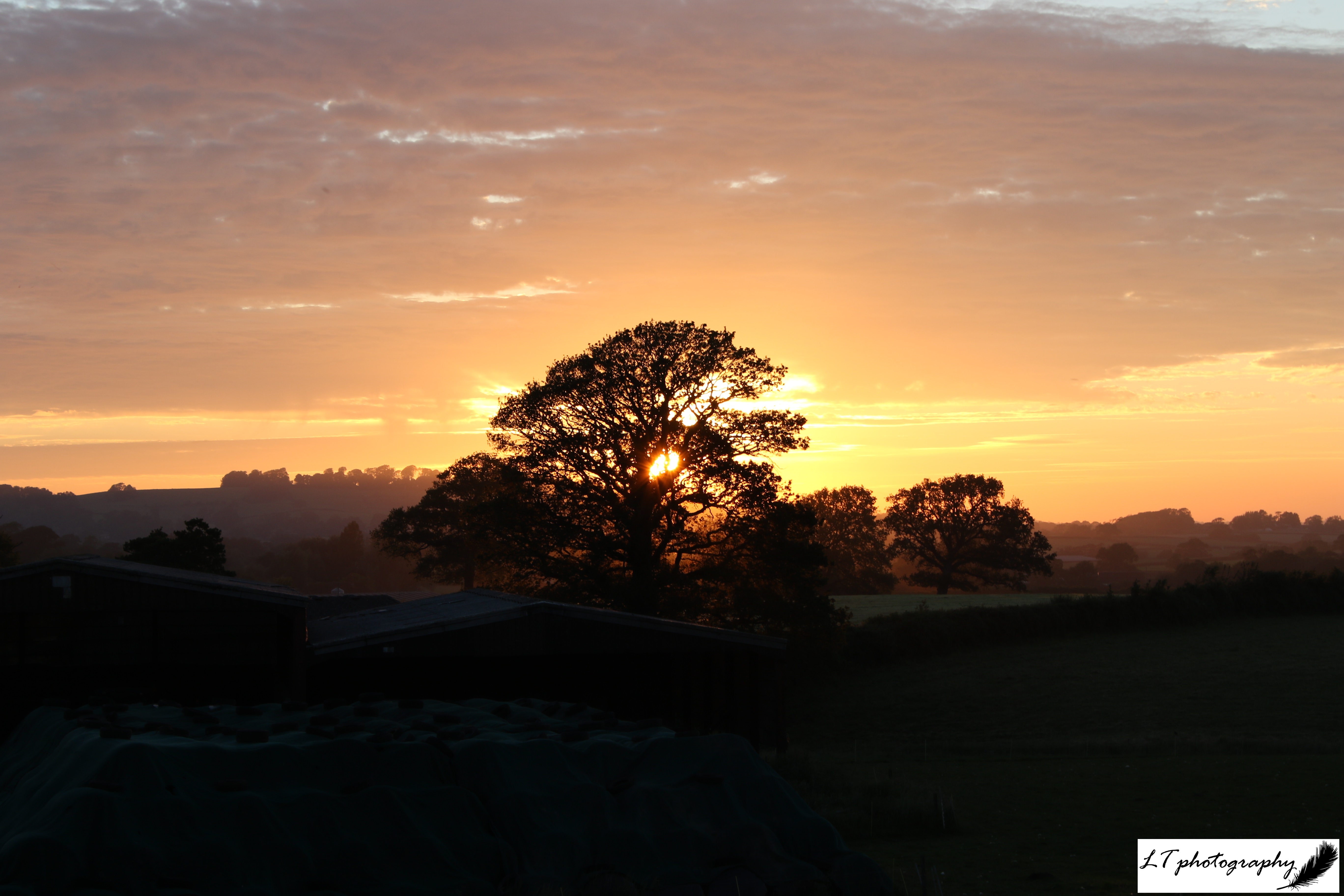
11. Sunset – Though sunrises are magical, sunsets have always been my most favourite time of the day. This is because many of my happiest memories can be linked to beautiful and vibrant sunsets from field research in Canada to evenings at home on my family’s farm. I have seen so many incredible sunsets already so far, but I hope to see many more in the future.

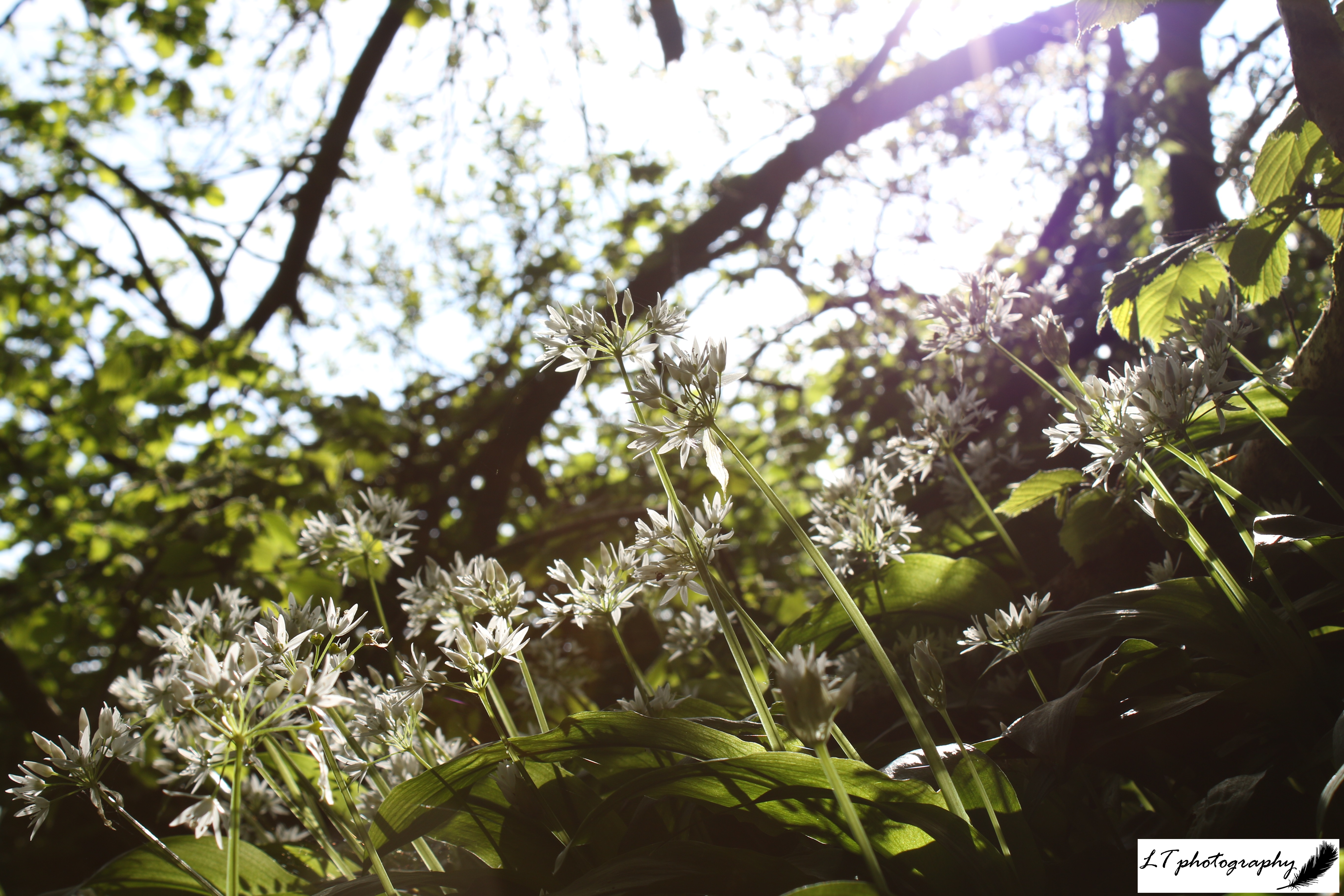
12. Wild garlic – Though my busy spring dissuaded me from mornings waking up before the sunrise, I did spend a couple of glorious mornings waking up and getting out an hour or so after instead. The light is glorious at this time of day and always provides me with inspiration for my photos and life in general. This photo represents this magical time of day and the joys of spring flowers, wild garlic being an iconic example.

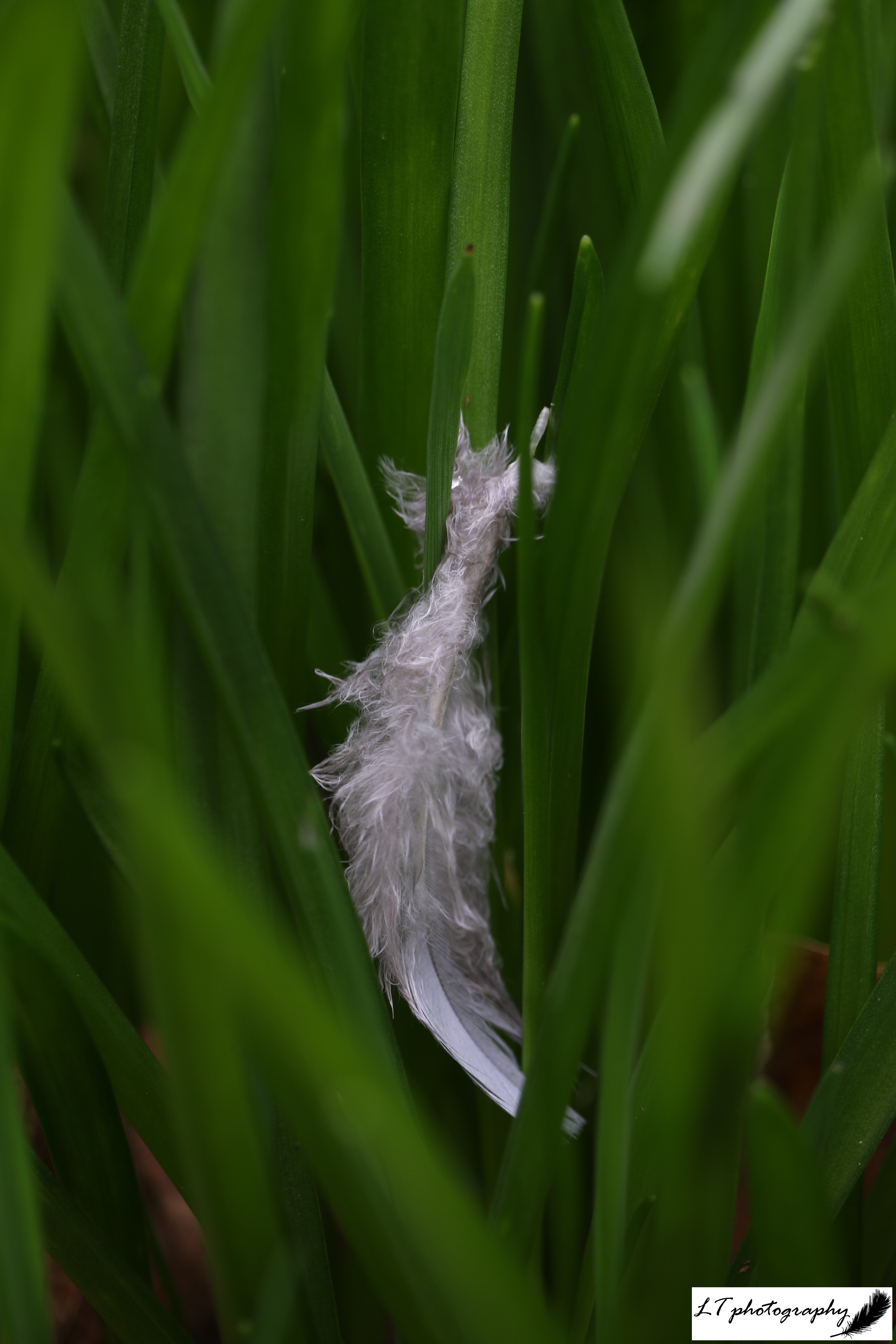
13. Feather in the bluebells – Wait, a feather again? Well feathers always sneak into my many files of photos, being a symbol of mine and representing my love of feathered species. They can also tell us useful information about what is living in a habitat, for example this feather is most likely from a collared dove.

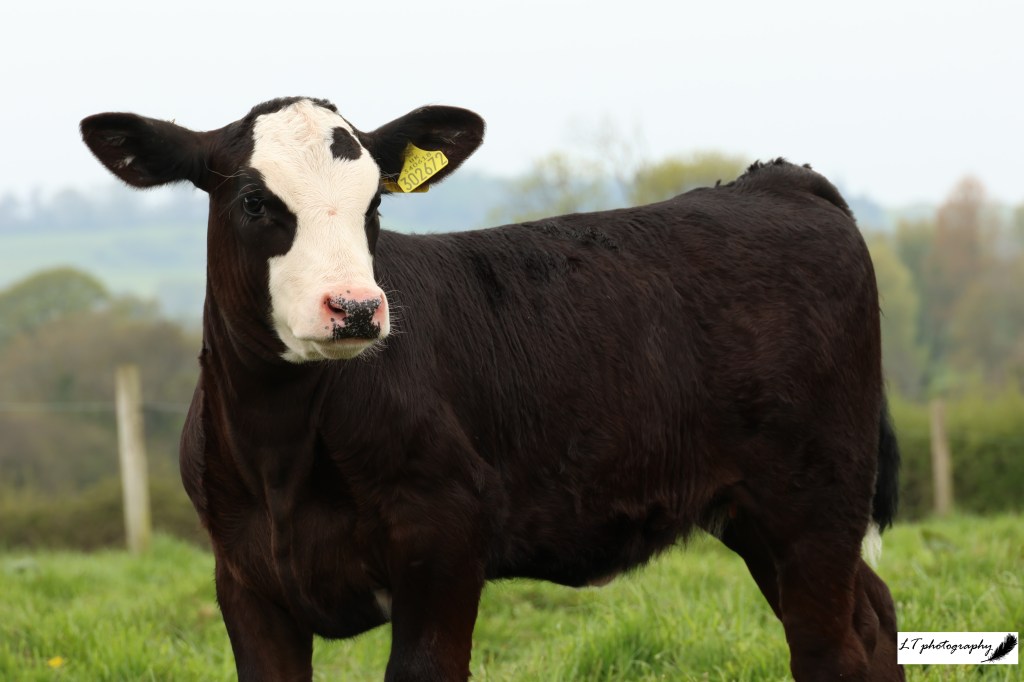
14. Aberdeen angus calf – This photo is one of my favourite photos of one of my mum’s beef suckler calves. Spring is a time of new life in nature and on the farm, with my mum’s small free range beef herd giving birth at this time. This year they have weathered it through some turbulent months, but now are enjoying a bit of sunshine on their backs.

15. Honey bee – As I was intending to buy a macro lens this year, I made sure to time my purchase to be able to use it on the flowering of the poached egg plants in my family’s garden. It arrived well in advance, and, despite some rained off days, I got to spend some happy lunchtimes in the sunshine photographing bees on these flowers. This is one of my favourite macro photos of the flowers this year.

16. Dog roses – Dog roses were the last event of spring that I looked out for this year, and it kept me waiting! They were 22 days later for me than last year, with the first flowers blooming on the 8th June. They came out in force though, covering hedges within the space of a couple of days, adding some more colour to our hedgerows. With their lateness though, I feel like they also marked the end of spring this year.

How to… Identify British Woodland Flowers

At this moment, as spring moves on, the natural world outside our doors is going through one of its busiest times. From birds nesting to the leaves bursting, the world around us is buzzing with the promise of new life.

During spring, one of my favourite things to do is walk in the dappled light beneath an increasing canopy, between steadfast trees and amongst undergrowth blooming with colour. Walking through a woodland is an easy way to lose yourself for a little while and give yourself a much needed lift. To connect further, an easy way on a woodland walk is to pick out the plants and animals that you can recognise around you. This can often be more difficult than first thought.

So to help you be mindful of the wonderful world out there, I have put together a simple guide to some of my favourite woodland flowering species that are easy to find during spring. It is time to get out there and explore!

16_04_20_Horseshoe_Woods_Bluebells_8

Well known flowers

Primrose (Primula vulgaris)Primrose

  • Size: Low carpeter; up to 12cm tall
  • Flowers: Pale yellow (there are pink-purple forms) with a deep yellow eye and honey-guides
  • Stems and leaves: Long shaggily hairy stems with wrinkled and toothed leaves, that are hairless above and hairy below (up to 15cm long)
  • When does it flower? March-May (heralds the arrival of spring)
  • Where can it be found? Woods, hedgebanks and grassy places throughout Britain


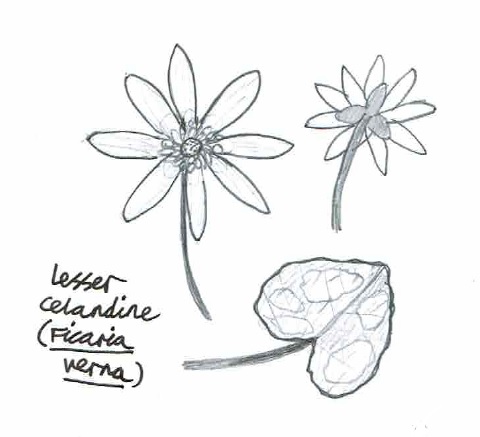
Lesser Celandine (Ficaria verna)Lesser celandine

  • Size: Up to 30cm tall
  • Flowers: Solitary with 8-12 glossy yellow petals and 3 sepals
  • Stems and leaves: Hairless with leaves that are long-stalked, heart-shaped, and dark green. Sometimes bear dark or light markings
  • When does it flower? February-May
  • Where can it be found? Woods, grassland, hedges, waysides, bare ground and by fresh water throughout Britain


Bluebell (Hyacinthoides non-scriptus)Bluebell 2

  • Size: Up to 50cm tall
  • Flowers: Azure blue (though sometimes pink or white) with cream-coloured anthers. Fragrant and bell-shaped with six turned-down lobes
  • Stems and leaves: Long, narrow, strap-shaped, keeled leaves
  • When does it flower? April-June
  • Where can it be found? Carpeting woodlands, hedges, scrubland, on sea-cliffs and mountains in most parts of Britain


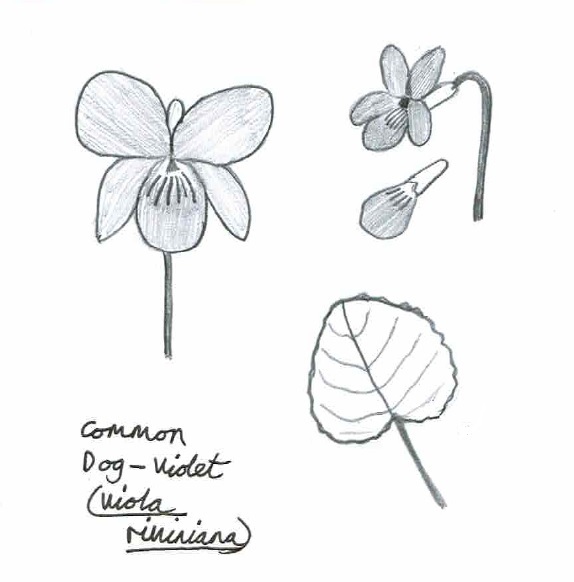
Common Dog-violet (Viola riviniana)Common Dog-Violet

  • Most common wild violet species in the UK
  • Size: Up to 15cm tall
  • Flowers: Unscented with petals that are blue-violet but variable, usually overlapping. Stout spur, curved upward, blunt, notched at tip and paler than petals (often creamy)
  • Stems and leaves: Hairless or only slightly downy leaves and stalks. The leaves are long-stalked, heart-shaped, pointed at the tip, and as broad as they are long
  • When does it flower? March-May and sometimes July-September
  • Where can it be found? Woods, hedges, pastures, heaths and rocky areas throughout the British isles

Sweet Violet (Viola odorata)

  • Size: Up to 15cm tall
  • Flowers: Blue-violet, often white, occasionally lilac, pink or yellow. Only fragrant violet in Britain
  • Stems and leaves: Leaves are heart-shaped, downy and enlarged in summer
  • When does it flower? February-May
  • Where can it be found? Woods and hedges over most of the British isles


Plants known to some

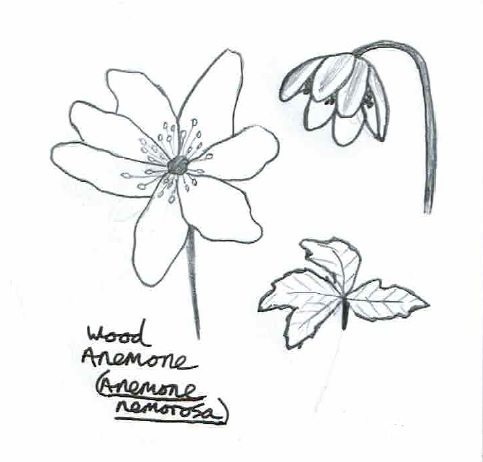
Wood anemone (Anemone nemorosa)Wood Anemone

  • Size: Up to 30cm tall
  • Flowers: Solitary white (sometimes tinged purple) that nod when closed
  • Stems and leaves: About two-thirds of the way up each slender stem is a ring of three leaves (trifoliate), each divided into three toothed segments. Rising above the leaves is the solitary flower
  • When does it flower? March-May
  • Where can it be found? Carpeting woodlands in spring, as well as hedge-banks and occasionally grasslands throughout Britain


Greater stitchwort (Stellaria holostea)Greater Stitchwort

  • Size: Up to 60cm tall
  • Flowers: Deeply cleft white petals
  • Stems and leaves: Stalkless, narrow and long-pointed leaves with a slightly grey tinge (15-60cm long)
  • When does it flower? March-June
  • Where can it be found? Across woodlands, hedgerows and scrub areas throughout Britain except some northern isles


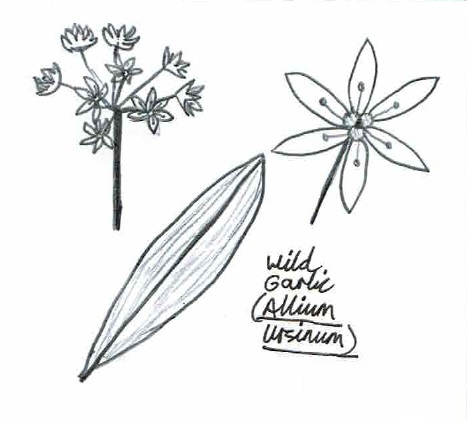
Wild Garlic/Ramsons (Allium ursinum) Wild Garlic

  • Most common and only native broad-leaved garlic
  • Size: Up to 45cm tall
  • Flowers: White star-like flowers
  • Stems and leaves: Have leafless flowering stems. The leaves are broad, flat, lanceolate and distinctive smelling
  • When does it flower? April-June
  • Where can it be found? Often seen growing in large clumps in woods and shady places throughout Britain


Wild Strawberry (Fragaria vesca)

  • Size: Up to 30cm tall
  • Flowers: White flowers with no gaps between the 5 unnotched petals. Produce reddish fleshy strawberries that have protruding pips
  • Stems and leaves: Hairy. Leaves are trefoil on long stalks and are brighter green on top and pale below. Lower leaves form a rosette
  • When does it flower? April-July
  • Where can it be found? Woods, scrub, and grassland throughout the British Isles

Strawberry

Barren Strawberry (Potentilla sterilis)

  • Size: Up to 30cm tall
  • Flowers: Unlike wild strawberry, there are gaps between the slightly notched white petals. Produces unstrawberry-like non-fleshy fruits
  • Stems and leaves: They are hairy, but unlike wild strawberry, they have smaller, shorter stems and blue-green leaves
  • When does it flower? Earlier than wild strawberry, from February-May
  • Where can it be found? Woodlands, scrub, hedgebanks and other dry banks

16_04_20_Horseshoe_Woods_Flower_Wild_Strawberry_2


Less known plants

Yellow Archangel (Lamiastrum galeobdolon)Yellow Archangel

  • Size: Up to 30cm tall
  • Flowers: Yellow and two-lipped, with the upper lip being helmet-shaped and the lower having three almost equal-sized lobes
  • Stems and leaves: Hairy and patch-forming, with leafy and upright flowering stems. The leaves are long-stalked, oval in shape, dark green, irregularly toothed and borne in opposite pairs
  • When does it flower? April-June
  • Where can it be found? Woodlands and hedgerows in England and Wales


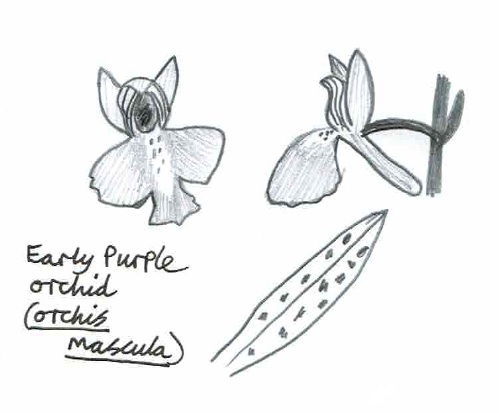
Early Purple Orchid (Orchis mascula)Early Purple Orchid

  • Size: Up to 40cm tall
  • Flowers: Form a spike on a stout, upright stem. Usually some shade of purple, sometimes pinkish or white, and are three-lobed with three inner and three outer petals. The upper five petals are oval and form a hood; the lower petal extends into a long lip. Scent described as tom-cat-like
  • Stems and leaves: Lance-shaped, varying from broad to narrow, and usually have round, purple-black blotches on their upper surface
  • When does it flower? April-June
  • Where can it be found? Frequently in woodlands, and is widespread throughout Britain


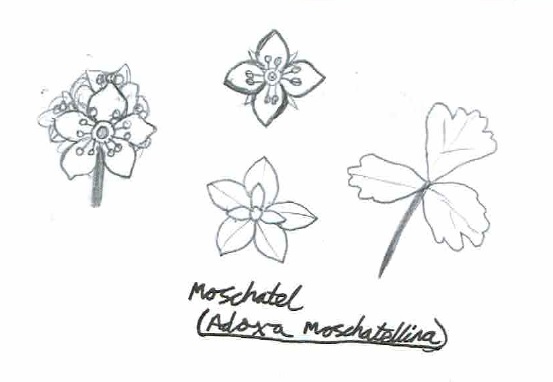
Moschatel (Adoxa moschatellina)Moschatel

  • Also known as townhall clock and is the only species in its family
  • Size: Up to 15cm tall
  • Flowers: Flower heads greenish, almost forming a cube with one flower on each side (5 petals each) and one flower on top (4 petals). Scent is musk-like, likened to almond or elder blossom
  • Stems and leaves: Hairless with long-stalked trefoil leaves, that are positioned in one pair on each flower-stalk
  • When does it flower? March-May
  • Where can it be found? Woods, hedge-banks, and rocky mountain places, locally common throughout Britain


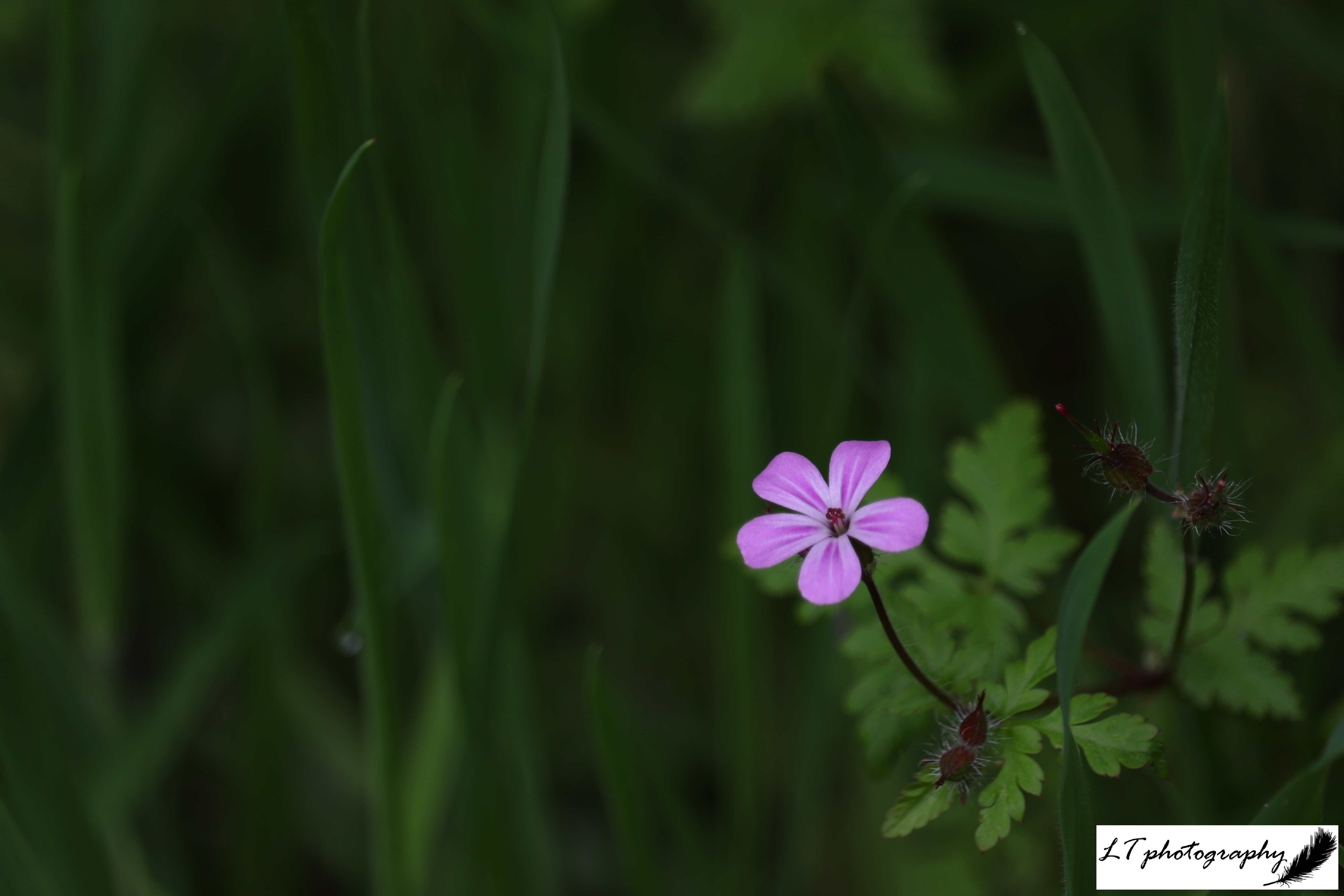
Herb-robert (Geranium robertianum)Herb-Robert

  • Size: Up to 50cm tall
  • Flowers: Strong smelling and deep pink, occasionally white, with rounded petals that are not notched
  • Stems and leaves: Hairy with stems that are often reddish and leaves that are fern-like with 3-5 lobes
  • When does it flower? April-November
  • Where can it be found? Shady spots on hedgebanks, rocks and walls or in woods throughout Britain

25_05_19_Horseshoe_Wood_Herb_Robert_3


All photos and drawings are my own 

Spring woodland walking: My Local Woods

19_04_19_Horseshoe_Wood_Bluebells_26As the weather gets warmer and drier during spring and the countryside begins to bloom, I always like to set myself the goal of getting out into it as much as possible. I like to use these countryside walks as a way to calm my own mind and escape the stresses of modern day-to-day life. In particular, I am always drawn back to the woodlands and forests, with the tranquillity they breath to me. Growing up in Dorset I have always been able to disappear into the trees and appreciate such a habitat at any time of year.

19_04_19_LogIn celebration of my love of the woods, especially during springtime, over April and May this year, I made 4 visits to one of my local ones to observe it as the season changed. On these trips I sat and wrote down my experience on my favourite log (see photo above), and took lots of photos with my new DSLR camera whilst walking through the woods. Check out below to see my diary entries and the photos that accompany them:

1: Signs of spring

  • Date: Friday 12th April
  • Time of day: Mid-morning
  • Highlight: Seeing the first bluebells emerging in the woods

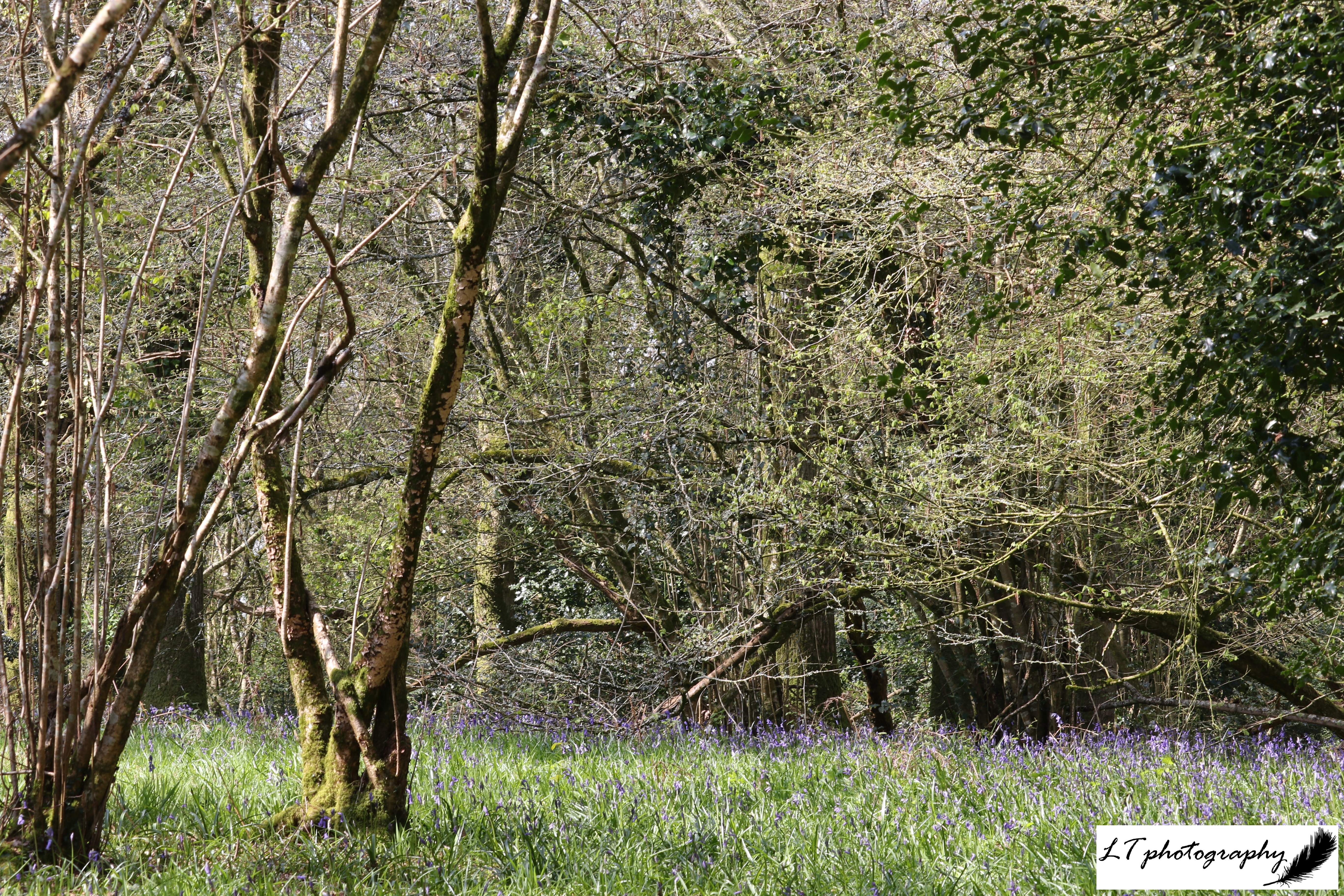
Today I made my first trip of the year to my local woods, walking across the countryside to get there. The sun is shining down upon me in its glorious spring style, but it has to be said that there is still a chill on the breeze.
12_04_19_Horseshoe_Wood_Bluebells_21

The woods are noticeably just beginning to take on their spring splendour with the woodland floor coming to life. Bluebells are starting to flower, wood anemones are dotted here and there, and celandines, primroses and stitchwort are spreading through the undergrowth. The hazel trees are coming into leaf, as are the oak trees, with small soft bunches of leaves hanging above my head. Everything is now lush and green, with winter now being fully forgotten.

12_04_19_Horseshoe_Wood_Hazel_5Spring bird calls and song provides the soundtrack to my trip, including everything from groups of foraging long-tailed tits to angry blue tits and charismatic chiff chaffs. I also hear the reminiscent winter squabbling of jays, and on a stop to my favourite log in the middle of the wood, I can hear the coarser call of a raven and the calls of male pheasants.

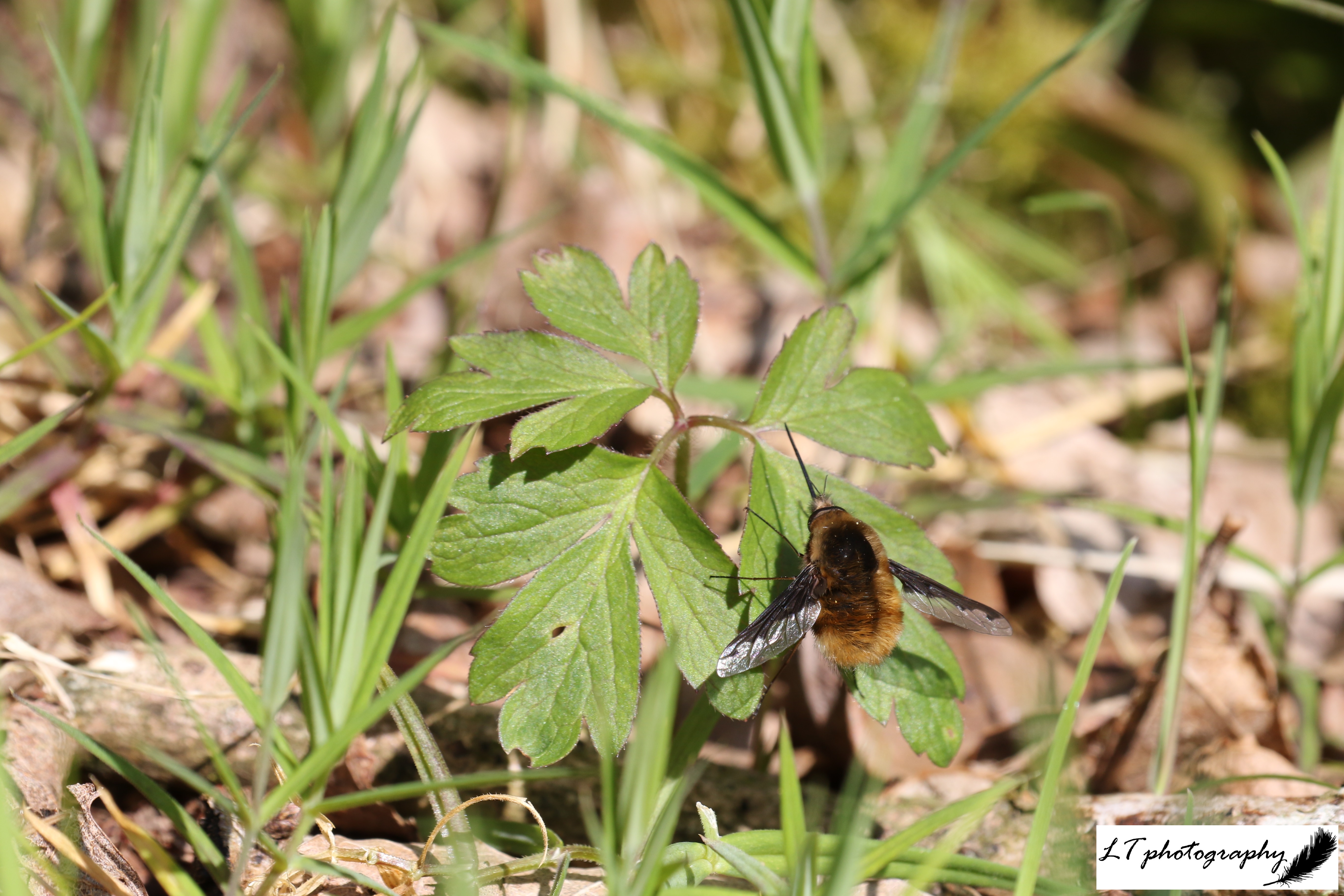
When turning my eyes to the ground around me, it becomes apparent that the undergrowth is full of bees and flies buzzing between the flowers, the most notable being furry bee flies. Looking at the undergrowth around me, it does make me think how if you just stop for one moment and take in your surroundings, you will always find that everything is alive around you.
12_04_19_Horseshoe_Wood_Bee_Fly_6

When sat in this wood, I feel away from all the hub bub and stress of everyday life. It gives me the opportunity to see this world through the glass of a lens, whilst still getting excited about everything new I see. Thus, I believe everyone should have the opportunity to have their own escape into nature, such as amongst the trees, flowers and wildlife, to be able to recharge and refresh.

2: Sunrise start

  • Date: Friday 19th April
  • Time of day: Early morning
  • Highlight: Sunrise

19_04_19_Farm_Sunrise_9This morning I chose to get up at 5am to meet a 6.08am sunrise, and to make the most of the dawn light. At this time of day, on my walk to the woods, I had great sightings of roe deer and brown hare, and got to see a beautiful pink sunrise. The dewy grass added to my photos in this glorious light.

The wood definitely did not disappoint, blanketed in the warm golden tones of dawn. The sunlight falling through the trees was spectacular, especially at this time of year when a mix of well known flower species carpet the woodland floor. I was also greeted by the dawn chorus in full swing, with great tits, robins, blackbirds and lots more adding their voices to the mix.
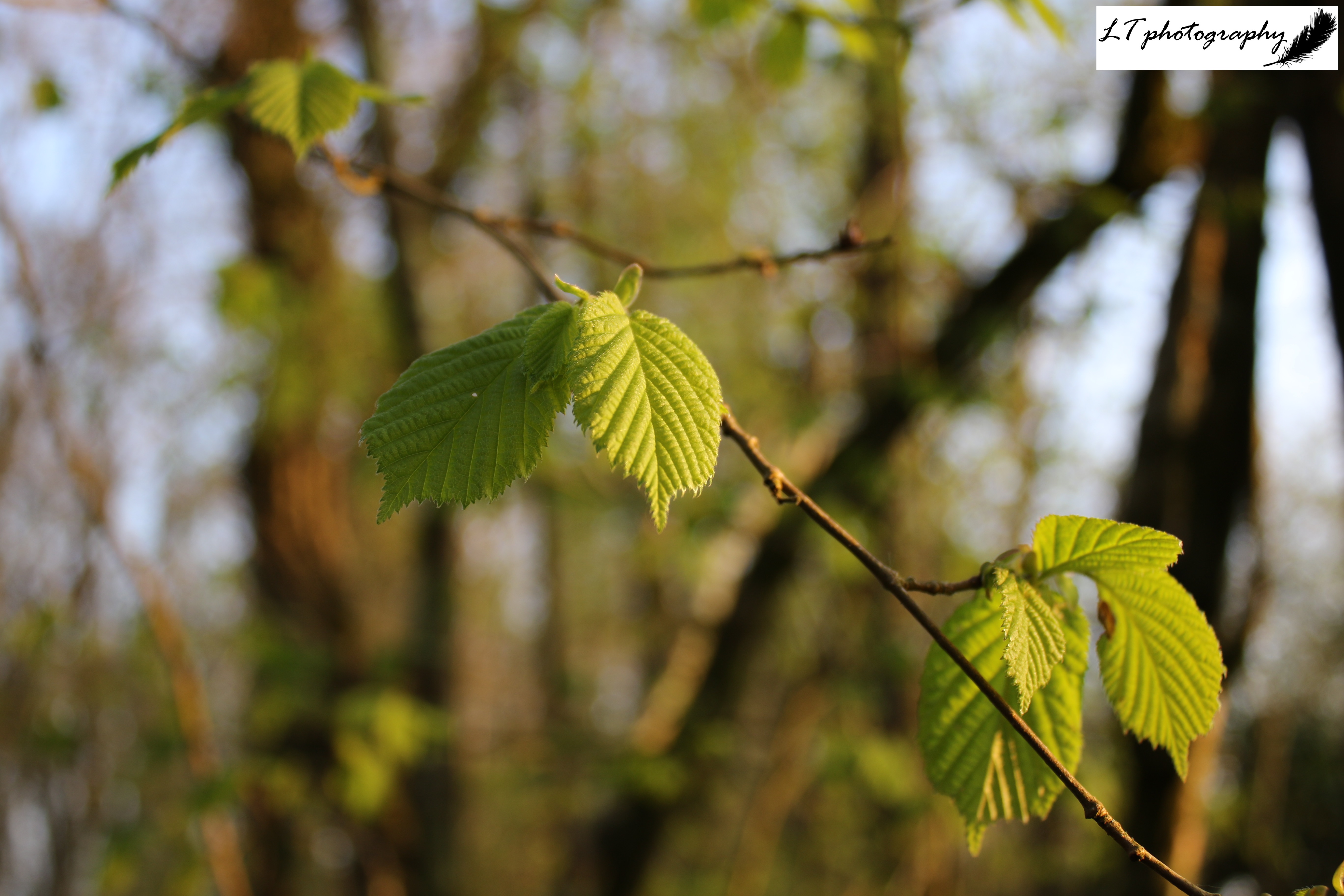
19_04_19_Horseshoe_Wood_Hazel_819_04_19_Horseshoe_Wood_Stitchwort_4Snow white garlic flowers are now emerging in the wood, whilst early purple orchids are also beginning to sprout here and there. The bluebells are now starting to create a sea of blue, with their white counterparts dotted here and there amongst them. Soon the woods will be fully awash with purply-blue and patches of white.
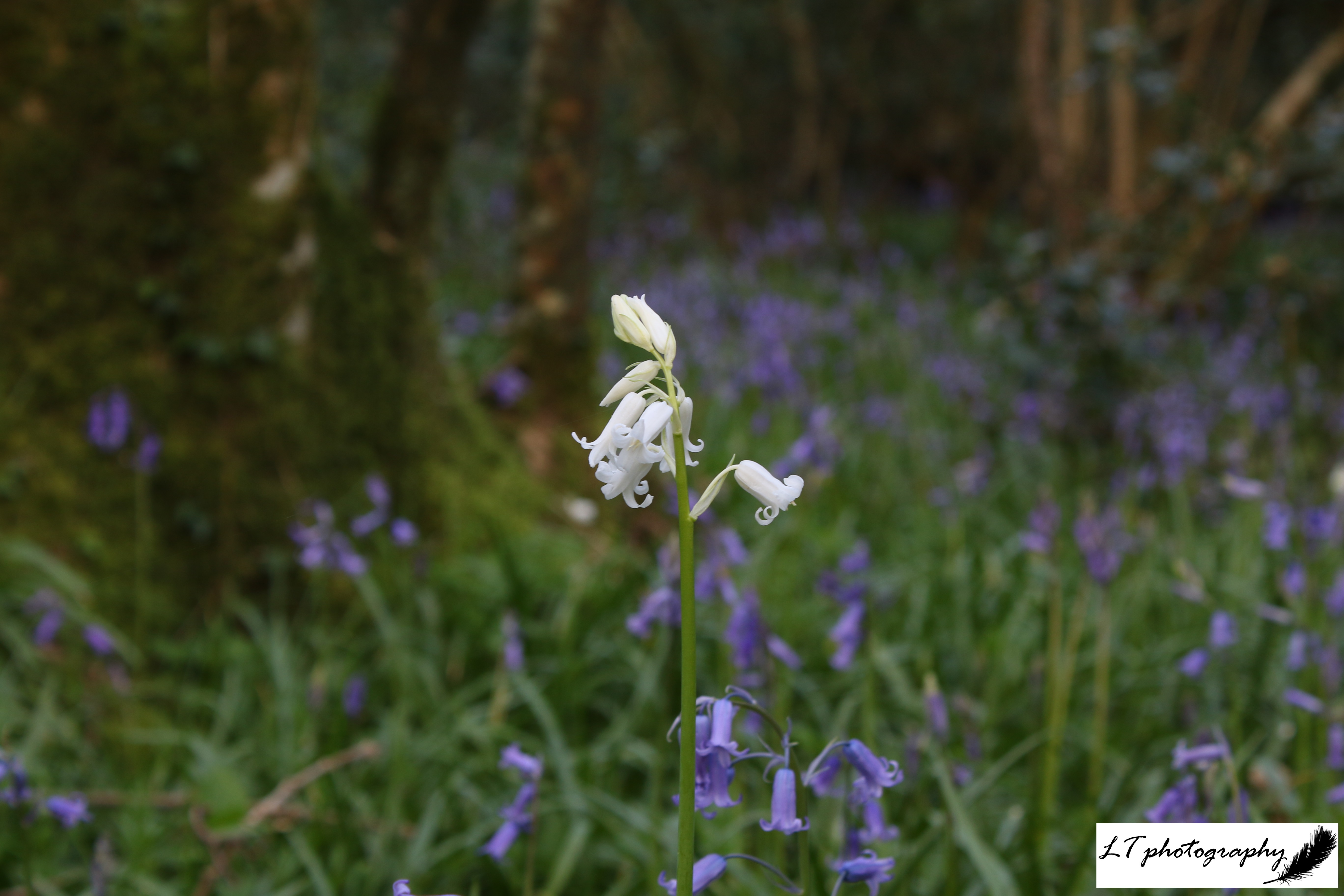
19_04_19_Horseshoe_Wood_Bluebells_White_2You can definitely forget yourself among these trees, flowers and wildlife, which this morning included the bark of grey squirrels up in the tree canopy. Today, I have stayed awhile sat in the morning light of the woods, but I now know to make my way home from  here, as the sun begins to burn through the trees a little too hot, and the midges begin to bite my neck more noticeably. This signals ‘the best part of the day has thus moved on’, as i must.

3: Walking with a four-legged friend

  • Date: Friday 10th May
  • Time of day: Morning
  • Highlight: The company of my dog Cassie

10_05_19_Horseshoe_Woods_Cassie_2On my trip this time to the woods, I took my four-legged friend Cassie. At the ripe old age of 13, she is becoming weary on her legs, but is still up for an adventure. This is great as there is nothing better than sharing the wonder of the outdoors with another being, even if they are no more than 3 feet tall.

By this time, the woods are now dressed in light green leaves of varying shapes and sizes. The woodland floor is also becoming rich with vegetation. My favourites, the bluebells, are now beginning to go over, with their best time being a week ago. Though the thought of the end of this year’s bluebells makes me sad, I also find that there is something beautiful in seeing their fading colour and shrivelling bell-shaped flowers. Instead they are being replaced by the unfurling of fern fronds and a carpet of green. Now the orchids are out in full force , as are the flowers of wild garlic, yellow archangel, and dainty pink herb robert.

10_05_19_Horseshoe_Woods_Fern_4

10_05_19_Horseshoe_Woods_Fern_5

The birds still sing in full force, with the usual suspects in place, but now they are joined by the caws of rooks and chatter of jackdaws. The woodland floor is now also full with the noise of flying insects buzzing between the flowers in all their shapes and sizes. For my canine friend and myself, the woods are still giving us endless pleasure as the season rolls on.

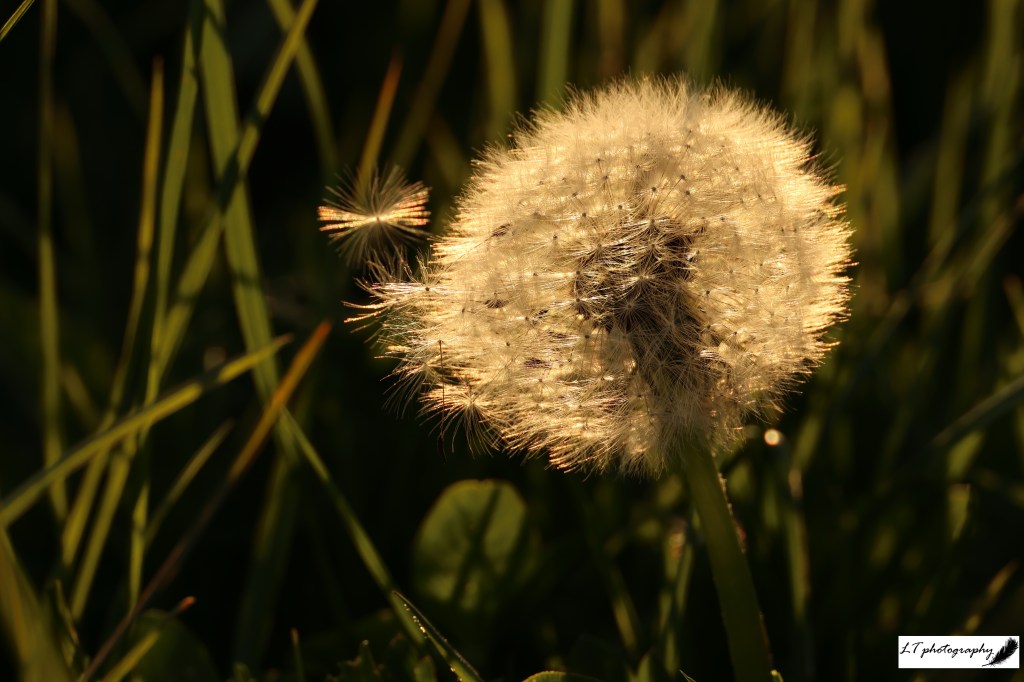
10_05_19_Horseshoe_Woods_Dandelion_Seeds_4

4: The death of spring

  • Date: Saturday 25th May
  • Time of day: Afternoon
  • Highlight: The changing of the season
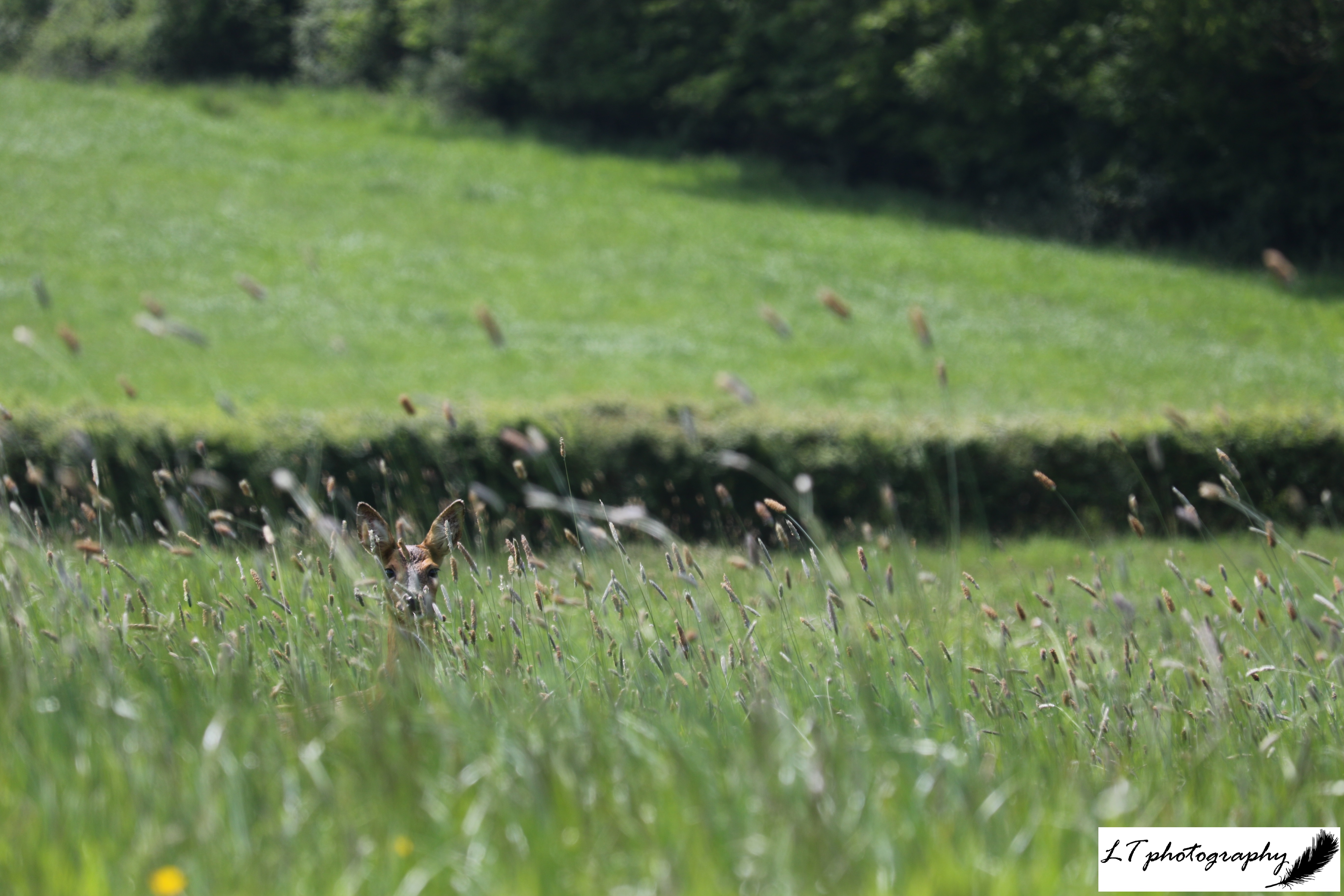
25_05_19_Outside25_05_19_Horseshoe_Wood_Roe_DeerThe days are getting hotter and the sun higher in the May sky. In the depths of the wood though, the canopy keeps me cool. The woodland floor is now a tangle of unruly vegetation. The dying bluebells, orchids, and spring flowers jostle with unfurling ferns, sticky goose grass and flowers that persist. These include stitchwort, herb Robert, and red campion, which are gems of colour in a sea of green.

25_05_19_Horseshoe_Wood_Common_Spotted_Orchid_3

Looking up, hazel leaves make a blanket of lace above my head as the work of busy invertebrates is now noticeable by this point. On the ground, brown speckled wood butterflies flit, flies still buzz, and bejewelled light green beetles fall on me as they dive bomb from the trees.

25_05_19_Horseshoe_Wood_Speckled_Wood_Butterfly_7Ash trees are finally fully in leaf and roe deer ramble lazily between the trees around me. Though this transition period may be more subtle than others, it truly signifies the changing of the seasons, as the important time for some species is replaced by the next. Thus, summer has now crept up on us!

How the woodland made its transition


25_05_19_No.1


25th May