An unexpected and unusual food source

Throughout July, we noticed an increasing number of birds spending time in the vicinity of our farm’s slurry store (large open-topped tank above the ground). Consequently I decided to investigate the reason for this.

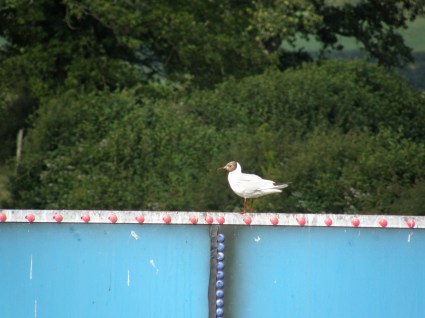
The birds numerously seen were flocks of starlings, flocks of house sparrows and a couple of our local black-headed gulls (one in particular was seen everyday, which we named Nigel). From the outside of the slurry store, you could see the birds perching on the edge of the tank and at times flying down inside, often to not be seen for a few minutes.

To take a closer look, I climbed up the ladder on the side of the tank to get to the platform which would allow me to look down into the store.

On this platform, you could look all the way to the bottom of the tank, which during July had only a couple of feet of slurry left within it. From the platform I was able to watch the behaviour of the birds without disturbing the birds . Consequently my suspicions about what the birds were doing were soon confirmed.

All the birds spotted, were exploiting the slurry store as a location to find food, such as feeding on fly larvae hatching in the surface of the slurry. All these different bird species had different strategies to feed in this environment. House sparrows would fly down to the bottom of the tank, to pick larvae from the surface of the slurry whilst on the wing. Starlings would perch on the nuts on the inside of the tank’s walls, before flying down to pick off larvae or hunt on the surface of the slurry. Black-headed gulls would use similar tactics, but would often sit on the surface of the slurry where it was most watery and feed at their leisure.

It was very interesting to watch these birds feed, but now into August these birds have moved off to exploit other further food sources.
 

OLYMPUS DIGITAL CAMERA

Black-Headed Gull on edge of slurry store (Nigel)

OLYMPUS DIGITAL CAMERA

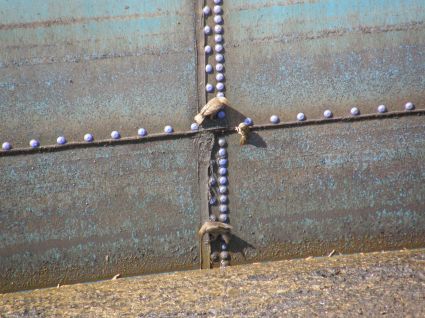
Starlings on inside surface of slurry store
 

Gorgeous great spotted woodpeckers

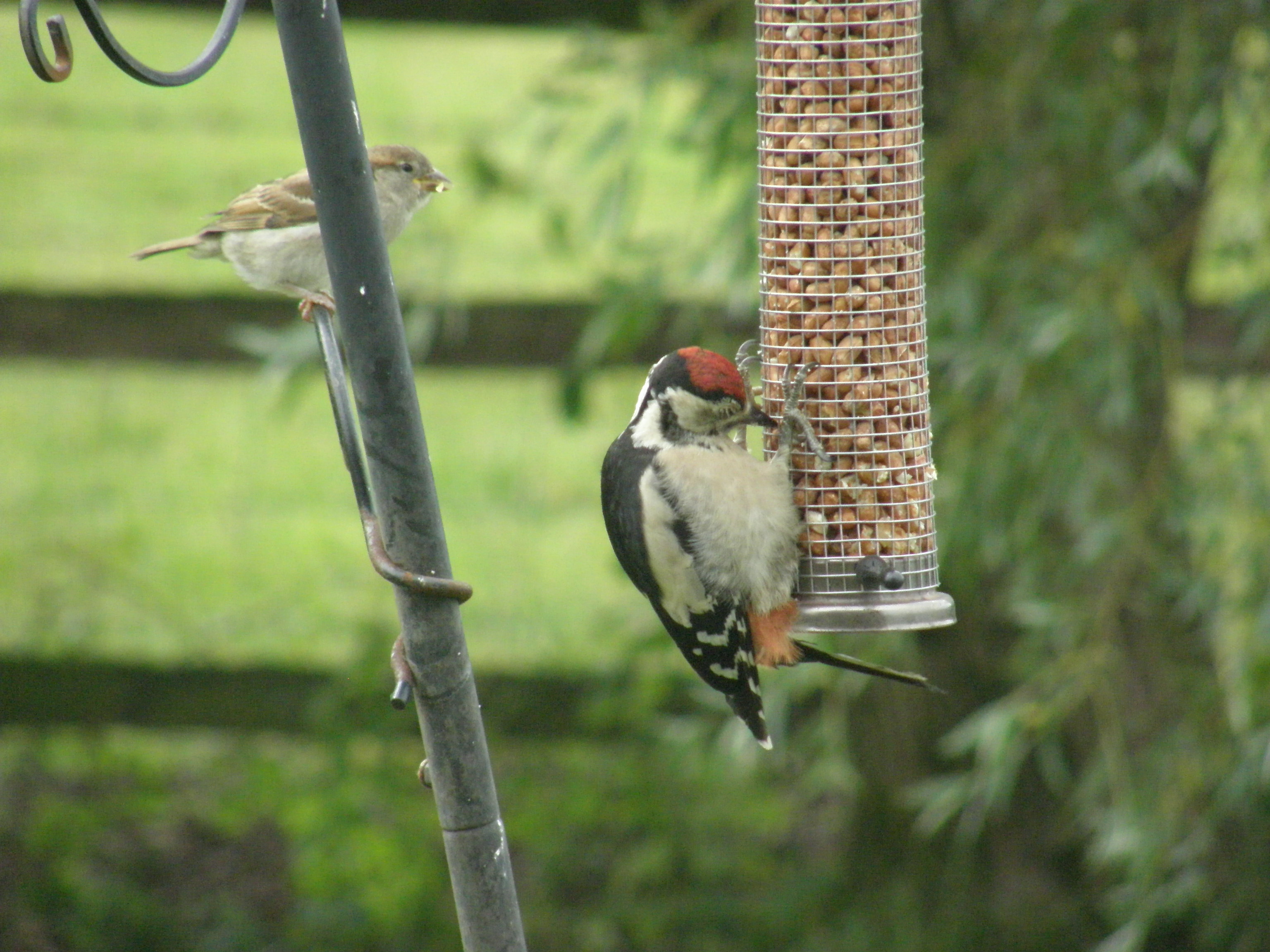
Every year, during the breeding season, I am lucky to have great spotted woodpeckers returning to my family’s garden to feed on peanuts from our bird feeders.

In my opinion, great spotted woodpeckers are beautiful birds with colourful markings and a distinct call.

In particular, I love to watch the birds fly to our garden in pairs from our nearby wood, and as the season progresses, seeing one of the pair come less and less, leading to eventually seeing them both return together with their chicks to feed them from the feeders.

This year I saw a couple of different pairs using our feeders, and a number of chicks being bred as well. I loved being able to watch the birds from my window, seeing a parent collecting peanuts from the feeder and flying to the chick hiding at the edge of the garden, before being fed.

Nearer the end of the season, with chicks dispersing, the parents began coming less and less, until the same older chick was seen coming to feed in our garden daily.

Last week i took some photos of the youngster on two consecutive days and the second day was the last time i saw a great spotted woodpecker feeding in our garden.

OLYMPUS DIGITAL CAMERA

OLYMPUS DIGITAL CAMERA

OLYMPUS DIGITAL CAMERA

OLYMPUS DIGITAL CAMERA

OLYMPUS DIGITAL CAMERA

Nesting barn owls

In reference to my earlier blog post ‘Breeding barn owls’, I have continued to monitor my barn owl nest box in which we believe a pair of barn owls to be using.

Now i can update you all on what has happened to our pair.

The weekend after i did a barn owl box stake out (see ‘Breeding barn owls’), we had really bad rainy weather, and we did not see the pair hunting during this time. As a result we came to the conclusion that they were not able to find an adequate amount of food for themselves during this time. This gave us the inkling that the pair may have abandoned their breeding attempt for this year.

For a time we continued to see the pair hunting over the fields during evenings, until a couple of weeks later we stopped seeing them. I then found a suspicious amount of barred white feathers in a wood within the vicinity the barn owls hunt in. I believe them to be from one of our barn owls, and the amount of feathers found make me think that one of the pair may have been attacked.

Our thoughts about our nest box were confirmed when we decided to check it, and found two abandoned barn owl eggs.

We have not seen two birds again, but at the end of last week, we saw one barn owl hunting on our farm once again.

Photographing Bees

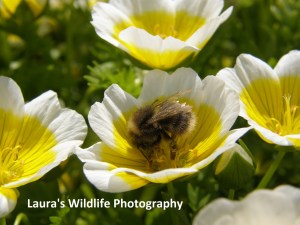
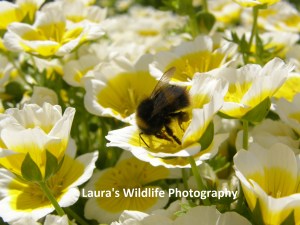
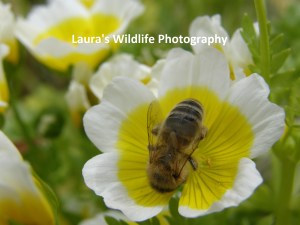
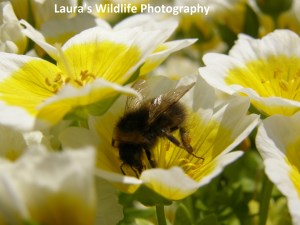
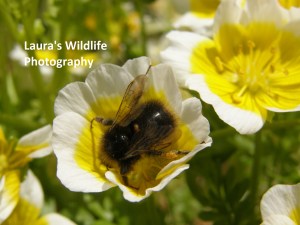
On Wednesday 10th June, I was sat in my garden and noticed the sheer number of bees being attracted to one particular plant. This plant was poached egg (Limnanthes douglasii) and in my garden there is a 3m x 1m bed of it growing. This plant with white flowers with a yellow centre, grow for a period between May and September, and have a sweet heady smell.

Bees and hoverflies in particular love this plant, and on this day, i thought i had a great opportunity to try and get some good photos of bees visiting the plant.

Out of the insects that visited the plant, the most common were buff-tailed bumblebees and honey bees, which i predominately photographed. Here’s some of my photos I took with an old Olympus digital camera I had handy:

OLYMPUS DIGITAL CAMERA

OLYMPUS DIGITAL CAMERA

OLYMPUS DIGITAL CAMERA

OLYMPUS DIGITAL CAMERA

OLYMPUS DIGITAL CAMERA

OLYMPUS DIGITAL CAMERA

OLYMPUS DIGITAL CAMERA

OLYMPUS DIGITAL CAMERA

Brilliant barn owls

When I arrived back home a week ago from my first year of uni, I was told that my friend had seen a pair of barn owls on my home farm. These owls were seen to be using a barn owl box that had been put up by my Dad a couple of months ago. As barn owls had been seen by my family and myself on our dairy farm before, this year my Dad had decided he wanted to give them a helping hand, in the hope that they would use our box to breed. The news that it was possibly being used already, excited me. Consequently, I wanted to see for myself that the box was actually in use, and planned a barn owl box stake out the following evening.

I headed to where the box was situated at 20:45 and positioned myself in a cubicle barn across from the box, where I could look through a gap up at the box and surrounding possible perches. Patiently I waited, with no sign of either adult birds, though I could hear an individual screeching noise coming from the box, which made me aware that an adult bird was present.

After a period of only blackbirds, magpies and pheasants being heard, I heard a screech come from the nest box, followed by an adult female barn owl flying out of the entrance hole of the box, and landing on a metal roof truss a couple of metres from the box. After a few minutes of the female scoping her surroundings, she flew a couple of metres further, perching on a second roof truss. There she preened her feathers, stretched and defecated, before returning back to the nest box.

It was amazing to actually got to see the female up close, closer than I had ever seen one before. From this sighting, I could deduce that the female was going through the processes of incubation, though I cannot say at what point the female started sitting. On my walk back home from the barn, I disturbed the male who had been sat on a bank of grass not too far off from the barn.

I am looking forward to keeping an eye on the pairs’ process, and a family friend who is a licensed bird ringer is hoping to make a visit to us at the end of June to check the barn owl box. If there are chicks and they are big enough, he is hoping ring them. I cannot wait!