A Wild Adventure to Richmond Park

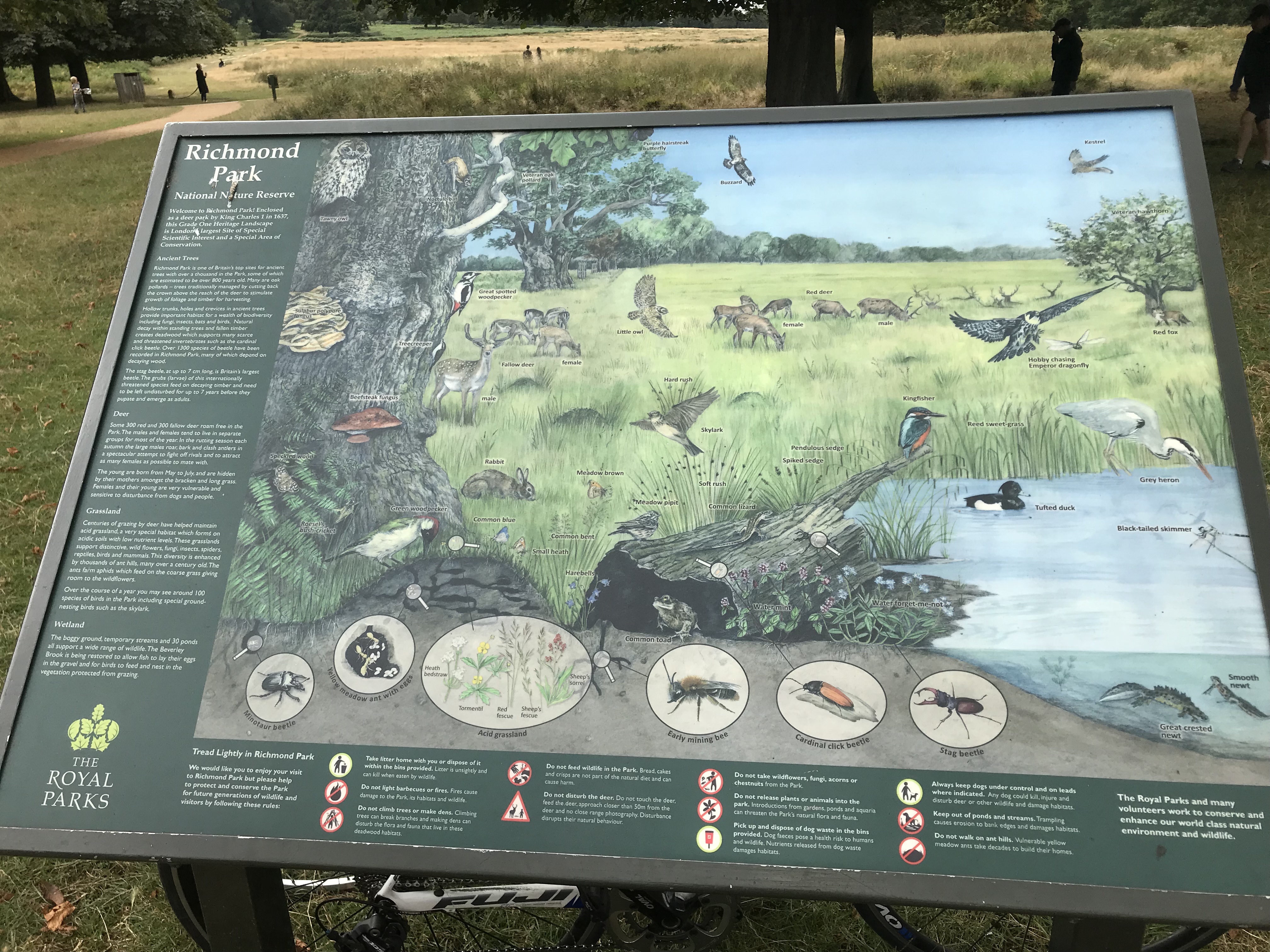
In a green oasis surrounded by urban jungle, ancient trees stand as sentinels. They have watched over this space for centuries, watching as time and history passes by. Some have even stood in this spot for over 800 years, growing taller whilst a wall was raised, royals hunted deer, and a city grew up around its edges. As a busy metropolis hums and pulses at its borders, this park rolling on for 2,500 acres, has lain timeless for centuries. It now continues to capture the hearts and minds of the millions of visitors that step through its walls every year.

IMG_0033

Nestled in the south-west of London, Richmond Park stands as London’s largest Site of Special Scientific Interest and a Grade One Heritage Landscape, with even the Royal Ballet School and a royal residence within its walls. This impressive park first came to my attention last year when I was given the book ‘Park Life: The Memoirs of a Royal Parks Gamekeeper’ written by John Bartram. This book recounts the author’s 30 years working and living within the bubble of Richmond Park. Sparking my imagination, it was his story that inspired in me the desire to make my day trip to his beloved Richmond.

On a hot, but grey autumn day in early September, I made my trek to Richmond Park, with the company of my aunt by my side to guide my path. Starting at the Roehampton Gate in the north-east of the upside-down pentagon-shaped park, we set a route to allow us to take in a range of beautiful habitats, incredible wildlife and the character of this impressive landscape.

IMG_0035

Our first steps took us south, hugging the 2km of river that winds down the east side of the park, known as the Beverley Brook. This river for a time became our birdwatching paradise, filling us with excitement with every stretch. We saw everything from a family of long-tailed tits feeding, fish swimming in the shallows, a spotted flycatcher doing its iconic hunting routine, and a bedraggled juvenile kestrel, to a pair of resting mandarin ducks, a tree creeping tree creeper, the flash of yellow of a chiffchaff, and a grey wagtail wagging. With around 100 bird species having been recorded in the park, we could not wish for more fantastic species to start our walk.

IMG_0045

Moving on from the river, we then headed into the heart of the parkland. With Richmond also being a Special Area of Conservation, the park is home to over a thousand ancient trees; over 1300 species of beetle including iconic stag beetles; at least 9 species of bat; and a range of habitat types including acid grassland, bogs, and 30 ponds. It is truly an incredible space that feels isolated from the rest of the outside world. With every step you can spot another butterfly species, discover a whole host of plants, spot a range of bird species from green woodpeckers to wheatears, and simply escape everyday life.

IMG_0054

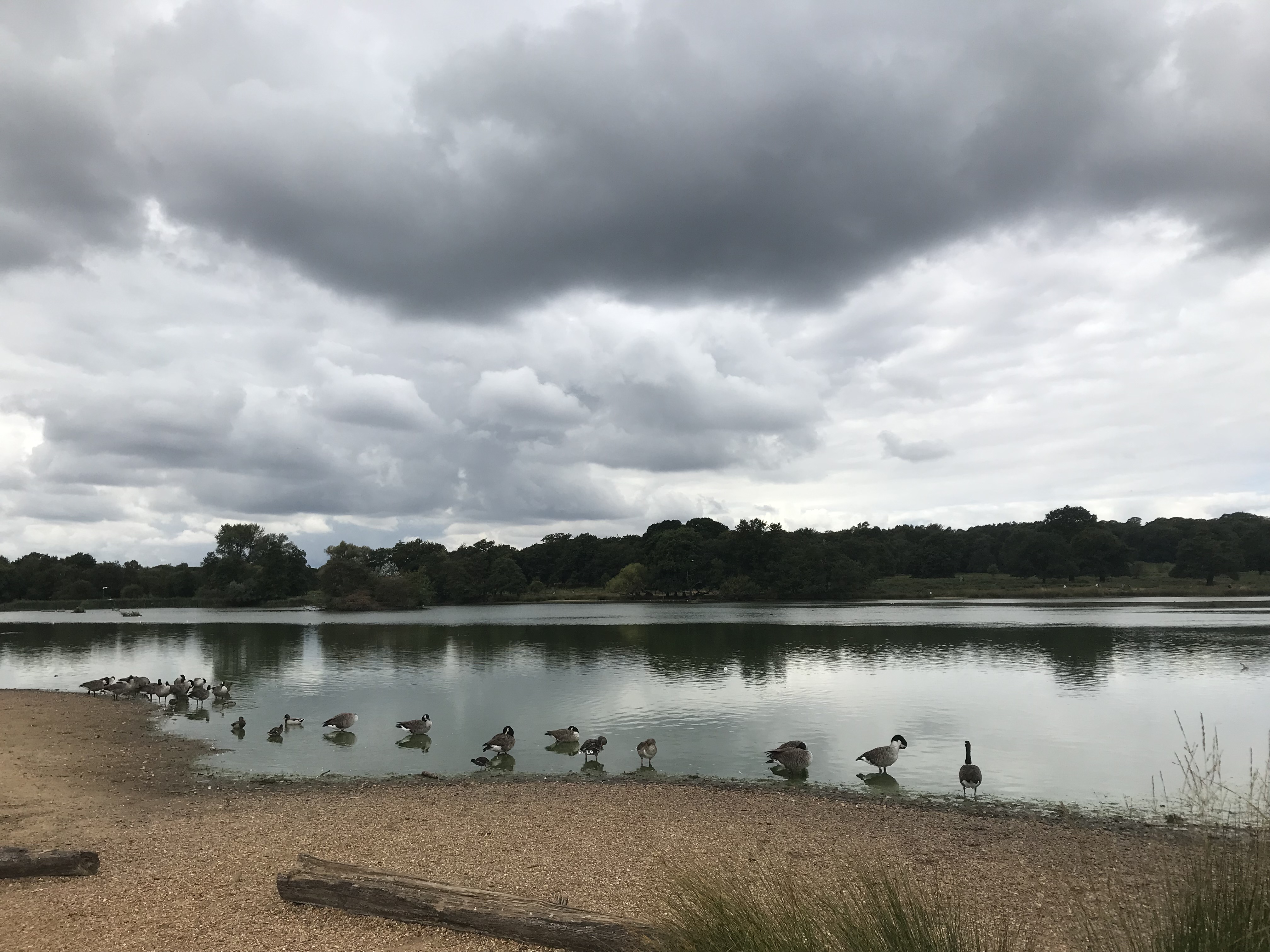
Our journey through the park also took us through the middle of the Pen Ponds which were filled with a myriad of bird species. This ranged from coots to black-headed gulls, tufted ducks to greylag geese, and moorhens to little egrets. With drama unfolding in front of us with every sight, we got to see gulls mobbing late nesting grebes, ducks competing for food, and birds flying low overhead, whilst getting the closest views of great-crested grebes that I have ever had!

IMG_0047

Though Richmond Park is home to many amazing species, it is the majestic beasts with sleek coats and antlers standing heavy on their heads, that are the star attraction for millions of visitors each year. The Park is home to about 300 red and 300 fallow deer, and these deer are most popular during their impressive autumn spectacle of rutting. Of course during my journey through the park, my aunt and I came across many of the red deer impressive with their bare antlers, and watched them in awe from a far. These deer were very much a main part of John Bartram’s 30 years in Richmond Park as a Park ranger.

IMG_0056

As I neared the end of my adventures in Richmond Park for one day, it was evident that though my few hours of escapism were great, you could also easily lose yourself in Richmond Park for days, or in the case of John Bartram, years. It was easy to understand how he spent 4 decades hidden away working and living within this park. Its a place which has something for everyone, with everything from open space and incredible landscapes to amazing wildlife and cafes! For me, seeing 44 species of bird in a short space of time was my highlight. When beautiful places such as this can be found on your doorstep, what more could you want?

Spring at RSPB Radipole Lake and RSPB Lodmoor

When asking people what they like to do most during spring, answers range from watching Springwatch and doing wildlife gardening to listening to the dawn chorus and taking in wildflowers in our local green spaces. Though I do like doing all these things too, one of my favourite things to do during the spring season is to visit two of my favourite nature reserves in search of some of my top bird species.

Radipole lake nesting mallards

By getting out to local reserves, we are supporting the work of organisations such as the RSPB, immersing ourselves in the wildlife that call these reserves their home, and improving our own health and wellbeing at the same time. Take a look at my recent adventure and see if you may be inspired to visit one of your local nature reserves as spring rolls into summer!

Saturday 11th May 2019

I was first introduced to Dorset’s RSPB Radipole Lake and Lodmoor 5 years ago by my Granddad whilst on a birdwatching trip, and since I have visited many times and have even completed an internship at the reserves with the RSPB. This means I am well acquainted with Radipole and Lodmoor (2 of the 5 RSPB nature reserves found in Dorset) and they hold a special place in my heart.

For those of you who will not have heard of these nature reserves before, I will just start with a few facts about the two:

Radipole Lake

  • 21.3 miles from my homeRadipole lake urban swan
  • 83-hectares in area
  • Designated SSSI (Site of Special Scientific Interest)
  • Managed by the RSPB since 1976
  • Habitats: wetland, hedgerow, scrub, reedbeds, saline lagoons
  • Star species: kingfisher, marsh harrier, bearded tit, Cetti’s warbler

Lodmoor

  • 21.5 miles from my homeLodmoor reedbed
  • 76-hectares in area
  • Designated SSSI
  • 1.5 miles east of Radipole
  • Connected to the sea under a sea wall at the southern end
  • Habitats: freshwater reedbed, scrub, saline marsh
  • Star species: marsh harrier, bearded tit, Cetti’s warbler, common tern

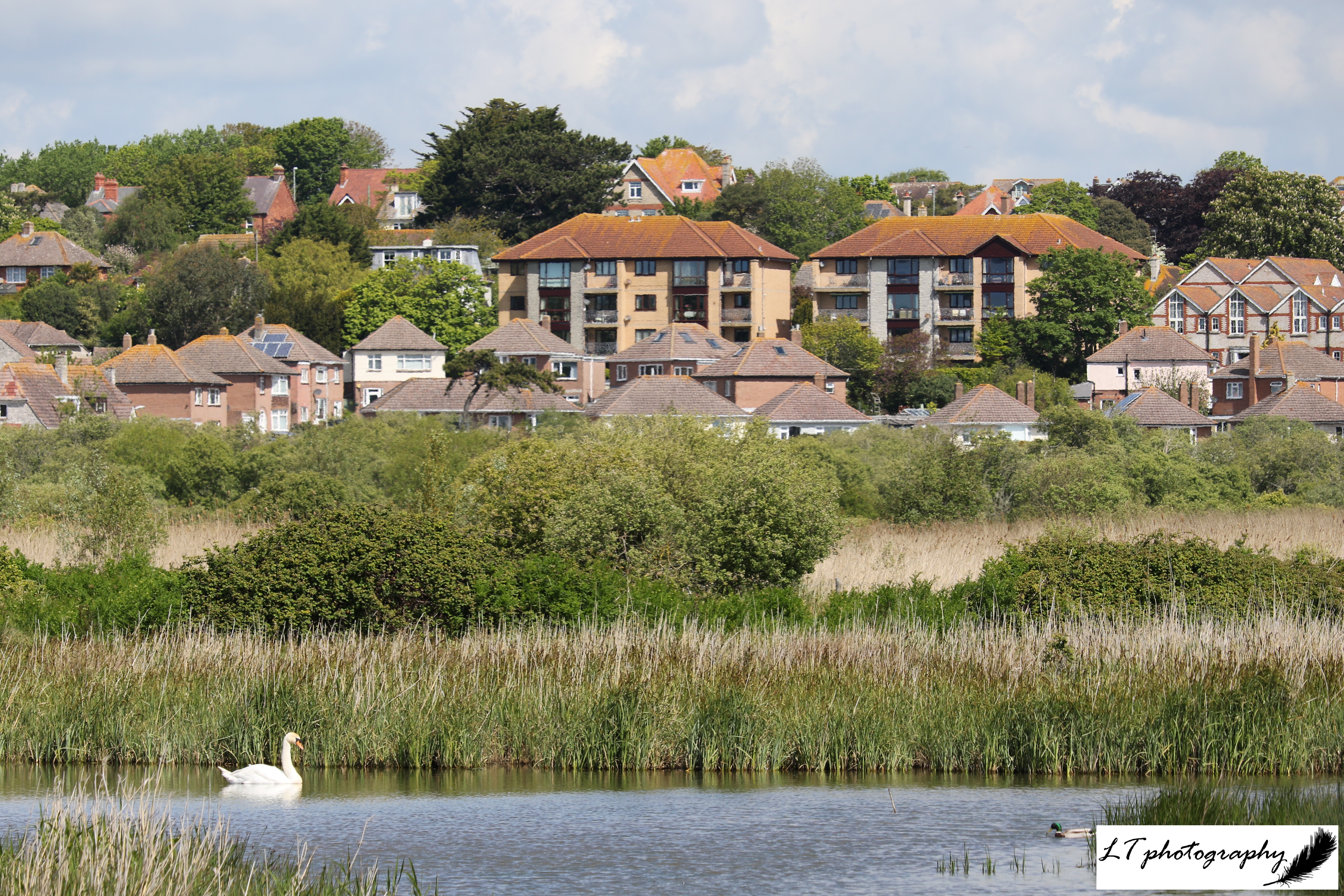
What makes these two reserves extra special for me though, can be split into two parts. Firstly, they are both situated in less conventional locations than many other nature reserves, being found at the centre of the busy seaside town of Weymouth. Thus, when you step into these reserves and surround yourself with the reeds and wildlife, you would not believe that you are situated within the heart of an urban area. In this way, they are both oases for a range of wildlife and for the naturalists that visit them.

Secondly, they are both year-round homes for one of my favourite species of bird of prey, the majestic marsh harrier. I did not know that they could be found on my doorstep until my first visit to the reserves, so their discovery for me a few years back brought with it lots of excitement. Consequently, it is one of the greatest draws for me when visiting these reserves at any time of the year.

Discovery centre marsh harrier mural

So, on a sunny day in May this spring, I headed to the reserves alongside my birdwatching partner in crime, my mum, to hunt down marsh harriers during their breeding season, whilst taking in other species and a range of habitats.
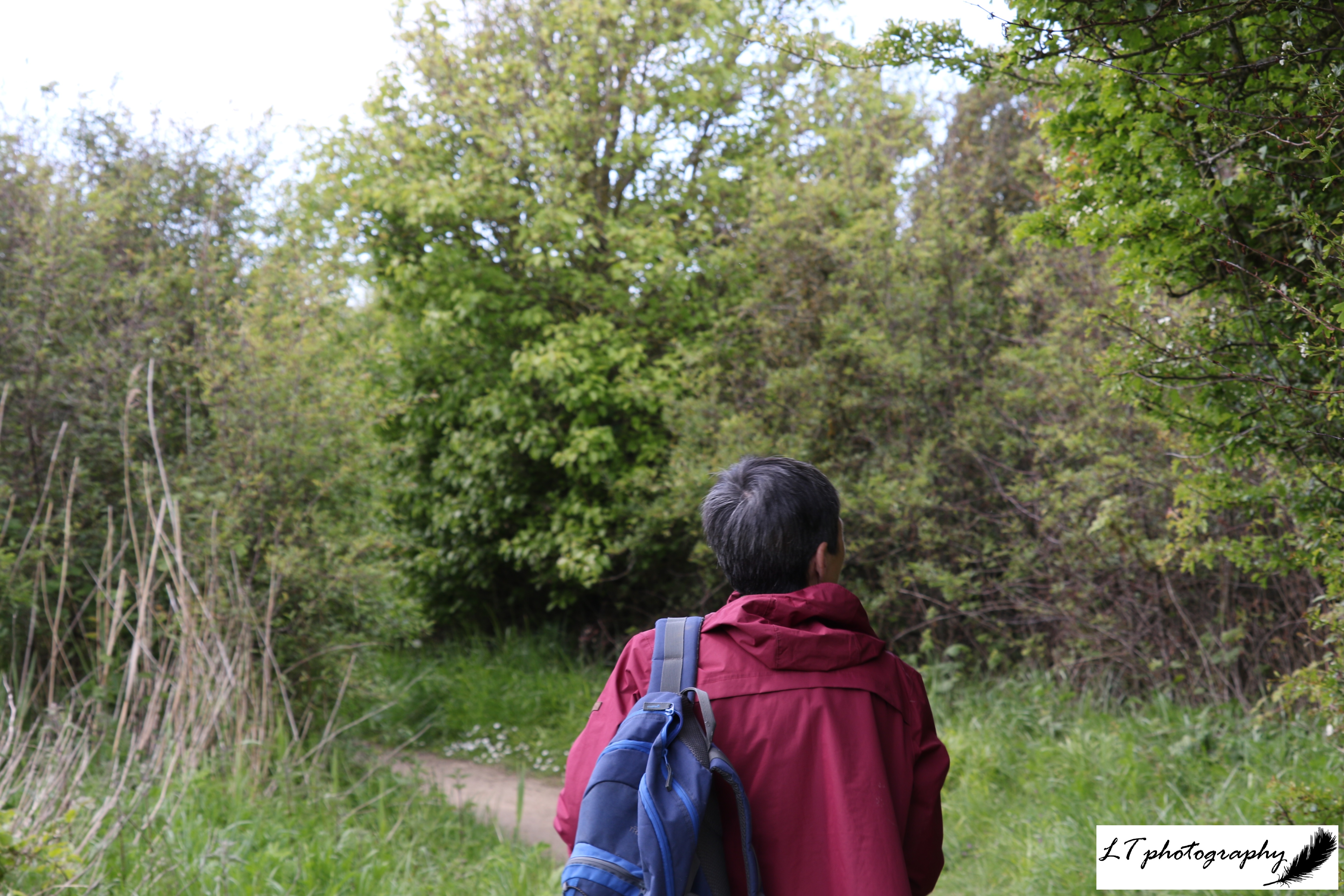
Adventure with my mum


RSPB Radipole Lake Nature Reserve

Discovery centre radipole lake map

Most trips to the reserves start in the public car park outside the RSPB’s Weymouth Discovery Centre and next to the bridge into Radipole Lake Reserve. This setting feels a lot more like an urban area than a home to wildlife.

Radipole lake pigeons

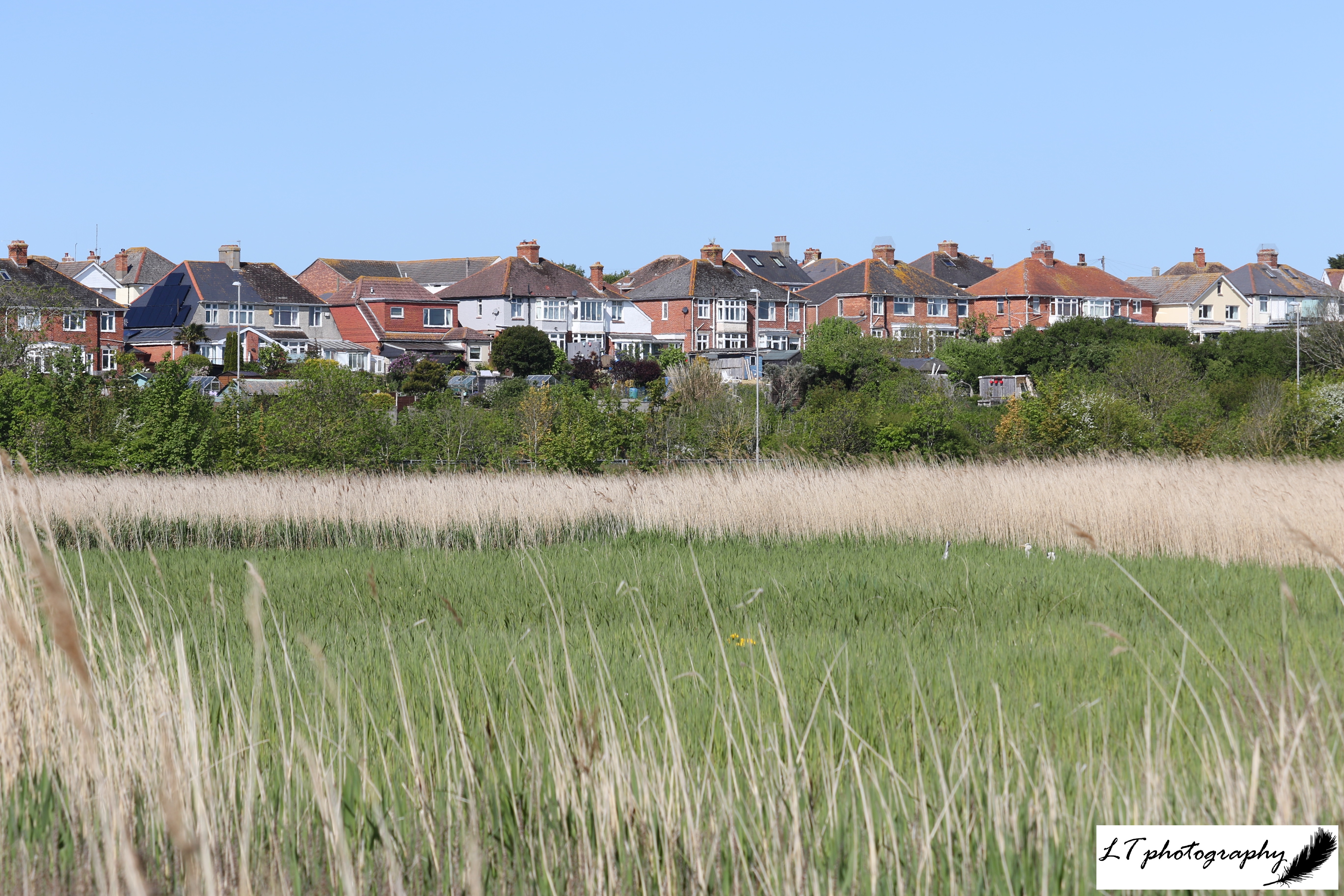
Once you cross the wooden bridge from the car park into the reserve though, you are suddenly transported into a world of water, reeds, sky and trees. You are also hit by a cacophony of bird sounds ranging from species commonly heard in our gardens to water birds and warbler species, such as the sound of the noisy and distinct Cetti’s warbler. If it was not for the houses that can be seen above the reeds in the distance though, you could probably forget the reserve’s urban setting all together!
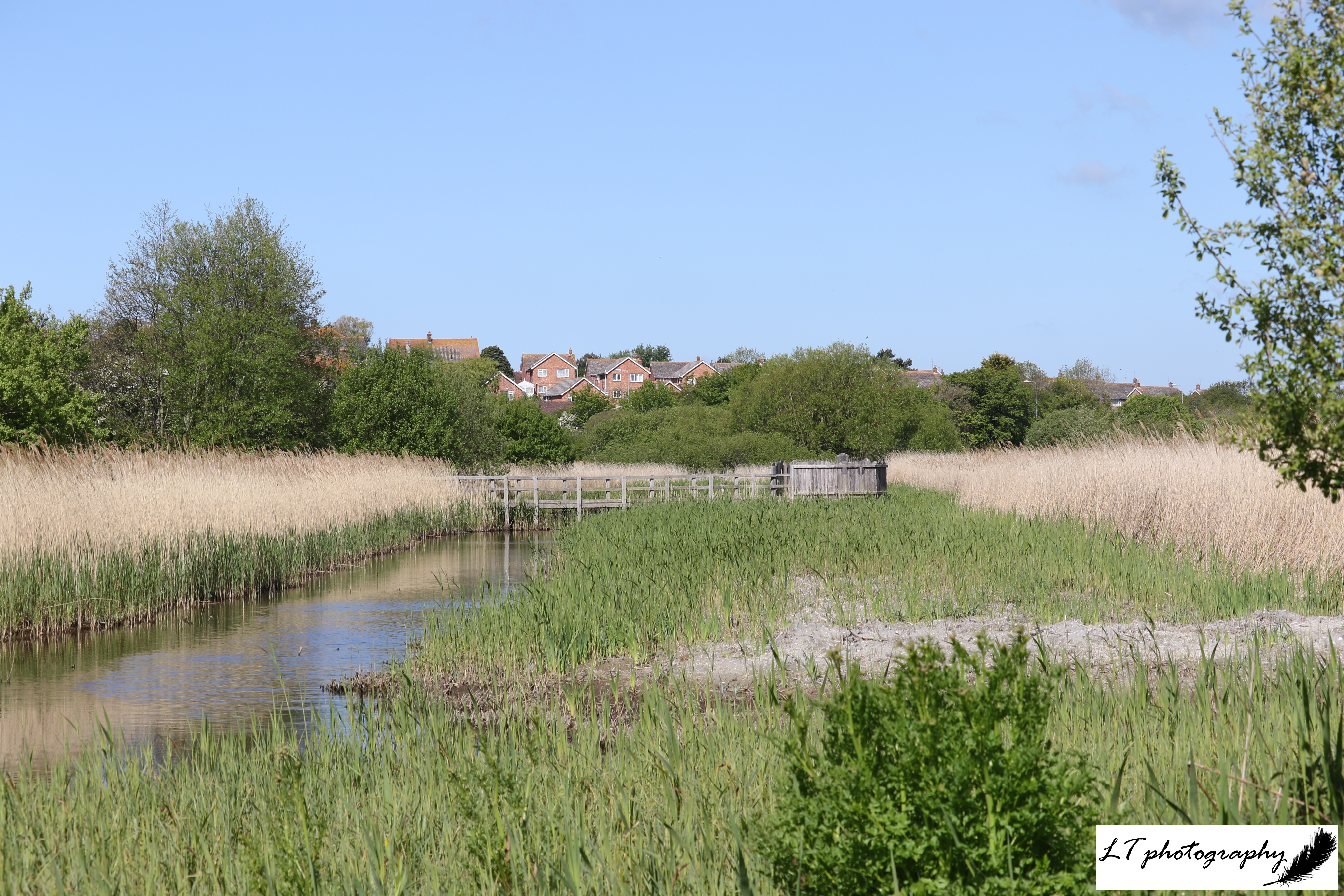
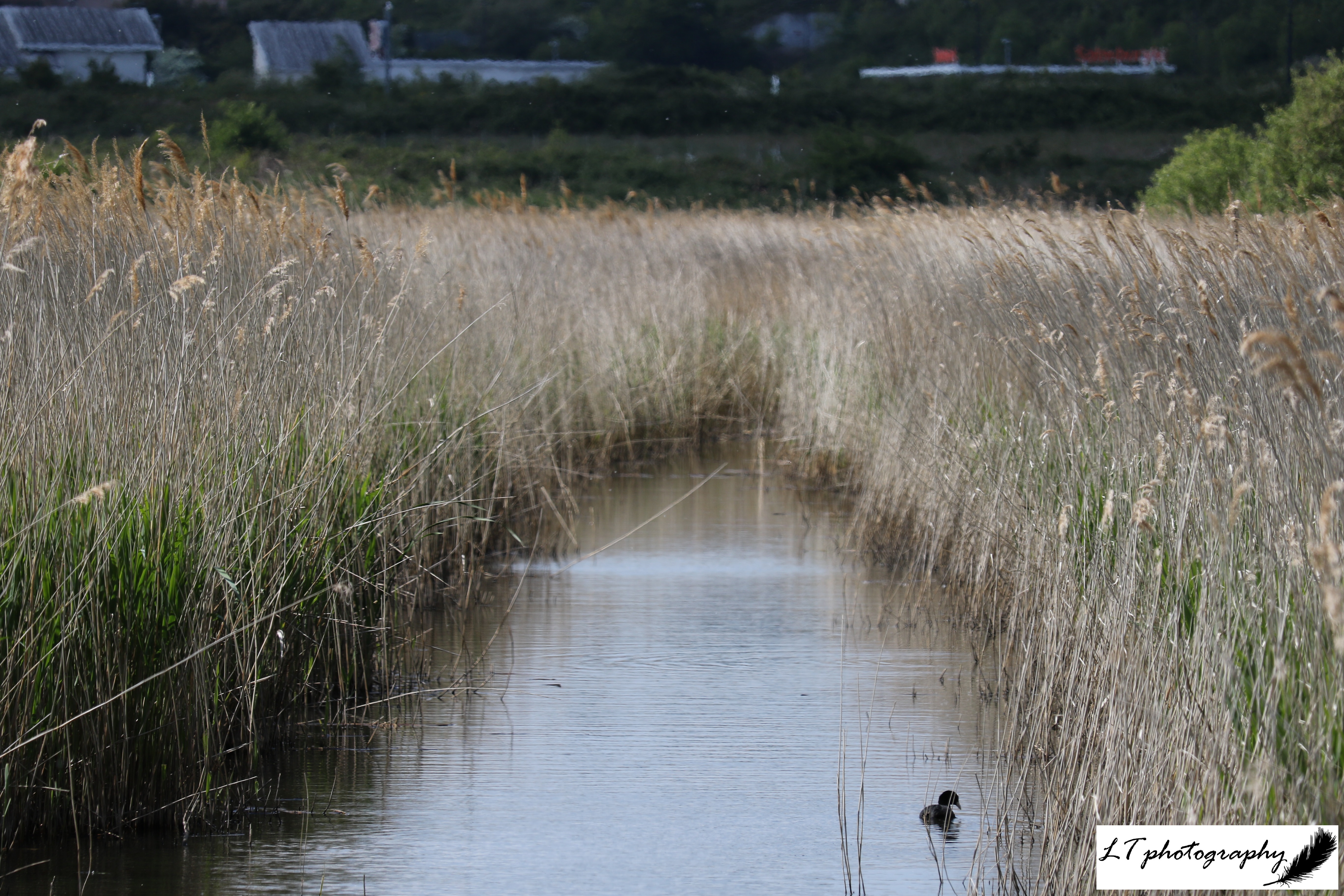
Radipole lake reeds

When my mum and I crossed the bridge we also found ourselves on a hard surface trail that gives easy access around the reserve. Starting at the discovery centre, we then followed it round the main circular discovery walk, stopping to spot birds in the trees along the sides of the trail, to identify plant species, and to look out across the reeds and open water from the main viewing platforms and spots around the reserve. In this way, we were able to pretty quickly rack up our species list and to get some great views of wildlife.

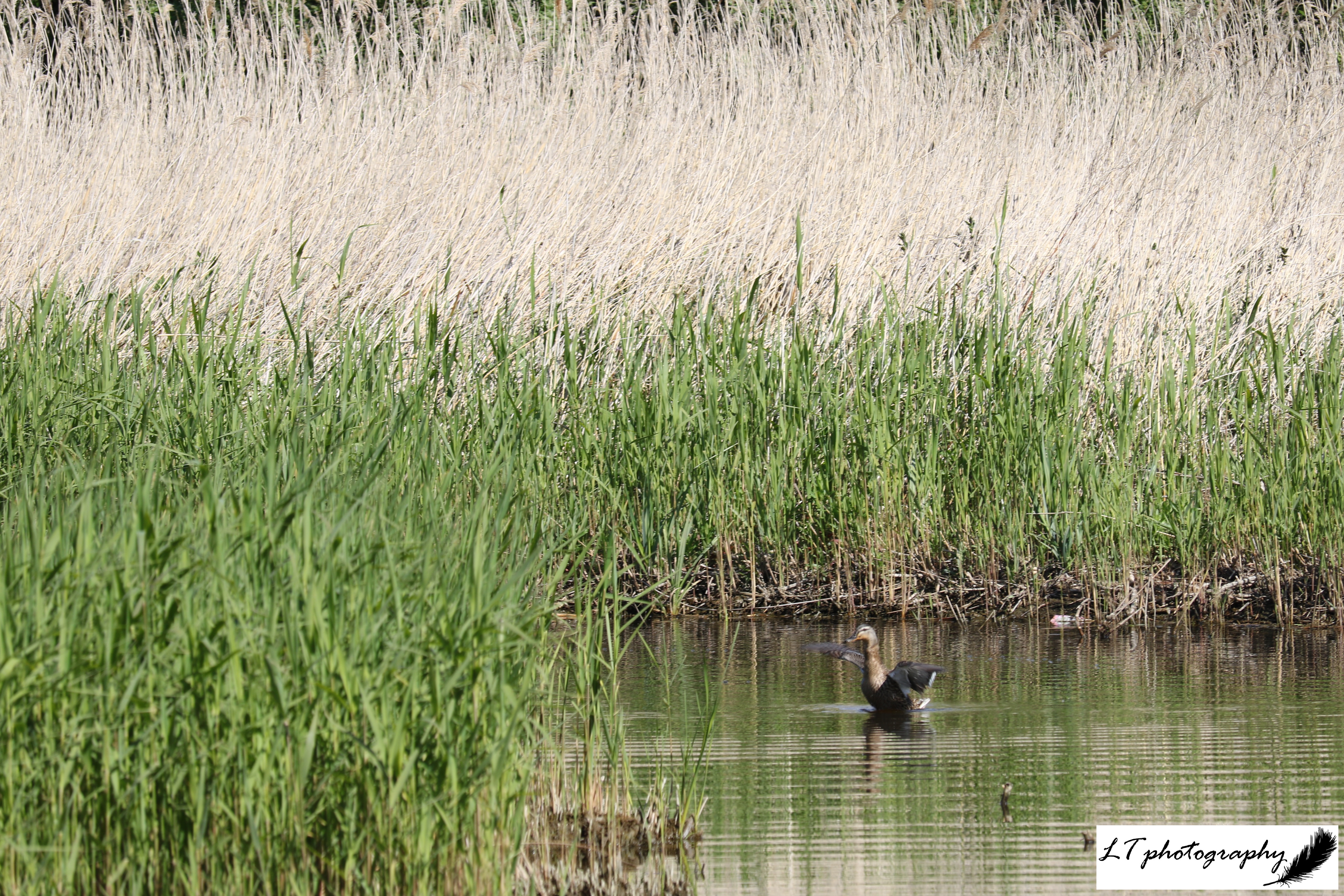
Radipole lake long-tailed tit
Radipole lake female mallard

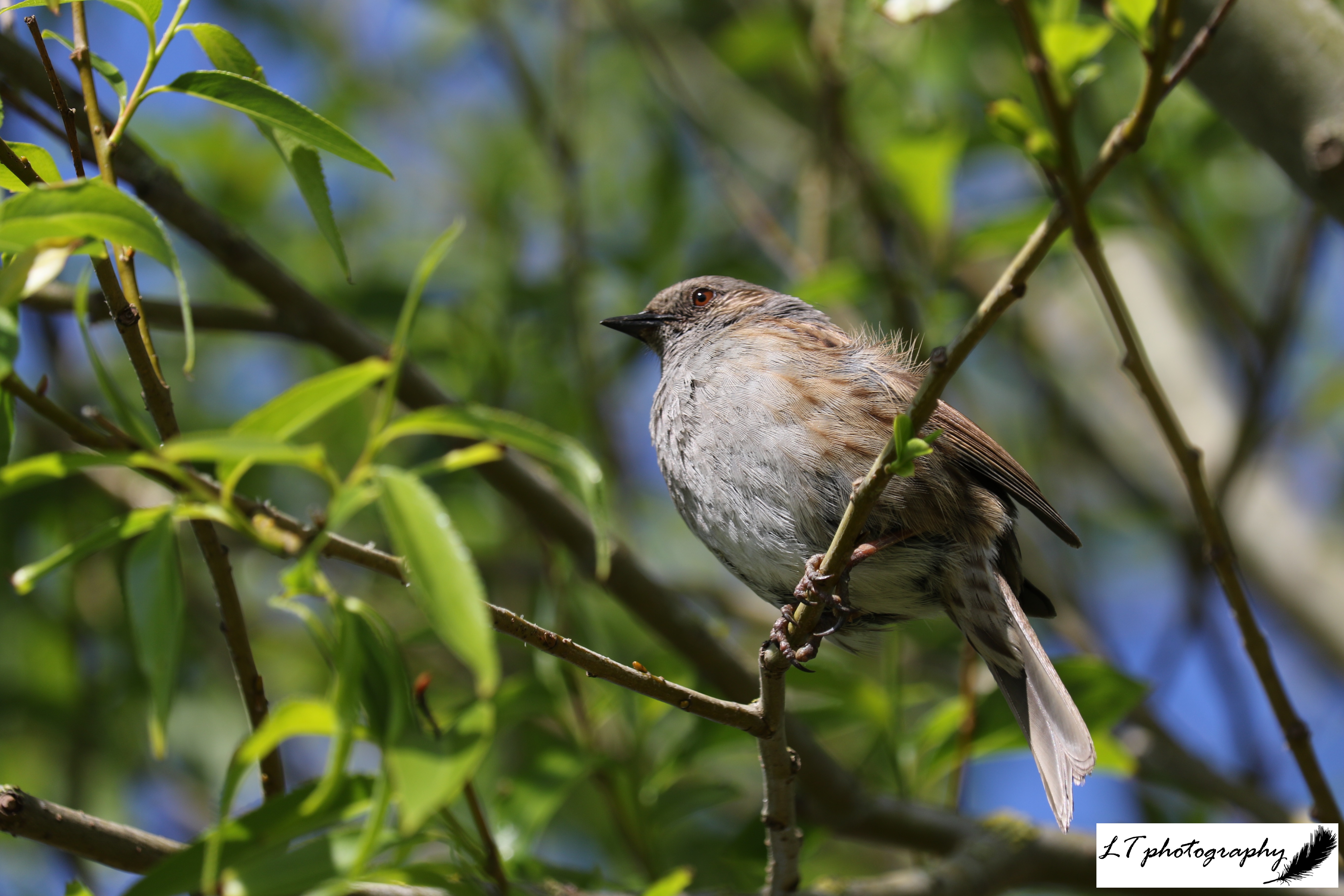
Radipole lake dunnock

My highlight of the trip to Radipole though, unsurprisingly included my star species, the marsh harrier. This began earlier on in our walk around the reserve, when my mum and I first caught a tantalising view of a male marsh harrier flying above the reeds, hunting in the distance. This made us then even more motivated to try and get a closer view of marsh harriers on this day, by heading off the main discovery trail and on to the north trail, to visit one of the best spots to watch these birds. Sat at a viewing screen in the sunshine, hot drinks and biscuits in hand, our luck paid off and we had the pleasure of enjoying one of our best ever hours watching marsh harriers at the reserve.
Following a short wait, the hour started with my mum spotting our earlier male marsh harrier hunting above the reeds, though still a good distance away from where we sat. We watched him through binoculars for a little while, before he disappeared from our view.

This sighting from the viewing screen was not our last though. After a longer wait, our viewing experience was suddenly taken up a notch. The same male that we had been watching previously suddenly popped up within 15 metres of the viewing screen, giving us amazing views of him. He then gave us a real show hunting and flying backwards and forwards in front of us before flying higher and higher till he was directly above our heads. This allowed us to really experience this bird in action and gave me the opportunity to at least try and photograph him in his natural habitat. We only made our own departure from the reserve once the male had finally moved off once again.

Radipole lake marsh harrier

Radipole lake marsh harrier 2

Radipole lake marsh harrier 3

From our couple of delightful hours on this reserve, we counted 30+ bird species, with our top 6 being:

  1. Cetti’s warbler
  2.  Swift (first swifts of the year)Radipole lake swifts
  3. Great-crested grebe
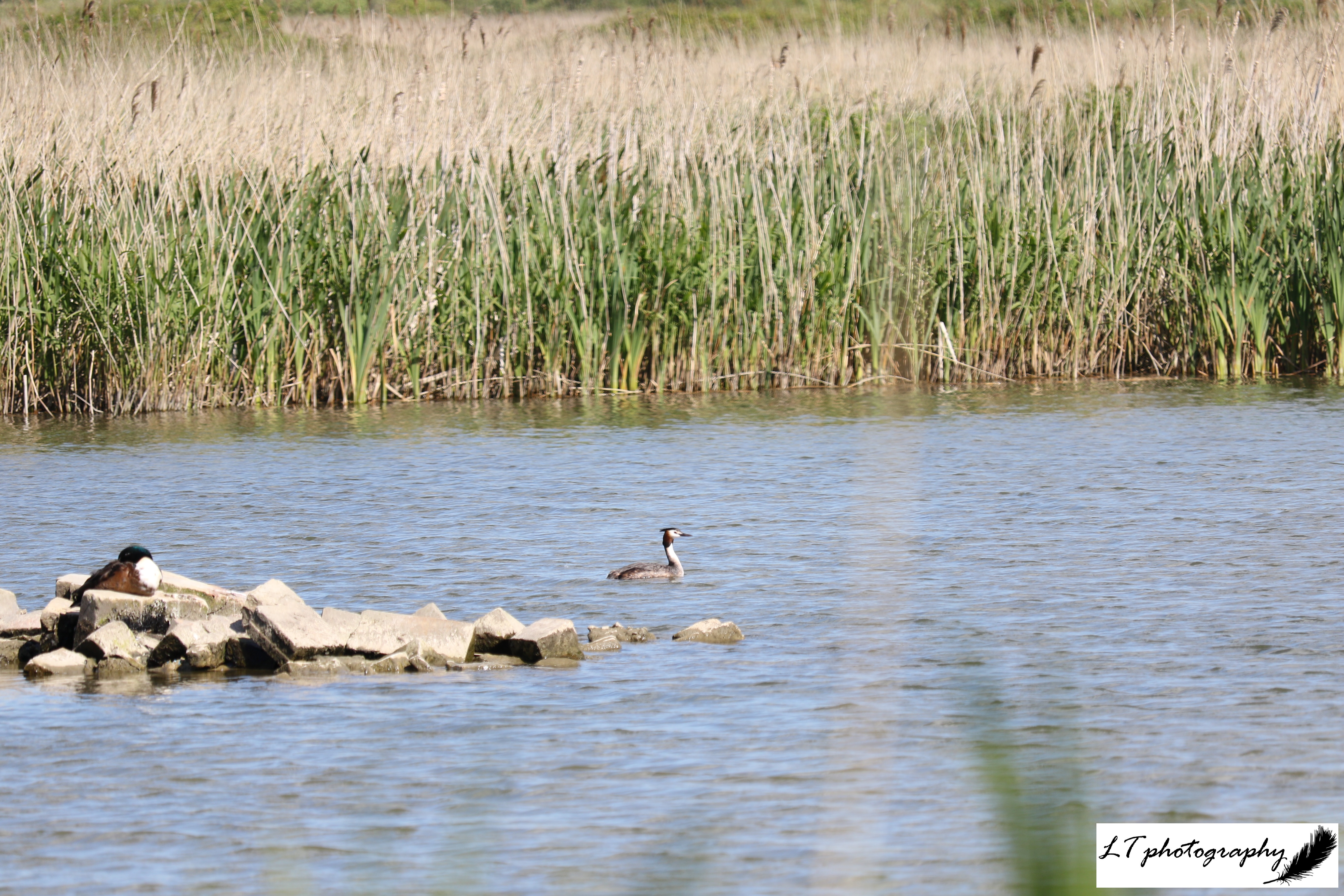
    Radipole lake great-crested grebe
  4. Marsh harrier 
  5. Little grebe
  6. Sedge warbler

Other photos:

Radipole lake coot

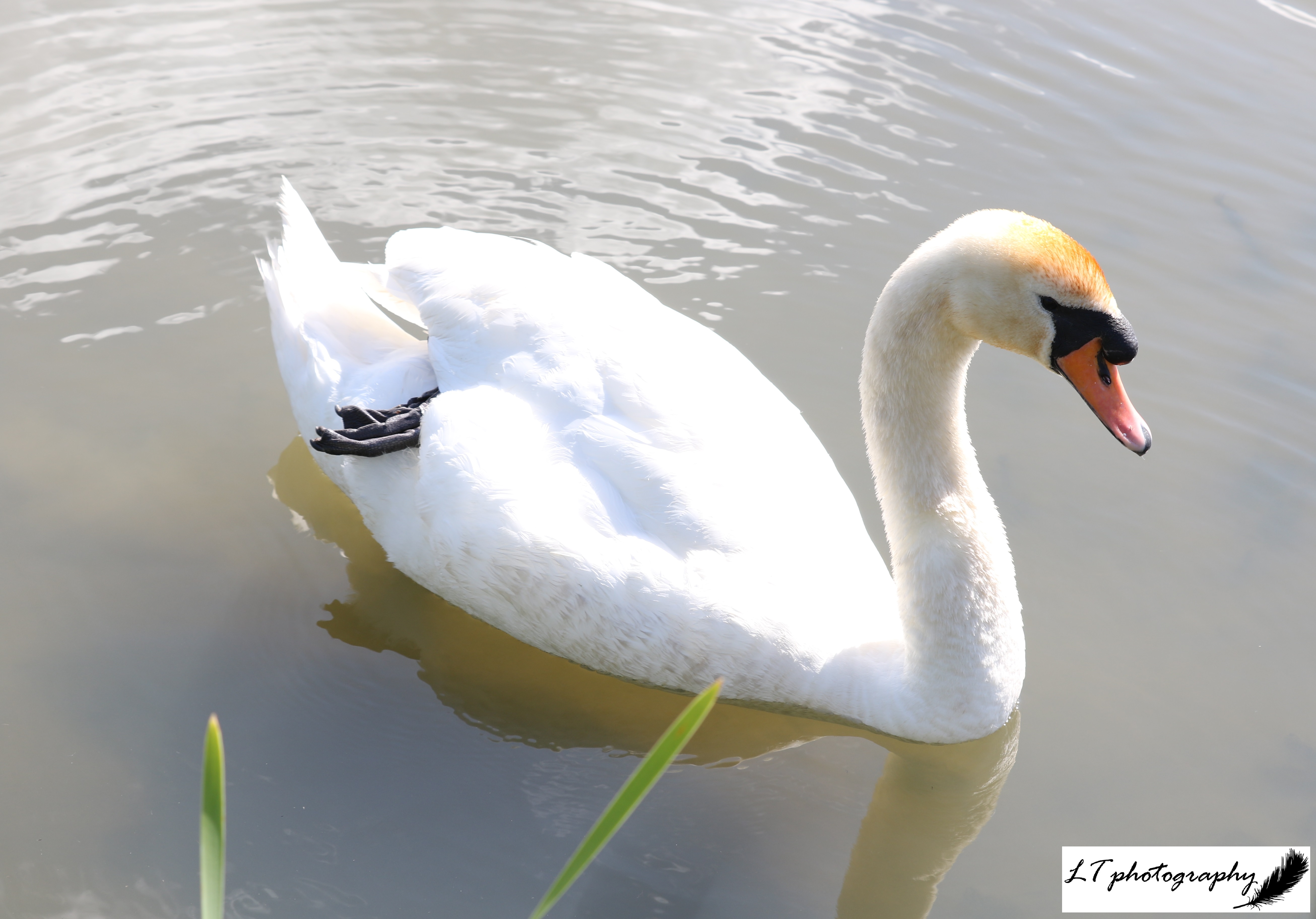
Radipole lake mute swan


RSPB Lodmoor Nature Reserve 

Lodmoor map

On this day in spring, following a stop for lunch sat on the seafront in the glorious sunshine, my mum and I chose to park at Weymouth’s public Overcombe car park on the eastern side of Lodmoor nature reserve. From here we planned to walk a clockwise loop around the reserve’s main trail and see what species we could see that call the reserve their home.

Lodmoor reed trail

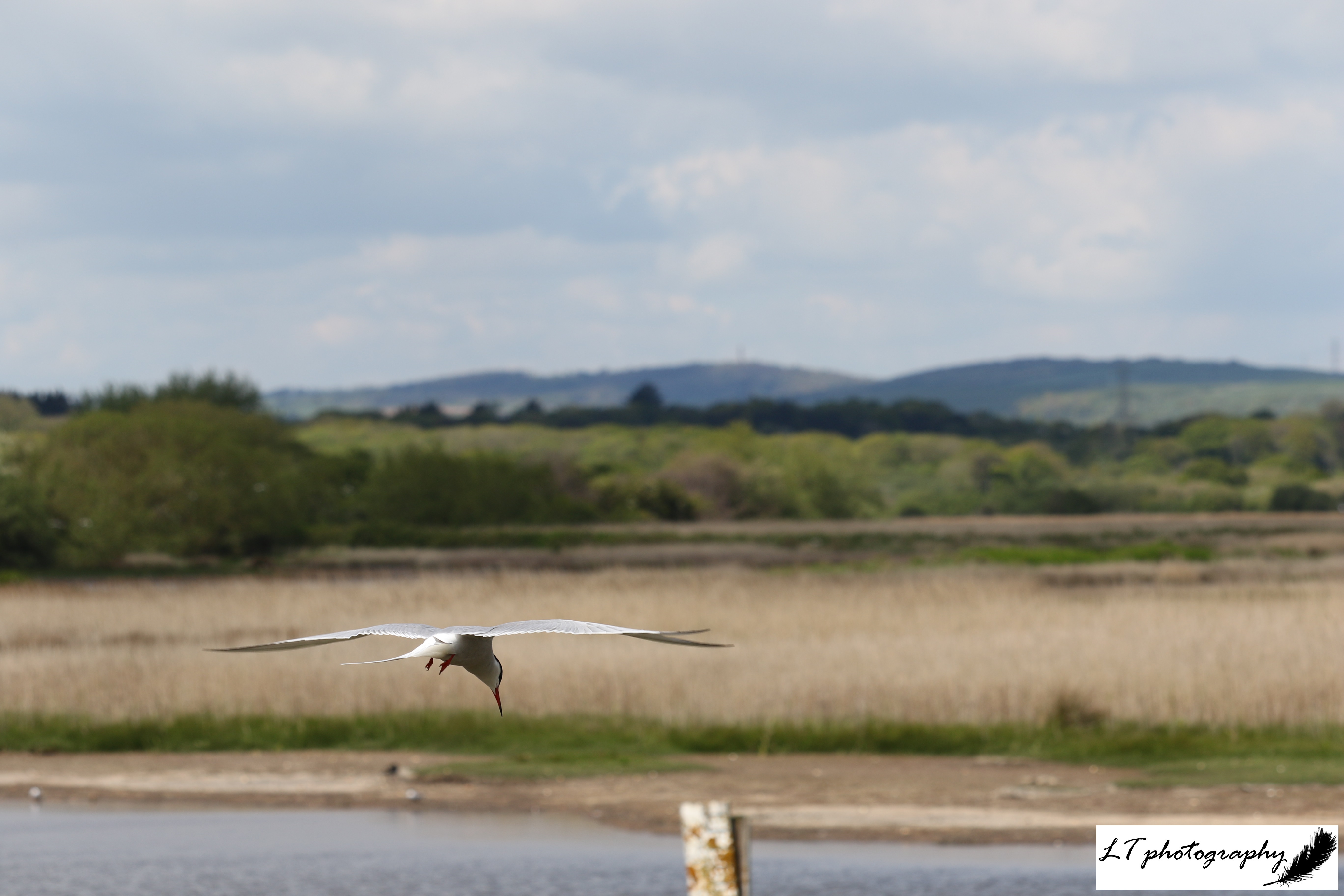
In this way we first walked along the main road that borders the southern side of the reserve and splits Lodmoor from the seafront, stopping at breaks in the reeds and hedges to see what birds we could see on the marsh area. On one of these stops, we finally got to take in one of Lodmoor’s star species, breeding common terns. At the reserve, islands in the lagoons/marsh are managed each year to provide areas for the terns to breed safely away from many predator species. In sight of these islands, we got some really fantastic views of the terns hunting over the water.
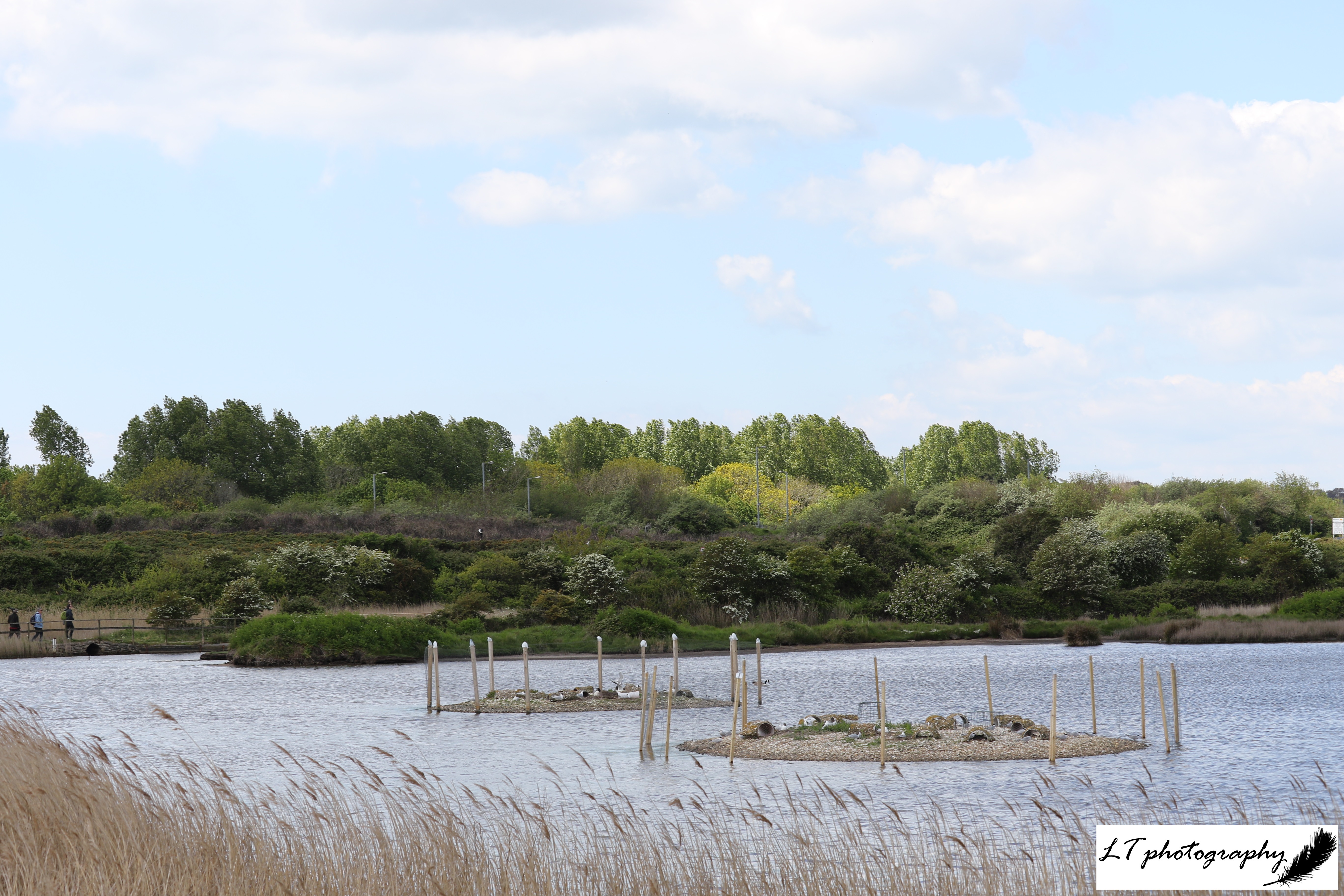
Lodmoor commen tern nesting islands

Lodmoor Common tern 2

Though most of the best areas for birdwatching are situated along the side of the main road and near the tern nesting islands, my mum and I of course continued our walk on the main trail around the reserve, taking in as many species as we could. Unfortunately, this year we did not catch any sightings of the marsh harriers that can be found breeding at this site, but the reserve still did not disappoint us. In particular, we spotted 24+ bird species, with our top 6 sightings being:

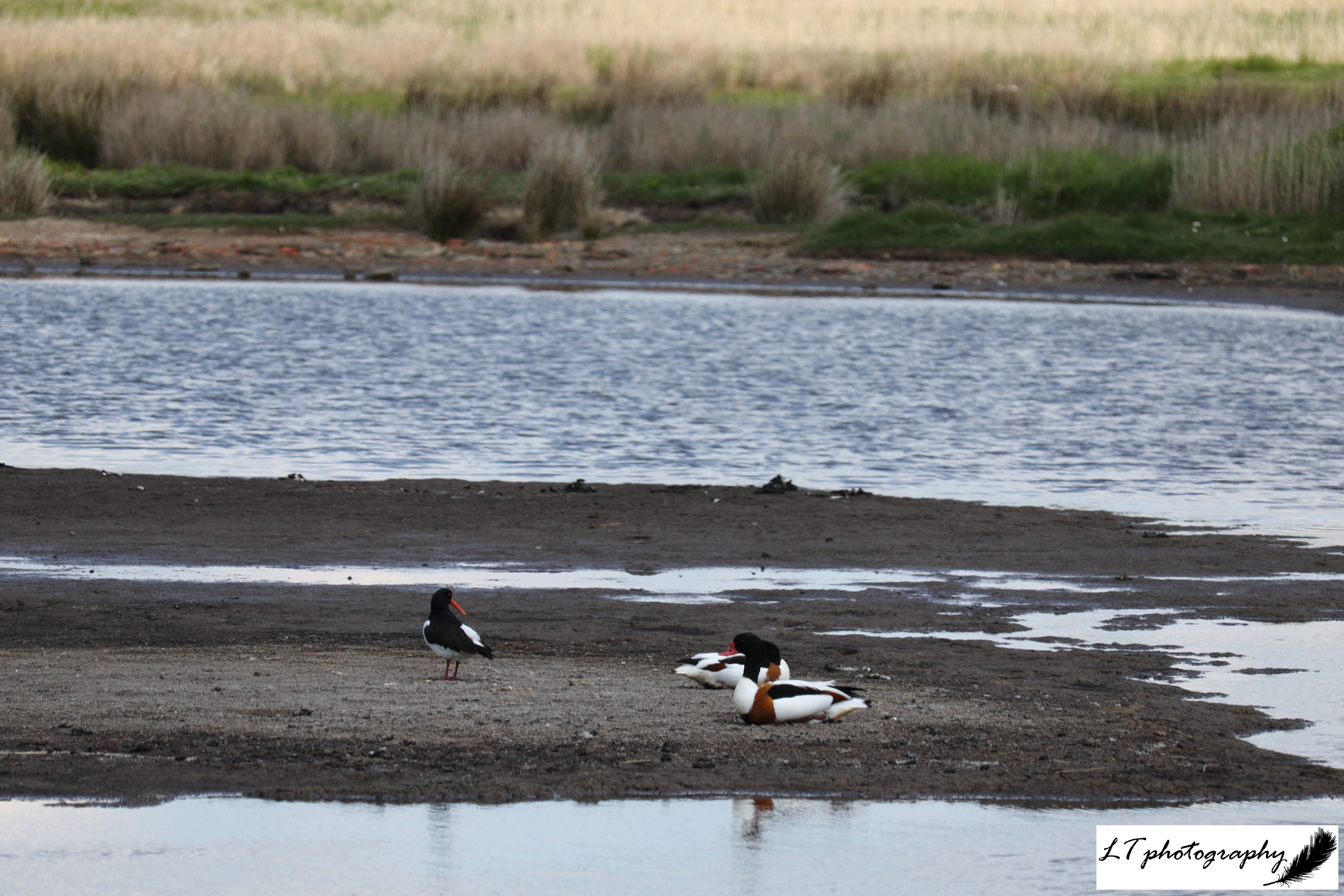
  1. Oystercatcher Lodmoor oystercatcher and shelducks
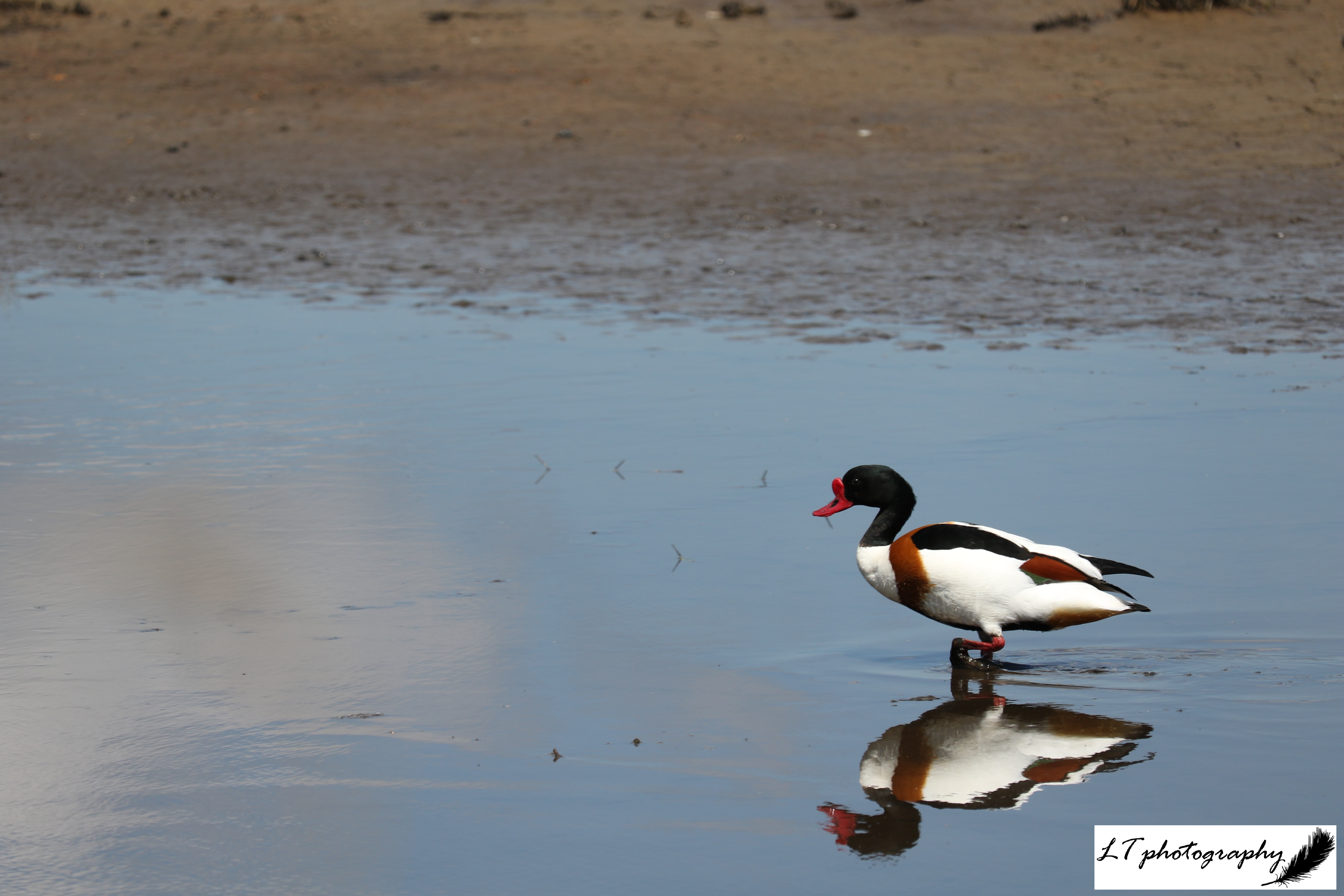
  2. Shelduck Lodmoor shelduck
  3. Bar-tailed godwit
  4. Black-tailed godwit
  5. Common ternLodmoor Common ternLodmoor Common tern 3
  6. Gadwall

Other photos:

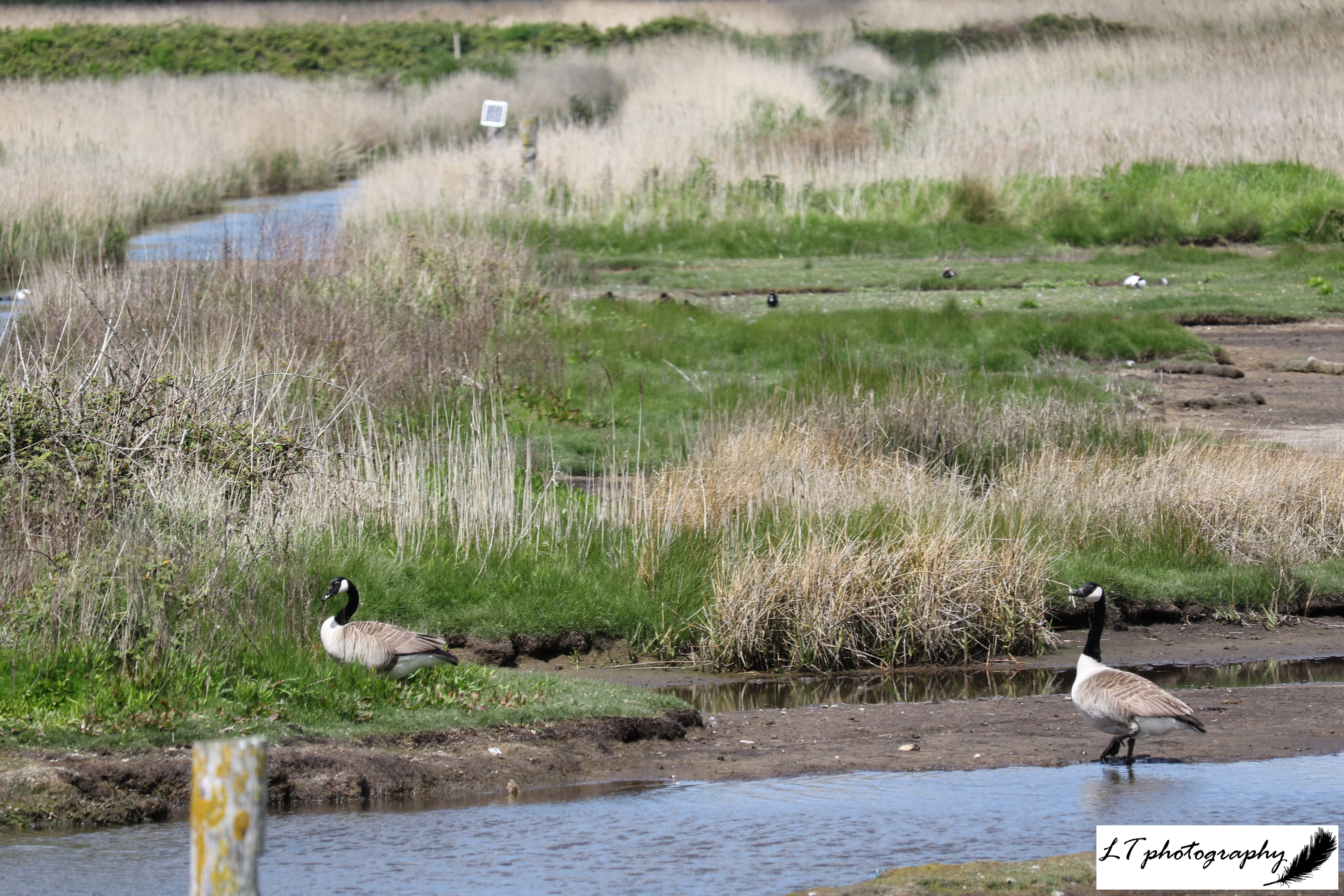
Lodmoor canada geese

Summary

My trip to the reserves may not be everyone’s cup of tea for a day out, but I had a thoroughly enjoyable day in the sunshine, spending time with my mum and being completely distracted from work and day-to-day life. I also got to take in some incredible flora and fauna, as well as a tranquil and vivid environment.

So how was my hunt for the marsh harriers? Though I did not get the pleasure of seeing marsh harriers at both reserves, watching the male at Radipole Lake for a long period of time felt like a real success. They are a striking species that I can easily pick out from others, and with birds of prey being my favourites, it is easy to see why I enjoy watching them so much.

The highlight of my trip obviously was the marsh harriers, but also was being able to spend the day doing something I love with one of my favourite people. We all should take a little time out of our busy lives to do things we enjoy and that uplift us, allowing us to take care of ourselves in the right way. Anything to do with enjoying spring outdoors does this for me and allows me to de-stress.

As I come to the end of this blog post, with the end of my trip, I do hope that I may have inspired you to take a trip to your local nature reserve, even if it is just to take a walk, see something new, have an adventure or appreciate your local plants and animals. Nature reserves are a free and easy form of entertainment for all, so why don’t you escape to one today?
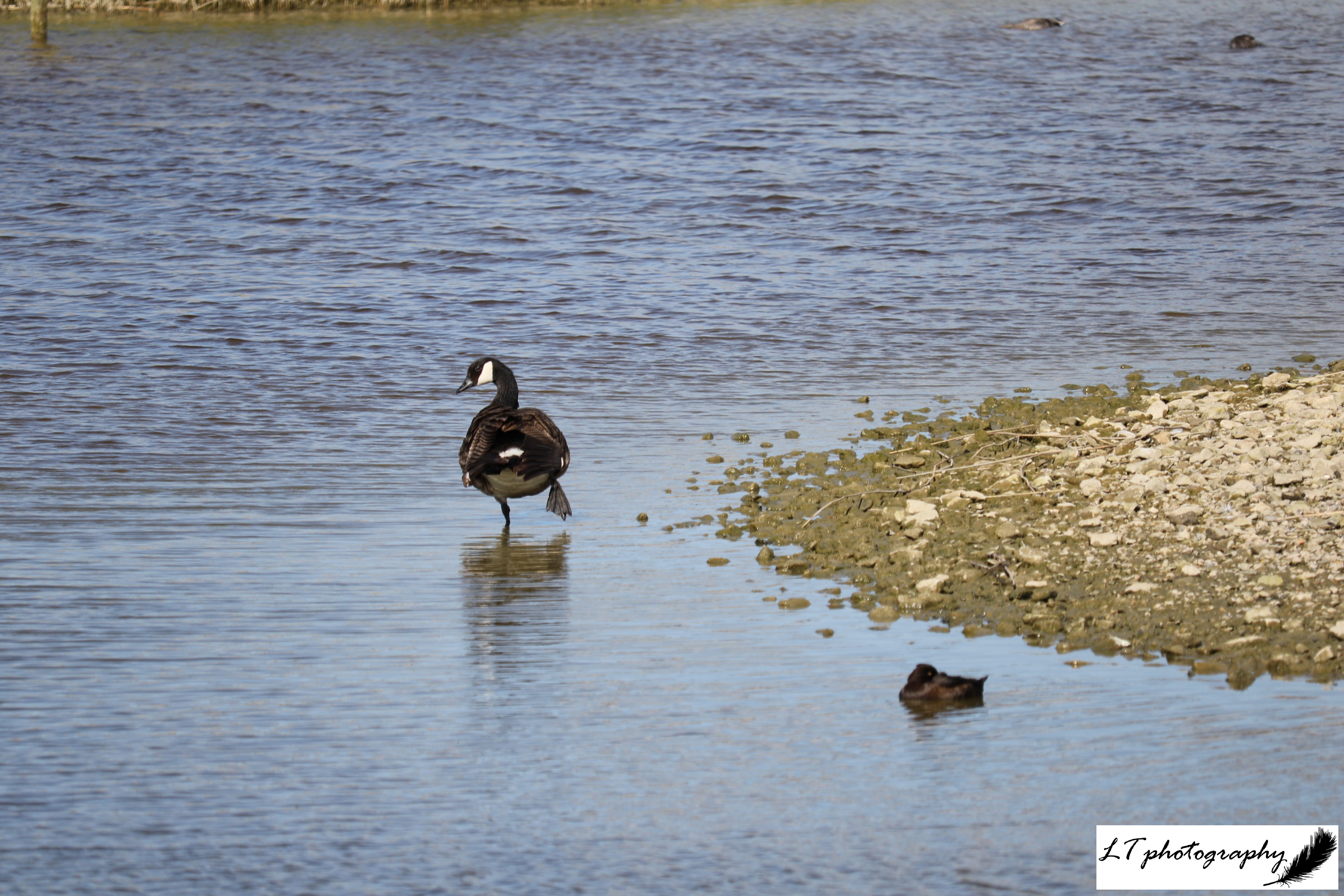
Radipole Lake Canada Goose

40 years of the RSPB’s Big Garden Birdwatch: How can you get involved?

Next weekend the RSPB is holding its annual Big Garden Birdwatch. Many people may have heard of this event before and may have even participated in it (if so thank you), but many people may have never heard of it before though. Either way, with the event celebrating its 40th anniversary this year, I wanted to take a moment to look back at the Birdwatch’s interesting history, wide-ranging impact and more importantly how you could get involved this year to help make it the biggest year yet!

For those of you who may not know, the RSPB (standing for the Royal Society for the Protection of Birds) was founded in 1889 by ornithologist Emily Williamson with the aim of stopping birds being exploited for fashion. Over the following 130 years, the RSPB has grown in size and popularity, and among other things, has acquired at least 209 nature reserves, raised lots of money for conservation projects and created many popular events such as the annual Big Garden Birdwatch. Following its start as an event aimed at children in 1979 in collaboration with Blue Peter, the Birdwatch has now been running for an amazing 40 years, with the hope of many more years to come.

With over half a million people taking part each year now, the Big Garden Birdwatch has officially become the world’s largest wildlife survey. Clocking up over 8 million watch hours and more than 130 million bird sightings, the survey has amassed four decades worth of valuable results for the RSPB. What happens each year to these results though? Well once collated into one big data set they are analysed to monitor trends, and allow us to understand the state of British wildlife such as to identify species declines, and to help protect and conserve it.

To give you an idea of some of the basic results the Birdwatch can provide, lets take a look back at some of last year’s results published by the RSPB. To start, the top 10 garden birds in the UK and Northern Ireland in 2018 were found to be:

2018 big garden birdwatch results

(c) RSPB

  1. House sparrow
  2. Starling
  3. Blue tit
  4. Blackbird
  5. Woodpigeon
  6. Goldfinch (11% rise from 2017)
  7. Great tit
  8. Robin
  9. Long-tailed tit
  10. Chaffinch

The 2018 survey also showed big increases from the past year in the number of sightings of winter visitors, such as siskins and bramblings, and a 5% increase in greenfinch sightings. Despite house sparrows being the most commonly seen species in our gardens in 2018, since its beginning, the Big Garden Birdwatch has seen house sparrow sightings drop year on year, with a 57% decline over 40 years.

In relation to the survey itself though, since 1979 participants have increased in number from approximately 34,000 children to more than half a million individuals of all ages. Whatever your experience or knowledge of birds and wildlife, this is one event where anyone can now get involved. In addition to helping out the RSPB, this survey could also have wide ranging benefits for yourself too. For example it could:

  • Allow you to take a moment to appreciate what is in your garden or local green space
  • Aid your mental health by spending time out in nature and/or being mindful of your local wildlife
  • Allow you to get involved in citizen science where your involvement could have a big difference for scientific knowledge and species conservation
  • It is a bit of fun!

So, if you are interested in the world’s largest wildlife survey, how could you get involved? First, go to the ‘Bird Garden Birdwatch 2019’ section of the RSPB website and either request a free postal pack, download a counting form and bird ID guide or decide to complete the Birdwatch online. Then pick a day between 26th-28th January to sit and watch the birds in your garden or local green space. Follow the rules for counting the birds, and when your hour is complete either send your results to the RSPB by post or online. How you do your Birdwatch though is entirely up to you. It’s simple!


img_0749

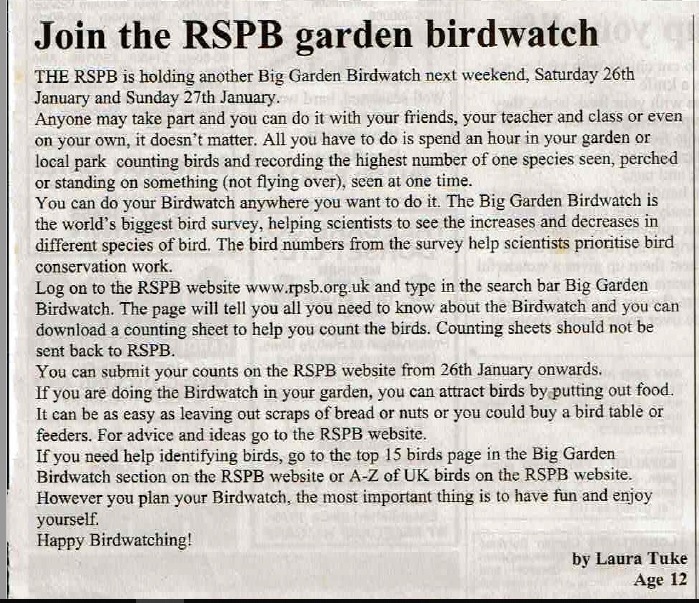
As a result, the Big Garden Birdwatch has now helped to inspire many new generations of birdwatchers and I can say that I am included among them. This was evident at the age of 12, when I decided to write a piece for my local magazine trying to get more people (even then) involved in the Birdwatch. Though my knowledge, writing and understanding of the world has come a long way over the last 11 years, my passion for wildlife, its conservation and its communication have remained the same. So why not listen to 12 year old Laura, do the same as me, and take part in this year’s Big Garden Birdwatch!

big garden birdwatch article

This blog post has been written independently from the RSPB, but all RSPB Big Garden Birdwatch resources and facts used in this blog post, such as seen in the photos of the resources included in the postal pack I received, are entirely the property of the RSPB


A different kind of Christmas: December trip to RSPB Arne

For most people Christmas outings may involve activities such as shopping, ice-skating, visiting Santa or taking in Christmas light displays. This year to get into the festive spirit though, I decided to do something a little bit different. Why? Well this month is a great time to get outside in the cold (and the wet!) and take in some of the winter residents and migrants that can currently be found in the UK. What better way to escape at this time of year than to get out in nature!

My choice of destination was simple: RSPB Arne nature reserve in Dorset. This reserve covers more than 565 hectares, has many designations such as being a Site of Special Scientific Interest and is home to a mosaic of habitat types ranging from heath to ancient oak woodland. As a result RSPB Arne is famous to British naturalists for its rich biodiversity and spectacles of nature, which include the colourful ladybird spider (as featured on Autumnwatch in 2016) and all 6 UK species of native reptile. Situated approximately 25 miles away from my home, this gem for the wildlife enthusiast is becoming a firm favourite of mine.

Well what was the real aim of my visit this Christmas? Though birds of prey such as marsh and hen harriers are always at the top of my ‘must-see’ list, I have to admit that December is THE time to see waders at Arne. In fact, neighbouring Poole Harbour hosts one of the largest flocks of wintering avocet in the UK, which is a real spectacle to see.

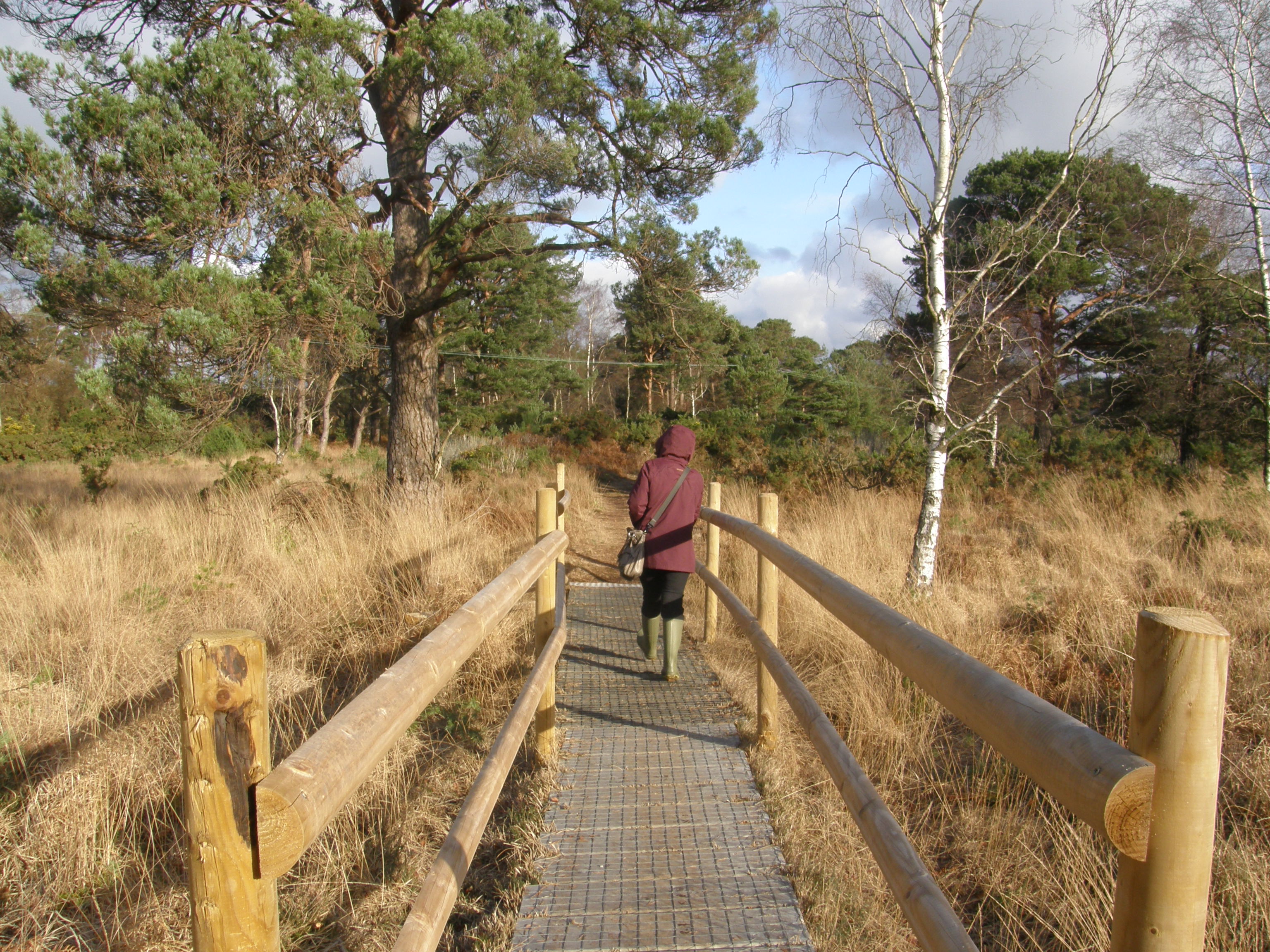
So, with the weather on my side for one day in mid-December, I made the journey over to the the isle of Purbeck for a day of no pressure bird watching and walks with spectacular views. Having visited Arne a handful of times before, I started my day by setting out on Arne’s seasonal raptor walk in the slim hope that I might catch sight of a wintering harrier or falcon. Though it did result in a kestrel being added to the day’s species list, it was my only raptor sighting of the day in the end.

OLYMPUS DIGITAL CAMERA

The seasonal raptor walk was not fruitless though, as sitting in the reed bed hide at the end of the walk I was treated to my very first sighting of a highly charismatic bird. Despite having seen flashes of this bird in the past, I had never seen it up close and perched before. So it took me by surprise when I caught sight of the shape of this small bird with its distinctive short tail, large head, and long bill only a couple of metres in front of me in the hide. To my excitement it was a kingfisher and following this sighting I had the pleasure of watching it hunt in the pools of the reed bed for quite awhile longer!

OLYMPUS DIGITAL CAMERA

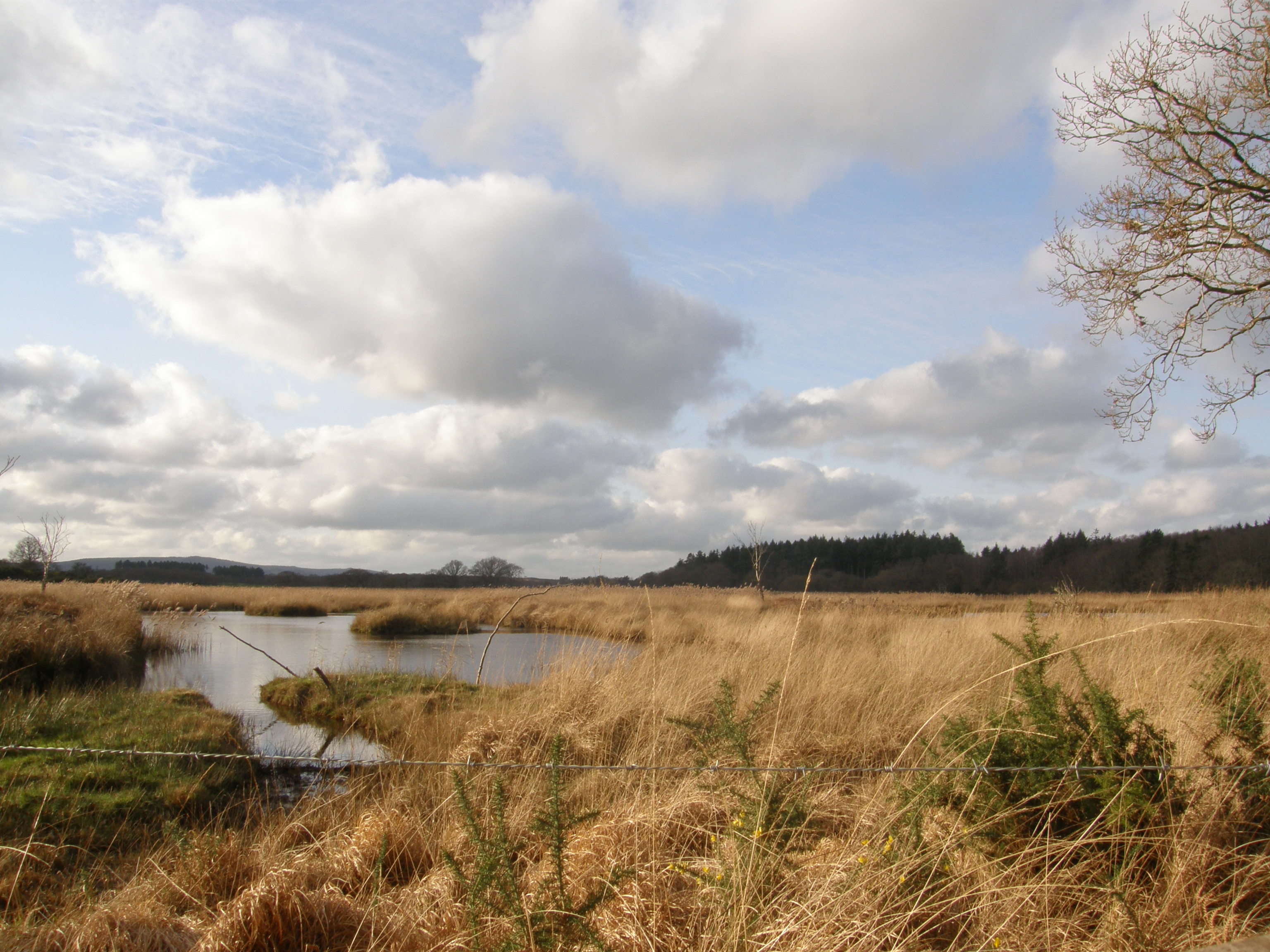
Following seeing my kingfisher, the rest of the day was spent walking the Coombe Heath trail and yellow Shipstal trail to catch sightings of waders around Middlebere Lake and Arne bay.

To highlight some of the species I ended up seeing on my walks, here’s a little ’12 waders and waterfowl of Christmas’:

  1. Mallard
  2. Little egret
  3. Common shelduck
  4. Eurasian oystercatcher
  5. Brent geese
  6. Common redshank
  7. Lapwing
  8. Eurasian wigeon
  9. Pied avocet
  10. Common greenshank
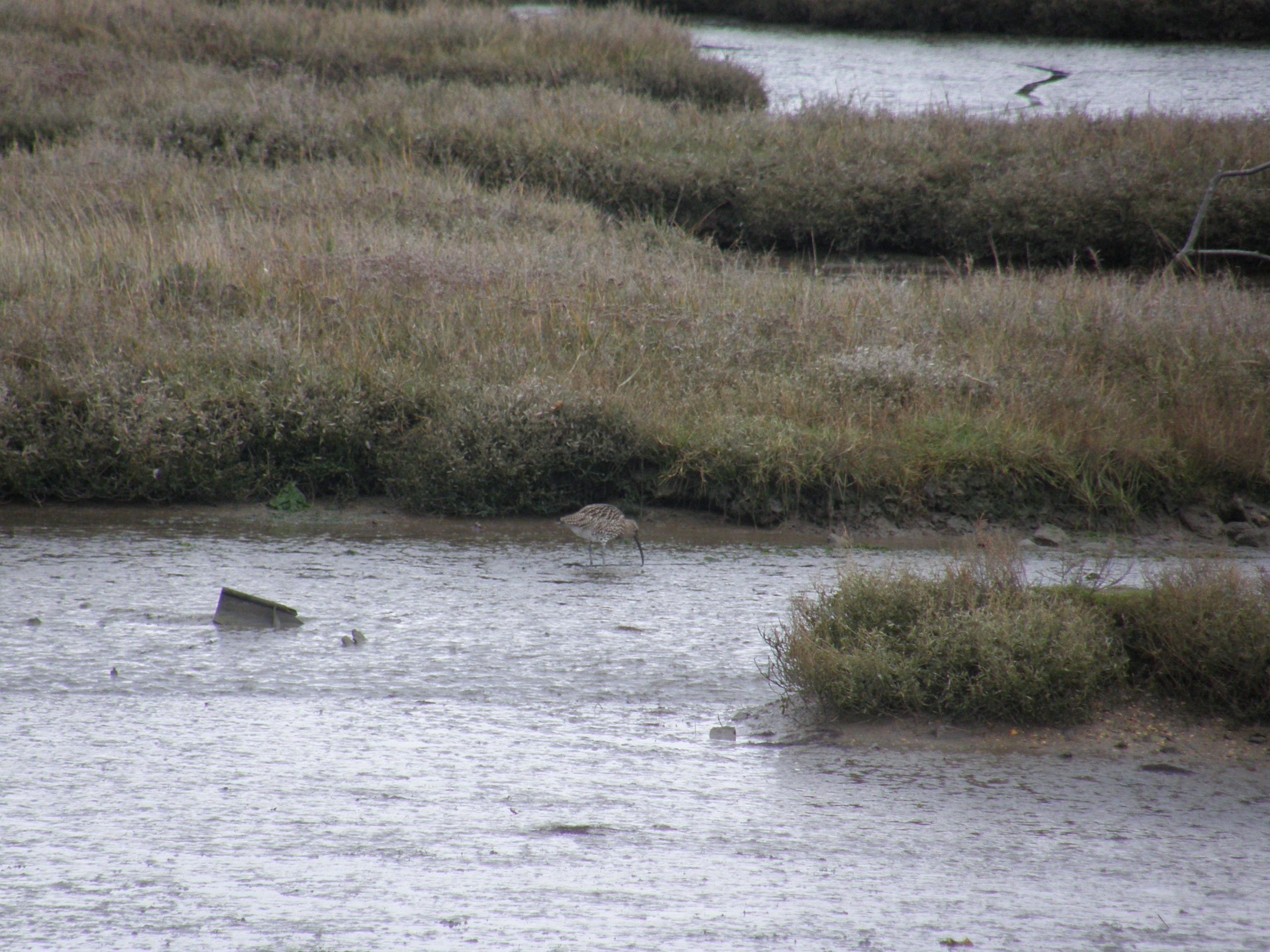
  11. Eurasian curlew
  12. Eurasian spoonbill

OLYMPUS DIGITAL CAMERA

At the end of my day exploring Arne in the dry and escaping a busy life, I have to admit that it was just what I needed during the festive period. Filled with wintering wildlife and tranquil landscapes, ‘traditional Christmas’ only permeated my outing through visits to the reserve’s cafe and shop, which were both fully embracing the festive season.

Though my day at Arne may not characterise most people’s festive period, it fitted with the meaning of my own Christmas, made up of things that I cherish such as family, nature and focussing on my own mental wellbeing. Taking an opportunity to concentrate on and celebrate such things is what defines Christmas to me, amongst modern traditions. So all I can say now is remember what means most to you at this time of year and have a very MERRY CHRISTMAS!

Winter into spring: April on the farm

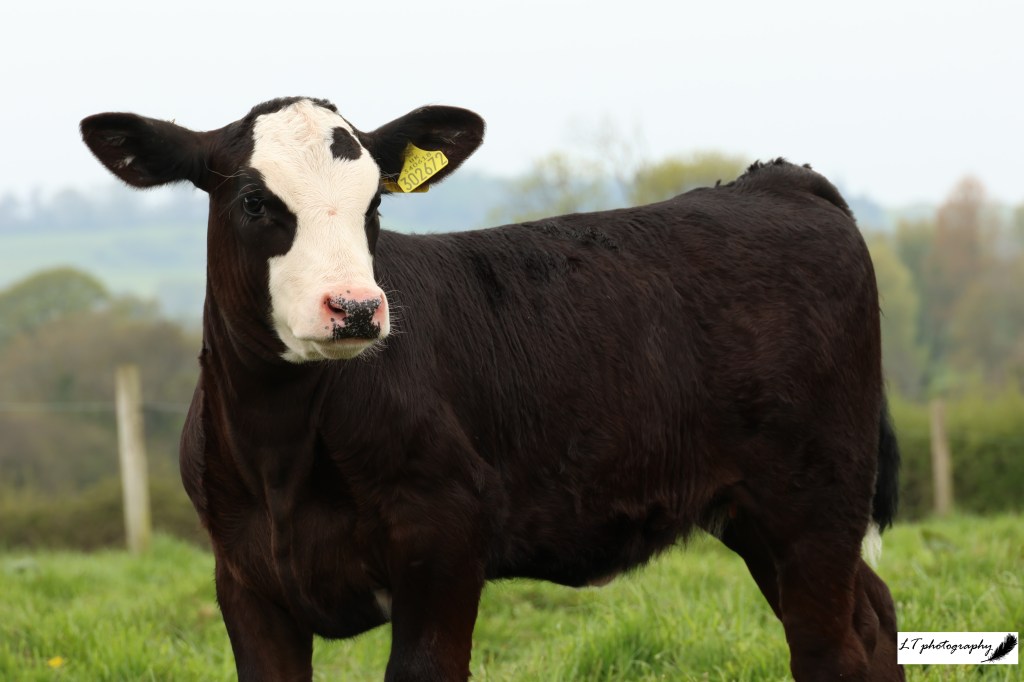
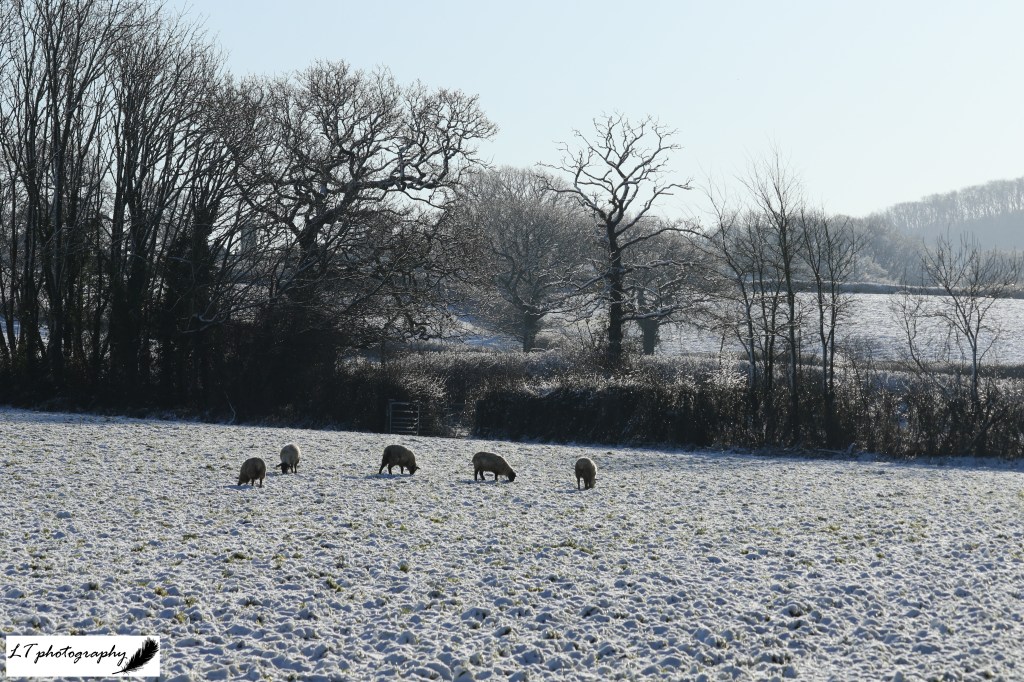
April is one of my favourite months of the year on the farm. During April, the Dorset countryside begins to burst into new life. Newborn lambs bounce in the fields, newborn calves snooze in the fields in the spring sunshine, birds begin to nest and raise a new generation, and flowers carpet the woodlands.

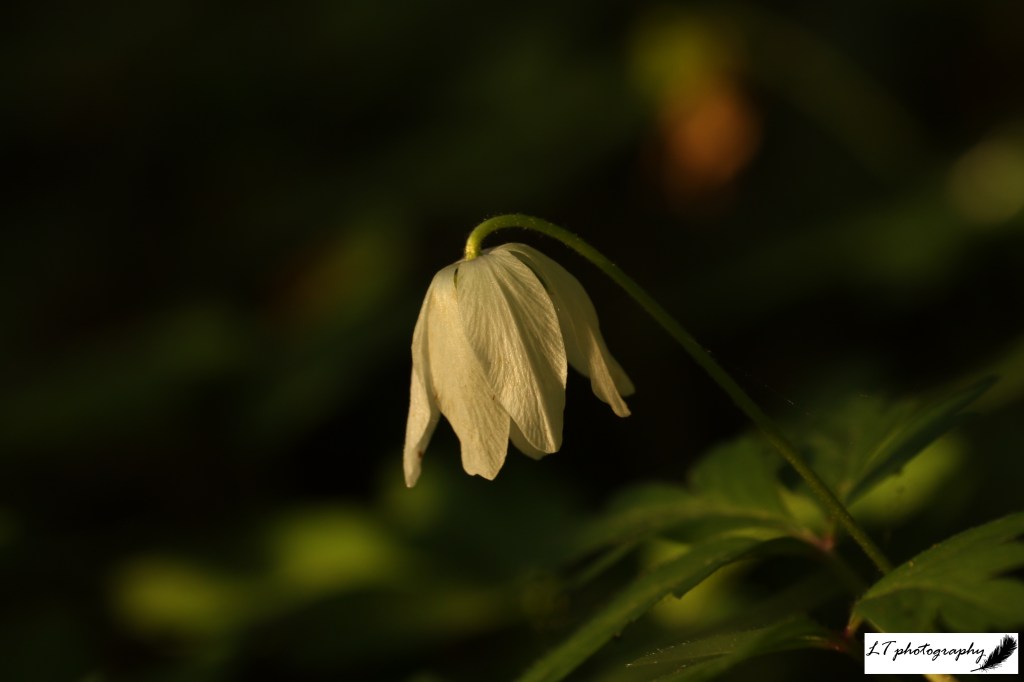
Plants this April still followed a trend of being late, with some woodlands not becoming decked out in their full splendour during this month like in past years. Still Bluebells, wild garlic, early purple orchids and late wood anemones began to coat the woodland floor. Also, the woodland ferns began to unfurl in the woods later than usual.

During this April, trees were very much still late, with sycamore and silver birch finally bursting into leaf. Oaks were noticeably asynchronous in their bud burst, with some trees on there way to being in full leaf and others yet to start.

April saw the main crop of migrants arriving on warm winds. This year our barn swallows returned on April 6th, exactly the same date as in 2015! By the time we were fully into April, bird breeding pairs had been firmly established, and the nesting season for many bird species was fully under way. During April, more birds can be heard singing at dawn than any other time of year, which is quite magical to hear.

This year the tawny owls are breeding later than last year, but by the end of April the first hissing calls of tawny owl fledglings could be heard resonating through Dorset woodlands.

Life could be seen blooming everywhere throughout April. Dog violets and cowslips, among other species, were seen flowering along roadside banks.

WP_20160427_002

27/04/16

Brimstone butterflies, orange tip butterflies, and peacock butterflies all began to emerge during the first half of April.

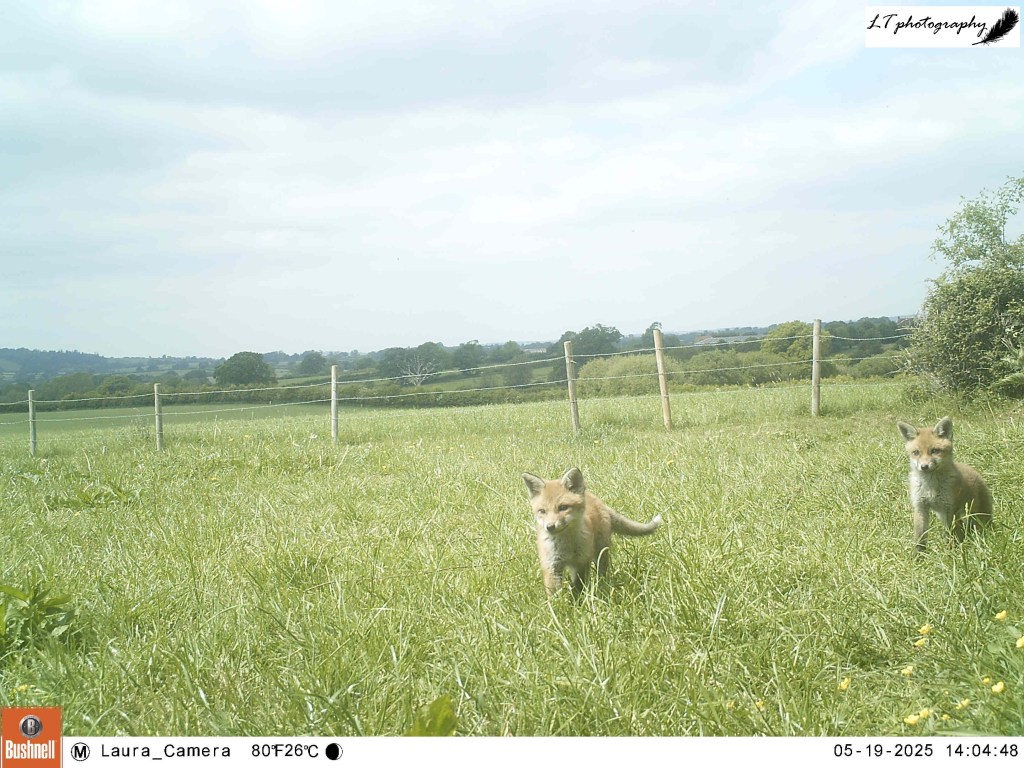
Throughout April, I made myself busy amongst the mounds university revision, by setting up my camera trap at different popular sites around our farmland. It was amazing to see the first badger cubs emerge from their den, and even more special to me, was being able to watch fox cubs beginning to explore above ground with their siblings, during the second half of the month. Fox cubs have to be my highlight of beautiful April!


Brilliant barn owls

When I arrived back home a week ago from my first year of uni, I was told that my friend had seen a pair of barn owls on my home farm. These owls were seen to be using a barn owl box that had been put up by my Dad a couple of months ago. As barn owls had been seen by my family and myself on our dairy farm before, this year my Dad had decided he wanted to give them a helping hand, in the hope that they would use our box to breed. The news that it was possibly being used already, excited me. Consequently, I wanted to see for myself that the box was actually in use, and planned a barn owl box stake out the following evening.

I headed to where the box was situated at 20:45 and positioned myself in a cubicle barn across from the box, where I could look through a gap up at the box and surrounding possible perches. Patiently I waited, with no sign of either adult birds, though I could hear an individual screeching noise coming from the box, which made me aware that an adult bird was present.

After a period of only blackbirds, magpies and pheasants being heard, I heard a screech come from the nest box, followed by an adult female barn owl flying out of the entrance hole of the box, and landing on a metal roof truss a couple of metres from the box. After a few minutes of the female scoping her surroundings, she flew a couple of metres further, perching on a second roof truss. There she preened her feathers, stretched and defecated, before returning back to the nest box.

It was amazing to actually got to see the female up close, closer than I had ever seen one before. From this sighting, I could deduce that the female was going through the processes of incubation, though I cannot say at what point the female started sitting. On my walk back home from the barn, I disturbed the male who had been sat on a bank of grass not too far off from the barn.

I am looking forward to keeping an eye on the pairs’ process, and a family friend who is a licensed bird ringer is hoping to make a visit to us at the end of June to check the barn owl box. If there are chicks and they are big enough, he is hoping ring them. I cannot wait!