12 Days of Laura’s Wild Photos 2024

Last year, was a year full of colour and vibrancy for me, a year of adventures, many firsts, and always some learning curves. This also applies to my time spent in nature and my year immersed in my wildlife photography. From sitting amongst the bluebells and chasing after butterflies, to capturing red kites and watching sunsets, it has been a spectacular year as a whole.

To continue my new tradition, over the 12 Days of Christmas of 2024, I accompanied each day on social media with one of my nature photos taken with my camera, camera trap or phone. The aim is always to share my snapshots of nature’s hidden beauty, share some yet to be seen favourite photos, and simply to put a smile on people’s faces during the tough winter months.

Here are my latest 12 Days of Laura’s Wild Photos all in one place!

The 12 Photos
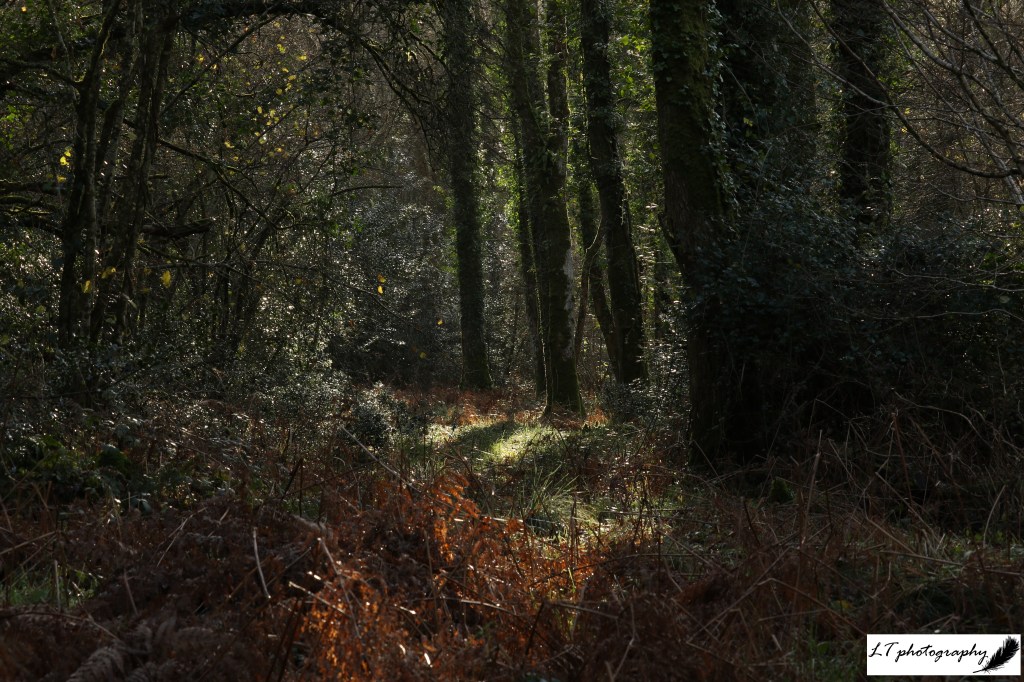
Day 1 – To begin my 12 Days of Laura’s Wild Photos for 2024, I chose a photo that made me think of winter, with it being taken during the winter months. I love the soft sunshine breaking through the trees and producing a pocket of light within the greys and browns of the sleeping woodland.
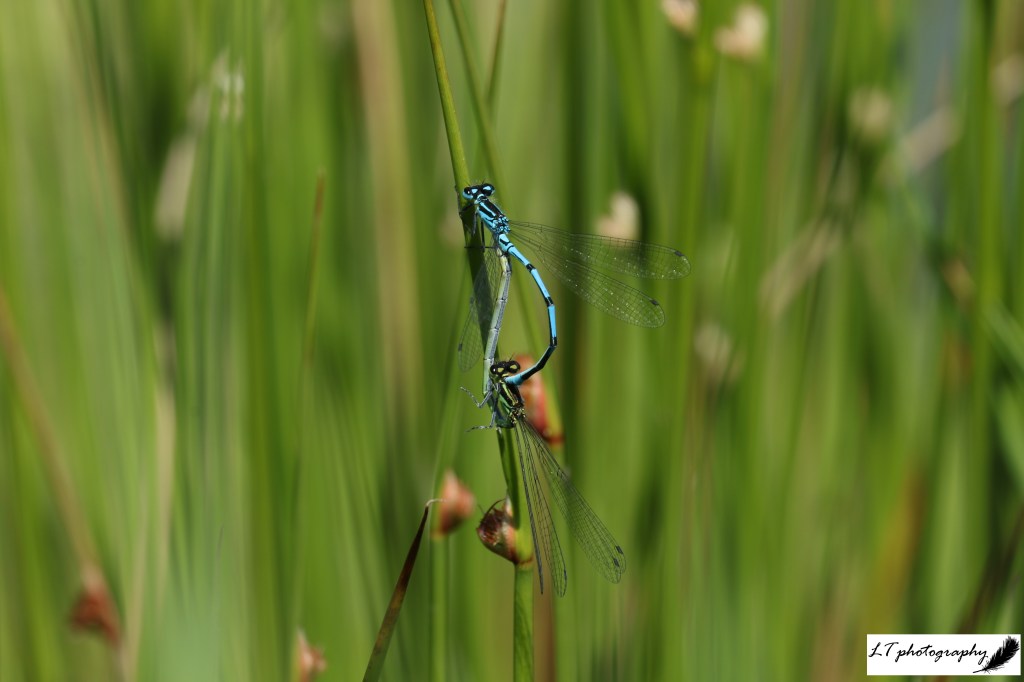
Day 2 – Last year was a year of many adventures and firsts for me, including in my wildlife photography. During May, I got the opportunity to watch and try photographing damselflies for the first time, as they courted over water, and attempted to mate and lay eggs. They are such fantastic coloured jewels to behold!
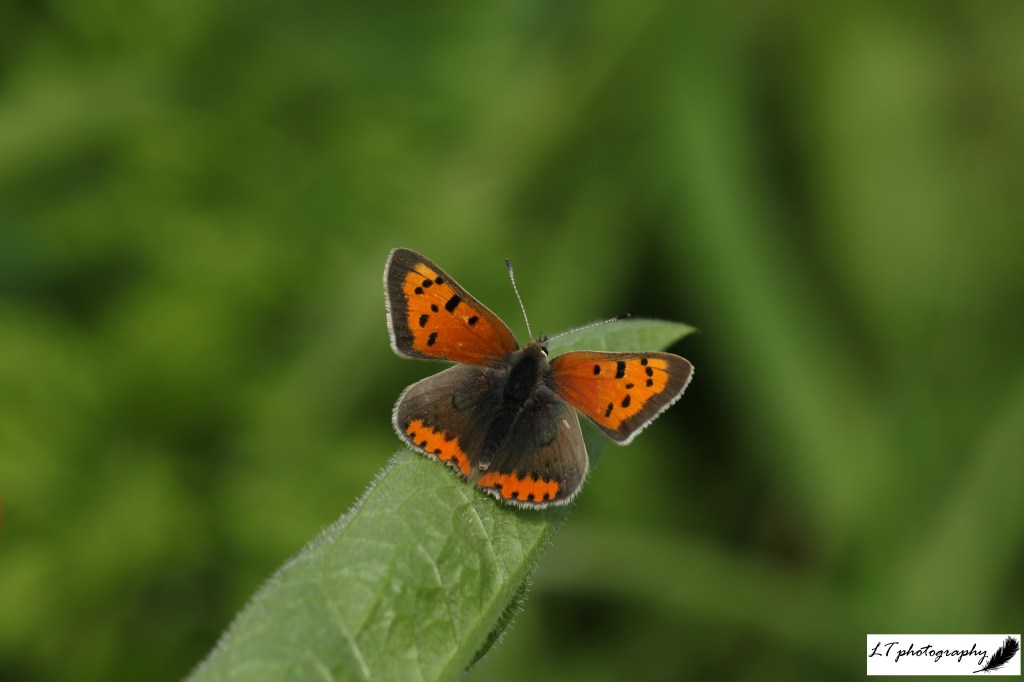
Day 3 – This beautiful Small Copper butterfly was a bright spot of colour for me during an autumnal October day. It was wonderful to see these butterflies flitting around my family’s new wildflower meadow, courting on the wing. It was exciting to see these butterflies choosing to lay eggs here already, despite it only being our meadow’s very first year!

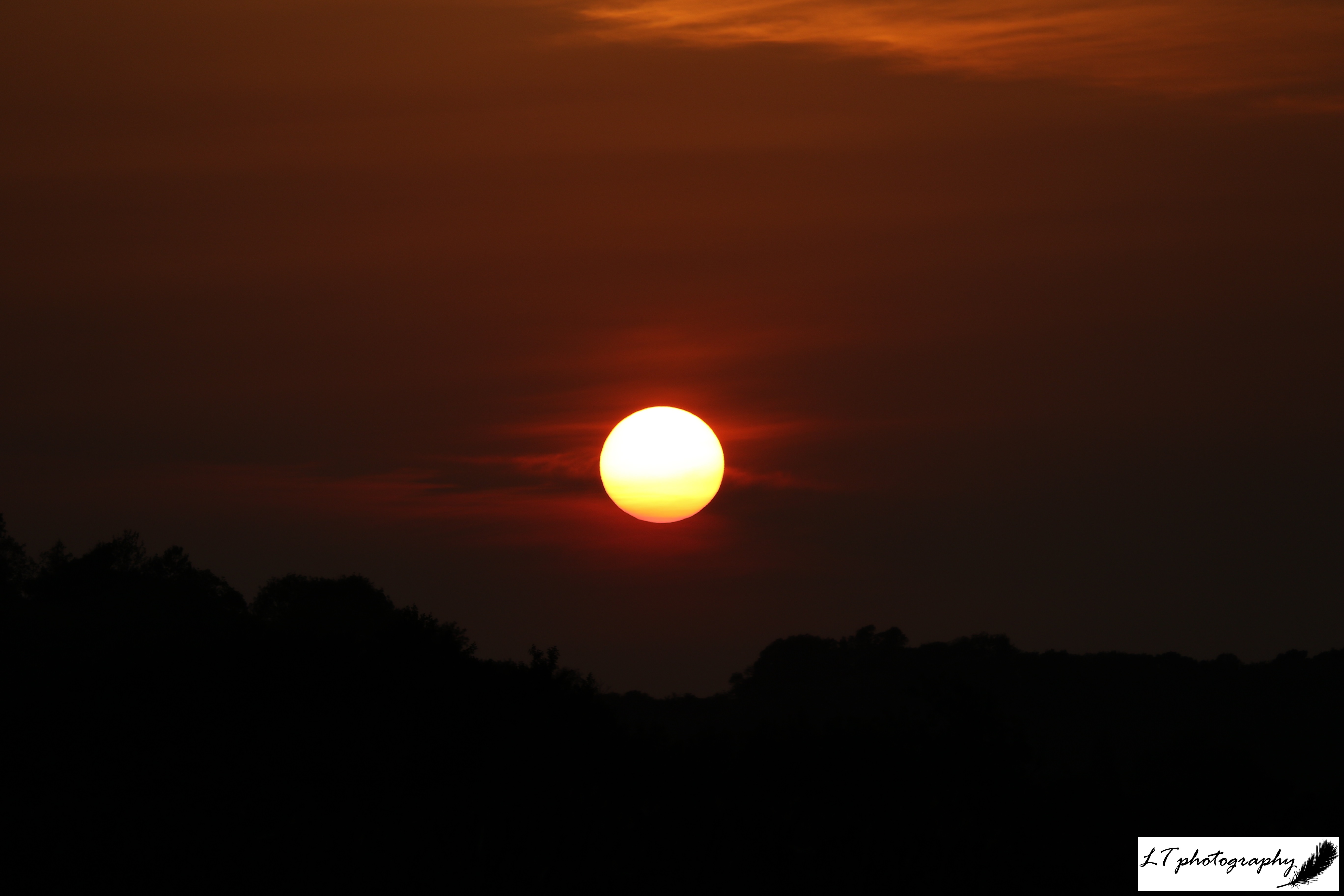
Day 4 – I have captured fantastic sunsets from Canada to Kenya, so I am always trying to find new and wonderful ways to capture their never-ending beauty. They are one of my favourite subjects to photograph, and understandably this photo fills me with such joy including from the experience of taking the photo itself.

Day 5 – For day 5 of my 12 days, I wanted to include a photo of one of my highlights of 2024, my boy Rook. I had for 9 months looked forward to my cow Raven calving for the first time, and Rook was finally born in April, a week overdue. I enjoyed watching him grow bigger and bigger, and develop a character of his own.

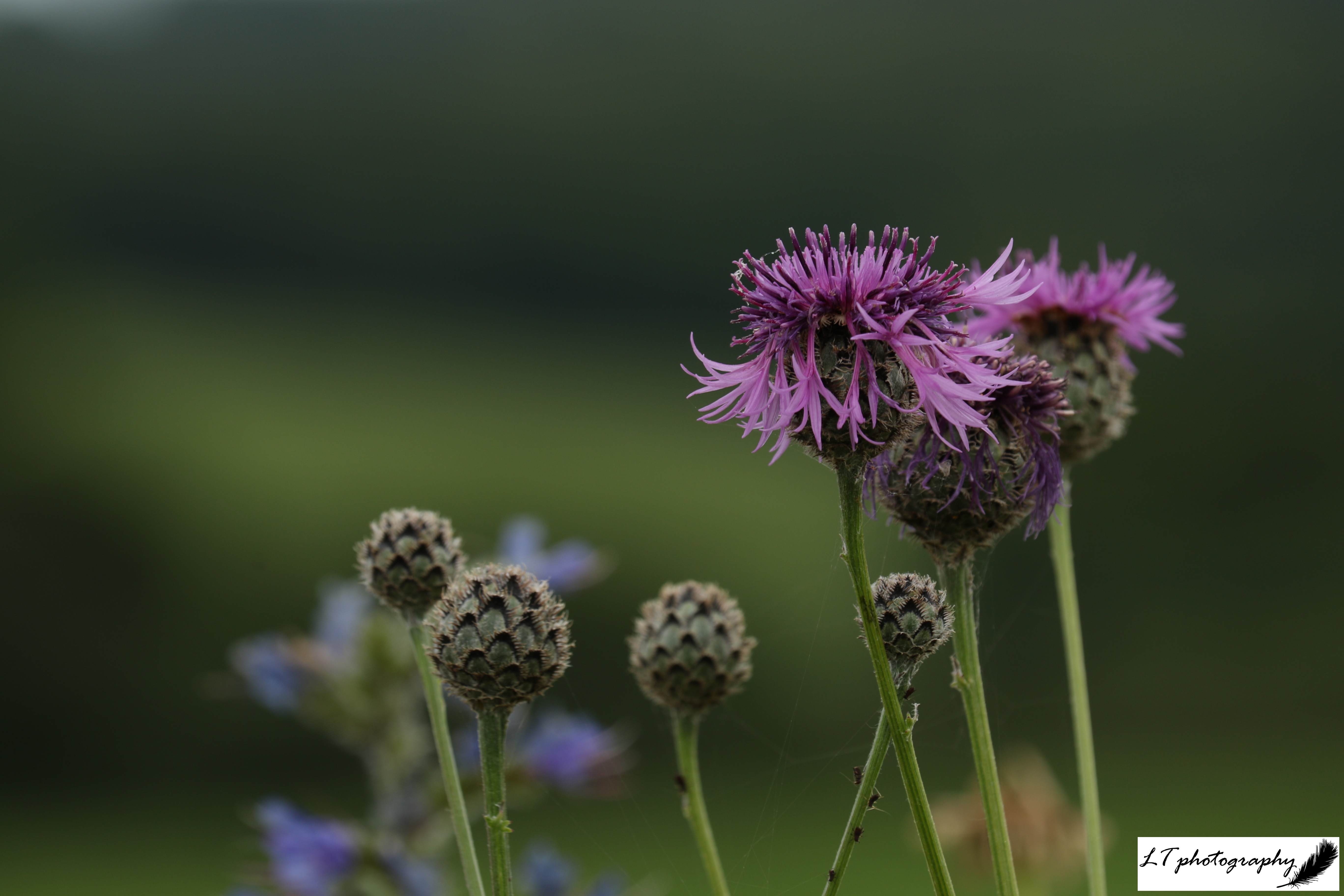
Day 6 – Whenever I needed a mindful moment this autumn, I would escape to our wildflower meadow with my camera. This year my family and I trialled the planting of this meadow with wildflower seeds to see how it would turn out. Well for the first year, it has done well, growing a large diversity of species and becoming a splash of colour as flowers began to pop up throughout the autumn.

Day 7 – For the last day of 2024, I posted a simple photo of a hedgehog feeding from a plate. What is special about it though, is that it marks one evening of many throughout the summer months when a hedgehog would appear before sunset to find food. This tends to signify a lack of wild food available for our hedgehogs, but it was still a great opportunity for me to get to know the hedgehogs in our local area.
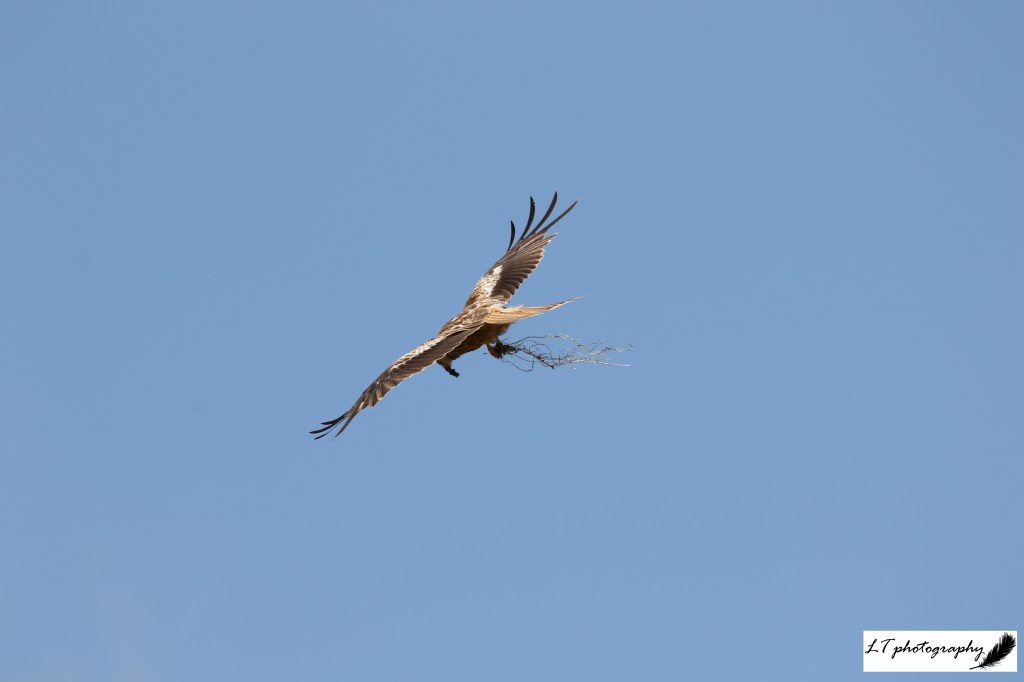
Day 8 – Another of my firsts for 2024 was capturing red kites on the wing in flight. This photo comes from a collection taken during this shoot, when red kites were hunting over a field that was being cut and baled. If you look closely, you can see that this particular bird had some success!
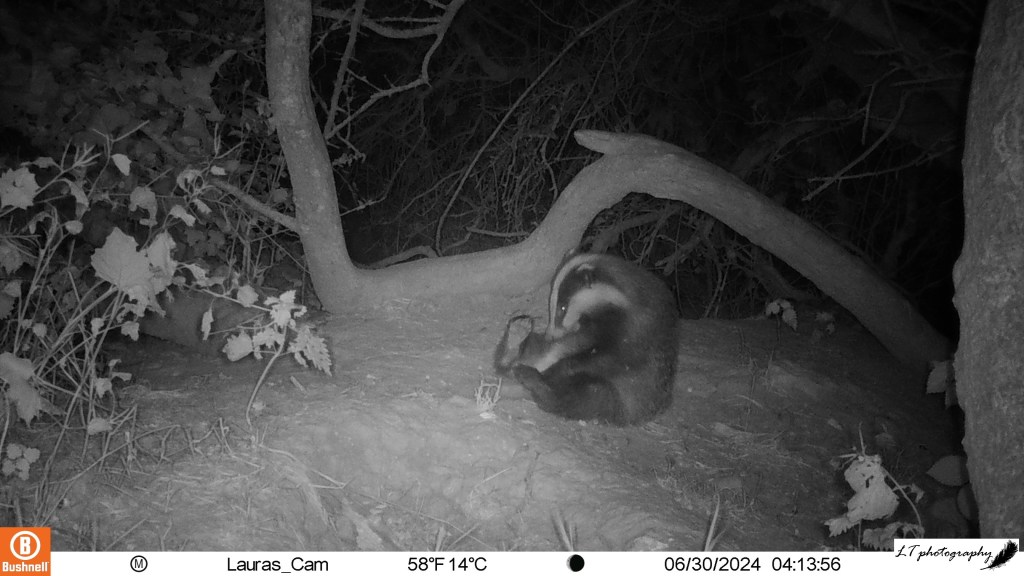
Day 9 – 2024 was a year for me full of incredible wildlife moments and adventures in my happy place out in nature. This included sightings from my camera traps of wildlife ranging from hungry hedgehogs to inquisitive foxes. Some of the best characters though, came in the form of a family of chilled out badgers, including this badger that just needed a sit down!

Day 10 – Though I love being out in nature all year round, spring always ends up being my favourite season of the year. It’s a time of hope, new life and incredible natural beauty, which always inspires me in my capturing of the natural world. Here’s just one of the many, many photos from spring 2024, that fills me with joy for the season to come this year!

Day 11 – During 2024, I also had the pleasure of getting to observe my very first nuthatch nest of my bird ringing career. It was amazing to be able to watch as these chicks overtime grew from looking like little dinosaurs to beautifully feathered nuthatch fledglings. This all happened in the matter of a couple of short weeks!

Day 12 – I saved my favourite photo until last during my 12 Days of Laura’s Wild Photos, with this photo showing one of my favourite spring sights. There is nothing quite like a beautiful rich blue carpet of bluebells set against the lush green of new woodland growth. It fills me with joy and the motivation to enjoy another year of the natural wonders in my local area and further afield.

For now it is time to make the most of the last of our winter months, and to look forward to new wild adventures to come!

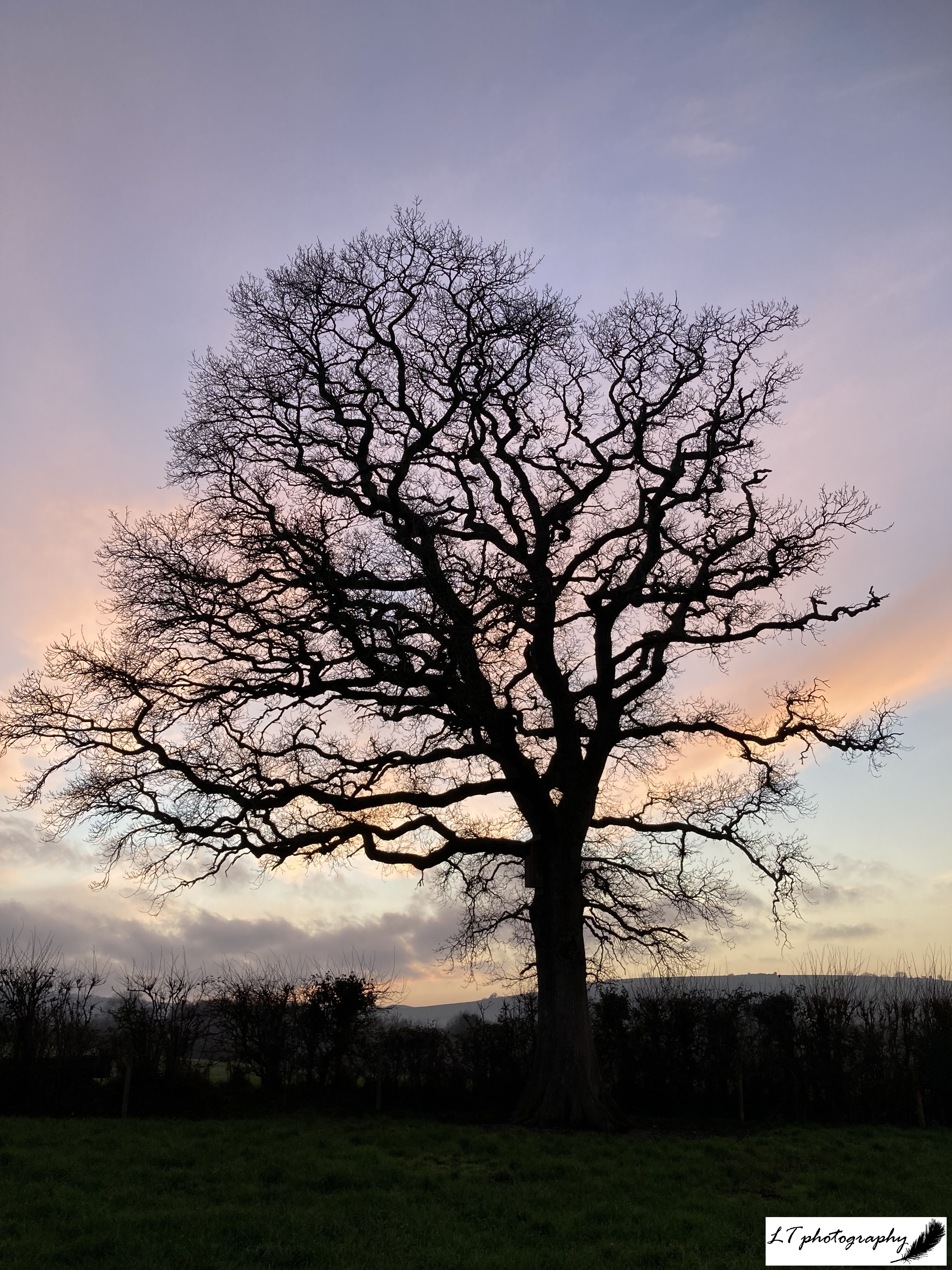
A Year In The Life Of An Oak Tree

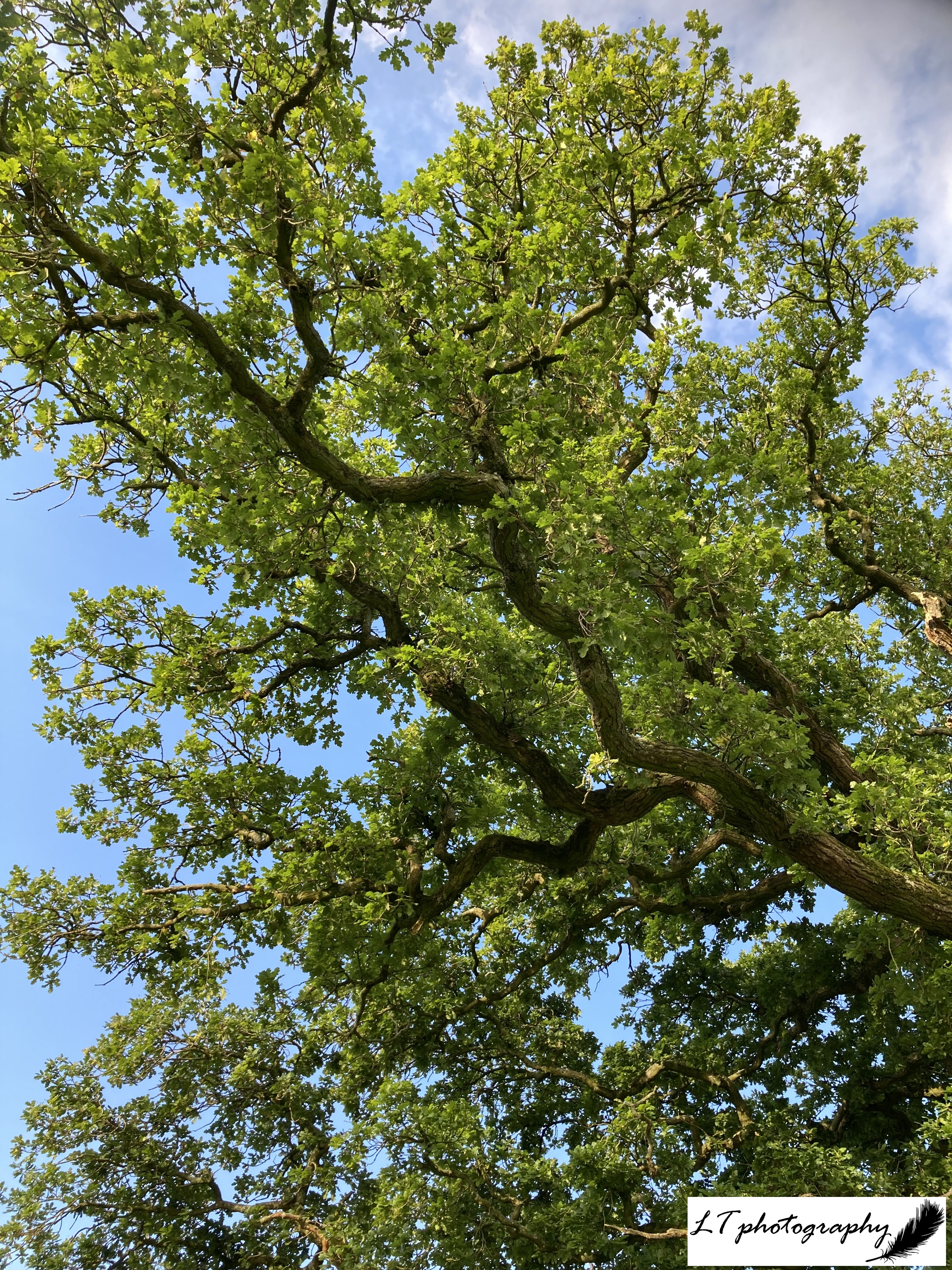
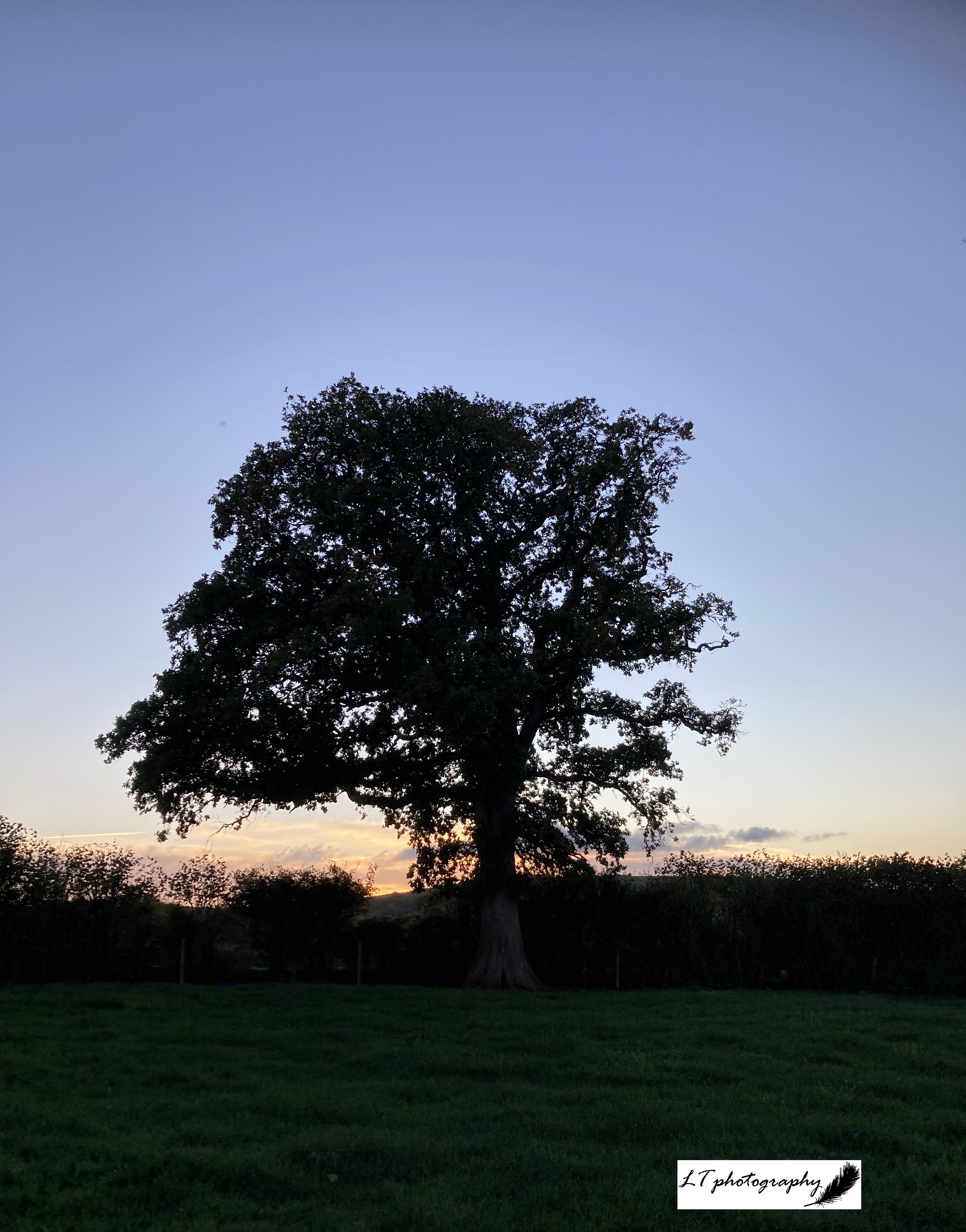
In the depths of the Dorset countryside, amongst hills, fields, rivers and hedgerows, an oak tree stands tall, stretching its branches over its corner of a field. Having stood proud for many years, each year this tree goes through its cycle, starting with its skeletal form, and moving through budburst, flowering and leaves unfurling, to shedding its green cloak in the autumn at the start of its long winter sleep. Hopefully it will keep continuing its cycle for many years to come.

Every year the rest of nature also goes through its cycle of life, overlooked by this oak tree. From the beginning of new life to the death of others, from howling gales to sleepy sunshine, from constant neighbours to new wildlife spectacles, this tree stands tall through it all. So for this piece, lets follow a year in the life of this particular oak tree in 2022, and see what can be experienced in just one spot.

January

As a new year began, the landscape lay in slumber, riding out the worst of a harsh winter. Hibernating animals, seeds and bulbs laying beneath the earth, and trees standing tall in dormancy. The oak tree was no different, slumbering through a very chilly January 2022, with many dry, cold, and foggy spells. A number of mornings began with the glittering shine of thick hoar frost, turning the landscape into a crisp, white world. During clear nights, the oak tree was surrounded by tawny owls ‘twit-ing’ and ‘twoo-ing’, rekindling pair bonds. By day birds were busy, robins defending feeding patches and forming pairs, great tits singing their squeaky gate songs, and buzzards hunting over the open countryside.

February

As a new month unfolded, the oak tree still stood slumbering, lichen dotting its bark and its buds hard and scaly, waiting. The oak tree may have been dormant, but around it subtle changes were beginning to appear in the landscape. White snowdrops nodding their heads under the hedgerows, lemon yellow catkins blowing in the breeze, and a woodpecker drumming on a trunk nearby. At night, male badgers pass by on the hunt for a mate, and foxes can be heard making their chilling howls, with females now heavily pregnant. February was a wet and very stormy month, but the the tree stood strong throughout.

March

As spring began to unfold, the oak tree experienced a month of unpredictable weather, moving from cold frosty nights to some very hot days. Despite this, change was in the air, with the oak tree beginning to wake up and show swelling in its buds. This was mirrored in the landscape, through blackthorn dripping white from the hedgerows, primroses creating a yellow carpet beneath, and the distinctive nodding heads of bluebells beginning to pop up everywhere. The oak tree also witnessed the first chiffchaff singing, the first brimstone butterfly flitting by, and even the first tawny owl nesting in the oak tree’s box before being unfortunately predated. Mammals were beginning to range further from their homes and other species were making their returns, such as the melodious blackcap.

April

A new month dawned, and the oak tree was becoming a symbol of new life. The first pale green leaves were unfurling and yellowy-green flowers were now hanging down from its branches. Drier, more stable weather meant the oak tree was now standing side-by-side with bovine neighbours, whilst many species were making use of the oak tree itself, such as blackbirds singing from its heights. Hedgerows and meadows around were also coming to life, with spectacular springtime flowers, from snowy stitchwort to sunshine celandines and cowslips. Daily, foxes can be found passing by, off hunting to bring back pheasants and rabbits to their cubs that are growing fast. The oak’s paddock also becomes a feeding ground for wonderful returning swallows and house martins, just the tip of the fantastic spring wildlife that were there to be discovered.

May

As spring blossomed into its full potential, the oak tree became adorned in its full cloak of fresh green leaves, thriving on warmer, calmer weather. The tree’s neighbouring hedgerow also began to bloom into life with flurries of white hawthorn flowers and the swelling cream buds of elder flowers. The tree was now home to a new family of woodpeckers, as well as some boisterous young squirrels and blue tits flitting between the leaves picking off oak eggar moth caterpillars. New life and its signs were everywhere, with fox cubs playing above ground, a male cuckoo singing, and even a female kestrel sitting on eggs in a lone oak tree in the next field. The landscape was buzzing with life!

June

As June hit, the oak tree was experiencing the peak of spring and its ending for another year. The oak tree continued to flourish whilst watching the cycle of nature surrounding it. House martins dancing on the wing, swallows hunting low over the fields, swifts speeding past screaming, red kites circling over fields following tractors cutting grass, hares grazing by falling light, a roe deer quietly sneaking past, and fox cubs beginning to roam. Not too far away the clutch of kestrel eggs had hatched and the chicks were beginning to grow fast!

July

Though a calm and sunny month, July was by far a very hot one, with some extreme heat waves hitting the oak tree and its home, its leaves now deepening to a dark green. In the midst of heat, the landscape was still dotted with colour in the form of wildflowers, from red campion and knapweed to bramble and swathes of cow parsley. Butterflies were busy on the wing, with the sight of a red admiral flitting by the oak tree in lazy summer sunshine being a tranquil sight to the eye. A highlight of the month was the yellowhammers singing their metallic song from the nearby hedgerows, and the neighbouring kestrel nest producing 4 healthy chicks to fledging and leaving their tree silent for another year.

August

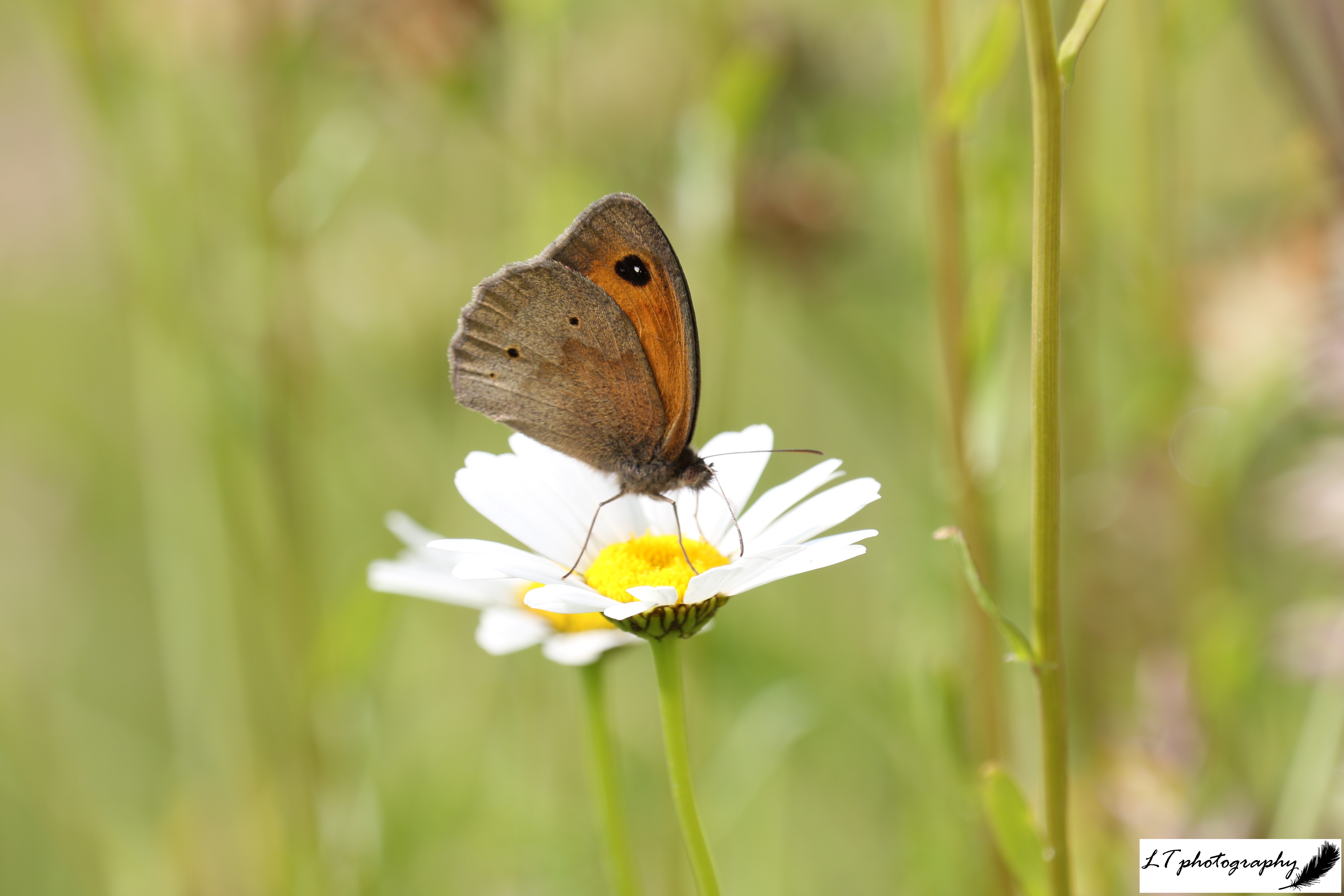
Following on from July, August saw the descent of the countryside into a worsening drought state. Now the oak tree’s leaves were starting to look dusty and sad, whilst the oak began to produce young acorns, small and green. The lush summer was beginning to fade, though colour still could be found in the form of darting blue damselflies, orange flashes of a meadow brown butterfly, and the first shining blackberries. As nature’s season of new life passes, with fox cubs becoming more independent and young birds now feeding up ahead of migrating, the tree watches on, as a new mother cow gives birth in the shade of its lofty boughs.

September

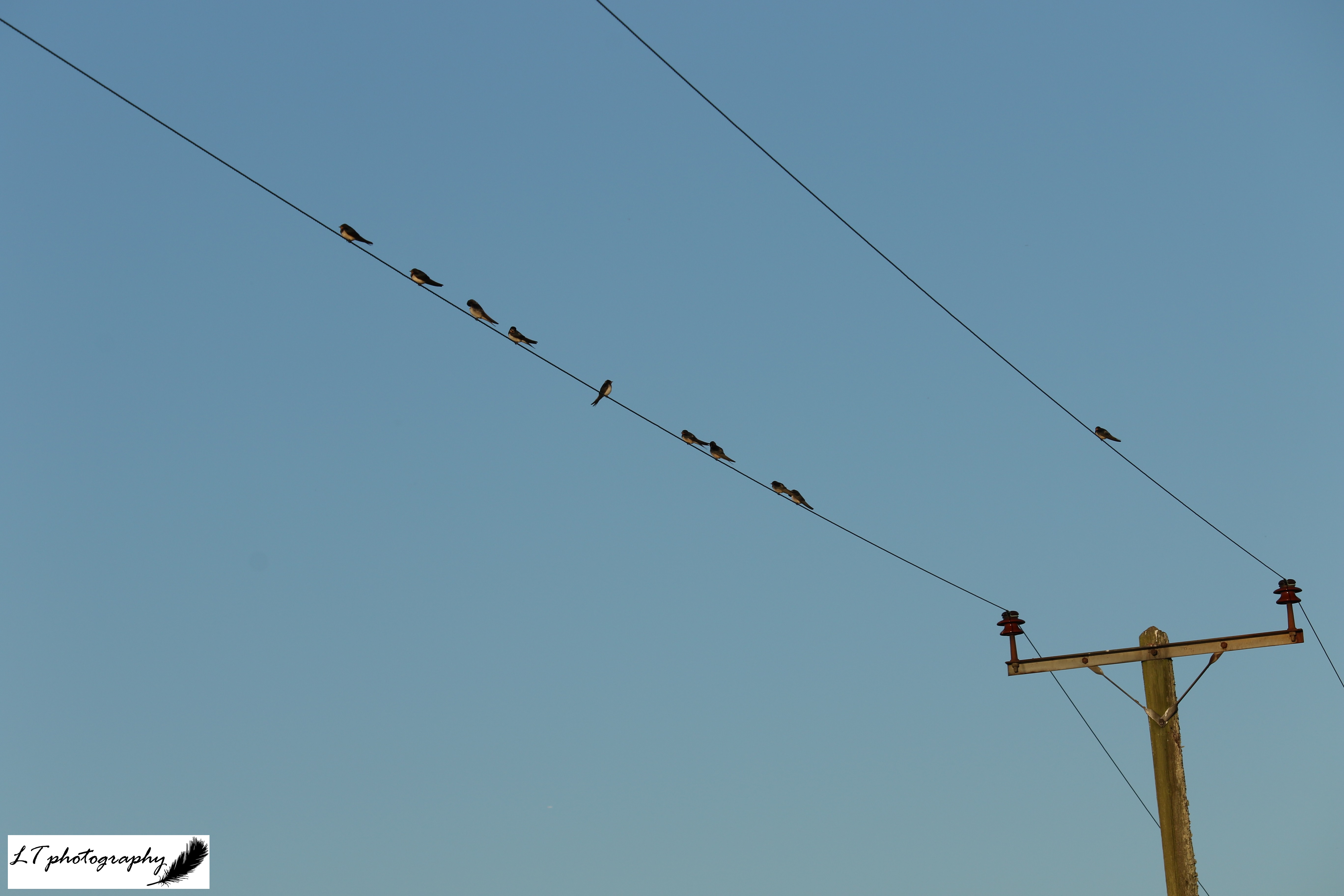
With the onset of autumn, the oak tree experienced the continuation of warm weather alongside the return of some rain showers. This was enough for the tree to green up once again and for its plentiful little green acorns to swell into the typical acorns we all know. The oak’s bounty was also joined by hedgerows filled with hazel nuts and shining berries, such as elder, rose hips, hawthorn, and sloes. This bounty was attracting an array of species, including wasps, blackbirds and jays. The oak tree also overlooked other spectacular sights from spider webs glistening with morning dew, red kites scavenging close by, charms of colourful goldfinches feeding on seedheads, swallows lining up on telegraph lines in the evening sun, and some fantastic sights of a family of linnets.

October

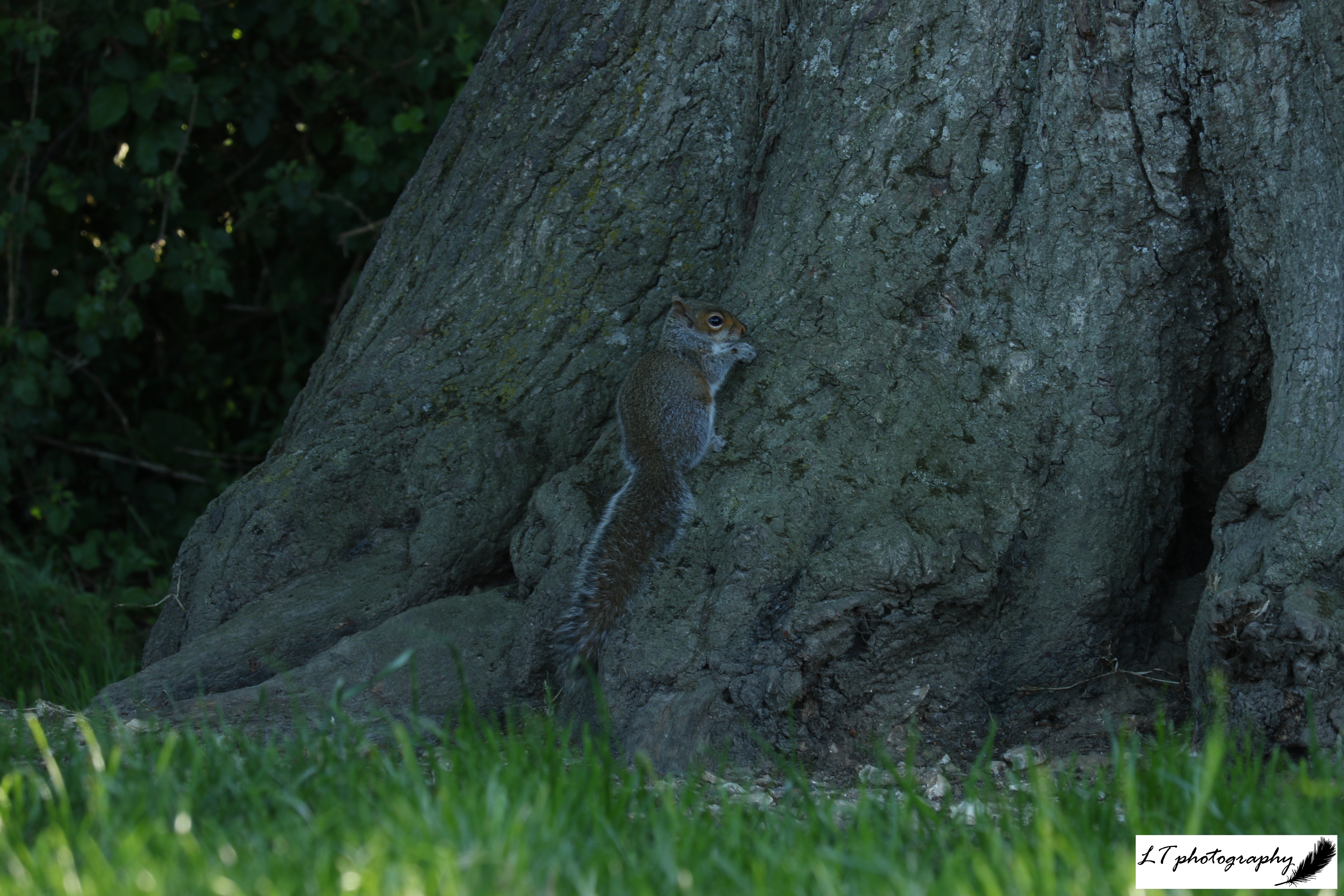
The mild weather continued into October, with the oak tree now covered with ripening acorns, and leaves beginning to be tinted with spots of orange and brown. These acorns were already being utilised by grey squirrels and migrating woodpigeons, amongst other species. With the oak tree’s bovine neighbours beginning to leave the tree behind for the winter, the oak was left alone overlooking the landscape changing colour spectacularly, from the pinks of spindle to the yellows of silver birch. The oak tree also watched over other autumn spectacles, such as craneflies lazily flying over the grass in warm sunshine, roe deer bucks chasing does, and the growing of magnificent fungi, such as the oak’s own bracket fungus. The landscape is alive at night too, with the return of calling tawny owls, the snuffling of badgers, and the exploring of now fully grown fox cubs.

November

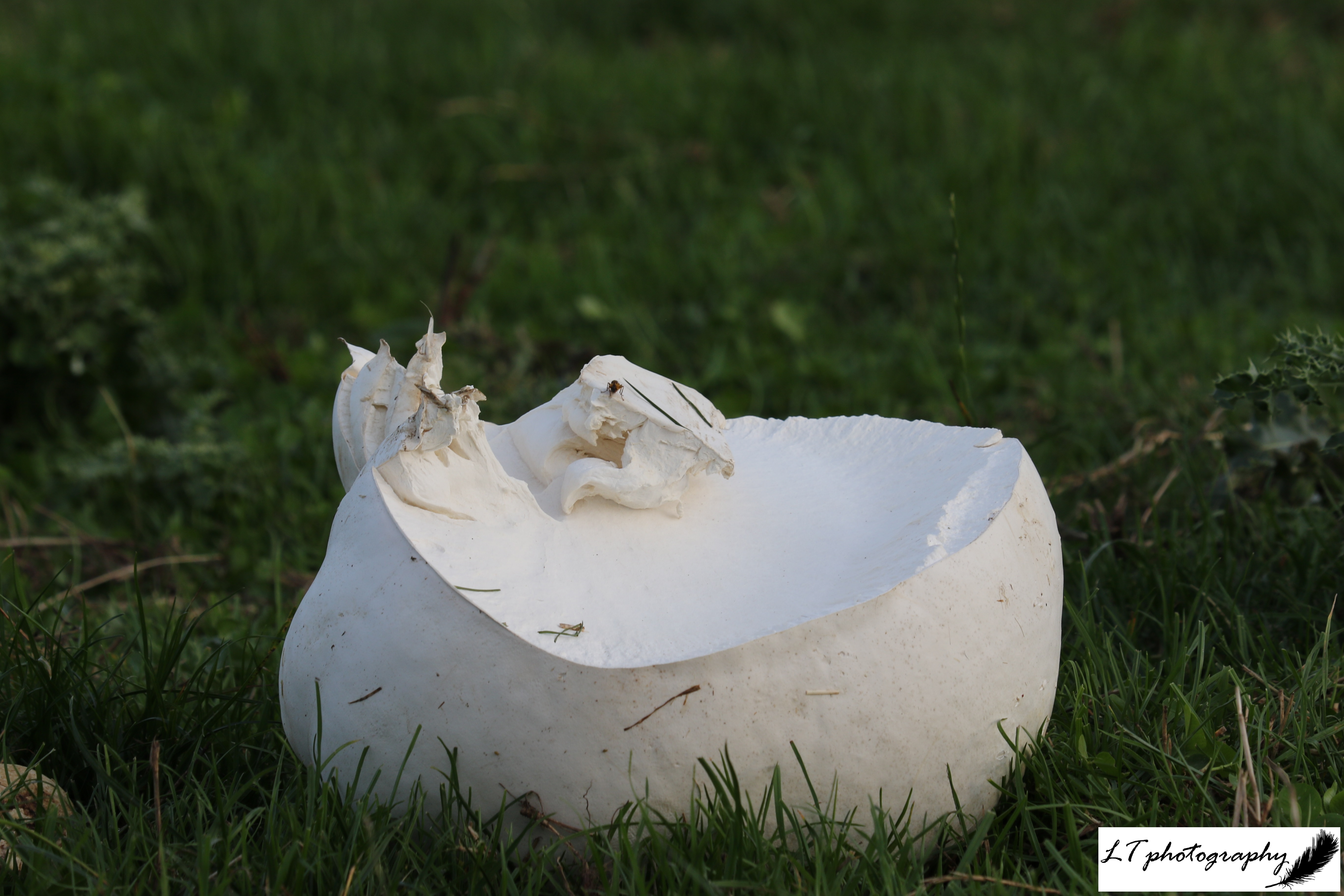
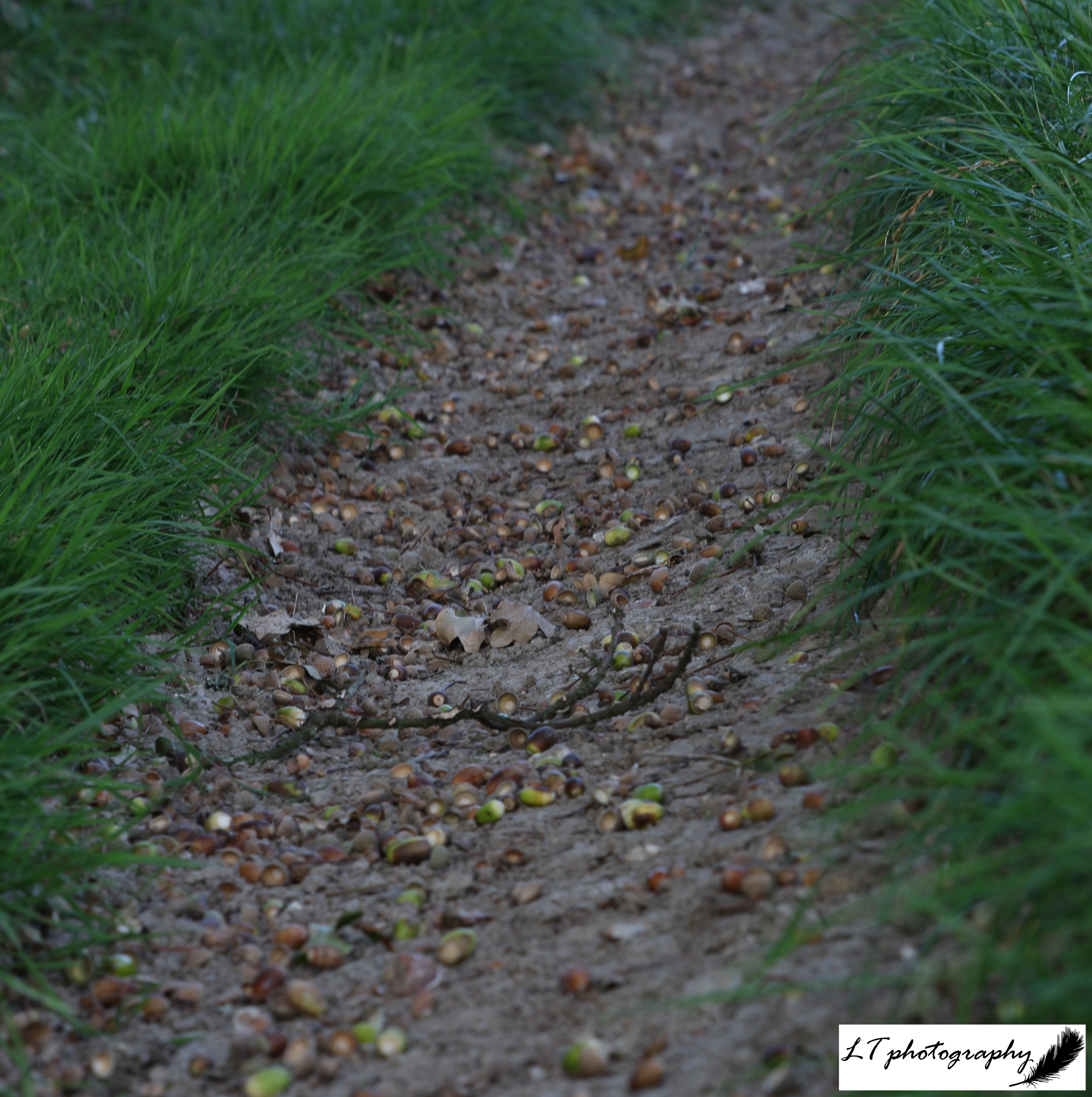
A mild November led to it being a very wet and windy month for the oak tree and its home. Ripe acorns now lay scattered around the trunk of the tree, and brown and orange leaves were now being blown free with each storm. On calmer days, the landscape was still showing lots of wildlife activity, with territorial robins fighting, families of long-tailed tits flying between hedgerows, flocks of meadow pipits feeding out in the fields, and large flocks of fieldfare and redwings making themselves at home. Whilst exploring around the oak tree, fantastical puffballs could be found in the grass, late ivy flowers and the start of its black berries in the hedgerows, and spectacular pink and orange spindle berries in the hedges further away from the oak.

December

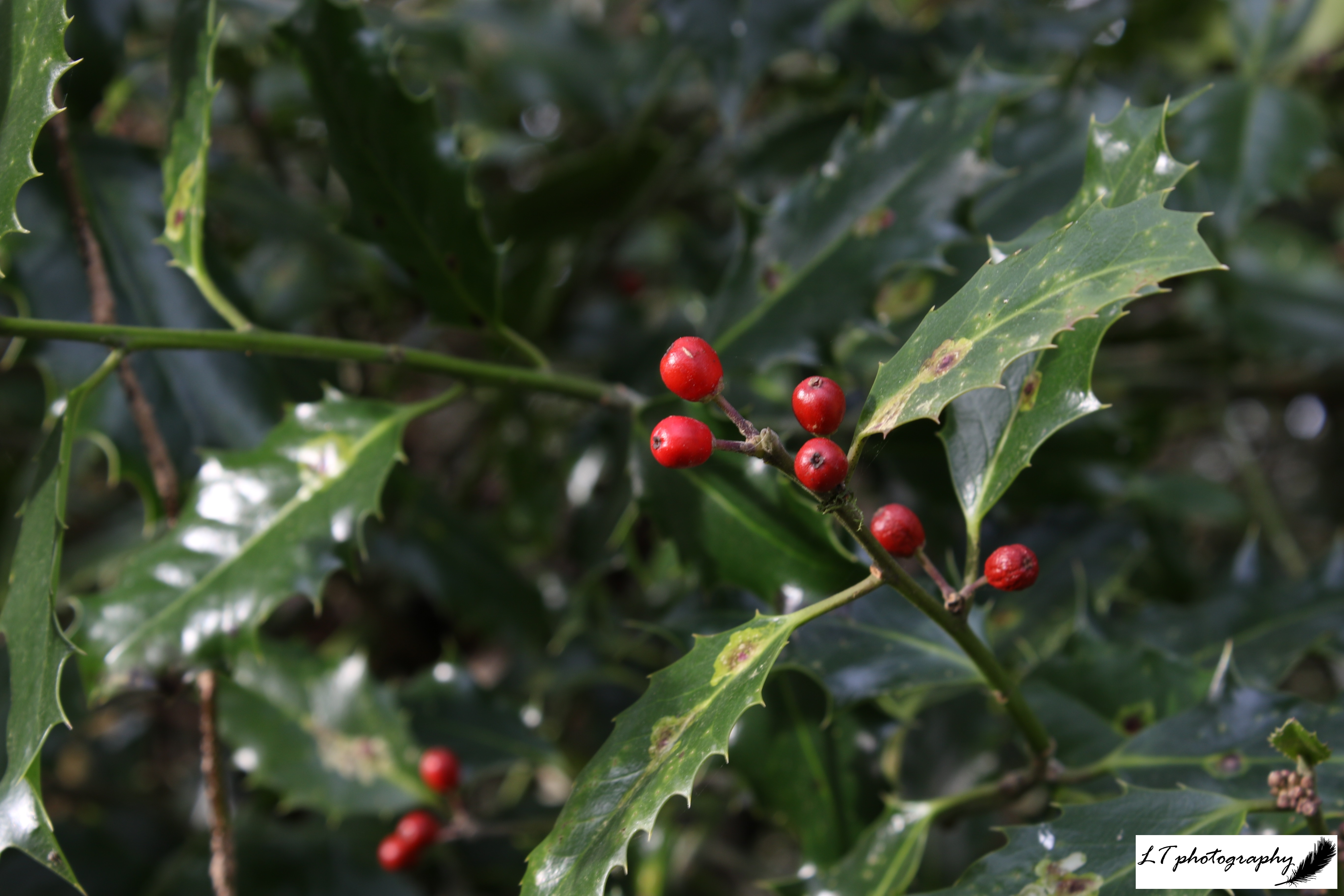
To wrap up the year, December marked a change in the weather, with colder, drier, and sunnier days, and some spells of real hard frosts and frozen ground. By now the landscape was beginning to fall into its winter slumber once again, as was the oak tree, with only the hardier species still active. A lone cattle egret, a murmuration of starlings, wagging grey and pied wagtails, a hare passing through, and hunting barn owls included. As the tree’s surroundings lose their colour, a little can still be found with the shining green of a hart’s-tongue fern or the blood red of holly berries in the hedgerows. Here the year is drawing to a close, with a fantastic sunset and the oak’s last leaf floating softly to the ground.

Spring in Photos 2021

Last year spring was my lifeline, as we experienced the world around us being thrown into disarray. This year spring was instead turned on its head, with changing weather patterns making it unpredictable and different from what we would usually expect at this time of year. A hot and stormy March, cold April, and wet May made nature emerge later, with spring events taking longer to arrive, and being anywhere up to 60 days late.

Still this year’s spring has been magnificent. Vibrant and colourful, it had much to be celebrated. My family’s farm in Dorset became full of new life, from blossoming trees and flowers, to fox cubs and leverets. Spring is unsurprisingly my favourite time of year, so this year I again made a point of getting out as much as possible to experience it, with my camera by my side. Here’s a look at some of my favourite photos from this spring, either for their aesthetic appeal, meaning to me, or overall joy factor.

Spring in Photos 2021

1. Blackthorn – This photo was taken at the beginning of April on a misty morning. It was a beautiful way to see delicate white blackthorn flowers in a different light, framed in front of a splintered stem.

2. Male blackbird – Blackbirds are an iconic sound of spring for me and also so many others. Their beautiful song often symbolises the beginnings of longer, lighter evenings, or for me fresh spring mornings. This male would sit in this willow tree every morning throughout spring to sing his song, defending his territory and mate. In particular, this male and his female nested in our shed, successfully fledging 5 chicks at the start of June.

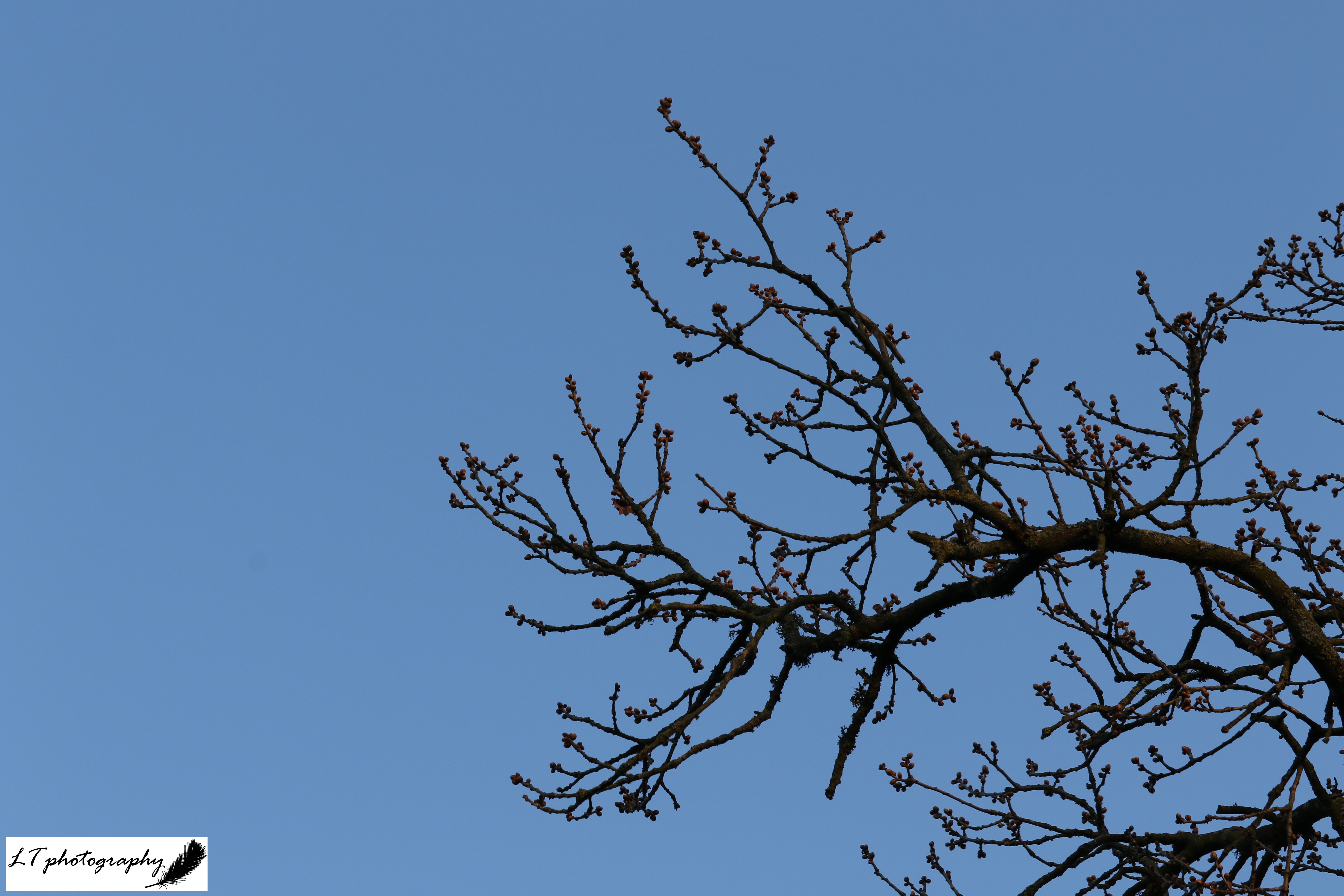
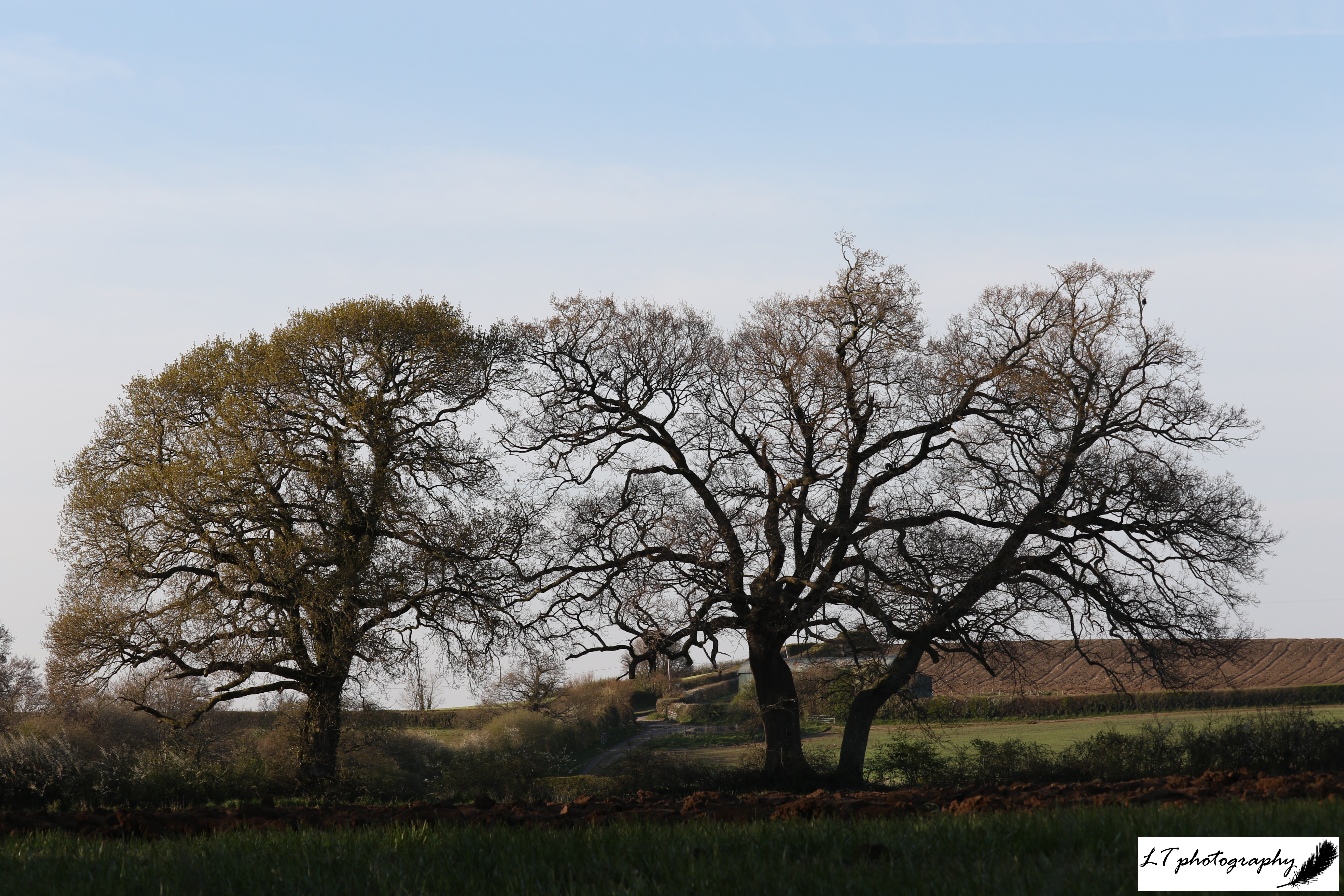
3. Oak trees of a farming landscape – What hits me first in this photo is how bare this landscape seems for late April. The oak trees have barely begun their bud burst, looking skeletal behind a farm field that is being worked. This almost autumnal scene is refreshing though, showing the new beginnings of another year in nature.

4. Camera trap fox cub – This photo is one of my favourites from this spring, symbolising a successful spring camera trapping season (blog post to come). This was one location, an abandoned badger sett, where I thought that foxes may have been breeding. My camera trap proved my feeling to be right, and treated me to an assortment of photos, day and night, of 2 very active fox cubs. Just one of multiple litters that I found on my family’s farm this year!

5. Wood anemones – Wood anemones have slowly become one of my favourite spring flowers, being one of the first to appear in woodlands across the UK. They are a great indicator of ancient woodland, and an interesting flower to photograph for their shape and colour. My memory cards are full of all sorts of different types of photos of this species!

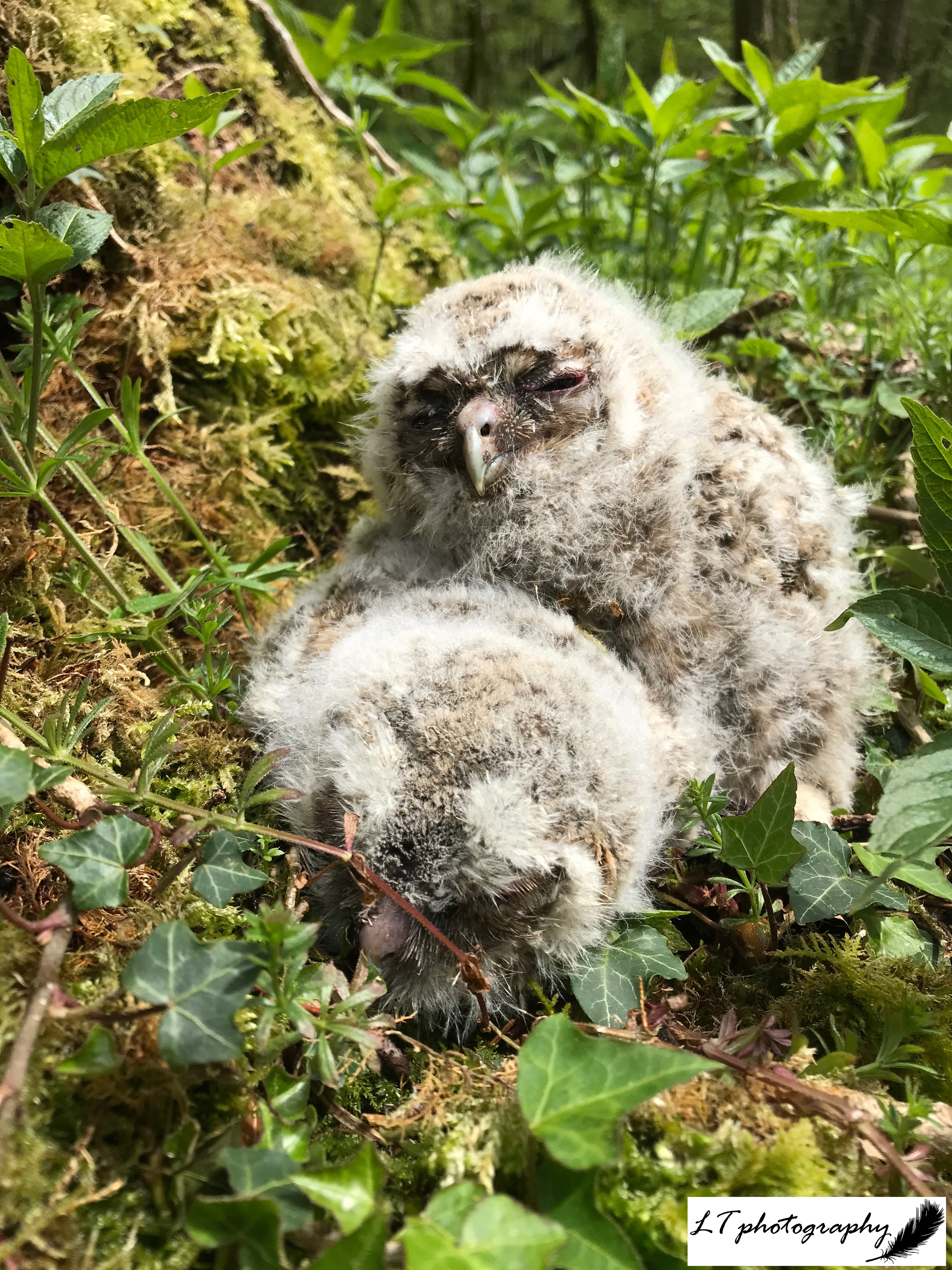
6. Tawny owl chicks – One of my highlights of spring this year has been ringing chicks under license with my bird ringing group (Conservation Action). In particular, I had a great day in early May at the Woodland Trust’s Duncliffe Woods site in North Dorset checking tawny owl nest boxes. It has been a poor year for tawny owls in general, which was reflected by Duncliffe Woods, but we did get lucky and found 3 active nest boxes. I had the pleasure of ringing these chicks, under permit, which will provide important information to help conserve tawny owls in the future.

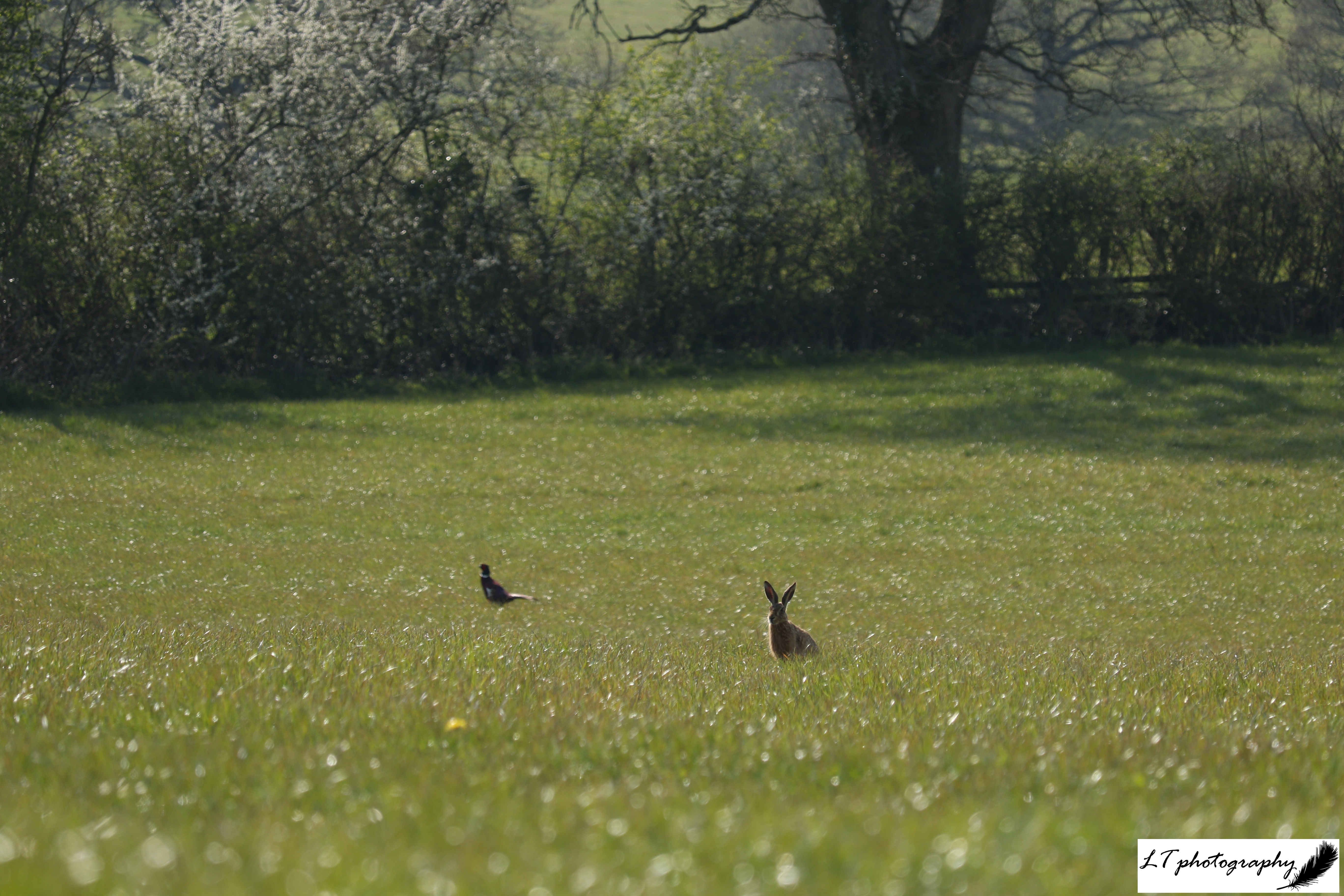
7. Brown hare – This year has been the year of the hare on my family’s farm in Dorset. We have a reputation for being a great site for this species, but this year has been truly astounding. With 1-3 hares to every field, I was humbled to spend my spring out working alongside them everyday, getting to see them up close and experience their behaviour firsthand. Truly magical!

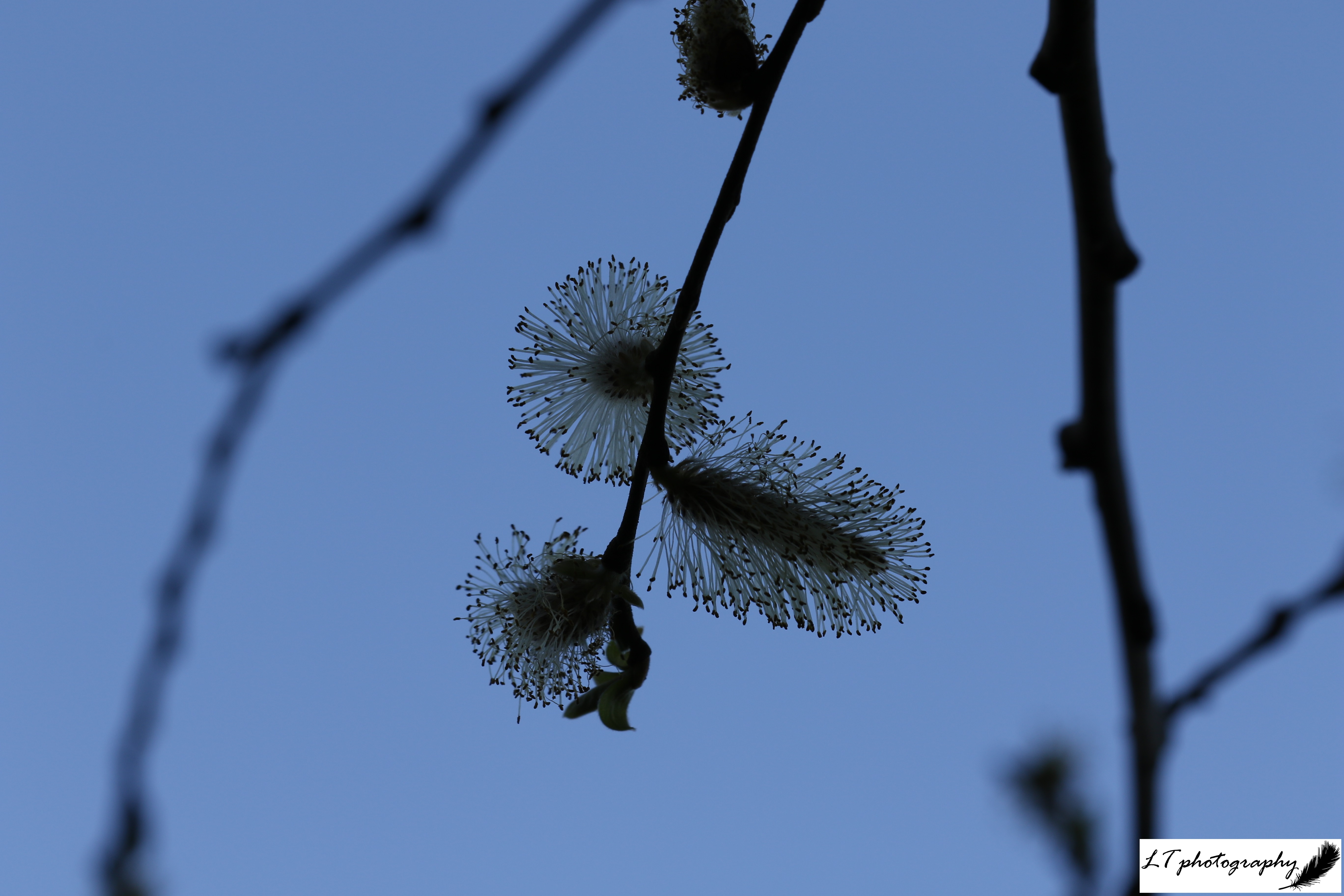
8. Pussy willow flowers – Willow flowers have been a difficult subject for me to photograph this year, with poor results. I was pleased though to find this refreshing photo on my memory card, of willow flowers stood out against a clear blue evening sky. They are beautiful in their own right.

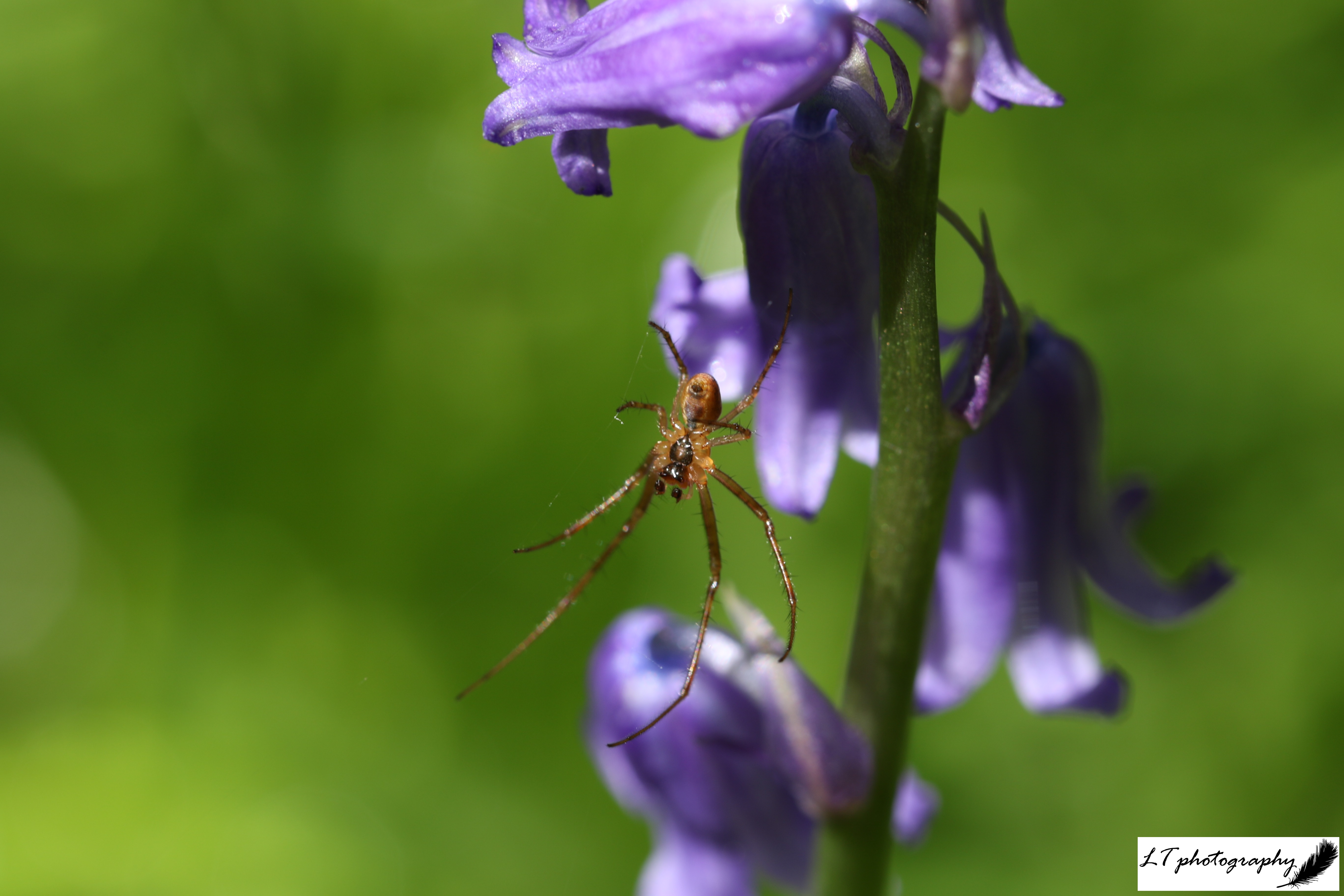
9. Spider in macro – This photo that is not photographically ‘perfect’ is still a favourite of mine from this spring for other reasons. As I invest in my camera equipment, my latest edition has been my first professional macro lens. So this photo was the first photo I even took with my new lens, and it fills me with joy to see the new world I can now start to explore.

10. Grey wagtail – Last year my Dad began digging a pond in his field that he is currently wilding. Though he was rained off in the autumn before completion, the half-dug pond is already attracting a wealth of species from birds to insects. Majestic grey wagtails that have begun populating this area over the winter have also found the pond this spring.

11. Sunset – Though sunrises are magical, sunsets have always been my most favourite time of the day. This is because many of my happiest memories can be linked to beautiful and vibrant sunsets from field research in Canada to evenings at home on my family’s farm. I have seen so many incredible sunsets already so far, but I hope to see many more in the future.

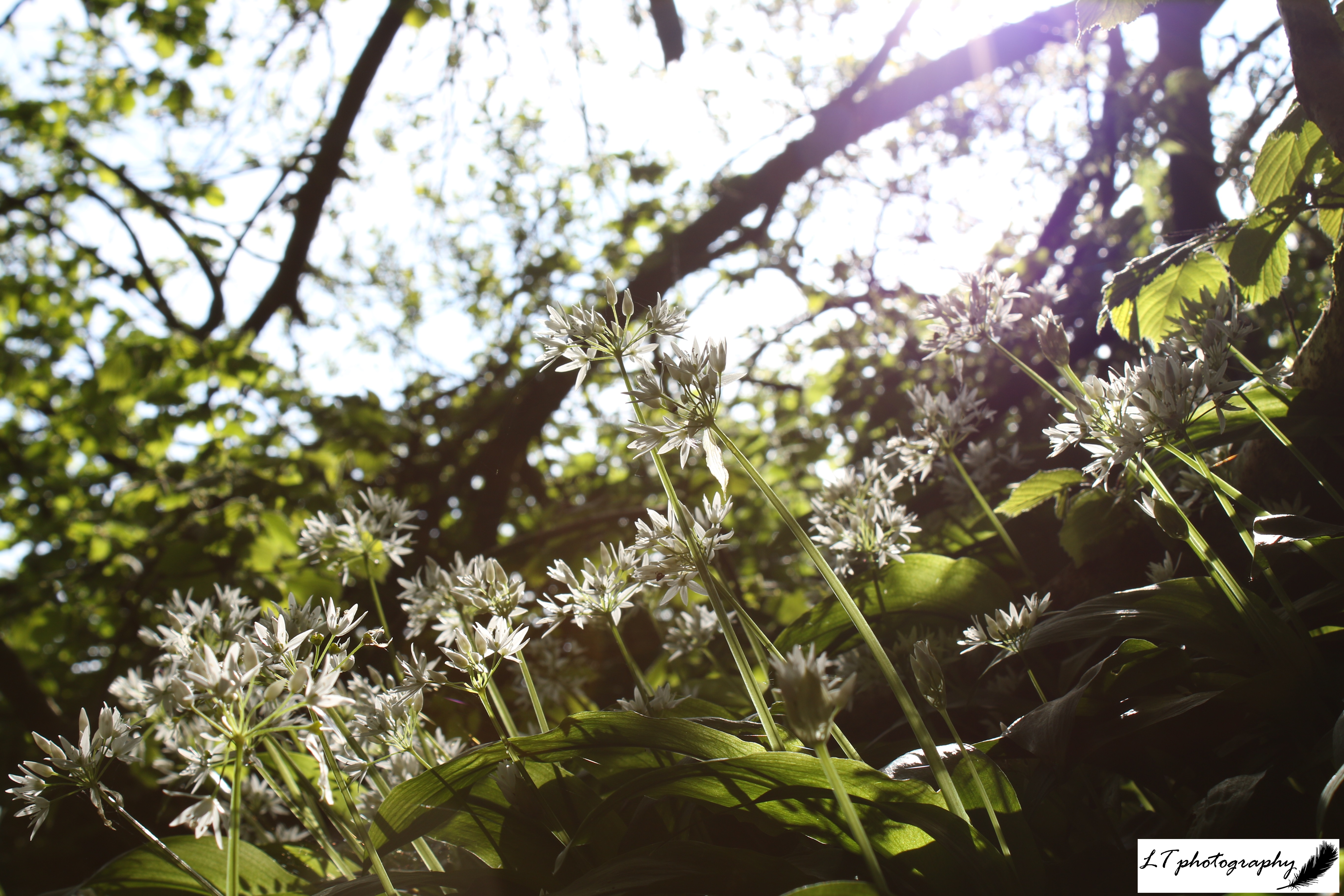
12. Wild garlic – Though my busy spring dissuaded me from mornings waking up before the sunrise, I did spend a couple of glorious mornings waking up and getting out an hour or so after instead. The light is glorious at this time of day and always provides me with inspiration for my photos and life in general. This photo represents this magical time of day and the joys of spring flowers, wild garlic being an iconic example.

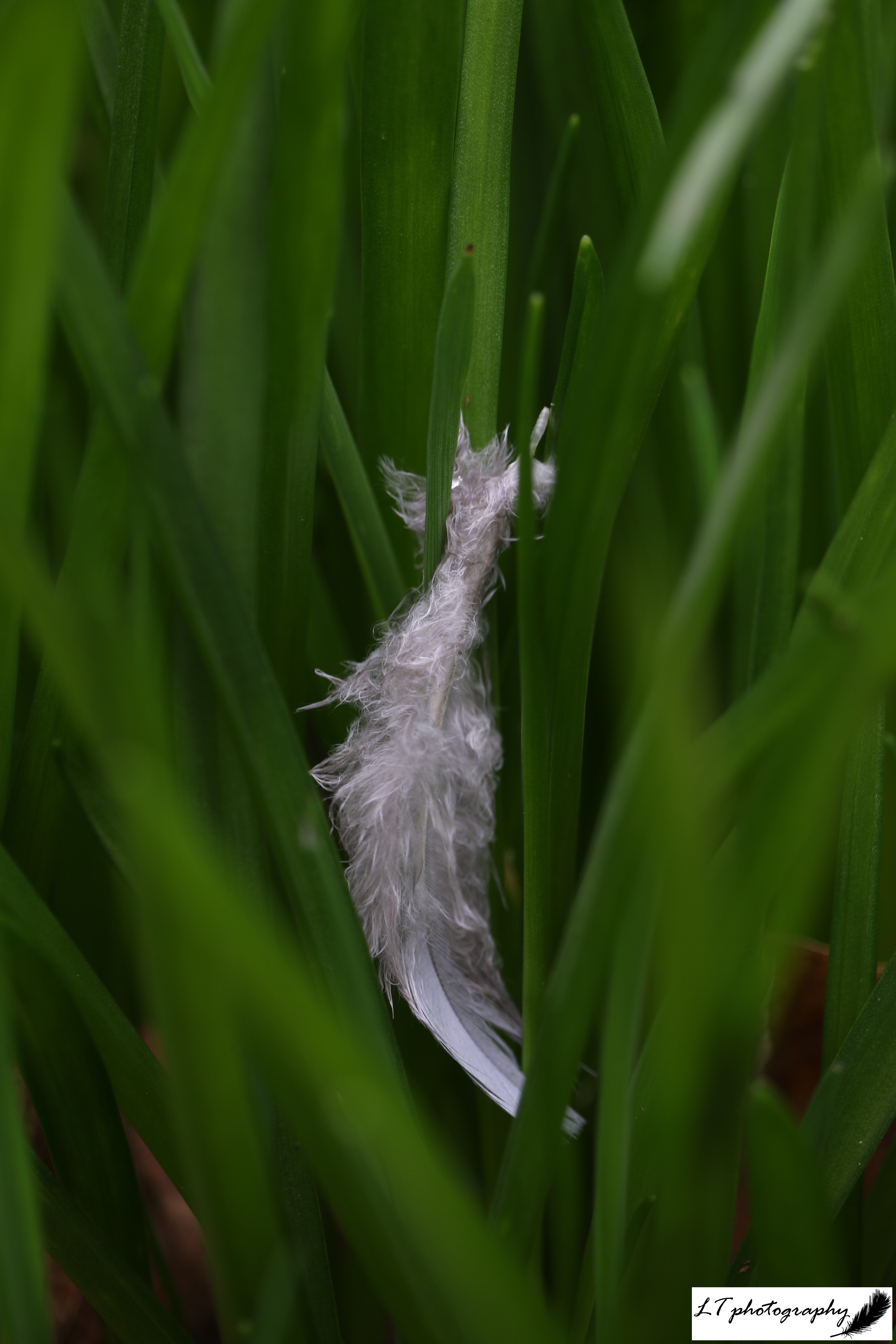
13. Feather in the bluebells – Wait, a feather again? Well feathers always sneak into my many files of photos, being a symbol of mine and representing my love of feathered species. They can also tell us useful information about what is living in a habitat, for example this feather is most likely from a collared dove.

14. Aberdeen angus calf – This photo is one of my favourite photos of one of my mum’s beef suckler calves. Spring is a time of new life in nature and on the farm, with my mum’s small free range beef herd giving birth at this time. This year they have weathered it through some turbulent months, but now are enjoying a bit of sunshine on their backs.

15. Honey bee – As I was intending to buy a macro lens this year, I made sure to time my purchase to be able to use it on the flowering of the poached egg plants in my family’s garden. It arrived well in advance, and, despite some rained off days, I got to spend some happy lunchtimes in the sunshine photographing bees on these flowers. This is one of my favourite macro photos of the flowers this year.

16. Dog roses – Dog roses were the last event of spring that I looked out for this year, and it kept me waiting! They were 22 days later for me than last year, with the first flowers blooming on the 8th June. They came out in force though, covering hedges within the space of a couple of days, adding some more colour to our hedgerows. With their lateness though, I feel like they also marked the end of spring this year.

How to… Make the Most of Autumn’s Bounty

Leaves rustling beneath my feet, golden, russet, auburn. Crisp, dewy mornings, adorned with misty tendrils and spider’s webs. Hedgerows hung with bright berries, and woodlands dotted with fantastical fungi. Cosy nights in, whilst the night comes alive with Tawnys and foraging mammals. Lazily buzzing insects, murmurations, Red Kites soaring, waders and wildfowl, and endless wonder.

Autumn means different things to different people, but it is deep rooted in the natural world around us. A season of reflection and change, it is the favourite season of many. Some people celebrate turning a new leaf, some the drop in temperature and cosiness that comes with it, some the festivities, and others celebrate the little things, from migrating birds to reconnecting with nature. To all though, it is a bountiful season, marked with plentiful food and the first whispers of winter.

Historically, autumn is associated with harvest time and bringing in the food of the land before winter. From corn dolls to harvest festivals, autumn is symbolic in British tradition and culture. It has been inspiration for poets and writers alike including Keats (‘Season of mists and mellow fruitfulness’) and Jane Austen (‘the thousand poetical descriptions extant of autumn’). It is an important time of year to check in with the status of wildlife, whilst also being a time of spiritual significance for many.

As temperatures begin to drop and the leaves begin to change, it is time for us all to get out there, watch amazing sunrises and sunsets, forage for food, and stay connected with mother nature. With autumn being deep rooted in what lays outside our doors, here’s a guide to just some of the important species flourishing in autumn.

Autumn Species

Unless you are 100% sure of what something is and if it is edible, then do not eat it! Also, harvest only what you need and leave the rest for wildlife!

Hazel (Corylus avellana)

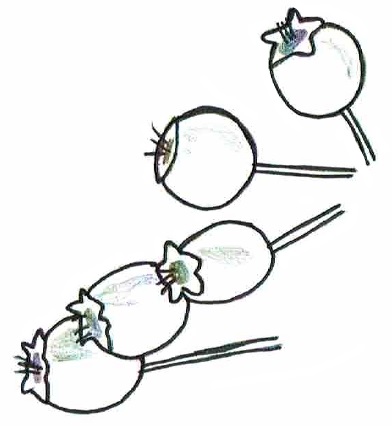
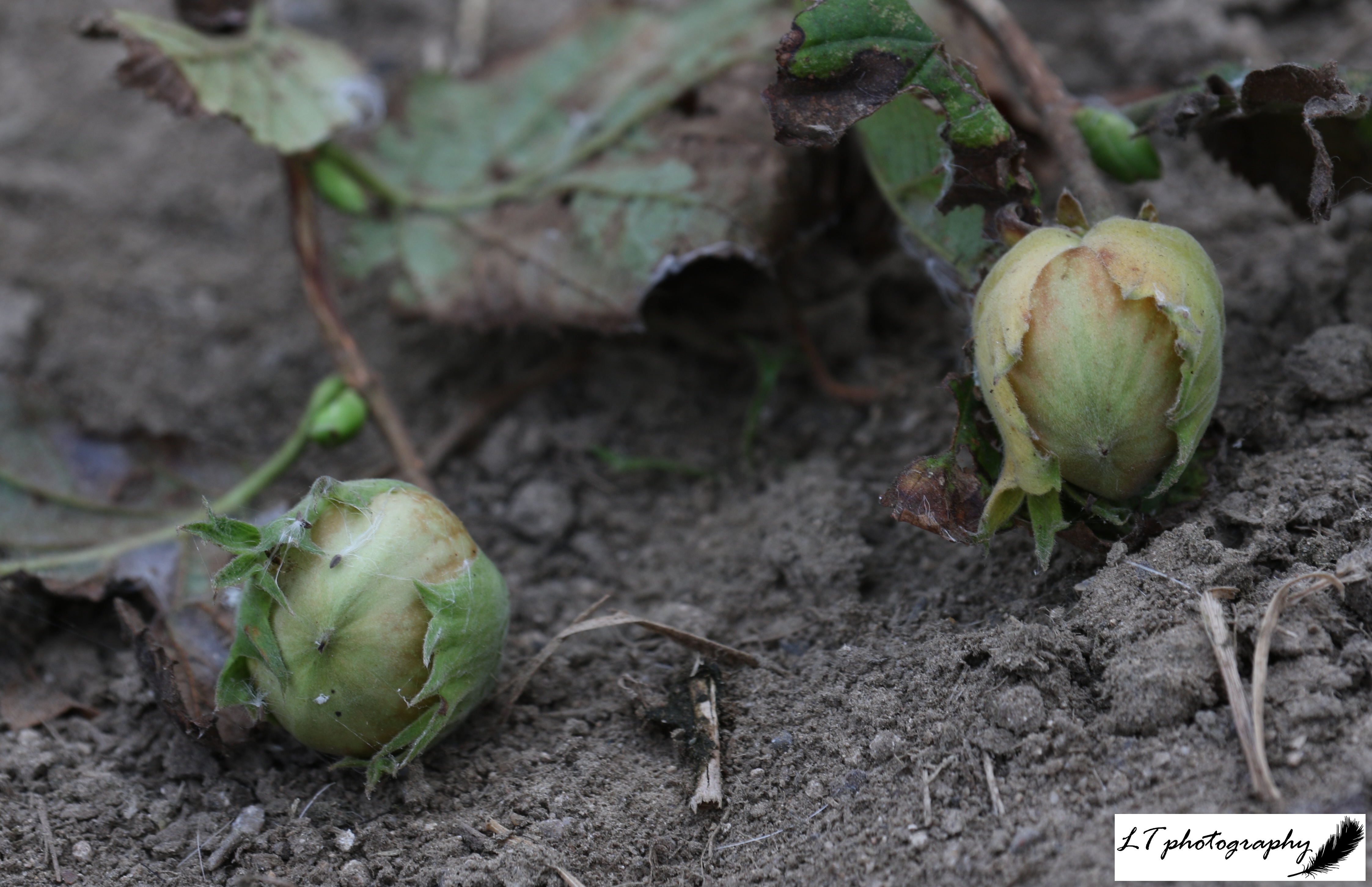
  • Fruit: The popular hazelnut, an edible nut that begins with a thick-green husk, before ripening to a brown in autumn
  • For Wildlife: A favourite food of Grey Squirrels, Dormice and Wood Mice, amongst other species, often being cached for winter
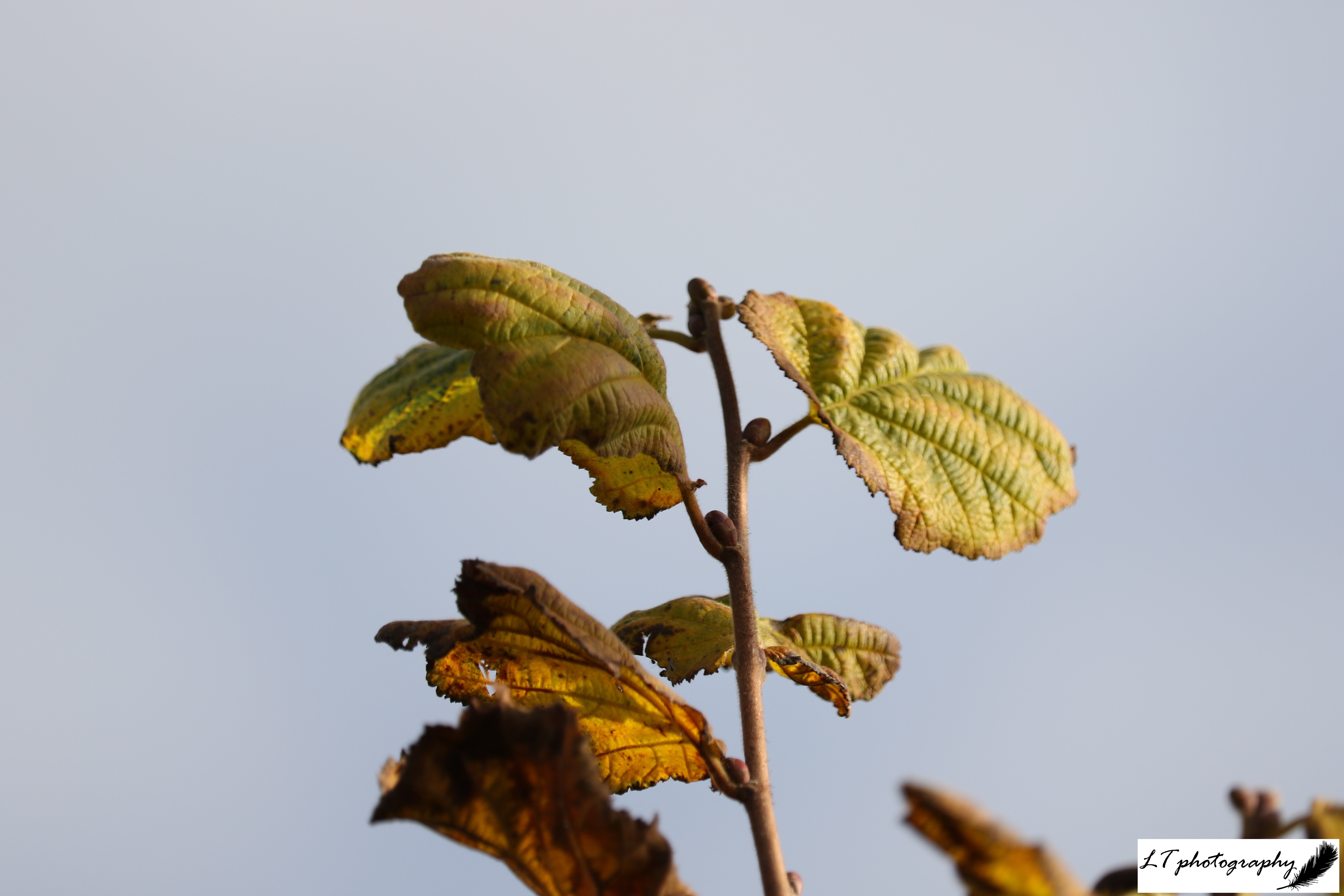
  • How to Identify: Circular-shaped leaves with toothed edges and tapering to a point; coppery brown smooth to peeling bark; lemon-yellow catkins and tiny red bud-like flowers in spring
  • Autumn Facts: Until the First World War, Holy Cross Day on the 14th September was traditionally a school holiday, where children would go nut gathering

Bramble (Rubus fruticosus)

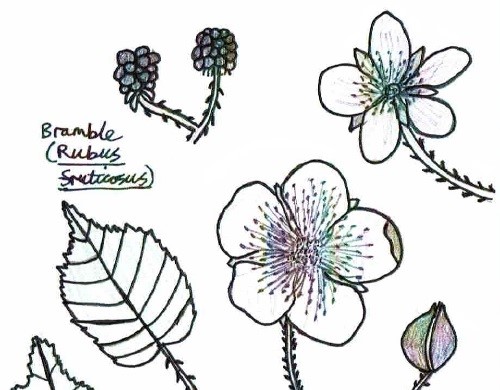
  • Fruit: The familiar edible blackberry that begins green, then turns red, before ripening to purple-black in autumn. Blackberry picking is a favourite part of autumn for many!
  • For Wildlife: The berries are a valuable food source for mammals, such as badgers, and small birds, such as Blackcaps
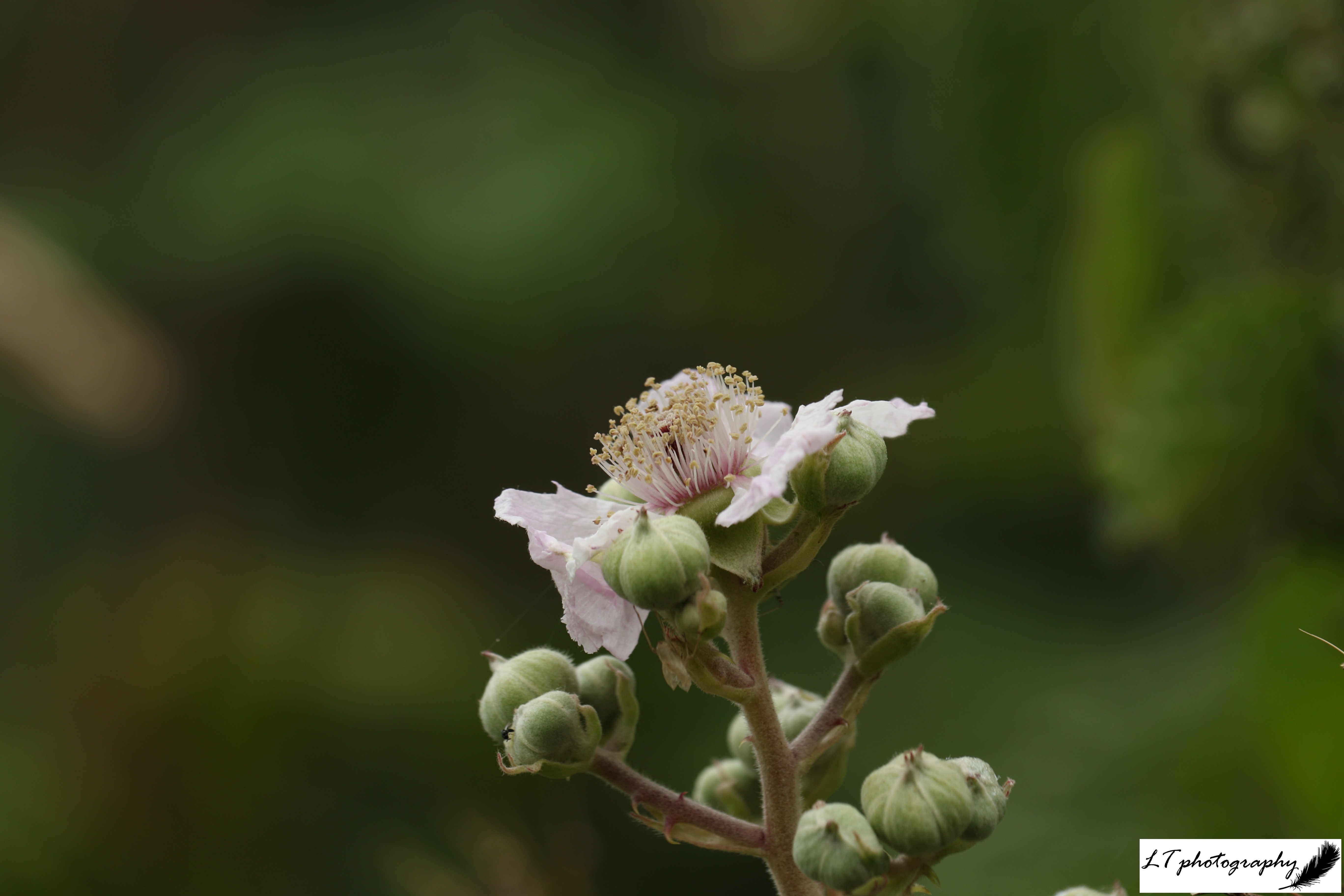
  • How to Identify: Oval-shaped leaves with toothed edges and tapering to a point; prickly and half-evergreen stems; white or pink flowers from spring onwards
  • Autumn Facts: Folklore in Britain dictates that blackberries should not be picked after Old Michaelmas Day (11th October), as the Devil has by then made them unfit to eat

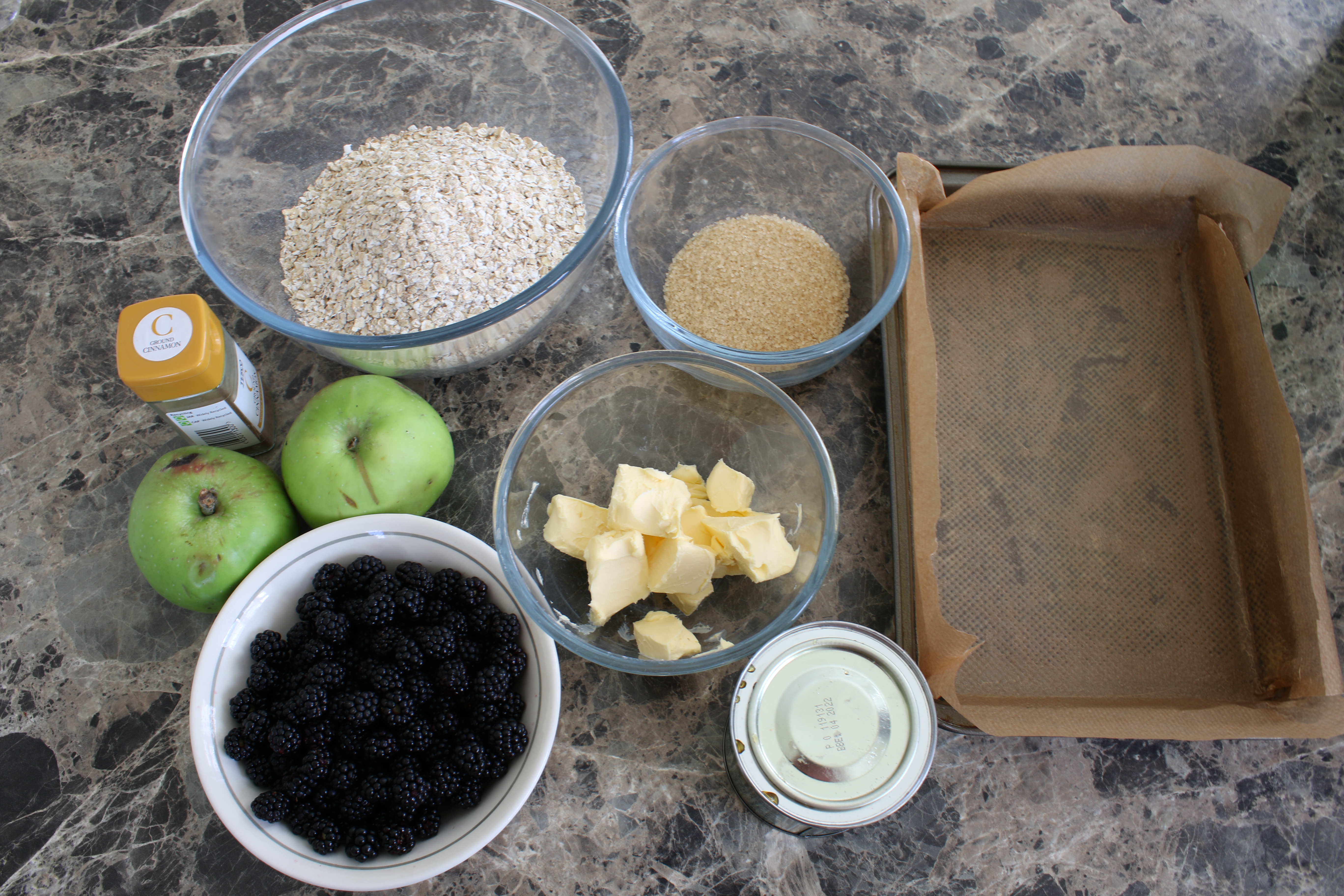
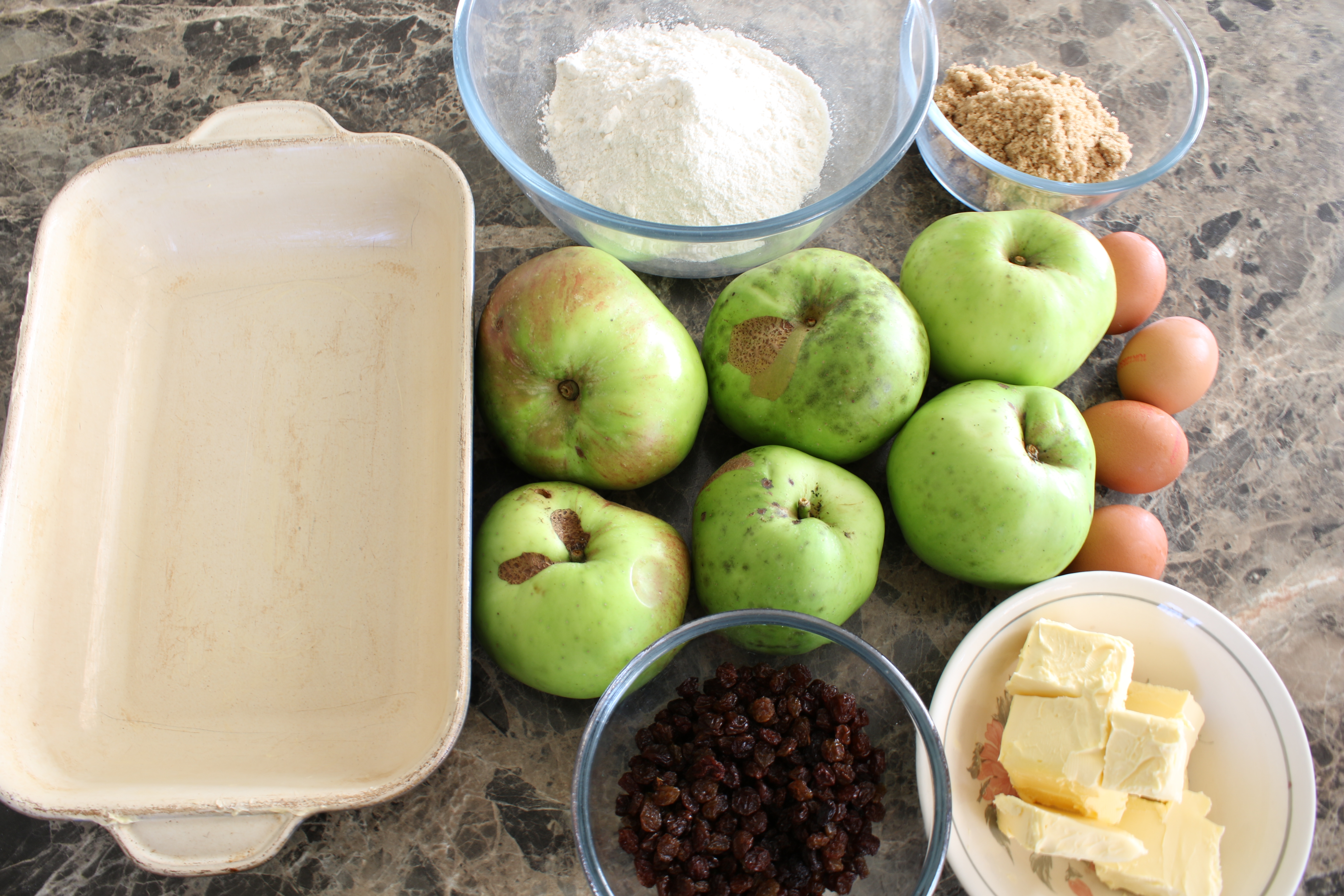
Recipe:

Hawthorn (Crataegus monogyna)

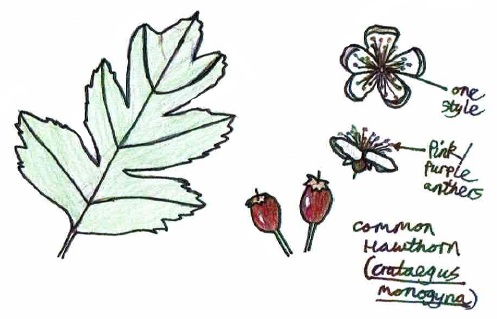
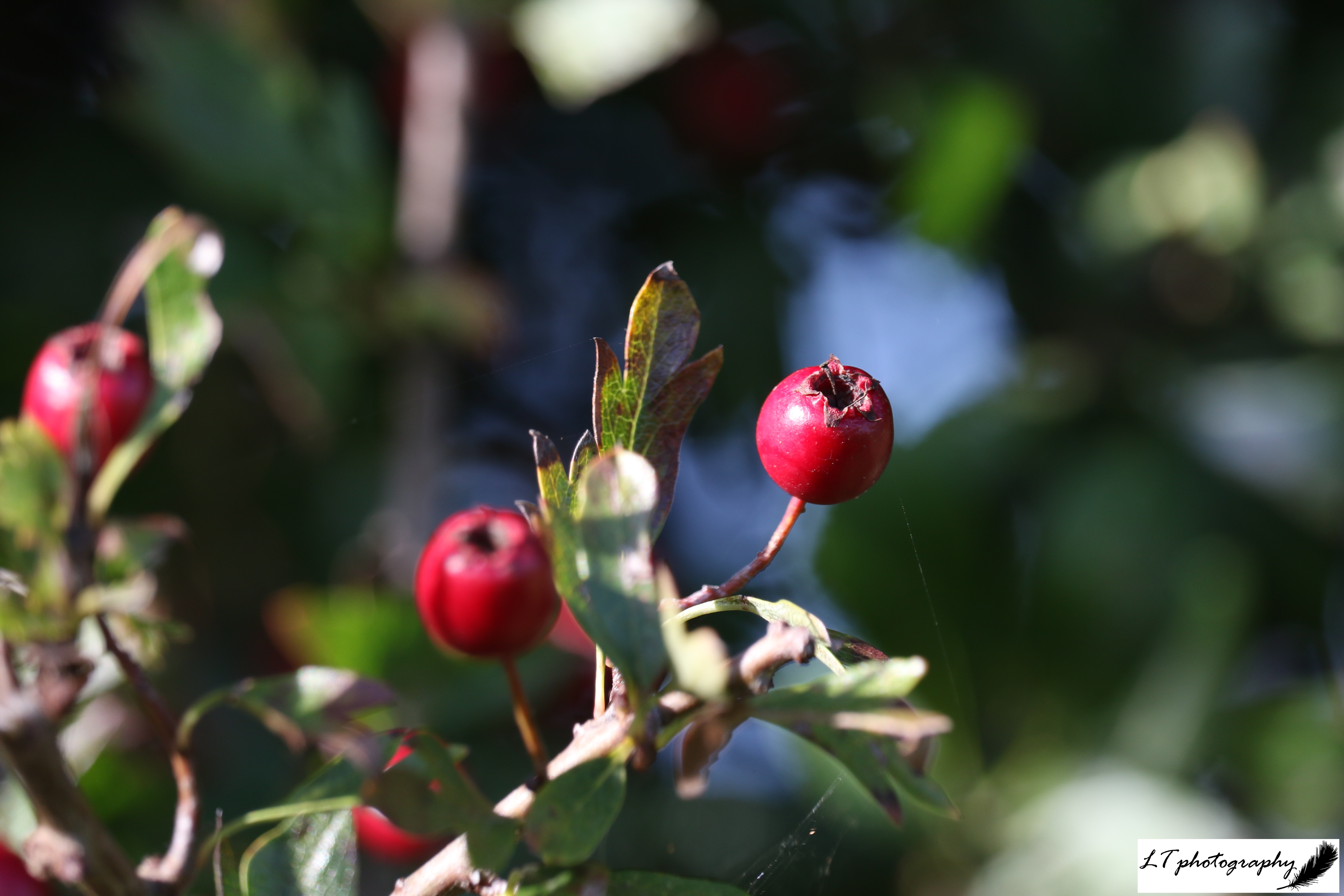
  • Fruit: Hawthorn berries, sometimes known as haws, are edible but their single seed is toxic to humans. They ripen to a bright red, is likened to over-ripe apples in taste, and are used to make jams, jellies and wines
  • For Wildlife: Important source of food during autumn and winter for small mammals and birds, including Blackbirds and Redwings
  • How to Identify: Shiny leaves that are oval-shaped with deeply cut lobes; thorny stems and twigs; white fragant flowers with 5 petals fading to pink
  • Autumn Facts: One of the main uses of Hawthorn is to treat high blood pressure, widening blood vessels and increasing blood flow 

Blackthorn (Prunus spinosa)

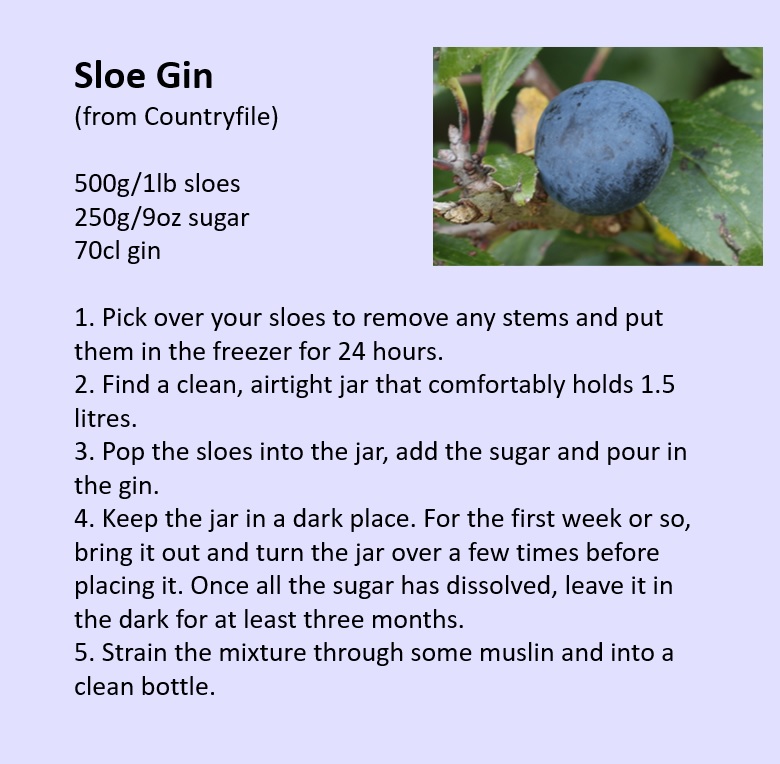
  • Fruit: Produces edible, but tongue-numbing, sloes which are small blackish plums with a bluish powdery surface. Popular to flavour gin!
  • For Wildlife: A feast for birds in autumn and winter that help to disperse the plant’s seeds
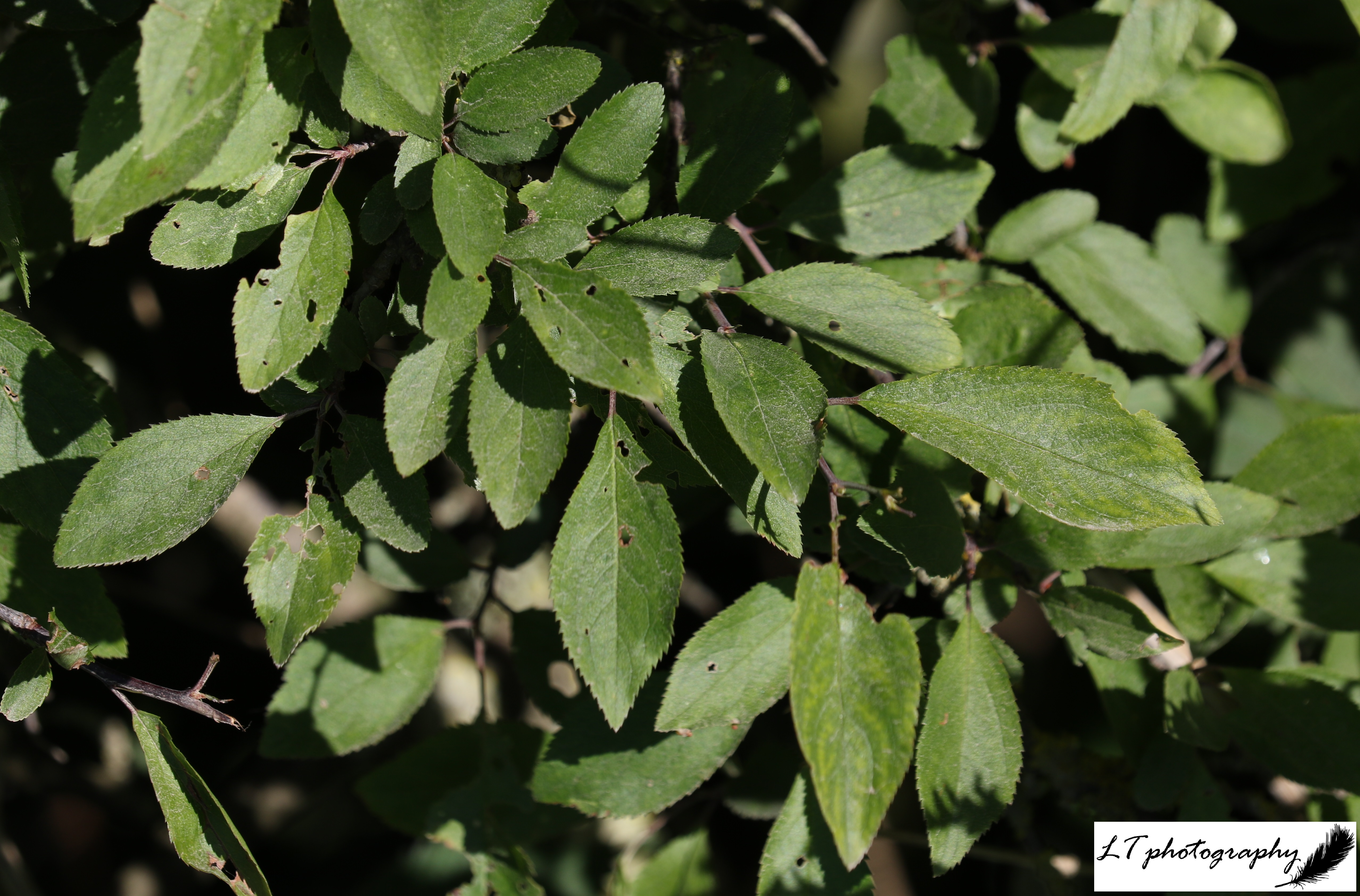
  • How to identify: Oval-shaped leaves with toothed edges and tapering to a point; blackish, thorny stems and twigs; snow-white and 5-petalled flowers with red-tipped anthers in the centre
  • Autumn Facts: Sloes are rich in vitamin C and have been used to treat stomach disorders, blood purification, teeth whitening, and even gum problems

Recipe:

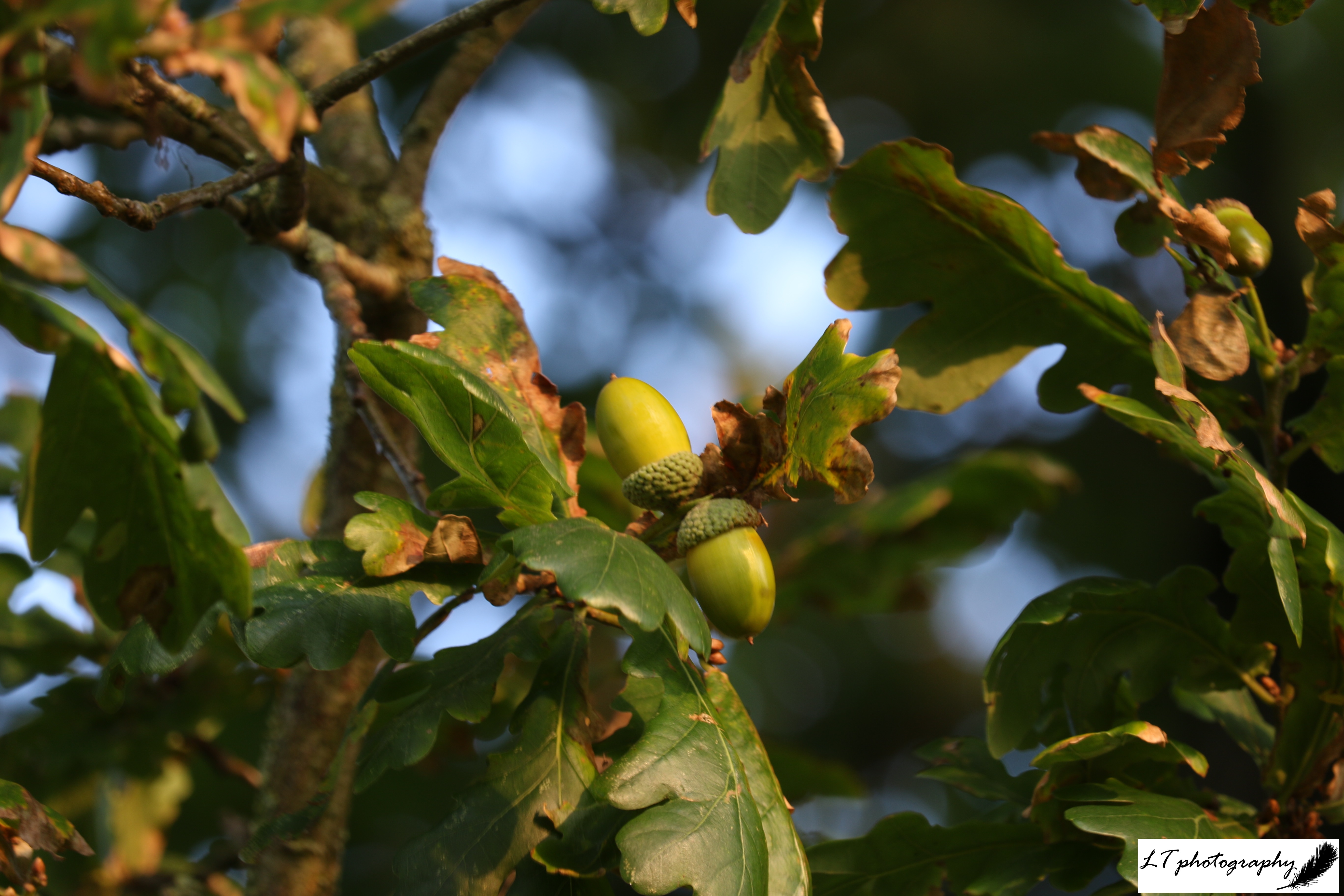
Pedunculate Oak (Quercus robur)

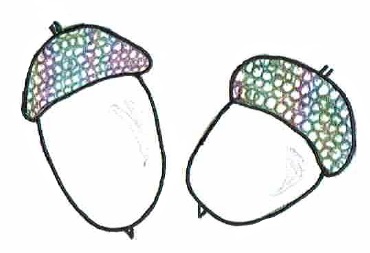
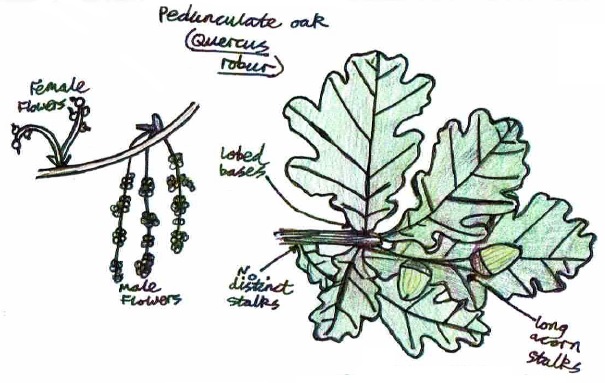
  • Fruit: Produces the familiar acorn, with scaly cups and clusters carried on long stalks. Contain tannins that are toxic and bitter to humans, but can be leached out to make edible
  • For Wildlife: An important rich source of food for species such as Jays, Mice, Squirrels and Badgers, often being cached for winter
  • How to Identify: Large, oblong leaves, broader at the base and lobed, turning brown in autumn; massive rugged grey-brown trunk and broad crown; yellow-green catkins in spring
  • Autumn Facts: The most important texts in British history, such as the Magna Carta, were written in Oak gall ink

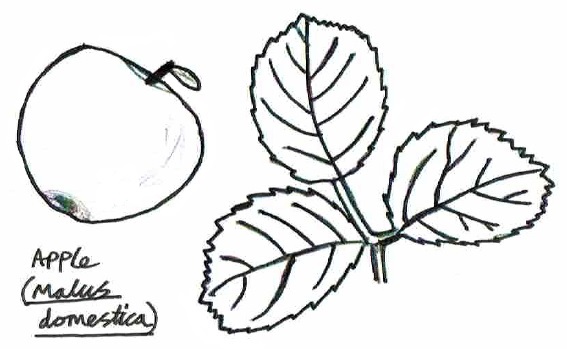
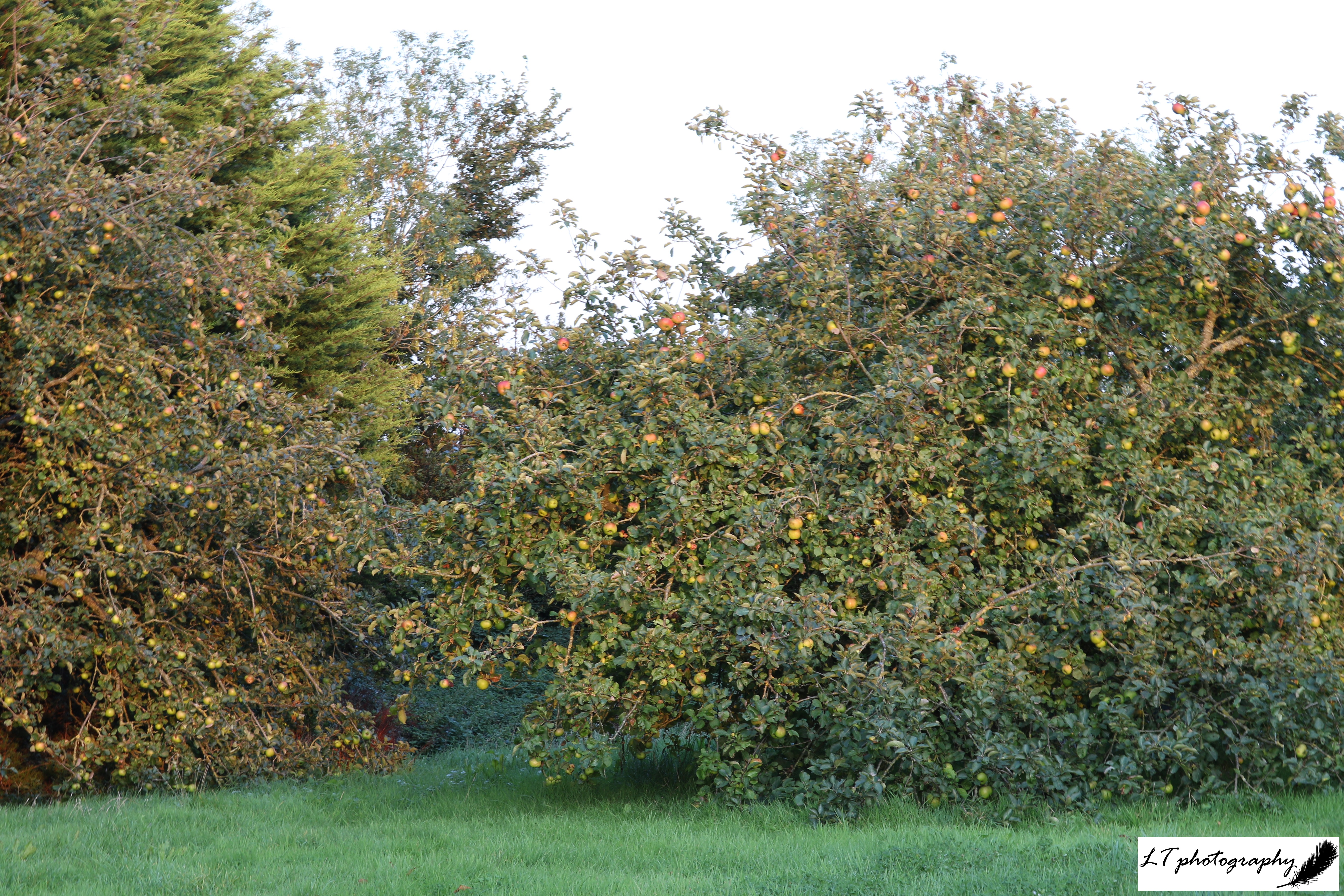
Apple (Malus domestica)

  • Fruit: Though not native to the UK, domestic Apple trees produce the popular apple which is now cultivated across the globe
  • For Wildlife: Apples are not just for humans, being a popular food source for wildlife too. Birds, such as Thrushes, and mammals, such as Badgers, feast on the fallen and ripening fruit
  • How to Identify: Dark green and typically oval-shaped leaves with toothed edges, and hair underneath; flowers are five-petalled and pink to white in colour
  • Autumn Facts: Most apples are still picked by hand and the world’s top apple producers are China, United States, Turkey, Poland and Italy

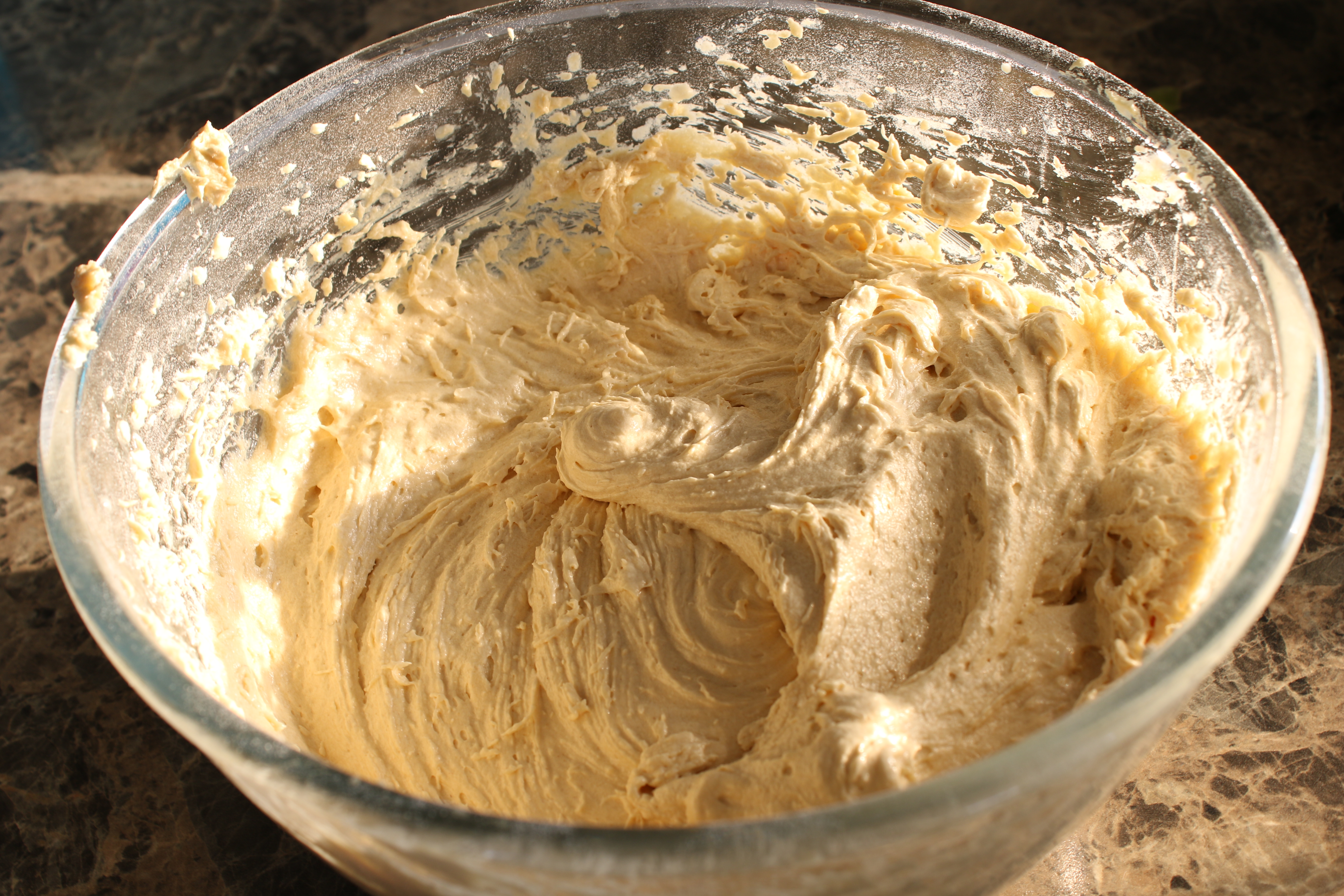
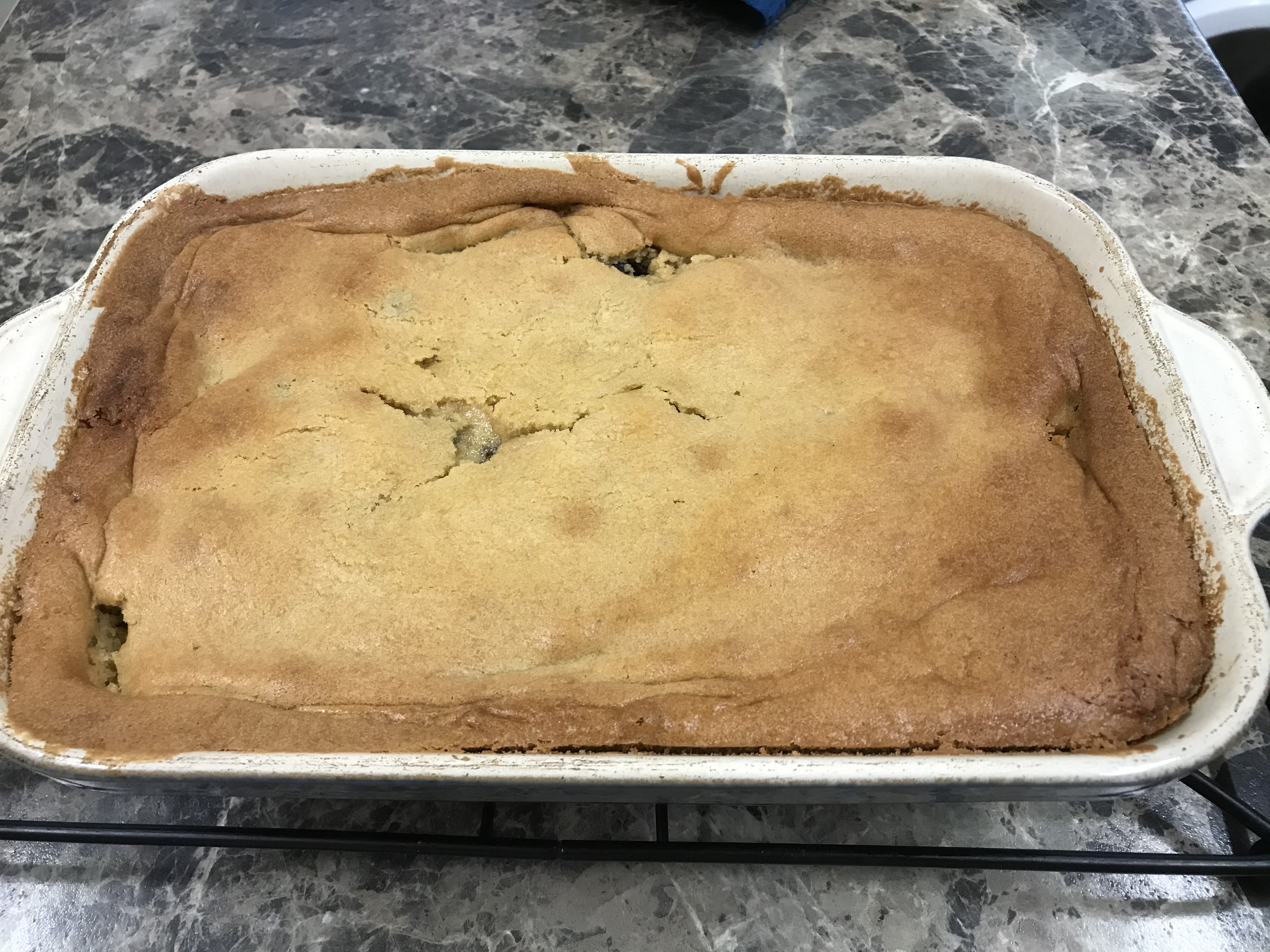
Recipe:

Dog Rose (Rosa canina)

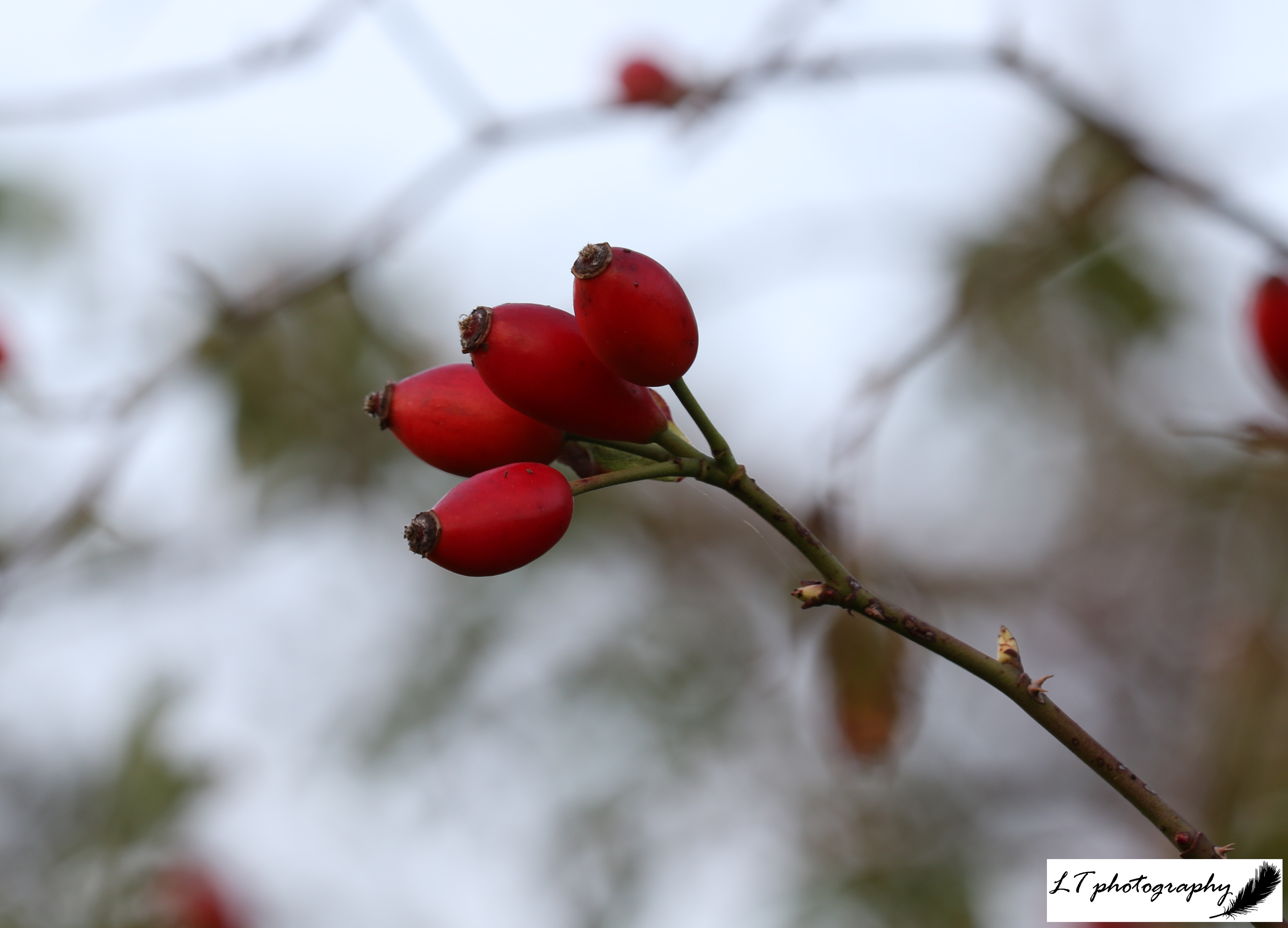
  • Fruit: Berries known as hips, that are edible, egg-shaped and bright red. Popularly used for a wide range of food and drink
  • For Wildlife: The hips are eaten by fruit-eating birds, such as Fieldfare and Waxwings, and small mammals, such as Bank Voles
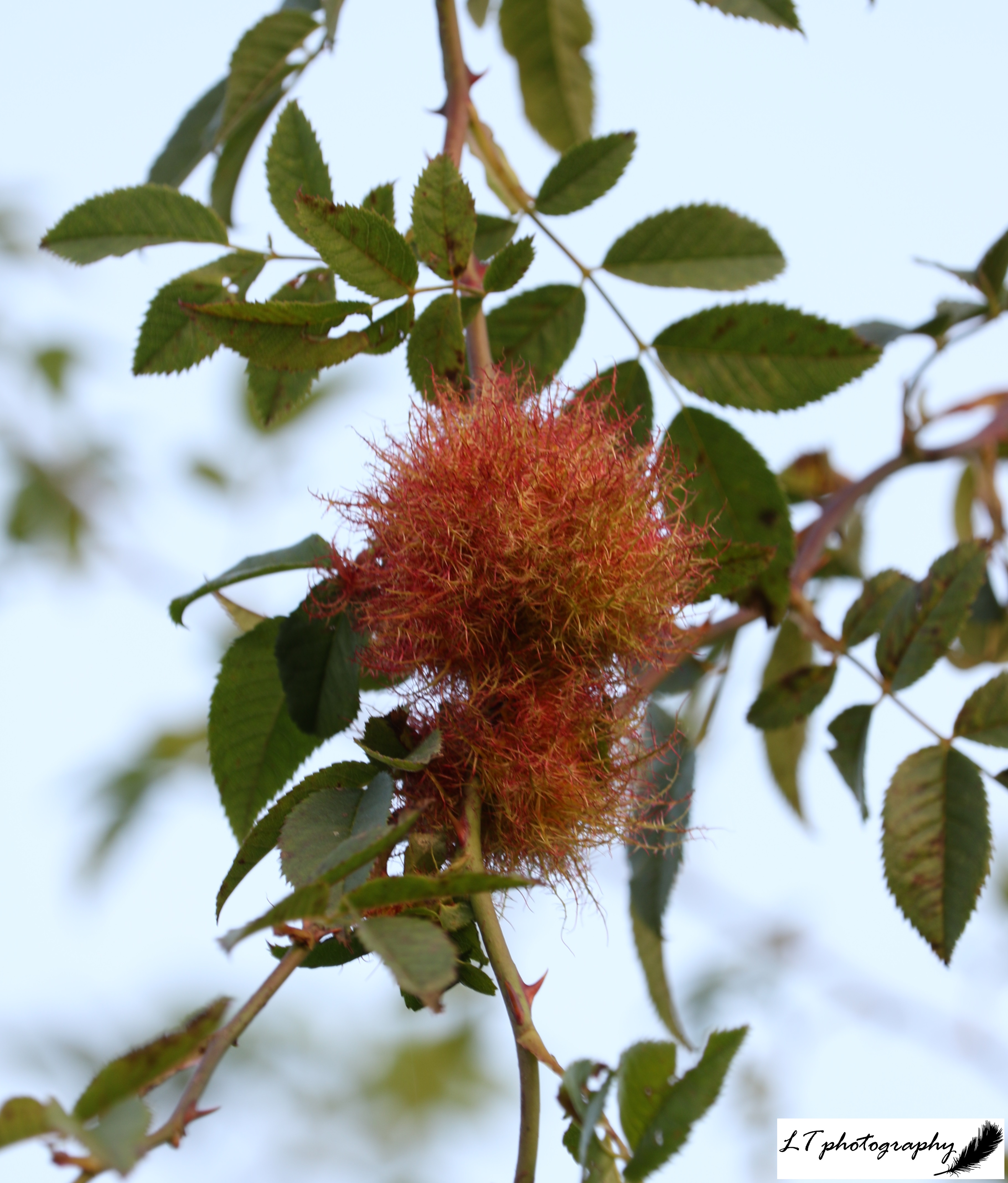
  • How to identify: Dark green and oval-shaped with toothed edges and tapering to a point; arching stems with broad-based strongly hooked prickles; flat and fragrant white or pale pink flowers with large petals and hairless stalks
  • Autumn Facts: It is a valuable medicinal plant, with the hips being made into a vitamin C rich syrup for children (20 times the amount that is in orange juice)

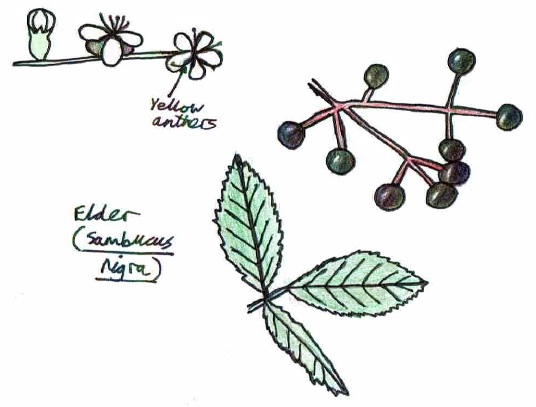
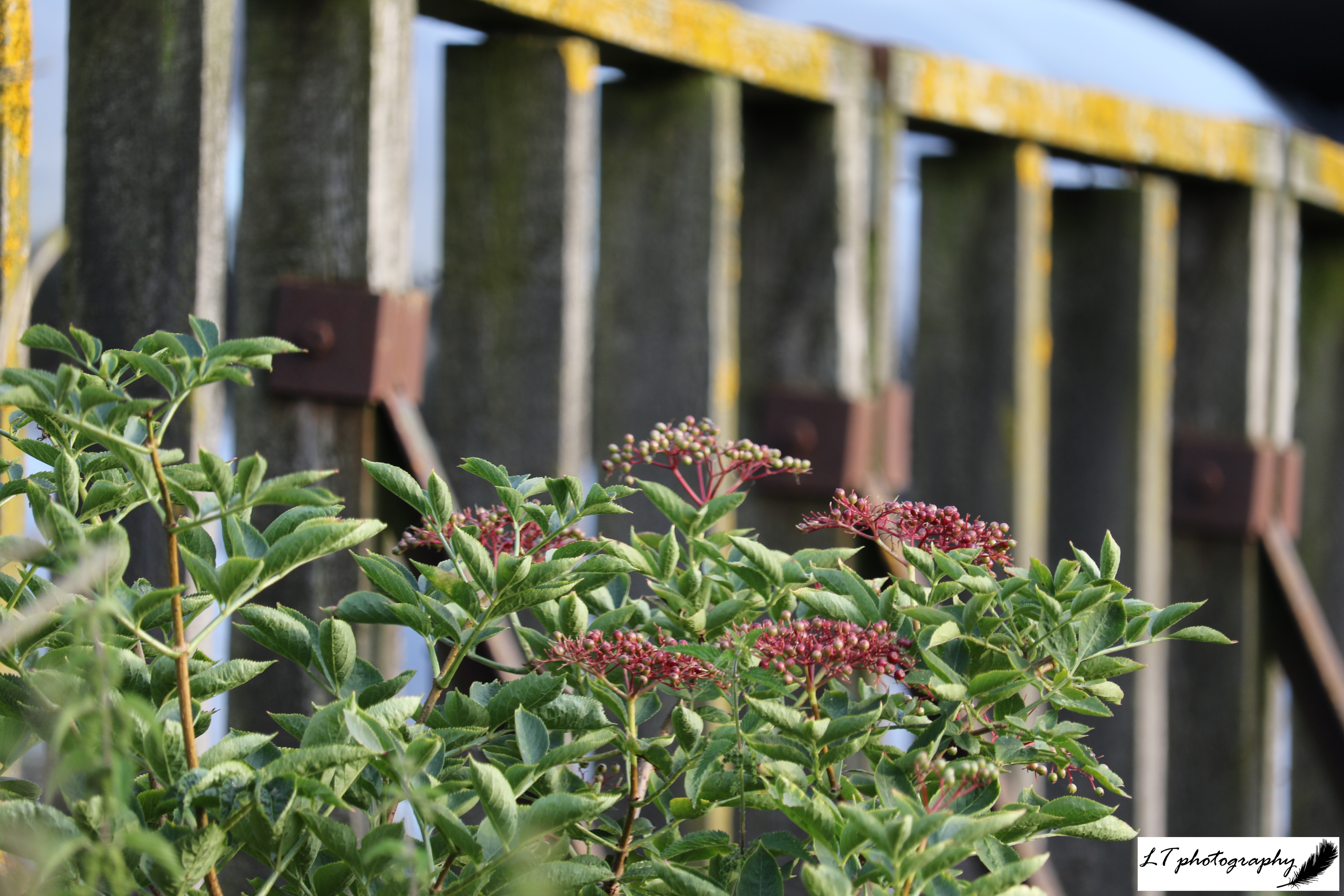
Elder (Sambucus nigra)

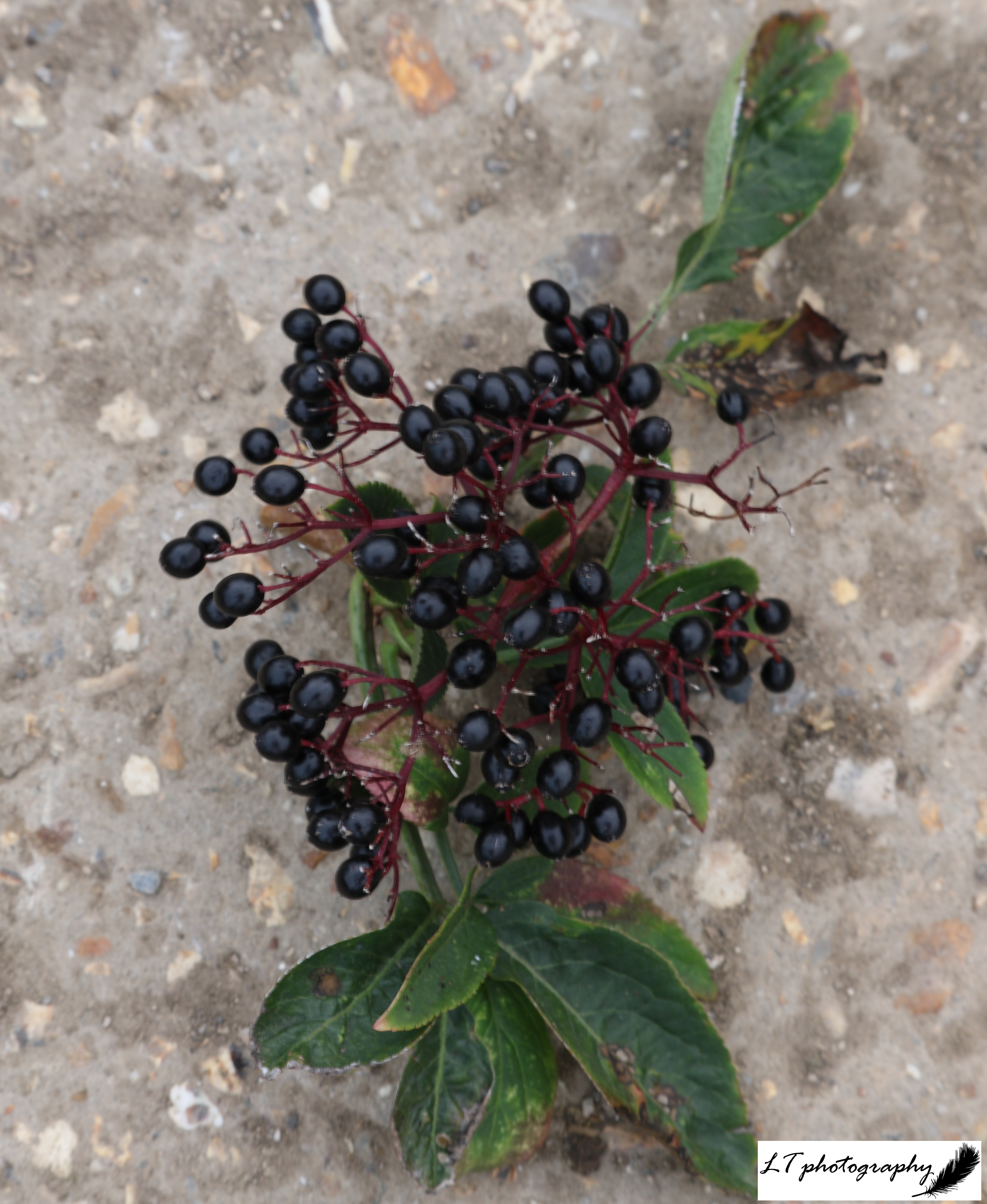
  • Fruit: Juicy edible purplish-black berries, known as elderberries, that are used to make a variety of wines, juices, jams and jellies
  • For Wildlife: The berries are eaten by both birds and small mammals, from Whitethroats to Dormice
  • How to identify: Long, dark green oval-shaped leaves with finely toothed edges and tapering to a point; strong smelling bark that is corky and fissured; white, small and fragrant flowers in flat-topped clusters
  • Autumn Facts: One of the most commonly used medicinal plants across the world, from Native Americans using it to treat infections to the Egyptians using it to improve their complexions and heal burns

Recipe:

Spindle (Euonymus europaeus)

  • Fruit: Spindle berries are toxic to humans, with a laxative effect. They are highly distinctive, with 4-lobes and being bright coral-pink
  • For Wildlife: Provide food for a variety of species including mice, birds and even Foxes
  • How to Identify: Shiny oval-shaped leaves with finely toothed edges and tapering to a point that turn distinctively pinkish-red in autumn; deep green 4-sided twigs darkening with age; greenish-white 4-petalled flowers in clusters
  • Autumn Facts: Spindle is at its best and most colourful during autumn with warm leaves and berries

Sable Island Horse Project field crew 2018

It was a pleasure to join this year’s Sable Island Horse Project crew out on the island itself to census the whole feral horse population. The project would not be the same without the dedicated crew and my experience on Sable island would not have been the same without the girls I spent my four weeks with. To the seven of us that made up the field crew this year, here’s a series of fact files to introduce and celebrate each of us:

Julie Colpitts

Julie Colpitts

Photo Credit: Sable Island Horse Project

Role: Team leader
Time on the island: Full field season (July-August)
Course and university: PhD at University of Saskatchewan (Canada)
Sable Island research: Population genetics structure in Sable Island feral horses
Twitter: @julie_colpitts

Chiara Fraticelli 

Chiara Fraticelli

Photo Credit: Diana Jeong

Heya! I’m Chiara Fraticelli and I came onto the project from the University of Exeter, Cornwall campus within my Conservation and Biodiversity Master’s course. I’m originally from Italy but did my university degree in the UK.

My main wildlife interest is African mammals, which begs the question, what was I doing on Sable Island studying horse behaviour? 😀 Well, horses have always been one of my favourite animals, and the possibility to study feral horses in such an exceptional environment was very tempting. Sable Island is a place where it’s unlikely for a person to go as a tourist, and even if you do, you can’t understand the challenges and problems involved in horse adaptation and reserve management by only staying a few hours. For my project I studied risk aversion and island tameness of the Sable Island horses. This is interesting because these horses evolved for generations without predators, such as humans. But is it because this is a learned behaviour or because the genetics changed? This was my question.

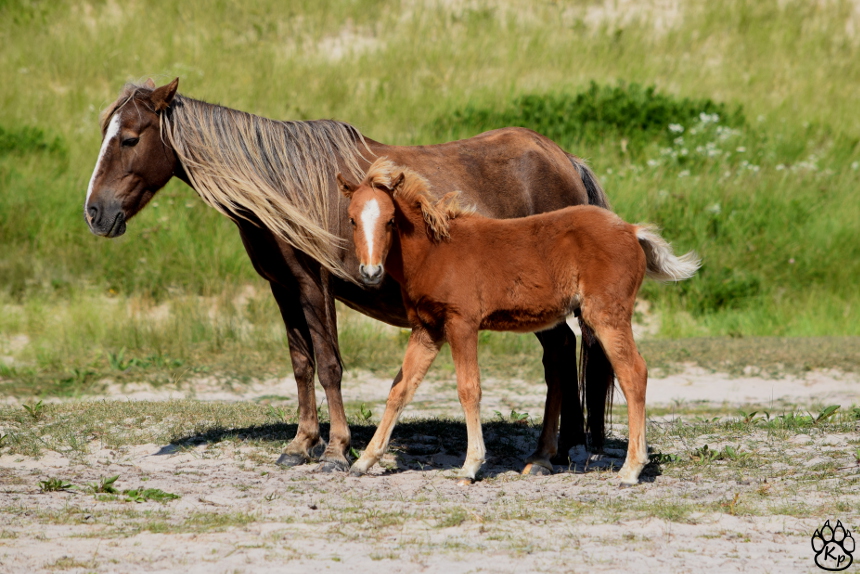
I really enjoyed my time on Sable Island, the place is amazing, the horses were interesting to study and the crew was very friendly. My favourite horses this season was a fearless foal in one of the big bands living near the centre of the island. I had to move away from him almost everytime I saw him because he wanted to come close and discover what I was!

Chiara's Favourite Foal

Photo Chiara took of her favourite foal

Coming soon I have an internship in Africa, where I will spend 6 months learning and working on park management. This is the direction I want my career to take, but we will see where life will take me.

Twitter: @Chiara_Frati
Instagram: _kiaraspace_
Blog: http://www.kiaraspace.com

Check out Chiara’s social media pages and blog to follow her on her next adventure coming soon!

Kirsten Johnsen

Kirsten Johnsen

Photo Credit: Sable Island Horse Project

Time on the island: Full field season (July-August)
University and course: MSc at University of Saskatchewan
Main research interests: Population ecology, behavioural ecology, wildlife conservation and environmental impact management.
Main wildlife interests: Large mammals and birds (especially owls), but also snakes.
Sable Island research: Looking at whether drinking from a pond or well influences energy intake and energy loss in Sable Island Horses through observational behaviour surveys and taking samples of available vegetation communities. Also looking at those factors in relation to parasite counts.

What did I enjoy most about Sable Island: 
I really liked the ecosystem in general since it is so unique. The views were amazing, especially when I could see the ocean on both sides of the island at once. One of my favourite spots on the island is Bald Dune, since looking at it is like looking at a desert and it’s so unlike any other area that I have visited before.

Funniest moment:
When group pictures were taken at the end of the field season. Specifically when trying to take either an awkward 70’s pose or a soccer-style picture, where Ruth and I kept cracking up because there was such a delay on the camera timer and we could not keep a straight face for that long.

Favourite horses: 
While I think Lil’ Thing was my favourite overall, I also quite liked watching Rolex and Golds (a cute pair of siblings). Ripley and Orbit stand out as well because they were both pretty mischievous.

What’s next: I hope to have the data from this summer processed and analyzed within the next year. Eventually after school, I’d probably like to work in wildlife conservation/ecology. Ideally I’d like to work at one of the parks since I enjoy public engagement and studying lots of different facets of the same ecosystem to see how it all works together. Otherwise I would be happy working in environmental consultancy since I enjoyed the process of creating management plan suggestions in previous projects.

Alice Liboiron

Alice Liboiron

Photo Credit: Sable Island Horse Project

Time on the island: First half of the field season (July)
Course and university: Doctor of Veterinary Medicine at University of Saskatchewan Western College of Veterinary Medicine (Canada)
Sable Island research: Parasitology study of the feral horse population

Diana Jeong

Diana Jeong

Photo Credit: Sable Island Horse Project

Time on the island: First half of the field season (July)
Course and university: MSc student of Jocelyn Poissant at the Faculty of Veterinary Medicine, University of Calgary
Home: (London, ON) Canada
Main research interests: Genetic research for wildlife conservation/management
Sable Island research: Inbreeding depression and juvenile traits in the feral horse population

What did you enjoy most about this year’s field season: I loved getting to know my study system, the unique personalities of some of the horses, and the team of researchers that I would be working with in the future. Being out in the field would not have been as fun for Diana if I did not have the group of women I got to work with on the first half of the season.
Favourite memory of the field season: Getting the field team hooked onto old school throwback songs whilst working in the lab.
Funniest moment: During the first half of the field season, Alice taught us how to do the floss dance in the middle of the beach.
Favourite horse(s) on Sable Island: Any horse with unique facial markings for easy identification!

What’s coming up for you next? I am just starting my Master’s at UofC, so right now I’m just focussing on my courses and literature review. I hope to be able to get all the lab work done in time to potentially join the 2019 field season next year on Sable.
Career plans: I am unsure which career path to pursue currently, but I hope to be able to contribute to the field of wildlife health and ecology in some way, in whichever profession I choose.

Twitter: @chanwoorijeong and please follow @SI_horses (the Sable Island Horse project official twitter page)

Ruth Greuel

Ruth Greuel

Photo Credit: Ruth Greuel

Role: Plant guru
Time on the island: Second half of the field season (August)
Course and university: 
PhD at University of Saskatchewan
Home country: Canada
Main research/wildlife interests: Herbivory and grazing (large herbivores, primarily), rangeland management, nutrient cycling and dynamics. Grassland ecology in general. I also enjoy lichenology and plant ID.
Sable Island research:
Just beginning a PhD studying sea-to-land nutrient transfer, nutrient cycling through the system and how that may affect the horses.

What did you enjoy most about this year’s field season overall?
I love field work in general! Being outside and getting so much fresh air, exercise and time to think is such a treat after being cooped up with the computer during the rest of the year. I also really like meeting up with the rest of the field crew at the end of every day, winding down and talking about the things we each saw.
Highlight(s) of the field season:
Seeing a brand new foal just starting to walk around on wobbly legs! Or getting to see the blue flag irises in bloom (Iris versicolor).

Blue flag iris
Funniest moment: Taking our group photo out by the only tree on the island!
Favourite horse(s) on Sable: There are a few I get excited to see, but I don’t know all of their names or histories as well as other crew members do. There’s a yearling on the west end of the island that I call Bruno and I am especially fond of him.
What’s coming up next?
Continuing to work on this! More Sable Island field seasons, hopefully.
Career plans: Would love to continue to do research on wild places!

Twitter:
 @ruthjgee

Laura Tuke

Me

Photo Credit: Chiara Fraticelli

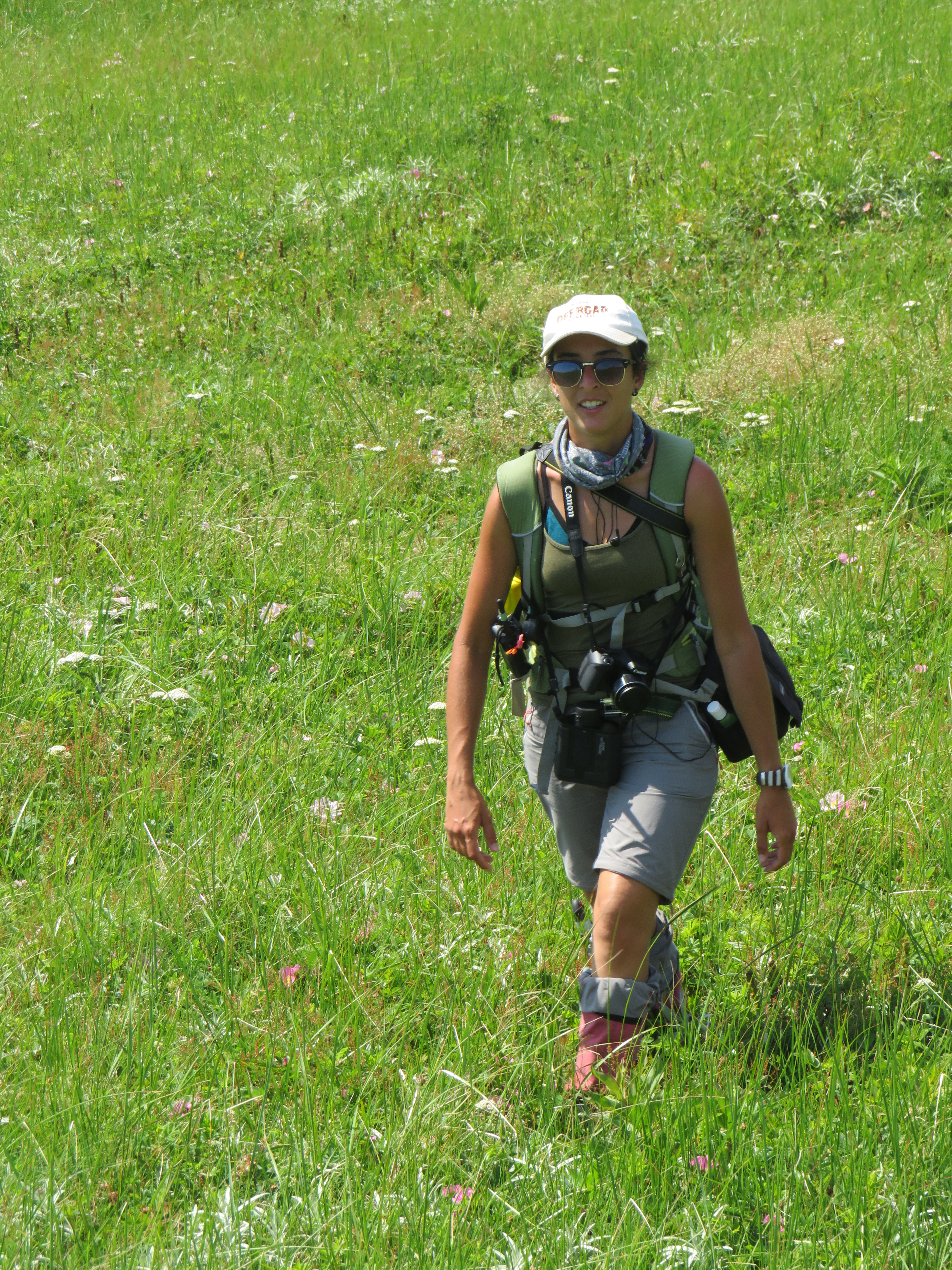
As people will already know from this blog and its Sable Island Stories series, I joined the second half of the field season on Sable in August this year, and had the best time. To recap on myself, I am based in my home country England, and I have just completed a Master’s in Conservation and Biodiversity at the University of Exeter. As part of my degree, I got the opportunity to complete a research project looking at the quantitative genetics of foal body size in the Sable Island feral horse population. So in summary, I investigated if foal body size is due to genes and if foals are under selection for larger or smaller body size.

What I enjoyed most about my time on Sable Island, was getting to experience field work abroad first hand, and from it I got the opportunity to meet some great people, experience a different and unique ecosystem, and to learn more about myself as a person. My favourite moment of the field season, following my previous blog post, was spending evenings watching the spectacular Sable Island sunsets with the rest of the field crew.

IMG_4478

Photo Credit: Kirsten Johnsen

Watching the horses day in and out, I grew a soft spot for a few foals that I ended up suggesting potential names for. My favourites were Hardy a foal I saw for the first time at only a couple of days old, Missy a very cheeky little foal, and Tilly who I named after my baby niece.

Hardy

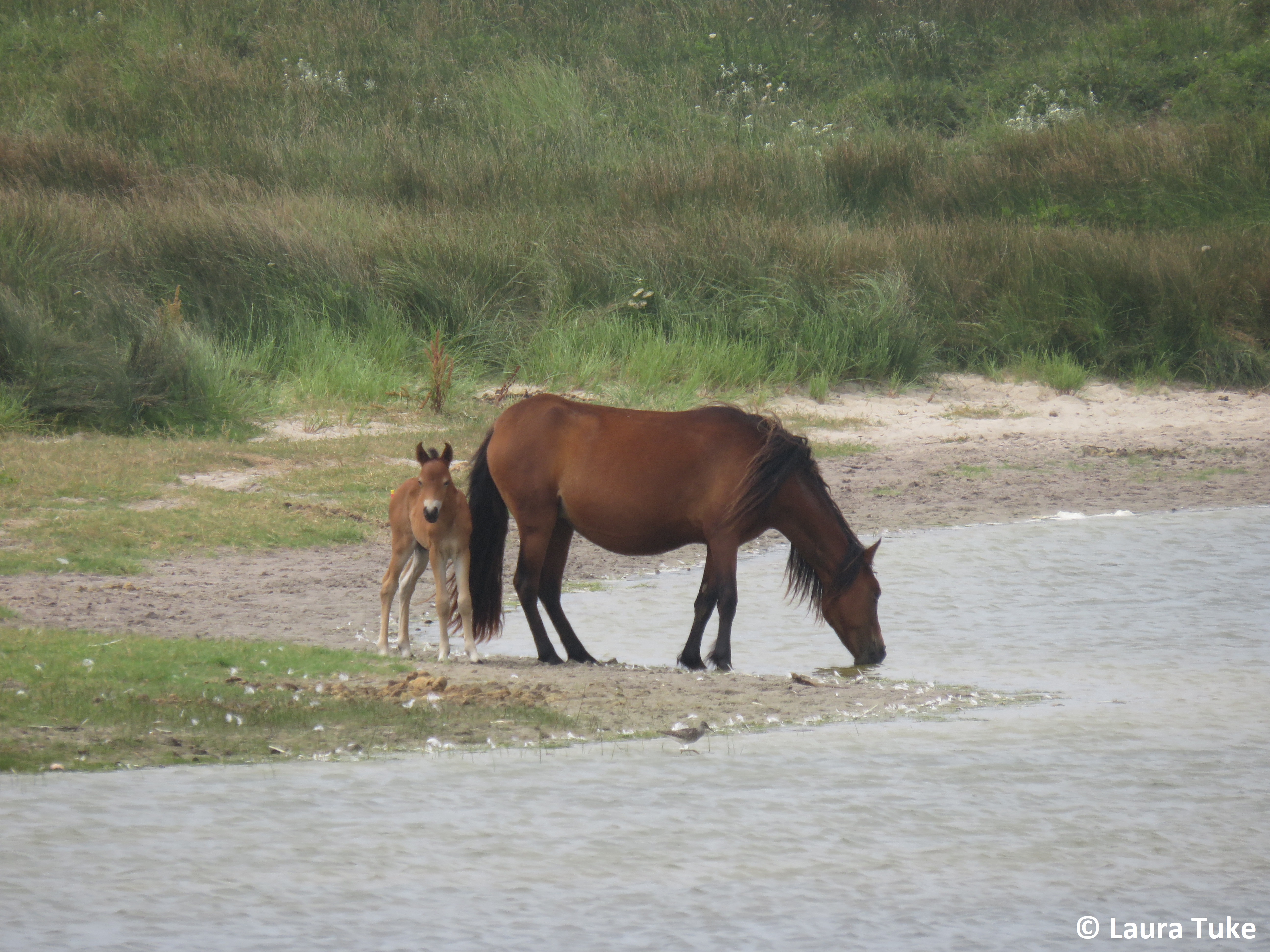
Hardy and his mum at a couple of weeks old

What’s next? I am currently taking a break to adjust to post-university life, before working towards my next goals. I am passionate about wildlife and its conservation, research and educating the public on wildlife issues, among other things, and so my ambition now is to get into the wildlife film industry to combine my greatest interests.

Twitter: @laura_tuke
Blog:
Laura’s Wild World (this blog)

Thank you to Chiara, Diana, Ruth and Kirsten for providing me with the fact files for this blog post! 

Life of a Sable Island field researcher

Some people may be wondering what scientific research field work may entail or even what it is like to live on an island. Well for 4 weeks this summer I got to experience both, joining the second half of the Sable Island Horse Project field season. I had a really great time and so here’s a little taste of Sable life and my experience this summer.

A day in the life on the project

  1. Two people would complete morning lab work before breakfast, processing samples ready to be analysed in university labs back on the main land.
  2. After breakfast, the field crew (5 of us) would often gather for a session of morning yoga. This was followed by a run down of the plan for that day’s surveying.
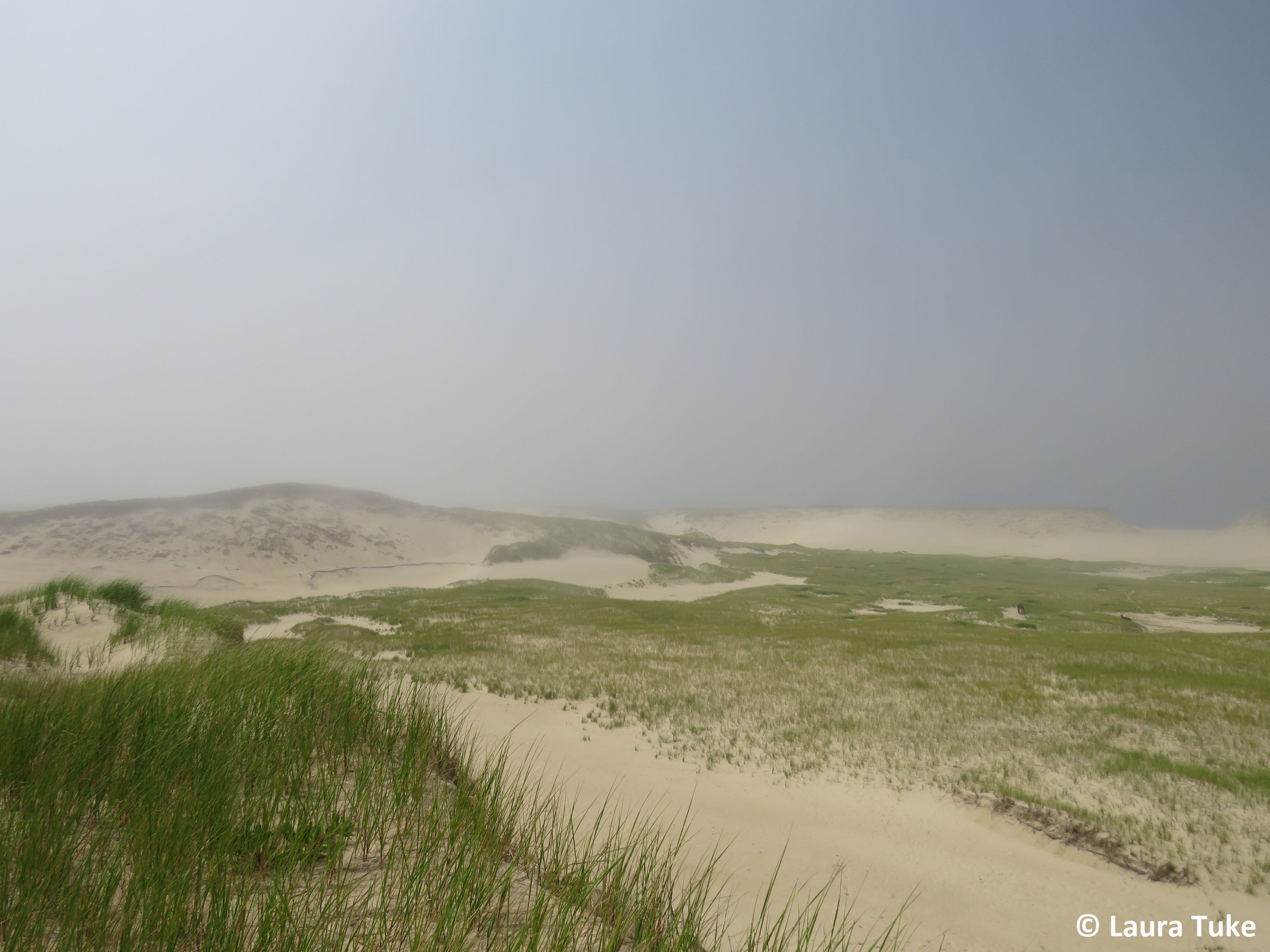
  3. Each day we would spend approximately 6 hours in the field in a range of weather conditions, such as thick fog, light rain, or bright sunshine.Fog
    • Field work involved travelling out to one of the 7 sections on the island in the buggy or on ATVs (if a certified user) and surveying that whole section on foot, which often involved hiking on bare sand and through thick vegetation.
    • When a horse or band of horses were encountered, photos were taken of each individual from all sides and data was collected, including information on markings, sex, and location.IMG_4174
  4. Following return from field work each day, field equipment would be put away before lab work was completed. Lab work involved processing faecal samples to enable a range of analyses to be conducted, such as parasite egg counts in the lab or more complex analyses back on the main land.
  5. During lab work or following completion, we would enjoy a well earned dinner cooked by one of us on rotation. As one of the field crew were vegan, we spent the majority of our time eating a vegan diet. Food we ate during my time on the island included:
    • Taco pastaPineapple Upside Down Cake
    • Homemade pizza
    • Lentil curry
    • Veggie burgers
    • Pineapple upside-down cake
    • Fajitas
    • Thanksgiving-style cauliflower roast
    • Veggie chow mein
    • Breakfast for dinner= scrambled eggs, bacon, fried potatoes and vegan pancakes
  6. Field work, lab work and dinner were followed by organising photos taken of horses that day and bands lists being updated.
  7. End=bedtime!
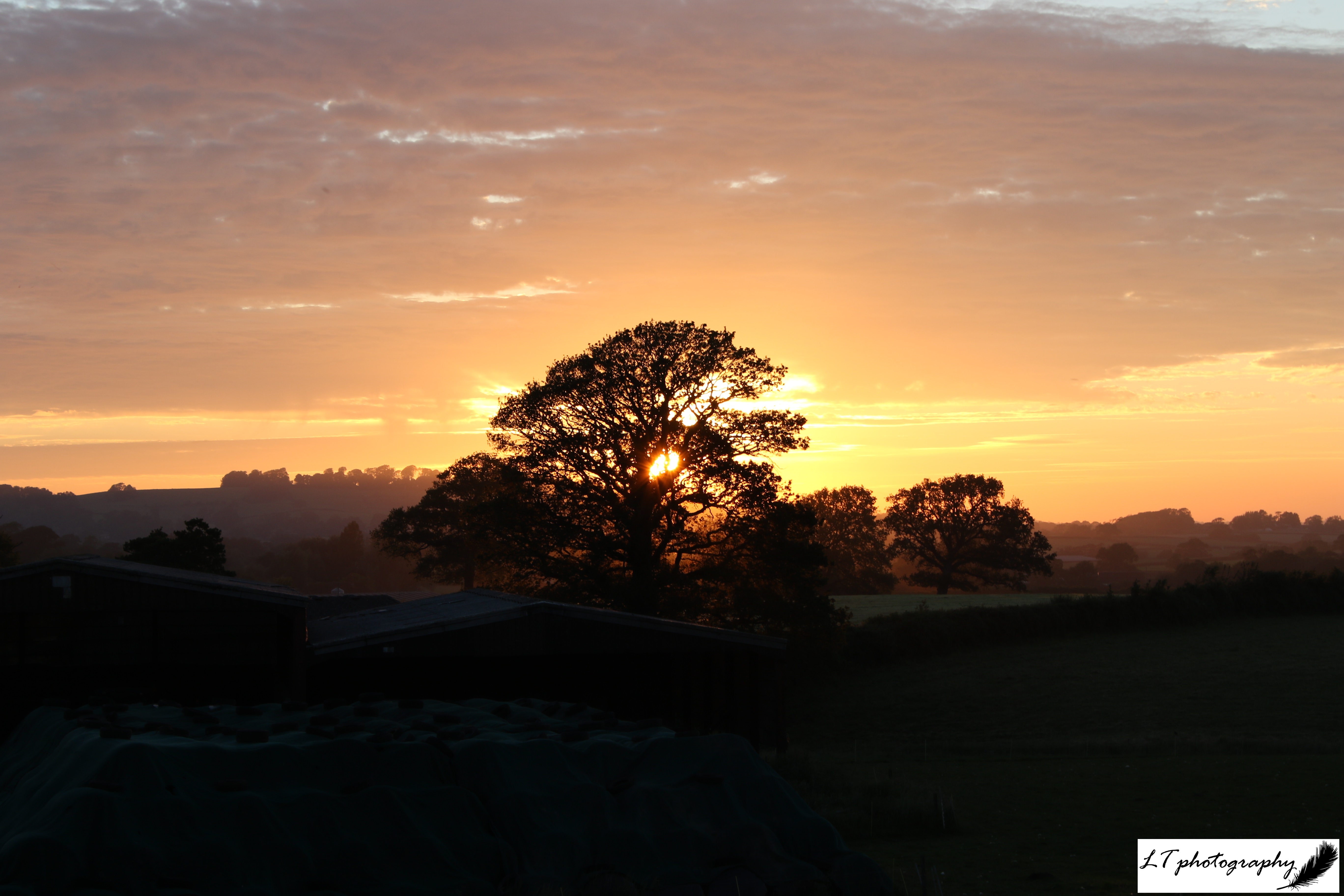
Base camp 

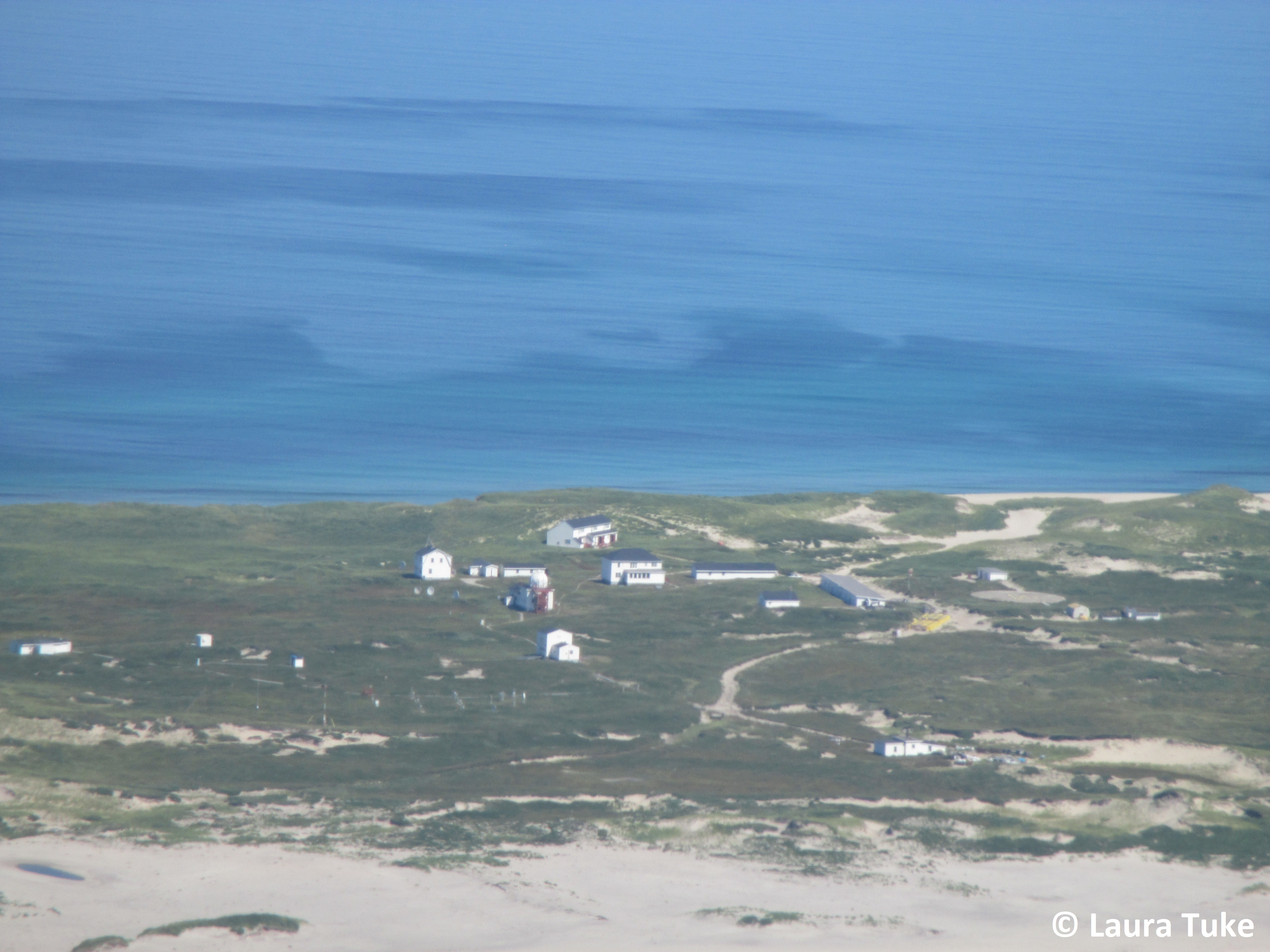
Of the buildings that currently remain of the old lifesaving stations on the island, a cluster in the west half make up what is known as main station. Main station is the base for Parks Canada who manage the island and for researchers and visitors who come to the island.

Bird's eye view of main station

View of main station from a plane

It was here I got to stay during my time on the island, specifically in a large white house that held a lab, storage space, living areas, and other facilities and could sleep approximately 15 people. It was only occupied by the Sable Island Horse Project field crew, a Parks Canada staff member and short-term building consultants during my stay.

Main station house

Rain days on Sable Island

The weather can be highly unpredictable on Sable Island, changing from fog to hot sun to rain very quickly. Though we could tackle some bad weather during field work, heavy rain and the spectacular thunderstorms of Sable Island were a no go. Such weather resulted in celebrated rain days, allowing us to have a well earned rest for one day.

Rain day activities with the girls ranged from organising the house, completing project work and catching up with jobs, to watching back to back episodes of TV programmes, such as ‘Say Yes to the Dress’, and baking sessions, which included making pretzels.

The sunsets

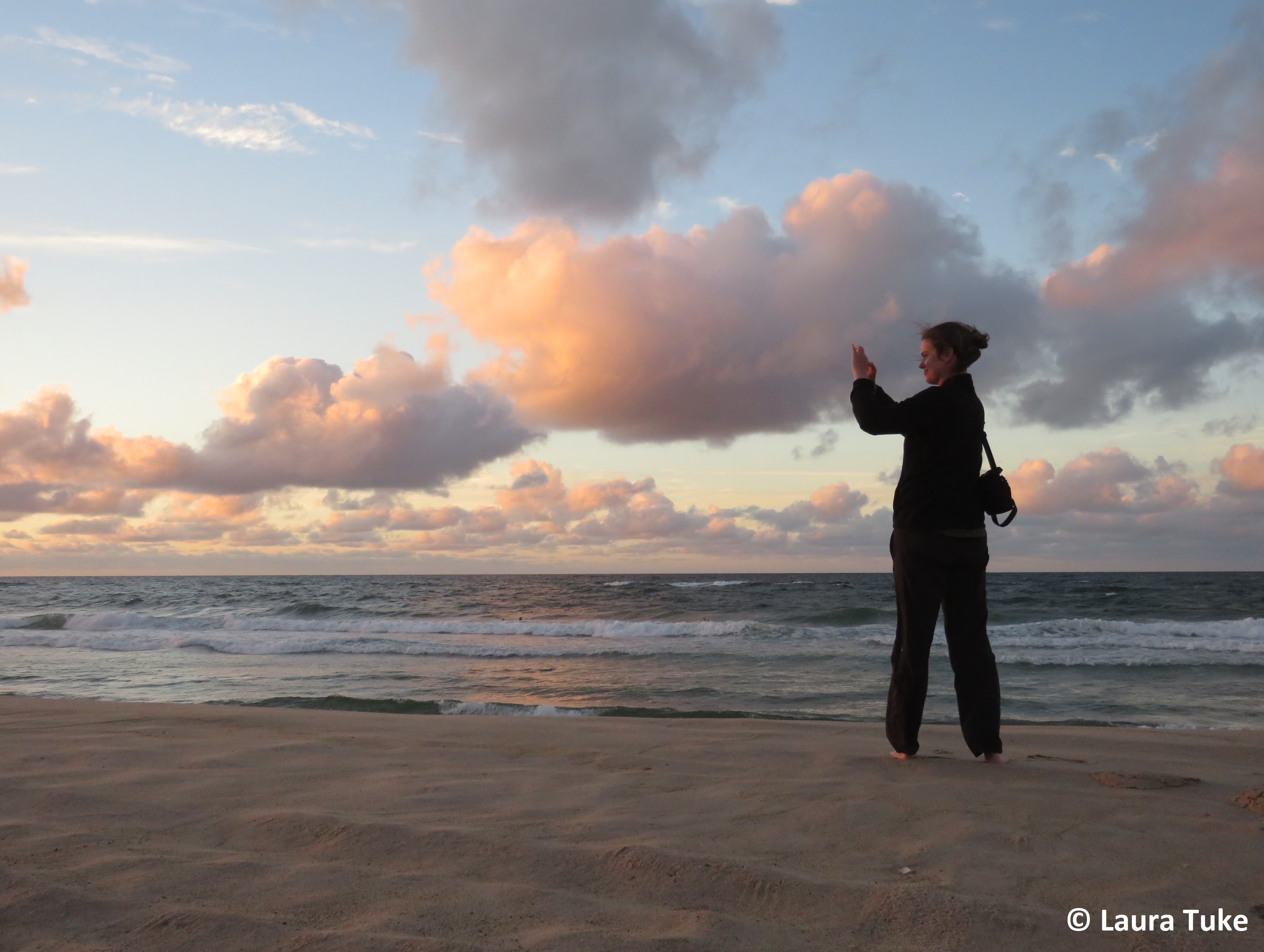
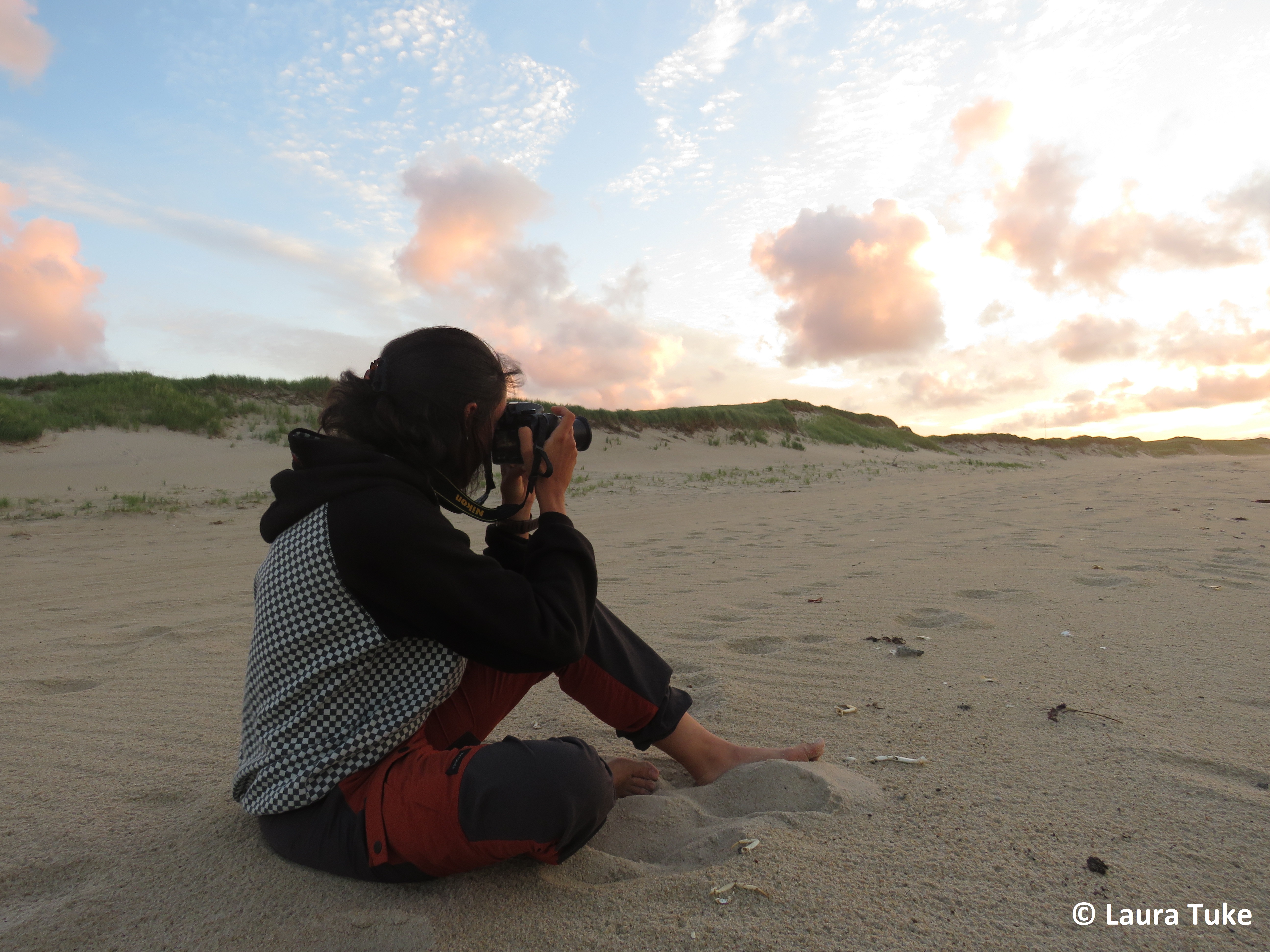
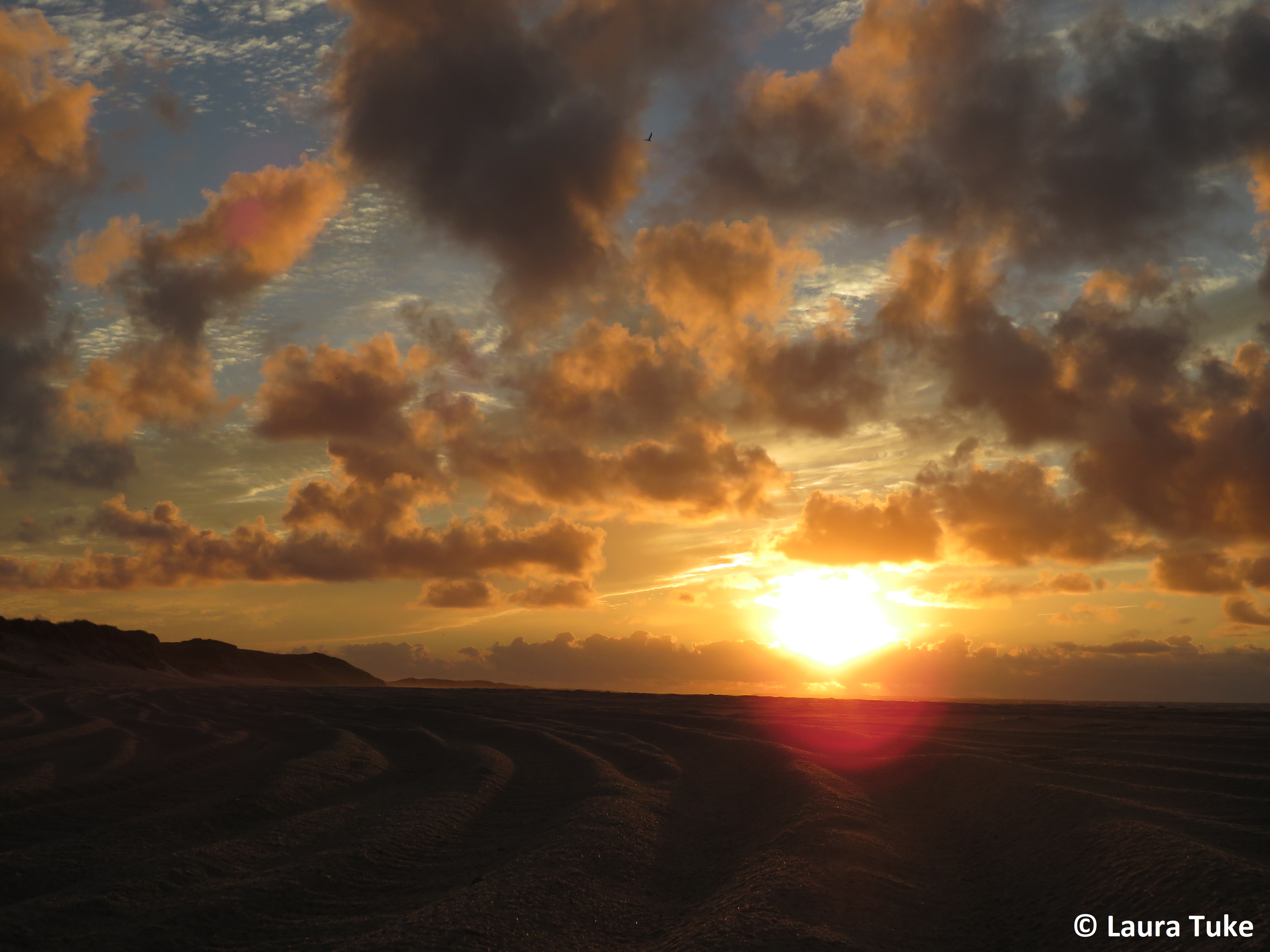
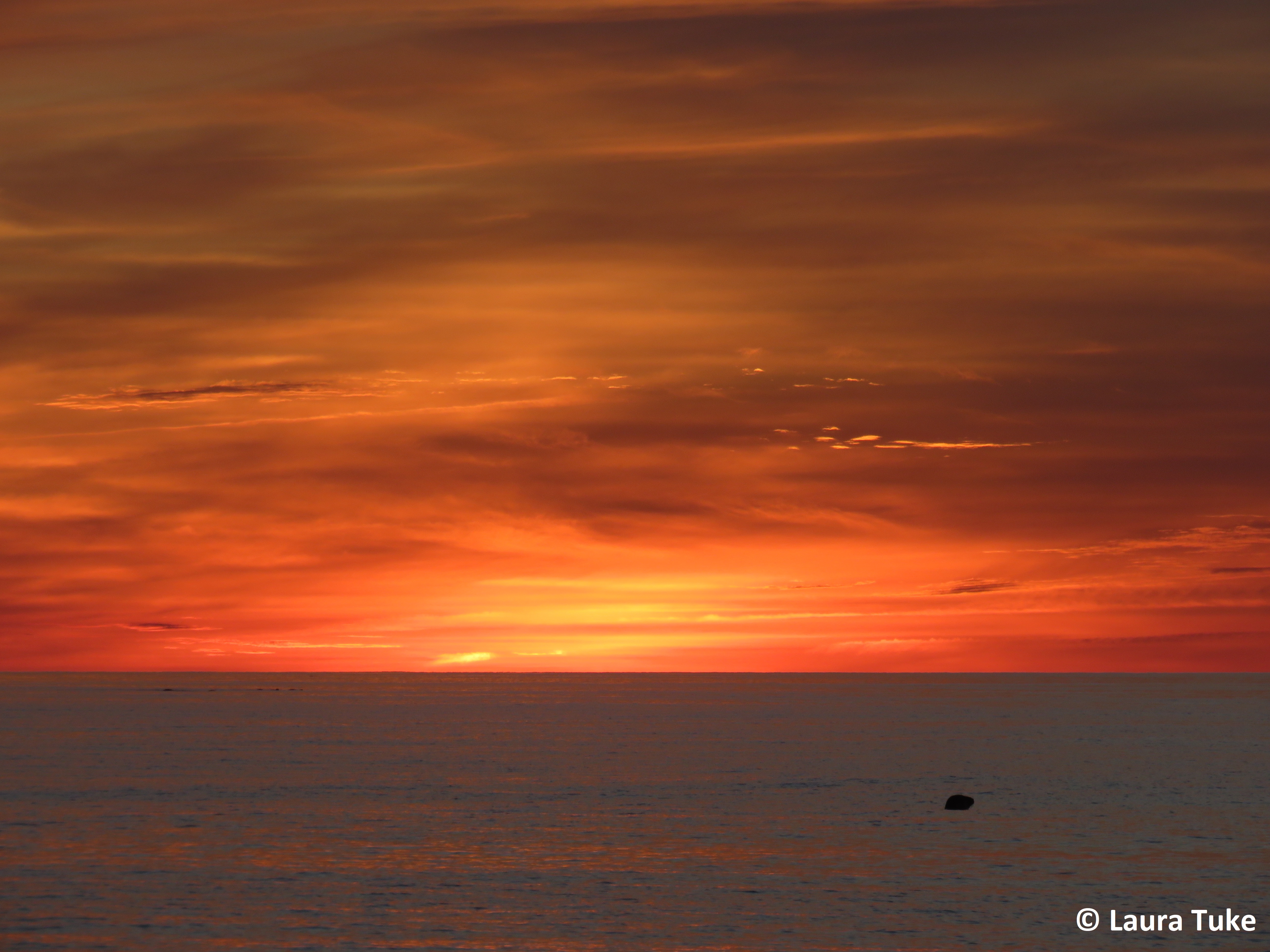
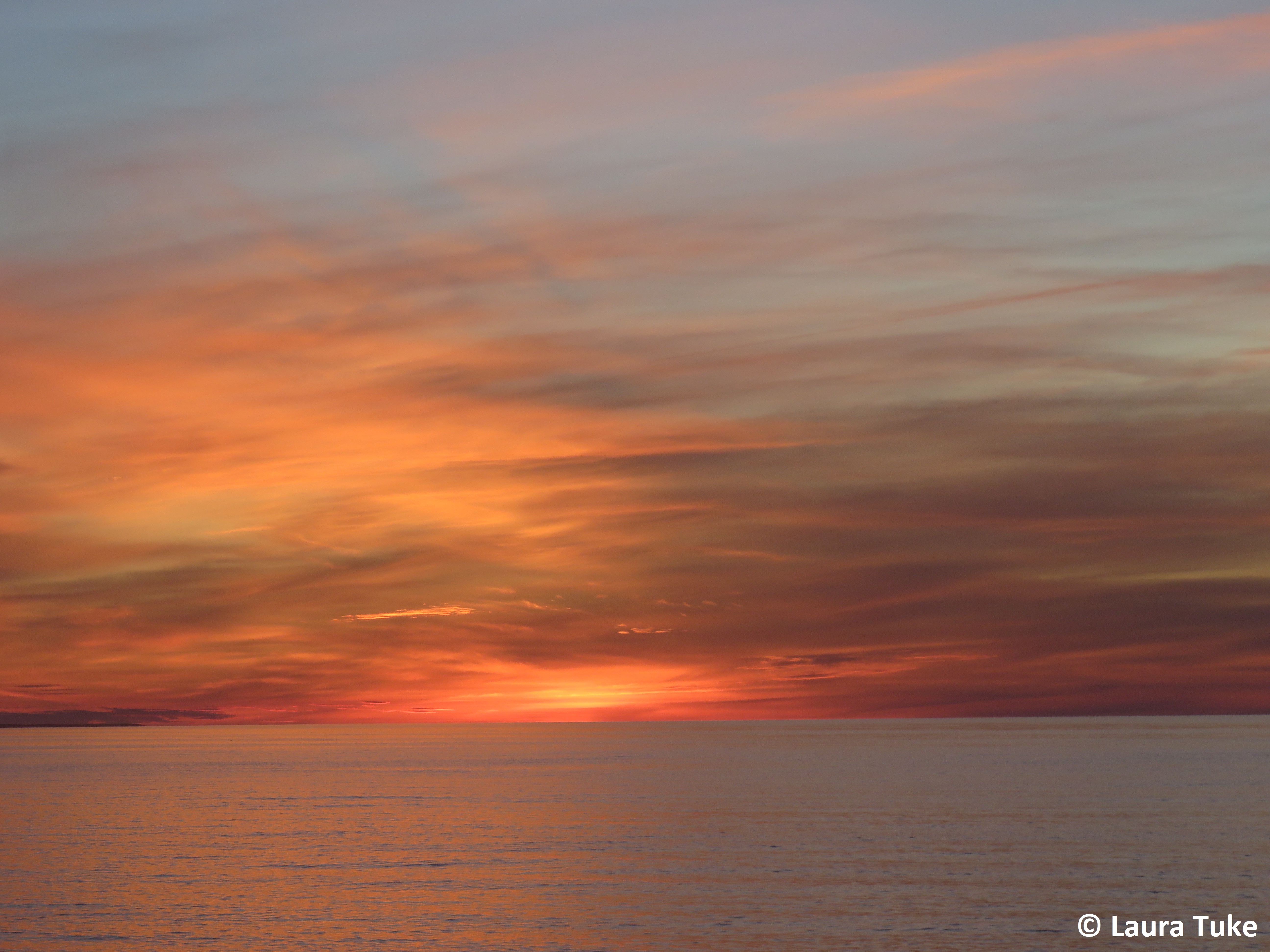
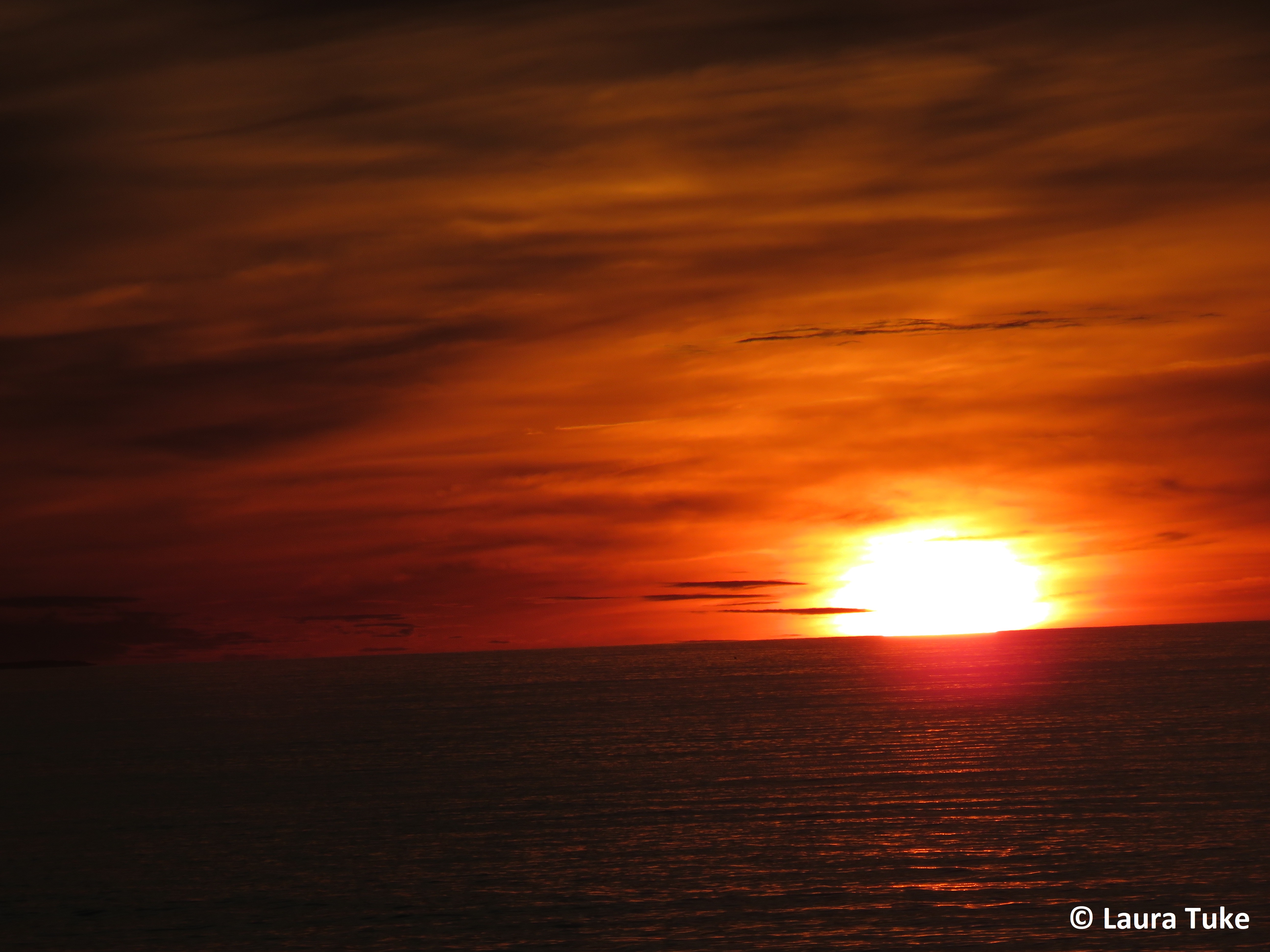
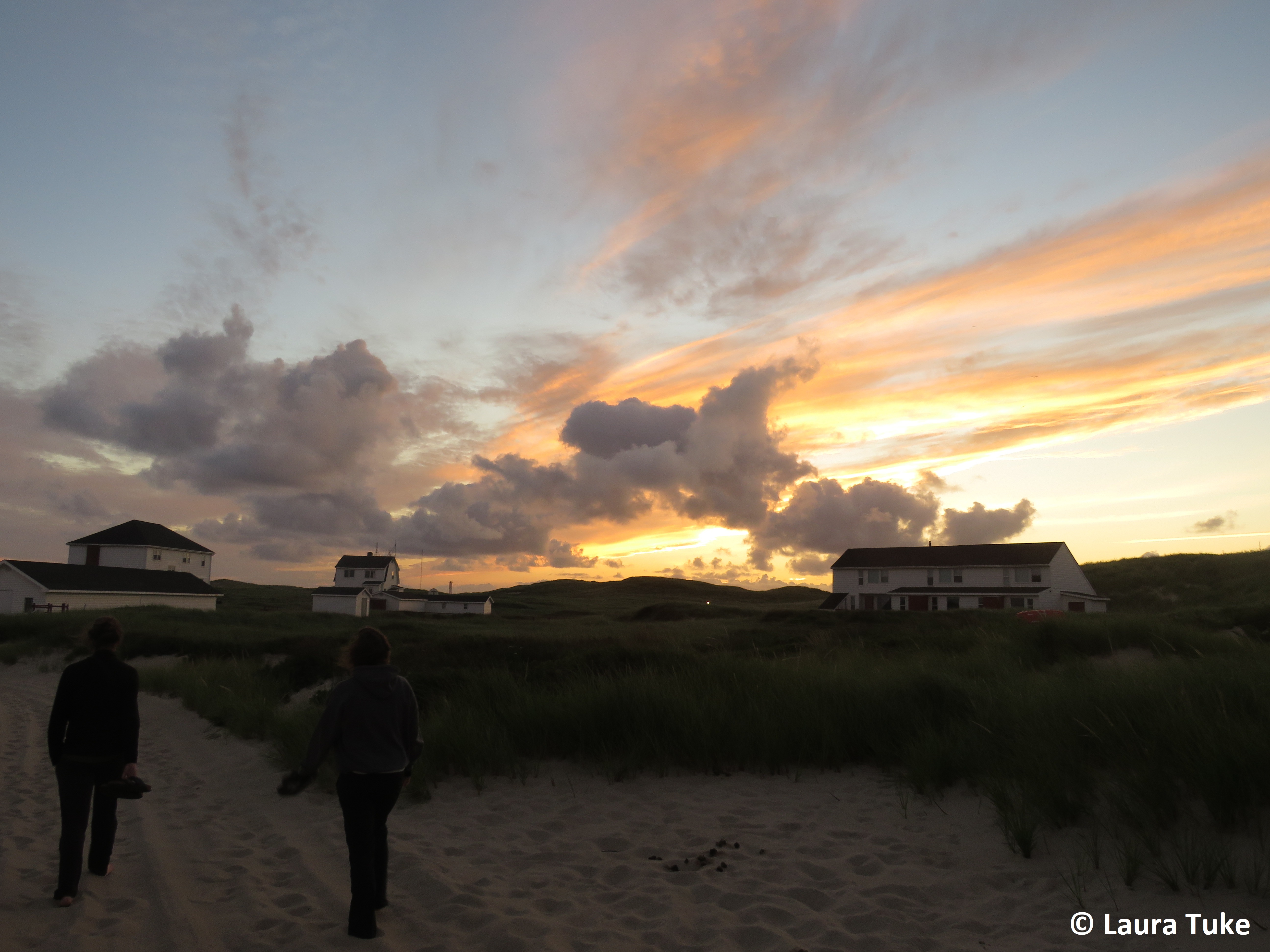
Though there is much more I could say about life on Sable Island, I have to admit that my most favourite part of my time had to be the sunsets. Following a long day of field and lab work, there was nothing that could quite compare to walking out onto North beach and watching one of the spectacular sunsets on offer. It has to be said that my visits to Canada have always delivered in the sunset department, and Sable Island was no different. Here’s an assortment of photos of these celebrated events!
Sunset seal

Julie

Ruth

Chiara

Beach sunset

Tracks in the sand

Sunset with seal

Sunset sky

Sunset

Red sky at night

Ruth and Julie