Life Amongst the Bluebells

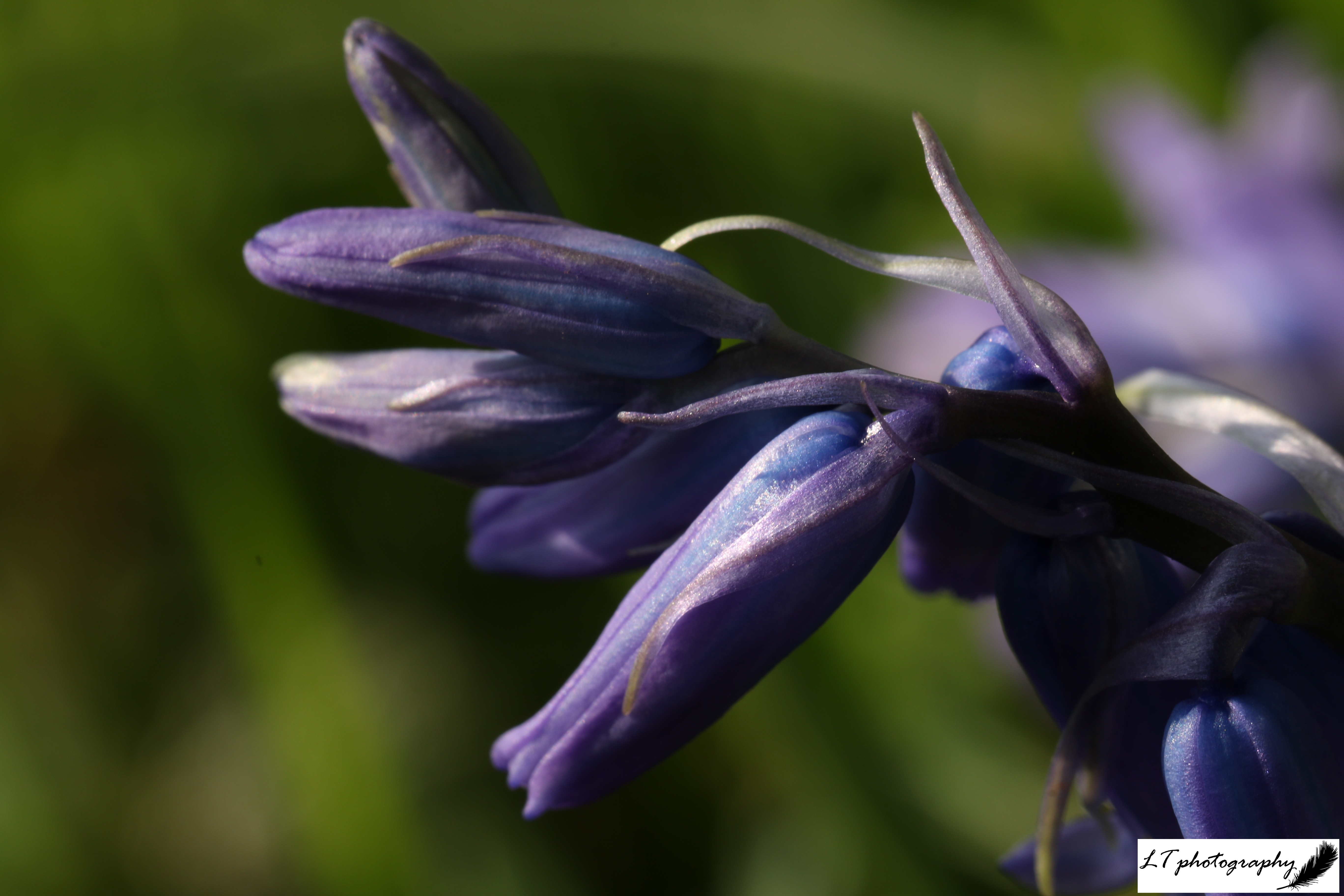
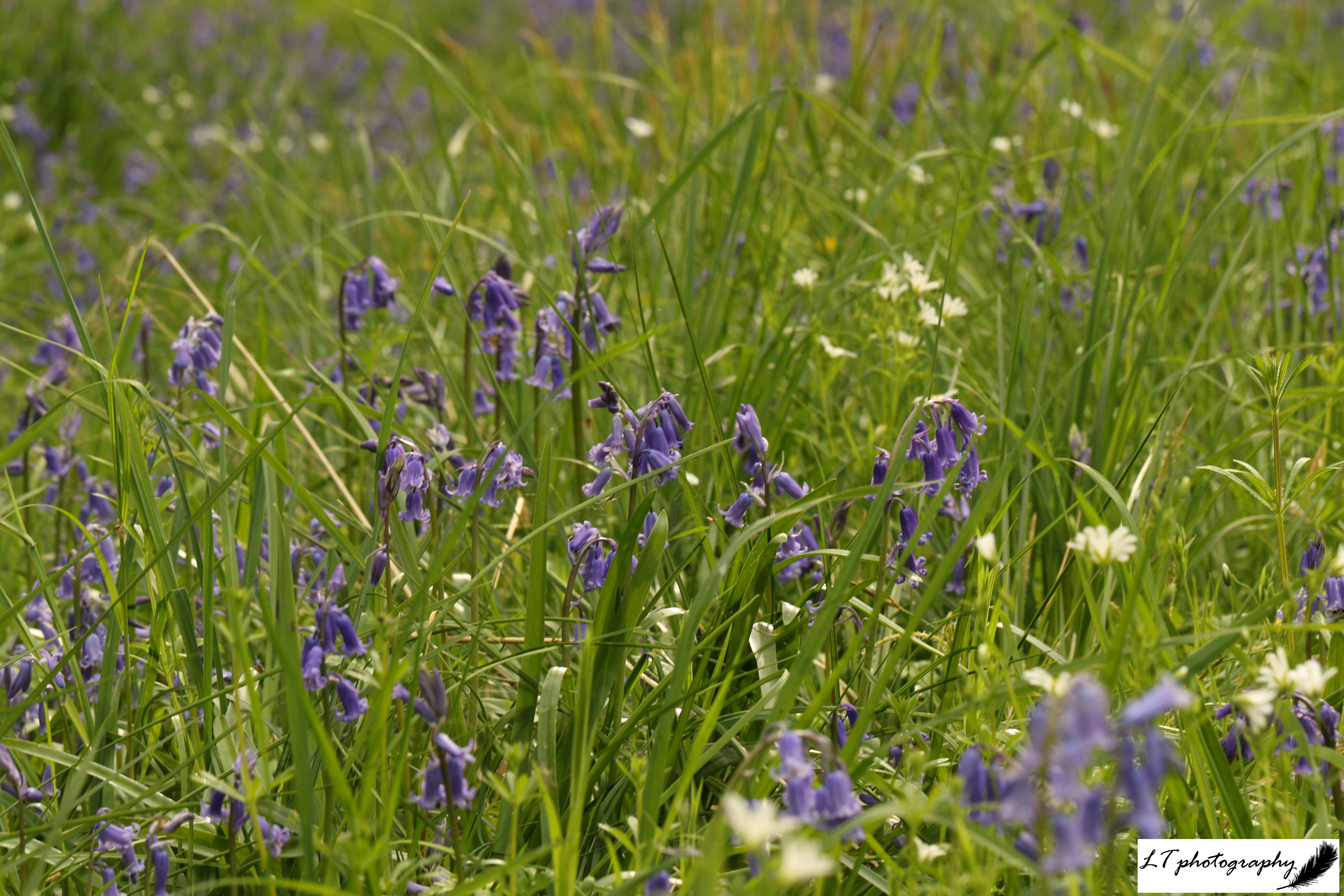
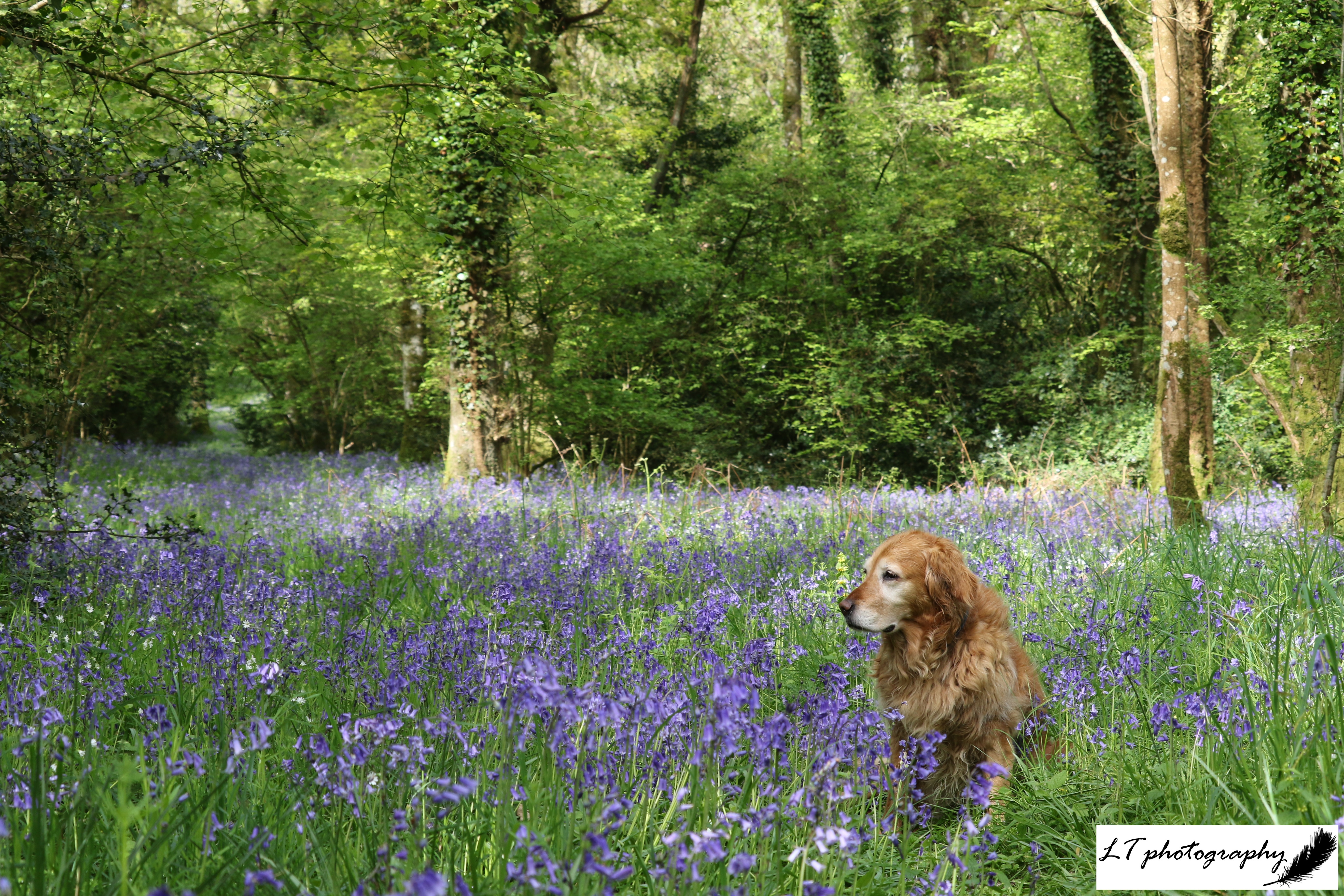
‘When you go down to the woods today, you’re sure of a big surprise’, and in late April to early May, this surprise comes in the form of a fantastic mass event! During this time, our woodlands are blanketed with a sweeping carpet of colour; a rich mass of violet-blue, made up of thousands of nodding heads. This popular spring spectacle is a heady treat for the senses, epitomising the beauty of British springtime. This is not all that our woodlands have to offer at this time though, with the Bluebells making us overlook some humbler stars of the show.
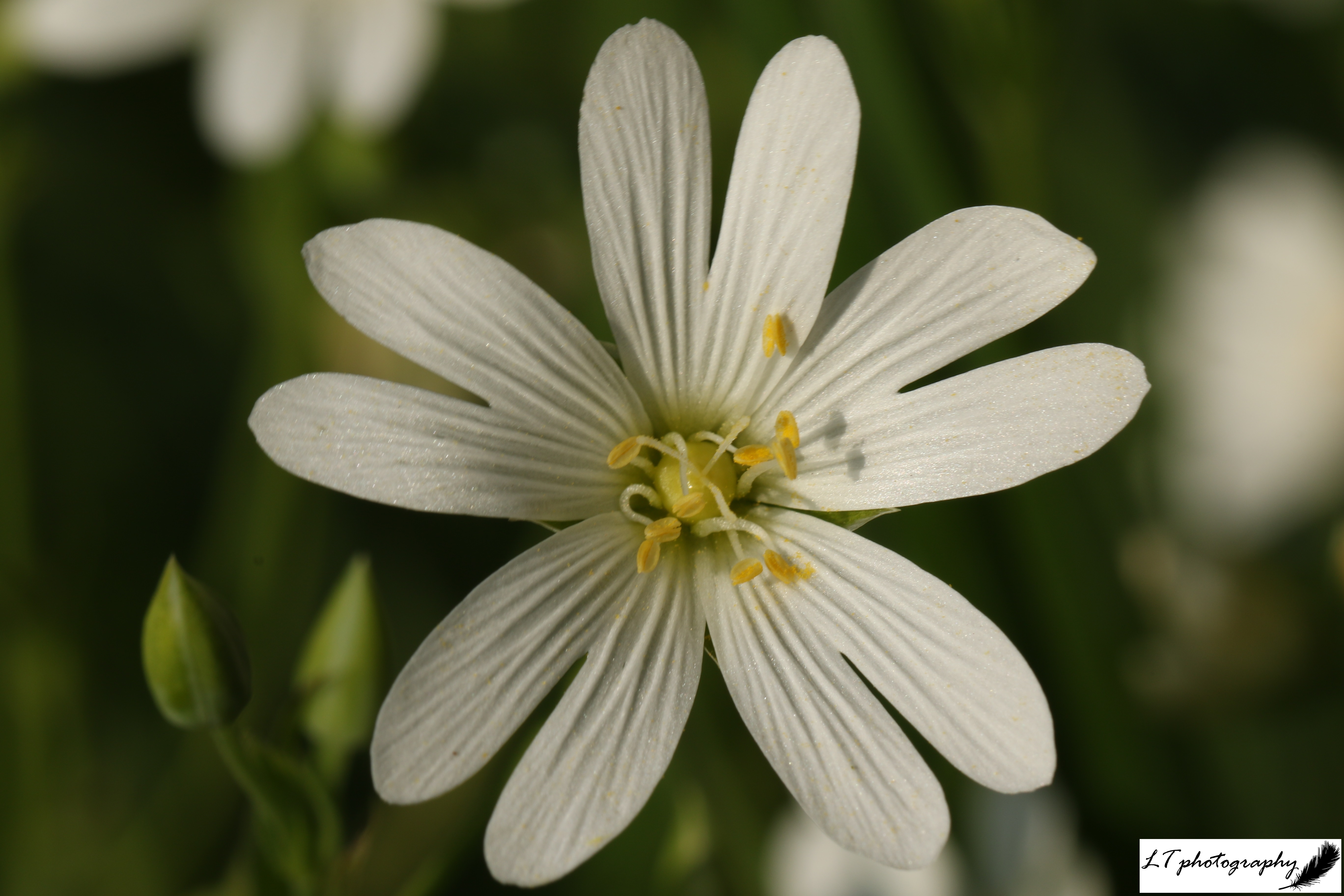
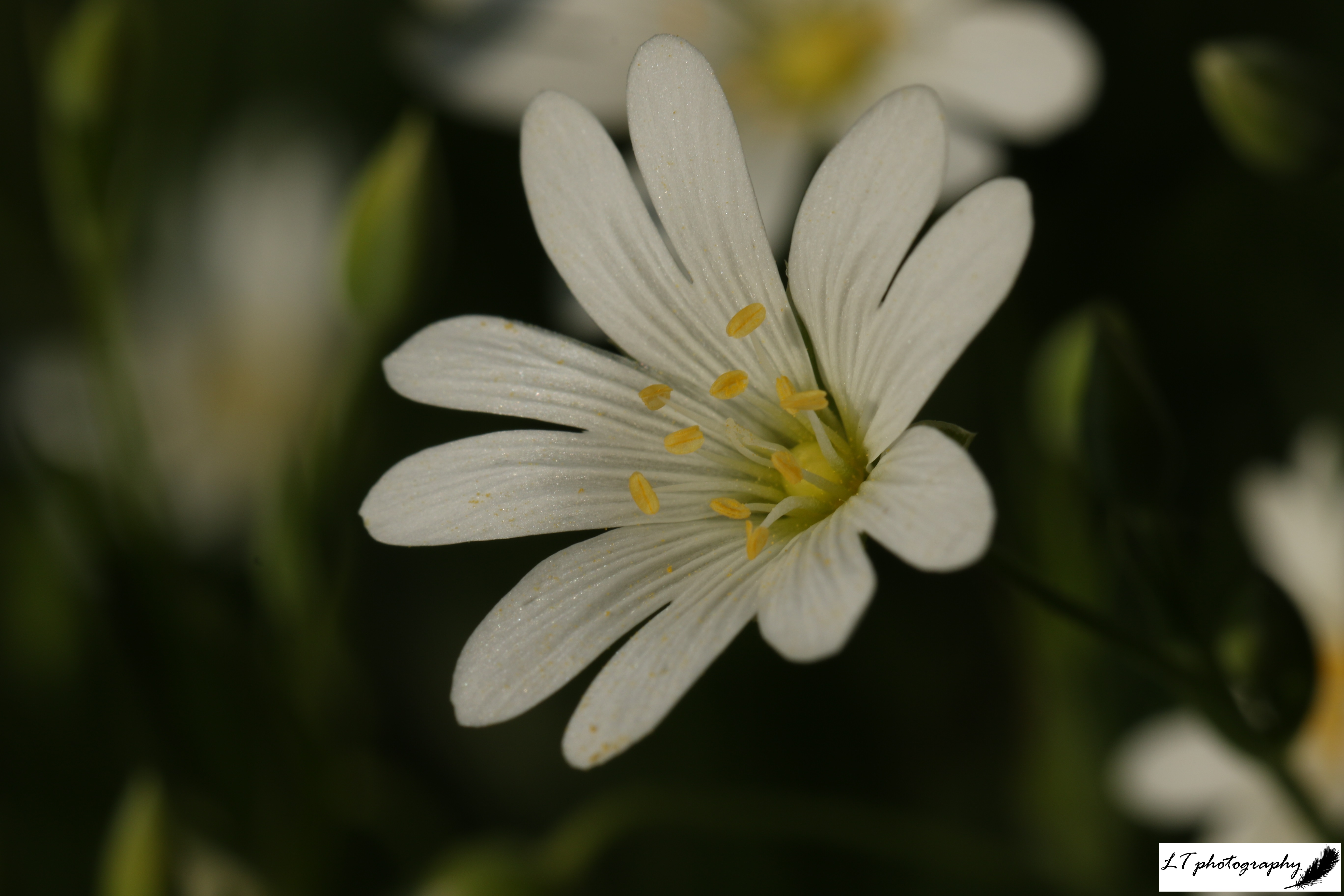
So when walking through the Bluebells, why not stop and look around you for a moment. ‘Daddy’s-shirt-buttons’ or Greater Stitchwort can be found dotted throughout the woodland carpet, white star-shaped flowers on slender stems. In thicker patches of green, clusters of green-centred stars can also be found on sturdy stems, their pungent scent giving them away as the flowers of Wild Garlic. These are joined closer to the ground by the white-cupped faces of the Wood Anemone, heads turned to the sun, merging into the galaxy of colour.

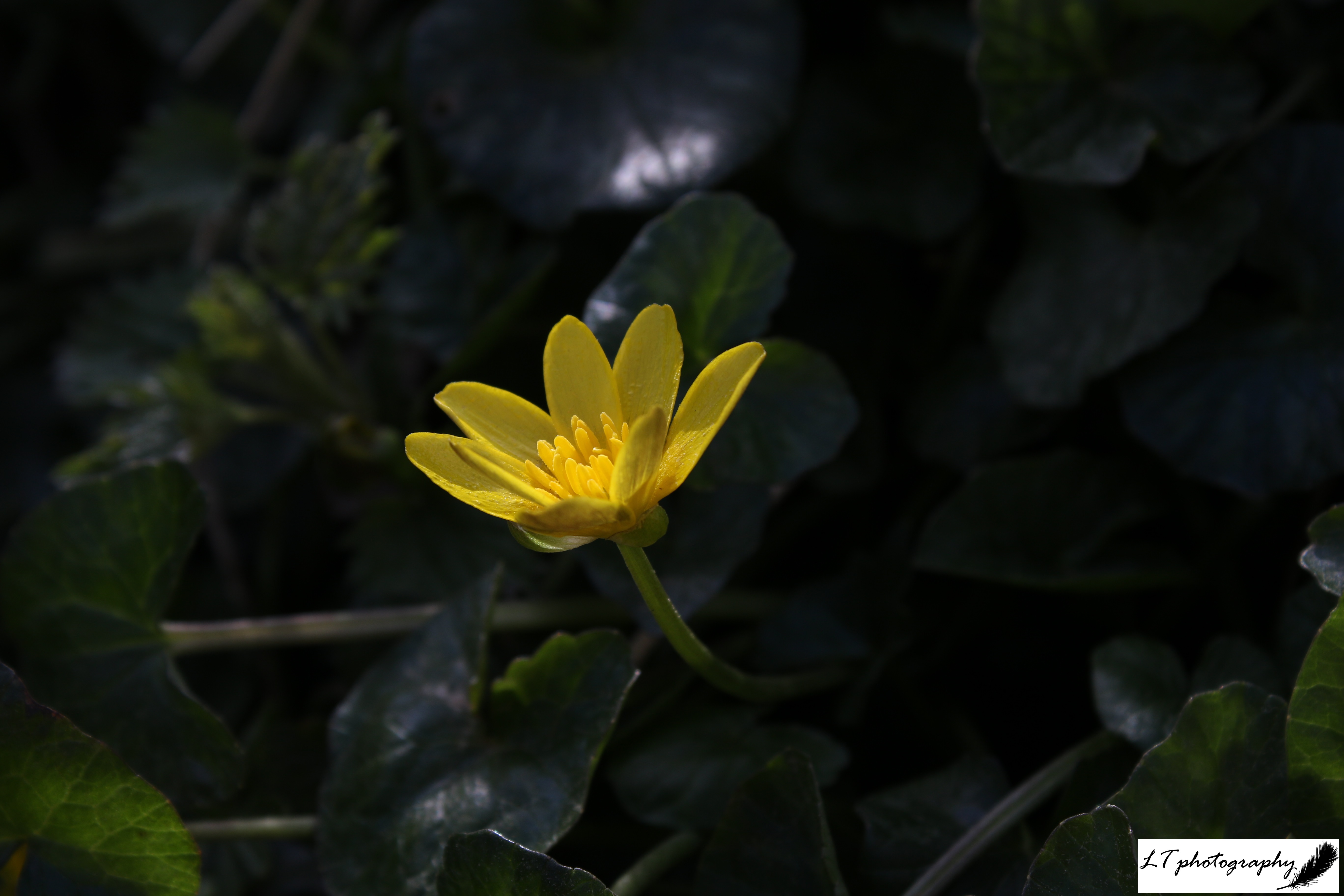
The palette is added to by splashes of pink and yellow. Shining yellow stars of Lesser Celandine float above heart-shaped leaves. The green-spiked Yellow Archangel, like a nettle, adorned with rings of butter-yellow flowers, each with their own hood. You can also find Early Purple Orchids beneath the trees, pink spikes growing from purple-splattered green leaves. Closer to the ground, the glittering pink faces of Herb Robert add to the show.

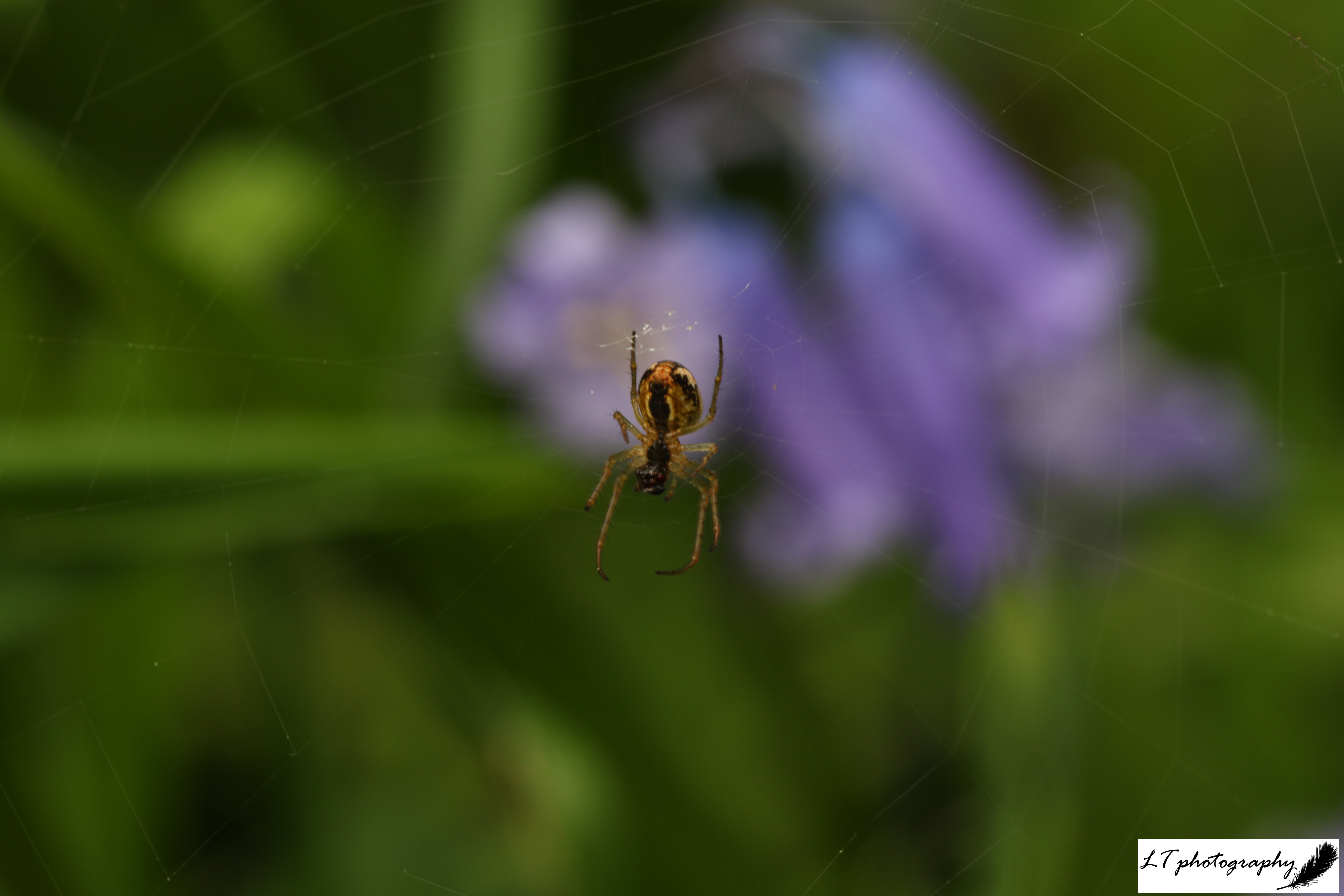
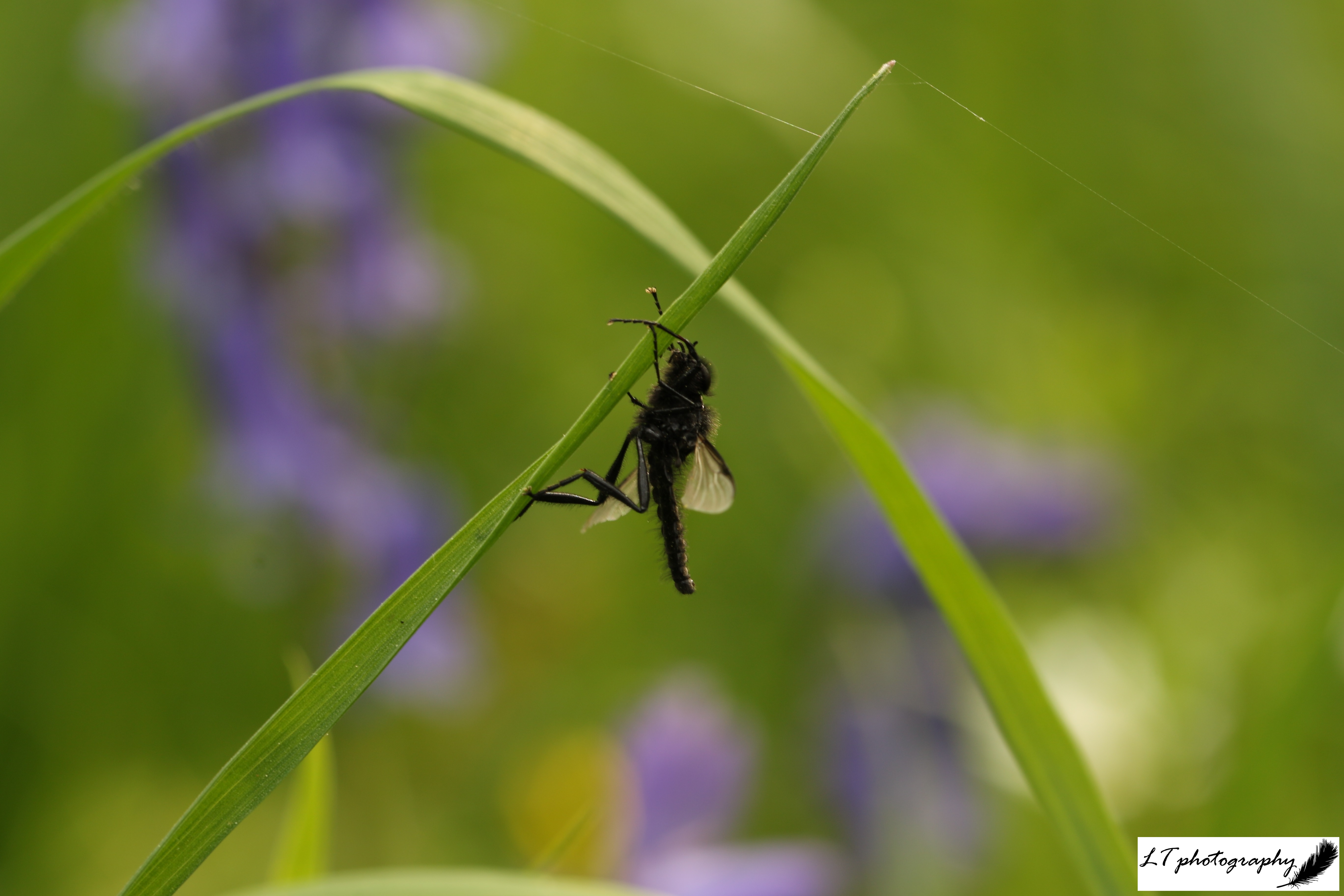
Amongst the Bluebells, there is not just a colourful backdrop of flowers to be found, but a hidden world to be discovered. Down at Bluebell level, the woodland floor comes alive. Spiders spin webs from Bluebell to Bluebell hoping to catch a meal, whilst Bumblebees fly from flower to flower collecting nectar and pollen for their colonies. They are joined by a fantastic array of flies, varying in size, shape, and colour.

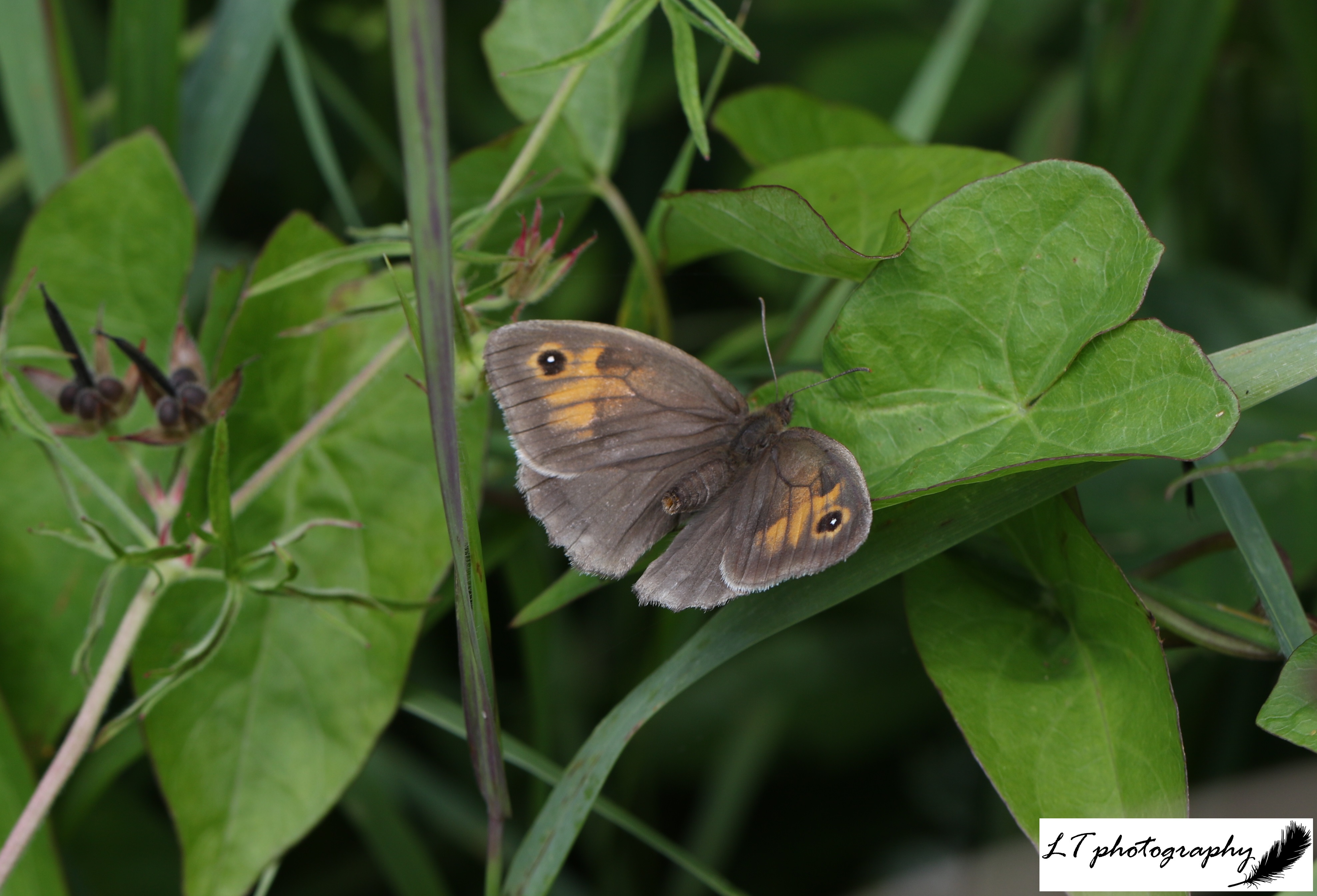
If you take an even closer look at the flowers, you might even find some more hidden characters that capture your mind and inspire your imagination. Camouflaged spiders, weird and wonderful weevils, colourful shield bugs, fascinating beetles, and even patchwork snails are waiting to be found. Minibeasts and their tiny worlds can create a sense of calm and simple joy, an easy example being a graceful Butterfly gently flitting by through dappled spring sunshine.

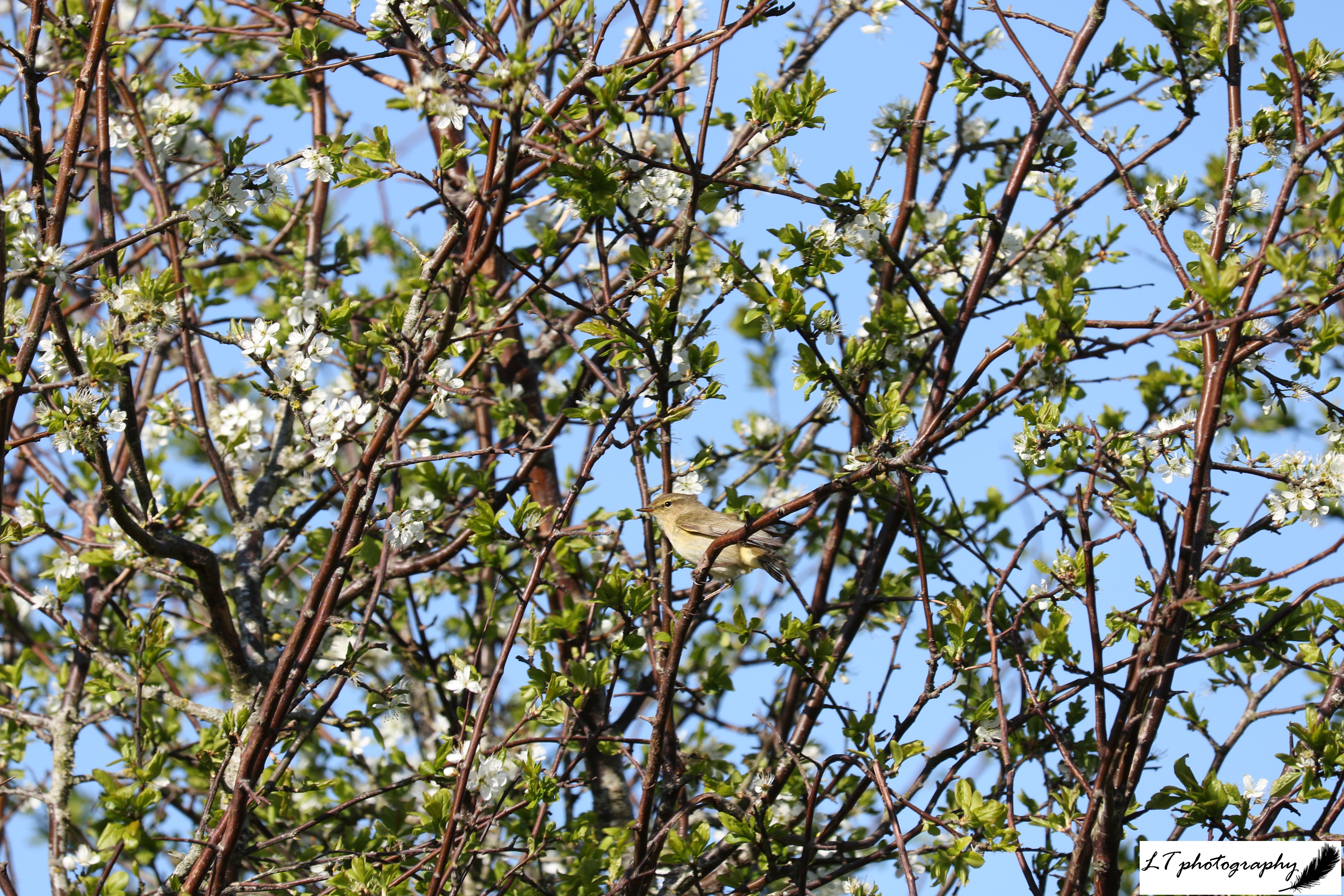
Walking through the Bluebells is a wonderful visual experience, but if you open your ears, then another world can also be added to this. The fluting notes of the Song Thrush, the onomatopoeic song of the Chiffchaff, the melodic Robin, or the powerful trilling song of the Wren. All flow together to create a symphony of bird song, a soundtrack fit for the spectacle that is the blooming of the Bluebells.

‘When you go down to the woods today, you’re sure of a big surprise’, and in spring this might just be bigger than you expect. Next time the Bluebells are blooming, why not stop and see what you might find amongst those nodding heads.

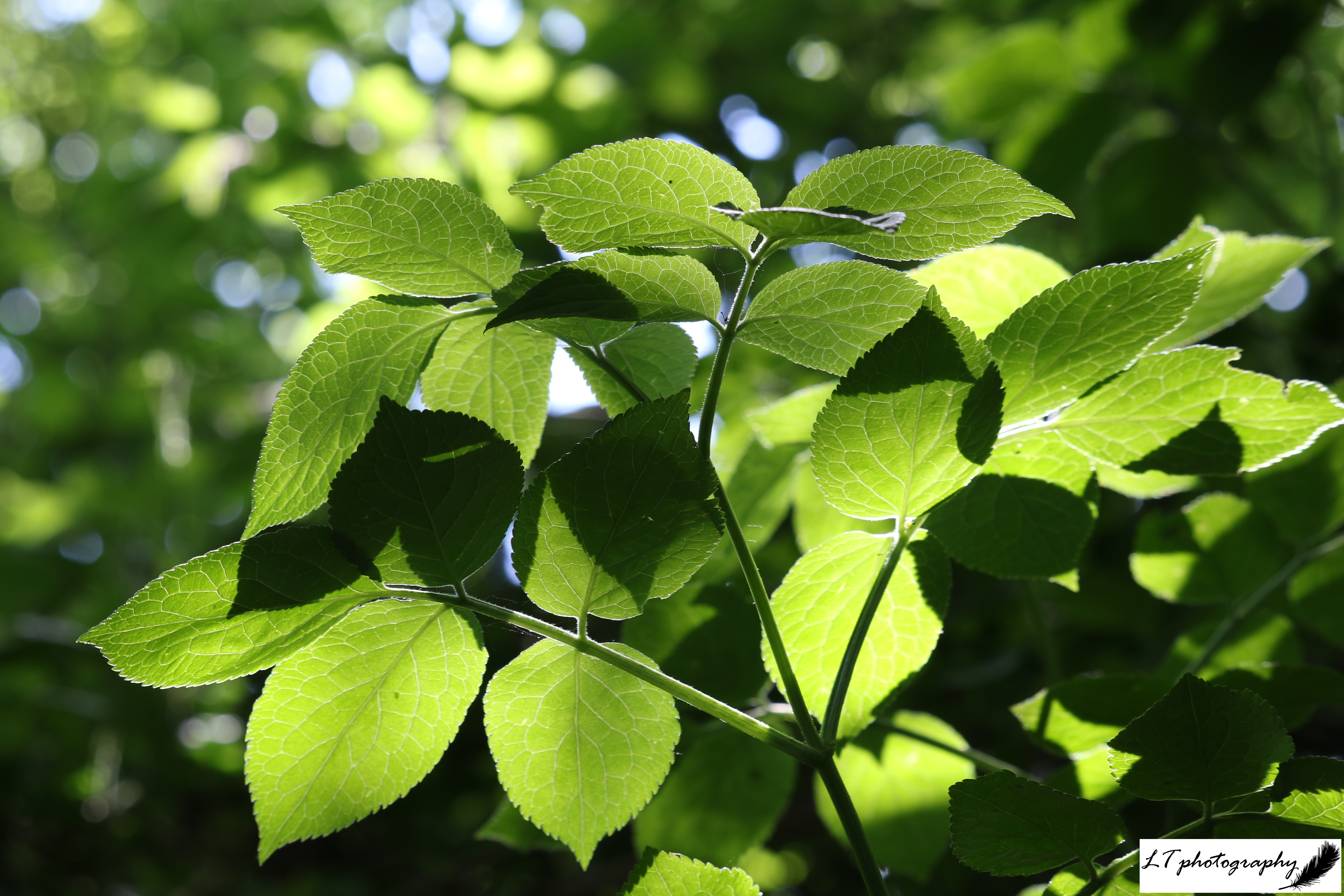
How to… Identify British Tree Species (Part 2)

A holly.tree shining bright with red berries and prickly green leaves in the grey of a wintertime woodland. An ancient evergreen yew standing watch over the final resting place of our ancestors. A colour-changing spindle cream flowered and glossy green in spring, turning to psychedelic pinks and oranges in autumn. Trees come in all shapes and sizes, often differing wildly from each other, but all can be found embedded in the landscape and culture of Britain.

In the last chapter of my How to… Identify British Tree Species guide, I focussed on 10 tree species that can easily be found across the UK, from the majestic oak to the graceful silver birch. These are but a few of the now 80 odd native and non-native species that can be found in the UK. From providing food to flood prevention, from the countryside to the city, trees can be found playing important roles across the country right now.

Following on from my last guide, part 2 covers 10 more tree species that can easily be found across Britain. This handy guide of facts, drawings, and photos is here to help you to identify these species at any time of year. Here’s to learning something new everyday!

Tree Species

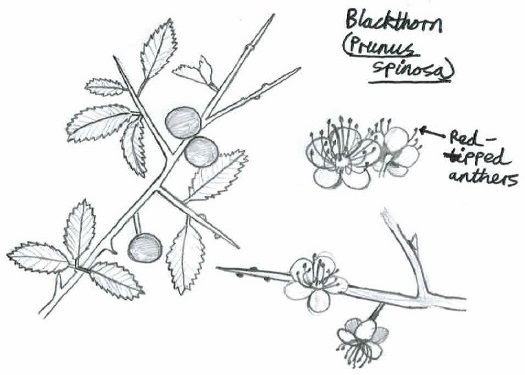
Blackthorn (Prunus spinosa)

  • Family: Rose – related to fruiting trees such as cherry and plum
  • Origin: Native
  • Shape and Size: Large shrub, occasionally small tree, up to 4m, forming impenetrable thickets
  • Stems and Twigs: Young twigs downy, maturing to dark brown bark, that shows orange beneath, with thorns
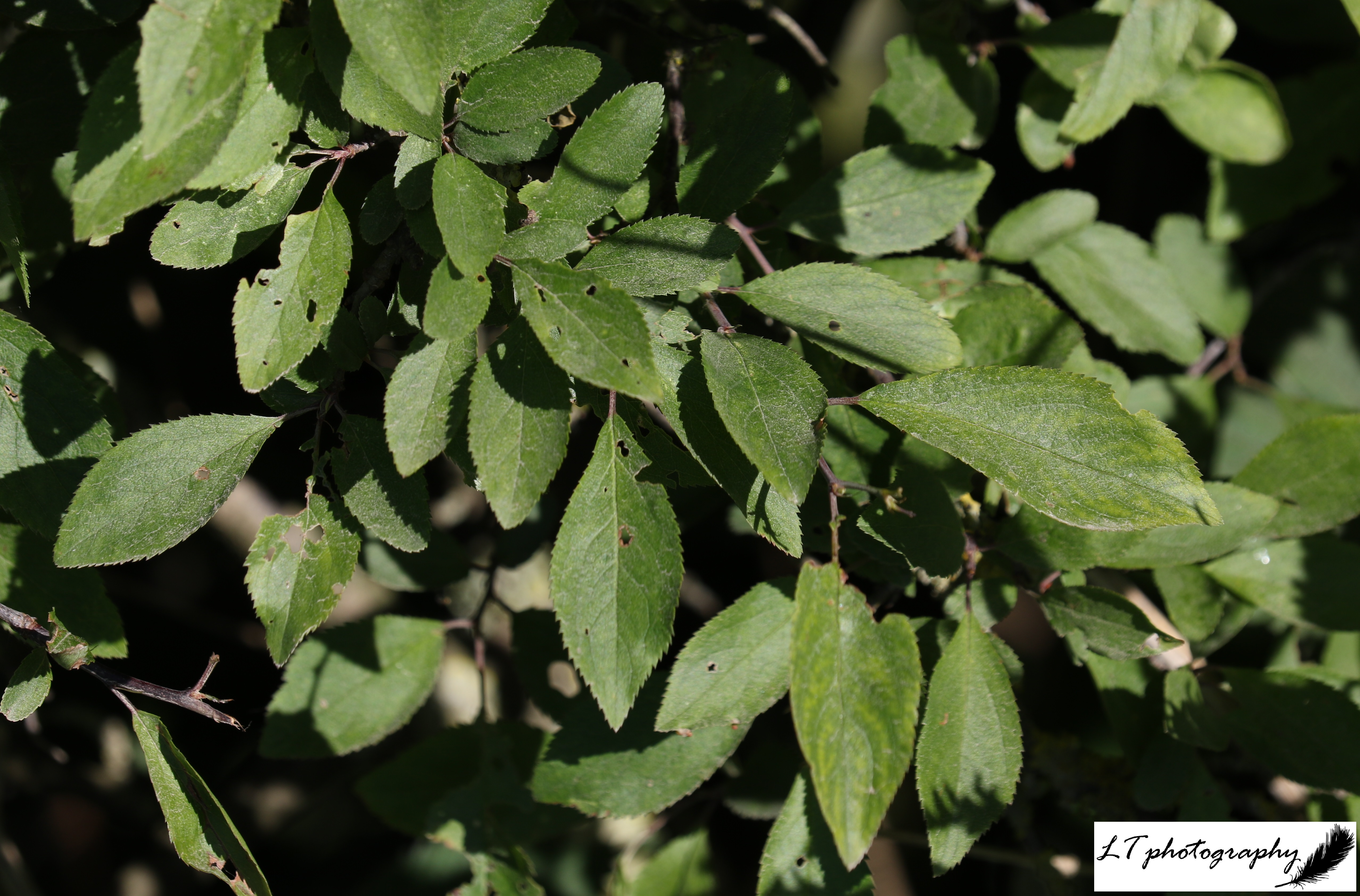
  • Leaves: Small, oval, alternate, tapering to a point, toothed margins, dull above and hairy beneath
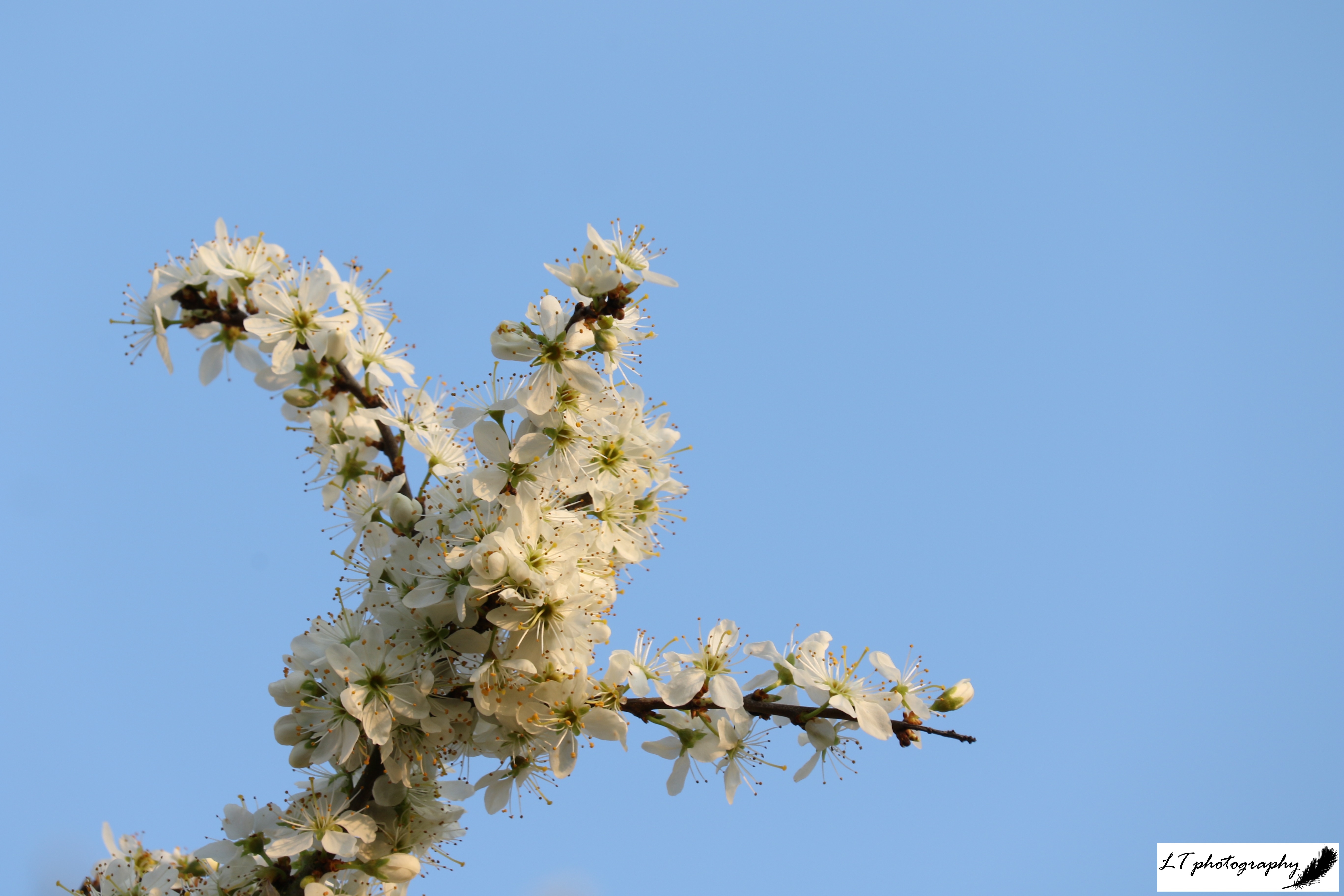
  • Flowers: Flowers are white with 5 petals and red-tipped anthers. Flowers appear late March-April, before the leaves, often alongside cold weather known as Blackthorn winter
  • Seeds: Produces round, blue-black fruit (sloes) with a single seed (stone)
  • Range and Habitat: Grows on the edge of scrub woodlands and in hedgerows

In Winter: Twigs are dark and not shiny, with thorns at least 2cm long

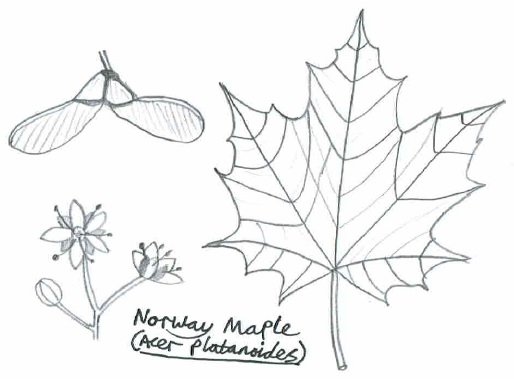
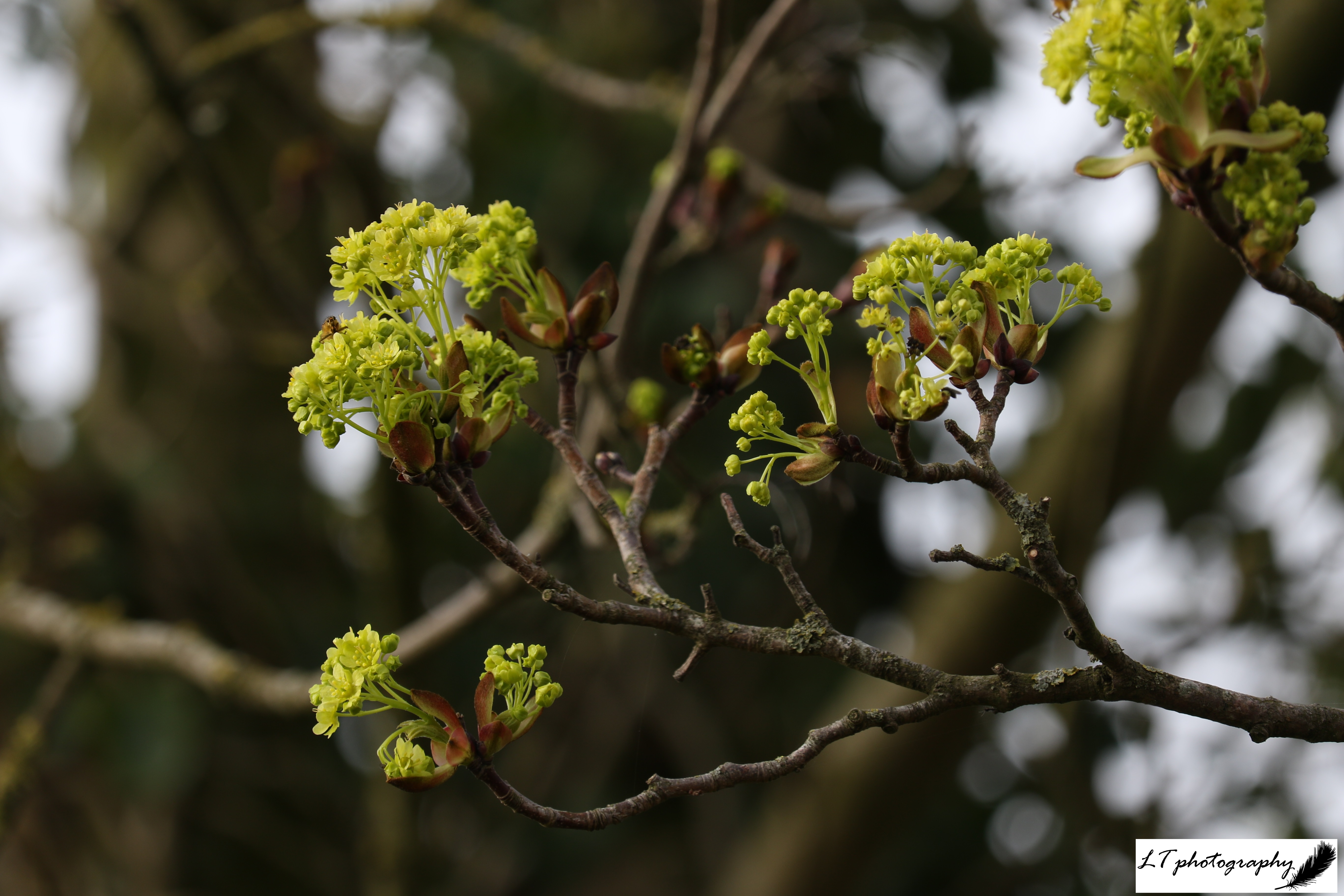
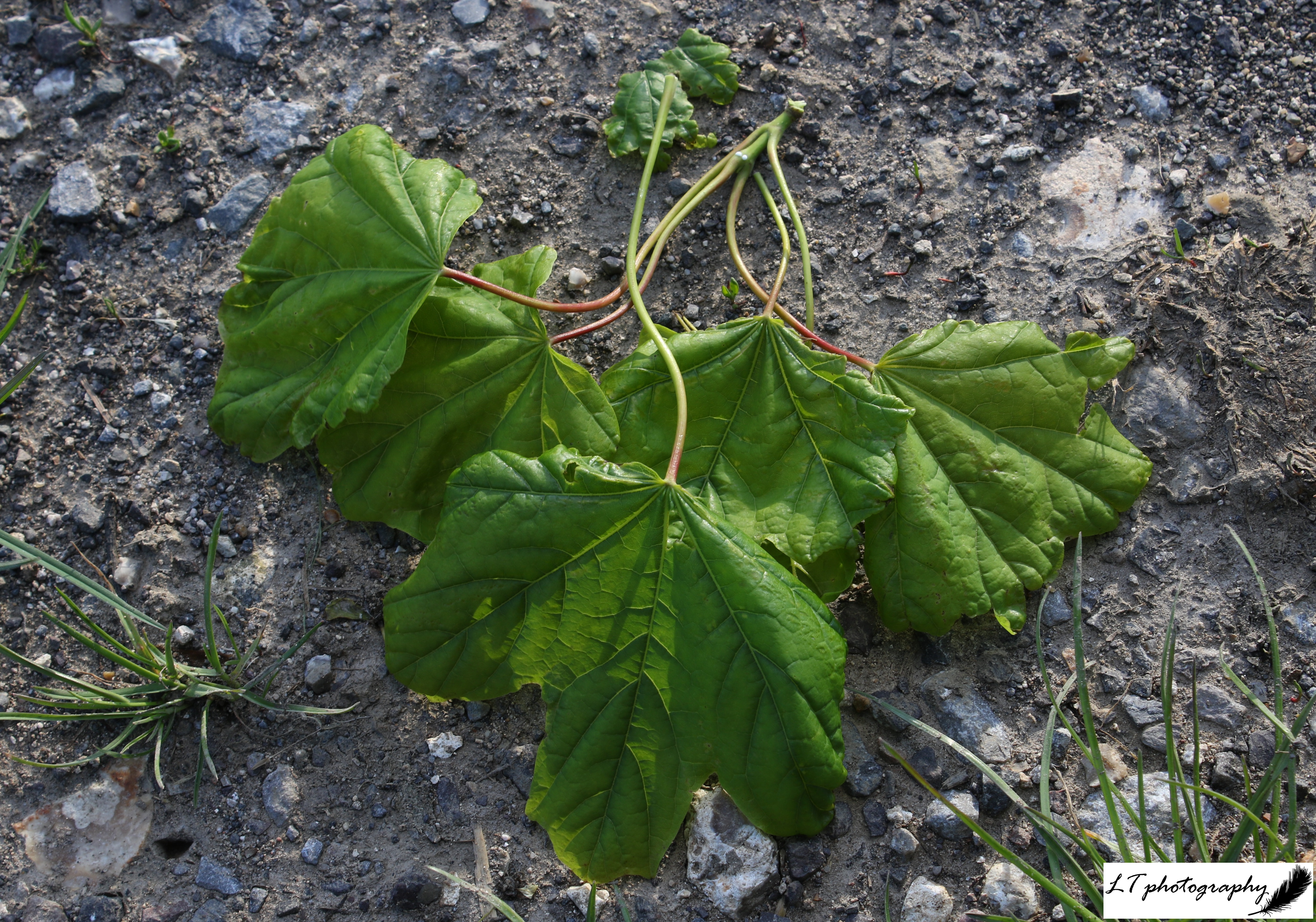
Norway Maple (Acer platanoides)

  • Family: Sapindaceae – related to lychee and horse chestnut
  • Origin: Non-native (introduced in the 17th century from Europe and Asia)
  • Shape and Size: Shorter and more slender tree, reaching up to 30m
  • Stems and Twigs: Bark is grey with many small fissures (not flaking), and twigs are slender and brown with tiny white spots
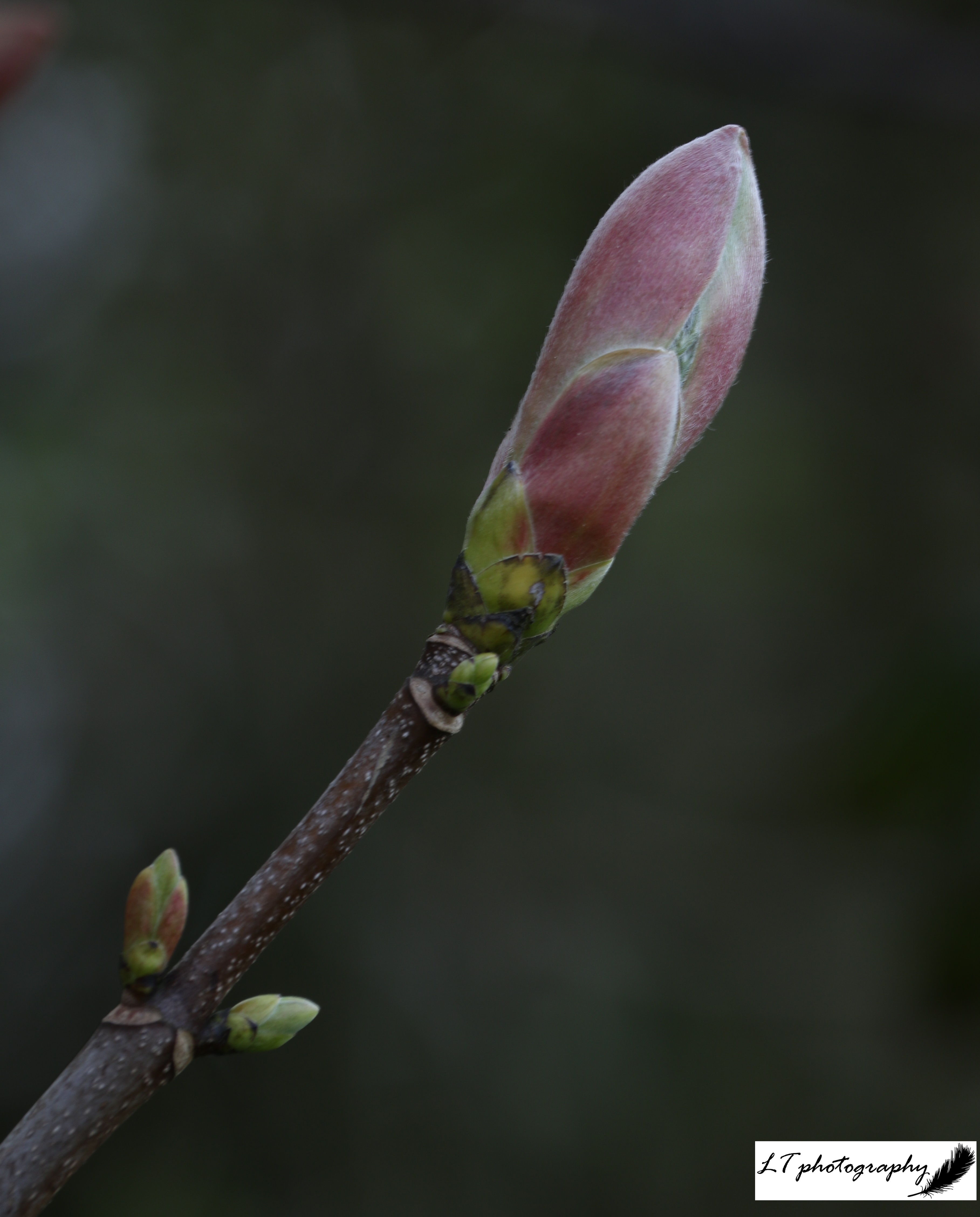
  • Leaves: Thin, light green leaves, opposite and have long pointed lobes
  • Flowers: Erect clusters of pale yellow flowers, before the leaves (April-May)
  • Seeds: Winged keys in opposite pairs
  • Range and Habitat: Increasingly planted and self-sown in parks, gardens, and hedges

In Winter: Distinctive shape and bark, and individual buds that are green and red

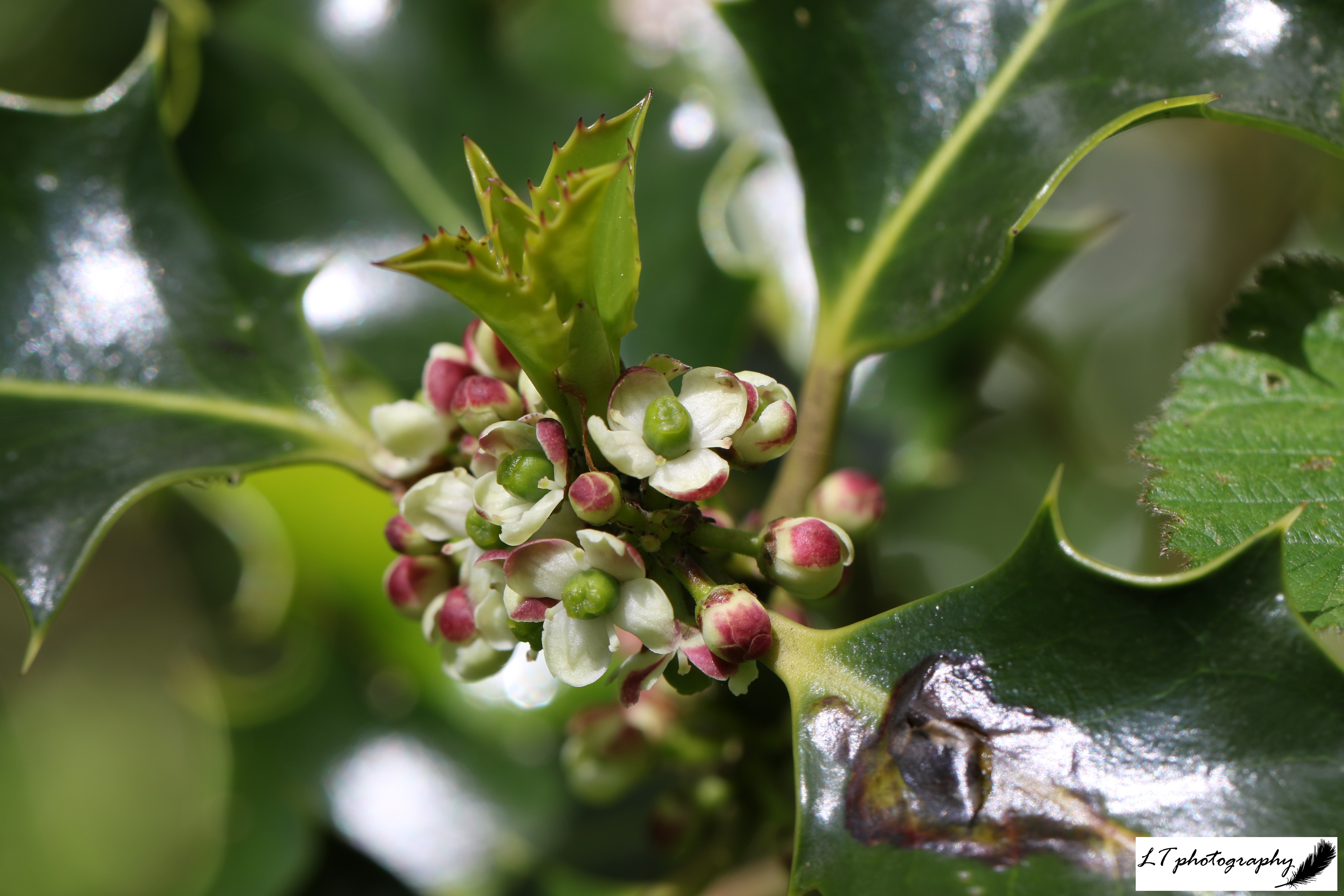
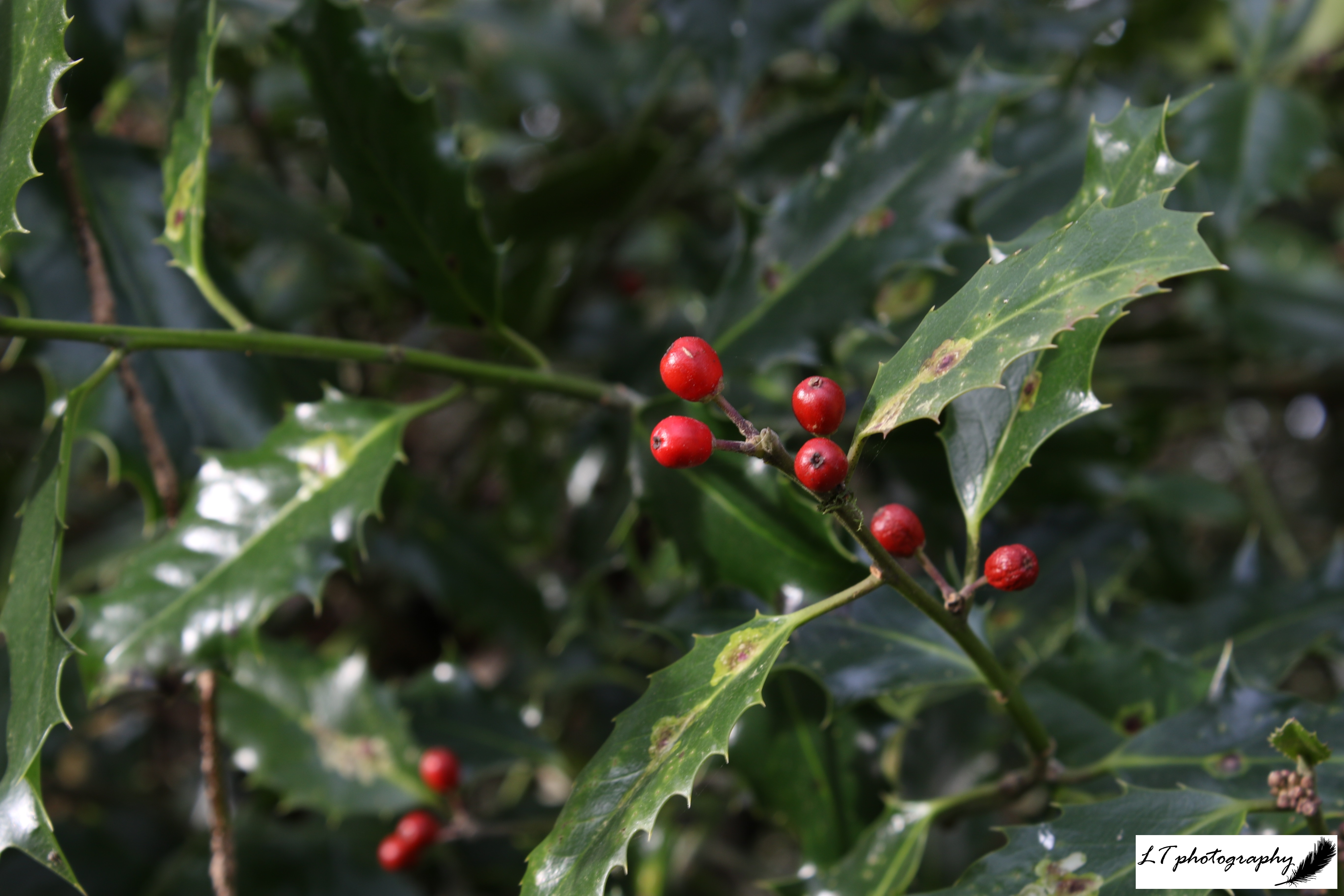
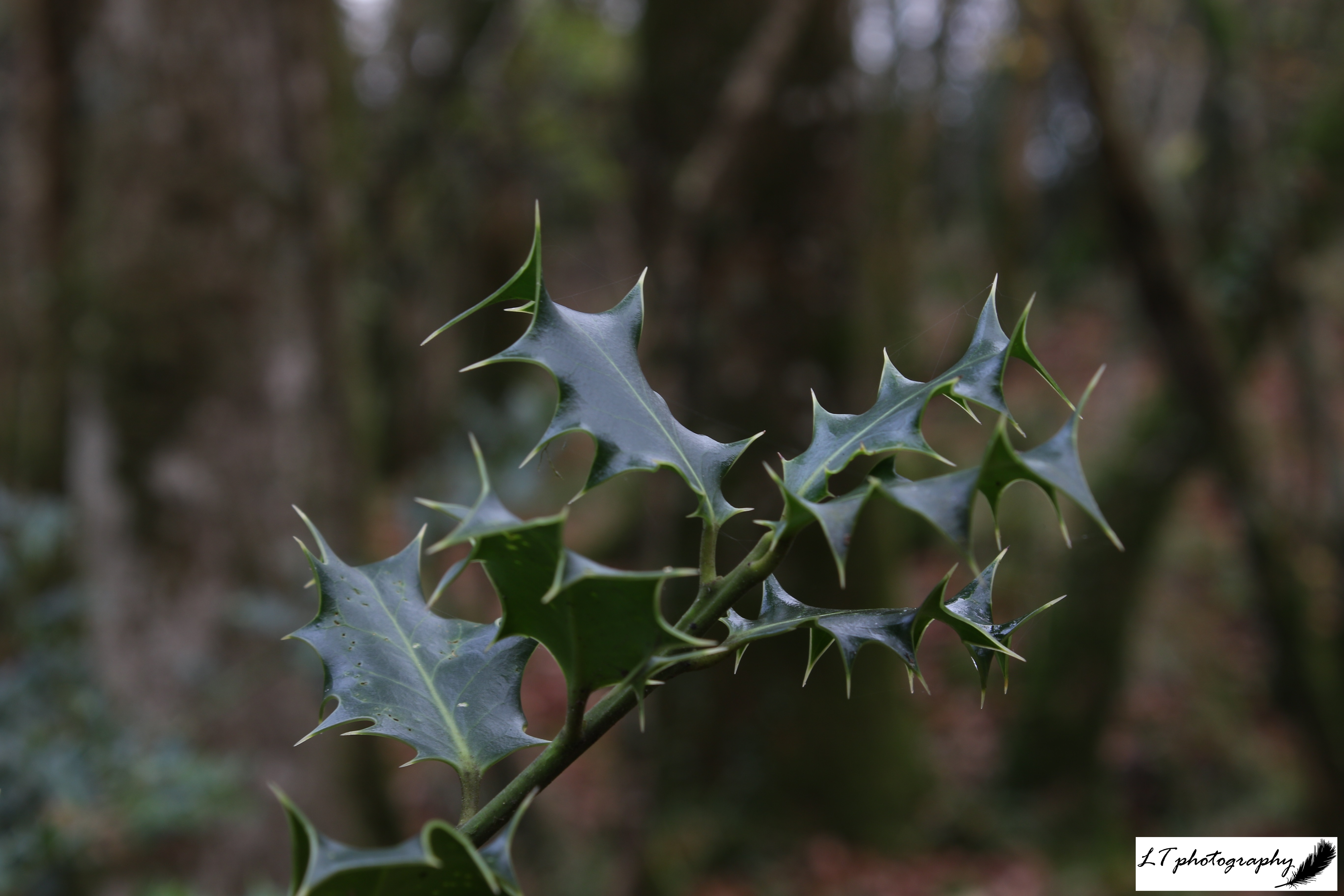
Holly (Ilex aquifolium)

  • Family: Aquifoliaceae – holly trees
  • Origin: Native
  • Shape and Size: Narrow-crowned, conical tree with regular branching, reaching up to 20m
  • Stems and Twigs: Bark is green when young, becoming smooth and grey with age
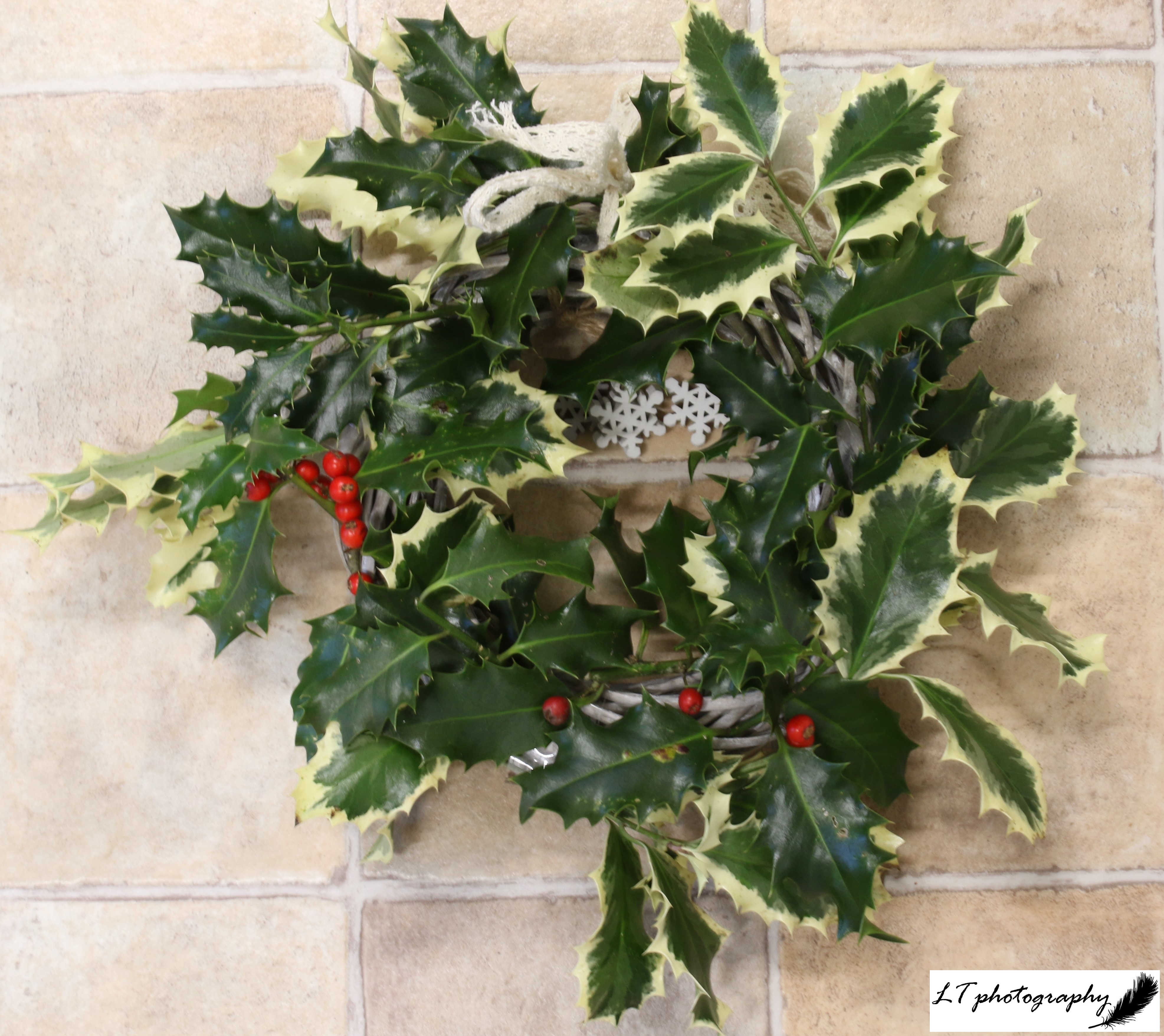
  • Leaves: Alternate, long, glossy, spiny teeth, and waxy on top, matt and pale green beneath
  • Flowers: White, 4-petalled and in close clusters, with male and female flowers on separate trees (May-August)
  • Seeds: Red berries with small seeds, only found on female trees
  • Range and Habitat: Can be found everywhere across the British Isles but prefers drier soils

In Winter: Evergreen spiky leaves and red berries, a symbol of Christmas

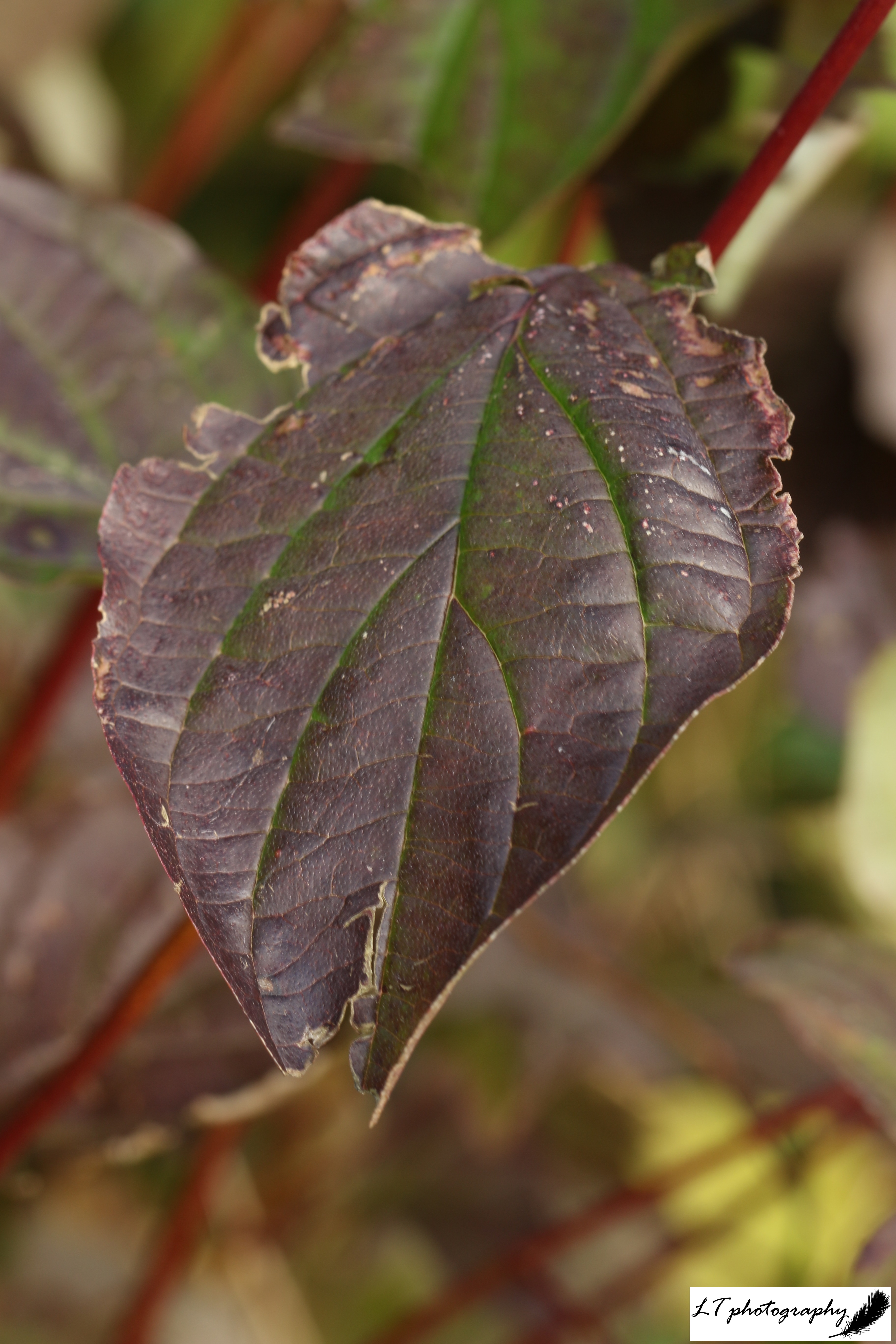
Dogwood (Cornus sanguinea)

  • Family: Cornaceae – dogwoods
  • Origin: Native
  • Shape and Size: Tall and deciduous sending out suckers to form dense thickets (up to 10m)
  • Stems and Twigs: Bark grey and smooth with shallow ridges, giving off a fetid smell when bruised, attractive to insects
  • Leaves: Opposite, long, oval, pointed, hairy on both sides, side veins curving forward, and no teeth. Crimson colouring in late autumn
  • Flowers: Greenish-white 4-petalled flowers (June-July)
  • Seeds: Round, bitter, black berries in clusters (sometimes called ‘dogberries’), ripening in August or September
  • Range and Habitat: Frequent in Midlands and South, grows chiefly on chalk soils, but also found in woodlands, scrub and hedges

In Winter: New twigs are bright red

Common Lime (Tilia x europaea)

  • Family: Mallow family – related to trees such as cotton and cacao
  • Origin: Native
  • Shape and Size: Tall tree with long slender branches that start near the ground (up to 40m)
  • Stems and Twigs: Young bark is smooth and grey, whereas old bark is fissured
  • Leaves: Long and heart-shaped with small teeth and tapering to a point. Dark green and hairless above, whereas undersides are paler with white or buff hairs in the vein junctions
  • Flowers: Greenish-yellow 5-petalled flowers that are sweet smelling (late June-July)
  • Seeds: Encapsulated in small round hanging fruits, hairy, faintly ribbed and with pointed tips
  • Range and Habitat: Widespread in rows or avenues in streets, parks and also hedges

In Winter: Red, hairy twigs and shoots

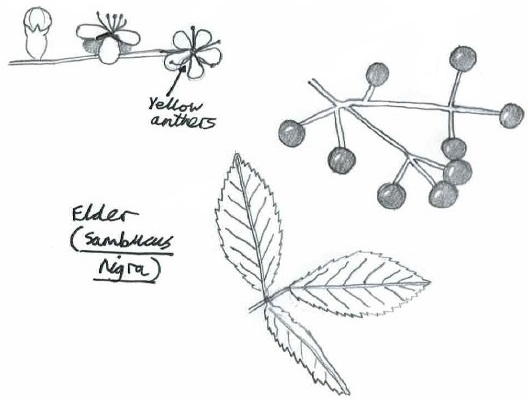
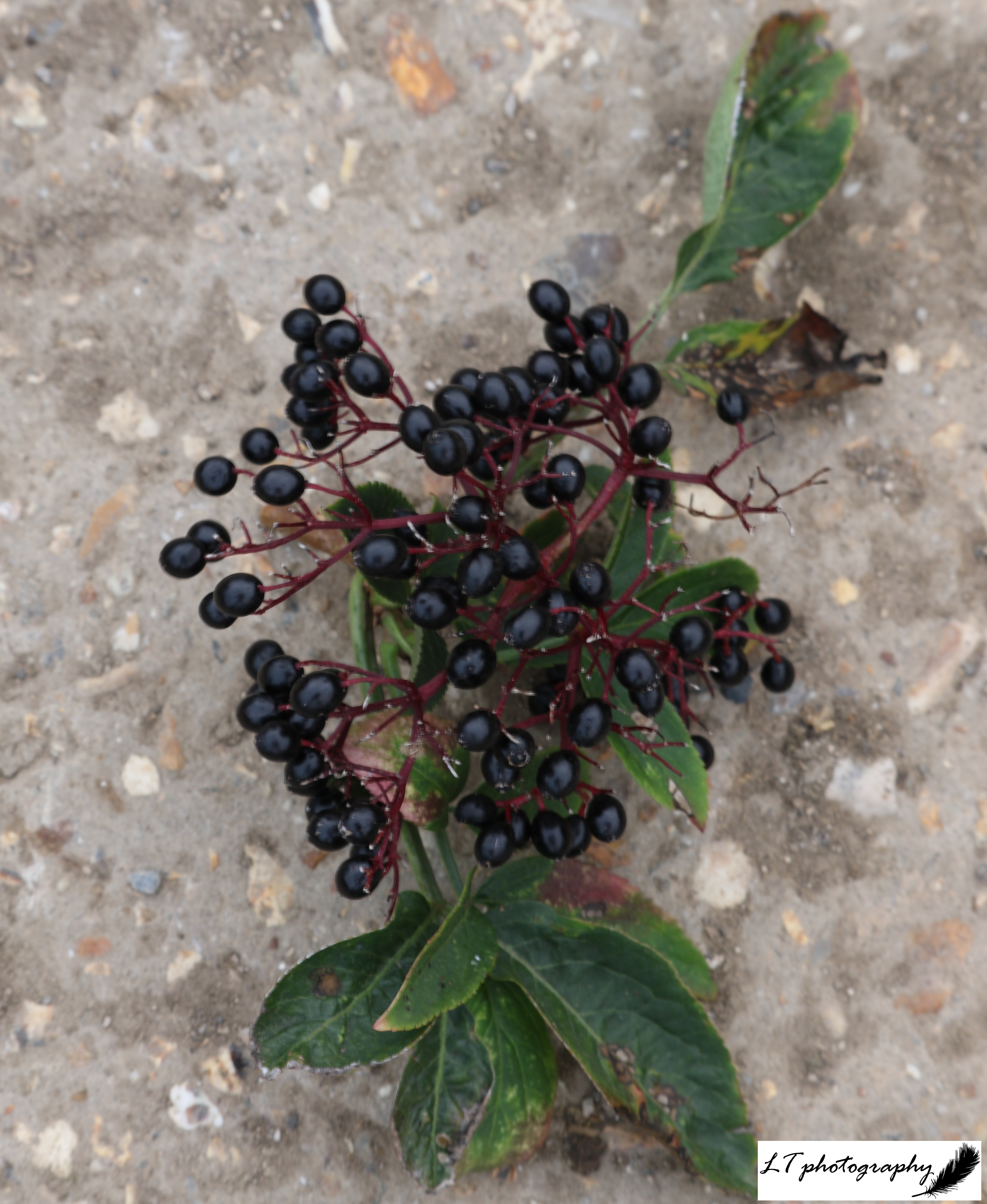
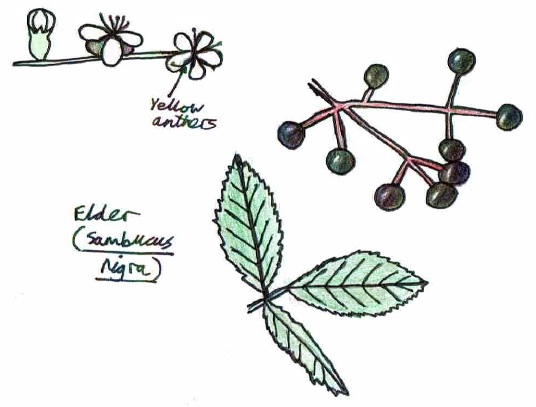
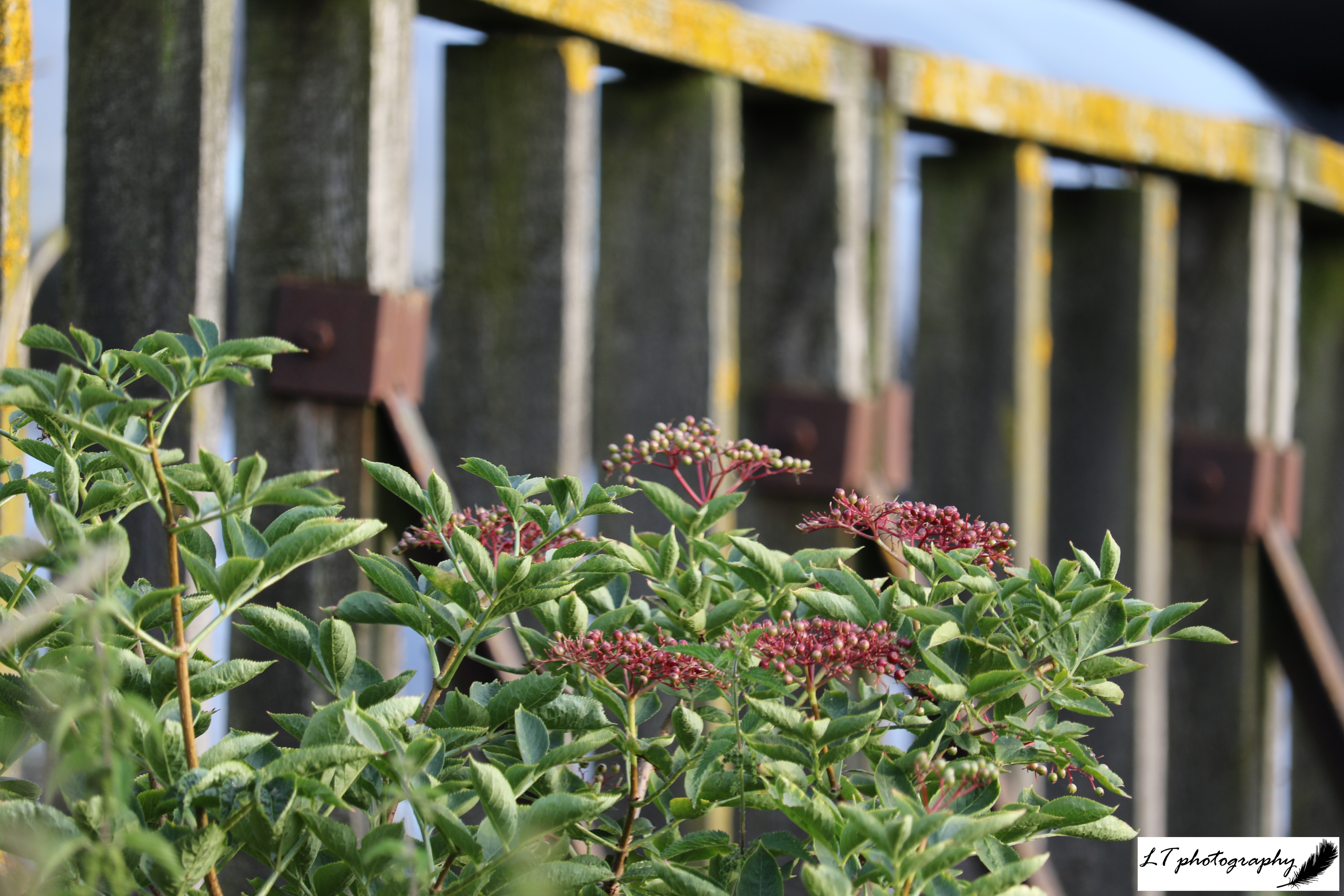
Elder (Sambucus nigra)

  • Family: Adoxaceae – previously in the honeysuckle family , but now reclassified in moschatel
  • Origin: Native
  • Shape and Size: Bushy shrub with many stems or growing into a small tree (up to 10m)
  • Stems and Twigs: Light brown bark is thick, corky, fissured, and strong smelling
  • Leaves: Long, dark green, and opposite, with leaflets in pairs, rounded, stalked and with teeth
  • Flowers: Creamy-white, small, and sweetly fragrant in flat-topped clusters with yellow anthers (May-August)
  • Seeds: Produces a juicy, edible, purplish-black berry
  • Range and Habitat: Widespread and common throughout Britain, particularly flourishing where nitrogen content high

In Winter: Pungent, hollow-stemmed twigs and often dotted with light-brown bumps

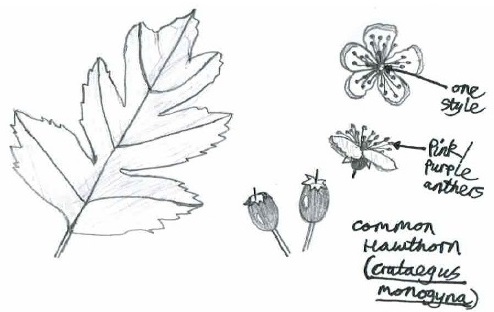
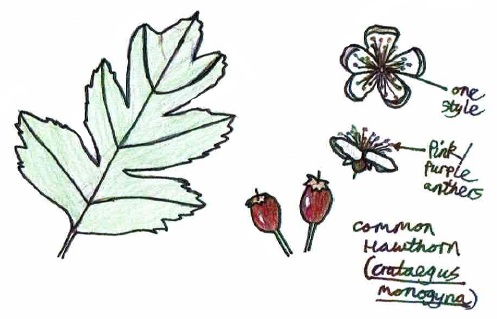
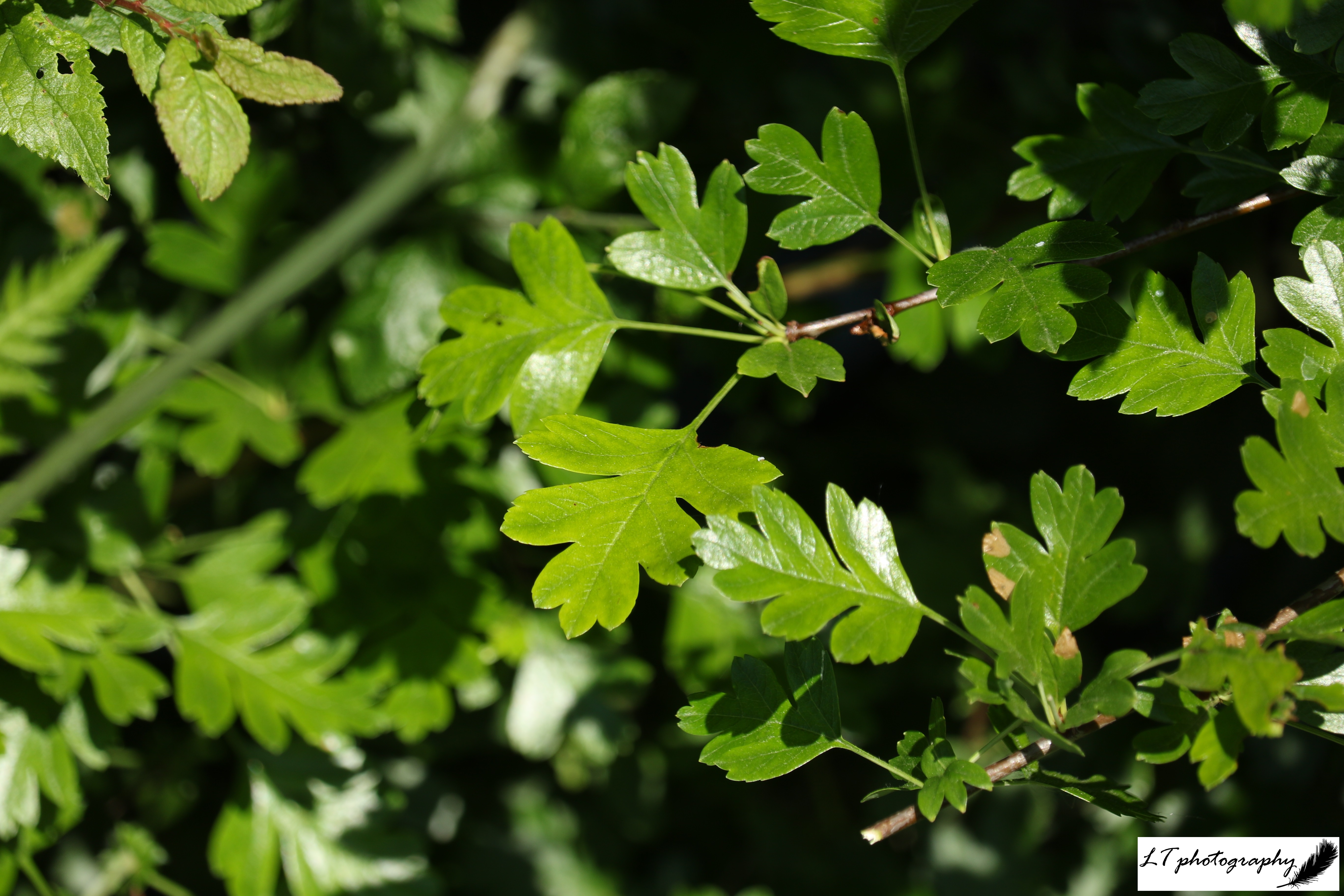
Hawthorn (Crataegus monogyna)

  • Family: Rose – related to fruit trees such as apricots and apples
  • Origin: Native
  • Shape and Size: Quick growing, becoming a dense shrub or single stemmed tree (up to 15m)
  • Stems and Twigs: Bark is hairless and greyish-brown, with many small scales and sharp spines
  • Leaves: Alternate, long, toothed, shiny, lobed, and roughly oval-shaped
  • Flowers: Showy white and fragrant (sickly sweet) with 5 petals, and pink or purple anthers (late April-June). Become deep pink as they fade
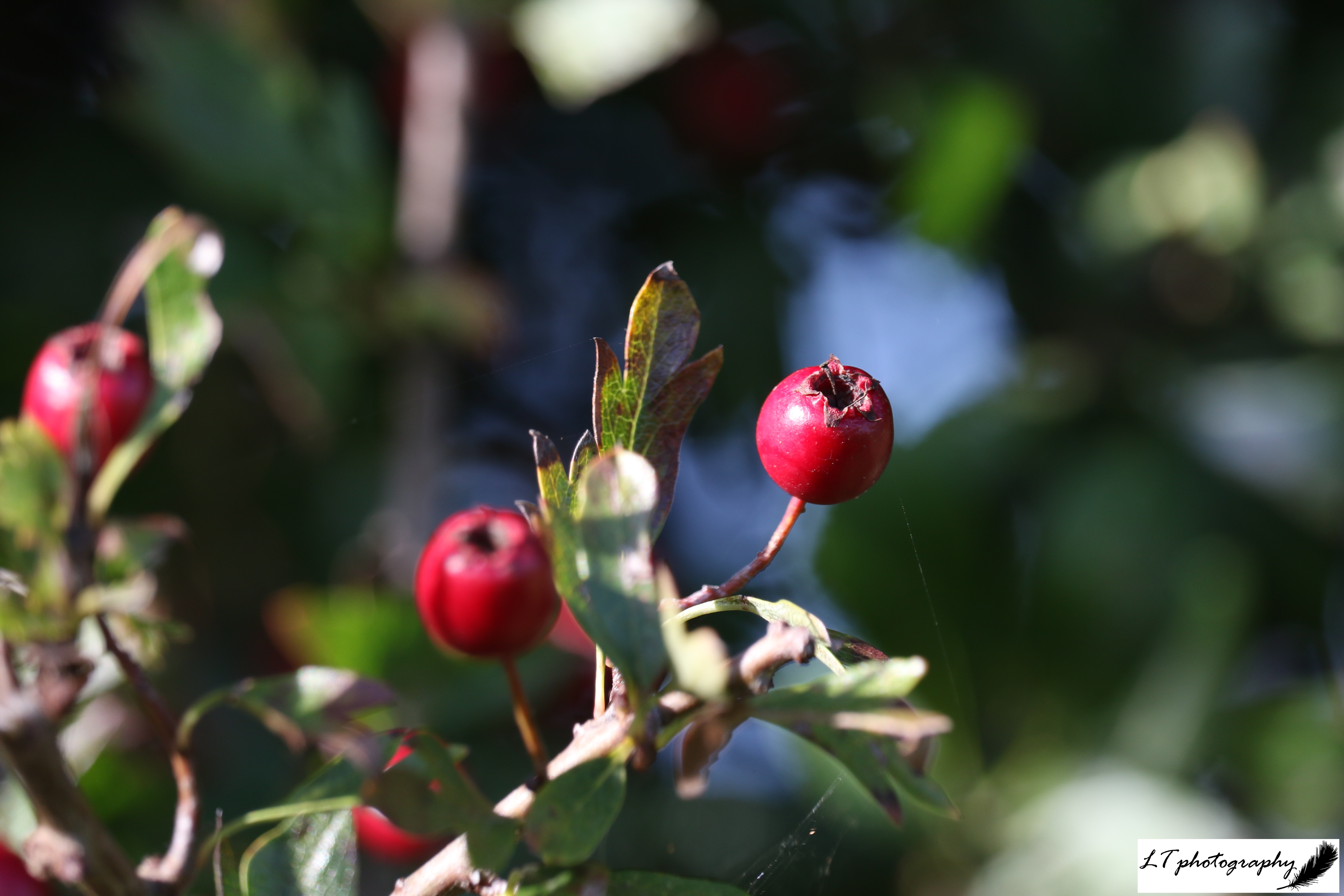
  • Seeds: Fleshy fruits (haws) turn dark wine-red and contain a single seed
  • Range and Habitat: Widespread and common throughout Britain, in hedges, scrub or woodland margins

In Winter: Spines emerging alongside buds on the twigs

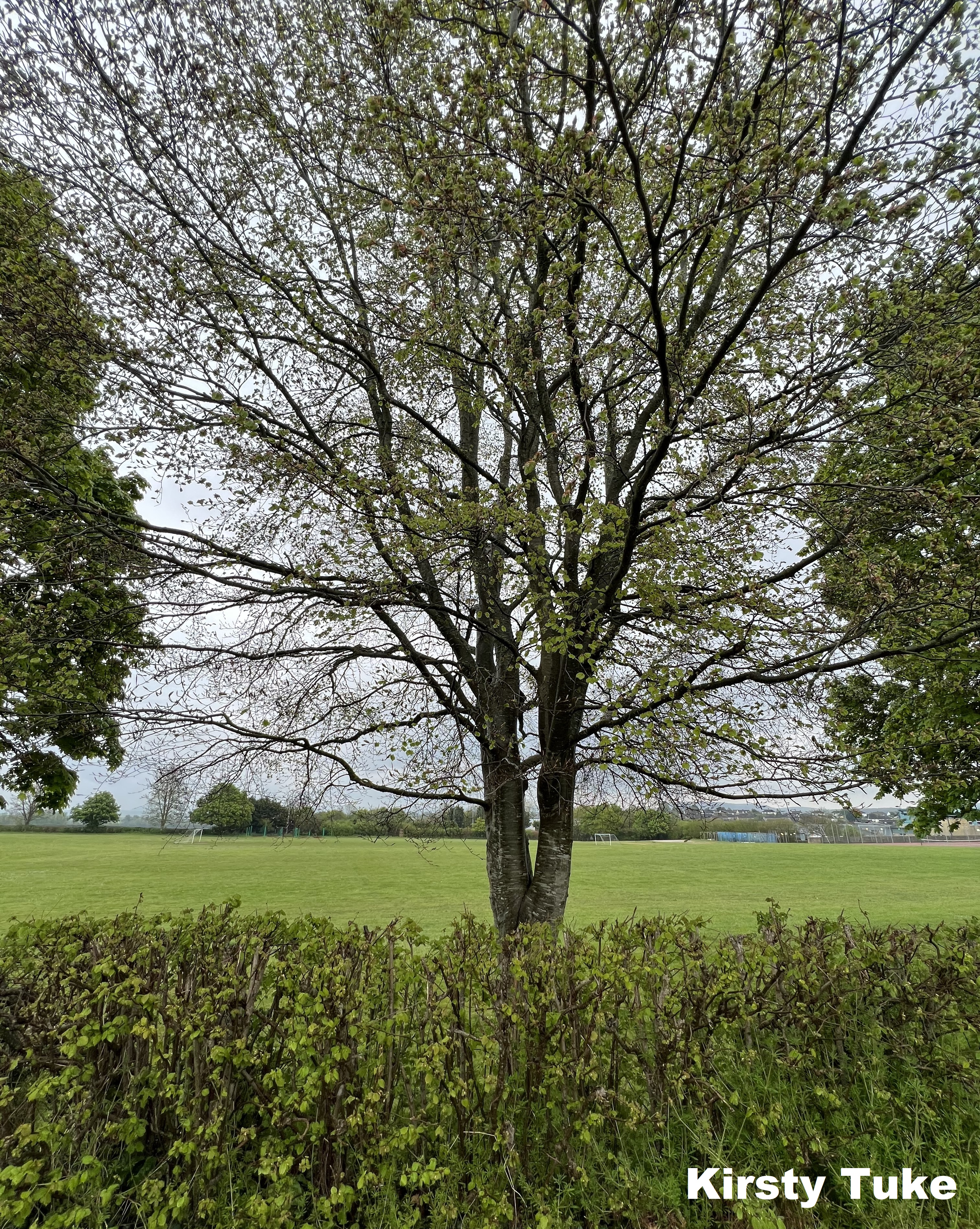
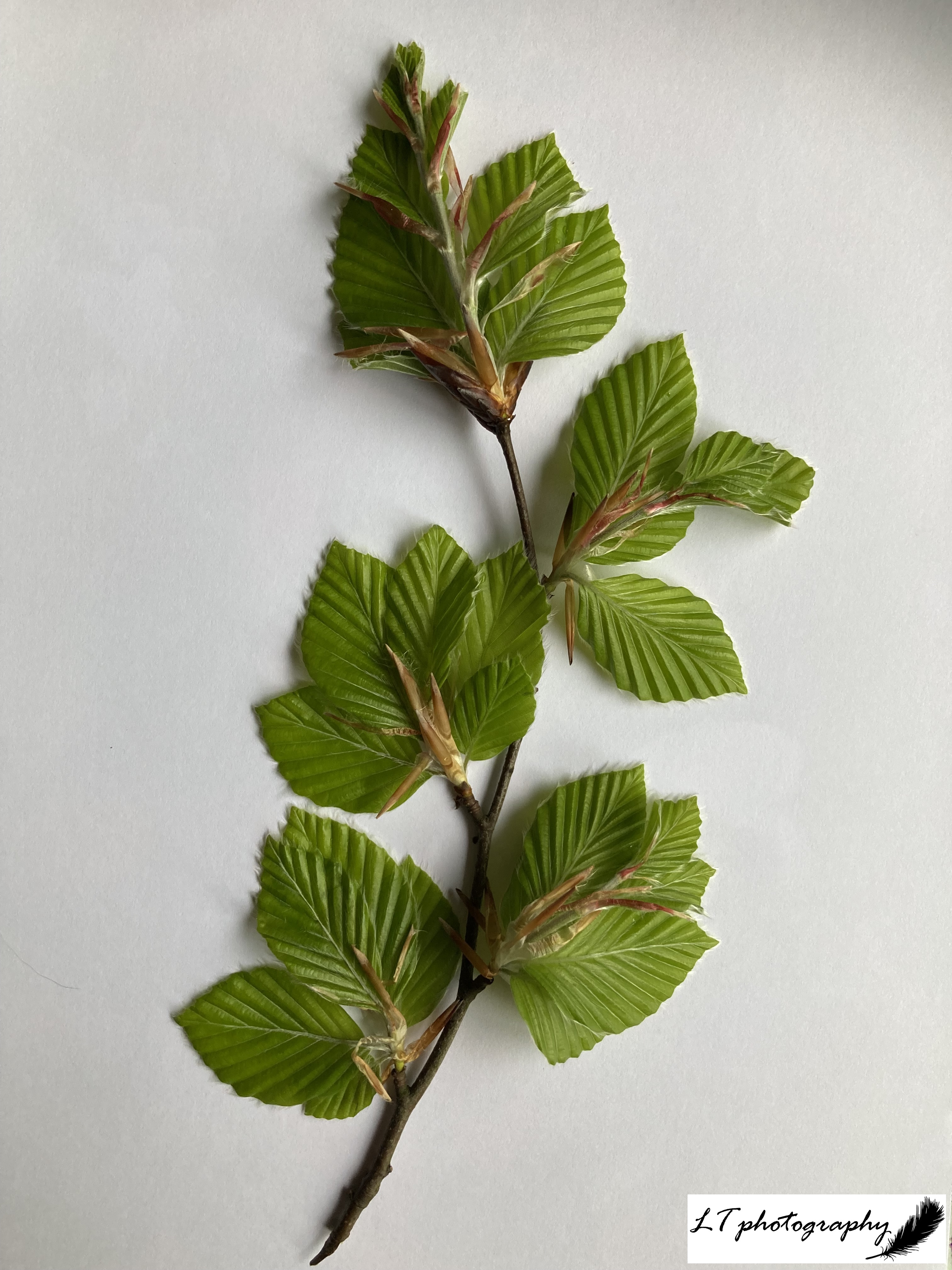
Beech (Fugus sylvatica)

  • Family: Beech – includes chestnuts and oaks
  • Origin: Native
  • Shape and Size: Older trees have a massive, many-branched dome, whereas young trees are slimmer and more conical in outline (up to 36m)
  • Stems and Twigs: Smooth grey bark may break into small squares
  • Leaves: Long, wavy margins, alternate, hairy leaf edges, and shiny green on both surfaces
  • Flowers: Young leaves appear with yellow long-stalked male flowers on tassel-like stalks, and greenish white female flowers (May)
  • Seeds: Four-lobed husk are two triangular nutlets (mast)
  • Range and Habitat: Native in woods in the south, but widely planted elsewhere

In Winter: Often hold on to leaves and have sharply-pointed buds

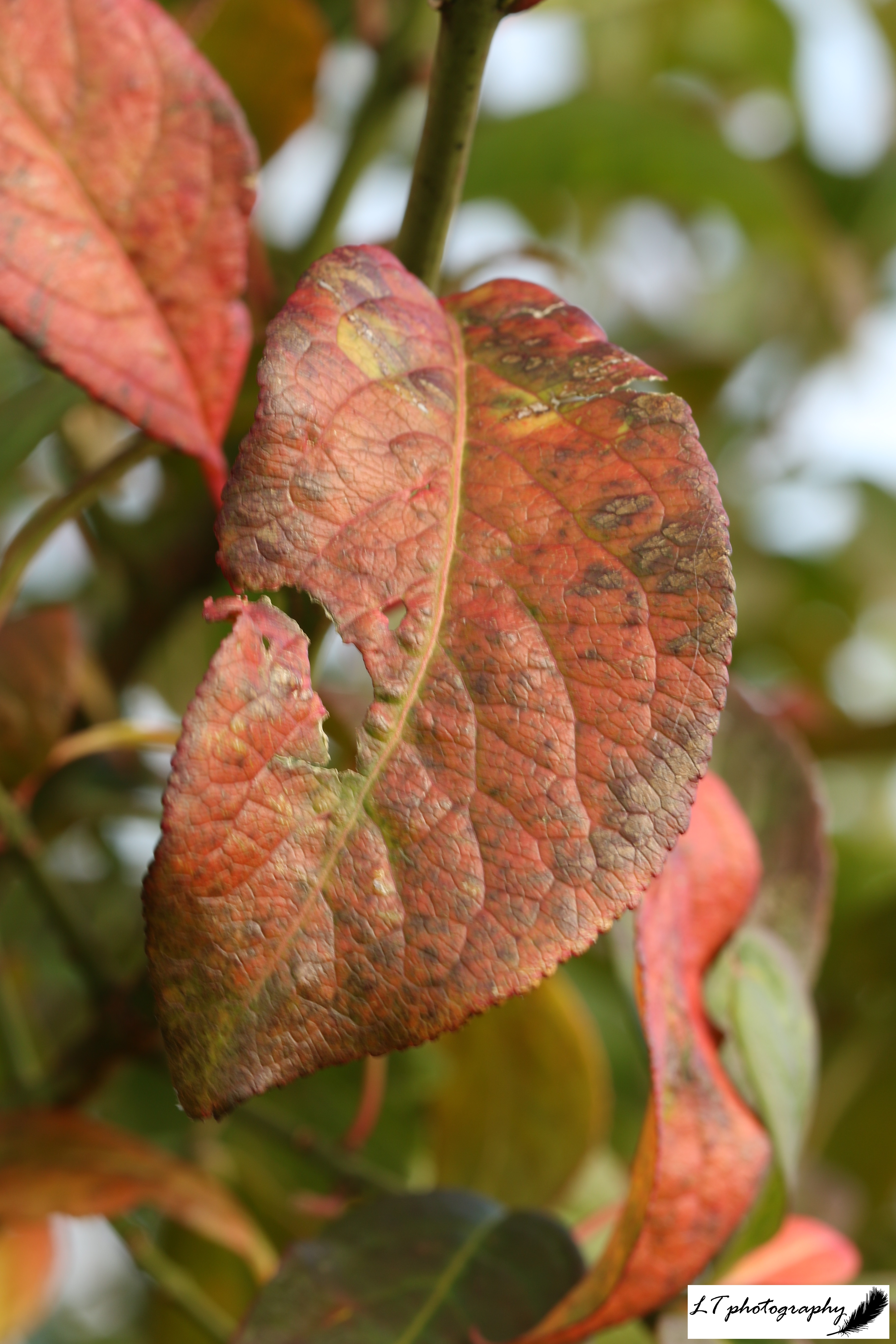
Spindle (Euonymus europaeus)

  • Family: Staff-vine
  • Origin: Native
  • Shape and Size: Small tree or big bush up to 6m
  • Stems and Twigs: Young, smooth, greenish bark later turns grey
  • Leaves: Light green leaves are opposite, thin, oval-shaped, and pointed, with small finely toothed margins. Turn pinkish-red in autumn
  • Flowers: Small greenish-yellow flowers with 4 narrow petals (May-June)
  • Seeds: Four-lobed seed capsules, which turn a deep pinkish-red when ripe.
  • Range and Habitat: Grows throughout England and Wales, most frequent in the South, but rarer in Scotland and Ireland. Found in woods, scrub, and hedgerows, in particular on lime

In Winter: Buds and twigs are angular with four sides

Yew (Taxus baccata)

  • Family: Yew
  • Origin: Native
  • Shape and Size: Round-headed tree with dark foliage, often has many trunks (reaches up to 20m)
  • Stems and Twigs: Smooth, light brown bark flakes to red patches
  • Leaves: Needles dark green on top and matt yellow-green on underside
  • Flowers: Male and female flowers are found on separate trees. Male flower is yellow, and tiny female flower is green (February-April)
  • Seeds: Bright red ripened fruits, much enjoyed by birds, partially encloses a single seed that is poisonous to humans
  • Range and Habitat: Found in woods, scrub, screes, downs and often on lime

In Winter: Evergreen needle-like leaves present all year round

Drawings are my own work

Rural Dorset vs. Urban Manchester: Exploring Winter’s Wild Birds

Series in collaboration with guest writer Emma Rogan

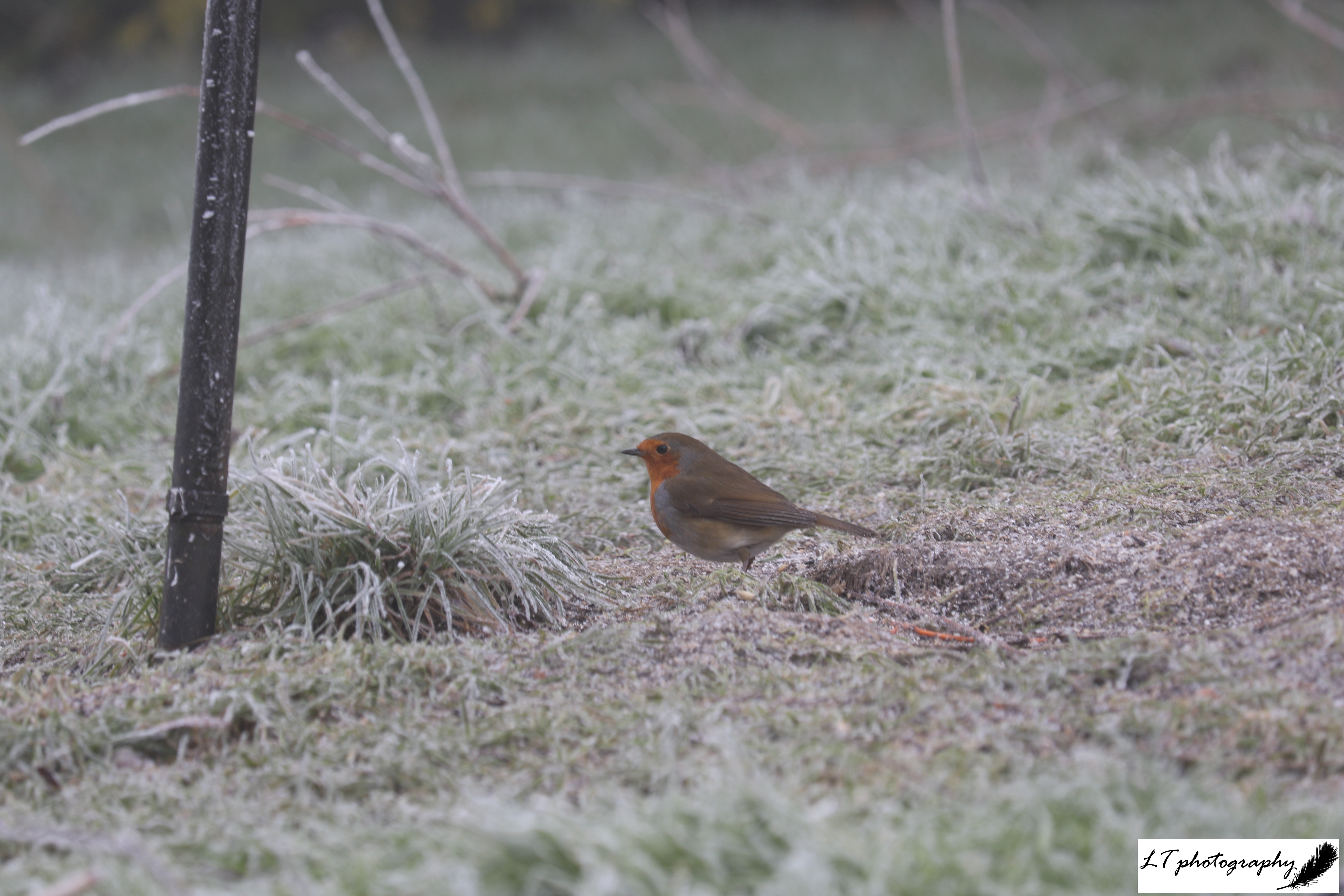
Winter is a time when a stillness grips the landscape, activity slows, and nature slumbers. This said, if you know where to look at this time of year, life can still be found. Barn Owls hunting along rough edges at first light, chattering Starlings feeding in flocks in open spaces, or Robins fighting to defend their small territories. For birds, winter is a time when migrant visitors, such as Redwings and Fieldfare, mix with resident species, such as Greenfinches and Great-Spotted Woodpeckers. Side-by-side through cold spells and stormy showers, in cities and the countryside, these birds are staying busy to try to survive.

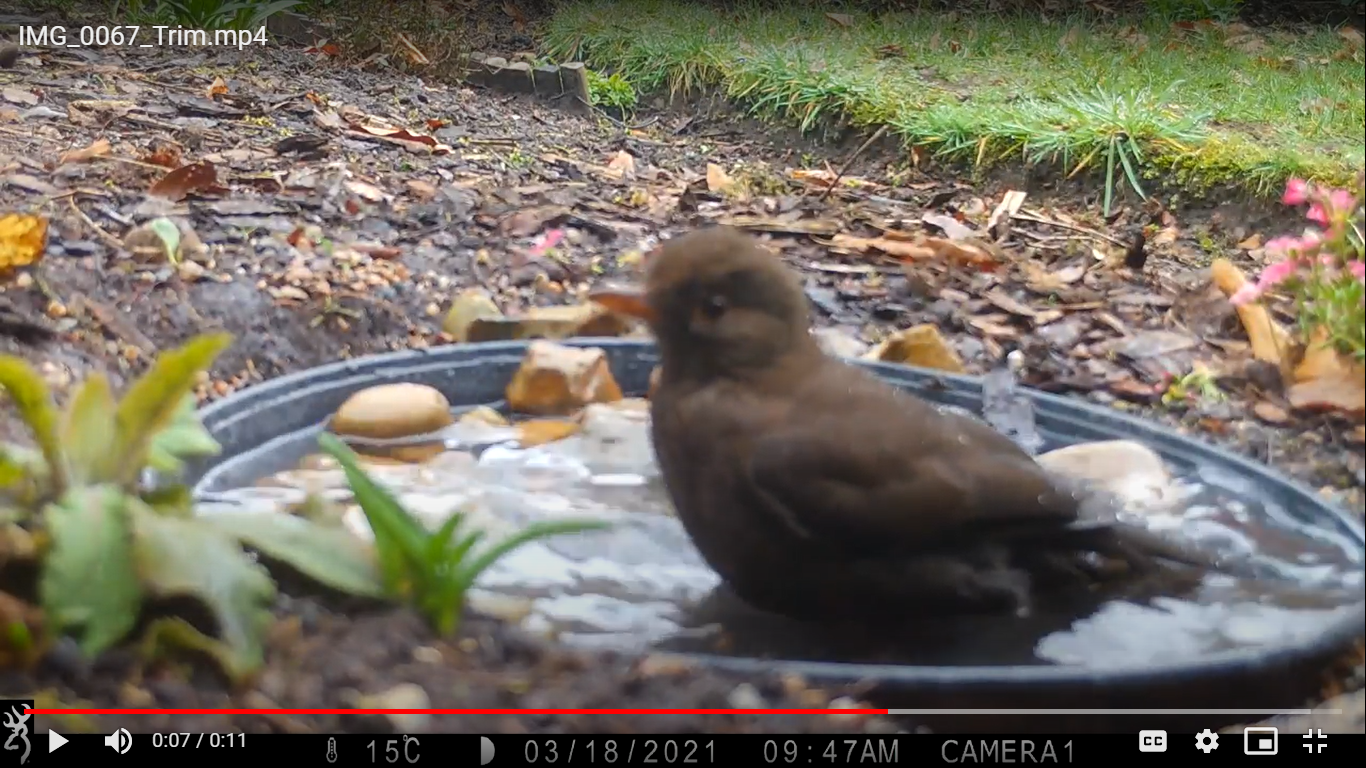
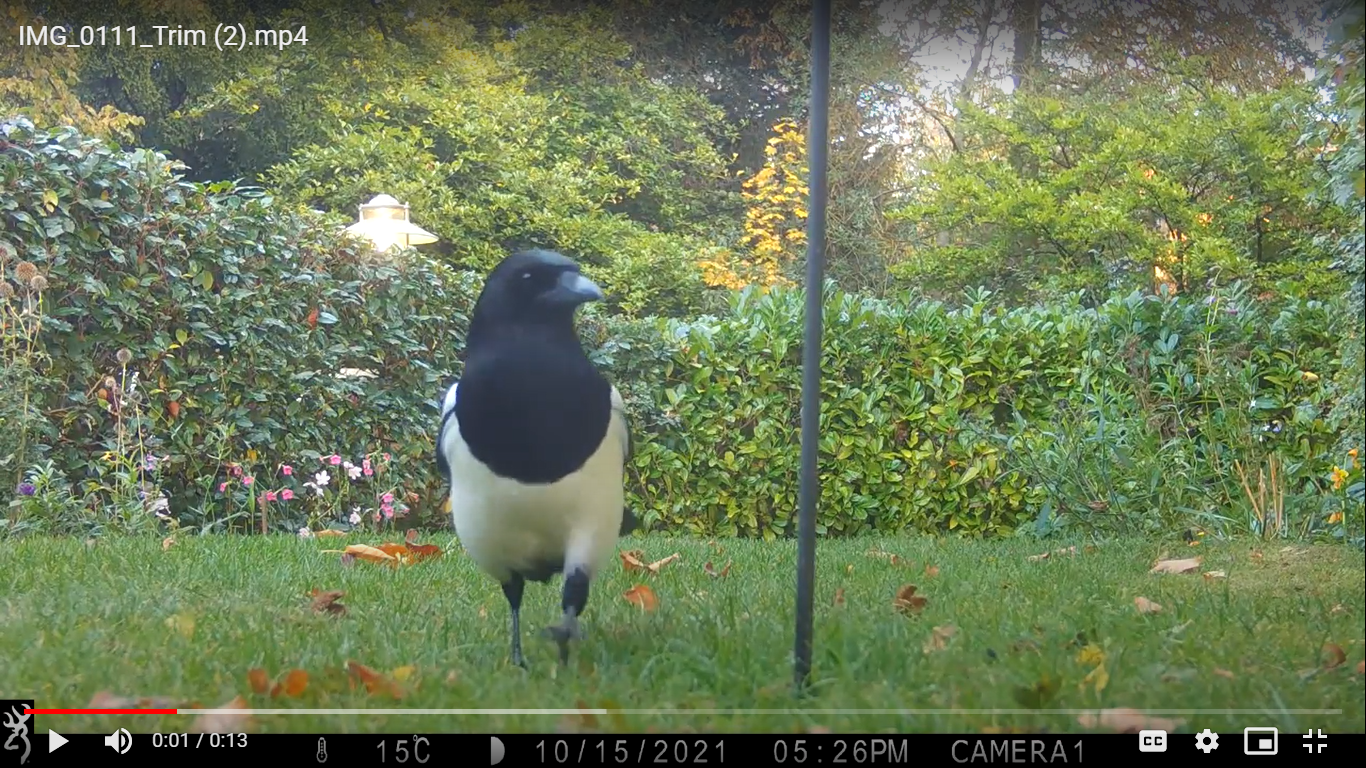
Last time in Rural vs. Urban, we explored the wildlife that live close to home and delved into their hidden lives, all through using simple camera traps. For Dorset-born naturalist Laura, camera trapping has allowed her to record and explore the species that live on her family’s 250 acre farm, opening up a world that would otherwise be overlooked. For Manchester-born wildlife enthusiast Emma, her highlights included seeing a Badger, a Hedgehog, and getting to know the frequent visitors to her garden, such as a lovely Blackbird couple. For both, camera trapping has been a great way to connect with nature, whilst acting as a form of escapism!

For this last instalment of the current Rural vs. Urban series, we are now in winter, with days of sparkling frosts, stormy skies, and low-hanging mist. Last weekend was the RSPB’s annual Big Garden Birdwatch, so for this week we explore the bird species that call our local patches home during winter. As bird species try to survive, what may differ between the challenges of a city and of a countryside landscape? Are there differences or similarities in the species seen or in their behaviour? Lets explore winter on the wing to find out!

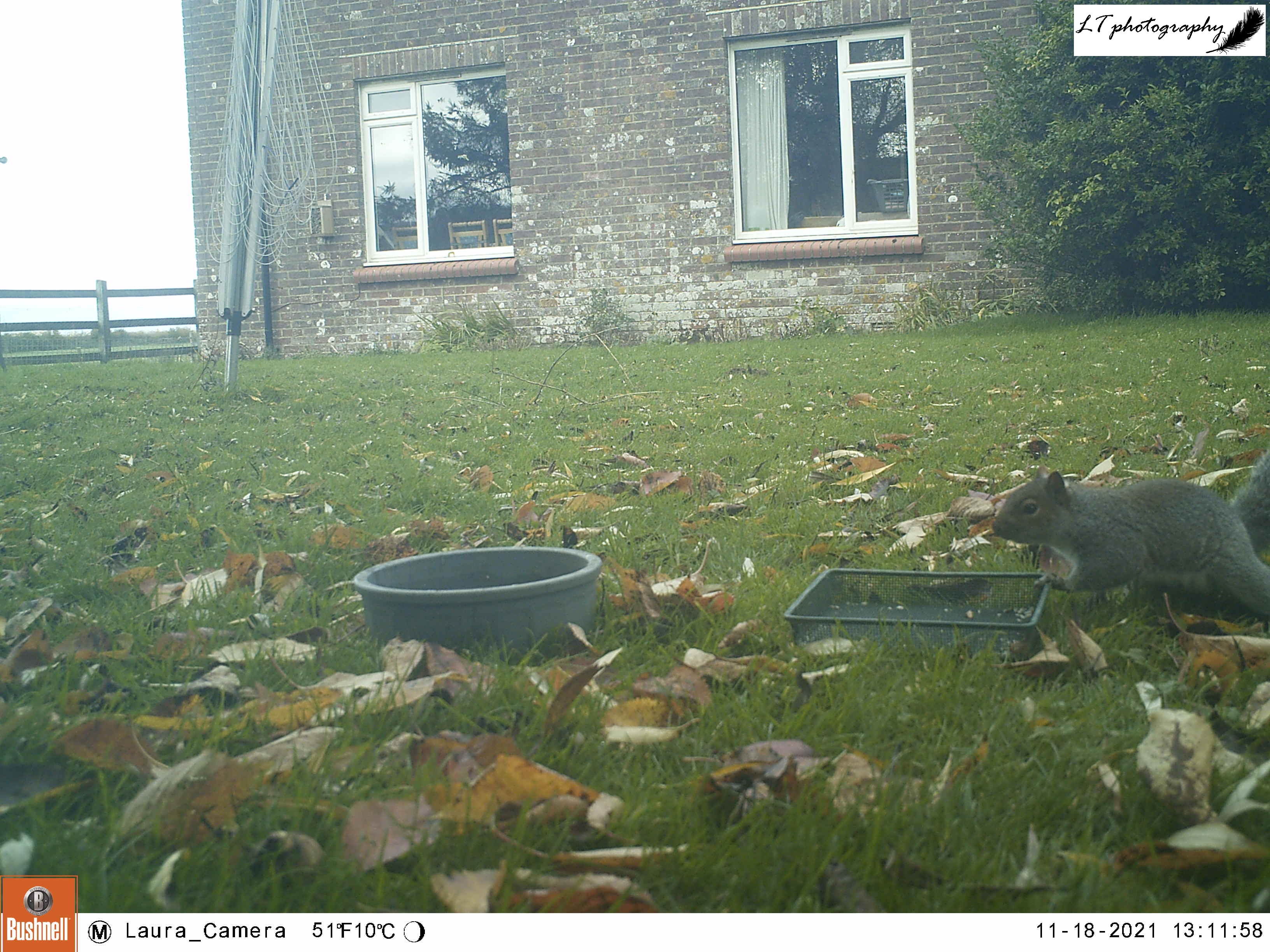
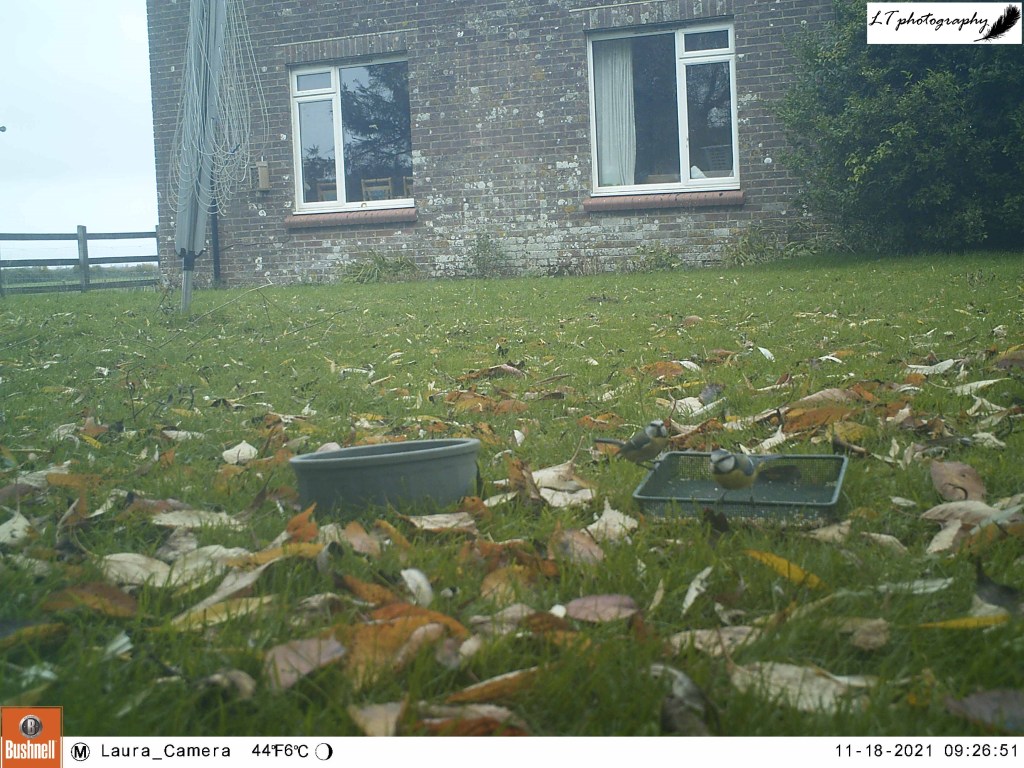
Laura’s Rural Garden Bird Survey

Over the last few years, I have taken part each year in the RSPB’s Big Garden Birdwatch and the BTO’s Garden BirdWatch in 2020, and have enjoyed gaining a deeper knowledge of the species that visit our garden all year round. Winter is one of the best times of year for a variety and abundance of species to be experienced in our garden, and at this time of year my parents and I often enjoy a lunchtime accompanied with birdwatching from our living room window.

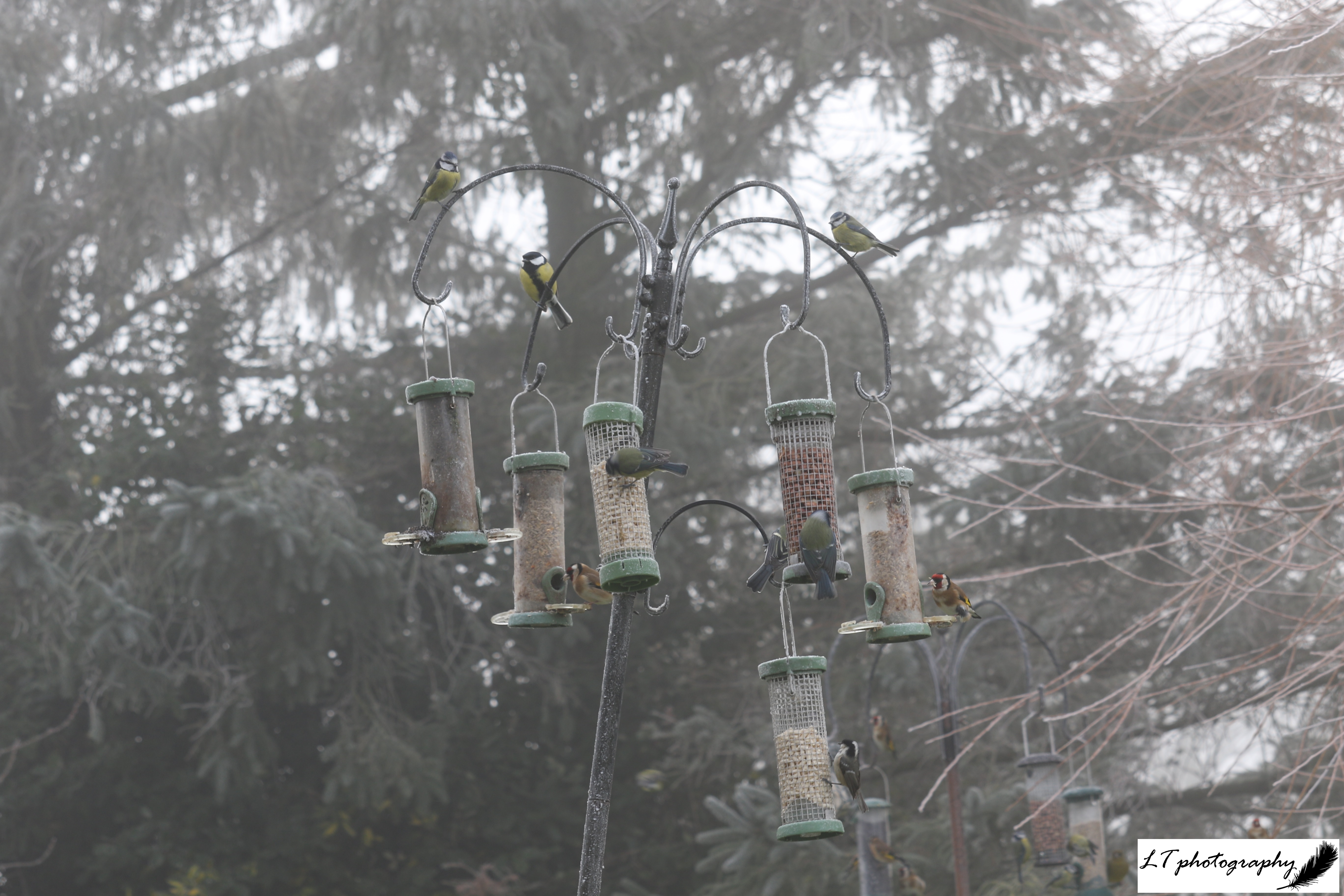
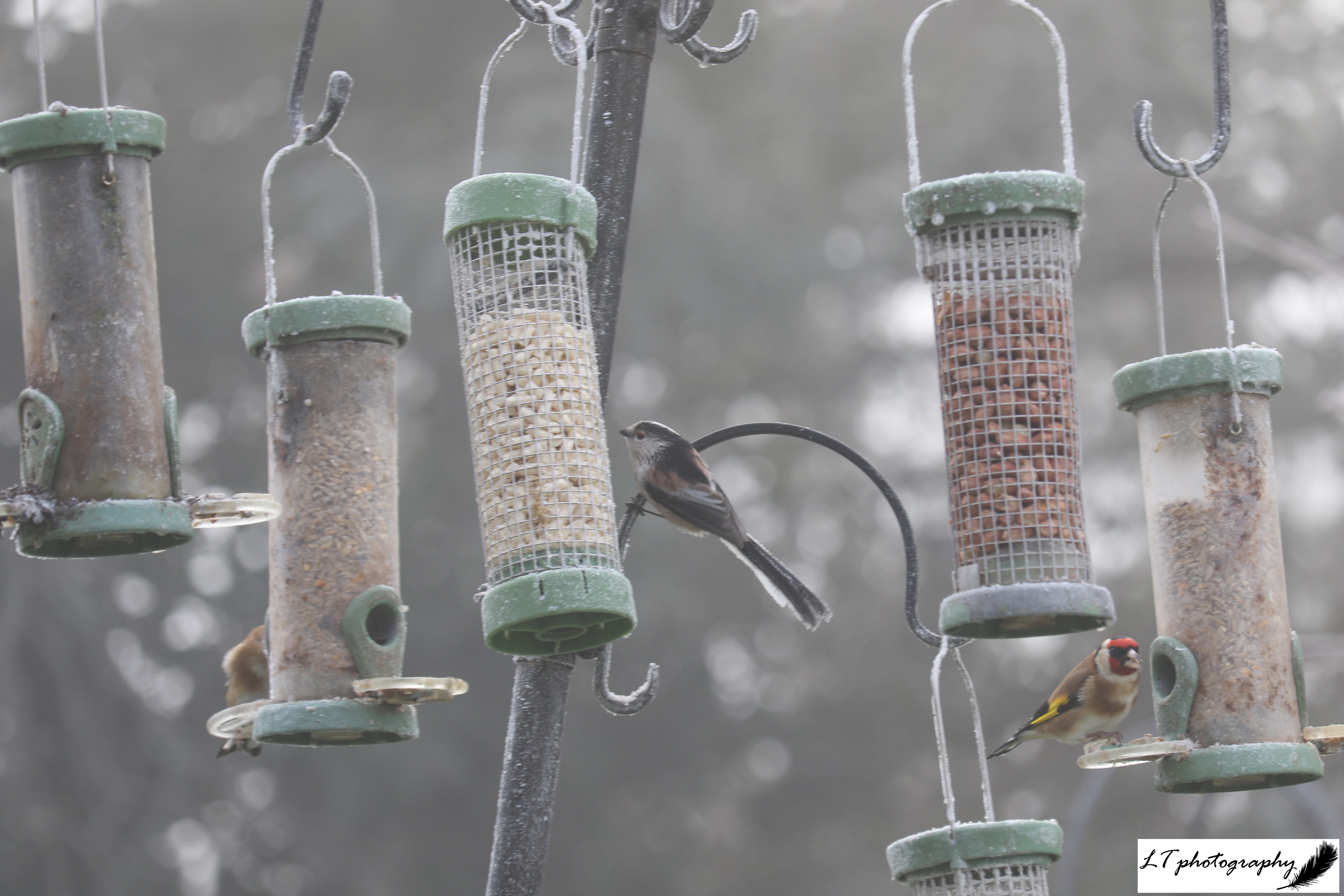
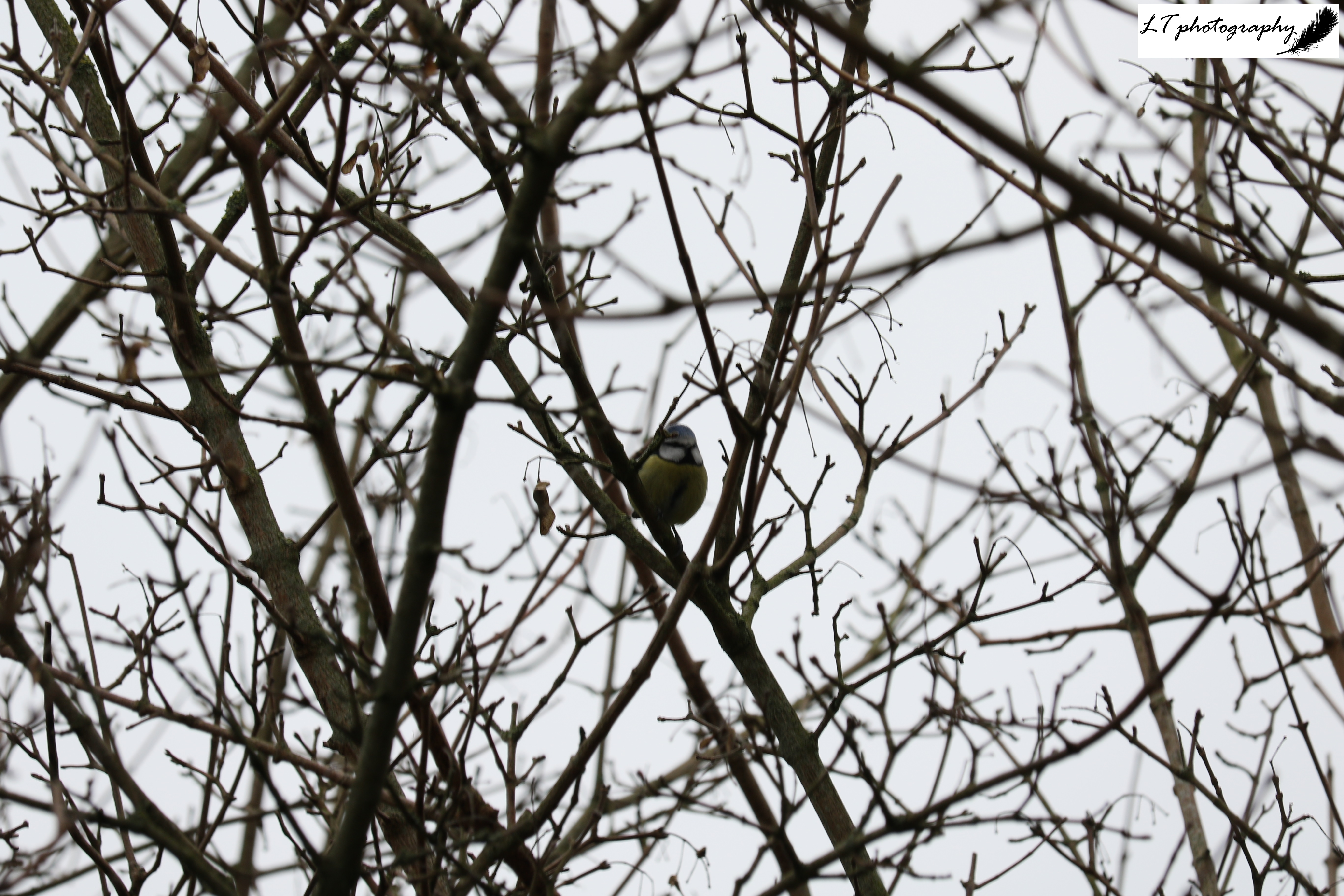
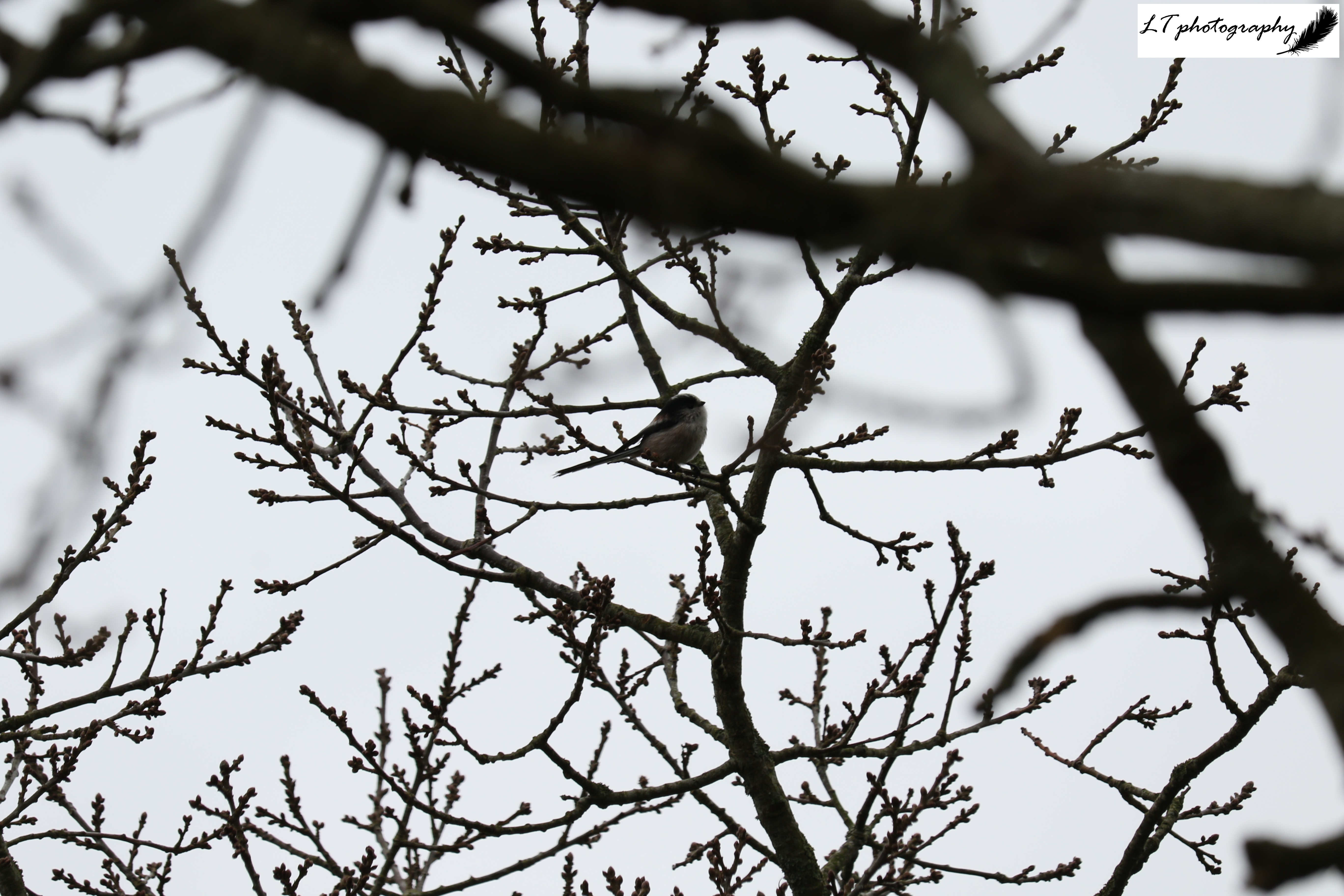
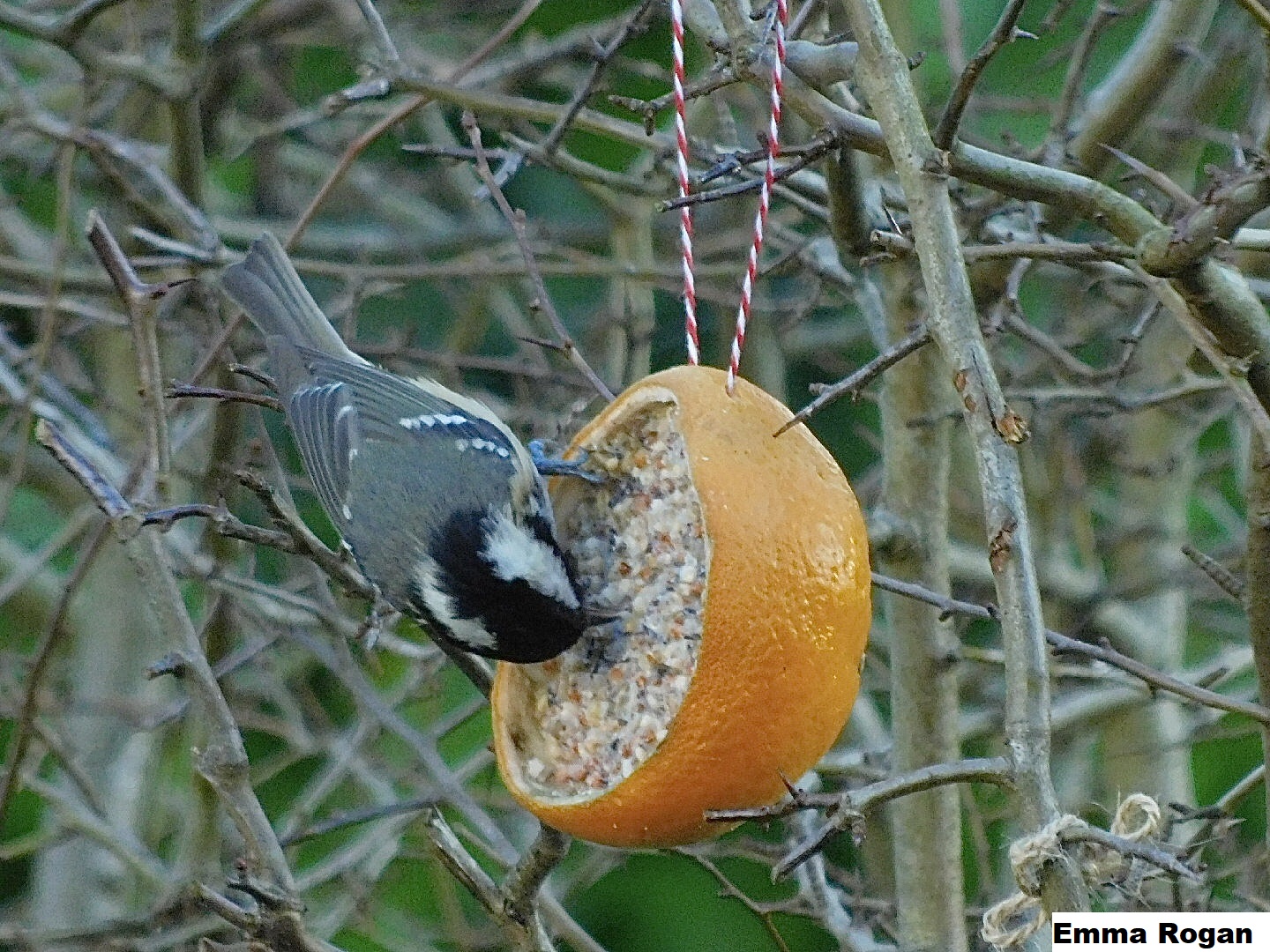
So on the 12th December we did just that, spending 30 minutes recording the diversity and abundance of bird species we saw in half an hour. For such a short period of time, the bird feeders in our garden delivered, with 17 species, varying from Greenfinches and Robins to a Great-Spotted Woodpecker and Starlings! By far the most abundant species though was the Goldfinch, with 14 spotted at one time, closely followed by 12 Chaffinches and 9 Blue Tits. A very good representation of our garden’s winter visitors, just missing Long-Tailed Tits and Coal Tits, the latter being amiss this year!

Emma’s Urban Garden Bird Survey

I combined my bird count with the event of the year, the Great Garden Birdwatch! We sat down with cups of tea and my dad’s iPad to record our garden visitors and contribute to this important monitoring exercise.

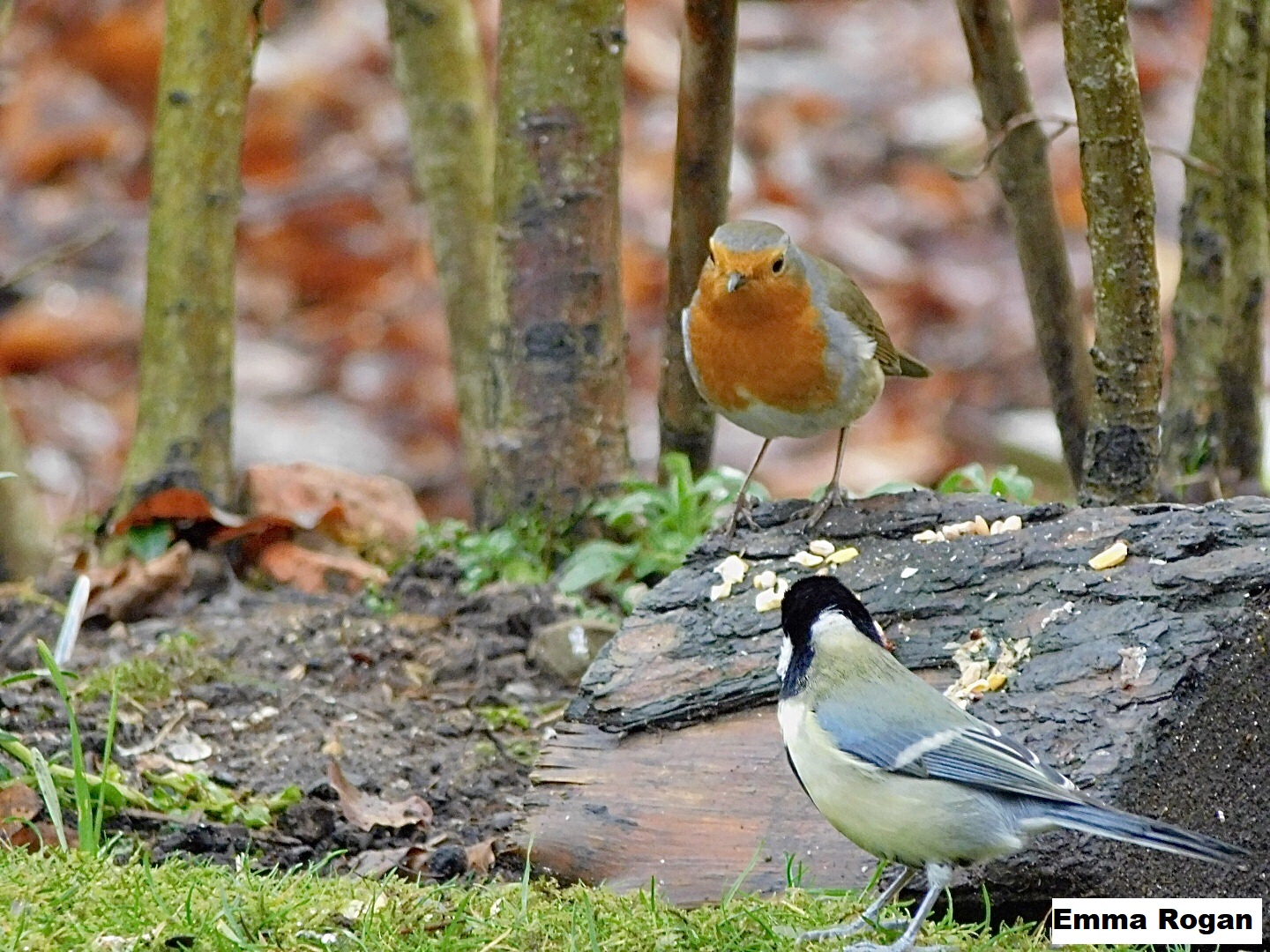
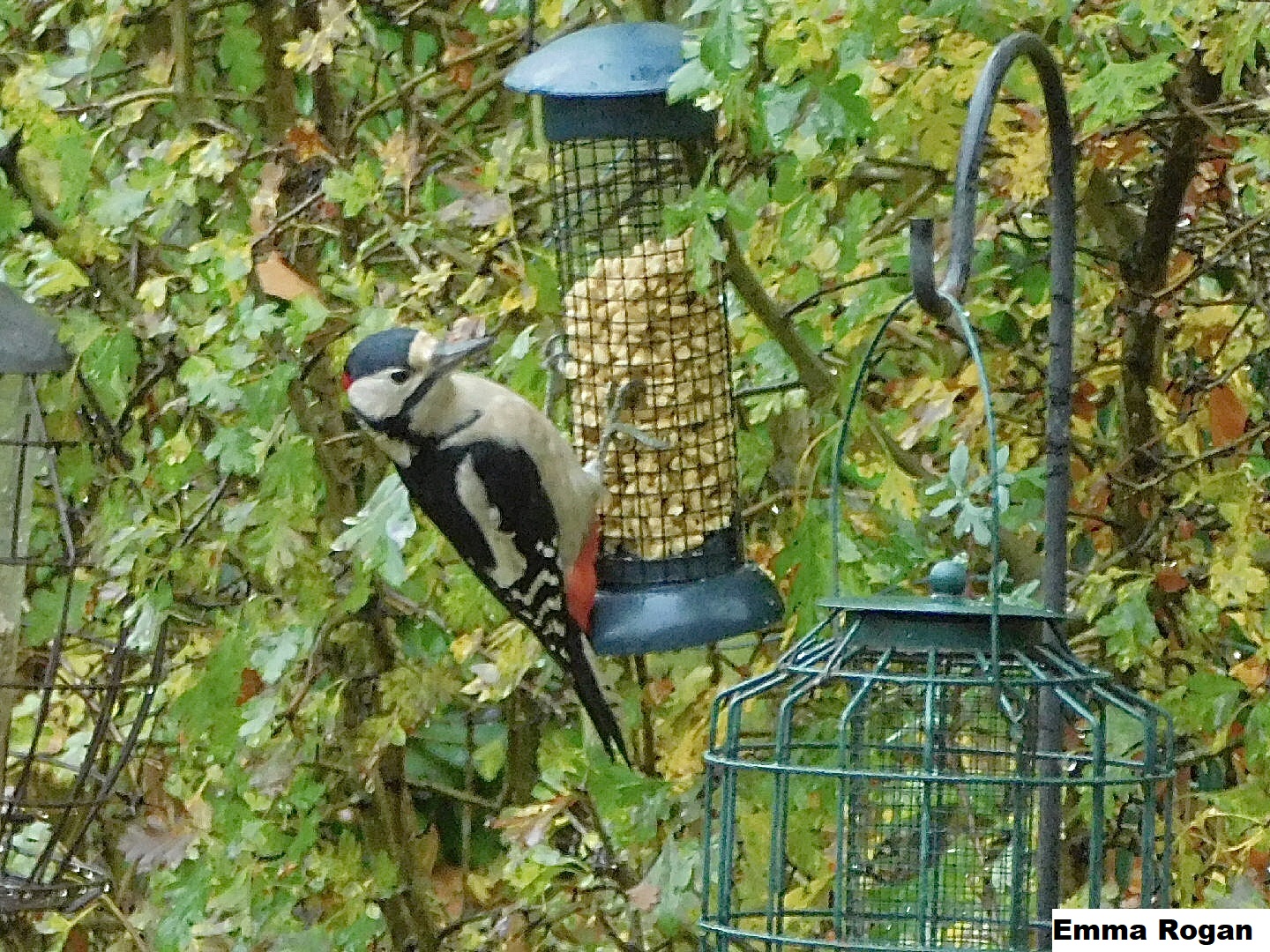
Expecting our birds to use their sixth sense and avoid our garden for an hour, we were pleasantly surprised to see a lot of our regulars! The Robin stopped by, as did Mr and Mrs Blackbird, who come every day for their plate of mealworms. Our bird feeders are also popular with Coal Tits, Blue Tits and Great Tits, and of course the neighbourhood Squirrels! We also have a Nuthatch who visits frequently, nibbling at our bird feeders in his distinctive upside-down stance.

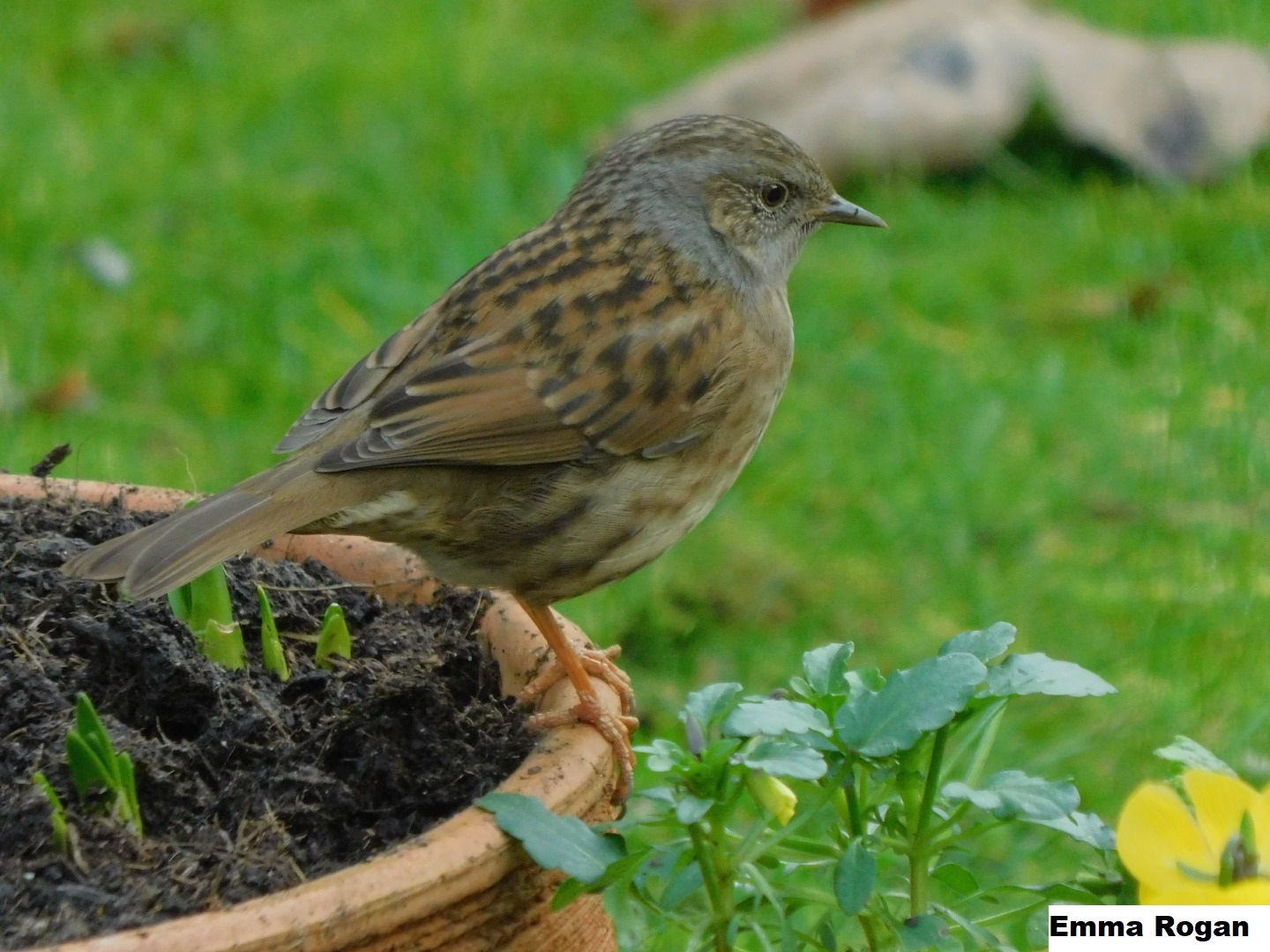
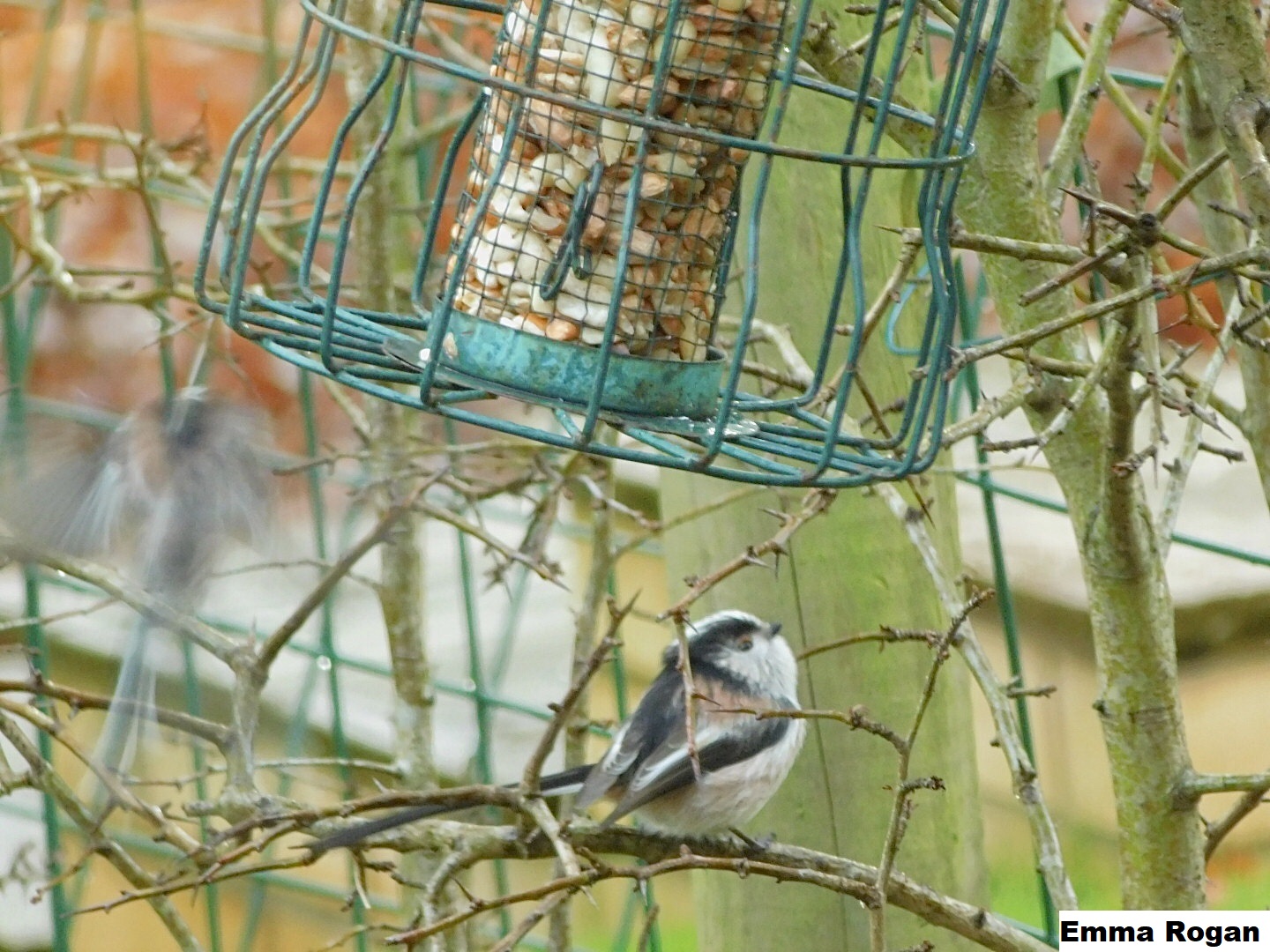
My absolute favourite though are the Long-Tailed Tits, they’re so round and fluffy! Although, I will always have a soft spot for our Dunnock, who we recognise by his extra-fluffy head feathers. Even a bird can have a bad hair day! Sadly though, our Woodpecker didn’t make an appearance.

Laura’s Countryside Bird Walk

Today (Sunday 9th January) was the first beautiful day of a new month and new year. Though the air was cold, it was calm and the sun was shining, a soft golden glow. Stepping out from my back door, I was immediately hit by an abundance of avian activity. Two Carrion Crows flew over my head, cawing as they went. Goldfinches chattered from the garden, hinting at a visit from a good sized flock. A Blue Tit sung its distinctive song, a Robin ‘ticked’ in alarm, and a Blackbird watched me from a nearby fence post. I could not miss this perfect opportunity to explore the bird life that could be found on my family’s land at this time of year.

First, I headed down to our farm buildings, joined by the chattering of Starlings feeding out in the nearby fields. As usual at this time of year, the still hulking forms of the barns were being brought to life by busy birds living alongside our wintering animals. House Sparrows could be heard singing in the eaves of the barn, complimented by Great Tits calling from a lone Hawthorn tree, Collared Doves flapping here and there, and a flash of a yellow rump as one of our resident Grey Wagtails was disturbed from where it was feeding. The only thing that could add to the scene would be a Barn Owl floating by, a common sighting at dawn on the farm.

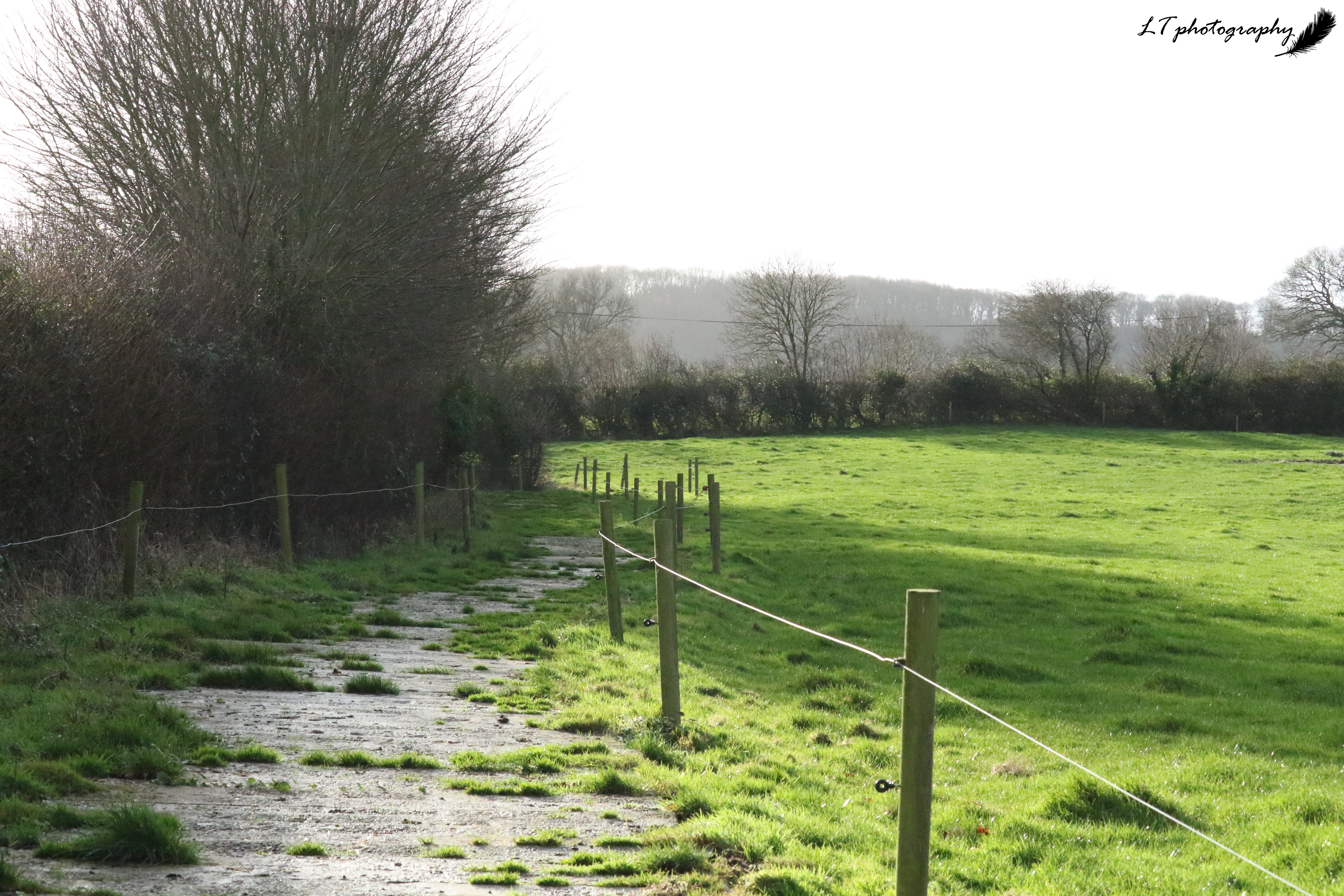
Satisfied with my sightings on the farm, I then headed away from my home hub, following the tracks out into the wider expanse of our land. Here I could find birds flitting along the hedgerows, such as feeding Redwings and wary Wrens. and fields busy with bird feeding activity, including Gulls, Rooks, and Pheasants.

As Fieldfare flew over head, I finished my wintery walk with a meander along one of the larger rivers on the farm. Here I could see the first Snowdrops beginning to push green shoots up from the river bank, marking the start of changes to come. This was joined by the calls of Dunnocks and the twittering of Meadow Pipits out in the fields across the river. With a count of at least 22 bird species, I felt this was a good end to my adventure.

Emma’s City Bird Walk

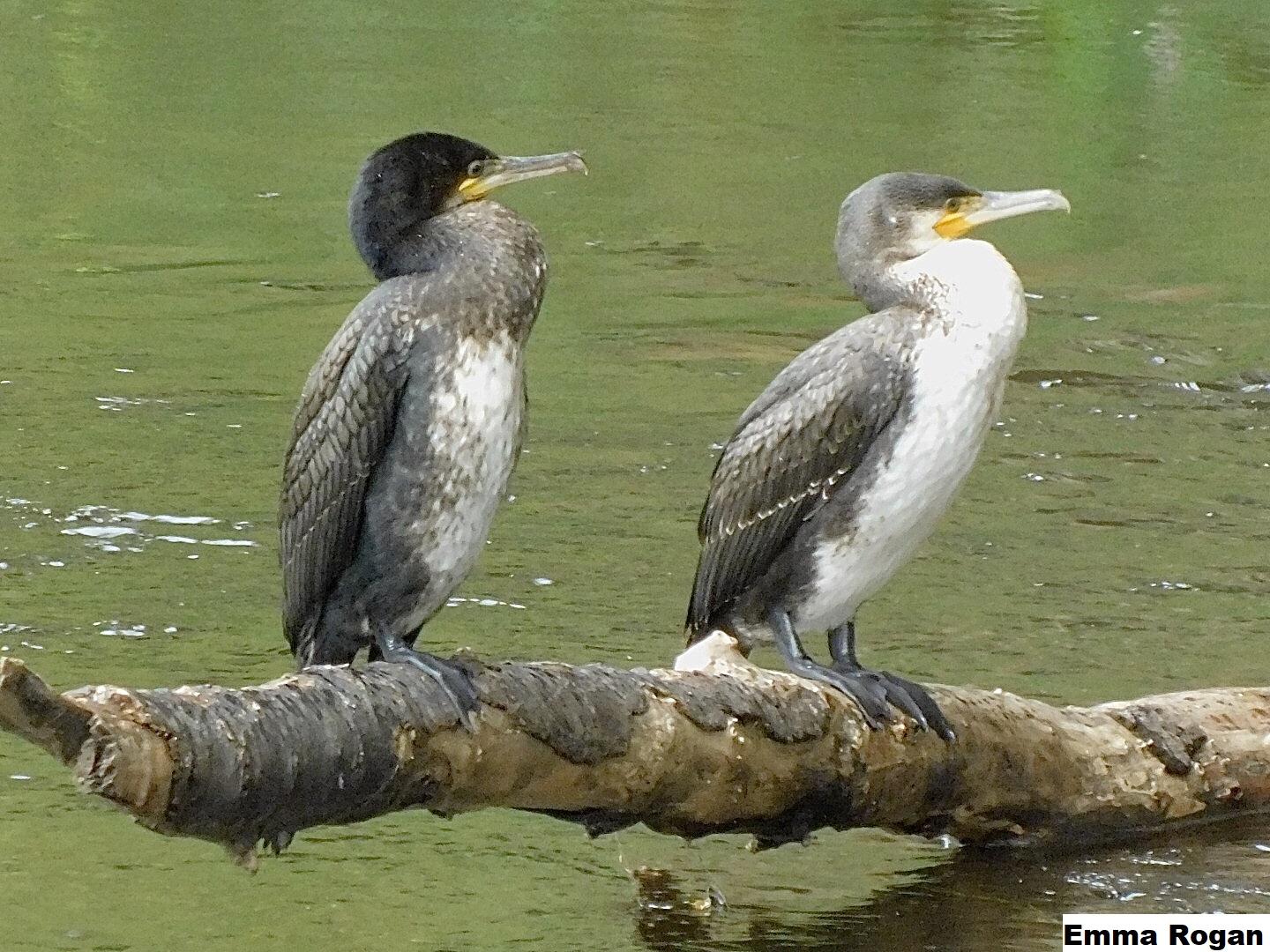
Manchester is home to a huge variety of urban birds. From Herons and Cormorants fishing under motorway bridges along the River Mersey, to hardy Woodpigeons in the city centre, to garden birds drawn in by feeding stations, there is always something new to see! I always love to see how many birds I can spot when I’m out for a walk, and I find that watching the birds in my garden brings me a moment of peace in the middle of busy days.

For my bird walk, I decided to head to a different park for a change! I’m lucky to live in a part of Manchester with a lot of nearby green spaces, and one of these is Didsbury Park, one of the first municipal planned parks in the city, and redesigned in the 1920’s to include recreational features which still exist today. There is also thought to be an old air-raid shelter under the football pitch! The impact of both World Wars One and Two on the local area, just a small village when WW1 began, is commemorated by a beautiful poppy field mural in the park created by graffiti artist Russell Meeham, also known as Quebek.

Suffice to say, I’ve spent many happy hours in Didsbury Park, and my bird walk was no exception! Although, I didn’t have a lot of success at spotting birds. The highlight of the walk was wondering why a group of people were gathered around a particular bush and wandering over there, to find a flock of House Sparrows singing away! My Mum and Dad remember House Sparrows as the most common bird about when they were growing up, but we’ve never actually seen one in our garden. Sadly, their populations have declined substantially in the UK in both rural and urban populations.

It’s All About The Birds!

If you open your eyes, wherever you go during winter you will see life and activity. Though from Laura’s and Emma’s adventures, Laura experienced more bird activity out and about in the countryside, both currently have vibrant gardens. This is testament to how everyone’s gardens right now are a lifeline for our wildlife, whether you live in a bustling city or a quieter piece of the countryside. They provide a valuable home in a changing landscape and prove that we can all do our bit for nature. Why not put out a bird feeder and see what you can see today?

Rural Dorset vs. Urban Manchester: Magical Minibeasts

Series in collaboration with guest writer Emma Rogan

Rolling green hills, trees sprawling across the landscape, hedgerows thick with plant and animal life, flowers growing up here and there, and rivers flowing through it all. The light of an orange sunset cast out over the city by a soaring glass tower block, the lonely lights of a crane against an evening sky, busy streets lit up for Christmas filled with music and laughter. Everyone’s idea of idyll varies, but for nature any landscape could provide a home. Let us explore.

Growing up within her family’s 250 acres of land, for naturalist Laura, rural Dorset is home. In what may be called the ‘middle of nowhere’ for an urban adventurer, Laura grew up alongside wildlife from barn owls and hares to grass snakes, damselflies, and oak trees. With parents that nurtured her to take an interest from a young age in looking after the wildlife they saw on their doorstep, this landscape has made her the conservationist and scientist she is today. Now her home provides inspiration for her photography and writing, including her Laura’s Wild World blog. Check out her blog here.

Guest for this series and wildlife enthusiast, Emma grew up in Manchester and will always be a city girl at heart. As a child she loved to watch nature documentaries and daydreamed about faraway places, but over time she fell in love with the wildlife that also calls Manchester its home. Emma has spent the past year documenting the lives of the insects, birds, squirrels and foxes that stop by her little rectangle of garden, and exploring the local woods alongside the River Mersey with her mum. Check out her page here.

In this brand new blog series, we take a look at the local wildlife that can be found in two very different home locations. Though at a contrast with each other, we will see how nature can make its home in both rural and urban landscapes, and the wealth of life that can be explored on anyone’s doorstep. At a time when it is so important that we protect and conserve the natural environment around us, let us inspire you as we take an adventure to explore a smaller side to nature.

Laura’s Countryside Minibeasts

Today was a warm and breezy day, perfect for walking through my family’s Dorset farmland in just a T-shirt and shorts. It was the kind of day though when you could feel the first breath of autumn in the air, kept at bay by the bleaching late-August sun. Pushing the cooler days to come to the back of my mind, I set out to try to see what smaller creatures I could find out in nature.

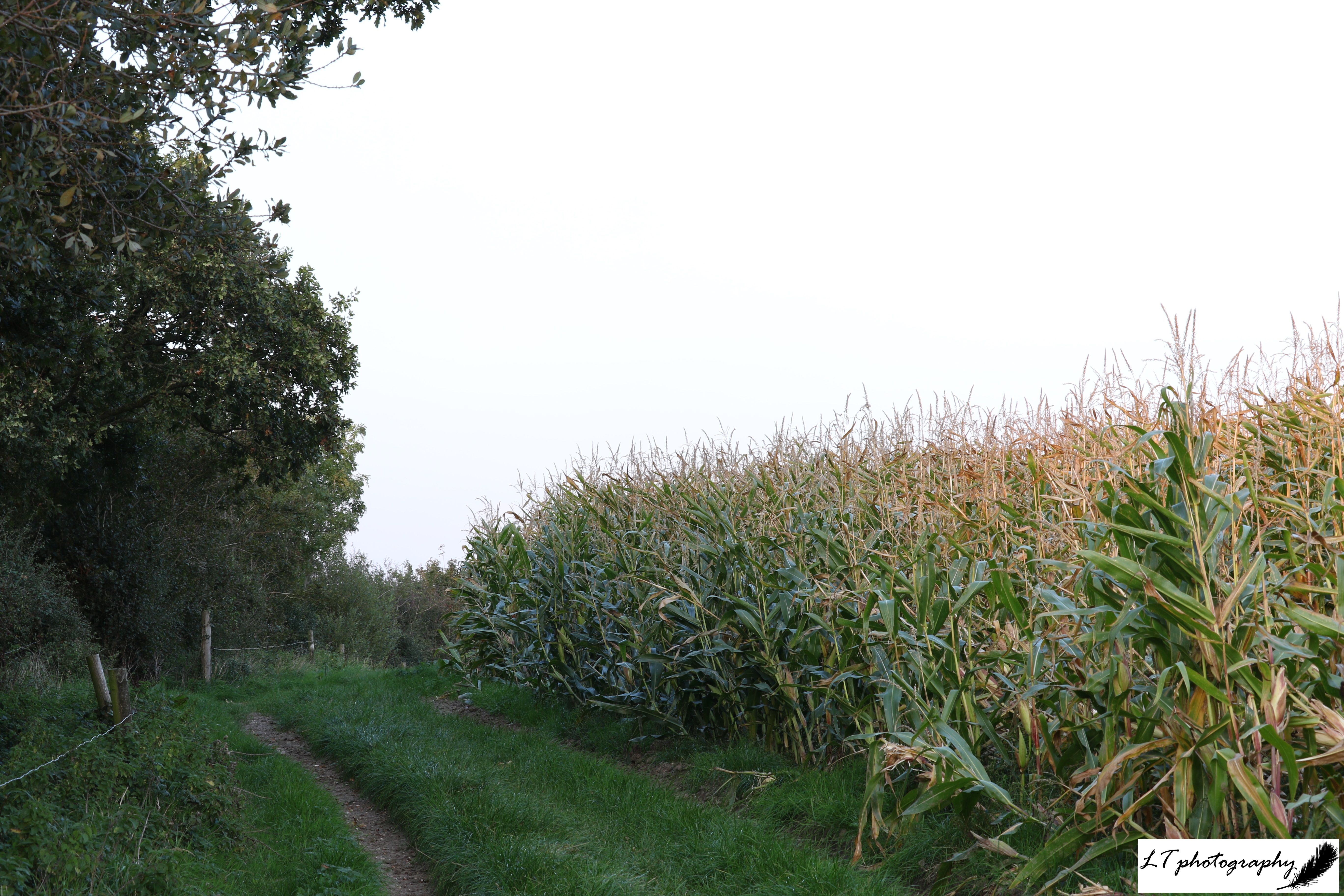
Journeying along tracks, through grass fields, over rivers, through tall maize, past a chalk ridge, and back home to my garden, my quest bore more and more fruits along the way. With every turn I got to experience a colourful and spectacular diversity of butterflies from small coppers to peacocks, got to be serenaded by grasshoppers singing their chirping tune, and to be joined by crane flies lazily hanging in the hazy golden light as I walked along on my own.

As my minibeast list grew, I stopped here and there to take a closer look, such as to gaze at beautifully banded snails hanging from nettles, or to photograph minibeasts, such as the curious looking froghoppers making maize leaves their home. I was loving it! The main highlight of my adventure though, had to be discovering a treasure trove of dragonfly and damselfly species on and around the pond in our conservation field. One minute I would see the golden-brown of an unknown dragonfly fly past me, before catching sight of common blue demoiselles dancing in the air and red-veined darters defending territories over the water. I was amazed at how many beautifully-coloured species I saw in such a short space of time!

When I set out on my minibeast adventure, I was not entirely sure what I would find at this late stage of August. Whatever I thought though, by the end I was having a really great time, seeing some cool minibeasts ranging from busy honey bees enjoying a medley of flowers to many butterflies adorning buddleia bushes like gemstones. It really brought home that you never know what you might find until you open your eyes to the world around you. I am no invertebrate expert, but I was still able to take in all the wonders this mini world had to offer. It was a great break from life, though more importantly, a game changer!

Emma’s Minibeast Hunt in the City

Unbelievably, the afternoon I’d planned to go on my Minibeast Hunt was beautifully warm and sunny with a slight breeze. This is a rarity in Manchester! I gleefully pulled on my walking boots and headed out with my other half to Fletcher Moss, a nearby park and woodland alongside the River Mersey. We spent an hour wandering through the Parsonage Gardens, down to the river (down, down, doooown by the riveeeer – any Baldur’s Gate 3 fans?), and through the woods, making a brief stop for ice cream along the way!

The Old Parsonage and it’s beautiful walled garden was left to the citizens of Manchester by Alderman Fletcher Moss in 1919, and has since become a much-loved community space which is carefully looked after by volunteers. The garden was buzzing with pollinators drawn in by the variety of flowers, the echinops was particularly popular! It’s always lovely to see bees out and about in Manchester, as bees are the symbol of our city.

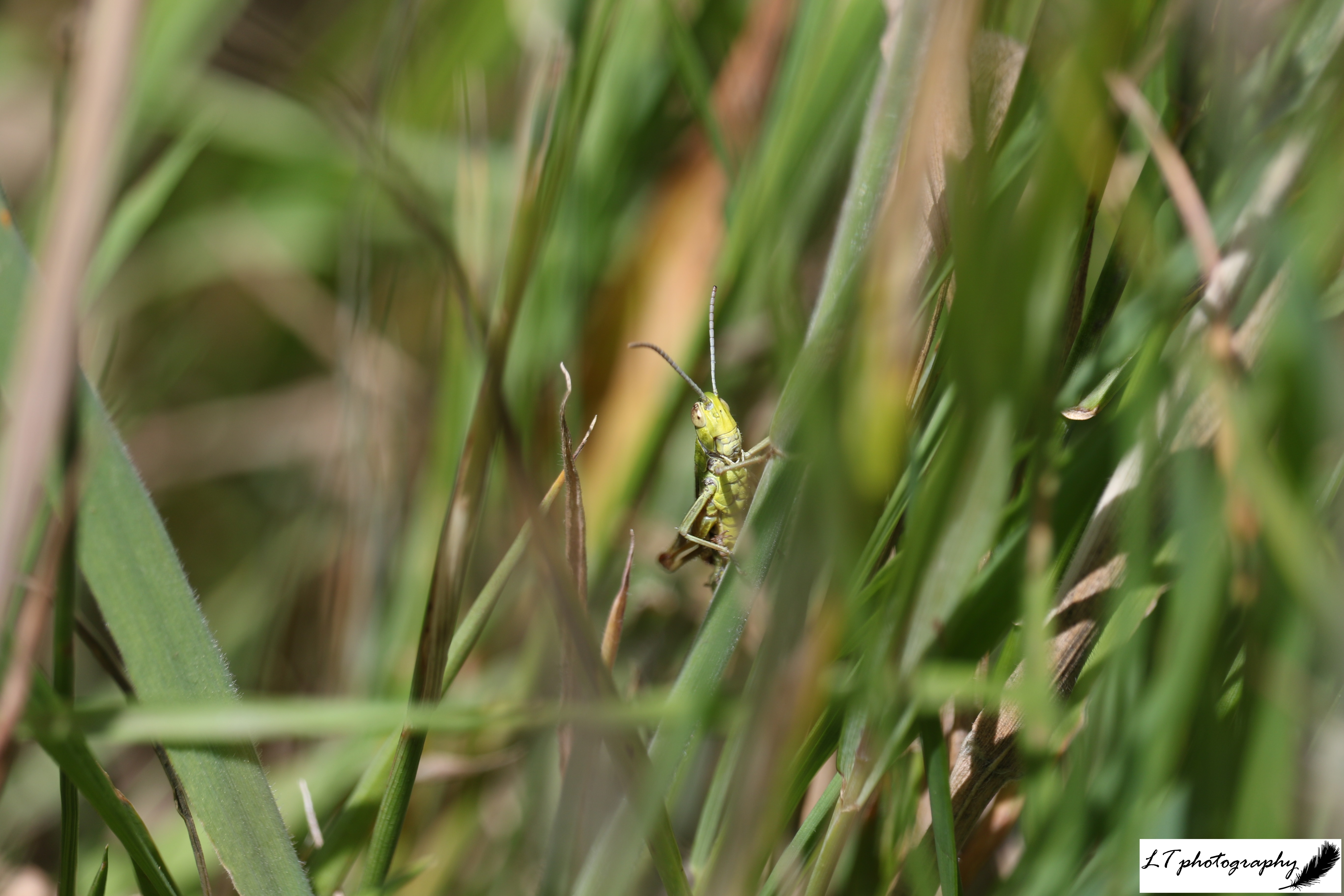
We then walked down the hill and took a winding path towards the river. The first stop on our riverside walk was Simon Bridge, a green iron bridge across the River Mersey which was gifted to the people of Didsbury by Henry Simon in 1901. Plenty of bees, wasps and hoverflies flew past us as we walked, but our second stop came when we heard what we thought was the singing of a grasshopper! This necessitated ten minutes of searching and more than a few curious glances before we found the little guy sat solemnly on a blade of grass.

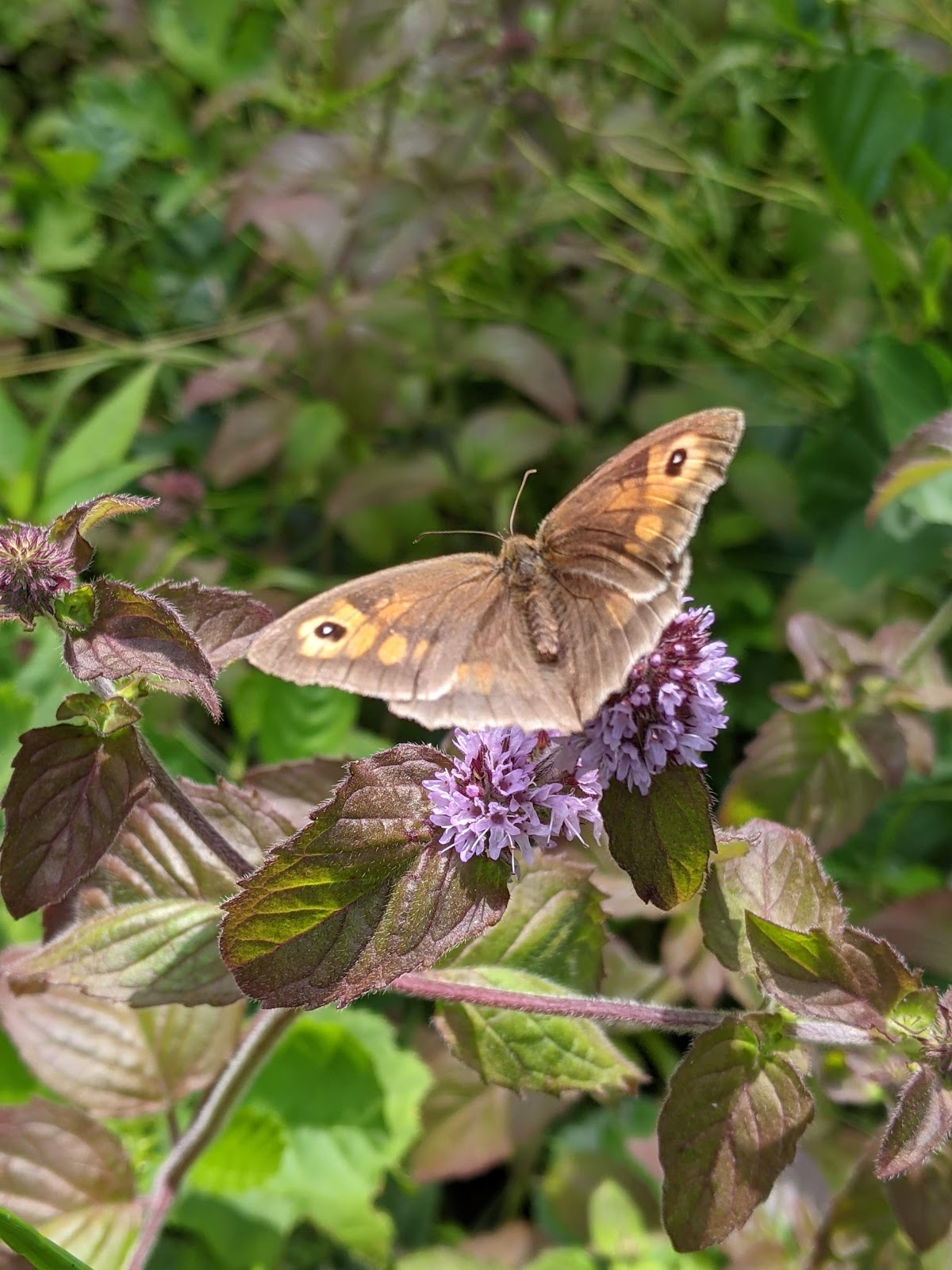
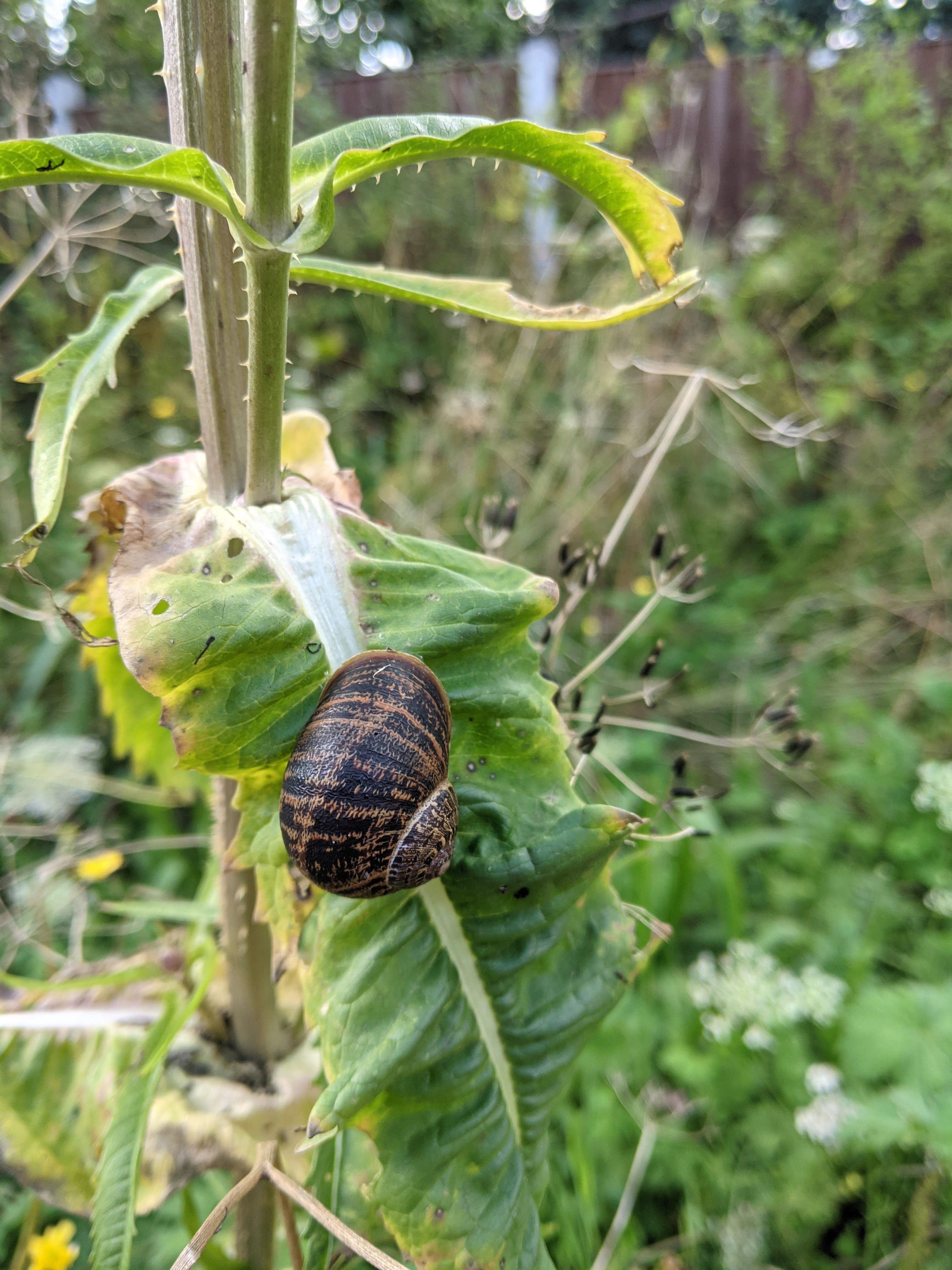
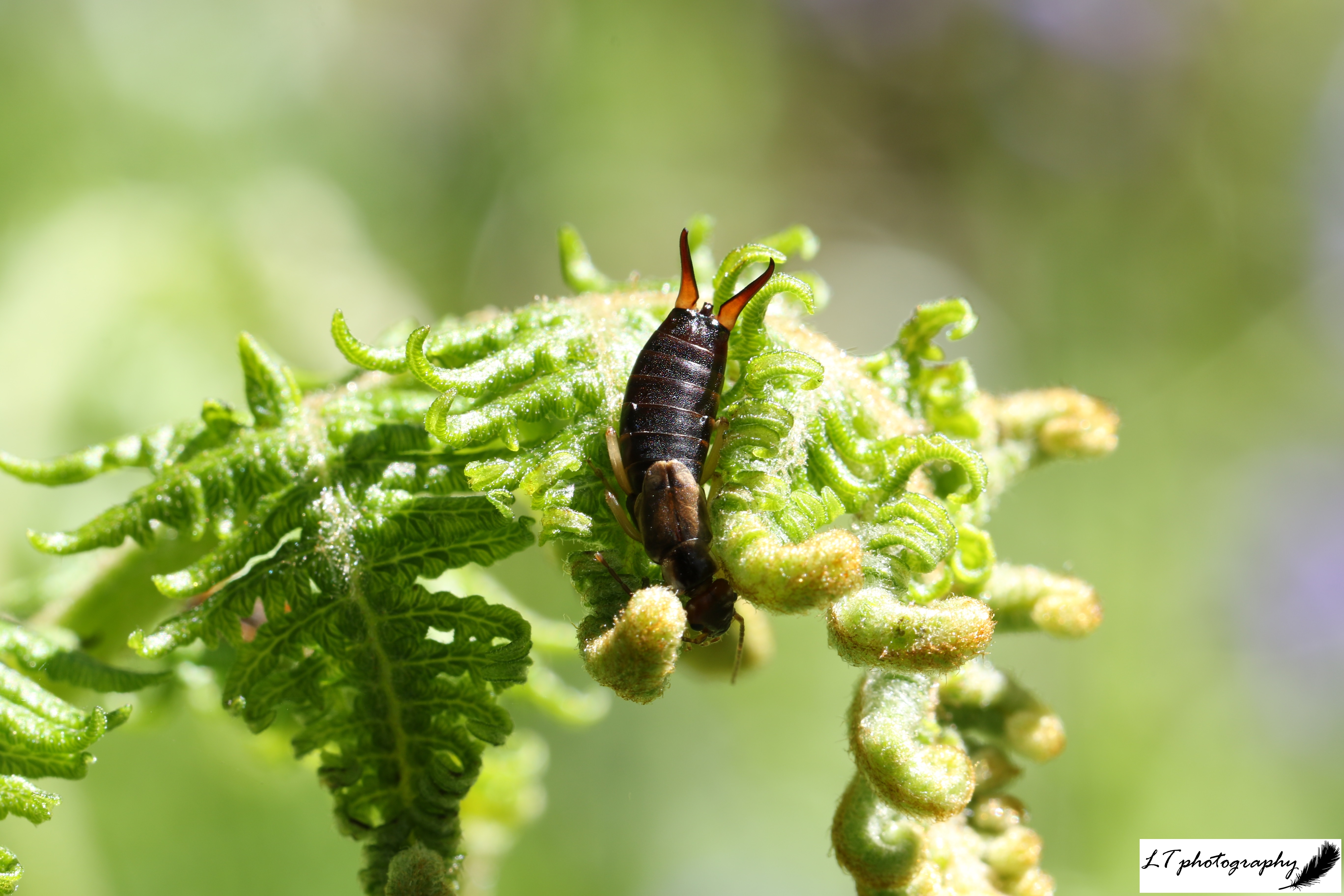
As we wandered on, our path took us away from the river and back up into Stenner Woods, a small area of woodland in the original Mersey Valley flood plain. It was at this point that a dragonfly decided to join us! Unfortunately, he wouldn’t stay still long enough for me to take a picture. We also came across a snail clinging to a thistle, and a ladybird nestled between the spines of a teasel, and a very hungry group of mint leaf beetles. Butterflies were noticeably absent, as we spotted only one female meadow brown butterfly during our walk. Our final stop was at a small pond area, where we saw what seemed to be hundreds of pond skaters!

I’ve been fond of bees for quite a few years (I even wrote my dissertation on bees!), but I don’t often take the time to pause and notice the other minibeasts that live in my local area. This minibeast hunt was a great opportunity to challenge myself to look closer, and I felt very lucky to gain a snapshot into the lives of these smallest of animals.

Minibeasts

When people think of animals they usually think of lions, bears or elephants, for example, forgetting the smaller less observed animals in nature. The minibeasts we walk past each day though, can be equally majestic and awe-inspiring. Butterflies in spectacular colours, weird and wonderful froghoppers, or wriggling hard-working earthworms. All play an important role in nature, but tend to go unnoticed and be underappreciated.

On both Emma and Laura’s minibeast adventures though, they found taking the time to focus on the smaller things eye opening. They might live in very different areas, but the green spaces they both have access to show an amazingly similar host of minibeasts. From grasshoppers to dragonflies, amazing minibeasts can be found anywhere. By challenging yourself to look closer at the smaller things in life, you can learn a lot, be provided with inspiration and even experience a moment of distraction and escape. Minibeasts are colourful, unusual, and awe-inspiring, so why not stop and find out what you could discover too?

Spring in Photos 2021

Last year spring was my lifeline, as we experienced the world around us being thrown into disarray. This year spring was instead turned on its head, with changing weather patterns making it unpredictable and different from what we would usually expect at this time of year. A hot and stormy March, cold April, and wet May made nature emerge later, with spring events taking longer to arrive, and being anywhere up to 60 days late.

Still this year’s spring has been magnificent. Vibrant and colourful, it had much to be celebrated. My family’s farm in Dorset became full of new life, from blossoming trees and flowers, to fox cubs and leverets. Spring is unsurprisingly my favourite time of year, so this year I again made a point of getting out as much as possible to experience it, with my camera by my side. Here’s a look at some of my favourite photos from this spring, either for their aesthetic appeal, meaning to me, or overall joy factor.

Spring in Photos 2021

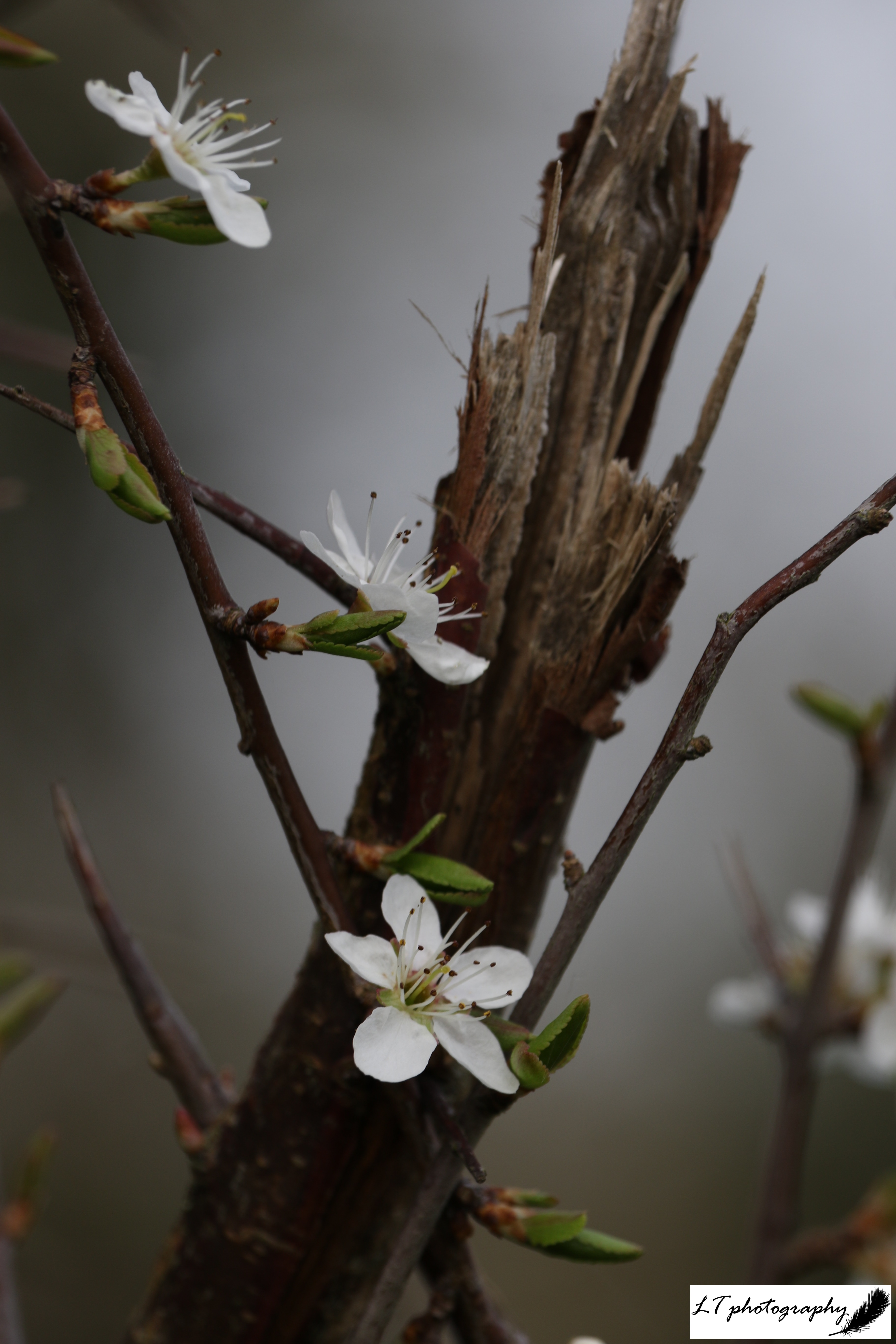
1. Blackthorn – This photo was taken at the beginning of April on a misty morning. It was a beautiful way to see delicate white blackthorn flowers in a different light, framed in front of a splintered stem.

2. Male blackbird – Blackbirds are an iconic sound of spring for me and also so many others. Their beautiful song often symbolises the beginnings of longer, lighter evenings, or for me fresh spring mornings. This male would sit in this willow tree every morning throughout spring to sing his song, defending his territory and mate. In particular, this male and his female nested in our shed, successfully fledging 5 chicks at the start of June.

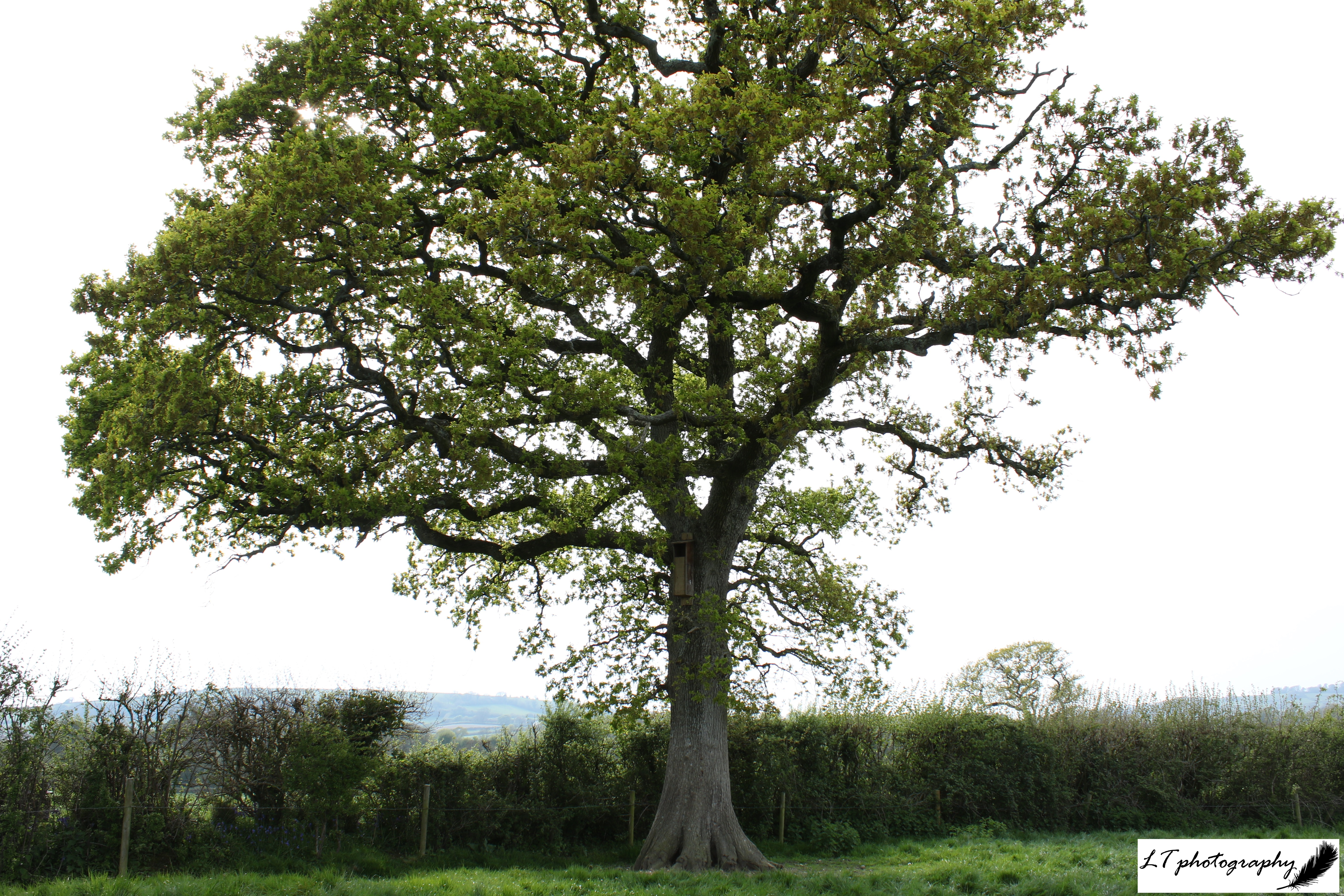
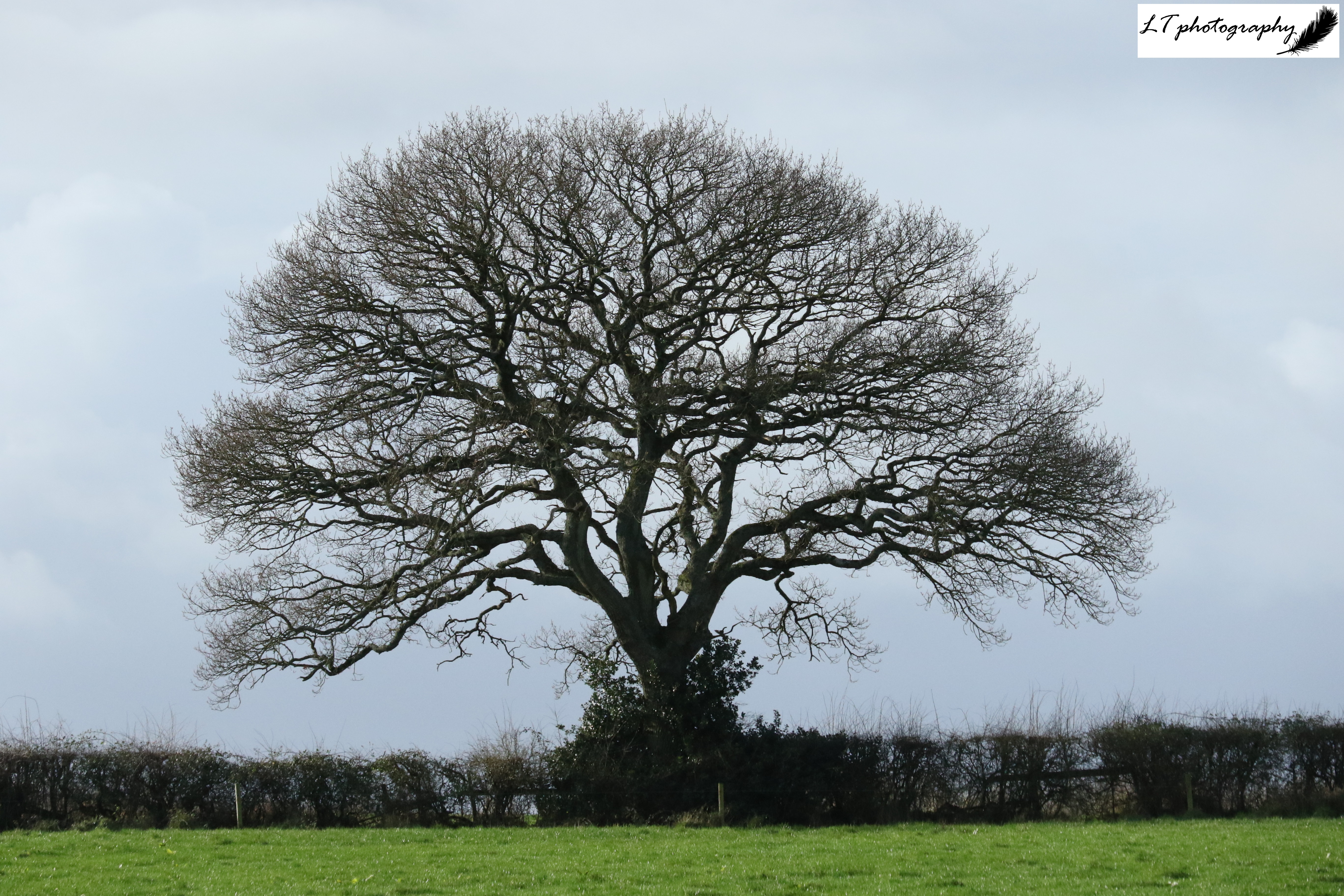
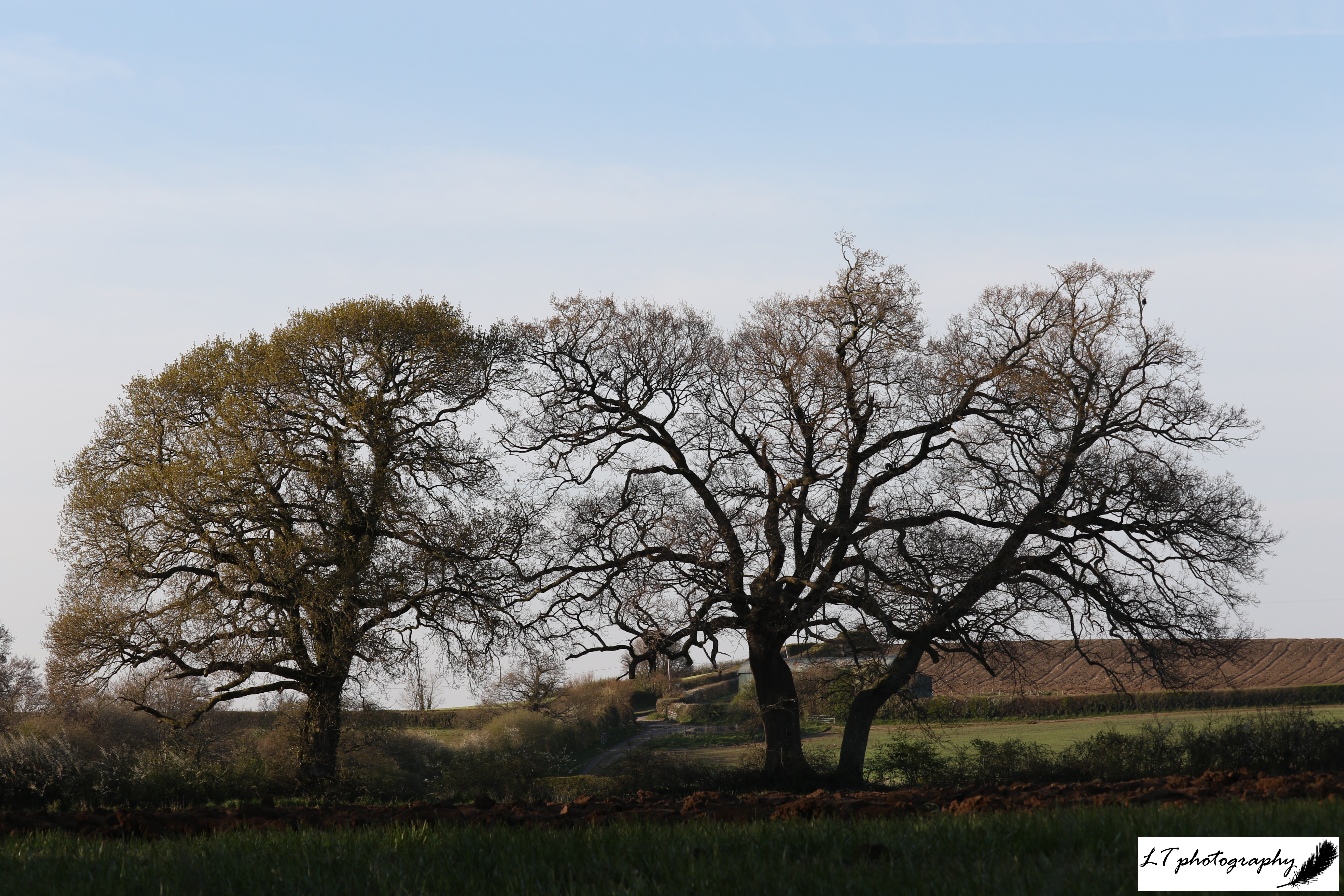
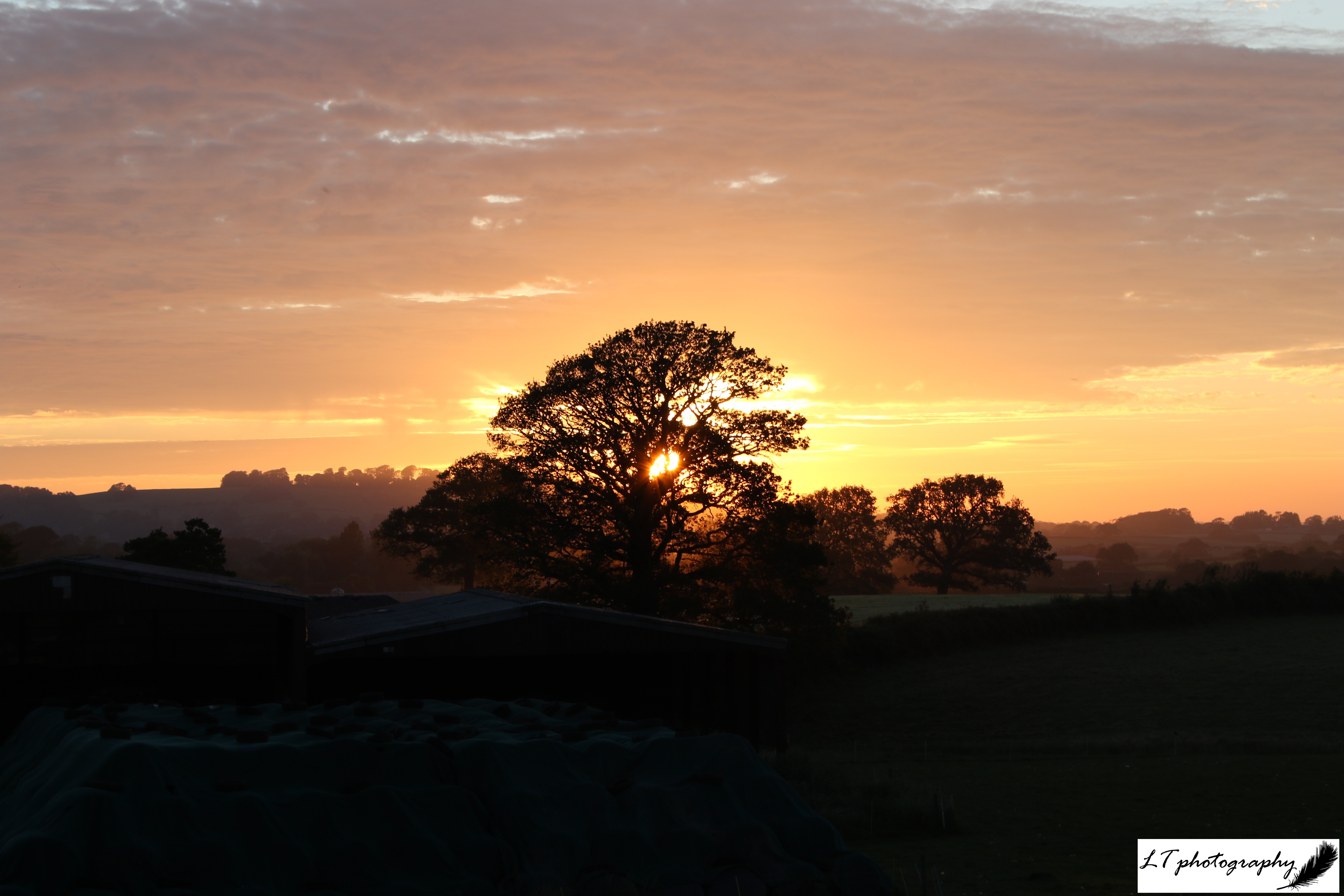
3. Oak trees of a farming landscape – What hits me first in this photo is how bare this landscape seems for late April. The oak trees have barely begun their bud burst, looking skeletal behind a farm field that is being worked. This almost autumnal scene is refreshing though, showing the new beginnings of another year in nature.

4. Camera trap fox cub – This photo is one of my favourites from this spring, symbolising a successful spring camera trapping season (blog post to come). This was one location, an abandoned badger sett, where I thought that foxes may have been breeding. My camera trap proved my feeling to be right, and treated me to an assortment of photos, day and night, of 2 very active fox cubs. Just one of multiple litters that I found on my family’s farm this year!

5. Wood anemones – Wood anemones have slowly become one of my favourite spring flowers, being one of the first to appear in woodlands across the UK. They are a great indicator of ancient woodland, and an interesting flower to photograph for their shape and colour. My memory cards are full of all sorts of different types of photos of this species!

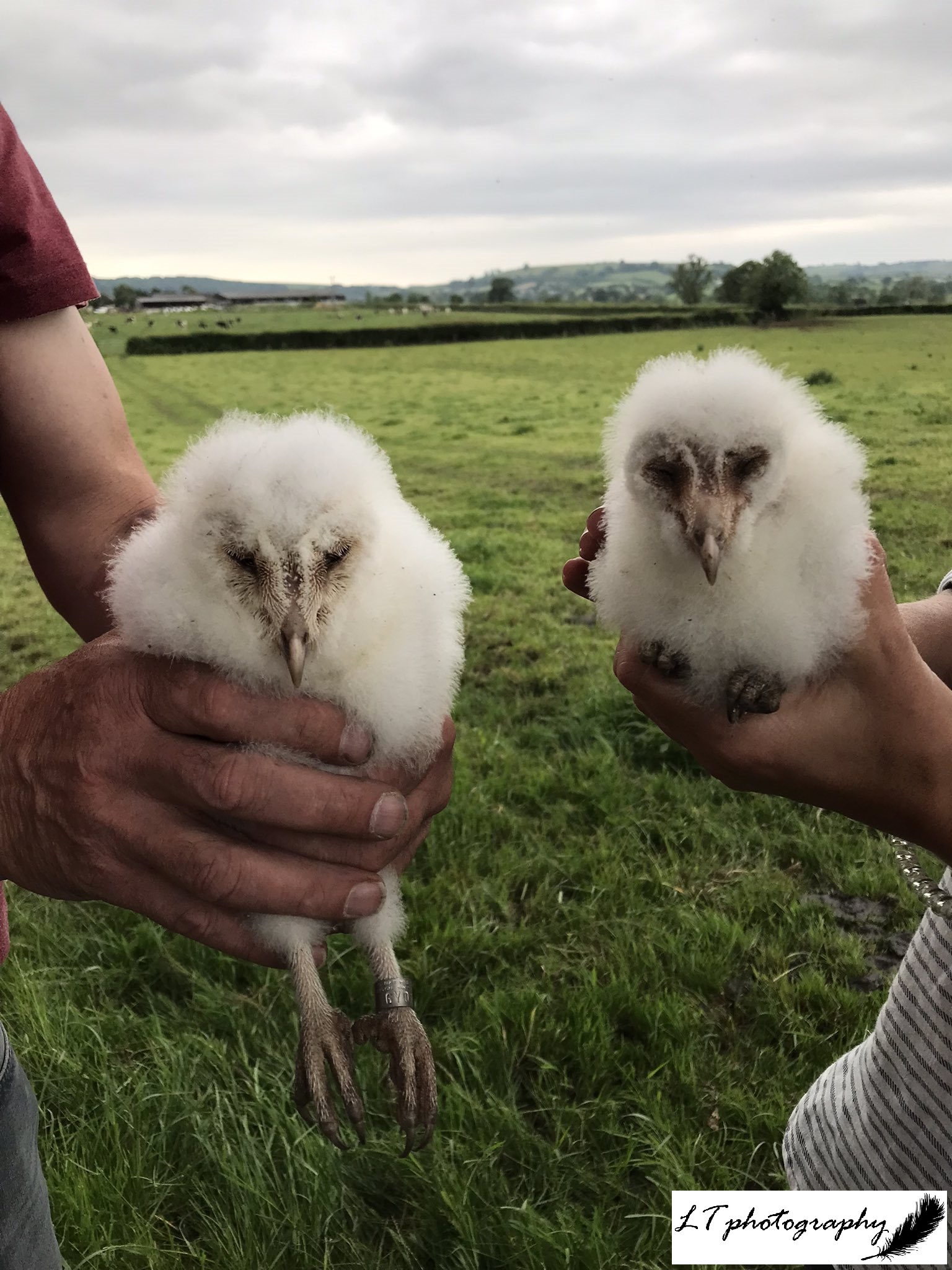
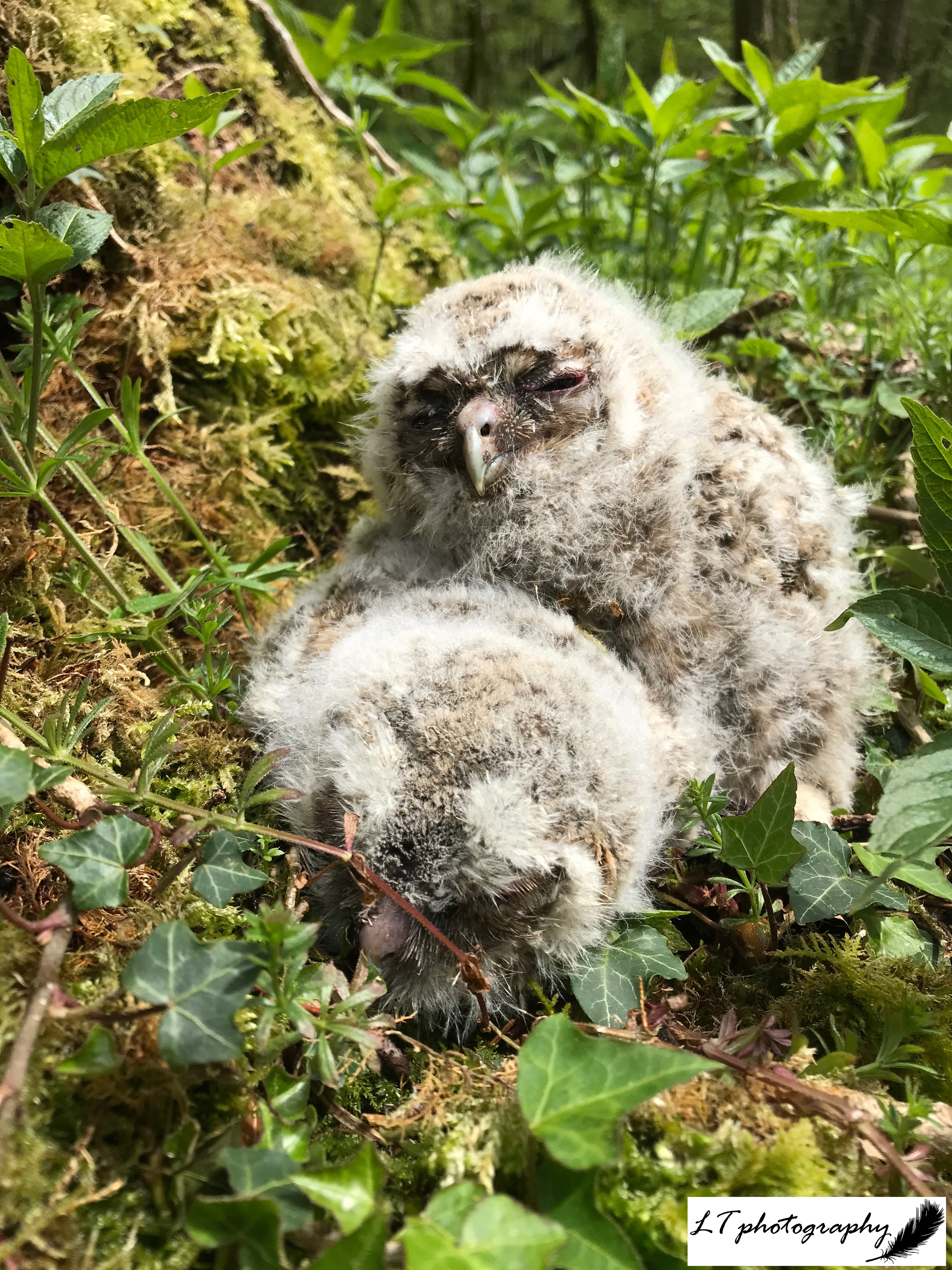
6. Tawny owl chicks – One of my highlights of spring this year has been ringing chicks under license with my bird ringing group (Conservation Action). In particular, I had a great day in early May at the Woodland Trust’s Duncliffe Woods site in North Dorset checking tawny owl nest boxes. It has been a poor year for tawny owls in general, which was reflected by Duncliffe Woods, but we did get lucky and found 3 active nest boxes. I had the pleasure of ringing these chicks, under permit, which will provide important information to help conserve tawny owls in the future.

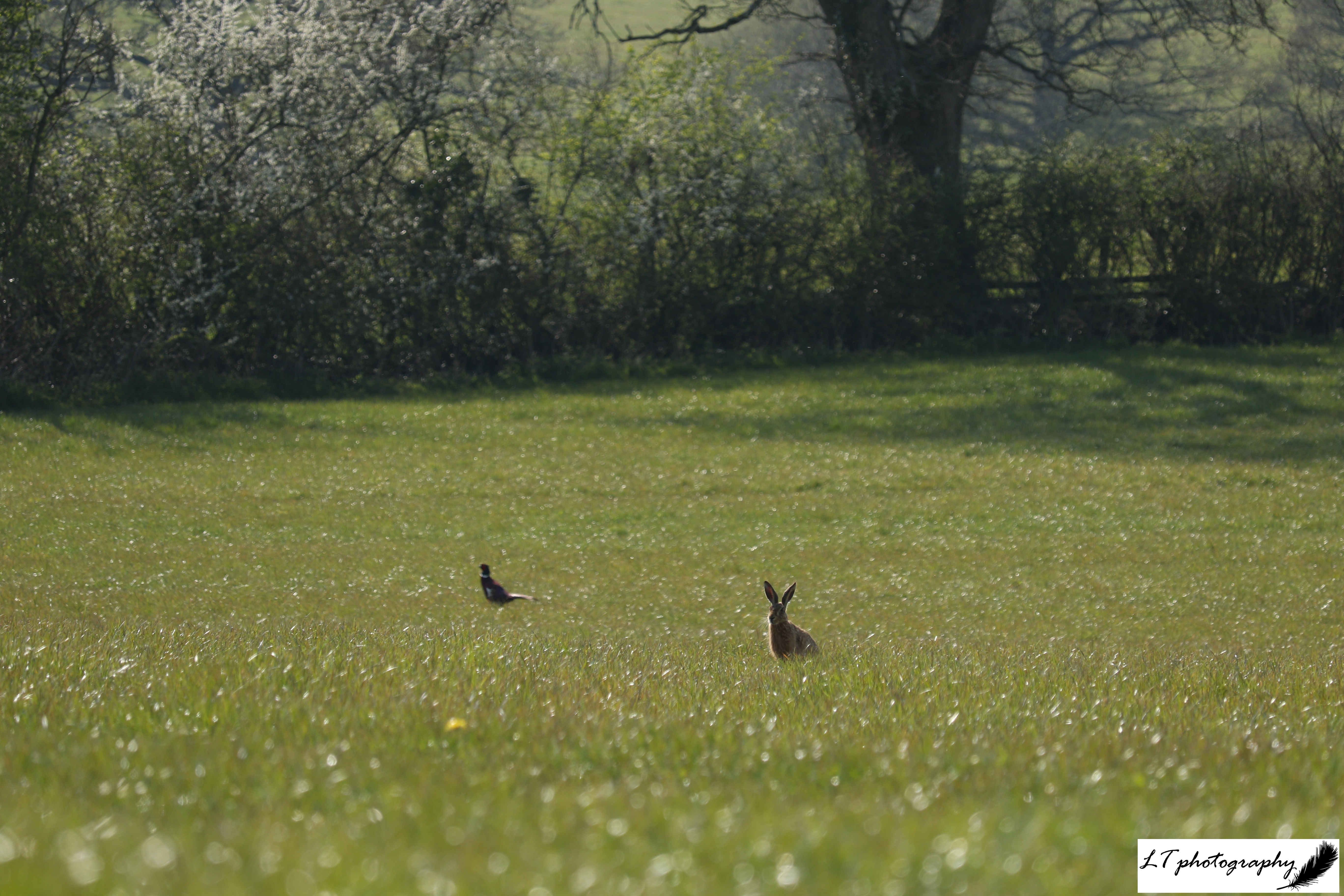
7. Brown hare – This year has been the year of the hare on my family’s farm in Dorset. We have a reputation for being a great site for this species, but this year has been truly astounding. With 1-3 hares to every field, I was humbled to spend my spring out working alongside them everyday, getting to see them up close and experience their behaviour firsthand. Truly magical!

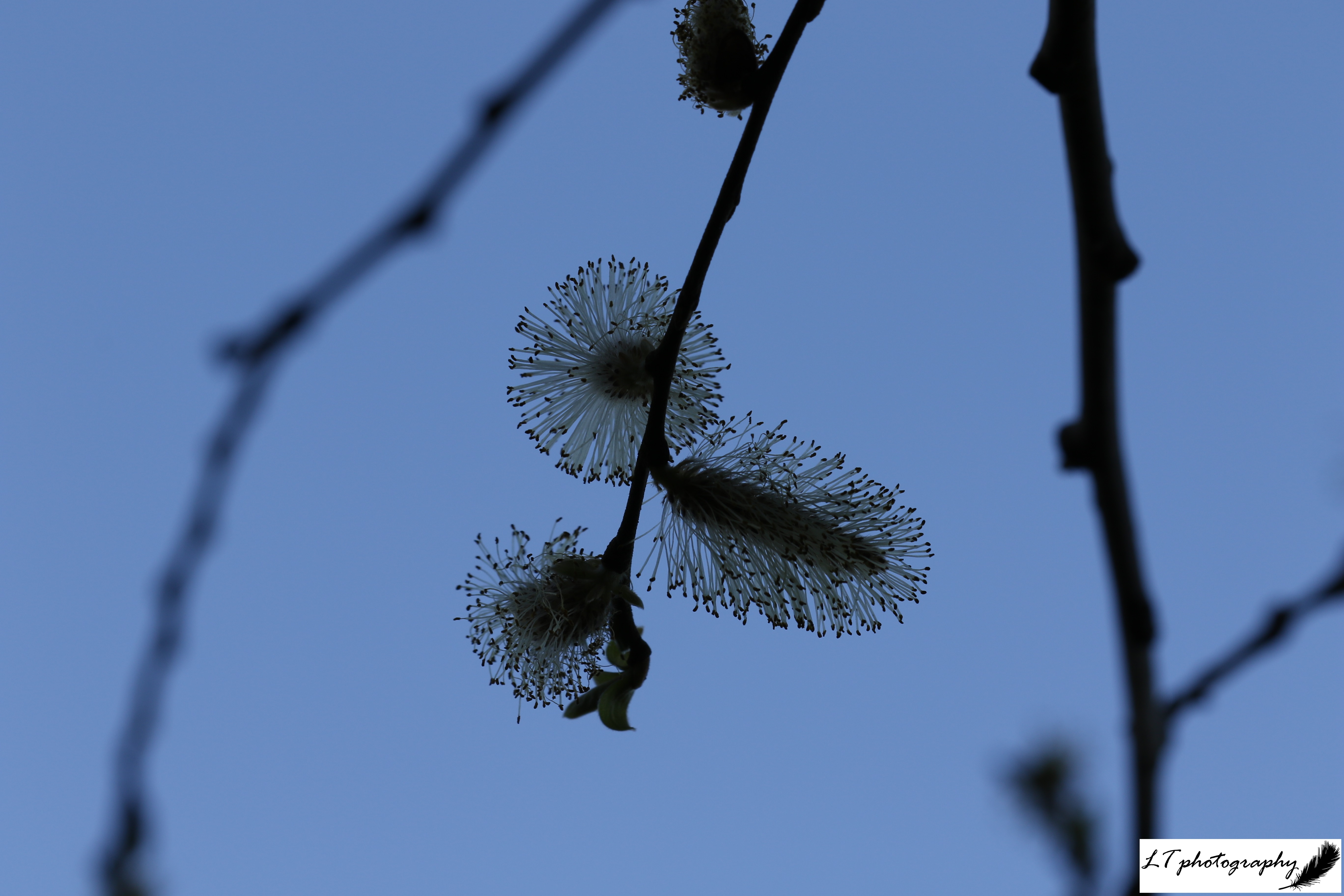
8. Pussy willow flowers – Willow flowers have been a difficult subject for me to photograph this year, with poor results. I was pleased though to find this refreshing photo on my memory card, of willow flowers stood out against a clear blue evening sky. They are beautiful in their own right.

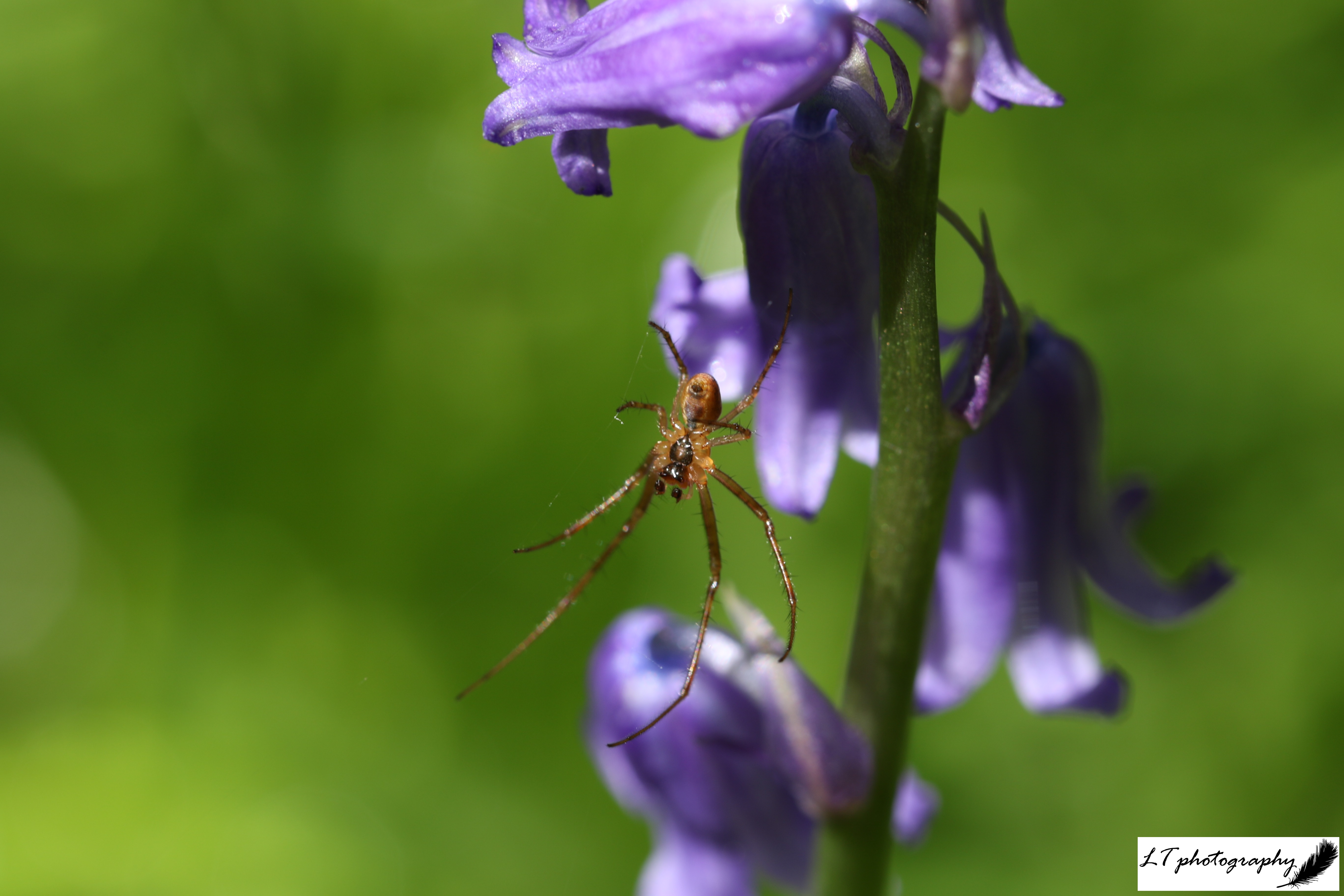
9. Spider in macro – This photo that is not photographically ‘perfect’ is still a favourite of mine from this spring for other reasons. As I invest in my camera equipment, my latest edition has been my first professional macro lens. So this photo was the first photo I even took with my new lens, and it fills me with joy to see the new world I can now start to explore.

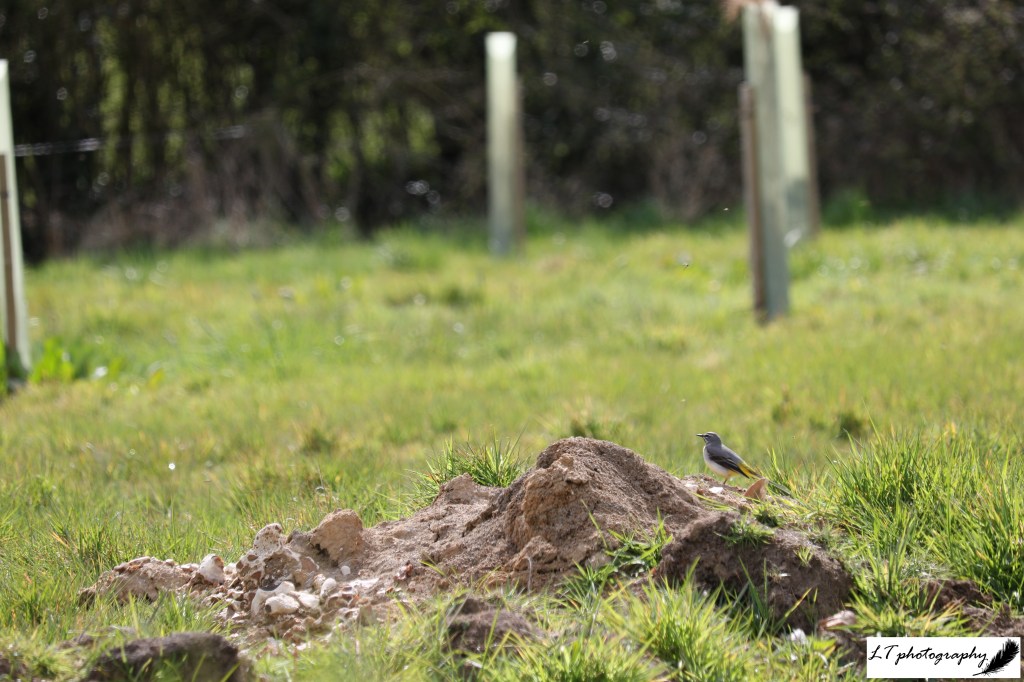
10. Grey wagtail – Last year my Dad began digging a pond in his field that he is currently wilding. Though he was rained off in the autumn before completion, the half-dug pond is already attracting a wealth of species from birds to insects. Majestic grey wagtails that have begun populating this area over the winter have also found the pond this spring.

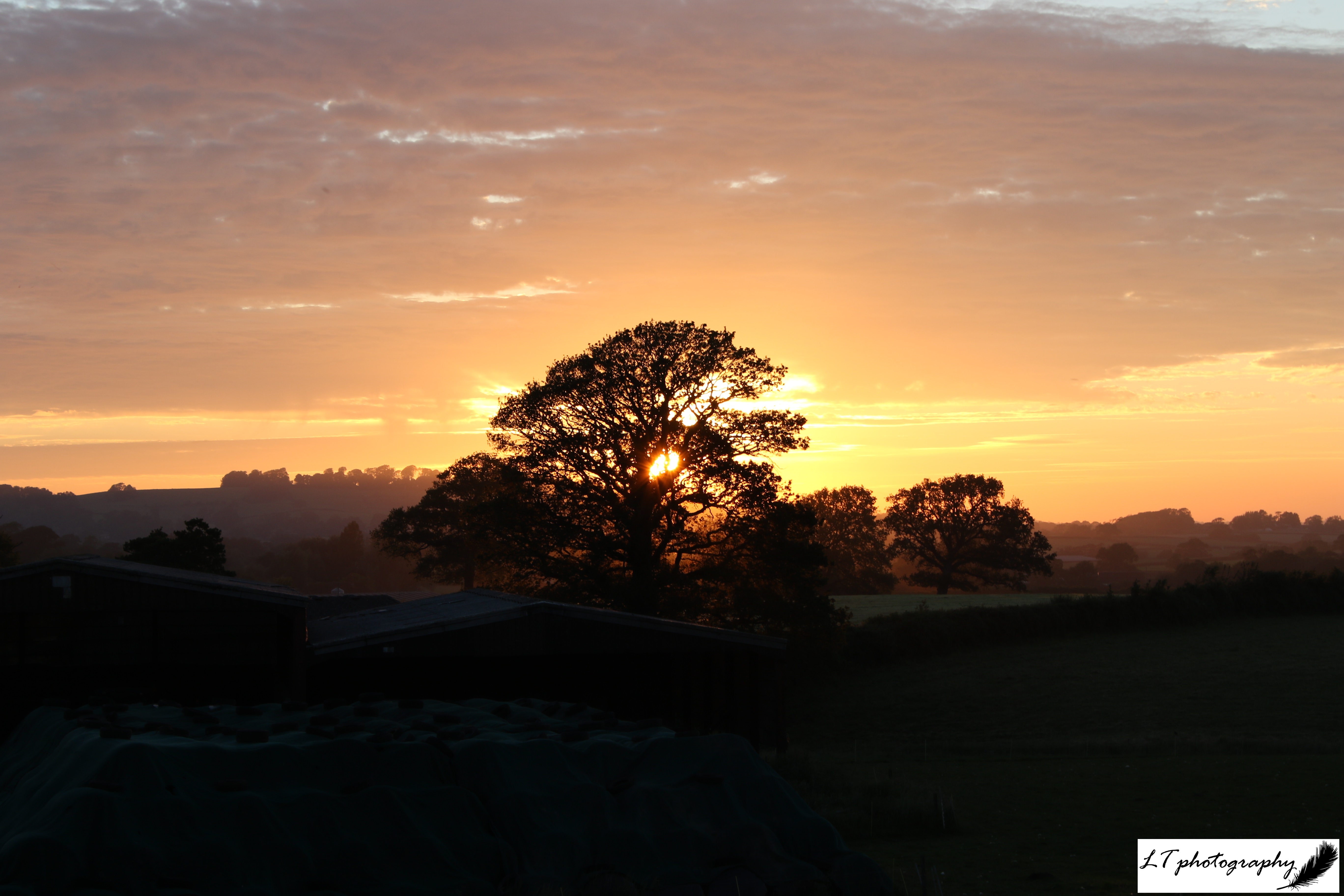
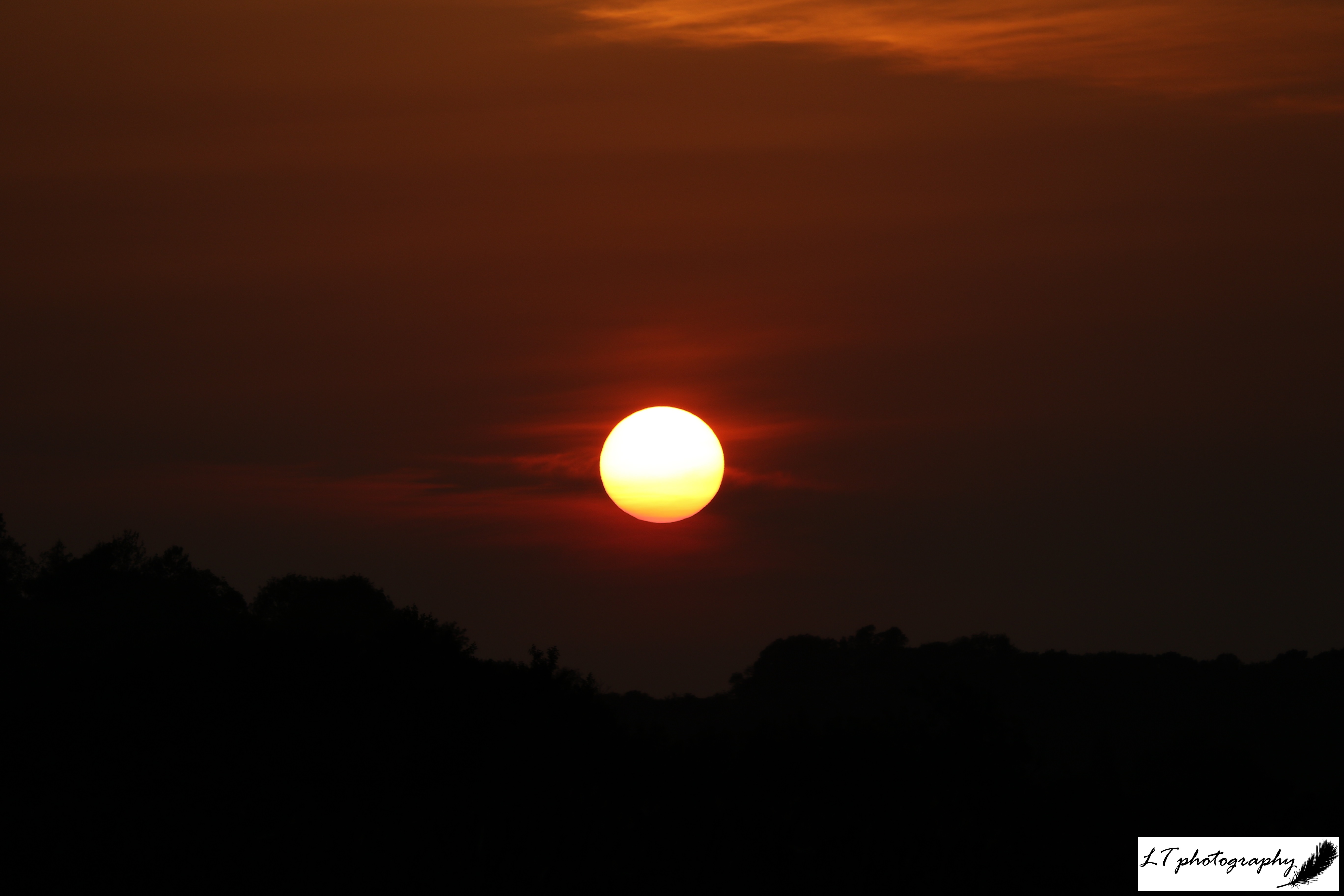
11. Sunset – Though sunrises are magical, sunsets have always been my most favourite time of the day. This is because many of my happiest memories can be linked to beautiful and vibrant sunsets from field research in Canada to evenings at home on my family’s farm. I have seen so many incredible sunsets already so far, but I hope to see many more in the future.

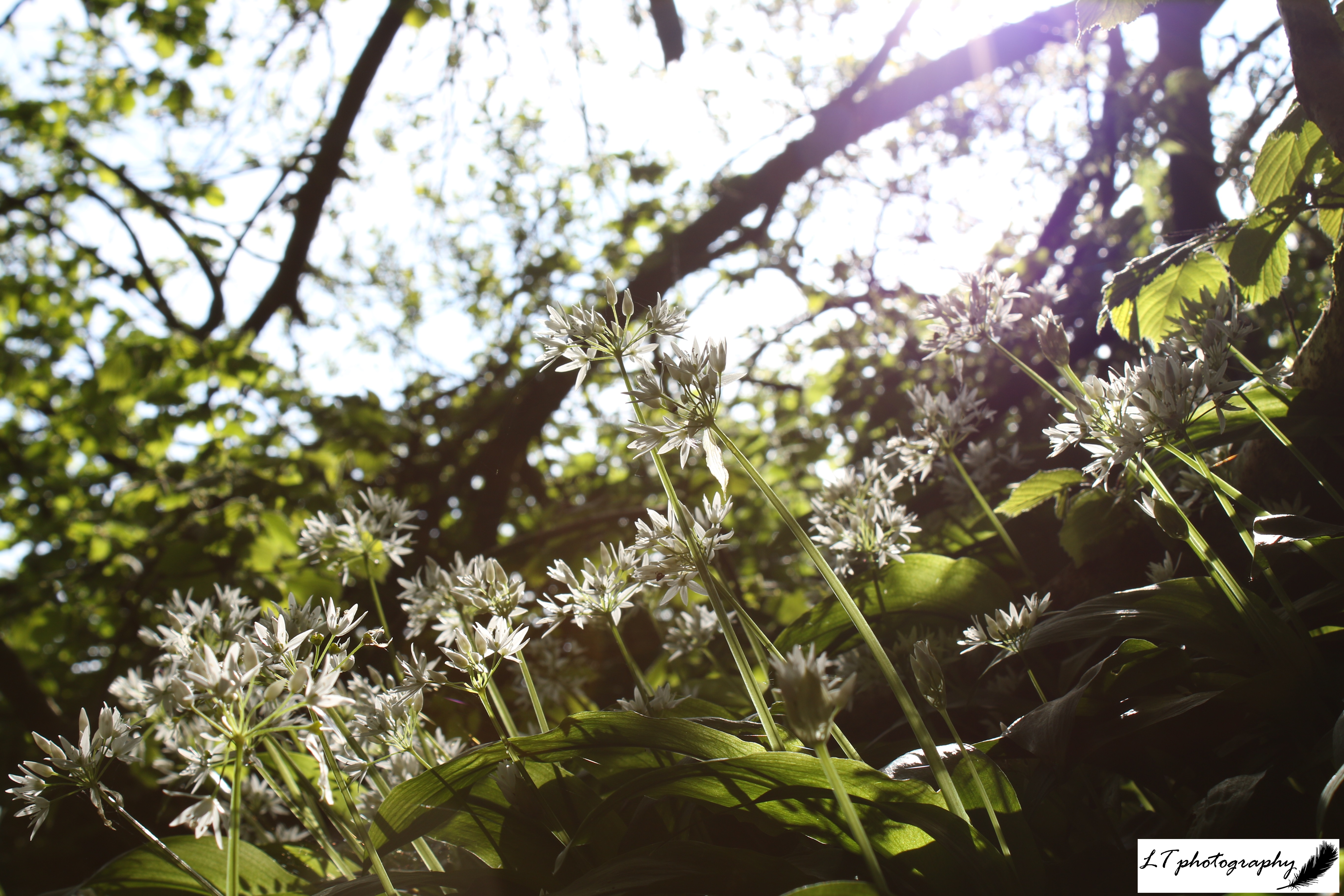
12. Wild garlic – Though my busy spring dissuaded me from mornings waking up before the sunrise, I did spend a couple of glorious mornings waking up and getting out an hour or so after instead. The light is glorious at this time of day and always provides me with inspiration for my photos and life in general. This photo represents this magical time of day and the joys of spring flowers, wild garlic being an iconic example.

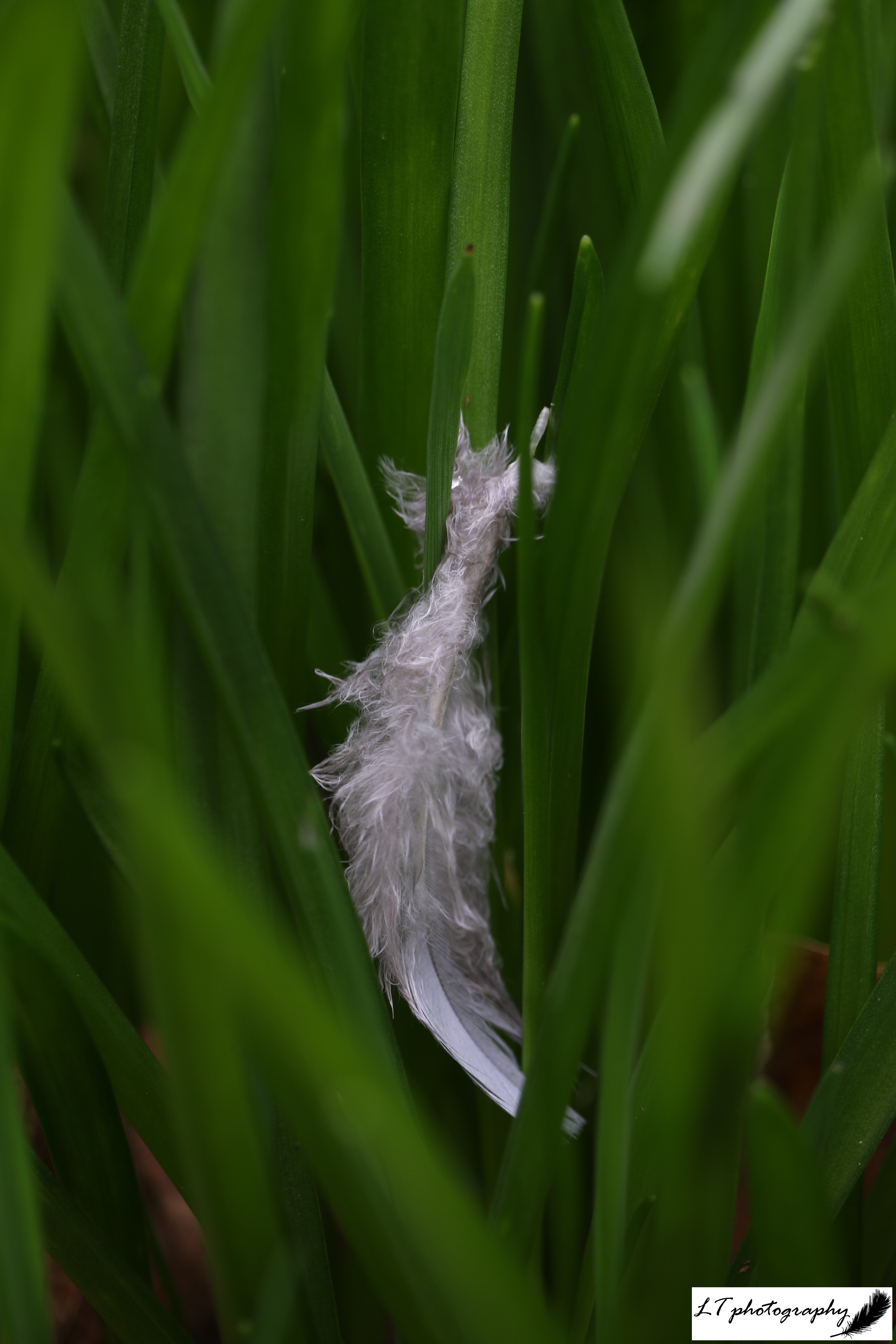
13. Feather in the bluebells – Wait, a feather again? Well feathers always sneak into my many files of photos, being a symbol of mine and representing my love of feathered species. They can also tell us useful information about what is living in a habitat, for example this feather is most likely from a collared dove.

14. Aberdeen angus calf – This photo is one of my favourite photos of one of my mum’s beef suckler calves. Spring is a time of new life in nature and on the farm, with my mum’s small free range beef herd giving birth at this time. This year they have weathered it through some turbulent months, but now are enjoying a bit of sunshine on their backs.

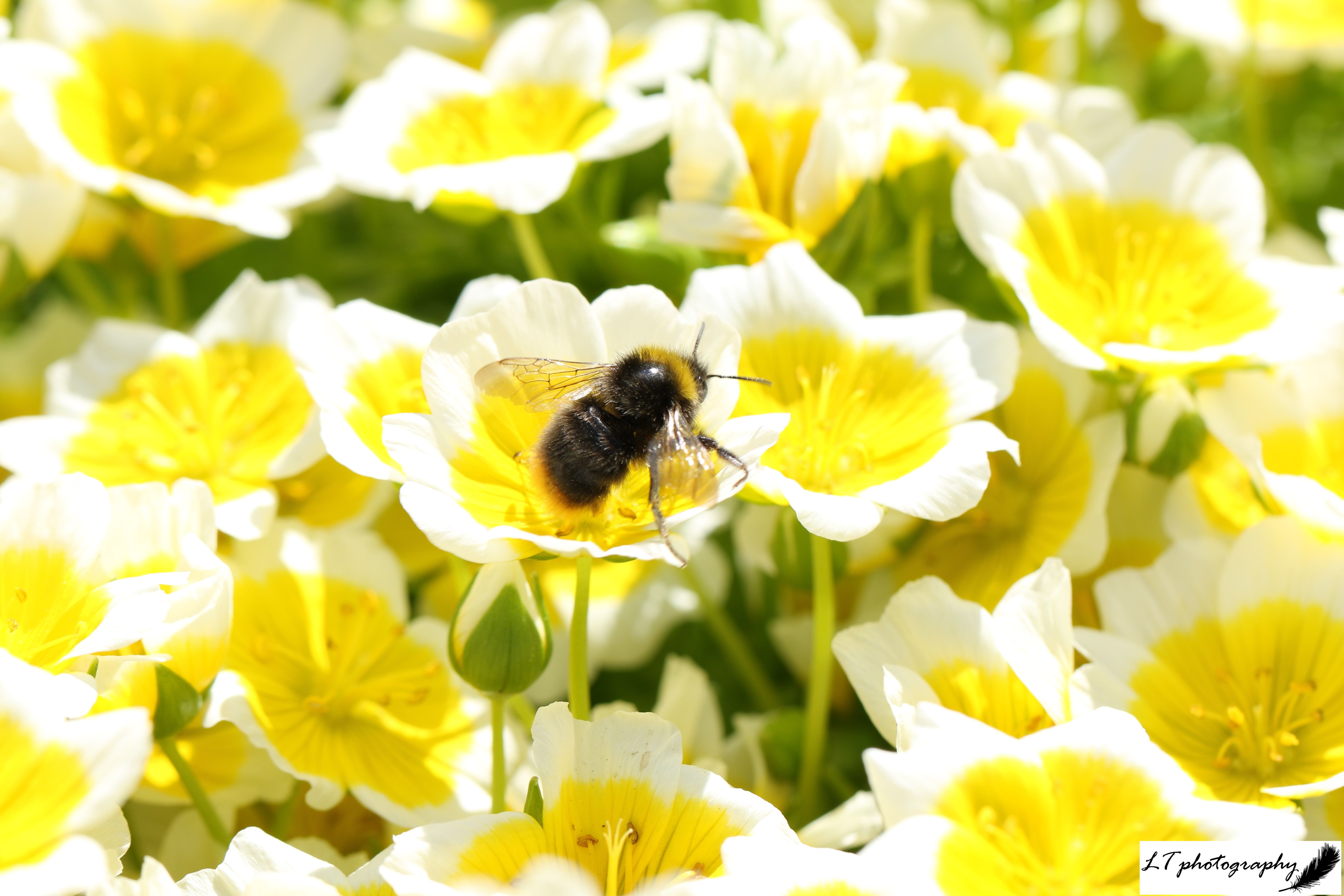
15. Honey bee – As I was intending to buy a macro lens this year, I made sure to time my purchase to be able to use it on the flowering of the poached egg plants in my family’s garden. It arrived well in advance, and, despite some rained off days, I got to spend some happy lunchtimes in the sunshine photographing bees on these flowers. This is one of my favourite macro photos of the flowers this year.

16. Dog roses – Dog roses were the last event of spring that I looked out for this year, and it kept me waiting! They were 22 days later for me than last year, with the first flowers blooming on the 8th June. They came out in force though, covering hedges within the space of a couple of days, adding some more colour to our hedgerows. With their lateness though, I feel like they also marked the end of spring this year.

Spring 2021: How It Happened

This spring has been an unexpected, unpredictable and turbulent season, that has taken its time to unfurl. Traditionally spring is a season that is characterised as calm and dry, with days getting longer and warmer, and the potential for cooler nights. As lighter evenings returned this year though, spring was far from traditional, with a stormy then hot March, cold and frosty April, and a wash out of a May.

Since 2017, I have recorded the dates of the events of spring every year, and with the start of my blog, every year since I have analysed and compared spring events to see how the season took form. Last year I showed that the timing of spring events is heavily linked to spring weather, resulting in either earlier or later occurrence accordingly. Over the last couple of years this has varied alot, so it will be interesting to see what has gone on this year.

This spring a lot has been going on for me, but I have still found time to be out in nature as much as possible and to enjoy the time when one season slips into another. It has felt that spring has dragged on longer this year, with the potential effects of spring starting warm and progressing to cold, then wet. So as this spring comes to a gradual close and the heat sets in, it is time to find out what actually went on during spring 2021.

Trees

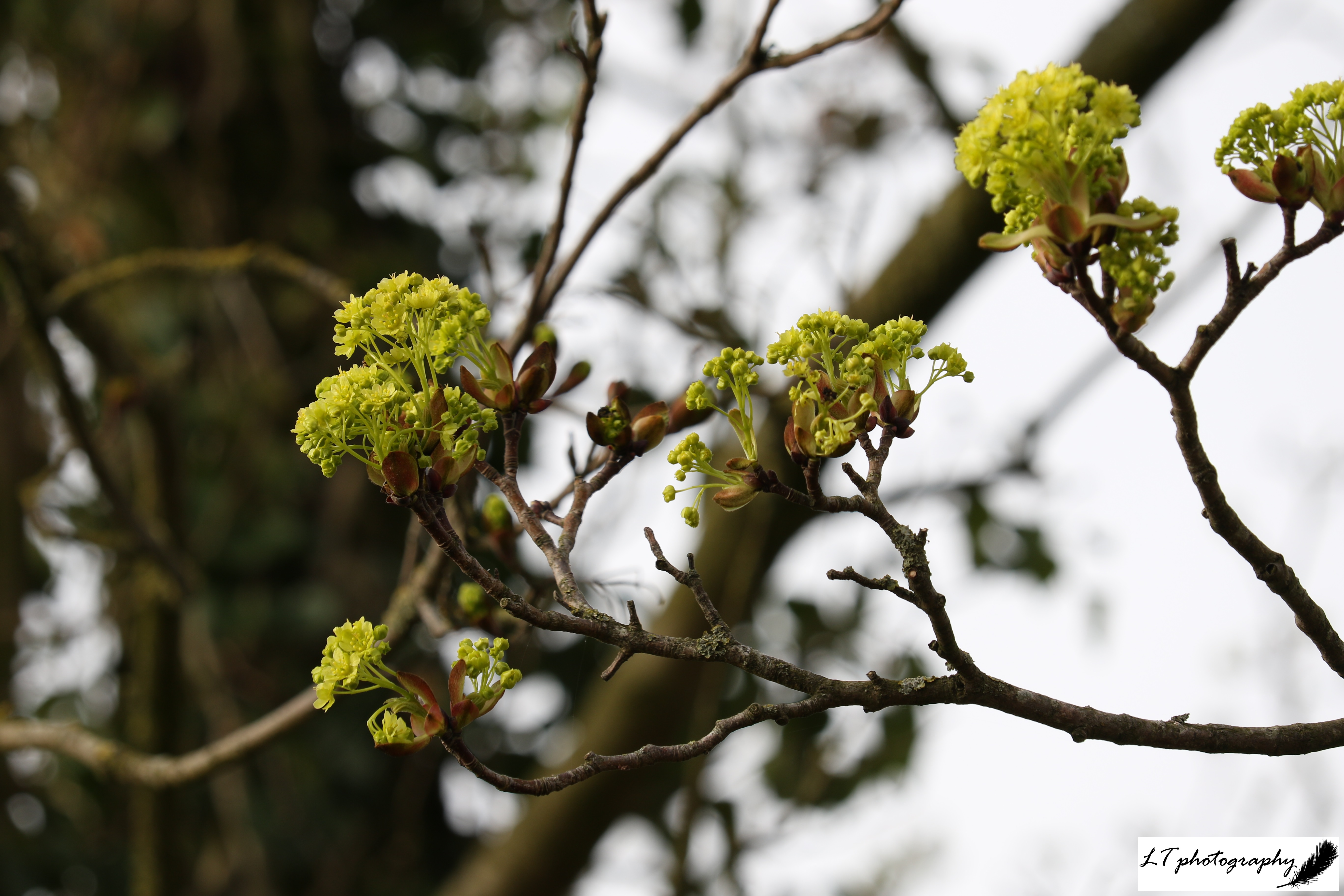
This year there was a general trend for trees being later in their bud burst, leaves unfurling, and flowering compared to 2020. Even before the frosty nights of April, silver birch (Betula pendula) buds burst 14 days later on 26th March, Norway maple (Acer platanoides) first flowered 5 days later on 26th March, and beech (Fagus sylvatica) buds burst 14 days later on 27th March.

As we moved through April and into May, spring events began to stretch even further in their lateness. For example, wild cherry (Prunus avium) buds burst 35 days later on 8th April, horse chestnut (Aesculus hippocastanum) first flowered 18 days later on 20th April, alder (Alnus glutinosa) buds burst 15 days later on 21st April, the first lime (Tilia x europaea) leaves unfurled 23 days later on 26th April, pedunculate/english oak (Quercus robur) leaves first unfurled 31 days later on 5th May, and ash (Fraxinus excelsior) flowered 37 days later on 9th May.

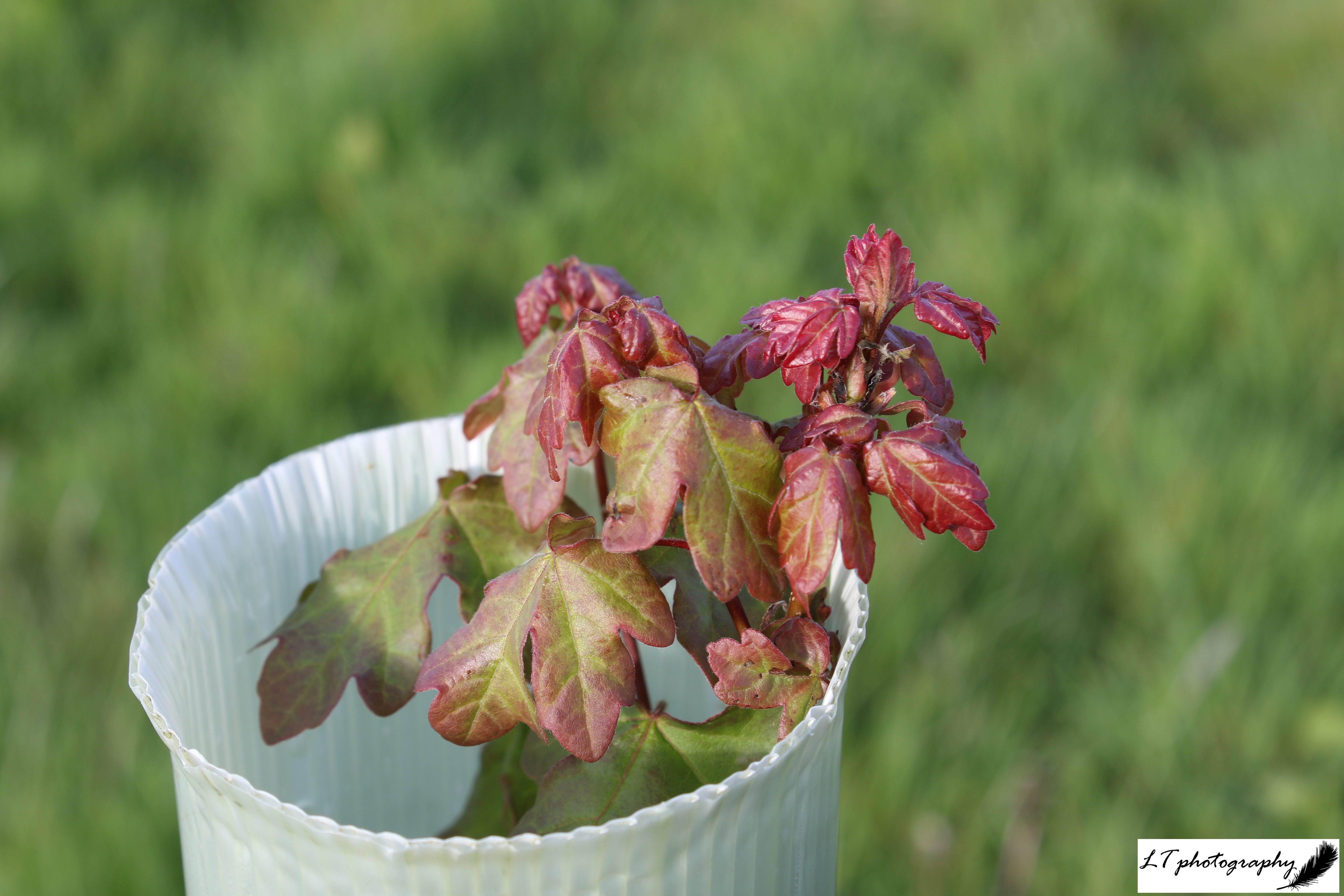
Field maple (Acer campestre) did not follow this trend though, with bud burst being 10 days earlier on 26th March, and first leaves unfurling 5 days earlier on 1st April. This may be as these trees missed the worst of the spring weather, but for the other trees spring events ranged from being 1 to 37 days late!

Shrubs

For a lot of the shrub species I monitored a similar trend was shown as with tree species, being later compared to 2020. For example, elder (Sambucus nigra) leaves first unfurled 34 days later on 18th March, blackthorn (Prunus spinosa) first flowered 17 days later on 23rd March, and hawthorn (Crataegus monogyna) first flowered 23 days later on 11th May.

Though half of the shrubs I monitored were later in their spring events, ranging anywhere from 2-34 days later, two species did not completely fit this trend. For lilac (Syringa vulgaris) bud burst occurred 12 days earlier on 24th February, but flowered 17 days later on 2nd May. This was the same for dog rose (Rosa canina), where buds burst 12 days earlier on 22nd February, but first flowered 22 days later on 8th June. For both of these species though, it is the spring events occurring before April that are earlier, as the ones occurring in April and May were not immune to the frosts and heavy rainfall like the other shrubs.

Flowers

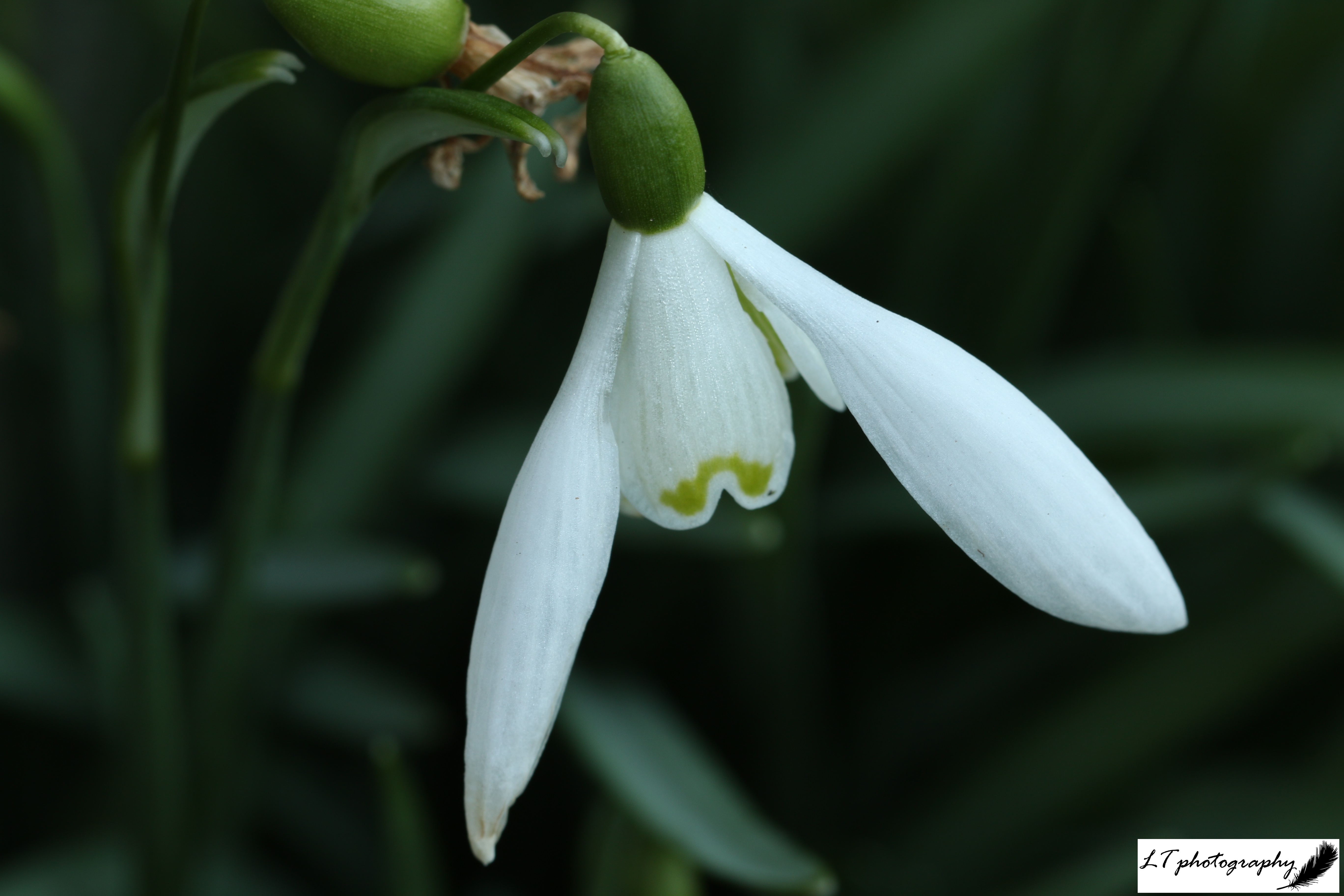
For many of our commonly associated spring flower species, there was a little more of a split between appearing earlier or later, but on average they flowered later compared to 2020. Snowdrops (Galanthus spp.) first flowered 15 days later on 18th January, wood anemones (Anemone nemorosa) 8 days later on 30th March, bluebells (Hyacinthoides non-scripta) and greater stitchwort (Stellaria holostea) both 4 days later on 1st April, cowslips (Primula veris) 12 days later on 2nd April, early purple orchid (Orchis mascula) 12 days later on 18th April, wild garlic (Allium ursinum) 14 days later on 20th April, and oxeye daisy (Leucanthemum vulgare) 16 days later on 3rd June.

The exceptions were a section of earlier flowering species, including primrose (Primula vulgaris) first flowering 27 days earlier on 31st December, lesser celandine (Ficaria verna) 3 days earlier on 15th January, daffodil (Narcissus spp.) 22 days earlier on 19th January, and cuckooflower (Cardamine pratensis) 10 days earlier on 8th April. These flowers would have been influenced by a warmer winter and start to spring, generally flowering before the cold spell in April.

Birds

On average, bird species spring events have also become later this year compared to 2020. I heard my first song thrush (Turdus philomelos) singing 17 days later on 1st January, I saw my first rook (Corvus frugilegus) nests being built 10 days later on 25th February, and I heard my first chiffchaff (Phylloscopus collybita) on 16th March. April and May events were again influenced, for example I saw my first swallow (Hirundo rustica) 5 days later on 10th April, saw my first house martin (Delichon urbicum) 9 days later on 21st April, heard my first cuckoo (Cuculus canorus) 3 days later on 1st May, and saw my first swift (Apus apus) 10 days later on 16th May.

There were two exceptions though, where I recorded hearing my first blackbird (Turdus merula) singing 13 days earlier on 10th February, and saw my first blackcap (Sylvia atricapilla) 8 days earlier on 14th April. These would most likely relate to other influencing factors, such as overwintering in the UK or habitat requirements.

Insects

Compared to previous years, I have still yet to see some species of butterfly that would typically be on the wing by now, such as gatekeeper butterflies (Pyronia tithonus). For the insects I have seen though, again there was a split in event occurrence compared to 2020. For example, I saw my first small tortoiseshell butterfly (Aglais urticae) 2 days later on 7th April, red admiral butterfly (Vanessa atalanta) 26 days later on 7th April, brimstone butterfly (Gonepteryx rhamni) 26 days later on 18th April, and speckled wood butterfly (Pararge aegeria) 52 days later on 13th June.

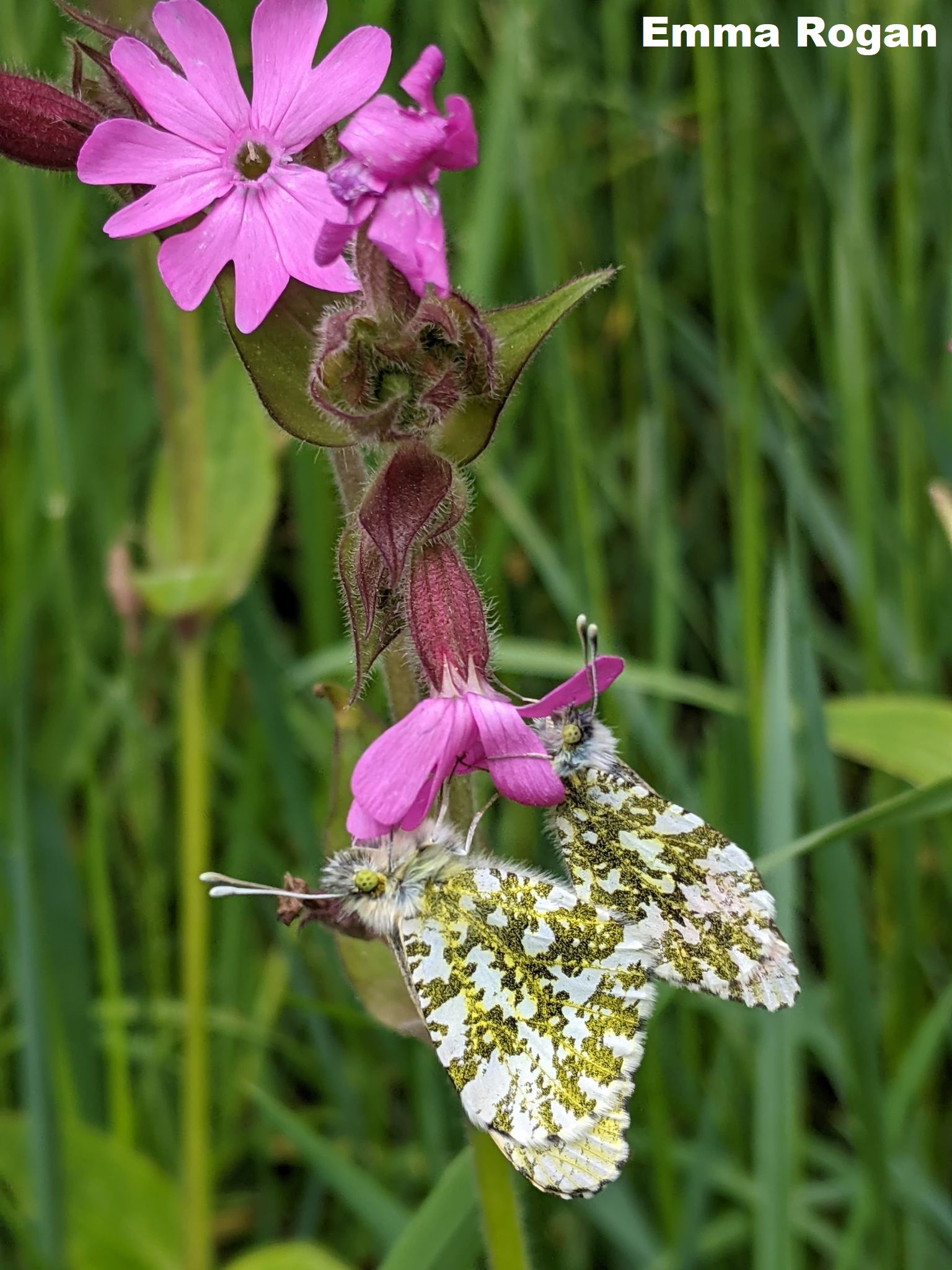
The early emergers came in the form of my first buff-tailed bumblebee (Bombus terrestris) 14 days earlier on 27th February, peacock butterfly (Aglais io) 5 days earlier on 30th March, orange-tip butterfly (Anthocharis cardamines) 13 days earlier on 31st March, and red-tailed bumblebee (Bombus lapidarius) 12 days earlier on 19th April. Despite these species appearing earlier in spring, later flowering plants will have had a knock-on effect for them due to a mismatch in timing for food. Only further down the line will we be able to see the extent of this impact.

Summary

This year I have recorded more spring dates than I have done so before, such as alder trees flowering, first yellowhammer singing, and first green-veined white butterfly, which will be useful information during the years to come. This reflects how I have felt more in touch with nature this year even with the unusual weather patterns, such as alot of rain! It became clear as we went through May though, that there was a trend for events happening later and later. This is why I was so interested to see how far this trend actually extended amongst species.

Last year I wrote that spring events are ‘in fact getting later, which will be related to… weather and environmental factors here and further afield’. This year this has turned out to be the case, which shows how climate change is having more of an impact through changes in weather patterns rather than just warmer temperatures. Earlier spring events have been getting earlier with warmer winters, but heavy rainfall and colder starts to spring have been affecting late March to May events most. I wonder now what impact this might have as we move forward, for example greater mismatches in ecological timings.

How to… Identify British Tree Species

A majestic oak standing tall in the landscape, watching as centuries pass it by. A silver birch with drooping branches, embellished with leaves, slowly blowing in the breeze. An alder leaning over the edge of a river, spreading its branches to shade the bank beneath it. From capturing the imaginations of children to symbolising strength and life for adults, trees in all their forms are an important part of the landscape and culture within Britain.

With over 70 species in the UK alone, trees come in all shapes and sizes, and can be found anywhere from our highlands to our cities. Trees colonised Britain following the last glaciation, and have since become intertwined with our very own history. They provide us with so much, including resources, such as medicines and building materials, improved air quality, homes for wildlife, and even cultural services, such as therapy through forest bathing. Thus, they are a very important part of our environment!

Now, as our reliance on trees grows and the threats to them increase, it is surprising how little people know about trees in general. For example, the average Brit is unable to name more than five tree species, and a third even believe a money tree is a real species! With two thirds of the public now wanting to learn a little more about the trees in their area, here’s my handy guide to help you identify 10 common tree species that can be found in the UK.

Tree Species

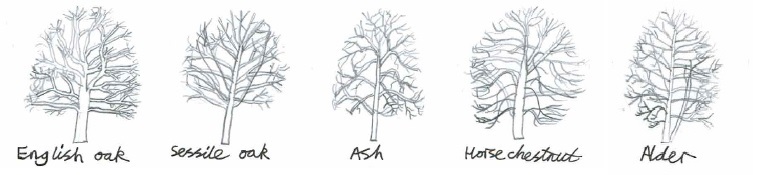
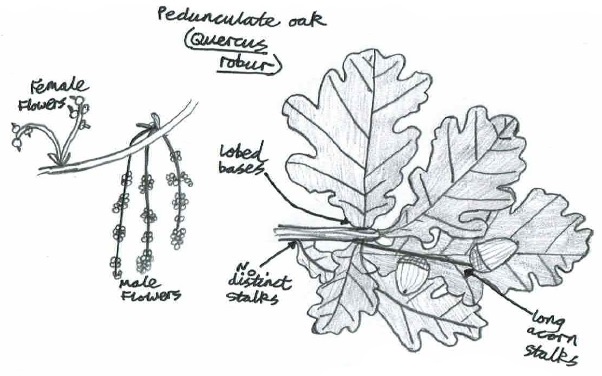
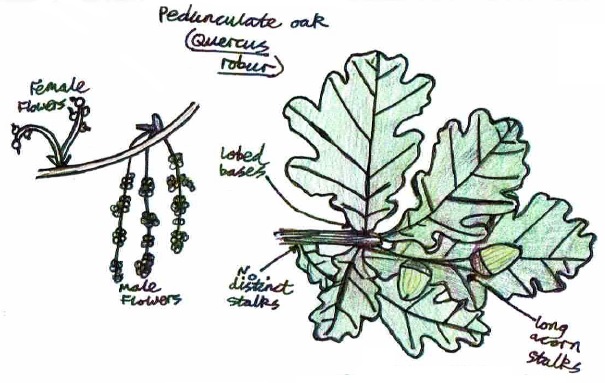
1. Pedunculate or English Oak (Quercus robur)

  • Family: Fagaceae – related to species such as beech and sweet chestnut
  • Origin: Native
  • Shape and size: Up to 40m tall, upward-reaching and broad crown
  • Stems and twigs: Massive rugged grey-brown trunk
  • Leaves: 10-12cm long, oblong, and lobed, turning brown in autumn
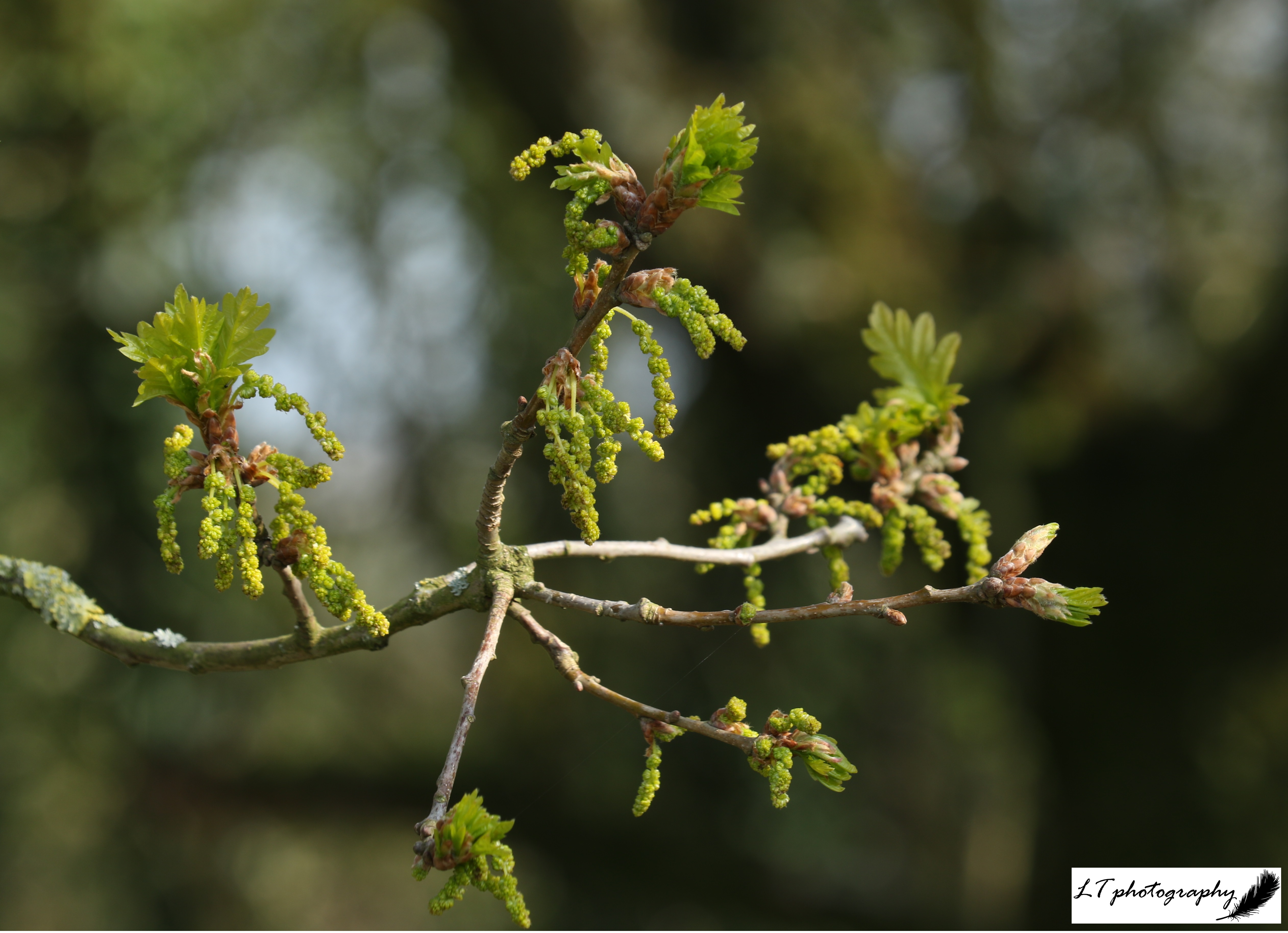
  • Flowers: On the same tree and flowering April-June. Male flowers= yellow-green catkins; female flowers= pinkish and on short stalks
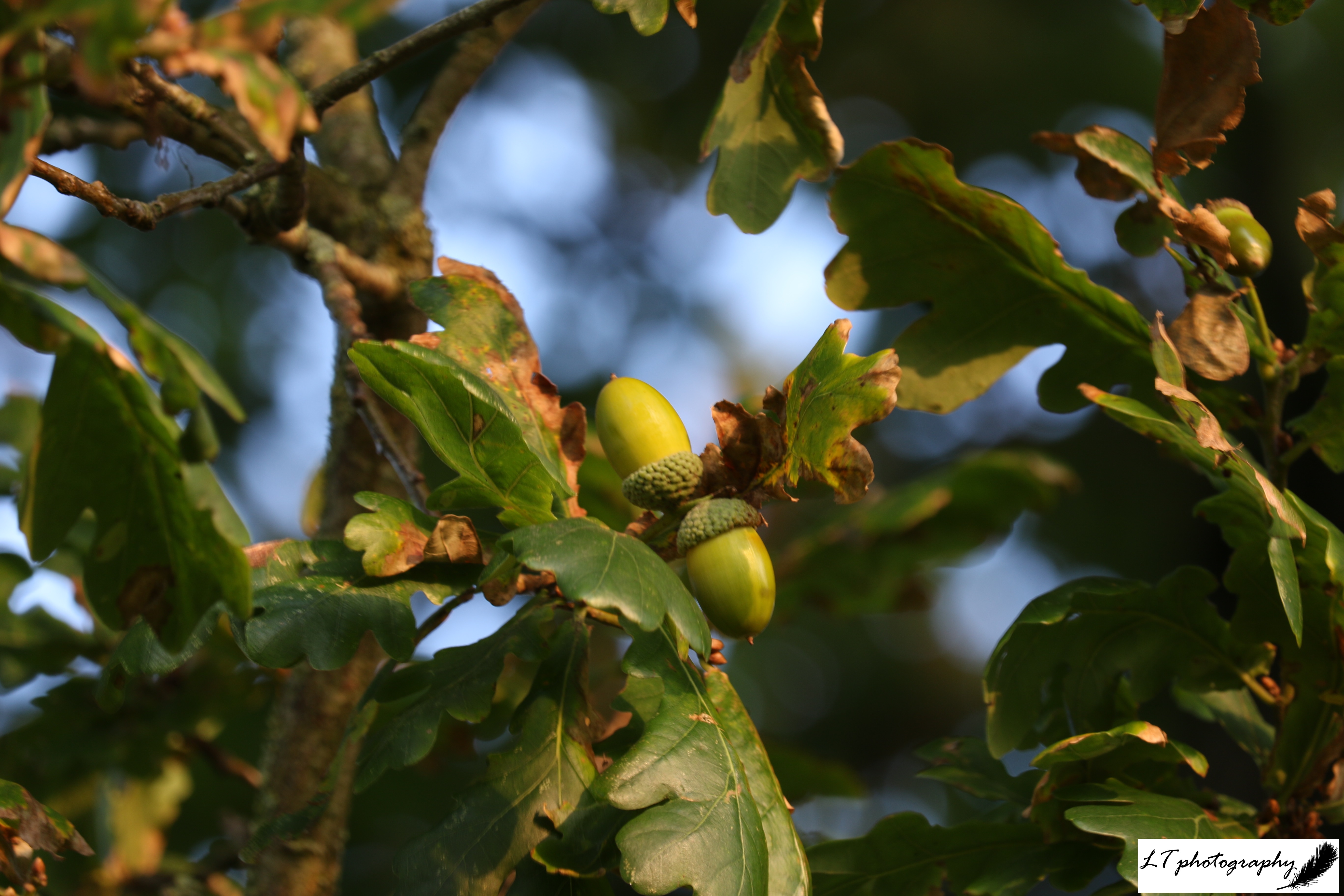
  • Seeds: Produces the familiar acorn, with scaly cups and clusters carried on long stalks
  • Range & habitat: Widespread and common throughout Britain, found in habitats ranging from deciduous and mixed woodlands to open grassland and hedgerows

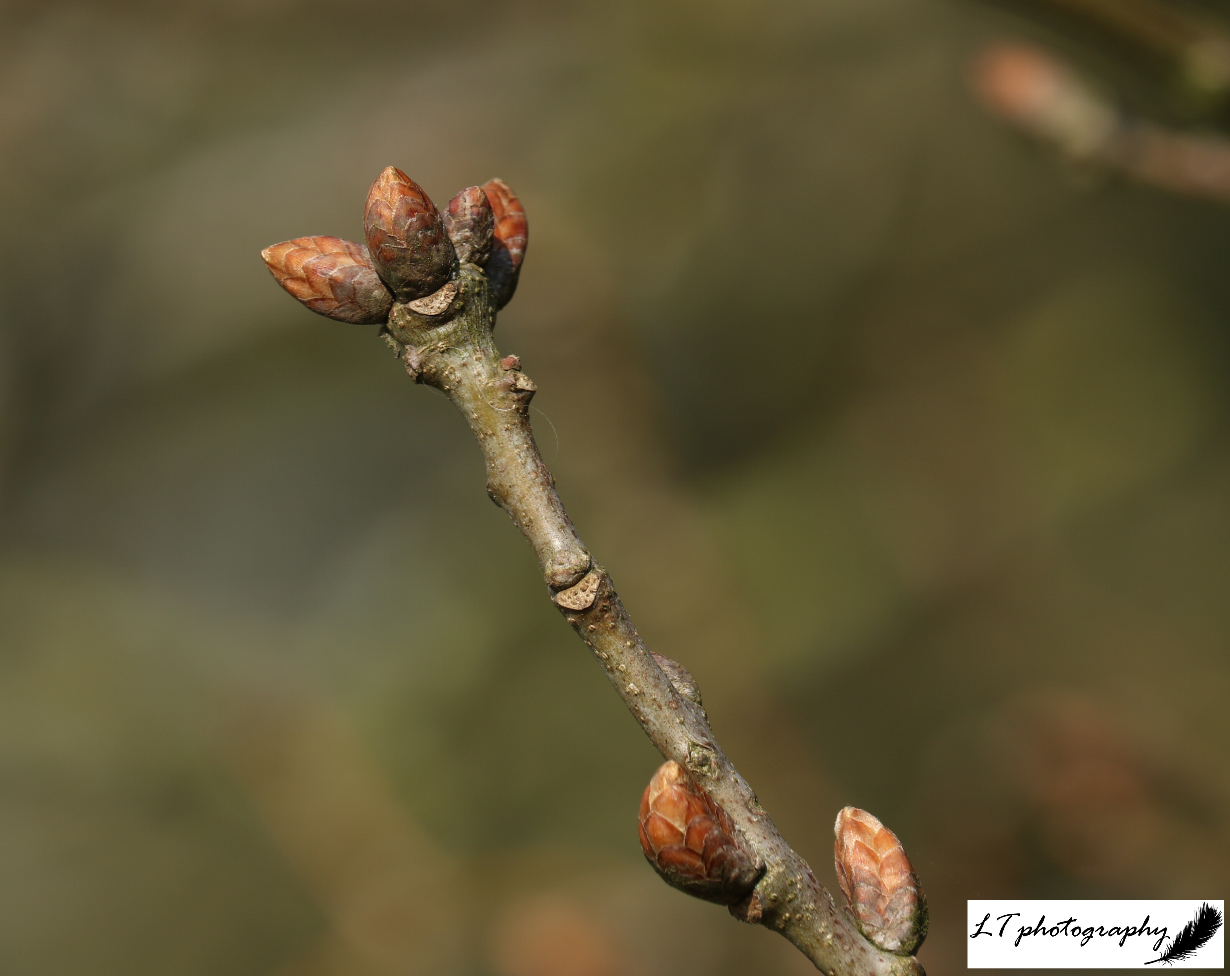
In Winter: Look for rounded buds that have overlapping scales and are found in clusters at the end of each shoot

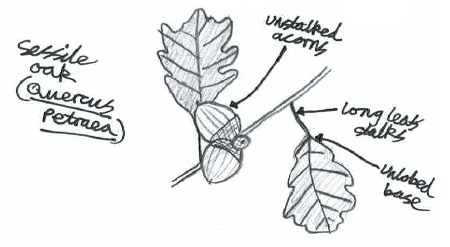
2. Sessile oak (Quercus petraea)

  • Differs to Pedunculate Oak in that the leaves taper to an unlobed base and have long stalks.
  • Buds in winter have more scales (more than 20).
  • Also, the clustered acorns are almost stalk-less with downy cups.
  • Narrower in shape, prefers more acid soils, and is more common in the West of Britain.

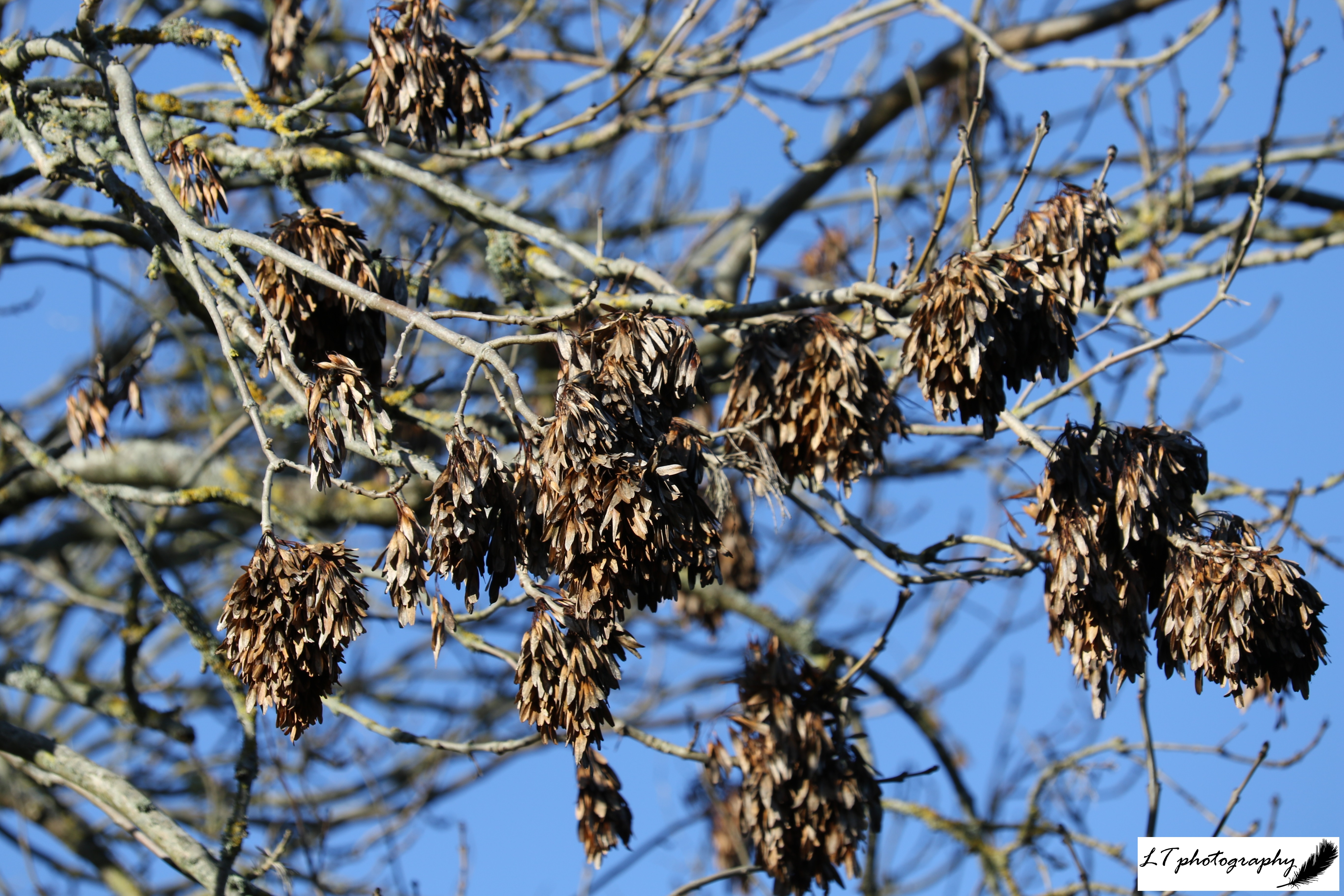
3. Common Ash (Fraxinus excelsior)

  • Family: Oleaceae – related to olive trees and lilac
  • Origin: Native
  • Shape and size: Tall and domed with widely spaced branches, growing up to 35m
  • Stems and twigs: Bark is pale brown to grey, becoming rugged with age
  • Leaves: Opposite and toothed, with 9-13 stalked leaflets that have long tips
  • Flowers: Male and female flowers typically grow on different trees, but both have purple flowers growing in clusters before the leaves
  • Seeds: Single seeds with a long wing (known as keys)
  • Range & habitat: Woods and hedges, in particular flourishing on a lime-rich/well-drained soil

In Winter: Smooth twigs with distinctive hairless black buds, and ridged bark on adult trees that resembles a diamond pattern

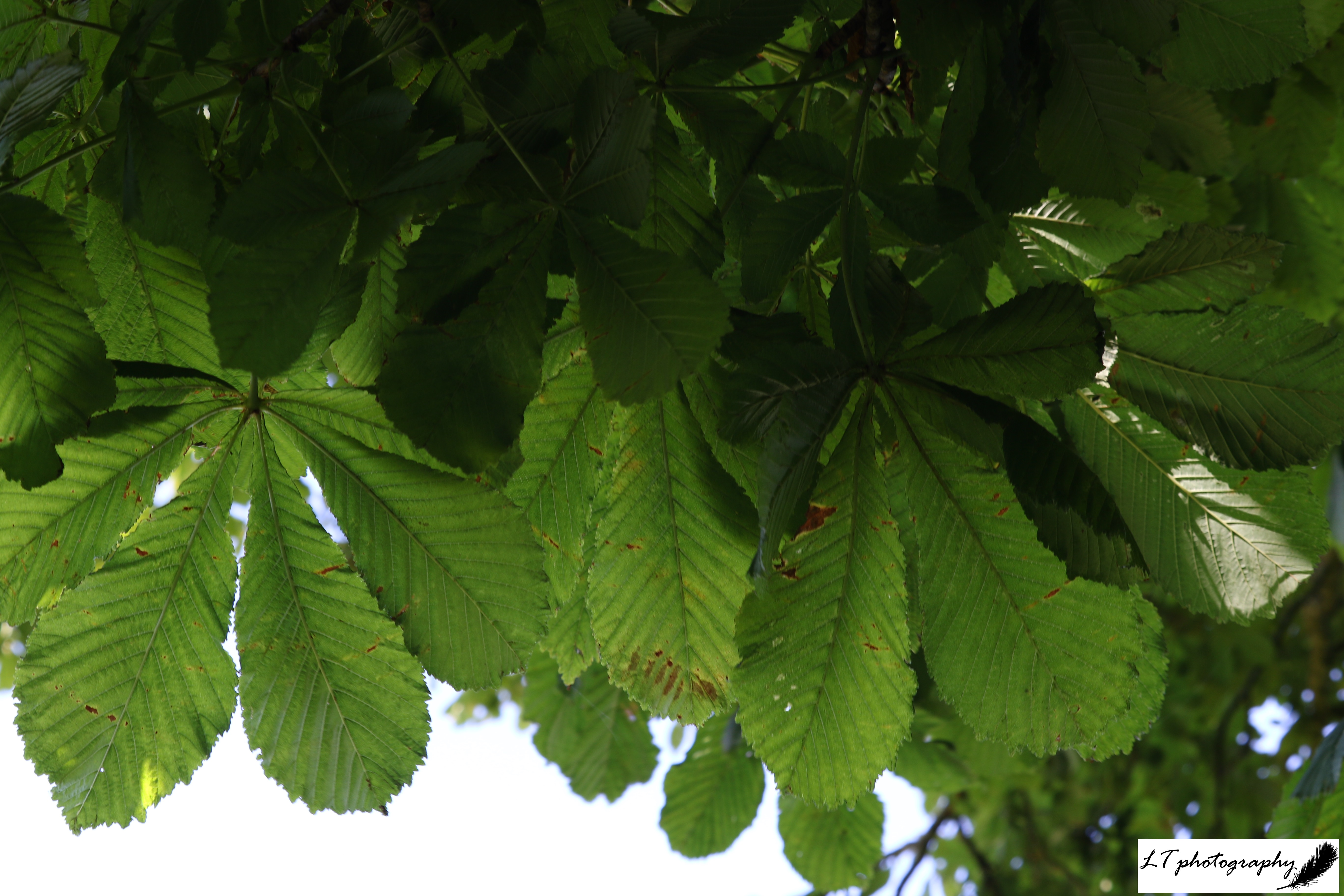
4. Horse Chestnut (Aesculus hippocastanum)

  • Family: Sapindaceae – related to lychee and maples
  • Origin: Non-native (introduced in the 1500s from the Balkan peninsula in southeastern Europe)
  • Shape and size: Arching branches, usually turned up at the ends, growing up to 35m tall
  • Stems and twigs: Bark is scaly and red-brown or dark grey-brown
  • Leaves: Five to seven large, thick, stalkless leaflets with pronounced veins and a long, tapering base
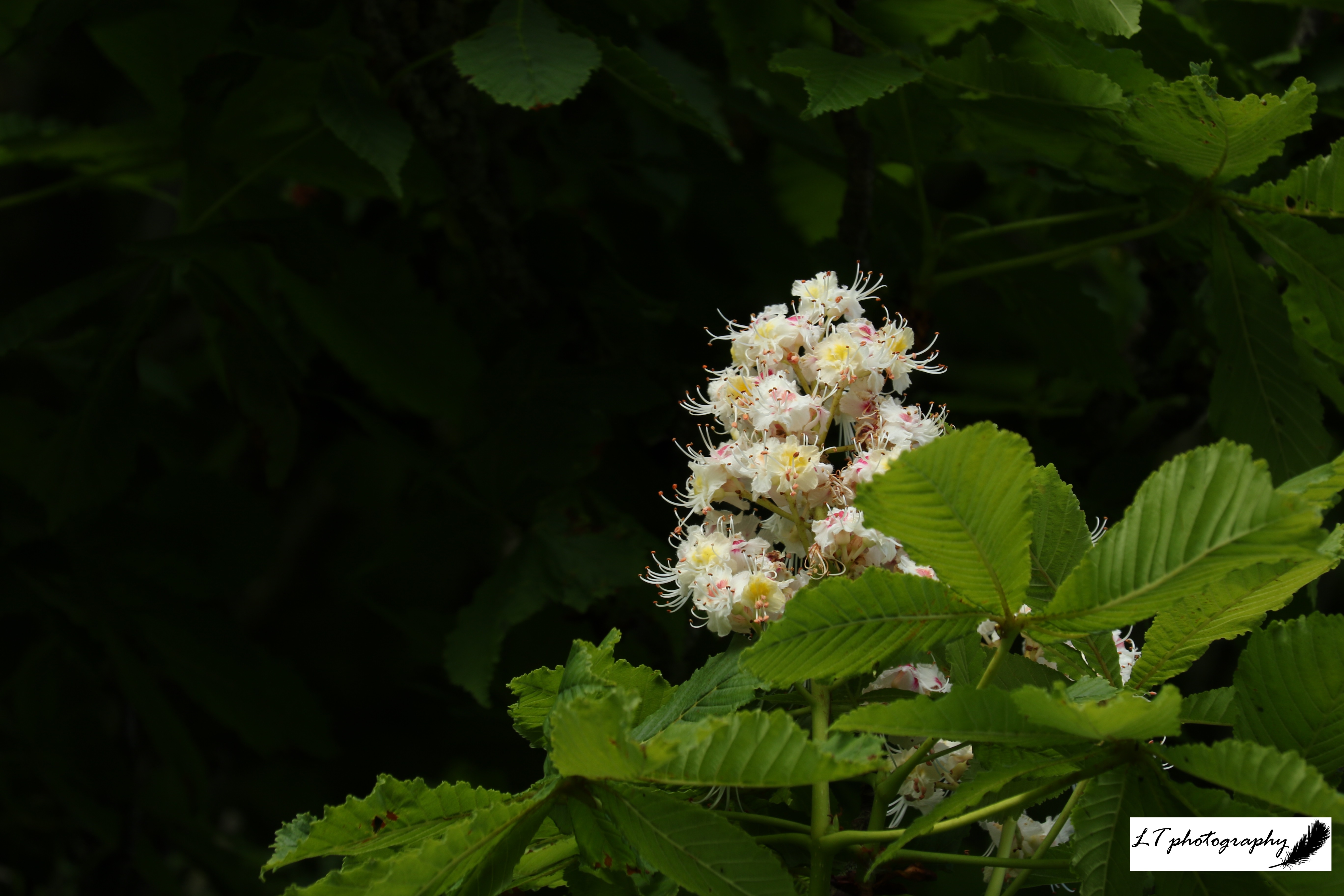
  • Flowers: Showy spike (candle) of white flowers with a yellow to pink spot
  • Seeds: Spiny fruit contains one or more shiny conkers
  • Range & habitat: It has now become a widespread and common sight across Britain, tolerating a wide range of soils

In Winter: Smooth bark and sticky buds

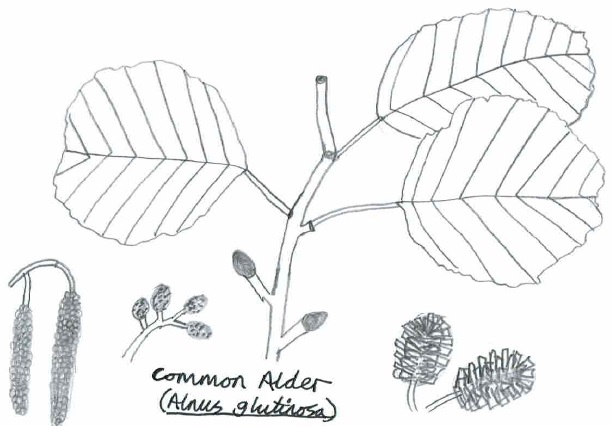
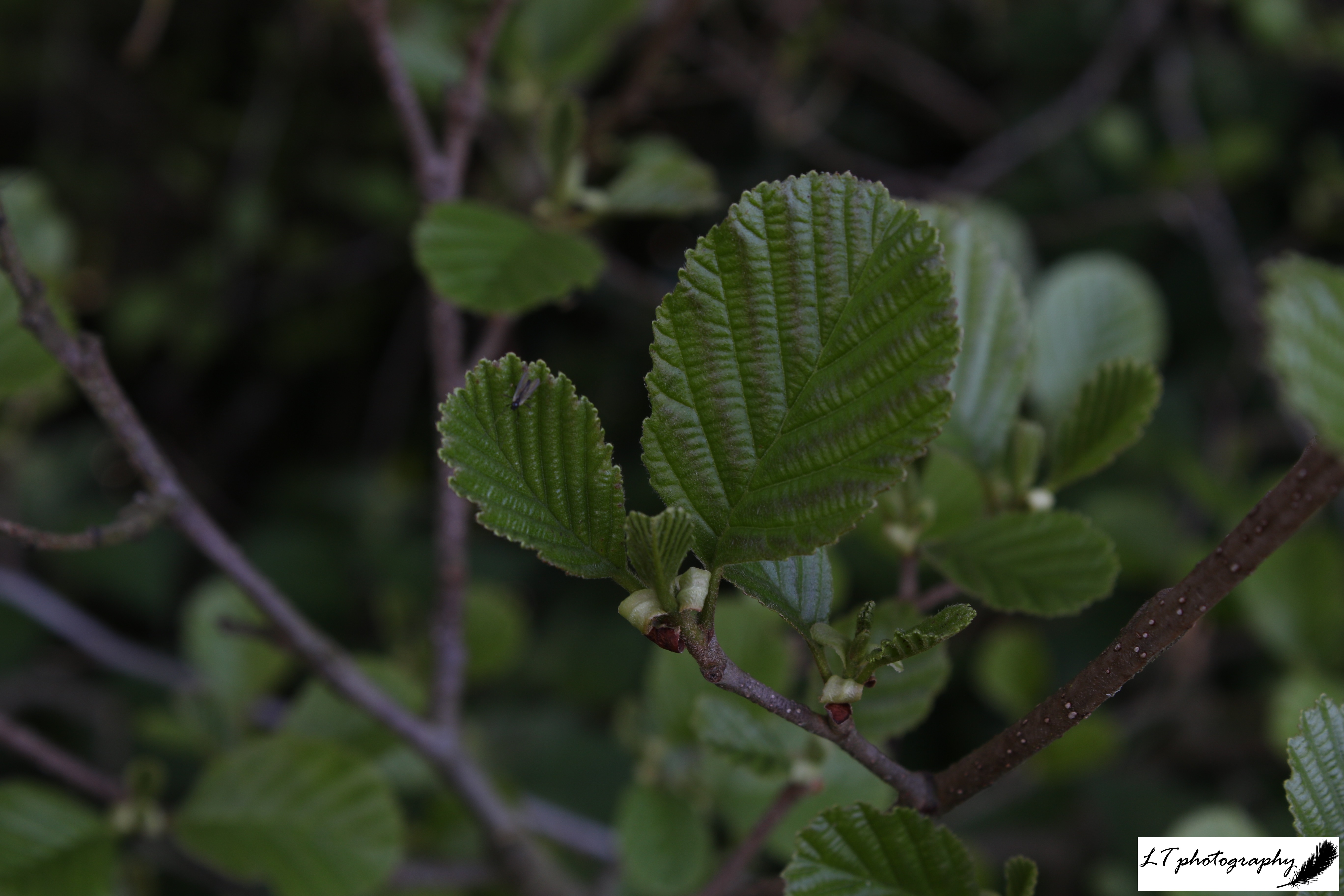
5. Common Alder (Alnus glutinosa)

  • Family: Betulaceae – related to hazel and birches
  • Origin: Native
  • Shape and size: Regular branching and conical shape, growing up to 25m
  • Stems and twigs: Dark brown bark that is often rough and sprouts young shoots
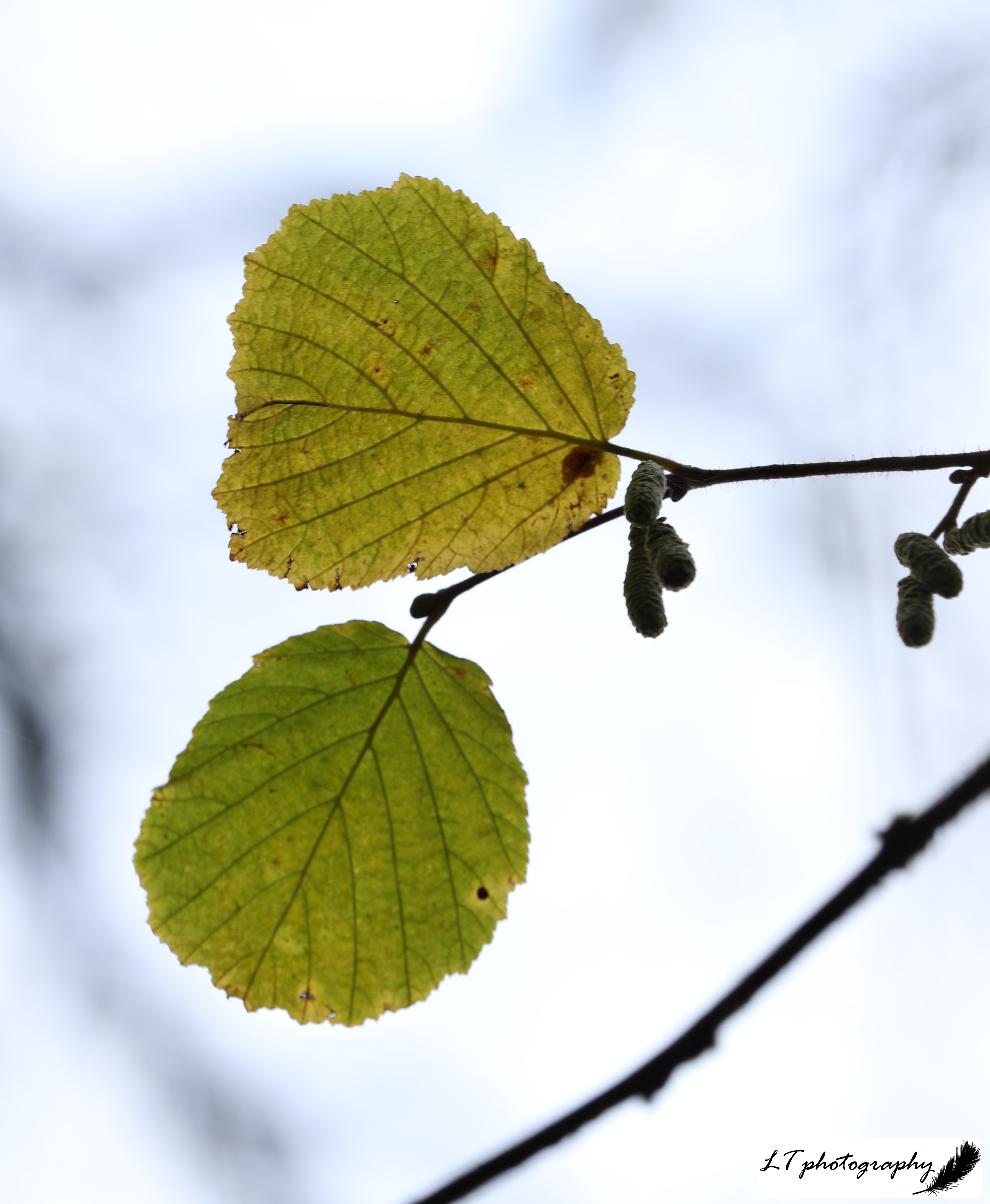
  • Leaves: Alternate, rounded, sometimes notched at the tip, and dark green
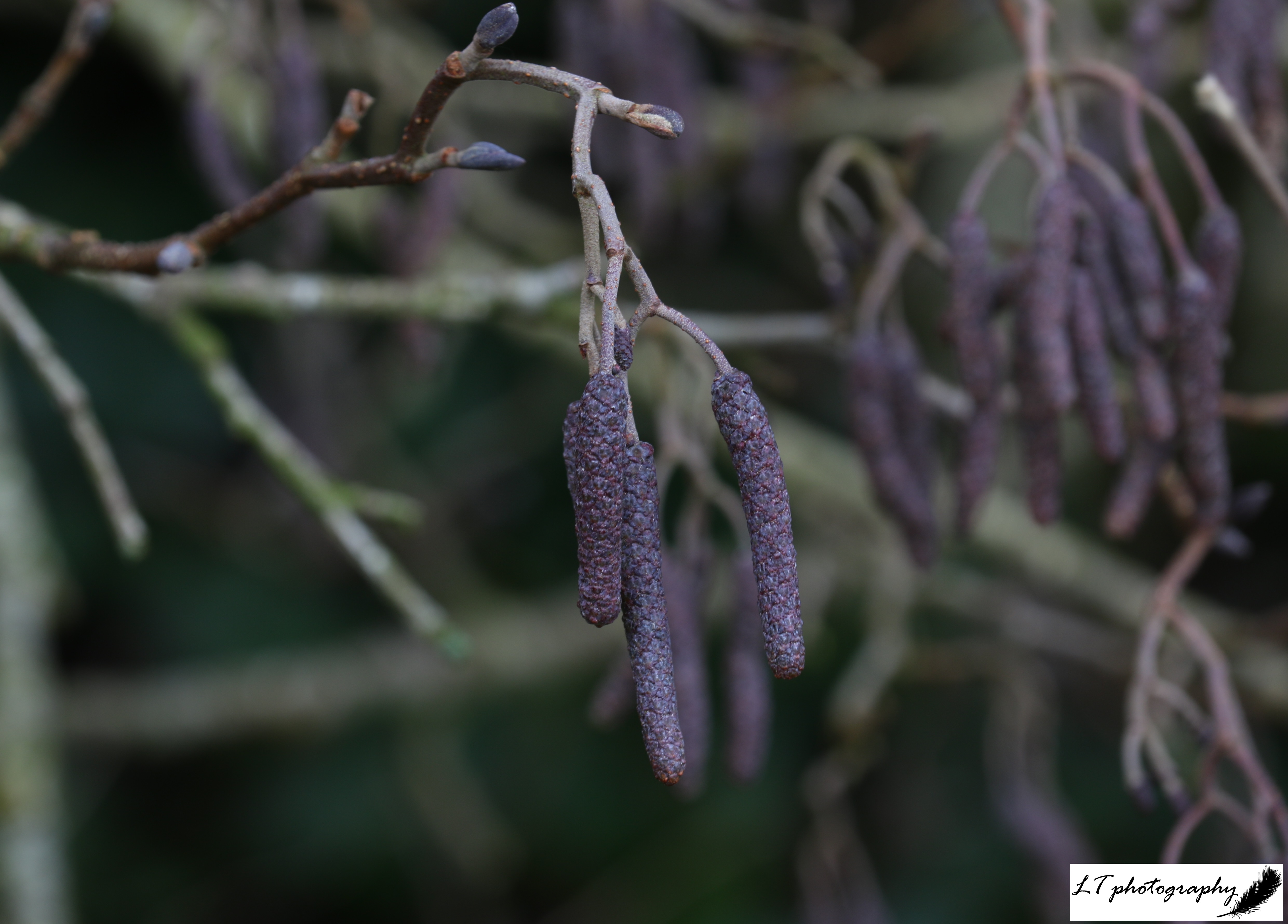
  • Flowers: Male and female catkins grow on the same tree, before the leaves. Male catkins= lambs’ tails; female catkins= small and egg-shaped
  • Seeds: Female catkins turn into a small cone, drying from green to brown, releasing the seeds. The seeds have corky outgrowths that keep them afloat on water
  • Range & habitat: Thrives in wet ground and is often seen lining the banks of rivers and streams across Britain

In Winter: Appears dull purplish due to purplish buds

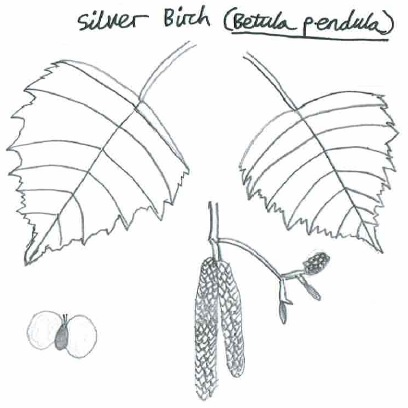
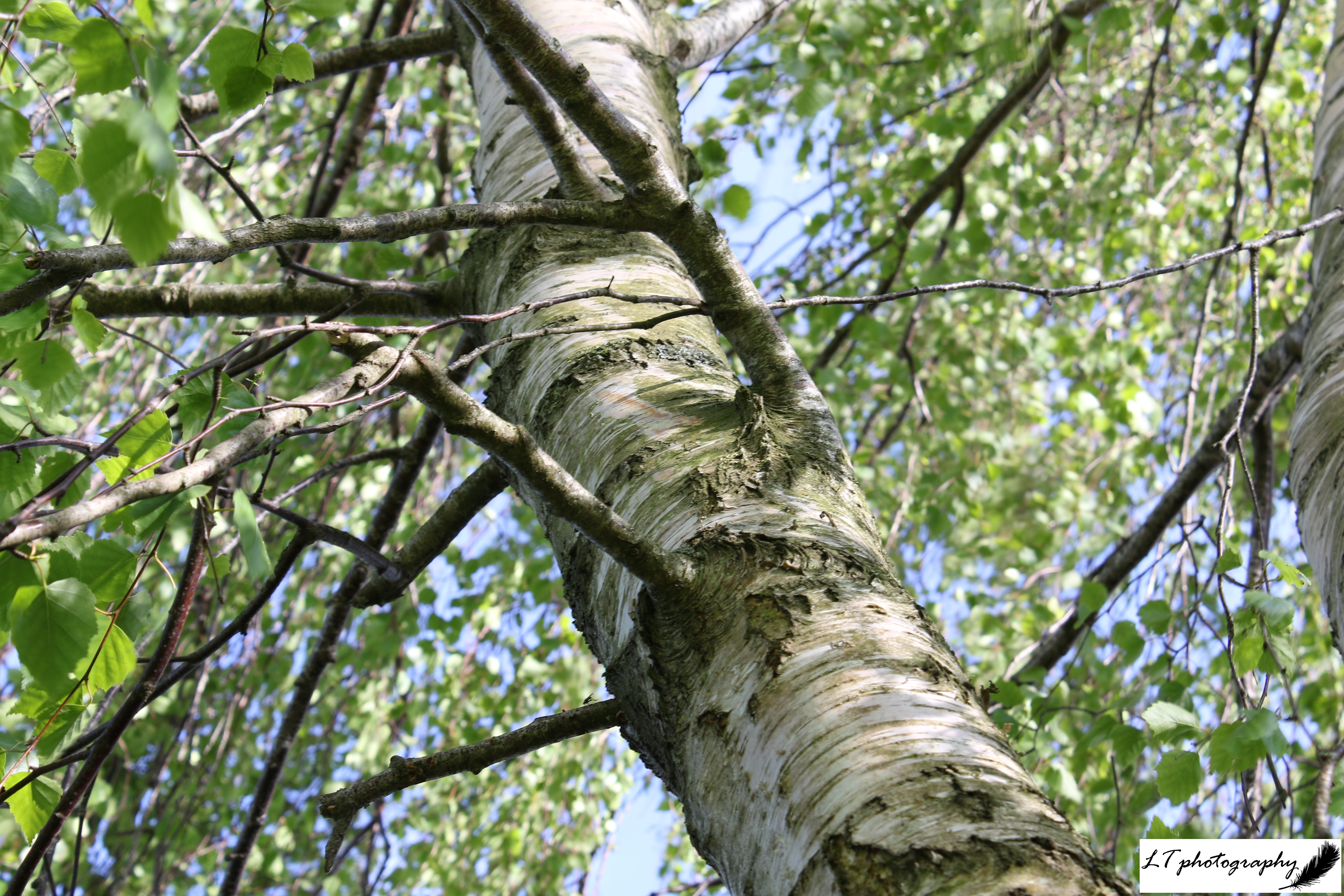
6. Silver Birch (Betula pendula)

  • Family: Betulaceae – related to alders, hazels and hornbeams
  • Origin: Native
  • Shape and size: Erect with pointed crown and drooping branches, reaching up to 30m
  • Stems and twigs: Young bark reddish, maturing to black and papery-white bark. Twigs smooth with small dark bumps
  • Leaves: Alternate, triangular and shiny, on slender stalks. Edges are ragged, with smaller teeth between larger main teeth
  • Flowers: Male catkins= purply-brown; female catkins= smaller and pale green
  • Seeds: Two winged and wind-borne, released in winter
  • Range & habitat: Form natural woodlands on light, dry soils throughout Britain

In Winter: Distinctive shape and bark

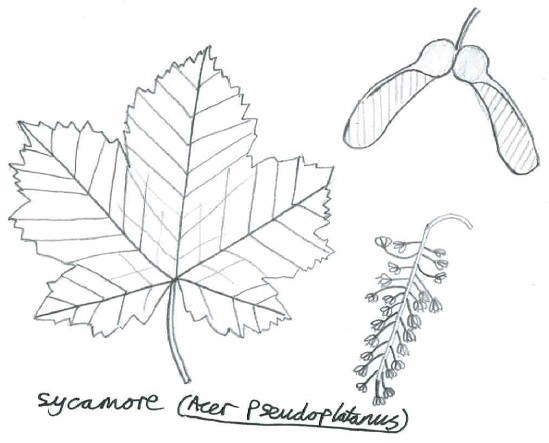
7. Sycamore (Acer pseudoplatanus)

  • Family: Sapindaceae – related to maples and horse chestnut
  • Origin: Non-native (introduced from Europe either in the 1500s or by the Romans)
  • Shape and size: Massive domed outline, with dense foliage and heavy lower branches, growing up to 35m
  • Stems and twigs: Grey fissured bark ages to pinkish-brown
  • Leaves: Opposite, five-lobed, and upper side dark green
  • Flowers: Greeny-yellow flowers in hanging clusters appear with the leaves
  • Seeds: Hairless keys in right-angled pairs
  • Range & habitat: Grow vigorously in all parts of Britain, being widely planted on their own for shelter or in woodlands and hedgerows

In Winter: Distinctive shape and bark

8. Wild Cherry (Prunus avium)

  • Family: Rosaceae – related to roses
  • Origin: Native
  • Shape and size: Pyramidal shape, reaching up to 30m
  • Stems and twigs: Shiny, red-brown bark peels in horizontal strips
  • Leaves: Alternate and oval with long points and regular, forward-pointing teeth, and two conspicuous red glands at the top of the stalk
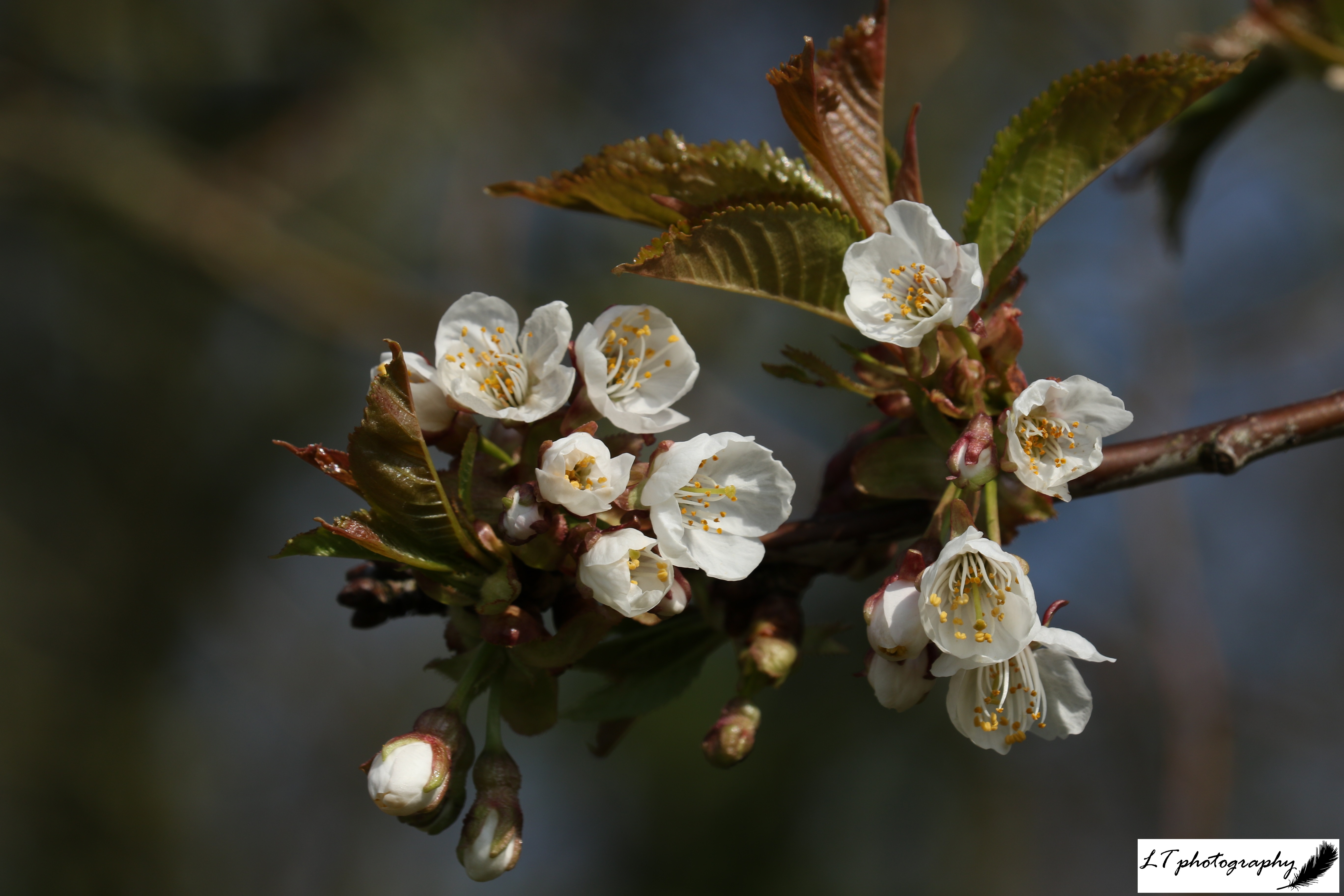
  • Flowers: White flowers (blossom) appear before the leaves in small, loose clusters
  • Seeds: Produces round, red cherries
  • Range & habitat: Native throughout the UK, being found in woodlands and hedgerows

In Winter: Distinctive bark

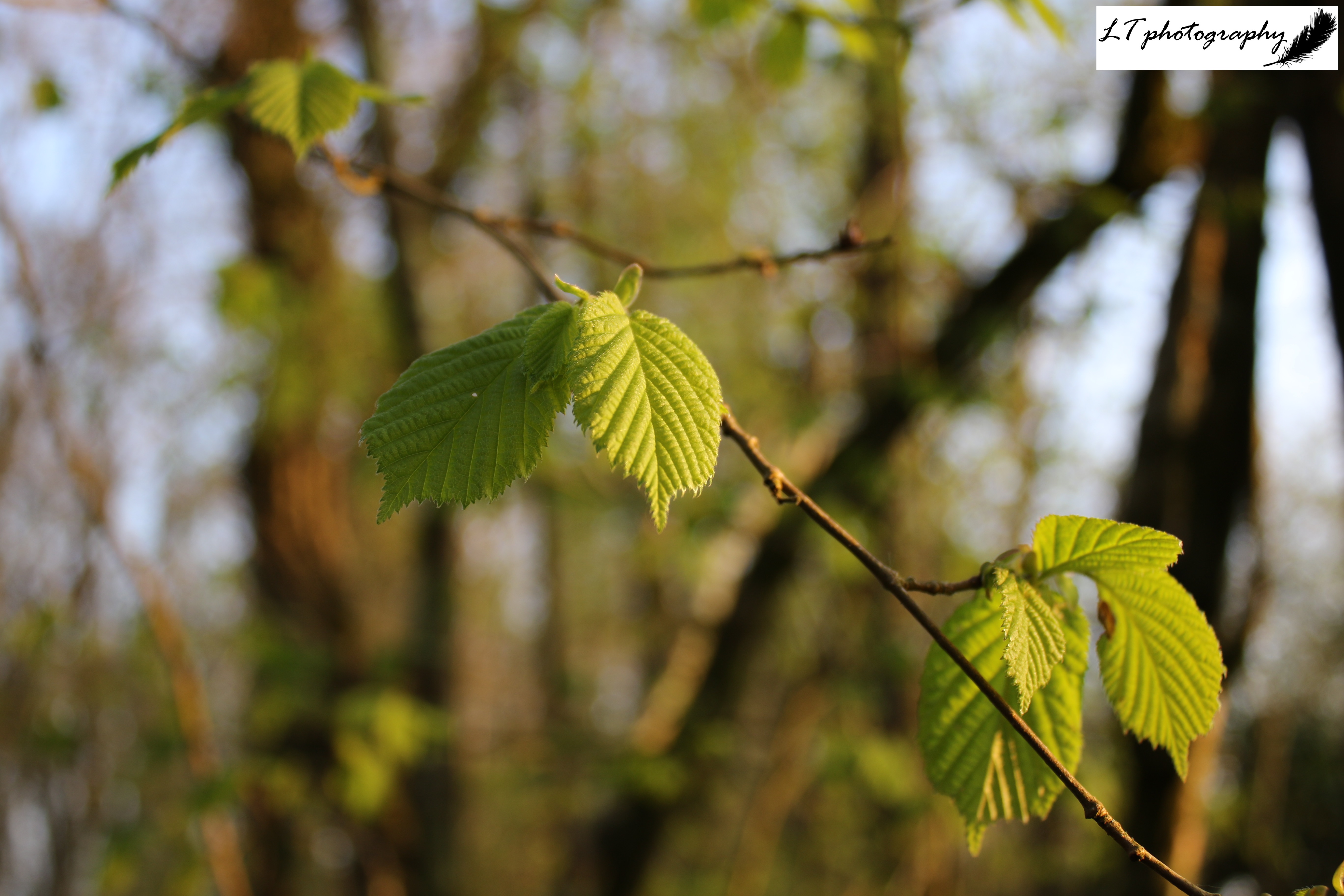
9. Common Hazel (Corylus avellana)

  • Family: Betulaceae – related to birches, alders and hornbeams
  • Origin: Native
  • Shape and size: Many stems rise from the ‘stool’, which if left uncut can reach 9m
  • Stems and twigs: Bark coppery brown, smooth and tending to peel
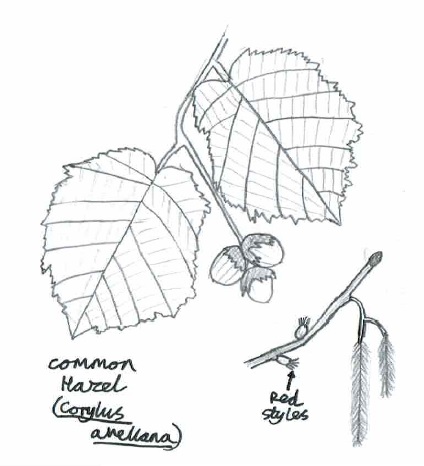
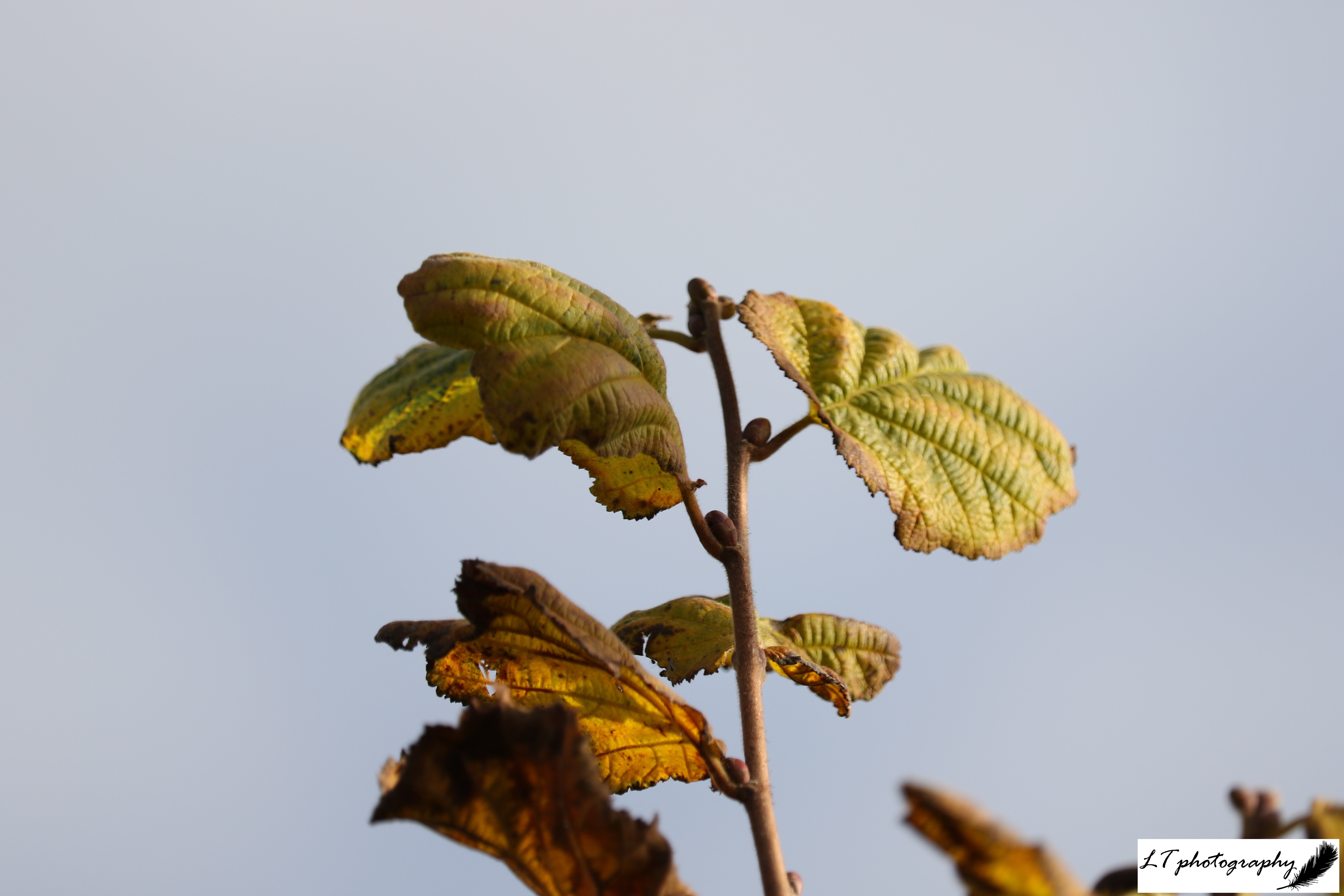
  • Leaves: Alternate, almost circular with sawtooth edges, hairy, and soft to the touch
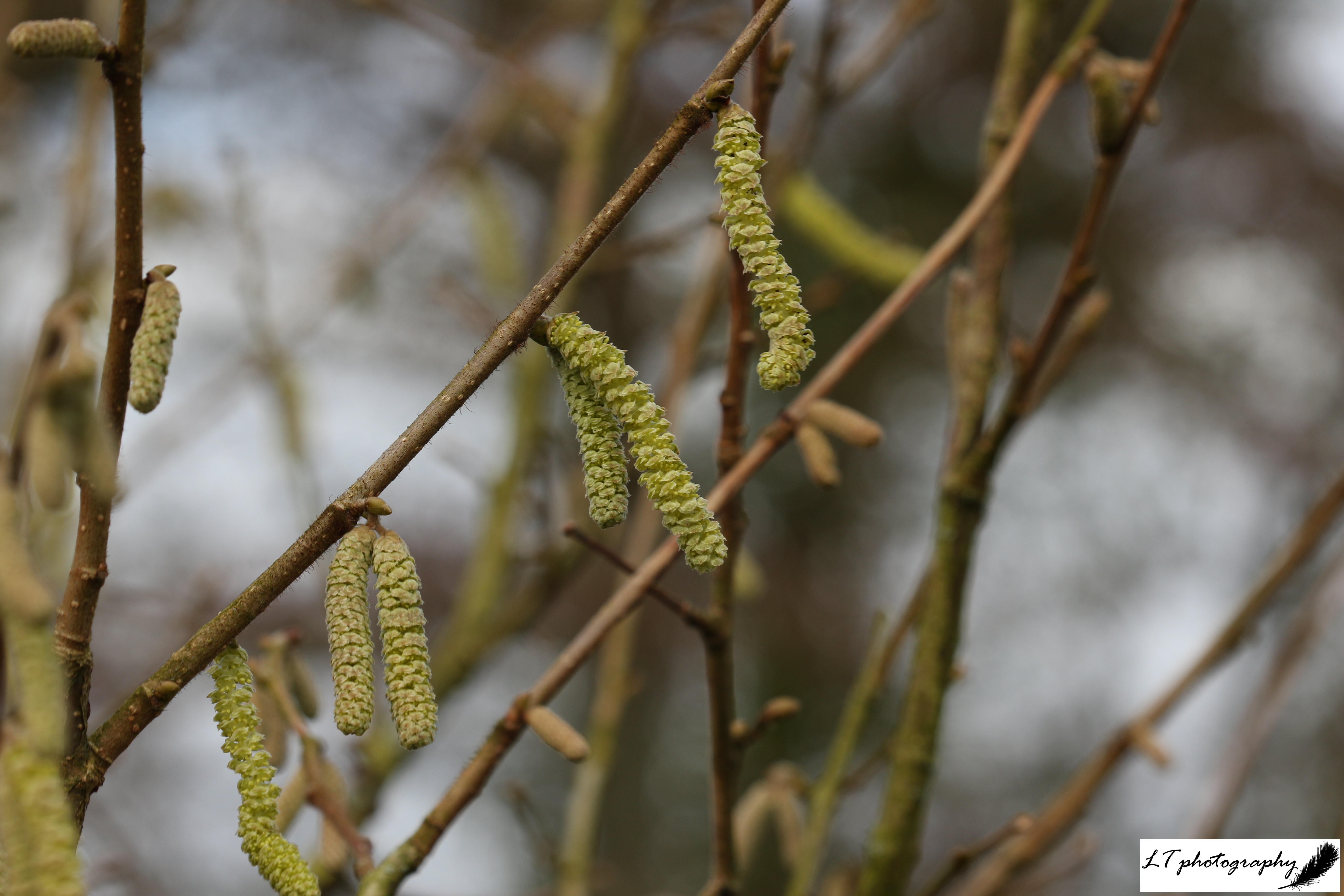
  • Flowers: Male and female flowers found on the same tree. Male= lemon-yellow lambstail catkins; Female= tiny buds with red tassels
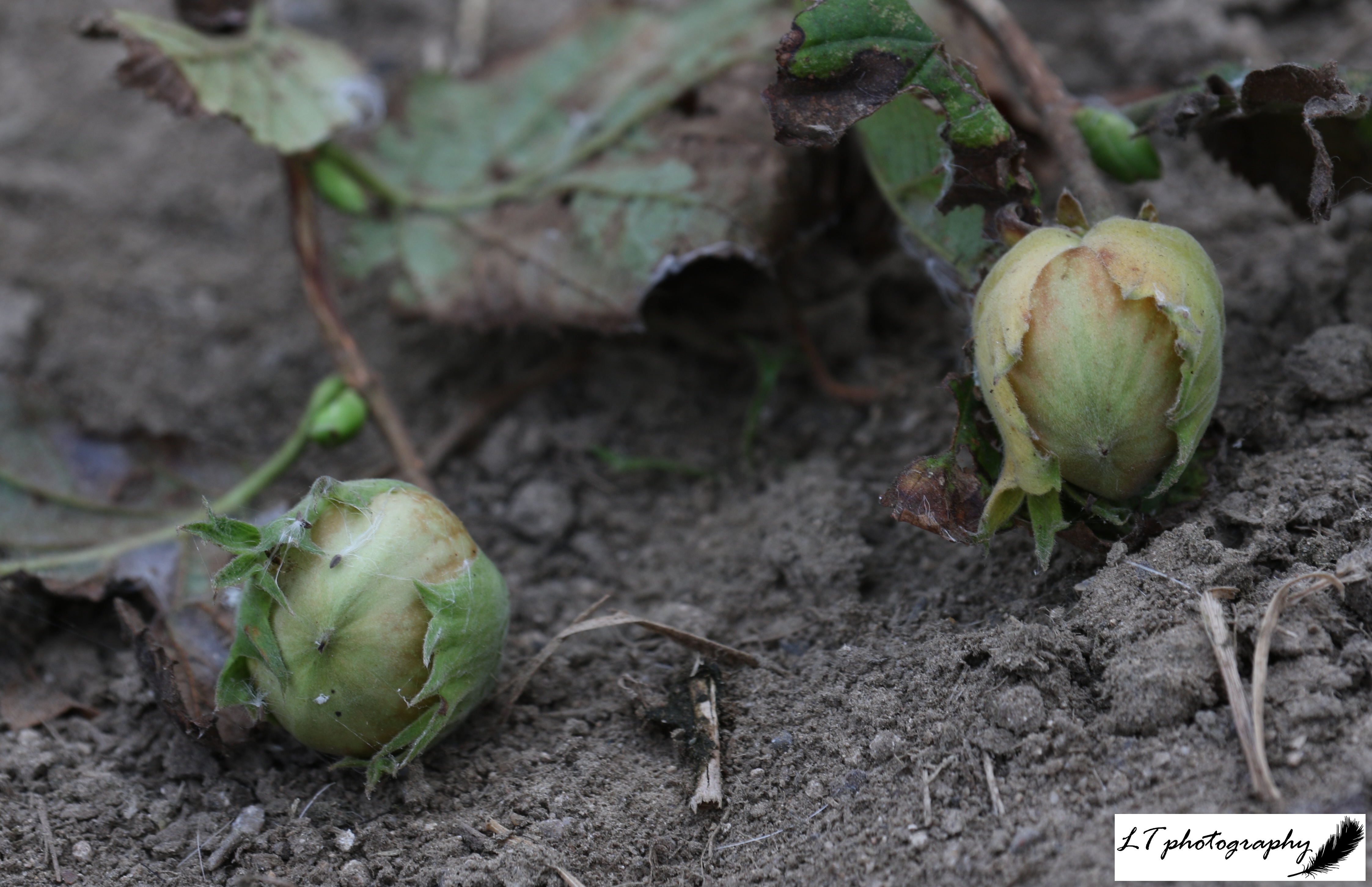
  • Seeds: An edible nut encased in a thick-green husk, ripening in autumn
  • Range & habitat: Grows throughout Britain, often found in woods, scrub areas, and hedges

In Winter: Distinctive shape and bark, accompanied by the male catkins from December

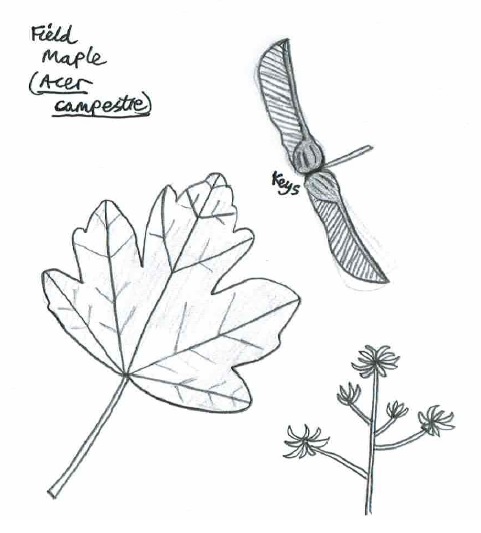
10. Field Maple (Acer campestre)

  • Family: Sapindaceae – related to lychee and horse chestnut
  • Origin: Native
  • Shape and size: Round-shaped tree with branches that droop at the end, growing up to 26m
  • Stems and twigs: Bark is grey or light brown and twigs downy, later corky
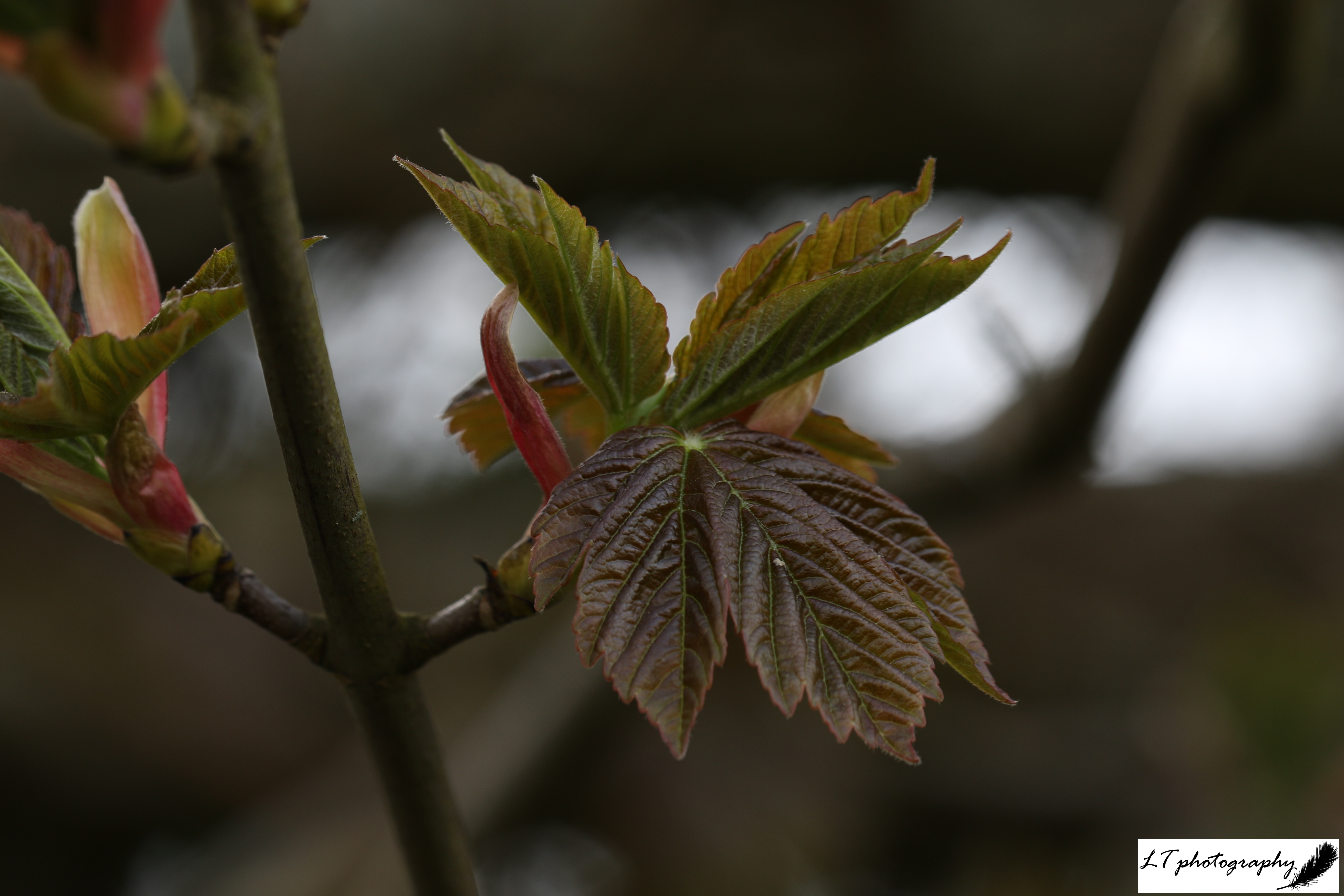
  • Leaves: Emerging leaves have a pinkish tinge, turning dull-green, and are opposite and small, with three main, round-tipped lobes and two smaller basal lobes
  • Flowers: Small yellow-green flowers form erect clusters
  • Seeds: Each pair of seed wings lie in an almost straight line, are often tinged with pink
  • Range & habitat: Frequent in England and East Wales in woods and hedgerows

In Winter: Sinuous trunk and distinctive shape

Drawings and photos all my own

The Twists of Christmas Traditions

December is a time for magic and the sparking of our imaginations to bring us warmth through bleak days and long cold nights. As the end of the month draws near, our worlds are filling with images of twinkling lights, decadent festive food, and idyllic Christmas card scenes. We welcome Christmas traditions back into our homes, spend time being thankful for what we have, and spend time with family. For how Christmas is shaped today we have the Victorians to thank, but for many of our modern day traditions their origins lay even further back, from times when celebrations were deep rooted in our wild landscapes. As Christmas creeps closer, let’s take a look back at the origins of a few popular traditions, and get in touch with our wild and remarkable past.

The celebration of mid-winter can be traced as far back as the Roman times. Even before the birth of Jesus, the Romans celebrated this time of year with a festival called Saturnalia, a pagan festival honouring Saturn the Roman god of agriculture and fertility. It was a celebration of the year’s harvest, whilst looking forward to the spring and return of the sun, and trying to ensure a successful next harvest. Starting around the 17th of December, the Romans would offer gifts and sacrifices, decorate their houses with wreaths and greenery, wear colourful clothing, light candles, hold feasts, and be merry. Today’s paper crowns and festive hats can also be traced back to the Romans and Saturnalia. Thus, it is not a new thing to honour the end of the year and welcome the next with colourful celebrations and festivities!

One part of the magic of Christmas for me is the making of sweet treats that are only associated with this time of year. For example, sweet biscuits have long been made to mark Christmas festivities, gaining their spiced flavour, reminiscent of winter, during the Middle Ages. This evolved into gingerbread men, first appearing in 16th century England when Queen Elizabeth I had them made to impress foreign dignitaries and subjects in court. A century later, gingerbread houses joined Christmas traditions, becoming popular in Germany in 1812 following the publication of the Brothers Grimm story, Hansel and Gretel. For many years now I have continued the tradition of making both gingerbread men and houses as part of my Christmas celebrations!

Though the first sweet mince pie is a more recent creation, the first genuine mince pie was enjoyed during the Middle Ages, hundreds of years ago. These mince pies were instead filled with savoury minced meat, chopped fruit, and a preserving liquid, and were larger than those we know today. Traditionally people would eat one of these mince pies every day from Christmas to Twelfth Night (5th January), otherwise it was said that they would suffer misfortune for the whole of the next year. Since then the mince pie has undergone its evolution, becoming the mince pie many of us know and love today.

From the Yule log to stollen, many Christmas sweet treats have been around for hundreds of years. One such is the iconic candy cane that originated in 1670’s Germany. It was said that they were first made as white candy sticks by the choirmaster of Cologne cathedral to give to young singers to keep them still during the long Christmas Eve church services each year. If this is true or not, by 1900 they had taken on their curved shape, red stripes and peppermint flavouring reminiscent of Christmas.

Many of our Christmas traditions and symbols are rooted in nature, for example one popular symbol of Christmas close to nature is the Robin. It is unknown exactly why this is so, but there are lots of interesting legends and reasons associated. For example:

  • A Robin was at the birth of Jesus, and fanned the flames of the dying fire to keep Mary and Jesus warm. The Robin’s breast was scorched by a stray ember though, and so for the bird’s kindness, Mary declared that this badge of kindness would in memory pass on to the Robin’s descendants
  • In the UK, Robins are seen in increased numbers in our gardens during the winter months
  • Royal Mail postmen were nicknamed Robins during the Victorian times due to their bright red uniforms

Whatever the true reason, they are a colourful addition to Christmas celebrations!

Even the origins of Father Christmas can be connected to nature. Though the image of Santa Claus and his reindeer sleigh first came to our shores from America in the 1870s, the idea of Father Christmas has been around for a very long time. Father Christmas was once associated with pagan winter festivals in the 17th century and represented the coming of spring. He was dressed all in green with a wreath of Holly, Mistletoe, or Ivy and was a symbol of happy times, and those to come, brightening winter celebrations.

During the festive period, one ancient custom is still being practised in orchards across the country. Traditionally held on Twelfth Night (5th January), this 400 year old tradition is called Apple Wassailing, where wassail comes from the Anglo-Saxon for whole or healthy. During these celebrations, a wassail king and queen would lead a group of revellers to an orchard, where cider would be poured over the roots of the largest and most prolific apple tree, known as the Apple Tree Man, cider-soaked toast would be hung in its branches, and a toast would be made to the health of the tree. This tradition aimed to scare away bad spirits in the orchard and wake up the trees in the hope of a bountiful harvest next autumn!

One of the most popular modern Christmas traditions still celebrated across the UK is putting up a Christmas tree. Last year alone, ninety per cent of families in the UK put up a Christmas tree in their home. This tradition first became popular during the Victorian era, when Queen Victoria’s husband Prince Albert brought trees over from Germany for his family in 1840. Despite this, the first Christmas tree was actually brought to England in 1800, by Queen Charlotte, the wife of King George III.

Greenery has long been used to decorate homes during the winter, with trees even being used during the Roman times. In some countries, evergreen boughs were believed to keep evil spirits and illness away, but most importantly they were a reminder that abundance would once again return. Check out my next Christmas-themed blog post out on Monday 21st to take a look at the history of natural decorations, and how you can bring some natural colour into your own home this Christmas.

However you celebrate Christmas time, it is important to stop and think about where our traditions come from. They are rich in history and meaning and can allow us to anchor ourselves during a turbulent season. My favourite parts of Christmas often relate to nature and baking, which have long been a part of celebrating this time of year. Why not join me in honouring our history and start a new Christmas tradition this year!

How to… Make the Most of Autumn’s Bounty

Leaves rustling beneath my feet, golden, russet, auburn. Crisp, dewy mornings, adorned with misty tendrils and spider’s webs. Hedgerows hung with bright berries, and woodlands dotted with fantastical fungi. Cosy nights in, whilst the night comes alive with Tawnys and foraging mammals. Lazily buzzing insects, murmurations, Red Kites soaring, waders and wildfowl, and endless wonder.

Autumn means different things to different people, but it is deep rooted in the natural world around us. A season of reflection and change, it is the favourite season of many. Some people celebrate turning a new leaf, some the drop in temperature and cosiness that comes with it, some the festivities, and others celebrate the little things, from migrating birds to reconnecting with nature. To all though, it is a bountiful season, marked with plentiful food and the first whispers of winter.

Historically, autumn is associated with harvest time and bringing in the food of the land before winter. From corn dolls to harvest festivals, autumn is symbolic in British tradition and culture. It has been inspiration for poets and writers alike including Keats (‘Season of mists and mellow fruitfulness’) and Jane Austen (‘the thousand poetical descriptions extant of autumn’). It is an important time of year to check in with the status of wildlife, whilst also being a time of spiritual significance for many.

As temperatures begin to drop and the leaves begin to change, it is time for us all to get out there, watch amazing sunrises and sunsets, forage for food, and stay connected with mother nature. With autumn being deep rooted in what lays outside our doors, here’s a guide to just some of the important species flourishing in autumn.

Autumn Species

Unless you are 100% sure of what something is and if it is edible, then do not eat it! Also, harvest only what you need and leave the rest for wildlife!

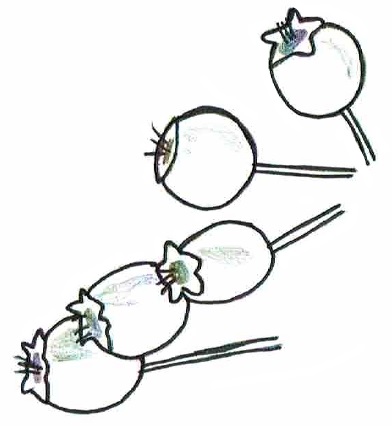
Hazel (Corylus avellana)

  • Fruit: The popular hazelnut, an edible nut that begins with a thick-green husk, before ripening to a brown in autumn
  • For Wildlife: A favourite food of Grey Squirrels, Dormice and Wood Mice, amongst other species, often being cached for winter
  • How to Identify: Circular-shaped leaves with toothed edges and tapering to a point; coppery brown smooth to peeling bark; lemon-yellow catkins and tiny red bud-like flowers in spring
  • Autumn Facts: Until the First World War, Holy Cross Day on the 14th September was traditionally a school holiday, where children would go nut gathering

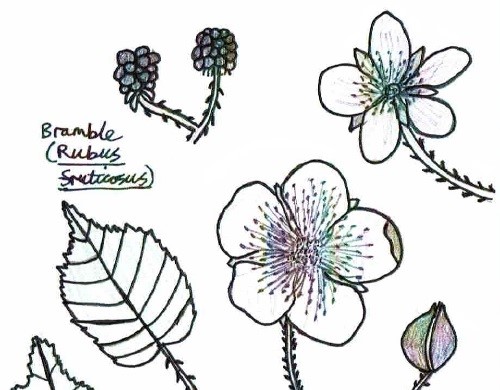
Bramble (Rubus fruticosus)

  • Fruit: The familiar edible blackberry that begins green, then turns red, before ripening to purple-black in autumn. Blackberry picking is a favourite part of autumn for many!
  • For Wildlife: The berries are a valuable food source for mammals, such as badgers, and small birds, such as Blackcaps
  • How to Identify: Oval-shaped leaves with toothed edges and tapering to a point; prickly and half-evergreen stems; white or pink flowers from spring onwards
  • Autumn Facts: Folklore in Britain dictates that blackberries should not be picked after Old Michaelmas Day (11th October), as the Devil has by then made them unfit to eat

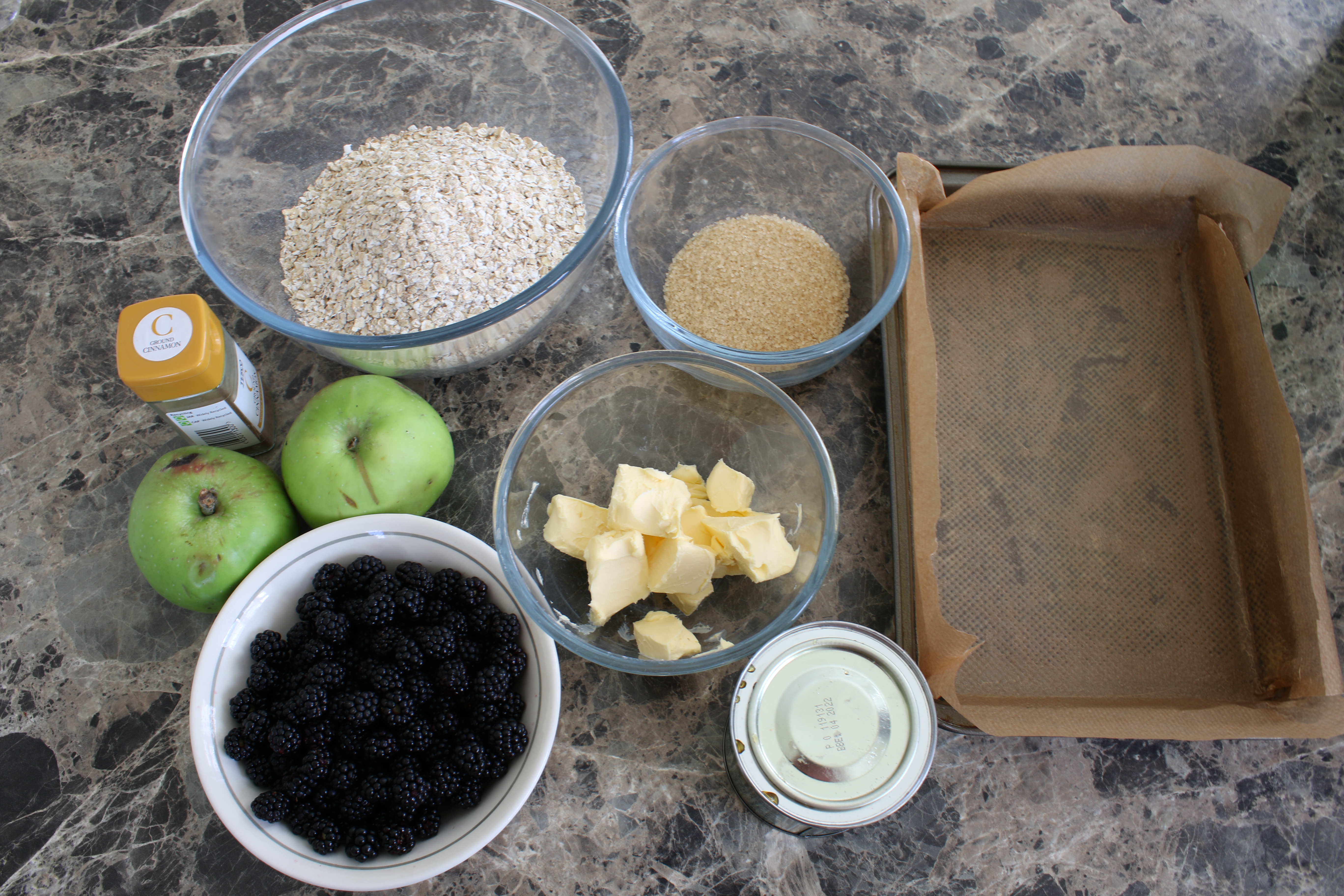
Recipe:

Hawthorn (Crataegus monogyna)

  • Fruit: Hawthorn berries, sometimes known as haws, are edible but their single seed is toxic to humans. They ripen to a bright red, is likened to over-ripe apples in taste, and are used to make jams, jellies and wines
  • For Wildlife: Important source of food during autumn and winter for small mammals and birds, including Blackbirds and Redwings
  • How to Identify: Shiny leaves that are oval-shaped with deeply cut lobes; thorny stems and twigs; white fragant flowers with 5 petals fading to pink
  • Autumn Facts: One of the main uses of Hawthorn is to treat high blood pressure, widening blood vessels and increasing blood flow 

Blackthorn (Prunus spinosa)

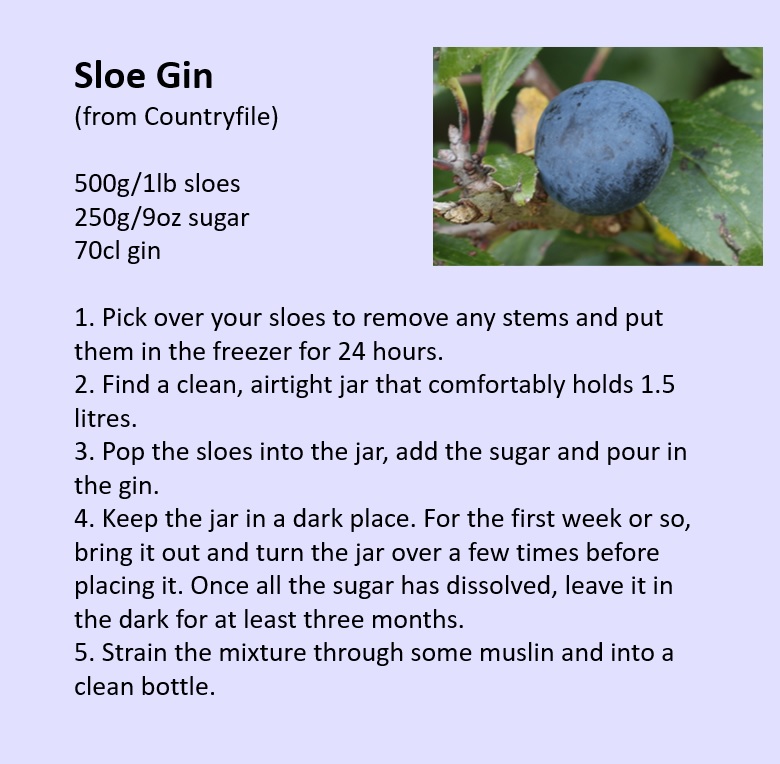
  • Fruit: Produces edible, but tongue-numbing, sloes which are small blackish plums with a bluish powdery surface. Popular to flavour gin!
  • For Wildlife: A feast for birds in autumn and winter that help to disperse the plant’s seeds
  • How to identify: Oval-shaped leaves with toothed edges and tapering to a point; blackish, thorny stems and twigs; snow-white and 5-petalled flowers with red-tipped anthers in the centre
  • Autumn Facts: Sloes are rich in vitamin C and have been used to treat stomach disorders, blood purification, teeth whitening, and even gum problems

Recipe:

Pedunculate Oak (Quercus robur)

  • Fruit: Produces the familiar acorn, with scaly cups and clusters carried on long stalks. Contain tannins that are toxic and bitter to humans, but can be leached out to make edible
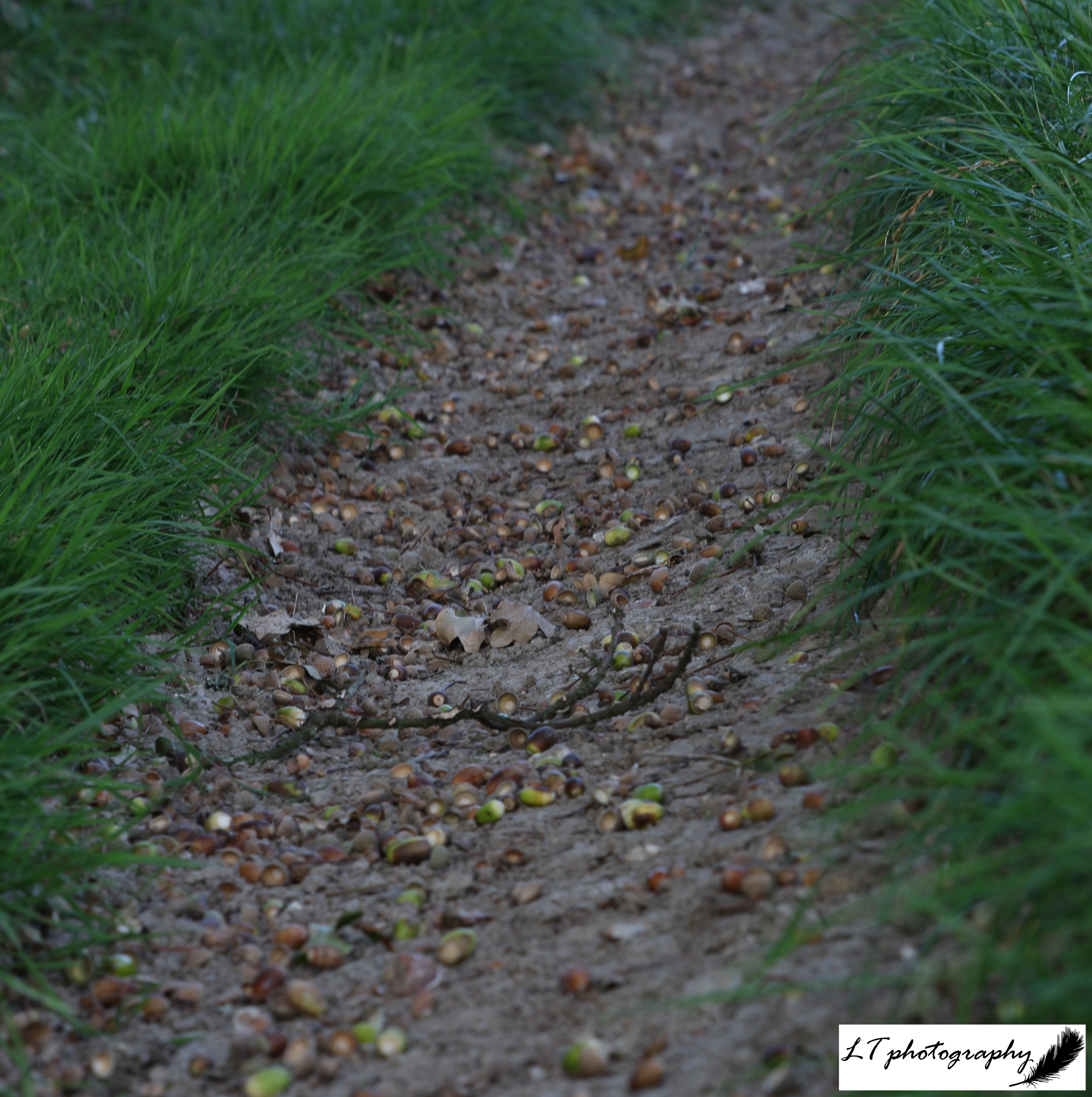
  • For Wildlife: An important rich source of food for species such as Jays, Mice, Squirrels and Badgers, often being cached for winter
  • How to Identify: Large, oblong leaves, broader at the base and lobed, turning brown in autumn; massive rugged grey-brown trunk and broad crown; yellow-green catkins in spring
  • Autumn Facts: The most important texts in British history, such as the Magna Carta, were written in Oak gall ink

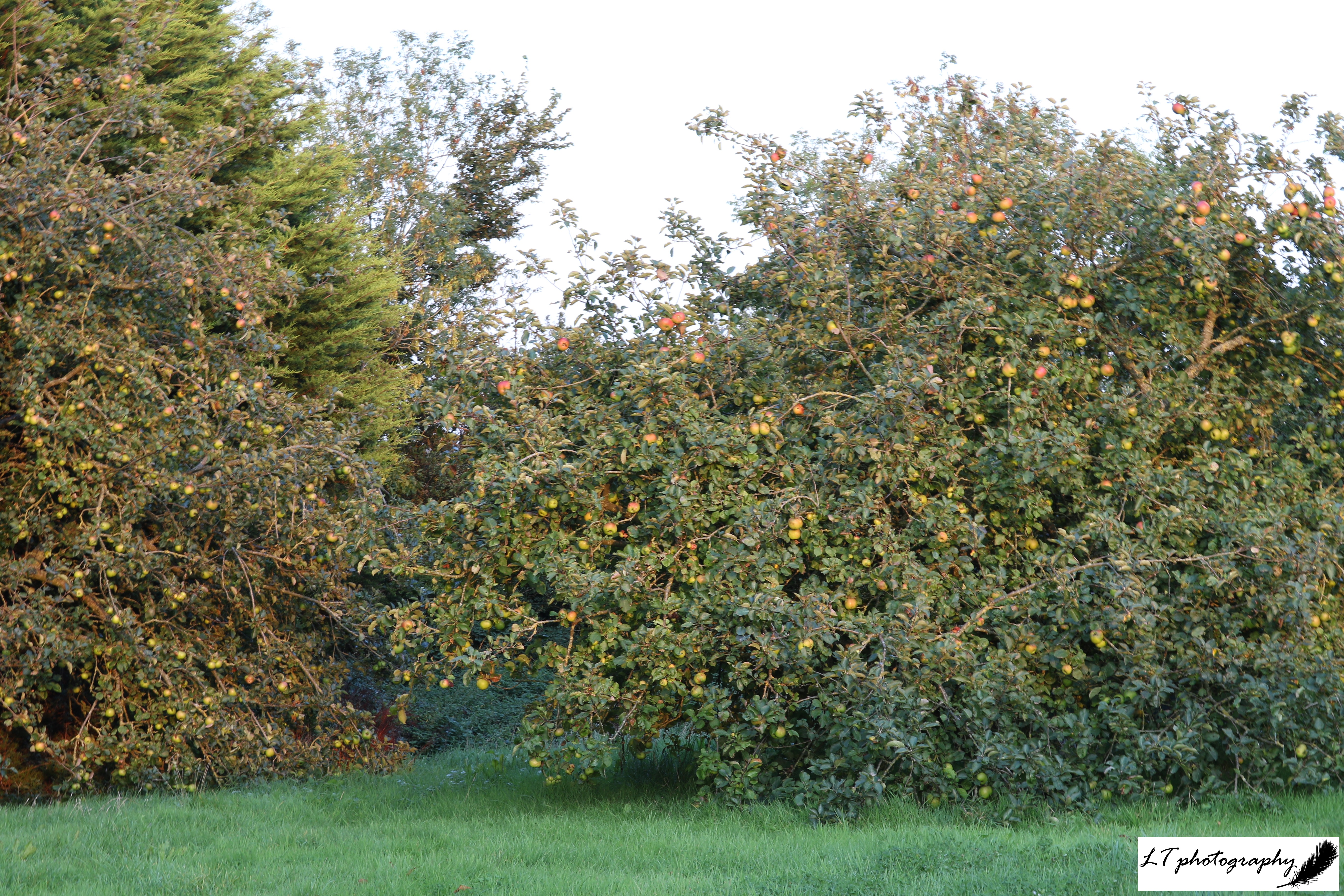
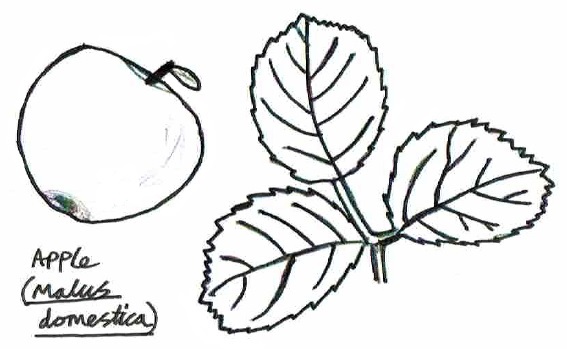
Apple (Malus domestica)

  • Fruit: Though not native to the UK, domestic Apple trees produce the popular apple which is now cultivated across the globe
  • For Wildlife: Apples are not just for humans, being a popular food source for wildlife too. Birds, such as Thrushes, and mammals, such as Badgers, feast on the fallen and ripening fruit
  • How to Identify: Dark green and typically oval-shaped leaves with toothed edges, and hair underneath; flowers are five-petalled and pink to white in colour
  • Autumn Facts: Most apples are still picked by hand and the world’s top apple producers are China, United States, Turkey, Poland and Italy

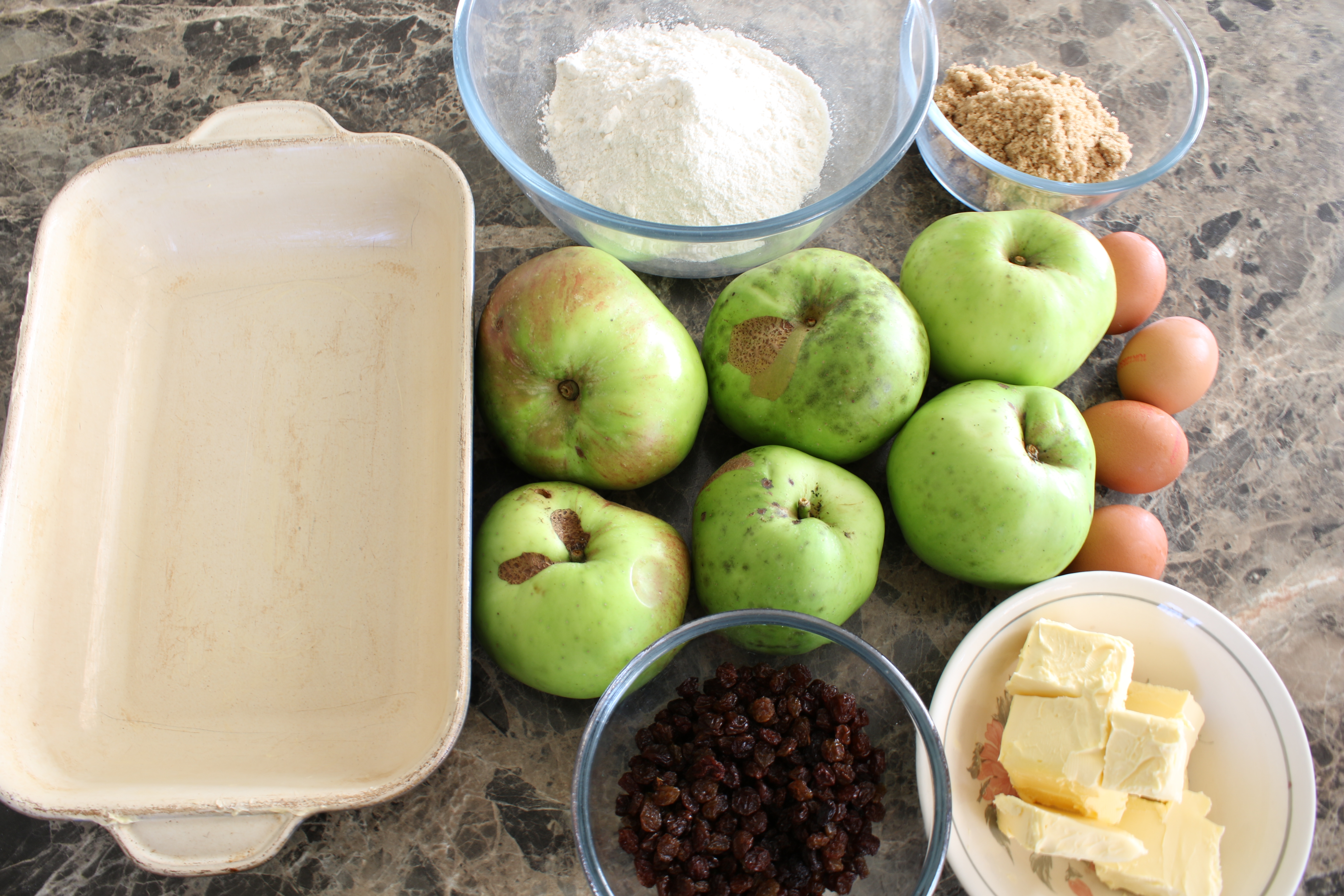
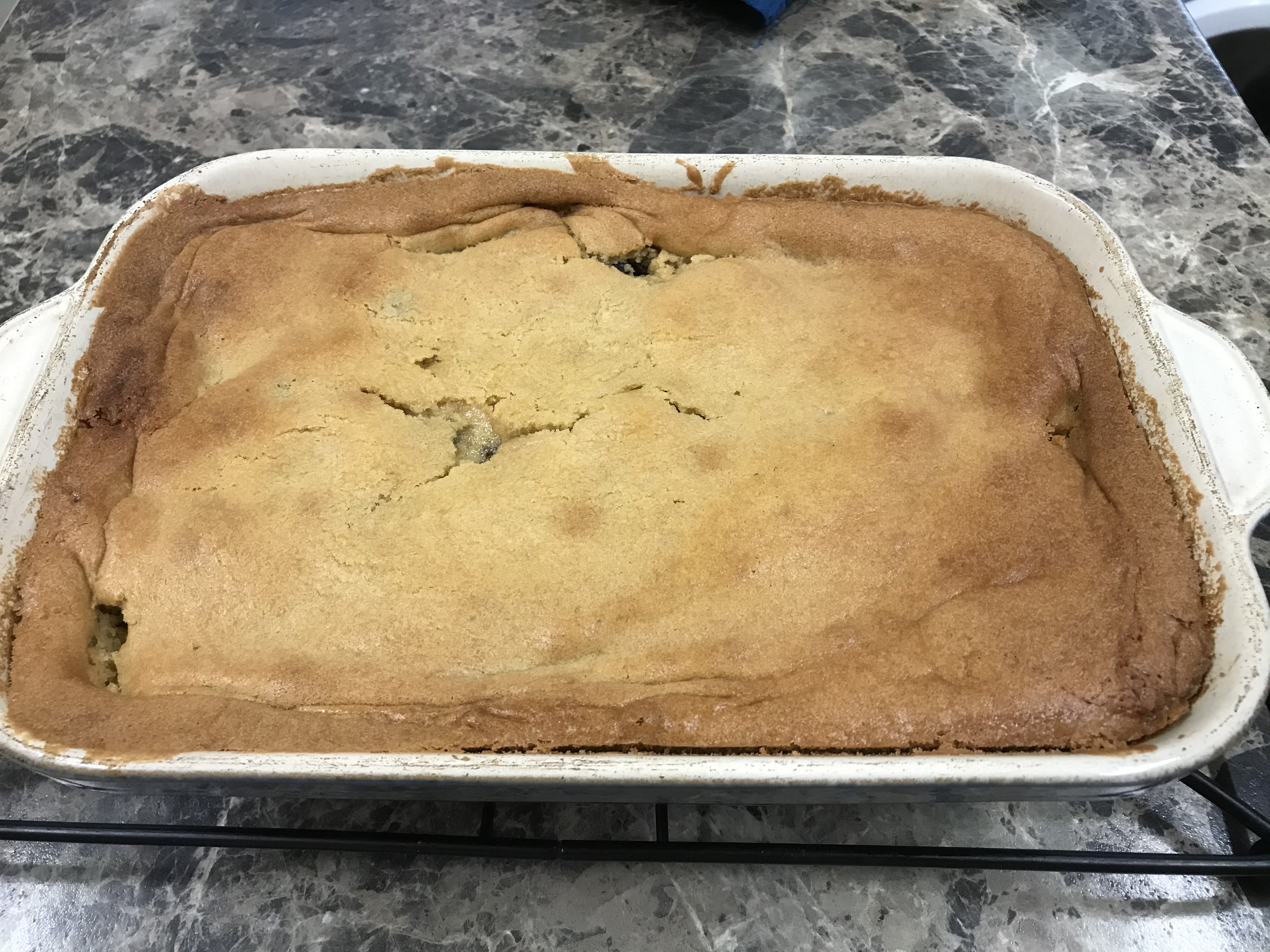
Recipe:

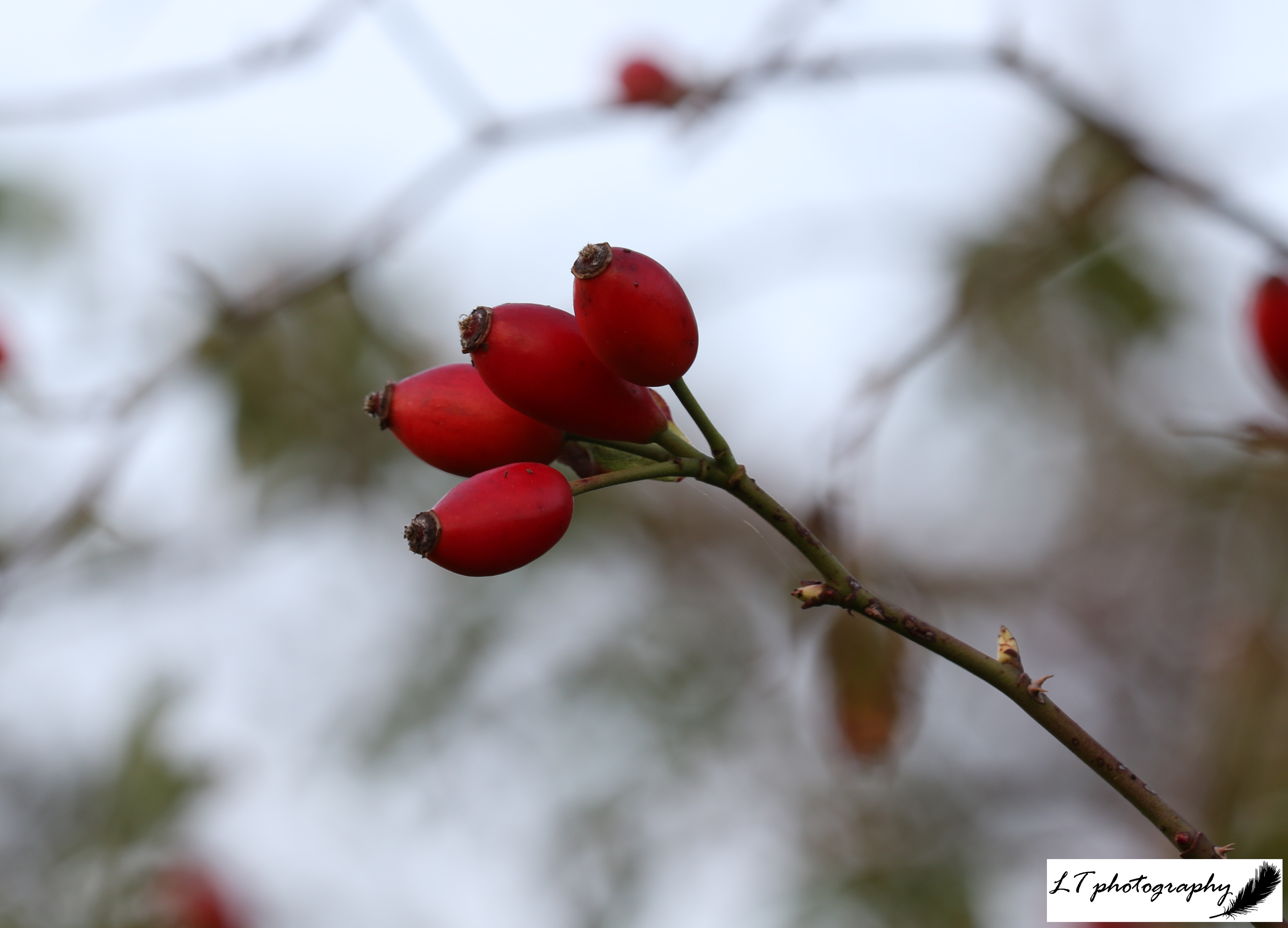
Dog Rose (Rosa canina)

  • Fruit: Berries known as hips, that are edible, egg-shaped and bright red. Popularly used for a wide range of food and drink
  • For Wildlife: The hips are eaten by fruit-eating birds, such as Fieldfare and Waxwings, and small mammals, such as Bank Voles
  • How to identify: Dark green and oval-shaped with toothed edges and tapering to a point; arching stems with broad-based strongly hooked prickles; flat and fragrant white or pale pink flowers with large petals and hairless stalks
  • Autumn Facts: It is a valuable medicinal plant, with the hips being made into a vitamin C rich syrup for children (20 times the amount that is in orange juice)

Elder (Sambucus nigra)

  • Fruit: Juicy edible purplish-black berries, known as elderberries, that are used to make a variety of wines, juices, jams and jellies
  • For Wildlife: The berries are eaten by both birds and small mammals, from Whitethroats to Dormice
  • How to identify: Long, dark green oval-shaped leaves with finely toothed edges and tapering to a point; strong smelling bark that is corky and fissured; white, small and fragrant flowers in flat-topped clusters
  • Autumn Facts: One of the most commonly used medicinal plants across the world, from Native Americans using it to treat infections to the Egyptians using it to improve their complexions and heal burns

Recipe:

Spindle (Euonymus europaeus)

  • Fruit: Spindle berries are toxic to humans, with a laxative effect. They are highly distinctive, with 4-lobes and being bright coral-pink
  • For Wildlife: Provide food for a variety of species including mice, birds and even Foxes
  • How to Identify: Shiny oval-shaped leaves with finely toothed edges and tapering to a point that turn distinctively pinkish-red in autumn; deep green 4-sided twigs darkening with age; greenish-white 4-petalled flowers in clusters
  • Autumn Facts: Spindle is at its best and most colourful during autumn with warm leaves and berries

Giving Nature a Home on the Farm

‘Give fools their gold, and knaves their power; let fortune’s bubbles rise and fall; who sows a field, or trains a flower, or plants a tree, is more than all’ – John Greenleaf Whittier 

‘Your deepest roots are in nature. No matter who you are, where you live, or what kind of life you lead, you remain irrevocably linked with the rest of creation’ – Charles Cook

My family and I live on a 250 acre mixed dairy farm in the heart of beautiful Dorset, complete with sheep and beef cows. My parents took the farm on from Dorset County Council in 1995, at a time when it was only 50 acres, and have now expanded it to the 250 acres it is today. As long as I can remember, the farm has been my home. It is a part of who I am, providing the backdrop for me to learn about the natural world, to make informed decisions about how I live my life, and to become passionate about conservation. I have my parents to thank for this.

In 2019, the latest State of Nature report showed that agricultural change has been the largest driver of biodiversity loss over the last 45 years in the UK. With 72% of UK land area being used for agriculture and food production, land management changes have had a significant impact on the wildlife that call these areas home. As we now move forward, we need to focus on agriculture, not with contempt and negativity, but with optimism. If we are to continue to produce food in the UK, we need to focus on working with farmers to make farming sustainable, cost-effective, and most importantly with wildlife in mind.

Growing up on a farm, I have always been aware of how agriculture is heavily intertwined with the environment. My Mum and Dad have always believed in their roles as guardians for the wildlife and natural habitats that call our land home, and are dedicated to conserving and increasing biodiversity. Though it can be tough to create a balance, my Dad believes that farming, through careful management, can produce food in an economically sustainable way, whilst supporting and enhancing the natural environment. Here are some of the examples of how my family are successfully working to give nature a home on our farm.

(1) The Bridge Field

Project:

The field is a small, triangular-shaped, 3 acre field, bordered by hedges and a river. It was taken on in 2014 with some other land, and is less ideal for agricultural use due to its shape and often being wet. Hence, it has been left untouched, apart from one late cut of haylage each year and dock management. This year my parents decided to begin the process of restoring the land, with the aim of giving it back to nature.

So far:

  • At the beginning of the year, we bought in and planted 219 native tree and shrub saplings of 9 species, including Goat Willow and Rowan. The hope is to create a rich and valuable habitat for wildlife.
  • We began managing the grass in the field, which is mainly Yorkshire Fog, to increase species composition. The grass has formed a dense stand across the field and is currently excluding nearly all other species.

Next aims:

  • See how the trees and shrubs grow on
  • Plant natural wildflower species using plugs, bulbs and seeds
  • Create a water source, such as a pond
07_05_20_Farm_Bridge_Field_Trees_2

(2) The Chalk Mound

Project:

Towards the centre of our land you can find a small triangular area of land that is bordered by hedges and a track. My parents took on this area with some other land in 2014, but it was not anything special. In 2017, my Dad decided to use it to make a small piece of chalk habitat, in our clay area, acting as a perfect stopover location between chalk downland to the north and south of us.

So far:

  • We bought in 40 tonnes of quarried chalk and shaped it into a mound which is 10m by 3m, and 2m in height.
  • We planted a selection of plant plugs and seeds gifted to us, ranging from Quaking Grass and Kidney Vetch to Rough Hawkbit and Lady’s Bedstraw.
  • For the first year, the mound was regularly watered as the plant plugs and seeds became established, but after that they were left to grow on, with minimal management.

Next aims:

  • Continue to enjoy the now thriving habitat that is attracting lots of insects, from butterflies to bees
  • Boost numbers of certain species such as Wild Thyme
  • Complete autumn management of the encroaching Yorkshire Fog grass at the mound’s edges

(3) Wildflower Verges and Rough Areas

Project:

As part of managing our land, my Dad leaves areas and verges uncut and able to thrive, providing valuable habitat for wildlife. One of my Dad’s inspirations for doing this is to provide rough grassland habitat for his favourite bird, the Barn Owl. Barn Owls use such areas to hunt, as it provides cover for their rodent prey. It is also great habitat for other species, such as the majestic Brown Hare.

Different forms so far:

  • Fenced off areas to keep livestock out but allow wildlife in.
  • Verges and strips left to grow up and increase in species diversity.
  • Wildflower verges planted to provide food for different species at different times of year.
  • Field margins created, maintained and protected, meaning a field is never worked up to the hedgerows.

Next aims:

  • Allow areas to continue to increase in diversity and composition
  • Continue to create a mosaic of habitats on the land

(4) Trees and Woodlands

Project:

I am a huge fan of trees, and my family are no different. Throughout our land you will find lots of different species, such as Ash, Alder, Wild Cherry and Oaks, varying in size, shape, and age. They play very important and varying roles in the landscape, from singular trees in fields and hedgerows, to the many growing in copses and woodlands around the farm. We now want to continue to preserve them and increase their numbers.

So far:

  • Over many years, we have been planting more trees wherever we can, with this year’s main project being the Bridge Field.
  • We continue to look after and manage the small woodland areas on our land.
  • We are putting up lots of different nest boxes around the farm, from small Tit boxes to larger Owl boxes.

Next aims:

  • Put up more nest boxes, including Little Owl and Kestrel
  • Monitor nest box use each year
  • Allow trees, such as mature Oaks, to naturally age and return to the ground

(5) Hedgerows

Project:

On my family’s land there are a lot of hedgerows, which are a hugely important habitat for a whole host of wildlife. They range in age and composition, including species such as Spindle, Blackthorn, Ash and Dog Rose. They also provide different services, such as food and shelter, throughout the course of a year, for lots of different species.

So far:

  • We carefully manage hedgerows with wildlife in mind each year.
  • Hedgecutting is practiced on a rotational basis and in late winter if the ground holds up. They are only cut by my Dad or brother who are skilled at cutting the hedges correctly and with care.
  • We annually manage and maintain field margins and ditches.
  • Hedgelaying has been used in the past but only when a hedge is in need of restoration.

Next Aims:

  • Maintain the high standard of hedgerows
  • Allow diversity to continue to increase

Future Aims

With 41% of species in decline since 1970, biodiversity loss and the latest State of Nature report cannot be overlooked. Whilst there is still hope that we can bring things back from the brink, and reverse the decline, to do so we need to act now. We need to create more homes for wildlife, protect what is left of our natural environment, and manage land with wildlife in mind.

On the farm this process is in full swing and gaining momentum each year. In this way, we are trying to make our land more wildlife friendly, managing and creating habitats for wildlife. Now, Skylarks can be heard singing all around the farm each morning, Brown Hares are increasing in number, Butterfly and Moths are becoming more species diverse, and Yellowhammers are becoming increasingly common. There are so many more examples from the big to the small, from Hedgehogs to Newts, but my Dad’s favourite has to be his Barn Owls. Over the last few years Barn Owls have made our land their regular home, with 2 Barn Owl pairs successfully breeding last year!

My Dad now wants to continue my Mum’s and his work dedicated to the environment, from helping farmland birds to reducing our carbon footprint. He wants to continue to show how conservation and increasing biodiversity can go hand in hand with conventional farming, allowing food to be produced whilst looking after the environment. A great example of this is the RSPB’s Hope Farm in Cambridgeshire, an arable farm where careful and targeted management is now having results. It makes me optimistic that if we now focus on working with farmers to give nature a home on their farms in the right way, then this could make a real difference to reversing species decline in the future.